Search

Showing posts sorted by date for query hoover dam. Sort by relevance Show all posts

June 07, 2025

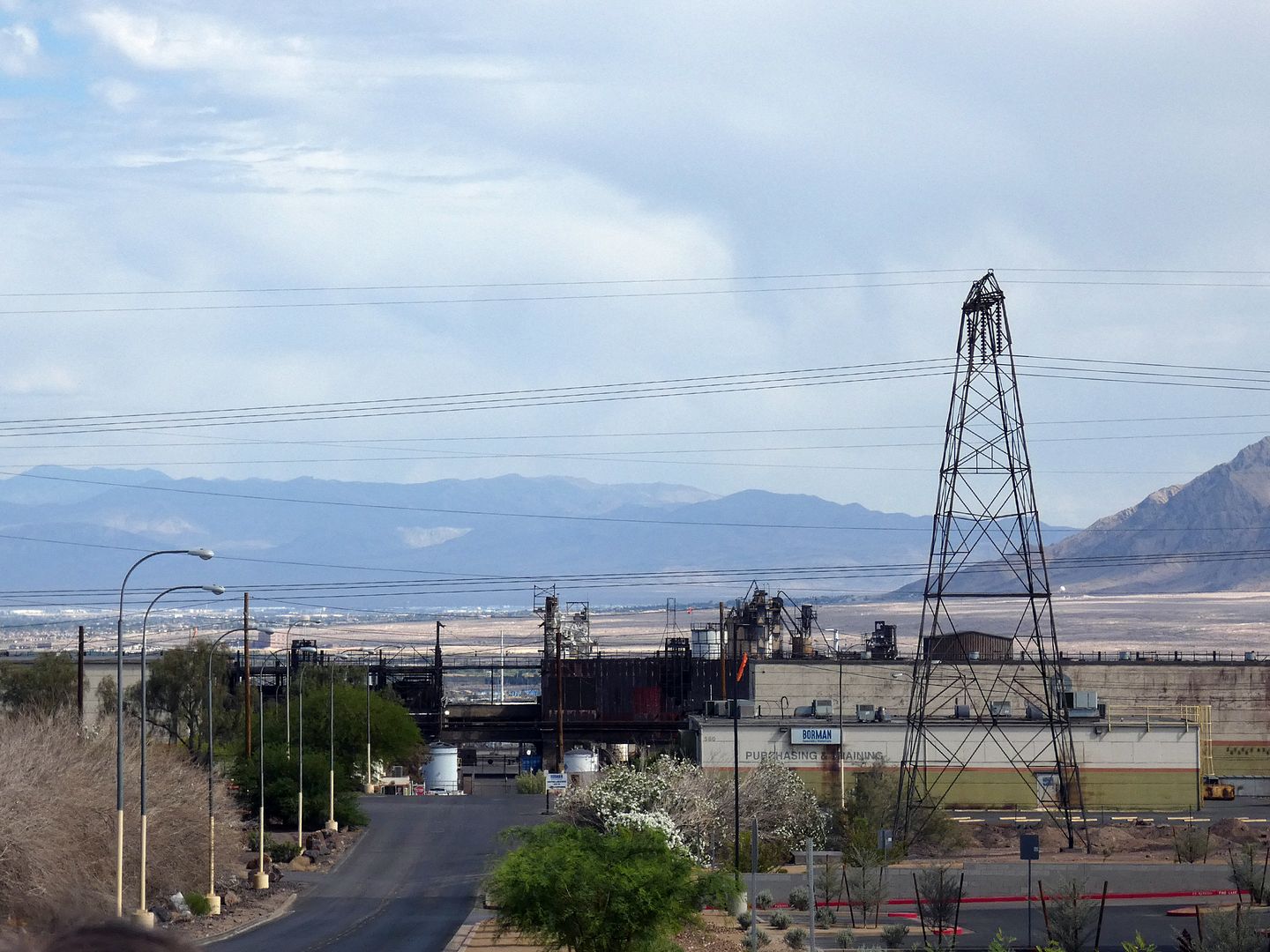
Photo Essay: Nevada's Home of the 'Miracle Metal' That Helped the Allied Forces Win World War II

For as many times as I've visited Las Vegas, I still have a lot to learn about the Las Vegas Valley—and Southern Nevada as a whole. 

That's one of the reasons I like traveling for the annual "Home + History" weekend sponsored by Nevada Preservation Foundation—whose events have taken me to unexpected places on the Strip, just off the Strip, on Fremont Street, and even to nearby Boulder City. 

This year, the one big draw for me was the historic bus tour of Henderson, now Nevada's second-largest city. 

While Boulder City had the Hoover Dam to thank for its founding, Henderson had something completely different: magnesium.

In fact, although Henderson wasn't incorporated until 1953—named after Nevada Senator Charles Belknap Henderson—it began over a decade before that as the "Basic Townsite," home of Basic Magnesium, Inc. (BMI).

And the bus tour I'd driven five and a half hours for, which was co-presented by Nevada Preservation Foundation and Henderson Historical Society, took us through the old BMI plant.


May 06, 2025

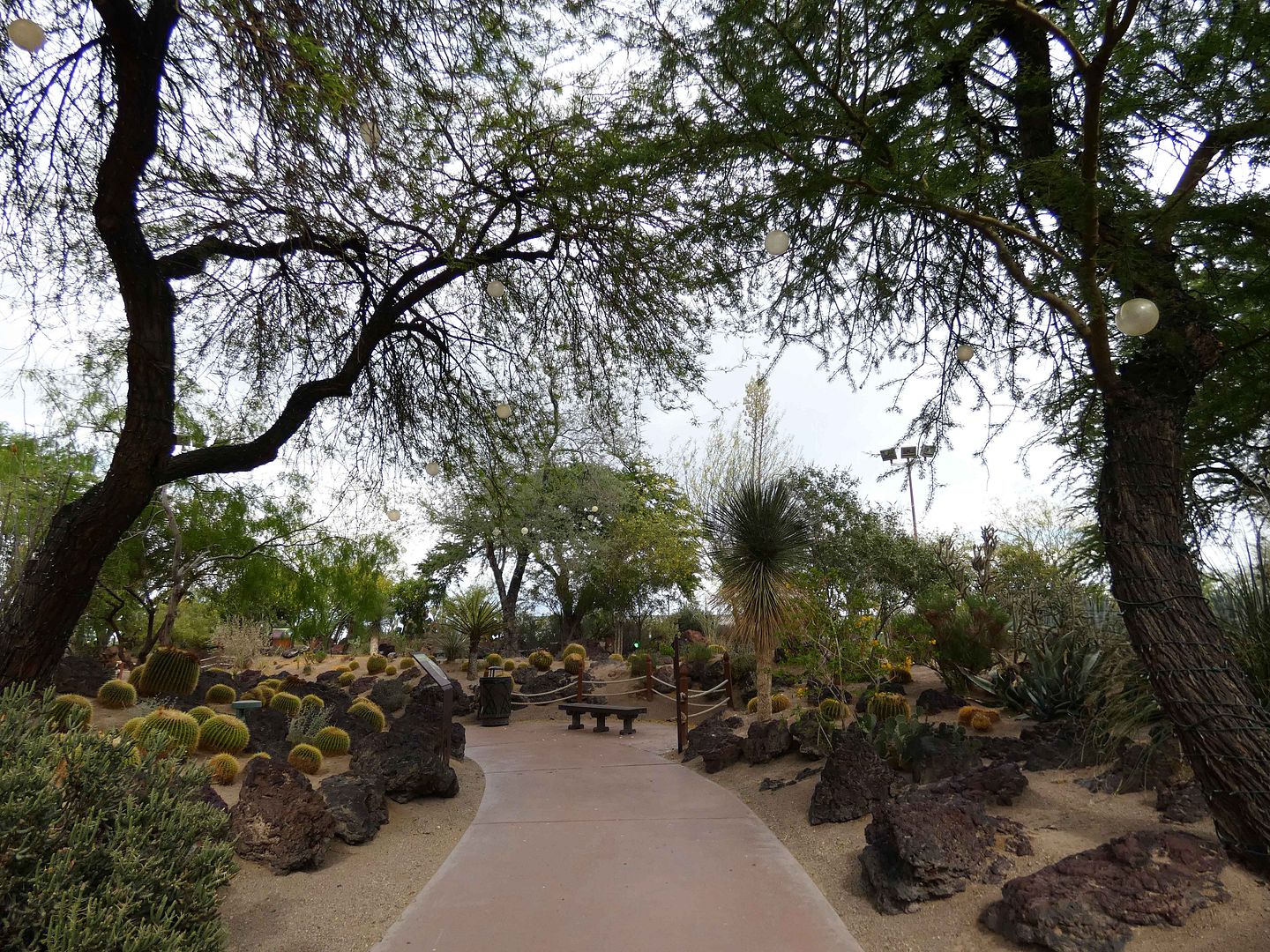
Photo Essay: May Showers Bring Cactus Flowers

"The cacti are probably in bloom around now," my friend said. And until then, it had never really occurred to me to go to the Ethel M. Chocolates Factory Cactus Garden in Henderson, Nevada during the day.

After all, it's so magical at night during the holiday season. What else could there be?

 
But after taking a morning bus tour of Henderson and an afternoon walking tour of the Hoover Dam, I was looking for a little zen on my way back to Vegas. 

December 06, 2024

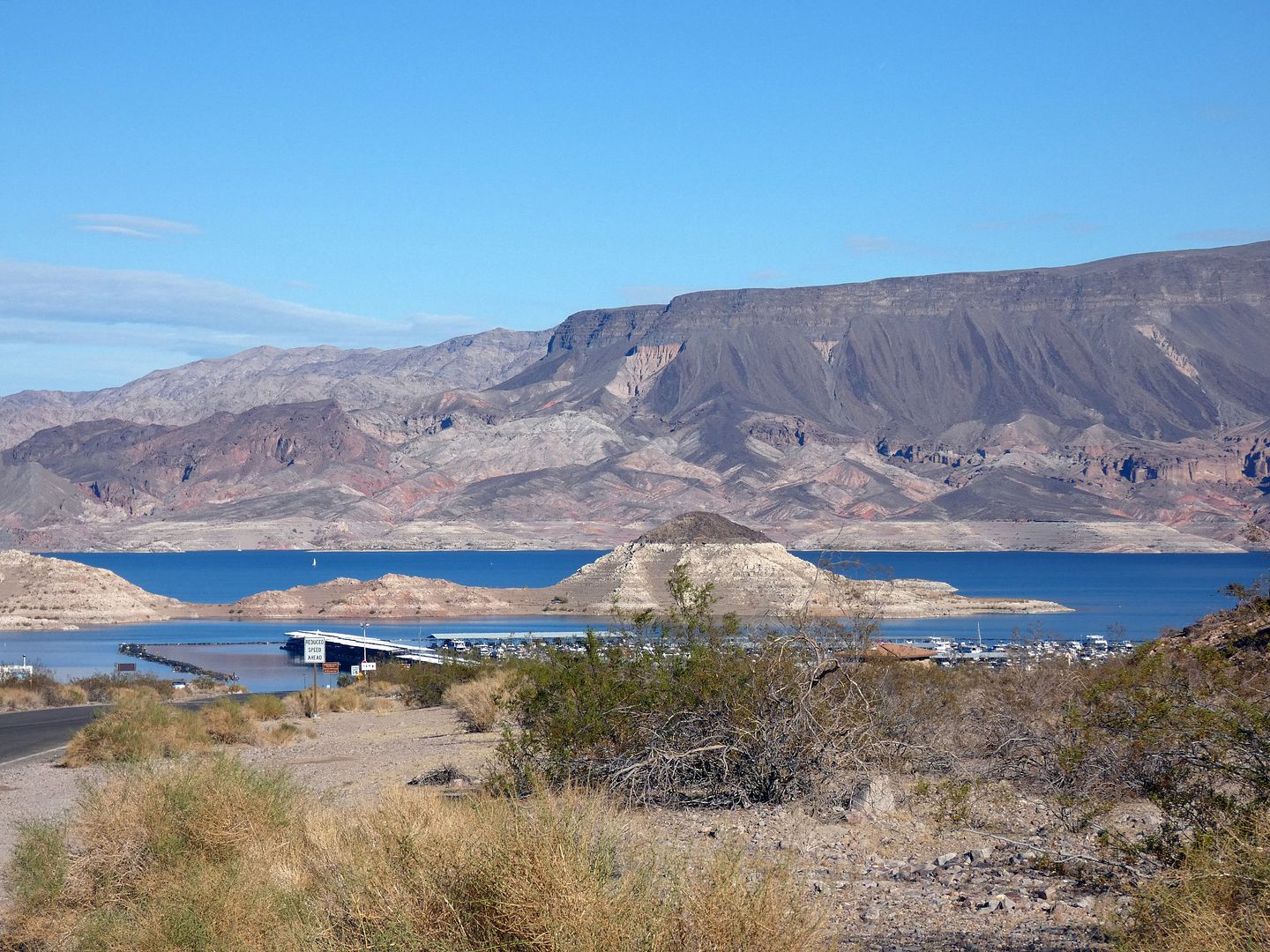
Photo Essay: Cruising Lake Mead on the Desert Princess to the Hoover Dam

Nevada's Lake Mead has been a source of much fascination for me—from the construction of the Hoover Dam (which formed the lake out of the waters of the Colorado River) to the flooding of nearby towns (like St. Thomas).


But while I'd spent some time around the lake—peering at it from a zipline at Bootleg Canyon, hiking around it through decommissioned railroad tunnels, even looking down at it from the dam itself—I hadn't yet had the chance to explore the lake from the lake itself.

December 30, 2022

Photo Essay: What People Were Reading in 2022

I know that the most popular things in life aren't necessarily the best things.

But I also know that some people only really pay attention to what other people already like. 

And if you don't have enough time to read everything on my blog, you might appreciate knowing what other people have been reading.

So once again, here's my ranking of the top posts on Avoiding Regret in 2022, in descending order from most views. 


August 08, 2022

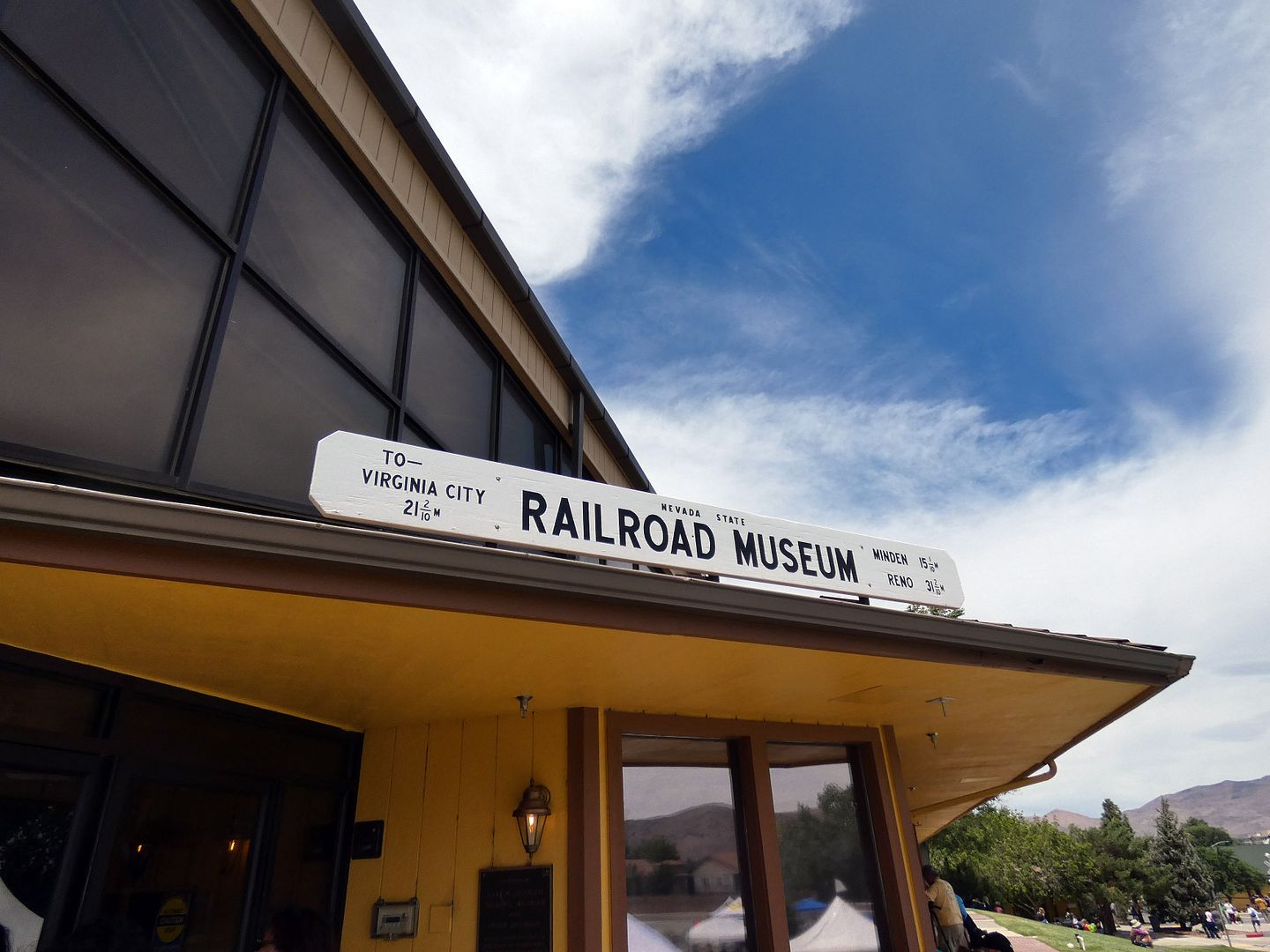
Photo Essay: Celebrating the 150th Anniversary of the V&T Railroad at the Great Western Steam Up

I'd been wanting to visit the Nevada State Railroad Museum in Carson City, Nevada—but there are just too many train museums to visit.  


May 31, 2022

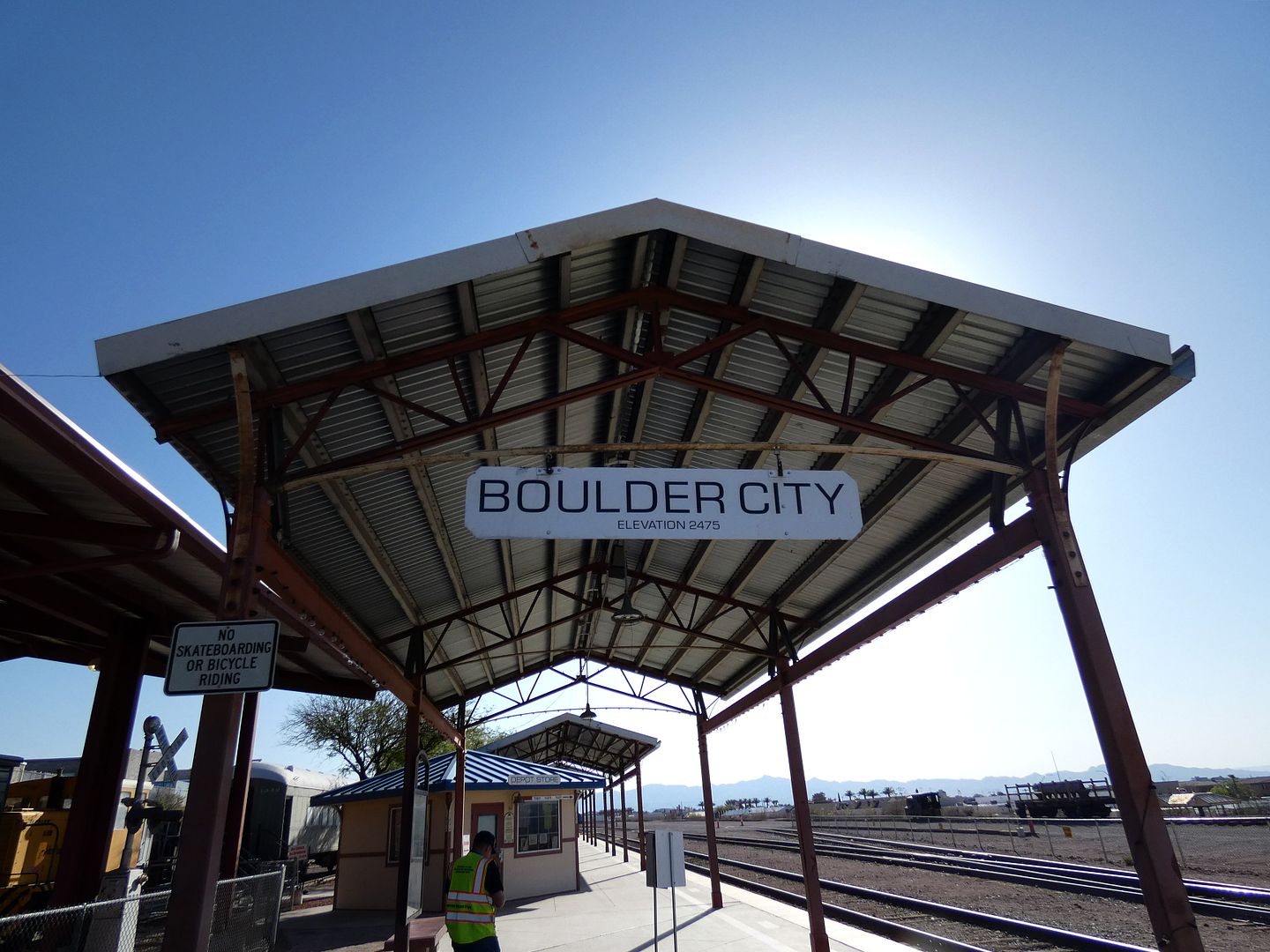
Photo Essay: The Historic Railroad Attraction Along the Tracks That Helped Build the Hoover Dam

One thing I'd wanted to do in Boulder City, Nevada since I first visited there in 2011 was to ride the Nevada Southern Railway at the southern outpost of the Nevada State Railroad Museum (its main outpost being in the state capital of Carson City, and the Nevada Northern Railway being in Ely). 


May 11, 2022

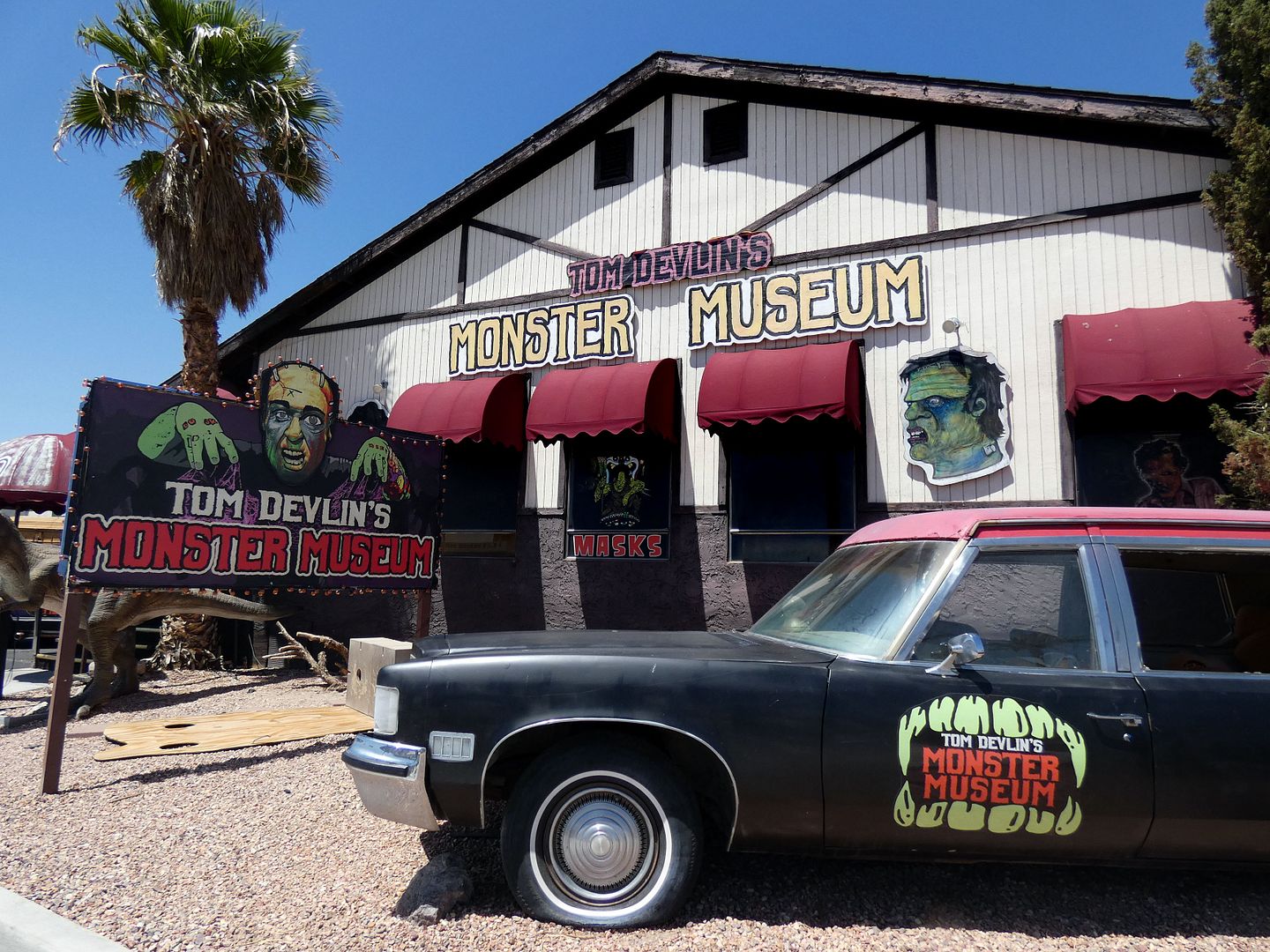
Photo Essay: A Special Makeup Effects Creator's Own Museum of Monsters

Most of the times I've been to Boulder City, Nevada, it's been for ziplining or something related to the Hoover Dam. 

 
But this time around, I managed an early morning visit to the railroad museum (photo essay forthcoming)—with just enough time to visit Tom Devlin's Monster Museum before returning to Vegas. 

December 23, 2019

Top Posts of 2019

If you're new to my site this year, welcome and thank you for taking the time to discover something new through my travels and adventures.

If you're a returning visitor, thanks as always for your loyalty and attention. I read all comments on this blog and on social, as well as all emails that come in (though I may not reply right away).

This site has always been a passion project for me. I have a few Google Ads enabled and just installed a digital "tip jar" to help fund the research that goes into these posts—but my blog was never meant to become a business on its own.

I am, however, grateful that it's become a powerful online portfolio of my work, which has led to a longstanding gig as "SoCal Wanderer" for KCET in addition to occasional contributions to the public media company's "Lost LA" and "Artbound" columns.

Some challenges this year—at least, on the technical side—included the permanent shutdown of Google+ in April (which really negatively impacted my traffic from both social and organic search) and the Photobucket power outage at the end of December that rendered nearly all of my images temporarily broken.

Regardless, I think 2019 was a good year for both writing and photography, so I'm proud to share the Top 10 posts of the year (for now, without photos):

  1. The Worst of the Superbloom, At Walker CanyonMy heart sank. "People are the worst," I thought, as I climbed higher and away from the crowds.
  2. The Tam O'Shanter: The Storybook Inn That Fed Walt Disney (And His Imagination)Disney animators used to eat there so often, they nicknamed it "the studio commissary."
  3. Photo Essay: Inside the Fence at Surfridge Ghost Town, LAX AdjacentIt's nice to see something good come out of something bad for once.
  4. Photo Essay: The Forgotten Highway Between LA and BakersfieldIt's actually not that easy to follow the entirety of the Old Ridge Route because, like Route 66, its alignment did change—and portions of it were even buried with the construction of the California Aqueduct.
  5. Lost Spirits: The Disneyland of Distilleries (After the Fire)Some things are never really lost, if you can clone them later on.
  6. Photo Essay: The Warehouse Restaurant, A Marina Eatery for 50 Years and CountingOnce a celebrity hangout, The Warehouse appears to be in the capable hands of its current owners, who bought the business in 1996.
  7. Banned from Boeing? Post-Woolsey Fire Edition (Updated)Boeing couldn't possibly be blacklisting me because they didn't want journalists showing up, could they?
  8. Photo Essay: The Town That Built The Hoover DamIf you were going to build something big—really big—in the middle of nowhere, you couldn't expect your workforce to commute.
  9. Reenacting Western Migration, On the Brutal Stagecoach Route Between LA and San DiegoBy all reports, the journey was, quite simply, treacherous—replete with annoyances, discomfort, and plenty of hardship. 
  10. Photo Essay: Riding the Tijuana-Tecate Tourist Train, Upon the 100th Anniversary of "The Impossible Railroad"
    The Tren TurĂ­stico is for tourists like me—and it no longer freely crosses back and forth across the U.S.-Mexico border.

I used to set a goal for myself of writing a new post every other day—or, on average, 15 a month, or about 180 a year.

I achieved that goal every year from 2011-15, and came up just a little bit short in 2009-10 and 2016-18.

This year, I had to revise my goal to 2 or 3 posts per week, or somewhere around 100-150 posts for the year. I'm going to come somewhere within that range, though it still feels like I'm falling way short.

If you're hungry for more content than that, I've got a lot of past posts that I continue to update as needed. You can start with my Top Posts of All Time and then move on to the prior years' Top Posts, below.

Related Posts:

Photo Essay: Top Posts of 2018
Photo Essay: Top Posts of 2017
Photo Essay: Top Posts of 2016
Photo Essay: Top Posts of 2015
Photo Essay: Top Posts of 2014
Photo Essay: Top Posts of 2013
Photo Essay: Top Posts of 2012

May 15, 2019

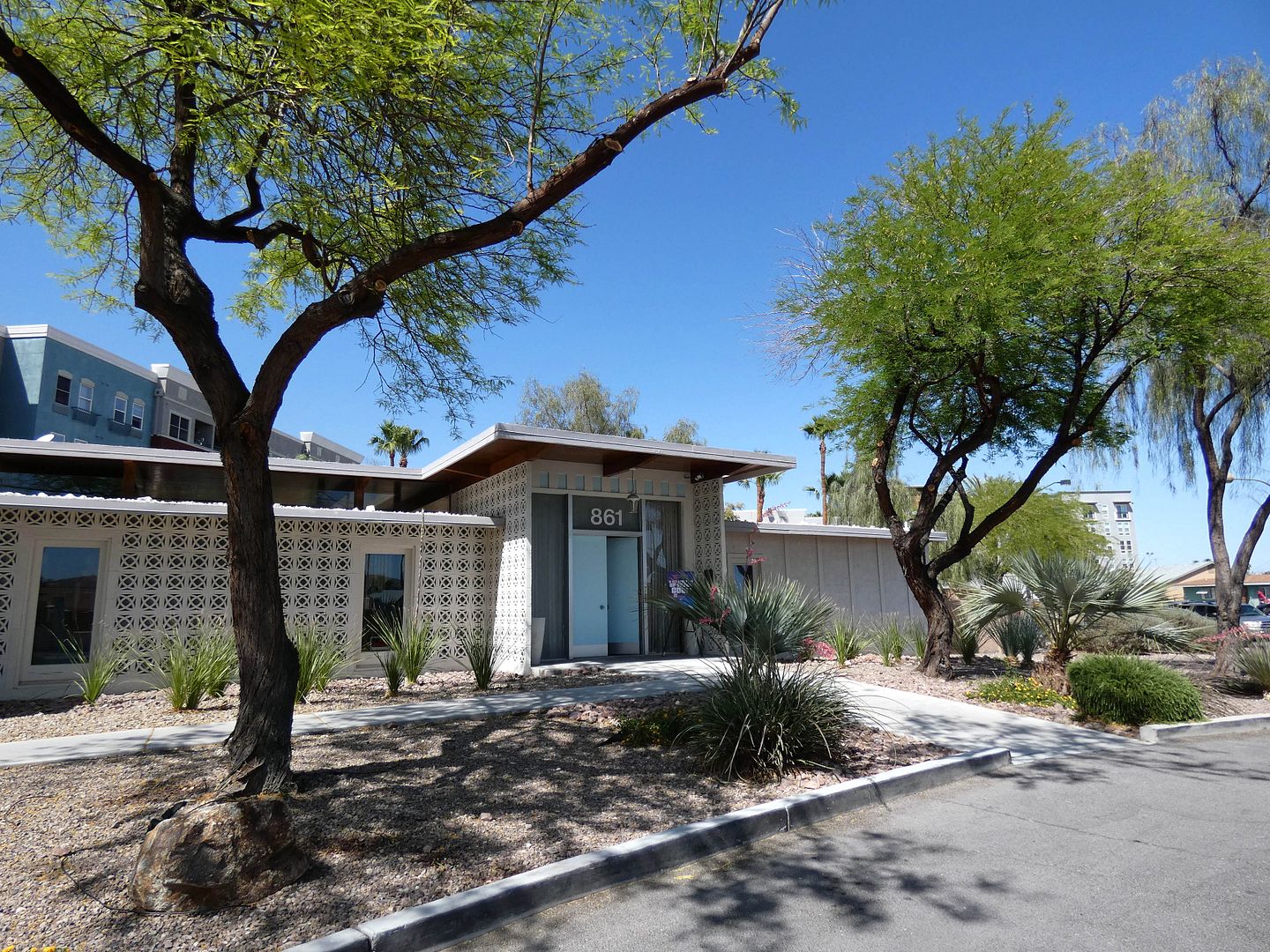
Photo Essay: The Town That Built The Hoover Dam

If you were going to build something big—really big—in the middle of nowhere, you couldn't expect your workforce to commute.

You'd have to build a town for them to live in—and ideally, people would want to live there even after construction had ceased.


And that's exactly what happened with Boulder City and the construction of the Boulder Dam, which was completed in 1936 and renamed the Hoover Dam in 1947.


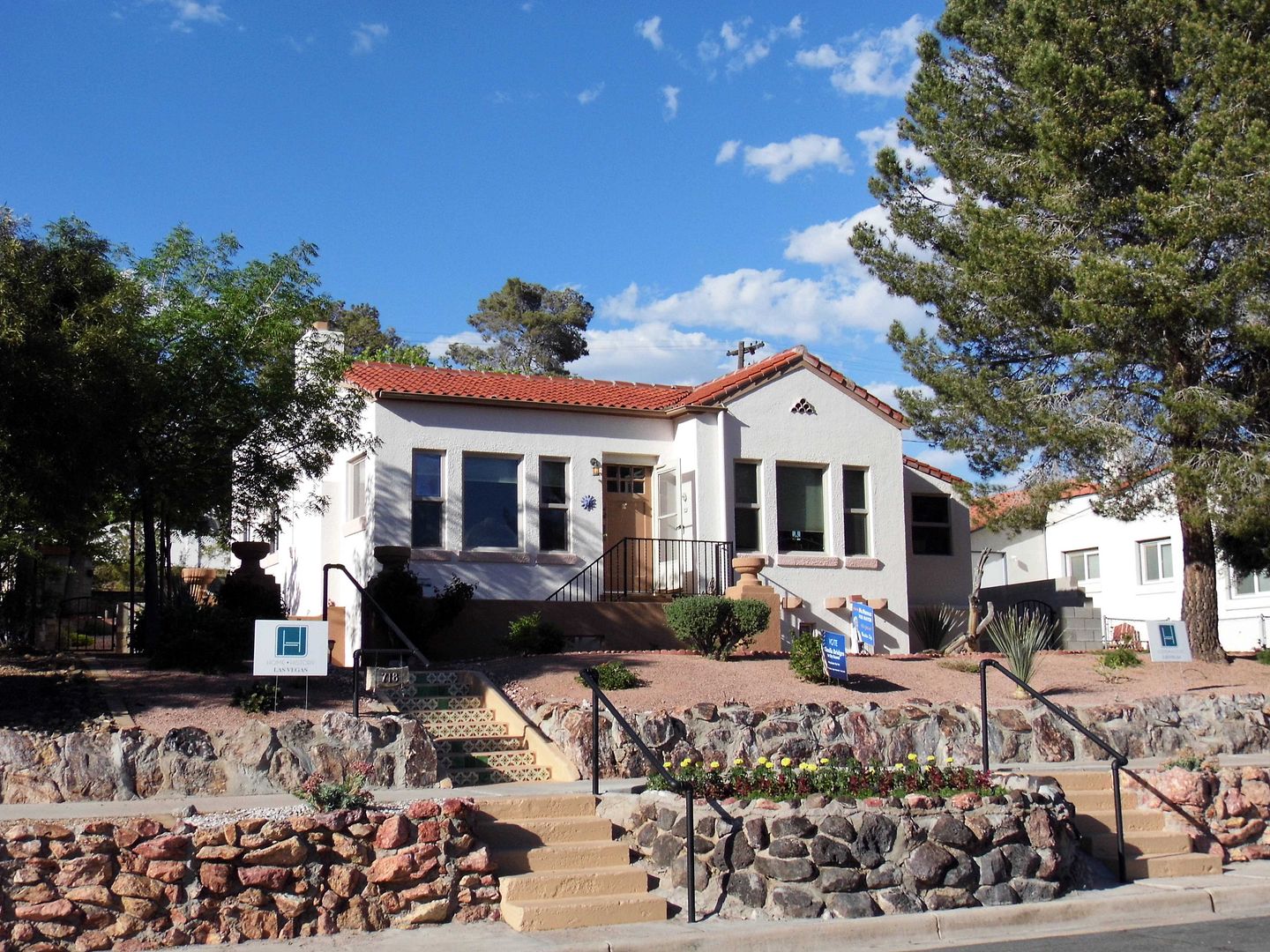
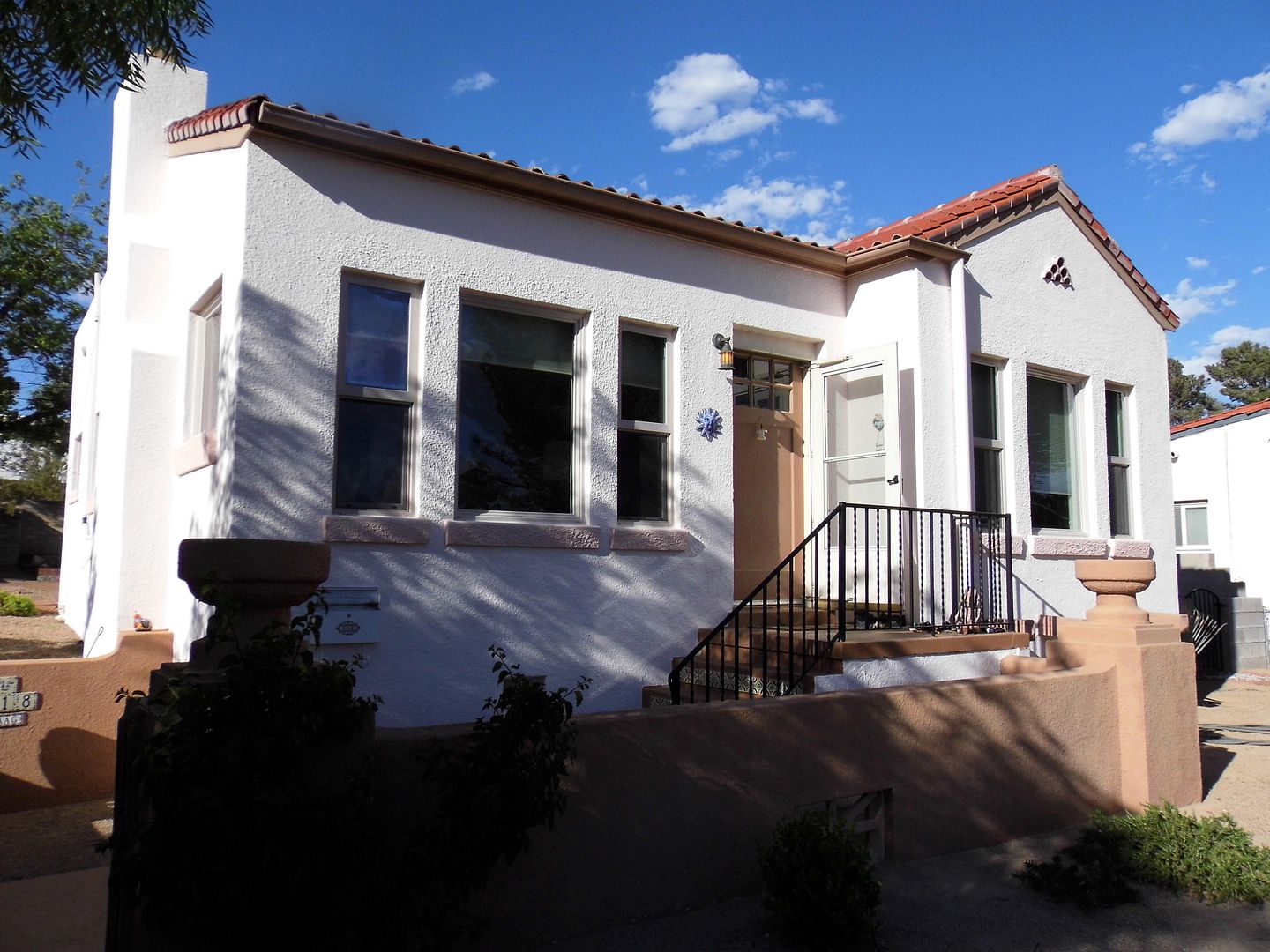
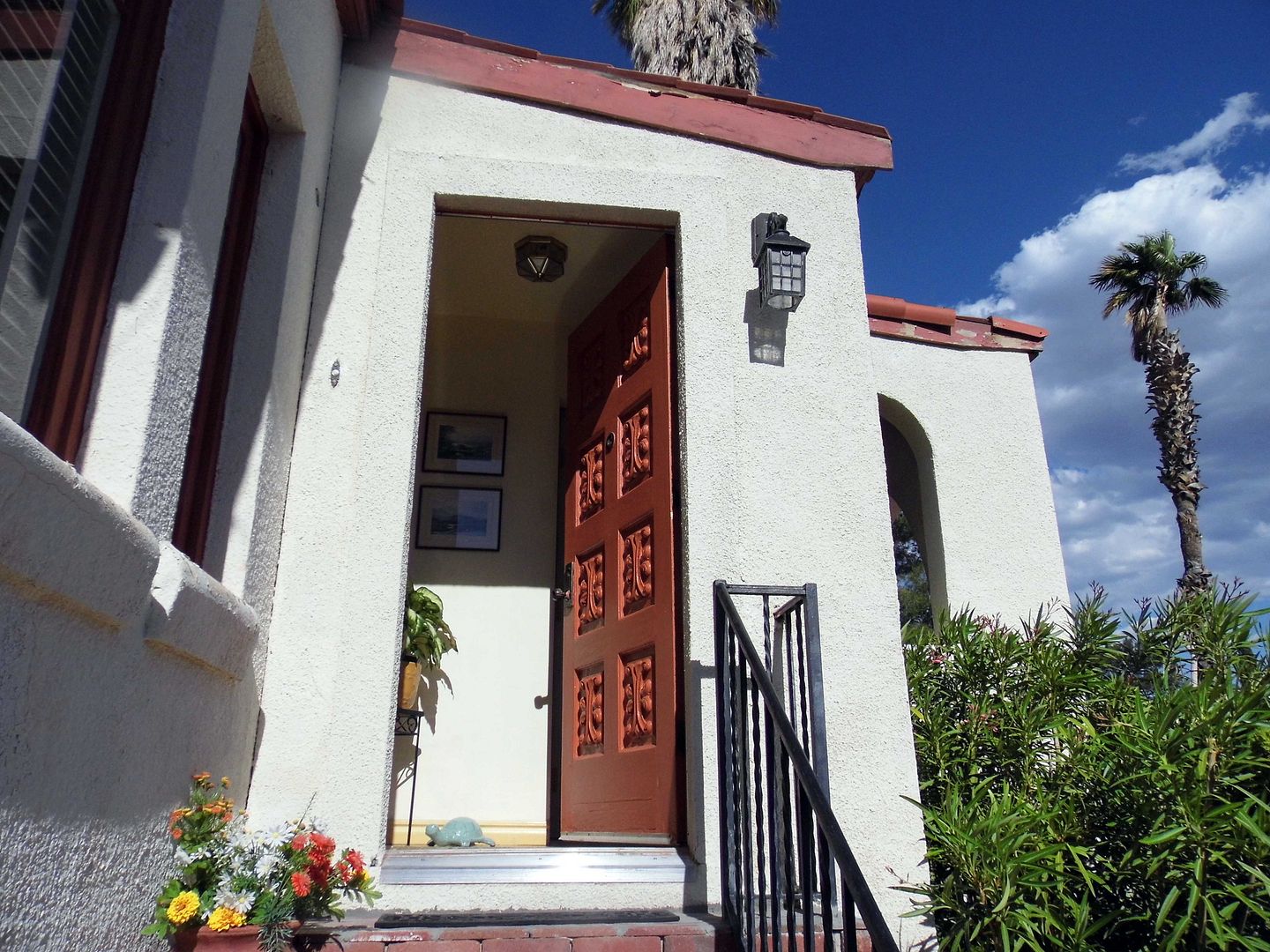
The U.S. Bureau of Reclamation constructed employee housing—putting single dam workers in dormitories and family men in newly-constructed houses. Mid-level managers (including high-ranking employees and field engineers) ended up in stucco single-family homes, many of which were built in 1931.


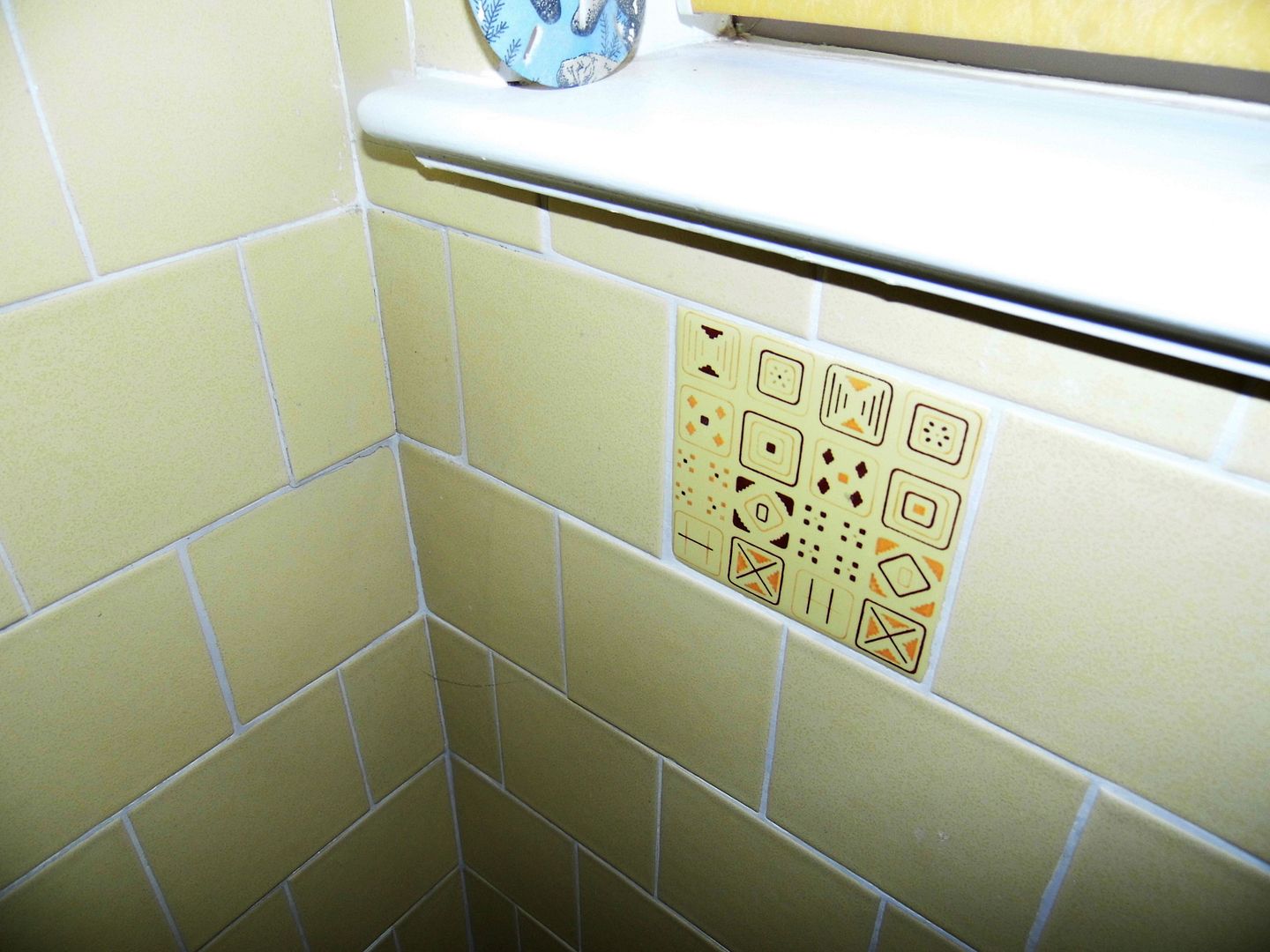
Eventually, ownership of this formerly federally-controlled housing turned over to private citizens—many of whom have kept original features like bathroom tile intact.


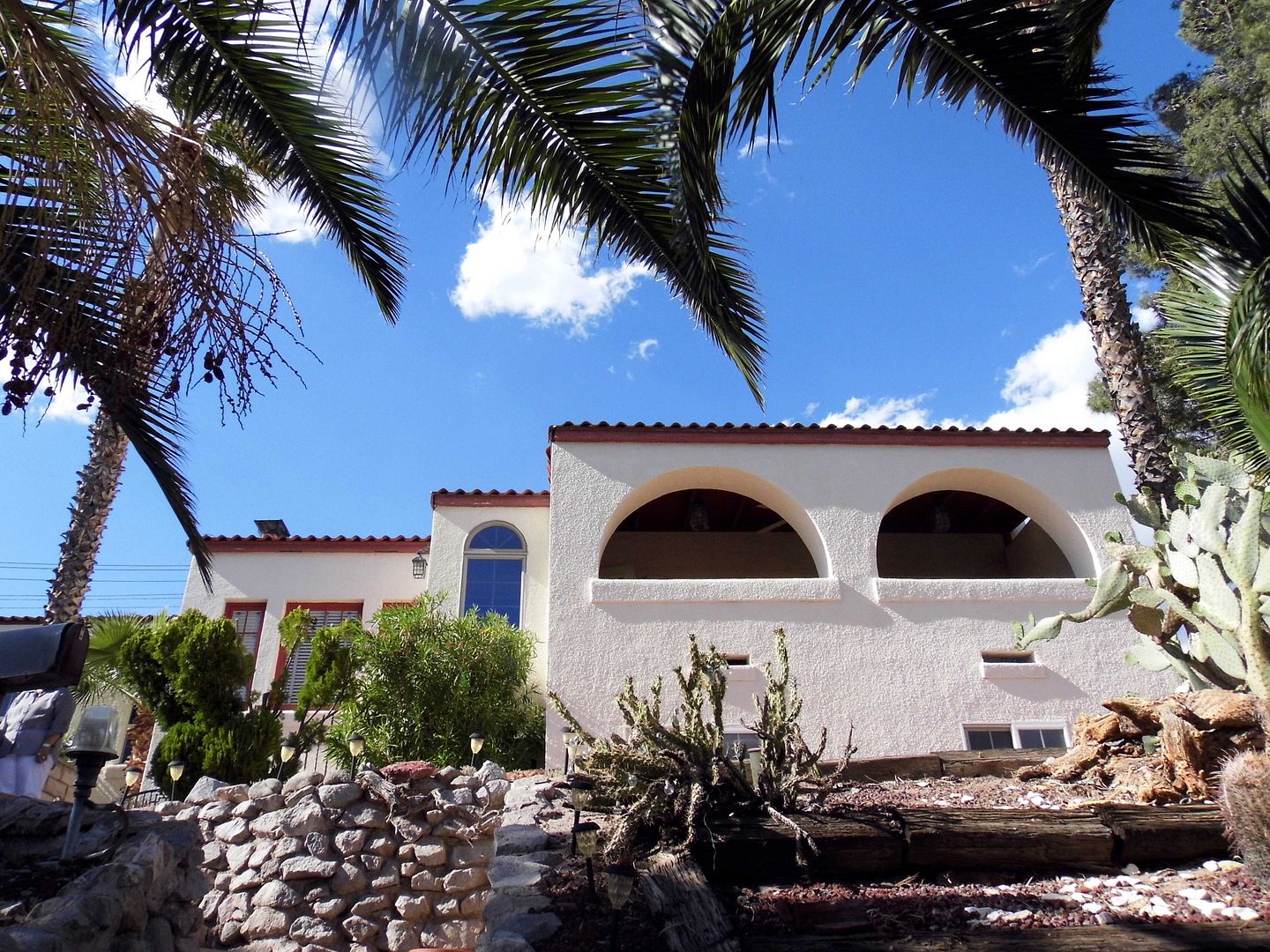
Others have built their houses out—for example, adding a steep terraced garden and arcaded porch to a "twin" 1931 stucco home that once had the same floorplan, built for dam electrician Ervin Aril ("E.A.") Felts and his wife Macie Pynes Felts.


It was thanks to the Nevada Preservation Foundation's Home and History Tour—and its expansion from Vegas into Boulder City—that we got to take a peek inside some of the dam workers' former living spaces.


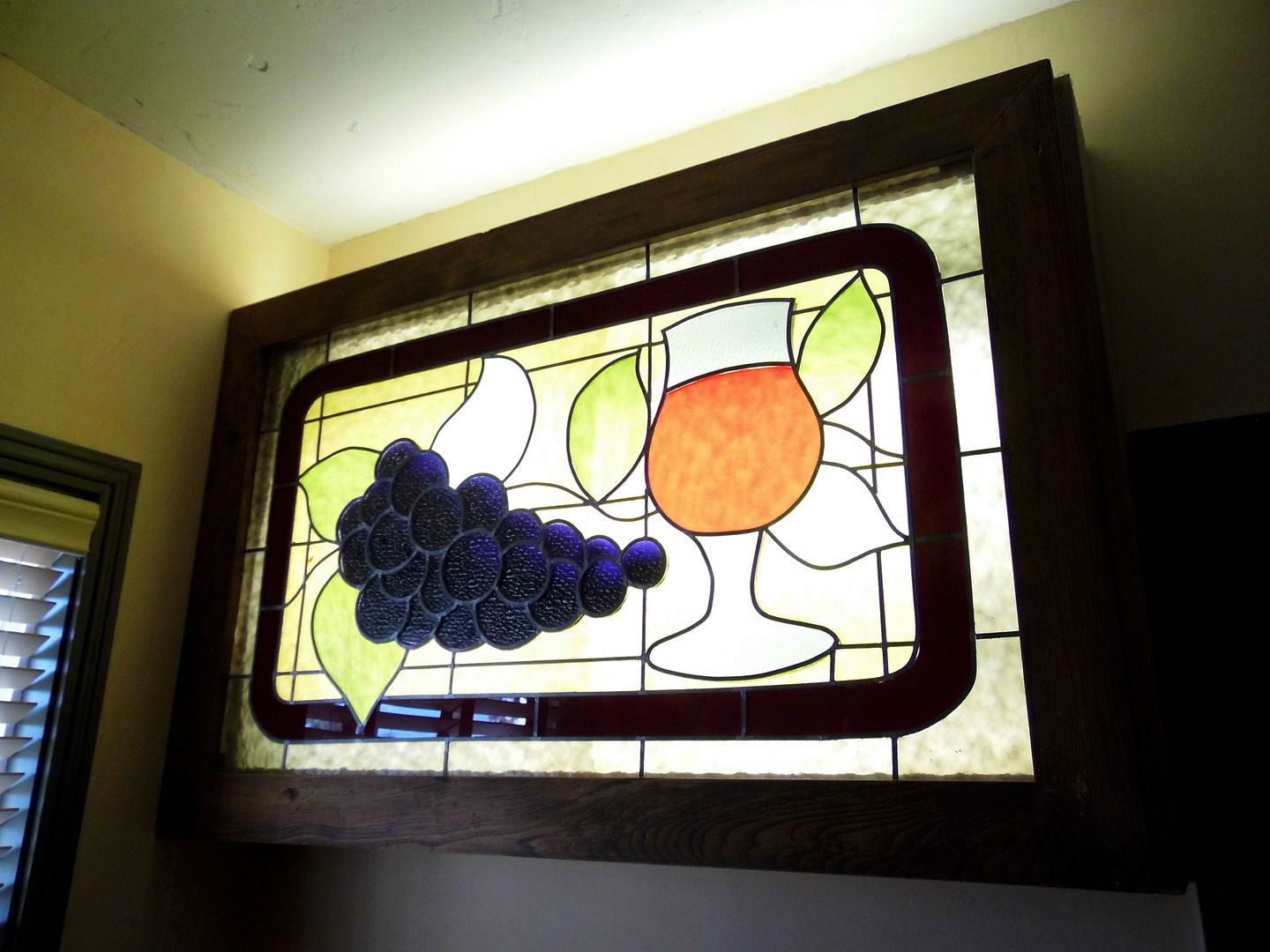
One homeowners even salvaged a stained glass window from the bar of the Boulder Hotel and put it up in a small dining area.


Although the assignment would eventually come to an end, the housing was built to be permanent—some of it quite nice, even by today's standards—as part of an ideal or "model" city.


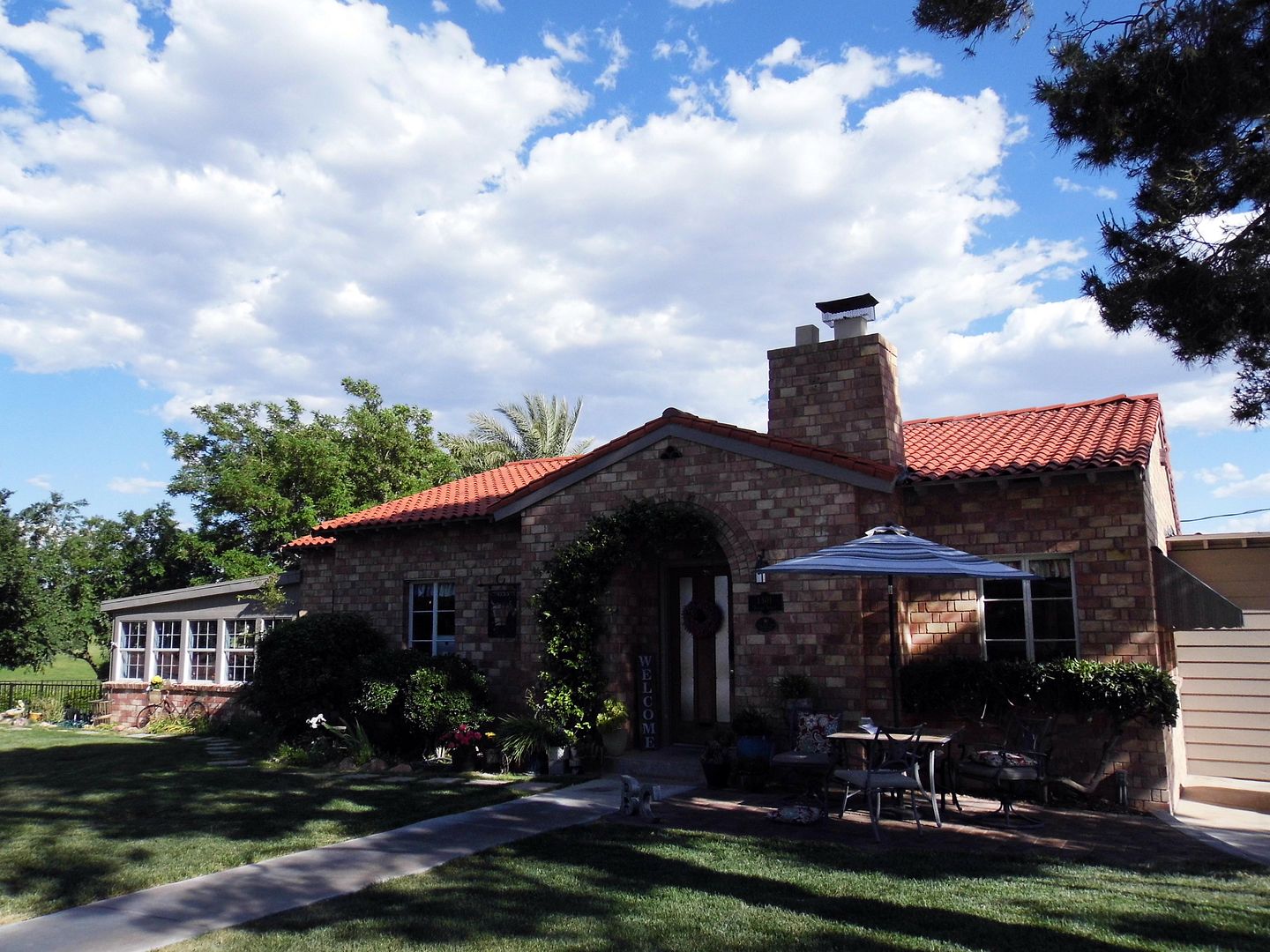
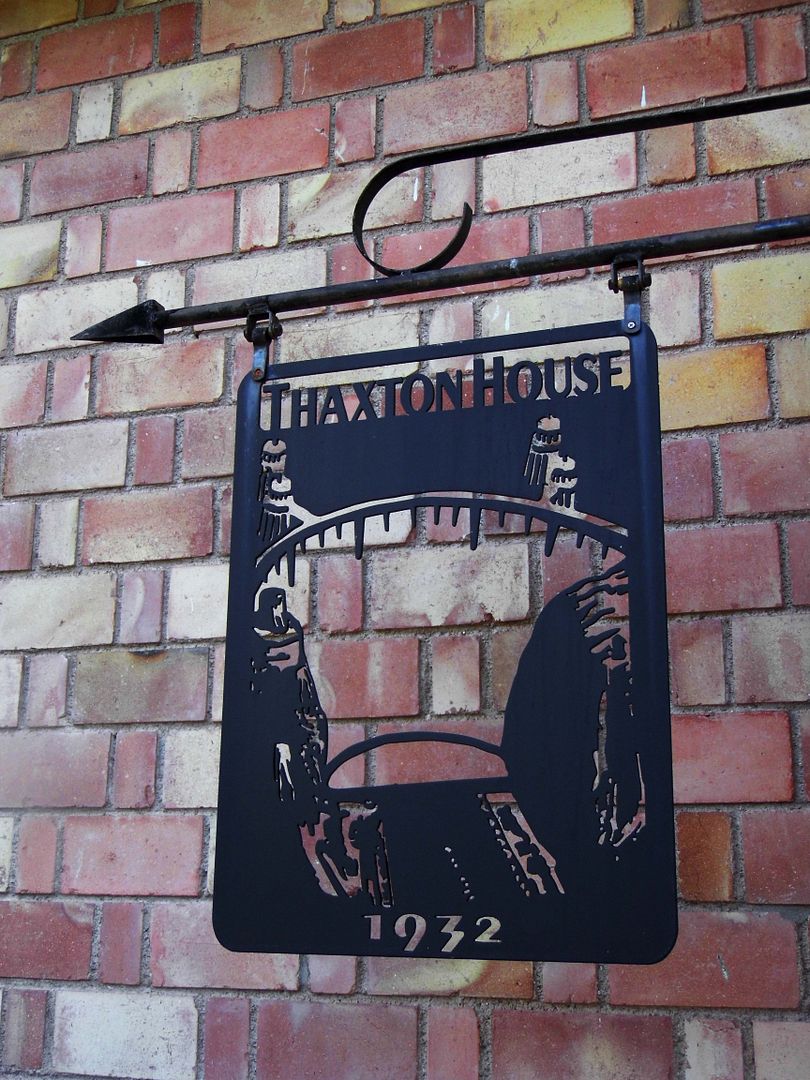
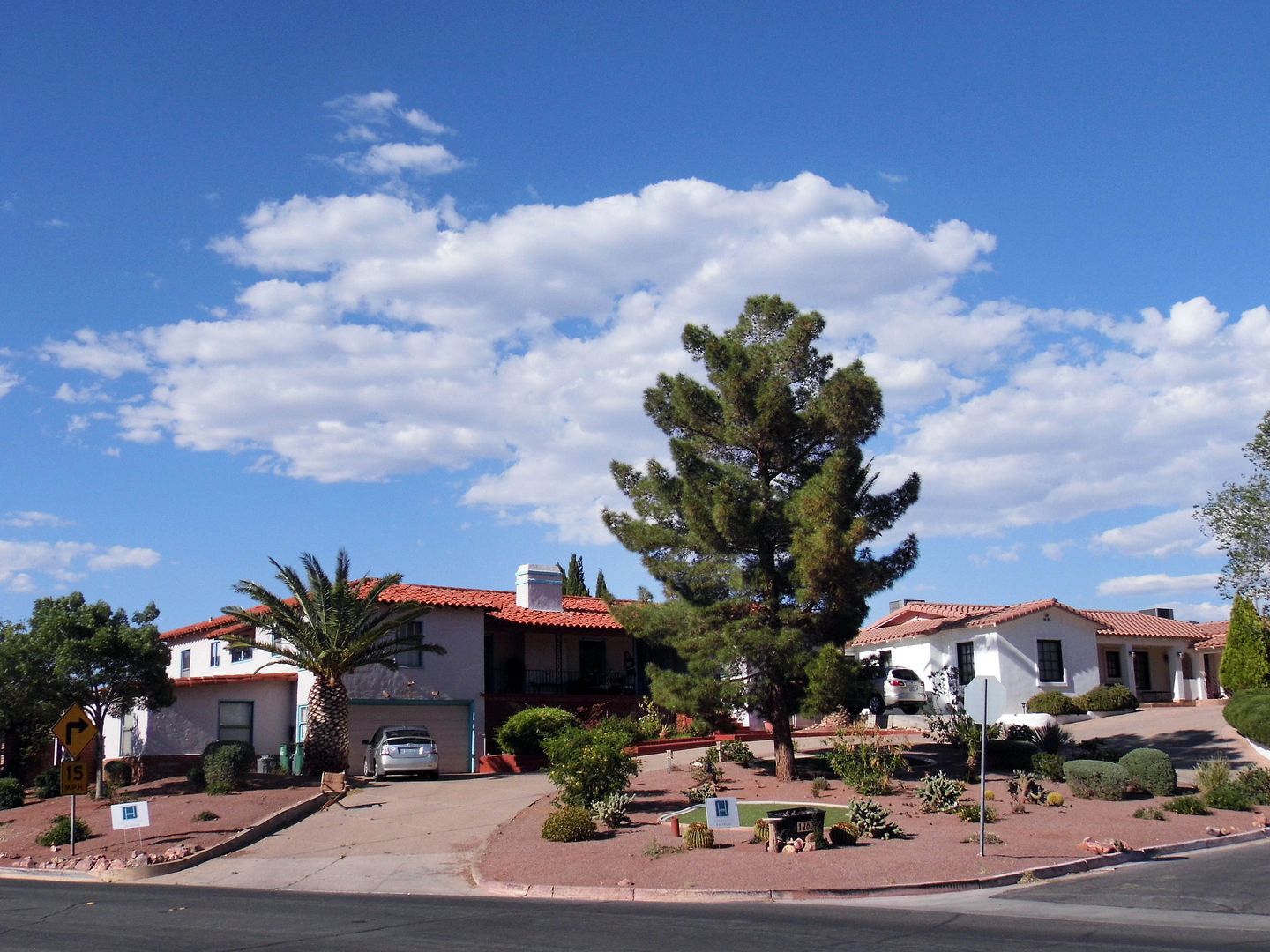
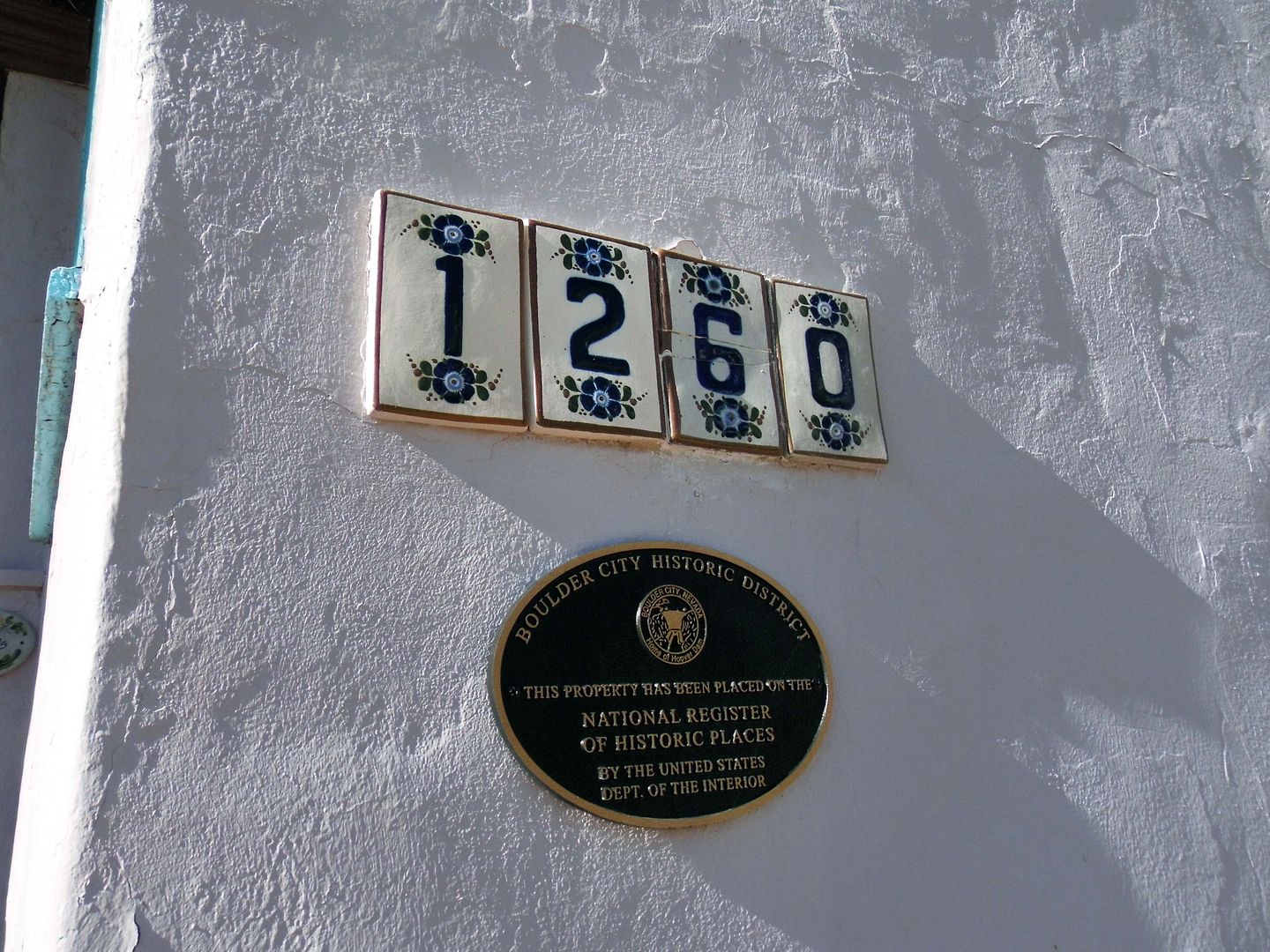
In 1932, an Eclectic Revival-style home with decorative rowlock brick was built as "executive class" housing for U.S. Reclamation Service Engineer Rufus C. (or "R.C.") Thaxton.


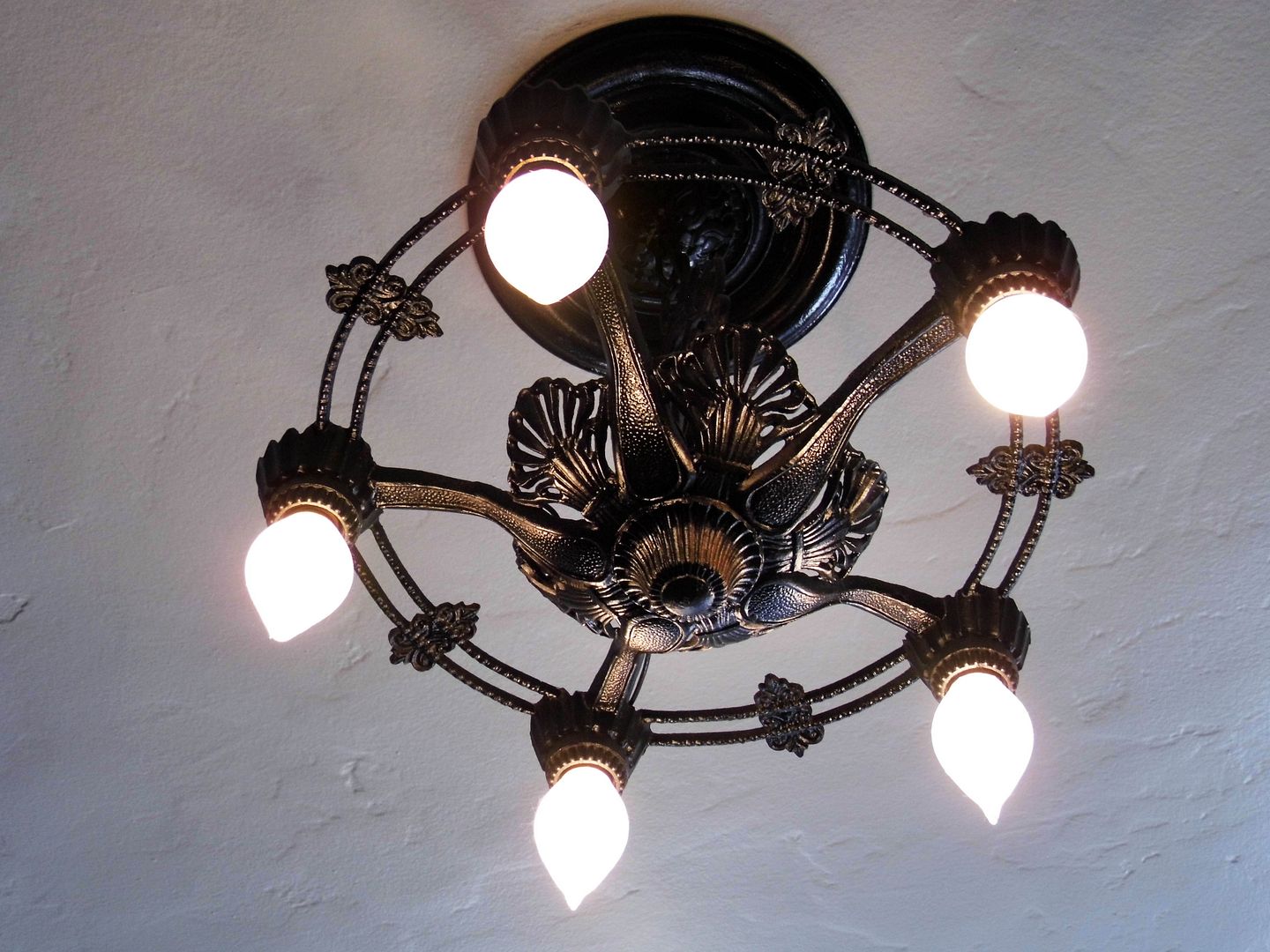
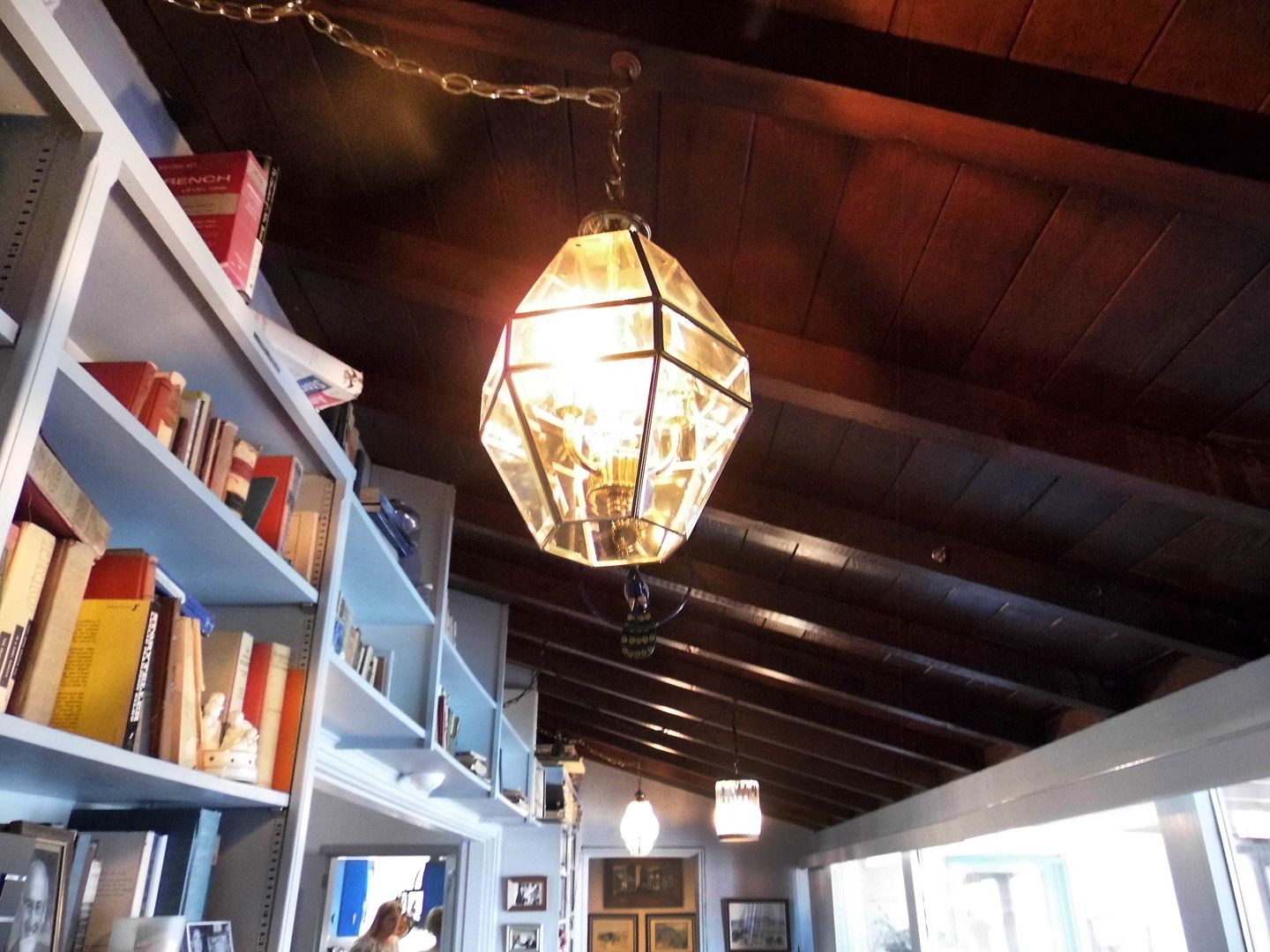
Its ceiling fixtures are still original...


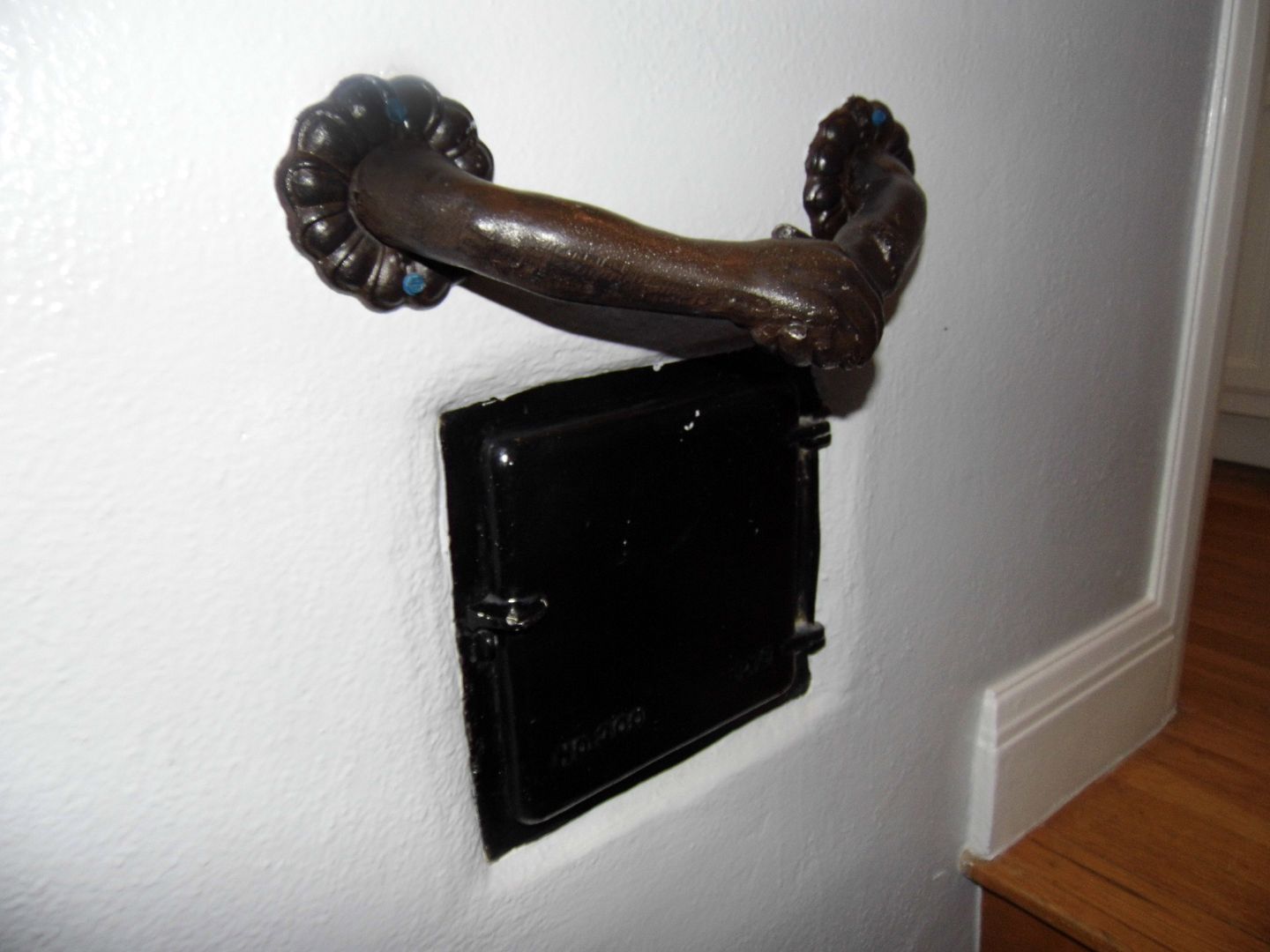
...and you can find an old milk door along the wall in the stairwell leading down to the basement.


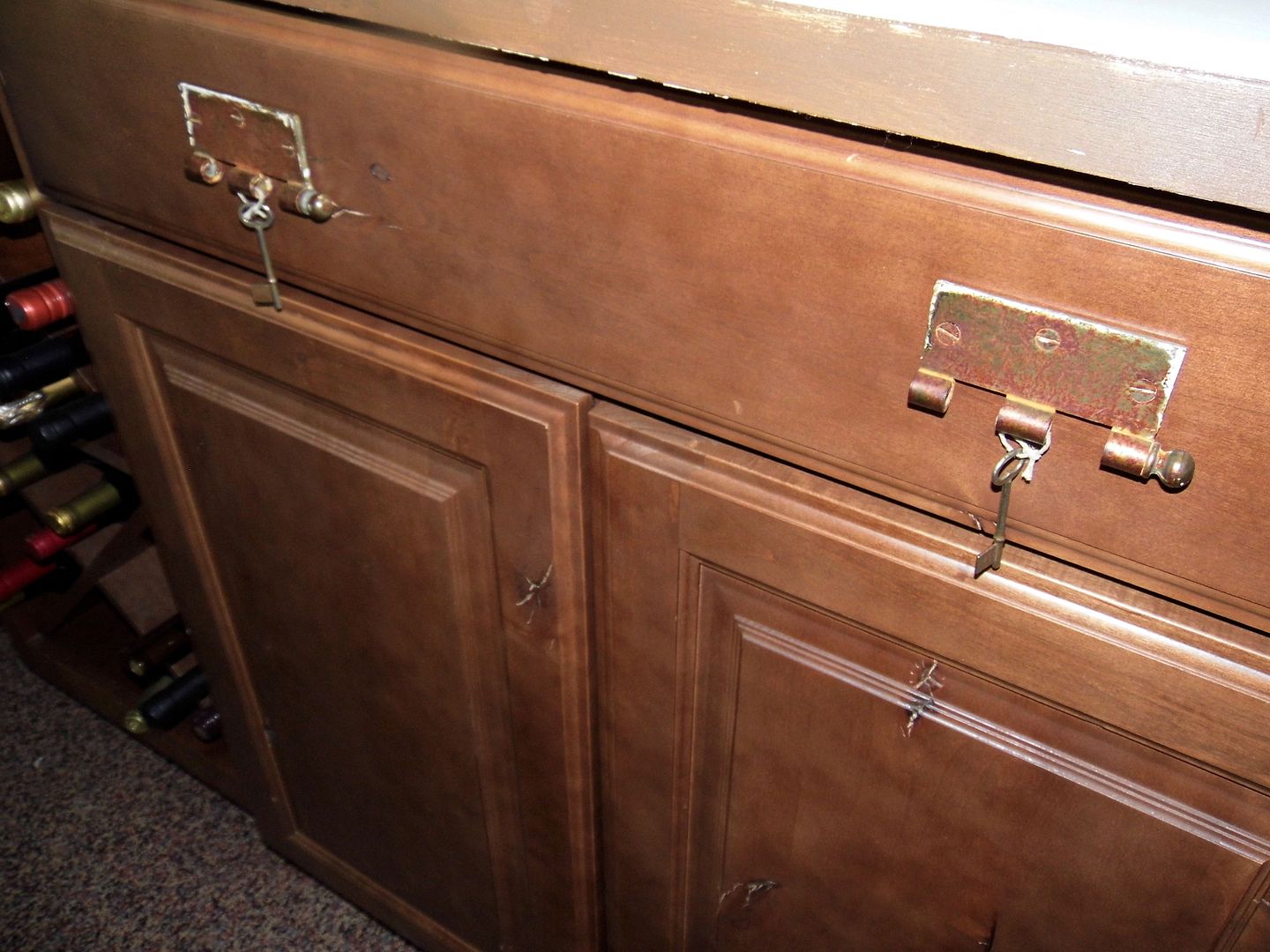
The current owner has created new furniture and cabinetry made from reclaimed materials—including doors, hinges, locks, and hooks—to preserve the original character of the home while making her own mark on it.


The first private Boulder City residence—that is, not built, owned, or otherwise controlled by the U.S. government—came a year after dam construction ceased. (Though, the feds didn't relinquish control over Boulder City until 1959.)


The Spanish Colonial Revival-style home was built in 1937 for Charles (or "C.H.") Cady, who'd invested a bunch of money in creating a tourist empire surrounding the newly opened dam, but then died in 1942 before he could reap all the benefits.


Between the wood beam ceilings...


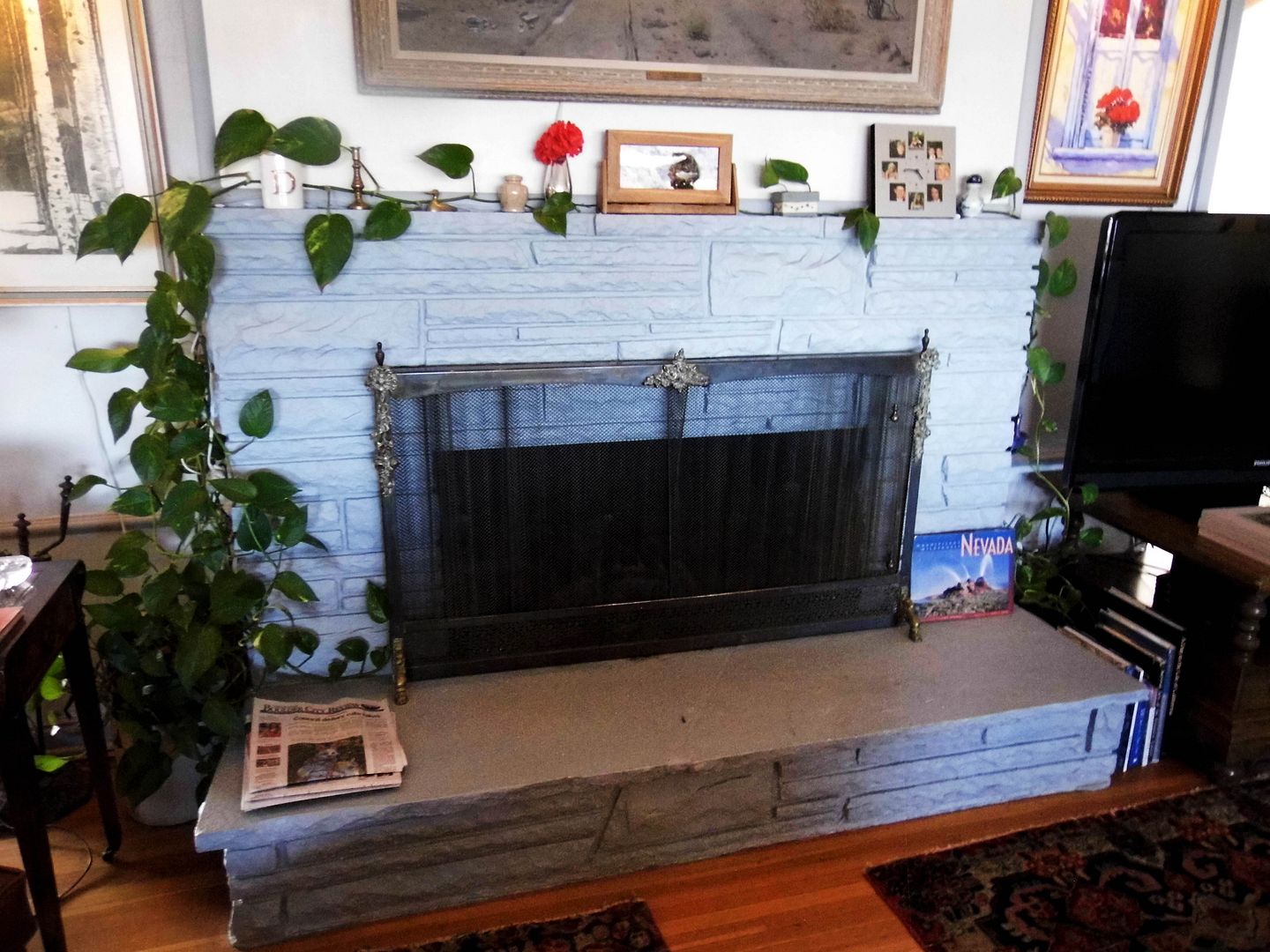
...original fireplace...


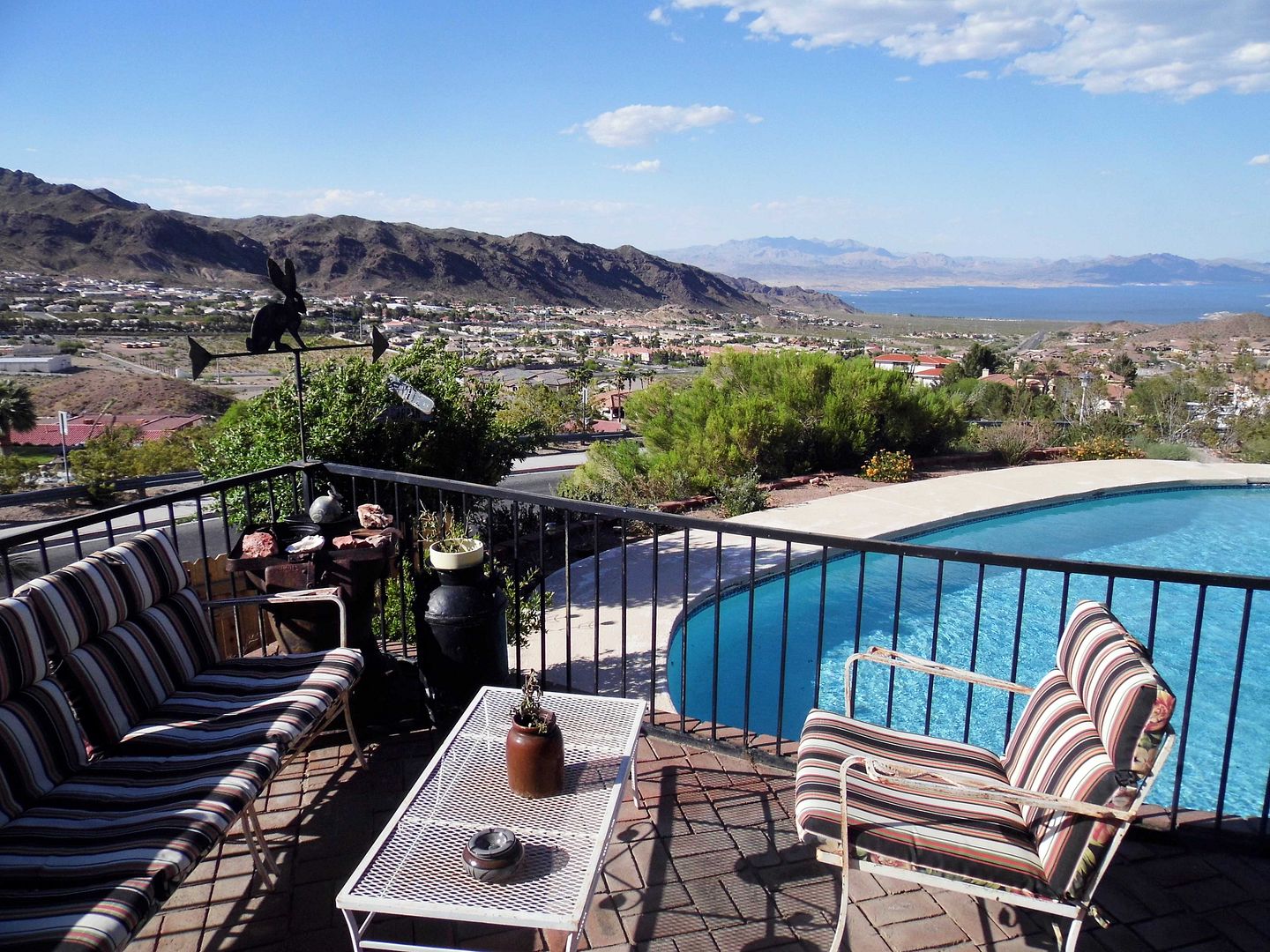
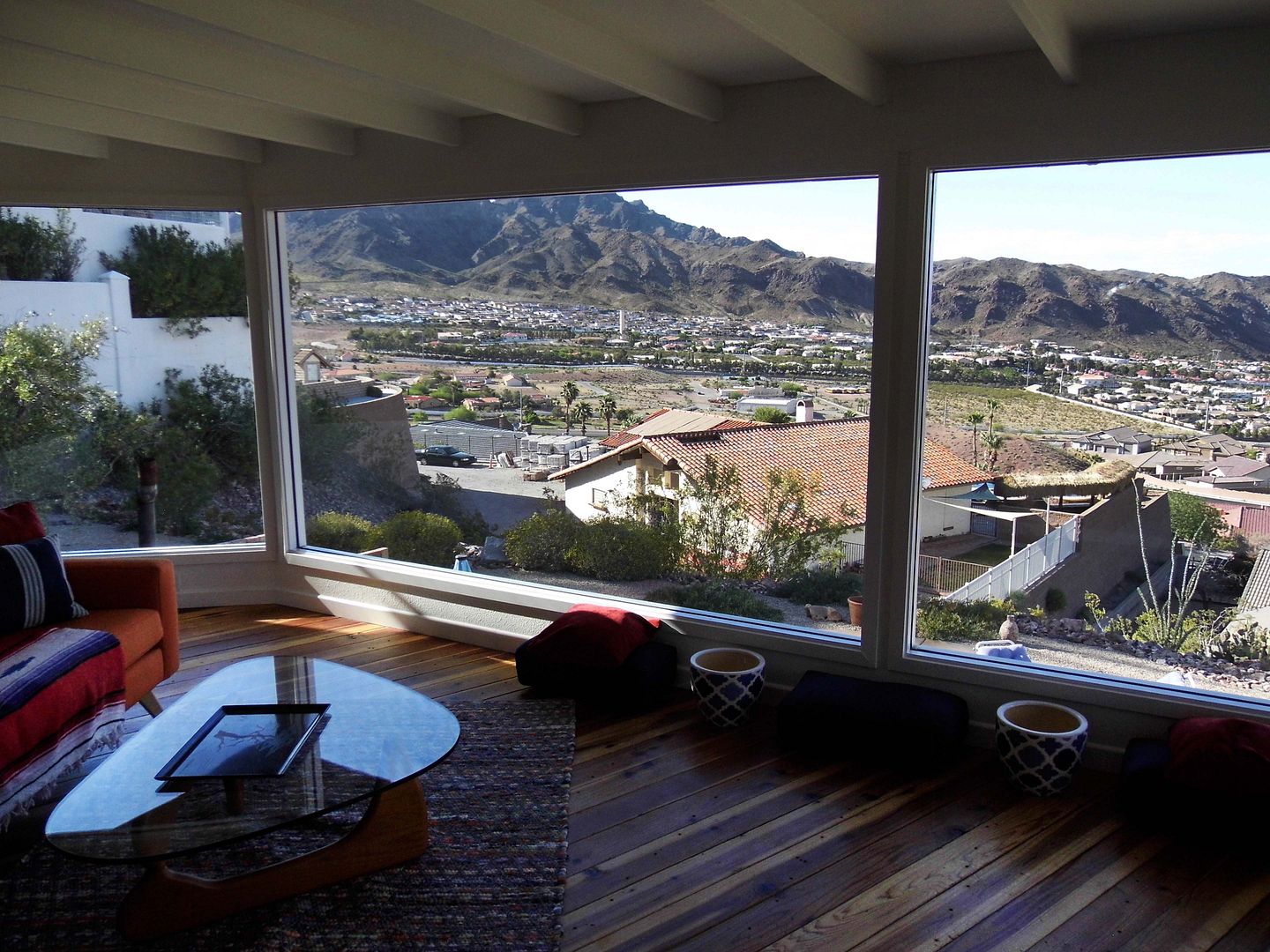
...and gasp-worthy view, this national historic landmark has a certain timeless appeal.


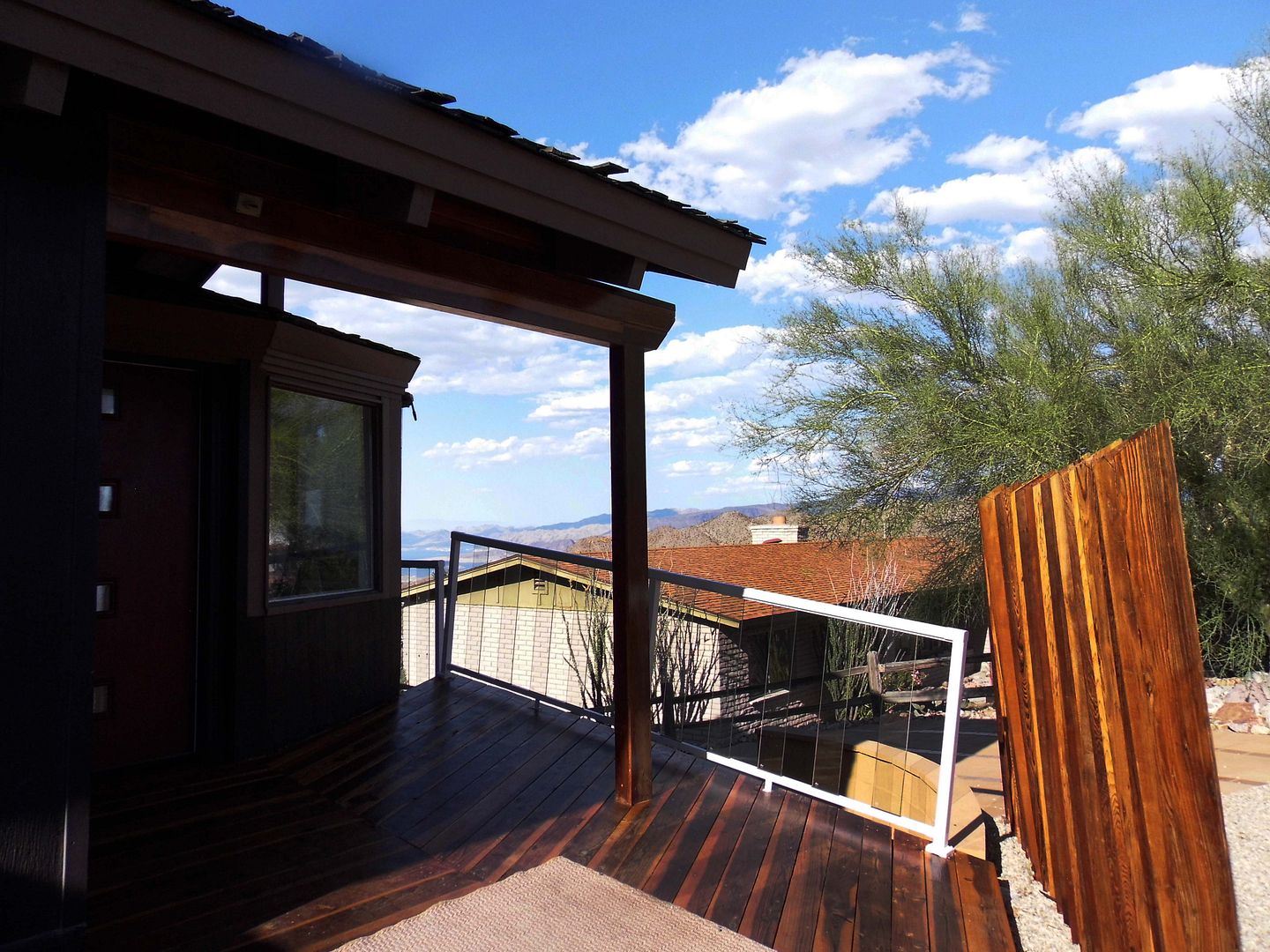
Perhaps more polarizing is its neighbor, the 1970 modernist retirement home of Cliff Segerblom (the Bureau's first PR photographer) and his wife, Gene Wines Segerblom.


Another private residence, it also features wood beam ceilings and that spectacular view.


But there are fewer traces of Boulder City's history as a dam workers townsite...


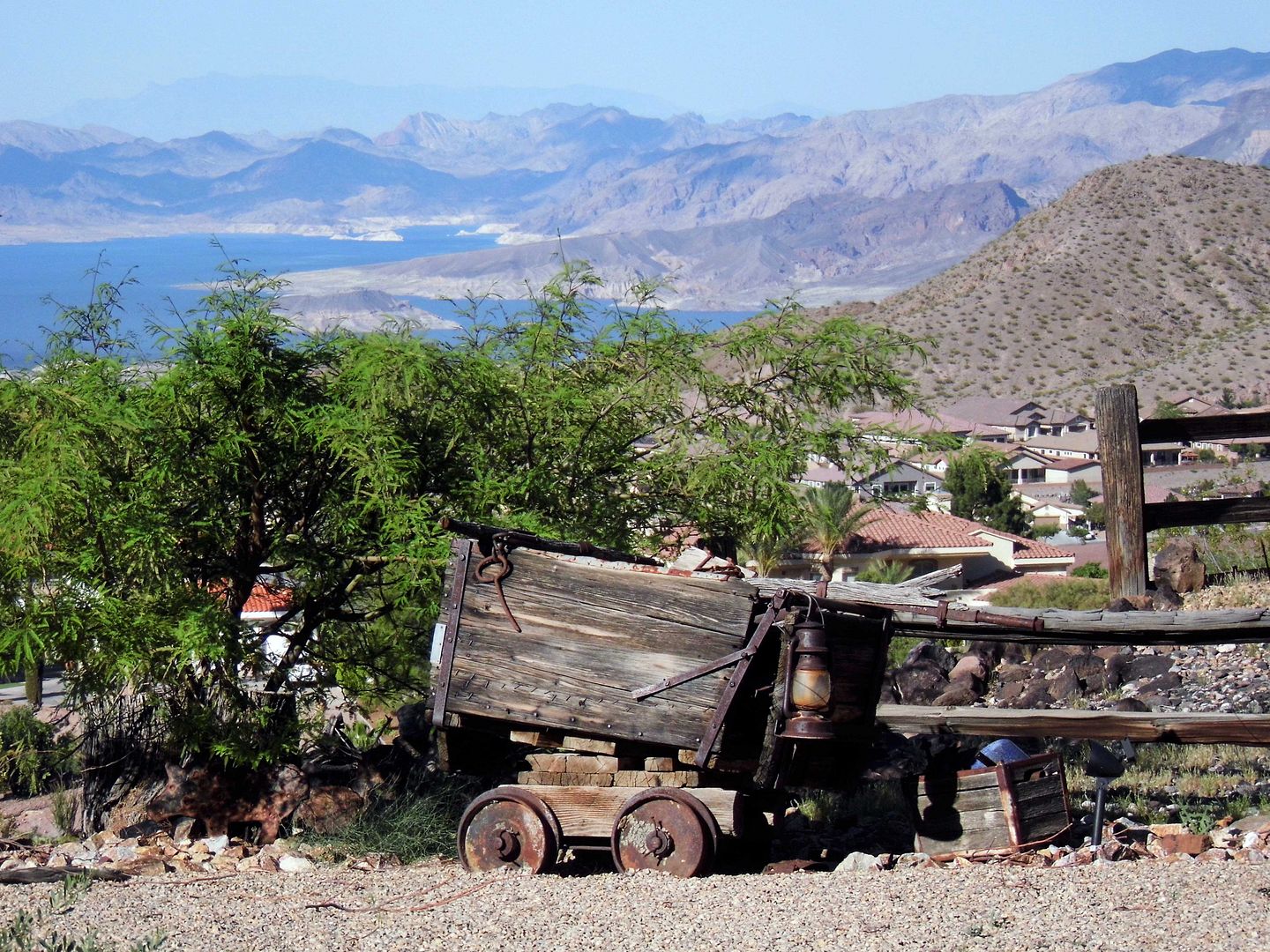
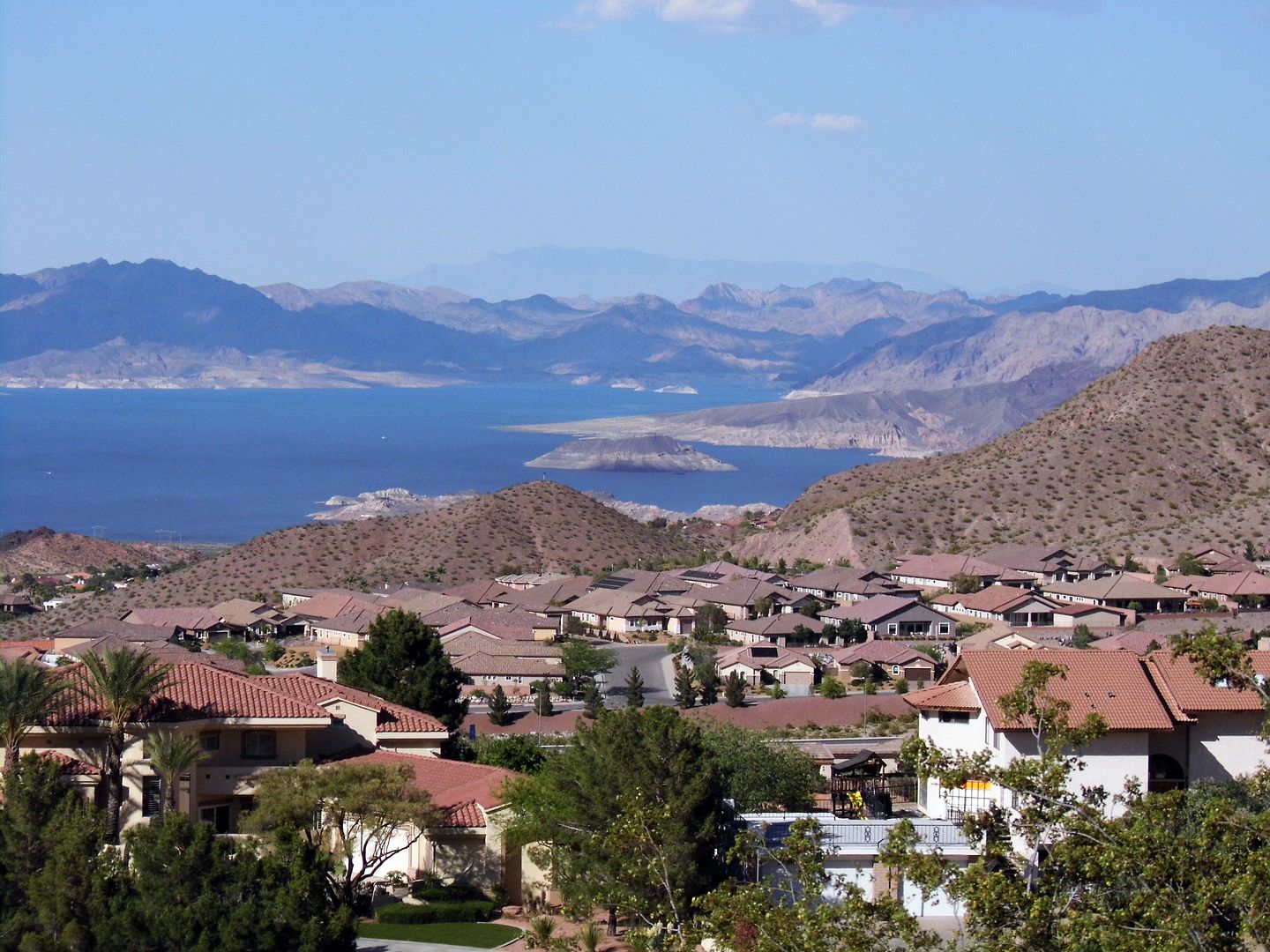
...despite the view of Lake Mead (a watery result of the Boulder Canyon Project) below.


From the beginning, Boulder City was designed by Dutch city planner Saco Rienk de Boer as a wholesome town—in contrast to nearby Las Vegas, which hadn't really become "Sin City" yet but was heading there. It's still one of only two Nevada cities with an anti-gaming ordinance.

The clean-living environment was an ideal in the days following the repeal of Prohibition and the years when the country was still deep in the Great Depression. To keep the dam workers sober, alcohol was banned in Boulder City—and it wasn't legalized until 1969. (Hence the lore surrounding Bootleg Canyon.)

There's a local brewpub there now, but it still seems pretty unadulterated. It's been considered one of the best cities for retirement.

You could do worse, that's for sure.

Related Posts:
Photo Essay: Hoover Dam
Photo Essay: Lake Mead Railroad Trail
Photo Essay: Lost City of the Muddy Valley

March 03, 2019

Photo Essay: The Gold Coast Estate of Rancho Palos Verdes, Never Built

One of the oldest structures in the City of Rancho Palos Verdes is a gatehouse along the ocean side of Palos Verdes Drive South...


Screenshot via Google Streetview

...just past the Portuguese Bend active landslide area and above Abalone Cove and the Portuguese Bend Reserve.


It's known as the "Harden Gatehouse" at "Portuguese Point"—but neither of those designations are entirely accurate.


Yes, it's a gatehouse that was built in 1926—but it's not on the Point. A larger estate was meant to be built there but, in the wake of the stock market crash of 1929, never was. (Thankfully, because the active landslide area would have dumped it into the Pacific Ocean. There's still a building moratorium there.)


And while Edward Harden did live there, his isn't the name that would go down in history in Palos Verdes history.


It was his wife, Ruth Vanderlip—sister of Frank Vanderlip, the Midwestern investment banker who, in 1913, bought the Palos Verdes Peninsula sight-unseen and is considered its founder (or father, I suppose).


The siblings were so close that when the Vanderlip estate was being developed, Frank tried to coax Ruth to come from the East Coast to join him, and she agreed on one condition—that she get the oceanfront property.


So, Ruth and her husband Edward commissioned the gatehouse to be built (a precursor to the many gated communities still present in PV today).


When they moved in, it was along with various servants, who resided in their own wing.


The servants' wing also functioned as a garage with plenty of room for multiple cars.


The Tuscan design of the gatehouse, courtesy of architect Gordon B. Kaufmann (known for his work on the Los Angeles Times building, Greystone Mansion, Santa Anita Racetrack, and Hoover Dam), was inspired by the Dovecote building in Ospitaletto, Italy. It was never meant to be the main attraction—but of course now that's exactly what it is.


Despite the credentials of its creators and original occupants, the Harden Gatehouse is practically never open to the public—though its been designated the Palos Verdes Heritage Castle Museum by its owners Dr. Allen Ginsburg, a retired eye surgeon, and his wife Charlotte, who purchased it in 2014.


Somehow, I managed to get a small, private, docent-led tour just by asking—and boy am I glad I did.


Because the gatehouse has only changed hands a couple of times throughout history—and always among private owners, never a commercial development—many of its features are original, including chandeliers and other lighting fixtures.


And what was lost from the period of Ruth's occupancy is slowly being returned to its rightful place.


When furnishings and other personal items were sold off in an estate sale—seemingly lost forever—there was a blessing that would come into play when the museum staff attempted to reassemble them in their rightful places.


Many of those who purchased the Vanderlip/Harden decor were Palos Verdes neighbors, or closely related—making them easy to track down and repurchase at a reasonable price.


Only a fraction of them have found their way back so far, with more on their way. But what's there now—while the museum isn't yet open to the public—is still impressive.


Reportedly, some of the Harden Estate furnishings were made by the same artisan responsible for the gothic furniture for Hearst Castle.


Ruth and Edward always wanted their estate to be the Palos Verdes version of Hearst Castle...


...but it wasn't meant to be.


And in in 1956, an ancient landslide was reactivated by roadwork—forever dooming the development of the surrounding land, leaving the gatehouse as the only remaining relic.


In fact, the beach below Portuguese Point was closed to the public in 2016 because pieces of the cliff started falling from above. Since 1956, the Portuguese Bend land has moved hundreds of feet towards the ocean.


As far as anyone knows, Kaufmann's design has held up—and soon, the public will be able to explore it when the Palos Verdes Heritage Castle Museum is open for tours.


There's still some work to be done—both inside and outside. The landscape design (pre-landslide) by Frederick Law Olmsted, Jr. has lost a lot of its original character, save for a couple of benches that look out upon the Pacific.

Part of the preservation plan is to return the landscape to its original splendor—with exception.

The crisscrossed palm trees that had been planted by the film crew for the It's a Mad, Mad, Mad, Mad World might make a return appearance.

Stay tuned for dispatches from the second half of the Vanderlip Estate, up the hill from the Harden Gatehouse—known as "Villa Narcissa."

Related Posts:
Photo Essay: A Day at the Rancho, A Step Back in Time
Photo Essay: The Mysteries of Brand Park in Historic Glendale
Photo Essay: The Estate and Gardens of the First Lady of Beverly Hills
Photo Essay: San Pedro's Sunken City