Search

Showing posts with label Birthday. Show all posts

January 10, 2026

Photo Essay: The Peabody, A Grand Hotel of Marching Ducks and Memphis Royalty

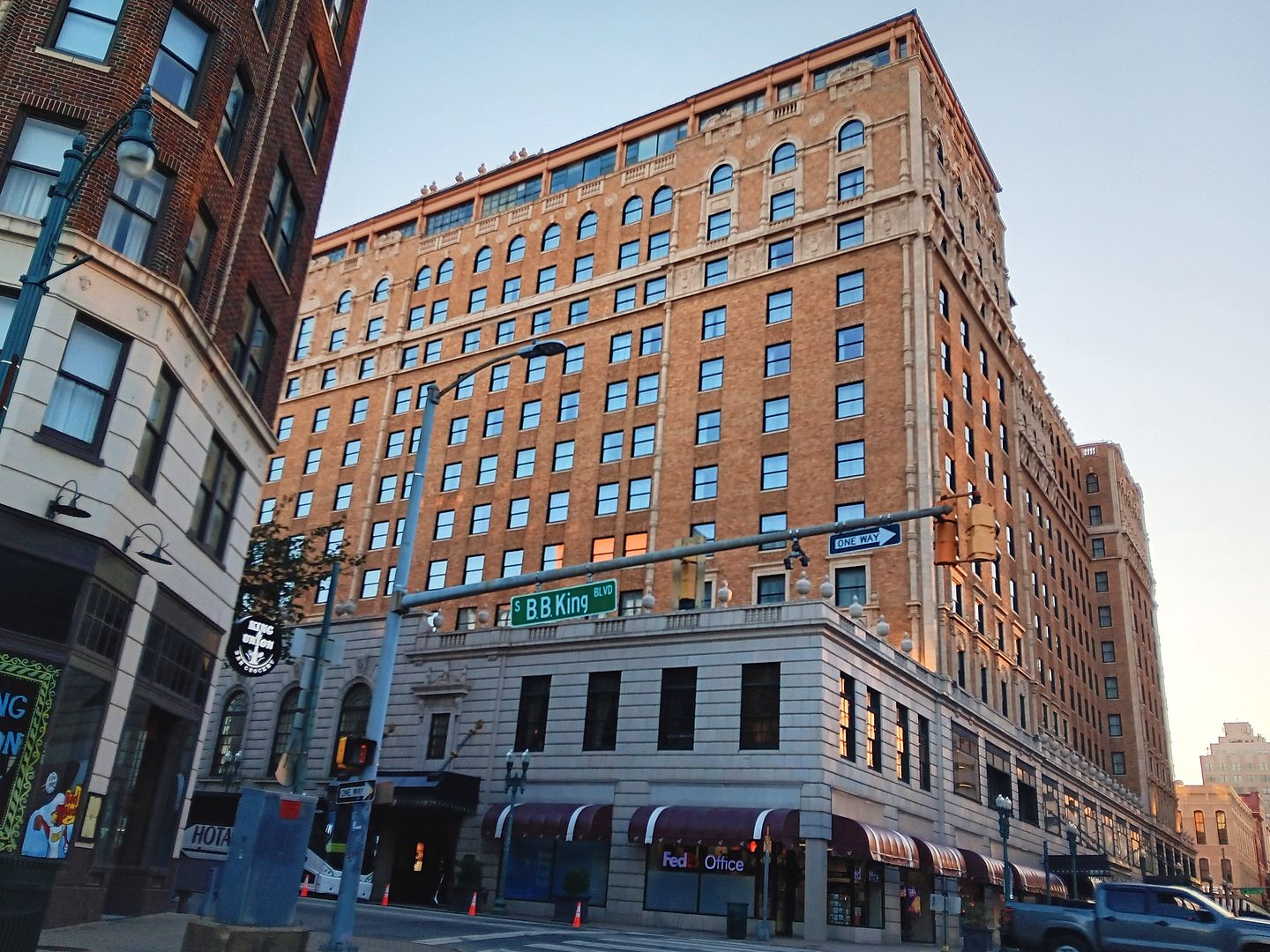
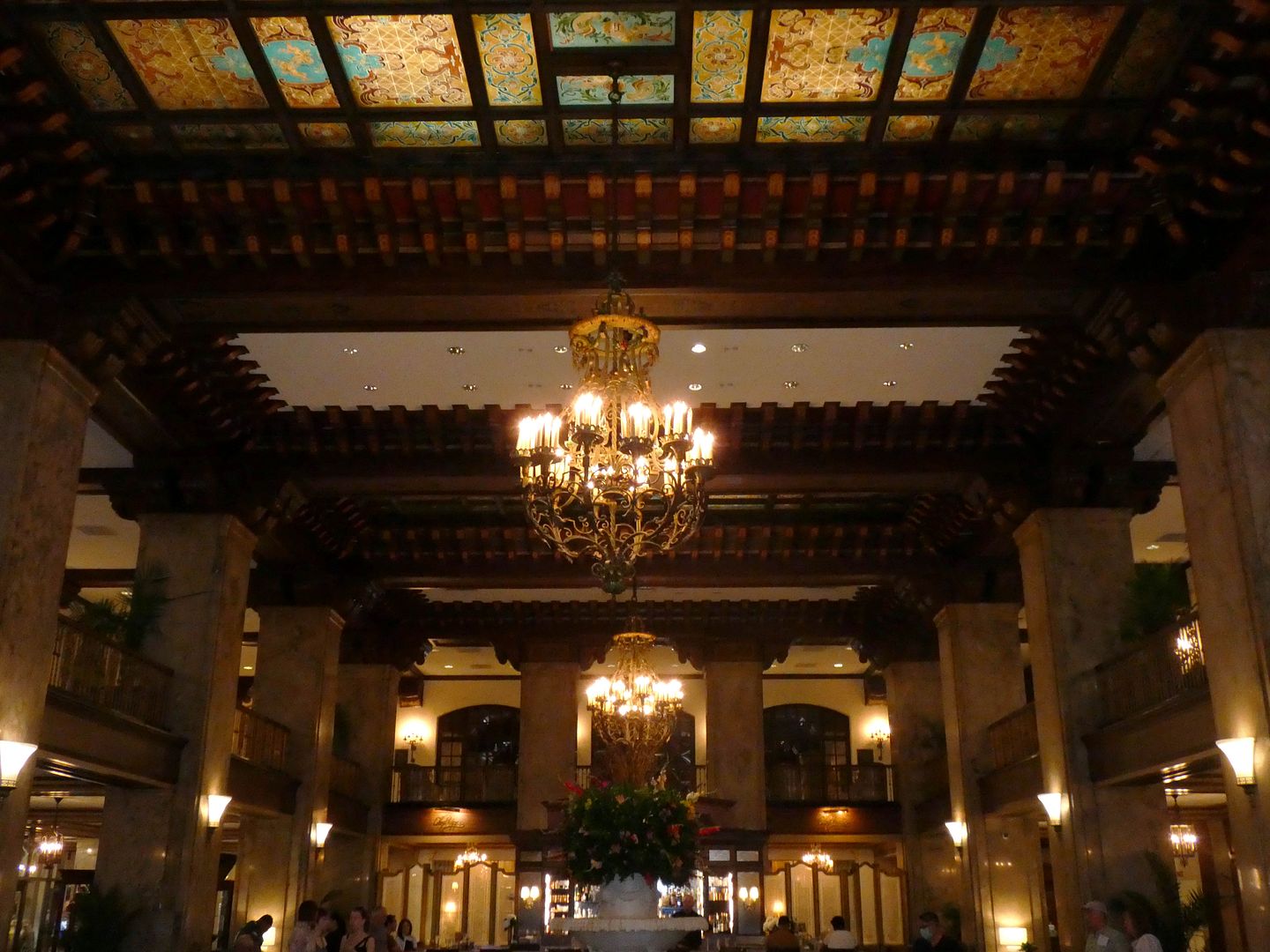
When we were planning our Memphis trip months ahead of when we'd actually travel for my birthday, our hotel options always boiled down to one clear choice: The Peabody. 

 
I'd heard of it from a friend who'd stayed there several years ago for a work conference, and who'd been delighted by the daily duck parade. That was enough to seal the deal for me. 

 
But then I also realized that it also fit the theme of my destination birthday celebration—that is, Elvis, whose manager Colonel Parker closed a record deal for the rising star with RCA Victor right there in the lobby in 1955. (The budding performer had previously visited the Peabody to attend his senior prom there.)

November 21, 2025

Photo Essay: An Emotional Visit to Graceland, A Trippy Voyage Back to the 1970s

Memphis had been on my bucket list for a long time—but I kept regretting not going when I was a lot closer to it geographically while I was living in New York City

I couldn't fit it in during my trips to Tennessee when I flew to Knoxville for a wedding in Chattanooga in 2005 or Nashville for the Kentucky Bourbon Festival in 2007. And after moving to California in 2011, Memphis has just always felt so far

It was the type of trip I hadn't allowed myself to splurge on, which made it the perfect way to celebrate a milestone birthday. 


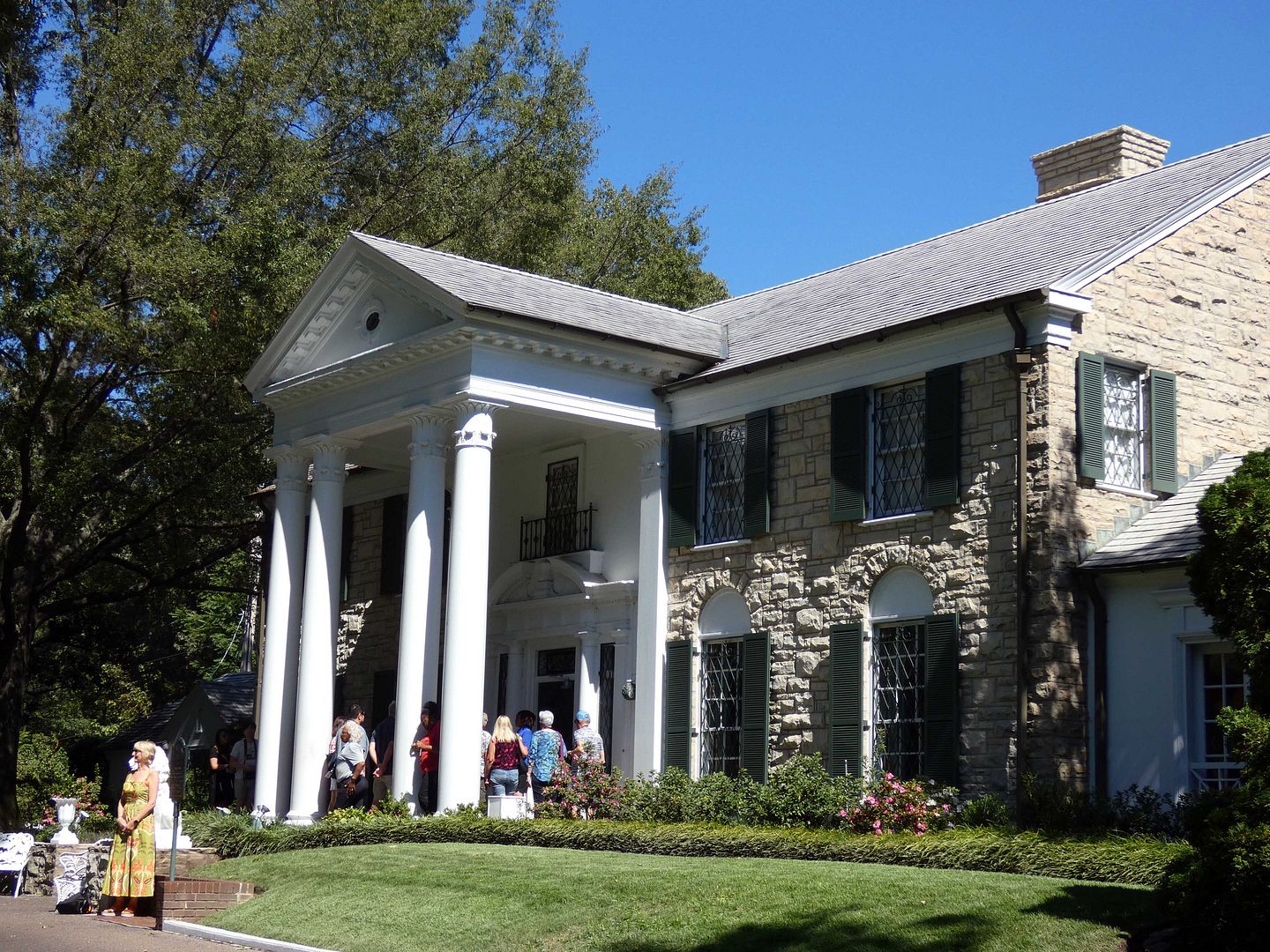
The lynchpin to my birthday trip was, of course, Graceland—the historic home of Elvis Presley from 1957 until his death in 1977. 

November 19, 2025

Photo Essay: The Memphis of Elvis, Beyond Graceland

The easy explanation for my recent Memphis trip was that I was celebrating my 50th birthday at Graceland. 

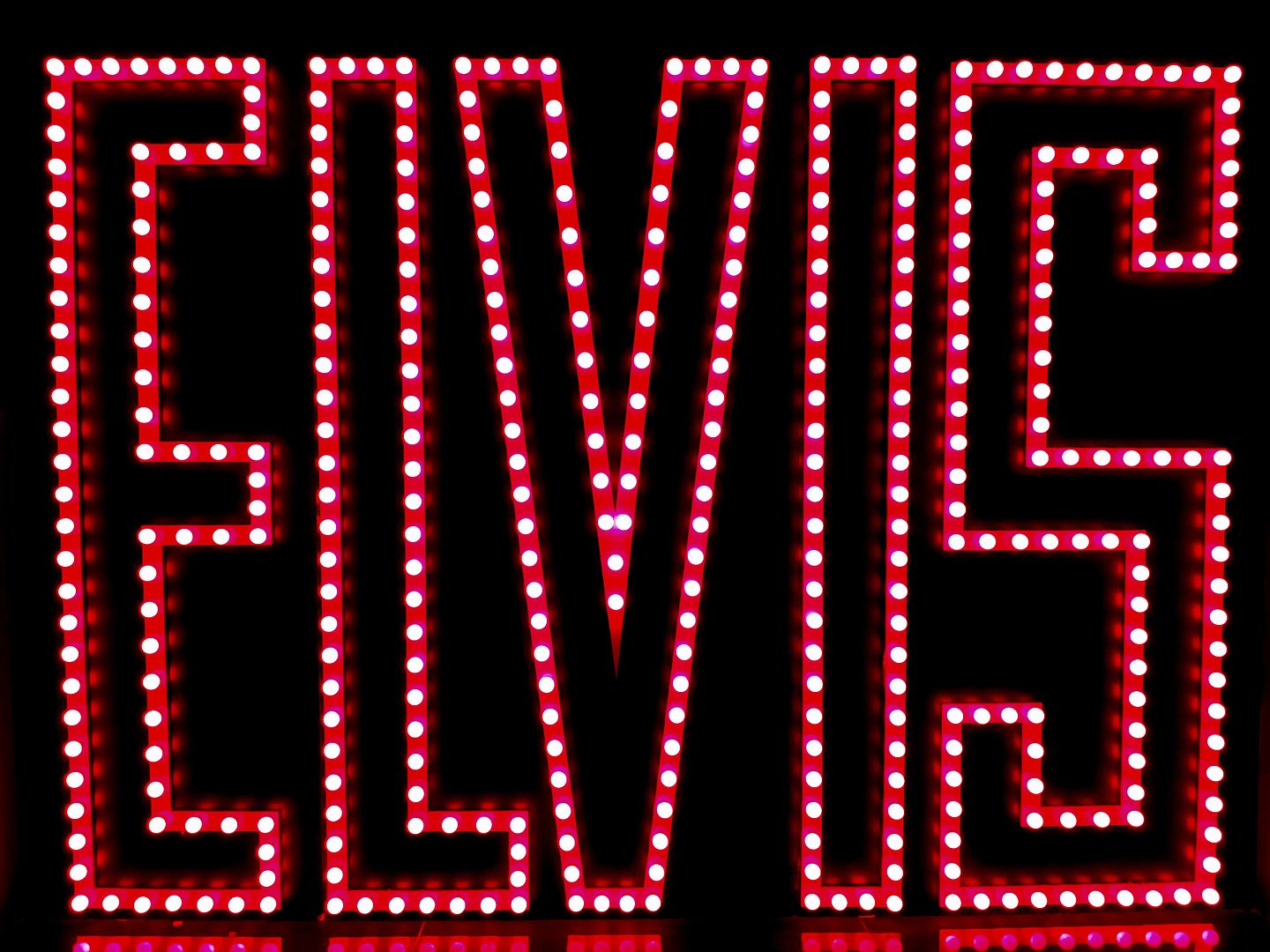
But the truth is, I went to Memphis for Elvis. All of Elvis. 

After all, most casual Elvis fans seem to segregate his career into two eras—young Elvis (à la Jailhouse Rock) and Vegas Elvis—and typically prefer the "earlier" one versus the "late" one. But my favorite Elvis era is a middle era: the '68 Comeback Special, when he was coming out of his Paramount movie career and getting back into performing live, right before he started his Las Vegas residency in 1969. 

And I have much affection for the cape-wearing, lei-laden, karate-chopping Elvis of Aloha from Hawaii, That's the Way It Is, and his final album (a live-and-studio combo) Moody Blue

I'd already chased all those Elvises around two states—like at the Honeymoon Hideaway and other sites around Palm Springs, and at the former International Hotel on the Vegas Strip. But now, it was time for me to finally experience what remains of The King in his longtime hometown of Memphis, Tennessee.


And that's more than just Graceland (pictured above, of which at least one photo essay is forthcoming.)

October 13, 2021

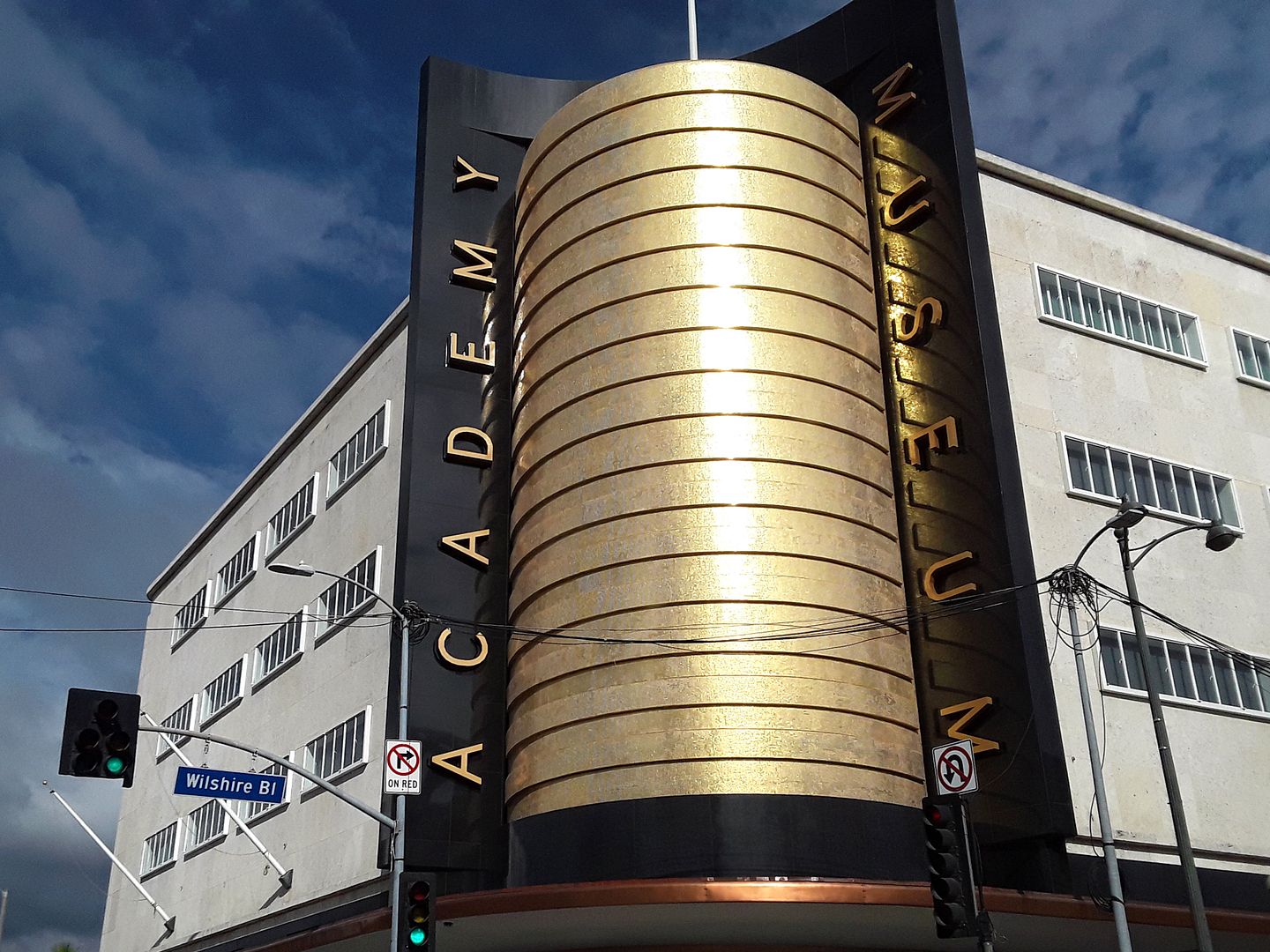
I'd Like to Thank the Academy For Finally Opening Its Long-Awaited Museum on L.A.'s Miracle Mile

The long-anticipated Academy Museum—in the works at least since 2012—opened to the public on my birthday this year, after about a decade of waiting. Not having any other plans, I figured that was a good way to spend the day.
   

October 18, 2020

Photo Essay: Voyage to the Top of An Enchanted Hill Overlooking the San Fernando Valley

The hills west of the Mission San Fernando Rey de España—the foothills of the Santa Susana Mountains—were called "La Encantada Cuestas" by early Spanish missionaries. 

At least, according to historical accounts, which apparently ignore how grammatically incorrect that is in Spanish. 
  
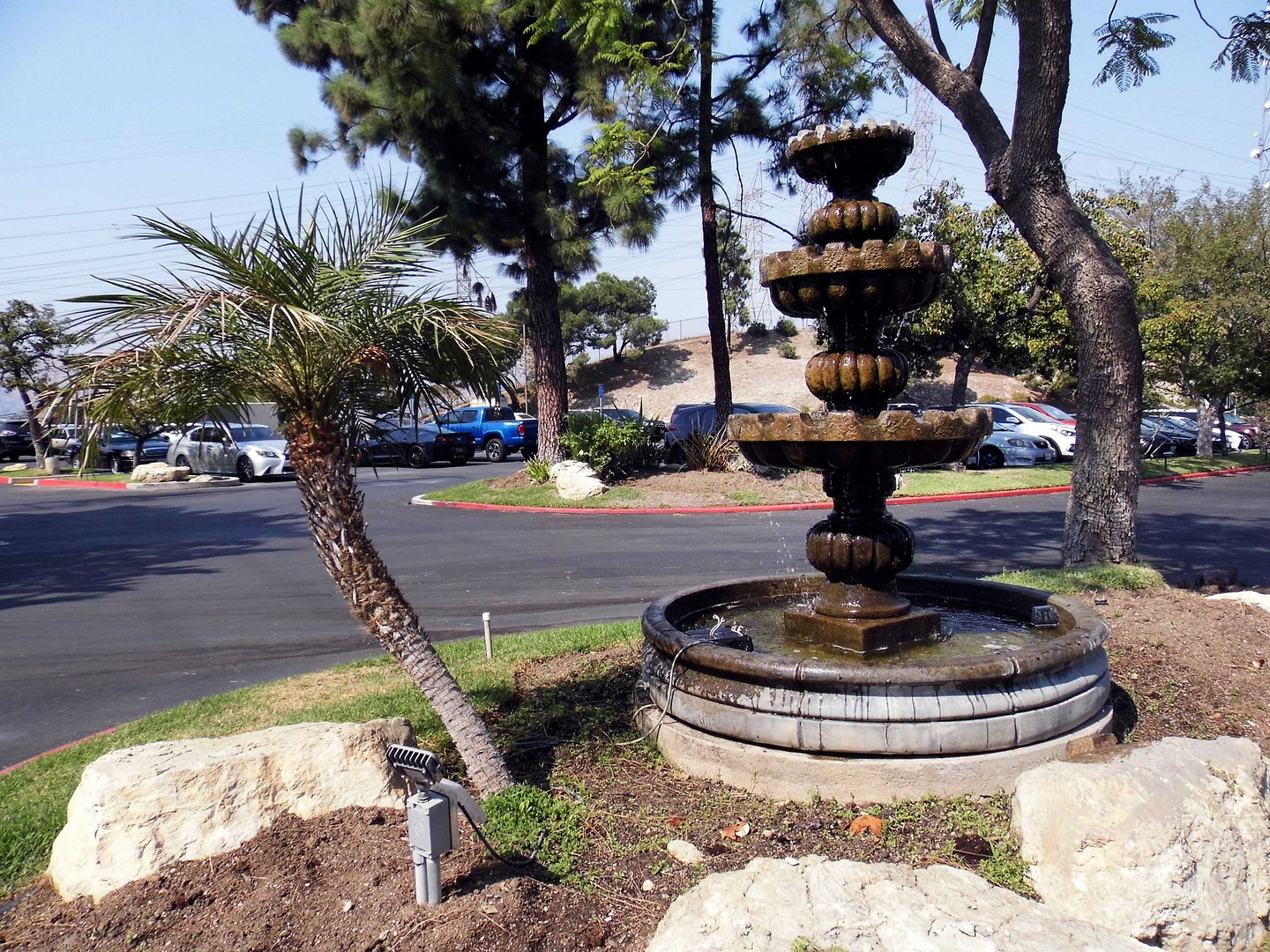
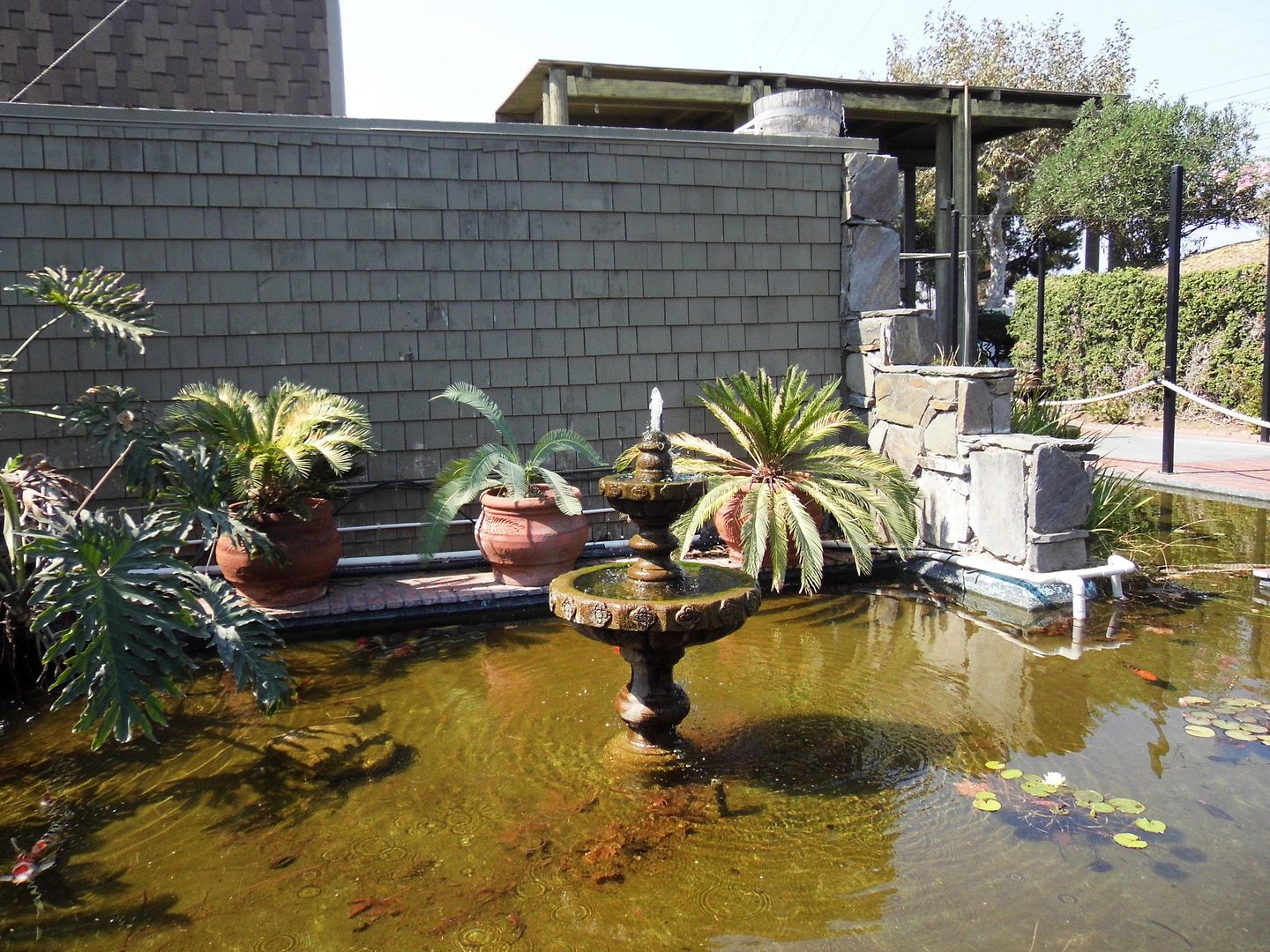
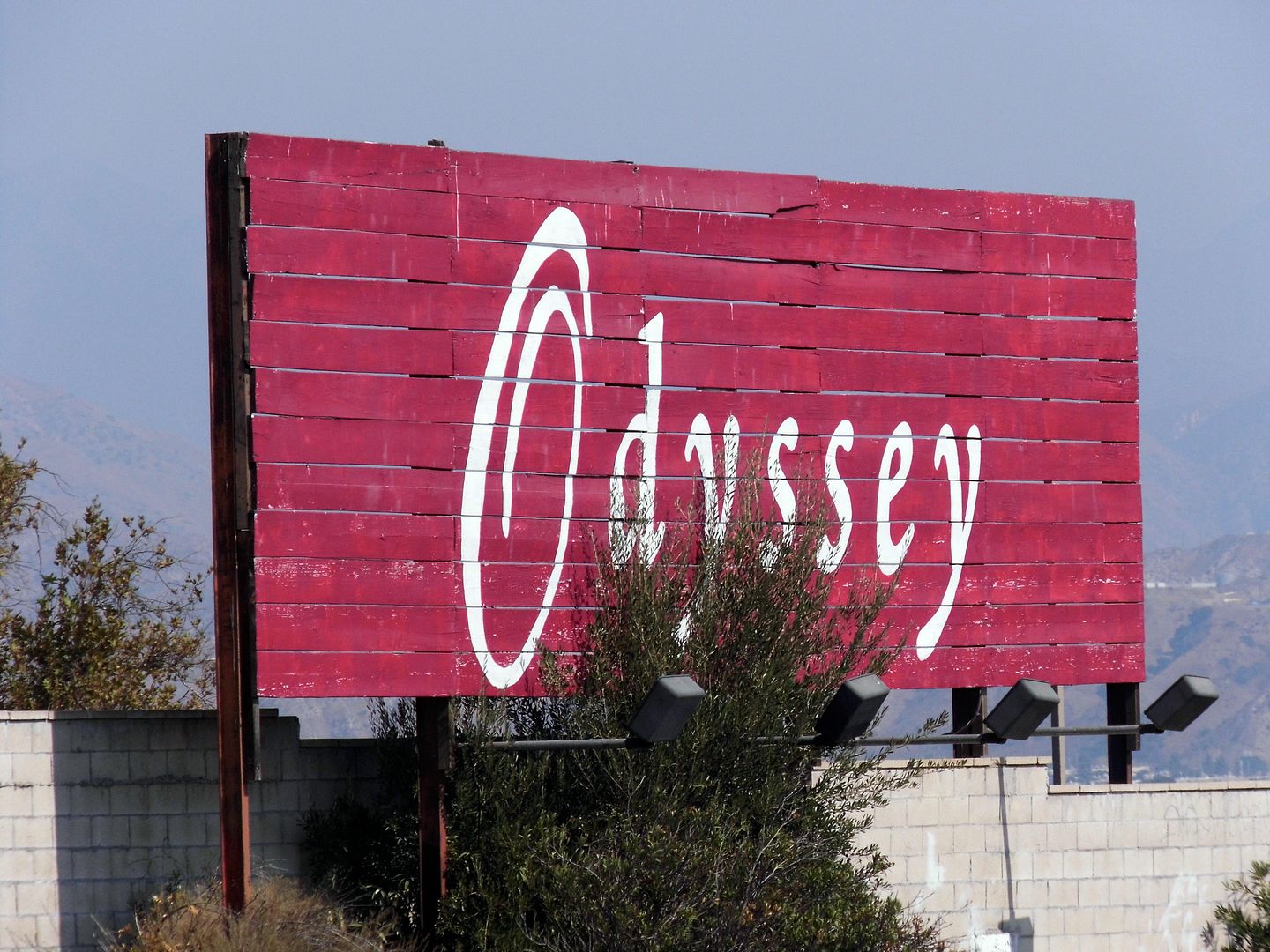
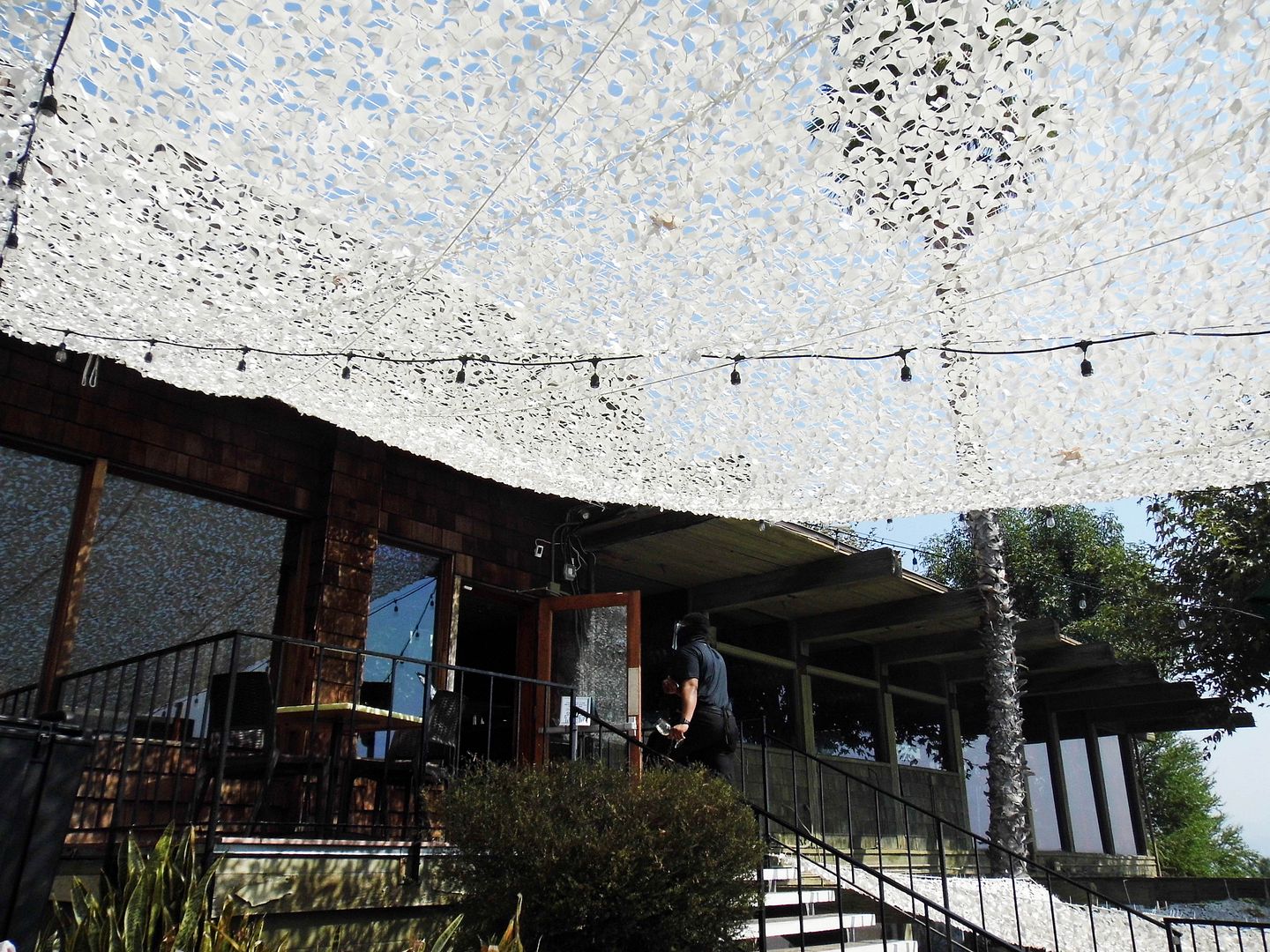
On one of those "enchanted hills," in a North Valley bedroom community now known as Granada Hills-Knollwood, the Odyssey Restaurant opened in 1970. 

And upon my first visit there earlier this month, I got curious as to the history of the area.

The San Fernando mission used to take up pretty much all of the San Fernando Valley. But by 1970, the it was just a fraction of the size it was when it was founded in 1797. 

The mission had been secularized and sold to private owners, like California governor Pío Pico—who, in order to help fund his Pico House in the Pueblo of Downtown Los Angeles, sold his shares of the 116,858-acre Mexican land grant (a.k.a. Rancho Ex-Mission San Fernando) to his friend, the Spanish-born LA resident Eulógio de Célis. 

In 1874, Célis's heirs sold former mission land to Senator Charles Maclay and cousins Benjamin and George Porter (of the Porter Land and Water Company and, later, Porter Ranch). 

As the Valley got further and further subdivided, other owners included San Fernando Mission Land Company (including the "Father of Glendale,"  Leslie Brand), the San Fernando Farm Homestead Association (which became the San Fernando Sheep Company, with denim magnate Levi Strauss as its director), and J.H. Mosier's The Sunshine Co., whose Sunshine Ranch largely became present-day Granada Hills. 
   

Granada Hills is currently part of the City of Los Angeles—but when it was founded in 1927 (as just "Granada," until 1942, for its similarity to Granada, Spain) it was envisioned as a "City of Destiny" in its own right (and a place to raise rabbits, which didn't actually pan out so well). 


It was later advertised as "The Beverly" of San Fernando Valley (assuming that refers to Beverly Hills)—or even the next BelAir. The chamber of commerce now touts it as "The Valley's Most Neighborly Town." 


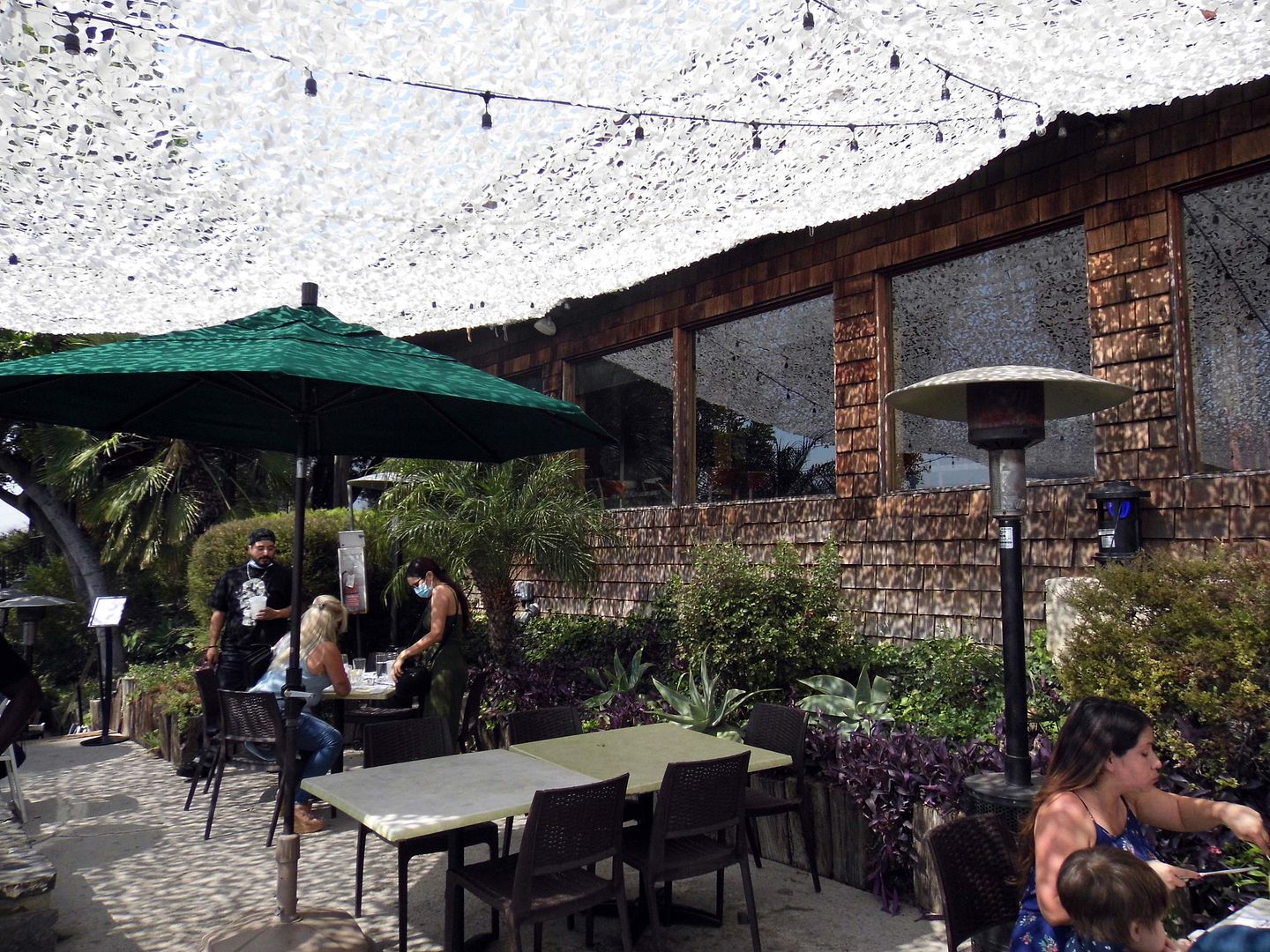
I found myself at the Odyssey Restaurant—Granada Hills' second-oldest dining establishment—for a celebratory brunch the weekend after my birthday.


I'd wanted to go for years and years...


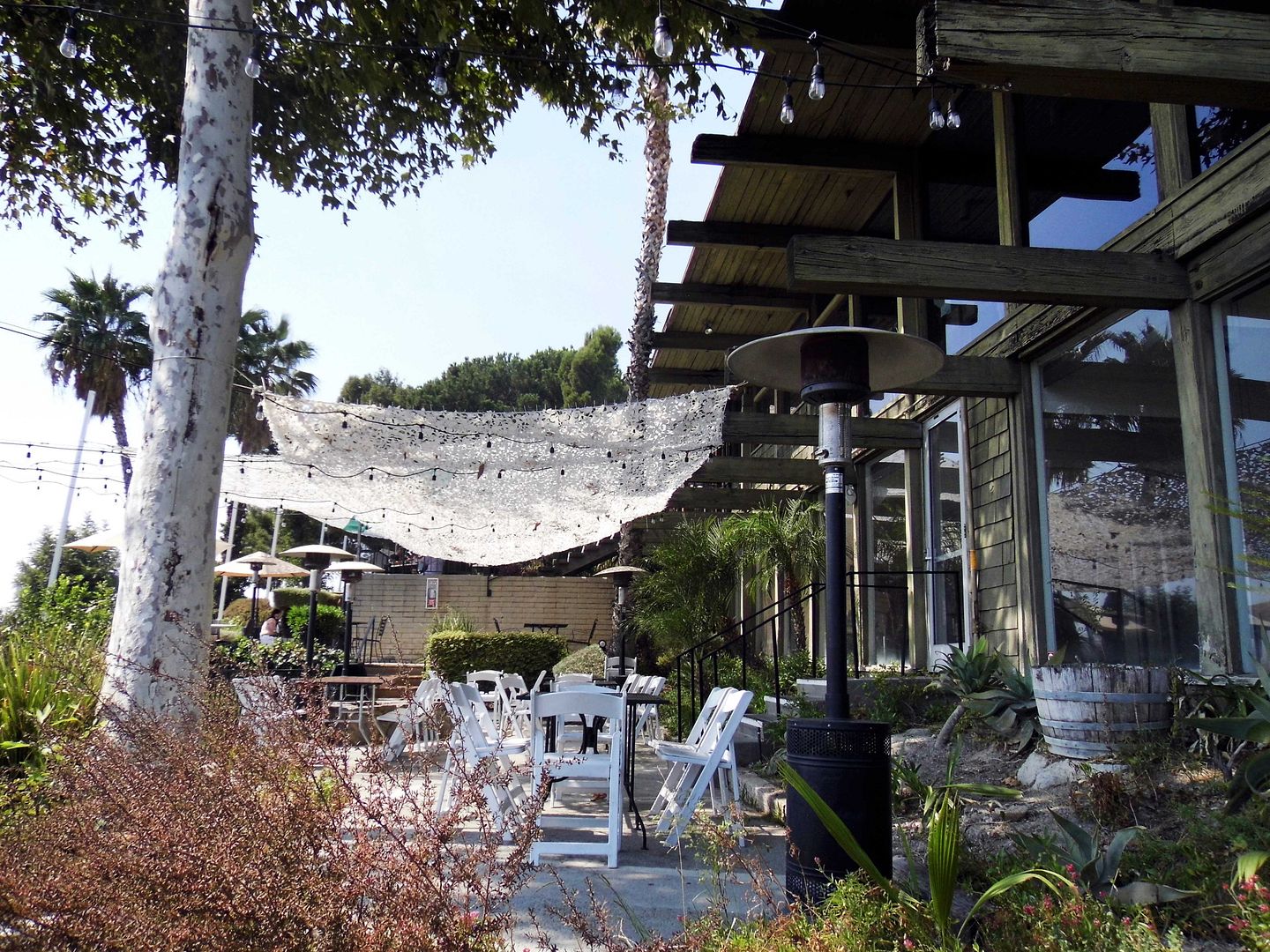
...but have never had a special enough occasion to dine at a place that hosts so many weddings, proms, retirement parties, anniversary dinners, and such. 


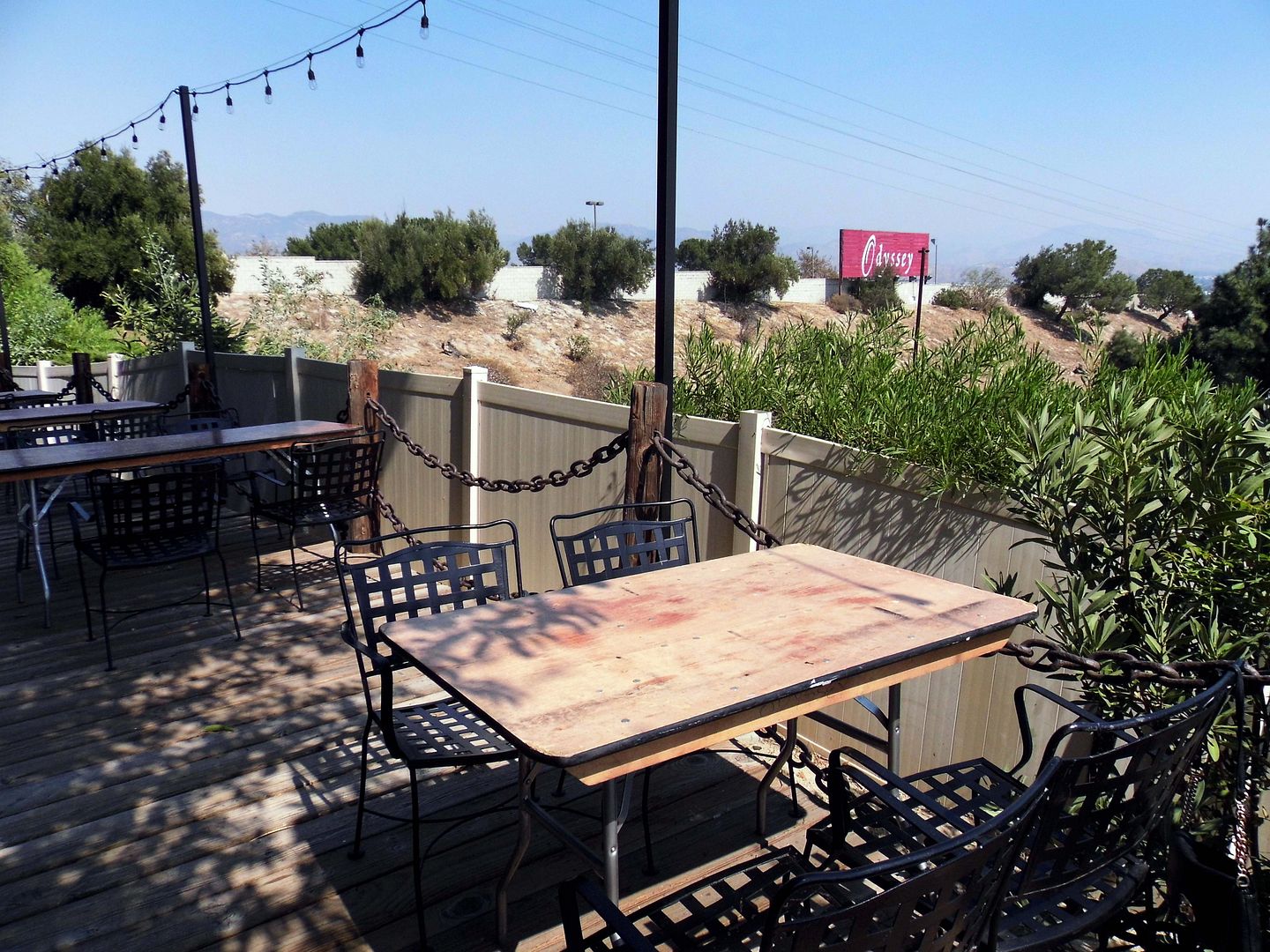
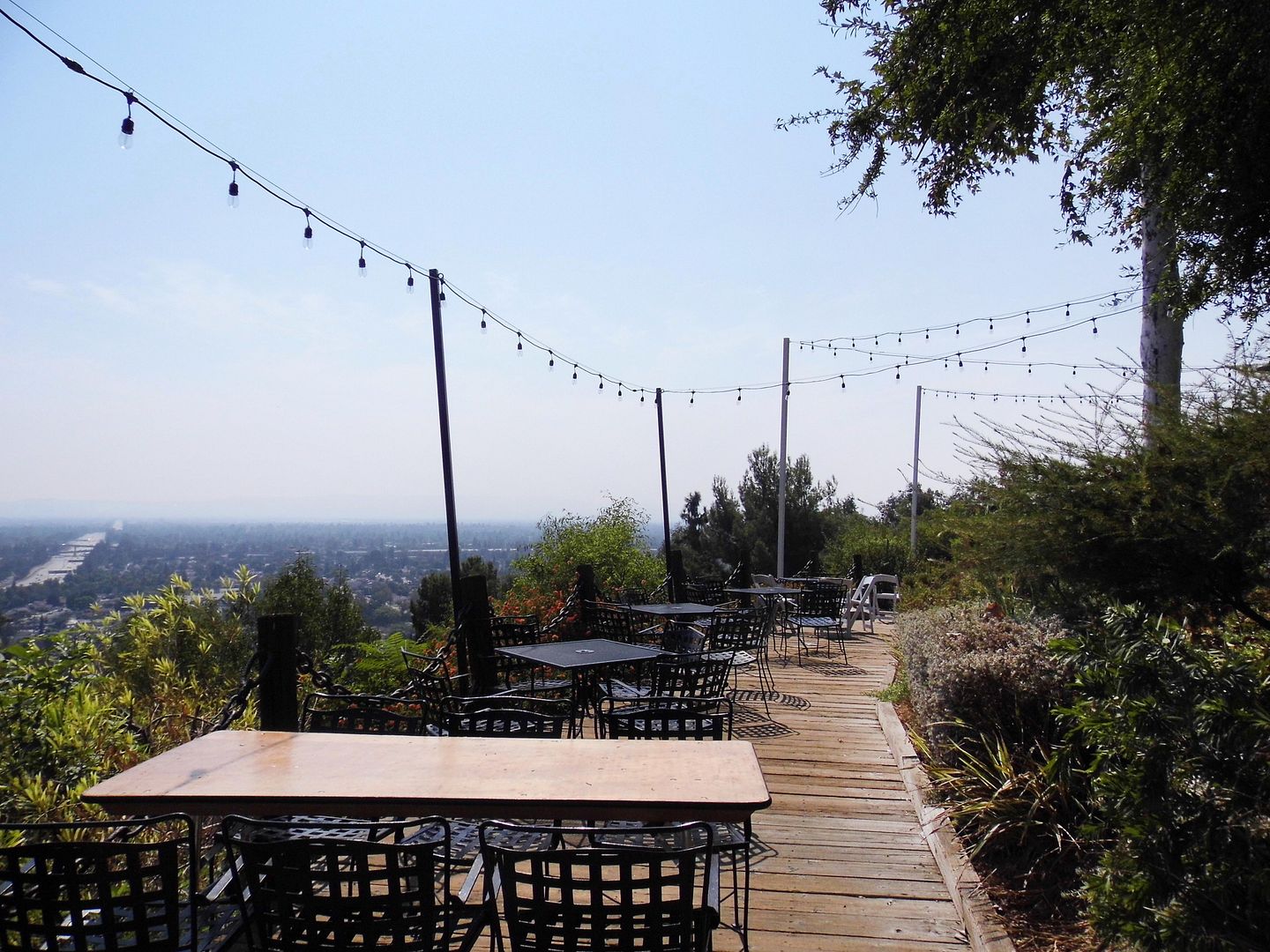
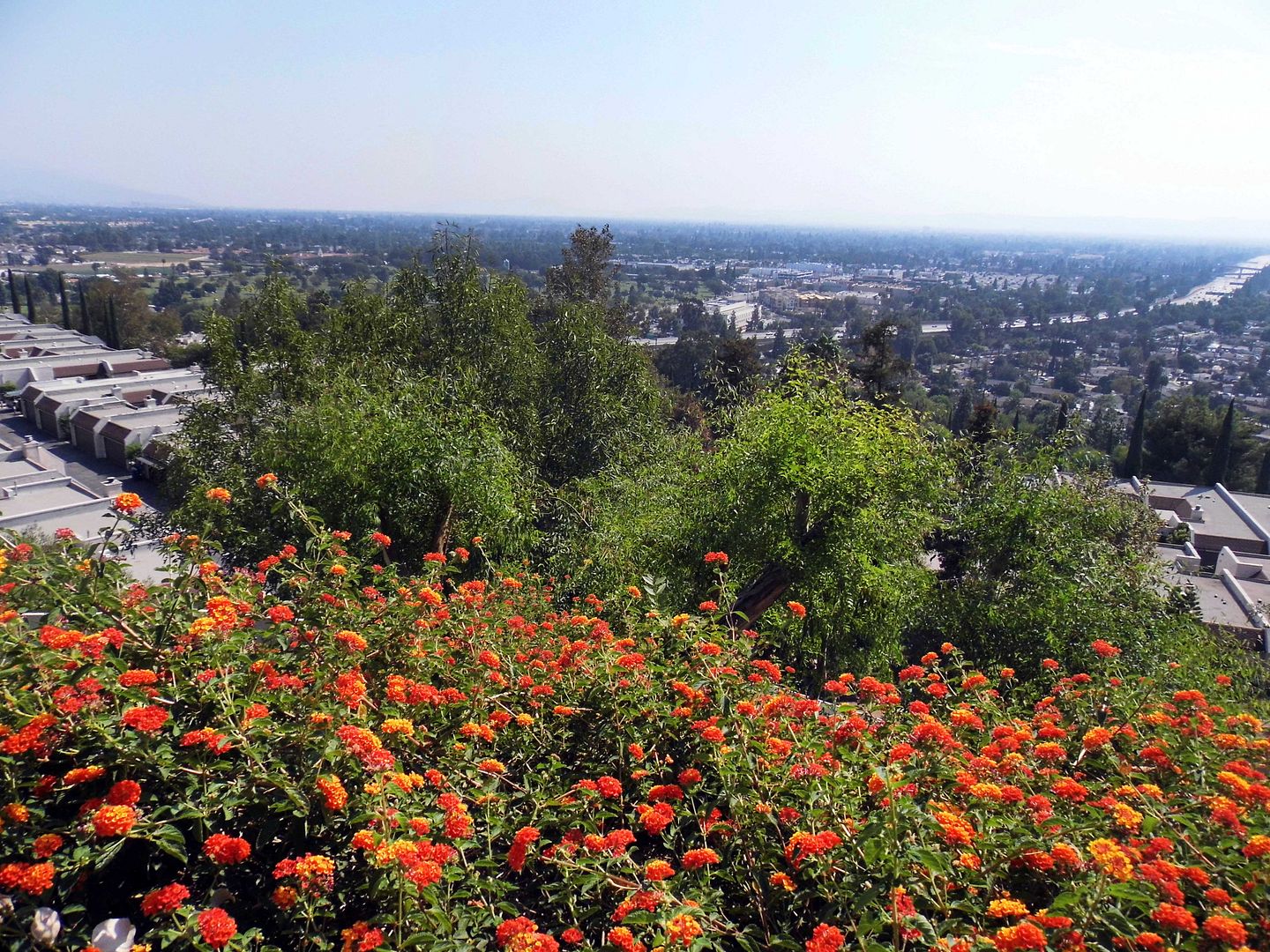
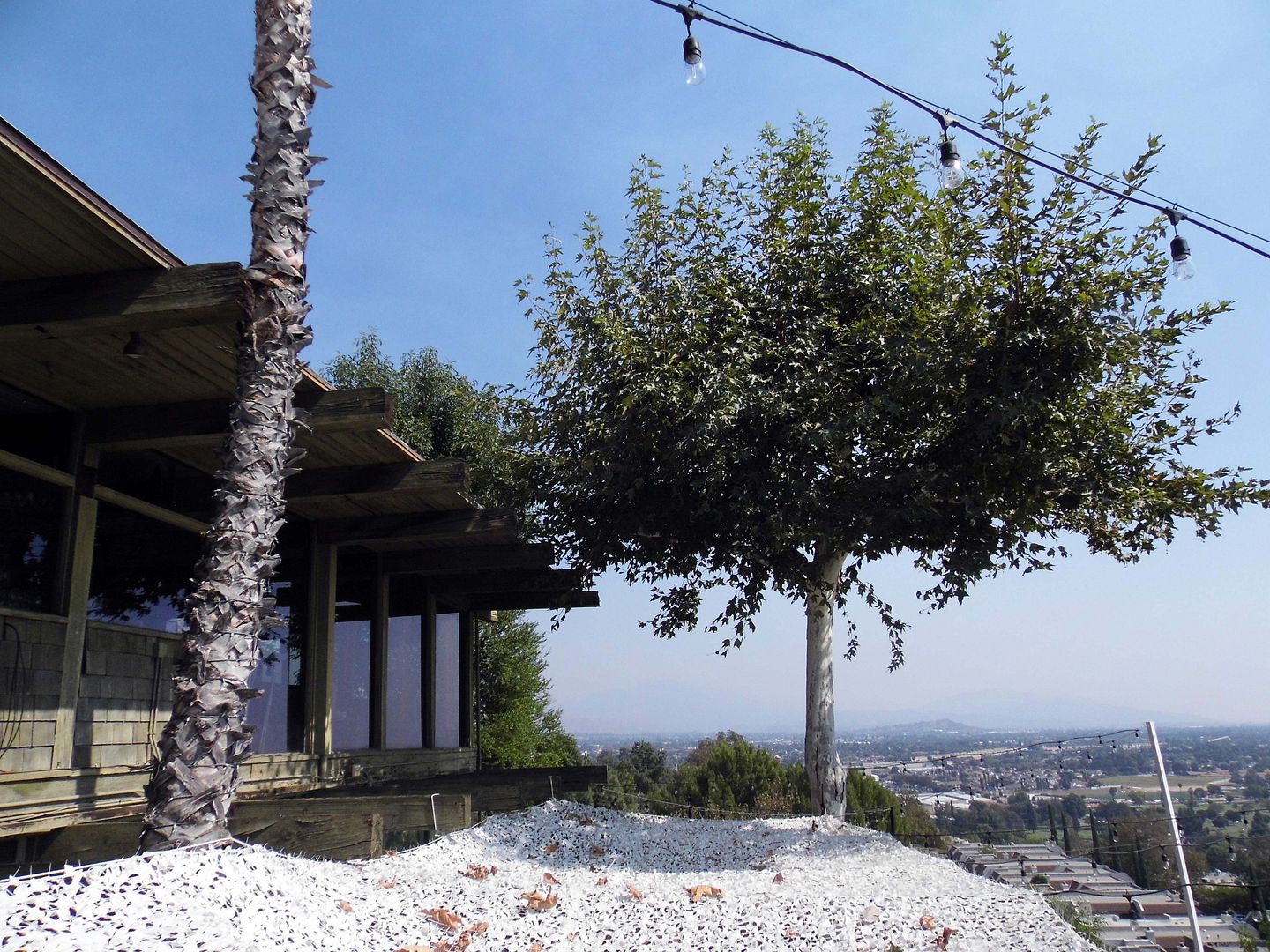
I never cared much about the restaurant itself—its food or beverage offerings—but I wanted to have the chance to take in that "enchanting" view. 
  

Seated outside, we dined high above the mission and its cemetery, of course... 


...but also the Van Norman Reservoir Complex (a.k.a. the Los Angeles Reservoir)...


...just 3 miles (as the crow flies) from The Cascades portion of the Los Angeles Aqueduct, which opened in 1913.

                    
In fact, the area's proximity to The Cascades was so significant, much of the eastern portion of Granada Hills was once occupied by a nursery operation known as The Cascade Ranch. 

Once owned by hardware magnate Charles C. ("C.C.") Reynolds, its traces have vanished from Granada Hills. But the saplings of Valencia oranges it sold can be found full-grown at what’s considered the last remaining orange grove of the San Fernando Valley—on the campus of Cal State Northridge (CSUN). 

Although some housing developments have begun to encroach on "Odyssey Hill," it's still relatively unscathed. 

The hill itself survived the 1961 completion of the 405 Freeway. The Odyssey Restaurant survived the 1971 Sylmar earthquake (which was really close) and the 1994 Northridge earthquake—both of which seem as though they could've sent the local landmark tumbling down the hill. 

And although its former Viking theme is long gone, and the wildfire-scorched sky doesn't always cooperate, The Odyssey still earns its title as "View Spot of the San Fernando Valley" and "A Vision of the Valley."

No one can dispute the fact that this hill is capable of offering a magnificent view of Southern California’s unique topography. Odyssey Drive is steep and rustic; when you reach the top you find yourself in a parking lot so big it could invite a nine-hole golf course over for the weekend. “Top of the world, Ma!” you think as you look down over the entire north San Fernando Valley. On a clear day, you can see Encino.
But I didn't visit on a clear day. And I've been told I've got to go at night to see the city lights.

So I'll keep this one on my list for now. 

I hope to learn more about Granada Hills before I return.

Related Posts:

October 06, 2020

A Last Chance Stay at a Hollywood Producer's Former Fantasy Island Getaway, Paradise Point Resort (For Now)

For my birthday last week, I was at a bit of a loss as to how to celebrate—or whether to even try to celebrate at all. 

After all, it doesn't feel like there's much to celebrate in 2020. 

But I'd already put in for three days off from my dayjob (having planned to attend the now-canceled Central Coast Railroad Festival). And I've only taken one other day off all year (and that was an emergency mental health day during the protests that had police tear-gassing illegal assemblies in my neighborhood). 

It felt like I deserved some vacation days. Even if vacations aren't really a thing right now, with pandemic travel still restricted. 

But over the last six months or so, I have had a couple of good hotel getaways—whether just for the day or for a single overnight a short distance away. 

And because all my trips have been canceled this year, I feel OK about splurging a little on a place I would not normally treat myself to. 

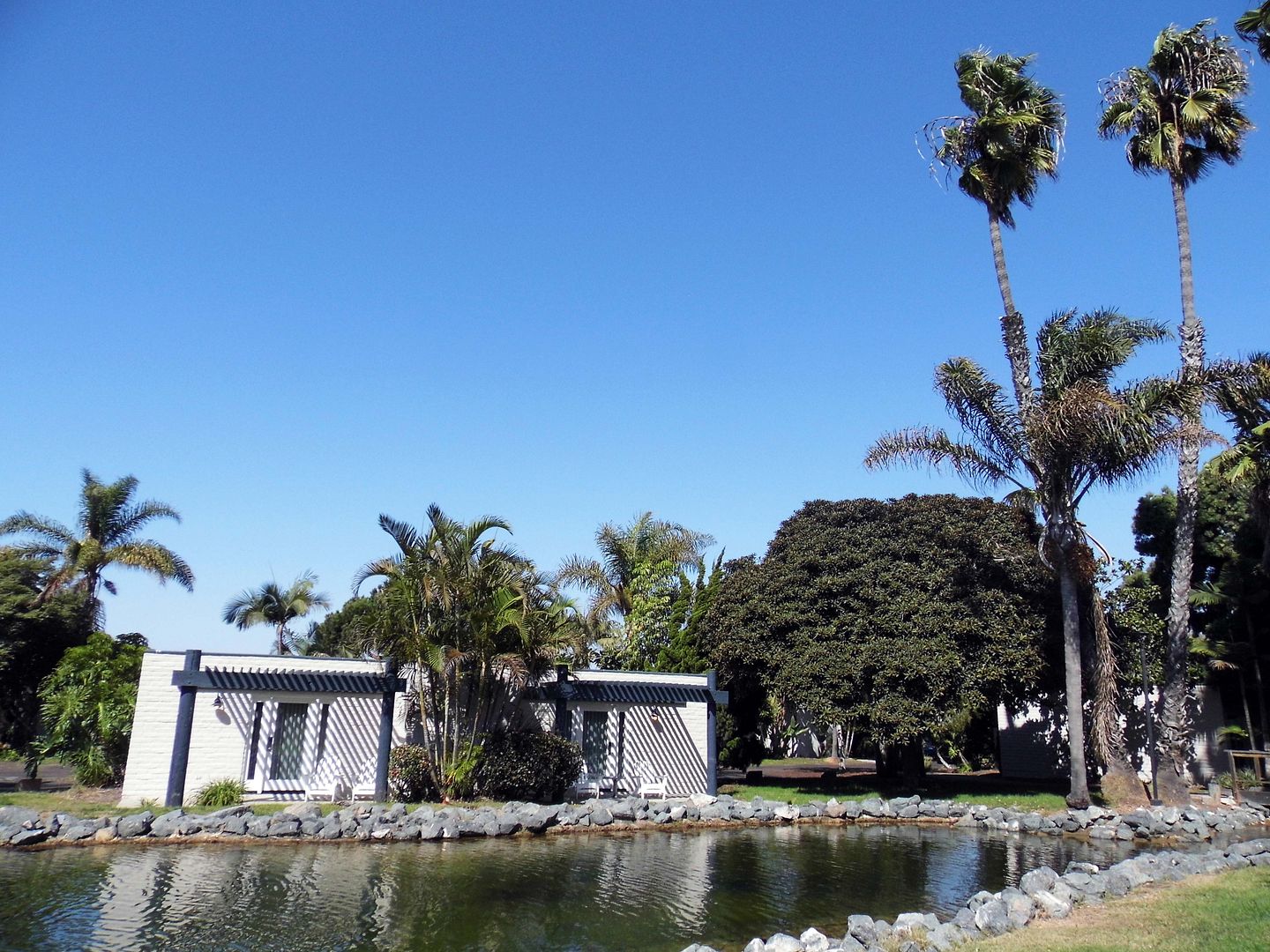
That's how I ended up at Paradise Point Resort in San Diego's Mission Bay. 


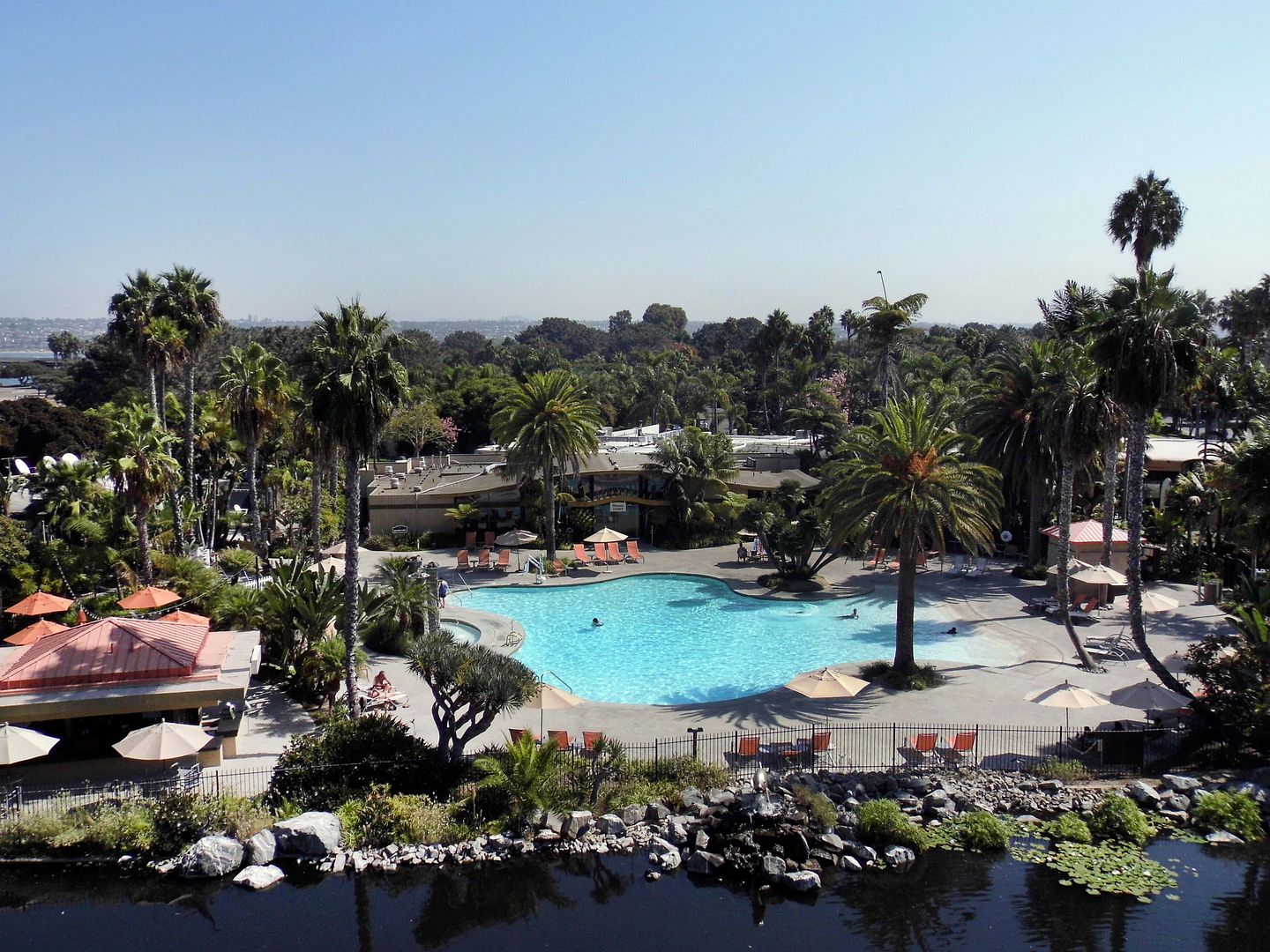
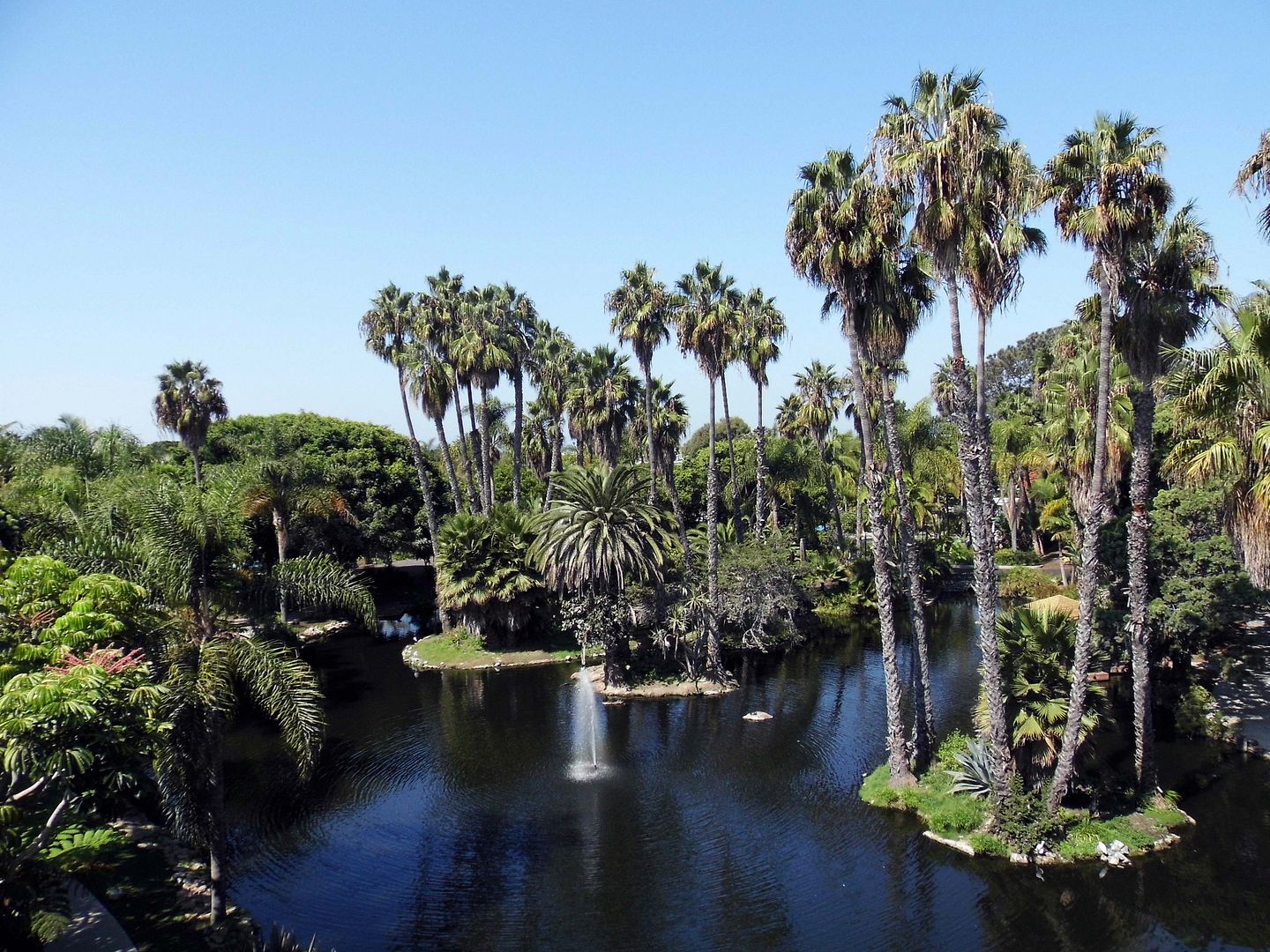
I knew it would be a tropical paradise, with outdoor dining and no less than five pools. And I knew that Tiki Oasis had recently held the pandemic version of its convention there—so it might provide some approximation of a tiki-cation


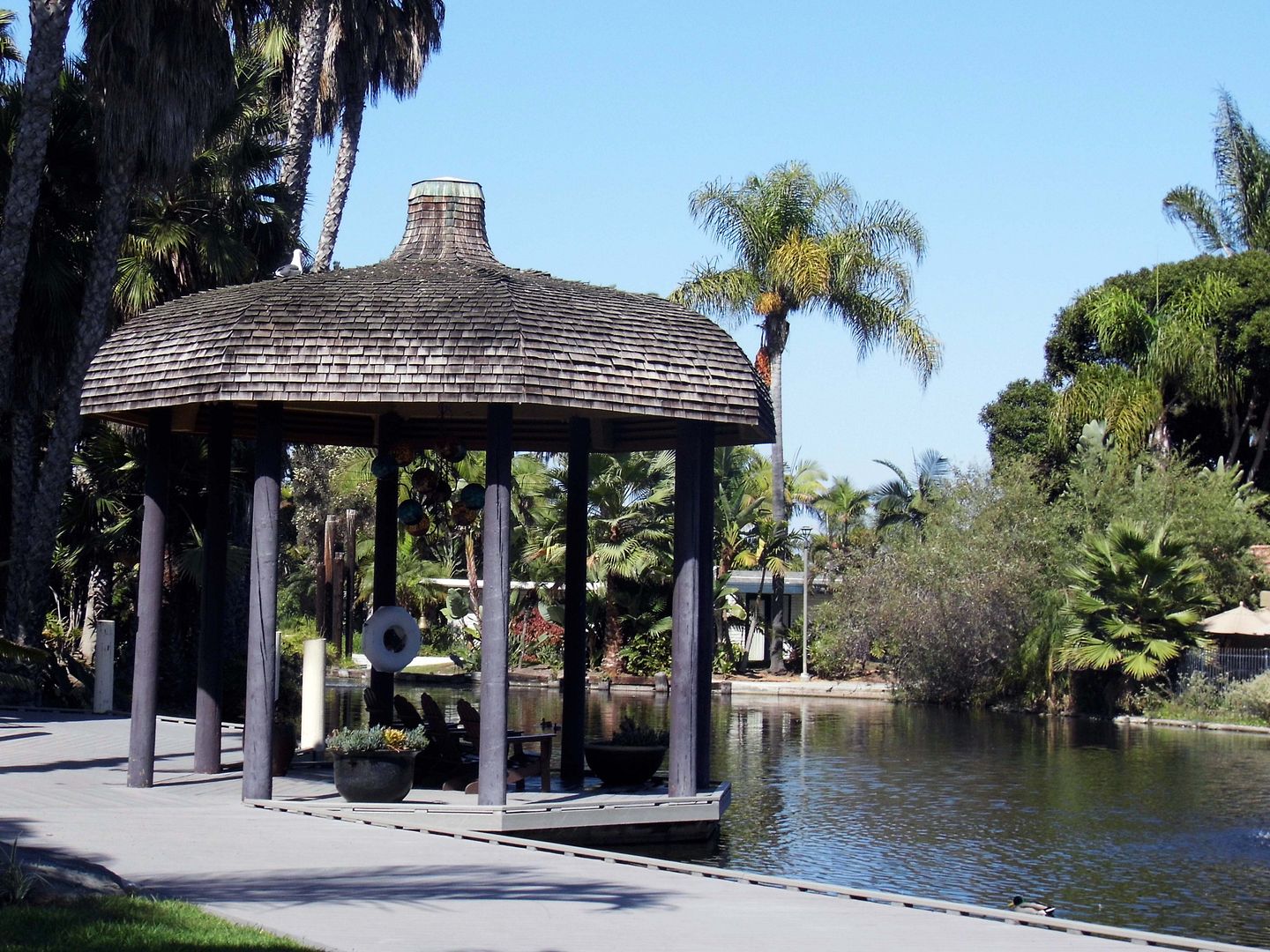
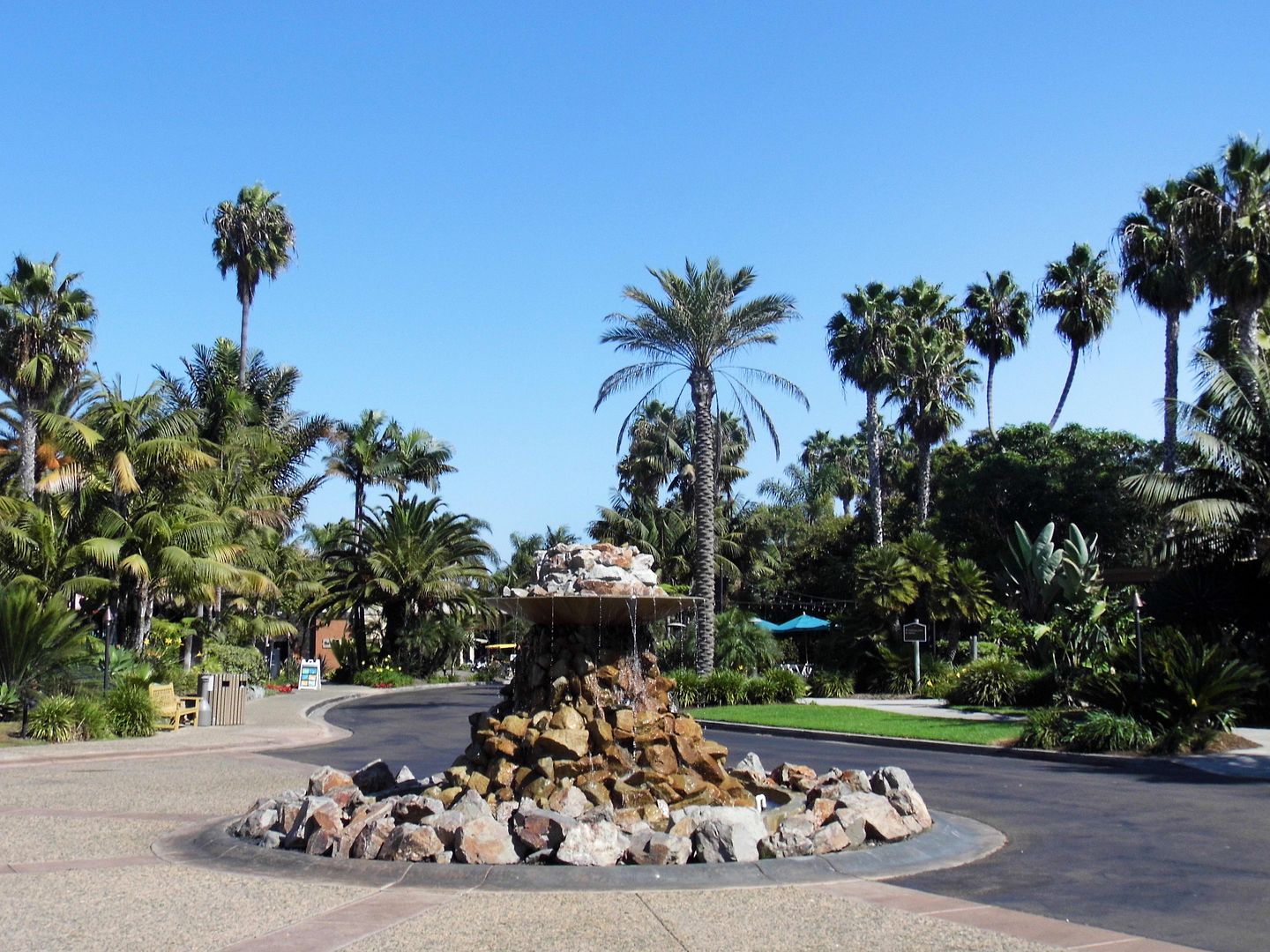
But upon turning down Vacation Road, circling around the entryway fountain and parking within spitting distance of the shake shingle kiosks that line the main lagoon, I had no idea how much history I was about to encounter. 


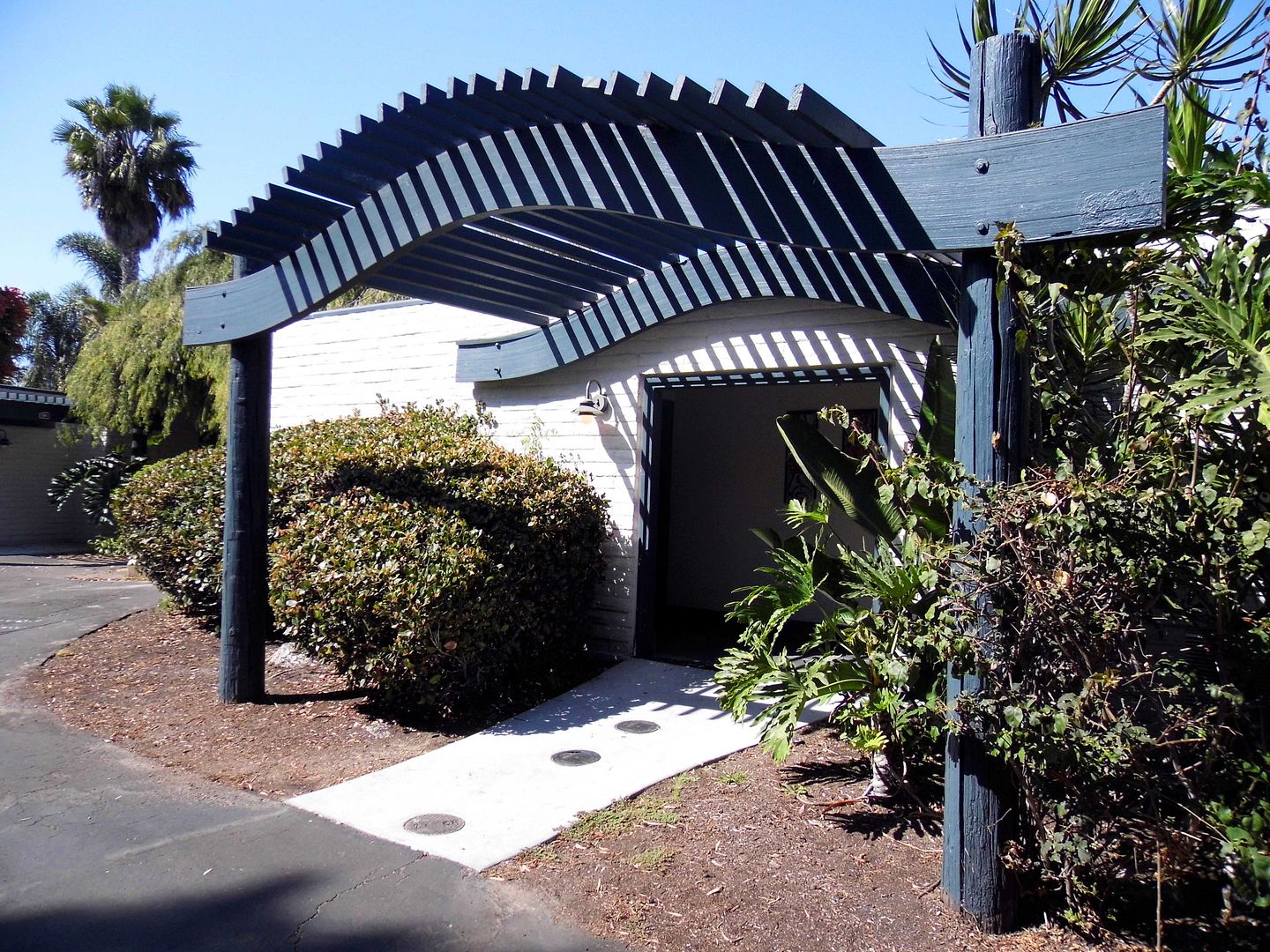
Oh, I'd been to Mission Bay before—to ride The Giant Dipper at the nearby Belmont Park. But I hadn't realized what an influence that wooden rollercoaster (once known as the Earthquake) would have on the local architecture—inspiring the undulating roofline and interior ironwork of the main lobby building of Paradise Point. And that's just for starters. 


The 1920s rollercoaster and the amusement park that contains it actually pre-dated what we know today as the Mission Bay Aquatic Park by decades. It wasn't until 1958 that the San Diego city council approved a master plan to dredge the tidal marsh and create 30 miles of shoreline beaches, grassy knolls, water recreation areas, Sea World, and resorts like Paradise Point—making it the largest man-made aquatic park in the country. 


While that was happening, Hollywood producer Jack Skirball—a Pennsylvania-born former rabbi who left the rabbinate in 1933—had gotten into family entertainment and recreation by delving into bowling alleys. But the bigger fish for him turned out to be transforming a treeless, manmade island called Tierra del Fuego into "Vacation Isle"—home of his South Seas-inspired Vacation Village resort, which opened in 1962.


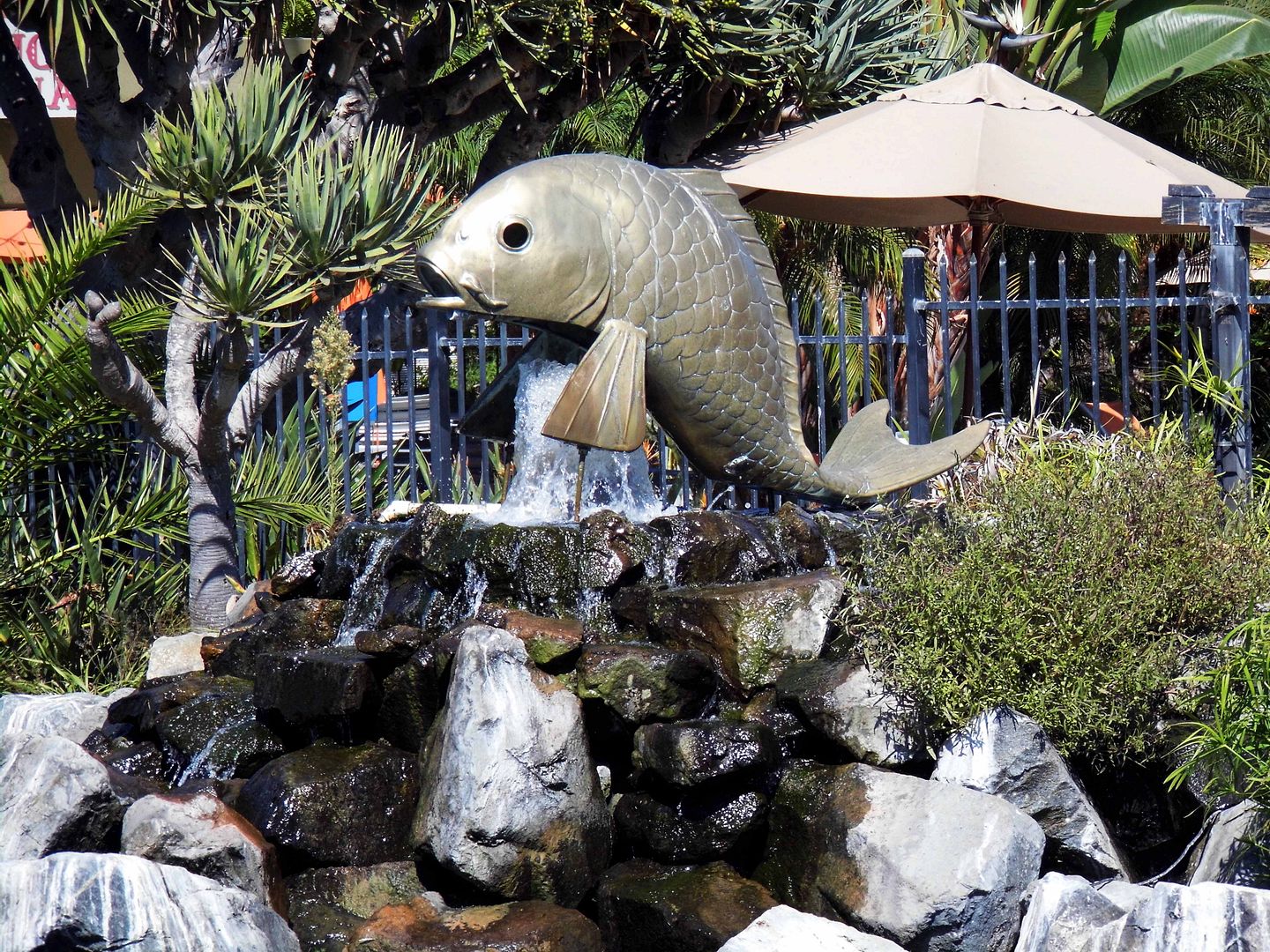
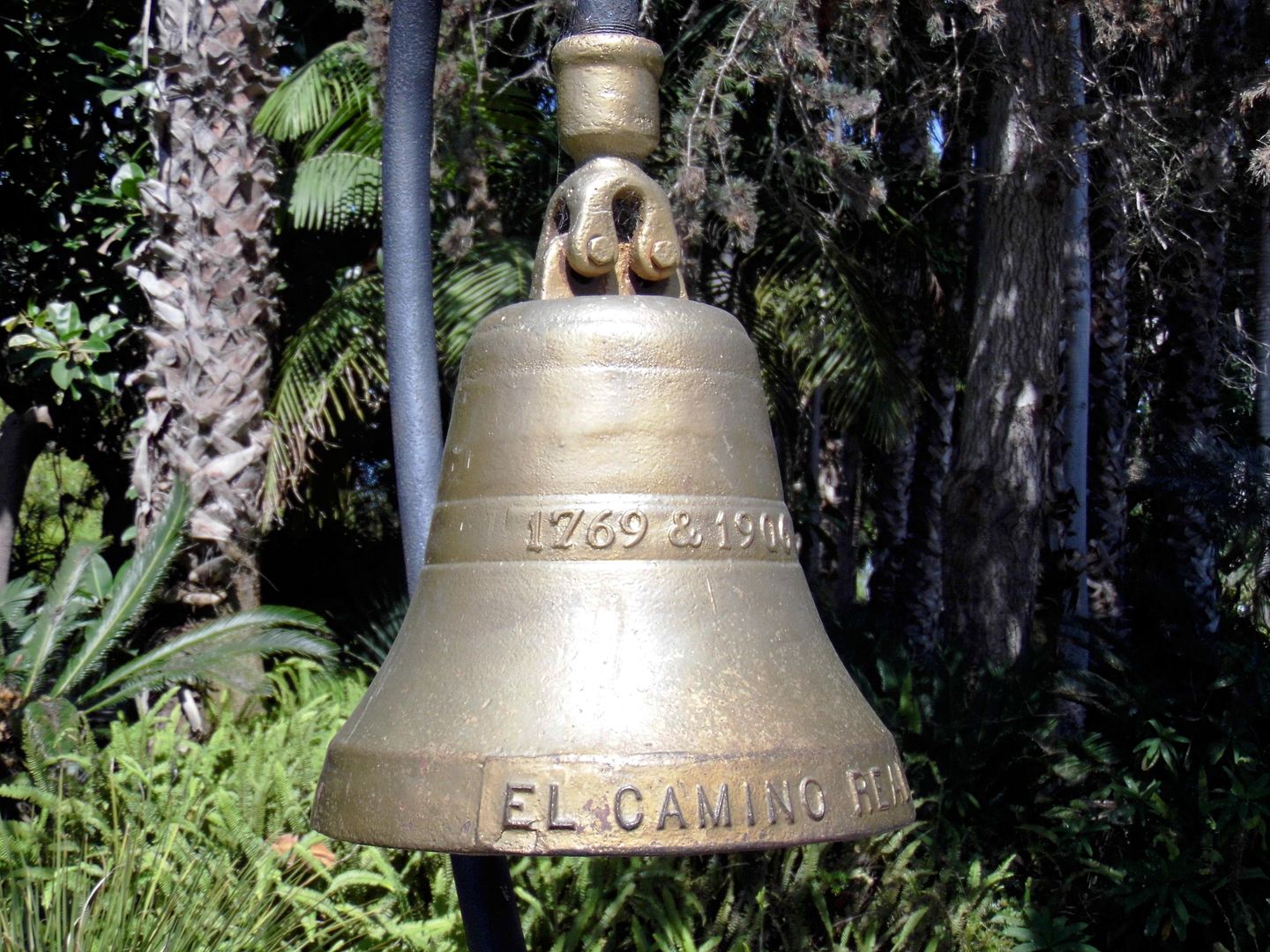
Of course, Skirball made sure Vacation Village had a dash of Hollywood magic here and there—including California's largest collection of original mission bells and screen-used artifacts like the porpoise fountain from the Elizabeth Taylor version of Cleopatra (1963).


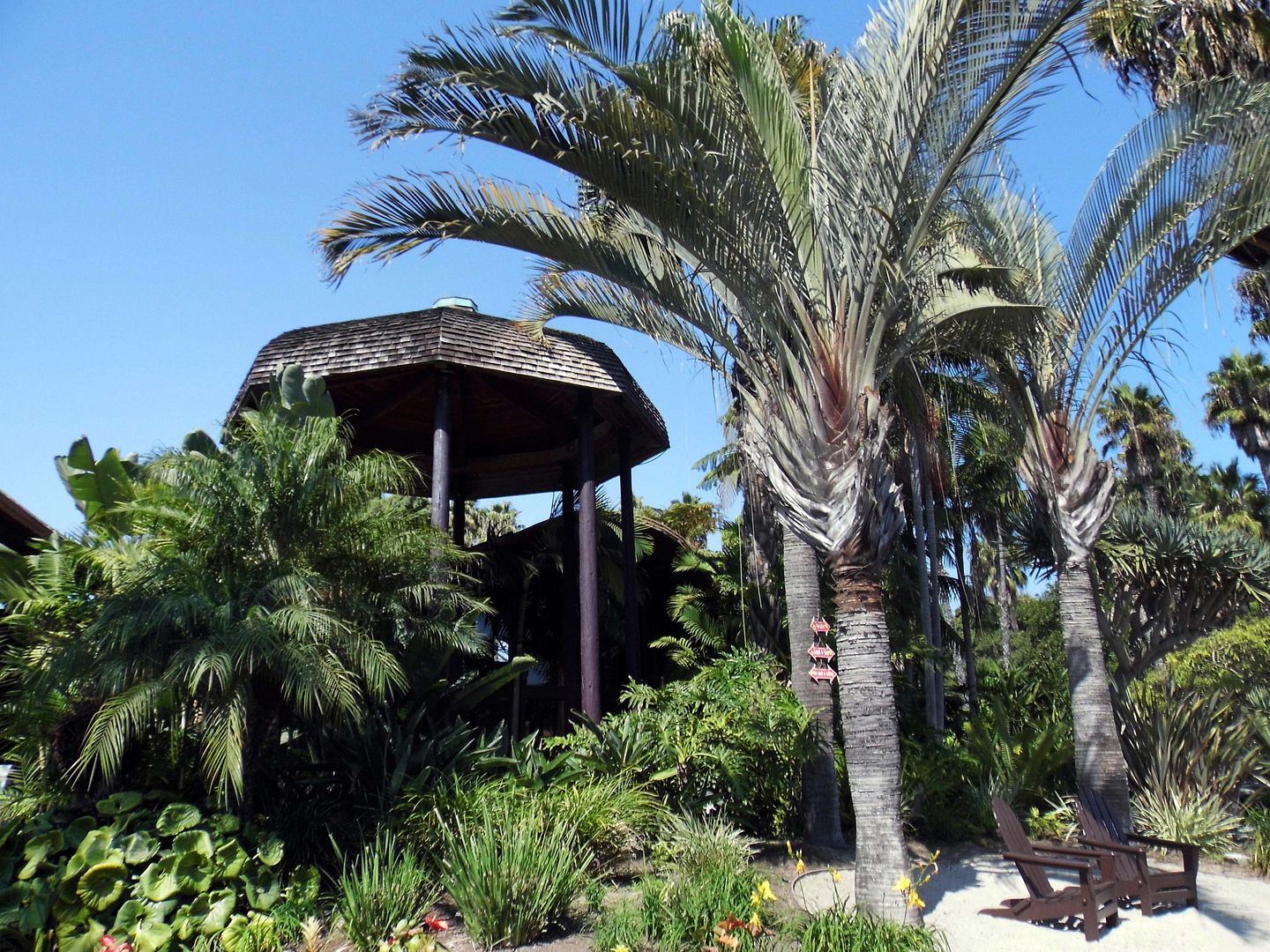
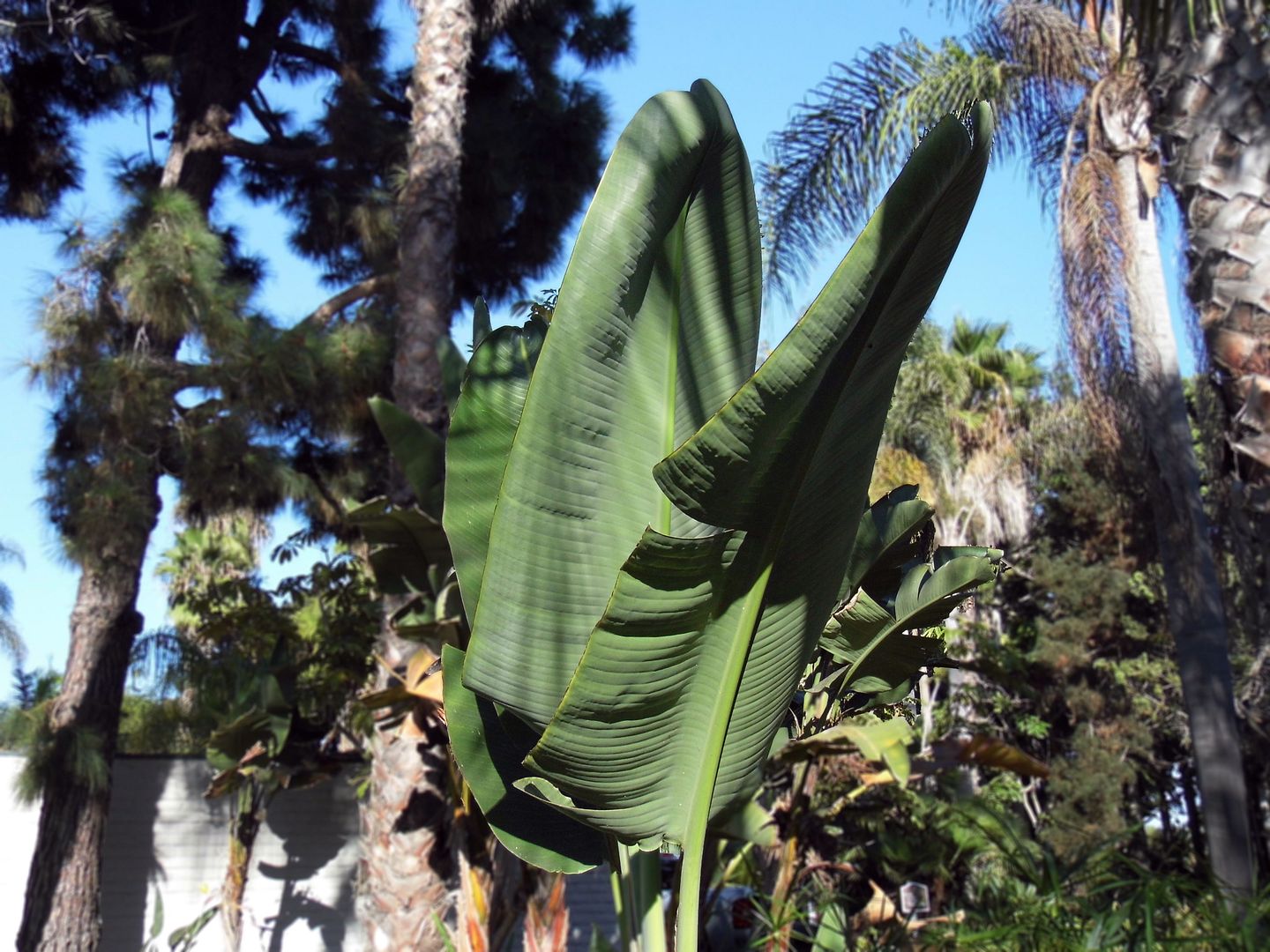
But much of the fantasy comes from the landscape design—whose palm trees, macadamia nut trees, bromeliads, and hundreds of birds-of-paradise transport you to the Canary Islands, or perhaps the South Pacific, or even Madagascar. 


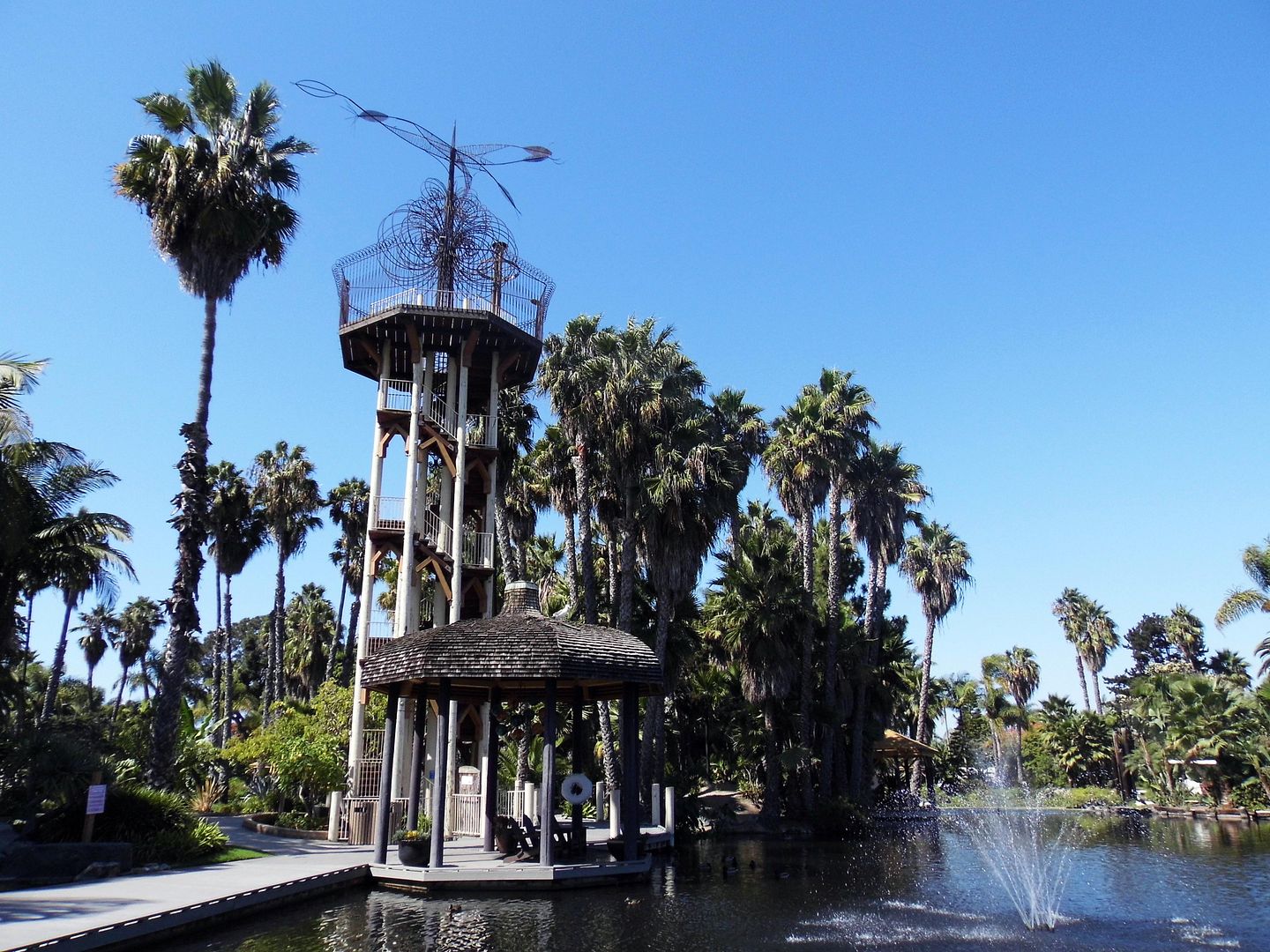
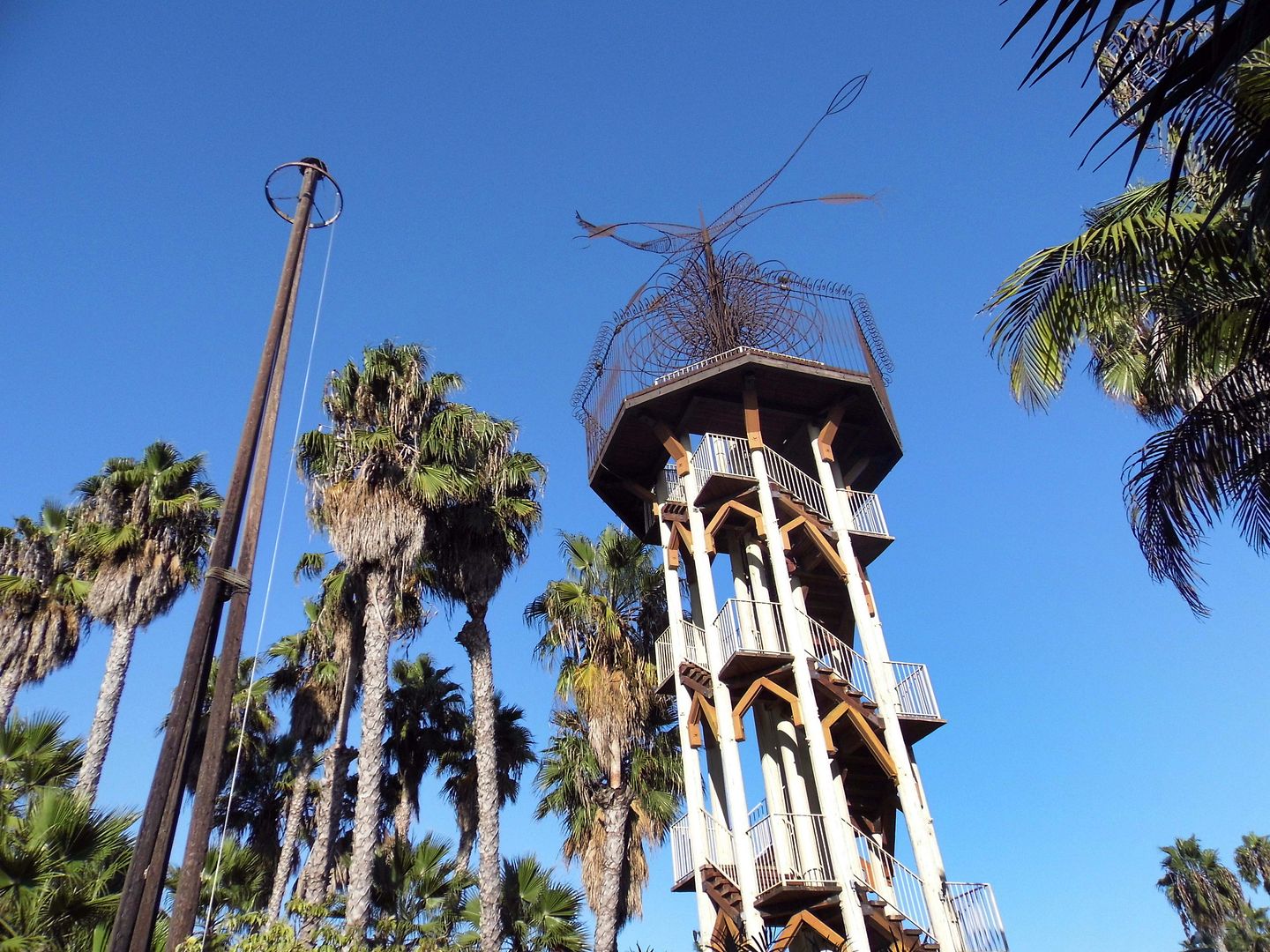
The symbol for the hotel—and still its beacon—is a 70-foot-tall observation tower, designed by the resort's architect, Eldridge "Ted" Spencer of the Palo Alto-based firm Spencer and Lee (perhaps known best for the Ahwahnee Hotel in Yosemite National Park). 


It was built by Robert "Bob" Golden—the son of construction magnate Morley H. Golden and, as of 1956, president of M.H. Golden Construction Company It must've been an engineering feat to make it as sturdy as it still feels. 


After climbing up an undetermined number of stairs, the view of the main lagoon from up there is breathtaking, fantastical, and transportive. 


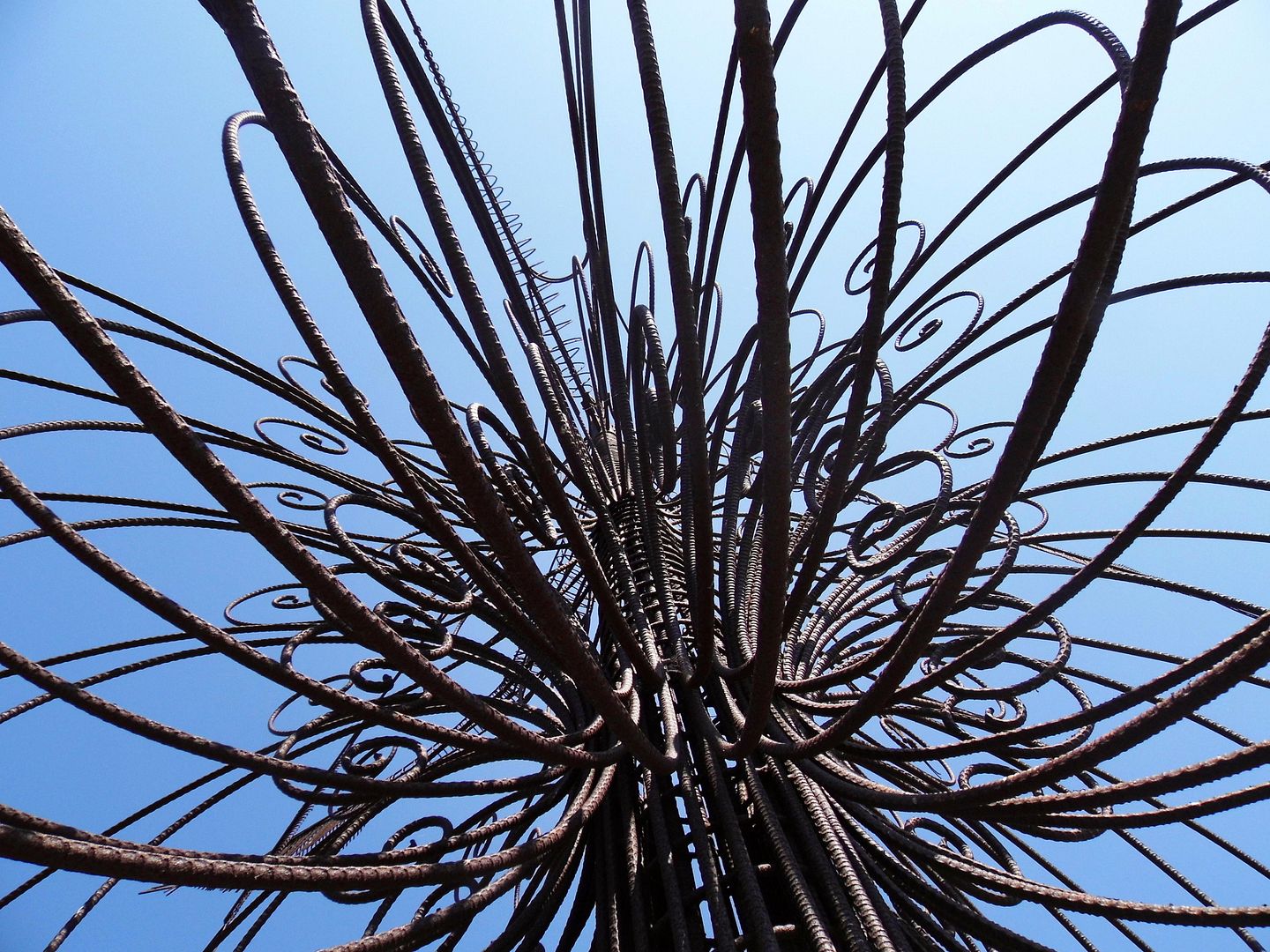
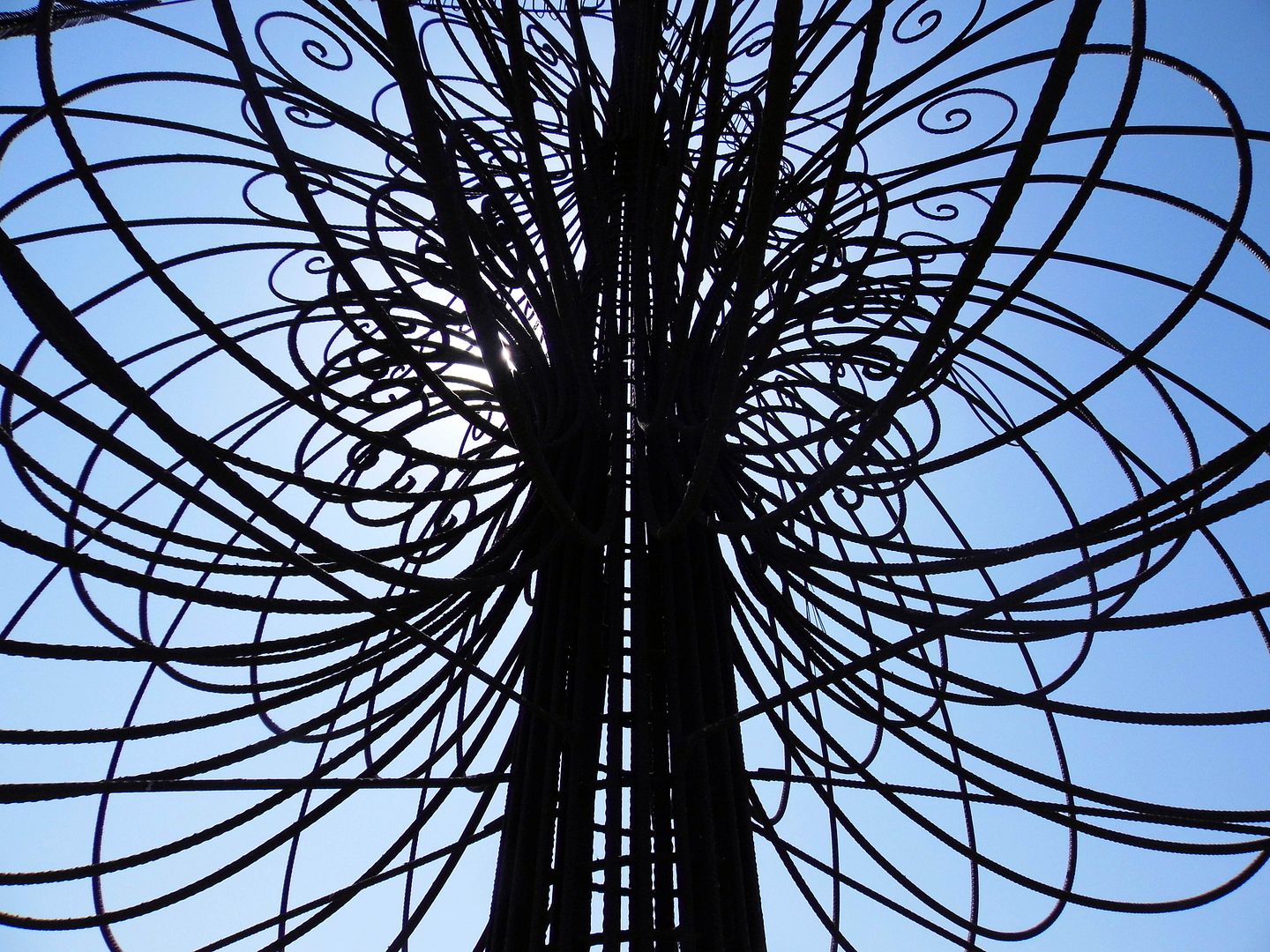
And at the very top, you can be delighted by the whimsical rebar sculpture by Val Agnoli...


...whose uppermost portion is meant to evoke the red-eared slider turtles that populate the waters below. 


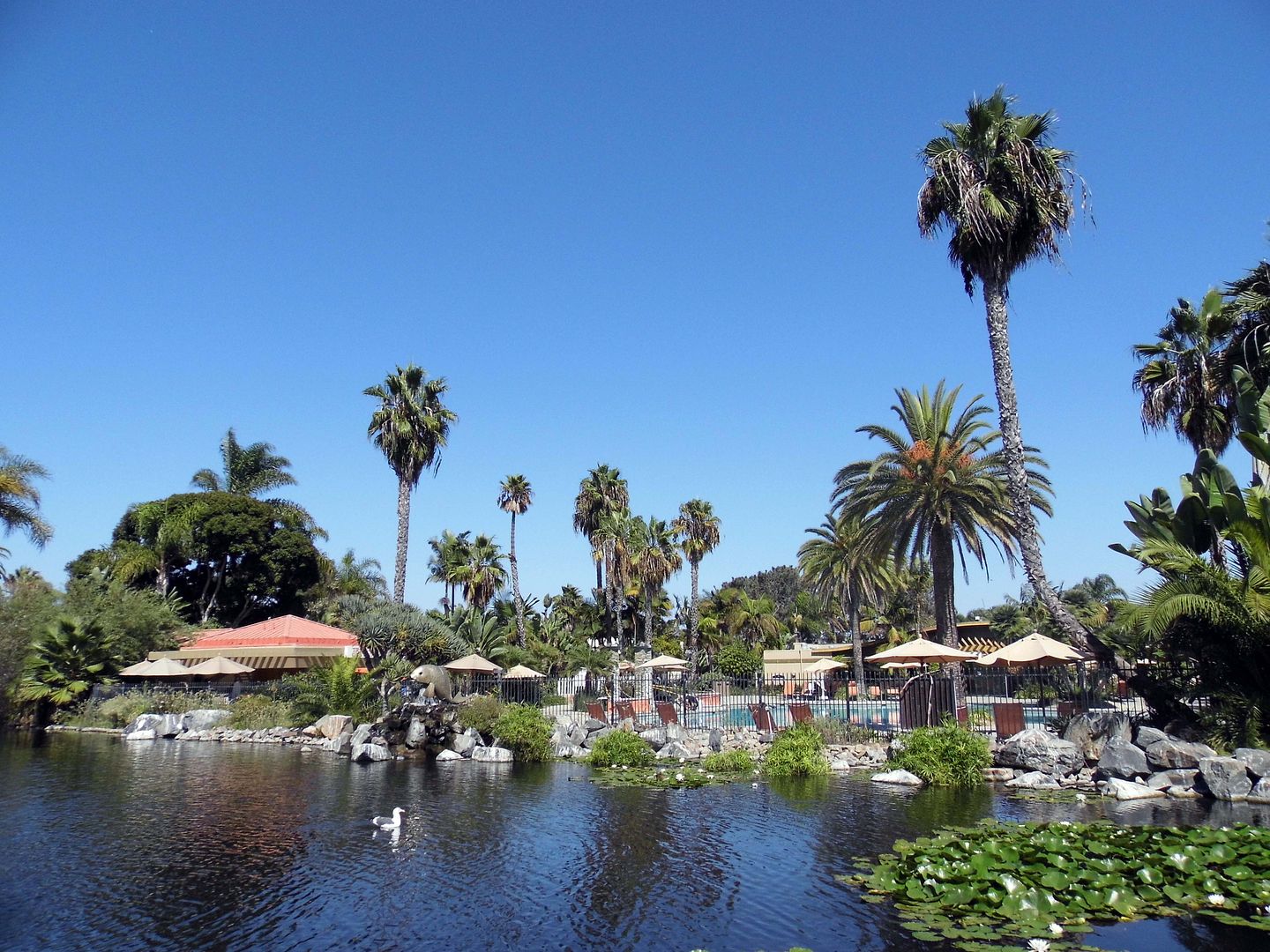
After all, this bayside resort offers more watery wonders than just its swimming pools. 


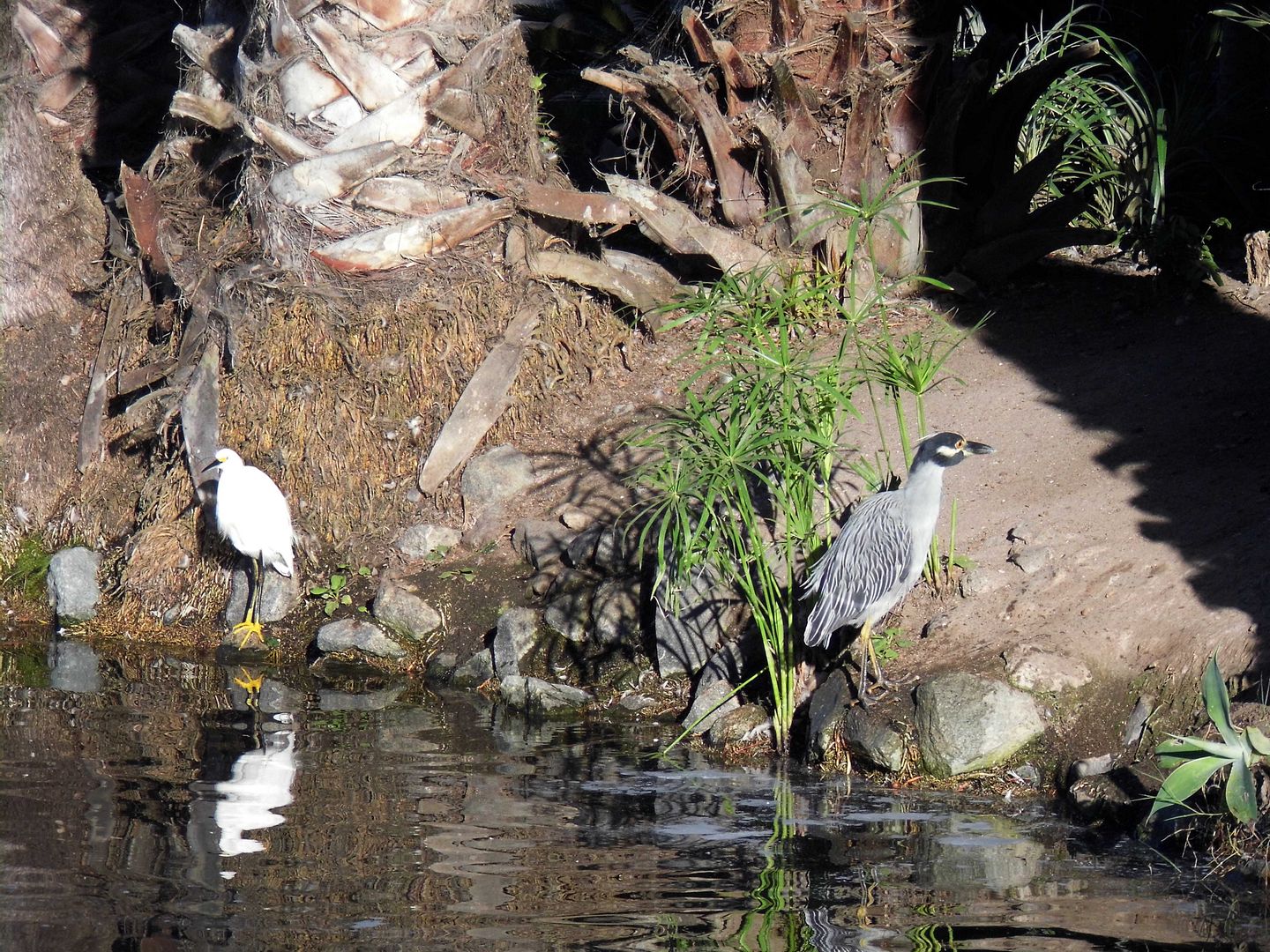
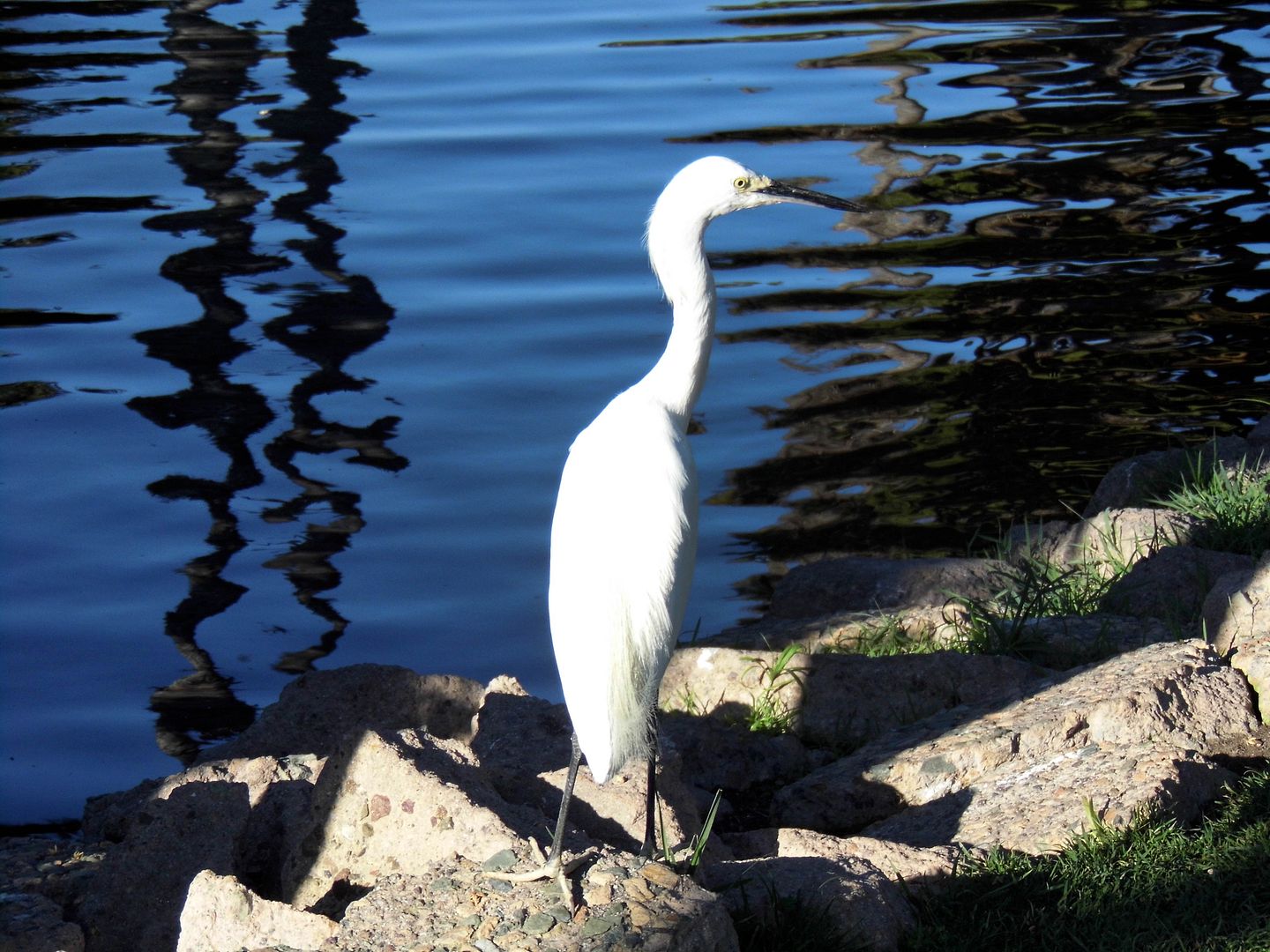
And all that wet stuff is great for attracting shorebirds, like snowy egrets and yellow-crowned night herons, with their yellow feet and eyes...

 
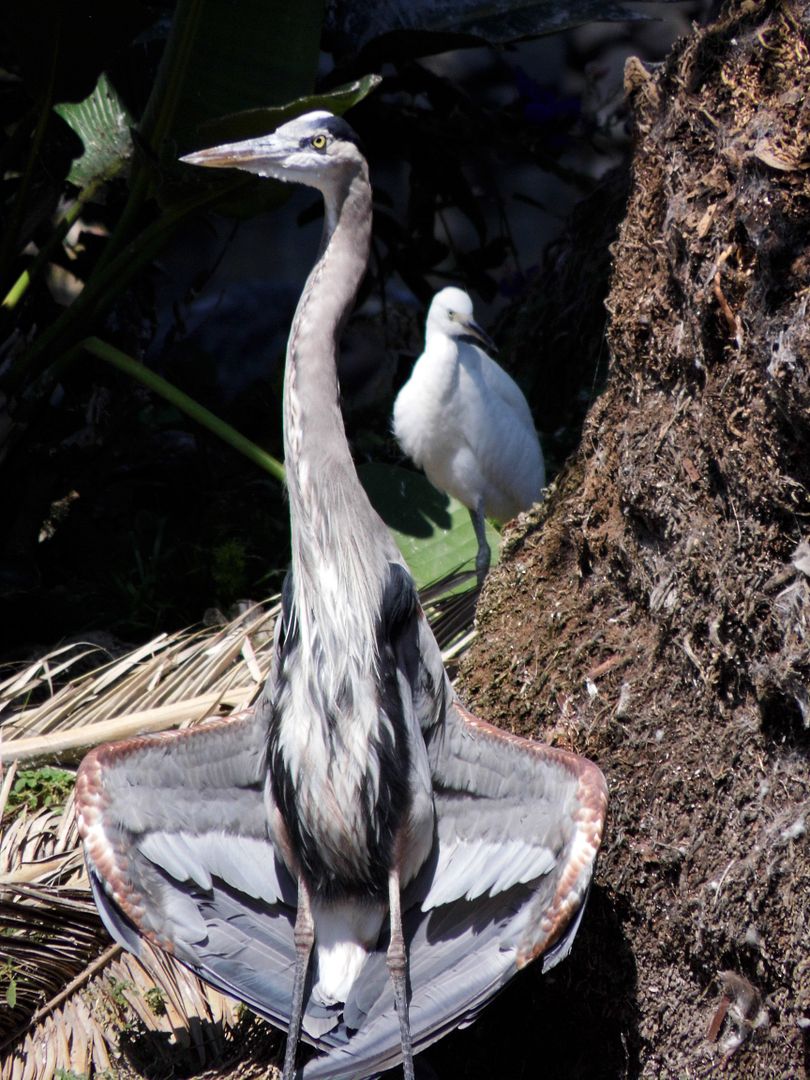
...great blue herons, who sun their wings in a "flasher" pose...

 
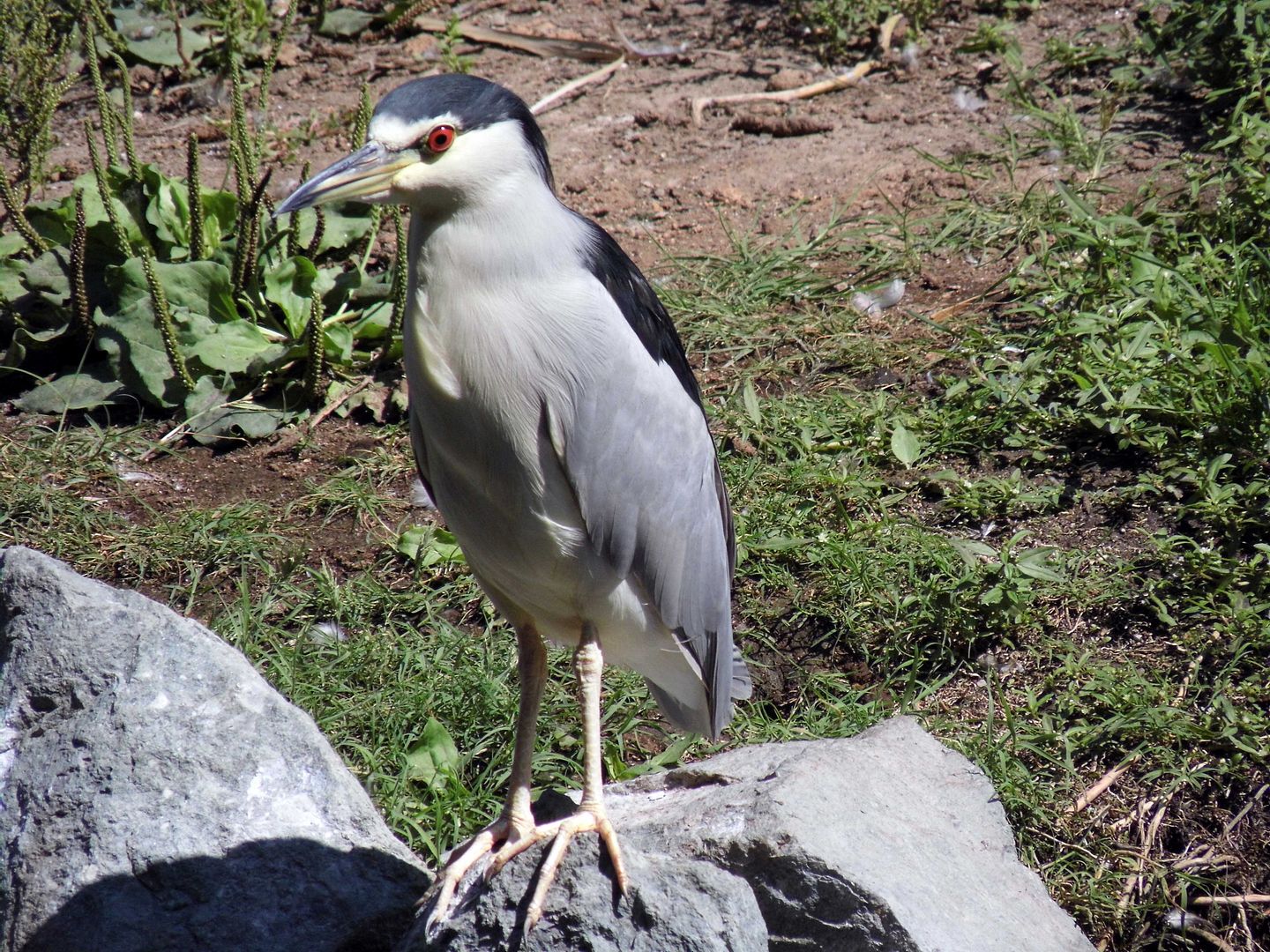
...black-crowned night herons, with their red eyes...
    

...and of course great egrets. 


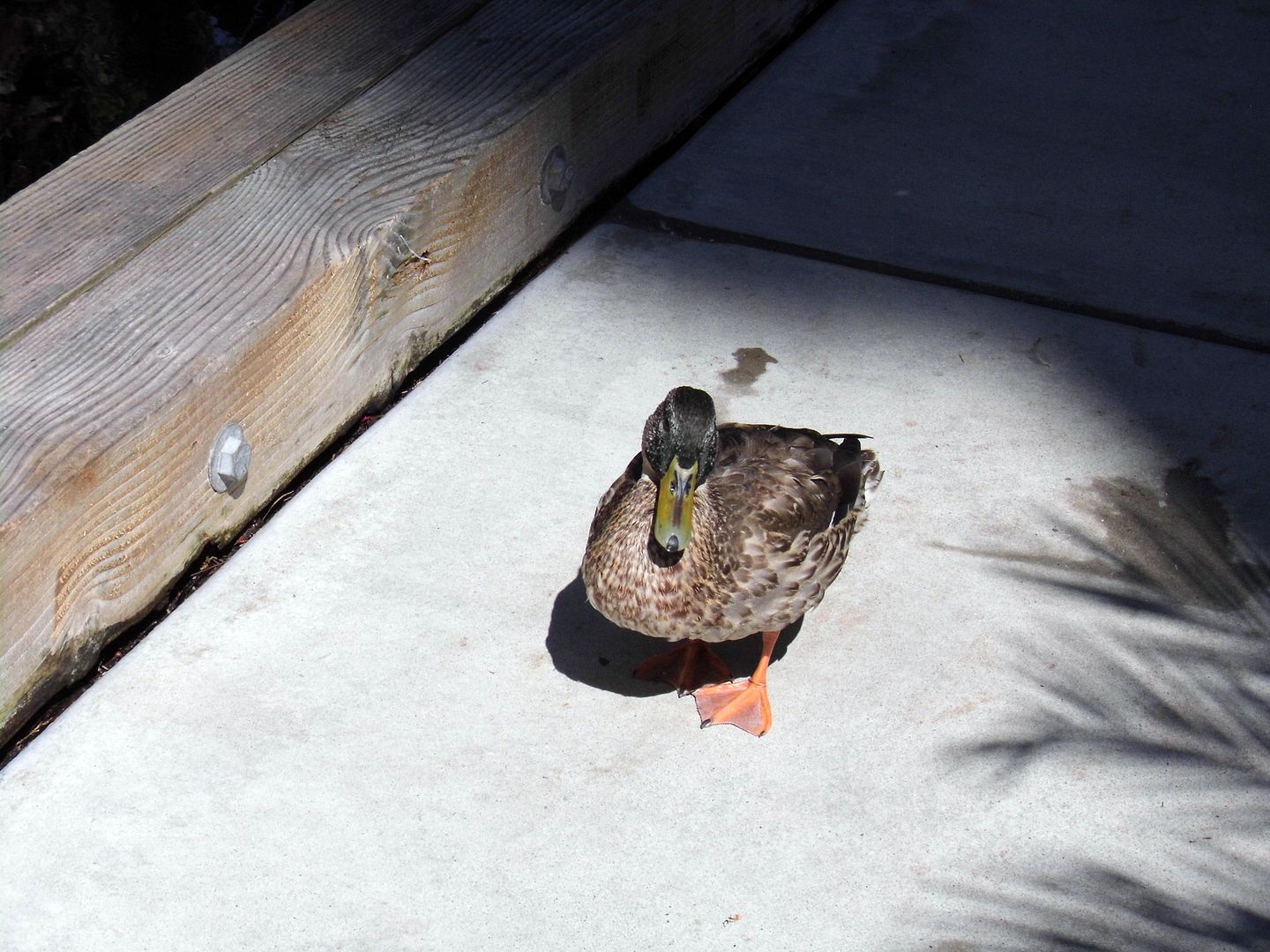
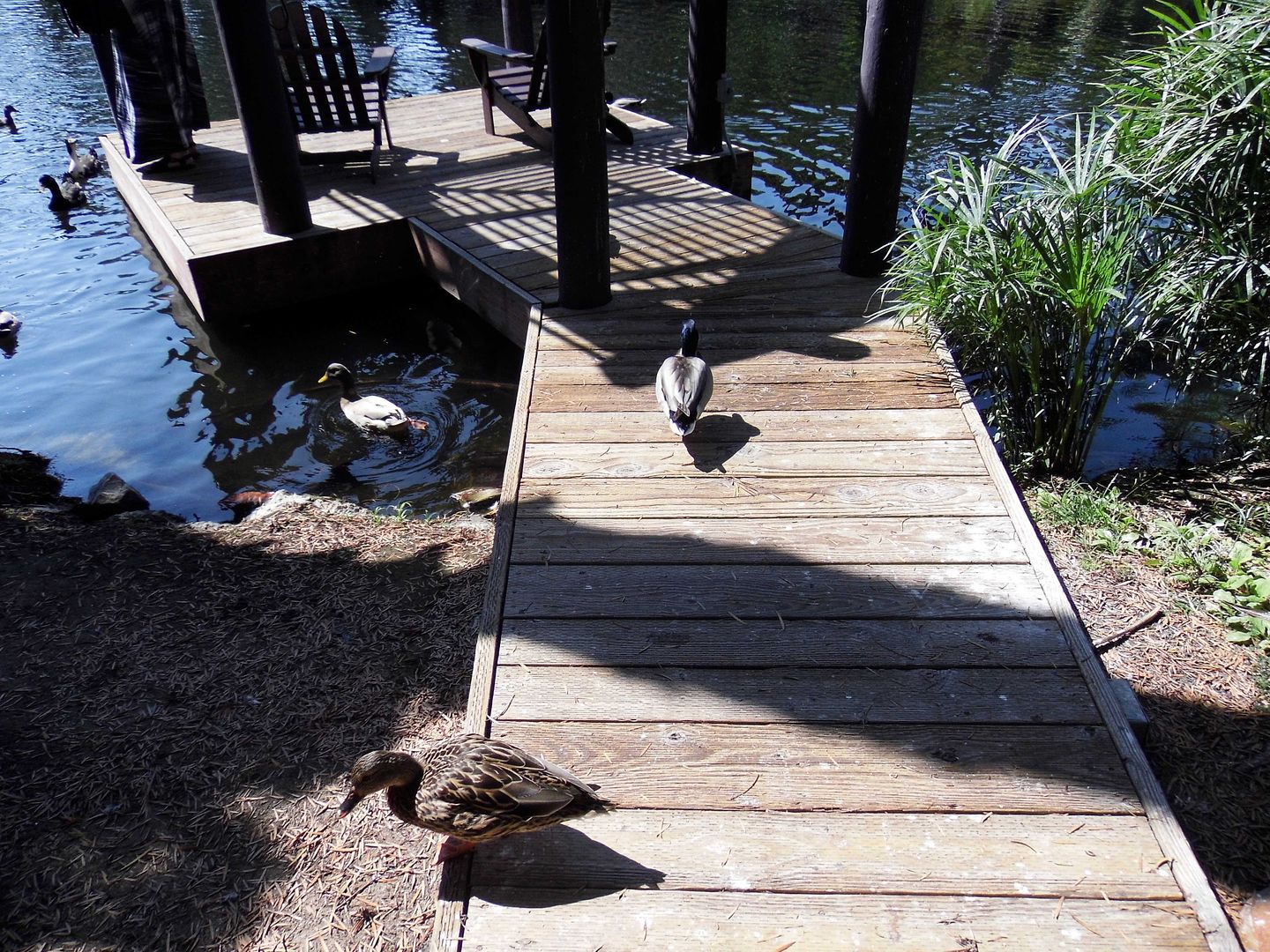
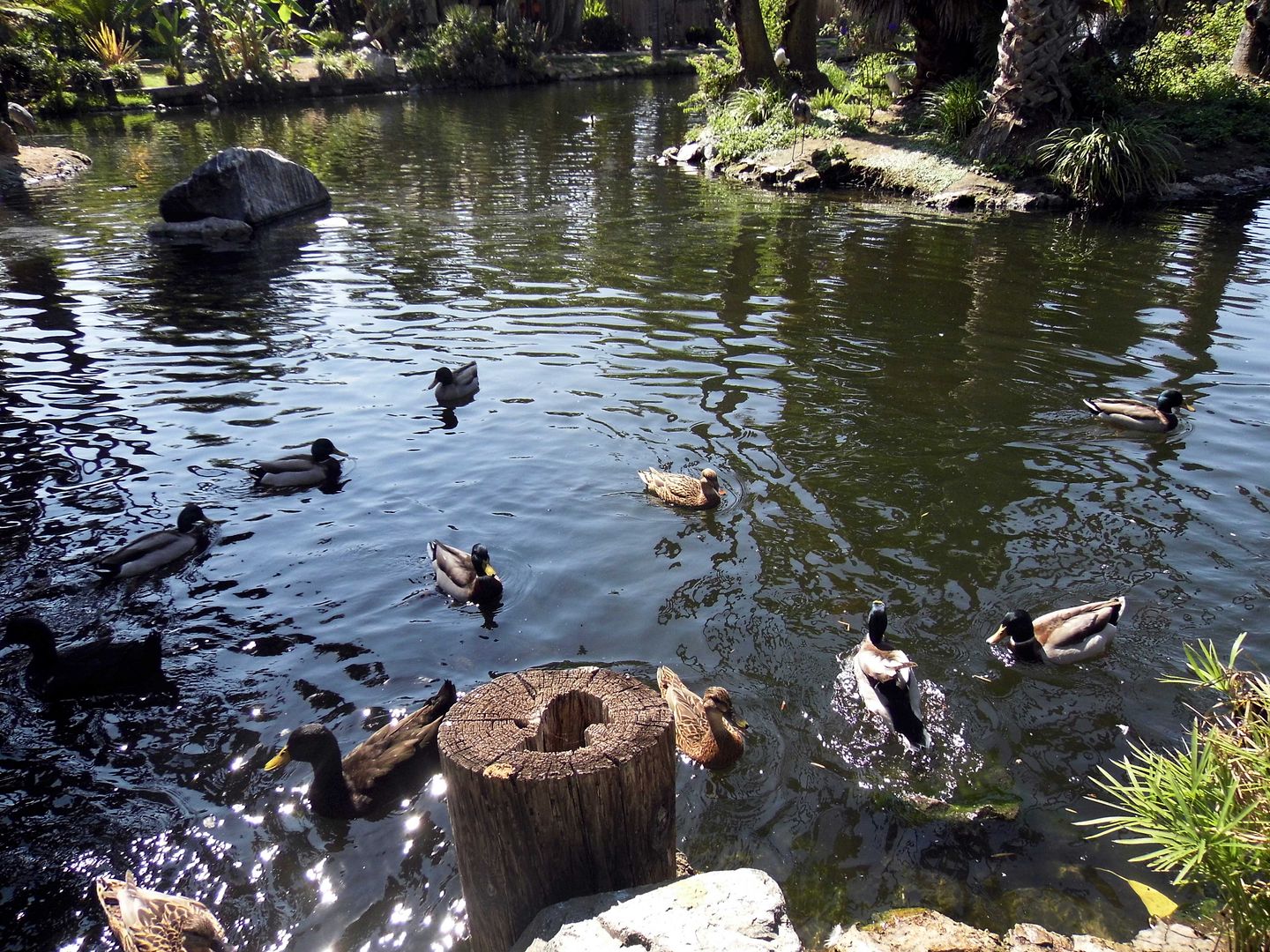
The ducks are particularly friendly—but maybe that's because they know the resort gift shop sells small bags of duck food for just $2. 


They'll either follow you, while nipping at your shoes and toes, or they'll lead you to Amelio's Dock, where all their friends will be waiting for a snack. 

                        
They compete with the koi for the little tasty pellets—and even though the shop also sells $2 bags of fish food, the koi don't seem to discriminate. 

    
I could easily spend days just wandering the grounds, feeding the birds, and photographing the scenery. 


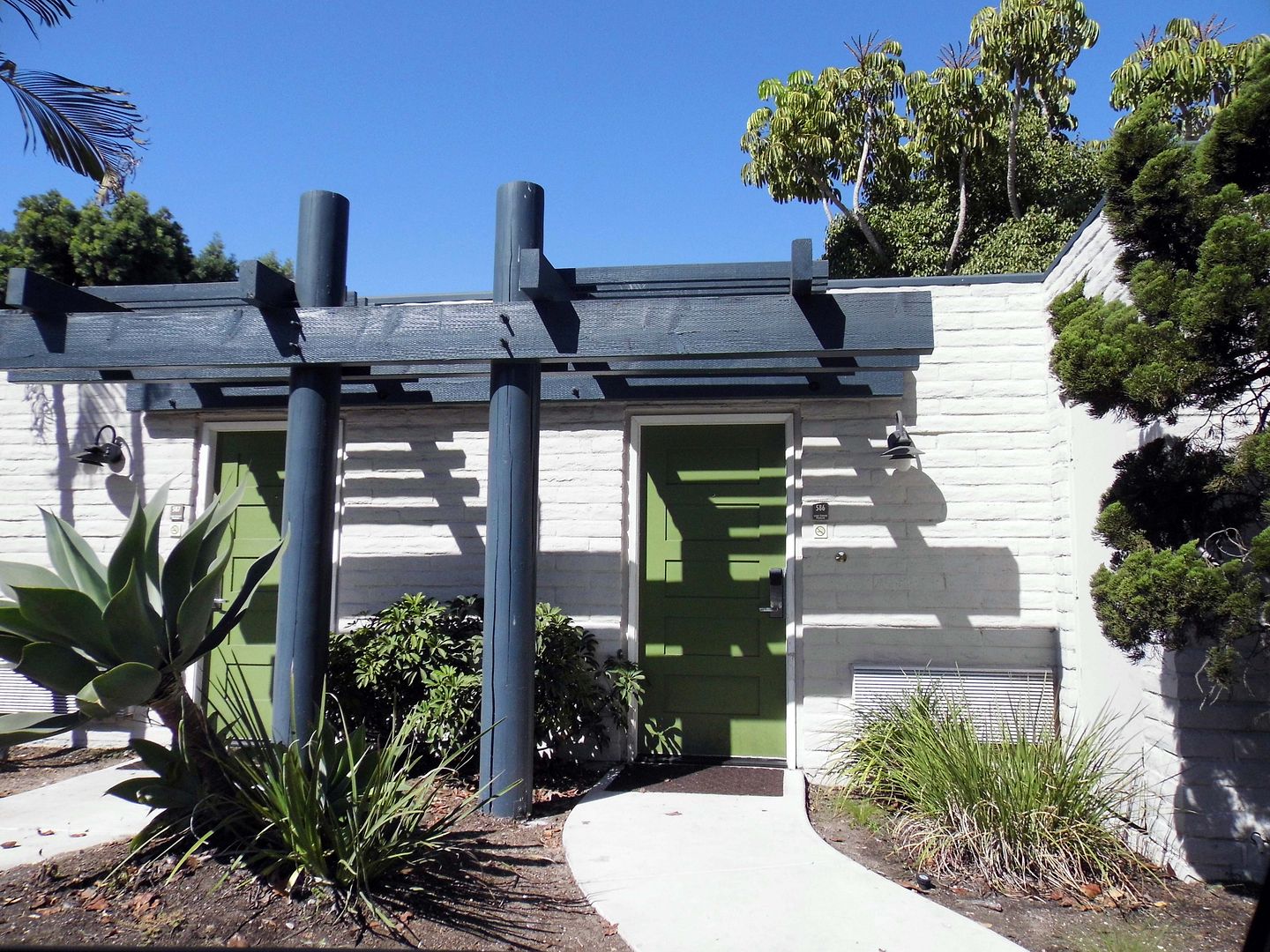
But I'd only booked one night—fortunately getting upgraded from a standard room to a bungalow with a Giant Dipper-inspired entryway. 

 
Staying in any of the 400+ rooms at Paradise Point was a major treat for me—but when Vacation Village first opened in 1962, its original 150 rooms went for just $8 per night.


That gave guests access to one restaurant, a golf course, and two tennis courts.
            
 
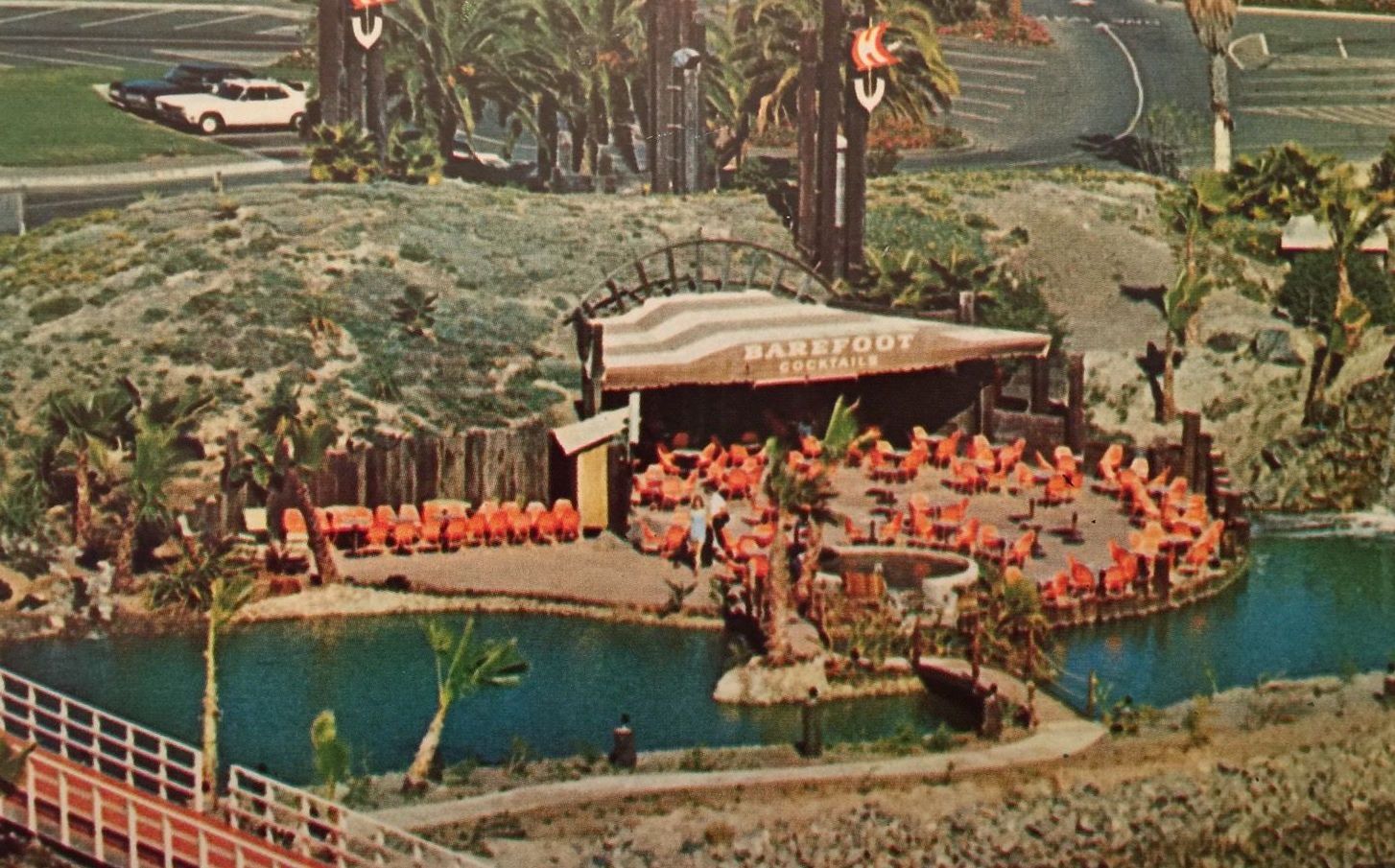
The resort's Barefoot Bar—initially called "The Grotto"—went down in infamy as a kind of Cold War-era beach bunker where you could get "bombed" at the bar but would survive a "bombing" under all that sand. Although the Barefoot Bar operated for a time as a location of Don the Beachcomber (1980-1983), its current iteration has returned to the original theme. 


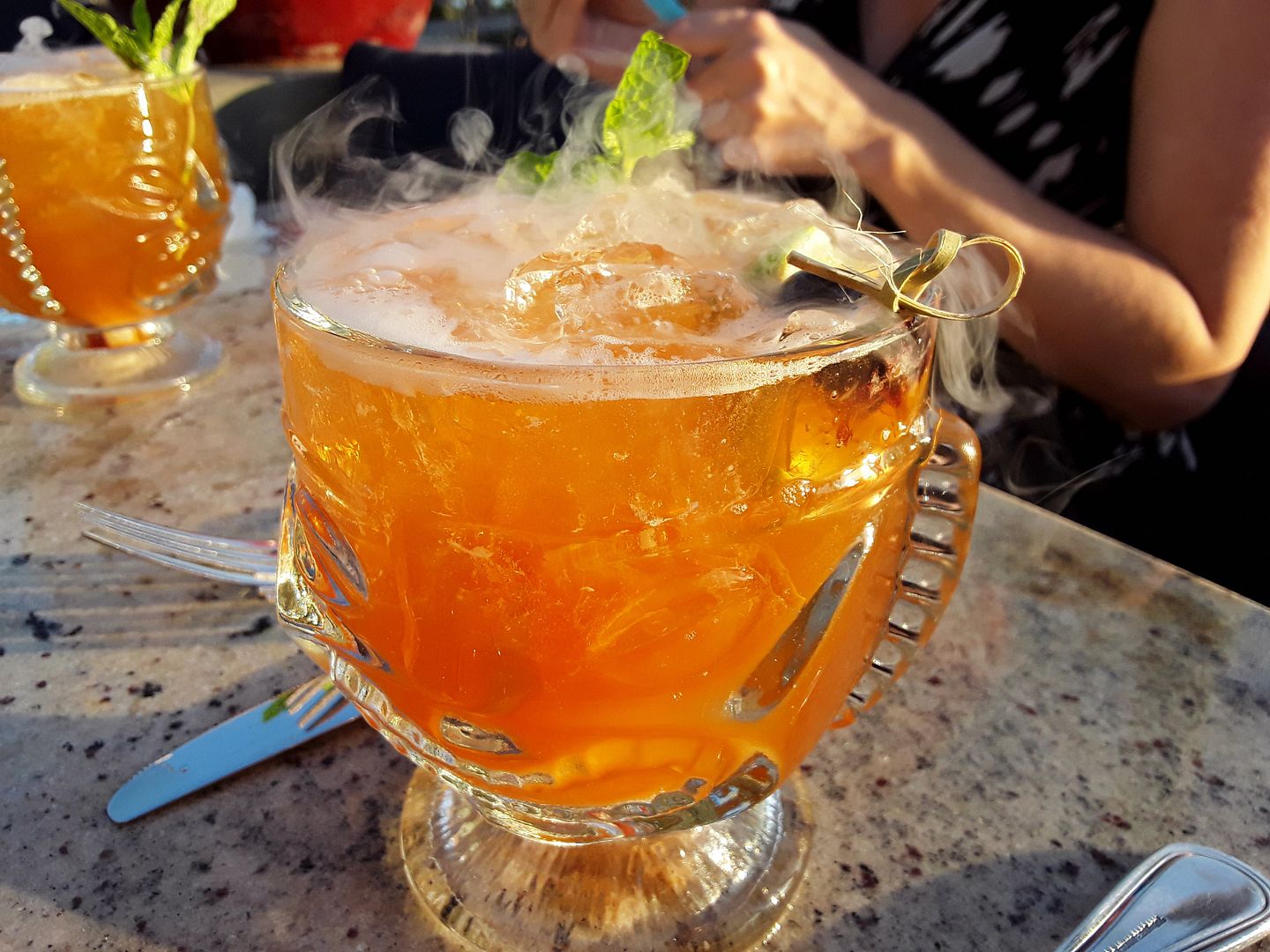
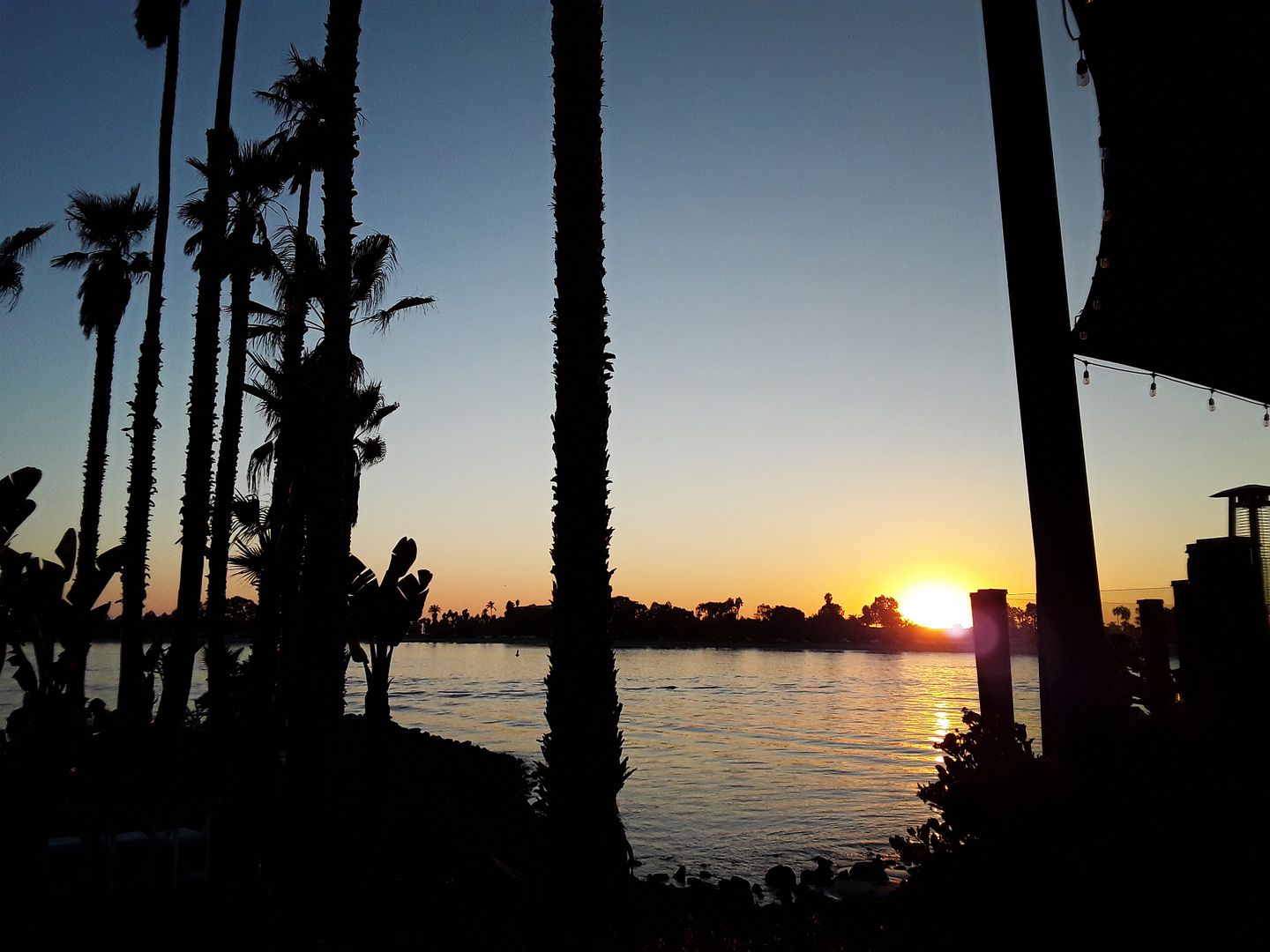
A friend and I enjoyed my birthday dinner at Paradise Point's onsite sit-down restaurant Tidal (formerly Baleen), where we sat by the marina enjoying Paradise Mai Tais in tiki glassware with a dry ice-induced "fog" effect. 
 

As the sun went down behind us, I thought, "This was a really good idea." I felt no birthday despair. No existential dread. No desperation for something epic to happen on the night I turned yet another year older. 

And as it turns out, that might've been my last chance to experience Paradise Point as it is right now—and as it has been since LaSalle Hotel Properties bought it and rebranded it as such in 1998. 

Its owner since late 2018, Pebblebrook Hotel Trust, has entered into a license agreement to turn Paradise Point into one of the first West Coast outposts of Margaritaville hotels and resorts. (Palm Springs hasn't opened yet, but it's already taking reservations.) 

I can only assume that means it will soon be taken over by the Parrotheads who support the "Margaritaville" singer and songwriter Jimmy Buffett. 

And although that may be "tropical"—and some might consider that "paradise"—it is not the same tiki-adjacent experience as Vacation Village or Paradise Point. 

Unfortunately, something like this was probably bound to happen after Skirball cashed out and sold the property in 1983, two years before his death. 

I hope they keep the tower and the rollercoaster architectural references and the birds and the turtles. 

For lots of vintage photos and information, visit ClassicSanDiego.com

Related Posts: 

October 04, 2018

Photo Essay: A Rare Visit Atop An Art Deco Shopping Palace on Miracle Mile

I'd been non-committal about my birthday, as usual.

Michelle was coming into town for work, and I knew I wanted to spend my birthday with her. What we were going to do together—besides share a meal and some drinks—was still to be determined a week before her arrival.

And then I saw the announcement about a members-only cocktail party in an Art Deco penthouse, on the night of my birthday.

The location was secret to non-members like me—but regardless of where it was, it seemed like it would be worth re-upping my Art Deco membership after having let it lapse six years ago. At least, if I could get Michelle in.


"Could it be Desmond's?" I wondered, I hoped.


"It's Desmond's," Joanna, already a member and "in the know," told me.


I signed up shortly thereafter.


Although the Desmond's department store hasn't been open for business for decades, the tower of the so-called "Desmond's Building" still bears the neon letters of its name, making it a local landmark for even those of us who never got to shop there.


And fortunately for vintage aficionados, many of its other original features remain, too, even on street level...


...including the starburst terrazzo sidewalk with black and red granite...


...a brass lettered inlay...


... and the Wilshire Boulevard signage.


Now, the Gilbert Stanley Underwood-designed monument is known as The Desmond, offering upscale residential units.


If you round the corner...


...and head towards the back of the building...


...you end up at the parking lot entryway...


...where you can slip into the dark, ornate lobby...


...dimly lit by the remaining daylight...


...and those "wedding cake" pendant fixtures (not original) that have become synonymous with "Art Deco."


I'd already been that far into the former Desmond's department store before—back in 2011, on a walking tour of Miracle Mile. But until my birthday, I hadn't ridden the original antique manual elevator, which dates back to 1929.


Nor had I met its captain, Ruben Pardo—one of the last working elevator operators in LA, who's been safely transporting visitors and tenants up and down the tower for the last four decades, manually lifting and descending, and opening and closing the safety gate with a ka-thunk. "We're going to the top," he announced.


Desmond's was first in line to transform this section of Wilshire Boulevard from farmland, tar seepage, and residences into a thriving commercial district that brought shoppers west of Downtown.


Its top-floor penthouse is essentially empty, ripe for cocktail parties such as ours, where beverage-toting looky-loos such as myself can climb out onto the fire escape, strappy, peep-toe heels be damned...


...and gaze up at those larger-than life letters that have been beaconing and beckoning for so long.


But the real pièce de résistance of the event wasn't the penthouse, but the roof.


From up there, we could look north towards the Hollywood Hills, east towards Downtown and the mountains beyond...


...south towards an intact residential area, and west to face the sun setting over the Pacific Ocean, a perfect time capsule of LA new and old, low- and high-rise, modern and Moderne.


And, of course, it was probably my only chance to get a good look at the building itself—known in its entirety as the Wilshire Tower, as Desmond's was one of two flagship retailers that occupied the street level (the other being Silverwood's) and many other tenants occupied the upper floors.


LA's Dapper Dans came out in full force on Sunday night, sporting their nattiest period-appropriate costuming.


And the red, Pacific sky delivered on a classic LA autumn sunset, replete with dramatic clouds and a surreal palette of blood and ice cream, swirled with gold and dreams.


Related Posts:
Photo Essay: Miracle Mile
Why You Need Eyes in the Back of Your Head in LA
Photo Essay: Bullocks Wilshire, The Art Deco Law School Campus (Updated)
Photo Essay: Wilshire May Company Building, Miracle Mile