Search

Showing posts with label Farms. Show all posts

May 29, 2024

Photo Essay: Finding Out How a Luffa Becomes a Loofah

File under: I was already in the area, so why not?

 
I'm endlessly curious about the world around me, the way things work, and the odd origins of familiar things—so naturally, I made a trip to The Luffa Farm while visiting California's Central Coast last weekend. 

August 08, 2021

Photo Essay: A Public Tour & Tasting at SoCal's Only Oyster Farm (Shuck Yeah!) - [Updated for 2024]

[Last updated 7/21/24 10:52 AM PT—In May 2024, Carlsbad Aquafarm posted the following on Facebook: "Carlsbad Aquafarm will no longer host public tours due to logistics issues and concerns for public safety in accessing the farm off Carlsbad Boulevard."]

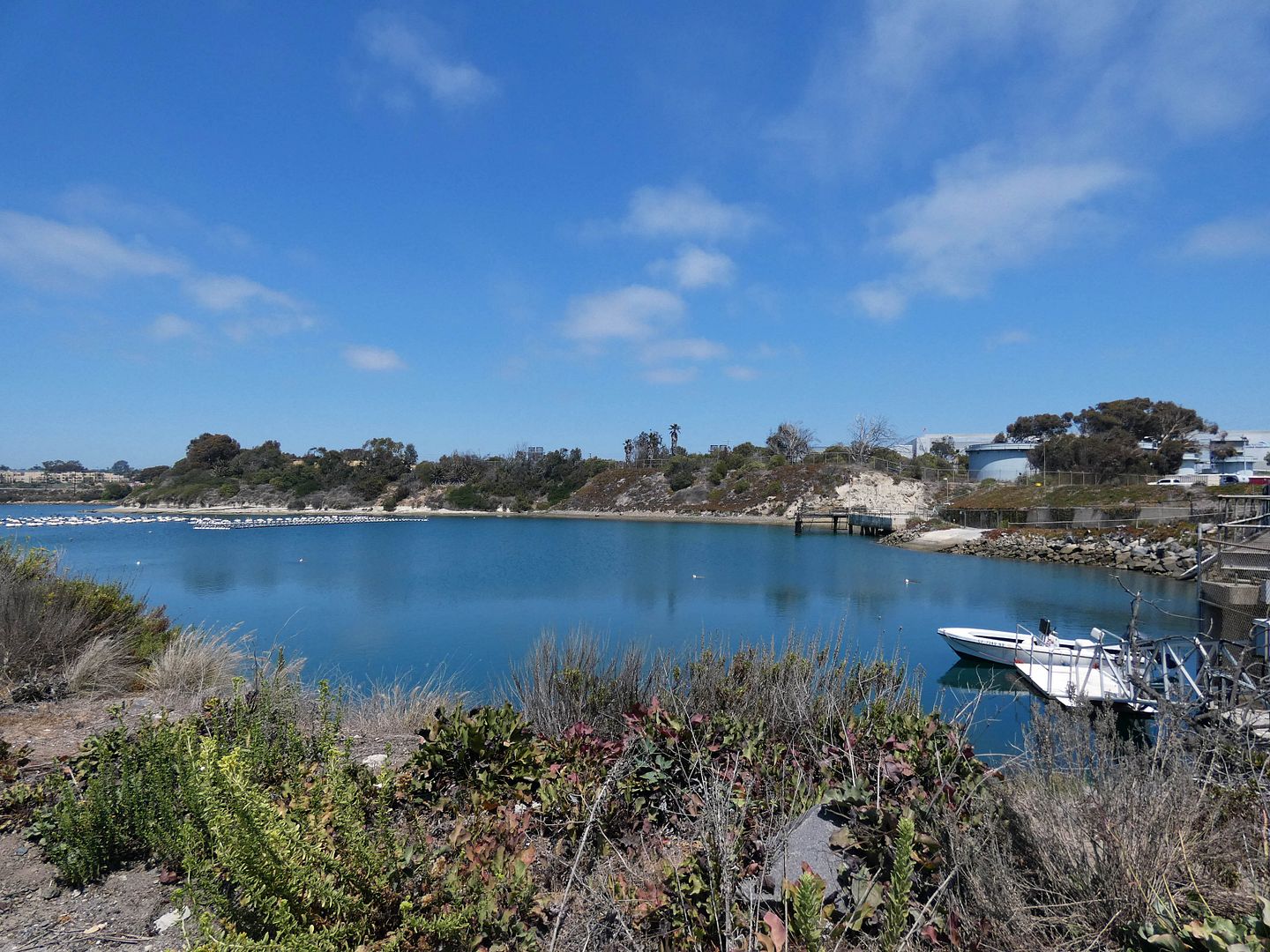
Carlsbad Aquafarm has been growing various types of sea life in the outer Agua Hedionda Lagoon—a tidal wetland that shares water with the Pacific Ocean—since it first arose out of a 1960s-era San Diego State University aquaculture research facility in 1990. 
 

But it was only five months ago that it first started conducting public tours—and only last week that those tours came on my radar. 

June 25, 2021

Photo Essay: A World-Class Trout Farm In the Sierra Nevada, Closed by Mudslide

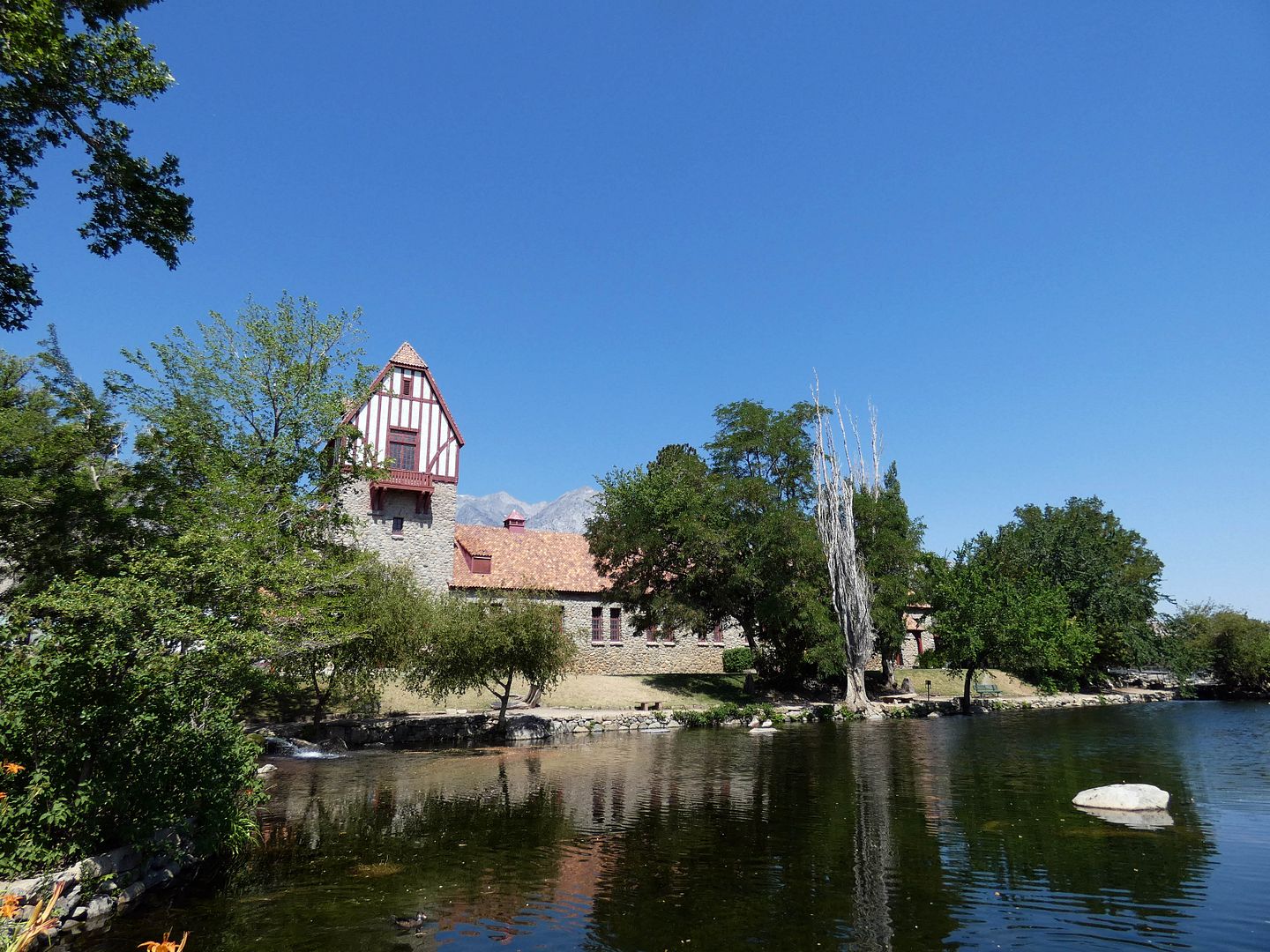
When it opened in 1917, the Mt. Whitney Fish Hatchery near the town of Independence was one of the first of its kind to raise trout (even the rare golden trout, California's state freshwater fish) to stock in California's lakes and streams (including those in the High Sierra backcountry) for fishermen to catch. 

The Eastern Sierra had begun "opening up" to visitors, as road improvements along old prospector trails—like El Camino Sierra, or what was to become the Sierra Highway—made "the Alps of California" more accessible than ever by car, from Los Angeles all the way north to Tahoe. 

There was a great and growing demand to not only attract but also keep tourists in the area by facilitating their thirst for the outdoors—and their appetite for angling.  


November 29, 2020

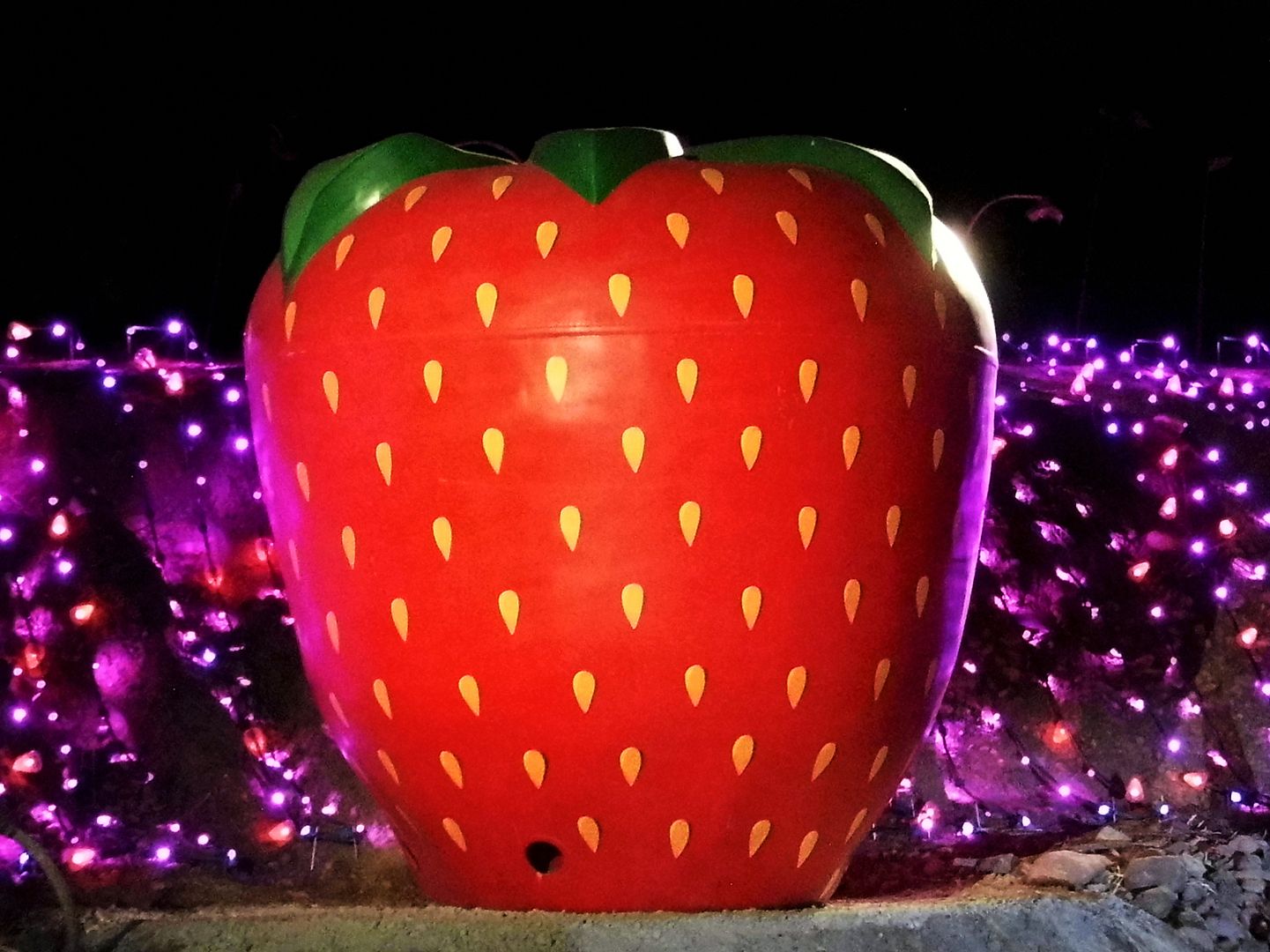
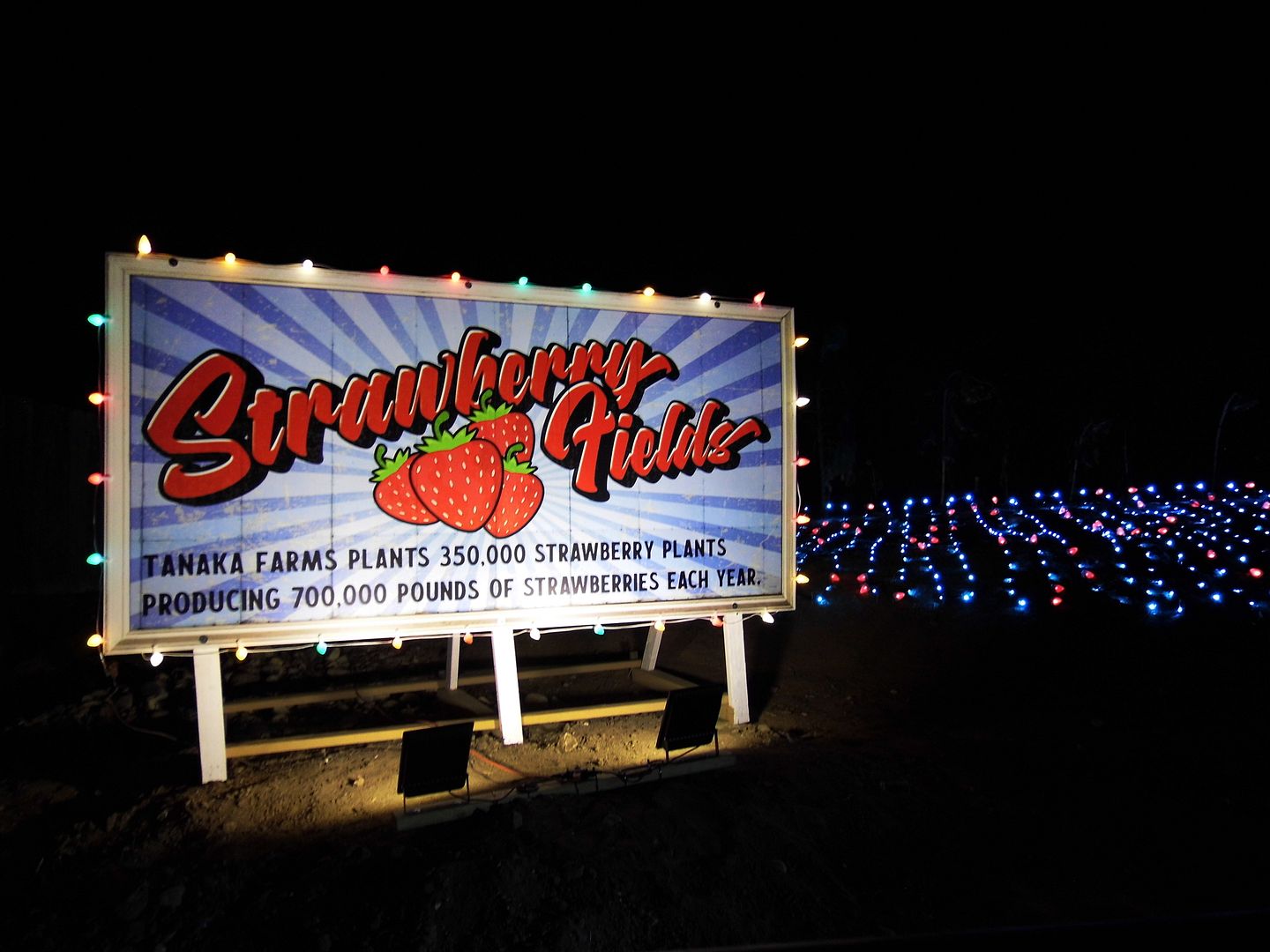
Photo Essay: Tanaka Farms Is All A-Glimmer with Hikari 光 Festival of Lights

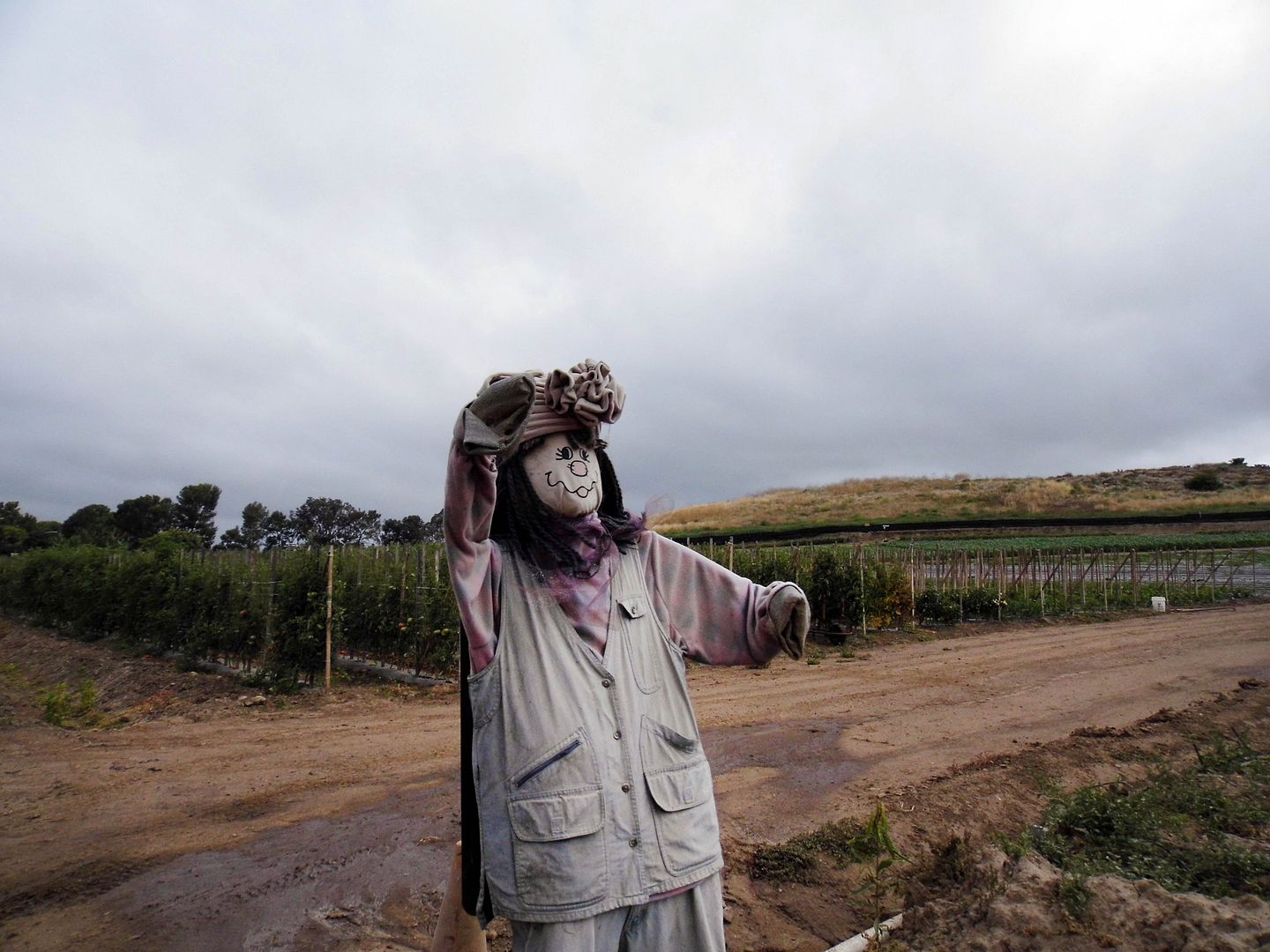
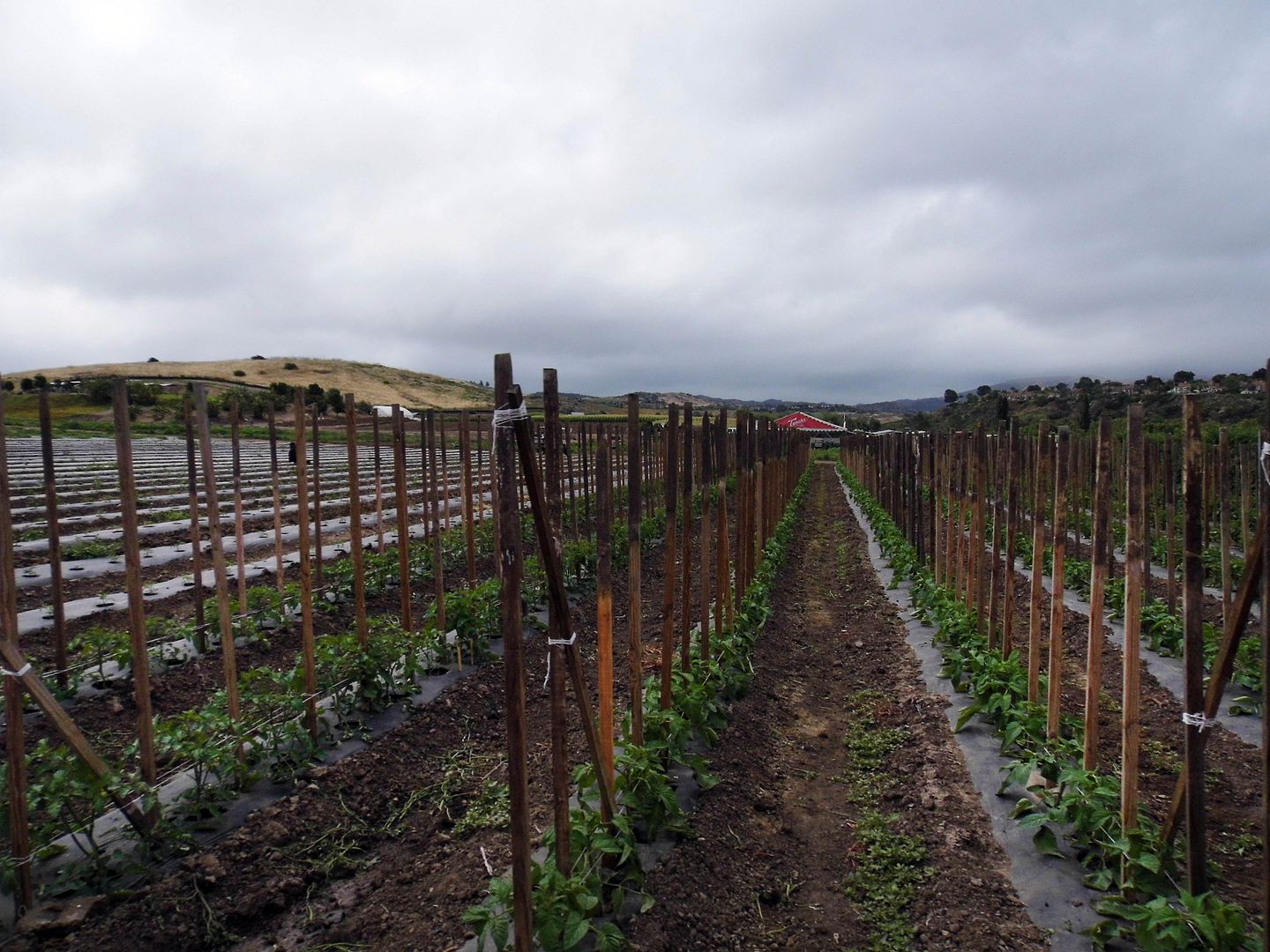
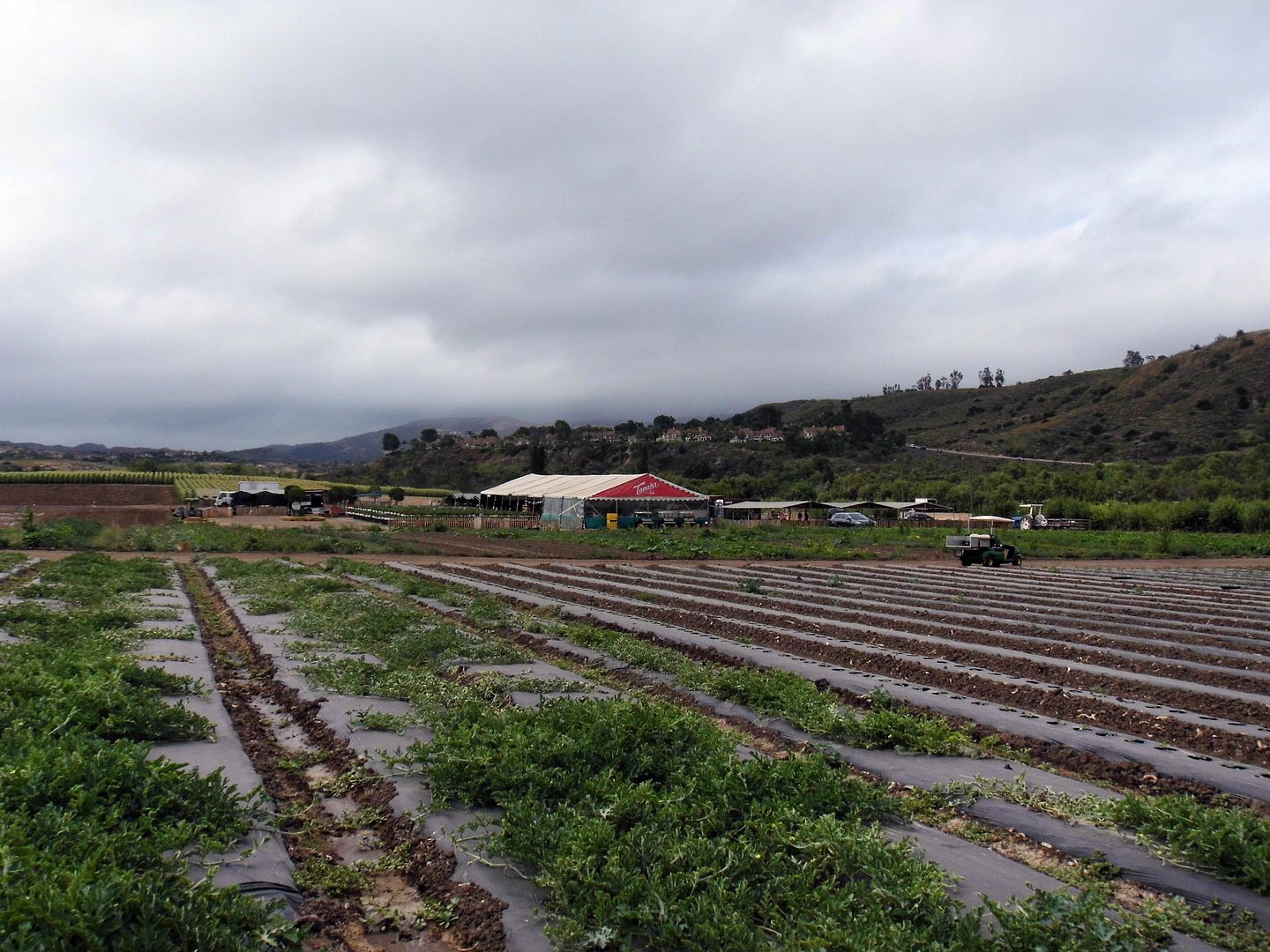
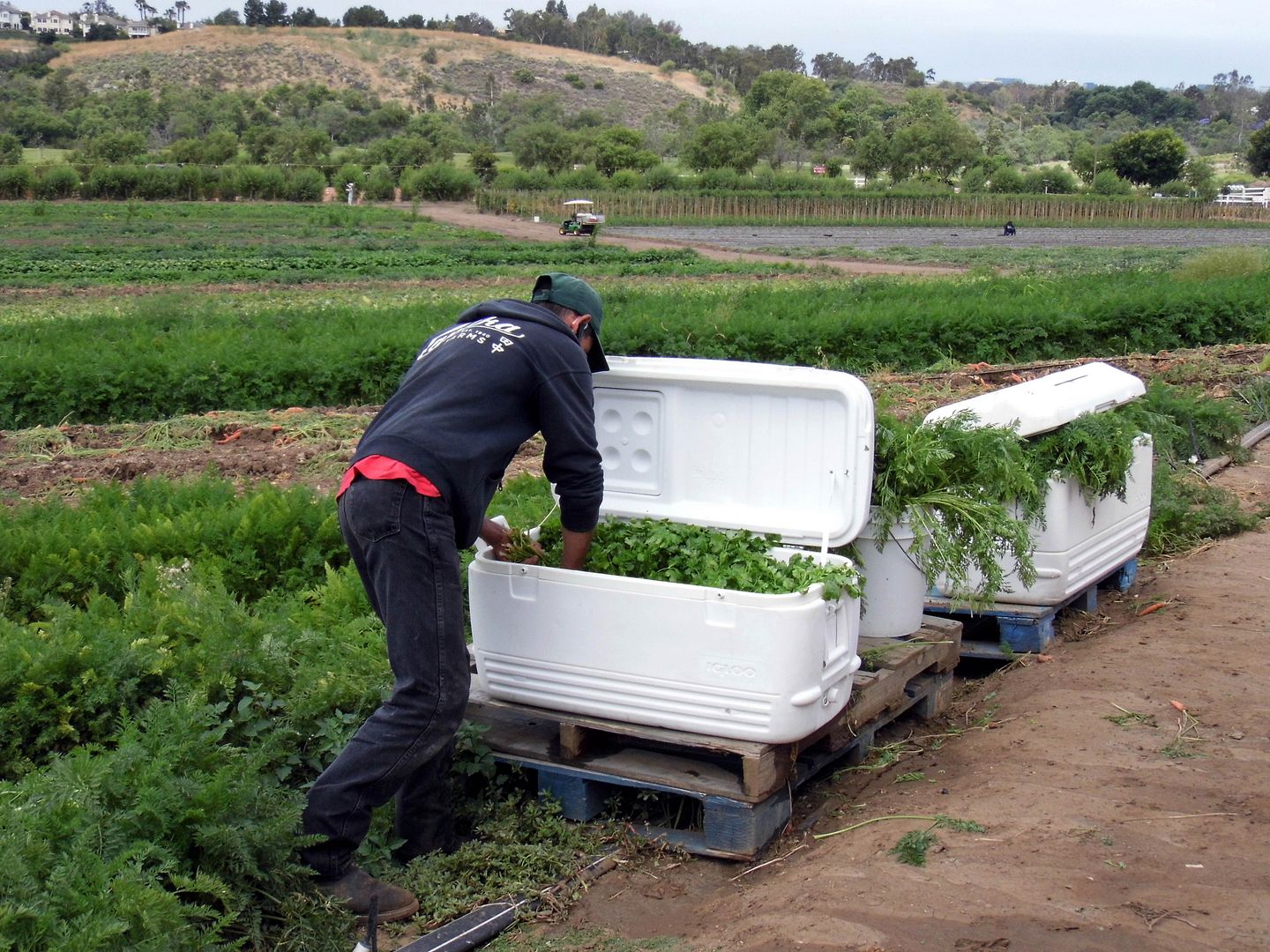
I hadn't been back to Tanaka Farms in Irvine, California since 2017—not even for their pandemic pivot of a drive-thru pumpkin patch for Halloween. 

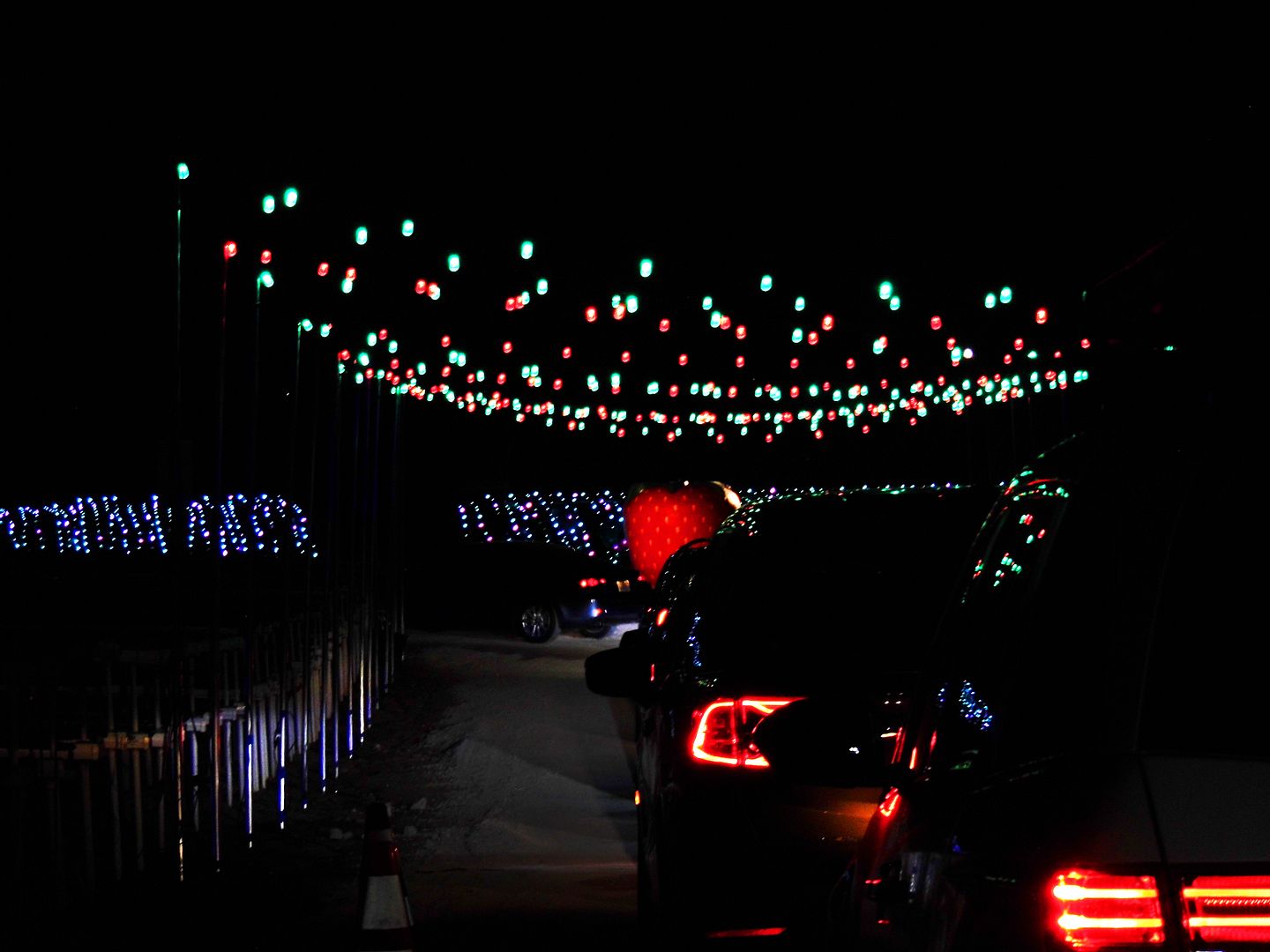
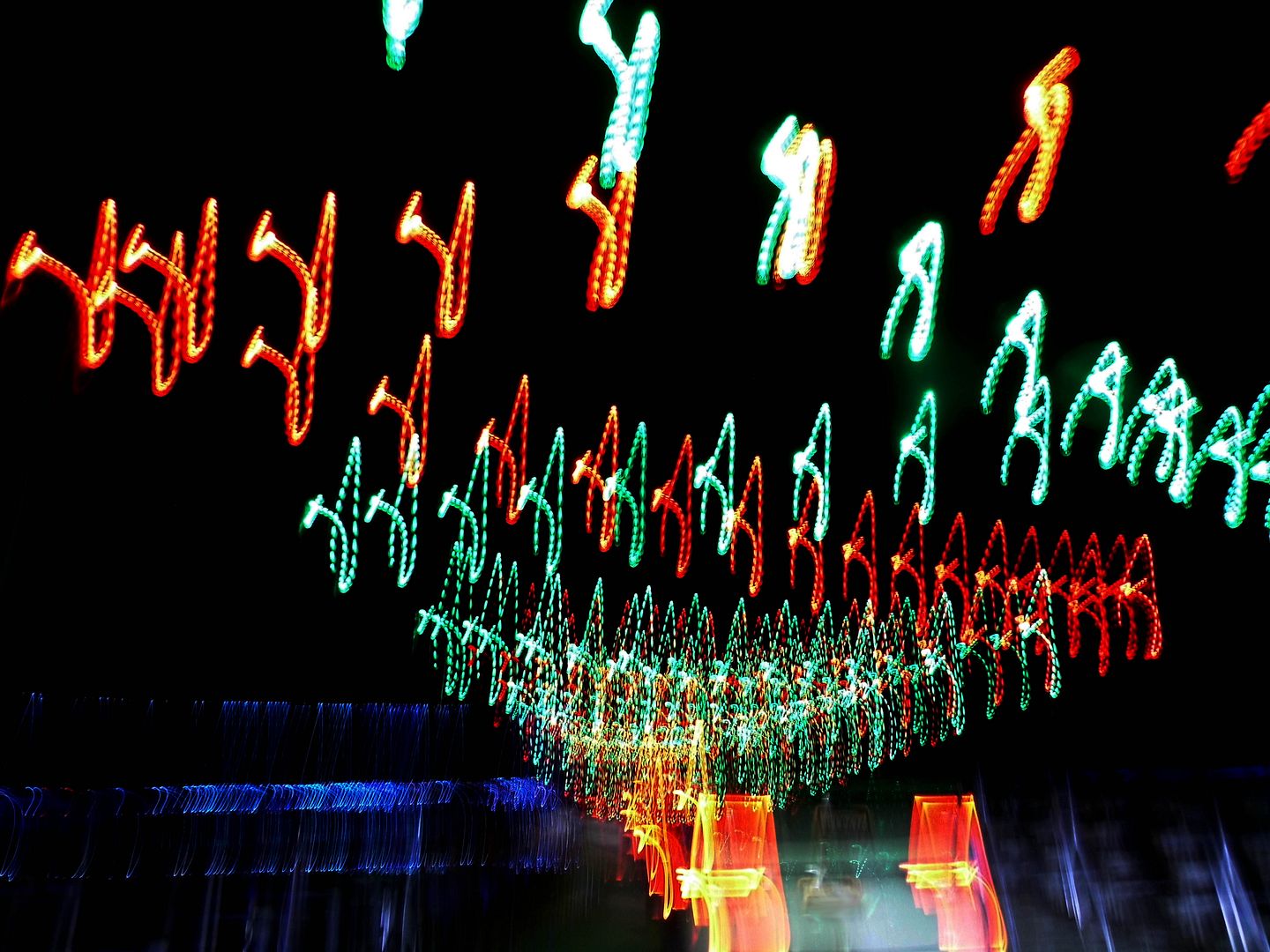
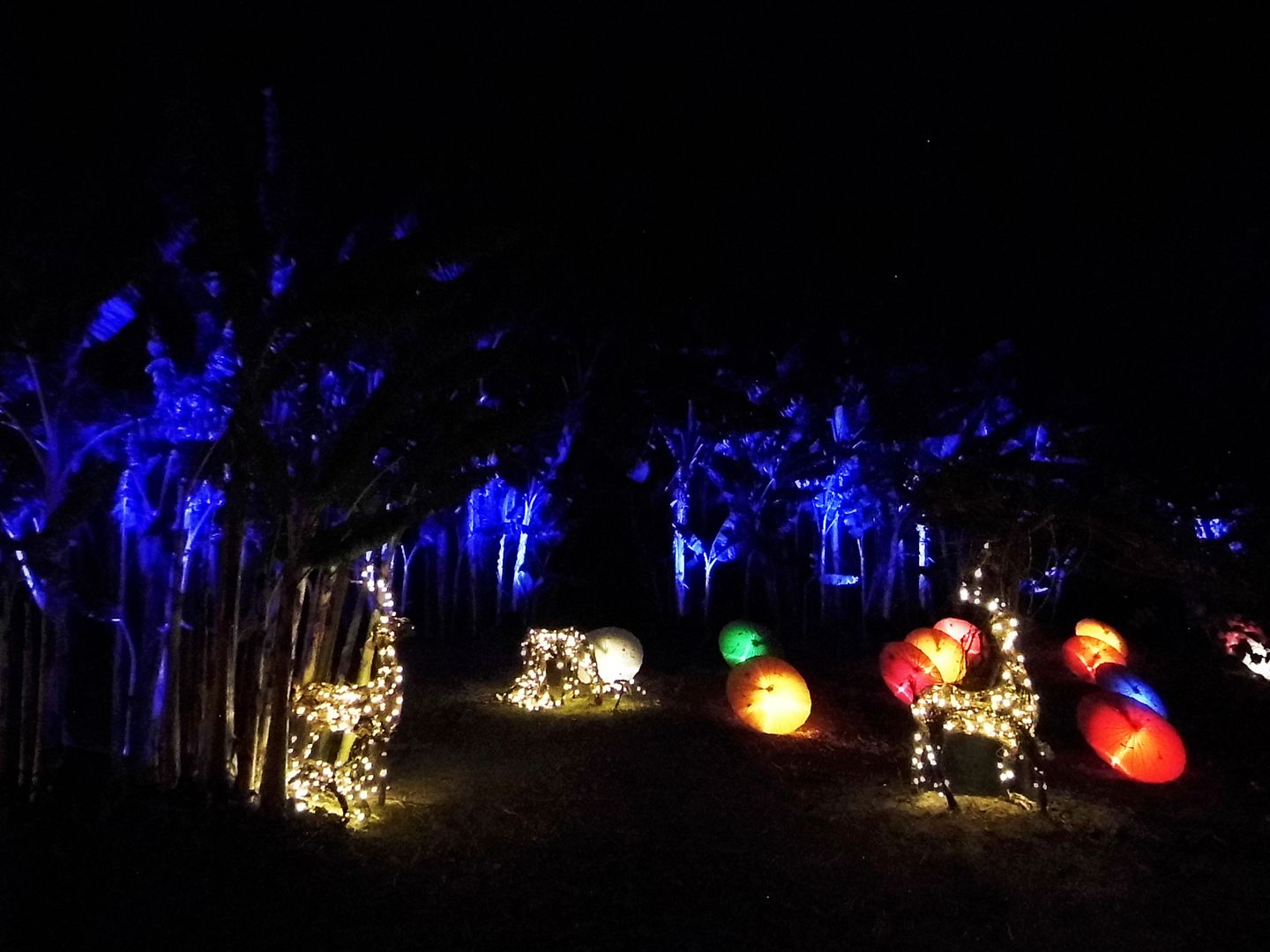
But this weekend, instead of being driven through the farm fields on a wagon, I drove myself around its perimeter for its "festival of lights," called Hikari  (which, translated from Japanese, means "sparkle" or "shine"). 

  
This was a different experience than driving through, say, an amusement park or the county fairgrounds or the local speedway...


...because Tanaka Farms already has a theme. 


Well, and other agricultural delights, too. 


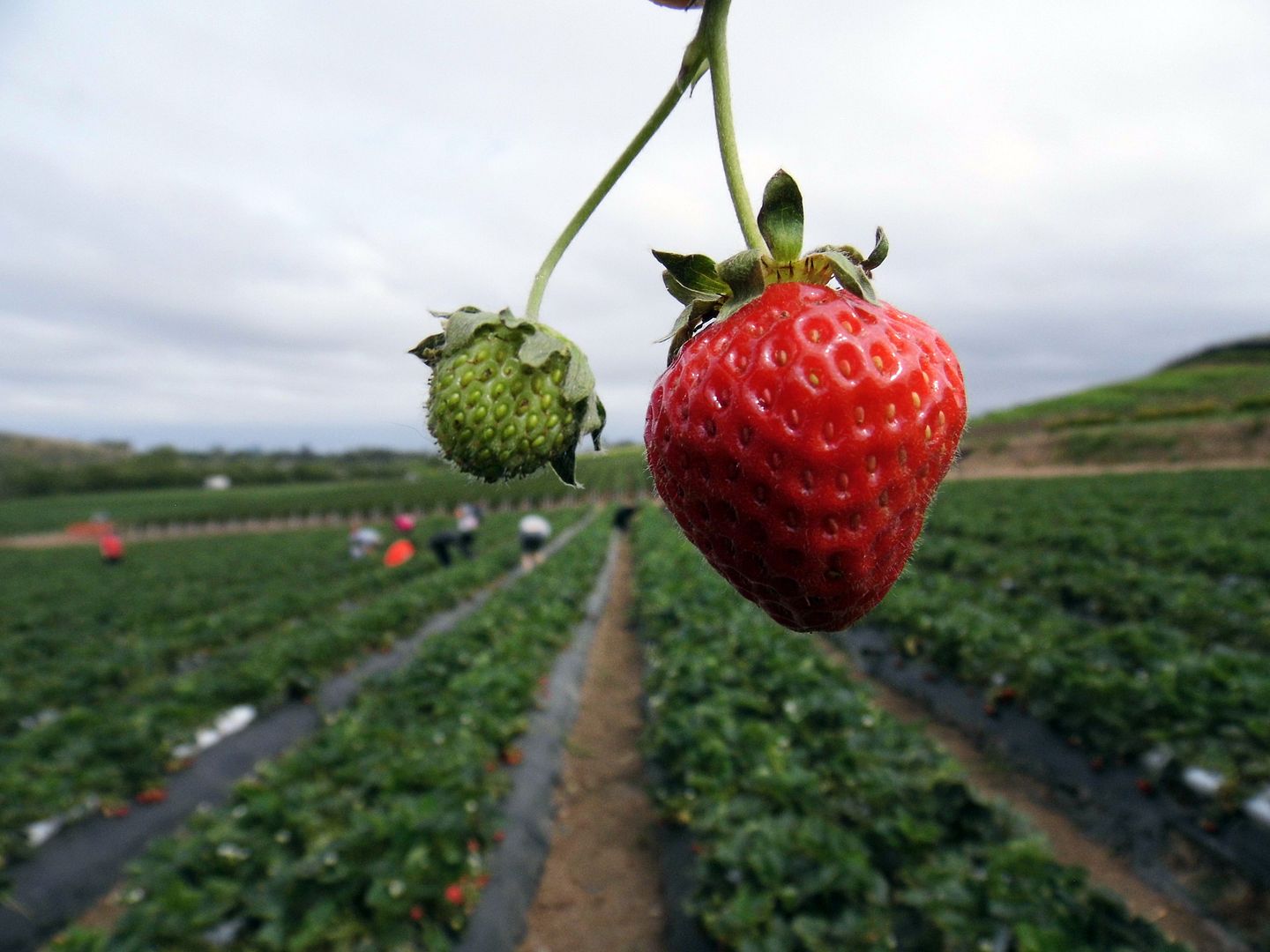
But strawberries have been at the heart of this Orange County farm's operations since 1998 (though the farm itself was established in 1940). 


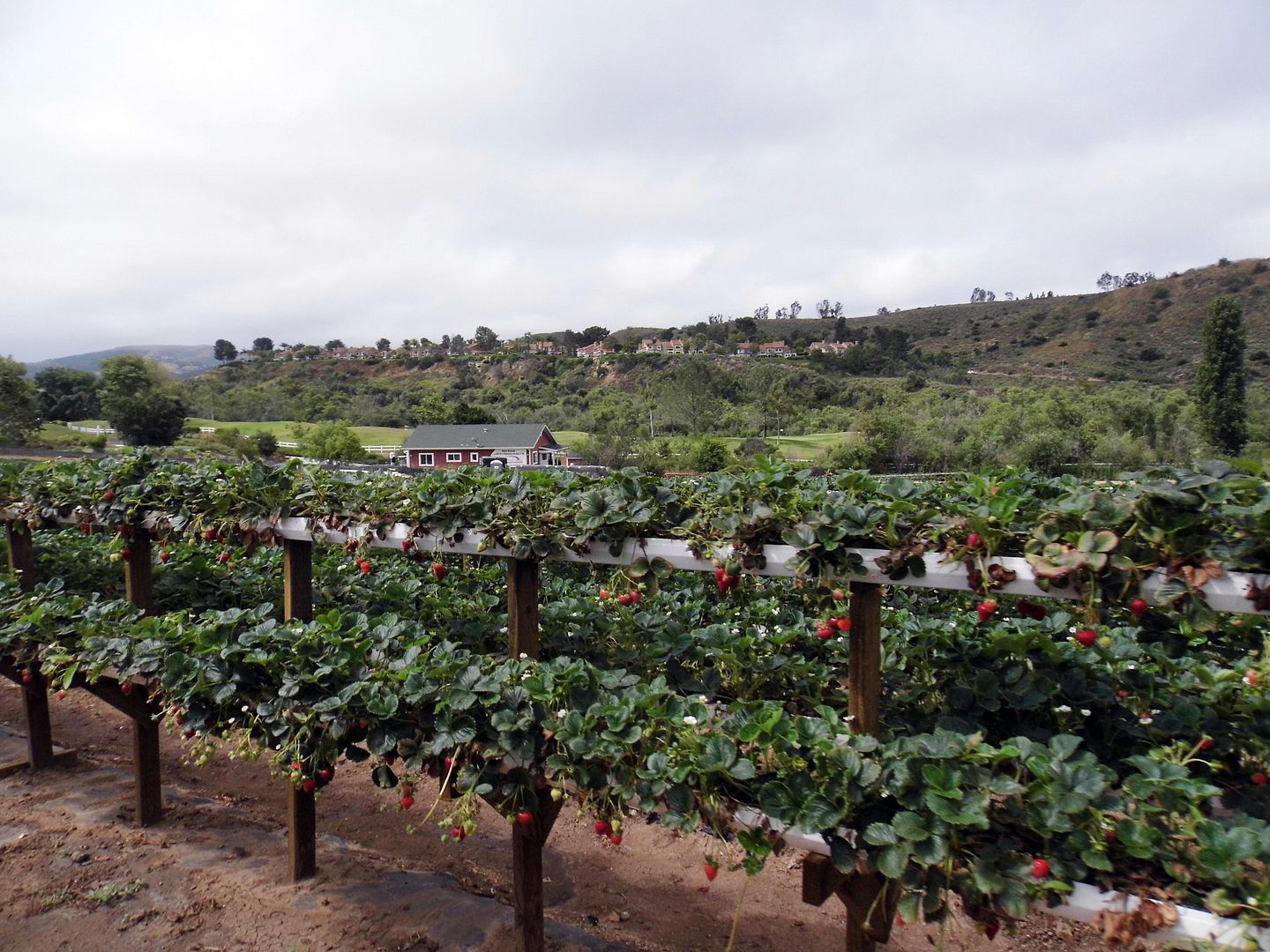
Tanaka has been converting its traditional strawberry fields into hydroponically-grown vertical stacks...


...which can increase their yield without requiring more land. 

 
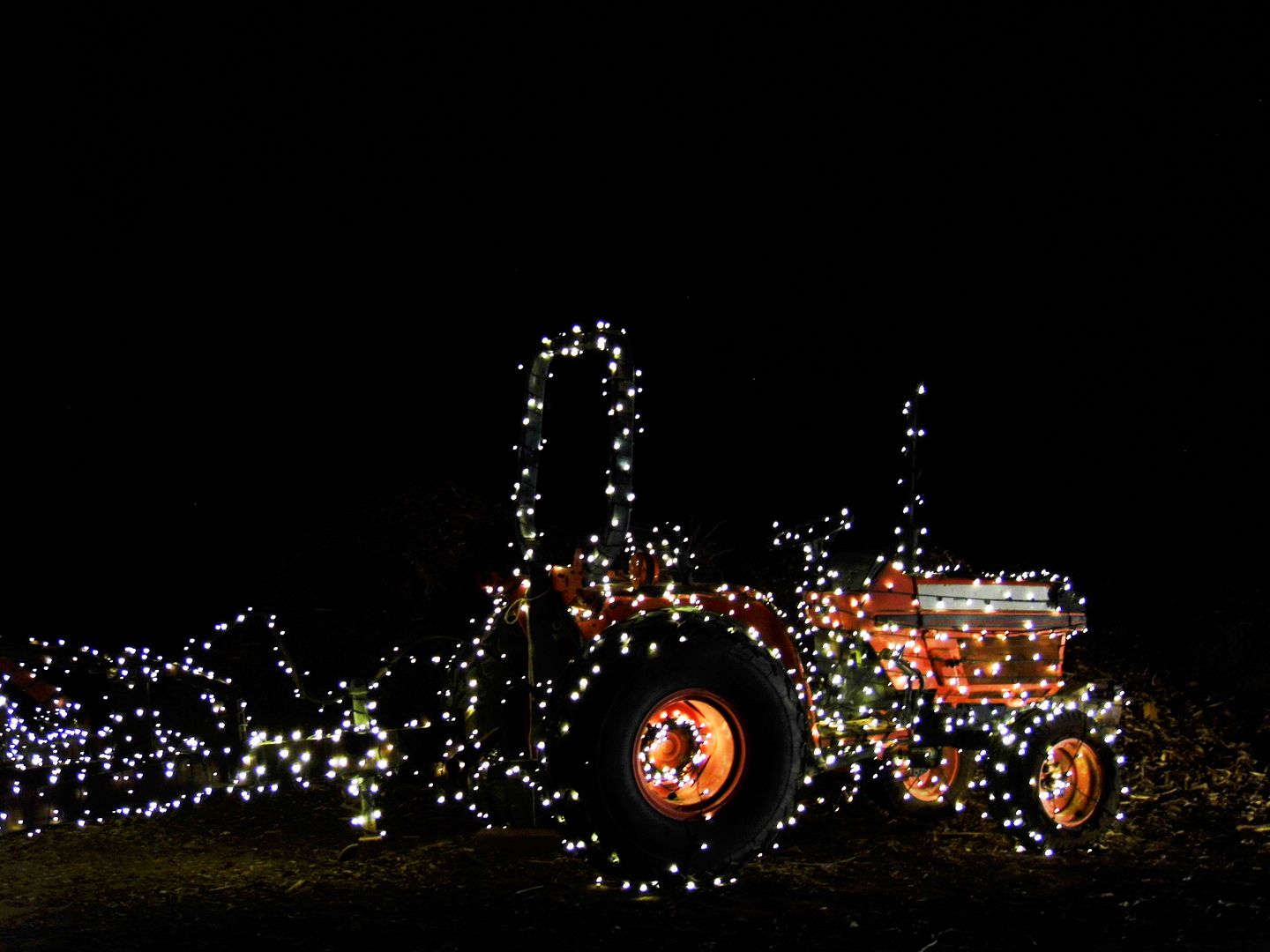
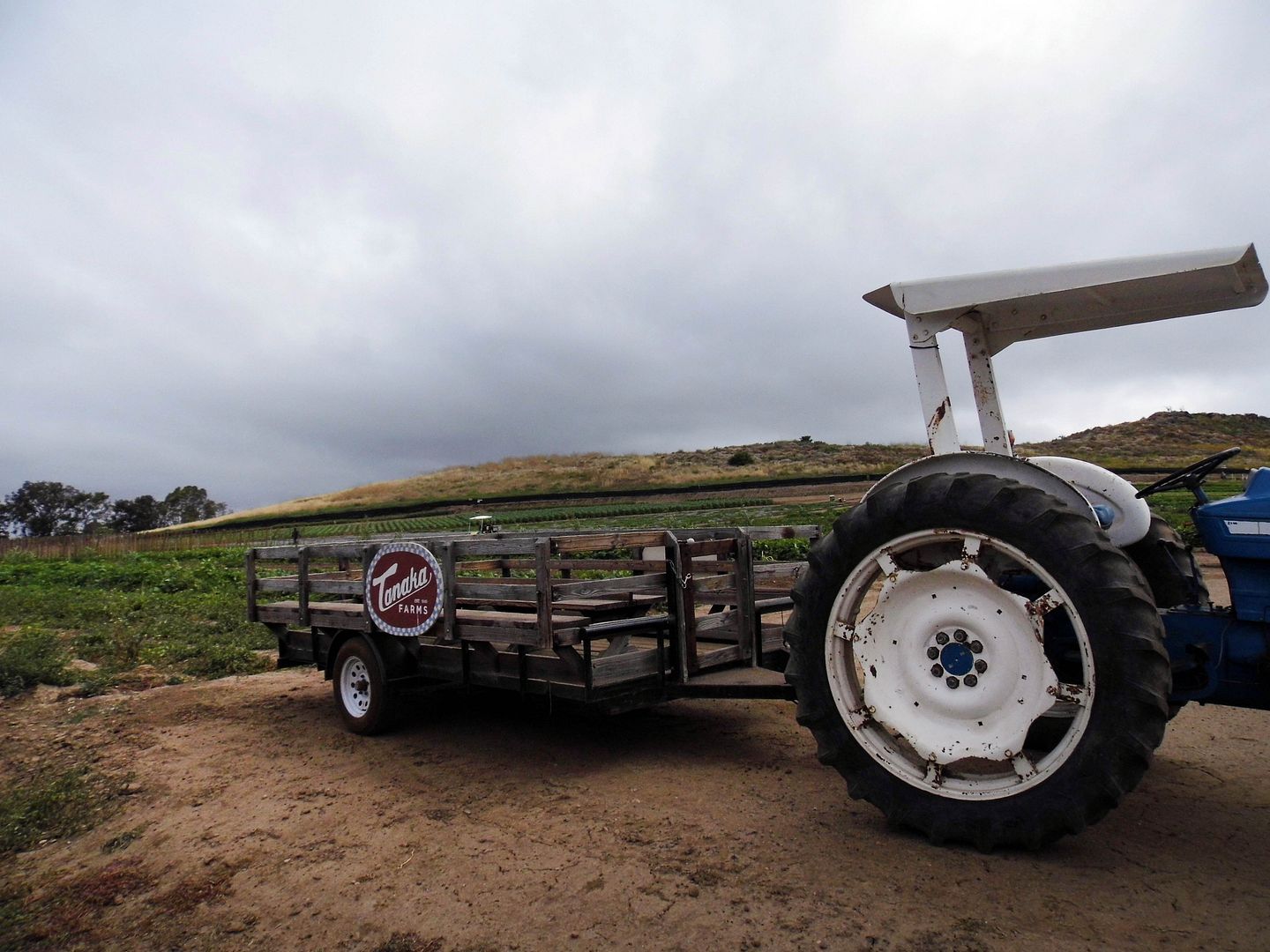
Some of Tanaka's farm equipment—some of which dates back to the 1960s—also takes center stage during the light show. 
       
But even more intriguing are the Japanese traditions woven into the experience...


...like the field of wagasa, a type of paper umbrella that originated in China but became quite fashionable in Japan by the 17th century. 


The farm's namesake and founder, the second-generation Japanese-American farmer George Tanaka, developed the strawberry fields into an agritourism business.  
                    

In the 1980s, he passed it down to his son Glenn Tanaka, who currently runs the 30-acre operation as a U-Pick farm and educational enterprise. Glenn's son—the fourth-generation Kenny Tanaka—has also taken a place in the family business. 

 
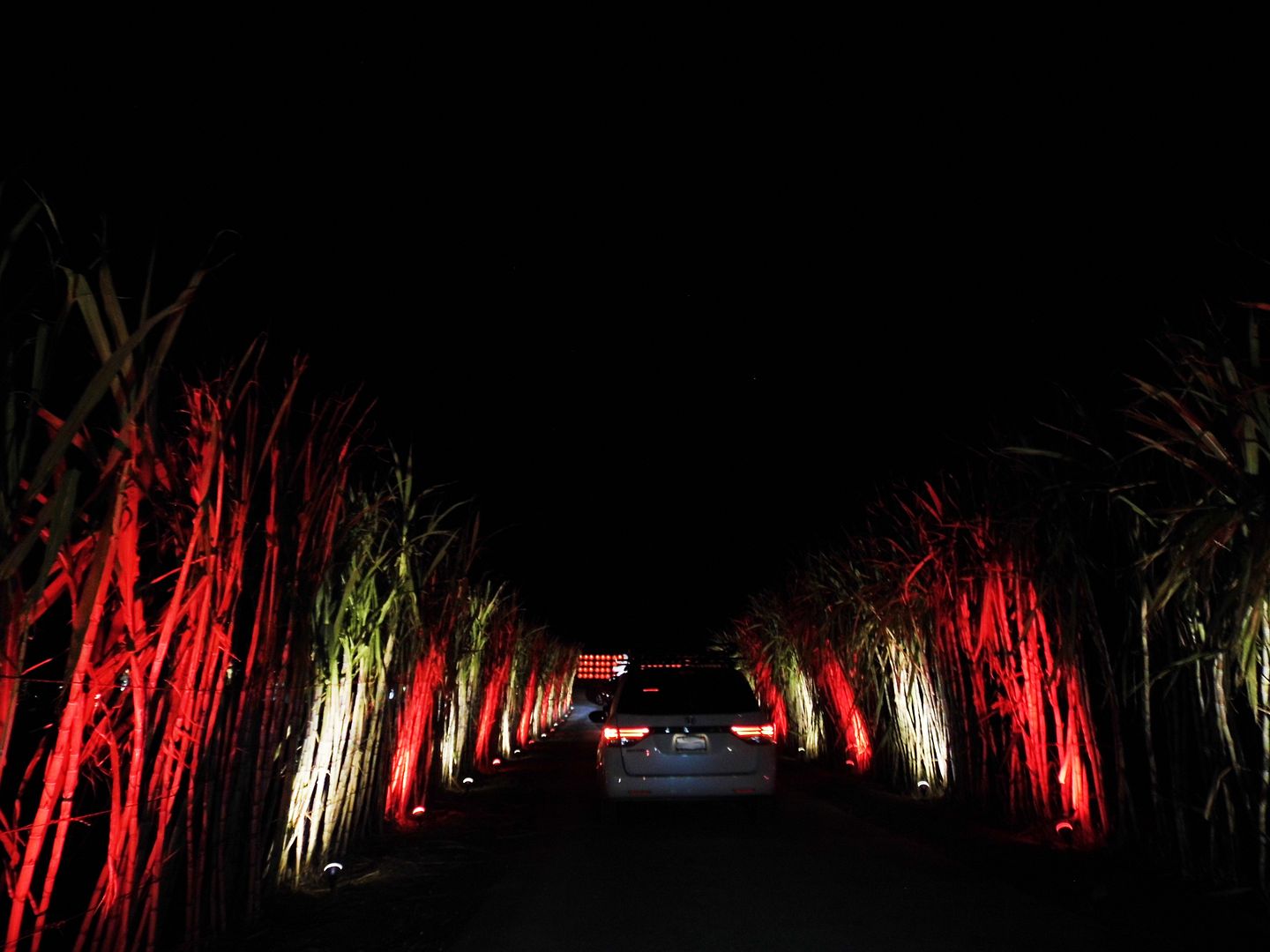
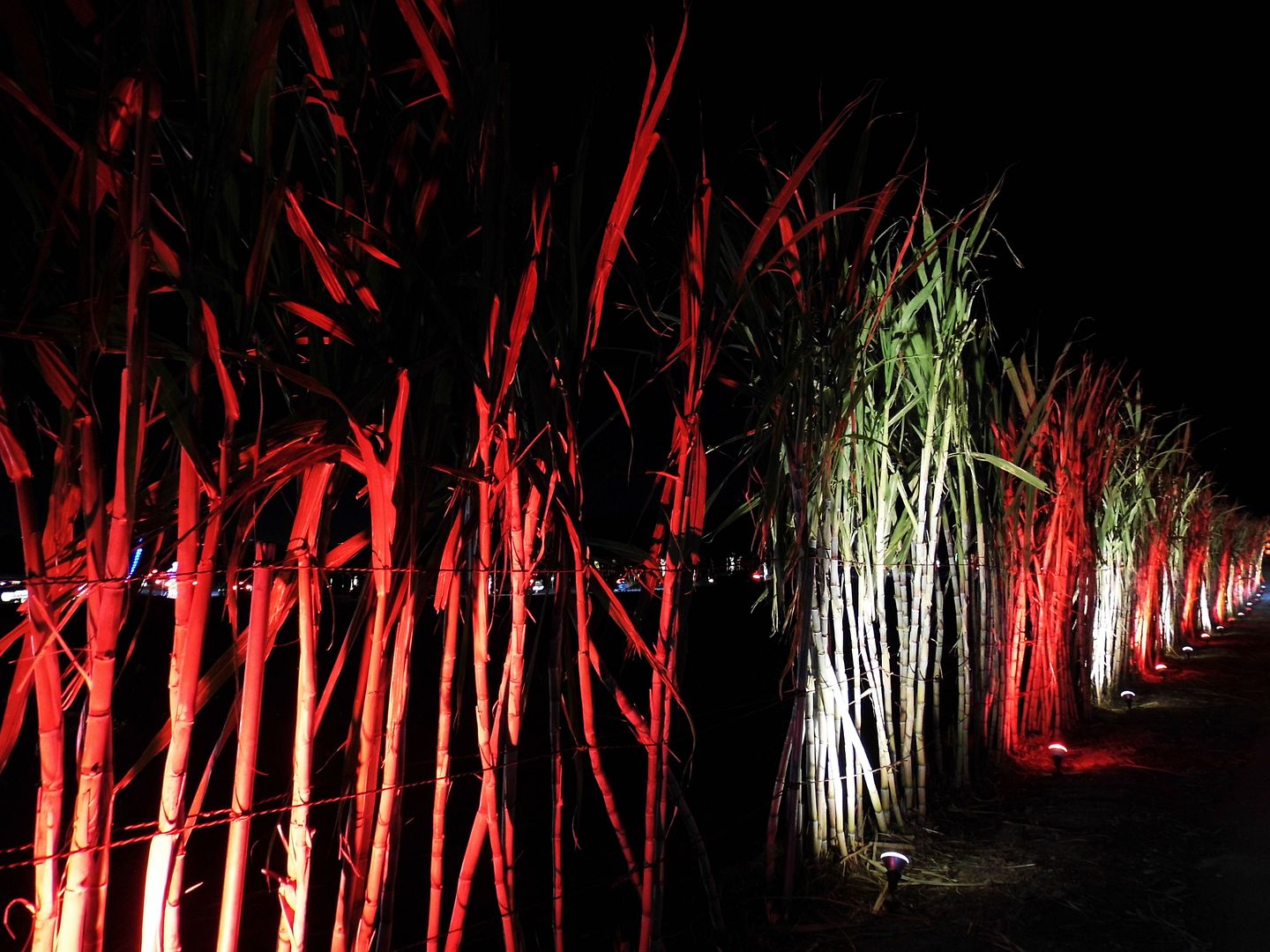
And even this holiday light display offers the opportunity to learn about global crops—like sugarcane, which lines the aptly-named "Candy Cane Road" towards the end of the journey. 


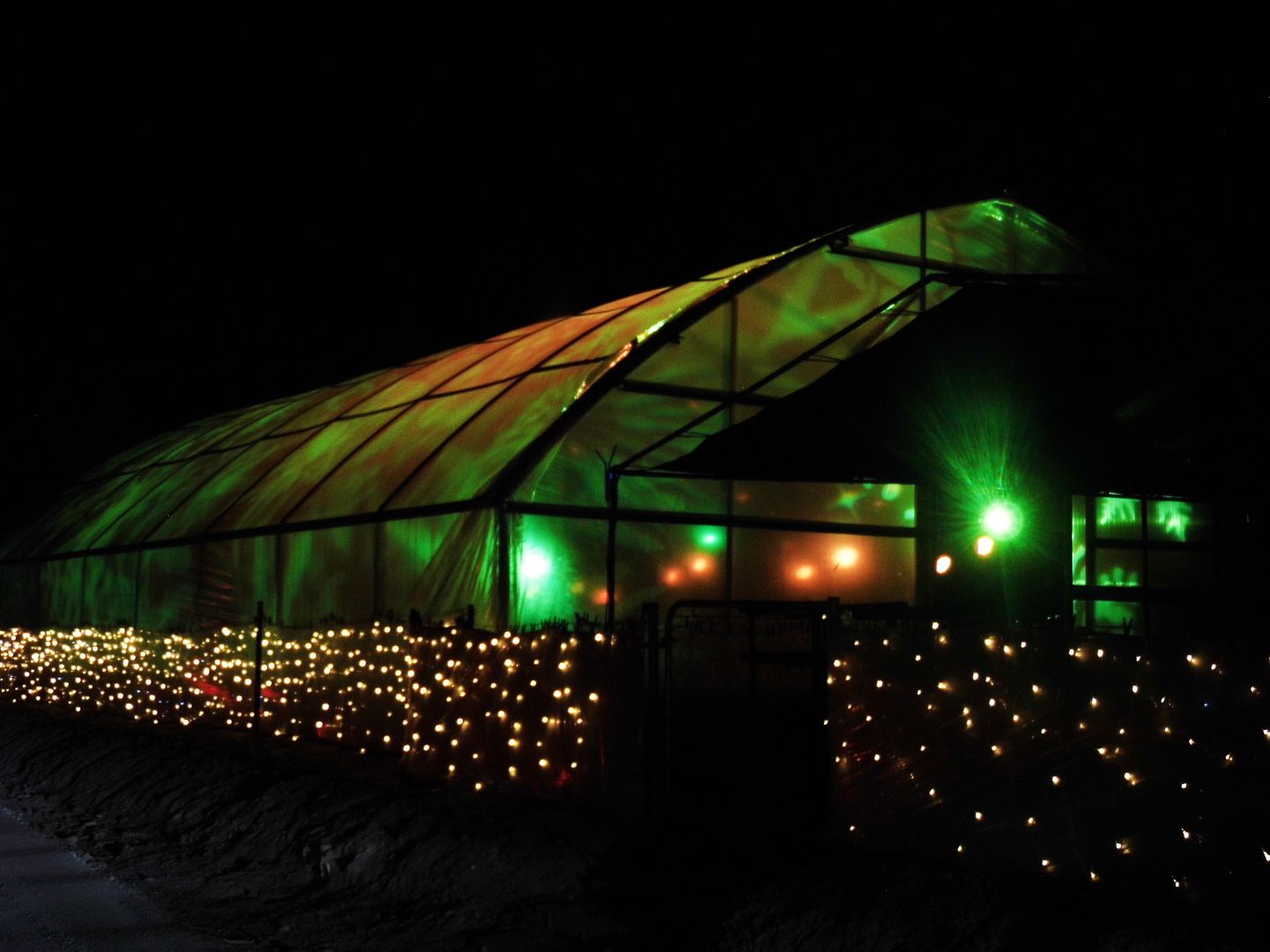
After driving past the lit-up greenhouse...


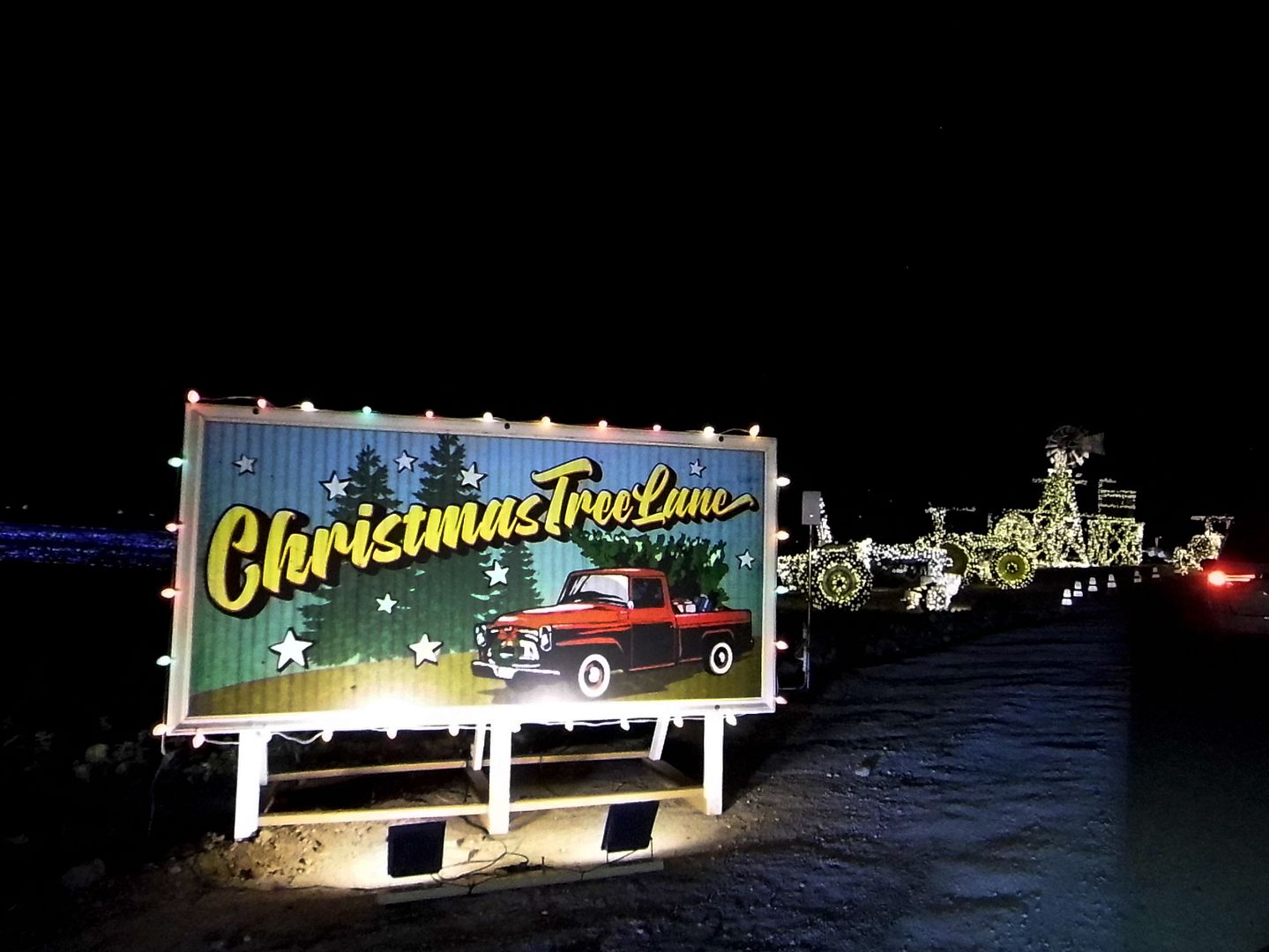
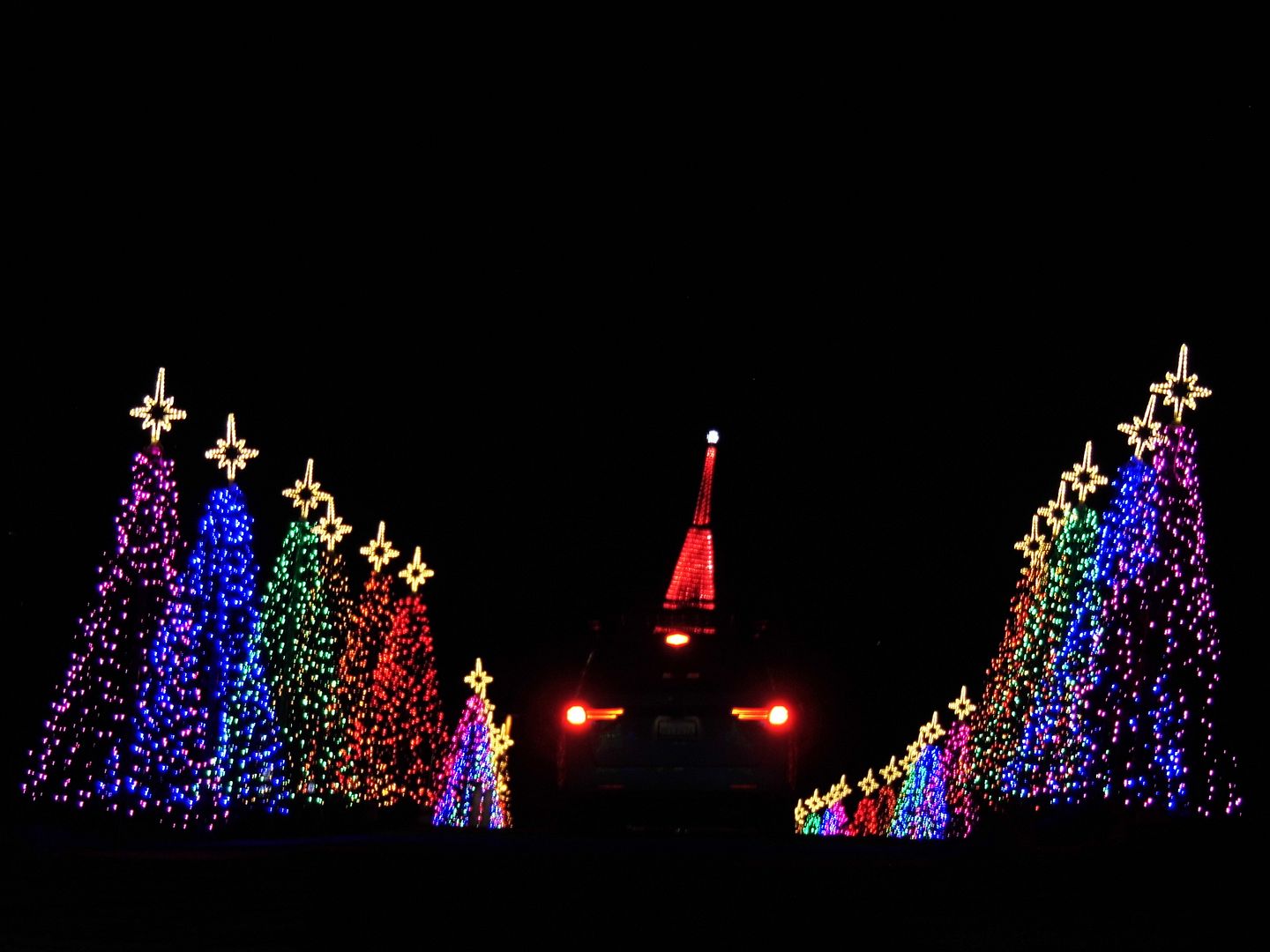
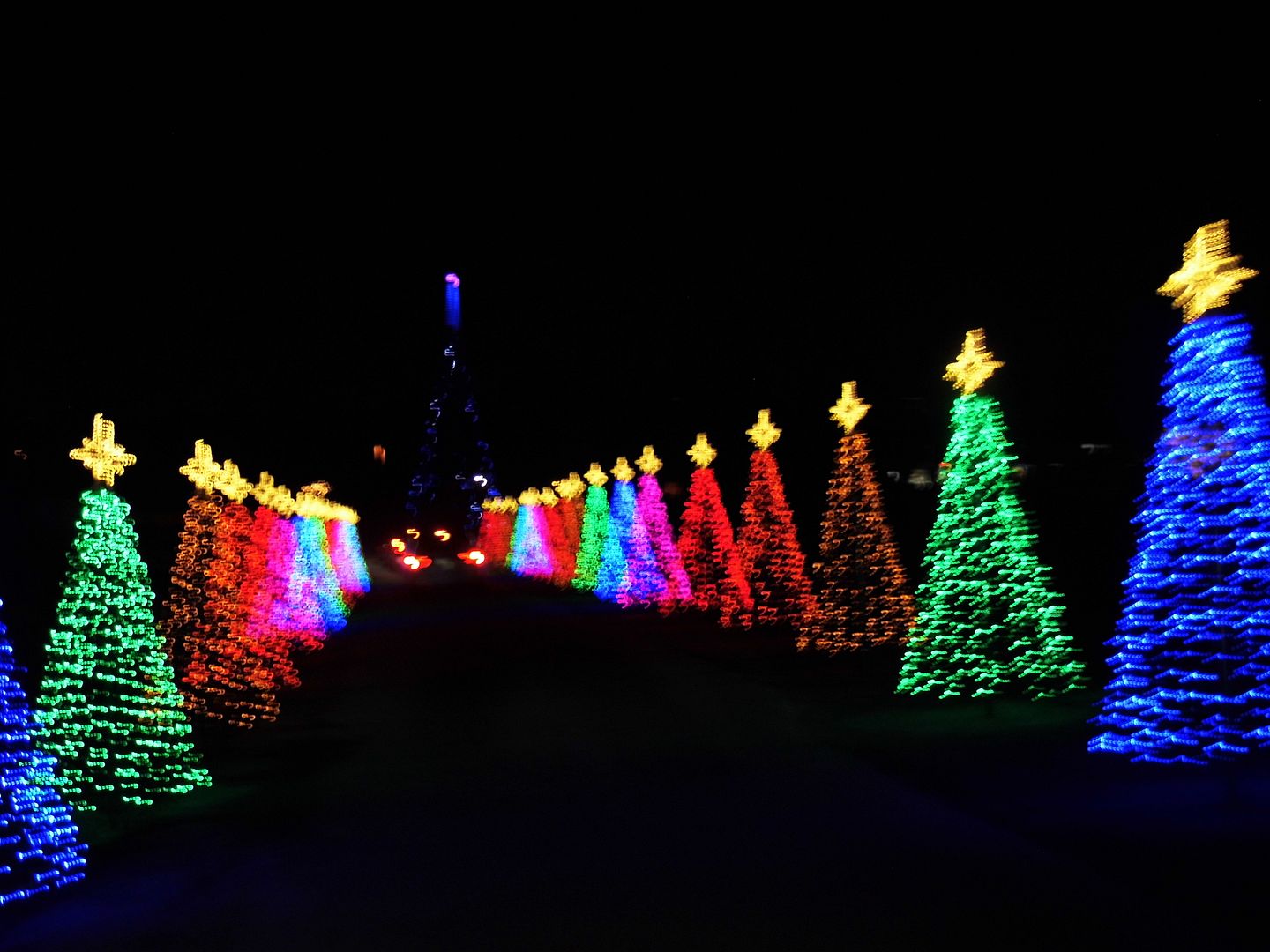
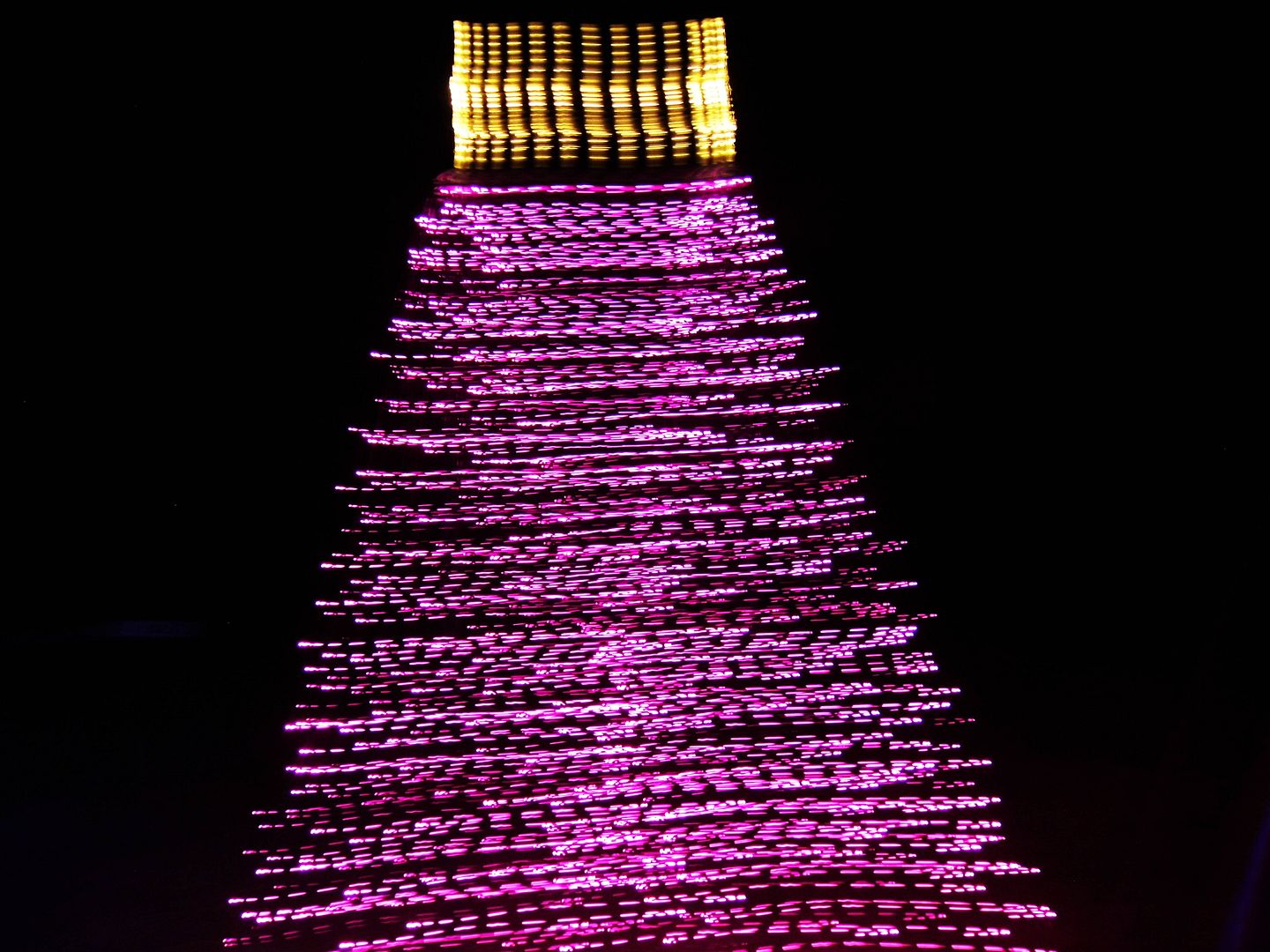
...more farm equipment in all their twinkly splendor marks the approach to Christmas Tree Lane.

 
Oh, they're not real Christmas trees—not like the deodar cedars in Granada Hills or Altadena, or the monolithic Douglas firs my sister and I used to help our dad put up in our living room.

 
But in the dark, who can tell?

 
As long as the lights are in the shape of a tree, that's enough for me. 

 
Even if I can't linger for very long to watch them glitter and glow before I have to go. 

Related Posts:

May 02, 2020

Strawberry Season

Some people may look at Southern California weather and (erroneously) claim we have no seasons. But what we may be lacking in blizzards and fall foliage, we make up for in our food seasons.


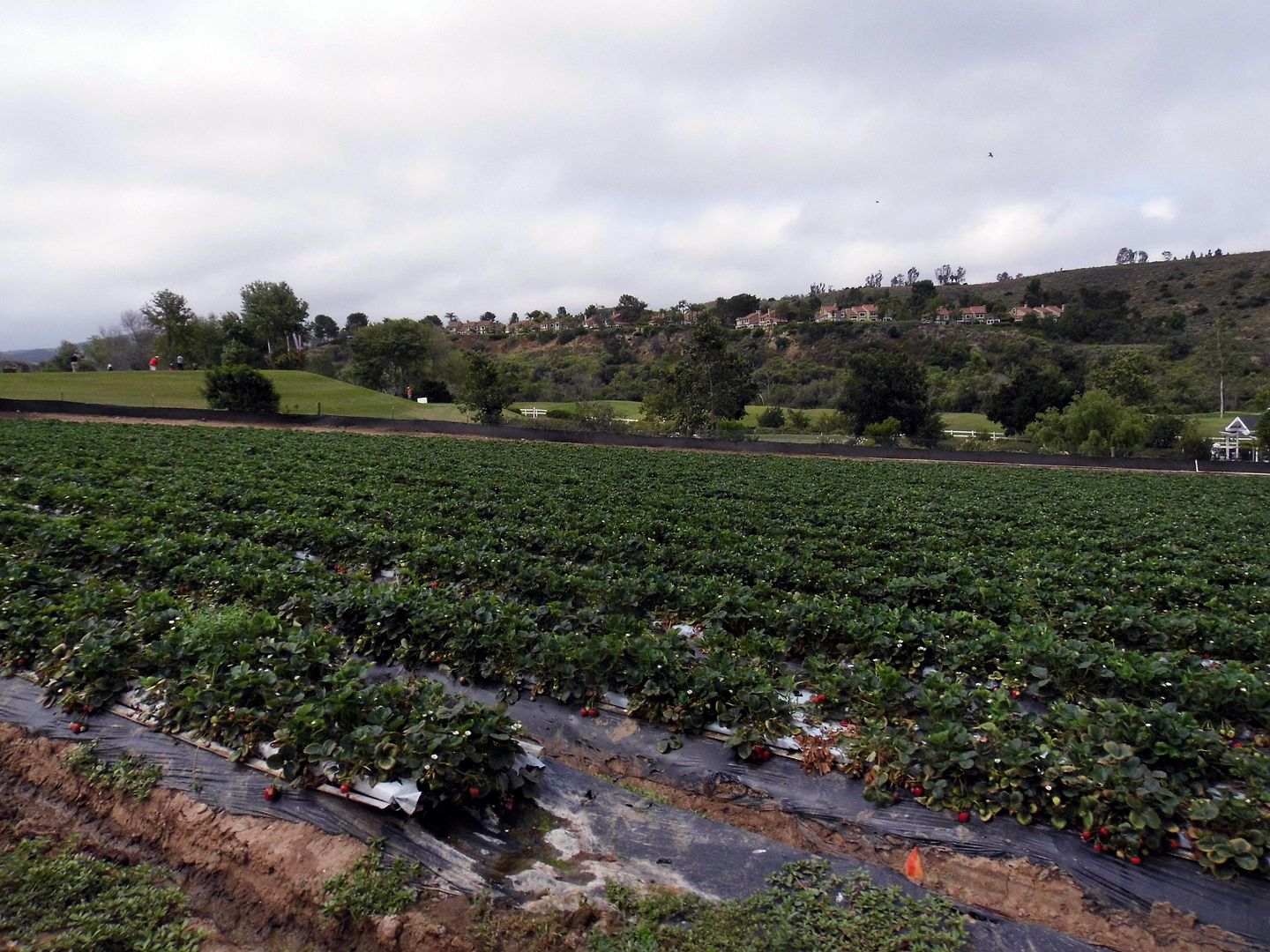
There are the citrus months of winter, the cherry-picking months of spring, the apple and wine grape harvests of fall, and right now, strawberry season.


In June 2017 I'd taken a tractor tour or Tanaka Farms in Irvine at the end of strawberry season, when the berries were sweeter and juicier than I ever imagined possible.


I didn't post about it at the time because I kept thinking I'd return to Tanaka Farms some other time of year and get a more well-rounded experience through more than one visit, with staggered timing.


But now, nearly three years later, I still haven't made it back to the fields of Tanaka Farms.


And considering the current shutdown and travel restrictions (and soaring infection rates in Orange County), I don't think I'll be back anytime soon.


But that experience from three seasons ago stuck with me. And I'm glad to hear that they're doing some drive-up produce sales while they've had to suspend their farm tours.


There's really nothing, though, like rolling through those fields...


...and stopping occasionally to sample the most freshly-picked haul...


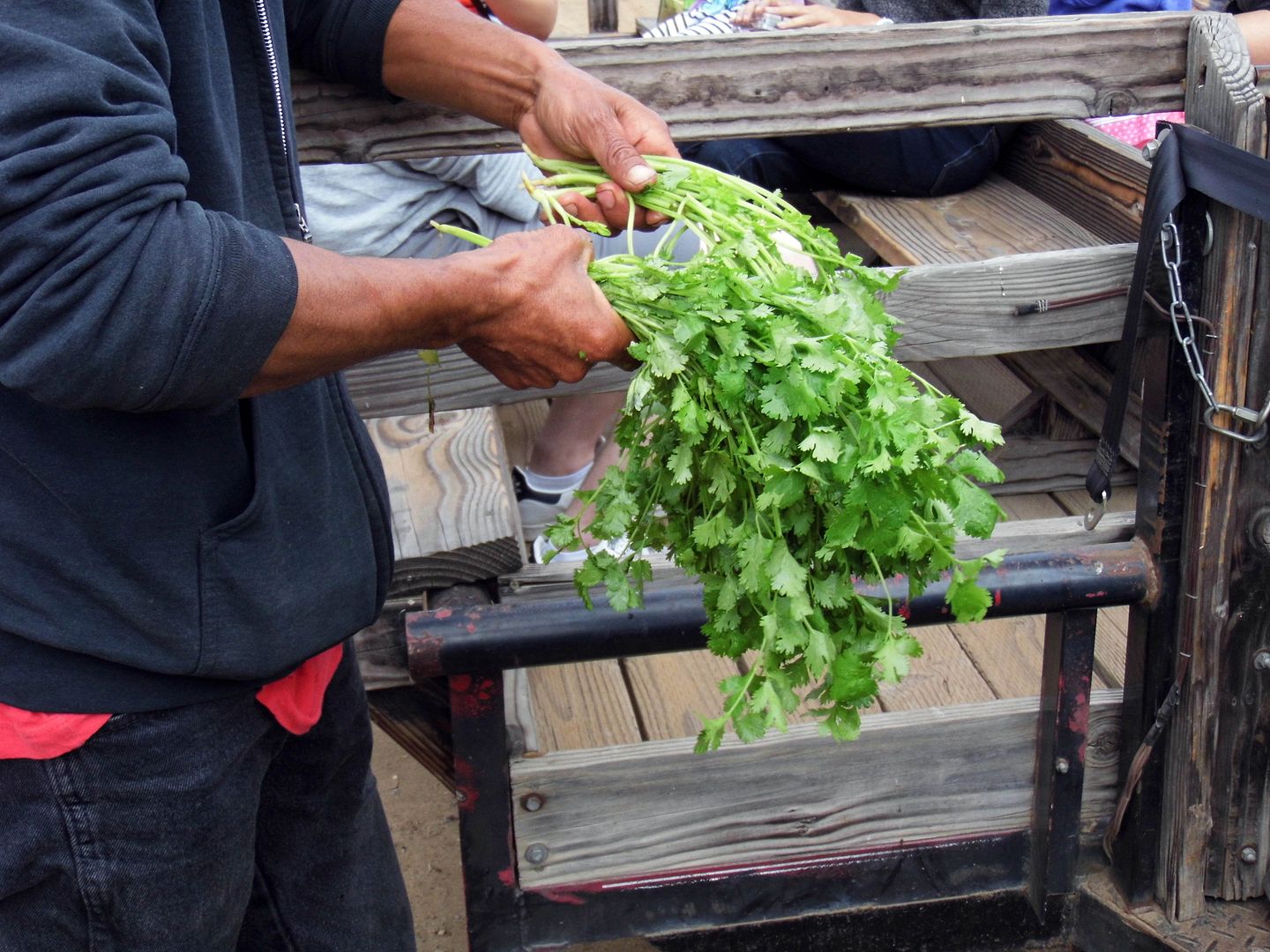
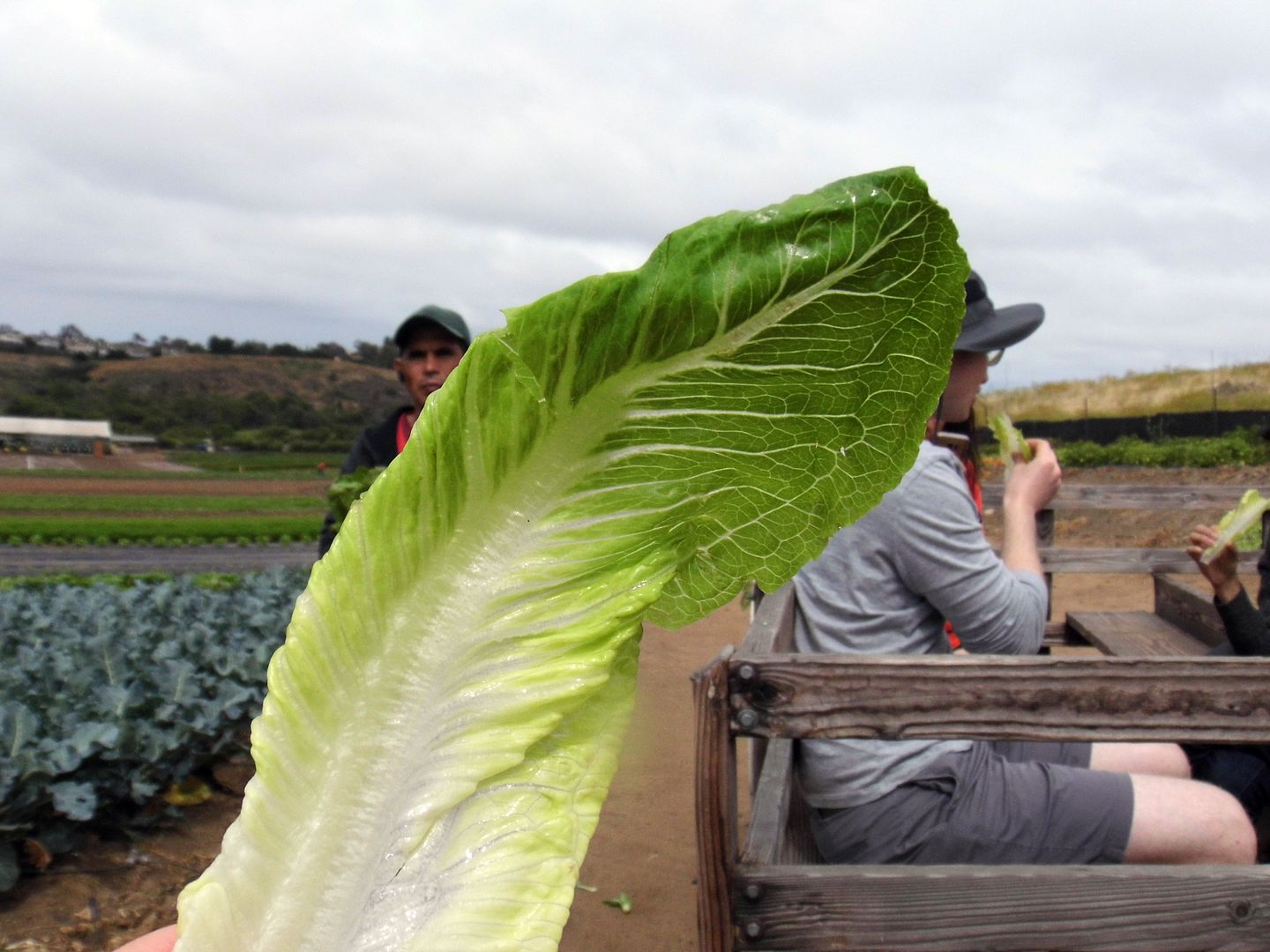
...including some of the crunchiest lettuce I've ever tasted.


My store-bought greens always wilt too quickly in my fridge, even in the crisper drawer.


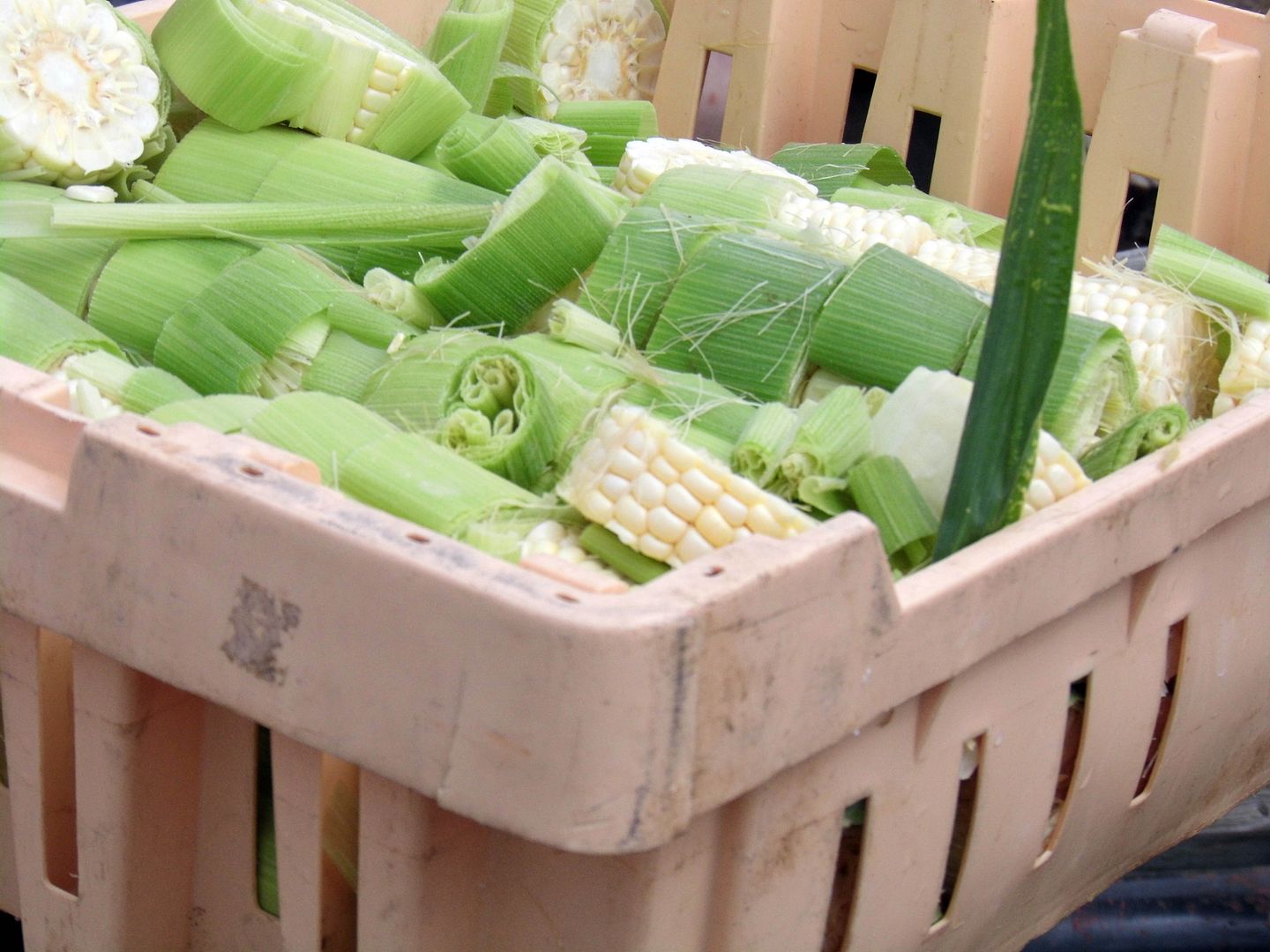
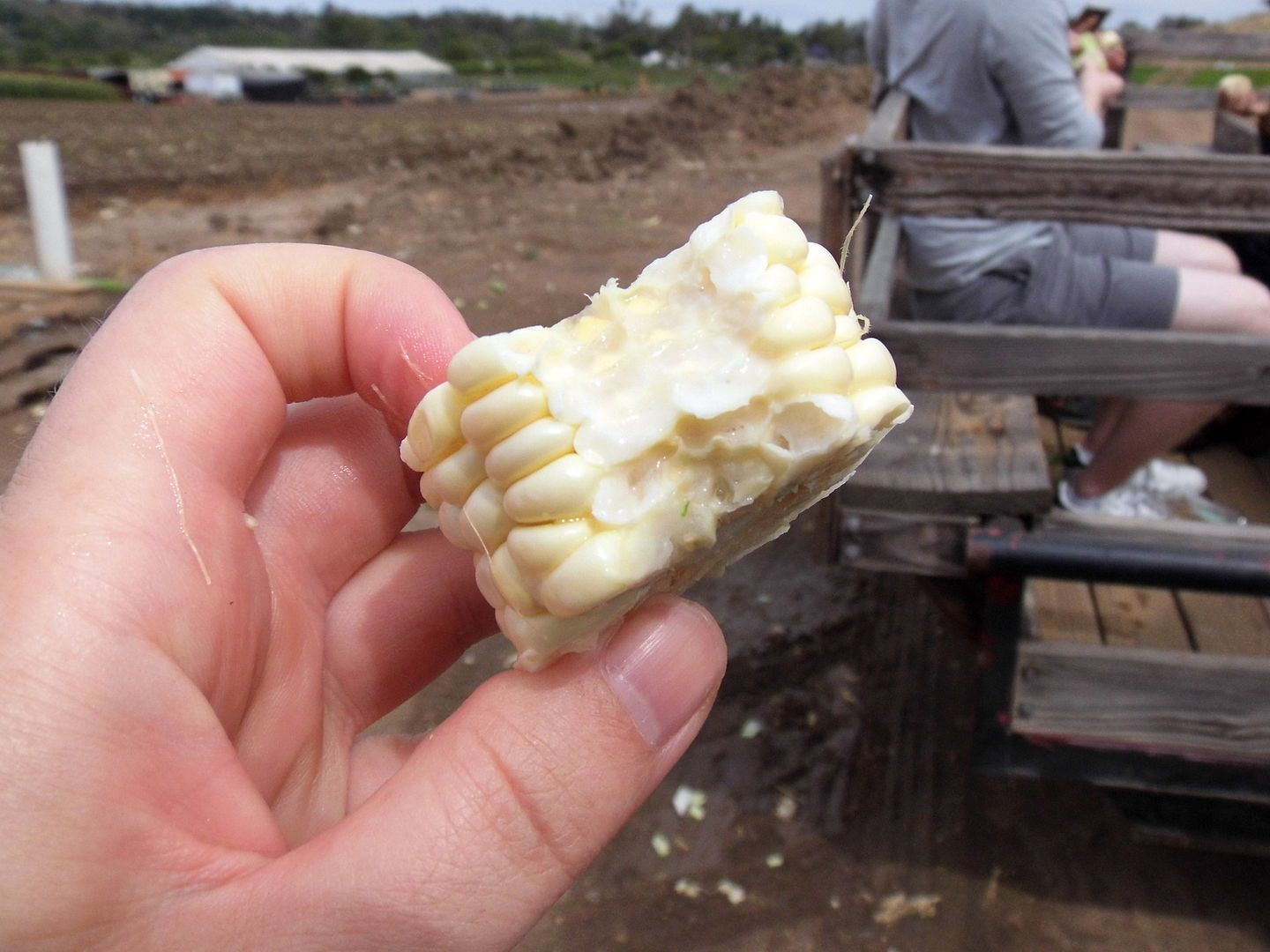
Before Tanaka Farms, I'd never known the pleasures of eating corn off the cob uncooked and unbuttered...


...but one taste of their freshly sliced sweet corn, and I became a believer.


Our guide grabbed whatever was within arm's reach and passed it around our group, telling us to stuff it into plastic bags and purses and whatever else we had so we could take the scraps home.


But at the strawberry patch—oh, those strawberries—we got to disembark the tractor and pick some for ourselves.


I'm not a good picker because I'm too focused on photographing the activity. 


I gravitate to what I consider the most photogenic—which isn't necessarily the tastiest (or even most edible).


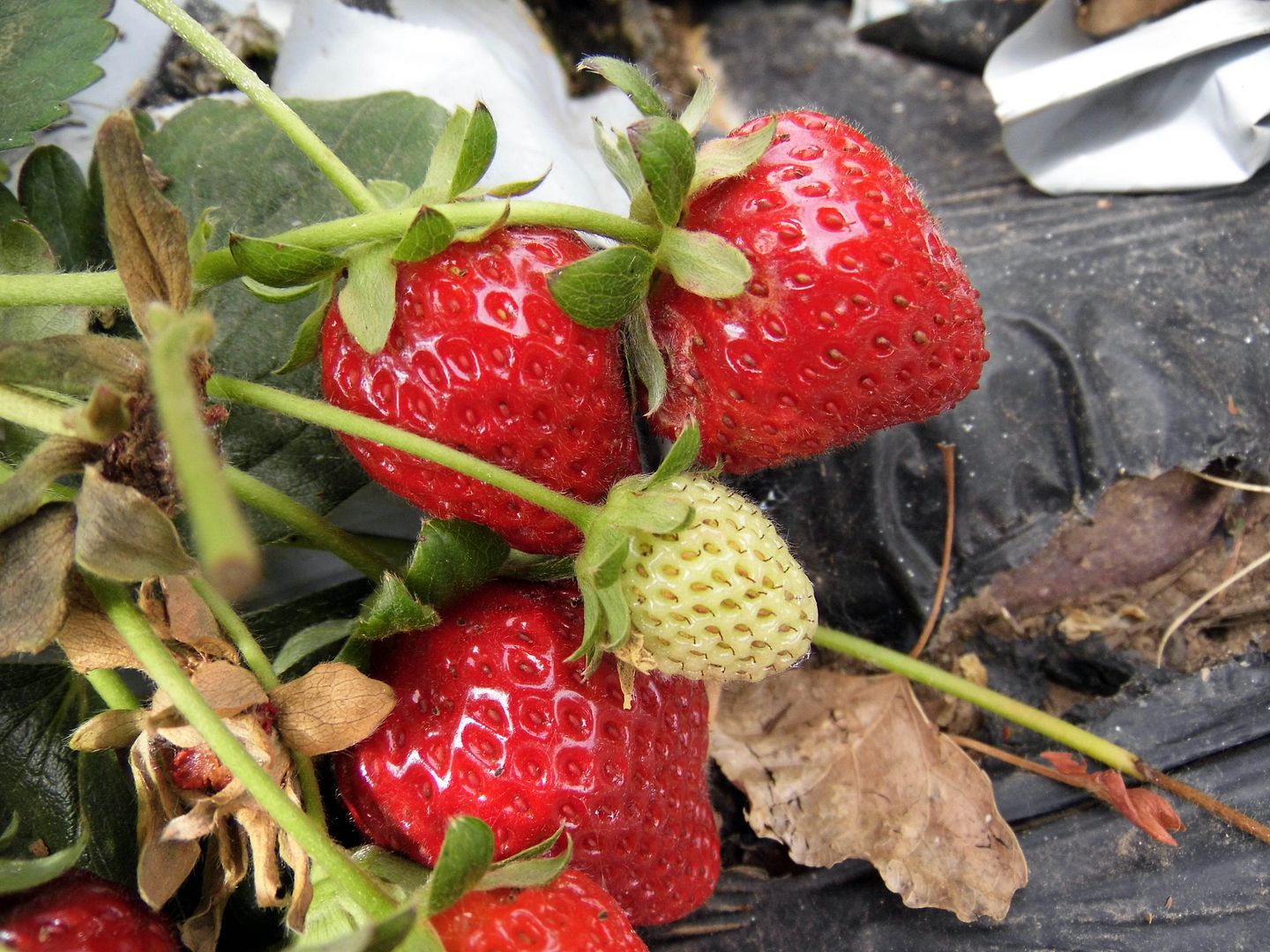
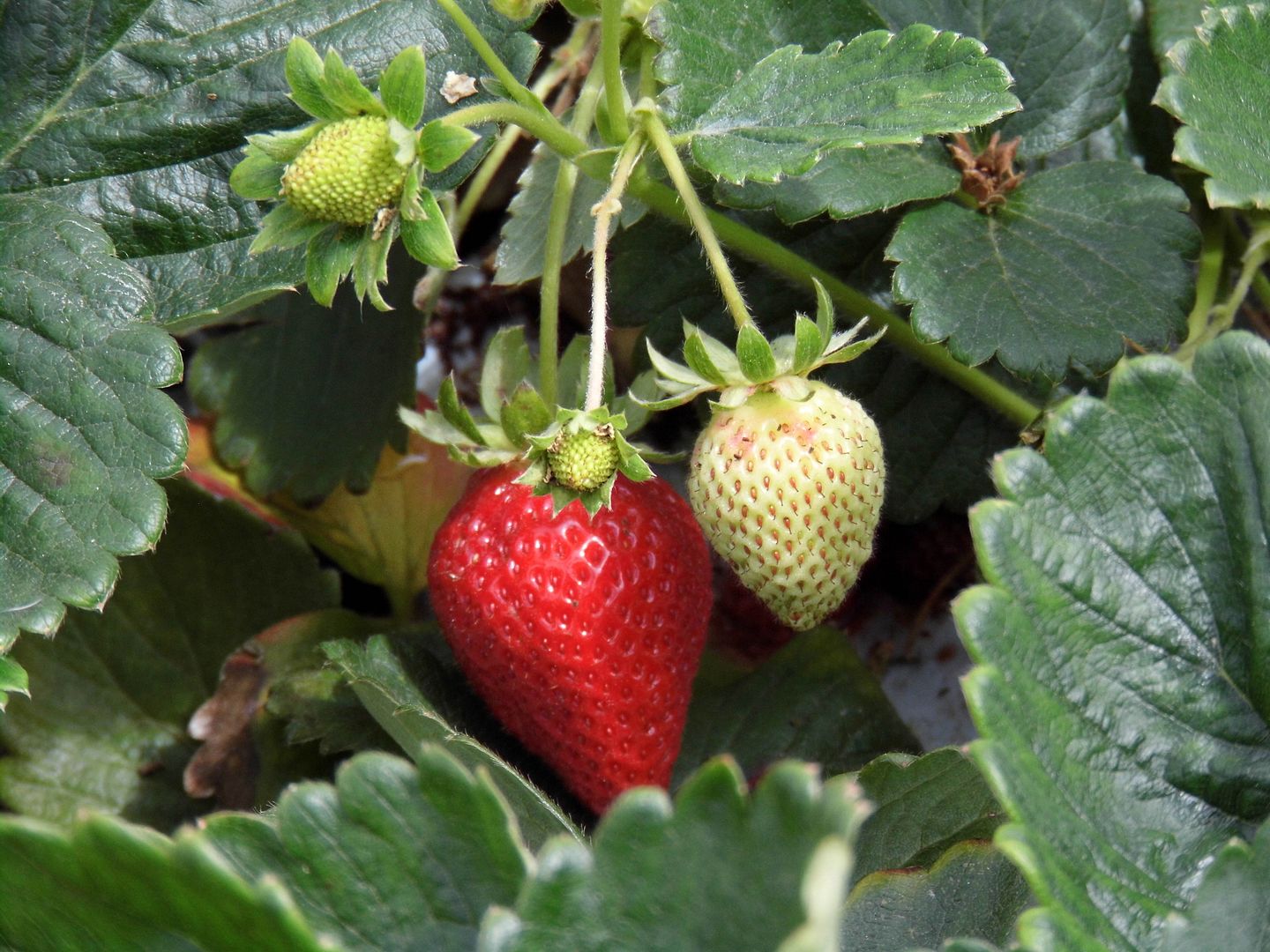
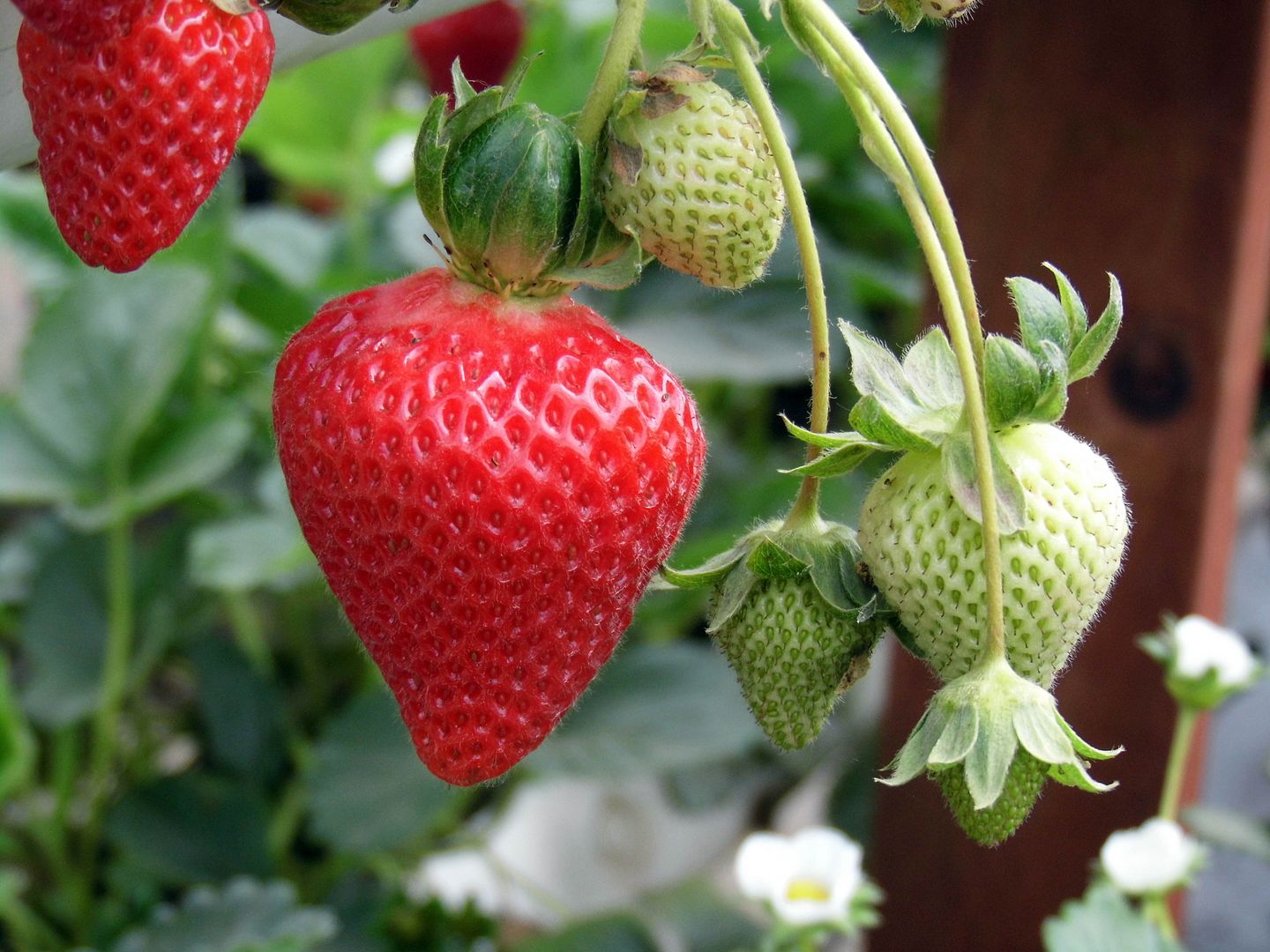
For me, the holy grail is a cluster of brand-new baby strawberries that haven't gotten their color yet alongside some big, reddened, and ripened ones. (Not pictured here are the rotting-on-the-vine ones, which are my favorite to snap photos of.)


I can console myself with the utter scientific fact that there will be another strawberry season down the pike—a season in which cross-county travel isn't restricted and I can once again meet up with a friend for a friendly tractor ride.

I can remind myself that I went strawberry picking just last year in April—that time, in Carlsbad in North San Diego County.

And that I've eaten some delicious strawberries already this season, from two local restaurants offering farmers market-style take-out alongside their regular menu offerings.

No one's depriving me of strawberries.

But I'm wont to dwell on the things I can't do—that I'm not allowed to do—rather than the things I've already done or will once again do someday.

Related Posts:
Photo Essay: Lambing Season at Apricot Lane Farms

April 24, 2018

Photo Essay: Lambing Season at Apricot Lane Farms

I'd eaten some produce from Apricot Lane Farms while dining at Chef Laurent Quenioux's maison.


So, naturally, I wanted to see where those fruits and vegetables had come from.


After all, I've spent a lifetime eating anonymous food—and that's long enough.


Besides, considering the fact that agriculture is one of the top (if not the top) industries in California...


...I've got plenty of opportunity to eat local...


...and meet my local farmers.


Apricot Lane in Moorpark, just inside the Ventura County line, is probably a real-life version of the romanticized vision that most people have of farms, farmers, and farming.


But unfortunately, most farming the U.S. today has become industrialized—and those "factory farms" are no better and no more humane than the assembly lines that manufacture cars or package bologna.


At Apricot Lane, it's encouraging to see that the livestock are part of the overall ecosystem of the farm. The Dorper lambs stay with the ewes, and together they graze the various pastures, with plenty of space to roam.


All the while, they're fertilizing the soil with their poop.


Fortunately, with 200-some-odd acres at their disposal, they've got plenty of pasture to choose from, without danger of overgrazing any of it. In their constant rotations, they graze a third of the grass, trample another third of it, and leave the final third behind as they move onto the next.


What began as a lemon and avocado orchard and has evolved to produce 75 varieties of fruit, from autumn gold navel oranges, grapefruit, and kumquats to cherries and cherimoya.


Although Farmers Molly and John report that this plot wasn't the most fertile at the beginning...


...seven years of TLC, biodynamic agricultural practices, and raising animals with jobs to do seem to have transformed it into verdant wonderland.


When I visited in March of this year, it was unseasonably hot and the fruit trees were already blooming...


...the fuzzy tropic snow peaches just starting to peek their heads out of their branches.


A flock of Khaki Campbell ducks were hard at work, tasked with eating the snails that like to crawl up the tall stalks of grass and latch onto the low-hanging branches of the citrus trees.


A small herd of grass-fed Scottish Highland cattle were doing what cows do—grazing and depositing manure, which the farm uses in its compost.


The chickens were doing fowl things—clucking and squawking and prancing about—surrounded by singing and fluttering red-winged blackbirds under the shade of  tree next to the vegetable garden.


The egg-laying varieties of hens—the Rhode Island Reds, Easter Eggers, Olive Eggers, Barred Plymouth Rocks, Blue Andalusians, Cream Legbars, Black Copper Marans, and Cuckoo Marans—forage for and snack on bugs and maggots, which apparently makes the antibiotic-free, soy-free, free-range eggs even more delicious.
I don't know if that's the reason why the yolks were so orangey and jammy, but I was glad to nab a mixed, multicolored carton for a little taste-testing at home.

I don't think I can ever buy anonymous eggs again.

Related Posts:
Kidding Season
Photo Essay: Farming at the LA County Fairgrounds
Photo Essay: Wine Dinner in the Garden
Photo Essay: The Ranch That Built An Empire of Oranges