I felt a lot of pressure this year to have a really good Fourth of July.
Maybe it was because of the Semiquincentennial, a.k.a. America's 250th birthday. I don't remember the Bicentennial in 1976, but it's always seemed like it was such a big deal. With that in mind, the stakes felt even higher this year than they usually do.
Or maybe it was because of the disappointments of July 4ths past—the promise of fireworks that ended up not being all that visible, the house parties with illegal fireworks that I found more scary than thrilling, the bout with Covid in 2022, being stood up at a Ryan Adam concert in Battery Park in 2003. It all piles on, year after year, making each Independence Day even more important—and stressful—than the last.
This year, I spent hours poring over local listings of parades and fireworks displays, looking for somewhere I'd be guaranteed a seat and a good view without having to, say, arrive super early or even camp out overnight. I wanted something festive without having to drive too far.
And I wanted real pyrotechnics, not drones. (I understand these are harmful to wildlife and disturbing to pets and sensory-sensitive people, but I have not yet gotten over my unappeased childhood obsession with them.)
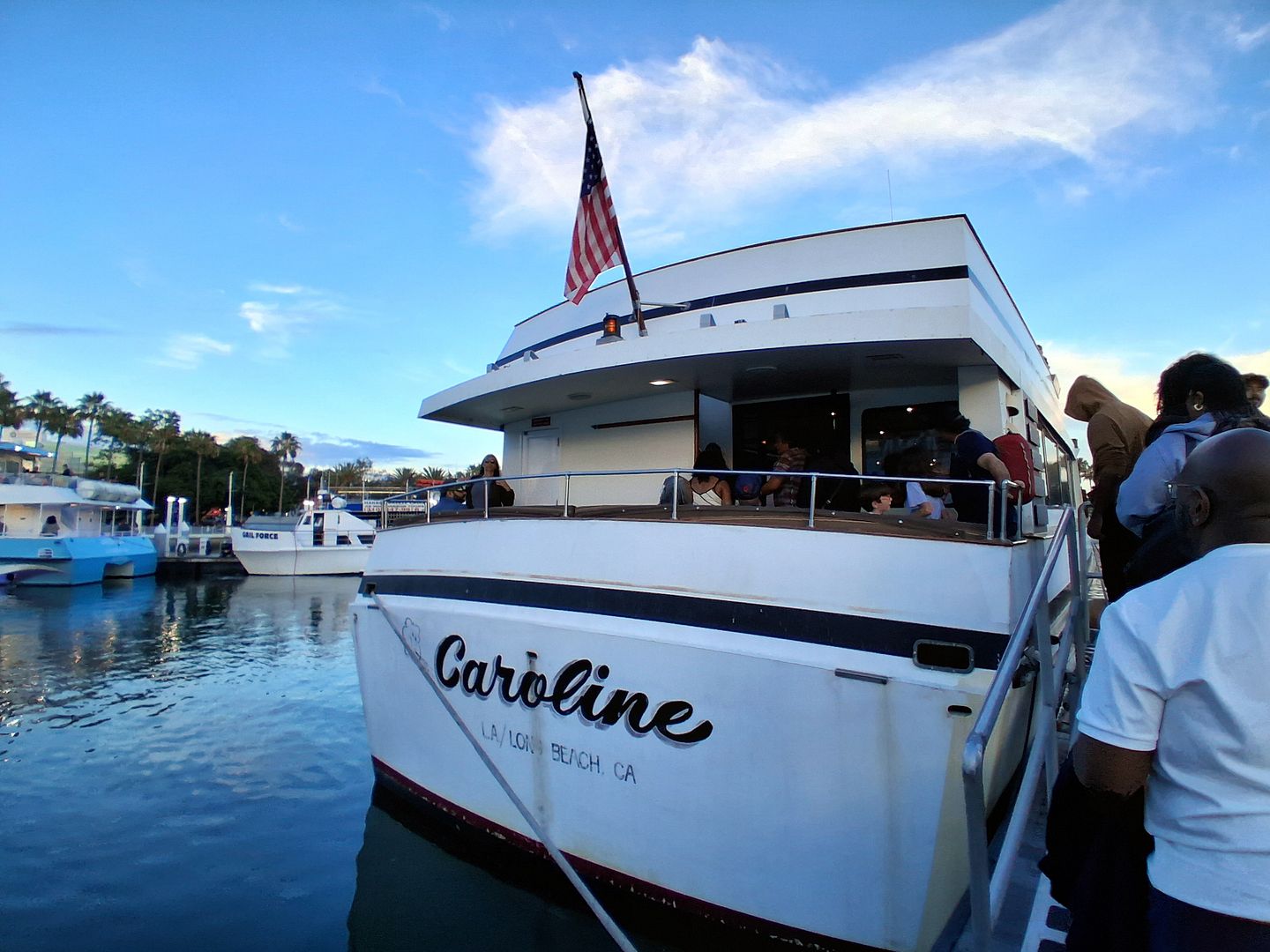
This year, the place to be seemed to be Long Beach—which had expanded its show to three different launch points along the harbor for America 250. Hoping to get a front seat to all three of them, I booked a boat ride with Harbor Breeze Cruises.
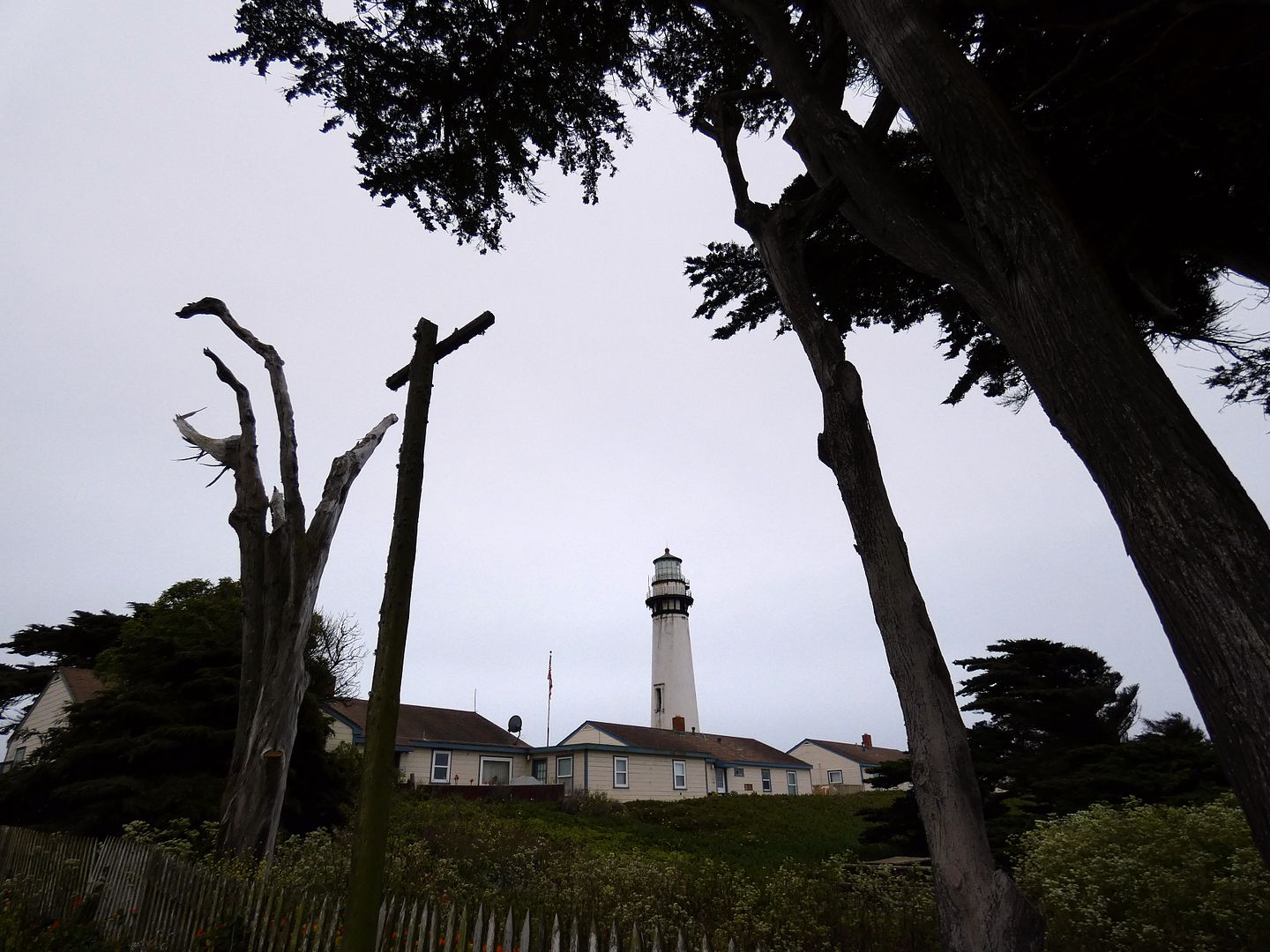
Earlier this month, Pescadero, California was the site of a sesquicentennial celebration for Pigeon Point Lighthouse—built in 1871 (one of eight built that year that are still standing) but first lit at sunset on November 15, 1872.
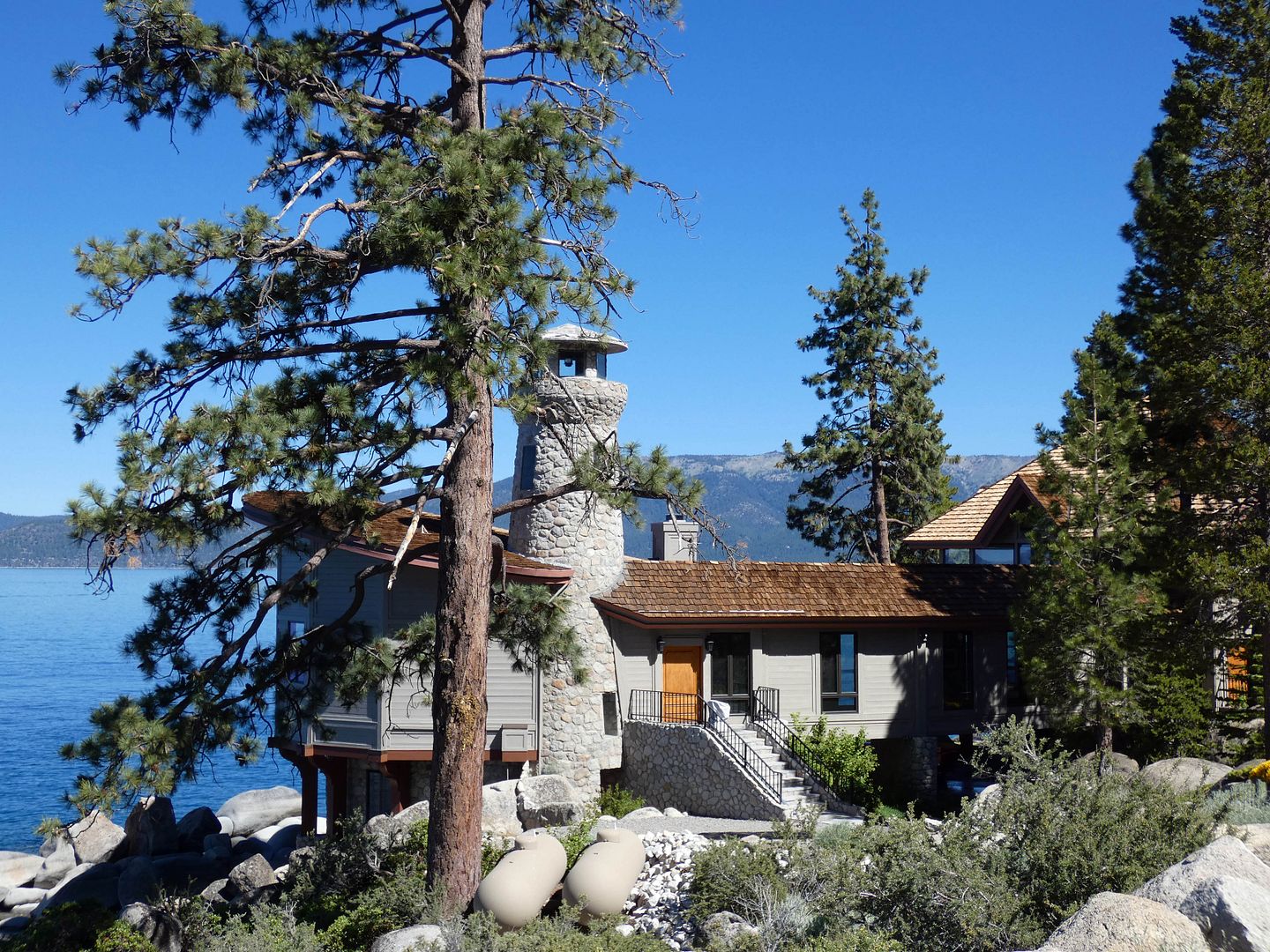
On my way from California to farther east in Nevada, I stopped along the eastern shore of Lake Tahoe (technically in the town of Incline Village, NV) to take a tour of a historic estate known as Thunderbird Lodge.
Locals seem to call it "the old Whittell estate"—named after the eccentric millionaire from San Francisco who built it, George Whittell, Jr.
[Last updated 3/22/24 3:40 p.m. PT—Editor's note added below regarding the extension of operations of Diablo Canyon nuclear power plant, which is now slated to stay open through the year 2030 instead of closing in 2024.]
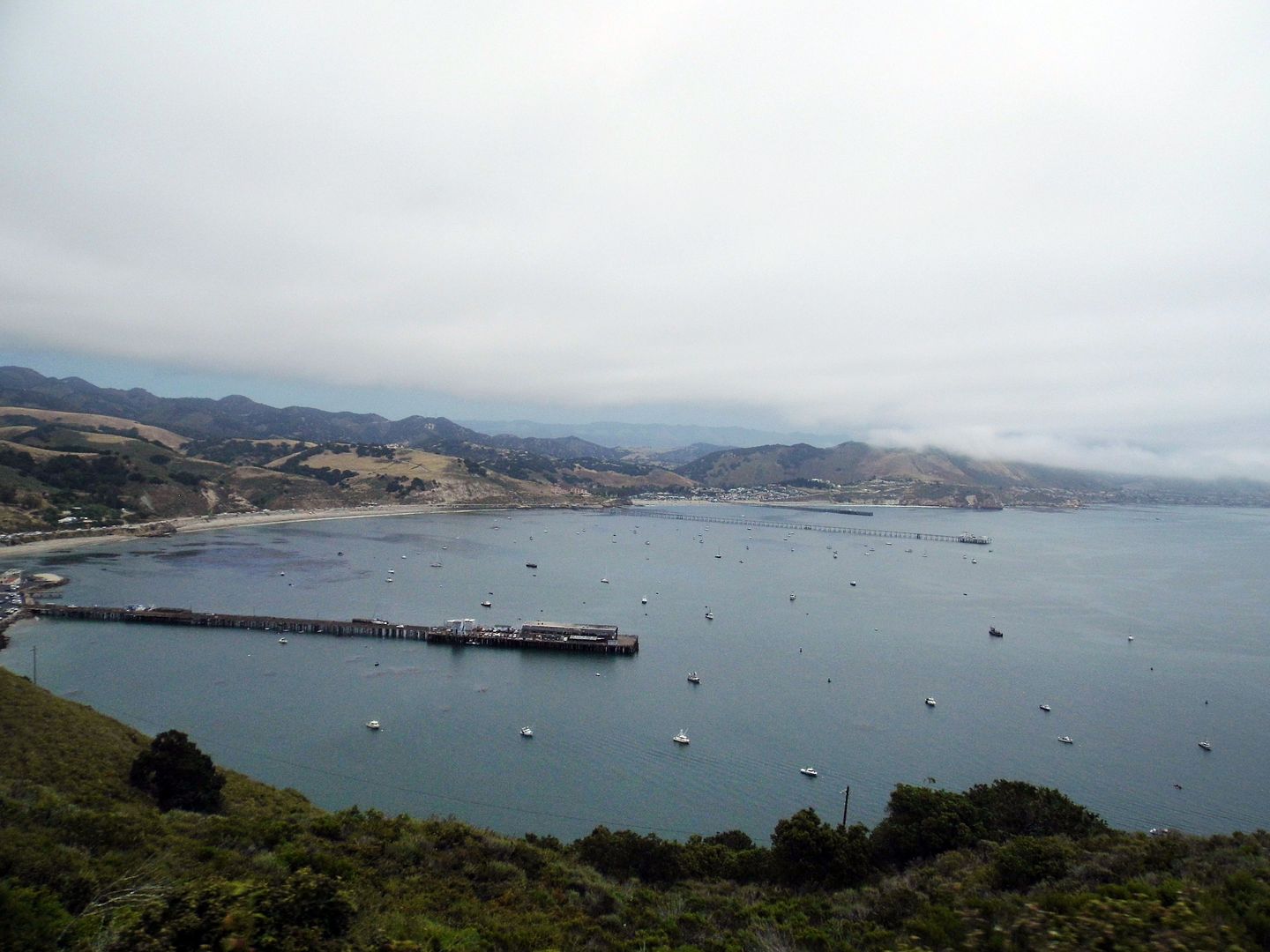
During my most recent trip to San Luis Obispo, I didn't want to miss the opportunity to visit the Point San Luis Lighthouse, located above Port San Luis Bay in the town of Avila Beach.
The only problem? It's not so easy to get to—and access is restricted by Pacific Gas and Electric, whose Diablo Canyon nuclear power plant is just up the coastline.
At least, that's according to the name of the whimsical shopping plaza between Sunset and Selma, a stone's throw from Hollywood and Highland and Sunset and Vine, .
In fact, when it was built in 1936, by most accounts it was the first outdoor shopping mall in the country.
Things have changed since then. Since as early as the 1940s, Crossroads of the World started to be occupied by private businesses like magazine publishers, recording studios, video producers, and the like. Alfred Hitchcock even had an office there once. So did Huell Howser.
From the Sunset Boulevard sidewalk and street, you can see the Art Deco tower with its globe spinning 60 feet in the air, but most of the rest of this "Old Hollywood" conglomeration stands hiding behind a gate.
Although you might find that gate alluringly unlocked or even open, walking through it—from Sunset Boulevard into the former shopping plaza—isn't exactly encouraged right now.
So, what have we been missing out on for the past several decades?
At its center is a boat—more accurately, an ocean liner—reminiscent of Crossroads architect Robert V. Derrah's other nautical-themed creation in LA, the Coca-Cola bottling plant.
It's no surprise that this is one of the many LA locales that reportedly inspired Walt Disney early in his career (which explains the reproduction of Crossroads at Walt Disney World in Orlando).
The boat is surrounded by a number of cottages in a variety of international styles—Tudor, French, Swedish, Spanish, Moorish, Italian, Mexican, Dutch, Cape Cod—all storybook.
Derrah may have been the architect, but the one who really created Crossroads of the World was Ella Crawford, the widow of an allegedly mob-tied real estate developer known as "Goodtime Charlie," who took a hit in 1931.
In an effort to get out from under the dark dealings of his past, Charlie had opened a real estate and insurance brokerage in a bungalow right here on this very property—which is also where he was ultimately taken down.
Newly widowed, Ella continued Charlie's foray into real estate—first razing the bungalow, then commissioning a cosmopolitan marketplace of the world's finest goods to be built in its place.
Like a World's Fair, Crossroads of the World would transport its visitors to the far-flung reaches of the globe—without ever leaving Hollywood. And while it opened with a splash, thanks to a bit of Hollywood glitz and glamor, it never really succeeded in its original purpose.
By the time that real estate investor Morton La Kretz took over ownership in 1977 and embarked on a restoration project, Ella had passed away and her creation had fallen into disrepair. Many of the decorative tiles had been painted over and other inappropriate modifications had been made.
La Kretz proceeded to return Crossroads back to its original plans, while adding some new decorative touches, like tiled fountains, patterned walkways, and plantings that extend all the way back through the European Village that abuts Selma Avenue.
The spinning globe was replaced in 1985 and its machinery was replaced in 2005. And now, changes are once again afoot among the turrets, minarets, and frame-and-stucco structures of Crossroads of the World.
Since 2015, the Hollywood community has been, shall we say, in an uproar over development plans to demolish historic structures and build more than one high-rise in an area that's already starting to resemble Manhattan more than Southern California.
Over the course of the past three years, the renderings have been modified to include the preservation of the former Hollywood Reporter building and the entire Crossroads complex.
But according to the most recent plans, some of the open spaces between the buildings will be filled in, and the open air up above will be gobbled up by new construction designed for "mixed use."
There is one not-so-insignificant bit of good news about these new plans: Crossroads of the World will once again open up to the public and welcome pedestrians into its fairytale village.
Maybe we'll get to walk through a door and find out what's beyond those Venetian columns that adorn the front of the poured concrete Italian building. (And no two doors at Crossroads are alike, each having been custom designed and fabricated.)
In its heyday as an "Olde World" shopping plaza, Crossroads of the World offered such retailers and services as John Macsoud's men's store (at the Sunset-facing, forward end of the ship), the Continental Cafe (at the aft end), the Barber of Seville, a pastry shop, a Mexican restaurant (in the Middle Eastern building)
I hope that for the future of Crossroads, the globe keeps spinning, the lighthouse at Selma stays lit, and the surrey rides come back.
Here's a fun music video from 1991 that gives a view of the Sunset Boulevard frontage that few have experienced (or ever will).
At the California-Arizona border, where the Mojave transitions to the Sonoran Desert, the construction of Parker Dam along the Colorado River in the mid- to late-1930s filled a floodplain and created Lake Havasu. It's not really a lake, though—it's more of a reservoir.
In fact, some might say that it's just a wider, deeper part of the Colorado River with more water in it and less of a current.
It makes for good water sports and recreation, not the least of which is boating but also jetskiing, paddleboarding, and the like.
I imagine it's something of a successful version of the Salton Sea—without the annual fish and avian die-off and resulting stench and fly problem.
In 1967, three years after founding the planned resort community of Lake Havasu City, chainsaw mogul Robert McCulloch bought a bridge—not so much to span the body of water, as there was actually a peninsula in its place, but to create an attraction for tourists and potential homebuyers and landowners.
But it wasn't just any ol' bridge. McCulloch literally bought the London Bridge—the so-called "new" one from the 1830s—which wasn't so much falling down as sinking into the Thames and had to be replaced. He then dismantled it, transported the pieces to Arizona through the Panama Canal and into the Long Beach Harbor, and then had it painstakingly reassembled, each piece having been numbered and catalogued.
The reassemblage was completed in 1971, along with an entire "English Village" that served as a quaint, open-air gateway to it. Many of the temporary buildings have since been torn down, but the scale replica of the Buckingham Palace gates still stands.
And there are plenty of other small touches to make you feel like you've crossed over to the other side of the pond...
...including a couple of red telephone booths (which you'd think would be extinct by now)...
...and plenty of Union Jacks alongside the Stars and Stripes and the Arizona State Flag.
Besides the fact of its mere existence here in Arizona, there's plenty of intriguing trivia to be learned about the London Bridge—including that it's only clad in its original English (actually "Haytor") granite. Inside, it's hollow, supported by reinforced concrete (ensuring that it will not, in fact, fall down).
Its five stone arches bear the strafing scars from the London Blitz bombings by Germany during World War II. And while some areas of the granite are dark while others are light, it was actually all dark when it arrived in Arizona, thanks to London's soot problem. In the nearly half-century since its relocation to the arid desert, the sun has bleached out many of those old, dark stains.
We were stupid enough to visit Lake Havasu at the end of July, in sizzling summer heat. When we arrived to town, it was 112 degrees outside. There would be no walking or exploring until sunset—at which point our group agreed on a late-in-the-day boat tour of the lake, its bridge, and whatever else there was to see.
Shave ice, chilled bottled water, personal cooling fans, and the setting sun helped. But sometimes, you've got to just give yourself over to the heat and be hot.
We set sail through the Bridgewater Channel, heading southeast into Thompson Bay towards the California state line...
...passing several of the 20-some-odd replica lighthouses that dot the shores...
...each providing a beacon for nighttime sailors and representing various real-life locales around the country.
We even spotted a (skinny) wild burro grazing for a snack on top of a shoreline hill.
And as the sun dipped behind the palm trees behind us...
...and we left it in our wake...
...we watched the crazy clouds ahead turn a rainbow of colors from yellow and orange to red and pink.
Approaching our turnaround point at Copper Canyon—which was once literally mined for its copper and settled as an encampment of miners—we spotted some kids jumping off the cliffs into the water and encouraged them with cheers and applause.
And after we turned around to head back to the dock, with most of the motorboatin' partiers wrapping up their daydrinking celebrations, we watched a spectacle of lightning that was isolated to just one storm cloud, hanging isolated and illuminated in the darkening evening sky.
A little less than halfway between San Diego and Yuma, along a stretch that's allowed travelers to cross the Colorado desert in Kumeyaay territory (either by stagecoach, railroad, toll road, or otherwise), you'll find the aptly named Desert View Tower...
...a lookout point built in the 1920s by a local real estate developer who wanted to commemorate the pioneers who paved the way for other travelers to come through such a remote, sandy area (somewhat in hopes of Jacumba, a town he ended up buying, becoming a border crossing instead of present-day Tecate and El Centro).
Built of local rock, quartz, wood salvaged from the Old Plank Road, and other native materials, it's considered its own folk art environment—just like its neighboring Boulder Park (whose creator also helped build the tower)—though, in many ways, it looks much like any other makeshift structure that arises out of the desert.
Perhaps more important is its location—so close to a former wagon road, stage station, and mail route from 1862 to 1870, located just north of the tower and just across the border into Imperial County (though its historical marker is at the tower).
I'd arrived at least 90 minutes before the Desert View Tower's published opening hours, but the man at the front door drinking his morning coffee graciously let me in and gave me a $6.50 ticket to explore the top of the tower and Boulder Park next door.
At each landing along the 57-step climb to the top, there are various artifacts...
...pieces of artwork...
...and objects of intrigue that, along with the ground level gift shop (enclosed circa 1950), constitute a so-called "museum" (installed circa 1979).
But the view of the desert is really enough to beckon anyone with a pair of working eyeballs up there.
The very top of Desert View Tower is known as the "Hurricane Deck," used during WWII to look for Nazis who might be crossing the border from Mexico.
Now, the top of the fortress is an observation deck with 360-degree views of the Jacumba and In-Ko-Pah Mountain ranges, Mountain Springs, Anza-Borrego Desert State Park, and even the local border patrol station.
You're only 70 feet up off the ground while you're up there, but you're actually looming 3000 feet above the Imperial Valley floor. The expanse of the desert below is staggering.
And it's so windy up there (hence the nickname "Hurricane Deck," perhaps?) that it's a wonder you don't get swept up in a wind tunnel and blown out over the arid landscape like one of the UFOs that get repaired at a shop down the road.
It's pretty amazing that the tower itself doesn't even sway—despite the fact that there's no internal structural framework holding it up. The cylinder stands based on the strength of four-feet-thick rock walls alone.
As of the end of last year, the Desert View Tower is for sale—not because it's failing as a roadside attraction, but perhaps because it's proven to be too popular with tour busses and yogis for an owner who's eager to retire.