Search

Showing posts with label Astronomy. Show all posts

April 12, 2024

There Goes the Sun (Behind the Moon)

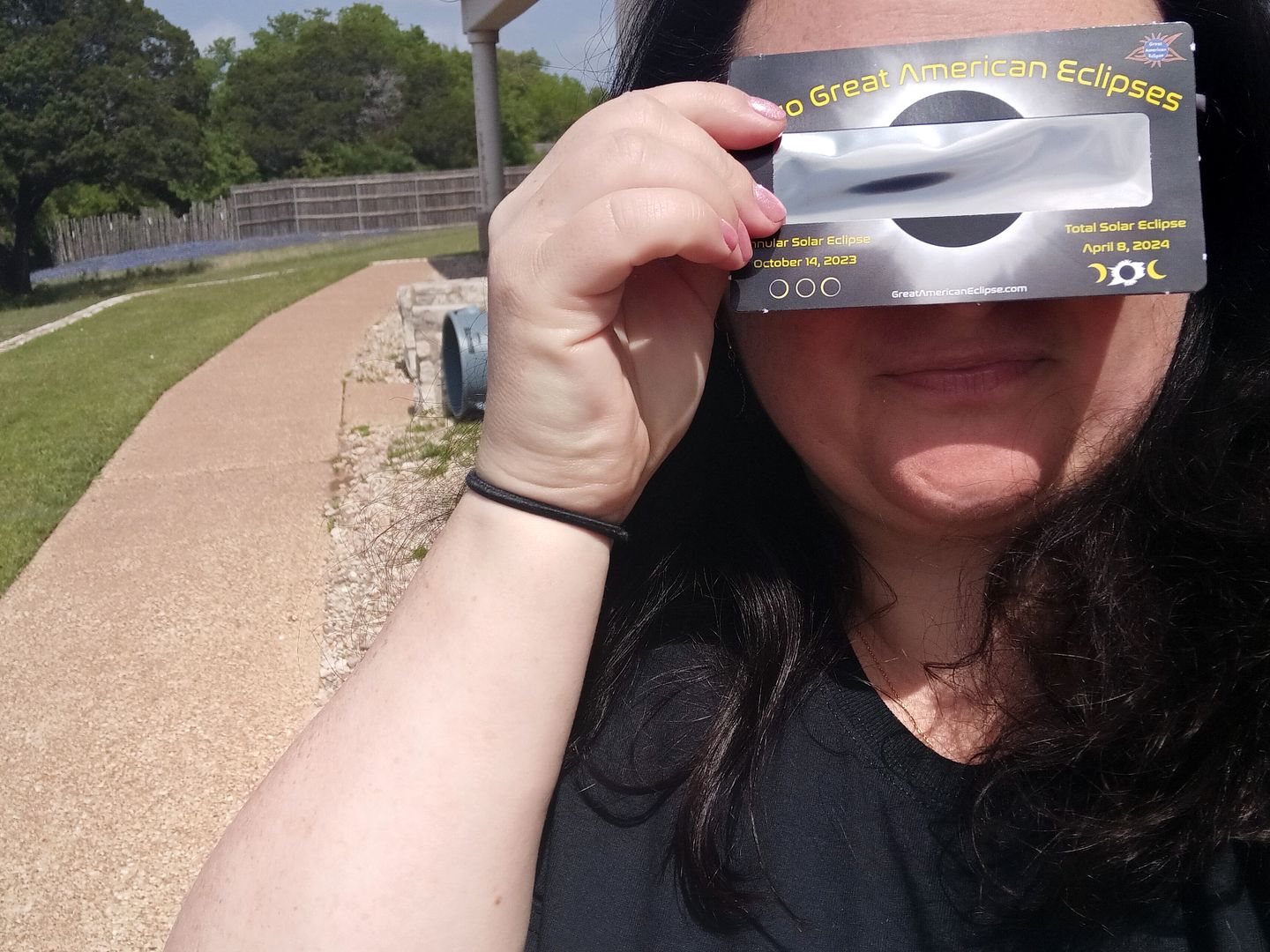
Upon the last total eclipse of the sun that was visible over the United States, in 2017, I convinced myself that I didn't need to see it. That I didn't even want to see it. 

So, I stayed in LA and enjoyed the partial eclipse

But, truth be told, once it was over, I felt like I'd missed out. 

"I'll go see the one in 2024," I said to myself and all my friends. "Maybe I'll go to Mexico."

So as this year's total solar eclipse approached, I felt like I had to stay true to my word. Especially when I realized there wouldn't be another one appearing above the U.S. for another 20 years (and who knows what kind of condition I'll be in at that age??). 

The same concerns I had seven years ago still rang true. Was it really worth the time and expense to travel for a few minutes of darkness? What if it was cloudy and I wouldn't be able to see anything anyway?

 
At some point, I just had to bite the bullet and commit to the trip—not to Mexico on my own, but to North Texas for a family reunion not of my own kin, but a chosen family that invited me to join them in the path of totality. 

August 29, 2019

Photo Essay: Mount Wilson Observatory Engineering Tour

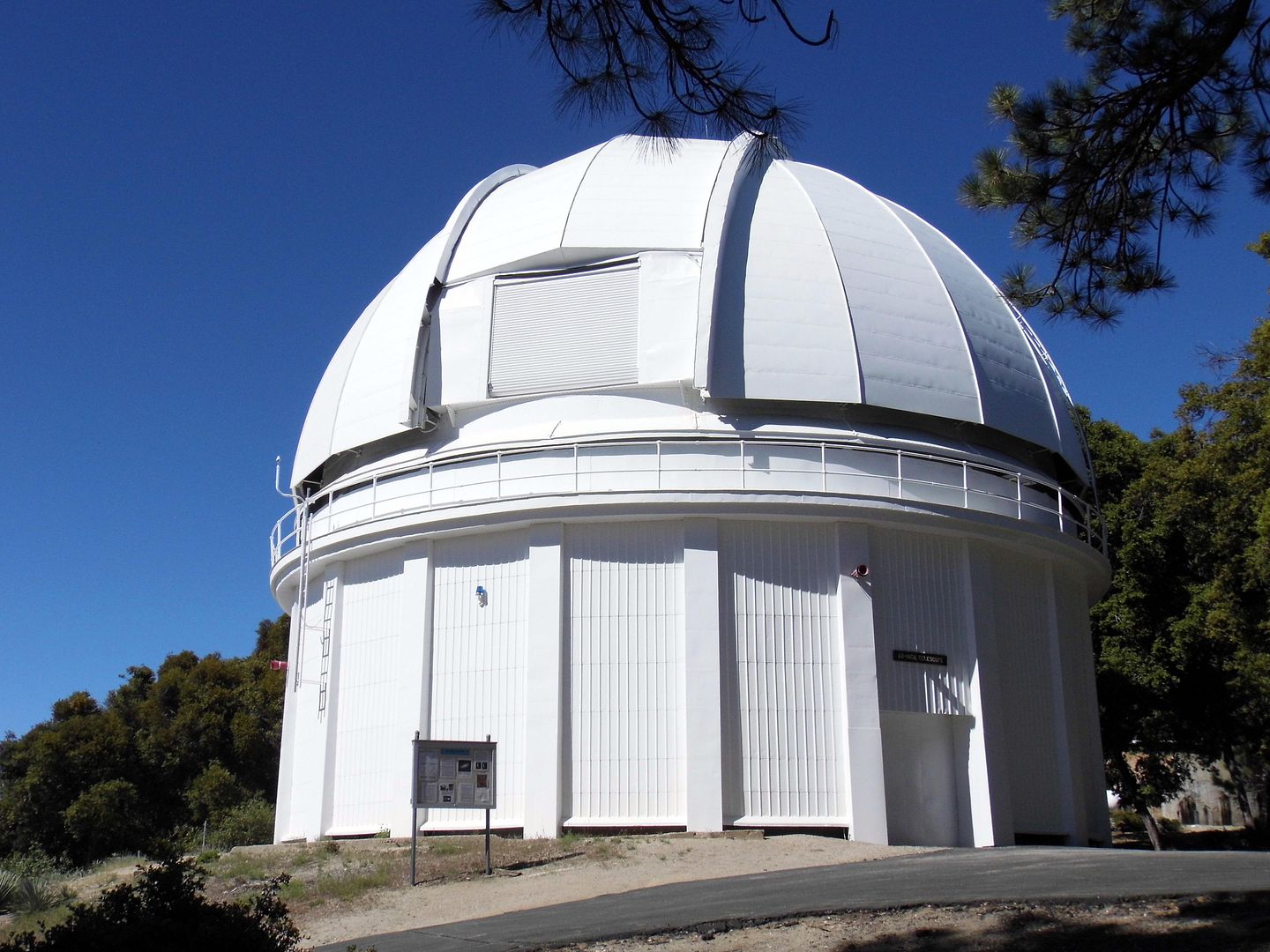
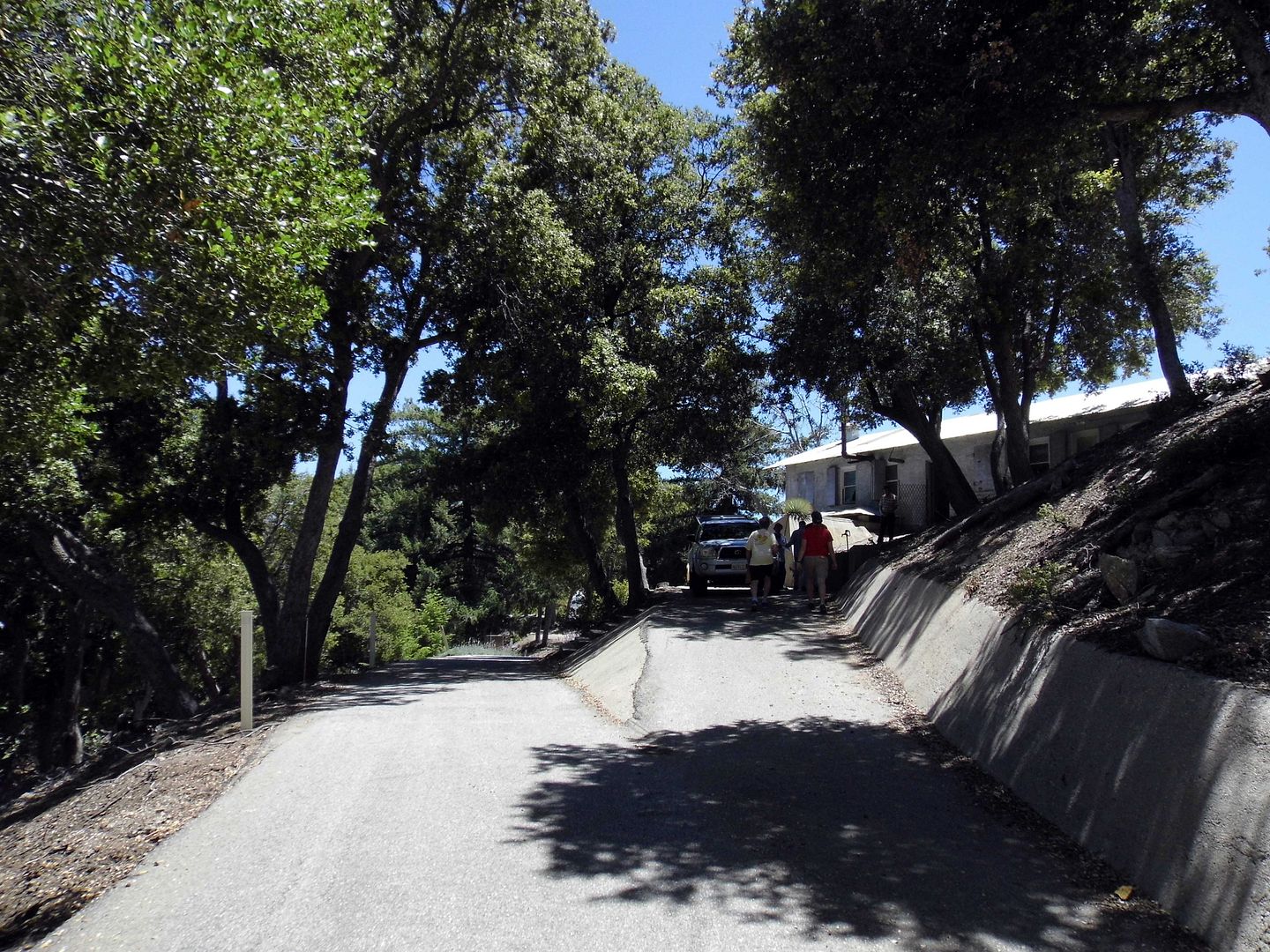
Located at 5,715 feet above sea level, Mt. Wilson Observatory is one of the oldest and most historic gateways to space that’s been treasured by professional and amateur stargazers alike.

With a long history as a research facility, it also houses two of the world's largest telescopes that have been made exclusively available to the public.

Built by George Ellery Hale and John D. Hooker respectively, these telescopes provided a way for man to try to understand the starry blanket that tucked them in every night.

They also facilitated amazing discoveries in the sky above and in the Universe as a whole.

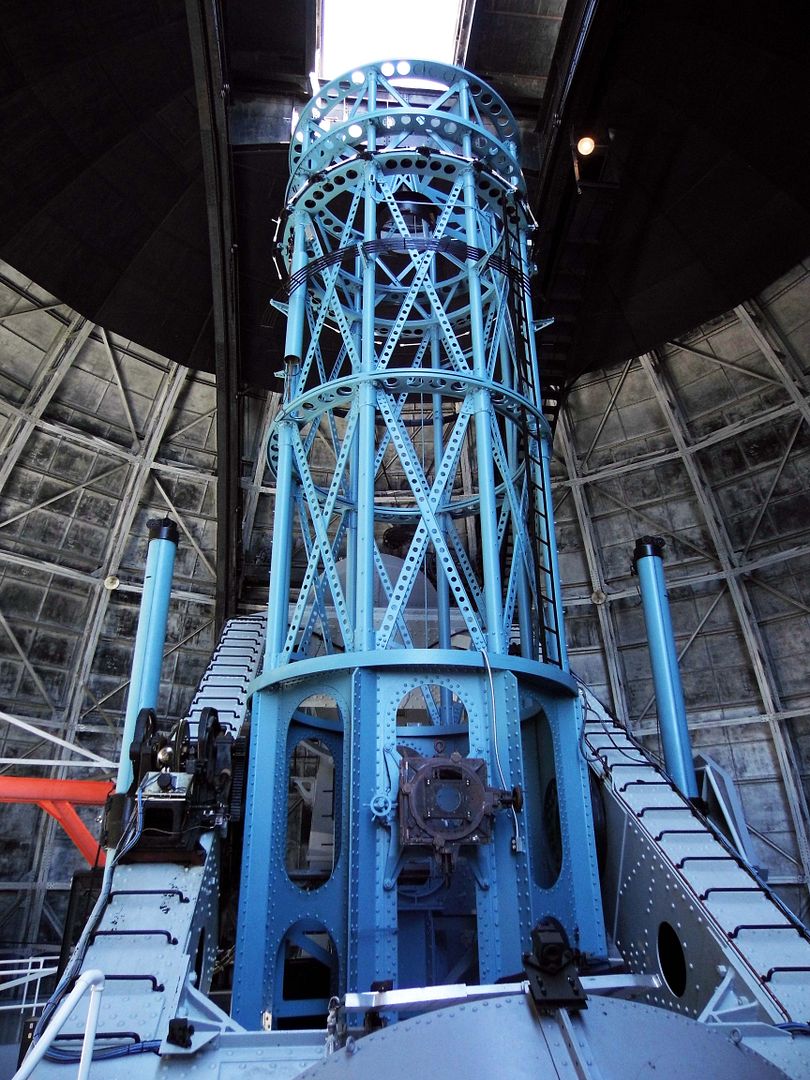
On a few select weekends, stargazers are in for a special treat—because the Mount Wilson Institute conducts special behind-the-scenes tours of the 60-inch and 100-inch telescopes, machine shop, and historic powerhouse.


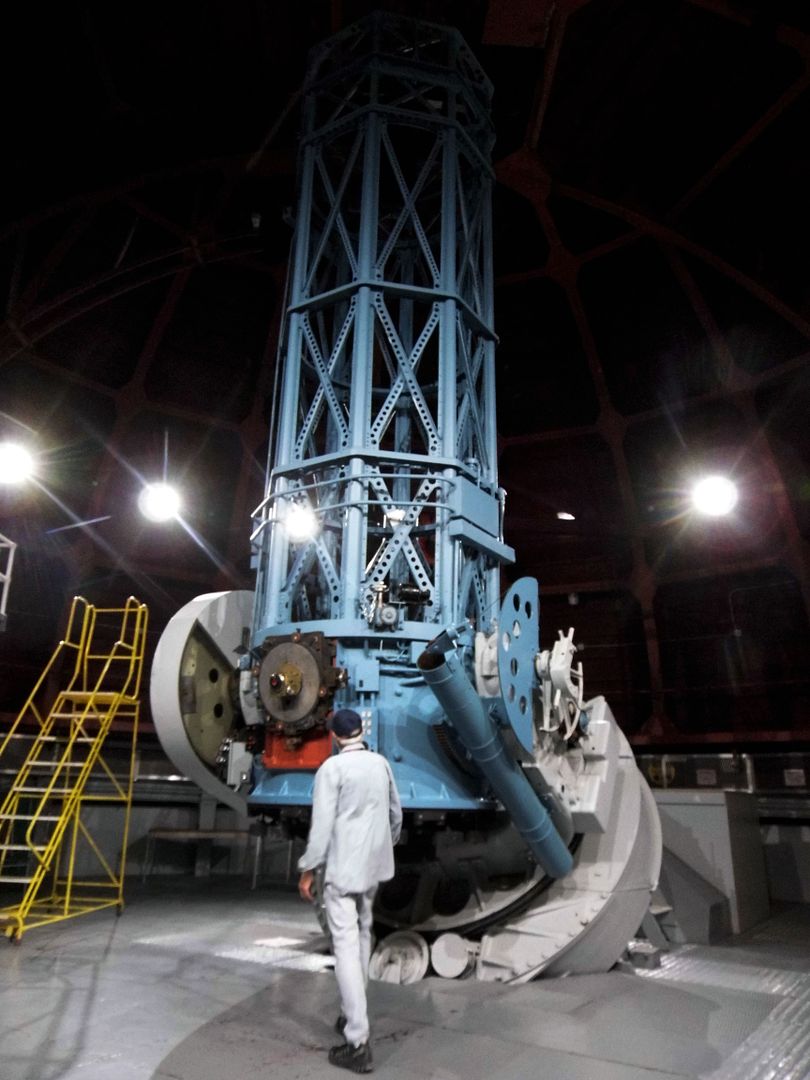
Inside the 60-inch dome...


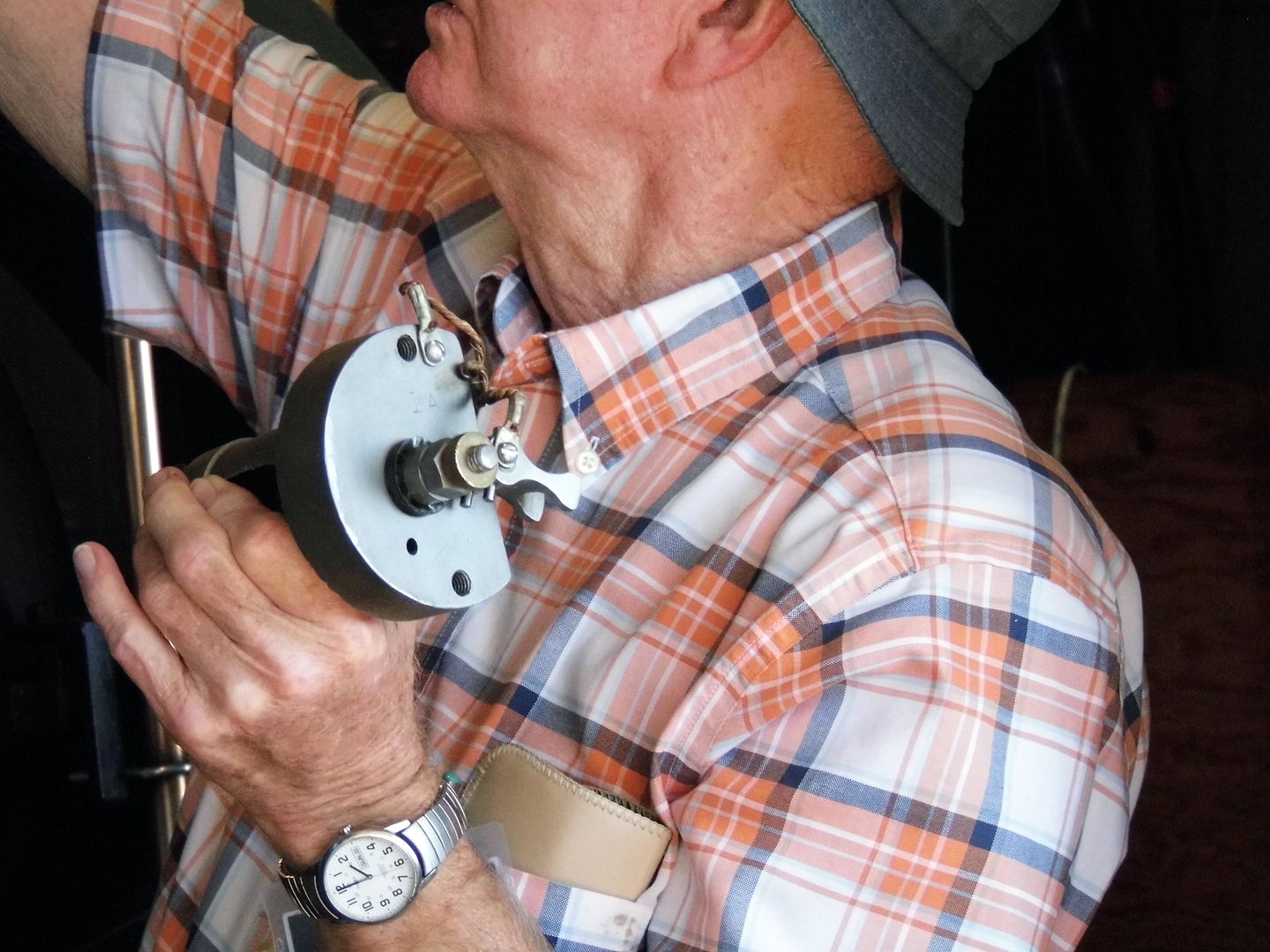
...volunteer engineer Bill Leflang led a tiny group of us through all the mechanical, optical, and electrical details of this historic instrument.


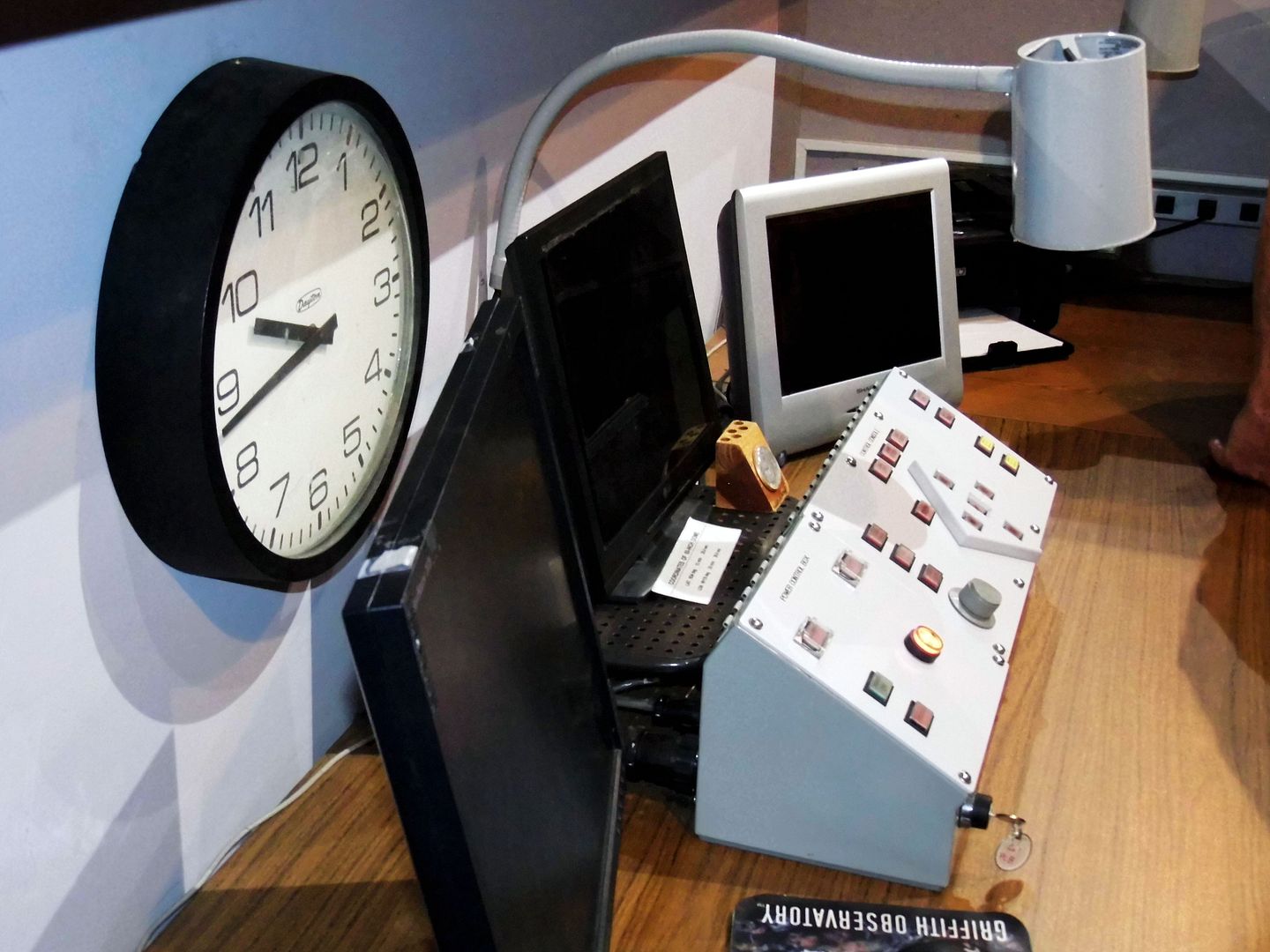
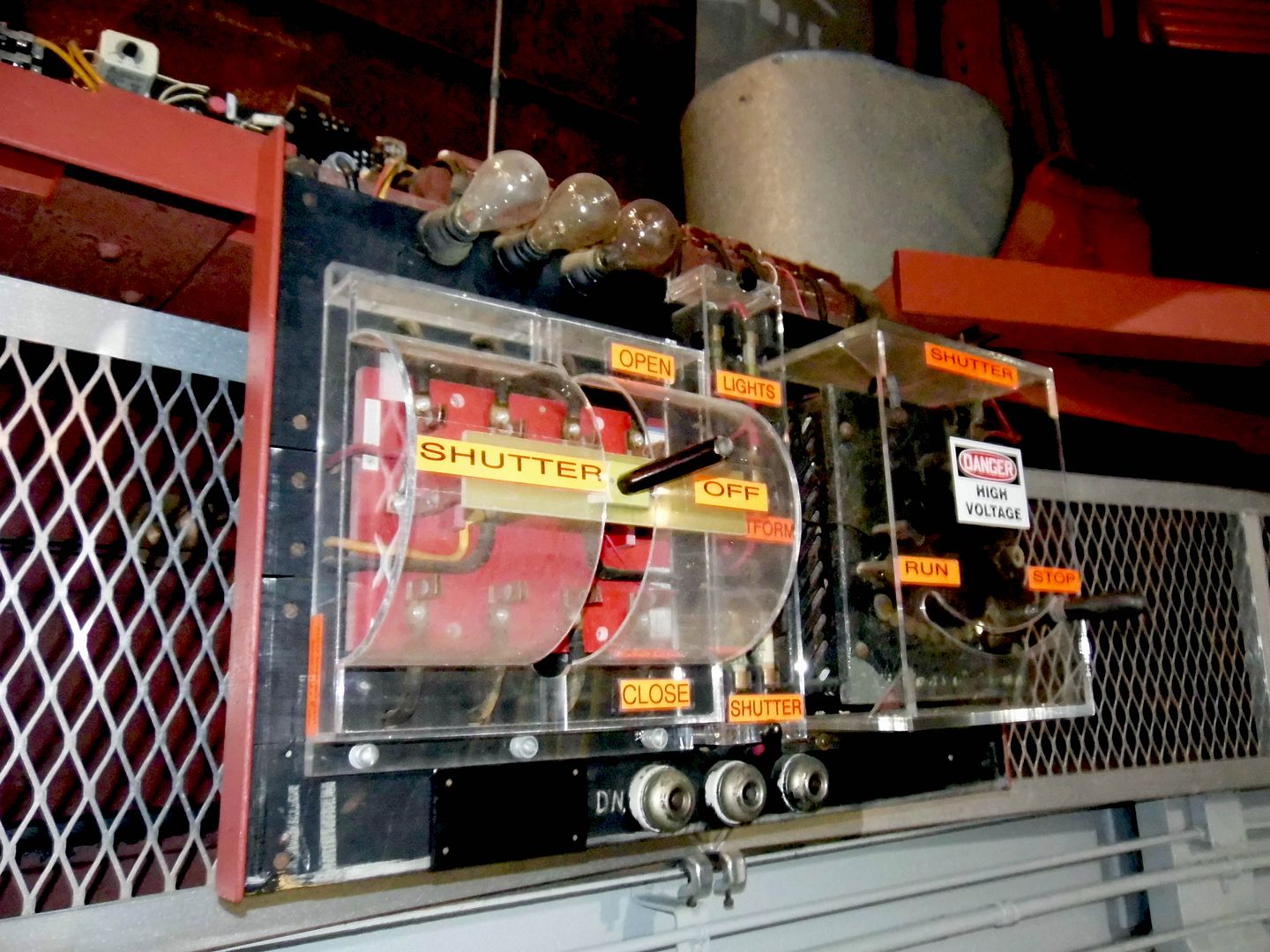
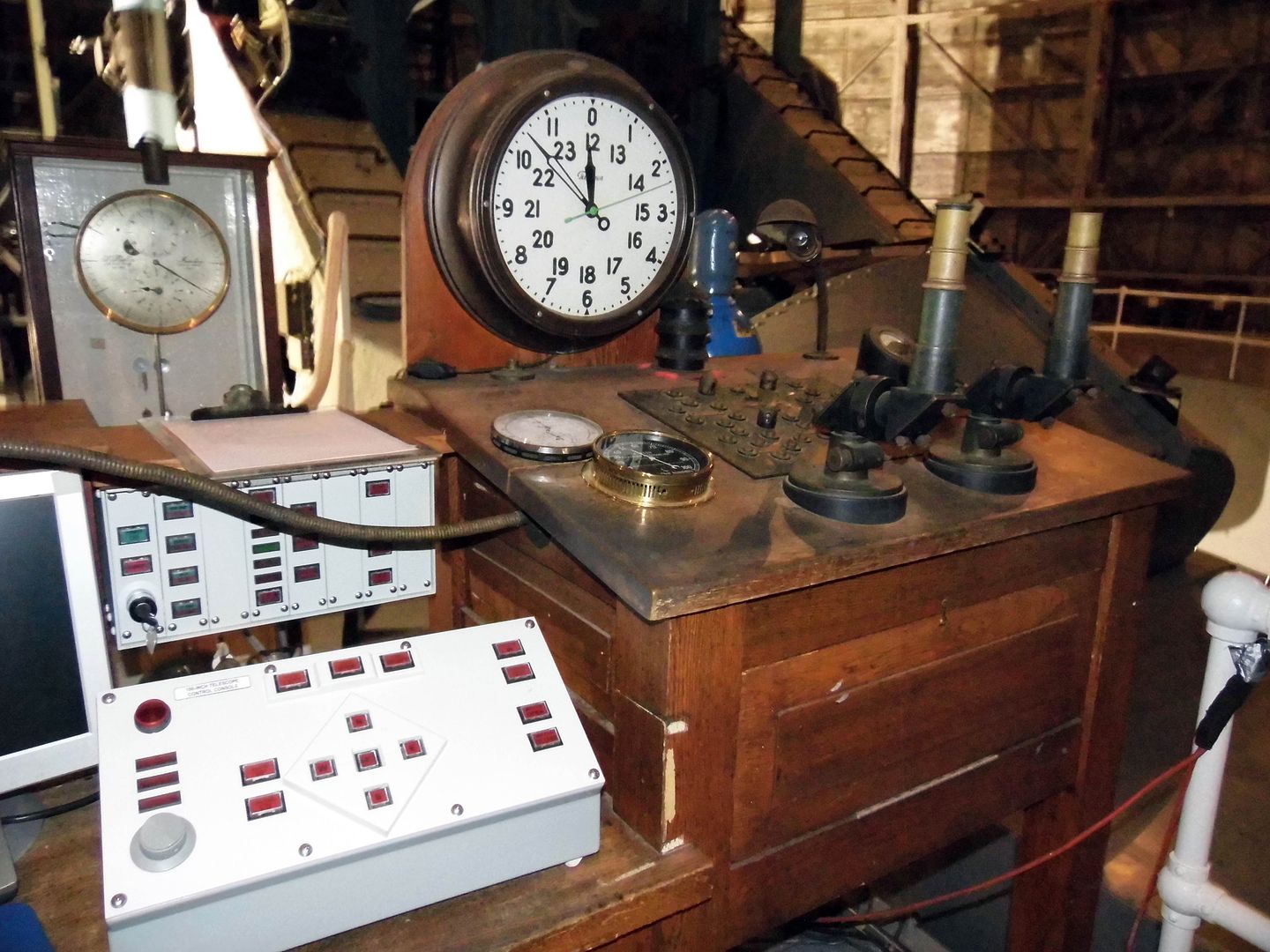
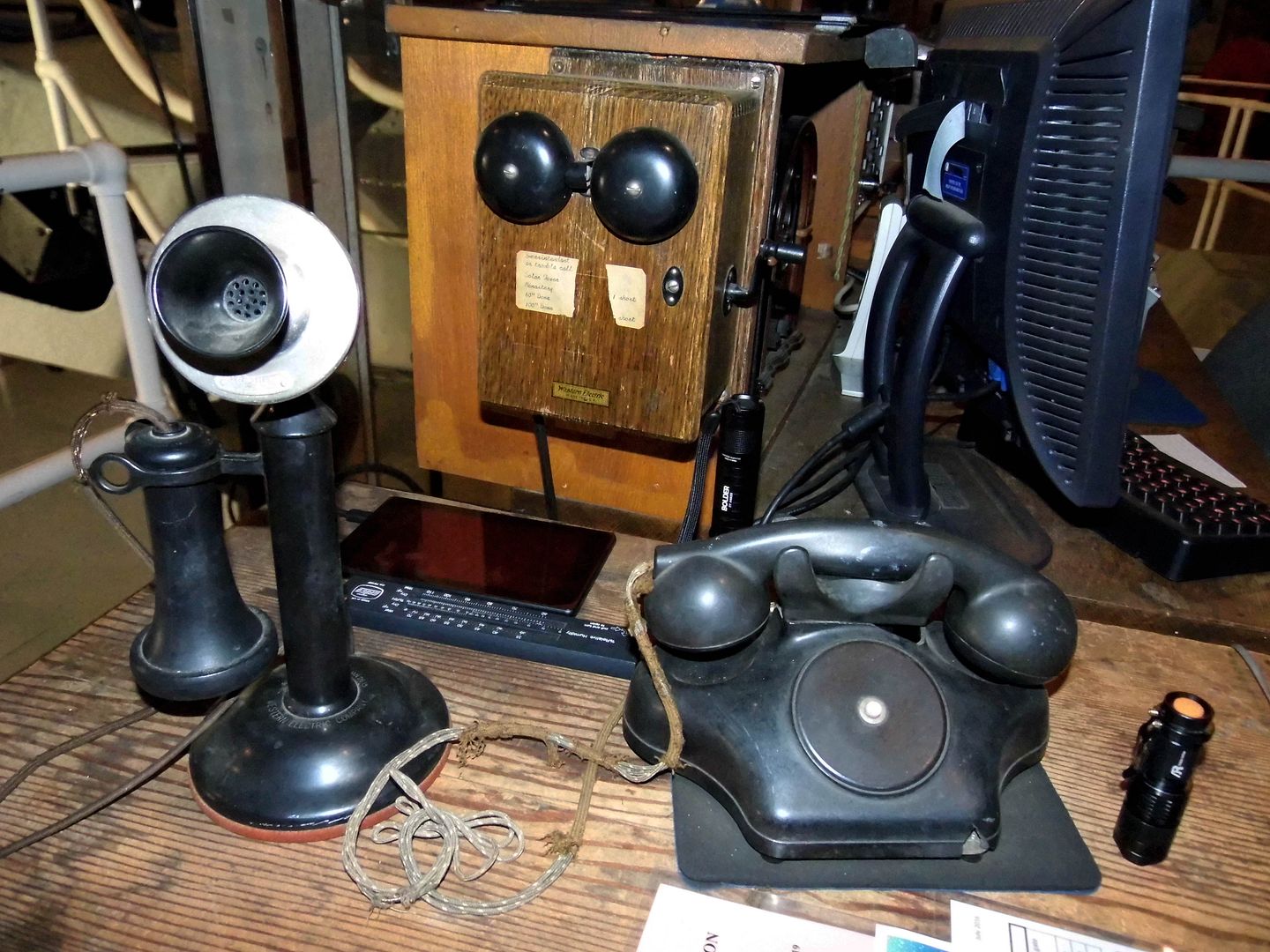
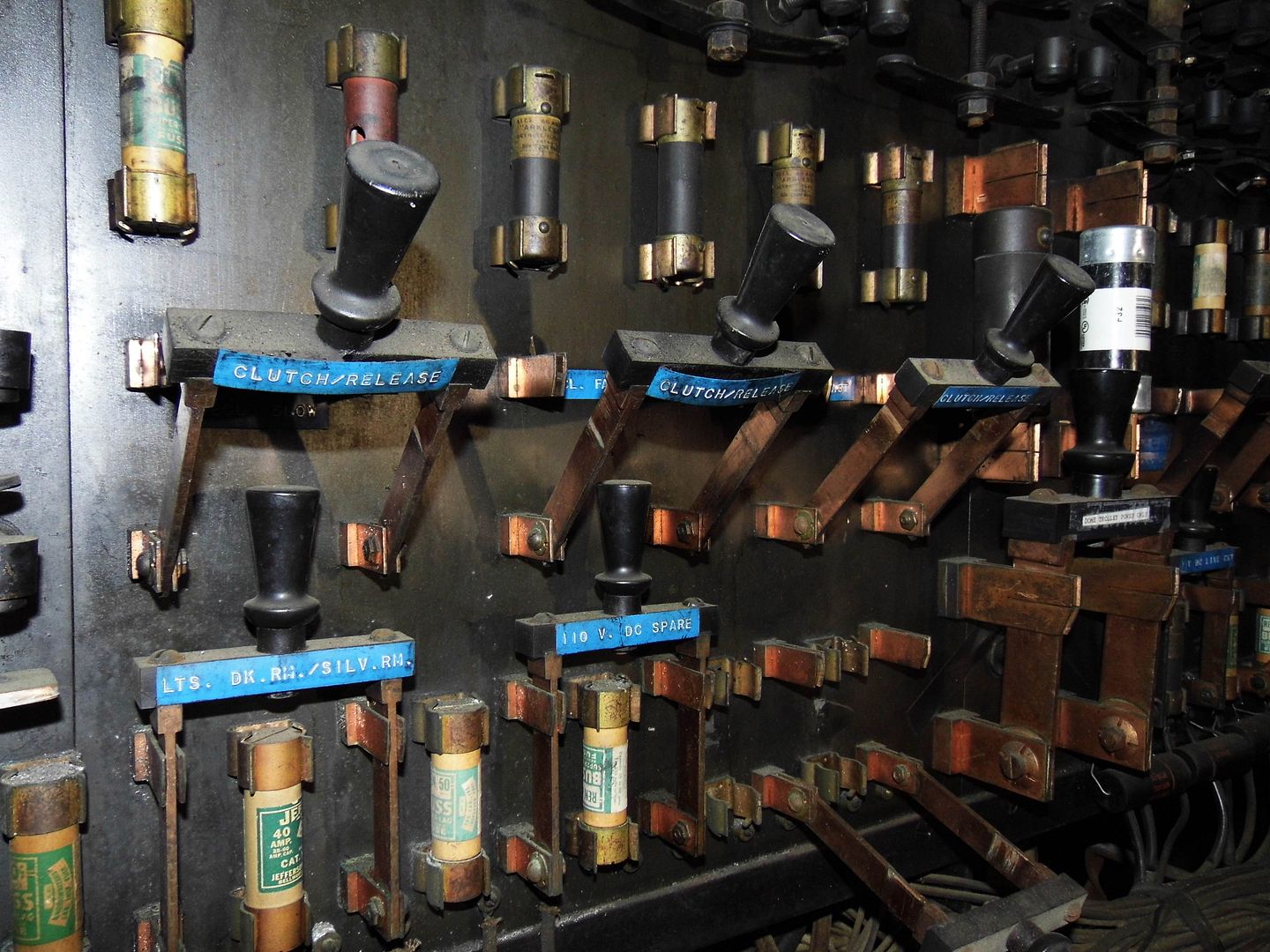
We admired outdated control panels...


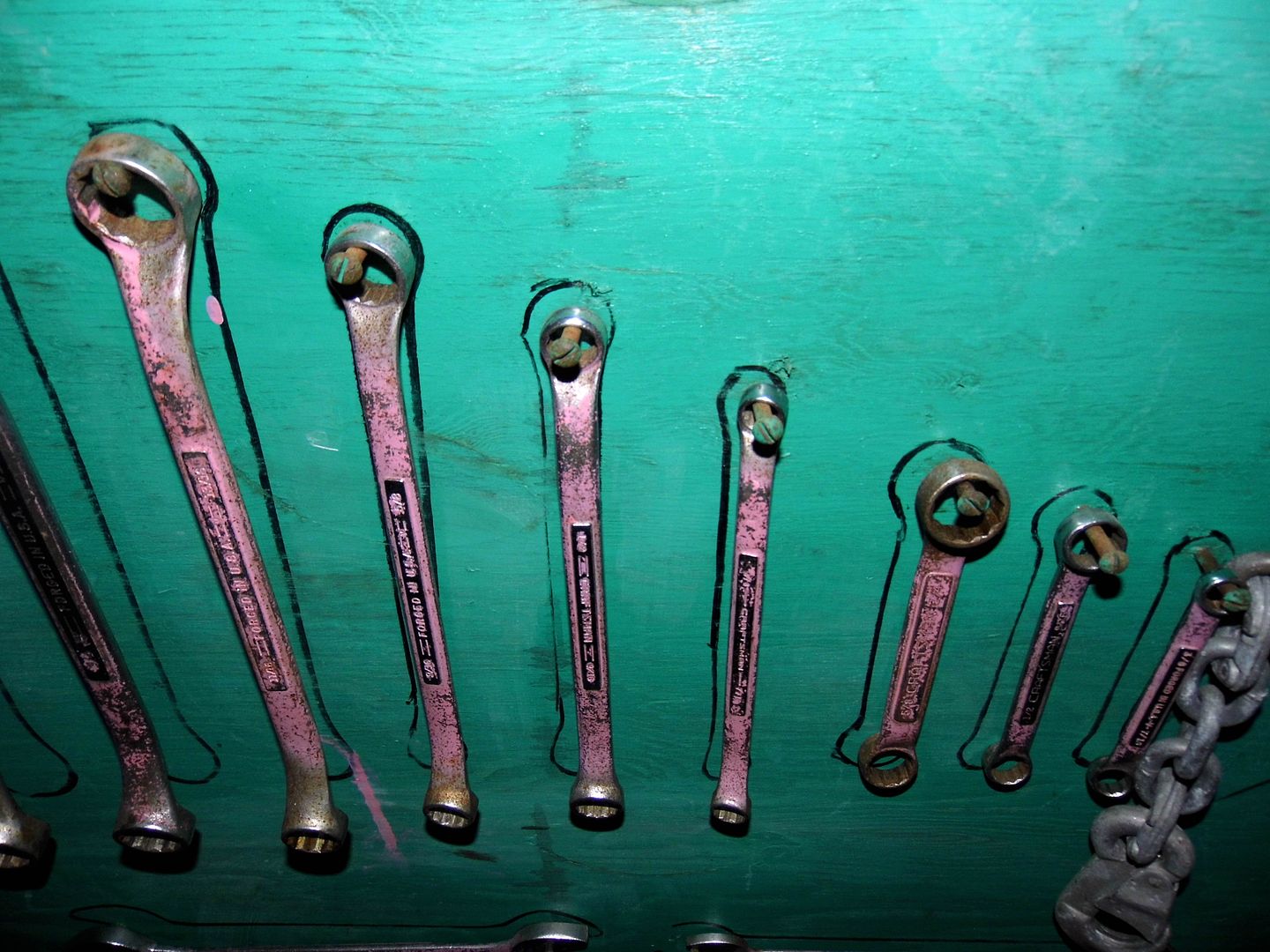
...an array of tools...


...original levers...


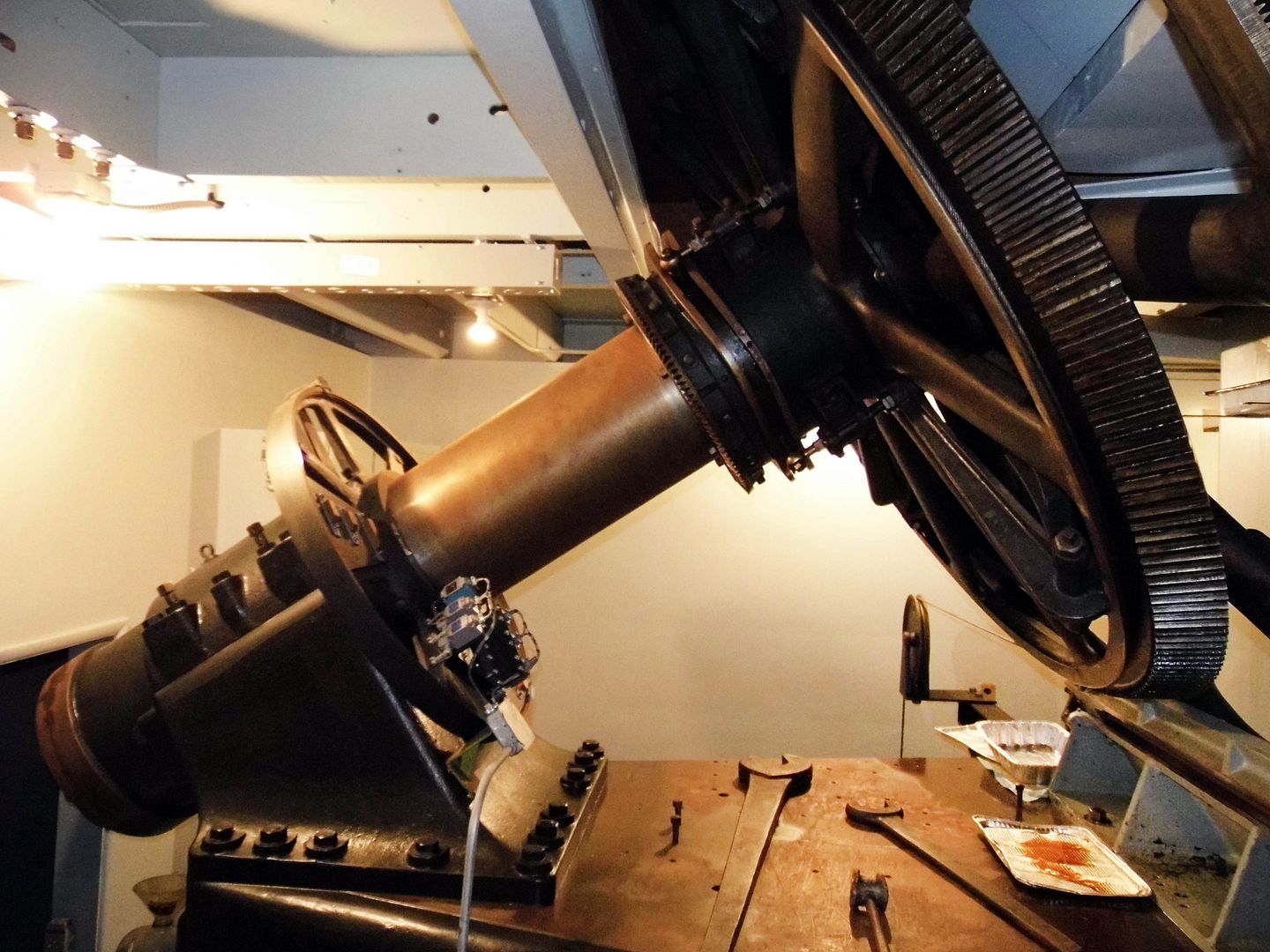
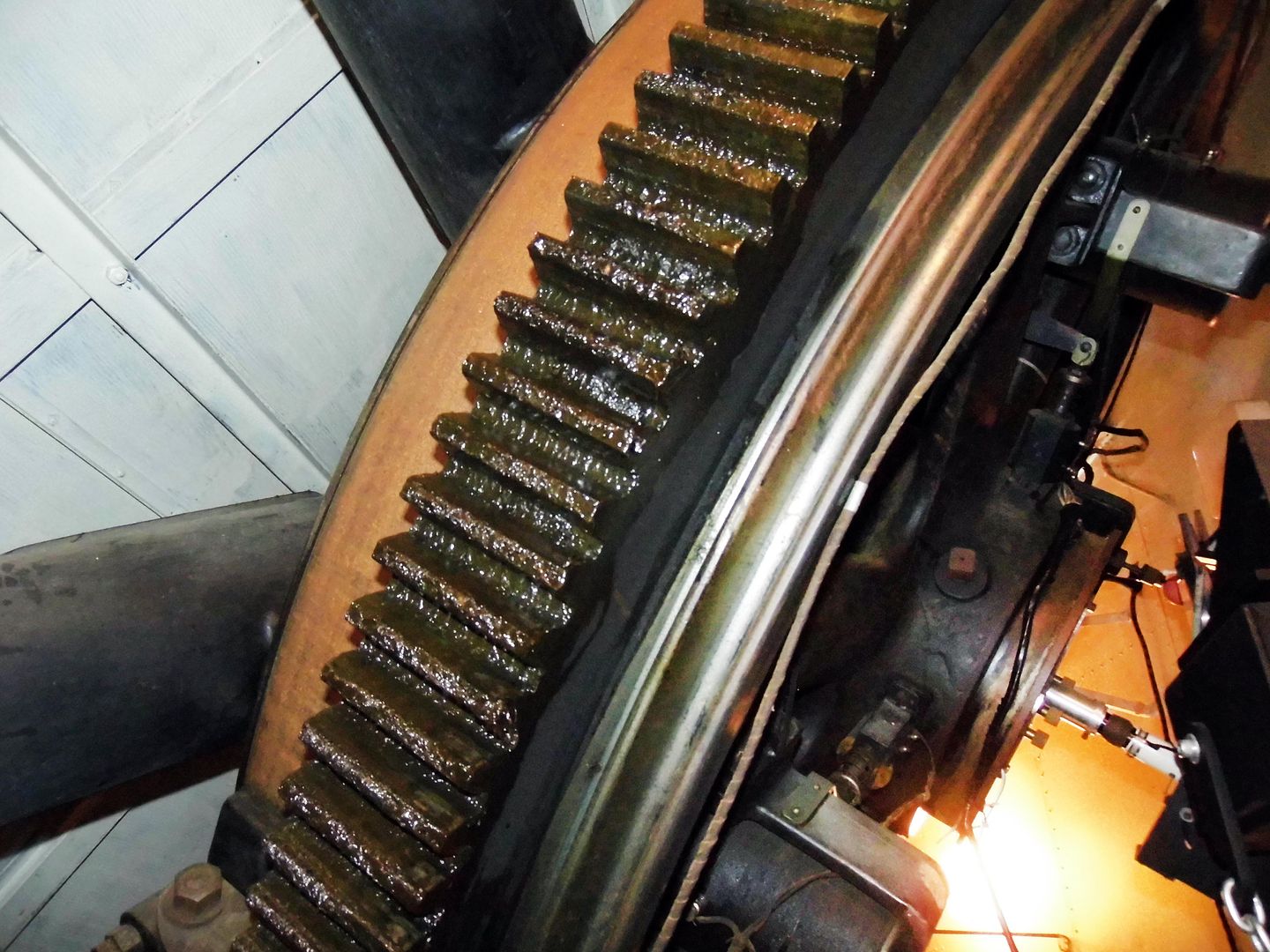
...and the huge gears that help move the telescope above...


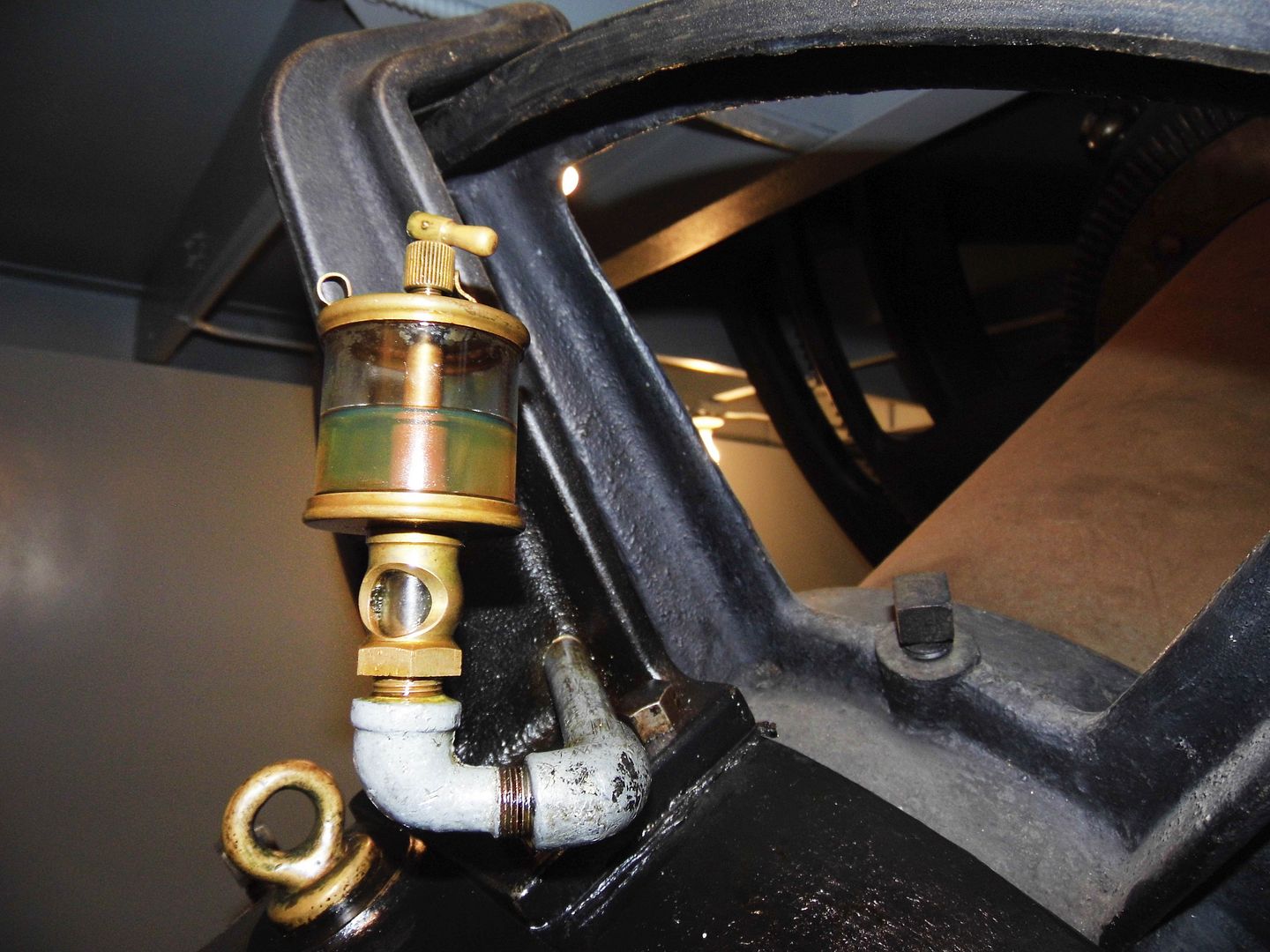
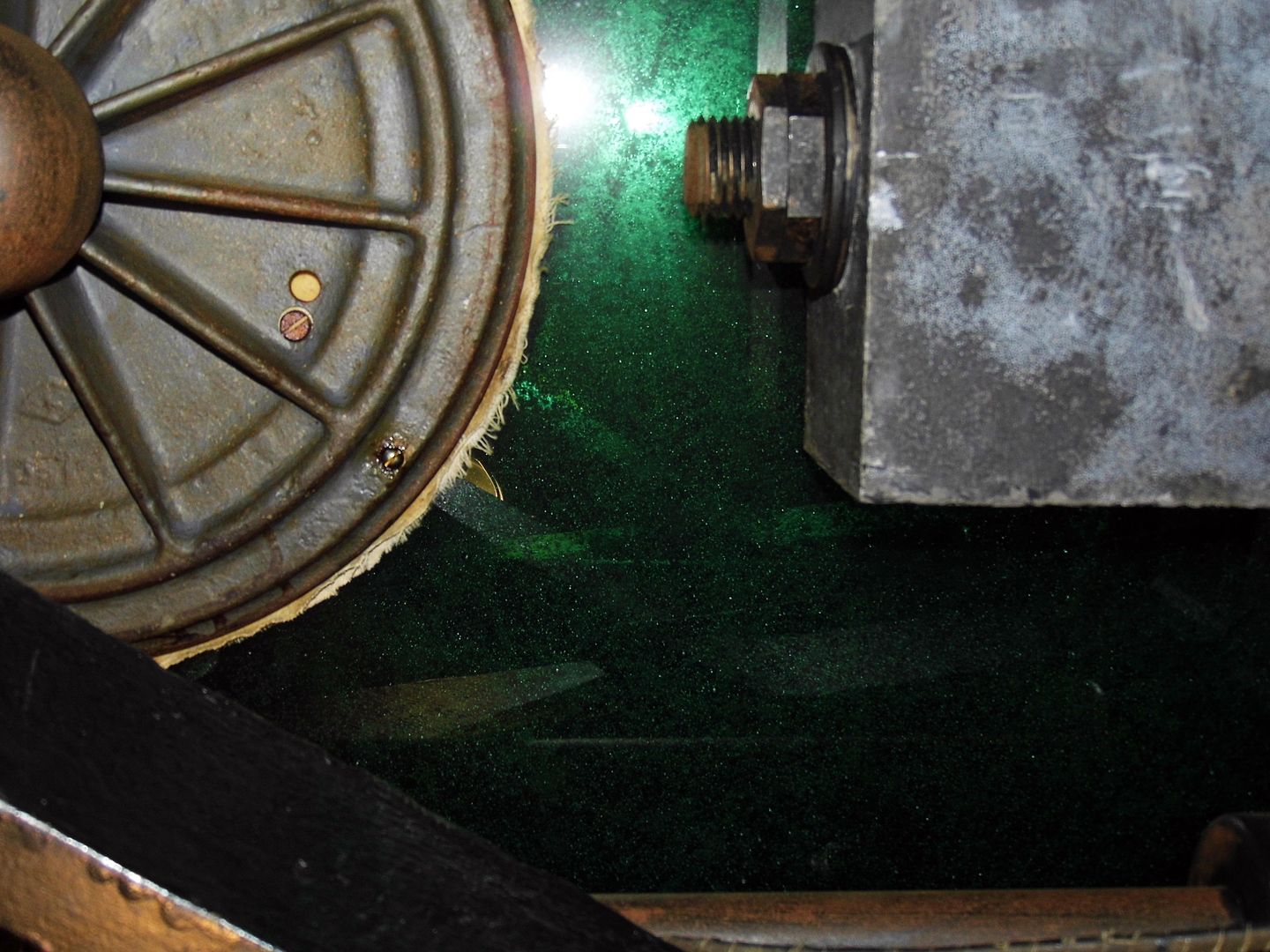
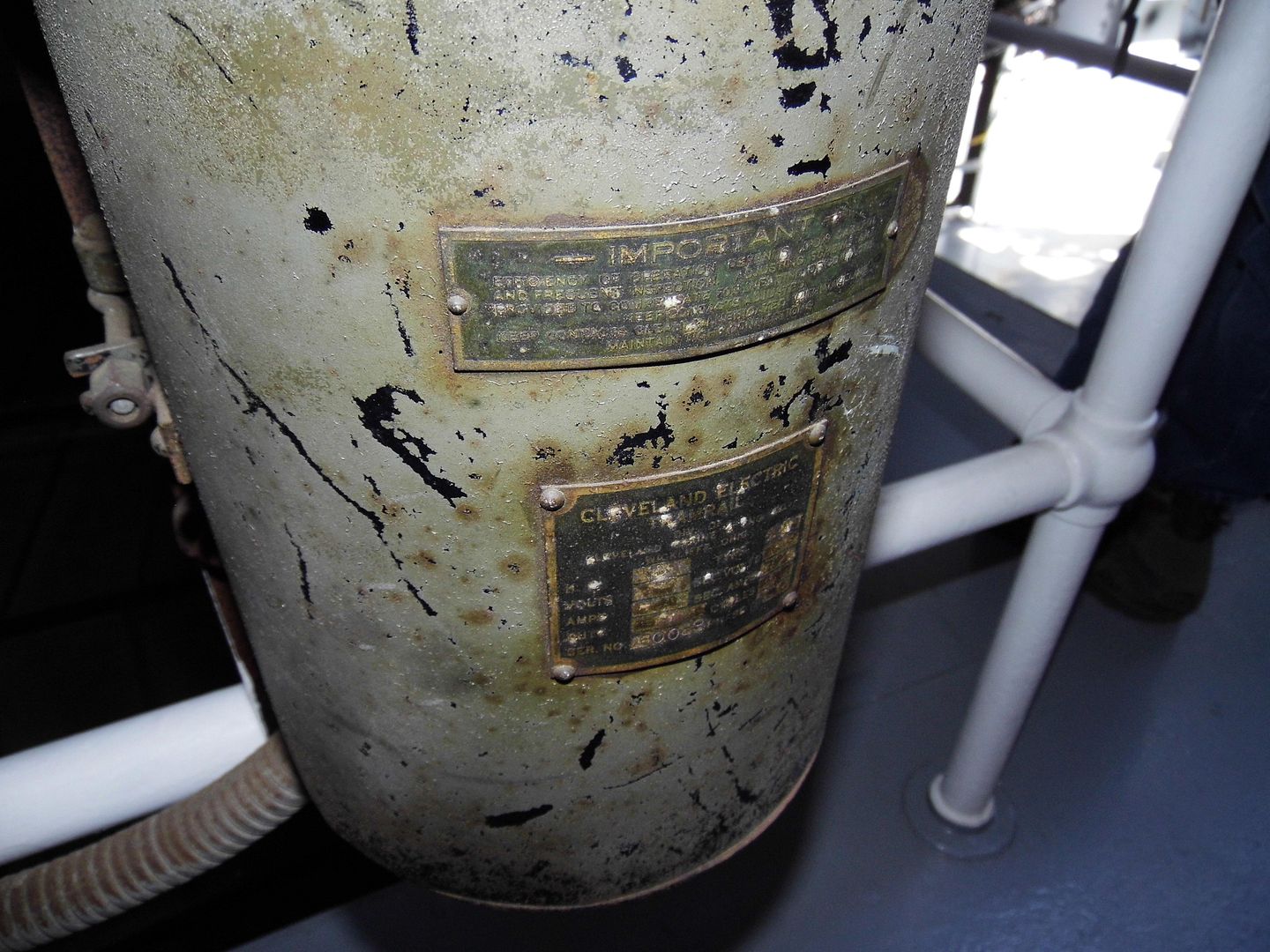
...as well as its oil reservoir.


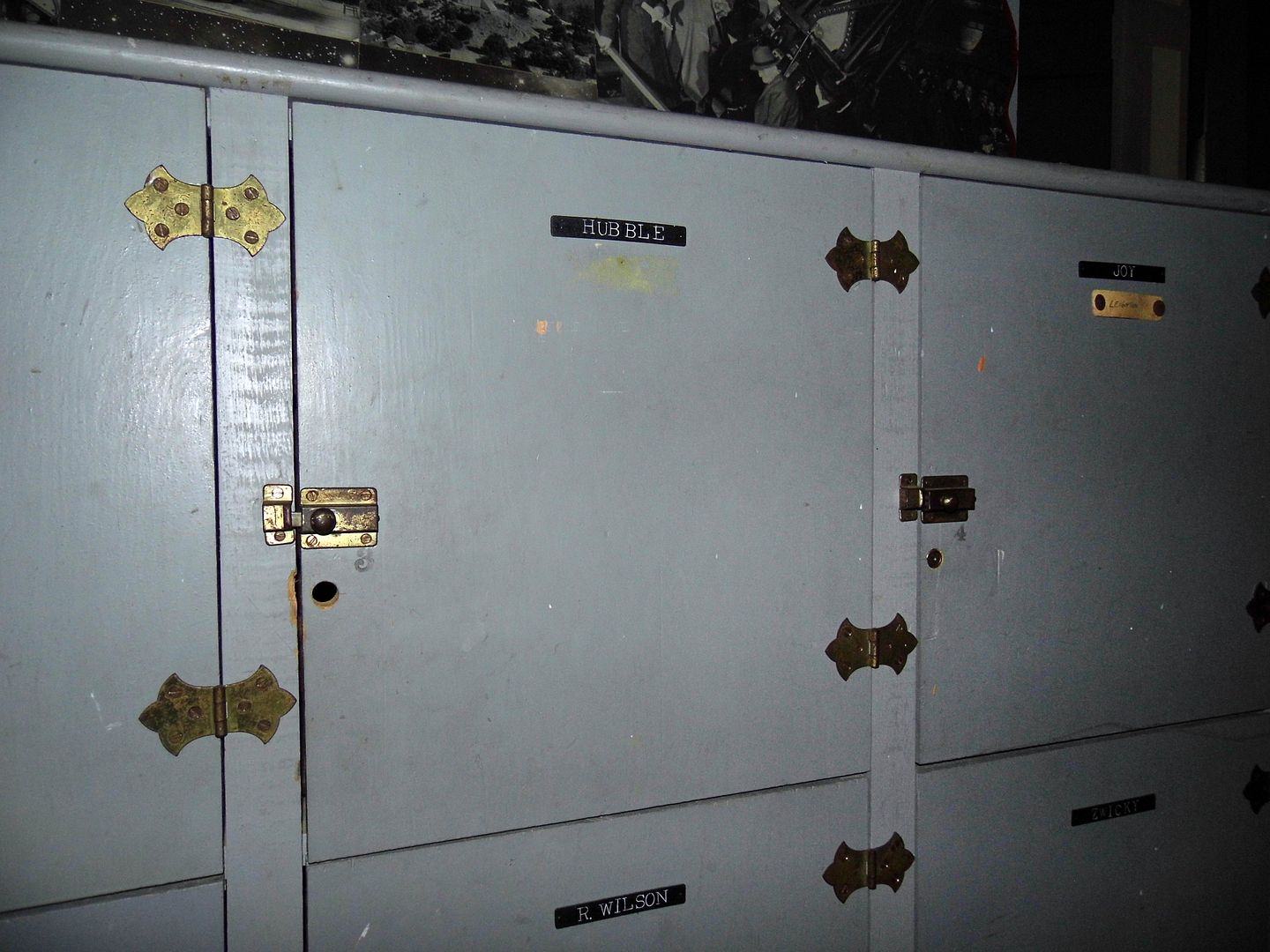
We even passed by Hubble’s personal locker where he once stored his lunch!


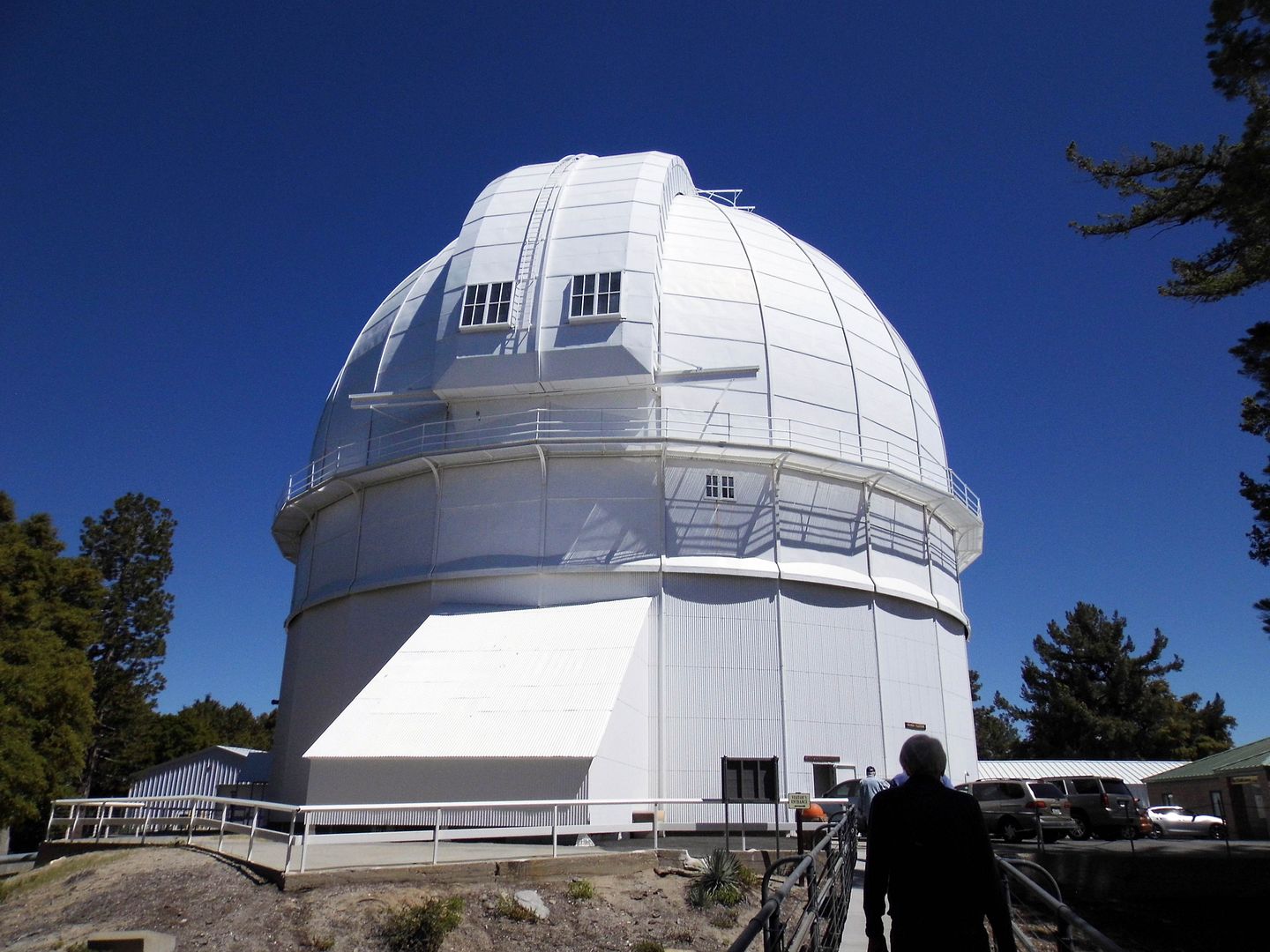
And in the 100-inch "Hooker" telescope dome...


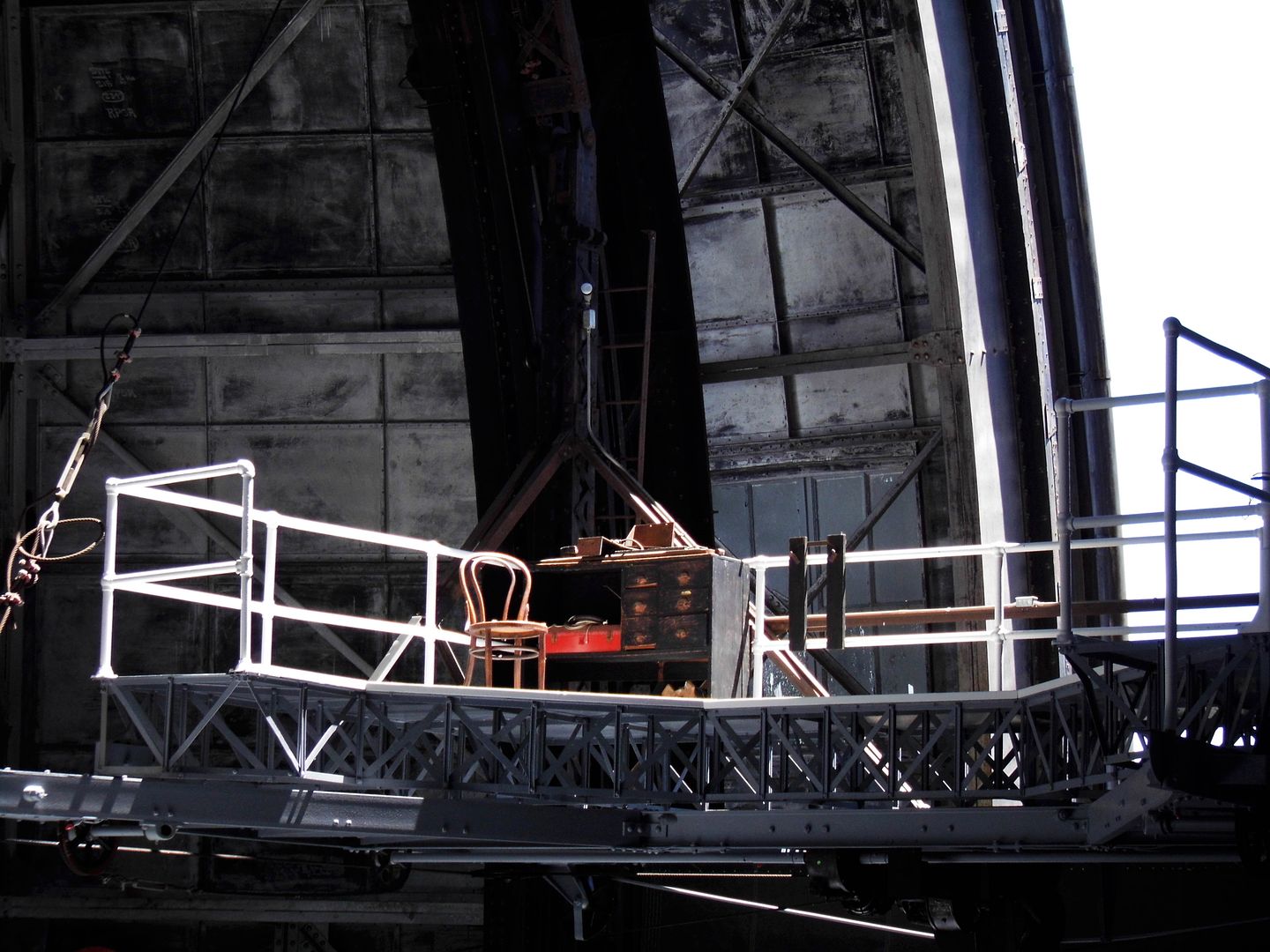
...I once again stood beneath the chair where Hubble sat to measure the expansion of the universe...


...as I had done during a nighttime stargazing session there years ago...


...when I was more interested in seeing double stars and dwarf planets than in learning how we could see such objects in the sky.


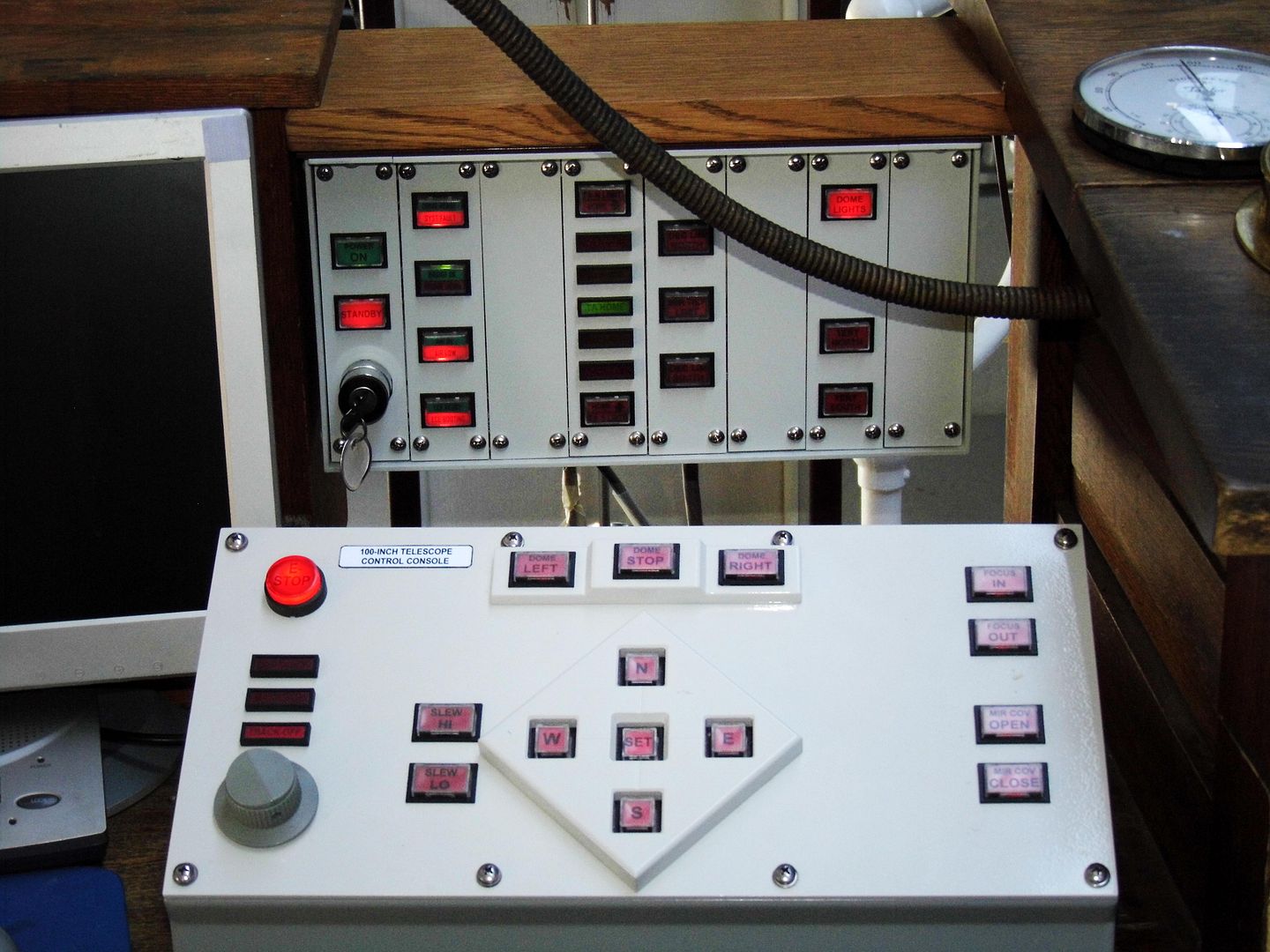
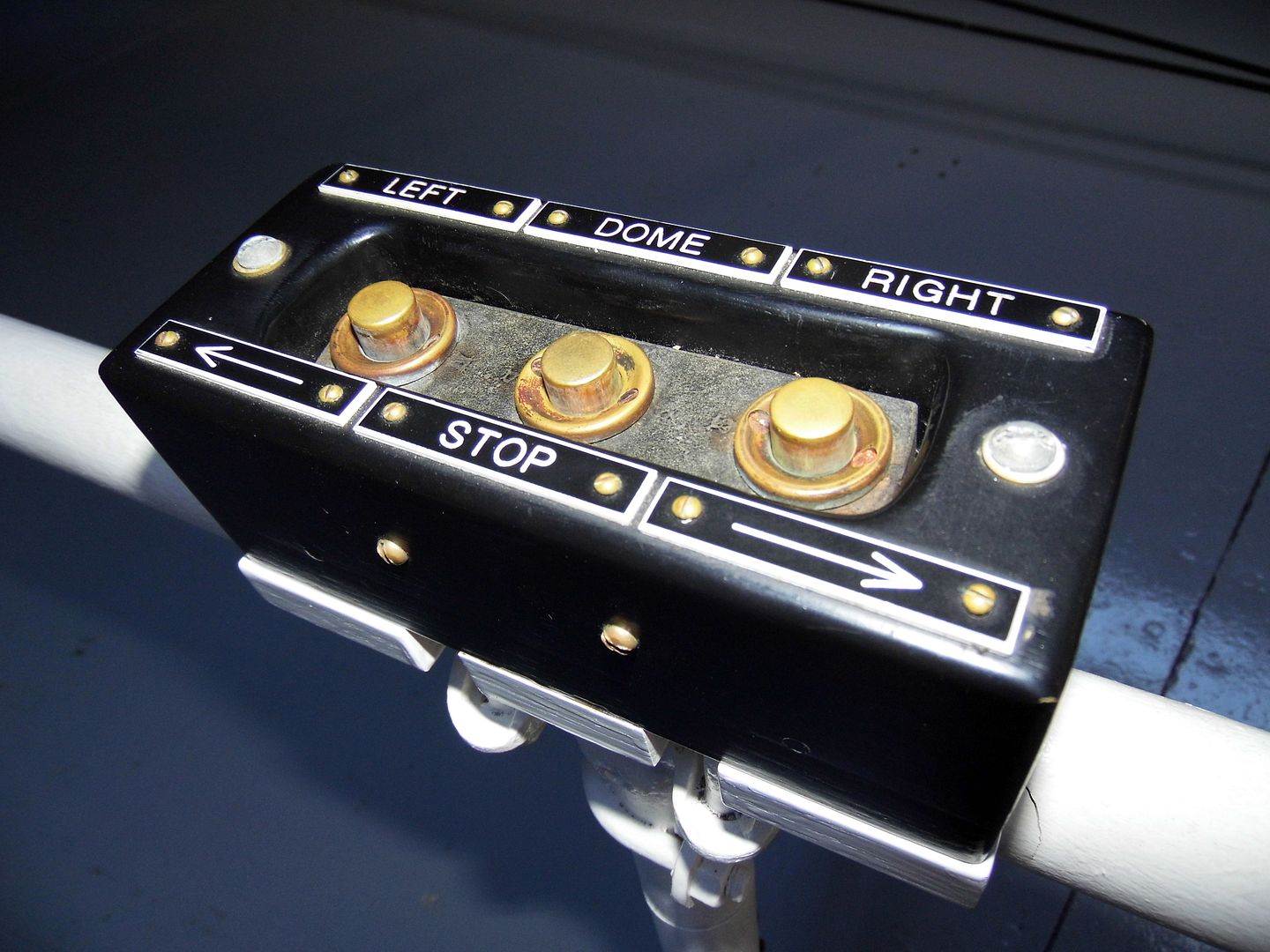
From the control console, our docent engineer rotated the dome (an optical illusion that makes it seem like the platform is moving)...


...and demonstrated different speeds of “slewing” the telescope...


...generally ranging from slow to slower and slowest.


Leflang and his fellow volunteers have spent years helping to maintain the telescopes—but they're experts in mechanics and electrical engineering, not astronomy.


So, we didn't see any stars in the sky...


...but it was daytime anyway.


We did, however, have stars in our eyes...


...as we marveled at the machinery...


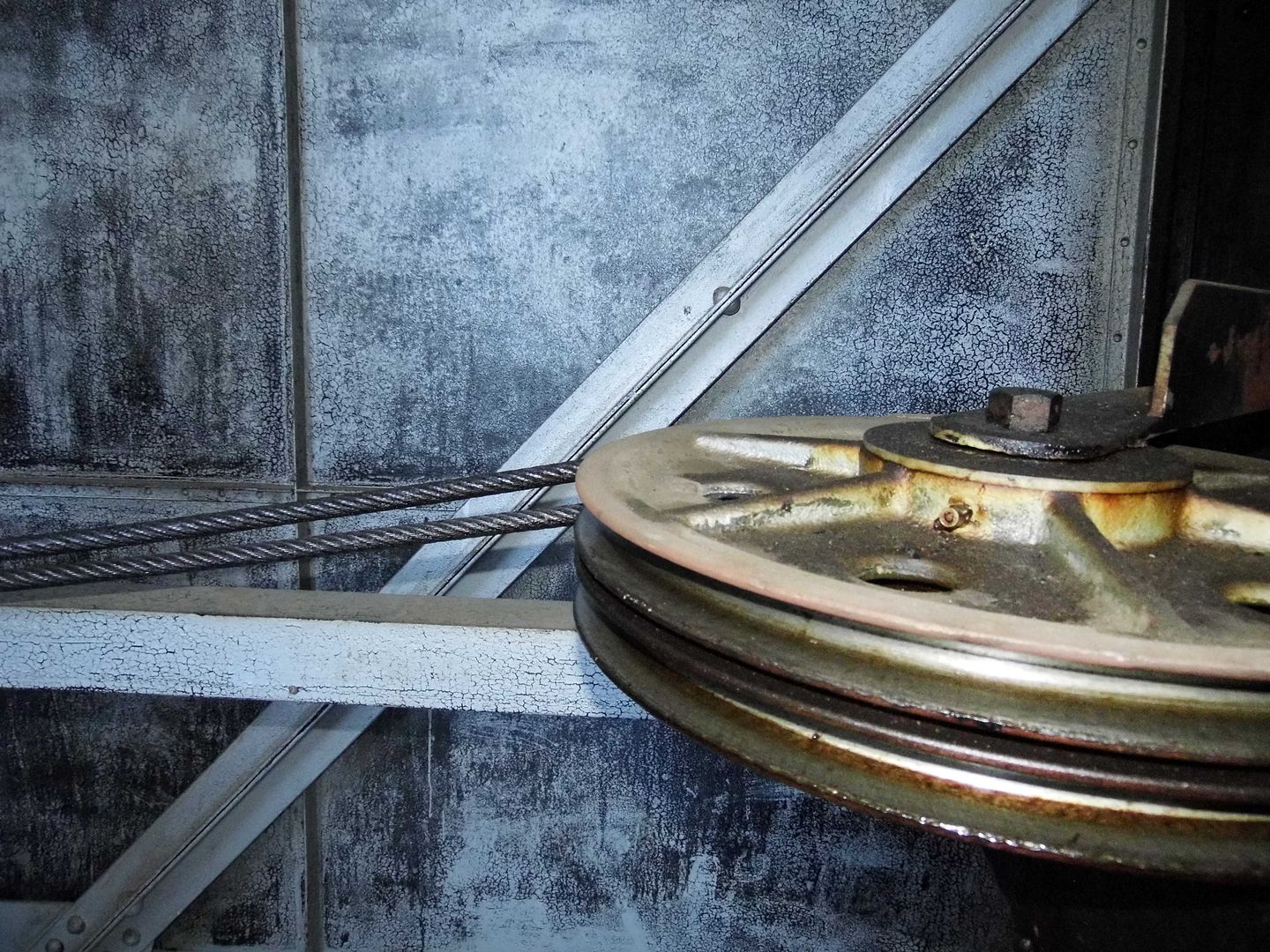
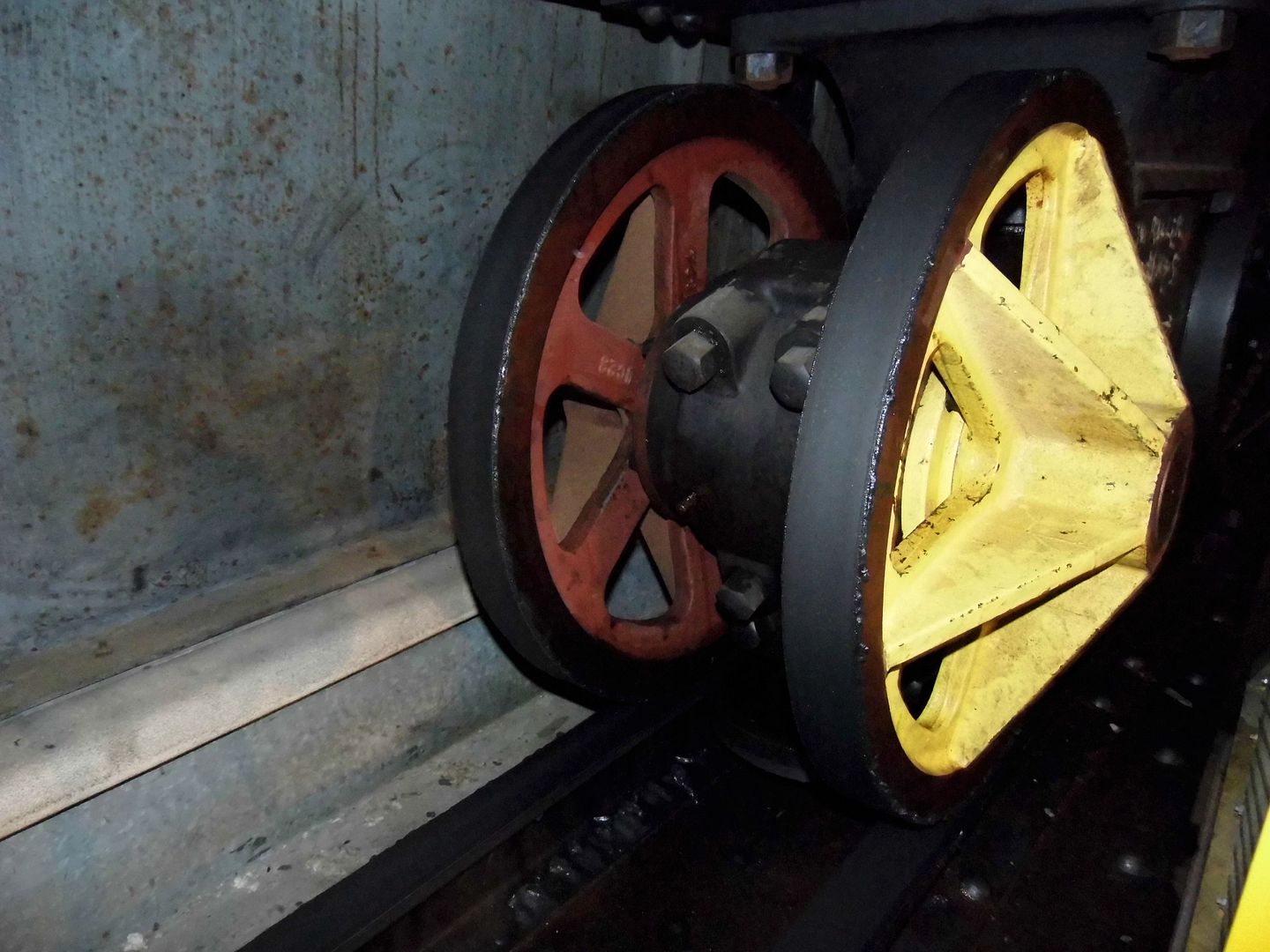
...and all the inner workings (like railroad tracks for the dome rotation!).


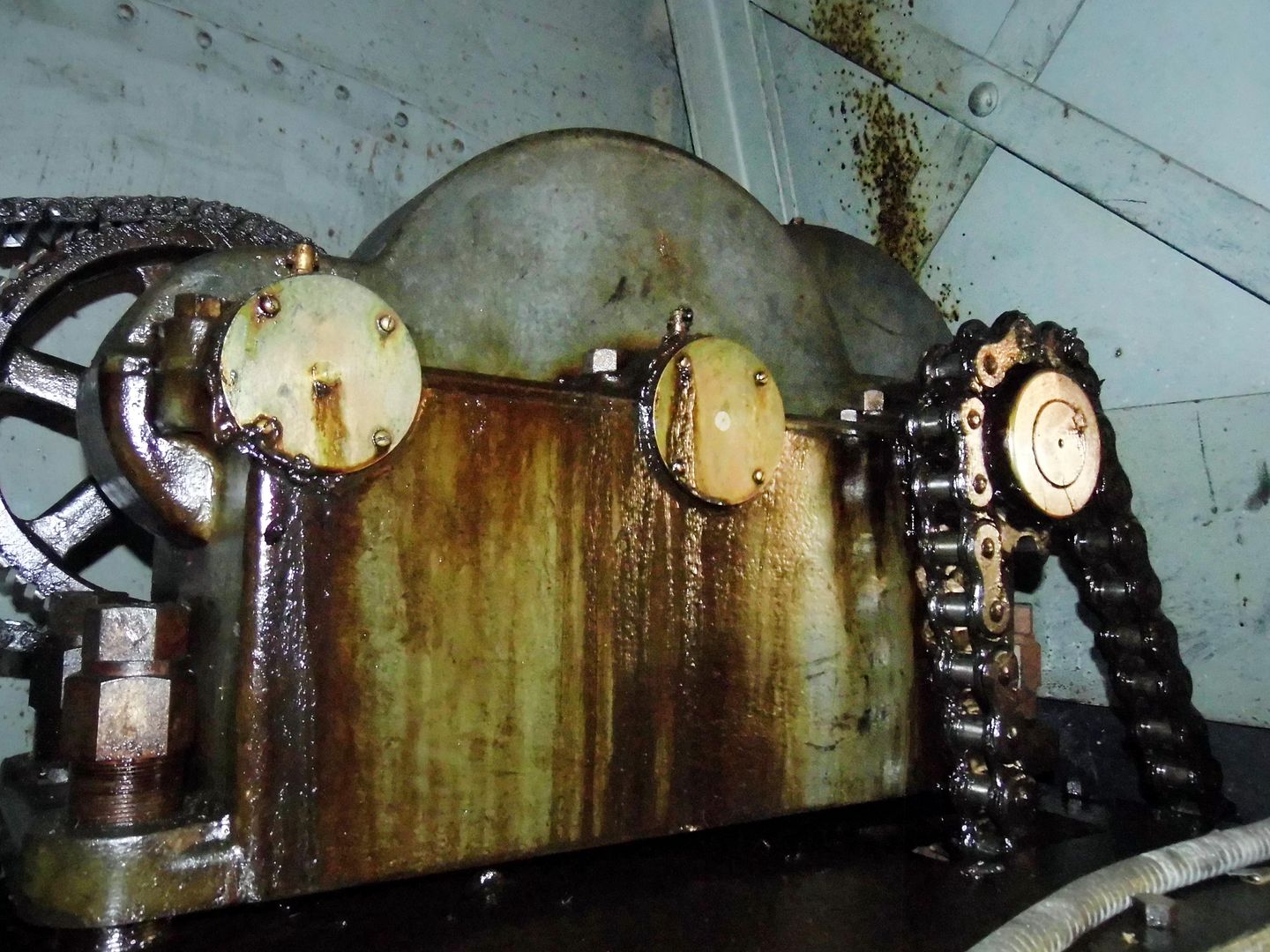
We encountered grease galore...


...as we crammed into the smaller mechanical area beneath the telescope...


...and learned how the electrical control systems have been modernized over the last 102 years.


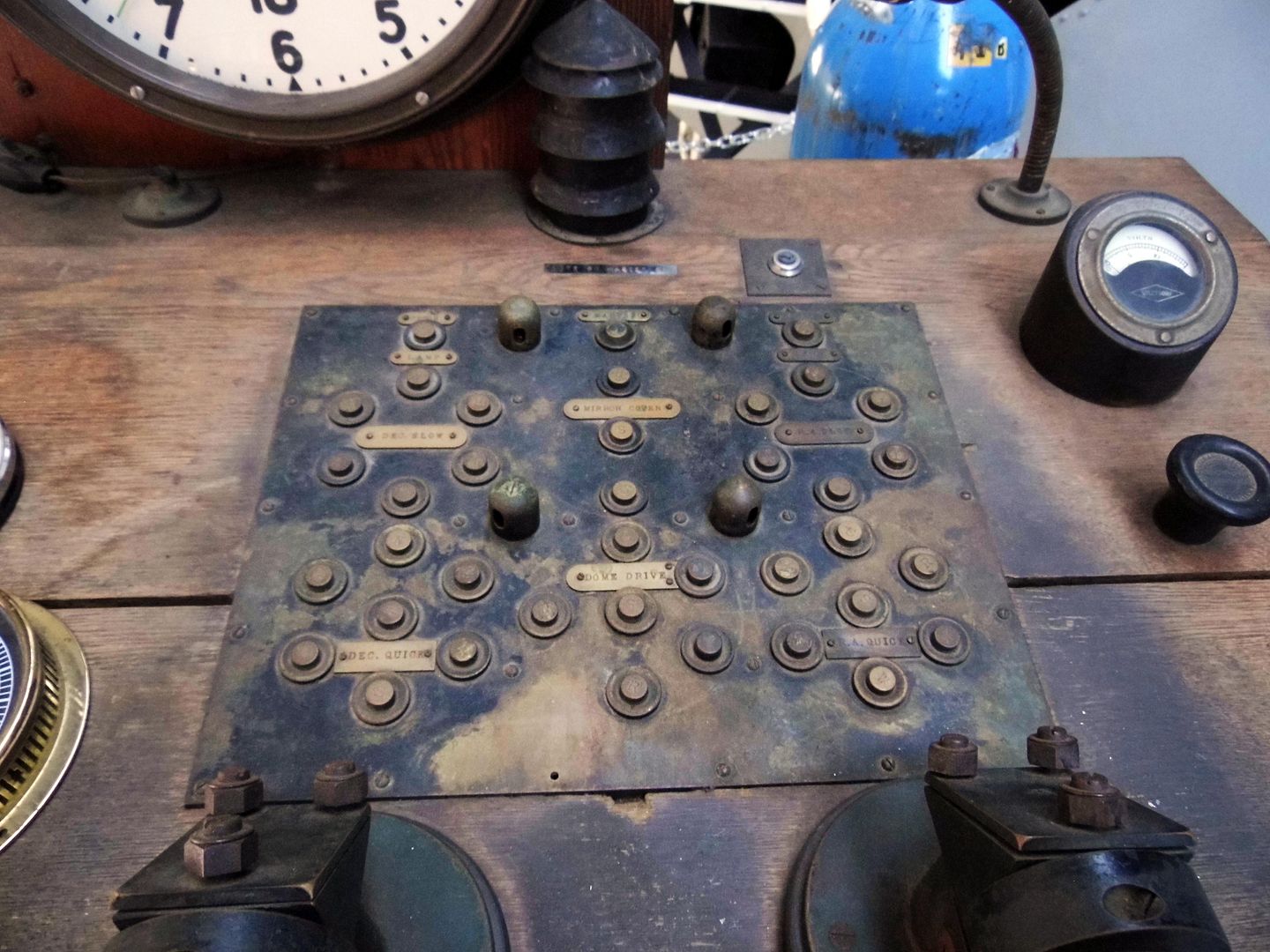
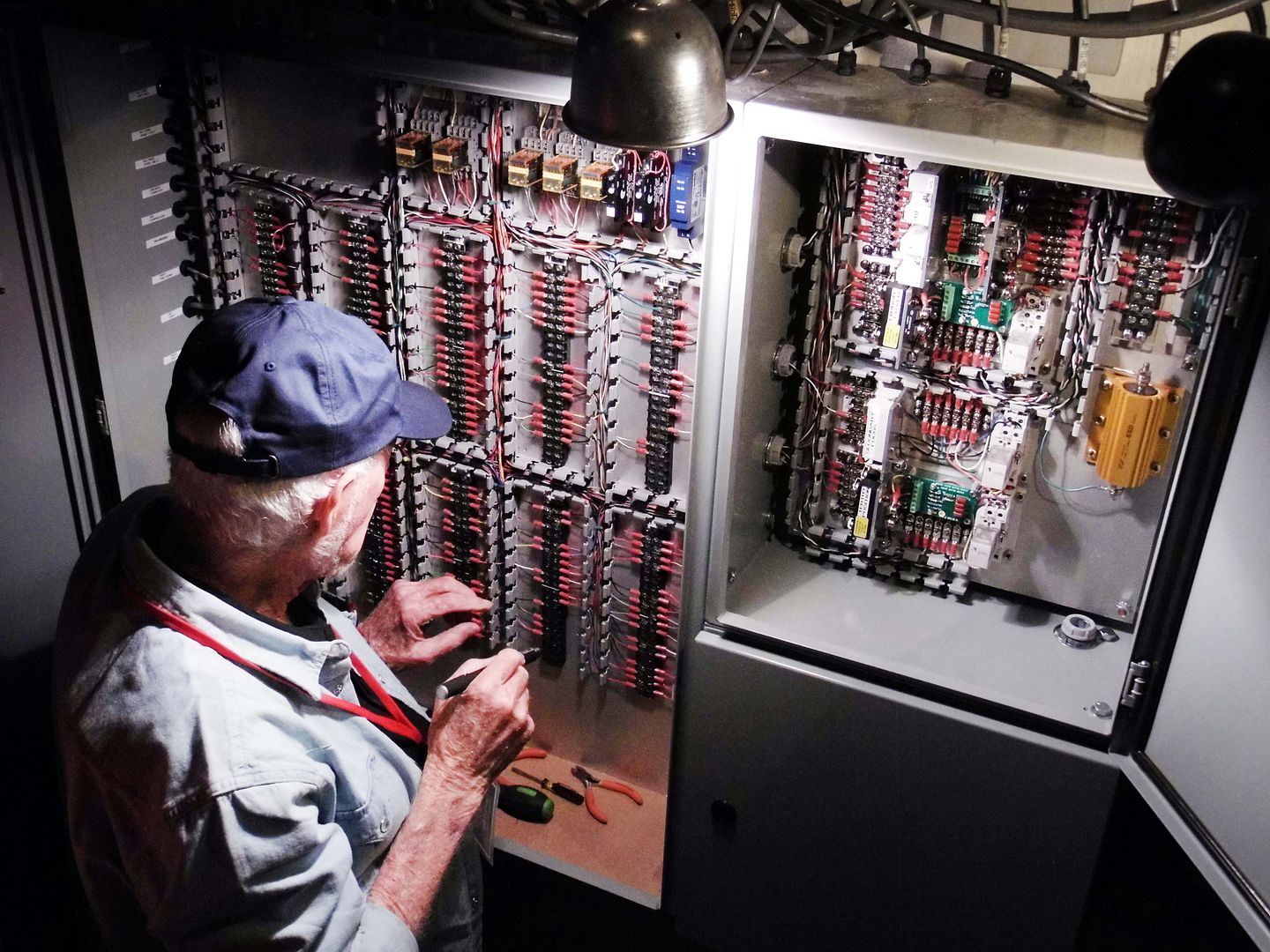
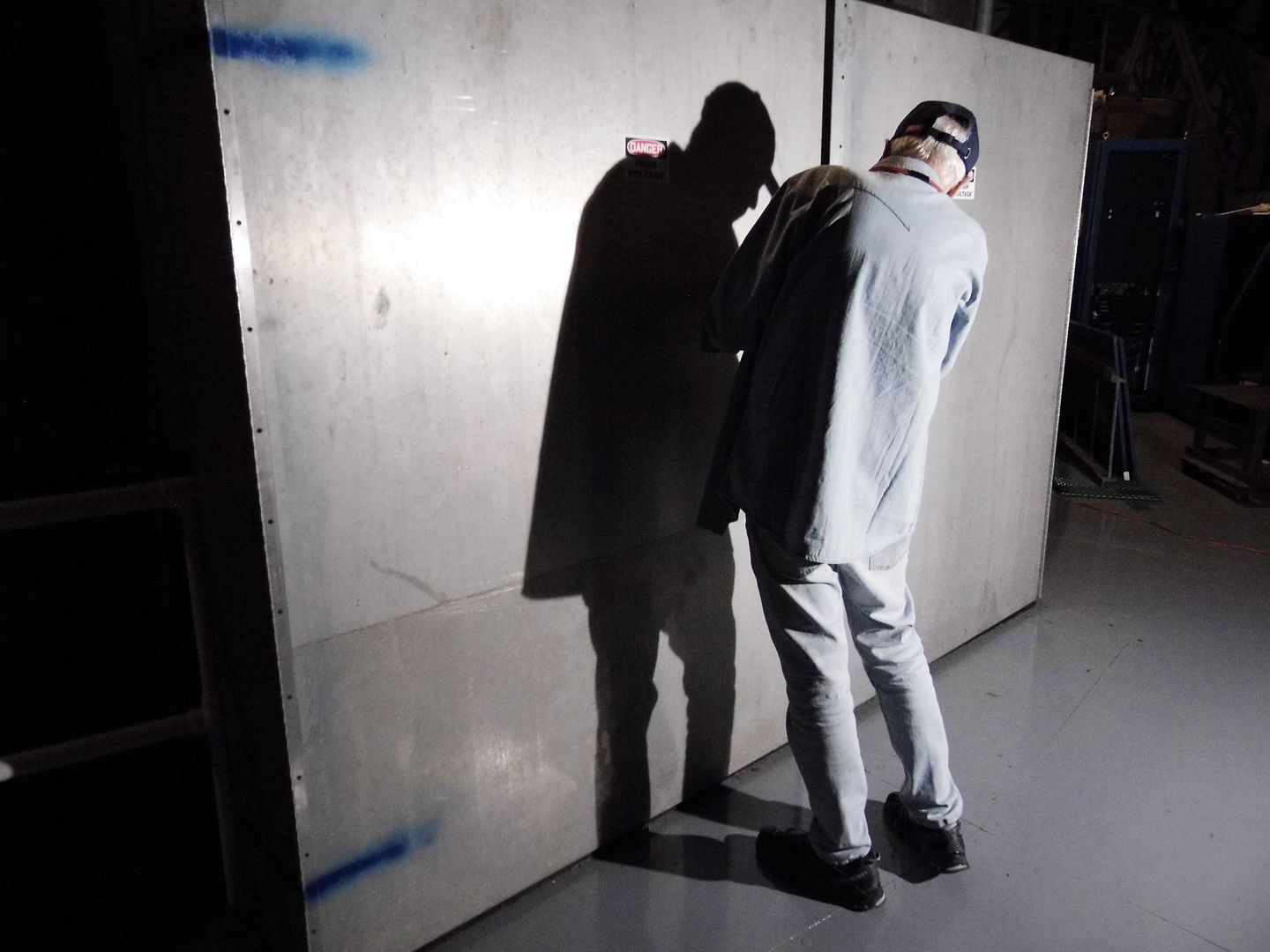
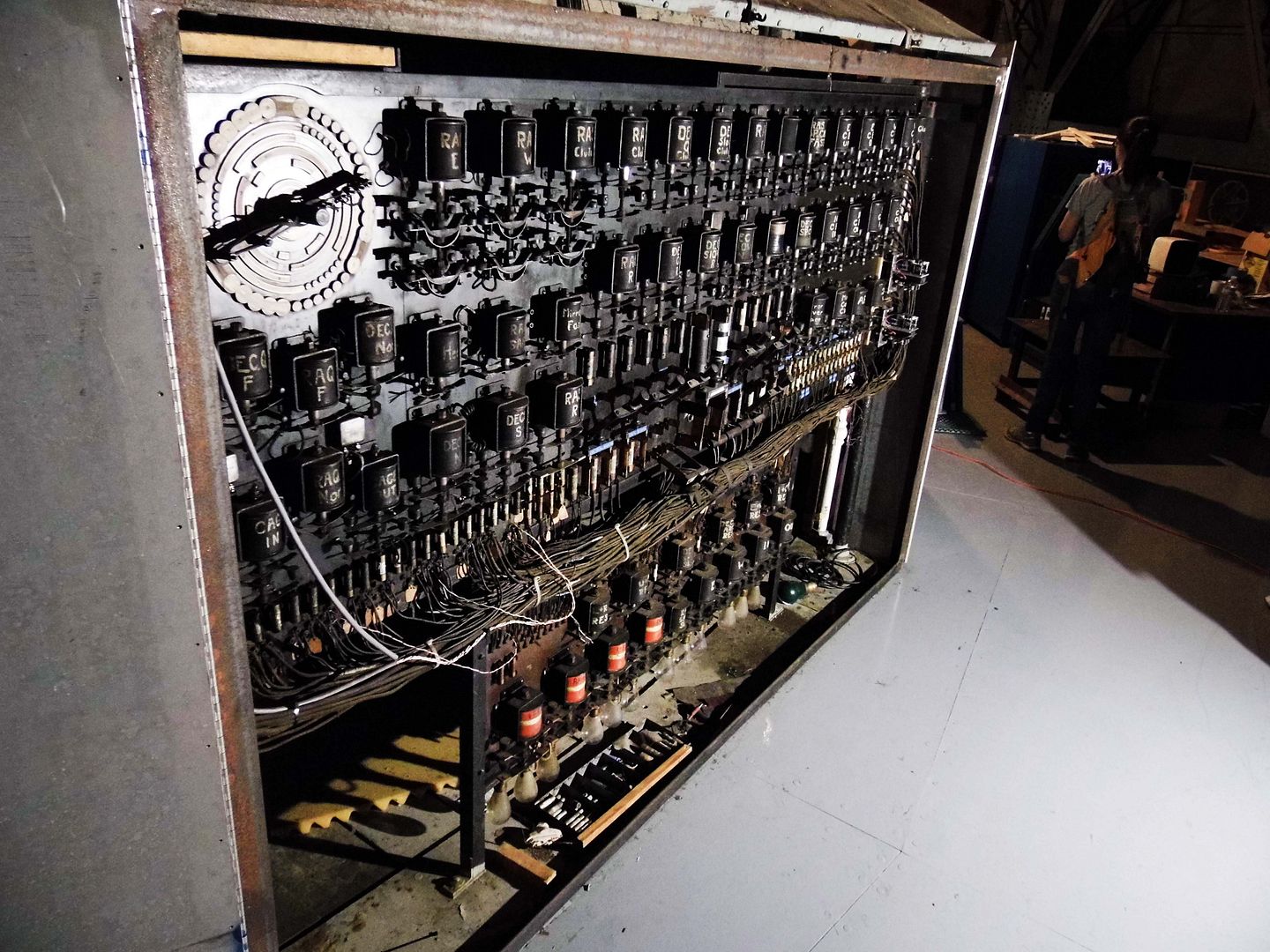
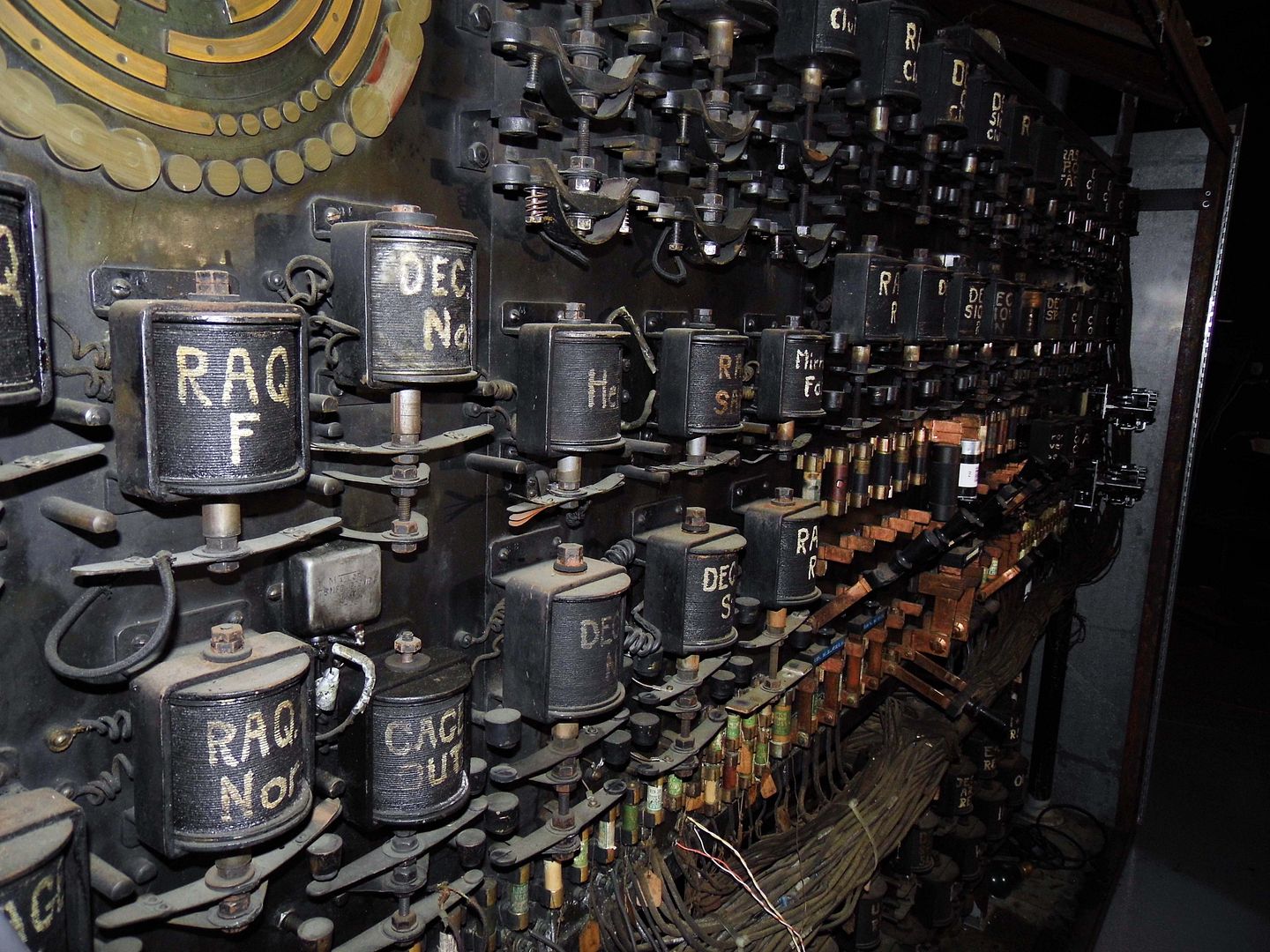
Our docent even unlocked the original electrical panel of the 100-inch...


...some of which is still in use...


...(and still “hot”).


Obviously, no touching is allowed. (But gosh, those levers are tempting!)


After lunch...


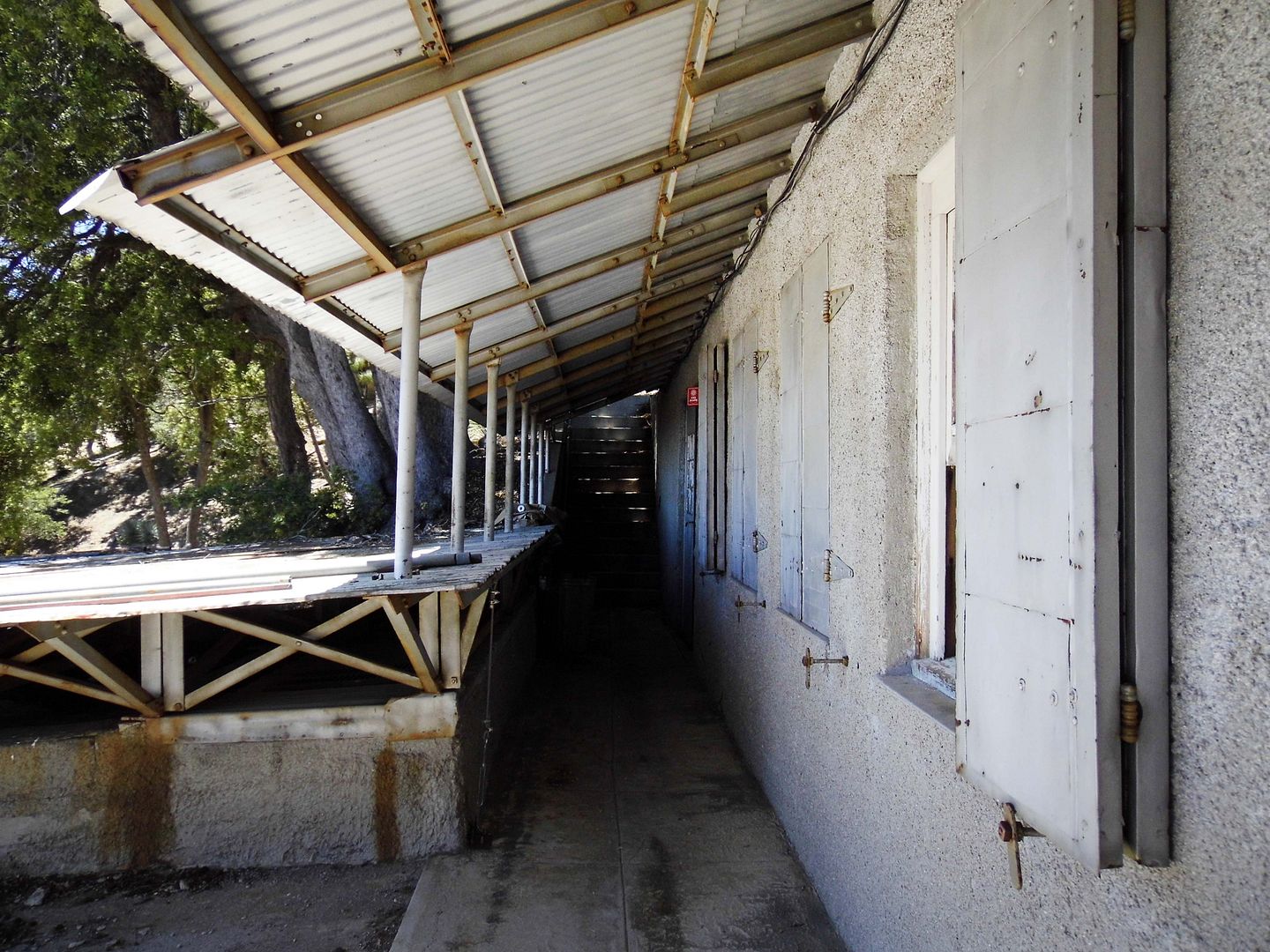
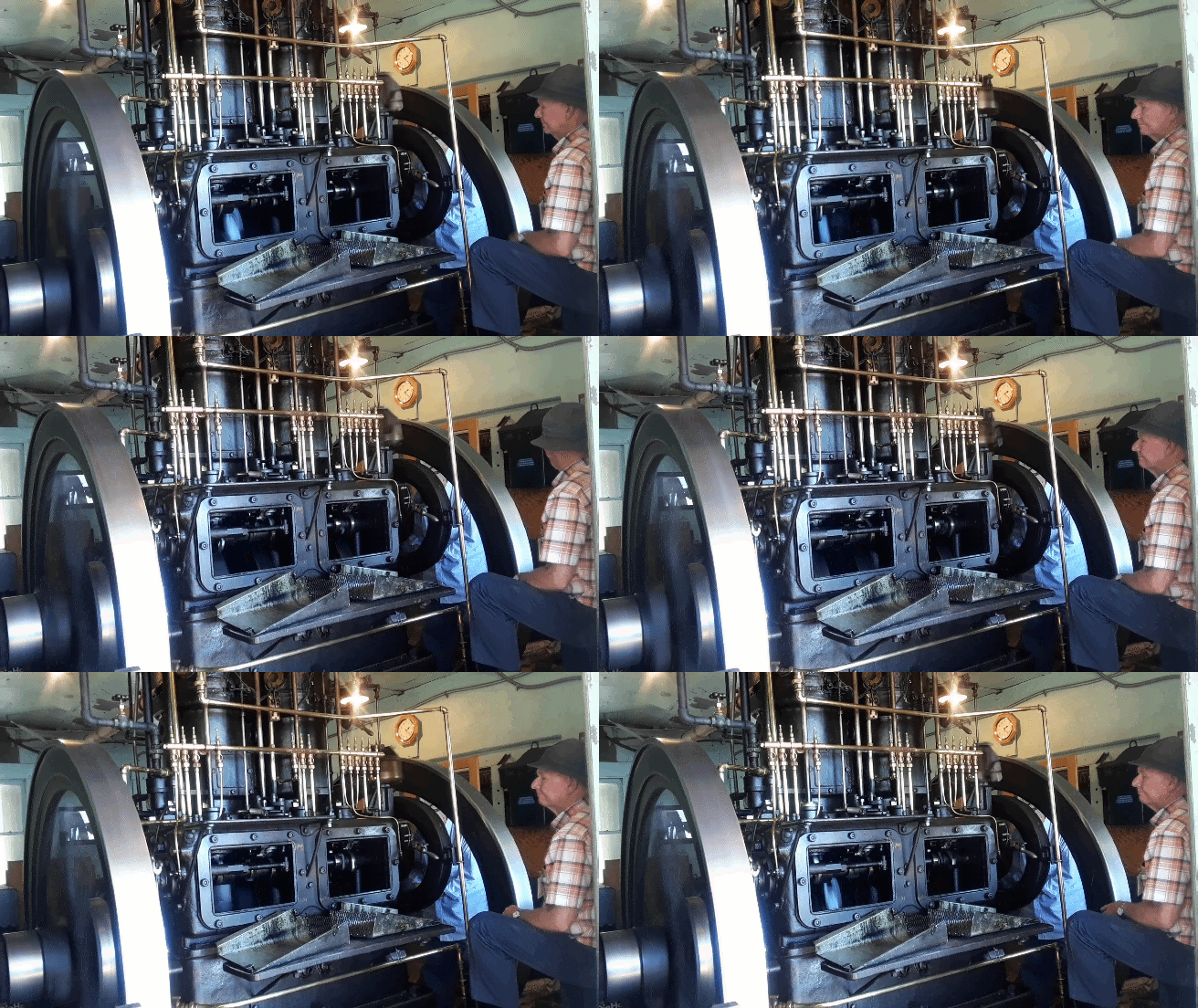
...we visited the Observatory’s original powerhouse...


...for a demonstration of its 50 HP Fairbanks-Morse Type RE engine/generator (circa 1911) by brothers Ken and Larry Evans.


This twin-cylinder gas-fueled engine—once nicknamed “Big Ben” by early engineers—once helped generate 40 kW of power at 125 volts DC. The Evans brothers refurbished it in 1999 and, in 2000, got it running for the first time in 30 years.


It was mind-blowing to see the rotating crankshaft, moving piston, pumping gasoline, and operating cylinders—all helping this magnificent machinery operate at 300 RPM.

Thanks to Mount Wilson Institute for offering the engineering tour!

Related Posts:
Photo Essay: Mt. Wilson and Observatory
Counting Stars at Mount Wilson Observatory
Intergalactic Reflections at Mount Wilson's 100-Inch Telescope (Updated for 2017, Upon Its Centennial)

July 01, 2018

Photo Essay: Riding a Ghost Train and Bunking Up In a Caboose (Or, This Is What A Traincation Is All About) - Updated, R.I.P. Dirt the Shop Cat

[Last updated 9/4/24 1:59 PM PT—Dirt the "shop cat" passed away in January 2023. Anticipating the fact that he wouldn't be around forever, museum staff had already adopted another orange cat nicknamed "D.J." (or Dirt Jr.) to be his protege. 

And now D.J. is mentoring two new orange kitties, R2D3 (RailRoad Dirt 3) and Kennecat.

There's a bronze statue of Dirt in town, and his grave can be visited on the museum grounds.]

I don't remember how I first heard about the Nevada Northern Railway. How do I hear about any of the adventures I go on? Facebook, AAA, recommendations from strangers, Atlas Obscura—pretty much anything but the TV these days.


Of course, I'd been interested in the Nevada Silver Trails for years. And every now and then, I get an itching for a traincation.

March 27, 2018

Photo Essay: The Little Valley of Ancient Art and Astronomy

I'd been to Tecate on my first-ever trip to Mexico back in 2008—but only to the city for a tour of the brewery, lunch, and something sweet from the panadería.

I hadn't been back until returning as a guest of Tijuana-based tour company Turista Libre, when I got to venture beyond the city limits of the border town...


...to experience the crown jewel of Baja California’s archaeological sites, the Sitio Arqueológico El Vallecito in the La Rumorosa village of the Tecate Municipality.


El Vallecito—literally, the "little valley"—has been and still is a sacred site for the Kumeyaay (a.k.a. Kumiai or Diegueño, as the Spanish called them) people, whose nomadic tribes spent time here when lower desert elevations were too hot and these higher elevations weren’t too cold.


Their territory once stretched way up into Alta California’s Imperial Valley—that is, when there was nothing keeping them to one side or another of any official boundaries that would eventually come to be.


The bands of hunters and gatherers who spent time here left behind a number of pictographs in mostly red (hematite), black (manganese dioxide), and white (gypsum), though also some orange and yellow.


The Peninsular Range representational rock art is both geometric and cosmic, sometimes seeming to map the sky and the stars (as with the Solecitos a.k.a "little sun" cave).


The cave paintings (a.k.a. pinturas) also depict both human and animal forms (or some combination thereof)—including most famously "El Diablito" (the "little devil who was more likely a deer hunter camouflaged as his game).


Many of them seem somewhat mythical or even supernatural—which stands to reason since the Kumeyaay were renowned for their cosmological beliefs and "sky knowledge," using their markings to communicate significant times of the year like the fall equinox or winter solstice.


There are five caves that are open to the public and marked with signage and historical displays, though many more exist beyond the official trail. Some might've been used as ceremonial sites, based on the soot that still remains overhead.


In this northernmost area of the Sierra de Juárez mountain range, you'll find time-weathered rock formations...


...split boulders...


...and natural cairns...


...but it's not all just geological.


In addition to small granite caves used as shelters (a.k.a. resguardos)...


...as well as the pitted stones used as mortars...


...there's also a multitude of plants that thrive here...


...including piñon pine (from which the Kumeyaay derived pine nuts to grind)...


...agave, cactus, buckwheat, Manzanita, and other natural materials they used for pigment, food, clothing, shelter, rituals and medicine.

But more importantly, this ancient and perhaps prehistoric community seemed to understand something about the cosmos beyond its constellations, and its members tried to communicate that here.

That's what makes El Vallecito something like the Stonehenge of Mexico (or at least of Baja).

But thanks to vandalism, displacement, and genocide of indigenous peoples, we may never know for sure.

Related Posts:
Offbeat Travels in the Offseason: Carrizo Plain
Photo Essay: Garden of the Gods
Photo Essay: Stoney Point, at the Santa Susana Pass