Search

Showing posts with label Ranches. Show all posts

May 28, 2025

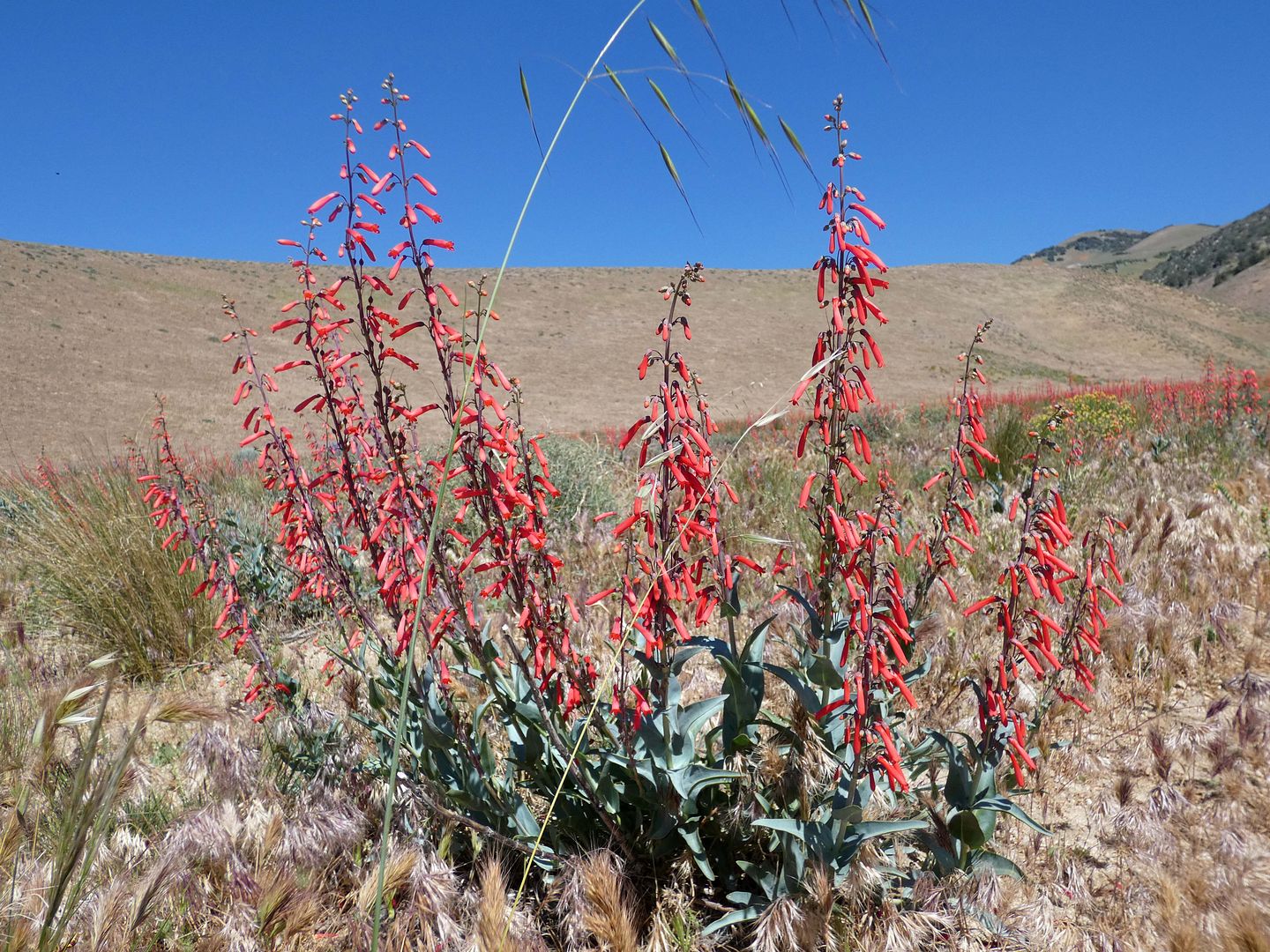
Photo Essay: A Springtime Make-Good at Tejon Ranch

It was a disappointing spring for wildflowers. The only ones I'd seen were along Highway 178 between Inyokern and Lake Elizabeth—and I hadn't had much time to stop and enjoy them during my drive.

So when I was invited to once again tour Tejon Ranch, I was hopeful I'd see some spring blooms. After all, some of the best wildflower displays I've ever seen have been there. 

Then again, I've also seen Tejon Ranch totally brown and dried up. So there were no guarantees.

 
I was pleasantly surprised what awaited us. No superbloom by any means, but plenty of color in a feast for the eyes, like the red penstemon...

August 17, 2024

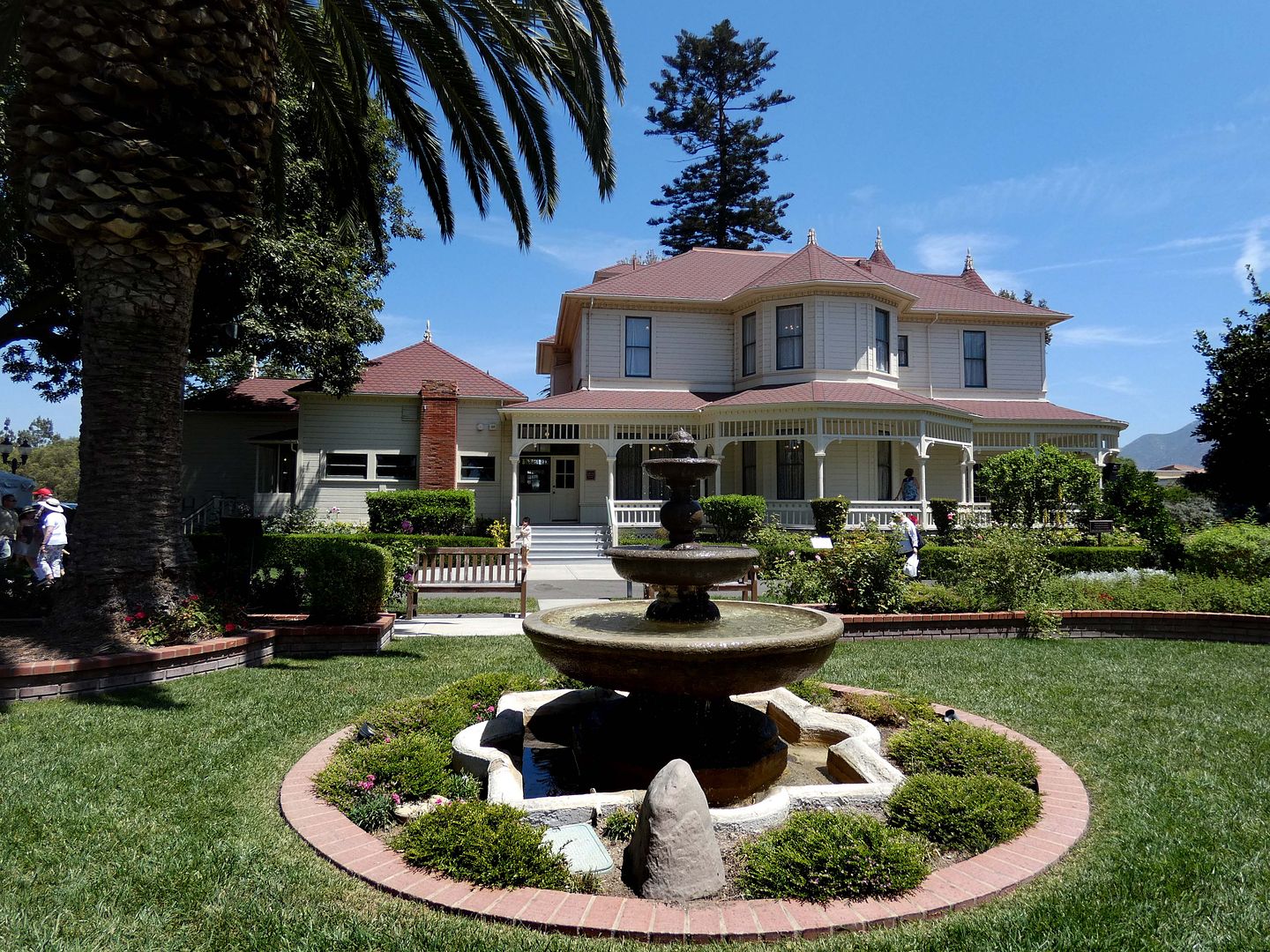
Photo Essay: The Camarillo White Horses and the Ranch They Once Called Home

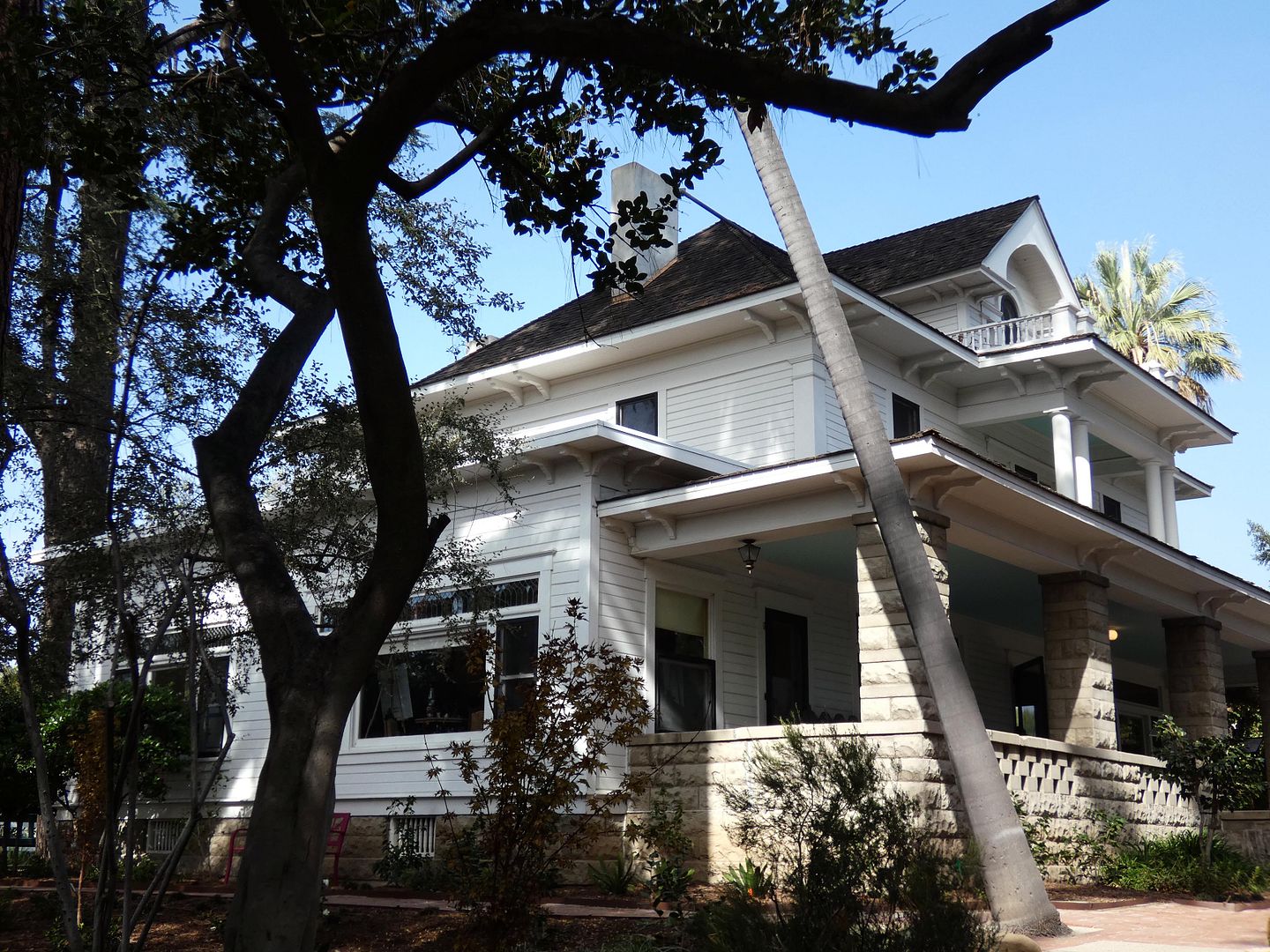
The "ranch house" of Adolph Camarillo is really a Victorian mansion—built in the Queen Anne style by the architecture duo Herman Anlauf and Franklin ("F. P.") Ward in 1892.

 
I'd seen it once, at night, at Christmastime, back in 2018—but I knew I had to go back and see it in the broad daylight.

August 09, 2024

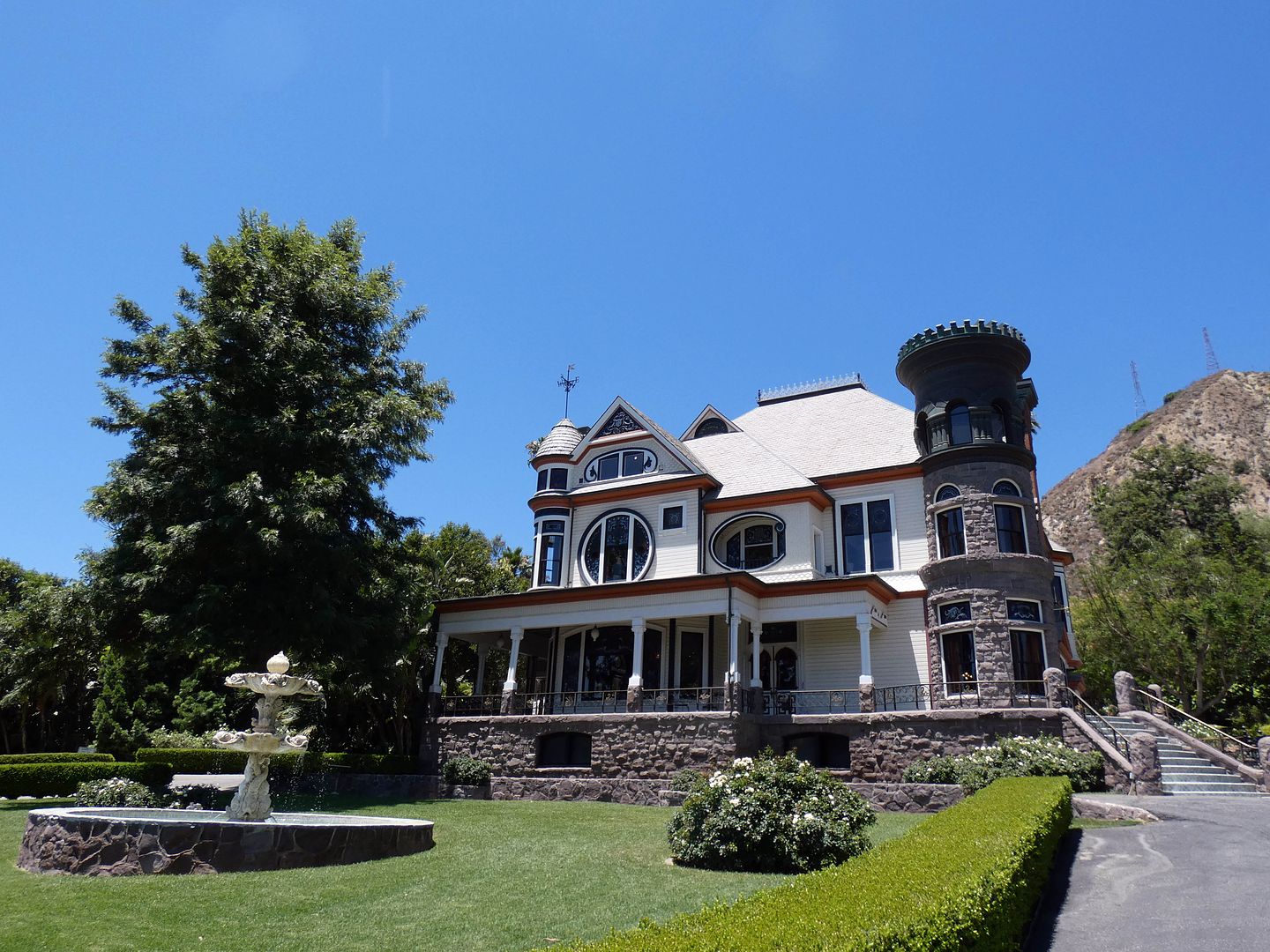
Photo Essay: Piru's Newhall Mansion is a 130-Year-Old Queen Anne Design in a 40-Year-Old Body

I first became intrigued with the Ventura County town of Piru because of its position in the path of the St. Francis Dam flood. (It's also home to a filming location from the music video to "Hot Legs" by Rod Stewart.) 

 
But then my interest was piqued even further when I found out there was a sprawling Queen Anne mansion in Piru—known simply as the "Piru Mansion," but also "Cook Mansion" and "Newhall Mansion."

July 07, 2024

Photo Essay: The California Mission Ruins Hiding Inside a Humble Hay Barn

If you know where to look, you can find remnants of California's Mission Period throughout the state—whether it's old dams and aqueducts, or even a former winery for communion wine.

 
And sometimes, you find an actual mission in the most unexpected of places—like the former Santa Margarita de Cortona Asistencia (founded 1787-90), which is hiding in plain sight in the now-privately-owned Santa Margarita Ranch in California's Central Coast. 

June 22, 2024

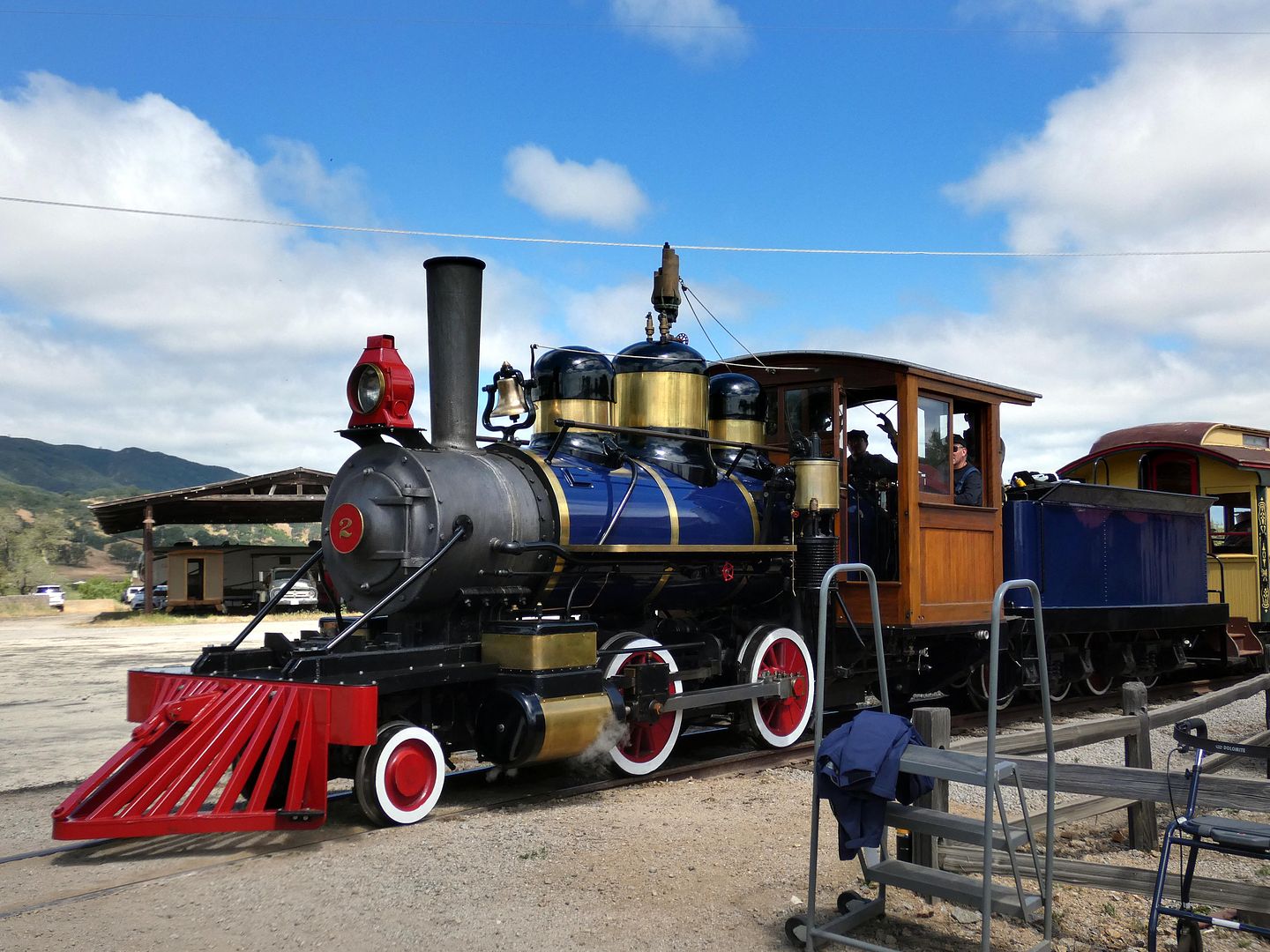
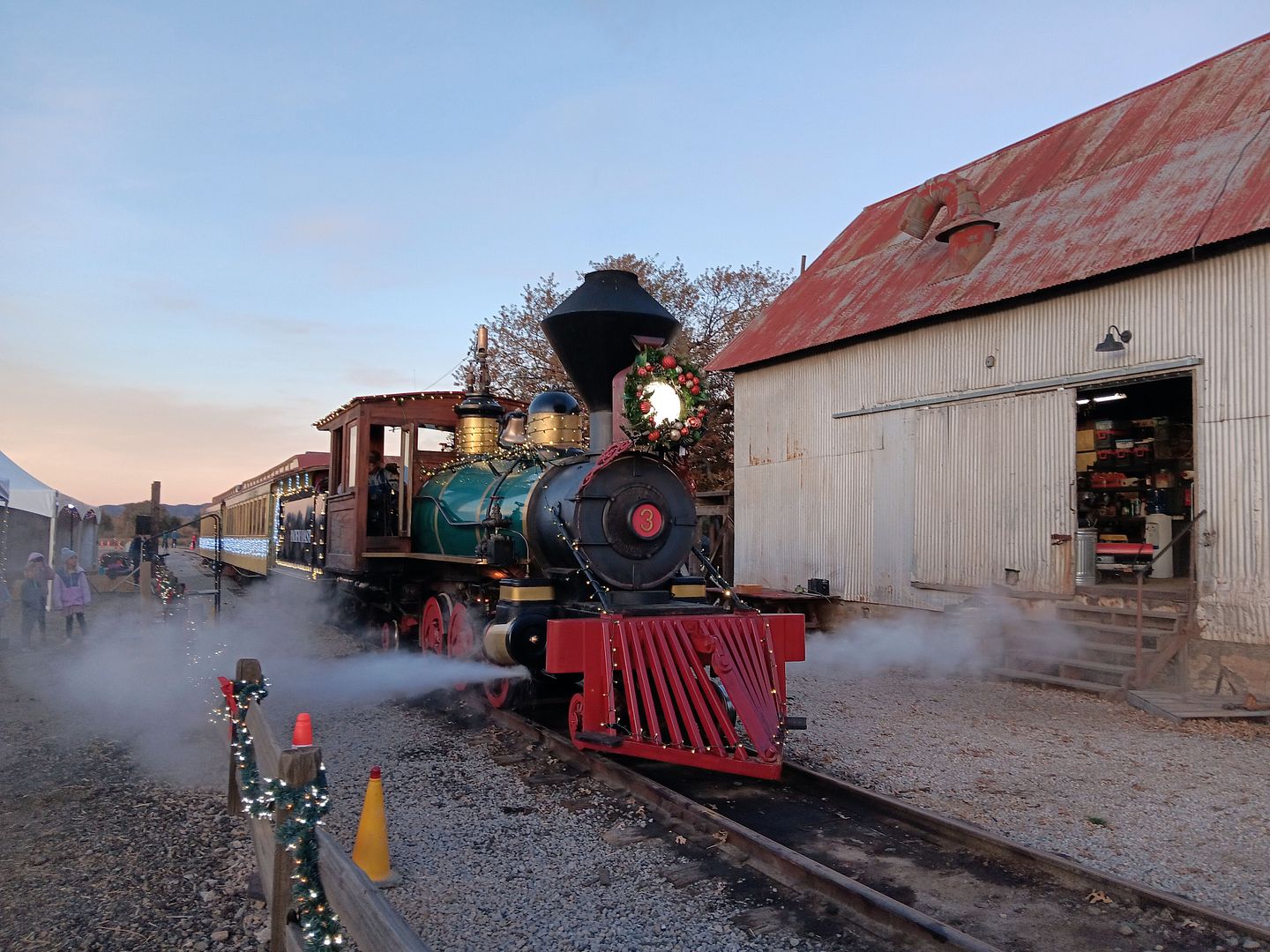
Photo Essay: A Triple Train Tour Through Santa Margarita Ranch, via Pacific Coast Railroad

Last Christmas, I finally got the chance to ride in one of the original Disneyland Railroad cars that are now running on a private railway, the Pacific Coast Railroad, in Santa Margarita, California. 

But because it was a nighttime holiday lights ride, I felt like I hadn't gotten the full experience. 

So I immediately committed myself to coming back and riding the rails on Santa Margarita Ranch during the day. 

Only problem? There's once a year the public can do that: Memorial Day weekend, during the Best of the West Antique Equipment Show. (Otherwise some lucky few get to ride the trains during private events like weddings and such.) 
 
 
So, this year I finally hauled my cookies up to the Central Coast to ride the trains—all the trains they offered that weekend, which was three. 

February 04, 2024

A Four-Year Wait For Llama Love

I should know by now that reality rarely lives up to my expectations. 

And when I spend years building up anticipation for something—especially something I may have missed out on and have the chance to make up for lost time—I'm most certainly bound to be disappointed.

I think if I were able to travel back in time and actually go to my proms, I'd probably have a horrible time and be horribly disappointed.

But here I am, in 2024, trying to make up for the things I missed out on in 2020 with the onset of the coronavirus pandemic. Because I'd rather come to the rude awakening that, in reality, they're less than—as opposed to feeling like I missed out on something that could've been really great. 

 
I waited almost four years to stay at a particular llama ranch in the Joshua Tree area that I'd booked for March 2020 and had to cancel at the last minute.

December 19, 2023

Photo Essay: The Retlaw1 Disneyland Railroad Rules the Rails at Santa Margarita Ranch (Updated)

[Last updated 7/7/24 9:35 PM PT—I clarified some historical facts about the asistencia and the hay barn that was built around it, which have been misreported in various reputable and reliable sources. Now that I've written a blog post solely dedicated to that former mission site, I'm pretty confident I've got the facts straight now, so corrections are below.]

I knew that there were original RETLAW1 Disneyland train cars running on a railroad on the privately-owned Santa Margarita Ranch in the town of Santa Margarita, California. But I just hadn't been able to get to them yet. 


April 17, 2023

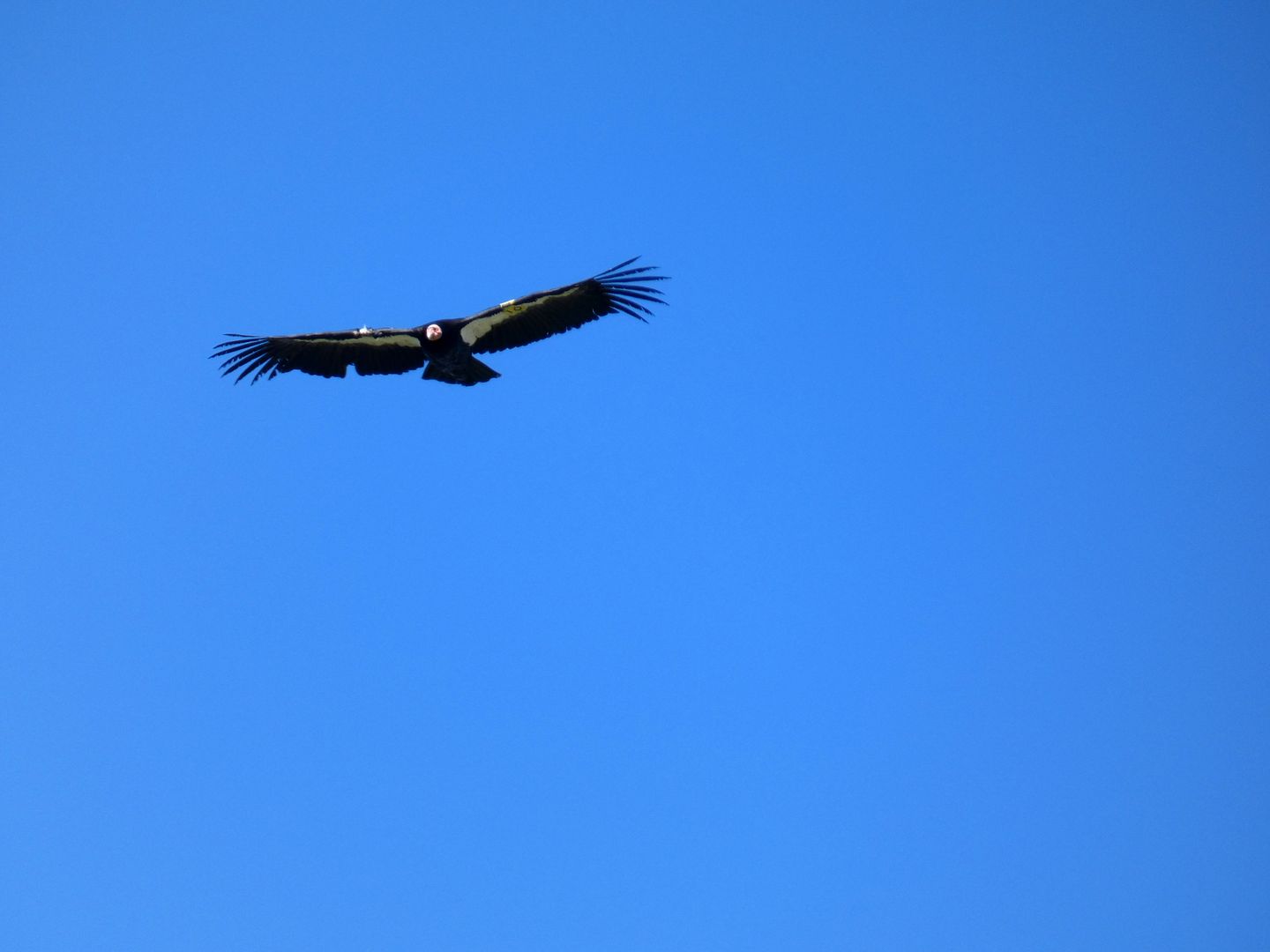
Photo Essay: A Condor Takes Flight at Bitter Creek National Wildlife Refuge

They say that if you ever think you may have spotted a condor in the wild, it was probably a turkey vulture. Those are far more common than condors.

There are only 90-some-odd California condors in the SoCal "flock," which is composed of two main sites: Hopper Mountain and Bitter Creek. 

I got the chance to see some condors at Hopper Mountain in 2018. But I've been waiting almost five years to get to Bitter Creek. 

 
And this past weekend, I finally got my chance.

January 29, 2023

Photo Essay: Riverside's Historic Weber House, Hiding In Plain Sight In a Hotel Parking Lot

Riverside, California has got plenty of historic architecture—from Victorian to Mid-Century Modern—but one of its most intriguing historic homes defies definition when it comes to architectural style. 

 
And what's more, it's located in the most unexpected of places: in the parking lot of the Courtyard by Marriott Riverside UCR/Moreno Valley Area hotel on University Avenue (a.k.a. Old Highway 395), in a former orange grove.

October 14, 2022

Photo Essay: Woolsey Fire Recovery Still Continues With the Reopening of Peter Strauss Ranch (Without Its Ranch House)

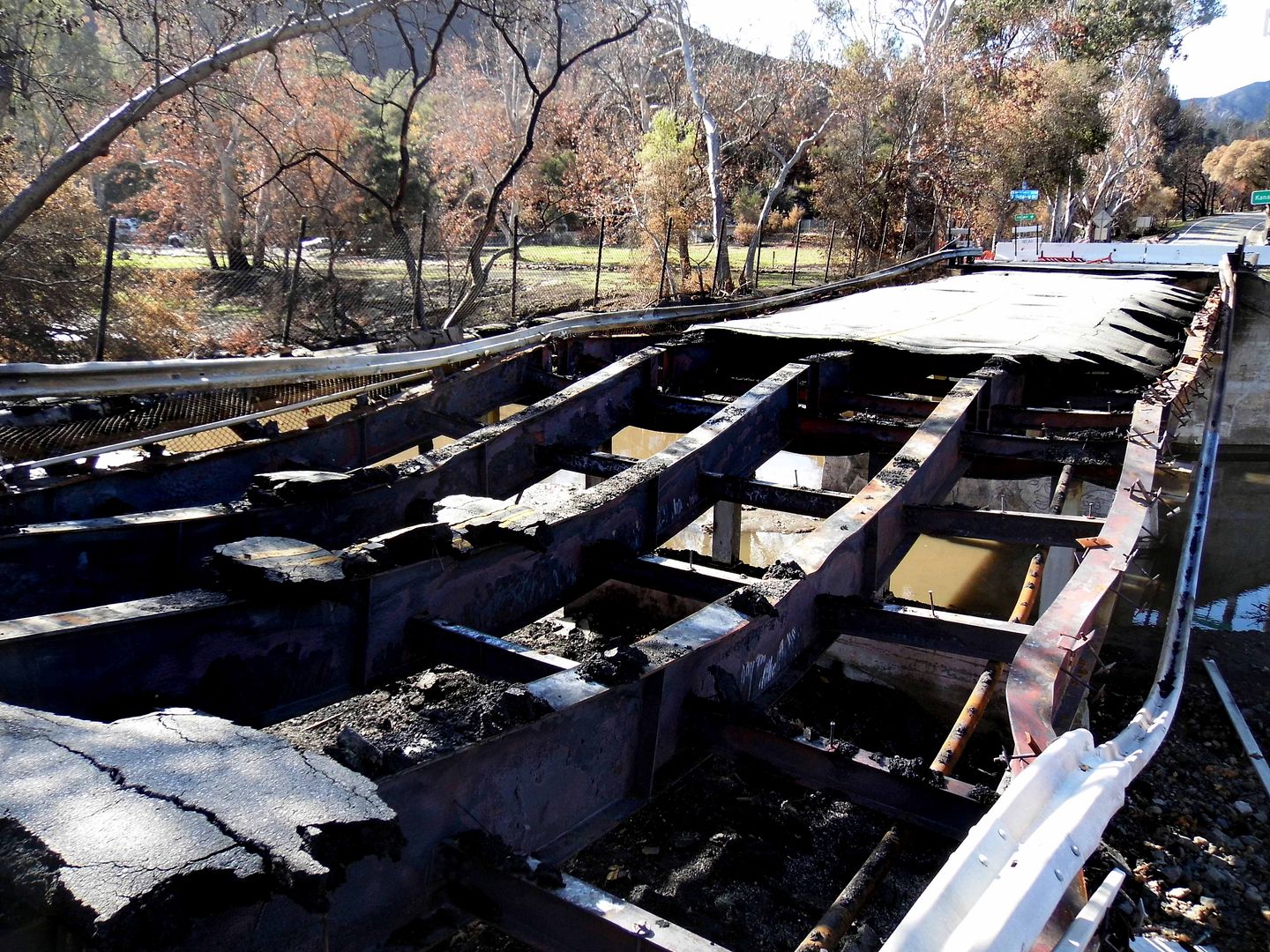
The last time I tried to check on Peter Strauss Ranch—one of my favorite places in LA—I couldn't get anywhere near it because the November 2018 Woolsey Fire had destroyed the Mulholland Highway bridge you'd normally have to walk across to get to it from the parking area.

 
That was January 2019. 


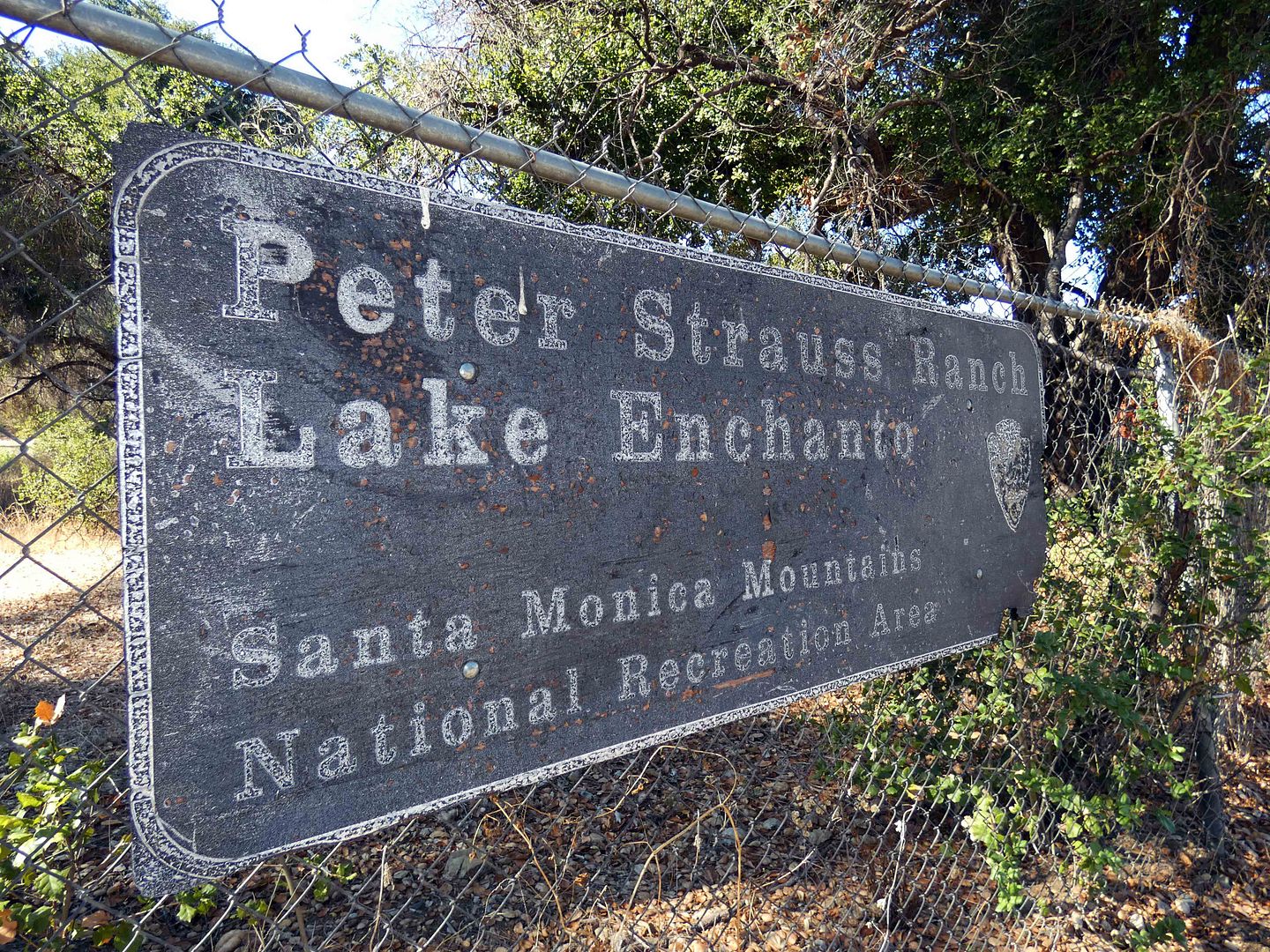
But the National Park Service had announced that the ranch—part of the Santa Monica Mountains National Recreation Area—had finally reopened in June 2022, so I went back a couple of weeks ago. (They still haven't replaced the park sign, which was burned to a crisp.)

December 07, 2021

Photo Essay: The Ranch Where 'Golden Age' Western Movie Star Joel McCrea Became a Real-Life Cowboy

South Pasadena-born Joel McCrea might be best known for his portrayal of Buffalo Bill in the 1944 film of the same name, and perhaps he's gone down in history as one of the most handsome and under-appreciated Western stars out there. 

He'd been a leading man since 1930 (in The Silver Horde)—but his first Western film wasn't until 1937, when he starred in Wells Fargo with his wife, Frances Dee. 
   
They'd gotten married in 1933—and that same year, at age 28 McCrea became a real-life cowboy with the purchase of Belgian immigrant August Dumortier's former ranch, which had first been settled in the mid- to late-19th century in the far southeast corner of the former Rancho Simi

November 19, 2021

Photo Essay: San Diego's Last Operating Homestead Ranch (And Its Ties to German Heritage)

There's a ranch in Encinitas, California that was added to the National Register of Historic Places last year for how original its condition is...
  

November 10, 2021

George Key Ranch, One of OC's First Sunkist Orange Groves, Is Open to Visitors Again for the First Time in 7 Years

Last week, I got a hot tip that George Key Ranch Historic Park in Placentia, California was reopening for first time in seven years, after closing from damage sustained in the 2014 La Habra earthquake. 


October 25, 2021

An Alpaca Sleepover

I almost didn't go to the Central Coast Railroad Festival this year. 

My trip had been bumped by one year because of pandemic cancellations—and I wasn't sure whether the COVID-era festival would be worth attending, or if I should wait. 

But it was my birthday weekend, and I thought at least my overnight accommodations would be worth the trip. 

 
After all, I was booked to stay two nights on an alpaca ranch. 

September 22, 2021

Photo Essay: The Former Ranch of Hollywood's Silent Film Era Western Hero, Harry Carey Sr.

On a tour of the St. Francis Dam disaster flood plain a couple of years ago with the Santa Clarita Valley Historical Society, we were supposed to visit the "Harry Carey Ranch"—but it was closed for a wedding.  

I'd never heard of it—and when we drove by, I saw nothing of it. Nothing besides the sign for the Tesoro del Valle residential community, which was built nearly two decades ago in Santa Clarita, California.


I finally got back there—to the Tesoro Adobe Historic Park—to see what was left of silent film star and Western movie hero Harry Carey, Sr.'s former ranch (reportedly "the first tourist attraction in Santa Clarita") and what had been washed away in the flood.  

July 27, 2021

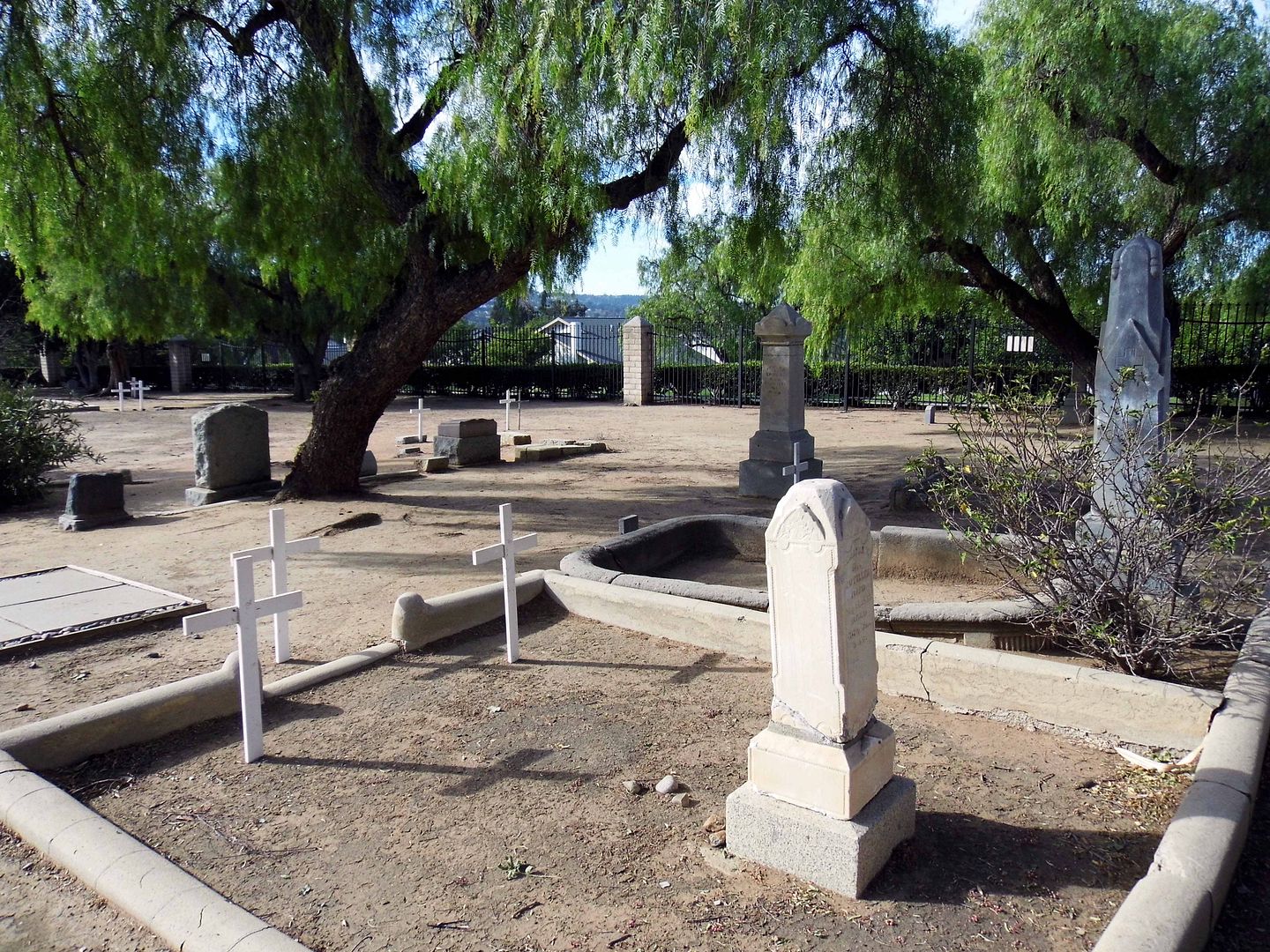
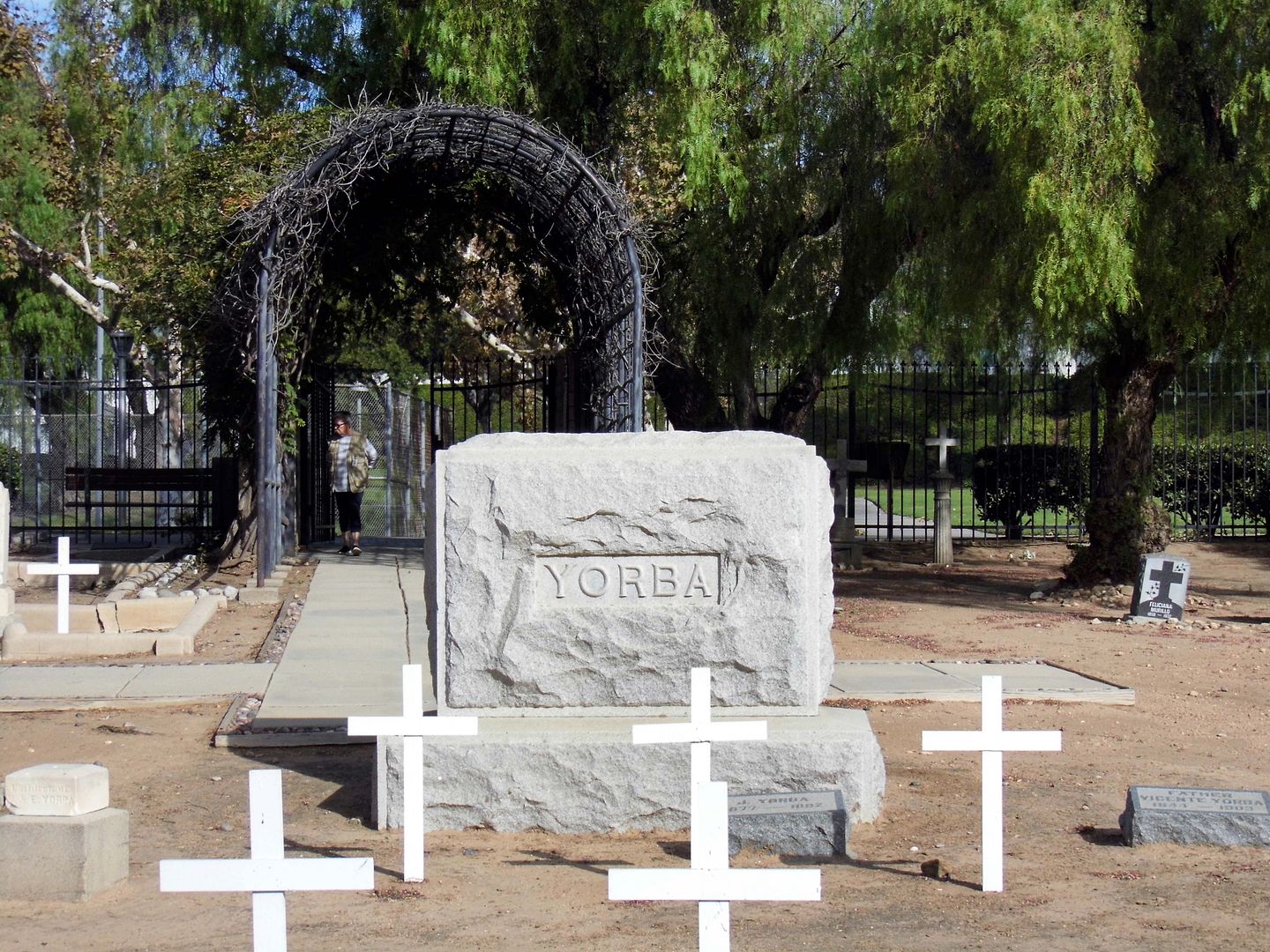
Photo Essay: Orange County's Oldest Private Cemetery (And All That's Left of the Yorba Rancho)

Since I often get overwhelmed by huge, sprawling cemeteries, sometimes the most interesting ones for me are those created for just families and friends. At least then, all those buried there are somehow connected.


And it can be a nice break from the star-studded nature of "Hollywood"-style cemeteries like Hollywood Forever and Forest Lawn, where tourists make pilgrimages to the headstones of their favorite celebrities like they would the stars on the Hollywood Walk of Fame. 


At the historic Yorba Cemetery in Yorba Linda, California, members of its founding family were of great renown—at least, in present-day Orange County (and, to a lesser extent, San Diego County). 


They were the family members and close associates of the pioneer Yorba family—eponymous founders of the town of Yorba Linda and the cemetery therein. 

July 02, 2021

Photo Essay: Garden Grove's Time Capsule Town at the Stanley-Ware Ranch (Where You Can Find the 'Disney Garage')

The more that our historical town centers get gobbled up by high-rise hotels and other new developments, the more I really appreciate when historical societies save and relocate old buildings to create their own historical villages. 

 
Case in point: Garden Grove Historical Society's time capsule town, located on 2 acres of the former Stanley Ranch, where local pioneer Edward G. Ware settled in 1876 after relocating from Massachusetts. 

April 01, 2021

Photo Essay: The Retirement Ranch of An Oil-Employed Fossil-Finder, W.W. Orcutt

At one point a few years ago, I'd set off to visit and document all the historic ranges in the Santa Monica Mountains National Recreation Area and its environs.

But somehow after 10 years in LA, I still hadn't made it to Orcutt Ranch.

Maybe it's because its name didn't carry the same weight for me as "Paramount Studios" or "Lake Enchanto" or "Gillette" (of the razor empire). 

Its namesake, William Warren (W.W.) Orcutt, was a SoCal oil geologist and Union Oil exec whose name is less recognizable to us today than perhaps it was in his heyday. (Or, at least, to me—a California transplant.)


December 08, 2020

Photo Essay: Zipping Over Cattle and Wine Grapes at Historic Santa Margarita Ranch

By 1886, the Southern Pacific Railroad had reached as far as Paso Robles, California. 

But it wasn't until 1894 that railroaders figured out how to conquer a seemingly impassible stretch of terrain—called the Cuesta Grade—so it could join up with the Pacific Coast Railway in San Luis Obispo.


DelVaglio Realty office (former mule stop, former Cuesta Motel)

To get a train to make the twists and turns necessary to ascend and descend the steep incline, engineers had to blast over million cubic yards of rock (some of which included California's state rock, serpentinite).
 
 
The resulting tracks—now owned by Union Pacific, which operates its freight trains on them—currently cut through the private La Cuesta Ranch and pass Cal Poly and the California Men's Colony on their way to Seattle.

 
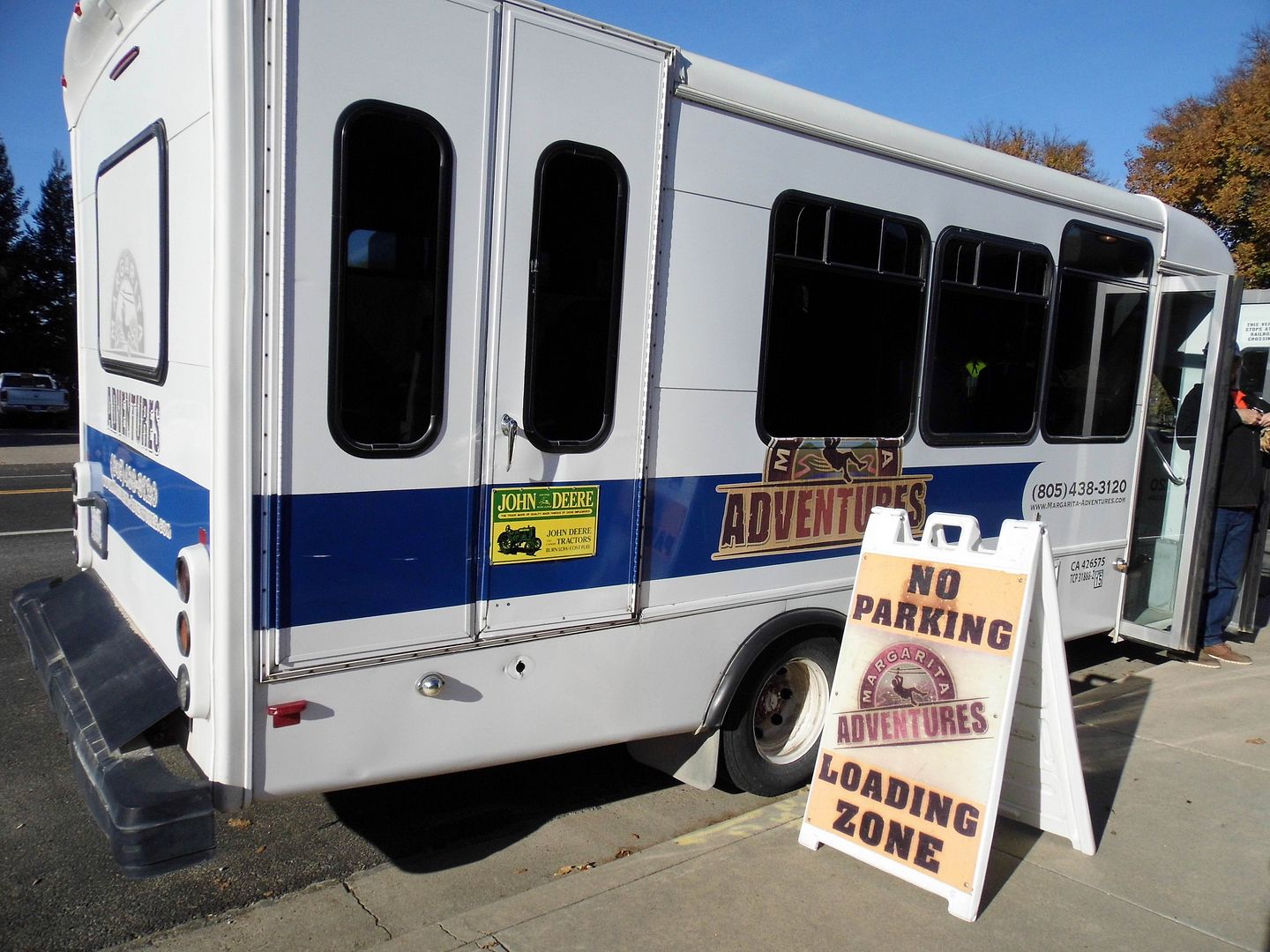
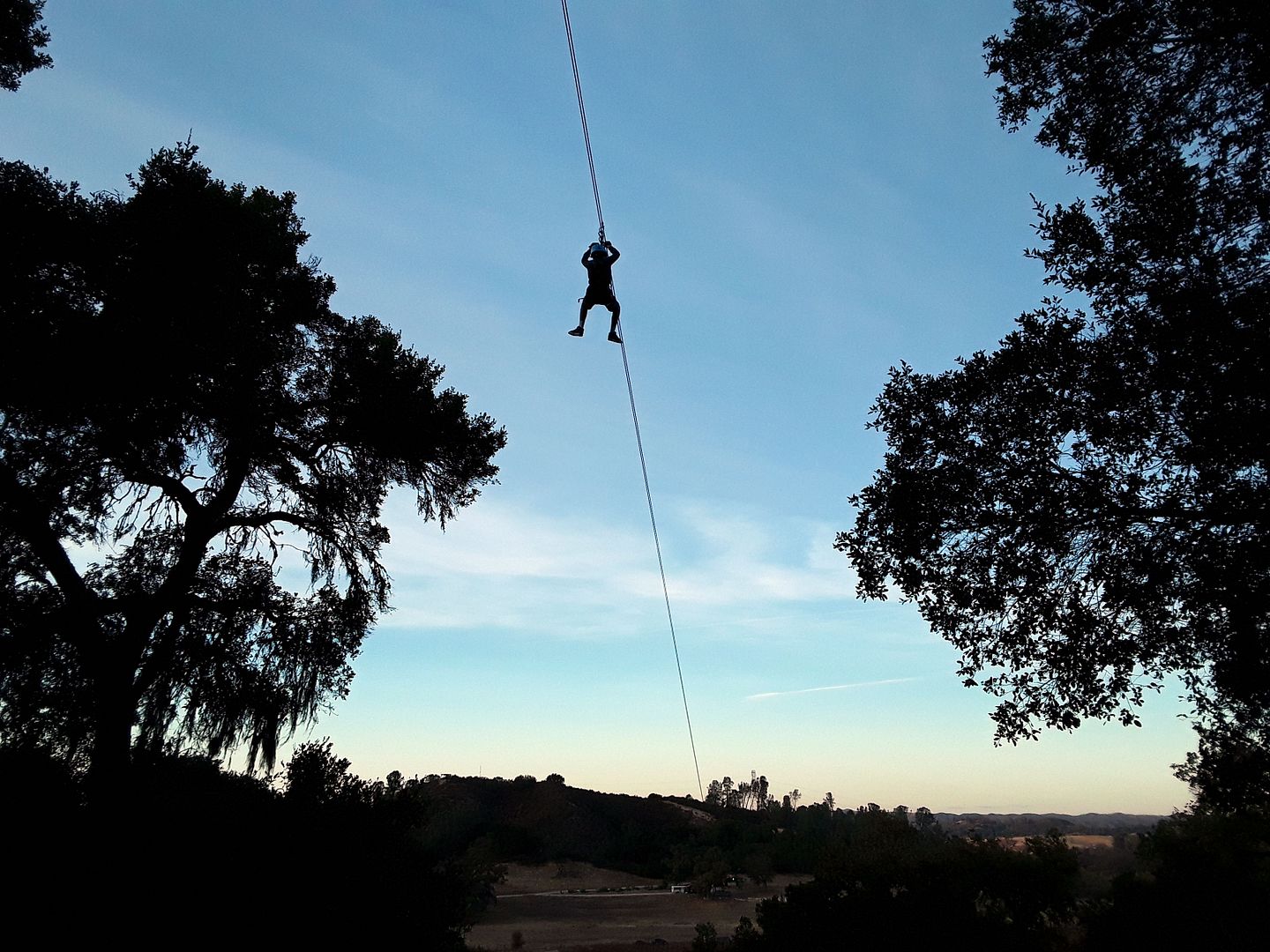
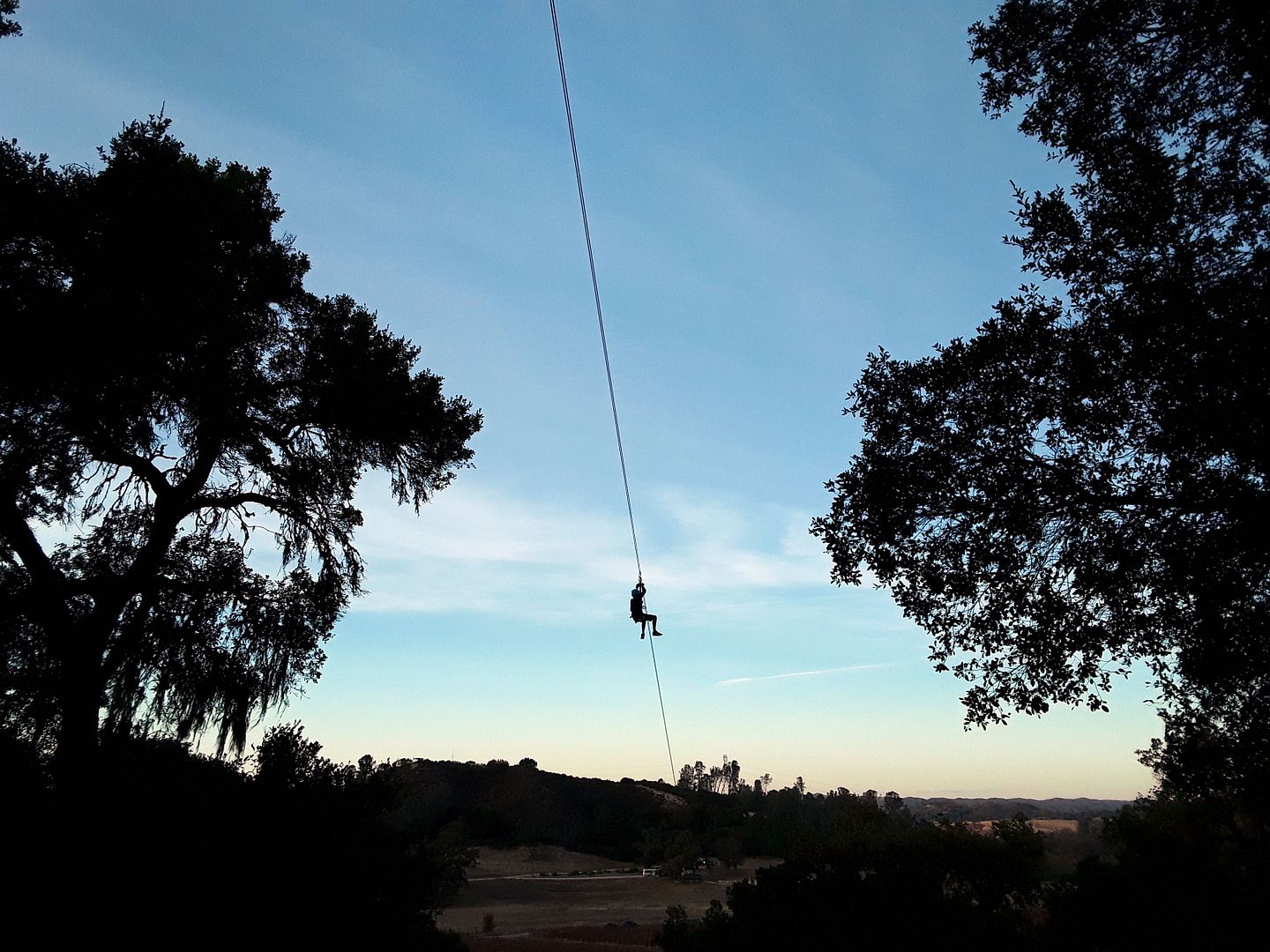
Last year, I took a summertime wine train across the Cuesta Grade and through its tunnels. But this year, I drove across the Cuesta Pass (on the 101 Freeway) to visit the town that built the Cuesta Grade—Santa Margarita—and to go ziplining through Santa Margarita Ranch with Margarita Adventures. 

 
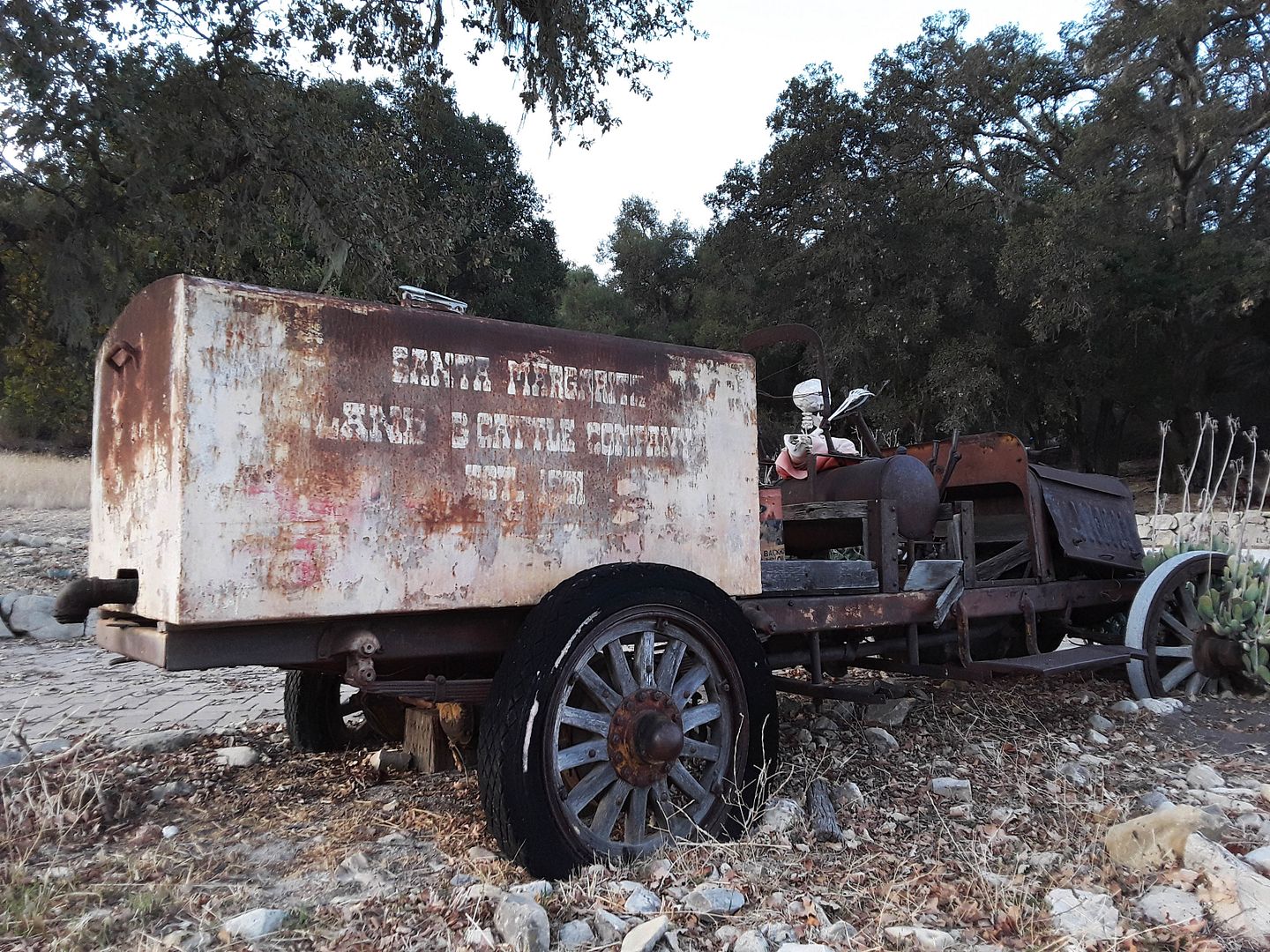
In 1841, Joaquin Estrada received the Mexican land grant of Rancho Santa Margarita (not to be confused with Rancho Santa Margarita y Las Flores), former mission land that included Santa Margarita de Cortona Asistencia, an agricultural outpost of Mission San Luis Obispo. He converted it into a successful cattle ranch—but, after frittering his money away, had to sell off his land in order to pay off his debts.  


In the 1880s, the new owners of Santa Margarita Ranch (the Murphys, a family of "Irish Californios") established a waystation for passing stagecoaches along El Camino Real—which was the only way to complete the trip from San Francisco to San Luis Obispo. That is, until Southern Pacific Railroad constructed the railroad through the Cuesta Grade.


Southern Pacific set up its headquarters on its new landholdings in Santa Margarita, with its subsidiary Pacific Improvement Company transforming part of the area into a railroad company town. It's pretty much the same size today as it was upon its founding—and Santa Margarita Ranch, still privately owned, still features the historic ranch house and asistencia building. 


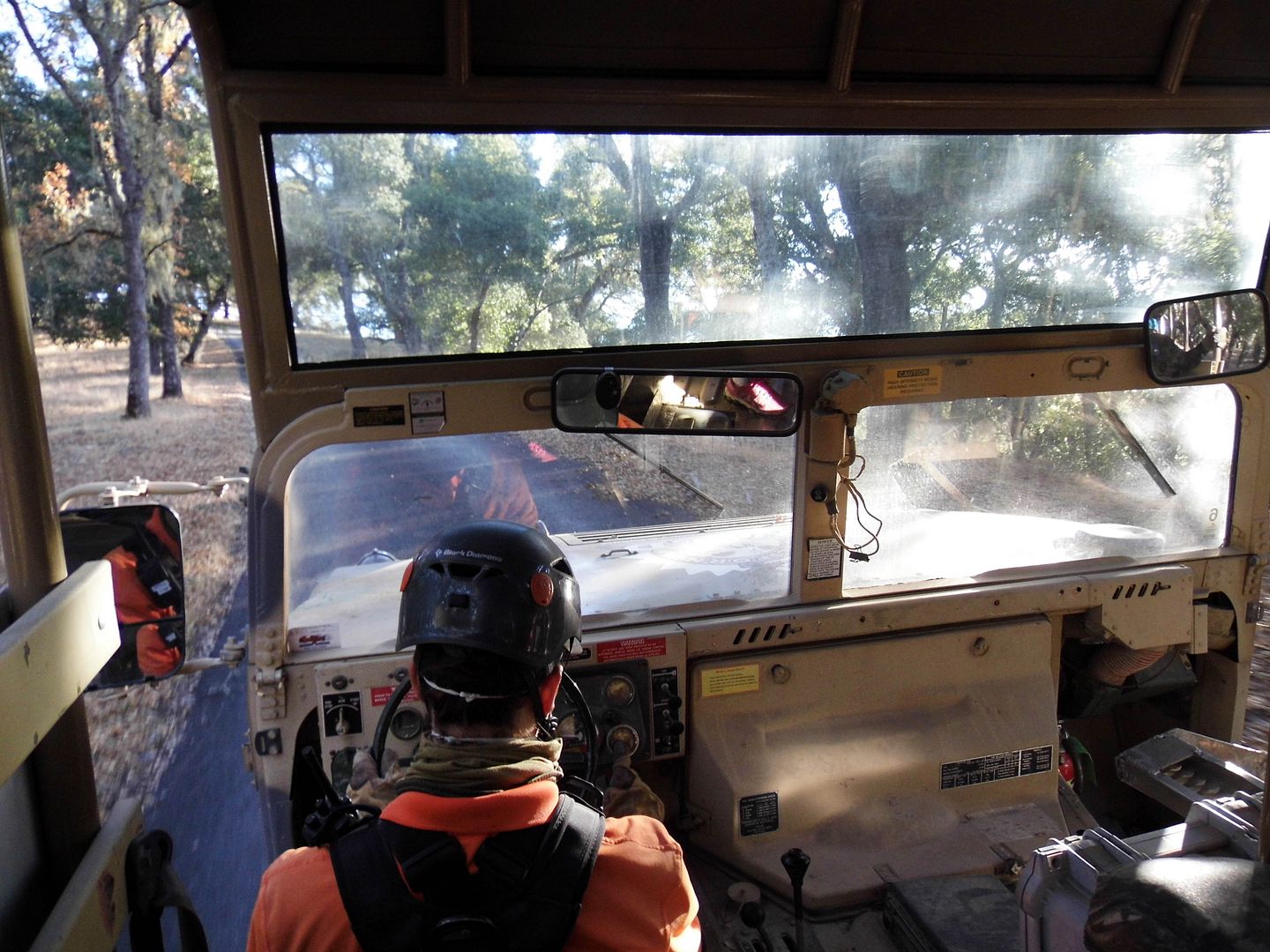
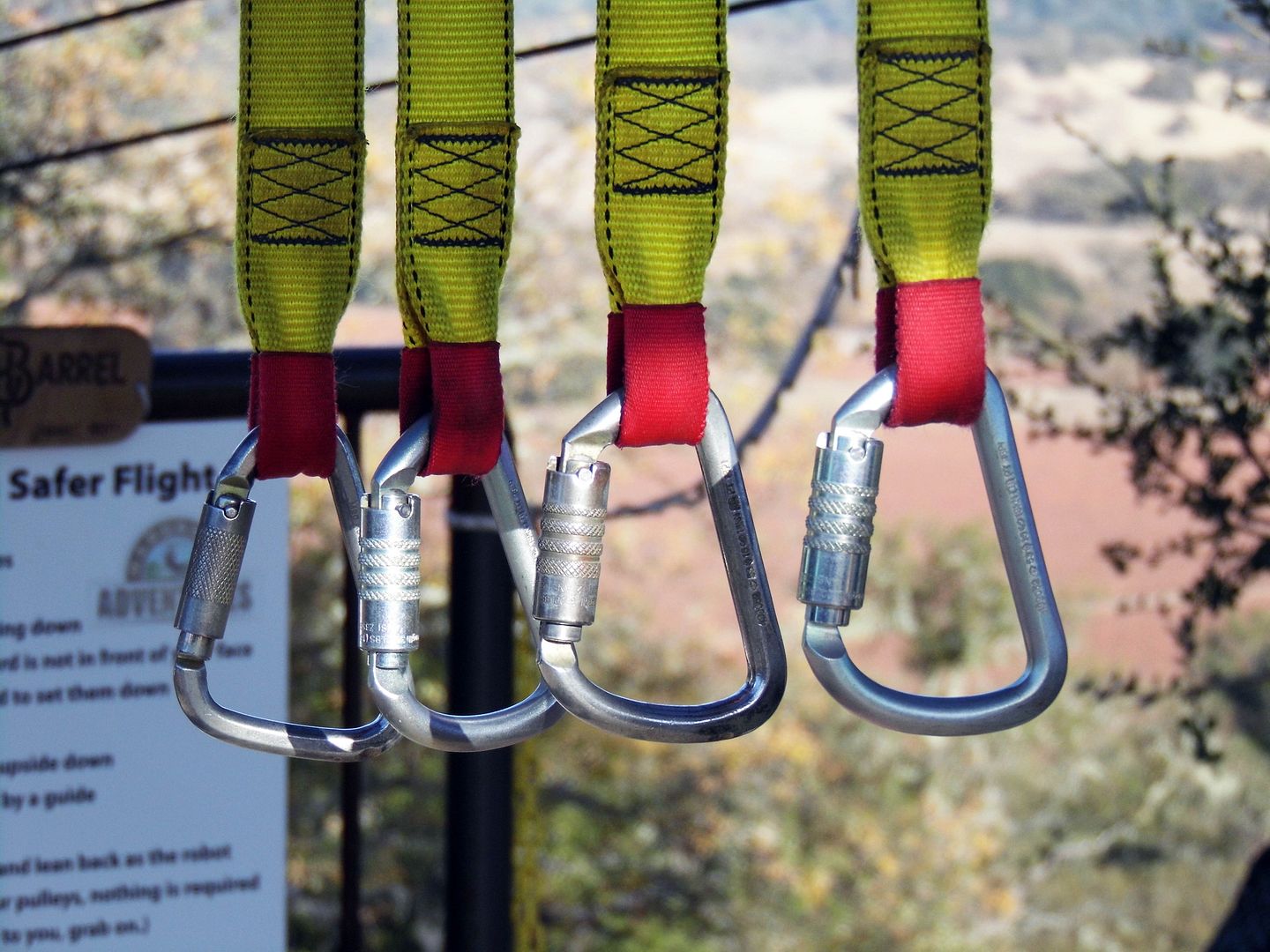
I didn't get to visit those historic sites (or other outbuildings) during my first visit to Santa Margarita Ranch, though. Once the Margarita Adventures van dropped us off at its staging area, we were too busy getting geared up with helmets and harnesses for our upcoming gravity-defying excursion. 

 
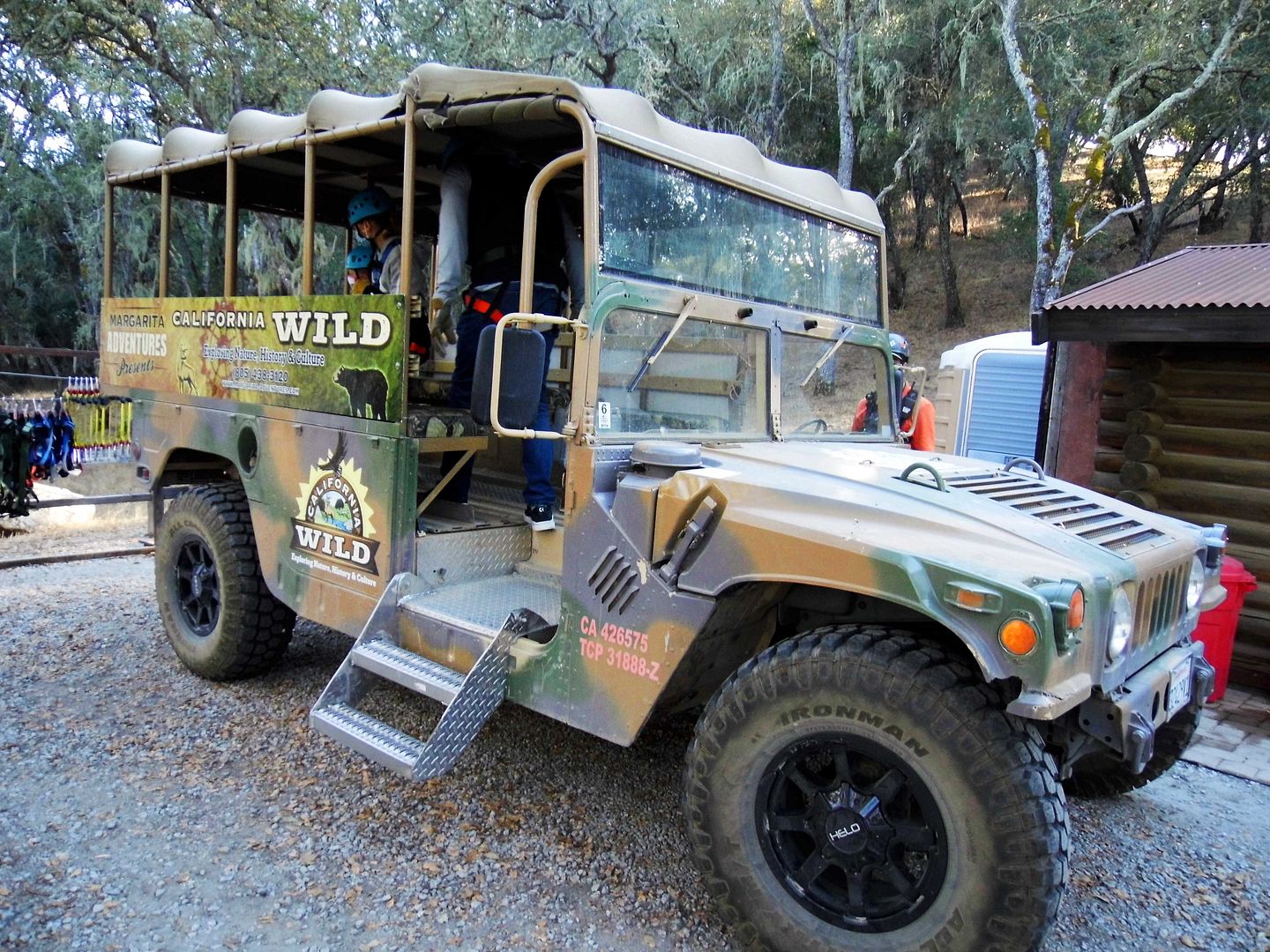
Switching over to a more touring-style (yet seemingly military-grade) jeep, we rode a bit more through the still-working cattle ranch (one of the oldest continuously operated of its kind in the state)....
  

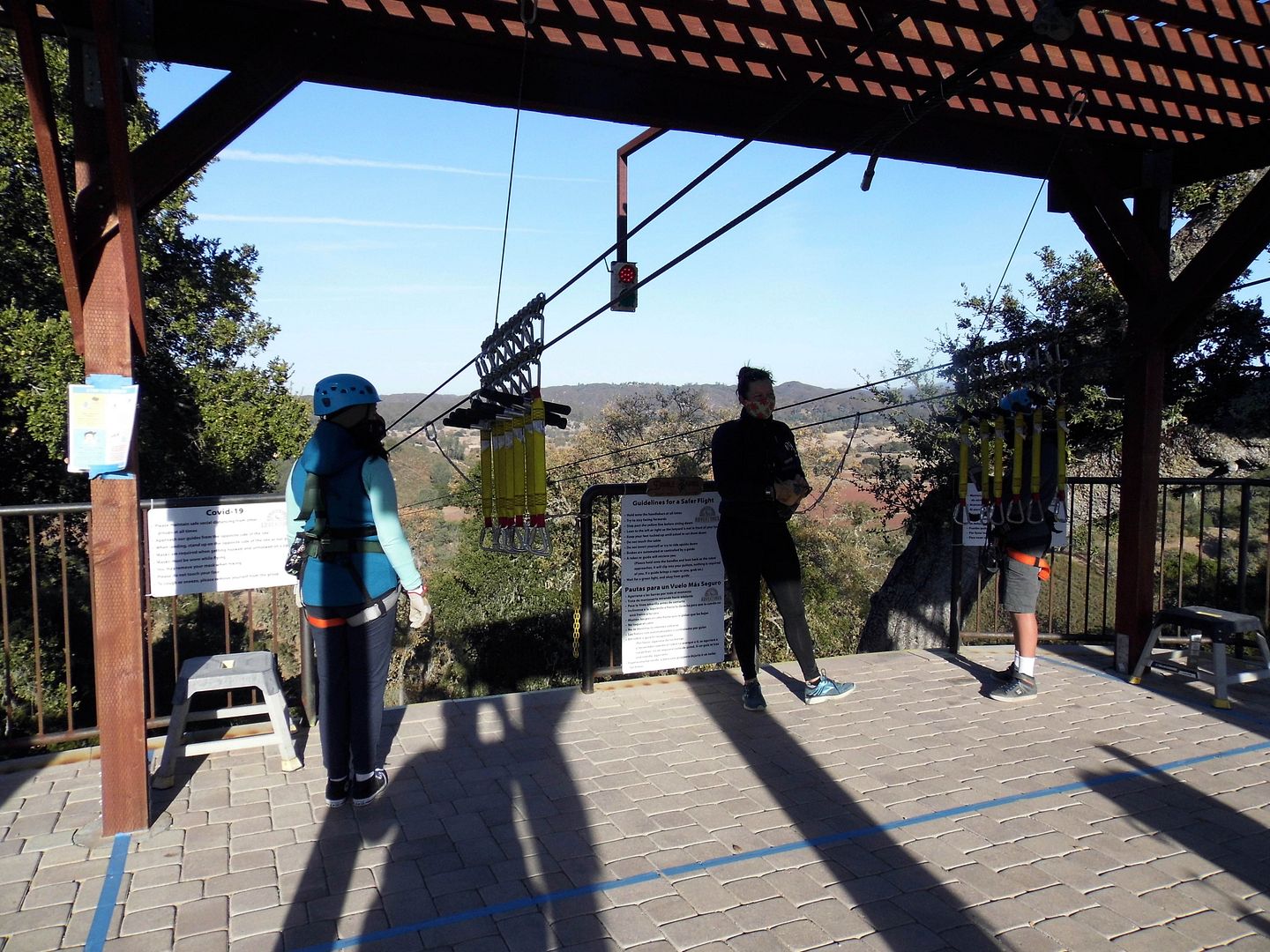
...until reaching the first of the 6-line course, called The Double Barrel. 


It's a "racing" line—like a racing-style (or "dueling") rollercoaster, with two 2,800-foot lines running parallel to one another. It makes for a heart-stopping start to the two-hour zipline tour, that's for sure. 

 
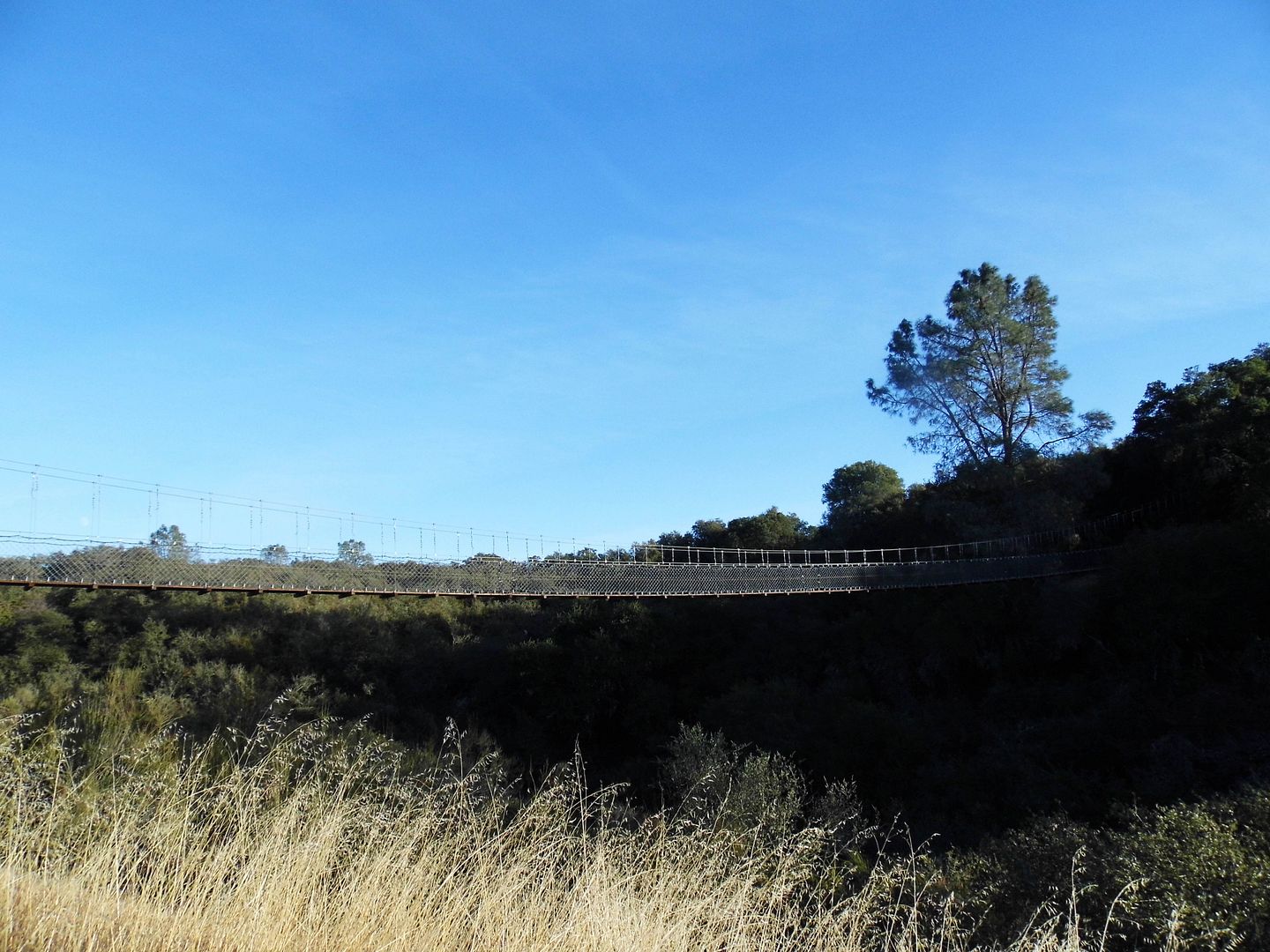
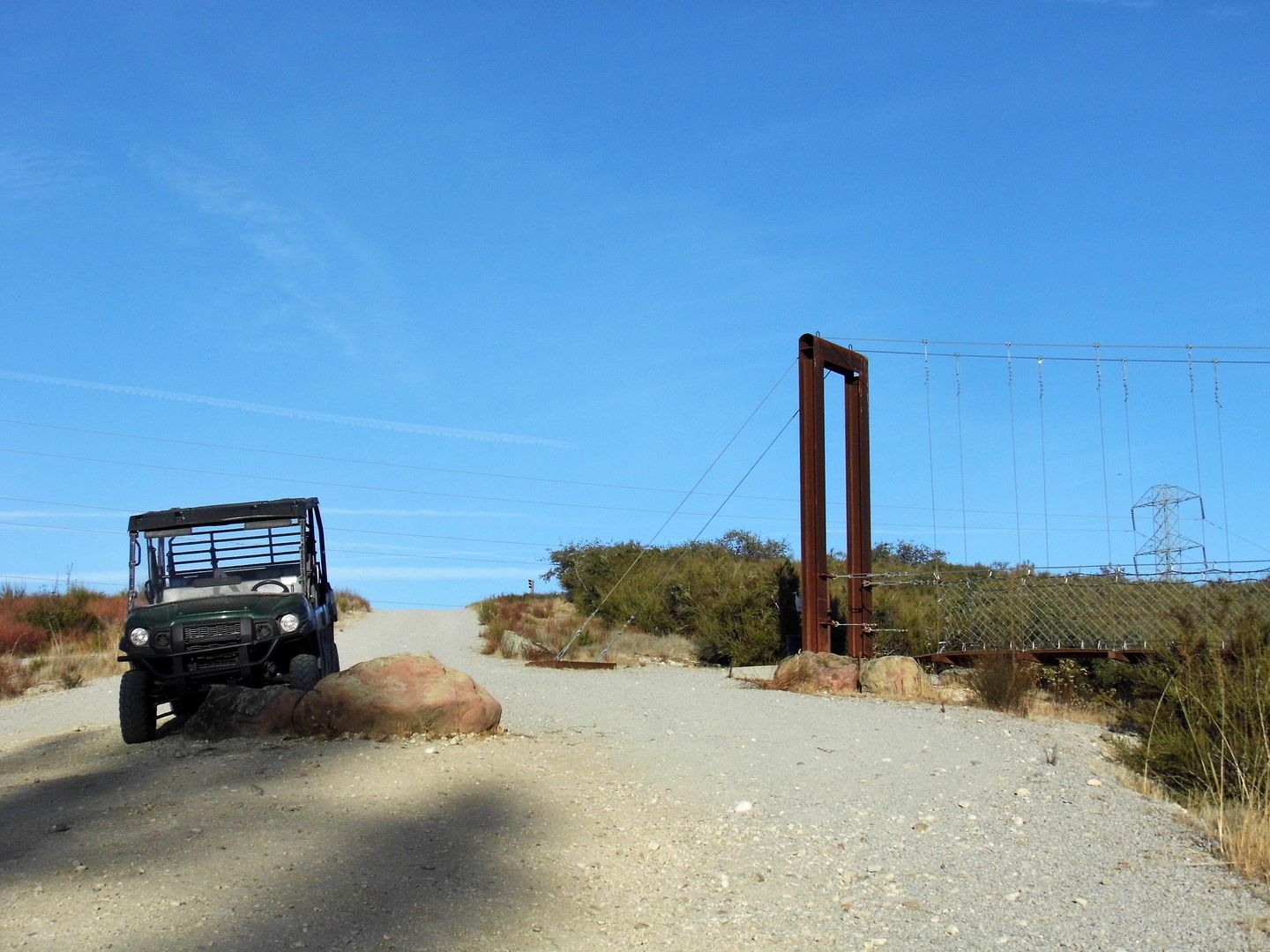
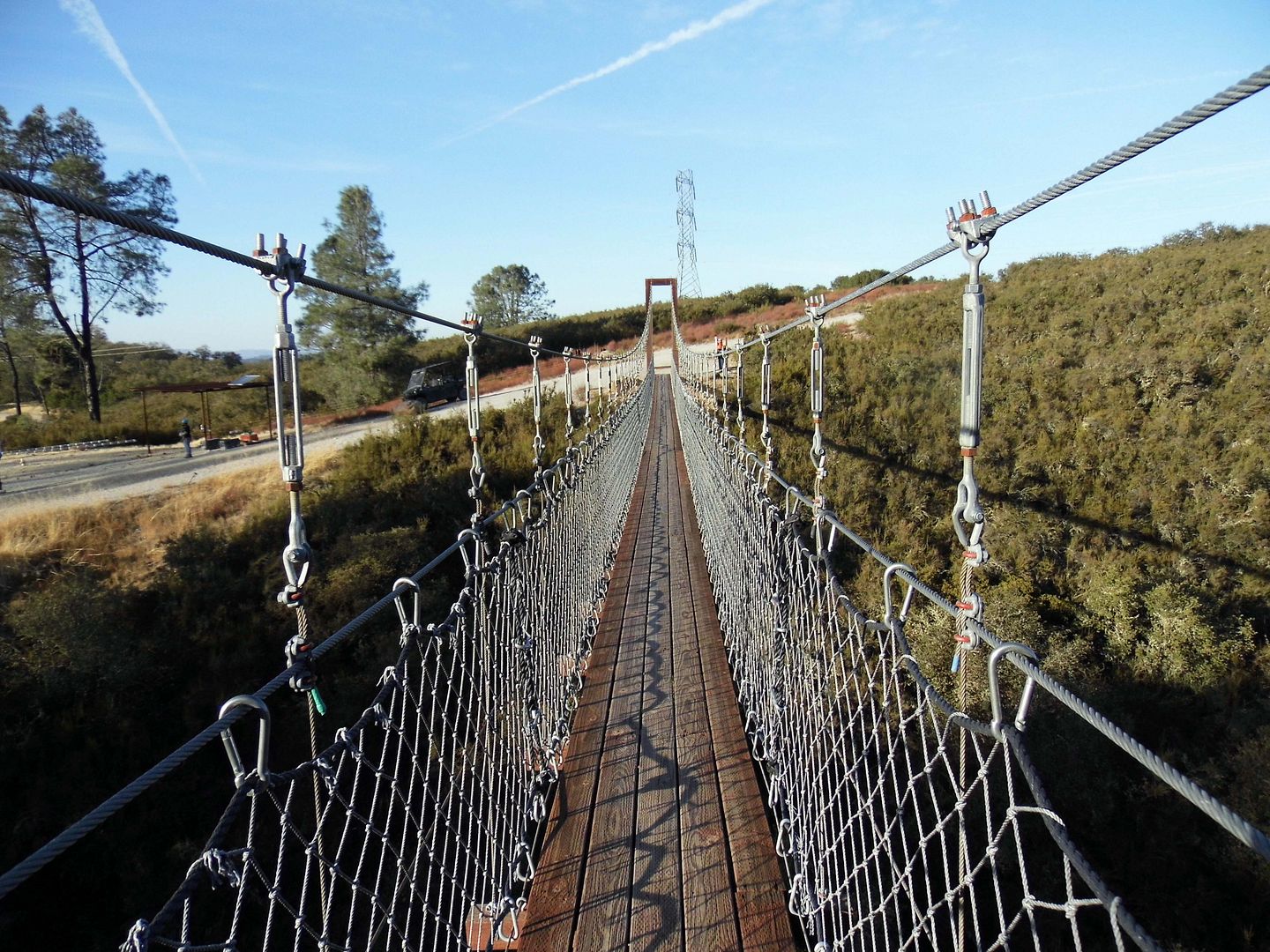
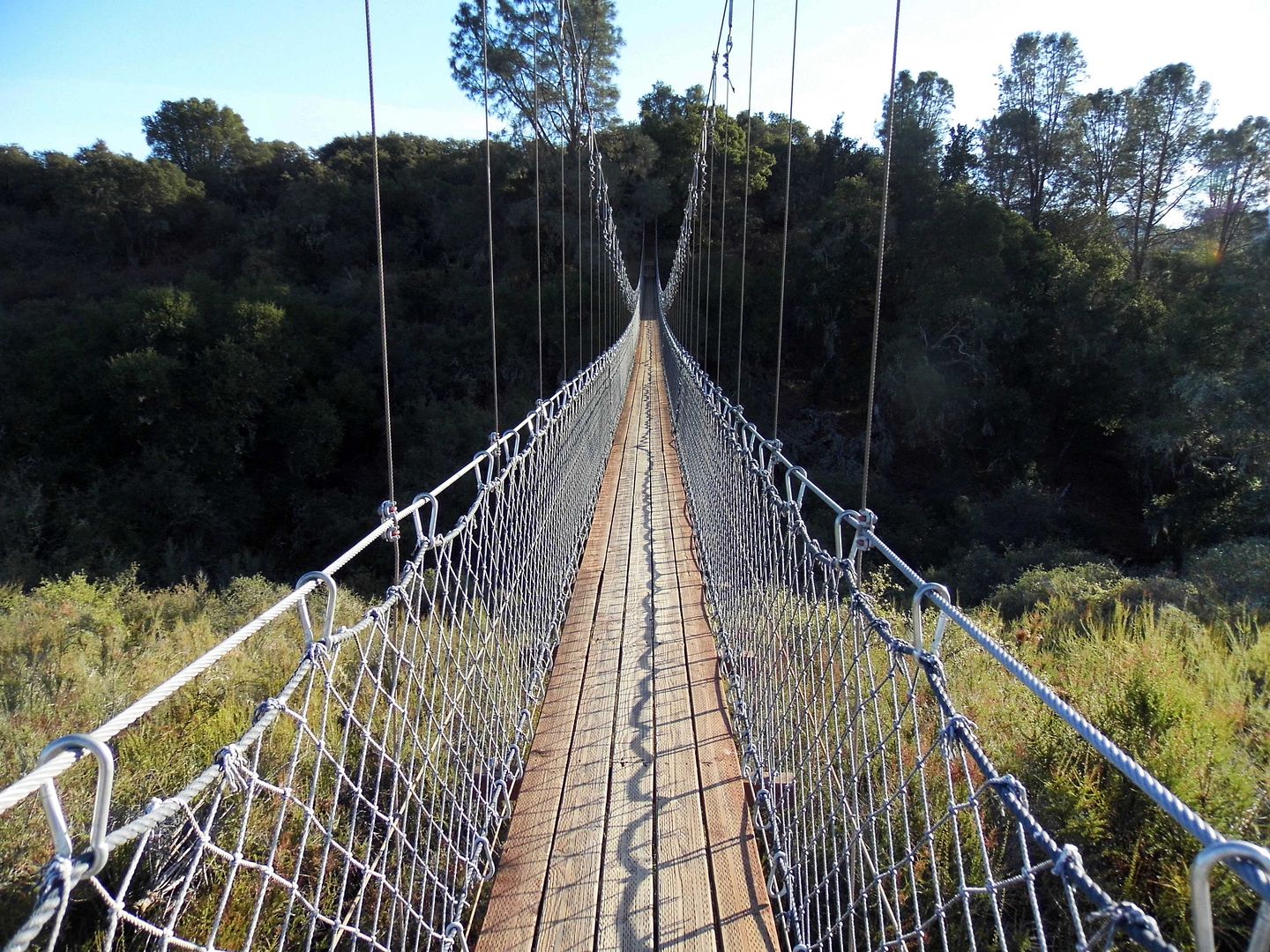
But what really got me was walking across the narrow, 300-foot suspension bridge that connects the first and second ziplines. 


When the zipline course first opened, it only featured five lines. The first stop on the current course is actually the sixth and final line to be added—and the only pesky thing separating the bottom of it from the top of the next one was a deep canyon. 


I'd crossed a bridge like this once before—at the now-defunct Navitat in Wrightwood, California, tucked away in Angeles National Forest. I did not enjoy it back then, in 2012; and I didn't enjoy it eight years later, either. 


As I walked alone across the bridge and hiked my way to the second line—The Renegade—I found myself hyperventilating and nearly ready to quit.  For some reason, I could zip thousands of feet while dangling from a wire—but setting one foot in front of the other for a few hundred feet on that bridge nearly defeated me. 


As one of our zipline guides explained to me, there's a key difference: You've only got to take the first step to zip, while you've got to take every step to cross the bridge.

 
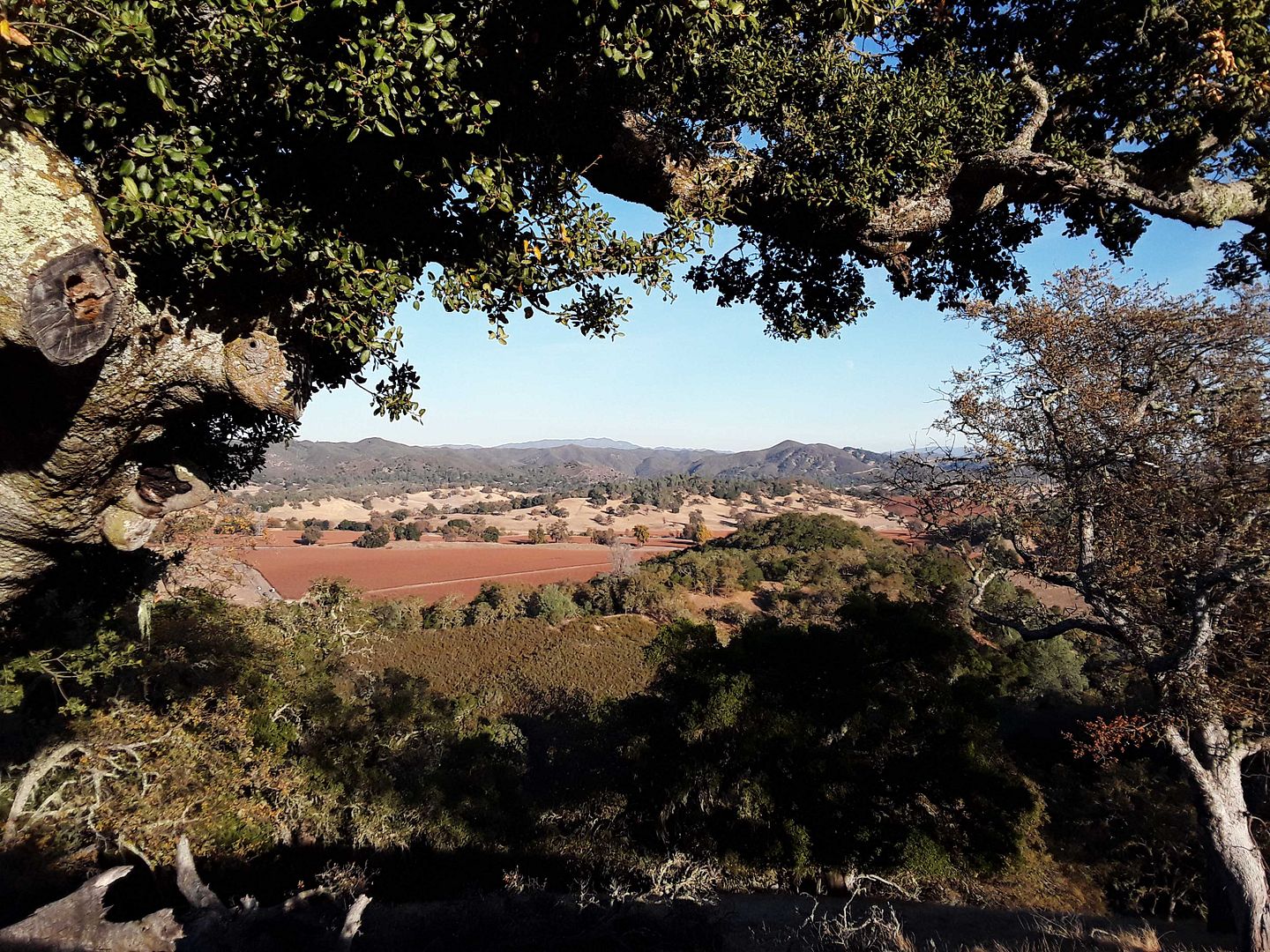
Afterwards, I managed to tackle the 1,200 feet of The Renegade, as well as 600 feet of The Woodlander (which runs over the canopies of native blue and white oak trees). Then there was the 430-foot length of The Hilltopper and another 800 feet through a natural archway of companion oaks (aptly named The Archway).


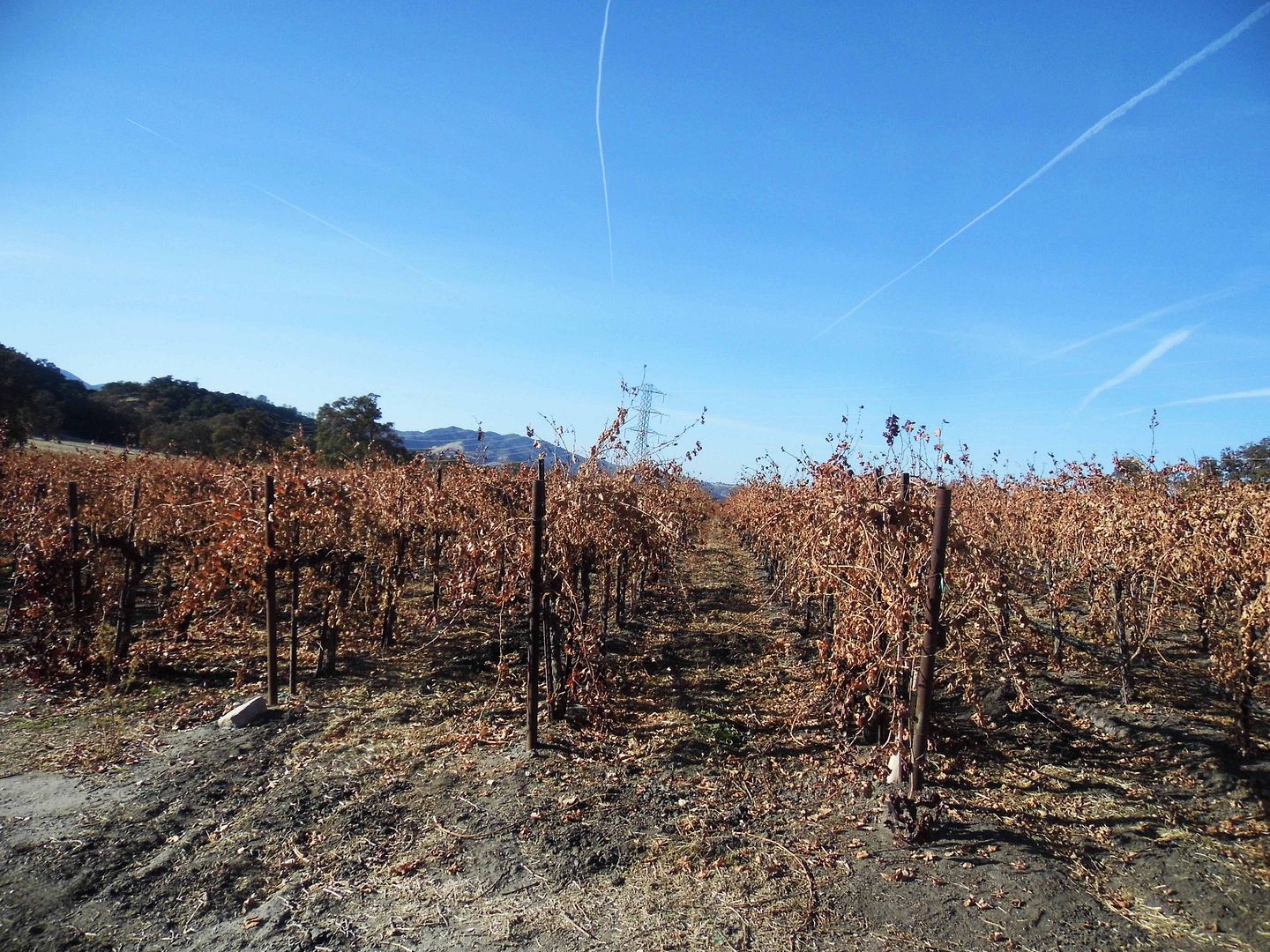
Finally, as the sun began to disappear behind the mountains, there was the 1,800-foot descent of The Pinot Express, a zipline over the ranch's pinot noir grapevines. Conveniently, there's the family-run Ancient Peaks winery tasting room across the street from the final drop-off point. And I sure had worked up a thirst. 

  
It had been over three years since I last went ziplining—and that was just a single run. I thought it would be easier to get back into it. 

But I'd never before ziplined at this age or this weight. And I'm not sure I want to do it again. My pulled muscle still hasn't healed. I'm still bruised from the strap that dug into my thigh.

I do, however, want to return to Santa Margarita Ranch—not only to see the historic structures, but to ride the rails of the narrow-gauge, steam-powered Pacific Coast Railroad. 

I'm not sure how soon that can happen, but stay tuned. 

October 18, 2020

Photo Essay: Voyage to the Top of An Enchanted Hill Overlooking the San Fernando Valley

The hills west of the Mission San Fernando Rey de España—the foothills of the Santa Susana Mountains—were called "La Encantada Cuestas" by early Spanish missionaries. 

At least, according to historical accounts, which apparently ignore how grammatically incorrect that is in Spanish. 
  
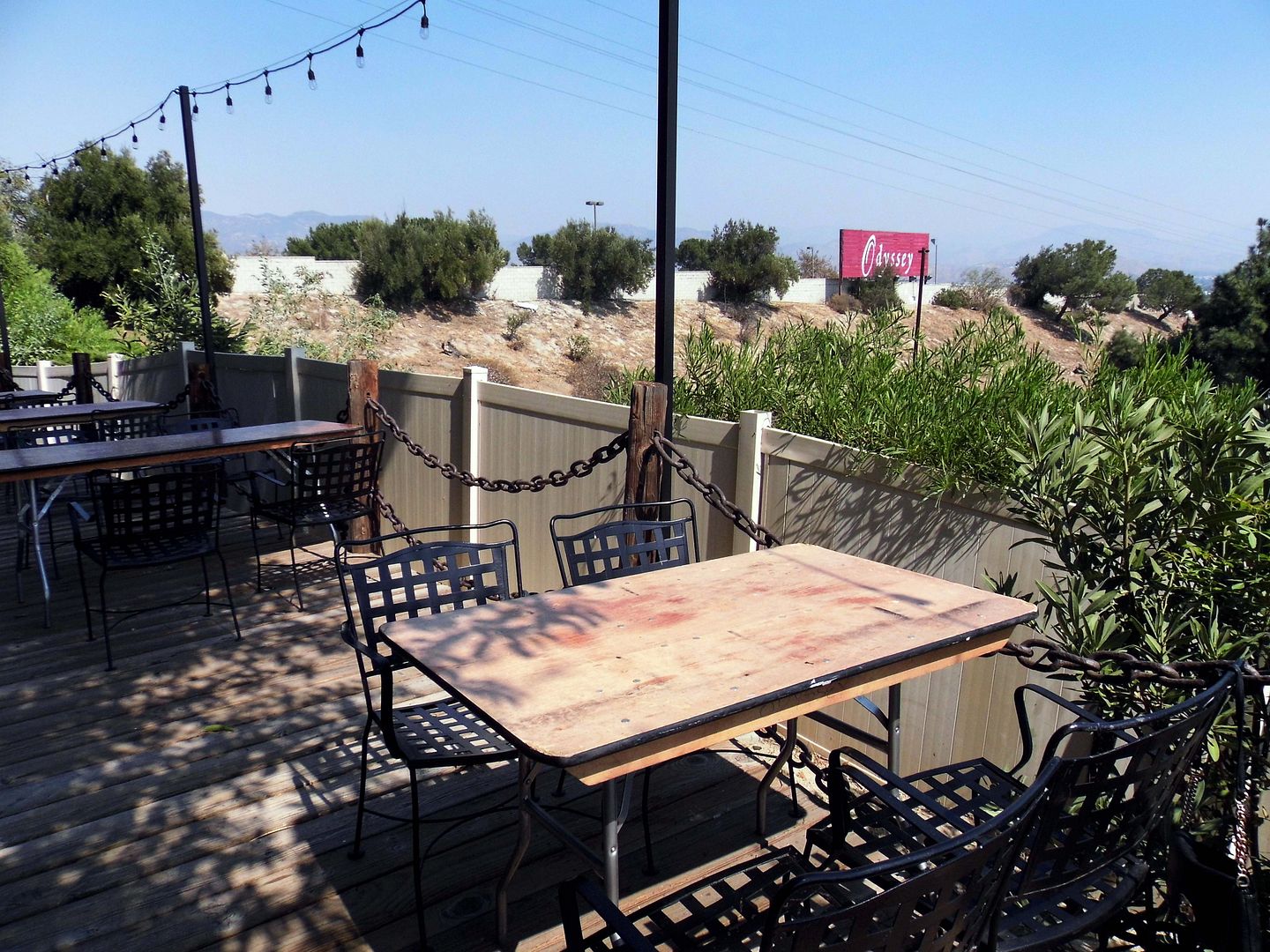
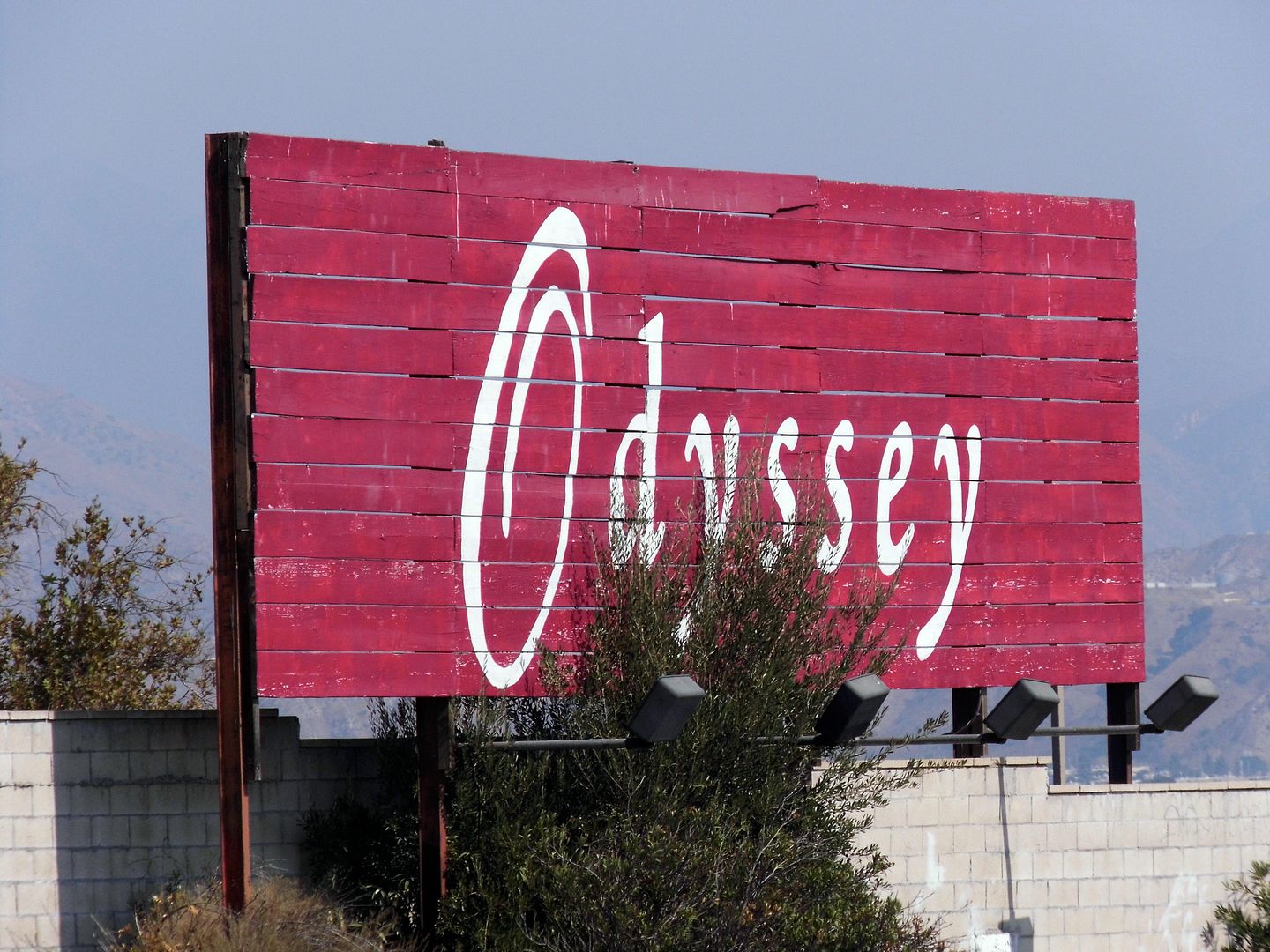
On one of those "enchanted hills," in a North Valley bedroom community now known as Granada Hills-Knollwood, the Odyssey Restaurant opened in 1970. 

And upon my first visit there earlier this month, I got curious as to the history of the area.

The San Fernando mission used to take up pretty much all of the San Fernando Valley. But by 1970, the it was just a fraction of the size it was when it was founded in 1797. 

The mission had been secularized and sold to private owners, like California governor Pío Pico—who, in order to help fund his Pico House in the Pueblo of Downtown Los Angeles, sold his shares of the 116,858-acre Mexican land grant (a.k.a. Rancho Ex-Mission San Fernando) to his friend, the Spanish-born LA resident Eulógio de Célis. 

In 1874, Célis's heirs sold former mission land to Senator Charles Maclay and cousins Benjamin and George Porter (of the Porter Land and Water Company and, later, Porter Ranch). 

As the Valley got further and further subdivided, other owners included San Fernando Mission Land Company (including the "Father of Glendale,"  Leslie Brand), the San Fernando Farm Homestead Association (which became the San Fernando Sheep Company, with denim magnate Levi Strauss as its director), and J.H. Mosier's The Sunshine Co., whose Sunshine Ranch largely became present-day Granada Hills. 
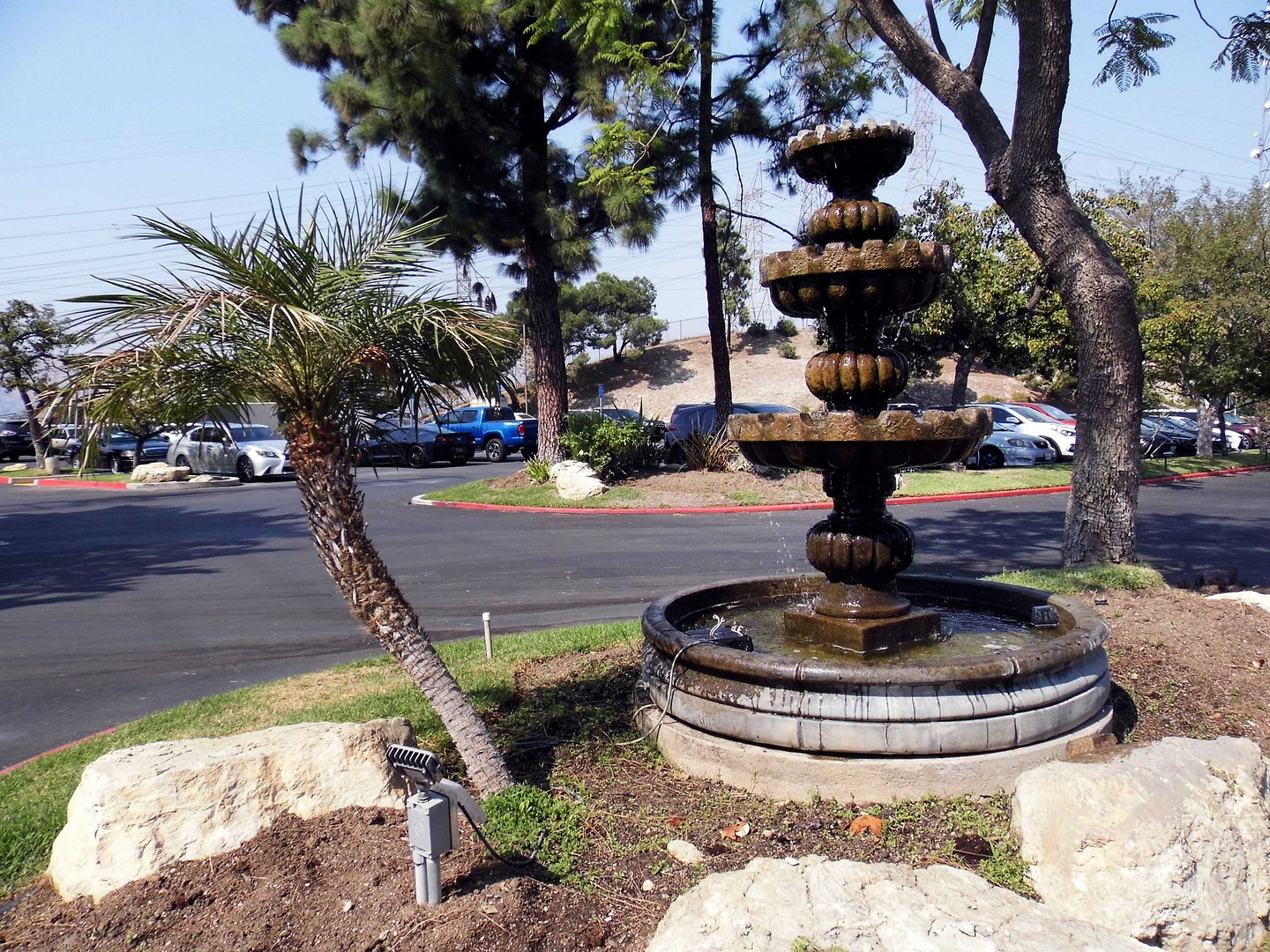
   

Granada Hills is currently part of the City of Los Angeles—but when it was founded in 1927 (as just "Granada," until 1942, for its similarity to Granada, Spain) it was envisioned as a "City of Destiny" in its own right (and a place to raise rabbits, which didn't actually pan out so well). 


It was later advertised as "The Beverly" of San Fernando Valley (assuming that refers to Beverly Hills)—or even the next BelAir. The chamber of commerce now touts it as "The Valley's Most Neighborly Town." 


I found myself at the Odyssey Restaurant—Granada Hills' second-oldest dining establishment—for a celebratory brunch the weekend after my birthday.


I'd wanted to go for years and years...


...but have never had a special enough occasion to dine at a place that hosts so many weddings, proms, retirement parties, anniversary dinners, and such. 


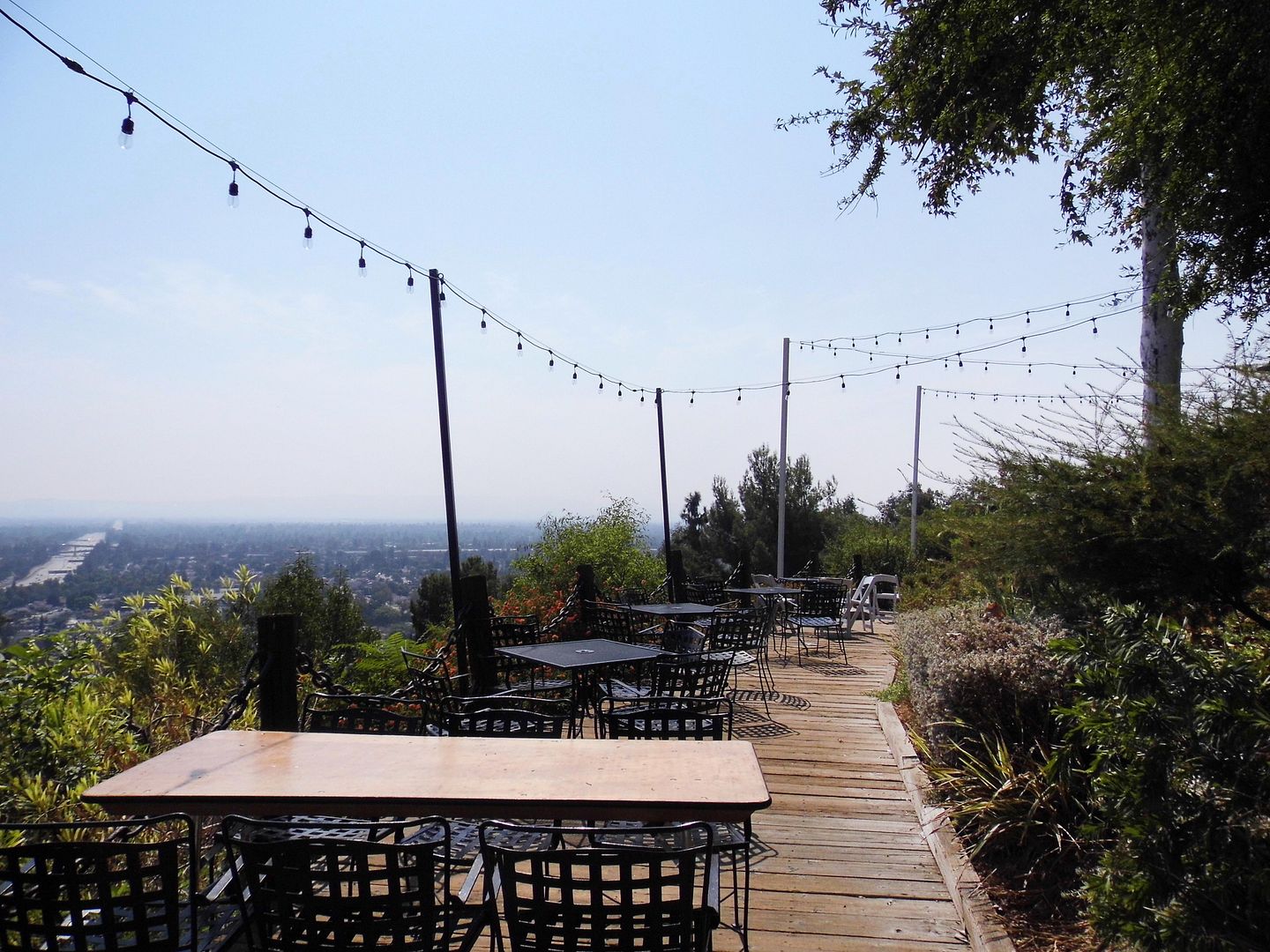
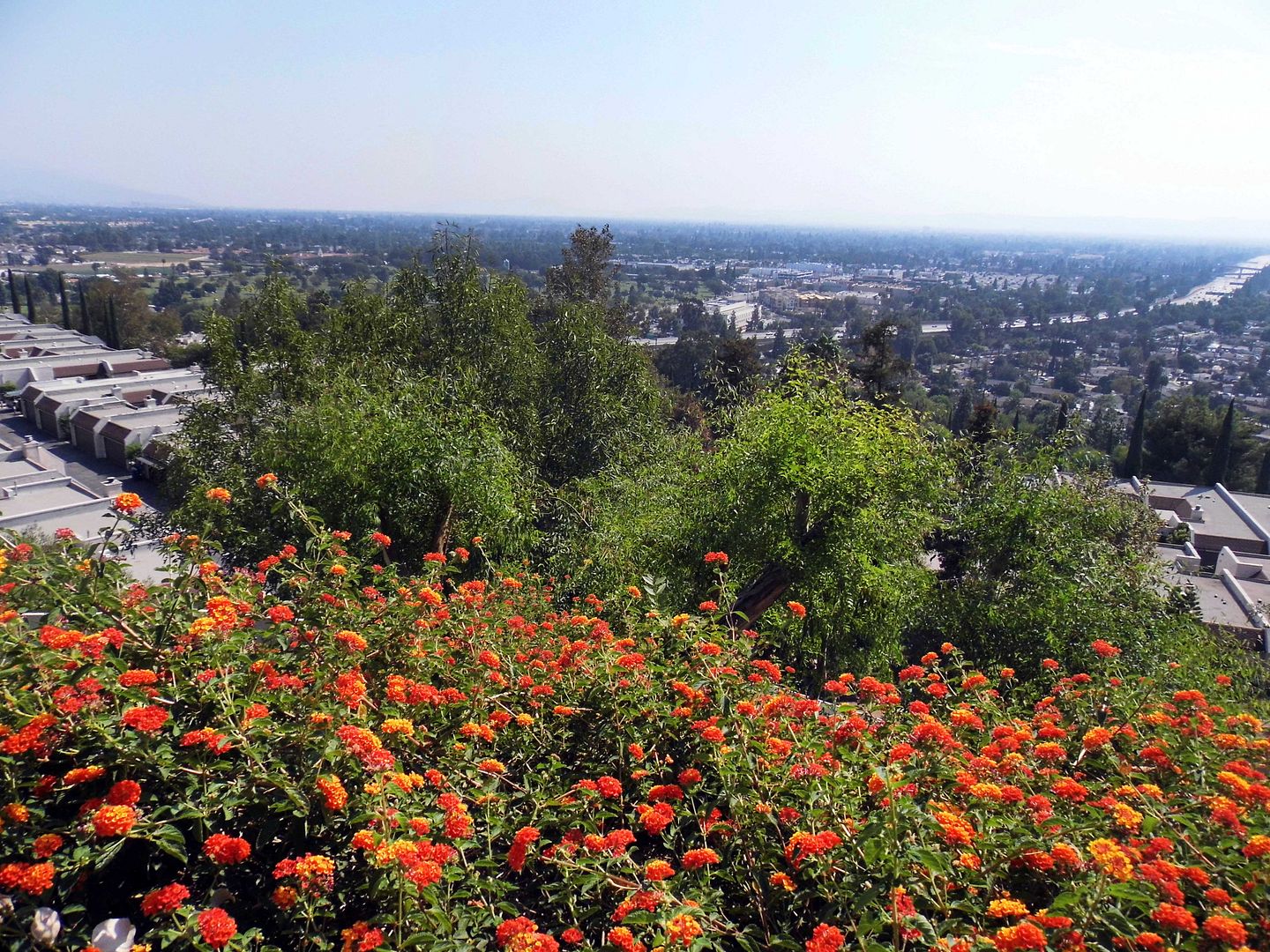
I never cared much about the restaurant itself—its food or beverage offerings—but I wanted to have the chance to take in that "enchanting" view. 
  

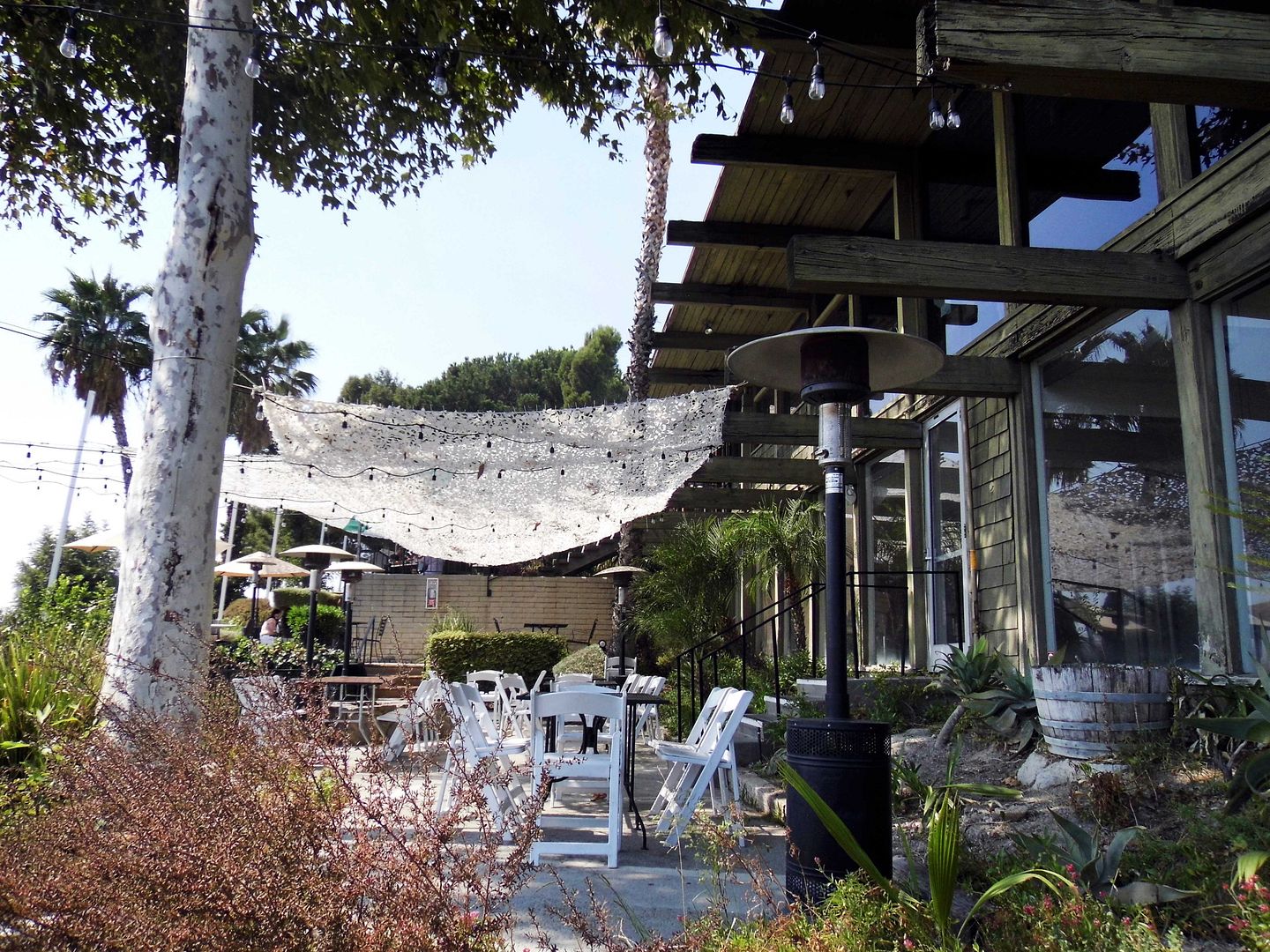
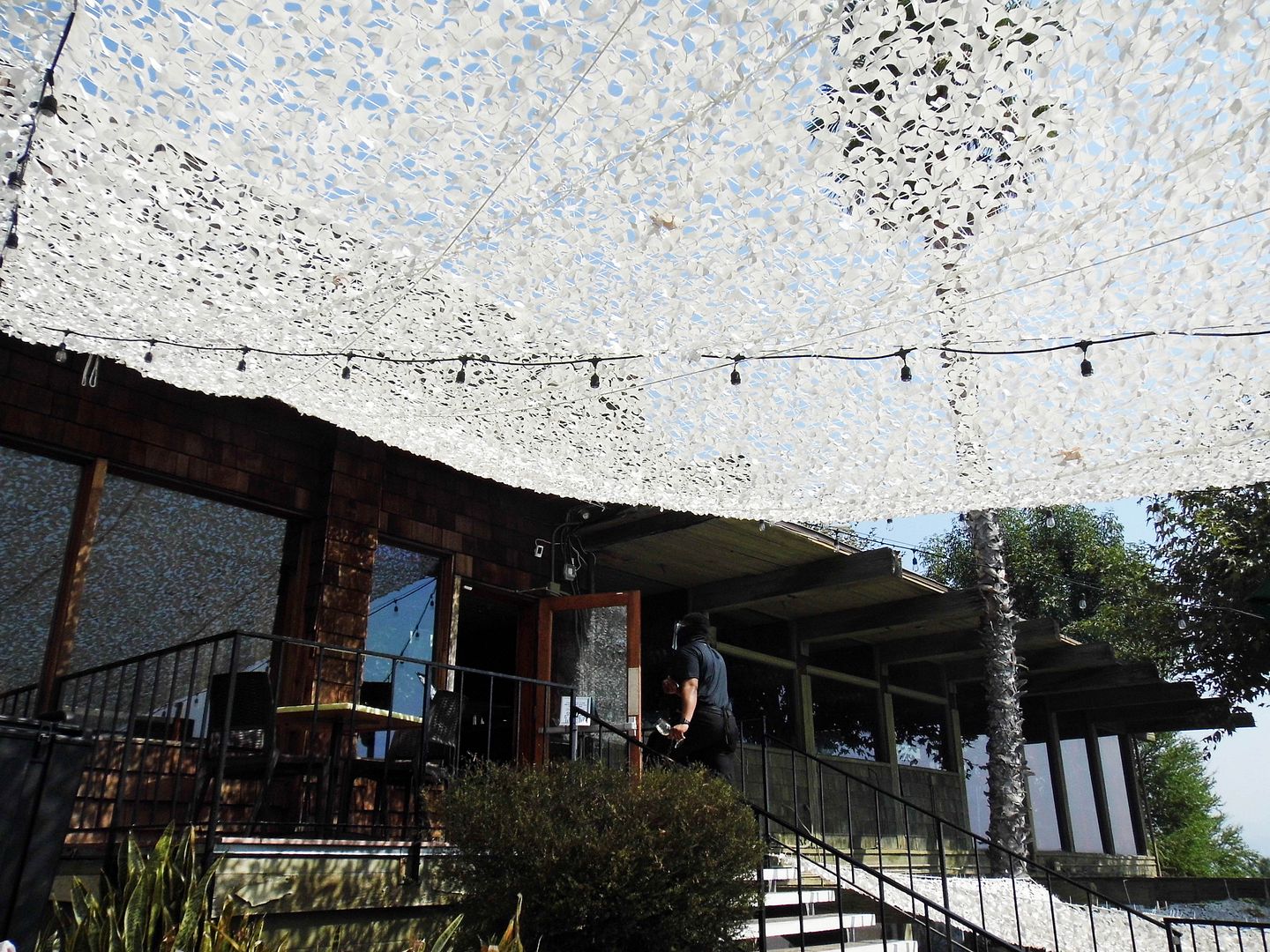
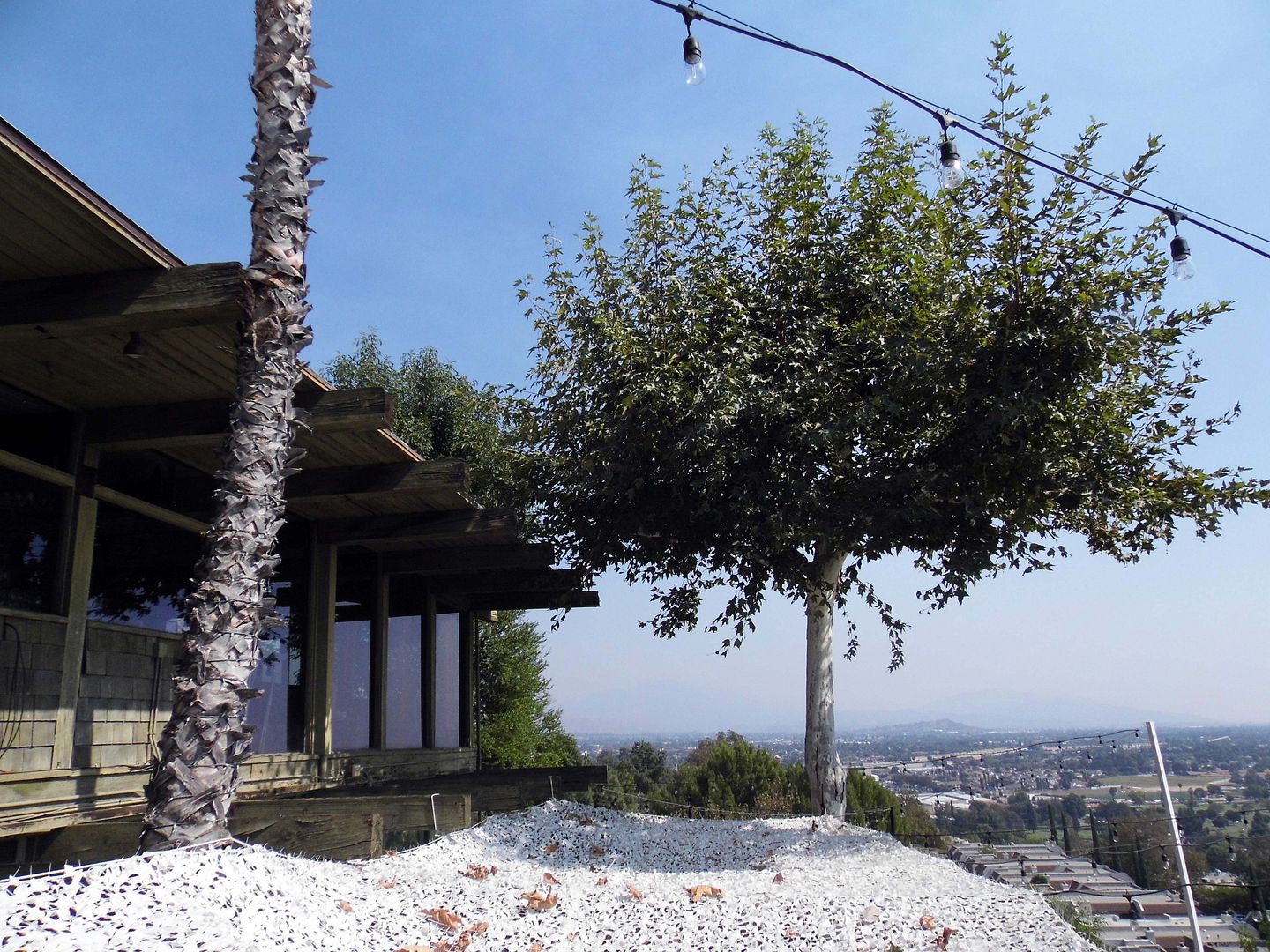
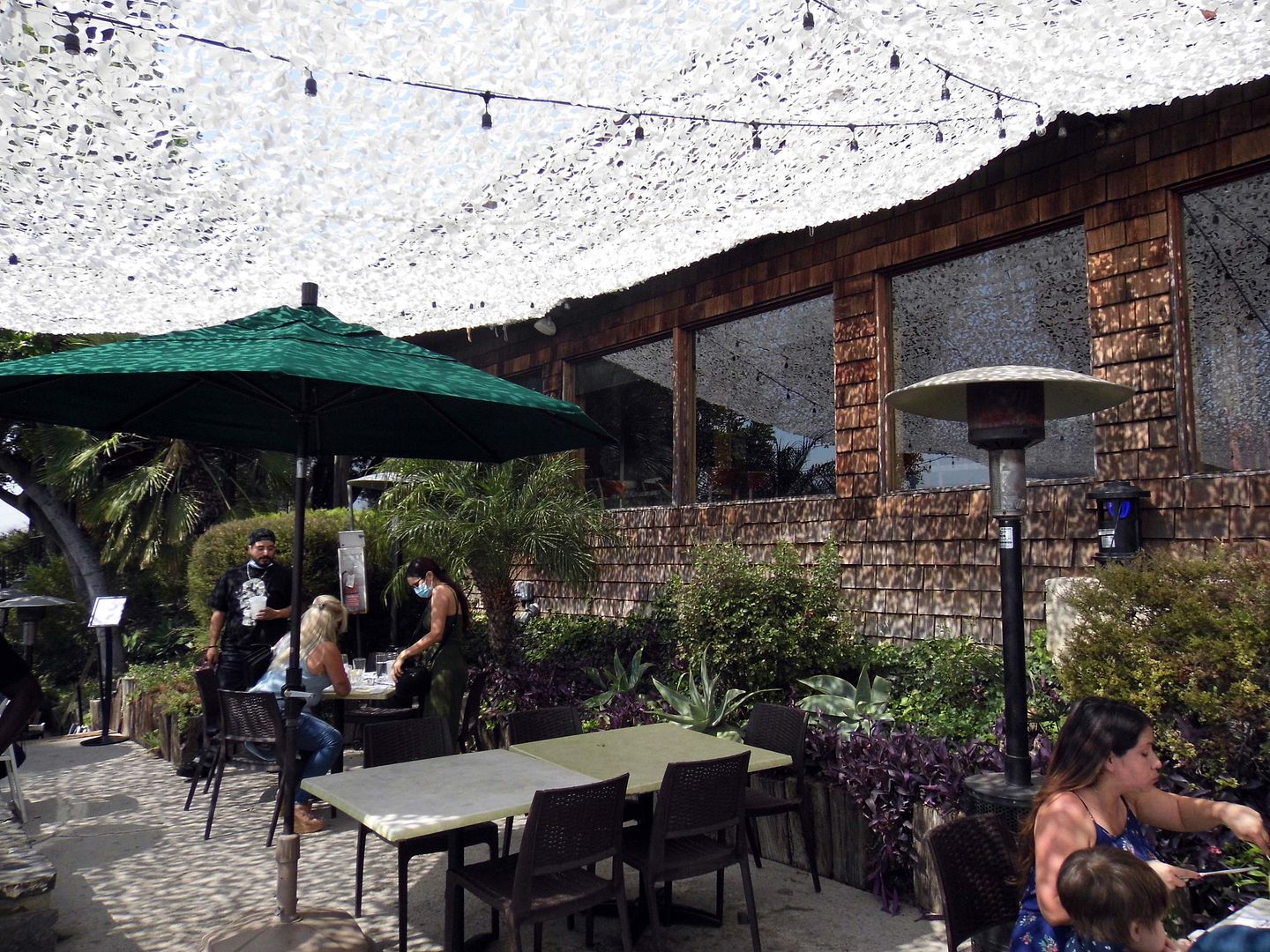
Seated outside, we dined high above the mission and its cemetery, of course... 


...but also the Van Norman Reservoir Complex (a.k.a. the Los Angeles Reservoir)...


...just 3 miles (as the crow flies) from The Cascades portion of the Los Angeles Aqueduct, which opened in 1913.

                    
In fact, the area's proximity to The Cascades was so significant, much of the eastern portion of Granada Hills was once occupied by a nursery operation known as The Cascade Ranch. 

Once owned by hardware magnate Charles C. ("C.C.") Reynolds, its traces have vanished from Granada Hills. But the saplings of Valencia oranges it sold can be found full-grown at what’s considered the last remaining orange grove of the San Fernando Valley—on the campus of Cal State Northridge (CSUN). 

Although some housing developments have begun to encroach on "Odyssey Hill," it's still relatively unscathed. 

The hill itself survived the 1961 completion of the 405 Freeway. The Odyssey Restaurant survived the 1971 Sylmar earthquake (which was really close) and the 1994 Northridge earthquake—both of which seem as though they could've sent the local landmark tumbling down the hill. 

And although its former Viking theme is long gone, and the wildfire-scorched sky doesn't always cooperate, The Odyssey still earns its title as "View Spot of the San Fernando Valley" and "A Vision of the Valley."

No one can dispute the fact that this hill is capable of offering a magnificent view of Southern California’s unique topography. Odyssey Drive is steep and rustic; when you reach the top you find yourself in a parking lot so big it could invite a nine-hole golf course over for the weekend. “Top of the world, Ma!” you think as you look down over the entire north San Fernando Valley. On a clear day, you can see Encino.
But I didn't visit on a clear day. And I've been told I've got to go at night to see the city lights.

So I'll keep this one on my list for now. 

I hope to learn more about Granada Hills before I return.

Related Posts: