Search

Showing posts with label Santa Barbara. Show all posts

July 23, 2026

Photo Essay: A Rare Pipe Organ Hides Inside a Fake Spanish Village in Santa Barbara

I'm less spontaneous than I used to be. My calendar has gotten more filled with scheduled events, rendering me less likely to wake up and ask myself, "What should I do today?"

But when I saw a last minute notice that the Santa Barbara Theatre Organ Society was having an open console event at the Arlington Theatre in Downtown Santa Barbara last weekend, I knew what I had to do.
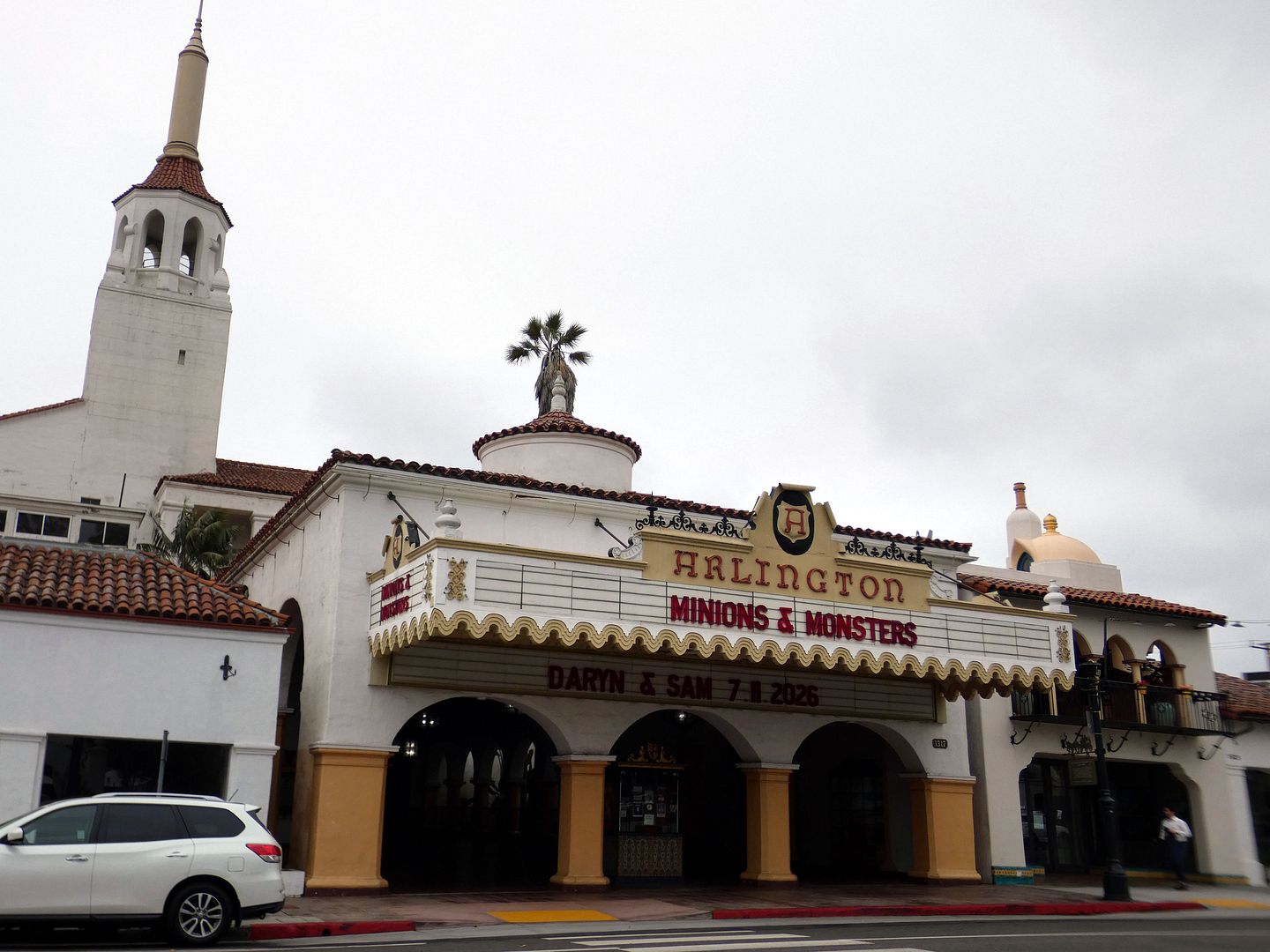
 
I don't get to Santa Barbara that often, despite it being only 90 miles north of me, and I hadn't been to any of its historic theatres yet. Besides, we'd been having heat advisories in LA for days—so I was grateful for the cloud cover and cooler temperatures up the coast.
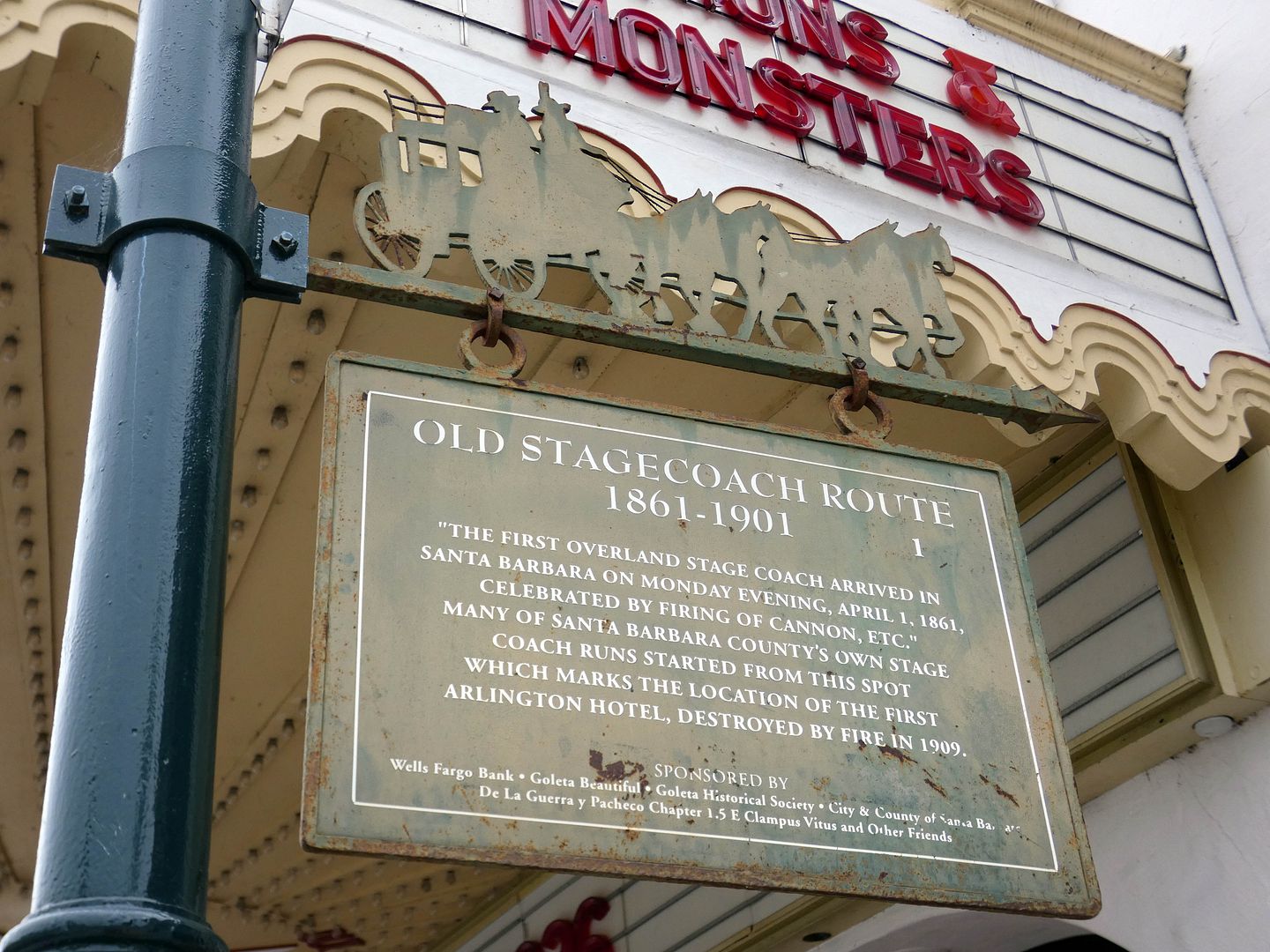

The Arlington is located along the old overland stagecoach route that ran from 1861 to 1901—when the Arlington Hotel stood in this very spot. In 1909, an electrical fire burned the wooden structure down; and in 1911, a newly rebuilt hotel rose in its place. The 1925 Santa Barbara earthquake destroyed the second Arlington Hotel, the remains of which were subsequently razed (along with much of the rest of downtown).

 
The (hopefully quake-proof) Arlington Theatre was built in 1931 for Fox West Coast Theatres—and in those early years, the studio used it to preview its movie releases outside of LA with major test screenings shown here.
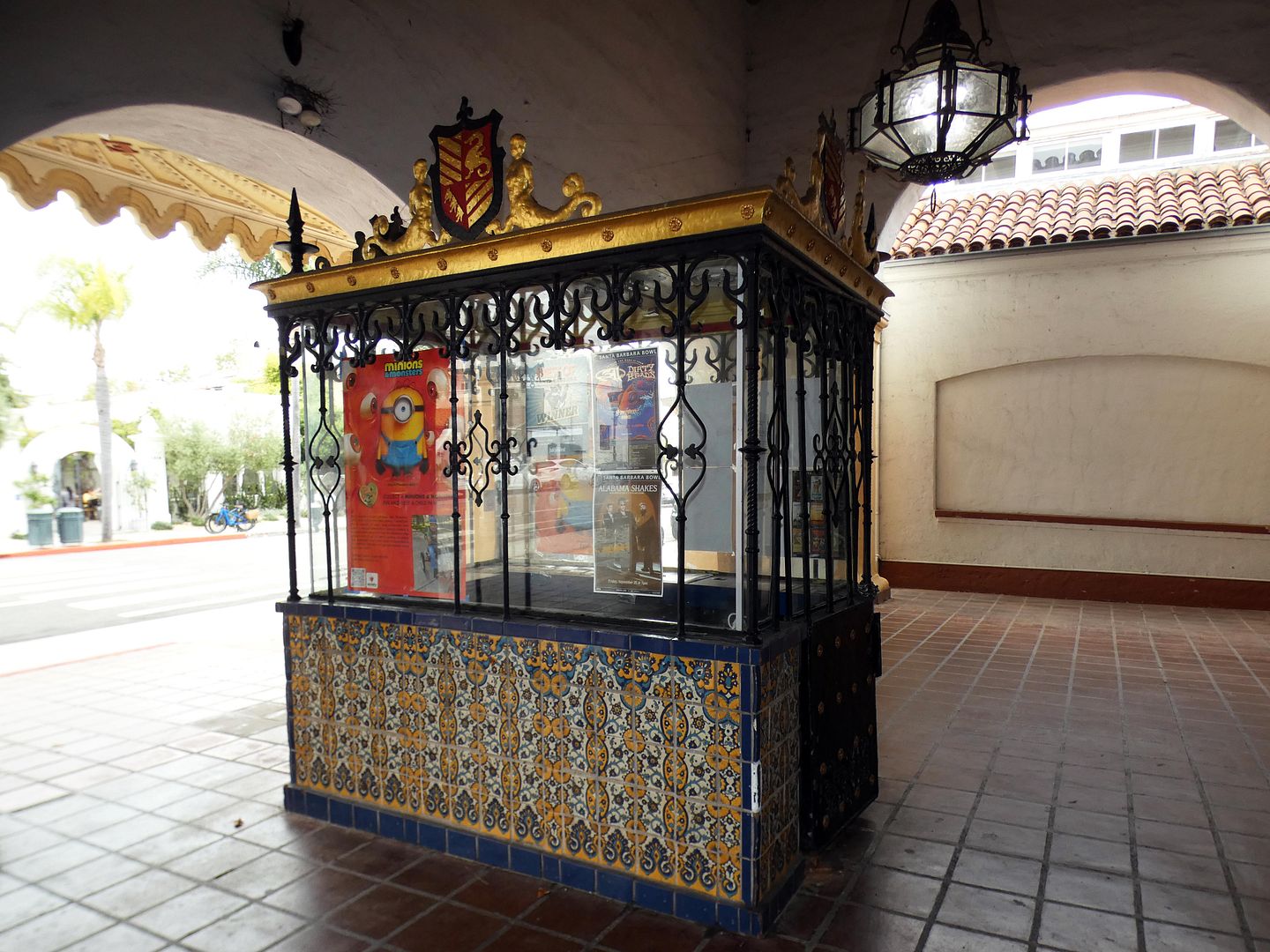
 
 
Today, the former Fox Arlington (Metropolitan Theatres took over sometime in the 1950s and bought the building in 1975) operates as a performing arts theatre and first-run cinema...


...showing summer blockbusters like Minions & Monsters and screening selections for the Santa Barbara International Film Festival.

 
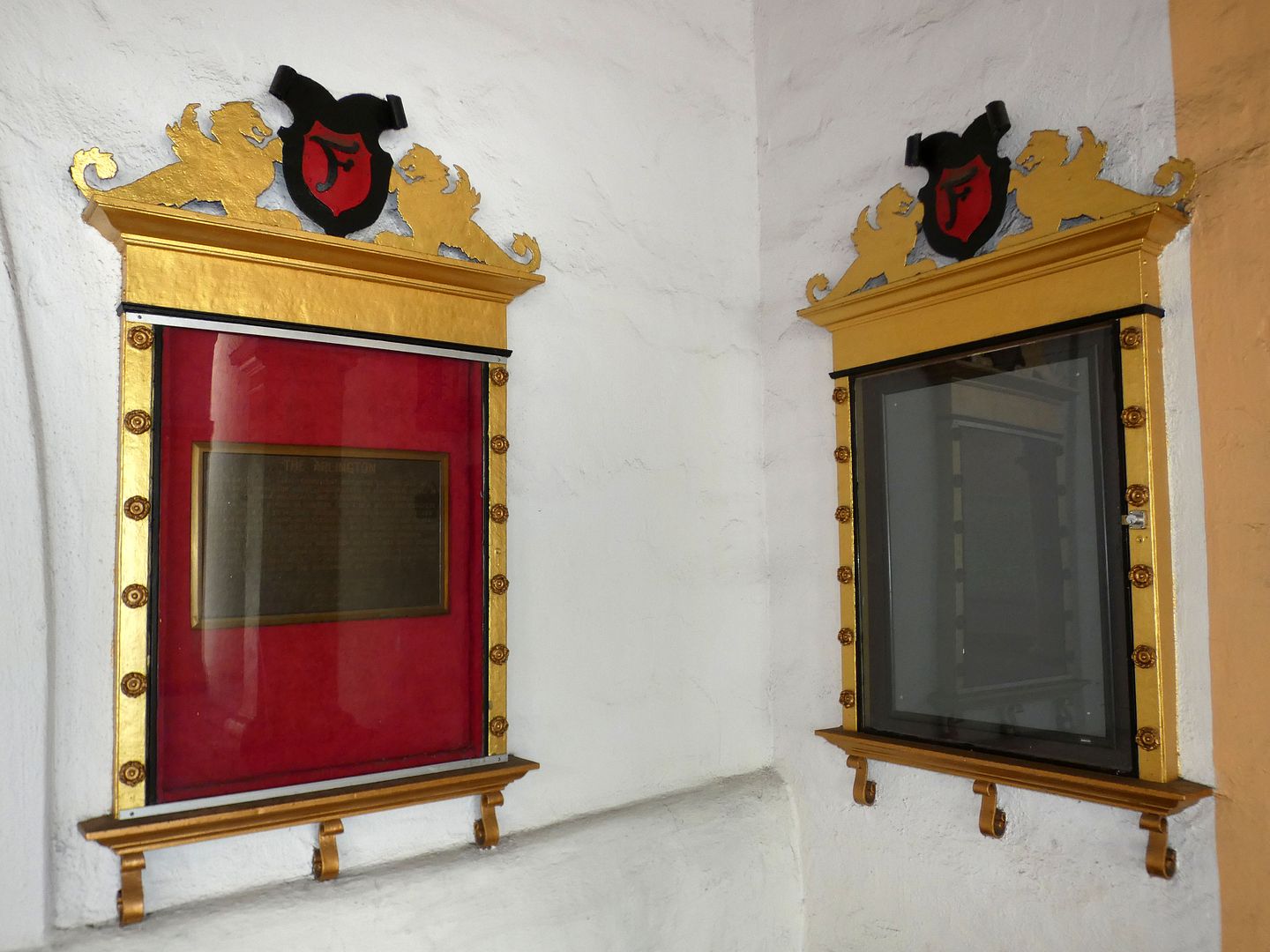
It no longer has official ties with the Fox studio, but you can still find a few "F" letters around.

 
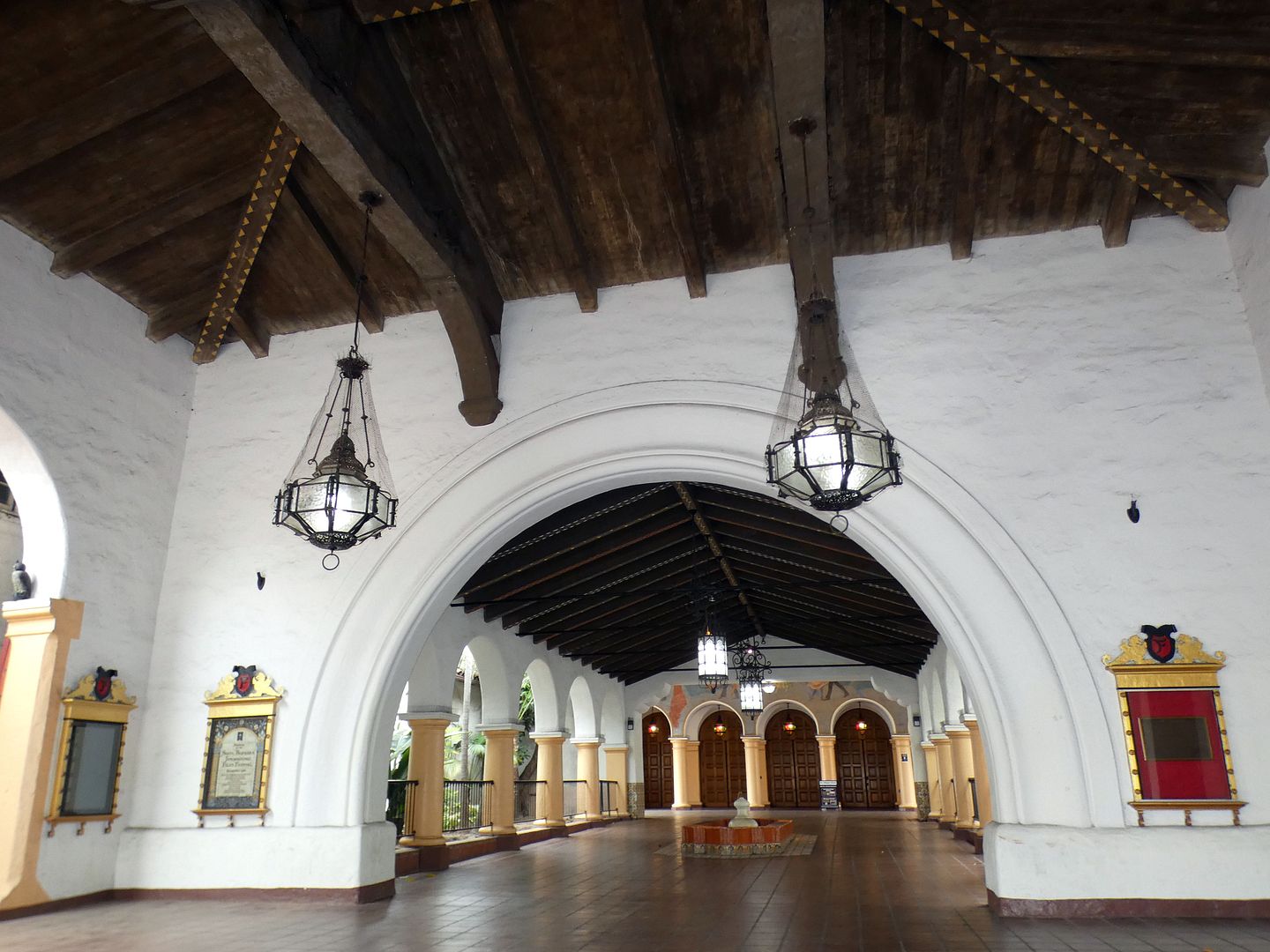
Like the Egyptian and the Chinese Theatre in Hollywood, the Arlington has a large forecourt...

 
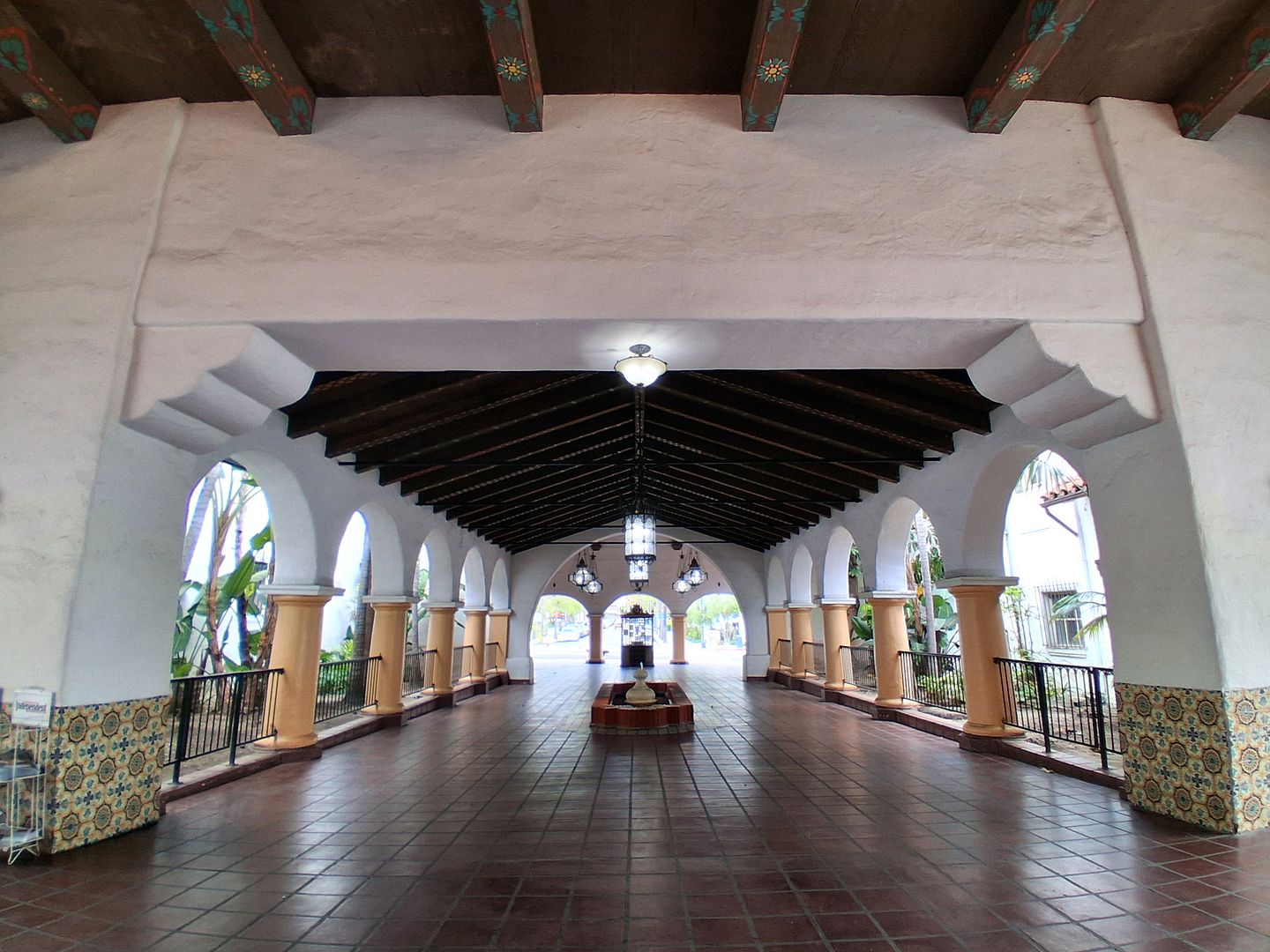
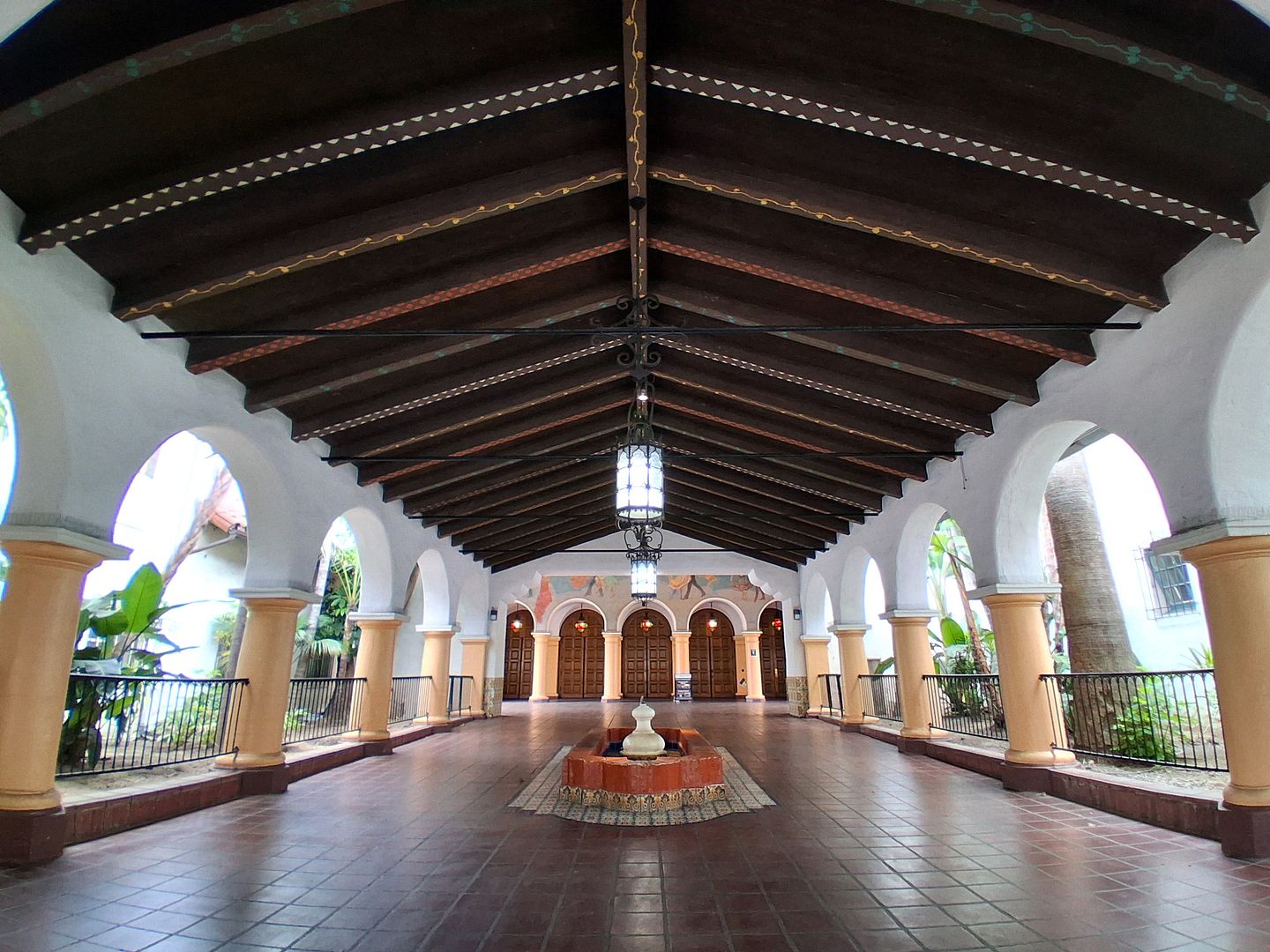
...but this Paseo is a covered courtyard lobby, replete with soaring Spanish arches and a prototypically Spanish tiled fountain in the center.


It's sometimes attributed to the Mission Revival style of architecture, but it's really a Spanish atmospheric fantasy—evoking less of the California Missions and more of a village in Andalusia. (Spanish Colonial Revival is sometimes used interchangeably with Mission Revival, but in this case I think it's the more accurate term. A 1932 article in Motion Picture Herald called it "truly Spanish.")
 
 
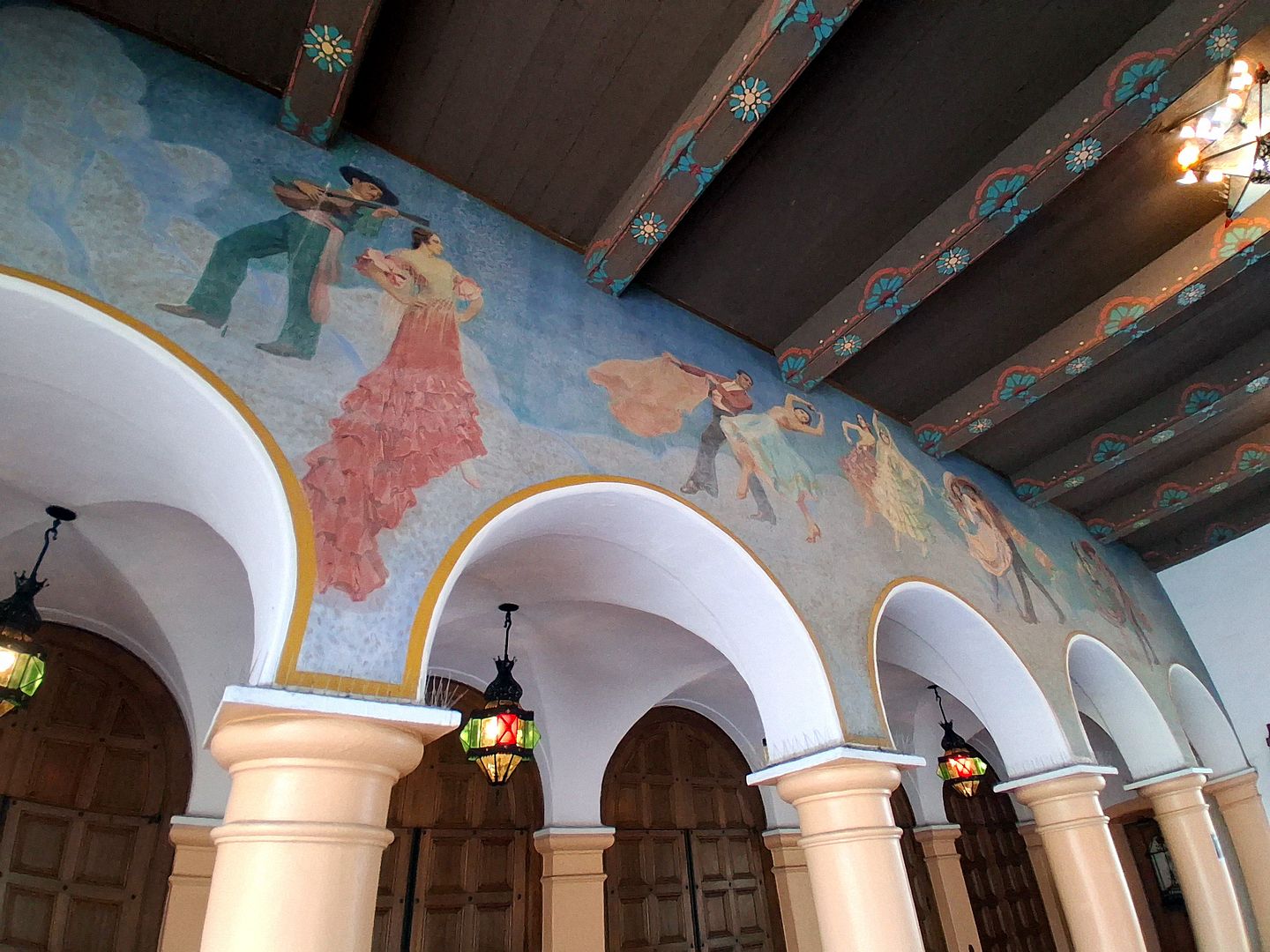
But the architectural team of Edwards and Plunkett included a bit of that Rancho Period nostalgia so associated with Santa Barbara, too—including a mural at the entrance loggia, with traditional Spanish dancers as depicted by artist Samuel Armstrong.

 
It had taken me two hours to drive there from Beverly Hills, so of course I was running late and showed up with only 30 minutes left to the open house.

 
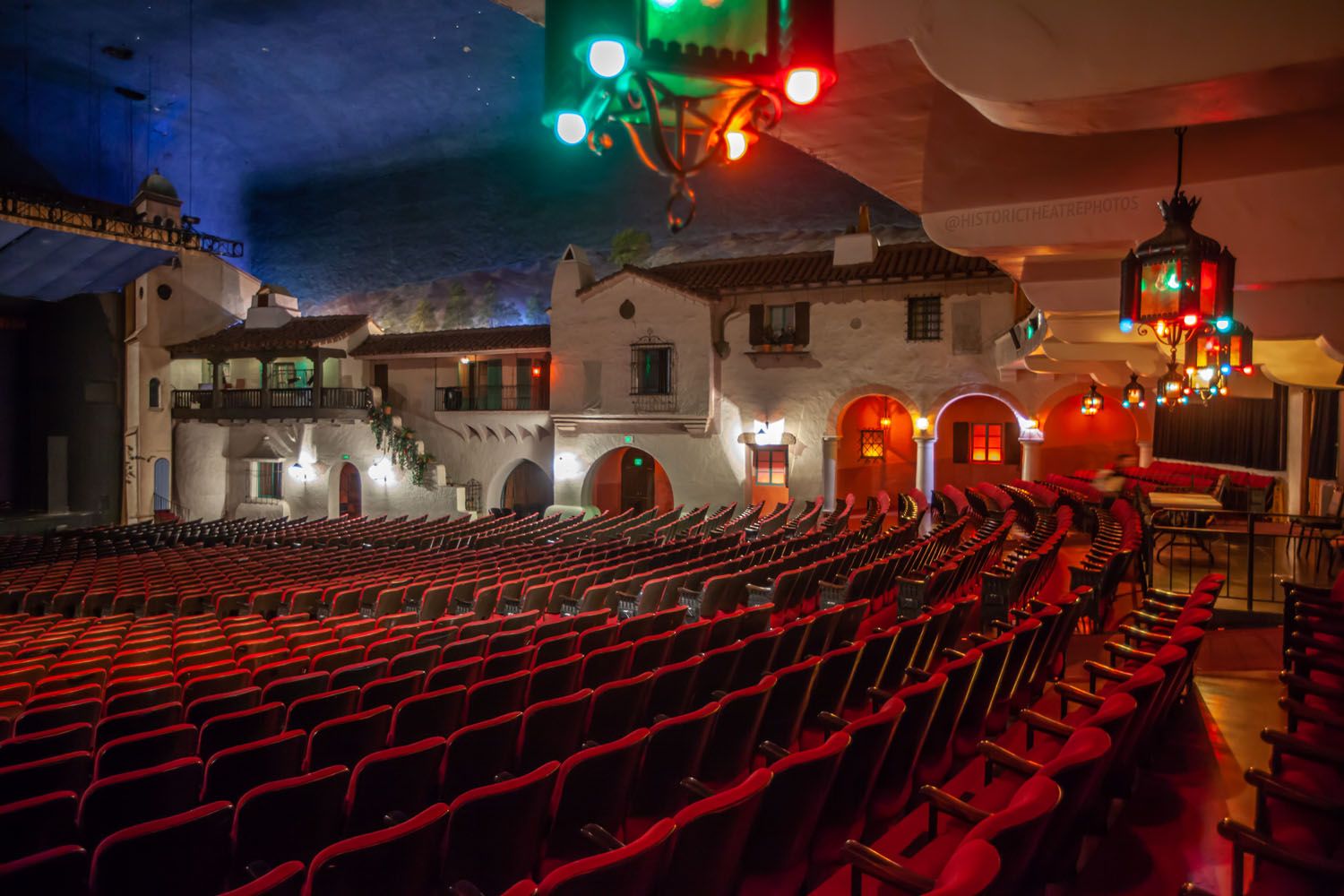
I scrambled to the front of the auditorium, barely noticing that the side walls were formed by three-dimensional Spanish village buildings—roofs, balconies, windows, and all.
 
Photo: Mike Hume's Historic Theatre Photography (used with permission)

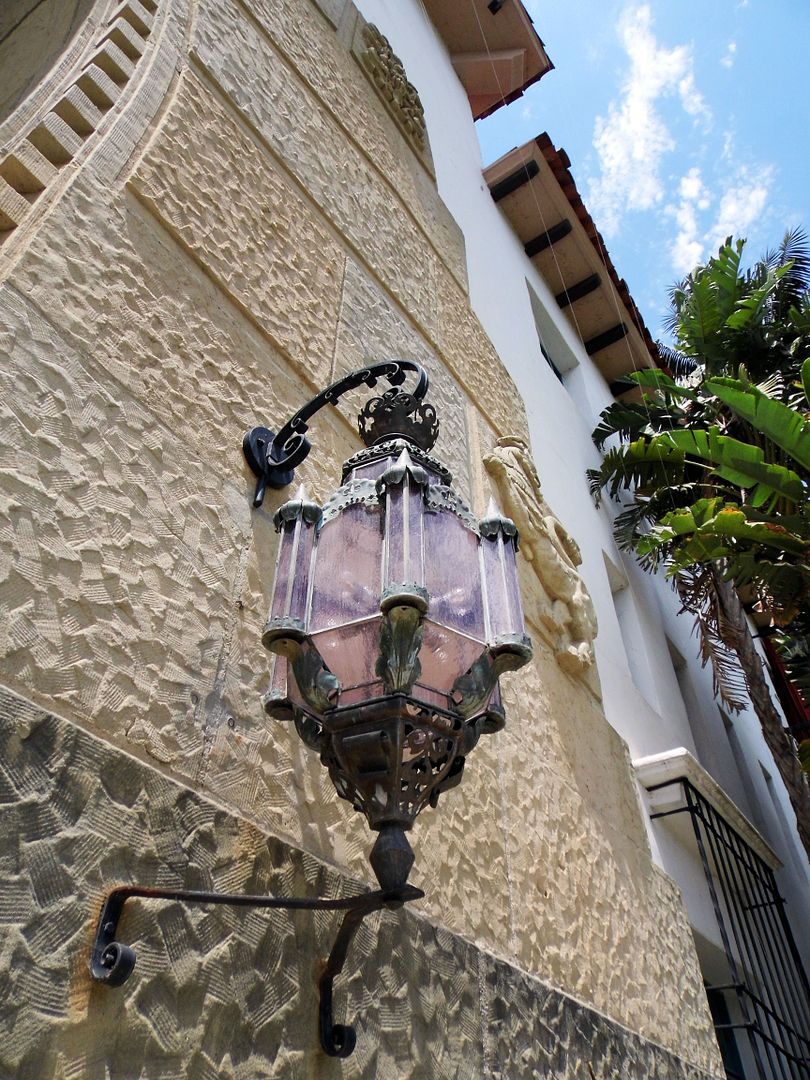
Reportedly the lighting fixtures were painstakingly replicated from measurements of Catalonian street lamps of the 14th, 15th, and 16th centuries. 

 
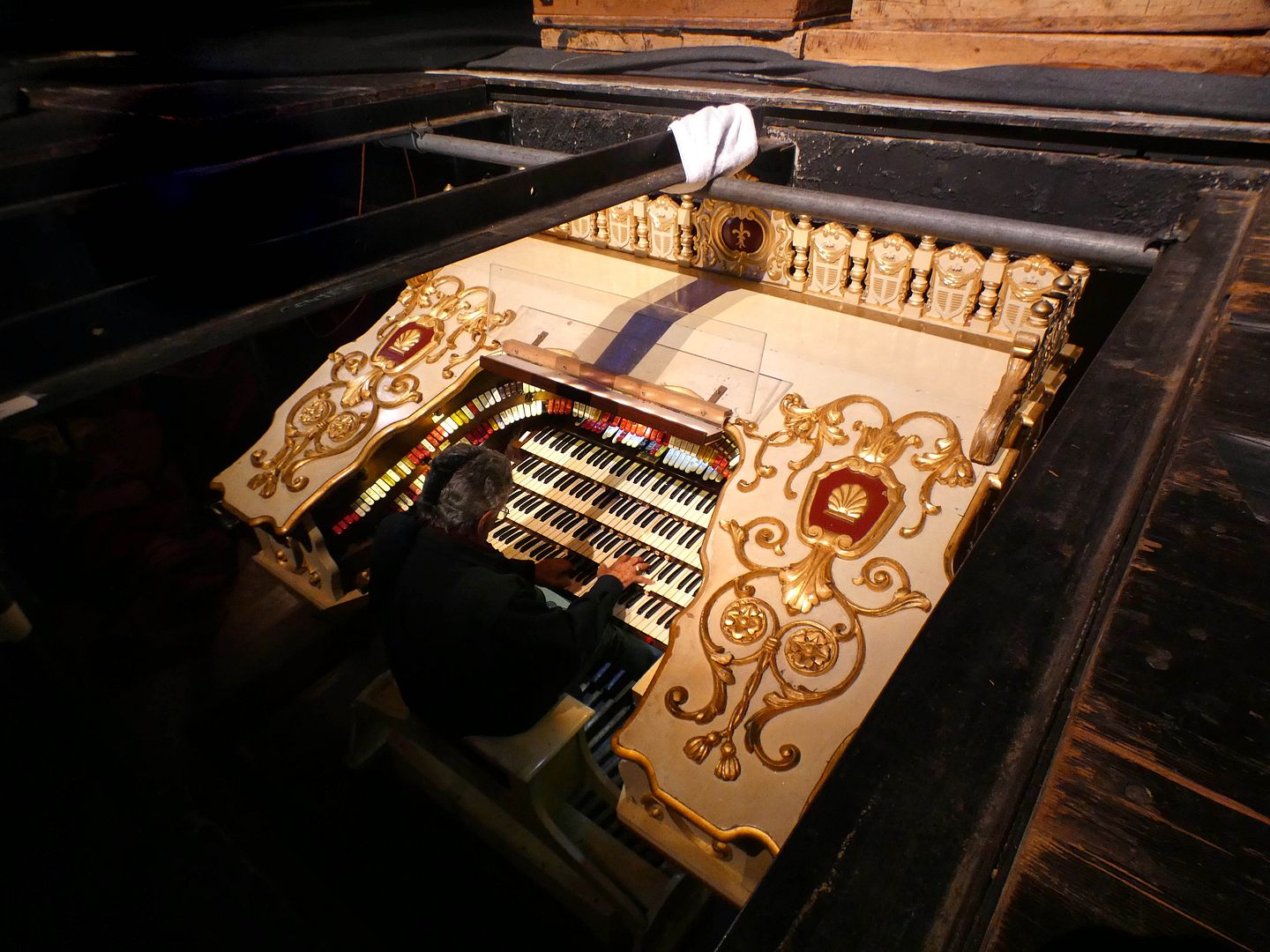
I made a beeline to the organist, who was playing a circa 1928 "Wonder Morton" theatre organ (not a Wurlitzer) from the organ lift located in the center of the curved orchestra pit. It's one of only five of its kind manufactured by Robert-Morton of Van Nuys, California—that is, before the company went out of business in 1931. Because it's an organ meant to accompany silent films, it has some fun practical sound effects like a police whistle, birds chirping, horse hoofs, and an airplane motor.


Originally built for and installed in Loew's Jersey Theatre in Jersey City, New Jersey, it was moved into storage in Dallas in 1977 and brought to Santa Barbara in 1986, when the Santa Barbara Theatre Organ Society lovingly restored it to as-new condition.
 
 
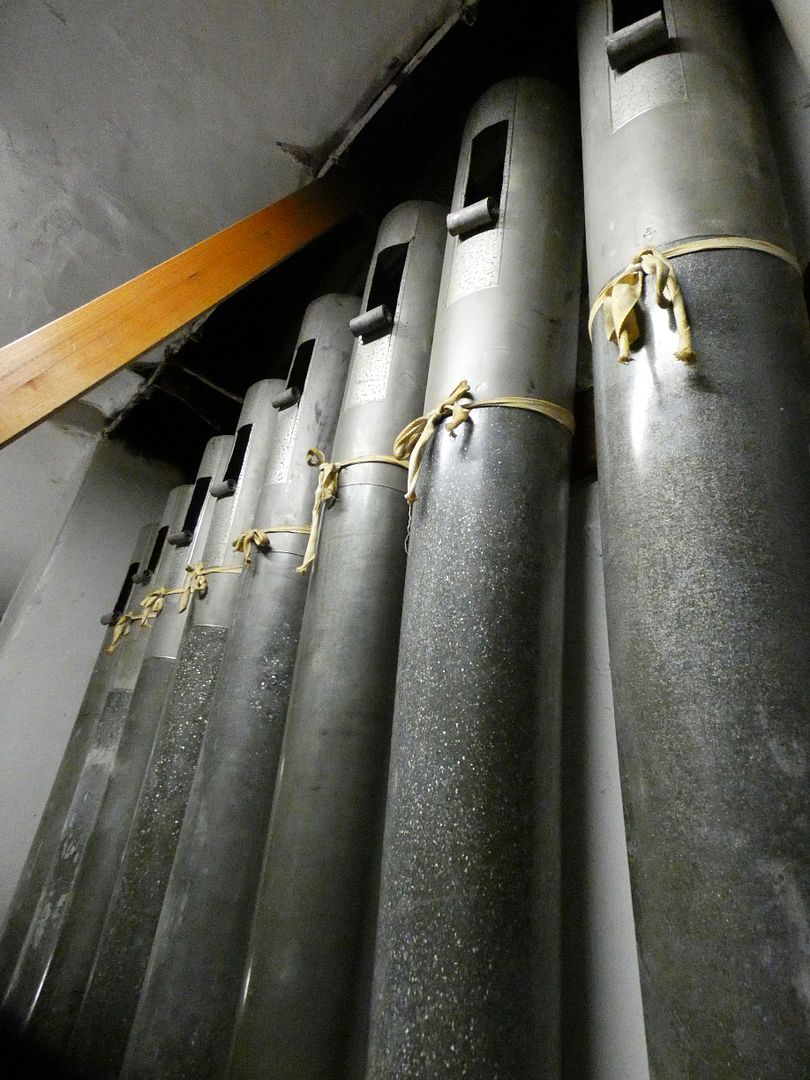
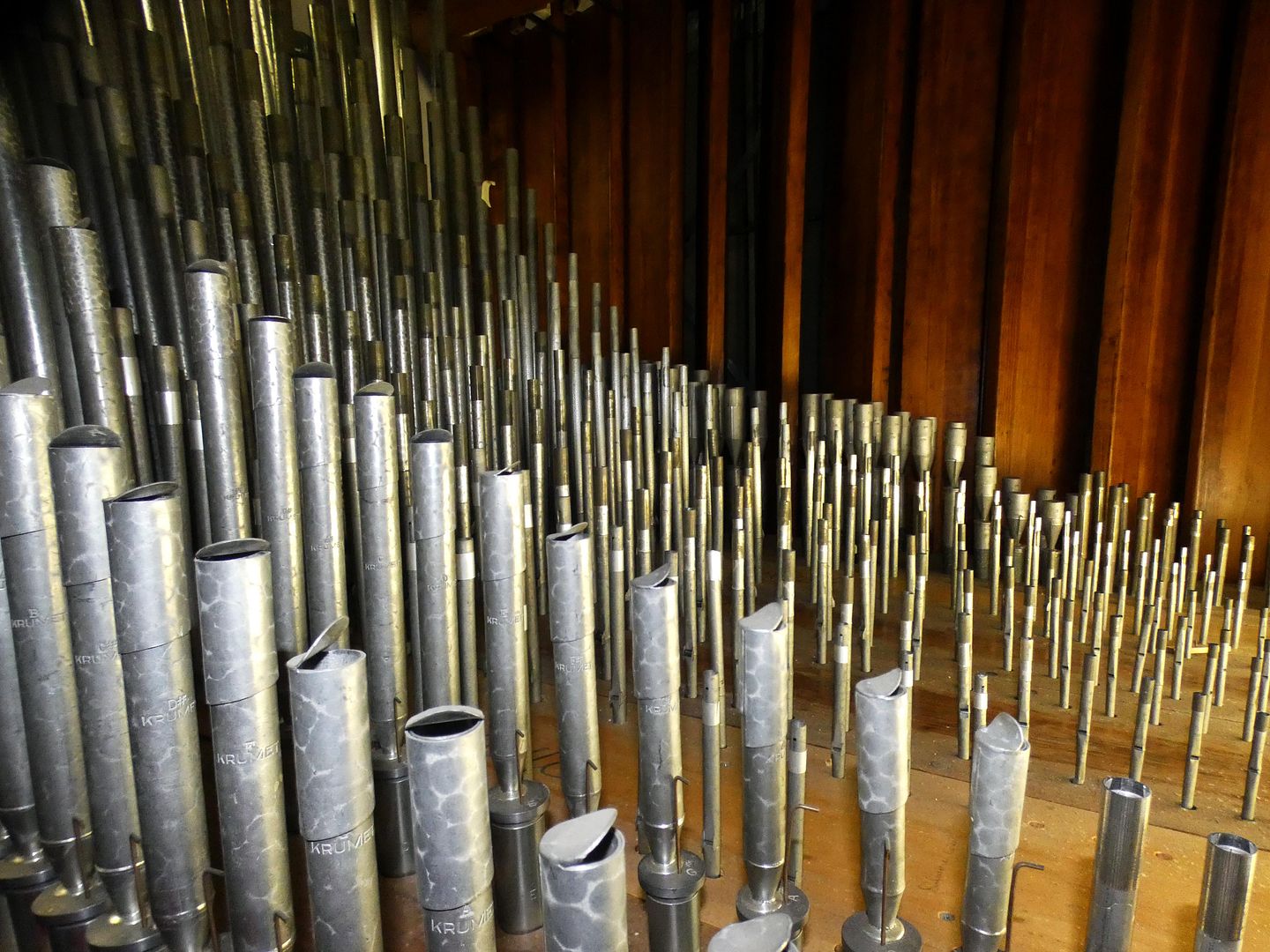
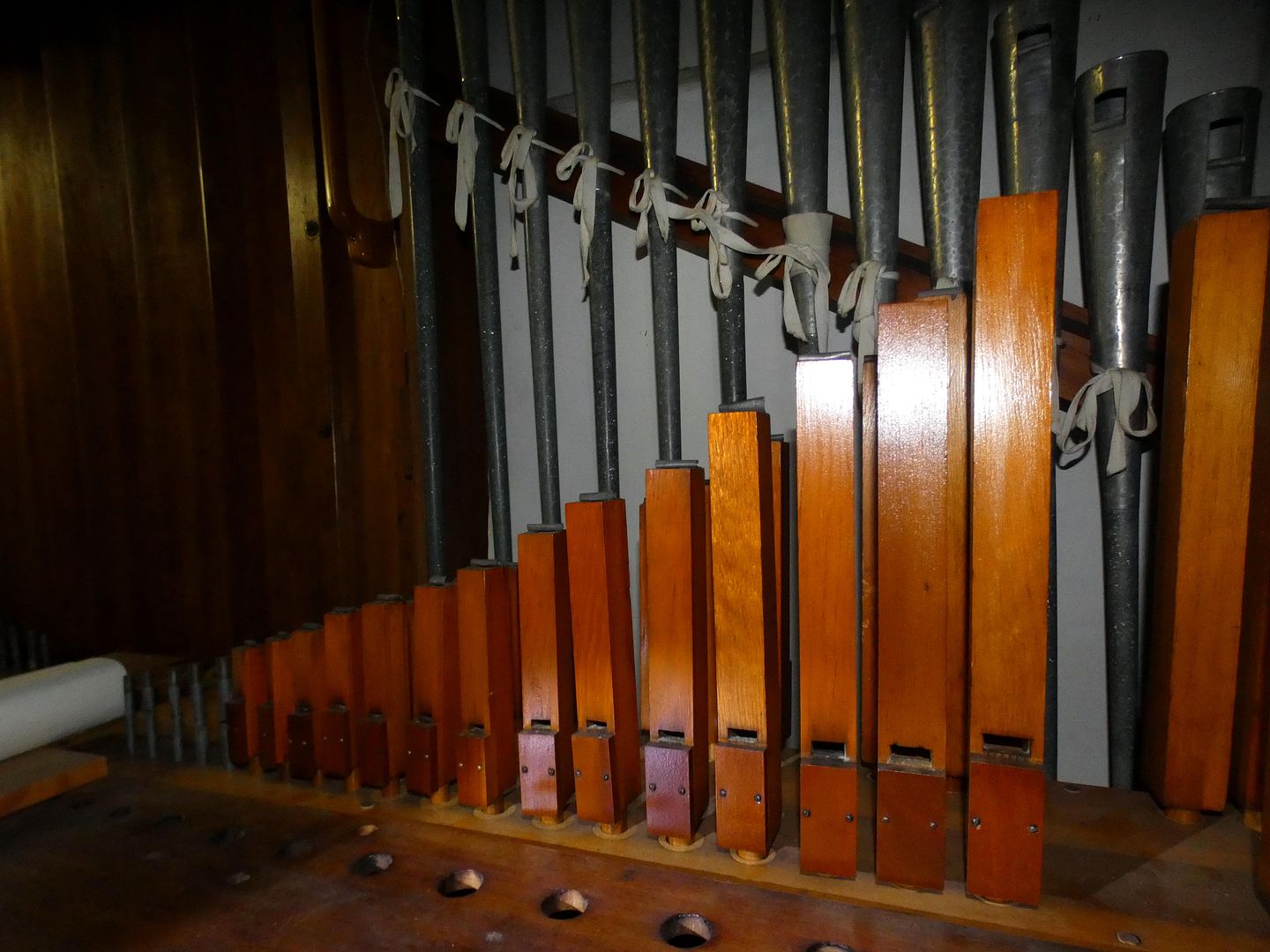
As it was built nearly 100 years ago, it had four keyboards (4-manual) and 24 ranks (individual sets of wind-blown pipes sharing the same tone, like trumpet or some other horn)—but sometime since, it's been expanded to 27 ranks of about 2000 pipes. 

 
This, like many theater organs, is electro-pneumatic—meaning all the pipes (both metal and wooden) and other instruments (including some actual drums and bells) are all air-operated by air valves that are controlled via electrical wires.

Photo: Mike Hume's Historic Theatre Photography (used with permission)

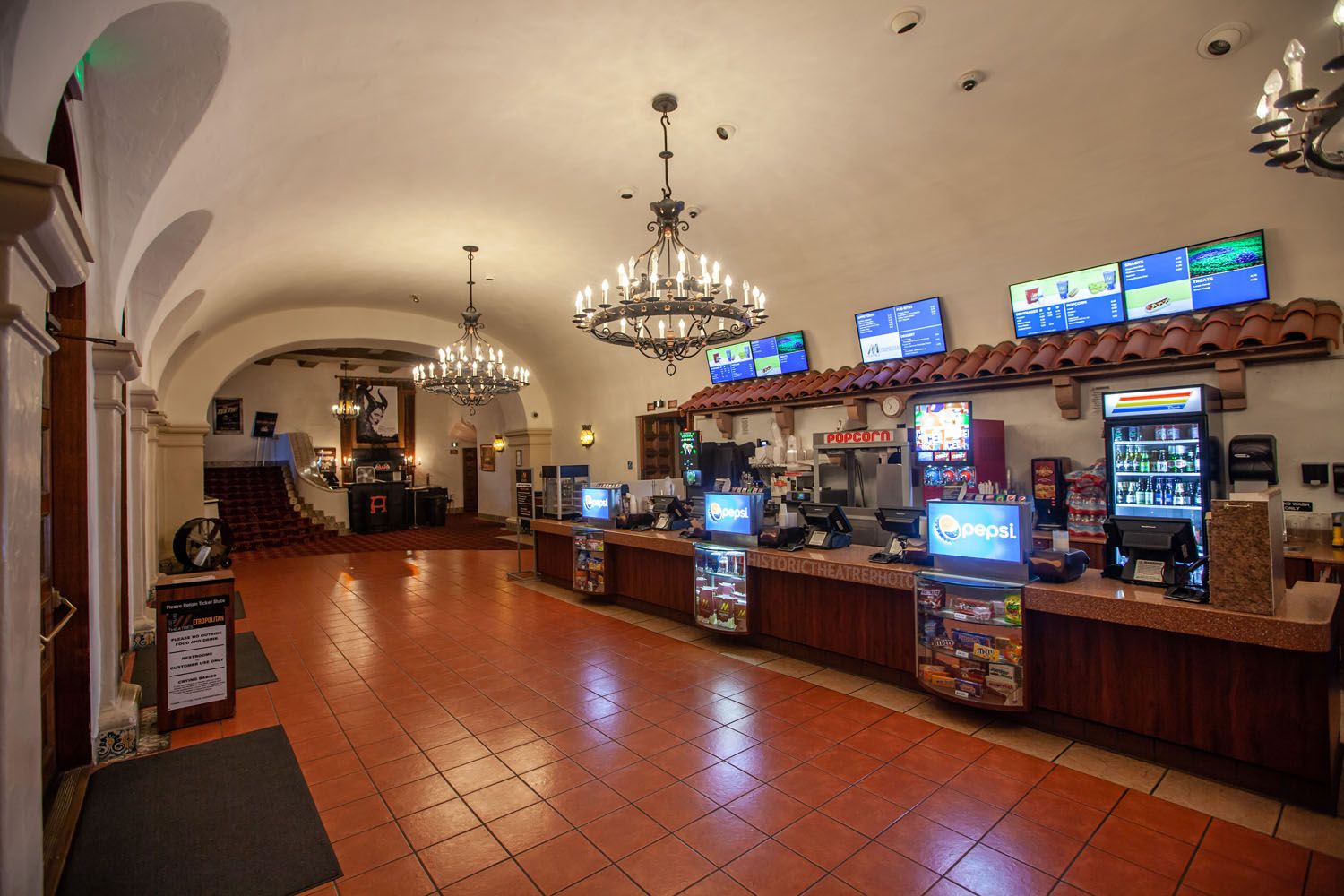
An impromptu tour took us through the pipe chamber at stage right—but there was so much more to behold. My guide could sense my enthusiasm—and since he could tell that I like history, he walked me through the lobby, under those handmade Catalonian chandeliers hanging from a vaulted ceiling, and headed upstairs yet another way. 

 
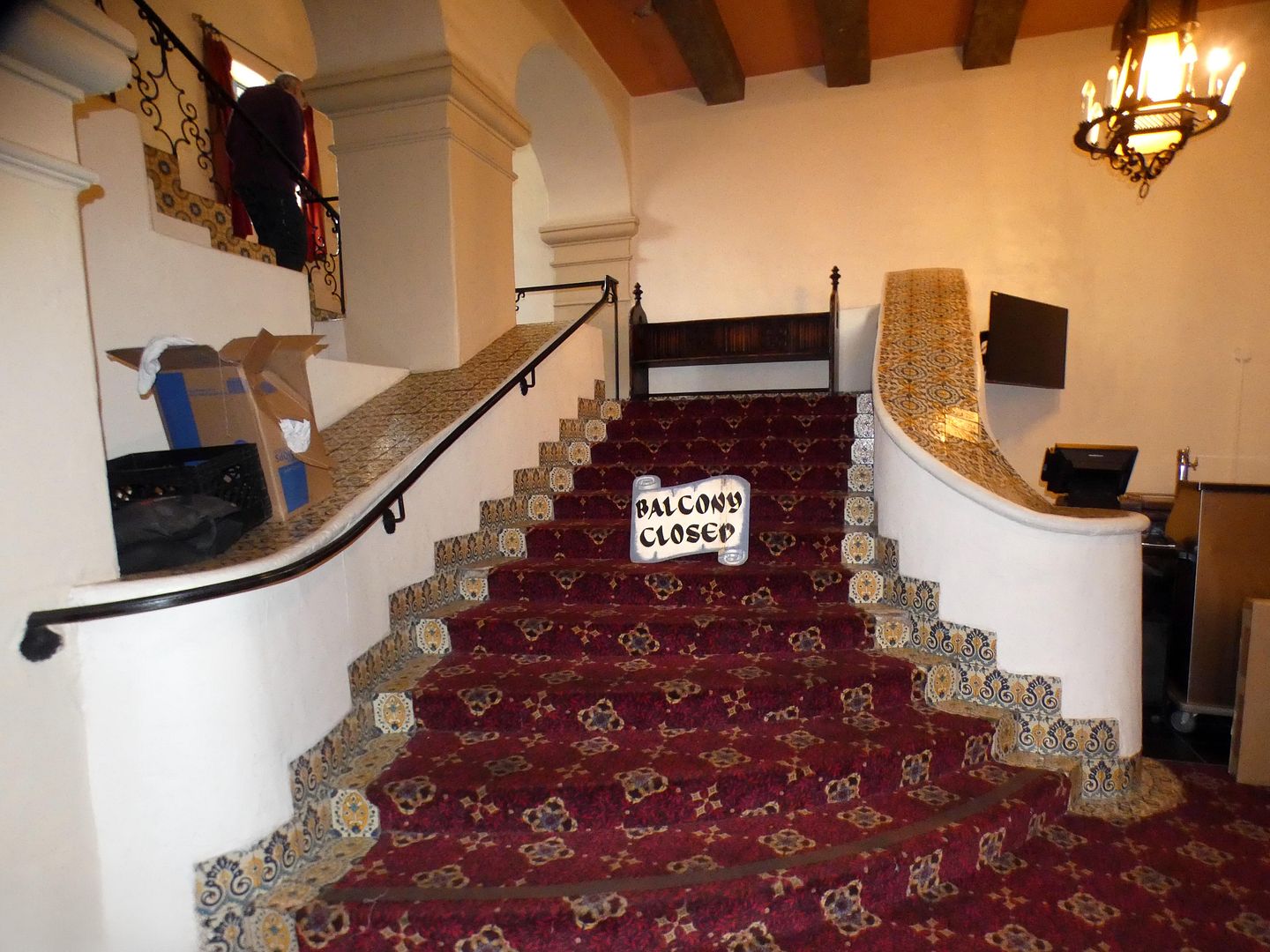
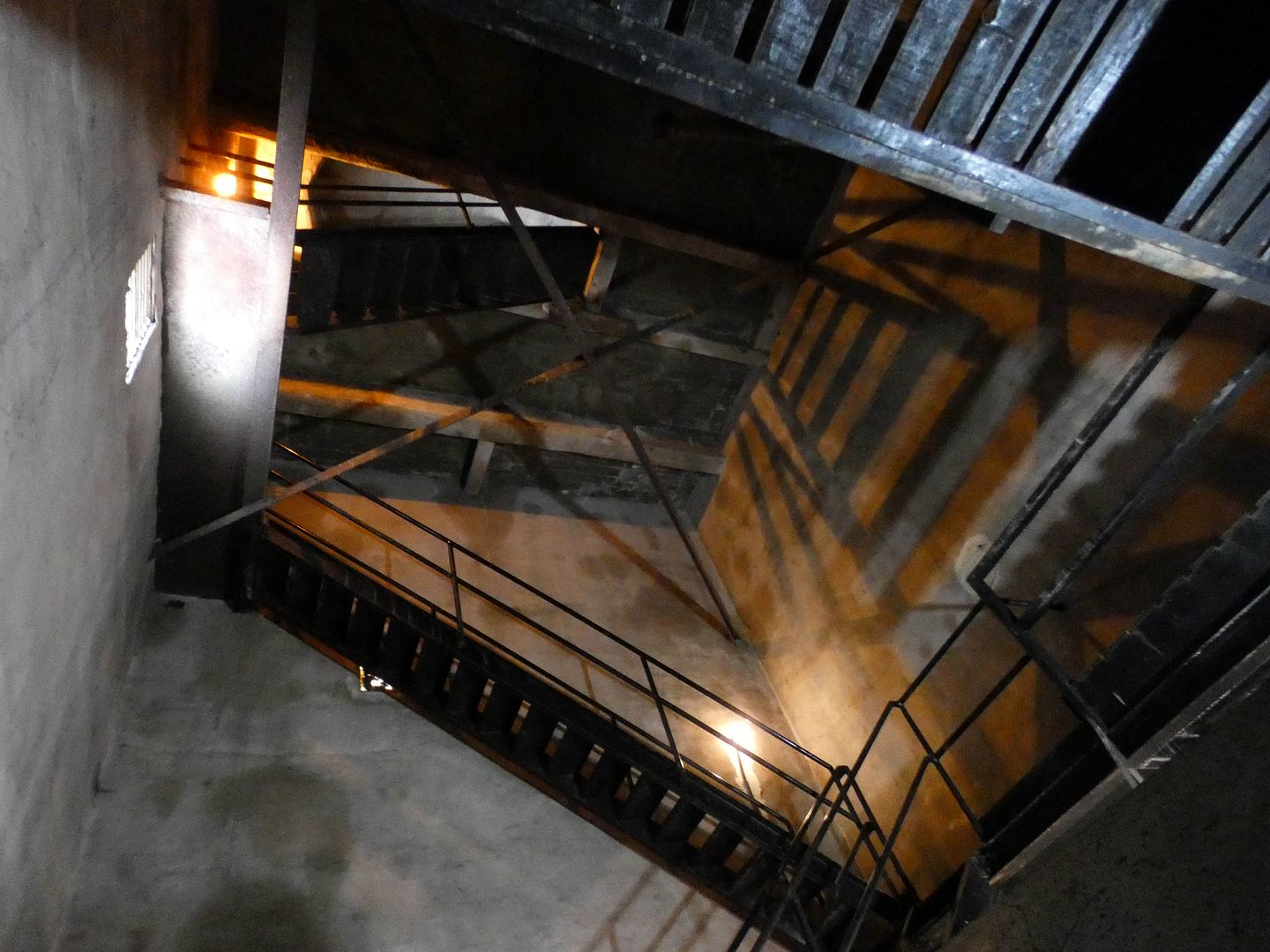
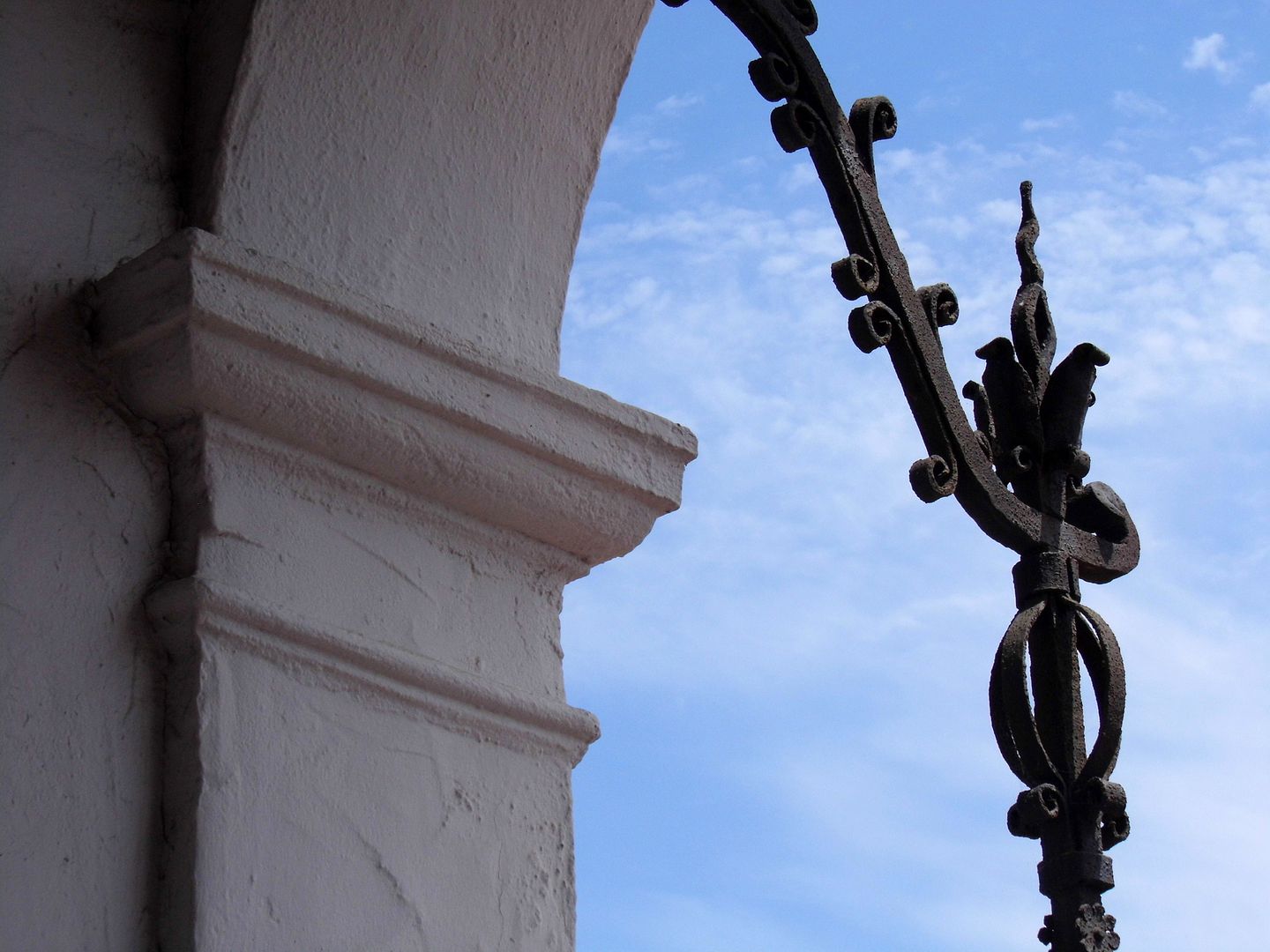
Although the upstairs is officially closed (reportedly they don't use it anymore), we climbed the balcony stairs, admiring the ironwork handrails...


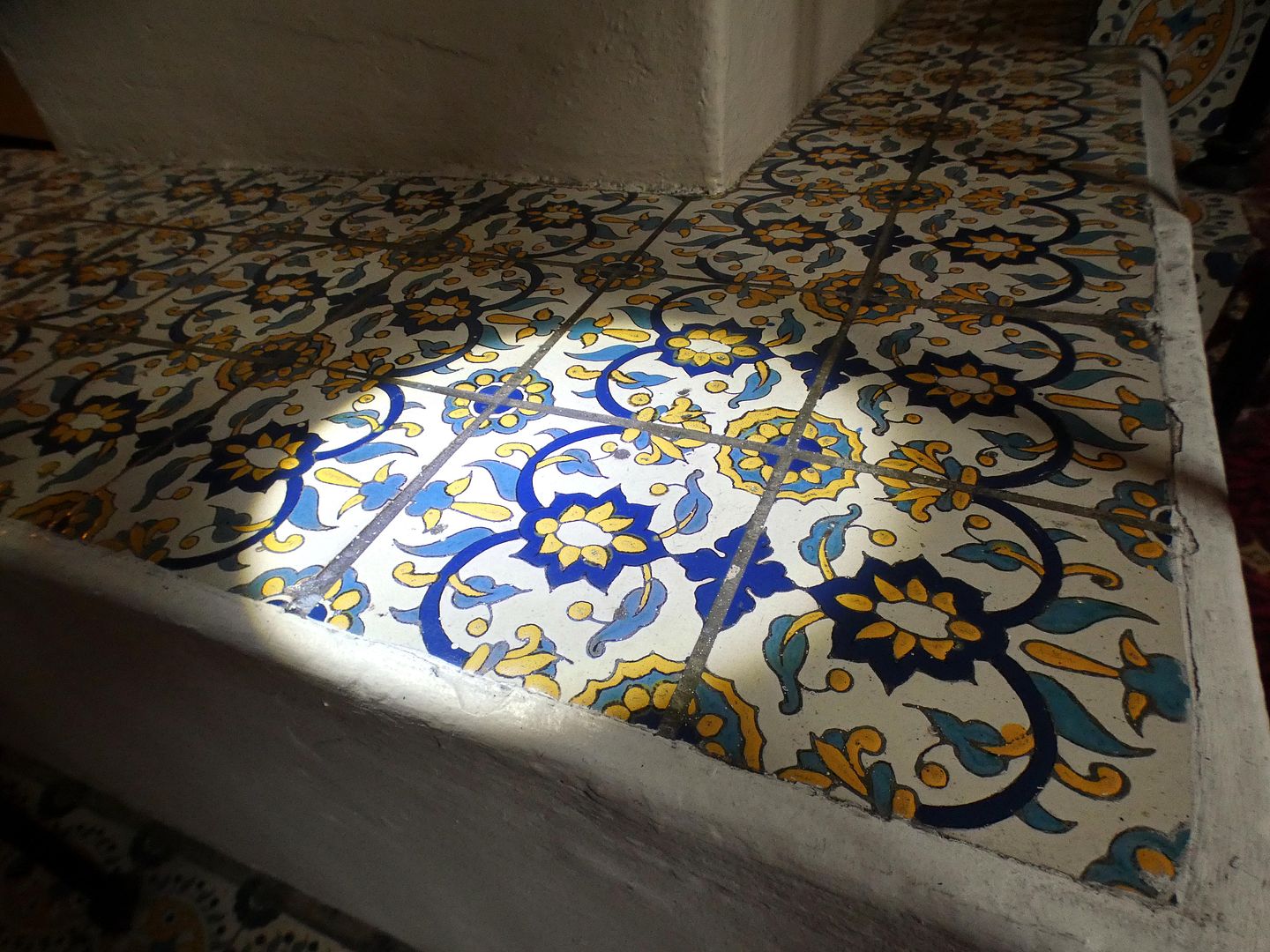
...and glazed Tunisian tiles (as were common at the time at such Santa Barbara locales as Casa del Herrero and the Santa Barbara Courthouse)...
 
 
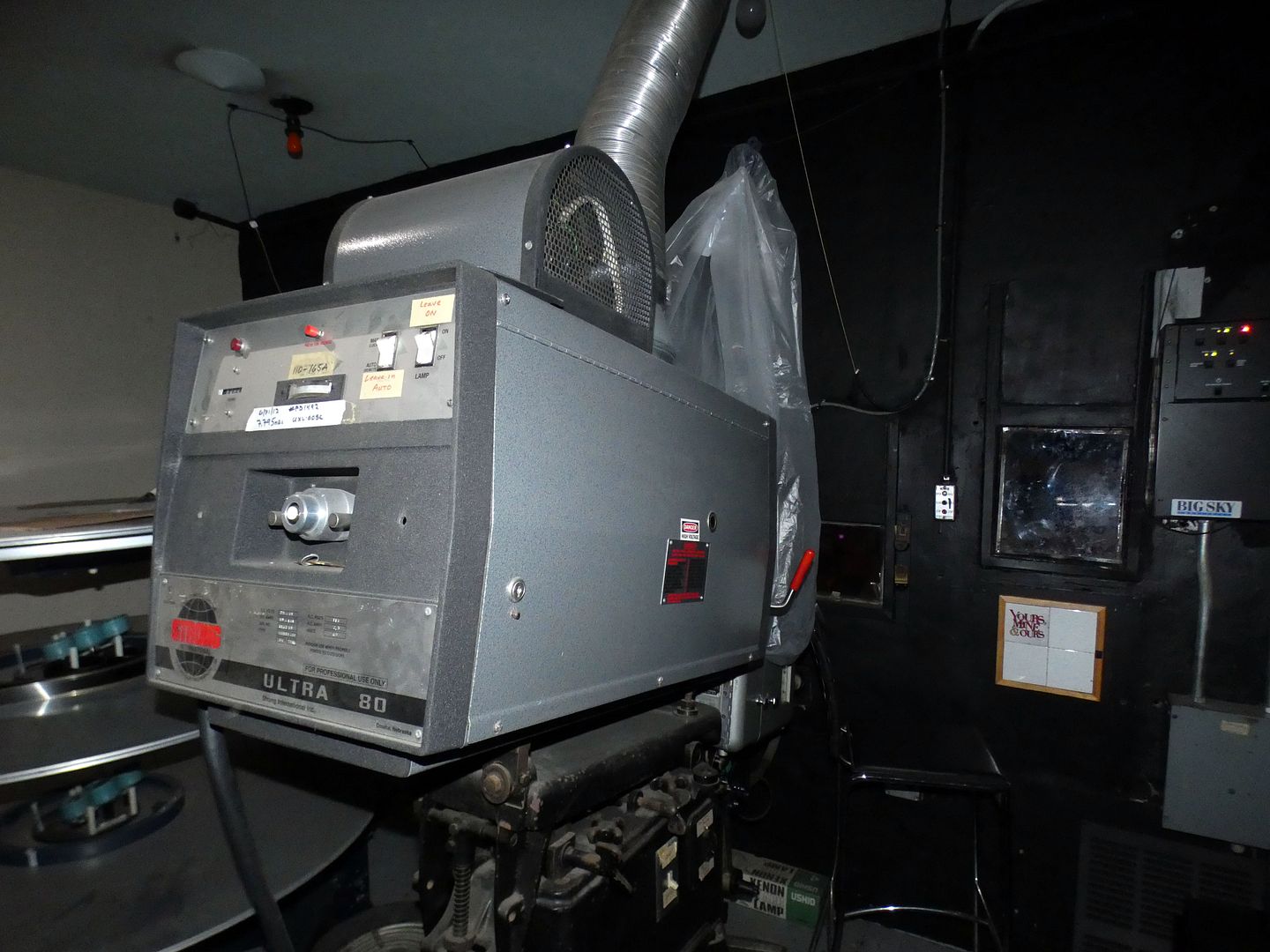
...until we reached the projection room. 


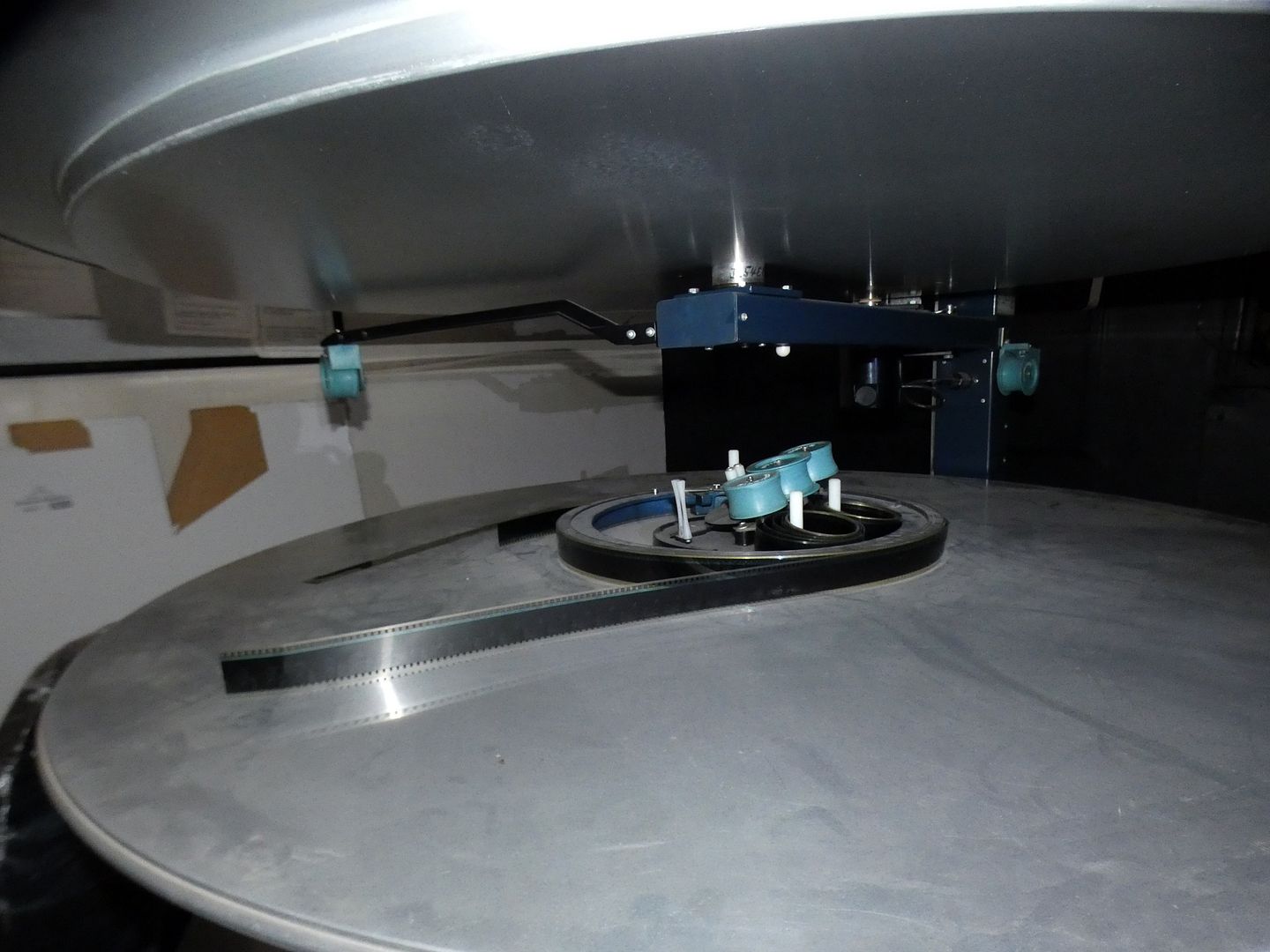
Because the theatre still occasionally screens 35mm film, it's got a Strong International Ultra 80 projector with a platter system in addition to its digital projection equipment. 
 
 
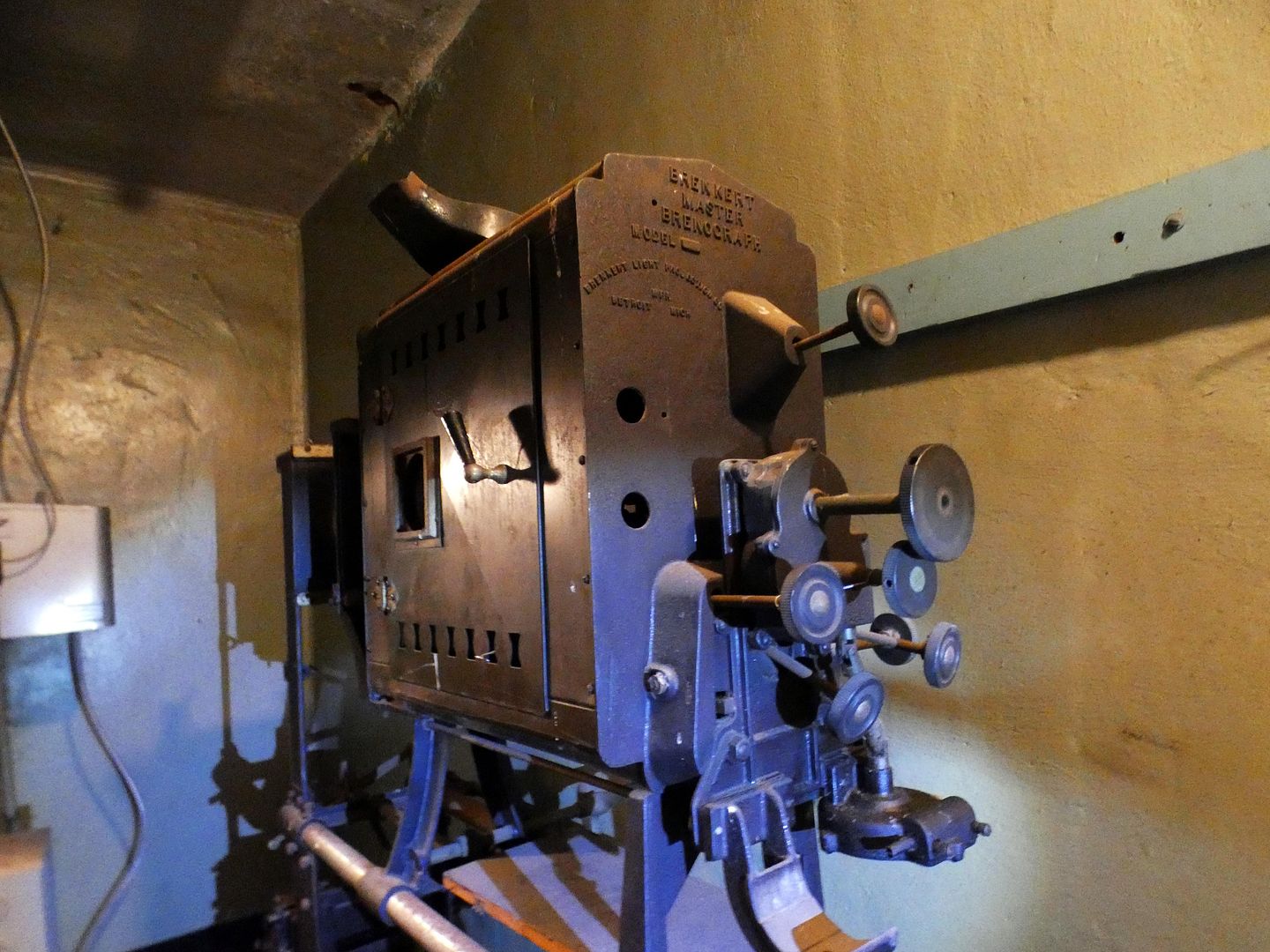
It's also got a couple of antiques tucked away up there, including a Brenkert Master Brenograph projector of special lighting effects, once adding to the atmospheric ambiance of the Andalusian village below. 

 
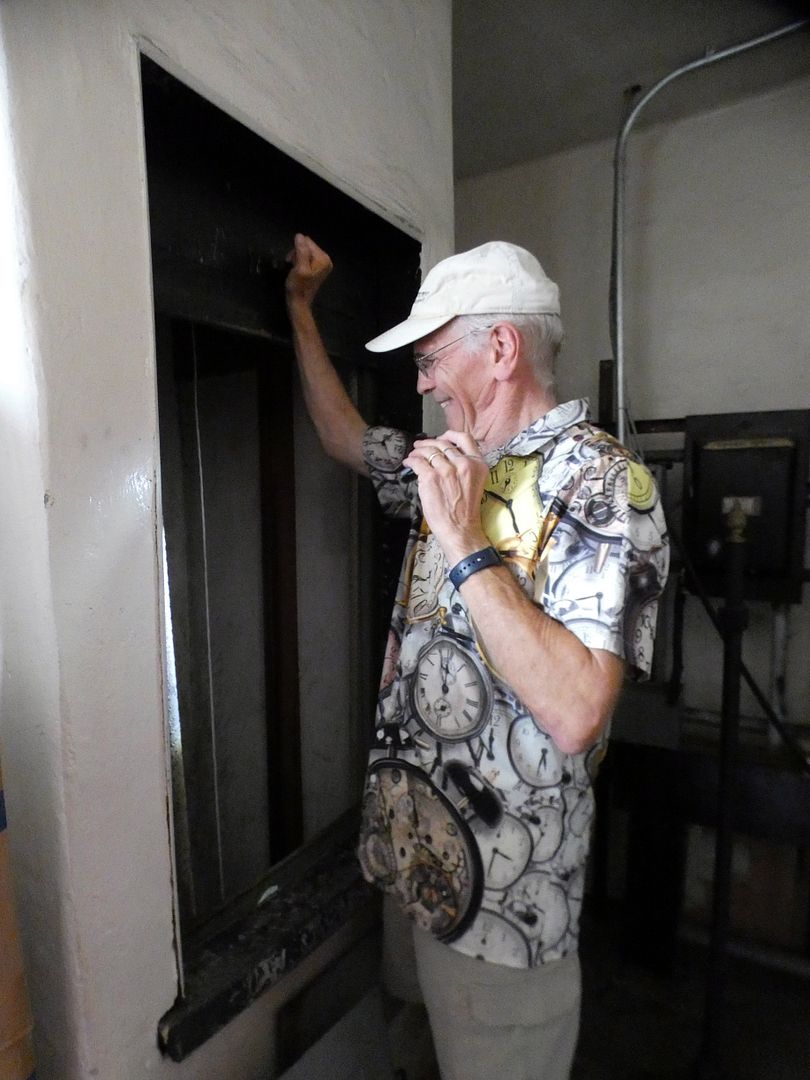
Those 35mm platters were pretty heavy, so the theater used to employ the help of a dumbwaiter (no longer in use, but the shaft is still there). 


Among the other areas that are now off-limits to the public are a patio that overlooks the city towards the mountains, reportedly once used by celebrities attending their big Hollywood screenings as nightclub or speakeasy. 

 
They could watch their movies (and observe audience reactions) from a private balcony up there...


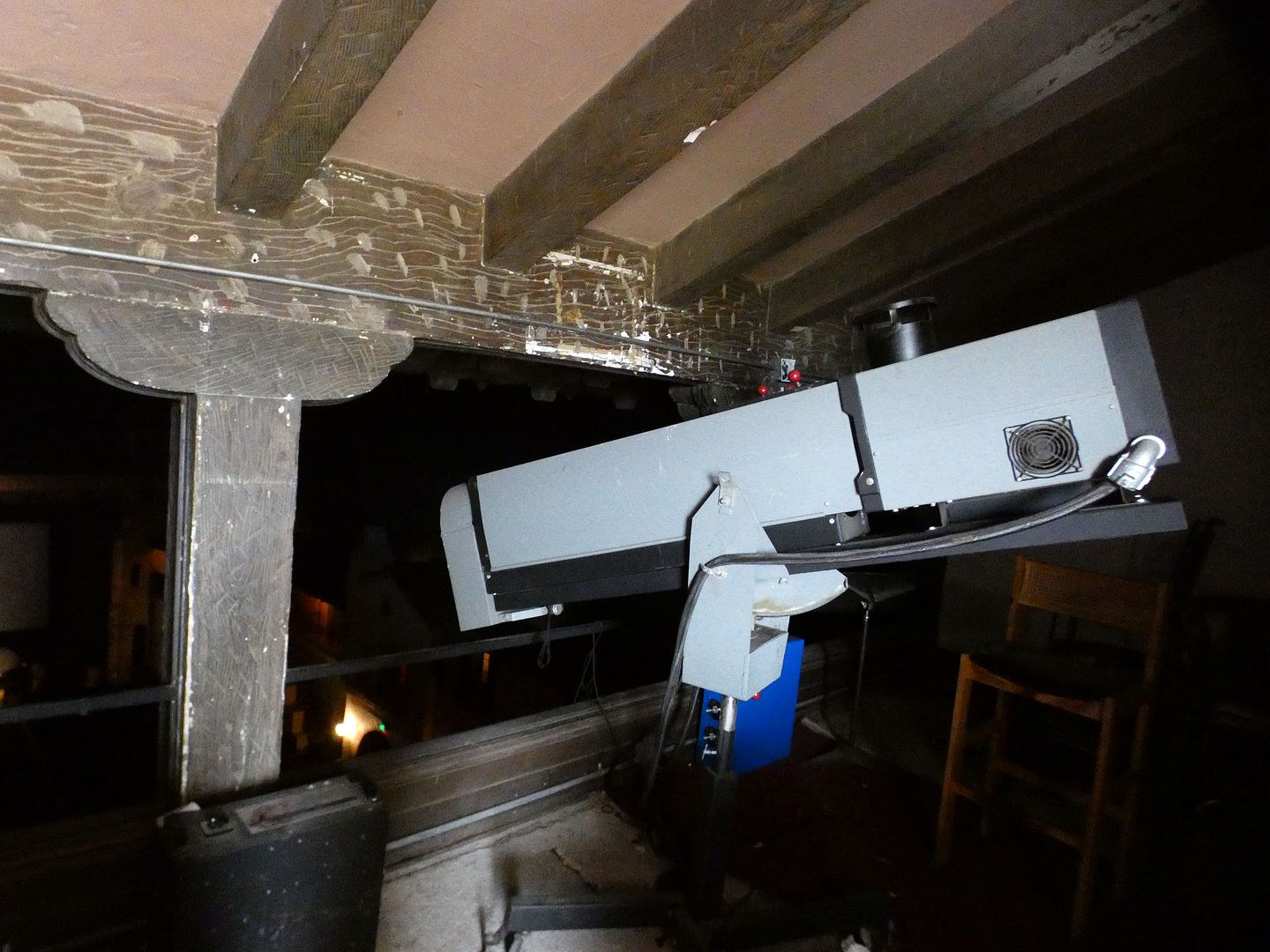
...but now it's just used for the back-of-house spotlight. 
 
 
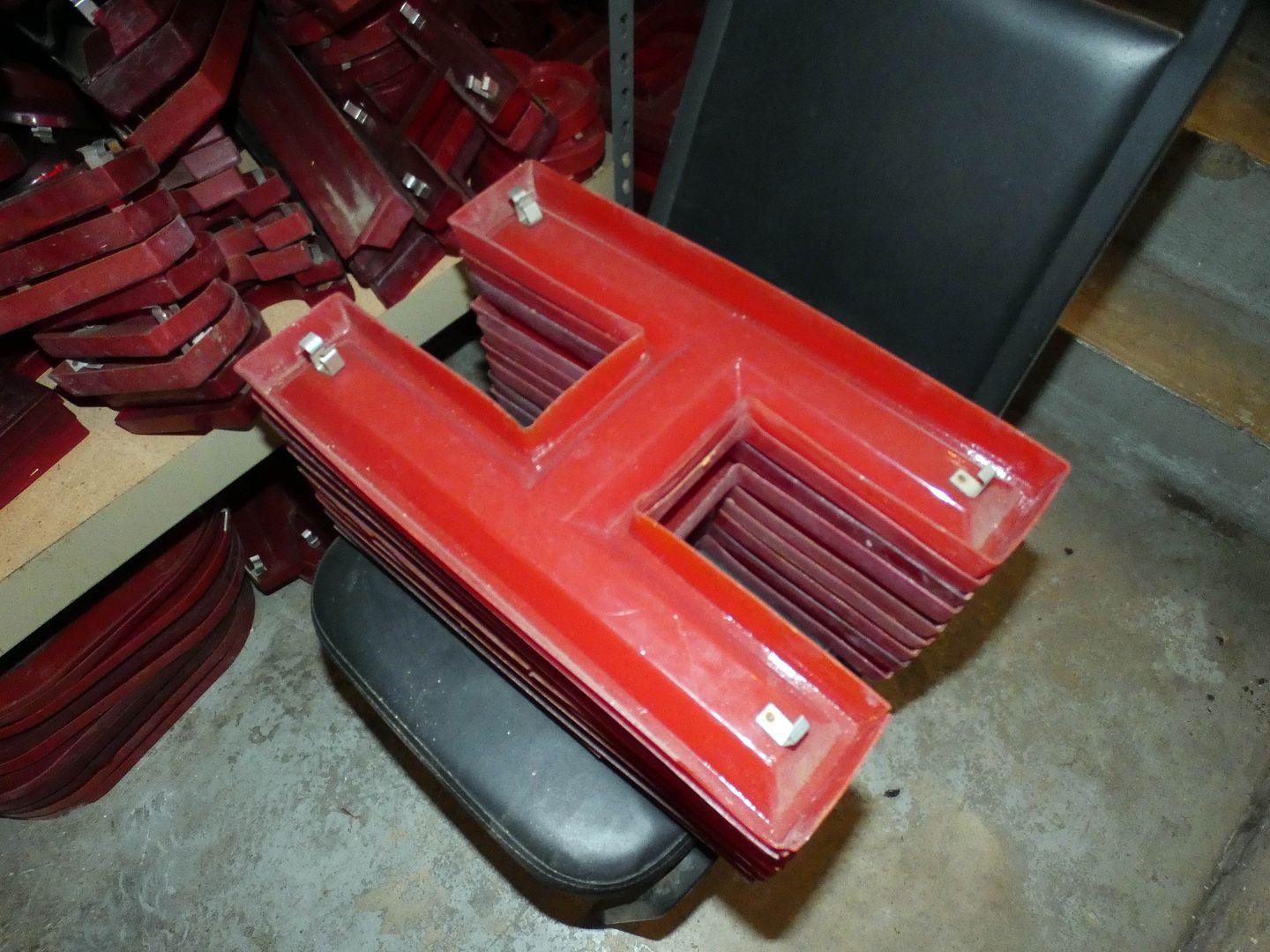
There were so many things to see in such little time, but I delighted at every little detail I could soak in, from the red plastic marquee letters...

 
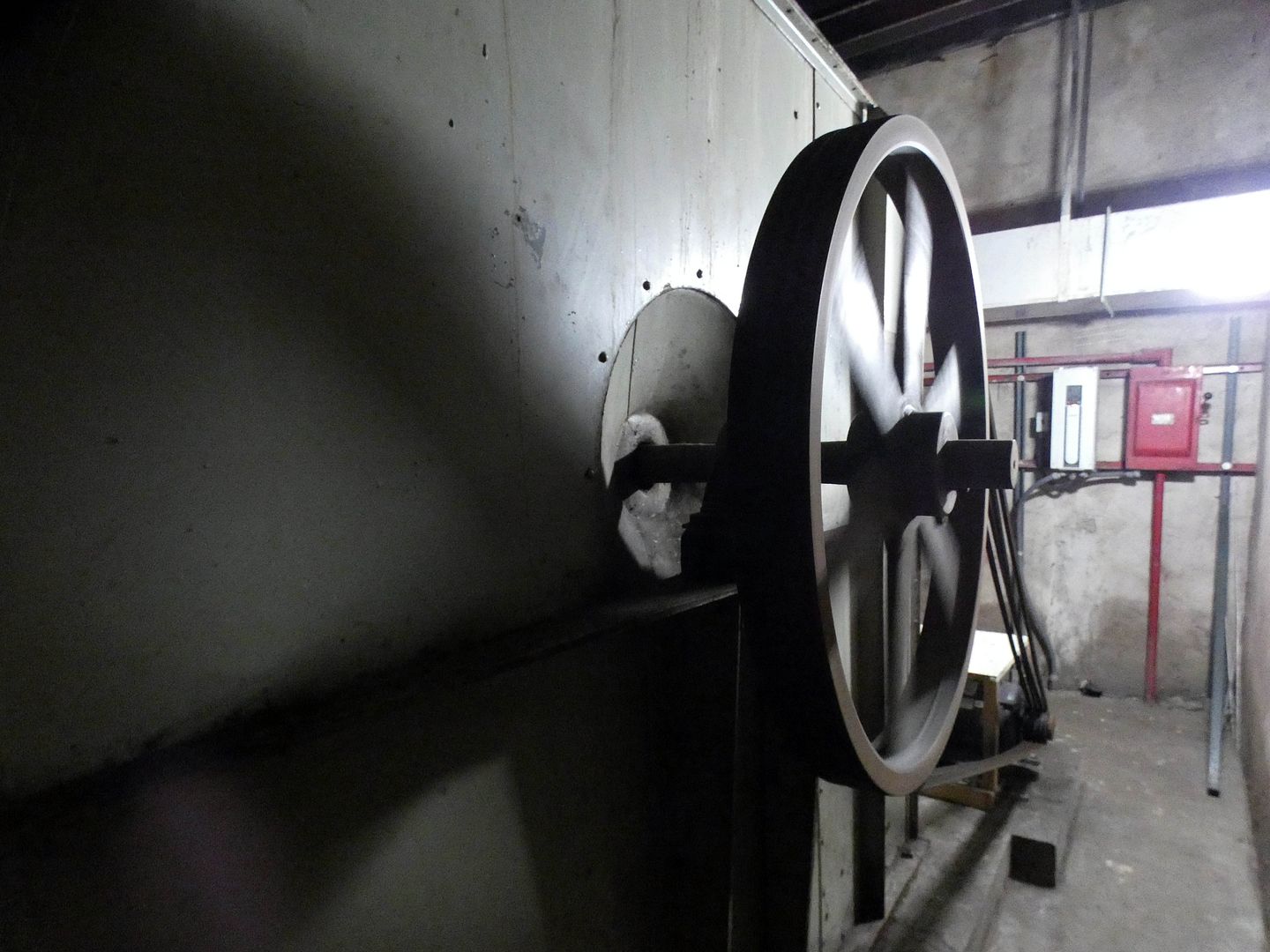
...to the blower that puffs the wind that makes the pipes sing...


...the bottom of the bell tower that never housed any bells (but used to sport a neon sign that spelled F-O-X)...
    
Photo: Mike Hume's Historic Theatre Photography (used with permission)

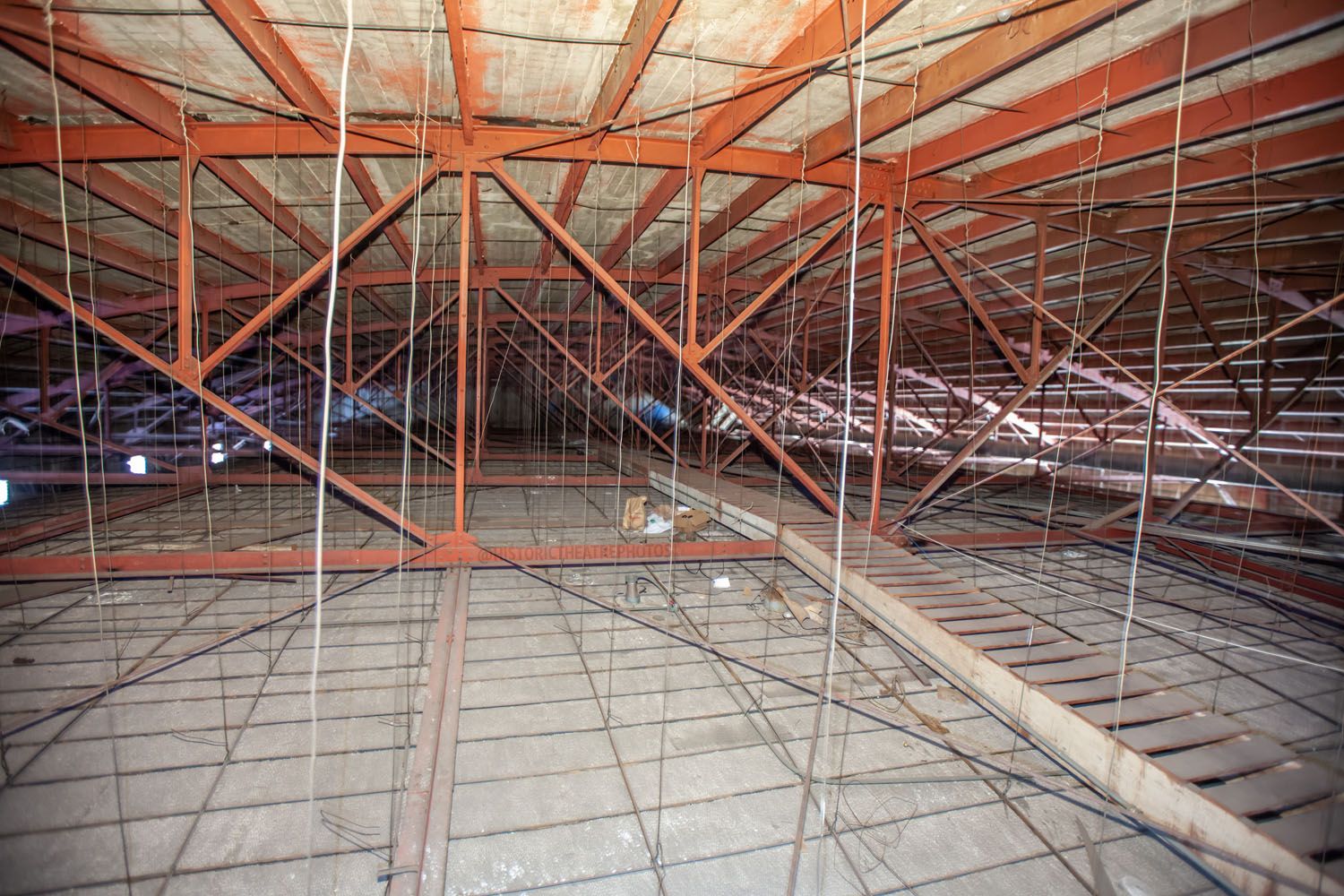
...and the attic above where the ceiling used to twinkle

There's so much more to say about this theatre, and my visit was by no means comprehensive, but I do think I crammed in a lot in less than an hour—and much more than I ever expected.

For a much more exhaustive exploration, check out my friend Mike Hume's Historic Theatre Photography blog. (And thanks to Mike for letting me share some of his photos on this post, which are credited to him above.)

Related Posts:

March 26, 2026

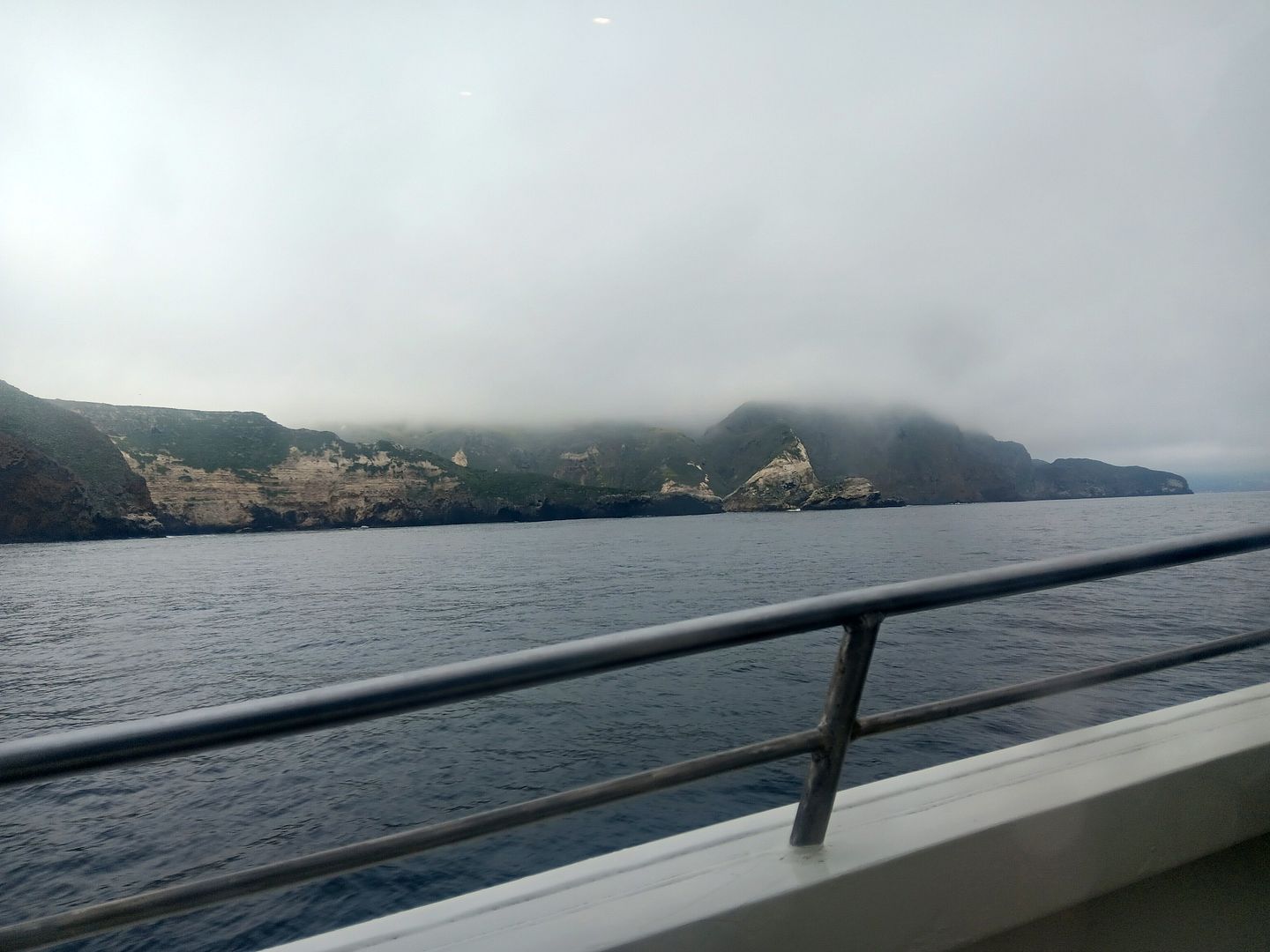
Photo Essay: A Spring Bloom on the Largest Channel Island—And Its Rare Standout

Many things have fascinated me about Southern California, since before I even moved here—but one of the biggest standouts among those fascinations has been Channel Islands National Park. 

And I treasure each opportunity I get to go. 

I'm not talking so much about Catalina Island, and its charming beachside town of Avalon—but the wild isles of the archipelago, the national park islands, like San Miguel, Anacapa, Santa Rosa, and Santa Cruz. (Unfortunately, Santa Barbara Island is currently hard to get to because of damage to the dock.)

 
At nearly 100 square miles, the largest of those is Santa Cruz Island—and its multiple anchorages call for many return trips to see as much of it as possible. 

December 21, 2024

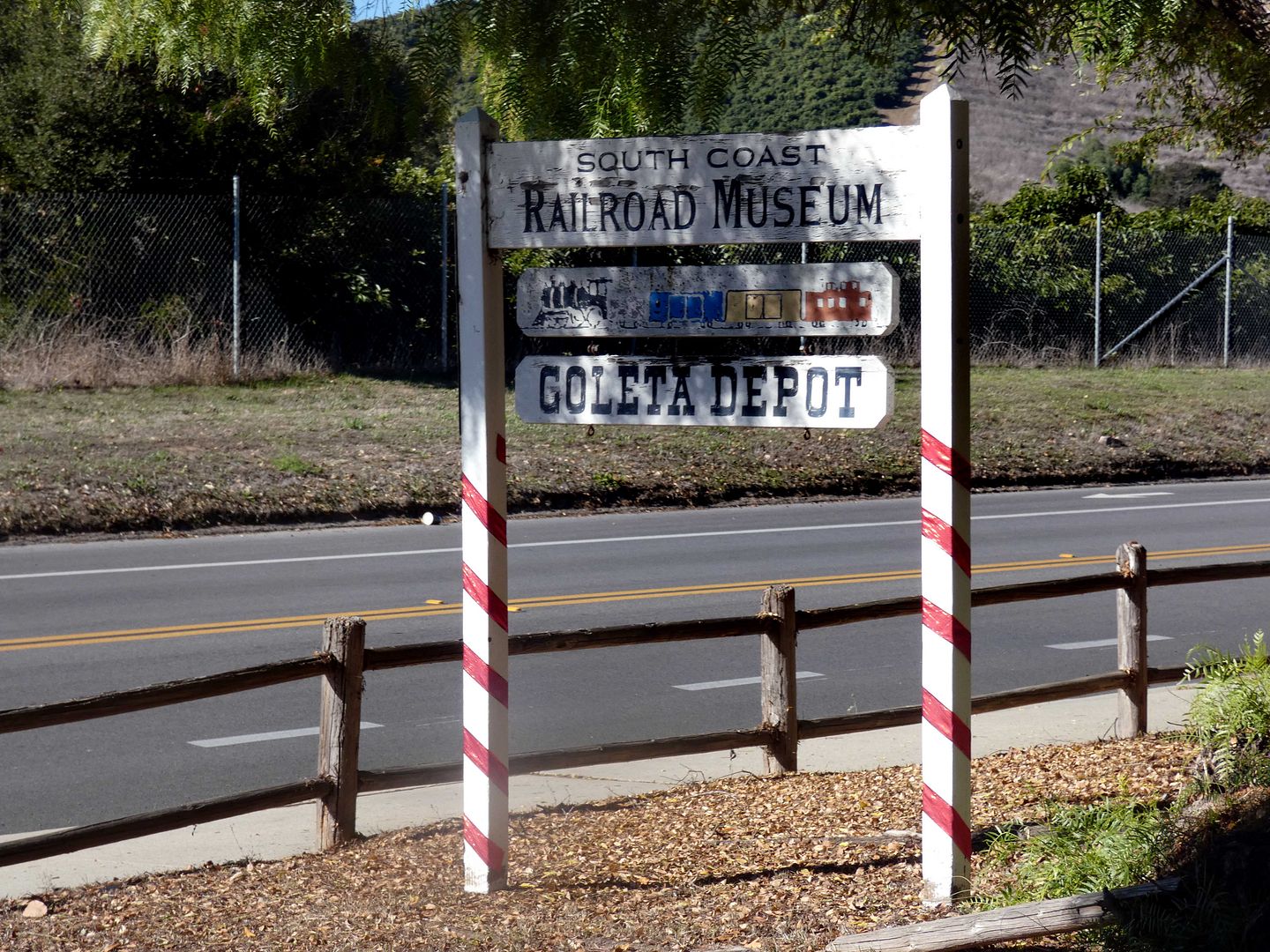
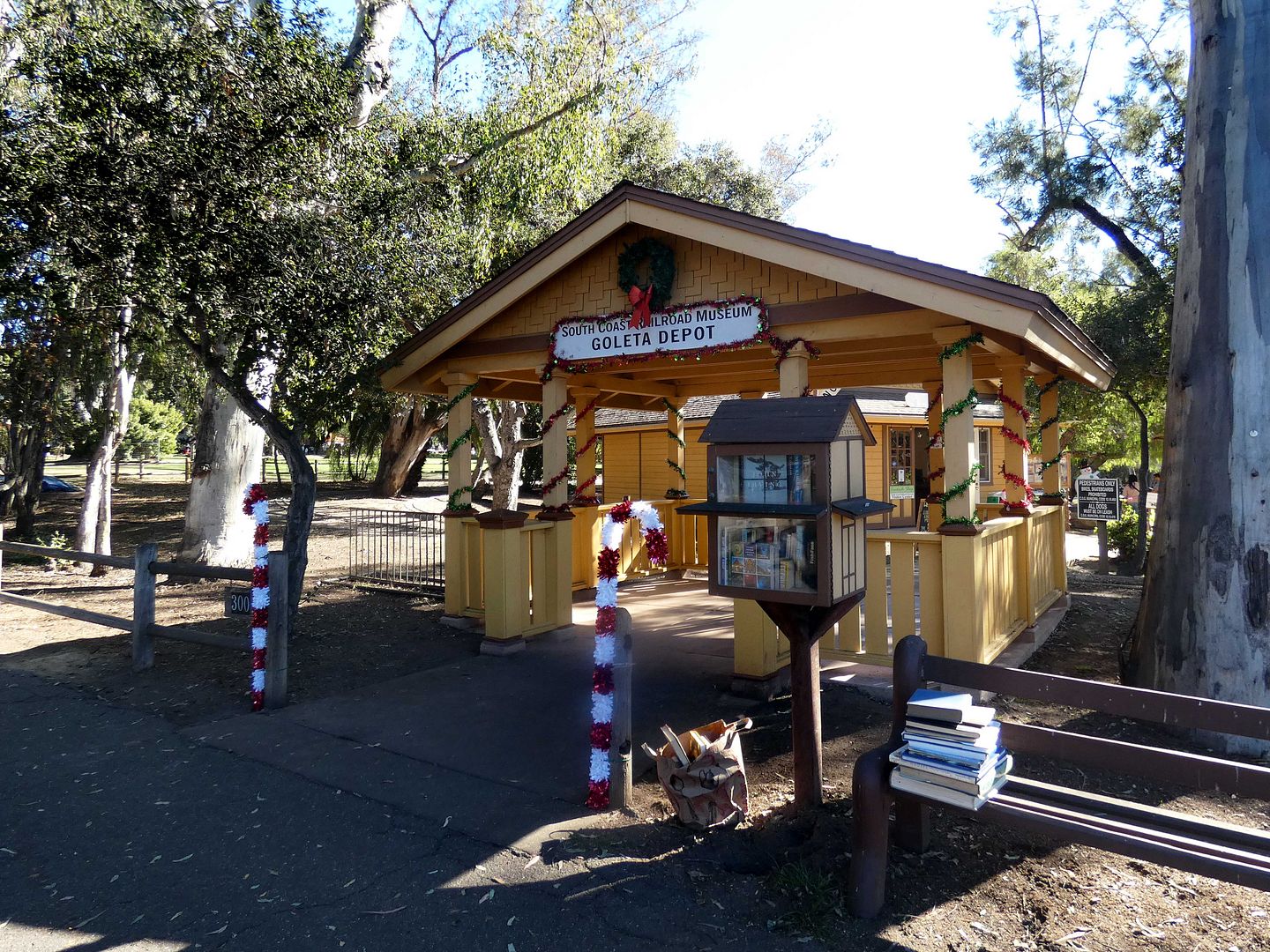
Photo Essay: Some Choo-Choo Cheer for the Holidays at South Coast Railroad Museum

I hadn't been to the Central Coast town of Goleta in years, probably over a decade—mostly because when I'm heading north past Santa Barbara, I take the inland rather than the coastal route. 


But when I finally got back there earlier this month, I knew there was once place I had to go: the South Coast Railroad Museum. 
 

December 27, 2022

How I Wandered SoCal for KCET in 2022

I haven't often reposted the articles I've written for KCET here—often because much of the content that has gotten published here first has eventually made its way into my KCET guides.

But as time has gone on, I've created more and more original content for my SoCal Wanderer column on KCET.org. In fact, probably more in the year 2022 than in any other years prior.

SoCal Wanderer articles are on a little bit of a hiatus—at least, compared to what they've been—since I was hired to work in-house at KCET in actually a different capacity. They may not resume anytime soon. 

So in the meantime, here's a recap of the articles I did contribute over the past year, in case you missed any of them. Click on the titles to open the articles in a new tab/window.


June 05, 2022

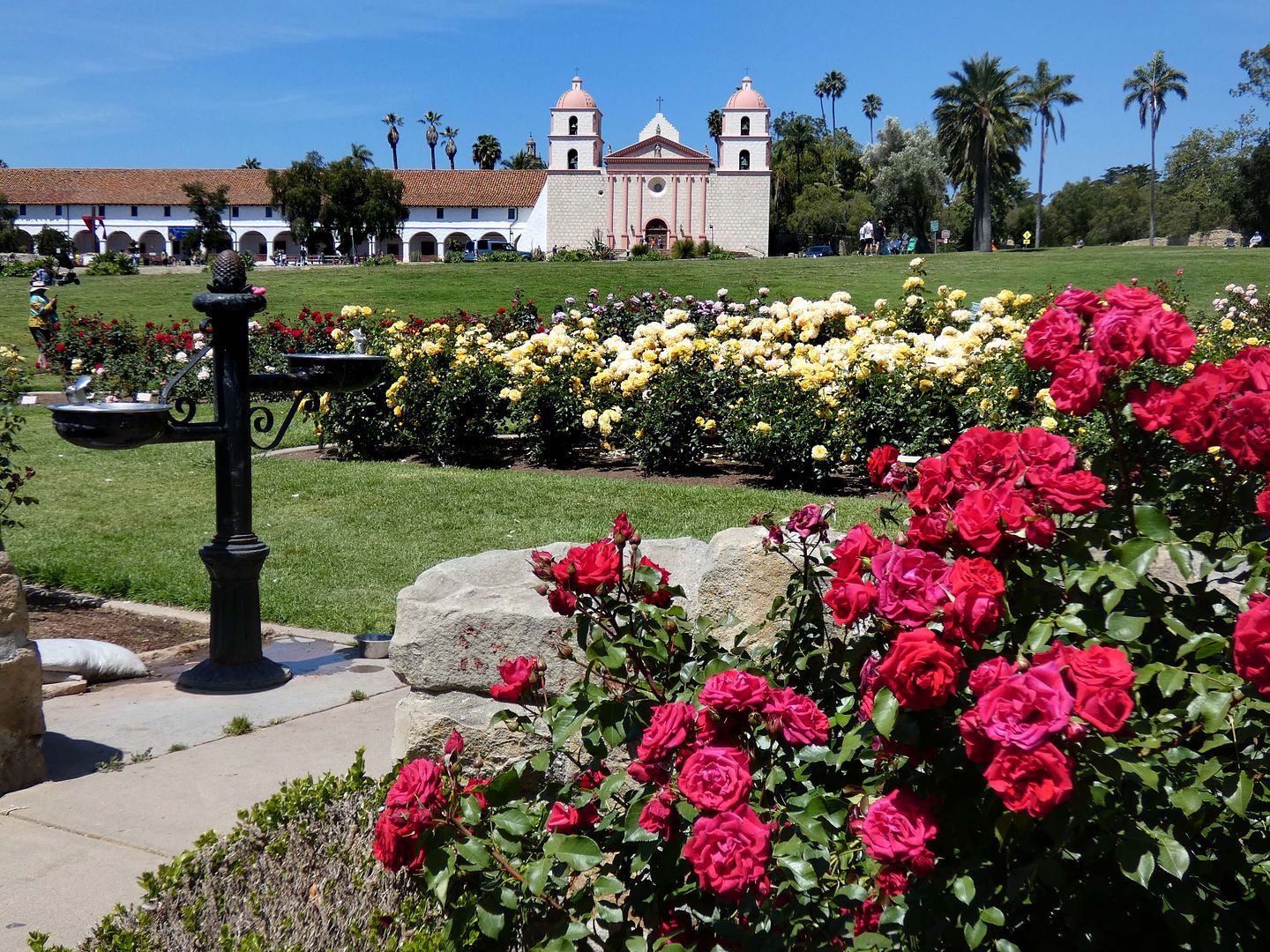
Photo Essay: Santa Barbara's 'Queen of the Missions,' Never Abandoned

After visiting all of the other Southern California Spanish missions—including some of the sub-missions (or asistencias)—over the course of my 11 years living out here, I finally got to Mission Santa Barbara (in the Central Coast city of the same name). 

Founded in 1786 by the "forgotten friar" Friar Fermín de Lasuén—successor to Junípero Serra—as the 10th of 21 Franciscan missions, it's the only continuously operating mission in the California system. Even after secularization in 1833, the Franciscan friars were allowed to stay—helping this mission avoid the neglect and vandalism that plagued the others that were abandoned. 

It became known as the "Queen of the Missions"—a title it has retained, having never fallen into ruins.  


April 19, 2022

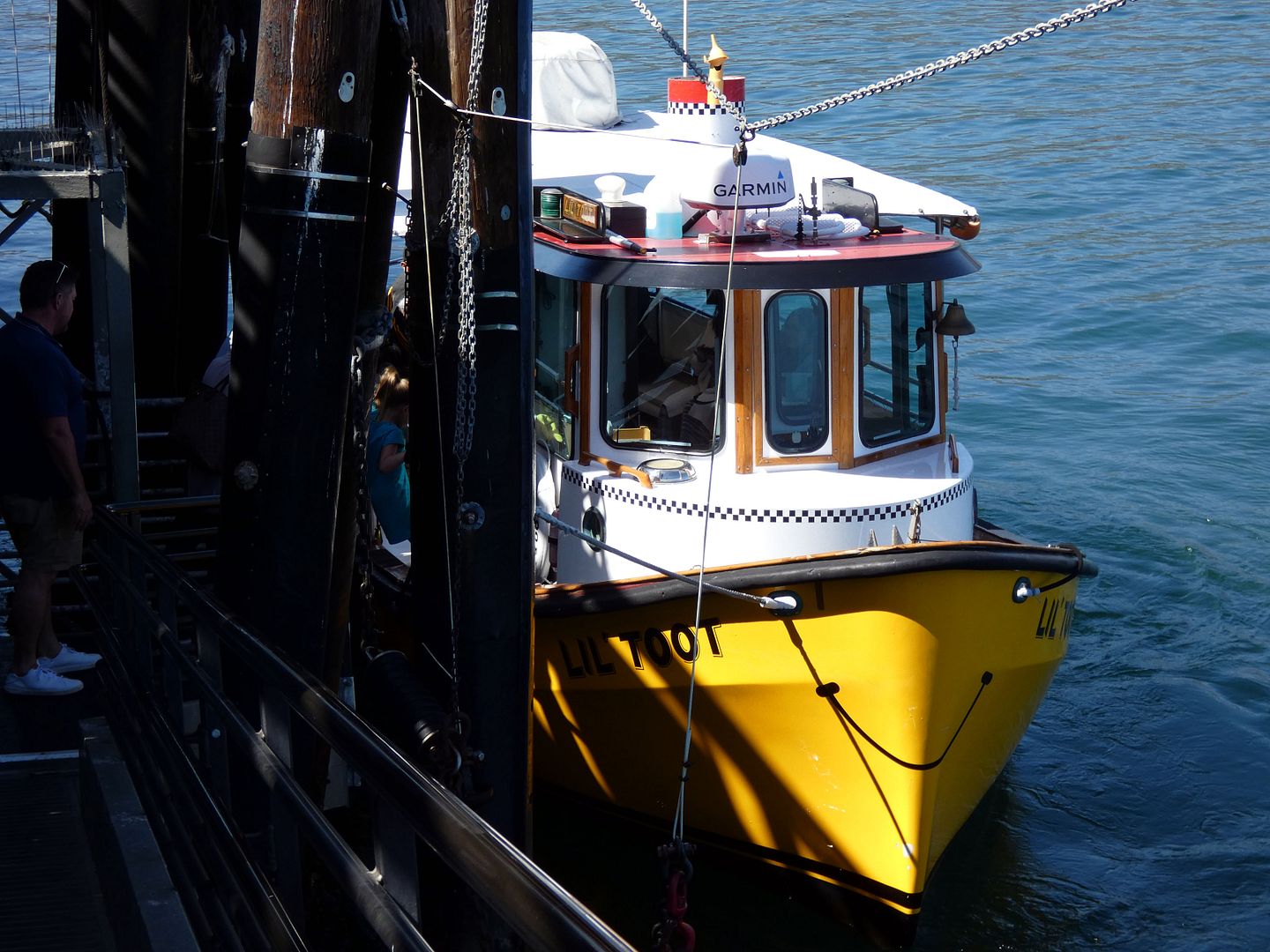
Photo Essay: Santa Barbara's Lil' Toot, the Little Tugboat That Could

[Last updated 9/7/23 11:20 AM PT—video embed player added at bottom]

I hadn't been to Santa Barbara since February 2019—and upon my return visit last week, at the top of my list of things to do in the area was to ride Lil' Toot

 
It's a little boat with a big personality—one that serves as a water taxi between Stearns Wharf and Santa Barbara Harbor. 

February 04, 2021

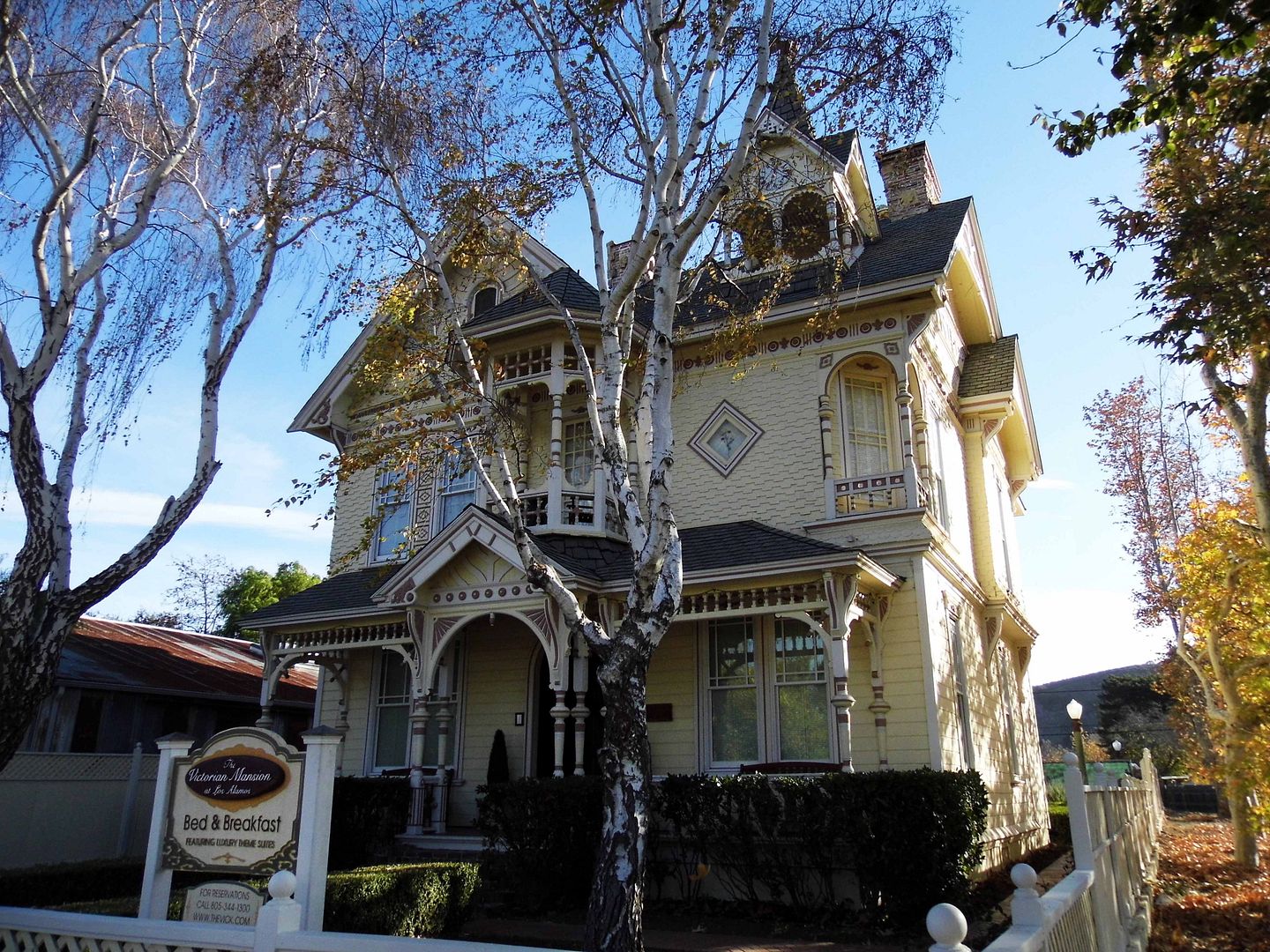
Photo Essay: Sleep Like a Pirate at The Victorian Mansion in Los Alamos, CA

Old West towns in California are an endangered species—and I don't mean the ones that were built that way as tourist attractions or movie sets.  

  
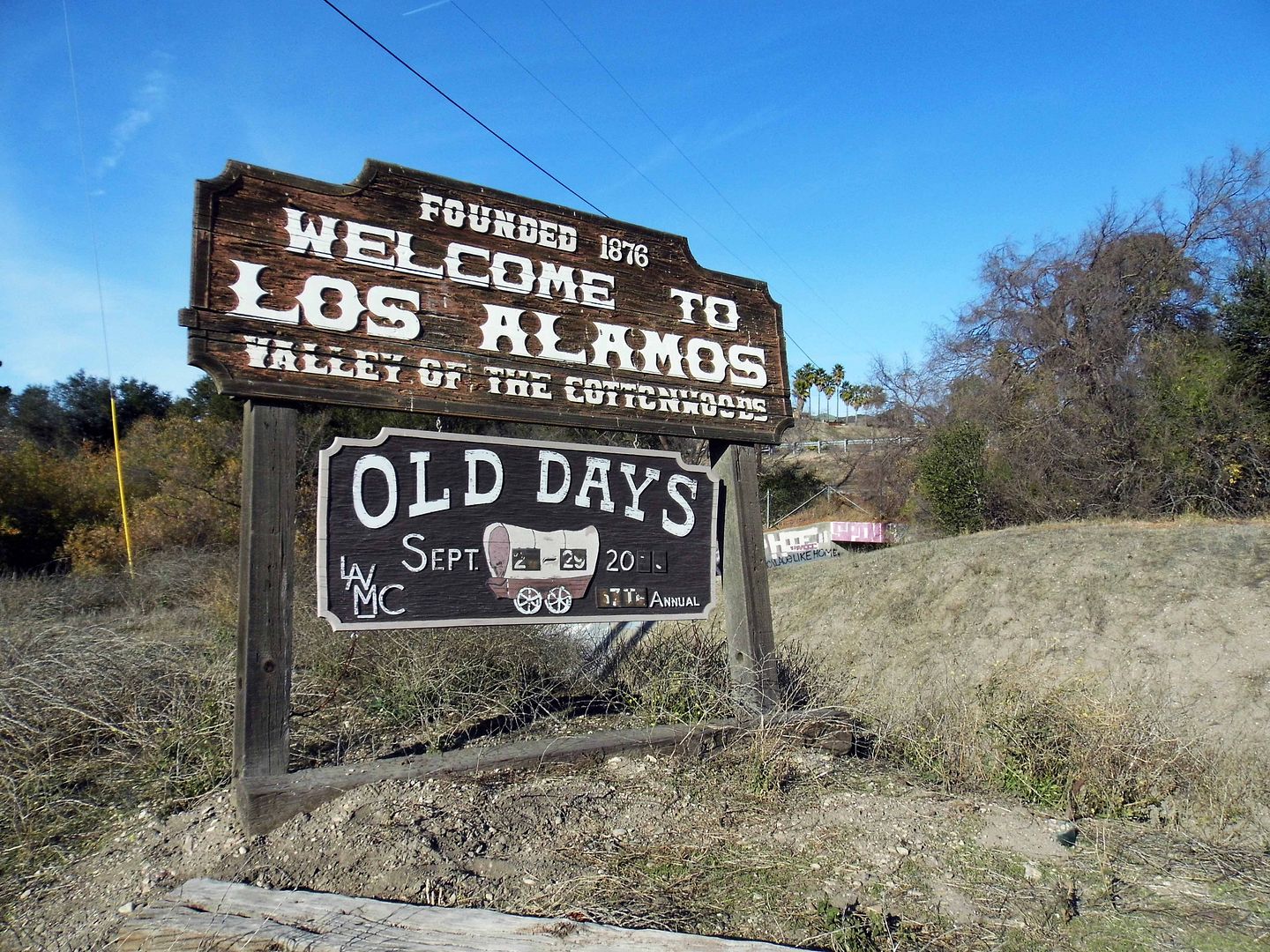
Los Alamos ("The Cottonwoods" in Spanish) in Santa Barbara County's Santa Ynez Valley is a survivor of the Old West, founded in 1876 and still with a population of less than 2,000—despite the burgeoning wine country that surrounds it. 


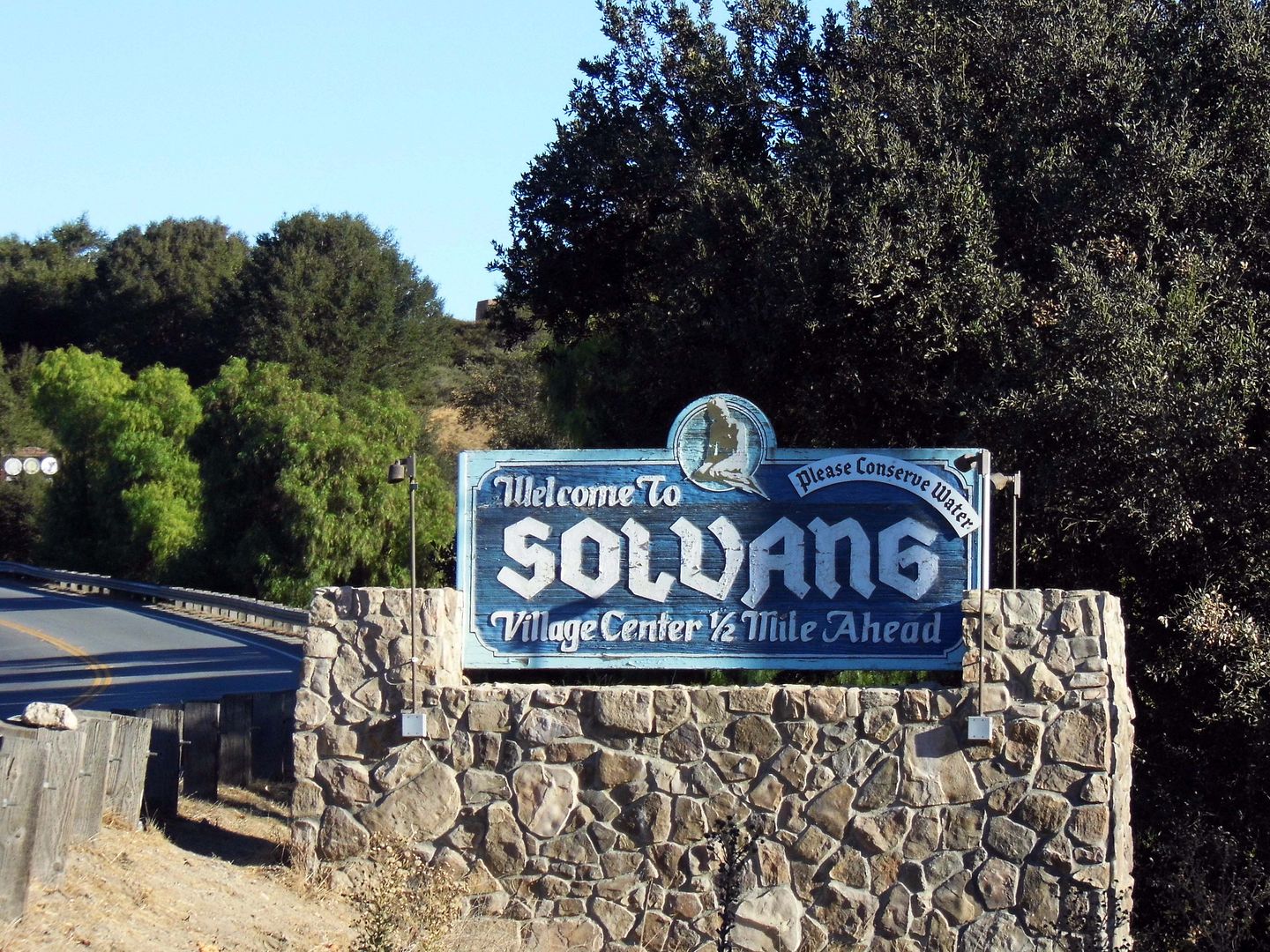
Photo Essay: Glimpses of Solvang, A Bit of Denmark Tucked Into California's Central Coast

I've been to Solvang, California several times now. I even stayed at Solvang's Hamlet Inn a few years ago. But I don't feel like I'm very familiar with the town at all.
 

February 01, 2021

Photo Essay: O Me of Little Faith, at a California Central Coast Wine Country Church in the Santa Ynez Valley

About 20 miles north up the 154 from the San Marcos Pass is the quaint town of Los Olivos, a little gem of the Santa Ynez Valley wine country. 

It seems pretty obvious, then, why a congregation in that area would name themselves St. Mark's-In-the-Valley. 

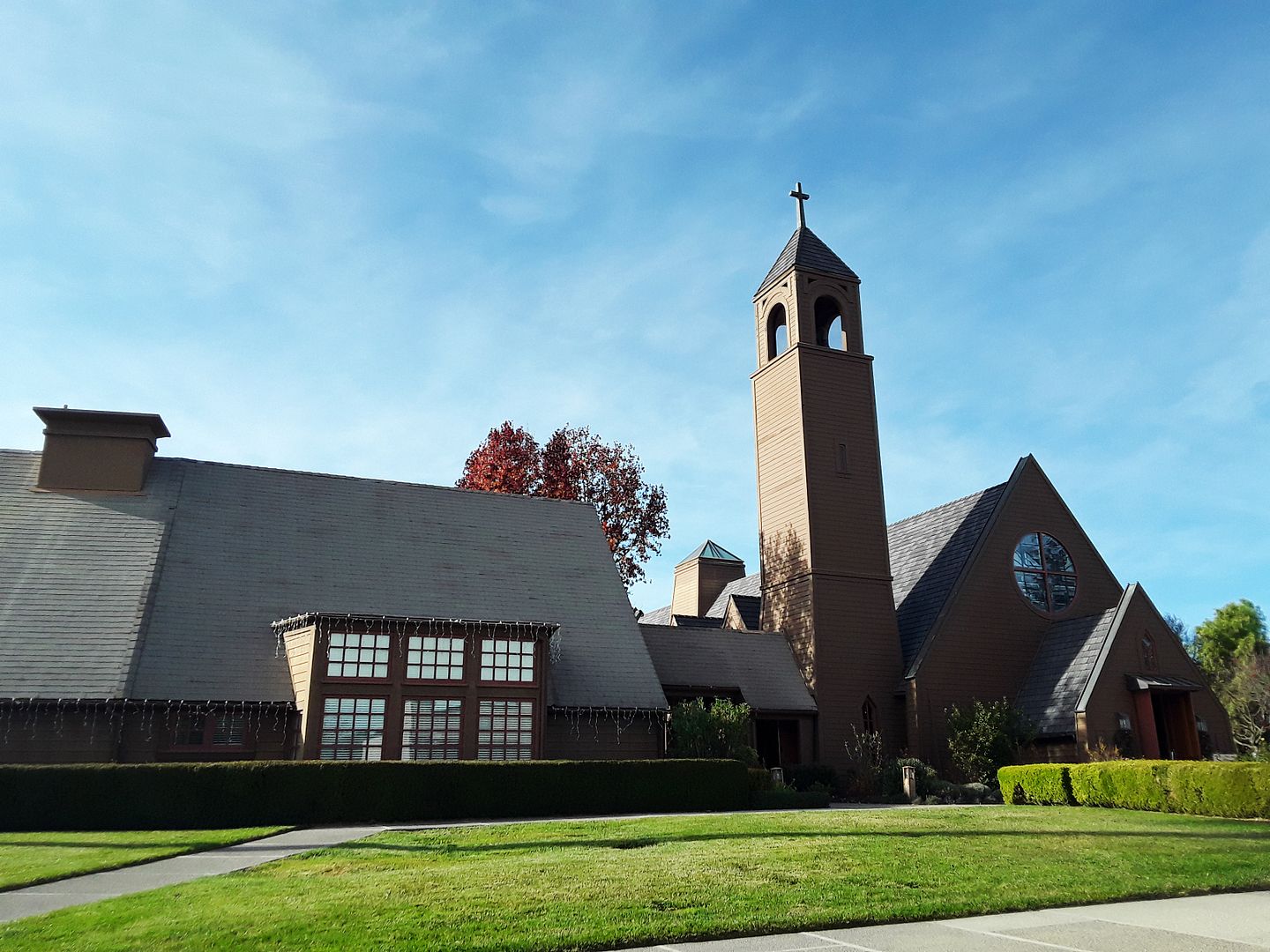
But the Episcopalian worshippers of St. Mark’s-in-the-Valley actually didn't originate in Los Olivos—but a little farther south in the valley, in the nearby Danish town of Solvang.

A member of the Diocese of Los Angeles since 1943, it became clear in the 1970s that it was outgrowing its home and needed to move. 
    

January 18, 2021

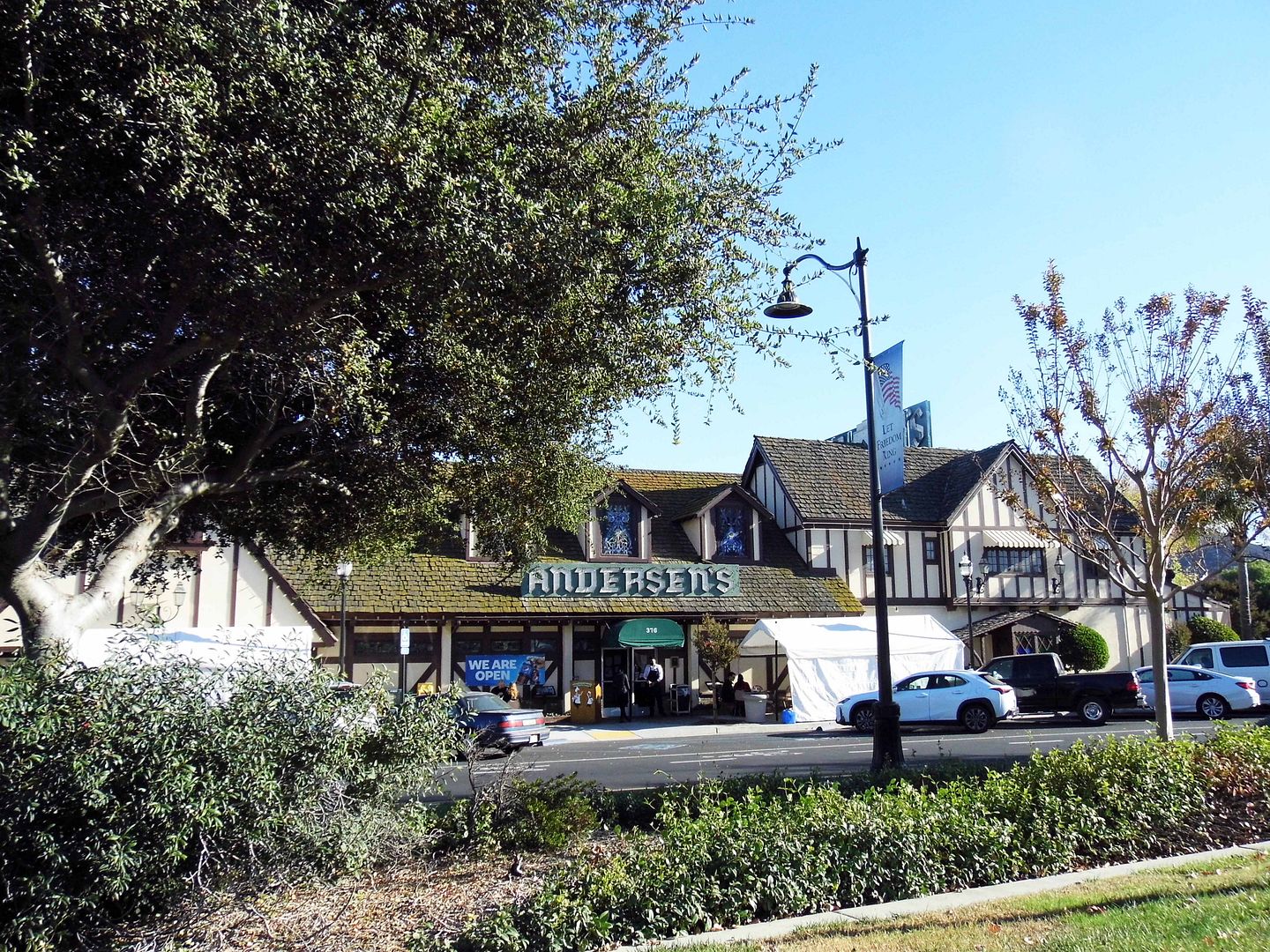
Who Wants In On A Split Pea Soup Empire? In Its 97th Year, Andersen's Is For Sale (Updated for 2024, Closed)

Last updated 1/14/24 11:41 AM PT—In January 2024, Pea Soup Andersen's in Buellton closed. We knew it was eventually coming, but there wasn't enough notice for folks to make the trip to say one last goodbye. Reports are that the restaurant will be demolished and redeveloped, and the business will have a space in the new, contemporary building.

But who wants a new building, when the old building is such a big part of its charm?? (See also Taix.)

The Santa Nella location of Pea Soup Andersen's is still open. Below, here's my blog post from 2021 about the Buellton location.

January 10, 2021

Photo Essay: Tiptoeing Across Carpinteria's 'Black Gold' Beach

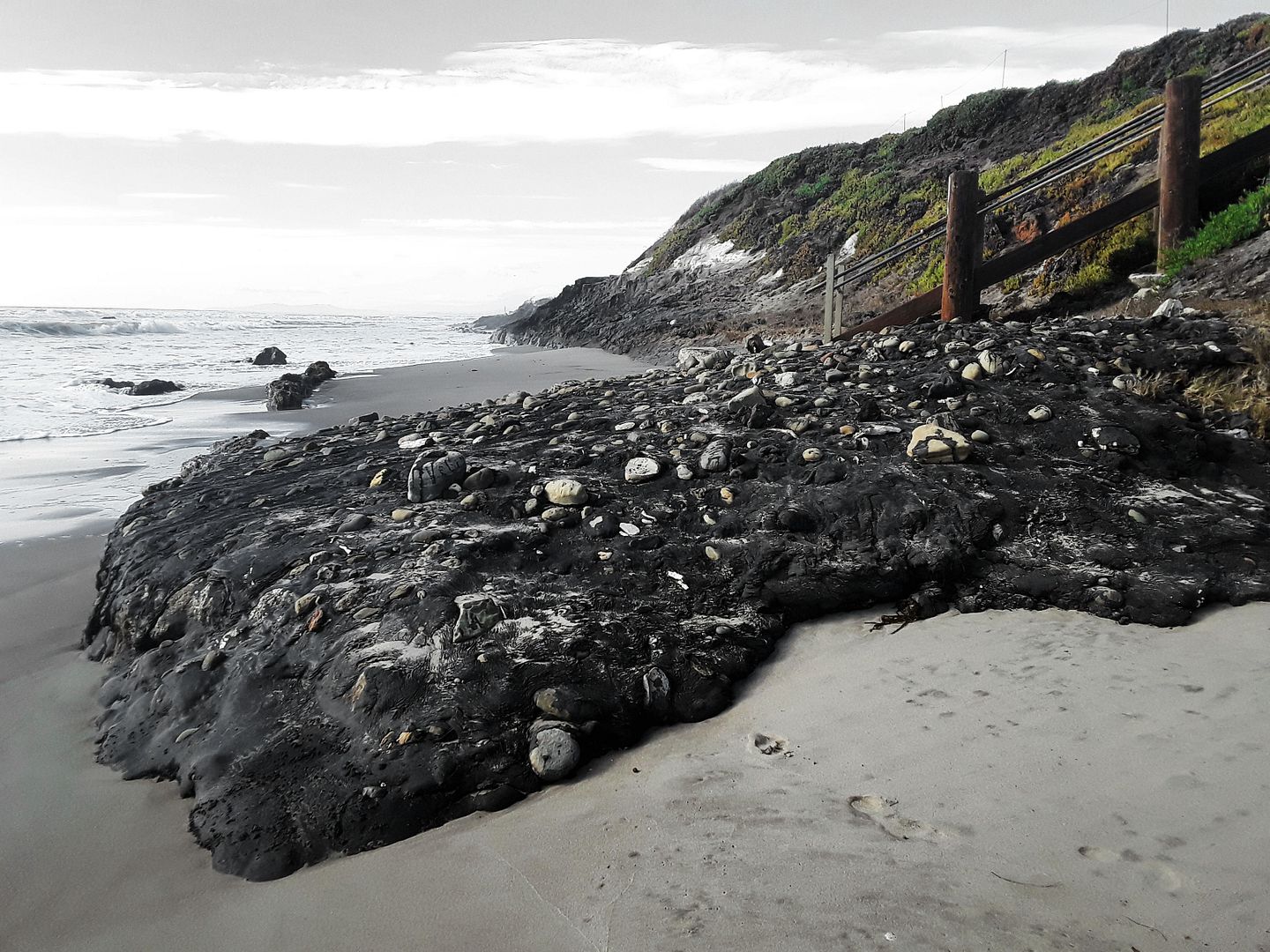
Unlike on Hawaii's black sand beaches, the black you'll find on certain SoCal beaches—especially at the southernmost section of Carpinteria State Beach, just south of Santa Barbara—isn't exactly exotic or romantic. 

May 25, 2020

Photo Essay: Santa Barbara's Spanish Castle of Courts (And Its Ever-Ticking Clock)

I've had no official reason to visit the Santa Barbara County Courthouse, as I'm not a constituent of the county and haven't broken any laws therein.


I haven't even gotten the chance to get married there, though one of my ex-lovers has. I must admit, his heartbreaking nuptials piqued my interest about the place.


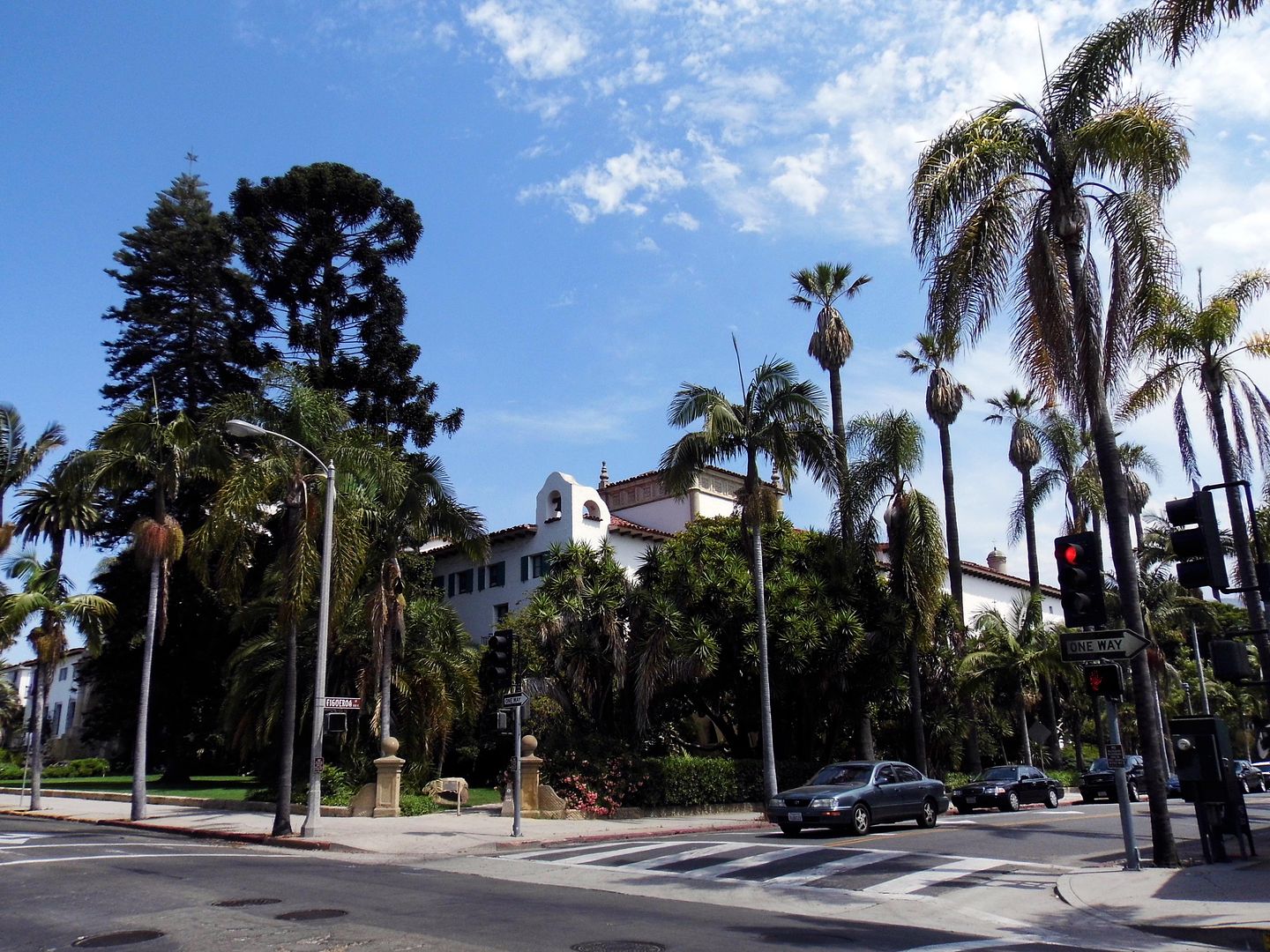
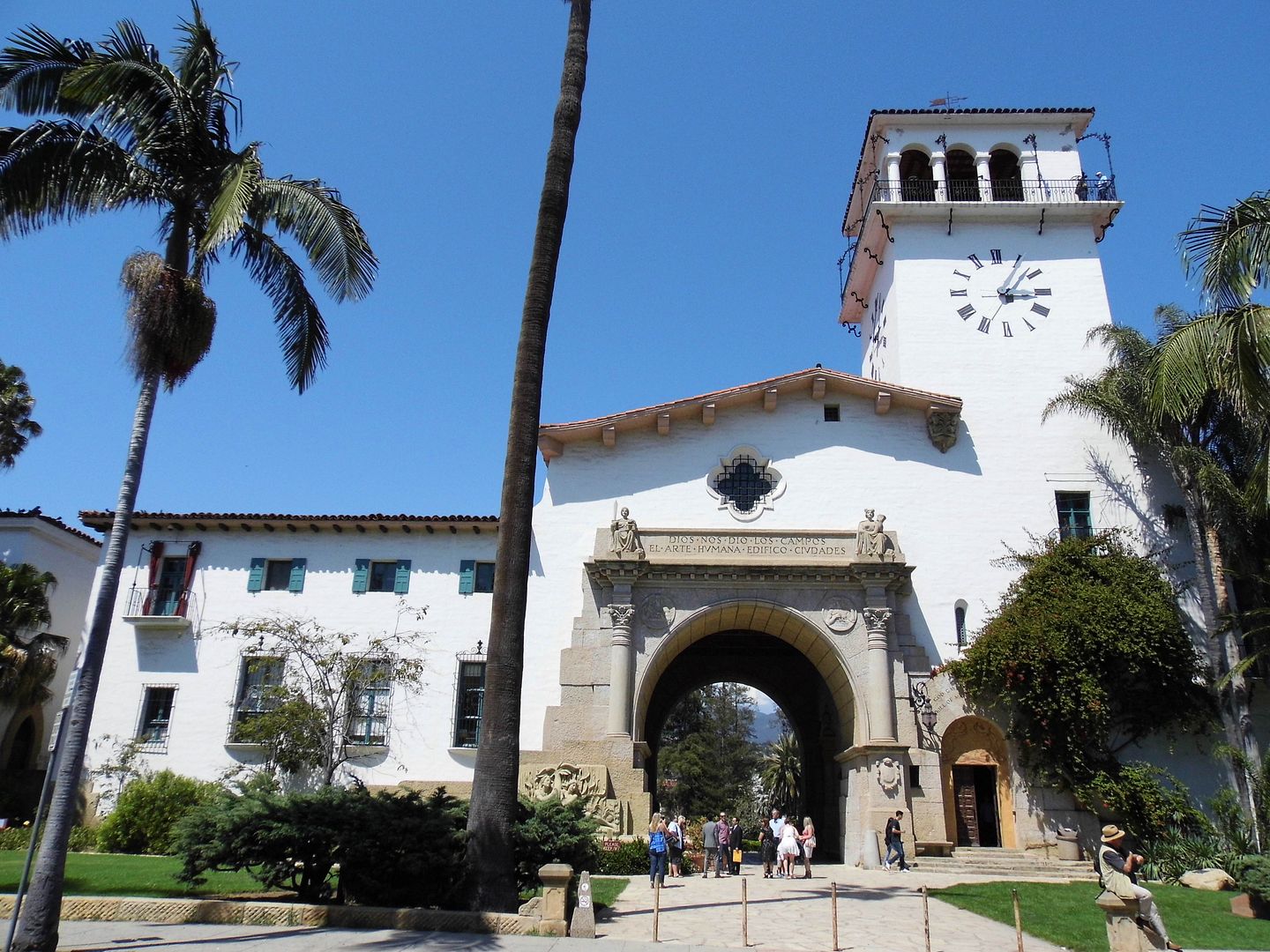
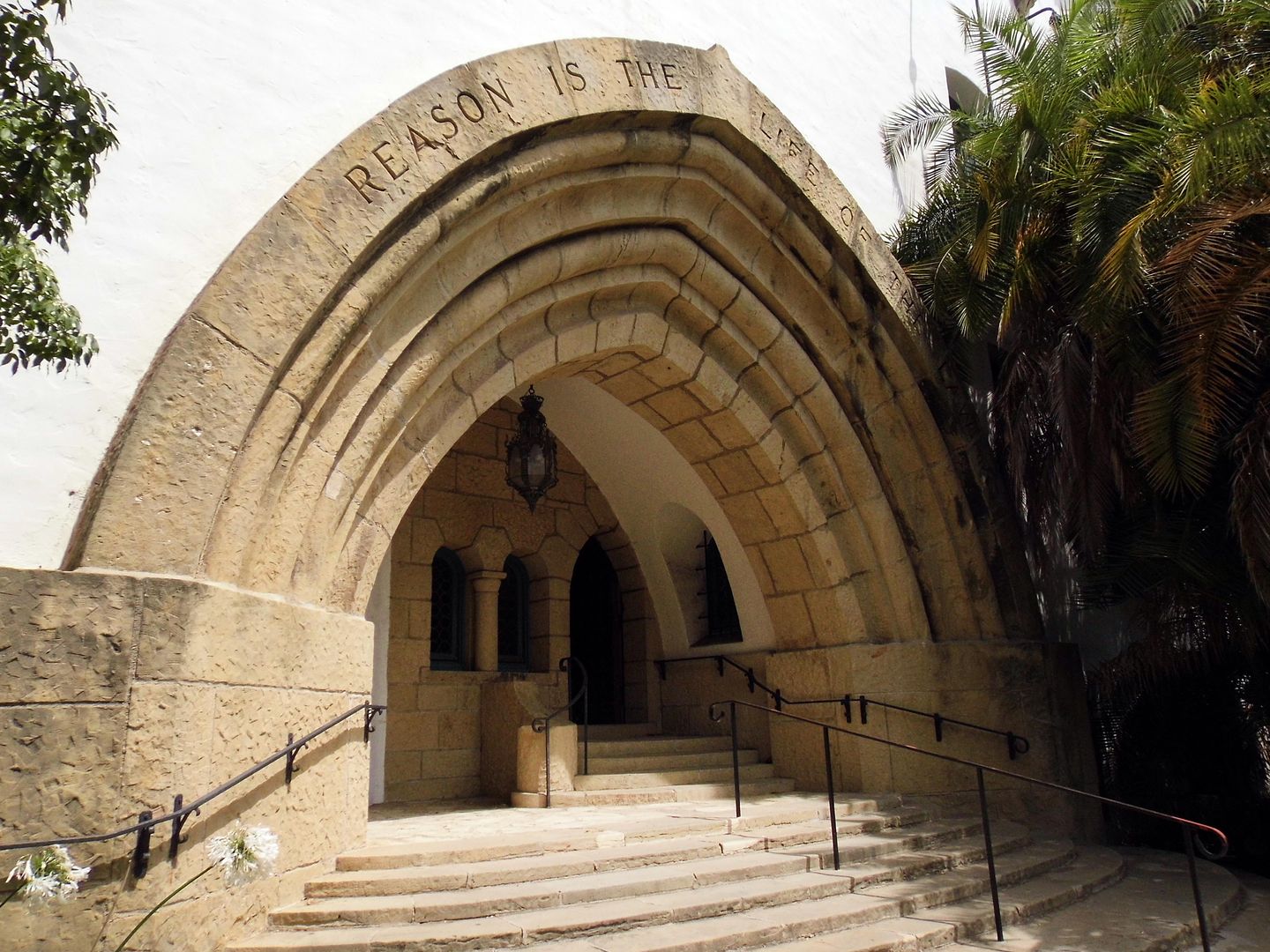
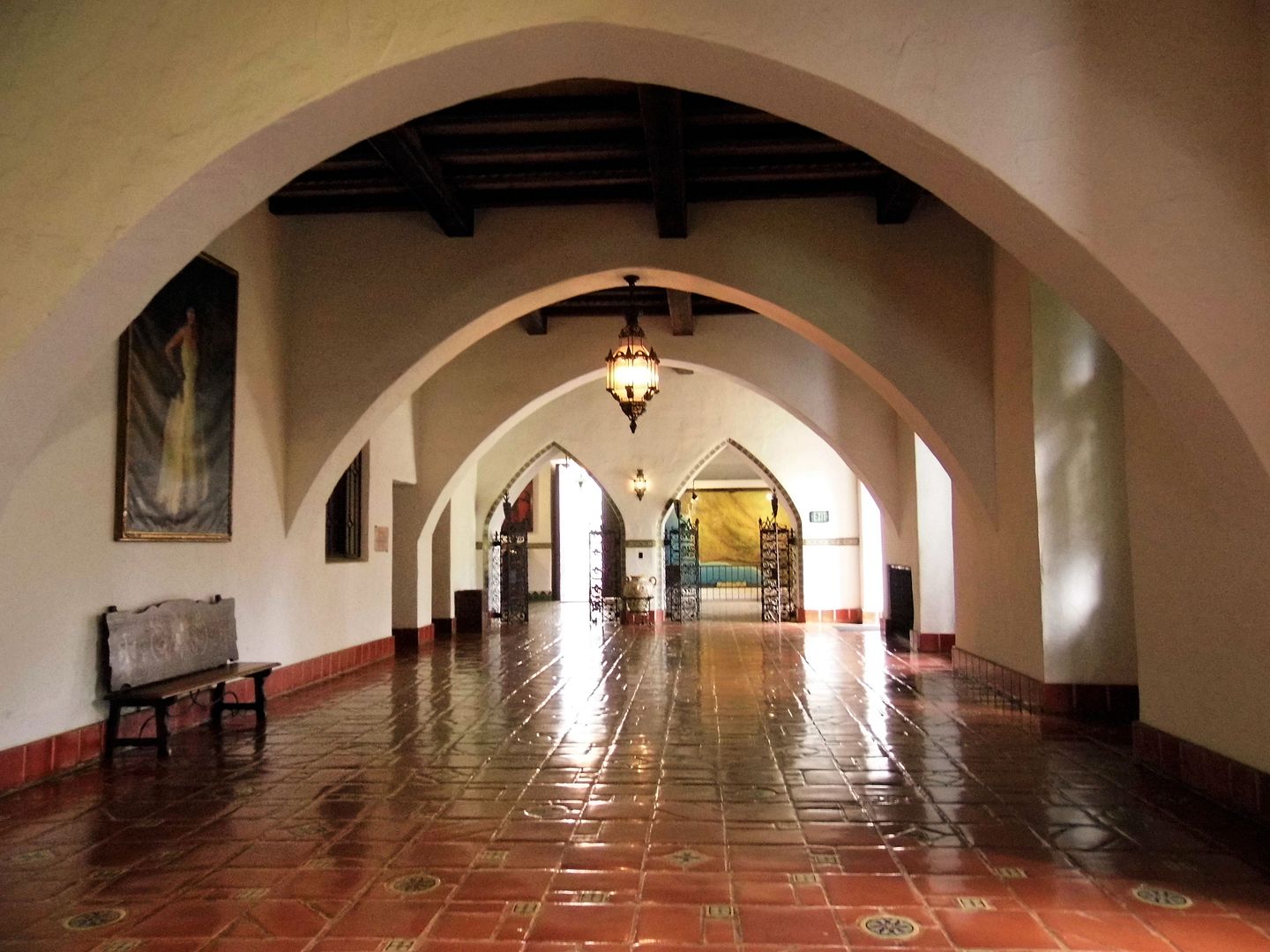
So, on two different occasions when I had some free time on my own to explore the historic core of the city of Santa Barbara, I chose to visit the 1929 Spanish Colonial Revival courthouse.*


Mostly, I went back a second time not to torture myself more—but to get into the clock tower, which was closed for visitors my first time around.


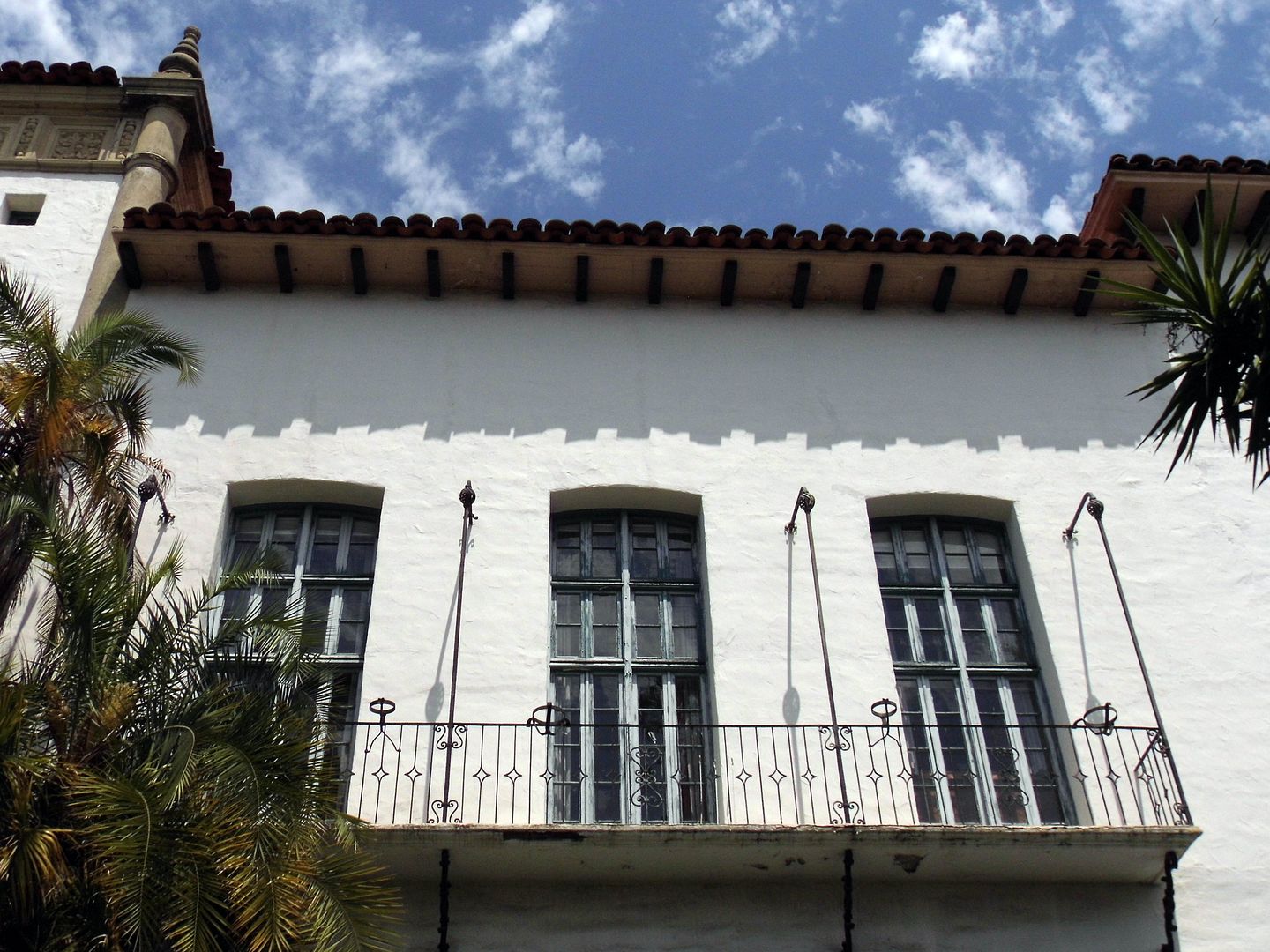
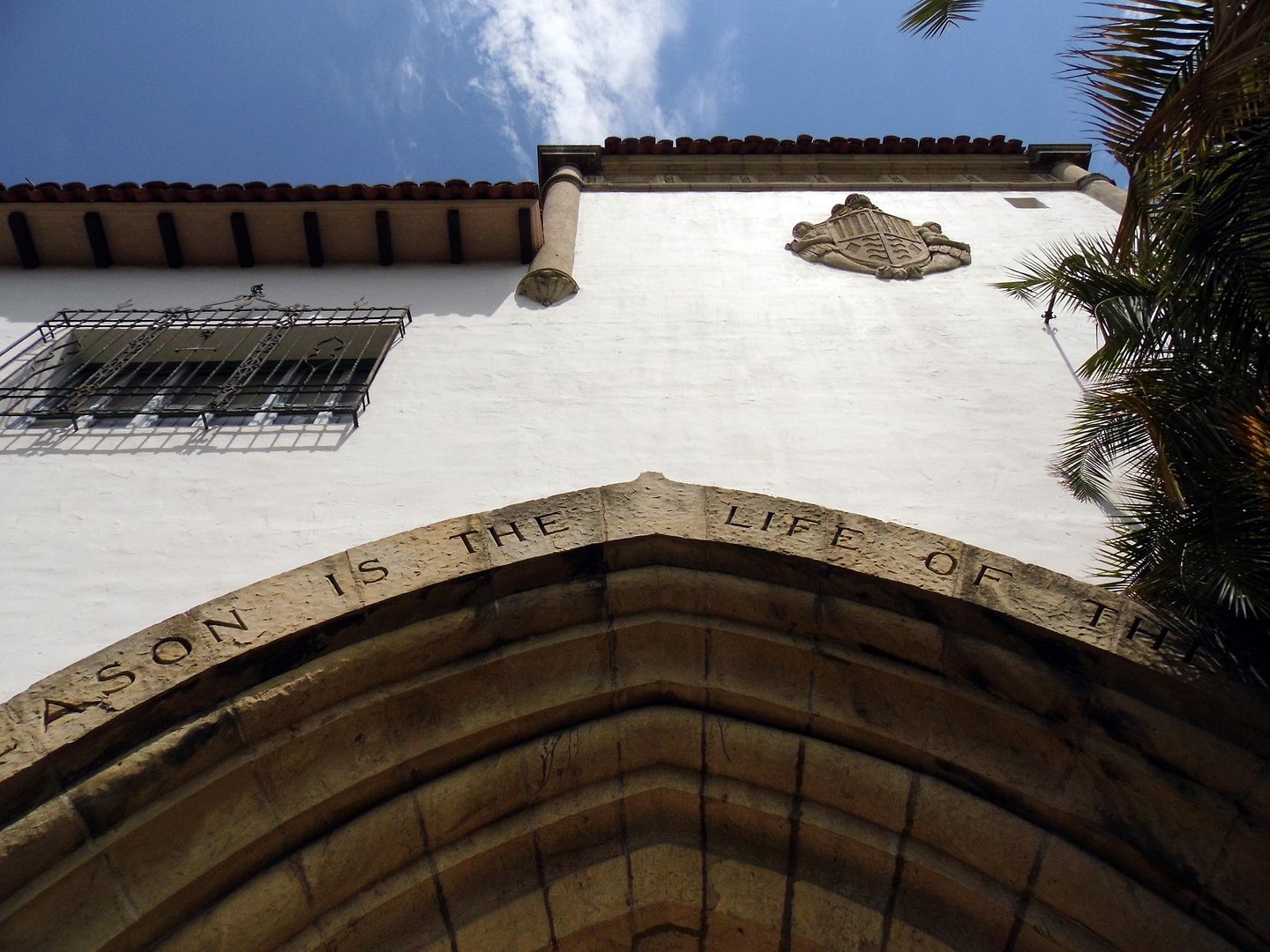
Under that red terra cotta tile roof—and beyond its white stucco walls and window grilles—there are the day-to-day operations of the Santa Barbara Courts and Public Administration.


But visitors like me want to see the structure itself—a national landmark that took only three years to build, starting in 1926.


Originally designed by Paris-trained architect William Mooser III, the courthouse as-built was reportedly more the result of modifications made by architect J. Wilmer Hershey. Unfortunately, Hershey died before he could see his work come to completion.


The Spirit of the Ocean fountain, by the Anacapa Arch

Finished at a cost of nearly $1.4 million, the courthouse was funded by oil tax revenue that had come in from the 1928 oil strike at Ellwood. And it's a good thing, too—because the courthouse was dedicated just two months before the 1929 stock market crash that kicked off the Great Depression. 


It could've been even more expensive, too—but using some local materials, like sandstone, helped defray some costs.


And while it's only three stories tall, it's actually an L-shaped amalgamation of four separate buildings, connected by arches, bridges, or breezeways.


In addition to the Superior Court proceedings, the Santa Barbara courthouse also handles small claims, civil, and criminal cases (including traffic court), as well as family law, juvenile court, probate, and appeals.


It no longer, however, houses prisoners in its "Jail Wing."


circa 2016
`
There are other county courthouses in Lompoc, Santa Maria, and Solvang—but as the City of Santa Barbara is the county seat of Santa Barbara County, this one is the flagship of the county's court system.


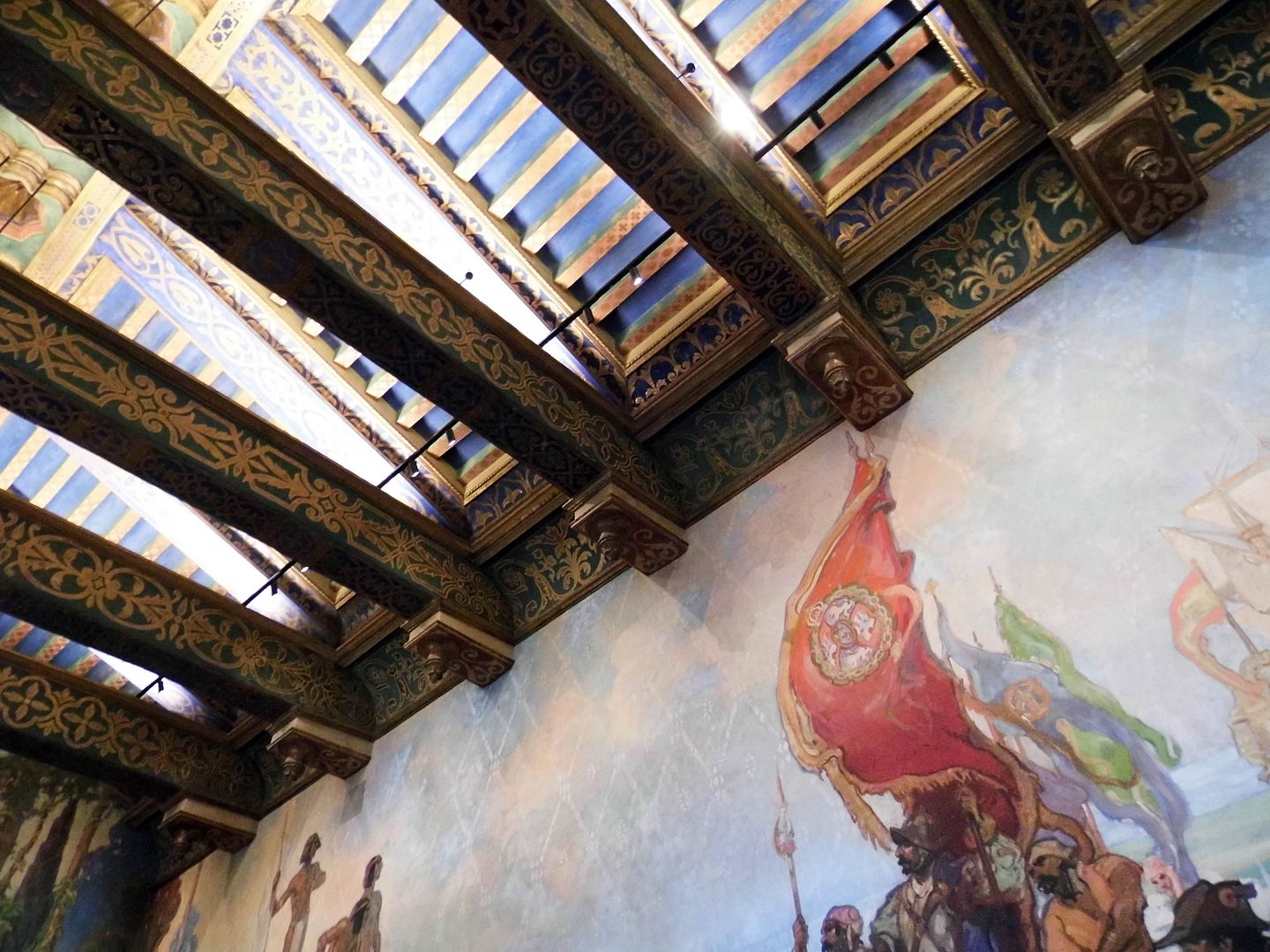
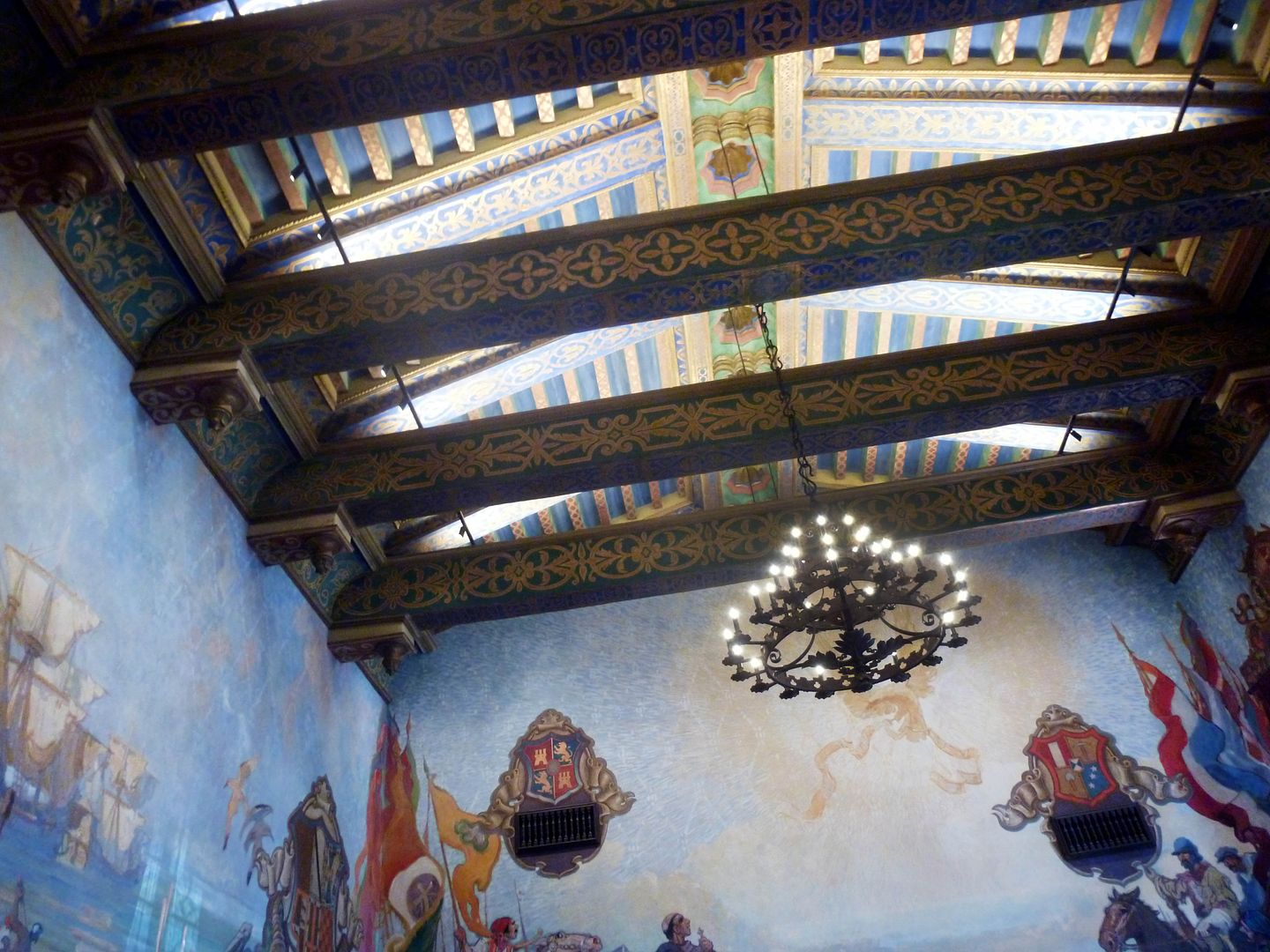
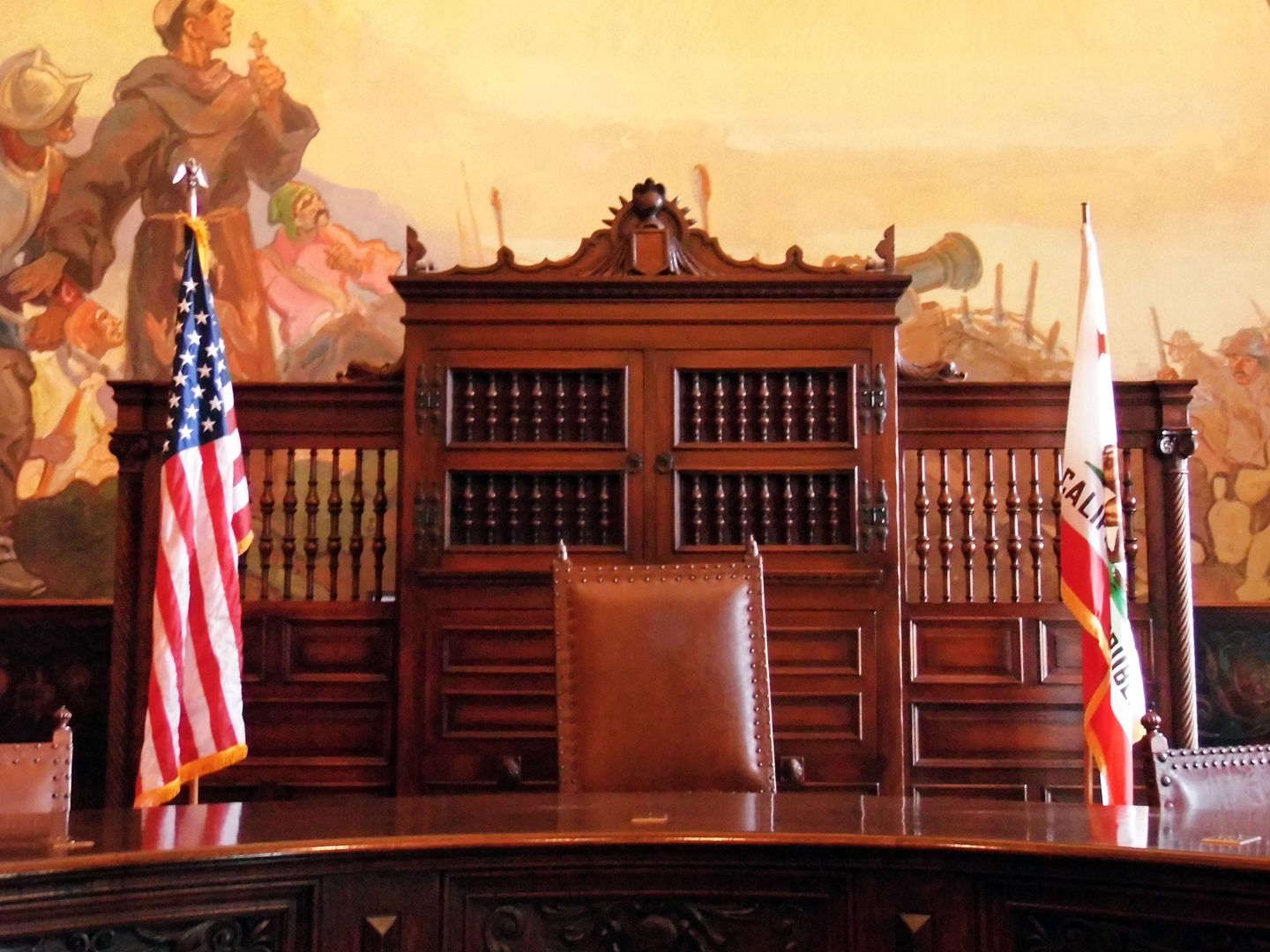
On the second floor, the former County Board of Supervisors' assembly room is now the Mural Room—featuring a 4200-square-foot mural depicting Early California (at least, the Spanish colonial period,  starting in 1542). Daniel Sayre Groesbeck hand-painted it in just four months. 


circa 2016

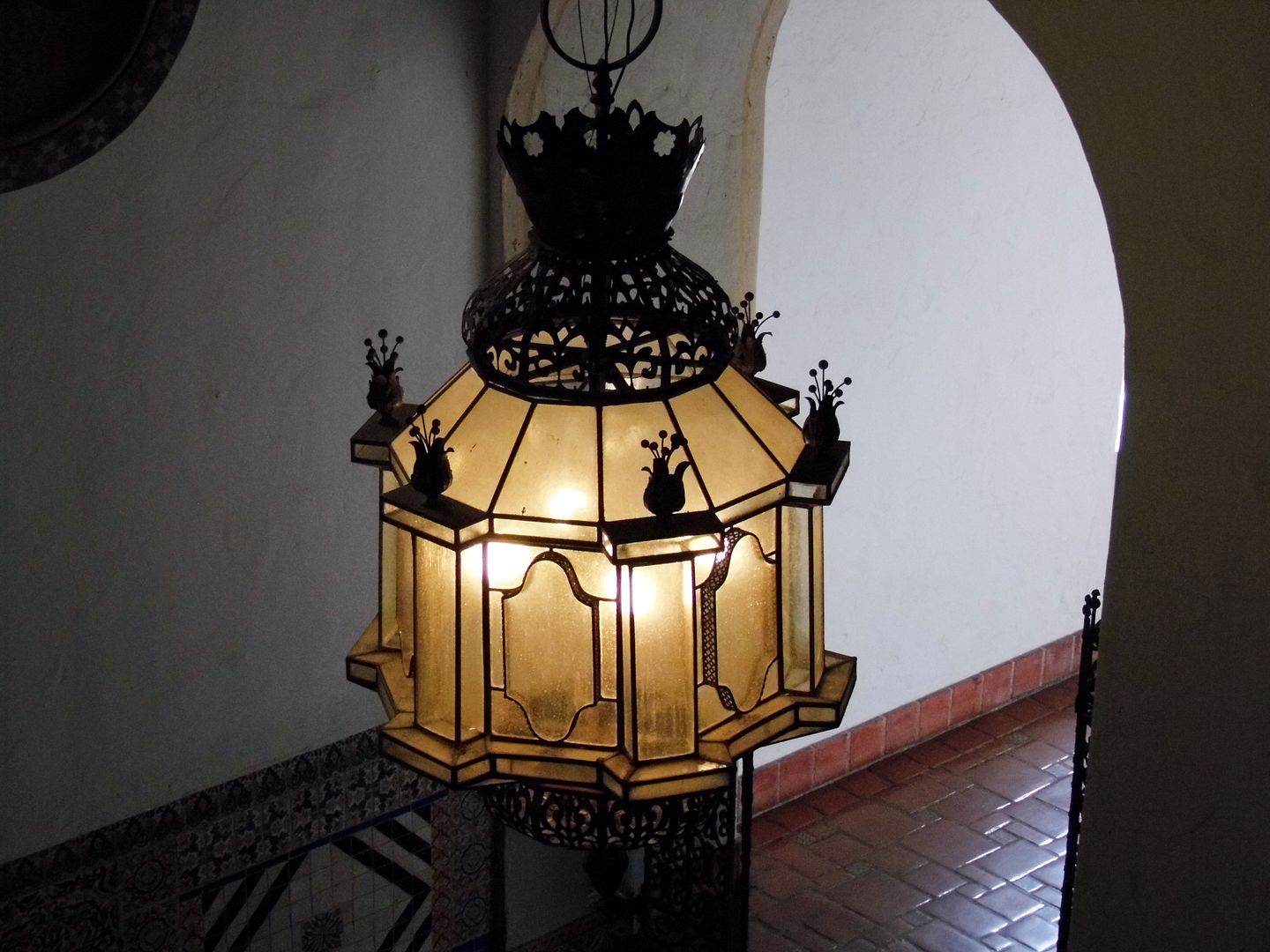
That's where the docent-led tours start—and that's where lots of people get married, right there under the wrought-iron chandeliers and 30-foot coffered ceilings, in front of depictions of explorers and conquistadors like Cabrillo and Vizcaíno and Frémont. 


When Mooser was working on the architectural plans for the courthouse, he considered this a kind of "throne room"—reinforcing the sense that you're in an Andalusian castle.


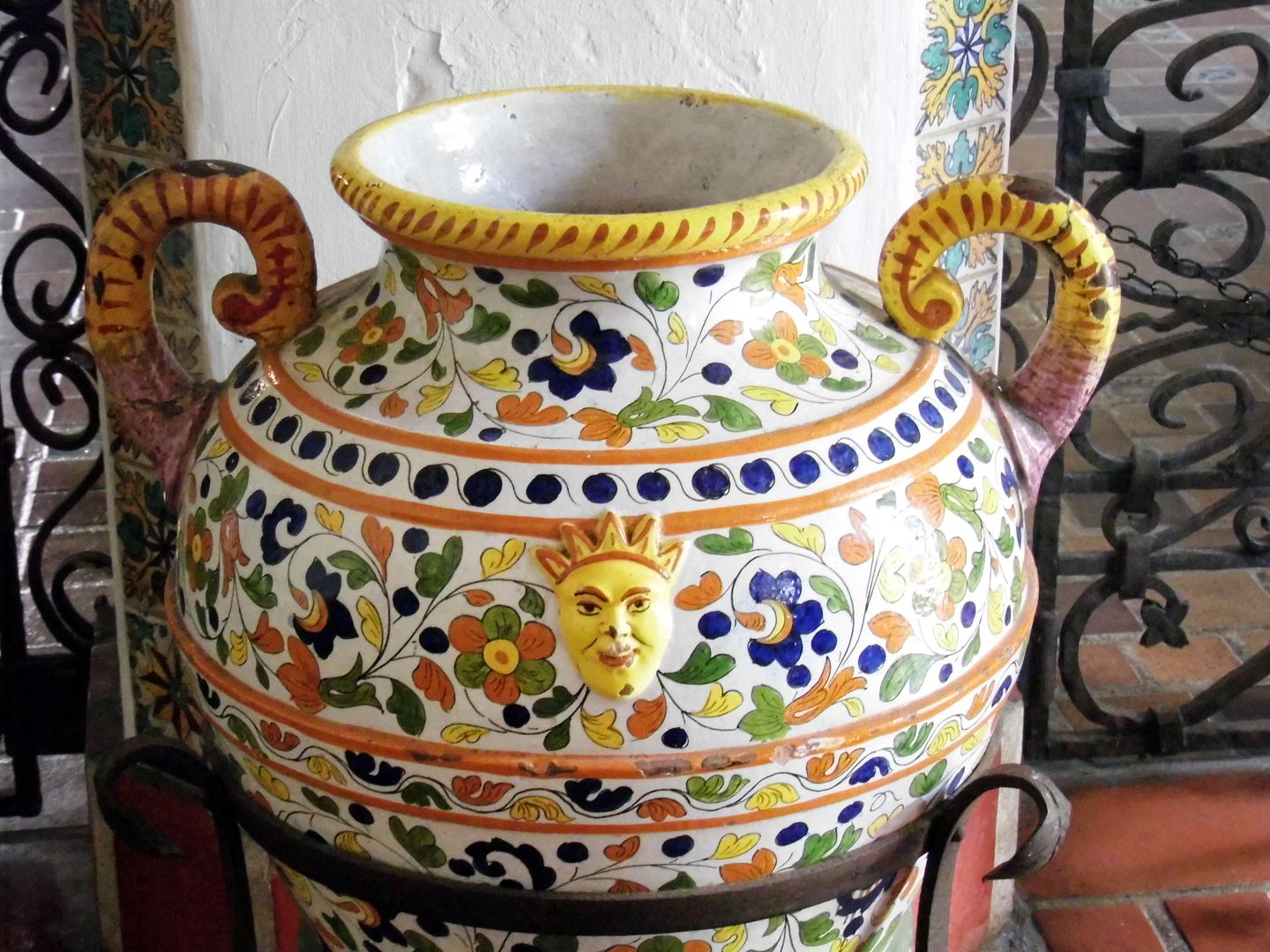
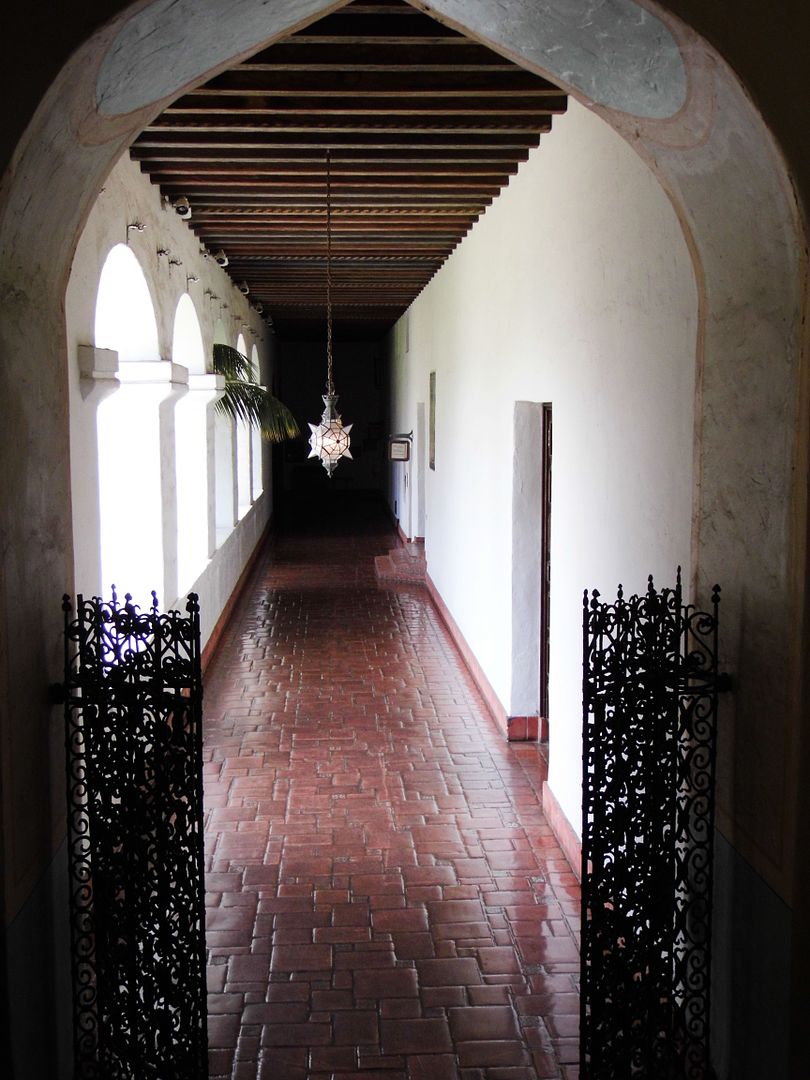
Hand-made terra cotta floor tiles throughout the building were made by Gladding McBean...


...and the feeling of "Old Spain" has been preserved inside and out, despite multiple renovations (including some ADA improvements).


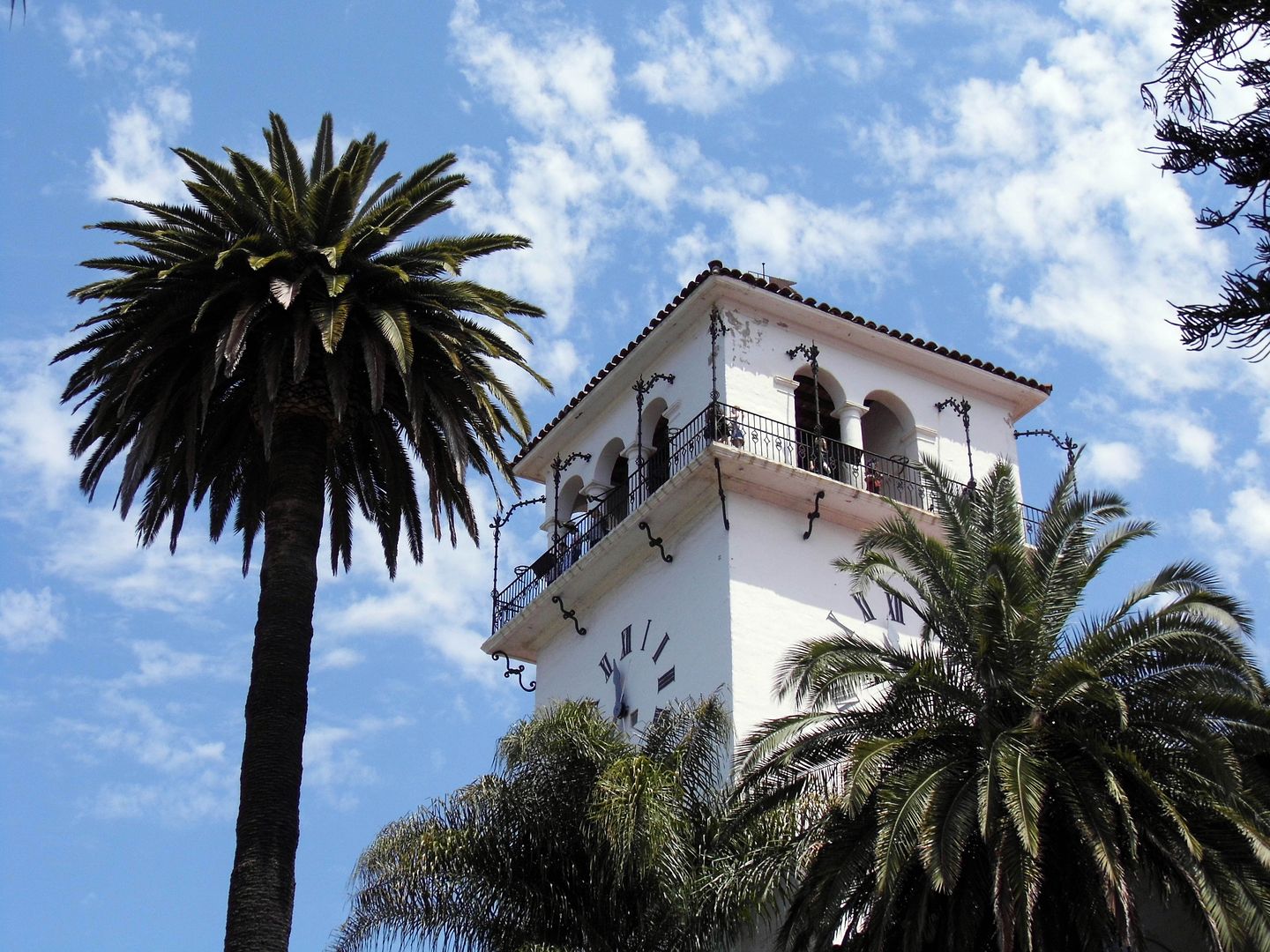
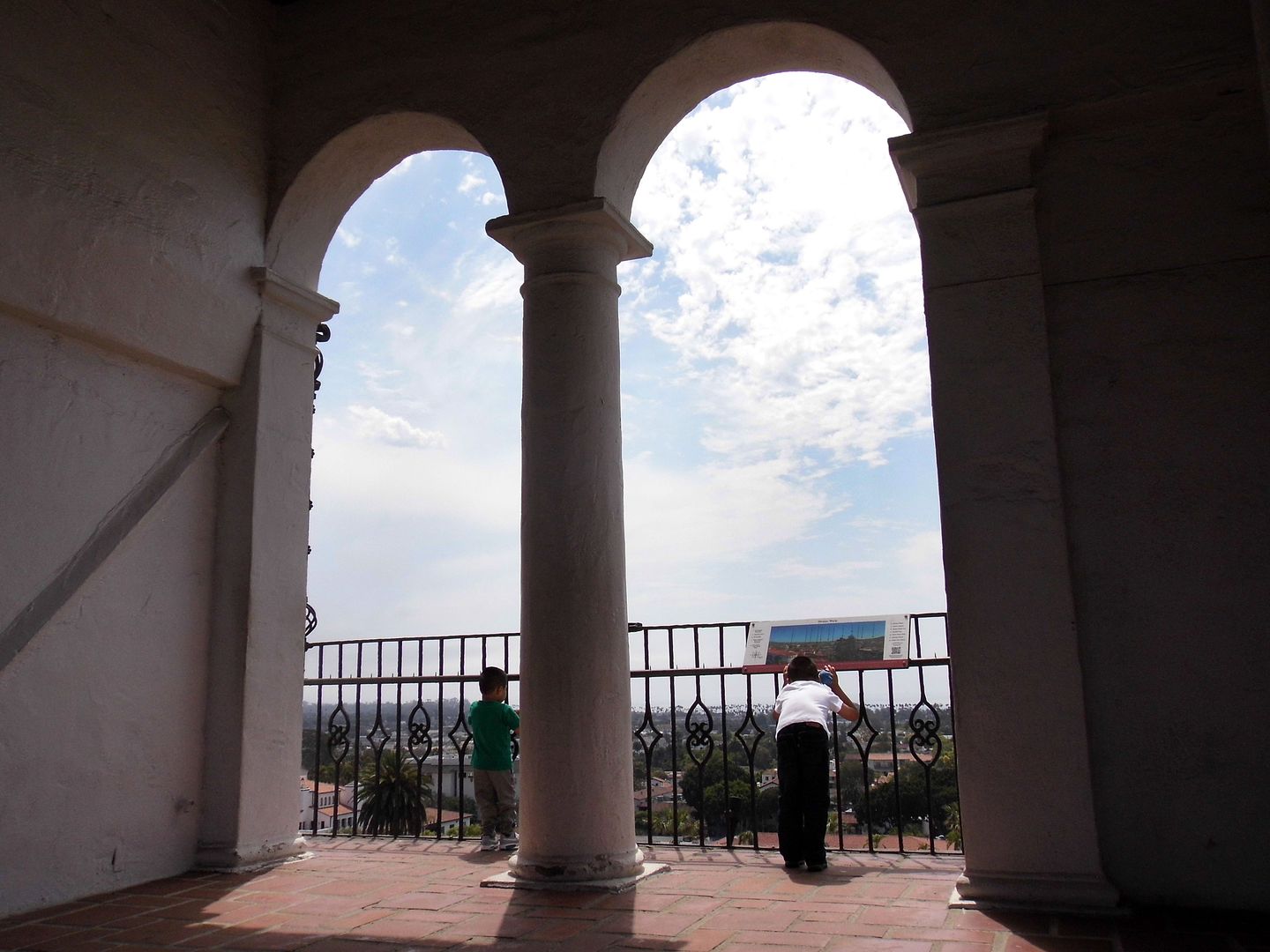
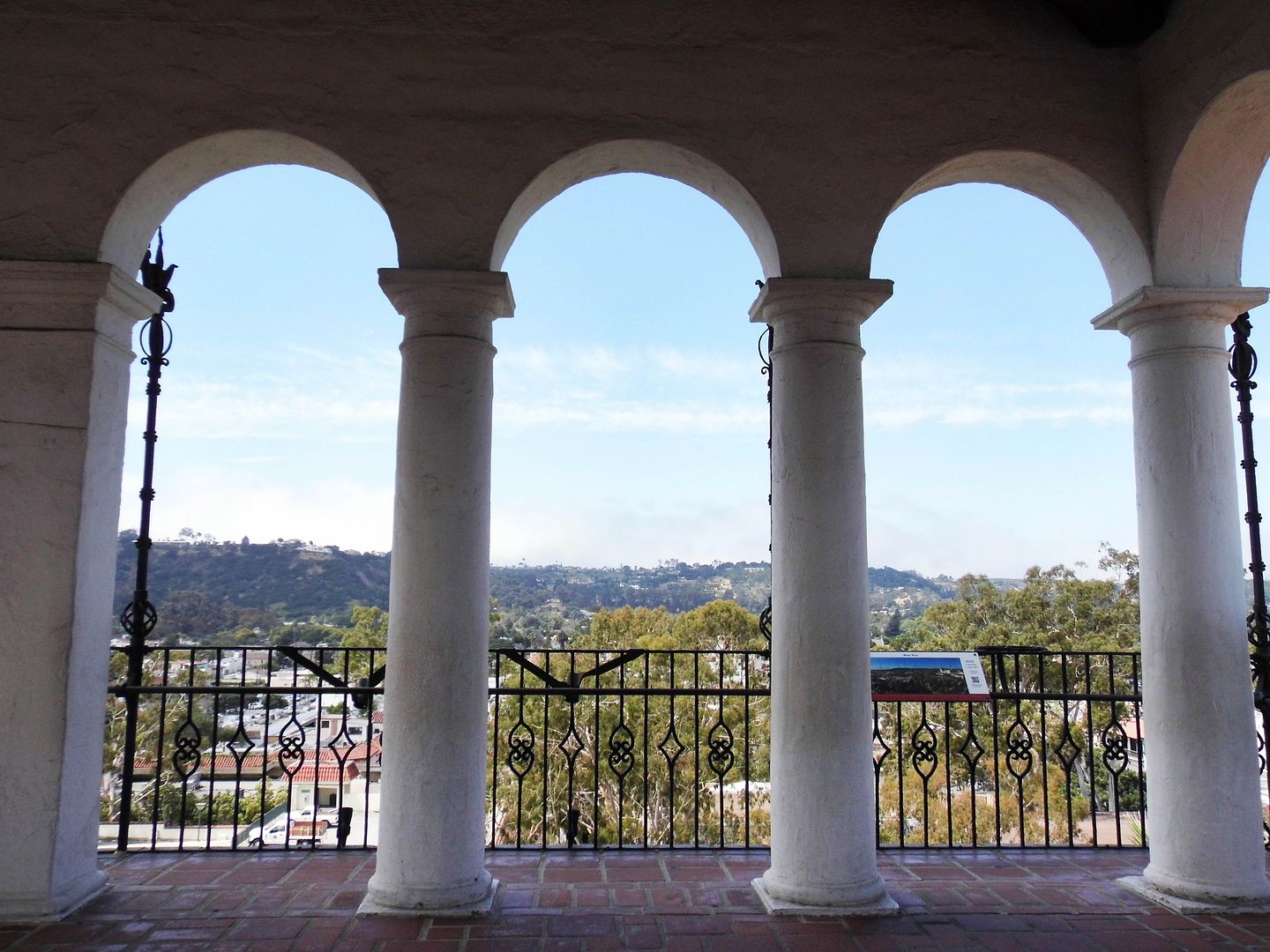
Adding to the romance of the structure—or, I suppose, its romanticized representation of Santa Barbara's founding—is the 85-foot-tall clock tower and "El Mirador" observation deck.


Up there, the Spanish fortress opens up a little bit.


The Seth Thomas mechanized clock is still ticking—and there's an entire gallery devoted to its inner workings.


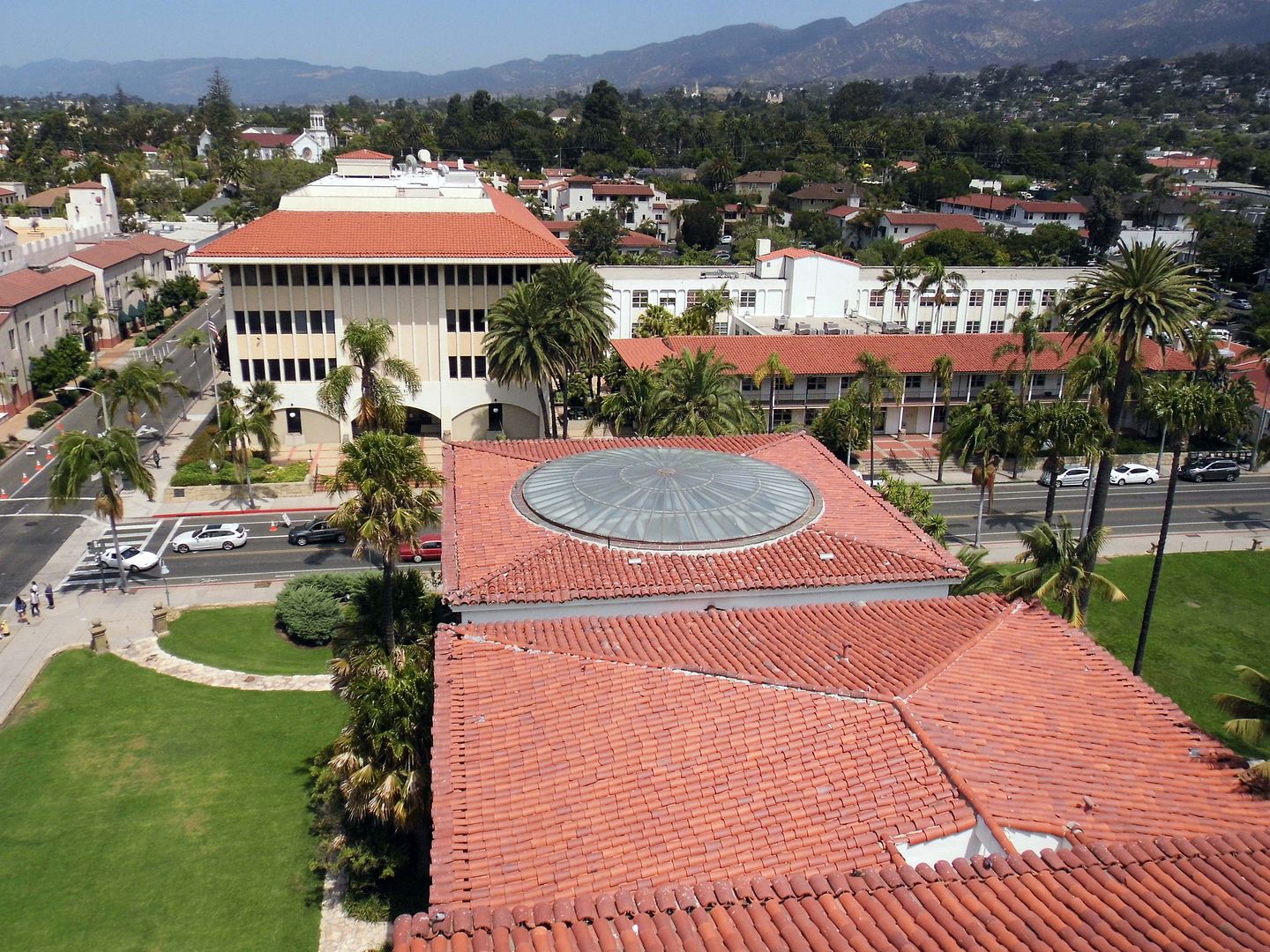
Too bad they don't let you have weddings up there. That's where you've got the best view—and where you can see how the courthouse occupies an entire city block. Seems like a good spot to exchange vows.

Most public festivities take place in the Sunken Garden—where the original 1872 courthouse stood until it was destroyed in a 6.3 earthquake in 1925. Hopefully its replacement has received all the seismic retrofitting necessary to survive the next "big one" that's sure to come.

Modern engineering has figured out ways to keep a building from crumbling under massive shaking.

But modern medicine hasn't yet figured out how to keep a heart from breaking—or how to put a broken heart back together.

*all photos circa 2017 except where noted

Related Posts:
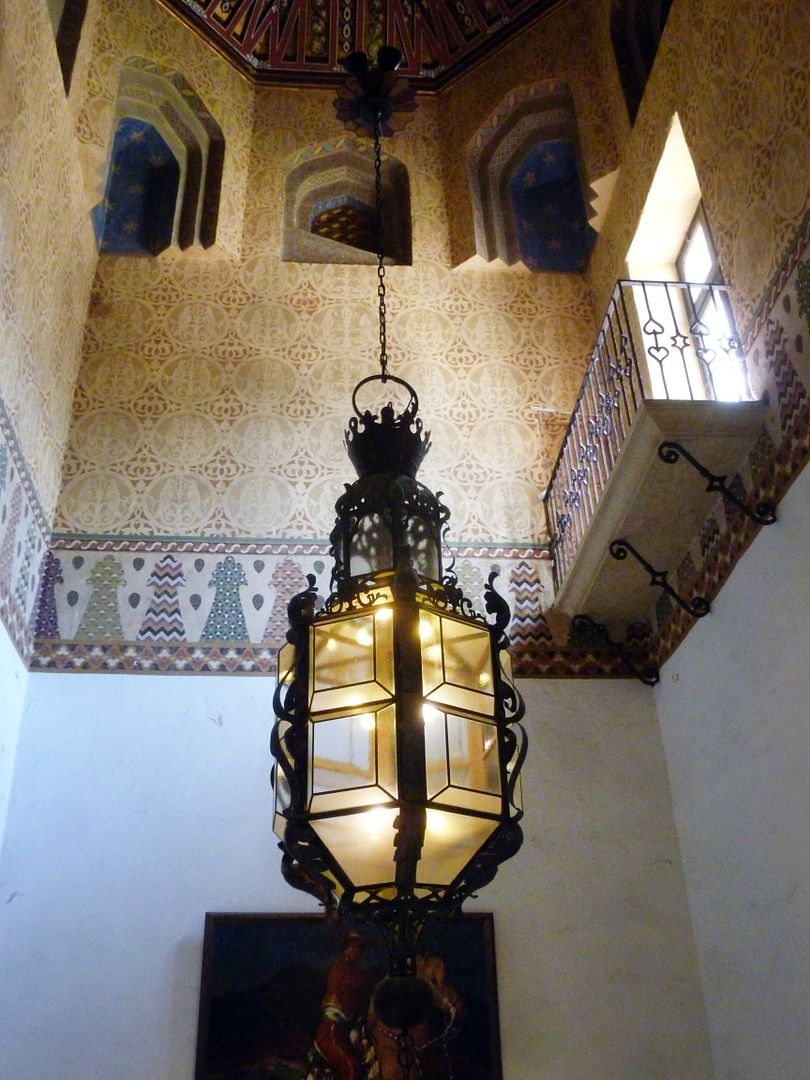
Photo Essay: The Gardens of the Blacksmith (Los Jardines del Herrero), A Slice of Spain Outside of Santa Barbara
Photo Essay: The View from Above Balboa Park's Former Expo Grounds