
I just happened upon a Padres baseball game once many years ago, when I was still living in NYC and in San Diego on a trip (maybe it was for the KIDZ BOP concert at the Spreckels Theatre?). Some coworkers and I swung by Petco Park to see if we could get last minute tickets, and somebody just gave us a handful of free tickets.
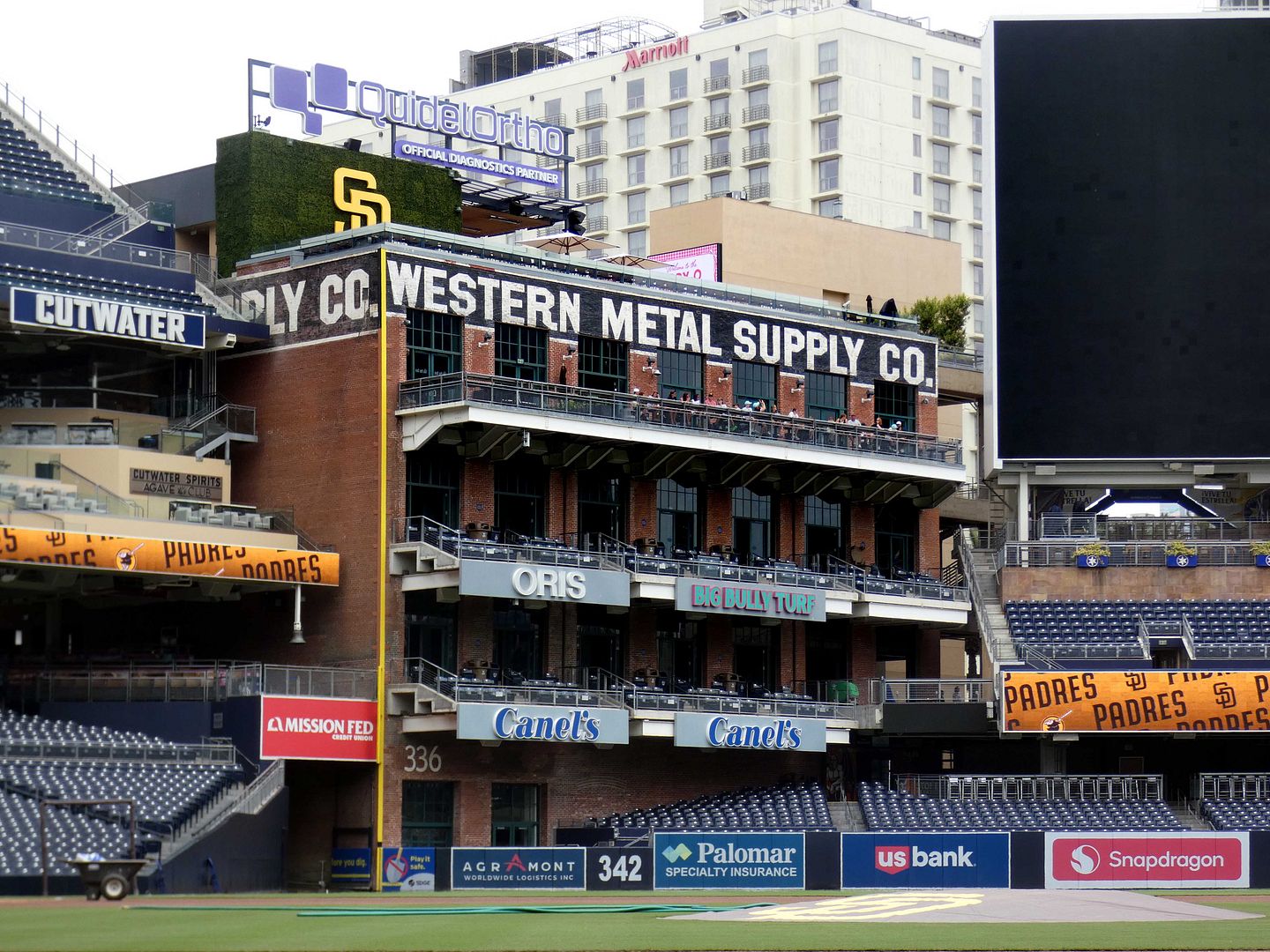
I don't remember much about the game itself. But I do remember the Western Metal Supply Company building.
By then, I'd already started to become interested in old buildings and preservation, having joined the National Trust for Historic Preservation as a member and spent a lot of time poring over monthly issues of Preservation Magazine. So, I was fascinated by how a new ballpark—maybe two or three years old at that point—had been built around a circa 1909 brick building with significant enough history to save it from being torn down.
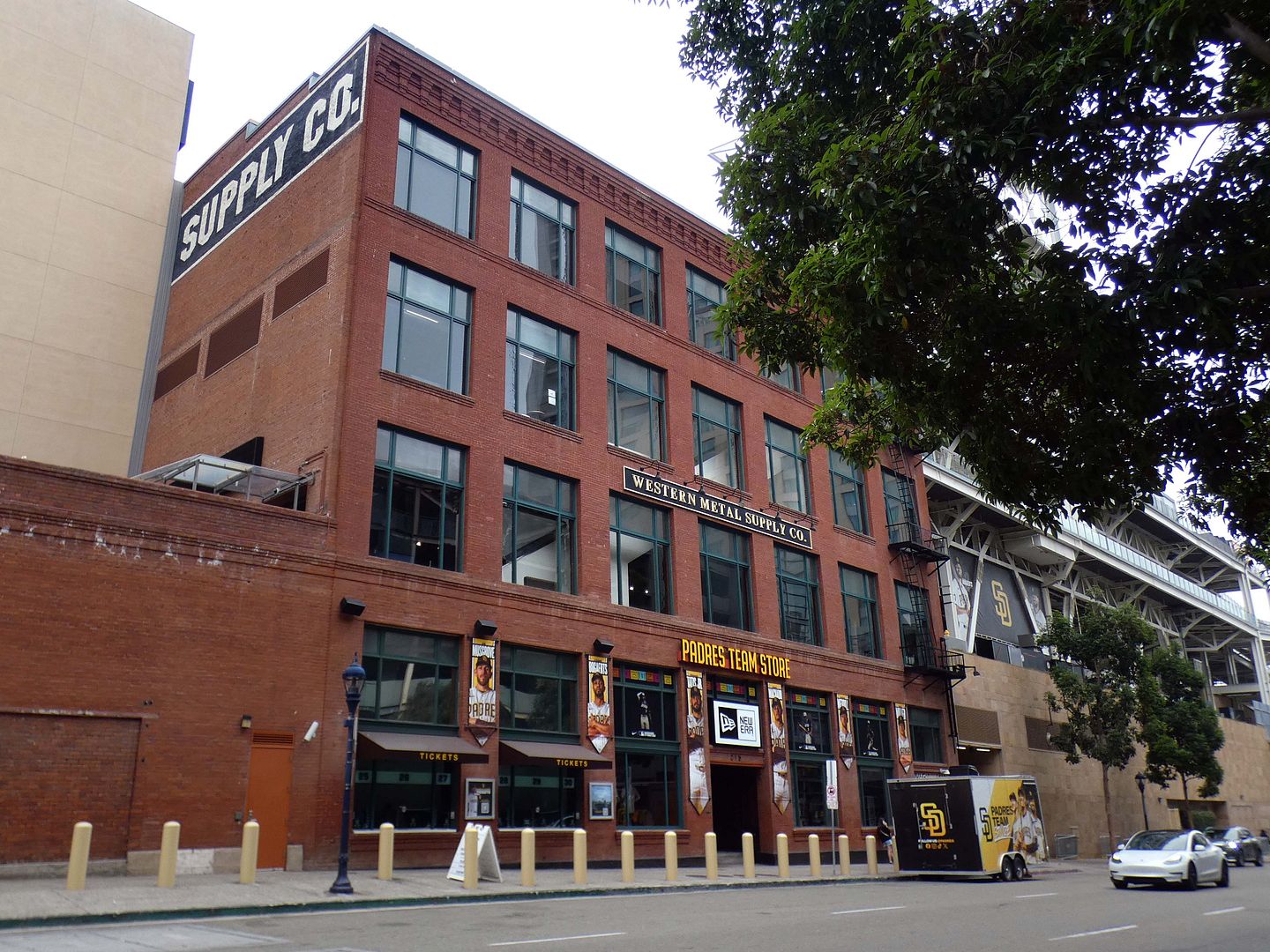
It was all the way back then, maybe 18 or 19 years ago or so, that I first vowed to take a tour of Petco Park one day. And despite it being incredibly centrally located and easy to reach—a stone's throw from the Gaslamp Quarter, the convention center, and Harbor Drive (where I set off on the Navy Bridge Run in 2022)—it's taken me this long to finally get there.
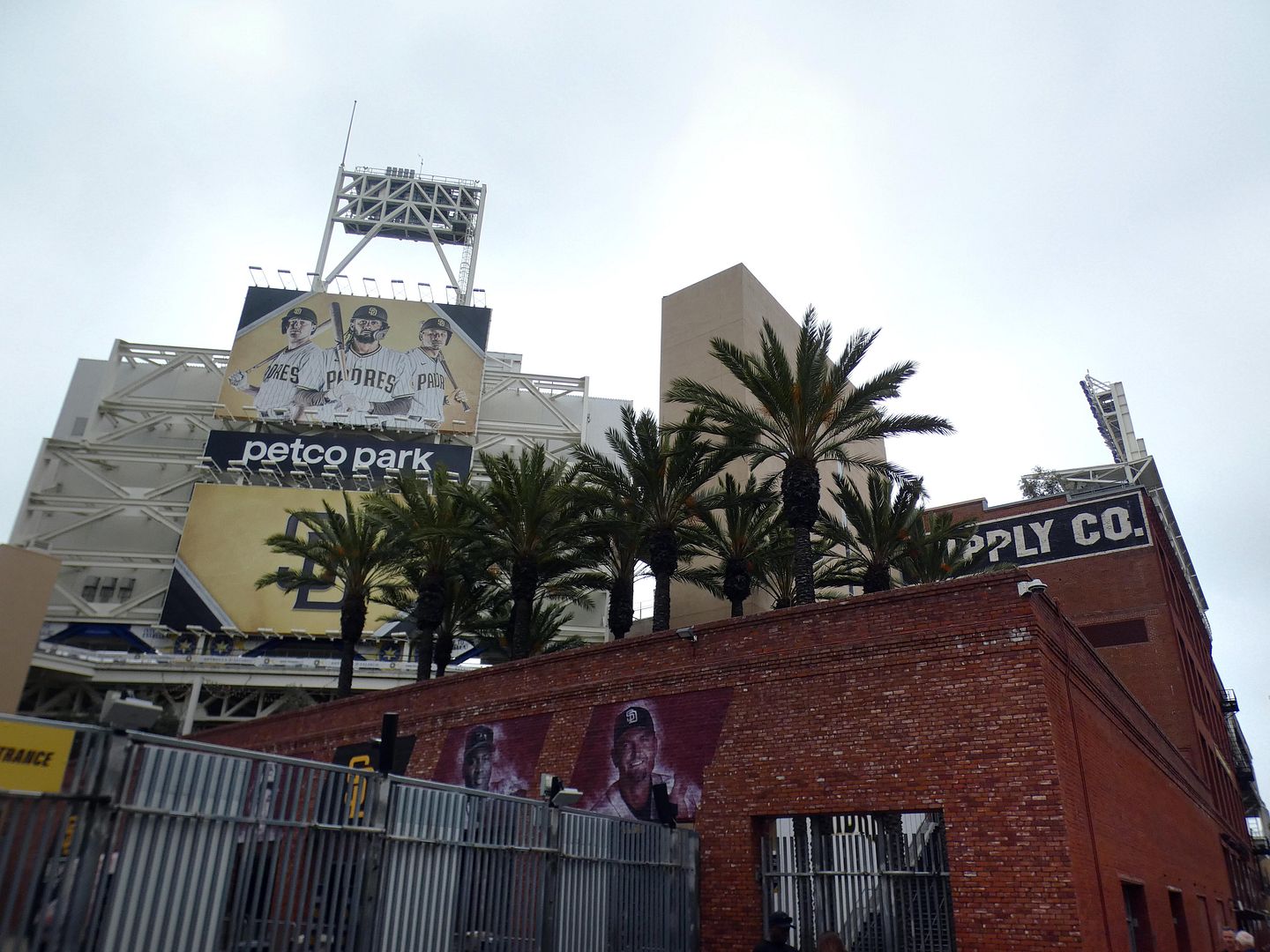
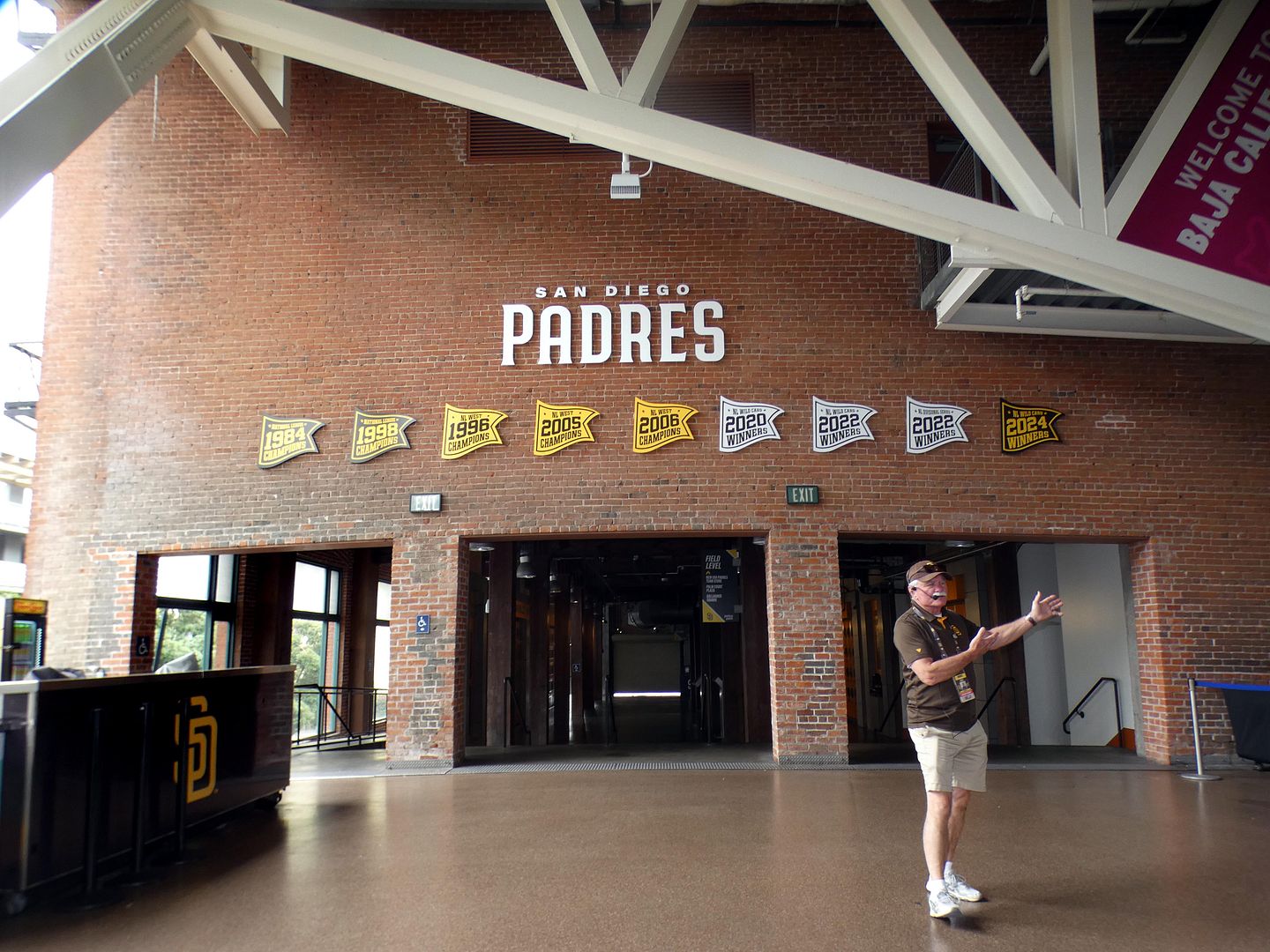
The ballpark tour started at the Western Metal building, where I checked in at the Petco Park Tours box office and met my tour guide around the corner—at a contemporary brick wall that was built to match the vintage architecture of the adjacent structure.
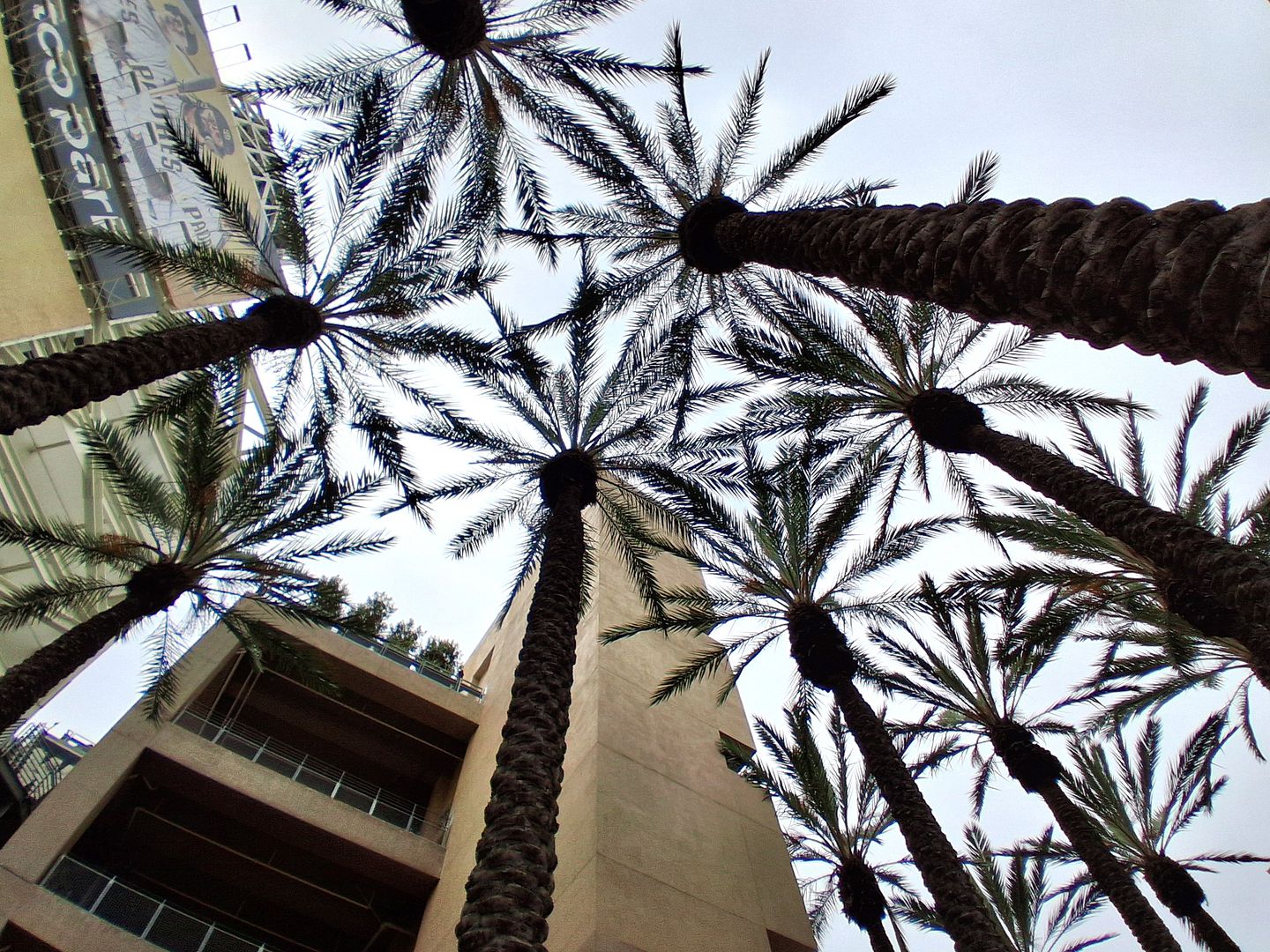
We first made a quick stop at the main gate, known as Palm Court Plaza...
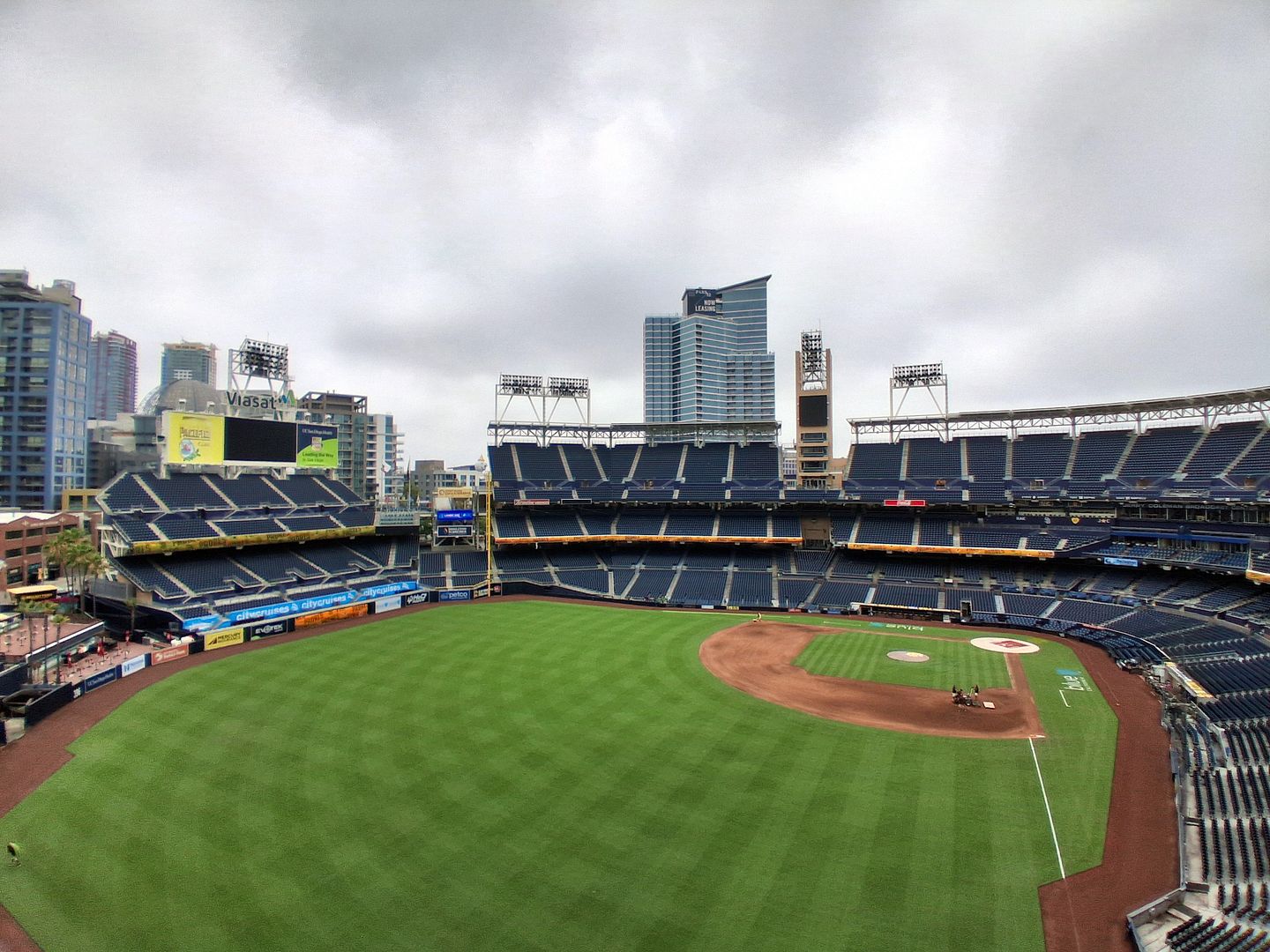
...before heading straight to the rooftop of the Western Metal Supply Company building, which now serves as a space for private or semi-private parties overlooking left field.
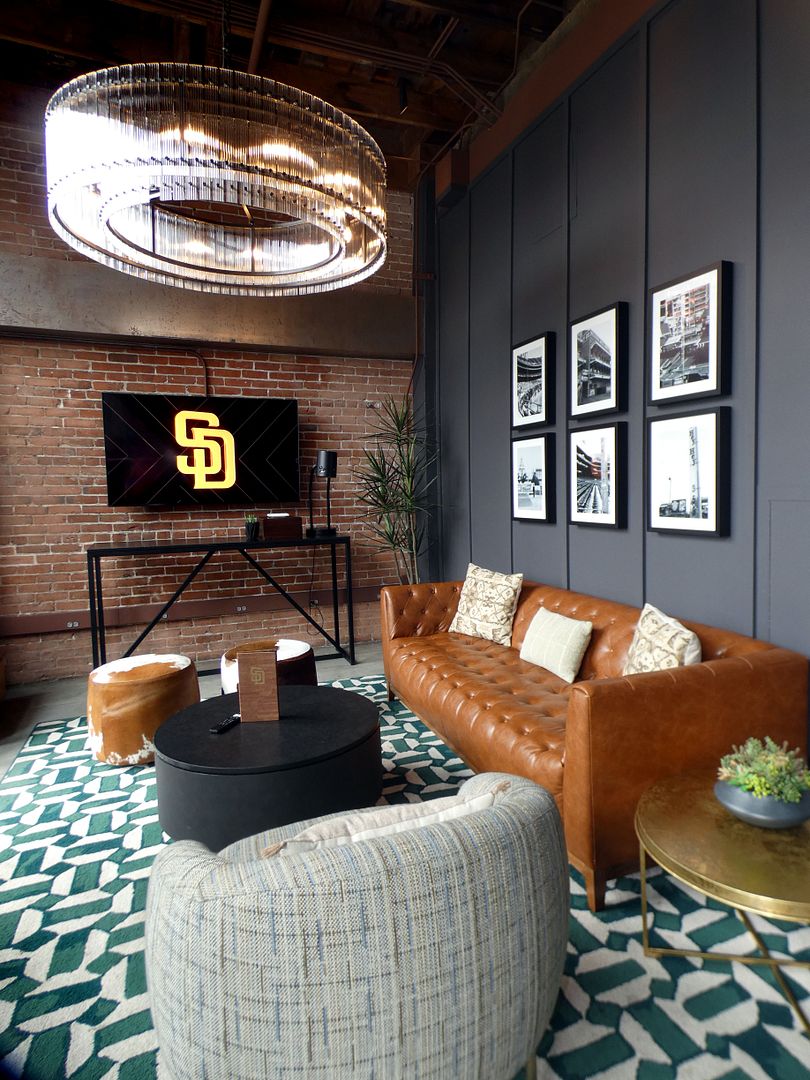
Inside the Western Metal Supply building is another hospitality space called The Foul Pole Suite...
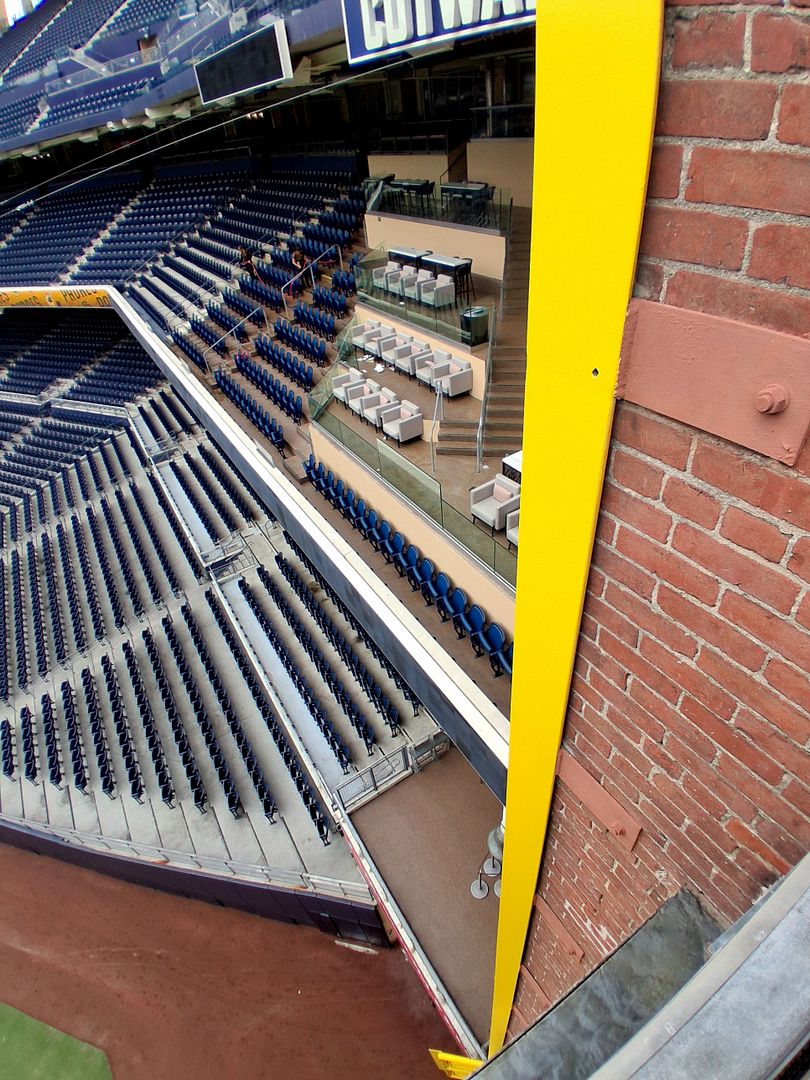
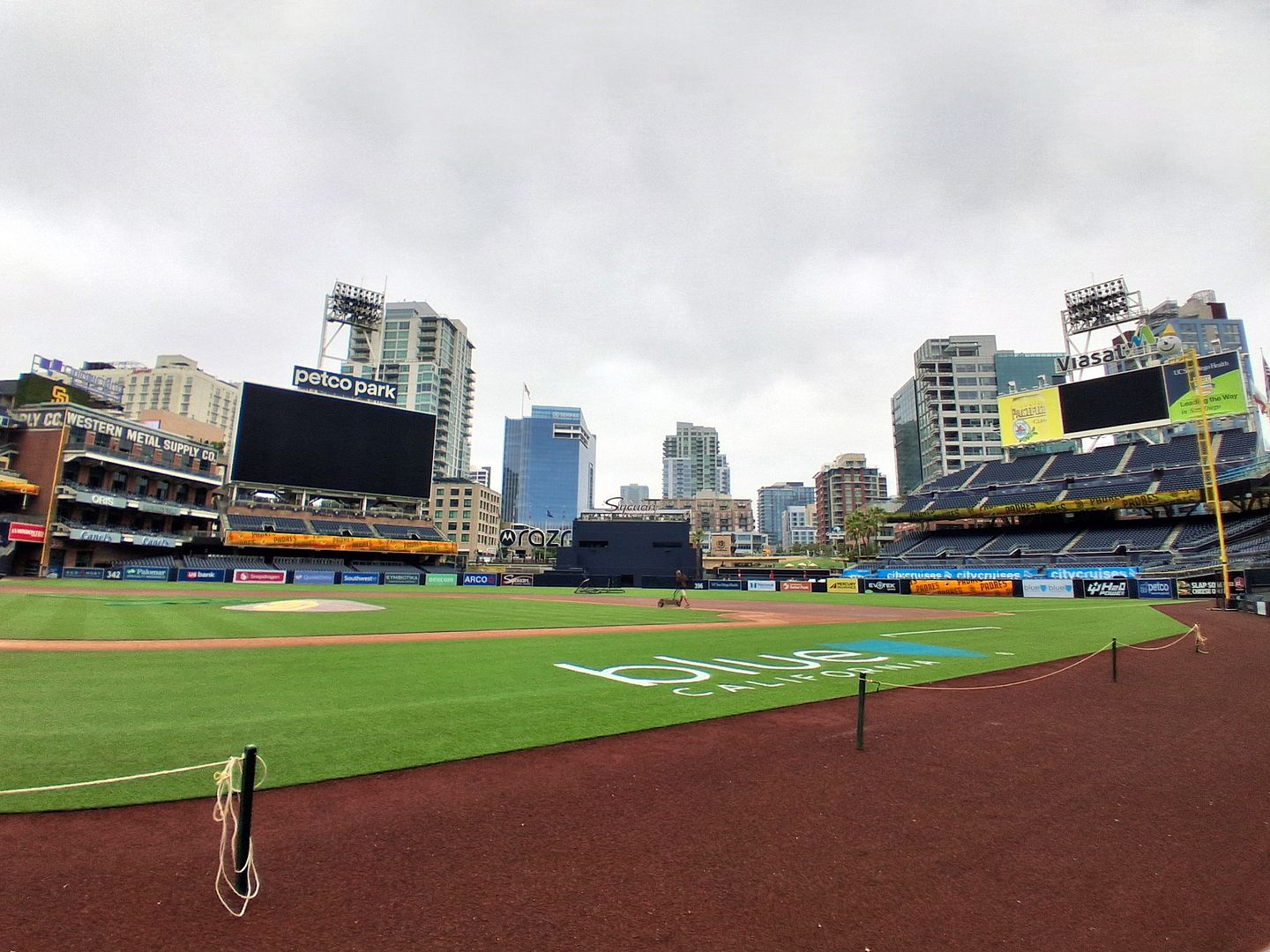
...which refers to the yellow foul pole that was installed right on the corner of the building, one of the clearest signs that everything about the ballpark was oriented to the existing location of the historic structure.
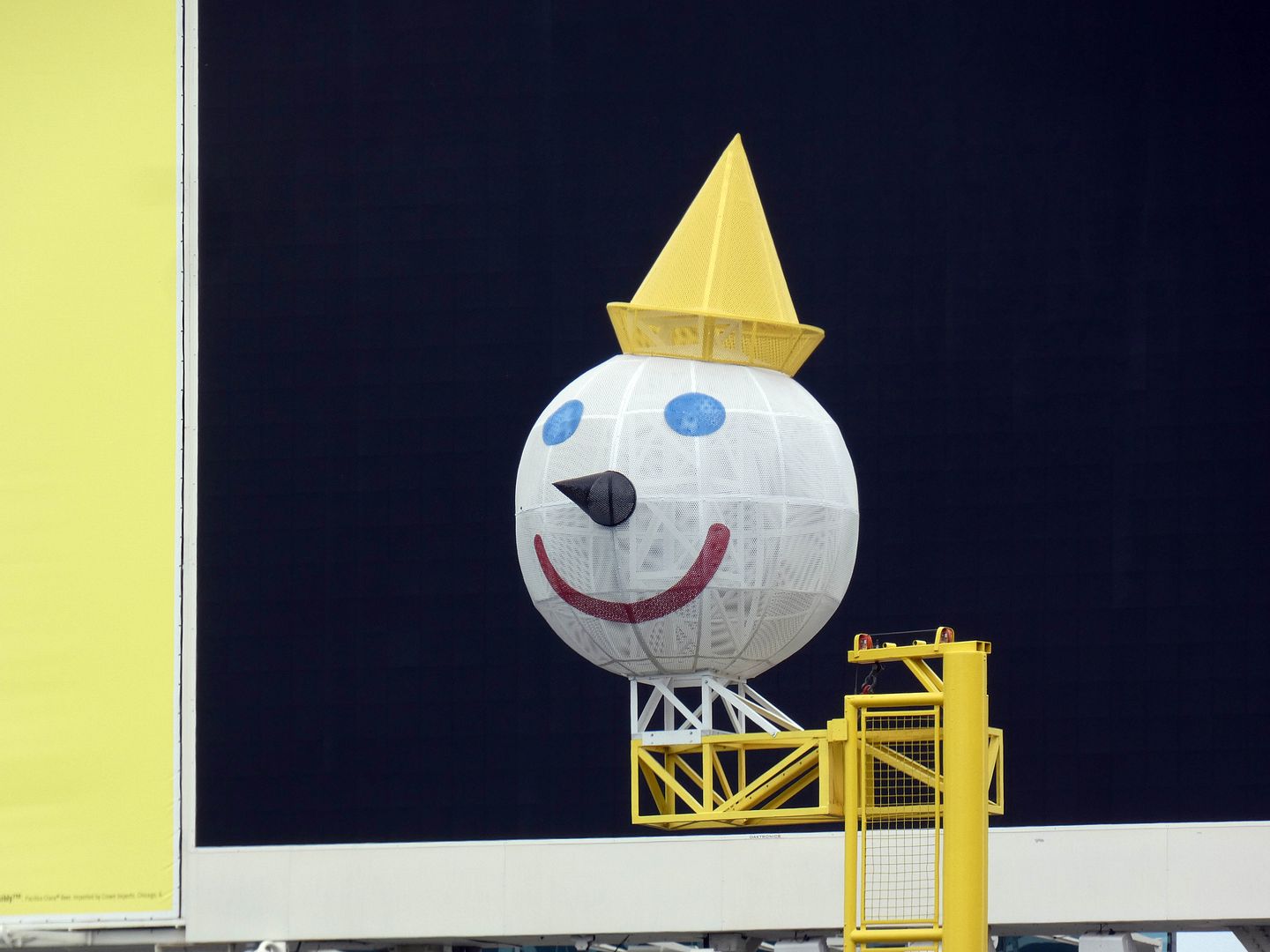
The other foul pole across the way (in the right field) is topped with a Jack in the Box clown head as part of the locally-based fast food chain's corporate sponsorship of the Padres.
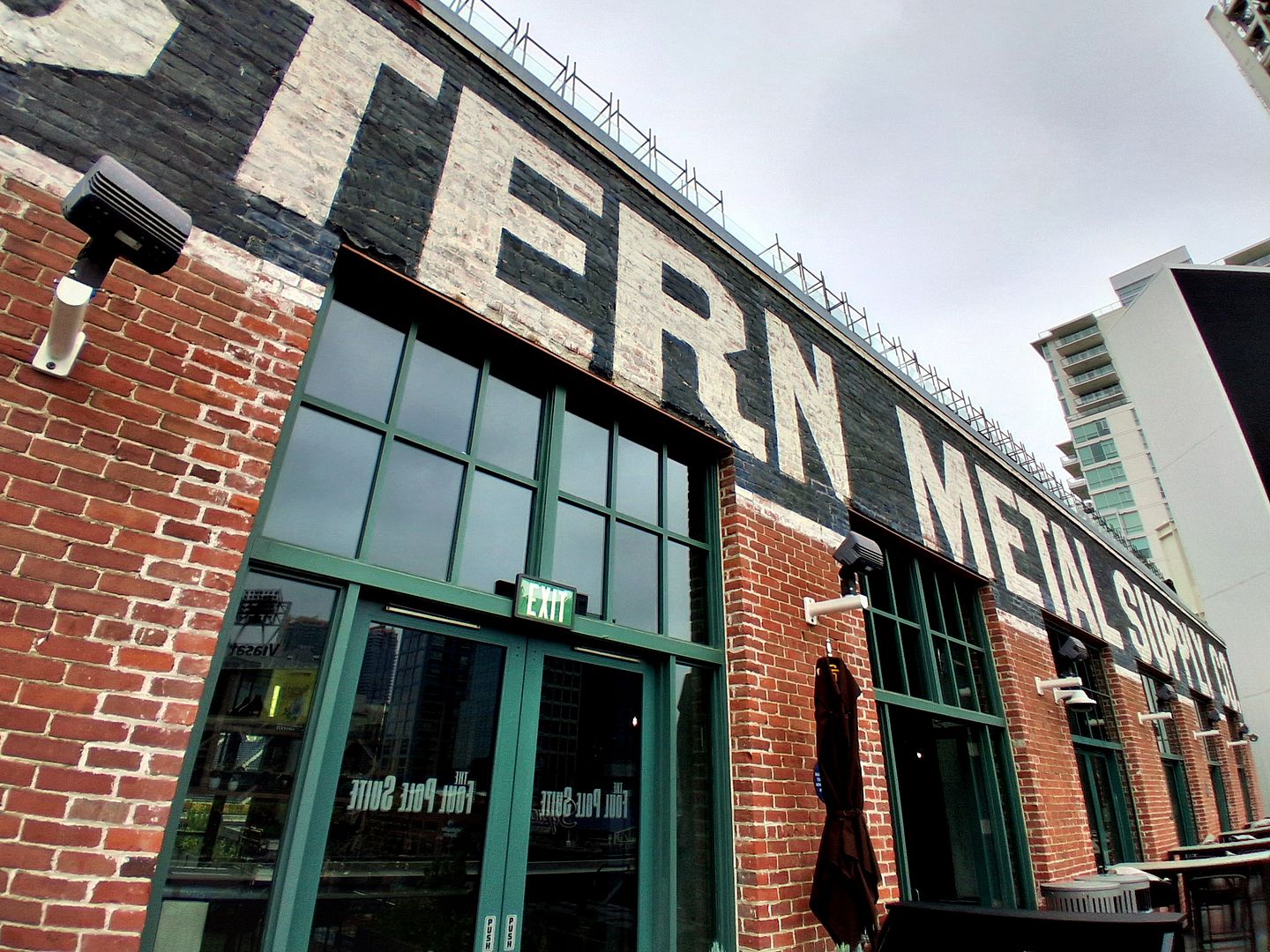
All these areas were renovated in 2025, including The Rail private seating area...
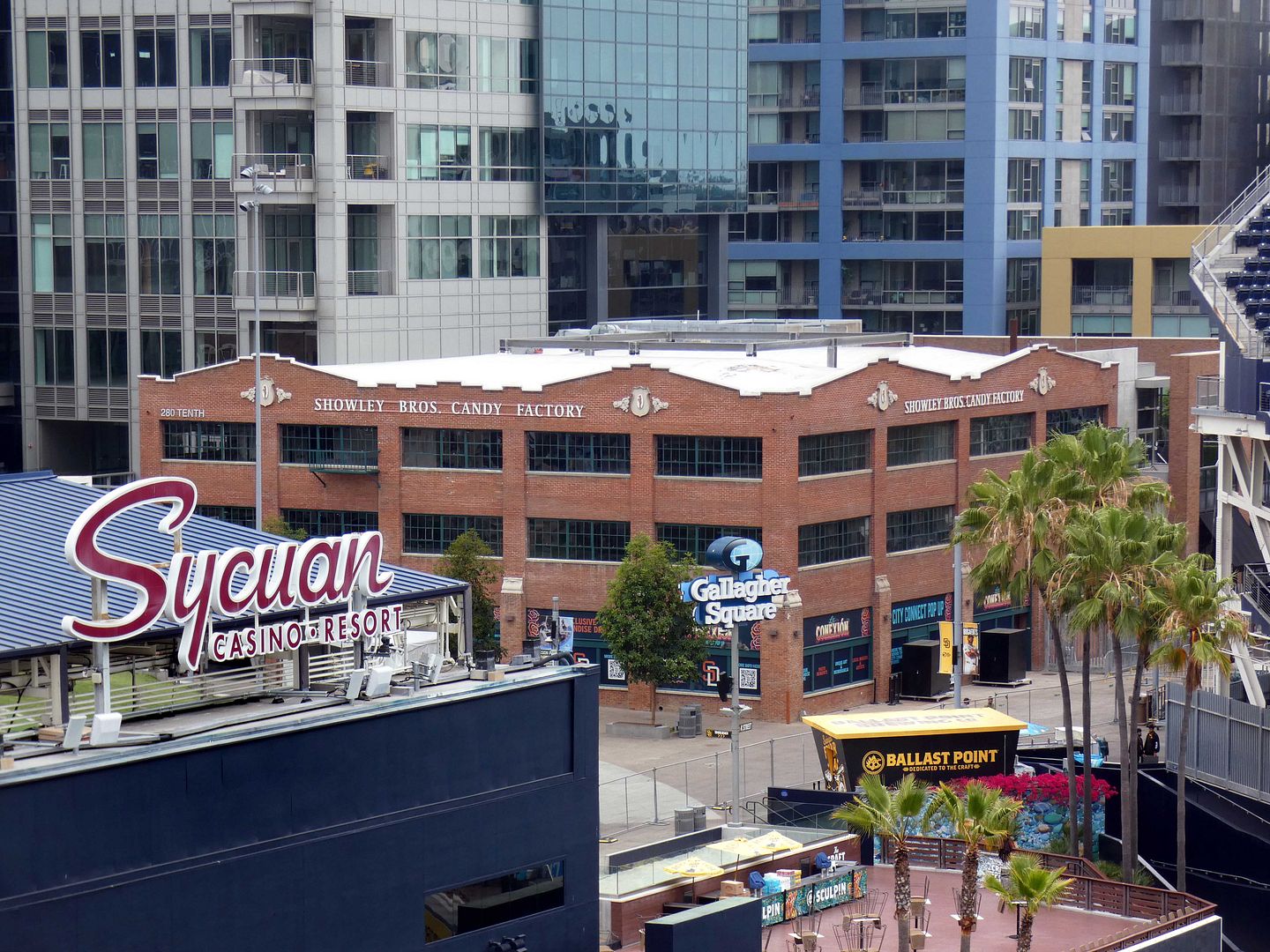
...which provides a really good view of another local landmark, the Showley Bros. Candy Factory building (which amazingly was moved 280 feet to make way for the stadium construction).
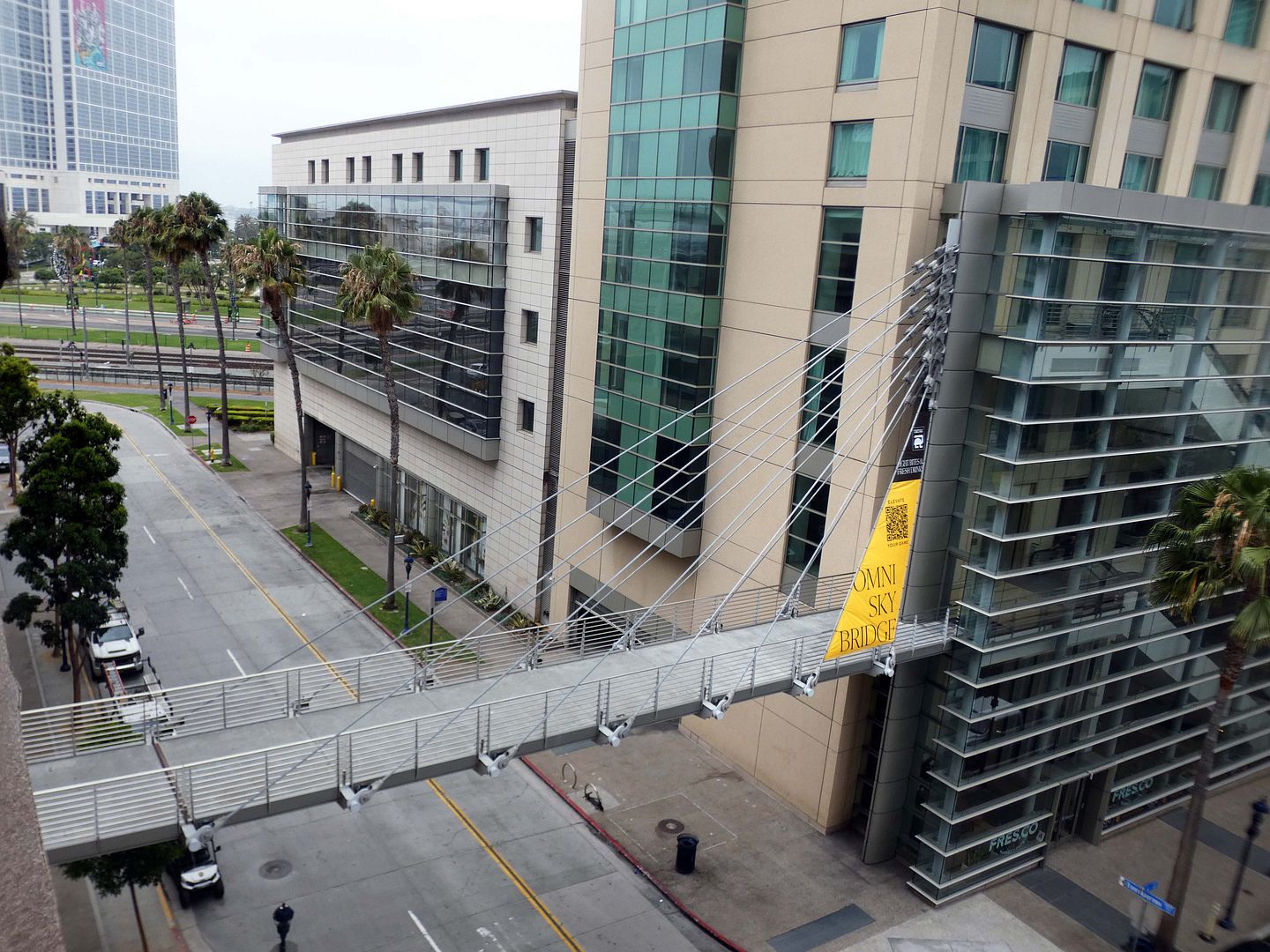
As we made our way through the Terrace Level, we admired the Omni Sky Bridge, which connects the Omni Hotel to Petco Park—making it the only MLB ballpark connected to a hotel by a skybridge (an unusual distinction, but one that our tour guide seemed to be proud of). The only hitch? You've got to be an Omni guest with a keycard in order to use it.
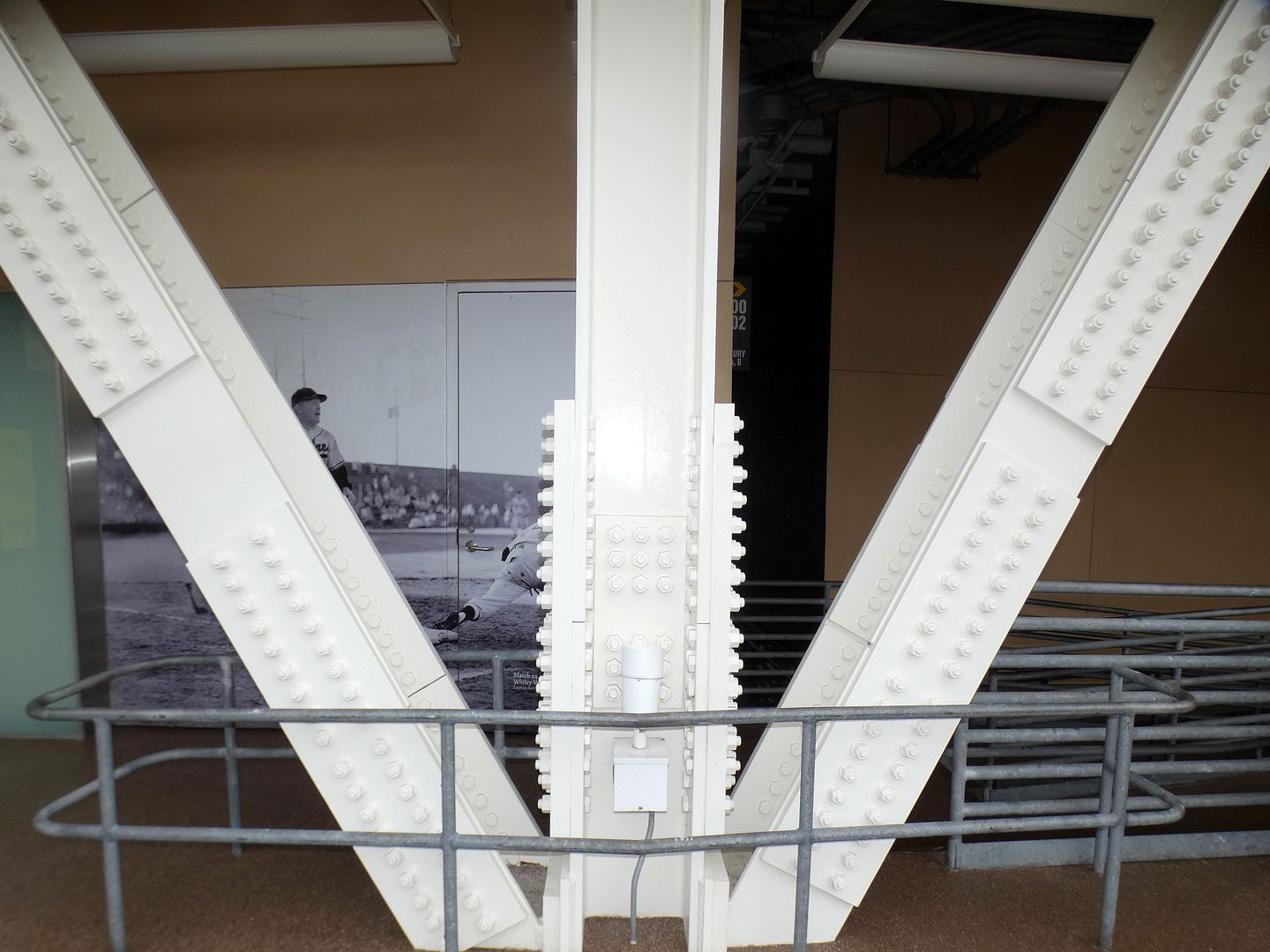
I thought that the Western Metal building would be the only interesting piece of architecture I'd encounter at the stadium—but as it turns out, there are many references to San Diego built into the structure, including the heavy, riveted metal beams that evoke the area's strong Naval ties.
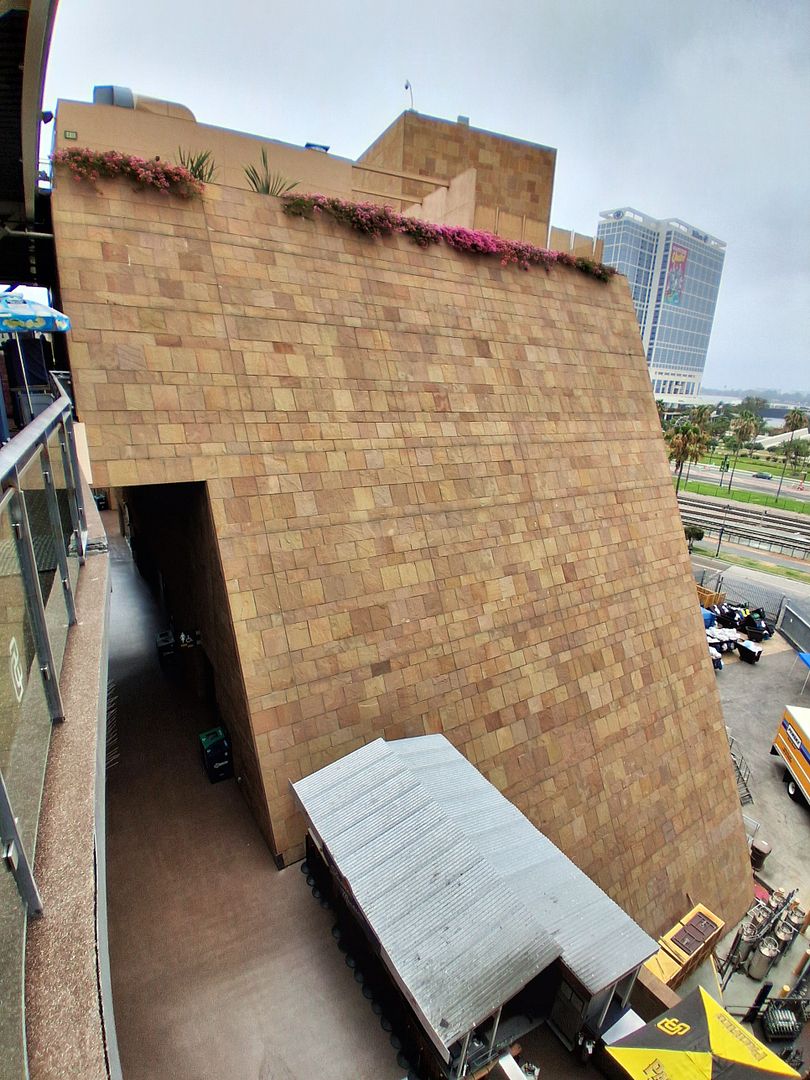
There are two architectural features constructed of Indian sandstone that are meant to evoke the steep cliffs of Torrey Pines, plus a stadium light tower (with Tower Loft Suites below it) that brings to mind the California Mission belltowers.
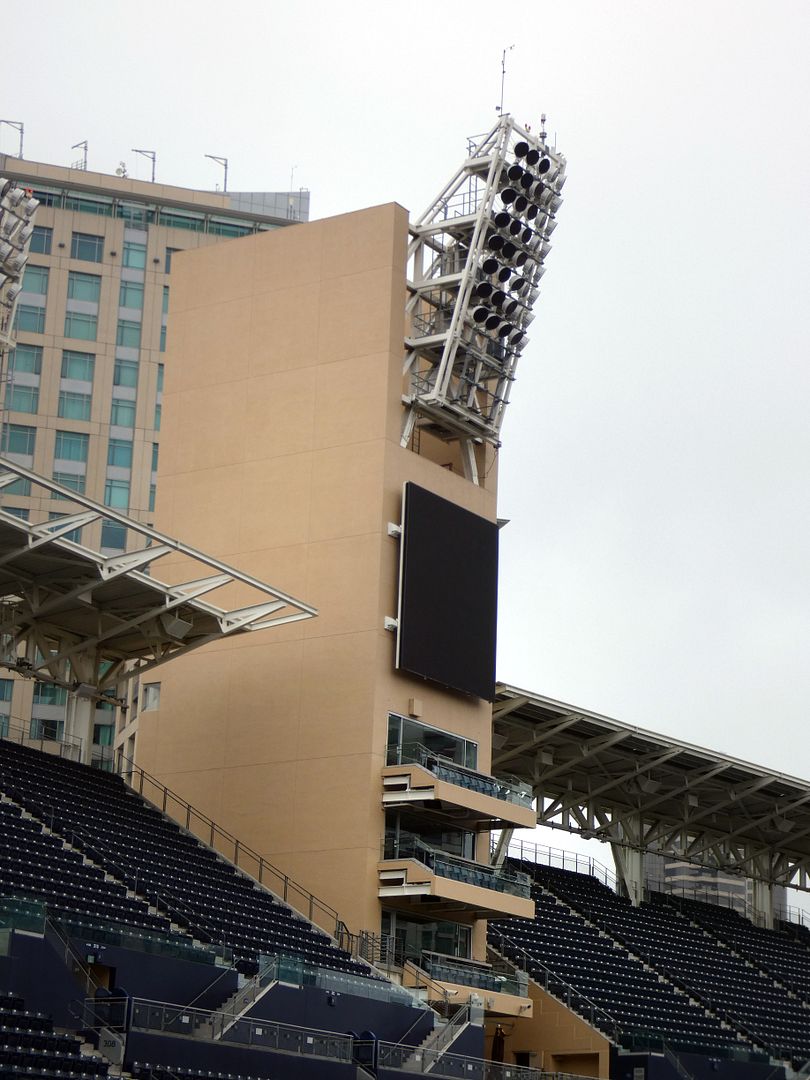
The Padres' current name and mascot are a nod, perhaps, to the Mission Basilica San Diego de Alcalá, the first of the California missions—but they used to be known as the Hollywood Stars and were based in Los Angeles until moving to San Diego in 1936.
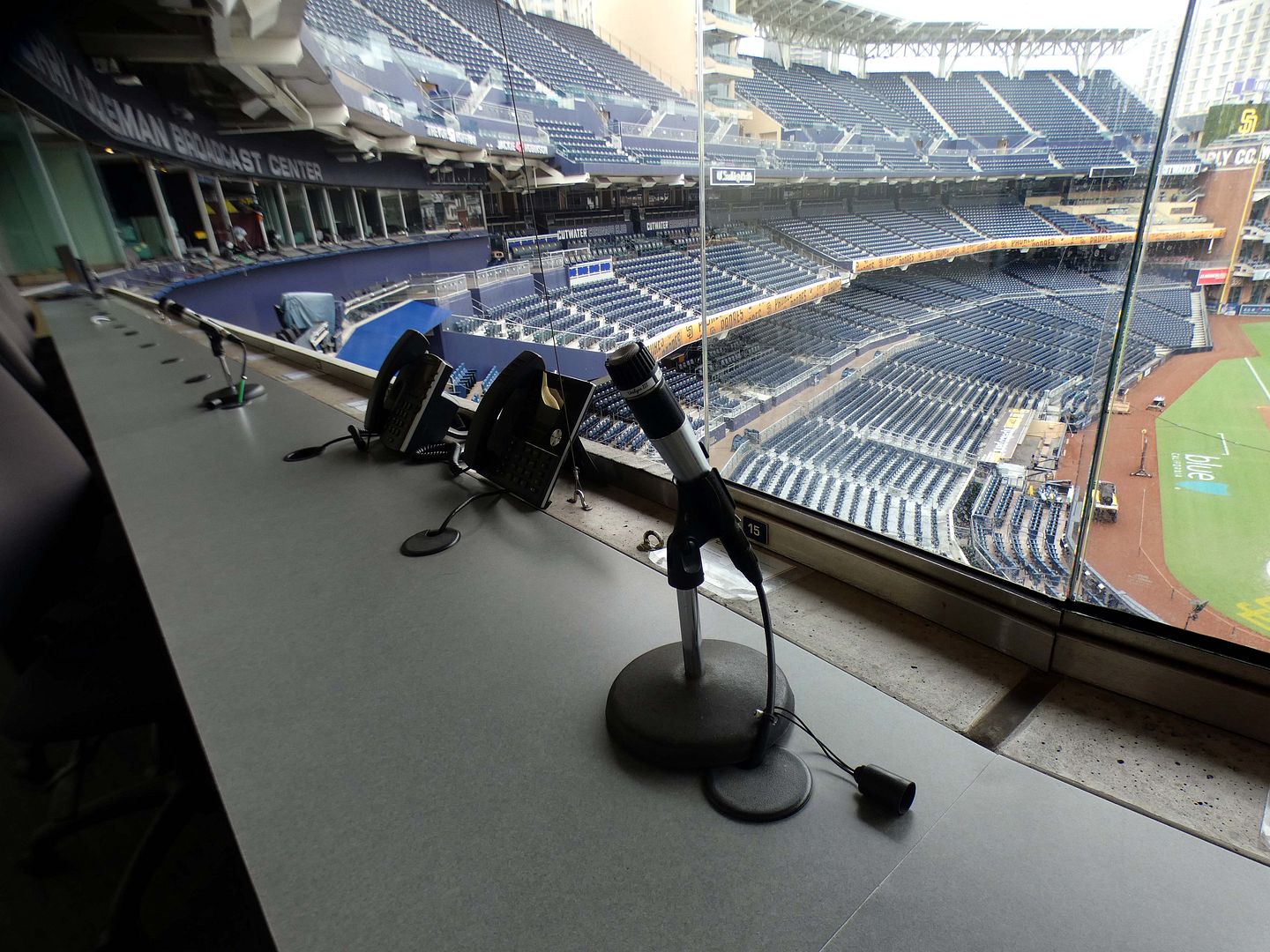
The Press Box across the way is particularly popular among members of the media because it's open air, with very little glass obstructing the view.
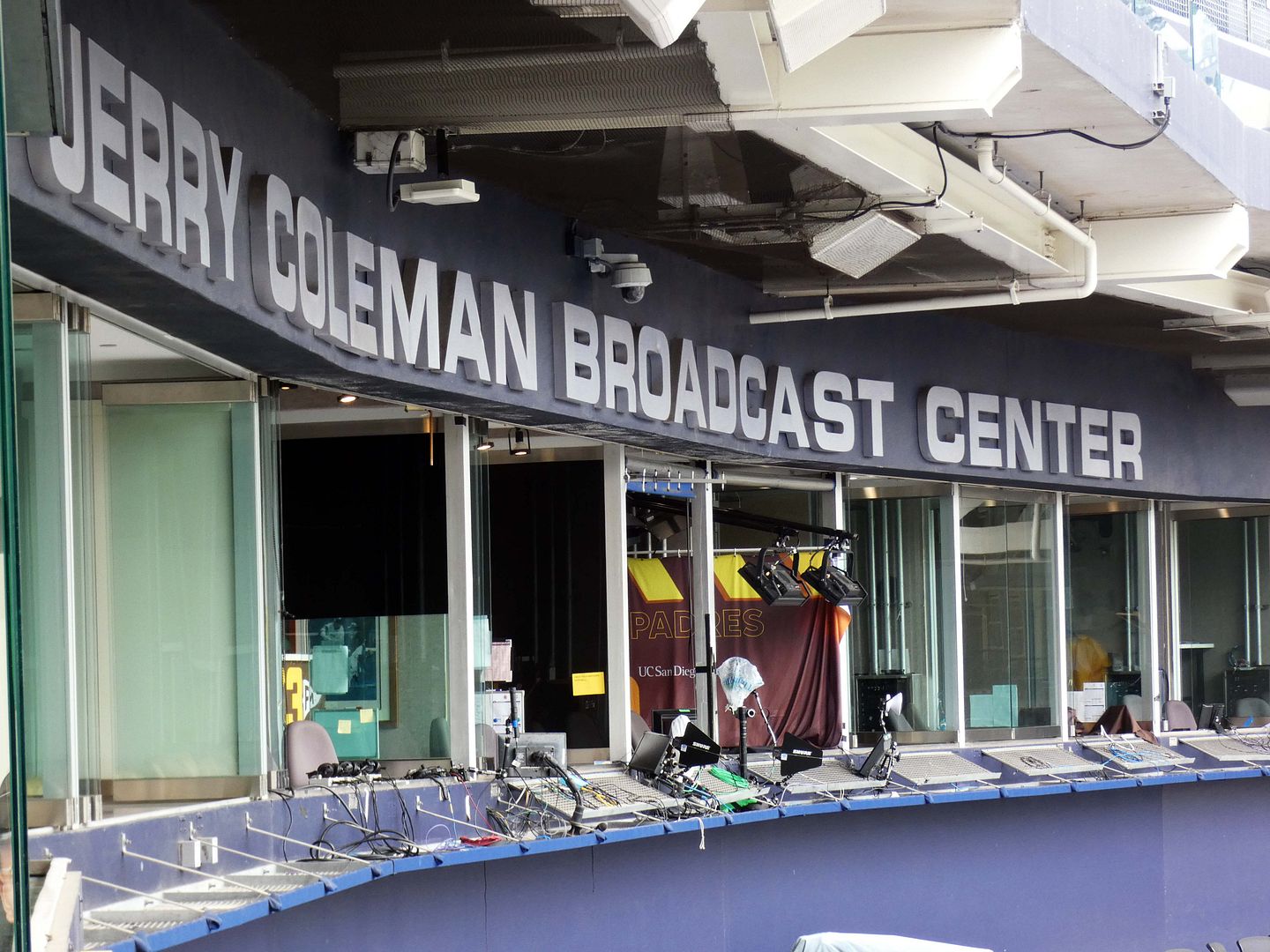
The adjacent broadcast center was named after Jerry Coleman, the broadcasting legend who served as the Padres radio announcer (basically, their Vin Scully) for over 30 years with catchphrases like "Oh Doctor! You gotta hang a star on that baby." 
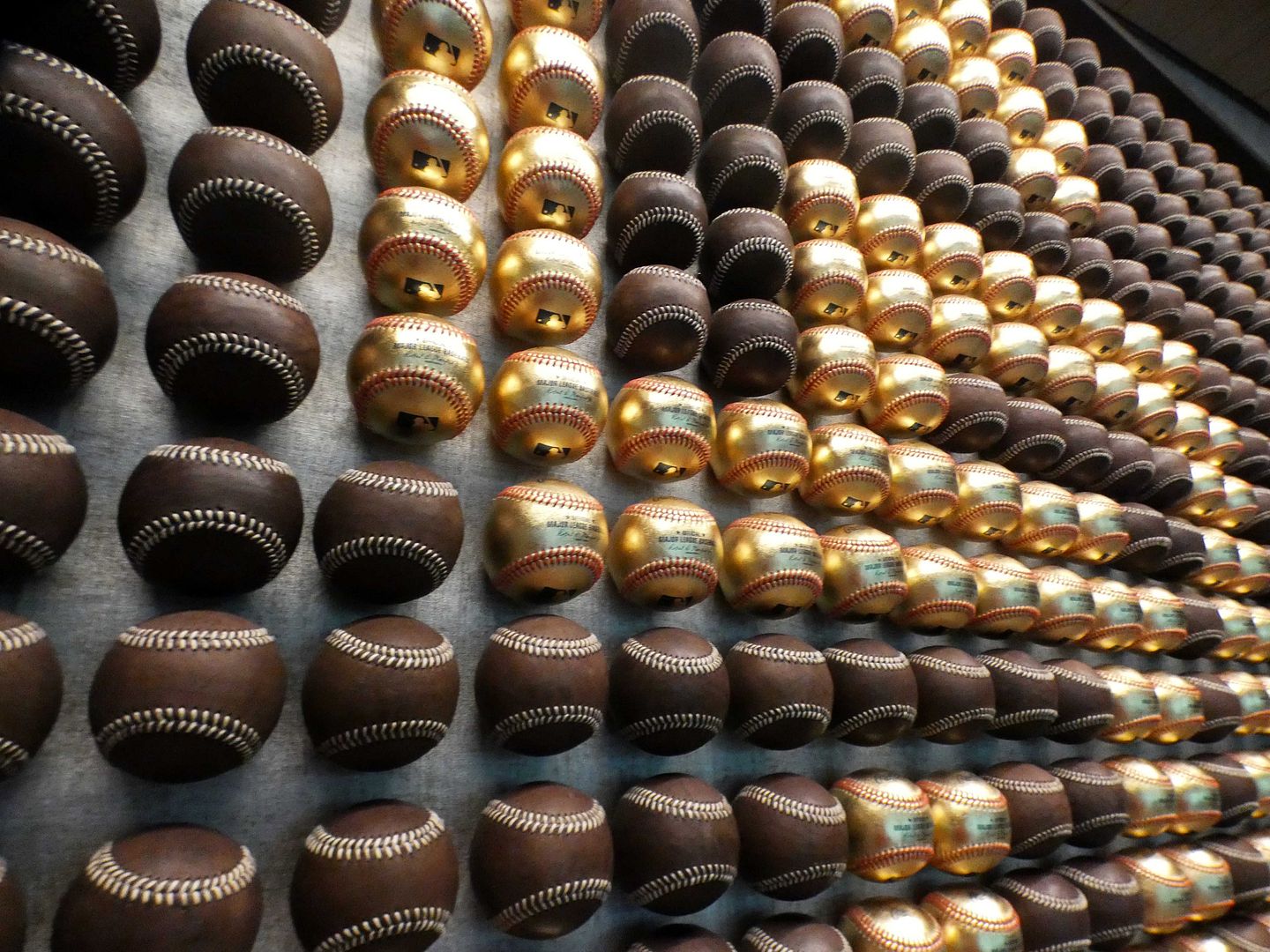

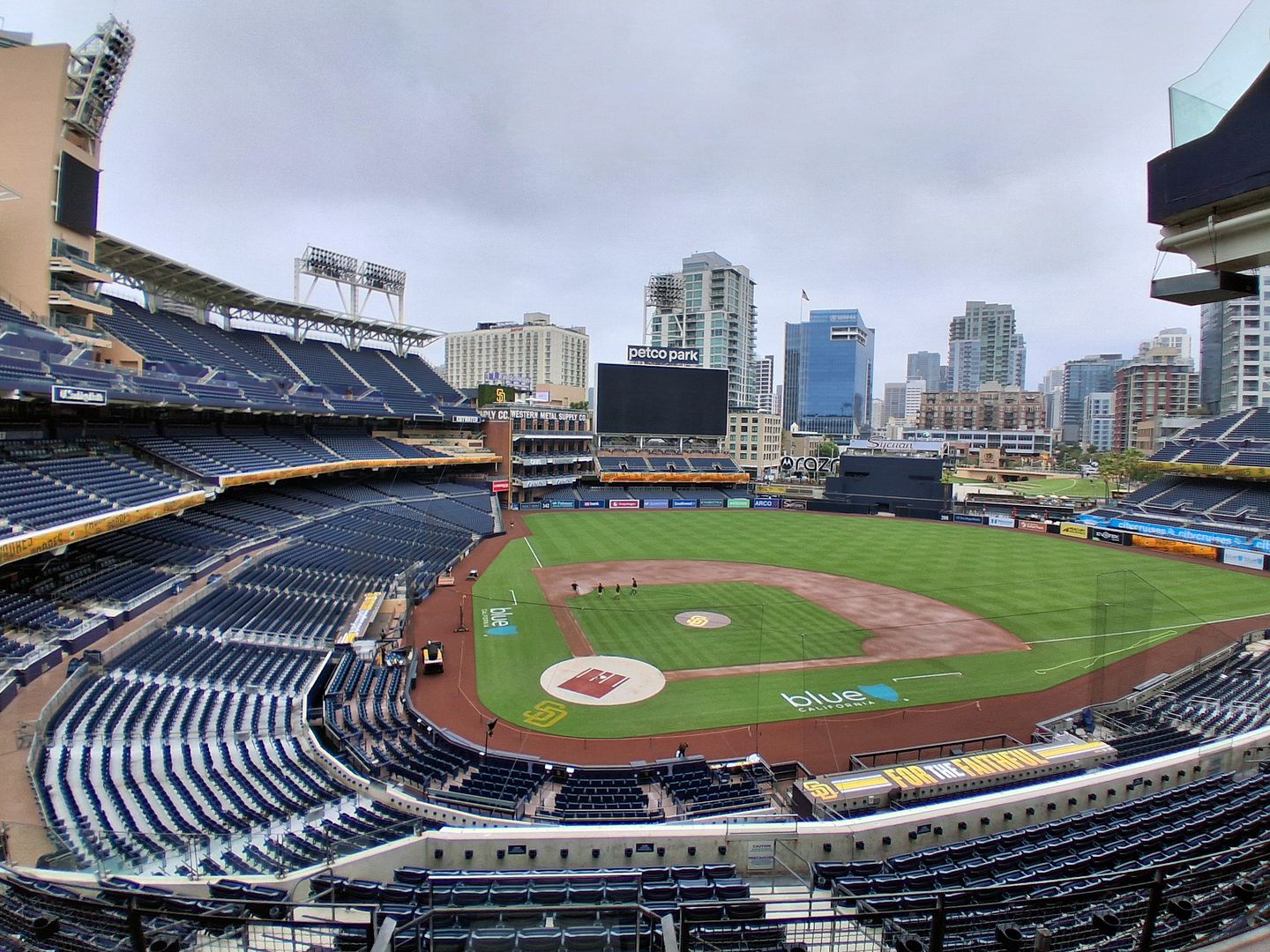
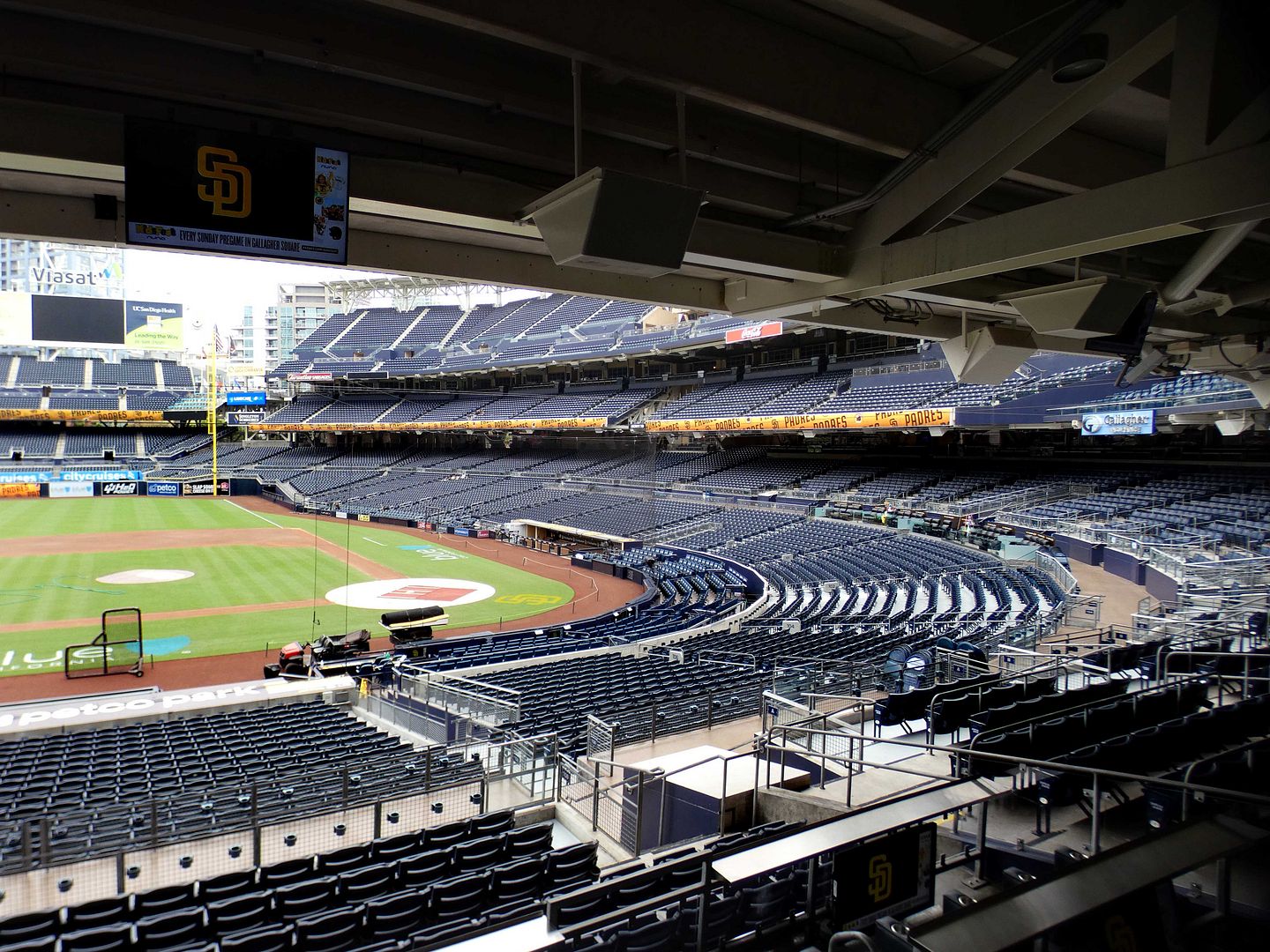
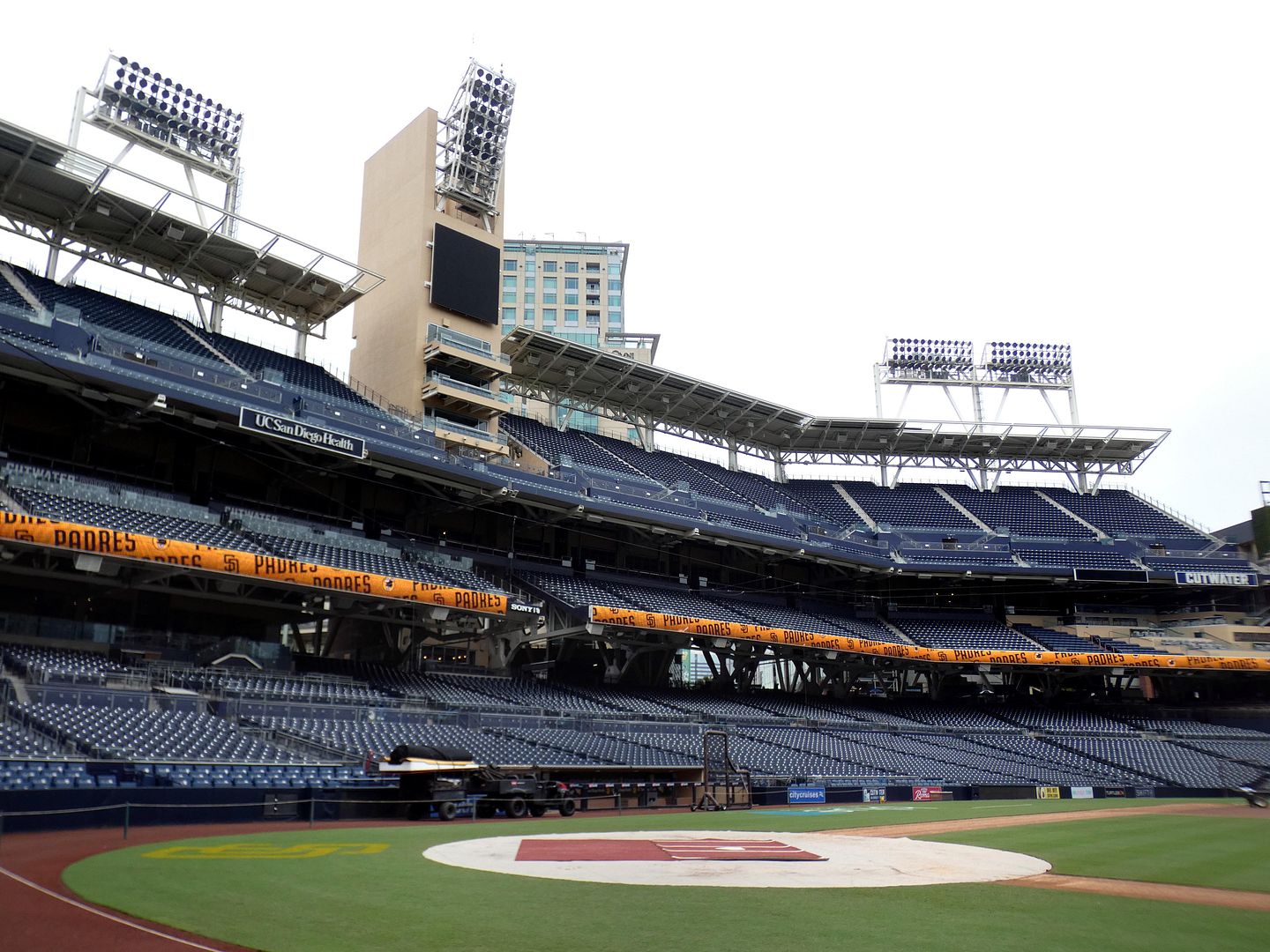
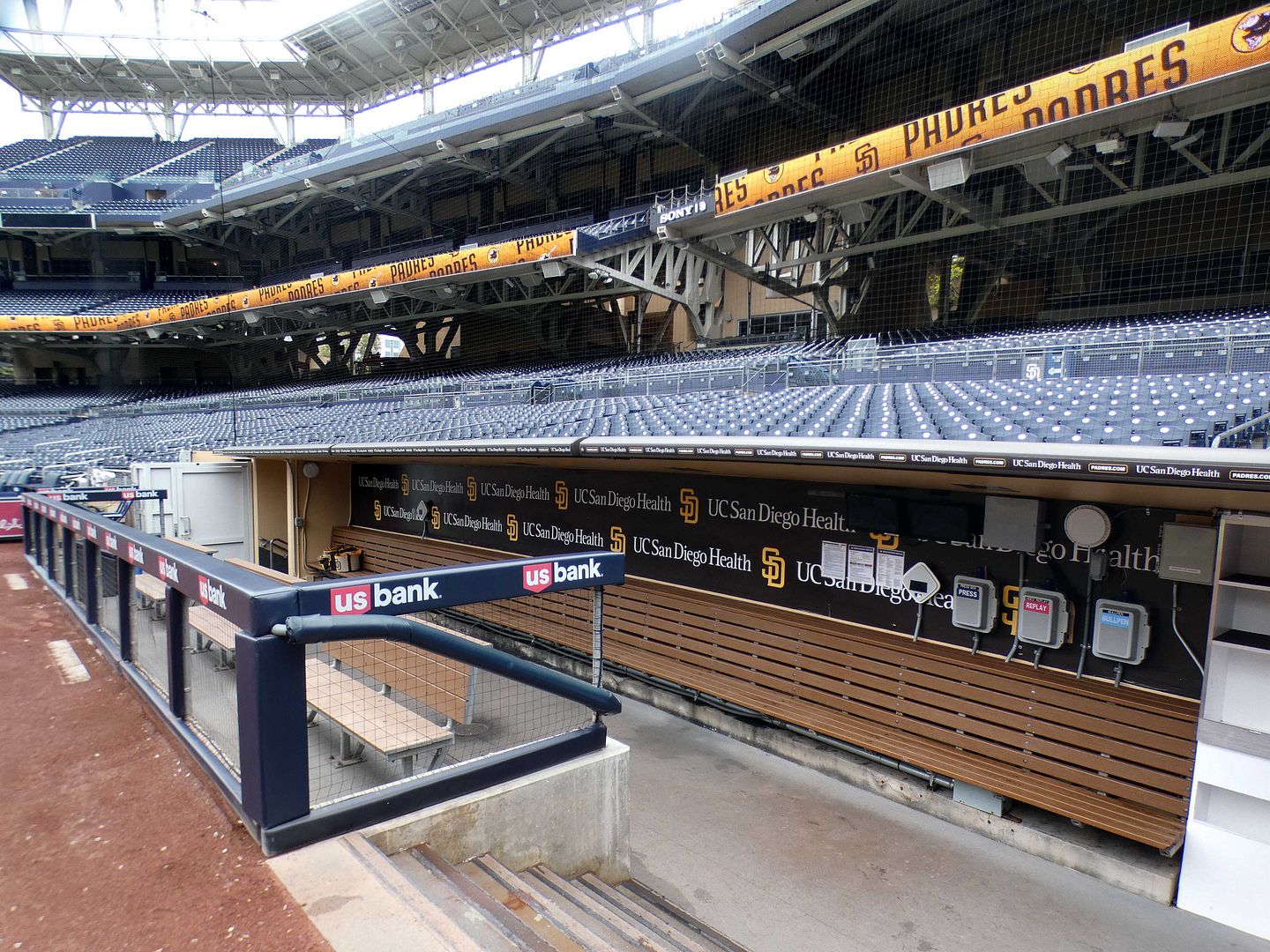
The Blue Shield Home Plate Club (renovated in 2023) offers more luxury spaces for high rollers...
...like those who've got a taste for gold-plated baseballs...
...and a thirst for top shelf liquors.
But the nice thing about Petco Park is, no matter where you sit, your view is unobstructed.
And some of the more expensive seats on the Field Level even come with their own TV screens.
Finally, our tour group headed down to the field level...
...where we could get a closer look at the home plate itself, which the team had dug up from their previous ballpark (Qualcomm Stadium, demolished in 2021) and relocated to their new stadium in 2003.
Was that move influenced by a little superstition? Likely, considering how many baseball players don't change their underwear or refuse to put their equipment in the bullpen cubbies with everybody else's.
After a final look at the natural grass of the field (which comes from a sod farm up north)...
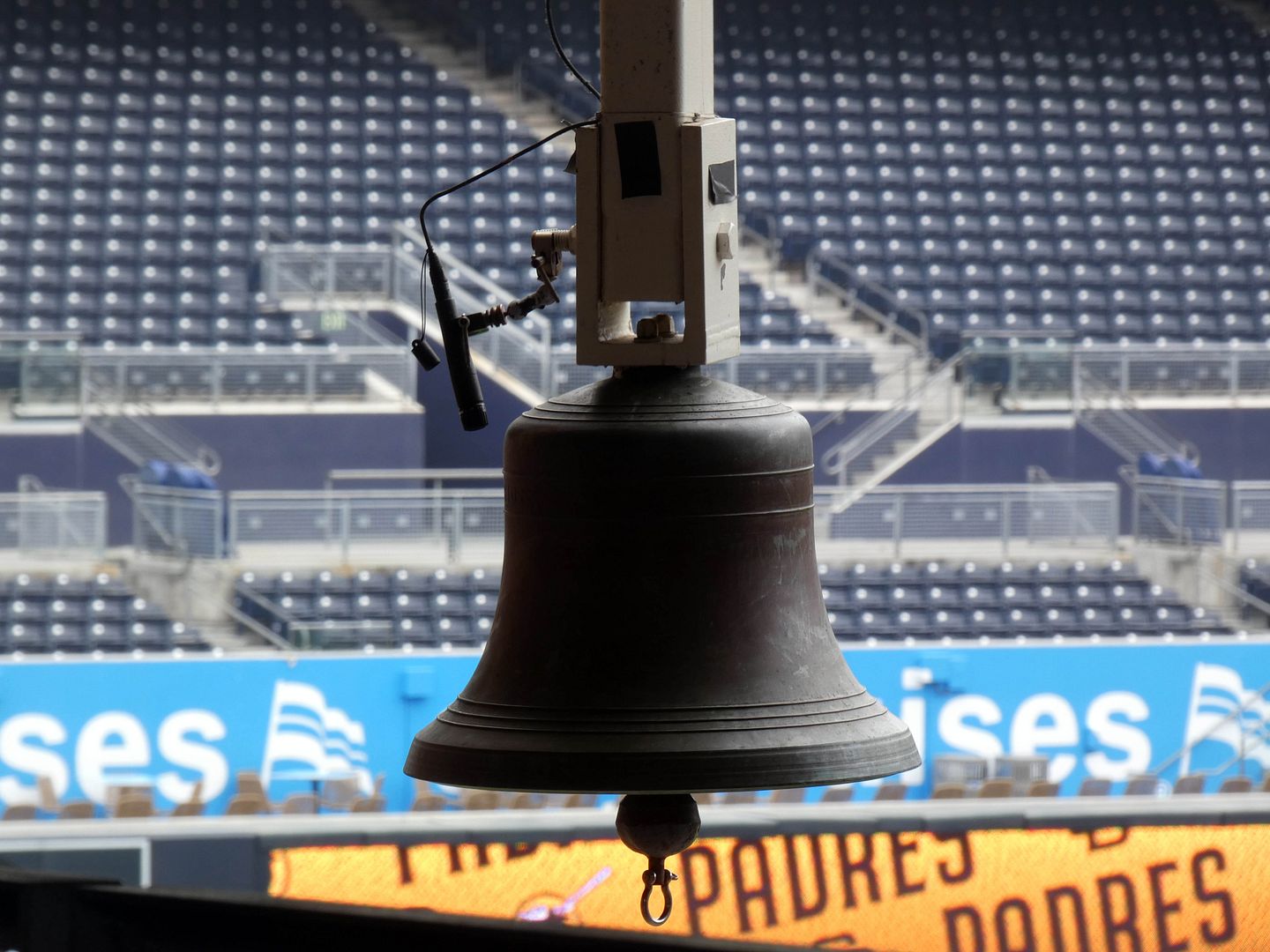
...we caught a glimpse of the 700-pound mission-style bell that hangs down the left field line, traditionally rung before games and at the start of the ninth inning if the Padres are in the lead.
Then it was back through the Western Metal Supply building—with some parting words from our wonderful tour guide, Mo, before exiting where we came in.
Petco Park consistently gets rated as the country's #1 MLB ballpark by outlets like USA Today—not Yankee Stadium, or Fenway, or Wrigley Field, or even Dodger Stadium. That's despite the fact that its home team is one of only five in the MLB to have never won a World Series. (By contrast, the Los Angeles Dodgers and Boston Red Sox have won 9 World Series each; the Yankees have won a whopping 27 titles.)
Now that I've toured the stadium, I really want to go back for another game. The last one I saw was when the Padres took on the Mets in 2013.
Because of course, just when I think I'm done with something on my list, something else gets added...
Related Posts:

I went to the park in 2010 and was so smitten by the experience I've been a Padres fan ever since!
ReplyDeleteThis is a terrific article. Something - in my regular life I would never have wondered about - Suddenly you have made the entire thing come alive - so many side stories to go with this . . it's like an entire wonderland of nifty has been added to my world . . . Moving Buildings - Mission bells - from the first to the last this story has come alive for me . . golly! Thank You!!!
ReplyDeleteOmg what a great comment, thank you !
Delete