For as many times as I've visited Las Vegas, I still have a lot to learn about the Las Vegas Valley—and Southern Nevada as a whole.
That's one of the reasons I like traveling for the annual "Home + History" weekend sponsored by Nevada Preservation Foundation—whose events have taken me to unexpected places on the Strip, just off the Strip, on Fremont Street, and even to nearby Boulder City.
This year, the one big draw for me was the historic bus tour of Henderson, now Nevada's second-largest city.
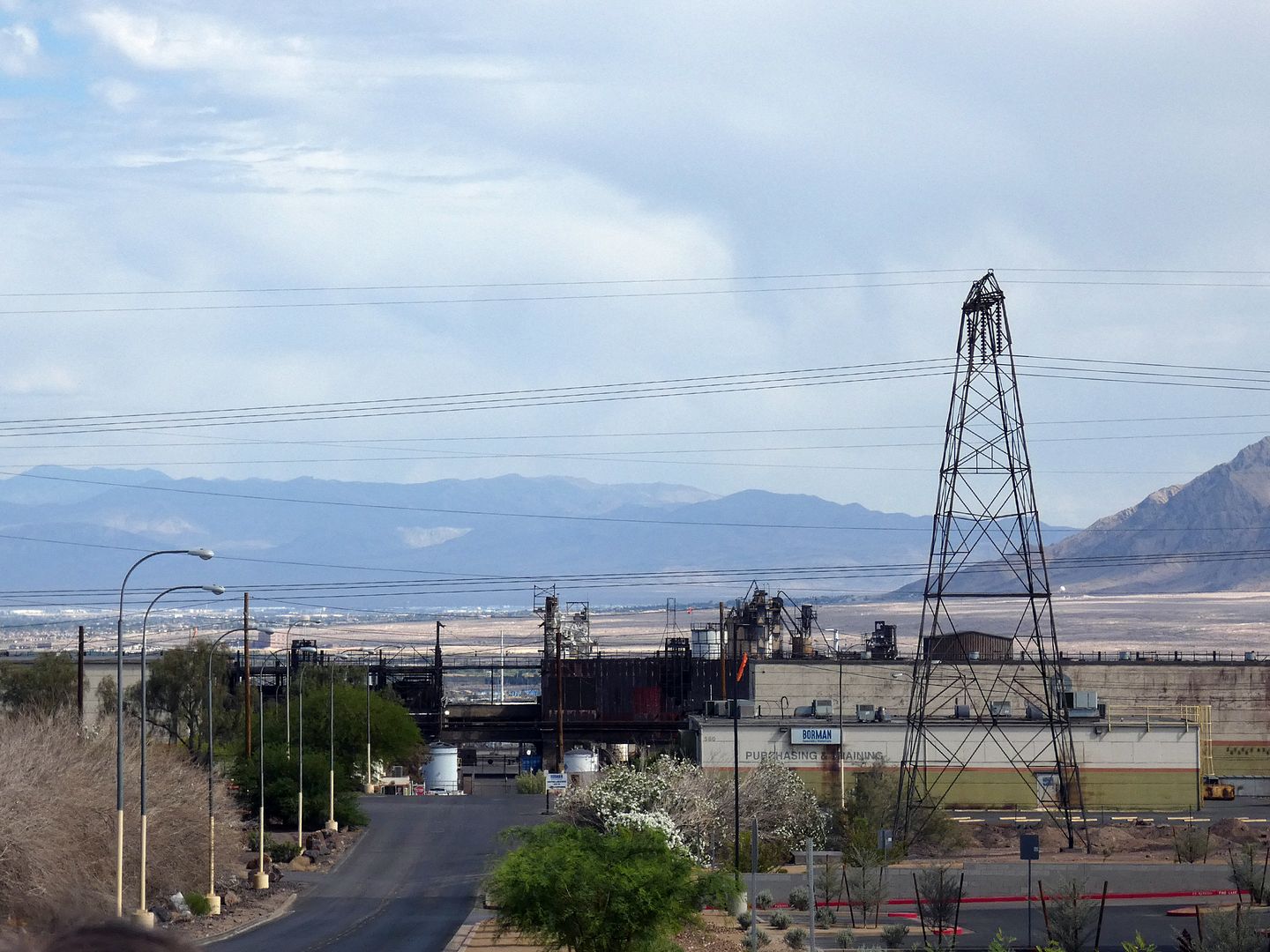
While Boulder City had the Hoover Dam to thank for its founding, Henderson had something completely different: magnesium.
In fact, although Henderson wasn't incorporated until 1953—named after Nevada Senator Charles Belknap Henderson—it began over a decade before that as the "Basic Townsite," home of Basic Magnesium, Inc. (BMI).
And the bus tour I'd driven five and a half hours for, which was co-presented by Nevada Preservation Foundation and Henderson Historical Society, took us through the old BMI plant.
There are five main movie production studios in Los Angeles, and only four of them give studio tours: Warner Brothers, Paramount, Sony, and Universal. I'd visited them all (plus some smaller ones like the Fox lot, which didn't allow photos) except one—and the one holdout was the one that provides extremely limited public access.
I always thought of New Orleans as just being filled with street parties—open containers and beads being thrown. (I think I've seen too many Girls Gone Wild TV commercials.) I wasn't terribly interested in that.
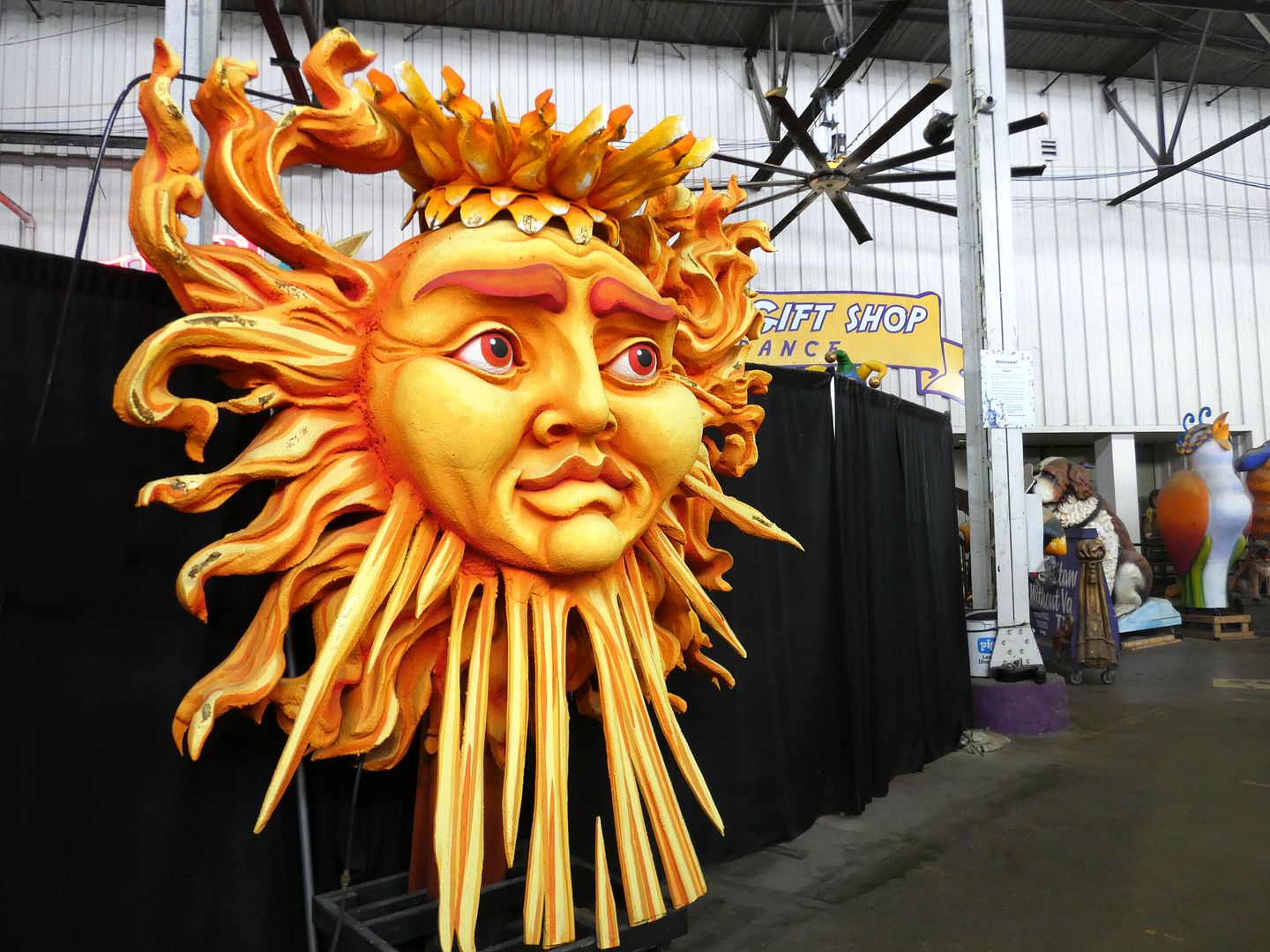
Above: The "Sun King," a.k.a. King Louis XIV, the namesake of Louisiana
It never occurred to me that the Mardi Gras celebration would involve big, elaborate parade floats—the type I would be interested in, considering my love for the Rose Parade and its floats.
As I mentioned before, I actually had a hard time booking my trip to the Bay Area a couple of weekends ago—whether out of a sense of responsibility, or guilt, or fear, I don't know.
I couldn't really justify just taking a weekend away—God forbid I take a vacation—and the Doors Open California events I was interested in just didn't seem like enough.
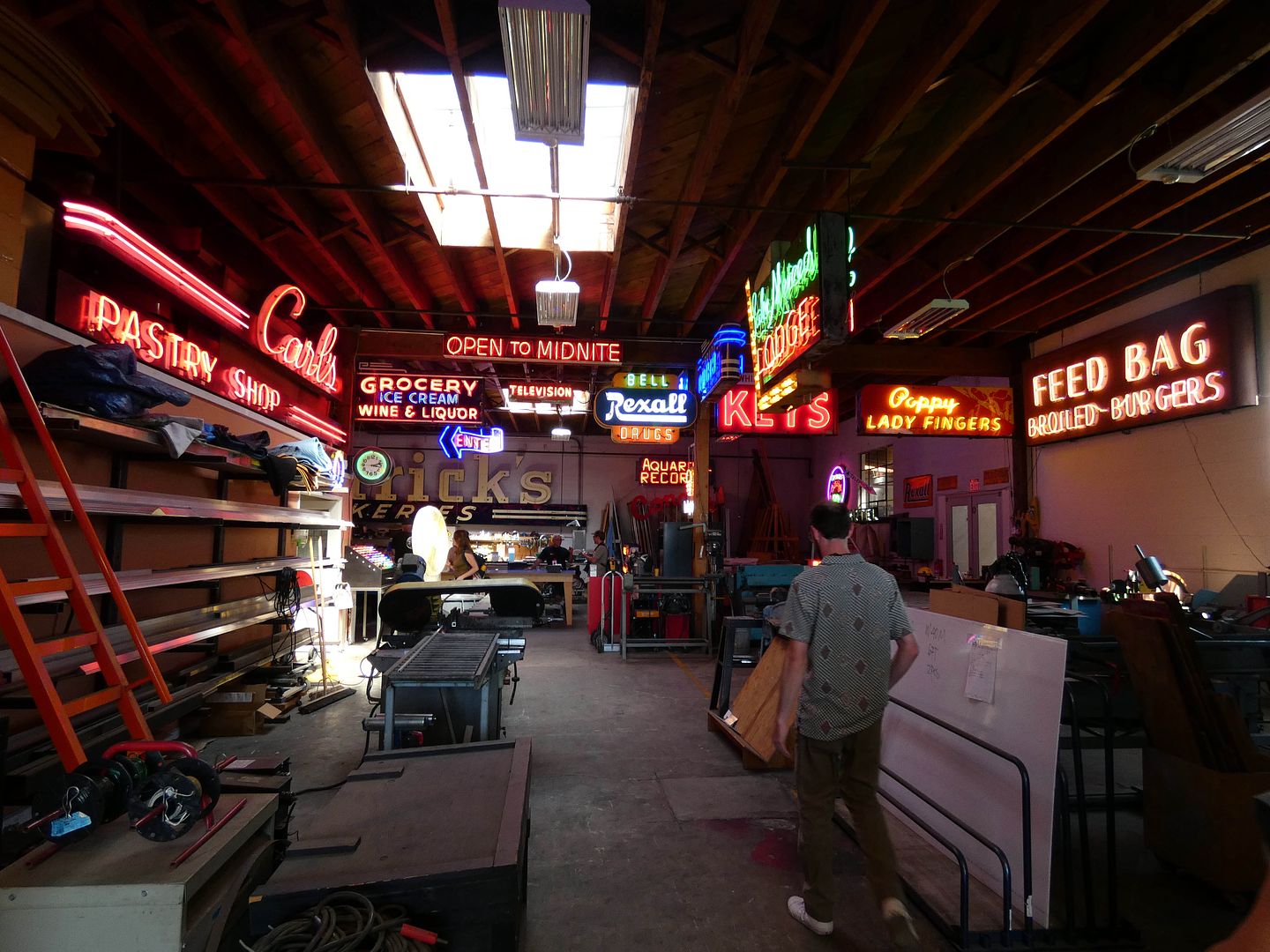
And then I stumbled across an event sponsored by the Neon Speaks Festival & Symposium, which was occurring that same weekend, and I thought, "OK, that clinches it."
[Last updated 1/14/25 6:45 PM PT—An email from the Television City team confirmed on January 8, 2025 that the Los Angeles City Council had approved the $1.25 billion project, which will now move forward.]
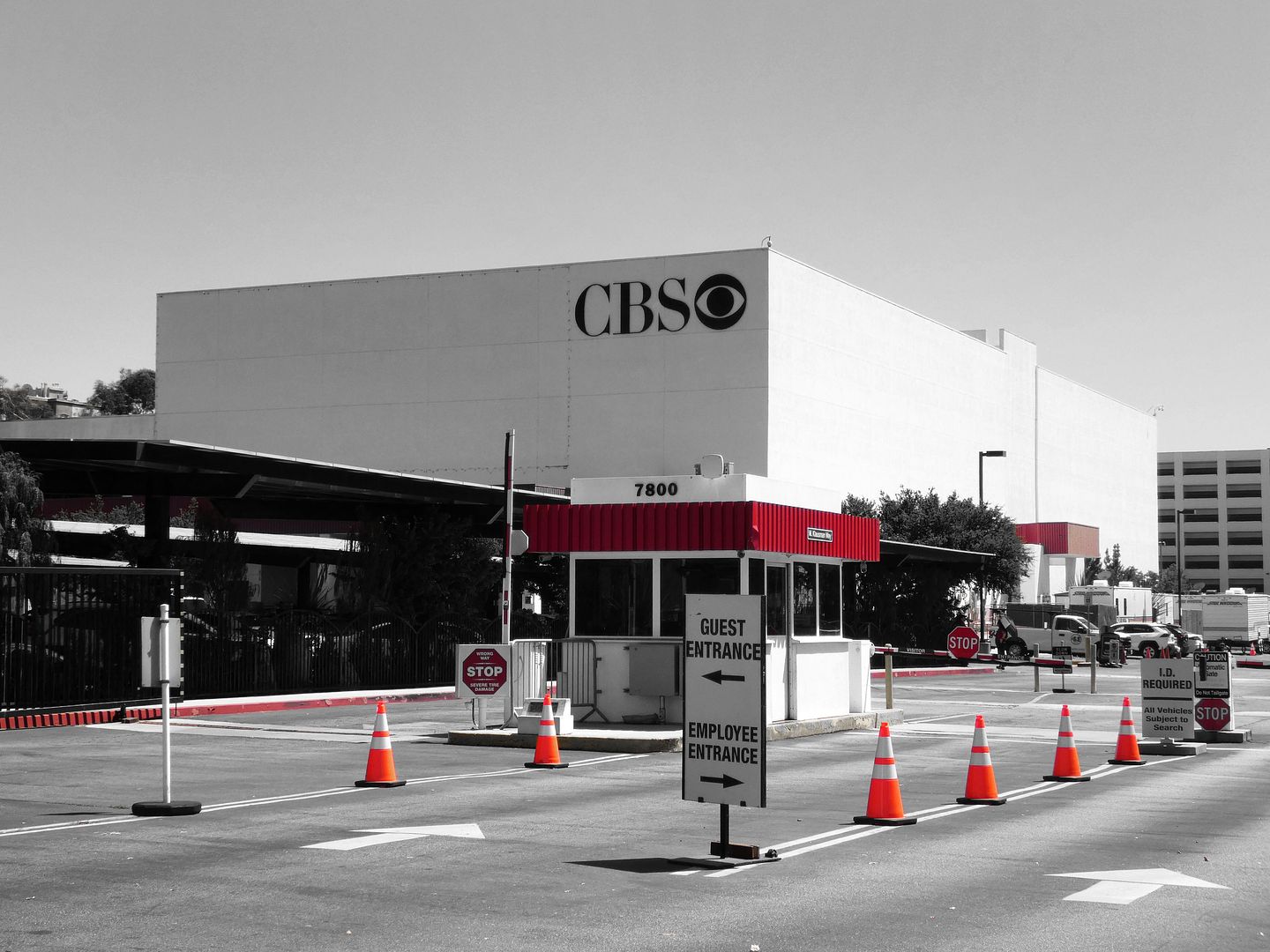
CBS Television was a big part of my childhood—whether it was summer mornings spent playing along with The Price is Right or every afternoon joining my mother to watch the soaps.
circa 2024
So, it always kind of astounds me that CBS Television City is just down the road from me, now that I live in Los Angeles.
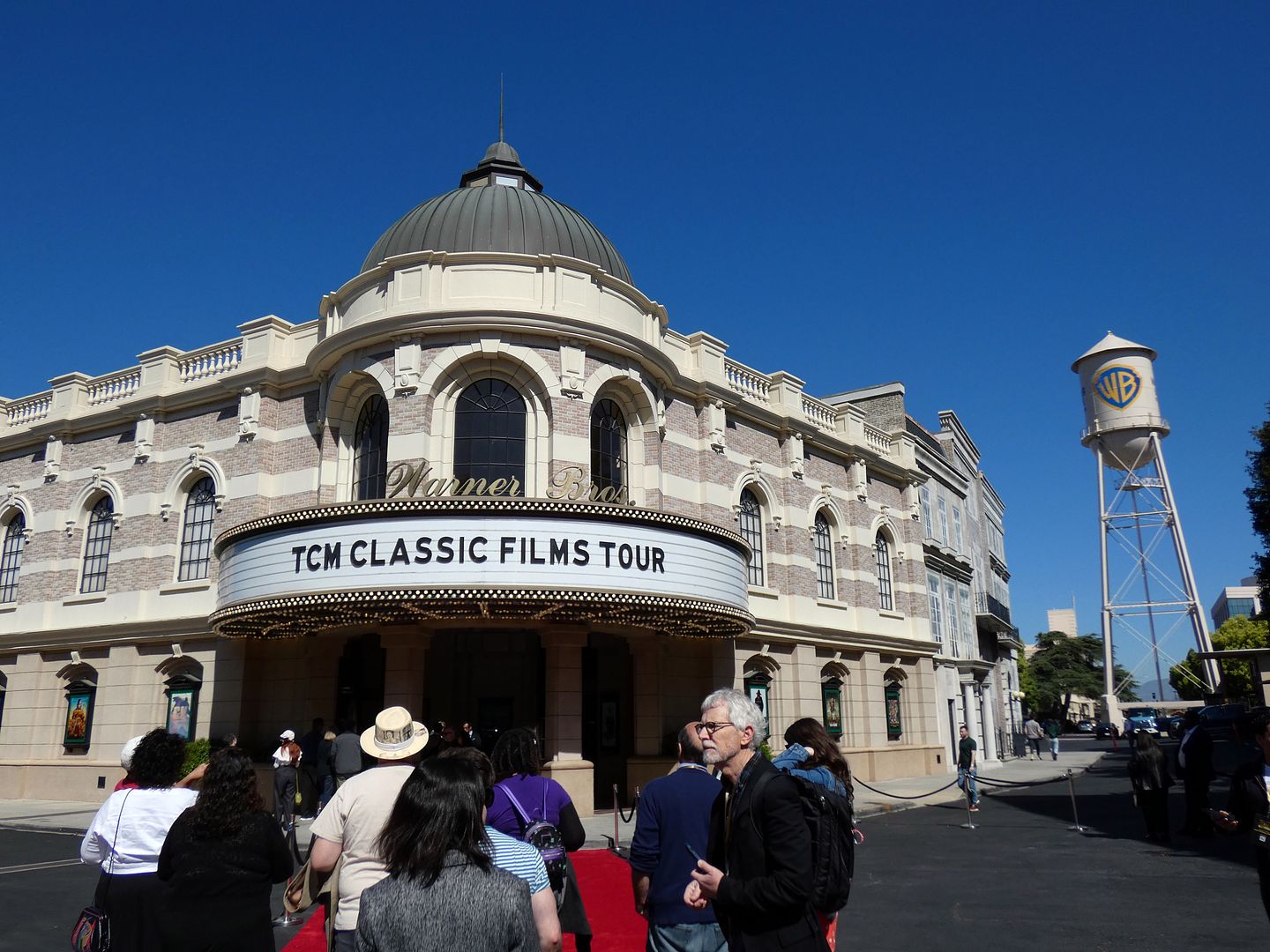
Last week I had the opportunity to attend the media preview of the TCM Classic Films Tour, a brand-new experience offered by Warner Brothers Studio Tours focusing on the movie studio and backlot's heritage of legacy films (as opposed to current productions).
[Last updated 10/9/24 9:14 PM PT—Photos of Norton Simon Museum in Pasadena added at bottom of post]
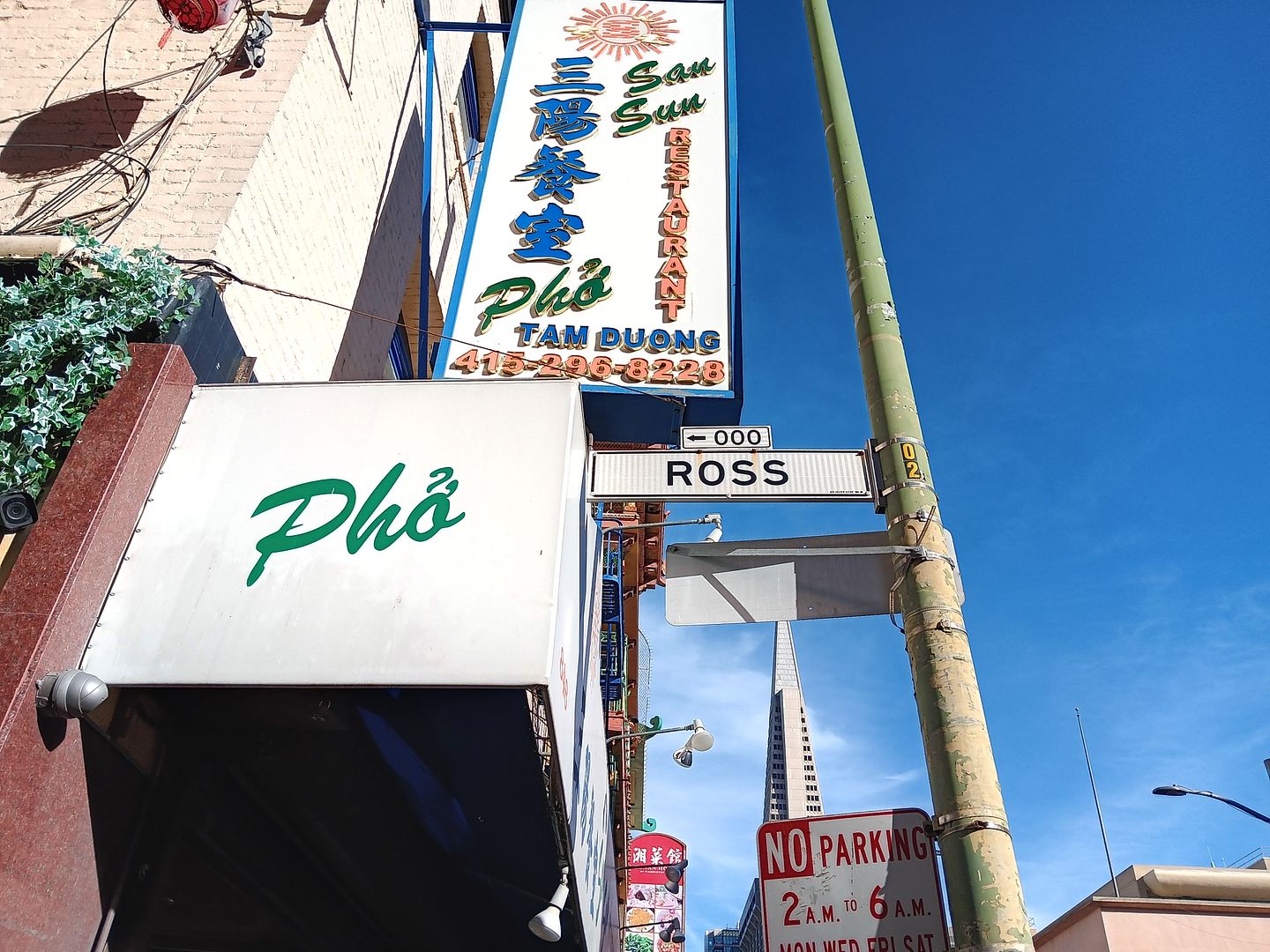
Back in January of this year, I was planning a return trip to San Francisco—a city I hadn't spent the weekend in since 2006 (although I spent a few hours there a couple of years ago).
I had a lot of catching up to do.
Since I don't visit the Bay Area very often, I don't have a huge list of places to visit—so I fell back on my tried-and-true methods of seeking out fun activities.
And that meant looking for one of my go-to's, factory tours.
The first time I visited San Francisco, back in 2006, the internet just wasn't what it is today. And so although we figured out some fun things to do—take a nighttime tour of Alcatraz, for instance—there just wasn't that much I was familiar with, beyond cable cars and restaurants.
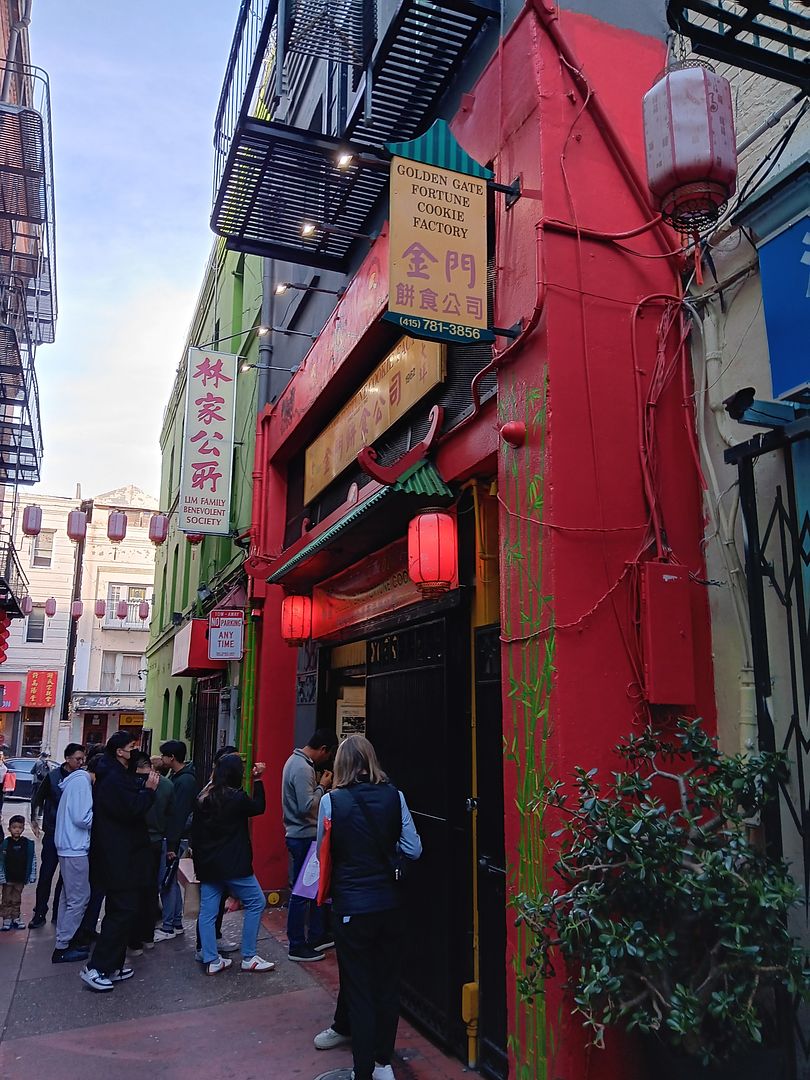
That was totally different this time around, when I've had nearly 20 years to add places to my map and learn more about the city by the Bay from afar. And when I visited a couple of weeks ago, I knew I wanted to go to Chinatown.
Because who wouldn't want to go see how fortune cookies are made?!
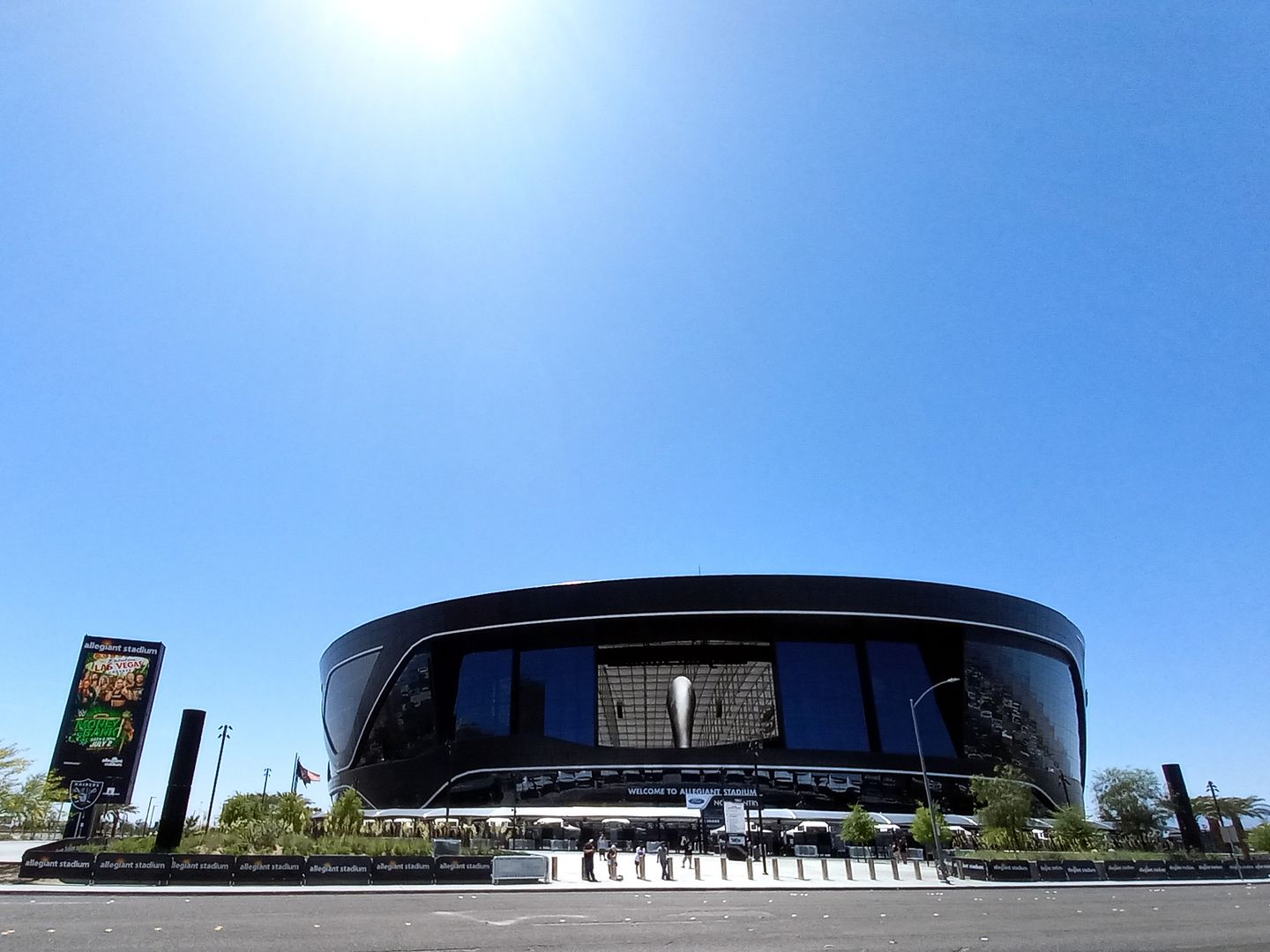
Once again, football season has rolled around—and although I took the tour of Allegiant Stadium in Las Vegas back in May 2022, I waited until now to post about it.
It was purpose-built (on land that's always been a vacant lot, according to HistoricAerials.com) as the National Football League stadium of the Las Vegas Raiders—formerly the Oakland Raiders (1960–1981 and 1995–2019) and, when I was growing up and watching American football with my dad, the LA Raiders (1982–1994). They relocated to Vegas in 2020, although that year they played to an empty stadium because of the COVID-19 pandemic.
Late ceramicist Beatrice Wood has been called "The Mama of Dada"—a title she scoffed at during her life, even denying that she was an artist herself at all.
But she was part of an avant garde movement—starting when she became lovers with art collector Henri-Pierre Roché and then his best friend Marcel Duchamp, a love triangle that was said to have inspired Roché's novel Jules et Jim (which Truffaut later made into a film).
[Last updated 7/21/24 10:52 AM PT—In May 2024, Carlsbad Aquafarm posted the following on Facebook: "Carlsbad Aquafarm will no longer host public tours due to logistics issues and concerns for public safety in accessing the farm off Carlsbad Boulevard."]
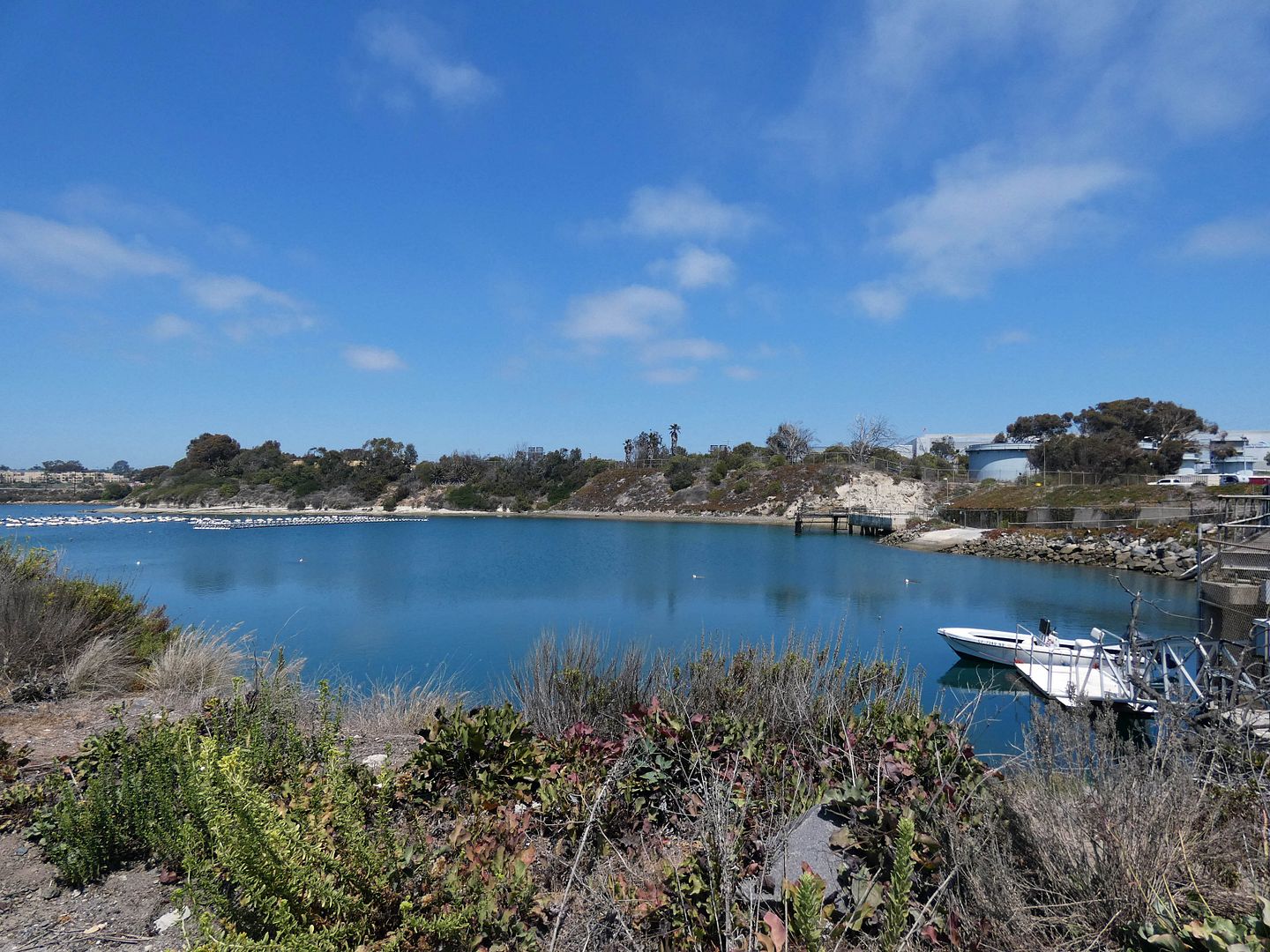
Carlsbad Aquafarm has been growing various types of sea life in the outer Agua Hedionda Lagoon—a tidal wetland that shares water with the Pacific Ocean—since it first arose out of a 1960s-era San Diego State University aquaculture research facility in 1990.
But it was only five months ago that it first started conducting public tours—and only last week that those tours came on my radar.
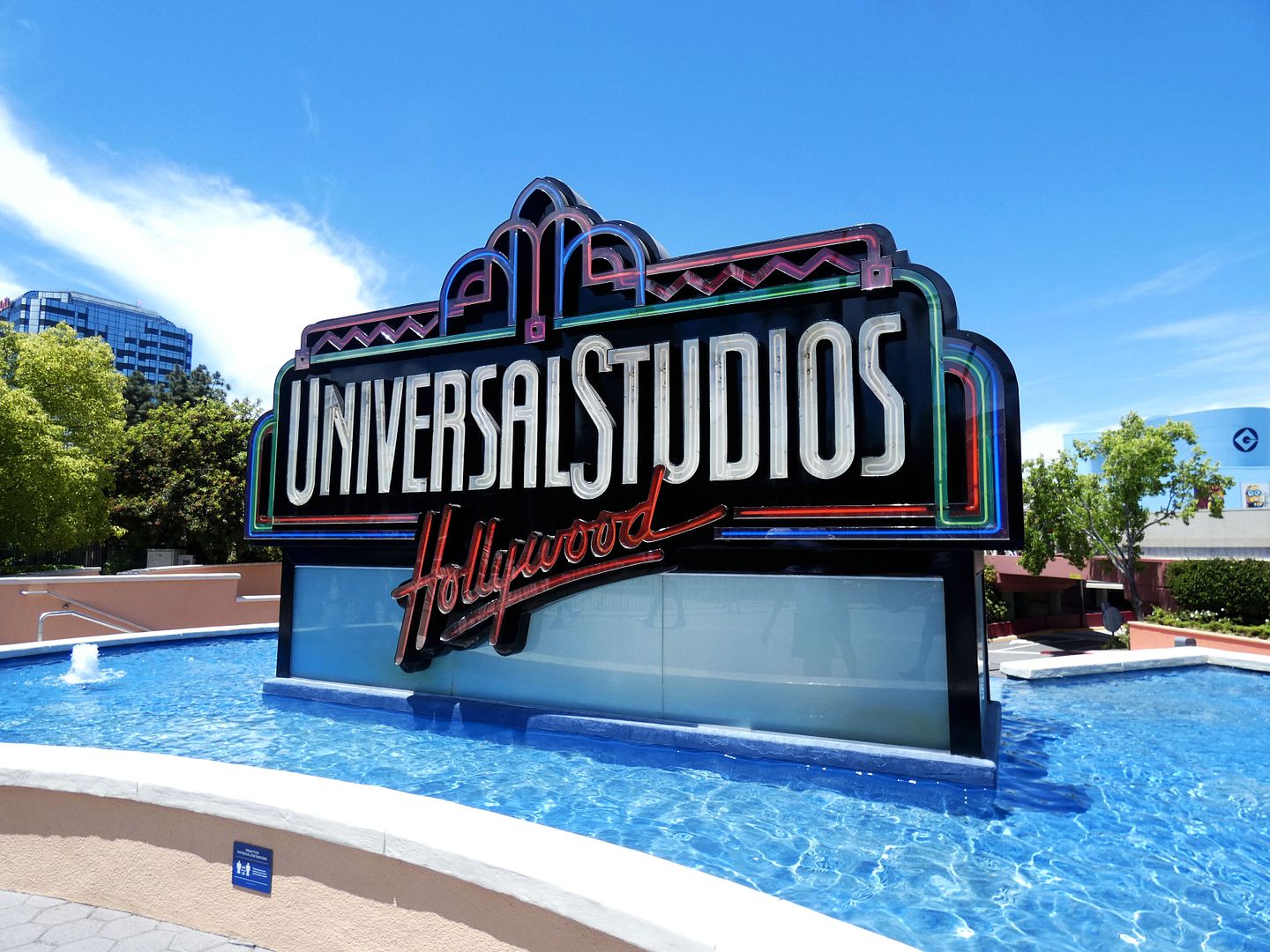
I'd been to Universal Studios Hollywood twice as a tourist since 2015—but they were both at night, which meant I felt like I was missing out on the daytime experience.
Especially when it came to the actual studio tour.
Despite having grown up in Syracuse, New York, I hadn't been to the Buffalo area since I was 5 years old, when my family visited my uncle in the town of Lockport and crossed the border into Canada to visit Niagara Falls and Marineland.
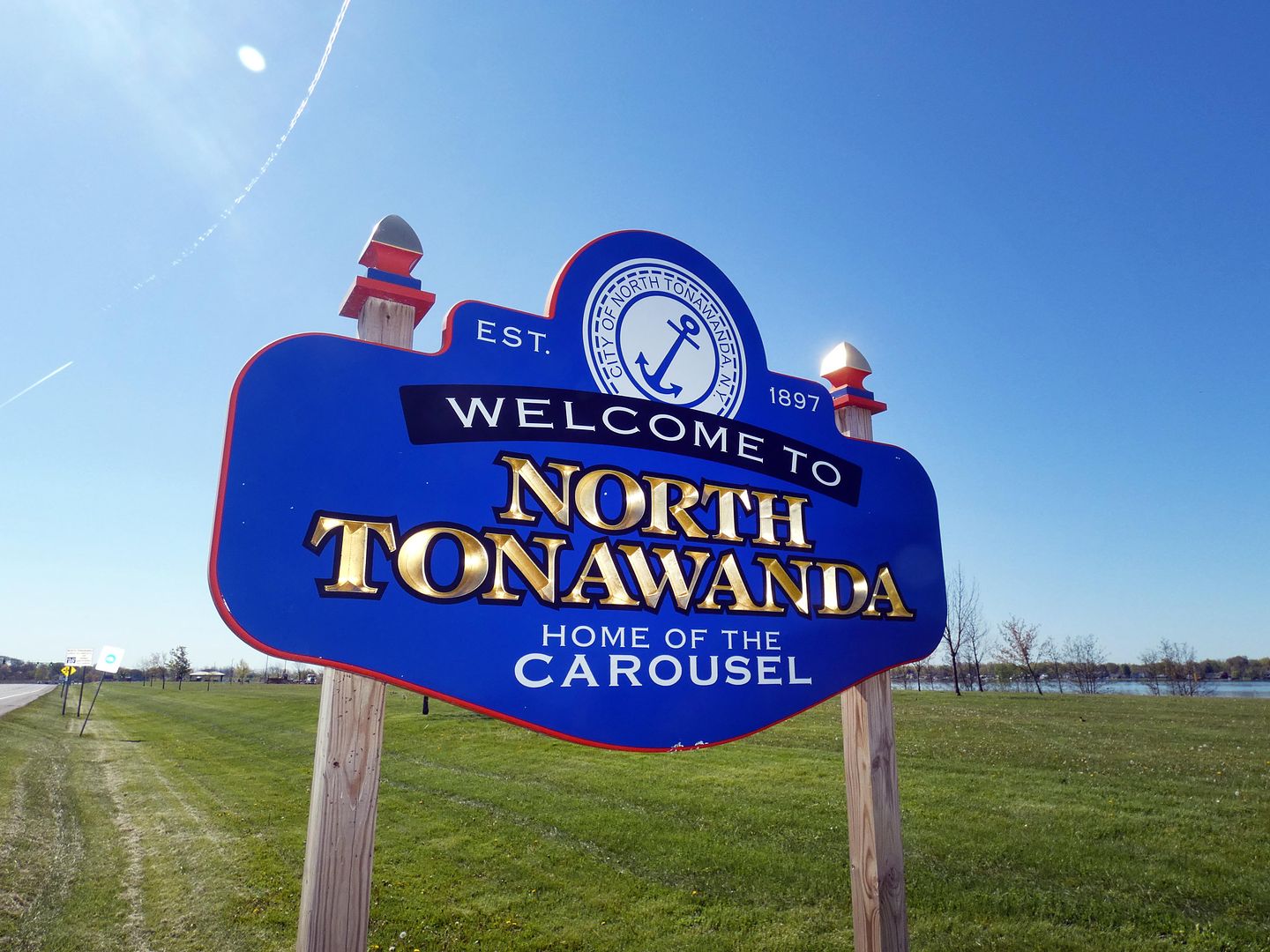
So, last week, after having flown in an airplane for the first time since the beginning of the pandemic to visit Syracuse for the first time in years, I decided to avoid a layover at JFK Airport and fly direct into Buffalo-Niagara Airport—conveniently located near a bucket-list attraction for me, the Herschell Carrousel Factory Museum in the town of North Tonawanda.
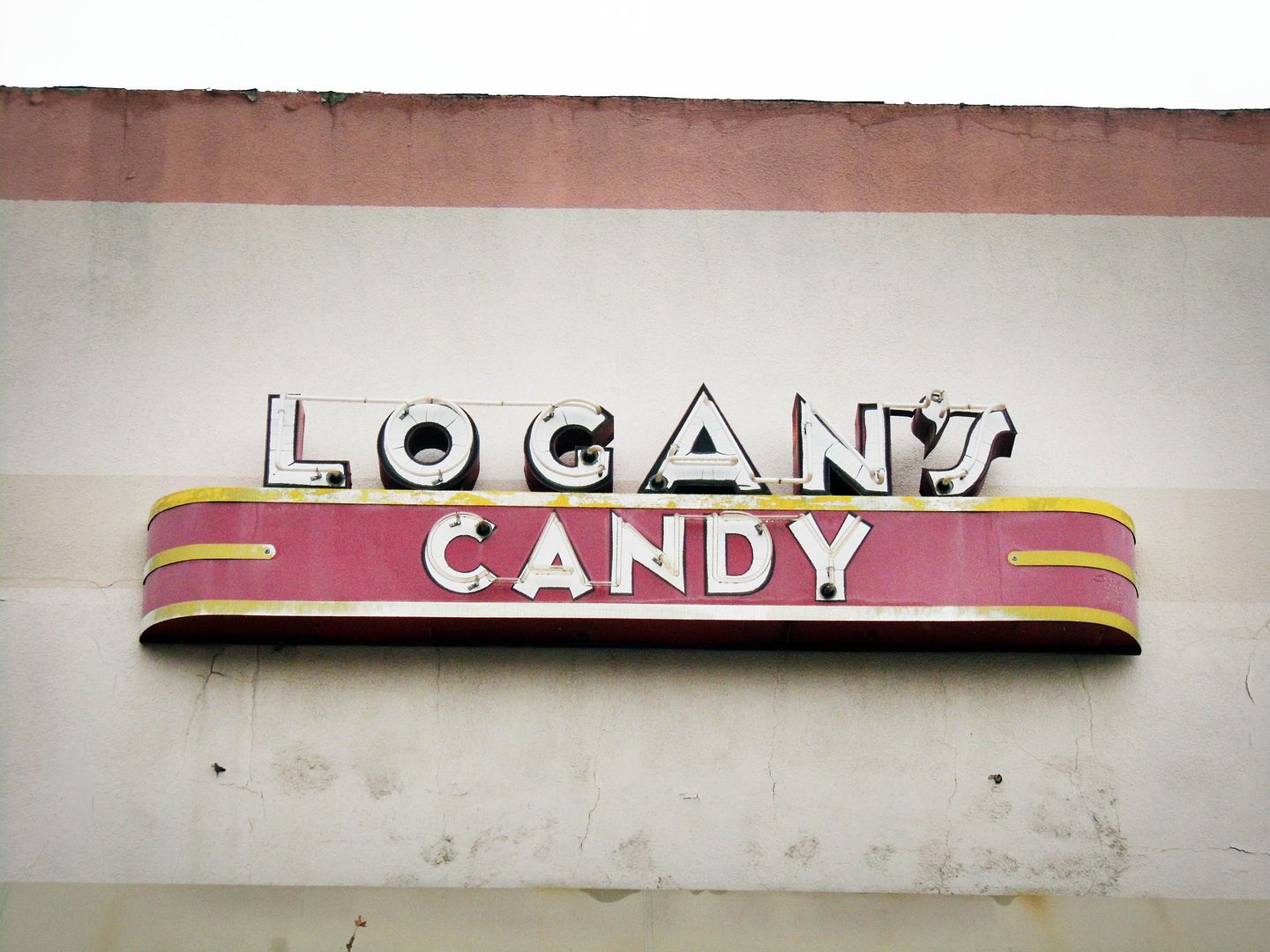
In 1933, Frances Logan and Charles (Pop) Logan founded their own eponymous candy shop at 216 N. Euclid Avenue in Ontario, California.
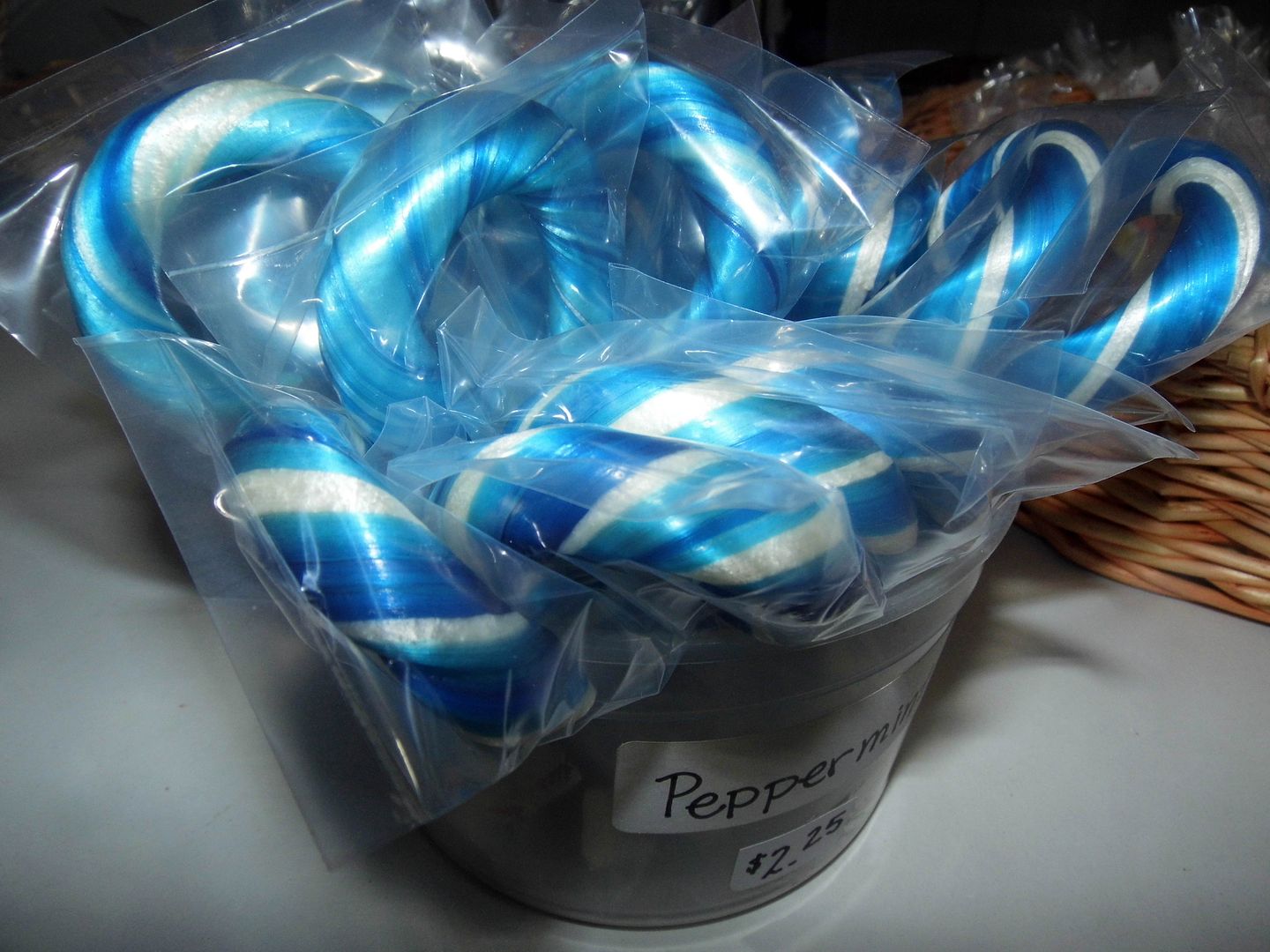
Once called Logan's Candy but now known as Logan's Candies, it's best known for its Christmas candy canes—but it also caused a stir for going "Dodger Blue" last year upon our hometown team's World Series win.
And second only to the Christmas season is Valentine's Day, when the shop breaks out the cinnamon striped candy canes.
[Last updated 7/27/25 9:55 PM PT—The Ryan Historic District was officially listed on the National Register for Historic Places in January 2025. For more info, click here and here.]
In 2013, Death Valley Conservancy received a donation of a 40-acre site—3000+ feet above sea level, overlooking the valley below, 15 miles from the main visitors' area at Furnace Creek.
Part of the Hillside Group of mines, it had been the main operation for borate mining in Death Valley for Pacific Coast Borax Company from 1914 to 1927.
Borate ores mined here were transported or processing via the narrow-gauge Death Valley Railroad (dismantled 1931) to its eastern terminus at Death Valley Junction.
In 1927, PCBC relocated its operations to Boron (a.k.a. the Kramer District), where it became known as U.S. Borax as of 1956 and heretofore Rio Tinto, since1968.
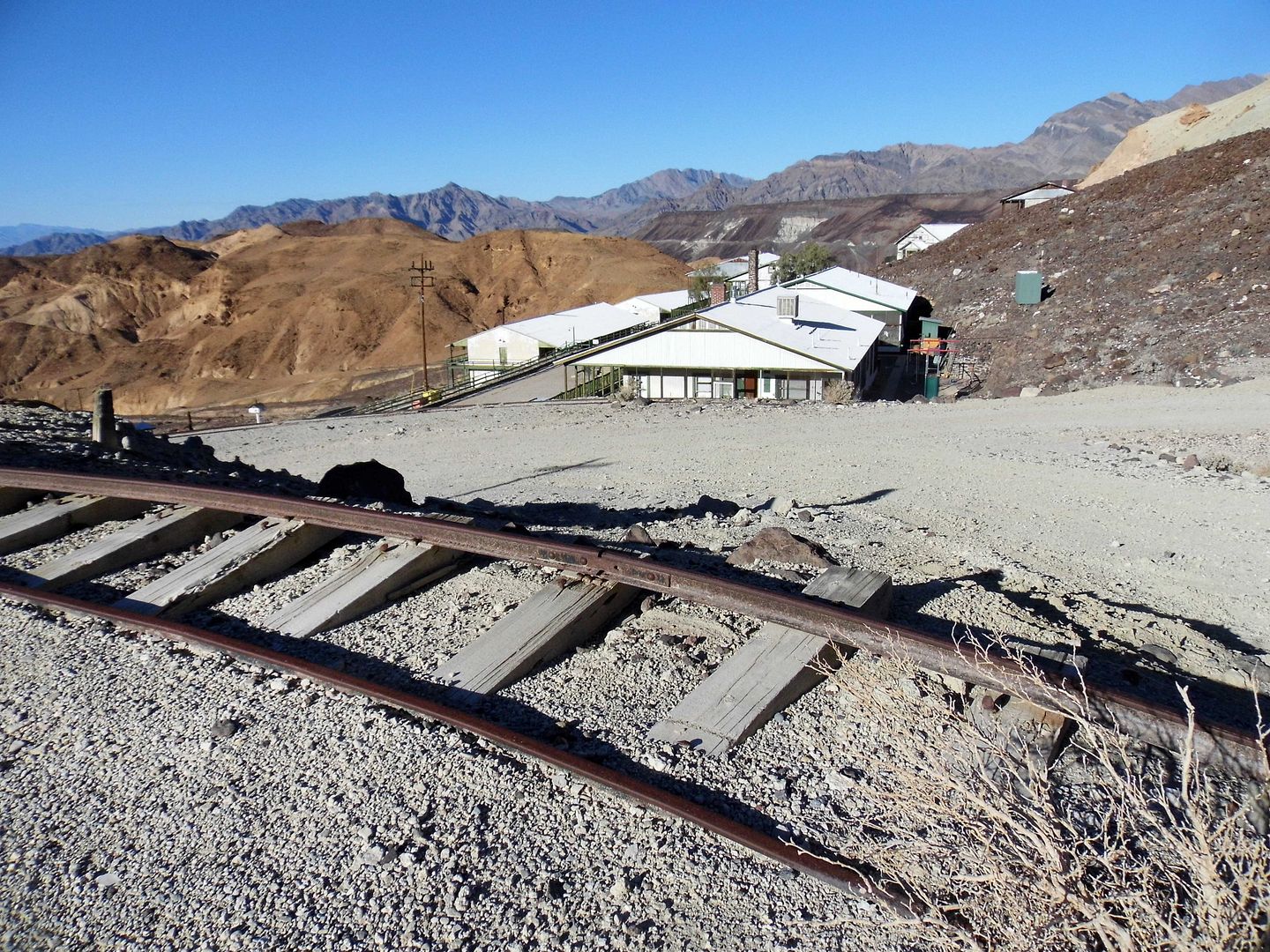
Today we know the area simply as Ryan Camp, named after PCBC's field engineer John Ryan—but this conservancy-owned parcel outside the bounds of Death Valley National Park is more than just an old mining ghost town. And it's far from abandoned.
Take one of the tours offered in the spring and fall—led by the full-time, live-in caretaker—and you'll see how Death Valley Conservancy is delivering on its mission to "preserve what is left and restore where possible." And that includes the second life of Ryan, when PCBC got into the tourism business and converted its facilities into the Death Valley View Hotel.
Operated by the Death Valley Hotel Company—whose holdings also included facilities at Death Valley Junction and Furnace Creek (until the 1960s)—it provided desert accommodations full-time until 1930, when the railroad was dismantled.
Visitors would arrive from Death Valley Junction via gas-fueled motor coaches along the former mining rail right-of-way...
...or, after 1930, from Furnace Creek Inn, if it was full and guests came to Ryan to take advantage of overflow accommodations.
Sure, there was a fascination with the hot, unforgiving desert in the early 20th century—but at Ryan and its Death Valley View Hotel, the main attraction wasn't necessarily the view, but rail trips through the workings of the old abandoned borax mines on the "Baby Gage" (more on that in a little bit).
Since tourists had come all that way—and to such a remote area—they'd make a whole trip out of it, staying at the hotel and eating in the dining room that had been fashioned out of the old mining camp's messhall.
There was a kitchen in the back, but I doubt any travelers came here specifically for any of the hotel amenities.
The novelty was in how you'd be surrounded by all this mining stuff—frozen in time and literally frozen on the tracks—and you could pay your respects in a kind of outdoor reliquary of Old West-ament artifacts.
There's another reason why people still visit Ryan, though the property was mothballed by 1962. A film crew made the ridge above the old power house (circa 1924) famous when they featured it in the film Spartacus.
It looks exactly the same now as it did back then. (Scroll to the bottom of this post to watch the clip.)
Of course, the movie's depiction of what's become known as "Spartacus Hill" doesn't show the circa 1924 warehouse that likely also housed staff (including kitchen personnel)...
...though it's fared the hot, dry summers and occasionally snowy winters very well.
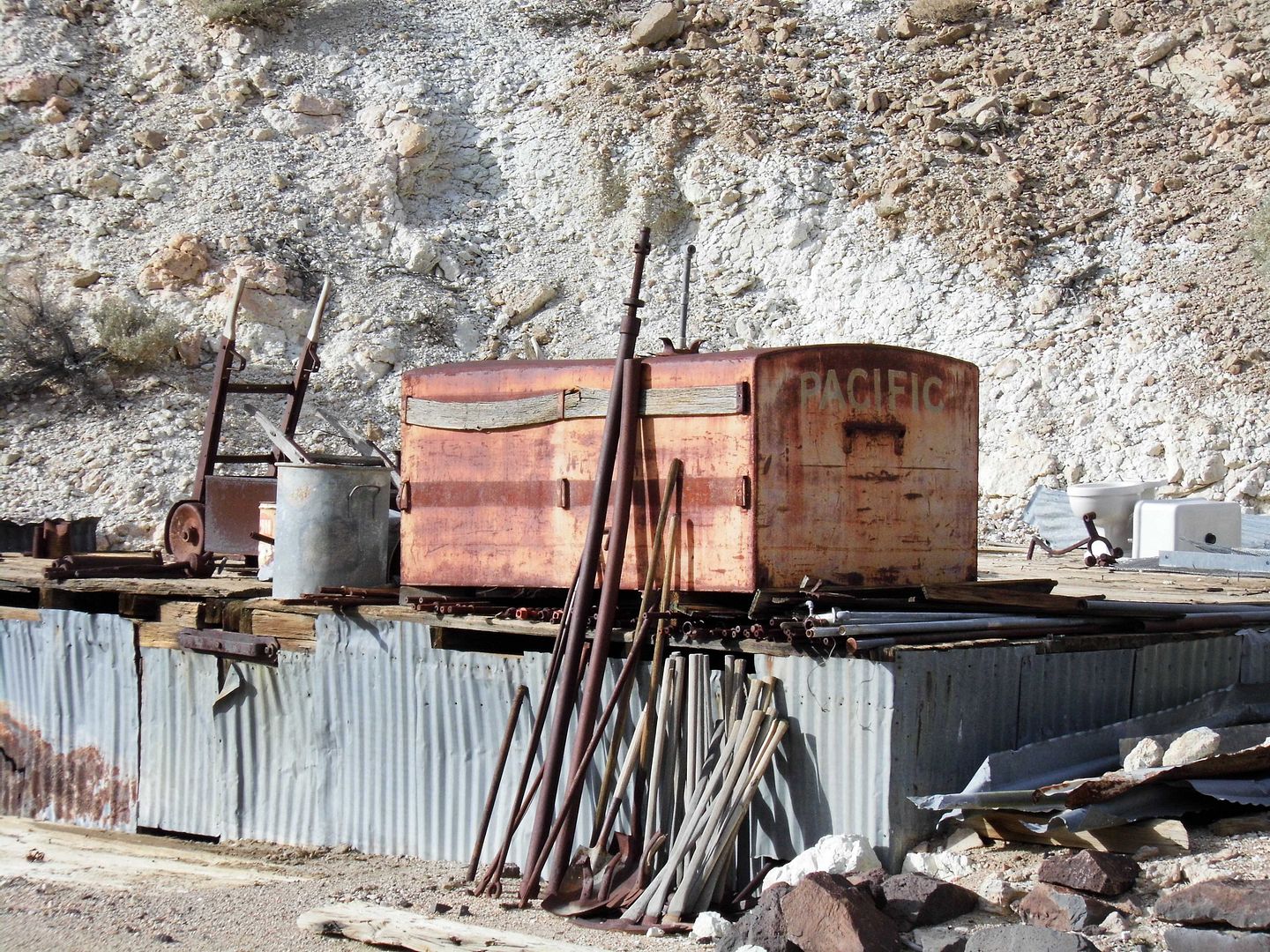
And it's still a kick to see rusty old relics emblazoned with "Pacific" and "U.S. Borax"...
...as well as the old ore cars still in place.
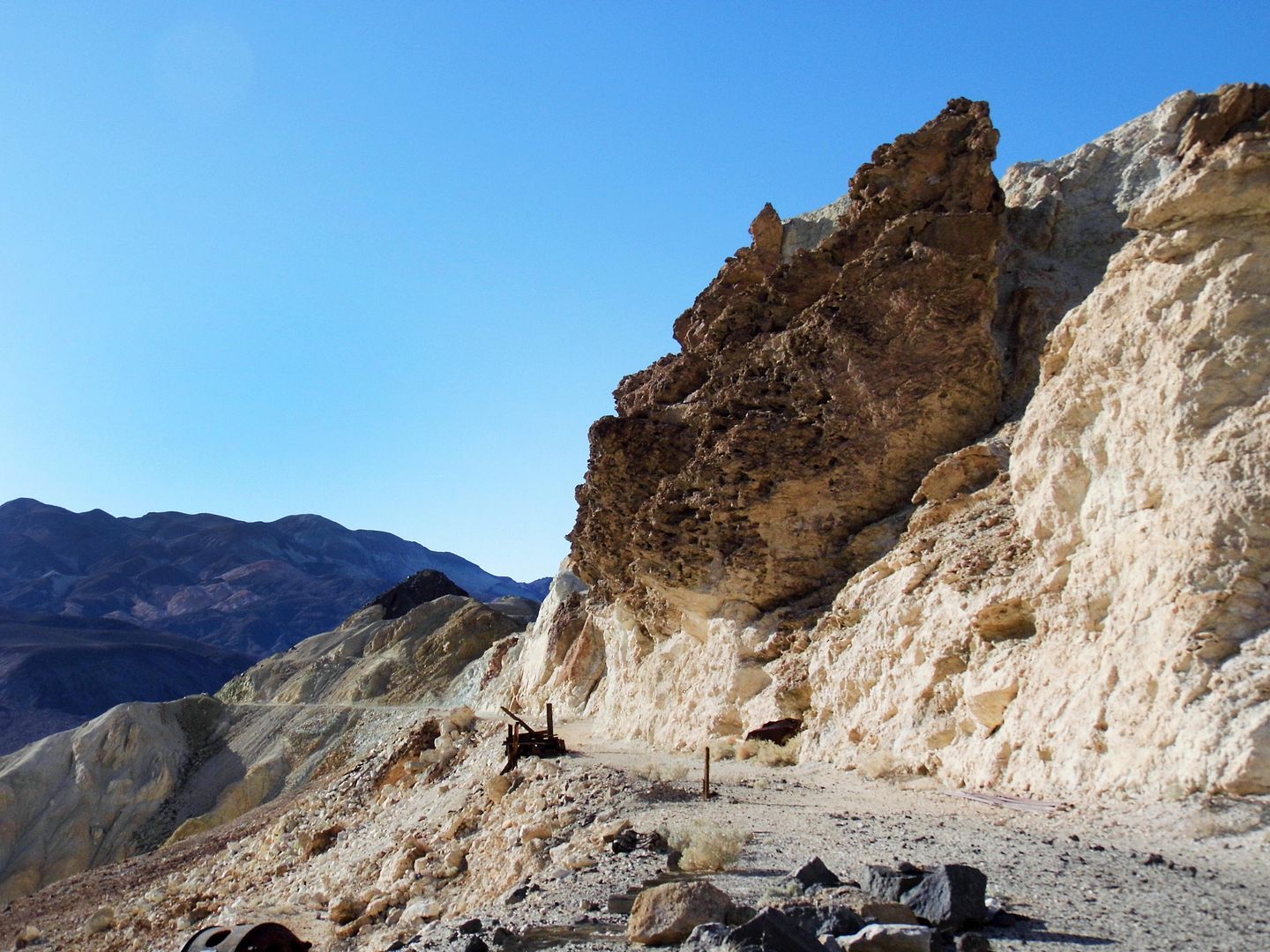
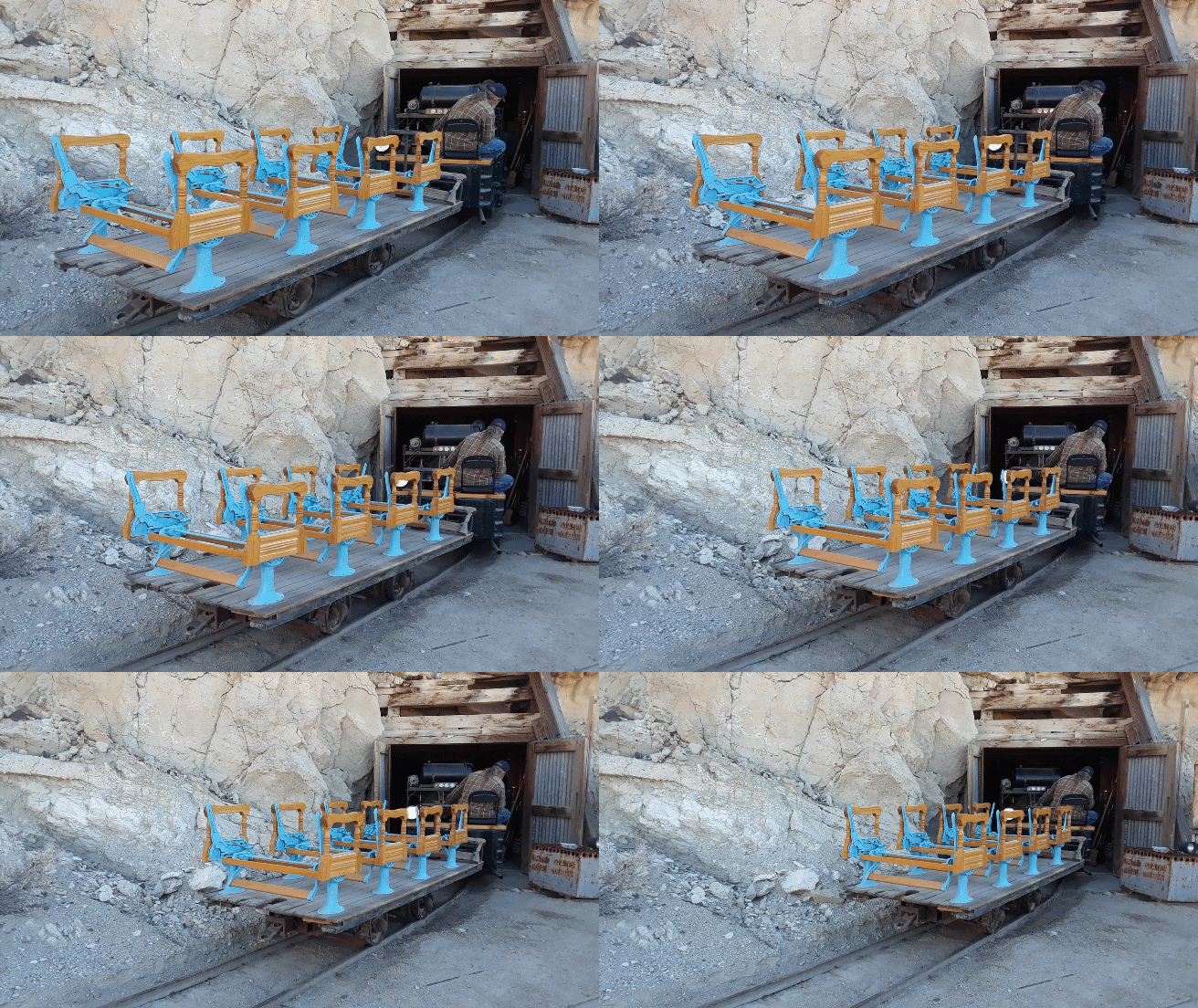
Probably the highlight of the tours given today is the 24-inch baby gauge railway that once hauled water, timber, explosives, and other supplies to the Grandview, Lizzie V. Oakley, and Widow mines to the south for a total of 6 miles.
The "Baby Gage," as they called it, also hauled borate ores back to Ryan, where they were transfer to the Death Valley Railroad and mosey on their way to Death Valley Junction.
When the Death Valley View Hotel began to welcome tourists to Ryan, its operators added seats to the Baby Gage so it could carry passengers "'round the Funeral Mountains" to the Widow Mine, 4 miles away—right there through that same old haulage tunnel—until it ceased in 1949.
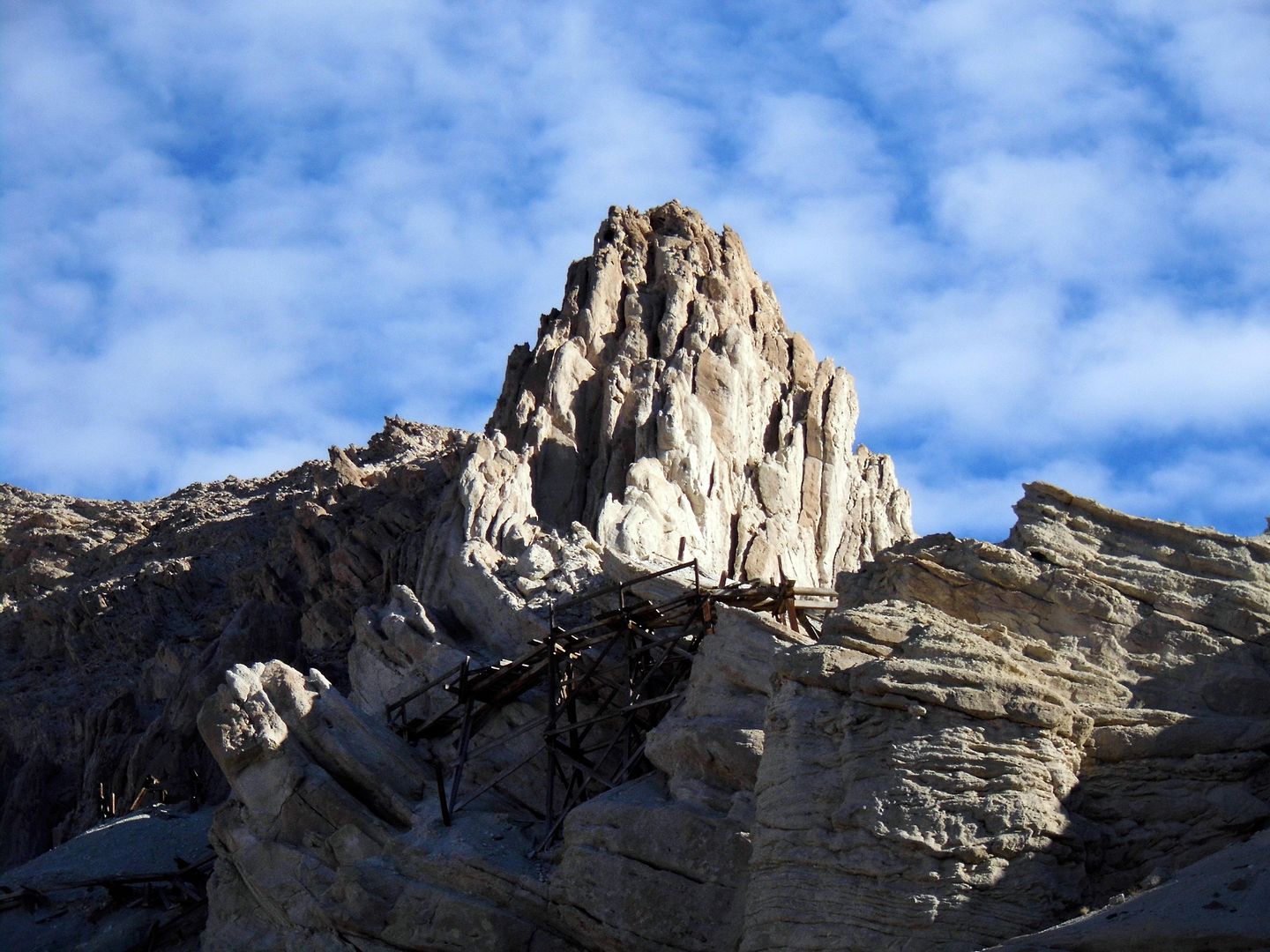
From the present-day Baby Gage display, you can look up and get a good view of the Upper Biddy McCarthy Mine...
...where there are still remains of a skip track, a dump trestle, and who knows what else?
Now, one of the reasons that Ryan lent itself to being repurposed as a destination getaway is because it wasn't just a mine—but an entire company town that was home to the miners, their families (including enough children to necessitate a schoolhouse), and other staff.
And you can still see some of the worker dormitories, staff houses, and guest houses...
...which were outfitted with electricity, steam heat (generated by an oil-fueled boiler), and refrigeration and supported by a sewage system and an ice-making plant.
The huge, two-story house of Superintendent William Smitheram (until 1916) was converted (sometime between 1919 and 1921) into a hospital building, replete with a surgery room—though no surgical team was staffed alongside the nurse who gave onsite care. It later was retrofitted to provide rooms for hotel guests.
With its corrugated galvanized steel paneled roof, Bunkhouse #1 was constructed in 1920 and then converted into Guest House #1 for the hotel.
Its outer stairs and veranda are being restored and/or rebuilt, while the interior guest rooms are being returned to their former glory...
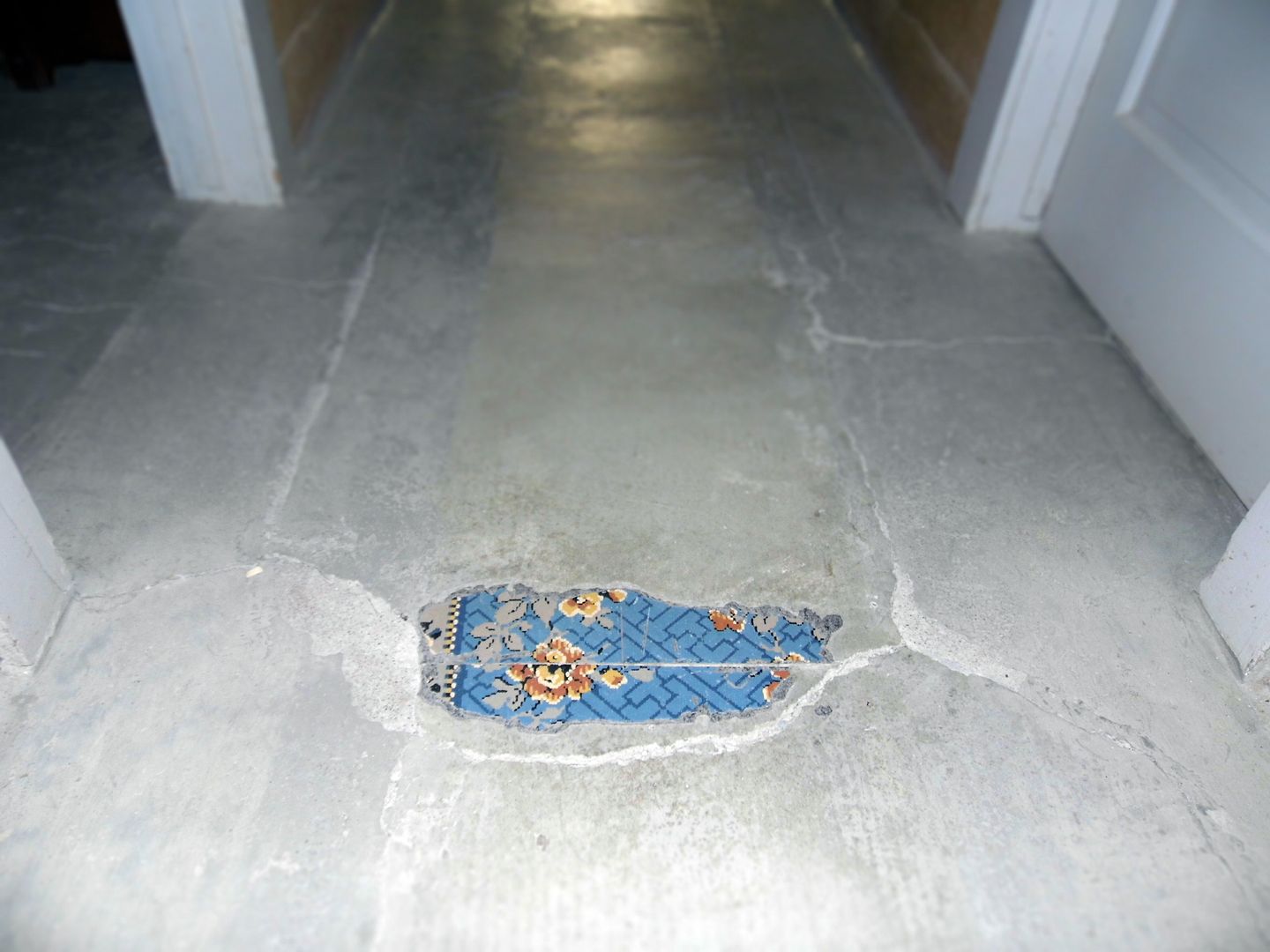
...right down to the 1920s-era patterned carpet, which has been successfully reproduced by Brintons in the UK.
Many different patterns of linoleum once appeared throughout the camp's buildings...
...but what remains now are often just fragments, yet to be identified (much less reproduced).
And there's plenty in Ryan that's gone forever, not to be preserved or restored—like various shops, garages, and cabins that burned down or were demolished or moved elsewhere.
One of Ryan's landmark structures was actually relocated to the camp via rail in 1919—the rec hall (a.k.a. clubhouse a.k.a. dancehall).
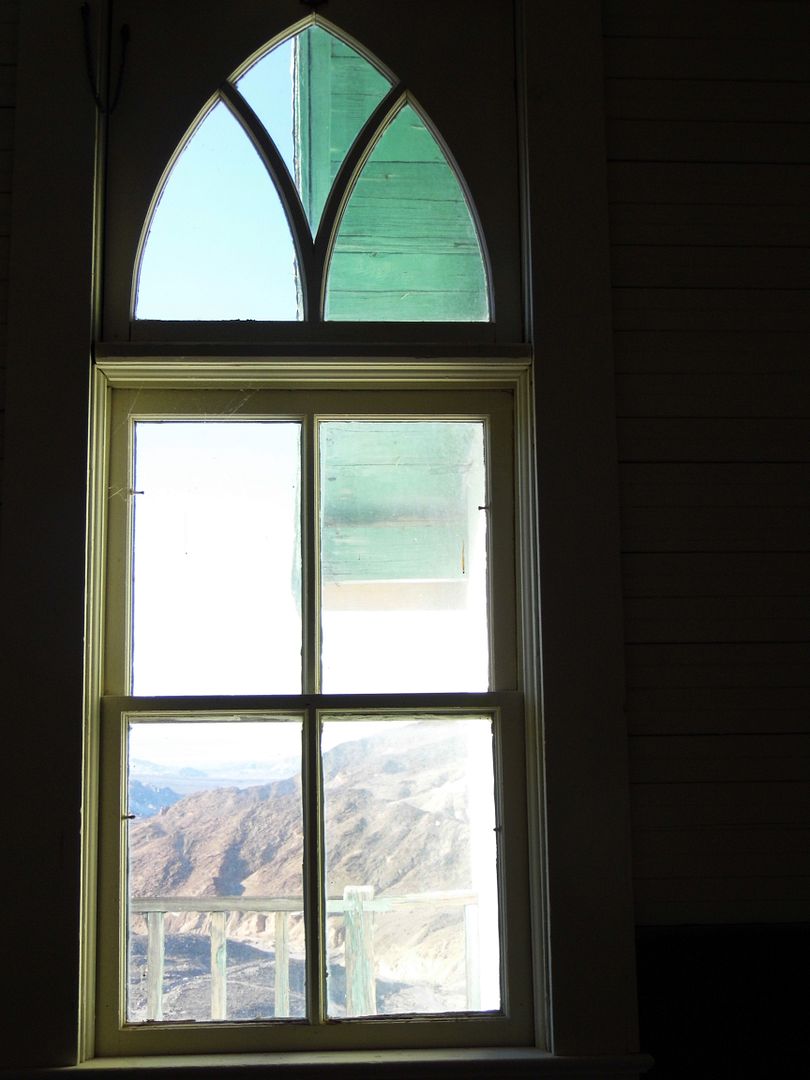
It was dedicated in 1907 as St. Mary's Catholic Church in the gold mining camp of Rhyolite, Nevada. It nearly ended up in the Goodsprings mining district, but it moved to Ryan instead.
After its arrival, a stage was added for community meetings and secular recreation, though its interior still evokes an ecclesiastical purpose.
Stabilizing and restoring the rec hall is one of the major undertakings for Death Valley Conservancy's efforts in Ryan right now.
And finally, there's the schoolhouse building (circa sometime between 1919 and 1922)—which, like so many other structures in Ryan, is clad in industrial corrugated metal. A playground stands eerily abandoned in its recess yard.
Inside, the old school desks sit empty, the water-damaged wallpaper curling with every passing day that the bell no longer calls children to class.
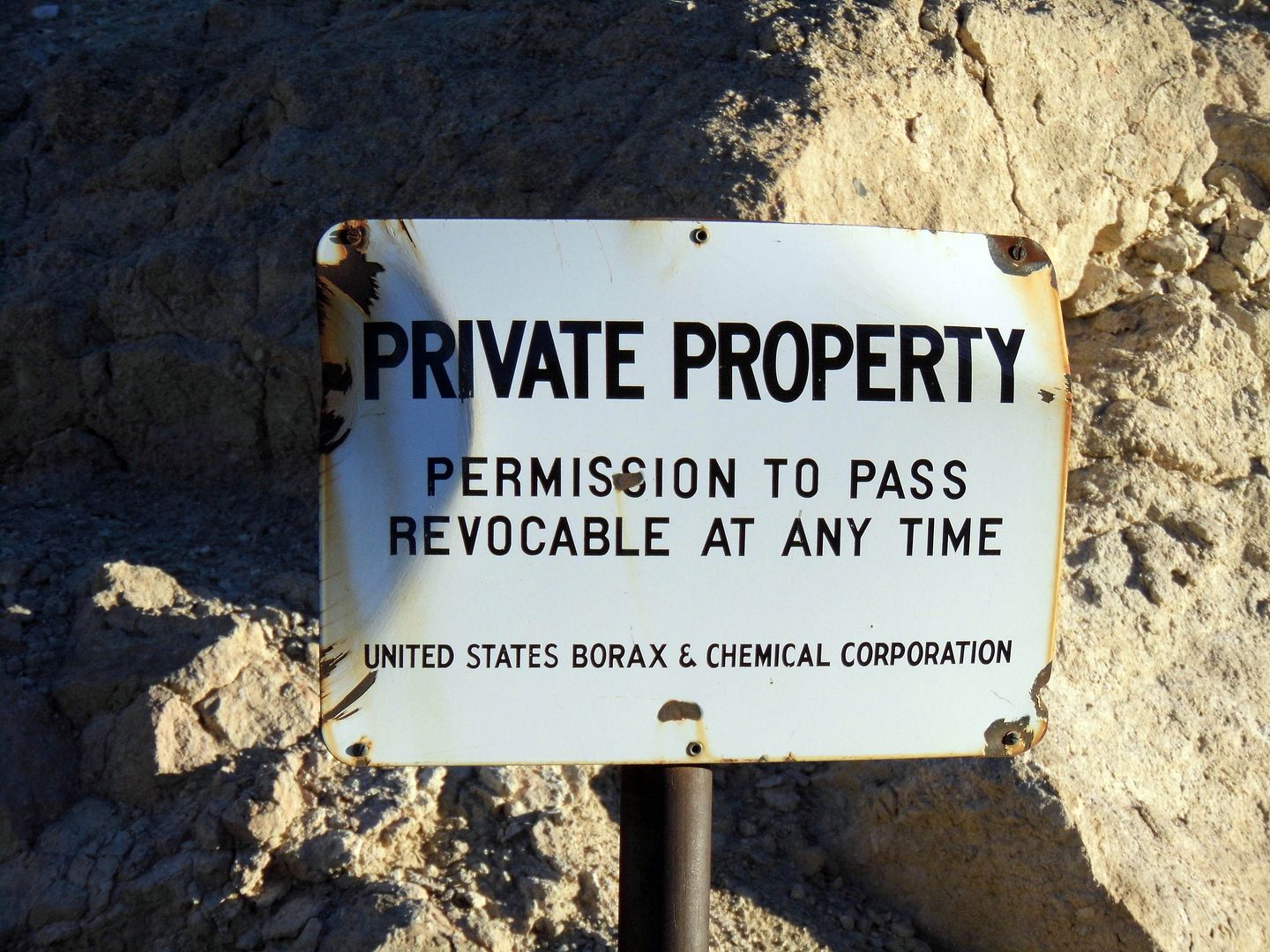
I know it may be tempting to try to catch a glimpse of Ryan, but it is tightly patrolled and non-scheduled visits are strictly prohibited. Trespassing is not tolerated and prosecuted under the fullest extent of the law.
I arranged my visit as part of a public tour in November 2018 and received permission to enter structures and photograph the site.
I would consider the definitive history of Ryan's period of significance in mining and tourism to be the dissertation "Life and work in the Ryan District, Death Valley, California, 1914-1930: a historic context for a borax mining community" by Mary Ringhoff, available to read via USC Digital Library.
For lots more contemporary photos (circa 2012), visit Steve Hall's Death Valley Adventures. For the National Park Service publication "Death Valley Historic Resource Study: A History of Mining," click here.