Search

Showing posts with label NYC. Show all posts

January 08, 2025

Random Thoughts Upon a Milestone Anniversary

 
 I say that I lived in NYC for 14 years—but in reality, it was actually 13 years and 8 months.

I left New York to move to LA at the end of January 2011, which means I've lived here for 13 years and 11+ months. 

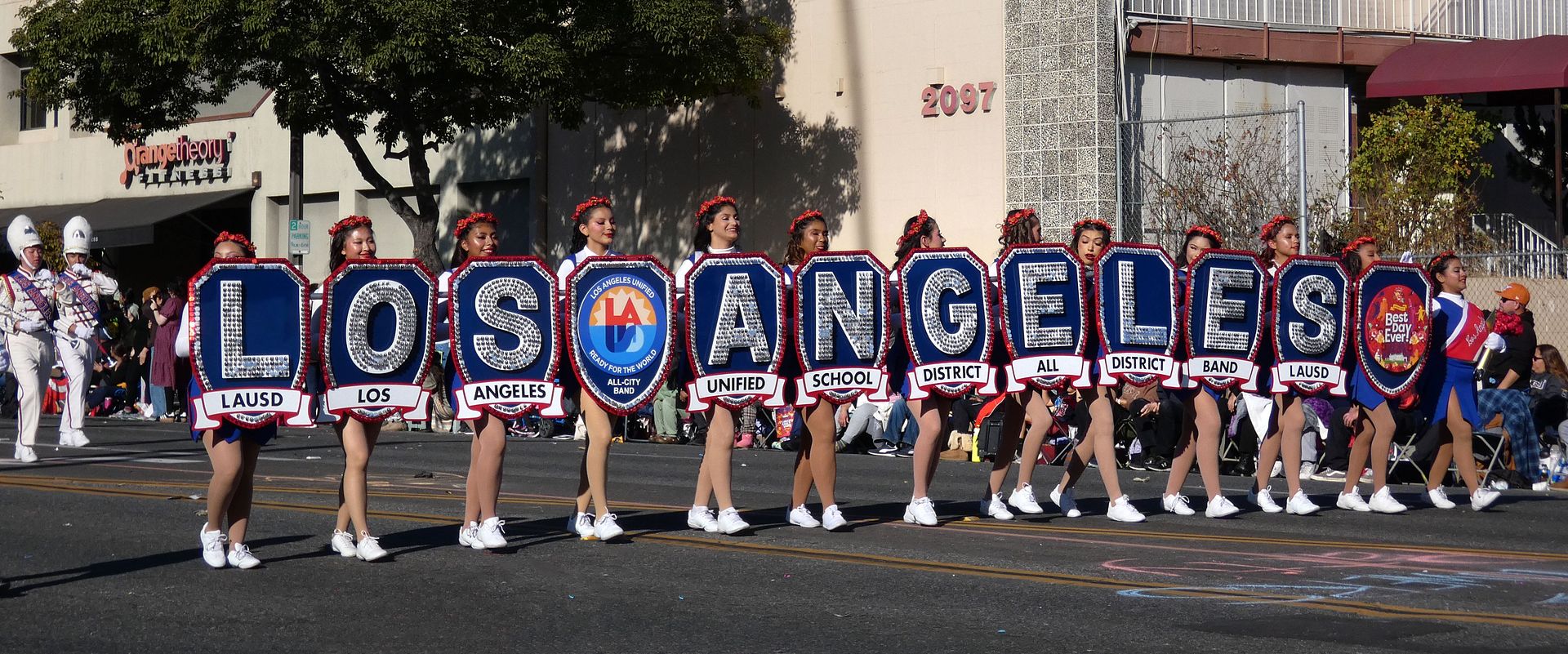
I already surpassed my time in NYC without really noticing it. And now I'm about to celebrate my 14th anniversary in Los Angeles—a real 14 years. 

May 20, 2023

Photo Essay: Sleeping In NYC's Former Home For Shipwrecked Sailors

For my first trip back to NYC in five years, staying with a friend wasn't really an option—so I took the opportunity to stay in the weirdest and most historic hotel I could think of.

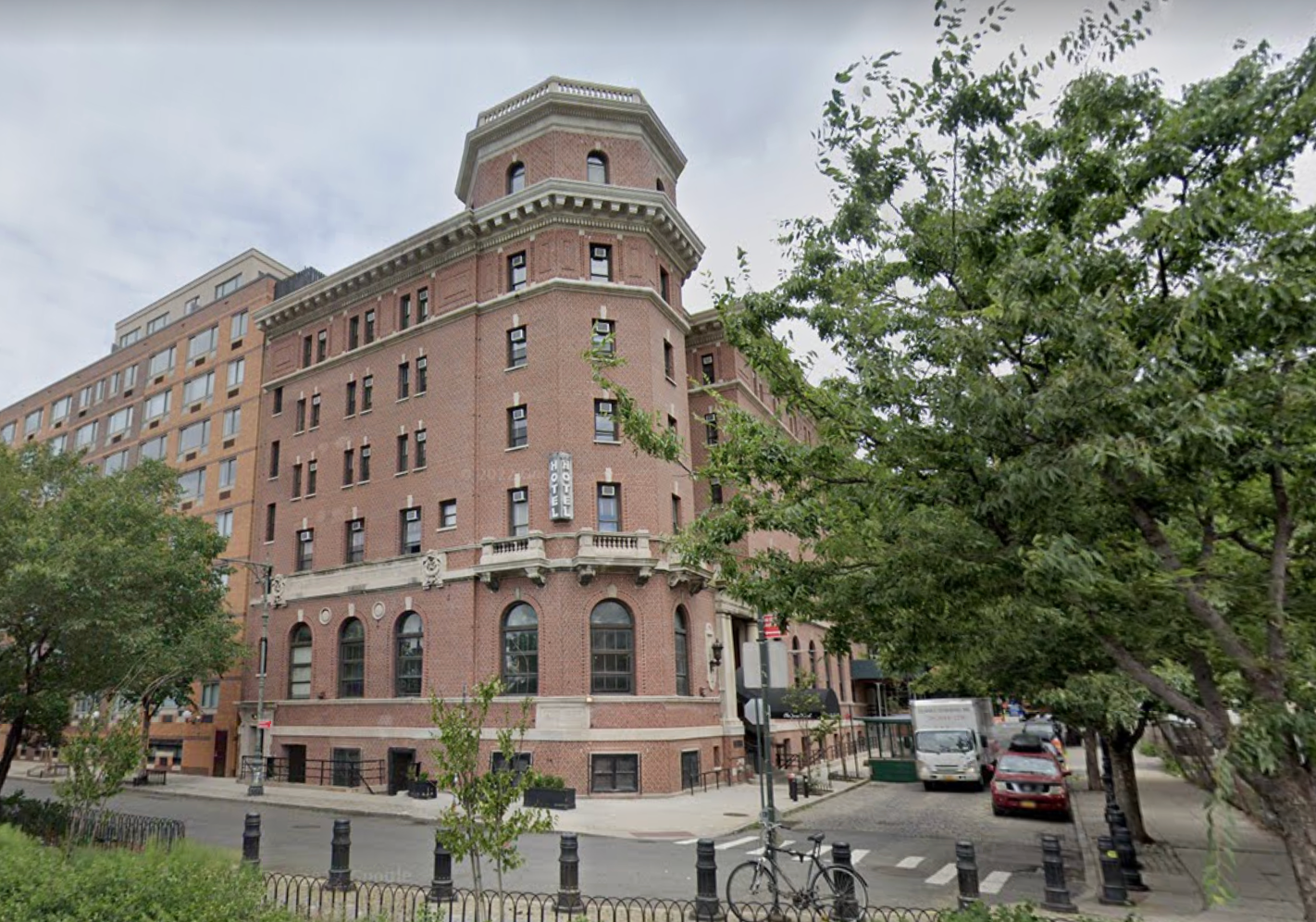
It's now a boutique hotel called The Jane, located in the westernmost environs of Greenwich Village, just steps from the East Bank of the Hudson River.

I remember its big reopening in 2008, with much fanfare. It then became a huge nightlife destination, though I don't recall ever drinking or dancing in its Victorian-style "ballroom." 

But my return visit would be very different—sleeping in a hotel room I vaguely knew had been built for sailors and that one of the Titanic survivors might've occupied in 1912.

Of course, it turned out I was actually going in a little blind—because there was so much I didn't know about The Jane. 

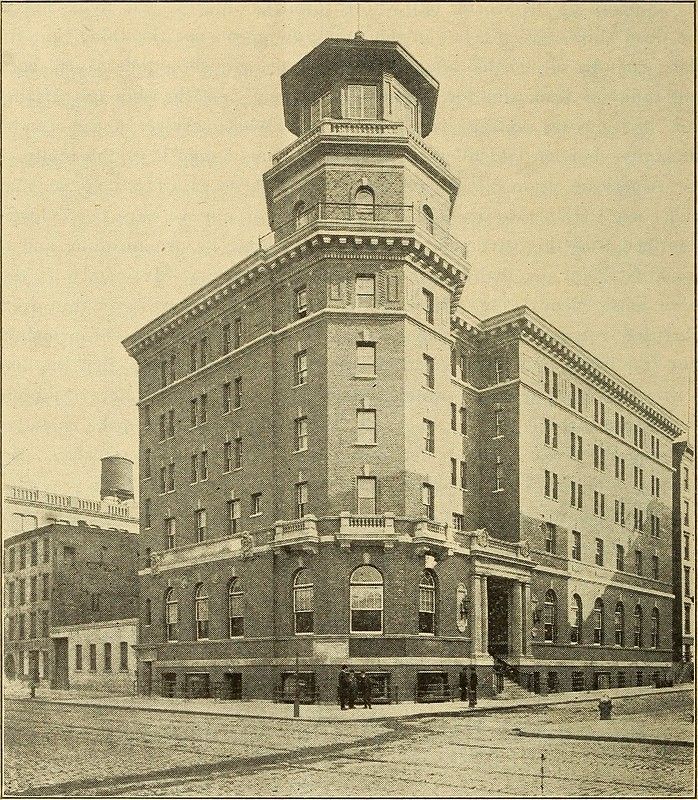
You see, it began its life at 507 West Street in 1908 as the American Seamans Friend Society Institute Building—built by the non-sectarian although decidedly religious (and even evangelical) Seamens Institute. 

circa 1909 (The Acts of the Apostles of the Sea, page 69) via Internet Archive Book Images (Public Domain)

According to the 1909 book The Acts of the Apostles of the Sea, the institute—whose president at the time was the Reverend Dr. Charles A. Stoddard—stood as "the largest distributor of the Word of God on the waters." Not only that, the book continues, the society "aided shipwrecked and destitute seamen of every race and nation, fed the hungry, clothed the naked, [and] buried the dead." 

circa July 2022 (Google Street View)

May 15, 2023

Yet Another Island Gets Added to New York's Five Boroughs

NYC is full of weird experiences—from swimming in a shipping container to picnicking on a former landfill to squishing your toes in the sand of a pretend beach on the East River. 

So, having been away for a while, I was tickled to spend part of my return visit checking out one of the weirder new additions to Manhattan,

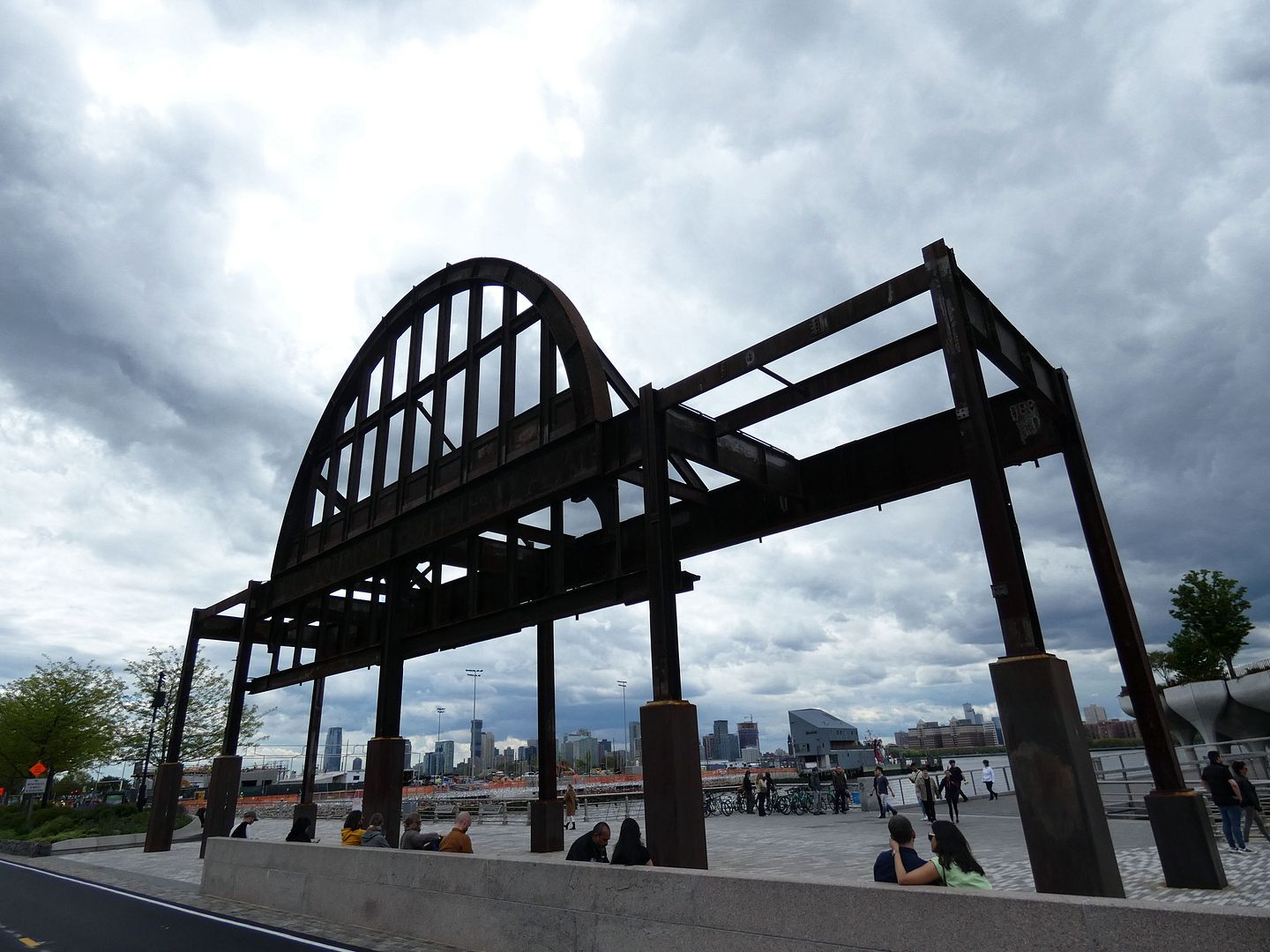
It's Little Island, a manmade park that opened at the former Piers 54 and 55 off of Hudson River Park in May 2021.

 
Pier 54 was once the Cunard-White Star pier, where the RMS Carpathia dropped off Titanic survivors in 1912 and where the British RMS Lusitania departed in 1915 before being torpedoed on its way to London. In 1918, in the final year of WWI, the German U-boat U-55 also sunk the Carpathia

May 12, 2023

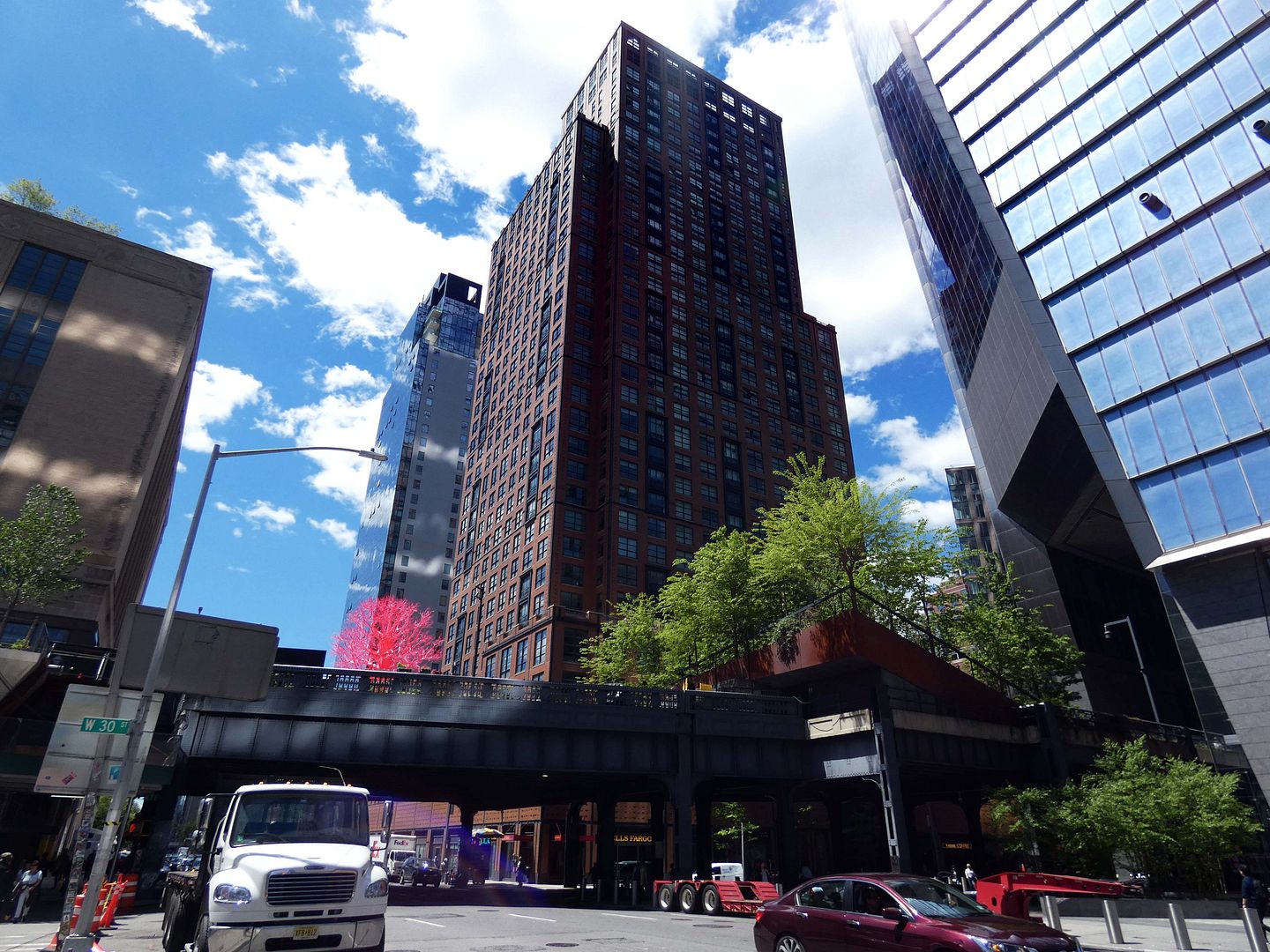
Photo Essay: NYC's High Line and Its Closed Hudson Yards Vessel

I can trace my current spirit of adventure back to New York City circa 2005, when the weekend program Open House New York debuted and I had the chance to access special places that hadn't previously been on my radar—mostly because I'd been otherwise occupied with nightlife and not the NYC I could explore during the day. 

 
But the shift in my interests really ramped up in 2006, when I had the chance to walk upon the abandoned, elevated rail line that once delivered goods to the meatpackers on the far west side of the island.

January 05, 2022

Photo Essay: Flying Through the Jet Age-Era TWA Terminal, On the Cusp of the Space Age

I've been long fascinated with the old TWA terminal at JFK Airport, out of commission since 2001 after decades of being too small to serve incoming or outgoing flights on jumbo jets. 

Designed by architect and industrial Eero Saarinen—as well-known for the "tulip chair" as for the St. Louis Gateway Arch—the 1962 Trans World Flight Center had fallen into disrepair by the time I got to visit it up close (and inside) in 2011, although it had been partially restored.

circa 2011

Over the last decade or so, I've watched how the defunct terminal of the defunct airline has been restored and even reincarnated as the TWA Hotel, connected to JetBlue Airways' Terminal 5. 

February 18, 2019

Memories of the Blue Train Hidden Inside Bloomingdale's NYC

I shudder to think about all the things in New York City I missed out on despite living there for 14 years.


Photo: Circa 2007, by Coolcaesar via Wikipedia (CC BY-SA 3.0)

I managed to squeeze one of them in on a return visit at Christmastime back in 2013—something I'd never found hidden inside the flagship Bloomingdale's store in Manhattan, despite having shopped there many times.


It was an oddity like no other—Le Train Bleu, a ladies-who-lunch type of restaurant built onto the department store's rooftop.


Climbing aboard felt as though you'd seamlessly been transported across the Atlantic to ride on the Paris rail.


Originally created in 1979, it only lasted 37 years—and in 2016, Bloomingdale's took their dining car out of commission, as part of a restoration that either removed or painted over many of the store's French influences.


When I insisted to Michelle that we lunch there, I had a feeling I'd never make it back. But I didn't know that was because it wouldn't be there if I ever tried to return.


Having recently mentioned it to a native New Yorker who'd never heard of it—much less been—I found myself regretting not having documented it better.


It felt first class all the way.


But I was more than comfortable eating my casual croque madame...


...and Michelle with her smoked salmon and salad.


Looking back, I can't believe that Le Train Bleu actually ever existed in New York City. And now, I can't believe it's gone.

It wasn't a real train, of course. It was a bit of Hollywood magic in New York City—no more than a prop or a set piece.

And now that it's gone, it'll always remain a mystery to those who never got to go (and those like myself who never got to go enough).

Related Posts:
The Formosa Cafe Gets Ready To Step Back Into the Spotlight
Photo Essay: A Museum of Railway Giants and One Missing Big Boy

May 12, 2018

Considering the Age-Old Question of Artistic Merit and Intent

A new art show called "Beyond the Streets" just opened up in a vacant building in Chinatown, so I went to go check it out.


Now, I've been very public with my mixed feelings about graffiti—which might not actually seem so mixed.


I take issue with vandalism. When I see a historic building or protected natural feature that's been spray painted, I think to myself, This is why we can't have nice things. It broke my heart when Angels Flight got tagged (though, ultimately, that ignited the campaign to get it restored).


I get that there's an art to it. I respect the fact that graffiti artists were able to revolutionize spray paint, a medium that was created to be purely utilitarian.


I appreciate that the few limited edition colors that would come out over the years would give a graffiti artist and their work a certain amount of caché.


But that belies the fact that this is a form of illegal art—and quite often, the more illegal, the better.


The tools of the trade are common and ordinary by necessity.


At least in the early days—before libraries started commissioning artists like Kenny Scharf to intentionally tag their white walls—the materials had to be small, light, portable, and inexpensive. Perhaps most importantly, they had to not rouse suspicion.


Now, of course, bystanders in any major city would probably be thrilled to spot some guy in a hoodie climbing a ladder with a bucket full of wheat paste and a brush. And the property owner might be elated to find out that this involuntary addition to his building just skyrocketed his property value.


But plenty of shopkeepers would prefer their roll-up doors not get defaced—especially since more often than not, it's not the work an artist with a message and/or talent. Sometimes, it's just blight.


Is there a difference? Absolutely.


Of course, it seems to be the natural inclination of man to scrawl his name and other simple messages across whichever surfaces he can find—whether it's the inside of a cave or the top of a school desk or the abandoned structures of a supposed Nazi sympathizer camp.


You kind of expect that that's going to happen—which is why places like Venice Beach have installed "public art walls," sanctioned locales where people can get their ya-yas out without destroying anything. And then their work is painted over in black and the process starts again—which is how,  back in the day, a lot of those so-called street art "murals" both came to be and came not to be.


However, underprivileged urban youth entering a turf war at an abandoned subway tunnel is very different than marking your territory in a national park, as "Mr. A" (who, by the way is an affluent Swede of 46 years in age) did so infamously back in 2015. So, how could the illegality of graffiti be a necessity of circumstance, as some might argue?


And if those with racial and socioeconomic privilege can just pick up their spray paint cans whenever they want and put them down whenever they want so they can go walk a red carpet somewhere, that looks a lot like cultural appropriation.


So, now there's a pretty sprawling gallery show that attempts to take a subculture that's become glorified over the last decade or so and explain it to outsiders. (You even receive a printed glossary upon arrival!)


It contains all the tropes of early era NYC beatboxing and breakdancing, straight out of Wild Style and Style Wars.


And some of the pieces are very cool to look at—but overall, it feels a but tone deaf, despite the street cred of the creative team behind it. It's more like something that might be mounted by a mainstream cultural institution like LACMA or MoMA.


I worry about a corporatized celebration of "Vandalism As Contemporary Art"—the show's own tagline—without explaining what these works are not, or why certain artists or pieces were not included.


Because not every spray-painted set of initials is influential. Sometimes, a person with no talent and nothing to say draws a wiener with a Sharpie somewhere insignificant to them and then moves on.


The curator of the show takes the time to note in its brochure that the representative artists were chosen because they also had strong studio practices in addition to their (legal or illegal) work on the streets.

But when you can buy Keith Haring- and Jean-Michel Basquiat-branded spray paint cans for 40 bucks apiece and everything else from tote bags to stuffed unicorn toys wearing red hoodies that read "I ❤ Graffiti," it just feels like the opposite of the guerrilla art movement that the graffiti pioneers were going for.

Maybe they weren't going for anything, who knows? So many scholars and historians have tried to reverse engineer the graffiti origin story—despite not having been a part of it themselves—that it's all conjecture in the rear-view mirror at this point.

So, I hope that the buzz and excitement over this show helps contemporary art to proliferate... but that it doesn't encourage vandalism.

And I hope that those who visit Beyond the Streets can figure out the difference and act accordingly.

Related Posts:
Photo Essay: Mr. Brainwash Art Show 2011 Closing Night
Keep Street Art on the Street
Photo Essay: The Walls Are Alive in Venice Beach

January 25, 2018

Photo Essay: The Art of Performing at Lincoln Center

When you mention "Lincoln Center" to most people outside of New York City, you have to qualify it with "the place with the fountain in such-and-such movie."

Moonstruck. West Side Story. The Producers. Ghostbusters. That plaza is as iconic as any of Manhattan's skyscrapers and perhaps even more so than Central Park.

And I didn't appreciate it at all—or really know anything about its history—when I used to have to go there for work all the time.


Don't get me wrong: I was desperate to "belong" with all of the colleagues and artists who surrounded me in my four years working in classical music. I took every free ticket I could get to see the New York Philharmonic. I was crushed when my boss wouldn't allow me to attend opening night of the Metropolitan Opera, even though there was a spare ticket that ended up going to waste.


But I always seemed to be there at night, and I was always so focused on doing my job and not embarrassing myself or my boss (who clearly thought I might embarrass him) that I never bothered to stop and really appreciate all of the venues that make up this world-class performing arts center.


So, 16+ years after I got laid off from my job in classical music, 10 years since I last attended a show there (the miserable "standing seat" for The Magic Flute at the Met Opera), and seven years since moving away from New York City, I returned to Lincoln Center to experience it as a tourist.


In the time since I left New York, Avery Fisher Hall—that gorgeous but acoustically imperfect classical venue that debuted at Lincoln Center in 1962 as Philharmonic Hall—had become David Geffen Hall.


I didn't know who Avery Fisher was when I used to go to his hall all the time for work—or even that he was a real person (much less the founder of Fisher Electronics. It turns out he had donated a lot of money in the early 1970s to fix the acoustics in the auditorium—a project that was taken on by Philip Johnson, who, according to The New Yorker, practically demolished and rebuilt the house (but not the facade or any other parts of the superficial structure)—and got his name on the hall as a result in 1973.


I didn't know back then who Philip Johnson was, or that he would become one of my favorite architects (as the creator not only of the New York State Pavilion but also The Glass House and the Crystal Cathedral).


I don't even remember ever having been at Avery Fisher Hall during the day—or having looked out its monumental windows at the plaza down below.


Of course, back in the late 1990s, not only did I not really understand where I was when I had to go to Lincoln Center, but I also didn't understand that Lincoln Center had been built on top of a tenement community called San Juan Hill.


Low income housing had been razed in favor of high-end culture—classical orchestra players in their tuxedos replacing jazz musicians sitting on the stoops.


The residents of San Juan Hill were relocated, at least—just a stone's throw from the new performing arts complex, a bit closer to the Hudson River, and a bit farther away from white civilization.


In the 1960s, that was considered progress—"urban renewal," courtesy of President Dwight D. Eisenhower (who broke ground in 1959), "The Power Broker" and "Master Builder" Robert Moses, and billionaire John D. Rockefeller.


Of course, the construction of Lincoln Center and its plaza helped make the Upper West Side the desirable and affluent community it is today.


It even houses the northernmost "Broadway" theater in Manhattan, even though it's a good 10 or so blocks and nearly a mile uptown from the area of Manhattan technically considered "Broadway."


Among the treasures we discovered on our tour—pieces of Lincoln Center I never knew to explore—included the (barber) chair and desk of famed caricaturist Al Hirschfeld.


We found the historic display inside the New York Library for the Performing Arts, sandwiched in the back of Lincoln Center between the Metropolitan Opera and the Lincoln Center Theater.


Of course, we'd seen plenty of Hirschfeld's caricatures over the years—of classical musicians, actors, Broadway stars, and more—but it was something else to stand somewhere inside his ghostly aura.


As we proceeded farther into the library, we encountered yet another ghost: that of the dearly departed composer, pianist, and conductor Leonard Bernstein.


In celebration of what would have been his 100th birthday (though he died at age 72 in 1990), the NYPL has collected various artifacts from the very beginning of his life—including the hairdressing equipment business he was born into.


But wiring women's hair up to give them permanent waves wasn't Lenny's destiny.


It was music, despite the fact that he didn't get very good grades for it in school.


Fortunately, he had a 1917 Brewster upright piano from his Aunt Clara to practice on from the age of 10.


By the 1970s, he'd upgraded to a Baldwin baby grand...


...which he worked on in his home/studio in Fairfield Connecticut.


But it wasn't just about having the right equipment for his industry of choice (which, in this case, meant having the right instrument)—because he also needed his lucky cufflinks (which he'd kiss before every performance) and the pencils he considered his "soldiers."


And all of that was enough to earn him 16 Grammy awards (plus a Lifetime Achievement award), as well as a Tony Award and multiple Emmy Awards and nominations. Surprisingly, he was only nominated for one Oscar (for the score of On the Waterfront, which won for Best Picture) and didn't win.


As impressive as Bernstein's career was, though, it was interesting to get to know the man behind the baton...


...the humanitarian and human rights activist who (despite being called every name in the book, from liberal Jew to "commie-pinko-queer") celebrated the fall of the Berlin Wall in 1989 by conducting Beethoven's Symphony No. 9 in Berlin and nabbing a piece of the wall as a souvenir.

Throughout his career, he repeatedly created beauty in the face of the ugliness of the world—be it violence, hatred, greed, or evil.

The uglier the world, the more beautiful music he tried to compose, conduct, and record.

And much of that he did through his work with and at Lincoln Center—not only as the New York Philharmonic's conductor, but also in some way as the composer of West Side Story (whose lyrics by Stephen Sondheim namecheck "San Juan" and whose movie version featured the plaza fountain during the "Something's Coming" musical number).

Lincoln Center itself is beautiful, it's true. But there's also so much beauty that erupts out of it, out of its every corner—and not just from the fountain when the water decides to do its dance.

In fact, I'm still not done with it. Stay tuned for a behind the scenes tour of the Metropolitan Opera, which has been a long time coming.

Related Posts:
Photo Essay: The Spectacular Radio City Music Hall
Photo Essay: Frank Gehry's Walt Disney Concert Hall 
Photo Essay: The Temple of Academia at UCLA's Original Quad