Search

Showing posts sorted by date for query glimpses. Sort by relevance Show all posts

December 27, 2024

Photo Essay: Top Posts of 2024

It's true, 2024 was a rough year. 

Between health issues and a job loss, I've worried about what was going to happen to me. 

But somehow, I've managed to keep plugging away, as I always seem to do. 

And there are some good things on the horizon—namely, the history book I'm writing for the centennial of The Los Angeles Breakfast Club, which will be published in 2025. That's taking up a lot of my time now—time I could be spending "out there" exploring, and on here sharing my experiences. 

I'm certain the sacrifices I'm making now—including not doing any freelance writing for other publications—will pay off in the end. But that just means it may look as though I haven't been as productive this year. 

At least, for now. 

But I still had plenty of good stuff to share—so, as is my tradition at the end of each year, here follows my Top 10 posts of 2024. 

That's based on clicks/page views alone and not by some subjective judgment on their quality. So, if you'd like to know what other people were reading in 2024, take a gander here:

1. 


September 13, 2024

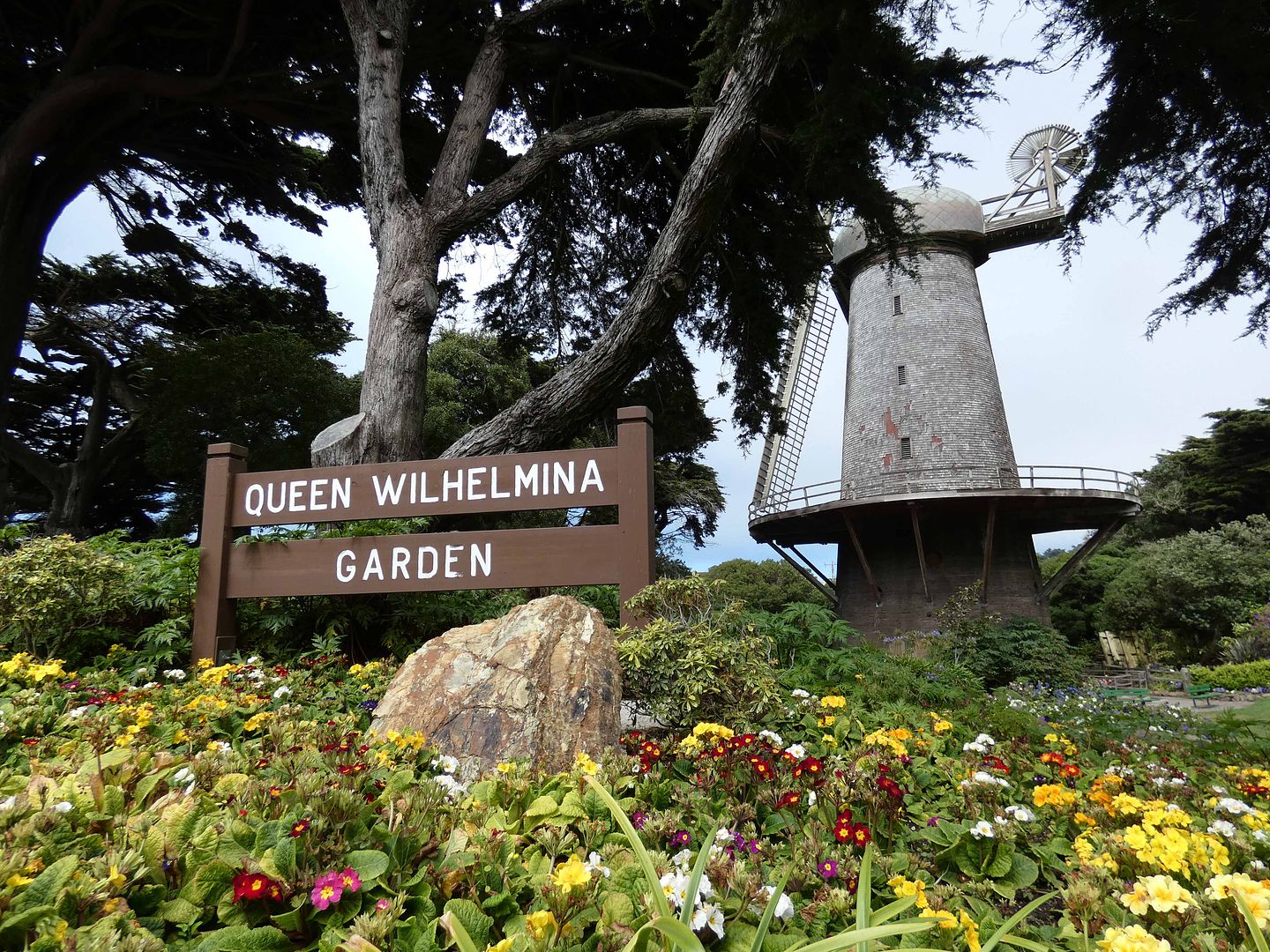
Photo Essay: The Dutch Windmills That Helped Establish San Francisco's Golden Gate Park

In Southern California, the only windmills you'll usually see are the wind power-generating ones, like on the windmill farms of Palm Springs or Tehachapi. 

At least, that's been true since the last of the Van de Kamps coffee shops closed in the 1990s. (The last remaining windmill is now a Denny's in Arcadia.)


But in Northern California—specifically, San Francisco's Golden Gate Park—two windmills are alive and well, including the Northern Dutch Windmill built in 1902. 

August 26, 2024

Photo Essay: Glimpses of Grace Cathedral's Art and Architectural Treasures

We had some time to kill while we were exploring San Francisco back in January. 

 
So, I asked my friend—who's not religious, but neither am I—if we could go to Grace Cathedral to take one of the tours they offered.

July 11, 2024

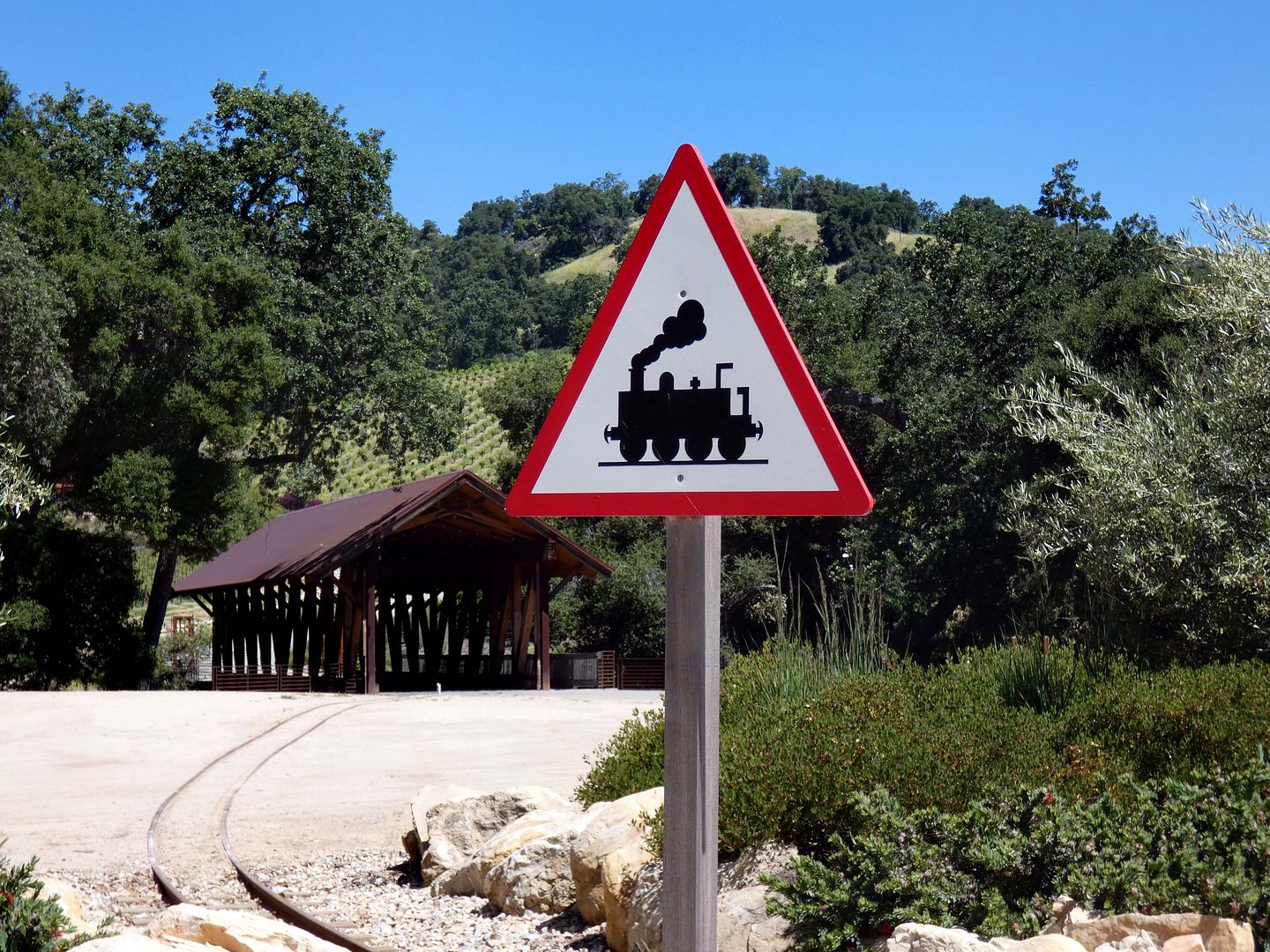
Photo Essay: Touring Halter Ranch Vineyard Estate on a Railroad of Replica Swiss Rolling Stock

Since I was already heading up to California's Central Coast on Memorial Day weekend to ride the original Disneyland passenger cars at Santa Margarita Ranch..
     
...I decided to make it a full-blown traincation by booking a train tour of the vineyard at Halter Ranch in Paso Robles. 

April 08, 2024

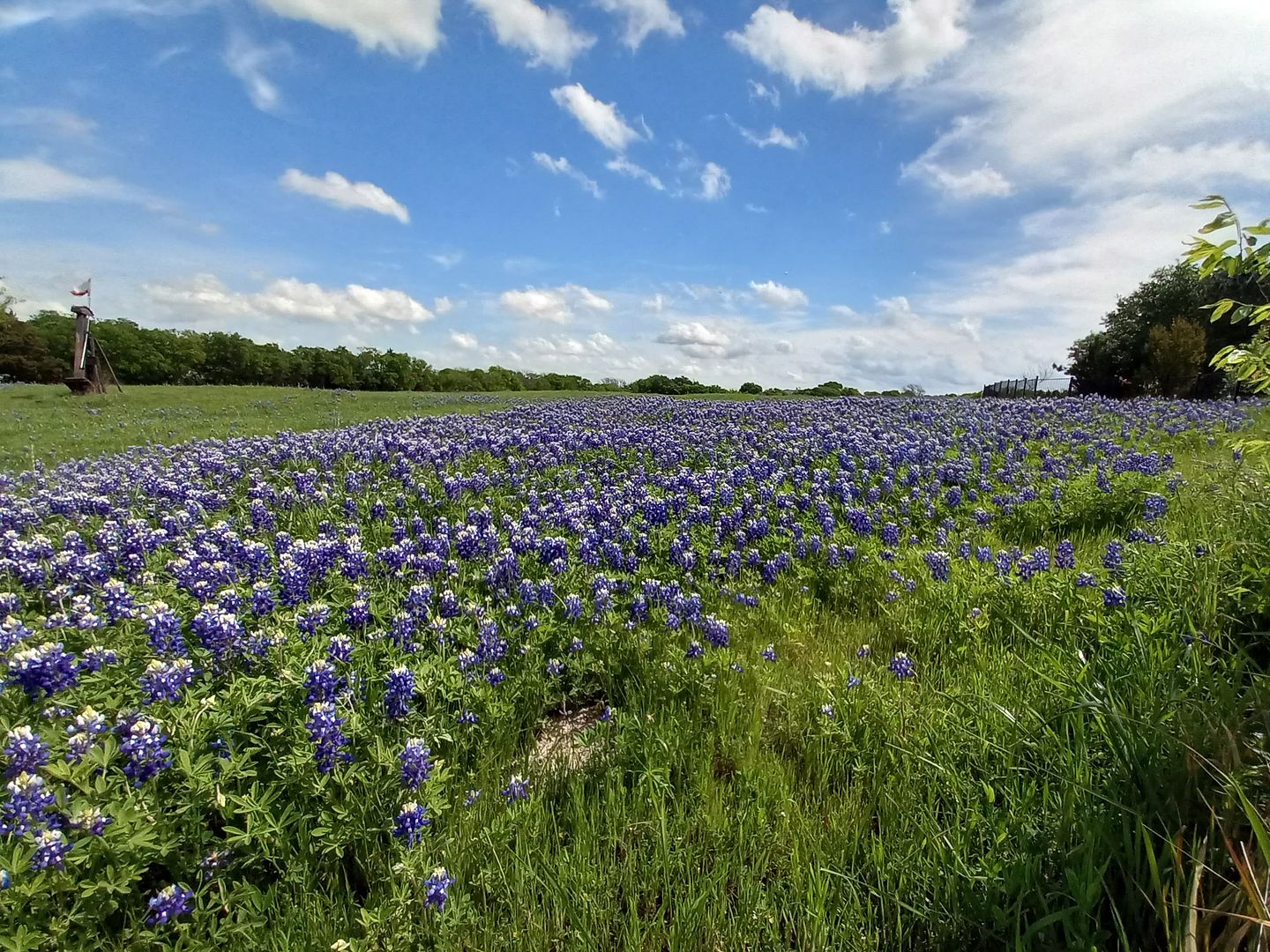
Photo Essay: A Texas Superbloom of Bluebonnets in April

Had I known how spectacular the Bluebonnet Trail was in Ennis, Texas, it would've been on my bucket list. 

 
Even after I'd landed at DFW—and been looking out of the backseat window of my rideshare cars driving around to my various destinations—I hadn't yet realized what a big thing bluebonnets are in Texas, where all six species of them have served as the state flower since 1971.

February 04, 2024

A Four-Year Wait For Llama Love

I should know by now that reality rarely lives up to my expectations. 

And when I spend years building up anticipation for something—especially something I may have missed out on and have the chance to make up for lost time—I'm most certainly bound to be disappointed.

I think if I were able to travel back in time and actually go to my proms, I'd probably have a horrible time and be horribly disappointed.

But here I am, in 2024, trying to make up for the things I missed out on in 2020 with the onset of the coronavirus pandemic. Because I'd rather come to the rude awakening that, in reality, they're less than—as opposed to feeling like I missed out on something that could've been really great. 

 
I waited almost four years to stay at a particular llama ranch in the Joshua Tree area that I'd booked for March 2020 and had to cancel at the last minute.

December 26, 2023

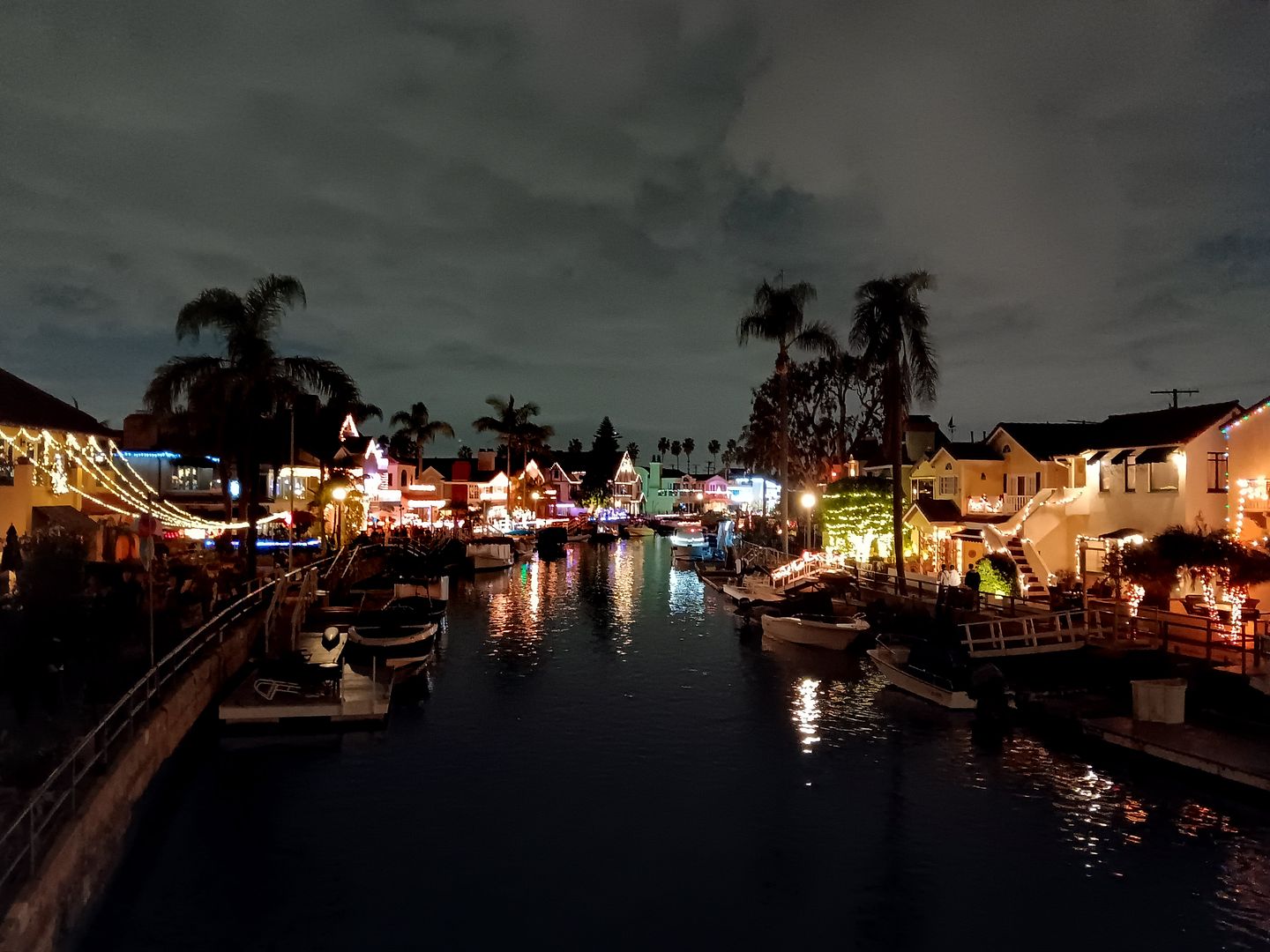
Photo Essay: A Trek Around the Naples Island Christmas Decorations, Along Rivo Alto Canal

"But Sandi, you've done everything in LA!" my friends tell me. Not true, I say. I still have so much more to do. 
    
Take the Naples Canals in Long Beach, for instance. Although I'd ridden a gondola and even kayaked through them, I'd always wanted to check out the Christmas lights there or even attend the annual holiday boat parade—but until this year, I hadn't actually made it there yet.

August 08, 2022

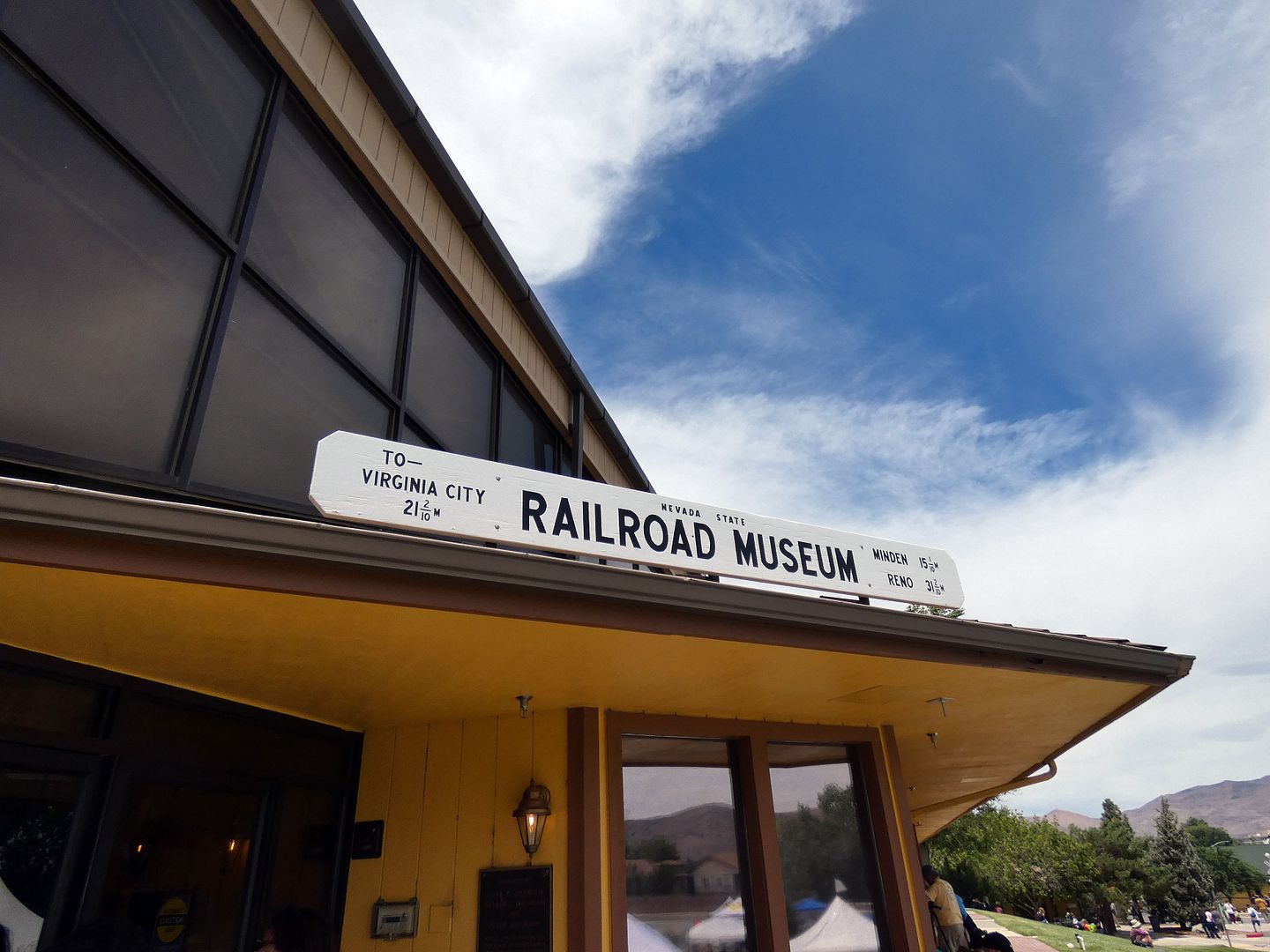
Photo Essay: Celebrating the 150th Anniversary of the V&T Railroad at the Great Western Steam Up

I'd been wanting to visit the Nevada State Railroad Museum in Carson City, Nevada—but there are just too many train museums to visit.  


April 16, 2022

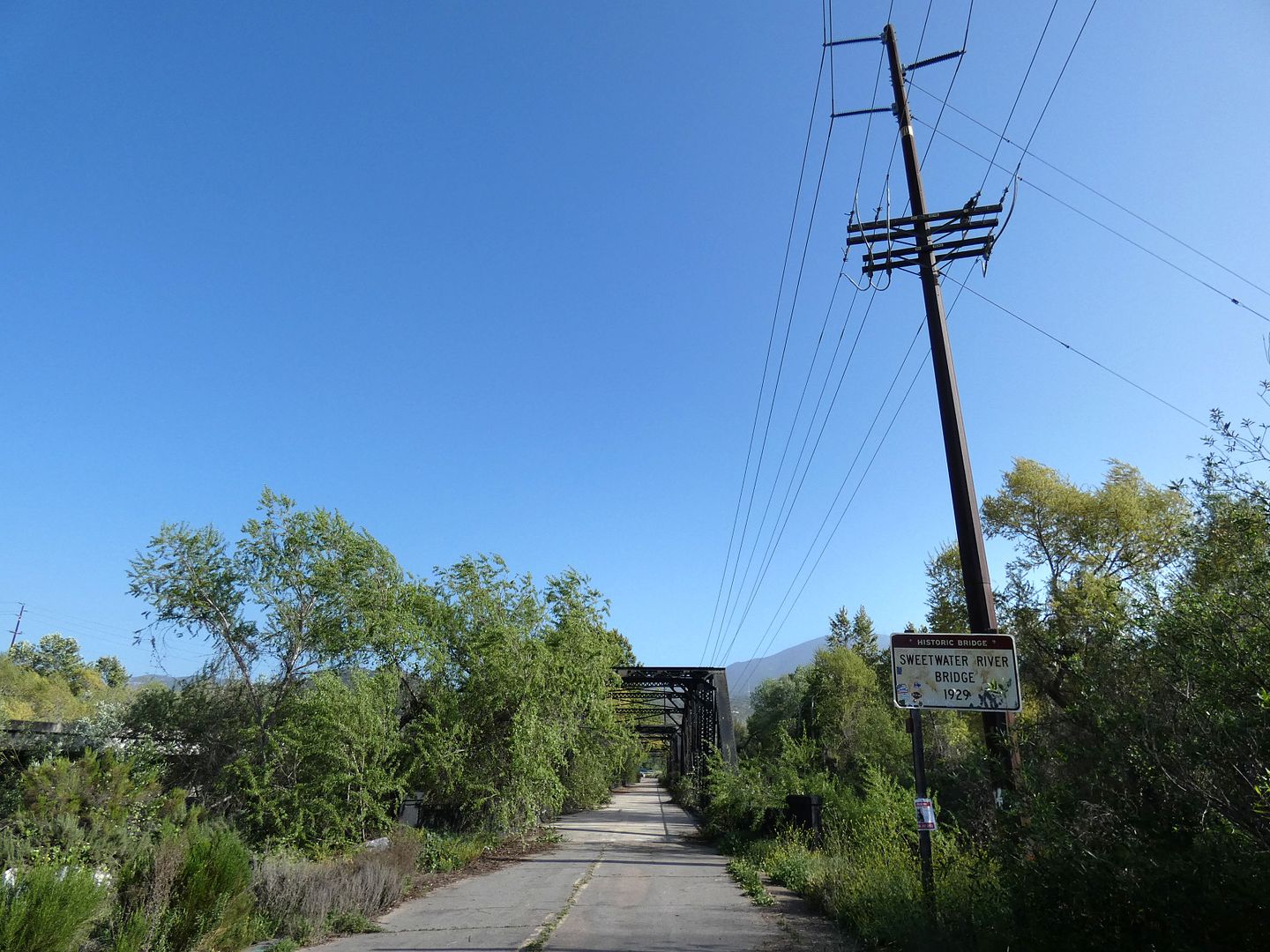
Photo Essay: San Diego's Steel Bridge Was Closed to Traffic 35 Years Ago, Still Open For Exploration

In East San Diego County, where the community of Spring Valley meets Rancho San Diego just southeast of Jamacha Junction, Campo Road runs along an old stagecoach road that was the primary east-west route between San Diego and Yuma, Arizona. 


December 22, 2021

Photo Essay: Top Posts of 2021

I know I post a lot.

And even posting half as much as I used to, it can get overwhelming. 

So at the end of each year, I do this little roundup of the most popular posts of the prior 12 months. They're not necessarily the ones people liked the most. They're just the ones that got the most views. 

Which is I guess a measure of popularity (if not quality). 

I have my own favorites that didn't make this Top 10 list—but if you're looking for a good place to start, or maybe catch up on what you've missed, the following should be a good primer. 

So, in more or less descending order from the most popular post, here's a recap of 2021:


June 27, 2021

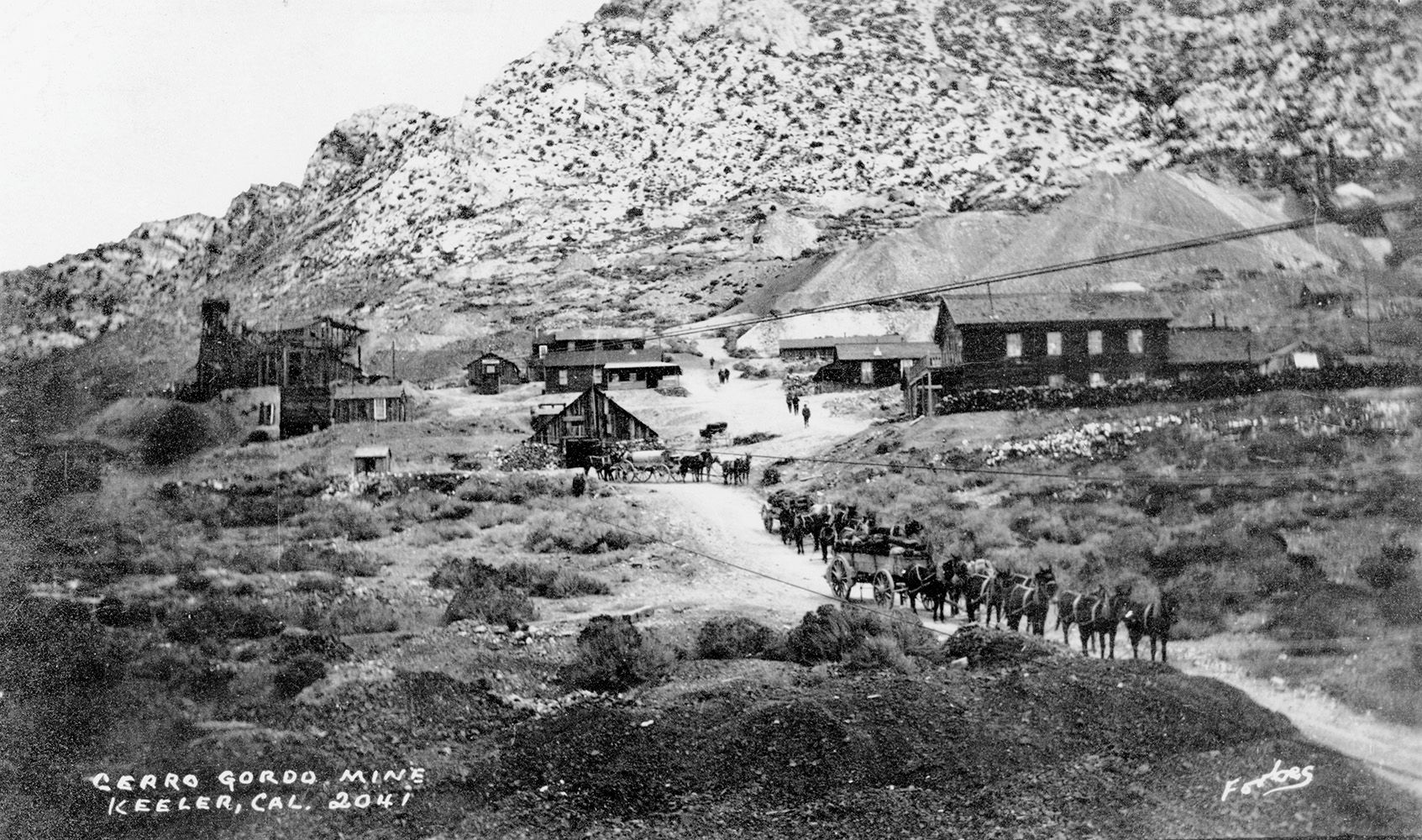
As Cerro Gordo Ghost Town Rises From the Ashes of a 2020 Fire, It Turns Away Visitors

I almost didn't write about this adventure because it felt like a failure. But I guess it was actually a partial success. 

And since I'm not exactly sure when I'll be able to ever complete the mission, I've decided not to wait—and share what I've got now, even though I found it a bit disappointing. 

But let me back up for a moment. 

In a constant boom-bust cycle that lasted nearly 100 years, the mining town of Cerro Gordo—in the Inyo Mountains of the northern Mojave Desert, near the 395 to the west of Death Valley—produced silver, lead (galena), and zinc ore at one time or another between 1866 and 1957.

I can't remember when I first heard of it. But I know I first tried to go sometime after 2013, after I'd begun working as a field agent for Atlas Obscura and thought that it would make for a great—albeit far-flung—excursion for our group.


June 06, 2021

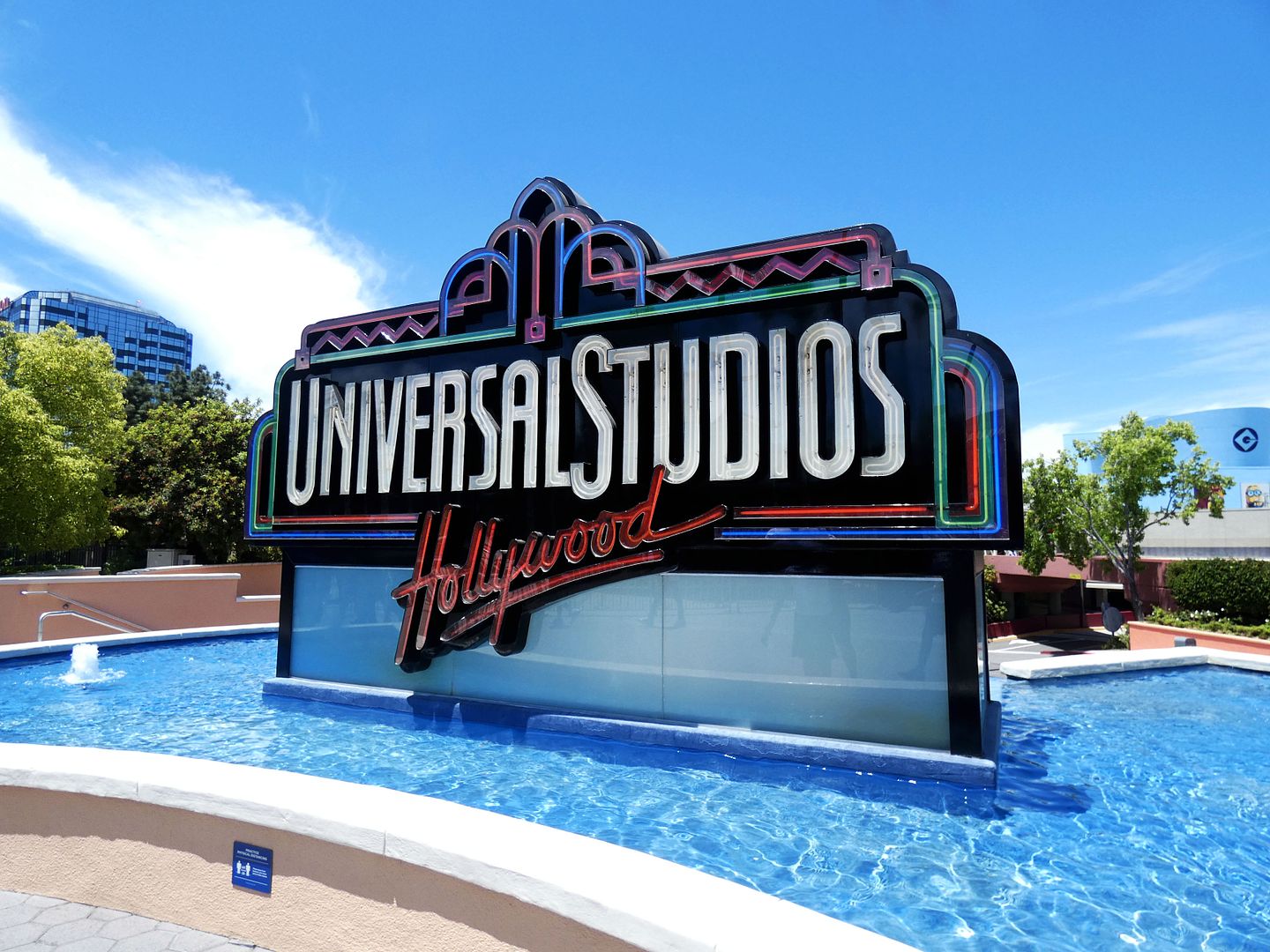
Photo Essay: The Ever-Evolving Universal Studios Hollywood Studio Tour, 2021 Edition

I'd been to Universal Studios Hollywood twice as a tourist since 2015—but they were both at night, which meant I felt like I was missing out on the daytime experience. 

 
Especially when it came to the actual studio tour. 

February 04, 2021

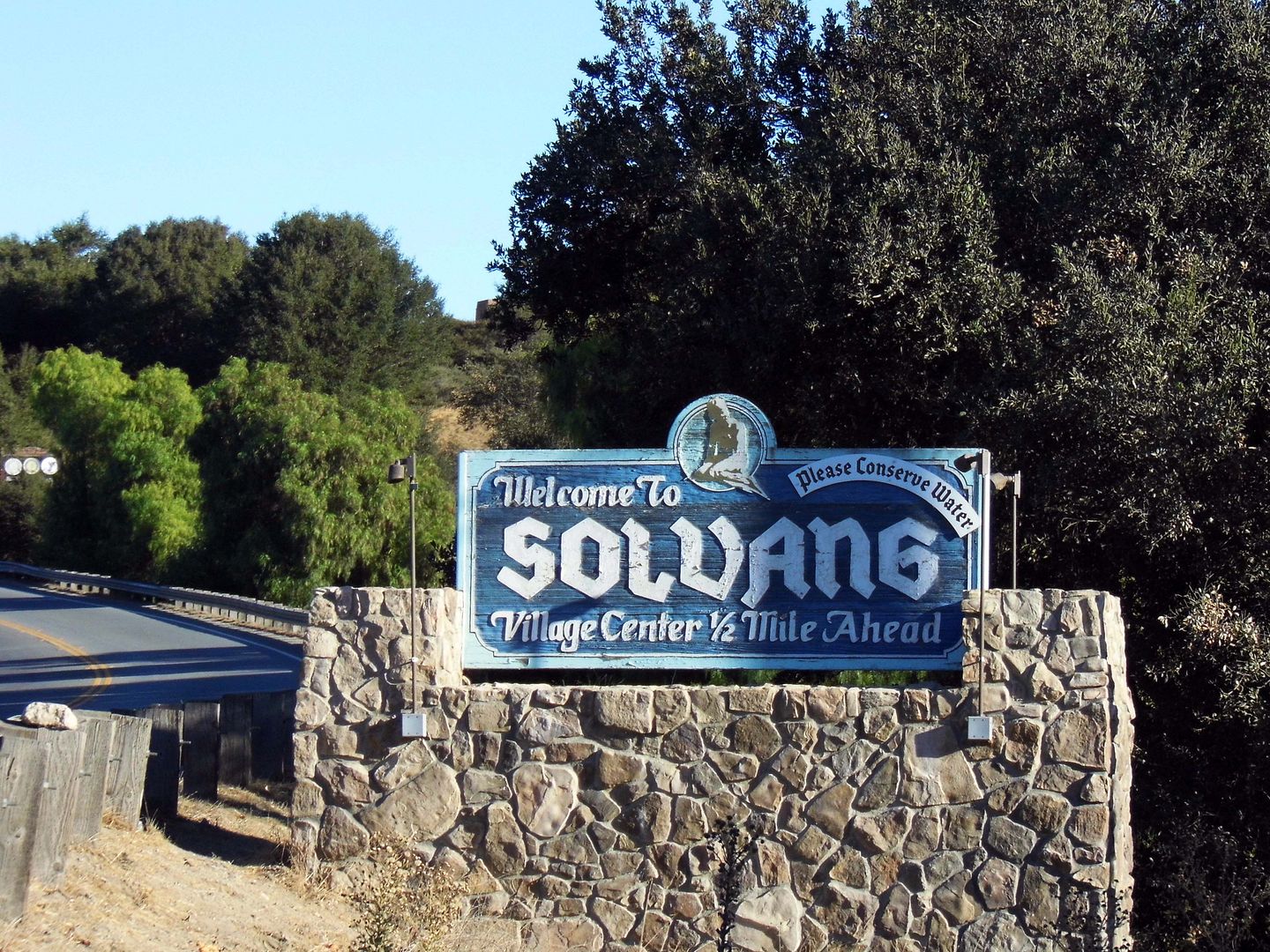
Photo Essay: Glimpses of Solvang, A Bit of Denmark Tucked Into California's Central Coast

I've been to Solvang, California several times now. I even stayed at Solvang's Hamlet Inn a few years ago. But I don't feel like I'm very familiar with the town at all.
 

September 21, 2020

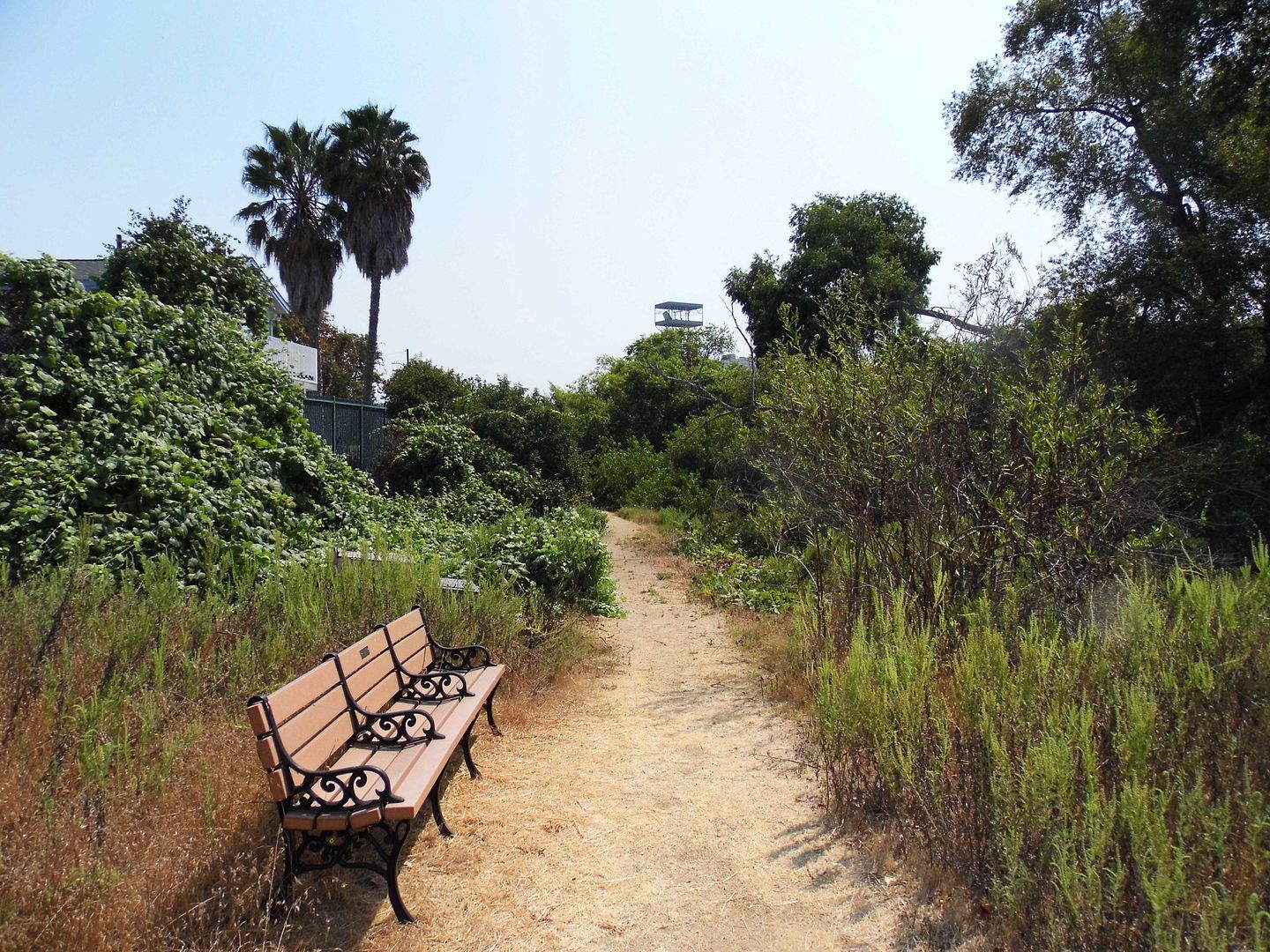
Photo Essay: A Preserve of Wetlands and Willows In the South Bay's 'Garden Spot' City

The Gardena Willows Wetland Preserve in the South Bay city of Gardena, California is only open on the second Sunday and fourth Saturday of the month—and after months of pandemic closure, it's now reopened by advance reservation only.
   
It's easy to miss, with the Meadowlark Manor senior housing tucked into its corner, and its entrance tucked onto the corner of the city's Johnson Park. 


Upon entering the preserve, you take the North Loop trail going clockwise, starting to your left...


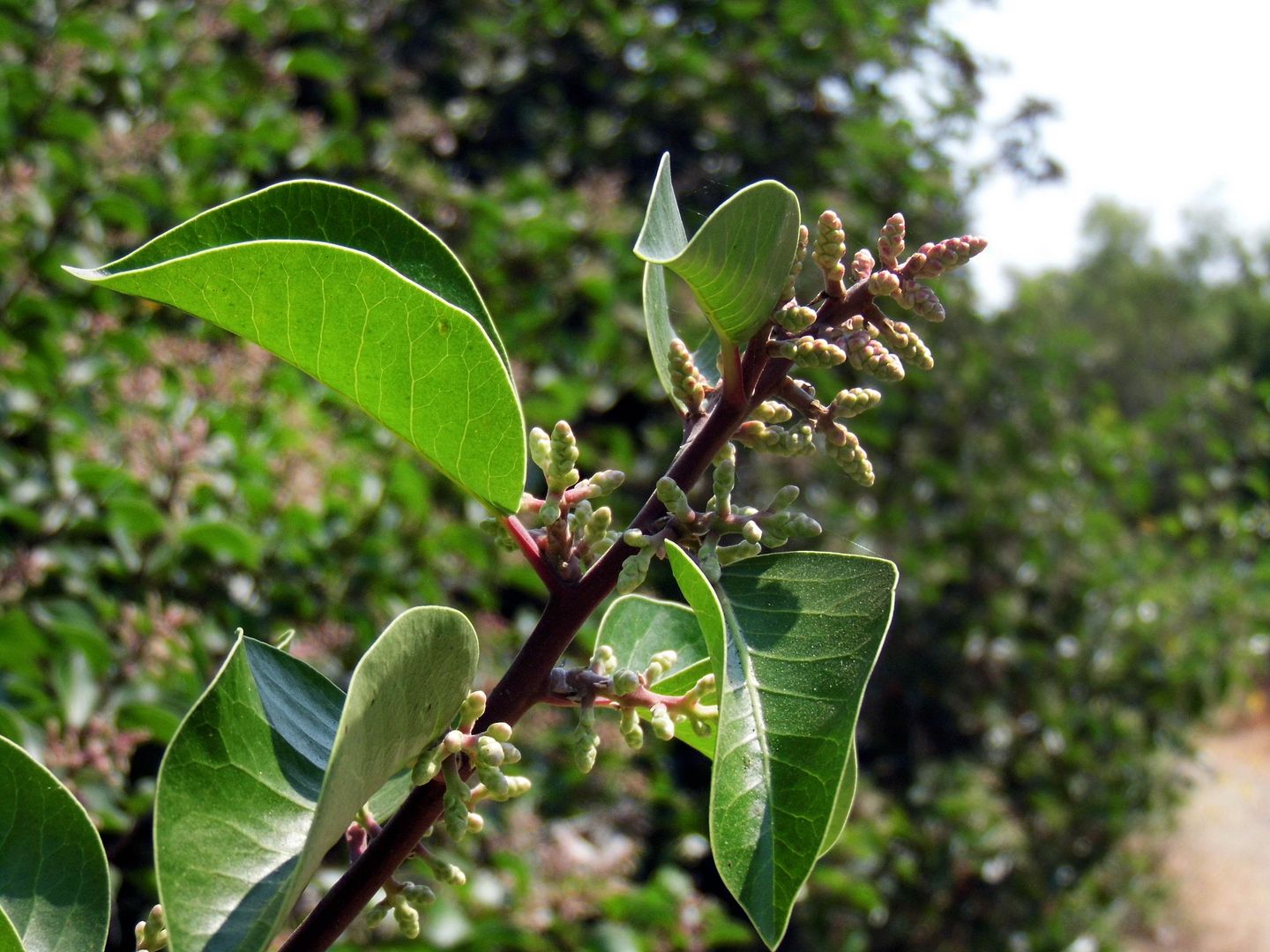
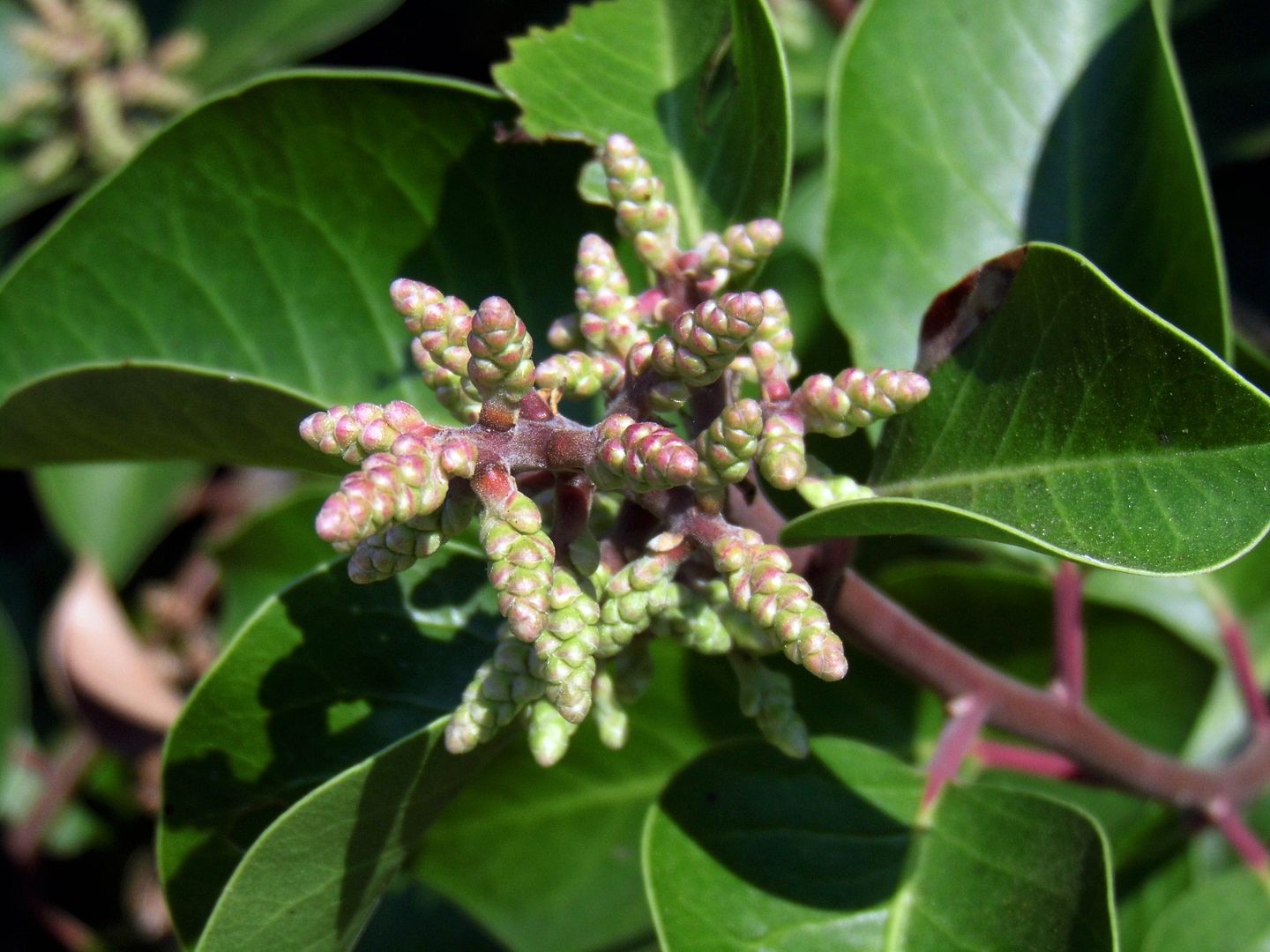
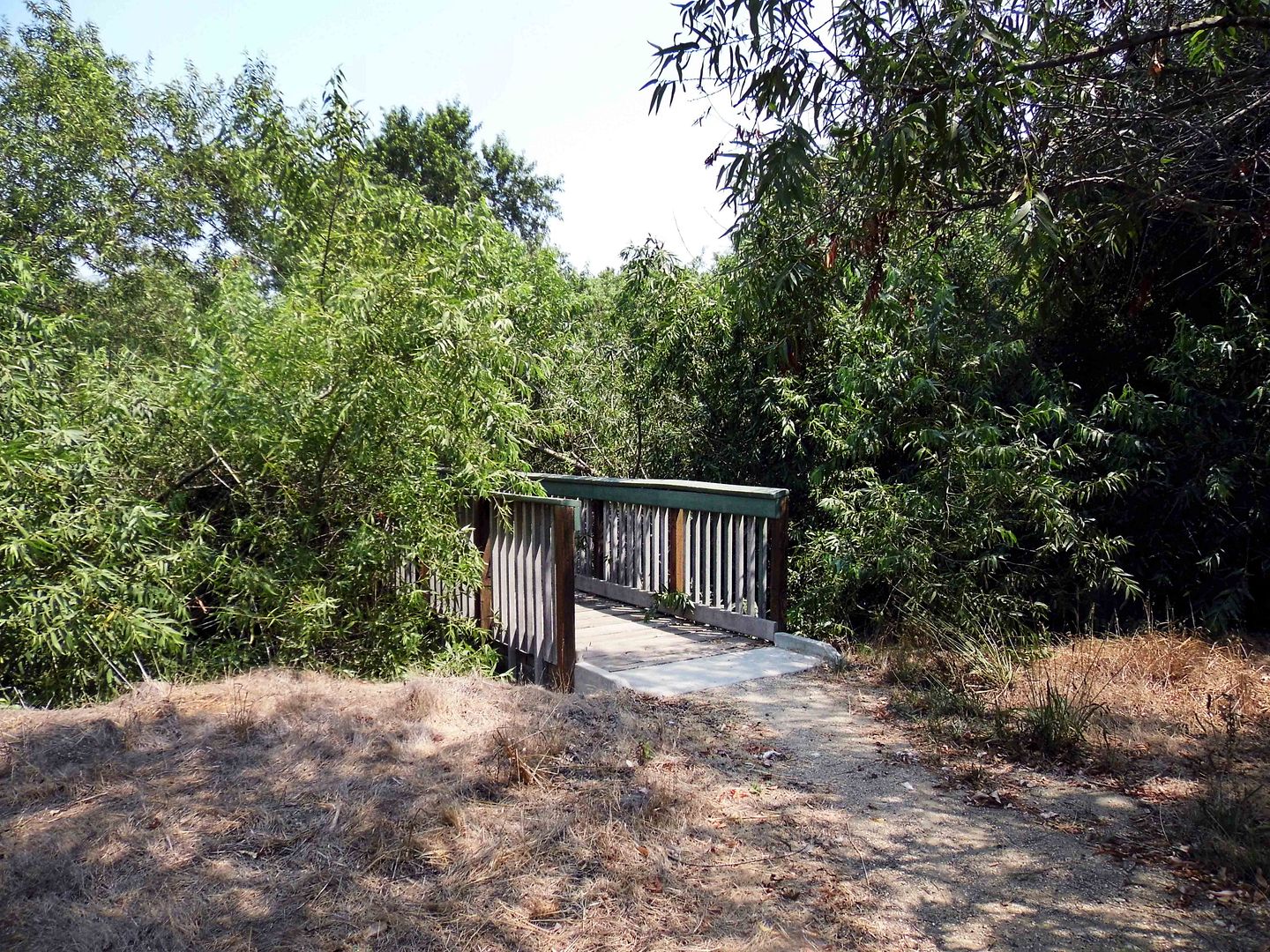
...past laurel sumac and an observation deck enshrouded in overgrowth...
 

...and you quickly forget you're anywhere near the 91/110 freeway interchange (or the LA metro area for that matter). 

 
Gardena may have gotten its name for being a "garden spot" (a factoid somewhat under dispute), but most of the city looks nothing like the land that the Tongva people lived off of—and that drew Spanish and Mexican rancho owners like the the Dominguez and Rosecrans families in the 19th century. 


But what's now hidden—though visible within "The Willows"—is marshland that's part of the 110-square-mile Dominguez Watershed. It was once fed by a "river" that got concretized into a flood control canal now known as the Dominguez Channel. 


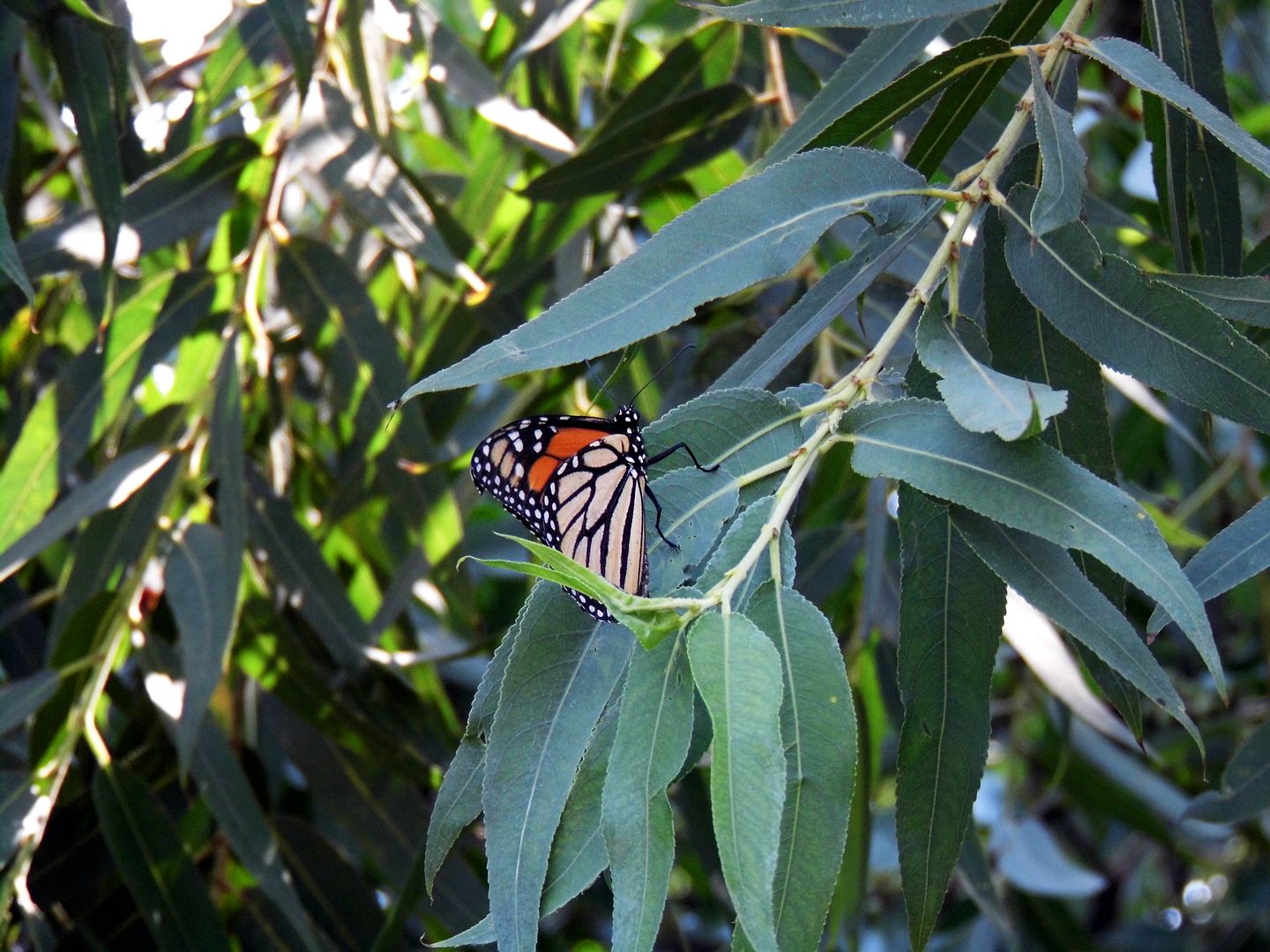
Fortunately, this last remaining bit of the Laguna Dominguez Slough (or "swamp") is teeming with life—and not just monarch butterflies. 
 
 
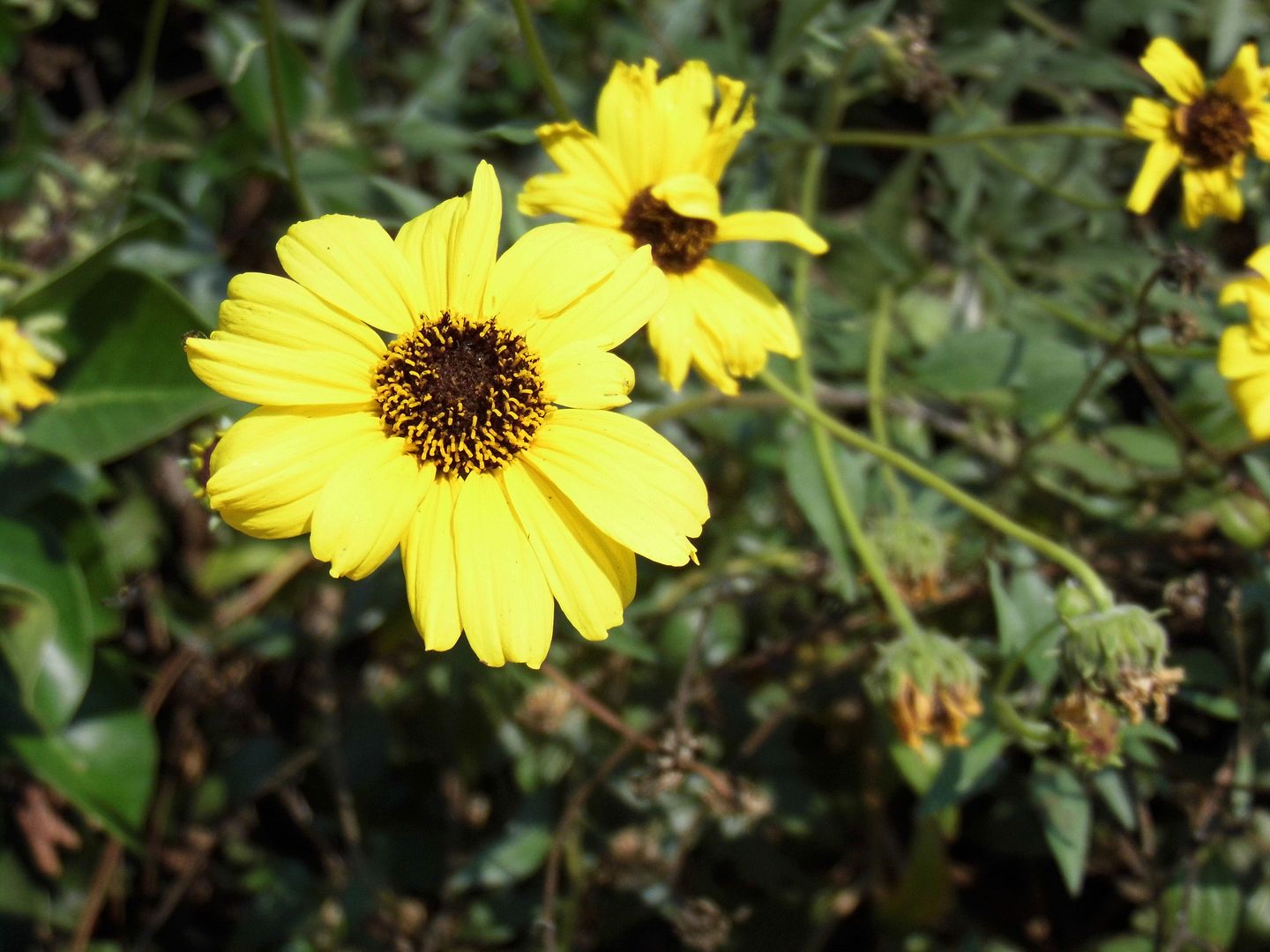
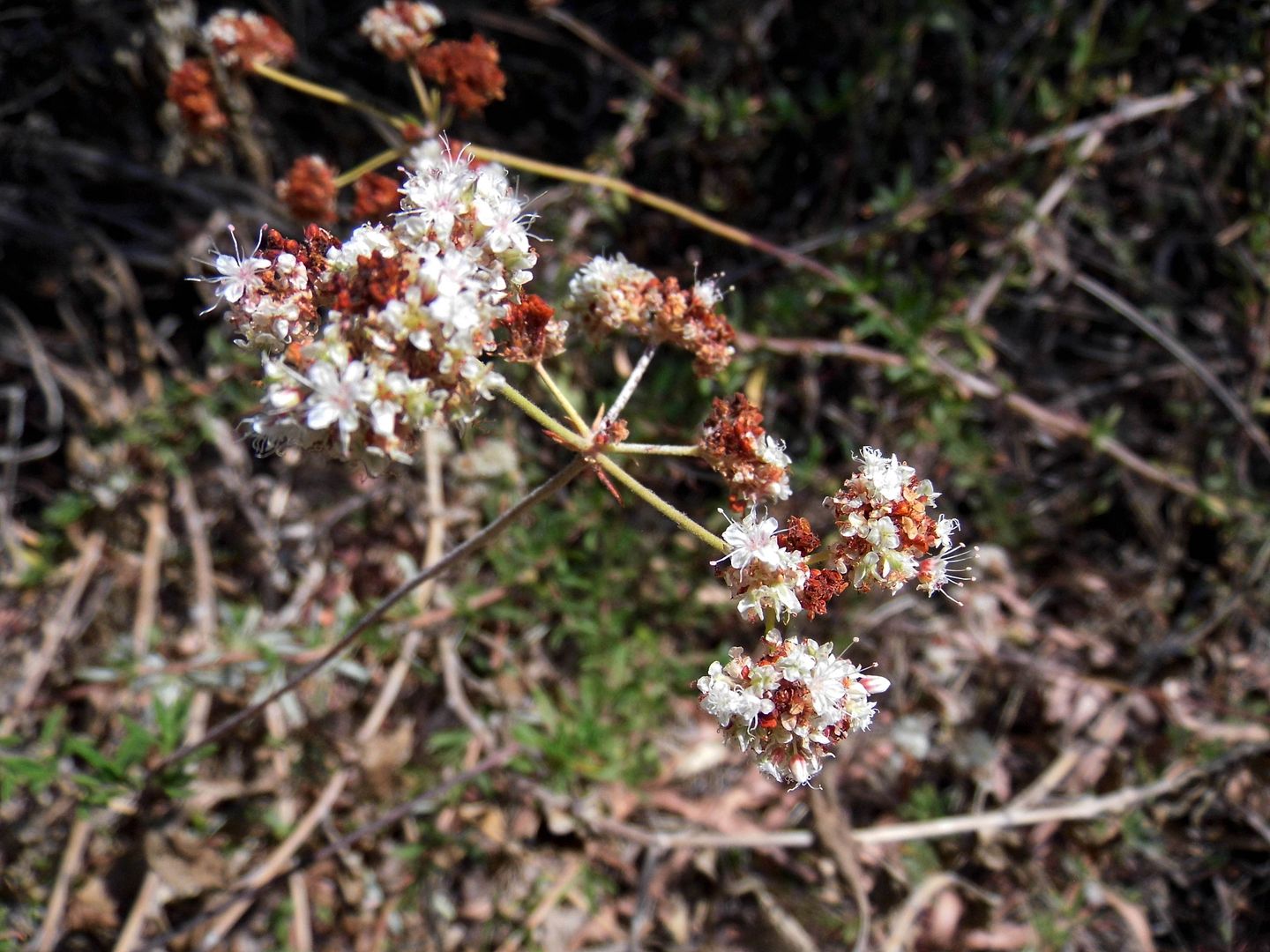
On a hot and steamy August morning, there was plenty of greenery to behold—plus not-yet-dormant buckwheat and still-thriving wildflowers. 

 
It's amazing that a region that struggles with drought would spend so much time cutting off its water sources. 


The Willows nearly got filled in during the mid-1970s, when the City of Gardena floated such ideas as building a convention center there. 

 
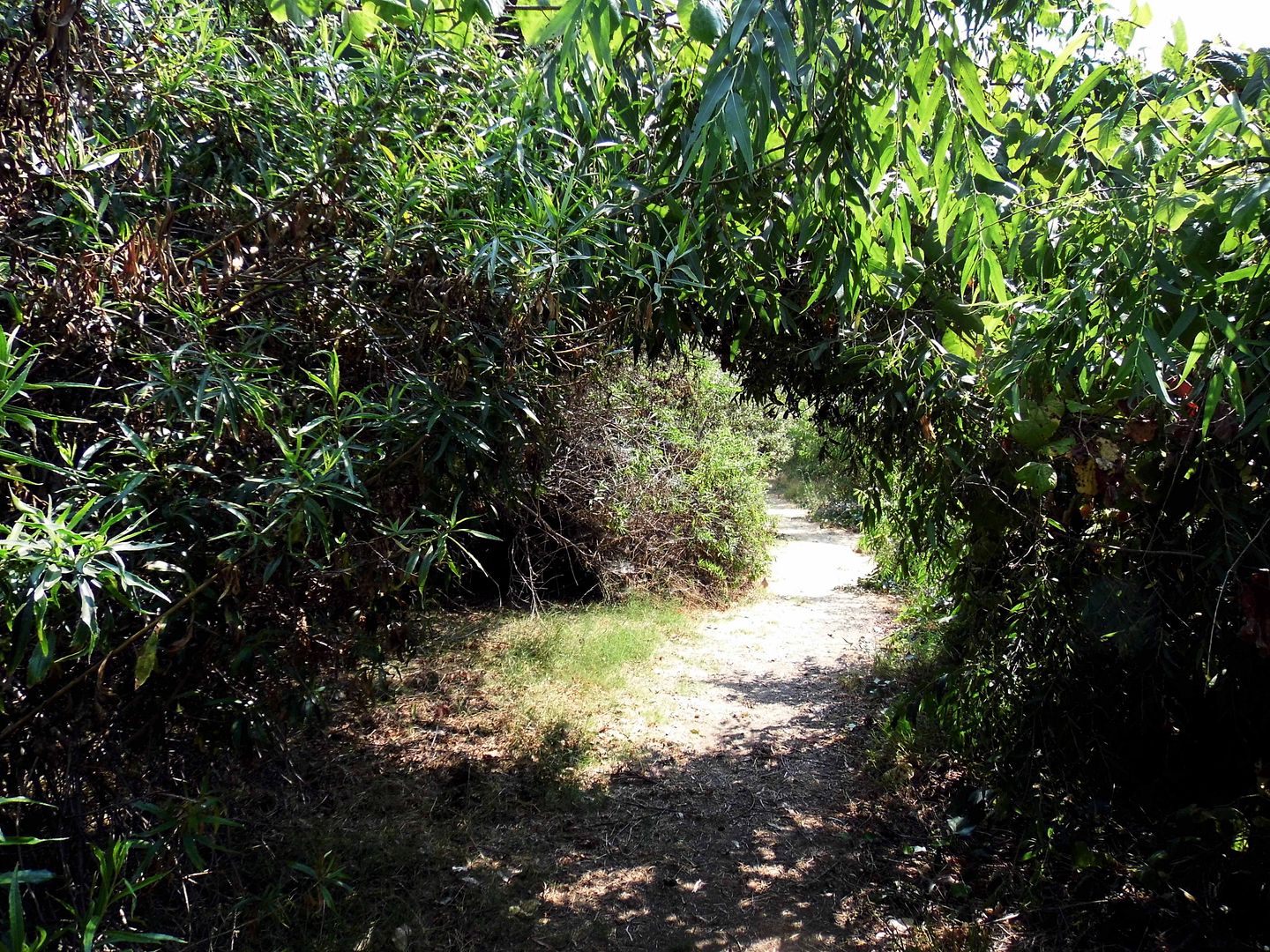
Today, its 9.4 acres of wetland includes a riparian forest of water-loving trees (including multiple species of willows), shrubs, and other vegetation that form tree tunnels and a shady canopy for local critters and visitors alike. 

 
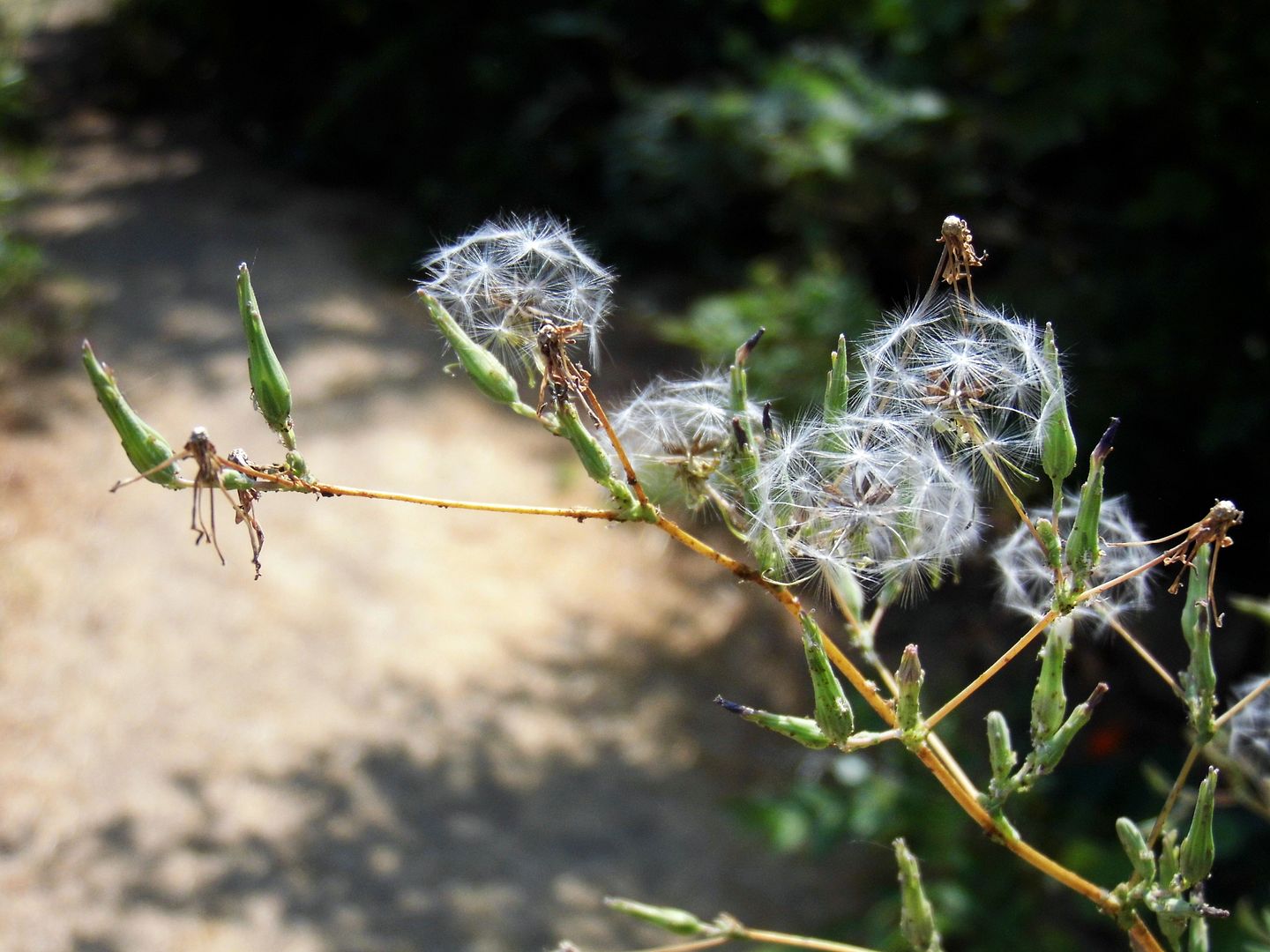
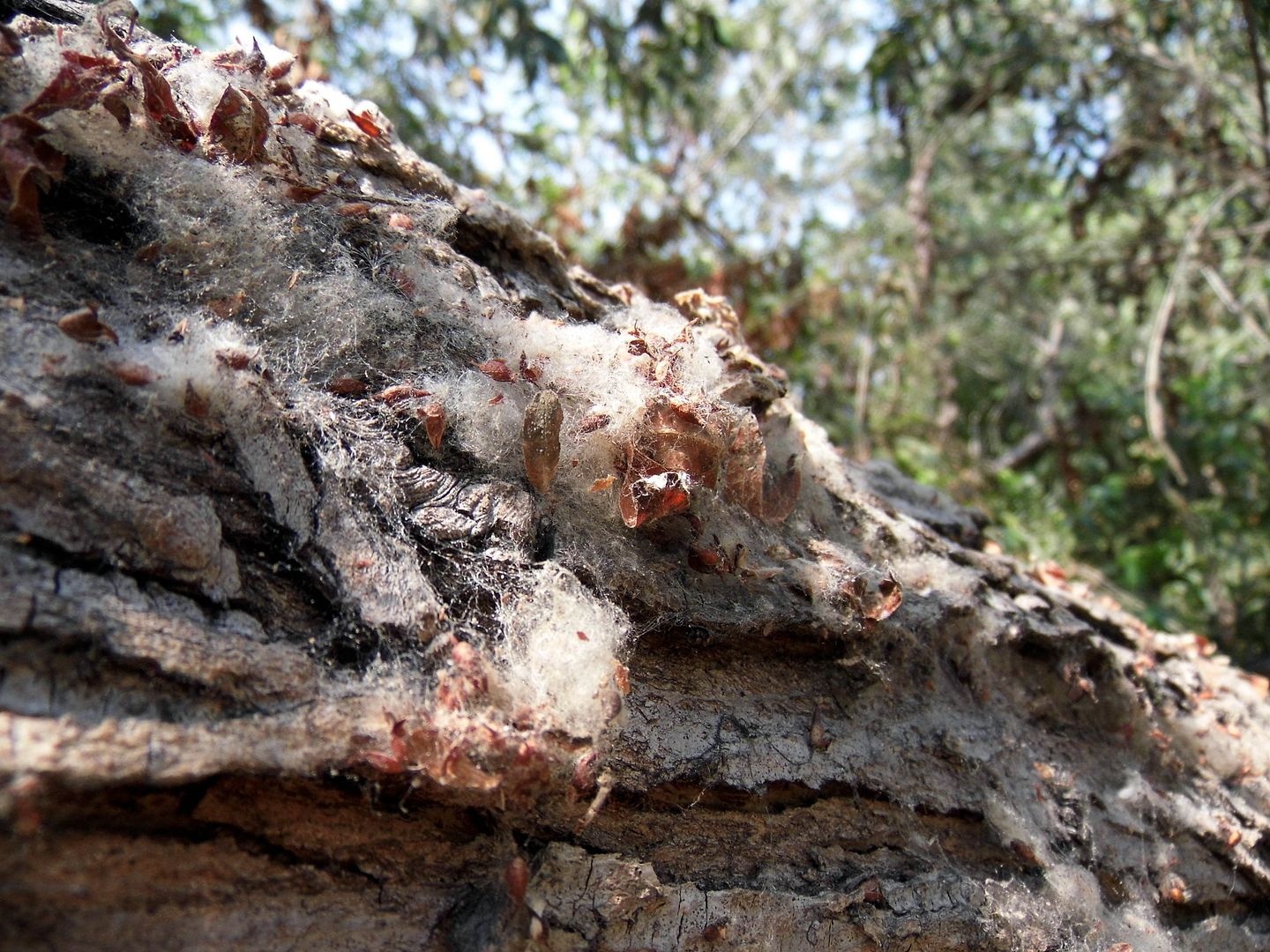
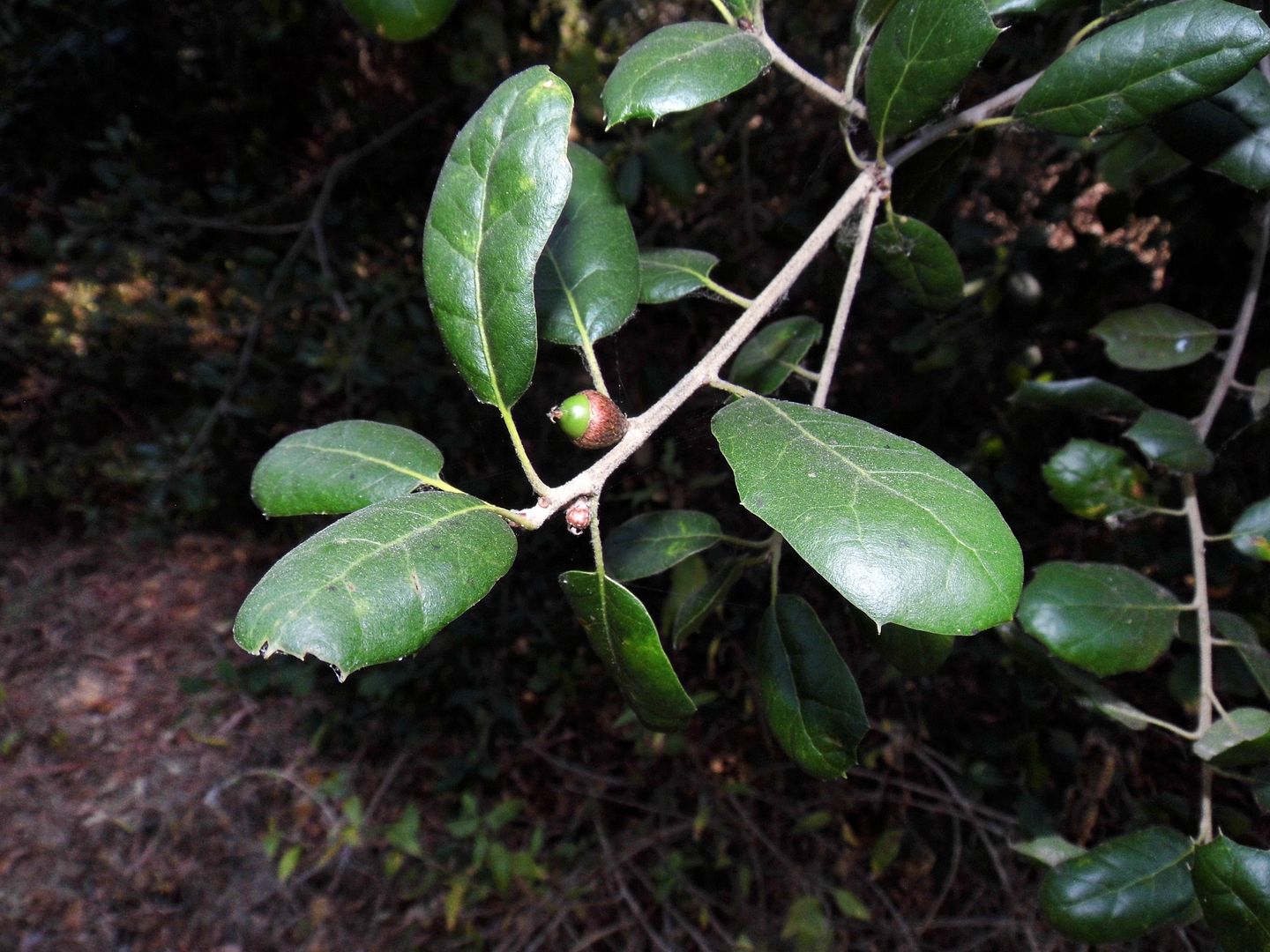
And besides the flower blossoms, oak acorns, willow seeds, and unfallen leaves, there are also unexpected outcroppings of fruit...

 
...like the native and ripened lemonade berry, whose flavor lives up to its name. 


During normal times, you'd be able to learn about all these botanical wonders and more at Mother Nature's Backyard, a nature center located on part of The Willows' 4 acres of upland terrain. 
 
 
But with it closed for COVID-19, you've got to just keep going to complete the loop...

 
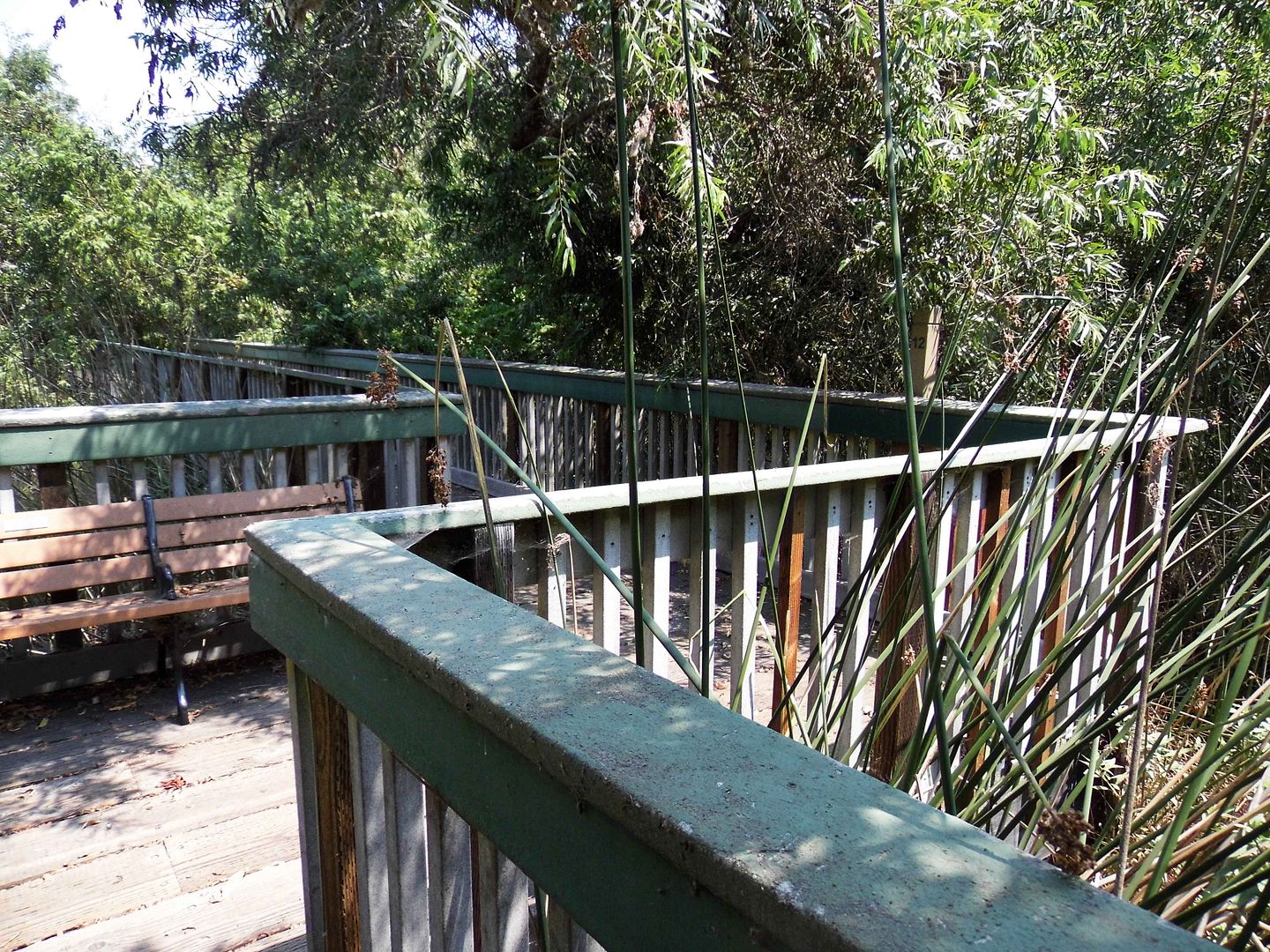
...crossing the Zigzag bridge (which hopefully keeps evil spirits away like it's supposed to)...

 
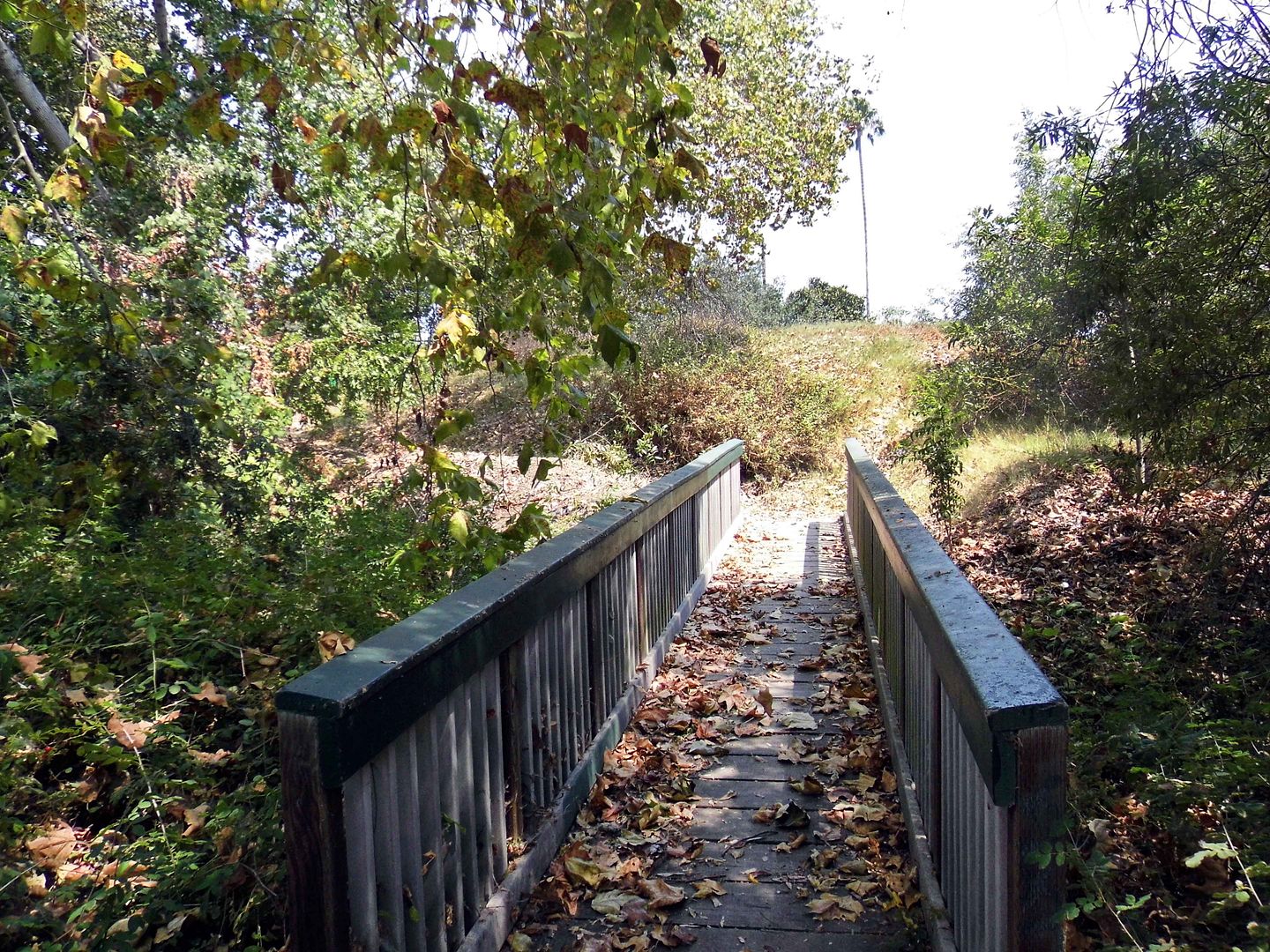
...and finishing up the South Loop Trail at the Stream Bridge. 


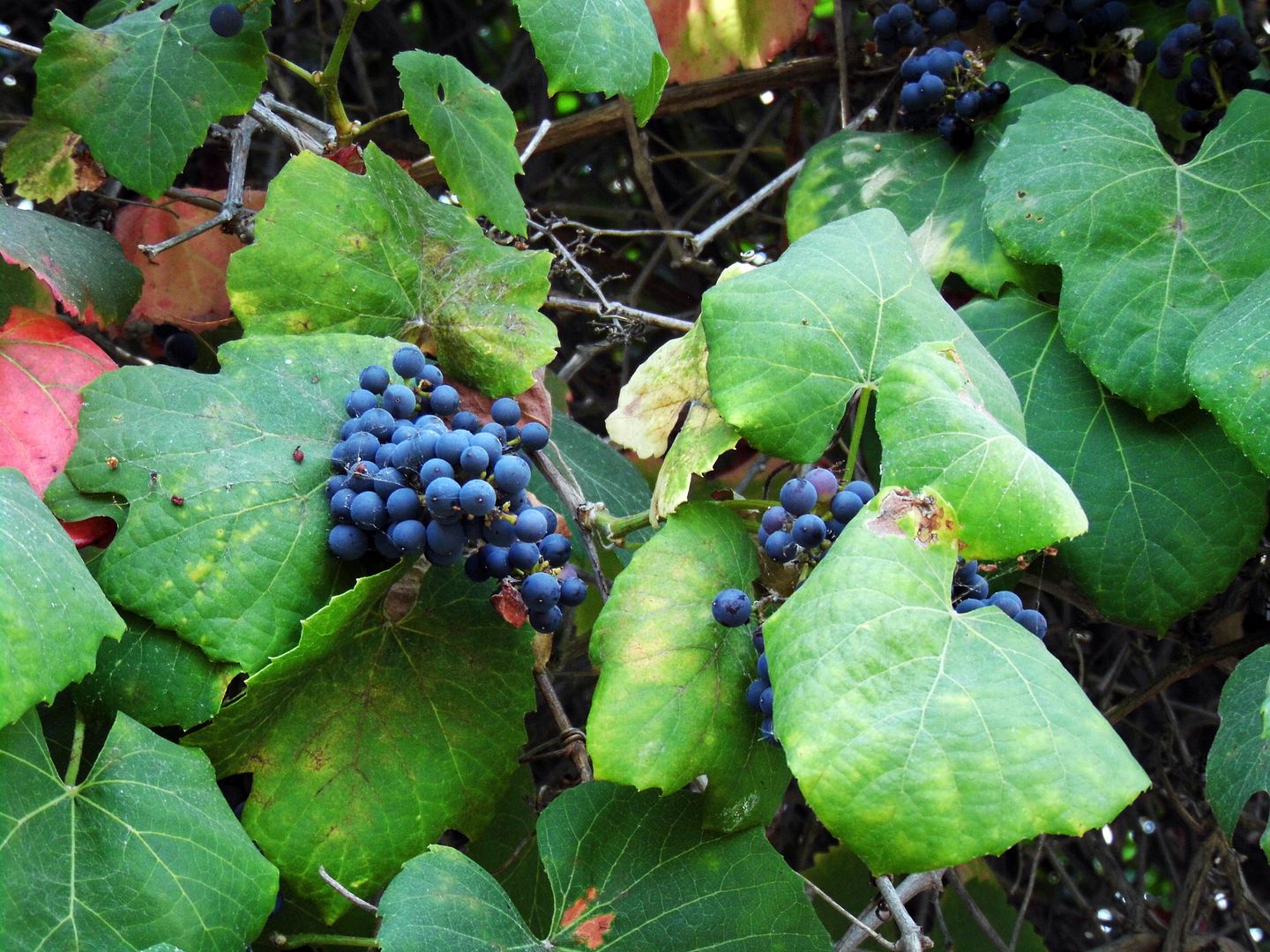
On my way into the Willows preserve, I was rushing too much to notice the wall of hybrid grapevines, known as "Roger’s Red" grape (Vitis californica "Roger's Red"), along the entrance path. But fortunately, my exit was much more leisurely—so I got a good look at the wild purple grapes and the green leaves that hadn't yet turned their fall red color. I hear that the red foliage is spectacular once it turns. 

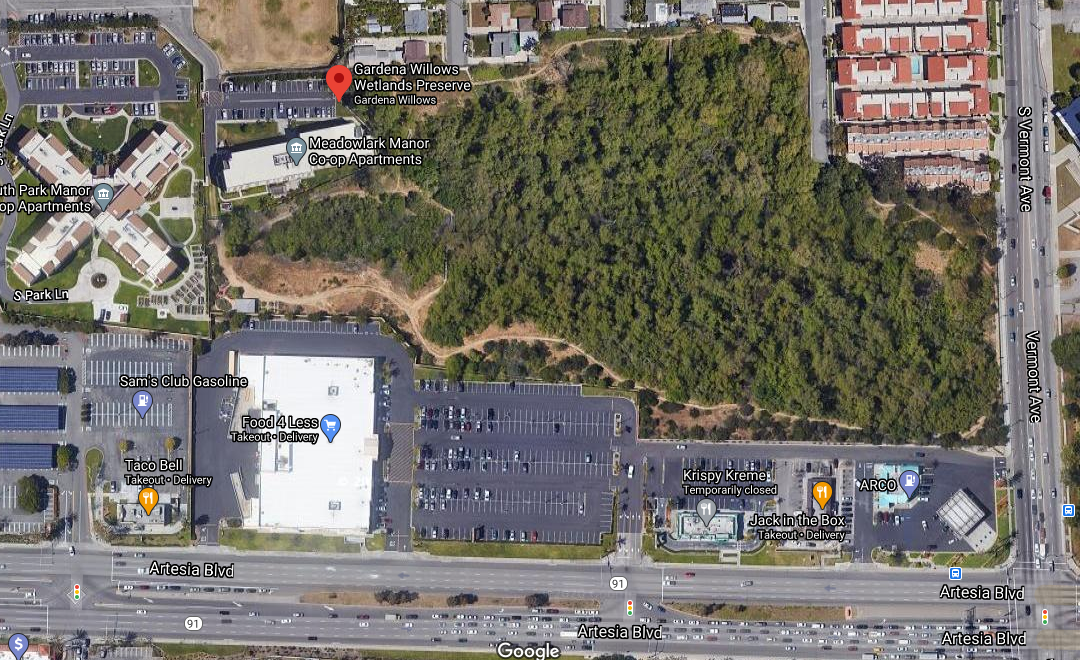
Google Satellite View

As I was leaving, I couldn't quite believe where I'd just been—though while inside the preserve, I did catch glimpses of the traffic running up and down Vermont Avenue. But watching that urban scene through the fence was like peeking into some other world that I'd managed to escape—and somehow no longer seemed real. 

We've paved over so much. It's easy to forget what's underneath—like the the underlying riverbeds channelized by concrete. 

Even our green spaces are industrialized—built environments consisting of parking lots, playground equipment, artificial turf, manmade ponds, and other facilities. 

I'll take a little corner of wild land over a planned park any day. 

Related Posts:

July 25, 2020

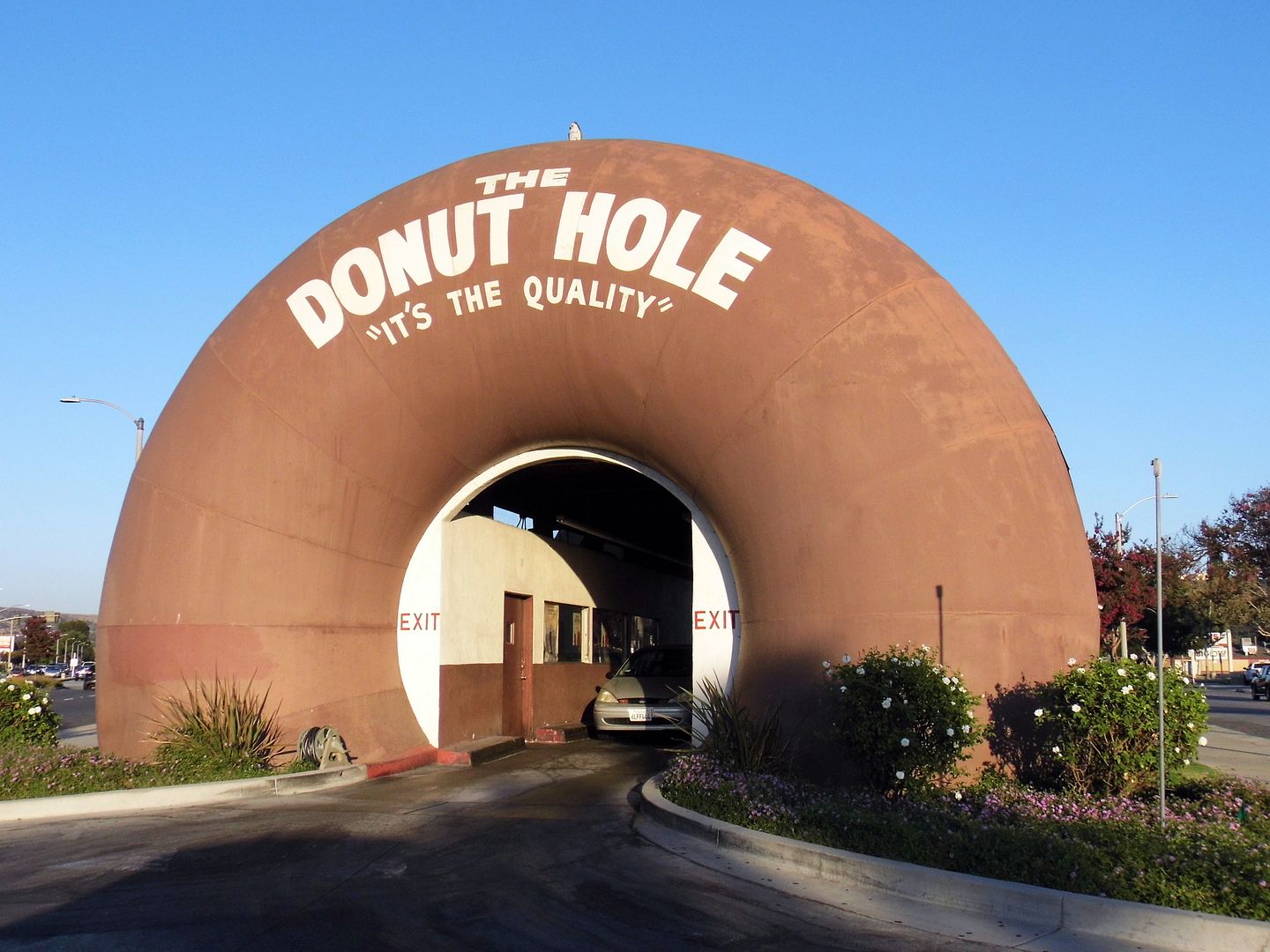
Pandemic Amusements: Through The Donut Hole

Adapted from my KCET.org article "Best Drive-Through Adventures in Modern-Day SoCal"

If there was ever any question before, it’s now been unequivocally confirmed by the coronavirus pandemic that donuts are essential.


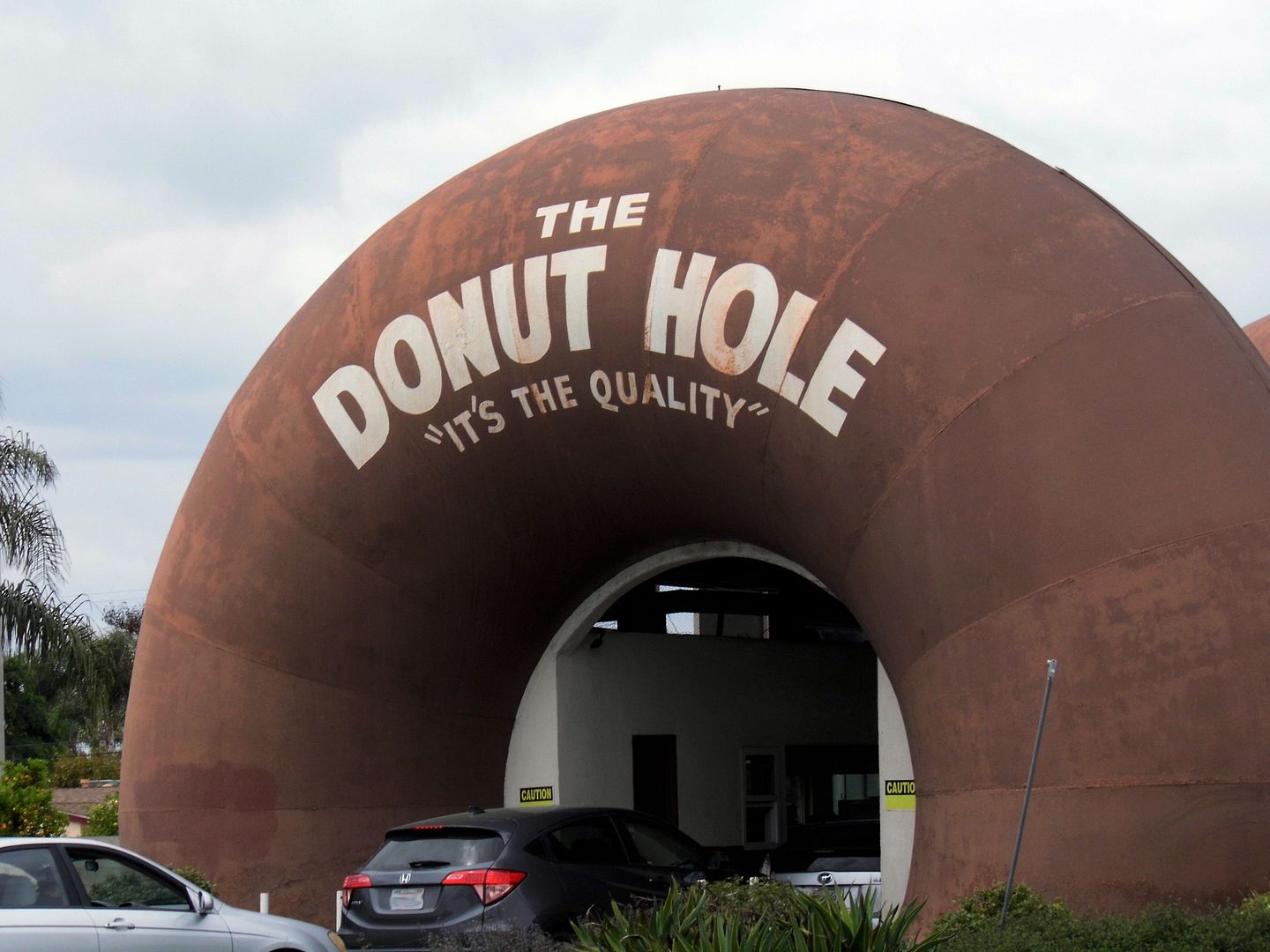
And none of SoCal's donut shops are more thrilling than the one where you can drive through the hole of a larger-than-life donut!


The Donut Hole—now a living relic of a defunct donut chain—has been in continuous operation in La Puente, in the San Gabriel Valley, since 1968.


It's one of the few remaining examples of "programmatic" architecture—or a building shaped as the object it’s selling.


In this case, that means a donut.


The genius of The Donut Hole is that you don’t just drive through one giant fiberglass donut — but two, connected by a tunnel.


The design of this particular behemoth of baked goods has been credited to the architectural trio of John Tindall, Ed McCreany, and Jesse Hood.


While they designed a take-out window for easy walk-up access, alongside the exterior of that tunnel...


...the pedestrian experience can't compete with lining up in your car and waiting your turn to enter the hole.


Upon entry, you can already start to smell the raised dough and the glaze...


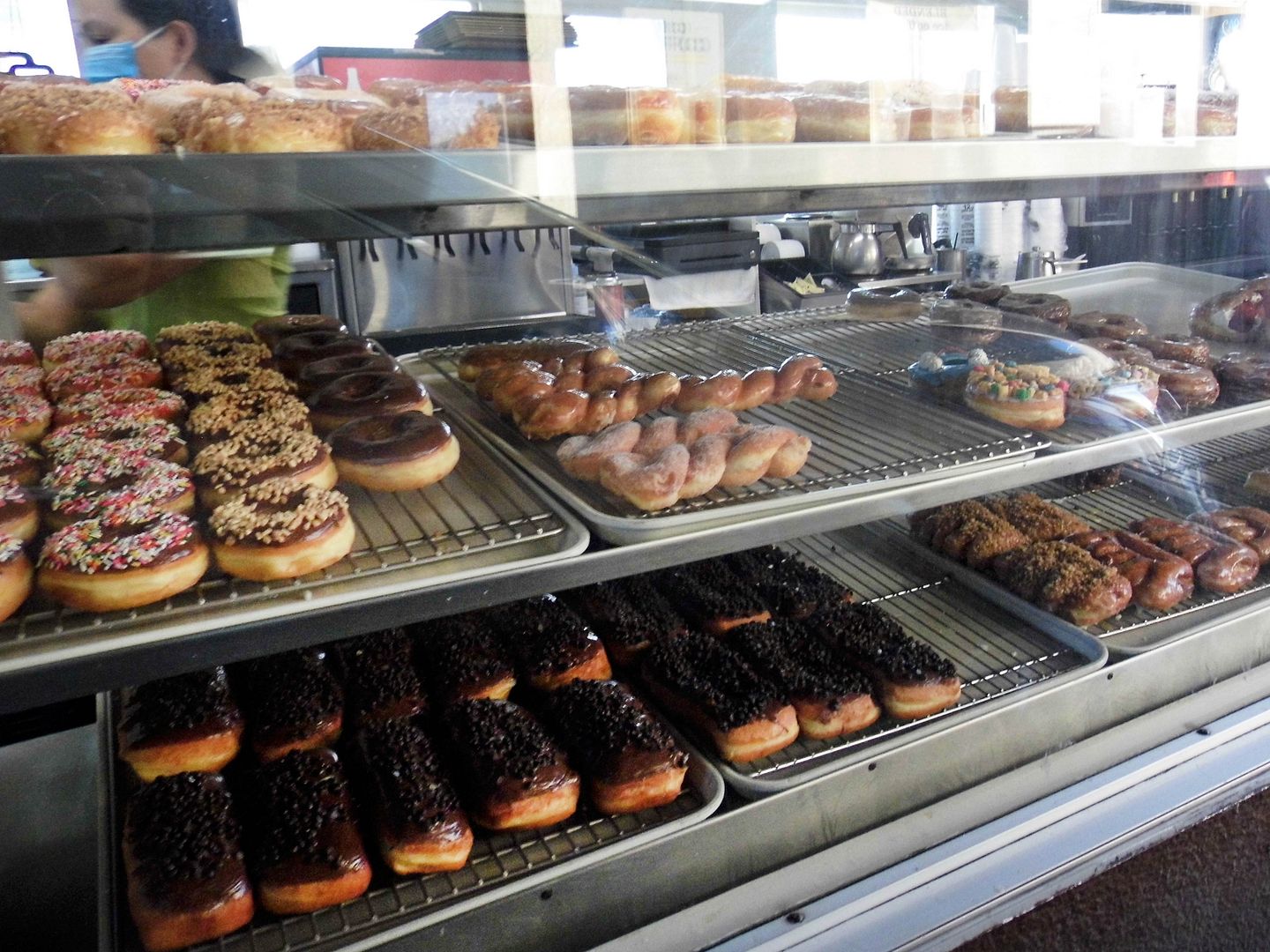
...and as you creep forward, you catch glimpses of what’s fresh...


...like maybe an apple fritter or a jelly, or one of the more modern additions to the menu, like one that’s topped with cereal...


...which means, of course, that it can be both breakfast and dessert.


I may be easily amused, a trait that's well-suited for surviving the pandemic—but I've always found The Donut Hole amusing, at least since I first drove through it in February 2013.


And now, I'm grateful for the opportunity to return (twice!) during the pandemic and take a closer look. I never seemed to have time before.

But now with lots more time on my hands, I'm trying to spend it in delicious frivolity—while I still can.

Related Posts:
Pandemic Amusements: At the Drive-In, On a Former Cornfield

May 24, 2020

Photo Essay: A Slice of Arizona's Longest Operating Mining District, Castle Dome

A little over two years ago, a group of us ventured out to Yuma, Arizona for some sightseeing. By then I'd already been wanting to visit the Yuma Territory Prison historic site for a while—but to be honest, the real draw for me for that particular trip was to visit the "Enchanted Cavern" at Castle Dome Mine Museum.

It's become a tourist attraction for sure, but it began as Hull Mine. Its naturally fluorescent mineral walls—sparkling with cobalt blue fluoride crystals—make it a good candidate for a psychedelic spectacle.

There was only one problem.

Our trip didn't overlap with the days of the week that the Enchanted Cavern is actually open. And the Castle Dome Mine Museum wouldn't bend the rules to let us in off-schedule.

The sentiment of the group was that we would just return to Yuma sooner rather than later to cross the Enchanted Cavern off all of our lists. But other sites (and sights) and adventures have taken precedence since 2018—and we haven't made it back yet.

Fortunately, the Castle Dome Mining District—which once encompassed 10 square miles and eventually 300 mines—had plenty to offer to keep us occupied for a few hours.

And as it's only fully open from October to April (call for hours the rest of the year), I'm glad we got there when we did.


In operation from 1864 to 1979 (the longest operating mining district in Arizona), Castle Dome began with 17th-century diggings from Spanish explorers—which eventually gave rise to the state's second patented mine, the Flora Temple Mine, in 1871.


Down there—150 feet deep—they found a half-mile-long vein of galena, an important source of silver (mixed with lead). Galena is formed along earthquake faults, where the earth fractures and is pushed up by seismic and volcanic action.


In fact, most of the mines at Castle Dome produced silver—though occasionally a pocket of gold would be uncovered.


There was enough mining activity at one point to warrant a population explosion of up to 3000 residents, living in cabins...


...and, eventually, bunkhouses (presumably for the bachelors without families).


By the year 1878, Castle Dome City was bigger than Yuma, having gotten 200,000 ounces of silver out of 5000 tons of silver galena ore.


But now it's a ghost town, its only permanent residents the bodies that are buried in the cemetery—including those who died by a knife wound or were beheaded—and those of four miners who got caught in a flash flood in 1887 and never escaped from the 450-foot-deep vertical hole.


Today, the Castle Dome Mining District attraction is a step back in time to an era of machine shops, mercantiles, a blacksmith shop, a saw shop (which sells, literally, saws), and more.


Among the 50+ buildings (seven of which are original to the town), there's a stone cabin, filled with artifacts (many unearthed from surrounding mine shafts)...


...and a church, situated against the backdrop of the Castle Dome Mountains (and the "dome" itself, actually a butte) and the surrounding Kofa National Wildlife Refuge.


Preservation efforts have really benefitted from Castle Dome's remote location.


The church's bell in its tower still rings.


Owned by Pennsylvania-born 49-er Jacob Snively and his brother Connor, Castle Dome Mining District consisted of just a portion of mining claims along the Colorado River—which enabled the ore to be transported by (steam?)boat and ultimately shipped out for smelting.


But those who lived and worked at Castle Dome mostly never left—and the isolated boomtown was a boon for their most basic tendencies.


It was the Wild West, with all the trappings...


...including the town saloon.


A miner's life can be the pinnacle of the "work hard, play hard" ethos...


...and there was plenty of work to be dome at the bank, the assay office...


...the recorder's office...


...and even the barber shop.


The deepest they ever got was 700 feet. Given what a chore it was to separate the silver from the lead, it wasn't really worth it to dig any deeper.

And with the rise and fall in demand for silver over time. so did the success of Castle Dome fluctuate.

During both WWI and WWII, lead actually emerged as the more valuable mining yield—and with the involvement of Arizona Lead Company, bullets were made from millions of pounds of extracted lead.

Still, the war effort wasn't enough to keep the Castle Dome school from being shut down in 1950.

In 1979, the drop in silver prices was a death knell for Castle Dome's mining operations. When the separating process began to cost more than the value of the silver, it dealt a final, fatal blow to legitimate mining on the claim.

In the years that followed, scam artists showed up as scam artists are apt to do. In 1993/4, Allen Armstrong and his wife, Stephanie bought the land that sits atop three of the patented claims of the former mining district—and by 1998, they were able to open it as a museum.

The Hull Mine—the sparkly, colorful, "enchanted" one—is actually a recent acquisition, circa 2016. I hope it sticks around long enough for me to go back and see it in person.

Related Posts:
Photo Essay: Bodie Ghost Town
Photo Essay: Glimpses of Yuma Territory
Photo Essay: Crossing Over Into Yuma