Search

Showing posts sorted by relevance for query red-eared slider. Sort by date Show all posts

August 19, 2015

Photo Essay: An Orphanage for Contraband Pets

"The bird with the red felt collar..." I started to ask the front desk attendant.


"Yeah, he started picking at himself, so we had to put him in the 'cone of shame.'"


I suspected as much.


Almost all of the other exotic birds at the STAR Eco Station in Culver City also had pecked at their own chests...


...though they masked their anxiety by being curious and flirtatious when I visited their cages.


We're so accustomed to seeing colorful birds like this as pets...


...it's easy to forget that they're supposed to be wild, and it's illegal to bring some of them into the United States from foreign countries.


But people try anyway, perhaps innocently enough, and the U.S. government has to seize birds like this—as well as exotic reptiles, fish, and mammals—at border crossings and airport Customs departments.


The U.S. Fish and Wildlife service turned over this endangered blue macaw to the Eco Station, so he's technically "rescued," but he has pecked his chest so badly that he destroyed his own follicles. Feathers will never grow there again.


Birds like this are a lifelong commitment. They often outlive their owners, and when their owners die, they are neglected, abandoned, or "set free" into an unfamiliar environment on an entirely different continent than their native home.


People do the same thing to geckos...


...and lizards...


...and turtles (like the red-eared slider)...


...which end up in manmade lakes and ponds in our city's parks, the LA River, or worse yet, crossing the street.


For some reason, people want to keep pufferfish as pets, even though their teeth are sharp enough to scratch the glass walls of the tank that holds them, and getting them to puff up is extremely stressful for them. (They're also poisonous to eat.)


And although i's illegal in California to keep a domesticated hedgehog as a pet, but it's actually worse to set it free in the wild, because it's an invasive species and, with no natural predators, can destroy the ecological balance of insects, shorebirds, etc.

Of course, it's not just tourists innocently bringing little cutie pies as souvenirs from their trips abroad. There are plenty of entrepreneurs who try to smuggle the creatures in to sell them as stateside pets or, as in the case of minks and chinchillas, sell their pelts.

So these little guys are marooned at the Eco Station, which is a cross between a museum and an orphanage. They are used to teach kids and families why it's bad to try to keep them as pets.

They are fed and sheltered and given medical care. But are they really...rescued?

Related Posts:
In Captivity
Photo Essay: The Gentle Barn, Healing Hearts in A Forever Home
Photo Essay: Into the Wild Safari Park
A Safe Place, Far from Home

April 18, 2018

Photo Essay: The Riches of Birding and Railroading at El Dorado Park, Long Beach

It took me two visits, one year apart to see everything I wanted to see in El Dorado Park, Long Beach—just east of Long Beach Airport (LGB) and the historic site of archery competitions for the 1984 Summer Olympics.


circa 2017

I came for two things, really: birding and railroading. 

October 06, 2020

A Last Chance Stay at a Hollywood Producer's Former Fantasy Island Getaway, Paradise Point Resort (For Now)

For my birthday last week, I was at a bit of a loss as to how to celebrate—or whether to even try to celebrate at all. 

After all, it doesn't feel like there's much to celebrate in 2020. 

But I'd already put in for three days off from my dayjob (having planned to attend the now-canceled Central Coast Railroad Festival). And I've only taken one other day off all year (and that was an emergency mental health day during the protests that had police tear-gassing illegal assemblies in my neighborhood). 

It felt like I deserved some vacation days. Even if vacations aren't really a thing right now, with pandemic travel still restricted. 

But over the last six months or so, I have had a couple of good hotel getaways—whether just for the day or for a single overnight a short distance away. 

And because all my trips have been canceled this year, I feel OK about splurging a little on a place I would not normally treat myself to. 

That's how I ended up at Paradise Point Resort in San Diego's Mission Bay. 


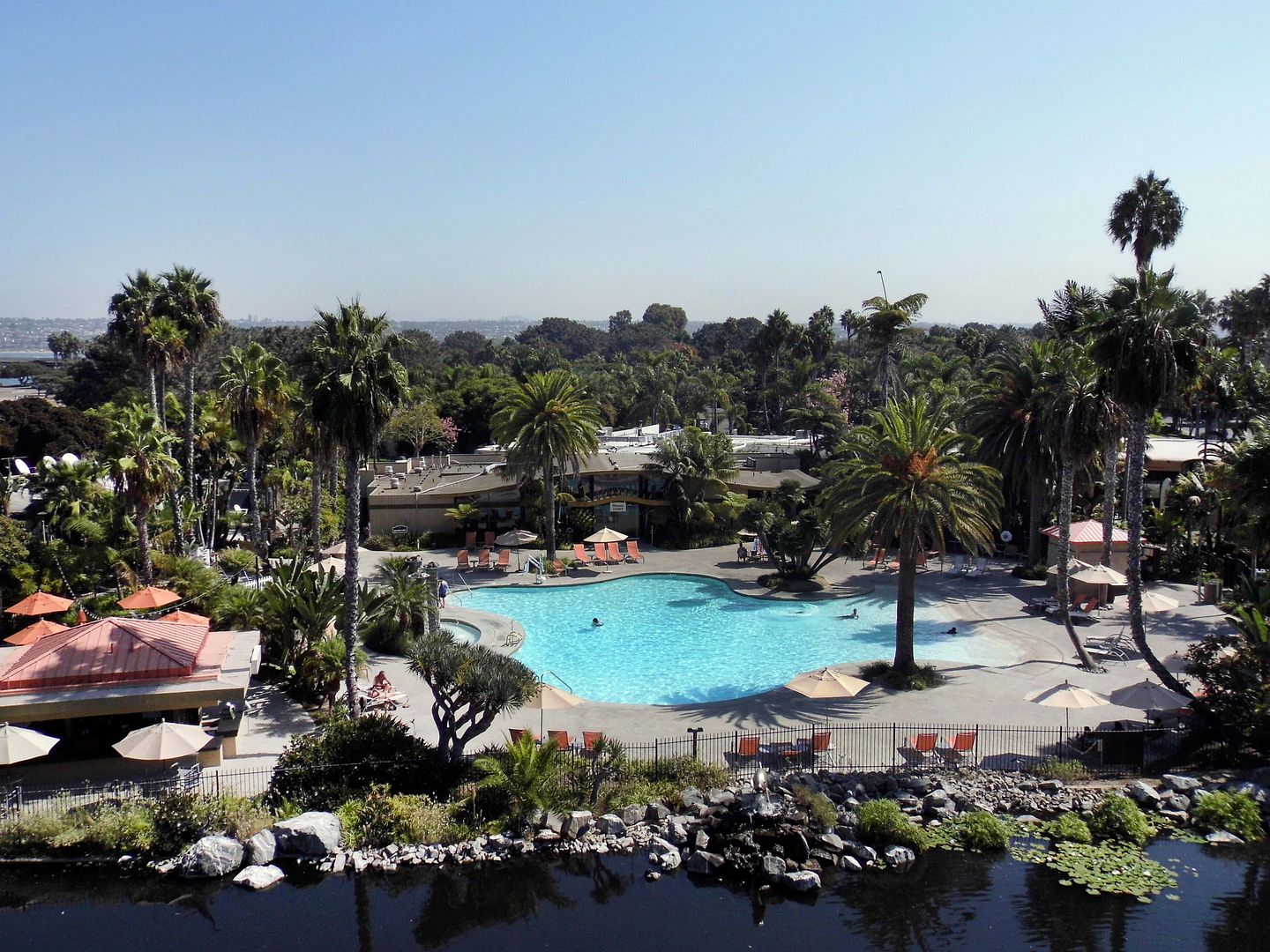
I knew it would be a tropical paradise, with outdoor dining and no less than five pools. And I knew that Tiki Oasis had recently held the pandemic version of its convention there—so it might provide some approximation of a tiki-cation


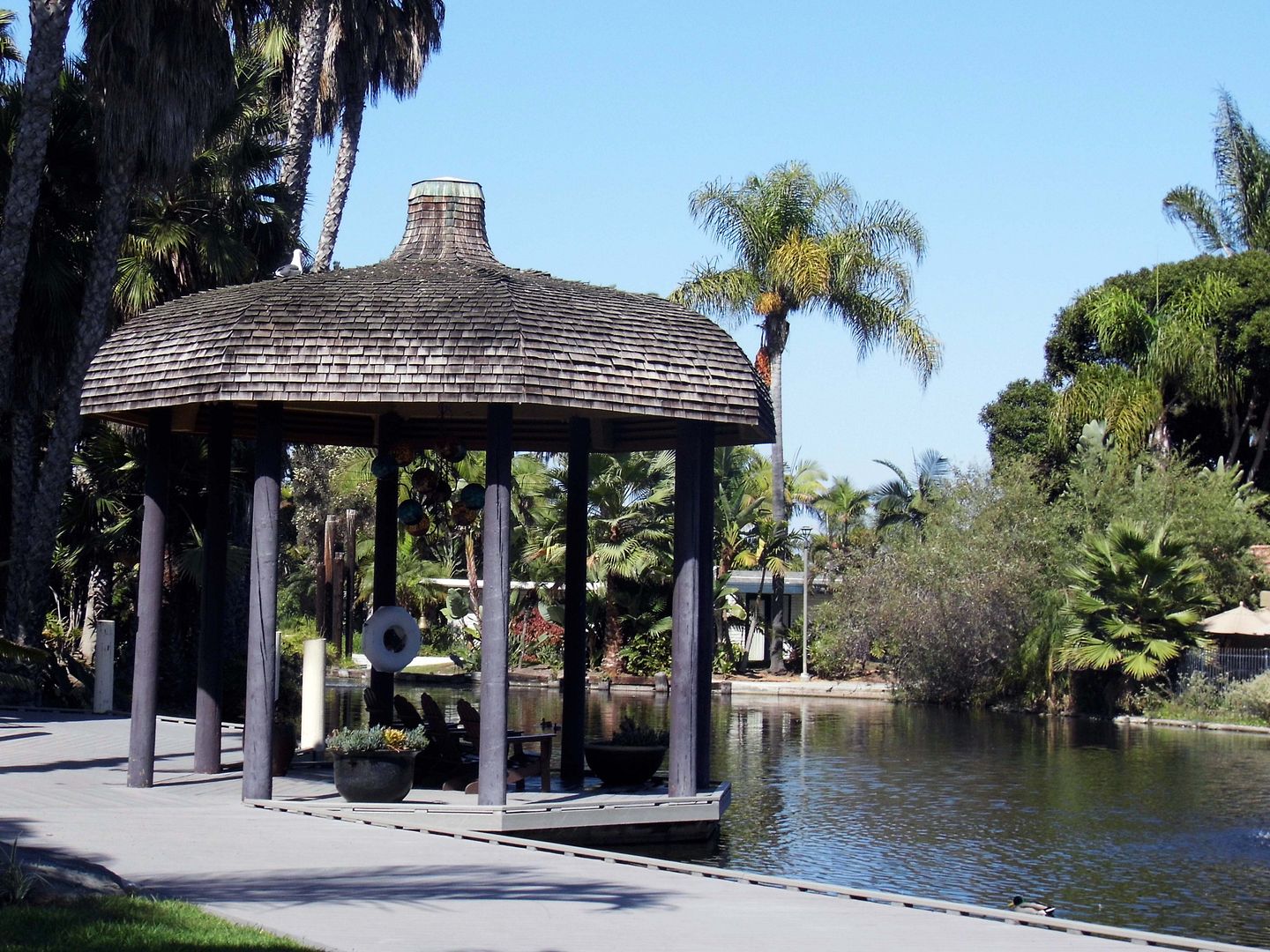
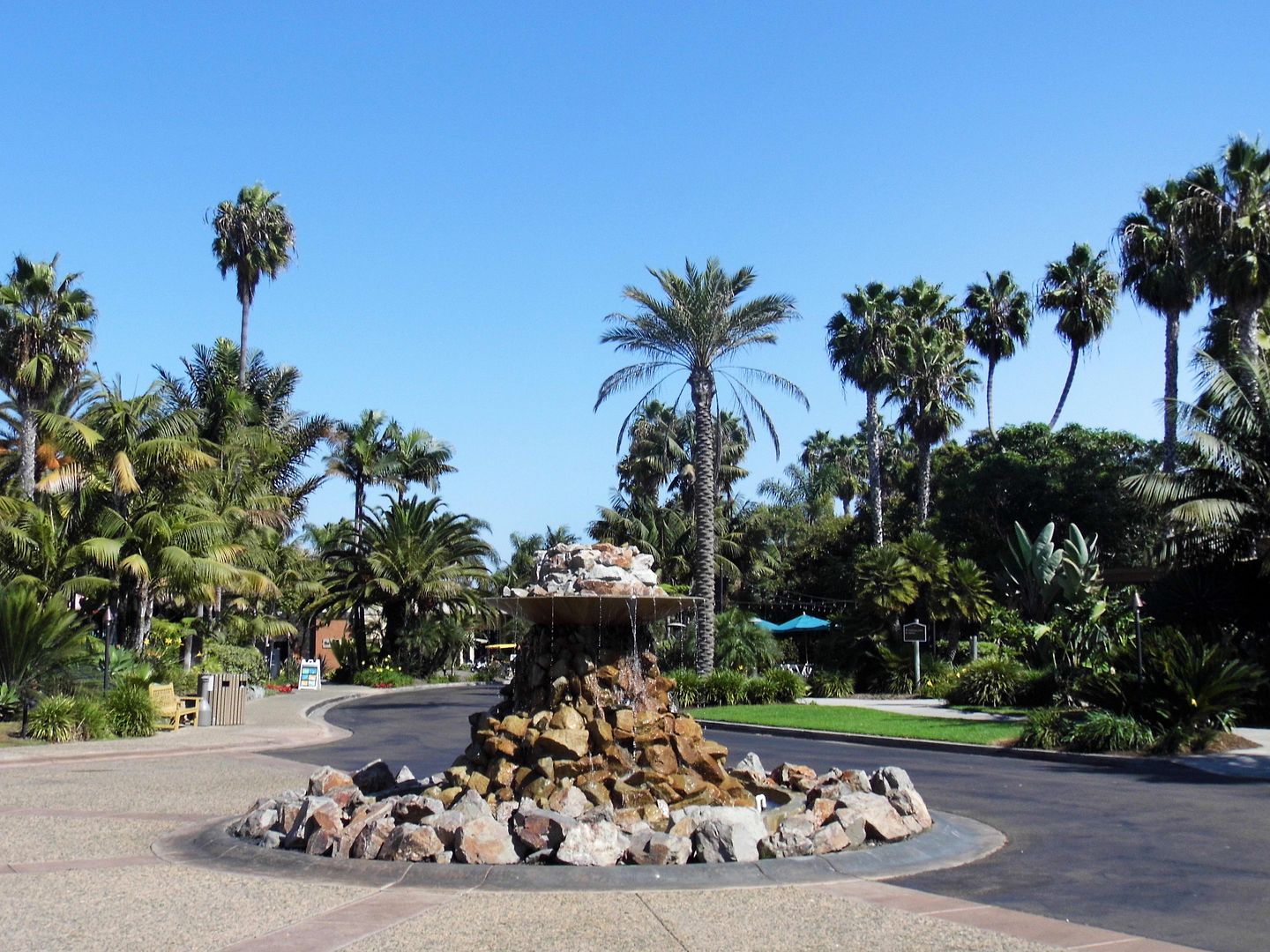
But upon turning down Vacation Road, circling around the entryway fountain and parking within spitting distance of the shake shingle kiosks that line the main lagoon, I had no idea how much history I was about to encounter. 


Oh, I'd been to Mission Bay before—to ride The Giant Dipper at the nearby Belmont Park. But I hadn't realized what an influence that wooden rollercoaster (once known as the Earthquake) would have on the local architecture—inspiring the undulating roofline and interior ironwork of the main lobby building of Paradise Point. And that's just for starters. 


The 1920s rollercoaster and the amusement park that contains it actually pre-dated what we know today as the Mission Bay Aquatic Park by decades. It wasn't until 1958 that the San Diego city council approved a master plan to dredge the tidal marsh and create 30 miles of shoreline beaches, grassy knolls, water recreation areas, Sea World, and resorts like Paradise Point—making it the largest man-made aquatic park in the country. 


While that was happening, Hollywood producer Jack Skirball—a Pennsylvania-born former rabbi who left the rabbinate in 1933—had gotten into family entertainment and recreation by delving into bowling alleys. But the bigger fish for him turned out to be transforming a treeless, manmade island called Tierra del Fuego into "Vacation Isle"—home of his South Seas-inspired Vacation Village resort, which opened in 1962.


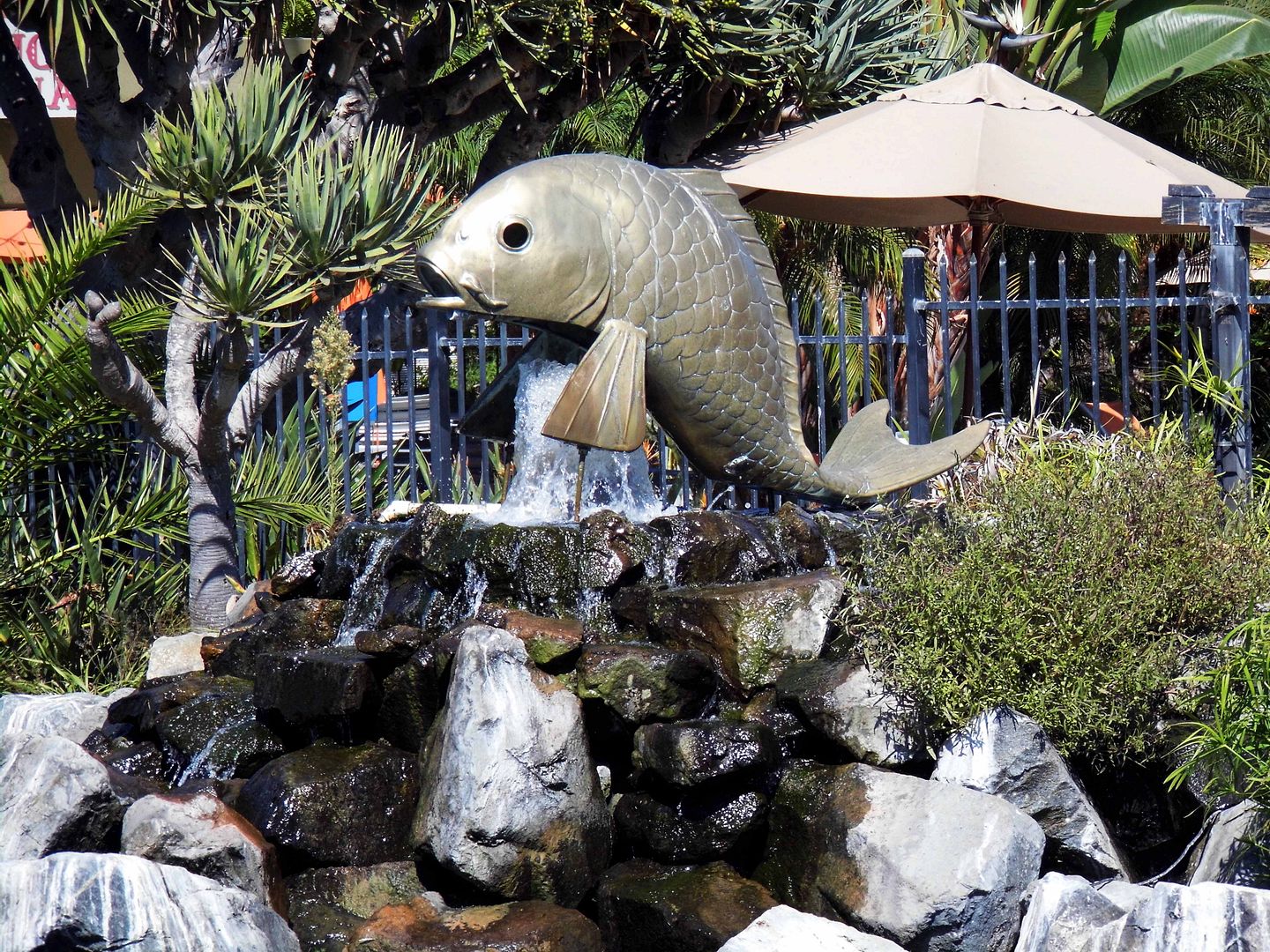
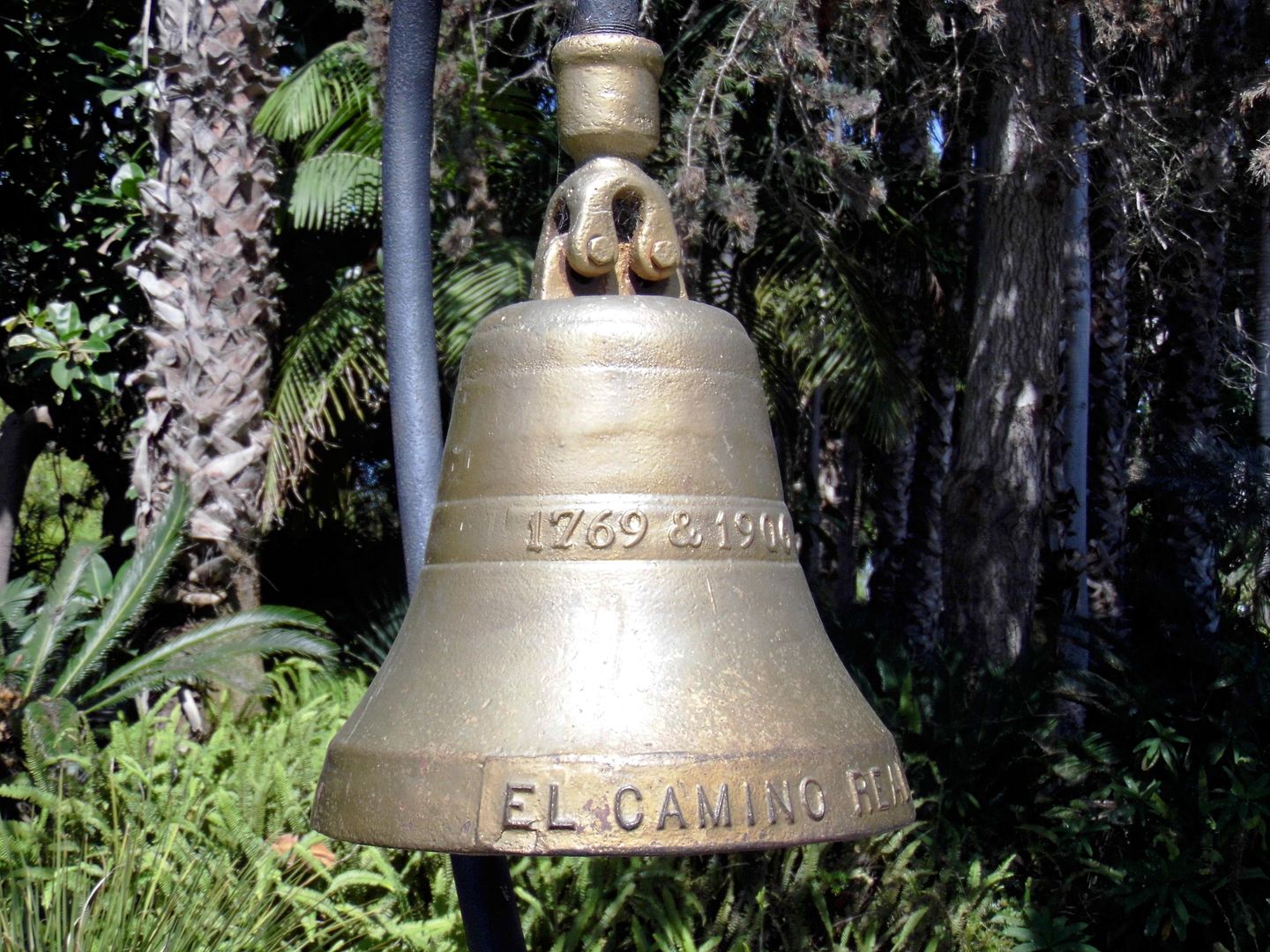
Of course, Skirball made sure Vacation Village had a dash of Hollywood magic here and there—including California's largest collection of original mission bells and screen-used artifacts like the porpoise fountain from the Elizabeth Taylor version of Cleopatra (1963).


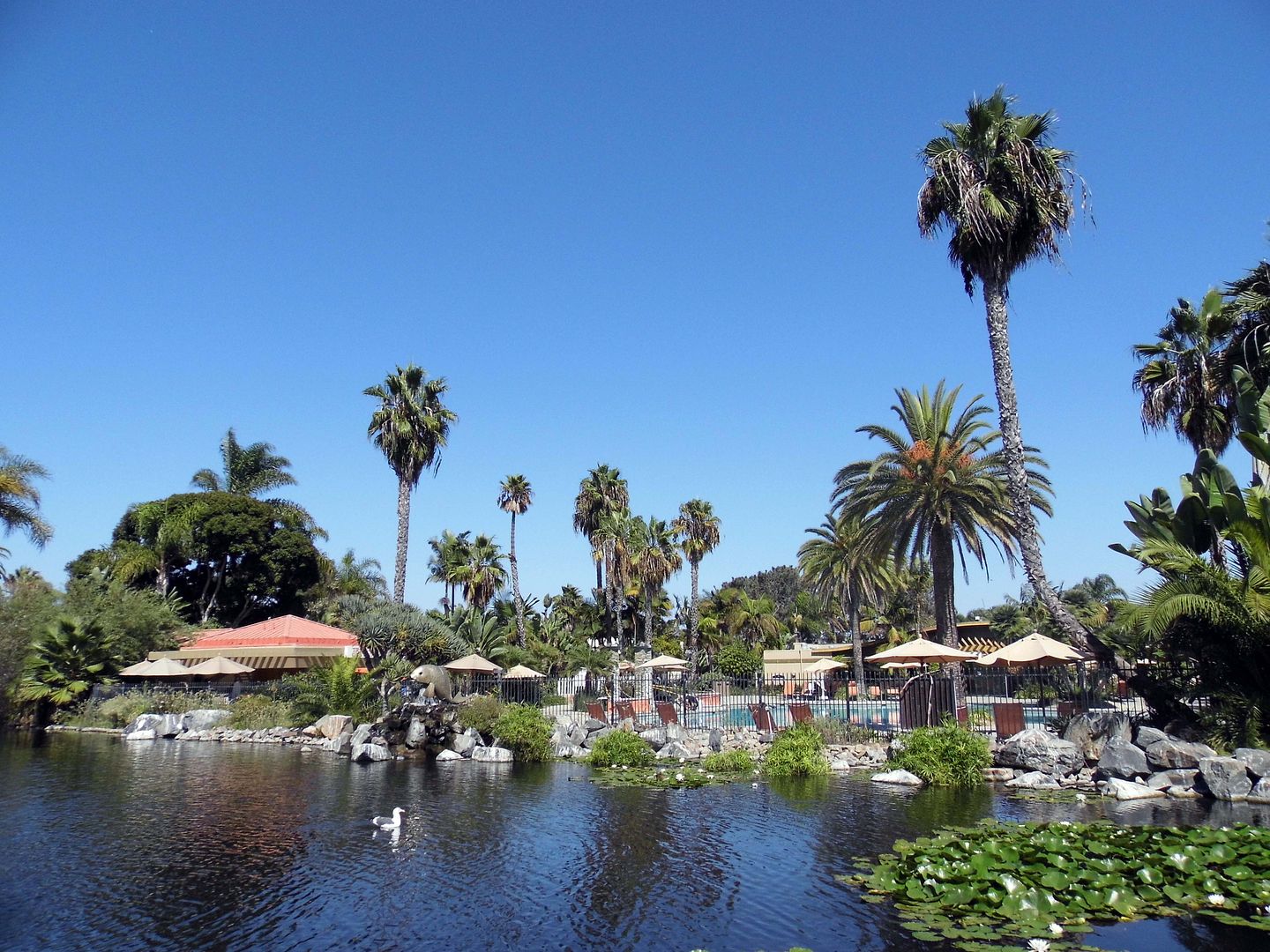
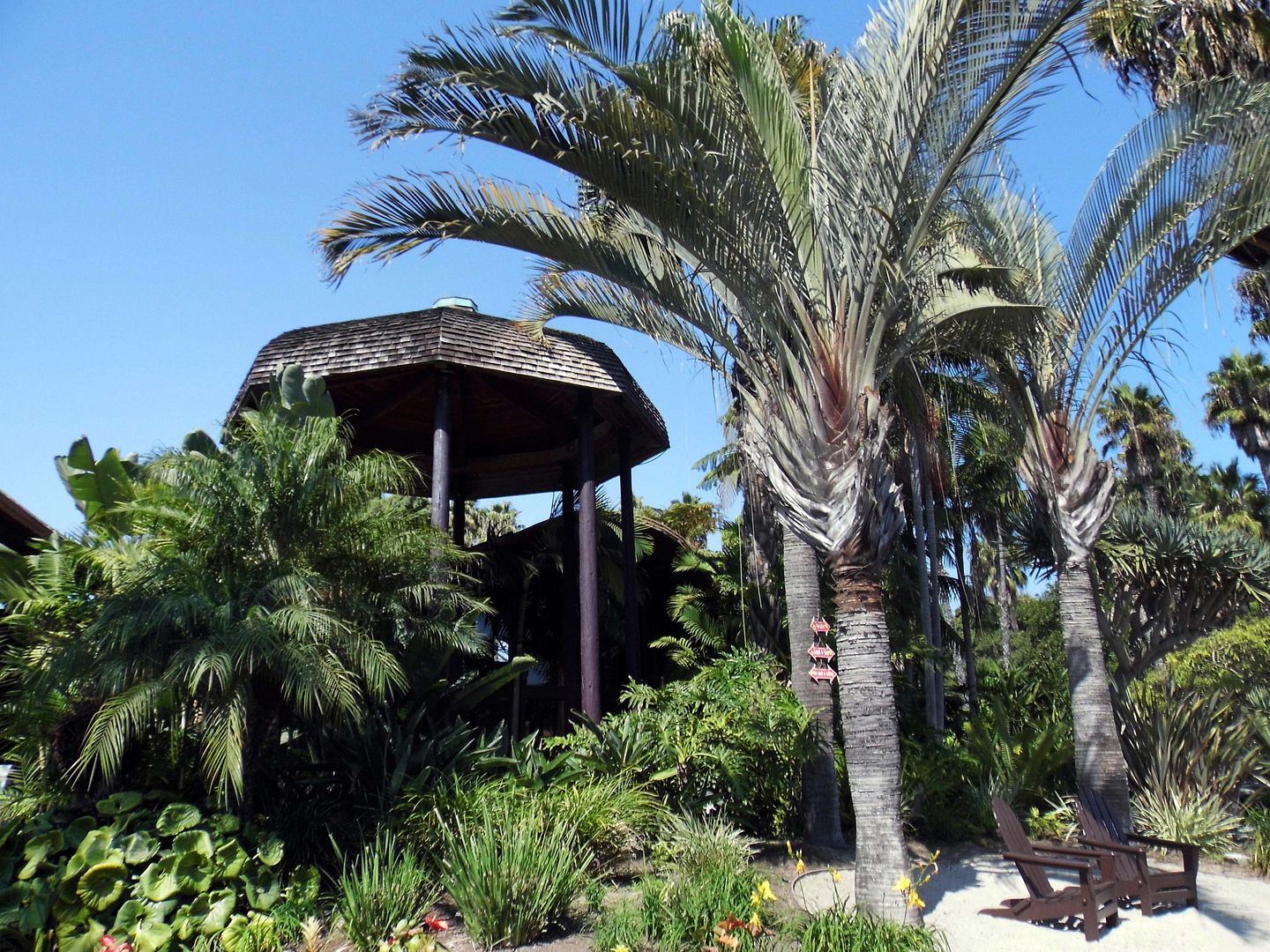
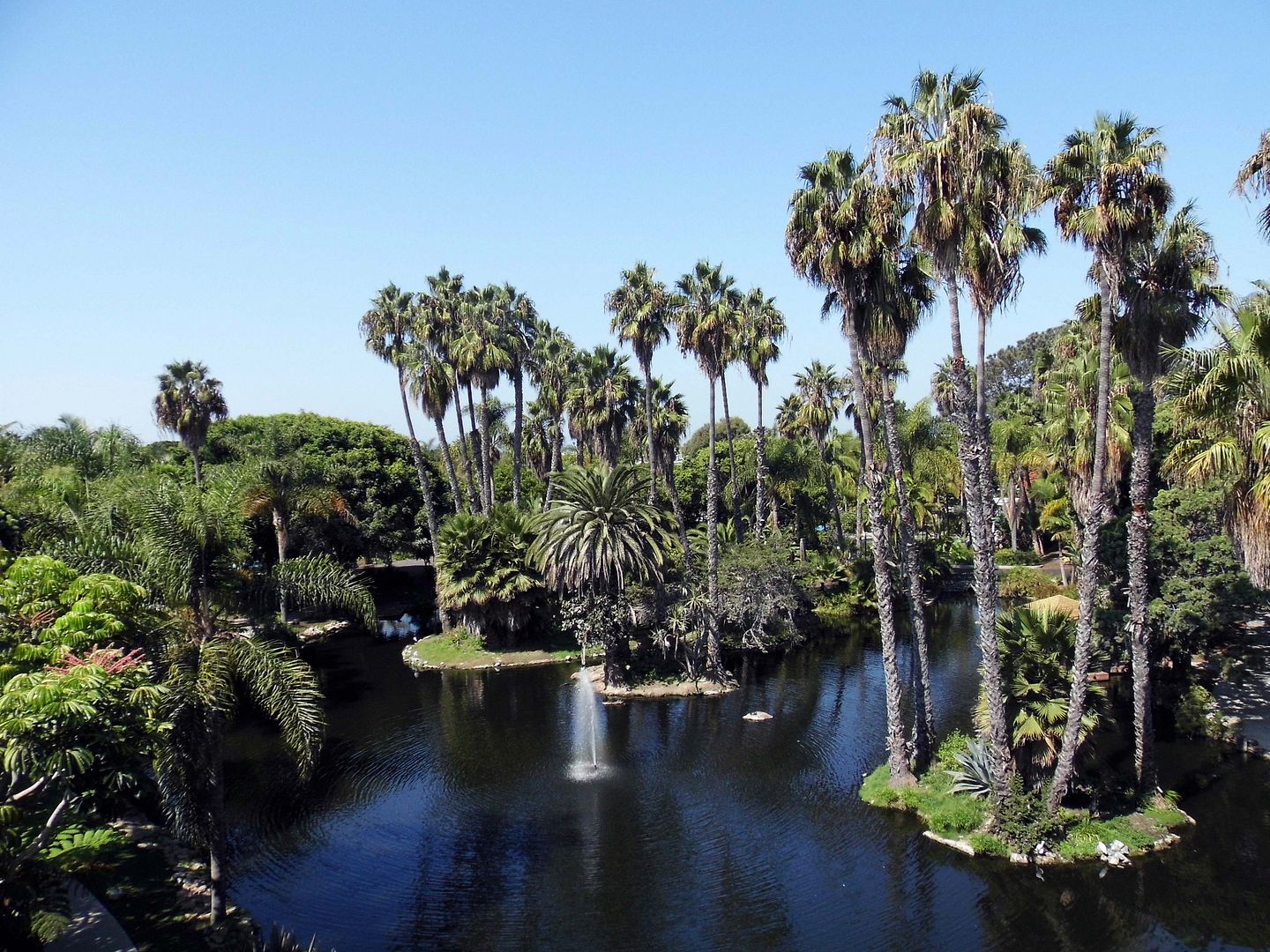
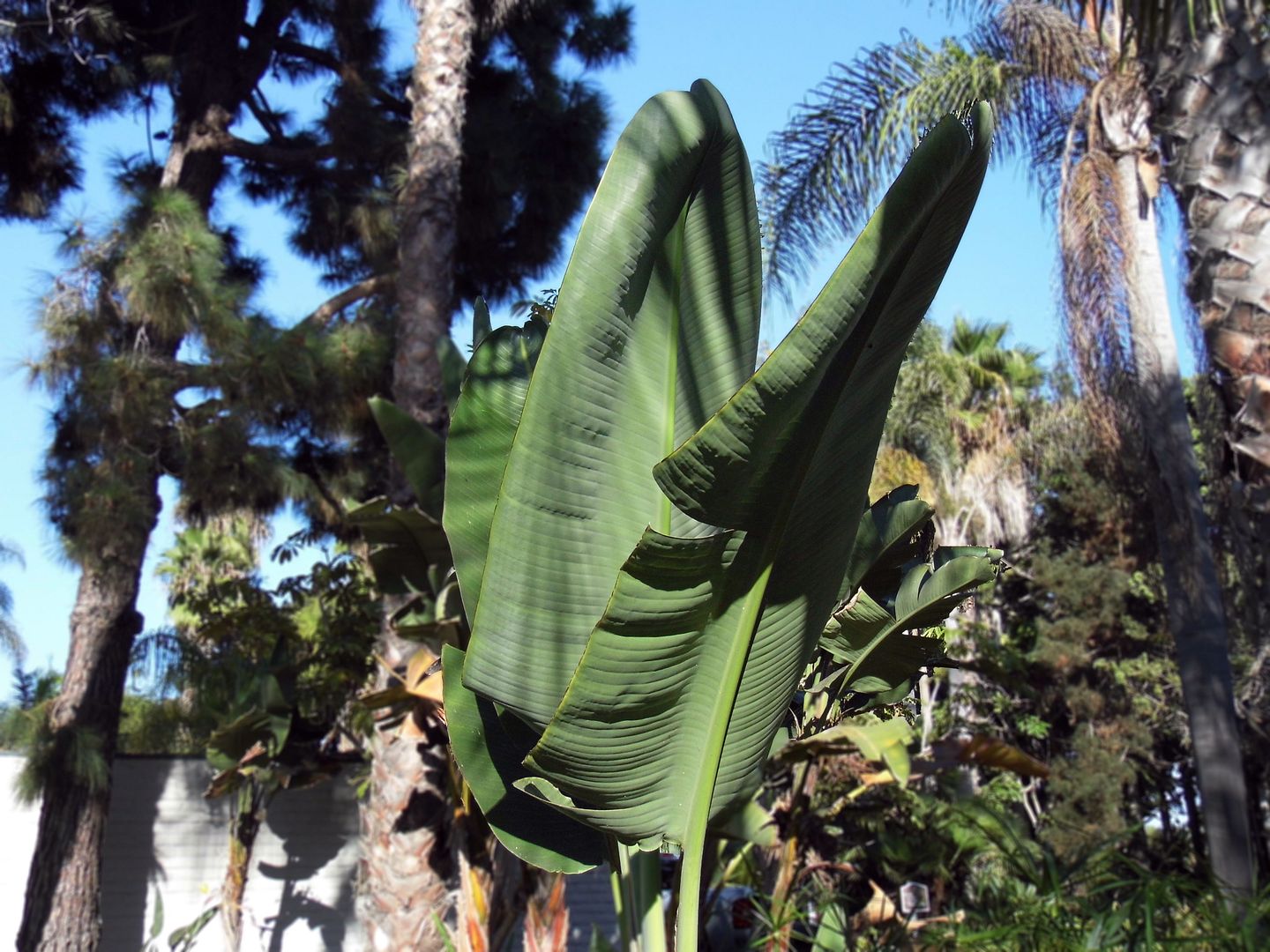
But much of the fantasy comes from the landscape design—whose palm trees, macadamia nut trees, bromeliads, and hundreds of birds-of-paradise transport you to the Canary Islands, or perhaps the South Pacific, or even Madagascar. 


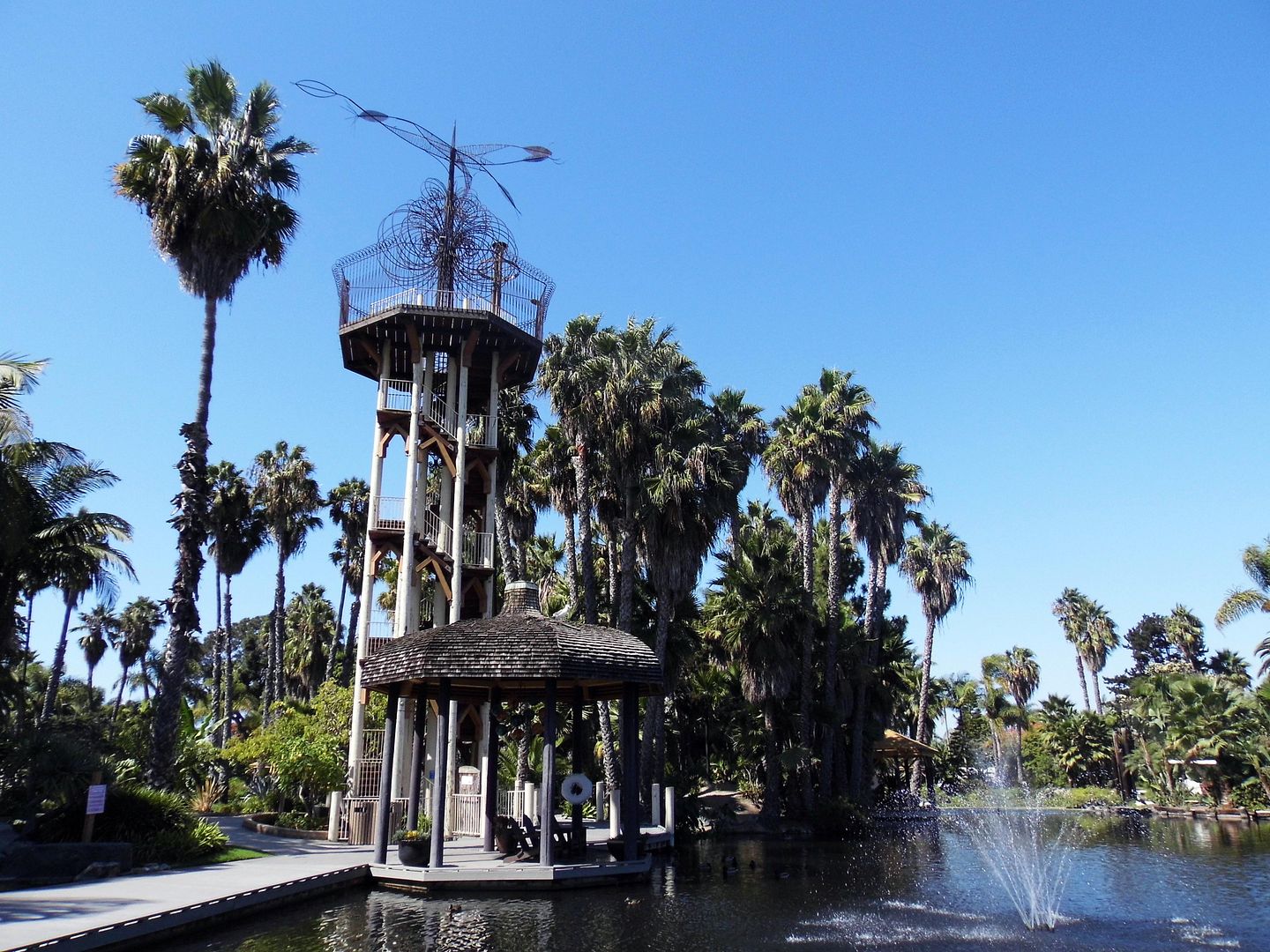
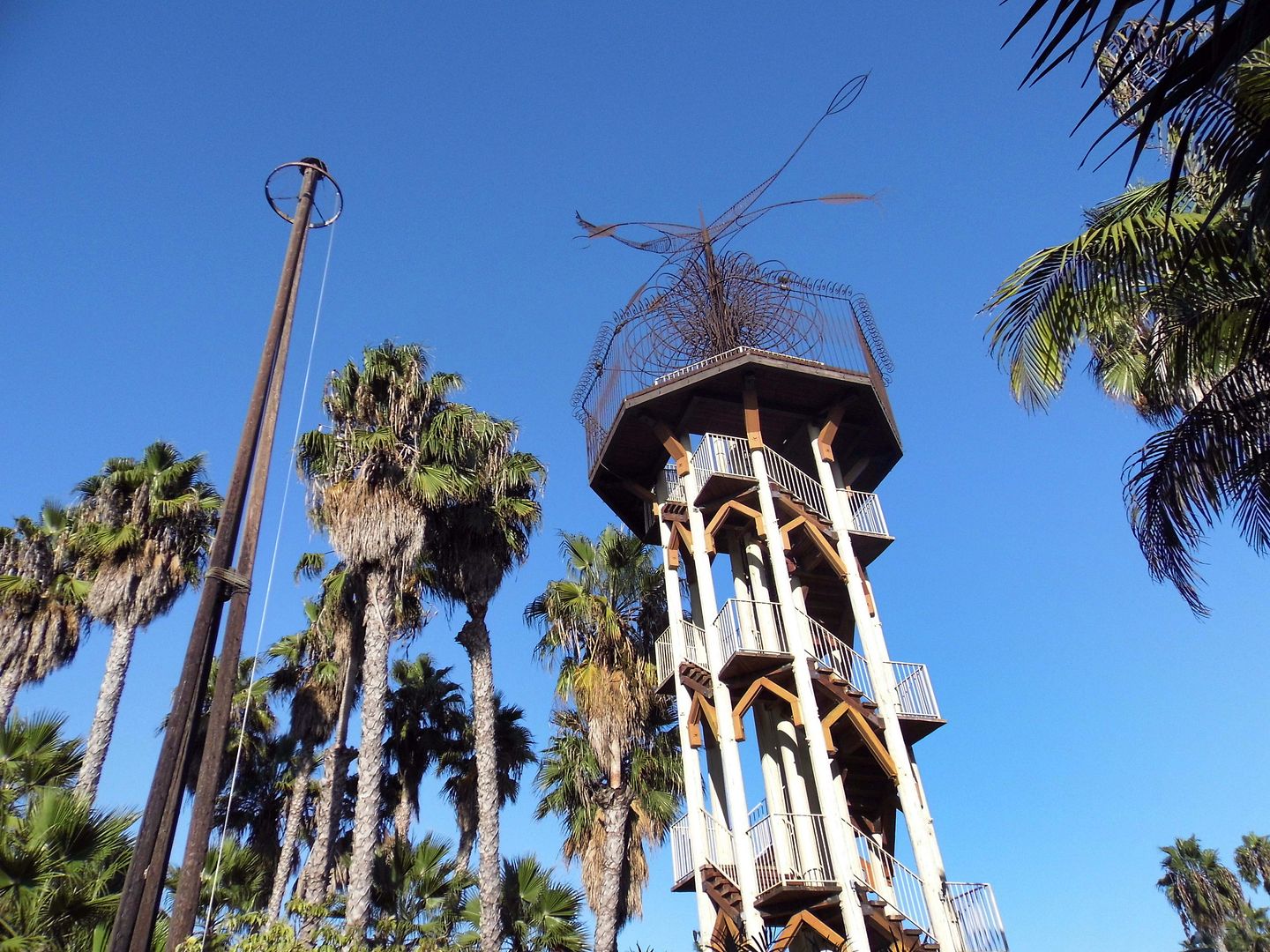
The symbol for the hotel—and still its beacon—is a 70-foot-tall observation tower, designed by the resort's architect, Eldridge "Ted" Spencer of the Palo Alto-based firm Spencer and Lee (perhaps known best for the Ahwahnee Hotel in Yosemite National Park). 


It was built by Robert "Bob" Golden—the son of construction magnate Morley H. Golden and, as of 1956, president of M.H. Golden Construction Company It must've been an engineering feat to make it as sturdy as it still feels. 


After climbing up an undetermined number of stairs, the view of the main lagoon from up there is breathtaking, fantastical, and transportive. 


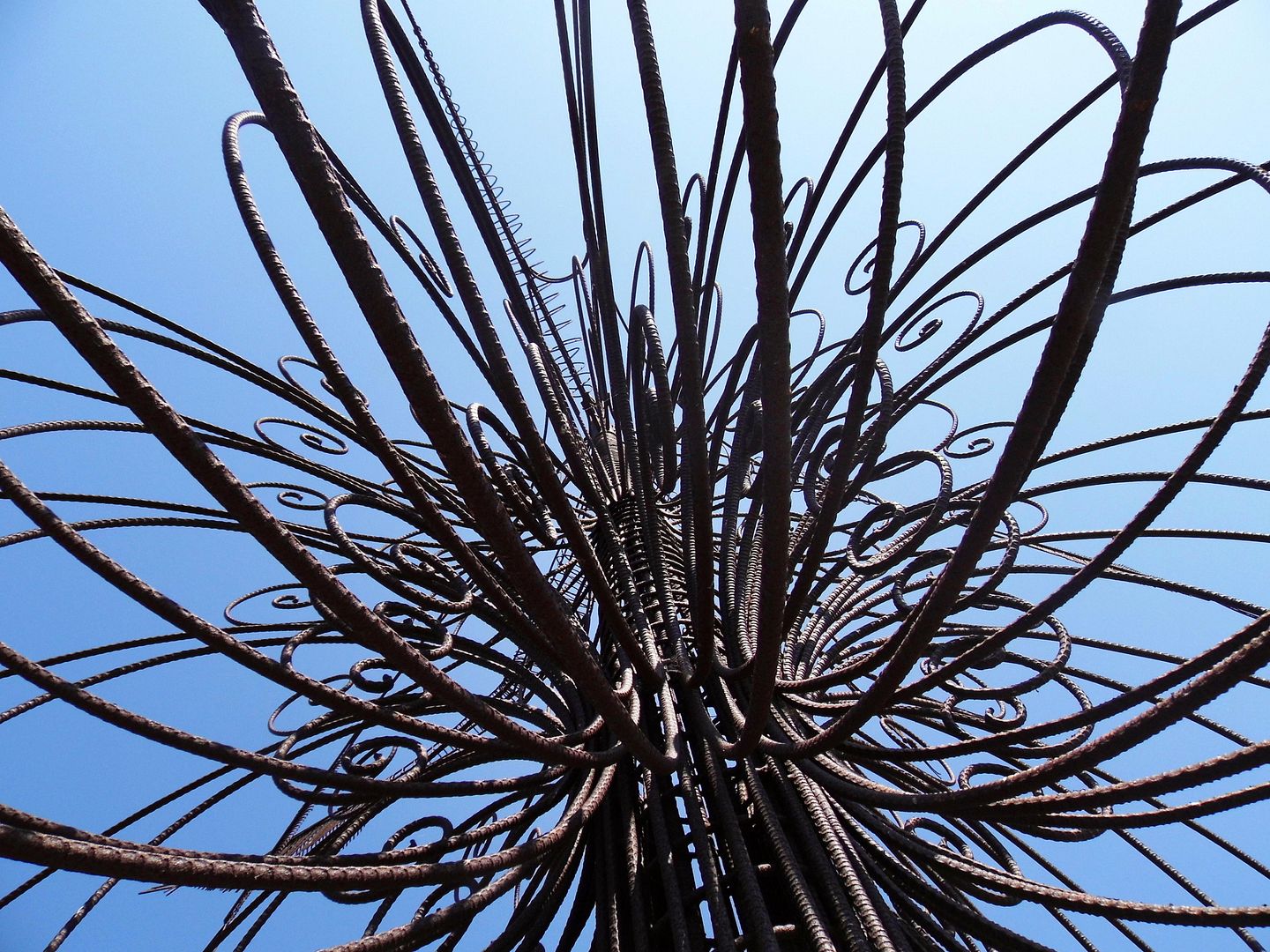
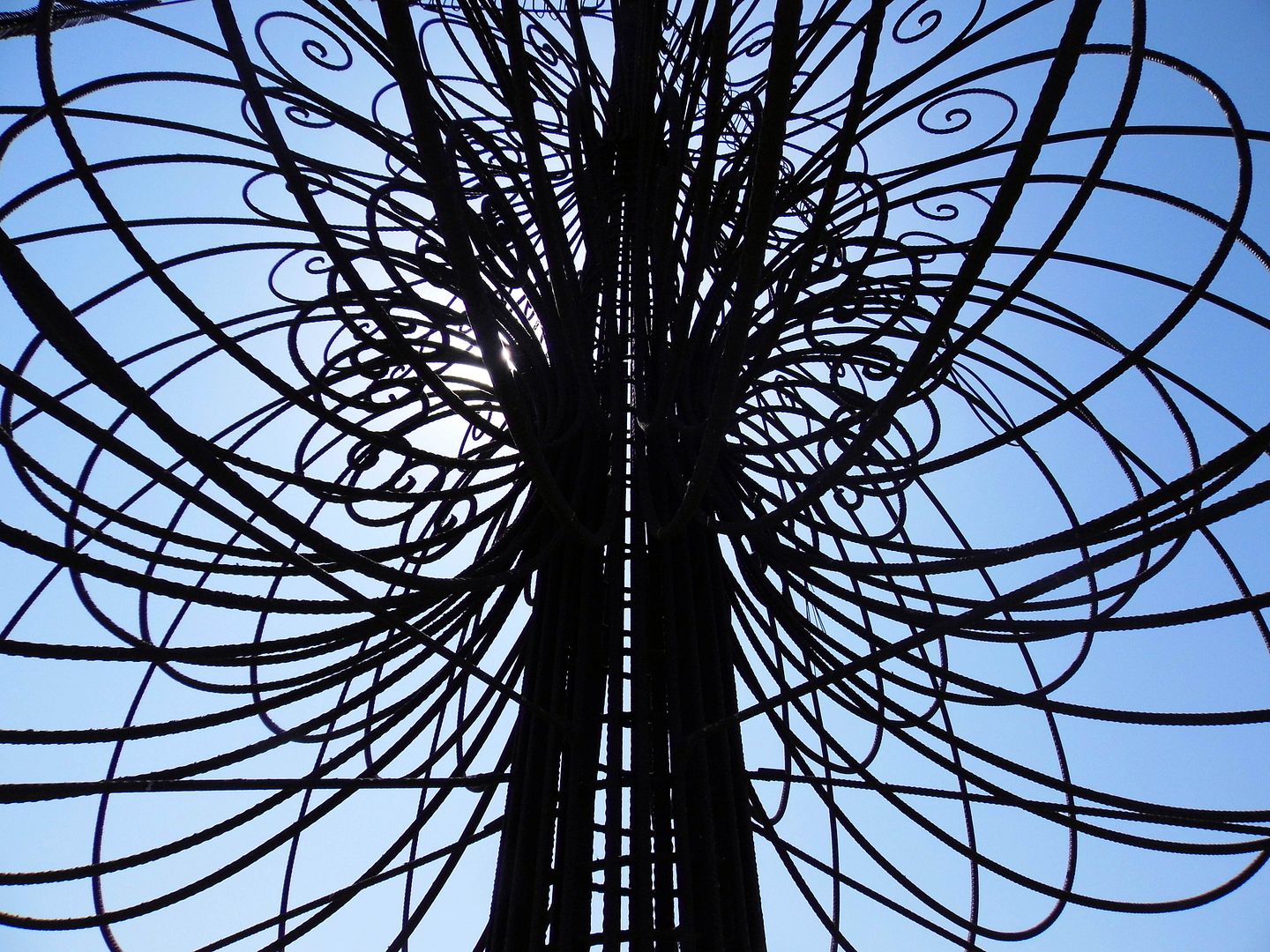
And at the very top, you can be delighted by the whimsical rebar sculpture by Val Agnoli...


...whose uppermost portion is meant to evoke the red-eared slider turtles that populate the waters below. 


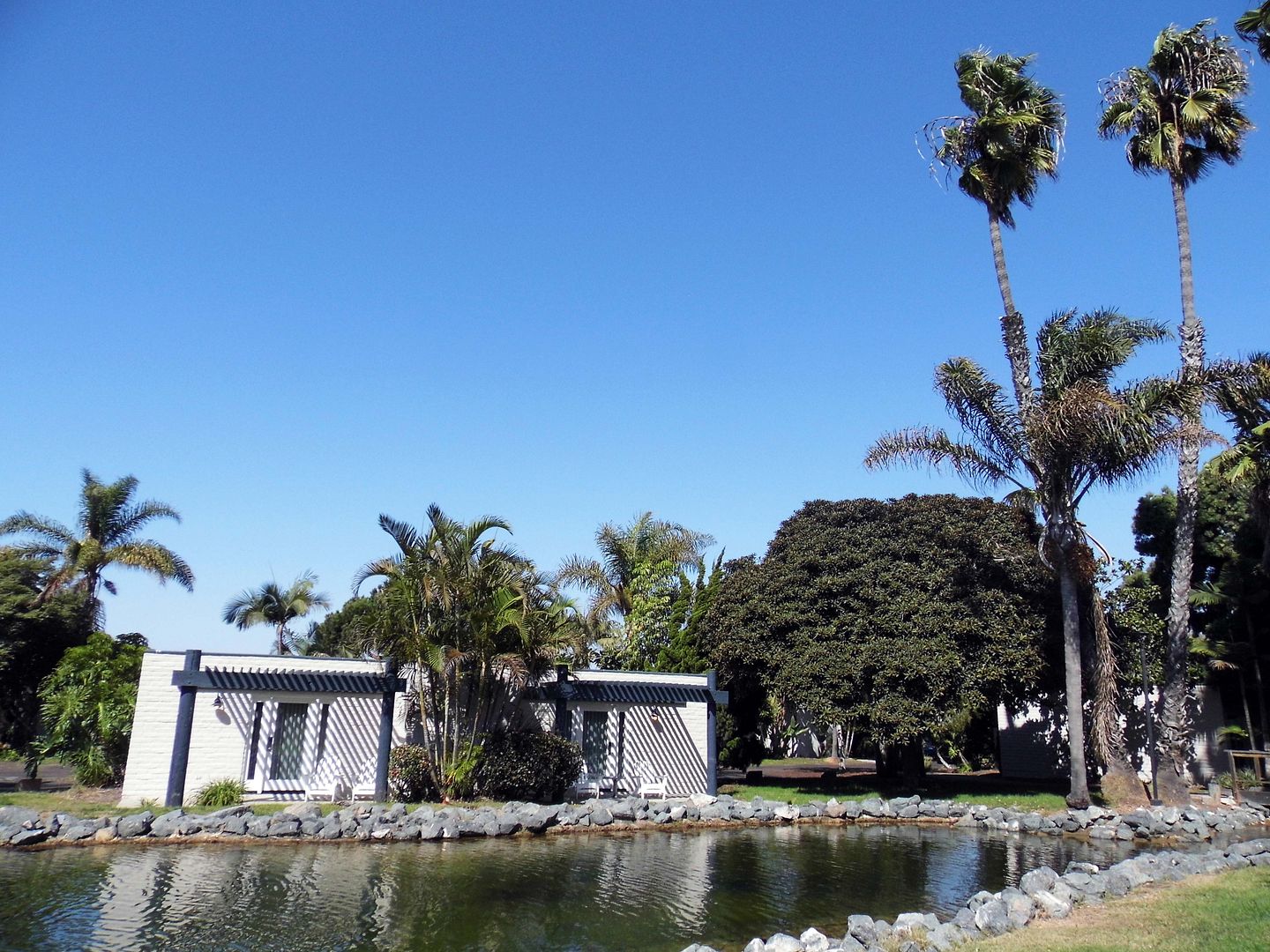
After all, this bayside resort offers more watery wonders than just its swimming pools. 


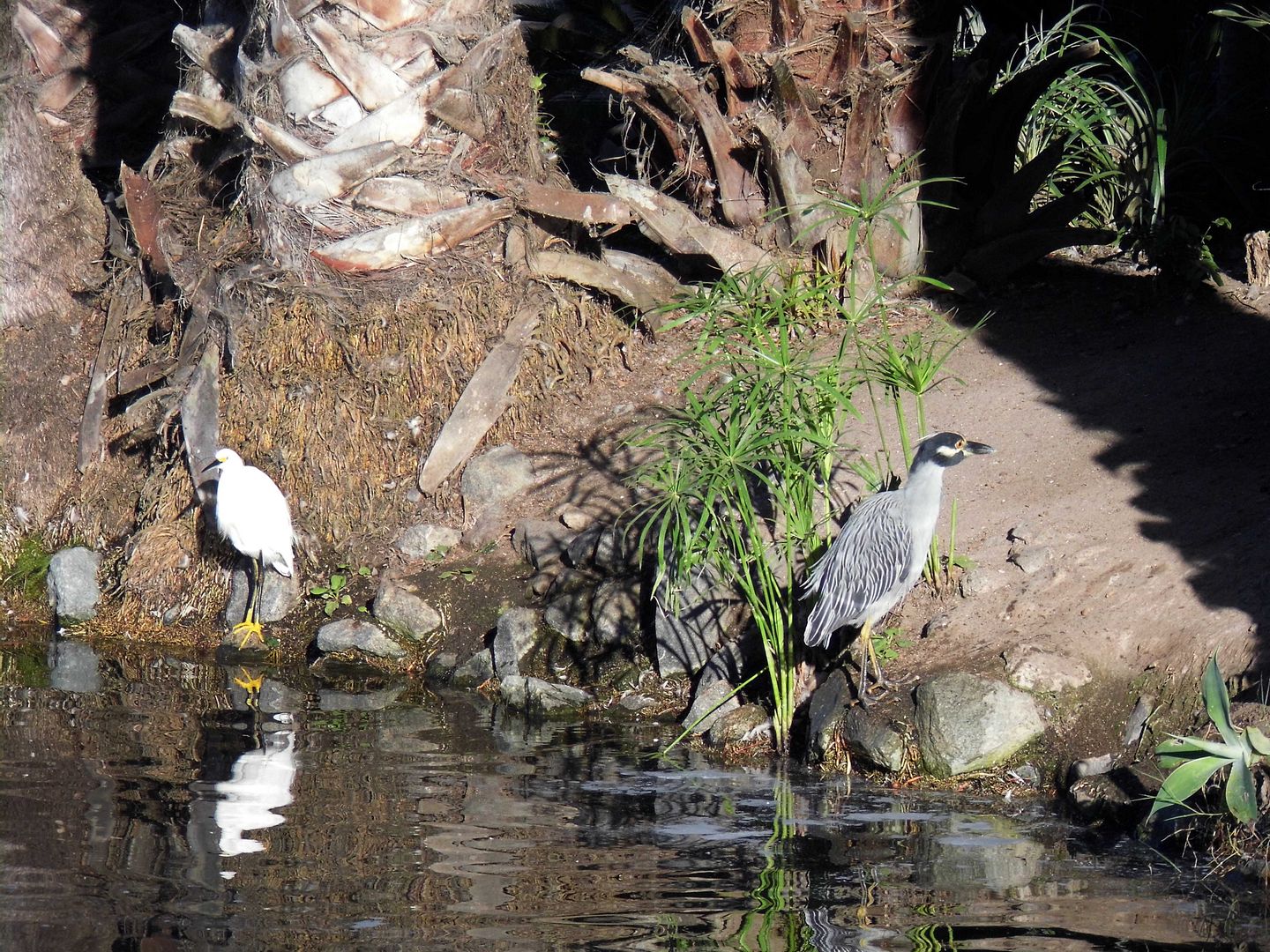
And all that wet stuff is great for attracting shorebirds, like snowy egrets and yellow-crowned night herons, with their yellow feet and eyes...

 
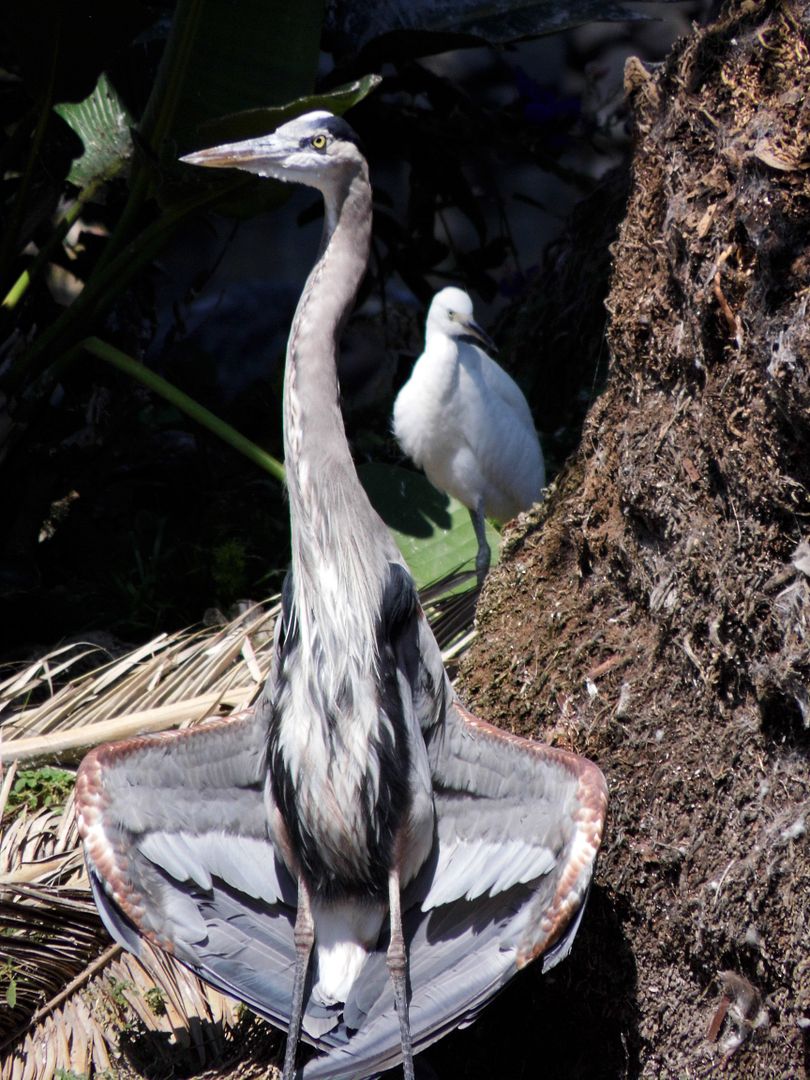
...great blue herons, who sun their wings in a "flasher" pose...

 
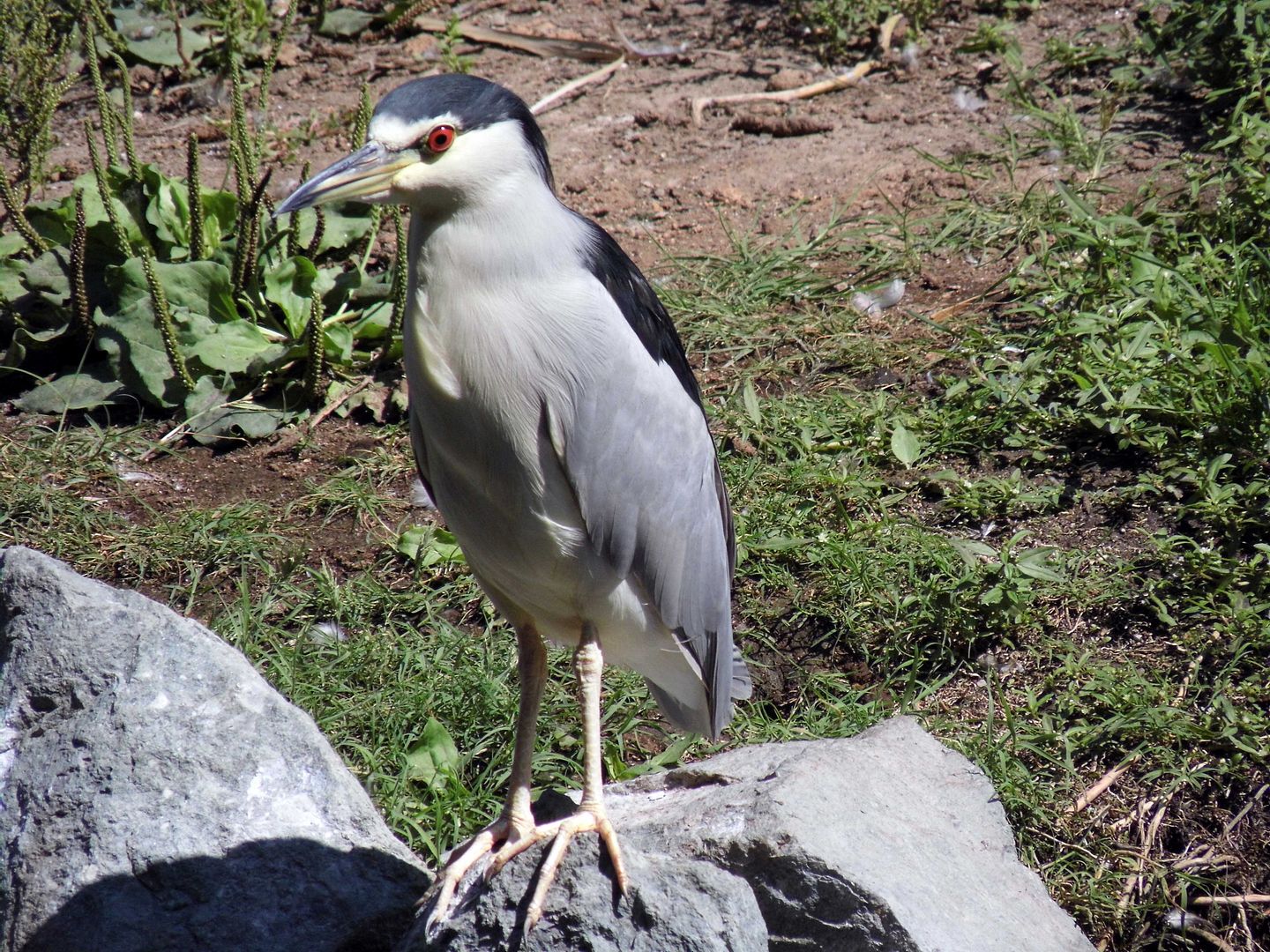
...black-crowned night herons, with their red eyes...
    

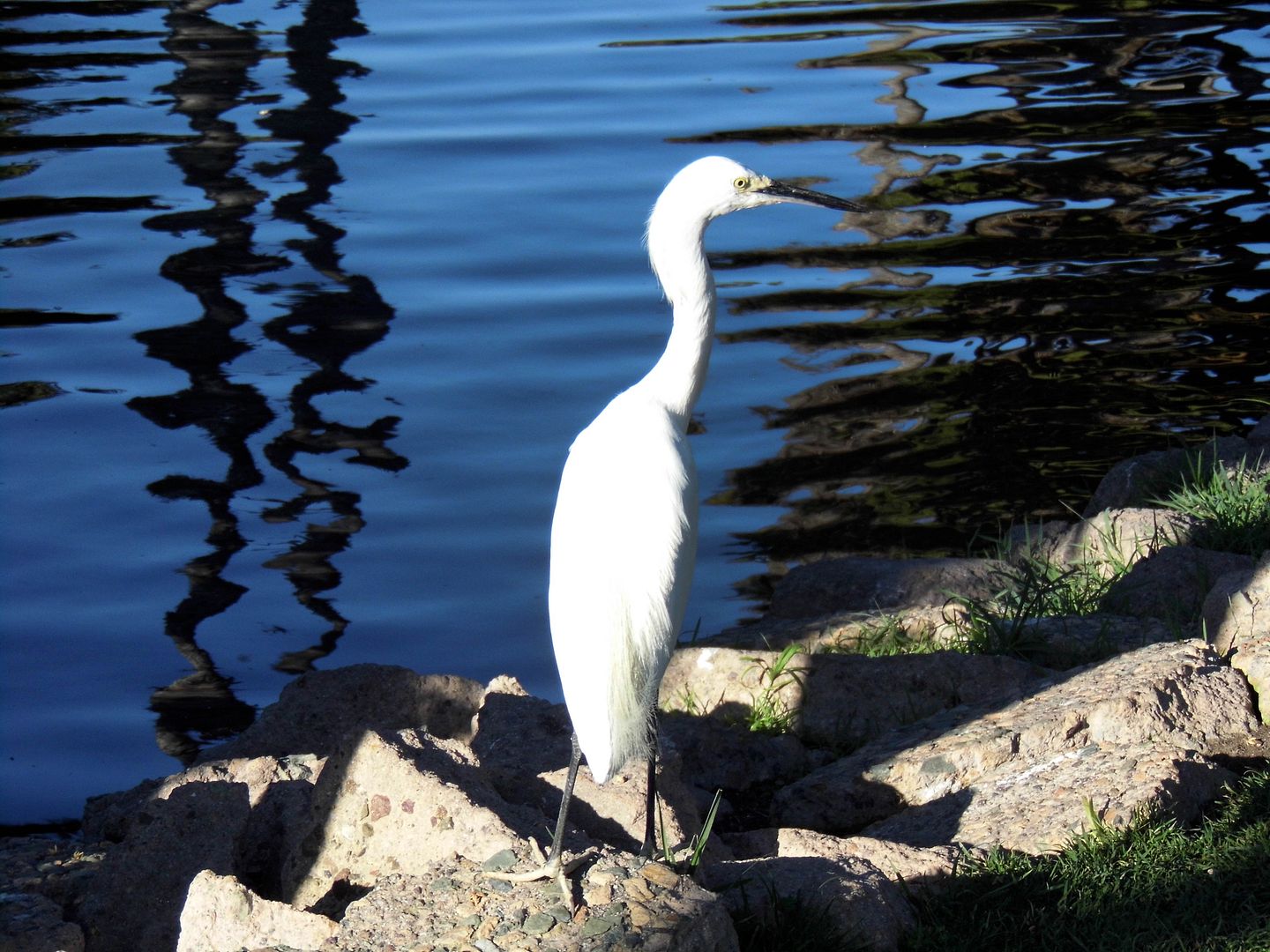
...and of course great egrets. 


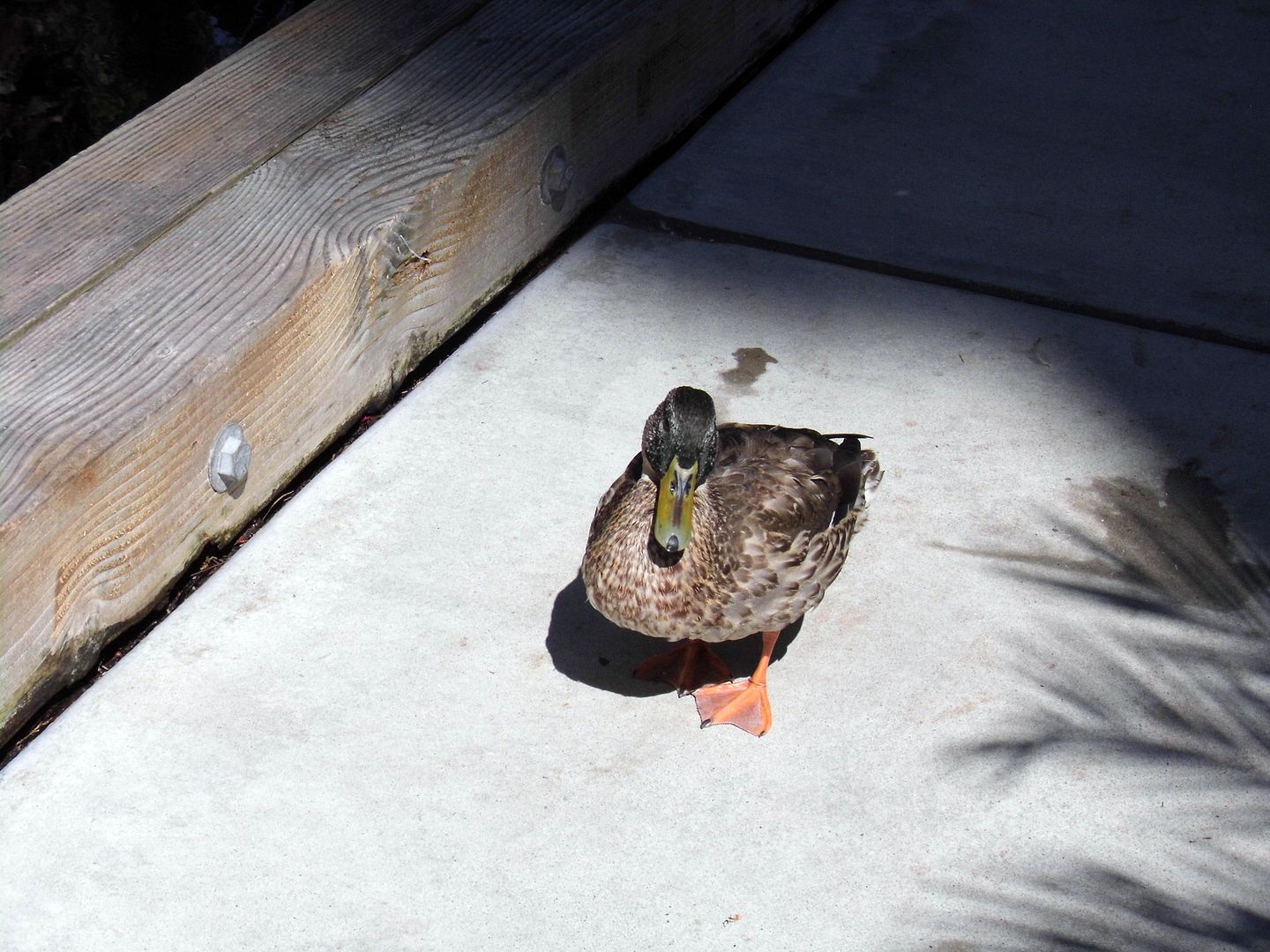
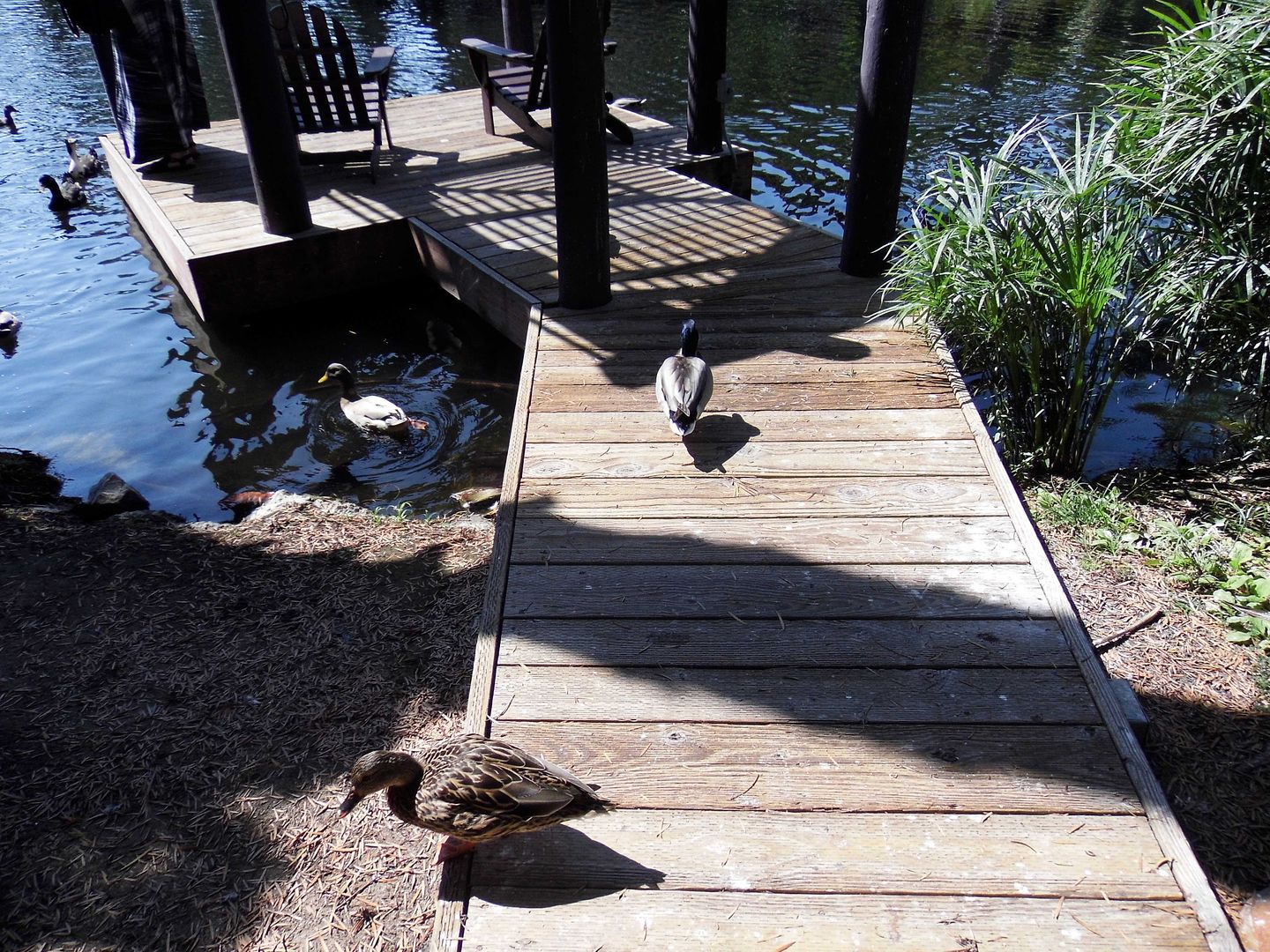
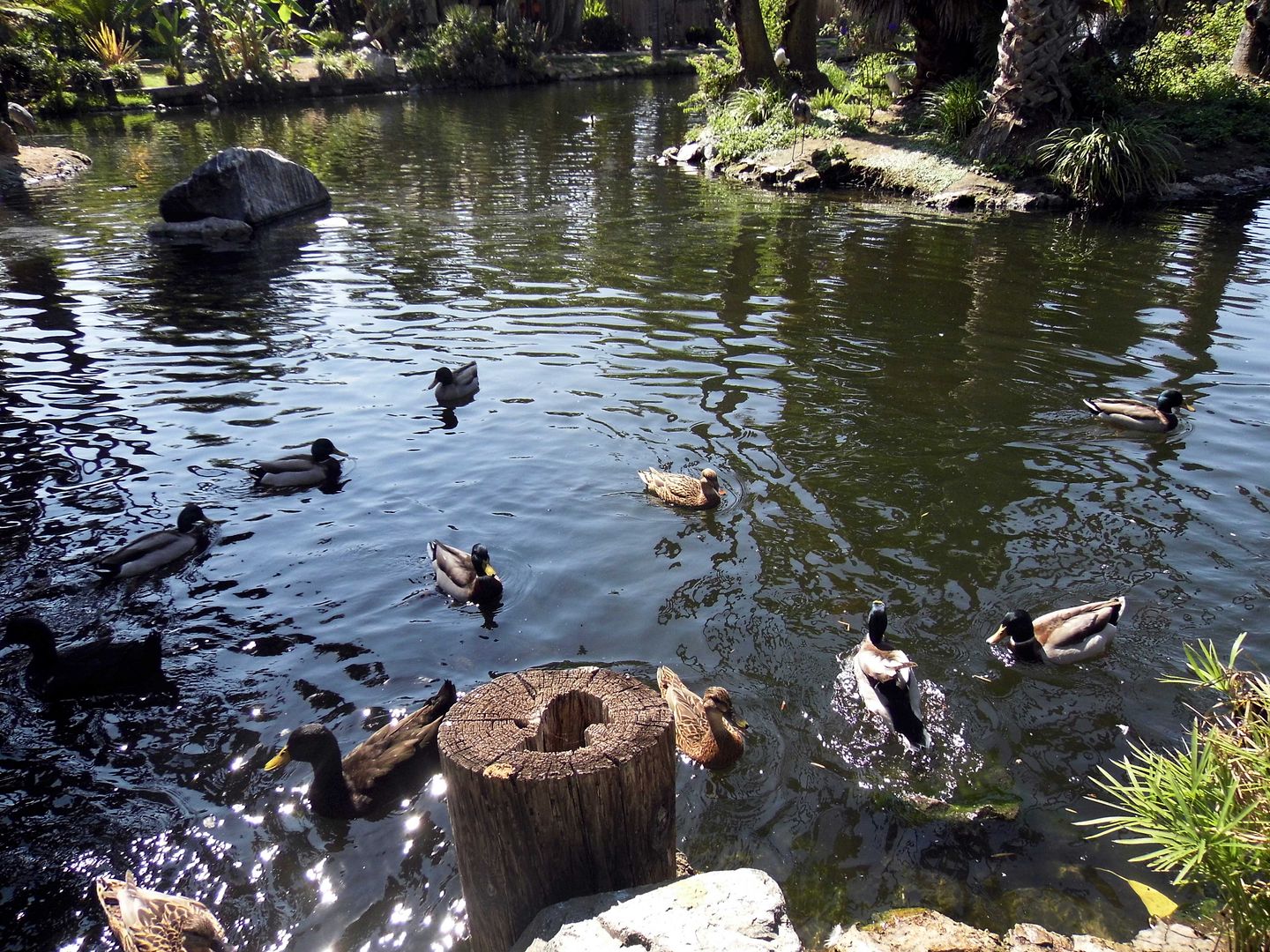
The ducks are particularly friendly—but maybe that's because they know the resort gift shop sells small bags of duck food for just $2. 


They'll either follow you, while nipping at your shoes and toes, or they'll lead you to Amelio's Dock, where all their friends will be waiting for a snack. 

                        
They compete with the koi for the little tasty pellets—and even though the shop also sells $2 bags of fish food, the koi don't seem to discriminate. 

    
I could easily spend days just wandering the grounds, feeding the birds, and photographing the scenery. 


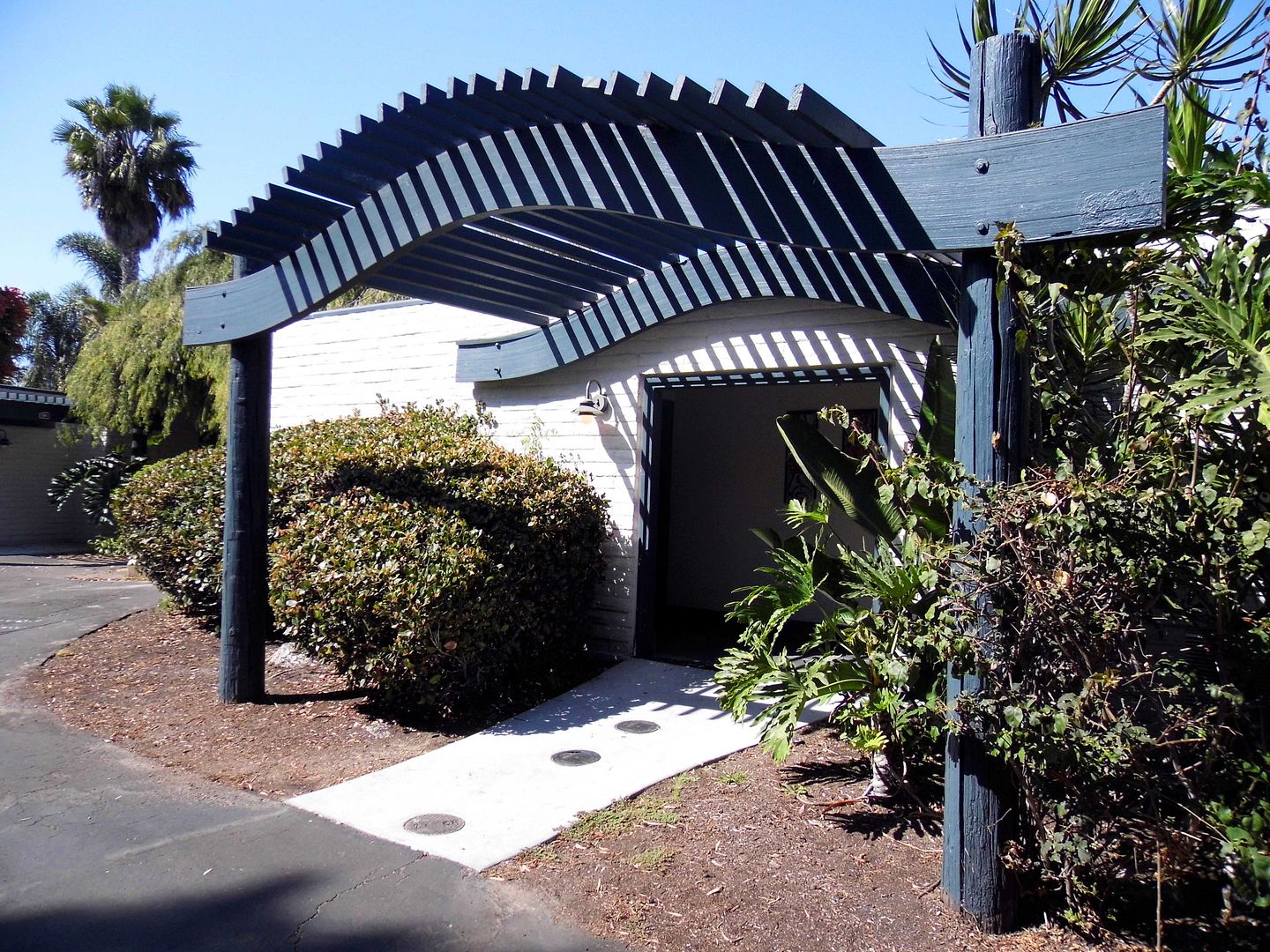
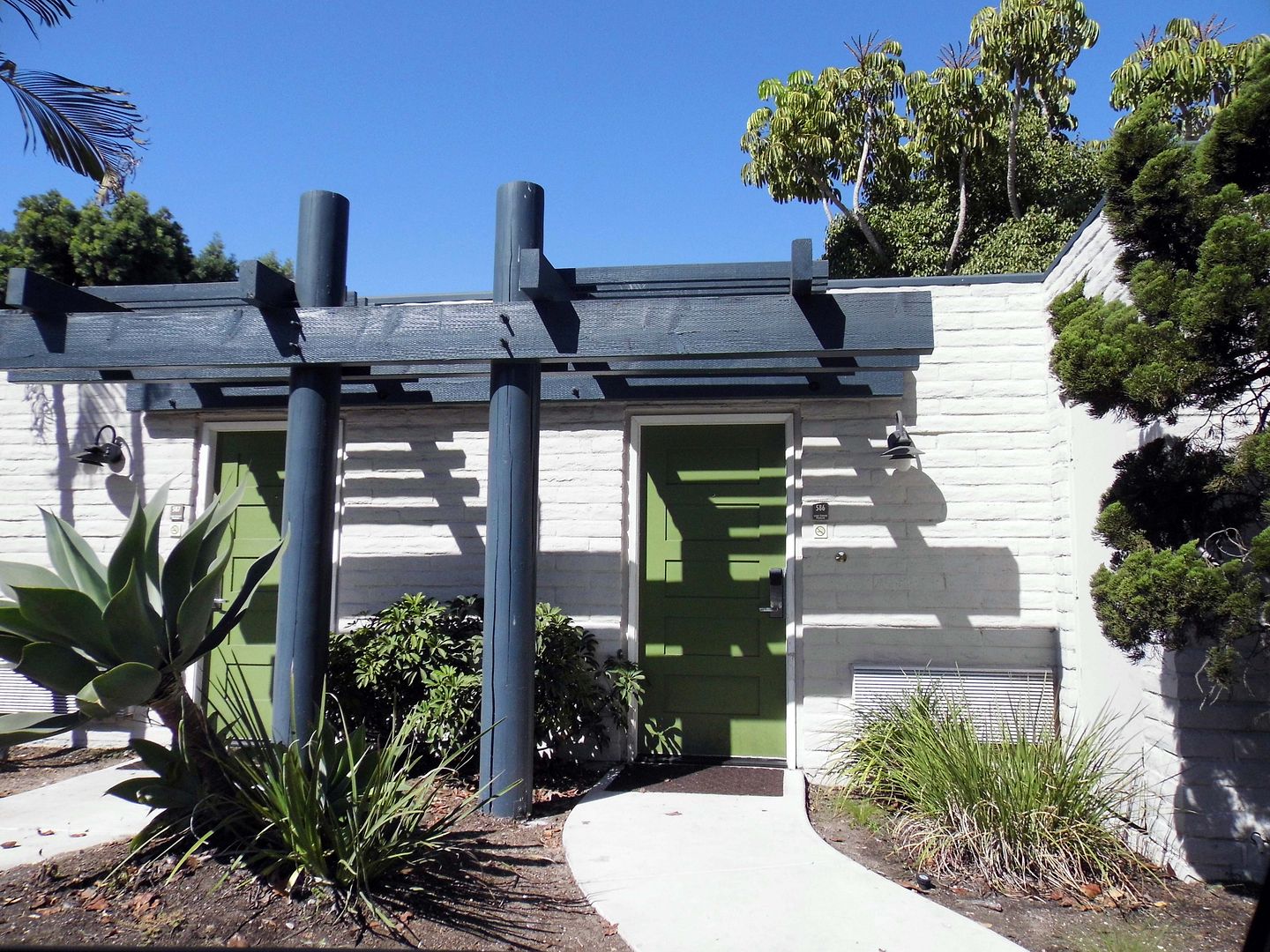
But I'd only booked one night—fortunately getting upgraded from a standard room to a bungalow with a Giant Dipper-inspired entryway. 

 
Staying in any of the 400+ rooms at Paradise Point was a major treat for me—but when Vacation Village first opened in 1962, its original 150 rooms went for just $8 per night.


That gave guests access to one restaurant, a golf course, and two tennis courts.
            
 
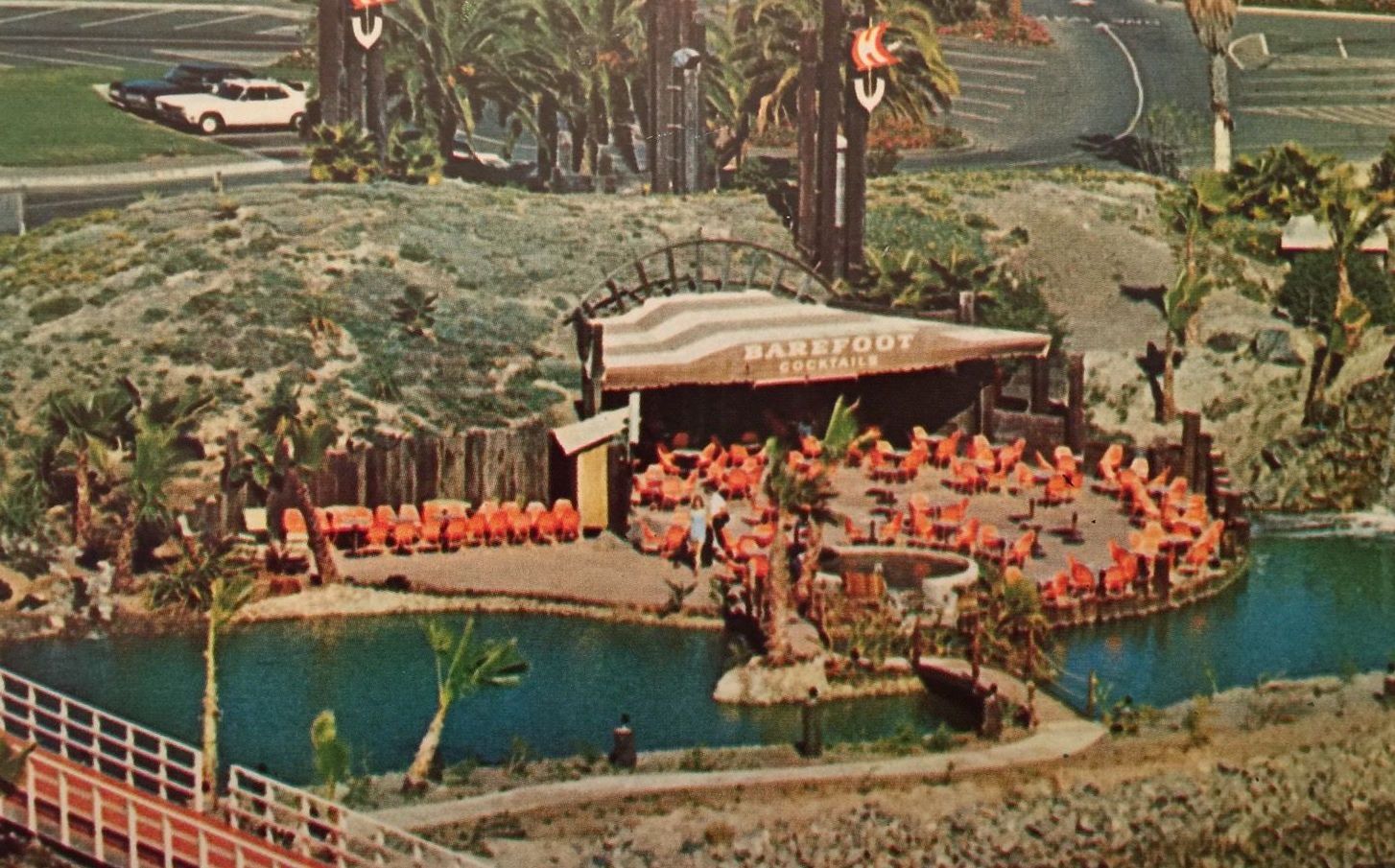
The resort's Barefoot Bar—initially called "The Grotto"—went down in infamy as a kind of Cold War-era beach bunker where you could get "bombed" at the bar but would survive a "bombing" under all that sand. Although the Barefoot Bar operated for a time as a location of Don the Beachcomber (1980-1983), its current iteration has returned to the original theme. 


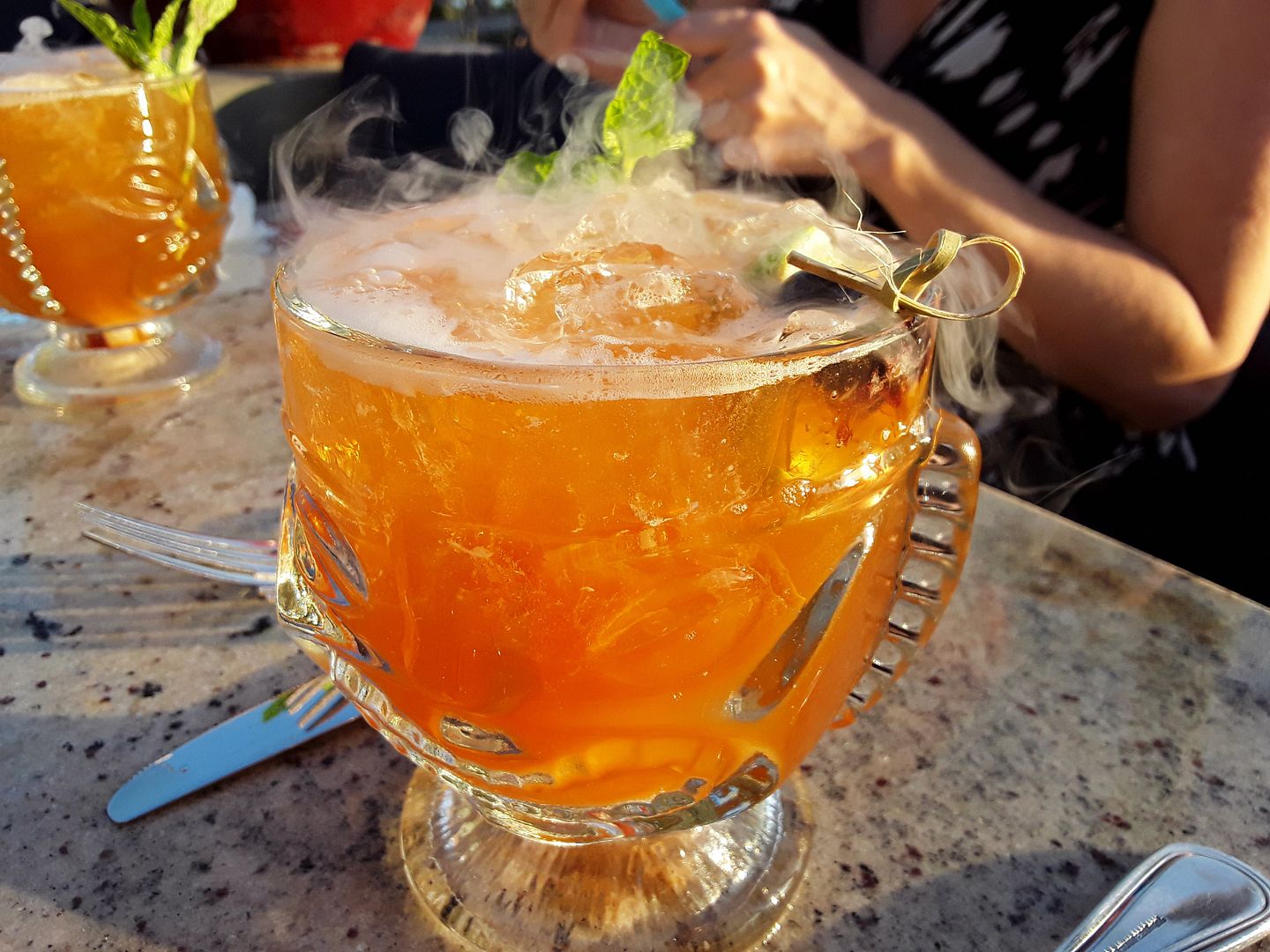
A friend and I enjoyed my birthday dinner at Paradise Point's onsite sit-down restaurant Tidal (formerly Baleen), where we sat by the marina enjoying Paradise Mai Tais in tiki glassware with a dry ice-induced "fog" effect. 
 

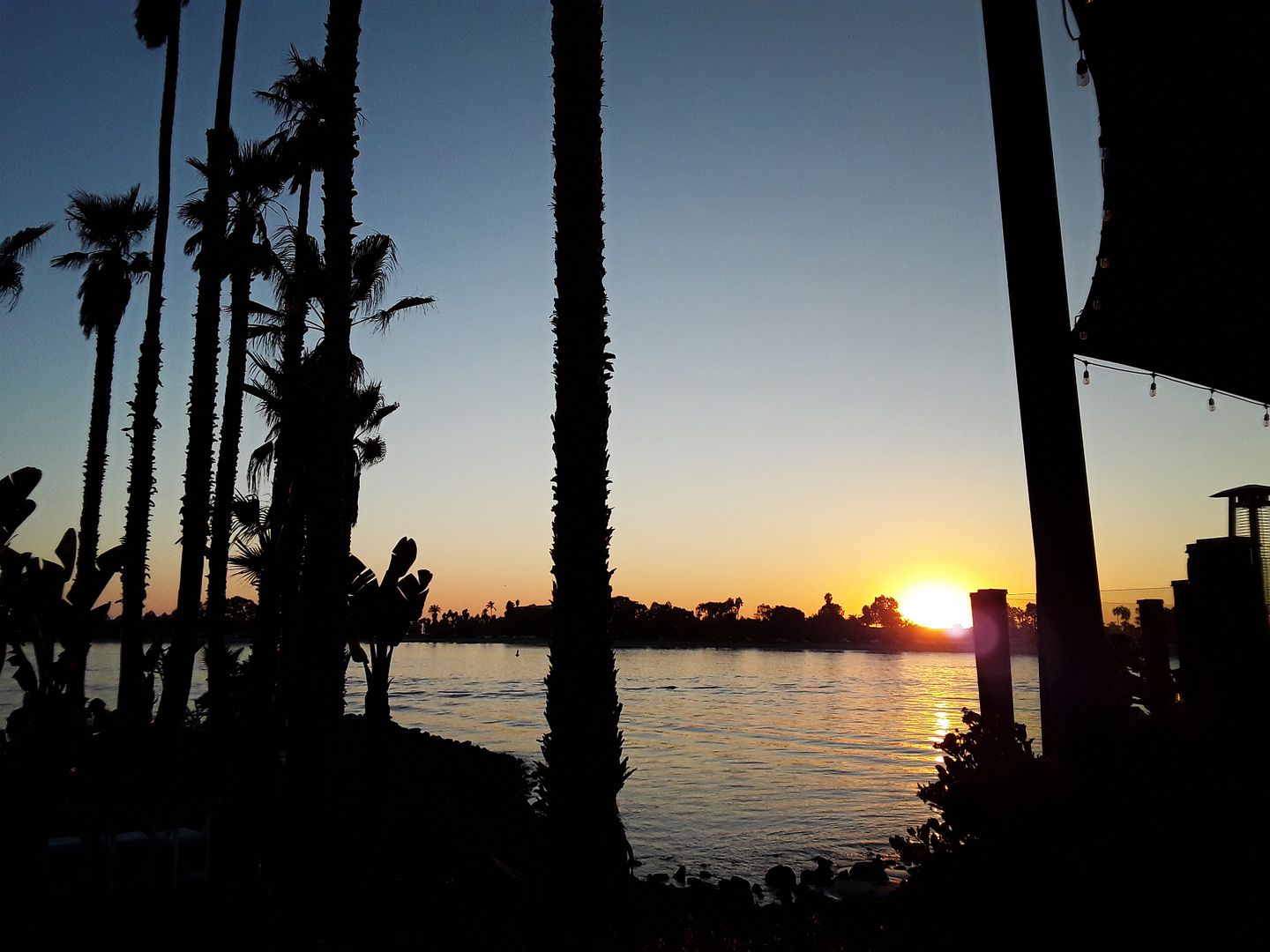
As the sun went down behind us, I thought, "This was a really good idea." I felt no birthday despair. No existential dread. No desperation for something epic to happen on the night I turned yet another year older. 

And as it turns out, that might've been my last chance to experience Paradise Point as it is right now—and as it has been since LaSalle Hotel Properties bought it and rebranded it as such in 1998. 

Its owner since late 2018, Pebblebrook Hotel Trust, has entered into a license agreement to turn Paradise Point into one of the first West Coast outposts of Margaritaville hotels and resorts. (Palm Springs hasn't opened yet, but it's already taking reservations.) 

I can only assume that means it will soon be taken over by the Parrotheads who support the "Margaritaville" singer and songwriter Jimmy Buffett. 

And although that may be "tropical"—and some might consider that "paradise"—it is not the same tiki-adjacent experience as Vacation Village or Paradise Point. 

Unfortunately, something like this was probably bound to happen after Skirball cashed out and sold the property in 1983, two years before his death. 

I hope they keep the tower and the rollercoaster architectural references and the birds and the turtles. 

For lots of vintage photos and information, visit ClassicSanDiego.com

Related Posts: 

March 06, 2011

Photo Essay: The Gamble House, Pasadena (Updated for 2020)

[Last updated 3/5/20 6:30 PM PT regarding new management]

Pasadena was founded in the 1870s by families from Indiana looking to escape Midwestern winters, and since became a destination for Middle American industrialist magnates like William Libbey of Libbey Glass. They built winter homes that occupied a large horizontal footprint, but from the outside appeared almost modest—despite the tremendous investment they required.

And so Pasadenans are known to say, "If you're not comfortable in Los Angeles, you'll be comfortable here."

And I, being from a town as Midwestern as Central New York can get, feel very comfortable in Pasadena, too.


circa 2017

One of its many architectural marvels is The Gamble House, commissioned by David Gamble of Proctor & Gamble.


circa 2017

Most people would recognize The Gamble House as the setting for Doc Brown's house and workshop in Back To The Future (particularly the garage).


circa 2017

The garage once housed several (electric!) cars at the time of the Gamble family—but now it's the visitor's center and gift shop where the house tours begin.


It was designed by the architectural partnership of Charles and Henry Greene in 1908, at the height of the Arts & Crafts movement...


...which was somewhat of a predecessor to Art Deco, but with a focus on open-air and outdoor spaces.


Many of its characteristic designs are quite geometric.


But there's also an embrace of elements of nature—particularly Asian flowers and trees (like gingko, dogwood, and other Japanese plants).


circa 2017

These themes are repeated not only in the art glass doors and windows...


circa 2017

...but also the lighting fixtures designed by both Greene & Greene and Louis Comfort Tiffany.


circa 2017

Electricity was still relatively new at the time of the Gambles' arrival to Pasadena, and no one was entirely sure how safe it was. Most bulbs were of a low wattage, and most of the fixtures either directed the beams away from people's faces (and up towards the ceiling) or provided some kind of shield.


circa 2017

The low lighting and mixture of deep brown woods (maple, Honduras and Santo Domingo mahogany, black walnut, etc.) make the inside of the house incredibly dark—so much so that the Gambles couldn't find any prospective buyers for it who didn't want to paint everything white to brighten it up.


circa 2017

So, to preserve the integrity of the interior, the Gamble family initiated the process of converting their private home into public property...


circa 2017

...gifting it to the City of Pasadena in 1966.


circa 2017

Its educational activities now as a house museum open for tours are managed by USC, whose strong ties to the California Arts & Crafts Movement along the Arroyo Seco date back to the late 19th century. [Ed: As of March 2020, The Gamble House is managed by a newly-formed non-profit organization, The Gamble House Conservancy.]


circa 2017

The Arroyo was pretty wild back at the turn of the last century—but now, the area of Westmoreland Place and Orange Grove Boulevard (a.k.a. "Millionaire's Row"), just 0.3 miles from the "dry river," has been tamed into manicured lawns and lotus ponds.


circa 2017

A red-eared slider turtle is about as wild as it gets now.


circa 2017

The Gamble House is one of many Craftsman homes in Pasadena, enough worthy for a whole walking tour of the neighborhood.


circa 2017

But on its own, the Gamble House is so huge and its design is so intricate, you've got to tour it several times just to see everything.


circa 2017

I've been twice, and I still feel as though I've only scratched the surface.

But fortunately, the photography restrictions have recently been softened—which means I'll be back.

Related Posts:
Photo Essay: The Mysteries of the Pasadena Magic House & Museum
A Pasadena Mansion Plays the Role of Plantation
Photo Essay: The House of Chewing Gum and Roses 
Photo Essay: The Time Capsule That Is Lanterman House