
Back in 2013, I became fascinated with a tower in the hills behind the Hollywood Bowl, after coming across it on one of Charles Fleming's Secret Stairs walks. I vowed then that someday I would ride the elevator inside that tower.
And it's been on my bucket list ever since.
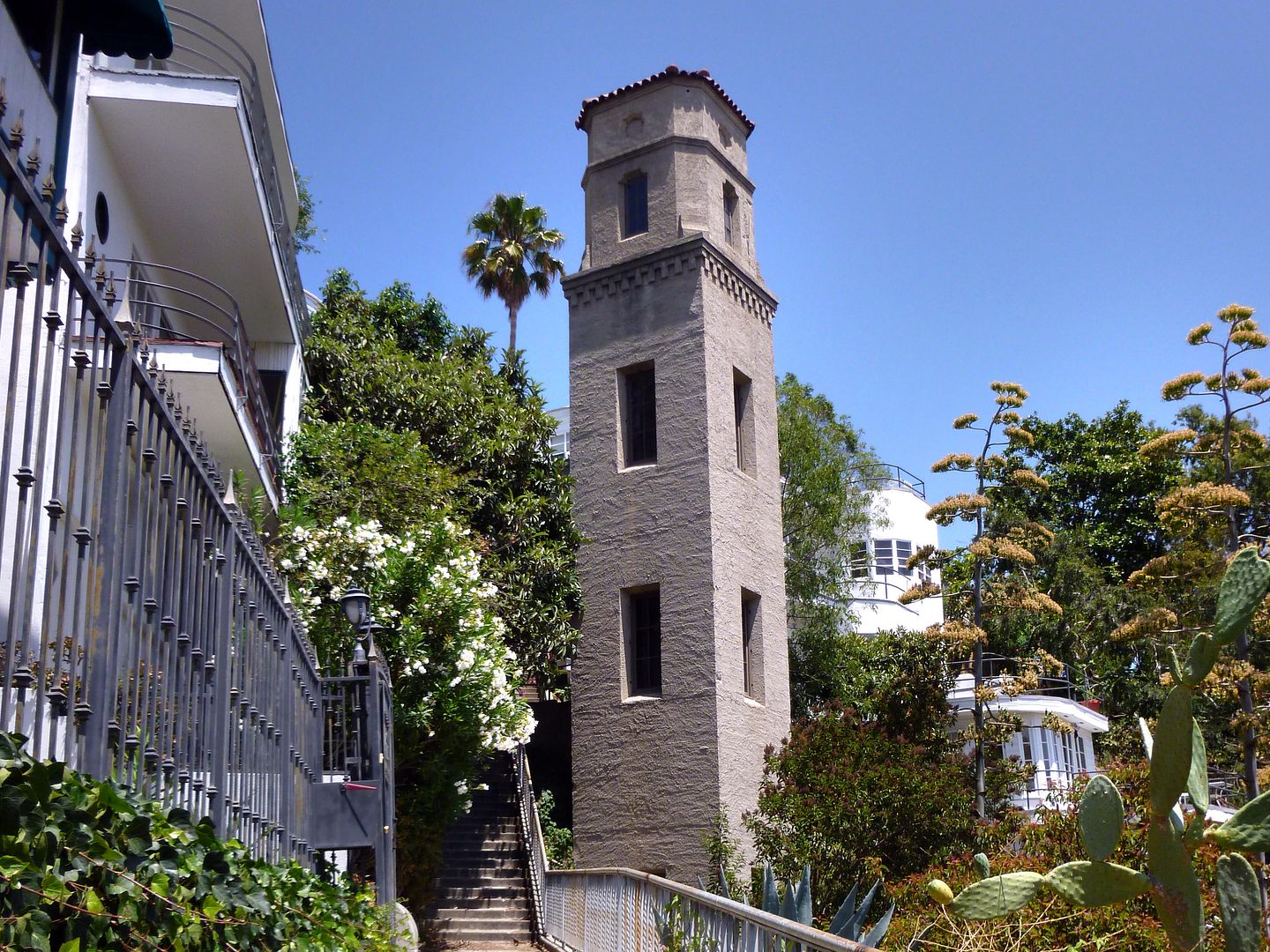
But as it turns out, my fascination with that 100-foot tower elevator started long before I took that hilly climb through the neighborhood now known as Hollywood Heights. Because it was also a pivotal filming location for one of my favorite movies, Dead Again, from 1991.
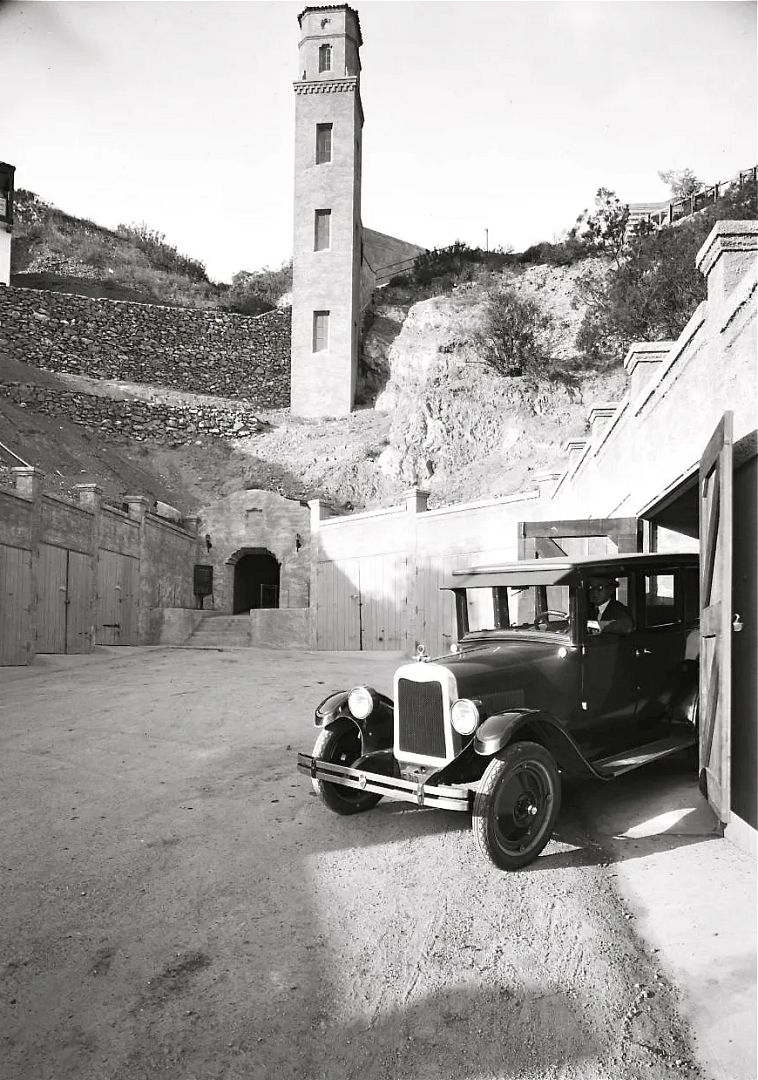
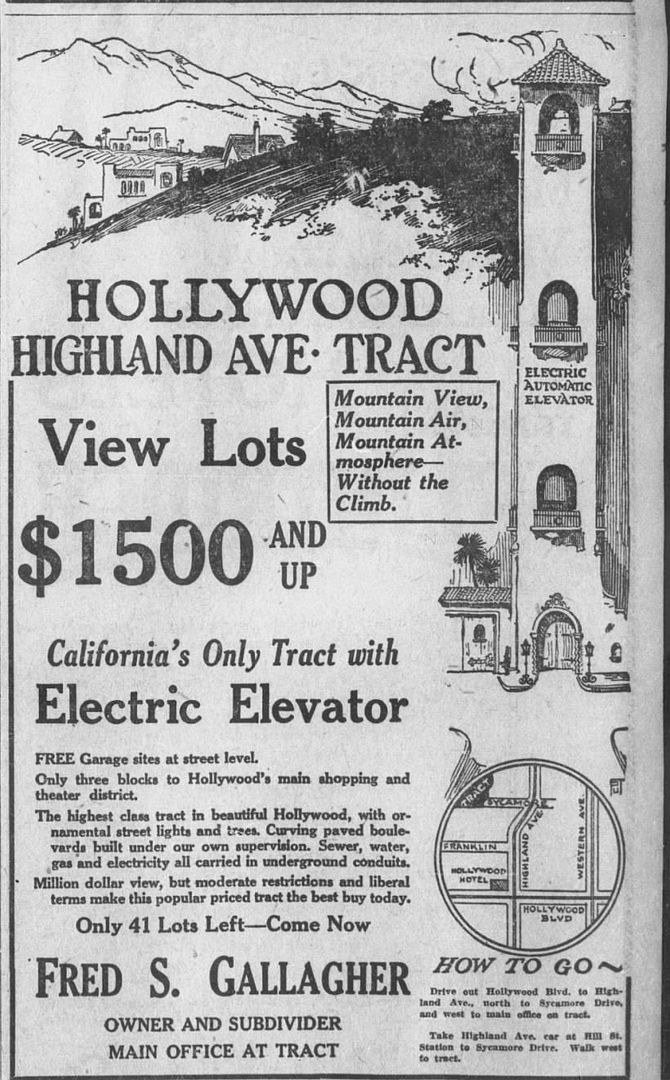
(Right) Advertisement in The Los Angeles Times (April 9, 1922)
Walking through that neighborhood, it's no wonder it needed an elevator—with streets so steep, the cars back then weren't able to get up them. So residents in what was then known as the Hollywood-Highland Ave. Tract would have to park down below (in garages that came with their homes) and either walk up or take a very modern electric automatic elevator five stories to the top.
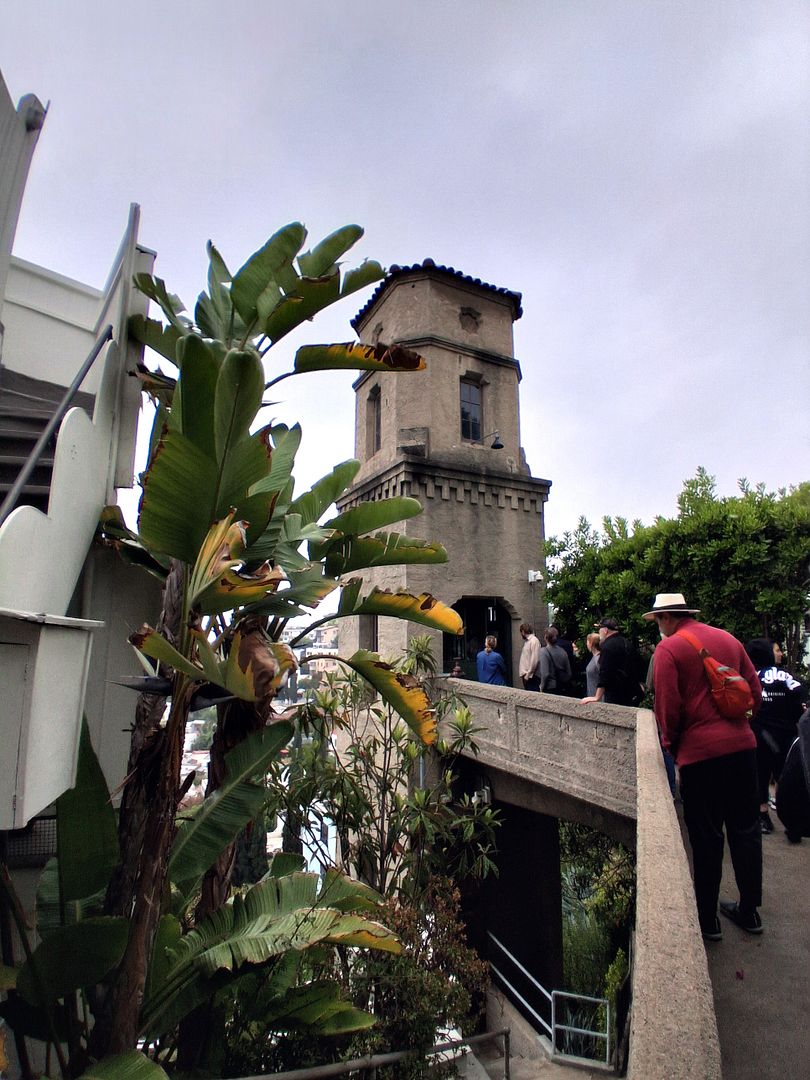
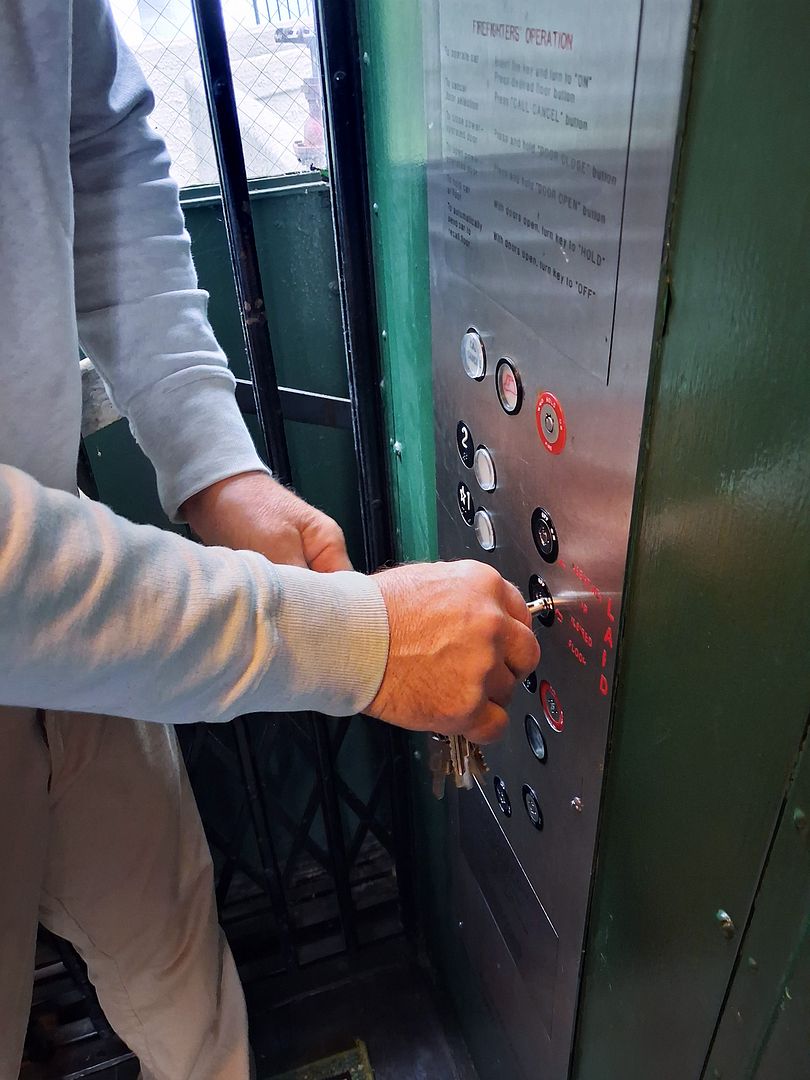
And that's exactly how it works today, too, over a century later—which is what makes it so hard for regular people to ride the elevator. Only local residents get keys to operate it.
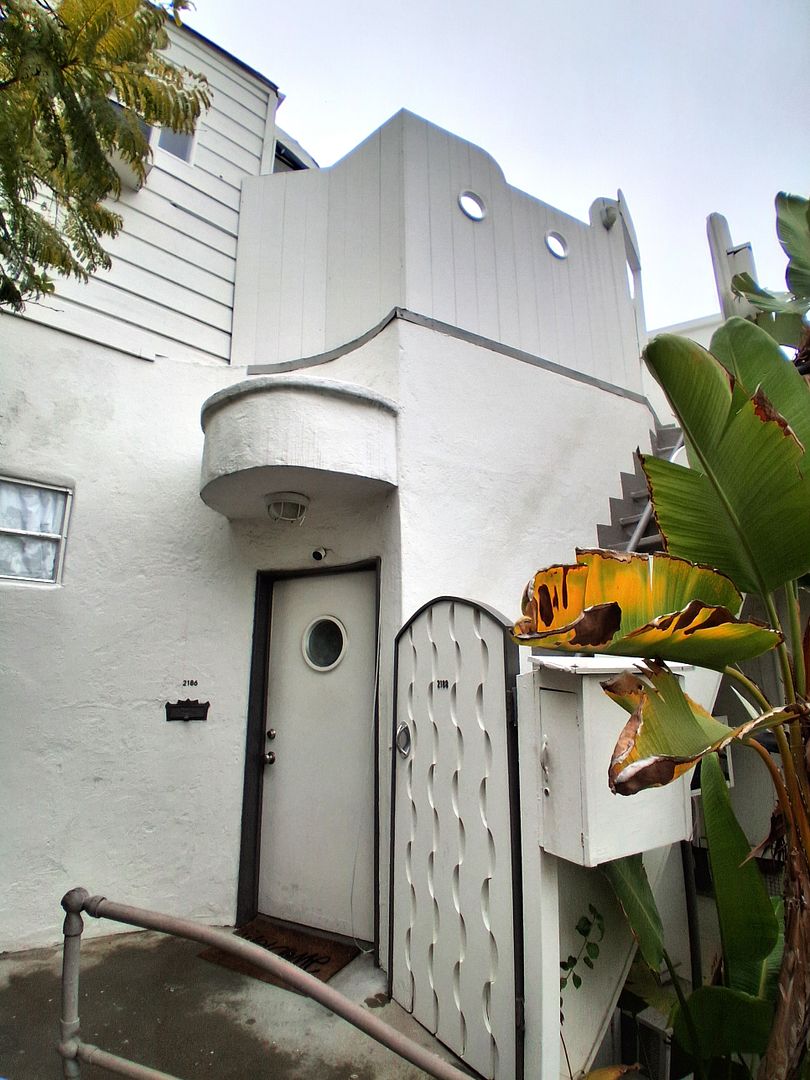
Fortunately, the Hollywood Heritage Museum offers annual walking tours through the neighborhood with the Hollywood Heights Neighborhood Association—which retraces some of the steps I took that first time, 13 years ago.
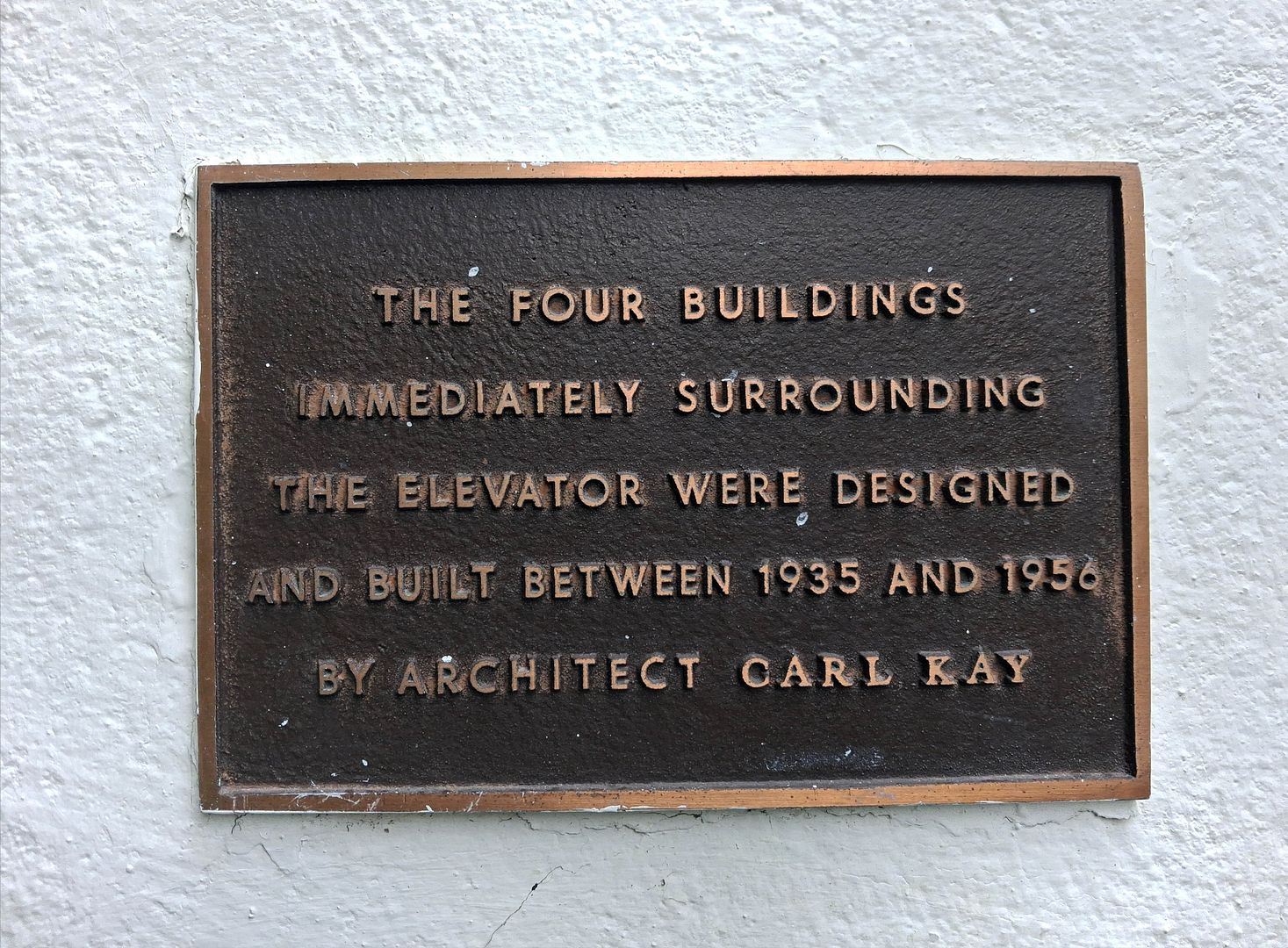
But this time around, I got a lot more information about what I was encountering, like the four buildings that surround the High Tower Elevator—all designed by the tower's architect, Carl Kay, in the Streamline Moderne style and built between 1935 and 1956.
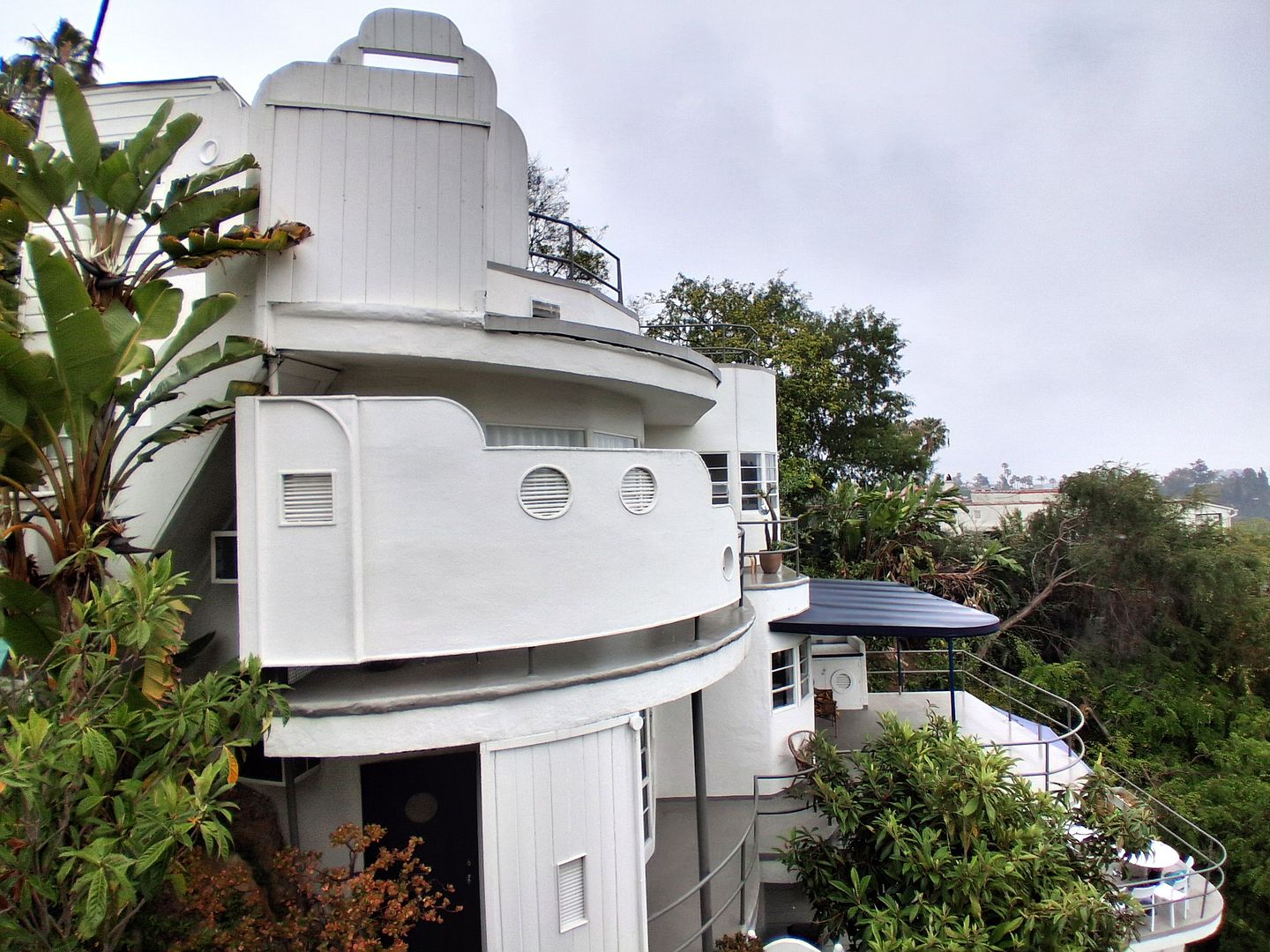
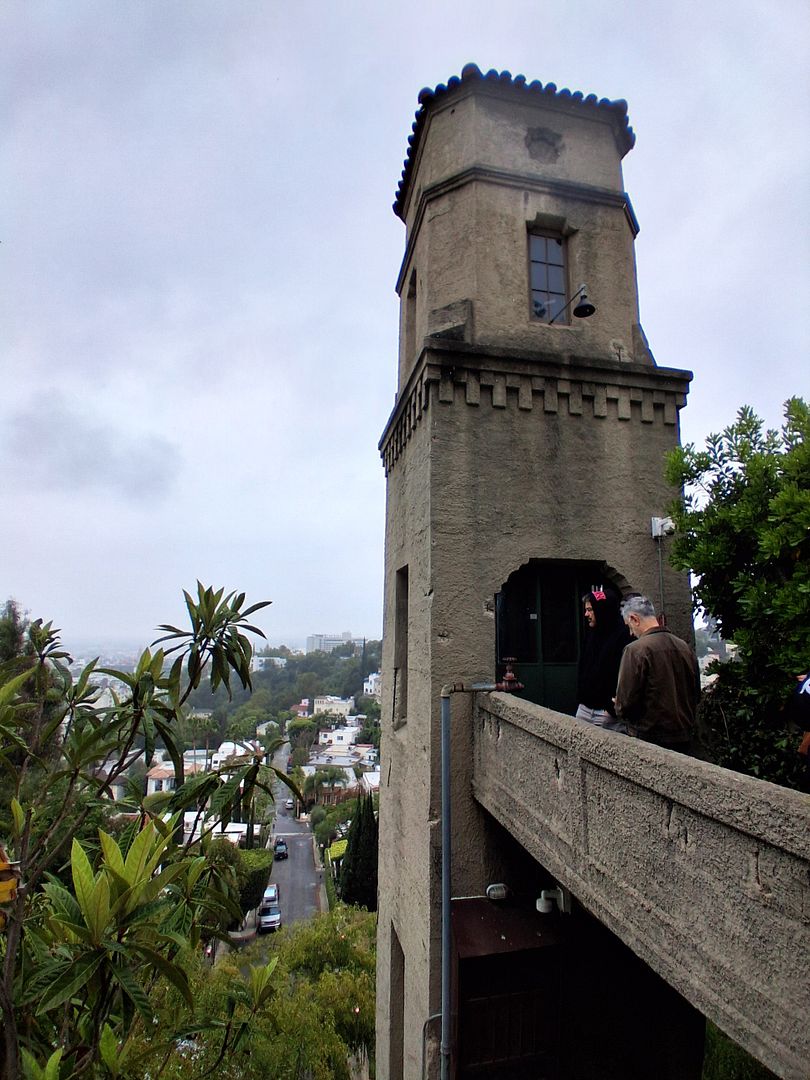
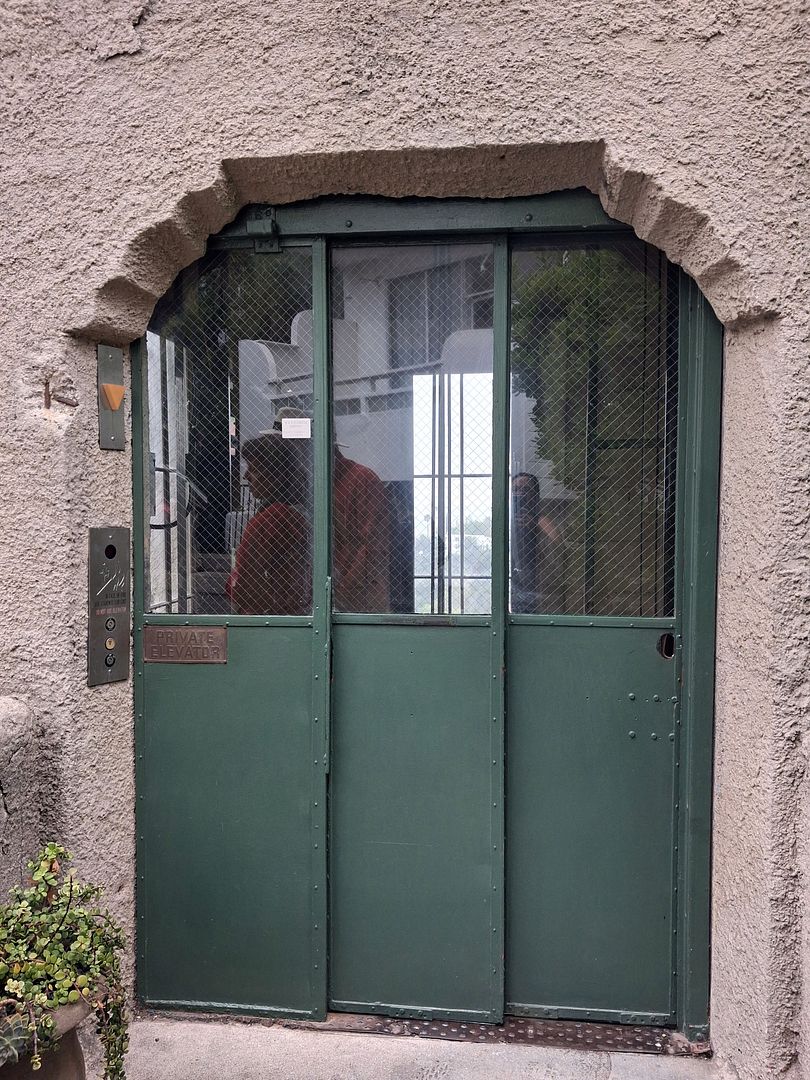

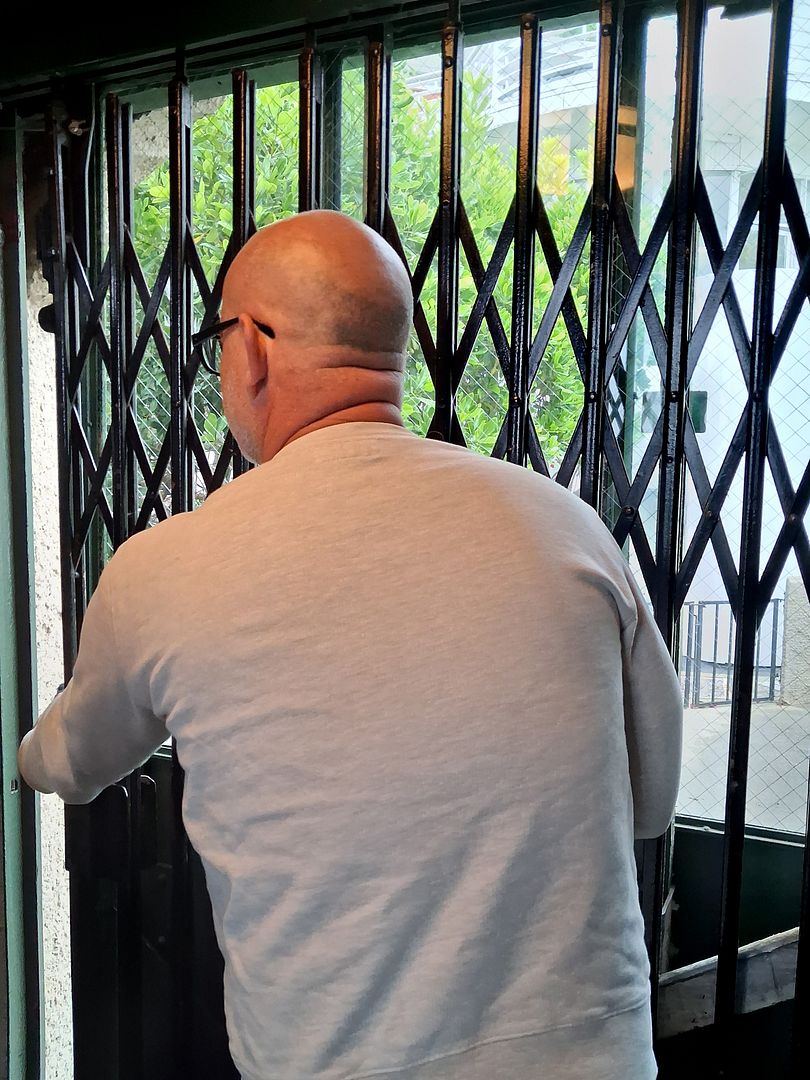
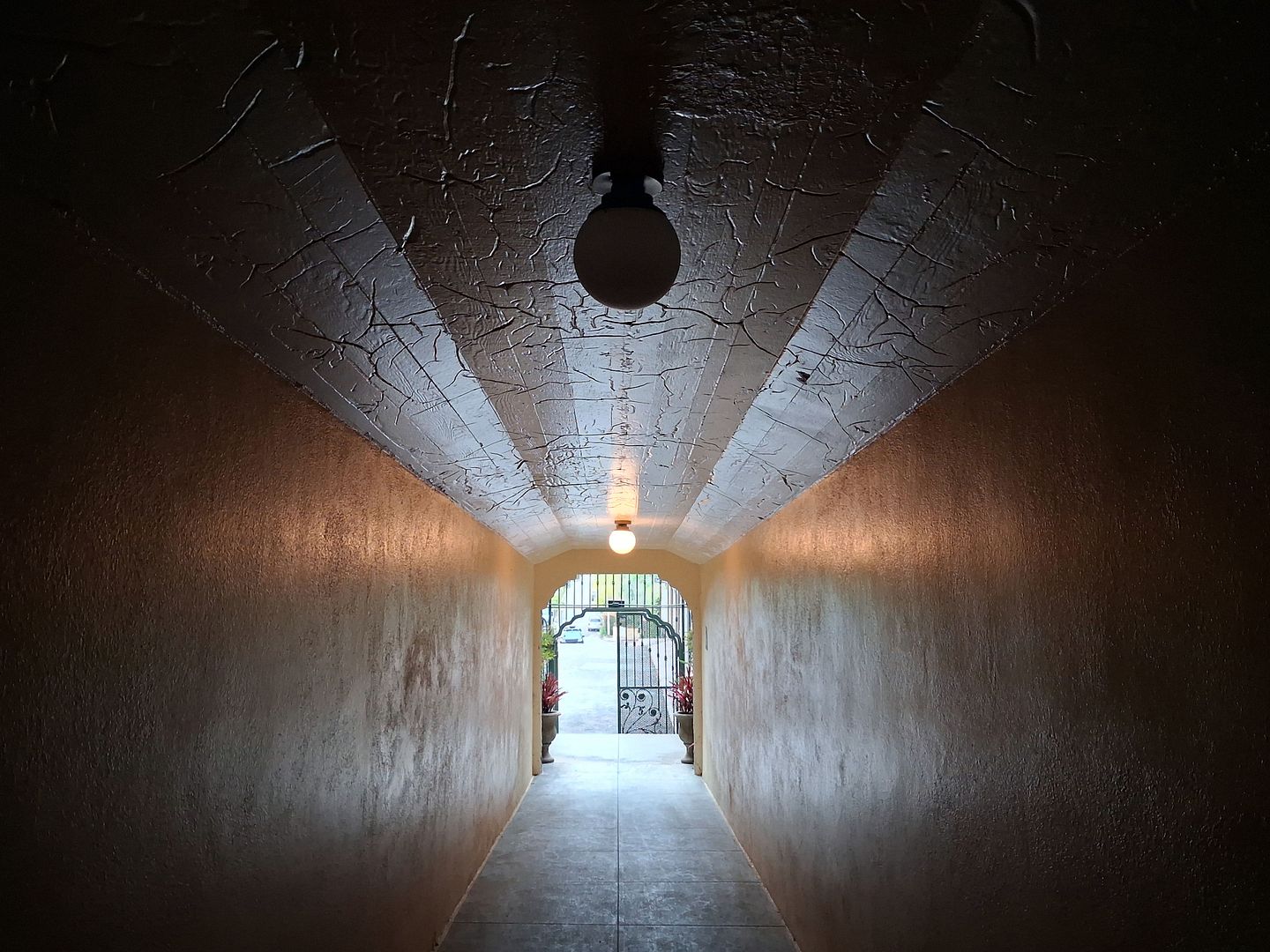
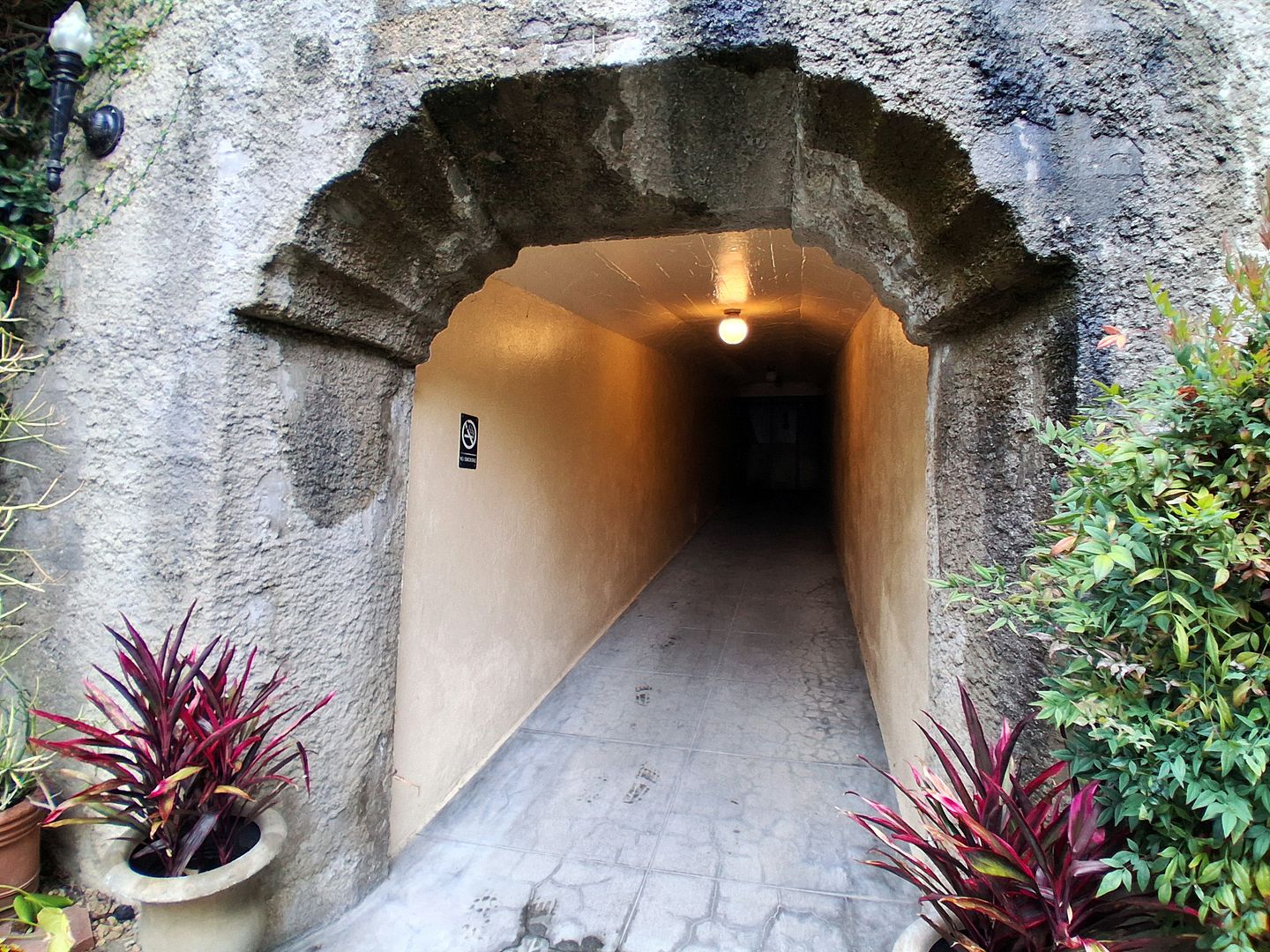
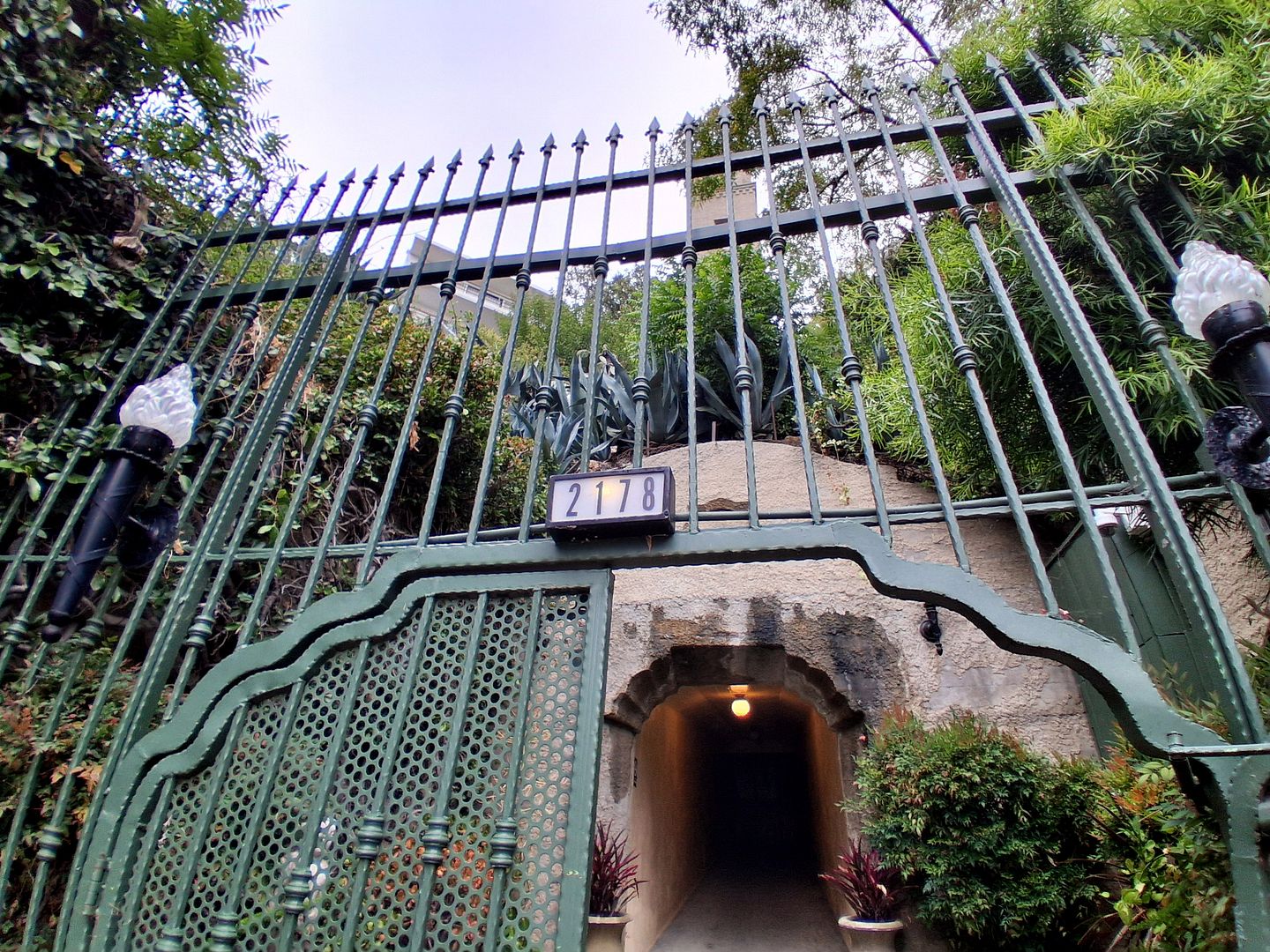
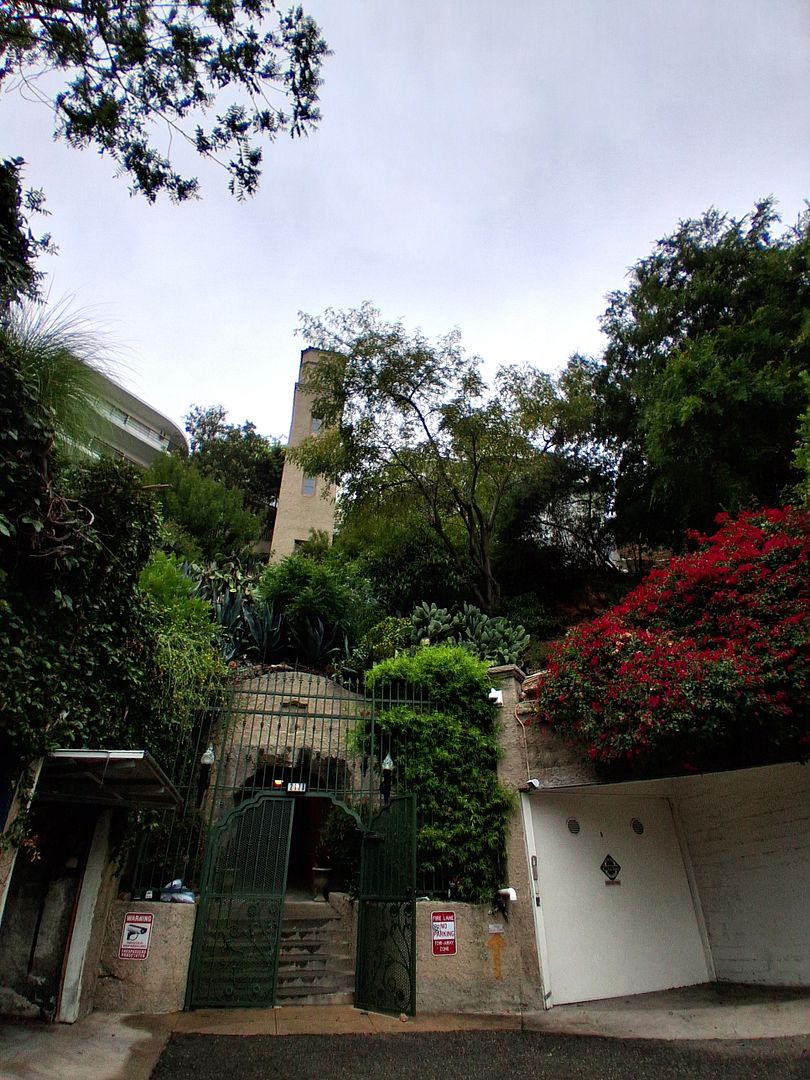
The upper apartment to the left of the elevator entrance at the top was where Emma Thompson's character lived in Dead Again, where the movie's very exciting climax occurs.
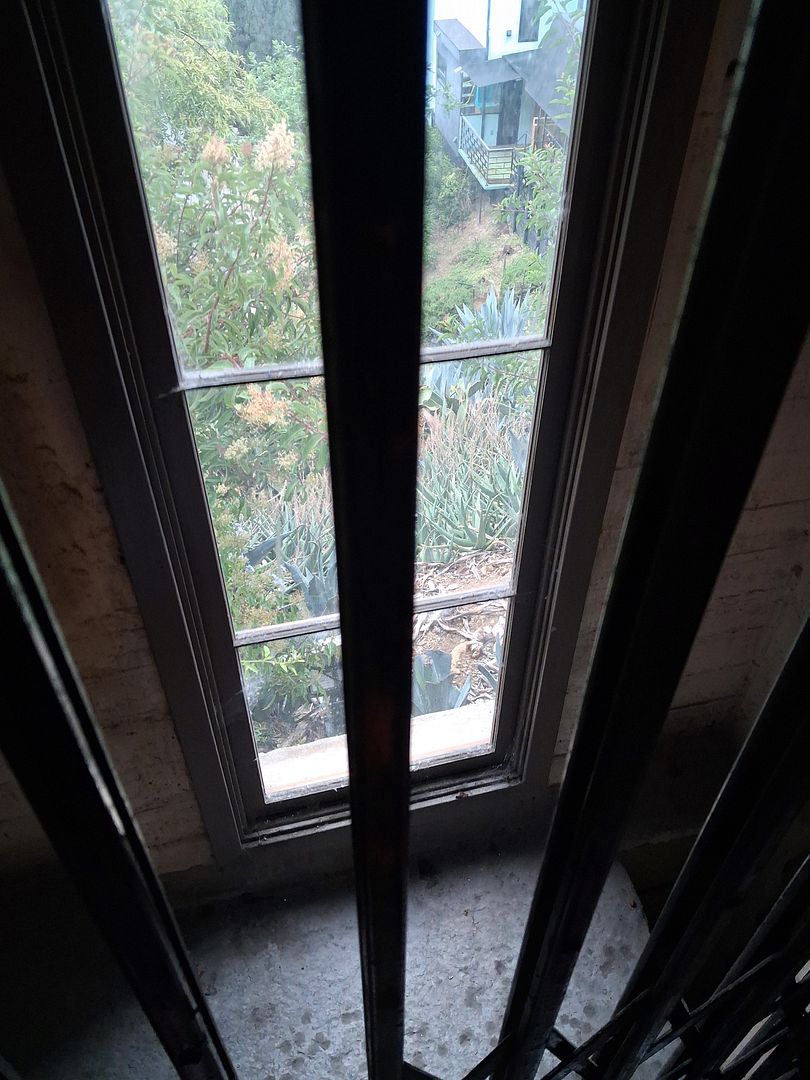
The elevator itself is encased in what looks like an Italian bell tower, giving the neighborhood a bit of Old World charm and a properly elevated viewing spot from which to look down on Hollywood.
I was desperate to ride the thing, though, not only because of my general interest in elevators...
...but because of how exclusive it is to be a passenger!
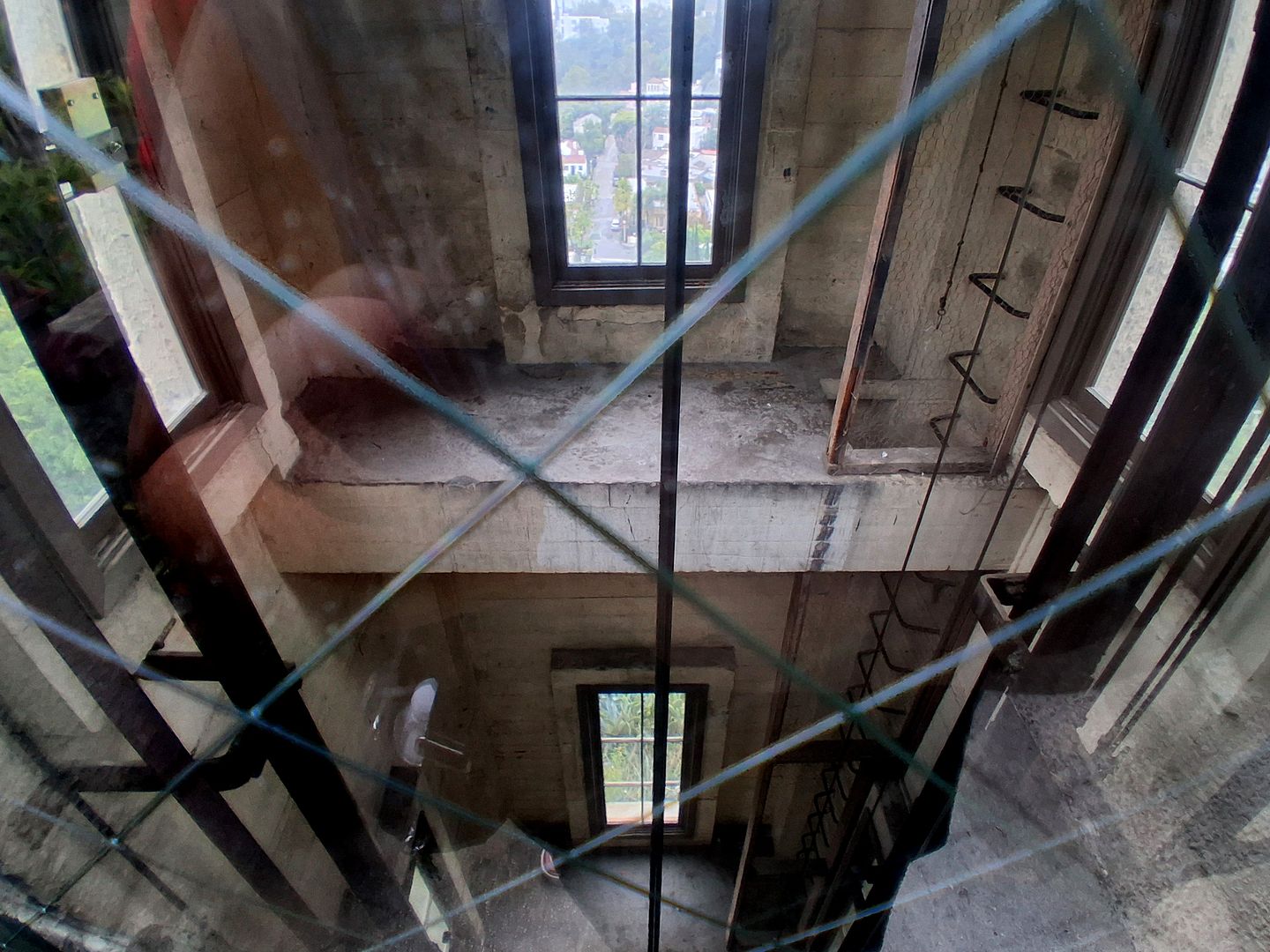
Finally, I wouldn't have to just press my nose against the glass to get a look down the shaft.
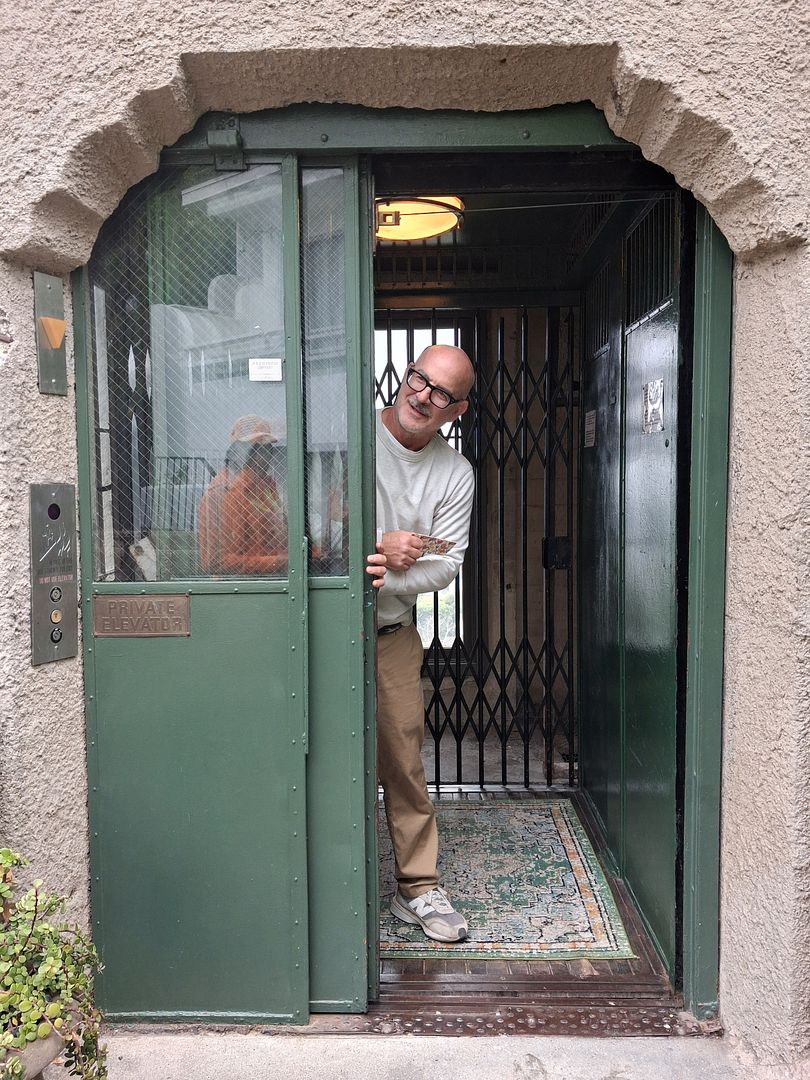
After making several trips up and down the hill (it can only accommodate a maximum of 11 passengers at a time), my carriage finally awaited me.
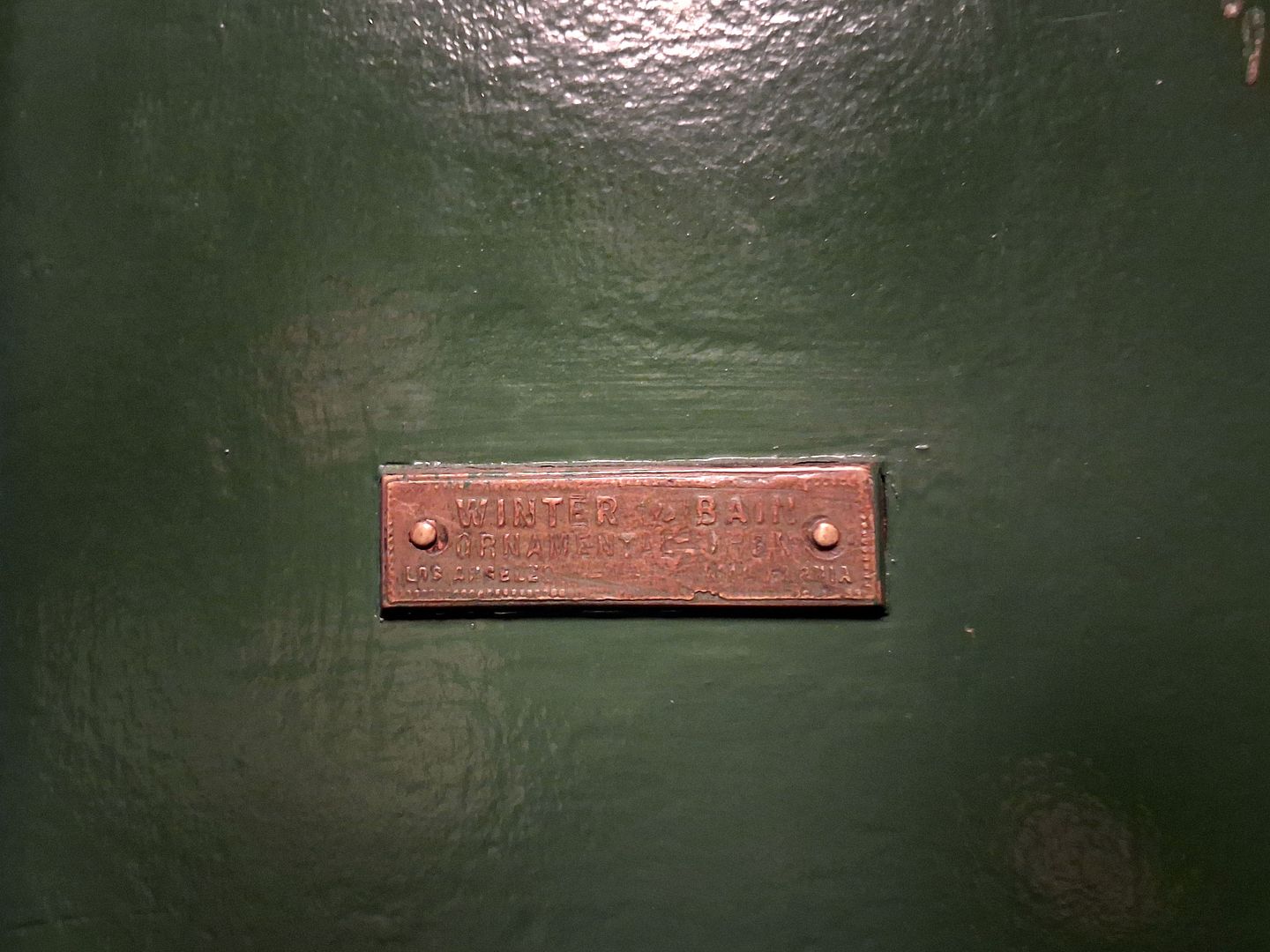
There's a plaque on the inside elevator wall from Winter & Bain, a now-defunct elevator manufacturing company...
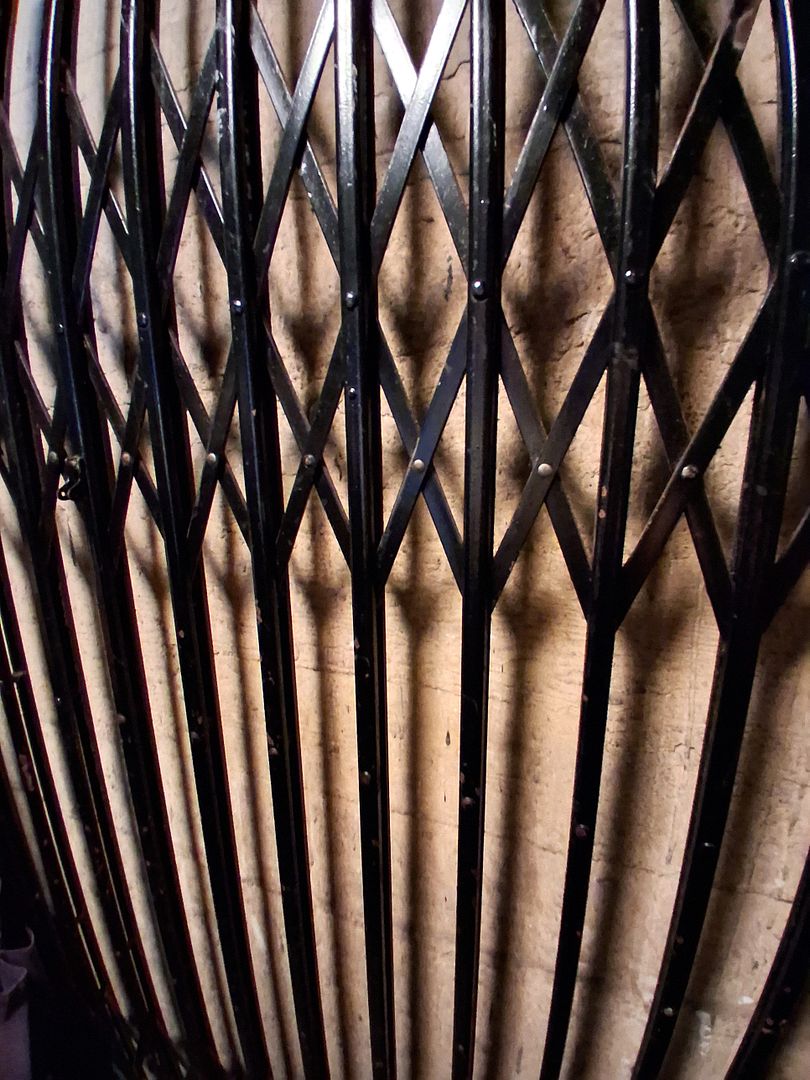
...but the word "ORNAMENTAL" may refer more directly to the accordion-style iron gate that you have to close in order to set the elevator in motion.
There are only two "floors" to choose from—1 for the street/garage level and 2 for the top of the hill—so it's a pretty short ride.
But it saves you walking up and down a whole lot of stairs, which is your only other option.
It's hard to imagine moving into or out of one of those elevator-accessible properties, and having to try to fit a sectional couch in there—not to mention building materials for repairs or renovations.
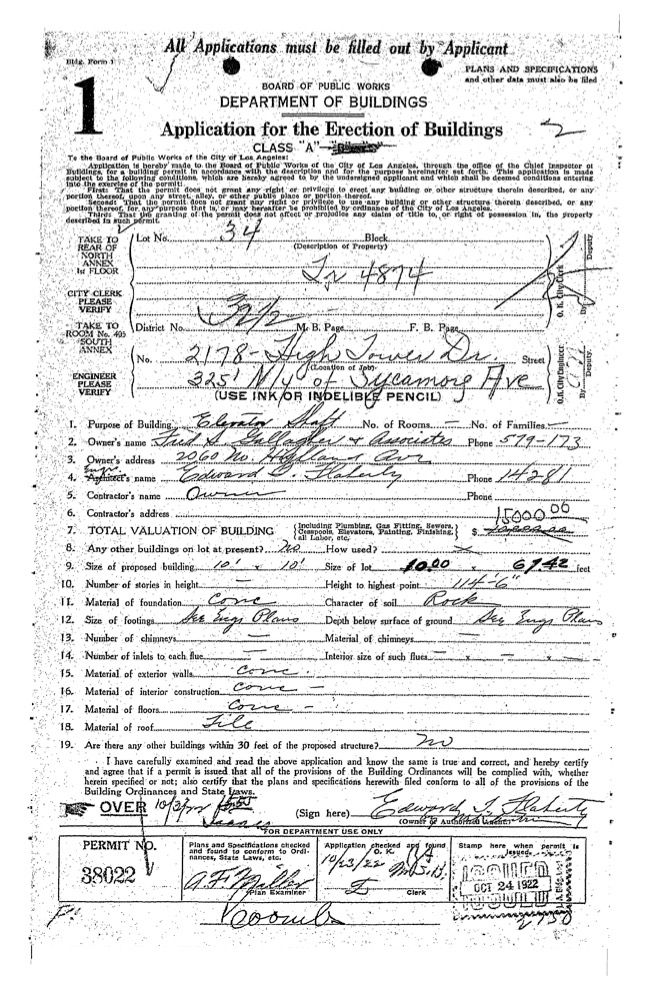
Photo: circa 1922 (City of Los Angeles Department of Building & Safety)
What an engineering marvel! That was the work of engineer Edward T. Flaherty, who used 250 yards of concrete, reinforced by 20 tons of "deformed steel"—a.k.a. rebar, whose ridges help grip the concrete more securely and keep everything in place.
With regular maintenance and repairs, LA's first—and only?—neighborhood elevator is still running strong, over a century later.
But maybe the most credit has to go to the original High Tower Elevator owner, Fred S. Gallagher, the subdivider/developer of High Tower Drive and the Hollywood-Highland Ave. Tract. The whole thing was his crazy idea.
The hill is too steep for cars to drive up? I'll just build an elevator!
It's such a great example of the plucky approach to building Hollywood—which clearly worked, Hollywood being what it is today.
Unfortunately, as an adventurer, I'm greedy. Riding the High Tower Elevator once wasn't enough.
After all, I only rode it down, not up. And it was on a rainy day, which meant no real clear view from the top.
So I think I'm going to have to go back and do it again (unless I find a way to move into one of those residences that comes with an elevator key).
Related Posts:

This is sooo cool!!! I would love to live in one of those if I was a lot younger :):)
ReplyDeleteThis is incredible! It has always been a dream of mine to ride this elevator too! I hope I get lucky enough to do it some day!!
ReplyDelete