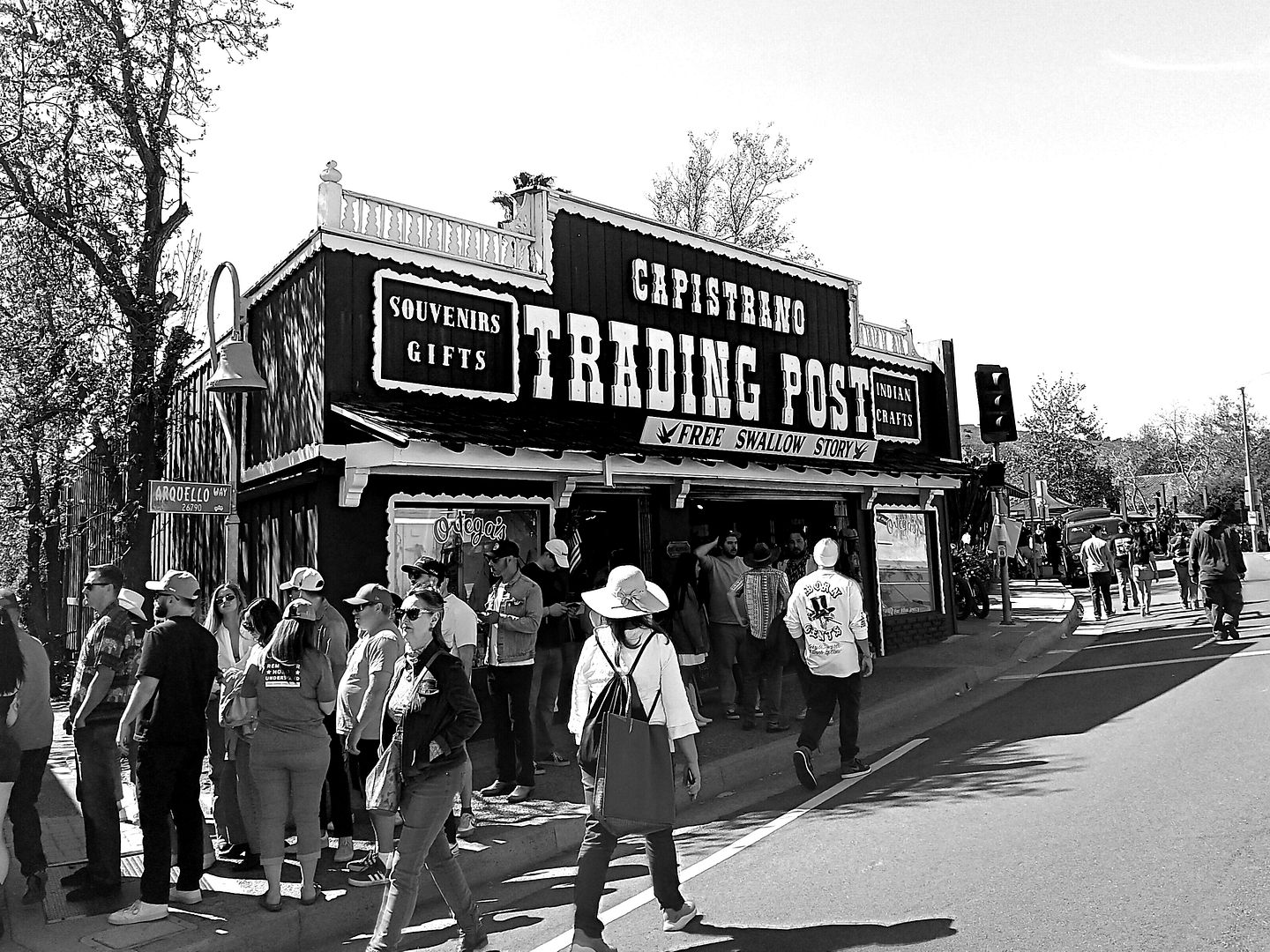
When you go shopping at Ortega's Trading Post in San Juan Capistrano, you get a free copy of the "Swallow Story," the tale of the local birds known as cliff swallows.
It goes like this:
"With the arrival of early dawn on St. Joseph's Day, the little birds begin to arrive and begin rebuilding their mud nests, which are clinging to the ruins of the old stone church of San Juan Capistrano...
After the summer spent within the sheltered walls of the Old Mission in San Juan Capistrano, the swallows take flight again, and on the Day of San Juan, October 23, they leave to return to their winter home in Goya, Argentina after circling the Mission bidding farewell to the 'Jewel of All Missions.'"
Legend has it that in the early 20th century, swallows had become such a nuisance to the townspeople that a shopkeeper started knocking down their nests with a broom.
Thus, celebrating the Return of the Swallows on St. Joseph's Day, March 19, has been an annual tradition at Mission San Juan Capistrano since the 1920s.
And now, the Swallows Day Parade—held on the following Saturday—just celebrated its 65th year. (It had to skip 2020 and 2021 because of the COVID-19 pandemic; and it had to go on without horses due to an equine virus outbreak in 2022.)
As time goes on, my maintenance of this blog shifts more to updating information surrounding places I've already been rather than documenting places that are new (or new to me).
And that gets a little depressing—because there are more businesses and buildings that close than those that are rescued.
But we have to take our victories wherever we can get them.
Those were all written about in new blog posts—but there are plenty of other updates I made that you may have missed. (I don't always share these to social media or in my email blast.)
So here are some updates I made in 2024—although not all of these necessarily actually happened this year.
The Old Orange County Courthouse in Santa Ana, California—the county seat of Orange County—is a Richardsonian Romanesque monolith of steel, cement, and brick clad in Arizona red sandstone (with a foundation clad in Temecula granite).
It was dedicated in 1901, just 12 years after the establishment of Orange County (having split off from Los Angeles County). That makes it Southern California's oldest county court building—now recognized as a historic landmark on both the state and federal levels.
The Motte Historical Museum in Menifee, California had its grand opening in 2013, after being founded by John Victor and Evelyn Motte through their estate.
The Mottes are one of the oldest pioneering families in Riverside County's Perris Valley, not too far from Temecula. They established Motte's Romola Farms in 1910—and in the 1940s, Frank, Charles, and John Victor partnered up to create the Motte Brothers agricultural enterprise.
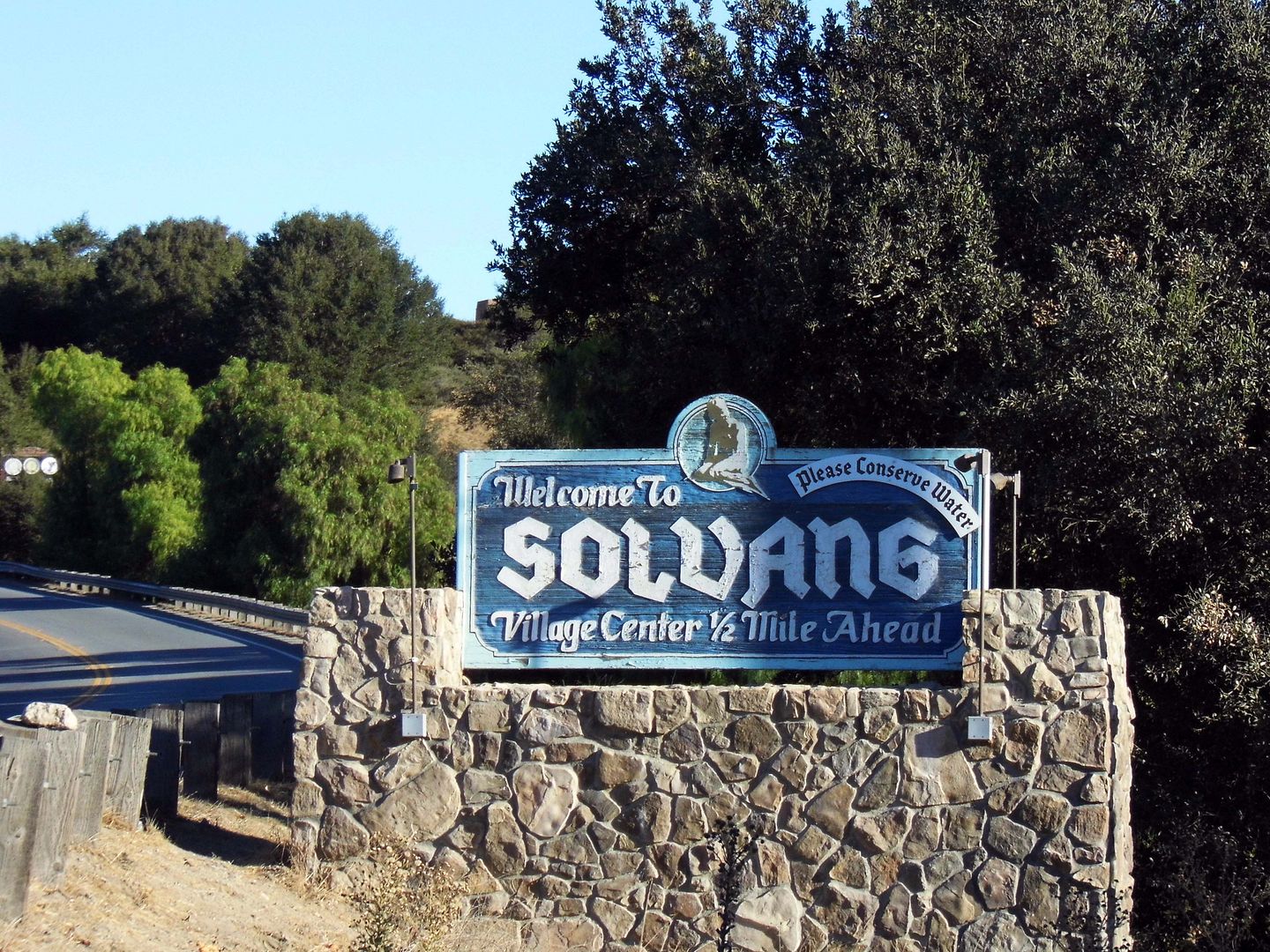
I've been to Solvang, California several times now. I even stayed at Solvang's Hamlet Inn a few years ago. But I don't feel like I'm very familiar with the town at all.
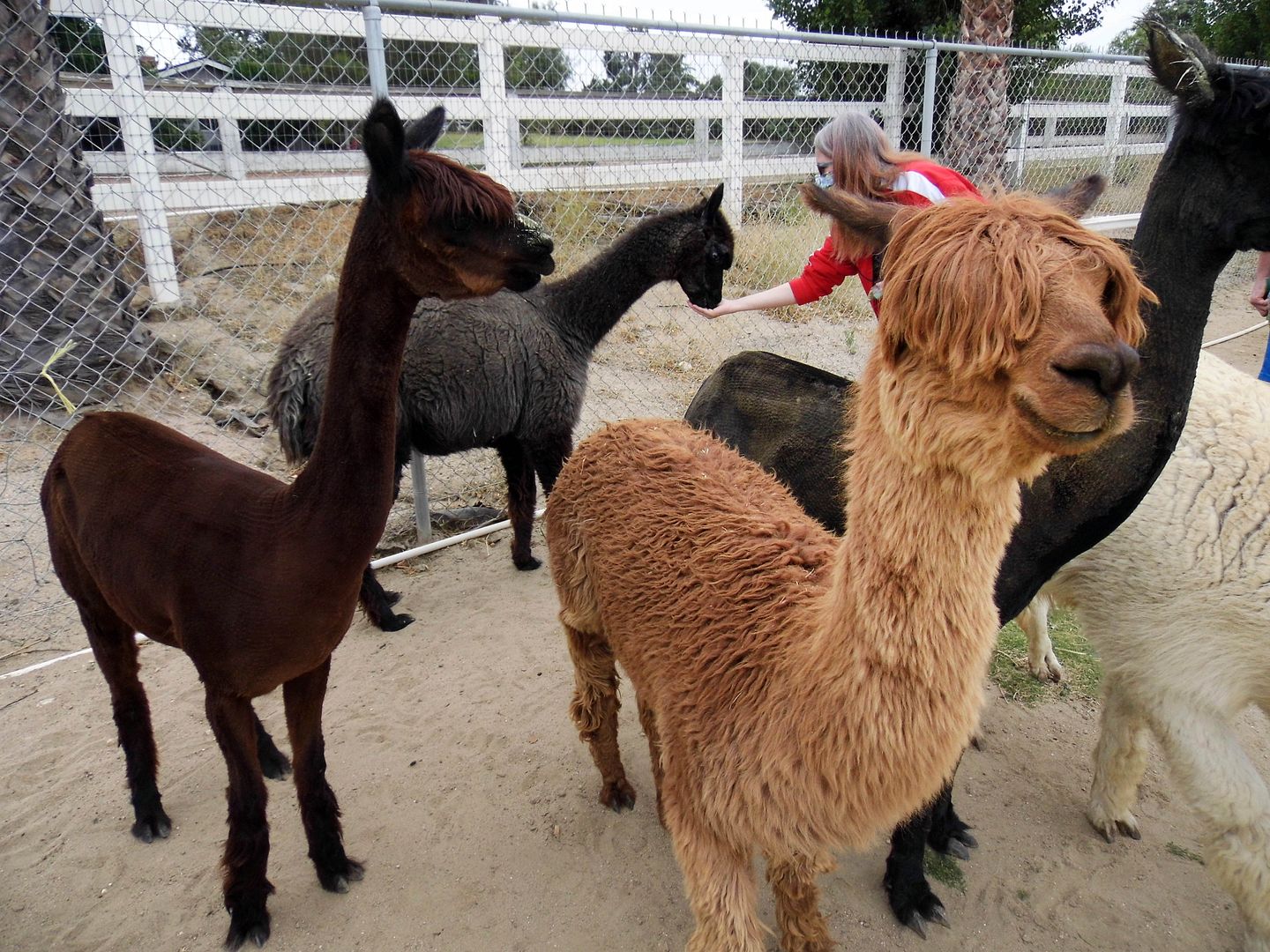
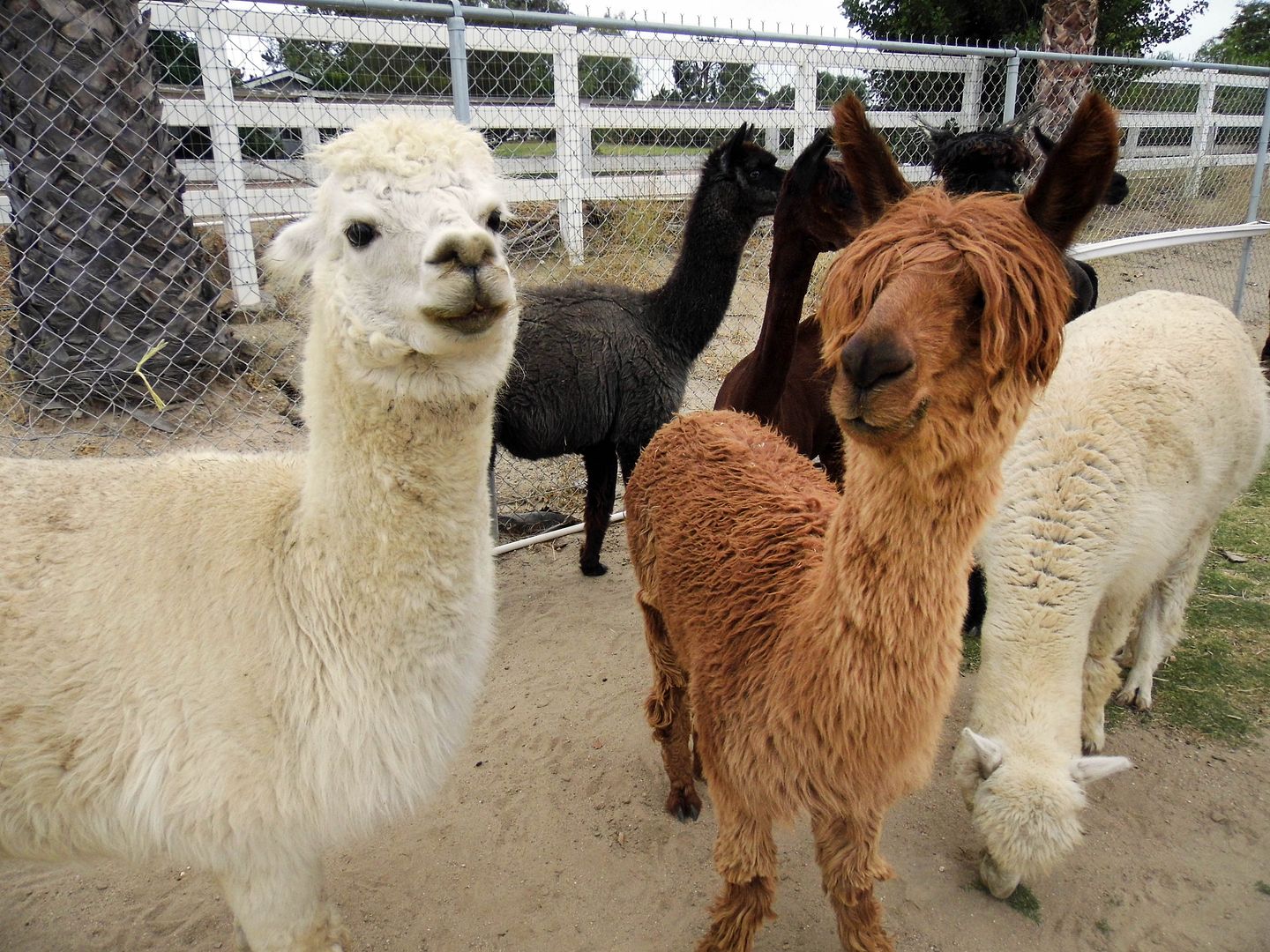
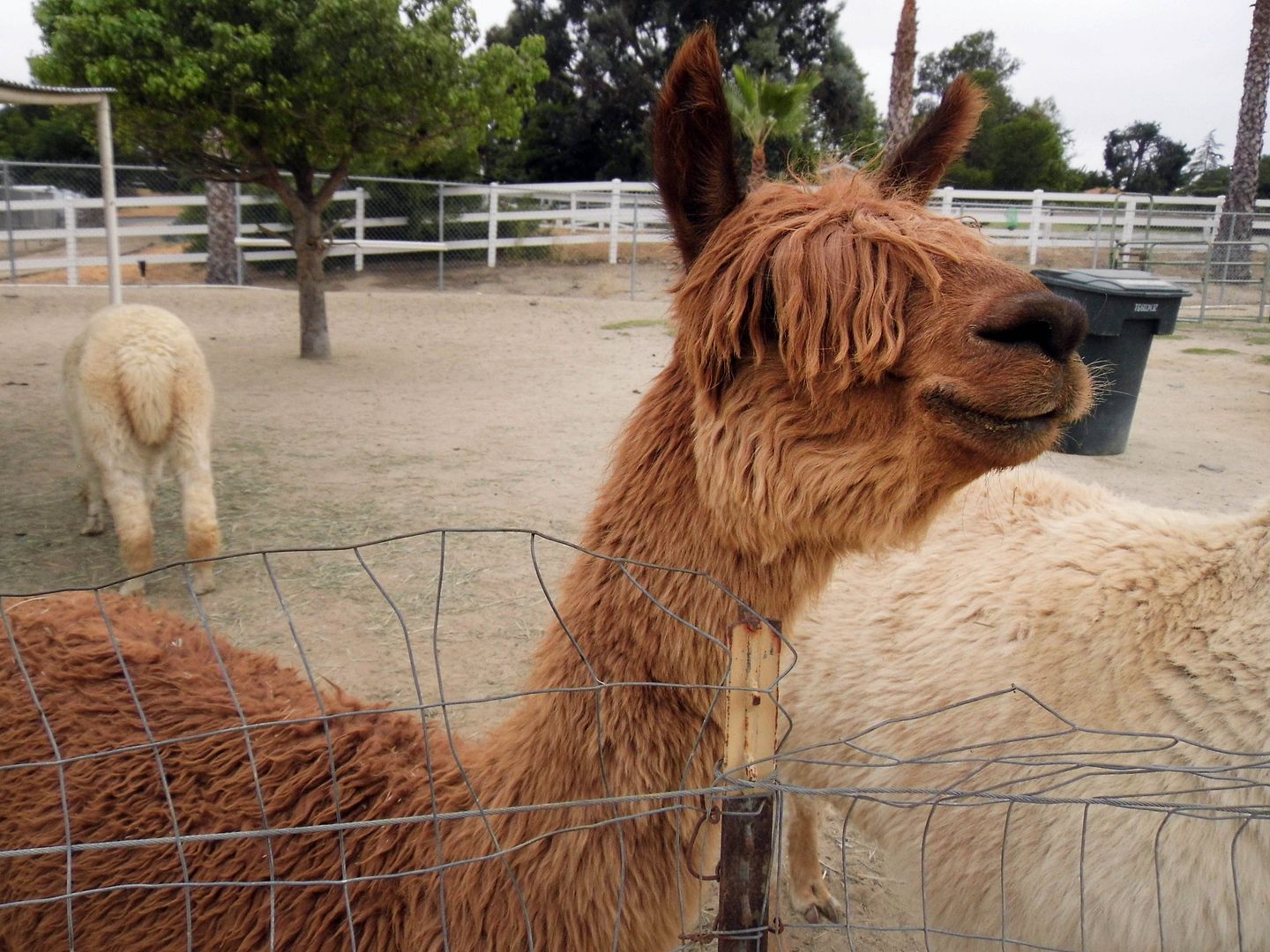
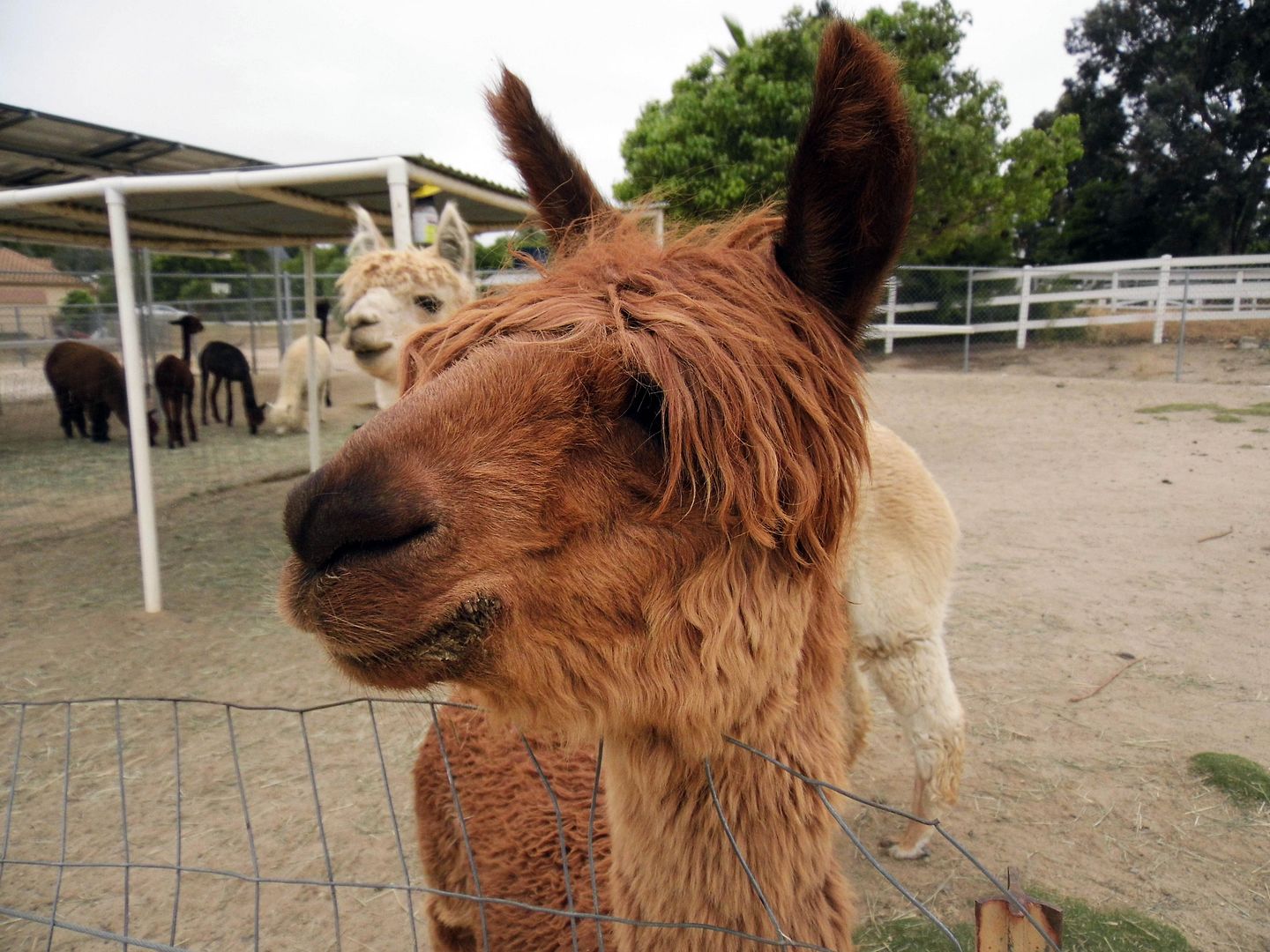
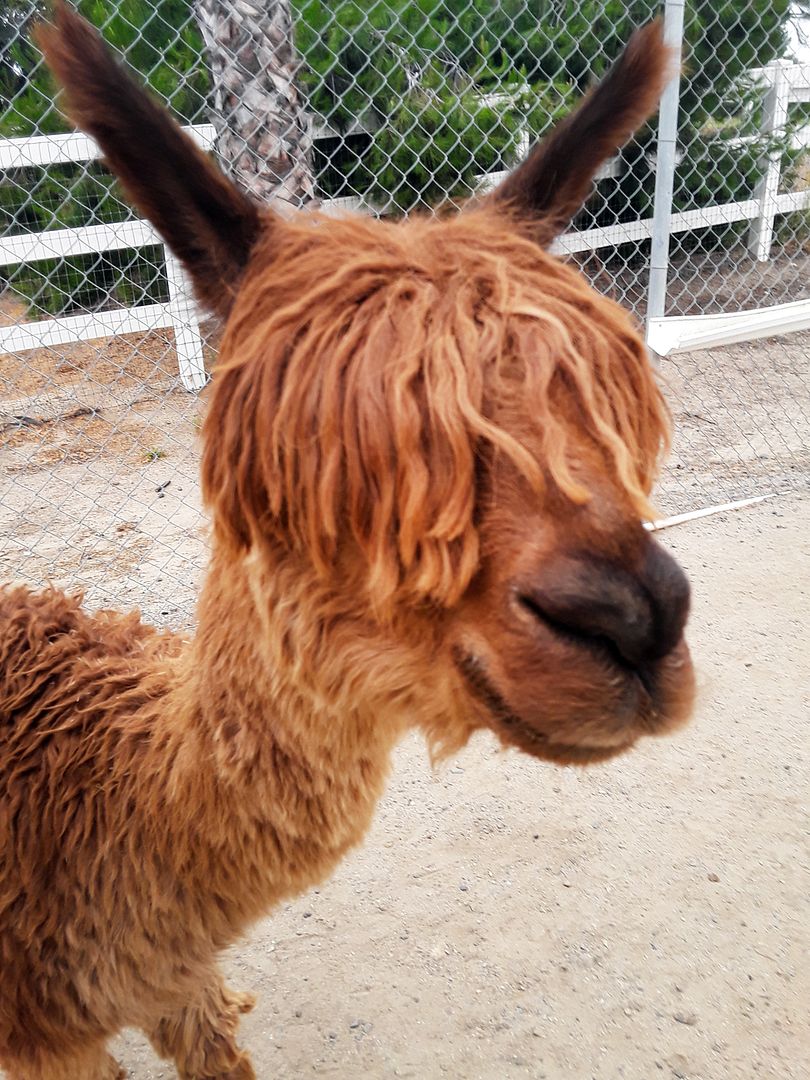
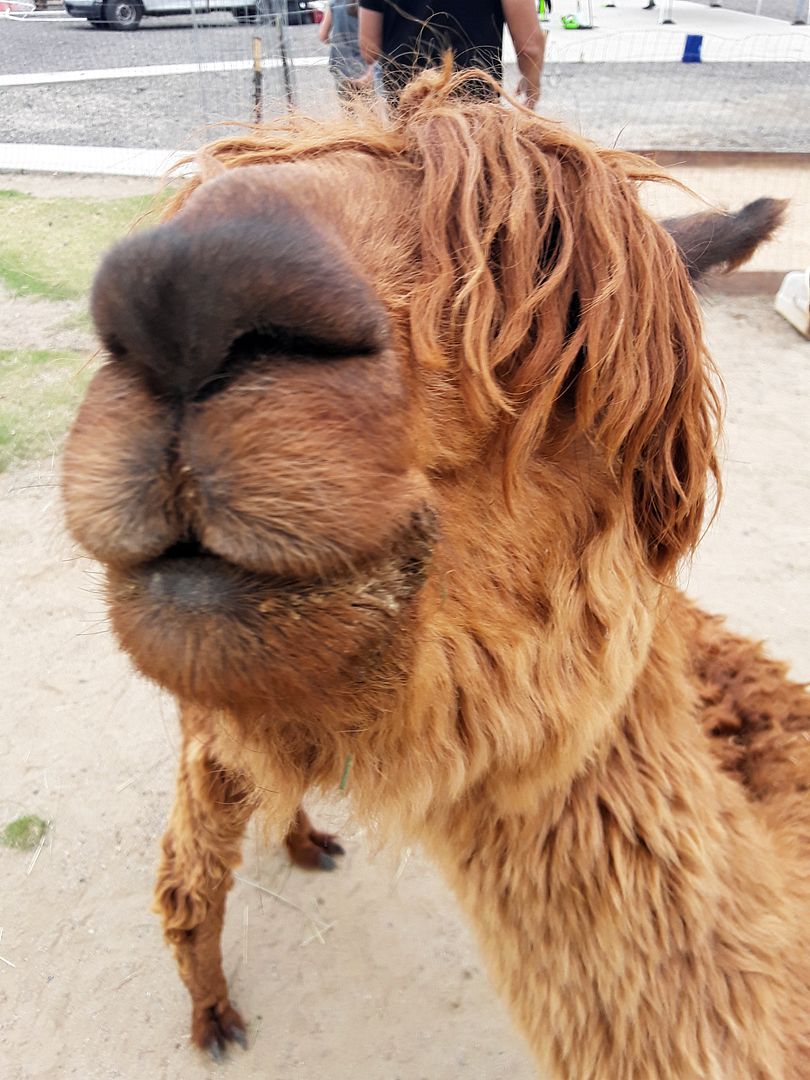
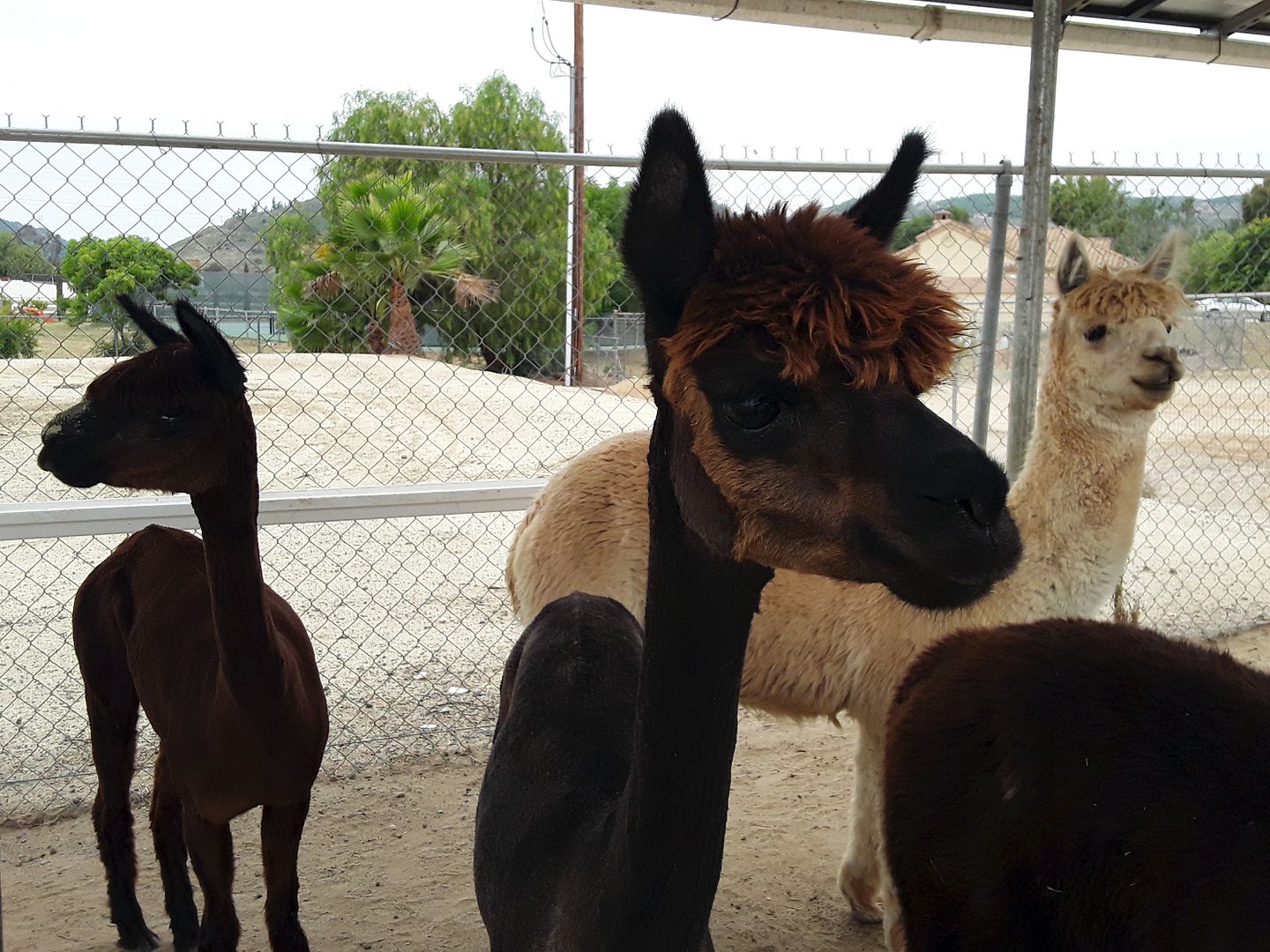
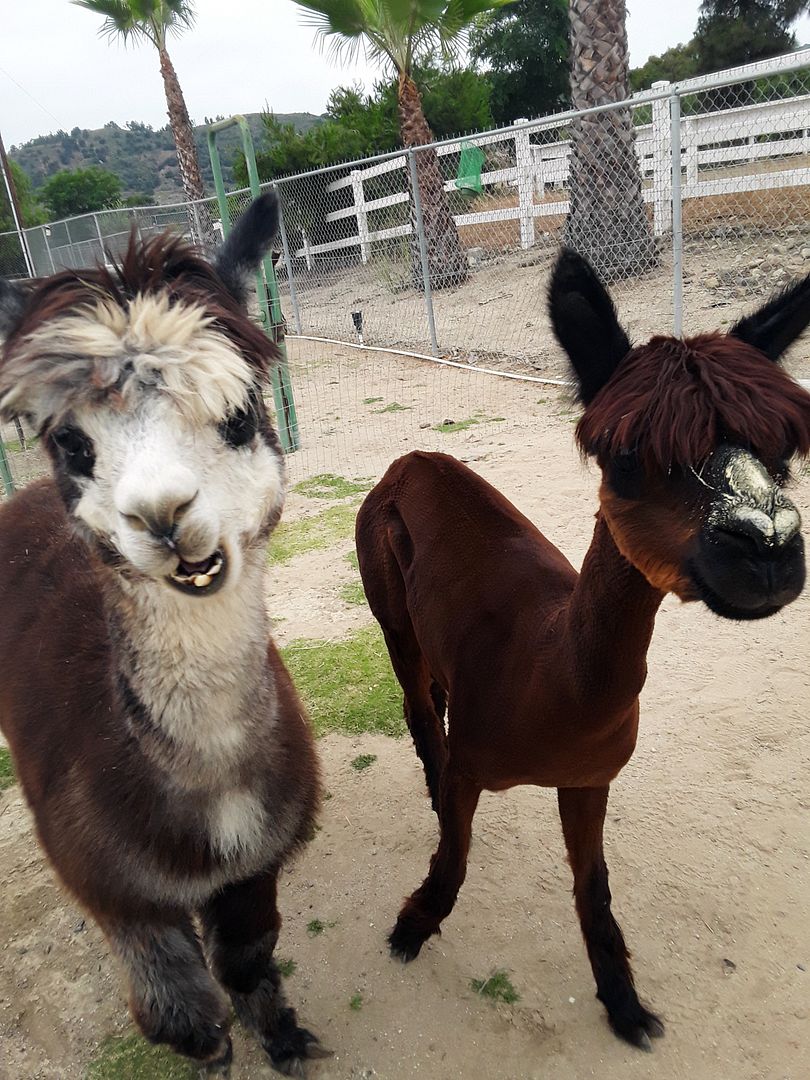
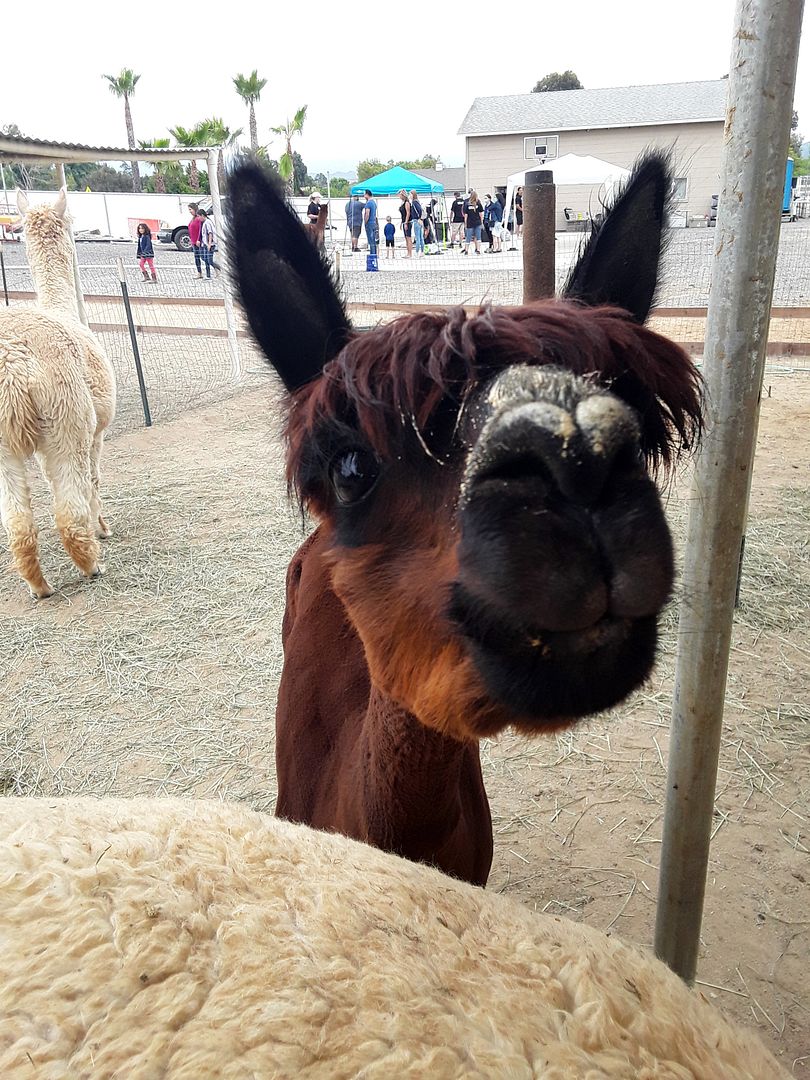
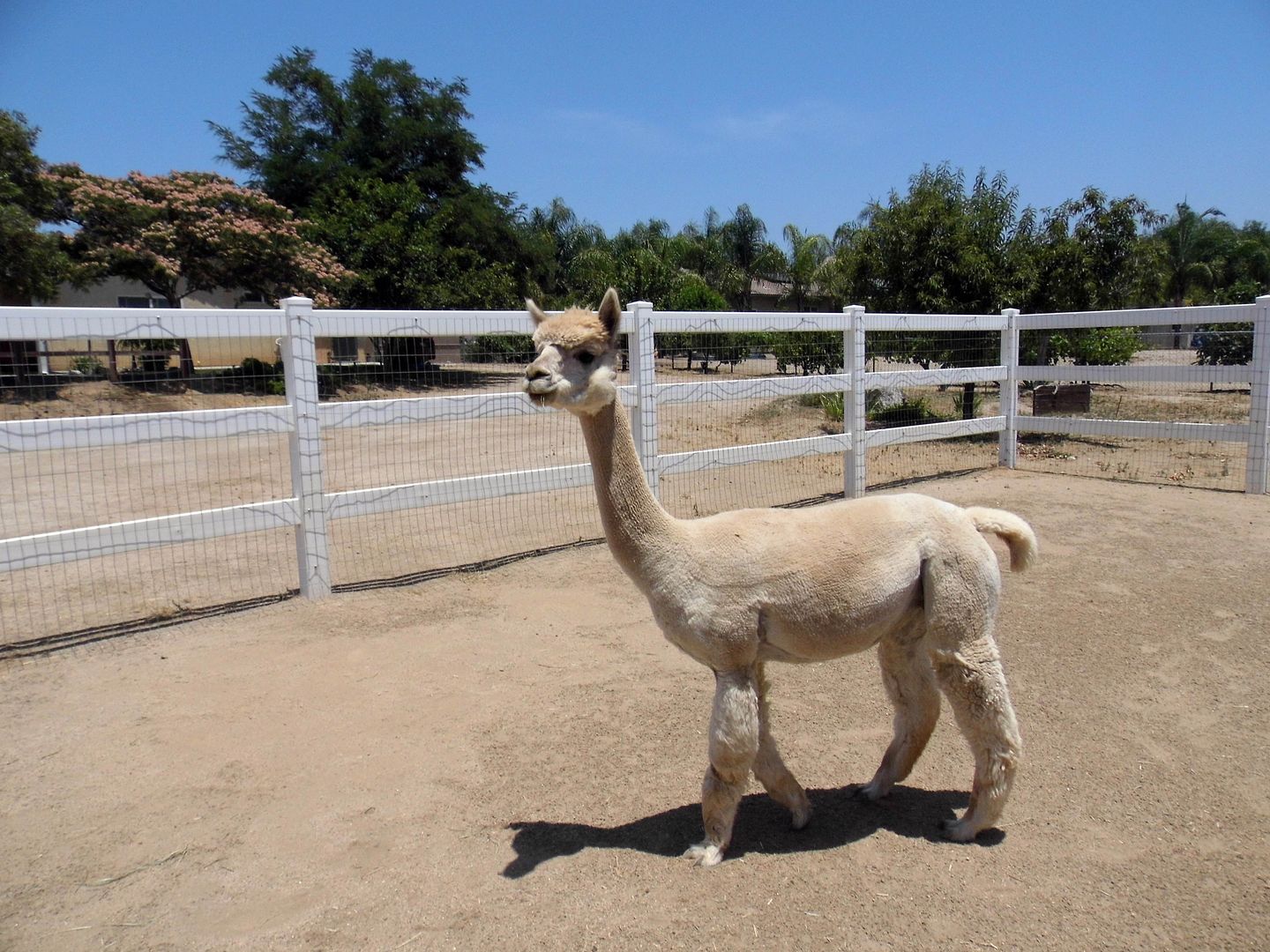
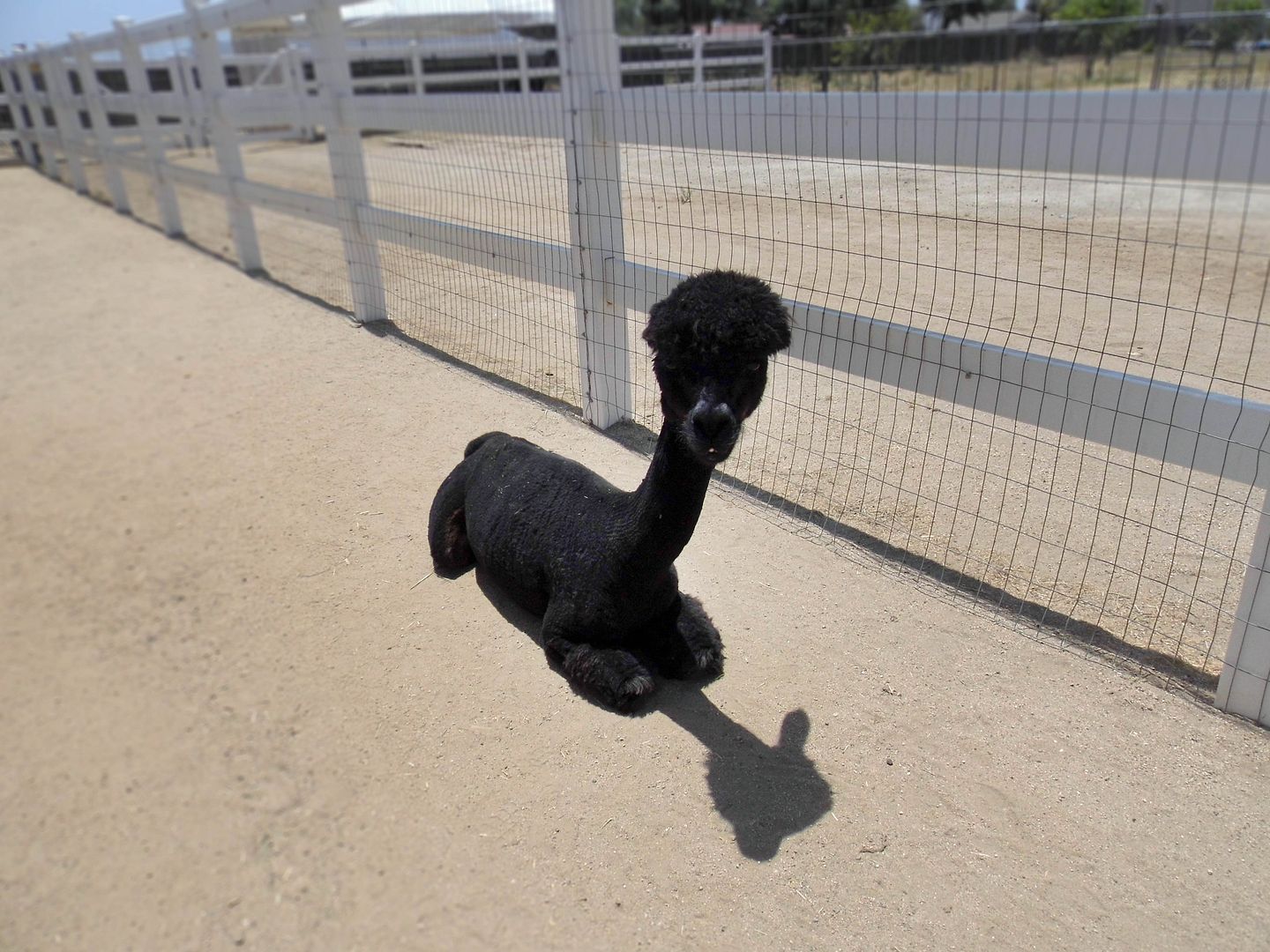
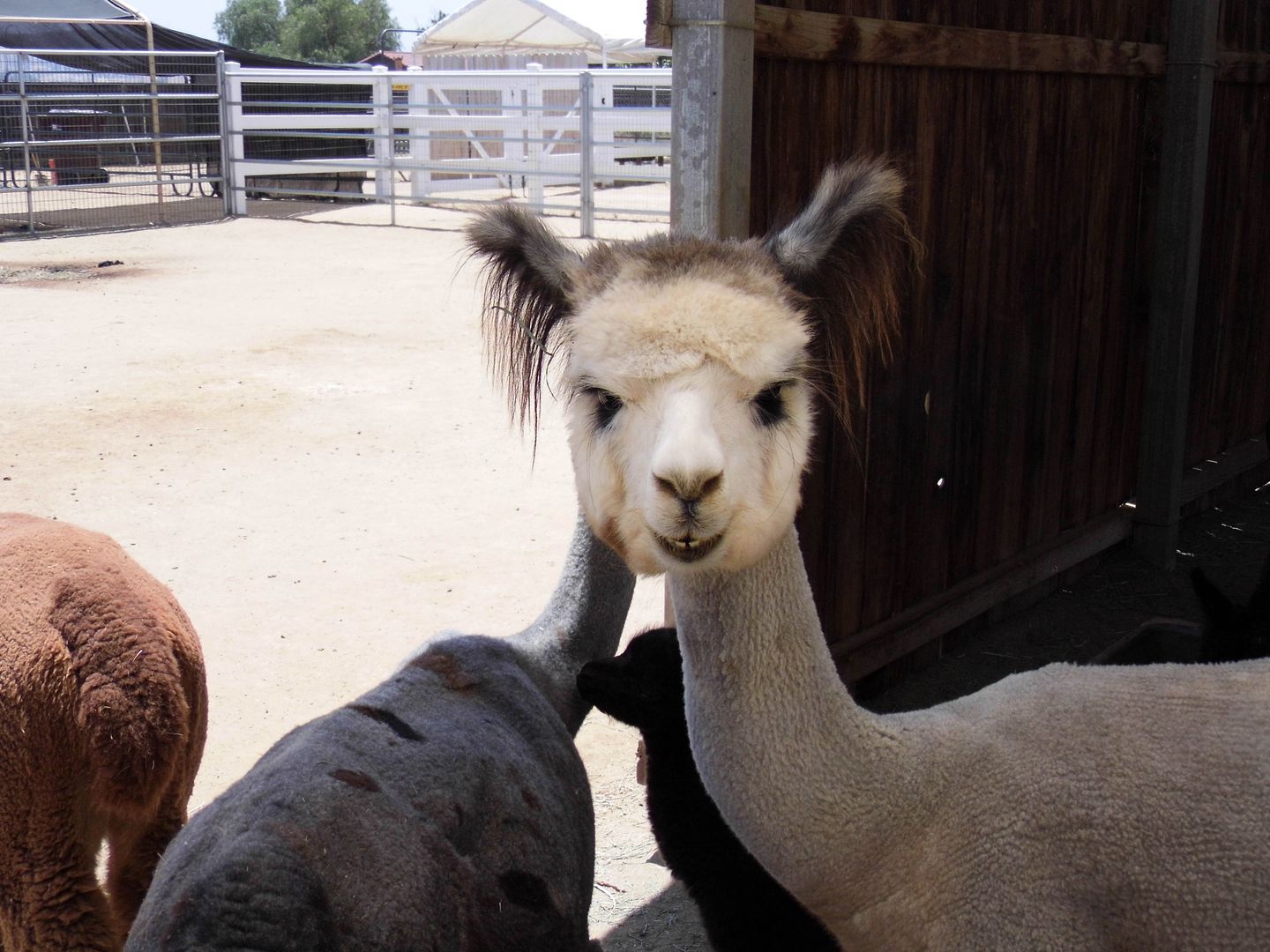
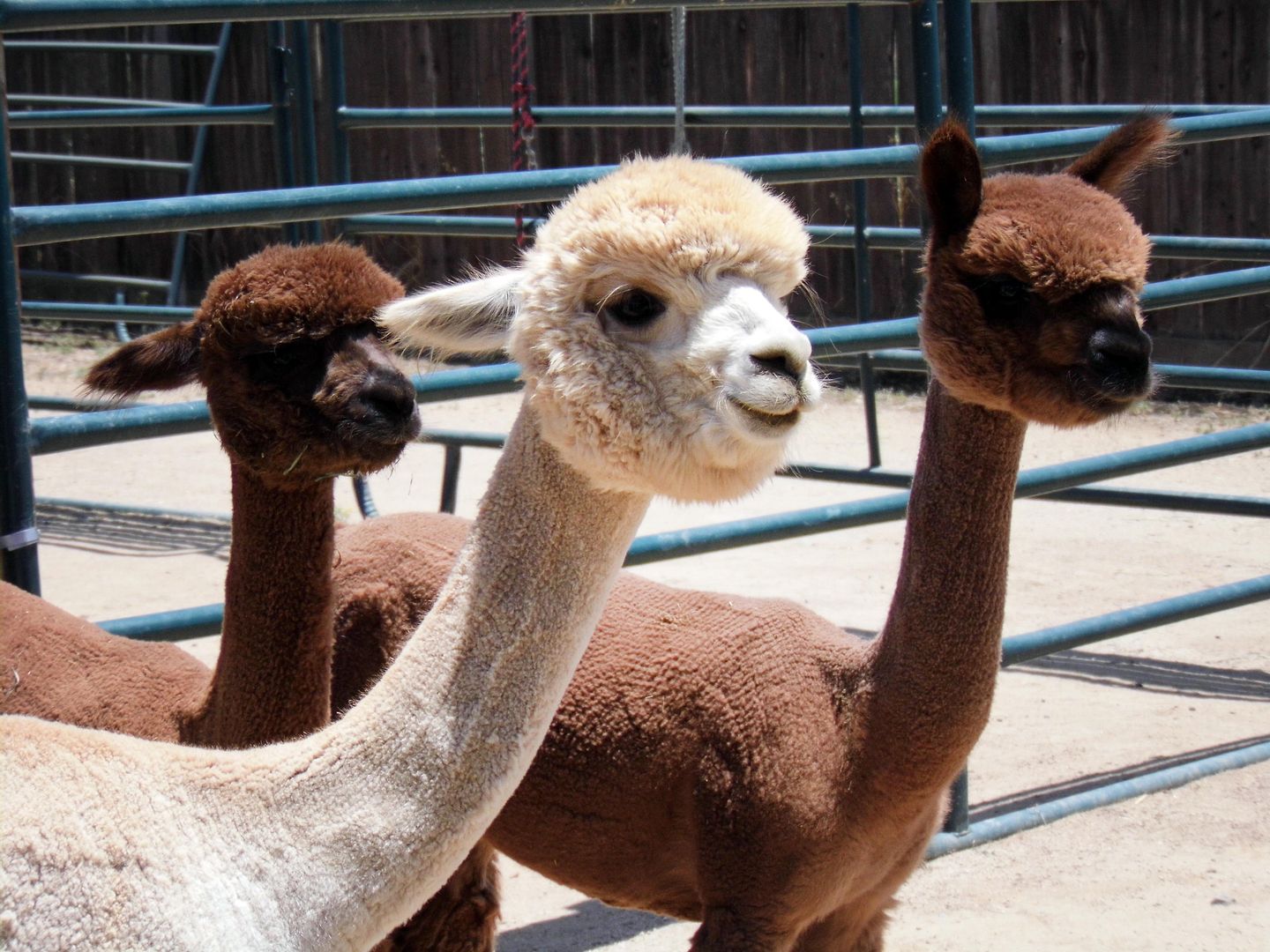
She really stood out from the rest of the alpacas at Temecula Valley Alapacas—and not just because of her bangs.
Turns out she's the most popular of all the Temecula Valley alpacas...
...but she didn't start out that way.
Temecula Valley Alpacas, a non-profit, took her in after her previous owners abandoned her on their nearby ranch, moving away without her and leaving her and some sheep behind.
In a miraculous turnaround, she's become the most social of their alpacas—acting as an ambassador and "therapy alpaca," if you will, at local hospitals.
But there's something else that sets her apart from the rest of this alpaca ranch...
And again, it's not the bangs, because some of the other alpacas do have bangs.
And some of the other alpacas are also very sweet.
The sound that Annie makes is generally associated with a baby (cria) calling out for her mother or a mother crying out for her baby.
Annie has neither baby nor mother.
Her keepers think it's her cry for food—and it's true, she stops when she's eating.
But I think something about her abandonment has stuck with her. And being fed only distracts her from it.
She is one of the most loving and affectionate alpacas I've met—and this is a species known better for its feistiness and competitiveness (read: spitting) than its even-temperedness.
But if there's anything that could get me out and intermingling with the contaminated public at large, it's the news of a newborn baby alpaca (a.k.a. a "cria").
Zulieka
I'd already been thinking about crossing county lines to visit an alpaca ranch in Temecula for its shearing open house...
Prada
...but there being yet another alpaca ranch nearby, that I could hit on the same long drive, sealed the deal.
I mean, a double dose of adult alpacas would normally be enough to draw me out on a Saturday, especially one when I had no other plans.
These aren't normal times, though.
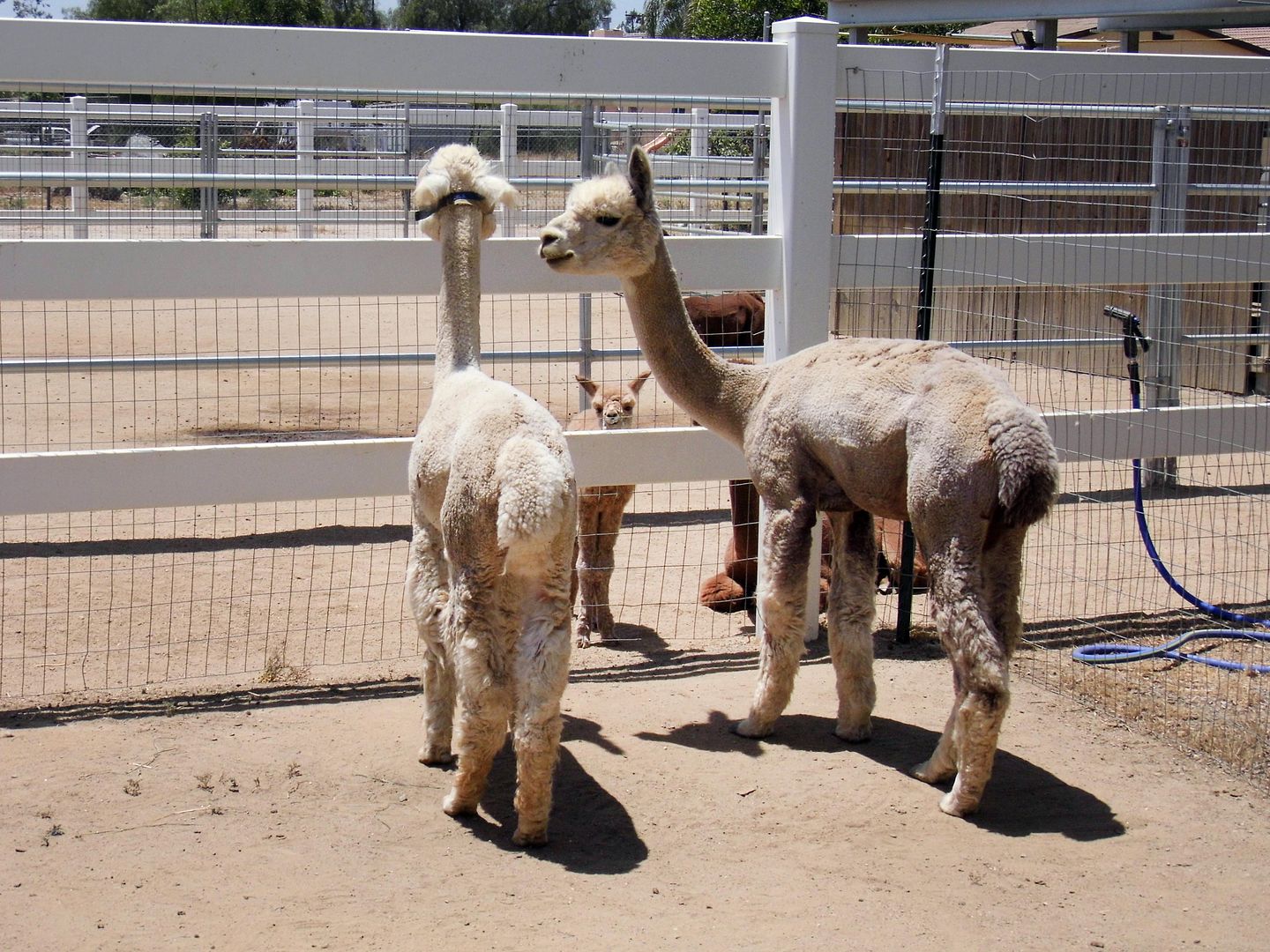
And there was something about visiting a couple's backyard in Riverside County—Art and Val Bradford of Alpacas of Menifee Valley—to visit some just-sheared yet still-fluffy Huacayas that made me feel like everything was OK.
Life goes on.
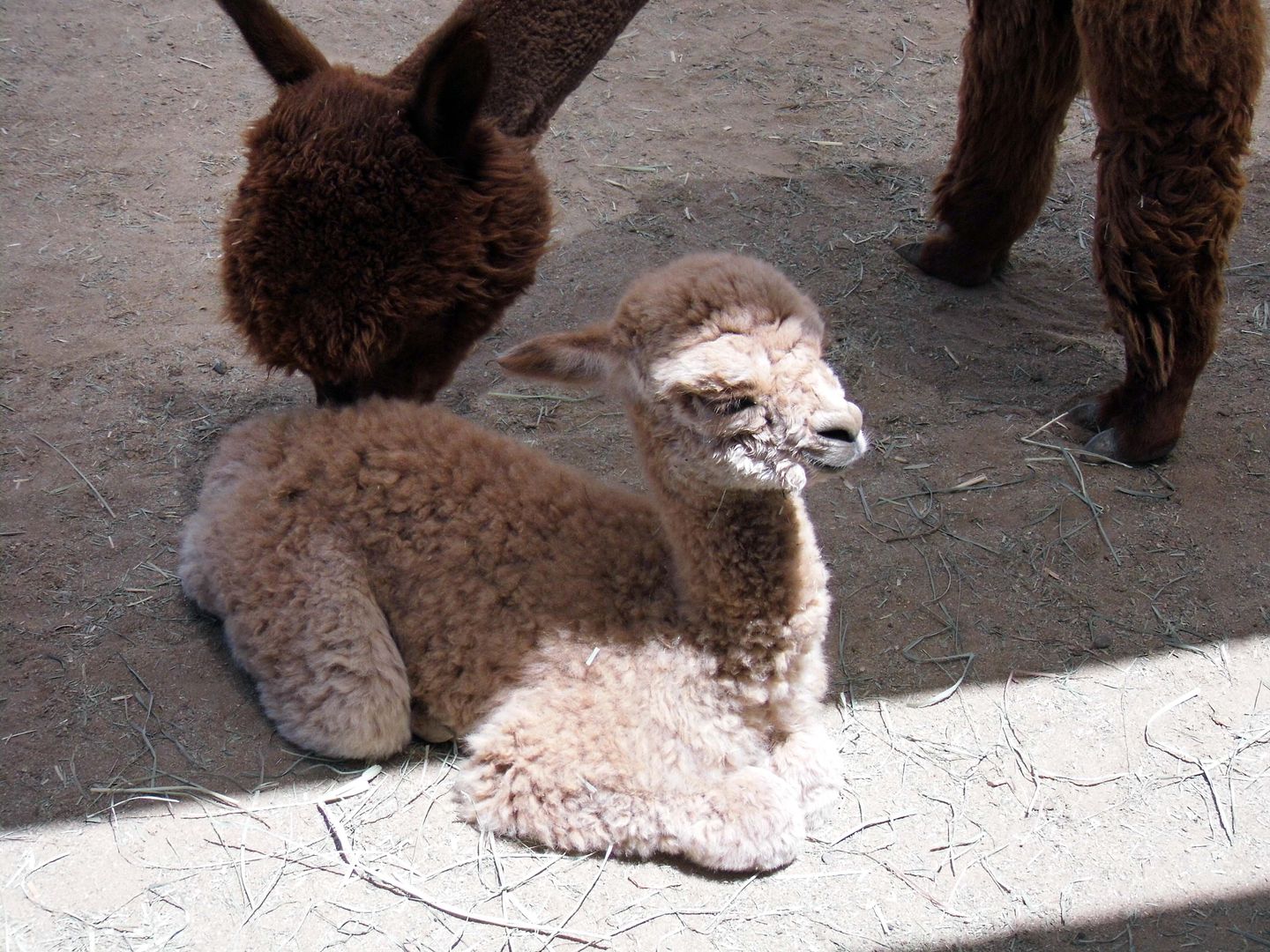
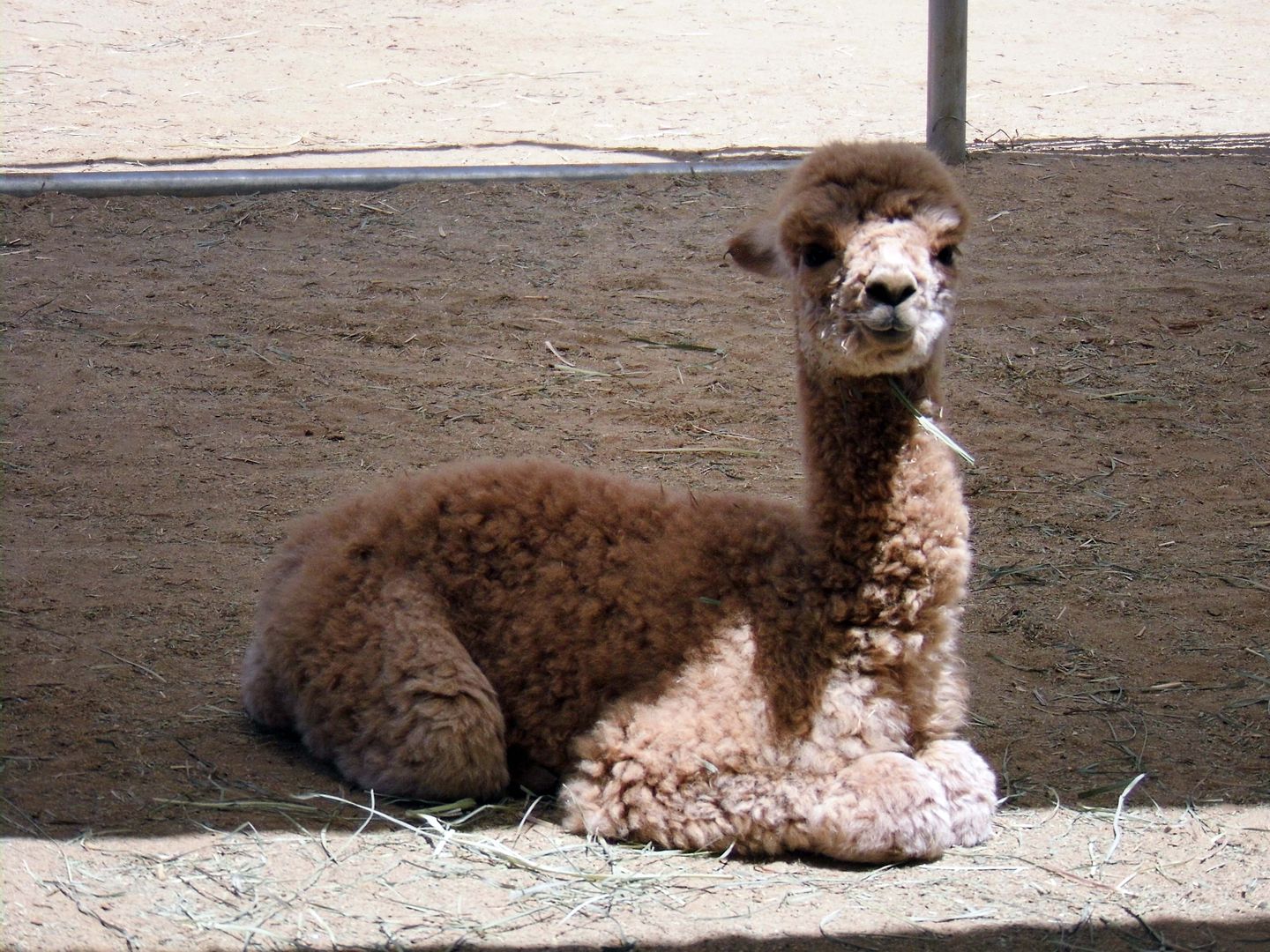
Madeline + her 2-day-old cria
The cycle of birth—and, I presume, death—goes on, just like it did before.
Alpaca gestation takes about 11 months, so it's a big deal when the cria is finally born.
The one that came out feet-first on Thursday night was 25 days late—even later than I was when I was born three weeks late!
Sometimes you just need to cook a little longer.
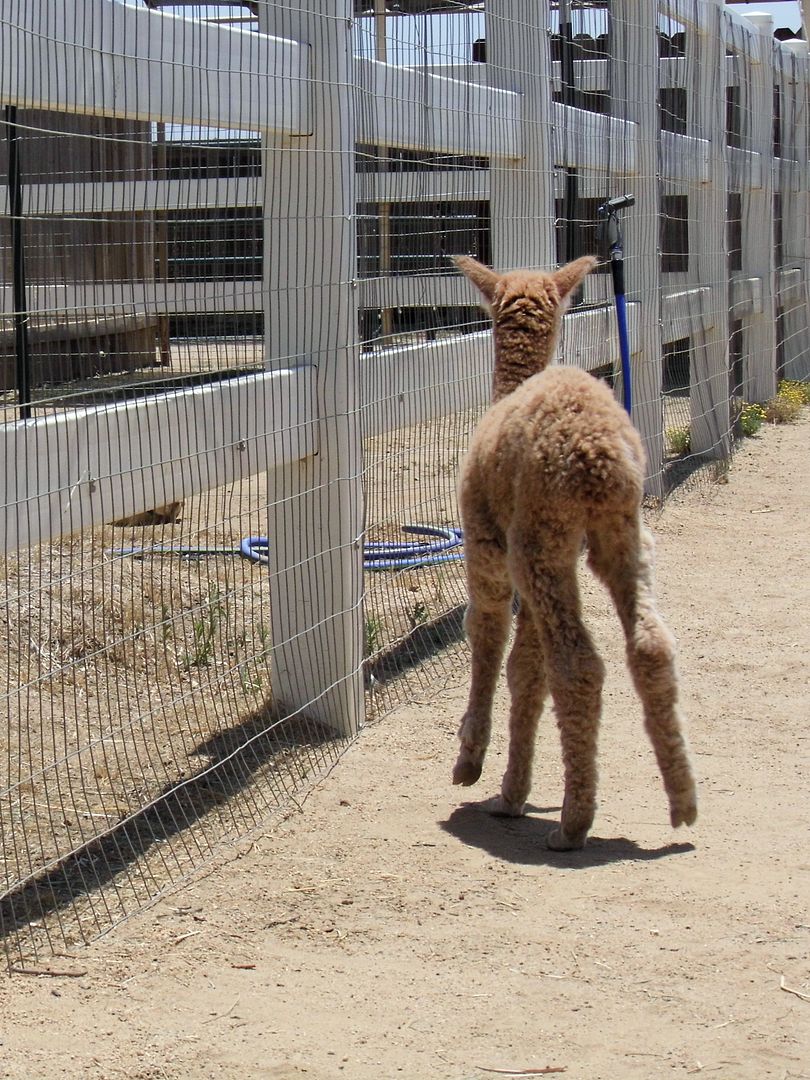
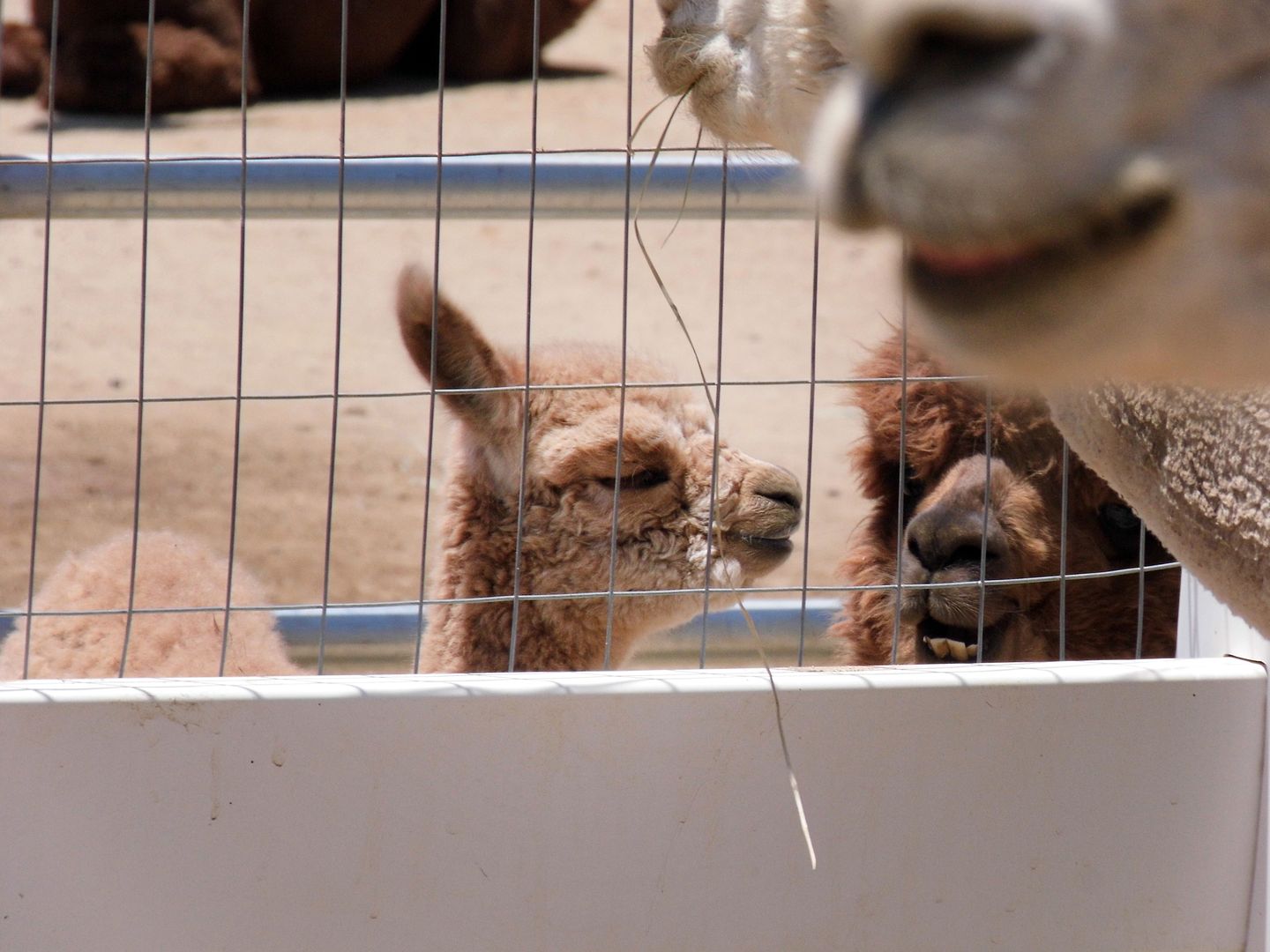
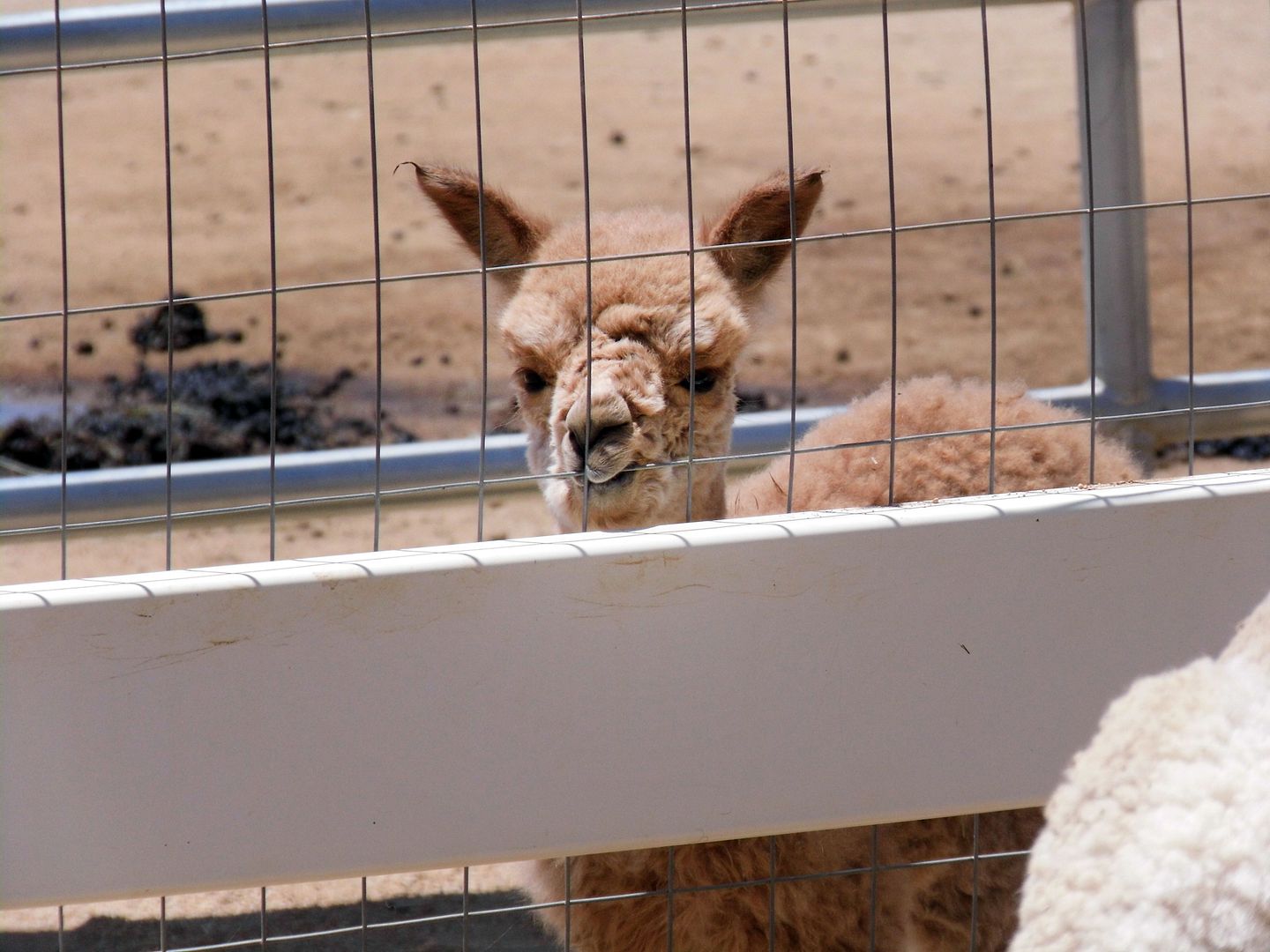
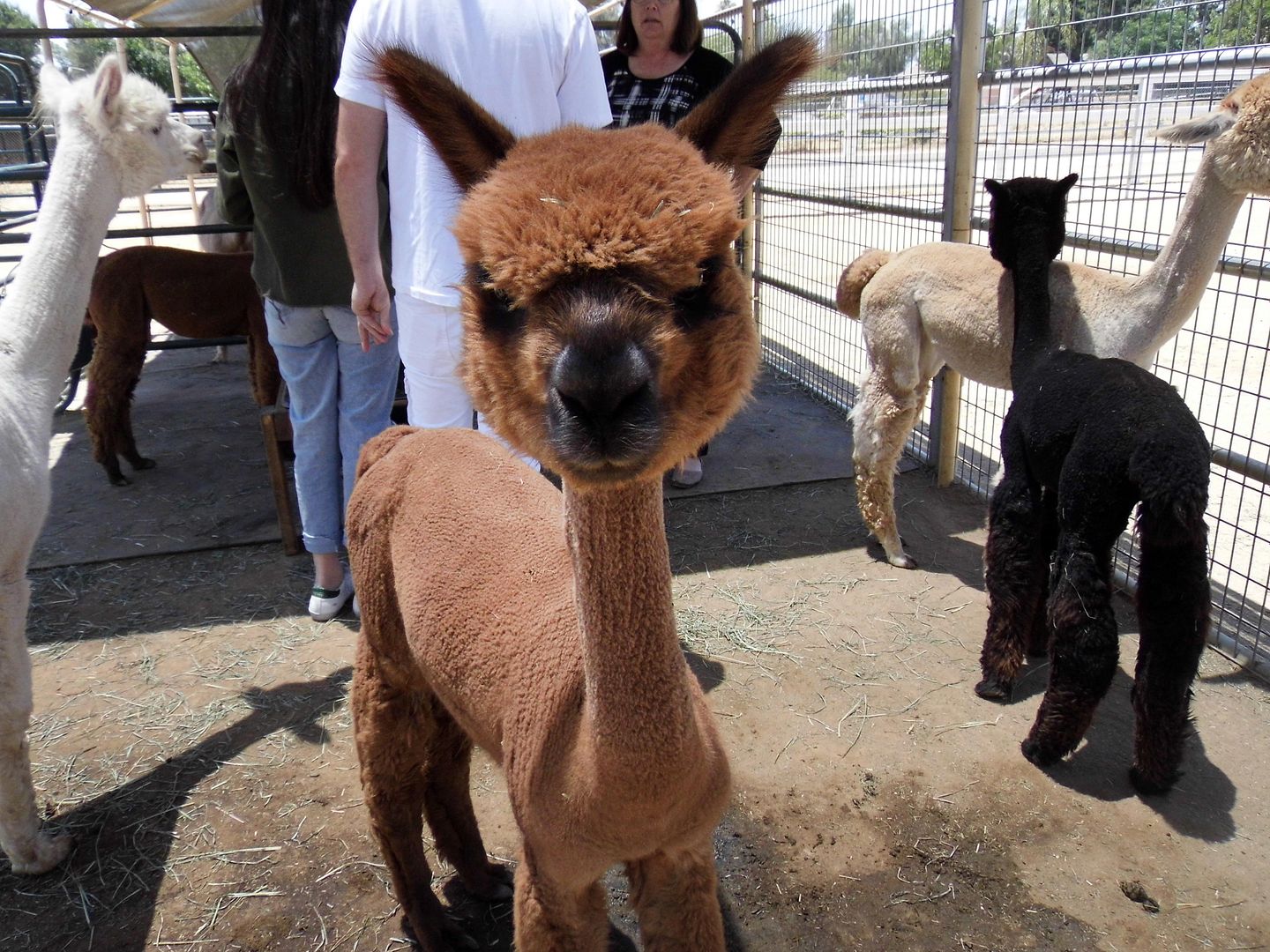
Starting from birth, alpacas are naturally curious and have to sniff and chew everything.
It's hard to pay attention to any of the other animals when there's a cria around.
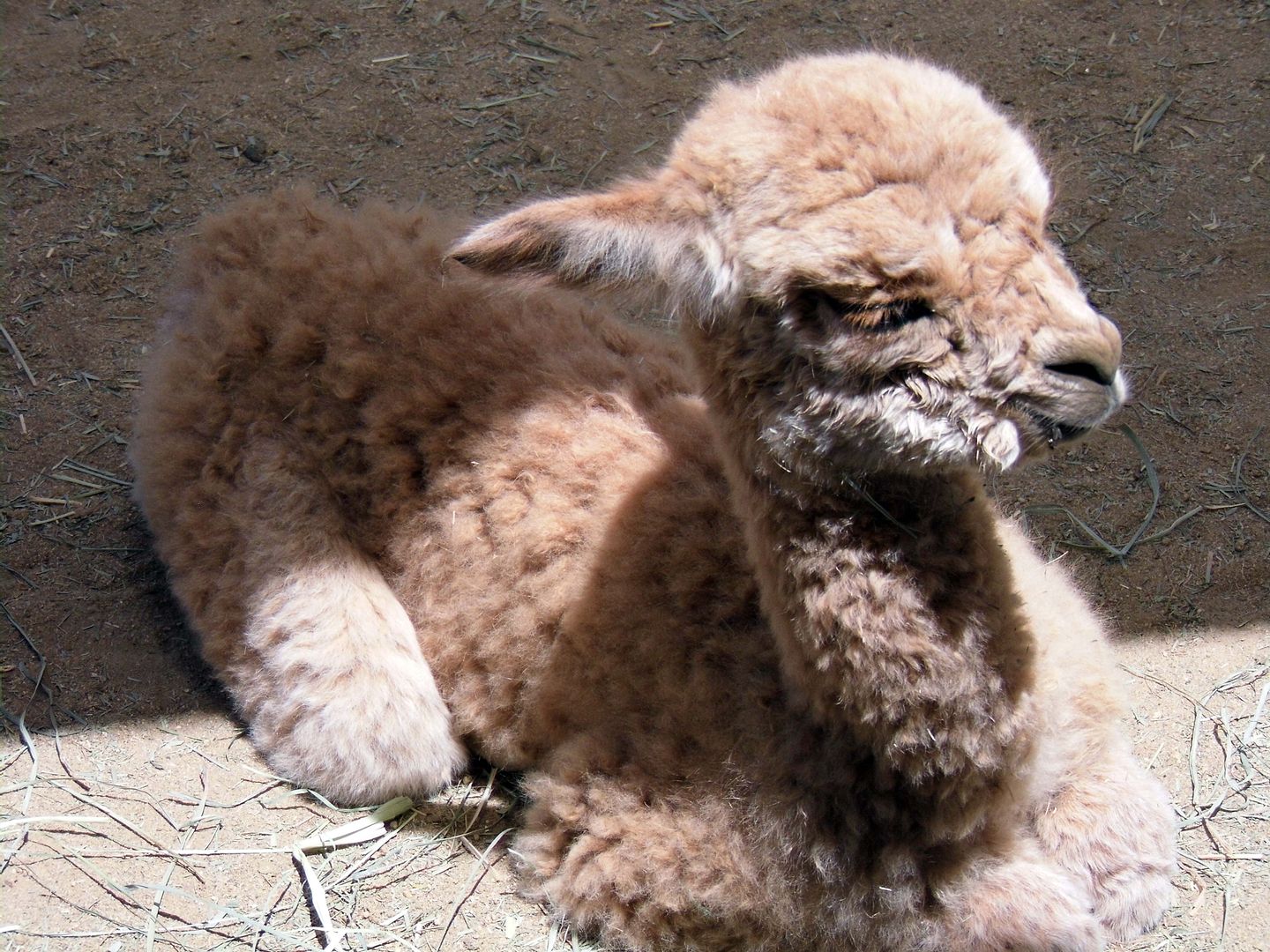
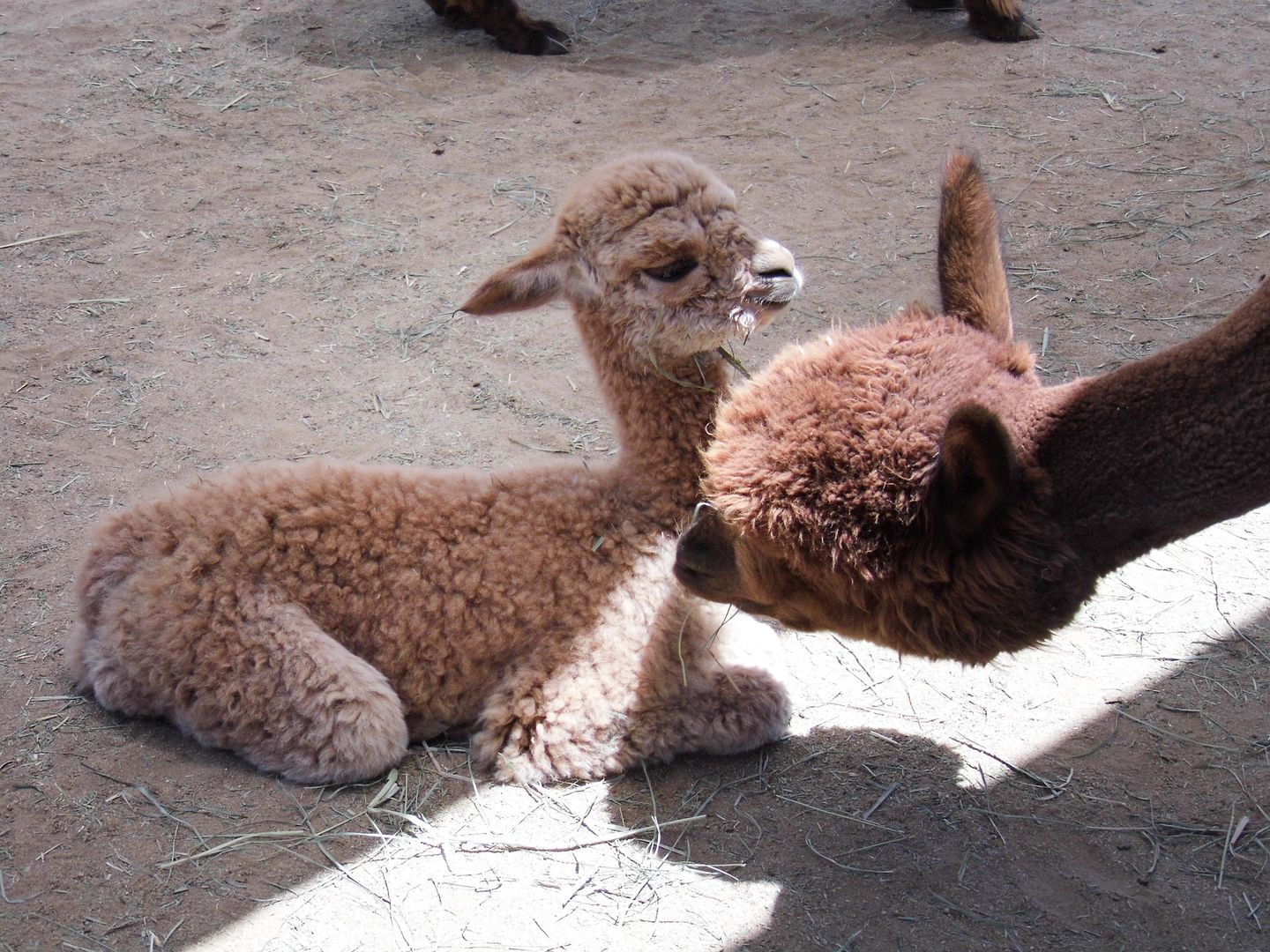
Baby alpaca fleece is as soft as silk.
It's truly a gift if the cria—or her mother—lets you feel it for yourself.
My visit would've been truly special had there been just one cria born in the past week—but there were actually two.
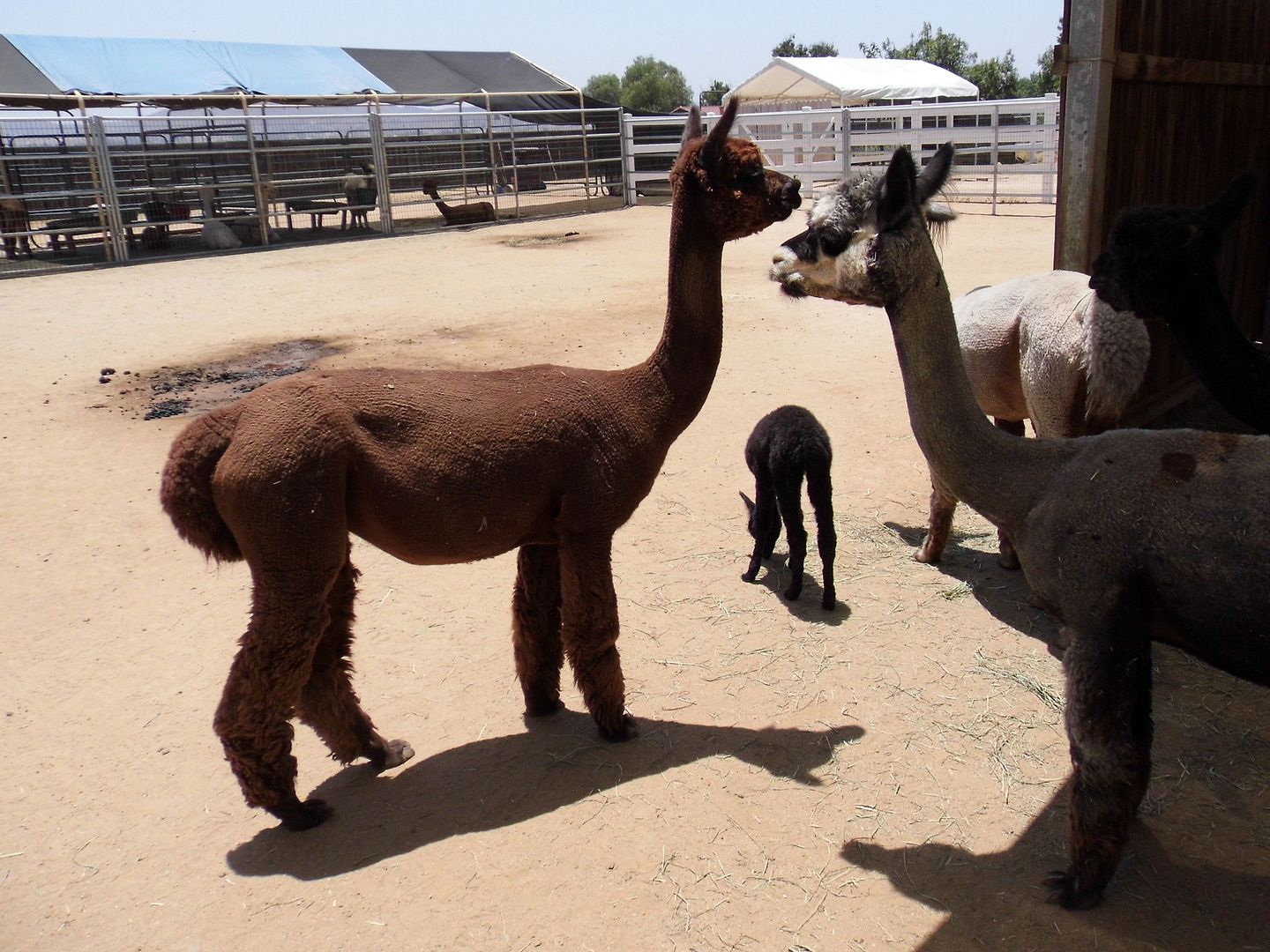
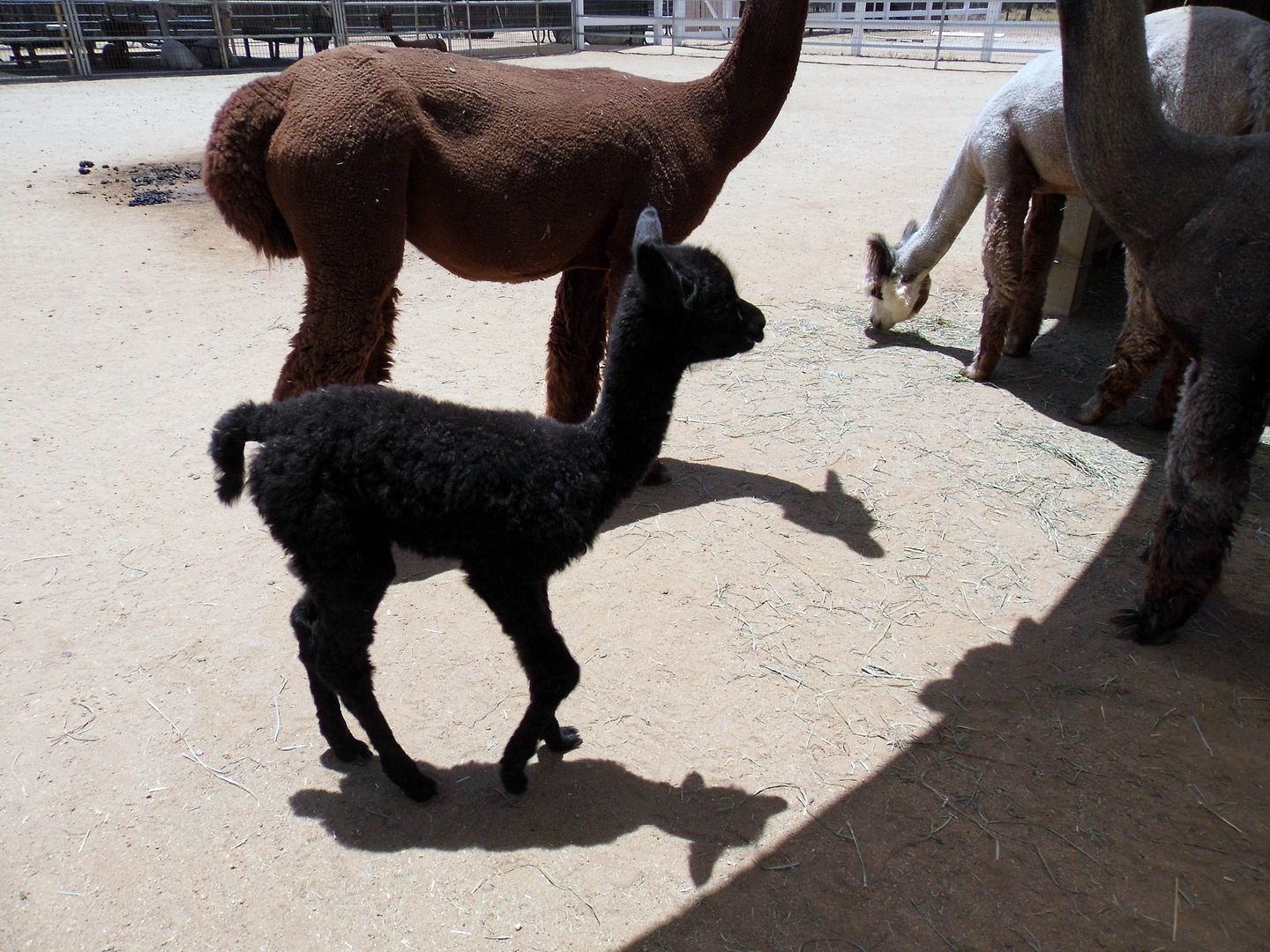
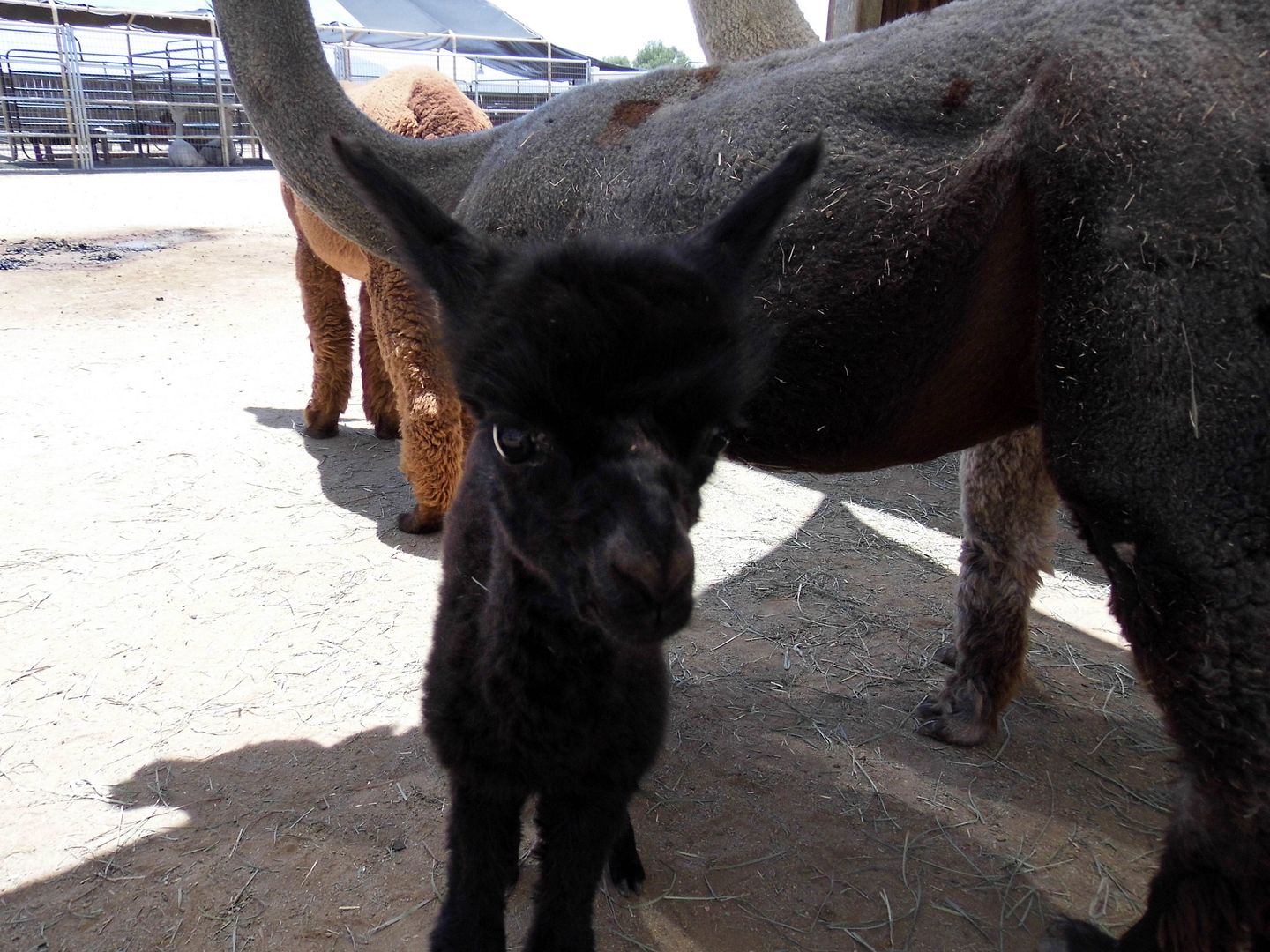
The darker one preceded the Thursday night baby by two days—coming into this world on Tuesday, bright-eyed and fluffy tailed.
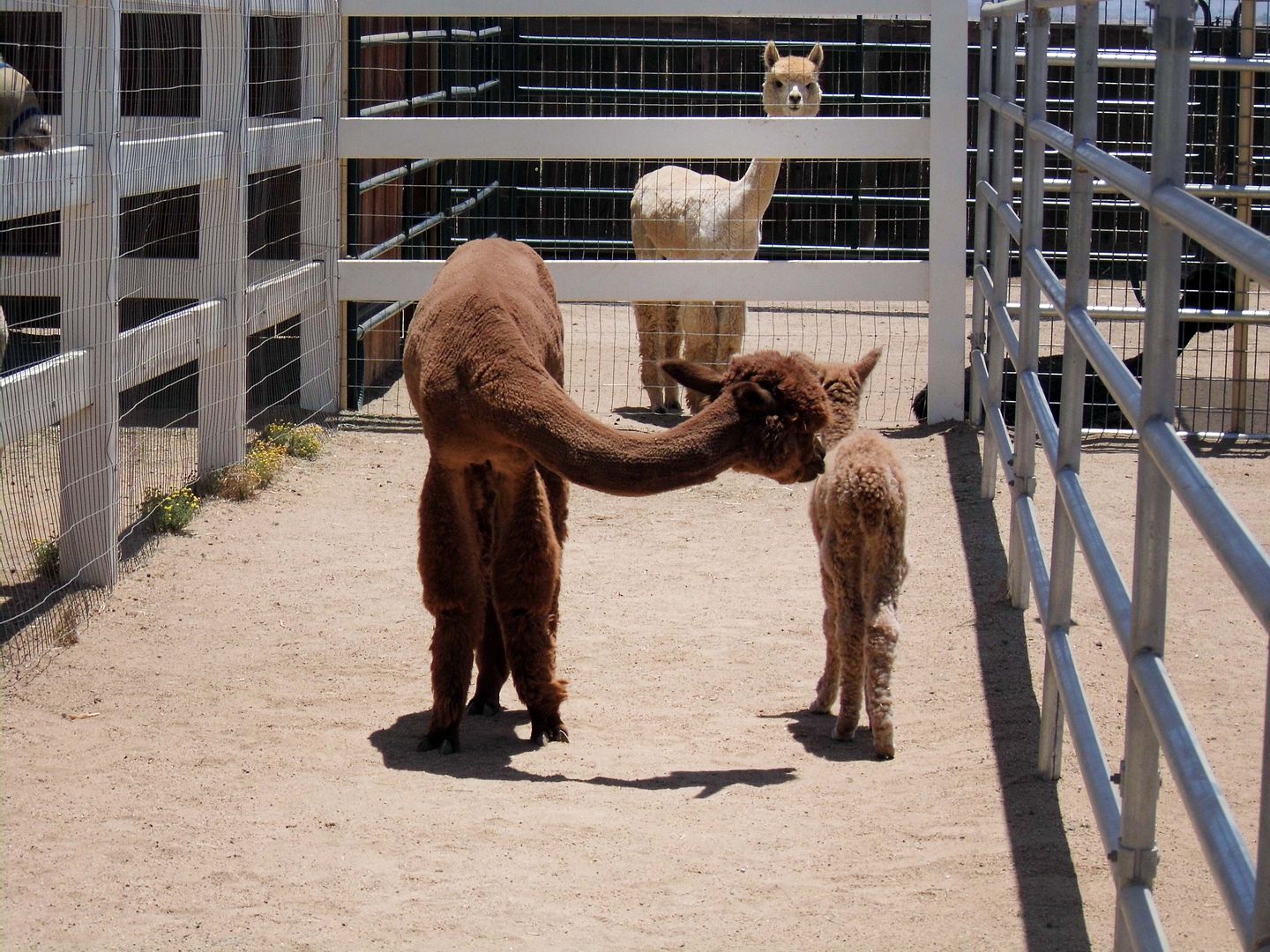
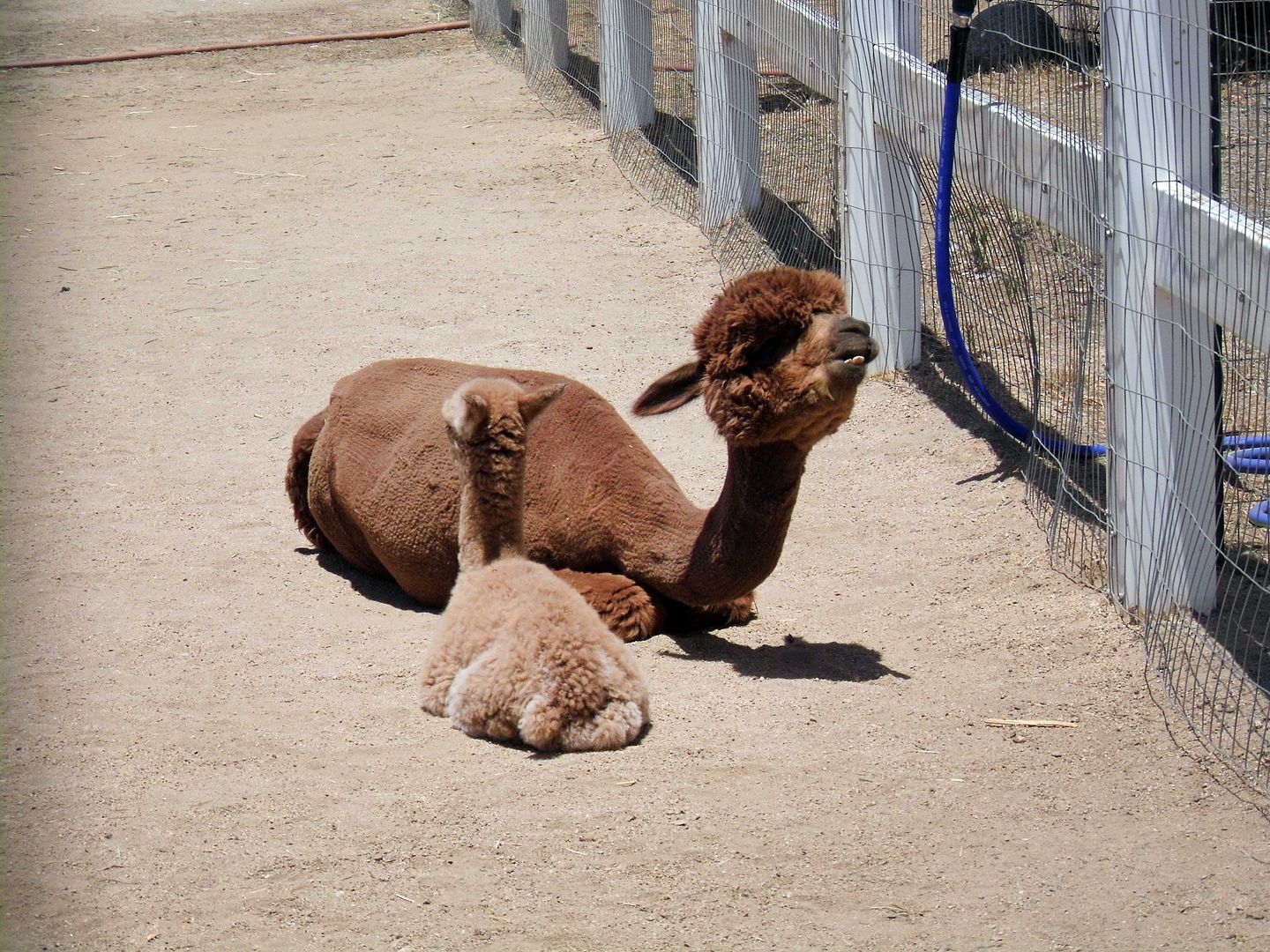
4-day-old, 10-lb. cria with her mom Snowmass Incan Velvet
These two will be nursing for the next several months, seeking protection in between their mothers' back legs and below their bellies.
The grown ups missed the big alpaca show this year because of COVID-19...
...but maybe they don;t know the difference.
Their babydoll faces still seem to be smiling...
...hopefully unaware of what's going on in the world.
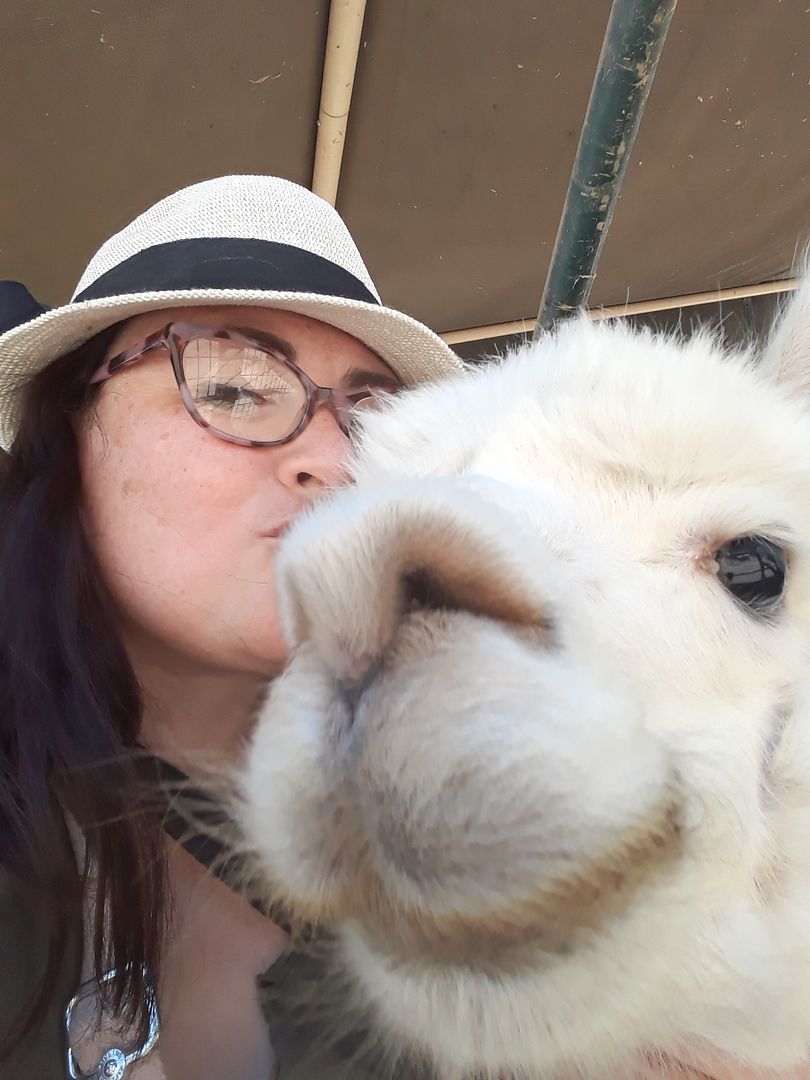
And some of them will even kiss you on the cheek (and let you kiss them), even if you're not wearing a mask.
Alpacas of Menifee Valley is leaving the Inland Empire, changing its name to Autumn Wind Alpacas, and relocating to Idaho by this fall. It's currently open for farm tours by reservation only, so book ahead and get in there while you can.
[Last updated 10/16/24 3:04 PM PT—The Alpaca Hacienda announced its closure in May 2024. Its animals have been moved to Hawk Ranch in Murrieta near Temecula, where they act as animal ambassadors and can be visited on a farm animal tour.]
I love animals, but I don't love all animals equally. I feel like I should, but I don't.
Oh, let's face it, I lose it for pretty much any alpaca.
I'd previously encountered them at Malibu Wine Safaris, Wildlife Waystation, and maybe another sanctuary or zoo or two—but in my deepening alpaca adventures, I'd found it much better to get the full immersive experience at a dedicated alpaca farm or ranch like Sweet Water Alpaca Ranch or Alpacas at Windy Hill.
I knew there must be more alpaca ranches around SoCal to visit, but I hadn't focused on crossing them off my list.
And then, I had the opportunity to write about them for KCET, an assignment that sent me on three more alpaca adventures.
I've already written about one of them here: William S. Hart Park, which includes five alpacas in its barnyard, though that's not necessarily the focus of the place (or of my piece).
And since the nature of my articles for KCET's SoCal Wanderer column doesn't allow enough room to publish all the good photos I submit from any given place, I frequently use my blog to fill in the gaps.
After all, every story has a story behind it.
I almost didn't get to go to The Alpaca Hacienda at all, given my lack of transportation over the last month (that's a whole other story) and the wildfire that had been raging just off the 15 freeway, which we'd have to drive right past (though fortunately not exactly through).
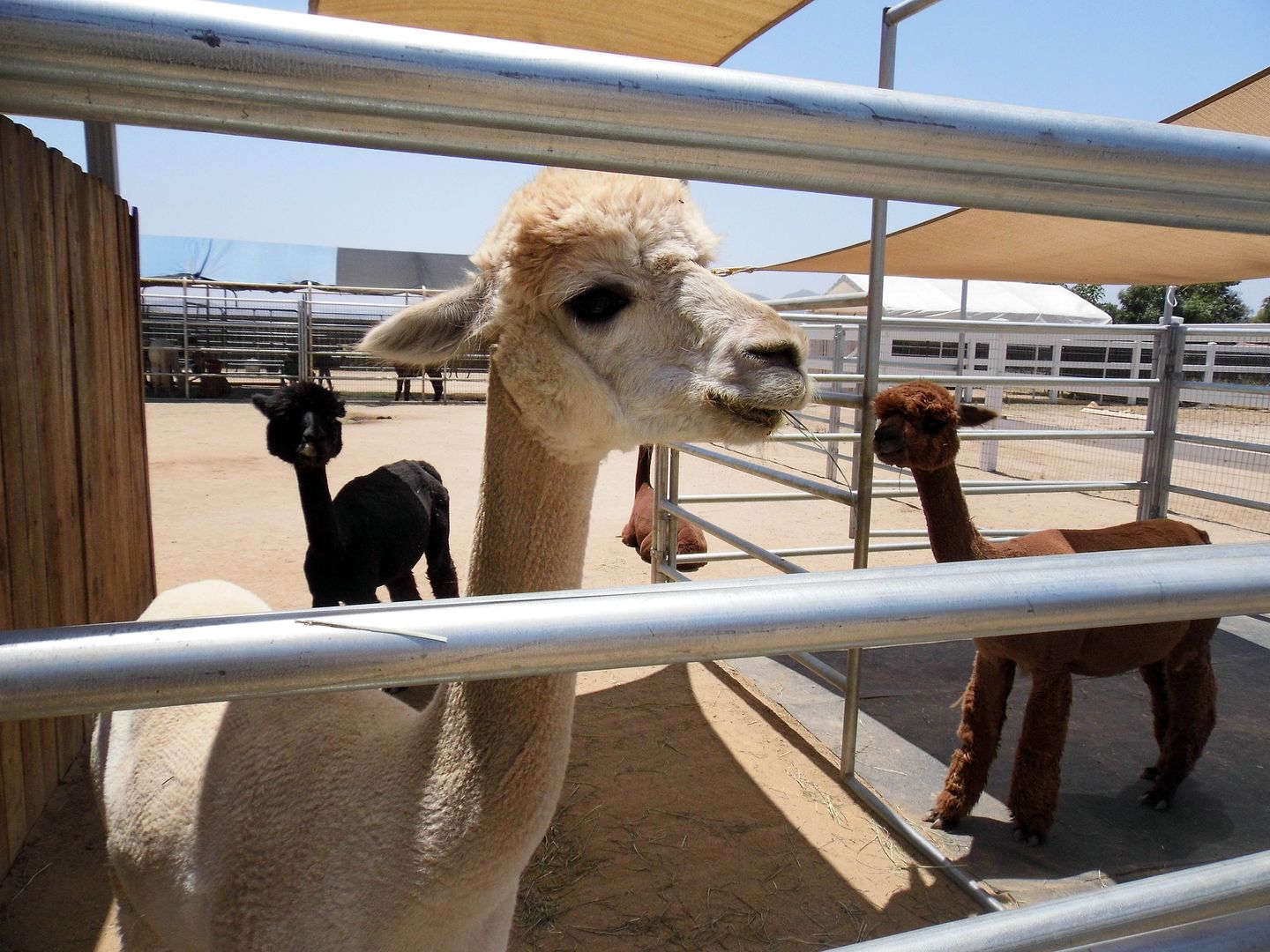
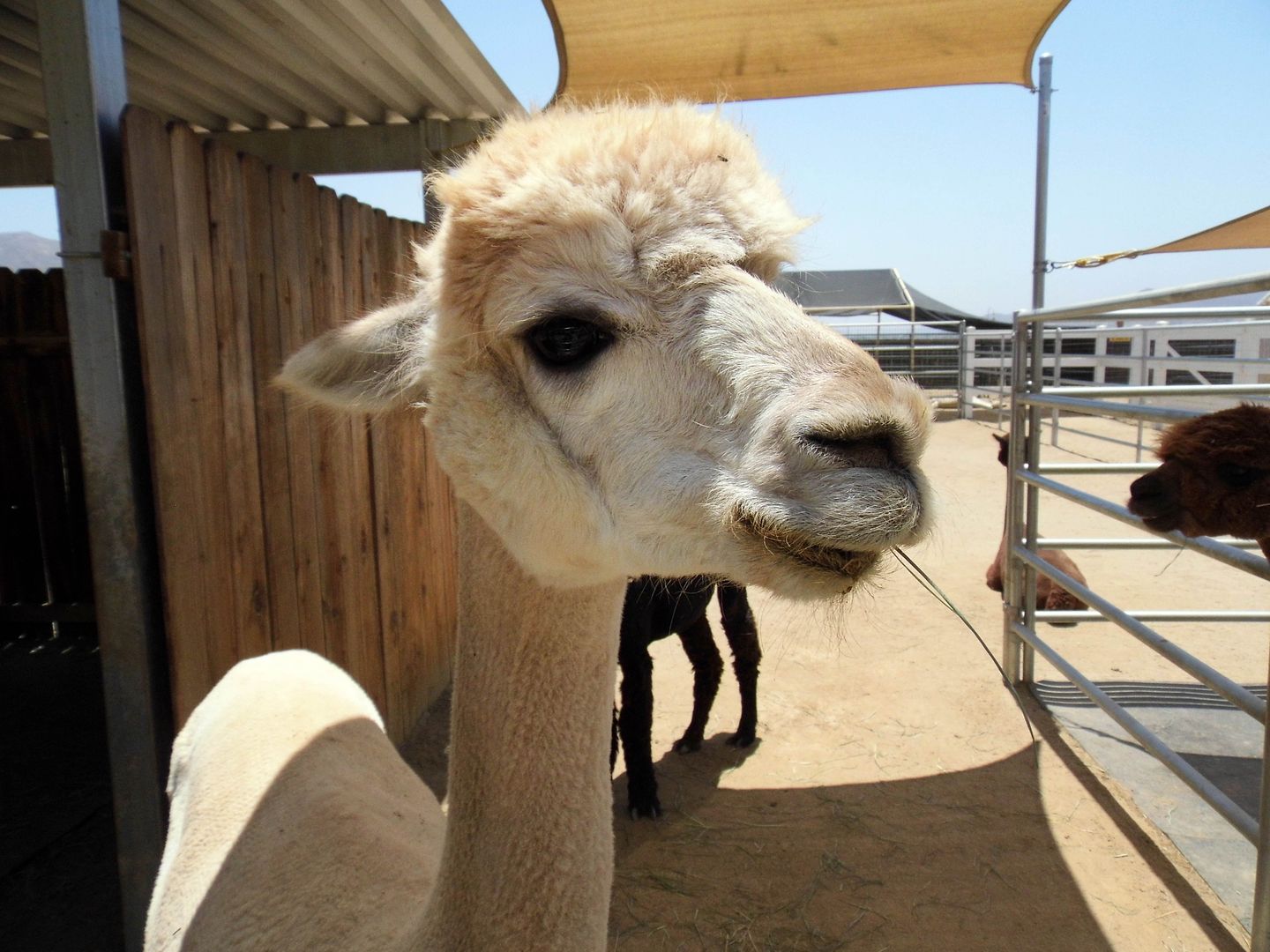
And that would've been a real shame, because The Alpaca Hacienda in Temecula is a really magical place.
Of course, I already loved Temecula and have frequently fantasized about moving there.
But what Beth Osborne has done with her sprawling, hillside ranch and her herd of fluffy animals is really a dream come true.
Her story is a familiar one to me and most of my friends of a certain age—at some point, you wonder whether this (whatever "this" is) is really what you want to be doing for the rest of your life.
Isn't there something more? Or better?
Yes, there is. There are alpacas.
Raising alpacas on a ranch in Riverside County isn't an easy life, per se.
There are feedings and shearings and breedings and birthings. And in a climate with hot days and potentially cold nights, anything could go wrong at any time.
But you get to look at those sweet faces every day.
And if you've got the right snack, they'll eat right out of your hand, using their lips to grab whatever pellet or feed you've got in your outstretched palm.
They've only got four bottom teeth, which get filed down yearly, so there's not much risk of getting nibbled.
And because each alpaca has its own personality—like goats, cats, and dogs, they're incredibly individualistic—one of them might not want to eat out of your hand but will be perfectly happy to let you watch him feed out of a trough.
At The Alpaca Hacienda, the animals are used for their fiber, which is either sent out for spinning into yarn or felting or spun right there on site. At Canzelle Alpacas in Carpinteria, however, these camelids are bred to be prize-winning, ribbon-wearing beauty queens and breed stock.
Though it’s literally three quarters of a mile away from the 101, it couldn’t feel farther from civilization. Located in the foothills of Los Padres National Forest in Carpinteria, over 50 alpacas reside on the 20 acres here.
Since you can actually get into the enclosures of the two different female herds, there’s nothing separating you from being mobbed by hungry alpacas all at once while you clutch a fistful of baby carrots.
It can get a little intense.
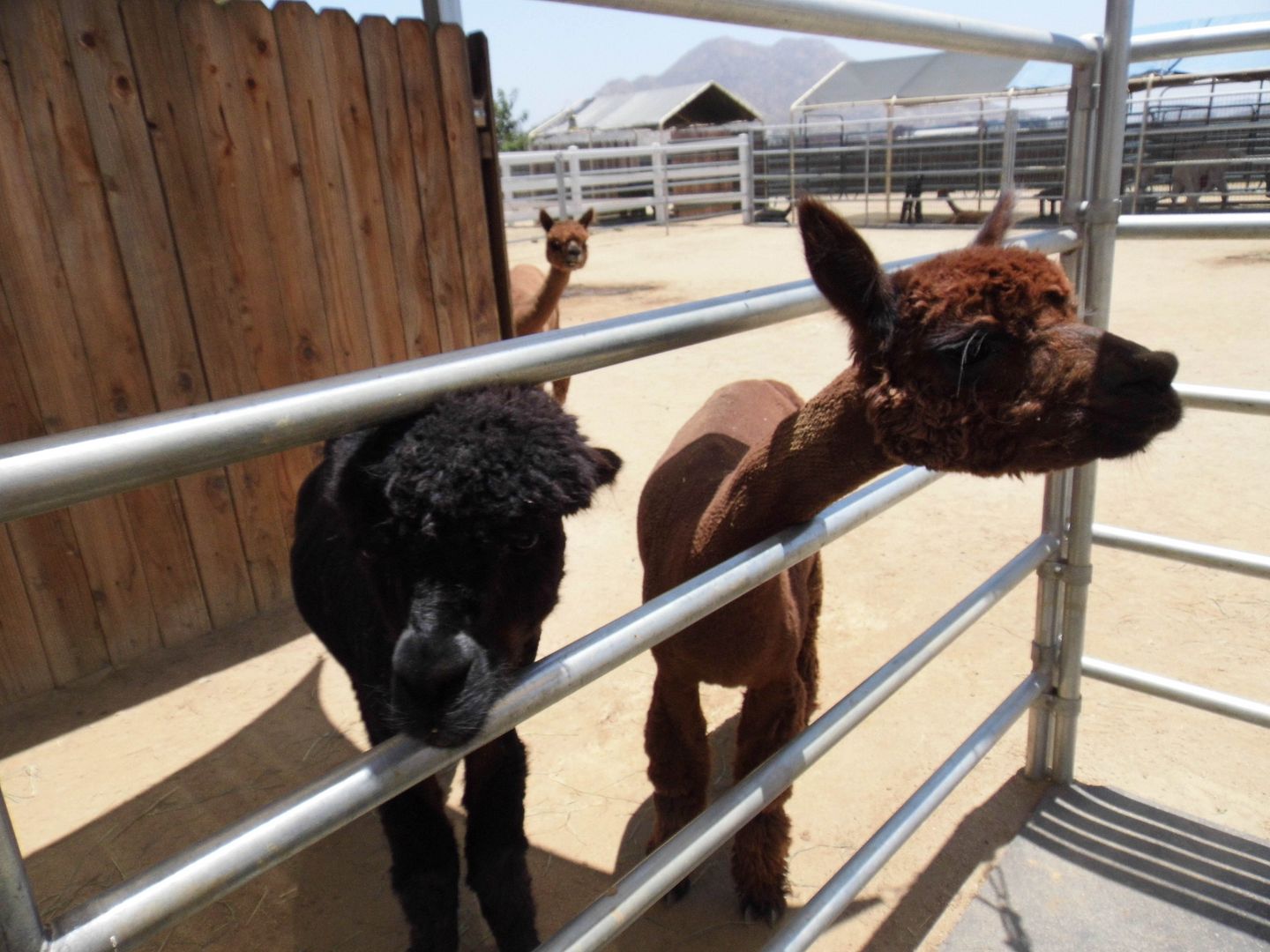
But I found the shy ones...
...the cautiously inquisitive ones...
...and the ones that let me pet them on the neck and scratch into the lower part of their head locks.
And when I headed over to the other herd of ladies, lazing in the shade...
...I managed to not get spat on (though one of the girls was not so lucky, as evidenced by her hanging lower lip)...
...despite being up close and face-to-face with these magnificent creatures.
At Canzelle, I was able to literally wrap my arms around and nuzzle right up into the furry cheeks of some of the alpacas...
...and I was lucky enough to encounter one of the kissy ones, too.
For me, that was enough to find myself falling in alpaca-love.
Then again, I've always fallen in love too easily. I'm too good at loving the one I'm with.
And I'm rarely with the same alpaca twice.
One day, maybe I'll have a herd of my own. That's the dream: a tiny house, with lots of land for livestock to roam.
[Last updated 10/16/24 3:04 PM PT—The Alpaca Hacienda announced its closure in May 2024. Its animals have been moved to Hawk Ranch in Murrieta near Temecula, where they act as animal ambassadors and can be visited on a farm animal tour.]