Search

Showing posts sorted by relevance for query star trek. Sort by date Show all posts

February 27, 2015

Photo Essay: The Final Frontier for LA's Wastewater

[Last updated 2/25/23 11:18 PM PT—Video embed added to bottom of post]

There are a lot of opportunities to get interstellar in and around LA – whether at a star party at Mount Wilson or at the planetarium at Griffith Observatory, NASA's Jet Propulsion Laboratory, or places like Vasquez Rocks which have doubled as other planets for movies and TV shows like Star Trek.


Or you can go to Van Nuys to jump forward in time to the year 2161 to visit Star Trek's official training ground for future recruits: Starfleet Academy.

February 11, 2015

EVENT: A Sci-Fi Sewage Sanctuary - with Obscura Society LA


Photo by Rye'n (Flickr)

I love to crowdsource ideas for my adventures, and over the last four years in LA, people keep telling me to go to the sewage treatment plant with the Japanese Garden.

I know.

But I've already visited two other water recycling facilities, and it's in the same area as the Sepulveda Dam which I love, so let's go.

Besides, the gorgeous Administration Building is a fine architectural point of interest, its futuristic-looking concrete curves cantilevered over a man-made lake full of poop water. It's so cinematic that Star Trek location scouts chose it to represent Starfleet Academy (and then CGI'ed in the Golden Gate Bridge behind it to make it look like it's San Francisco).

This place is even weirder than I thought. I can't wait to check it out.

See the official event listing here:

Everybody poops, and in a sprawling metropolis as big as LA, all that poop water has to go somewhere – so why not a garden?

On Monday, February 23, join field agent Sandi Hemmerlein (me!) on an epic voyage to a wastewater treatment plant in Van Nuys, whose recycled water reaches its final frontier either at the Hyperion Treatment Plant in Playa Del Rey, or next door in its own Japanese Garden – which is aptly referred to as the "garden of water and fragrance," and which is irrigated with reclaimed water from the plant.

If you join the Los Angeles Obscura Society on this excursion, you'll come out smelling like a rose...or, at least, like bougainvillea.

One of the leading producers of reclaimed water in the San Fernando Valley, The Donald C. Tillman Water Reclamation Plant recycles as much as 26 million gallons of poop water per day, relieving the overburdened portions of the wastewater collection system between the San Fernando Valley and Hyperion. Although few get to tour its sprawling campus, many recognize its futuristic Administration Building as a shooting location for numerous films and television shows, including as Star Trek's Starfleet Academy.

On our private hard hat tour of the treatment facility, one of the plant's own engineers will show us how they separate solids from the wastewater, which is then filtered and disinfected in a process that takes nearly a half day. We'll then tour the 6.5 acre garden, which was designed by world-famous designer Dr. Koichi Kawana, also responsible for Japanese botanical gardens at the Los Angeles County Museum of Art and San Diego's Balboa Park. Kawana fashioned this garden after “stroll gardens” constructed during the 18th and 19th centuries for Japanese Feudal lords.

On our stroll, we'll witness the 2.75 acre lake that is filled with the plant's treated water, and a waterfall, which is the main entry of water from the reclamation plant into the lake, where about three million gallons of reclaimed water pass through daily.

CORRECTION: In a previous version of this post, I regrettably misspelled Dr. Koichi Kawana as Dr. Koichi Kawara. I've corrected it above.

Related Posts:
Photo Essay: Hyperion Wastewater Treatment Plant
Photo Essay: West Basin Water Recycling Facility
Photo Essay: How the Dry Valley Gets Its Water

January 13, 2020

Photo Essay: The Mysterious Monolith That Landed Atop SoCal's Own 'Judean' Mountains

What would bring me to Peppertree Lane, driving up through the northeastern Simi Hills—those same hills that reminded Dr. Bardin of the Judean Hills outside of Jerusalem?


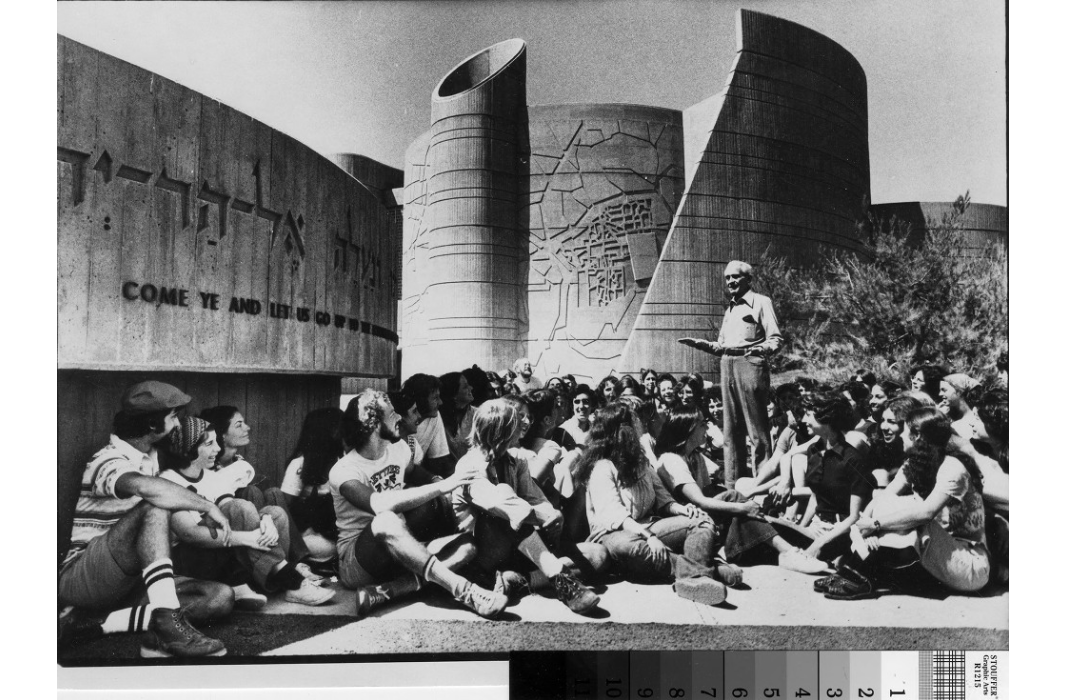
Shlomo Bardin talks to campers, with an inscribed excerpt from Isaiah 2:3, circa 1970s (Photo: American Jewish University, via Online Archive of California)

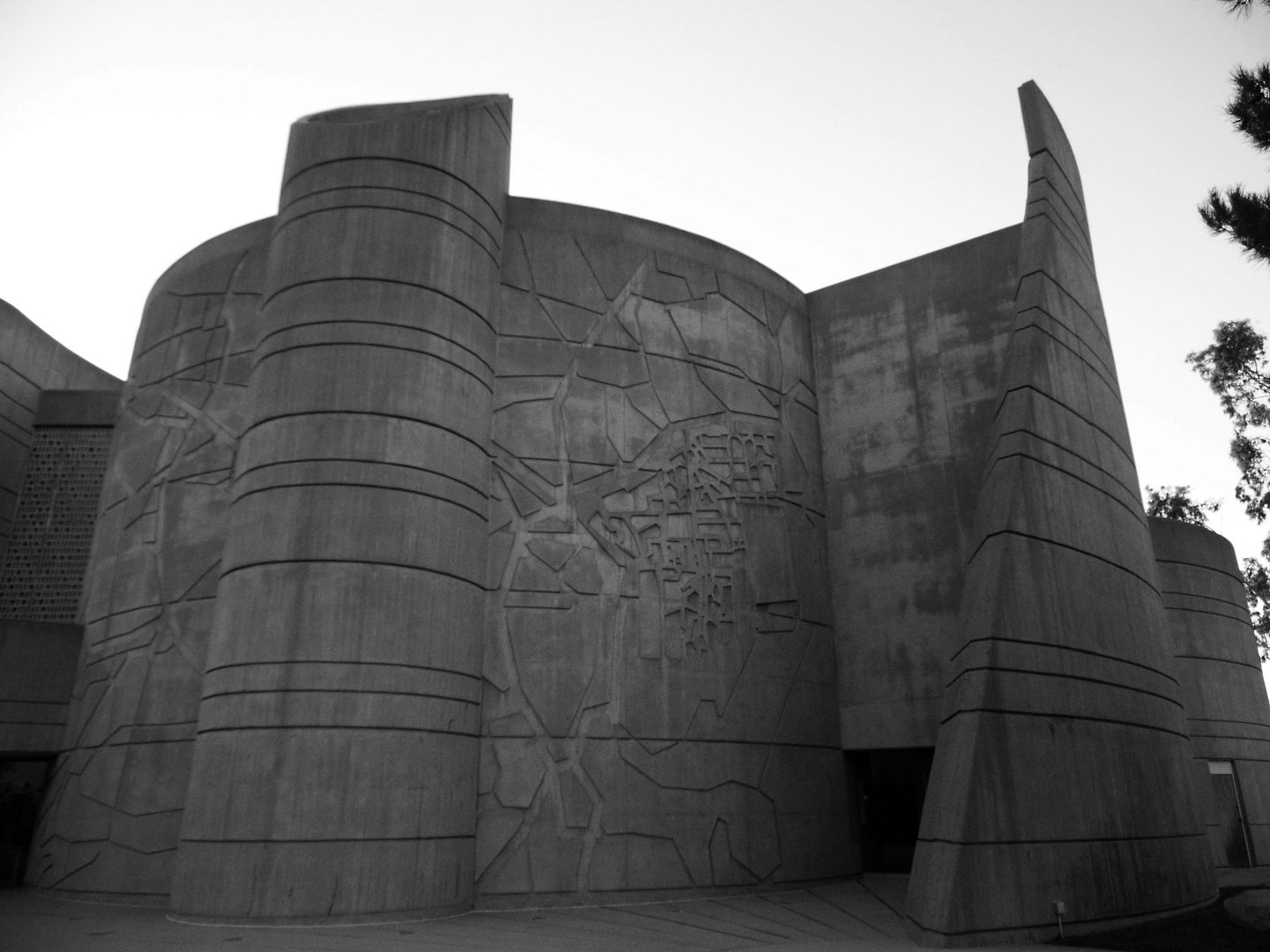
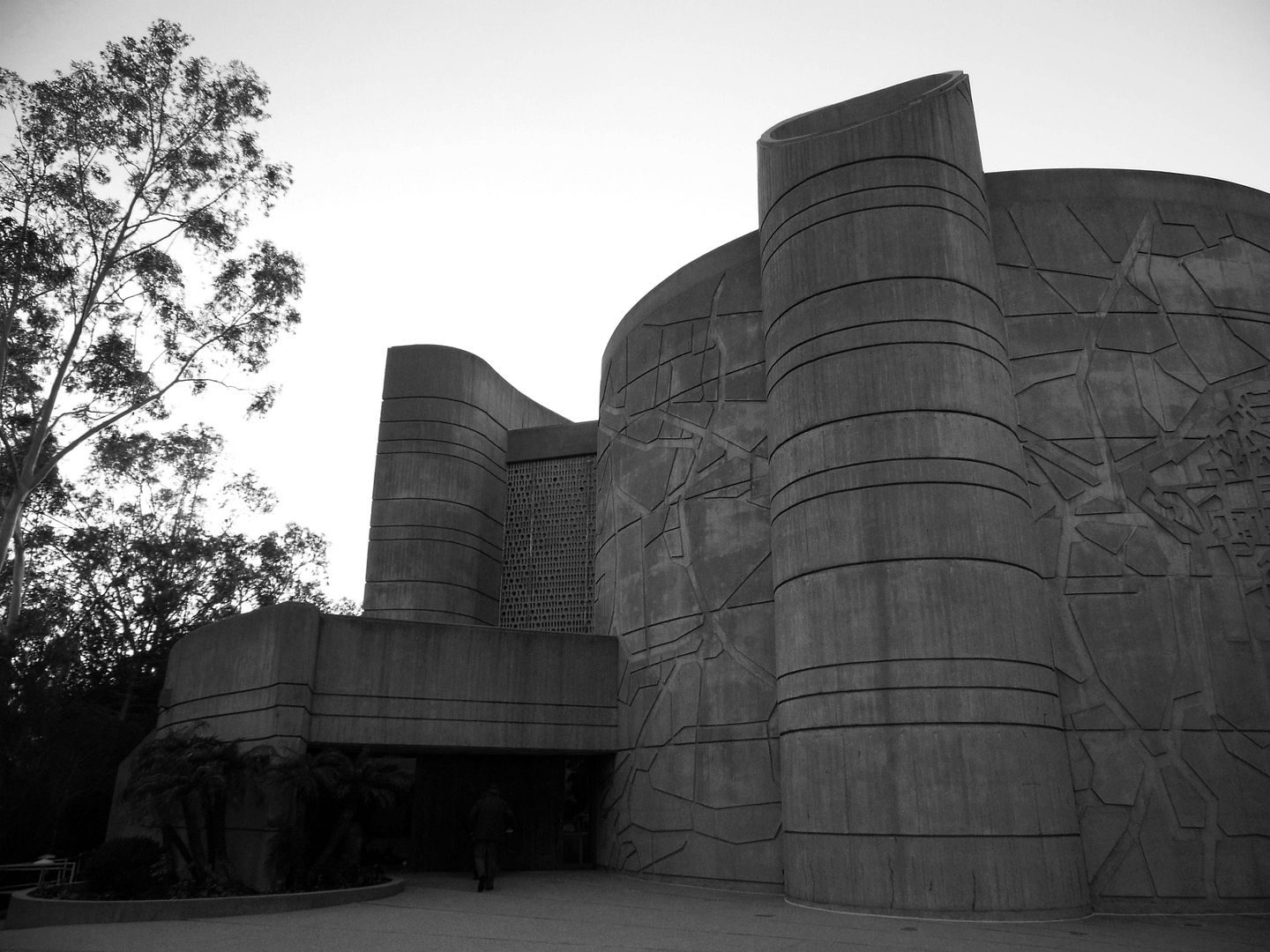
The House of the Book—a fixture on the Brandeis-Bardin Institute campus of American Jewish University, which, since 1968, has been the largest parcel of land owned by a Jewish institution outside the State of Israel.


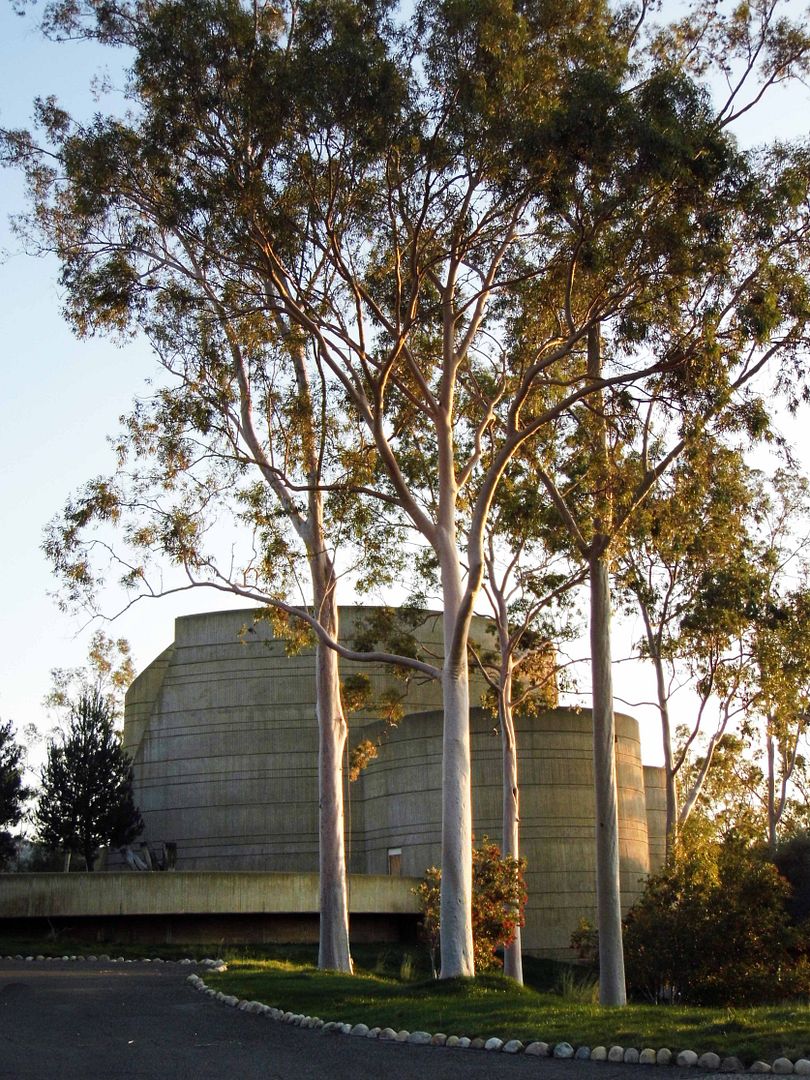
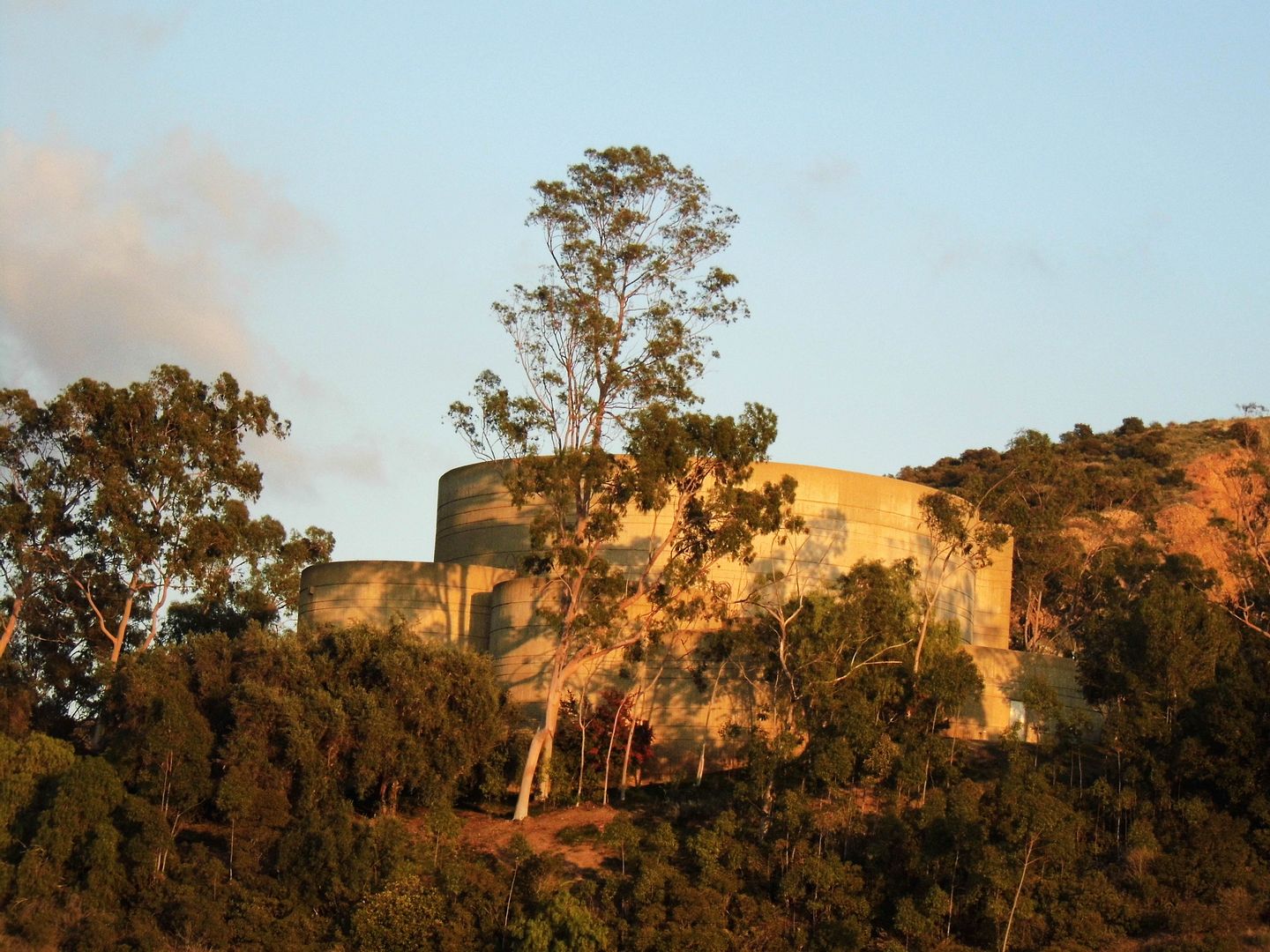
Dr. Shlomo Bardin founded the BBI in 1941 as the "Brandeis Camp Institute" and headed it until 1976, the year of his death. (He's also buried on campus.) During his lengthy tenure, he oversaw the addition of this futuristic, cylindrical building—commissioning it of Sidney Eisenshtat, FAIA in 1954. It wouldn't be completed until 1973.


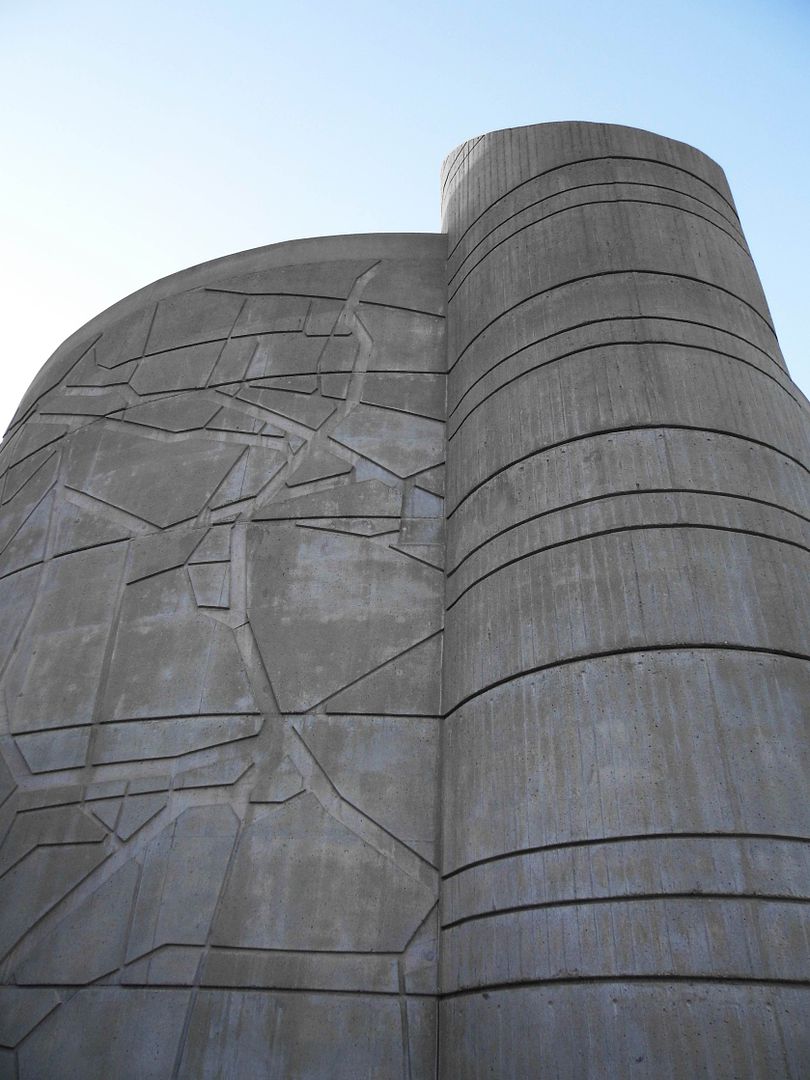
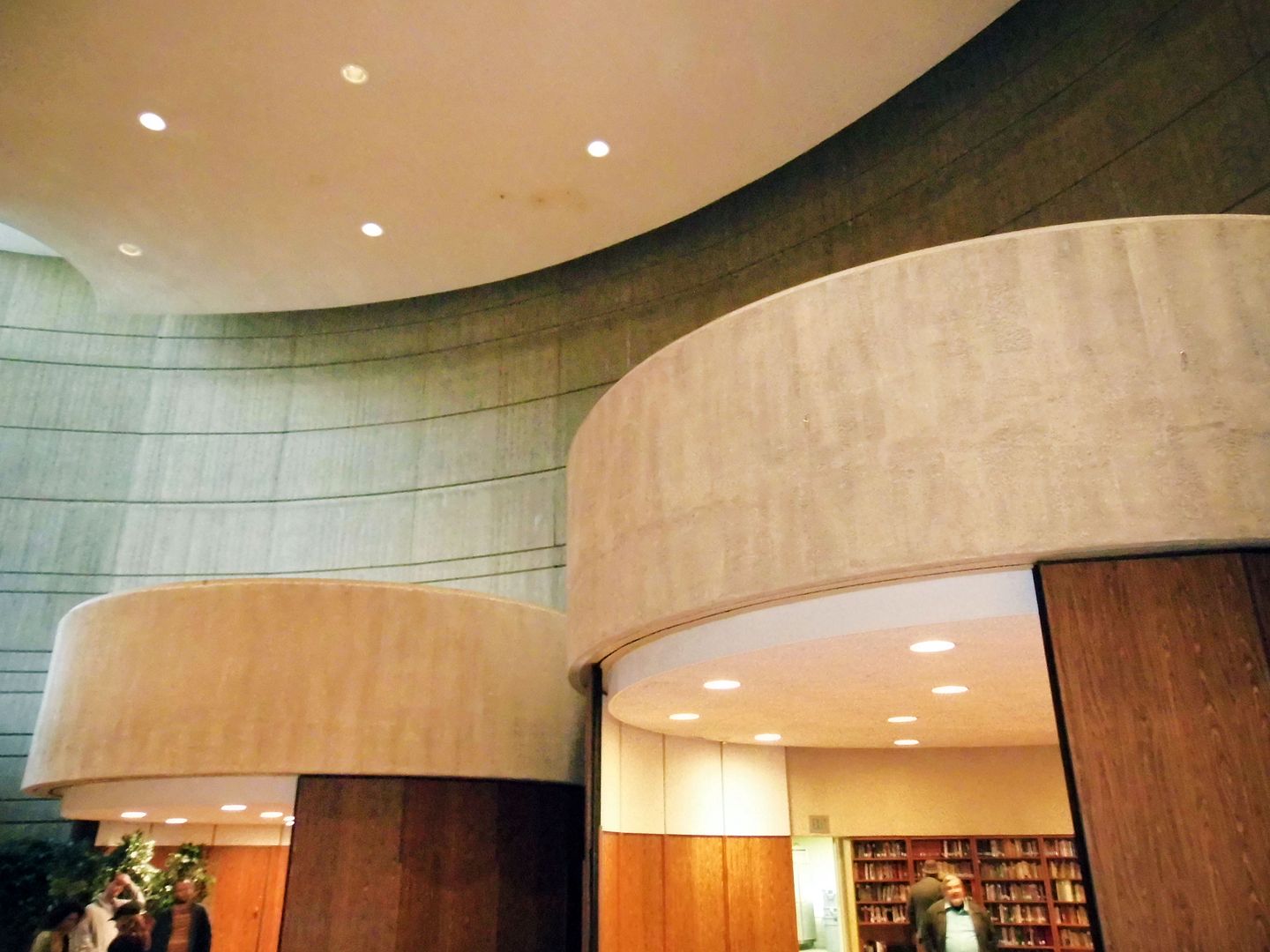
Not surprisingly, Brutalist-style monolith, appearing like a poured concrete spaceship, has become a sci-fi icon—with appearances in Star Trek IV: The Undiscovered Country (as the extraplanetary Camp Khitomer) and Mighty Morphin Power Rangers (as the Command Center).


That may not exactly be what Eisenshtat—an observant Orthodox Jew (and past president of Congregation Beth Jacob in Beverly Hills)—intended when he took on the commission for the hilltop monument.


House of the Book (its name usually referring to a religious school or studies) is currently used as a conference center, performance space, and library—having hosted music ensembles, folk dancing, lectures, and song circles both inside and out.


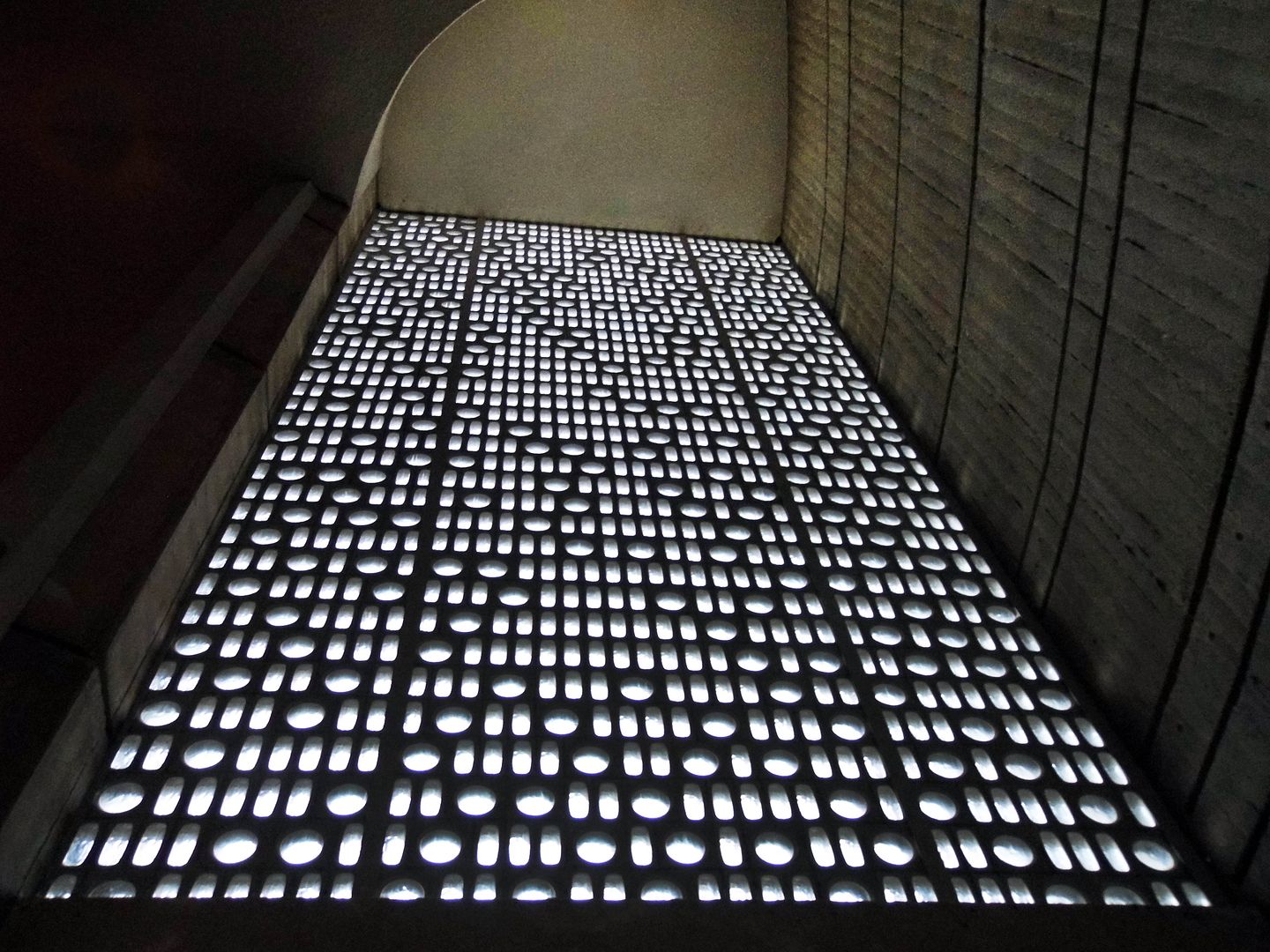
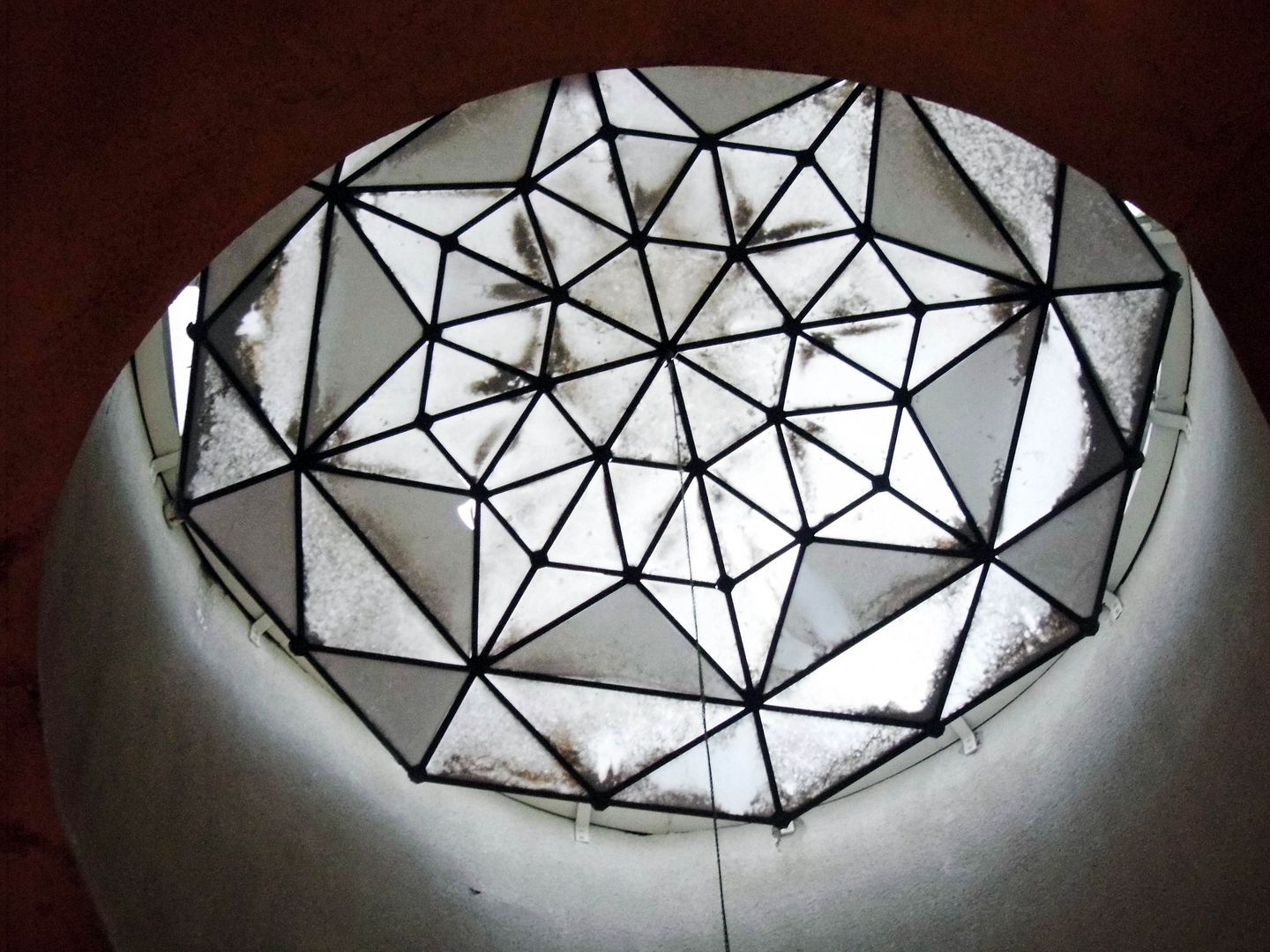
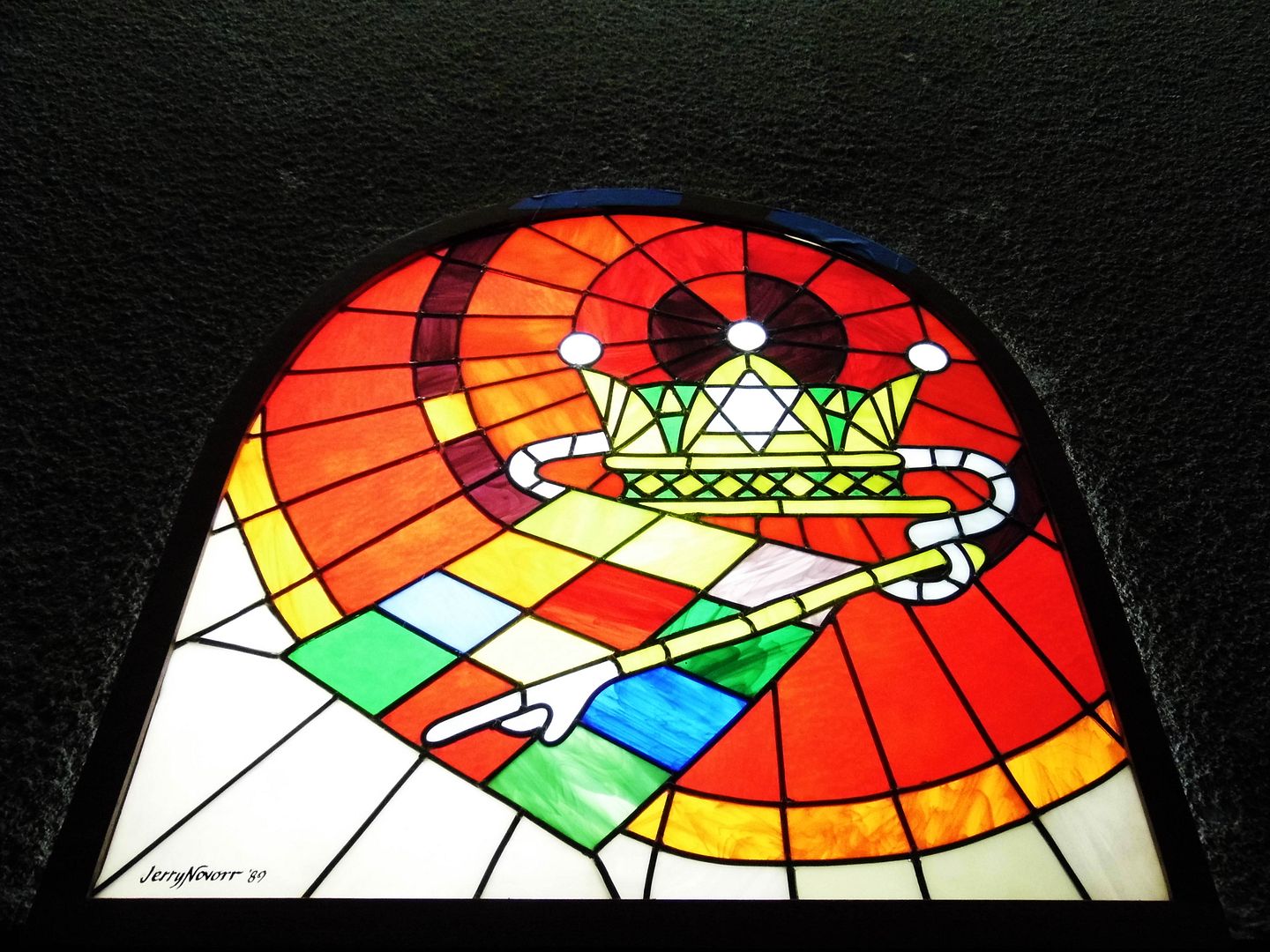
Its art glass window panel and leaded glass, prism-like skylight offer intriguing details to a sculptural building that's got few decorative touches...


...except the three artificially-lit stained glass windows designed with a Star of David motif by alum Jerry Novorr (Class of 1980), who taught paper-cutting classes at the school.


They were added much later and might not exactly have been part of Eisenshtat's original vision, either.


Inside the circular main performance space (a.k.a. "beit knesset," or "synagogue," in Hebrew), the sound bounces off the semi-circular study spaces (or "beit midrash") and into your core. After all, weren't all temples built to be sung in?


According to an early floor plan, the original architectural design team also included associates Maxwell Rex Raymer (Eisenshtat's long-time lead designer), Harry H. Taketa, and Richard Y. Tochihara. Over time, the latter two seem to have faded into obscurity.


General contractors Willard Chotiner and his childhood friend James Gumbiner built the behemoth—but their building business went out of business long ago.

A bit of a local Jewish celebrity in his own right, Chotiner had been active with Brandeis-Bardin since the early 1950s, having served as a past president and chaired its board in 1976. He also served on The Jewish Federation of Greater Los Angeles's board and helped found The Jewish Journal of Greater Los Angeles.

But in retrospect, Eisenshtat tends to get all the credit for the House of the Book—maybe because he was a beloved USC alum, or because he studied under Frank Lloyd Wright, whose influence on some of his work is evident.

Or maybe it's because he became known for his innovative synagogue architecture—or that he was so devoted to Judaism that he refused payments for his synagogue projects.

Or maybe I'm giving too much credit to the public acknowledgement of Eisenshtat's architectural legacy there in Simi Valley. The reality is that most of the information available online refers to the House of the Book's appearances in cult classics on both small and big screens.

In contrast, primary sources with key architectural tidbits lie stashed away in boxes, undigitized, accessible by special request only.

In fact, the best online resource I could find to provide context to the structure and its place on the campus was published last year by Los Angeles Review of Books. You can read it here.

Related Posts:
Photo Essay: Hollywood's First Jewish Temple, Restored

November 11, 2022

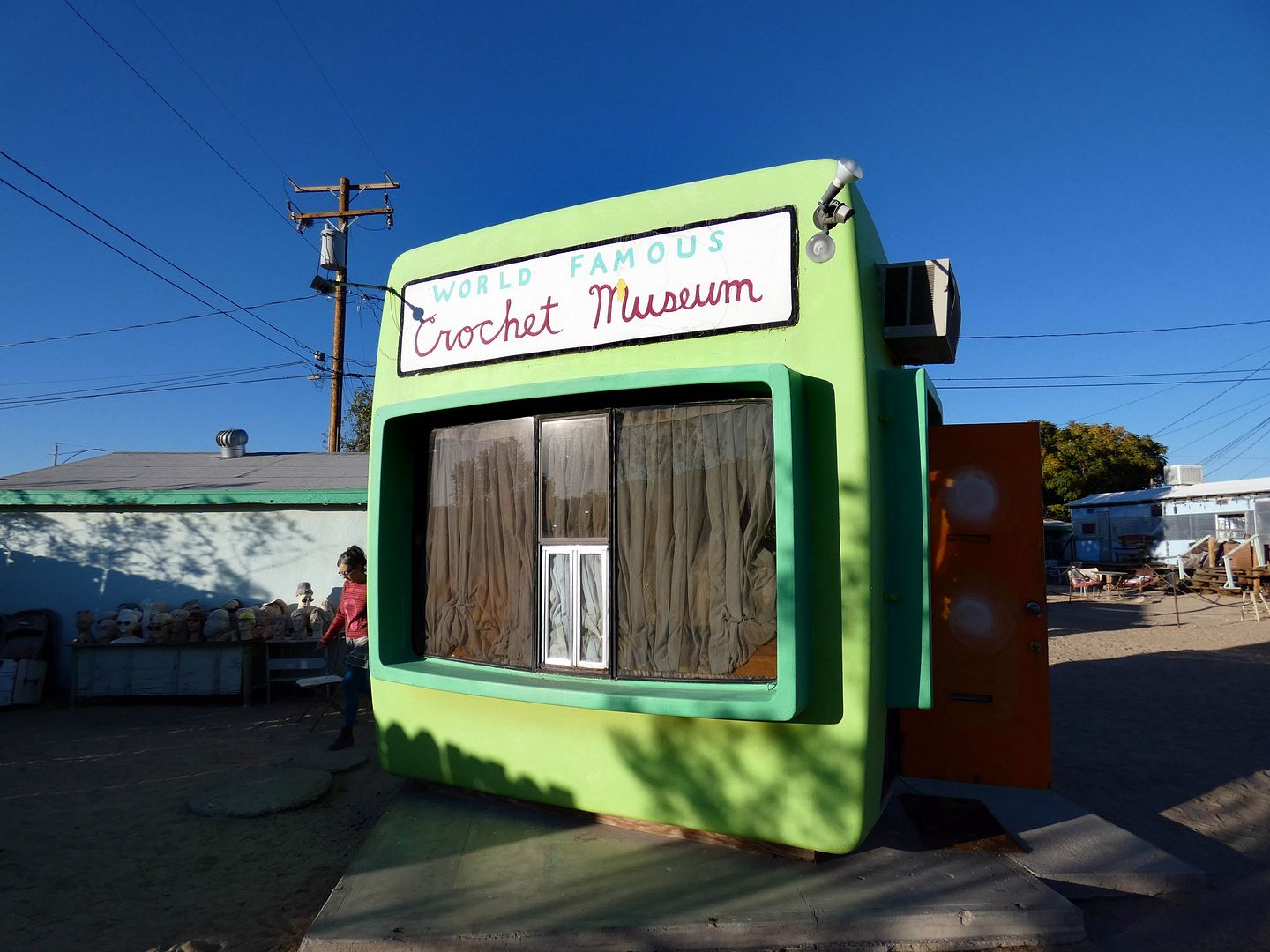
Photo Essay: World Famous Crochet Museum, Joshua Tree

I think I was close to the World Famous Crochet Museum back in 2012. Or maybe in 2009. I remember staying at The Desert Lily and ending up at some kind of event at Art Queen, the art compound that hosts the tiny museum.
   
But I didn't go in back then. I didn't yet know how to appreciate it.

March 31, 2022

Photo Essay: The Grub, Grottos, and Gunfire of the Los Angeles Police Academy, Elysian Park

[Last updated 2/25/23 11:21 PM PT—Video embed added to bottom of post]

The Los Angeles Police Academy is one of the most recognizable landmarks of LA's Elysian Park...

 
...starting with its "Academy Arches," which have appeared in many TV and movie productions, including American Beauty and episodes of Dragnet and T.J. Hooker.

September 26, 2023

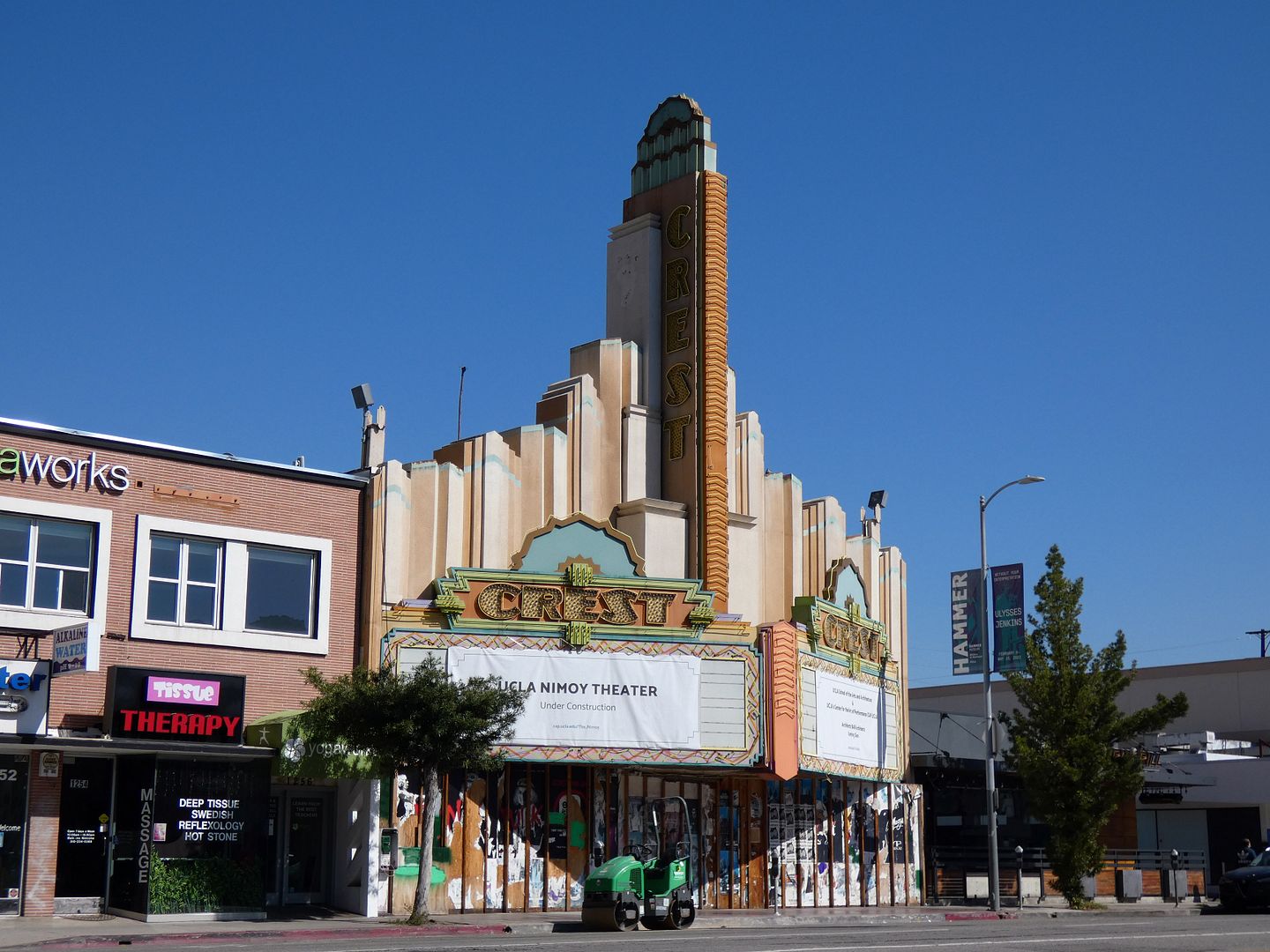
The Crest Has Transformed Into UCLA's New Nimoy Theater, With 1980s Art Deco Elements Preserved

I don't remember why I never saw a movie at the Crest Theatre in Westwood, Los Angeles before it closed for good in 2016. To be honest, I don't really remember it being open or having heard about it hosting any screenings.

 circa 2022

I only really took notice of it when it was closed, and then upon the announcement that UCLA was converting it into the "Nimoy Theater" (named after Star Trek actor Leonard Nimoy) for live shows presented by the Center for the Art of Performance. At which point, I became desperate to get in. 

September 24, 2014

Photo Essay: Landing on Another Planet, An Hour Outside of LA


You don't have to go far from LA in order to leave this planet.

I mean, sure, we are surrounded by the intellectual exploration of the skies and of space – from Mt. Wilson Observatory to the Jet Propulsion Laboratory – but I mean actually walk on terrain that's other-worldly enough to make you think you've been transported to another planet.


Just go to Vasquez Rocks.


After all, it was interplanetary enough for Star Trek to use it to depict several different planets.


The jagged rock formations – pushed up by activity along the San Andreas Fault –


...have also provided shelter for notorious bandits in real life...


...and have masqueraded as Tibet, India, the Old West...


...and, of course, Bedrock (for the live-action movie version of The Flintstones).


Although people do hike there...


...it's a good spot for a meander...


...where it's difficult to get lost...


...and there's lots to see along the various pathways...


...including the easy and scenic Geology Trail.


In the spring, you'll even find some wildflowers there...


...though the arid landscape and craggy terrain is more reminiscent of the Mojave Desert to the north...


...than to the Angeles National Forest to the south.


However, when most people arrive to Vasquez Rocks, they do not walk –


...they climb.


The peaks beckon...


...and their scrambling limbs disappear among them.

 I stand below, on solid ground, listening for screams of terror and calls for help, scanning the geology for tumbling bodies and any other signs of those in need of rescue.

But those that can climb, do.

And those that can't, observe and document.

Related Posts:
Photo Essay: Garden of the Gods
Photo Essay: Stoney Point, at the Santa Susana Pass
Photo Essay: Red Rock Canyon, Mojave Desert
Photo Essay: Another Red Rock
Photo Essay: Painted Rocks at Fort Irwin

May 08, 2023

Photo Essay: Chasing Down Elvis in Vegas

It didn't really occur to me when I visited the then-Las Vegas Hilton back in the late 1990s (for Star Trek: The Experience, which ran there 1998 to 2008) that I so close to the legacy left by Elvis Presley at the former International Hotel.


May 06, 2009

What I Learned from "Felicity"

During the recovery from my gum surgery, I decided to plow my way through Season Four episodes of Felicity, the NYU-based TV show that was part of the WB teen drama heyday. I figured it would be comforting.

Throughout the four seasons of the show, Felicity would be constantly faced with the metaphor of a "drawer," presented by her guidance counselor. She was badgered with "So what's in the drawer?" in order to face the question of the unknown. By the fourth and final season [SPOILER ALERT], Felicity had cheated on her true love Ben by consummating her longtime attraction to Noel, the devoted and puppy-dog-eyed best friend. When she confessed it to her counselor, Felicity was once again asked, "So what's in the drawer?" and she finally responded, "I know you think it's Noel." The counselor retorts, "Oh, so now it's a who?"

Yesterday I was watching an interview with Felicity creator J.J. Abrams on Charlie Rose, promoting his new Star Trek movie, and he refused to reveal any details of the final season of LOST by saying, "Why do you want to know what's in the box? Isn't it better to not know?" But I don't think he meant it's better to never know, only that it's better to let the answer be revealed to you in due time.

The lesson? Don't rush it. Let the answer run its course and come to you when it's ready (not when you think you're ready).

Felicity's freshman year roommate Meghan had a mysterious box, literally. She would rebuff anyone who asked her about it, looked at it, or dared think of touching it. When we finally found out what was actually in the box [SPOILER ALERT], it was kind of disappointing, but freaky in a way that foreshadowed J.J. Abrams' future career: the "Twilight Zone" episode revealed that Meghan actually kept Felicity, Ben, and Noel in the box and was orchestrating their every move like a puppetmaster.

Sometimes it's better to not know what's in the box.

All of this reminds me of how I don't like figuring movies out, and never try. I get mad when I do figure it out before the big shocking ending. I'm watching LOST with baited breath but I don't read the blogs or the conspiracy theories that supposedly help you figure the show out. I just watch every week, continuously baffled, and will do so until the big f-ing disappointing ending next season.

Right now in my own life, outside of the TV world, there's a drawer (or a box) with something (or someone) in it and I don't know what (or who) it is. But I'm not really trying to figure it out, either. I'm just trying to get from month to month, make enough money to live on, and try to take advantage of every opportunity as it comes. It's unsettling not to have a long-term plan but I've probably never been so free.

One day I'll get to look inside the box, and maybe I'll be disappointed with what's inside. For now, it's more fun to imagine what it might be.

December 04, 2010

Photo Essay: Hollywood's Most Famous Caves

LA's parks are full of historical sites - be they vestiges of grand old estates, or former shooting locations for a variety of film and television productions. I have yet to hike to the former set of M*A*S*H, but I know it's there and it's on my list.

Today I returned to Griffith Park, whose huge expanse is full of hiking trails and nooks and crannies often left unmarked on maps, to visit the Batcave.

Bronson Canyon is situated in the southwestern section of Griffith Park, not far from Beachwood Canyon. The main trail, Brush Canyon Trail, is located at the end of the road past Camp Hollywoodland, where hikers share the land with horses and equestrians (presumably from the nearby Saddle Ranch Hollywood horse ranch).


I hiked a steep path for a while, but after having walked three miles around the Hollywood Reservoir, I was unimpressed with what looked like just another canyon. So I turned around and returned to the parking lot for the real draw of my trip: the Bronson Caves.


A young family was well on their way up the path when I heard their young son (who must've been six years old) say, very seriously and excitedly, "This is where they shot the Batman television series of 1966!"

Indeed, I was on the right track.


This is exactly where Adam West and Burt Ward were shown driving out of the Batcave in the TV show that ran from '66-'68. It looked a little more overgrown back then.

The caves themselves are presumed to be manmade, largely because this area of the park was home to the Los Angeles Stone Company's rock quarry.


They have been featured in a number of Hollywood productions, including Little House on the Prairie, Fantasy Island, and even Star Trek: Voyager.


The main tunnel is actually quite small - high enough to stand in, but short enough to be crossed in less than a minute. It is flanked by a couple of other openings that serve as crawlspaces whose only way out is also the way in.

On the other side of the tunnel, once again, the Hollywood Sign peeks out at you.


Griffith Park felt very much alive today, though overcast skies and a chill in the air reminded me that it's winter. But the grass was greener than I'd ever seen it, and there were plenty of signs of life - including some tracks in the mud from what I suspect was a mountain lion.


Yet another highlight of the hidden city known as Los Angeles.

To become a fan on Facebook, click here.

April 28, 2020

Photo Essay: A Close Encounter of the 'Jet Age' Kind at LAX

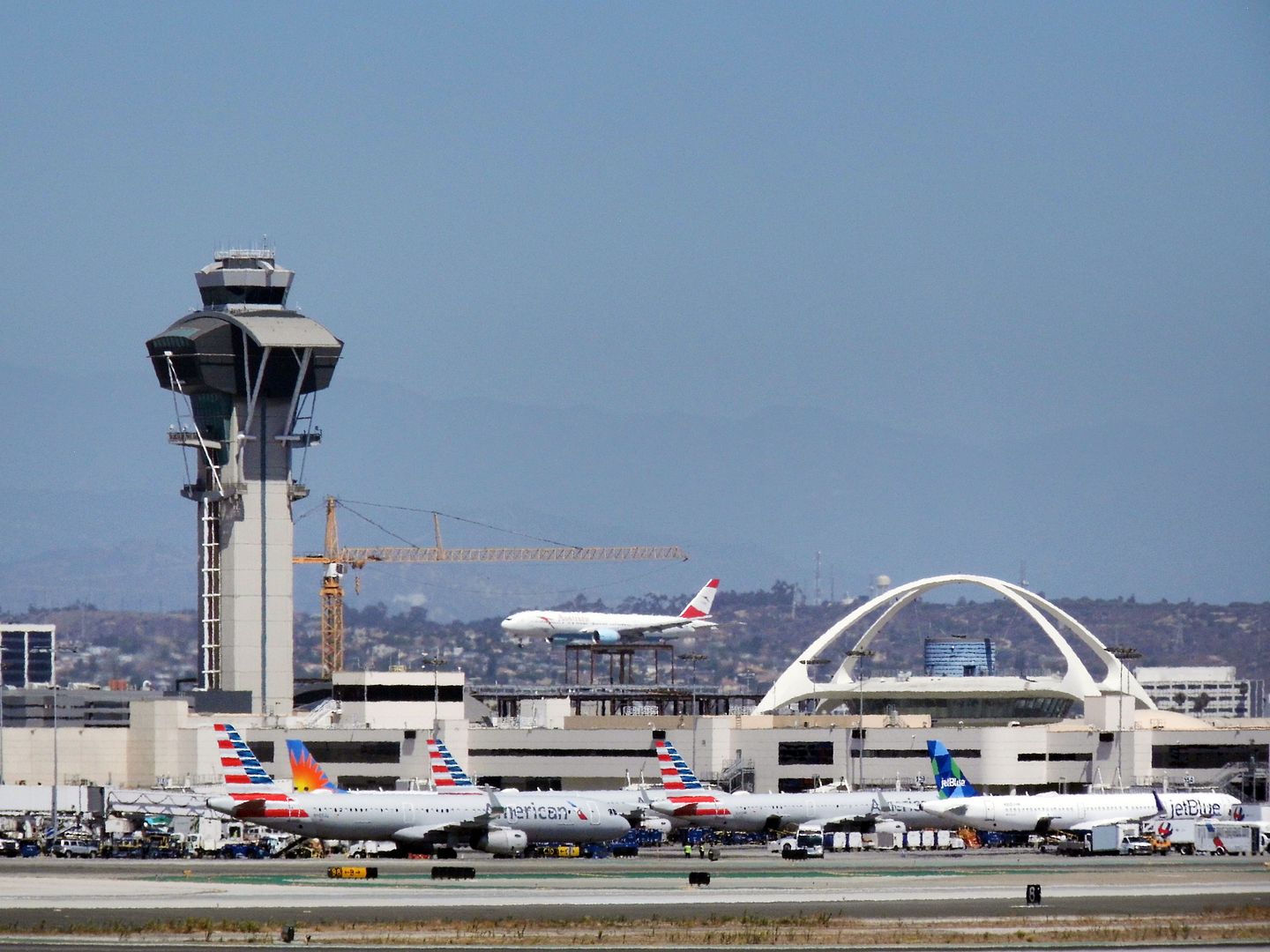
No matter which gate or terminal your airline directs your arriving flight to at LAX, there's something you're sure to see—the Theme Building.

circa 2019

It's at the center of it all at LAX—hovering like a space ship while all the rental car and hotel shuttles and taxis and rideshares encircle it on World Way, bobbing and weaving around the parking structures and the ill-marked exits that simply have you return to the airport instead of heading to your destination.

circa 2019

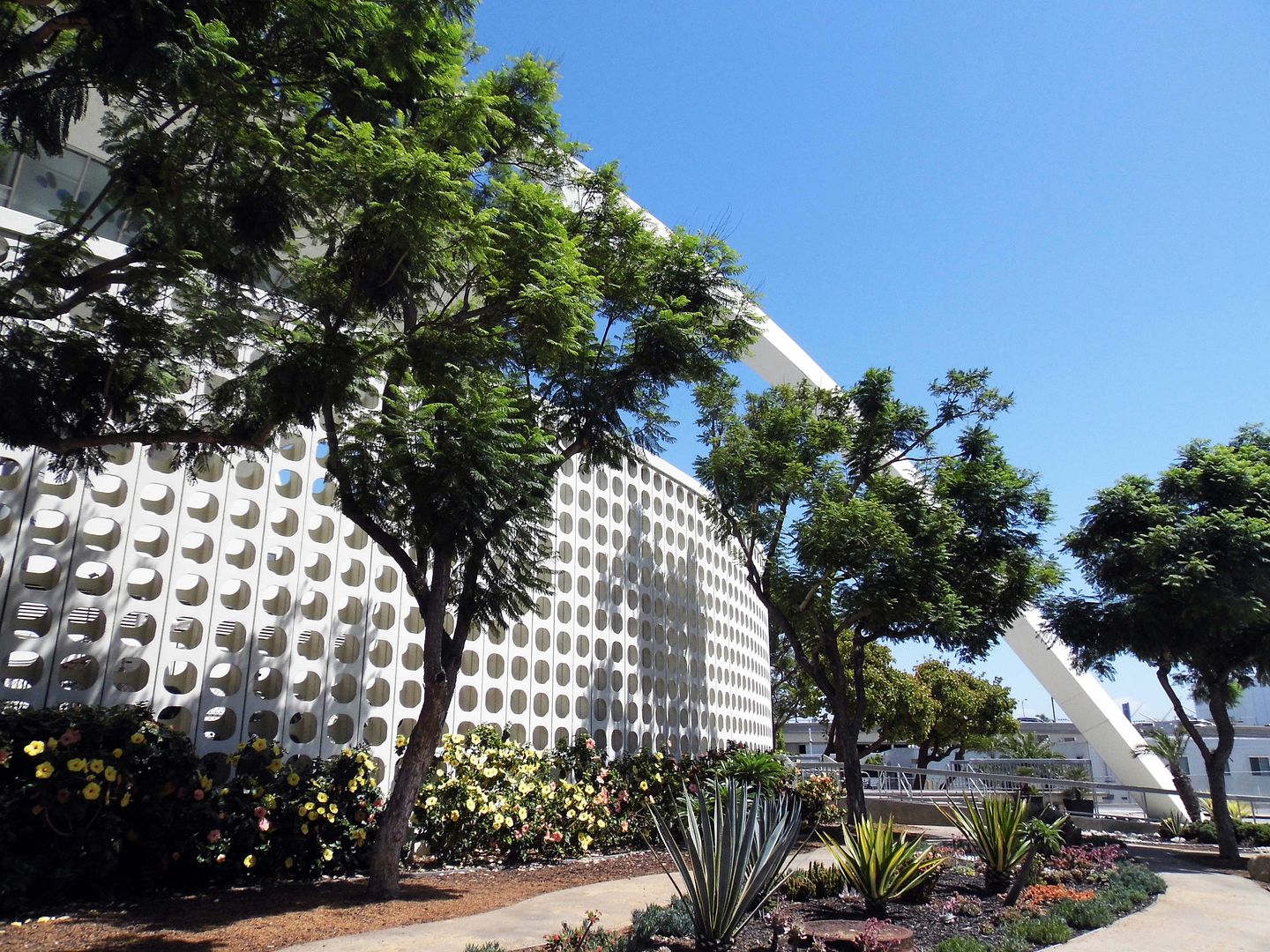
Situated on an island of sorts between West Way and East Way, the Theme Building is the kind of beacon—day or night—that makes you say "What the heck is that?" and then become obsessed with it. I don't think that's just me. I think it's pretty much everybody.

circa 2019

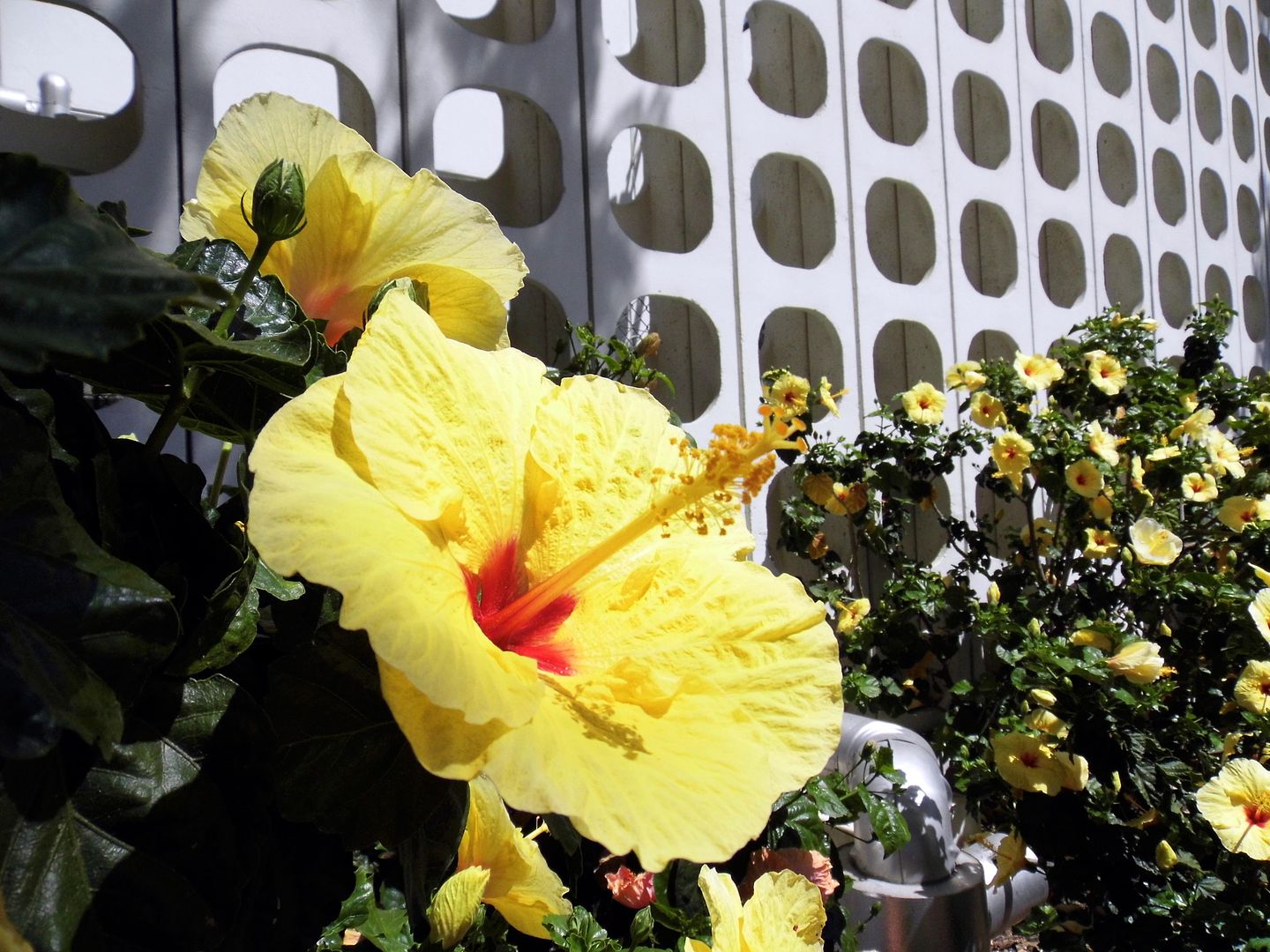
Completed in 1961 as a joint venture between architects Charles Luckman, William Pereira, Welton Becket, and Paul Revere Williams (though some say Williams has been given more credit than he deserves on this particular project), the "new terminal facilities" were dedicated by none other than Lyndon B. Johnson, the sitting Vice President of the United States at the time (and future POTUS 1963-9).

circa 2019

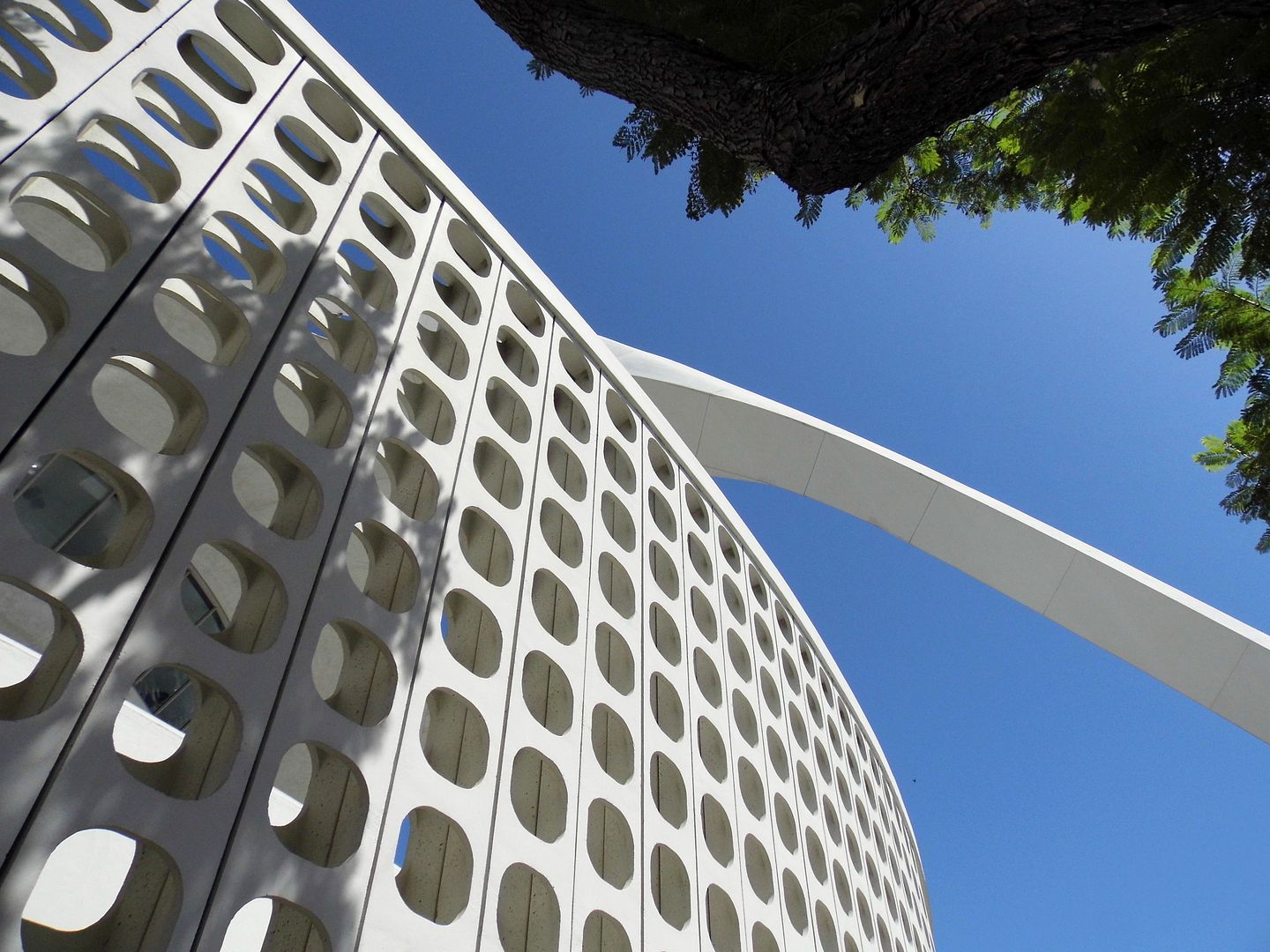
And the Theme Building was an essential part of the plan to bring LA's international airport into the "Jet Age" with state-of-the-art facilities and a futuristic, Googie vibe.
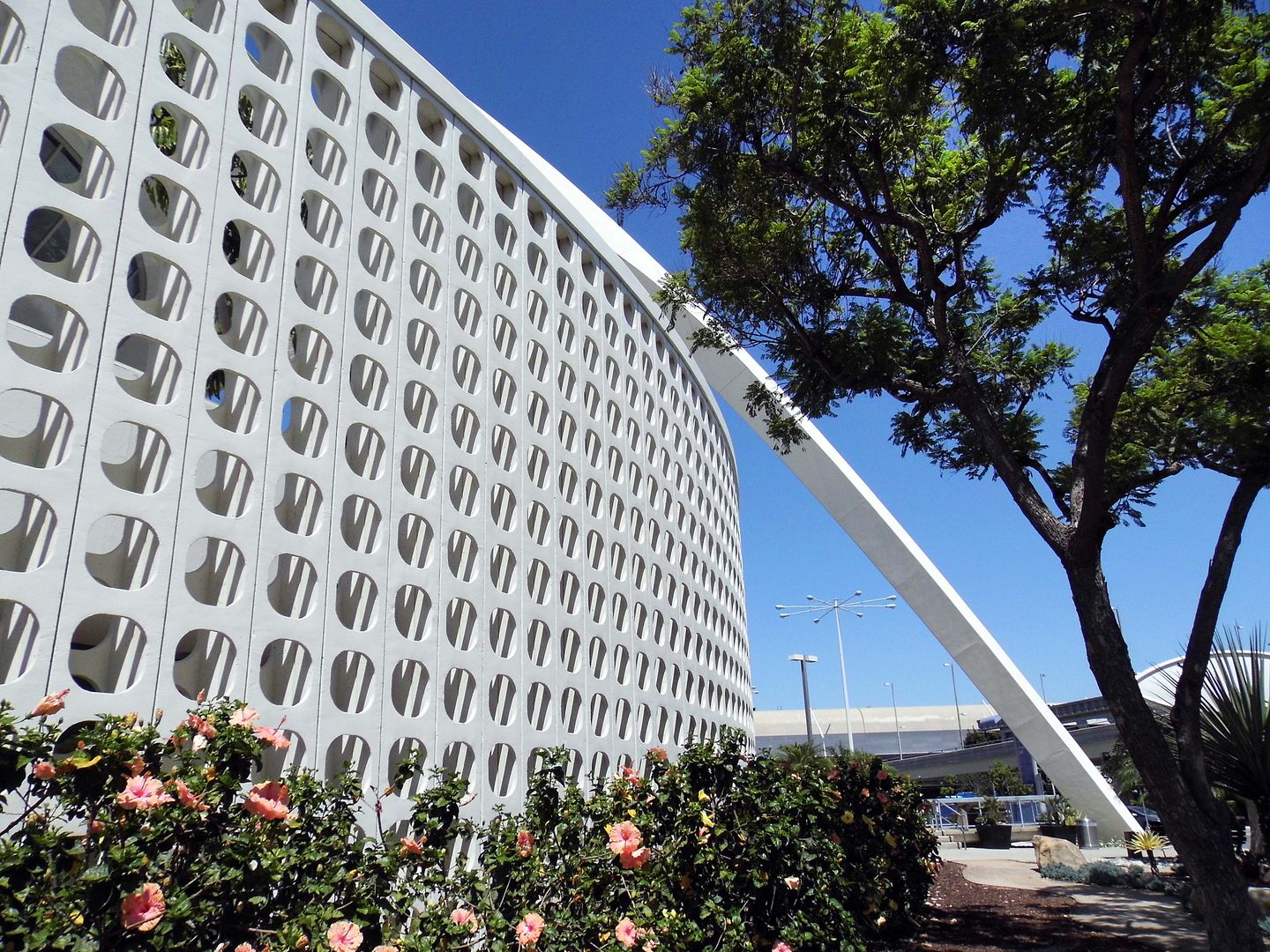

circa 2019

LAX had come a long way from its first iteration as Mines Field—a mere landing strip built in the late 1920s out of a clearing in the bean and barley fields of the former Mexican land grant, Rancho Aguaje de la Centinela.
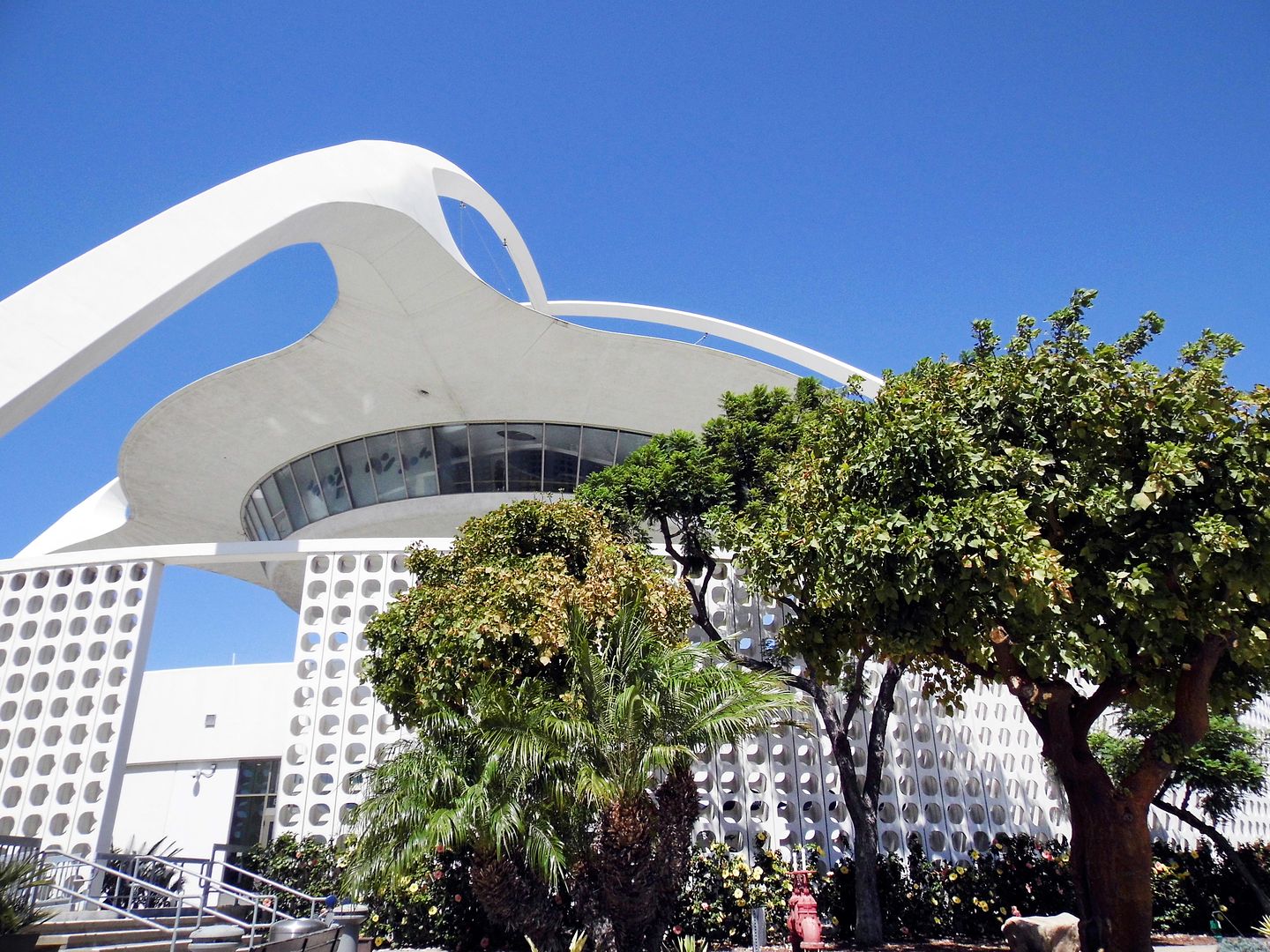

circa 2019

And in keeping up with the new jet set, there was no telling what new heights this flight facility could reach.
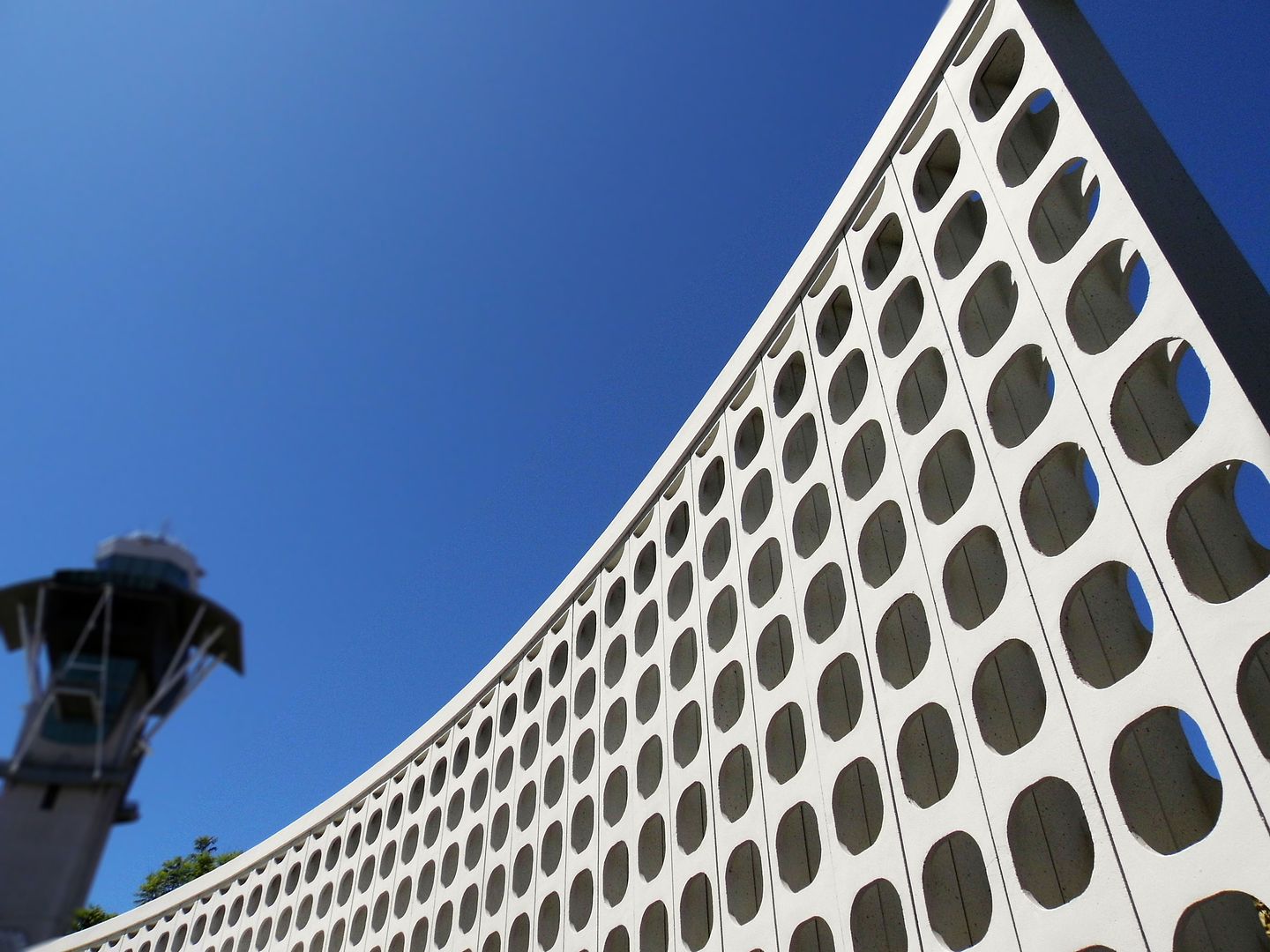

circa 2019

Also known as the "Theme-and-Arch Building," the LAX spaceship (whose initial design is credited to draftsman James Langenheim of the Pereira-Luckman firm) ultimately became nothing more than a symbolic center of the airport—and not a functional one.
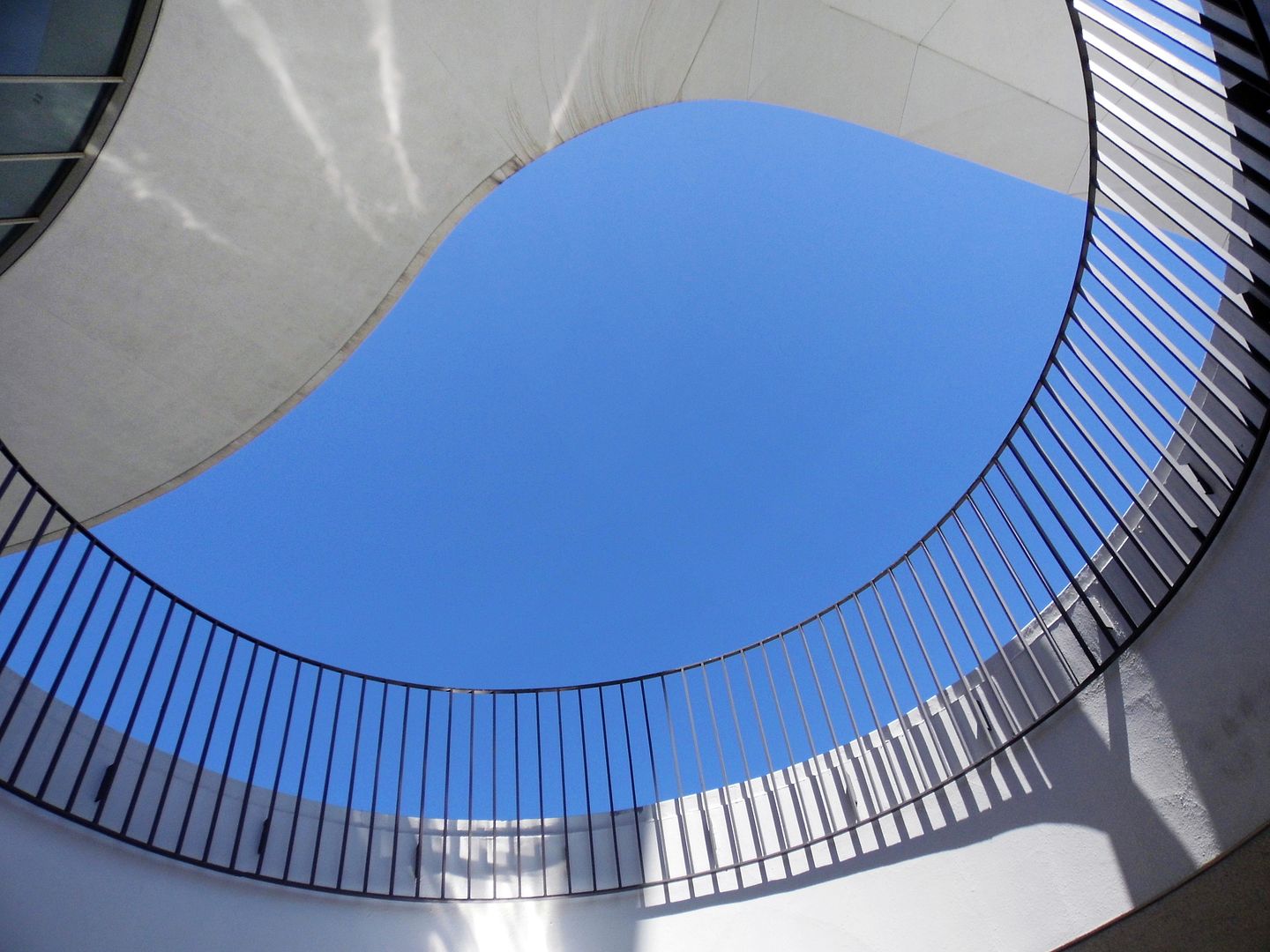

circa 2019

In fact, it's kind of hard to get to on foot, especially with luggage in tow. And there's not much reason to go there if you're not flying in or out of LAX.
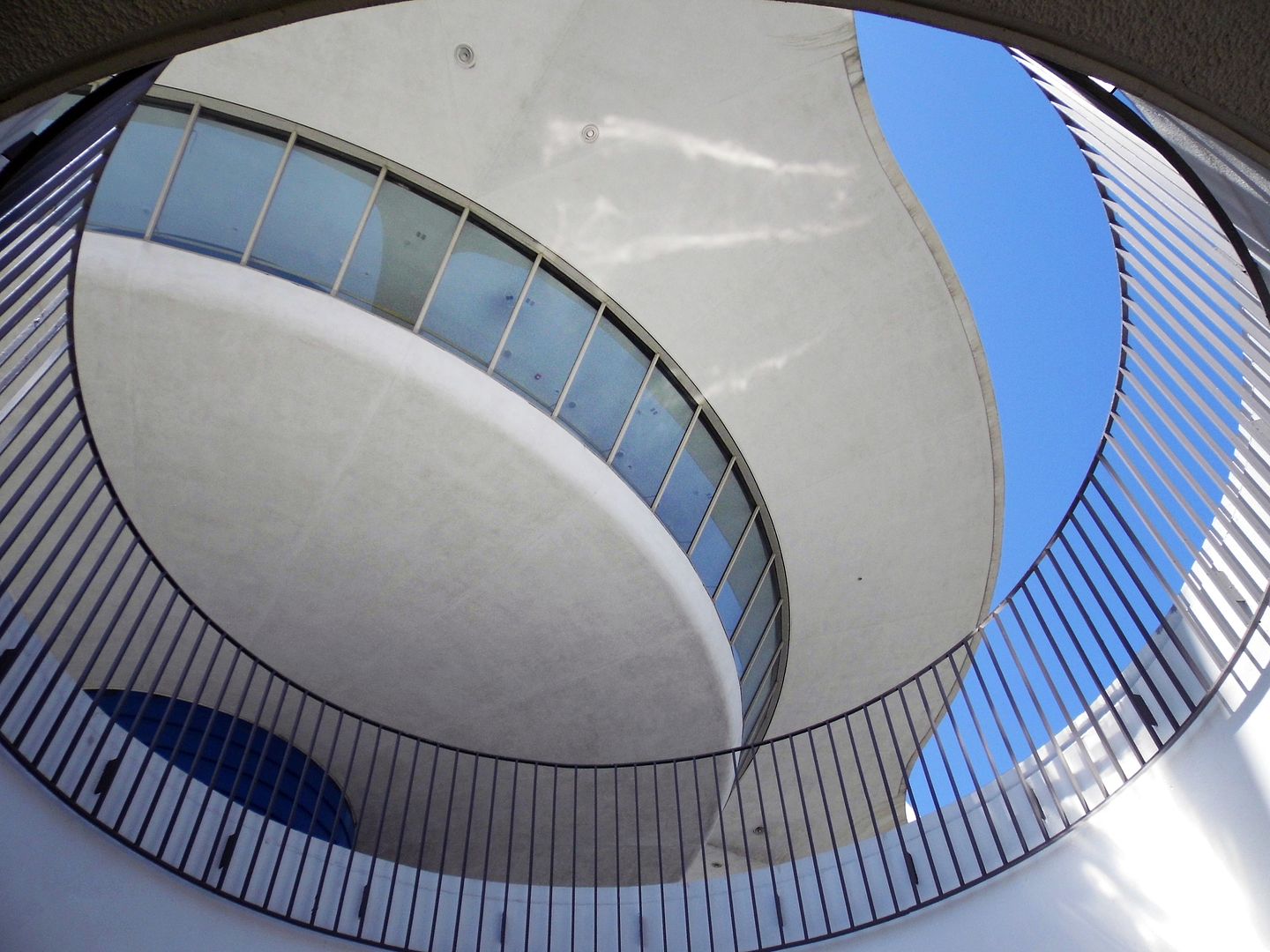

circa 2019

There used to be, however, an exception—the circular Encounter Restaurant and Bar.
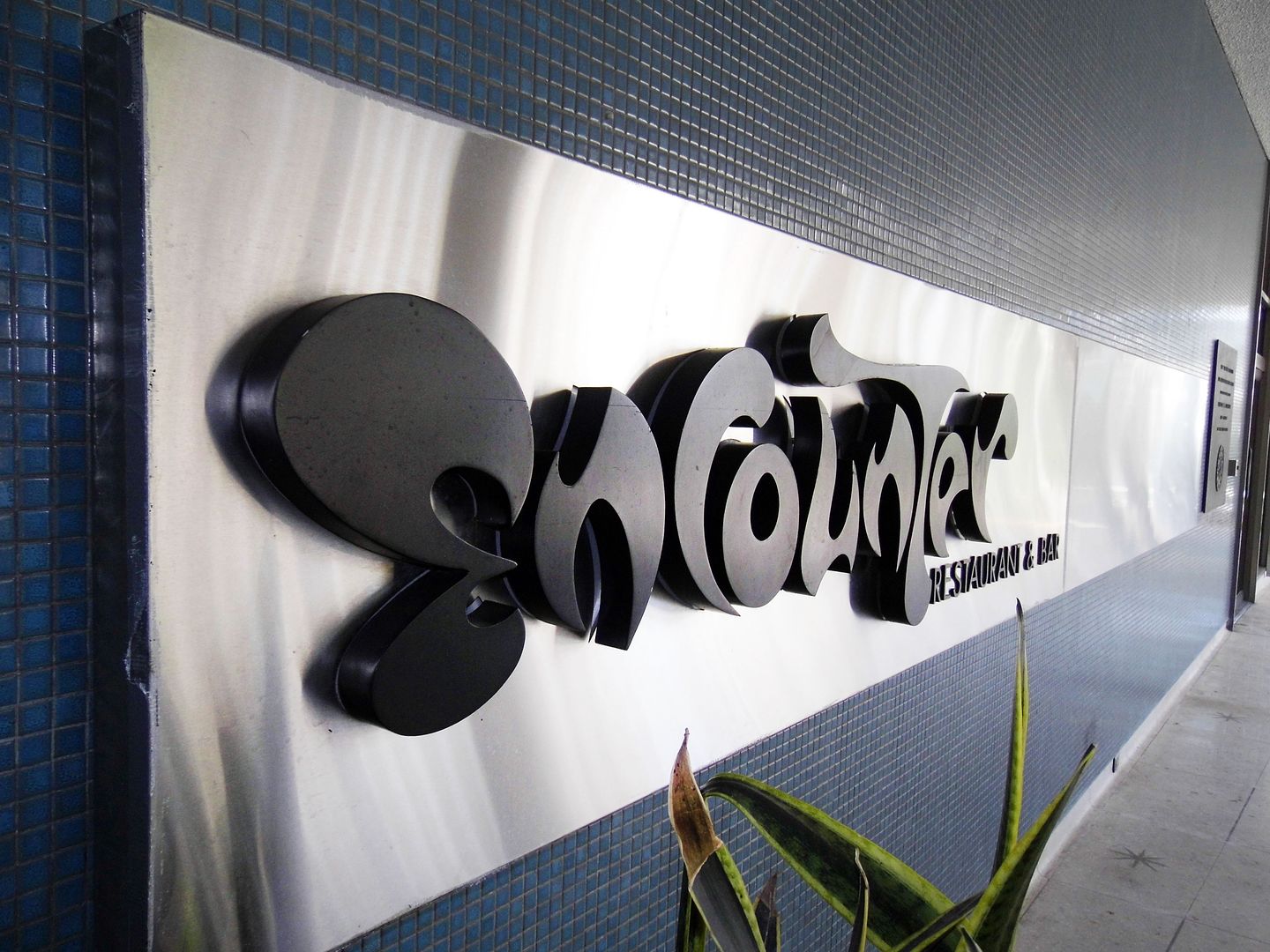

circa 2019

Encounter closed permanently in December 2013, but its signage persists on the tiled wall outside the (now locked) glass entry doors...
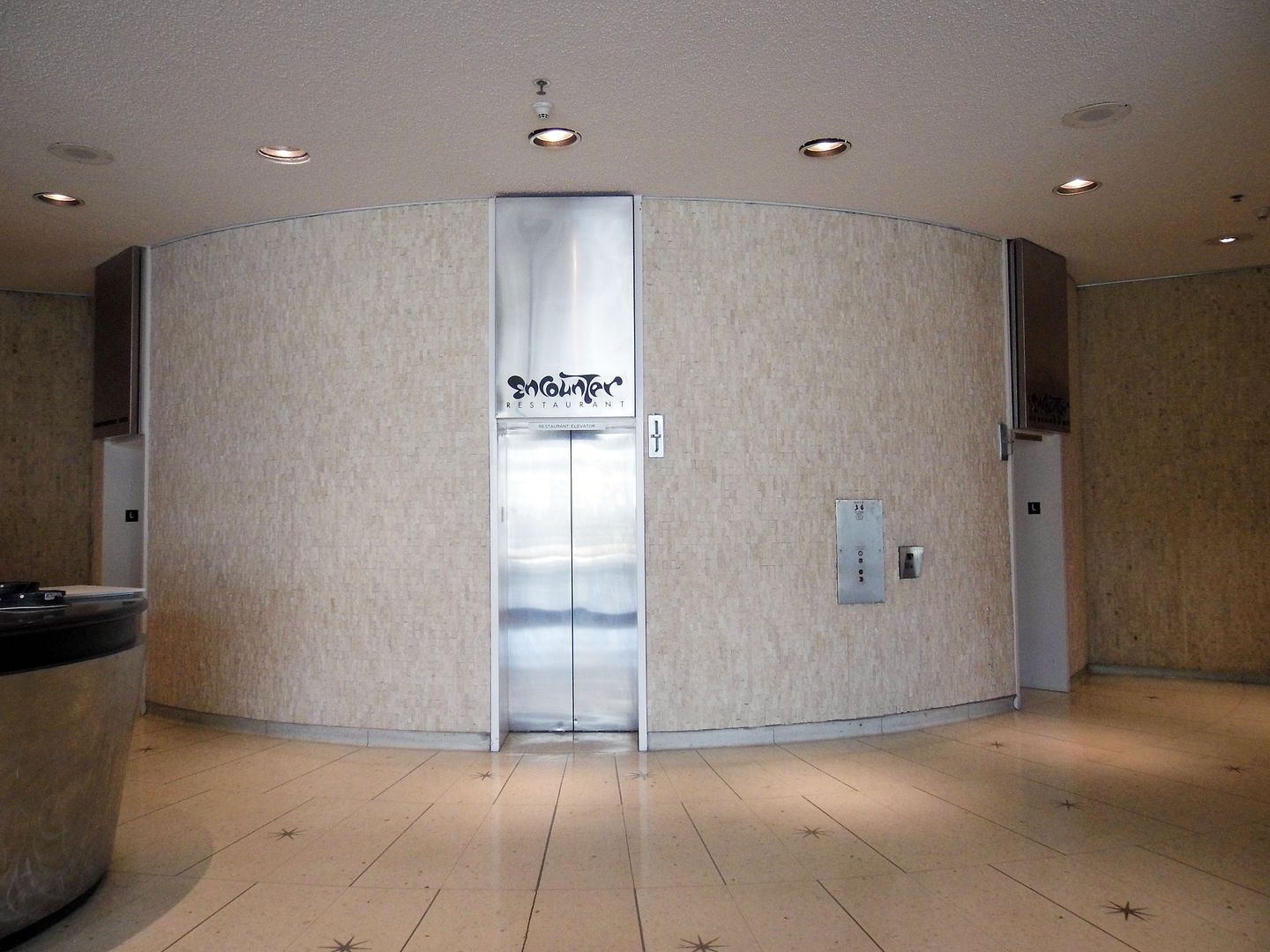

circa 2019

...and outside the elevator that would take you to the top while playing some Star Trek theme-inspired soundtrack (or a copycat version thereof, listen at the bottom of this post).
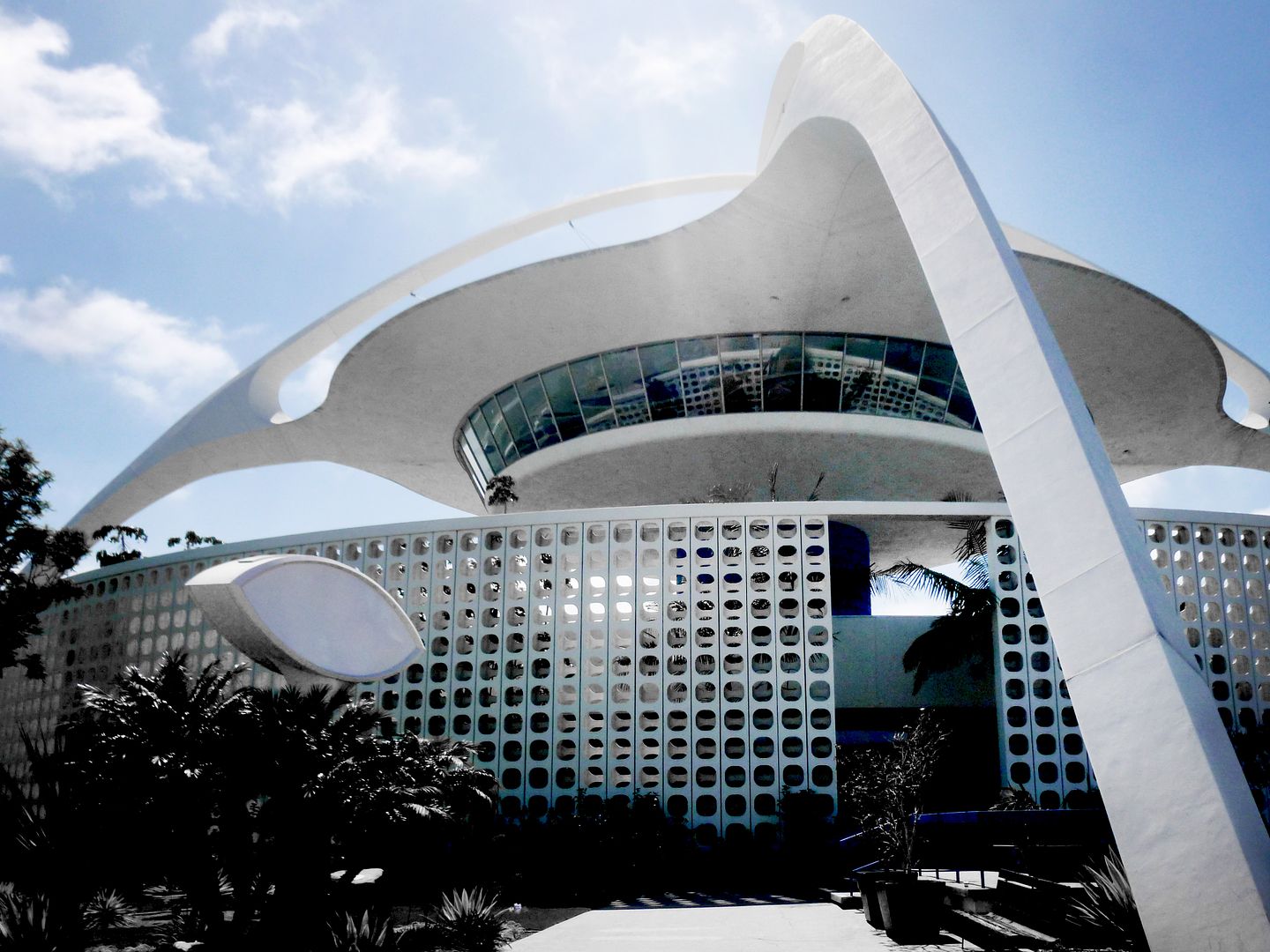

circa 2015

Standing under those stuccoed arches, encircling the flying saucer like the rings of Saturn, visiting is truly an "out of this world" experience.
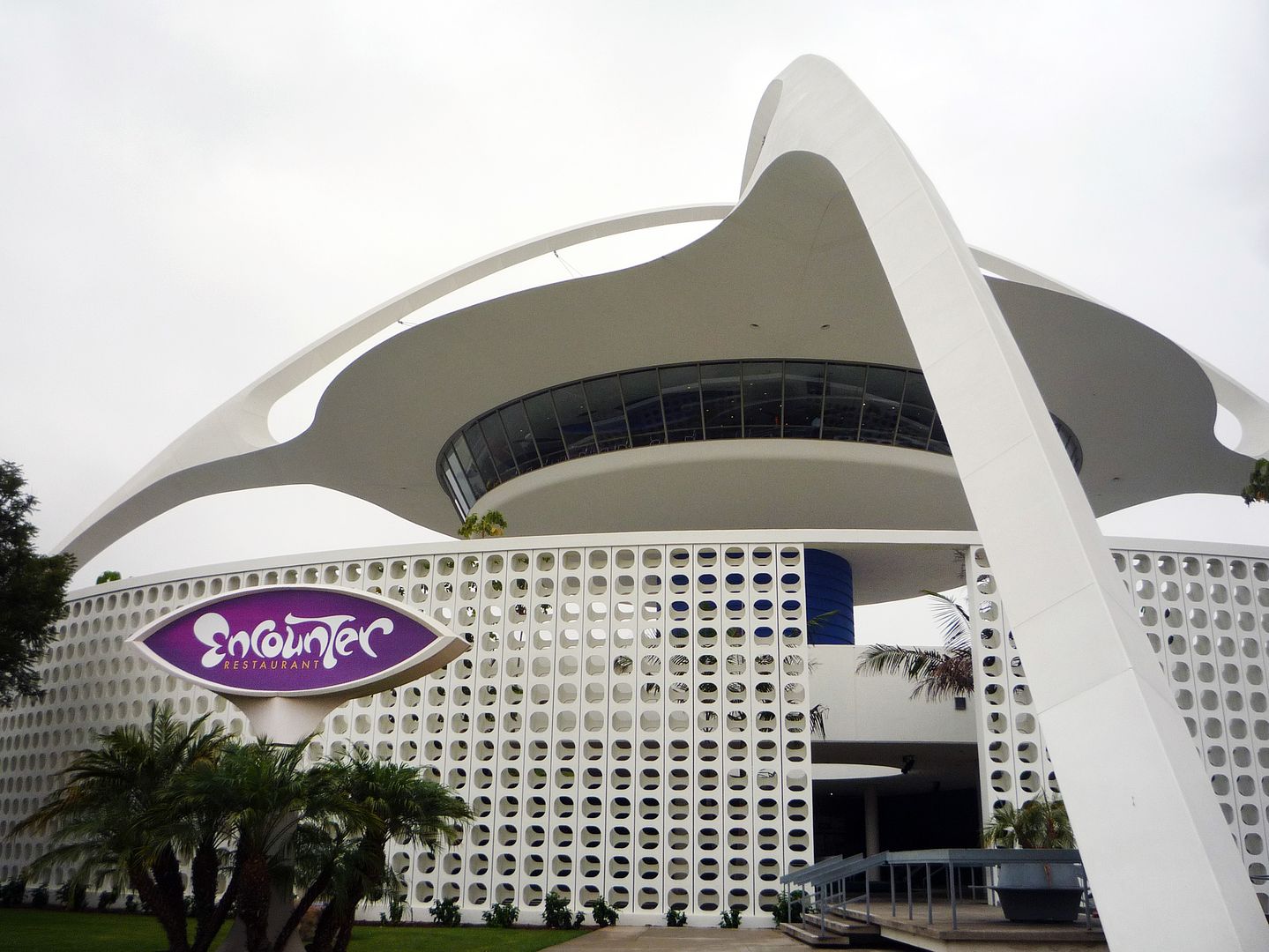

circa 2010

I had the foresight to go out of my way to get up in there back in October 2010. Although Encounter had originally opened in 1997, the building itself later needed renovations in 1999 and seismic retrofitting and other structural reinforcements in 2007. It didn't reopen until July 2010.
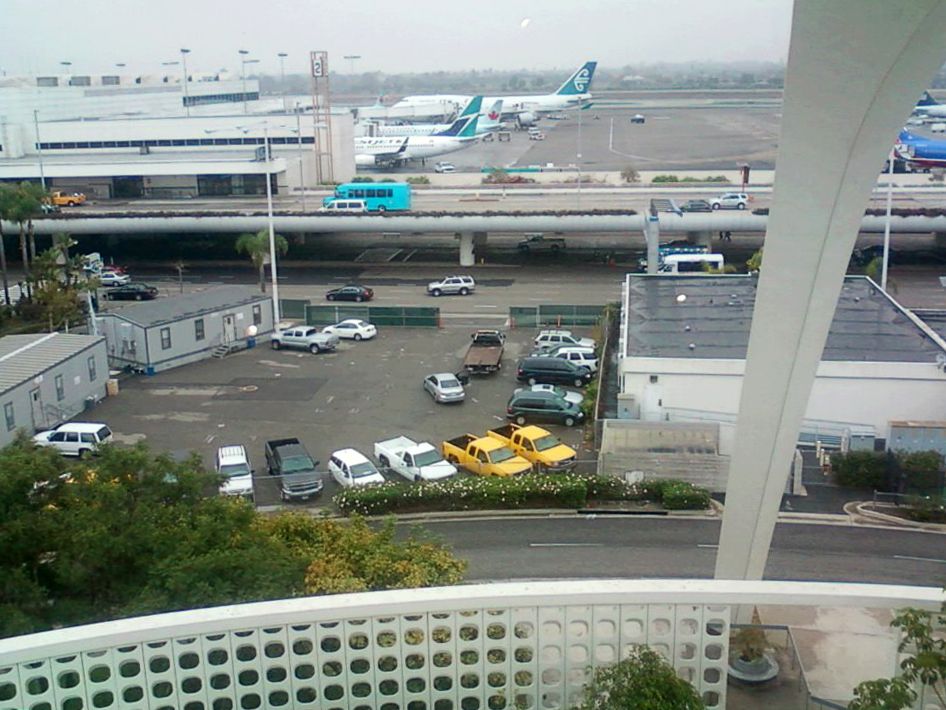

circa 2010

I was living in NYC at the time but had ramped up my West Coast visits in anticipation of moving here. And after flying back and forth so many times over the course of that year, I just had to visit that UFO-shaped restaurant suspended in the air.
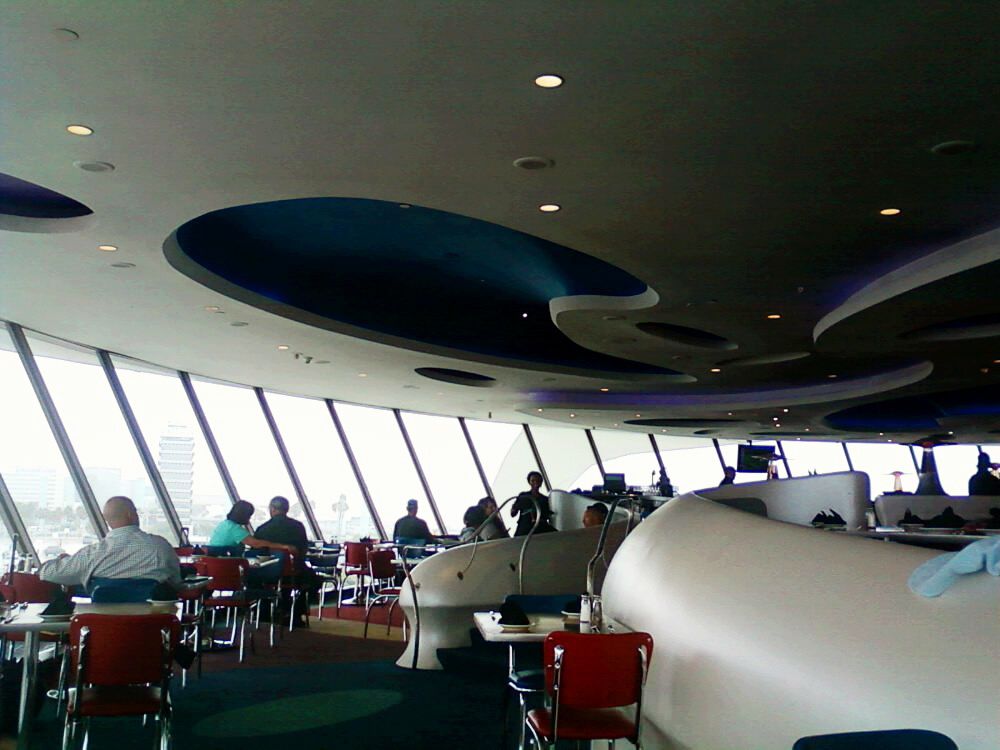

circa 2010

The Jetsons-like interior was accented by the spaceship's exterior lighting design—contributed by Michael Valentino of Disney Imagineering, circa 2000. The lava lamps on the crater-shaped bar were a bit much, as were the laser-beam bar guns and alien beer taps. And the themed menus—except the one for "junior space cadets"—offered cocktails like "The Black Hole" and the "Bossa Supernova."
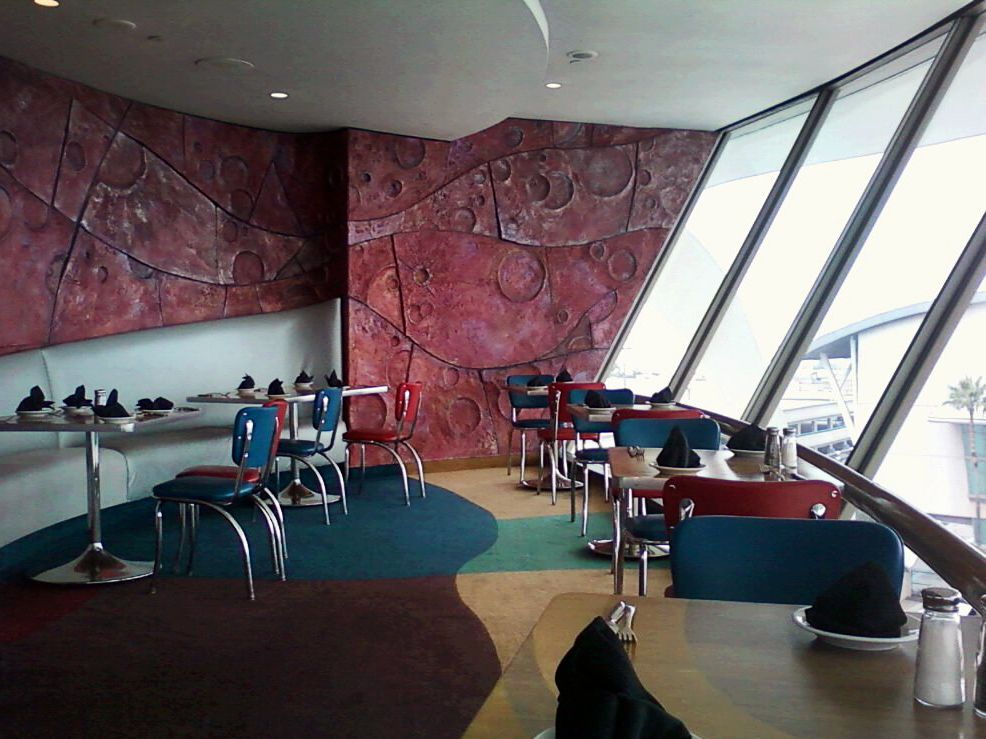

circa 2010

And at the time, I didn't appreciate that much of the spacey-chic I was witnessing was the work of other Disney imagineers, too—like Eddie Sotto (who designed the textured walls to look like the moon's surface) and Ellen Guevara (who worked with Sotto on the flowing carpet patterns).


But oh, what I wouldn't give to ride that elevator again—and listen to that kooky sci-fi music—and get a good look at all the crazy design elements inside—and watch all the planes taking off and landing on the runways outside.
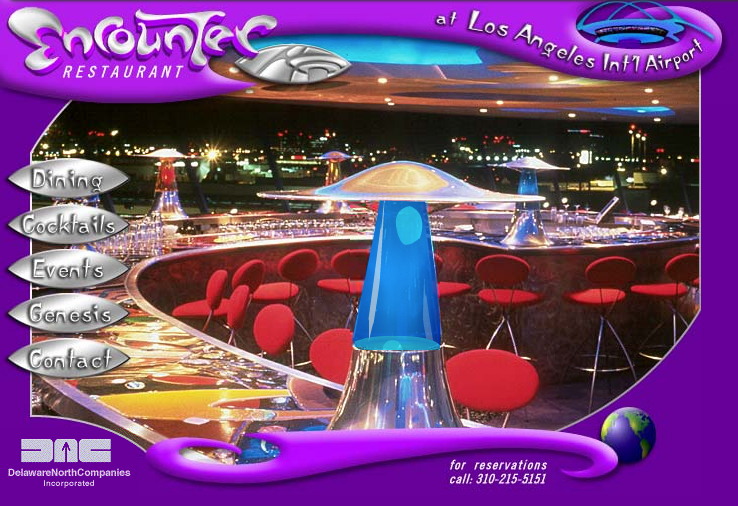

Encounter website circa 2007 (Screenshot via Internet Archive)

I did actually dine at Encounter one more time—that same year, in fact, when I'd returned to LA to interview for the job that ultimately moved me here. I was staying at a hotel near LAX and my future boss met me at the airport for dinner.

Considering the business nature of our meeting, I didn't get the chance to take any nighttime photos of the Theme Building or its restaurant. But to be honest, I was so obsessed with collecting new experiences from 2010 to 2014 that I didn't really feel the need to go back. I thought I'd been there and done that.

In fact, it didn't occur to me to go back to Encounter ever again—until it was too late.

Nothing has replaced the Encounter Restaurant in the Theme Building, although there's been talk of how it might be reimagined—especially with the success of the newly reopened (and preserved) TWA terminal at JFK. The observation deck is even closed. The only signs of life are the Bob Hope USO operations on the ground level.

So what could be next?

If I had endless amounts of money, I'd try to open a tiki bar there. I'd probably even keep the space theme. Outer space and underwater are strikingly similar sometimes.

Aesthetically, there's not a huge difference between the the bottom of the sea and the surface of the moon.

Related Posts:
Photo Essay: Retro Digestion in LA's Most Futuristic Restaurant Designs (Updated for 2019)
Photo Essay: The Triforium, A Disco Spaceship Gone Dark