Search

September 13, 2020

In the Line of Fire at Yosemite Mountain Sugar Pine Railroad, Sierra National Forest

I had a three-day weekend for Labor Day, and I was puzzled as to how to spend it. I've been kind of maxing out my opportunities to explore the LA area from a safe distance; and I've been dying for a farther-flung adventure.

Especially because I've seen and heard about some friends traveling. And I'm just fine if we're all in the same lockdown boat. But I'm not fine if I'm missing out on stuff that others are experiencing.

Fortunately, I tend to thrive under restriction. Give me very few choices, and I'll make the absolute most out of them.

So, after deciding to cross Forestiere Underground Gardens in Fresno, California off my list, I honed in on the other bucket list item that was 1) in the same general direction and 2) open despite the coronavirus pandemic.
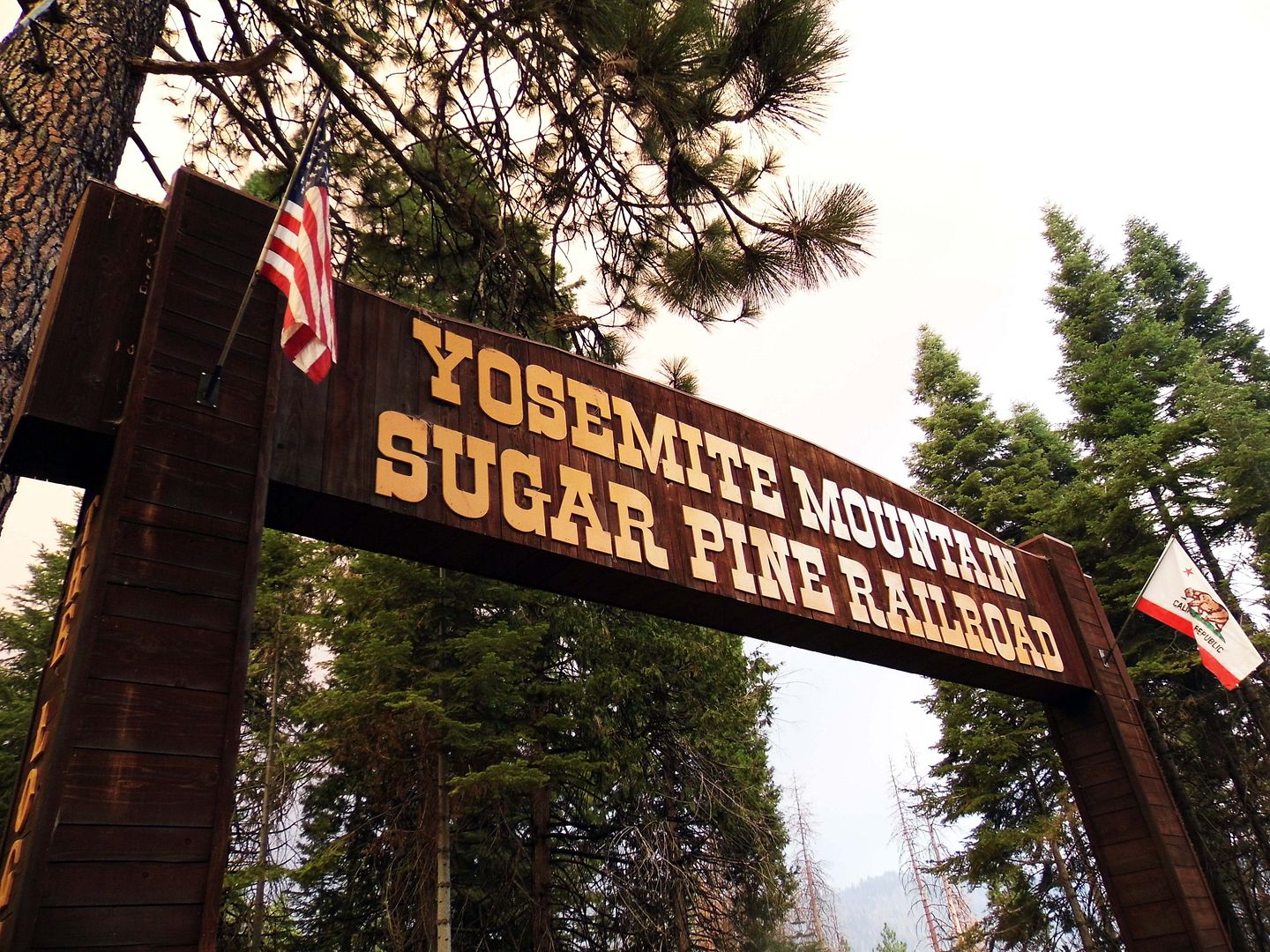


Less than an hour northeast of Fresno, I could ride the Sugar Pine Railroad! And, in fact, my timing was impeccable—because on the Saturday of Labor Day weekend, I could ride its narrow-gauge heritage rails twice, with the addition of the "Moonlight Special" evening train.
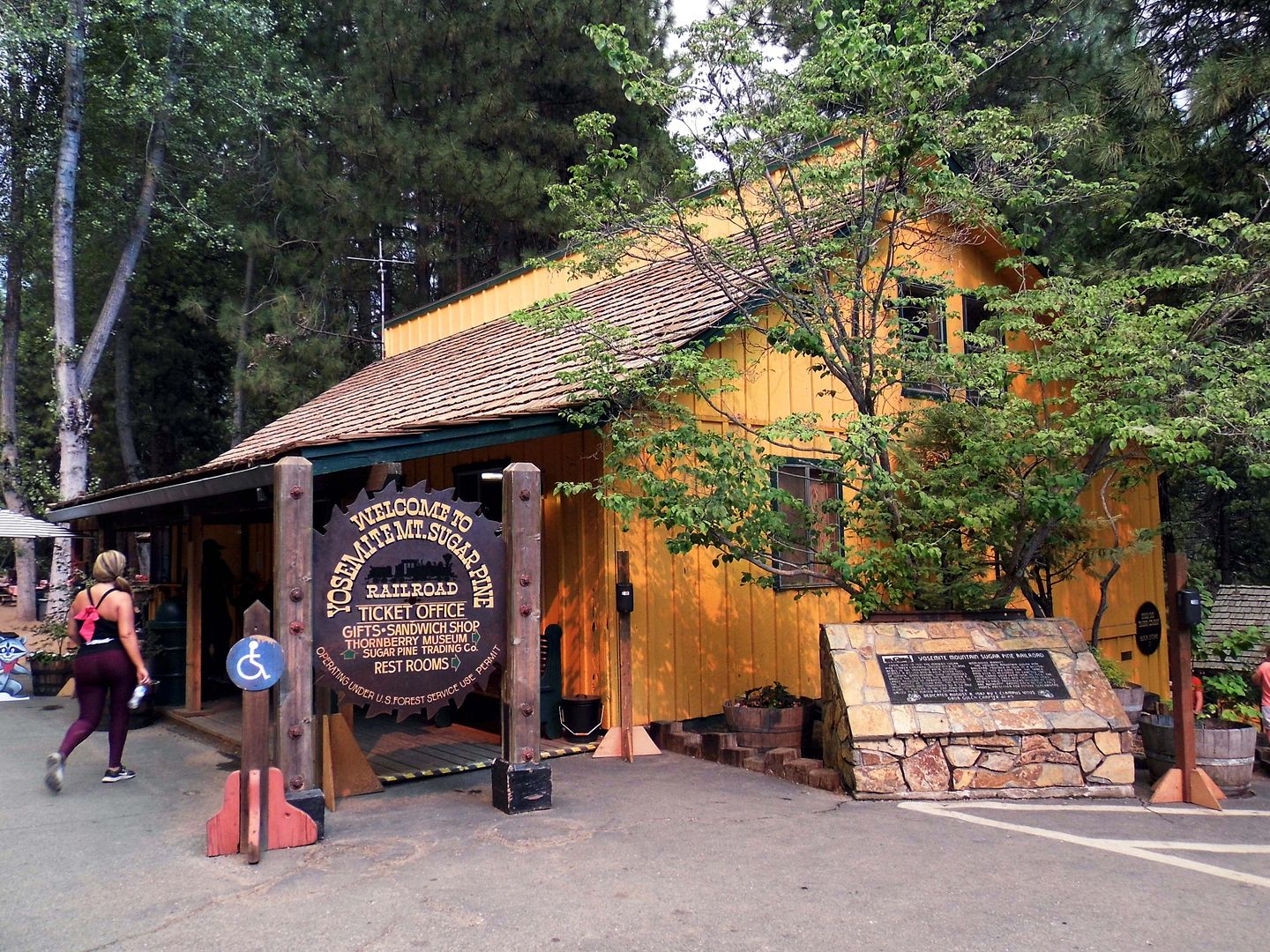


Located in Sierra National Forest near the town of Fish Camp, about 10 miles south of the Highway 41 entrance to Yosemite National Park, the Yosemite Mountain Sugar Pine Railroad has been running scenic passenger trains through federal land since 1965. It's still run by the same family that founded it.
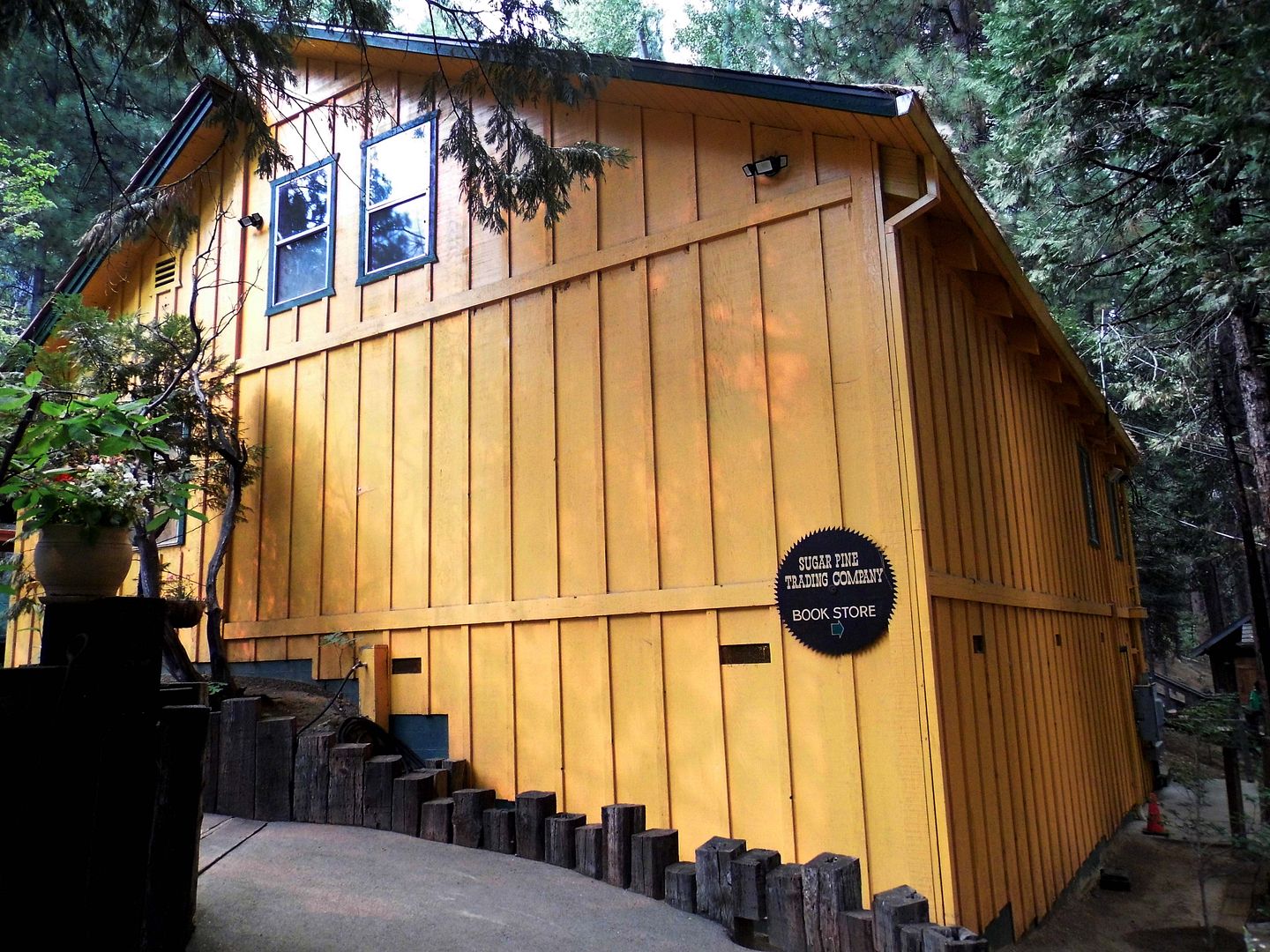


It has restored and preserved the track and grade used from 1908 to 1924 in the logging operations of the former Madera Sugar Pine Lumber Company, which operated in the area from 1899 to 1931.
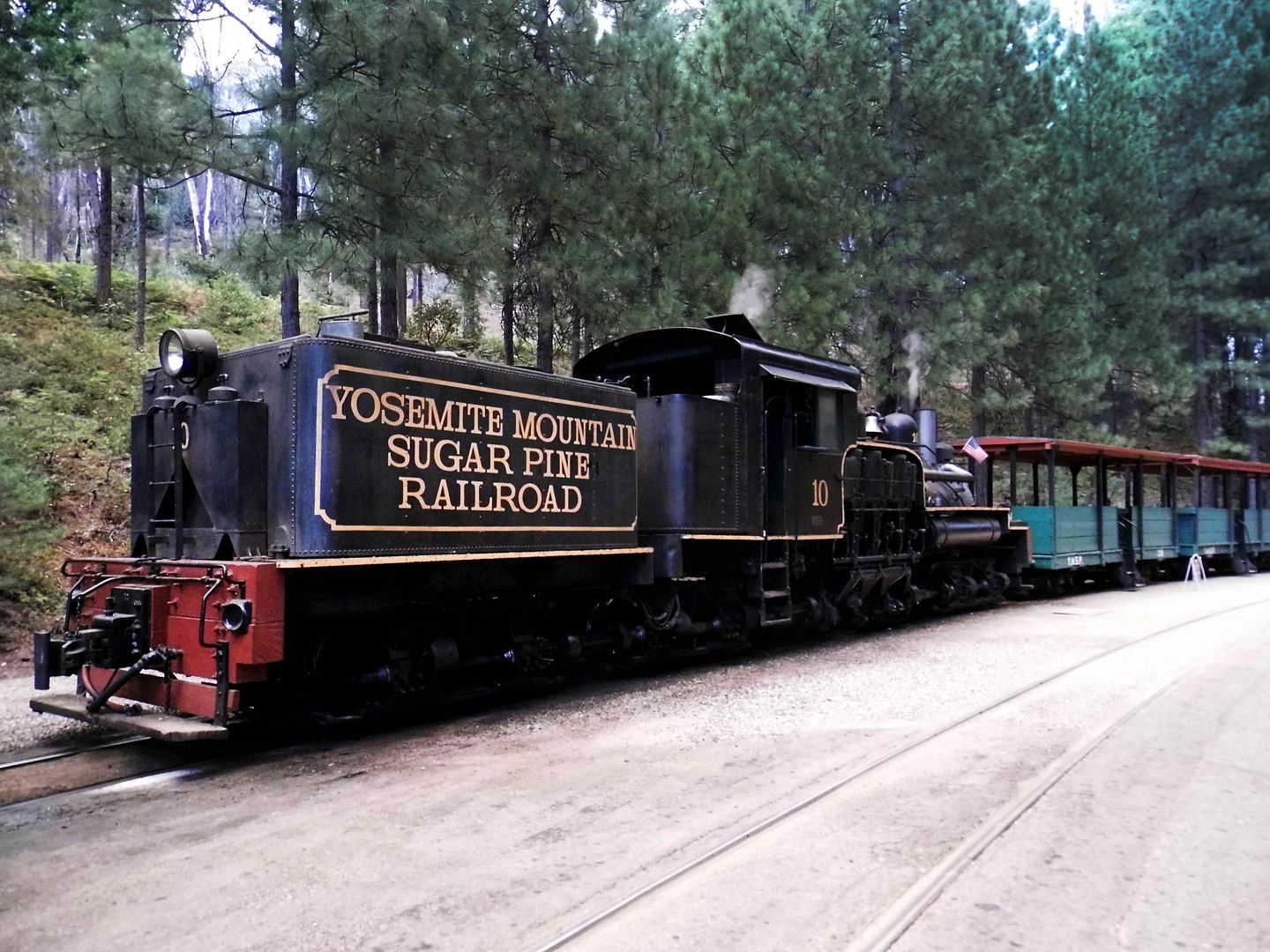


But now, instead of hauling logs...
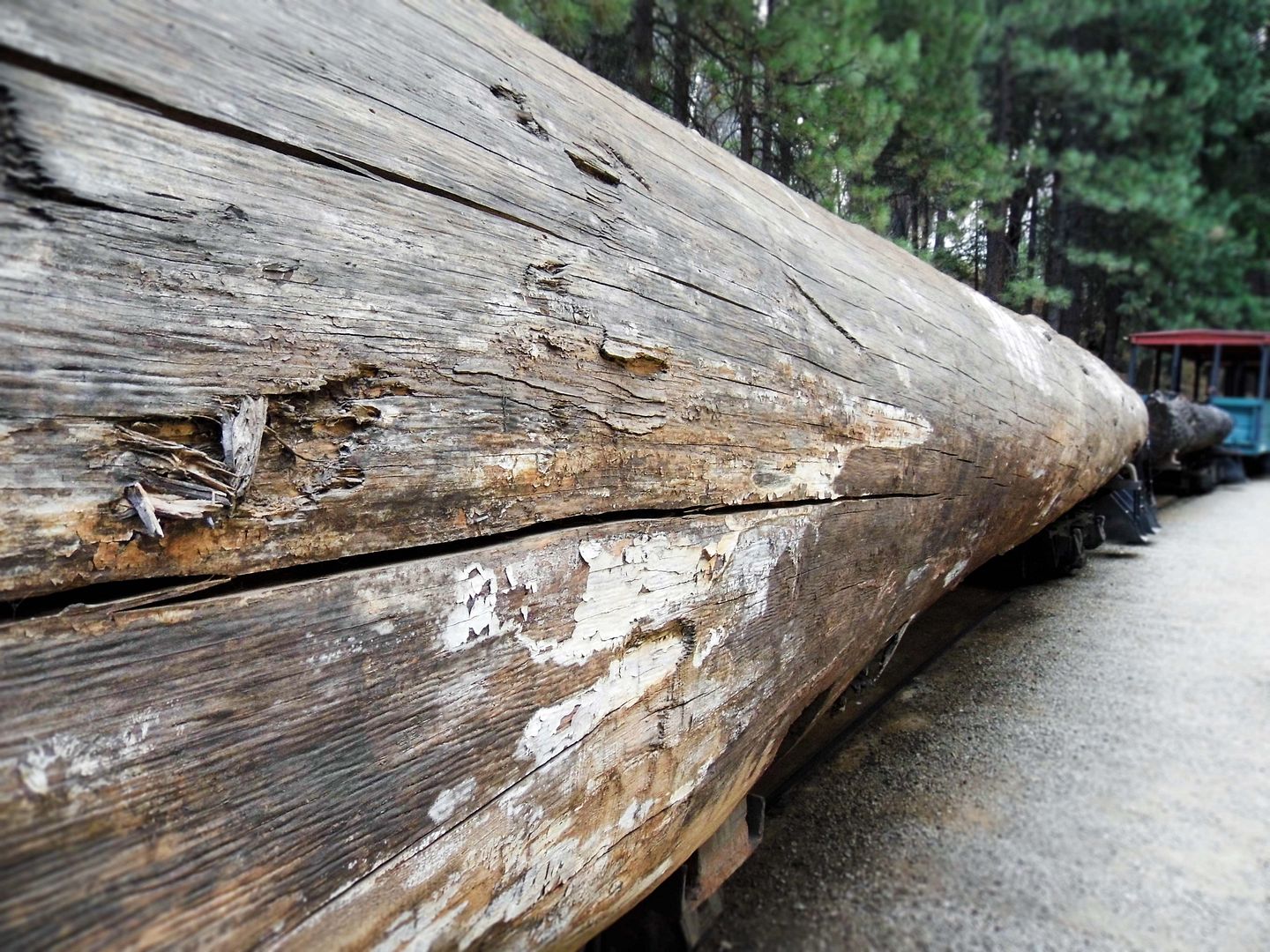


...the railway hauls tourists sitting on benches carved out of logs.
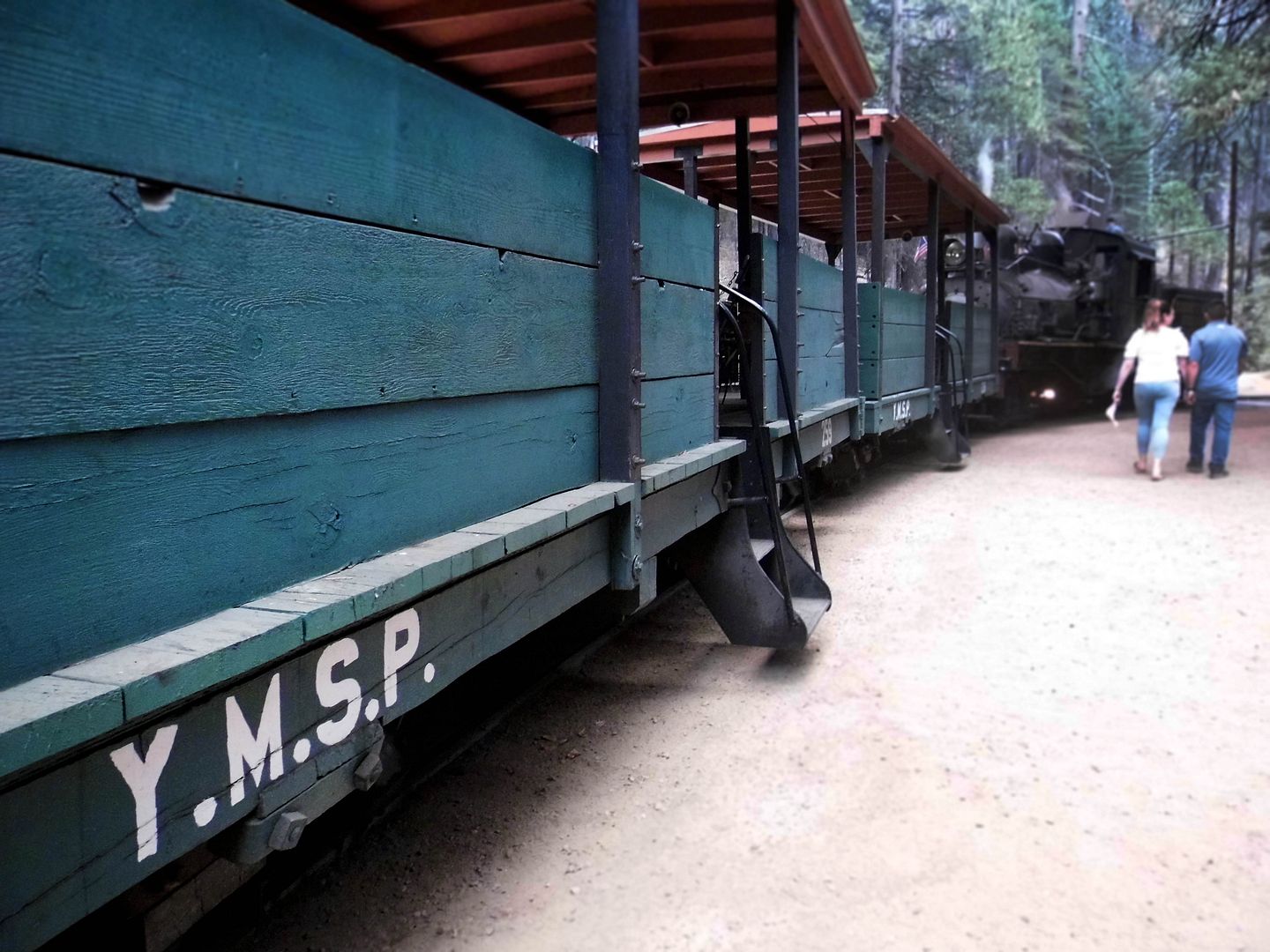


The main rolling stock for the current railroad—known as "The Logger"—also features covered but open-air carriages, offering both comfort and safety. That's where I boarded my first train ride of the day.
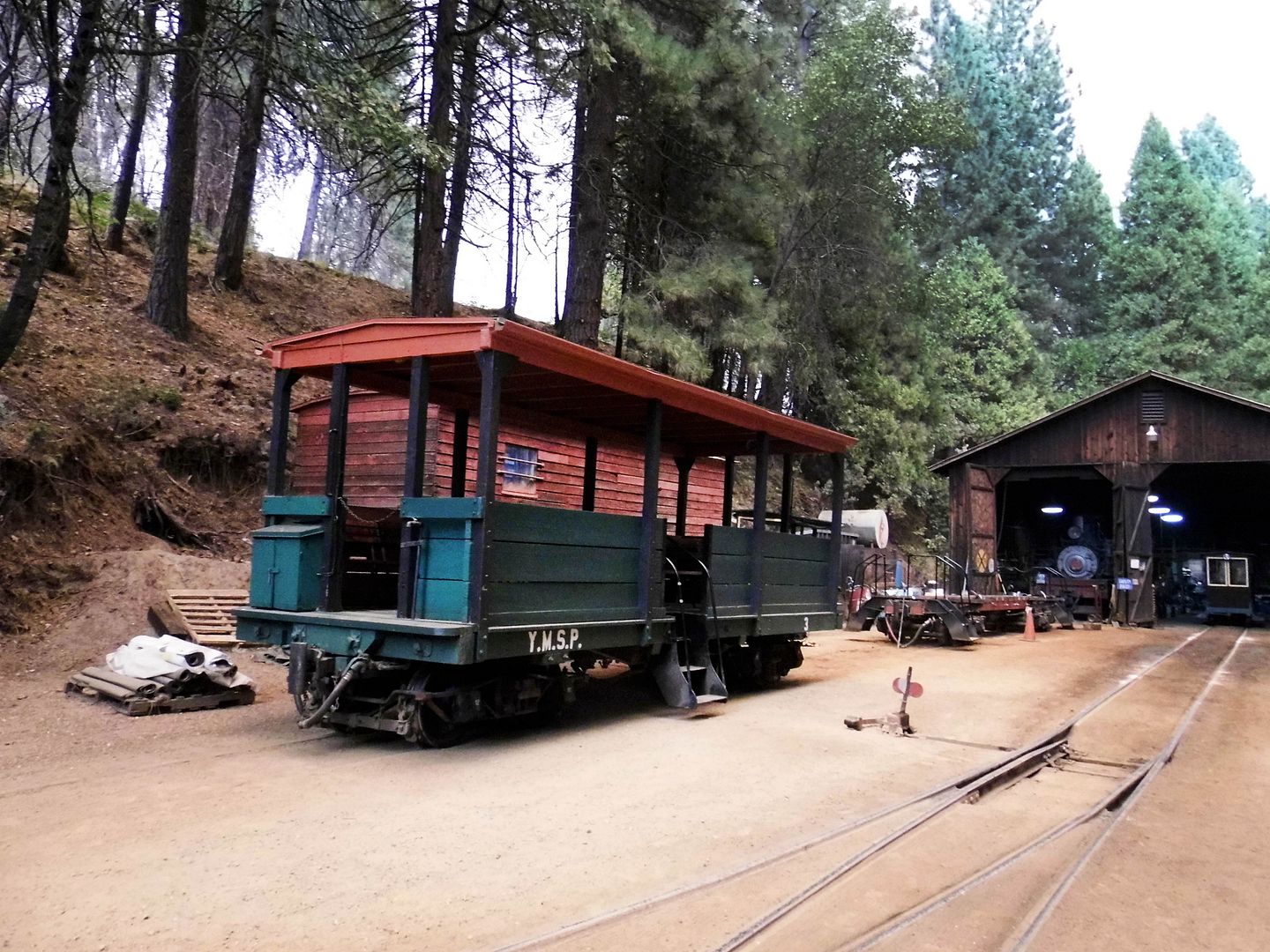


When I'd arrived in the area, I could see that there was smoke in the sky and an alien orange glow cast upon pretty much everything—but because I'd been driving since 9 a.m., I hadn't heard about the local wildfire that was causing it. I had no idea how close it was getting, either.
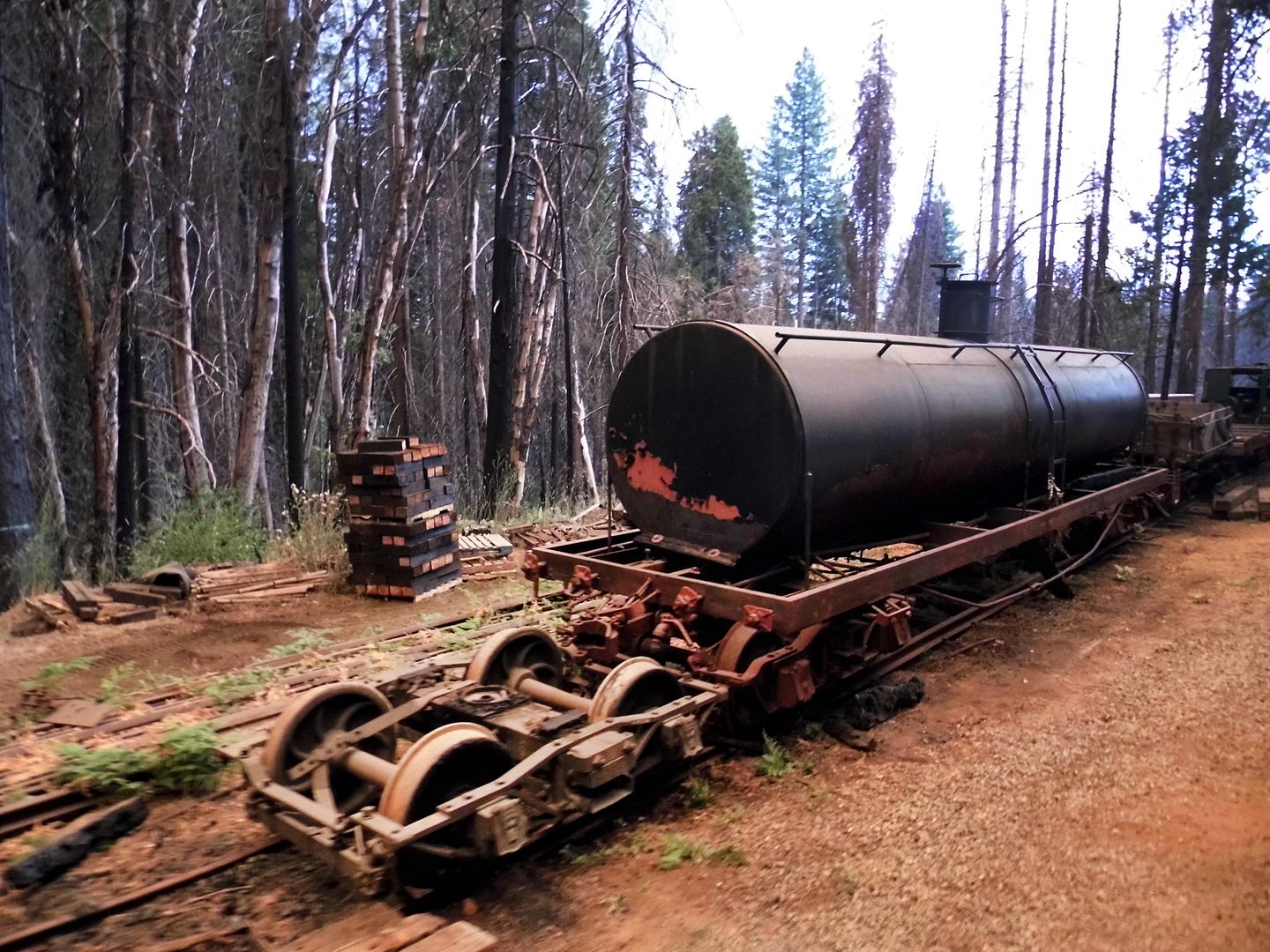


But as we rolled past some of the salvaged equipment and train cars relocated to California from the Durango & Silverton Narrow Gauge Railroad in Colorado...
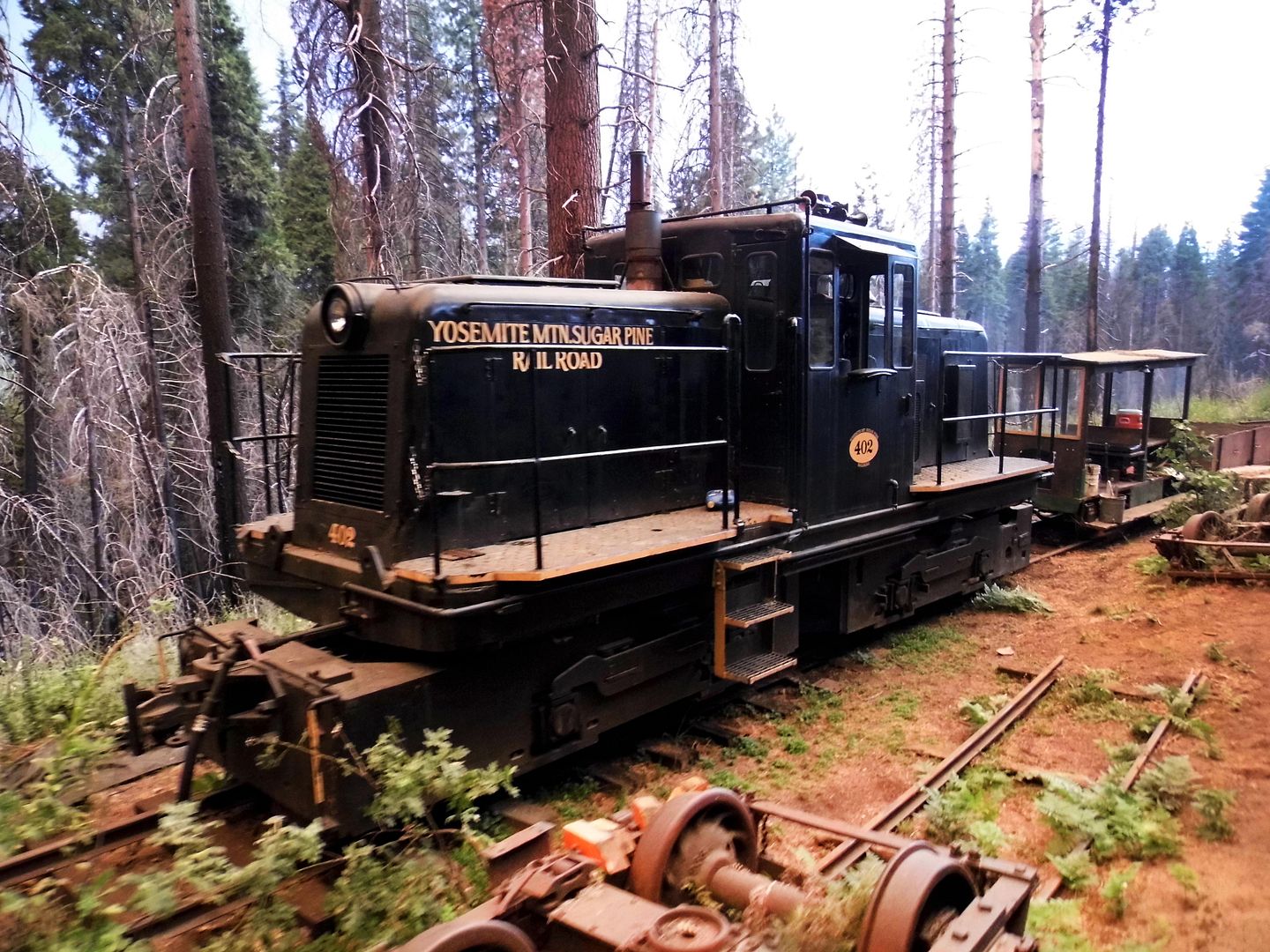


...like the No. 5, a two-axle diesel switch engine built in 1935...
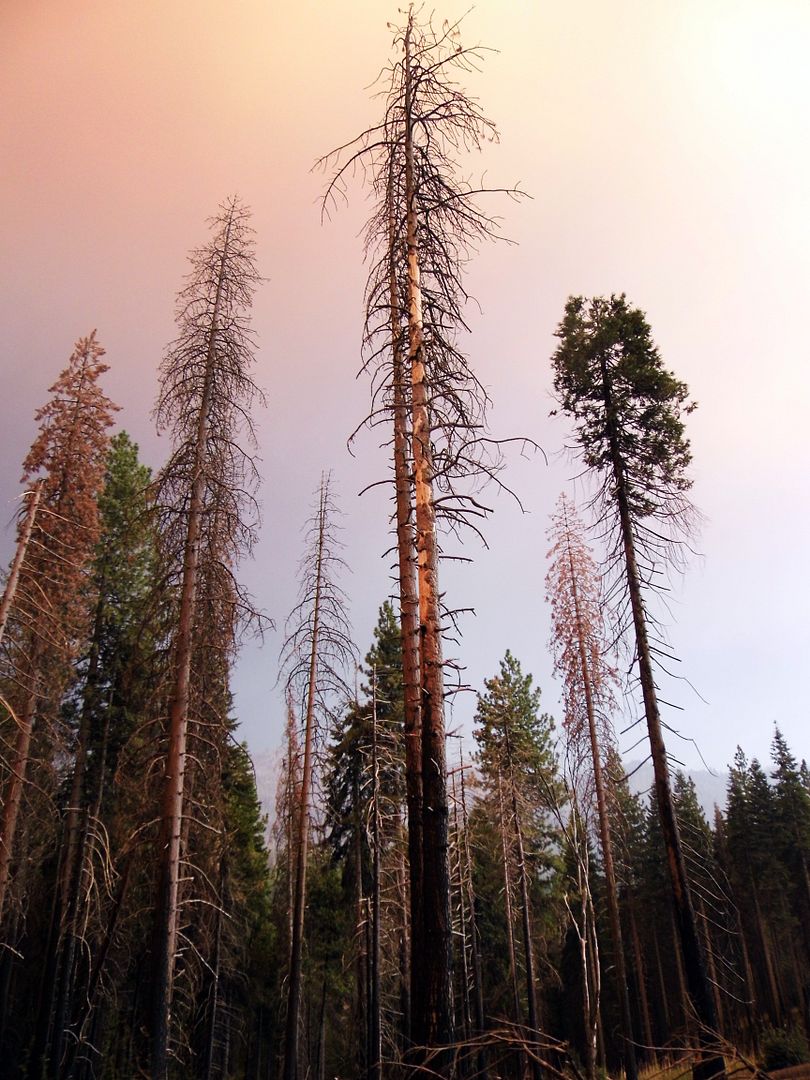


...it wasn't far into our 4-mile journey that I realized something was very wrong, very close by.
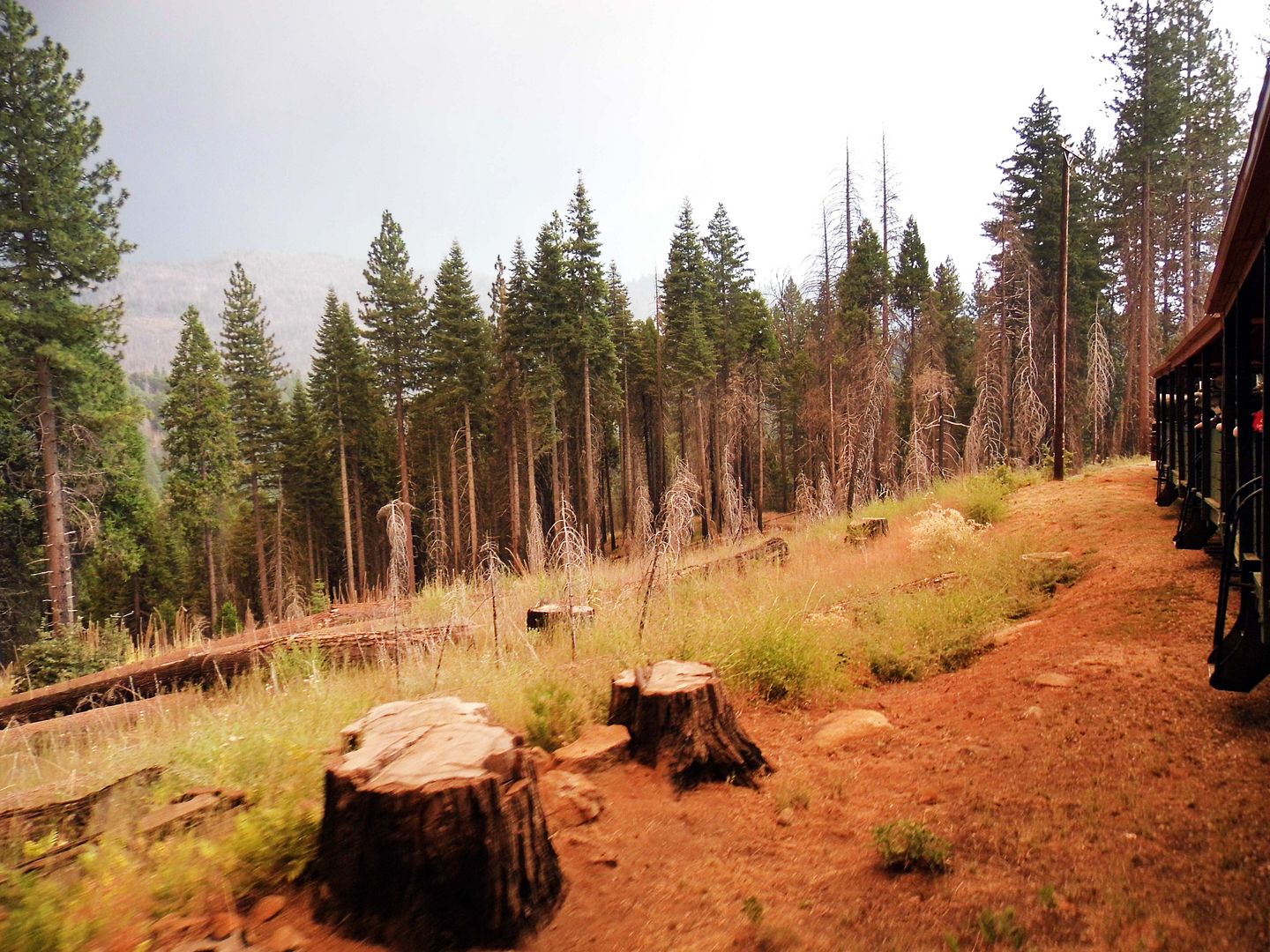


I tried to focus on the magic of the oil-burning, steam-puffing locomotive as it chugged along the rails—but I did notice that I couldn't smell any sugar pines through my mask and bandana.
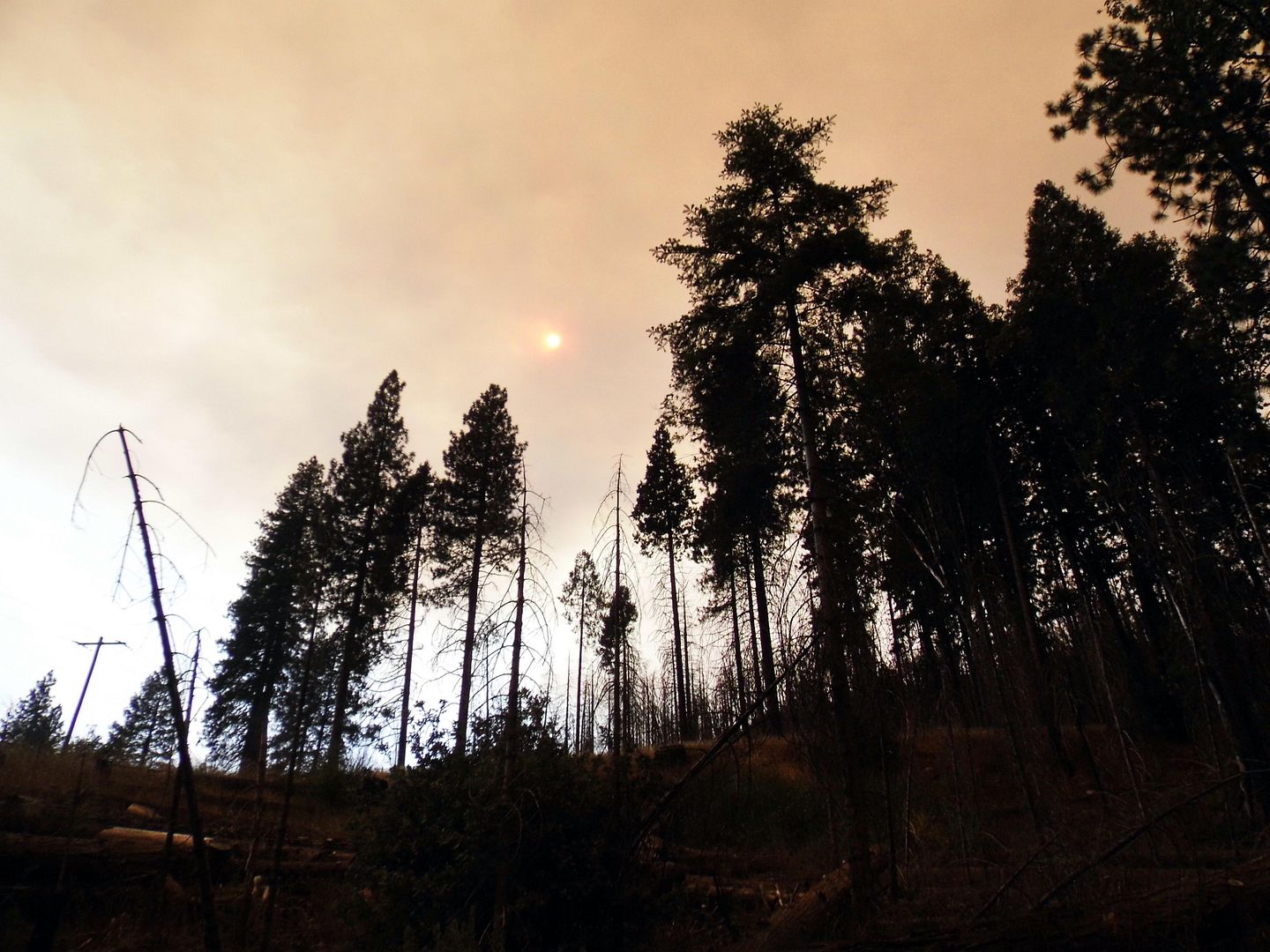


The only smell that got through my face covering was that of a campfire.
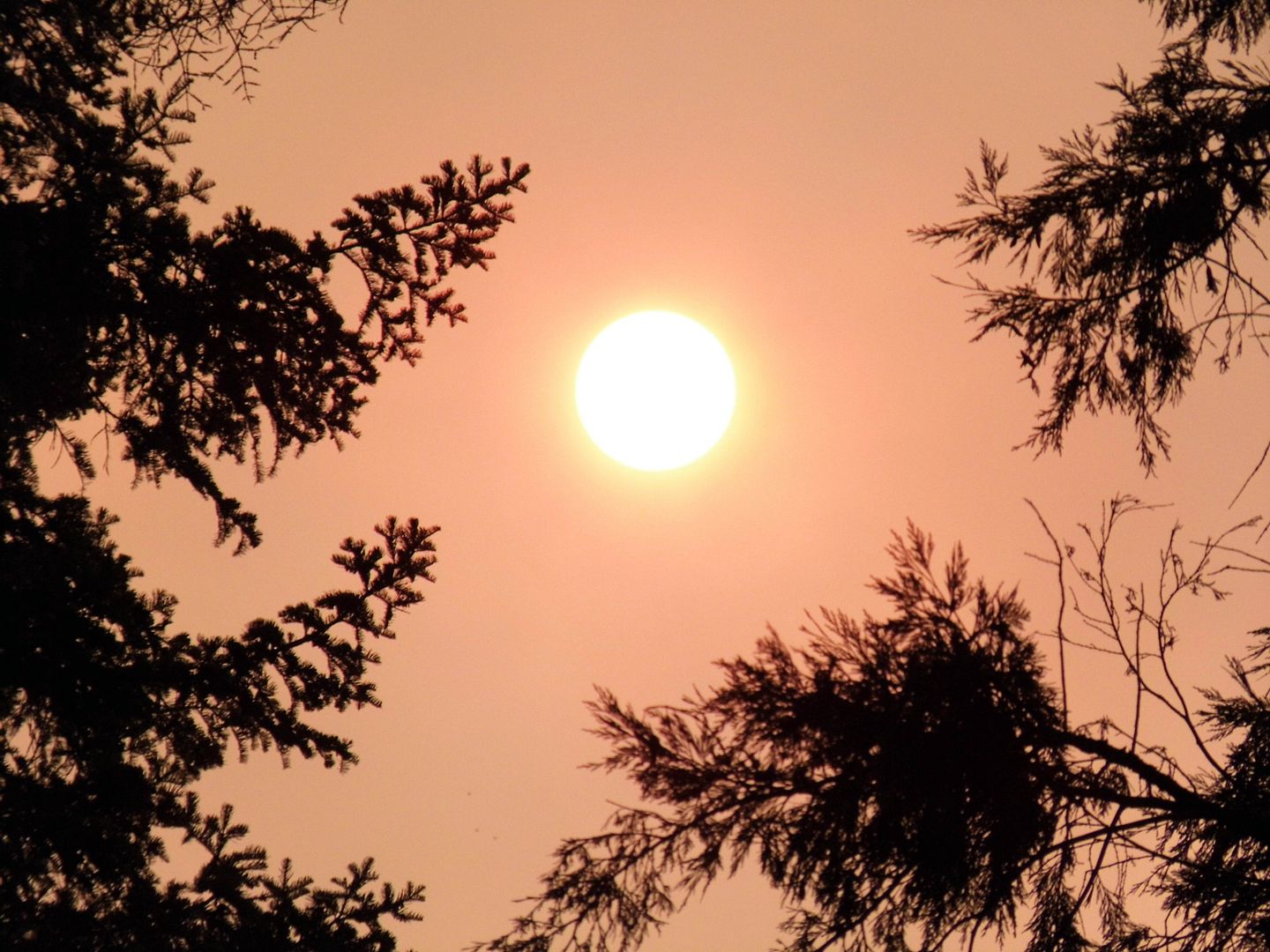


Plus, the sky was getting more foreboding as we got deeper into the national forest—though, at the halfway point of the loop, still only about 2 miles in.
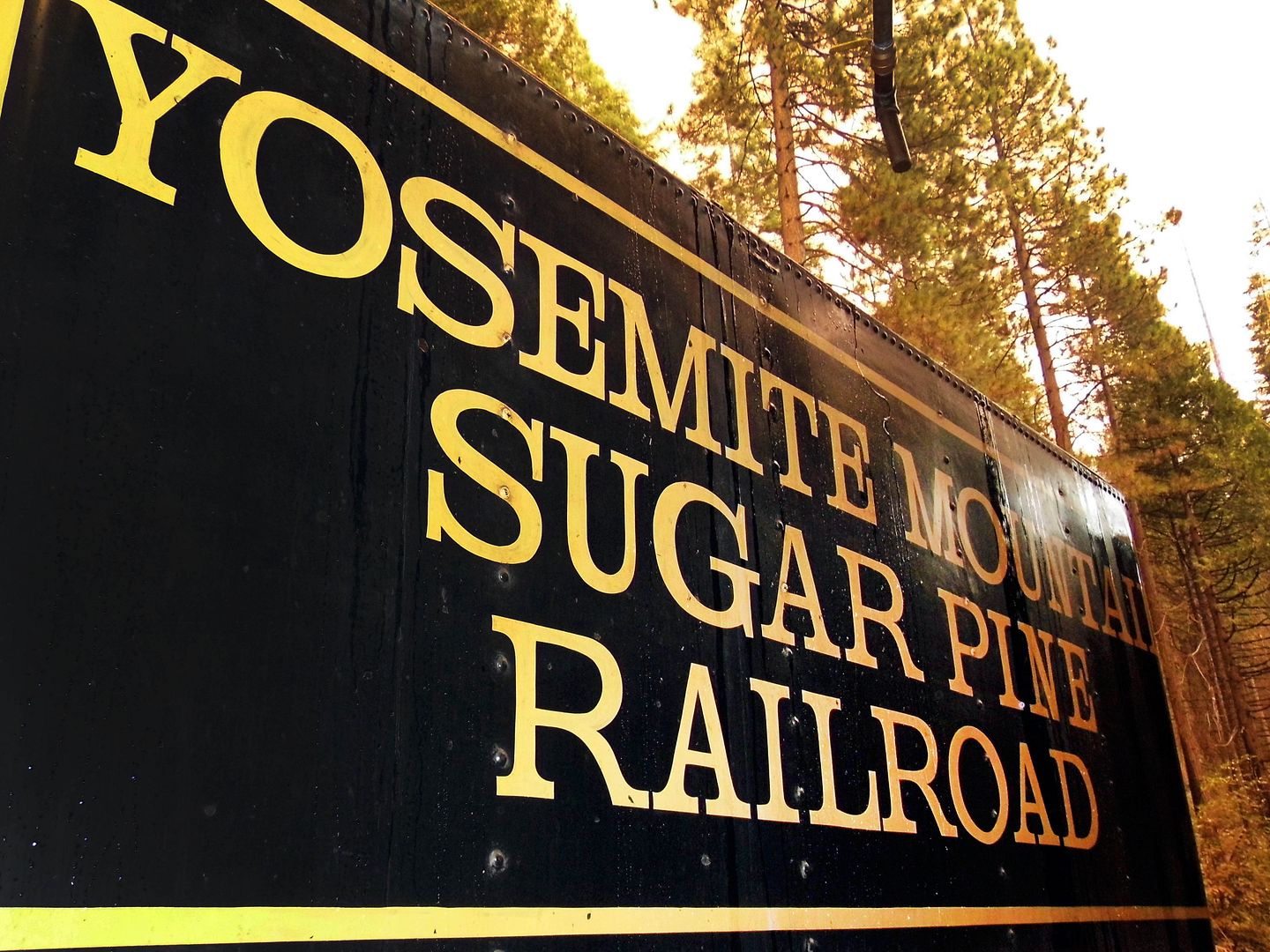


There was plenty of orange/amber sky to see out there, given the lack of "old growth" trees that would otherwise form a canopy above. That's because by the time the Madera Sugar Pine Lumber Company shut down operations, it had cleared about 30,000 acres of trees. And because the company never replanted any, what's growing along the rail route now is completely natural, "new" growth.
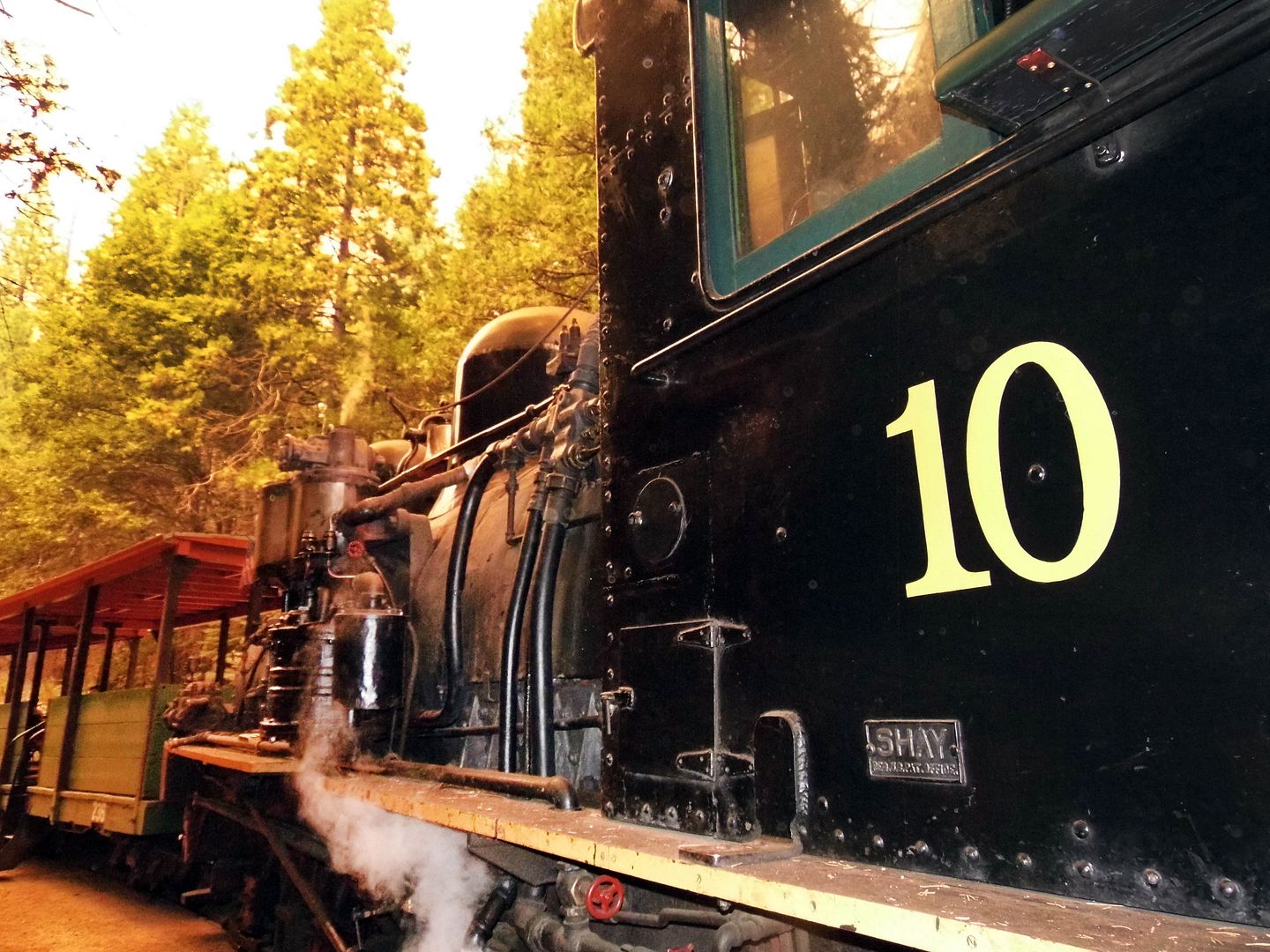


It's kind of amazing that wildfires haven't impeded this self-reforestation process—although the 2017 Railroad Fire, which started across the highway from the YMSPRR station, did char some of its historic equipment.
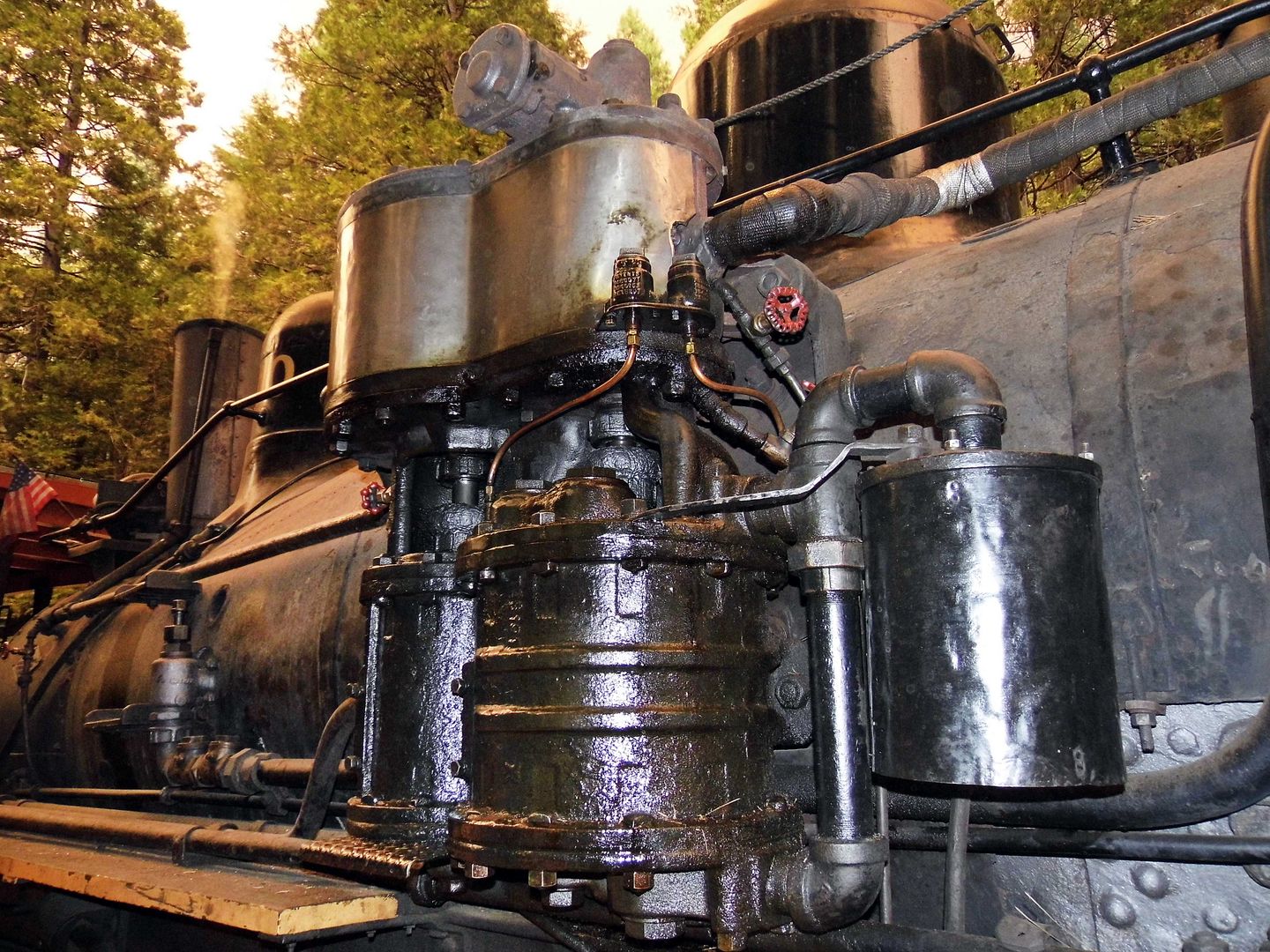


Fast-forward a couple of hours to my second scenic ride of the day—the "Moonlight Special"—and that's when I chose to sit in a log right behind the No. 10 "Shay," completed in 1928. Lima Locomotive Works of Lima, Ohio constructed it for the Pickering Lumber Company, which used it for the West Side Lumber Company's operations in Tuolumne, California.
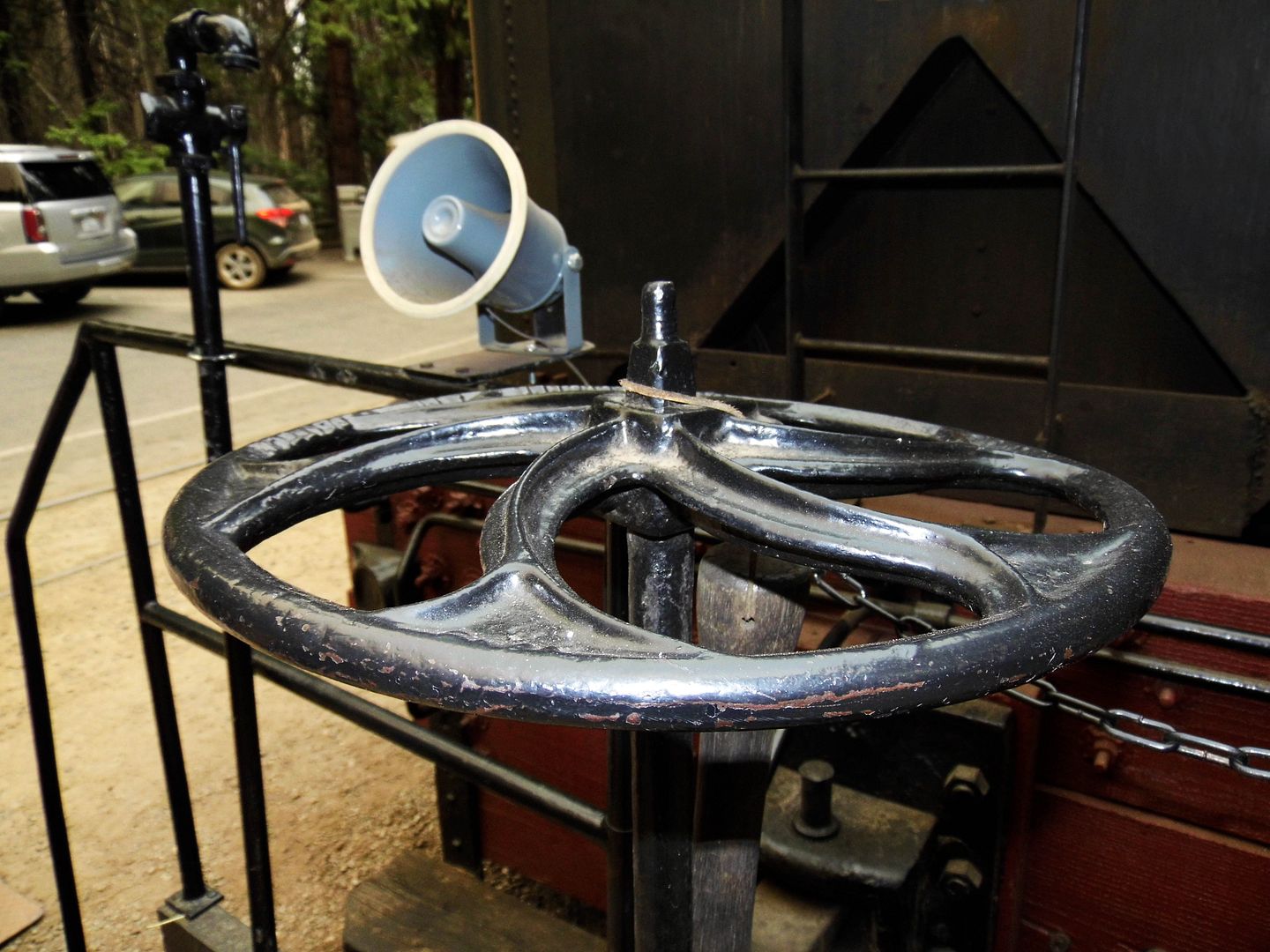


It didn't much matter to me if the locomotive drowned out the sound of our guide's voice coming through the speaker. I'd already heard the narration once that day. I just took all the sights in once again, for as long and as much as the remaining light would allow.
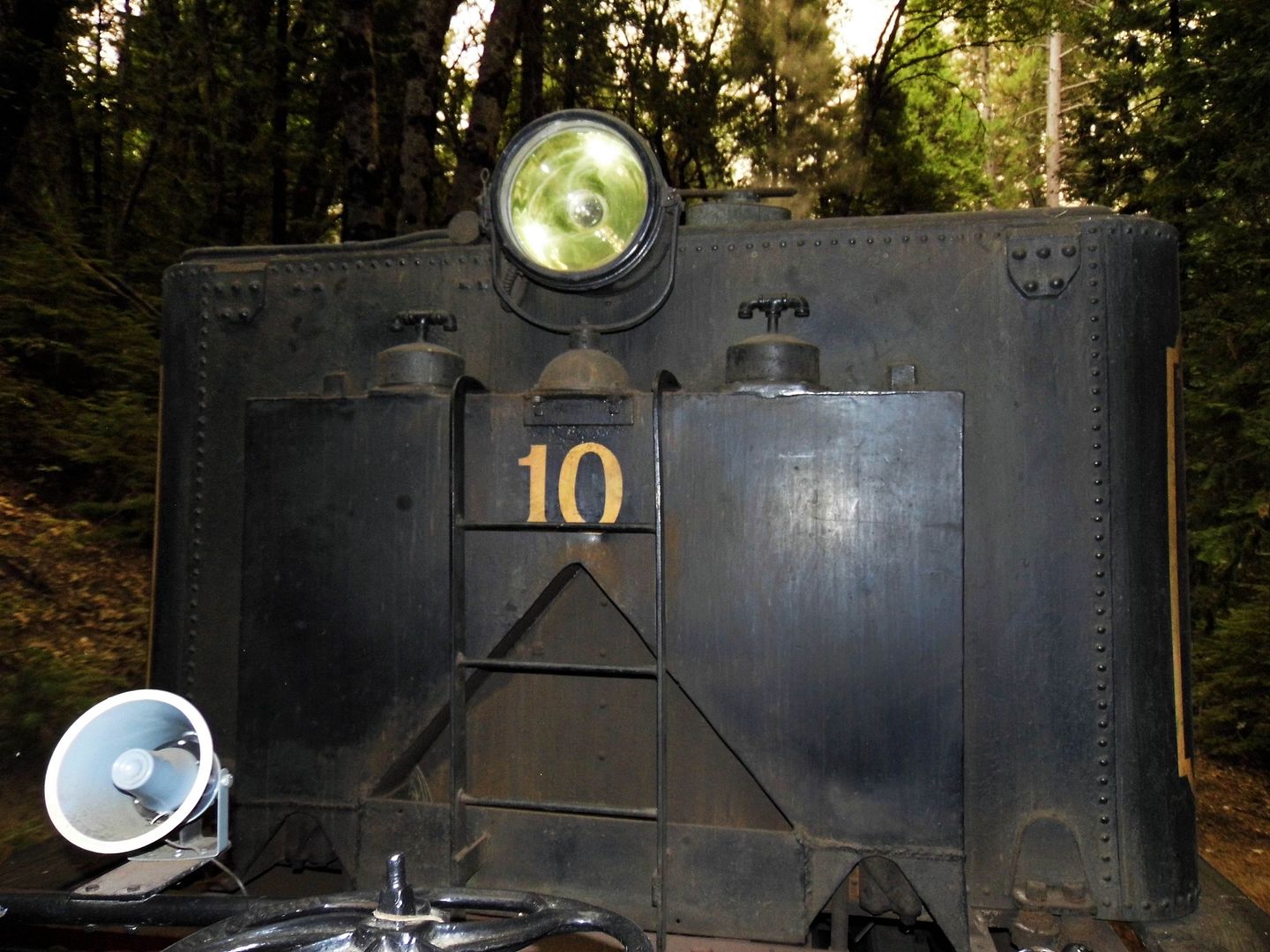


By the time we made our final 2-mile passage through Sierra National Forest at the end of the night, it was so pitch black out that I could see nothing ahead but trails of white steam and the flames from the firebox.

There was no moon to admire, no stars or constellations or planets or Milky Way. Smoke from the nearby Creek Fire—which was getting closer and closer as we progressed through the forest by rail—had formed a thick canopy above, blocking our view of any night sky and insulating us with the 100+ degree heat from earlier in the day.

On my drive back down the 41 to the gateway town of Oakhurst, where I'd planned to spend the night, I couldn't keep the red glow of the Creek Fire from invading my peripheral vision. Though I could see no actual flames, there was an unmistakable inferno blazing just down the way—how far or how fast, I wasn't sure.

Back at my hotel, and back with a cell phone signal, I discovered that what had begun as a small wildfire the night before had exploded into over 30,000 acres that afternoon. And nearby evacuations were underway.

I fortunately wasn't staying in backcountry, so I'd presumably have plenty of notice if I had to high-tail it out of there. I was prepared for a knock on the door or a phone call in the middle of the night to tell me to get out—though fortunately, those orders didn't come during my stay.

I woke up at 8:30 a.m. without an alarm, disoriented as to the time and place I was in—because it was a dark orange-gray outside, with every car using its headlights and every street light still on. I couldn't find the sun in the sky. And after getting myself ready to leave in 30 minutes flat, I found my car covered in fallen ash—ash that was continuing to fall, but now on top of my head.

The next day—that Sunday, the day before Labor Day—the Yosemite Mountain Sugar Pine Railroad closed for the safety of its staff and visitors, with the Creek Fire still expanding and advancing.

And as of today, the following Sunday, it hasn't yet reopened. The Creek Fire has grown to more than 200,000 acres and is still burning, although evacuation orders have been lifted for Oakhurst and relaxed to a warning for Fish Camp.

So, it looks like the YMSPRR will dodge another bullet this time around when it comes to fire season. But I sure am glad I got there just under the wire for this trip. And I hope they continue to ride the rails in Sierra National Forest for decades to come.

Related Posts:
Missing Out and Making Lists In the Time of Coronavirus (Steam Railfest Edition)

September 09, 2020

Photo Essay: A Tunnel Digger's Subterranean Bachelor Pad and Citrus Orchard

I chose one of the worst heatwave days of the year to cross Forestiere Underground Gardens in California's Central Valley off my list.


But that was just perfect—because its creator, Baldassare Forestiere, dug it out to escape the scorching summertime heat. So, I got to experience it just as he did—and for the very reason he excavated the site in the first place. It's 15 to 20 degrees cooler down there!


An immigrant from Sicily, Forestiere had become an expert tunneler while working on Boston's subway system. But he hated the snow and cold; so, he fled to California for the promise of a warm, tropical paradise.


Around the turn of the last century, Central Valley land was dirt cheap—and given its reputation as California's breadbasket, and its seemingly healthy topsoil, it's no wonder that Forestiere planned to become a farmer and till the earth.


He close 80 acres of the Winterton Tract, a subdivision of the Fruit Vale Estate, just 7 miles from Fresno's city center. Only, after just a bit of digging, he hit a layer of hard rock formed by the Ice Age —and had to come up with a Plan B.


Already an expert "sandhog," Forestiere made the most of the situation and returned to what he knew best. With just a few hand tools, in 1908 he began carving out what would become a California state landmark and be listed on the National Register of Historic Places.


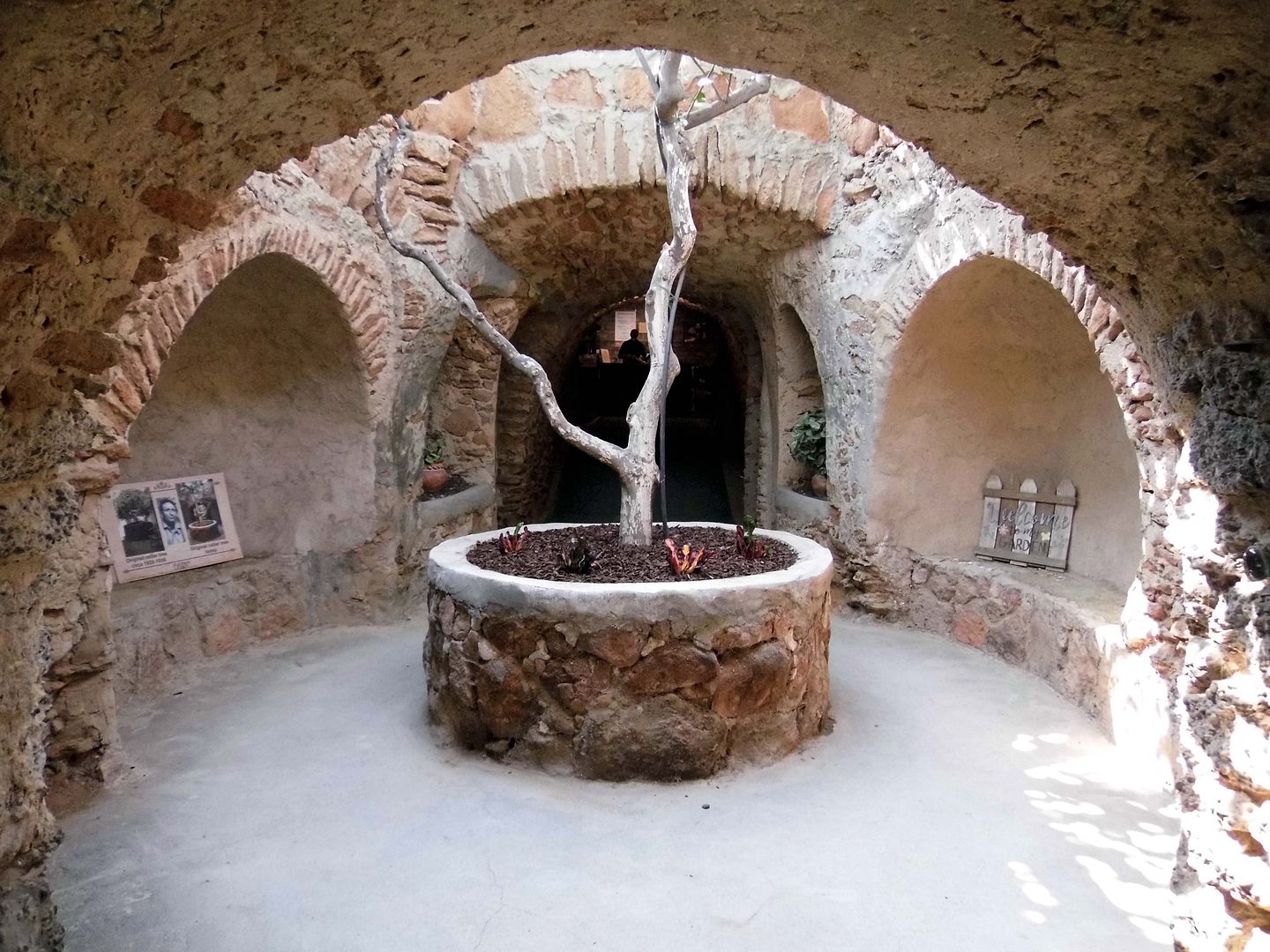
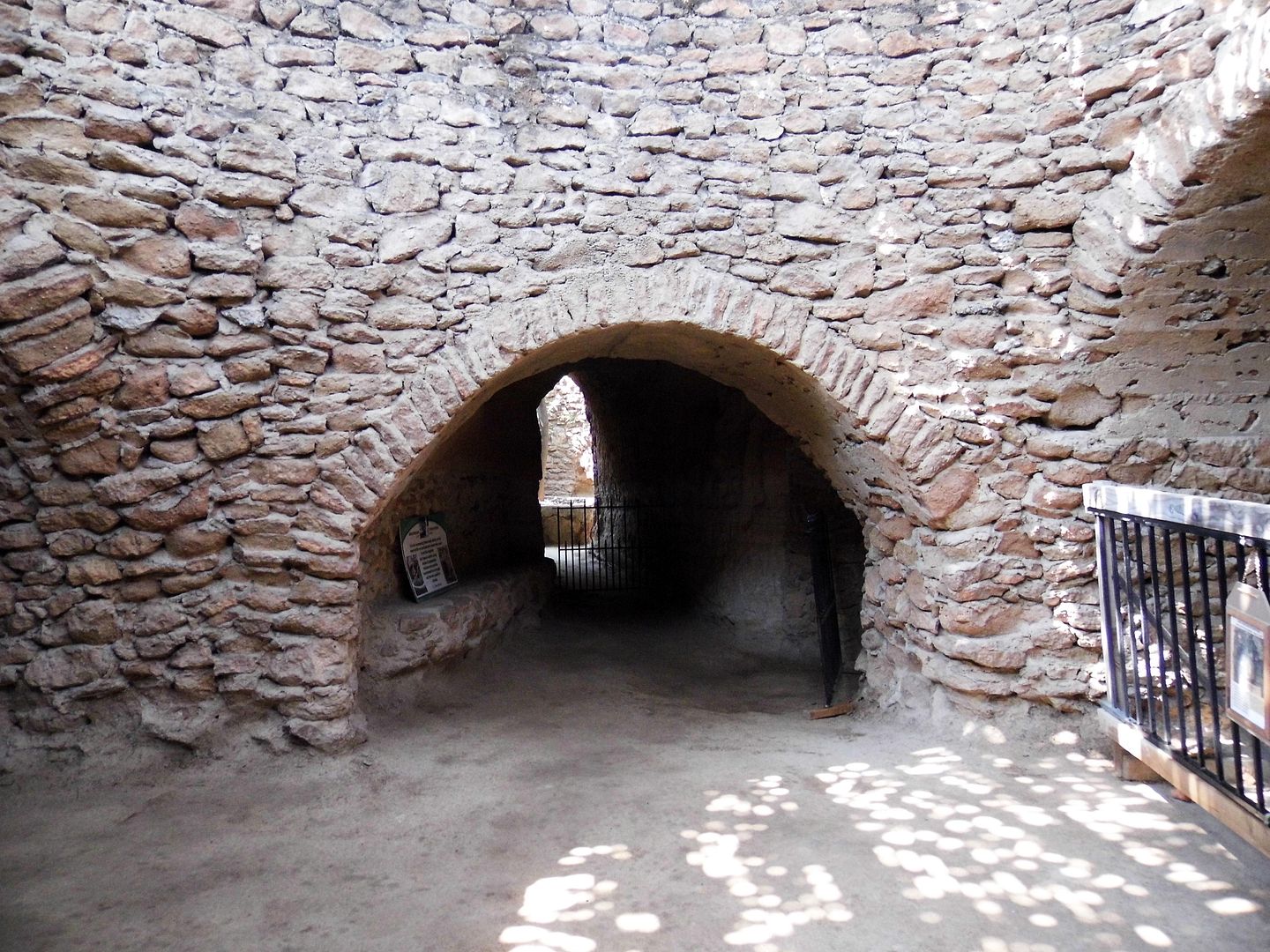
With all the inspiration he needed right inside his own head—and no written plans—Forestiere excavated 10 acres of what some have considered caves or grottos or even catacombs, using traditional architectural and engineering techniques of Roman arches (using wagon wheel molds) and domed ceilings.


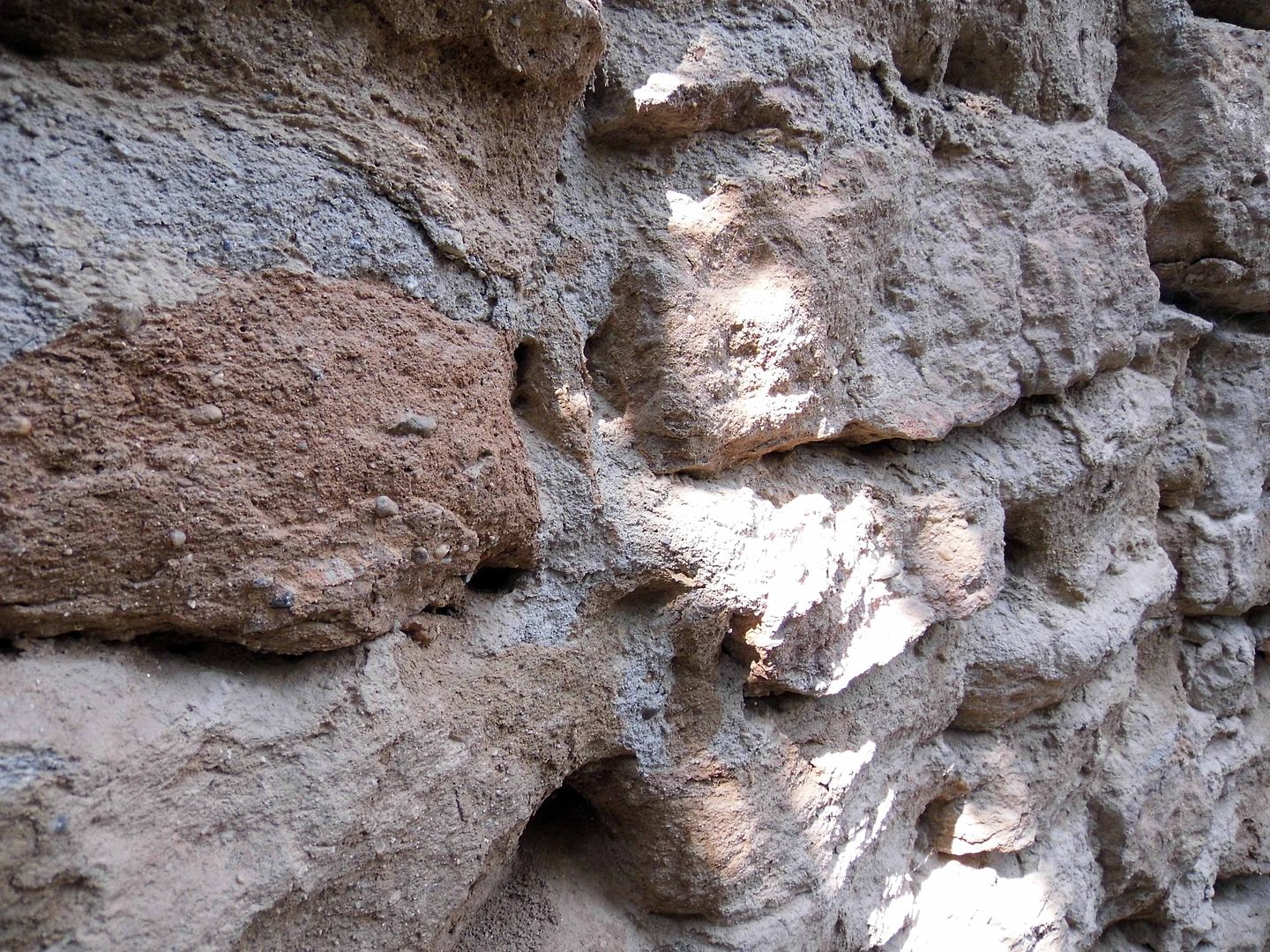
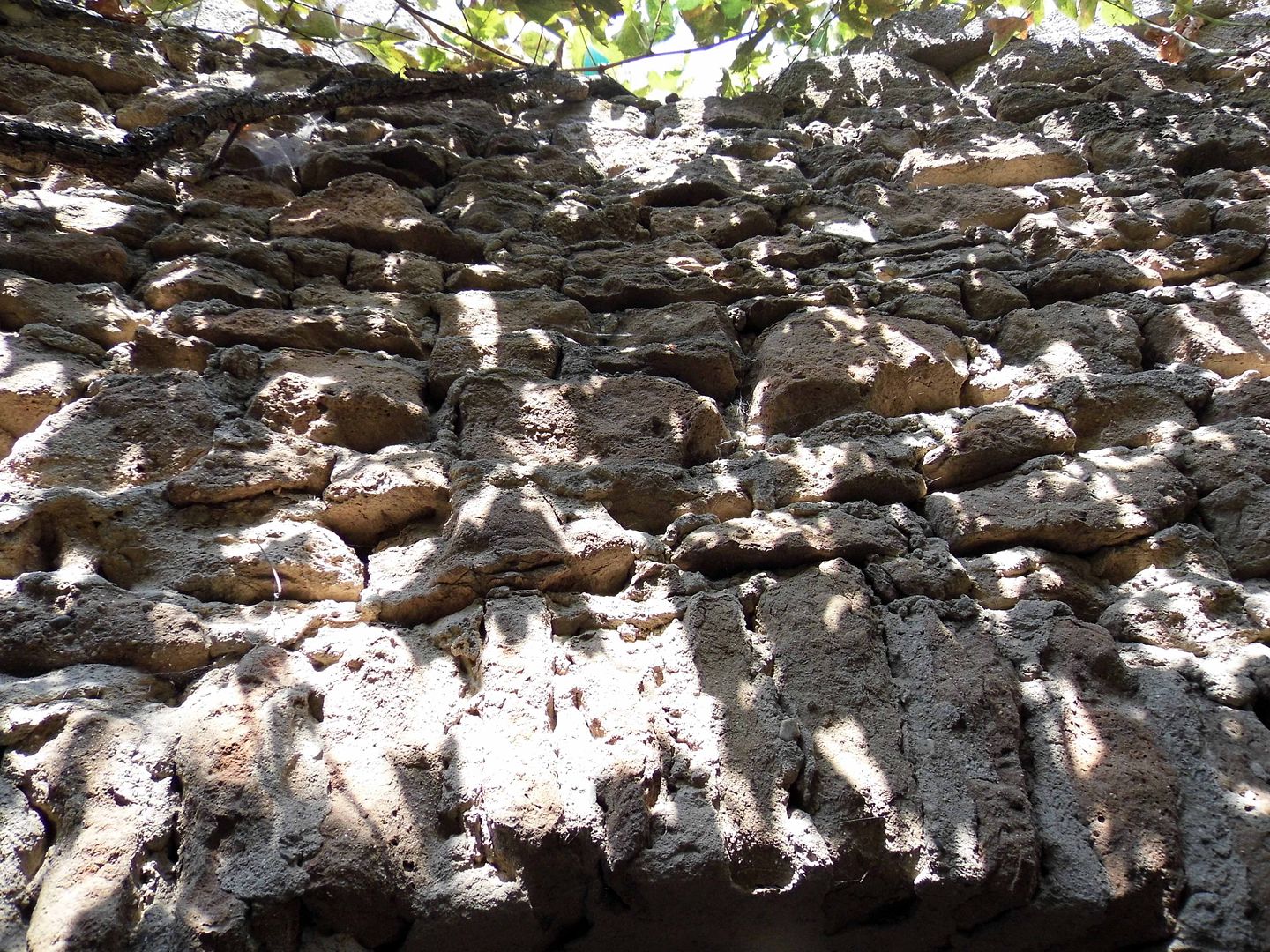
For him, it became home—and that rock-hard material he hit, known as "hardpan," became a sturdy building material for walls, rooms, alcoves, and more.


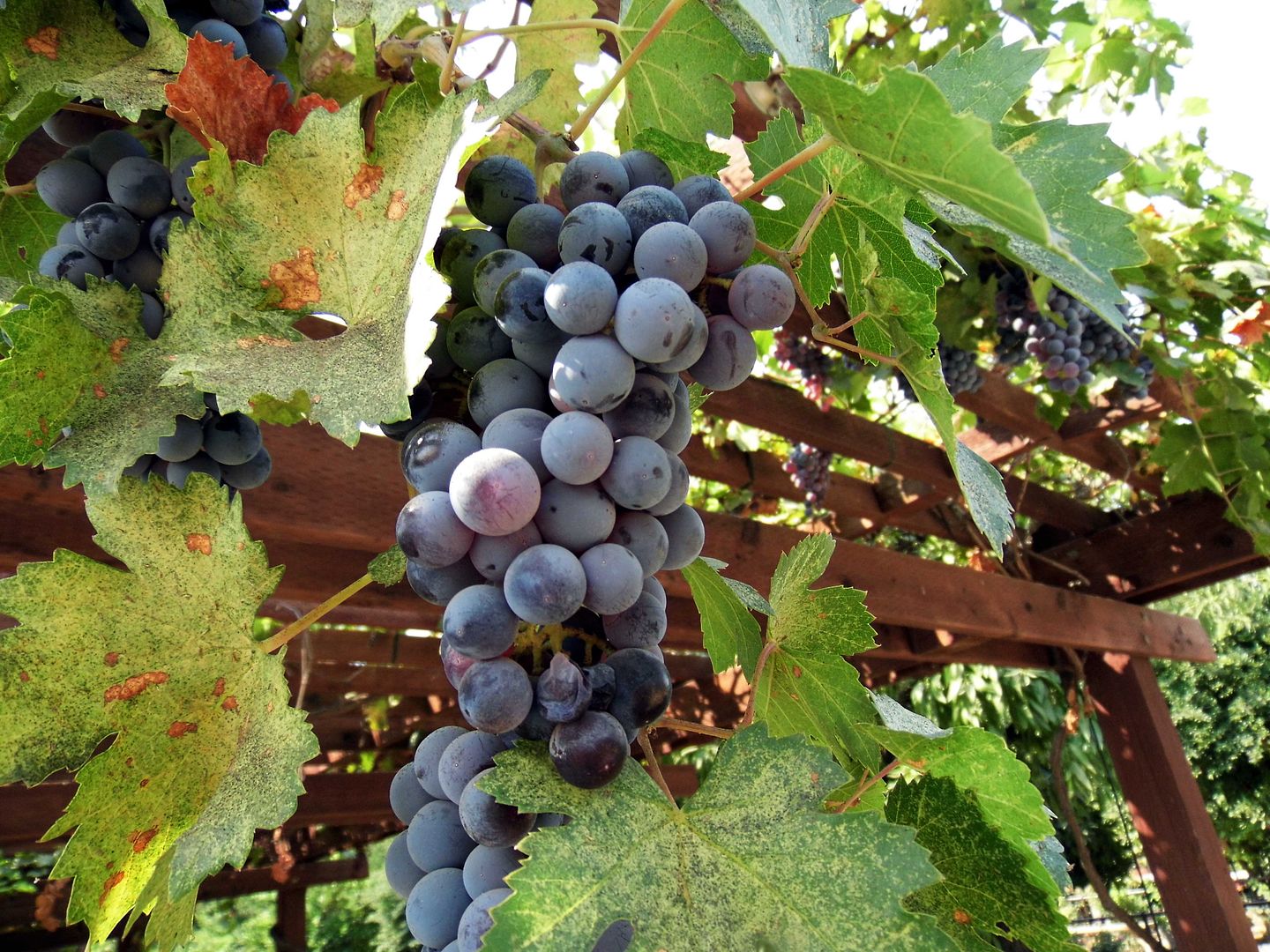
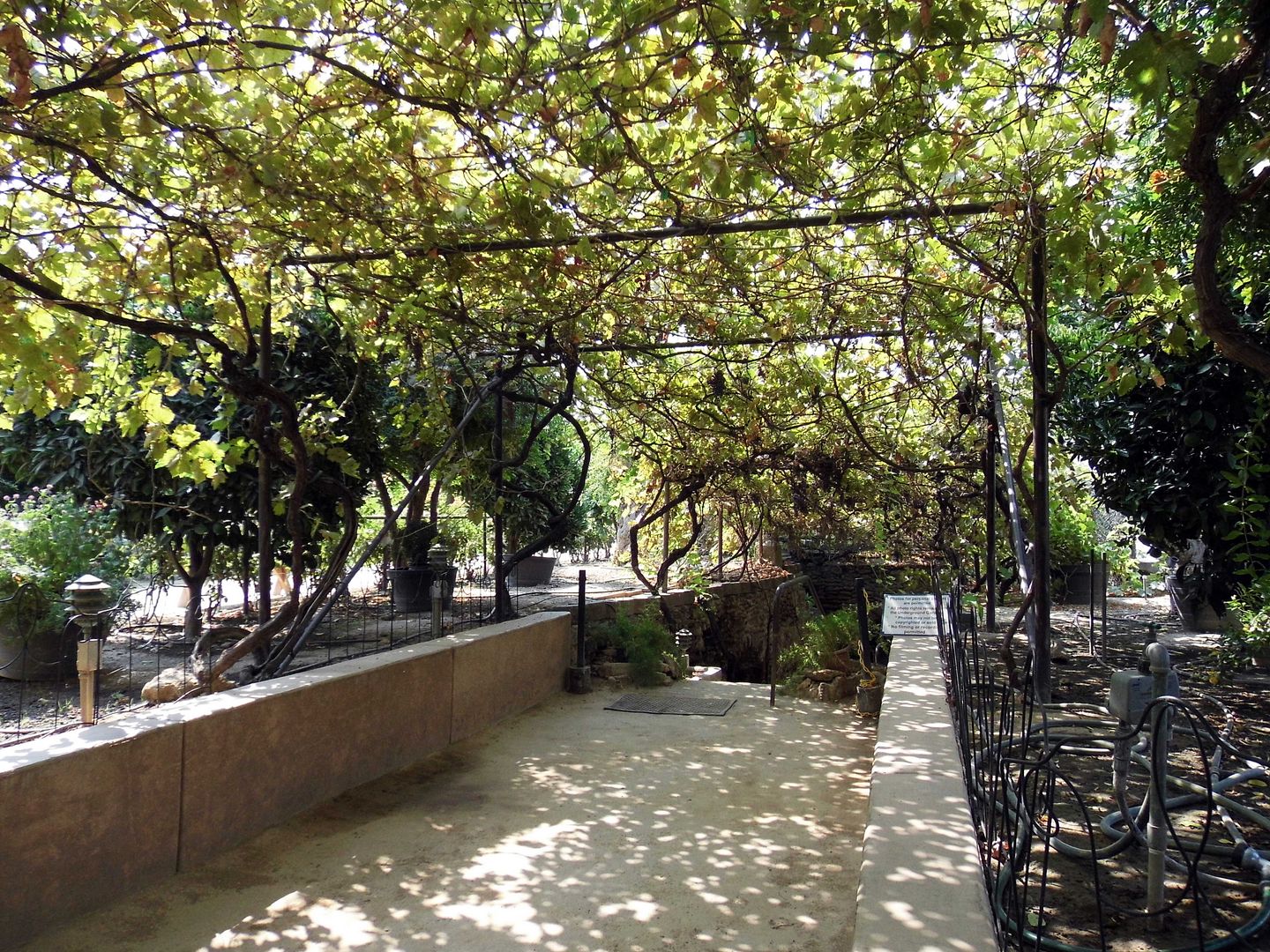
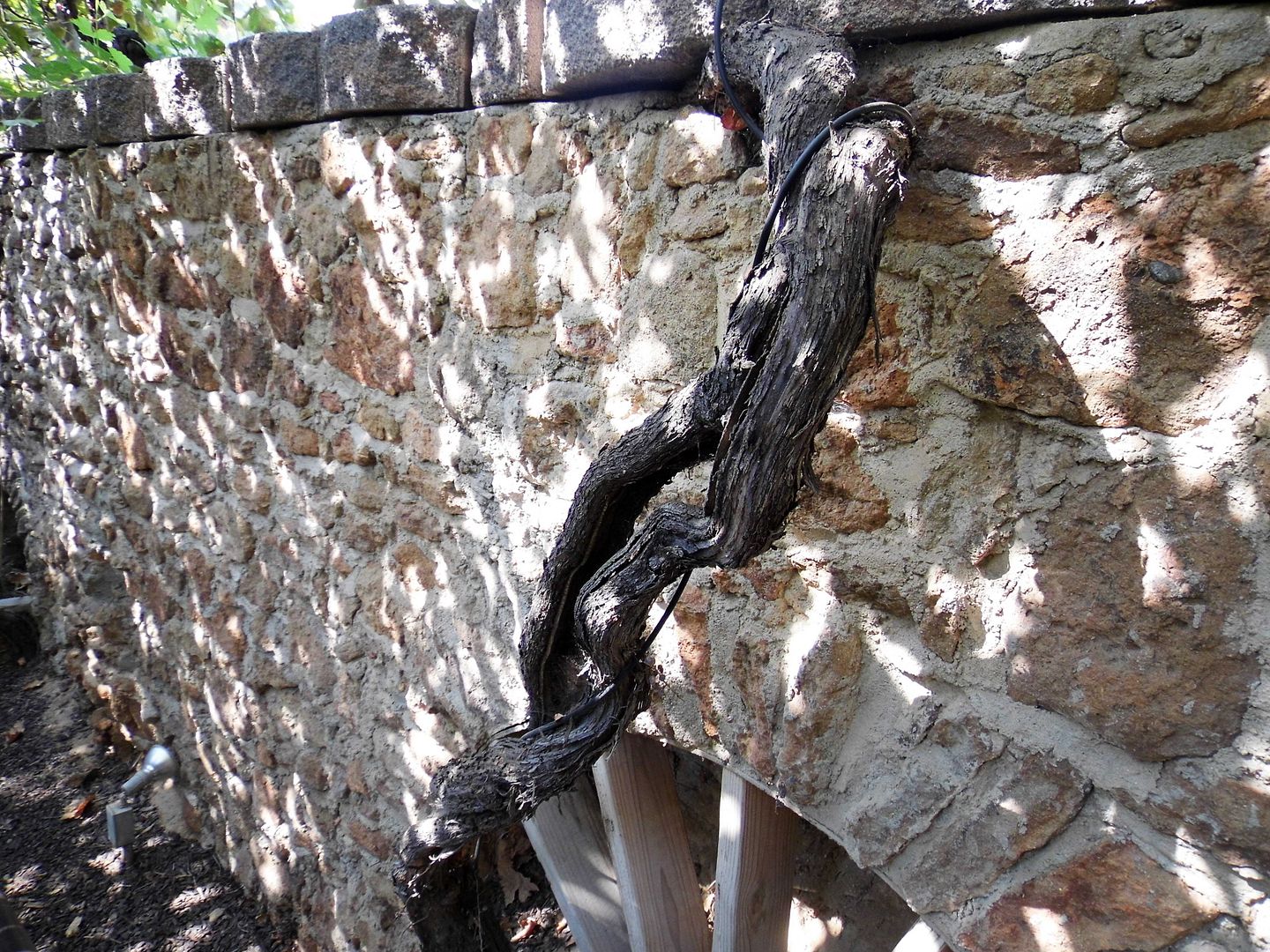
Fortunately, Forestiere didn't have to give up his horticultural dreams—because his construction also included many planters that would contain herbs, fruit trees, and grapevines. Today, there's a vine that's over a century old and has lost only one of its branches out of its original three. It still produces big purple grapes.


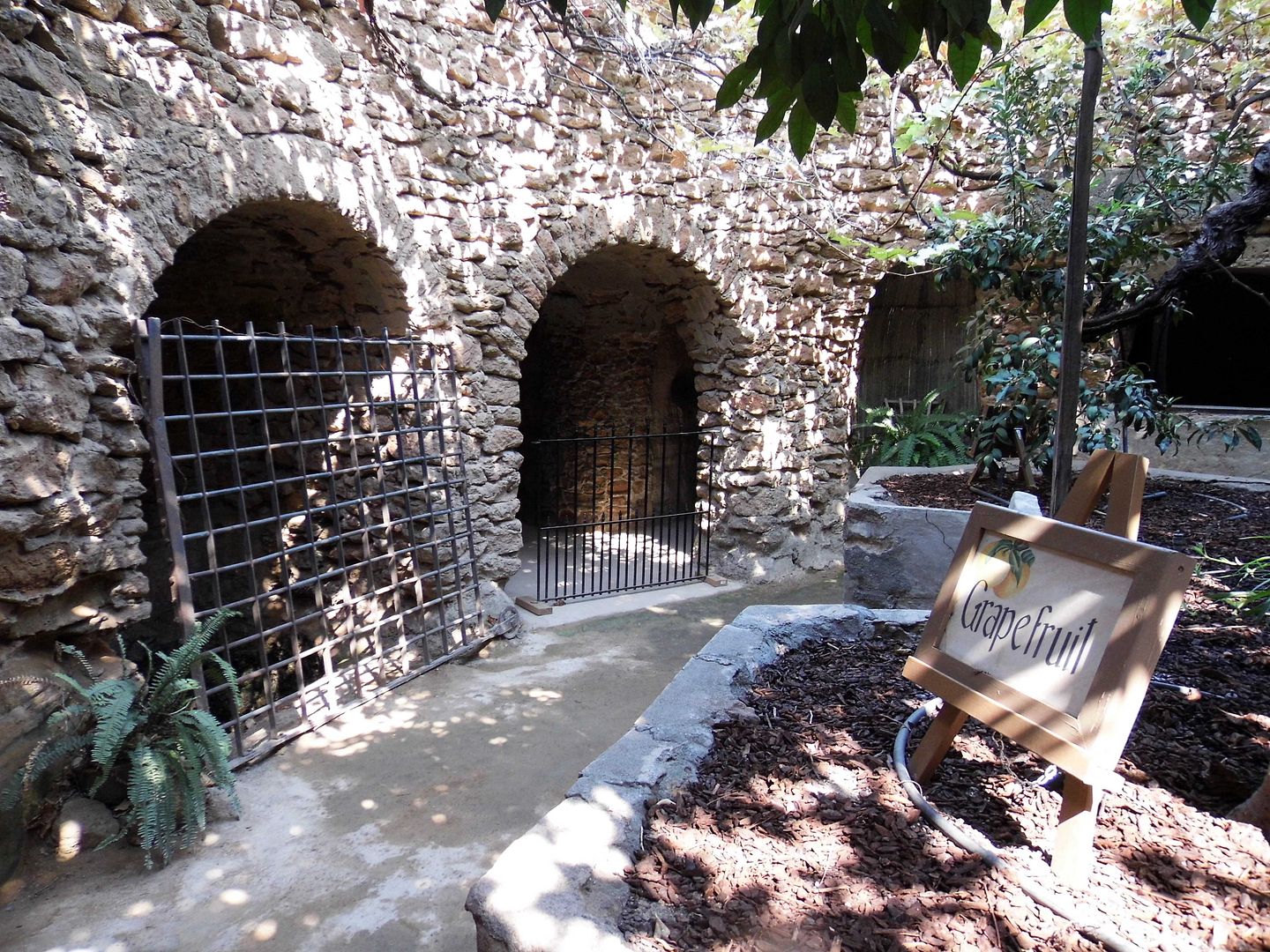
In his underground orchard, Forestiere planted trees that bore tropical citrus like loquat, kumquat, and grapefruit.


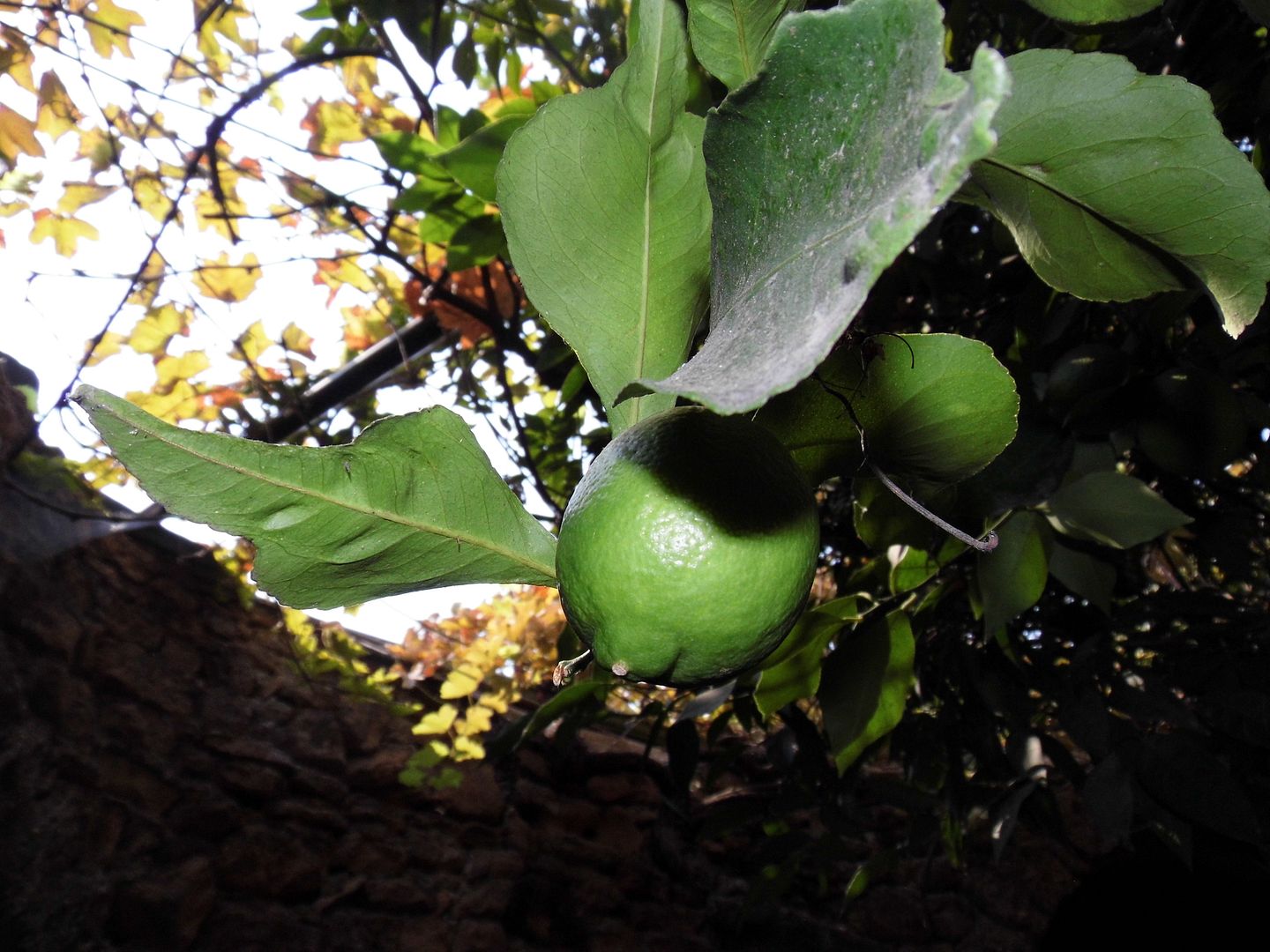
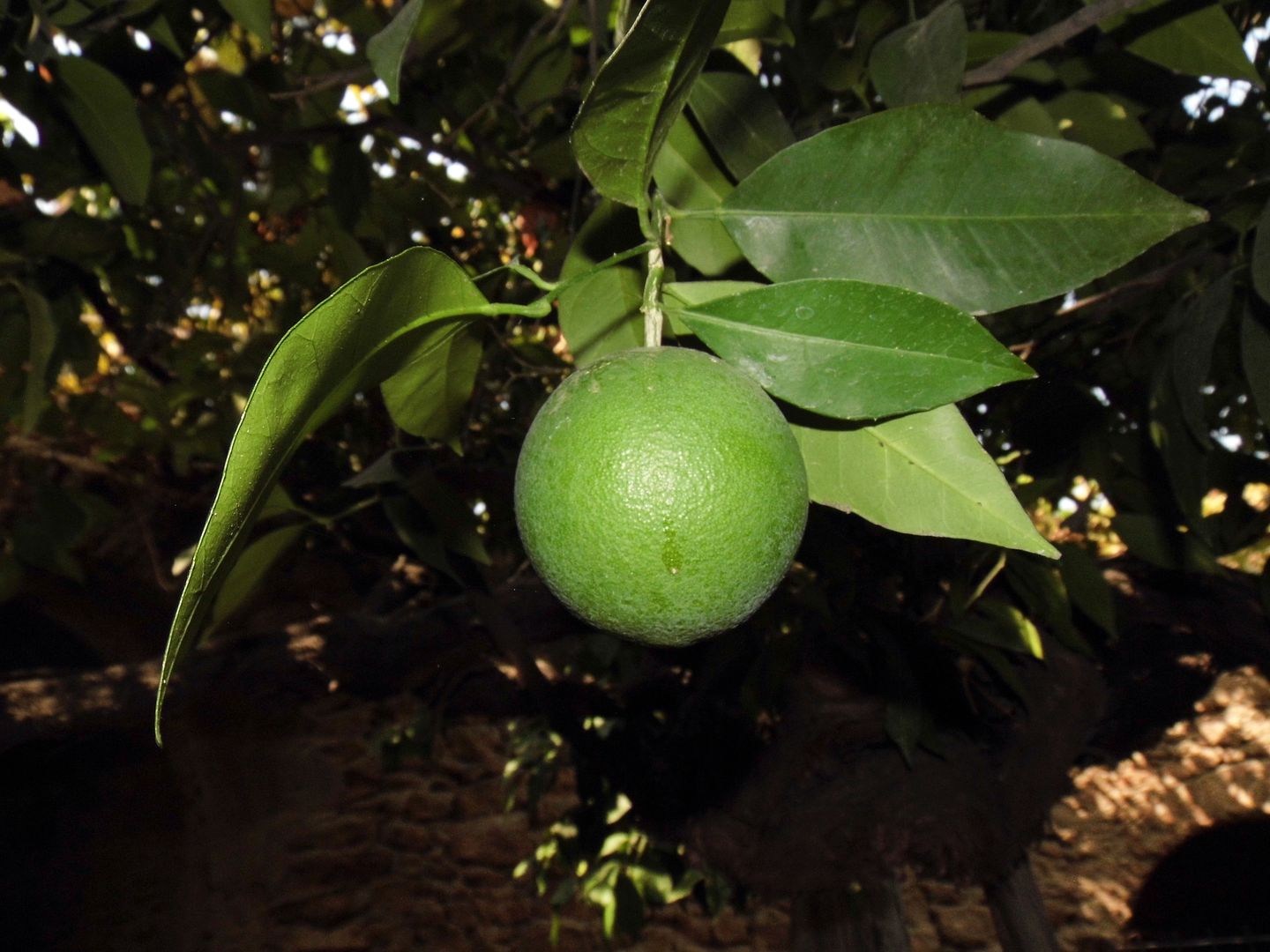
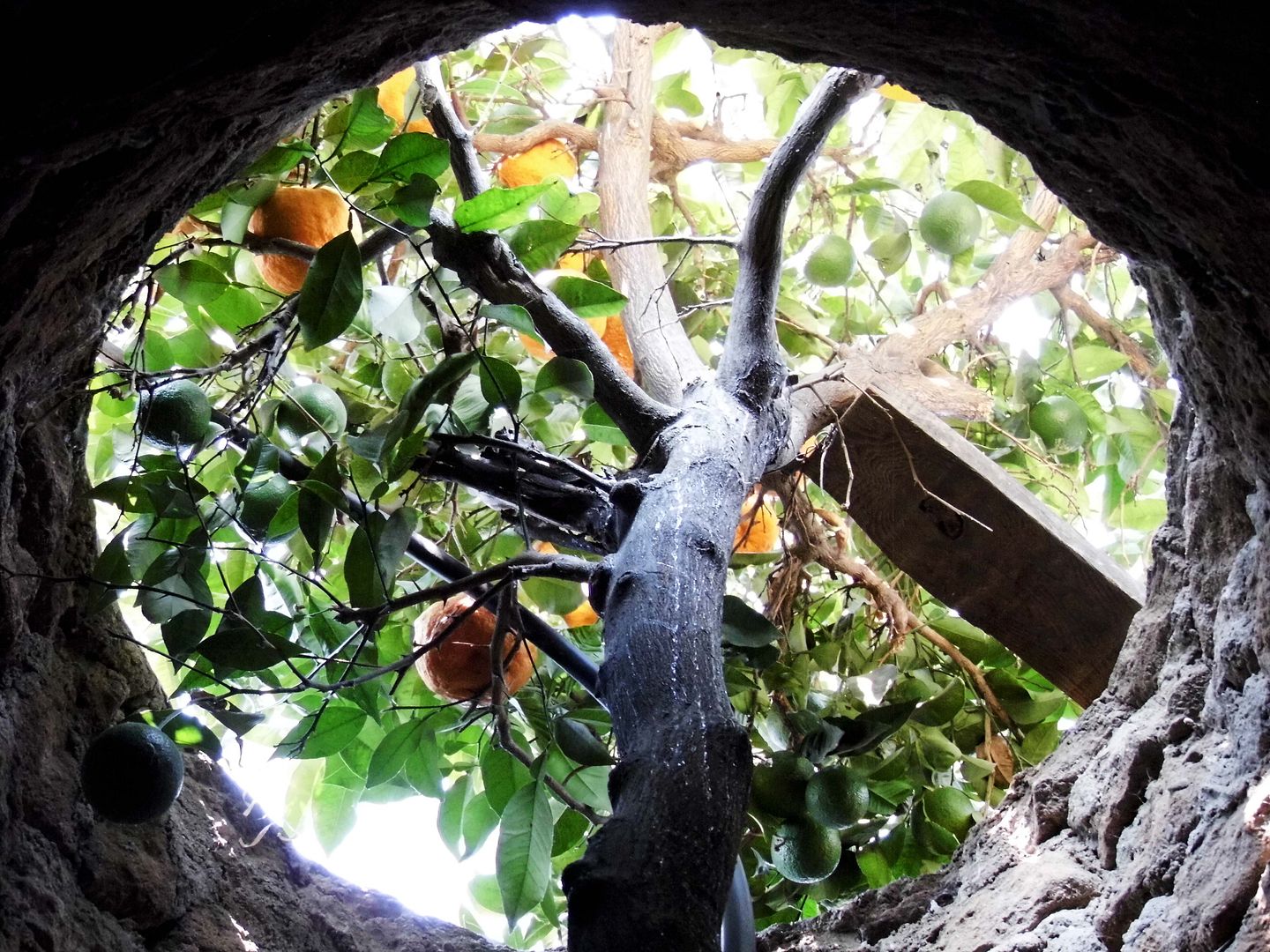
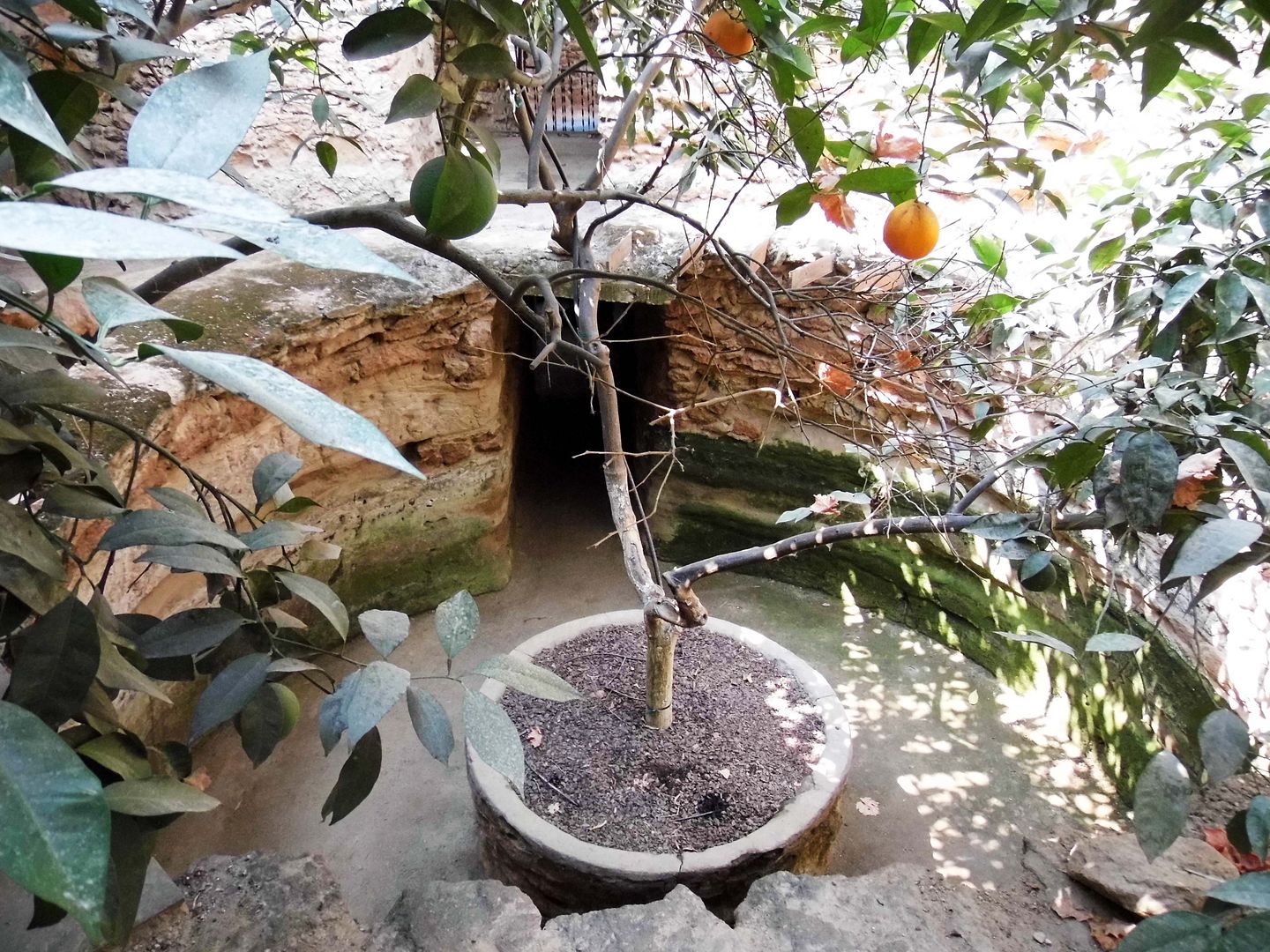
And because he was something of a grafting genius, he even created a citrus-bearing tree that yielded both lemons and oranges.


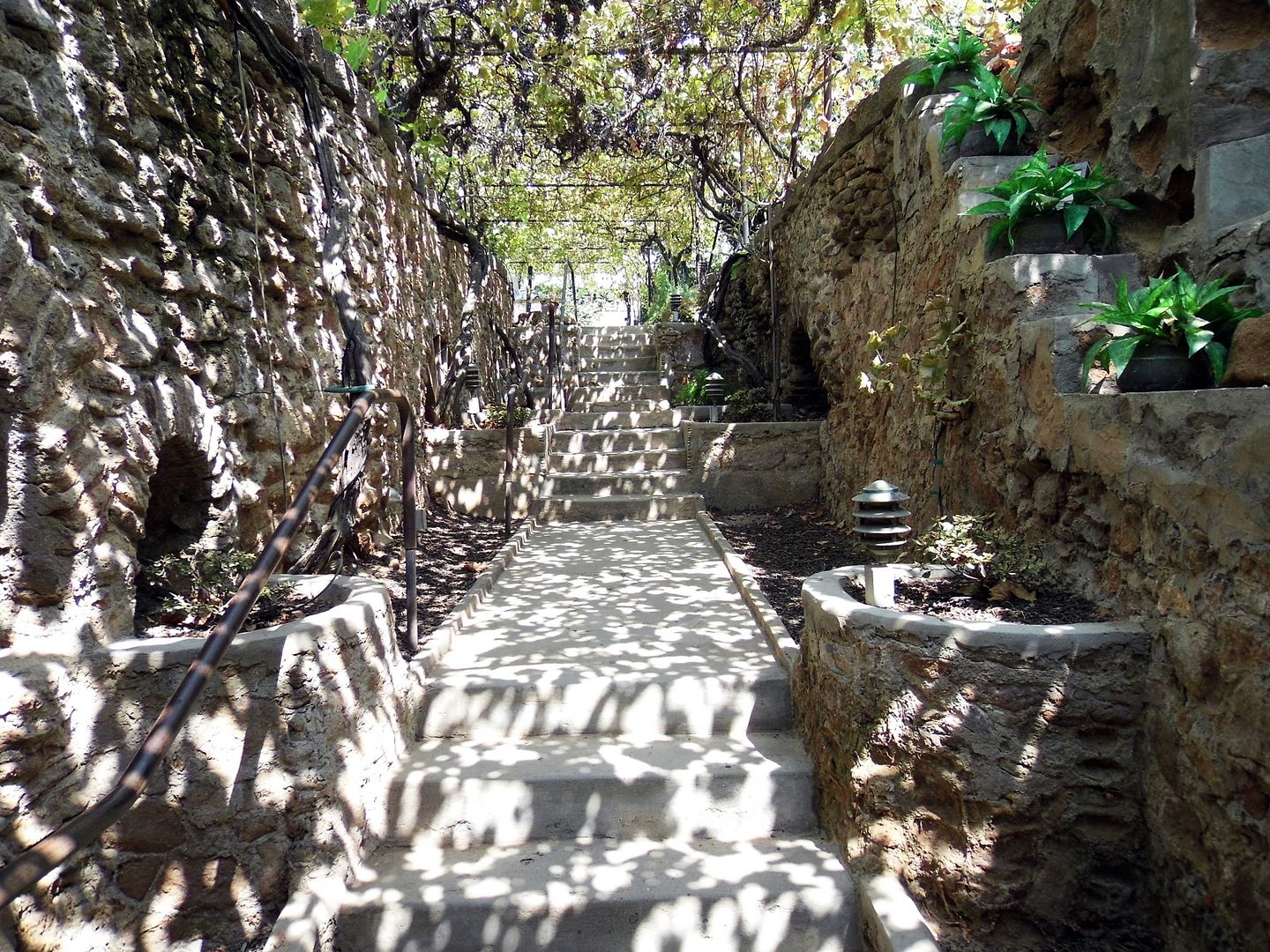
There are now 2 acres "finished" and open for exploring and examining...


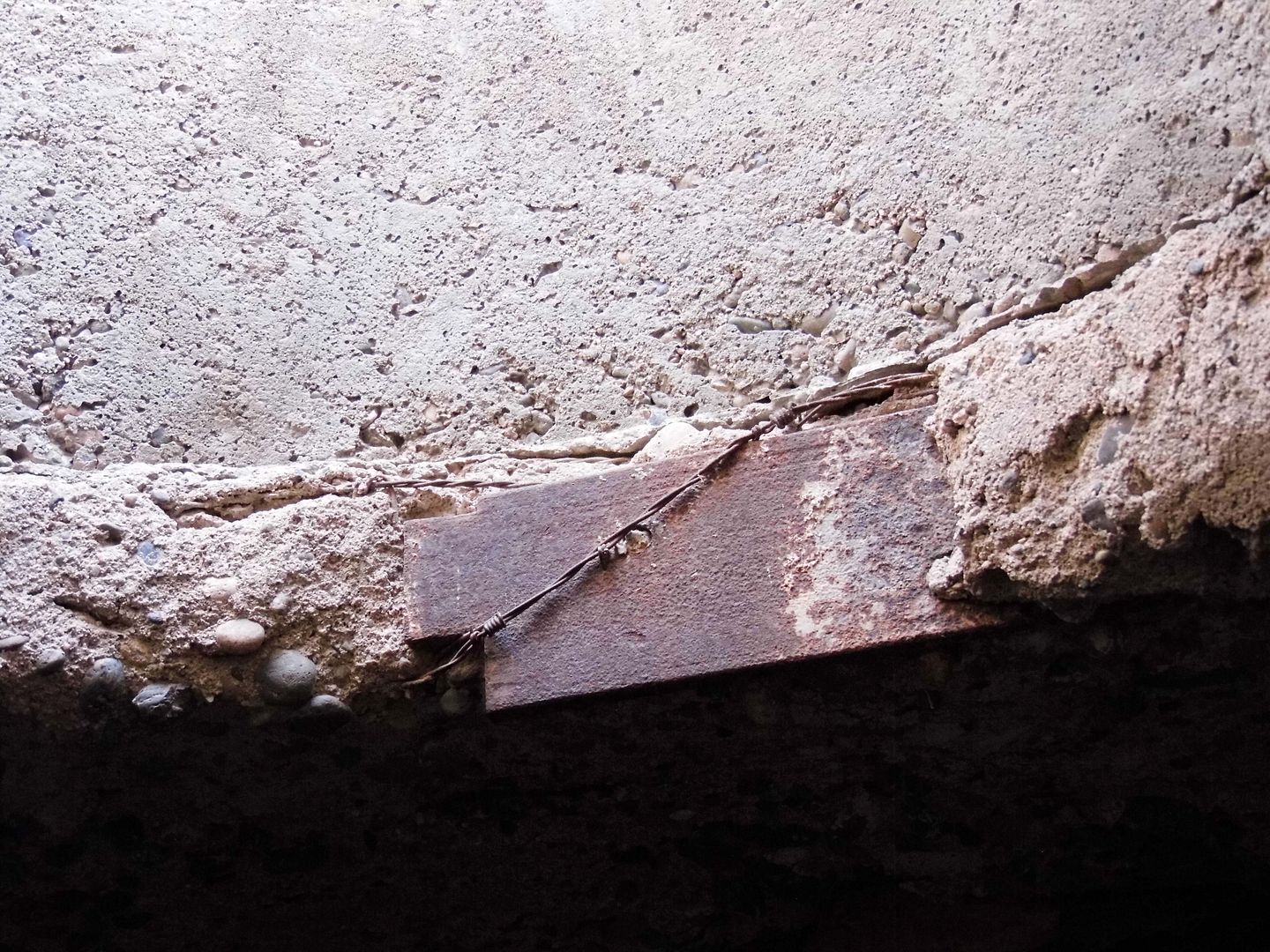
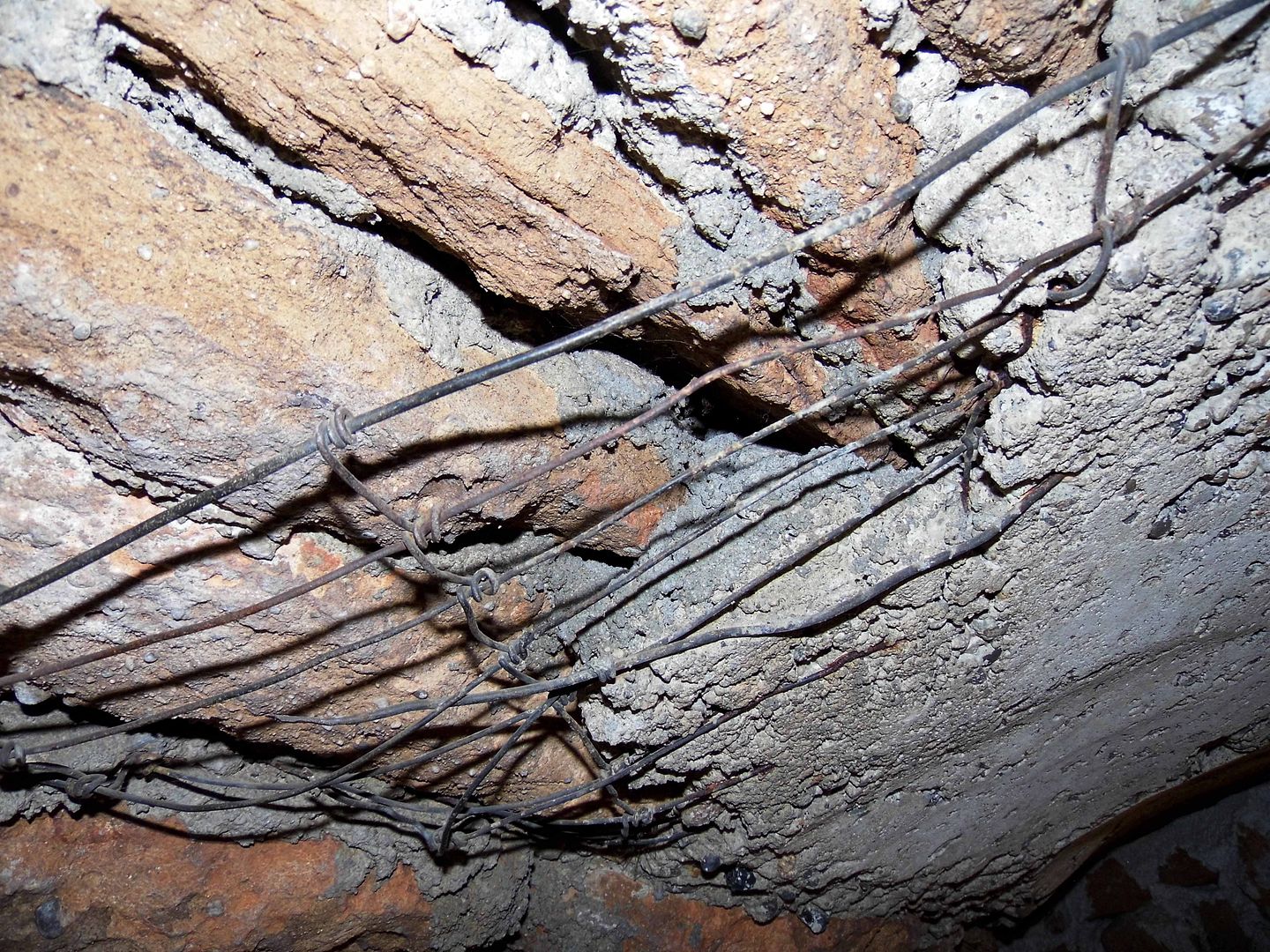
...with recycled building materials hiding in plain sight, like scrap metal and barbed wire...


...and mattress springs.


It's cooler down there not just because of the subterranean location, or the rock walls, but also because of the cross-ventilation. (And, being a devout Catholic, he built the underground gardens literally in the shape of a cross.)


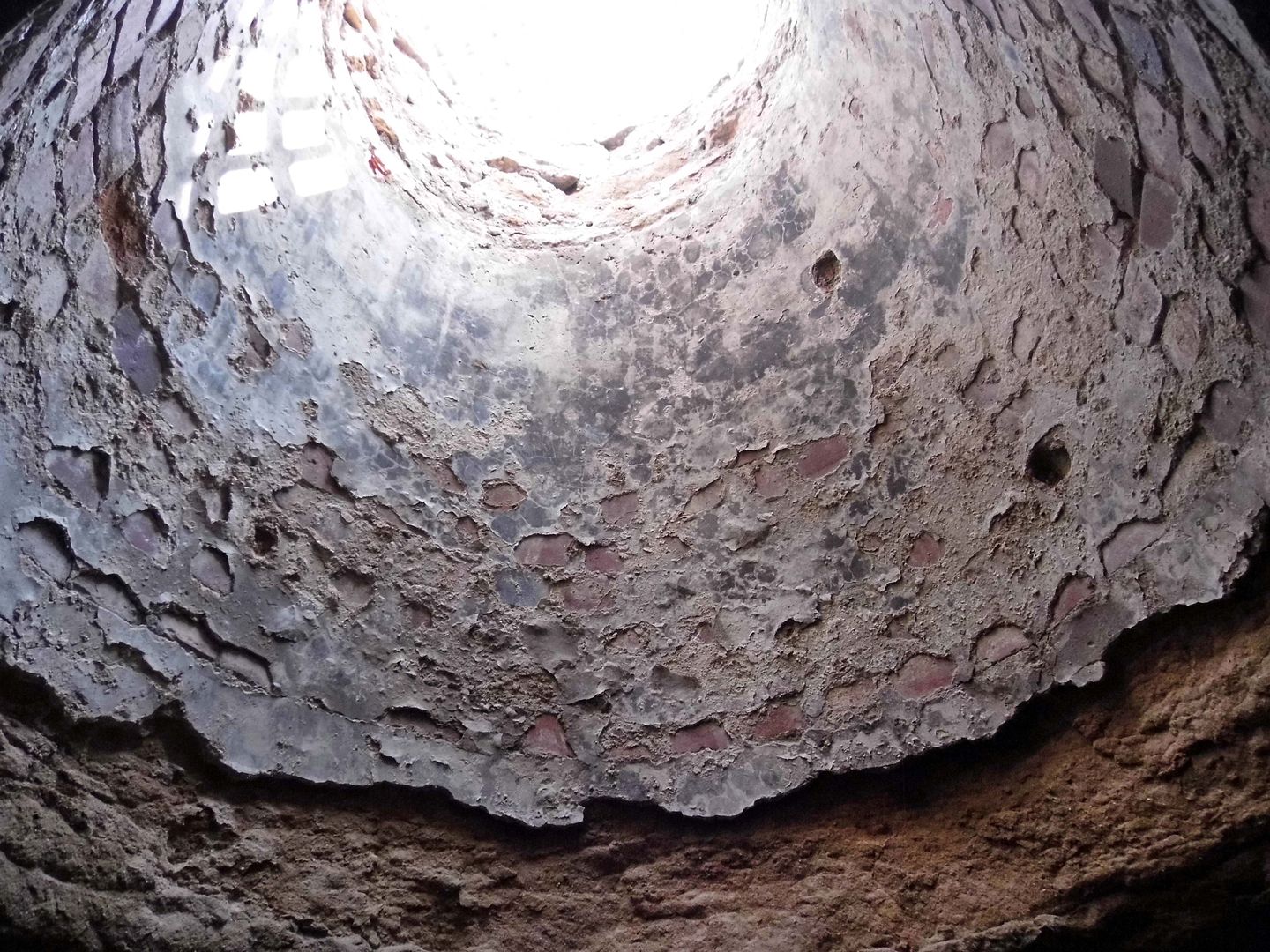
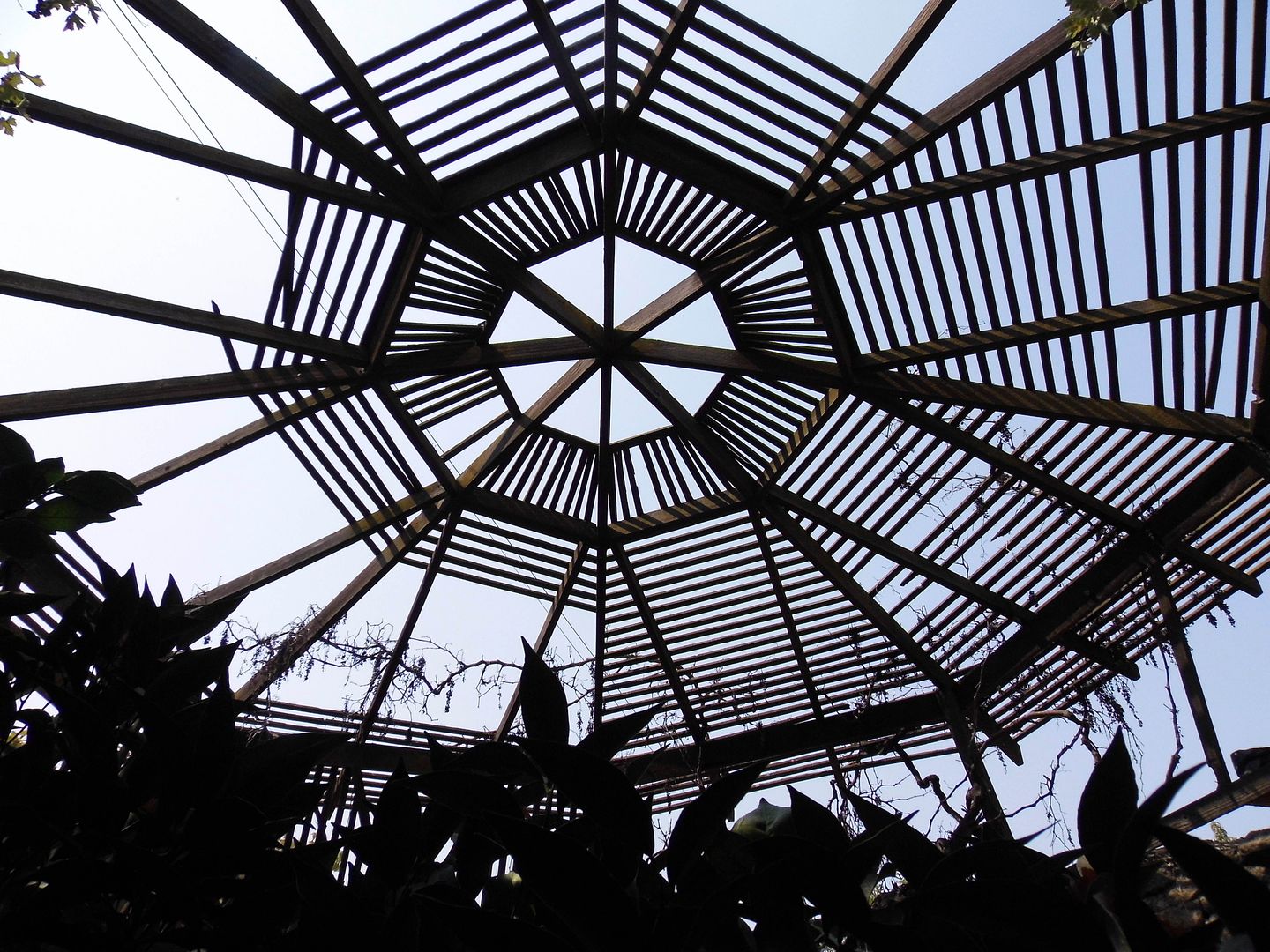
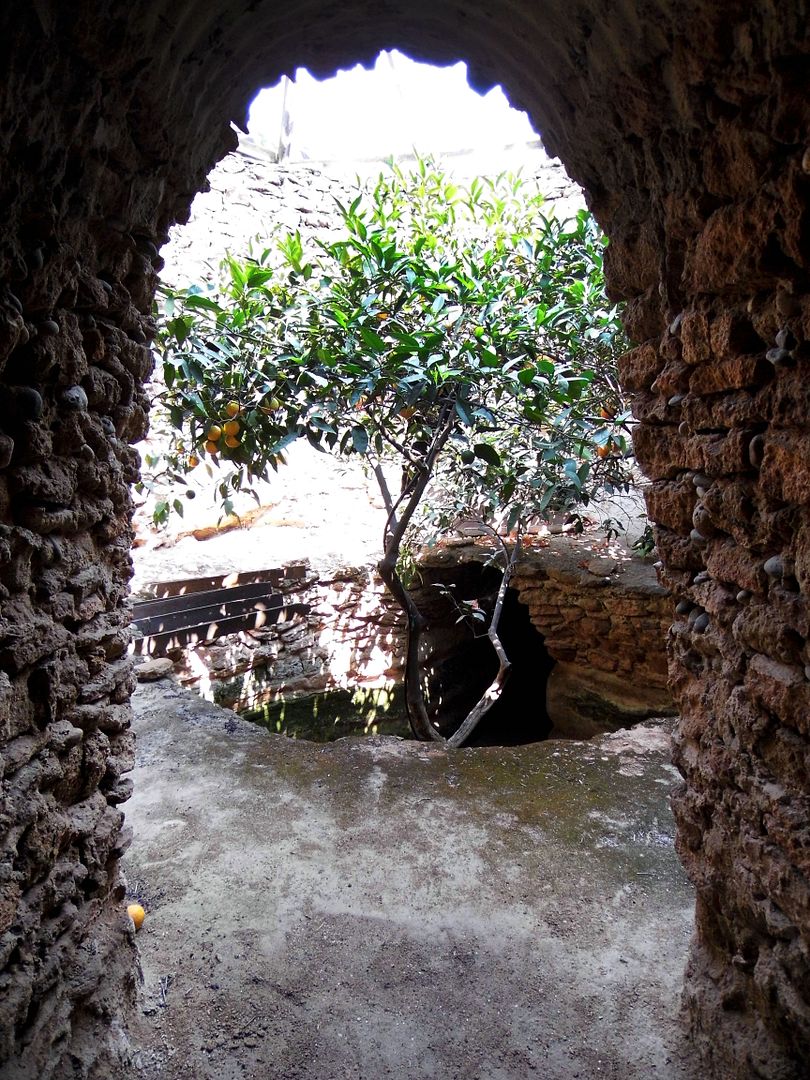
Open-air skylights allow trees to grow towards the sun...


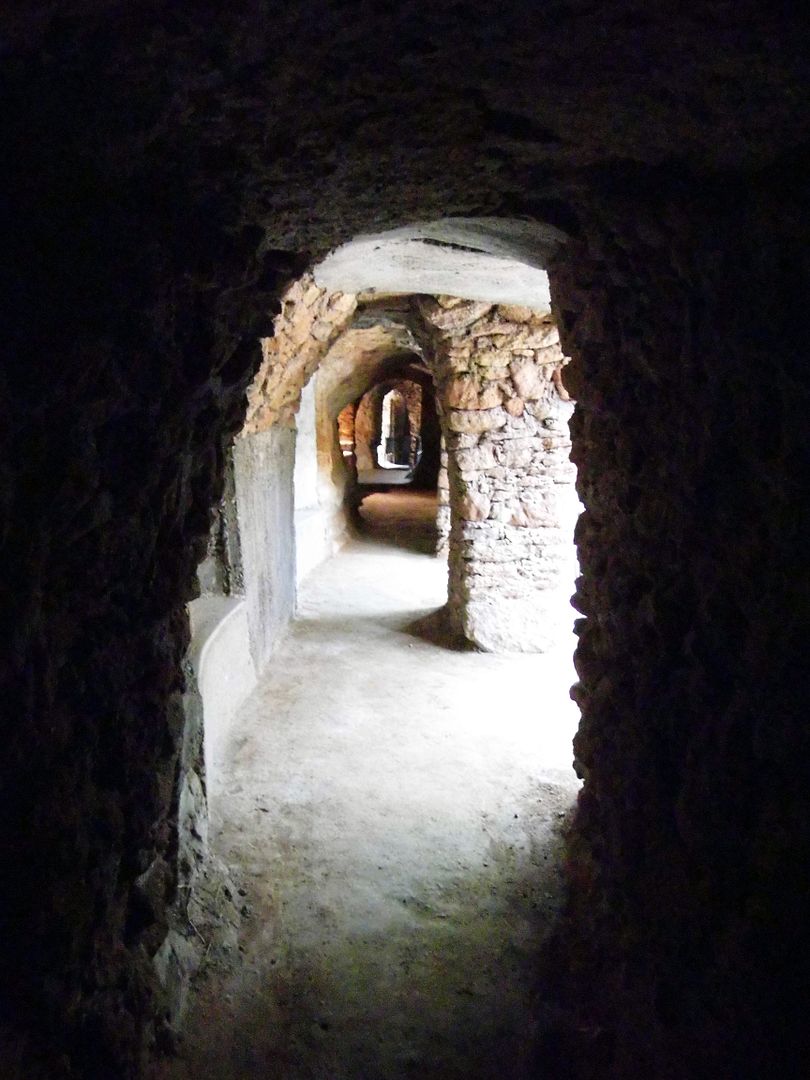
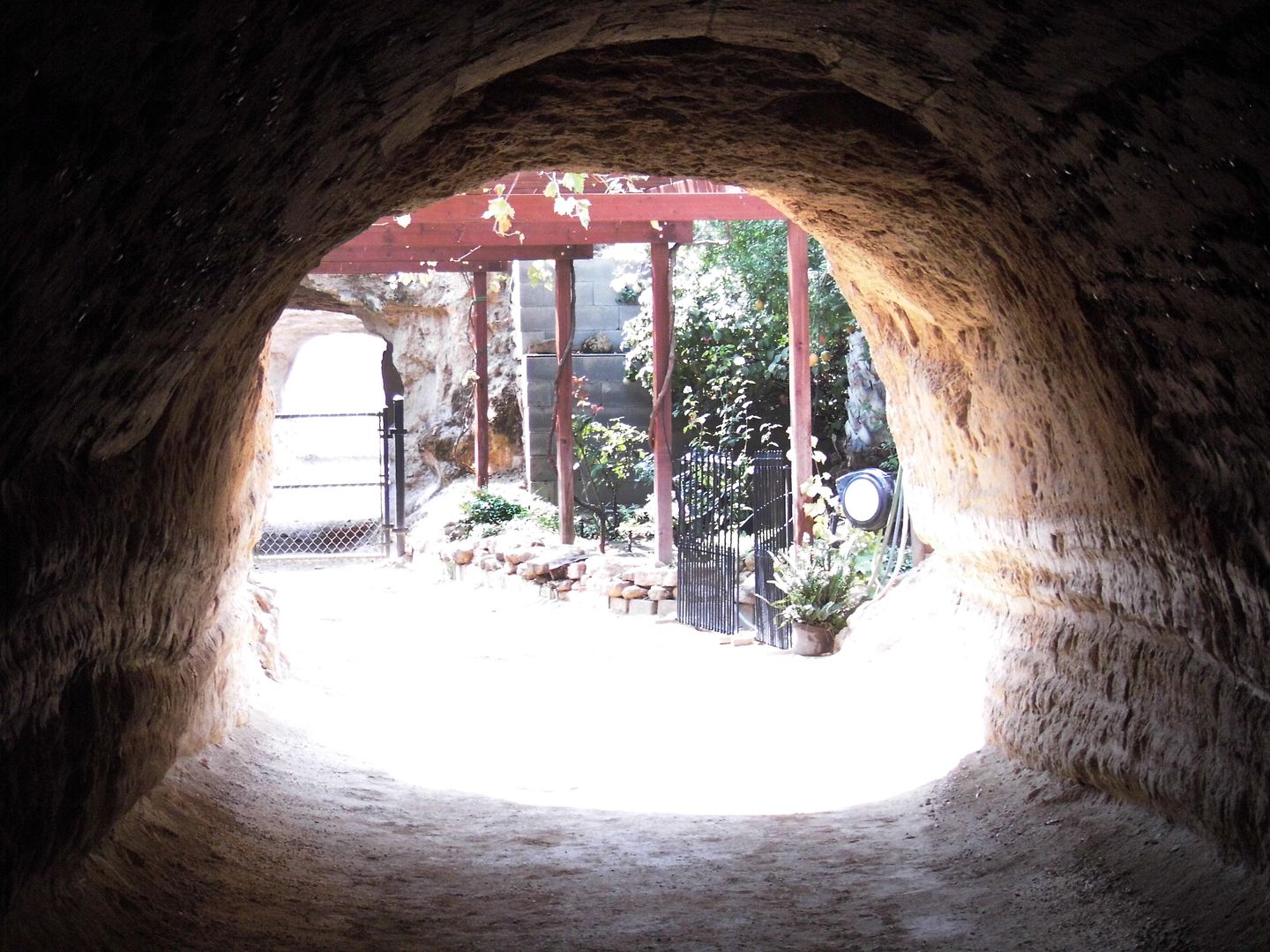
...and many of the arches line up so the air whooshes straight through.


Ultimately, Forestiere designed an entirely self-sufficient dwelling—where he could store rainwater and keep the fish he'd caught alive in a pond until he was ready to eat them.


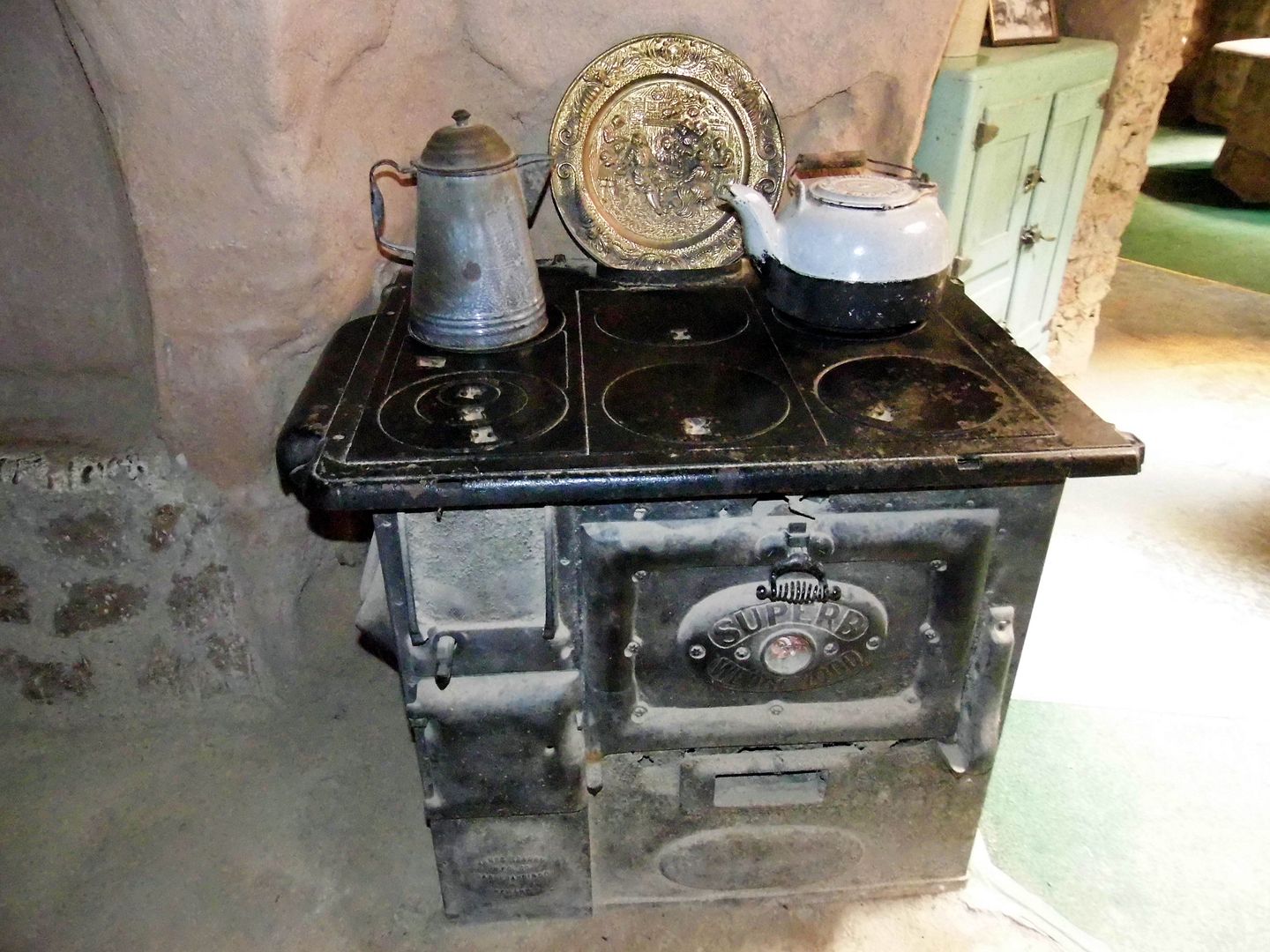
A lifelong bachelor, he'd cook the food he'd grown or caught on his wood-burning stove...


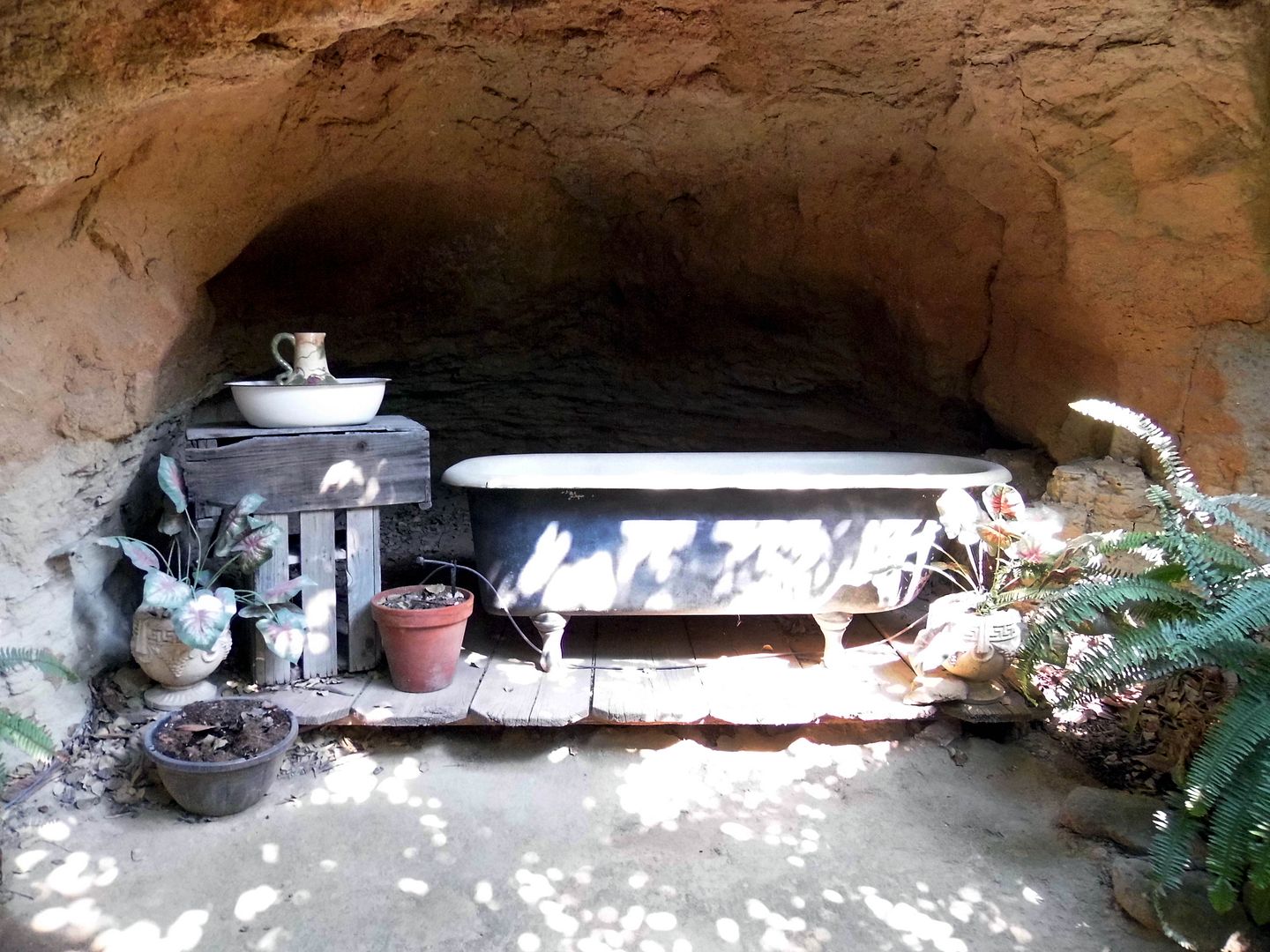
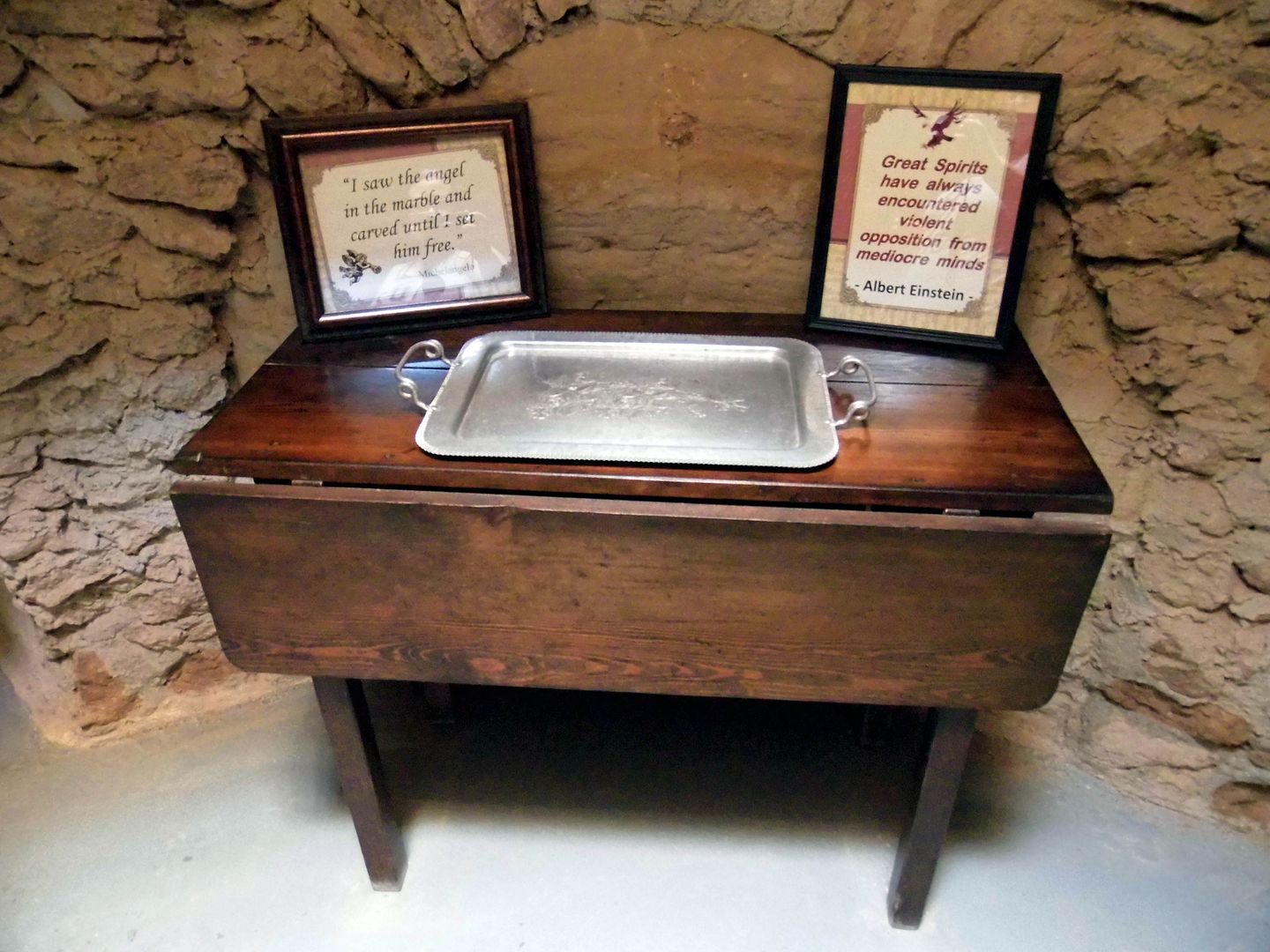
...and wash it down with the wine he'd made himself and stored in bottles in his wine cellar, seated on modular furniture that was built into the walls.


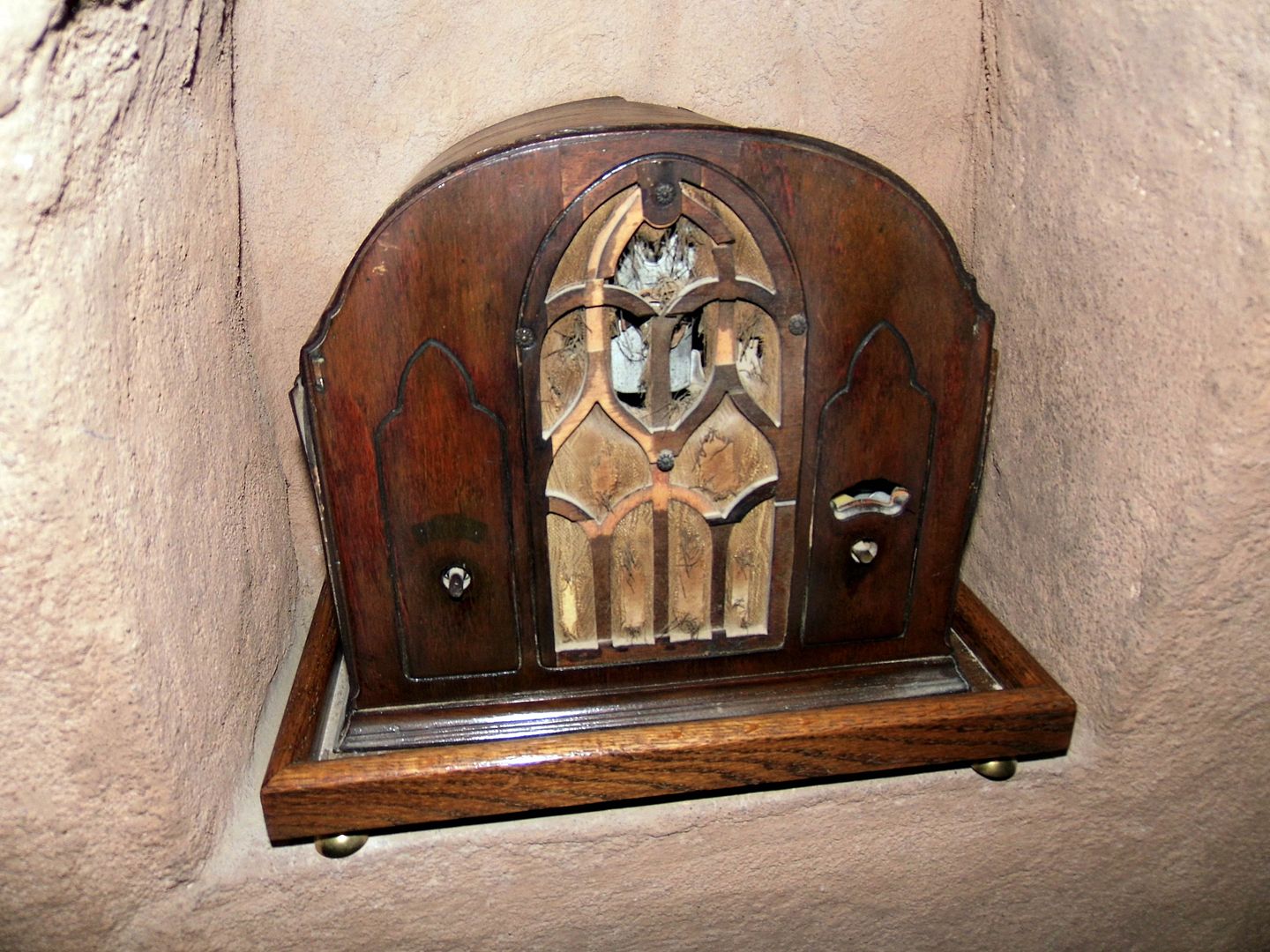
Perhaps he'd be listening to his radio, too—the same radio that's still tucked away in a niche. (He eventually had electricity, but no indoor plumbing.)


During the winter, he'd keep the drafts out by covering the skylights in glass and lighting the fireplace. He also slept in his "winter" bedroom, which wasn't as exposed to the elements as his "summer" bedroom.


Forestiere never meant to keep his underground gardens all to himself. In addition to inviting family and friends over while his unusual palace was still being completed, he'd intended to eventually open it up to the public as a kind of daytime resort or even, as he called it, an "underground hotel."


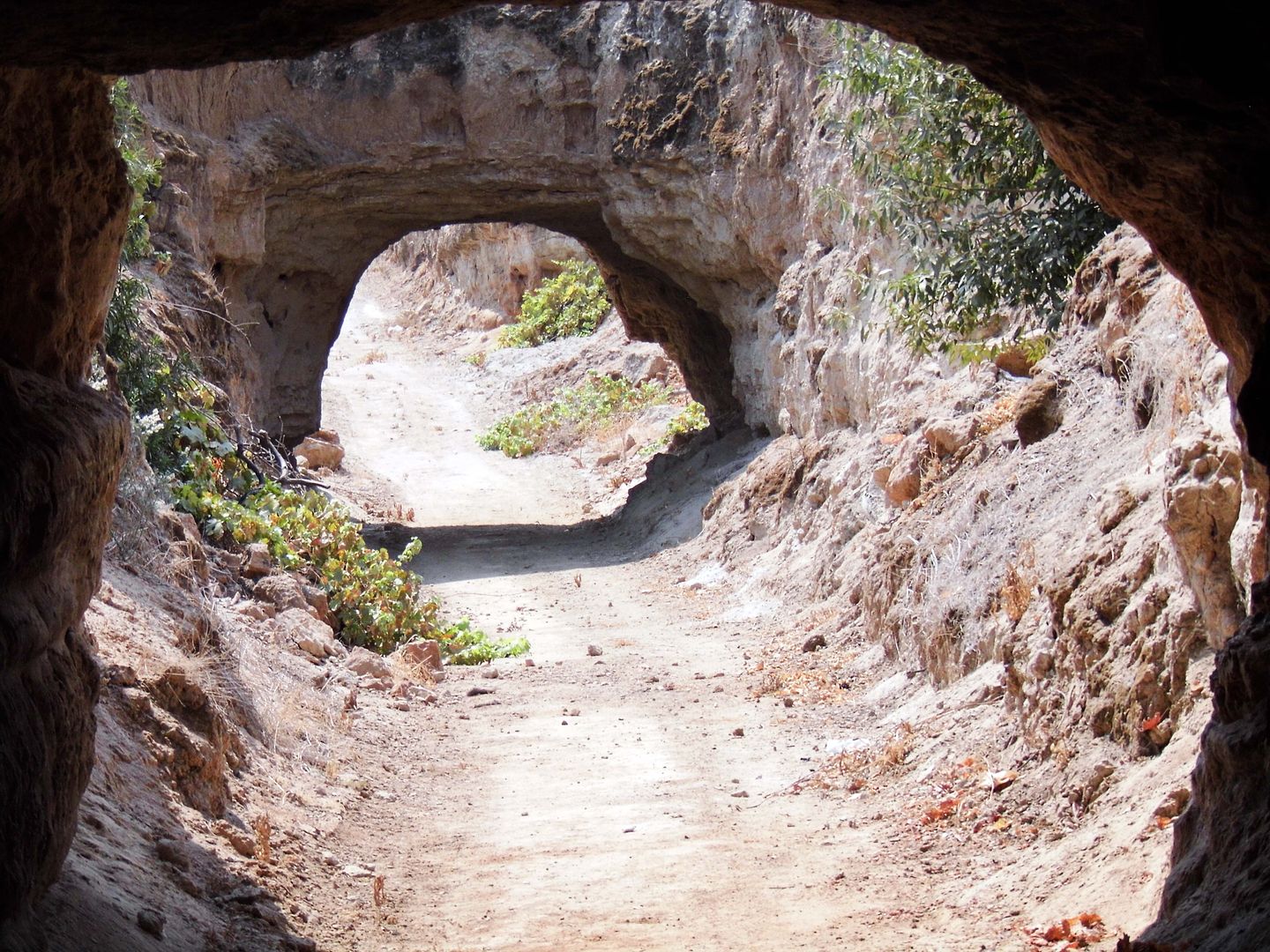
To accommodate visitors arriving in cars, he built a sloping automobile tunnel using a construction tool called the Fresno scraper, pulled by two mules. Because this revolutionary tool (invented in Fresno, of course) could move quadruple the volume of earth compared to manual excavation, it influenced the later designs of bulldozer blades and earth movers.


Although Forestiere never completed his motorist entryway—and never officially installed the valet service—some of the attractions he'd built for them to see on their way in are visible now on the guided tour visitors can take.


Located 20 feet below ground, there's the Tree of Seven Fruits, which once fruited lemons, sweet lemons, grapefruit, cedro, and Navel, Valencia, and sour oranges.


Only the oranges remain.


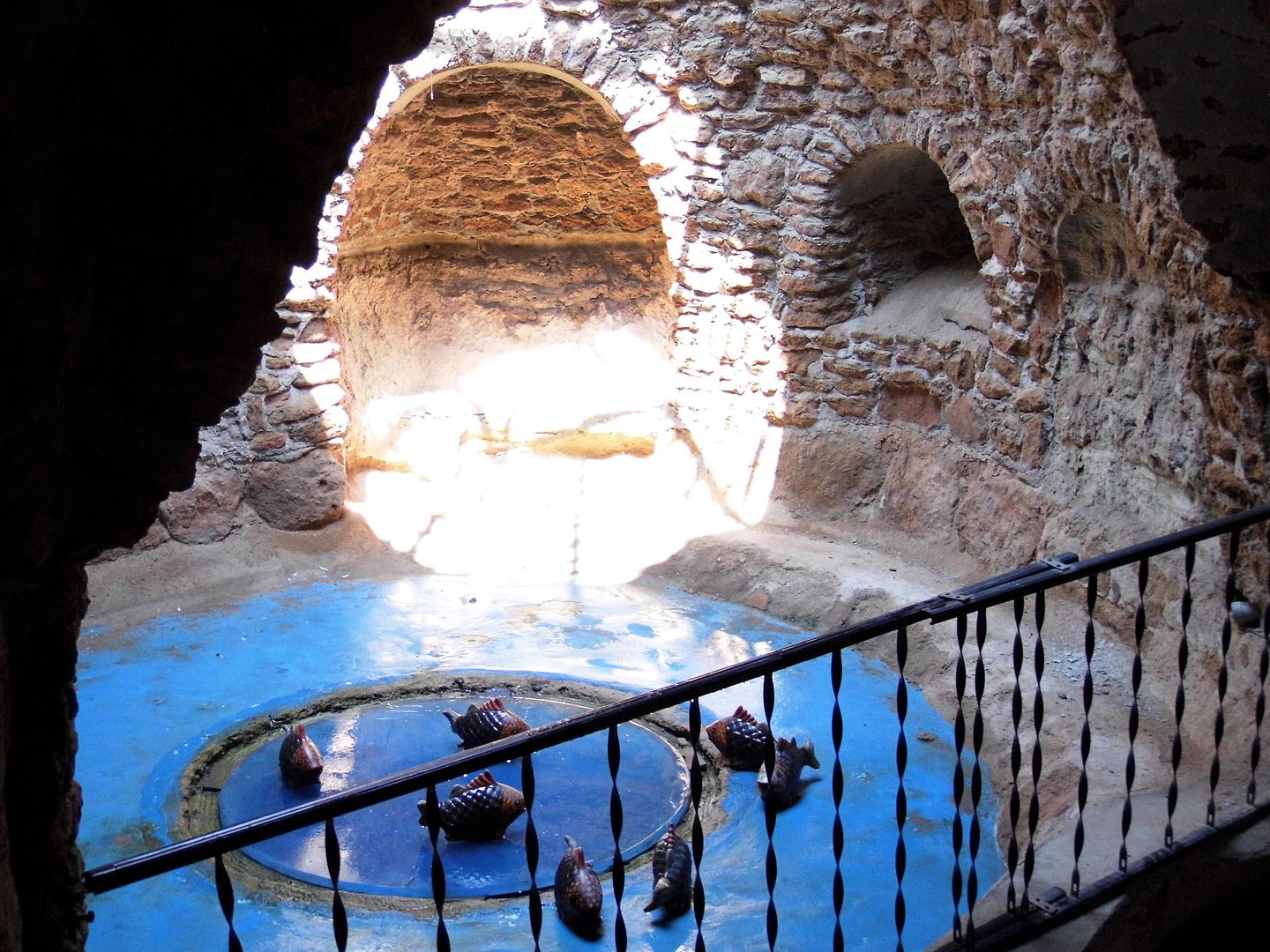
There's also the tri-level aquarium—a cemented pond with observation areas above it, at its surface, and below it (where Forestiere would often sit and watch the fish that were "too pretty to eat" swimming above his head through the former glass bottom).


After Forestiere died at the age of 67 in 1946, his underground gardens were targeted by vandals—though his younger brother Giuseppe tried to keep a watchful eye.

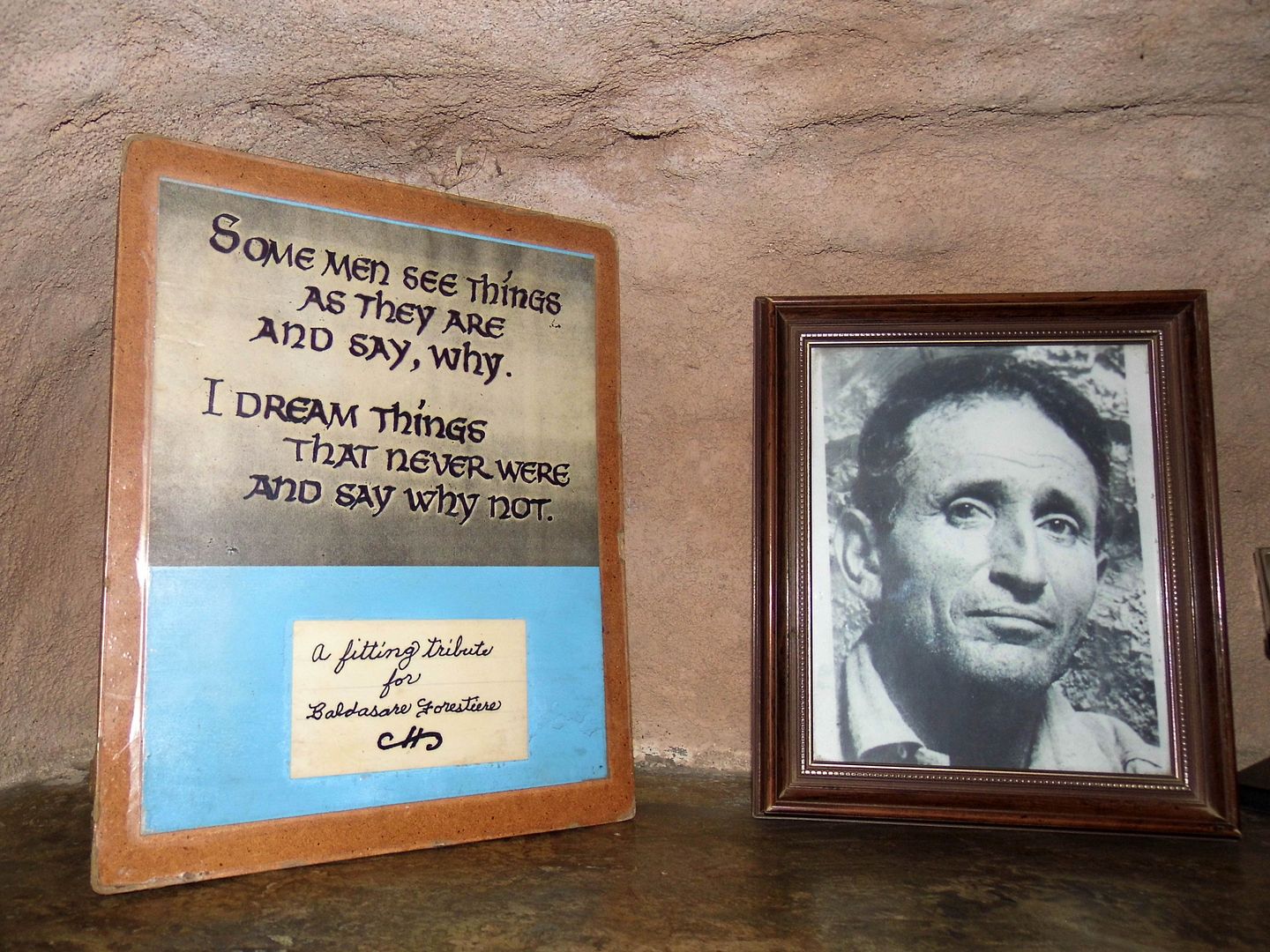
With no offspring to speak of, Uncle Baldy may rest in peace knowing that his great-nieces now own and operate his sculptural masterpiece, 40 years in the making, as a tourist attraction and cultural monument—preserving it as much as possible and restoring when necessary.

Now that I've experienced it firsthand, I wonder why more people don't carve their own dwellings out of the earth and live more sustainably, like they do in Tunisia and other desert environs. It seems like a nice life.

Especially when it feels like hell above ground.

Forestiere Underground Gardens's Photo Policy dictates that photos are only permitted for personal enjoyment. Photos may not be copyrighted, watermarked or sold either through web albums or other commercial or online venues (YouTube, Instagram, etc) without consent of the owners. Therefore, the photos on this blog post are not for sale and cannot be licensed for reprint or other commercial uses. 


Related Posts:

Photo Essay: The Hottest Real Estate Property This Side of Death Valley

September 04, 2020

Amusing Myself With 19th Century Pneumatic Technology at a 21st Century Bank Branch

"You're everywhere!" people say to me, in response to my pandemic amusements and adventures.

"Yeah," I respond, "But I'm pretty much just in my car..."

I'm now choosing my on-the-road meals based on the nearest drive-thrus. And if I'm not shopping online, I'm picking up items curbside—rolling down a back window or flipping my hatchback up so the store clerk can toss my purchase in and I can drive off without ever getting out from behind the wheel.

I'd thought that making bank transactions would present a challenge—because although I'd found a drive-thru ATM, some banking just requires a real, live teller. Besides, I haven't been thrilled about those touchscreens and buttons that have surely been contaminated by god-knows-what.


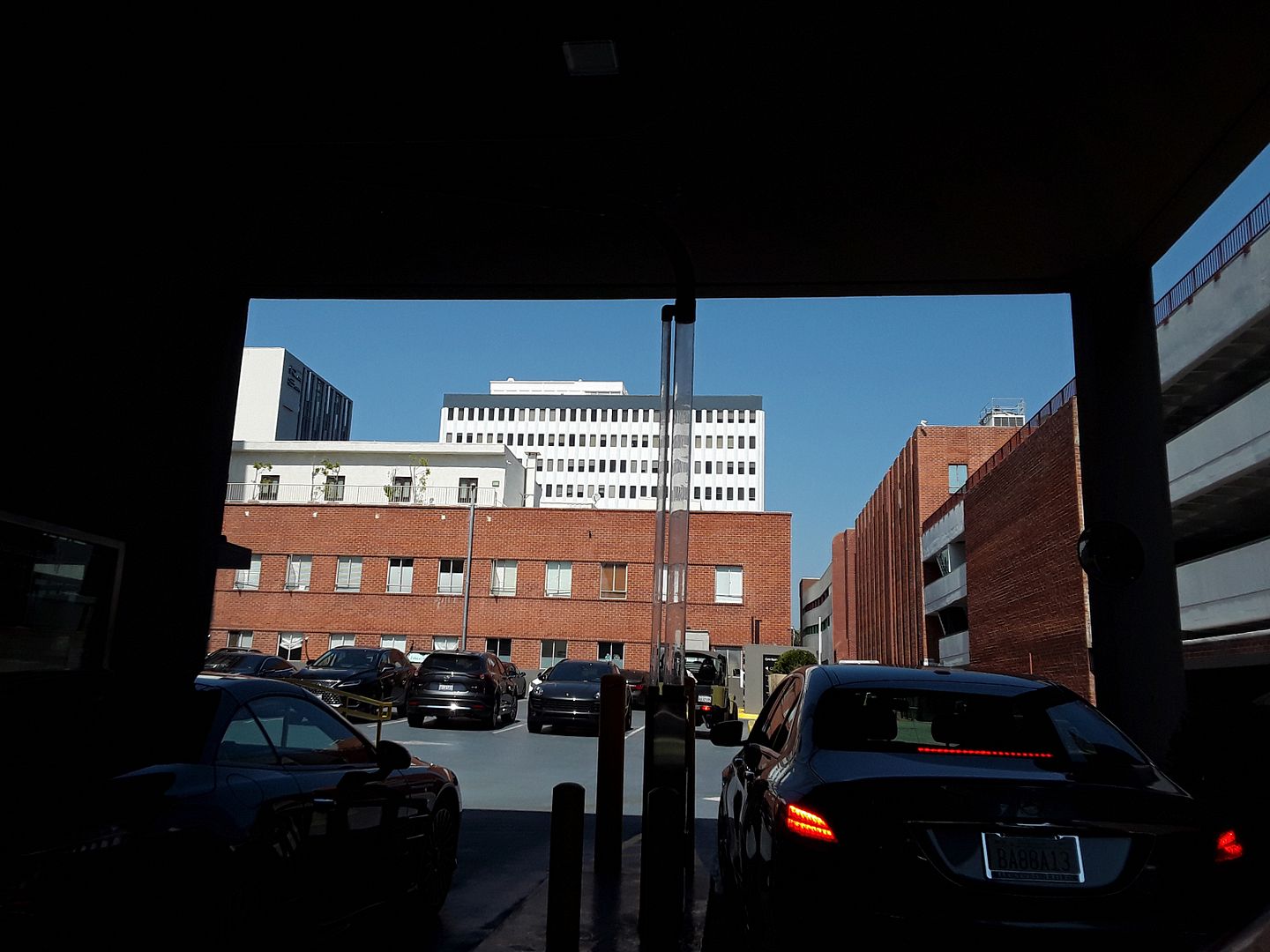
And then I found a drive-up teller at a bank branch in Beverly Hills. And to my delight, it had one of those pneumatic tube transport systems for the cars one lane away from the teller's window.


I so clearly remember these from my childhood—when I'd be sitting in the backseat of my dad's car, marveling at those cylindrical containers that carried cash, checks, receipts, deposit slips, and whatnot to and from the driver's side.


It felt like something straight out of The Jetsons. And even though it was created in the 19th century, and is utterly mechanical, it still kind of does seem like fantasy futurism.


Today on my bank run, I could've lined my car up for the teller window—but the car queue for the tubes was just about as long, so I decided to try to relive a little nostalgic bit of my childhood.

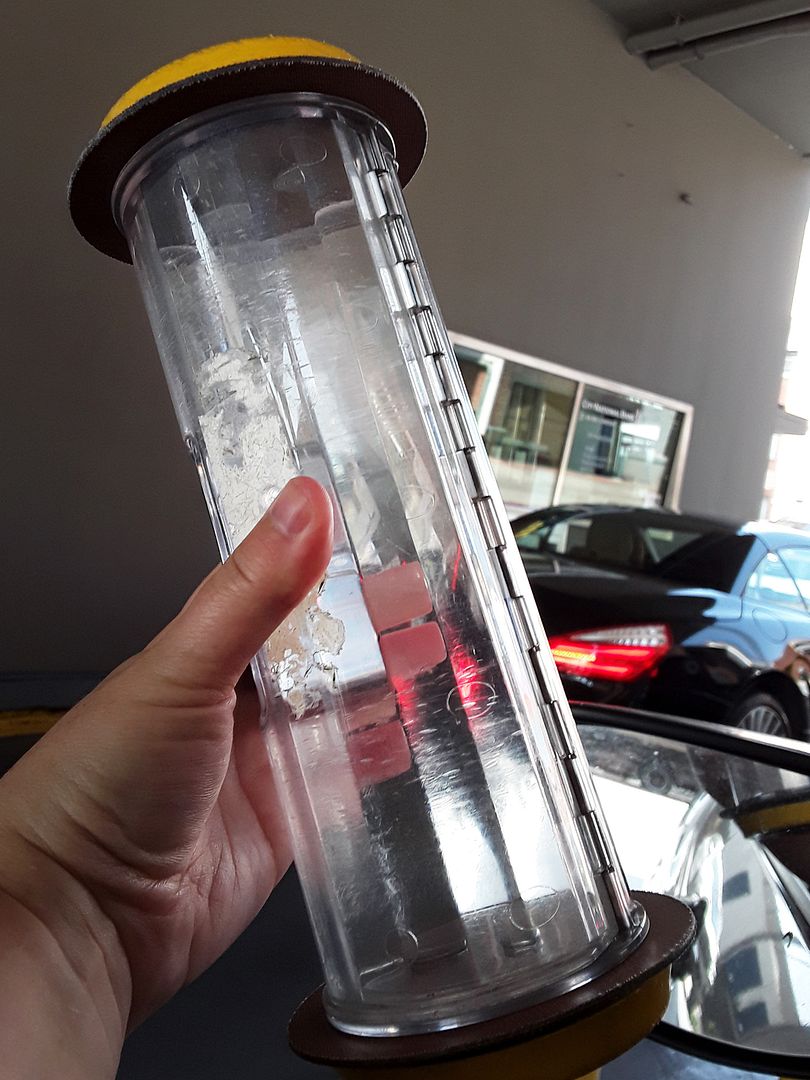
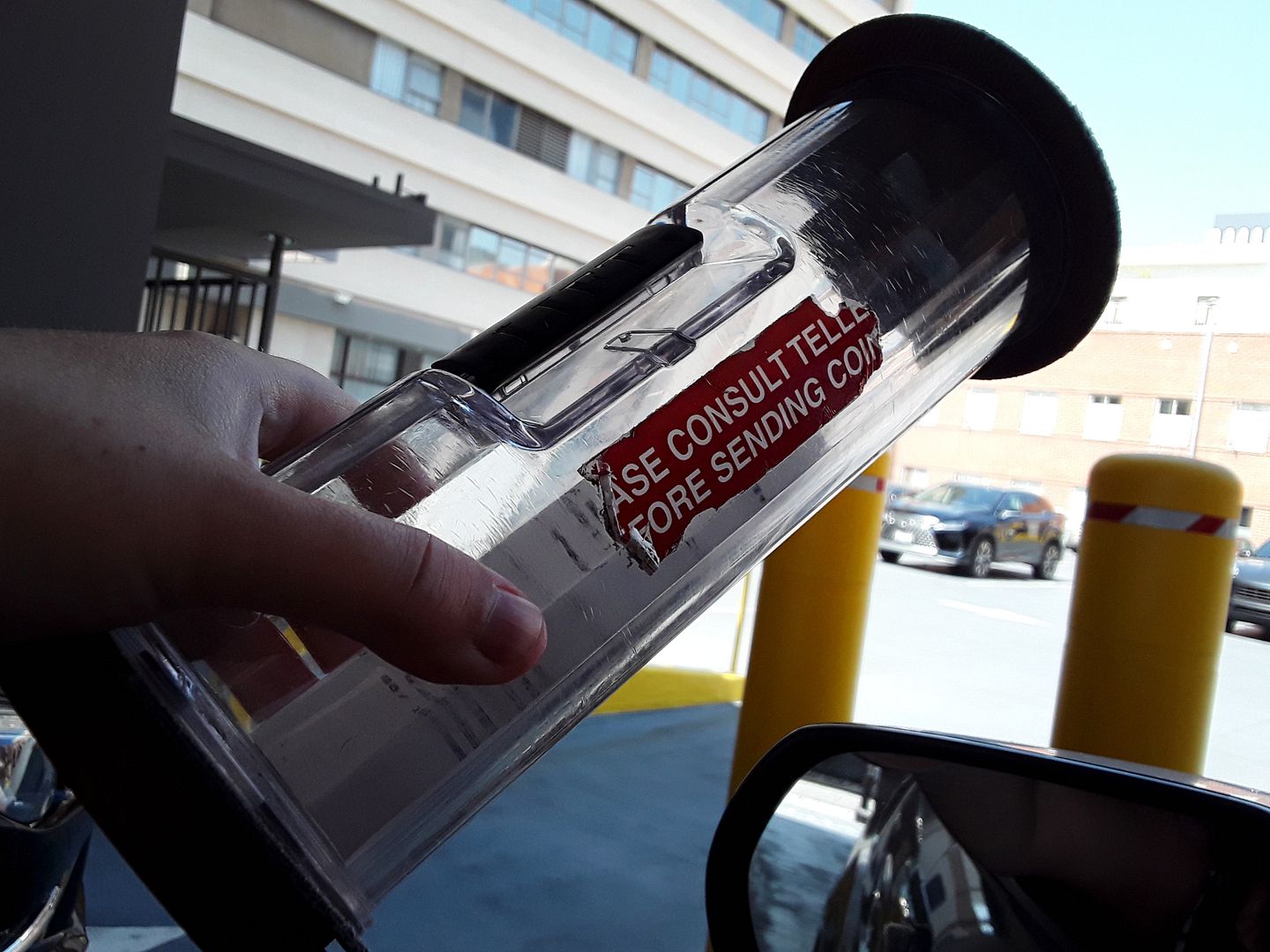
There was a difference this time, though. I got to operate the pneumatic system myself—unlatch the cash-carrying cartridge, stuff it with my documents, snap it shut, place it back on the loading dock, and hit the red button.

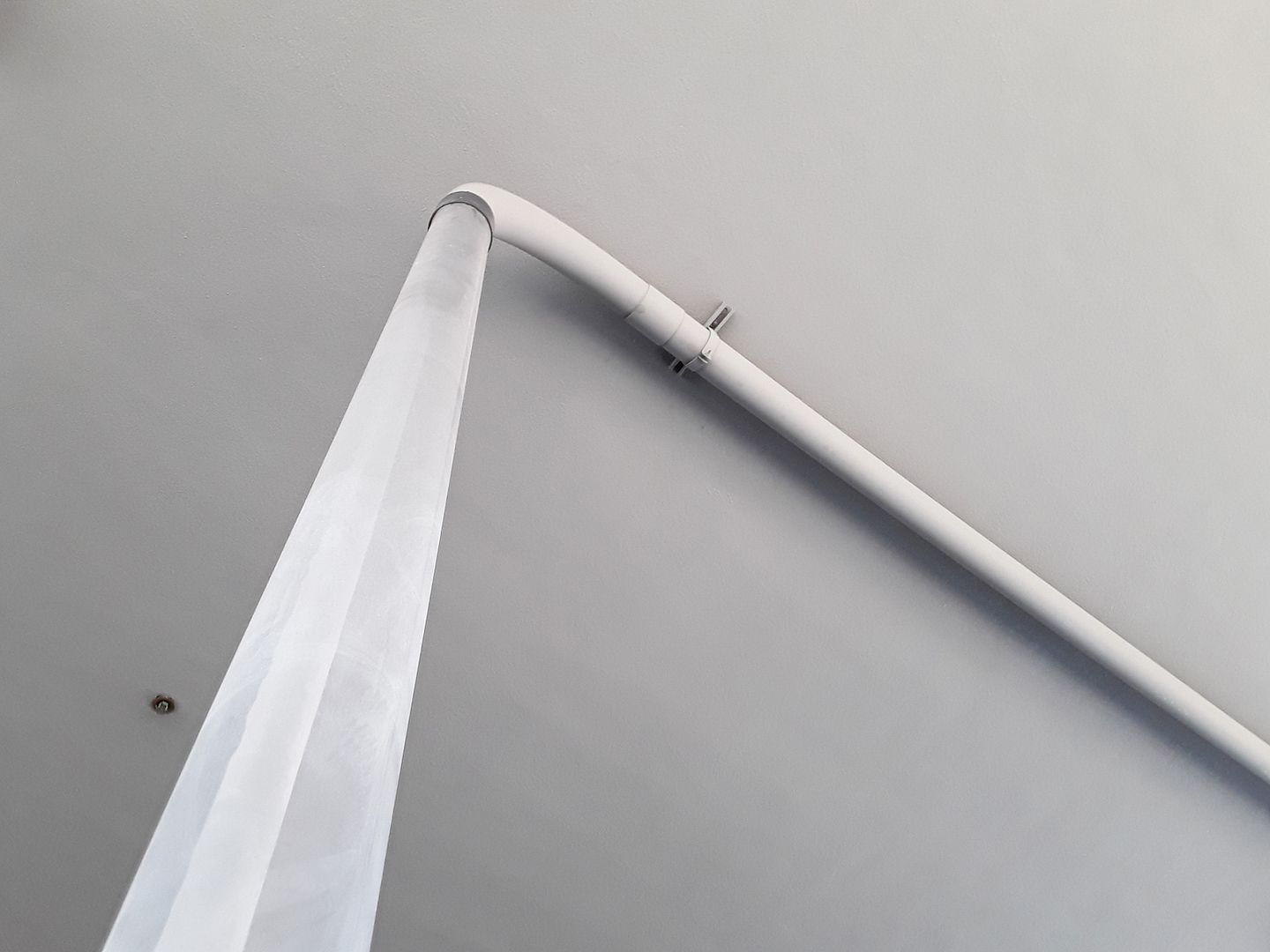
That's what triggers the plexiglass door to descend and the whoosh of pressured air to transport the carrier up through the conveyor and to a destination unseen from the driver's seat.

Thirty years after I last encountered pneumatic banking (probably), I couldn't quite figure out whether I was supposed to stay at my tube station or proceed to the one in front of me to get my receipt. I hadn't been paying close enough attention to what the cars ahead had done—and for a moment, I felt crippled by the lack of human contact.

With no one behind me, I drove forward to the next docking station and pressed the red button, accidentally sending an empty cartridge to the teller.

Assuming I'd made a mistake, I backed up to the station I'd originally used for my transaction. And then I hear a voice come over a speaker system and say, "I already sent it to the other one."

Was I supposed to go to the other one? Or did the teller send it there from afar because she'd seen me pull up to it?

I don't actually know. And I was too rattled to ask.

Is the carrier sanitized between each use? Probably not. Is it any cleaner than an ATM? Probably.

But if I could catch something from a pneumatic tube, well, I guess that was one risk I was willing to take from inside my car.

At least for today.

Related Posts:
Heading Into Chapter Two of the Coronavirus Pandemic

September 02, 2020

Adventures on Pico: From a Chili Bowl to An Oil Well (Updated for 2022)

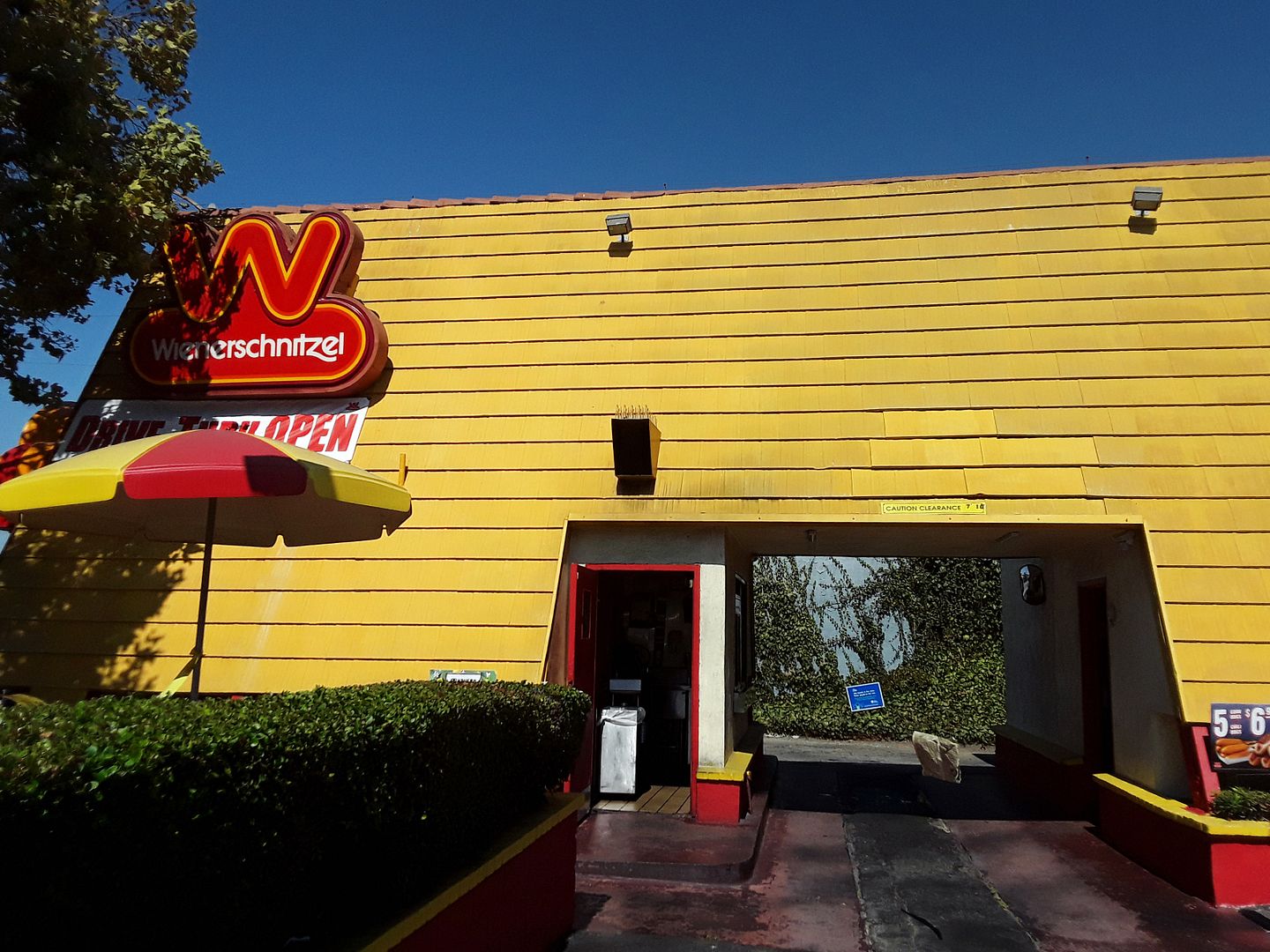
[Last updated 12/26/22 11:07 PM PT—Info on Wienerschnitzel closure added.]
[Updated 2/24/22 8:08 PM PT—The Chili Bowl was approved for demolition and was disassembled this week. Its fate remains unclear, although preservationists hope its pieces could be relocated and reassembled elsewhere.]

Lately I've been retracing what I thought was a familiar route through LA—but finding new aspects of it that I'd never noticed before.

For me, this has been a blessing of the pandemic. It's like the city is new to me all over again.

When I first moved to LA, it was for a job on Main Street in Venice, California—and the easiest way to get there was to take Pico Boulevard all the way west down to Gateway, which would dump me off on Main in Ocean Park, just a stone's throw away from the office.

It was a drive that required low cognitive load—essential for my morning haze and preference to sing along to the radio rather than navigate.

I'd take in what I thought were the main sights of Pico—the Fox Studios, the Ranch Park Golf Course across the street, Westside Pavilion, and The Apple Pan.

Before I'd make my left turn, I'd let my gaze linger on the former location of Kelbo's tiki restaurant, whose current tenant at the time—Fantasy Island strip club—kept the lighthouse architectural motif and tropical signage. (It was unfortunately demolished a few years ago, before I got up the nerve to go inside).

And that was about it. I rarely took the same way back home, instead cutting down Venice through Culver City to catch a drink or a snack there before calling it a day.

That was my routine for three months in 2011—before getting laid off.

Even when I worked at a different job nearby in 2014, and would head one boulevard south to Pico for after-work happy hour, I didn't discover much more than Billingsley's steakhouse and the SF Saloon—not before getting laid off after yet another three-month stint.

But my recent treks to Santa Monica to go swimming have brought me not only back down Pico, but farther down Pico, and even the other way down Pico to get back home.

And it has been a pandemic adventure!


Coming from Santa Monica, almost before hitting the city limits at the 10 freeway overpass and crossing over into West LA, I stumbled upon a Wienerschnitzel fast food stand that impressed me more than even the first location in Wilmington, California—thanks to an A-frame structure that you can drive through.


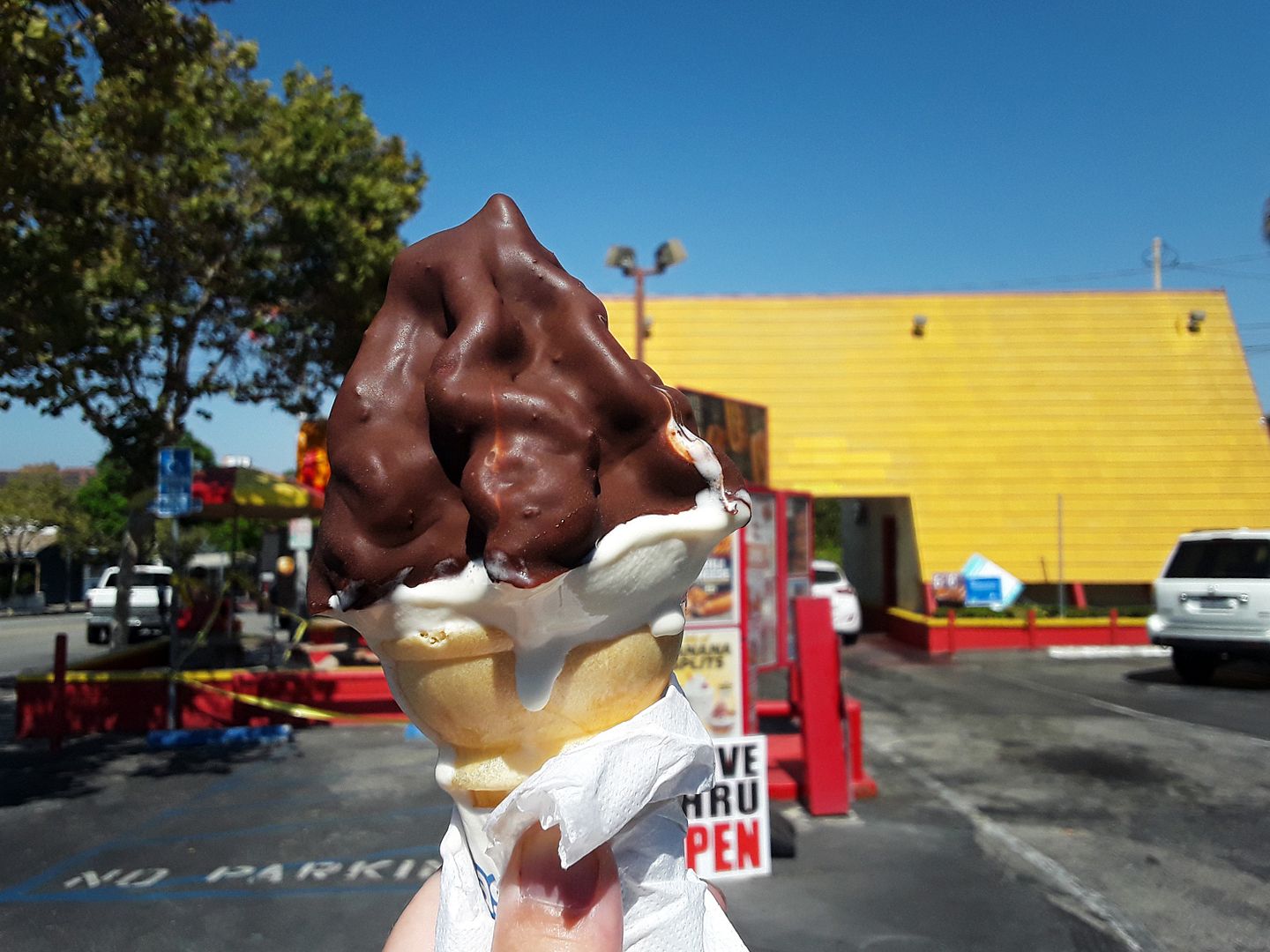
One of the silly items on my to-do list was to visit a Tastee Freeze—any Tastee Freeze, even one that's part of a Wienerschnitzel—so I would know what John Cougar (Mellencamp) was singing about in the song "Jack and Diane." I didn't order a chili dog, but maybe someday. [Ed: This Wienerschnitzel has closed but the Go Get 'Em Tiger chain has announced it will take over the space.]


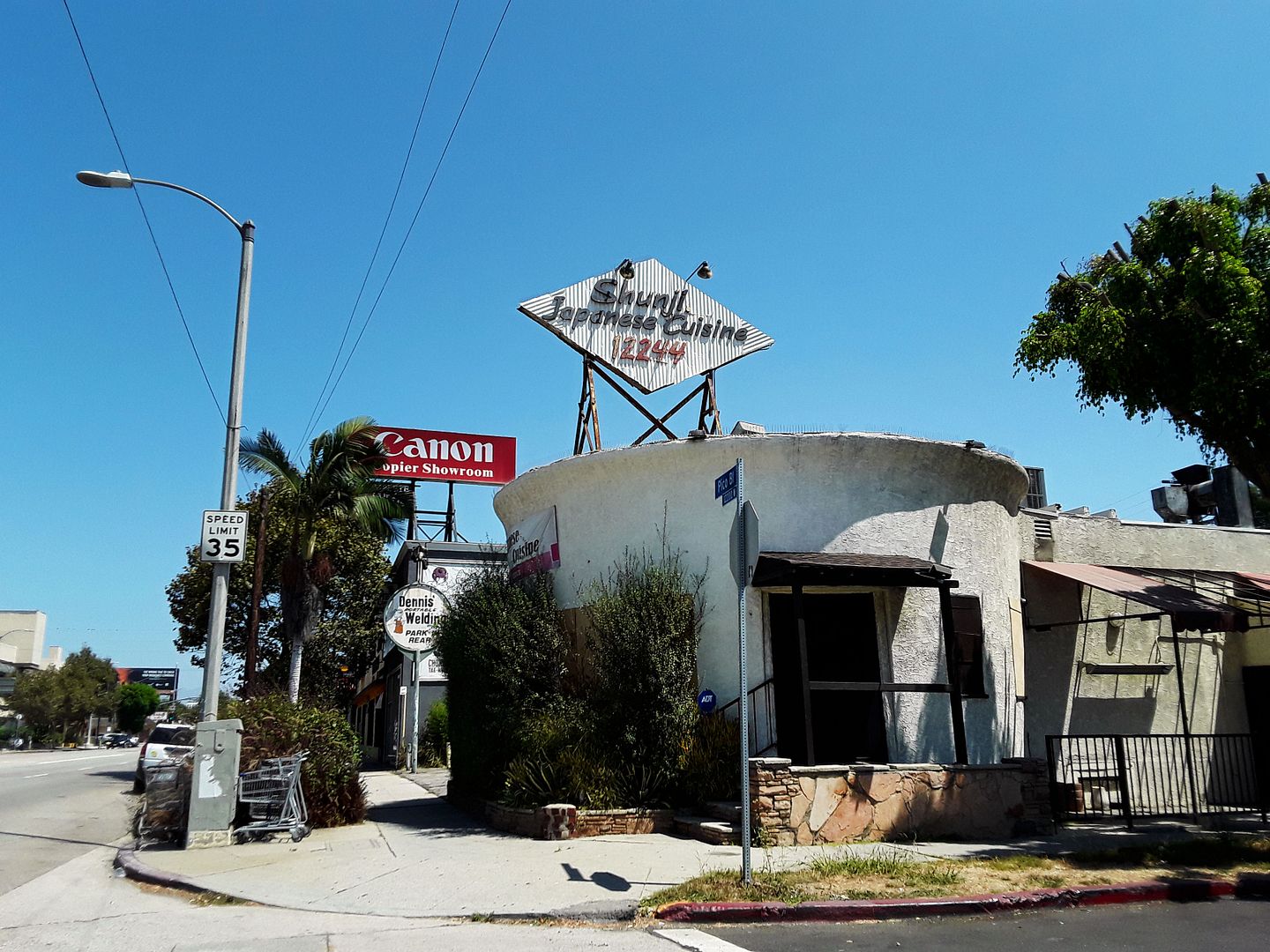
I can't get a bowl of chili anymore at the former Chili Bowl on Pico, just past the 10 overpass, but maybe I can get some Japanese food in the chili bowl-shaped restaurant when it reopens from the pandemic. [Ed: It never did.] Constructed in 1935, this "bowl" was relocated in 1939 from Silver Lake as part of Arthur Whizin's restaurant chain, all locations of which (18 at the time) closed by 1947.


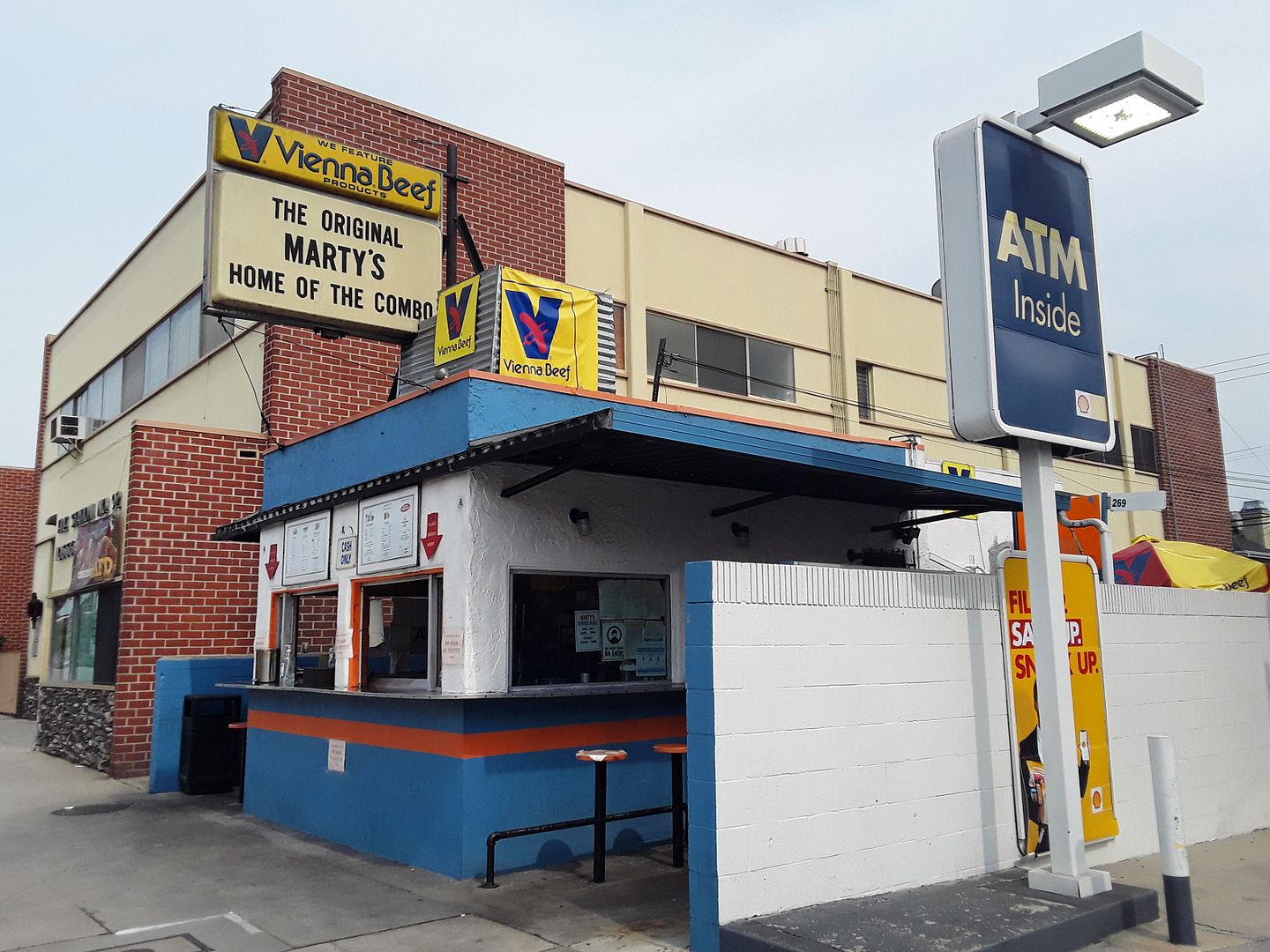
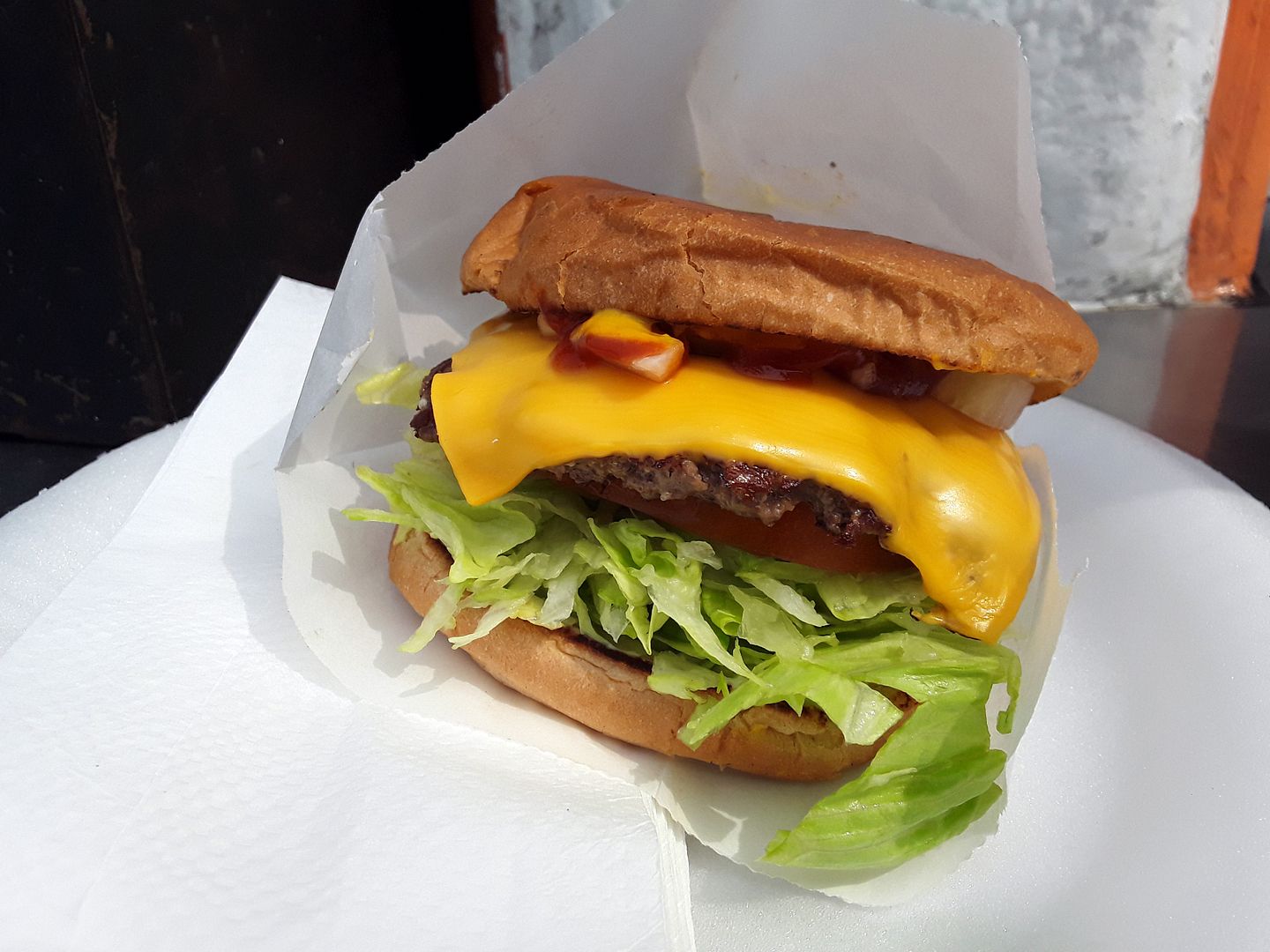
I could've gotten a chili dog at Marty's Hamburger Stand on Pico—but after driving by umpteen times and actually having this place starred on my map, when I finally walked up I resisted the call of Chicago's own Vienna Beef and ordered a cheeseburger instead.


I've learned that when a place like this—which has been slinging burgers since 1959—asks if I want everything, I tell them to give me whatever they've got. And in this cade, they've got the formula down—with mayo, lettuce, and tomato on the bottom and onions and ketchup on the top. (I now have them add mustard and pickles for good measure.)


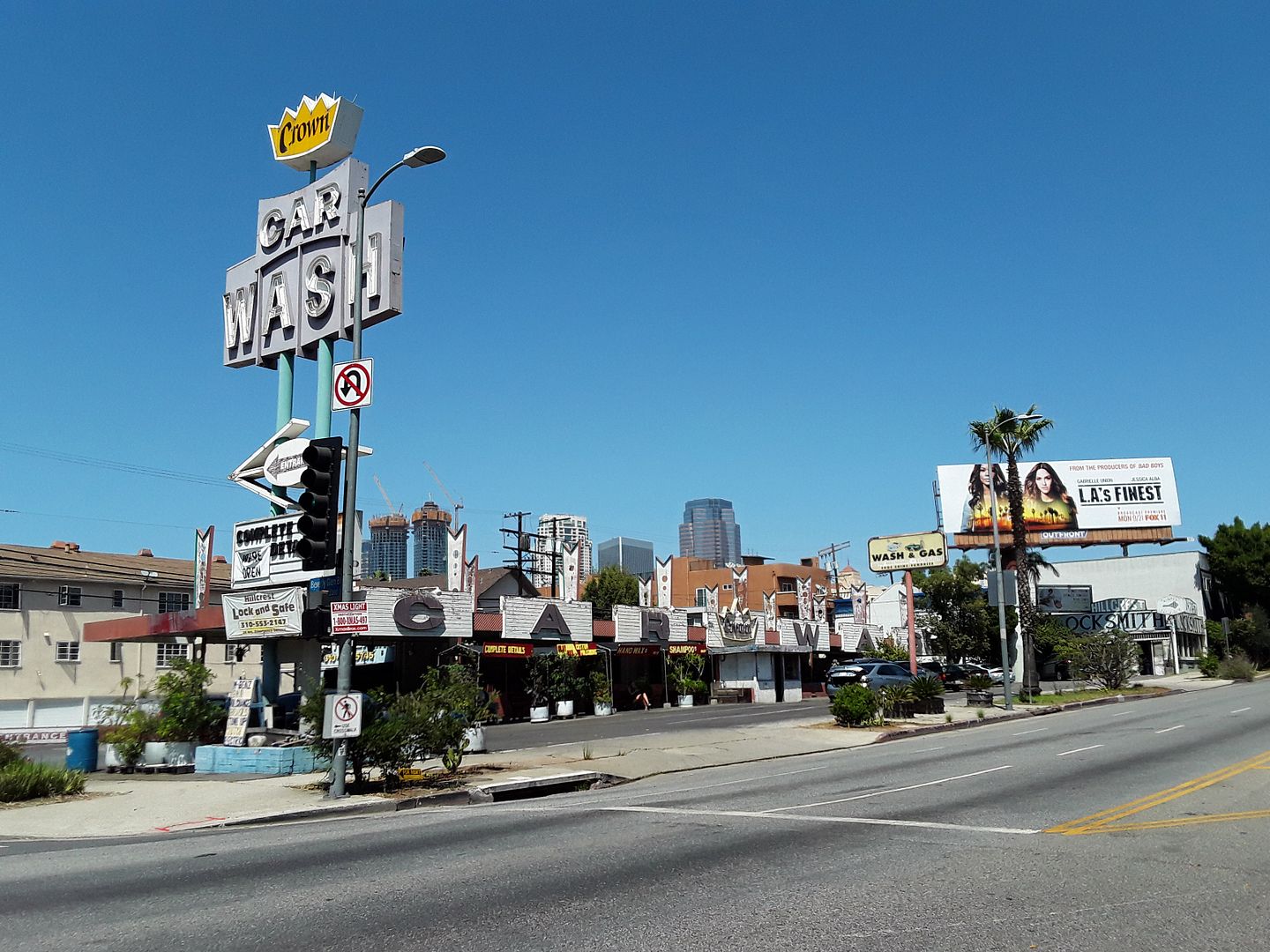
This seems to be a Los Angeles that locals say they long for but can't find anymore—roadside food with a single serving of a Mid-Century car wash (circa 1960) on the side. [Ed 12/26/22: The car wash has been fenced off for months for supposed renovations.]


I'm sure Pico has changed over time—and maybe it'll change even more once Google moves its offices into the old mall (which stands approximately where LA's first drive-in movie theater opened in 1934).


But right now, I'm relishing in the mom and pop shops, the low profiles, the weather-worn signage.


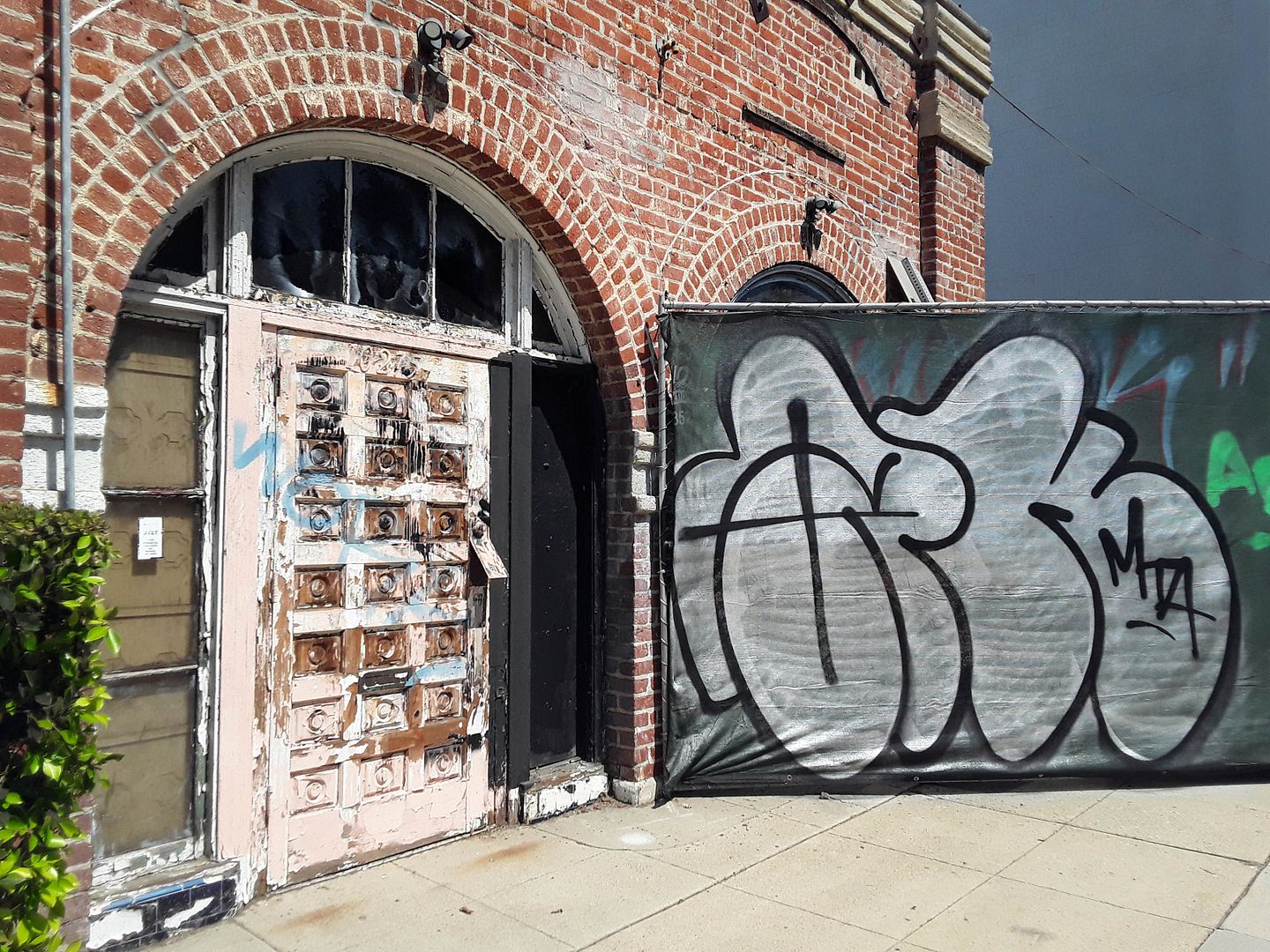
Take, for example, the exposed brick and peeling paint of a little box of a structure circa 1932, right next to Fox's front door—just 2,000 square feet of space that was built as a studio-adjacent cafeteria called Johnson's Buffet. It's the only existing example of this vintage of this type of vernacular architecture (besides the Chili Bowl, which is programmatic and not original) anywhere on this side of West Pico Boulevard.


By the mid-1930s it had become Russell's Studio Inn (a.k.a.  Russell's Cafe), which offered chicken and steak dinners and "special" dinners for just 50 cents. In the mid-1980s, it was Bruno's Chartreuse,
serving "continental cuisine"—but by the end of the 1980s, the business had relocated to Santa Monica under the new name "Chartreuse."


While the building also housed a Rams Restaurant from 1988 to 1992, it looks like it's been vacant a long time. Fox Hill Properties, which also owns the former LA Rams Football Club headquarters next door, has applied to reopen it as a tiny tavern with a patio in the back.


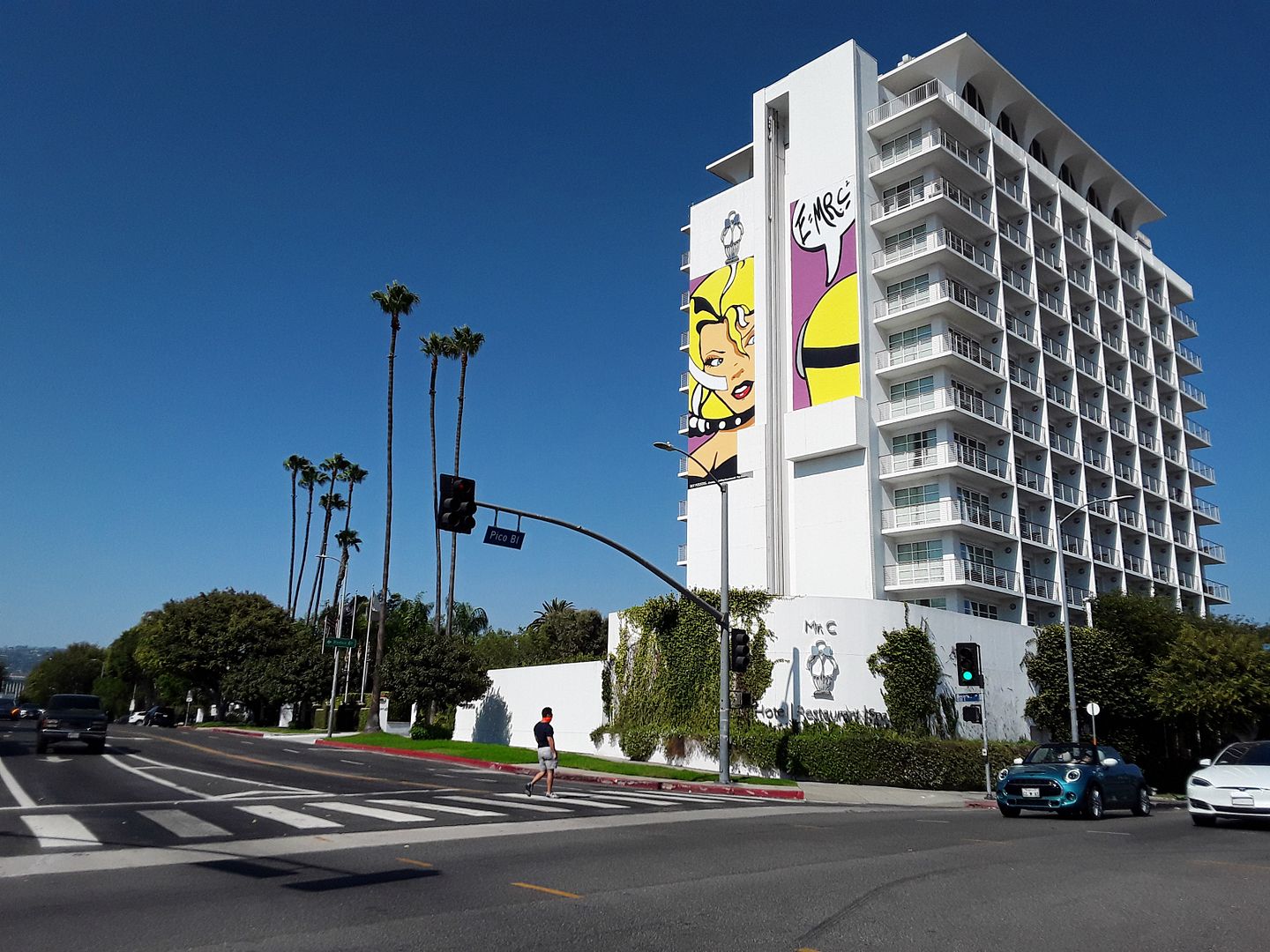
Even one of the more familiar sights to me—the Mr. C Hotel, operated by the Cipriani family, where I've actually had lunch—now looks brand new to me, even though the Kite and Overpeck-designed high-rise was was built in 1965 as the Beverly Hillcrest Hotel (which closed in 1991).


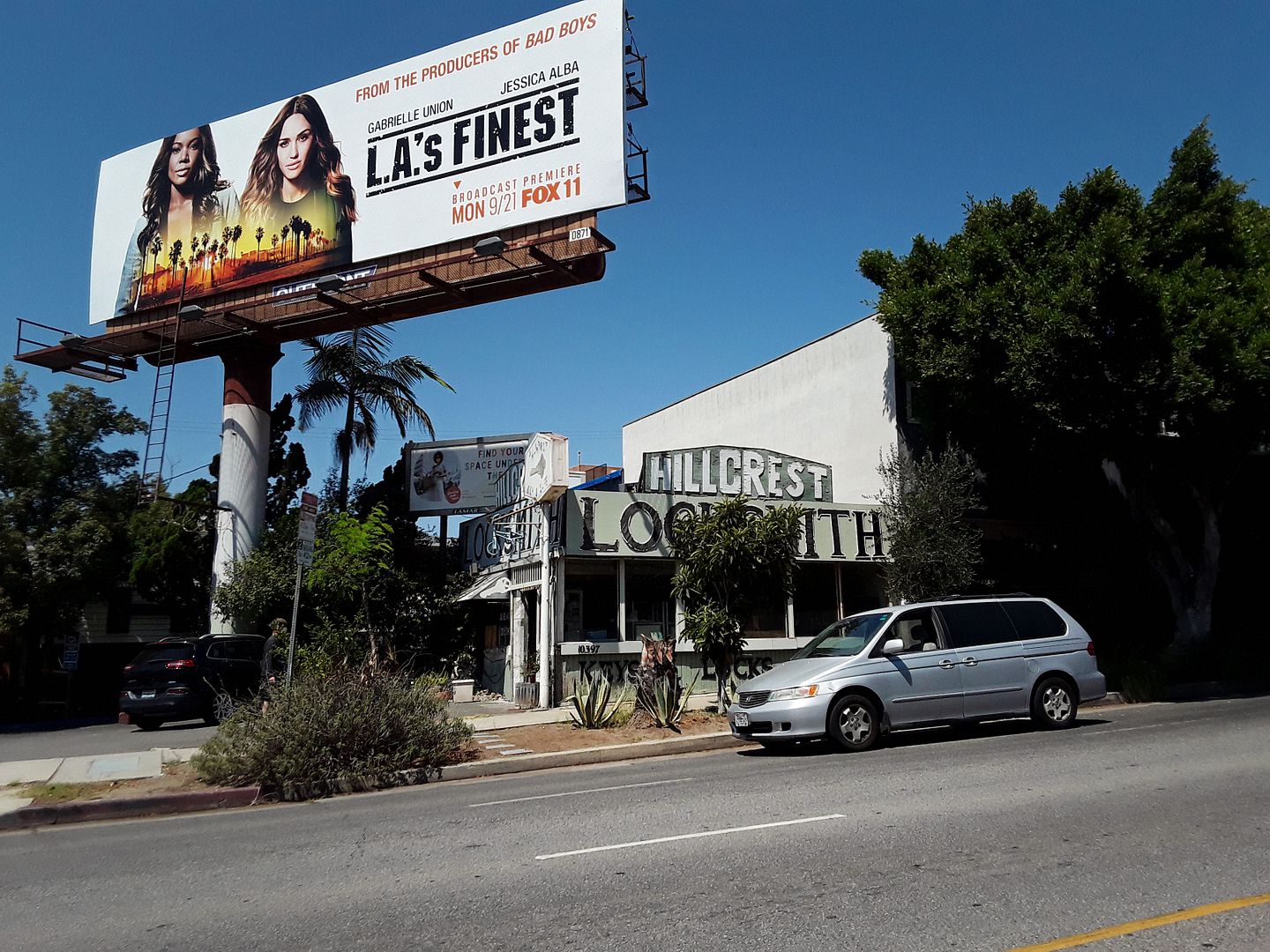
Driving back towards home, for the first time I began to wonder why everything seemed to be named "Hillcrest"—Hillcrest Locksmith, Hillcrest Country Club, but seemingly no connection to the Hillcrest Roads or Drives elsewhere in the Los Angeles area.

Maybe the names came simply from the area where the top hill of the Cheviot Hills neighborhood literally crests.

But my search for a real answer—one that's more than just a guess—led me to my last recent discovery along Pico.

Since the 1960s, Hillcrest Beverly Oil has been drilling on City of Los Angeles-owned property near the country club—part of the Cheviot Hills Oil Field.

And that's right next to the West Area of the Beverly Hills Oil Field, which is how an oil well got put on the grounds of Beverly Hills High

That one is currently being dismantled—but while it was in operation, it was camouflaged to look like a condo tower? A windmill that had lost its blades?

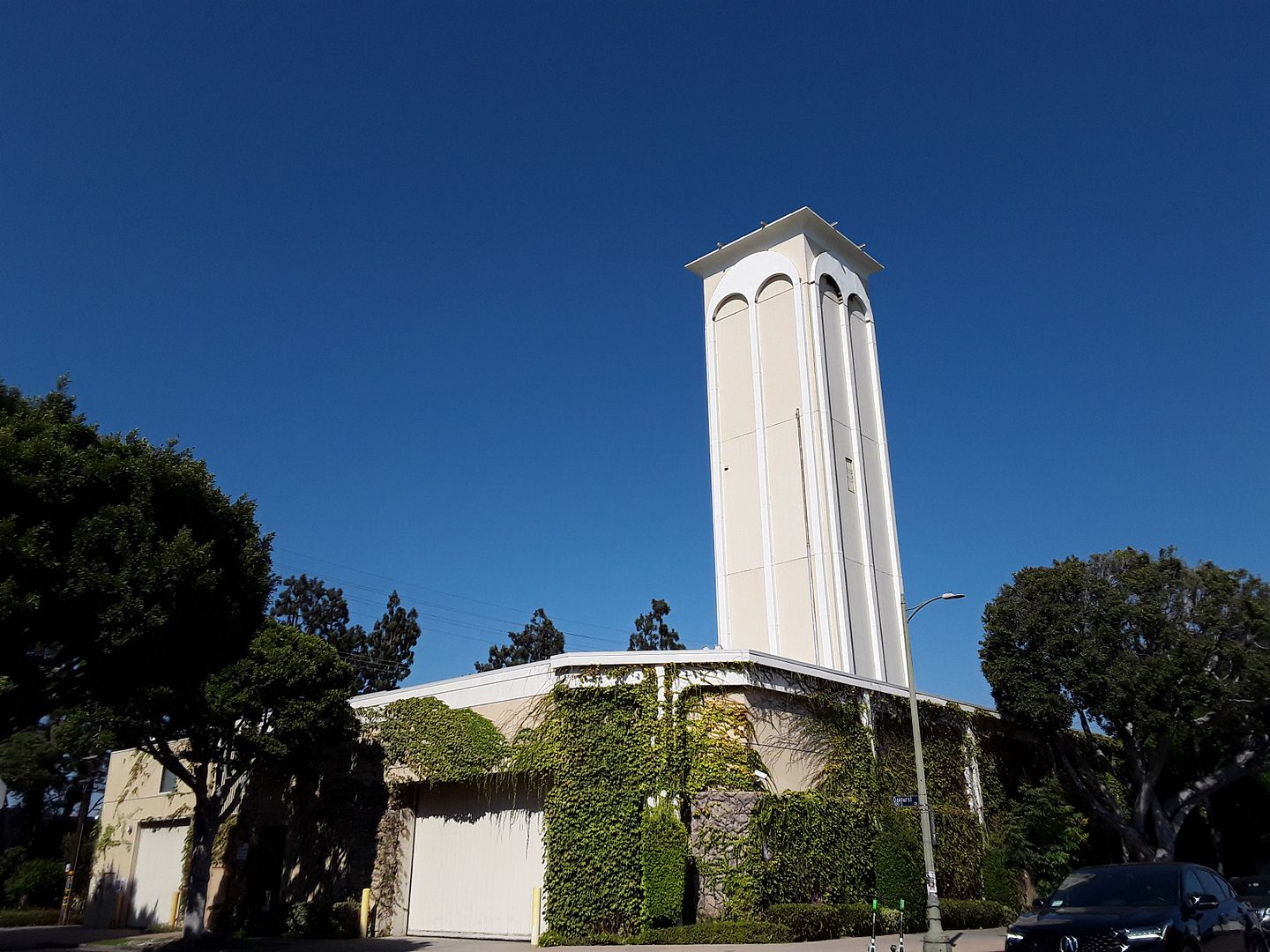
But there was a similarly incognito oil pump and drilling site that preceded the high school's "Tower of Hope." And that was the first "architecturally designed oil derrick," built on Pico near Doheny by Occidental Petroleum in 1966—the Cardiff Tower. 

Located in a traditionally Jewish neighborhood, people have literally mistaken it for a synagogue tower.

In 1988, BreitBurn Energy purchased a section of the Beverly Hills Oil Field and its successor, Pacific Coast Energy, now owns and operates the Cardiff Tower "drilling island."

Related Post:
Walking In LA