[Last updated 1/14/25 6:45 PM PT—An email from the Television City team confirmed on January 8, 2025 that the Los Angeles City Council had approved the $1.25 billion project, which will now move forward.]
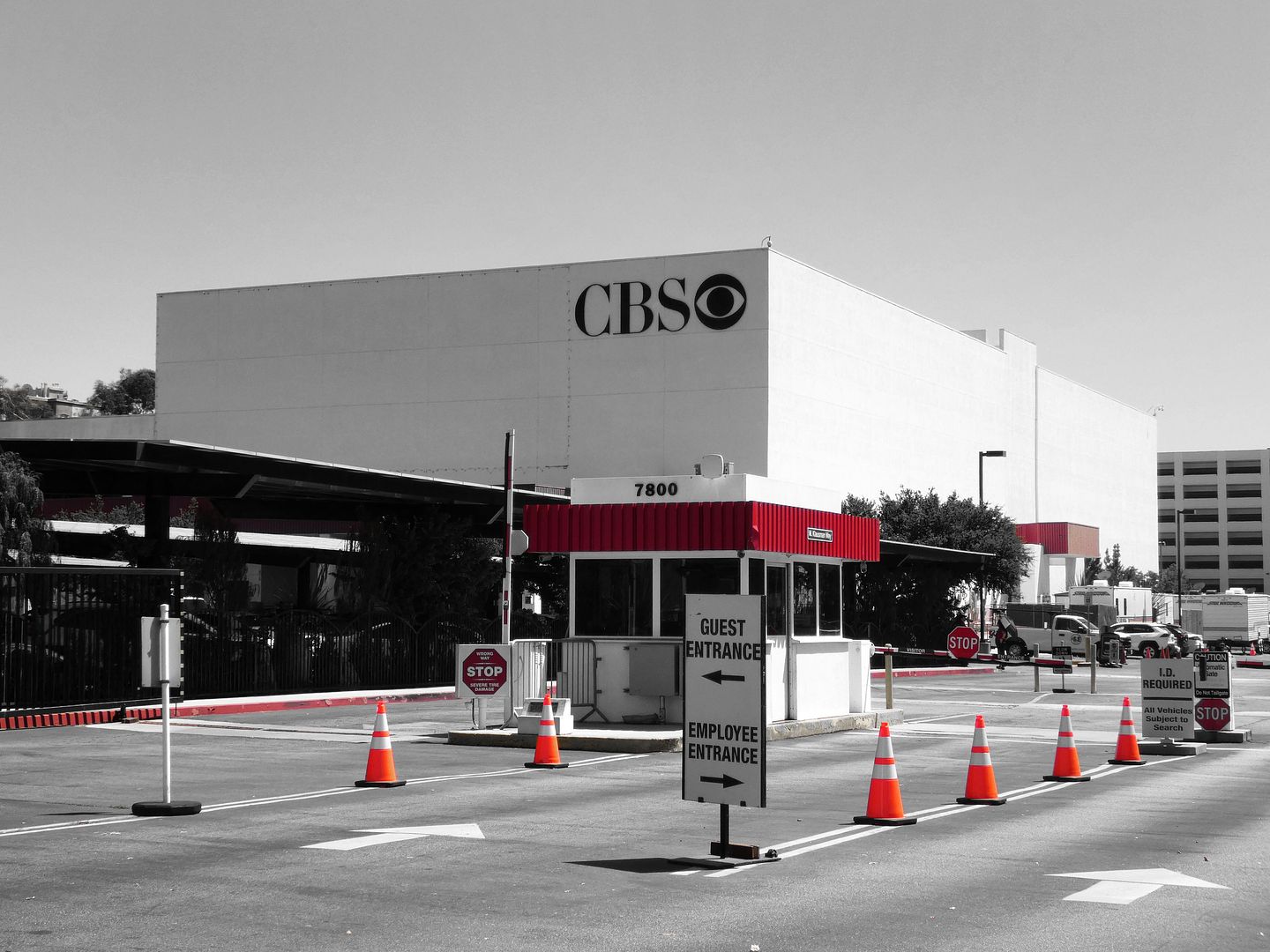
CBS Television was a big part of my childhood—whether it was summer mornings spent playing along with The Price is Right or every afternoon joining my mother to watch the soaps.
circa 2024
So, it always kind of astounds me that CBS Television City is just down the road from me, now that I live in Los Angeles.
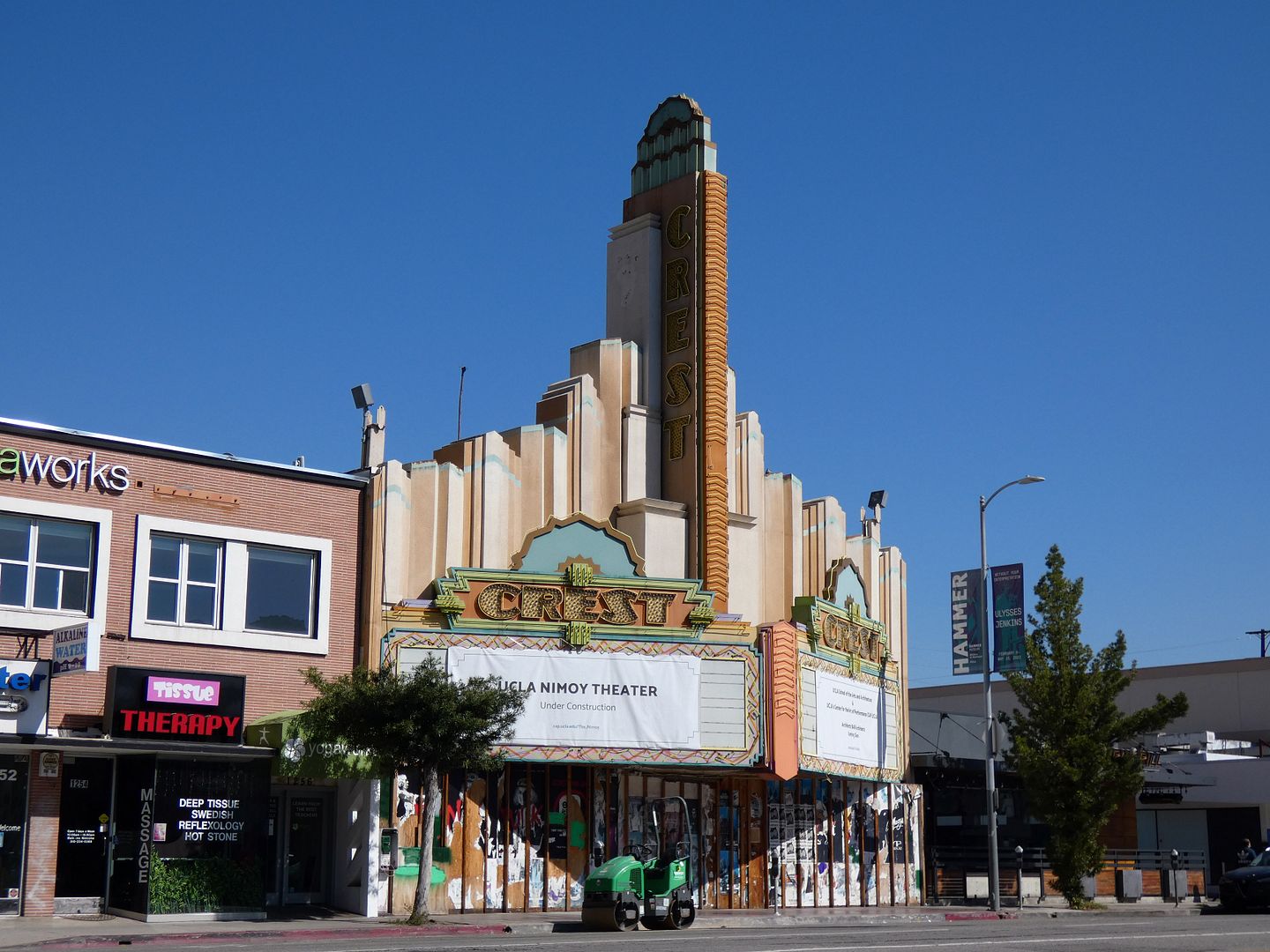
I don't remember why I never saw a movie at the Crest Theatre in Westwood, Los Angeles before it closed for good in 2016. To be honest, I don't really remember it being open or having heard about it hosting any screenings.
circa 2022
I only really took notice of it when it was closed, and then upon the announcement that UCLA was converting it into the "Nimoy Theater" (named after Star Trek actor Leonard Nimoy) for live shows presented by the Center for the Art of Performance. At which point, I became desperate to get in.
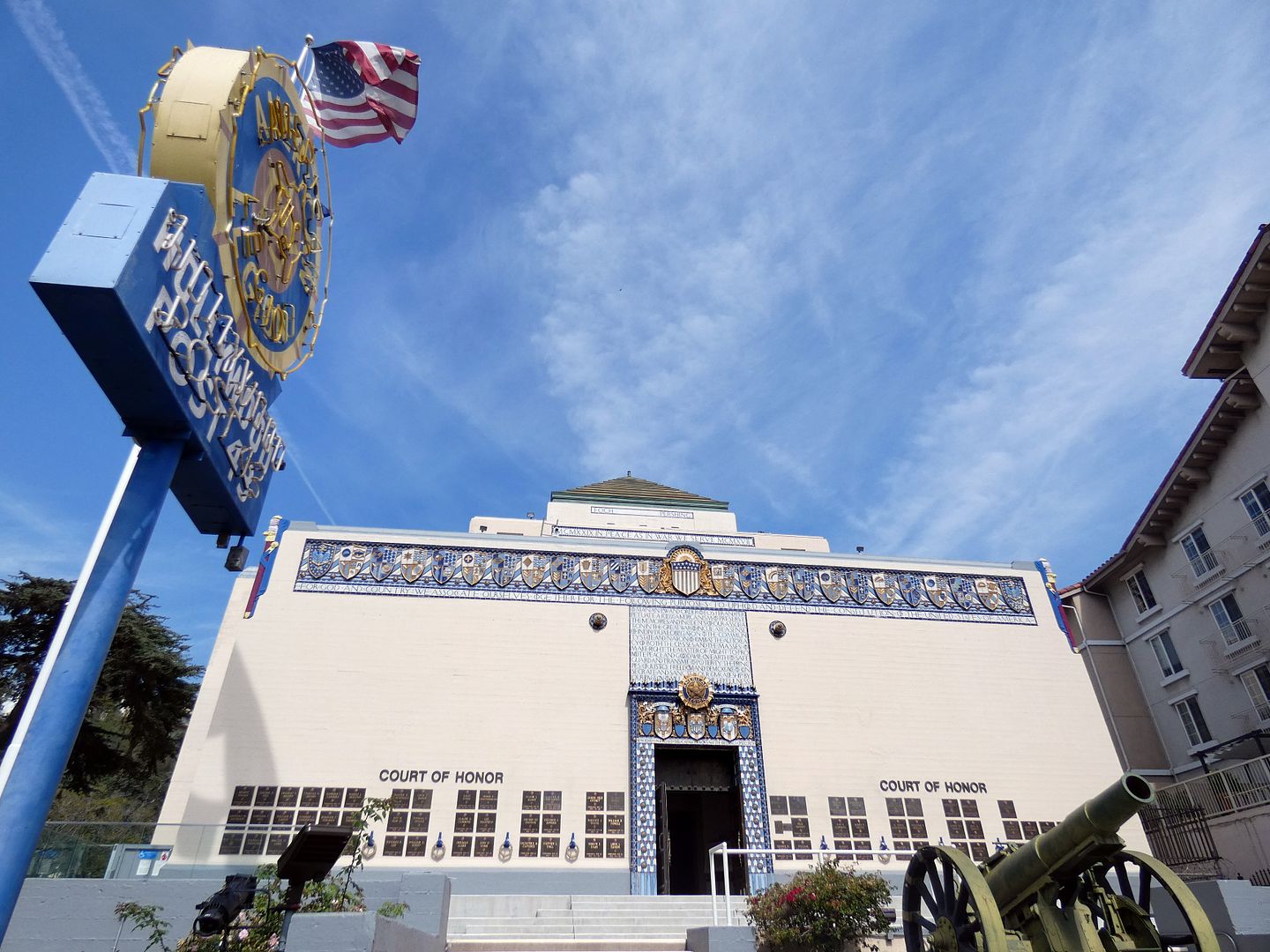
Originally chartered in 1919 by Hollywood luminaries who'd returned from World War I, American Legion Hollywood Post 43 can count such luminaries as Clark Gable, Gene Autry, Mickey Rooney, Ronald Reagan, and Charlton Heston as its past members.
It didn't really occur to me when I visited the then-Las Vegas Hilton back in the late 1990s (for Star Trek: The Experience, which ran there 1998 to 2008) that I so close to the legacy left by Elvis Presley at the former International Hotel.
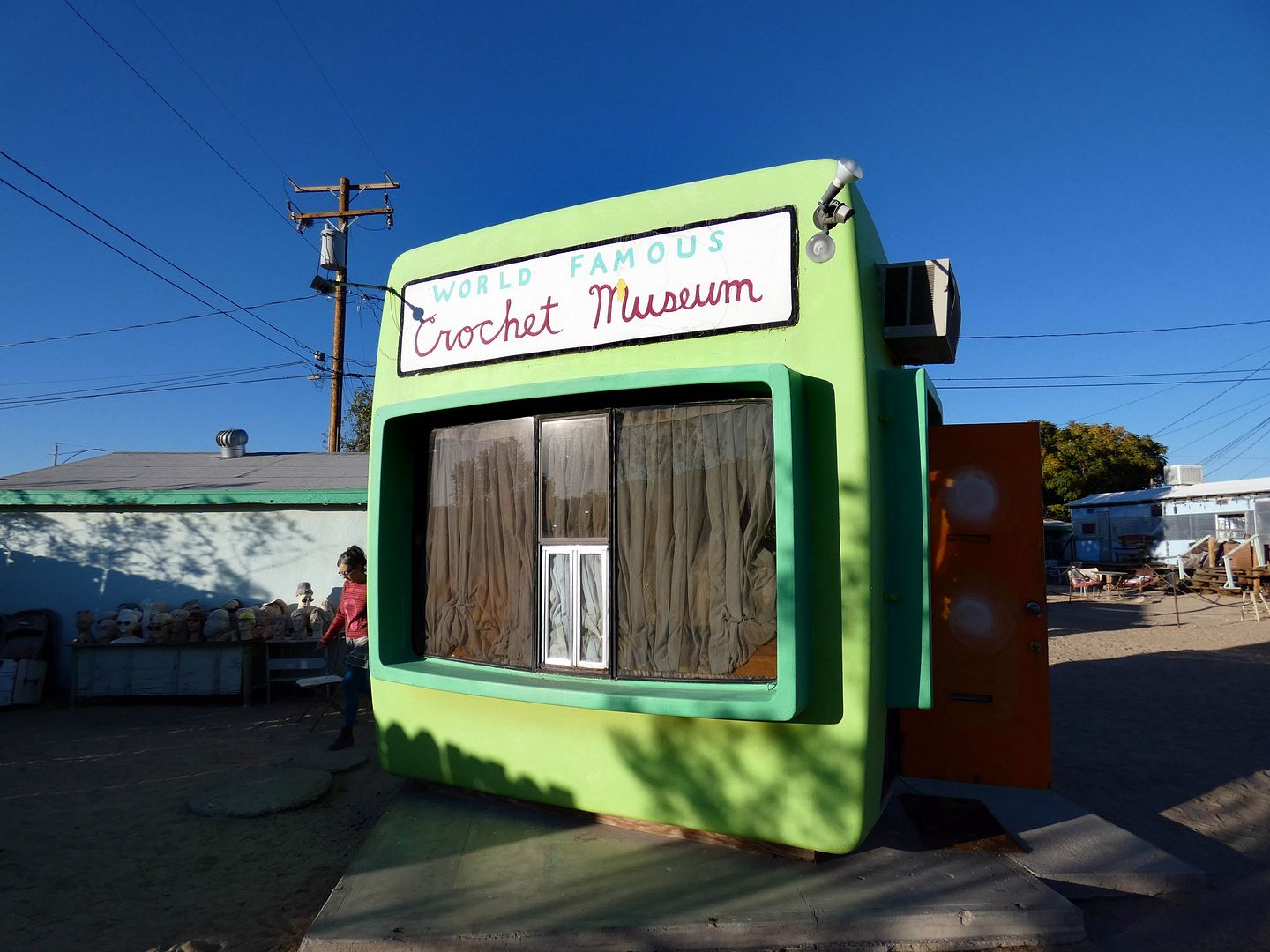
I think I was close to the World Famous Crochet Museum back in 2012. Or maybe in 2009. I remember staying at The Desert Lily and ending up at some kind of event at Art Queen, the art compound that hosts the tiny museum.
But I didn't go in back then. I didn't yet know how to appreciate it.
[Last updated 2/25/23 11:21 PM PT—Video embed added to bottom of post]
The Los Angeles Police Academy is one of the most recognizable landmarks of LA's Elysian Park...
...starting with its "Academy Arches," which have appeared in many TV and movie productions, including American Beauty and episodes of Dragnet and T.J. Hooker.
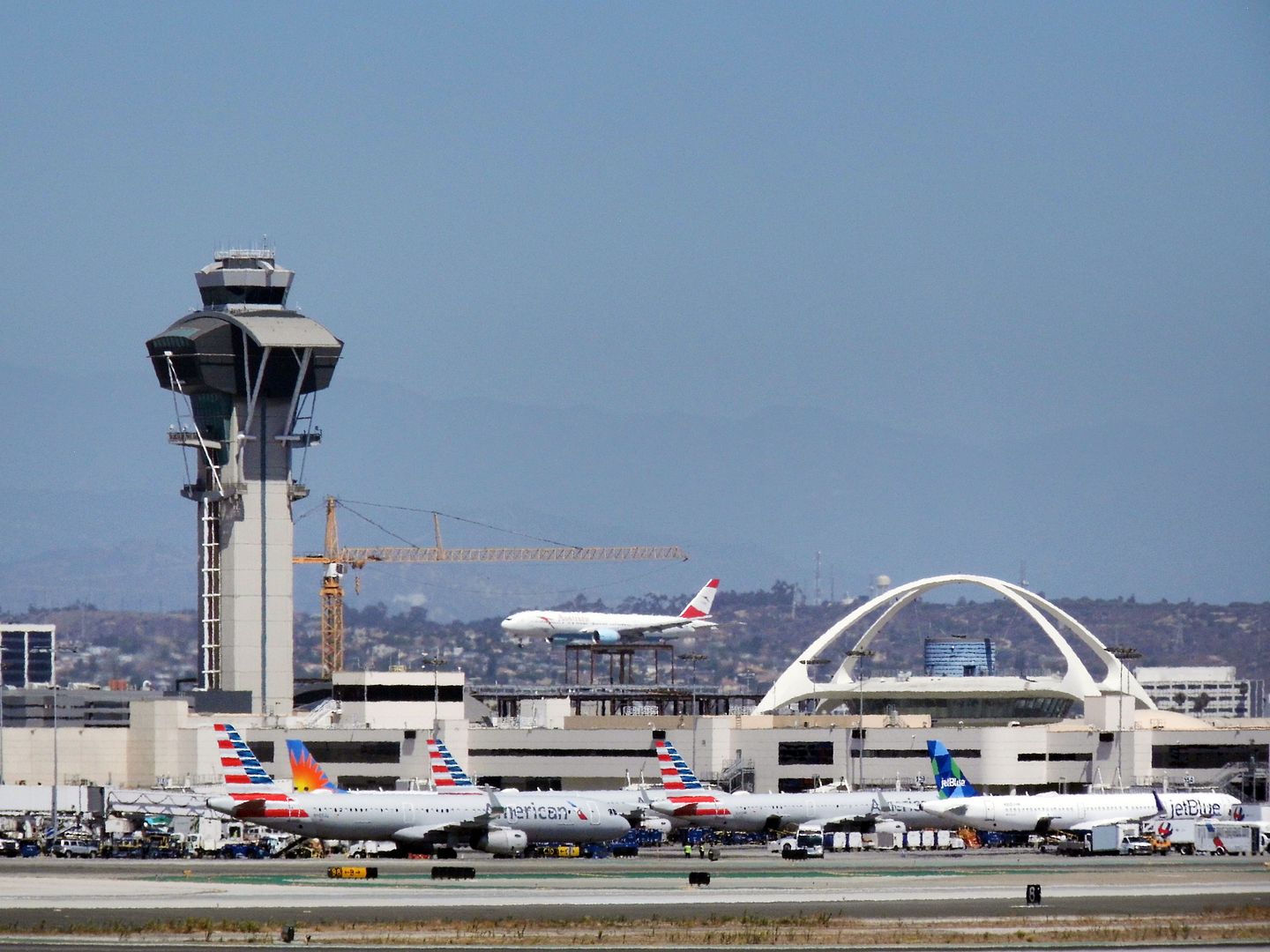
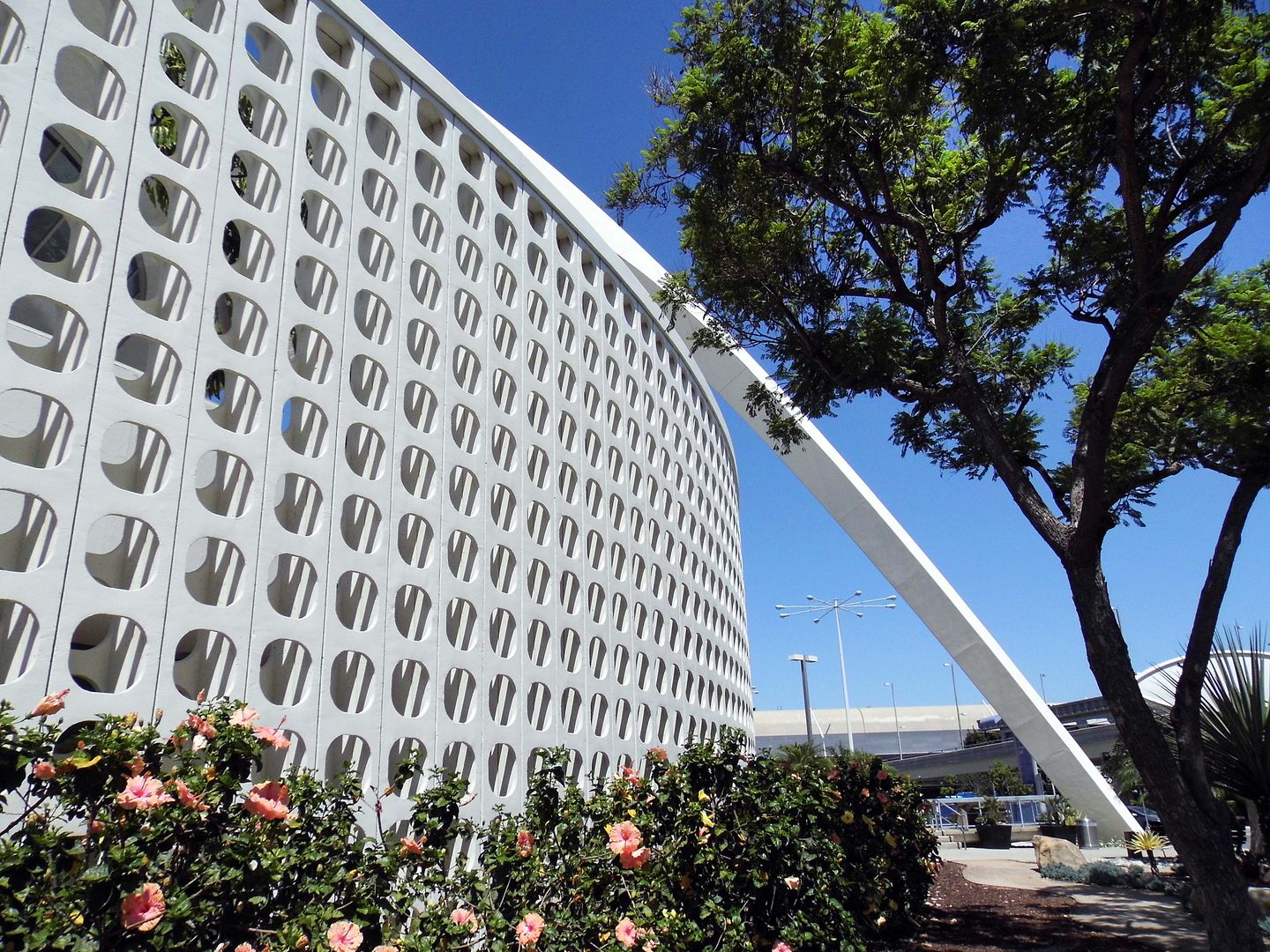
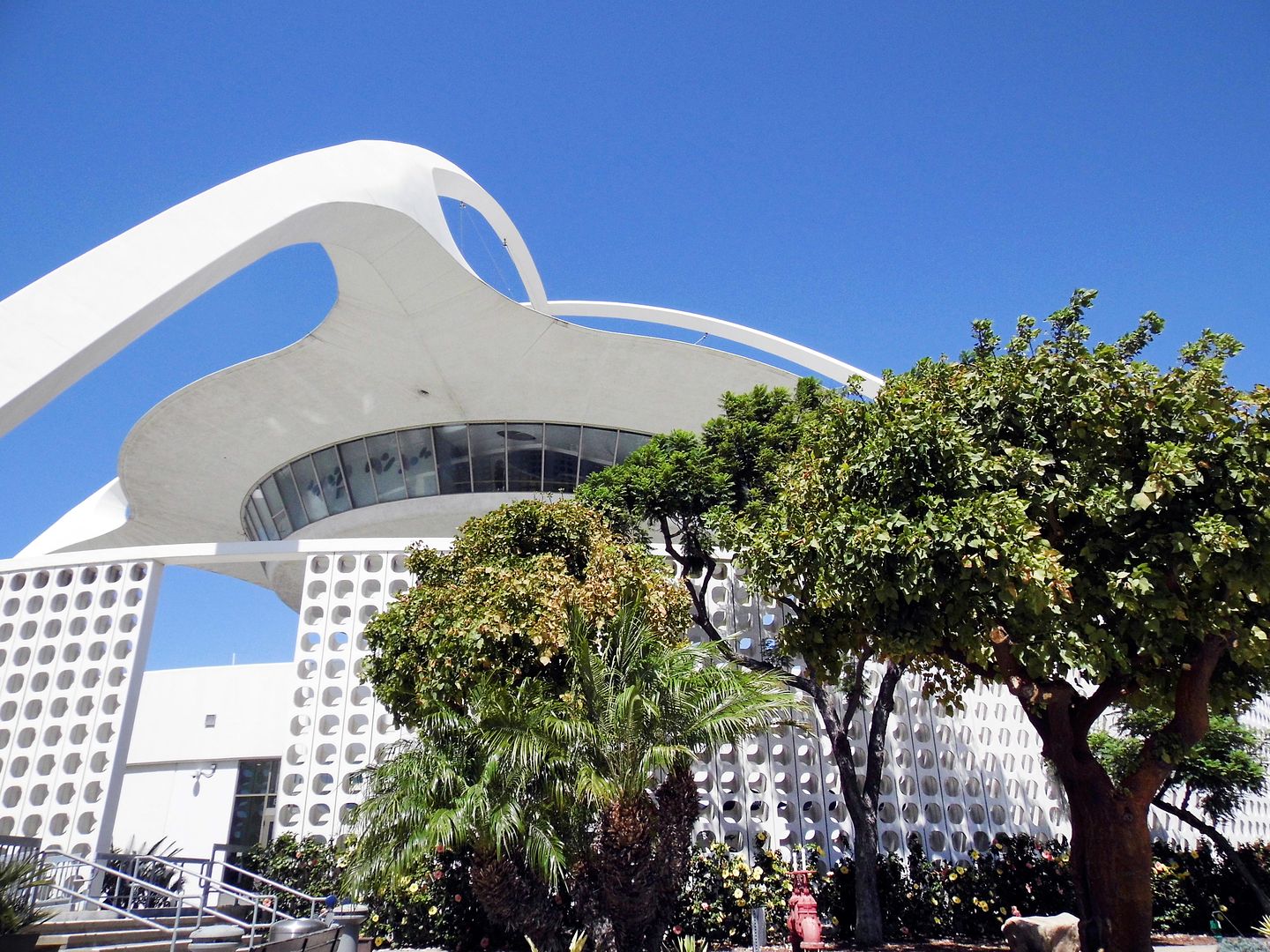
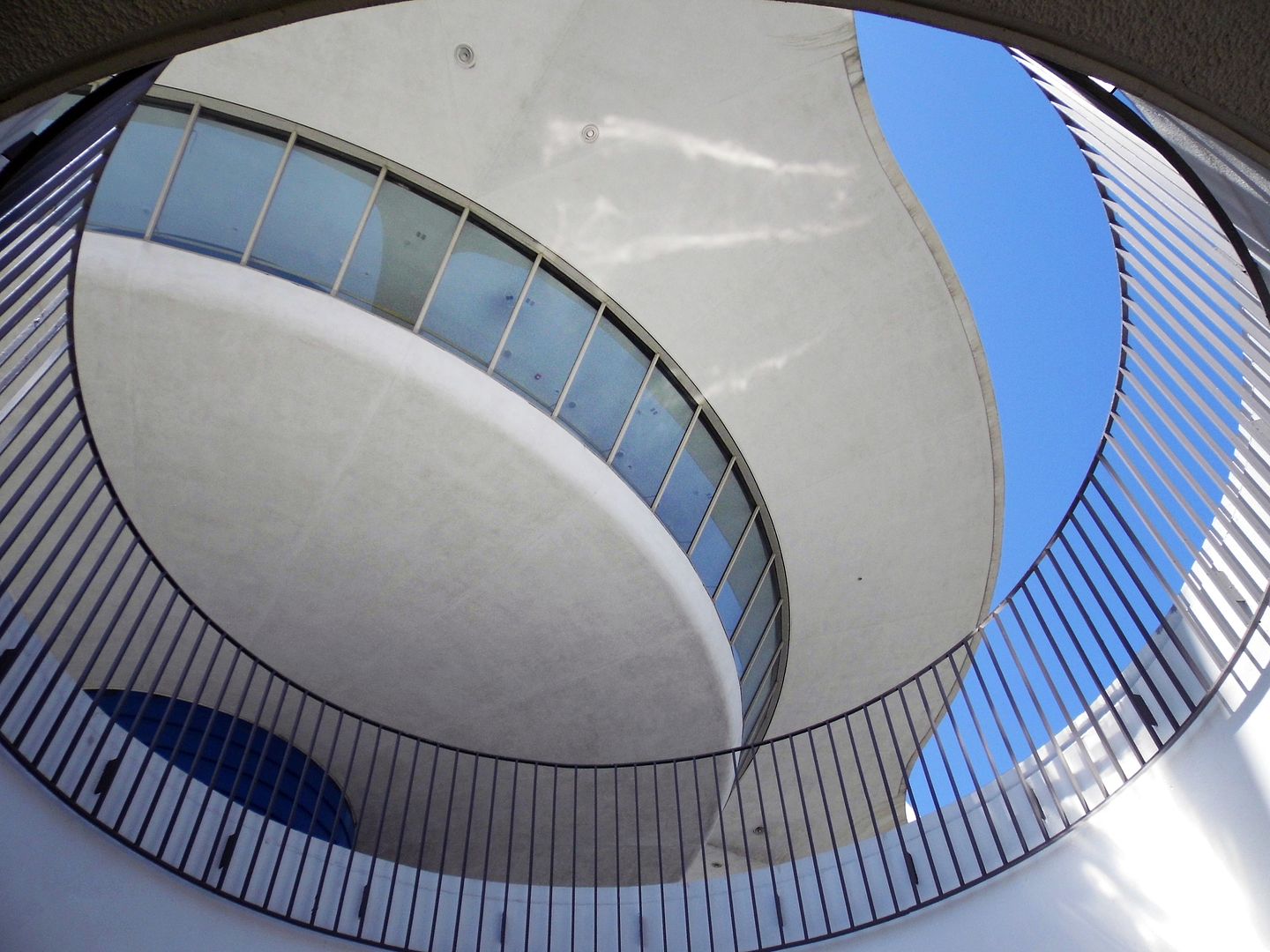
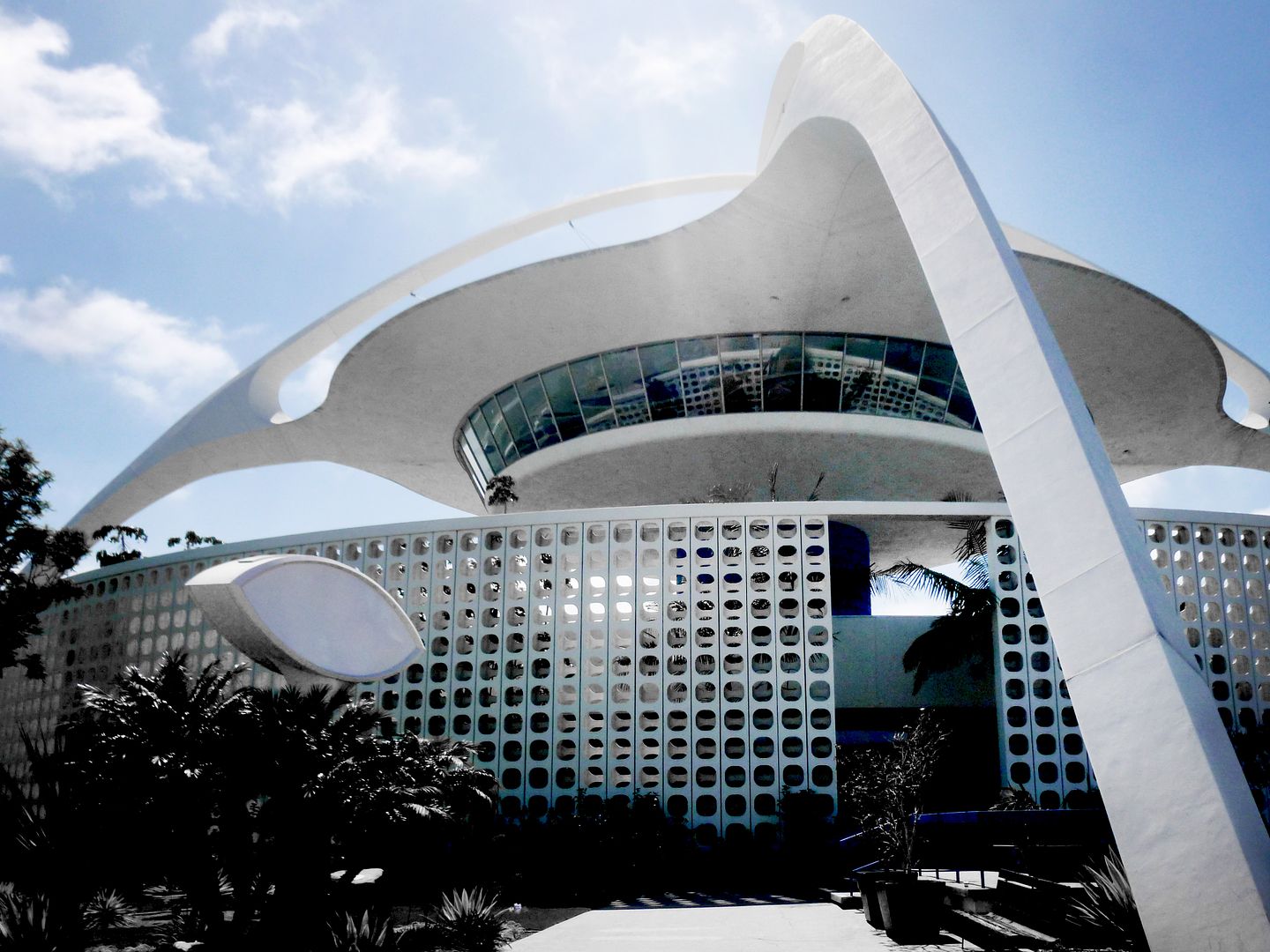
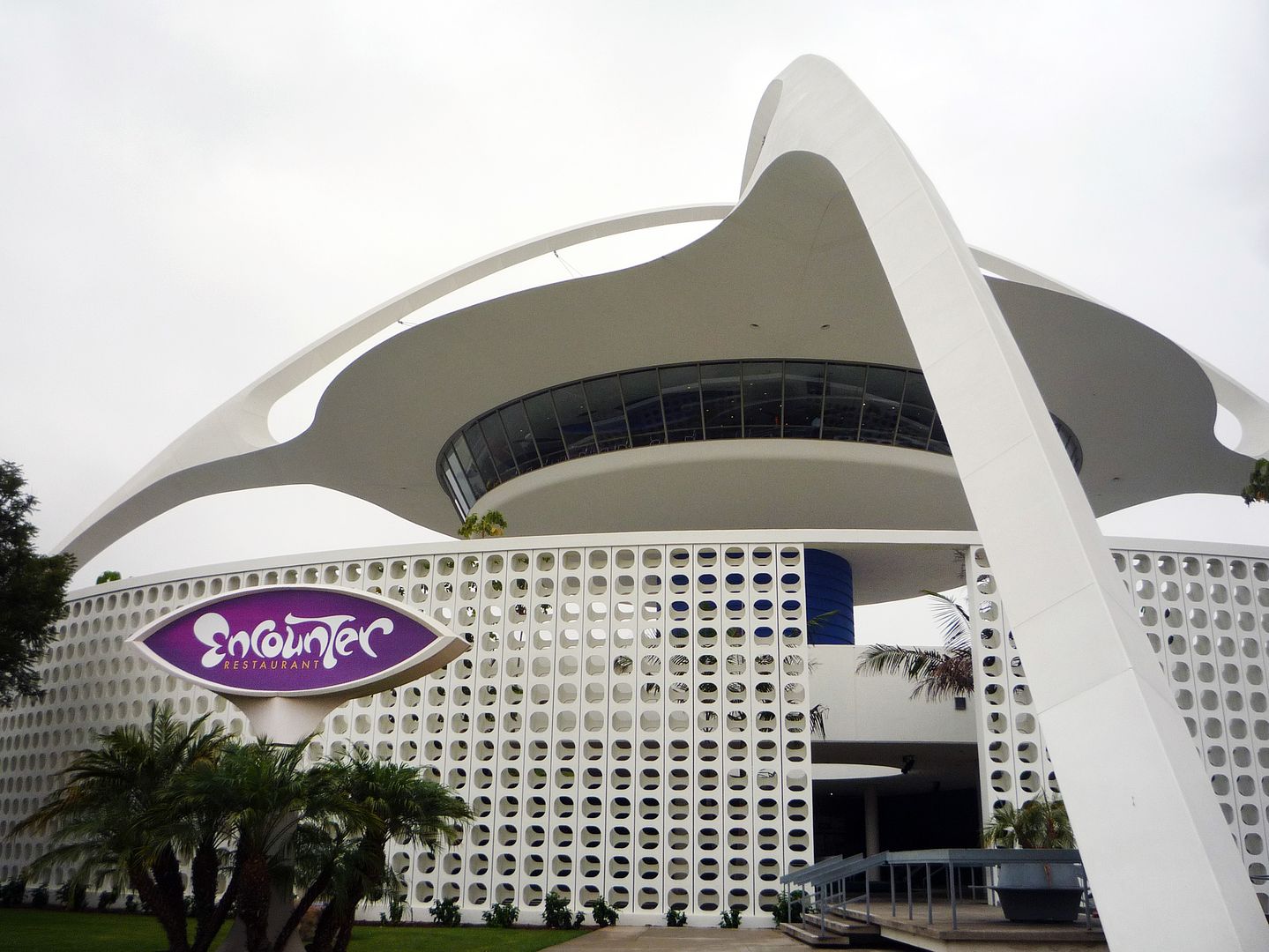
No matter which gate or terminal your airline directs your arriving flight to at LAX, there's something you're sure to see—the Theme Building.
circa 2019
It's at the center of it all at LAX—hovering like a space ship while all the rental car and hotel shuttles and taxis and rideshares encircle it on World Way, bobbing and weaving around the parking structures and the ill-marked exits that simply have you return to the airport instead of heading to your destination.
circa 2019
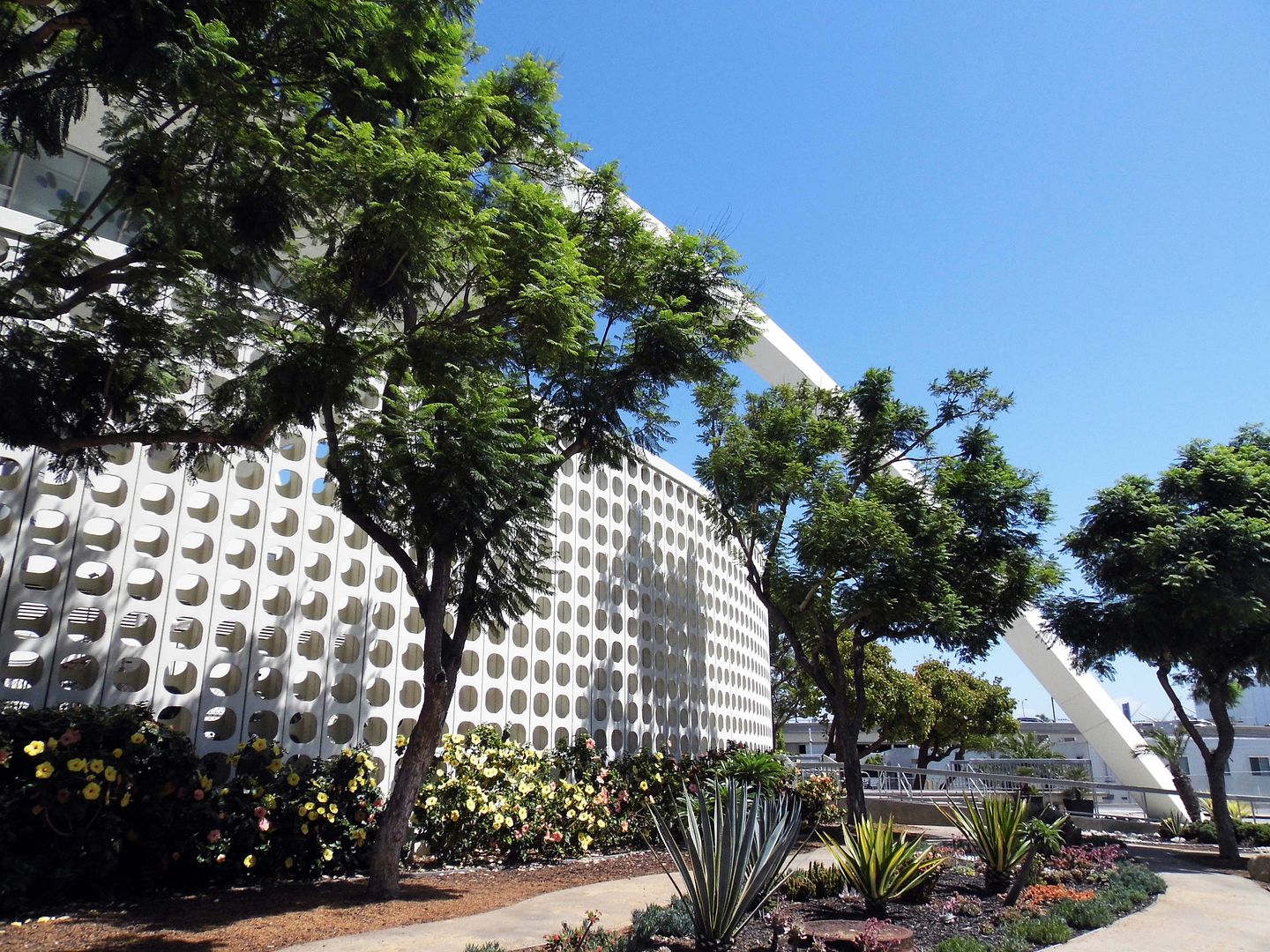
Situated on an island of sorts between West Way and East Way, the Theme Building is the kind of beacon—day or night—that makes you say "What the heck is that?" and then become obsessed with it. I don't think that's just me. I think it's pretty much everybody.
circa 2019
Completed in 1961 as a joint venture between architects Charles Luckman, William Pereira, Welton Becket, and Paul Revere Williams (though some say Williams has been given more credit than he deserves on this particular project), the "new terminal facilities" were dedicated by none other than Lyndon B. Johnson, the sitting Vice President of the United States at the time (and future POTUS 1963-9).
circa 2019
And the Theme Building was an essential part of the plan to bring LA's international airport into the "Jet Age" with state-of-the-art facilities and a futuristic, Googie vibe.
circa 2019
LAX had come a long way from its first iteration as Mines Field—a mere landing strip built in the late 1920s out of a clearing in the bean and barley fields of the former Mexican land grant, Rancho Aguaje de la Centinela.
circa 2019
And in keeping up with the new jet set, there was no telling what new heights this flight facility could reach.
circa 2019
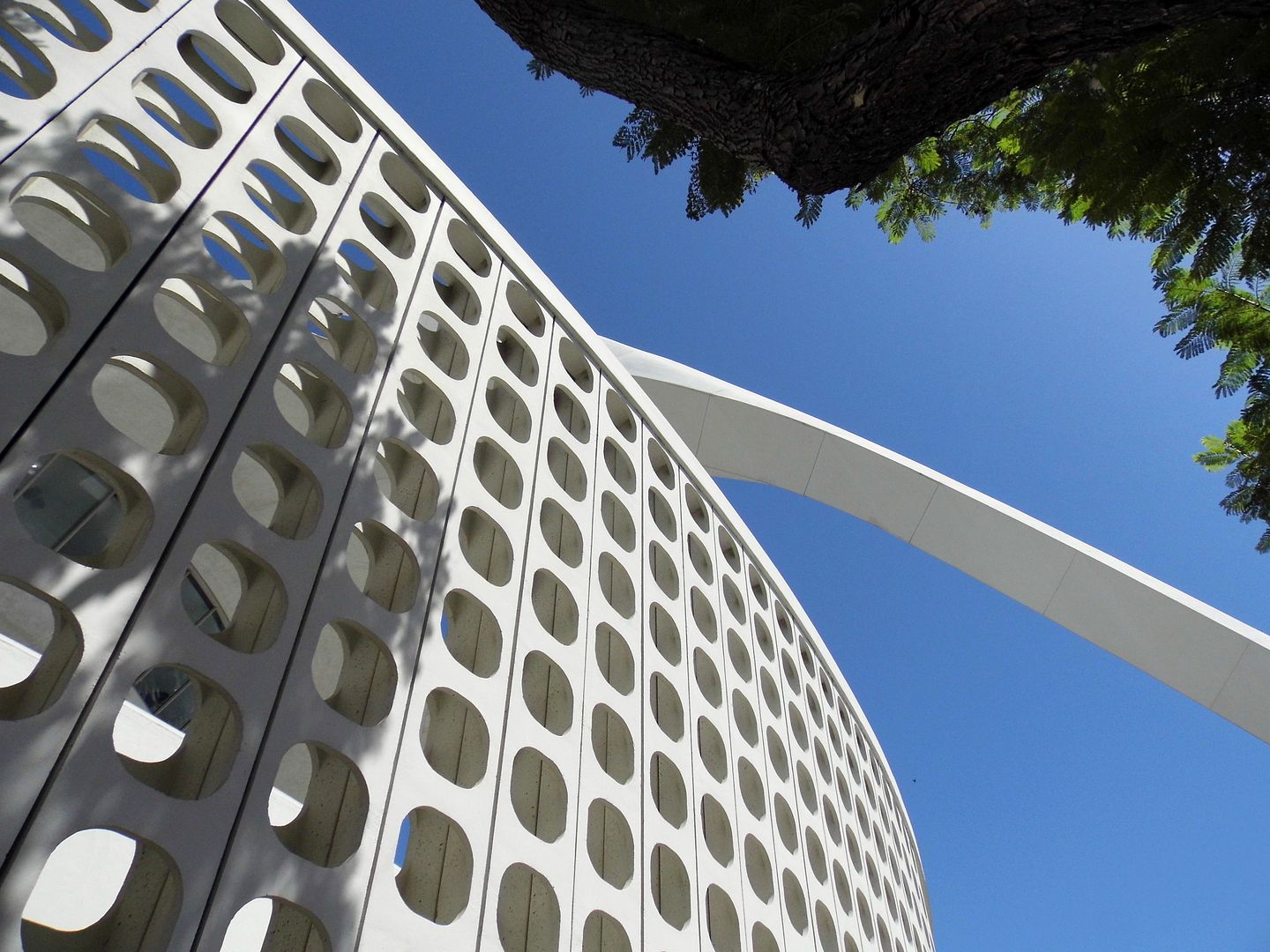
Also known as the "Theme-and-Arch Building," the LAX spaceship (whose initial design is credited to draftsman James Langenheim of the Pereira-Luckman firm) ultimately became nothing more than a symbolic center of the airport—and not a functional one.
circa 2019
In fact, it's kind of hard to get to on foot, especially with luggage in tow. And there's not much reason to go there if you're not flying in or out of LAX.
circa 2019
There used to be, however, an exception—the circular Encounter Restaurant and Bar.
circa 2019
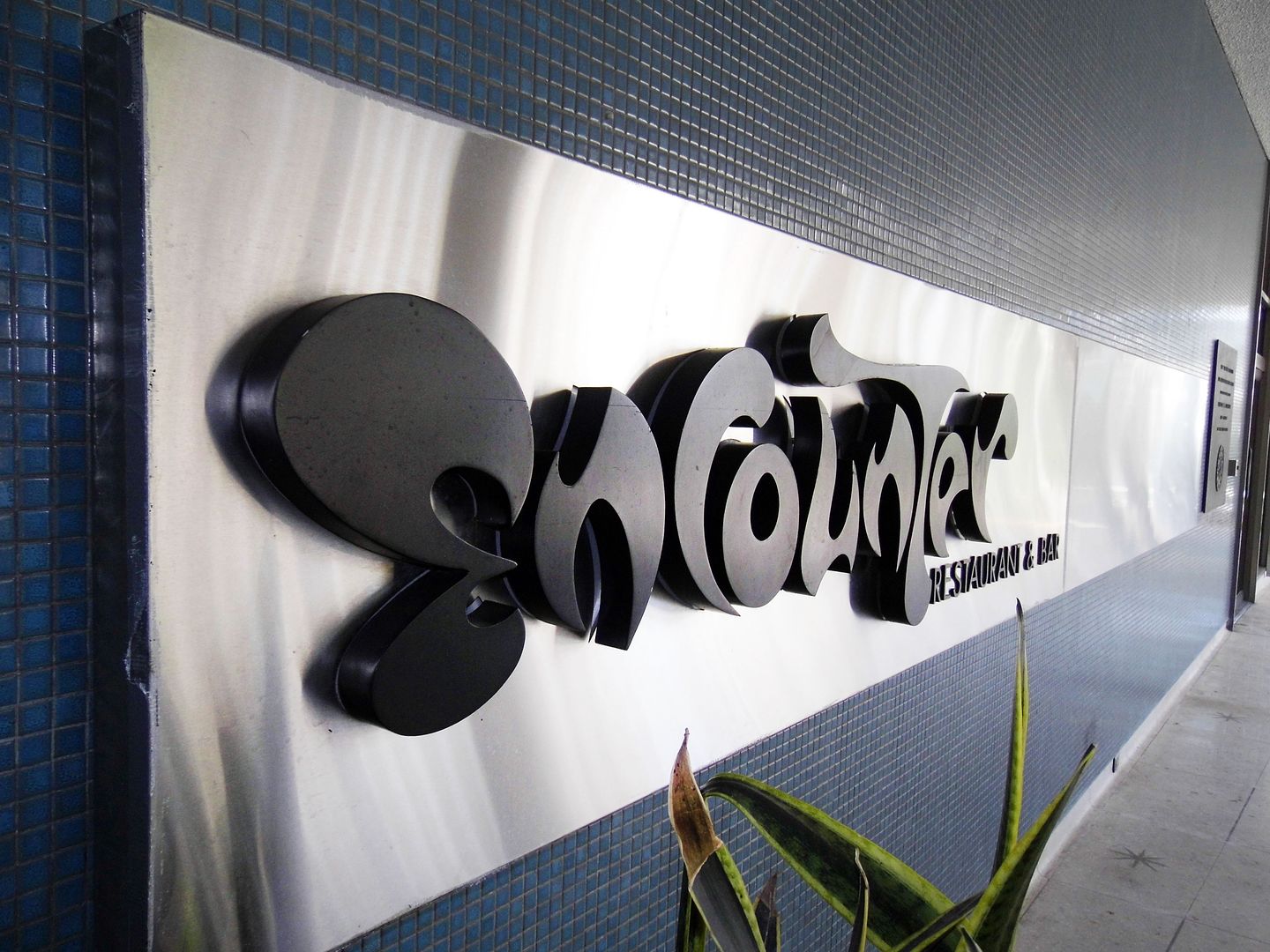
Encounter closed permanently in December 2013, but its signage persists on the tiled wall outside the (now locked) glass entry doors...
circa 2019
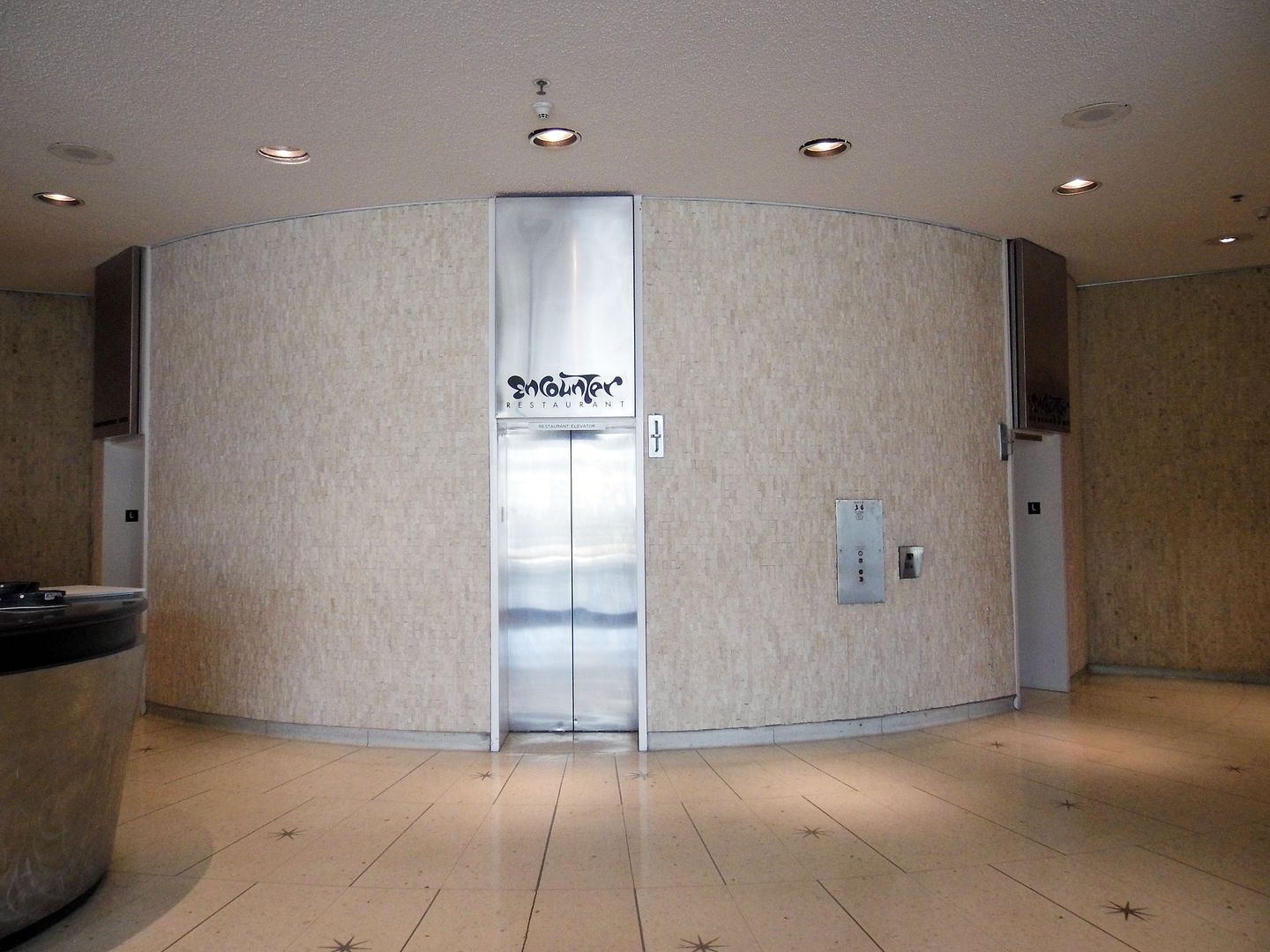
...and outside the elevator that would take you to the top while playing some Star Trek theme-inspired soundtrack (or a copycat version thereof, listen at the bottom of this post).
circa 2015
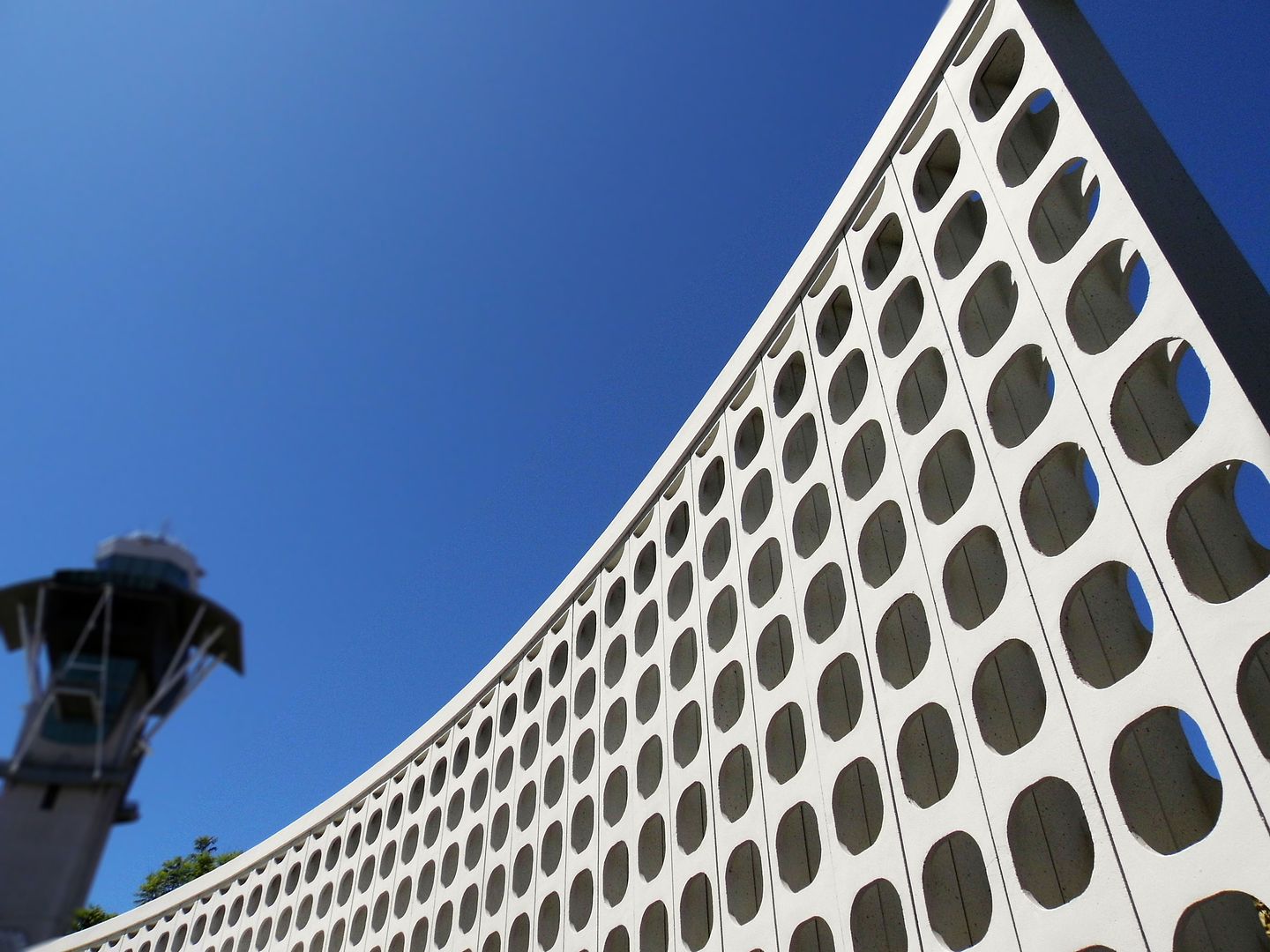
Standing under those stuccoed arches, encircling the flying saucer like the rings of Saturn, visiting is truly an "out of this world" experience.
circa 2010
I had the foresight to go out of my way to get up in there back in October 2010. Although Encounter had originally opened in 1997, the building itself later needed renovations in 1999 and seismic retrofitting and other structural reinforcements in 2007. It didn't reopen until July 2010.
circa 2010
I was living in NYC at the time but had ramped up my West Coast visits in anticipation of moving here. And after flying back and forth so many times over the course of that year, I just had to visit that UFO-shaped restaurant suspended in the air.
circa 2010
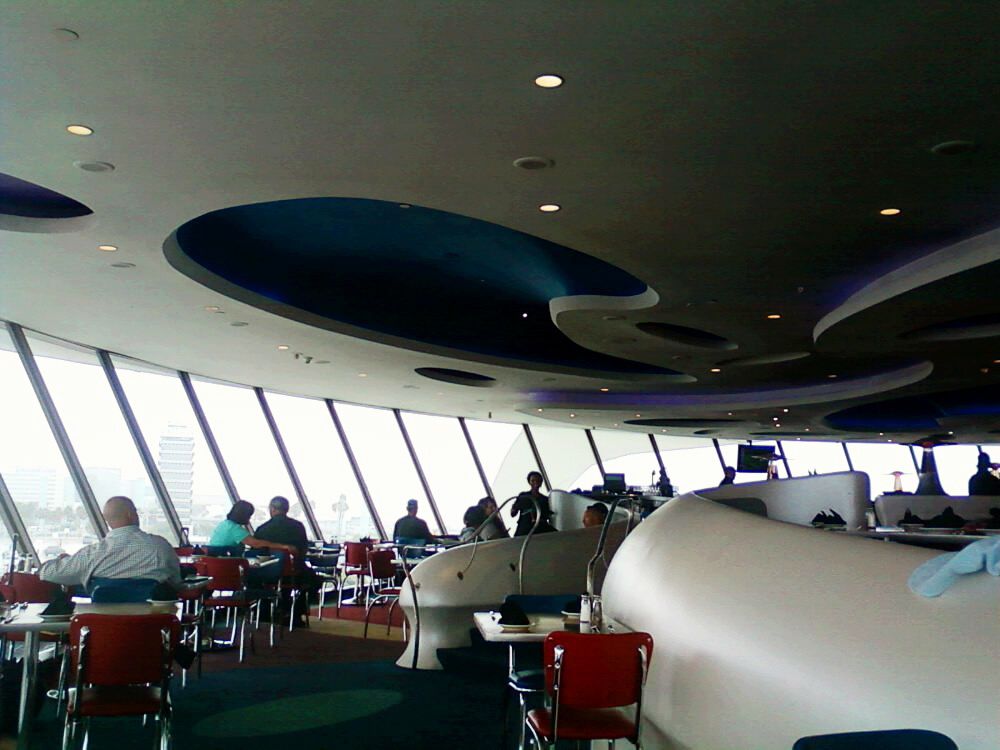
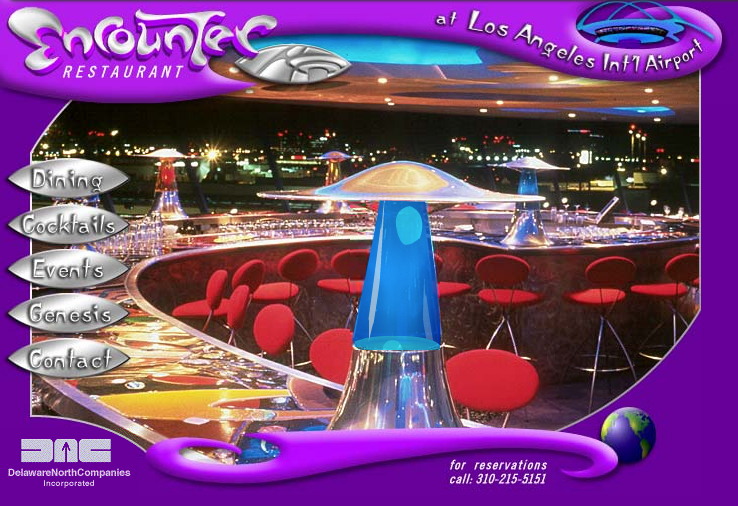
The Jetsons-like interior was accented by the spaceship's exterior lighting design—contributed by Michael Valentino of Disney Imagineering, circa 2000. The lava lamps on the crater-shaped bar were a bit much, as were the laser-beam bar guns and alien beer taps. And the themed menus—except the one for "junior space cadets"—offered cocktails like "The Black Hole" and the "Bossa Supernova."
circa 2010
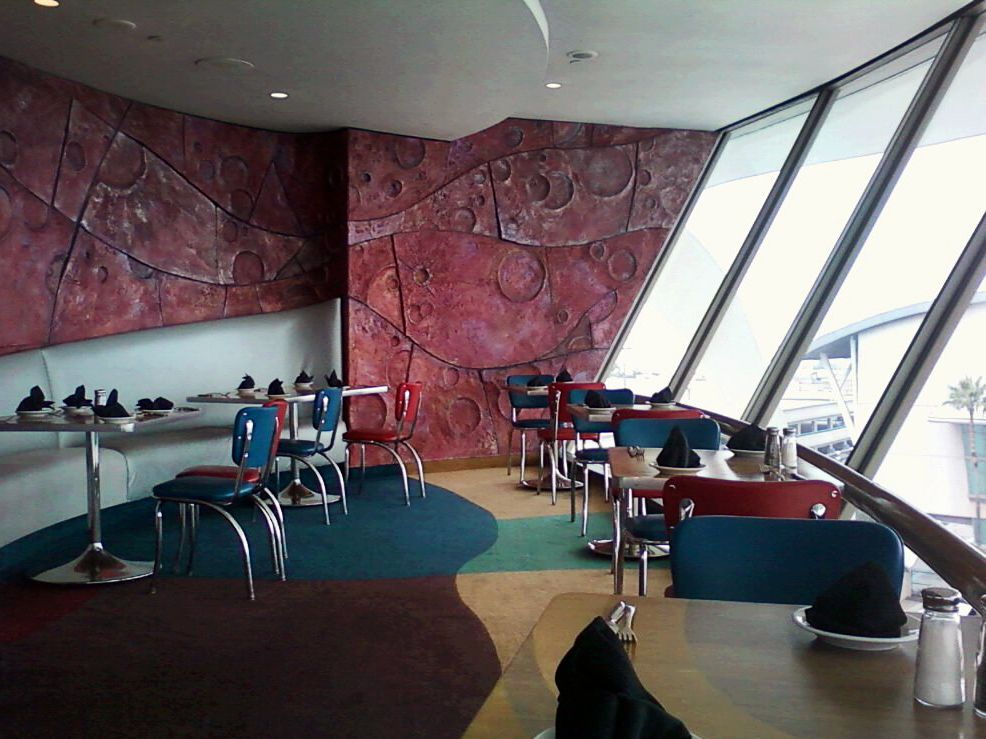
And at the time, I didn't appreciate that much of the spacey-chic I was witnessing was the work of other Disney imagineers, too—like Eddie Sotto (who designed the textured walls to look like the moon's surface) and Ellen Guevara (who worked with Sotto on the flowing carpet patterns).
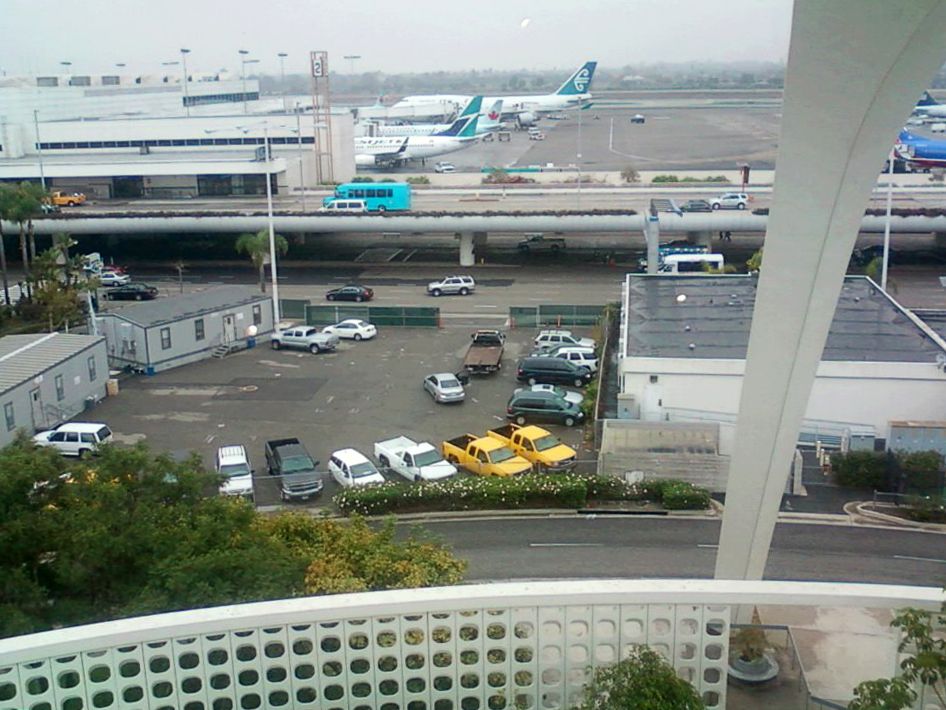
But oh, what I wouldn't give to ride that elevator again—and listen to that kooky sci-fi music—and get a good look at all the crazy design elements inside—and watch all the planes taking off and landing on the runways outside.
Encounter website circa 2007 (Screenshot via Internet Archive)
I did actually dine at Encounter one more time—that same year, in fact, when I'd returned to LA to interview for the job that ultimately moved me here. I was staying at a hotel near LAX and my future boss met me at the airport for dinner.
Considering the business nature of our meeting, I didn't get the chance to take any nighttime photos of the Theme Building or its restaurant. But to be honest, I was so obsessed with collecting new experiences from 2010 to 2014 that I didn't really feel the need to go back. I thought I'd been there and done that.
In fact, it didn't occur to me to go back to Encounter ever again—until it was too late.
Nothing has replaced the Encounter Restaurant in the Theme Building, although there's been talk of how it might be reimagined—especially with the success of the newly reopened (and preserved) TWA terminal at JFK. The observation deck is even closed. The only signs of life are the Bob Hope USO operations on the ground level.
So what could be next?
If I had endless amounts of money, I'd try to open a tiki bar there. I'd probably even keep the space theme. Outer space and underwater are strikingly similar sometimes.
Aesthetically, there's not a huge difference between the the bottom of the sea and the surface of the moon.
What would bring me to Peppertree Lane, driving up through the northeastern Simi Hills—those same hills that reminded Dr. Bardin of the Judean Hills outside of Jerusalem?
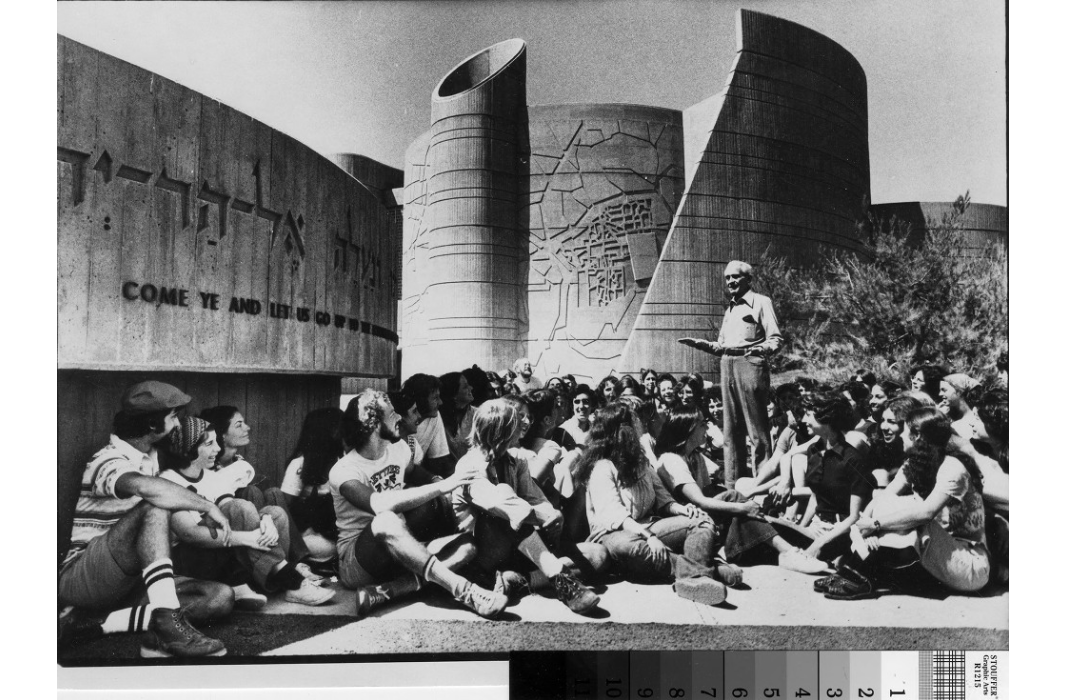
Shlomo Bardin talks to campers, with an inscribed excerpt from Isaiah 2:3, circa 1970s (Photo: American Jewish University, via Online Archive of California)
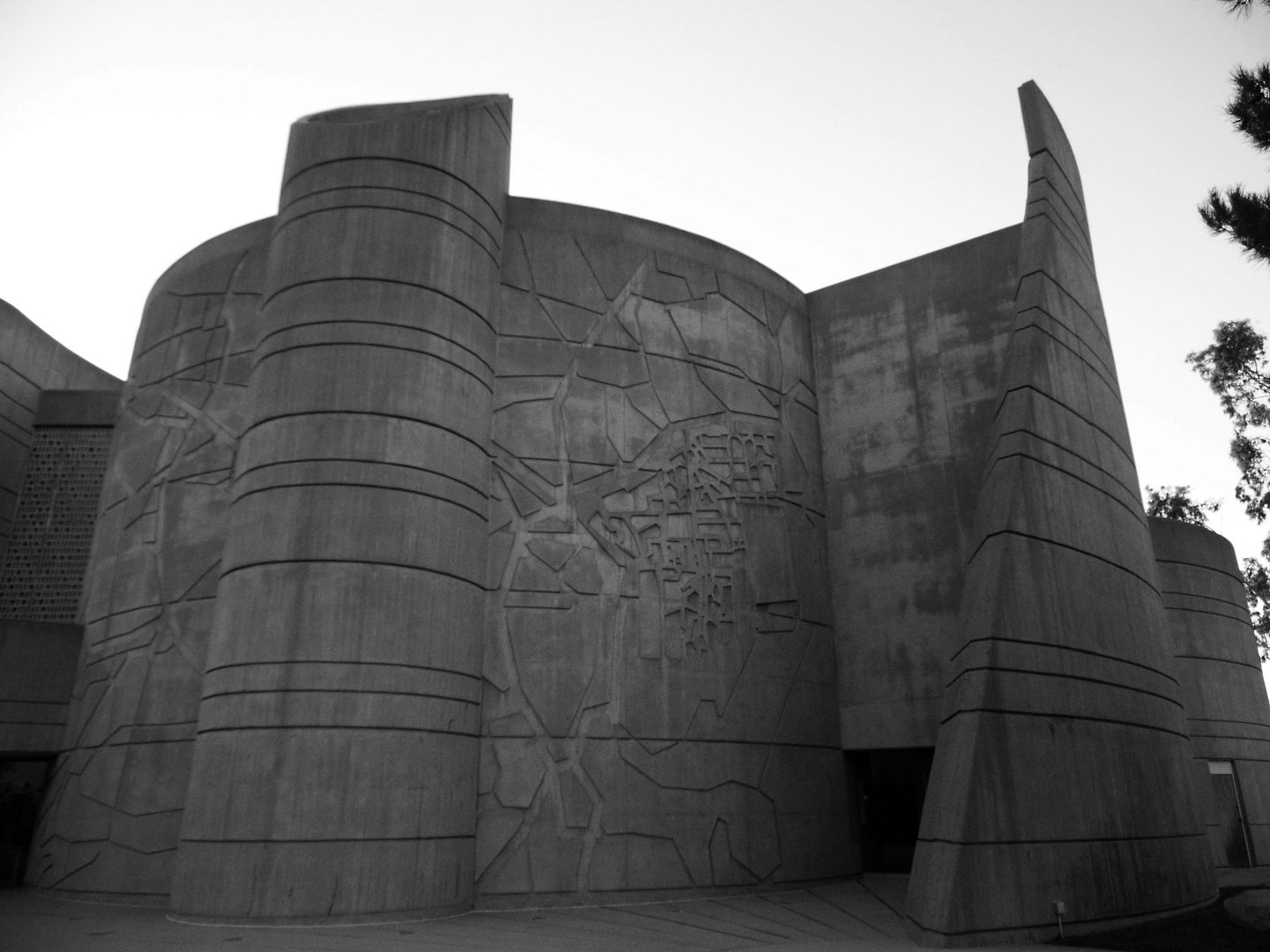
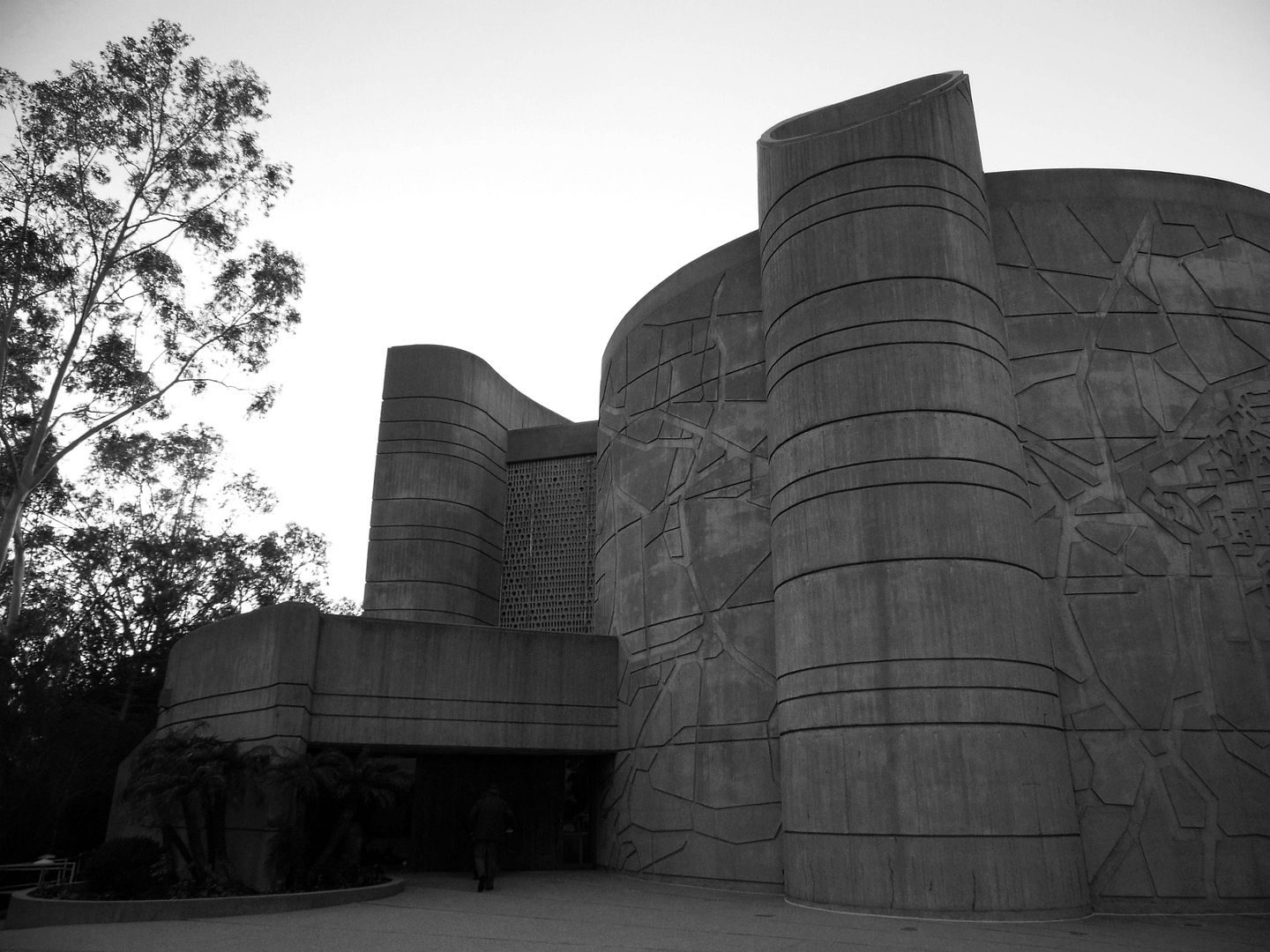
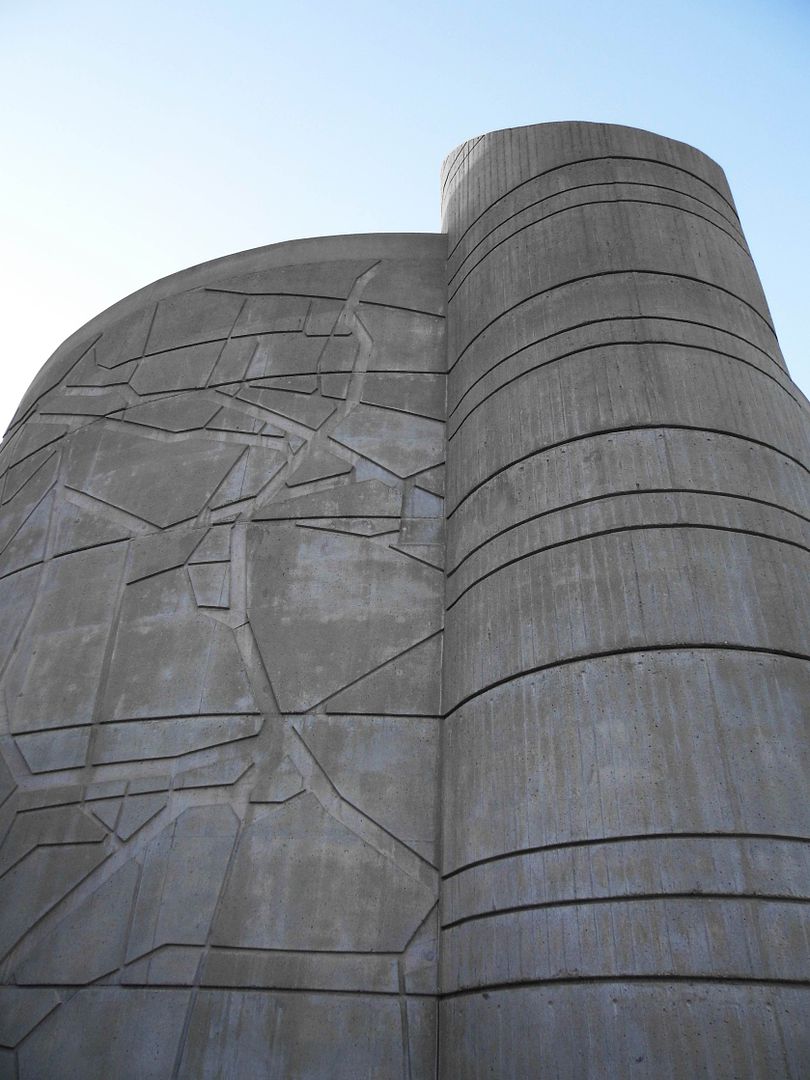
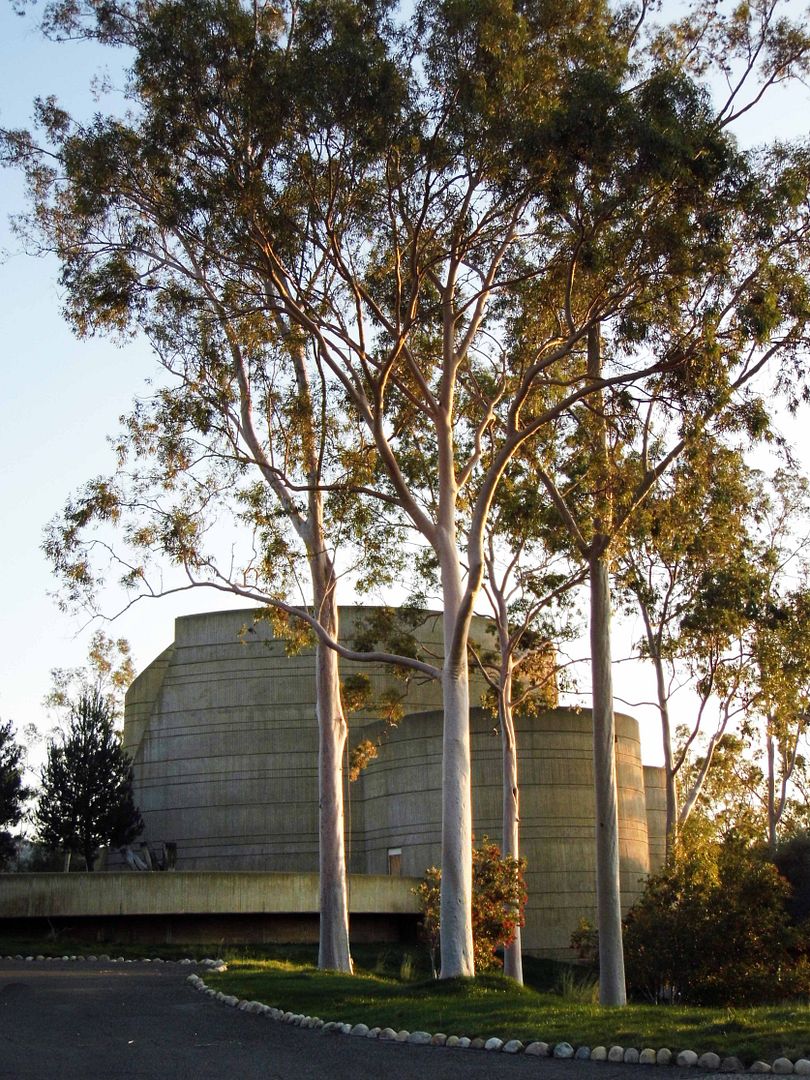
The House of the Book—a fixture on the Brandeis-Bardin Institute campus of American Jewish University, which, since 1968, has been the largest parcel of land owned by a Jewish institution outside the State of Israel.
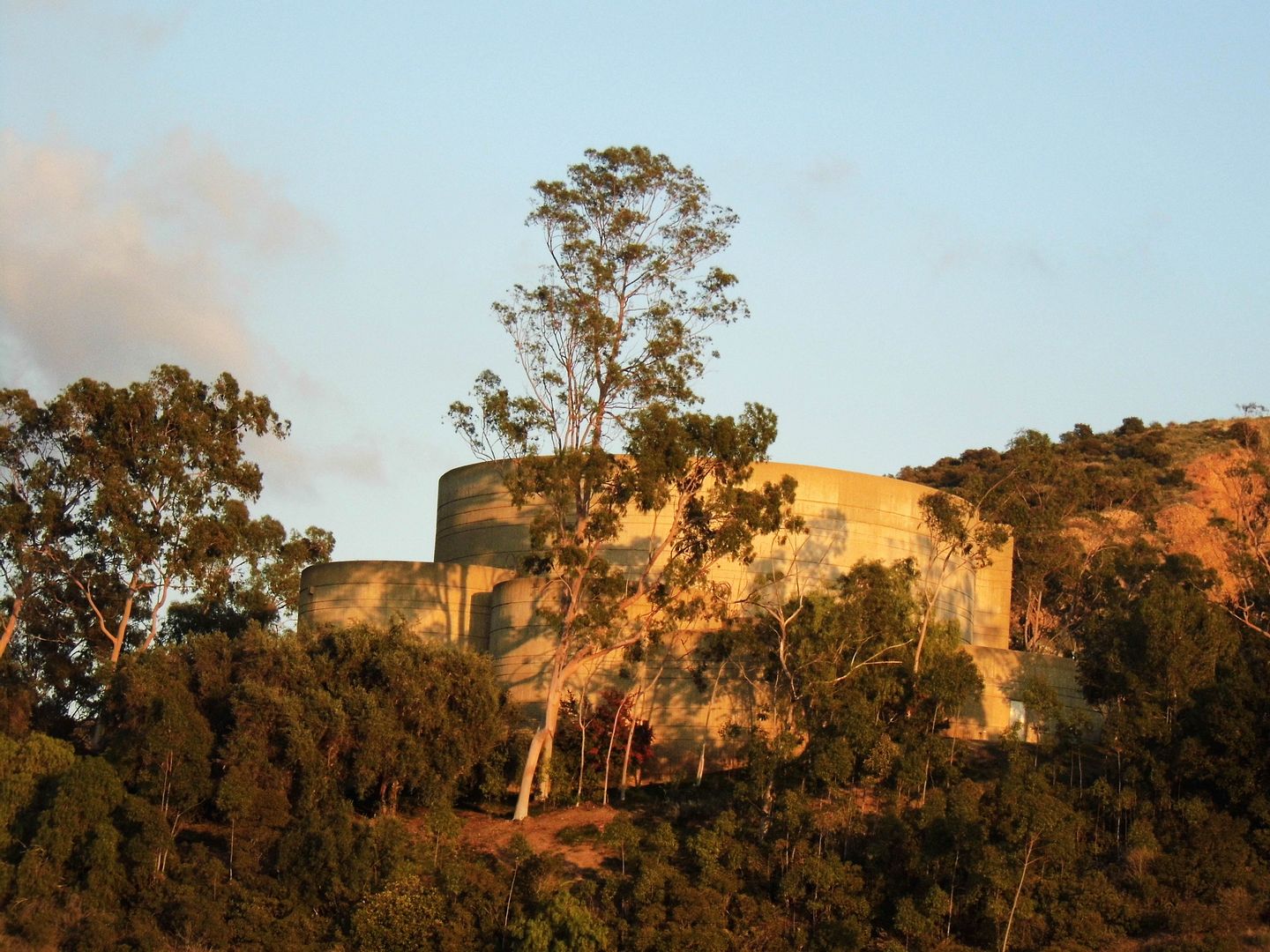
Dr. Shlomo Bardin founded the BBI in 1941 as the "Brandeis Camp Institute" and headed it until 1976, the year of his death. (He's also buried on campus.) During his lengthy tenure, he oversaw the addition of this futuristic, cylindrical building—commissioning it of Sidney Eisenshtat, FAIA in 1954. It wouldn't be completed until 1973.
Not surprisingly, Brutalist-style monolith, appearing like a poured concrete spaceship, has become a sci-fi icon—with appearances in Star Trek IV: The Undiscovered Country (as the extraplanetary Camp Khitomer) and Mighty Morphin Power Rangers (as the Command Center).
That may not exactly be what Eisenshtat—an observant Orthodox Jew (and past president of Congregation Beth Jacob in Beverly Hills)—intended when he took on the commission for the hilltop monument.
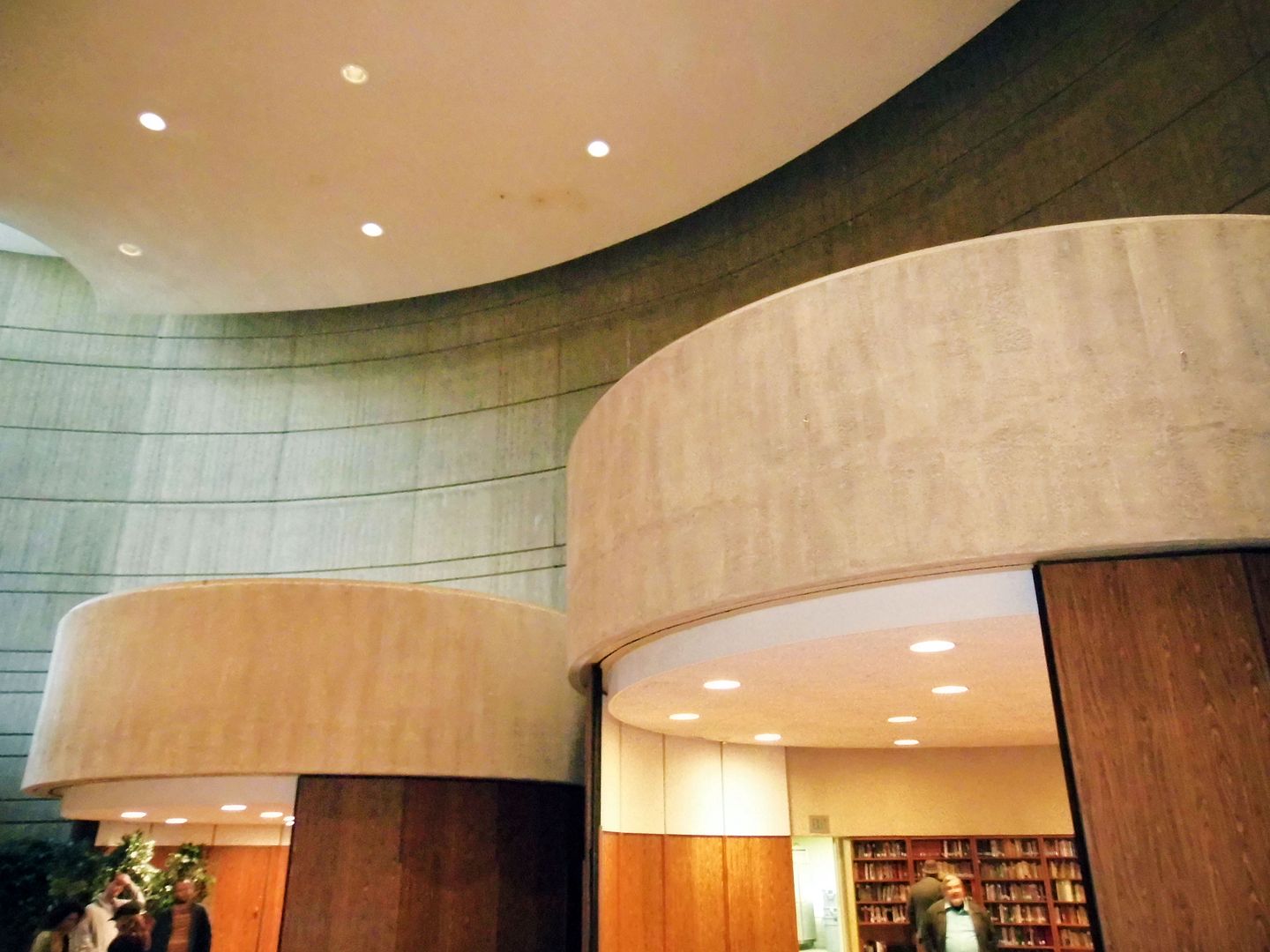
House of the Book (its name usually referring to a religious school or studies) is currently used as a conference center, performance space, and library—having hosted music ensembles, folk dancing, lectures, and song circles both inside and out.
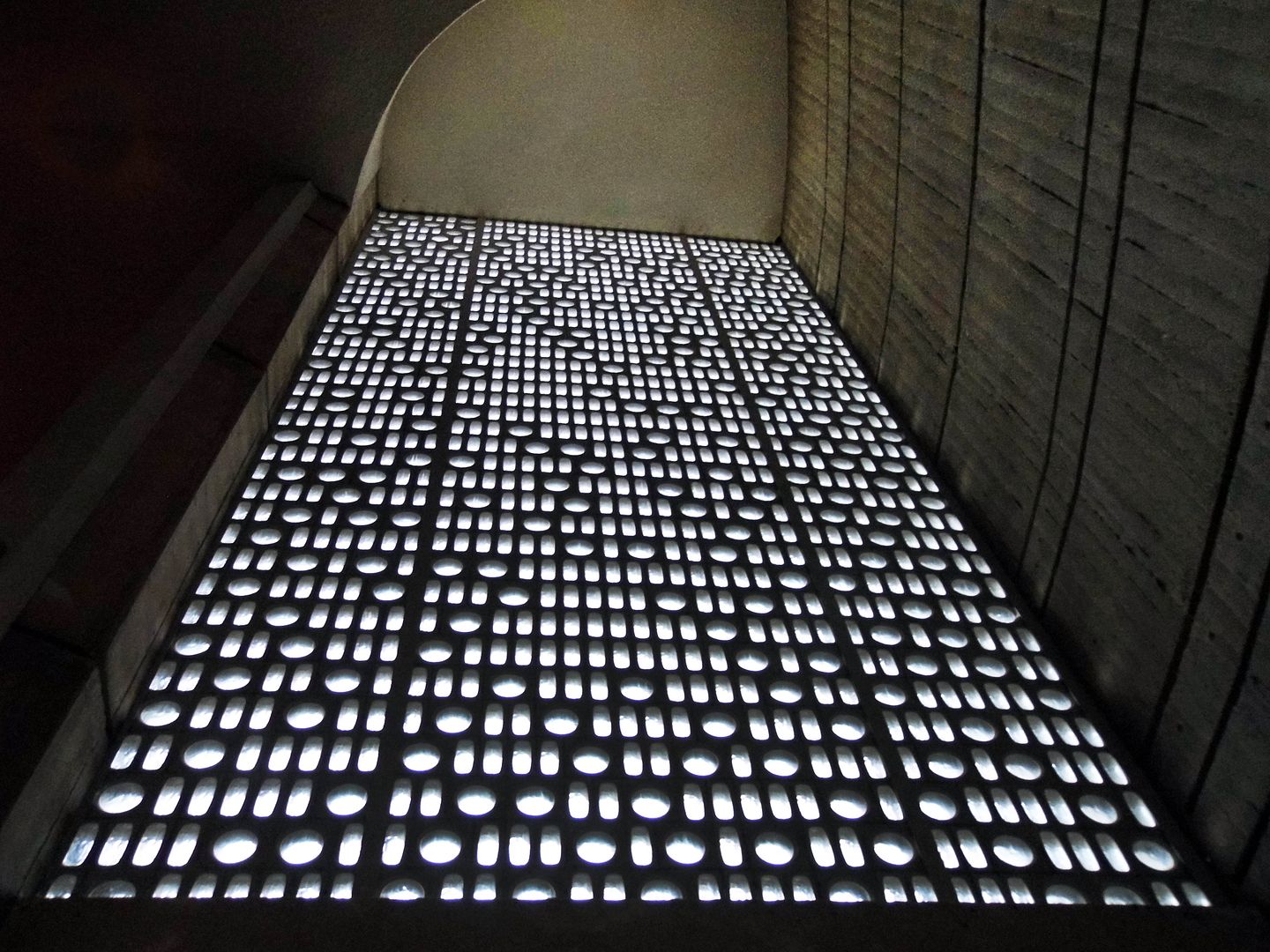
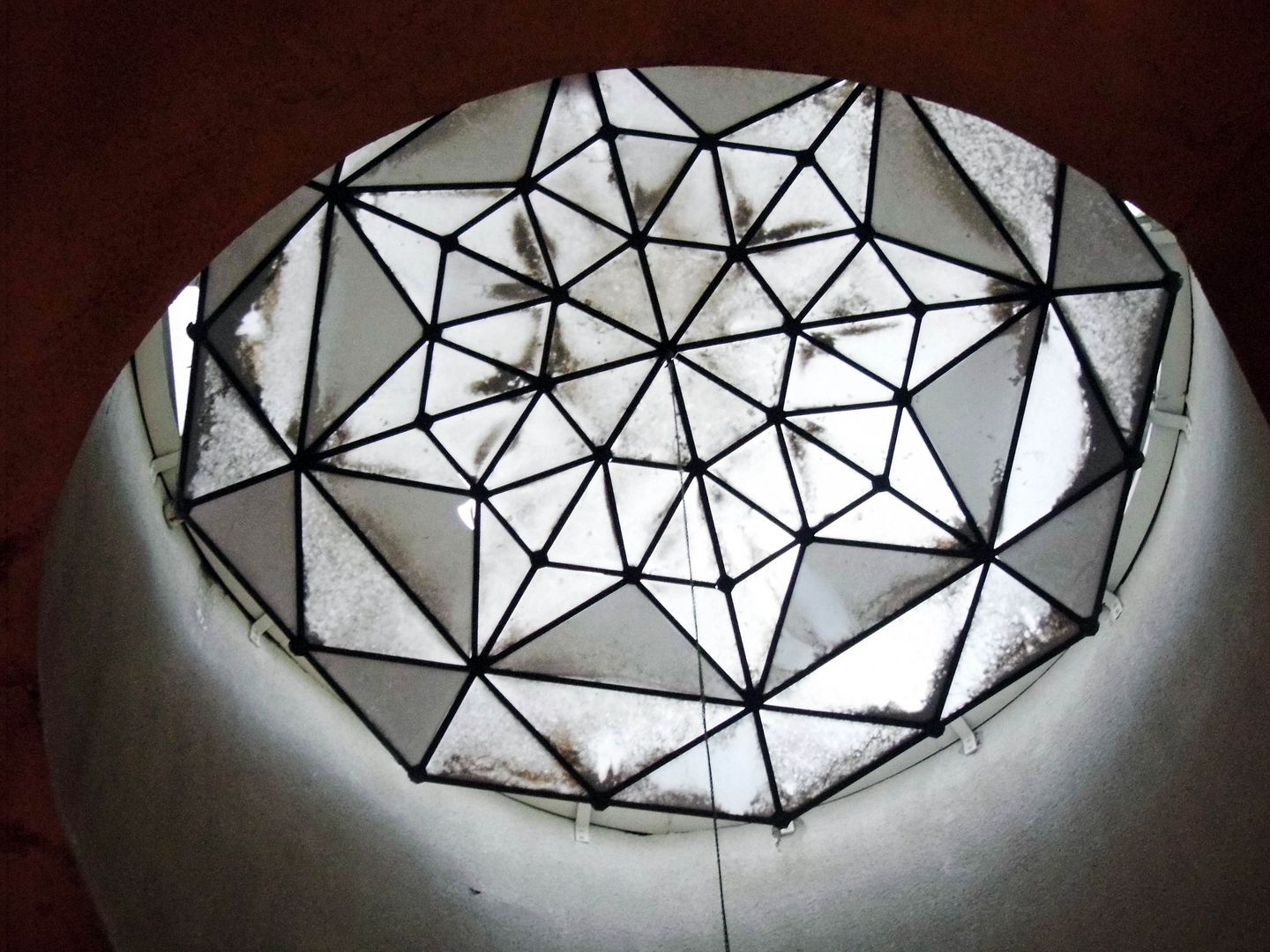
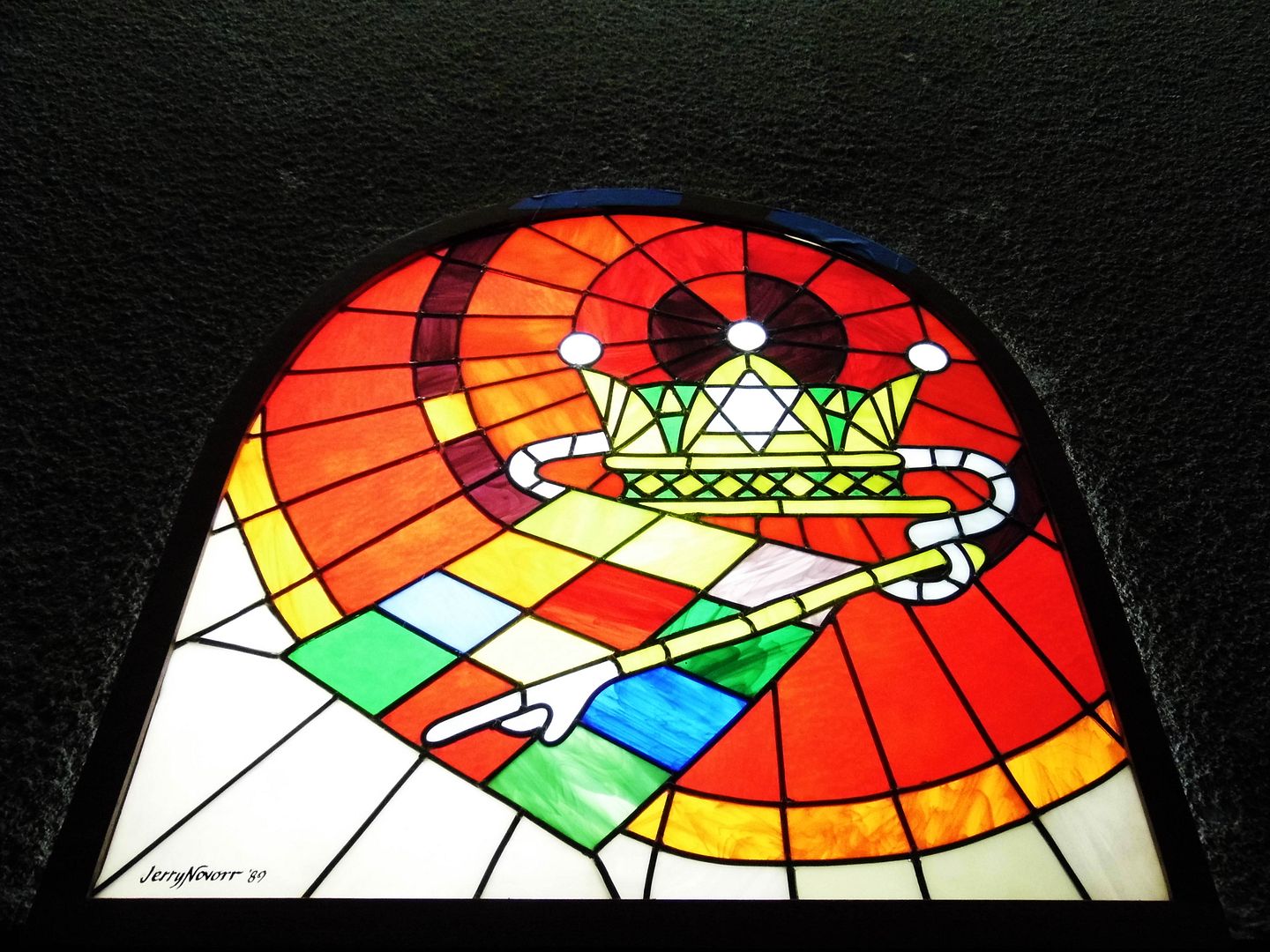
Its art glass window panel and leaded glass, prism-like skylight offer intriguing details to a sculptural building that's got few decorative touches...
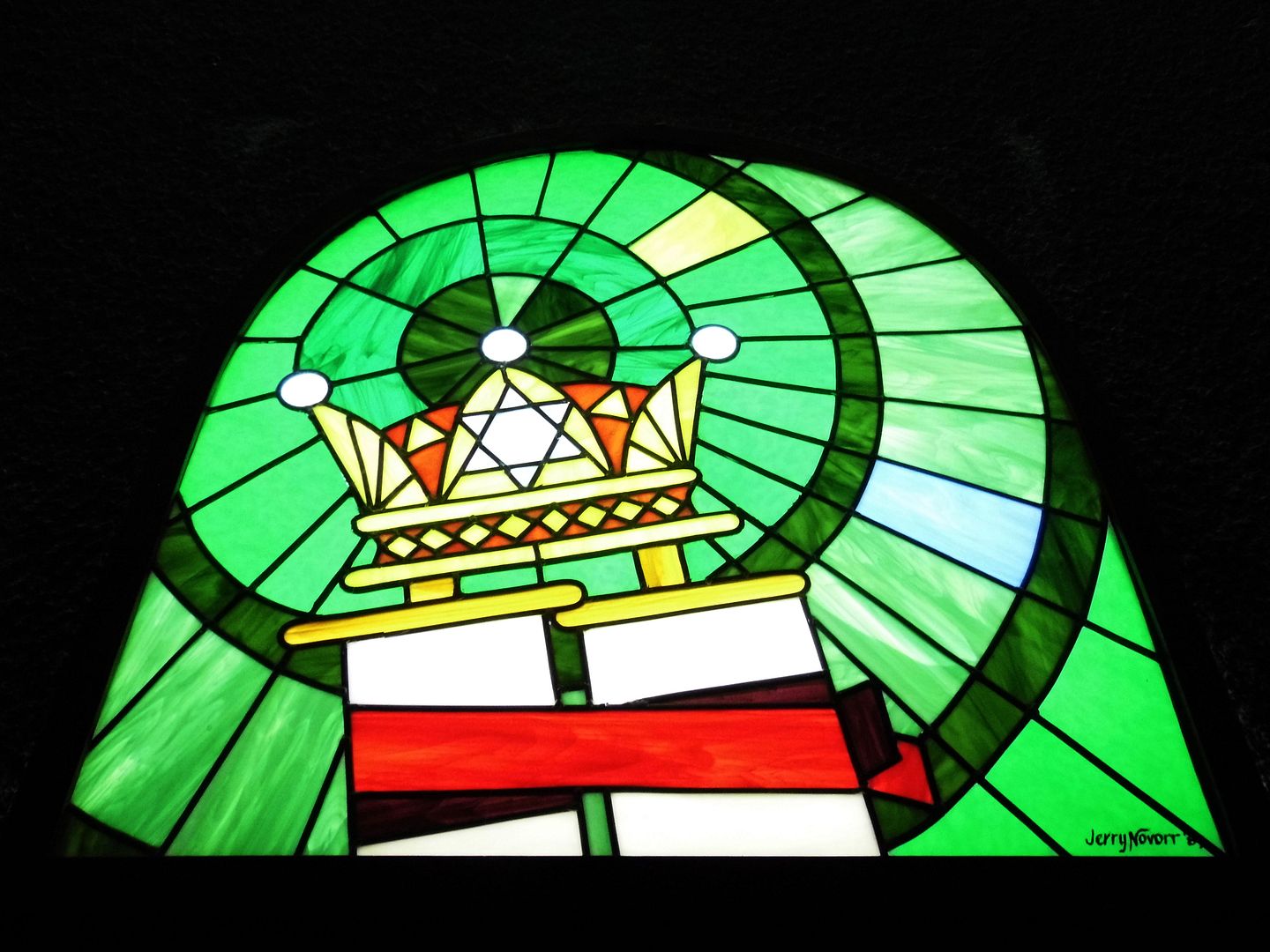
...except the three artificially-lit stained glass windows designed with a Star of David motif by alum Jerry Novorr (Class of 1980), who taught paper-cutting classes at the school.
They were added much later and might not exactly have been part of Eisenshtat's original vision, either.
Inside the circular main performance space (a.k.a. "beit knesset," or "synagogue," in Hebrew), the sound bounces off the semi-circular study spaces (or "beit midrash") and into your core. After all, weren't all temples built to be sung in?
According to an early floor plan, the original architectural design team also included associates Maxwell Rex Raymer (Eisenshtat's long-time lead designer), Harry H. Taketa, and Richard Y. Tochihara. Over time, the latter two seem to have faded into obscurity.
General contractors Willard Chotiner and his childhood friend James Gumbiner built the behemoth—but their building business went out of business long ago.
A bit of a local Jewish celebrity in his own right, Chotiner had been active with Brandeis-Bardin since the early 1950s, having served as a past president and chaired its board in 1976. He also served on The Jewish Federation of Greater Los Angeles's board and helped found The Jewish Journal of Greater Los Angeles.
But in retrospect, Eisenshtat tends to get all the credit for the House of the Book—maybe because he was a beloved USC alum, or because he studied under Frank Lloyd Wright, whose influence on some of his work is evident.
Or maybe it's because he became known for his innovative synagogue architecture—or that he was so devoted to Judaism that he refused payments for his synagogue projects.
Or maybe I'm giving too much credit to the public acknowledgement of Eisenshtat's architectural legacy there in Simi Valley. The reality is that most of the information available online refers to the House of the Book's appearances in cult classics on both small and big screens.
In contrast, primary sources with key architectural tidbits lie stashed away in boxes, undigitized, accessible by special request only.
In fact, the best online resource I could find to provide context to the structure and its place on the campus was published last year by Los Angeles Review of Books. You can read it here.
There are so many places that catch my eye as I'm driving through Southern California—and I wonder, "How do I get in there?"
Usually, I do a little research, send a few emails, and then wait. I've been in LA long enough to know how patience can pay off when it comes to getting into the places that have piqued my curiosity.
Fortunately, with only a couple of days to spare, I found out about an open house event happening on my birthday at the Anheuser-Busch brewery in the Valley off the 405.
It was the perfect way to celebrate the afternoon (after having monkeyed around in the morning at an animal sanctuary)—and not just because I've been taking brewery tours since 2005 on a business trip to Milwaukee.
It wasn't even just because it was the site of the former Busch Gardens amusement park, which operated from 1966 to 1979 and included free beer, exotic bird shows, and a brewery tour via monorail.
And although the LA location of Anheuser-Busch has been continuously in operation since 1954, it's conducted no public tours since it closed Busch Gardens in 1979 to make way for a brewery expansion.
But even still, that didn't completely make getting into the Anheuser-Busch facility such a birthday treat—but I wouldn't figure out the remaining reason until my own, long-awaited tour was well underway.
With all of the craft breweries that have opened up in the Southland over the last half-dozen years, it can be easy to forget that LA has been a major market for big-time, corporate beer—and that Budweiser is more deeply woven into the fabric of LA history than, say, Golden Road, the "local" craft brewery it bought in 2015.
It uses tap water from the LADWP, which it filters via reverse osmosis and UV light in its own on-site filtration plant.
It recycles its spent grains at local dairy farms by turning malt into food for milk cows (a practice the company has been doing since the turn of the last century).
So, why doesn't Budweiser taste like Golden Road? Well, some of it has to do with the malted barley—or the fact that Bud contains more than one grain. That is, it also contains rice.
As well, it's "beechwood aged," a process that doesn't give it a barrel-aged flavor but rather increases the surface area for contact between the yeast and beer. Beechwood doesn't lend any flavor or aroma to the beer—rather, it creates a smoother finish and takes the skunkiness out of it.
Some folks might say that that makes a Bud taste bland. Budweiser's brewmasters would call that "crisp," "delicate," or, at worst, "mild."
Even though the recipe for Budweiser is the same throughout the entire world—and the goal is to make a bottle in Germany taste the same as one in Glendale—the local brewmasters come together for a tasting ritual every day at 3 p.m.
Sometimes they taste the water, other times the grain, and still others the finished beer. It's more for quality control than anything else, and it's probably superfluous, but these brewers take their jobs—and the company-wide legacy—really seriously.
They swirl their plastic cups, hold them up to the light to examine their golden contents, nose the beer first, and take a sip and then another sip. It's not exactly what you see the average guy doing at a Dodgers game.
On our tour, our guide was rattling off the various facts and figures that you get at a brewery tour when she asked us, "What's the biggest industry in LA?" It was a trick question, because the real answer is manufacturing (and then shipping), but what she meant was entertainment.
It was her way of segueing into the topic of which films and TV shows had been filmed there—from the recent remakes of Star Trek and Get Smart to various crime dramas that need long, industrial-looking hallways and rooms that look like laboratories.
And then she dropped the bomb—the thing that absolutely made my birthday.
It was a tidbit of information that unexpectedly brought me right back to Milwaukee—but not the Miller brewery I'd toured over a decade ago.
Because when I walked into its cavernous bottling plant...
...past forklifts and punch-opated time clocks...
...it turns out that I'd stepped through a portal that led me to the Shotz Brewery...
...and was standing in the shadows of television's most famous bottle-capping brewery girls of post-war Americana, Laverne & Shirley.
As American Graffiti was released in 1973 and Grease in 1978, and Happy Days aired from 1974 to '84, my childhood was shaped by 1950s culture as much as by the 1970s and '80s.
Maybe even more so, as I always felt I was born at the wrong time.
But the good thing about living in LA is that you can straddle the lines between generations and between geographies. You can drive 30 minutes to 1950s Milwaukee, without aid of a time machine.
Time and space bend and ripple here—seemingly more than elsewhere, where they're happening as well, but imperceptibly so.
In LA, you just have to recognize a wormhole when you see it.