Search

Showing posts sorted by relevance for query ft. macarthur. Sort by date Show all posts

March 23, 2020

Photo Essay: Battery Osgood-Farley, Beyond the Guns and Into the Airwaves

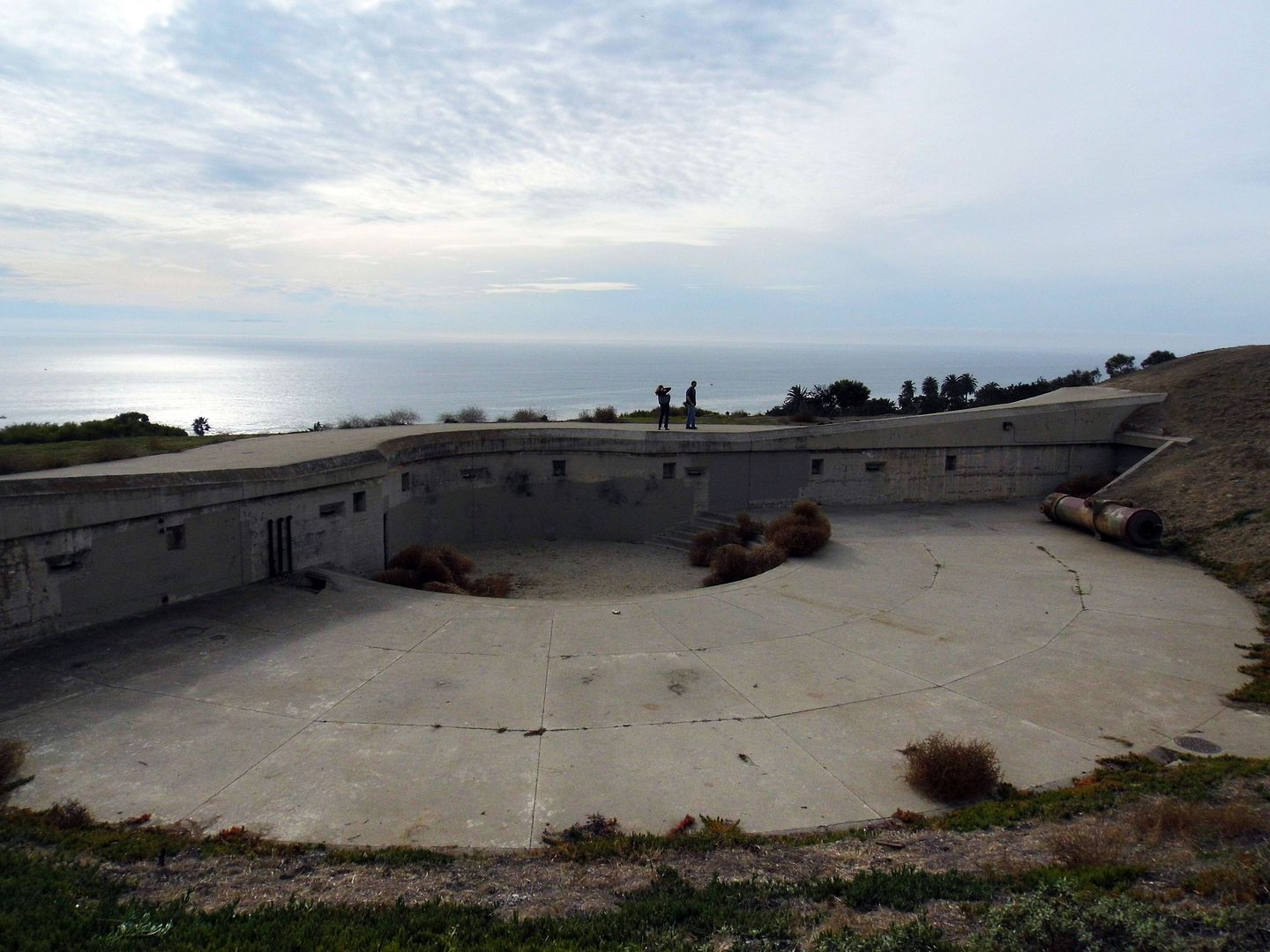
I'd been fascinated by Fort MacArthur in San Pedro—part of LA's coastal defense system—since I first visited one of its former outposts in 2012.


And although I'd thoroughly visited the Fort MacArthur Museum (located in the fort's Upper Reservation) a few times over the last few years, people kept telling me they thought there was more to see.


Turns out they were right—because in 2018, I returned to the Battery Osgood-Farley and got into some rooms I never knew existed.


Of course, it's all been declassified now—but these are areas that aren't usually open to the public, like the Battery Commander's Station. That's where the B.C. could observe the firing of the guns from a observation station that afforded him a clear view of the field of fire (accurate to 1/100th of a degree).
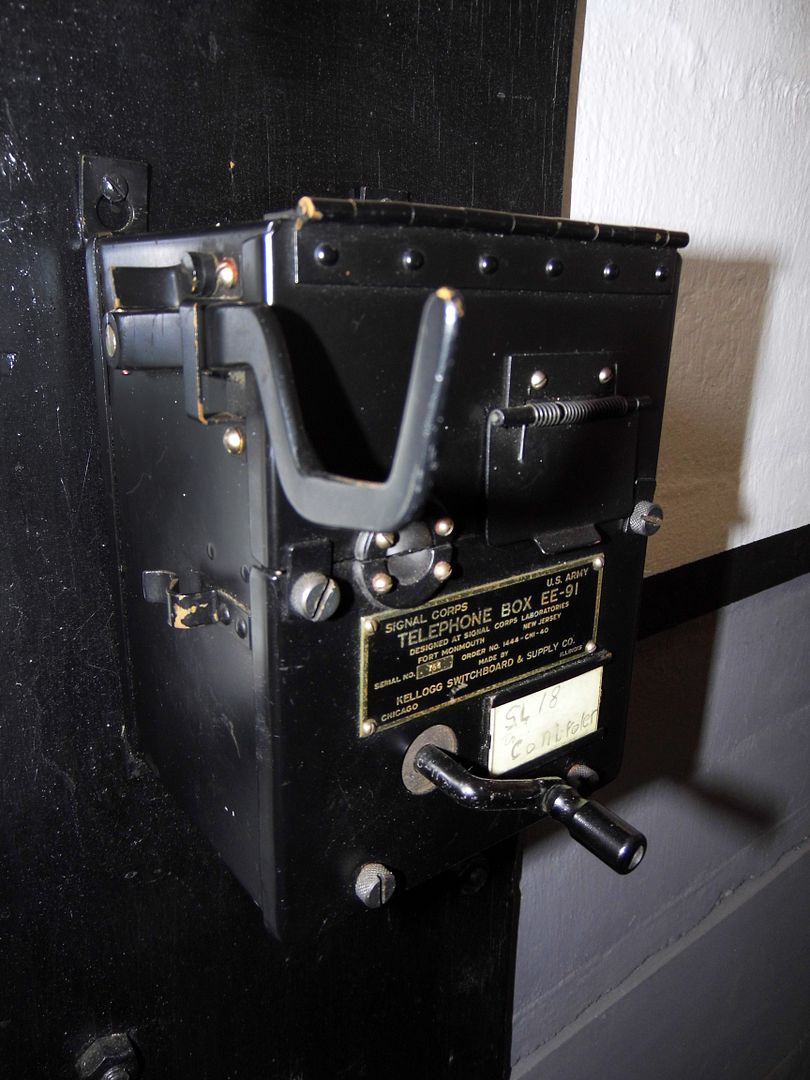


It's also where they could track targets and report their positions to the plotting room, located directly below them, so they can triangulate the targets and point the guns properly and accurately (in terms of both distance and direction, or azimuth, as measured from the artillery).
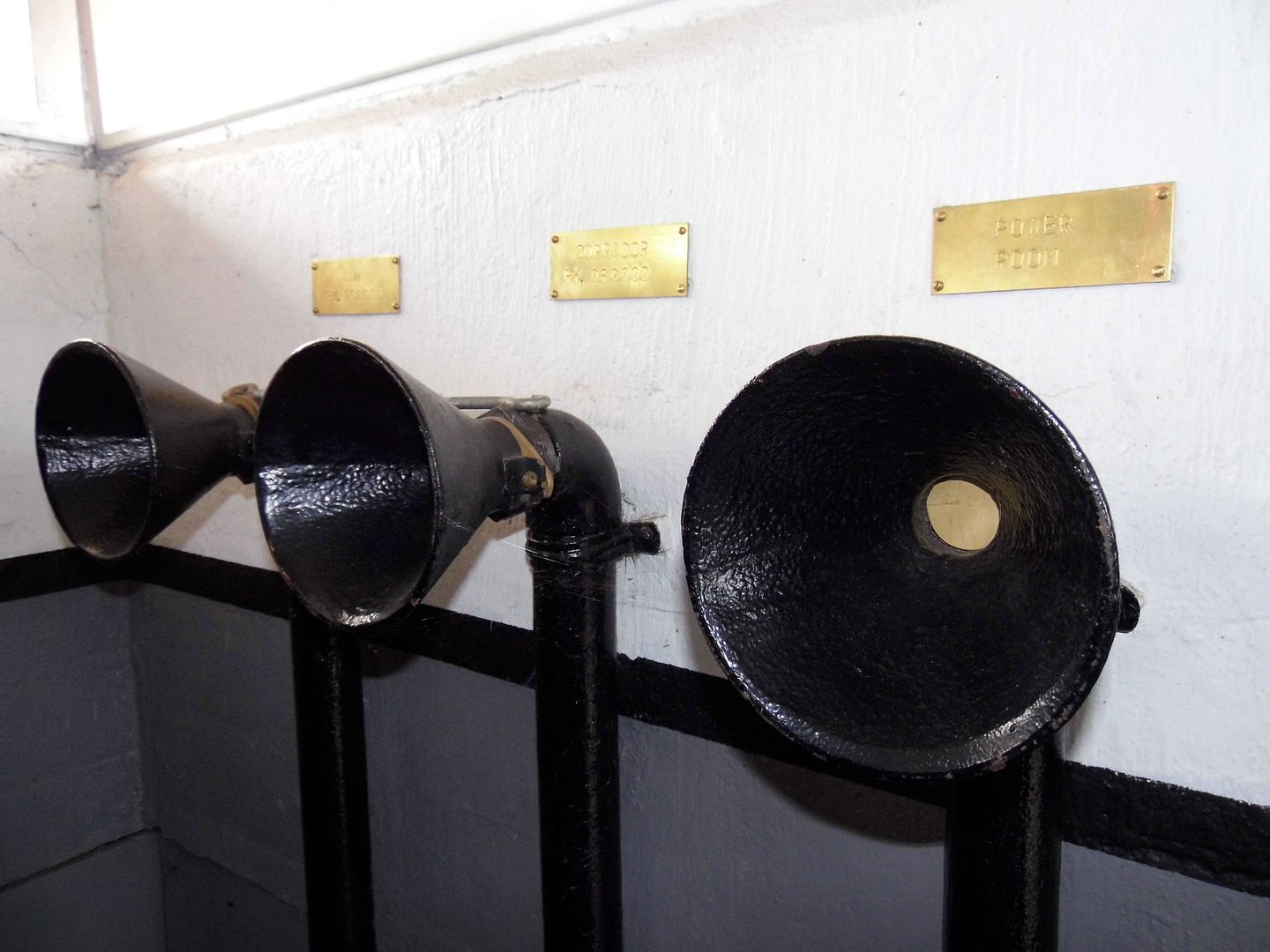


From there, they had complete control over the battery's operation—thanks to a series of seven "speaking tubes."


This U.S. Army post guarded the LA harbor from 1914 to 1974.


And sometimes, the most basic technology turned out to be best.


I also knew that there were some tunnels that ran from the Ft. MacArthur Museum to elsewhere in San Pedro—but whenever I asked anyone in charge about them, they'd say things like, "Oh, there's nothing down there to see" or "It's just used for storage now."
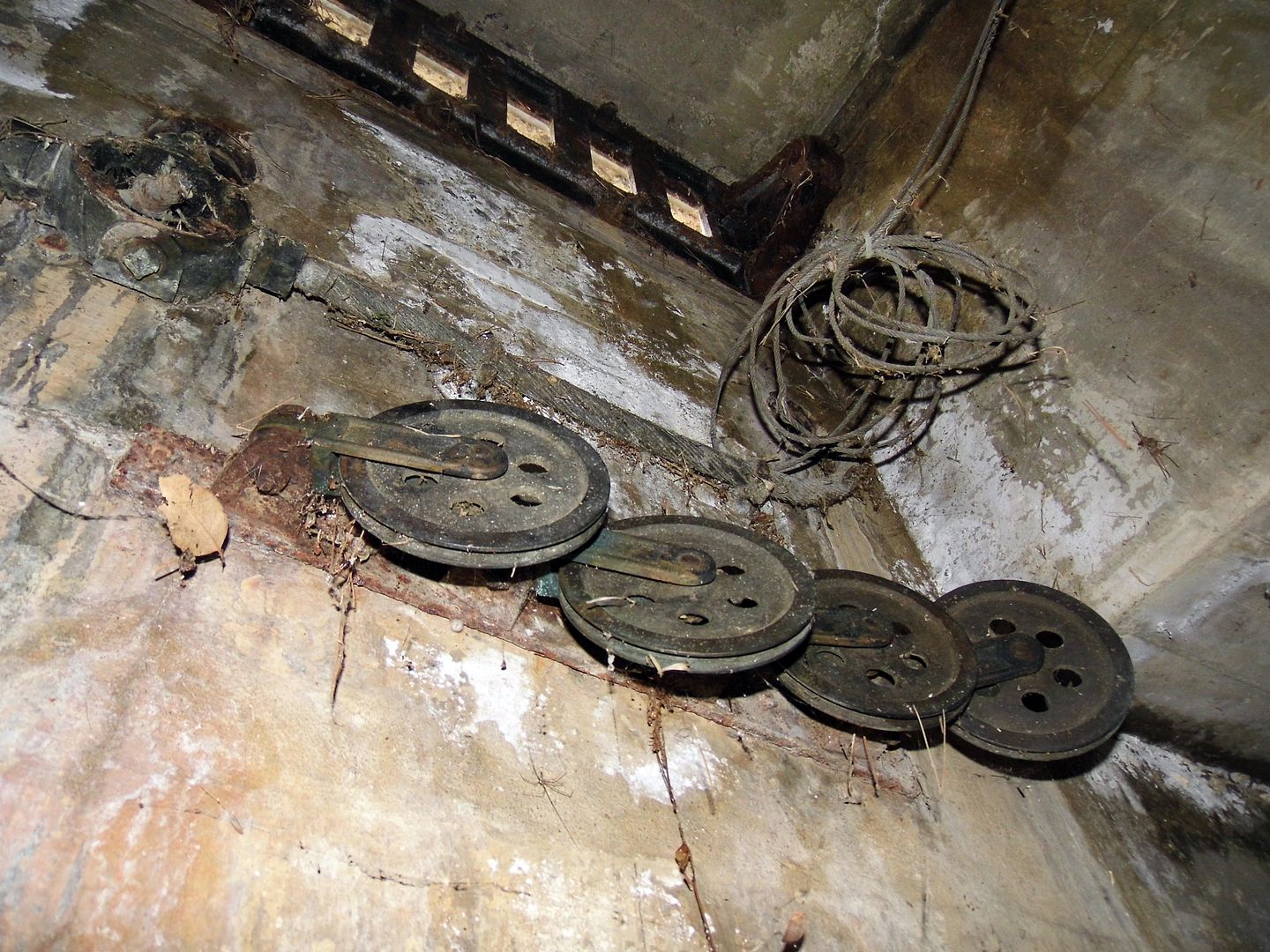


That wasn't, in fact, true—which I would find out later in my explorations beyond the public eye.


But first, I had to hit the Communication Room. Fortunately, it's no longer "gas-proof"—so a hard blast of air didn't have to "blow off" any poison gas in the decontamination room before I entered.
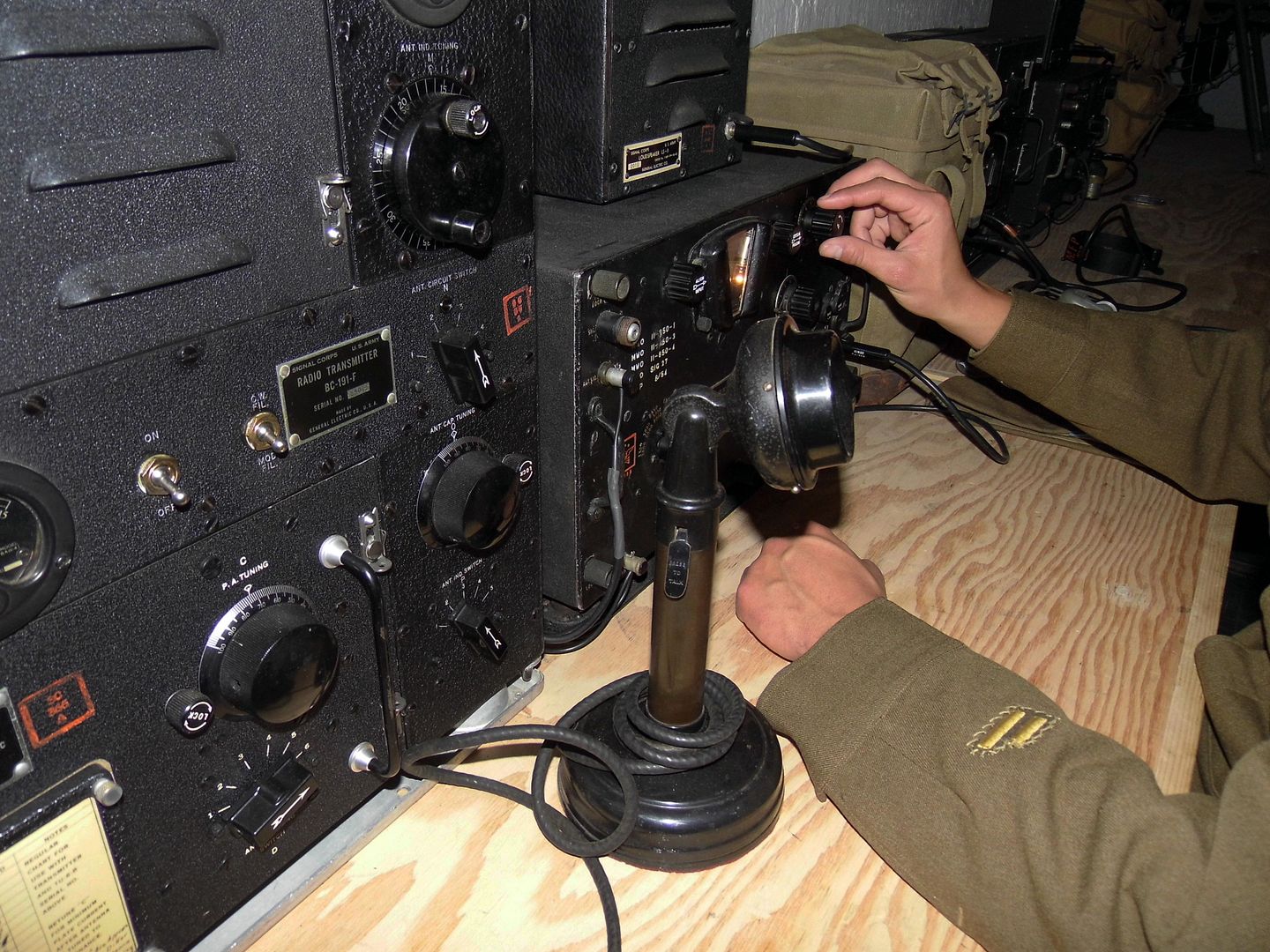


This was "ground zero" for the United States Army Signal Corps (USASC)—critical for detecting an approaching enemy they couldn't see (not even with a telescope). That meant aircraft.


This is where communication specialists and, essentially, information technology personnel would use radio receivers and transmitters—not only tuning but also calibrating and encoding across multiple frequencies.
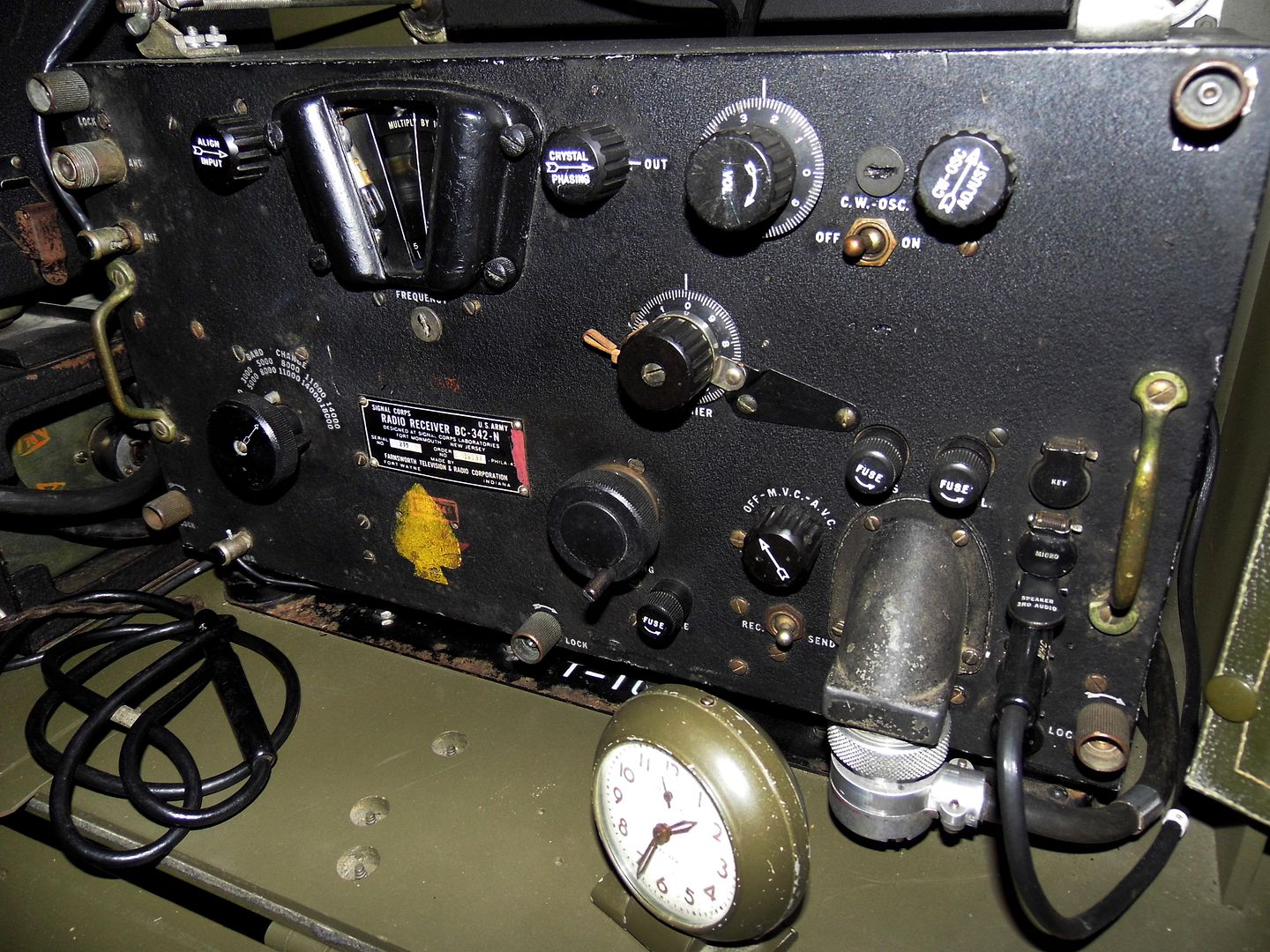


In terms of detecting an incoming threat, obviously this is where RADAR (Radio Detection And Ranging) would really come in handy.


But switchboards—for both telephone and telegraph—were also critical to the missions.
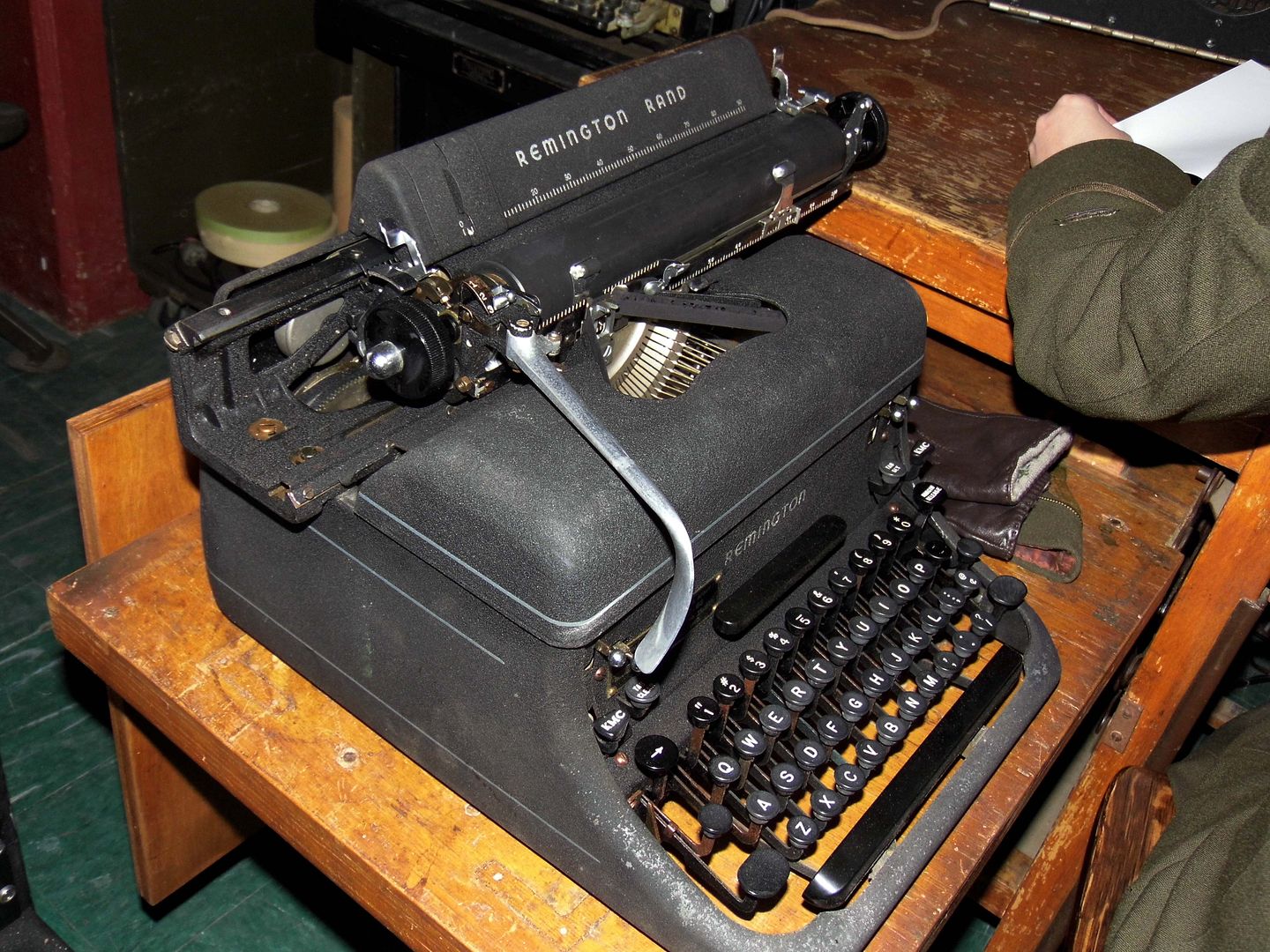


And sometimes communications boiled down to a more analog form of communication—namely, typewriters.
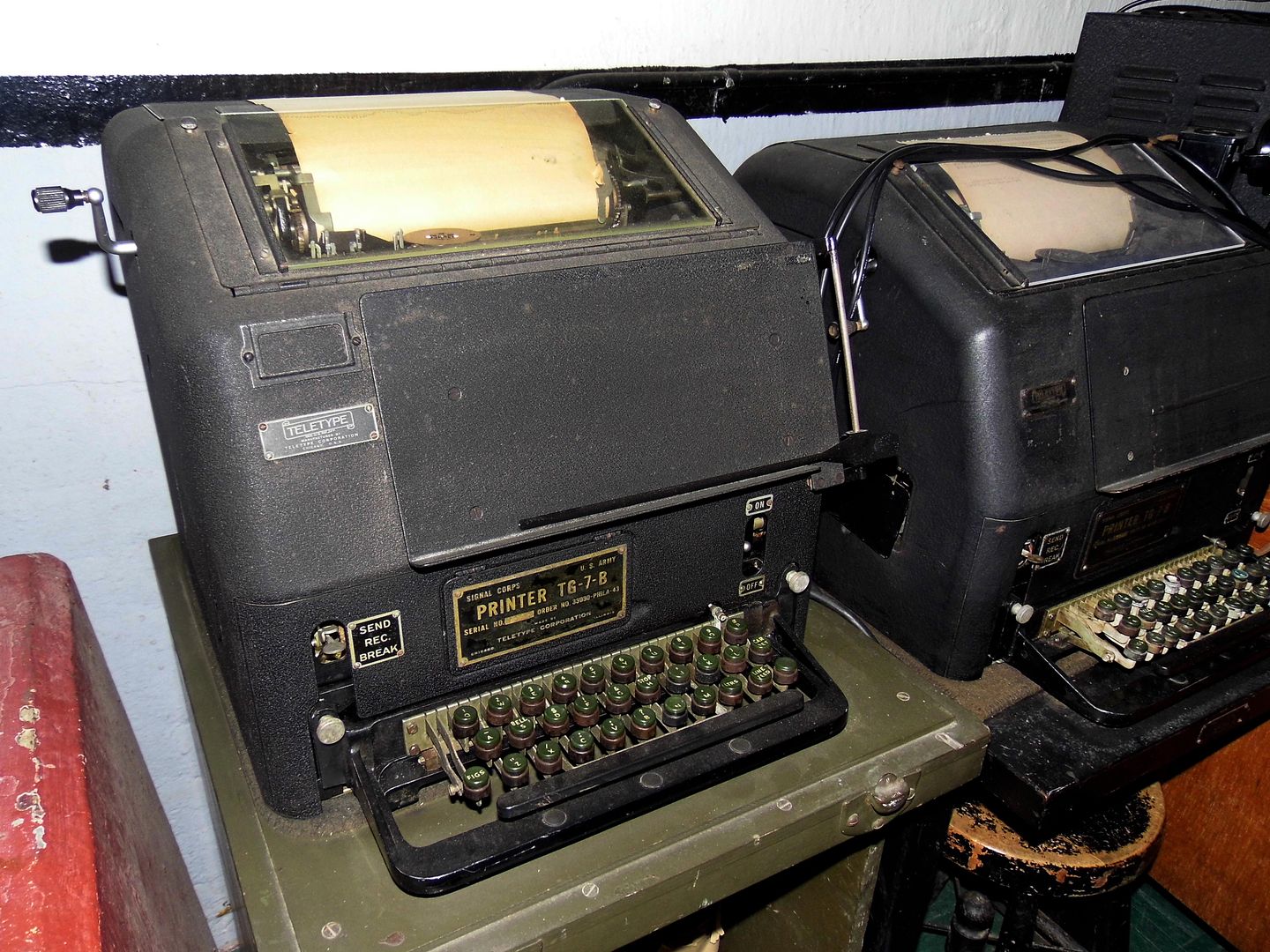


Oh, and don't forget about Teletype (TTY)—the great-granddaddy of email.
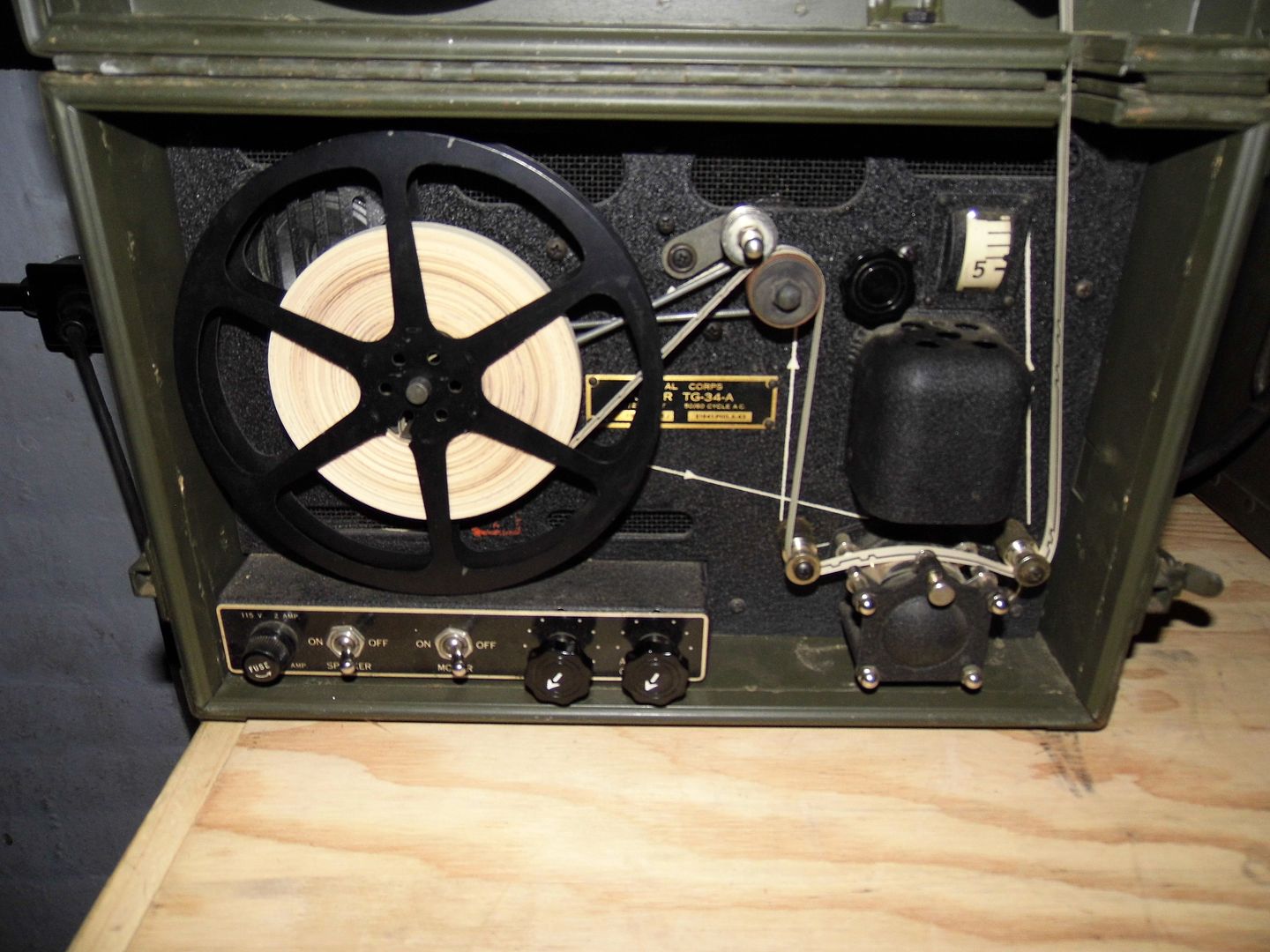


And of course there was also Morse code...
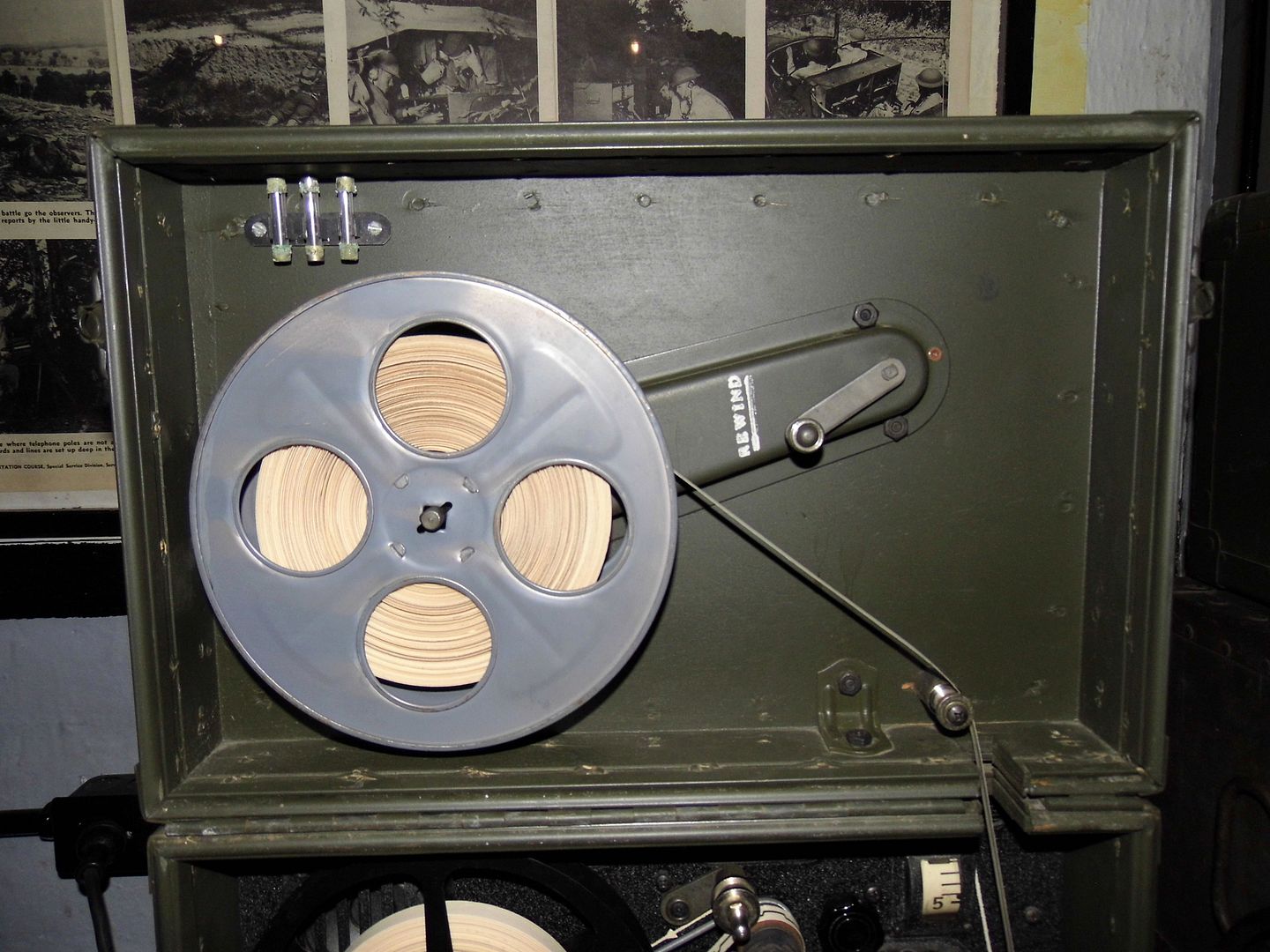


...which radio operators (or "keyers") would learn on a special Signal Corps "learning machine"...
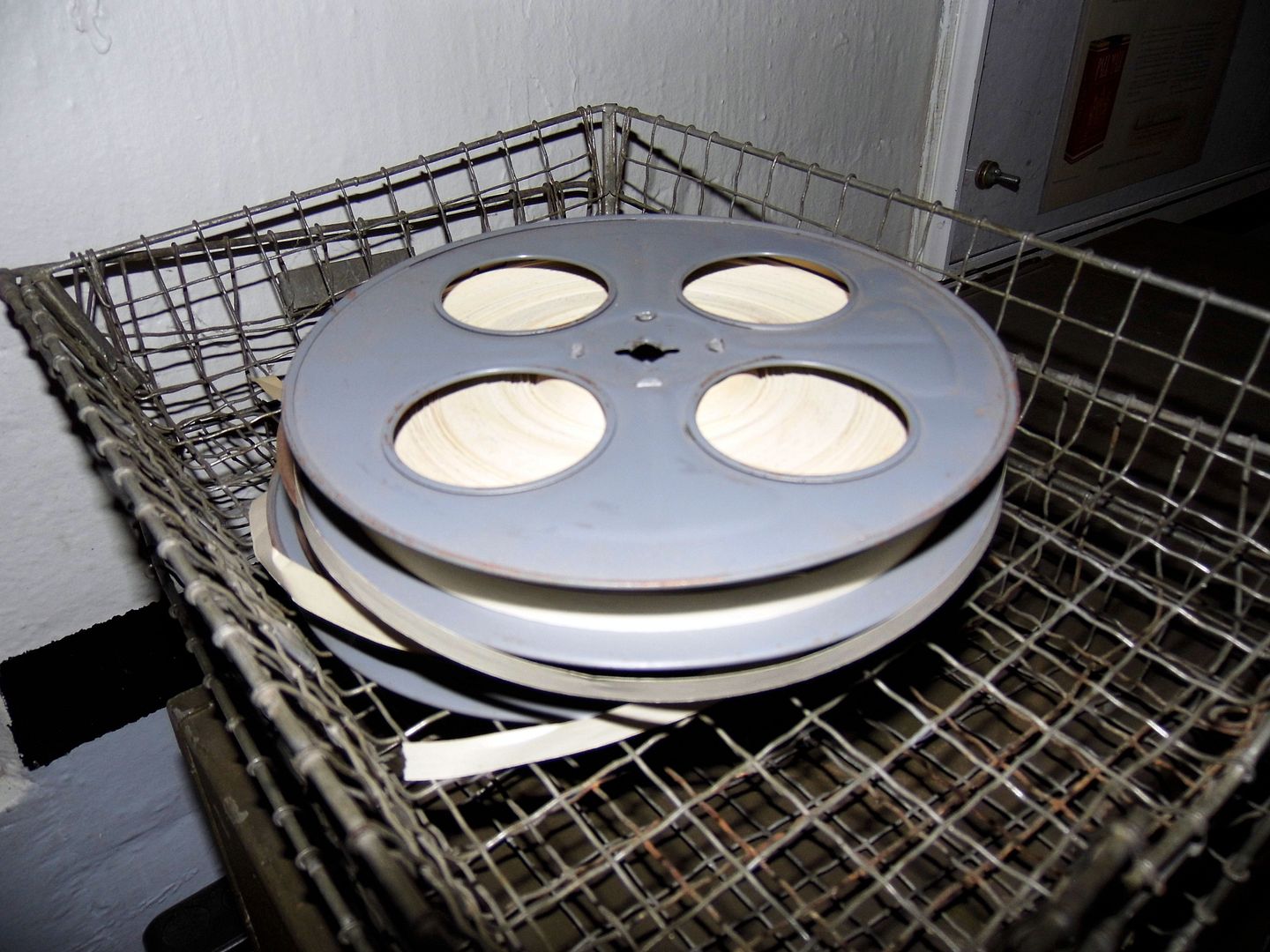


...as paper "practice tape" spat out signals recorded in ink for playback.
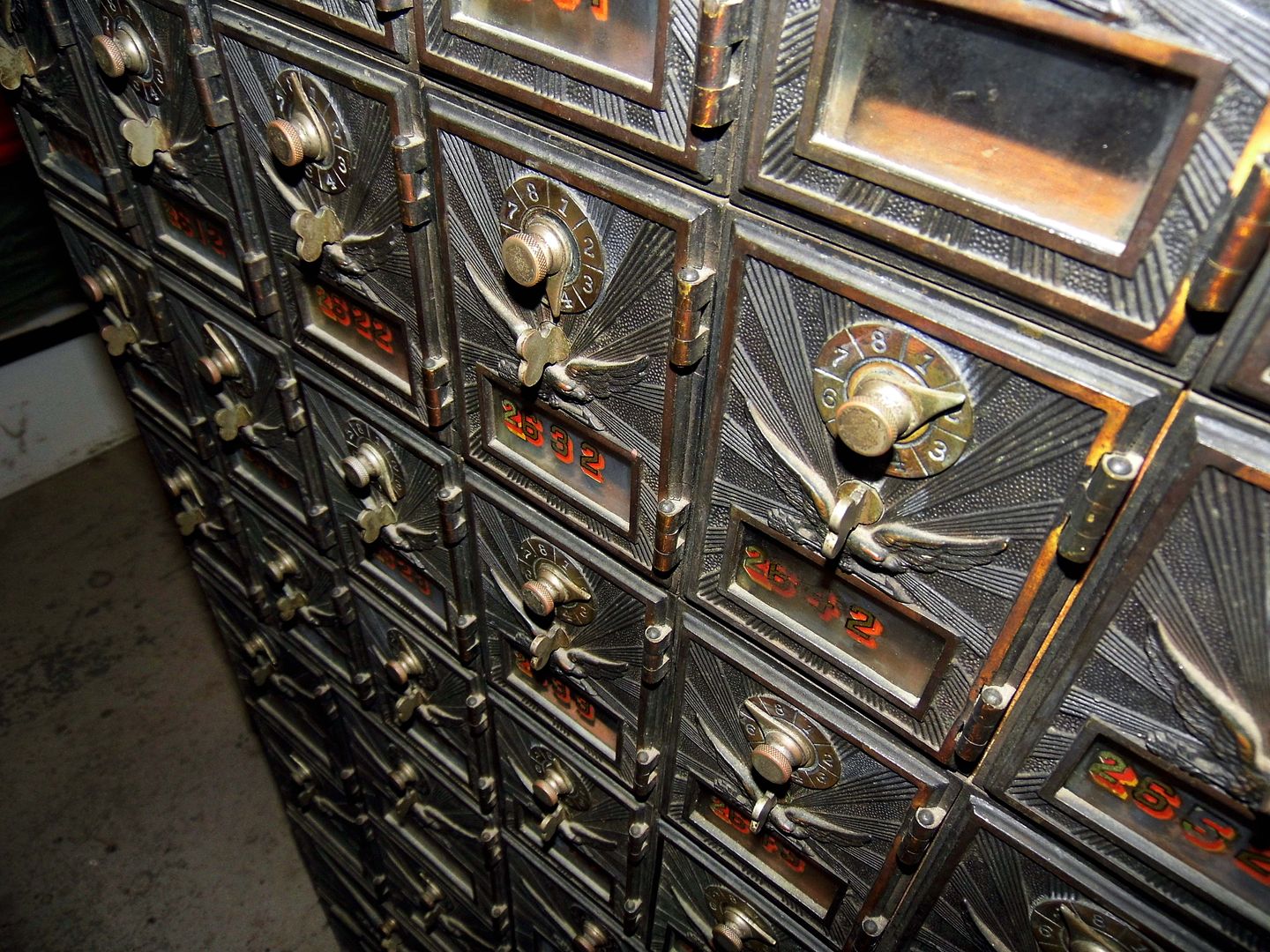


But what better communication was there for those enlisted in the U.S. Army than good ol' paper mail? Handwritten letters on perfumed paper in lipstick-sealed envelopes beat electronic communiqués any day.


This was the first time in recent memory that the Fort MacArthur Museum had opened up these areas (formally, anyway) to the public. And it hasn't again in the last two years, as far as I can tell.

Stay tuned for more dispatches from other "underground" areas around the various reservations of the former Fort MacArthur. 

Related Posts:
Photo Essay: Fort MacArthur and The Battle of Los Angeles
Photo Essay: Trespassing Through Southland's Military History

March 05, 2016

Photo Essay: Fort MacArthur and The Battle of Los Angeles

Since I'd been skulking around a lot of the remains of the former footprint of Fort MacArthur at the LA Harbor, I figured it was time I chased down the actual fort.


But it turns out, that's actually more complicated than it seems—because there's still technically an active Fort MacArthur LA Air Force Base, plus Fort MacArthur Museum, plus property still technically owned by Fort MacArthur but leased to other businesses and organizations.

July 13, 2020

Pandemic Amusements: In the Swimming Pool

Since the beginning of the coronavirus pandemic and subsequent shut-down, I've been craving certain things.

Some of those craving I've been able to satisfy—like for donuts and onion rings.

Others have proven more elusive—like how my skin craves for human touch.

But since March—or, at least since it stopped raining and started to really heat up—I've been dying to go swimming.

With public swimming pools shut down for months, and unnecessary travel deemed too risky, I've been beached in my apartment with no laps to swim.

And to make matters worse, when the public pools did reopen, I found out that my local West Hollywood Park facility was being demolished—and its replacement wouldn't open until September 2021.

I didn't feel comfortable enough to swim indoors at the Beverly Hills High "swim gym." My other top choice would've been the Annenberg Community Beach House—but that, too, is closed for the year.

I could travel farther afield to try a new lap adventure (stay tuned for dispatches from the "Hey Rookie" pool, formerly part of Ft. Macarthur in San Pedro), but everything is just so uncertain.

I needed a nice, wet dose of familiarity. Especially during a time when even the most mundane activities seem dangerous.


So that brought me back to the Culver City Municipal Pool, a.k.a. "The Plunge," in Veterans Memorial Park.

Originally dedicated in 1949, it surpasses my other "regular" swimming spots in its Olympic size and quality of its locker room, though we swimmers don't currently have access to the later.

But nevermind, I told myself. I'd arrive with my bathing suit already on, wearing a top layer that could easily be stripped off and tossed aside. I'd line my car seat with towels for when I'd have to drive home soaking wet.

It's a little nerve-wracking returning to any routine these days—but for the last several months, I kept arguing that outdoor pools would be safe, given the open air and all that chlorine.

Parasites, bacteria, and fungi thrive in wet environments. Viruses prefer dry air. And so far, this novel coronavirus doesn't seem to survive chlorinated water.


So, last Wednesday I set my alarm for 7 a.m. and logged into the website to reserve my spot. As a non-resident, I wouldn't have first choice over my time slot—but I didn't have a problem getting one on the first day that the Culver City Plunge would reopen.

I was actually particularly excited about swimming under the current health restrictions—because that meant that I'd get a lap lane all to myself.

I hate sharing a lane, especially if we have to "circle swim." Every time someone comes up behind me—because invariably they're a faster, stronger swimmer than I am—it feels like I'm being chased by a shark.

It really stresses me out. Especially when they're swimming like they're training for the Olympics—and I'm just trying to survive 20 minutes of a modified doggie paddle alternated with a backstroke.

But today, under the new rules, I had a full 45 minutes of a whole lane all to myself. And it was glorious.

It seemed that every time I flipped over to stroke backwards, I'd get to watch a plane either taking off from or landing at LAX.

I peered at those commercial jets as they sliced through my blue-sky view, interspersed with the iridescence of chlorinated water droplets on the inside of my black aviator sunglasses (which have altogether replaced goggles in my swimming gear).

I could feel the ripples of water scraping against the gooseflesh of my legs as they kicked back and forth. It was as though I could feel each drop individually.

I could feel the waves seeping into my scalp, too—through my swim cap and the hair that I'd piled atop in a tight bun.

I wasn't sure I'd use the entire 45-minute slot—I rarely swim more than, say, a half hour—but I relished in the unshaded sunshine, the 80+-degree weather, and the quietude of my fellow lap swimmers who were making the most of their time in their own lanes, sparing not a moment for frivolous chit-chat.

And of course there was no section of the pool reserved for "recreation swim"—a.k.a. kids and families.

We can't really recreate right now. We've got to get down to business—in and out, no lingering, no funny business, keep it moving.

I was so happy with my pandemic swim today that as soon as I got home, I logged on to reserve another slot as soon as I could.

Of course, it's completely booked for the next two weeks.

But if I set my alarm early again this week, I might be able to snag a spot in a water aerobics class next week.

I'm sure the craving will be back by then.

And maybe at some point soon, I'll be brave enough to try another outdoor pool somewhere new.

Related Posts:
Swimming in Circles Under a Wide Open Sky
The Swimming Pool That Transports You From Beverly Hills to Bedford Falls

September 05, 2022

Photo Essay: The American Military Museum's Island of Tanks and Stockpile of Surplus Military Supplies

Not far from the former LA-14 Nike Missile Site (L) in South El Monte, just outside the boundaries of Whittier Narrows Recreation Area, there's a 7-acre parcel filled with antique military equipment. 

It's the American Military Museum, fondly nicknamed "Tankland."

Craig Michelson is its current curator (and collector), but it was his father—a former officer in WWII—who founded it six decades ago.