Search

August 23, 2020

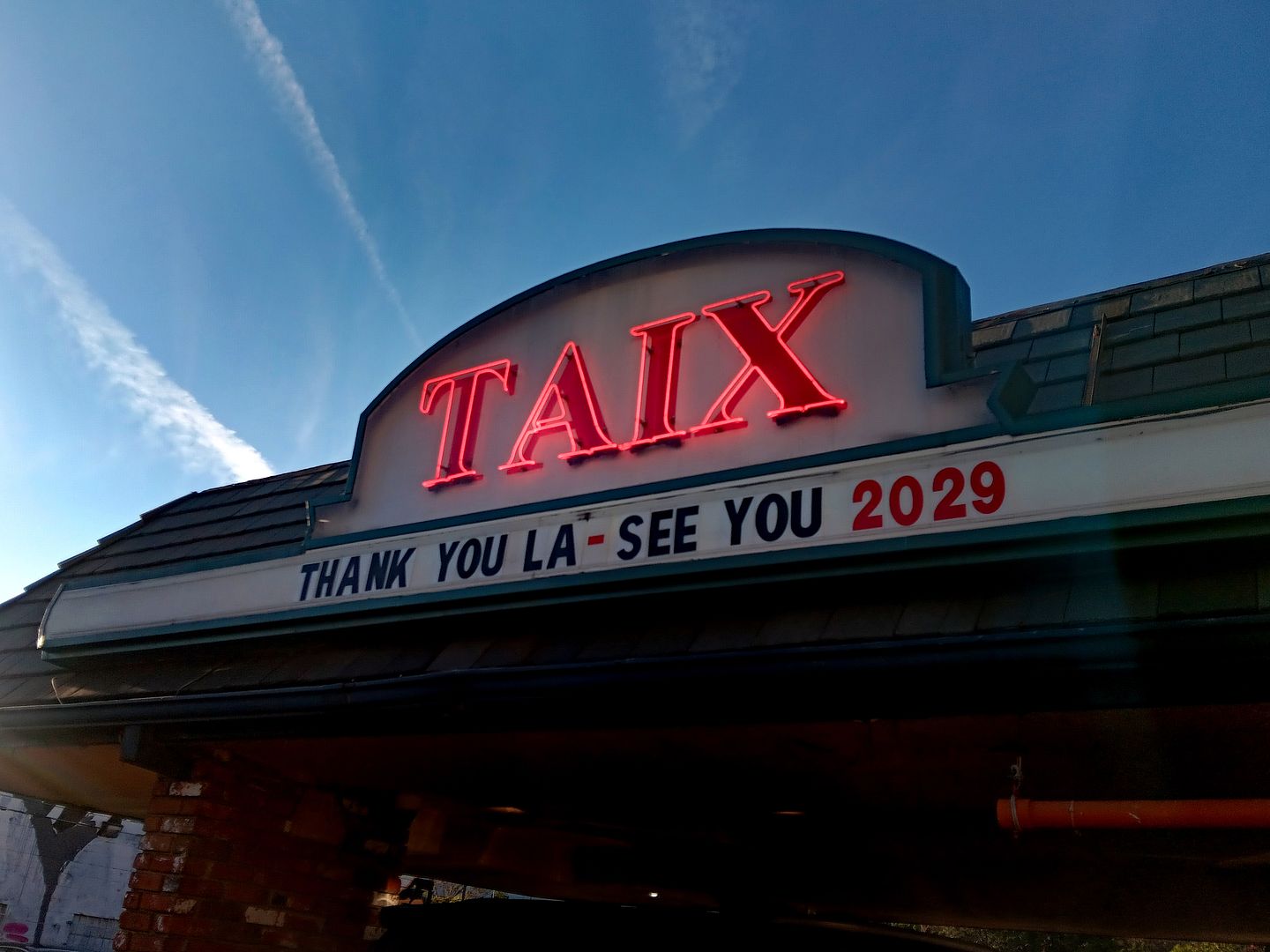
Merci for the Memories, Taix—LA's Incredible Shrinking French Restaurant, Since 1927 [Updated for 2026, Closed]

[Last updated 3/29/26 9:42 PM PT—Taix served its final meal tonight, and the current version is now permanently closed at age 99. The plan is still for a much smaller version of it to reopen in the new residential high rise that will spring up in its place. Photos and commentary from my last dinner there can be found at the bottom of this post.]

Photo taken March 26, 2026

August 20, 2020

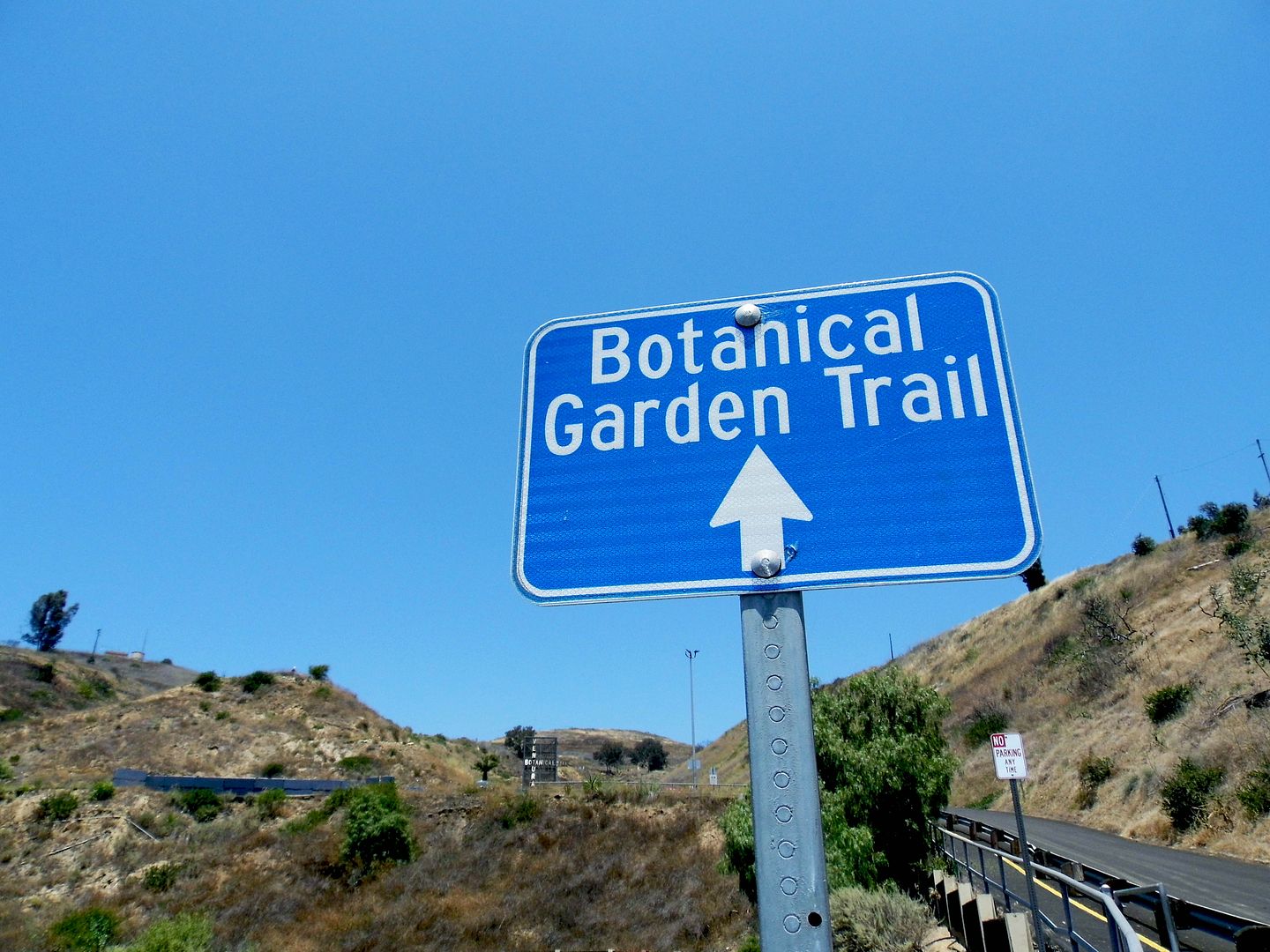
Starting Over Again at Ventura Botanical Gardens, Ravaged by Wildfire

It was one of those places I kind of knew about and had vaguely added to my list—but being located in the city of Ventura, I'm usually whizzing past it along the 101 on my way somewhere else (or on my way home from somewhere else).

And then the Ventura Botanical Gardens—located in Grant Park, on land donated by the Grant family over 100 years ago—closed for nearly a year after getting scorched in the devastating Thomas Fire at the end of 2017.

Nearly every plant perished. But the recovery efforts managed to much of the vegetation. And now, it's difficult to tell that it ever burned at all (with one exception, which I'll get to at the end of this post). 


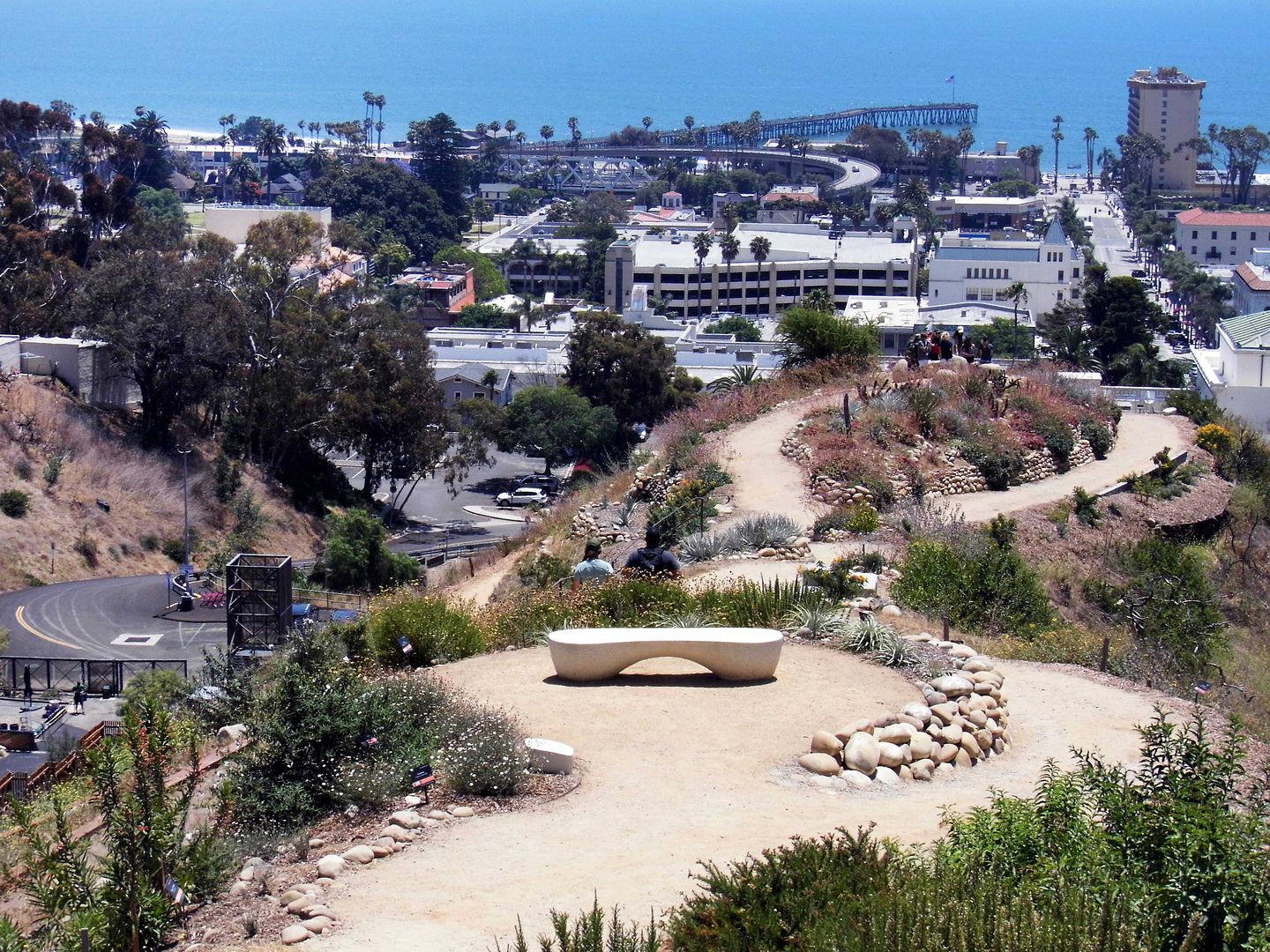
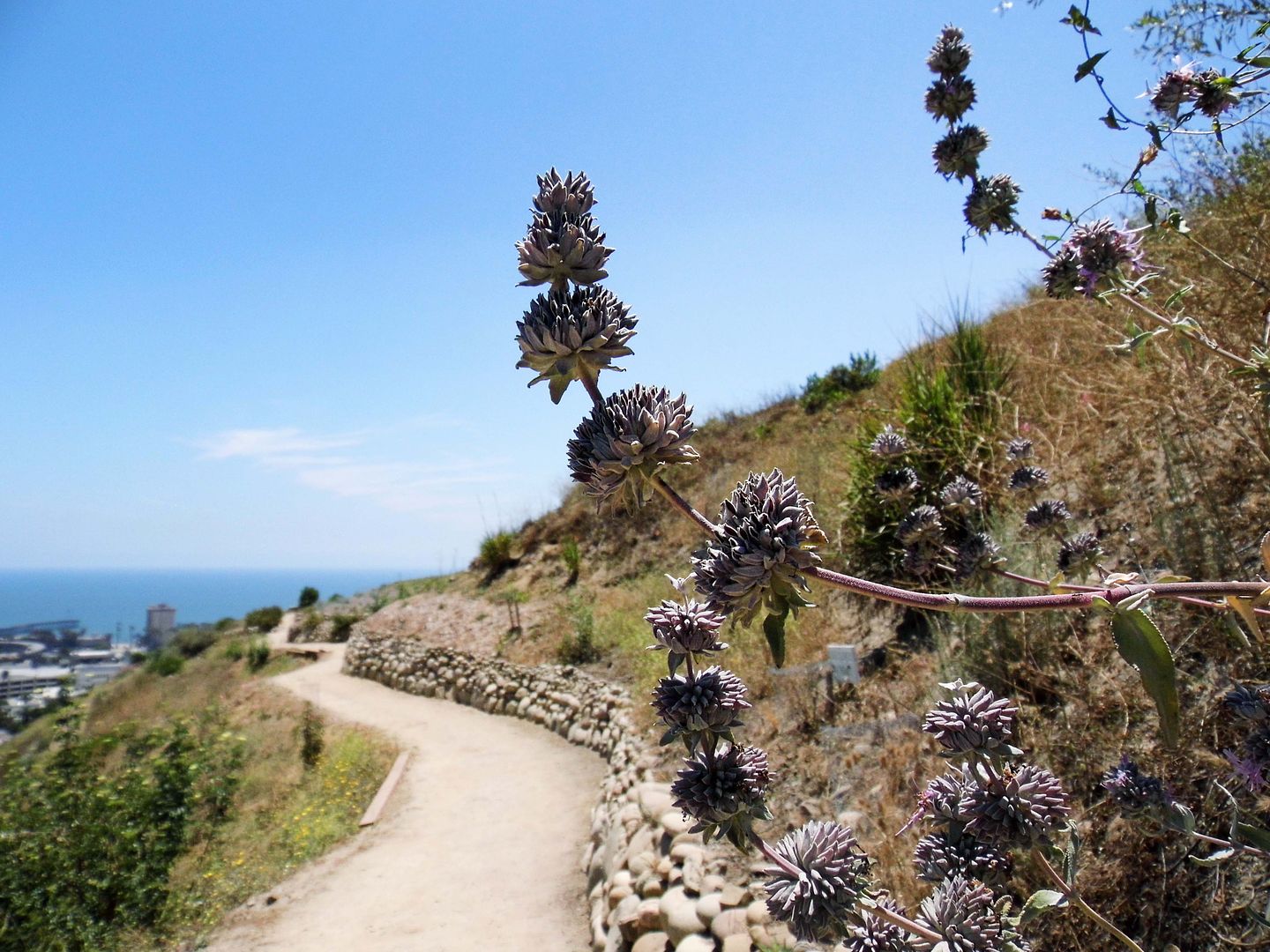
Located on city-owned land behind Ventura City Hall, the Ventura Botanical Gardens embraces the local Mediterranean climate by grouping its plantings by theme—California Natives, South African Cape, and Chilean gardens.


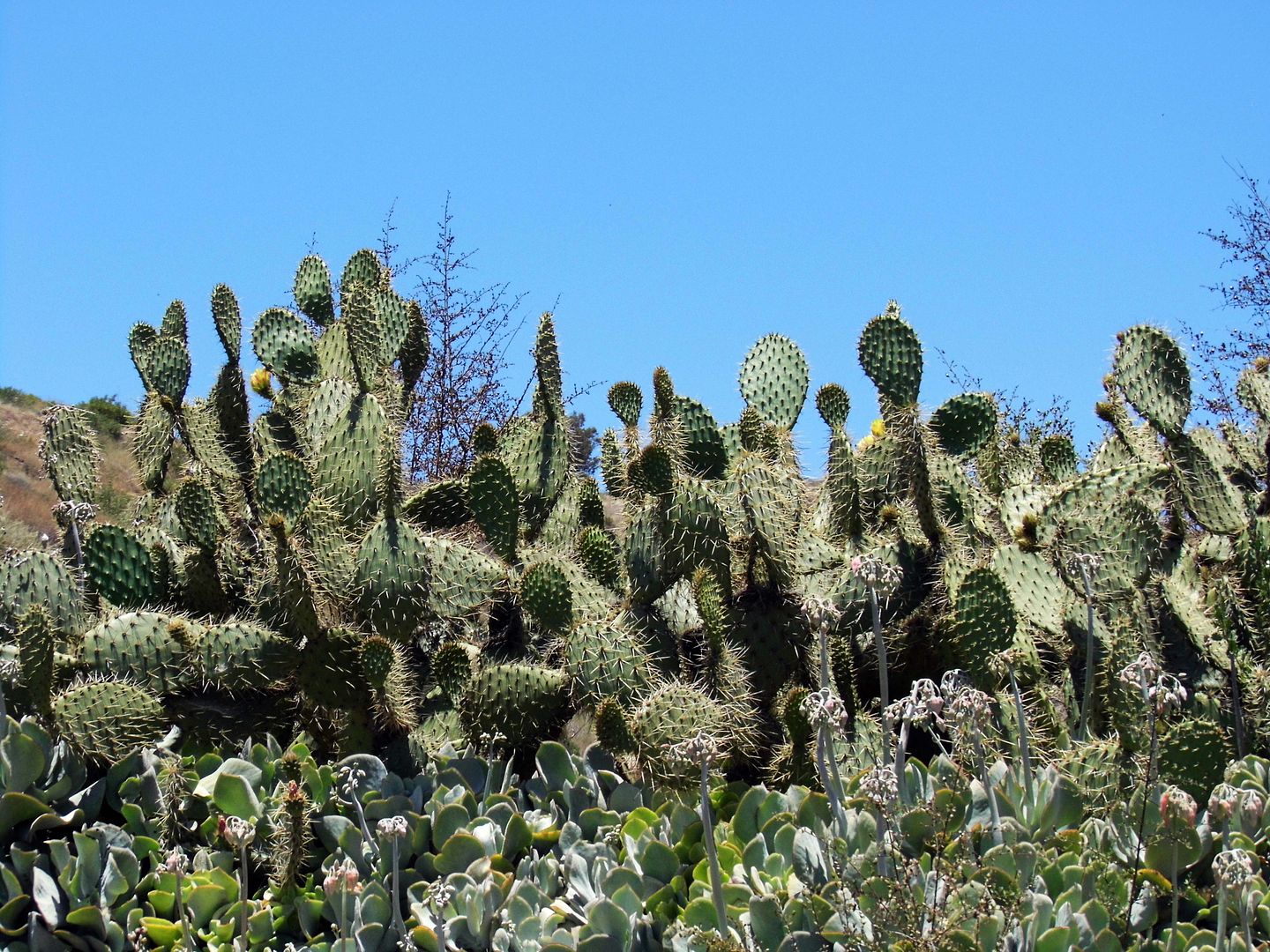
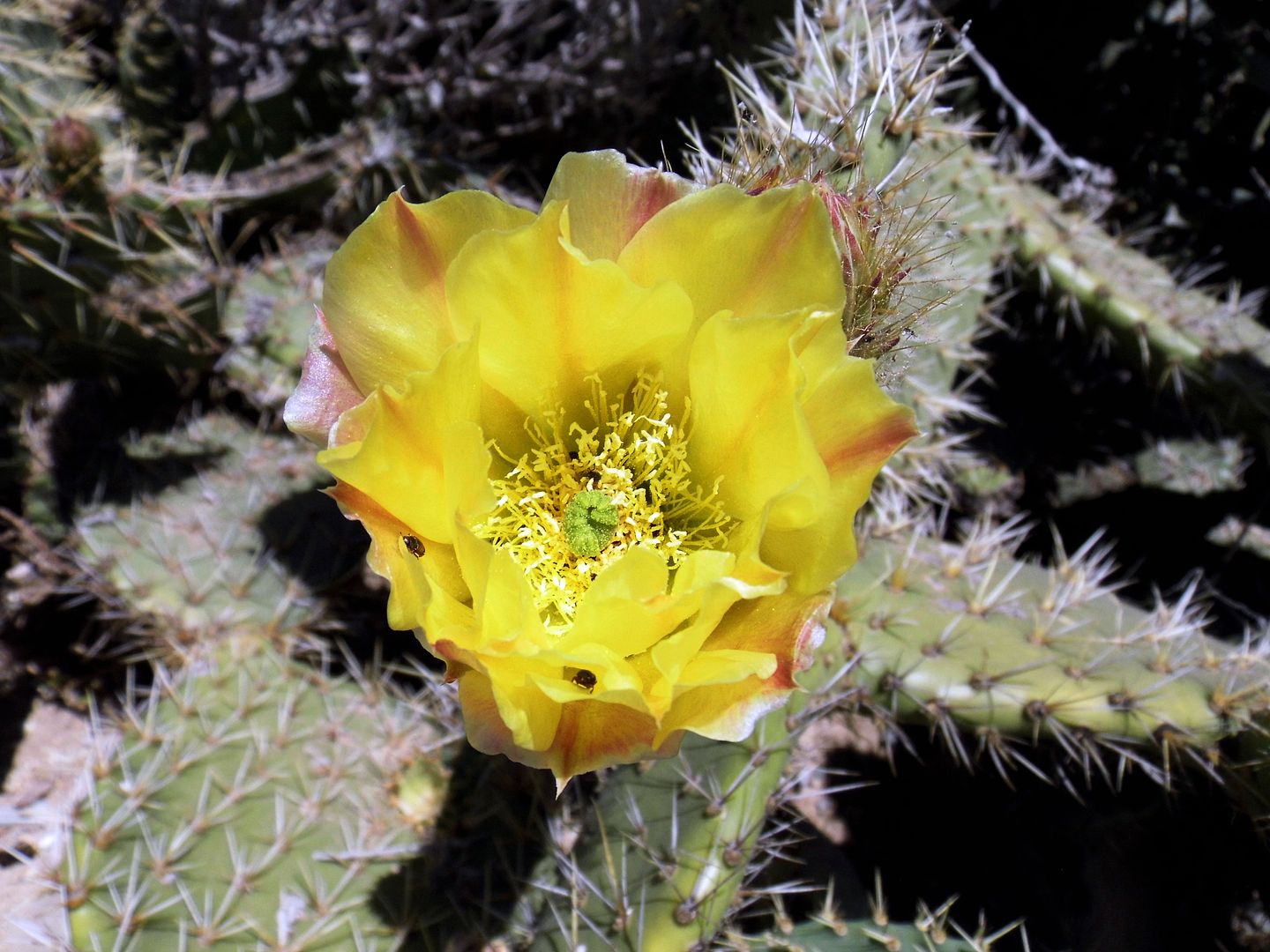
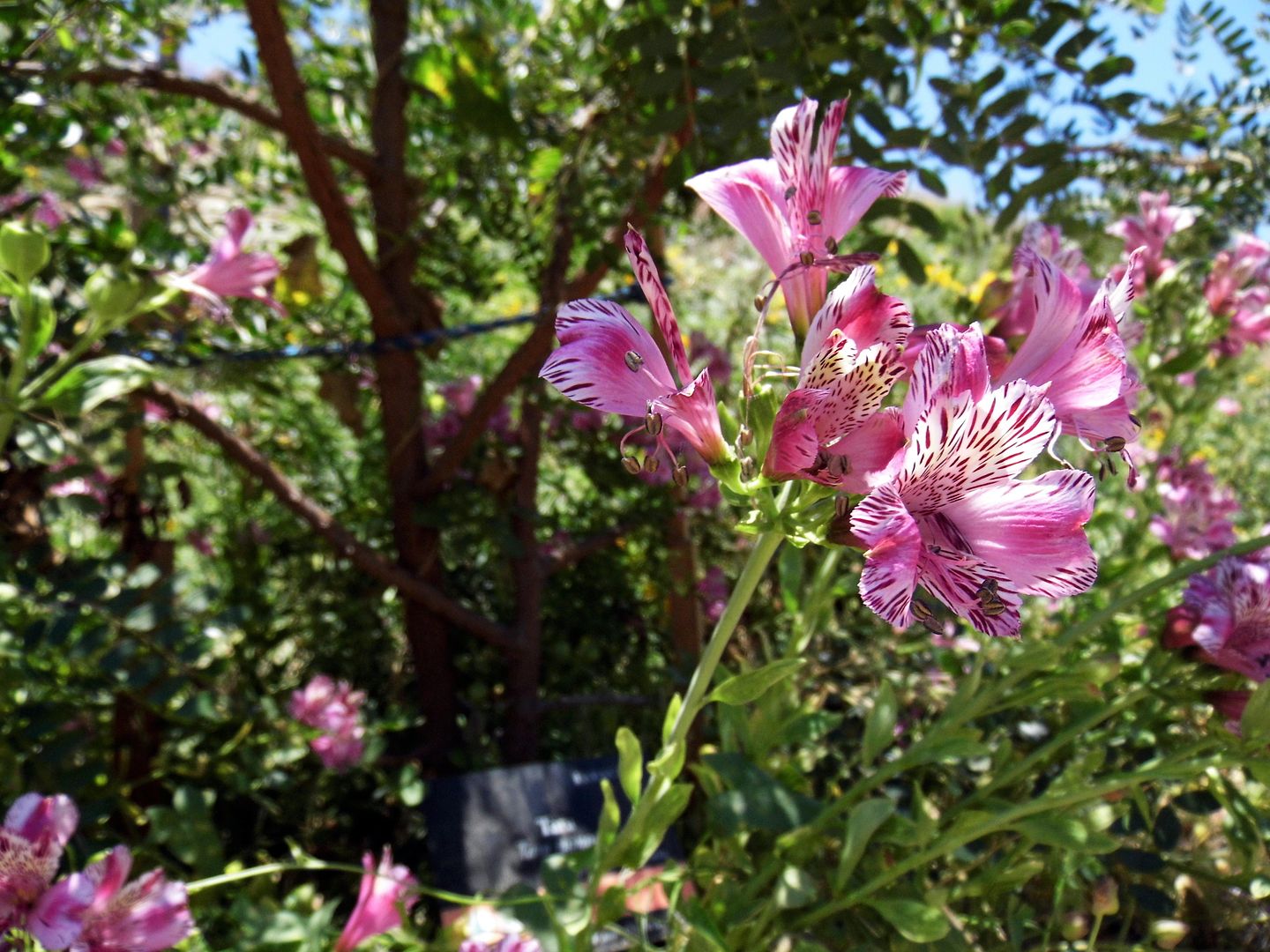
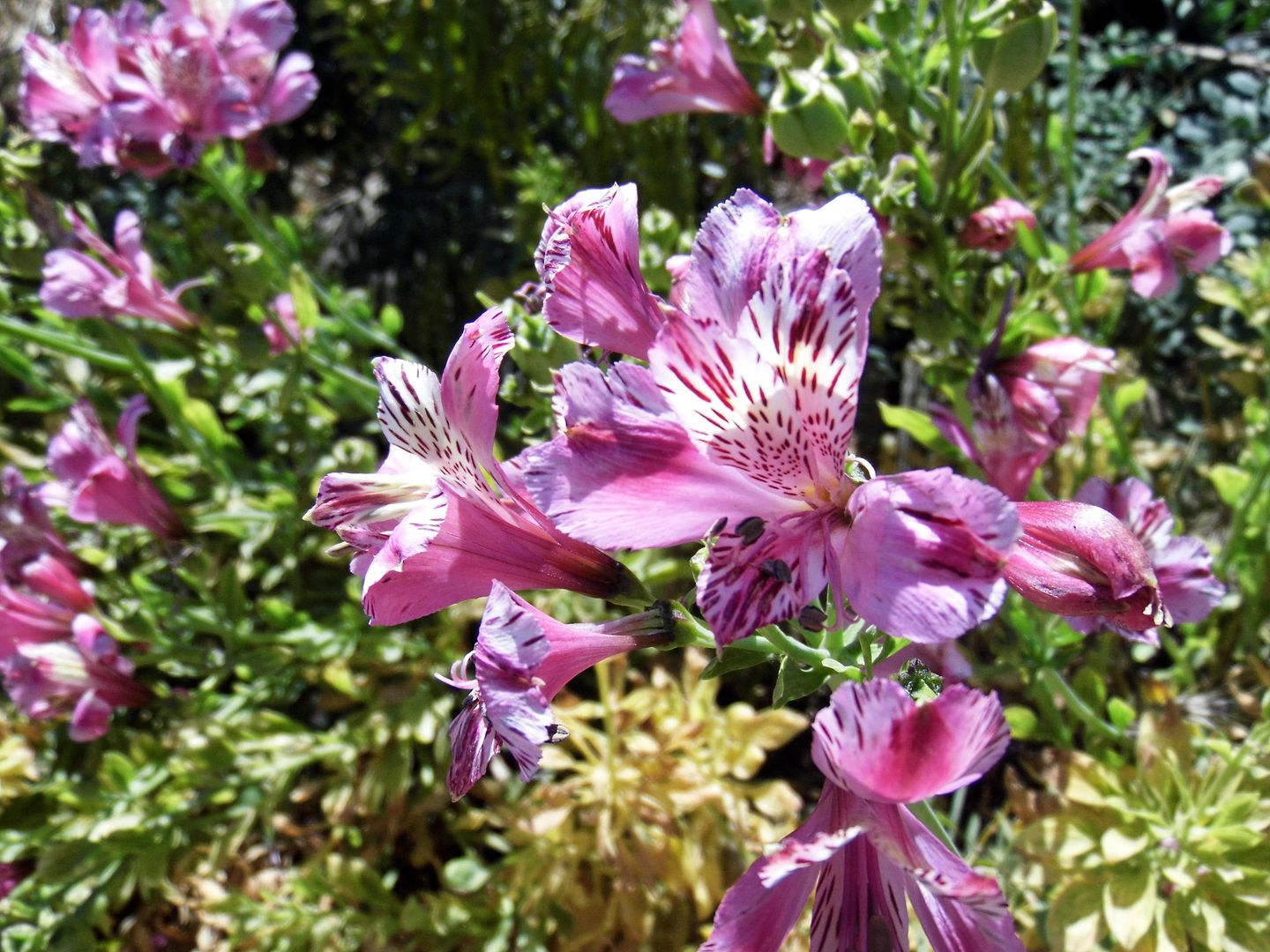
The lower portion—accessible from the parking lot—represents plant species from Chile, including representatives of 180 species of cacti as well as endemic and rare plants of that region.


The Chilean matorral plant community is actually similar to Southern California chaparral, so it's not much of a stretch. The major difference is that Chilean flora have practically zero resistance to brushfires.


But considering how decimated the landscape was after the fire, it's incredibly lush now.


I embarked on the Demonstration Trail, starting at the bottom of the hill at the newly-built visitors center and passing through the new nursery area...


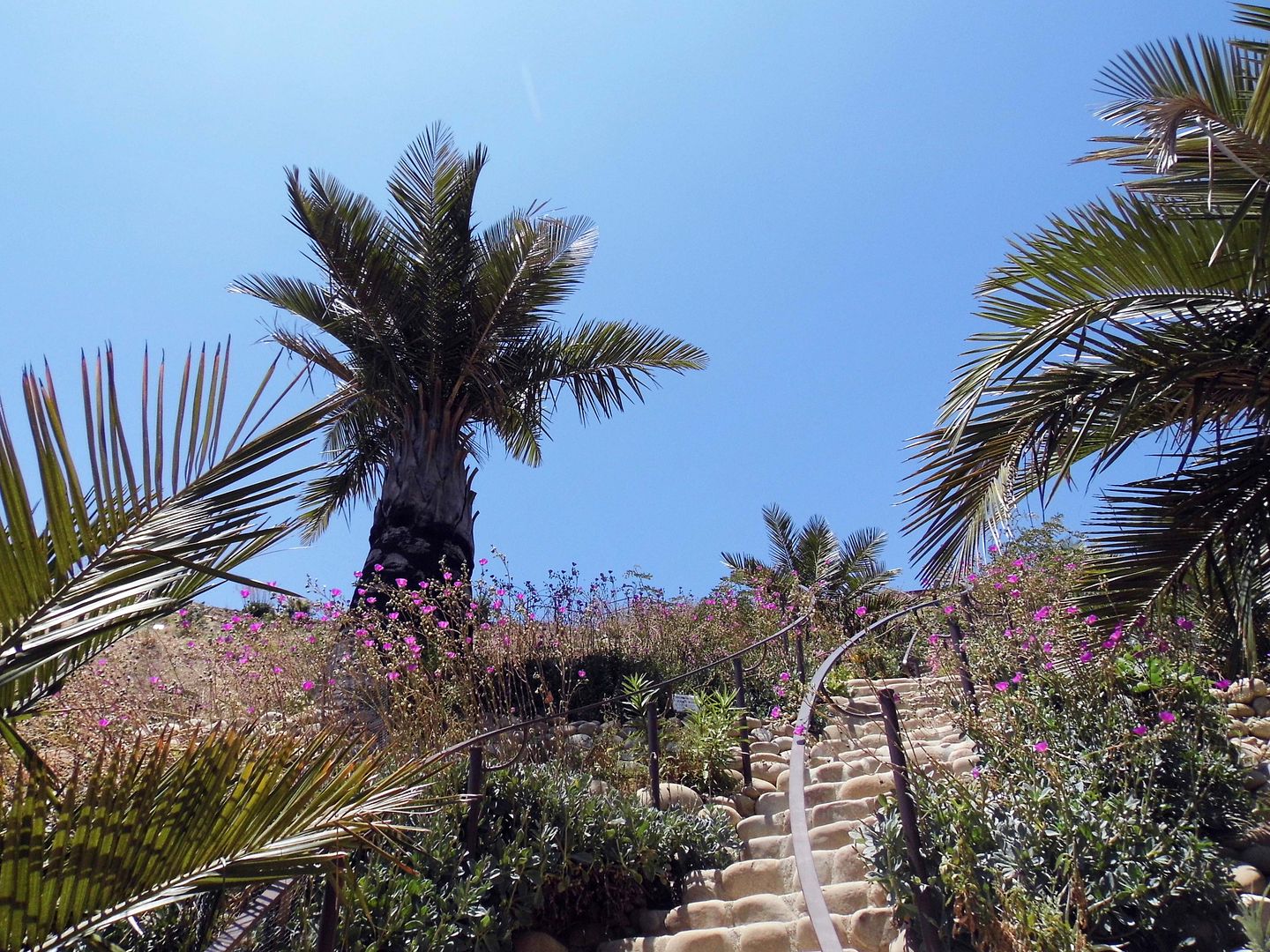
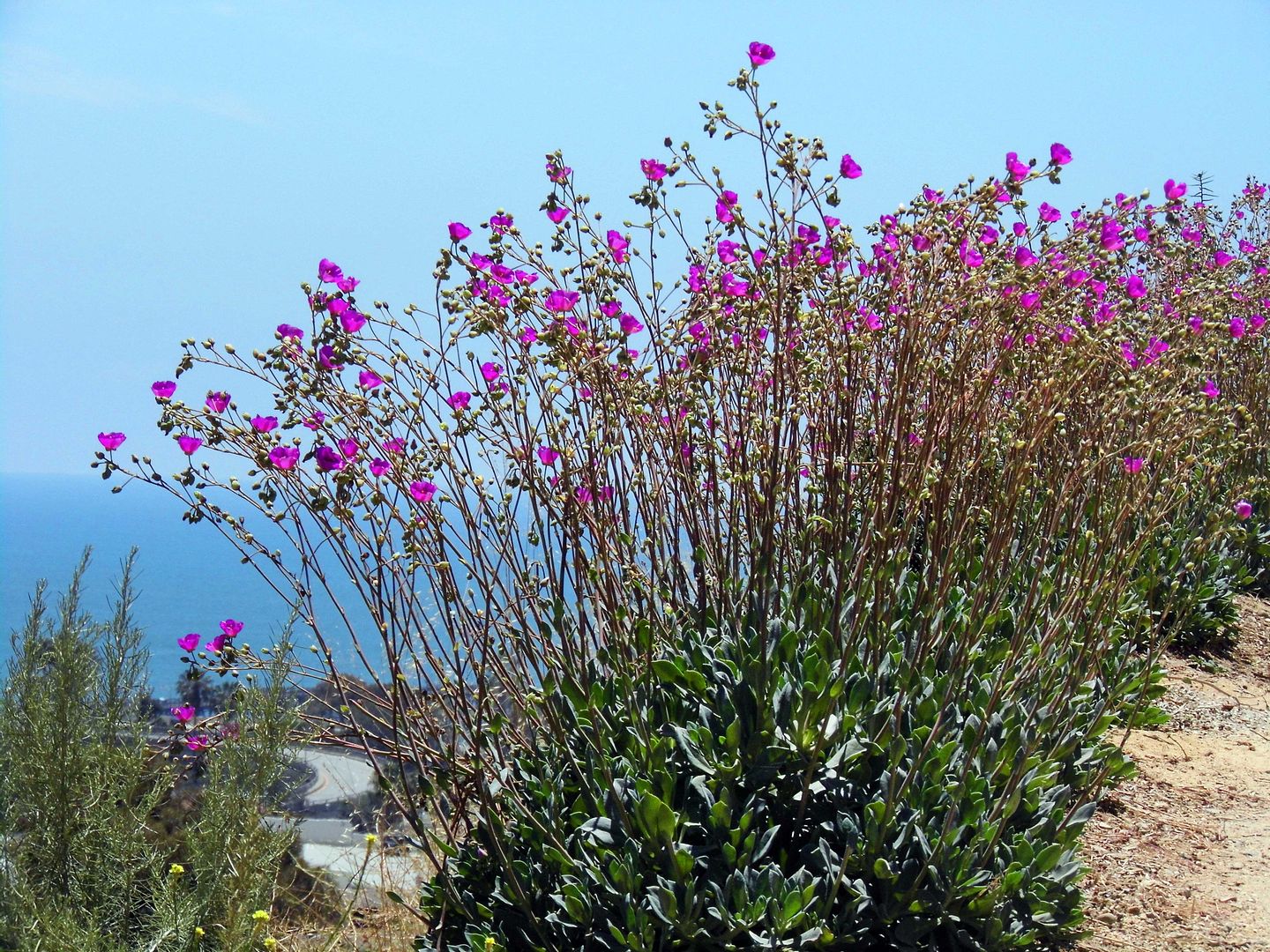
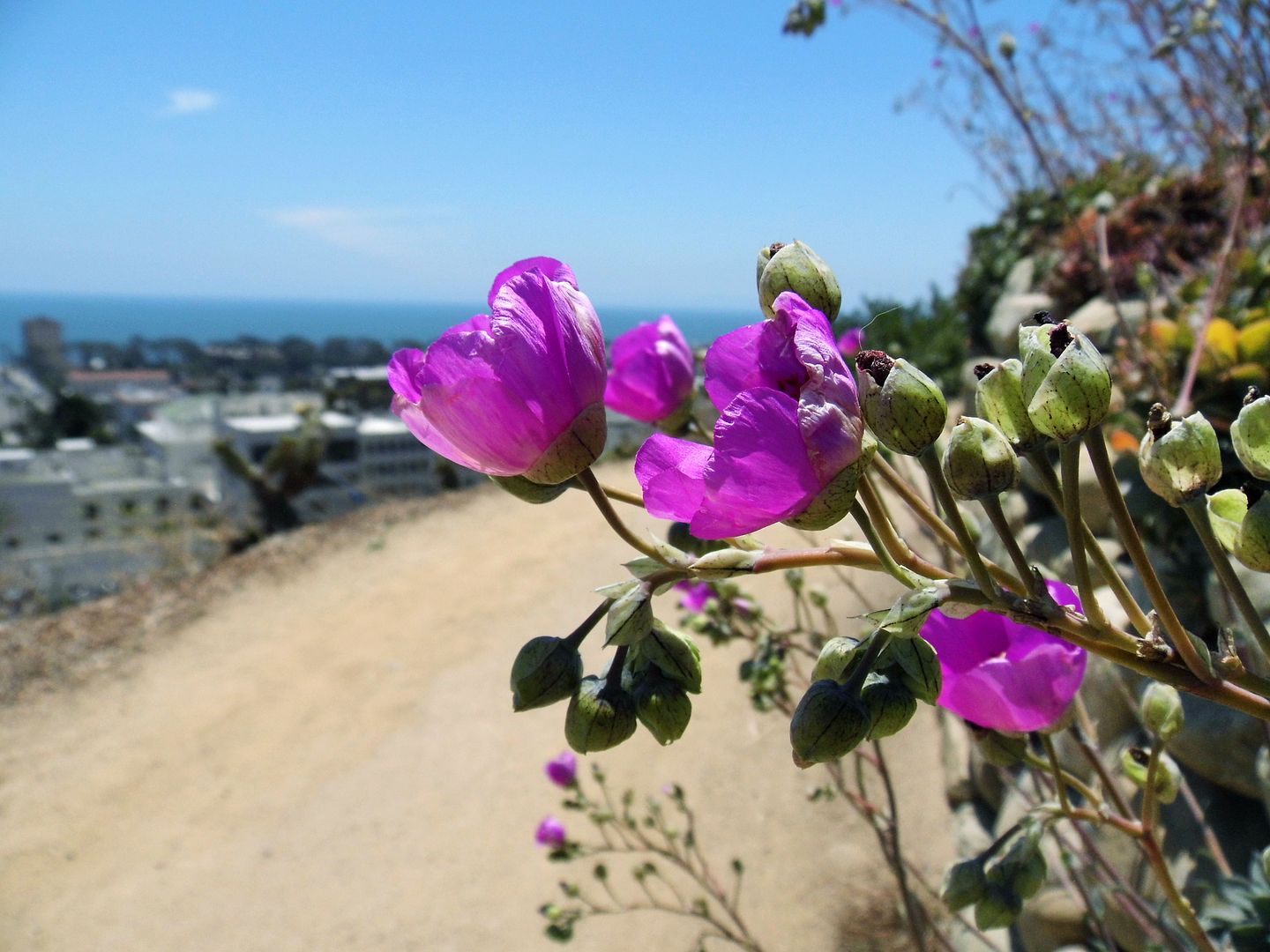
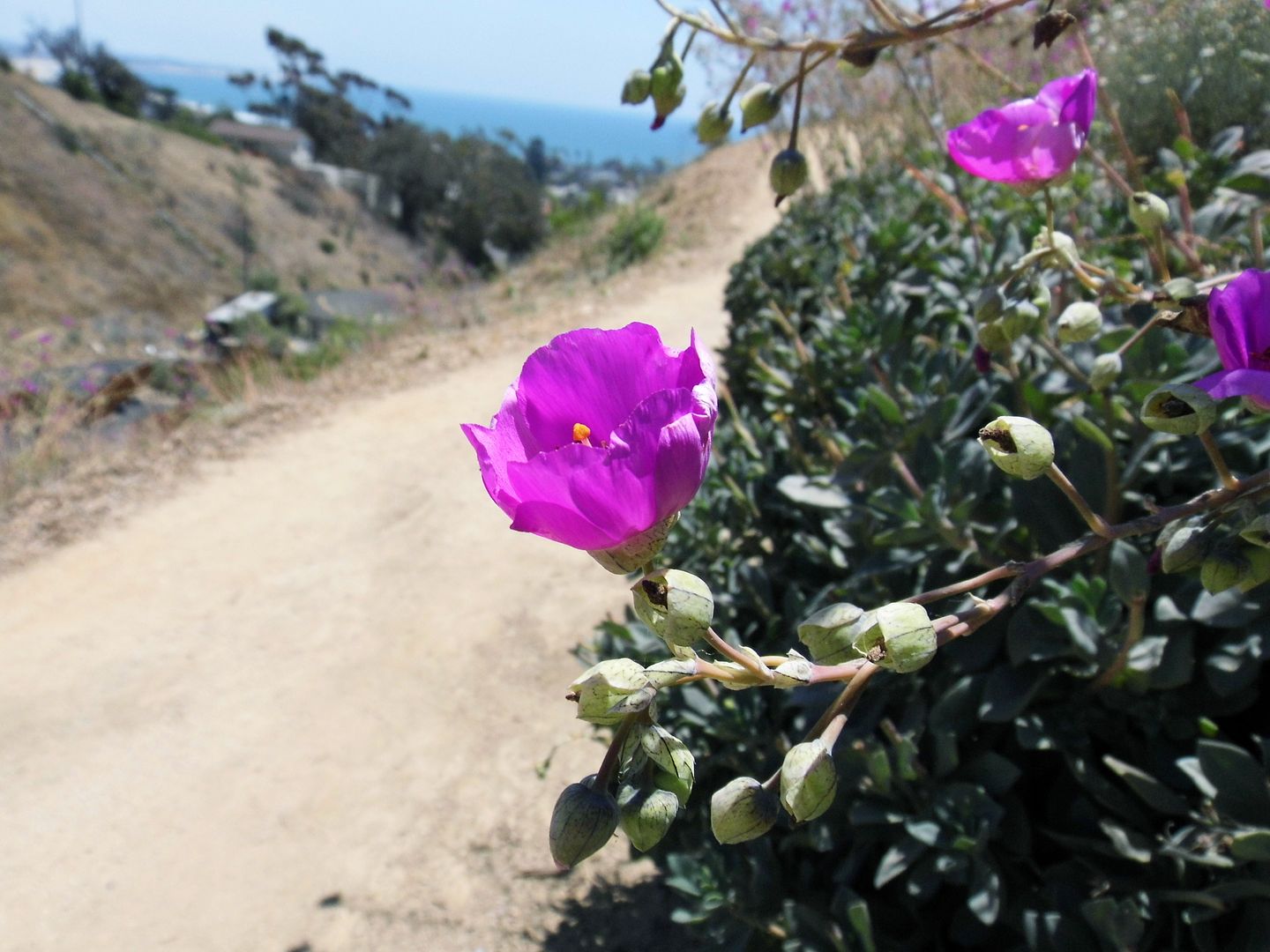
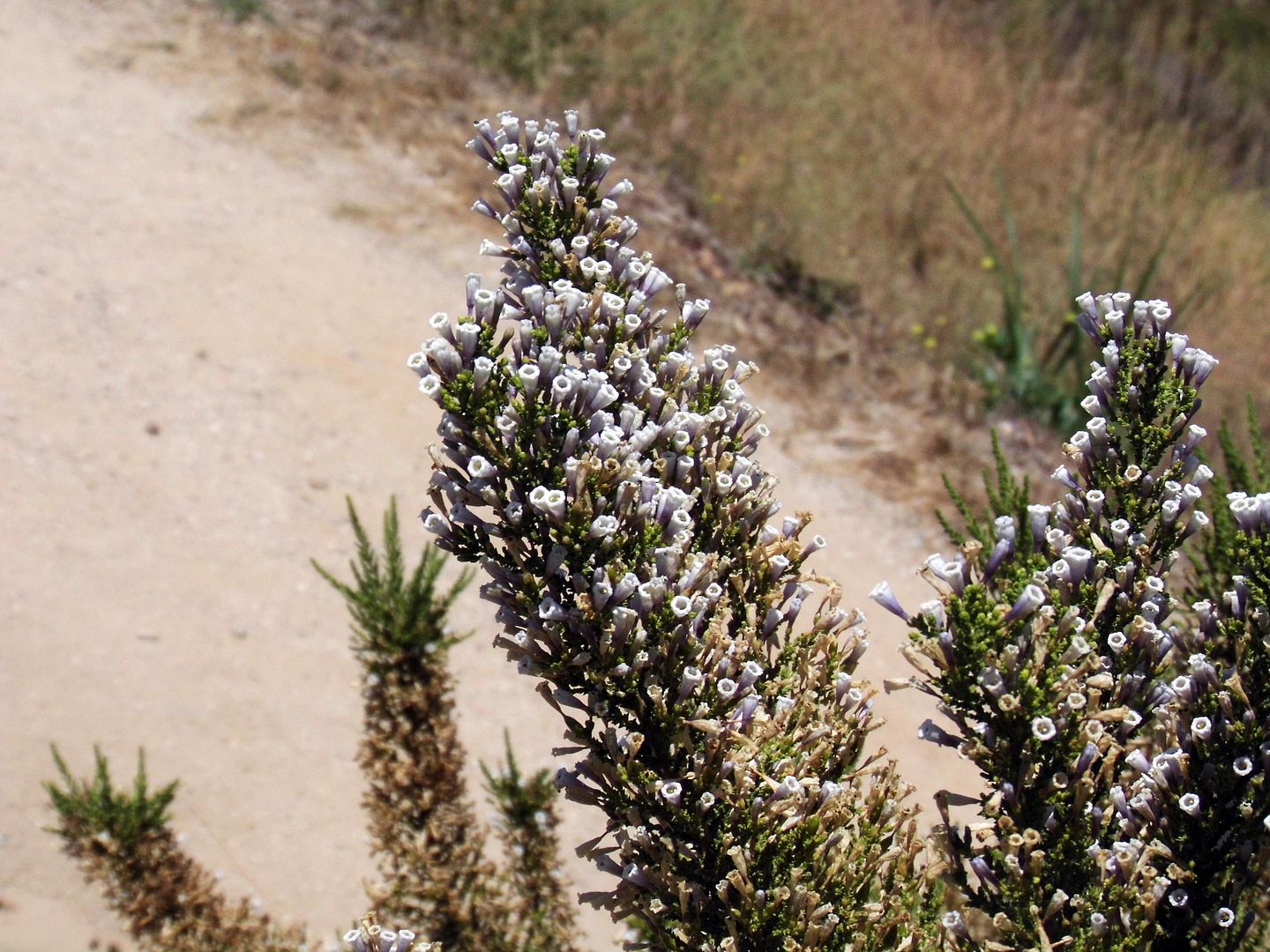
...climbing up stone stairs, past stretches of doquilla (a.k.a. Pata de Guanaco, Cistanthe grandiflora) that breached the trail boundaries...


...and soaked up the sun as they ornamented the path upwards.


Although 6,000 or so plants have been replanted (with some additional ones actually surviving the fire)...


...the complete development of almost 107 acres won't be completed until 2050.


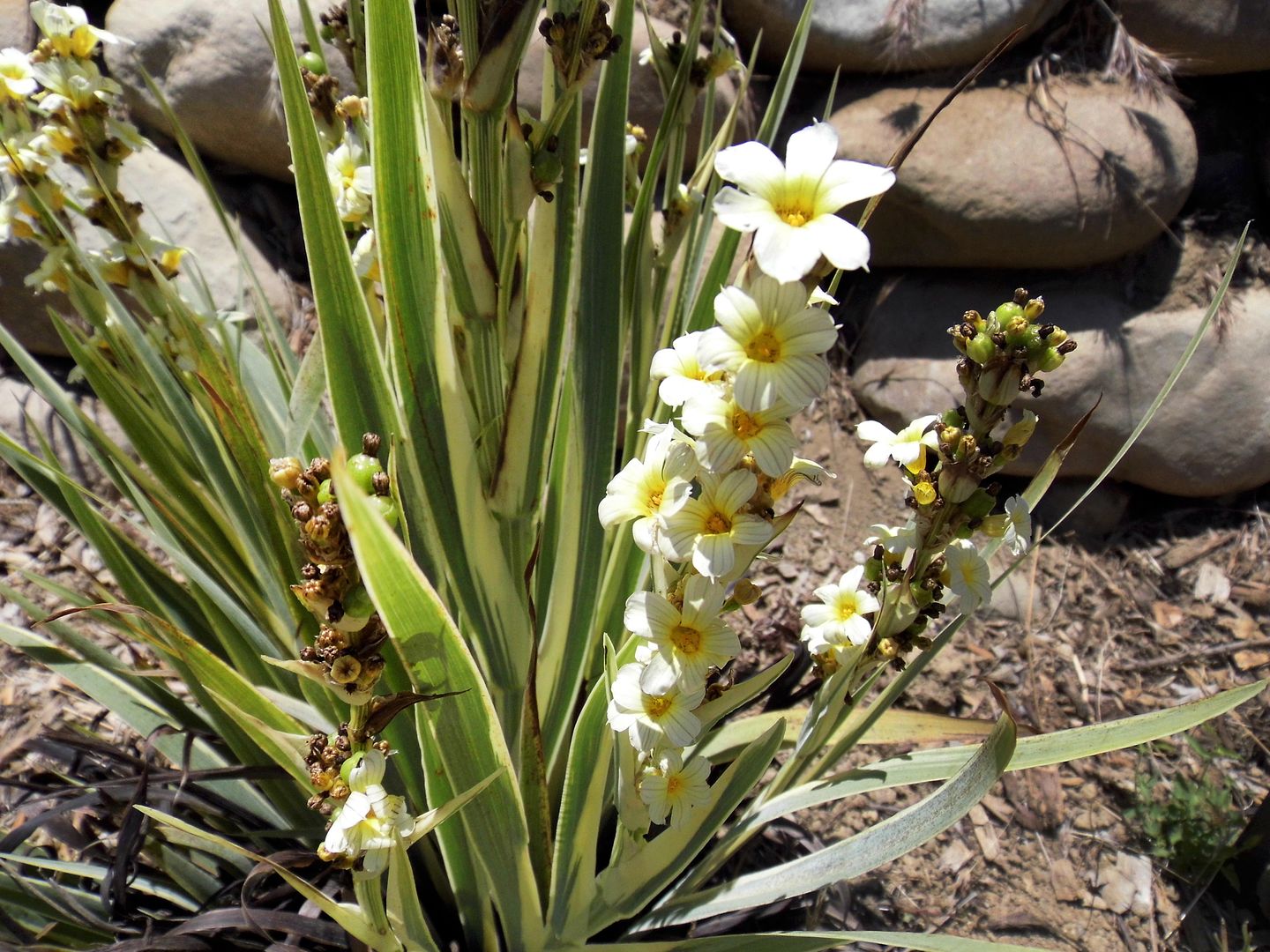
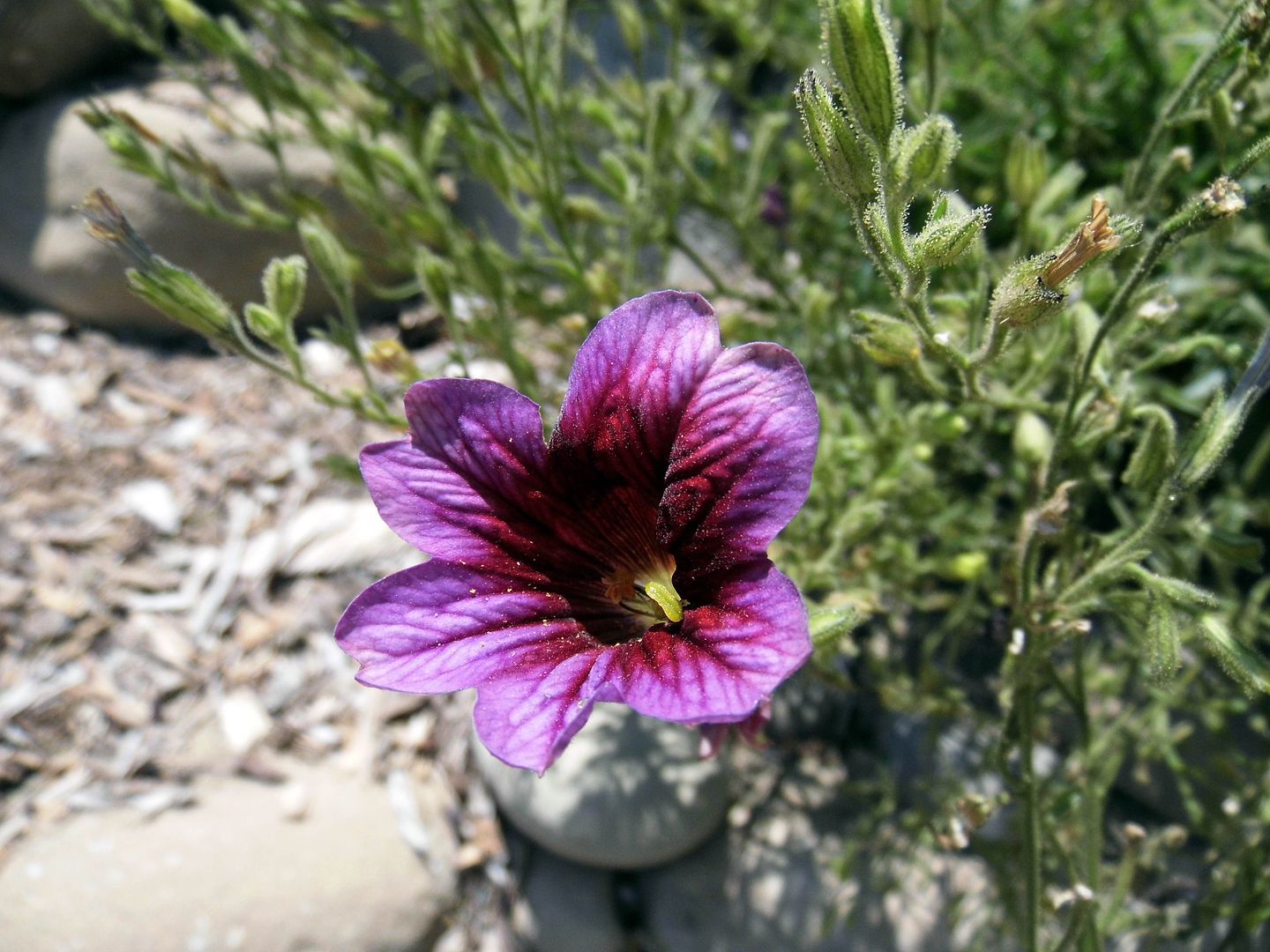
As much as there is to see in the lower gardens—like the perennial Chilean "Aunt May" (Sisyrinchium striatum)—there's even more to be added in the upper gardens.


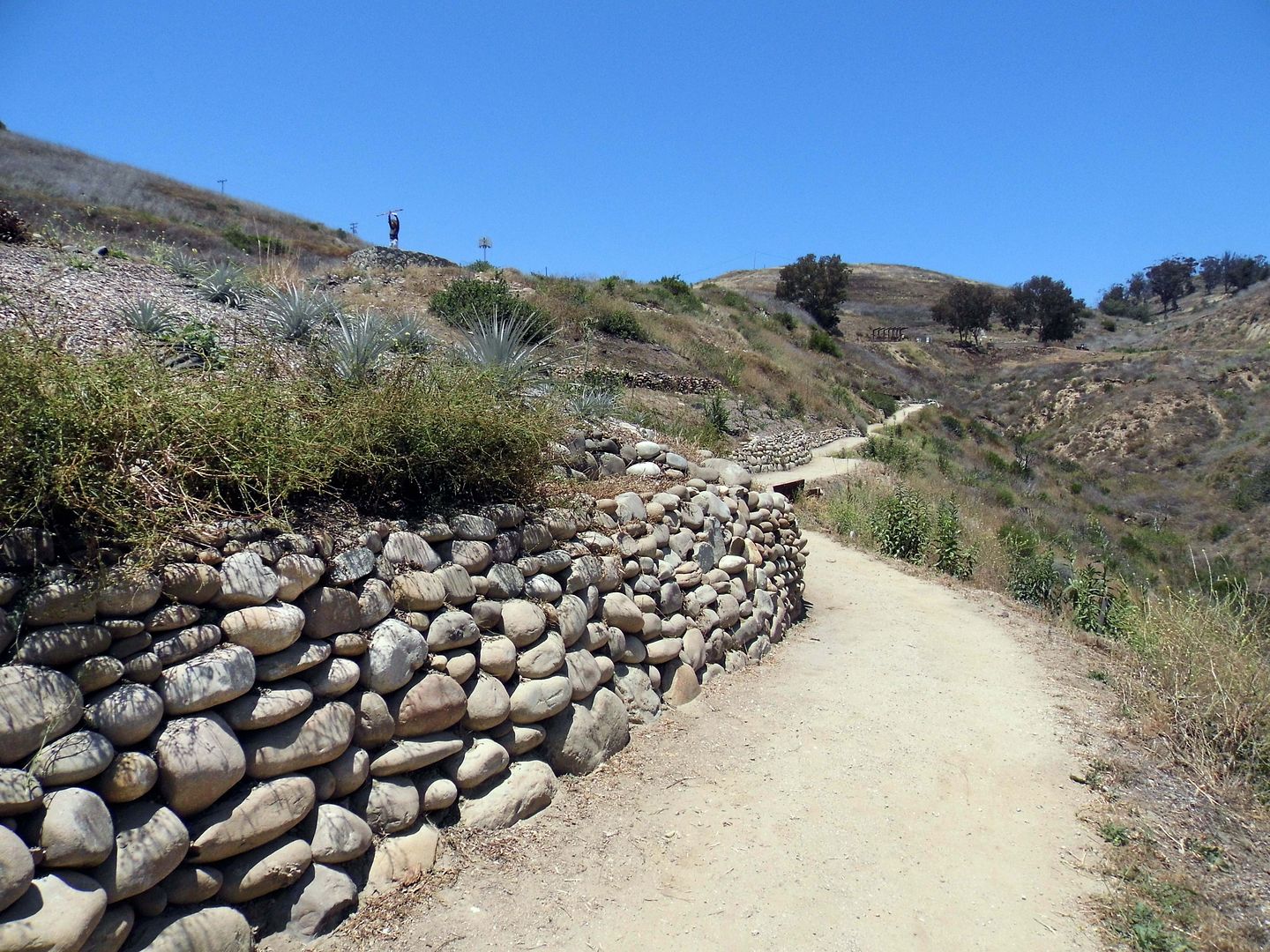
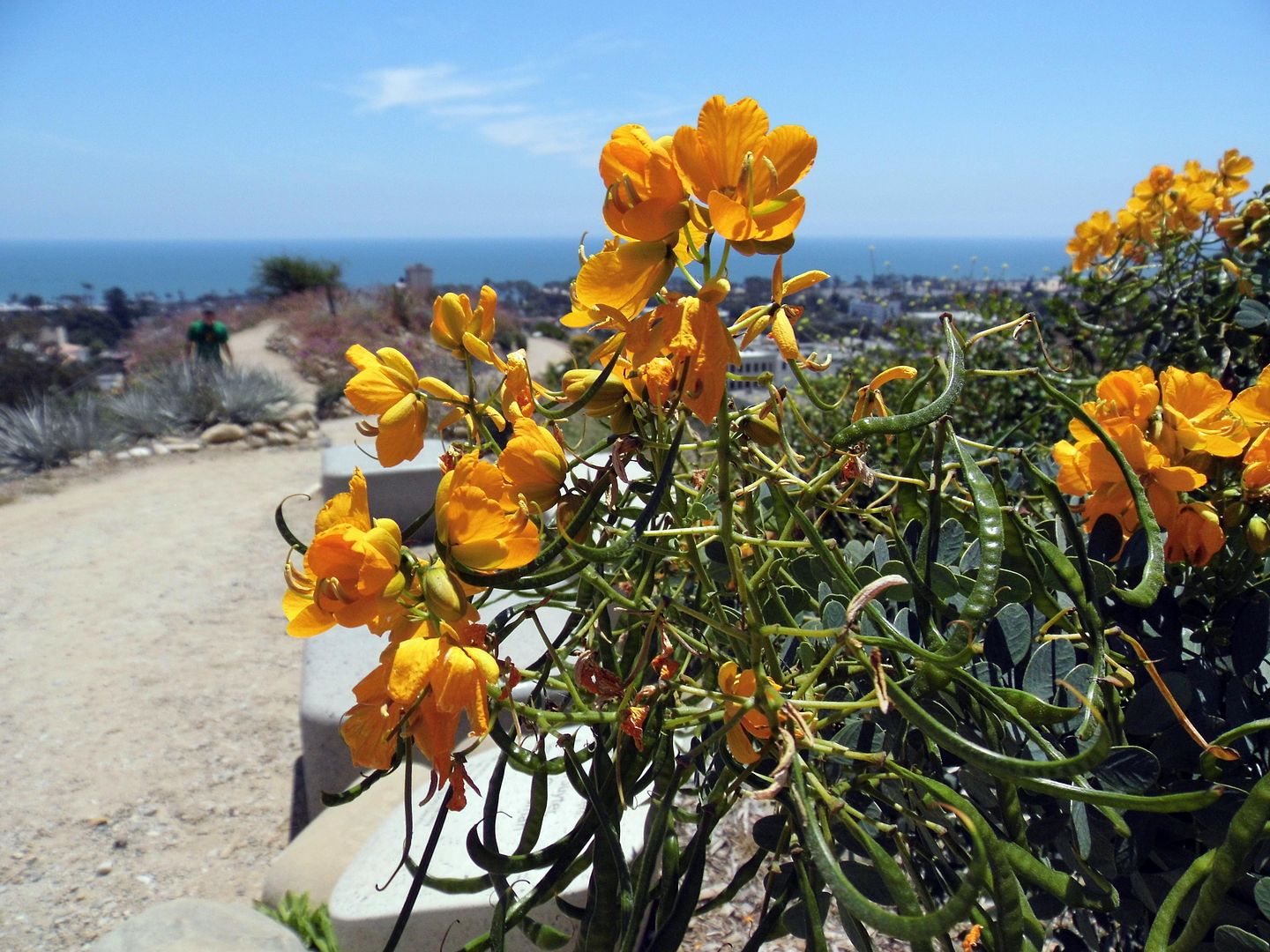
The inflorescences along the rock-lined walls began to fade as I gained elevation—but then again, it was summer. I barely expected to see any blooms with the temperatures so hot, even with the Pacific Ocean in view.


The gardens are a relatively new addition to the city of Ventura—first envisioned in 2005, with a lease for the land signed in 2011 and much of the trail work done in 2012.


In fact, many of the plants that ended up getting charred (some, to death) in the Thomas Fire had only been planted maybe two or three years before—and in some cases, maybe less.


But fortunately, the non-profit that operates the gardens built it back better than before.


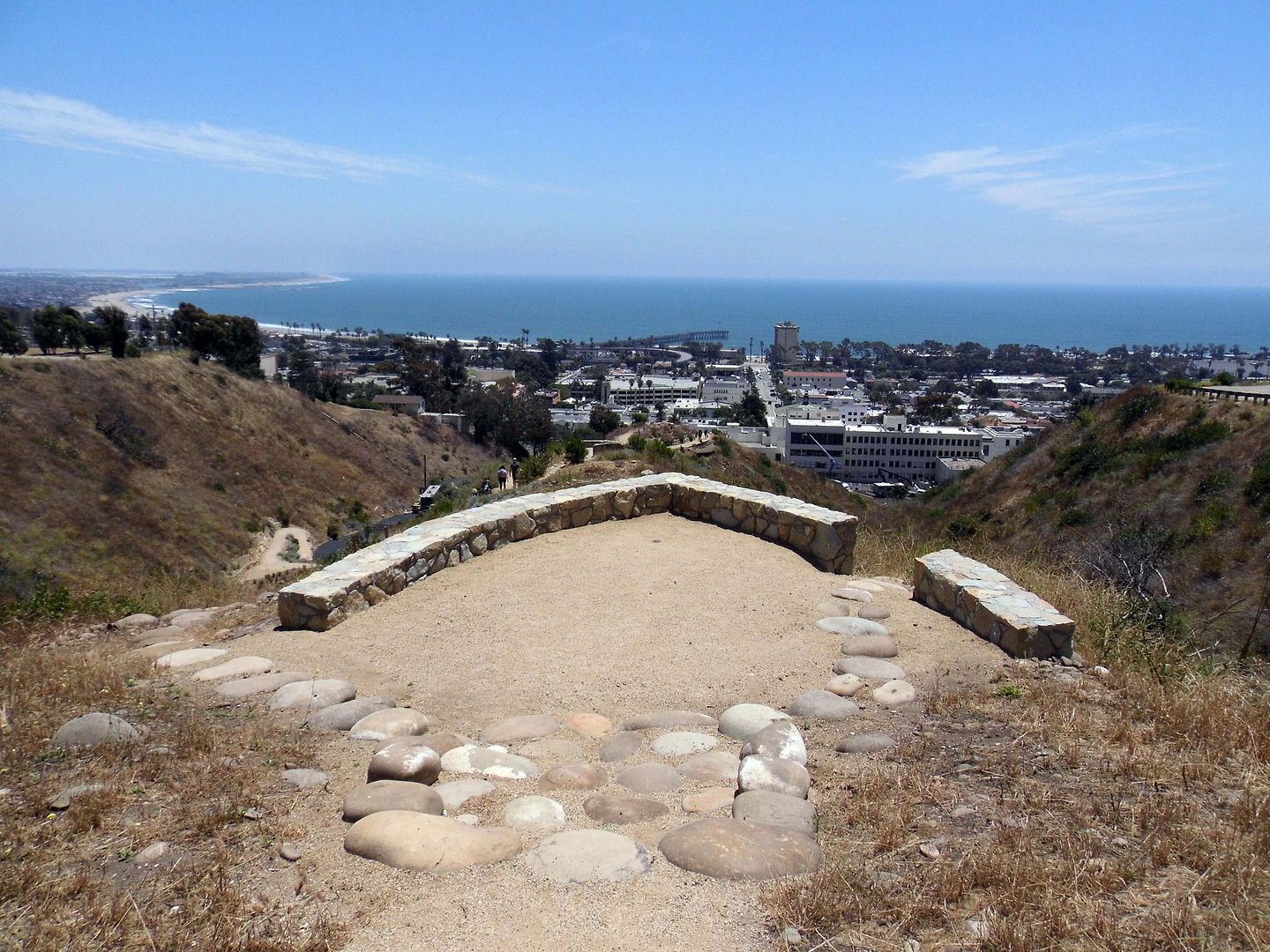
And when it's done, it'll encompass all five of the major Mediterranean climate zones of the world—enjoyed with multiple viewpoints and 360-degree vistas (with the Channel Islands in view on a clear day). 


It's so steep that the Master Plan accounts for a funicular or gondola to help transport visitors from the bottom to the top (or from one vista point to another). No sign of anything like that yet.


And maybe that's for the best—Grant Park has already transformed so much since its past uses in agricultural in the 18th century and as a grazing pasture in the 19th century.


There's one tiny parcel of land within Grant Park—and pretty much surrounded by Ventura Botanical Gardens—that's separately owned but inextricably linked to the city of Ventura.


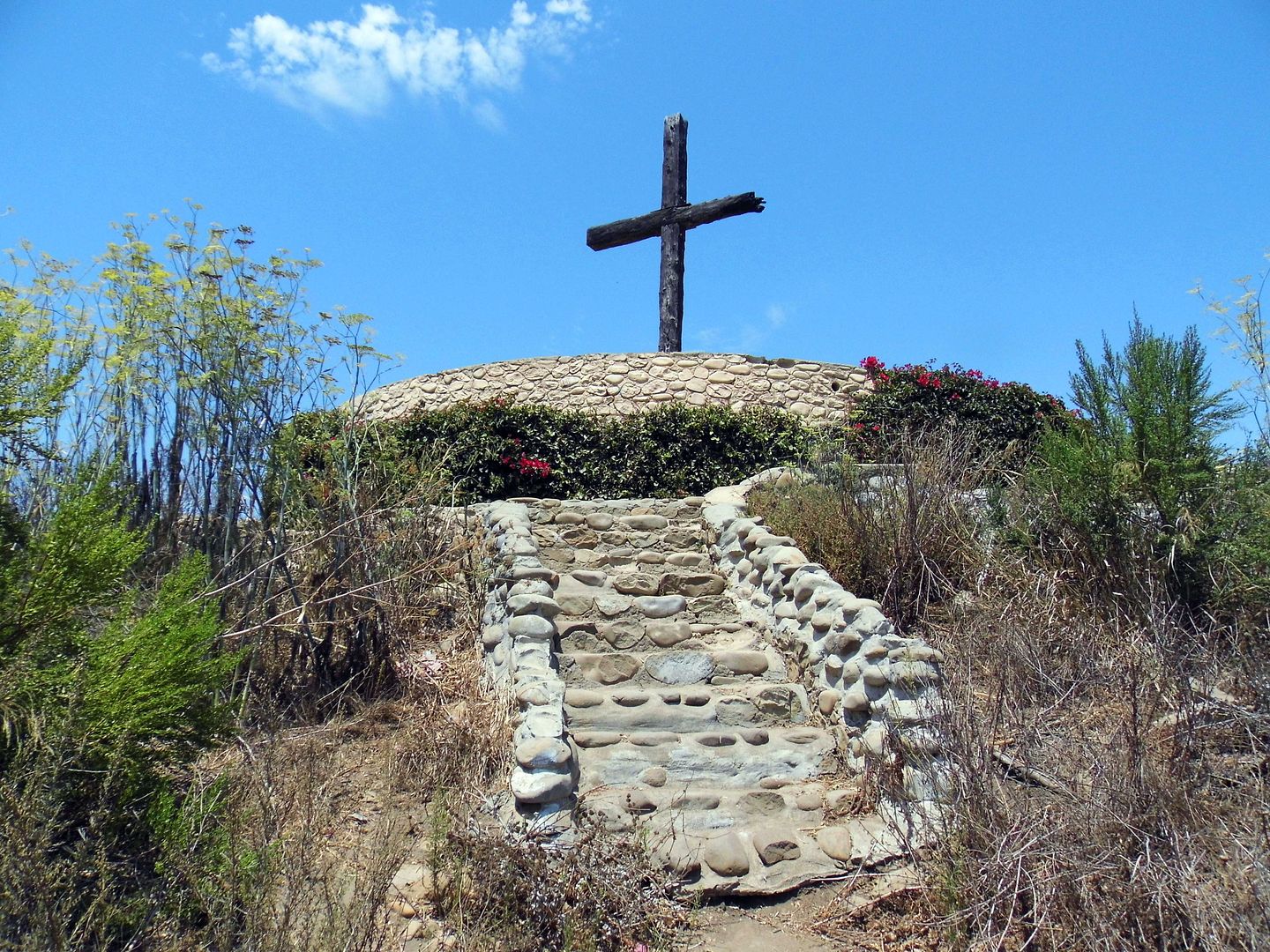
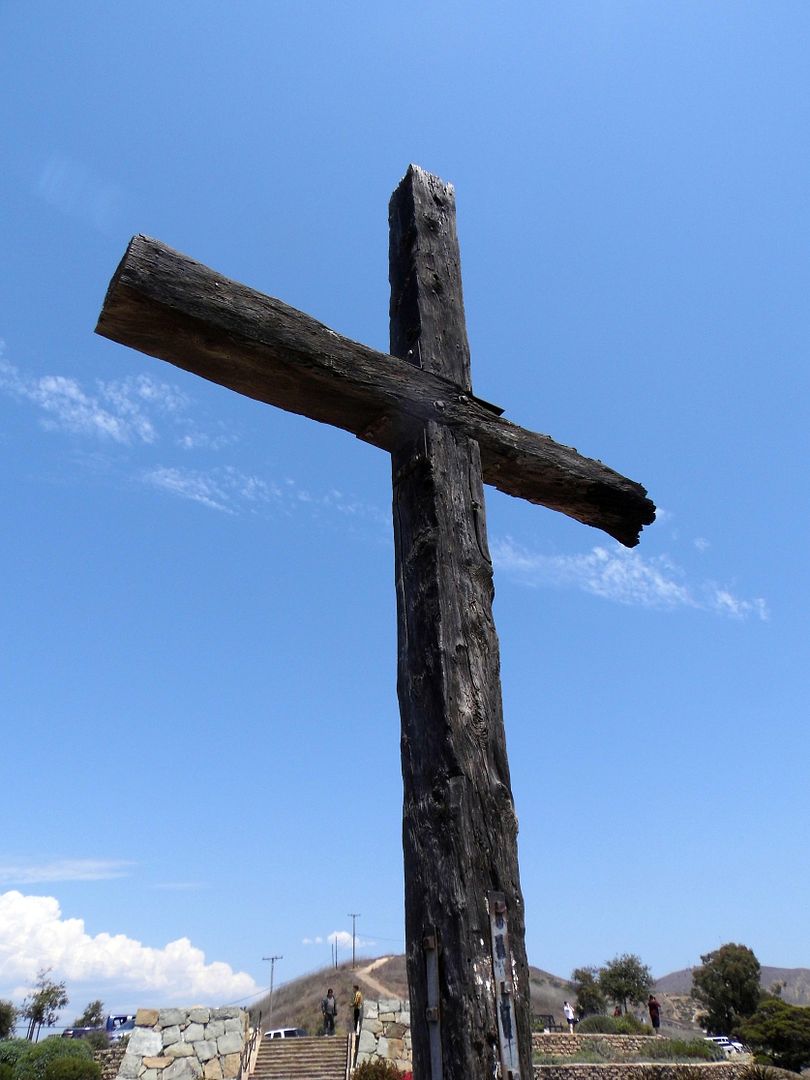
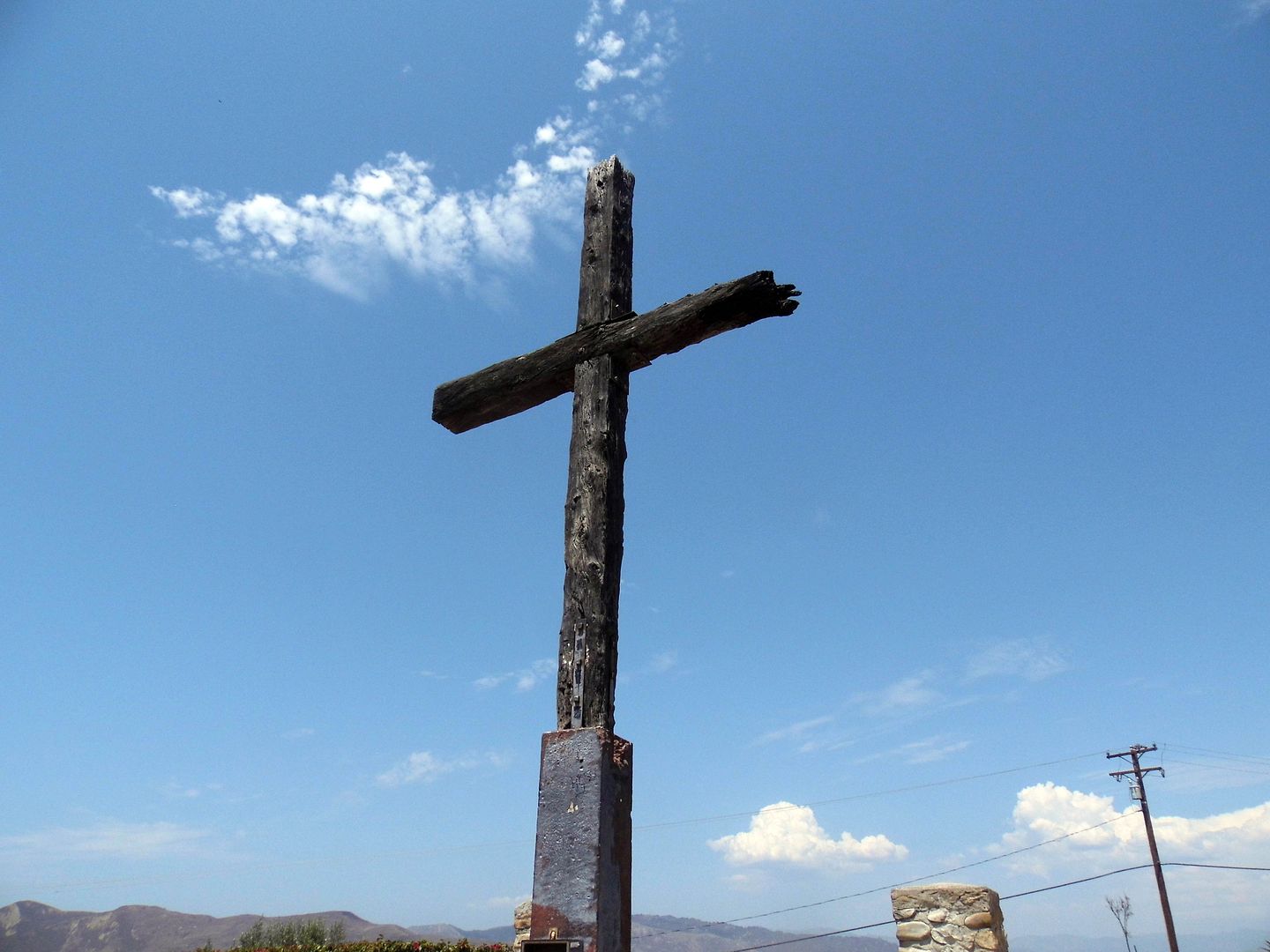
It's the spot on a hill called "La Loma de la Cruz" where legend has Franciscan friar Junípero Serra erecting his "Mission Cross" in 1782—the year he founded Mission San Buenaventura, his final California mission before his death in 1784.


This 1-acre plot, known as Father Serra Park, has been owned by the Serra Cross Conservancy since 2003—the only way such a religious symbol could stay there while maintaining the separation of church and state.


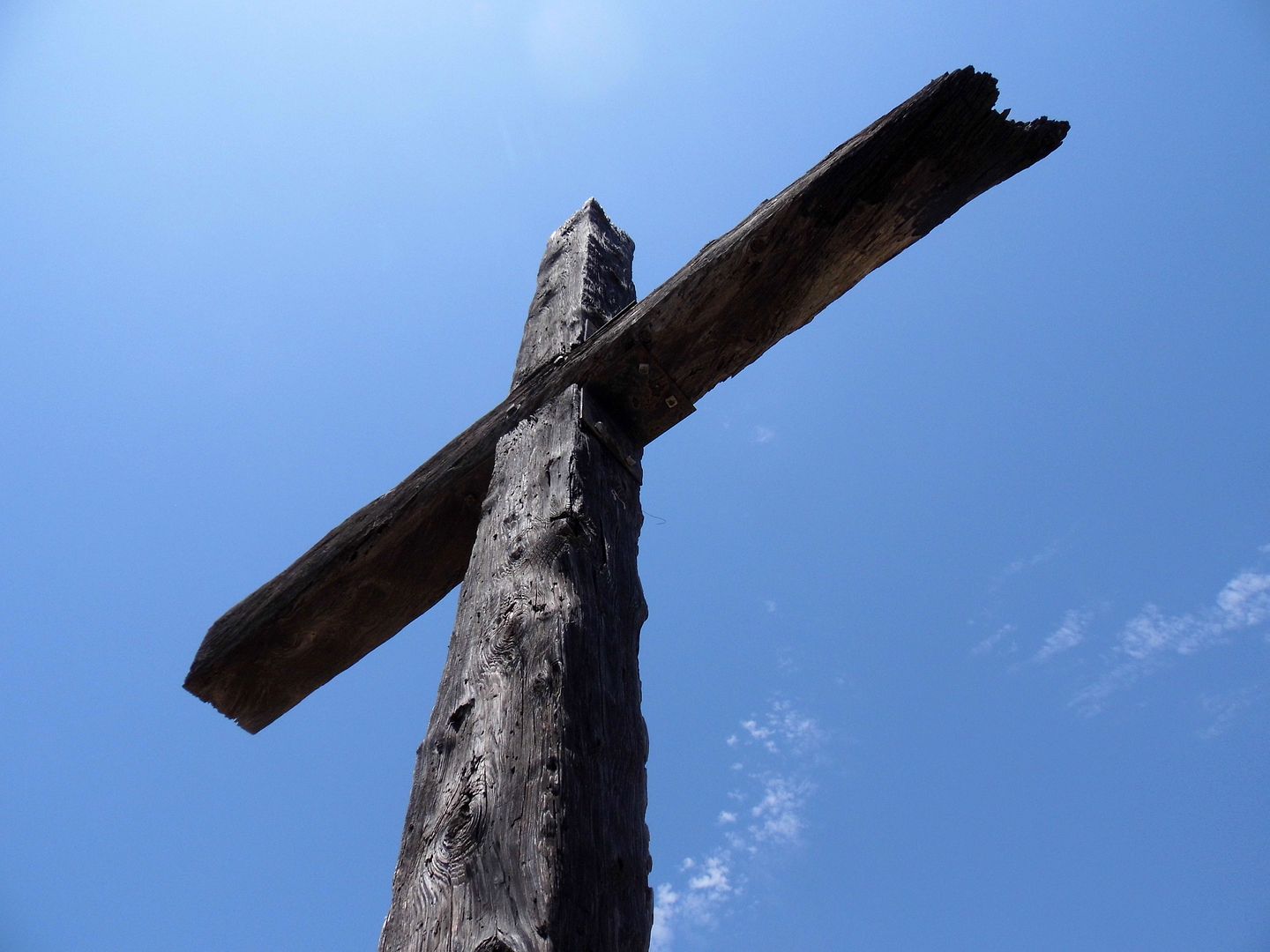
This isn't the original cross, of course—its predecessors having been taking down by fire and wind. This one dates back to 1941—and it's still holding on for dear life, despite having been licked by the flames of the Thomas Fire.


Serra Park is a popular destination for weddings—or really anyone who just wants to get a good look at the panorama and maybe say a few words to their higher power.

Maybe one day Serra Cross will burn down and no one will care enough to put it back up. Maybe the same holds true for the botanic garden—one day, when its usefulness goes out of vogue.

But for now, these are precious resources that are literally in the line of fire every single wildfire season. Better to go now than to wait for more tragedy to strike.

Related Posts:

Photo Essay: A Rock House of Plays, Poetry, and Ceramics (and The Cross That Overlooks It)

August 18, 2020

Taking the Plunge During a Pandemic

Everything just feels so difficult right now. The most minor normalities have become a hassle. It's like the Universe's way of telling all of us to stay home.


And yet I insist on emerging from my cage and trying to do more than just exist—even if that means I fall upon the thorns of life and bleed.


After having felt relatively safe swimming at the Culver City Municipal Plunge a few weeks ago, I'd been trying to get to another public pool—but with the West Hollywood Pool demolished and all Los Angeles City Aquatics facilities closed, I had to focused my efforts a little farther afield.


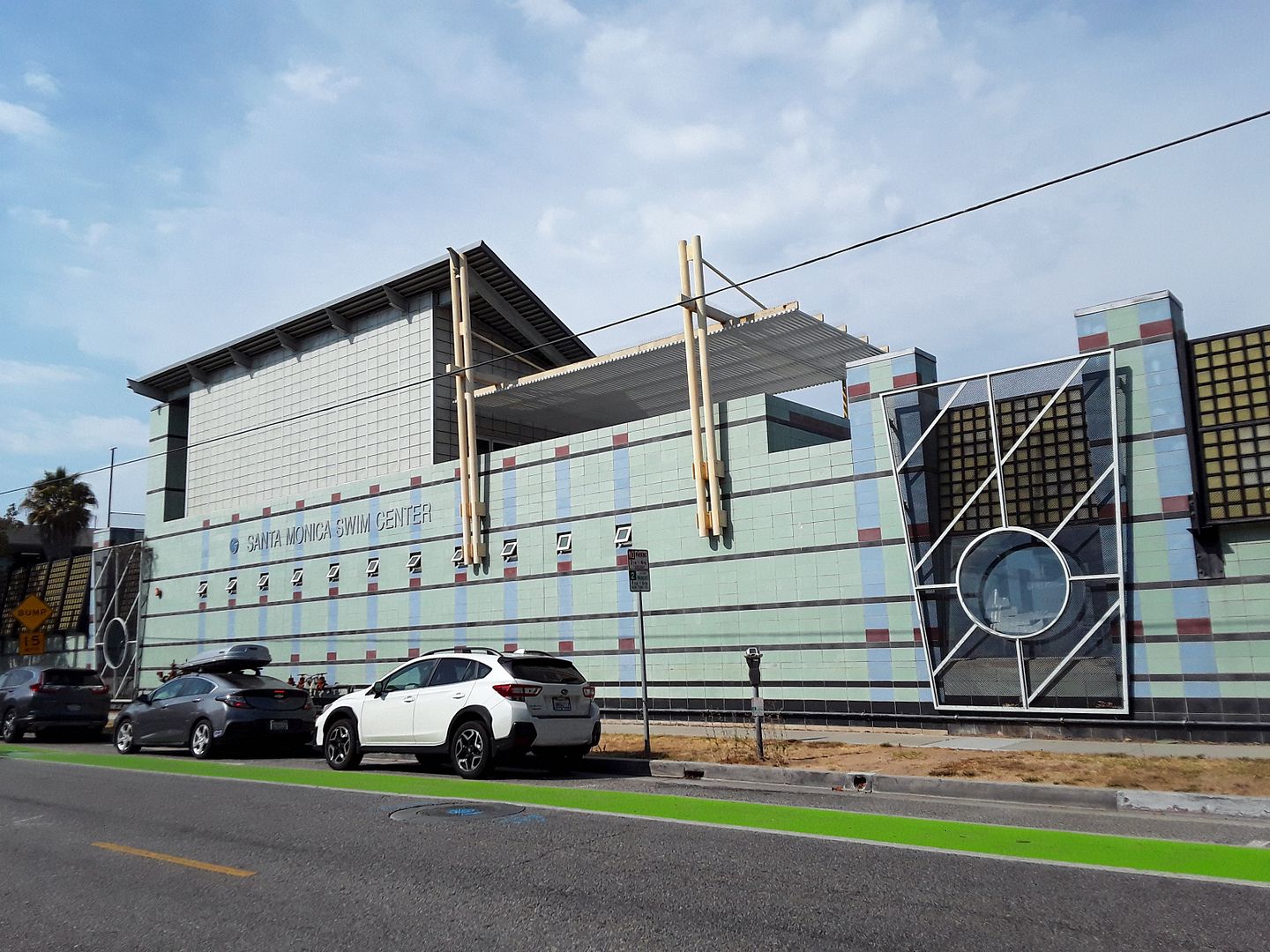
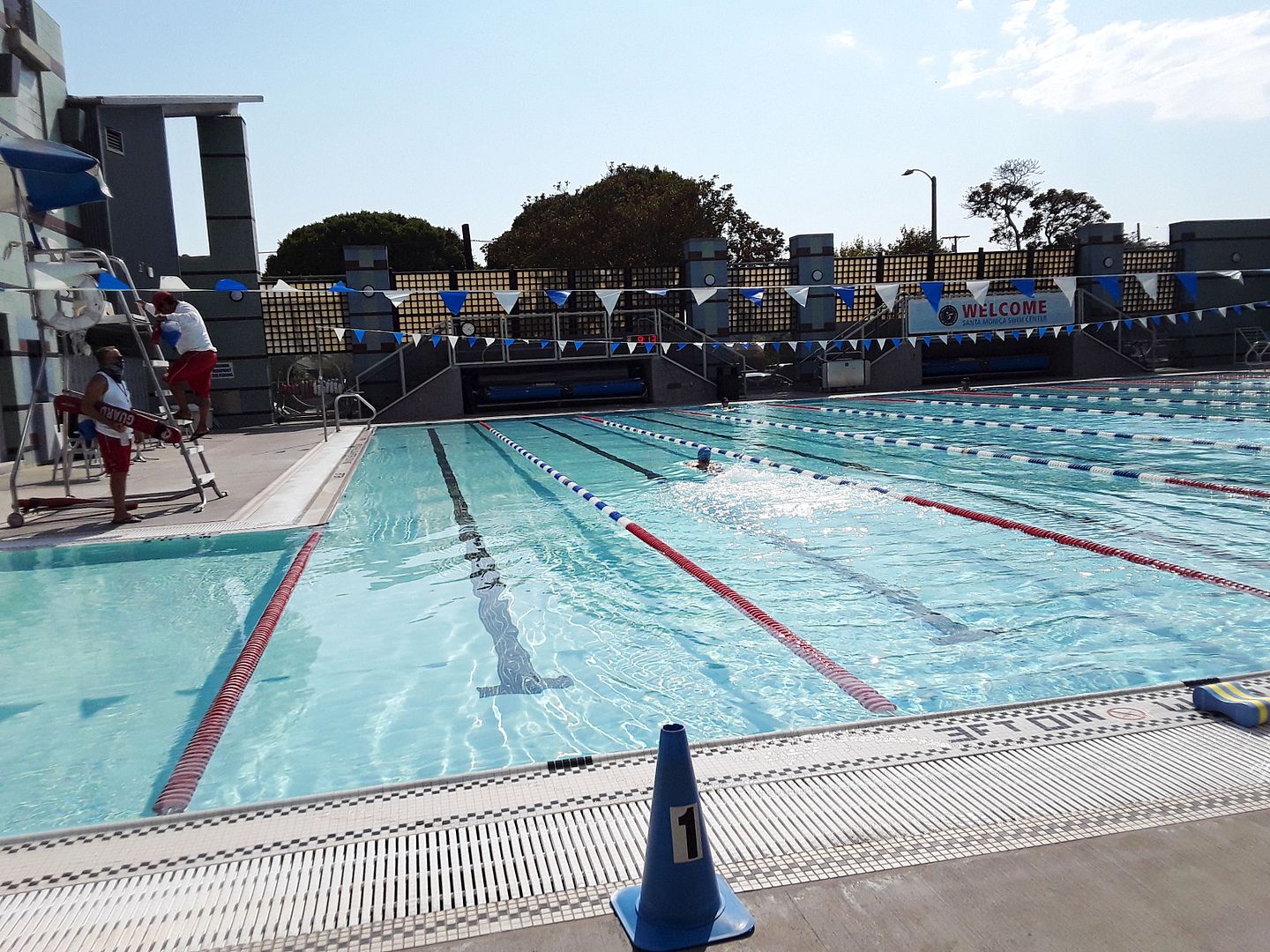
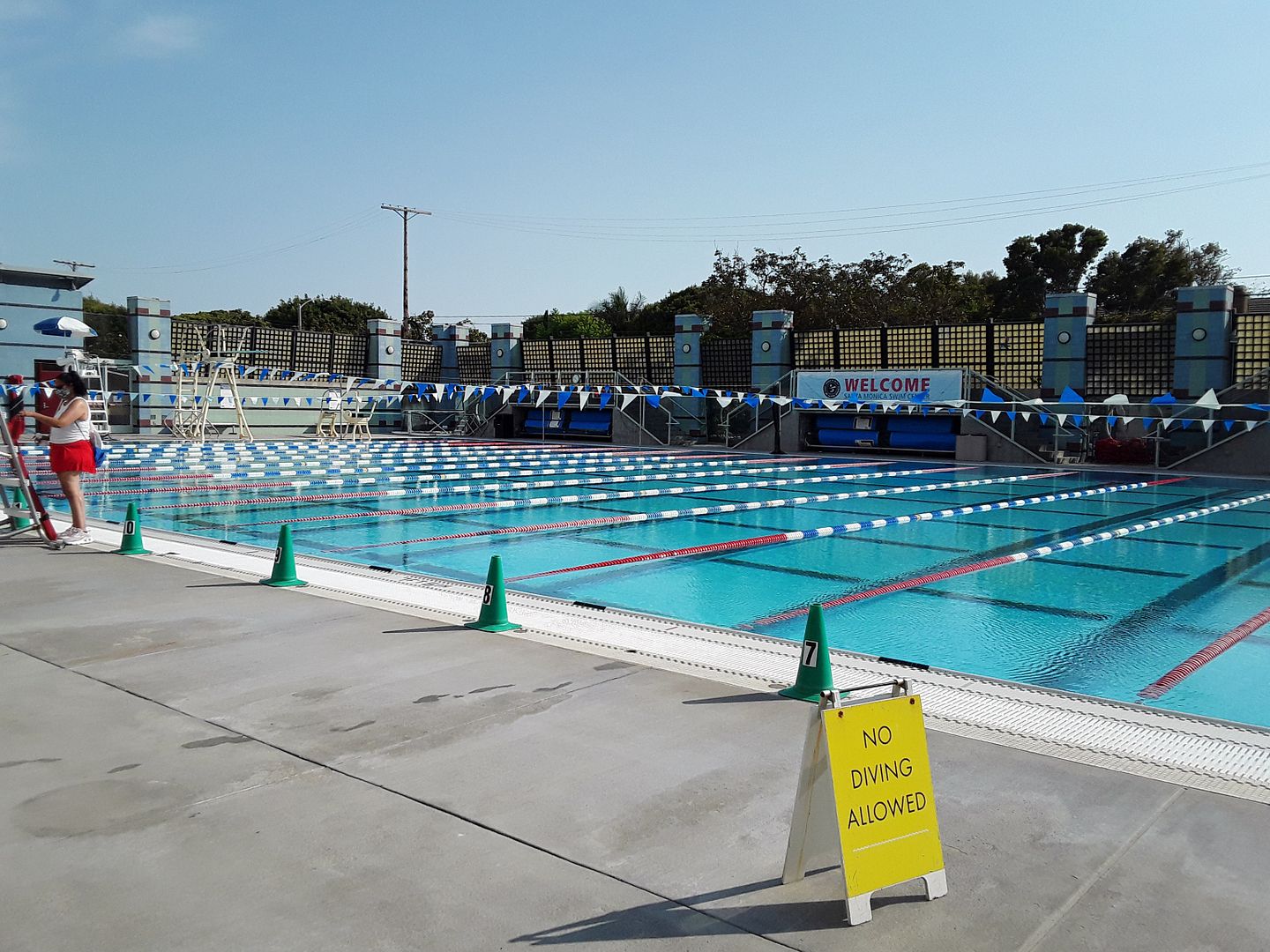
After several tries over the course of a couple of weeks, I finally nabbed Lane #1 at Santa Monica College's Swim Center for a 4 p.m. time slot today. As I hurriedly took the plunge after arriving a few minutes late, I was startled to find that the lane went no deeper than 3 feet—not deep enough for me to swim without my knees dragging on the bottom.


"Oh well," I thought to myself, "This is what I get in a pandemic."

But thankfully, that turned out not to be true. The front desk attendant found me and told me I was in the wrong pool—the shallow "Splash" pool instead of the "Fitness" pool.

Without her, I would've just stayed and suffered! But instead I got a good 30 or 35 minutes in a 7-foot-deep lane, too deep for me to jump in feet first and too deep for me to launch my body onto the pool deck while getting out.

And by that I mean it was just perfect—with the beach city of Santa Monica literally 20 degrees cooler than the farther inland West Hollywood in this record heatwave we're having.

My back was already burned from spending yesterday at another pool (more on that later), but somehow the cold and the chlorine numbed me to the pain that, the night before, kept waking me up every time my nightgown or a sheet scraped against me.

Once I actually got into the water today, life seemed simple again—or, at least, simpler than it was out of the water. Simpler than it's going to be on dry land for quite some time.

And for that one narrow window of time, I got to keep that pool lane all to myself. I could swim or not swim. I could float, twirl, or backstroke. I didn't have to cover my mouth or nose. And I could inhale the ocean breeze with little concern for my health.

This is how I can stay safe and sane. And ensuring both safety and sanity is the only way I'm going to survive this public health crisis that isn't going away anytime soon.

Related Posts:
West Hollywood Pool Is Now A Pit of Despair

August 17, 2020

How L.A.'s 'Old' City Hall Got Reborn As a Medieval Castle for Artisans, Brick by Brick

[Last updated 2/25/23 9:12 PM PT—video embed added at bottom]

I've written before about Los Angeles City Hall—but the current landmark, circa 1927, wasn't LA's first. Not by a longshot.


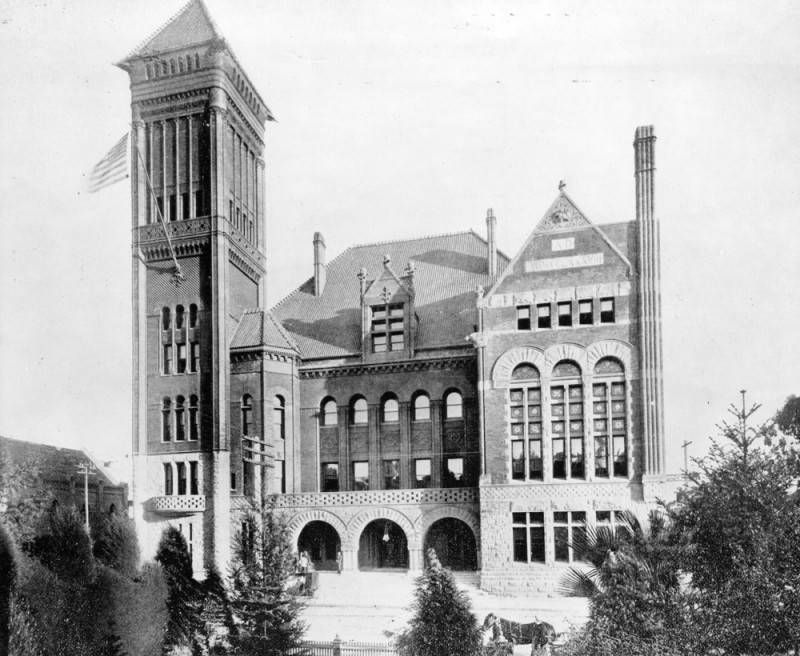
circa 1889 (Photo: Security Pacific National Bank Collection, LAPL)

It's actually the fourth. And its immediate predecessor—the third one, circa 1888—was dismantled in a massive spectacle after just 40 years of standing at Broadway (formerly Fort Street) and 2nd Street in Downtown LA.

August 09, 2020

Photo Essay: The Survivor Cabins of Burbank's Besieged Country Club Drive

It wasn't until the 1940s and 50s that most of Burbank, California was developed as a city. But in the 1920s, there was a development up in the Burbank Hills—the foothills of the Verdugo Mountains—called Sunset Canyon that left a mark on the area that still remains to this day, nearly 100 years later.
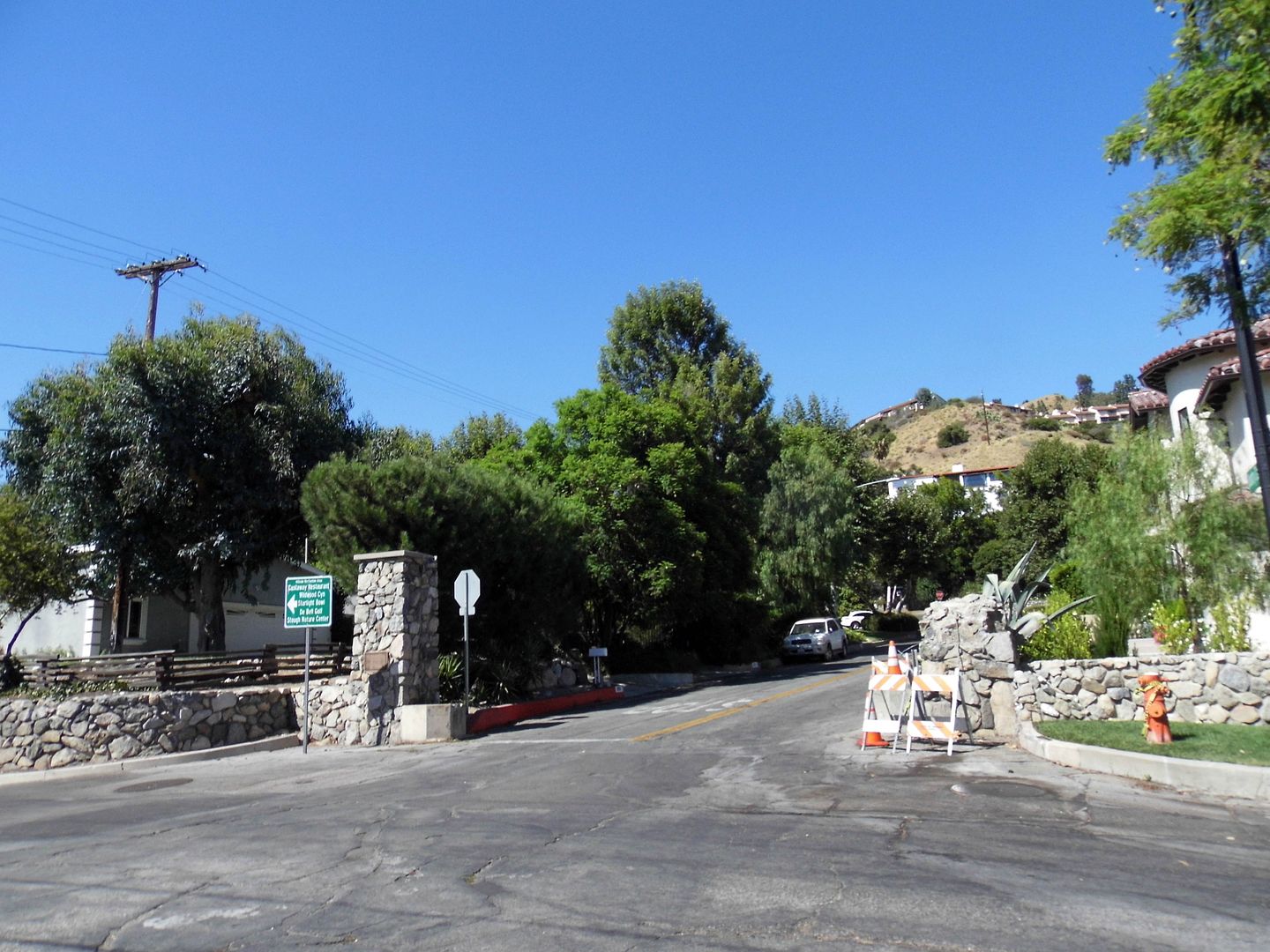


I didn't know about it, though, until I happened upon a stone gate on Sunset Canyon Drive as I was getting ready to turn down Olive and head back home after having brunched in the hills at Castaway.
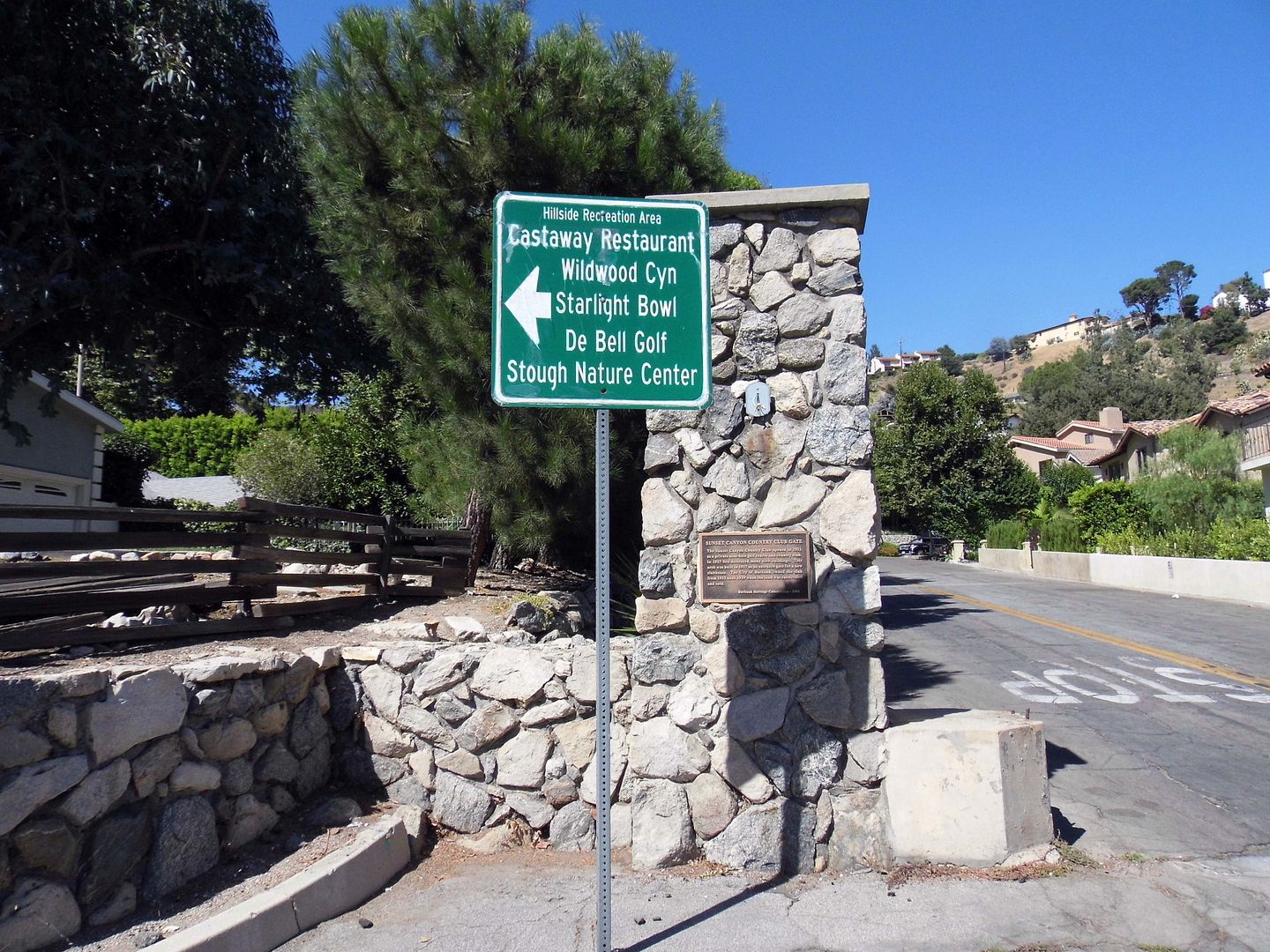


I'd surely passed here at least twice before—when I'd hiked Wildwood Canyon and Stough Canyon—but I hadn't noticed the historic-looking gateway.
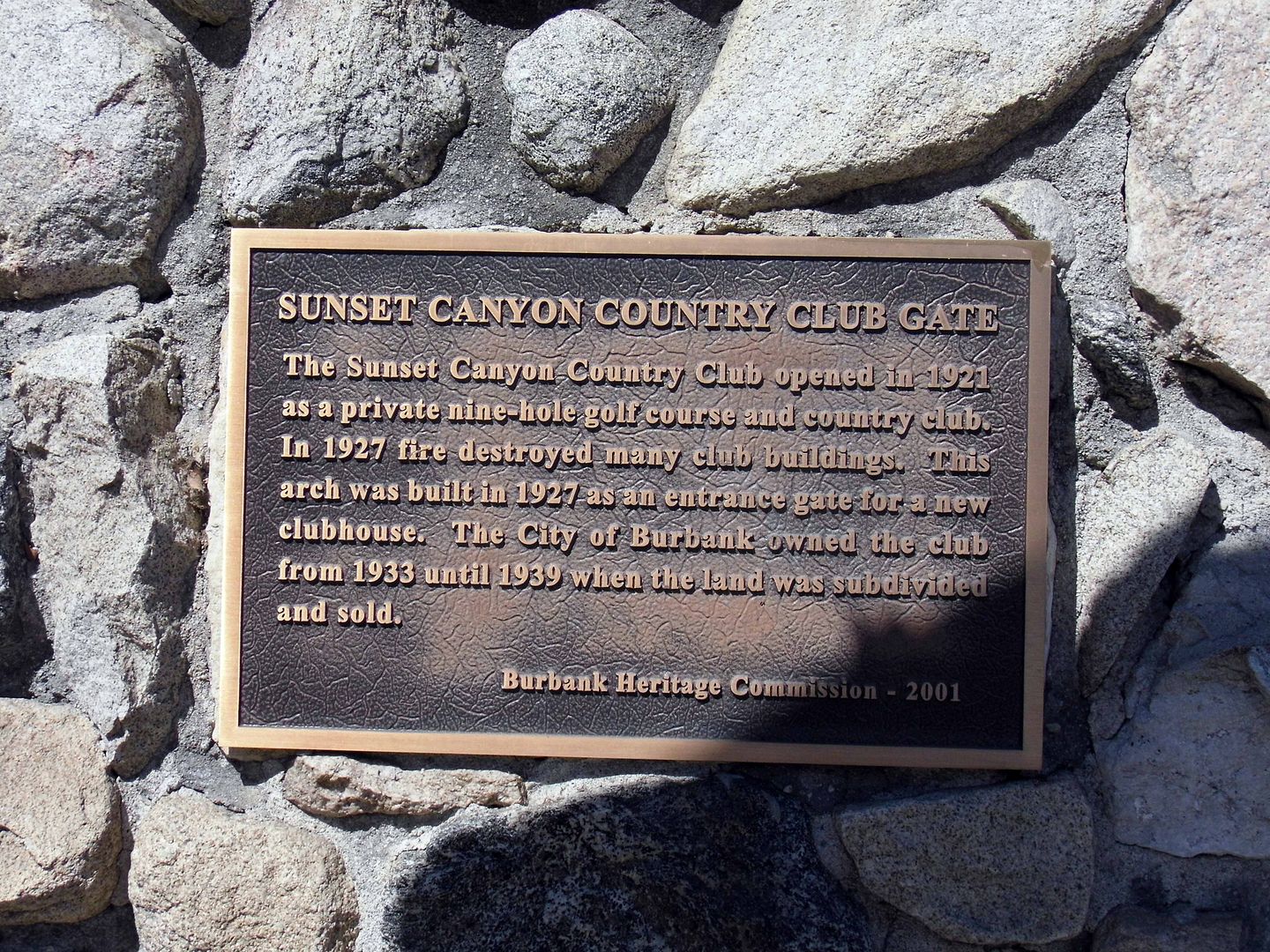


A closer look revealed details of an old country club—a rustic getaway from Hollywood—that had opened on Thanksgiving Day 1922. And spoiler alert: Much of it burned down in a 1927 fire. But more on that in a little bit.


I wondered if there'd be anything left to see beyond those gates—and with nothing but time on my hands, I proceeded up Country Club Drive to see what I could find within those 2500 acres that were annexed into Burbank in 1926.
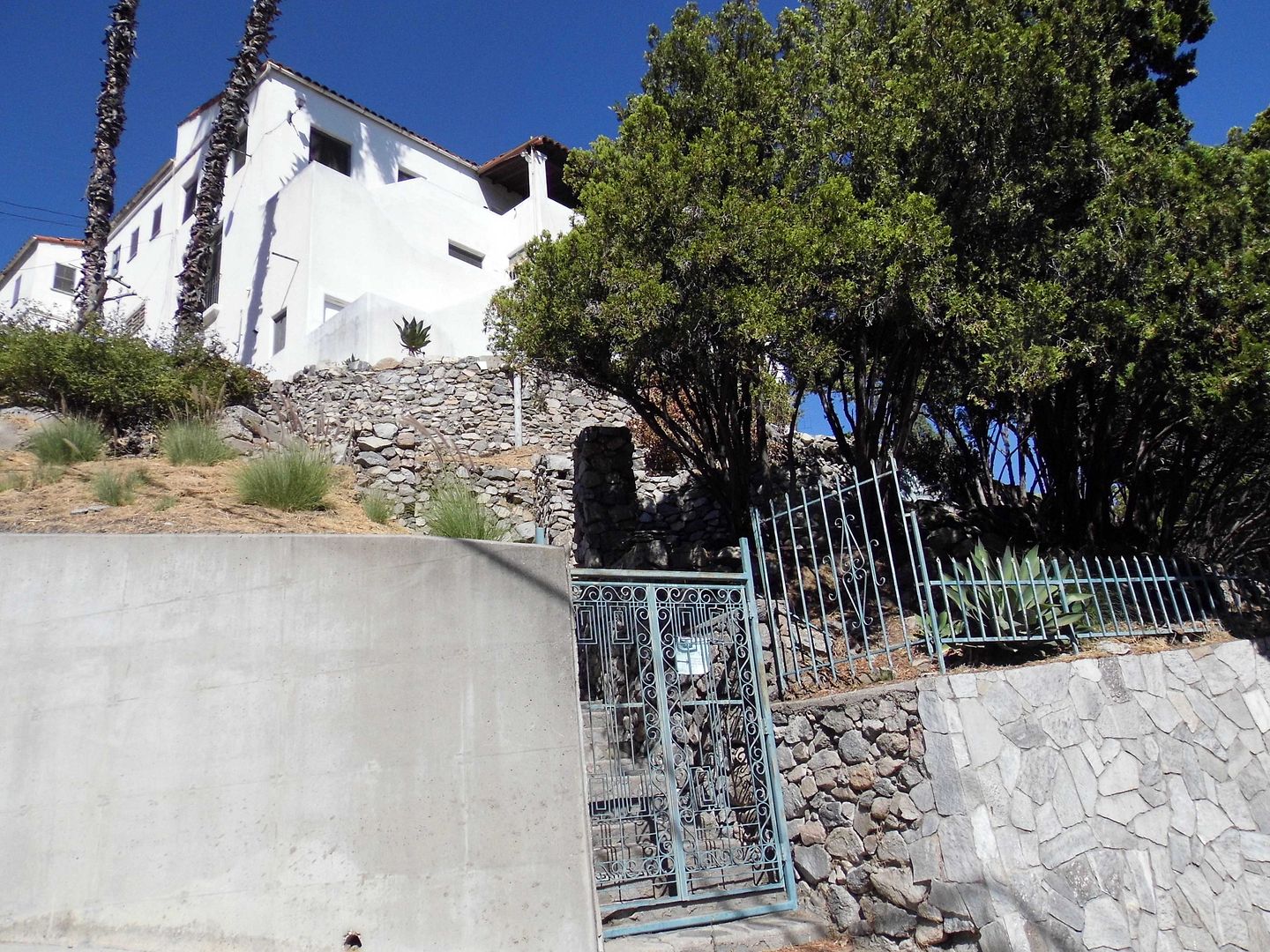


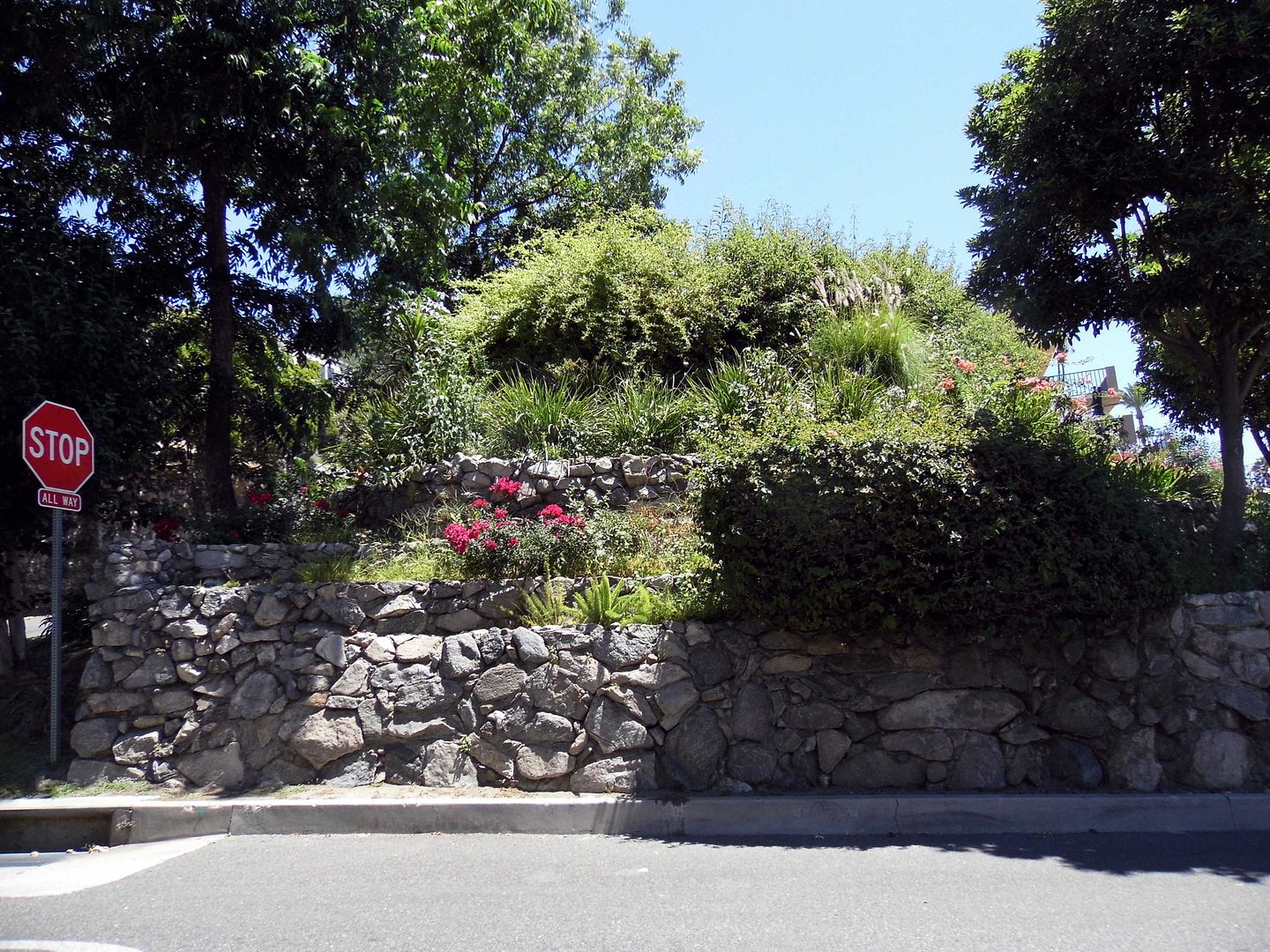
I immediately recognized the signs of a gated—or at least planned—community, with stone retaining walls and terraces giving the neighborhood a unique charm not found on the other side of the stone pillars.
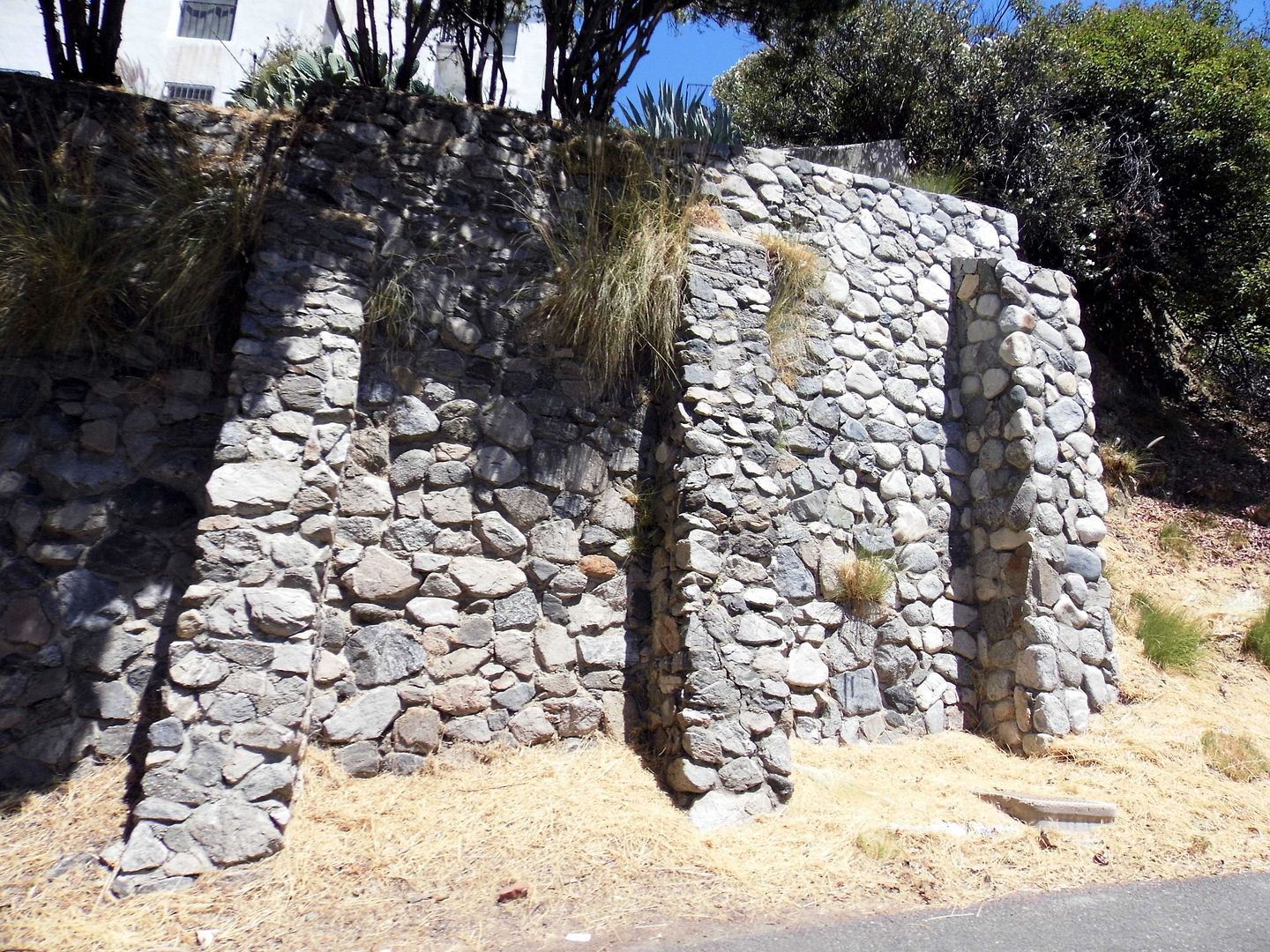


It turns out that membership to the Sunset Canyon Country Club, as it was called, included access to a 9-hole golf course that ran along Sunset Canyon from Orange Grove to Verdugo Avenue, a clubhouse with swimming pool, and a choice of over 100 cabins.
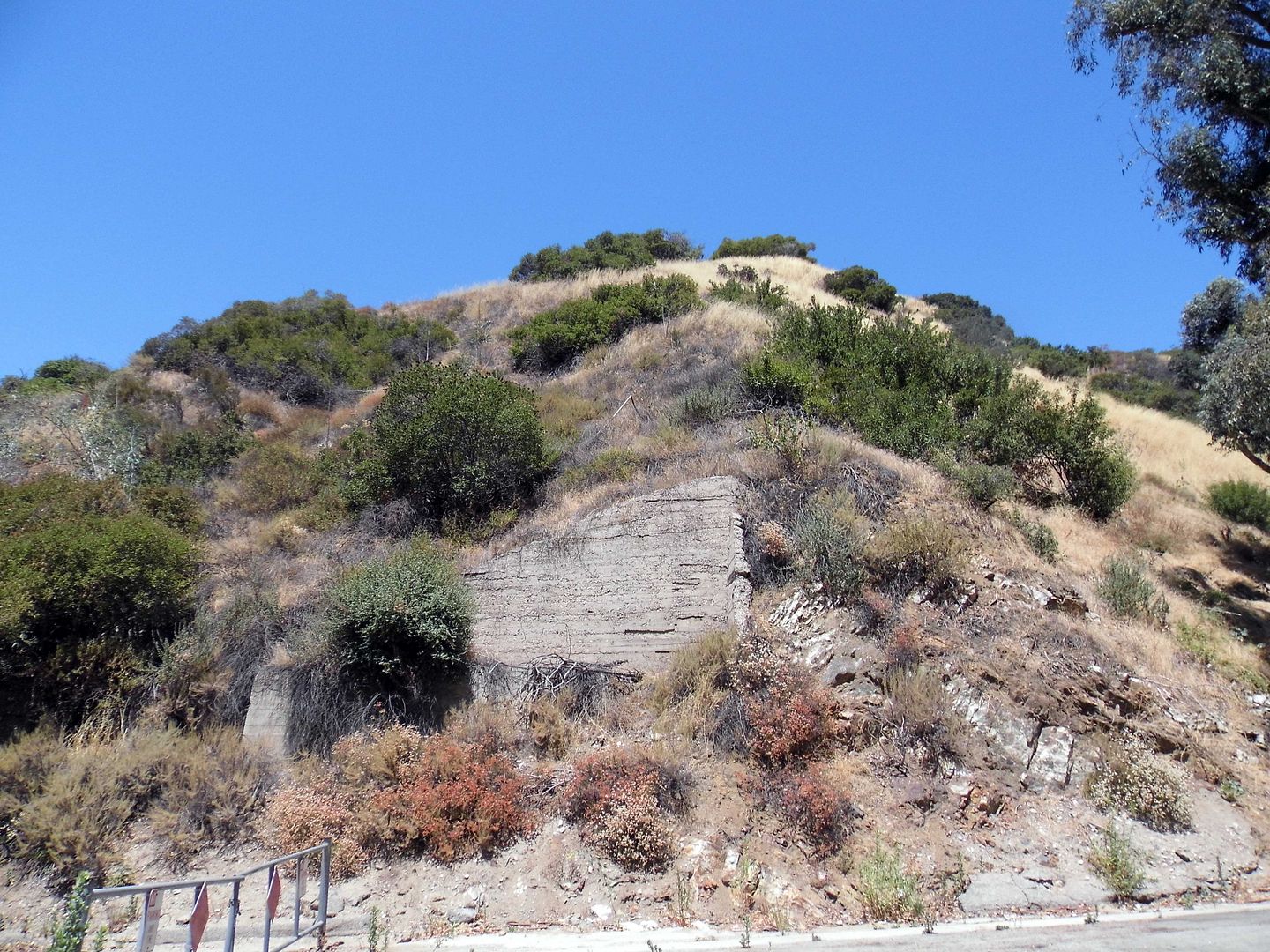


I just wasn't sure if I would be able to find any of them.
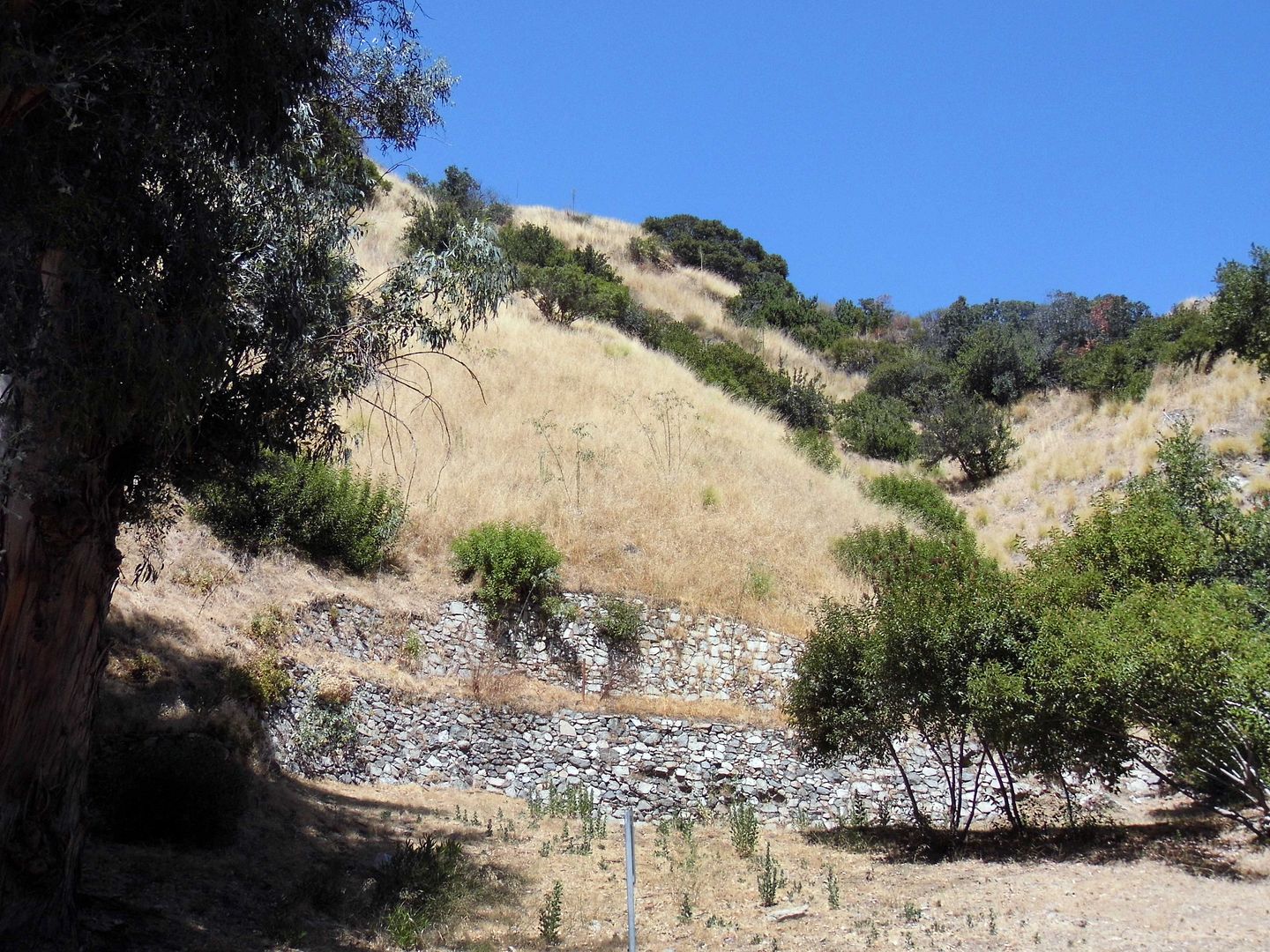


I wasn't even sure exactly what I was looking for. I hadn't planned this adventure—but I was set on pursuing it.
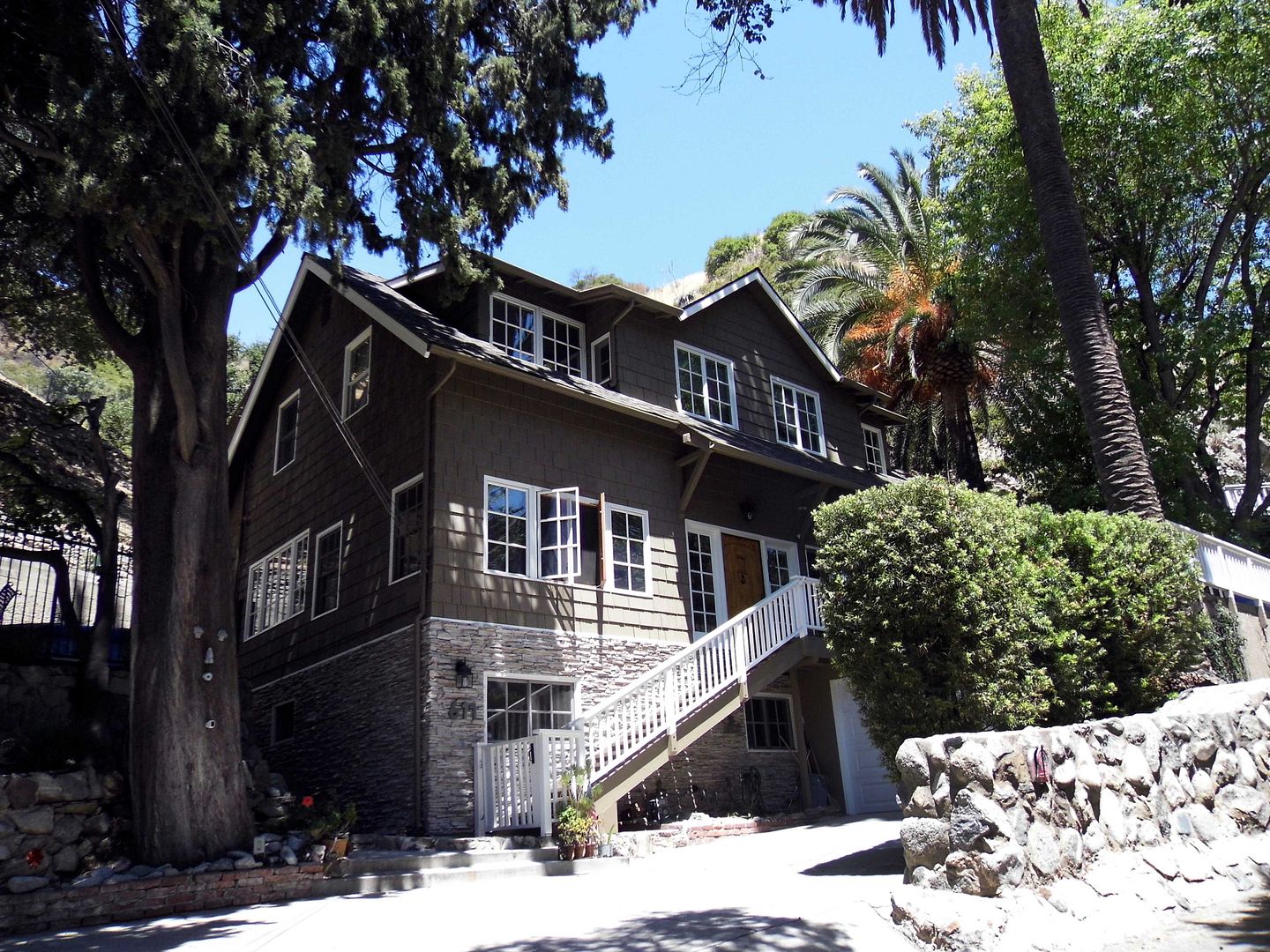


After all, I have a pretty good "eagle eye" for spotting the signs of the somethings that aren't nothing—and from the first houses I encountered, I could tell that there was a distinctive character to Country Club Drive. 
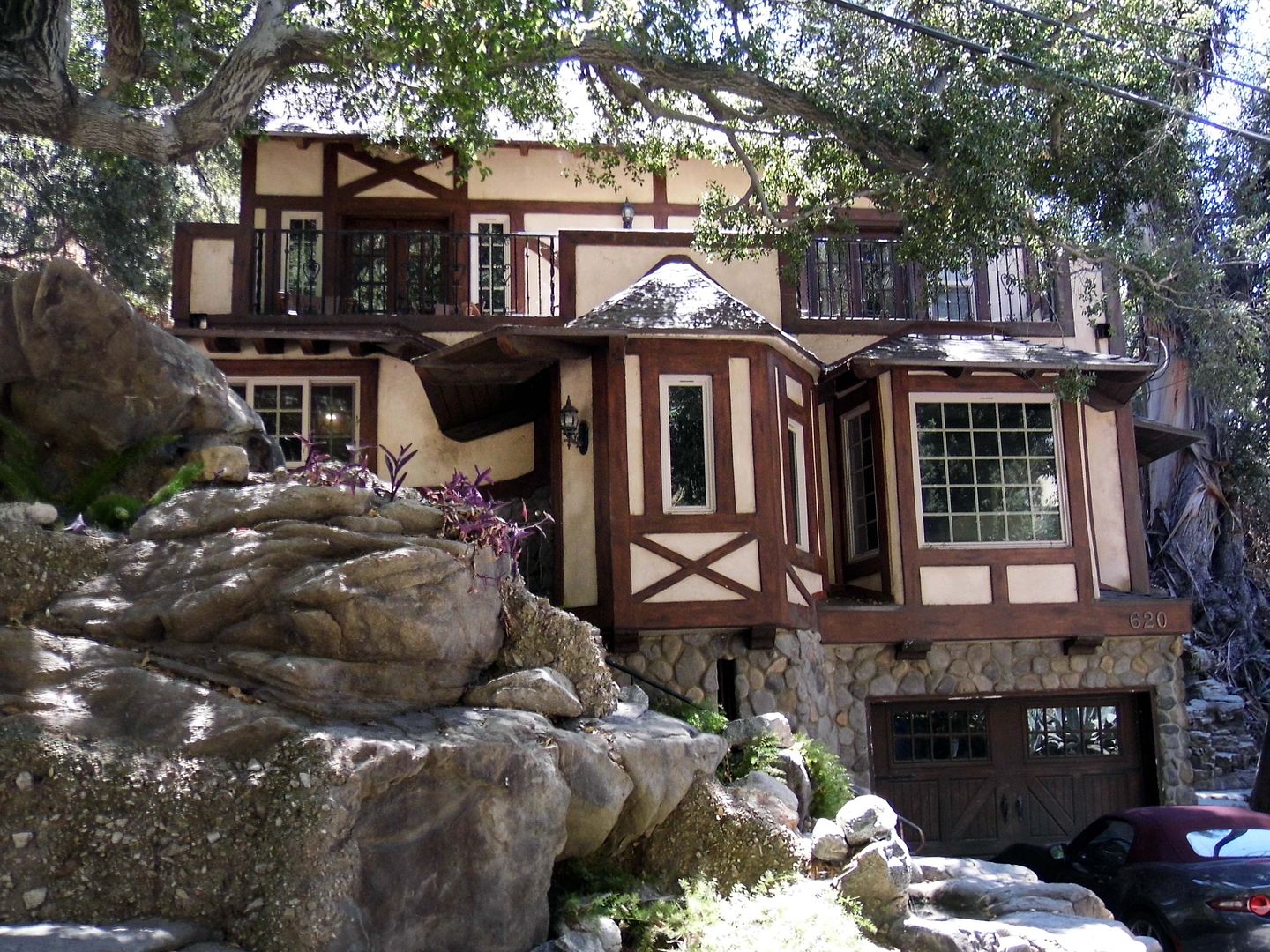

built 1925

Nearly all of those dwellings were either constructed with or surrounded by local rocks.
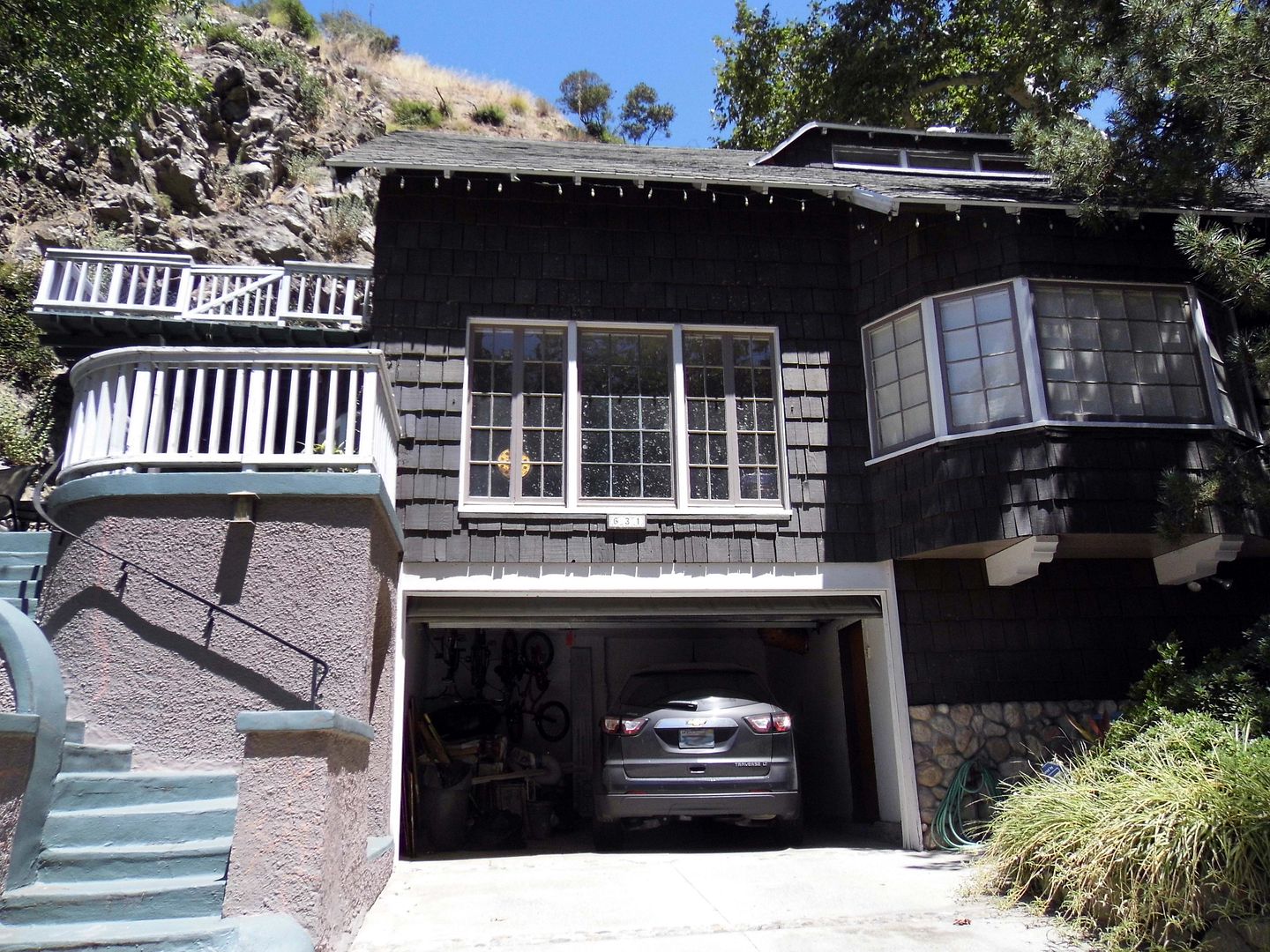

built 1928

And although their architectural styles do vary—from, say, Craftsman to Tudor Revival, Spanish Colonial Revival, and everything in between—they all look of a certain vintage. 
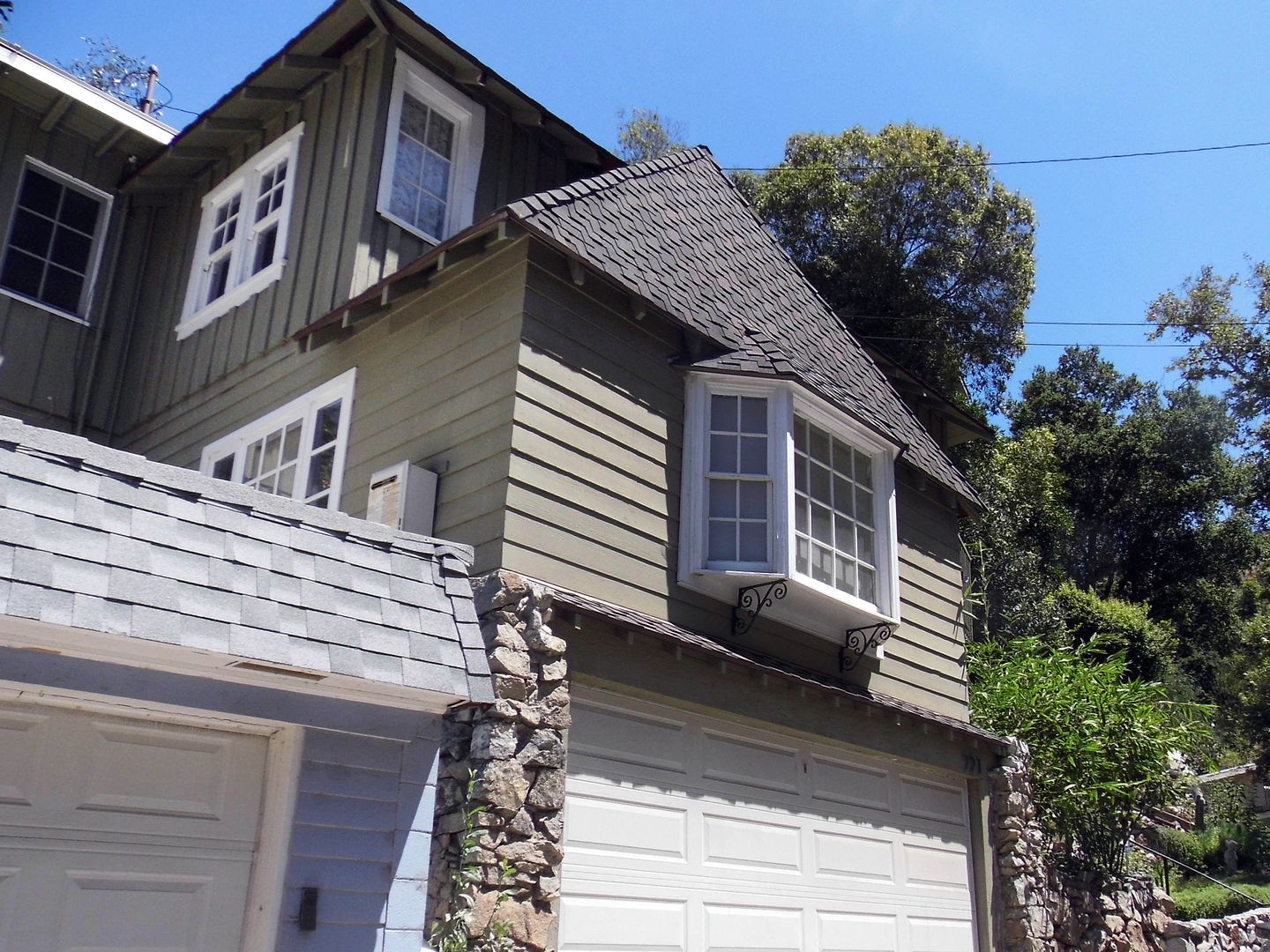

And in the case of the surviving cottages from the country club era—just a couple dozen of them—that means completion dates that range from approximately 1922 to 1929.
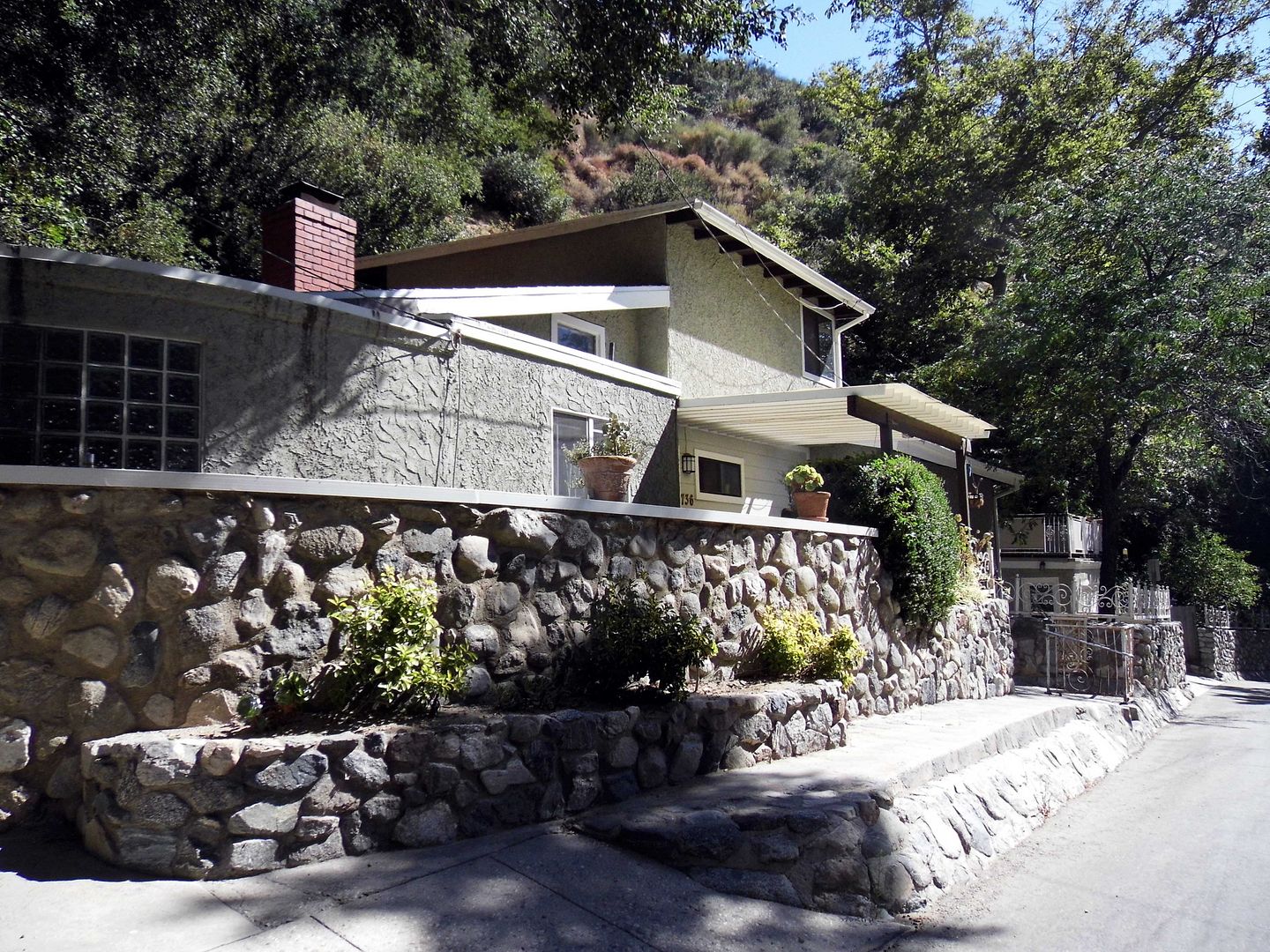

Even the newer residences—ones that were added to Country Club Drive long after the rest of the surrounding amenities were long gone—often appear just dropped on top of the old foundations and walkways.
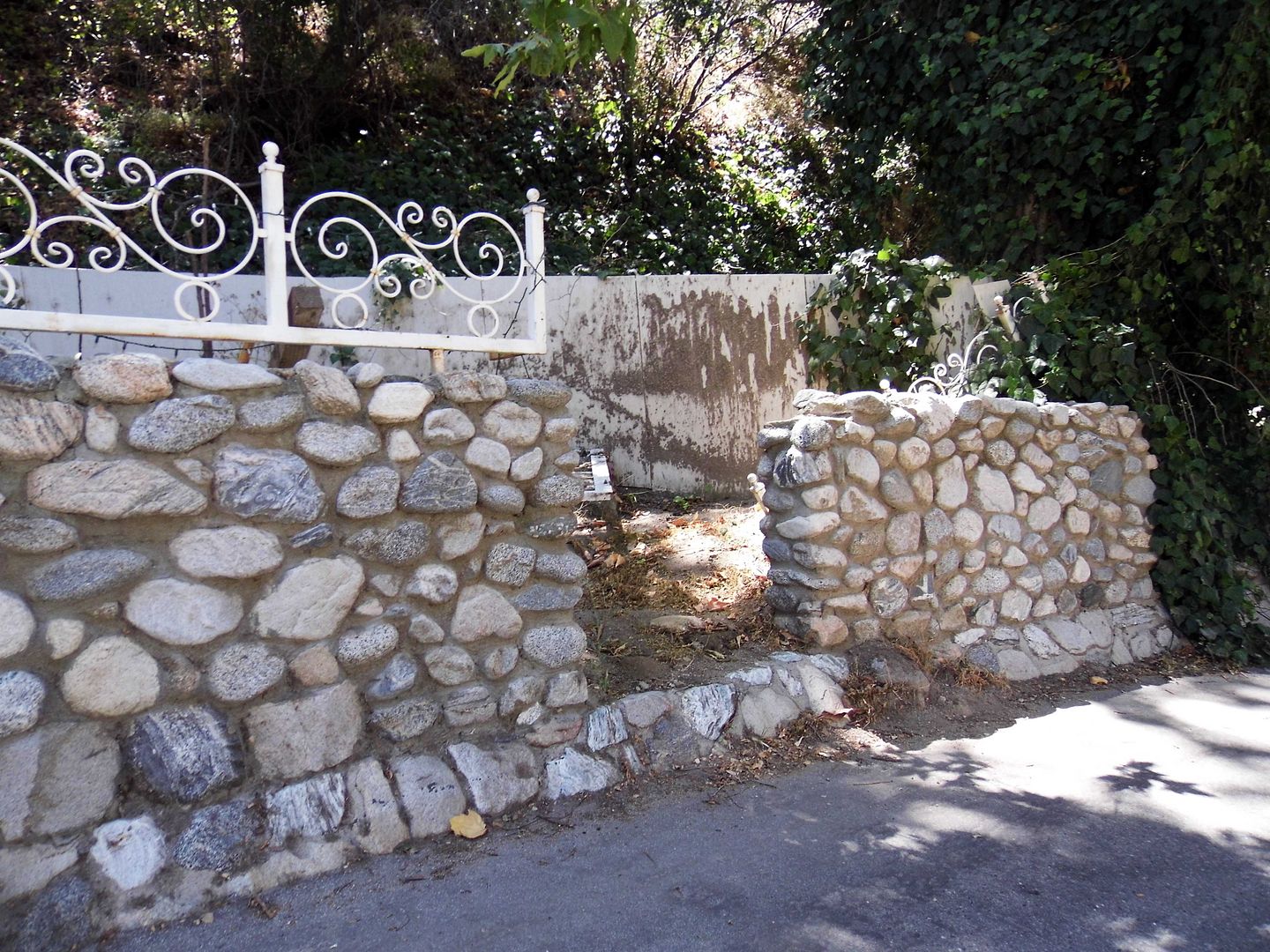


It's like they're being cradled by the ghostly remnants of their fire-consumed predecessors.
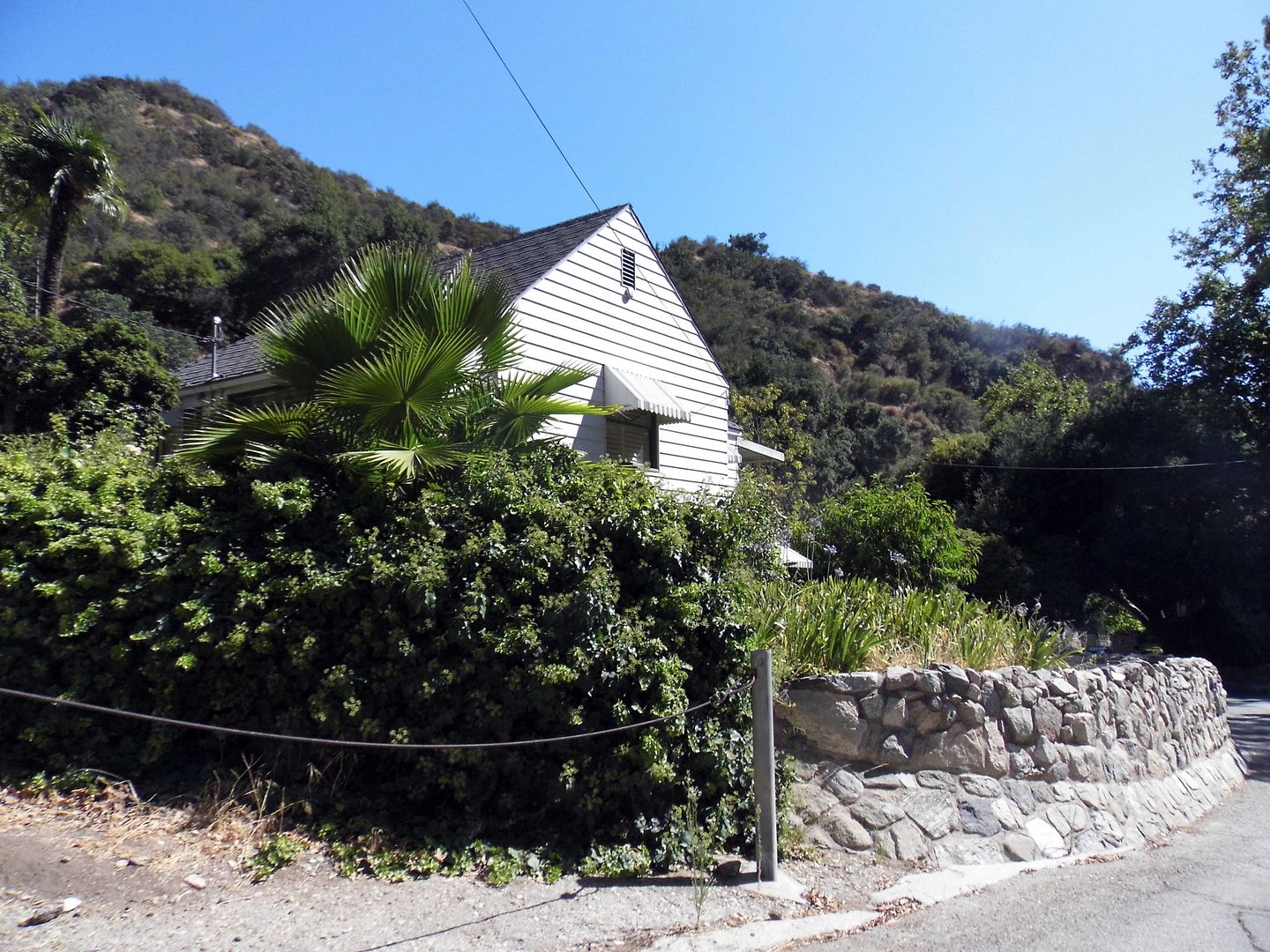

It's actually a miracle that so many of these historic structures do still stand, including the ones built after the devastating 1927 fire—especially given their proximity to the dry brush that still so frequently ignites.
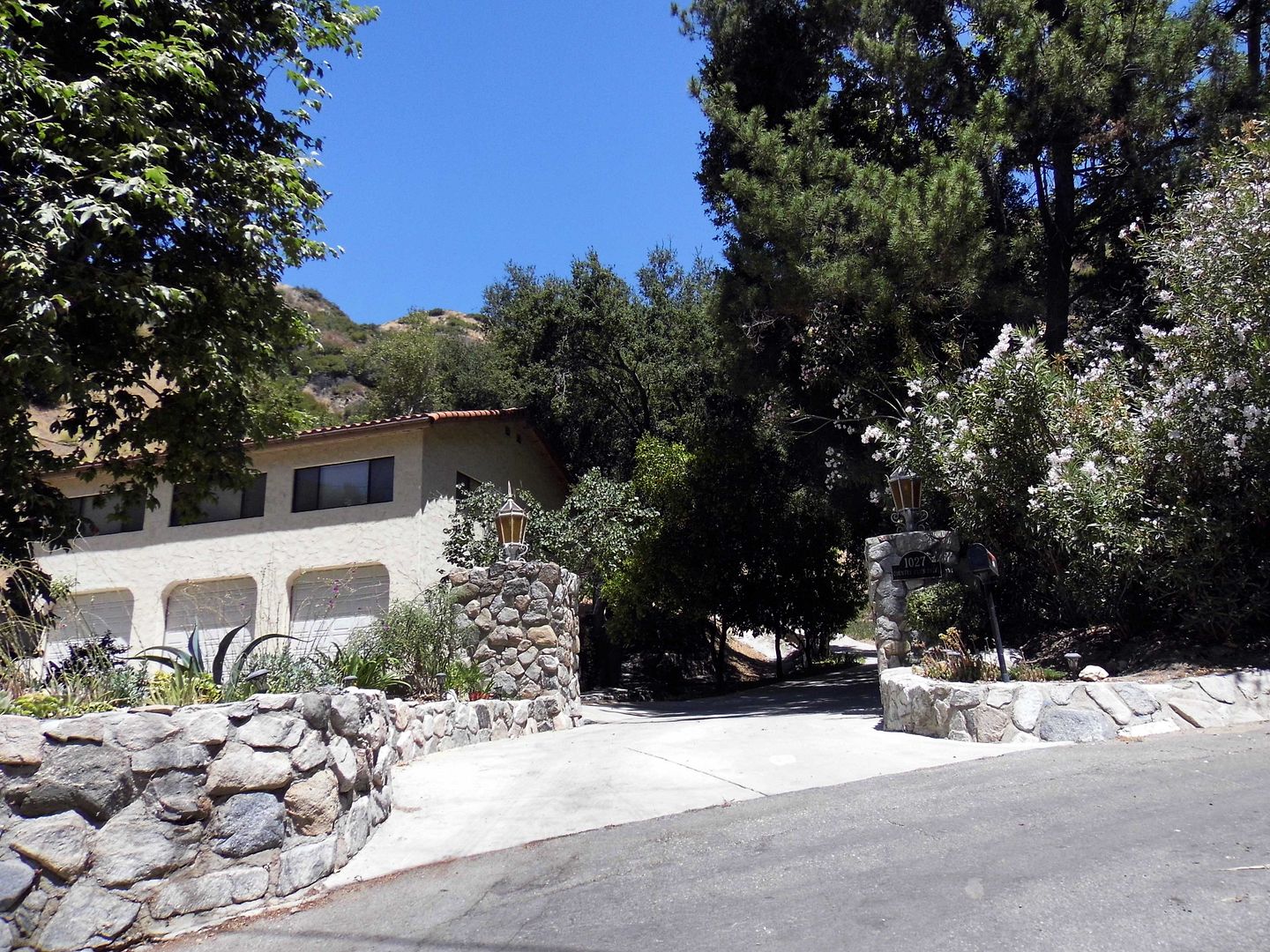

built 1928

And when it's not fire besieging the area, it's flooding and mudslides. In 1965, local media reported residents being bulldozed out. 
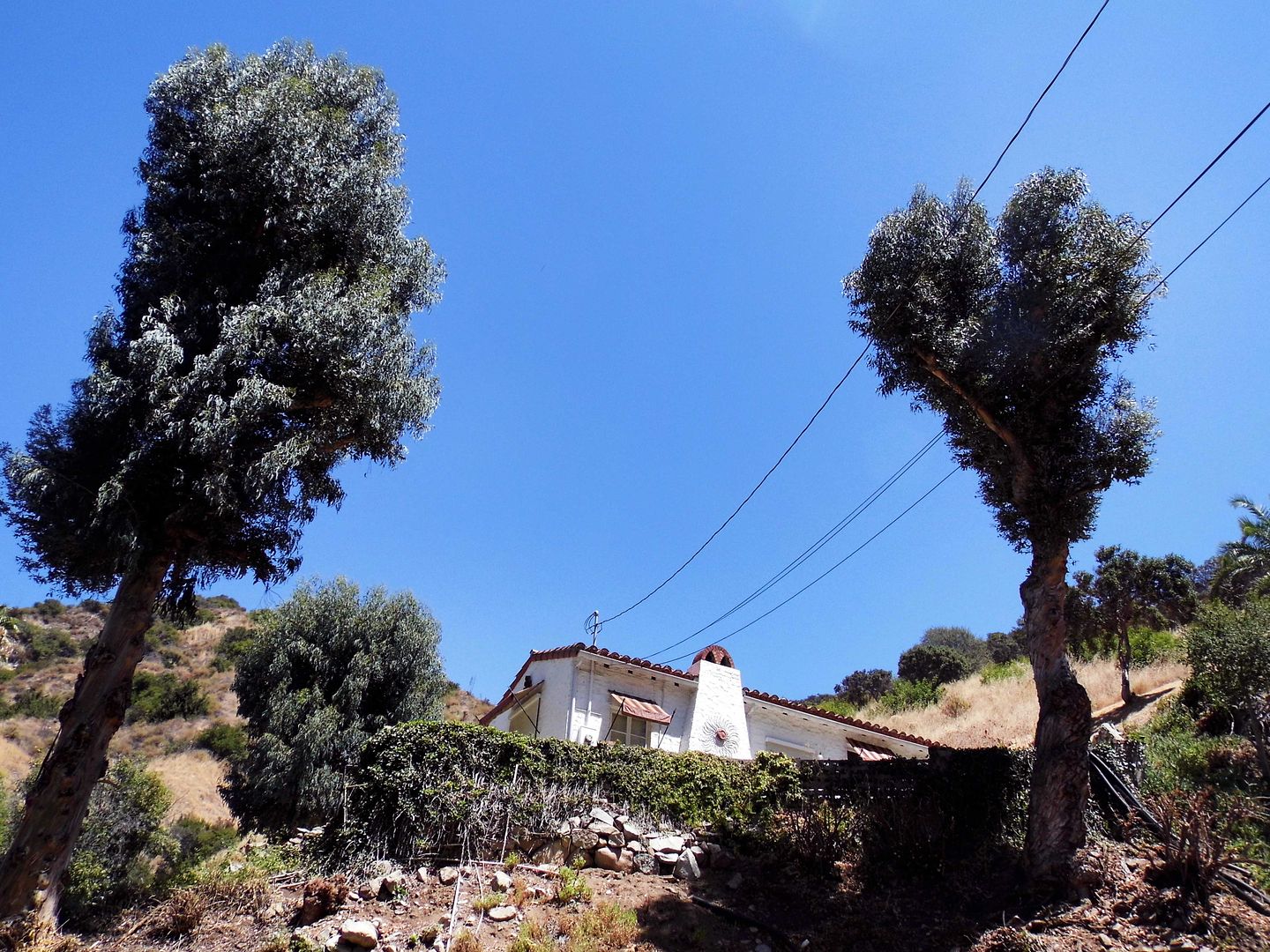

built 1929

At the time that Sunset Canyon Country Club opened in 1922, it was the only private country club in the Valley—by 1923, signing up nearly 2,500 members.
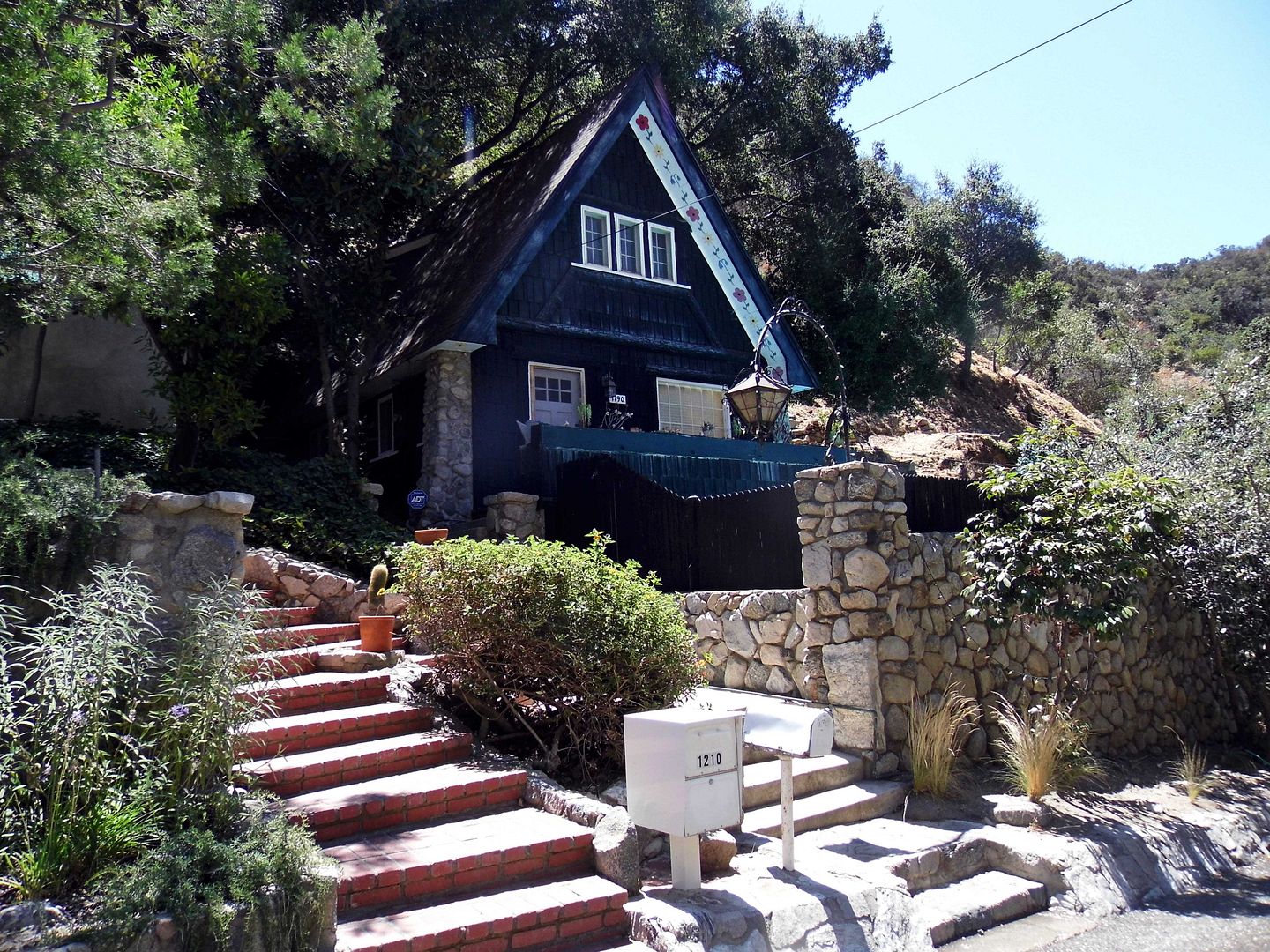

That was the same year that the first nearby brushfire broke out, with 75 cottages being evacuated as firefighters (not all professionals, it seems) doused the flames with water extracted from the swimming pool.
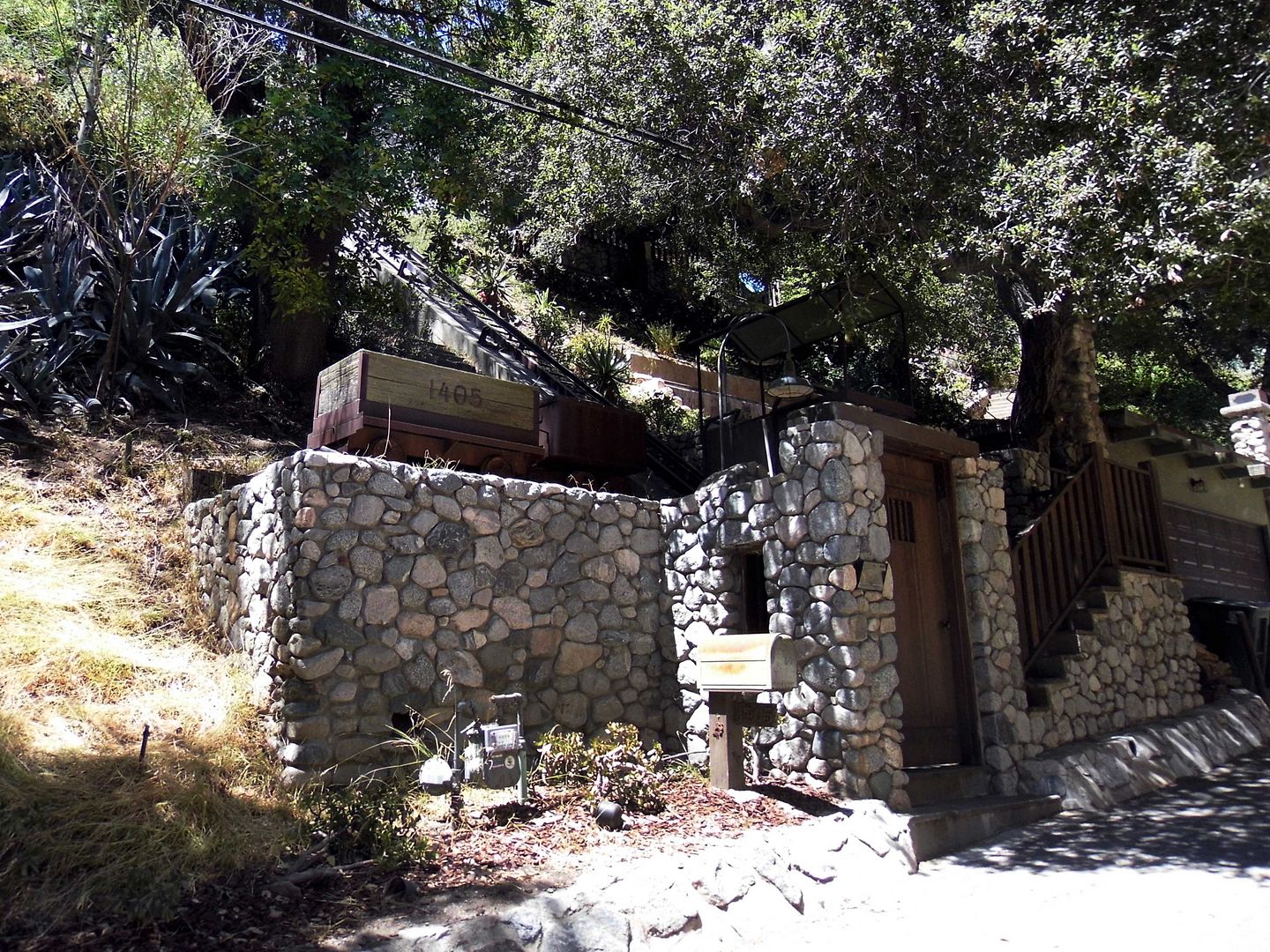

Miraculously, the club was saved from that fire—but it would only survive another four years before another conflagration would help seal its fate.
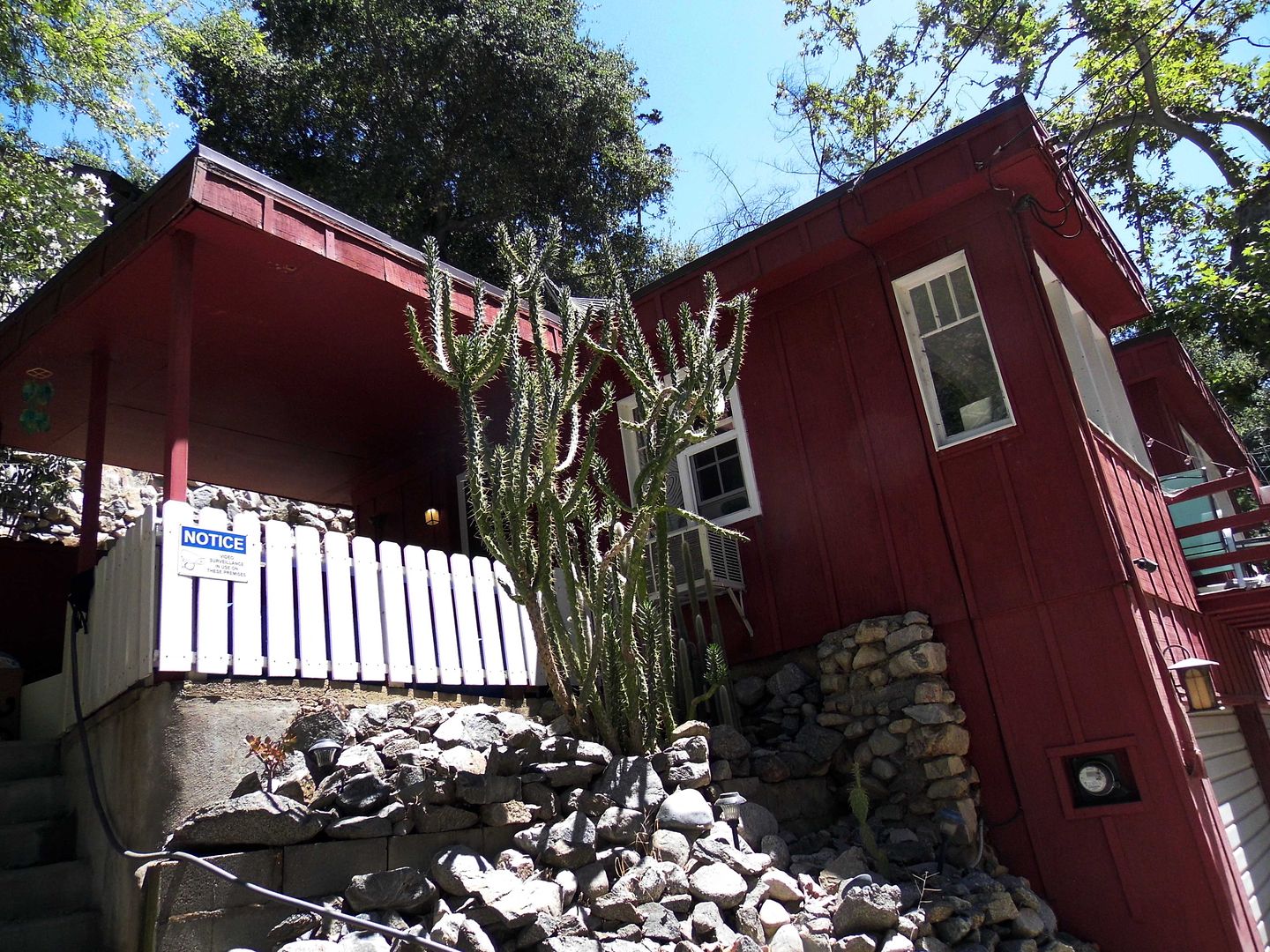

built 1928, former home of aviator Laura Ingalls
As a Los Angeles Times article described the 1927 inferno, "The canyon is exceedingly narrow, and served as a chimney through which the flames poured." Firemen had to "flee for their lives."
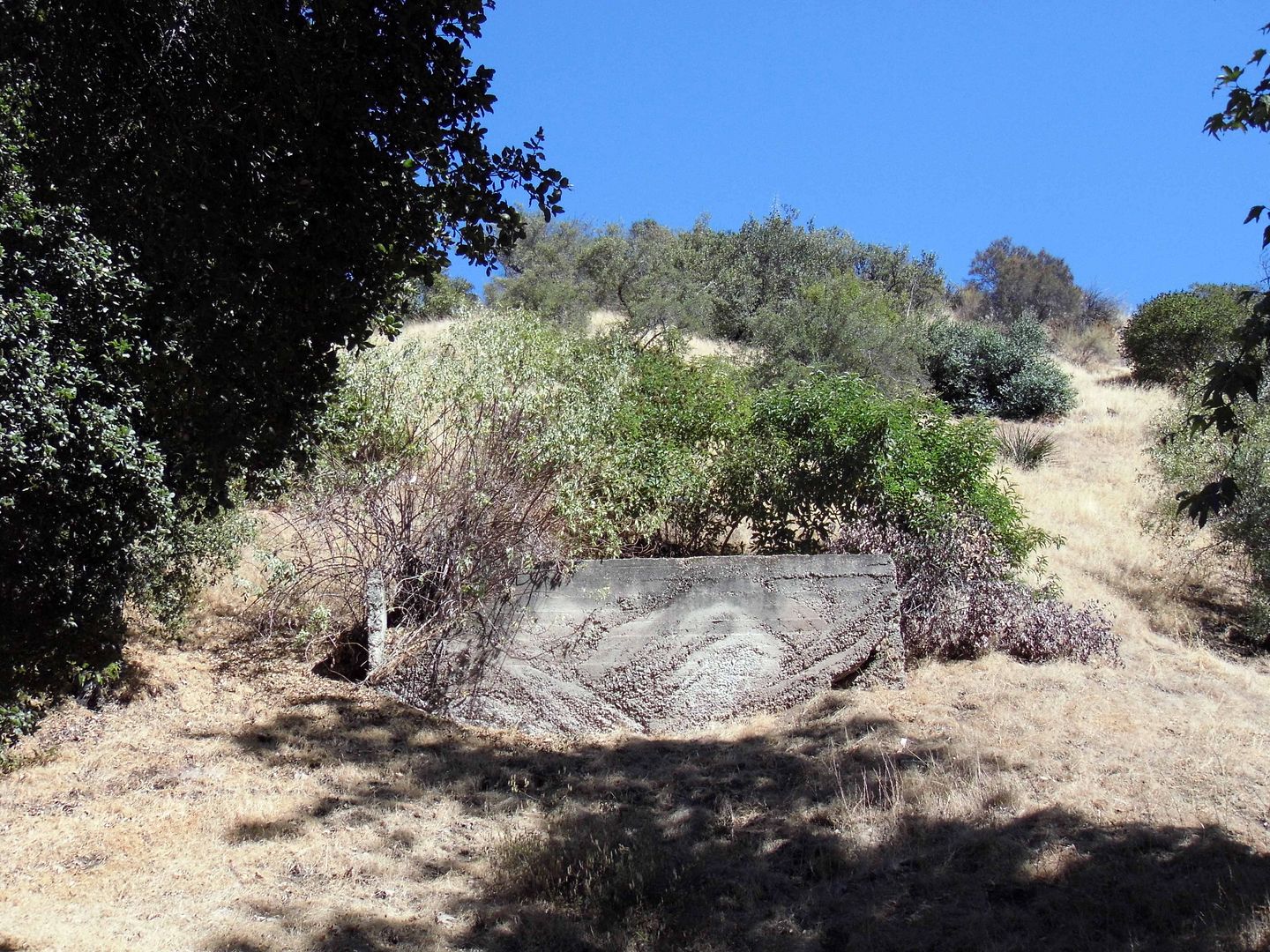


As I proceeded up Country Club Drive on my exploration, the collection of cottages got sparser—and I imagine this is at least one spot where the wildfire raged through the path of the club's structures. In total, that 1927 fire took down nearly 100 cabins—with damages estimated at $500,000.
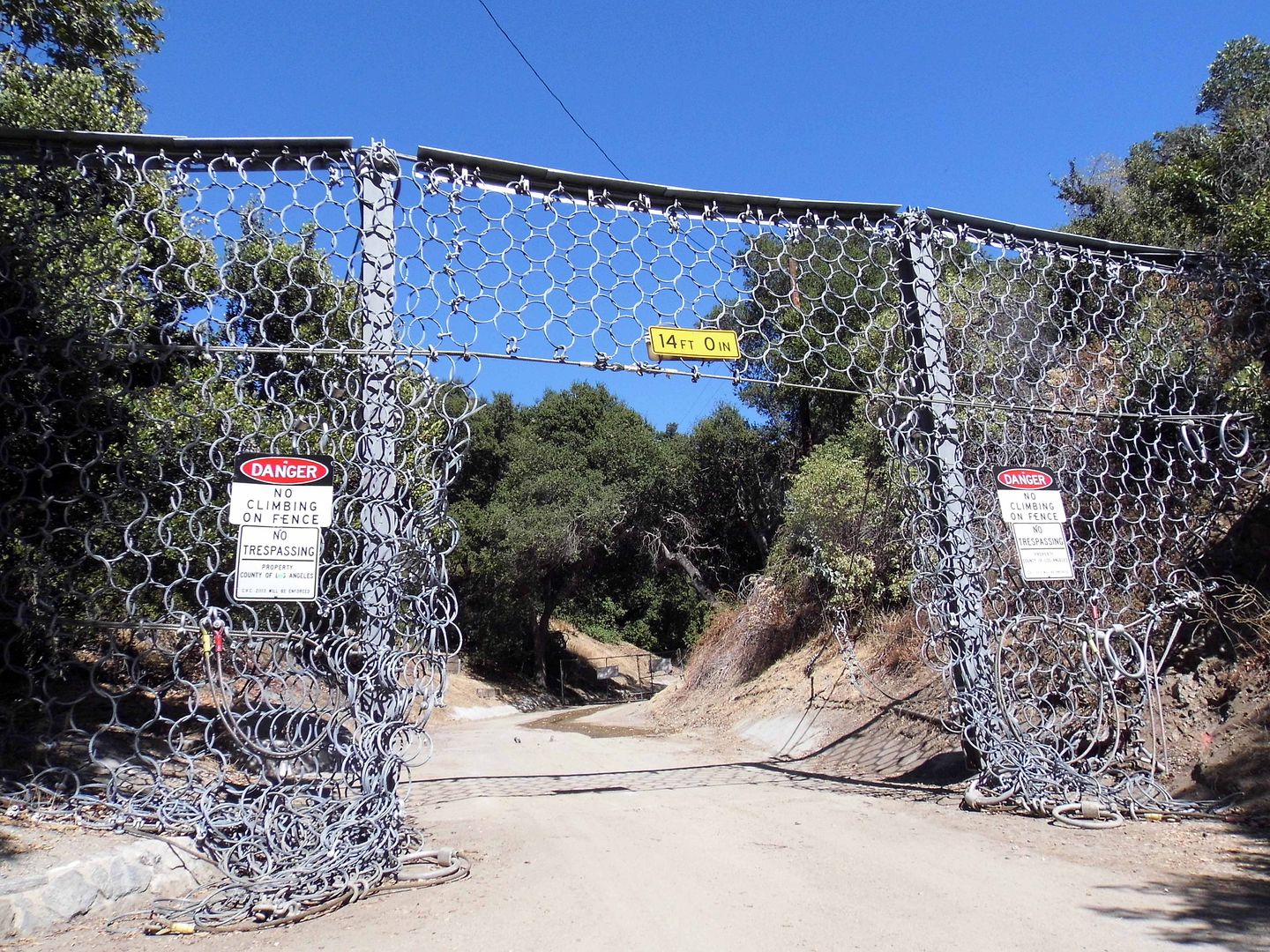


And then, the road just ended at an entirely different kind of gate—one that I could've driven through, were it not for the whole trespassing thing.
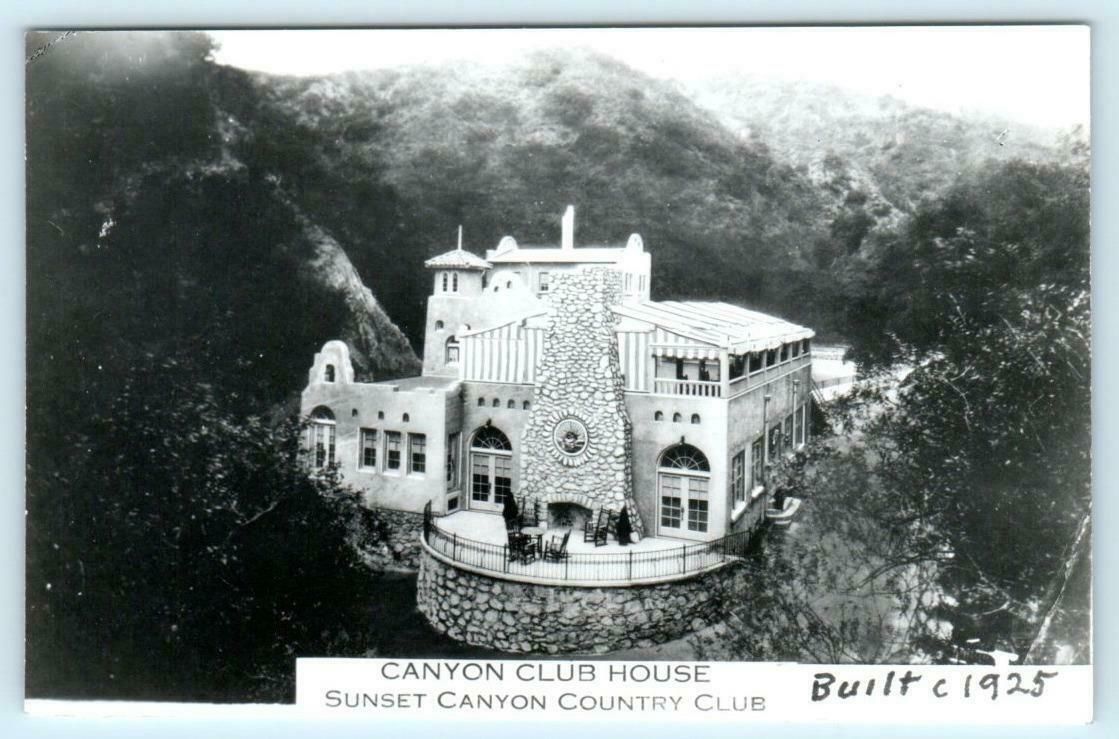

Photo: eBay

Somewhere up there is where the $75,000 clubhouse once stood.
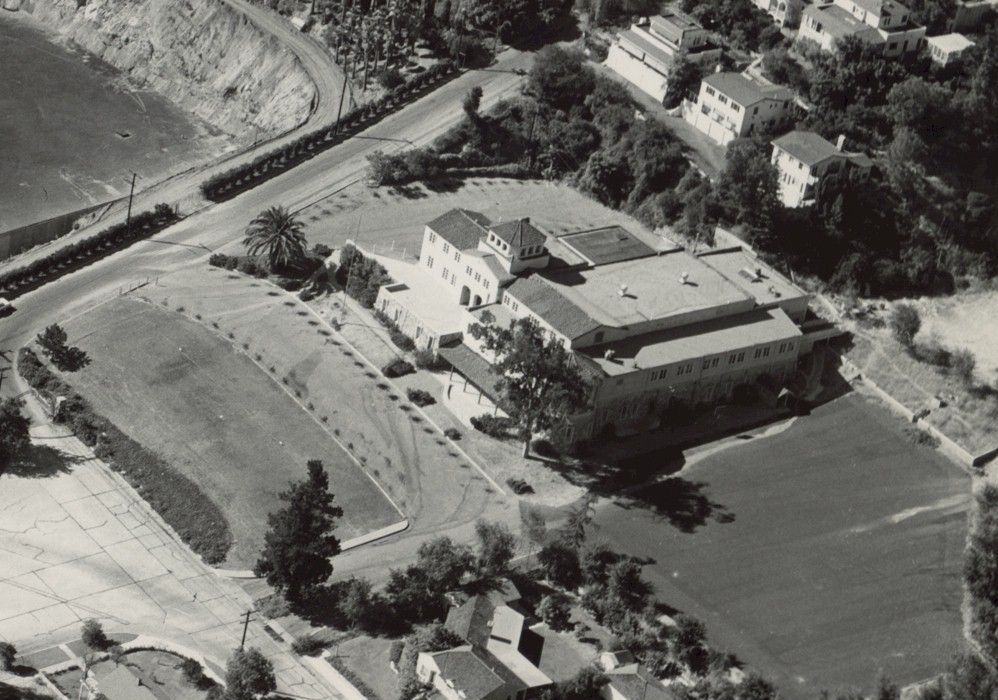

Photo: wesclark.com

But the year before the fire, in 1926, the Sunset Canyon Country Club had built a new 19,000-square-foot structure on nearly 4 acres at the bottom of the hill at Sunset Canyon Drive—and relocated its main clubhouse there. 
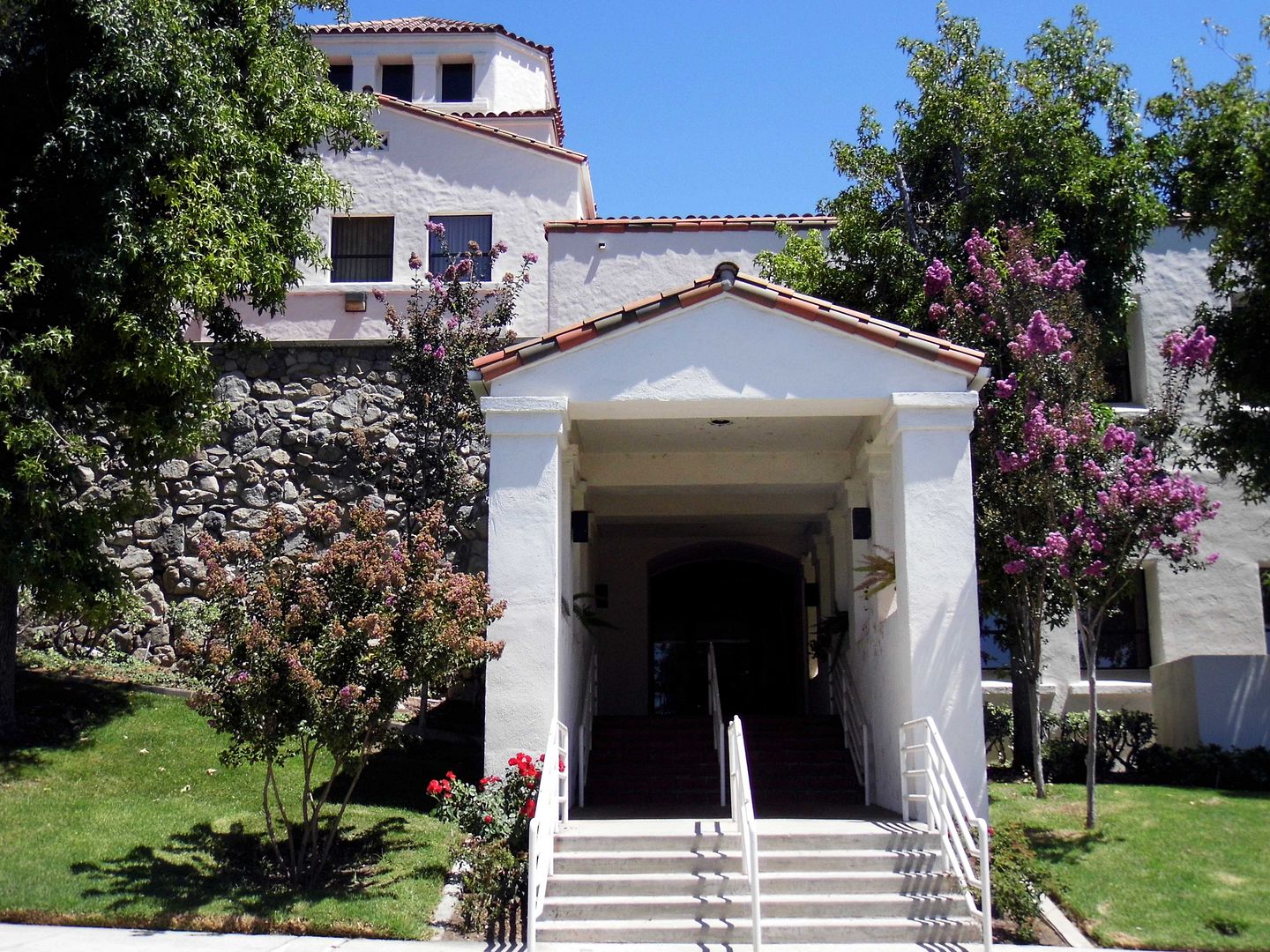


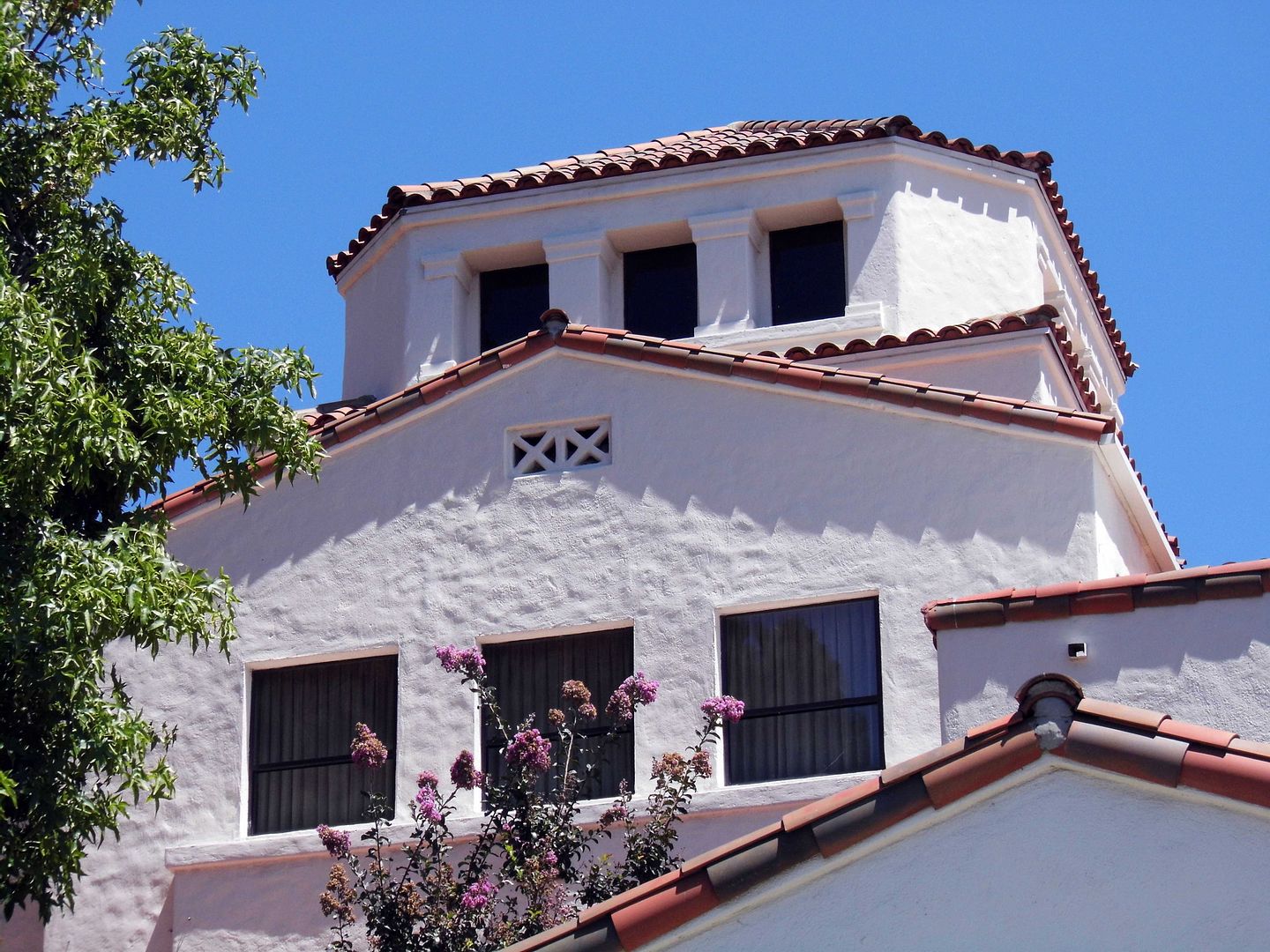
Designed by LA architect Mott M. Marston in the Mediterranean style, and surrounded by the golf course on three sides, the clubhouse boasted "the largest dining and dancing facilities of any Country Club in Southern California"—and even reportedly functioned as a speakeasy during Prohibition.


But by the 1930s, the club had run its course—and could never financially recover, especially considering the blow dealt by the stock market crash of 1929.  From 1933 to 1939, the City of Burbank owned the entire country club, during which time it subdivided and sold much of the property.
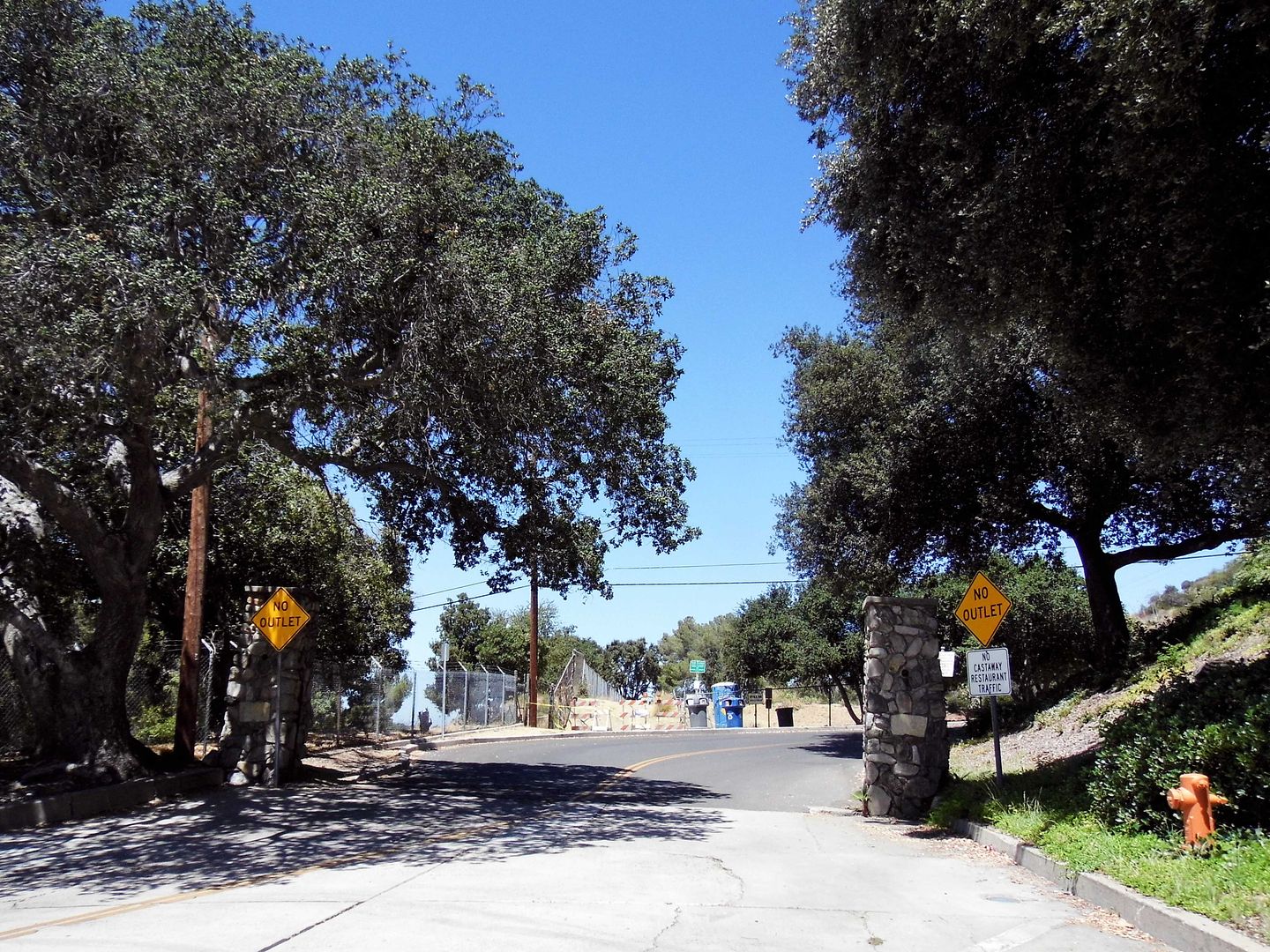


Today, the second clubhouse still stands—behind another set of stone gates, still occupied by the Church of Jesus Christ of Latter-day Saints as it has been since 1939 and still functioning as the main Mormon church building in Burbank.

The LDS church actually turned down the option of also purchasing other parts of the former country club—including the pool, which was instead sold to competitive swimmer and Tarzan star Johnny Weissmuller, who reportedly swam there everyday until he moved away in the 1950's.

The pool is now part of the LA County-operated Sunset Debris Basin—as is much of the rest of the property, in an attempt to manage runoff coming down from the mountains.

One of my most unique finds in the LA area!

For more info, clippings, and images, check out "A New Year’s Eve Party Broadside, Sunset Canyon Country Club, Burbank, 1929" on The Homestead Blog from the Workman-Temple Homestead Museum.

For more background on the 1927 Verdugo Hills fire, visit Mike Lawler's excellent column "Treasures of the Valley" for the Crescenta Valley Weekly

Related Posts:
Photo Essay: A Rock House of Plays, Poetry, and Ceramics (and The Cross That Overlooks It)
Photo Essay: Tracing the Remains of the First Busch Gardens
Photo Essay: Combing the Beach For the Royal Palms Country Club
Photo Essay: Modernism in the Verdugo Woodlands