
I had no idea when I first visited the Southern California Railway Museum in Perris, California in 2015 (then called the Orange Empire Railway Museum) and saw the Pacific Electric Red Cars there...
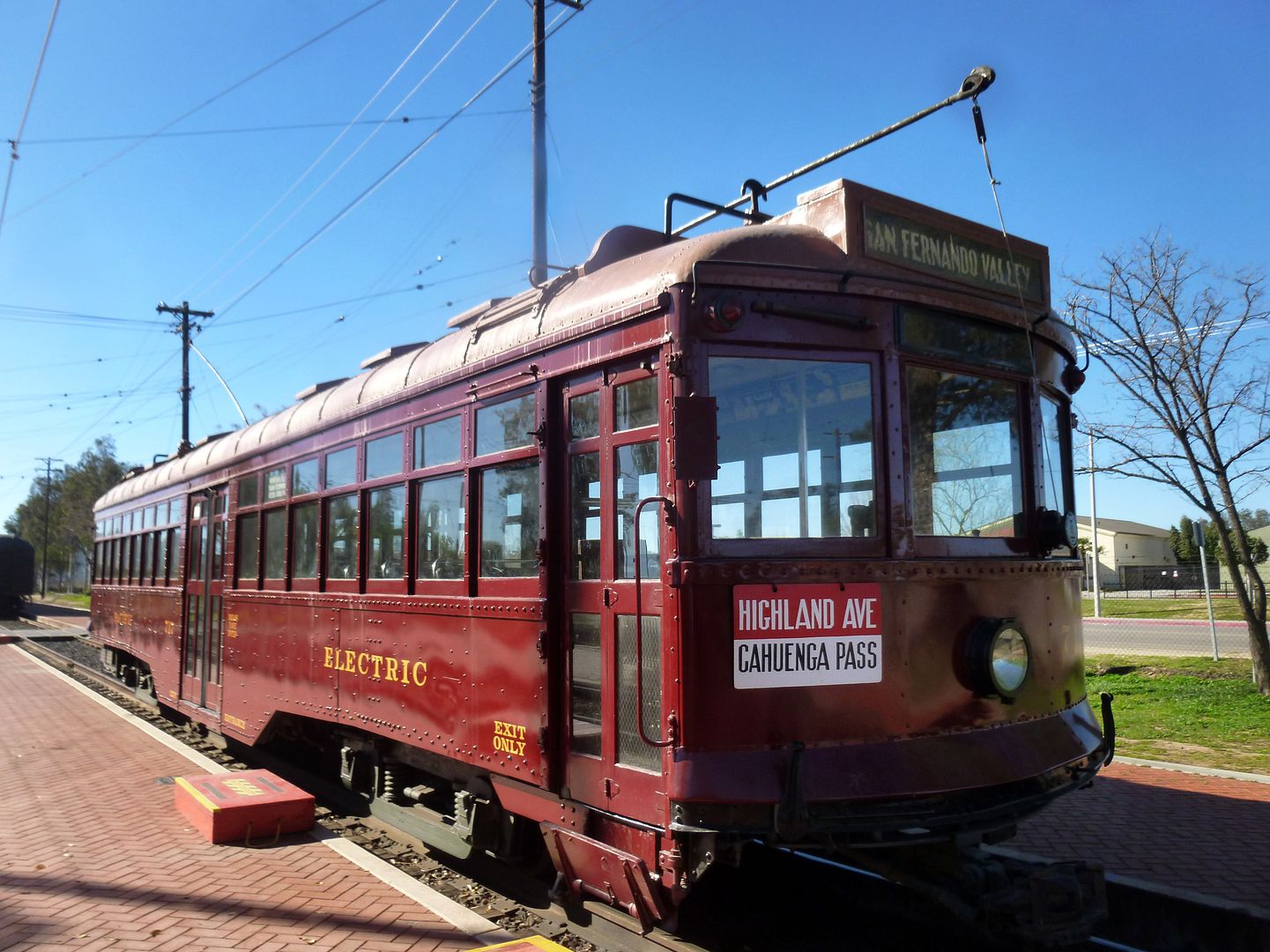
circa 2015
...that just over 10 years later, I'd be in the driver's seat of not one but two of those very same streetcars.
I got an invite from a friend to join him for the museum's Run One program, which lets you drive any of their rolling stock—something I not only hadn't done yet (despite taking a cab ride in a diesel-electric locomotive), but hadn't even heard of.
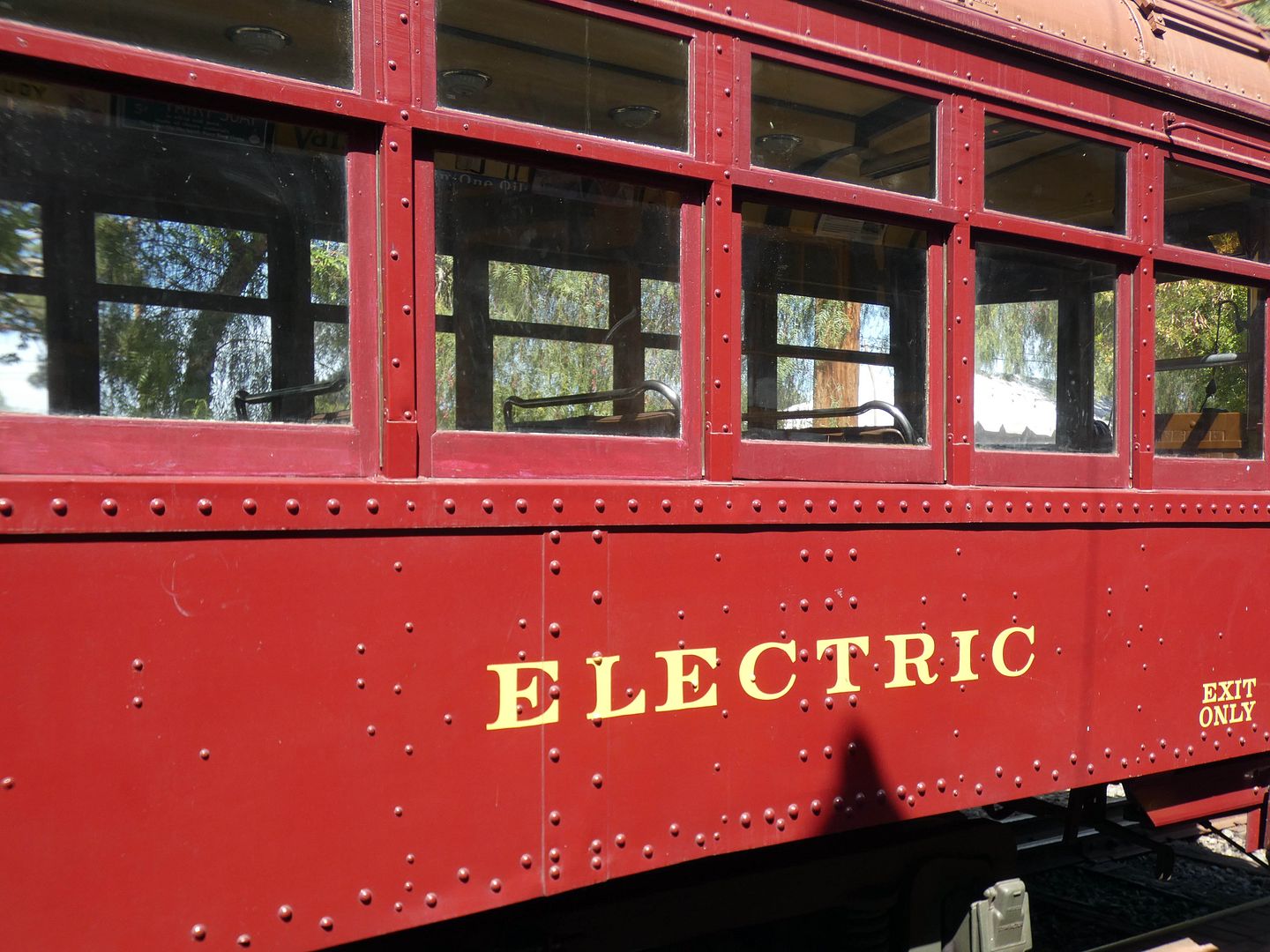
We decided to make two back-to-back reservations so we could each try our hand at each of the two PE trolleys in the museum's fleet and switch roles, experiencing it as both driver and passenger.
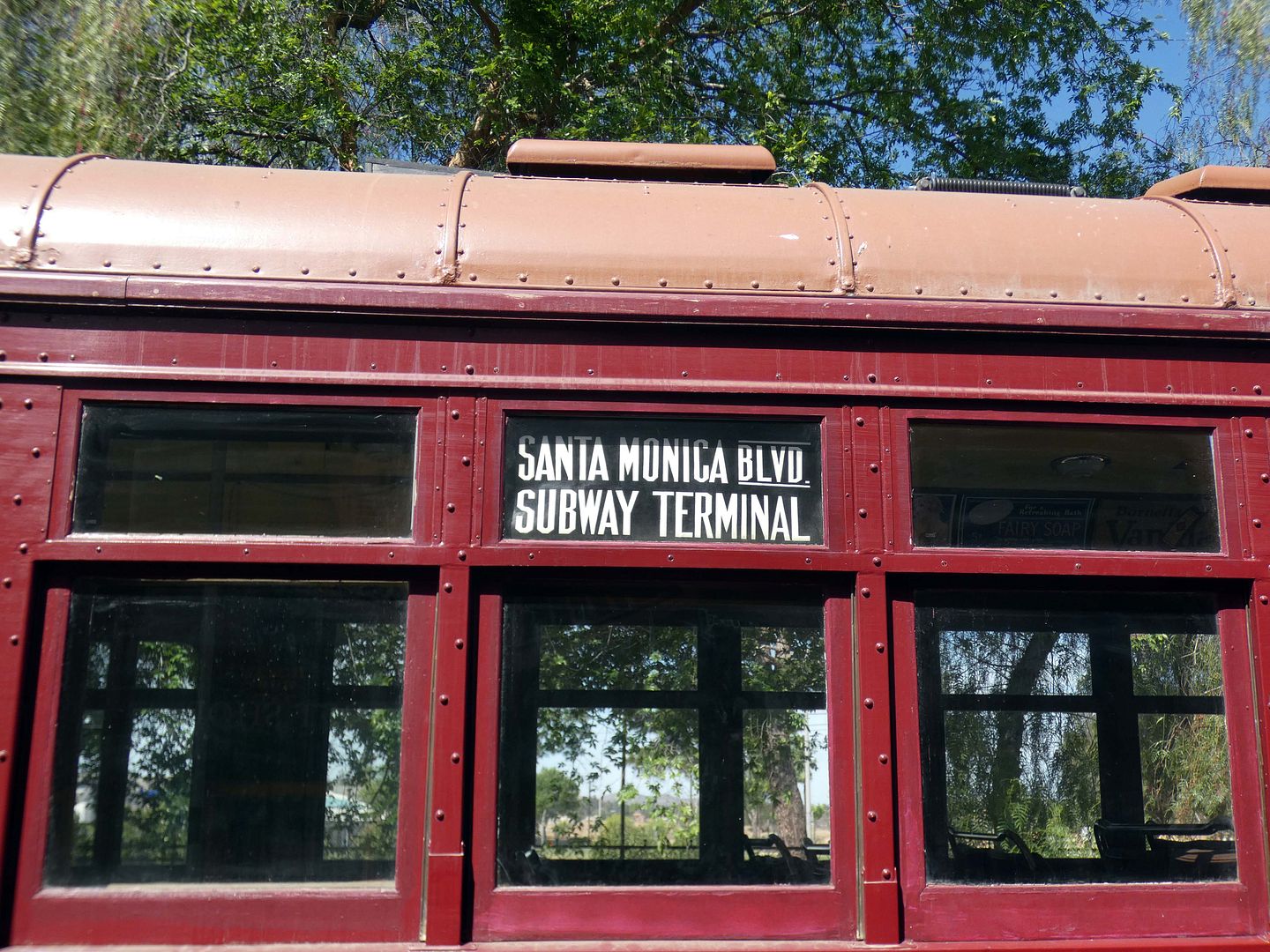
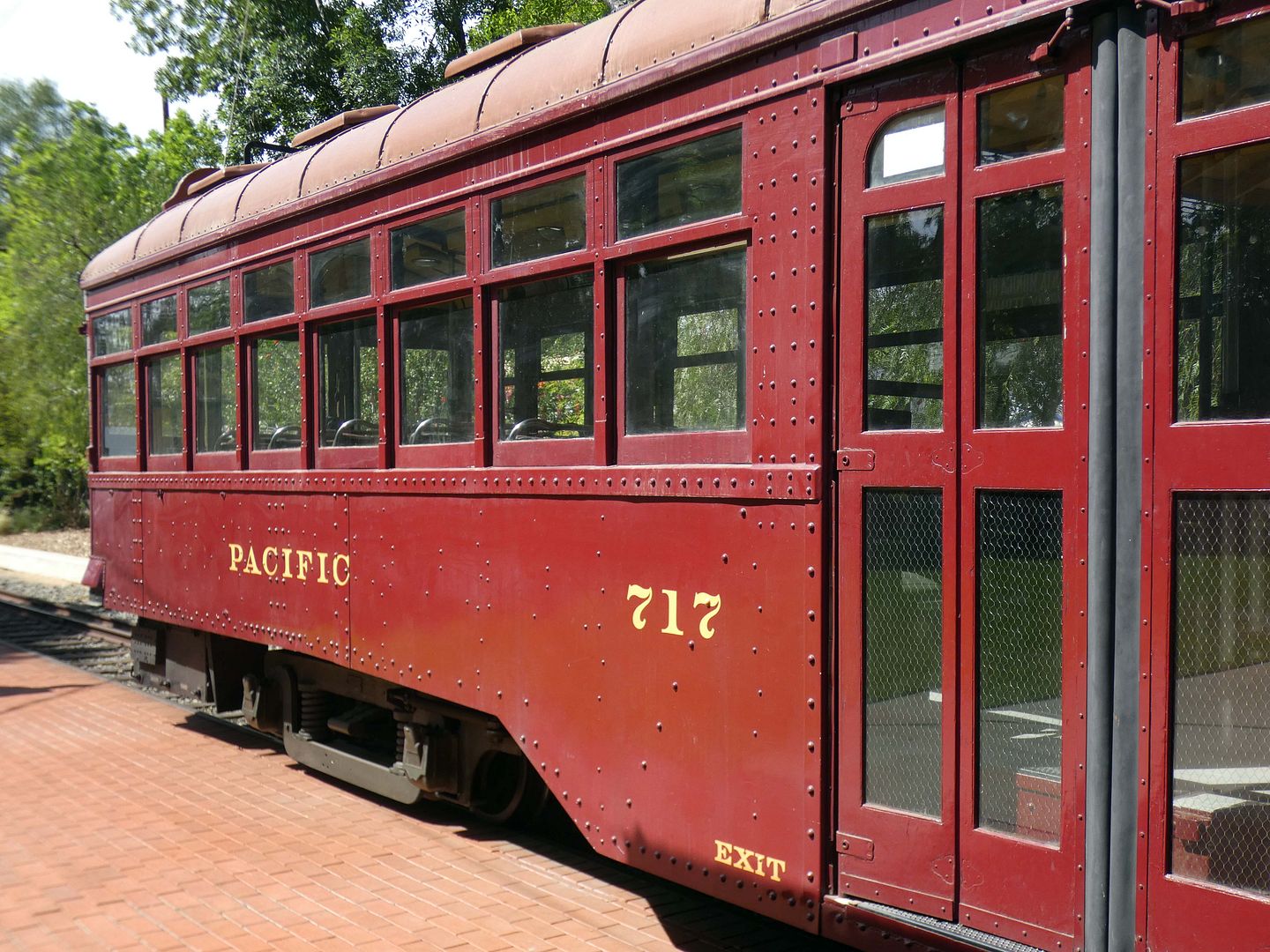
Stan's top choice was the "Hollywood" Red Car, No. 717 (later renumbered as 1815 by Los Angeles Metropolitan Transit Authority)—part of Pacific Electric's 600 class of light rail cars that were first used on the Hollywood Blvd-West 16th Street Line in Los Angeles. This is the type of rail car that would've ended up in the tunnel below the Subway Terminal Building.
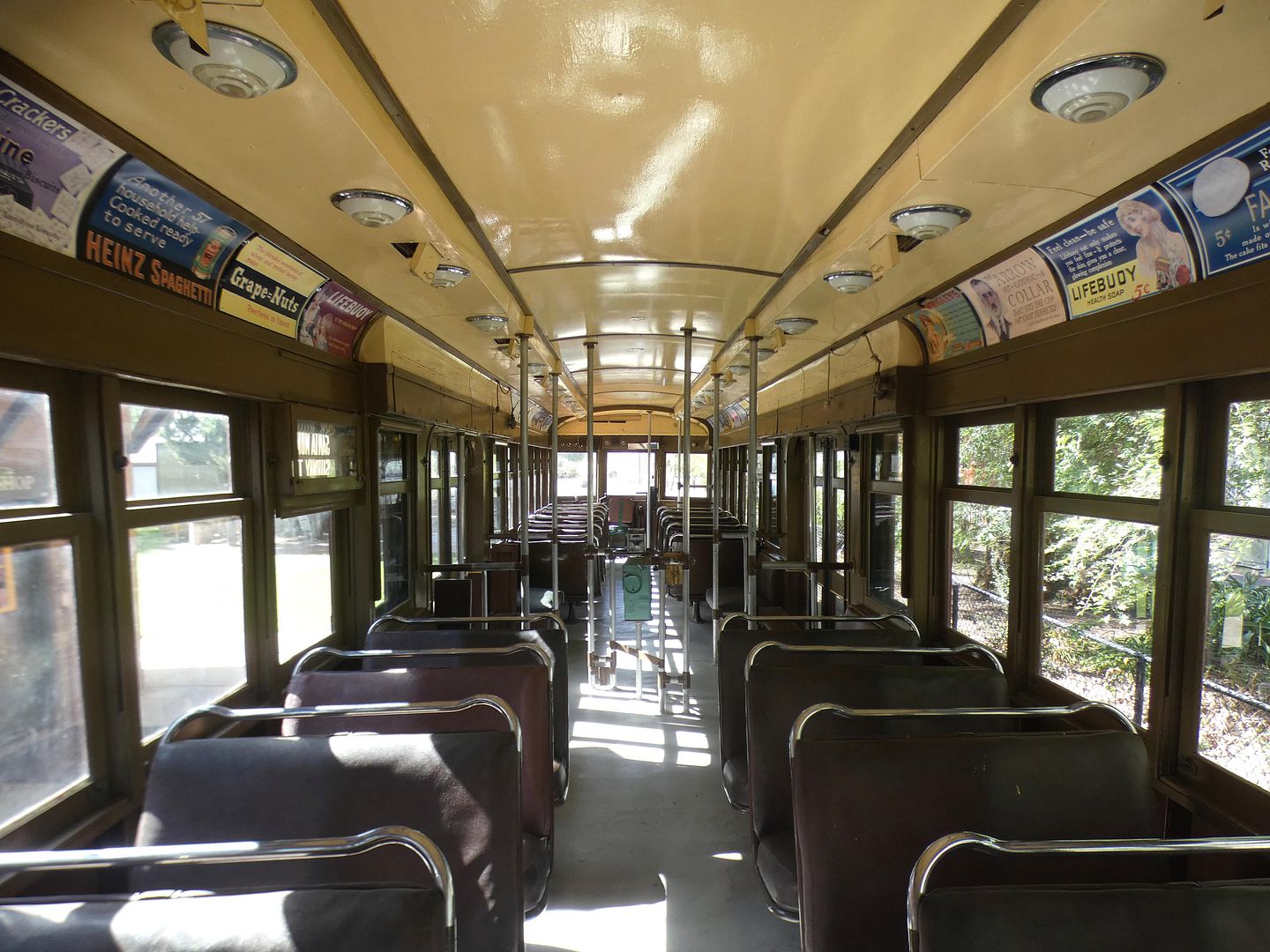
It dates back to 1925 and was in service until the late 1950s, arriving to the museum in 1960 and kept as an operating piece since that time.
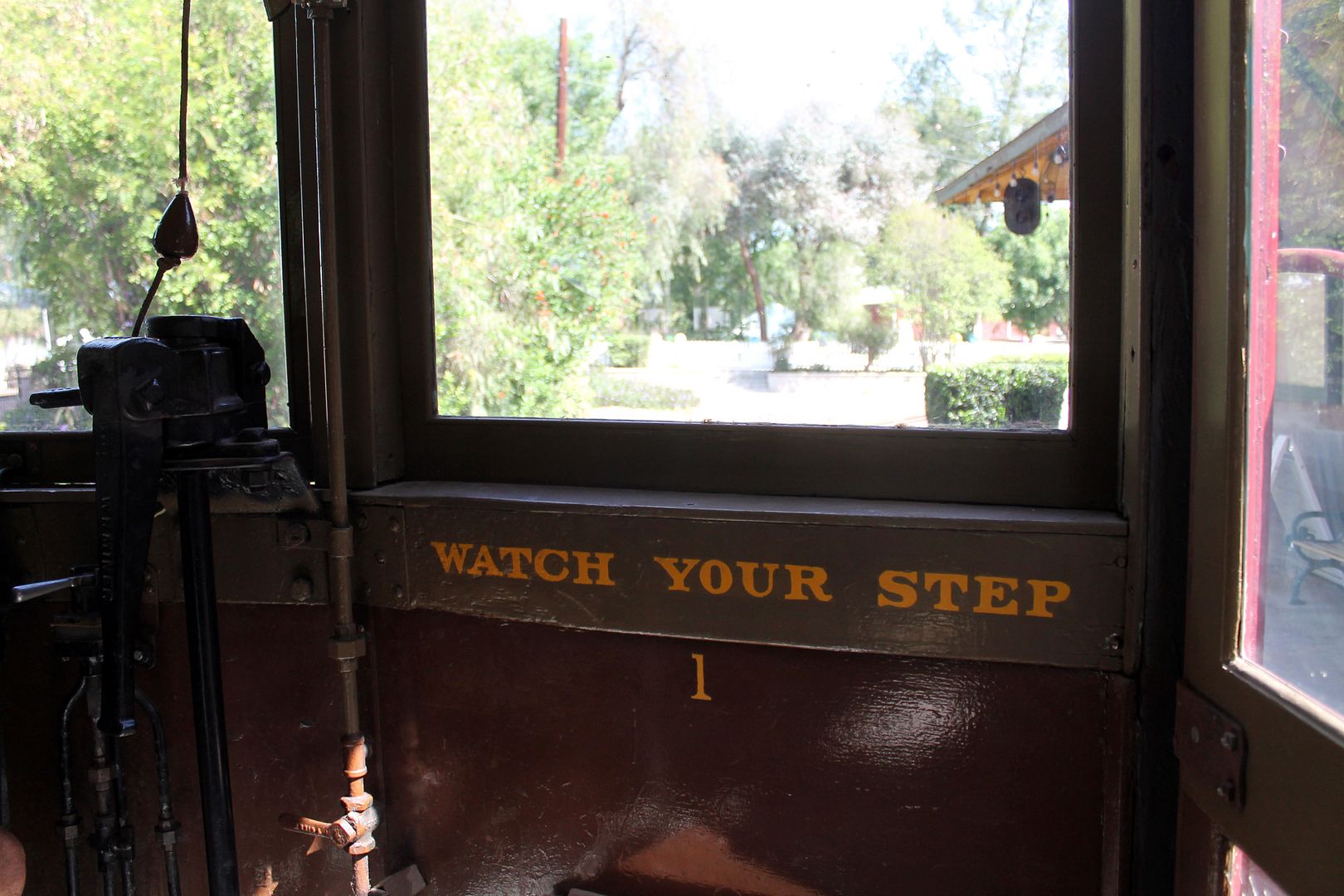
It's thrilling enough to be able to ride this historical artifact, especially now that the San Pedro line is gone...
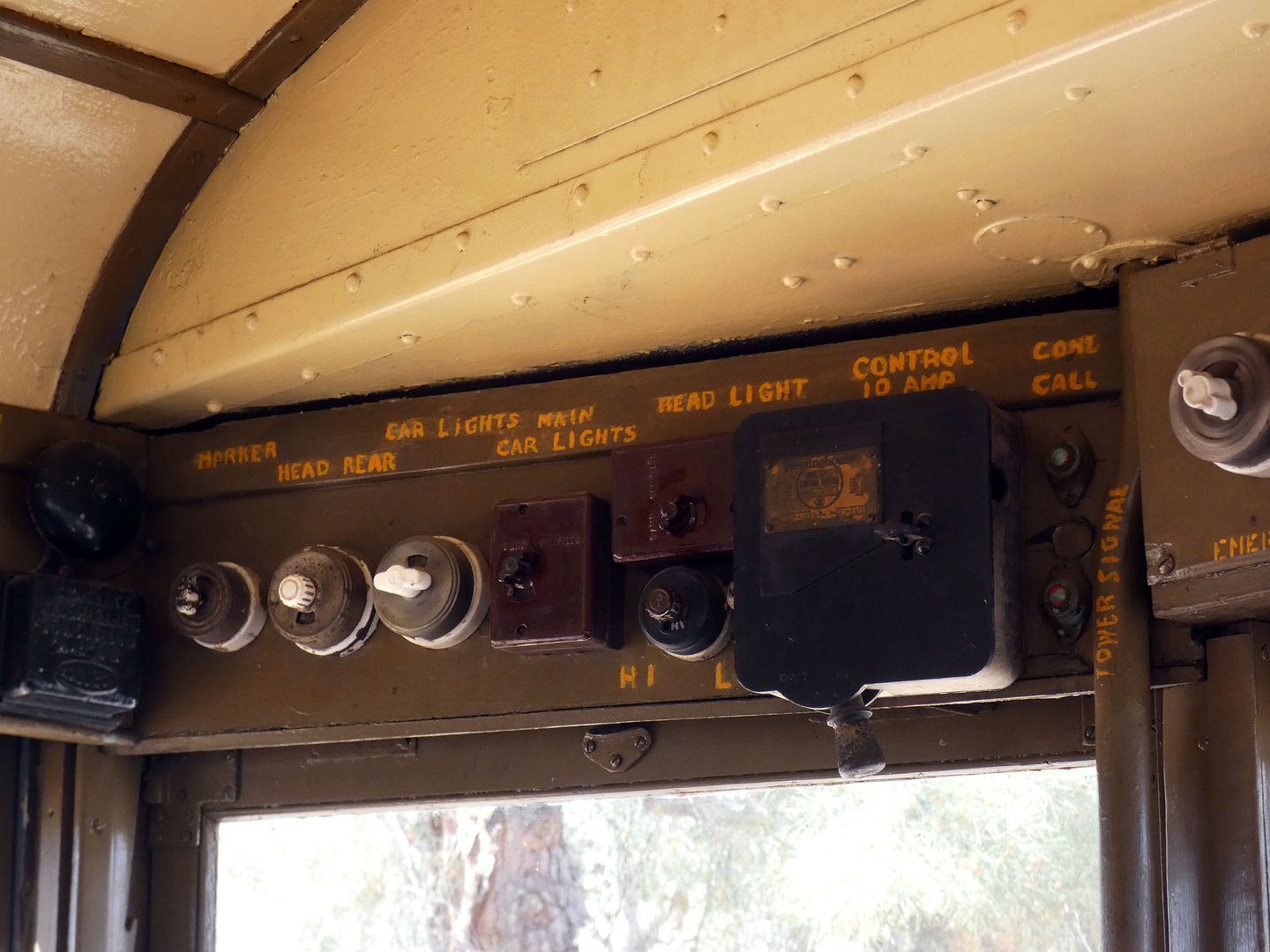
...but it just blows my mind that they let museum visitors take control of it after just a very brief training session!
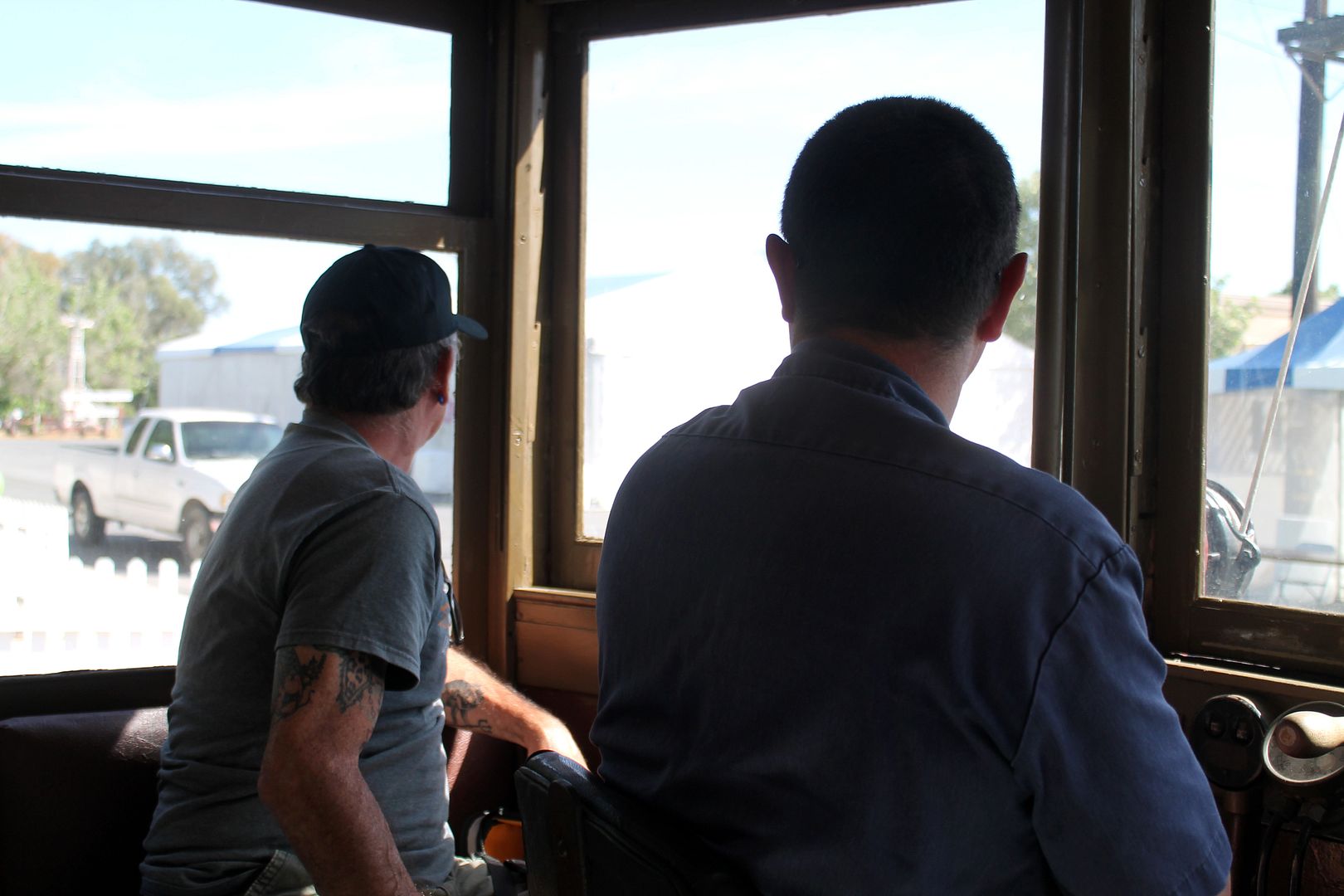
Under the tutelage of Carson, our guide, we learned the ropes—er, the rails—of driving the 717 along the route that loops around the museum grounds, at a snail pace of just over 5 mph.
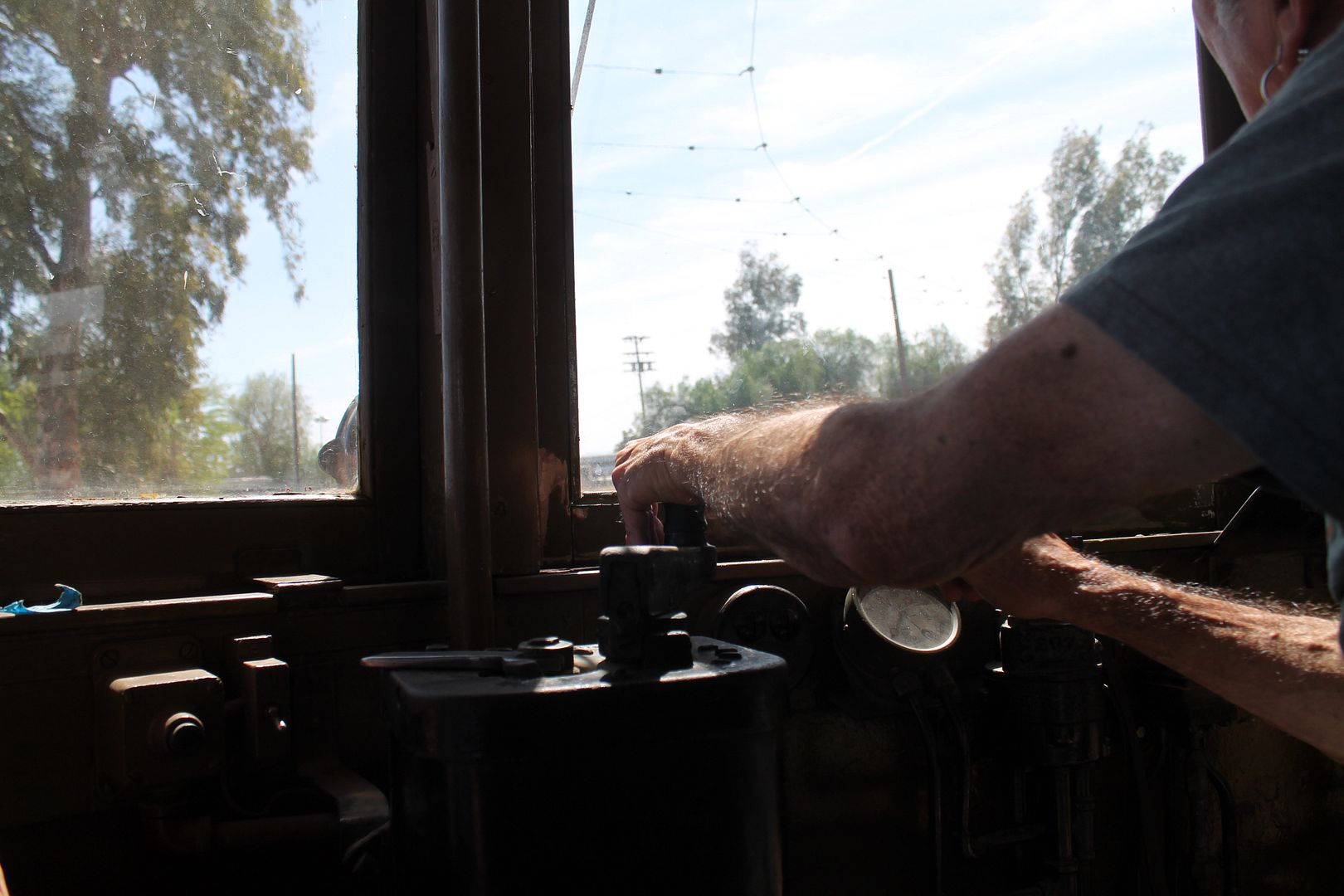
Both hands are constantly working, between holding the dead man's switch down with your left hand (and occasionally thunking on the throttle) and pumping the brake handle with your right. When you approach a crossing, you give the bell a good "ding ding" with your toe.
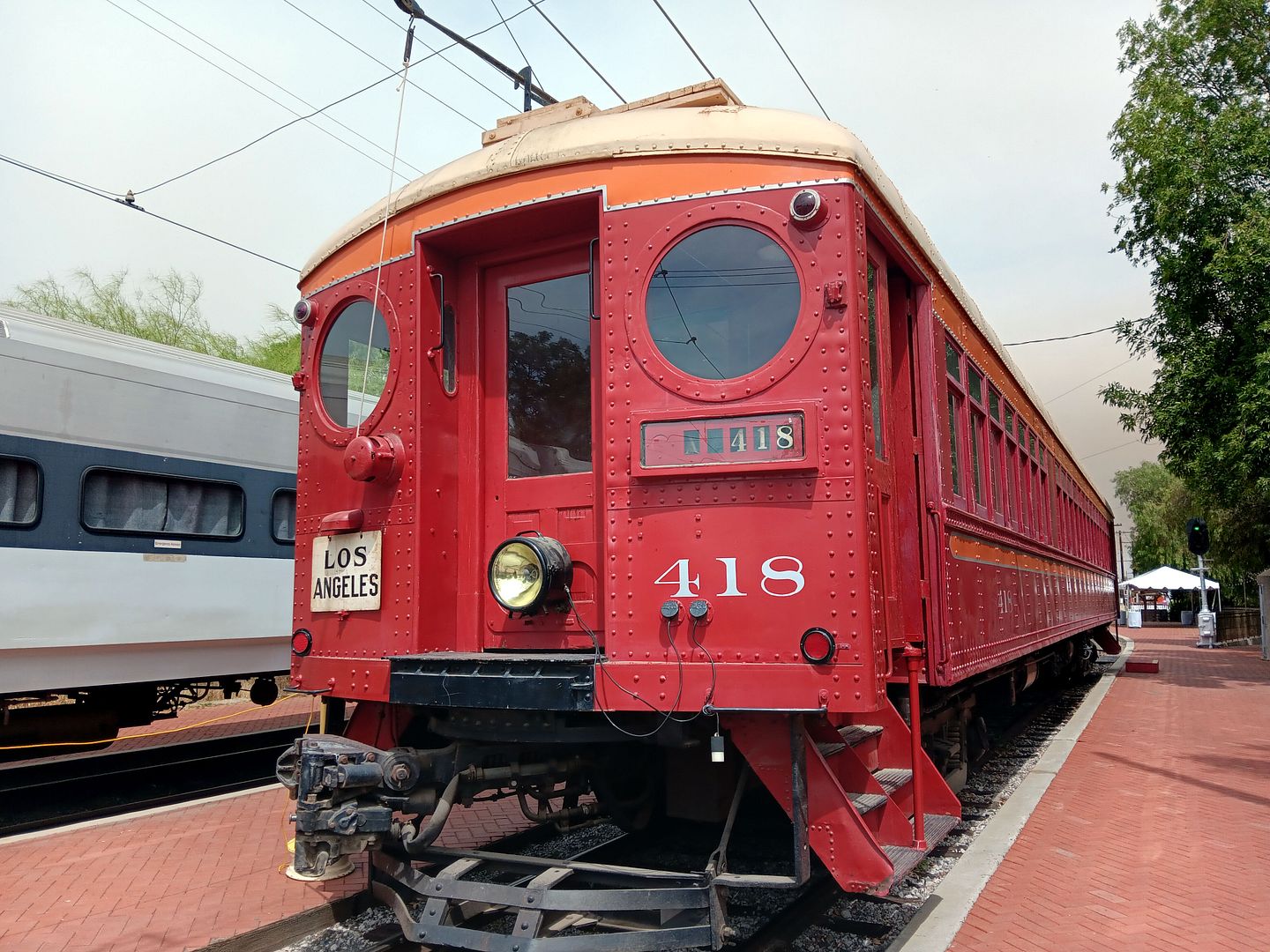
Next it was my turn at the helm of the Pacific Electric No. 418—originally built by the Pullman Car Company in 1913 for service in the Bay Area and moved to Los Angeles in 1941 to serve the Port/Long Beach/Terminal Island region.
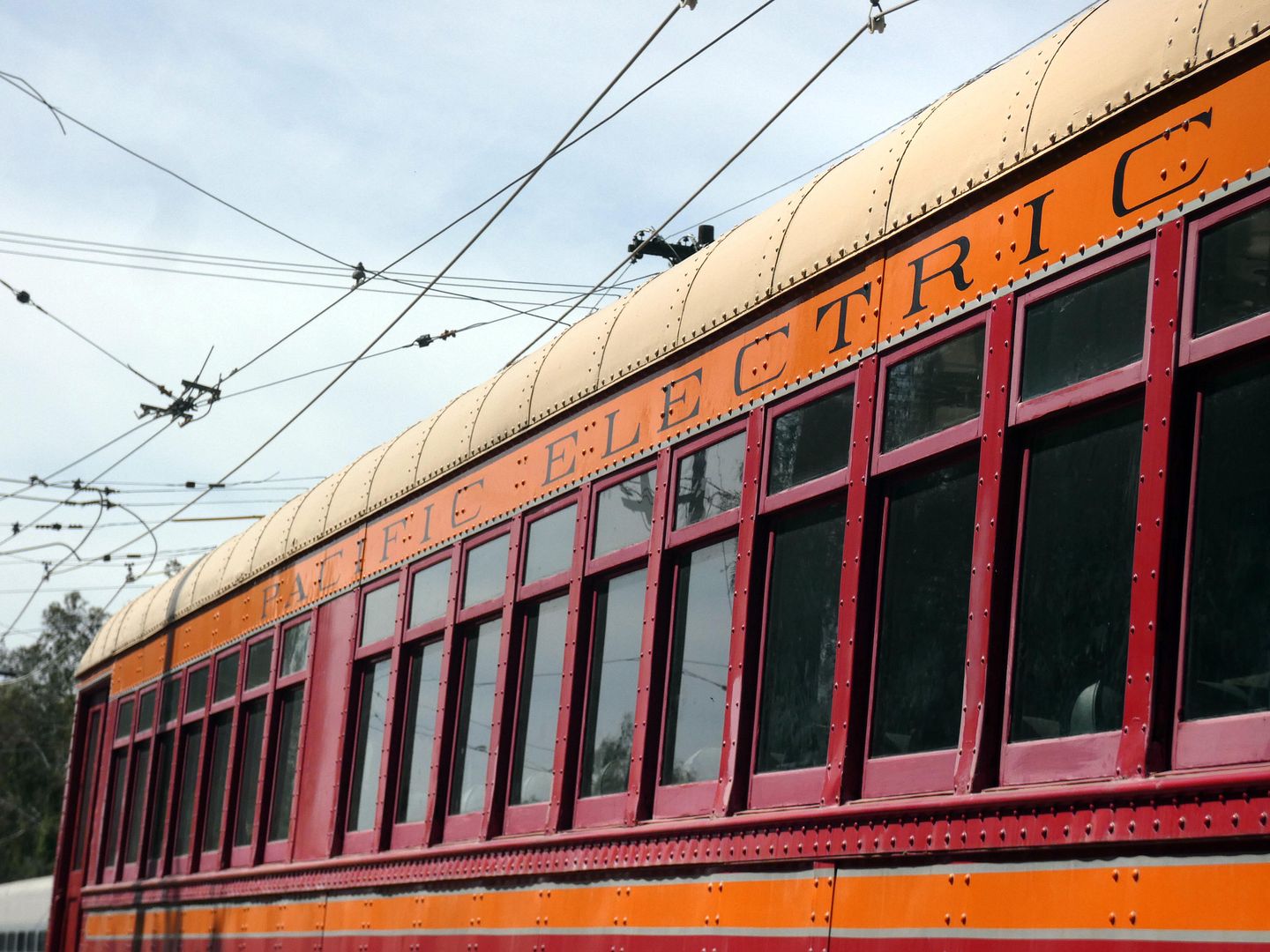
Known as "Blimps" because they're so enormous, this streetcar and others like it were the last survivors of the Red Car Line in Los Angeles—ending service in 1961.
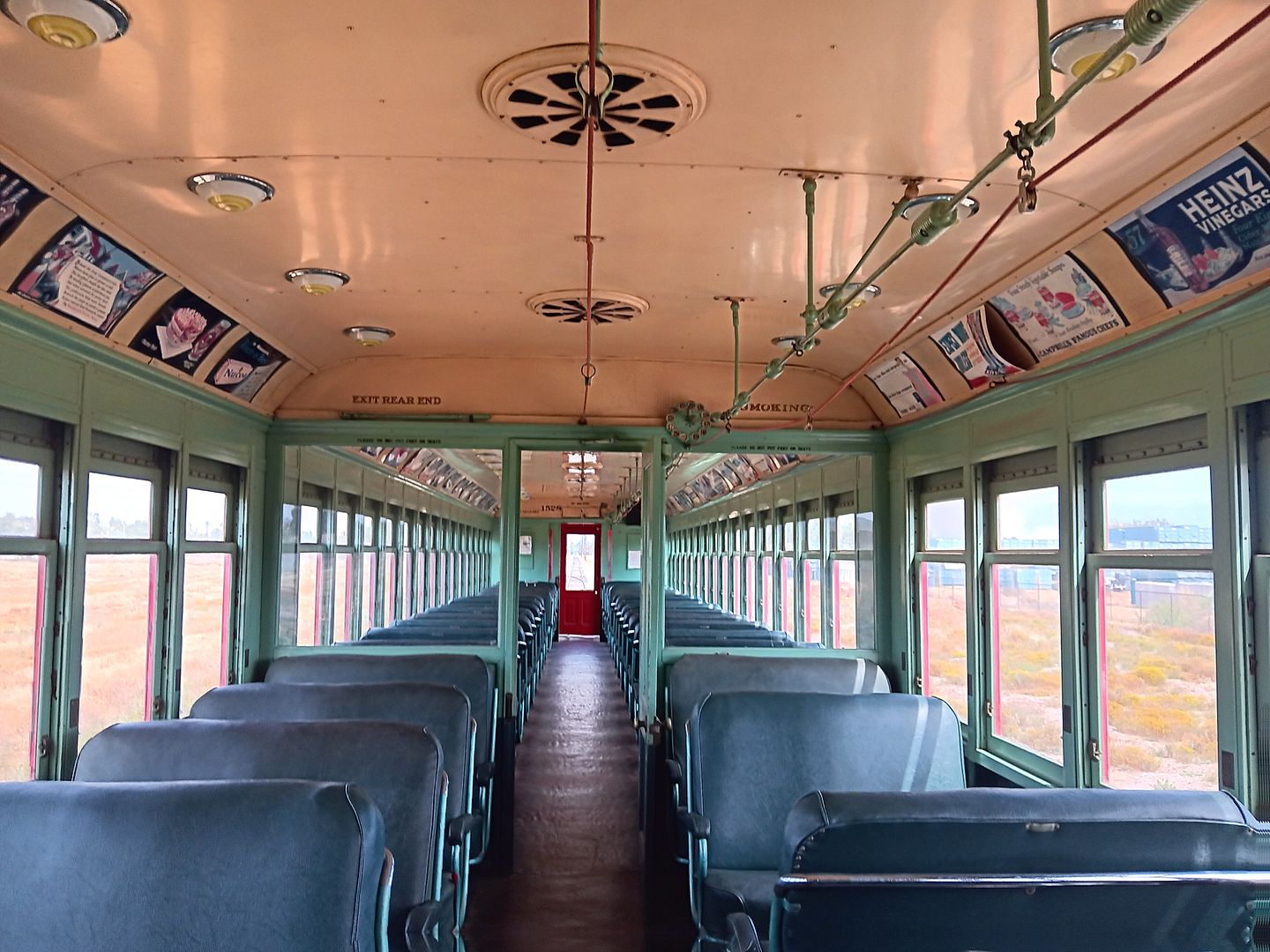
They had two sections—one for smoking, and a smaller one for non-smoking, separated by a glass partition that didn't close the gap in the aisle (which didn't exactly make for an airtight, smoke-free environment).
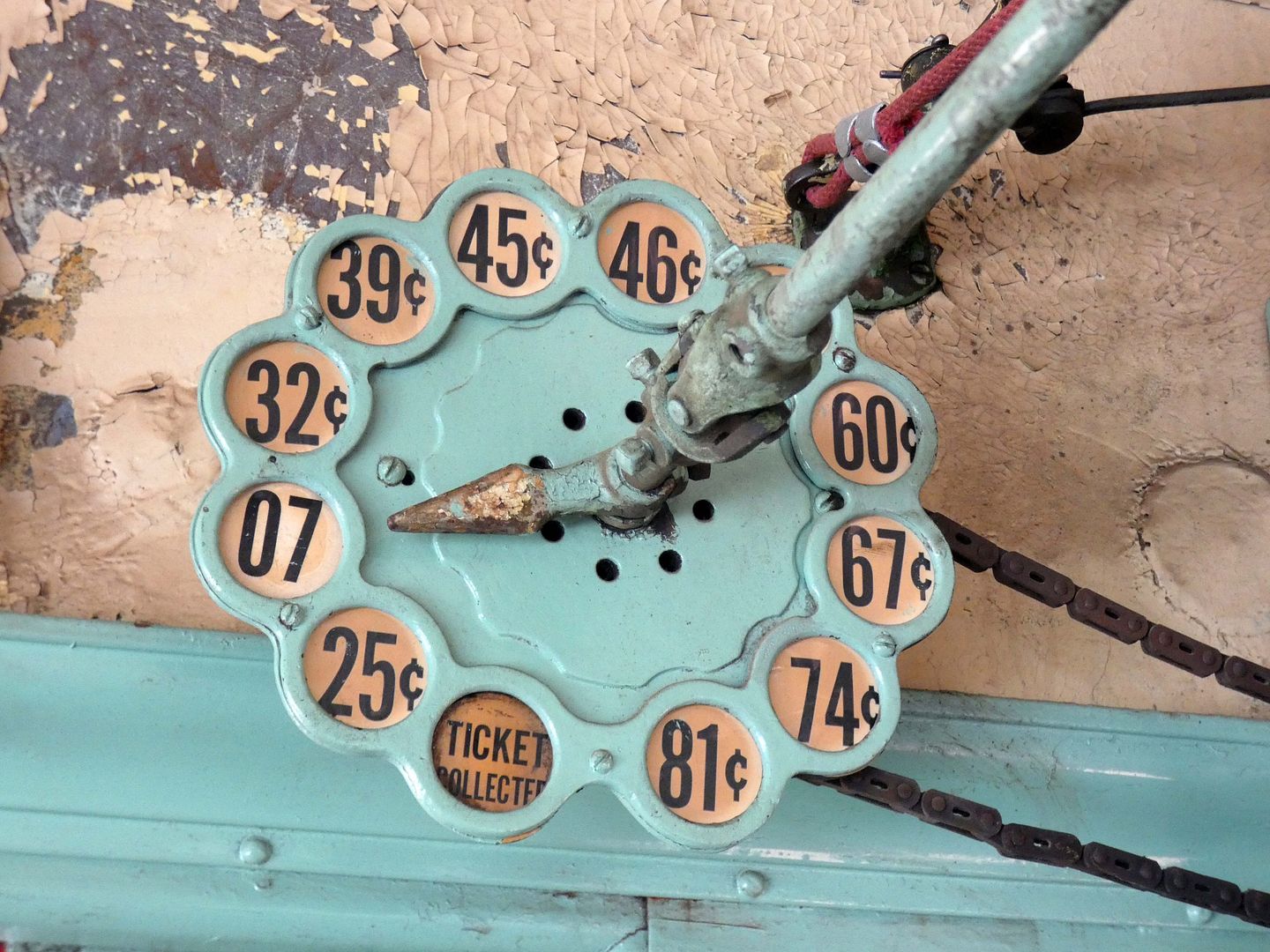
It was a two-man operation: one to drive at the front, and a conductor in the middle to collect fares from the passengers, which he'd ring up on a fare box through a system of turning a rod and pulling ropes that hung above the seats.
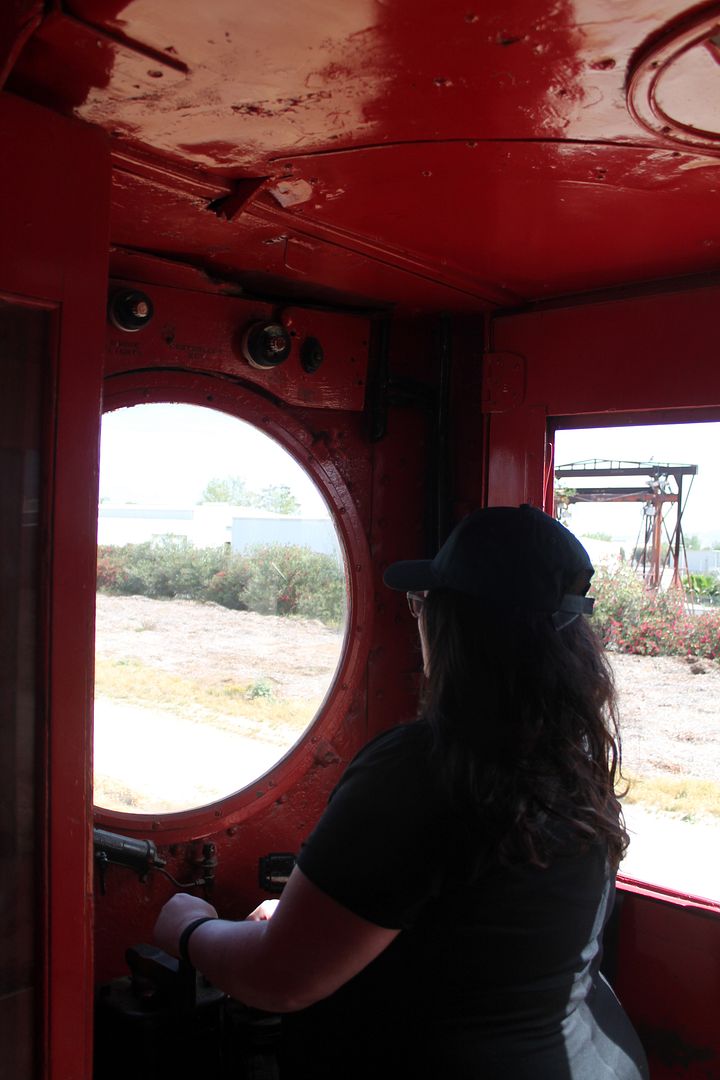 Photo by Stan Schwarz
Driving the 418 along the main line was far less complicated than the 717 on the loop—but with such a massive machine under my control, I was giddy with power and a sense of authority.
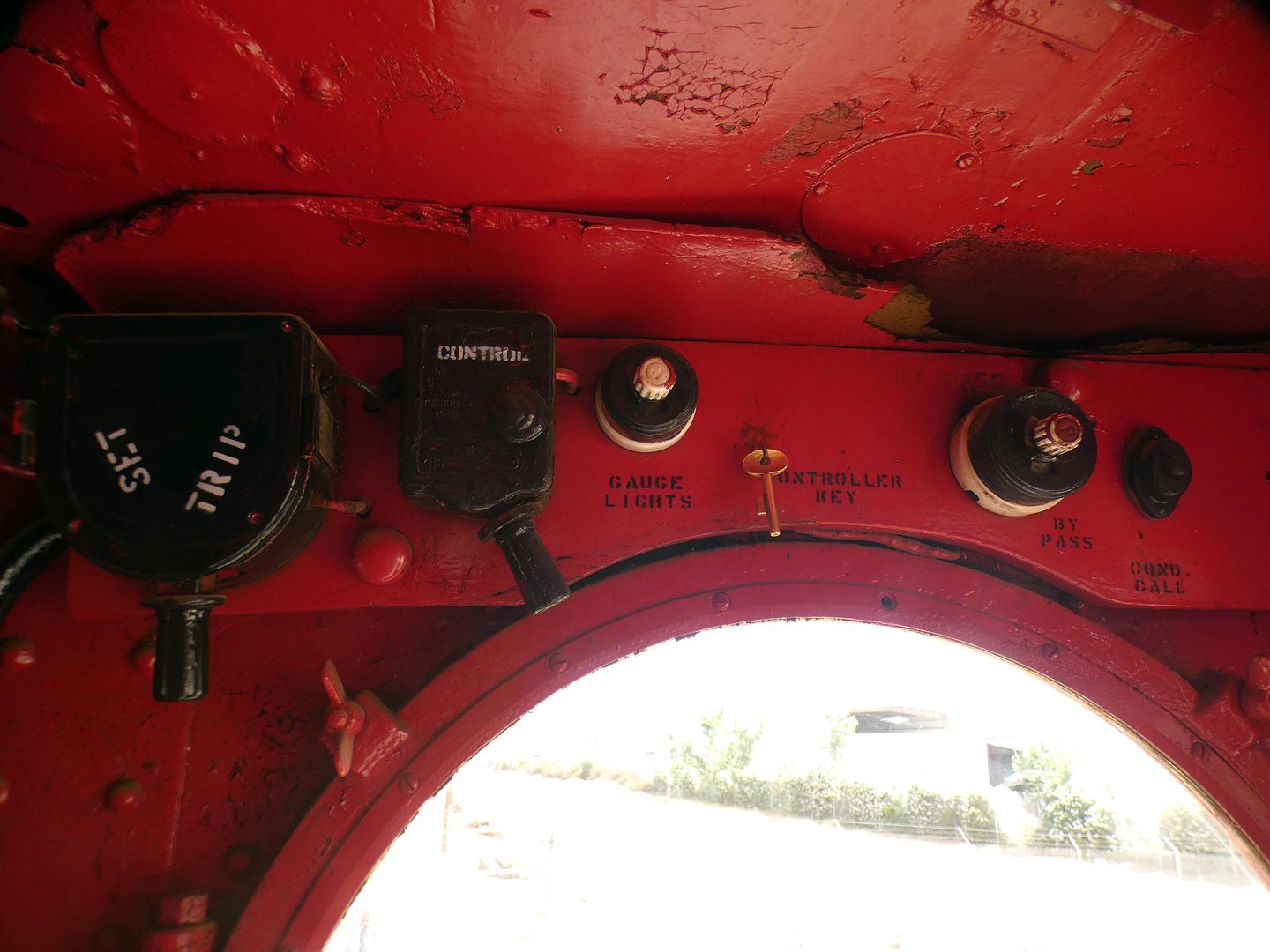
It's a remarkably different experience from the 717, too—from the off-center position of the controls to the large porthole windows and the tiny controller key that allows everything to start moving.
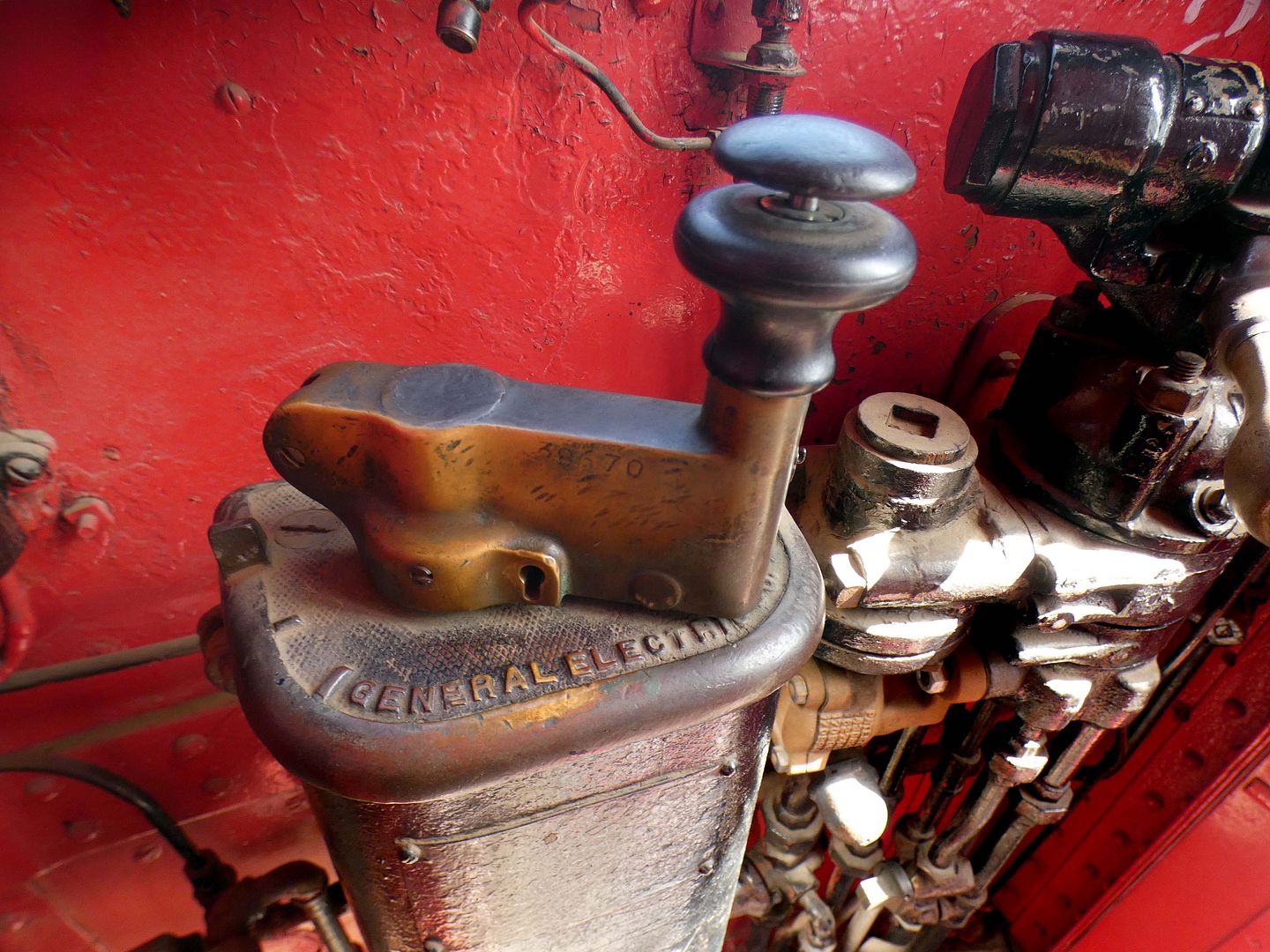
The dead man's switch—named as such because if you let go because you fall asleep, pass out, or are kidnapped, the train comes to an emergency stop—is harder to keep down, sometimes requiring two hands and a lot more bicep strength.
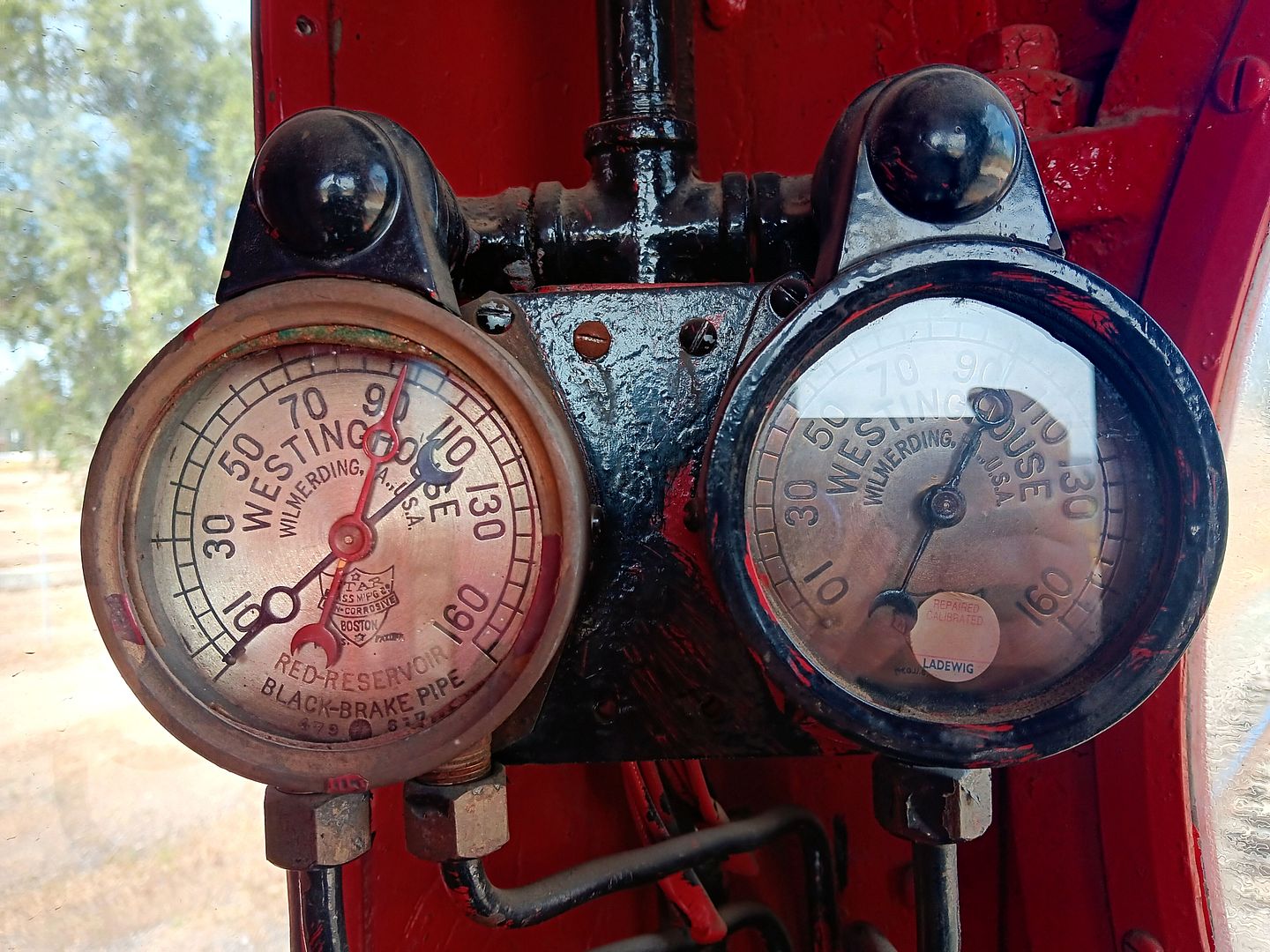
There's an identical brake system at the front and back of the train, allowing you to switch directions on the track without aid of a turntable...
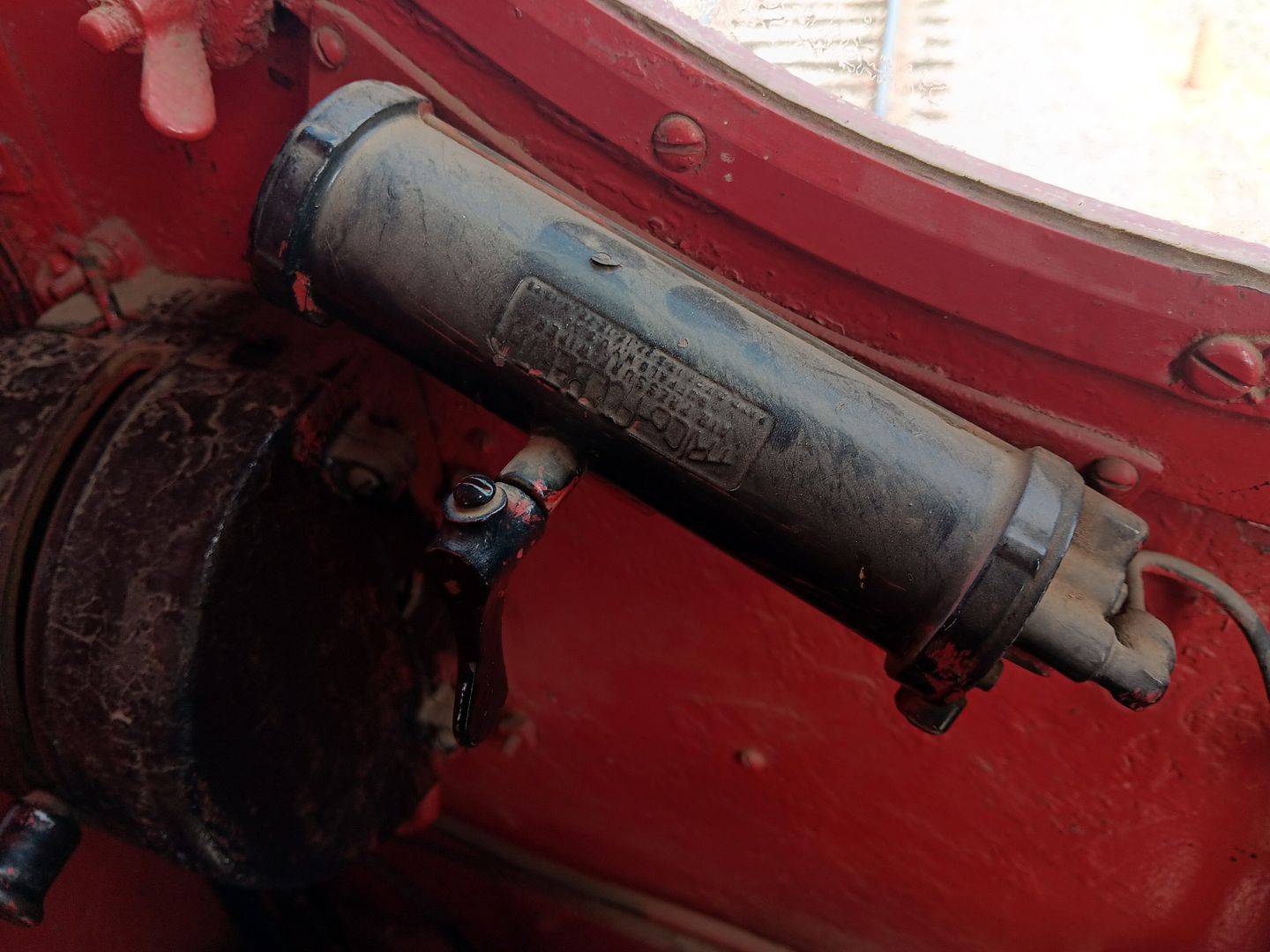
...simply by "cutting out" the brakes at one end and releasing the air pressure...
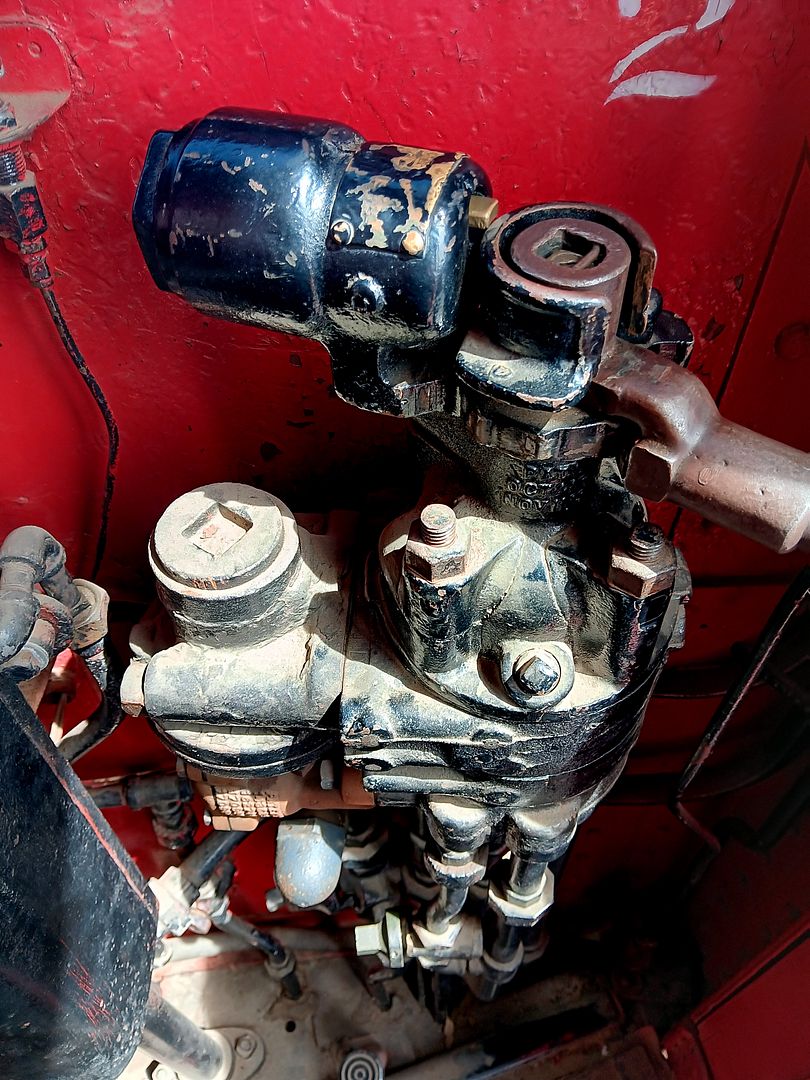
...and taking the brake handle with you and cutting in the brakes at the other end.
There's also the pesky matter of switching around the trolley pole, which you catch a glimpse of in the video above. And blowing the horn takes a surprising amount of leg effort.
I kind of can't believe I never pursued this adventure before, because I'm such the type of person who doesn't want to just passively ride in something—I want to drive it!
But driving the Red Cars felt like taking history into my own hands, with muscle memories borrowed—or perhaps channeled—from the spirits of ghost engineers gone by.

No comments:
Post a Comment