
The construction of the Henry O. Bollman house in Los Angeles' Sunset Square Historic District is very much a story of sons.
Henry's father was a prominent Hollywood man, Otto Bollman, president of the Dial Film Company (perhaps best known for the 1920 film The Tiger's Coat).
Henry forged his own path as a builder/developer—and when he was planning for his own home to be built on North Ogden Drive in the early 1920s, he commissioned it from the son of one of the most notorious architects of the time.
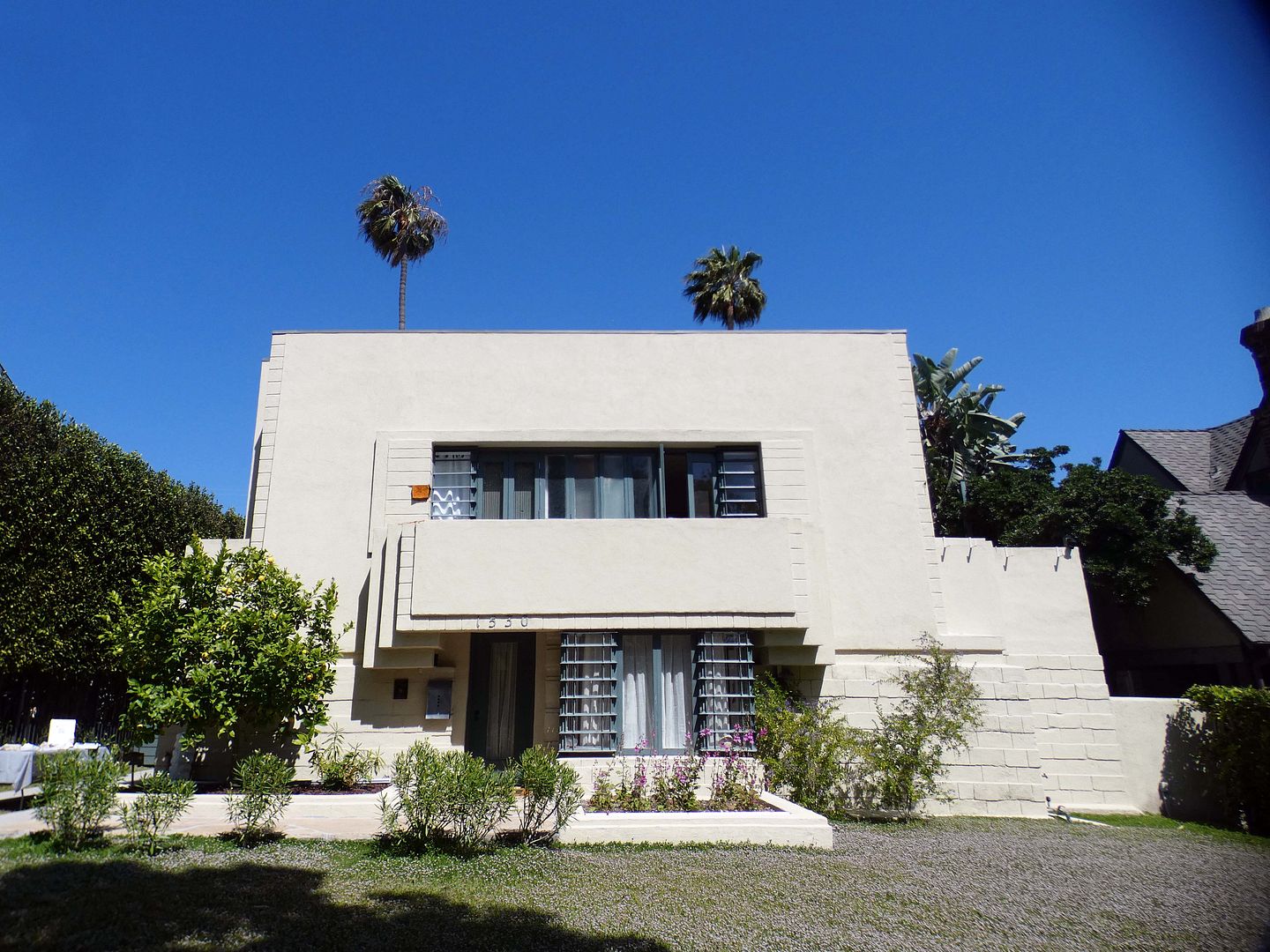
The younger Bollman commissioned the house from Frank Lloyd Wright, Jr. (a.k.a. Lloyd Wright)—son of Frank Lloyd Wright—who'd designed the elder Bollman's Hollywood house in 1920. Henry had served as builder on that project and wanted to work with Wright again.
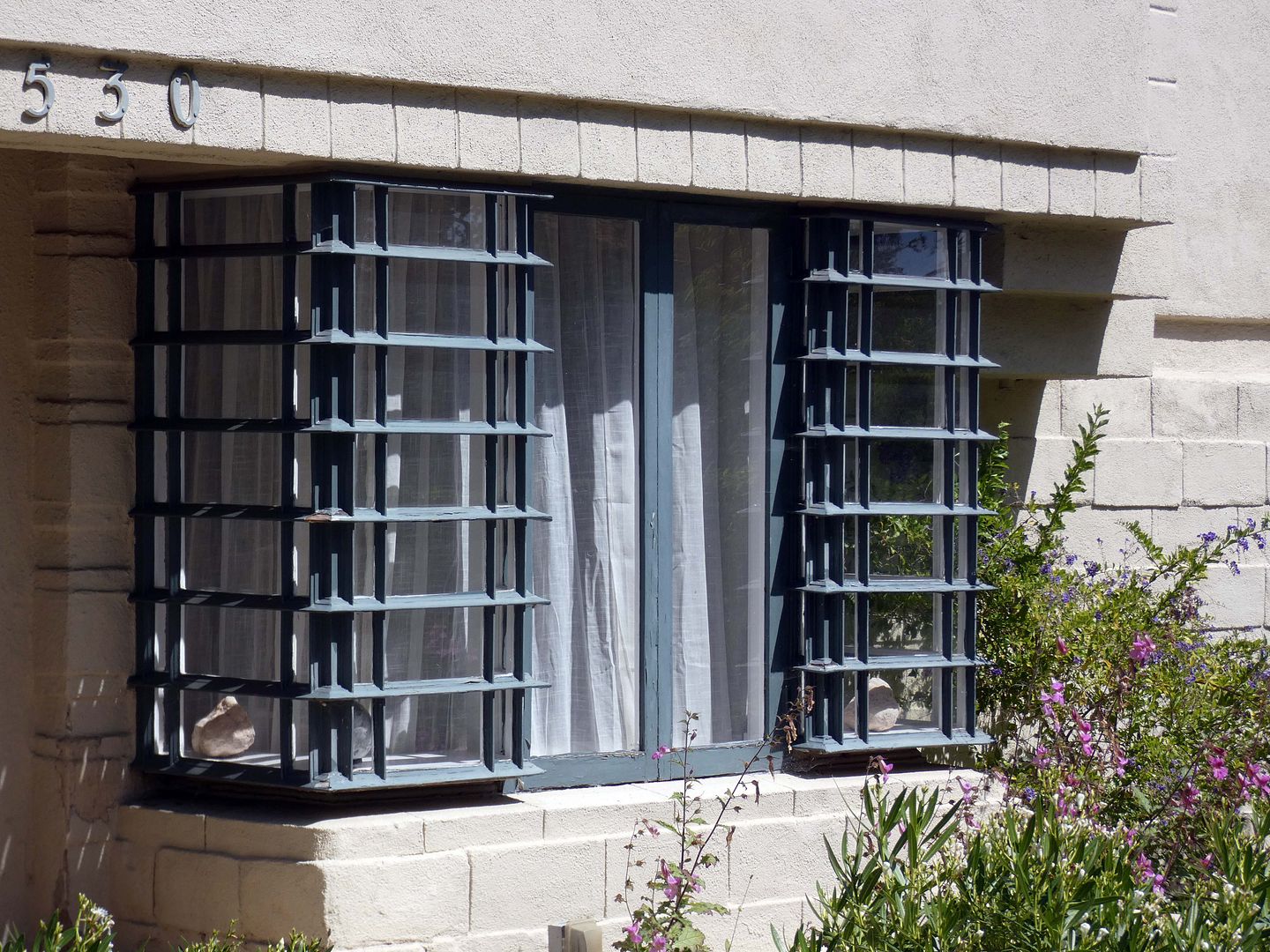
The result was a little jewel box of a Mayan temple, designed in Wright's characteristic textile block style a year before his father's first design in the same style, La Miniatura, was built in Pasadena in 1923.
Henry sold the house to his father in 1925 after getting engaged and sailing off to Hawaii—and over the last century, it's had dozens of owners.
Former model/interior designer Mimi London bought it in 1990 and modified it to suit her needs and tastes, and now Michael and Eran Hammer—its homeowners since 2023—are trying to return it back to its original condition. (They got it listed on the National Register of Historic Places, too.)
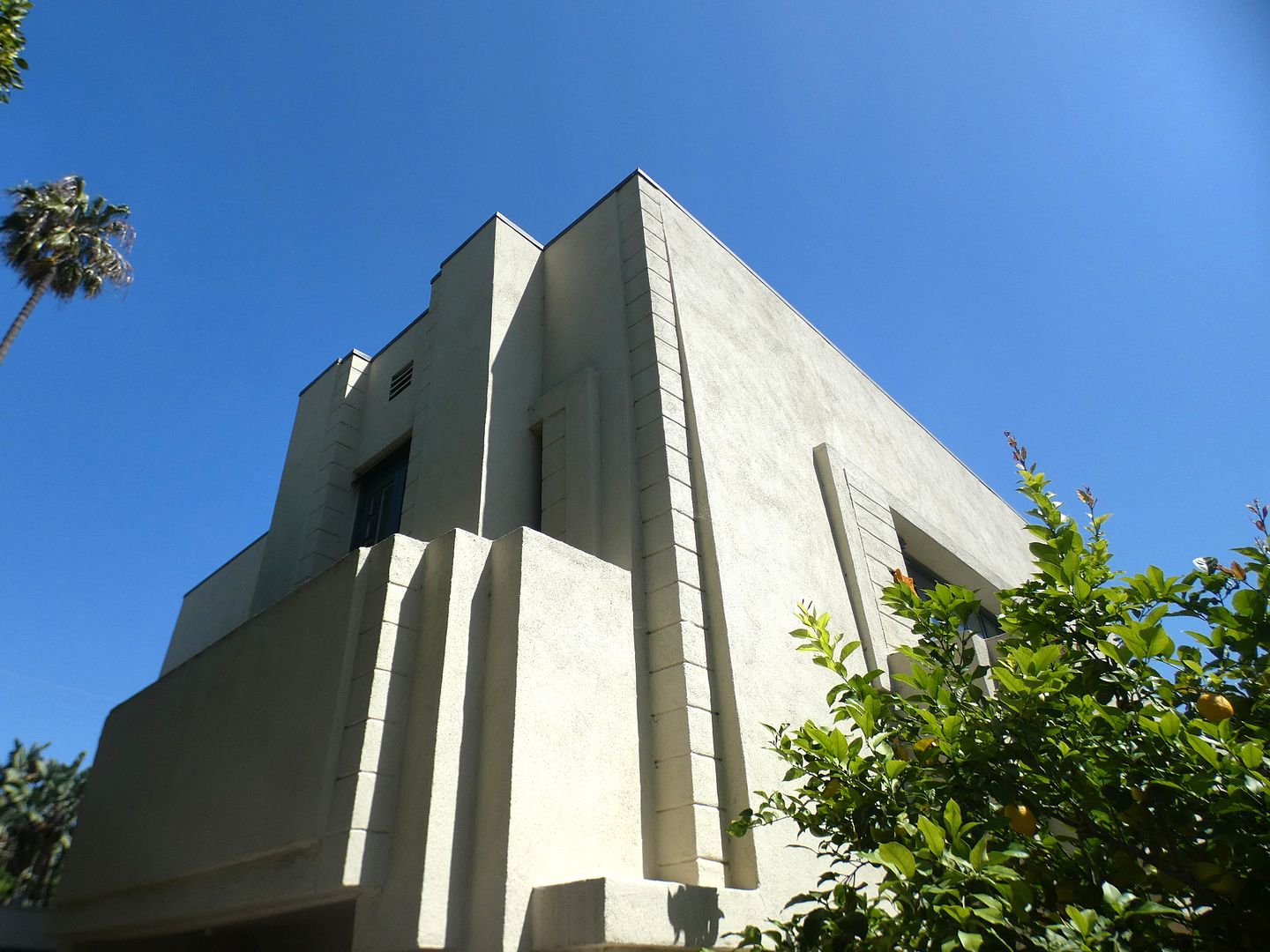
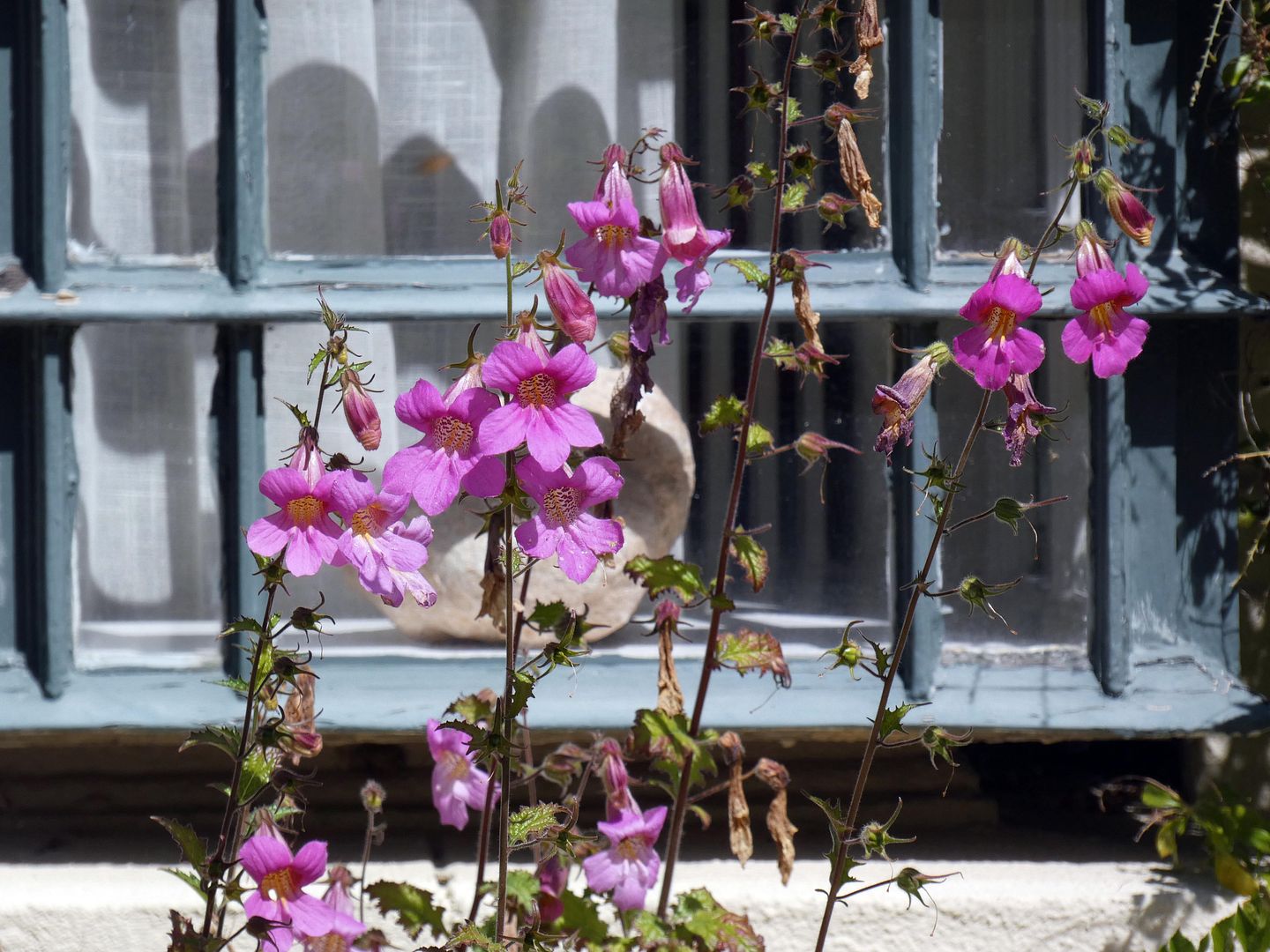
That includes reproducing a historically accurate landscape design with what they think were the same plantings and bringing back decorative textile block trim, which was either covered up or removed sometime before 1960.
According to an Instagram post, the owners estimate it happened sometime in the 1930s.
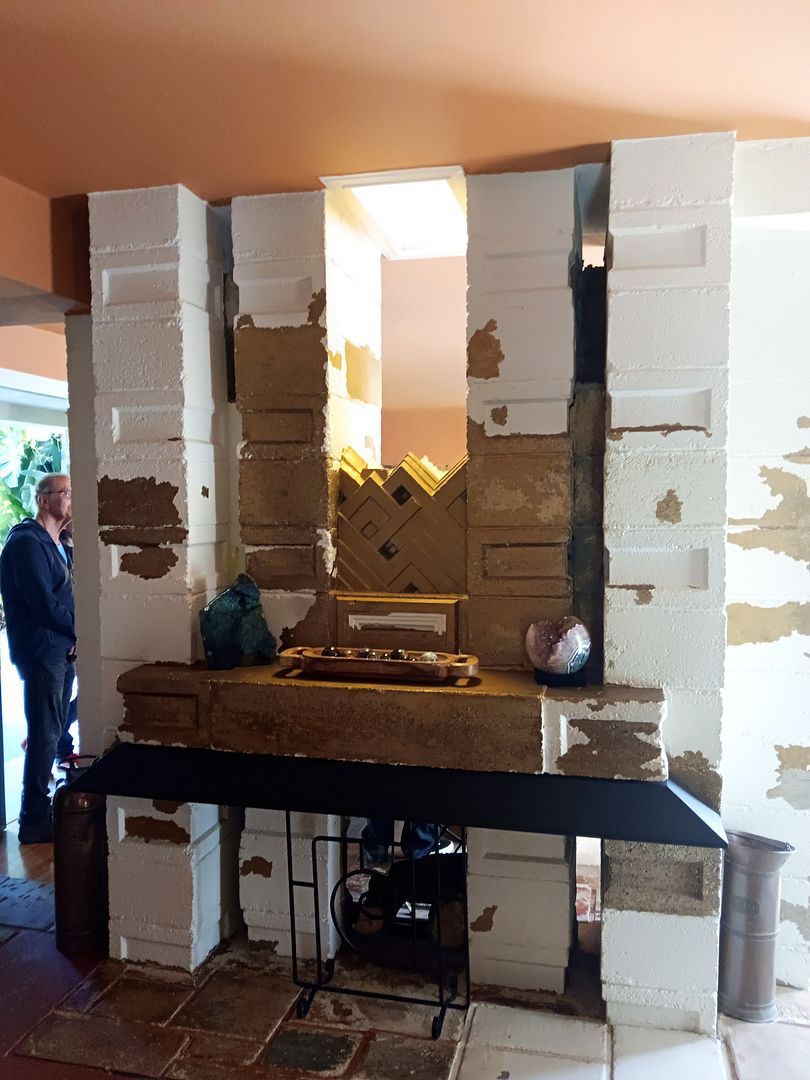
The first thing you see in the entrance hall is the concrete block "no chimney" fireplace, most recently painted white on top of the previous (1930s-era) gold. (The chimney is actually hidden inside the blocks, and makes some awkward turns instead of going straight up.)
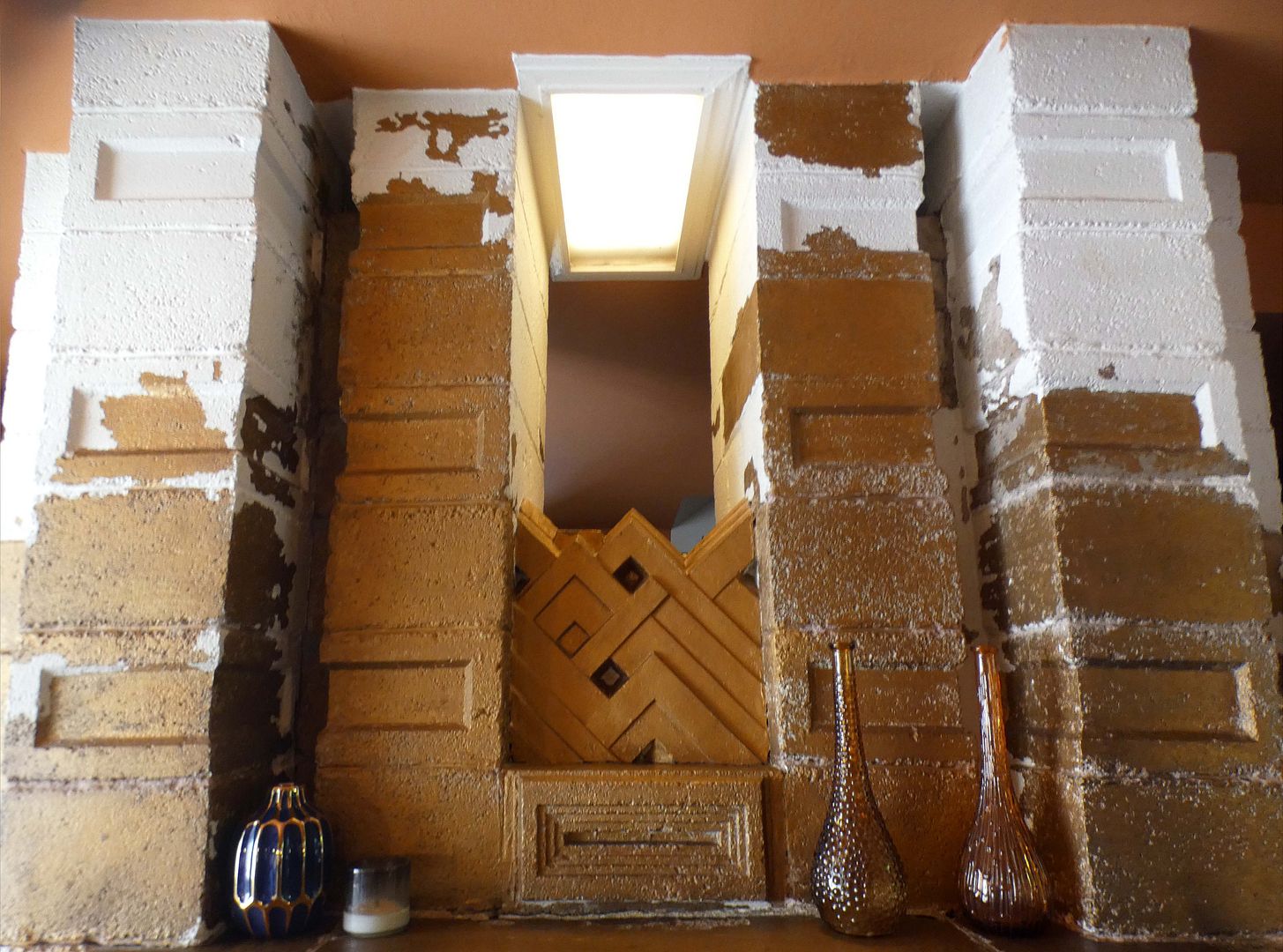
The current owners are painstakingly removing the paint layer by layer, literally with a scalpel. Although the paint could be chemically removed and washed away, the original/first layer would get lost in the process.
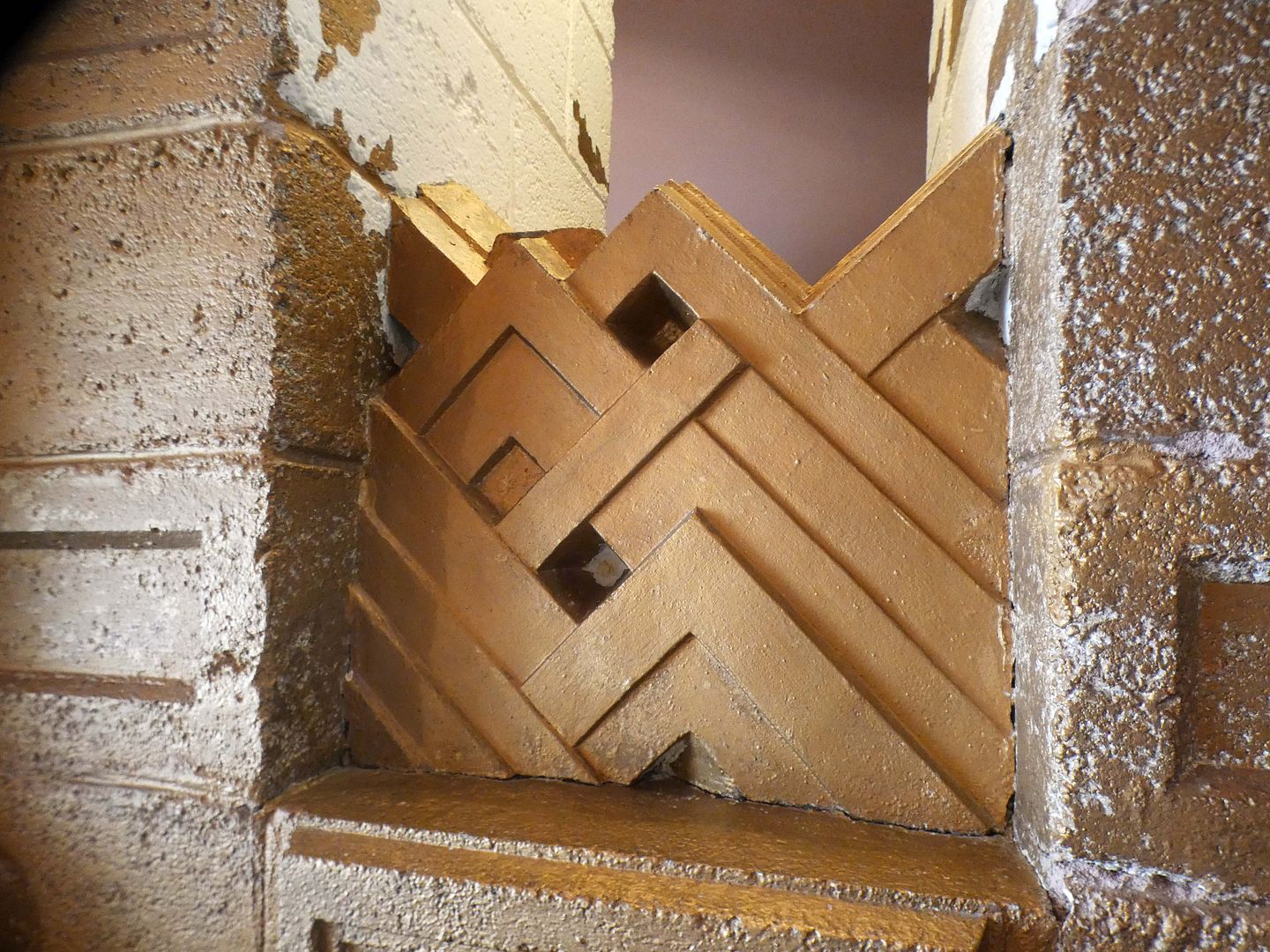
Much if not all of the interior textile block was probably never meant to be painted in the first place. Wright would've tinted the concrete to the color he wanted. And paints, sealants, and other coatings typically trap moisture which, ironically, makes those blocks leaky.
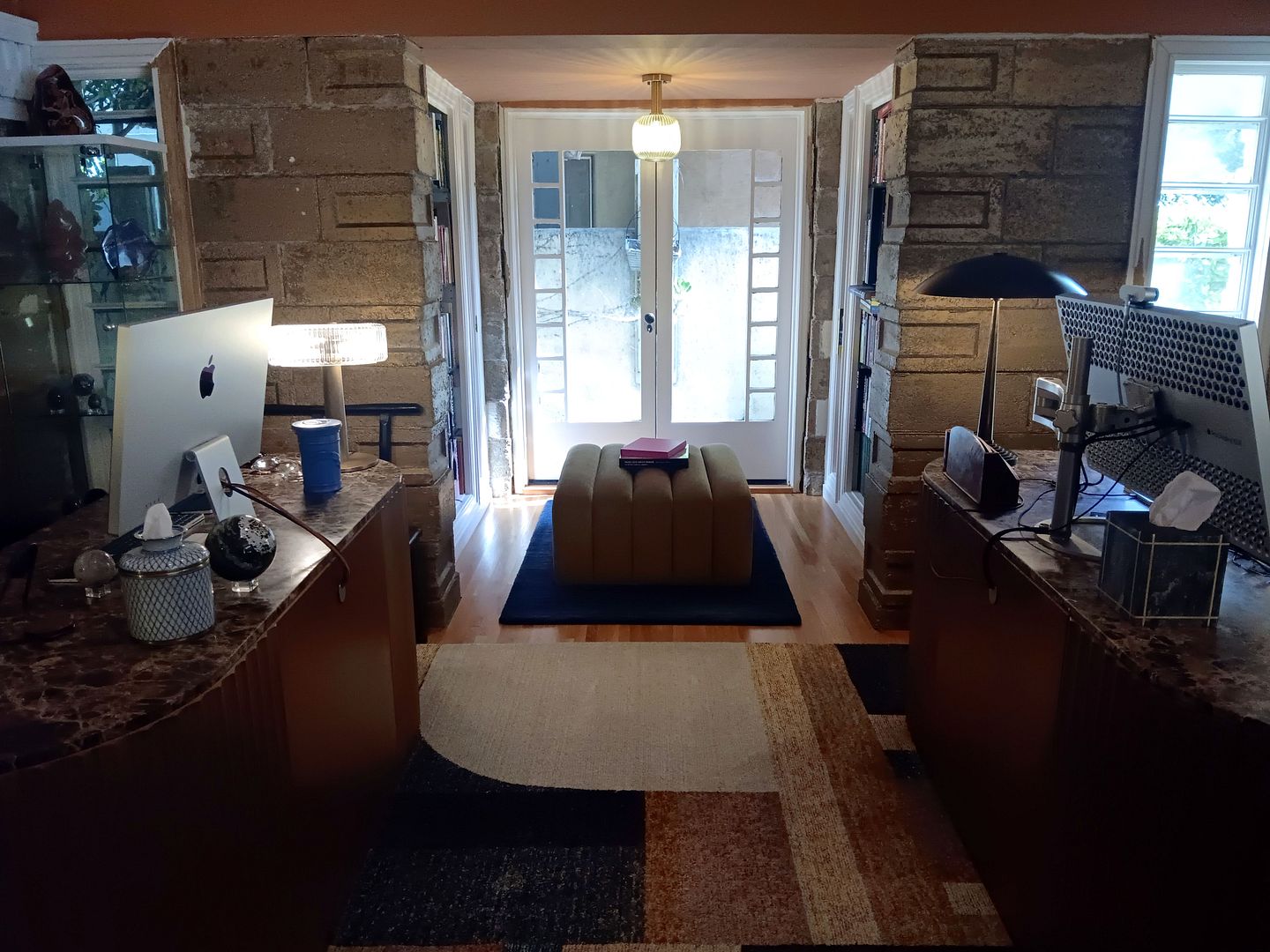
The Hammers have converted the main living space into an office...
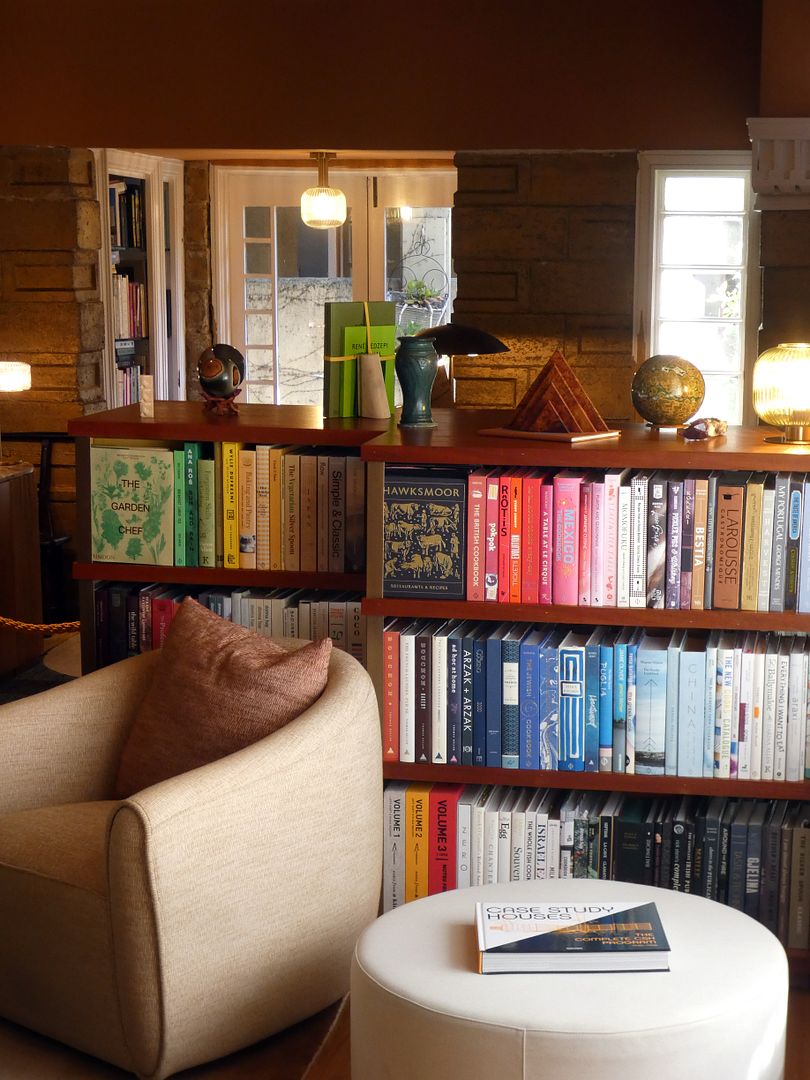
....and, on the other side of bookshelf dividers, a small sitting space in front of the double-sided fireplace.
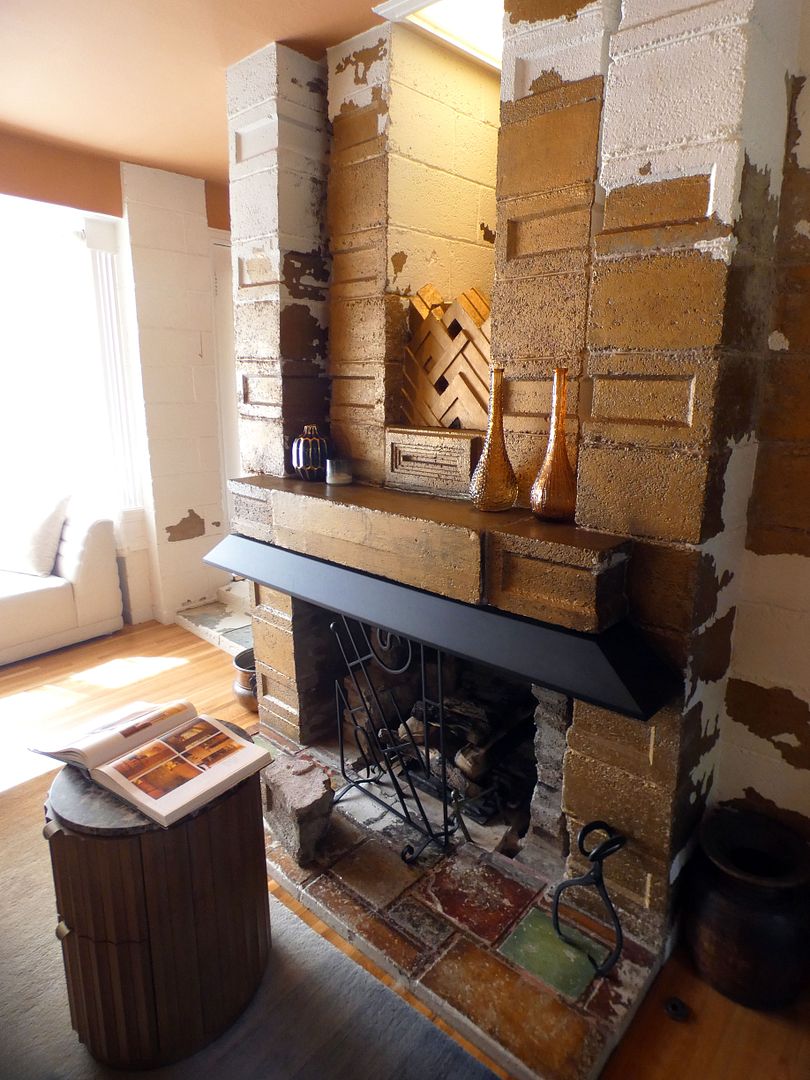
The stone hearth is a later addition, and the ironwork and metal hood ("skirt") are recent replicas.
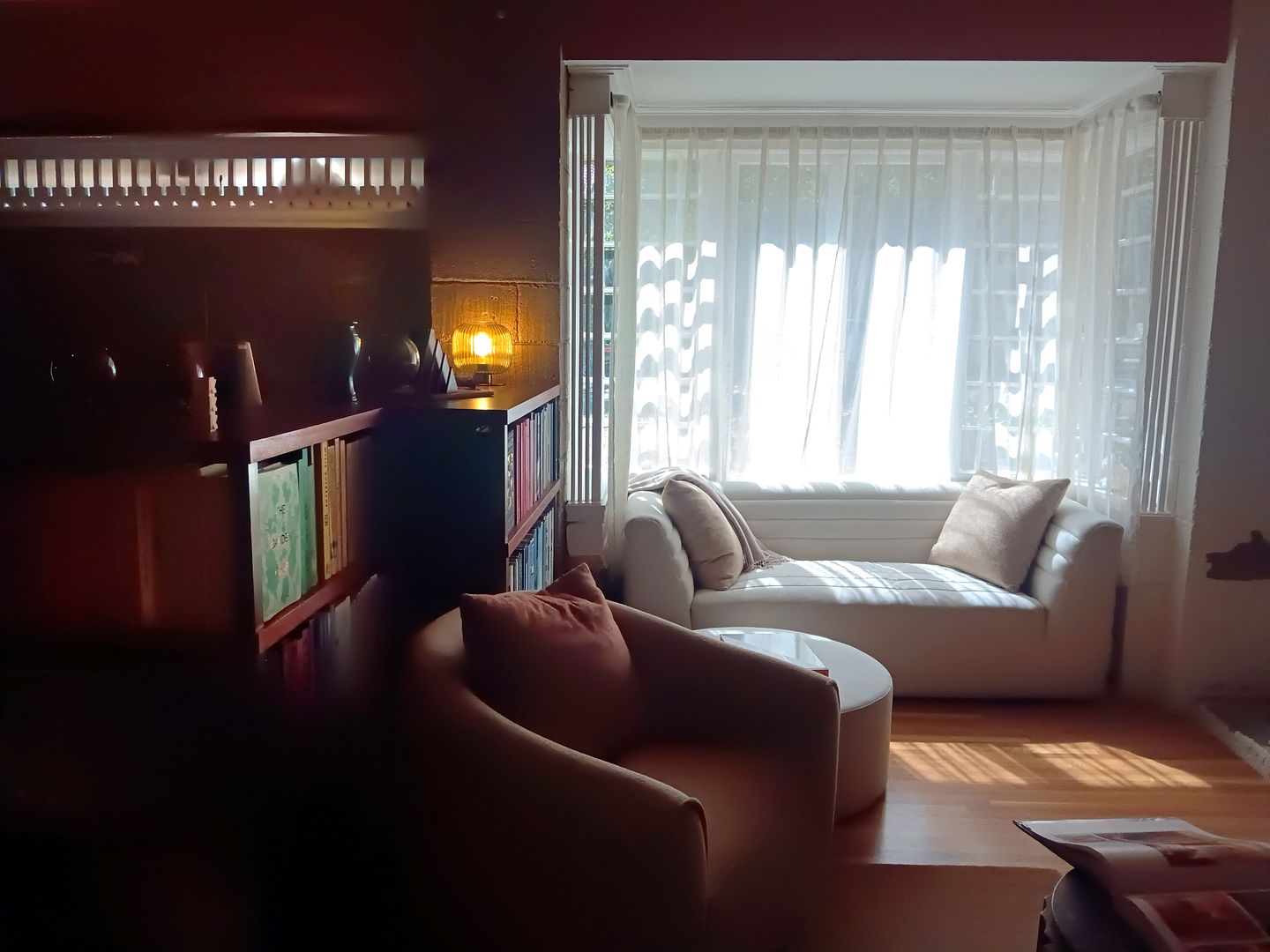
The front bay window lets in plenty of natural light...
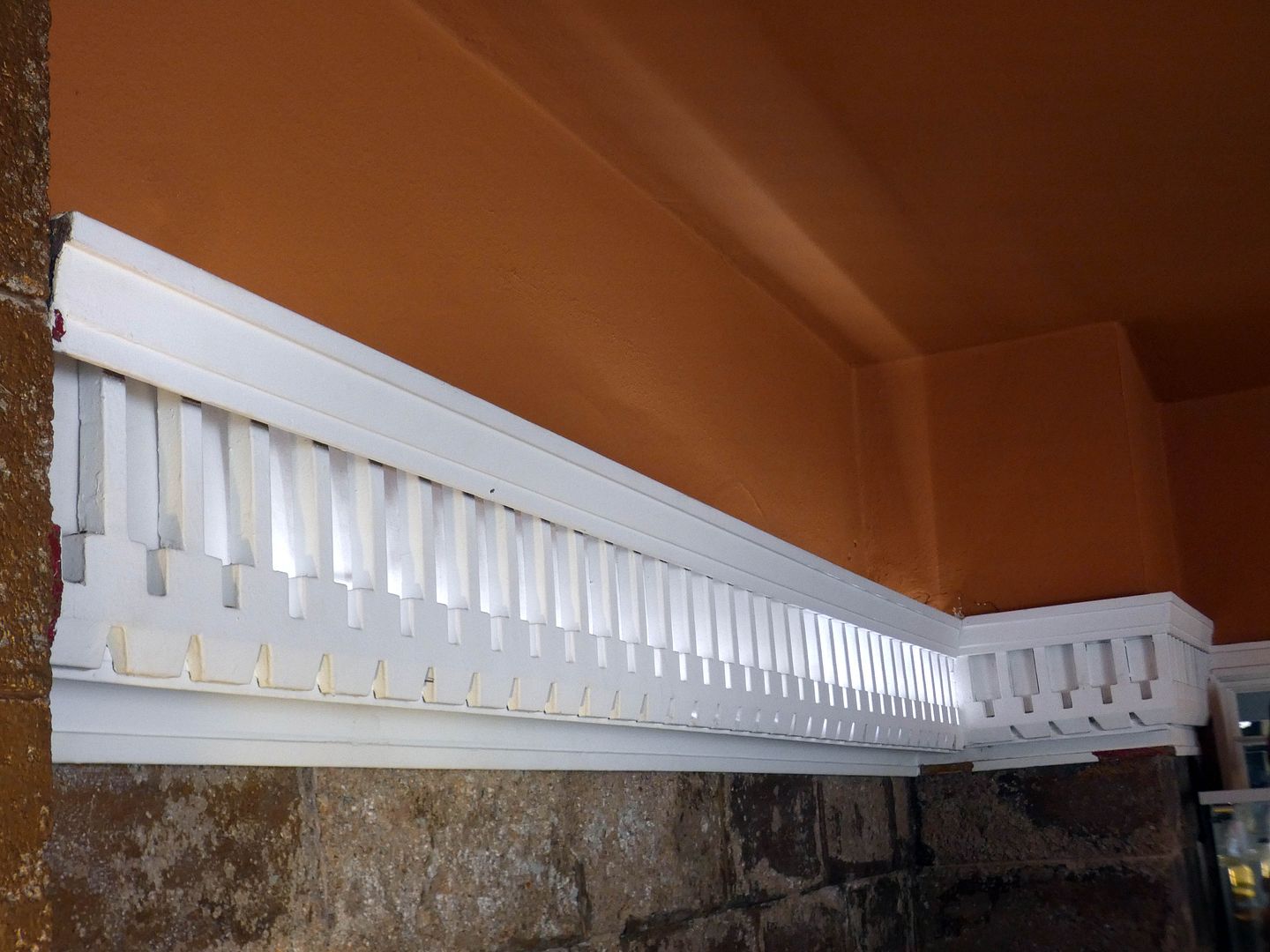
...while wood-trimmed fixtures embedded in the walls provide additional artificial lighting.
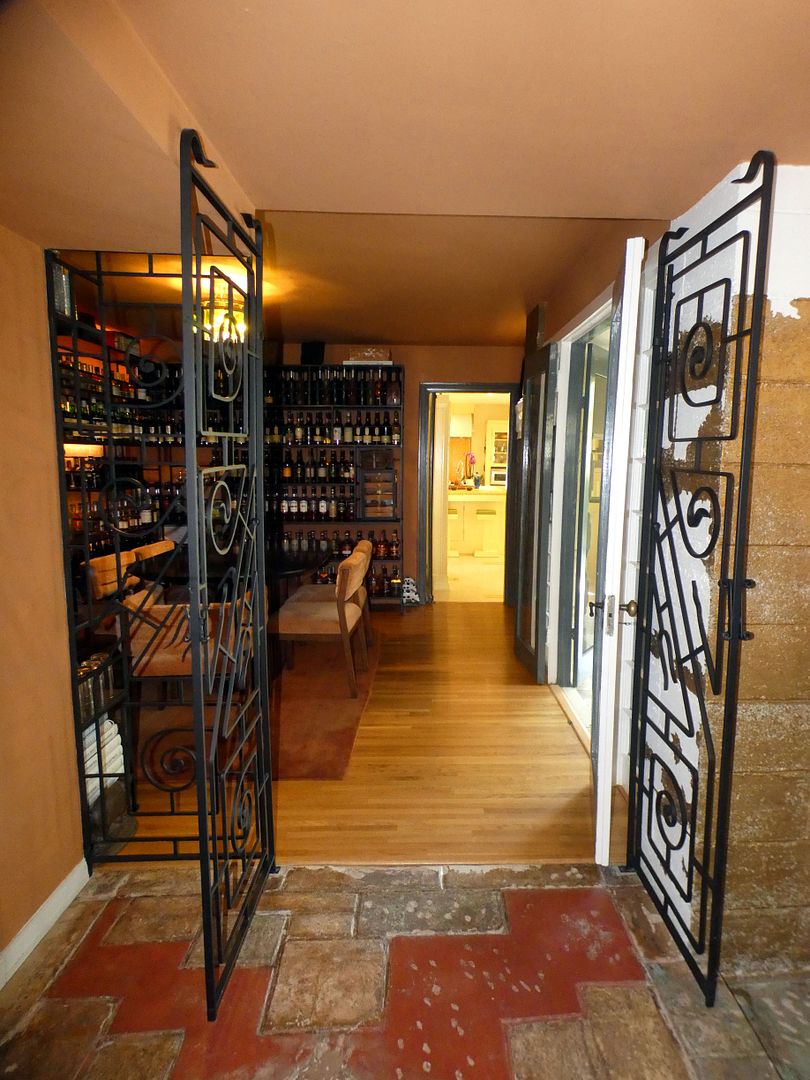
There's still a lot for the Hammers to work on...
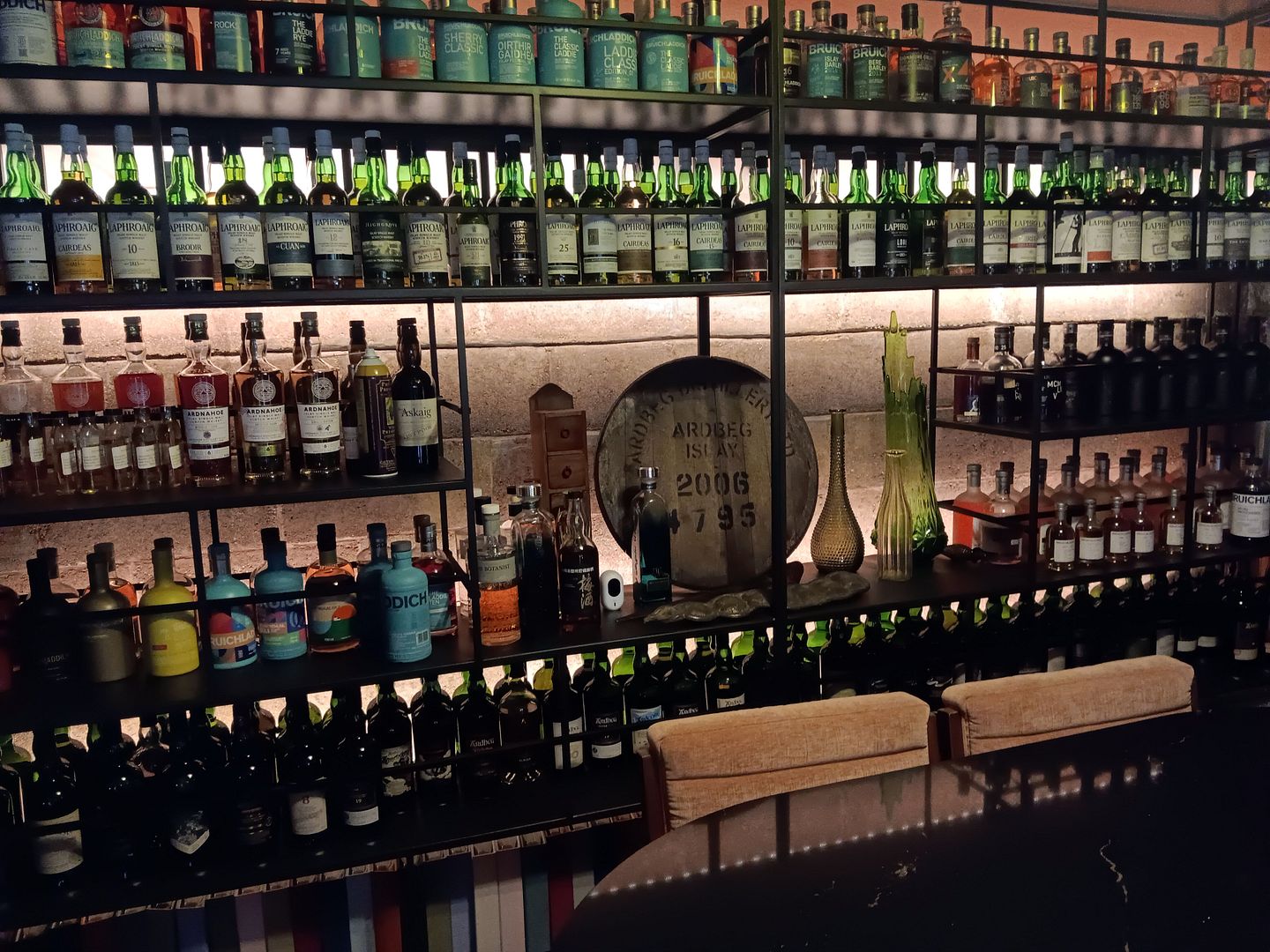
...but they've made lots of progress converting the dining room to display their extensive collection of spirits.
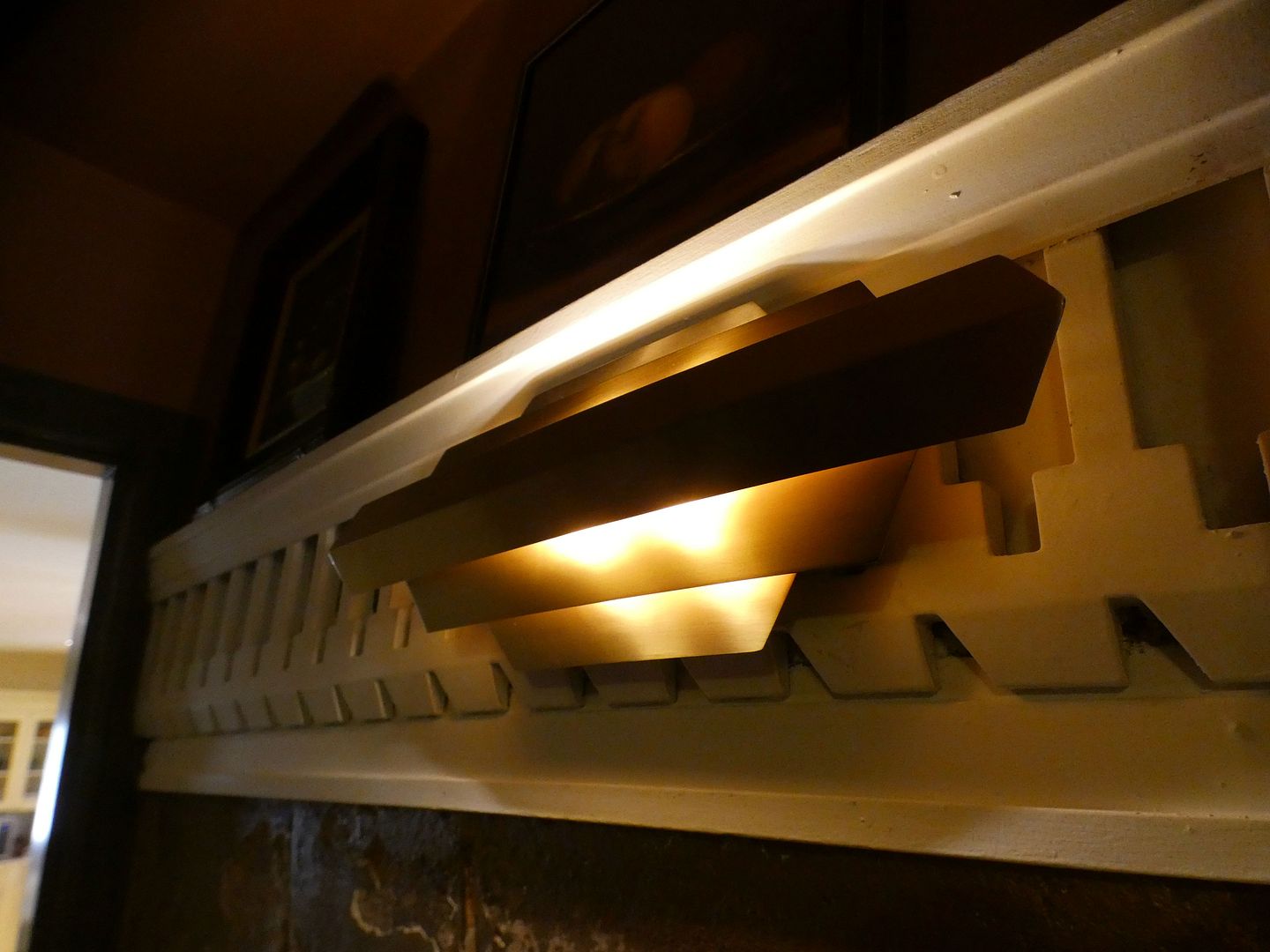
More original lighting fixtures point the way to the kitchen...
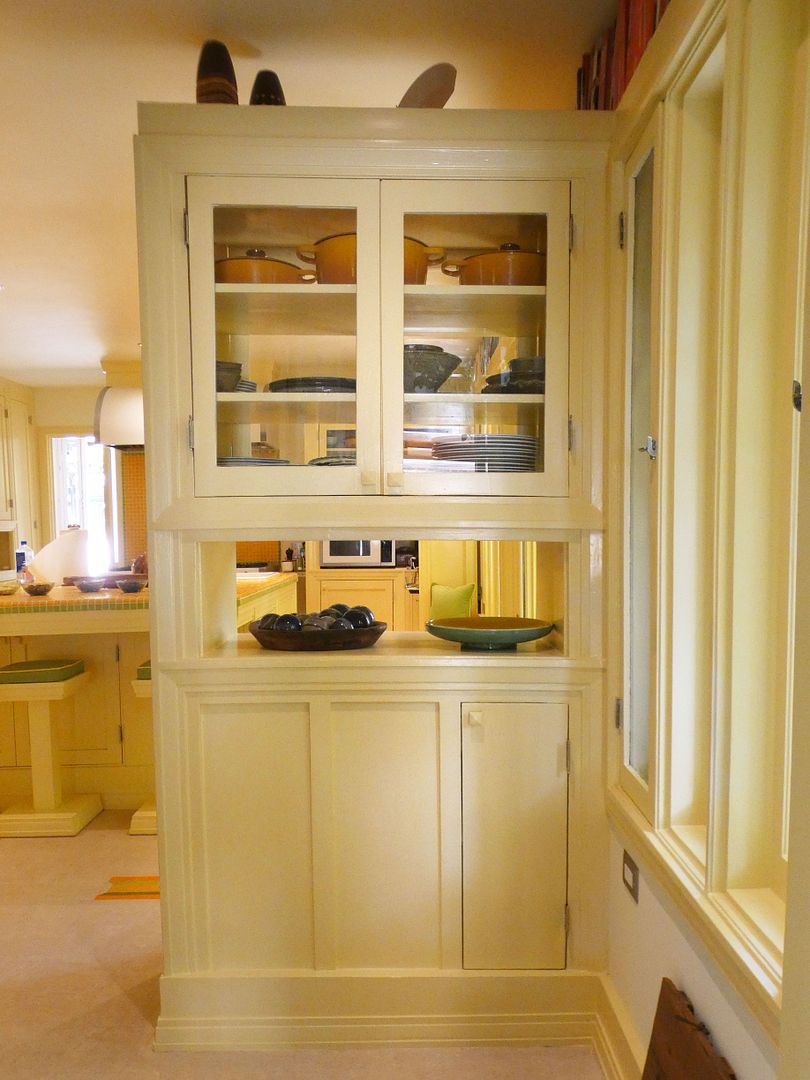
...which was extensively renovated (and expanded) in 2004 during the Mimi London era.
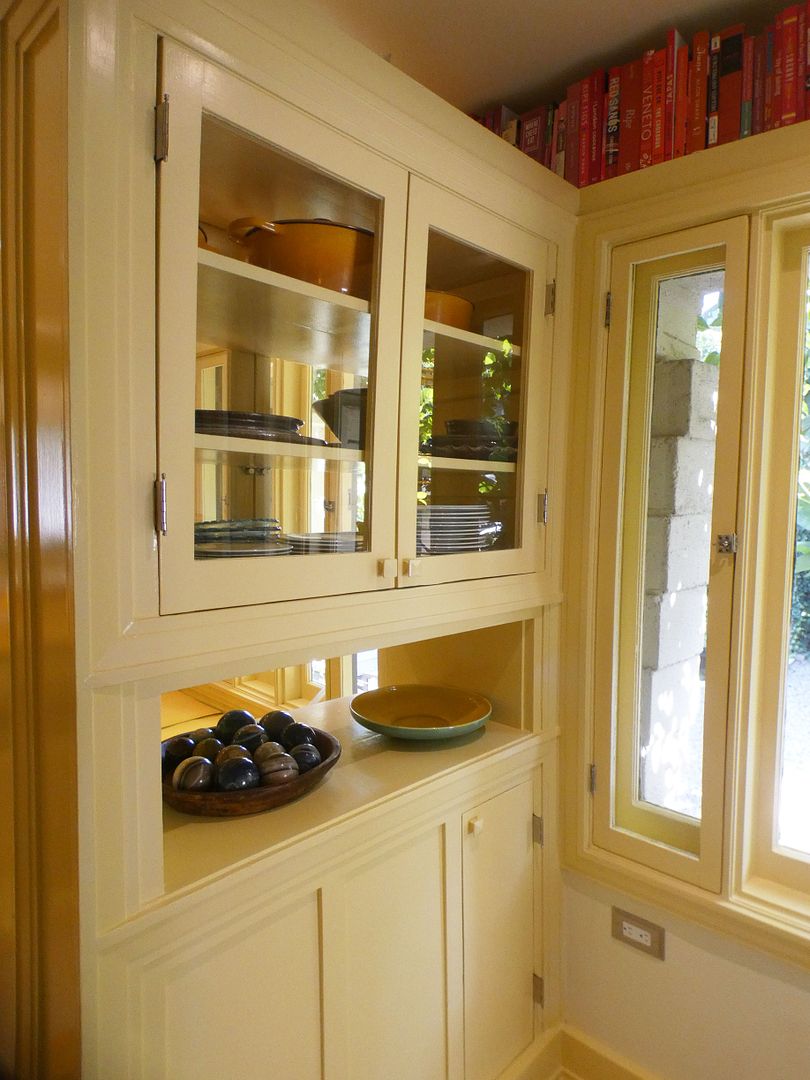
Fortunately, it retains a couple instances of original cabinetry...
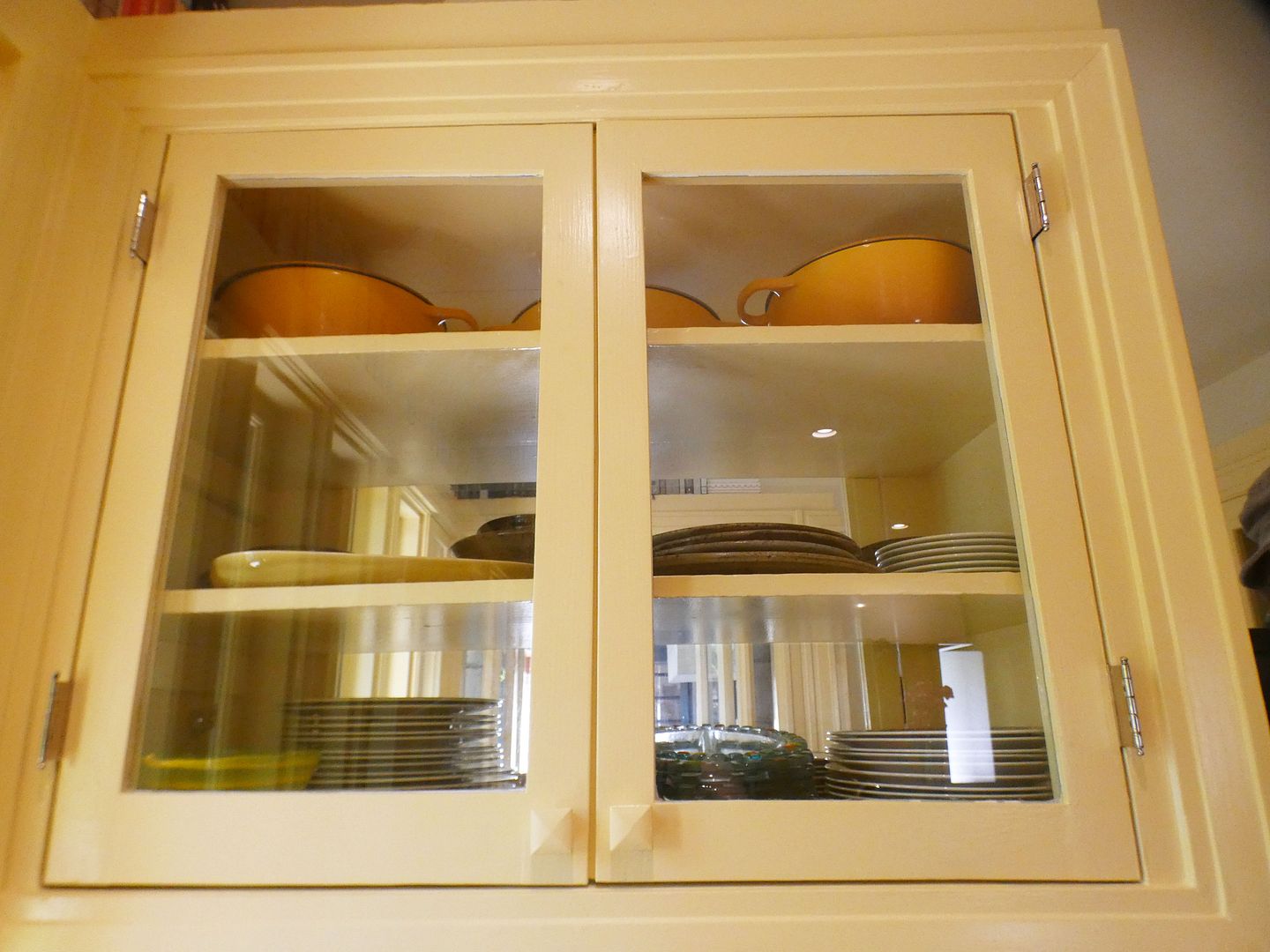
...including a dish pantry painted in a close color match to the original, now known as "Honey Nectar."
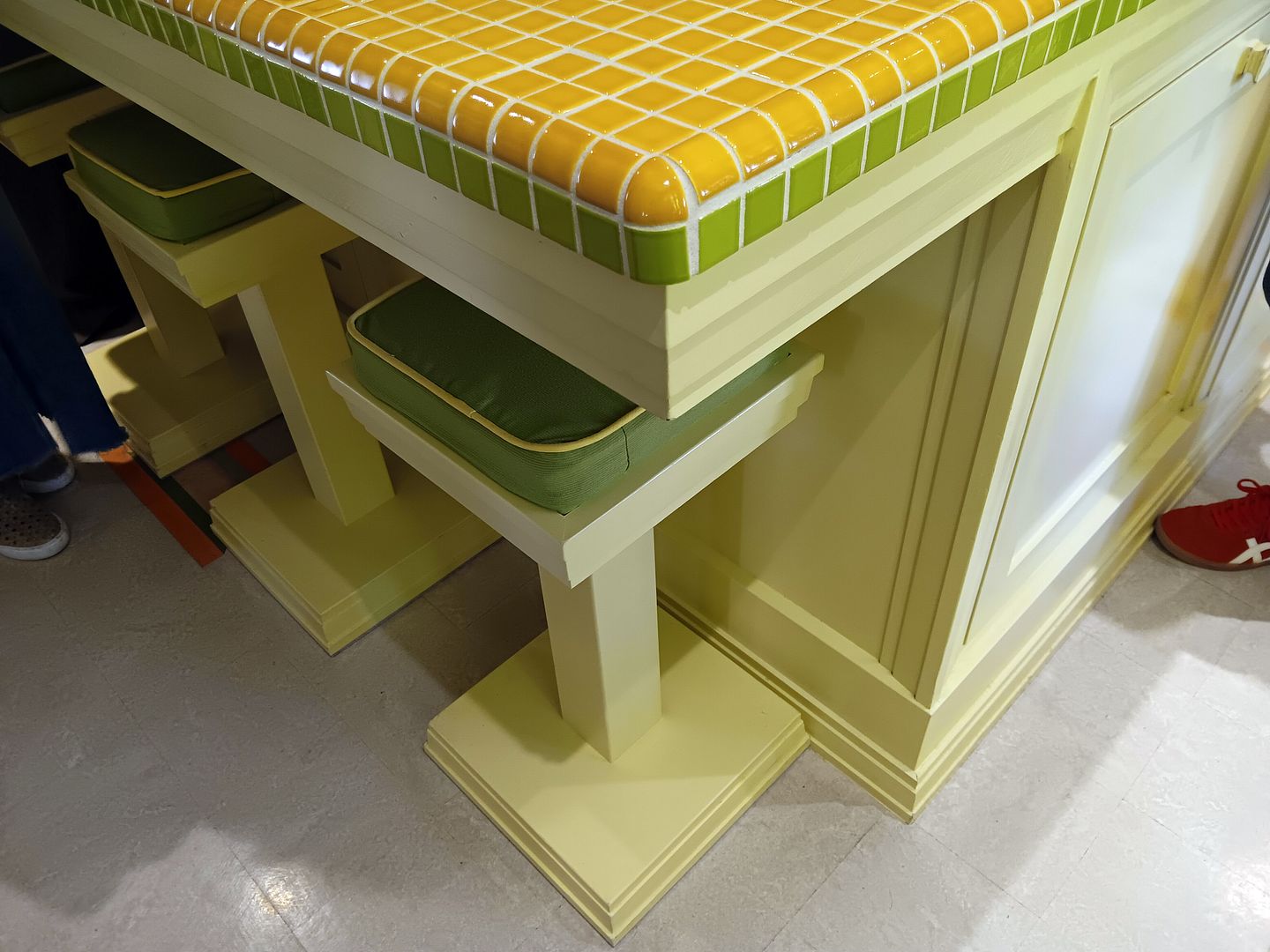
The Hammers added the tiled center island and custom designed counter stools to go along with it and the surrounding Mesoamerican style.
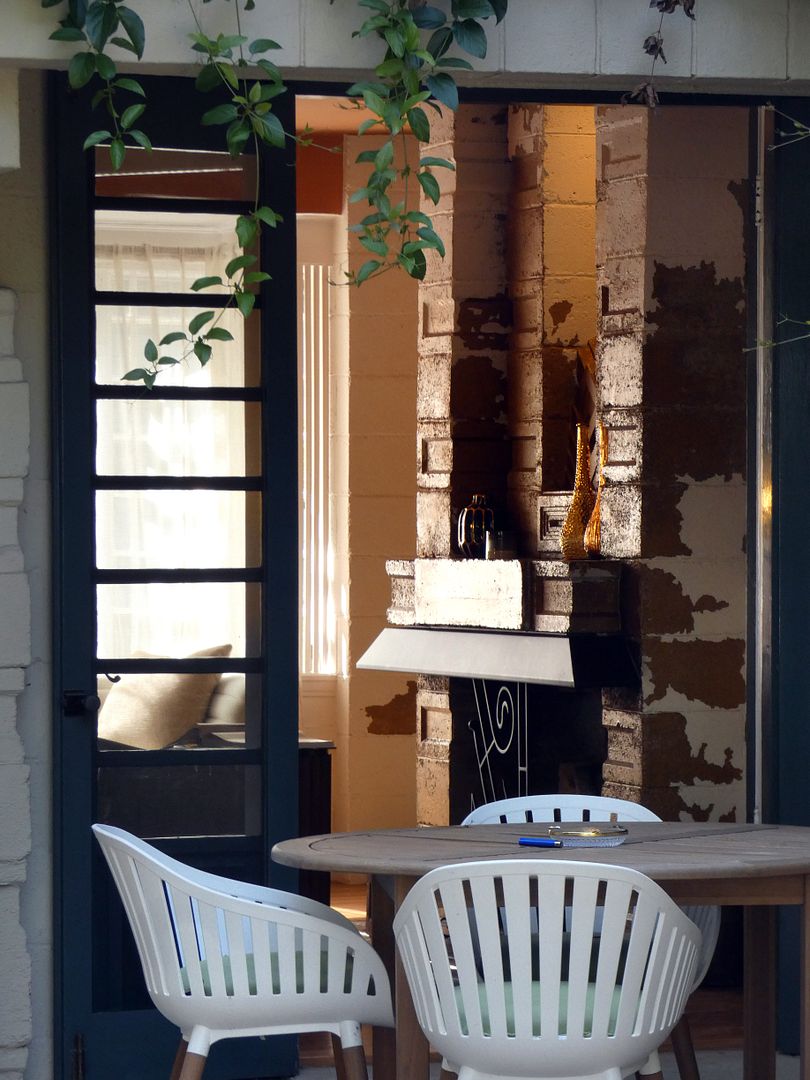
Since the Bollman House is L-shaped, an exterior patio is accessible from both the kitchen and the living room...
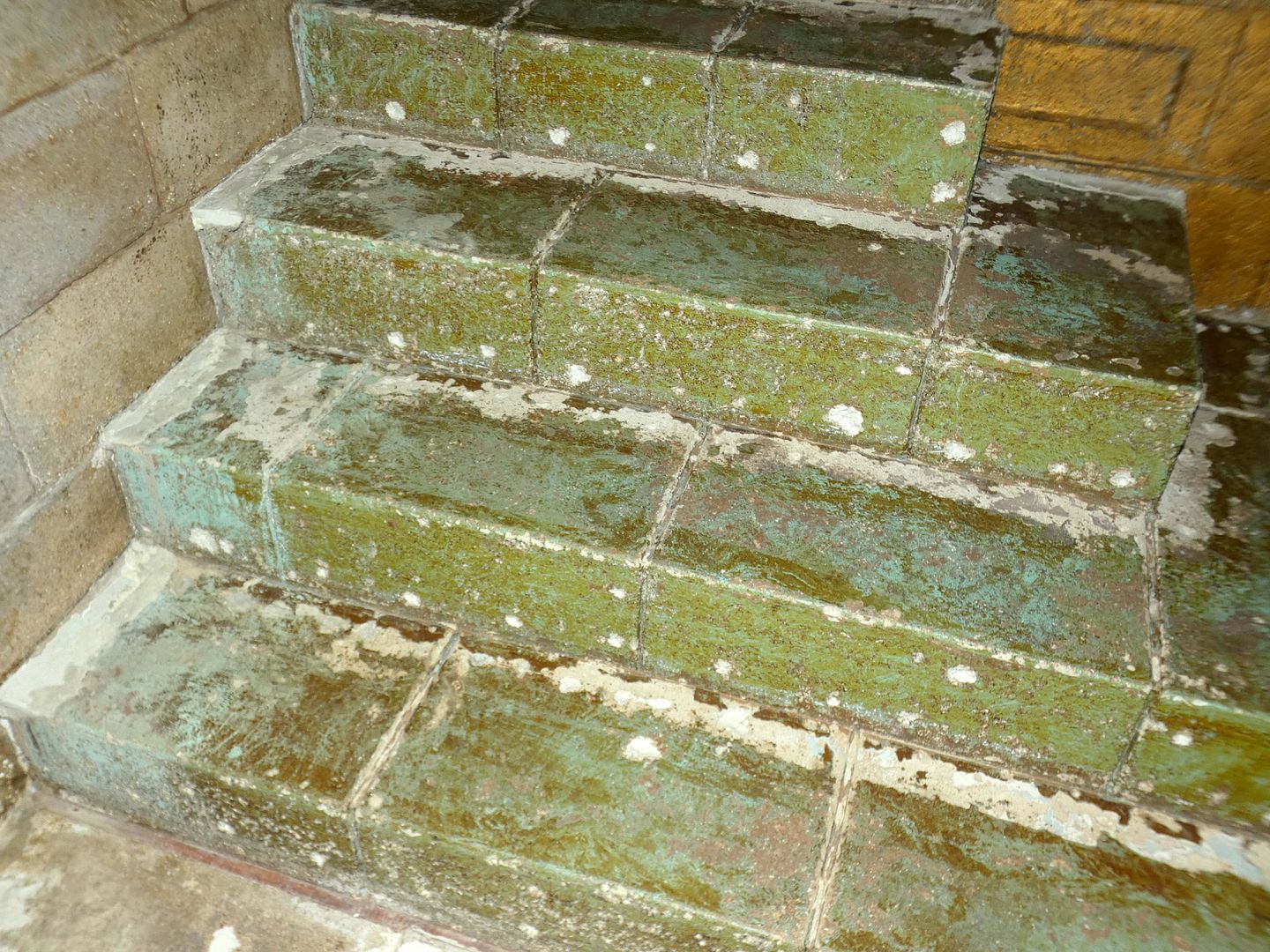
...whose adjacent entrance hall leads upstairs (the green color on the stairs is from old carpet glue)...
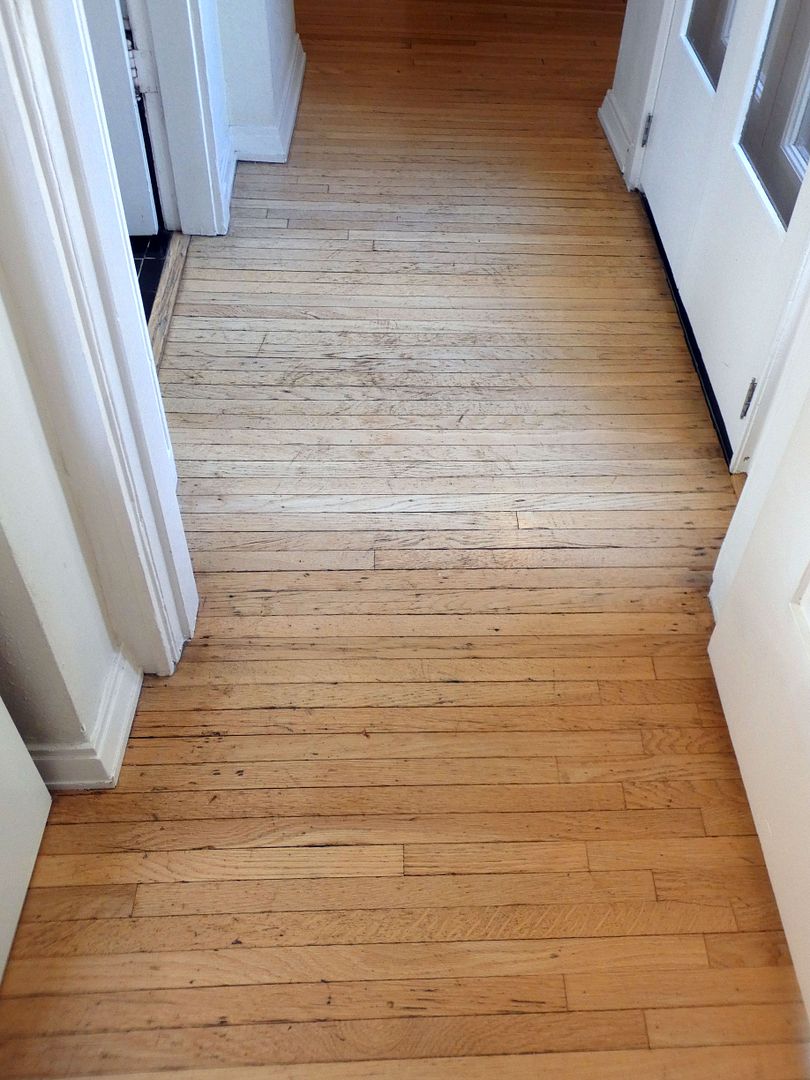
...to a hallway and bedrooms with original wood flooring (likely near the end of its lifecycle)...
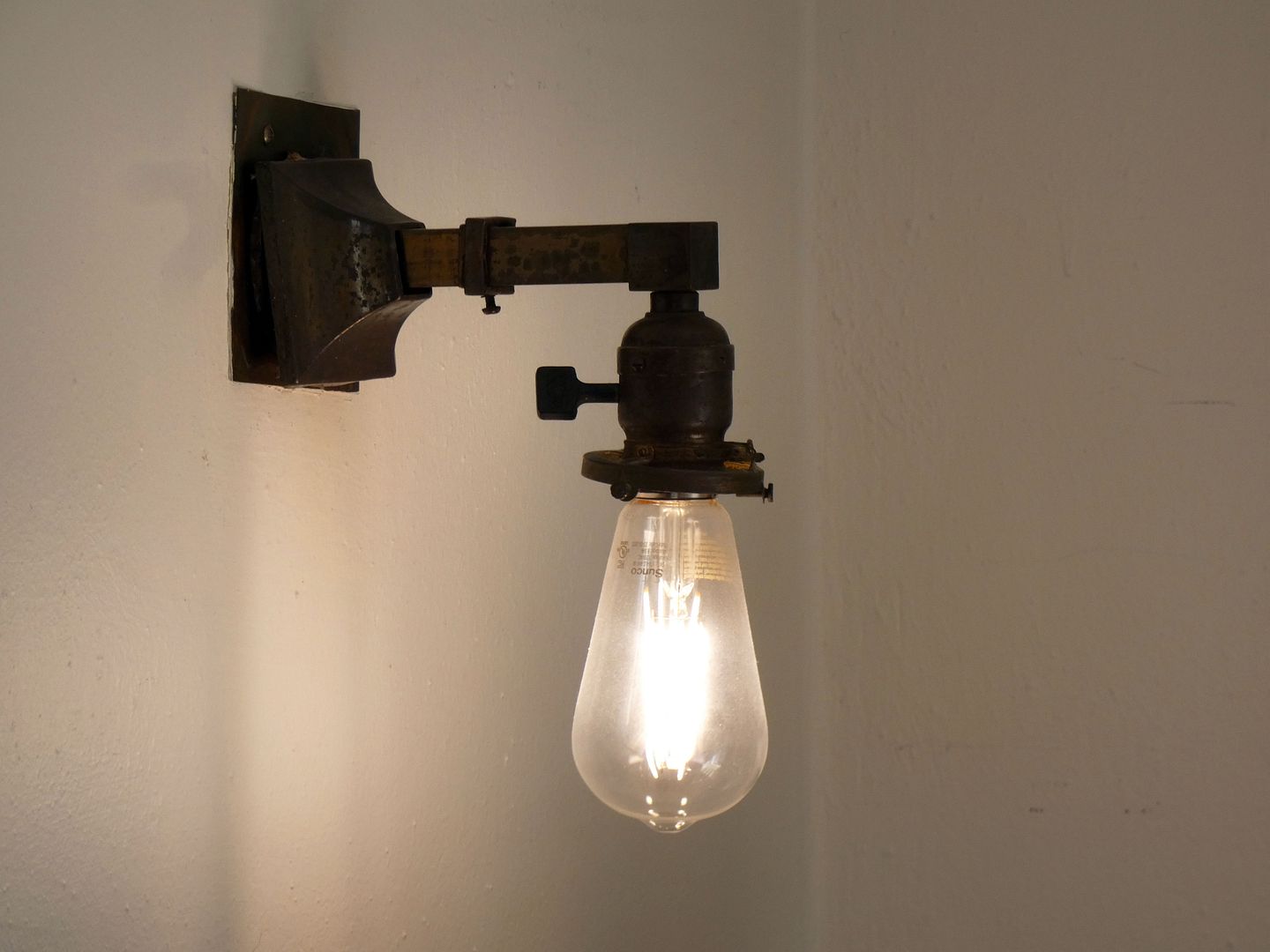
...and original bedroom lighting fixtures like a pair of sconces...
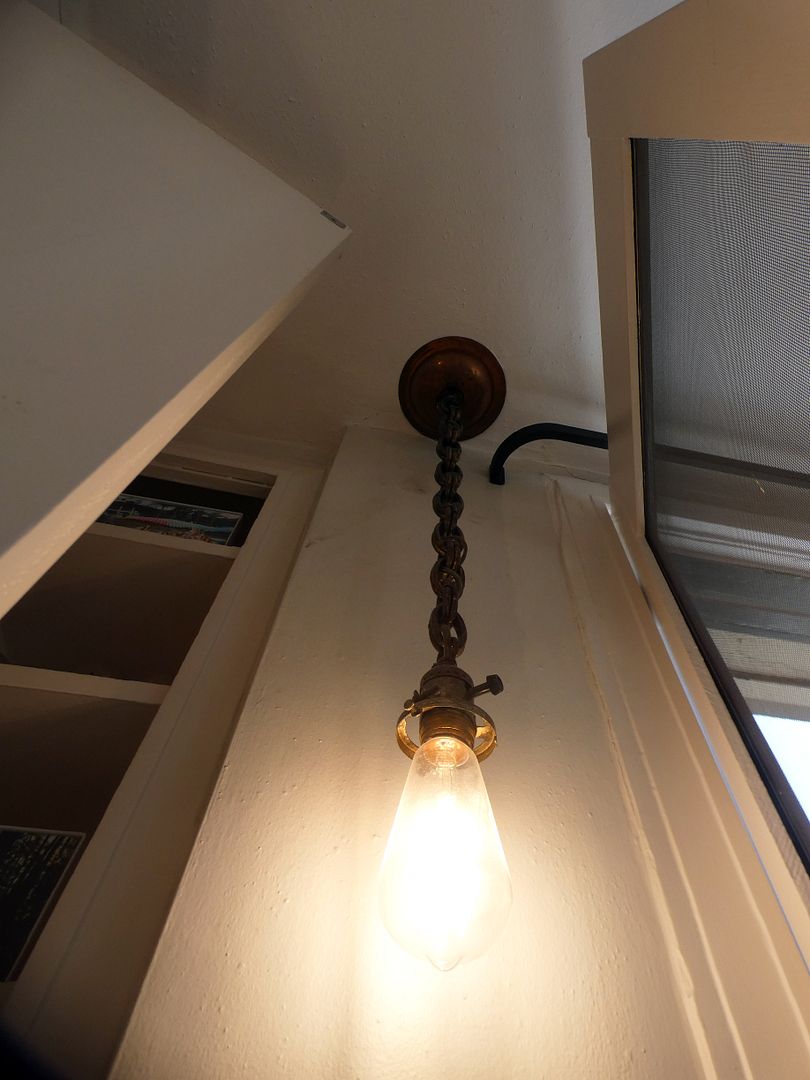
...and a pair of ceiling-mounted pendant lights that flank one of the doors to a balcony.
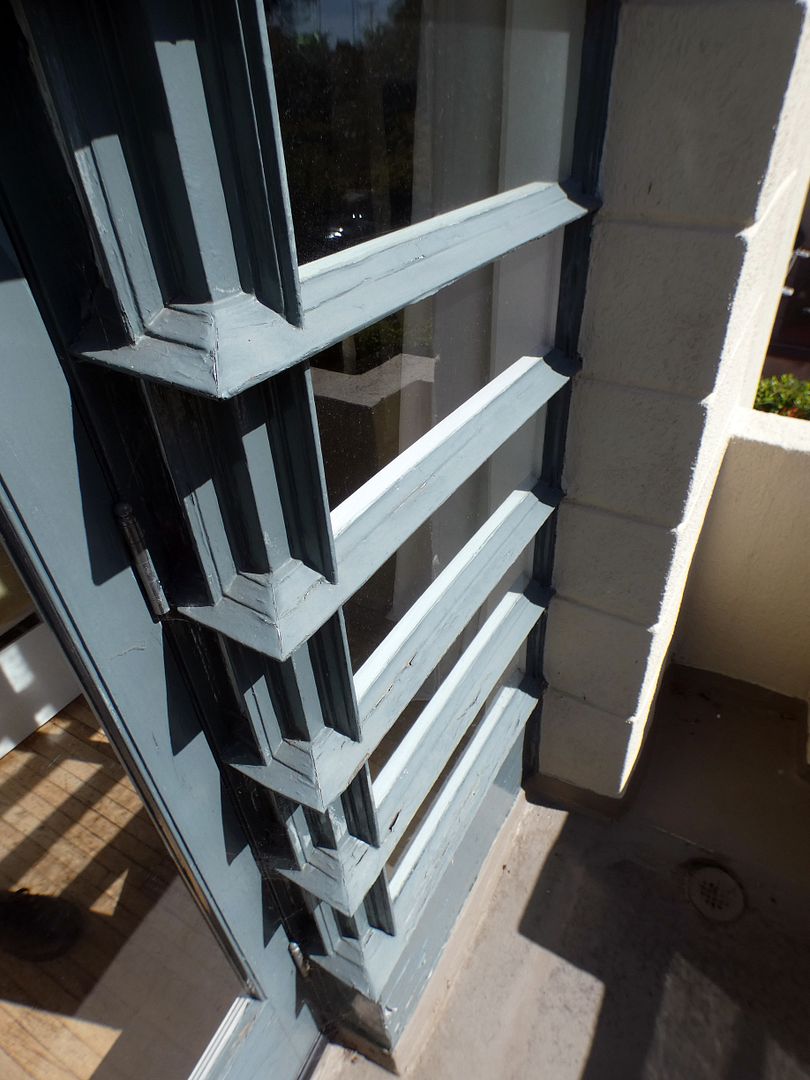
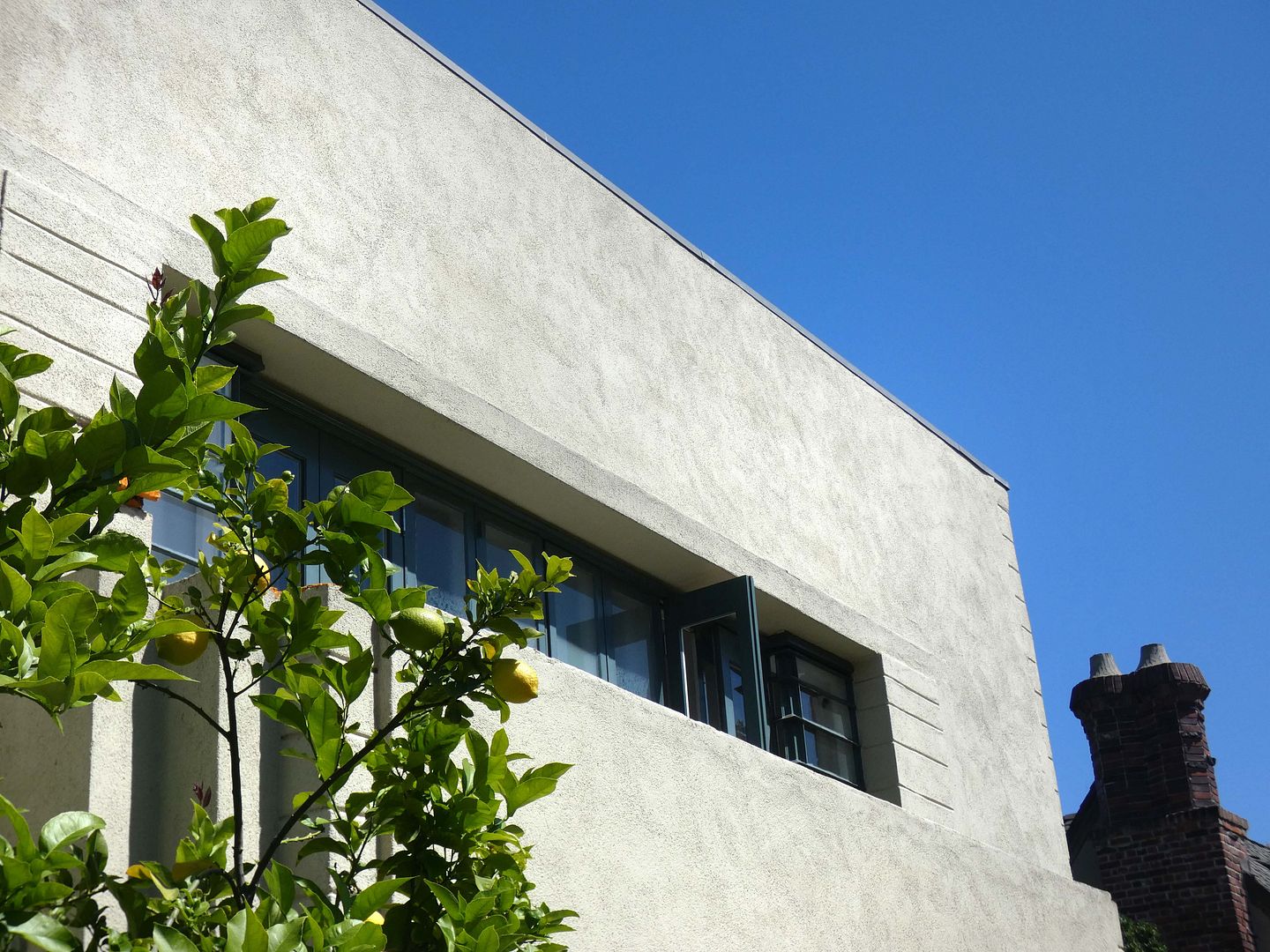
On the front balcony, you can get up close with the window casements, whose exteriors are painted green...
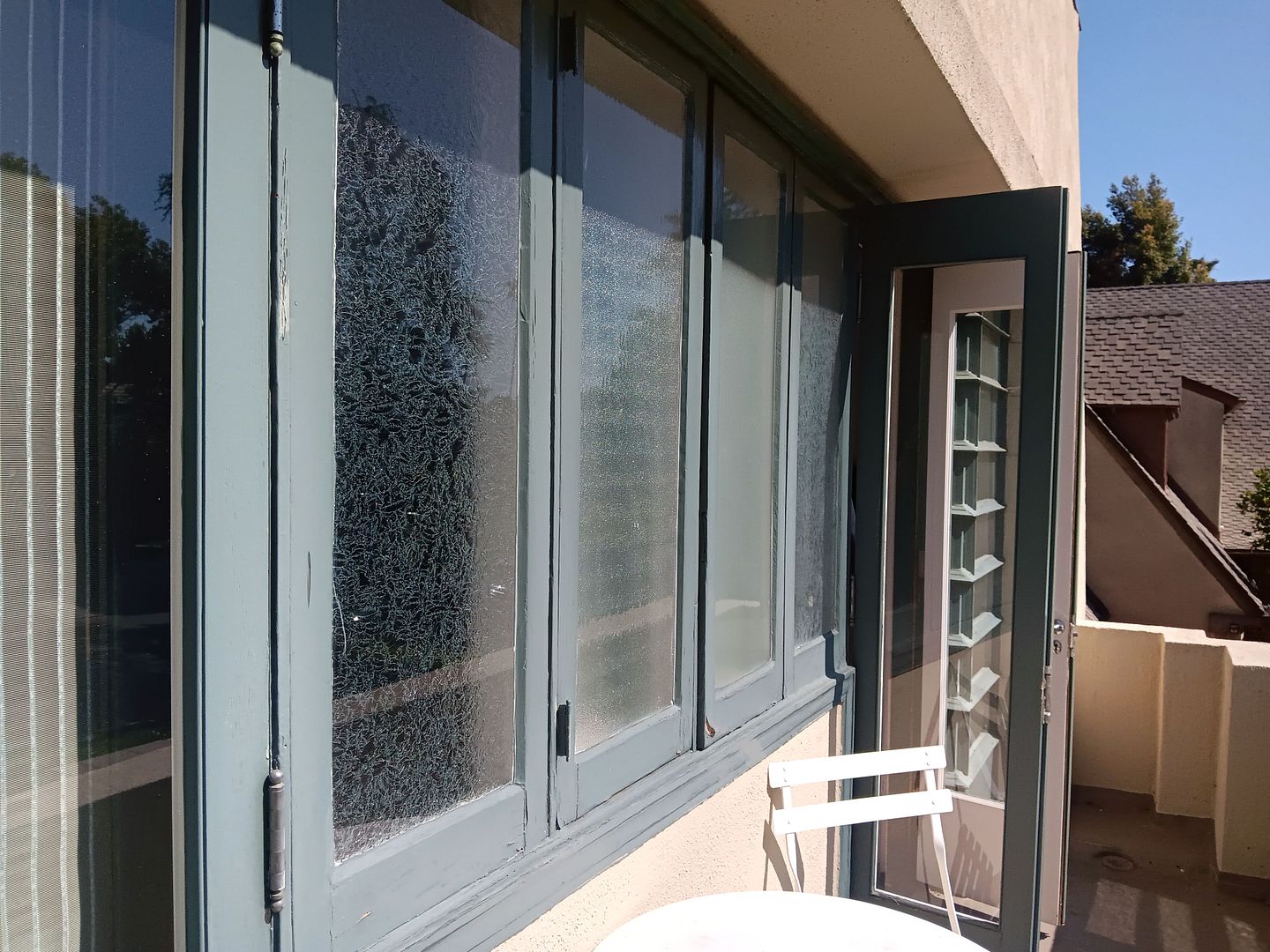
...and whose glass panels have been replaced with some wacky, mismatching patterns over the years.
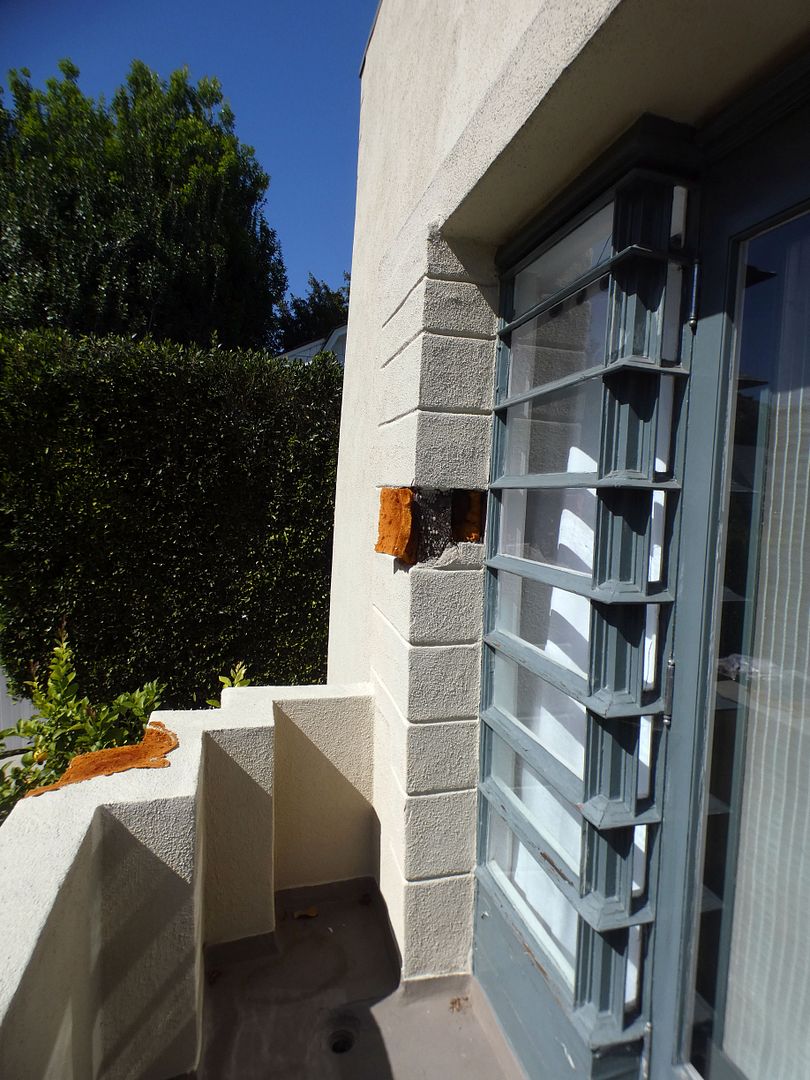
You can also see some of the archaeological dig sites from when the owners have tried to uncover any existing textile blocks under layers of stucco.
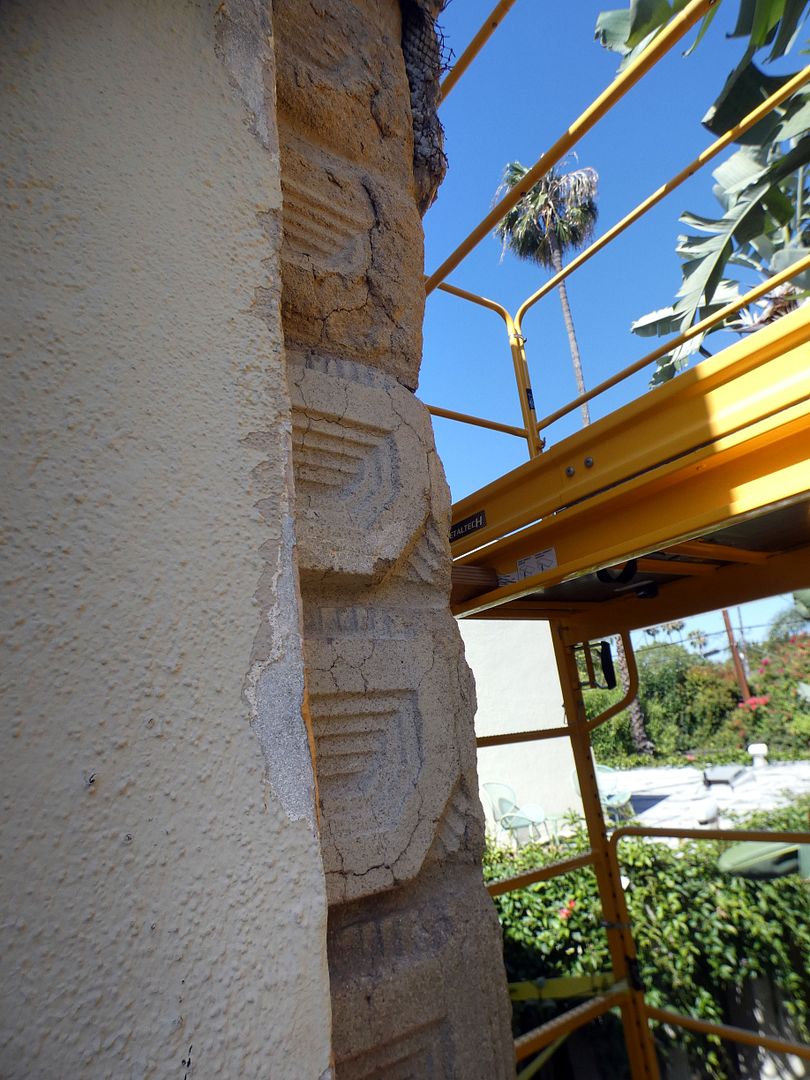
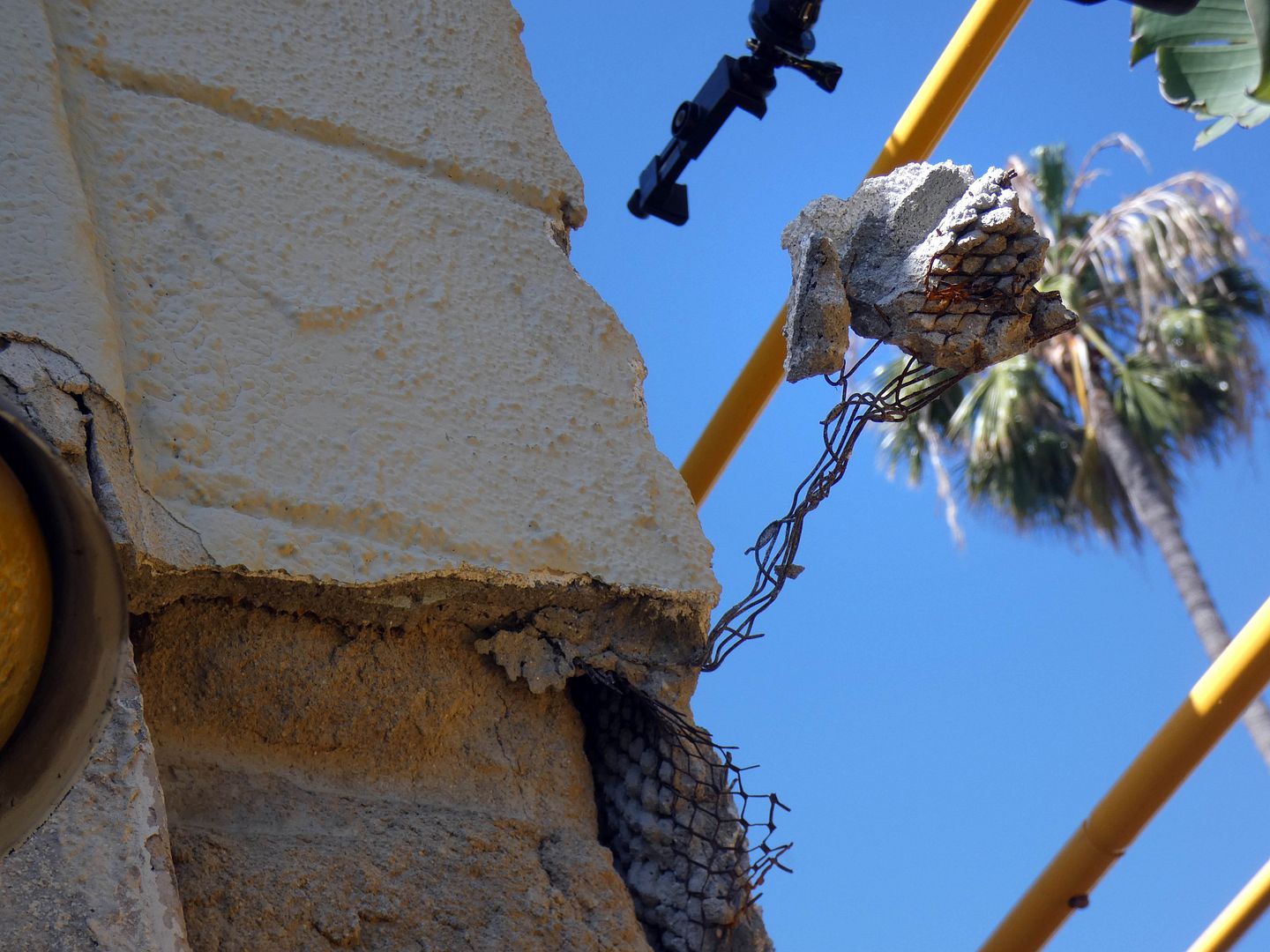
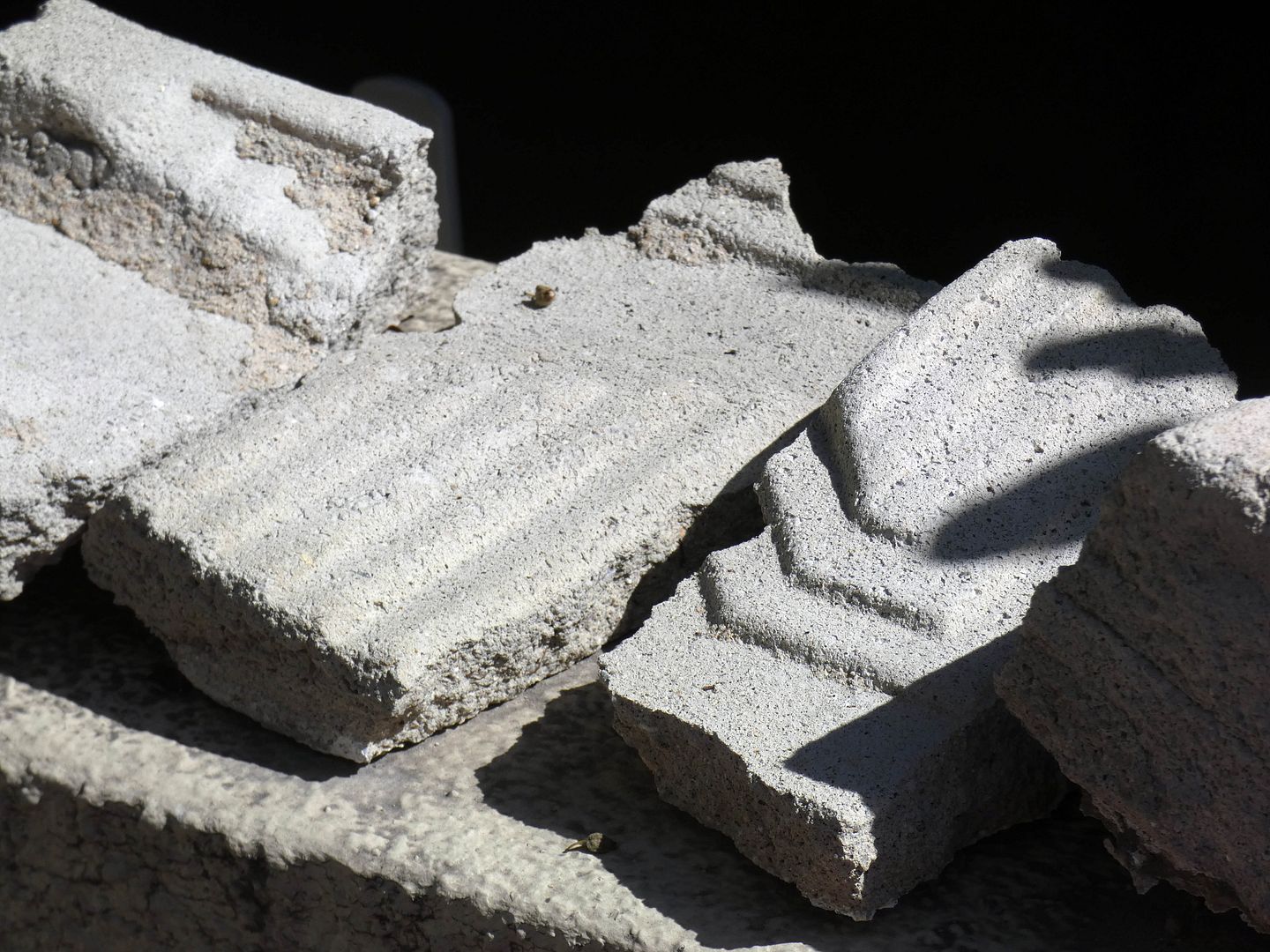
Next to the south balcony, a row of hollow-core cast blocks that had been covered up still survive underneath the plastering.
Steel reinforcing "knit" the blocks together—but unfortunately, any metal used in this type of construction tends to get rusty.
The remaining concrete block remnants are really crumbly—probably because of the Wrights' preference to use site materials to mix into the concrete, and LA doesn't have great dirt. They fall apart when you touch them.
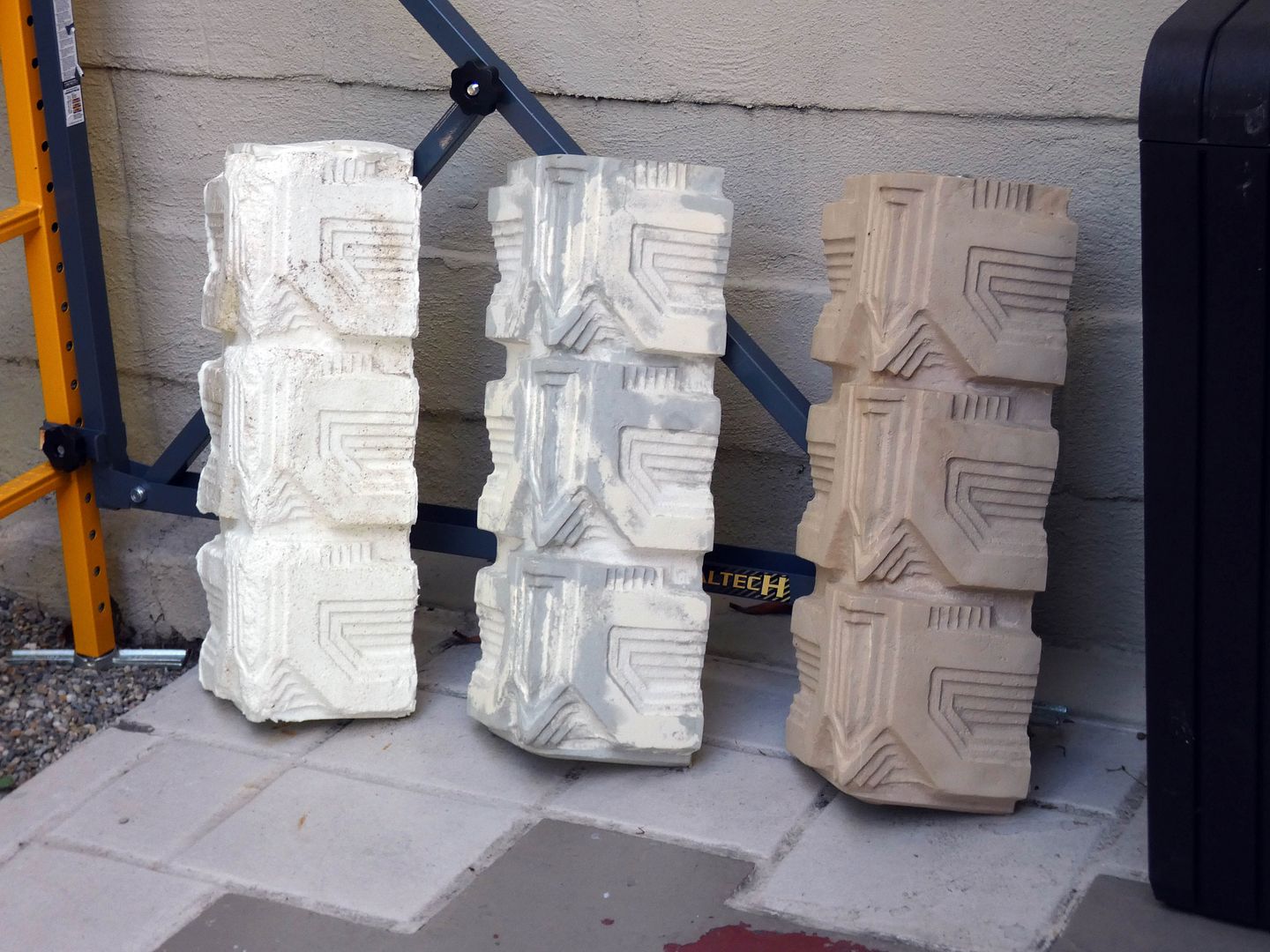
Since the originals can't be used, the Hammers have fabricated new molds and plan to recreate Wright's designs.
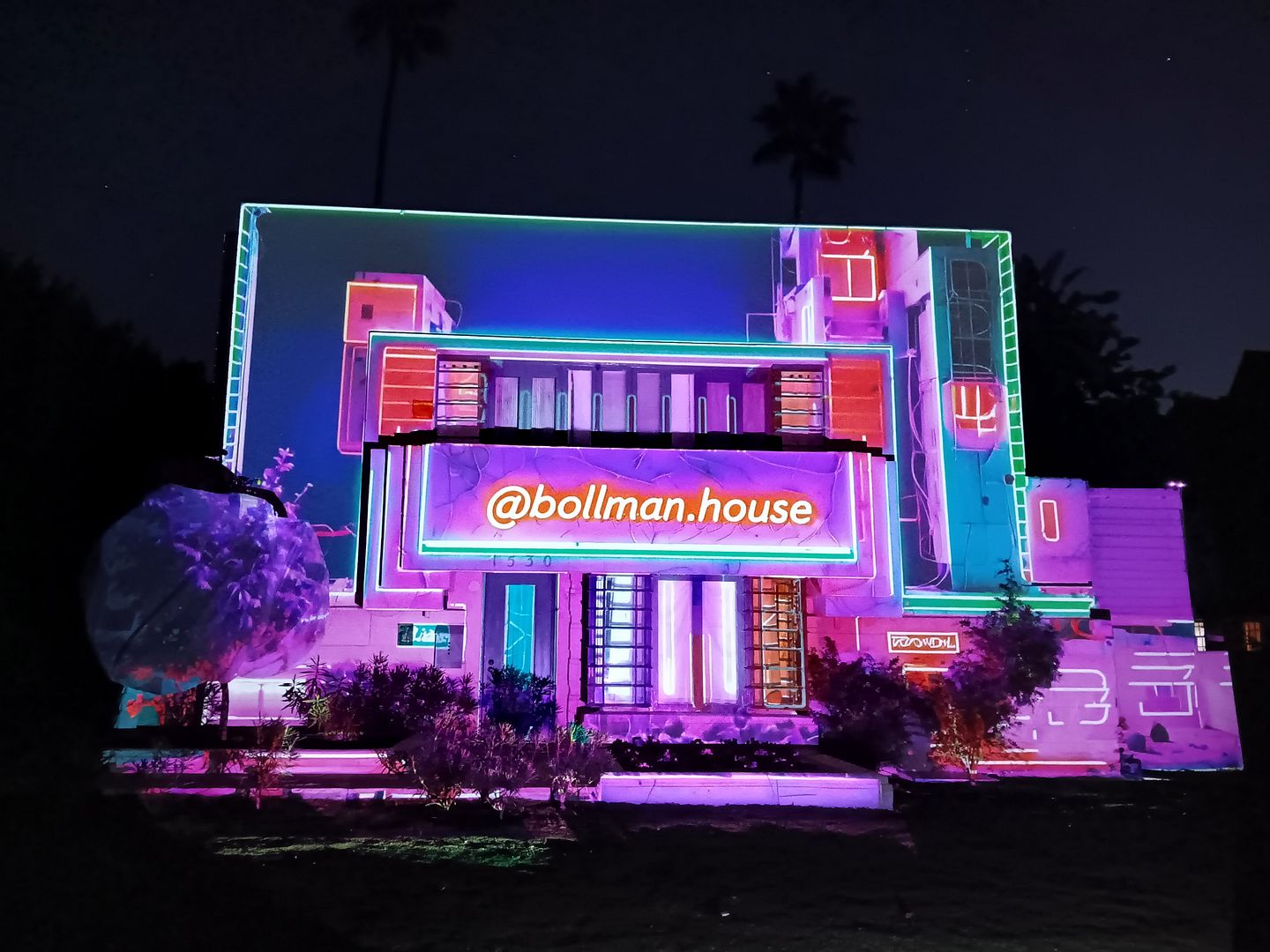
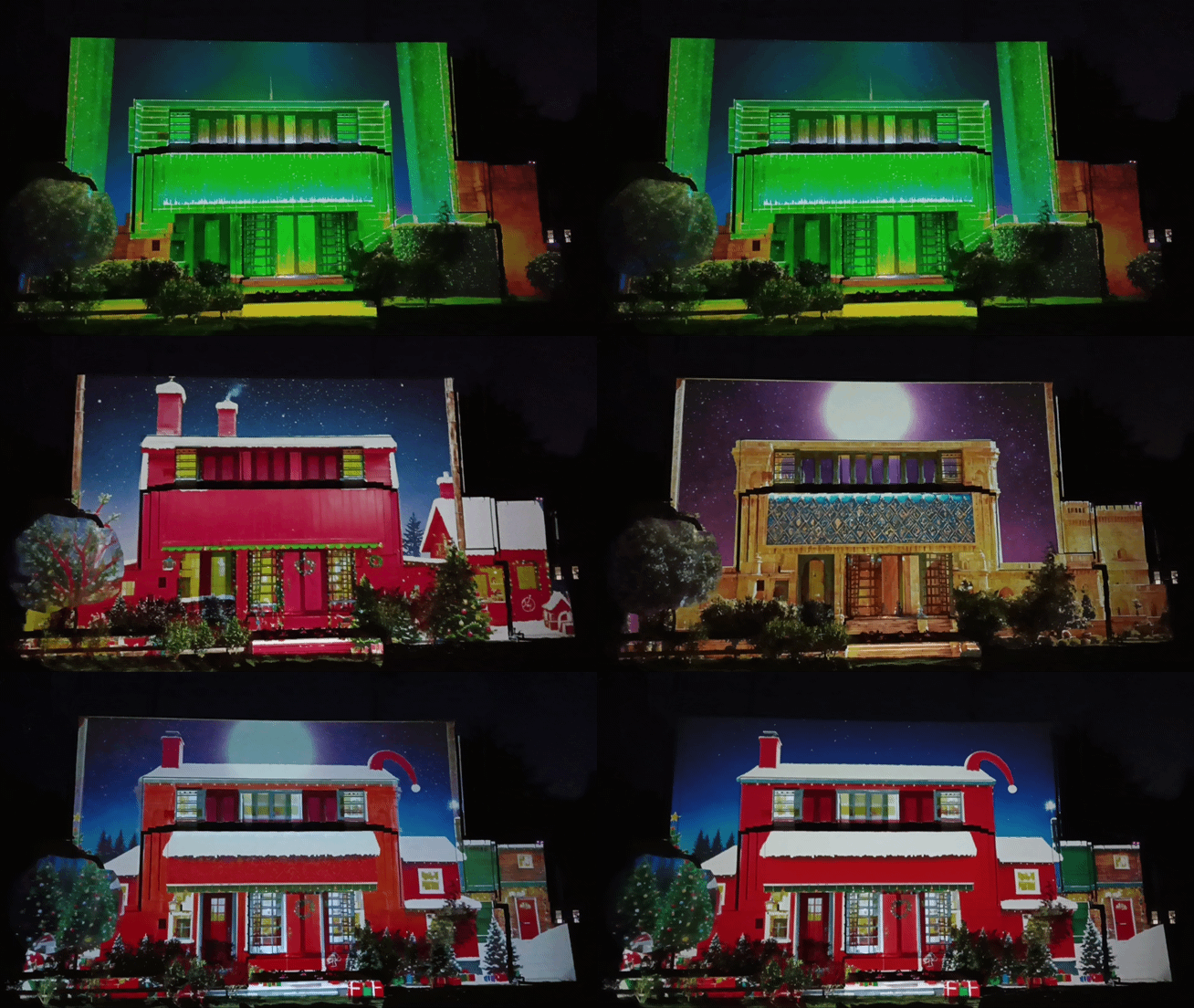
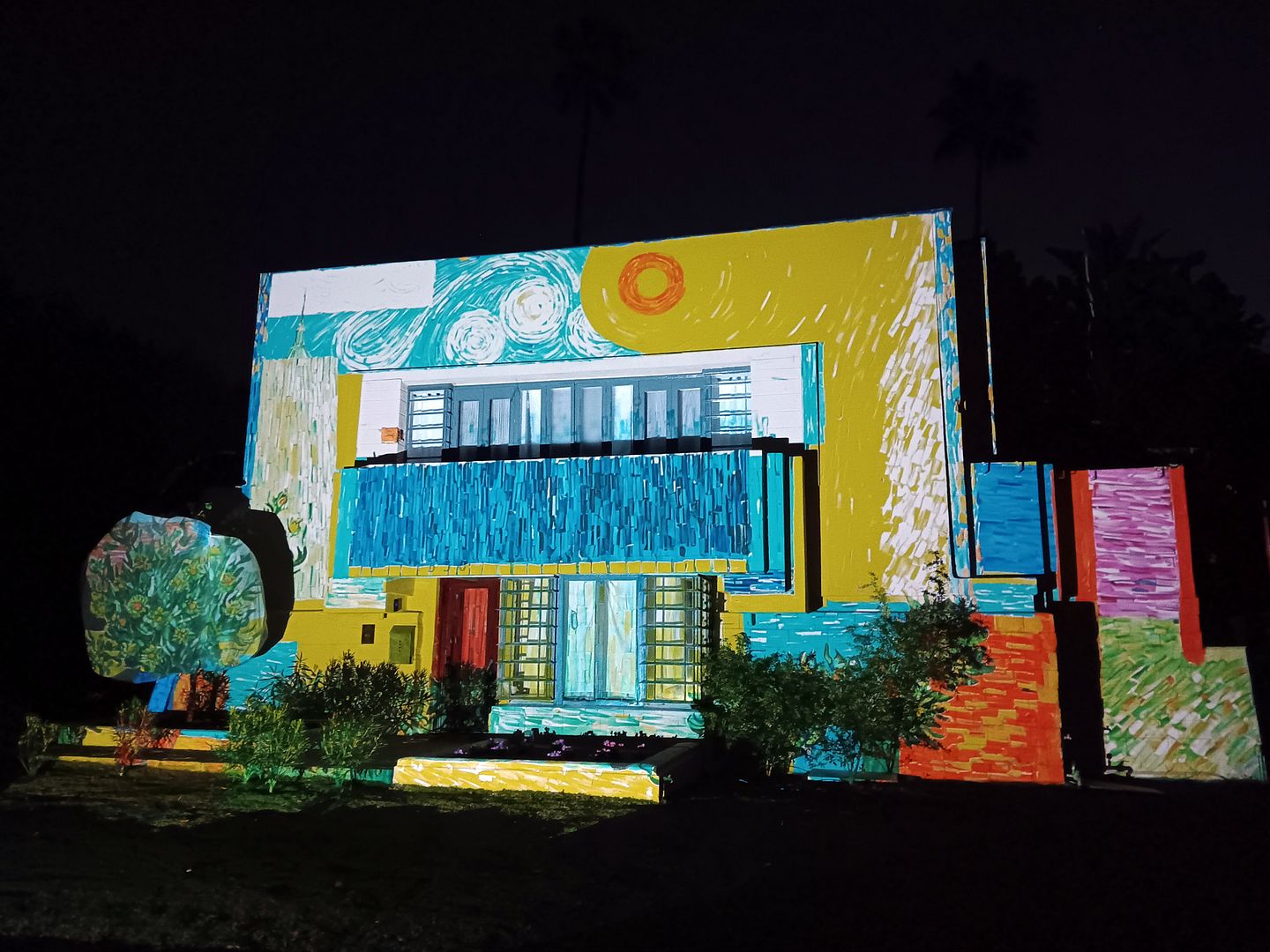
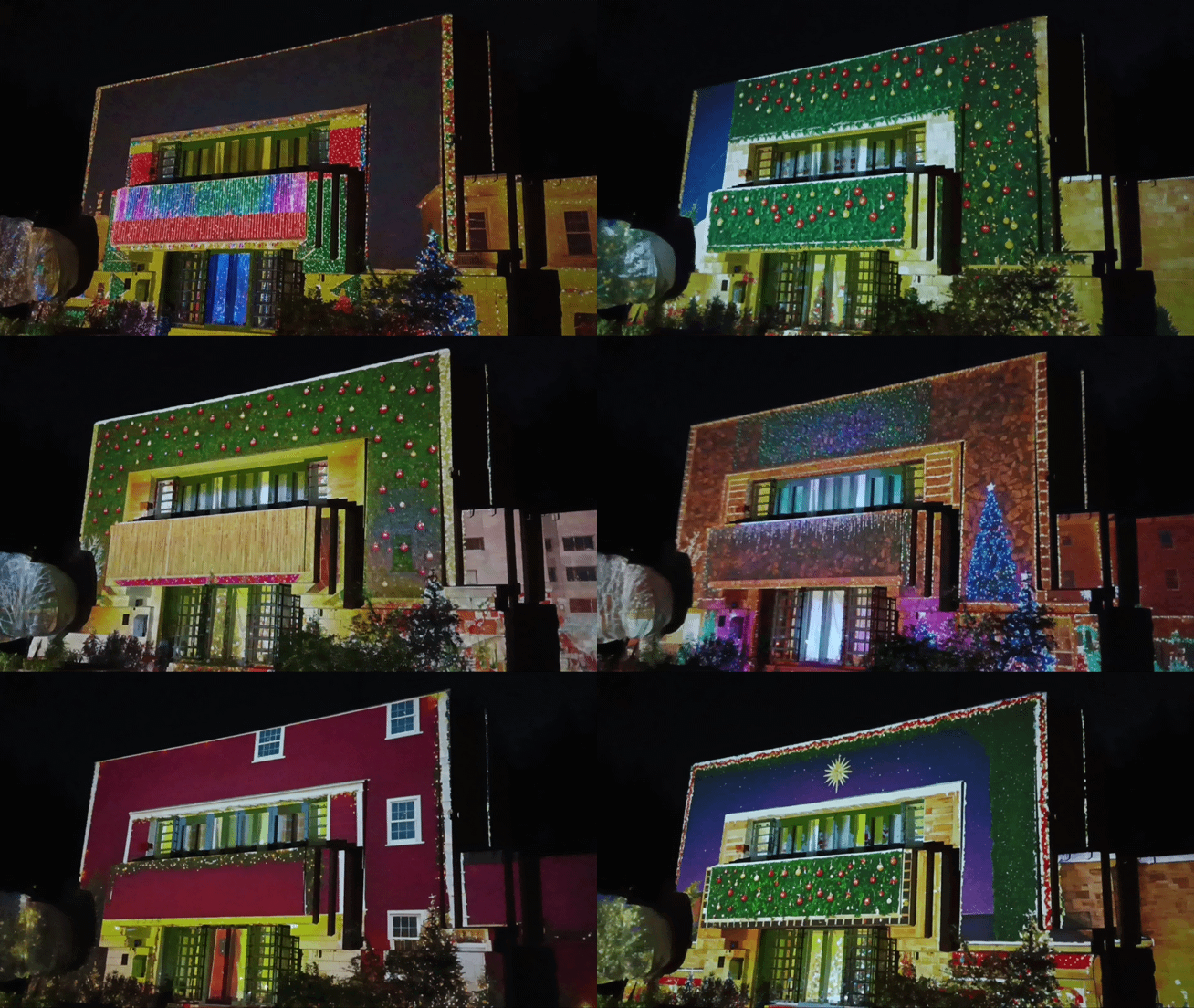
I first discovered the Bollman House last December, when a Christmas light show was projected on its façade for just a couple of nights.
I managed to catch the 10-minute video loop on the last night it was shown—and I became fascinated.
I'm so grateful to the owners for allowing the Los Angeles Conservancy to bring tour groups inside...
...and for so generously sharing their restoration journey with us!
You can follow their story on their Instagram account.
Related Posts:

No comments:
Post a Comment