Search

Showing posts sorted by relevance for query turrell. Sort by date Show all posts

April 30, 2019

James Turrell's Akhob: The Hottest Ticket In Vegas Since 2013

The most elusive attraction for me in Vegas...


...at least since 2013...


...hasn't been the hottest show, festival, or residency.
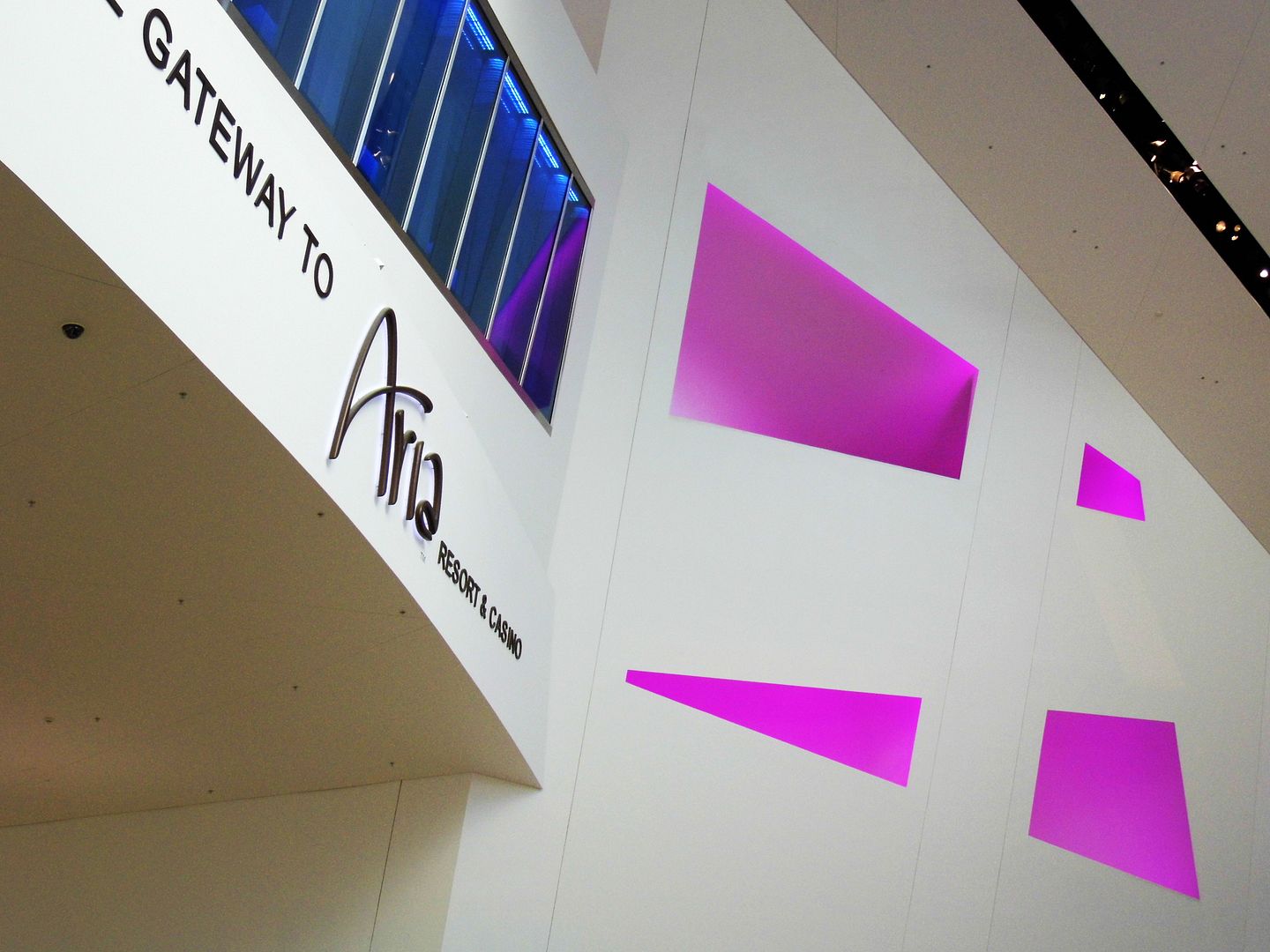


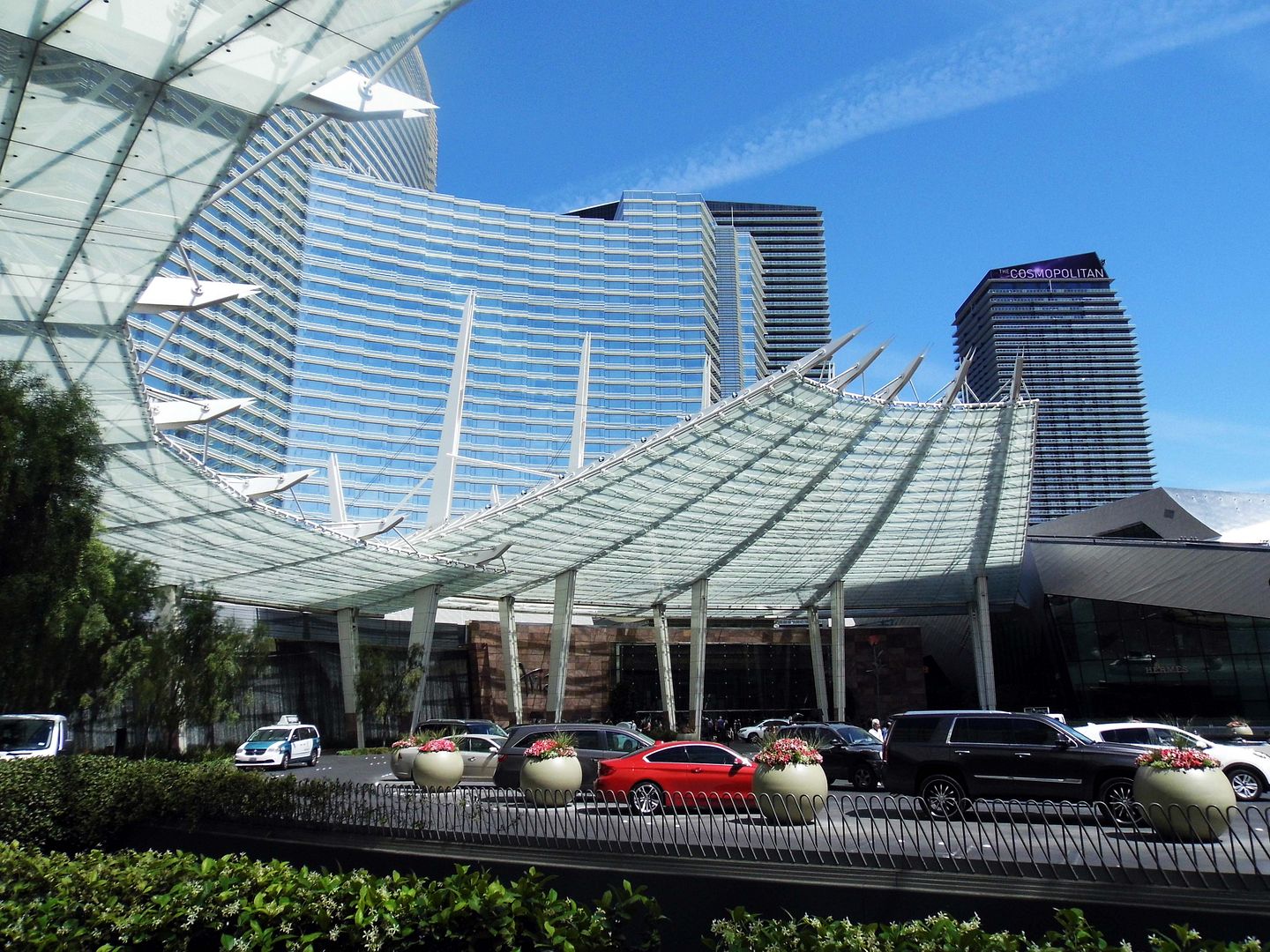
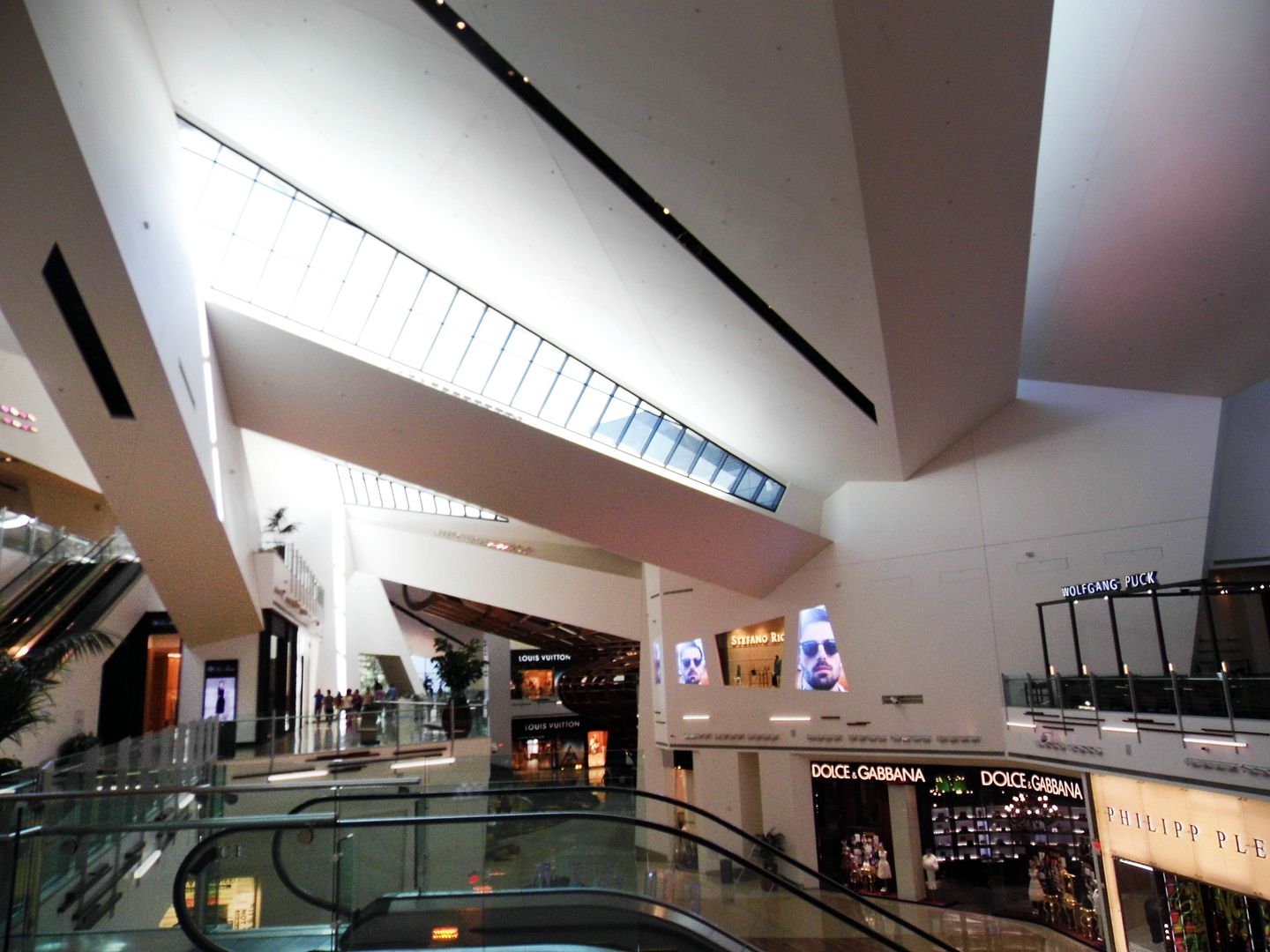
The ticket I haven't been able to get—until now—has been to see James Turrell's "Akhob" installation in the Louis Vuitton store at the Aria Resort and Casino's Crystal Shops.
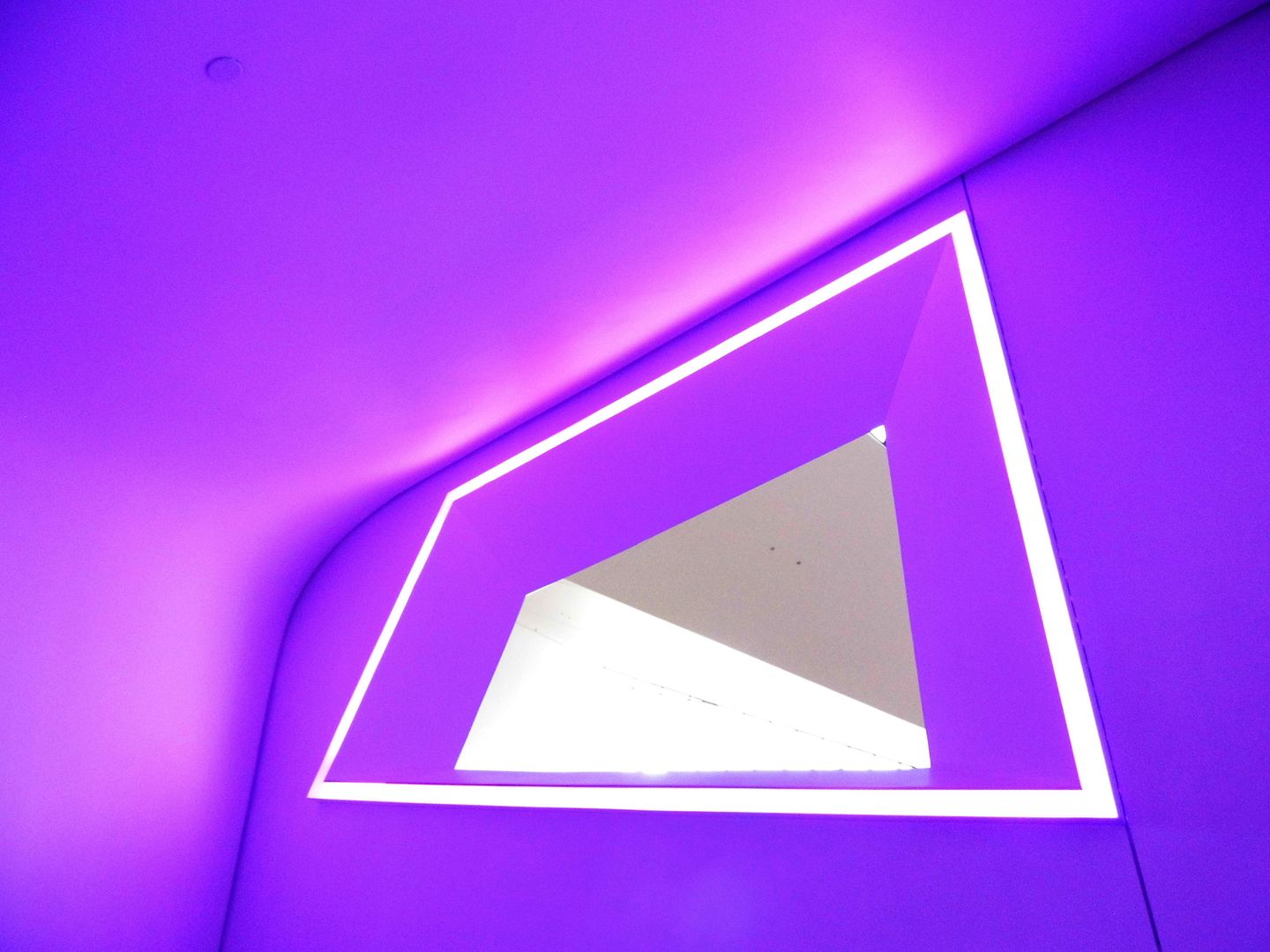


It's always booked months in advance, and I rarely plan that far ahead—except this time, when I was able to reserve two free spots for it back in February, for my April visit.


It was in 2013 that the Aria had commissioned Turrell's "Shards of Color" installation to complement the shopping center's unique design by Pelli Clarke Pelli Architects...
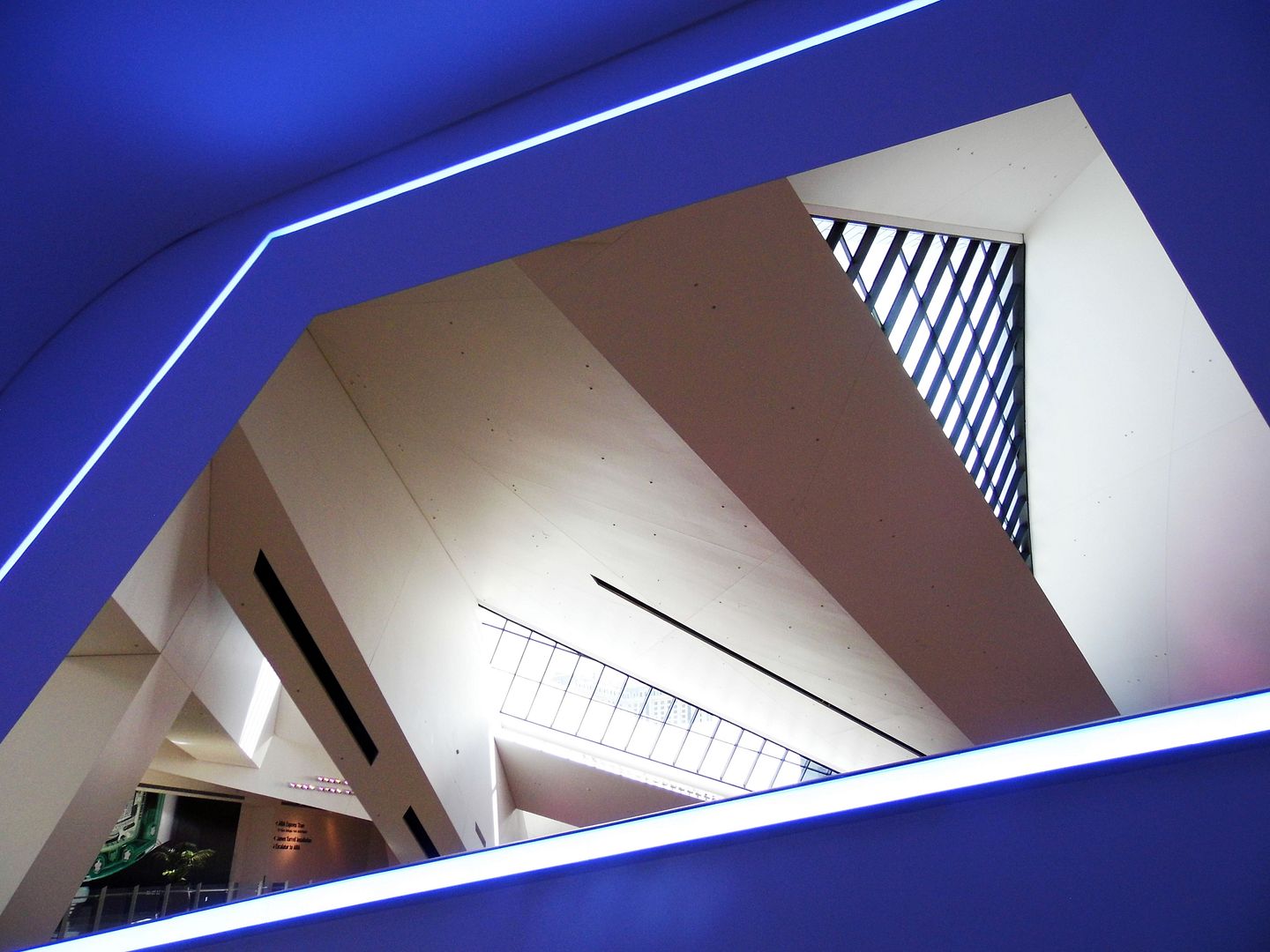


...and the Louis Vuitton brand continued the artistic partnership it first formed with Turrell in 2007 with the latest addition, "Akhob."


You can see "Shards of Color" at Crystals at City Center anytime, without an appointment, and for free—as long as you know to look for it there.
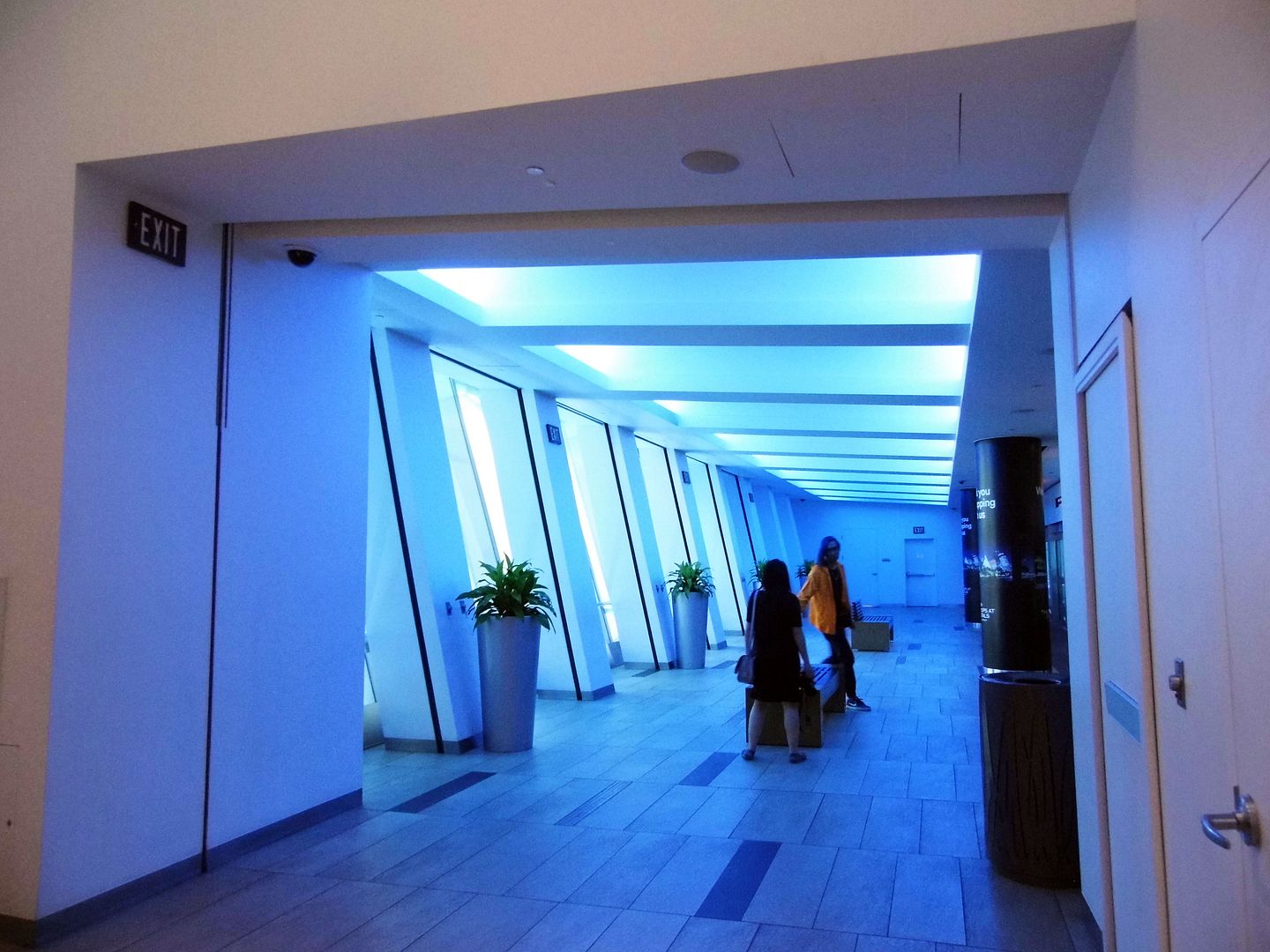


Akhob is a different matter—tucked away inside the Louis Vuitton store, where you have to check in on the ground level and wait for a hostess to come check you in precisely at your start time.
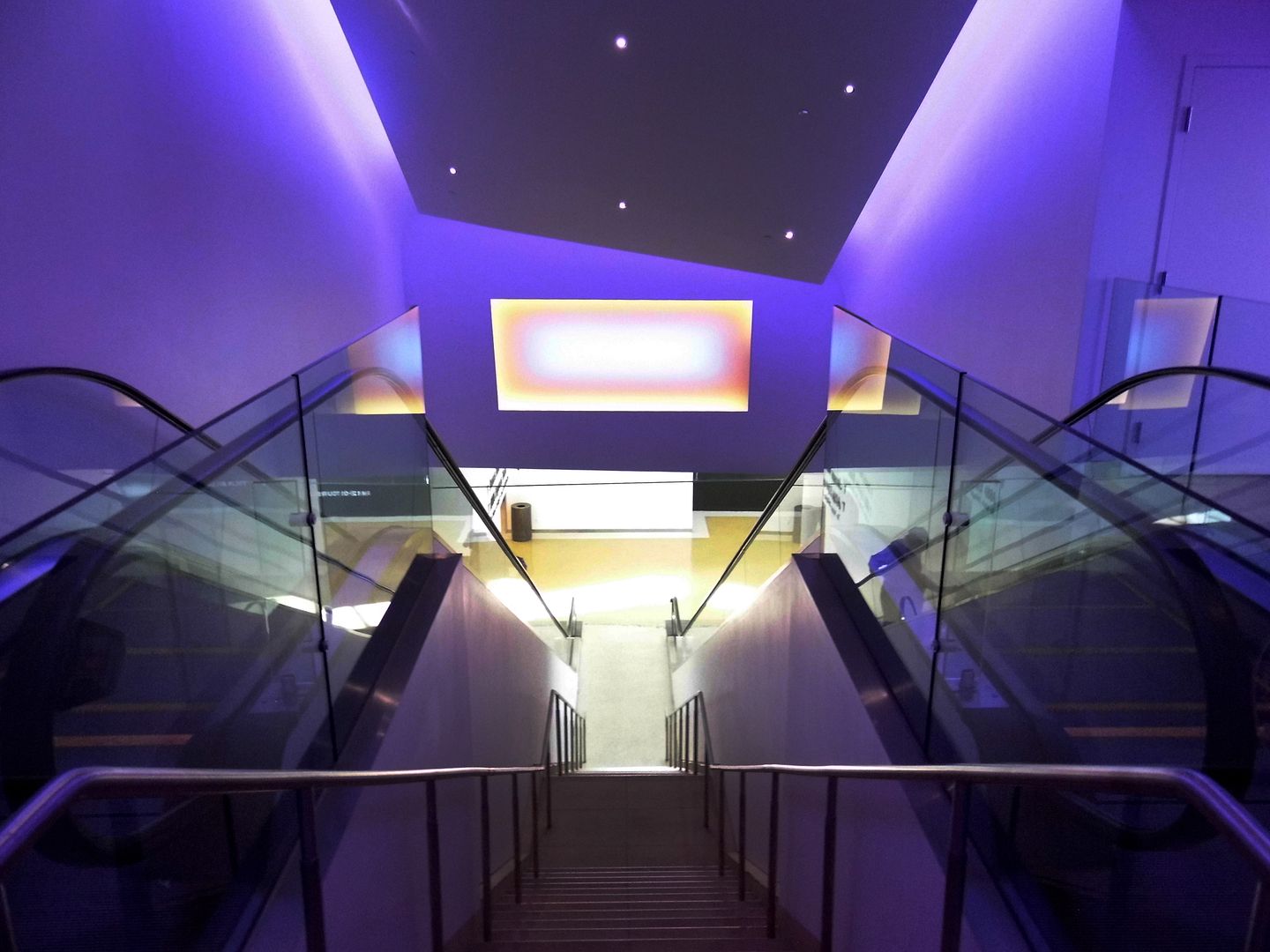


She then escorts the group to the elevator which ascends to an anonymous level where you are ushered through an anonymous door and told to sit on either side of the room, wherever you're comfortable. There are two more women behind a desk, in front of a dark wall branded "LOUIS VUITTON," dimly lit and standing at attention, perhaps overly formal.
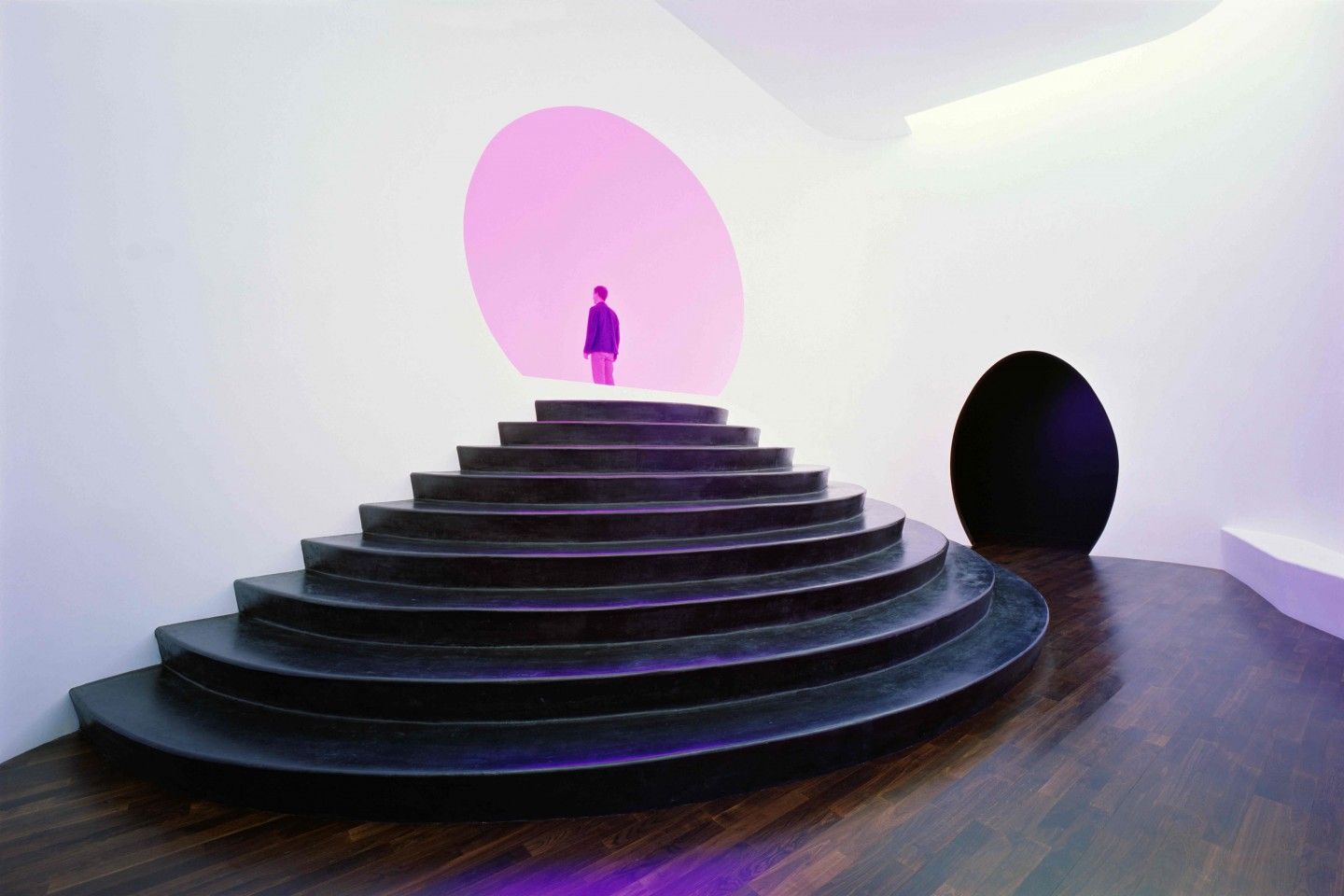

Photo: Florian Holzherr (via JamesTurrell.com)

They distribute clipboards, as there's a release and waiver for each attendee to sign. If I'd bothered to read it, I'm sure it would've warned me about epileptic fits or trip hazards and the lack of railings on the staircase leading up to the two rooms bathed in colored light.
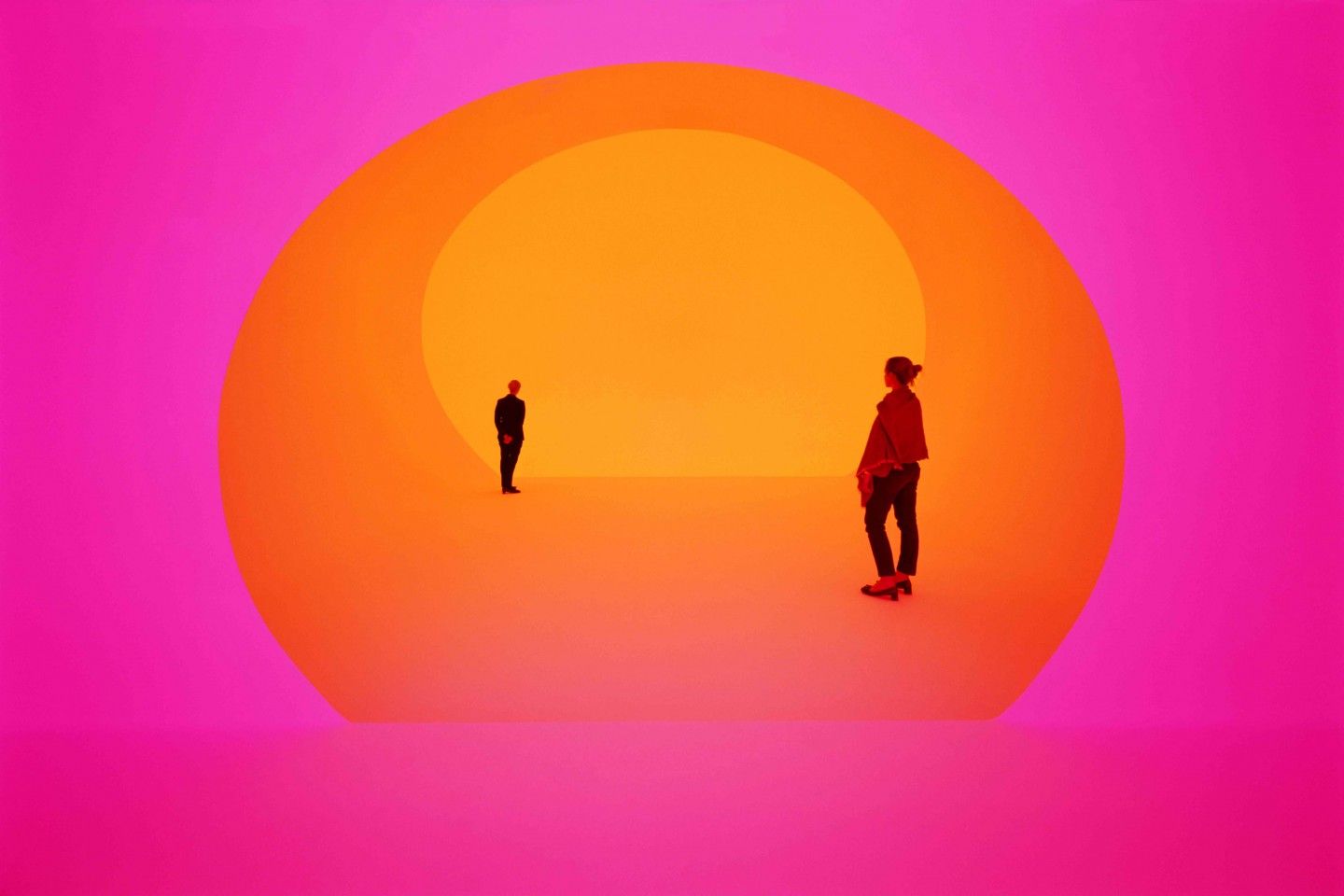

Photo: Florian Holzherr (via JamesTurrell.com)

The white-painted rooms easily scuff and stain, so changing into booties is a prerequisite for entering the space and taking in the light show.

One staffer was positioned at what we were told was a "drop-off," though it looked like a flat wall. We spent a lot of time considering whether it really did drop off, or if this was just another way that Turrell was messing with our perception.

The three other people in our group faced forward pretty much the whole time, watching that wall—or vacuous space—for something to happen, ignoring the two levels of changing colors behind them.

In typical fashion, I wandered around and tried to take it all in.

I wanted to lie down, but that was against the rules.

Leaning against the curved, egg-shaped walls was a no-no, too.

With no photos allowed, I had only my mind and the insides of my eyeballs to keep me focused.

But I didn't find the experience too startling, as I might have if it were my first foray into James Turrell's work. After all, "Akhob" is one of Turrell's "Ganzfeld" installations (which refer to the German word used to describe "the phenomenon of the total loss of depth perception, as in the experience of a white-out).

And I'd already explored another Ganzfeld of Turrell's, "Breathing Light," when it was part of the huge Turrell takeover of LACMA in 2013 (also the year I first discovered James Turrell, having toured the Sheats-Goldstein House at night and been given a glimpse into its Skyspace).

It's hard to know how long you're in there—cell phones are forbidden, too, and it's been a decade or more since I've worn a watch.

But the entire experience took about a half hour, when another group was waiting right behind us to follow suit.

What do you do after an experience like that? I certainly didn't want to shop.

As my Vegas trip was almost over—and it was almost time to drive back—all we could do was shake it off and grab a quick lunch, as though nothing had happened.

Related Posts:
Appointment Viewing
James Turrell Turned My Eyeballs Inside-Out
A Cell for All Perceptions

July 13, 2013

James Turrell Turned My Eyeballs Inside-Out

When I first walked down the rugged path to the James Turrell skyspace at the Sheats-Goldstein Residence, I didn't really know what the big deal was.

I liked the room, with its ever-changing hues of light, and its ceiling aperture which allows you to moon-gaze while reclining on a leather, sunken bed.

But while I initially enjoyed it as somewhat of a novelty, ignorant of much of the modern art world, I realize now: this guy's work is really something.

I don't know what it is yet, but it's really something.

Concurrent with exhibitions at both the Guggenheim in New York and LACMA in Los Angeles (the latter of which I'll be visiting this fall, the first admission I could get), the Kayne Griffin Corcoran Gallery is celebrating its new location on South La Brea with three examples of Turrell's work: a current exhibit on his fascinating Roden Crater project, a permanent skyspace which serves as their meeting room, and the "Meditation Room," a free, reservation-only, good-luck-getting-off-the-waitlist experience of light, sound, and maybe a little bit of freaking out, that's part of Turrell's series of perceptual cells.


Upon entering the blue room through a single, small door, I encountered amphitheater-style carpeted stairs that lead up to two leather beds, laid out head-to-head. I was flying solo, so I asked if there was a difference between the two positions. "No," the docent said, "Just make sure you're looking straight up there," pointing to the center of the domed ceiling.


He then handed me a panic button, saying, "This is in case you don't like it."


As I laid down, the door seemed very far away.


As the light show began, I was fidgety, fumbling with my phone and purse and sunglasses, all of which I wish I'd surrendered at the door. Their echoes in this oddly-lit pod were tremendous. I could hear my stomach gurgling loudly. And as the lights began to flicker (this is a strobed experience), I could see every speck on the surface of my contacts, every droplet of tear on the surface of my eyeballs.


As the light show progressed, I sensed I was looking at the inside of my own eyeballs.


And, at times, when the light shifted from blue to yellow or into a deeply imbued red, it was as though I was losing all sight altogether, going blind in a wash of color. Sometimes blinking corrected this perception. Sometimes it did not.

Imagine if you saw bright red when you closed your eyes. This is what the Meditation Room looks like.

Until the lights start intermittently flashing again. The strobe focuses you, brings you back to reality. For a time.

For my first Turrell experience of this sort, I chose the "soft" option over the "intense" option, though after surviving the low-grade show (which does become increasingly intense over the 16 minutes), I was immediately curious as to what the high octane version would be like. I'd had a hard time settling down for the first few minutes of the show, but once I did, I sank into position, and went with it. This was easy, right? Maybe I should try something harder.

And then I tried to get up. I tried to walk. I tried to put on my shoes.

Tried.

My docent looked at me knowingly and said, "We usually don't recommend you drive right away. Maybe walk around the gallery a little bit..."

I was able to eventually adjust my vision and my gait enough to operate heavy machinery (that is, my car), but my body feels different today, after the Meditation Room. It feels like it went through something. (Compare to the experience of taking a sound bath.)

I can't wait to do the Perceptual Cell at LACMA in October.

Note: Photos and video won't capture the experience. You have to see it from inside your own eyeballs.

Related Posts:
Photo Essay: Hiking Through a Dream Home in the Hills

November 10, 2015

The Art of Seeing

When people say things like, "I couldn't believe my eyes!", it's as though they could ever trust the images that are bouncing around inside their eyeballs—or the messages that are being sent from the optic nerve to the brain.

In reality, what we see isn't always the same as what's there. Sometimes we see something that isn't there. Sometimes we don't see something that is.


Artist James Turrell likes to play with this idea, proving that our sight can't be entirely trusted in the only way possible—by showing us visually.

January 02, 2016

Appointment Viewing

I really should make more of a point to watch the sunset, rather than hoping to maybe catch a glimpse of it in my rear view mirror or between two buildings.

Now that I'm waking early to work on East Coast hours, I'm actually up before the sun on a daily basis. And although I don't get to watch the sunrise per se, I get to watch the night turn into day with the arrival of its light, shining through my apartment window.


I think one of the reasons I like James Turrell's skyspaces so much is because they make sunrise and sunset an event. They give you a reason to know what time they're going to happen, and they give you the opportunity to pause and watch. If only we could all get a spectacular show by just staring up at the ceiling.


When I was in the San Gabriel Valley earlier today for some loosely-planned explorations, I decided to stretch my day as long as I could so I could catch sunset at the Dividing the Light skyspace, which Turrell installed in 2007 at his alma mater, Pomona College.


The metal canopy structure was built in the courtyard behind Lincoln Hall and is open to the public, so technically anybody can stare up at the sky through the aperture anytime they want. But that's kind of not the point.


Twenty five minutes before sunset, the colored light turns on, as the temperature seems to drop 20 degrees and the natural light begins to fade. The pool reflects the aperture above it, but it also bubbles and ripples and maybe even plays some kind of music or other sound installation. Or it's an auditory illusion, perhaps.


At first, curious visitors stop by and leave shortly thereafter because nothing seems to be happening.


If the color scheme of the lighting is changing, it's barely perceptible.


It helps to look at the horizon now and then. It also helps to close your eyes or look away entirely and then refocus a while later to see if anything looks different.


And then, sometime after the time of sunset officially passes, the light begins to change color, from fuschia to blue, purple, pink, and orange—and spectators arrive in pairs to recline on the bench or place their heads in their companions' laps.


Dividing the Light runs for a full hour after sunset and then starts up again in the morning 100 minutes before sunrise. And after that, before it commemorates the sunset again, it treats visitors to a brief three-minute light show (called a "chime") every hour on the hour, though perhaps with the exception of on the hour before sunset. (It didn't run today at 4 p.m., at least.)

I mean, the rise and fall of the sun should be appointment viewing. It's so easy to take for granted; it's so easy to just watch TV instead. And while we're staring at our screens, we're only seeing those pink skies through someone else's social media posts, and not with our own eyes.

Of course, the same could be said for Turrell's work. But until you get the chance to experience a skyspace of your own, this time-lapse video will tide you over:


Related Posts:
The Art of Seeing
Photo Essay: Hiking Through a Dream Home in the Hills
A Proper Sunset

October 18, 2013

Dark Matters

What happens when you look into the dark?

When there is no light, no one breathing beside you?

When you don't know how large or small the room is, only that you've walked into one and sat down?

Are you supposed to see something?

Are you supposed to see nothing?

What happens when you do see something, advancing towards you, pulsing, blossoming petals of purple, then black?

Is this psychedelic show what you want to see? Or is someone showing it to you?

One of my greatest fears is not being able to see. I often dream of blindness, the nightmarish sensation of not being able to open my eyes in strong wind or blaring sunlight, the struggle to lift the lids as I fall backwards into an unknown abyss. I don't like walking into a dark room, and often leave the lights on in my apartment, even in the daylight, so they're already on when I return at night. My night terrors have gotten so bad, I occasionally have to sleep with at least one dim light on - more than a nightlight, less than the floor lamp - because when I inevitably wake up and open my astigmatic eyes, I'll see a giant spider climbing the pull string up to my ceiling plan, or two men walking through my kitchen door, or a figure standing over my bed, all the furniture in the sitting area rearranged, or sometimes gone. And as I blink, letting the light in as my pupils dilate, the haunting images disappear, and the scene returns to normal.

But what happens if there's no light to let in? Is it possible to see nothing?

Even if I were blind, wouldn't I see something?

I've often said that I hope there's a vast nothingness after you die. I'm exhausted. I can't handle the idea of an afterlife, or, God forbid, reincarnation. I want it to be over.

But, in my conscious state, I don't want to walk into a black room, alone with my own breath, and wait for something to happen.

However, this is what I chose to do when I entered the James Turrell Dark Space called Dark Matters, a contrasting experience after the overstimulating "hard" version of the Light Reignfall perceptual cell.

The world is full of optical illusions - staring at a solid color for a minute and then looking at an American flag to see its color scheme flipped to the other side of the color wheel - so it's not surprising that after so many lights were flashed before my eyes (regardless of what pattern my brain put them into), I'd see something in a dark room, other than a blackened tableau.

What is surprising is how little other people see, how many people are capable of entering the vast expanse of nothingness and coming back out unchanged.

When I came out of the room, the security asked, "Well, how was it?" and I regaled him with descriptions of a dim, purple funnel of light, encircled by human-like figures. He chuckled and said, "Well, you're one of the lucky few..."

"Wait, other people don't see that?" I asked, suddenly self-conscious.

"Most people come out and say they didn't see much at all."

Huh.

I'm not entirely crazy, because Turrell's concept for Dark Matters is to let the viewer's eyes adjust, and then let a faint glow emanate from a low-wattage incandescent bulb. It's so dim, you still can't see the room, so all you can see is the light itself, which bounces off nothing.

Maybe it's because, in life, I choose to see rather than not see. I choose to speak, listen, hear, taste, feel, dream, wake, absorb, plunge. I am soaking it all in.

Perhaps where there is no light, the light will come from within.

Related Posts:
James Turrell Turned My Eyeballs Inside-Out
A Cell for All Perceptions

October 16, 2013

A Cell for All Perceptions


Over the course of this year, I've had a couple of primers to my visit to the James Turrell retrospective at LACMA: my first skyspace experience at the Sheats-Goldstein Residence, and my first foray into a perceptual cell at the Kayne Griffin Corcoran Gallery (which also has its own skyspace).

I knew what to expect when I went to LACMA today. After all, I'd had to reserve months in advance, and pay a not-so-cheap fee to get in.

I knew what to expect.

At least, I thought I did.


Like the smaller Kayne Griffin Corcoran exhibit this summer, the LACMA retrospective includes some scale models, architectural drawings, and concept sketches for Turrell's works, many of which are custom-built (since it's easier to build a room with a planned aperture in it rather than cut a hole into an existing building). Additionally, it also includes some nice examples of his works that have been relocated, donated or otherwise acquired from other places, like the Afrum (White) from 1966 (top) and Juke (Green) from 1968 (above).

And then there is the perceptual cell.

At Kayne Griffin Corcoran, I'd chosen the "soft" experience in the Meditation Room, which leaves the viewer bathed in gentle washes of color with an occasional flicker. Having that under my belt, today I was inclined to try the "hard" experience in the perceptual cell known as Light Reignfall, urged on and reassured by two technicians in white lab coats, who I addressed as "Doctor" upon arrival. And true to my joke, they pulled a drawer-like medical table out of a spherical pod, told me to leave my belongings (including my shoes) in the bucket, gave me headphones for my "soundtrack" and a panic button for easy exit, and slid me back in through a narrow trap door as they wished me good luck.


Upon my elevated, sliding bed, it didn't feel like I was in a room. It felt like I was floating in space.


The perceptual cell experience - this one is specifically a "Gaswork" - started off as expected, solid colors rotating and shifting between blue and red and green and pink and all the transitional shades in between. Surrounded by saturated light. I took my glasses off to improve my peripheral vision and reduce distraction from the frames. But I could still see my nose between my eyes. I held my hand up in front of my face to focus, to remind myself that I was not going blind.

And then it got freaky.


Part of the genius of these perceptual cells is that their experience cannot be captured on camera. They must be seen with one's own eyes, with one's own brain. The strobing light patterns, with their increasing freneticism, simply confuse the lens. The camera tries to capture a moment in time, but the show is about the progression of sound and light in time. And depending on the eye and the brain that sees it, every experience is different.

And in the case of Light Reignfall, like the MRI it imitates, it must be experienced alone. (Meditation Room is built for two.)

I found myself grateful for the multidimensional fractal patterns that appeared before me, giving me something to watch and reminding me that I was, in fact, not blind. I wondered how much I was actually seeing and how much was an optical illusion, a phantom artifact of my brain trying to make sense of the thing, perhaps creating patterns where there were none. I saw black mixed in with hot pink, white, and yellow. Geometric shapes moved in a sometimes symmetric, sometimes kaleidoscopic symphony. Something buzzed in my right ear as a flicker of white interrupted the pattern in my right eye.

I felt a heavy weight on my chest and down to my rib cage, where I'd rested the panic button that I desperately did not want to push, no matter how claustrophobic or epileptic I might get. I breathed heavily and deliberately. I felt I was moving towards the light, or perhaps the light was advancing on me. I don't remember blinking. If I'd closed my eyes at all, I probably would have seen the same as when they were open. I have no sense of how long either of my eyes were open or closed during my ten minutes inside the cell.

As the show ended, the colors desaturating into a pale blue, the light waning, I thought I saw everything spinning into the center of the spherical ceiling, eaten up by a funnel cloud, running down the drain, dissipated by a fading fan blade.

A few hours later, my memory of what exactly I saw has faded. But I remember how I felt, how my body tensed and how I emerged, dizzy, with a headache that lasted the rest of the day. I was glad I'd chosen the "hard" version because I felt like I'd really seen something, though not sure what exactly I'd seen - or what had actually happened in there. Were my brain waves merely being manipulated to conjure my own virtual reality? Does everyone see something different when they are slid into that same sphere, onto that same bed?

Is what I perceived more important than what actually happened?

Related Posts:
James Turrell Turned My Eyeballs Inside-Out
Photo Essay: Hiking Through a Dream Home in the Hills
Photo Essay: Exploring Light & Color in Exxopolis

March 01, 2013

Photo Essay: Hiking Through a Dream Home in the Hills


When my confirmation email for the salon at the John Lautner-designed Sheats-Goldstein residence instructed me to wear flat, non-skid shoes - at a cocktail party, which I would never do - I knew the house tour was going to be good.


In fact, the house itself is built so deeply into the hillside of Beverly Hills, up a steep, narrow, winding road, that my ticket to the party included valet parking, a car shuttle in a fancy new BMW, and a golf cart ride to the front door.


The concrete entryway was dark, mysterious, and inviting...


...and the slippery glass walkway across a fish-filled water pond was the first of many house features with no railing, making the Sheats-Goldstein residence, as Curbed and house docents call it, "the most dangerous house you'll ever be in."

I started laughing giddily and clapping my hands.


This house is awesome. Built in 1963 for the Sheats family, it's considered exemplary of Lautner's style, particularly because he not only designed the concrete, wood and steel building itself, but also its furnishings and operational elements.


Much of its current decor, however, can be attributed to the house's current owner, mysterious multi-millionaire James Goldstein, who procured it in 1972 and worked with Lautner directly on many modifications to it, until his death in 1994. (After that, he has worked with another architect who worked in Lautner's office.)


The remarkable ceiling - the residence's most recognizable feature - is original, and was built for the Sheats to have a kind of "camping under the stars" feeling, typical of Lautner's incorporation of the outdoors into the indoors.


The coffers in the ceiling - which expands over the outdoor pool - have Old Fashioned drinking glasses inserted into them, letting in some light.


If you manage to not fall into the pool while walking along the narrow walkway around its perimeter, you can walk down another narrow outdoor path to get to the two guest bedrooms...


...whose glass doors (and walls) give immediate access to the outside, and at the same time, some privacy...


...with no shortage of leather.


Downstairs, the expansive master bedroom showcases Goldstein's extensive hat collection, Hollywood memorabilia, and photos and portraits of the man himself.


When not self-reflecting, he can look out and down upon the Los Angeles city lights...


...since the house itself is quite dimly lit in the evening...


...adding to the peril of walking around at night.


Incredibly, the house is part of a campus around the property, with labyrinthine walkways leading visitors in flat-soled shoes through ferns, past bamboo and under tree stalks (again, with no railings) to an arch...


...which, for good luck, you must walk under on the way down...


...but can bypass and walk around on the way back.


Finally, the path leads down to an installation by light artist James Turrell...


...which is housed in a skyspace built out of poured reinforced concrete, in collaboration with architect Duncan Nicholson, meant to match the style of the Lautner-designed neighboring building. (In fact, the project was meant to be built with Lautner, who died before he could see it to fruition.)


The skyspace features an opening in the ceiling, which can be seen from both the outside...


...and the inside...


...as the light slowly evolves from one color...


...to another.


The ceiling's aperture is actually retractable, a unique feature of a Turrell skyspace...


...and the addition of the lower window, which looks out at the twinkling skyline or a blazing sunset, depending on the time of your visit, was also a unique request by Goldstein.


The best part? The only thing in the room, besides the windows, is a leather bed, sunken into the concrete floor, upon which one can recline, and from which one can gaze upon a nearly-full moon.

photo by erikneldnerphoto, courtesy Angeleno Modern Luxury

Flashlights recommended on the way up and down.

[Ed: Added 1:13 p.m. PT 3/1/13]
For more on Goldstein himself, and a daylight view of the property, check out this amazing video:


Related Post:
Photo Essay: California Dream Homes

To Like Avoiding Regret on Facebook, click here.