Search

Showing posts sorted by relevance for query niki. Sort by date Show all posts

May 10, 2018

Photo Essay: A Magical Circle of Snakes, Birds, and Their Queen

Which medium of art is more appropriate for southern California, a melange of varied landscapes, cultural histories, architectural styles, and aesthetic influences?

To me, it's the mosaic.

And who cares if the mosaicist wasn't formally trained?

Such is the case with Niki de Saint Phalle (1930–2002), who left France and relocated to the San Diego area in 1994.


I'd known of her work for a while, though I hadn't known her by name. And it took me some time to encounter her work in person, as it seemed that her seminal Southern California work, Queen Califia's Magical Circle in Escondido's Kit Carson Park, closed for repairs and restoration pretty much as soon as I found out about it.


It wasn't until I took a tour of Waterfront Park in San Diego that I put two and two together—and after that, I was more desperate than ever to get to Escondido.


Fortunately, although her last large-scale work, which is tucked away inside the Iris Sankey Arboretum, is only open Tuesdays and Thursdays and every second Saturday of the month (and for only a few hours at a time), at least it is open.


And boy is it ripe for exploring.


I suppose Niki de Saint Phalle made somewhat of a name for herself (despite being untrained) depicting serpents...


...but in Escondido, the focus is on the Mesoamerican roots of California, and all the iconography associated with that.


That relegates the snakes to the periphery.


At the center of it all is Califia, the Amazonian warrior queen who represents a major (though fictional) figure in the Golden State’s origin story.


She's perched atop an eagle throne...


...and she's surrounded by totems of lizards and birds and other mosaic creations that evoke Native American, Pre-Columbian, and Mexican artistic influences.


Like much of Niki's work elsewhere, these fantastical and even mythical creatures are clad in ceramic tile, mirrored glass, and stones embedded into fiberglass and resin on a steel frame.


The sculpture garden was completed in 2003, a year after the artist’s death, making it her last international project and exemplary of her later-career style.


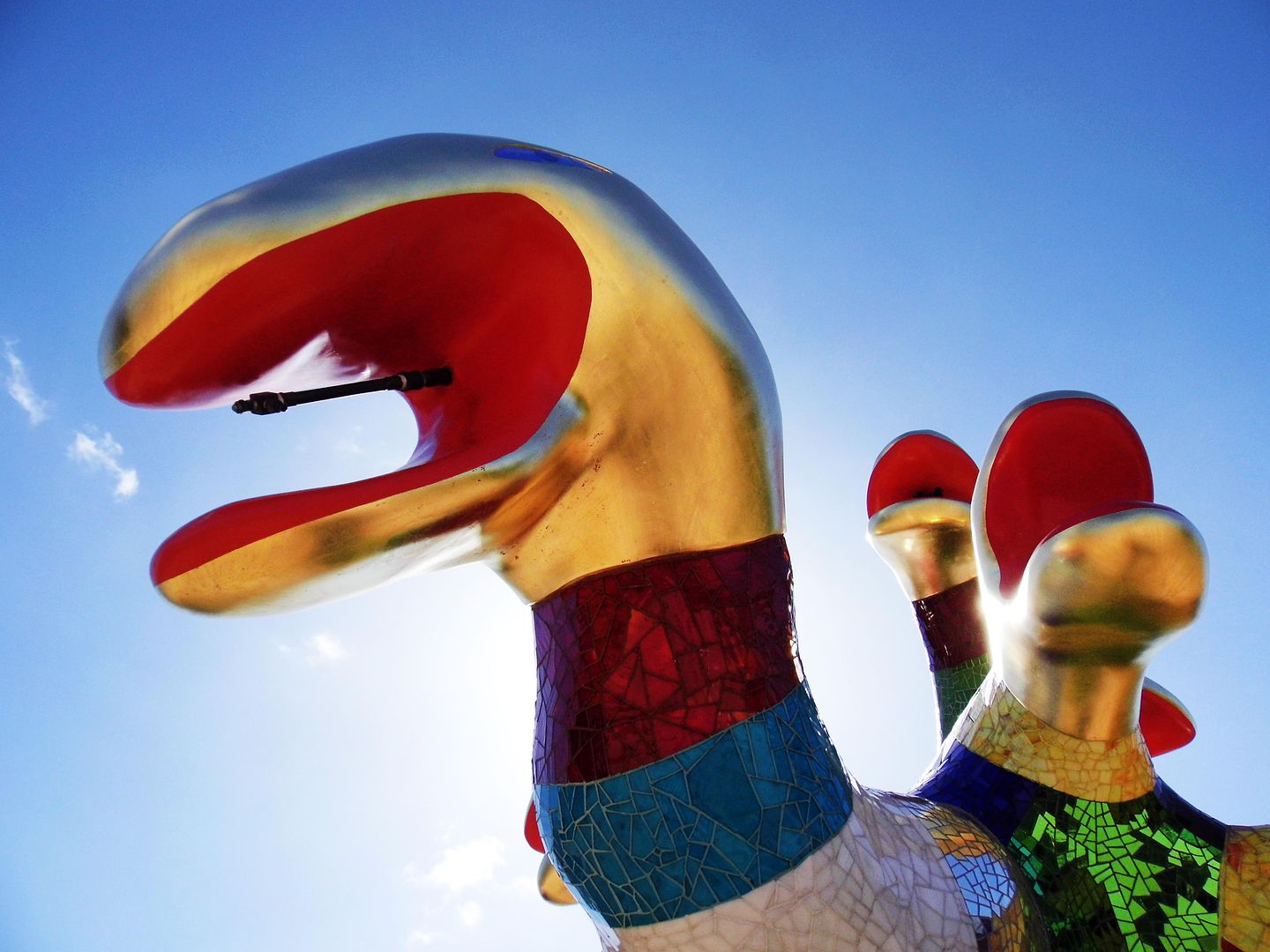
Within Queen Califia's domain, there's the 17-foot bullhead totem...


...where the eagle returns as a central theme (a bird that Niki kind of considered her "spirit animal" and drew lots of inspiration from).


And these totemic sculptures are where Niki's varied styles really converge—where pebbles meet cut pieces of glass and ceramic to form a cohesive representation of mythology and idolatry.


There's also the 13-foot Birdhead totem...


...adjacent to the 14-foot Kingfisher totem.


The artist designed and financed the entire garden...


...but fabrication and mosaic installation was completed by Art Mosaic, Inc. (of El Cajon at the time, now located in Santee).


Within those undulating walls, beyond a maze of back-and-white mosaic, there also lies a totem topped by a bird on a square...


...which, though "Untitled," is reminiscent of the firebird found in the folklore of the indigenous peoples of the Americas (not just what's now known as the United States of America).


The entire garden has become somewhat of a playground for children and adults alike....


...especially since you're allowed to touch, climb upon, and sit on any of them.


"They feel nice and you won't harm them," the artist said shortly before she died.


And unfortunately, her passing came prematurely. She never got to see her magic garden completed...


...and she never got to witness how her Step, Yelling Man, and Cathead totems would bring the inner child out of the adults who visit.


She never got to hear the squeals of the children who were brought by those adults, but she knew the kind of effect that these sculptures would have on them. In 1972, she'd been commissioned to design a playground for Rabinovich Park in Jerusalem, and her other sculpture gardens (like The Tarot Garden in Tuscany) had already delighted the young and young at heart for decades upon the time of her death.

After having seen her monumental pieces in Balboa Park and Waterfront Park, I knew I would like Niki de Saint Phalle's installation in Escondido. But I wasn't prepared how it would affect me as I crossed over the threshold of the "snake wall" and entered the circle.

It took my breath away.

And I didn't get my breath back until the wings of the bird in Califia's hand were long out of sight.

Related Posts:
Photo Essay: A Paradise of Whimsy and Water at San Diego Bay
Photo Essay: The Picasso of The Caribbean's Surreal, Ceramic Land
Monstrous Fun In Concrete and Steel

March 31, 2018

Photo Essay: A Paradise of Whimsy and Water at San Diego Bay

I had Waterfront Park in San Diego saved to my map, but I couldn't remember why.

And last December—when I visited the harbor area at San Diego Bay, took a tour of the Maritime Museum, and found myself across the street—I decided to walk through.


But at the time, I was with a friend, and we were on our way to get lunch, so I didn't stop to really look.


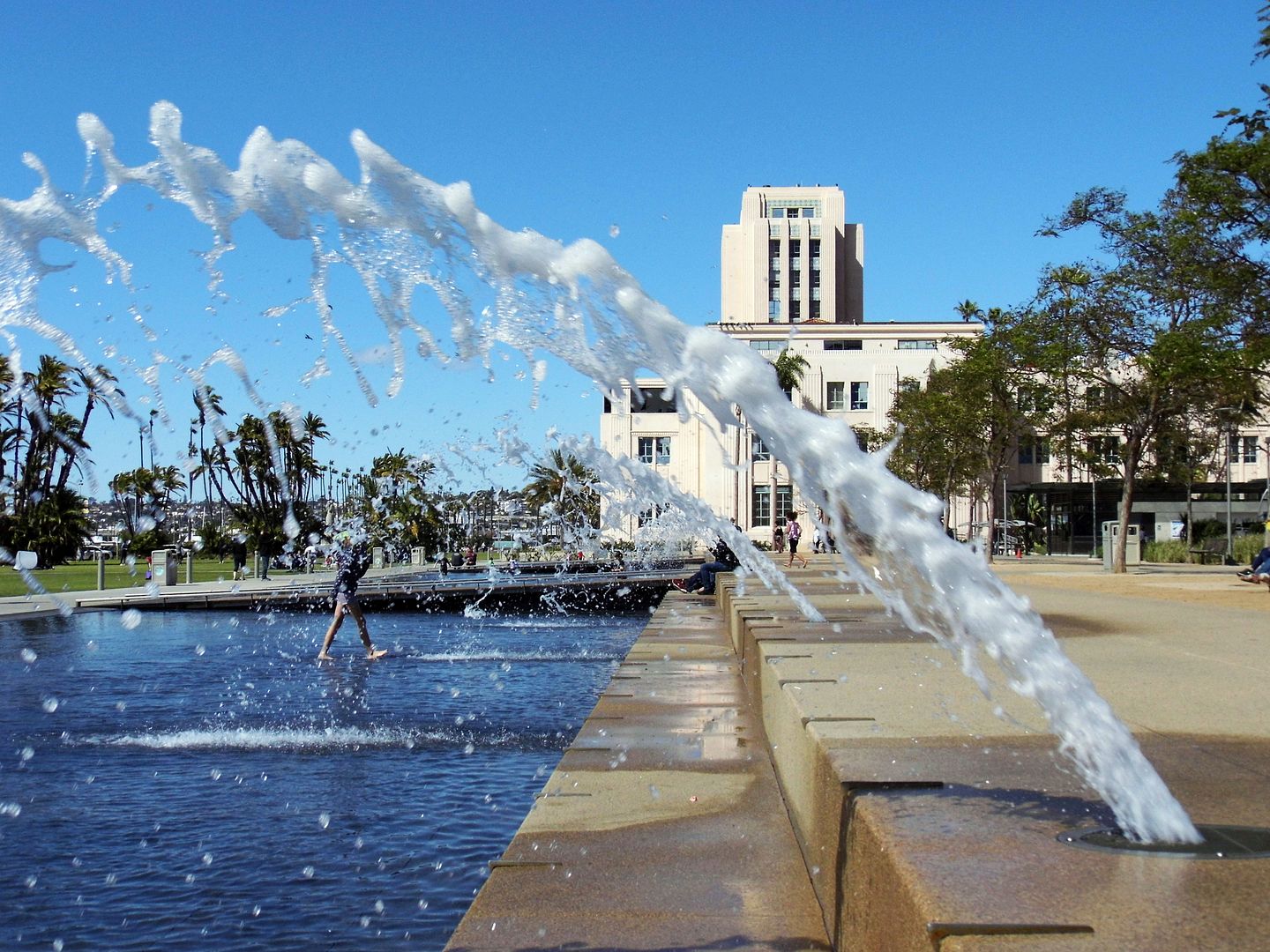
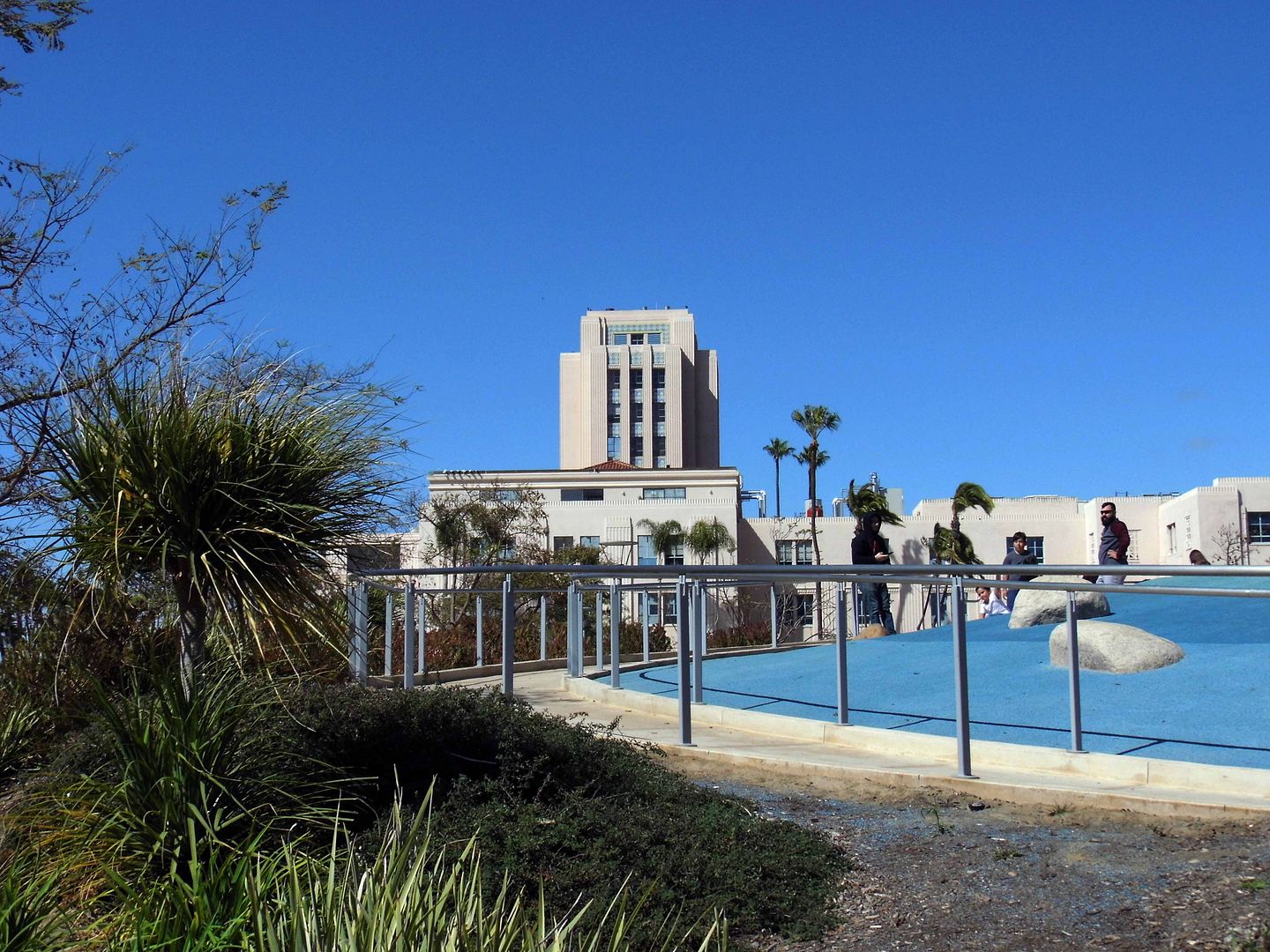
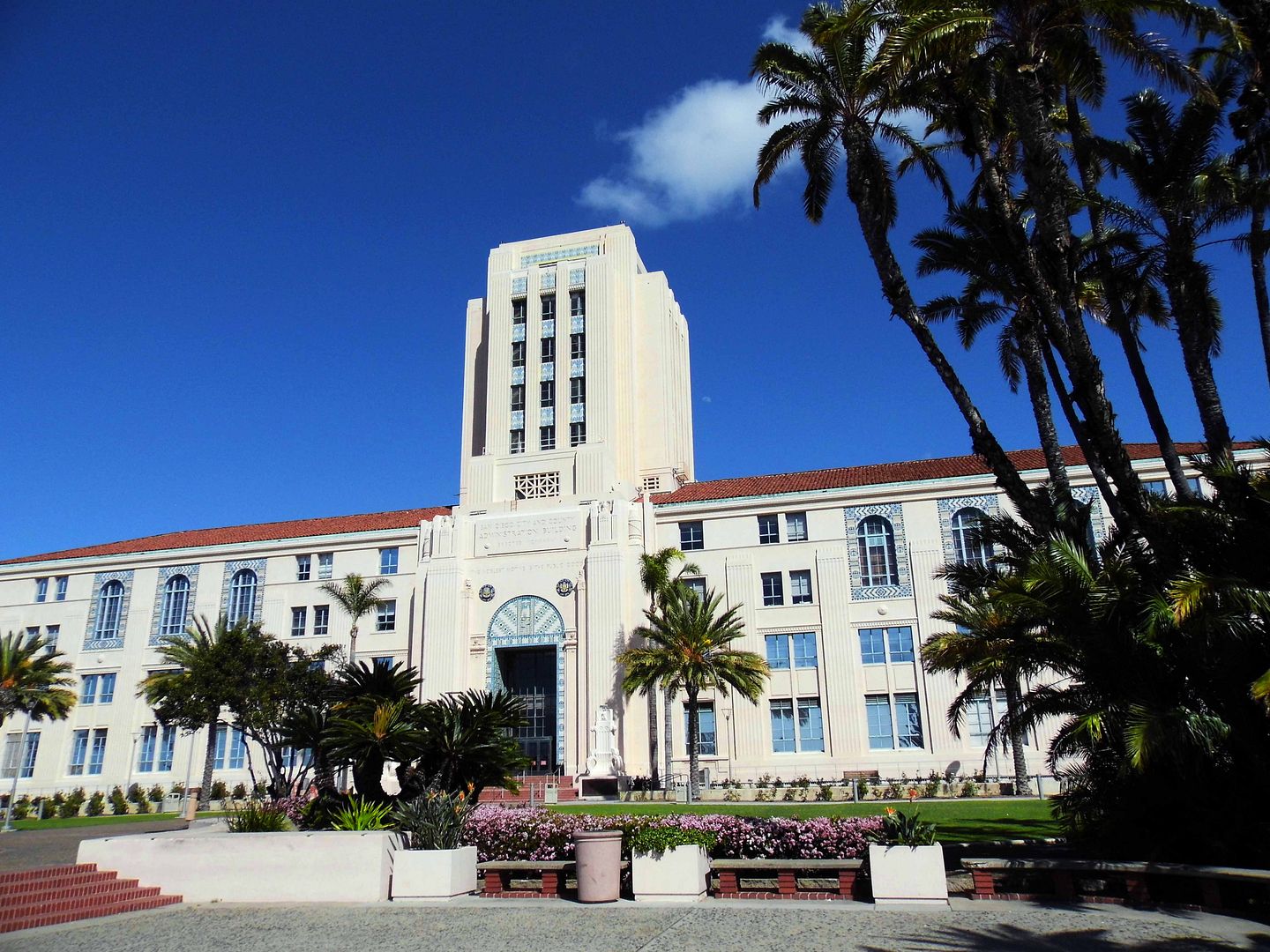
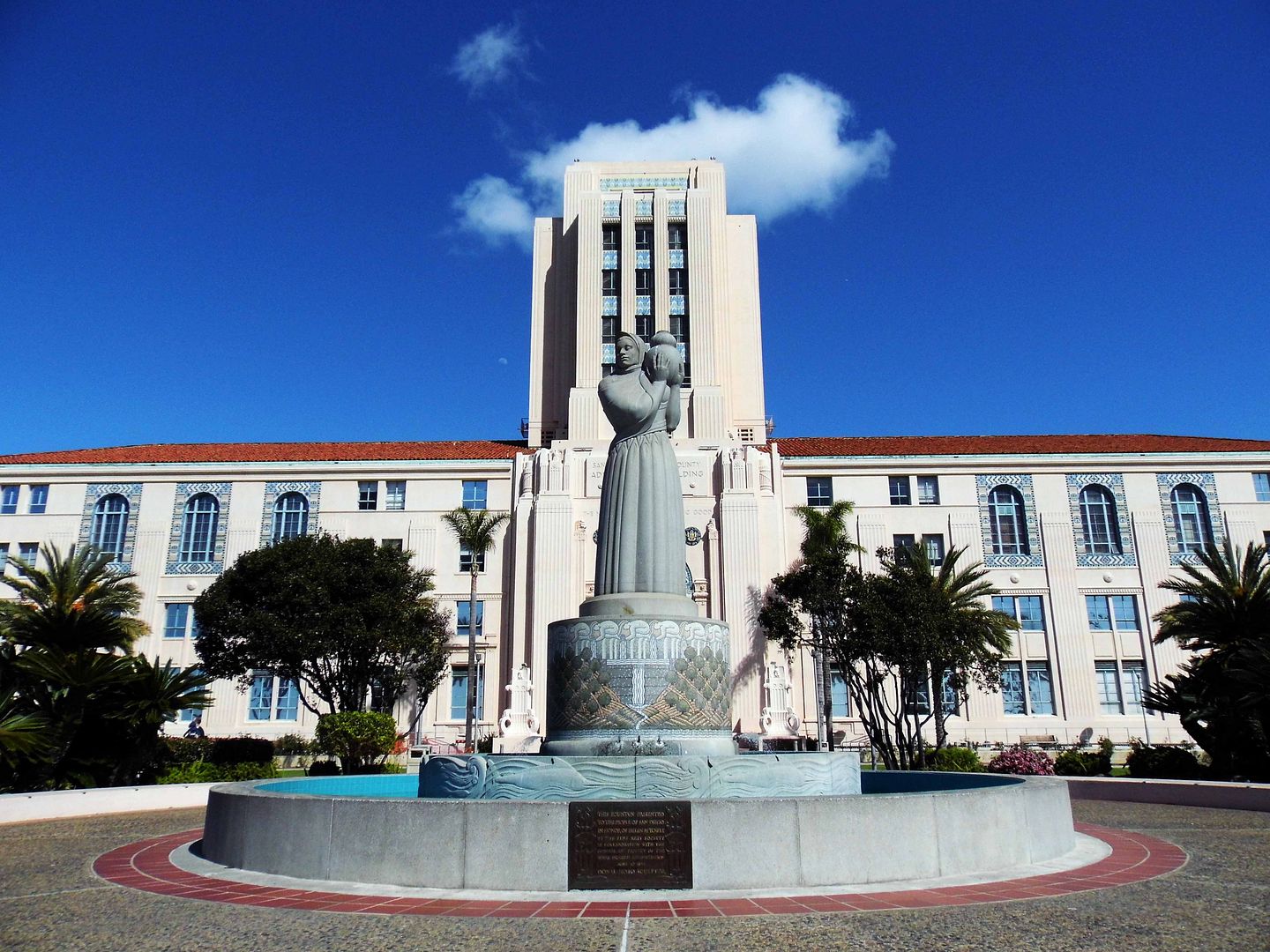
Making only a cursory survey of the area, I admired the WPA-era architecture of the 1938 San Diego County Administration Center...


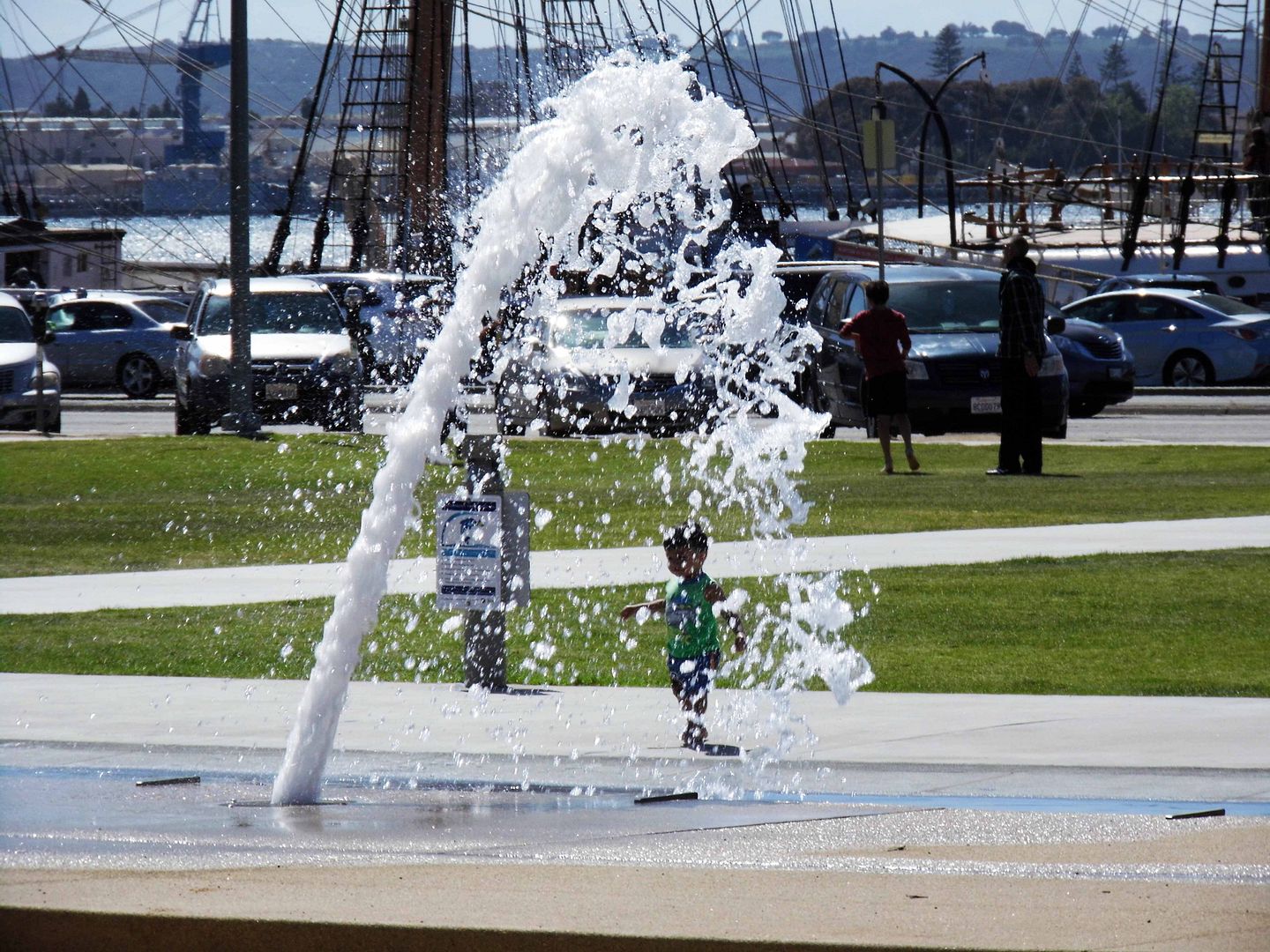
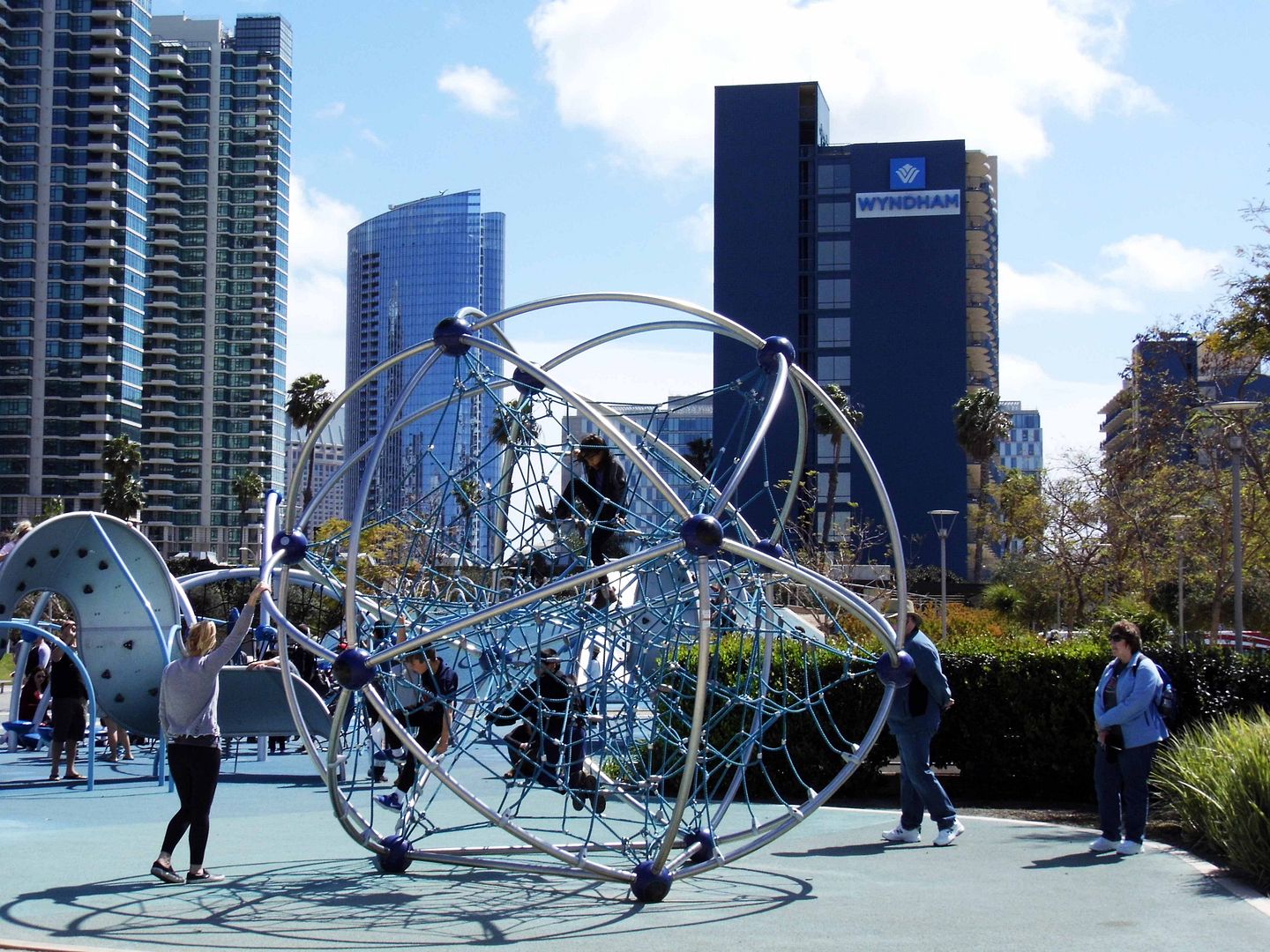
...as I strolled past dozens of children playing in the wide-open space...


...and I remarked, "It's nice."


I hadn't remembered that where I was walking had been...


...at least until 2014...


...a giant public parking lot.


And it wasn't until I returned to Waterfront Park in March to take a tour as part of Open House San Diego that I realized why I'd saved it to my map in the first place.


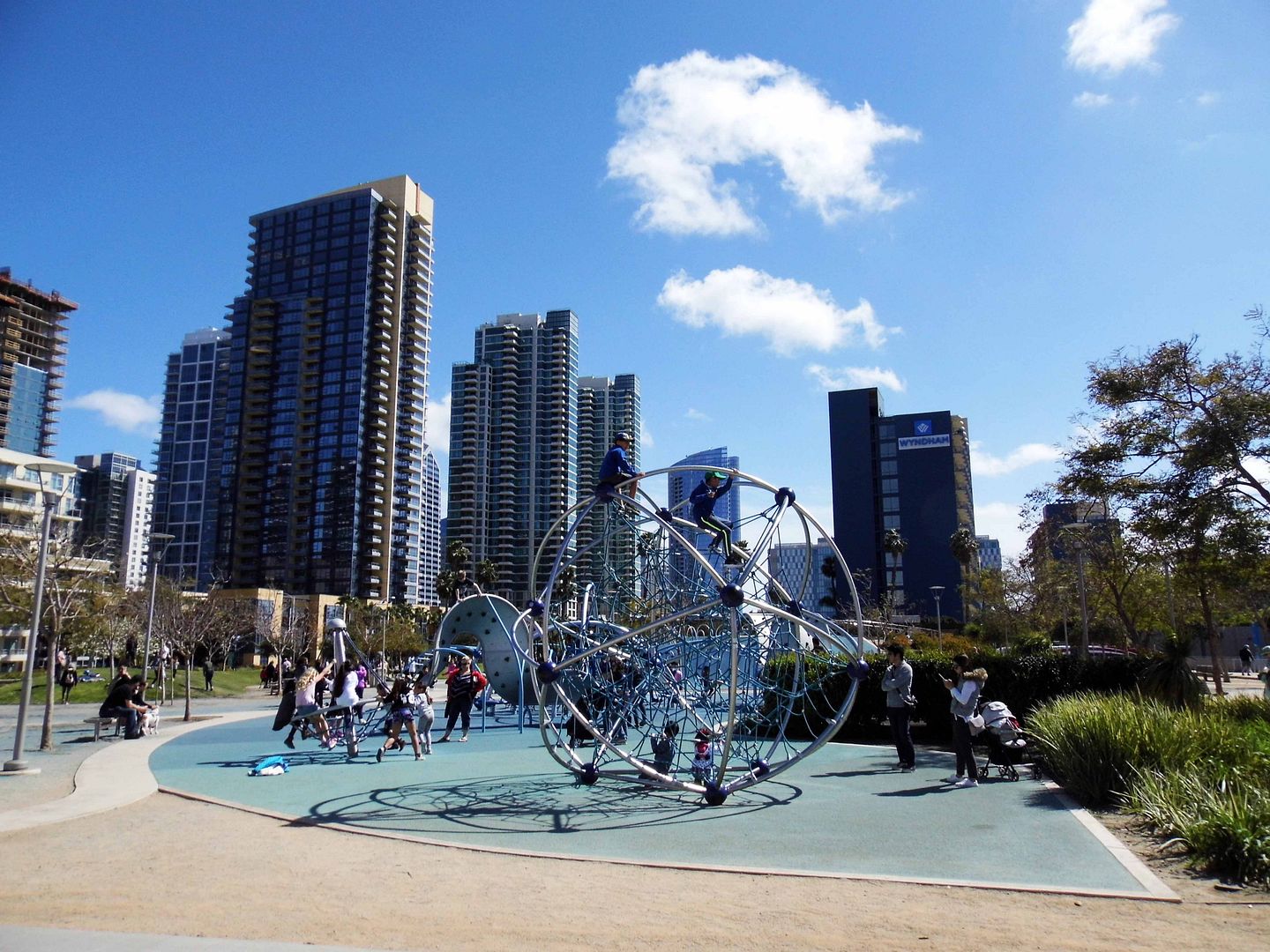
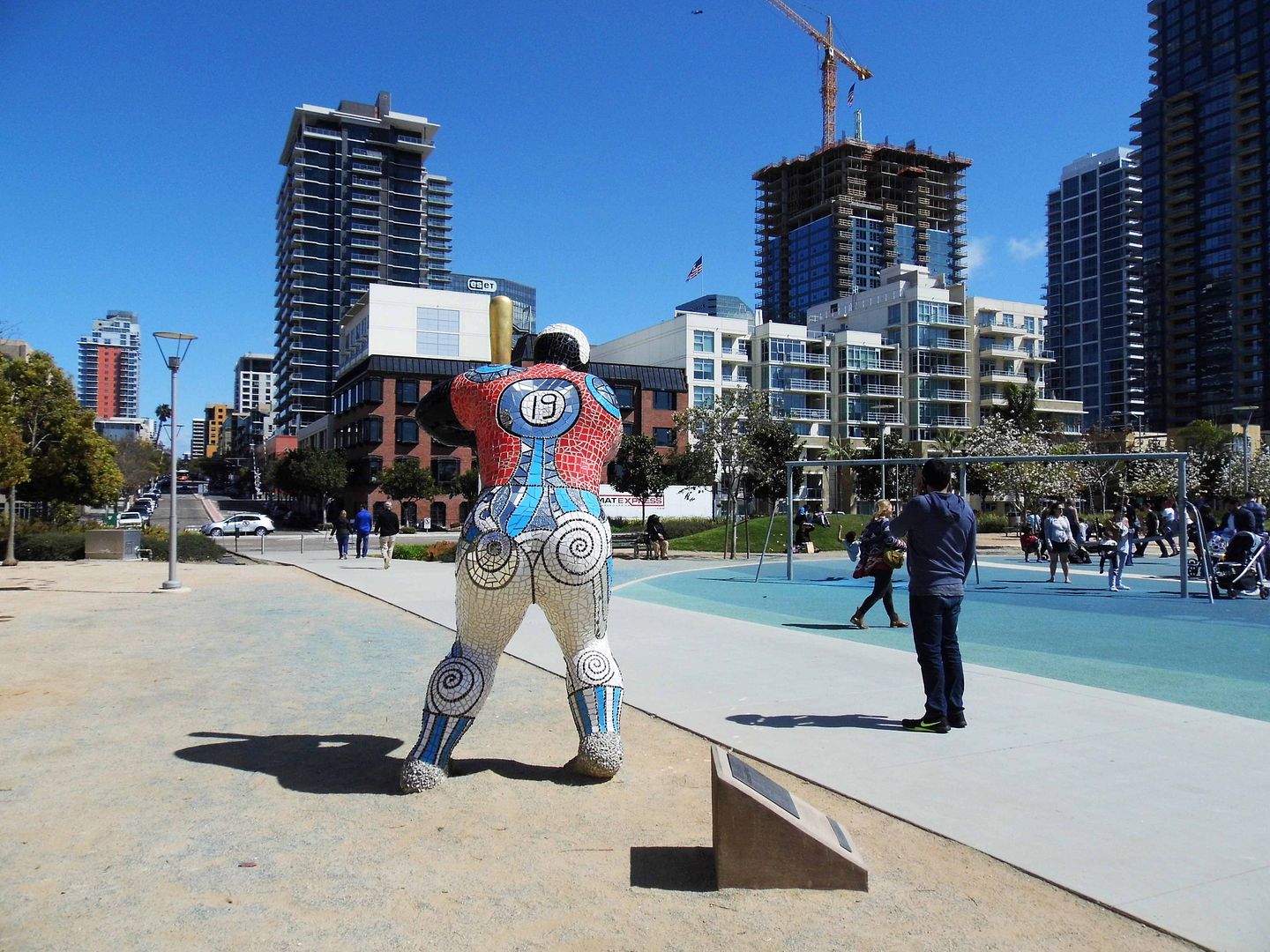
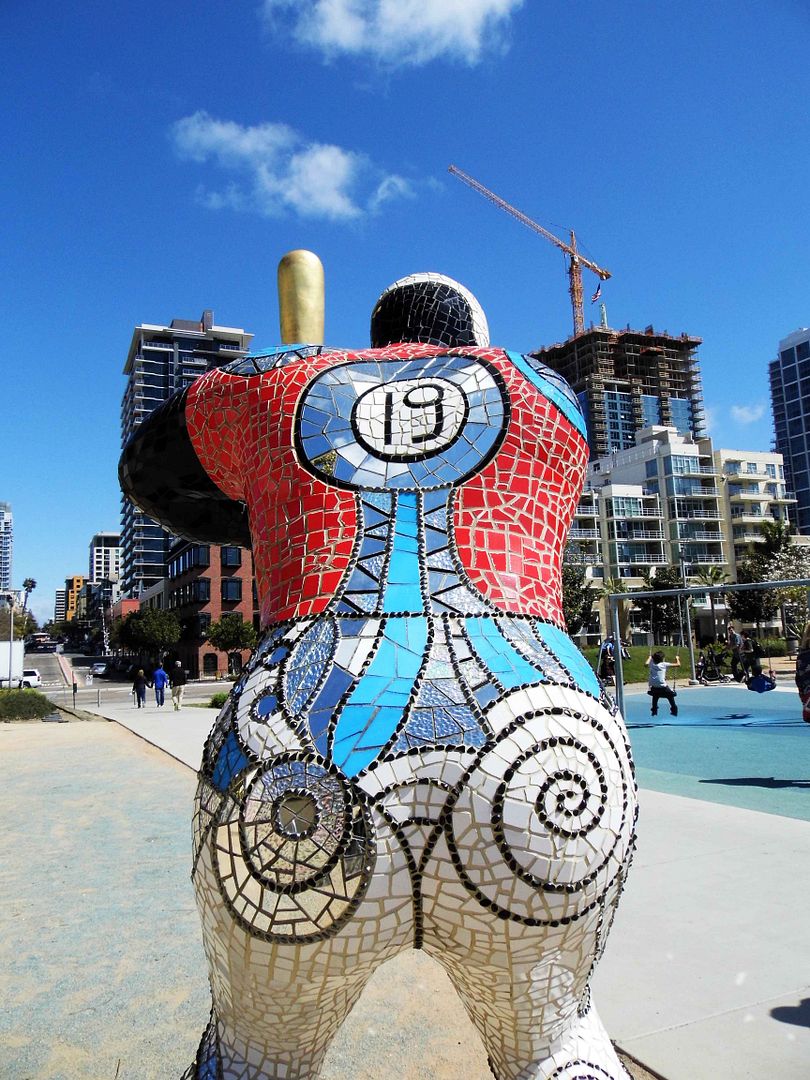
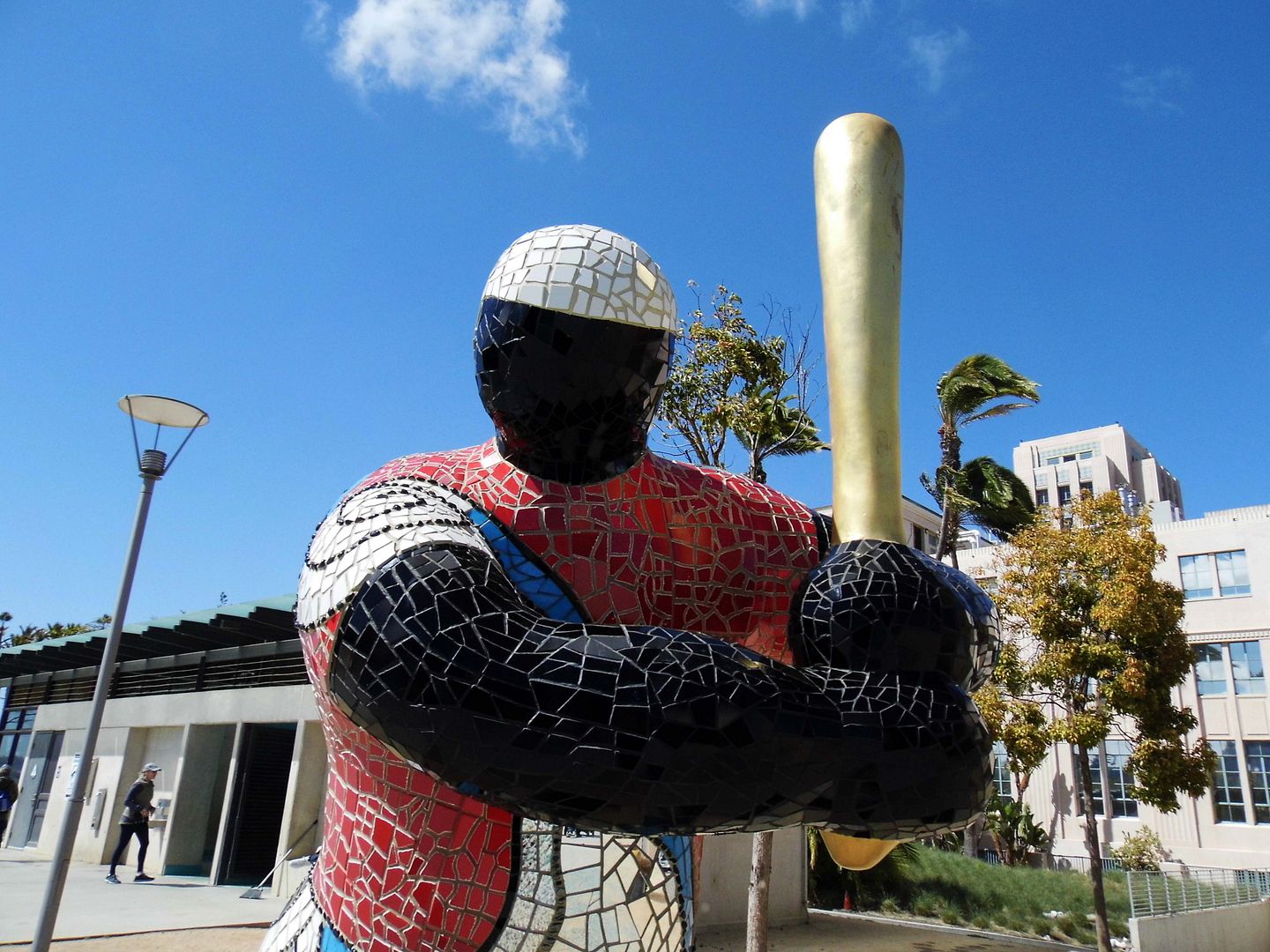
There are three incredible playground sculptures by French-San Diegan self-trained artist Niki de Saint Phalle (1930–2002), which bring a whimsical quality to the park that was once intended to pay tribute to Dr. Seuss (until the deal with his widow fell through).


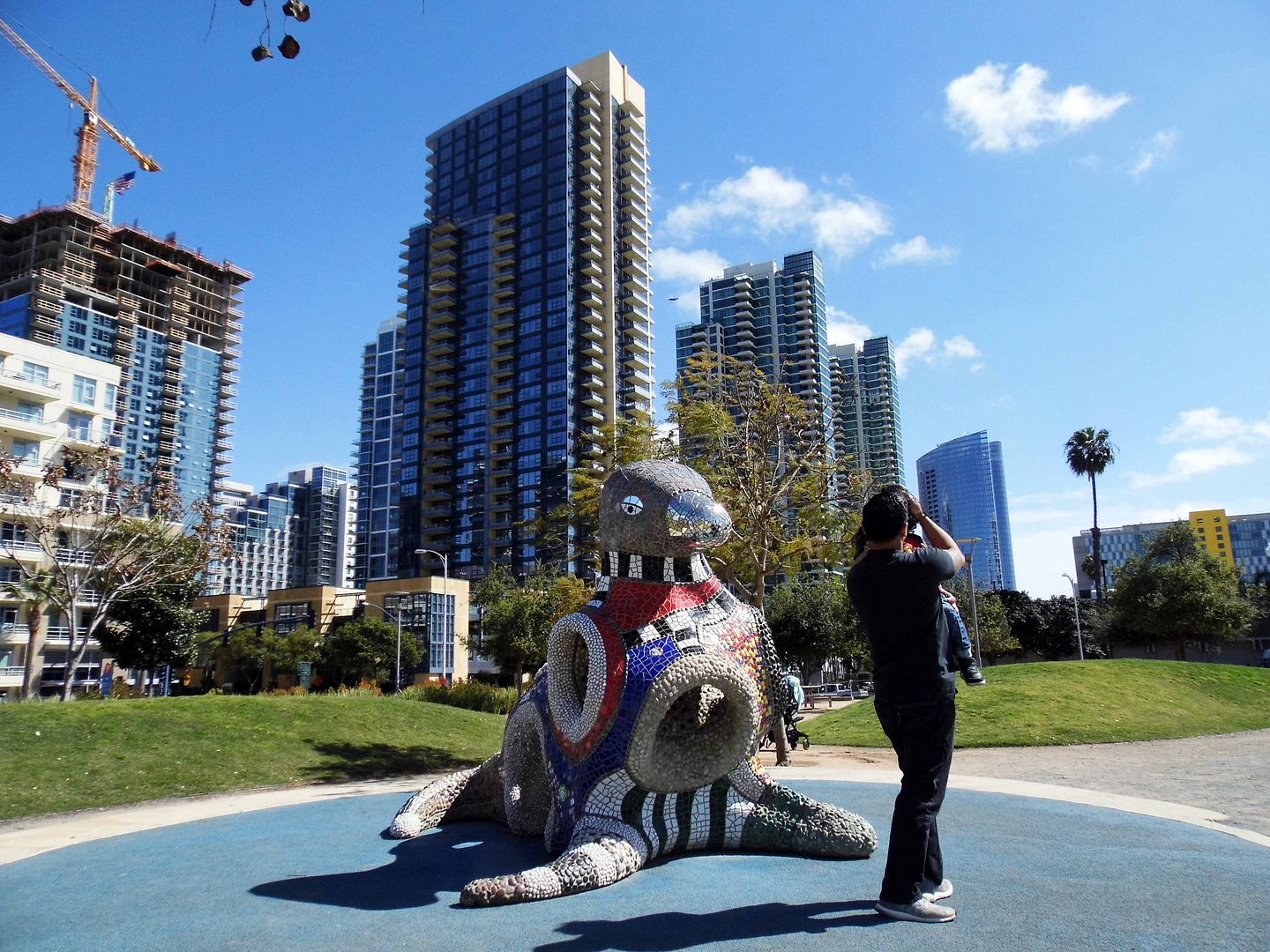
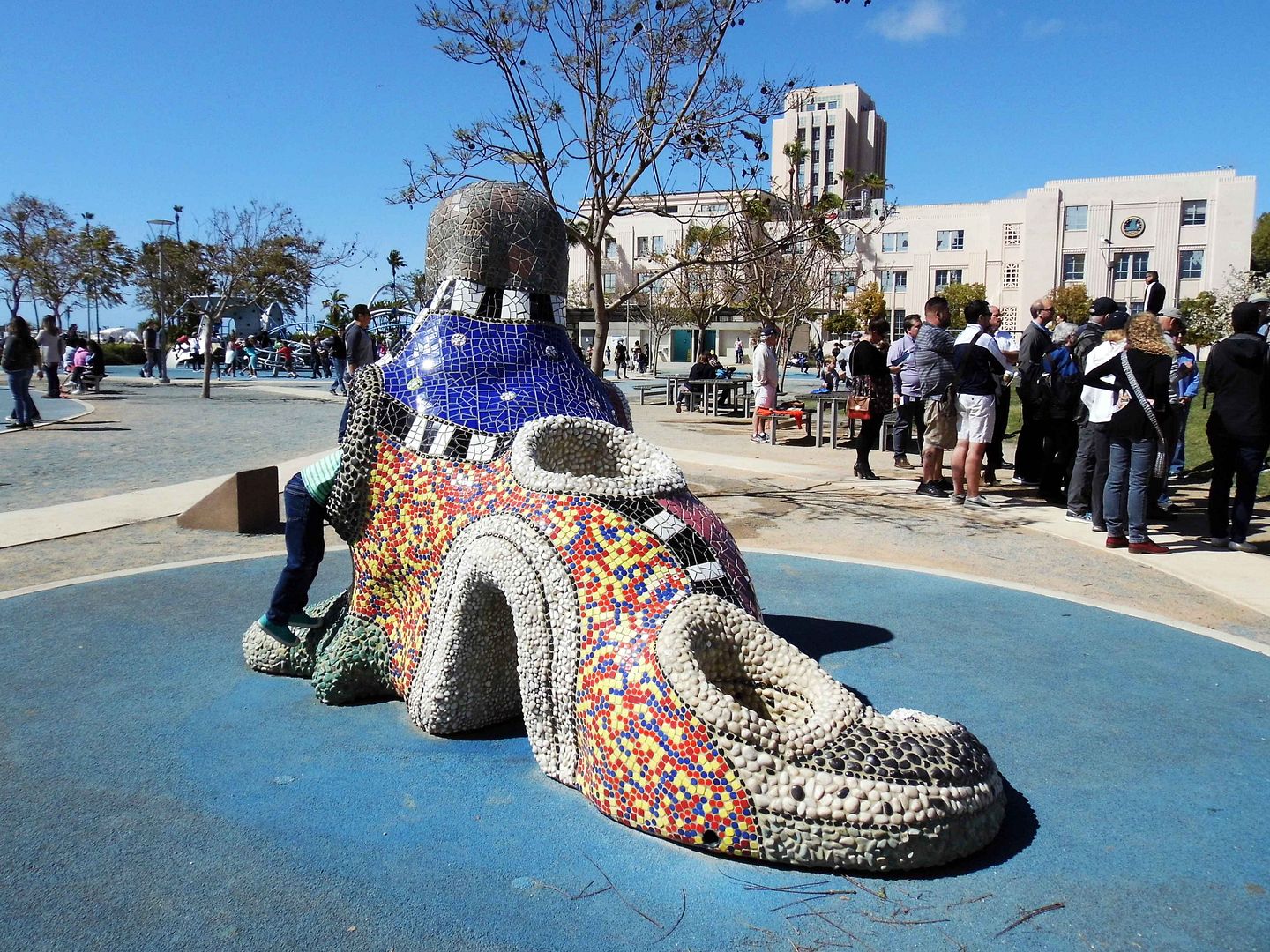
In addition to "Large Seal" (which is just one element of her "Seals" series) there's also "#19 Baseball Player"—part of her "Black Heroes" series, this one inspired by San Diego Padres right fielder Tony Gwynn.


Also from 1999 and also on loan from the Niki Charitable Art Foundation (for a dozen or so years)...


...it's similarly constructed of ceramic tile, mirrored glass, and stones embedded into fiberglass and resin on a steel frame that rises more than nine feet off the ground.


The playground takes up the former south parking lot for the county building...


...but the entire park (which took 14 years to complete) actually consists also of the building itself and its "Guardian of Water" sculpture...


...its east-facing courtyard...


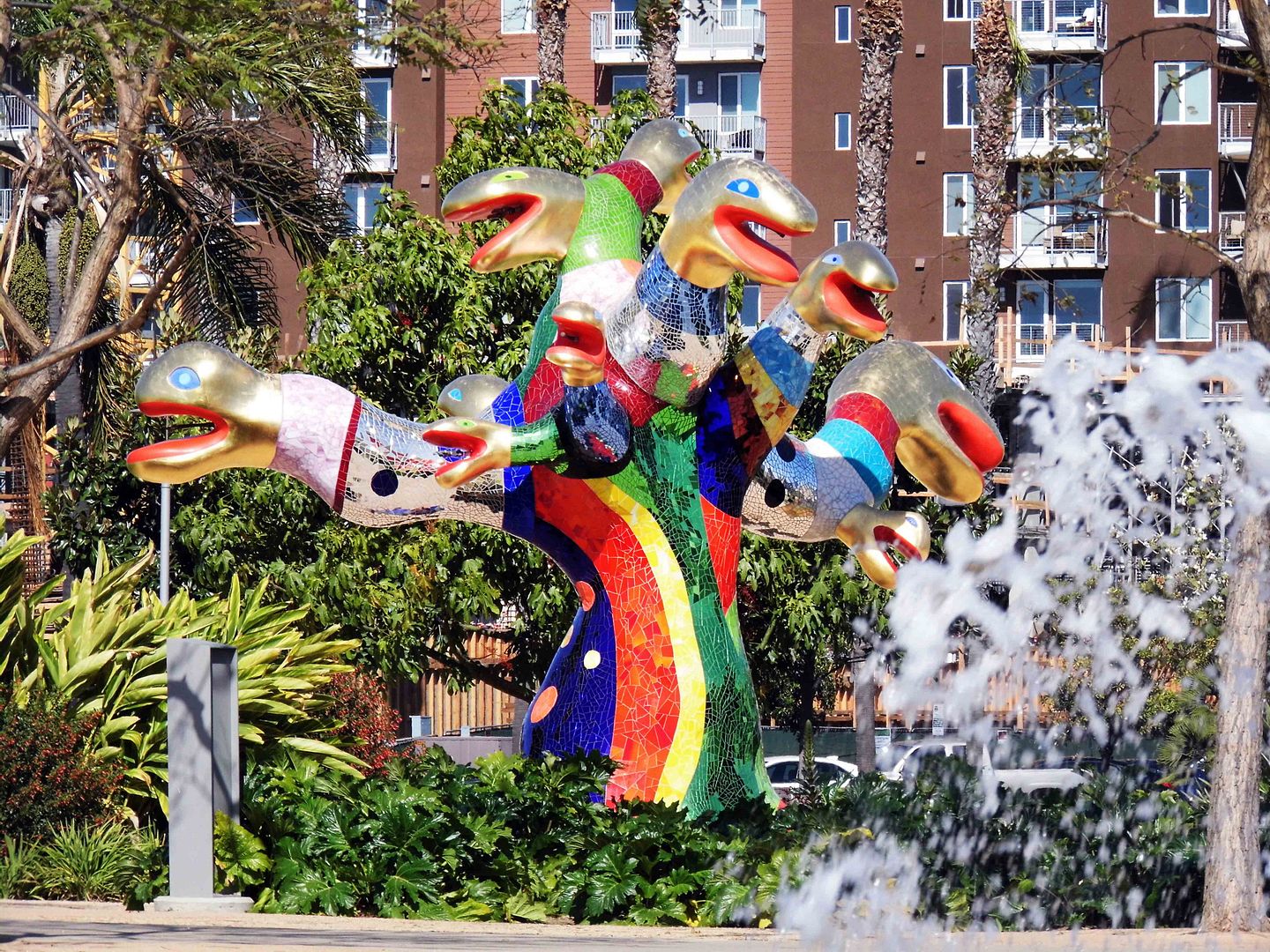
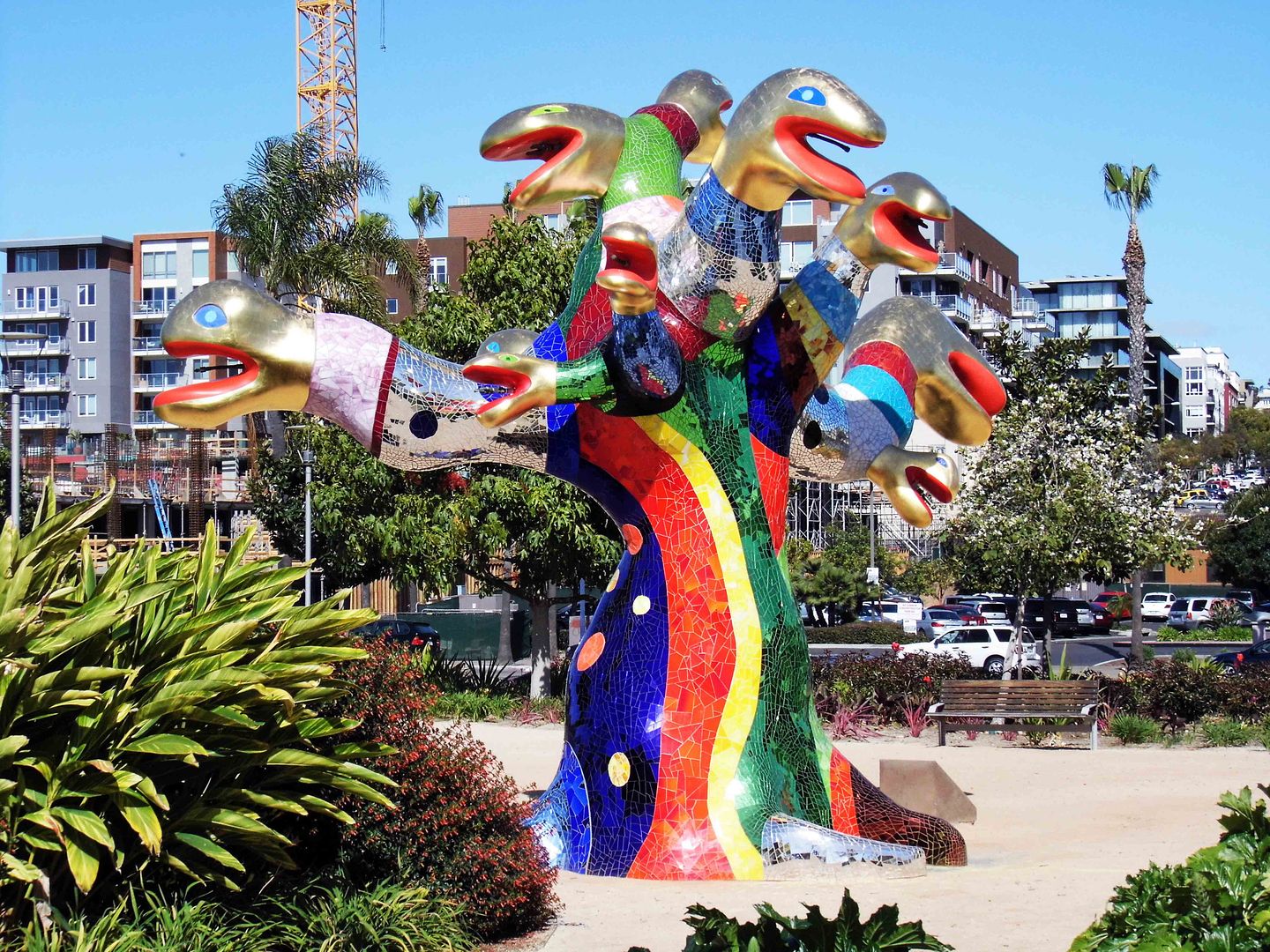
...and the former north parking lot, where a third Niki de Saint Phalle sculpture rises shockingly out of the serene walking garden area.


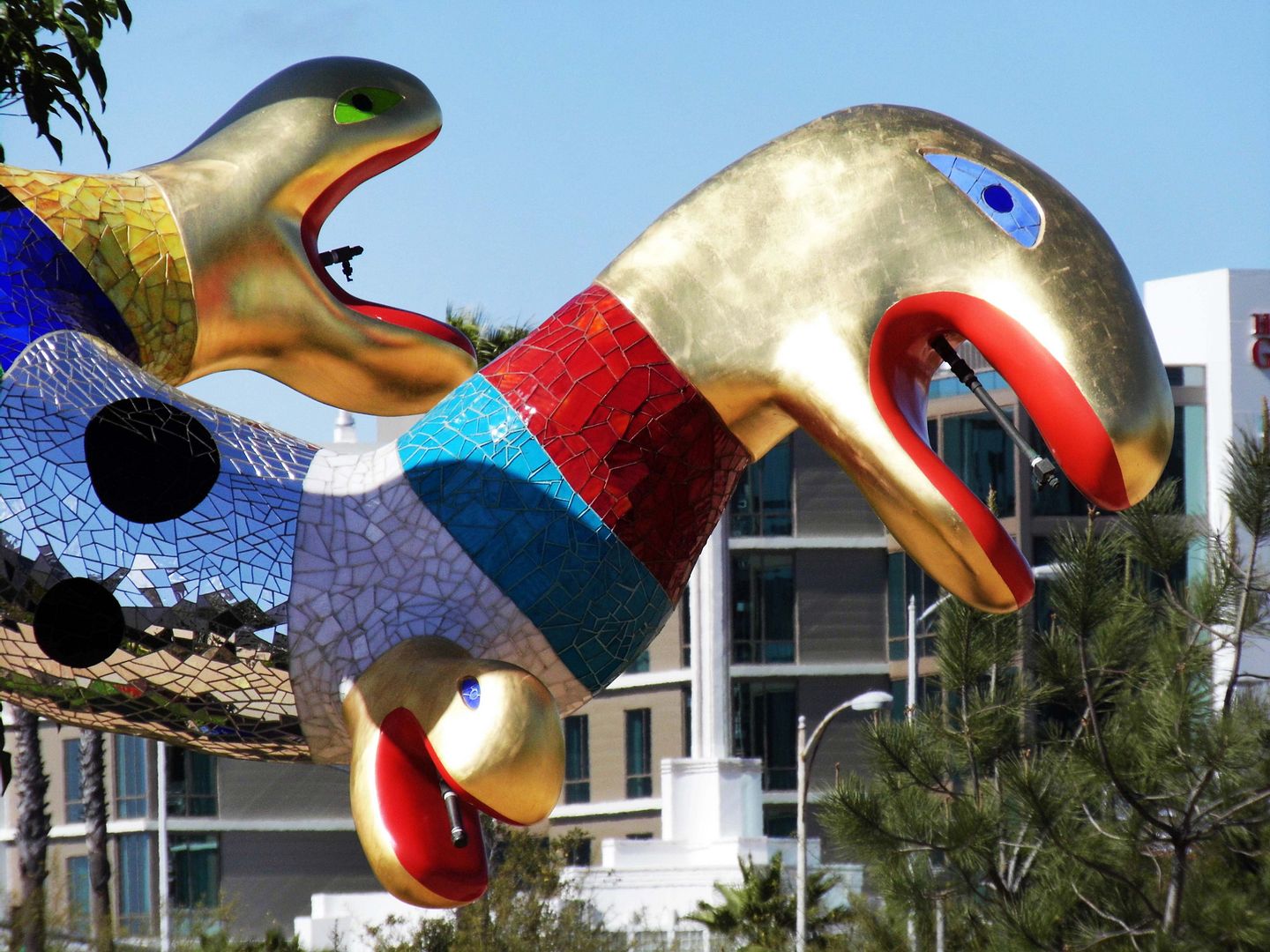
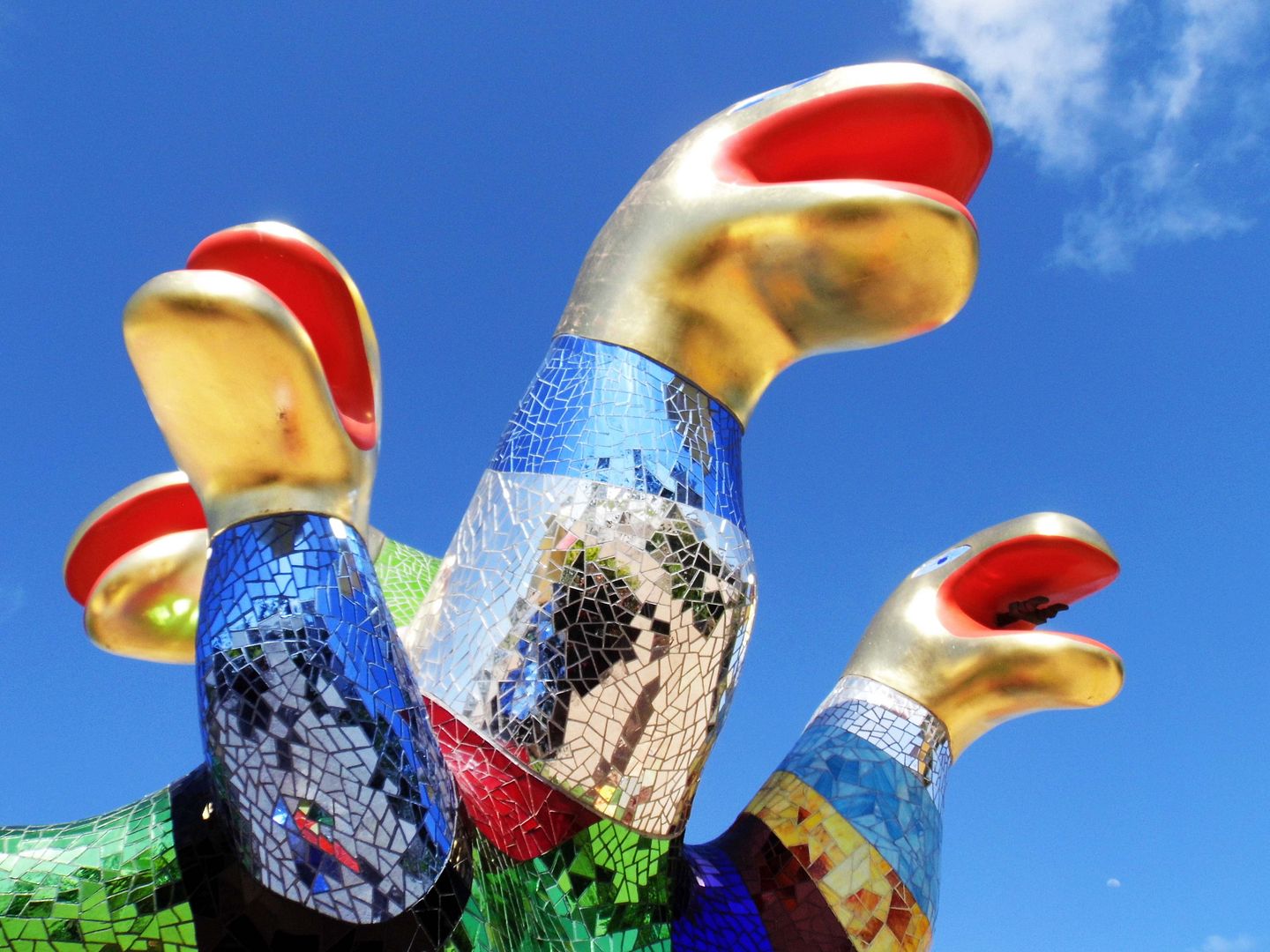
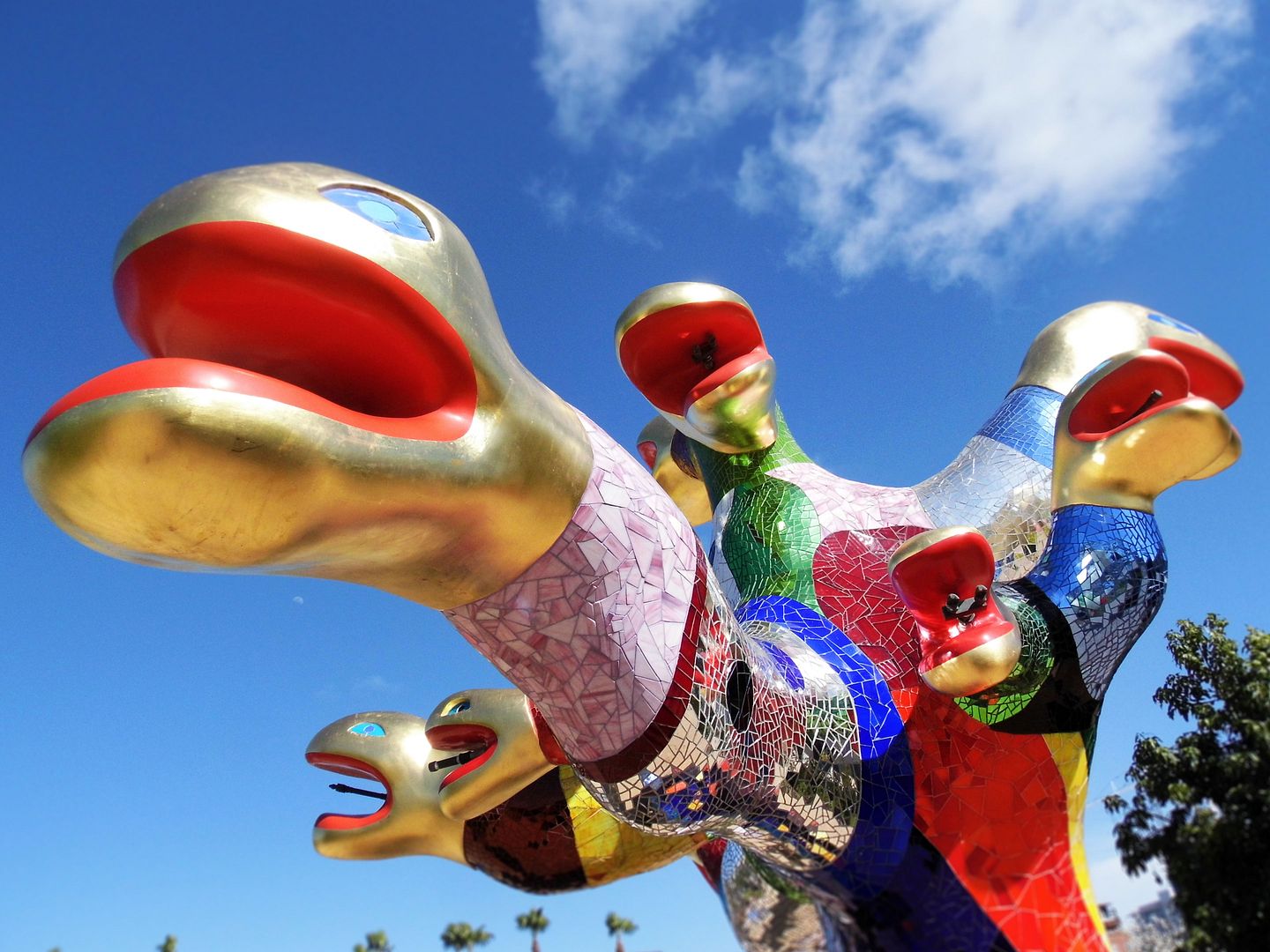
Like the other two sculptures in the park, "The Serpent Tree" (L'Arbre aux Serpents) had also been on display at the Missouri Botanical Garden in St. Louis in 2008...


...where it spouted water as a fountain.


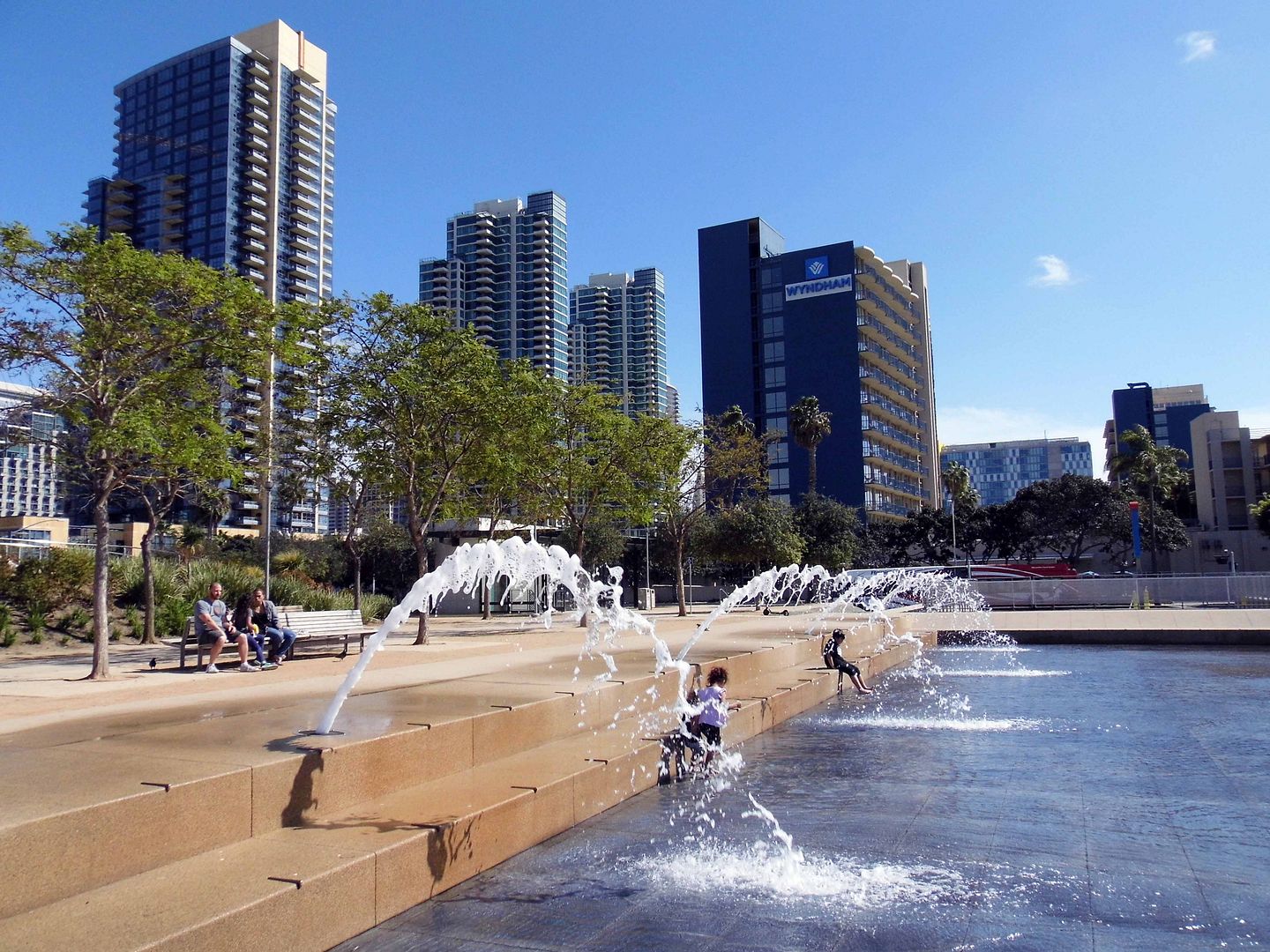
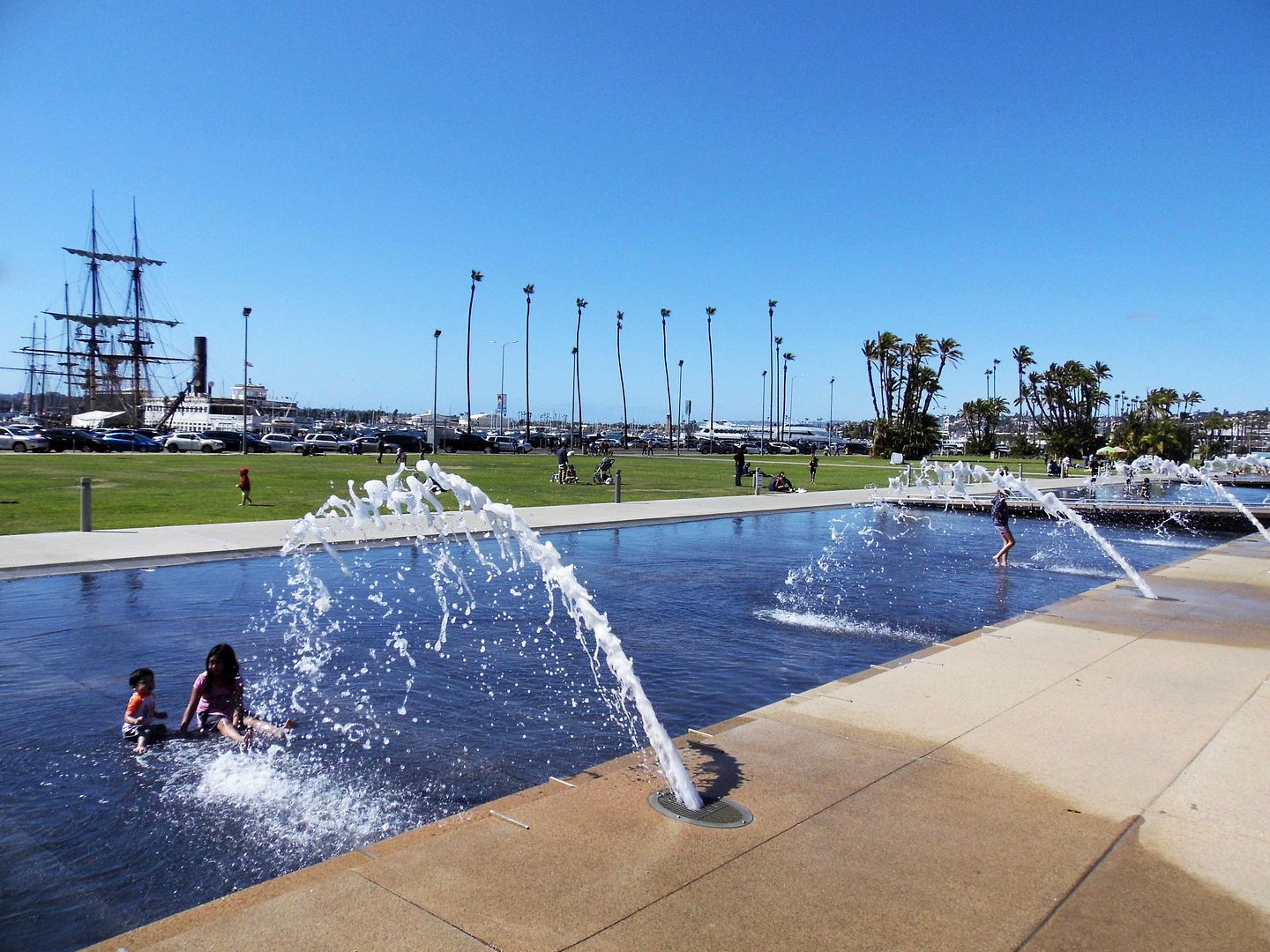
But Waterfront Park has got its own fountains (a.k.a. "free water parks") on both its north and south ends...


...so these water snakes are, at least for the timebeing, dry-docked.


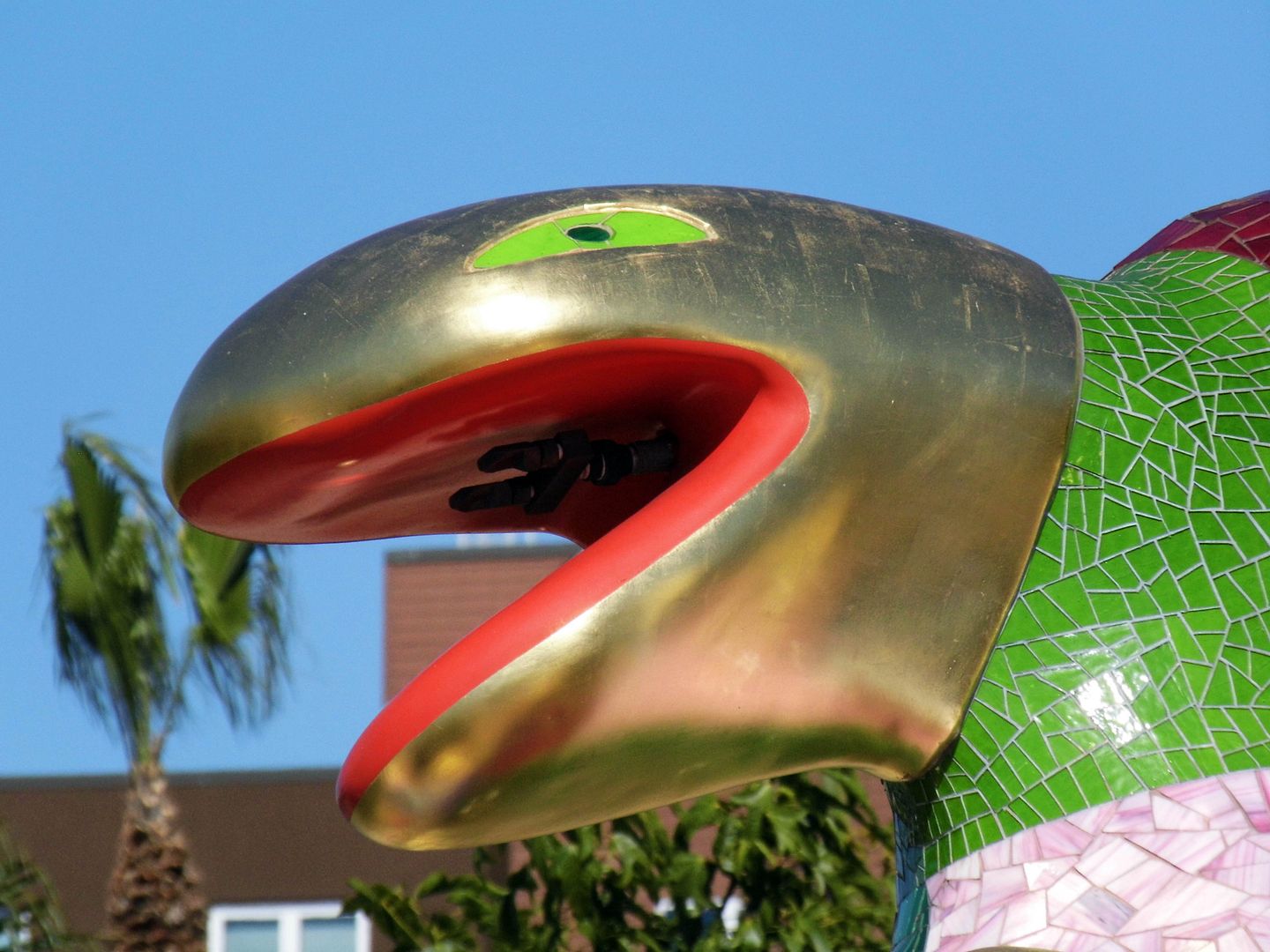
Made of polyester and a mosaic of stained and mirrored glass, they are spellbinding even without water shooting out of their mouths.


And they're probably the quintessential creation of Niki de Saint Phalle, who used snakes as a recurring feminist motif to represent the exertion of feminine power (as with the nine-headed Hydra from Greek mythology).


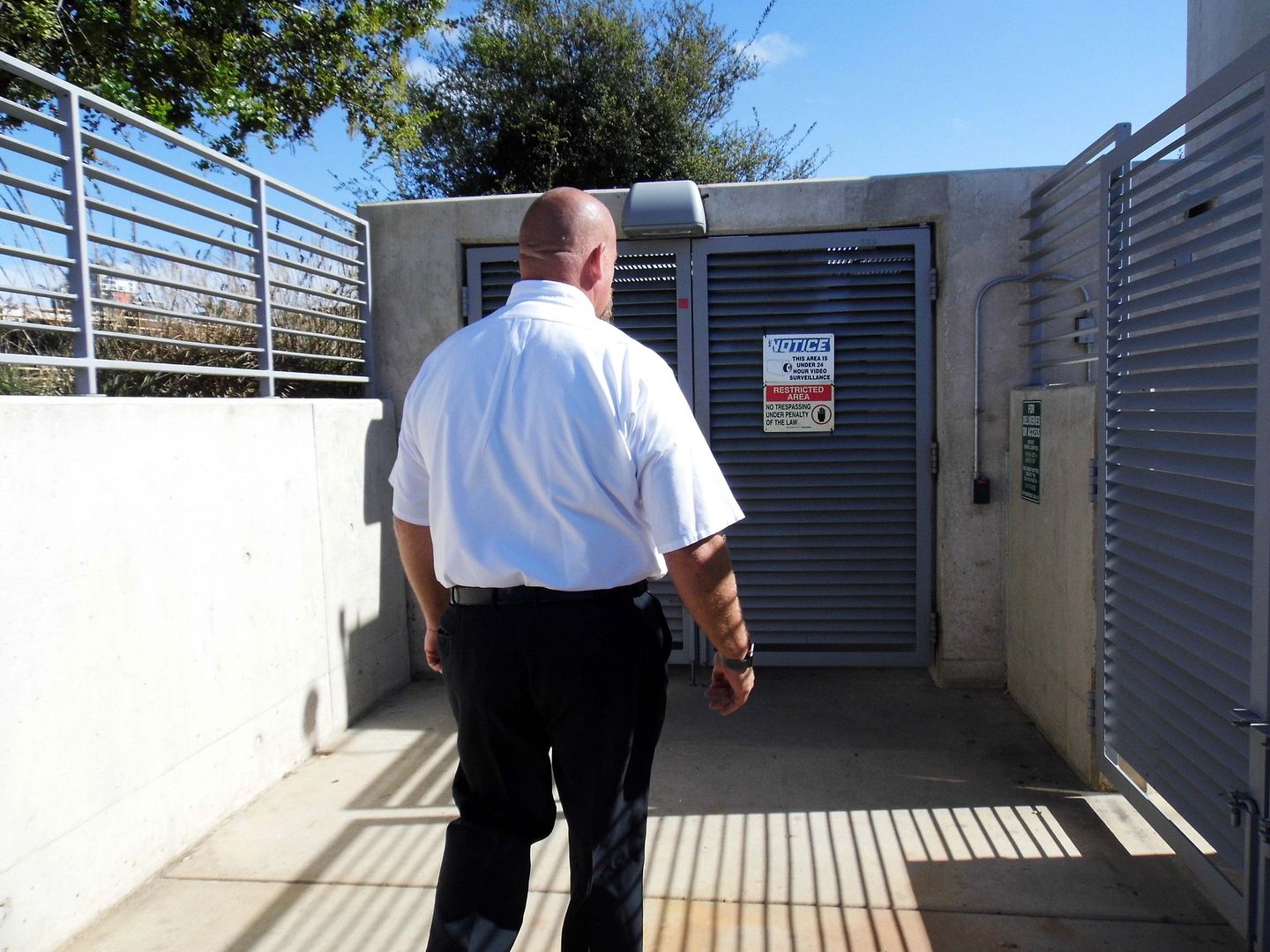
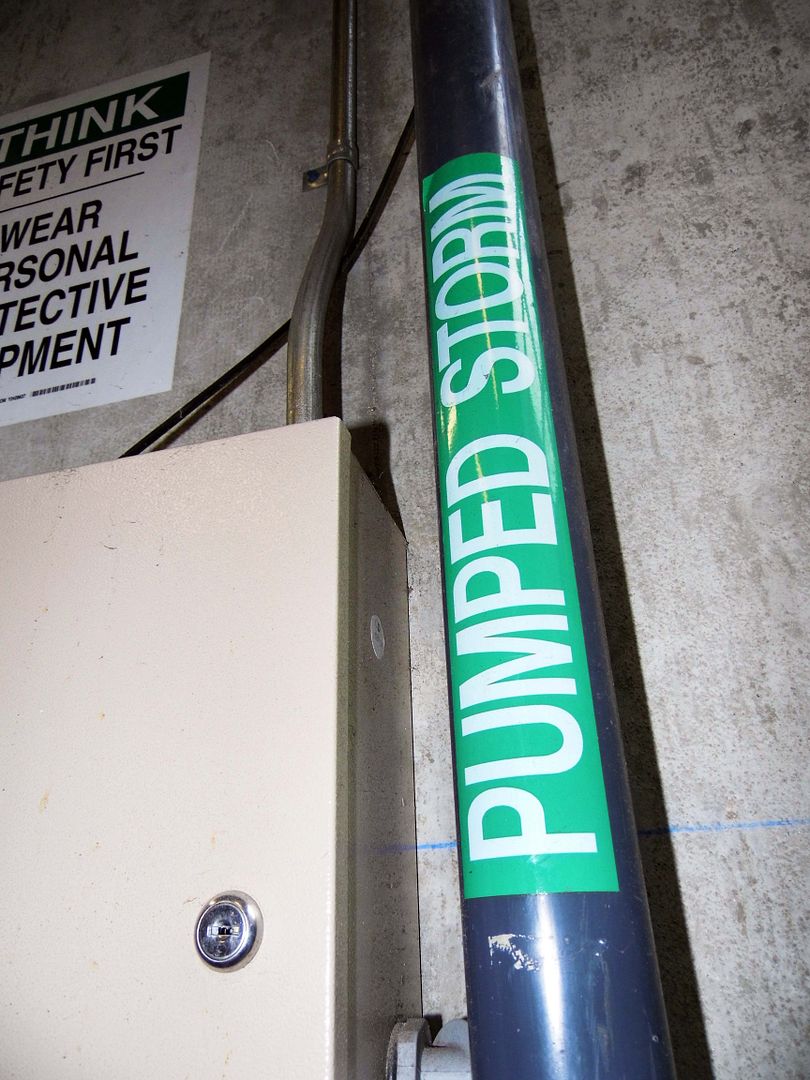
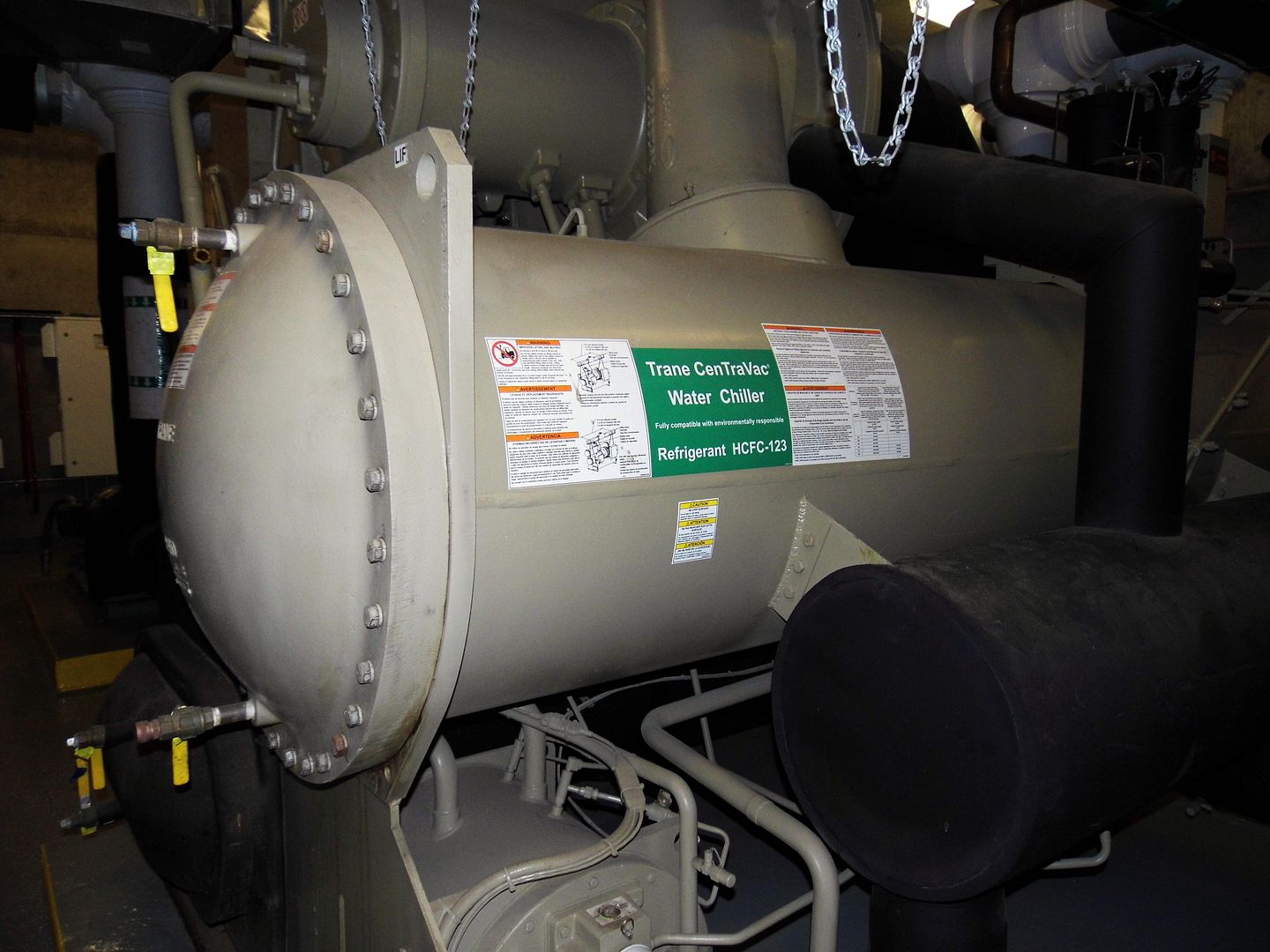
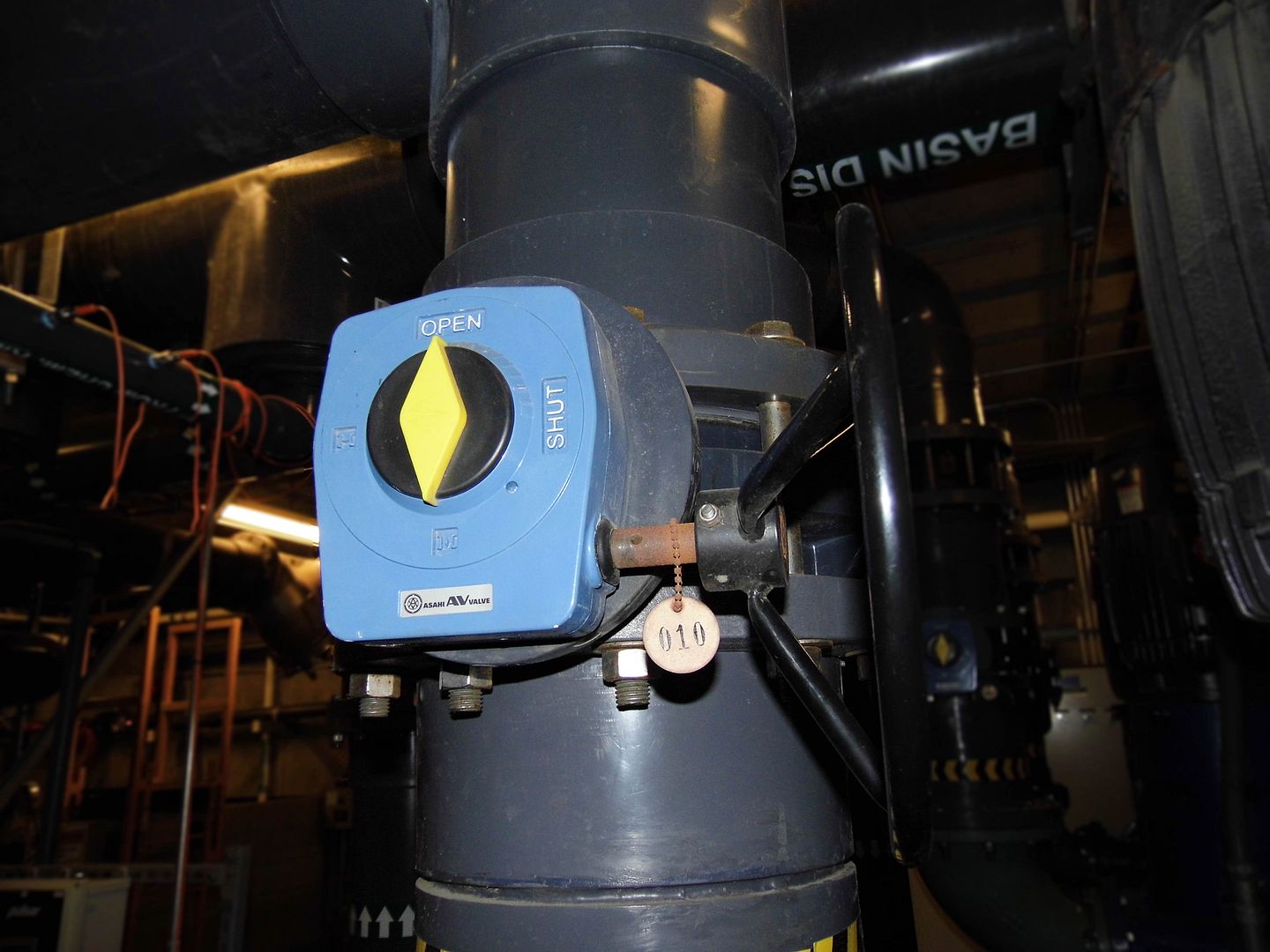
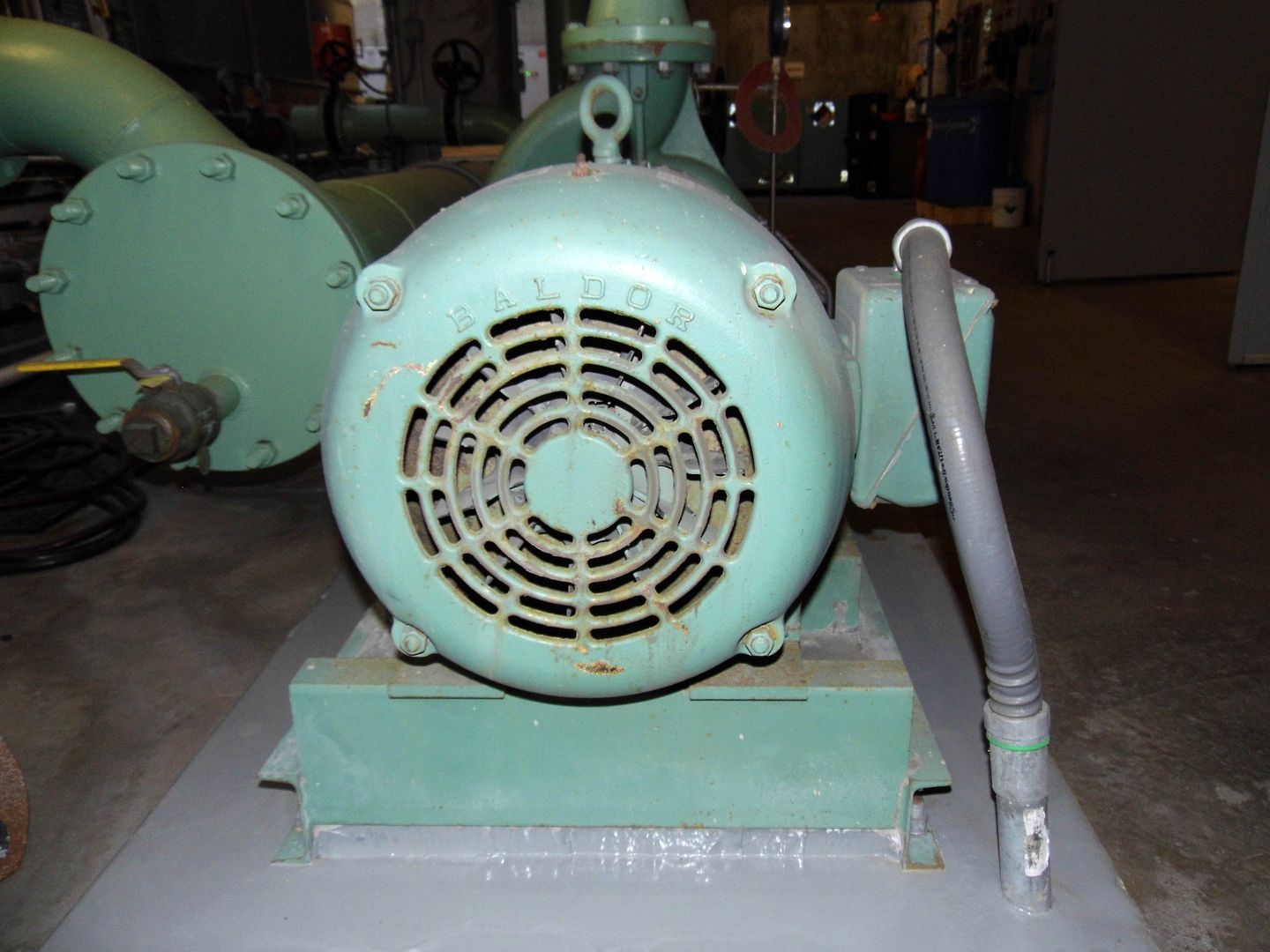
But it turns out there's another fascinating aspect to Waterfront Park that I didn't even know about when I'd saved it to my map: There's an entire pumping station and water treatment plant located under the park.


It not only circulates the water from the fountains within a closed circuit but also pumps storm water out if it rains.


The water that feeds the fountains (which you can dip your toes into or stand right under the cascading streams) is temperature controlled...


...and pH balanced, with just the right amounts of chlorine and muriatic acid to keep it from becoming too alkaline or too acidic for the kiddies who play in them.


The flow of the water is also controlled, depending on the weather. High winds will trigger a shorter stream in the interactive water feature. Lightning will shut it off completely.


When water flows into the pumping station, engineers remove any biosolids (likely, bits of bird poop that weren't big enough to be scooped out by hand)...


...and treat the water with UV light.

Technically, the water could be potable—but you probably wouldn't want to drink it.

And finally, there's one more thing that can be found under Waterfront Park, hidden from view but just as important to its function: an underground parking structure.

After all, you can't build paradise on a parking lot without having somewhere else for the cars to go.

Related Posts:
Photo Essay: A Post-Soviet Playground Grows in Kiev
Two Minutes Till Our Doom (Or, The Art of Buying Time)