Search

June 28, 2020

Will Shamrocks and Horseshoes Bring Enough Luck to Keep Tom Bergin's Open For Good? (Updated for 2026)

[Last updated 3/17/26 2:37 PM PT—I'm happy to report that Tom Bergin's is still going strong and hosting its annual St. Patrick's Day parking lot bash! Bartenders are still slinging Irish coffees—now in hot and cold/iced varieties—and the food is stupendous.] 

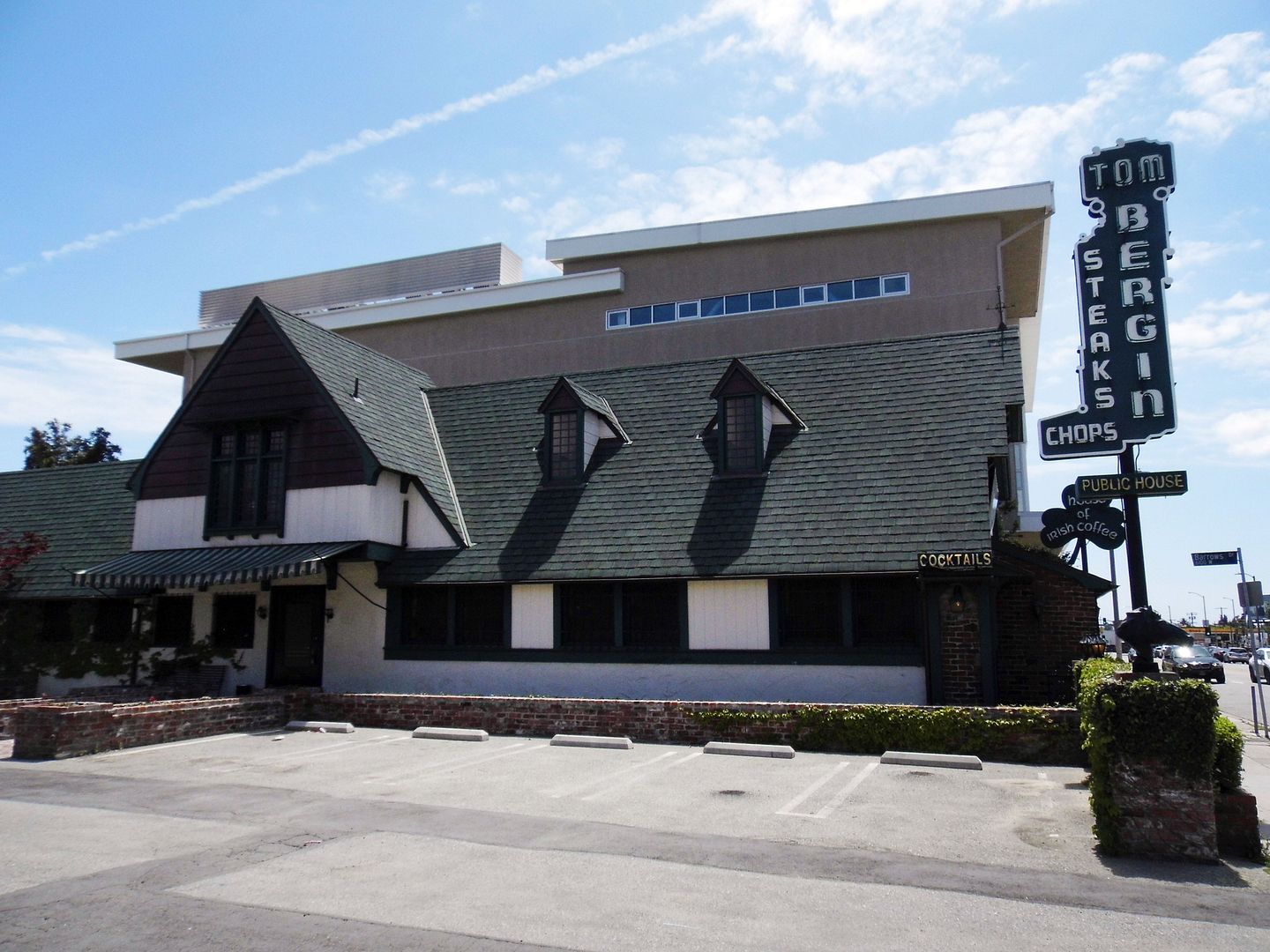
Located on the cusp of Miracle Mile, a stone's throw from the Metro Purple Line Extension that'll revitalize the neighborhood when it opens, Tom Bergin's is one of the longest‐running bars in Los Angeles—with what's widely agreed to be the second‐oldest liquor license in the city.

But in 2018, preservationists found themselves scrambling for designation as a Los Angeles Historic-Cultural Monument to save it from a developer's wrecking ball.

Its owner at the time—former bar regular Derek Schreck, who'd bought the establishment in 2013—was essentially marketing it as a tear-down, despite having promised patrons that he'd only sell to a buyer who'd keep it as a restaurant.

After Schreck took over in early 2014—later adding the attic speakeasy, The Vestry, in 2017—he was heralded for having saved the historic establishment. Everybody thought he would carry the torch from the three prior sets of owners—none of whom had changed it all that much.

Warner Ebbink and executive chef Brandon Boudet of Little Dom's and 101 Coffee Shop operated it from 2012-3. Closing night was July 7, 2013—and the occasion of my first visit ever.

It was like the last night on earth. They'd pretty much stopped charging the crowd and was just giving everything away. Actor Luke Perry (RIP) was bartending for part of that night.

Things were different, though, when Schreck shuttered the space in Summer 2018. There was no grand celebration. The lights went out with a whimper, as the staff eked out the last droplets of Tullamore Dew and gave branded glassware away to the few patrons who knew it was still open—at least kinda open, though the food had run out and the spirit had faded.

At the time, it was easy to think, "We've been through this before." Every time the tavern closes, it seems like it's going to be forever. But Bergin's always comes back.

Then the unthinkable happened: Schreck publicly opposed landmark designation. And that created a greater sense of alarm—because why would he care, unless he was hoping to sell to someone who planned to level it?

Don't worry—this story doesn't have a tragic ending, at least not yet.

But first, let's go back to the beginning.


June 25, 2020

An Abandoned Alpaca Bounces Back

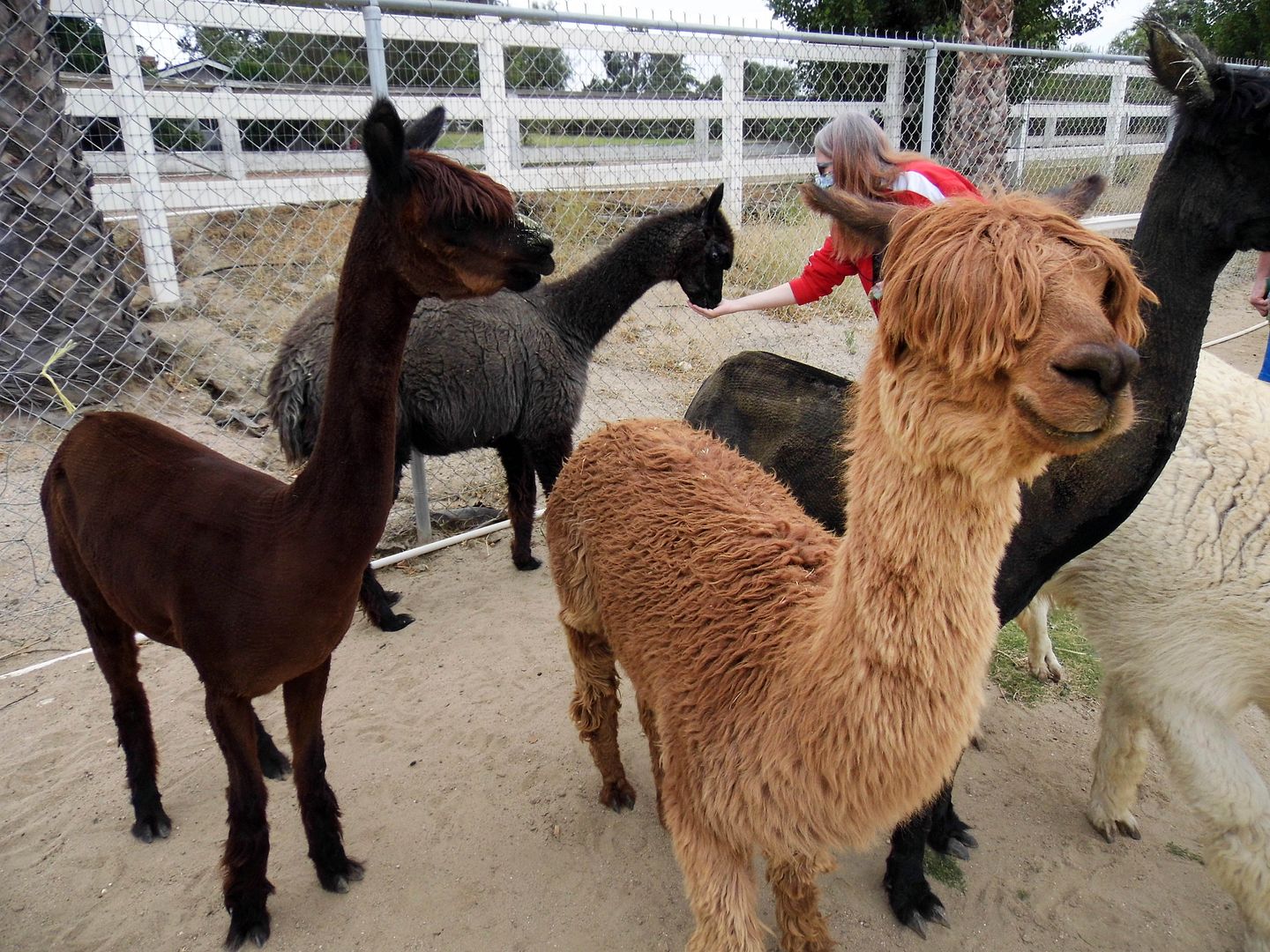
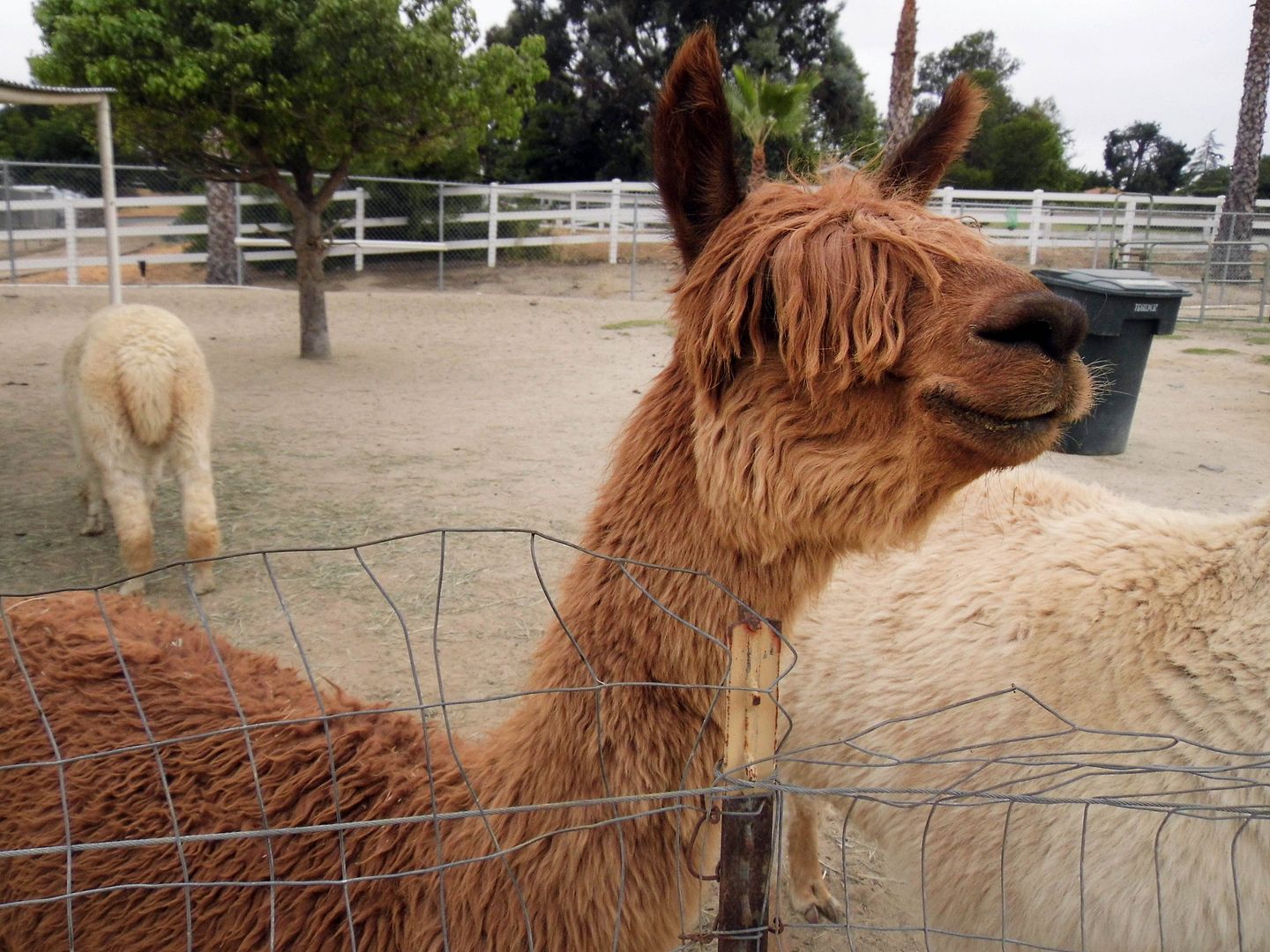
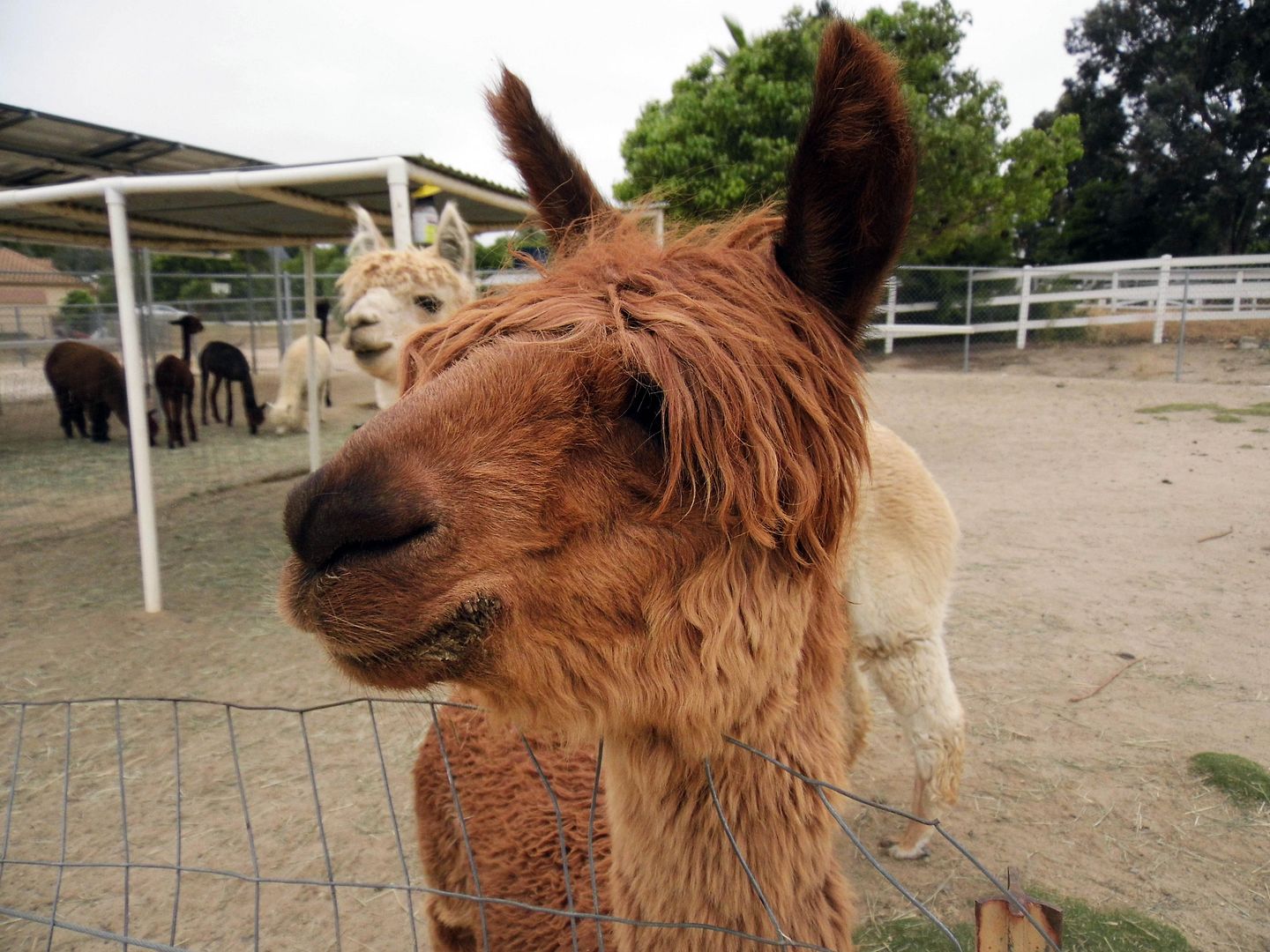
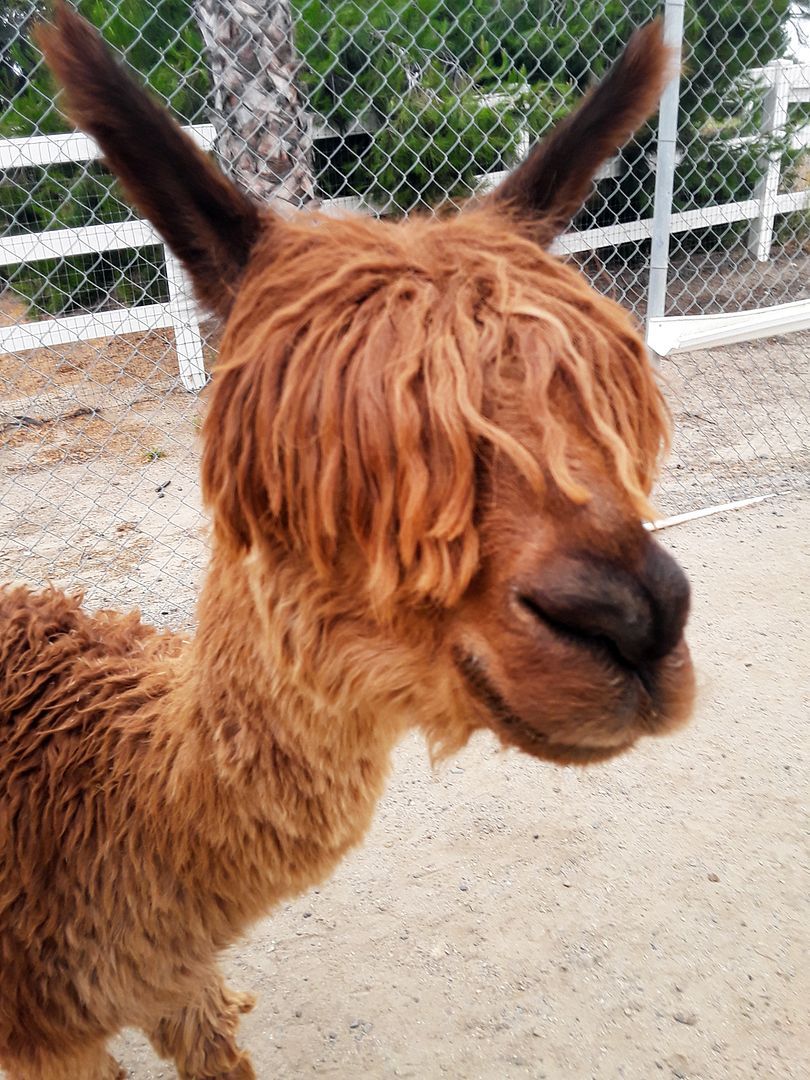
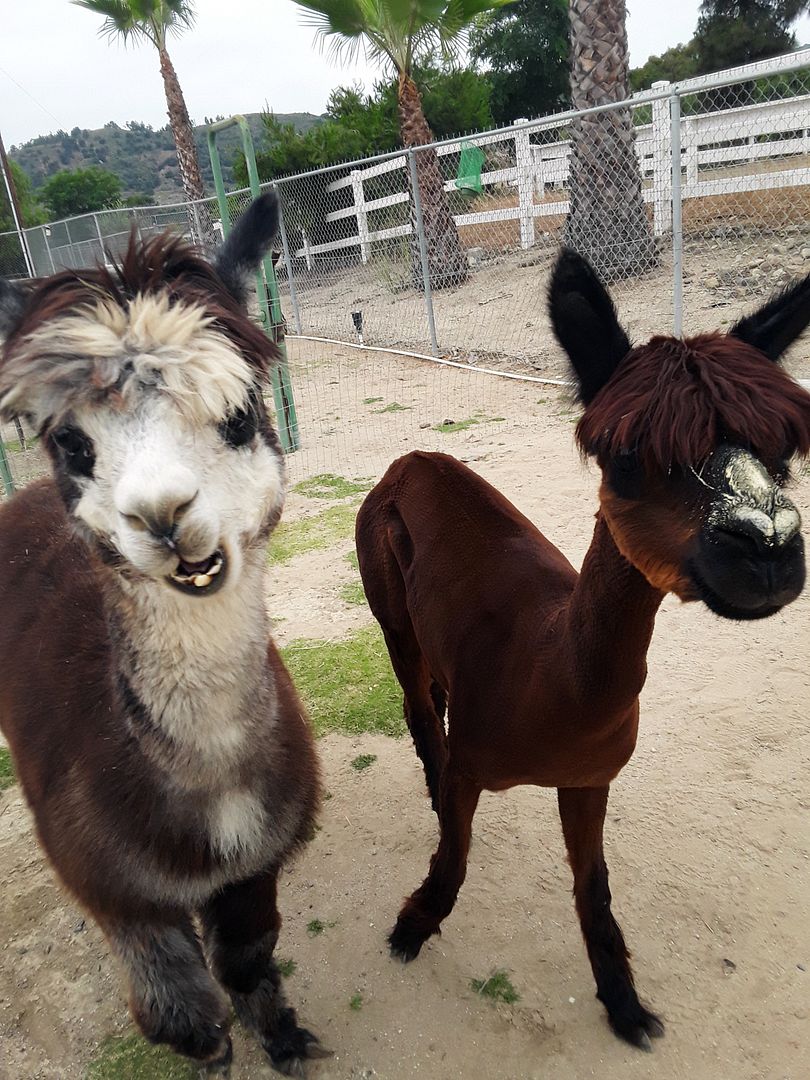
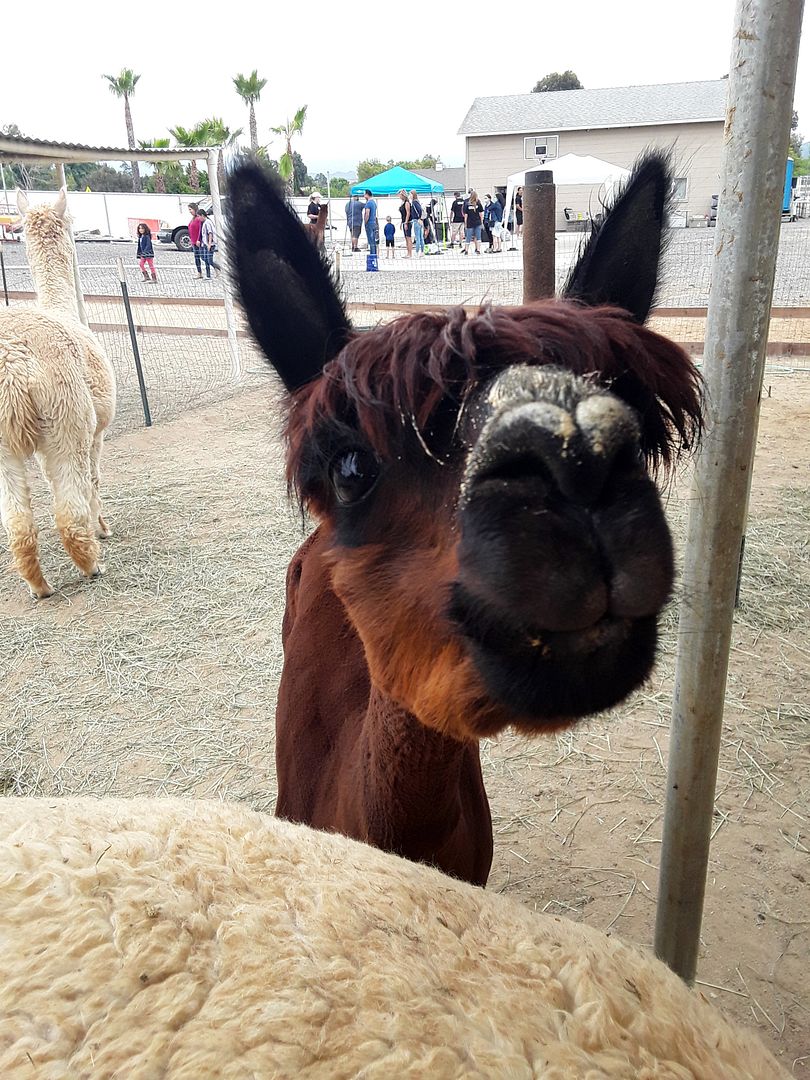
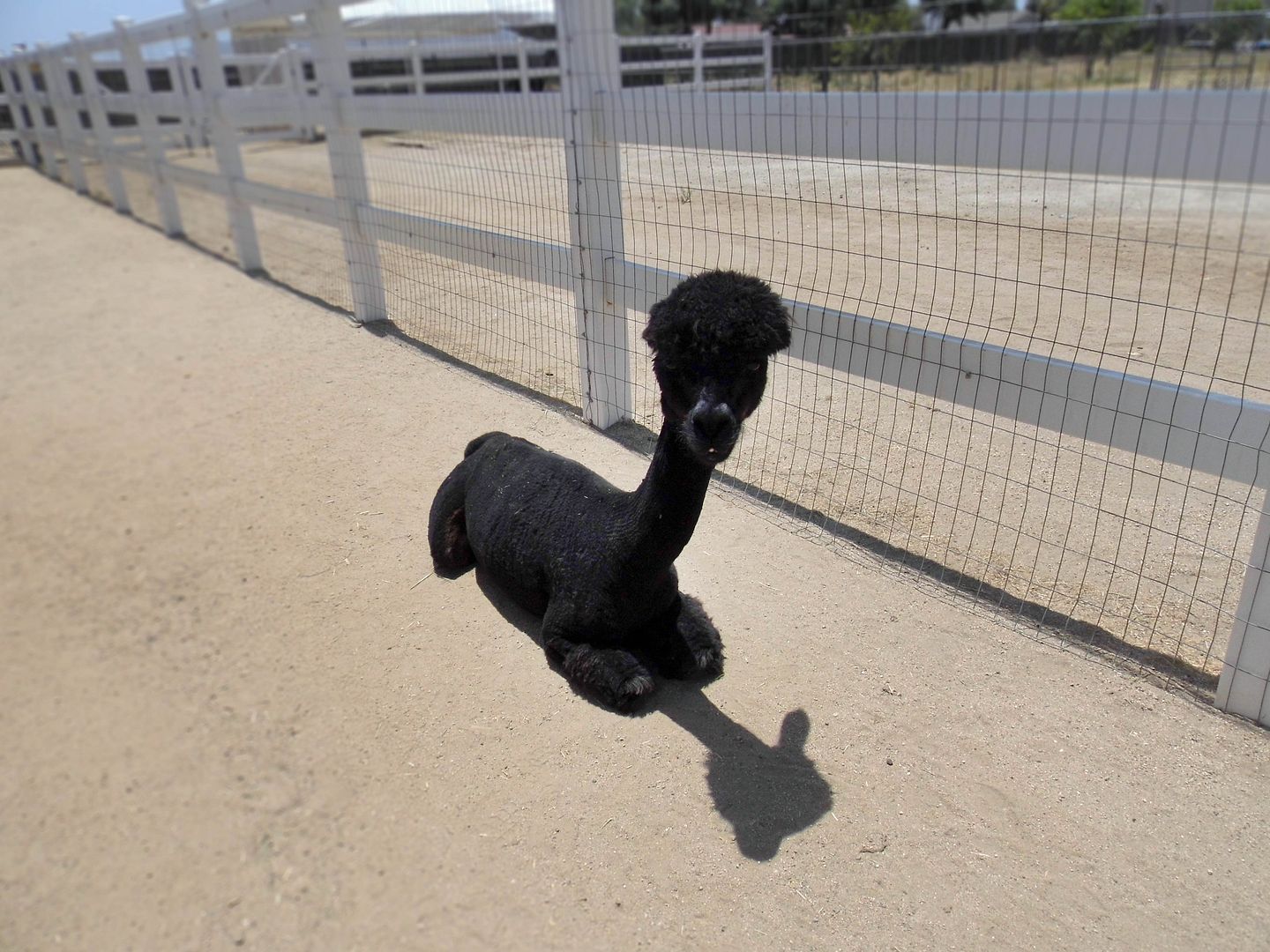
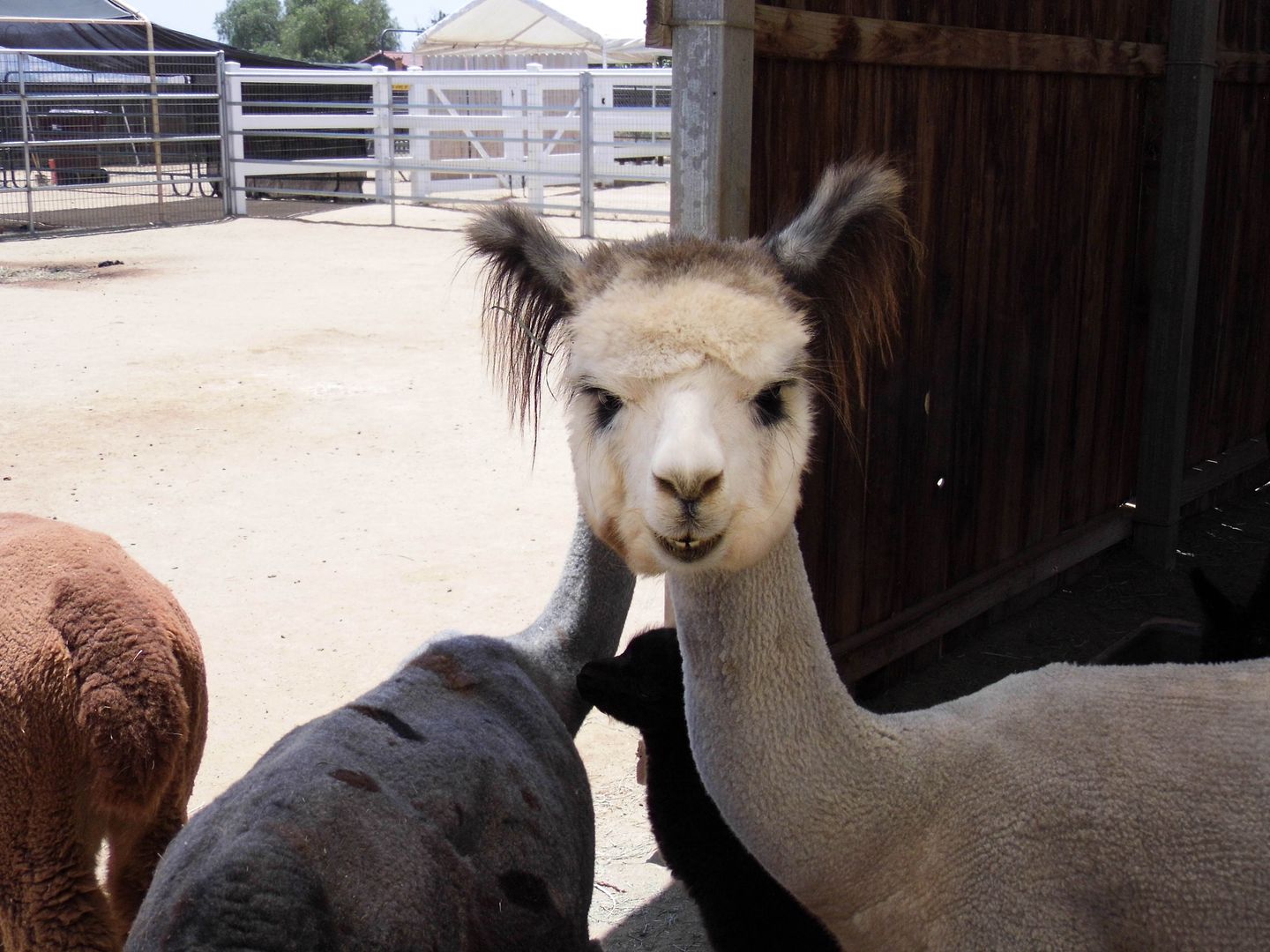
This is Annie.


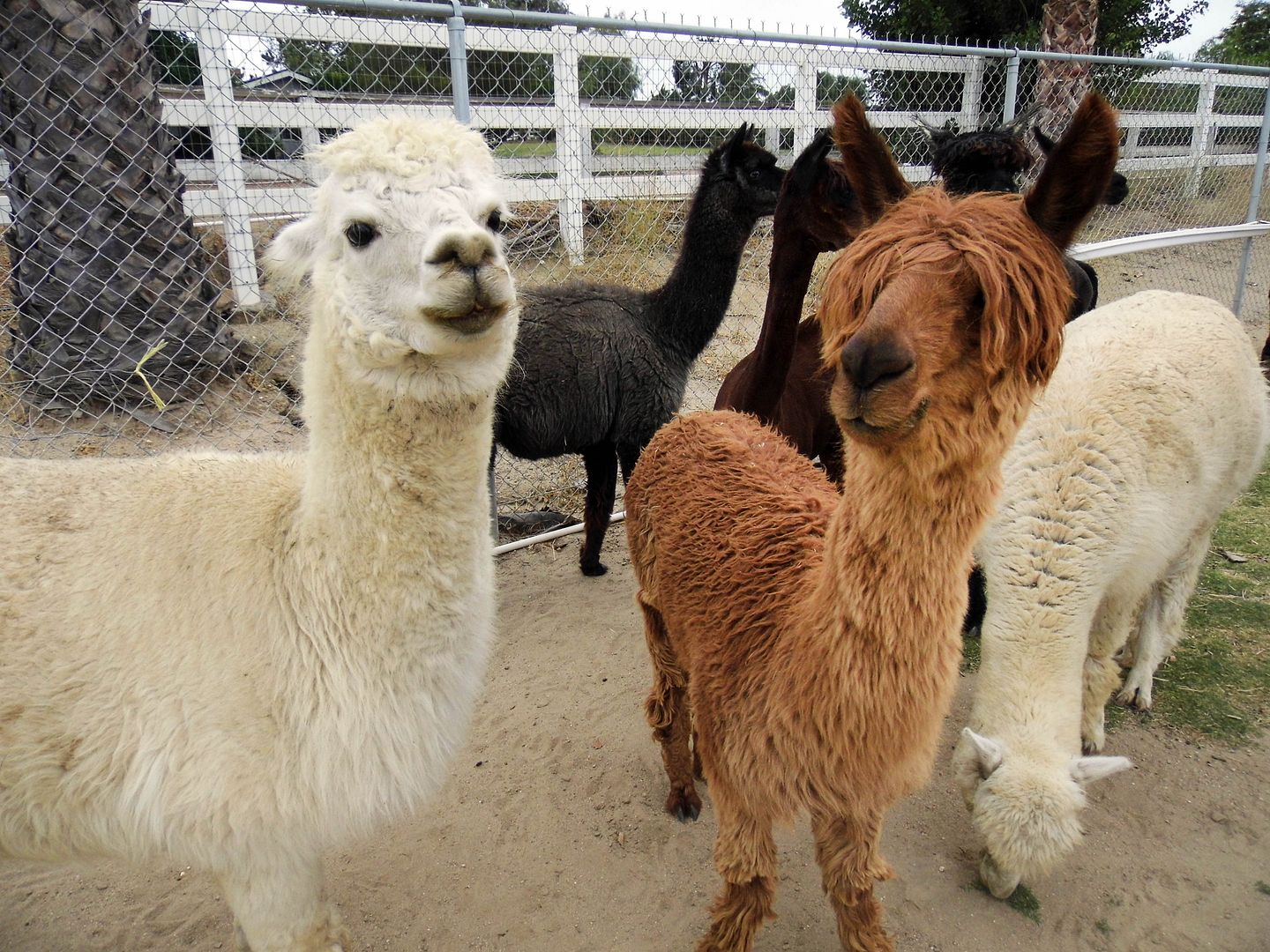
She really stood out from the rest of the alpacas at Temecula Valley Alapacas—and not just because of her bangs.


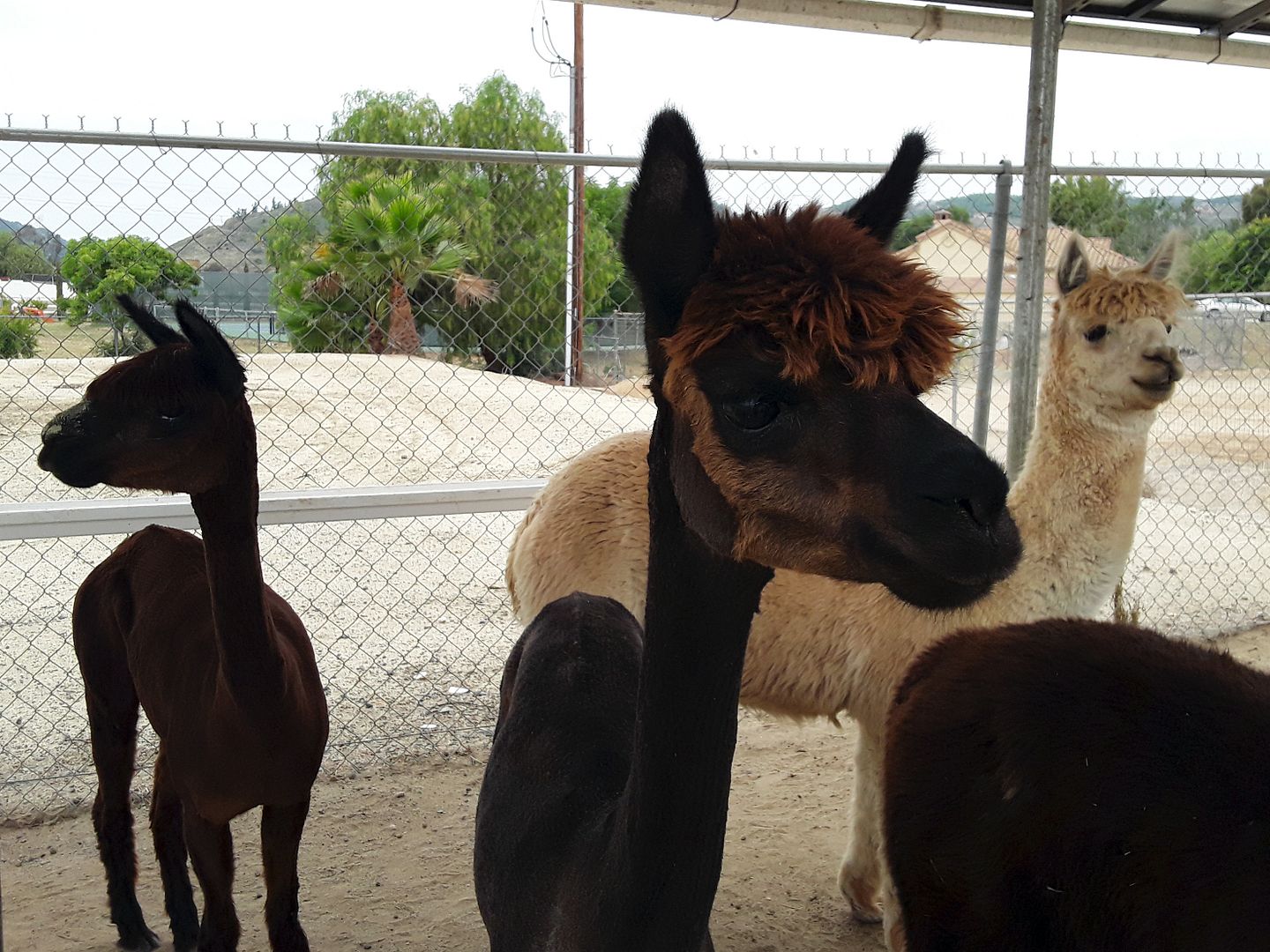
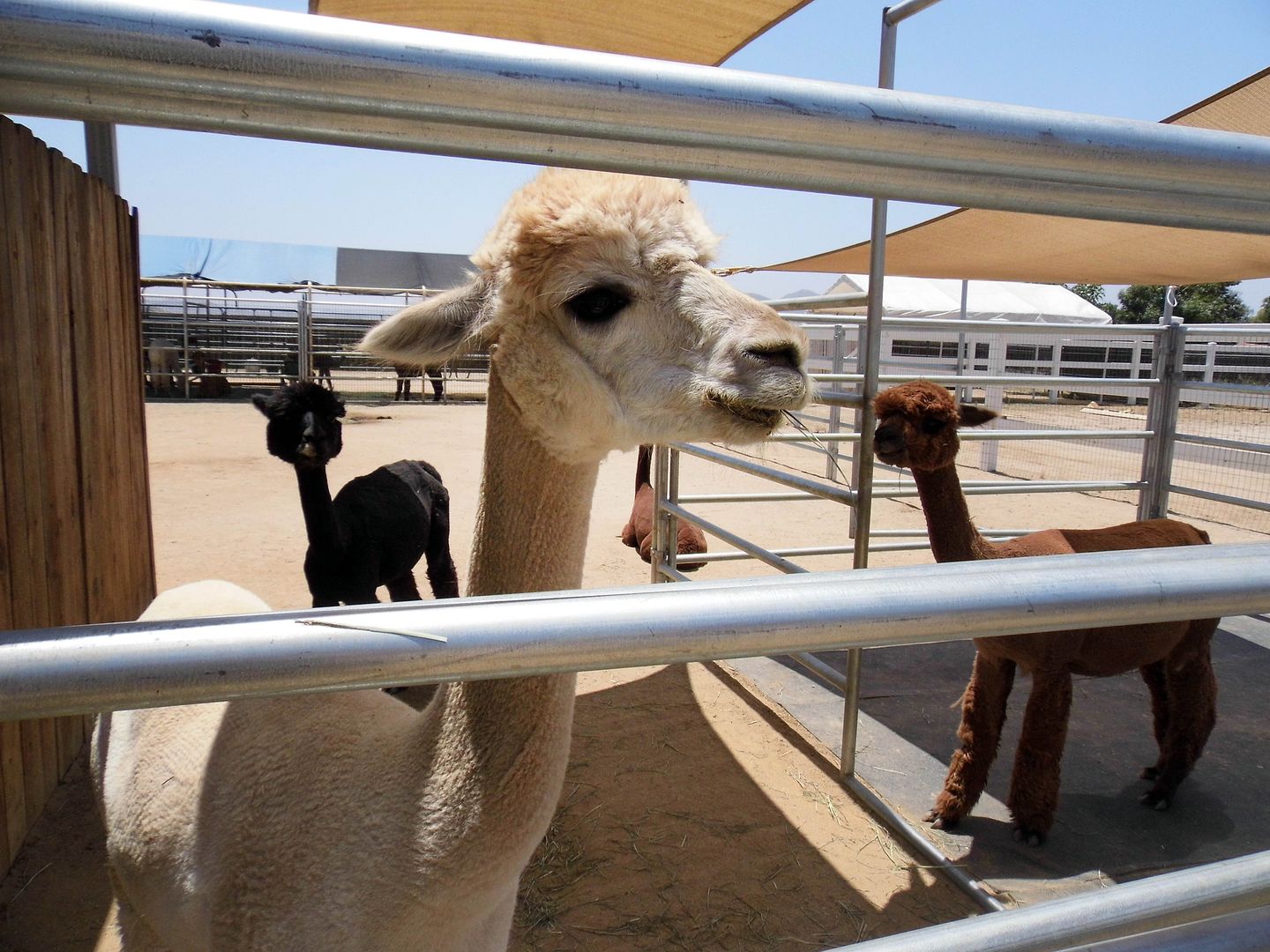
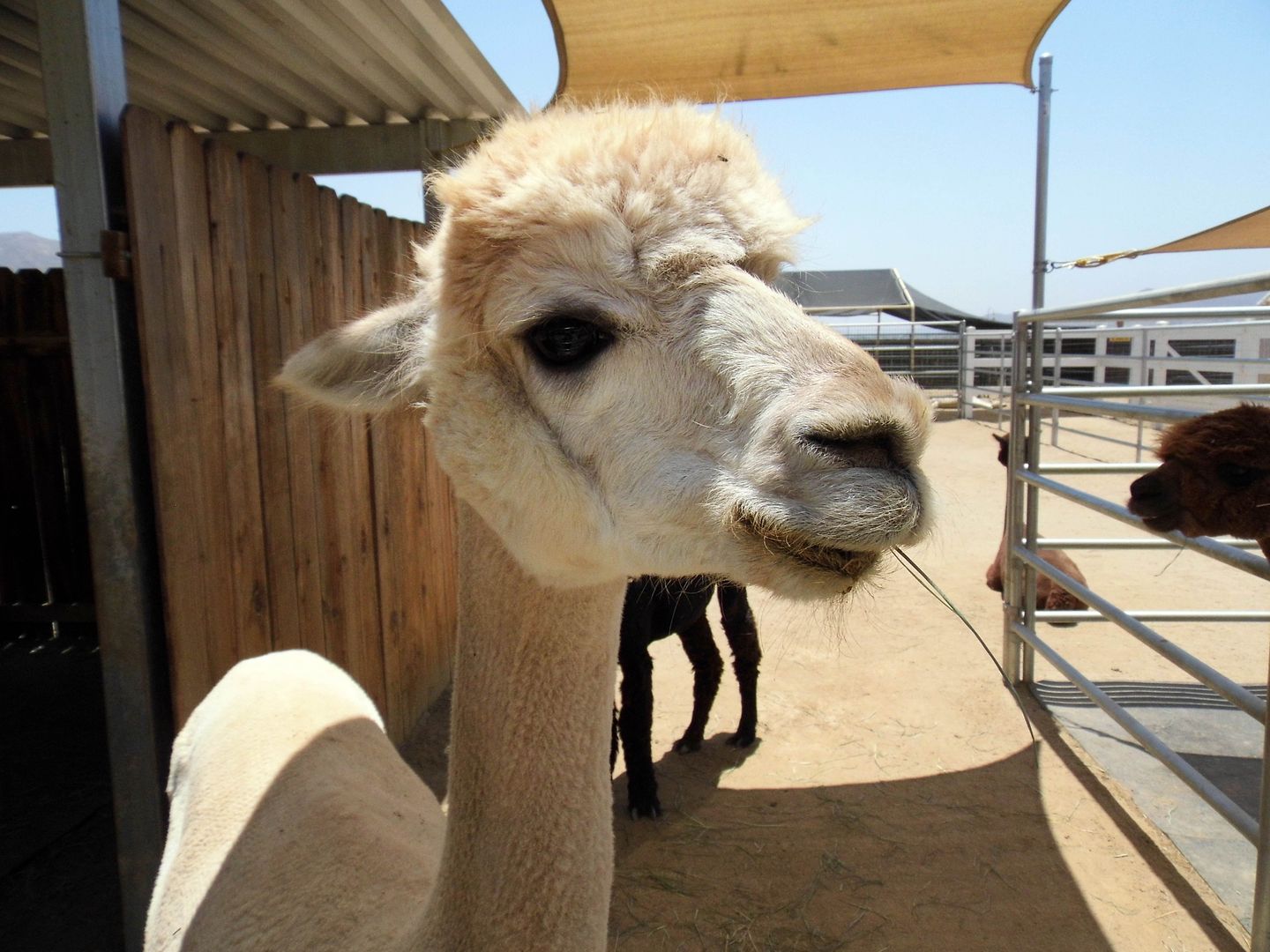
Turns out she's the most popular of all the Temecula Valley alpacas...


...but she didn't start out that way.


Temecula Valley Alpacas, a non-profit, took her in after her previous owners abandoned her on their nearby ranch, moving away without her and leaving her and some sheep behind.


In a miraculous turnaround, she's become the most social of their alpacas—acting as an ambassador and "therapy alpaca," if you will, at local hospitals.


But there's something else that sets her apart from the rest of this alpaca ranch...


And again, it's not the bangs, because some of the other alpacas do have bangs.


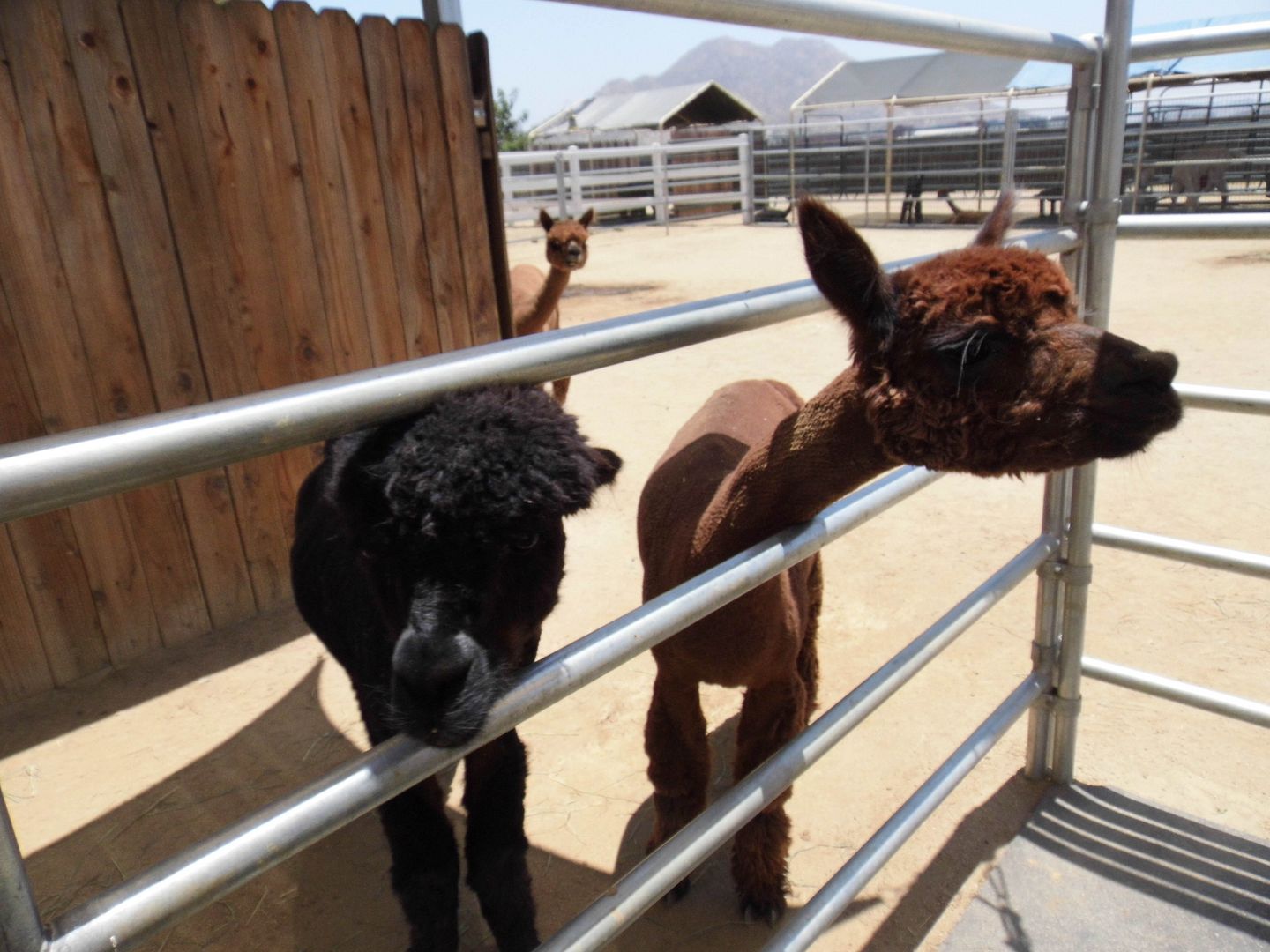
And some of the other alpacas are also very sweet.


Incredibly sweet, in fact.


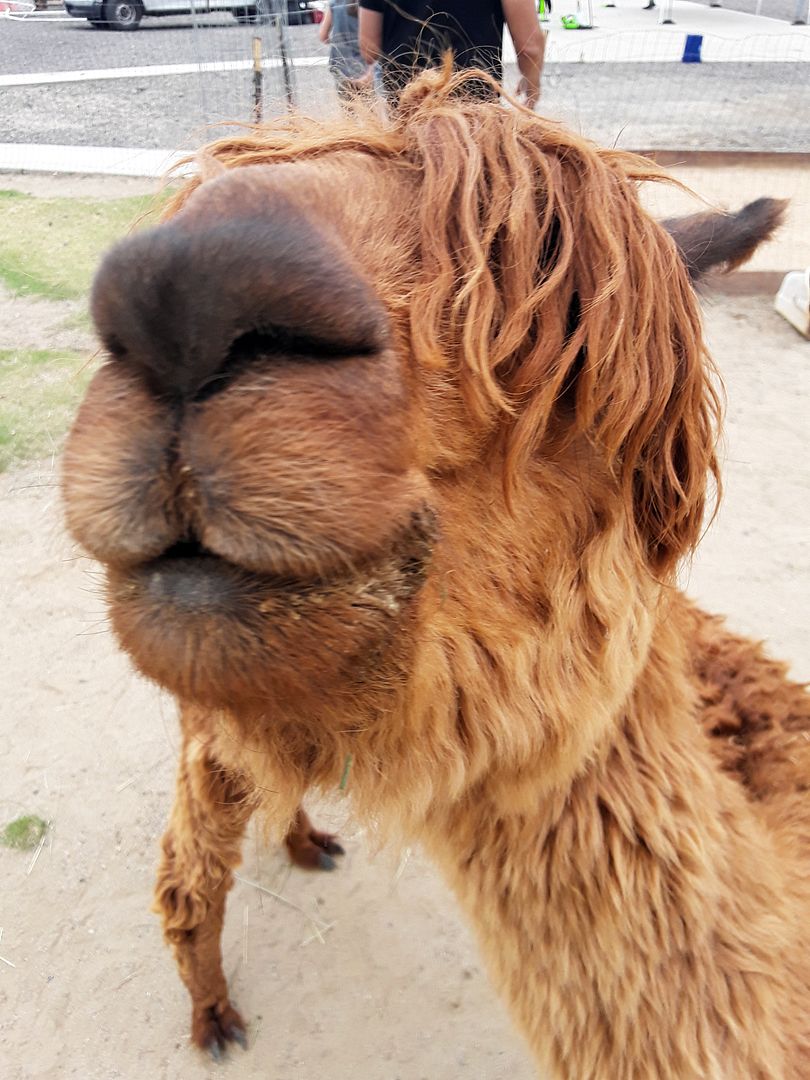
But they don't "sing" like Annie does.

The sound that Annie makes is generally associated with a baby (cria) calling out for her mother or a mother crying out for her baby.

Annie has neither baby nor mother.

Her keepers think it's her cry for food—and it's true, she stops when she's eating.

But I think something about her abandonment has stuck with her. And being fed only distracts her from it.

She is one of the most loving and affectionate alpacas I've met—and this is a species known better for its feistiness and competitiveness (read: spitting) than its even-temperedness.

Maybe this gives me hope.

Maybe hope can prevail.

Related Posts:
Photo Essay: Cria Season at Alpacas of Menifee Valley
Photo Essay: To Know An Alpaca Is To Love An Alpaca

June 21, 2020

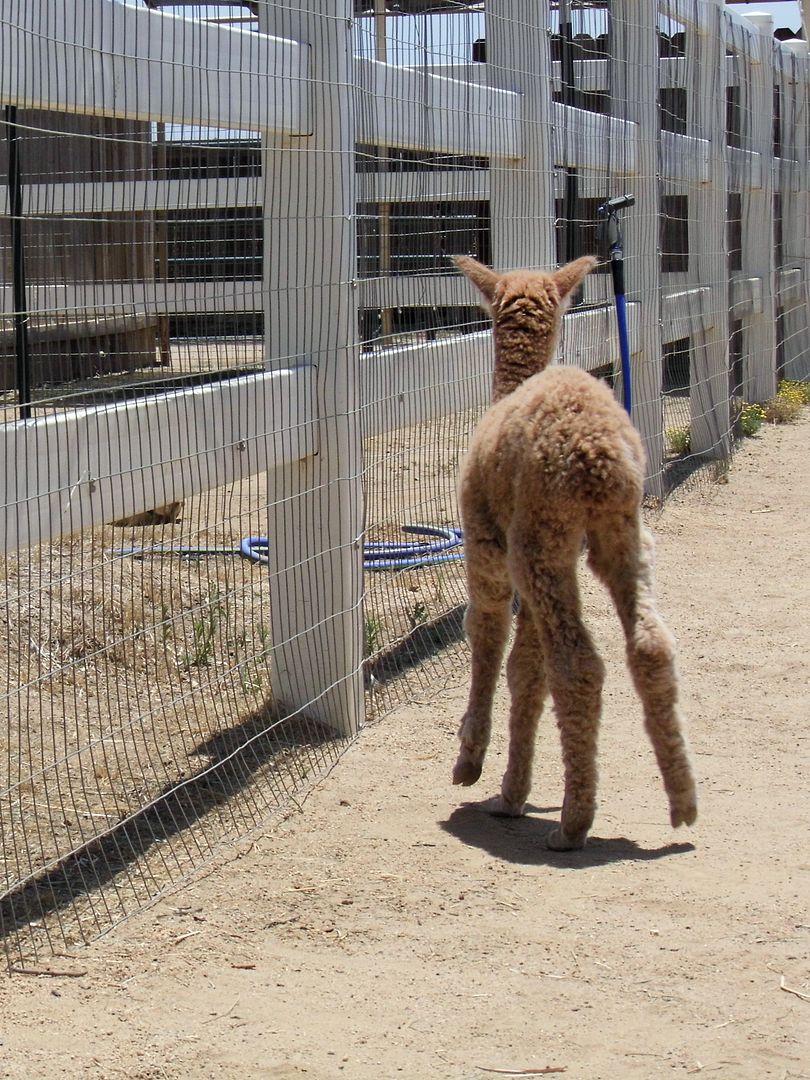
Photo Essay: Cria Season at Alpacas of Menifee Valley

I've been mostly self-isolating over the past few months—remaining in the safe confines of my car if I've gone out at all (usually just to get something to eat or go look at stuff).


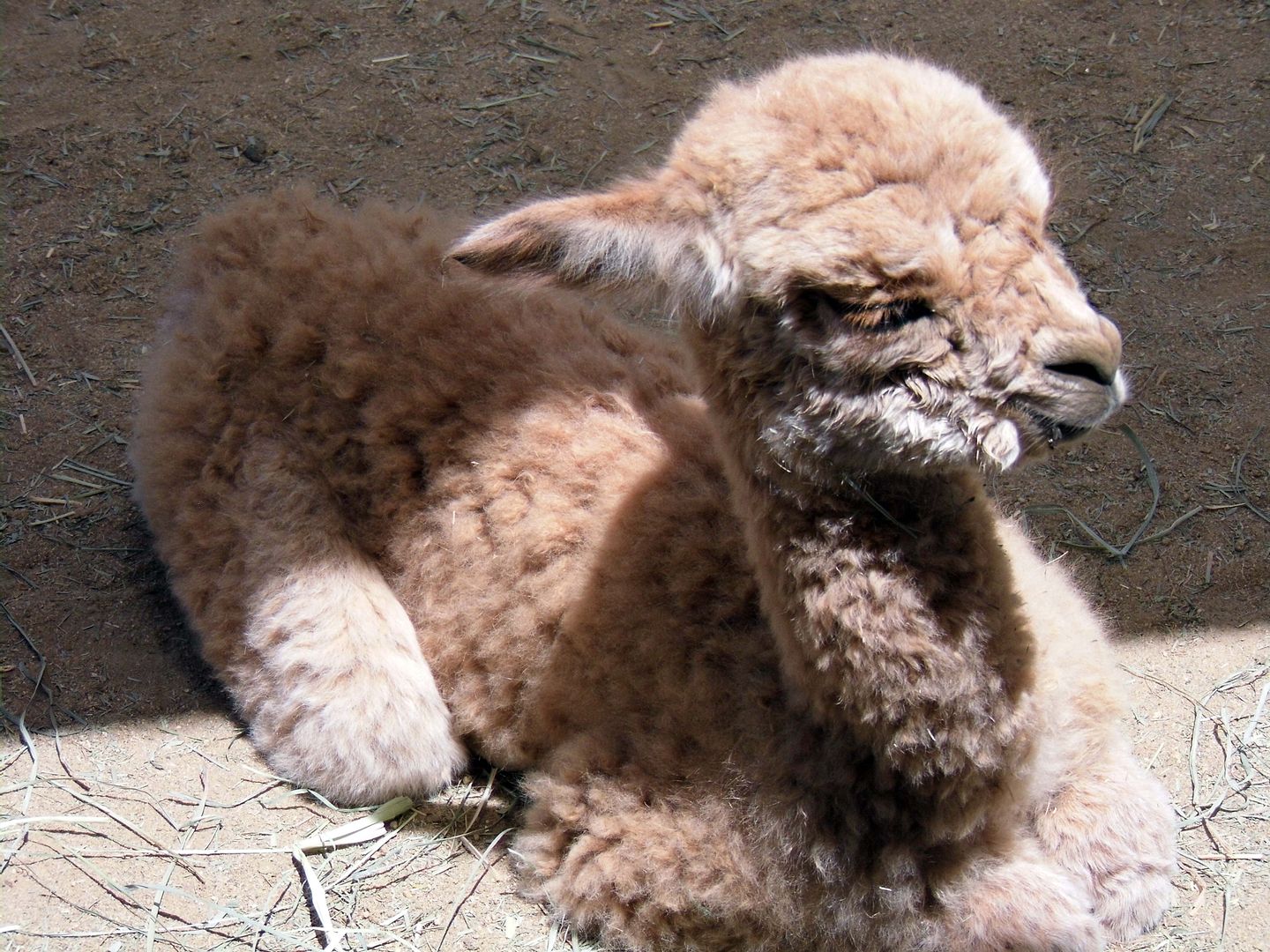
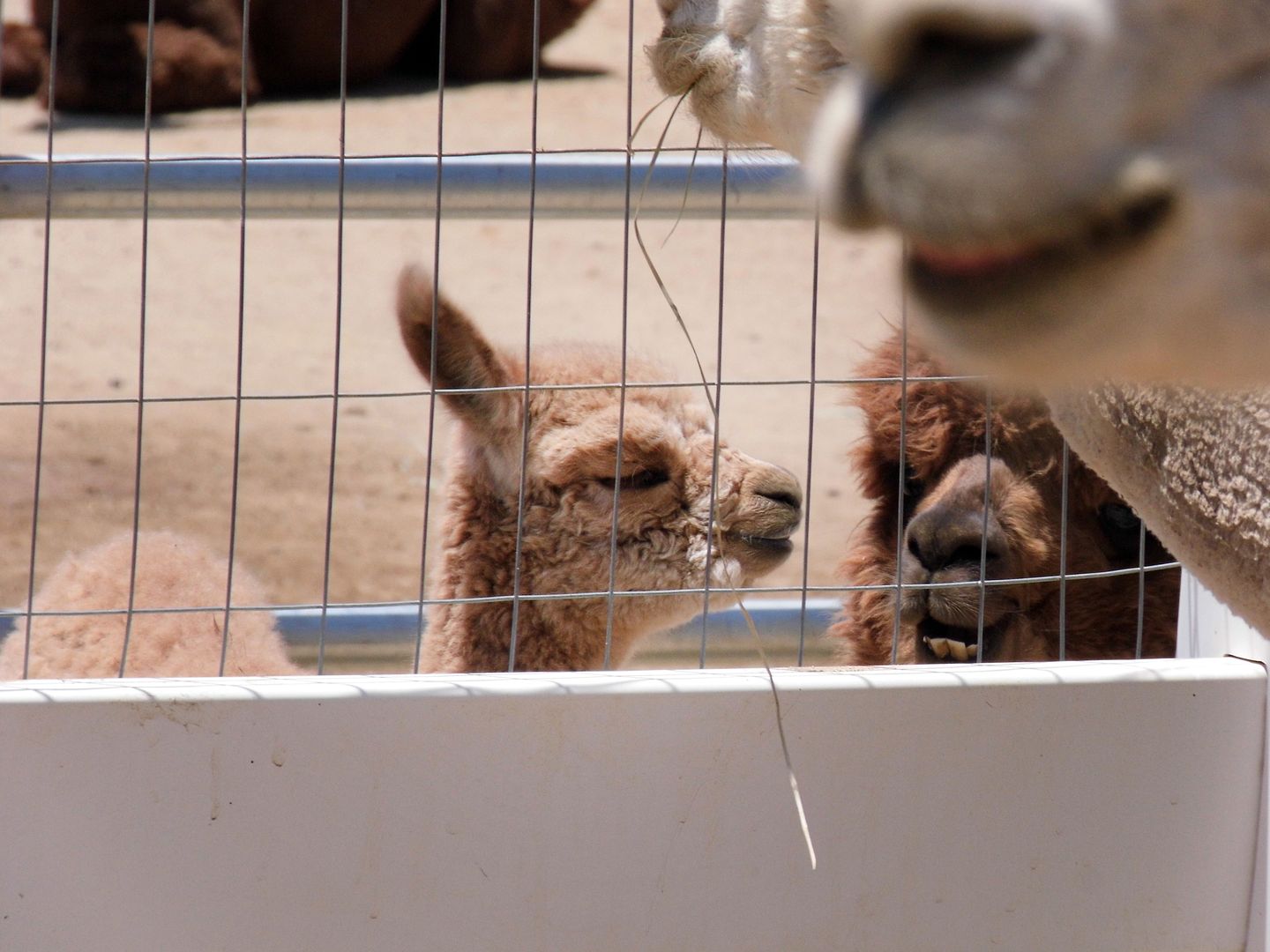
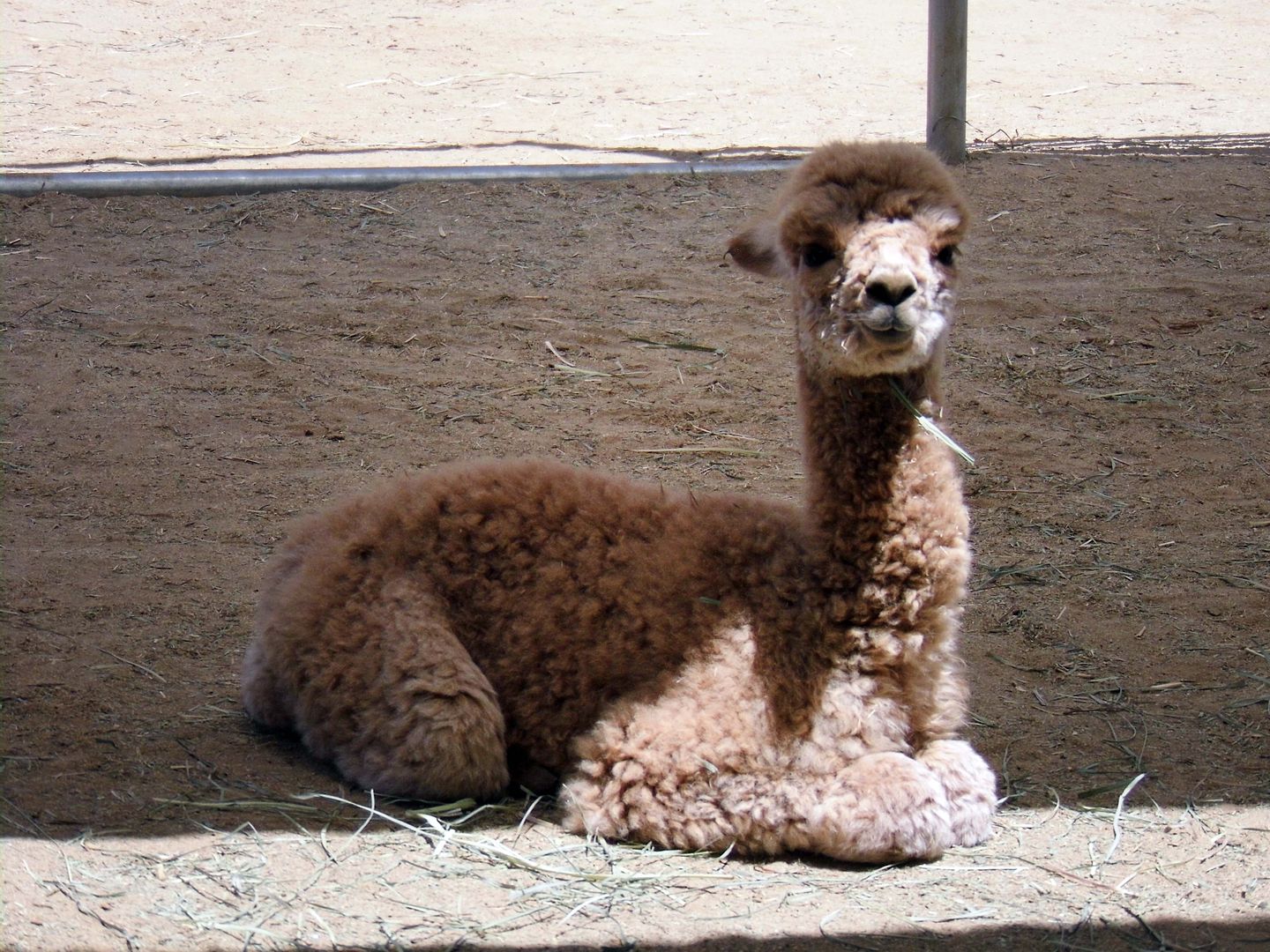
But if there's anything that could get me out and intermingling with the contaminated public at large, it's the news of a newborn baby alpaca (a.k.a. a "cria").


Zulieka

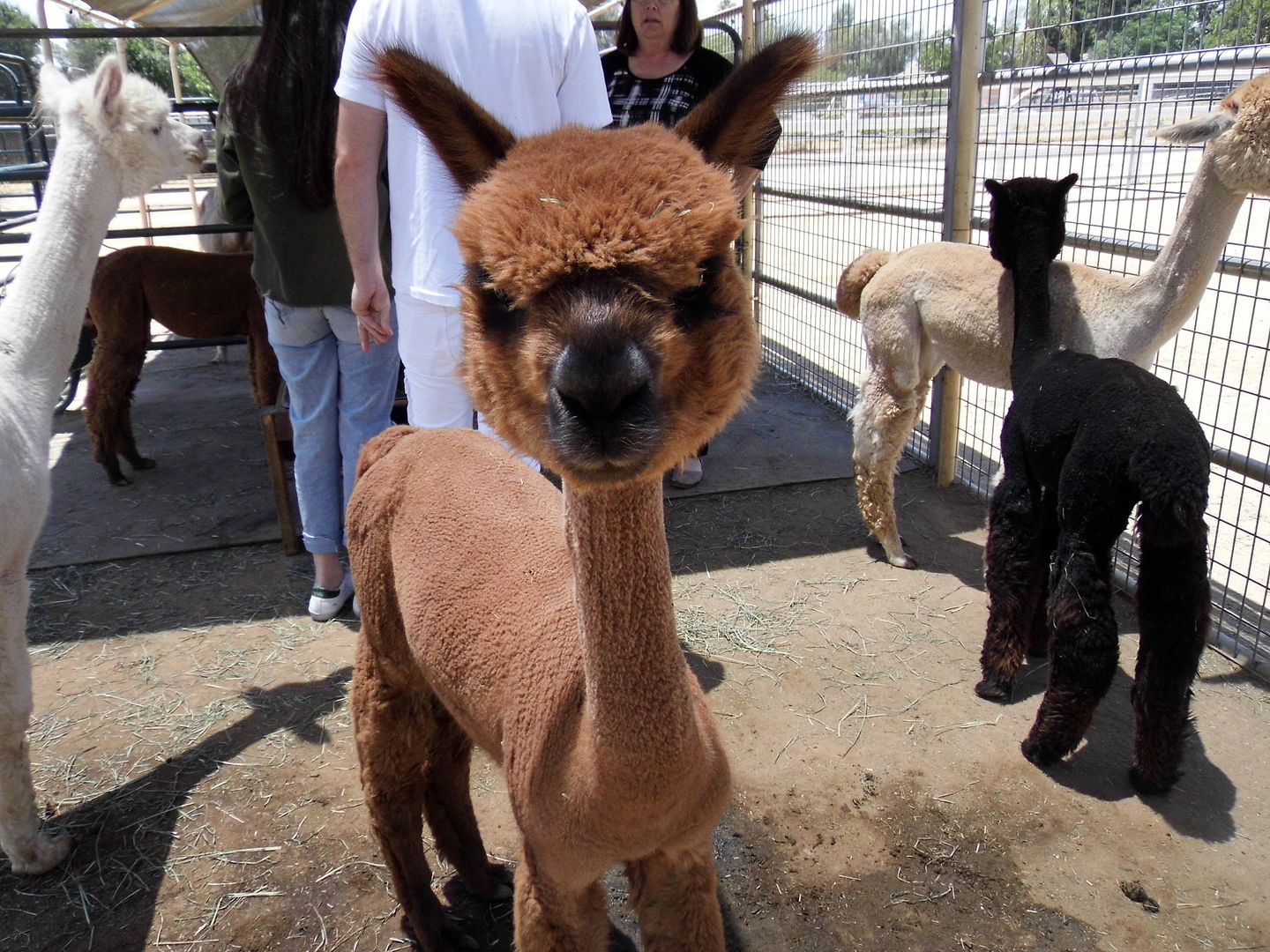
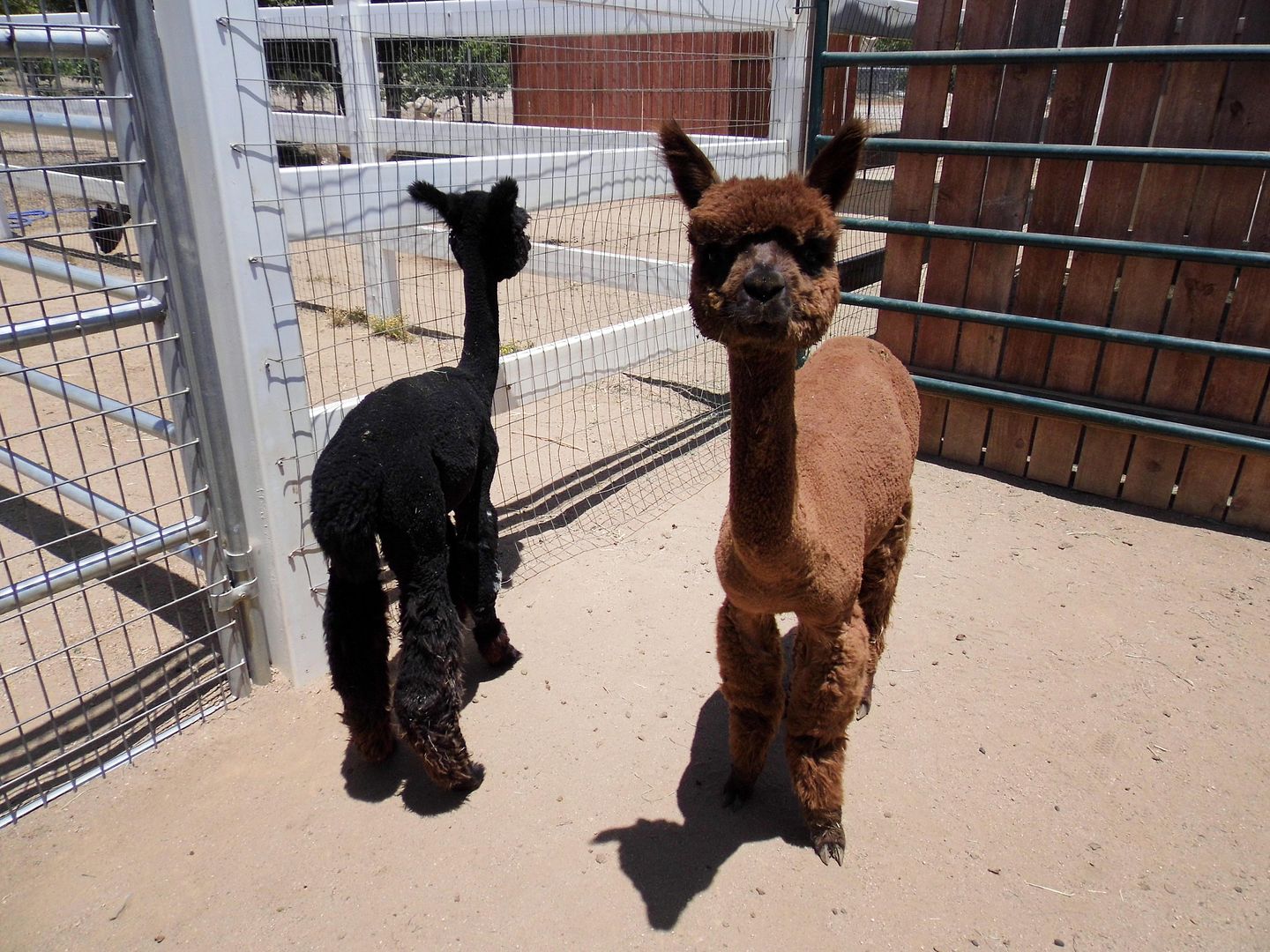
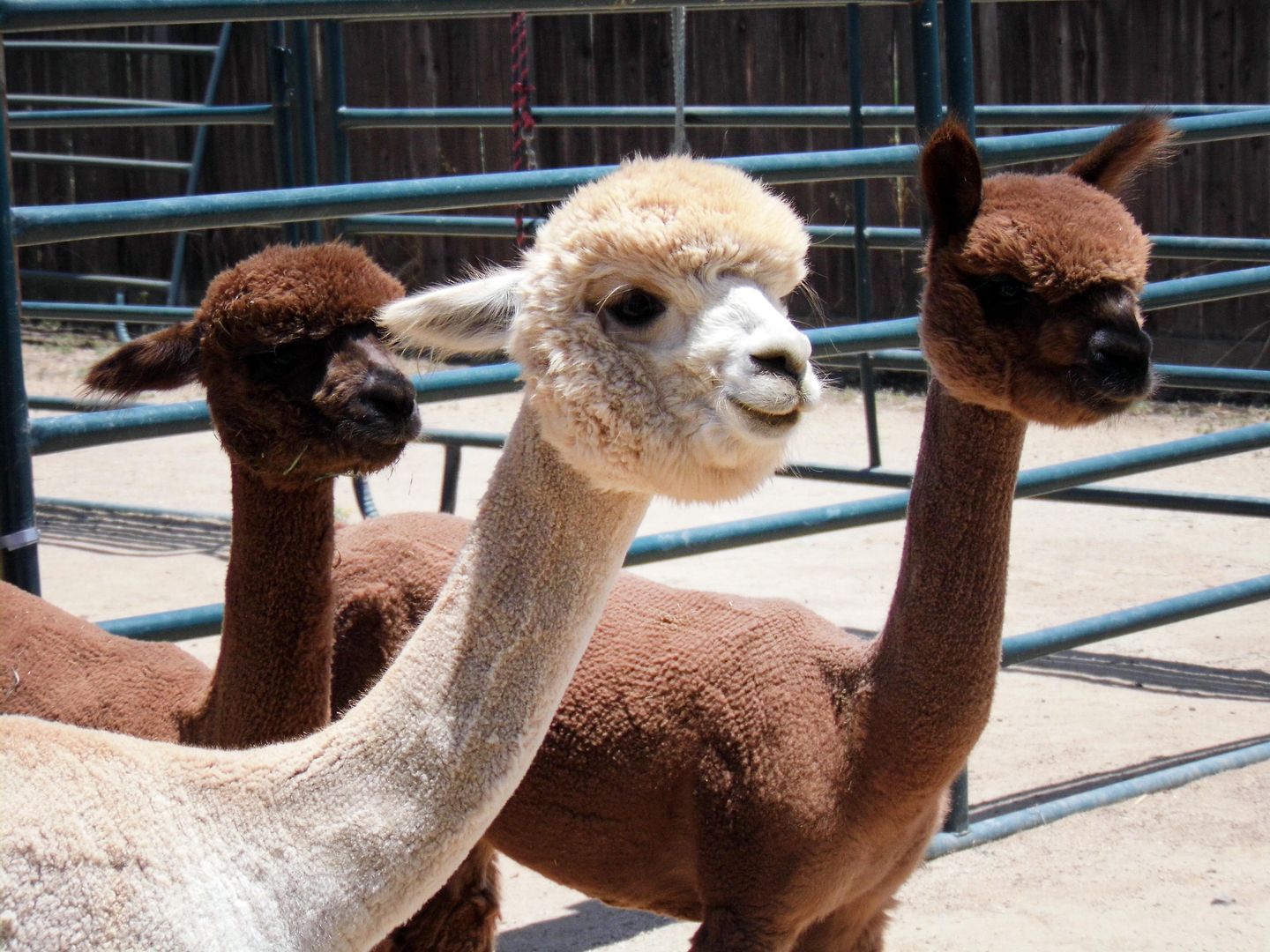
I'd already been thinking about crossing county lines to visit an alpaca ranch in Temecula for its shearing open house...


Prada

...but there being yet another alpaca ranch nearby, that I could hit on the same long drive, sealed the deal.


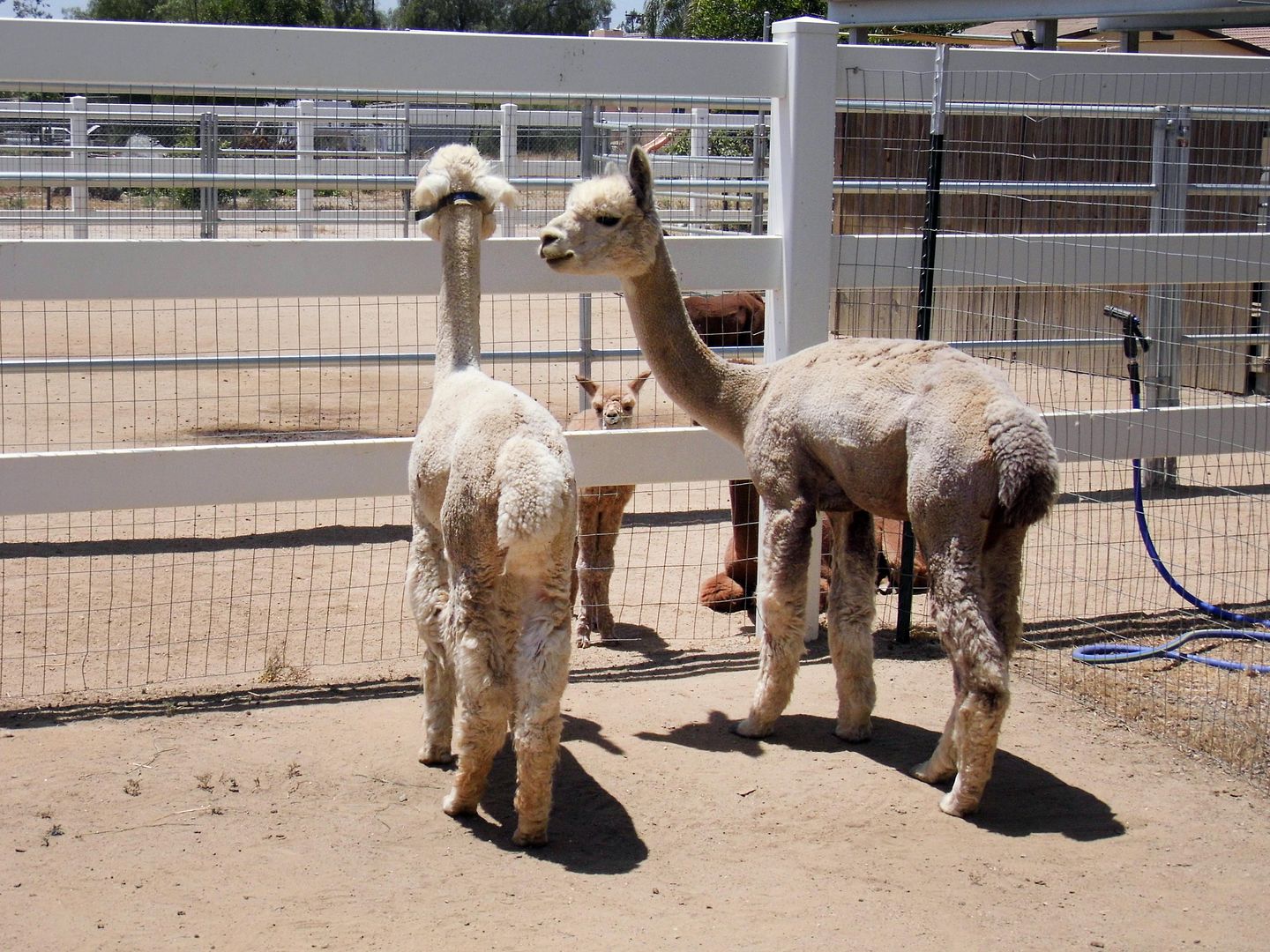
I mean, a double dose of adult alpacas would normally be enough to draw me out on a Saturday, especially one when I had no other plans.


These aren't normal times, though.


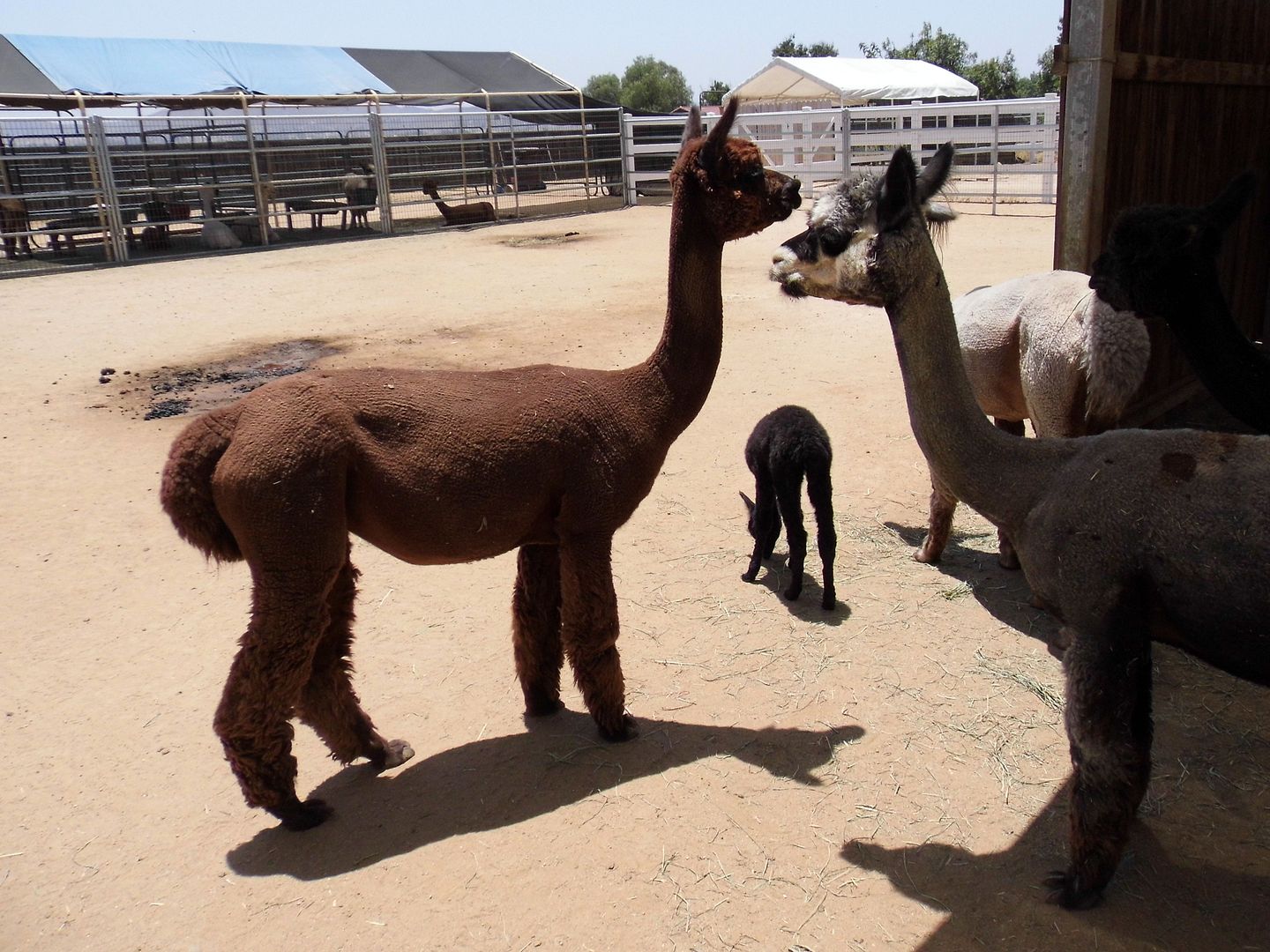
And there was something about visiting a couple's backyard in Riverside County—Art and Val Bradford of Alpacas of Menifee Valley—to visit some just-sheared yet still-fluffy Huacayas that made me feel like everything was OK.


Life goes on.


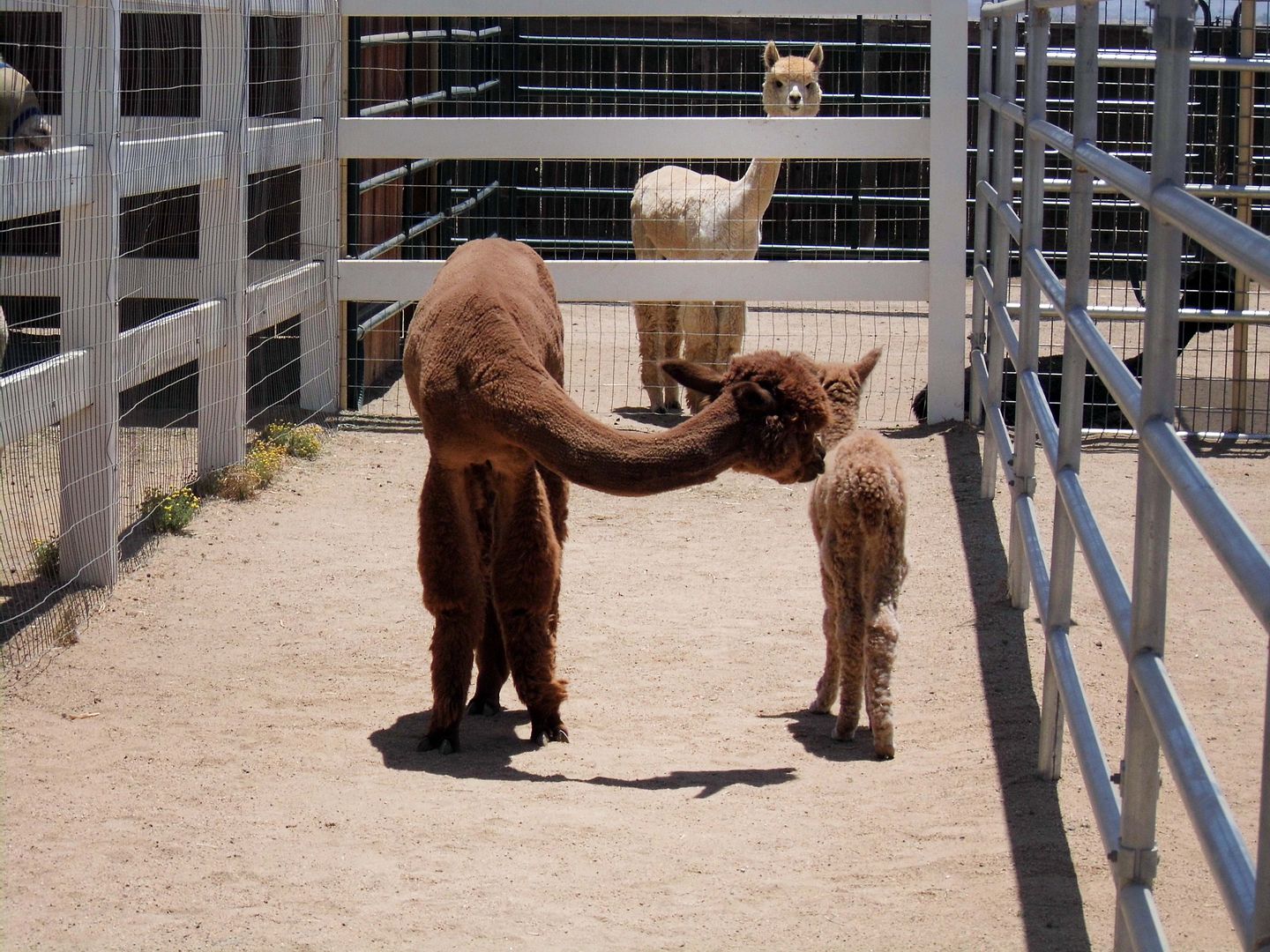
Madeline + her 2-day-old cria

The cycle of birth—and, I presume, death—goes on, just like it did before. 


Alpaca gestation takes about 11 months, so it's a big deal when the cria is finally born.


The one that came out feet-first on Thursday night was 25 days late—even later than I was when I was born three weeks late!


Sometimes you just need to cook a little longer.


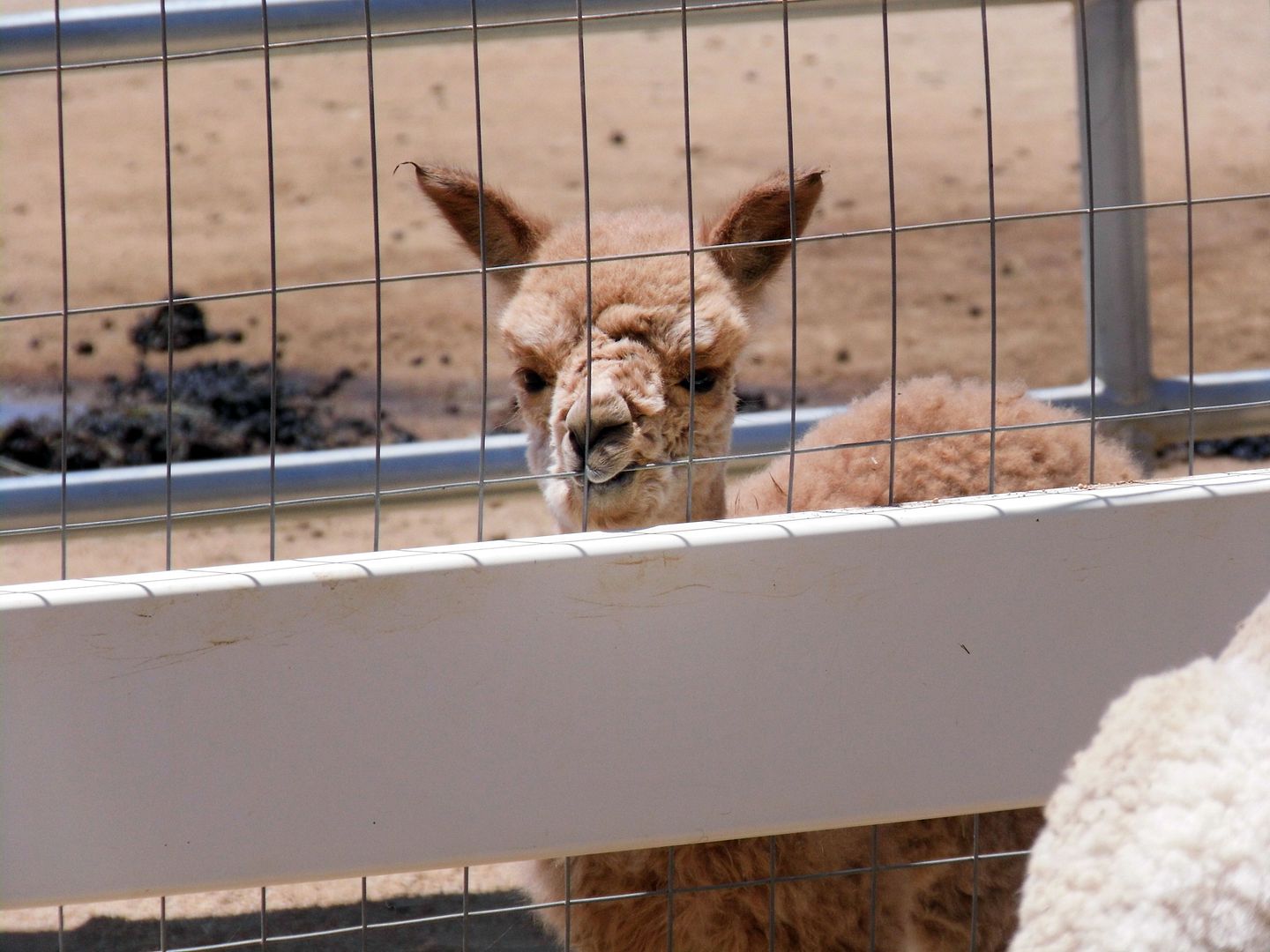
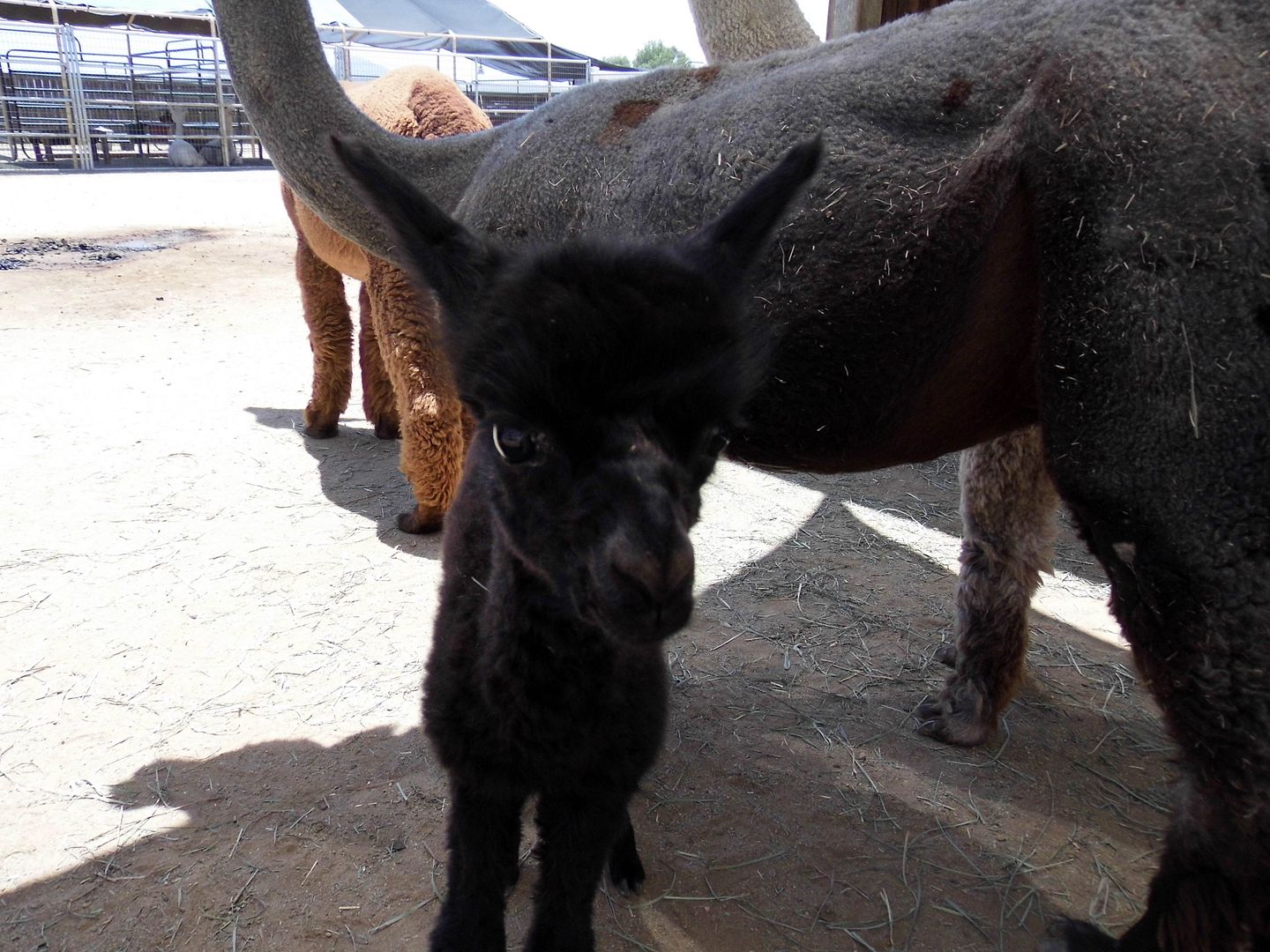
Starting from birth, alpacas are naturally curious and have to sniff and chew everything.


It's hard to pay attention to any of the other animals when there's a cria around.


Baby alpaca fleece is as soft as silk.


It's truly a gift if the cria—or her mother—lets you feel it for yourself.


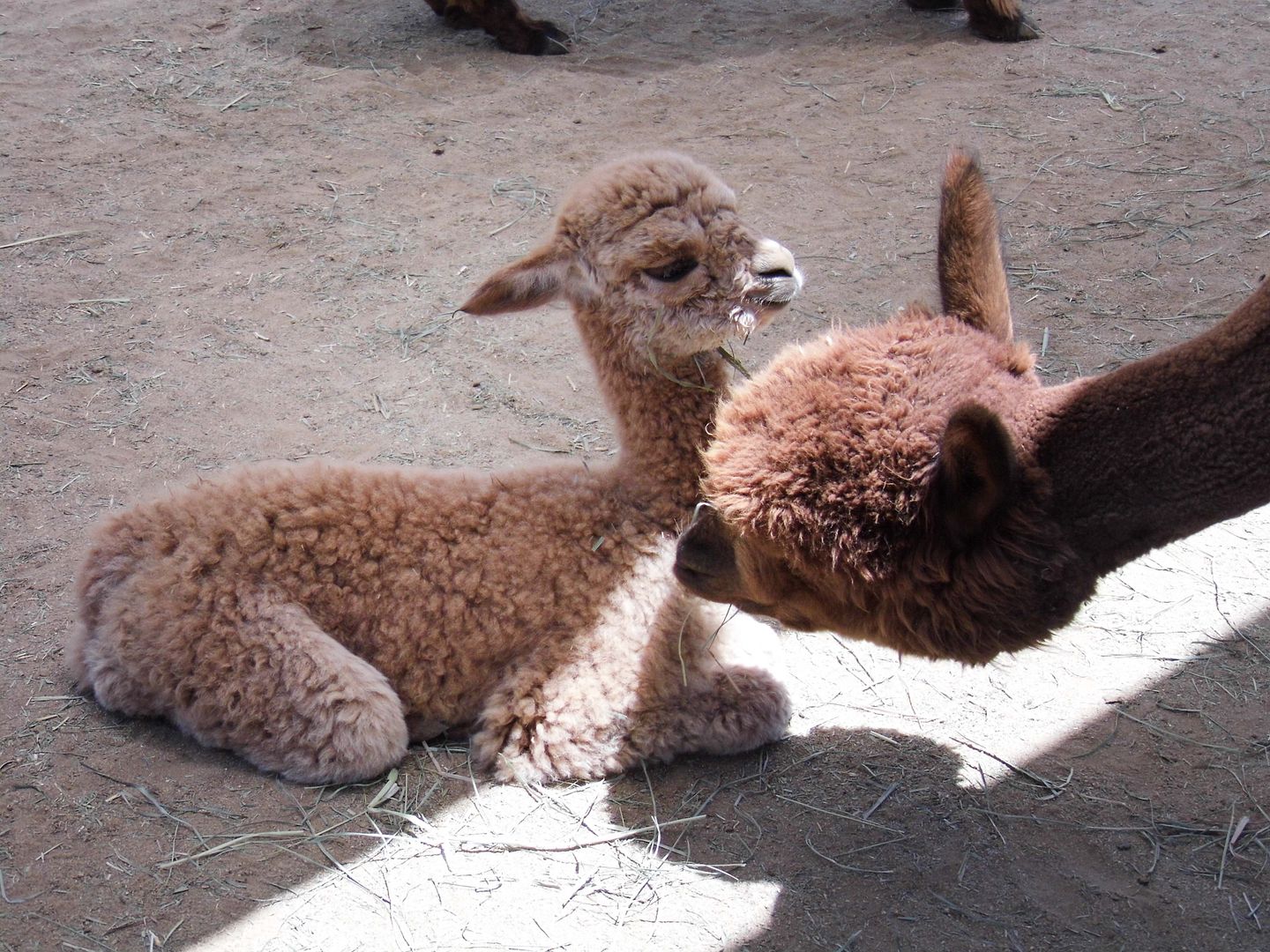
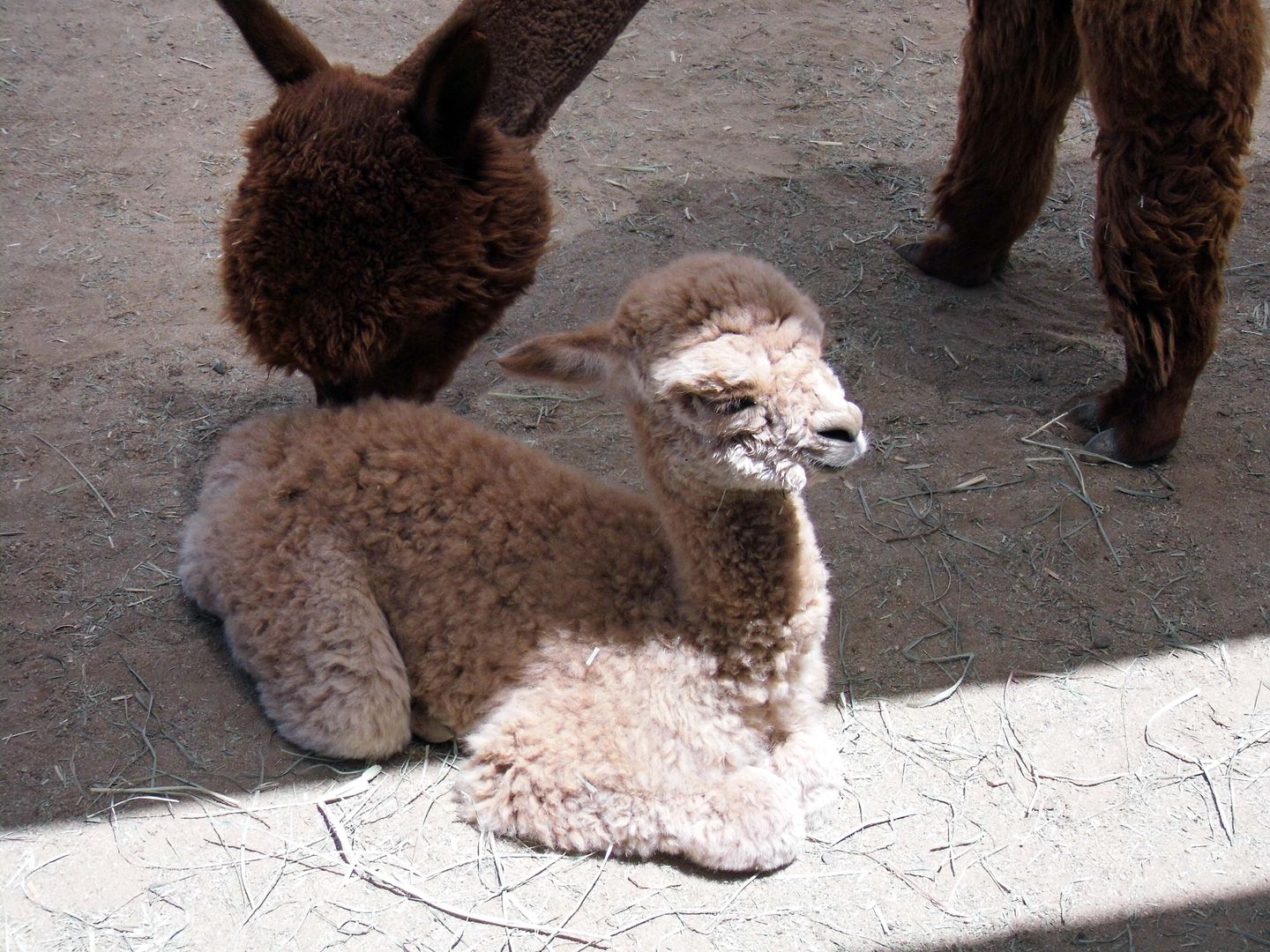
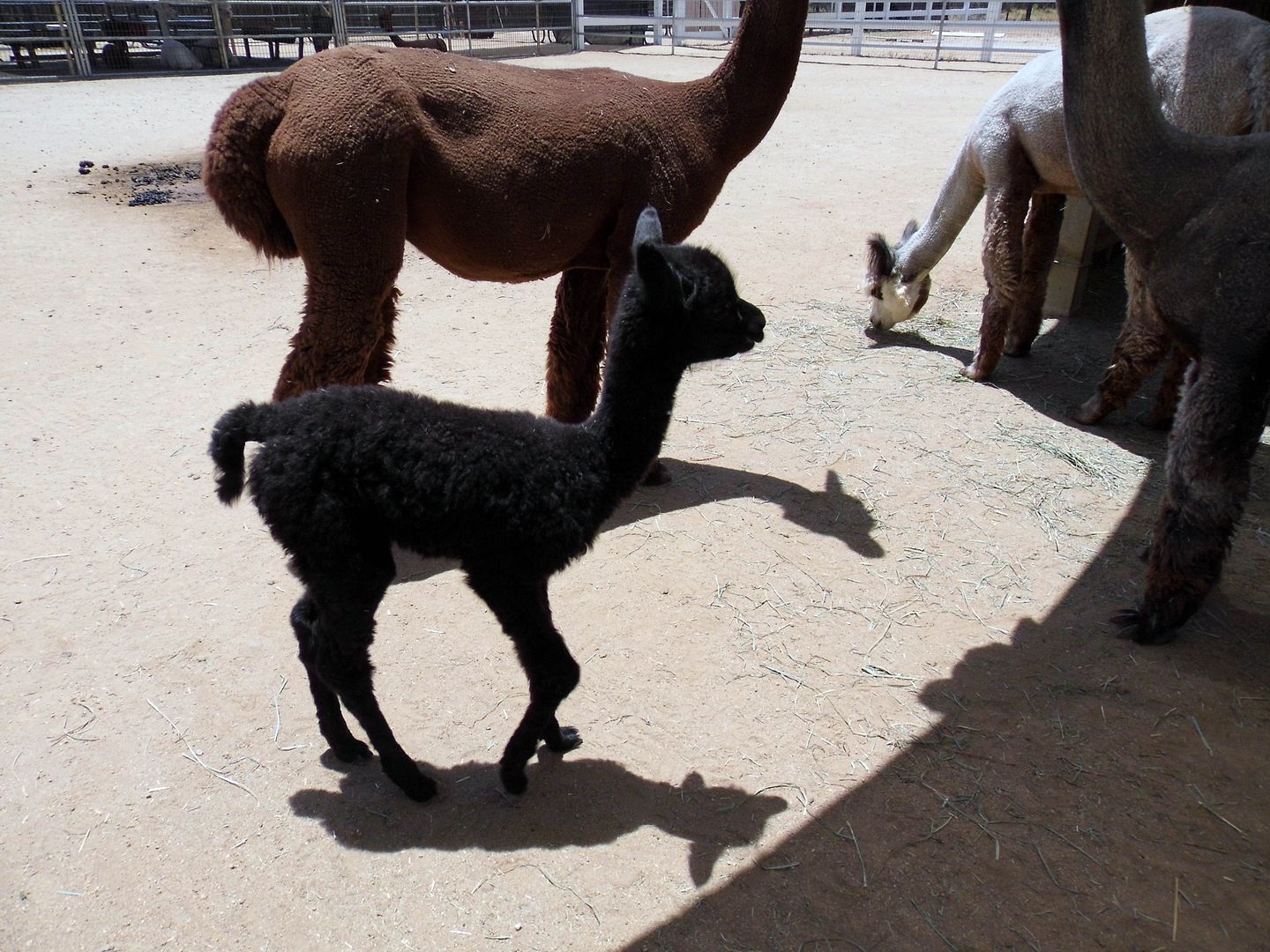
My visit would've been truly special had there been just one cria born in the past week—but there were actually two.


The darker one preceded the Thursday night baby by two days—coming into this world on Tuesday, bright-eyed and fluffy tailed.


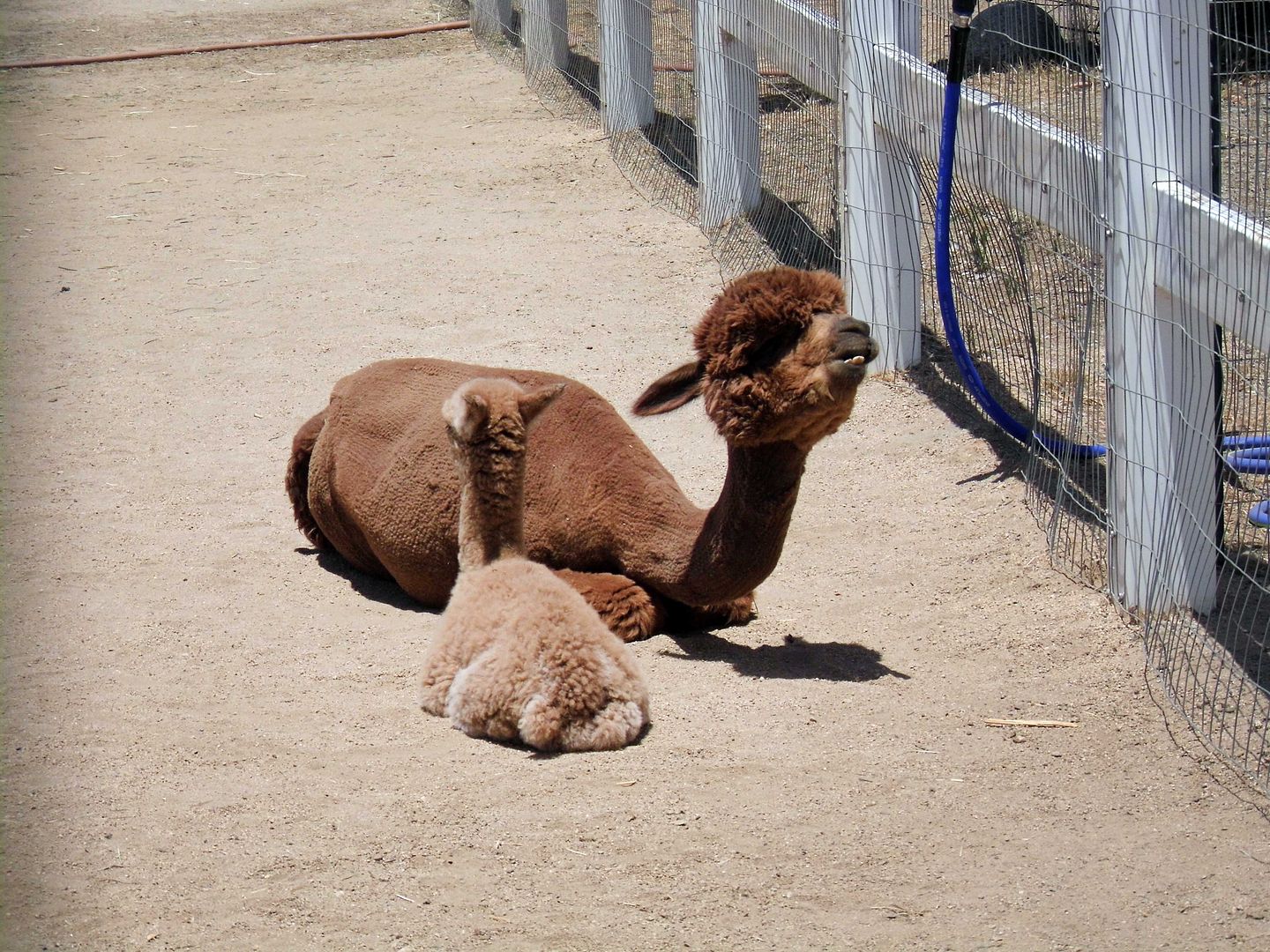
4-day-old, 10-lb. cria with her mom Snowmass Incan Velvet 

These two will be nursing for the next several months, seeking protection in between their mothers' back legs and below their bellies. 


The grown ups missed the big alpaca show this year because of COVID-19...


...but maybe they don;t know the difference.


Their babydoll faces still seem to be smiling...


...hopefully unaware of what's going on in the world.


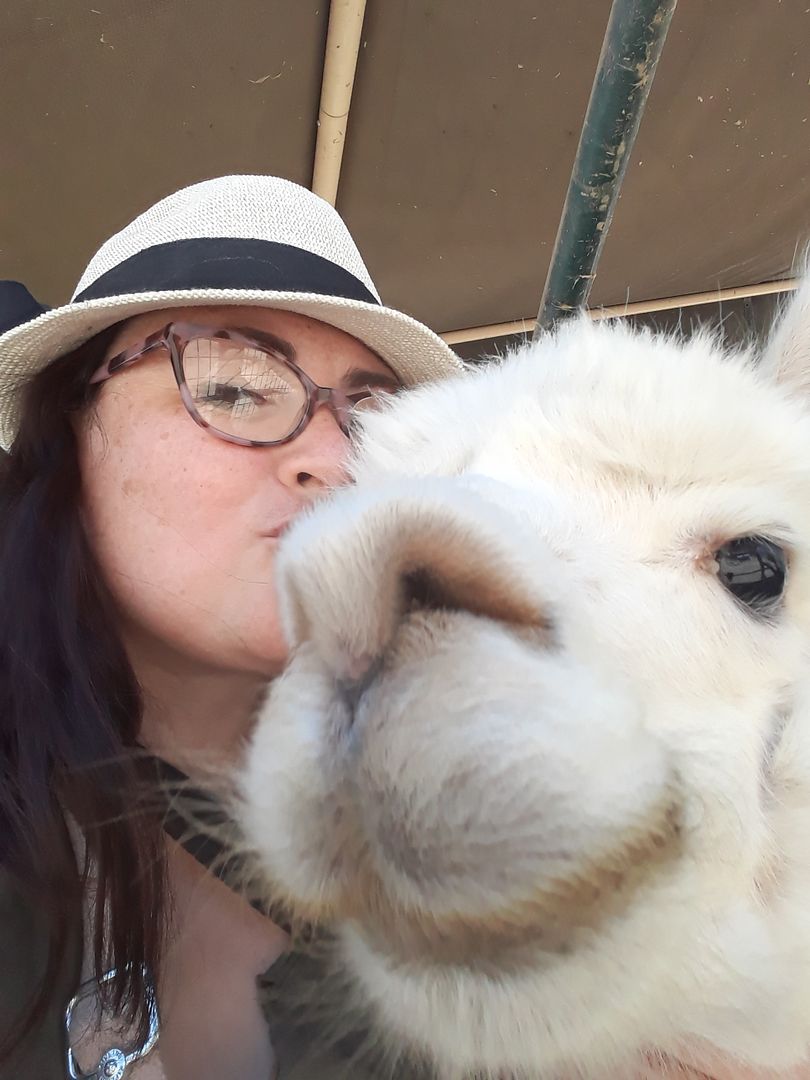
And some of them will even kiss you on the cheek (and let you kiss them), even if you're not wearing a mask.

Alpacas of Menifee Valley is leaving the Inland Empire, changing its name to Autumn Wind Alpacas, and relocating to Idaho by this fall. It's currently open for farm tours by reservation only, so book ahead and get in there while you can.

Related Posts:
Photo Essay: To Know An Alpaca Is To Love An Alpaca
Photo Essay: Lambing Season at Apricot Lane Farms
Kidding Season

June 11, 2020

Falsely Accused

I had a strong sense of justice as a kid, even as a little kid.

It wasn't just a matter of me crying out, "That's not fair!" and my parents shooting back, "Life isn't fair."

It was the vicious cycle I'd entered very early in my childhood and could never get out of.

You see, my parents always seemed really volatile when I did something wrong. There was never the inclination to excuse or forgive any behavior as that of, say, a toddler.

My mother would never be one of those to say to a stranger, "Well, she's only five."

But their use of force always seemed to be disproportionate to whatever I'd done.

So, in my little head, I thought the trick would be to make sure I never got caught doing something wrong. And if I had done something wrong—or failed to do something right—I tried lying my way out of it.

I was terrified of getting into trouble, but my attempts to evade trouble only brought more trouble my way.

My parents pegged me for a liar early on.

Sometime in kindergarten, I'd gotten a splinter in my leg at the babysitter's house and told my parents about it. They didn't believe me, not for days. In fact they didn't believe me until the splinter had festered in my leg to the point of erupting into a welt.

My dad had to painfully dig it out with some sharp implement, as I cried.

They blamed me for their not believing me.

Not getting the help I needed from those who were supposed to protect me would've been bad enough on its own. But it got worse.

Because they didn't believe my proclamations of innocence, either. And over the course of my childhood and adolescence, I got accused of a lot of weird, bad stuff that happened around the house.

There was the wooden, stick-style chair in the living room-style setup we had in the basement, a chair that I was responsible for dusting once or twice a week with an oiled cloth. My mother claims she found the seat of it all scratched up and presumed my guilt, giving me no opportunity to clear my name.

If not me, I couldn't explain what or who had scratched the wood. I suspected my mother had done it herself to set me up, but of course I could never say that out loud (or prove it).

There was the sky blue wallpaper with the white puffy clouds that our mother had foolishly paid to have hung on the bathroom walls—though not as foolishly as the money she'd spent installing wall-to-wall carpet on the bathroom floor.

She'd already lost her mind once when the hairspray my sister and I used to spritz our bangs into place caught the light—and her attention—after having splattered on that wallpaper. But she went absolutely bananas when she "discovered" a series of swirled lines carved just deep enough into the surface of the paper to show.

She said that she could just see me tracing my fingernail along that exact path. Never mind that I wasn't yet tall enough to reach the nearly invisible graffiti. Or that she hadn't actually witnessed it happening.

My punishment for that alleged crime was to remit some exorbitant sum of money—I remember it being hundreds but maybe it was only $50—out of my meager allowance to compensate my parents for the damage. But paying the fine wasn't the worst of it.

I got sent to the hot attic of our nearly 100-year-old house to clean it for hours on end. In my teenage years, this had become a popular punishment for me—because I was too easily entertained when sent to sit in the corner or to my room. Solitary confinement would've been a relief.

Instead, they had to send me to the hot box.

In between those incidents, I got blamed for saying things I never said—even unspecified things that were, according to my mother, too horrible for her to repeat.

"You know what you said," or "You know what you did," she'd say.

And when I professed my innocence—and quite frankly, my bewilderment—she'd claim that I must've blocked it out, blacked out during the encounter as though I was in some kind of fugue state.

She spent a lot of time trying to convince me I was crazy. And trying to make me confess to crimes I hadn't committed.

The injustice that stuck with me the most—and shook me up the most at the time—was when my father stormed into my bedroom late one night to drag me out of bed and downstairs. I remember the pendant light above the kitchen table glaring at me like the bare bulb of an interrogation room. It took me more than a minute to figure out what was going on.

My father was shaking a paperback book at me, snarling, "Did you do this?"

I didn't even know what the book was, much less what had been done to it.

Then his line of questioning changed, as he slammed the book down on the kitchen counter and grabbed me by both arms. "Why did you do this?"

All I could say was, "What?"

At some point, my mother or my father—I forget which—pivoted the book under the midnight chandelier glow to show that the soft cover had been pitted by something.

My mother had a hunch that I had been standing by the window—reaching over the trash can—to click a retractable ballpoint pen onto the book, some kind of self-help book that she'd borrowed from her counselor at Catholic Charities and would now have to return damaged.

This was the perfect storm of a crime—because not only was my mother obsessively materialistic after having grown up dirt poor, but she was also keenly focused on saving face.

Once again, I had no other explanation. They took that as an admission of guilt.

Nothing I ever did could ever prove my innocence, so at some point I'd given up. I knew the fix was in. It was easier to get slapped around, fork over the money, and head back into the attic than to fruitlessly fight the charges.

I'd do my time and pay my penance, just for some peace and quiet.

My parents would say, "If you really weren't guilty, you'd be pleading 'I didn't do it! I didn't do it!'"

But that's not how it works when you've been profiled, targeted, and given an unfair trial (or no trial at all).

Eventually, I embraced the strength that those punishments had given me—the calloused world view that helped me protect my sister when my parents shifted their gazes towards her.

When I became a boss early in my career, I always told my staff to not cover up their mistakes. Tell me, and I'll help you fix it. If it's unfixable, I'll take the blame.

If they were just honest, they'd never have to worry about getting "in trouble." I was strong enough to take the heat for all of us.

You'd think that an entire childhood of  being falsely accused would've taught me that there's no point in telling the truth—that is, as long as no one was going to believe me anyway. But actually, it's just the opposite.

I put my cards on the table and play it straight. I don't worry about anything I've done, as long as I did it with good intentions and integrity.

But I still worry about the things I haven't done, which might one day come back to haunt me.

Related Posts:
Don't Blame It On Me
The Persistence of Violence

June 10, 2020

Heading Into Chapter Two of the Coronavirus Pandemic

I know the coronavirus pandemic isn't over yet. But it kind of feels over. People are acting like it's over.


At first, it was characterized by a precious emptiness—at least on the freeways.


Though never on the sidewalks—at least, not in my neighborhood.


With everything canceled, I felt I tremendous amount of freedom from my own schedule—finally liberated to do whatever I wanted, whenever I wanted, as long as it didn't involve the indoors or other people.


It felt like the month of March would never end, even as the calendar indicated that we'd already passed into April, May, June.


Back before things started opening up again, I was just fine with what may have looked desolate to other people. The world was my oyster.


It felt much like my early days first visiting Southern California, when I'd just drive around to look at stuff. I'd just go exploring to see what I could find.


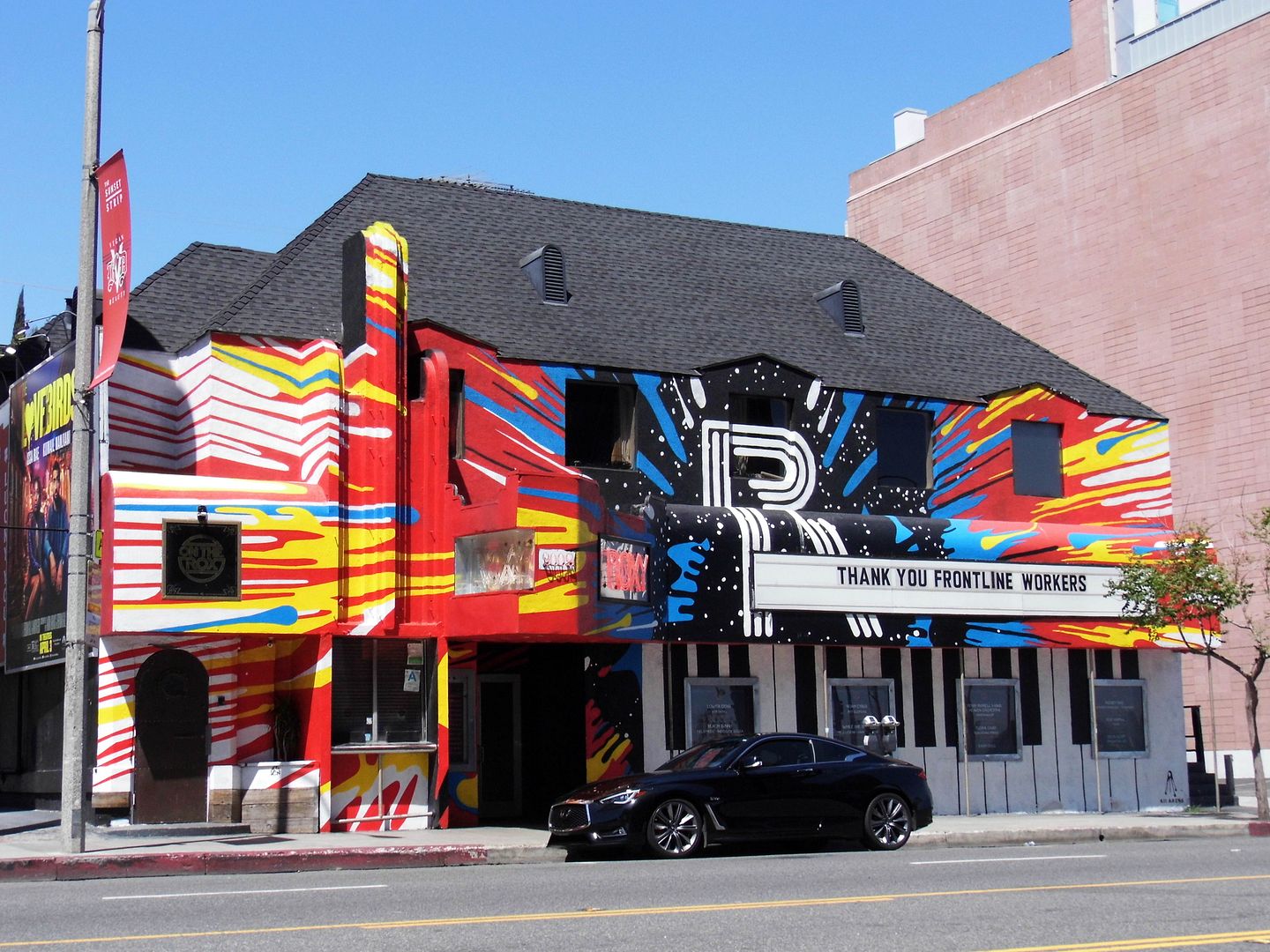
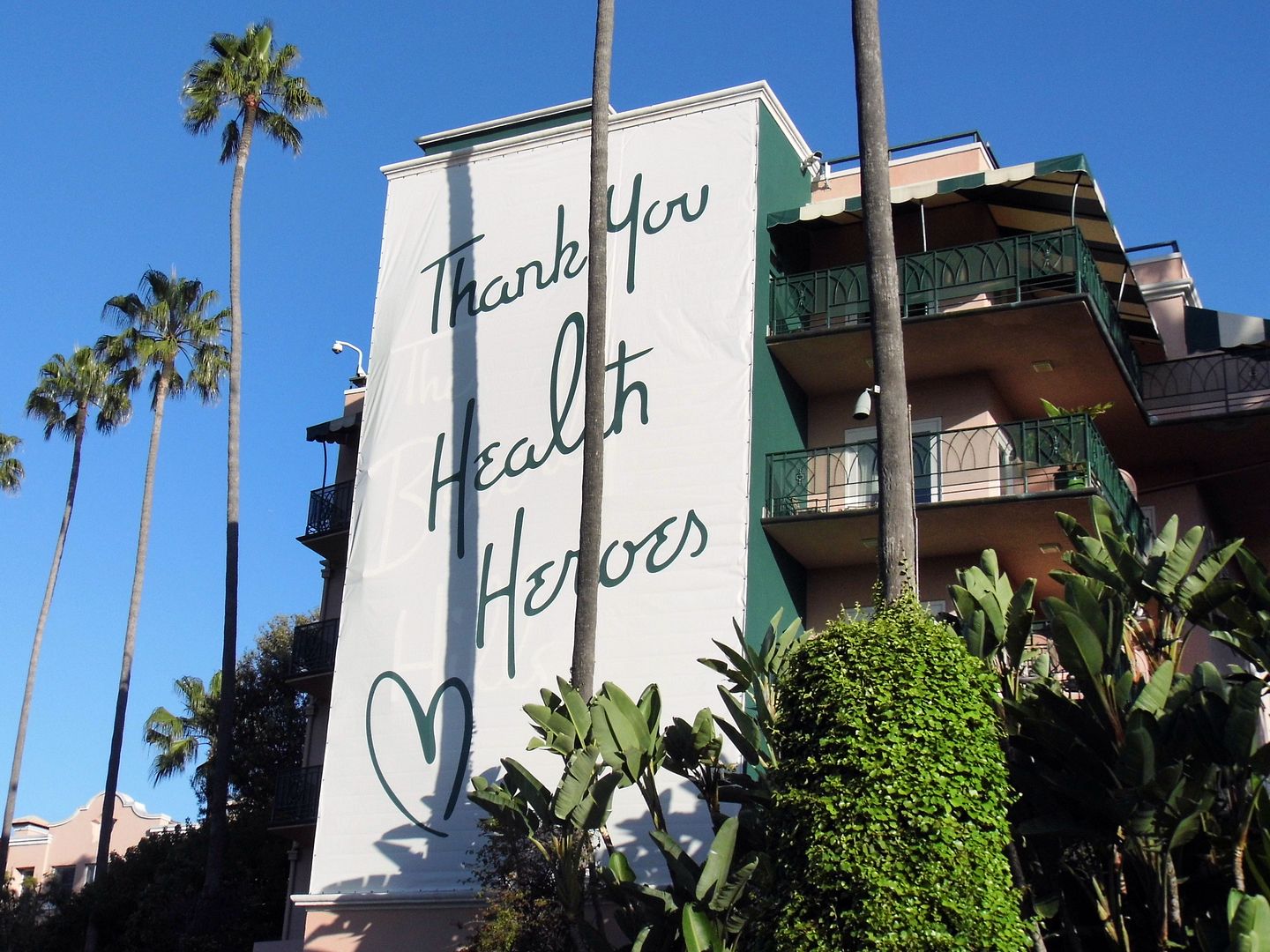
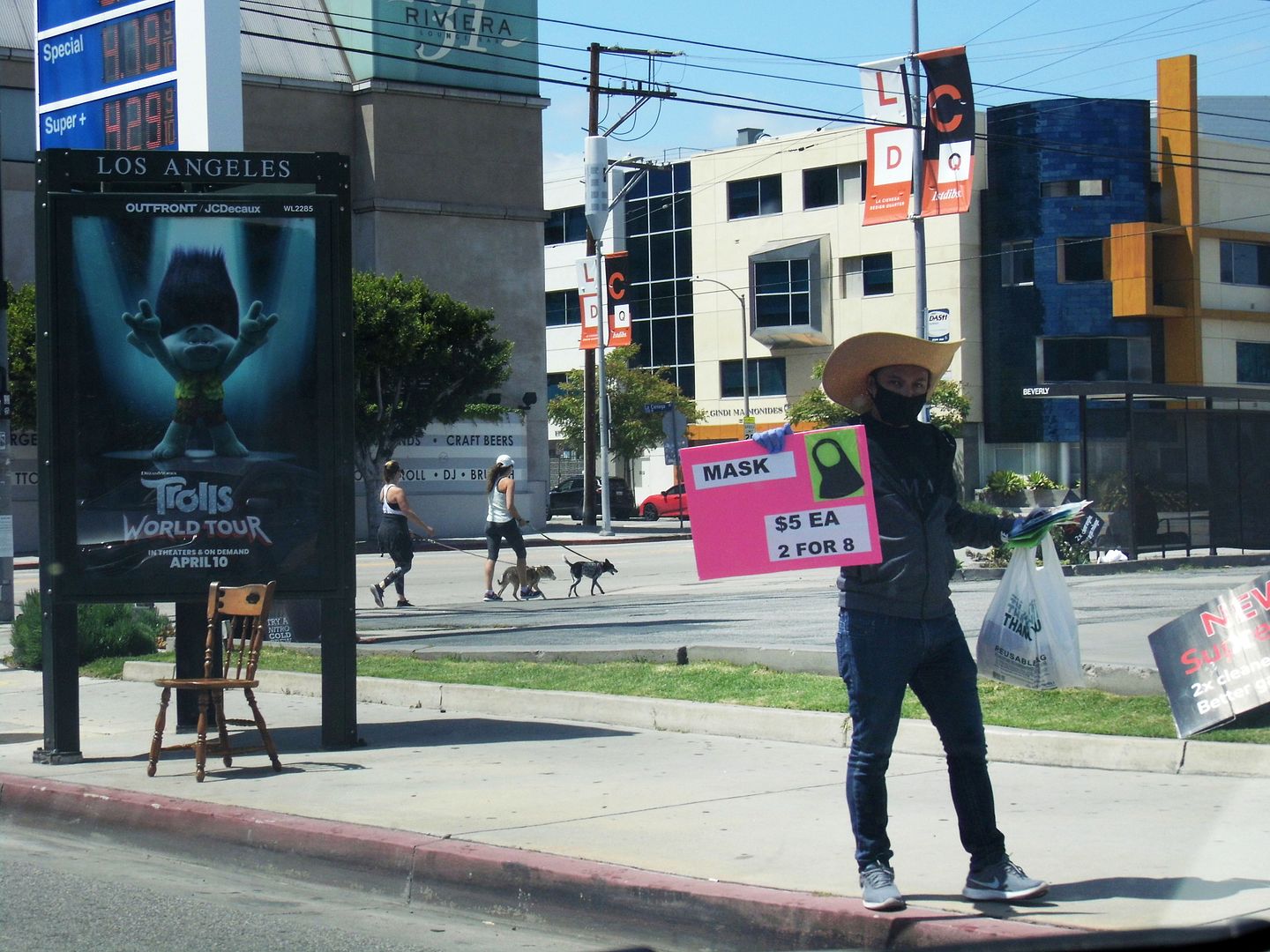
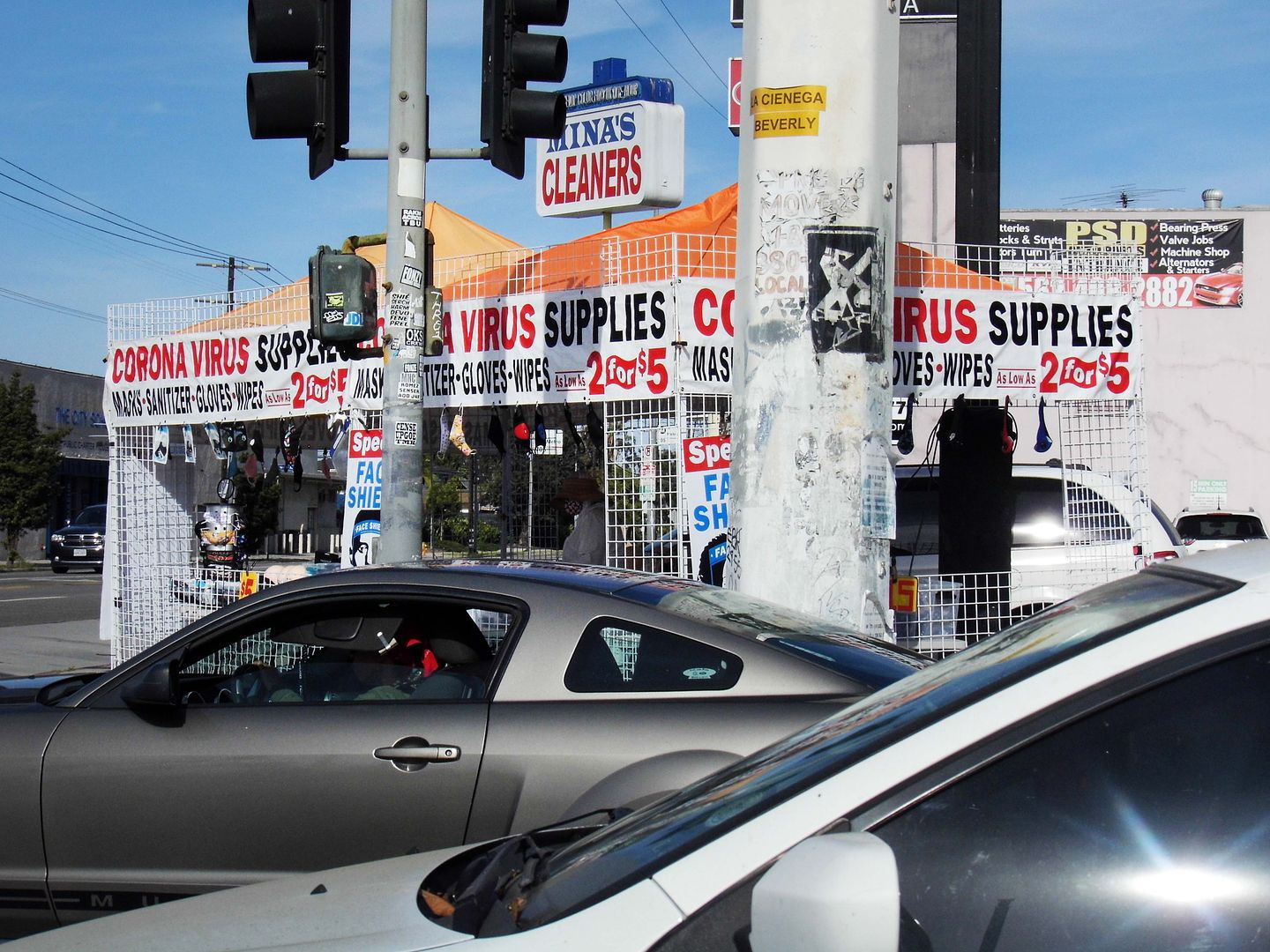
Sometimes during the shutdown, which restricted travel to essential purposes only, it was essential for me to get out of my apartment, get out of my own head, and get in the car—even if it was to indulge a certain morbid curiosity to document a SoCal I'd never seen before and hopefully would never see again.


The physical distance from people made me feel emotionally closer to both my friends and strangers. Radio DJs kept telling me, "We're in this together." And I believed them. That made me feel better.
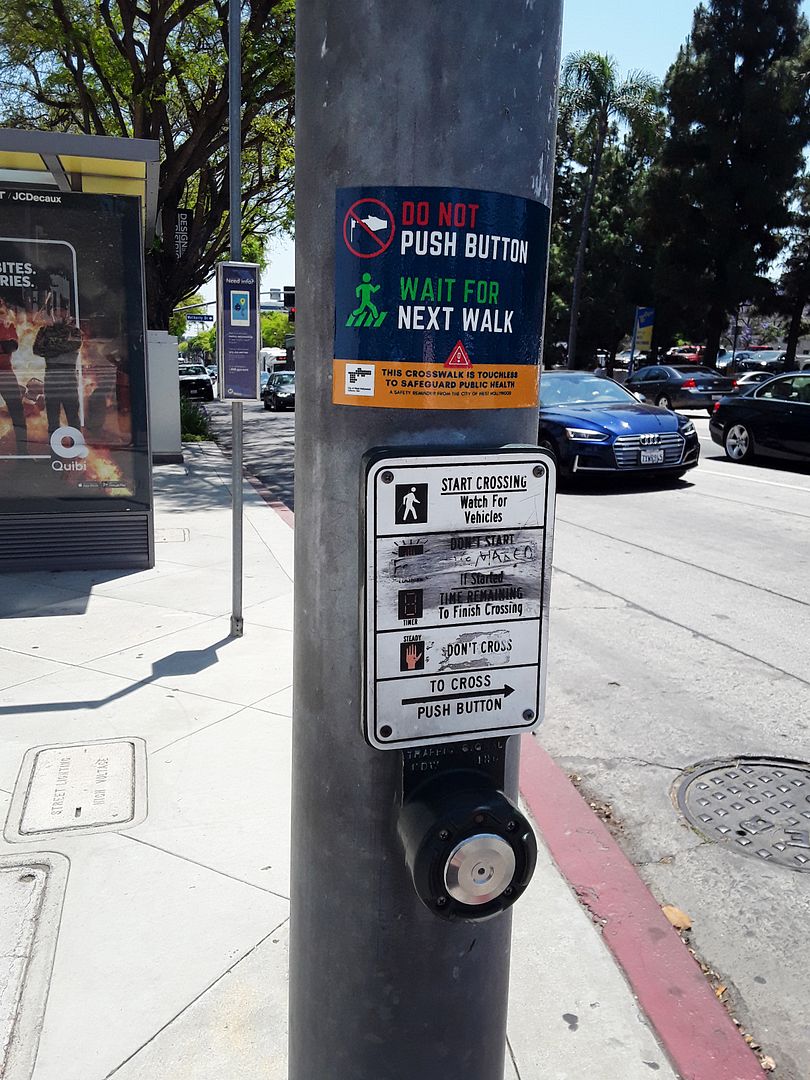


I knew there were people who didn't know me who'd be looking out for me if something were to happen.


But I was going to try to make sure I didn't wind up in their care.


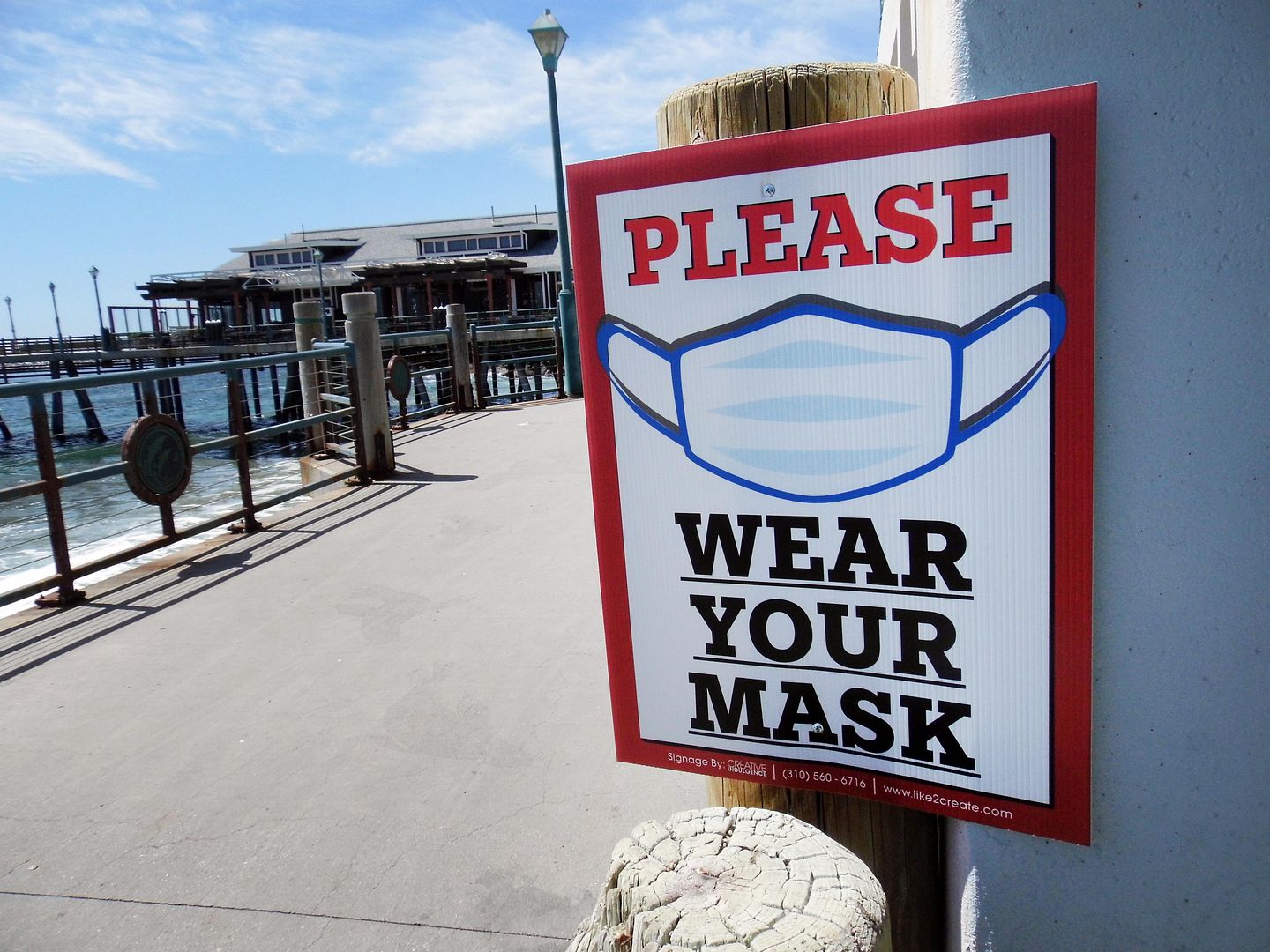
I masked up—but not to protect others. I selfishly wore a mask to protect myself.


And I still do.


I might still, even after the mask requirements are loosened.


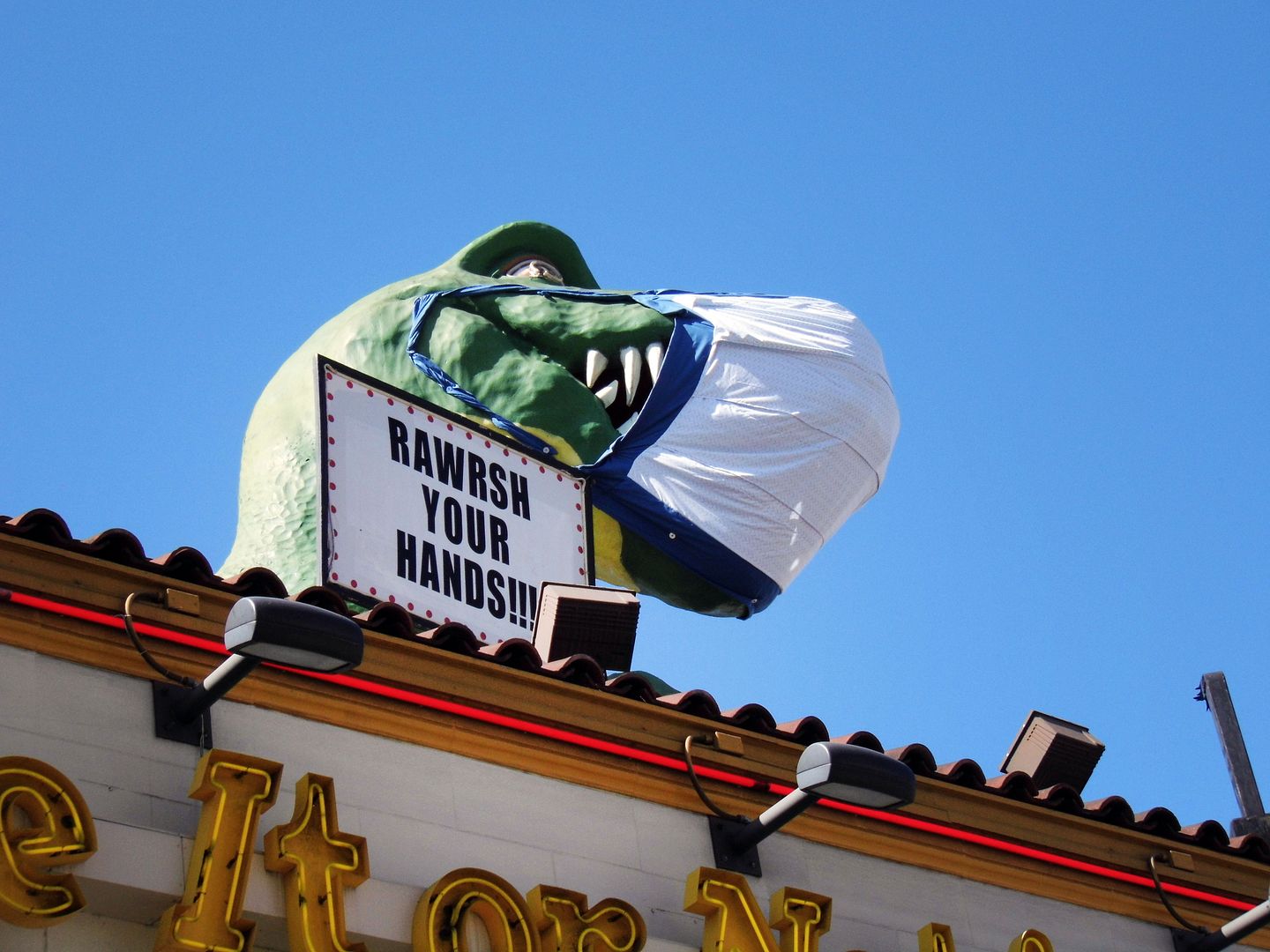
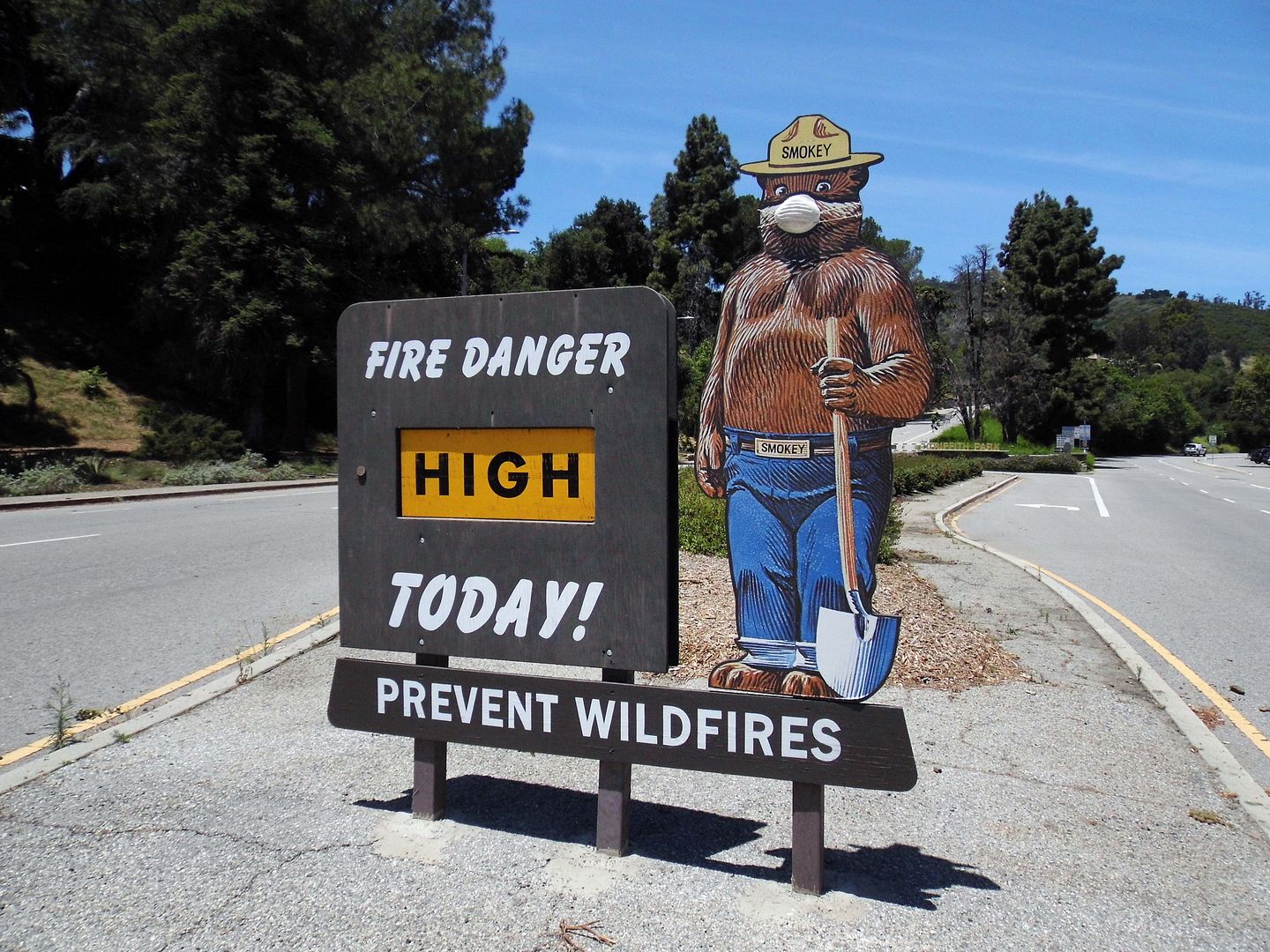
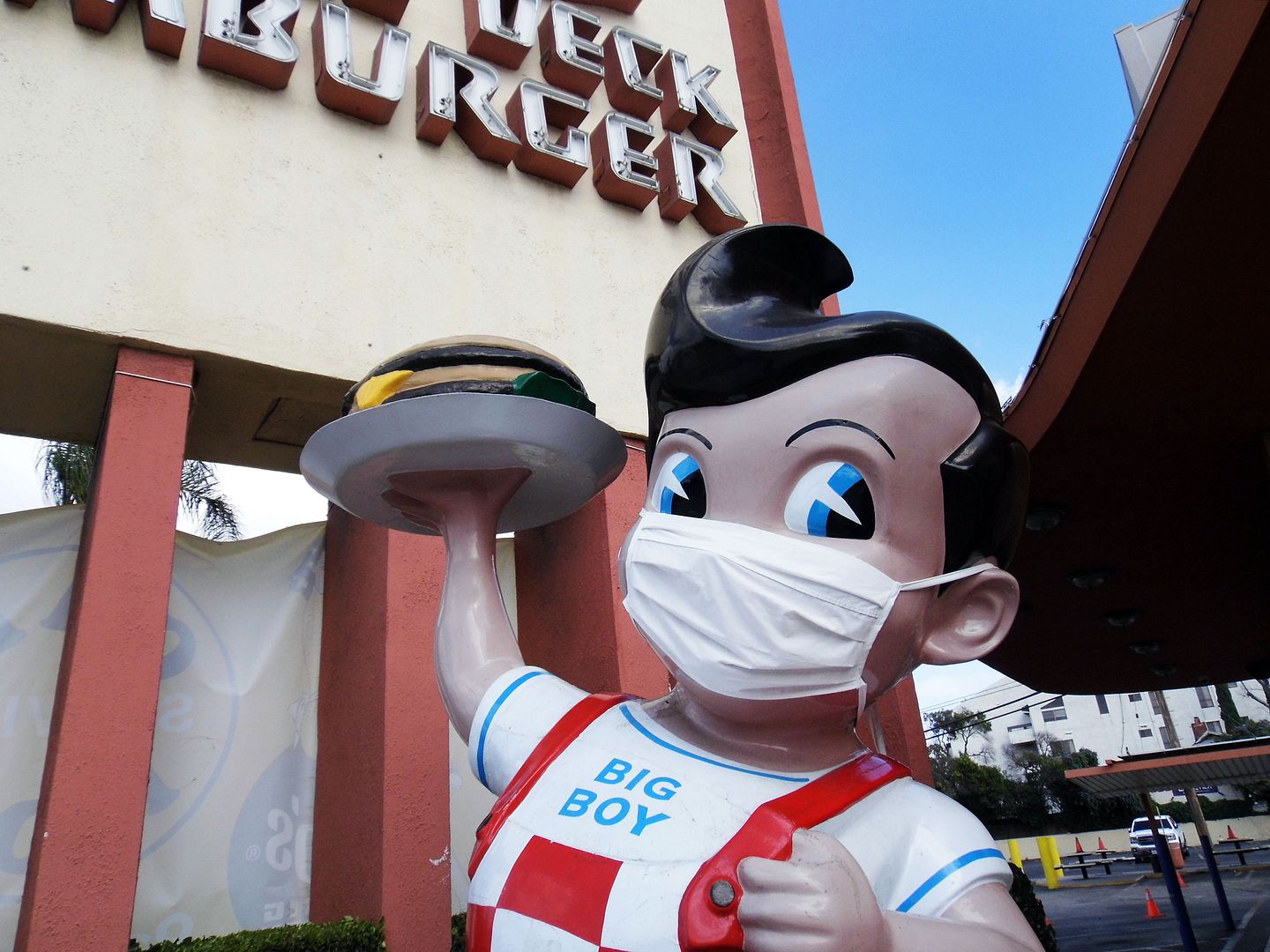
I'm writing about the COVID-19 health crisis now because with trails and dining rooms beginning to reopen, the first chapter of it has ended (though there are more chapters to come).


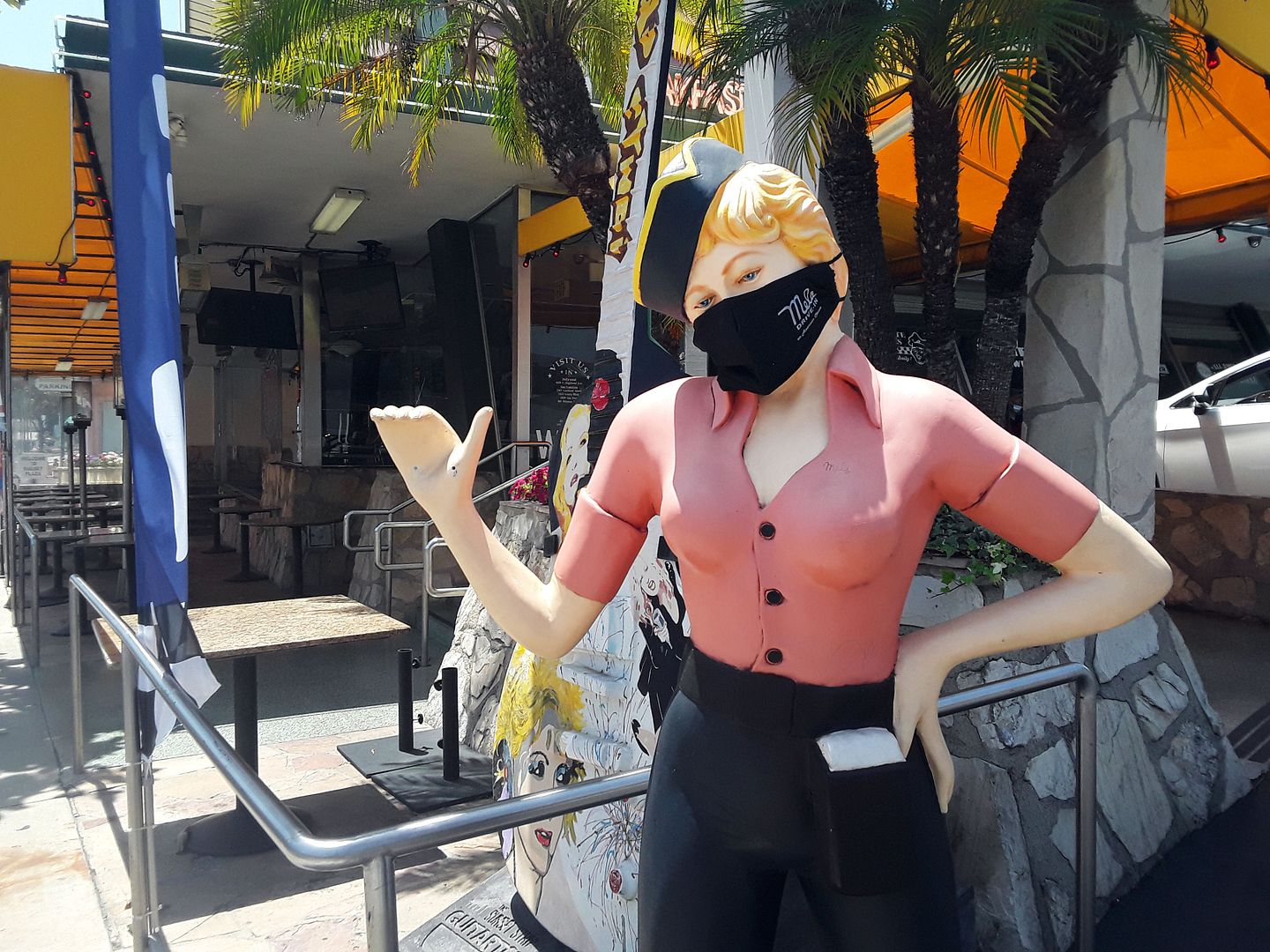
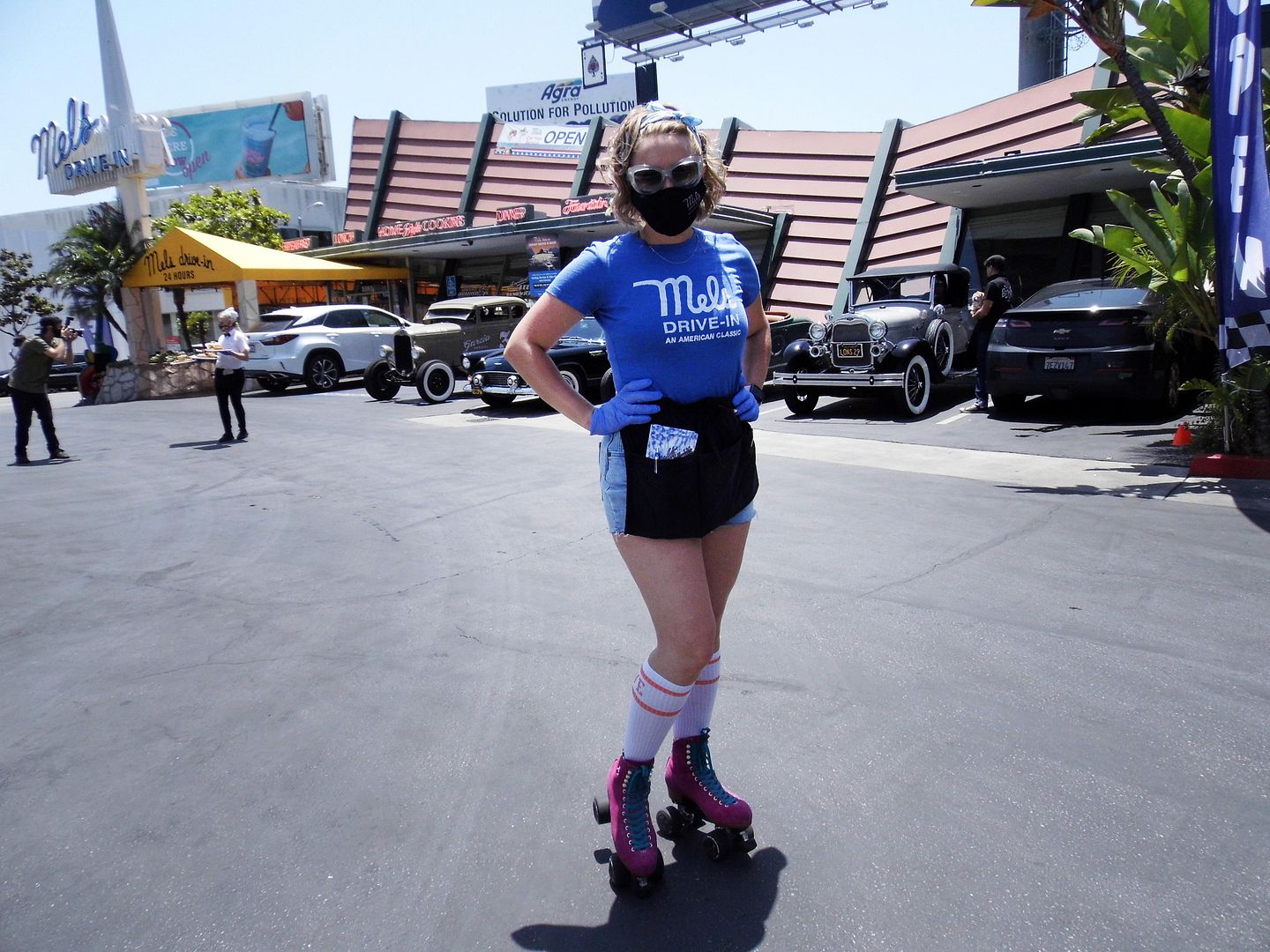
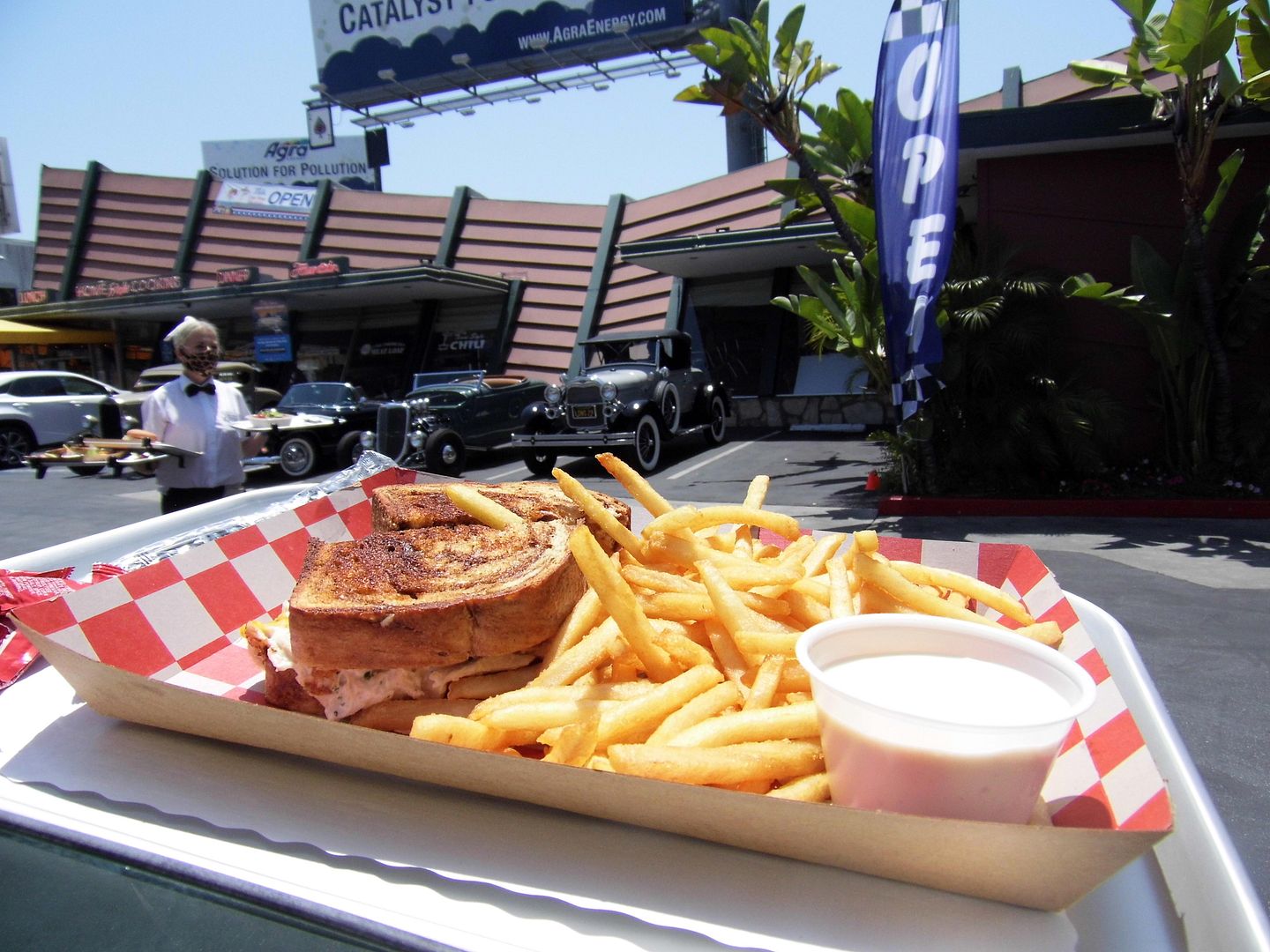
I'm glad to see that car hop service will continue at some places. I was having a good time eating in my car.
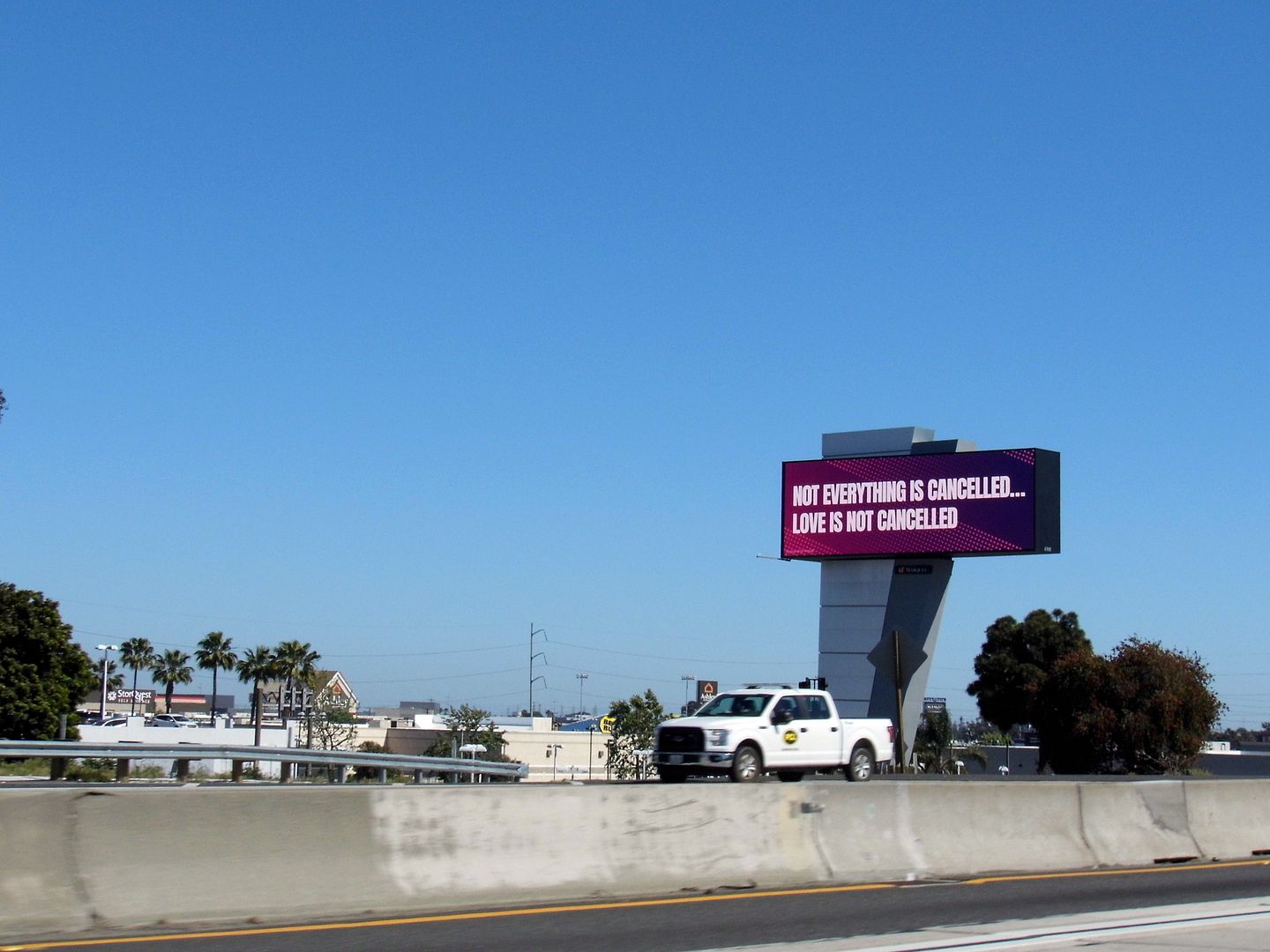
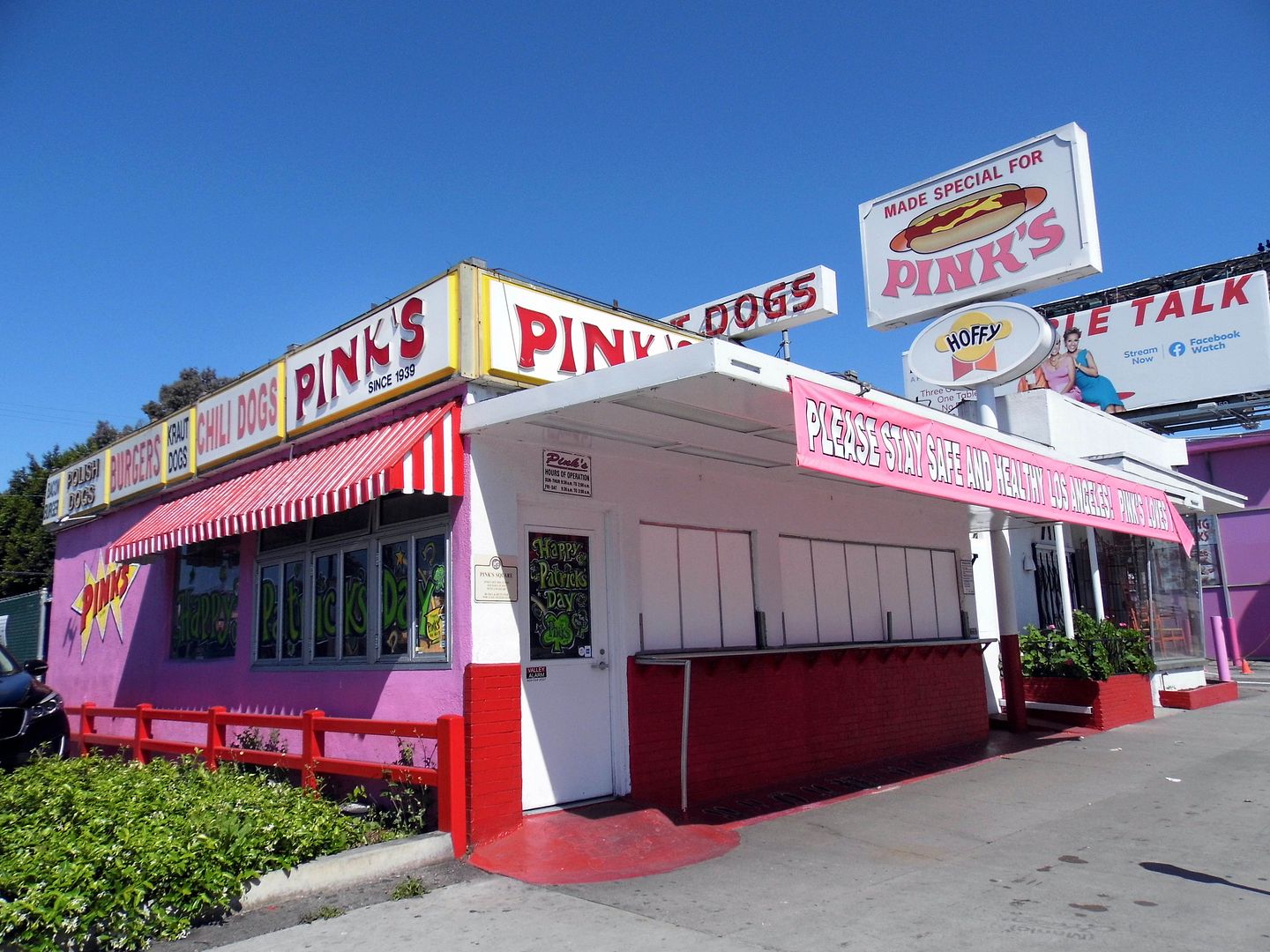


In fact, my car is pretty much the only place I've felt any sense of safety since this all started—since January, when I first caught wind of a "novel virus" that was on its way to California (though it had probably arrived before then).


While the majority of Southern California was shut down, I'd go anywhere—as long as I could stay in my car.


I used the pandemic as an opportunity to live out my American Graffiti dreams and reclaim some portion of the 1950s that I was born 15 years too late to enjoy.


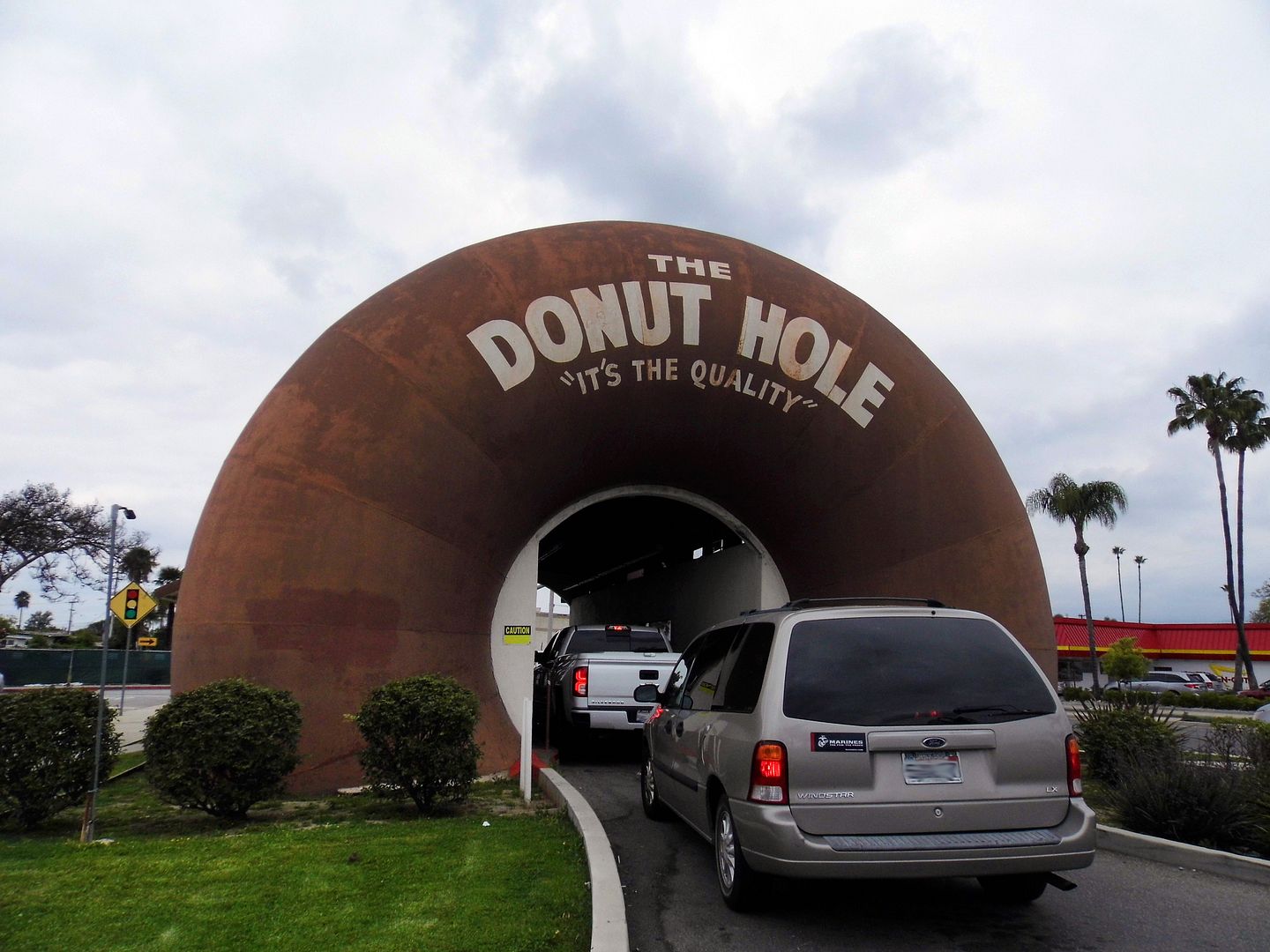
It was also an excuse to indulge in my donut obsession—especially a roadside donut tunnel I could drive through.


Behind the wheel, I felt invincible. Even curly fries couldn't hurt me.


And if everyone else was staying safe by staying inside, wasn't it the perfect excuse for me to go out and explore—blissfully alone?


At the first suggestion of "opening back up," I felt sad. I loved my little solo dates with Los Angeles, those get-to-know-you moments that usually only occur at the beginning of a relationship.

Nine years in, I realized there was still more to learn about LA—and about myself—and about myself in LA.

I'd feel better about the loosening of the restrictions if that meant the coronavirus were gone or that people weren't getting sick or dying. But that's not the case.

The virus hasn't gone away. And neither has the risk.

We've just normalized the risk.

And it seems that most people are willing to sacrifice their own health—and the health of their customers—in order to stay in business.

But the more other people go out, the more I stay in.

They say another "wave" of infections is coming in the fall, with cooler weather and the start of cold and flu season.

I'm hoping to get a few safe activities in before then, maybe a day or two off and even a hotel stay or a dip in the pool.

But I'm bracing myself for what's to come.

Related Posts:
Quarantine Angst?
My First Outbreak
Peaking Poppies In a Pandemic