Search

Showing posts with label Tiki. Show all posts

November 21, 2025

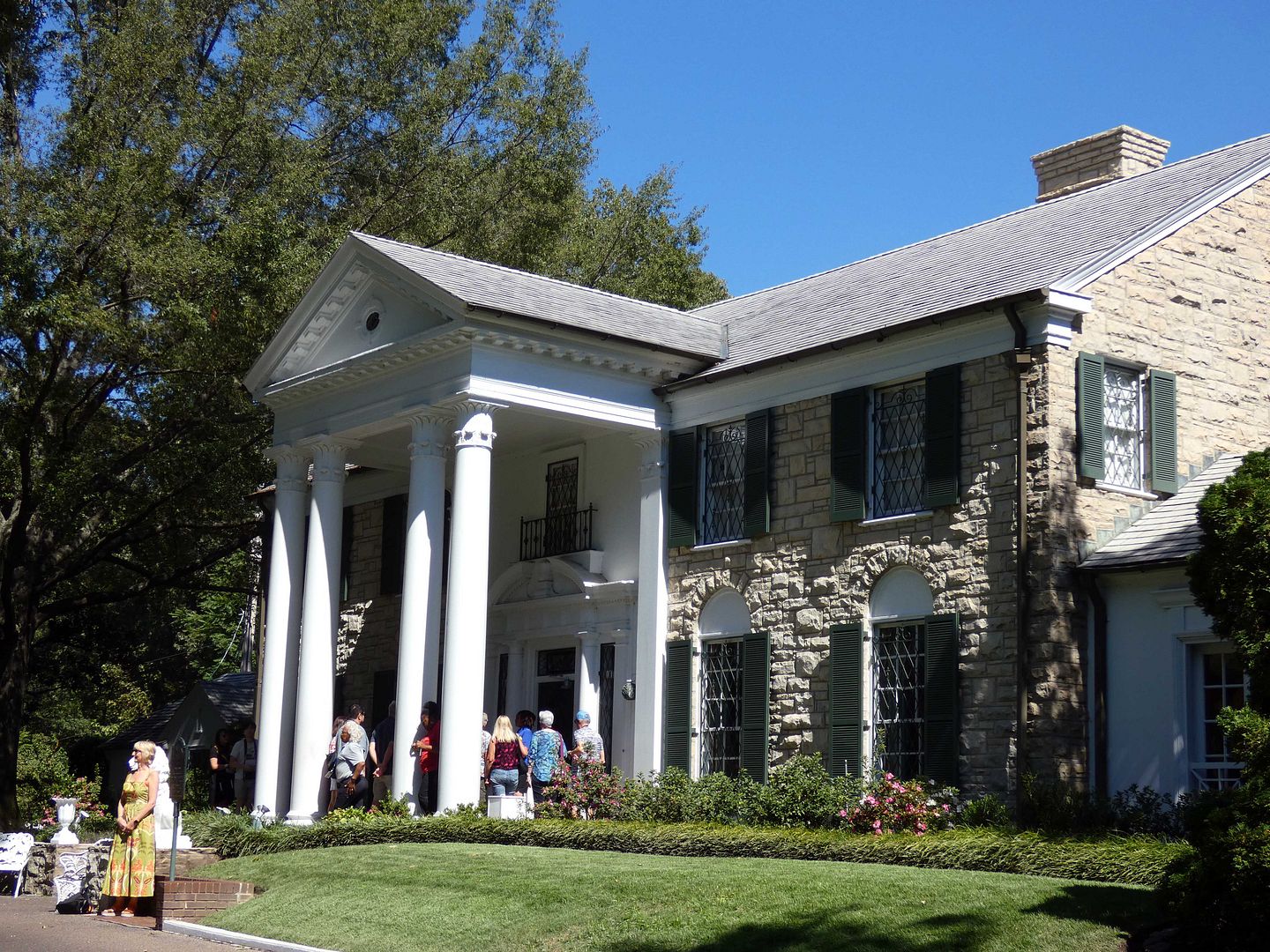
Photo Essay: An Emotional Visit to Graceland, A Trippy Voyage Back to the 1970s

Memphis had been on my bucket list for a long time—but I kept regretting not going when I was a lot closer to it geographically while I was living in New York City. 

I couldn't fit it in during my trips to Tennessee when I flew to Knoxville for a wedding in Chattanooga in 2005 or Nashville for the Kentucky Bourbon Festival in 2007. And after moving to California in 2011, Memphis has just always felt so far. 

It was the type of trip I hadn't allowed myself to splurge on, which made it the perfect way to celebrate a milestone birthday. 


The lynchpin to my birthday trip was, of course, Graceland—the historic home of Elvis Presley from 1957 until his death in 1977. 

August 06, 2024

Photo Essay: The Mirage Disappears from the Las Vegas Strip, Where a Giant Guitar Will Replace the Erupting Volcano

There's only one Vegas hotel I've liked enough to stay at more than once—or, unlike the Riviera, that stuck around long enough for me to stay at more than once.
 
circa 2022

That's The Mirage—which just closed in July 2024 to begin its conversion into the Hard Rock Las Vegas. 

March 08, 2024

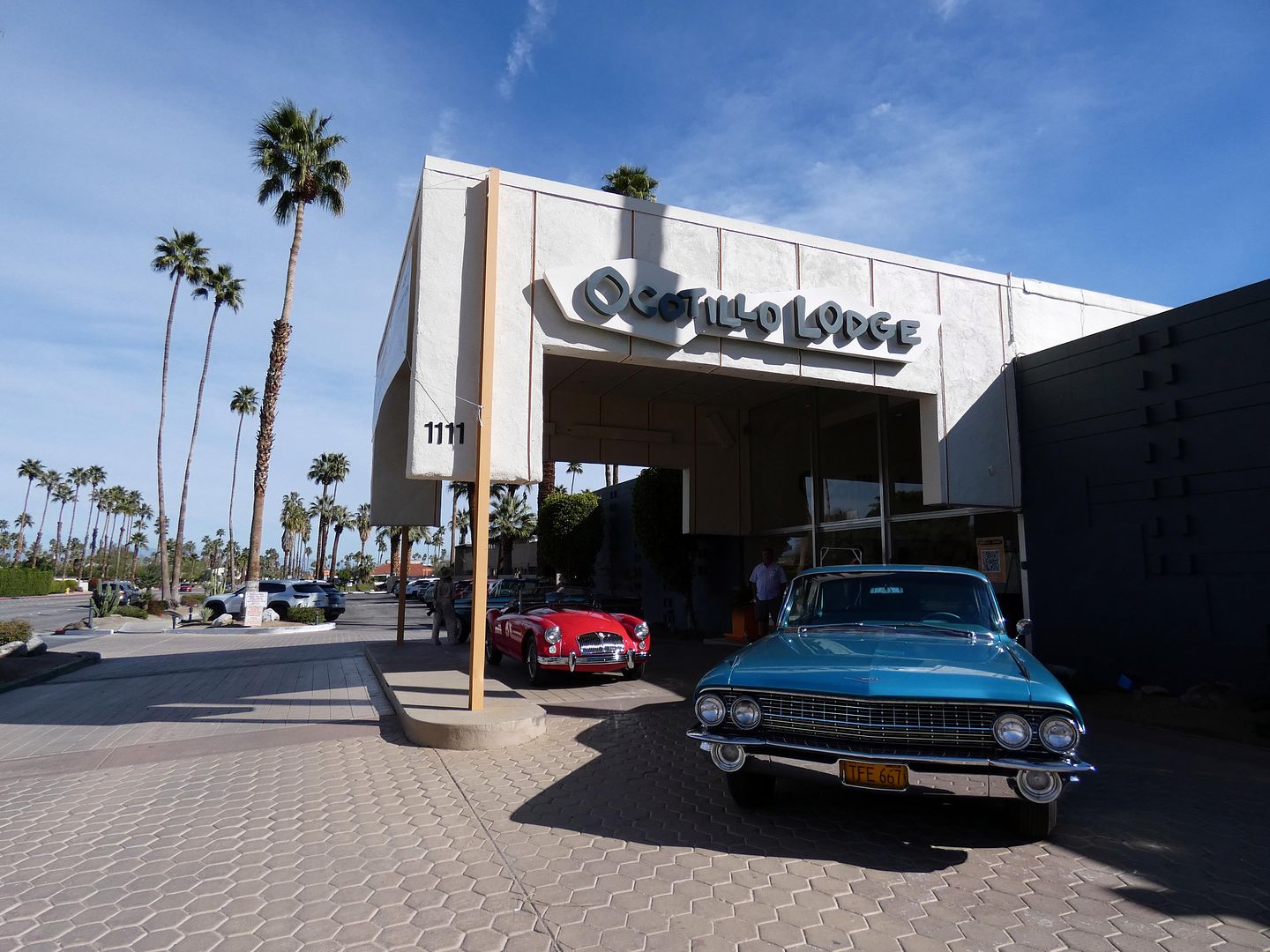
Photo Essay: Desert Resort Living In a Mid-Century Modern Lodge

It's one of those places I'd drive past so many times—and never really understood what it was. 

I thought the Ocotillo Lodge on East Palm Canyon Drive in Palm Springs was a motel, and that it was being converted into condos. 


The real story is that it was a hotel (kind of)—and then it was converted into condos in the 1990s. But right now, it's going through an upgrade/restoration. 

February 22, 2024

Photo Essay: A Modernism Week Shimmy Through the Shag House, Palm Springs

I wasn't sure I needed to see the so-called "Shag House," having already visited artist Josh Agle's own abode (which he decorated) as well as that of a superfan neighbor of his. 


Turns out, this circa 1958 Modernist home—designed by the architecture duo Palmer & Krisel for the Alexander Construction Company—was the Modernism Week tour I just didn't know I needed to take. 

January 25, 2024

Photo Essay: The Tonga Room, A Tiki Bar Survivor of Some Near Misses

I hadn't been to San Francisco for any proper amount of time since 2006—and back then, the only tiki bar in the area I knew about was the now-closed Trader Vic's. 

I didn't find out about the other Bay Area tiki bars until well after I'd returned home. 

And since then, the Tonga Room has been on my bucket list. 

Oh, I did make it to SF for a couple of hours in 2022. My friends and I even made it to Forbidden Island in Alameda on that trip. 

But I had much more tiki-ing to do. 

Google Street View circa Feb. 2023

So when I finally got back to the city by the bay earlier this month, I made sure to cross some more off my list—Pagan Idol, Zombie Village, Smugglers Cove, and, of course Tonga Room.

October 15, 2023

Photo Essay: Covina Bowl, Partially Preserved, Awaits Its Second Chance

It was New Year's Day. I was hung over but I'd managed to go on an adventure with the guy I was dating at the time, the same guy who'd wimped out on our New Year's Eve plans the night before. 

We were headed back to LA from Pomona, and he was driving. 

"Can we please drive by Covina Bowl?" I asked. 

"I don't want to go bowling..." he said, probably flatly, though I heard it as a whine. 

"I just want to see it."

And so we drove up to the mid-century bowling palace and walked in the front door. My date was sighing. 

I took a quick look around and said, "OK, I've seen it."

We turned around, walked away, and went back home. 

I didn't know back then that Covina Bowl would close for good in 2017. And that I would never get more than a passing glance at it in all its glory, never get the chance to roll a ball down its lanes. 

But life is full of strikes and gutters, ups and downs. 

 circa 2022

And fortunately, part of Covina Bowl still remains. And part of it will one day reopen to the public to enjoy once again. 

April 05, 2022

Photo Essay: Farewell to Oceanic Arts, The Emporium of Exotica That's Closing After 65 Years

The first time I visited Oceanic Arts in Whittier, California, I wasn't in the market to buy any tropical or Polynesian decor. But since it's the world's leading supplier of it—and the longest continually operating manufacturer of such products—it felt like a pilgrimage I needed to make. 


March 01, 2022

Photo Essay: A 1960s Tropical Enclave for Jewish Seniors, Now a Mid-Century Historic District

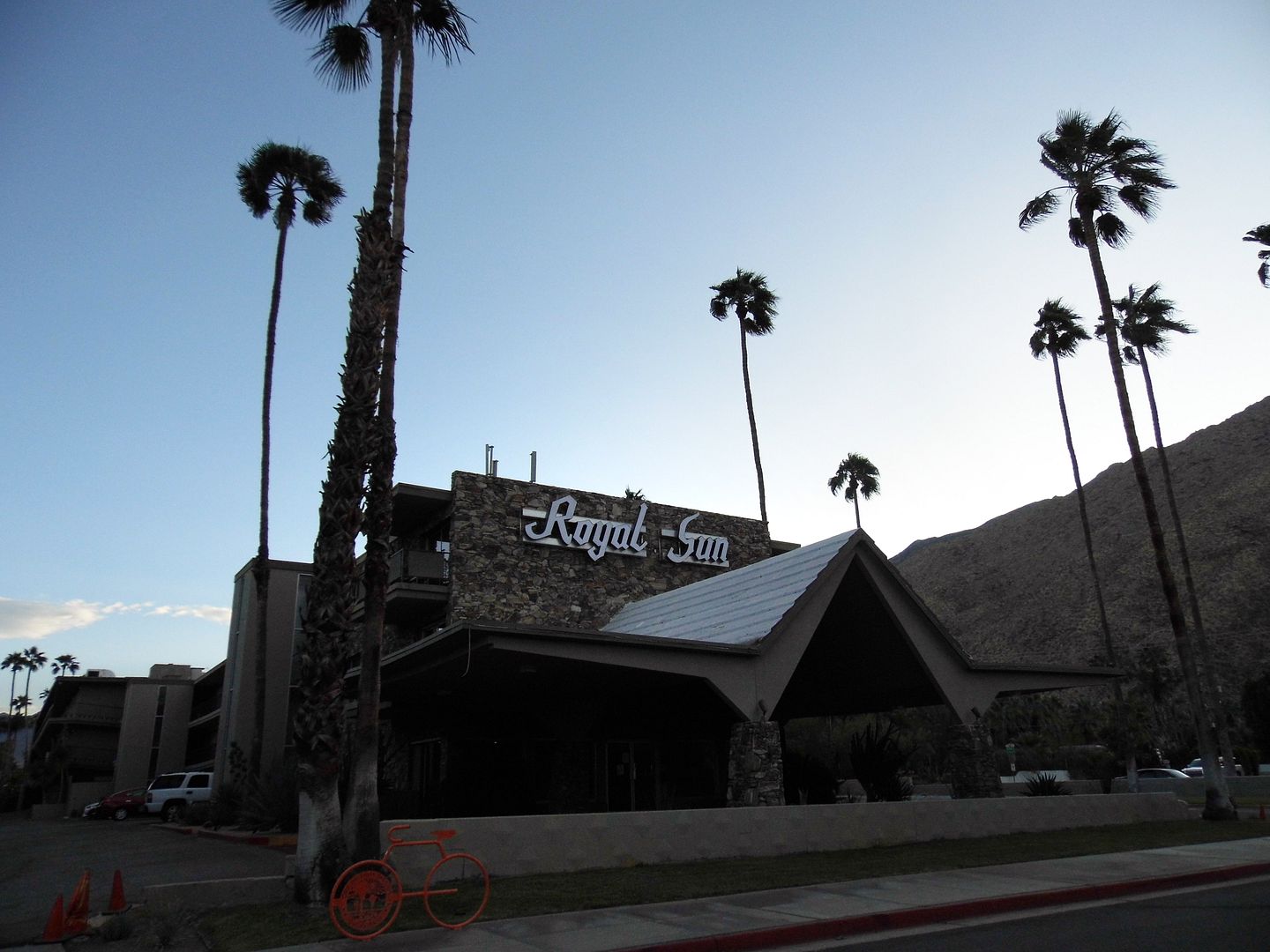
It all started when I stayed at Rodeway Inn's Royal Sun motel in Palm Springs, California back in November 2020. 


September 27, 2021

A Hawaiian Village Hideaway in the San Fernando Valley Holds Its Annual Luau, 2556 Miles from Honolulu (Updated for 2024)

[Last updated 10/14/24 12:00 PT PM—Photos of the bomb shelter in the museum added, plus details about the luau.]

In the San Fernando Valley neighborhood of Sherman Oaks, there's a 10-acre community of resort-style residential living that captures the mid-20th century perception of Hawaii and living in island style—though it's—a whopping 2556 miles from Honolulu. 


circa 1963 (Joan Huntington on left, Heidt on right) via LAPL

What began as a horse ranch had begun to transform into the hidden oasis it is today—Horace Heidt's Magnolia Estate Apartments—when 1930s big band leader Horace Heidt started building in 1955. 

February 26, 2021

Requiem for Fry's, The Quirkiest Electronics Stores There Ever Were [Updated for 2025]

[Last updated 4/13/25 9:21 PM PT—The Los Angeles Times reported that the former Fry's building in Burbank was demolished last week.]

[Updated 3/13/21 3:14 PM PT—architect info added]

I can't remember the first time I drove past Fry's Electronics in Burbank, California—whether it was on an early business trip to LA or after I'd officially moved here in 2011—but it felt like it had always been there. 


And as much of an oddity it was, with a flying saucer having crash-landed into its front entrance, it never occurred to me that it wouldn't always be there. 

December 21, 2020

Pandemic Amusements: Volcano Wash With a Lava Bath and Tornado Dry

Ever since Southern California went back on lockdown—hardcore—in November, I've been trying to reclaim the amusements that kept me going early on in the pandemic.
 

All the tiki bars and restaurants may be closed for COVID-19—but at least the tiki-themed car wash in South Gate, California is open for business. 

  
Located southeast of Los Angeles in the "Gateway Cities" region—which also includes the cities of Paramount, Downey, Santa Fe Springs, Bell Gardens, and more—it feels appropriate for South Gate to have a car-themed attraction, as it was once home to a GM automobile plant called South Gate Assembly (which closed in 1982). 
 

South Gate is, however, incredibly far from any tropical place that might experience a "mega typhoon" or volcanic eruption. 


But in true theme park style, Tiki Tour Express Wash patrons are invited to "enjoy the ride" through the tunnel...

 
...with its preternaturally blue waterfalls that are so blue, in fact...


...they practically beckon you to dive right in. 

 
Instead, you drive right through the foaming lava bath...

 
...catching a glimpse of a stoic gorilla waiting in the wings.


Of course, it's not a real lava flow. 


Thankfully, I was just there for the wash and not to become molten.

 
And as the tornado-force winds blew my washed car dry, I giggled as I always do, entertained to no end, momentarily forgetting about all the places I love that I can't go to right now.
  
Related Posts:

October 06, 2020

A Last Chance Stay at a Hollywood Producer's Former Fantasy Island Getaway, Paradise Point Resort (For Now)

For my birthday last week, I was at a bit of a loss as to how to celebrate—or whether to even try to celebrate at all. 

After all, it doesn't feel like there's much to celebrate in 2020. 

But I'd already put in for three days off from my dayjob (having planned to attend the now-canceled Central Coast Railroad Festival). And I've only taken one other day off all year (and that was an emergency mental health day during the protests that had police tear-gassing illegal assemblies in my neighborhood). 

It felt like I deserved some vacation days. Even if vacations aren't really a thing right now, with pandemic travel still restricted. 

But over the last six months or so, I have had a couple of good hotel getaways—whether just for the day or for a single overnight a short distance away. 

And because all my trips have been canceled this year, I feel OK about splurging a little on a place I would not normally treat myself to. 

That's how I ended up at Paradise Point Resort in San Diego's Mission Bay. 


I knew it would be a tropical paradise, with outdoor dining and no less than five pools. And I knew that Tiki Oasis had recently held the pandemic version of its convention there—so it might provide some approximation of a tiki-cation. 


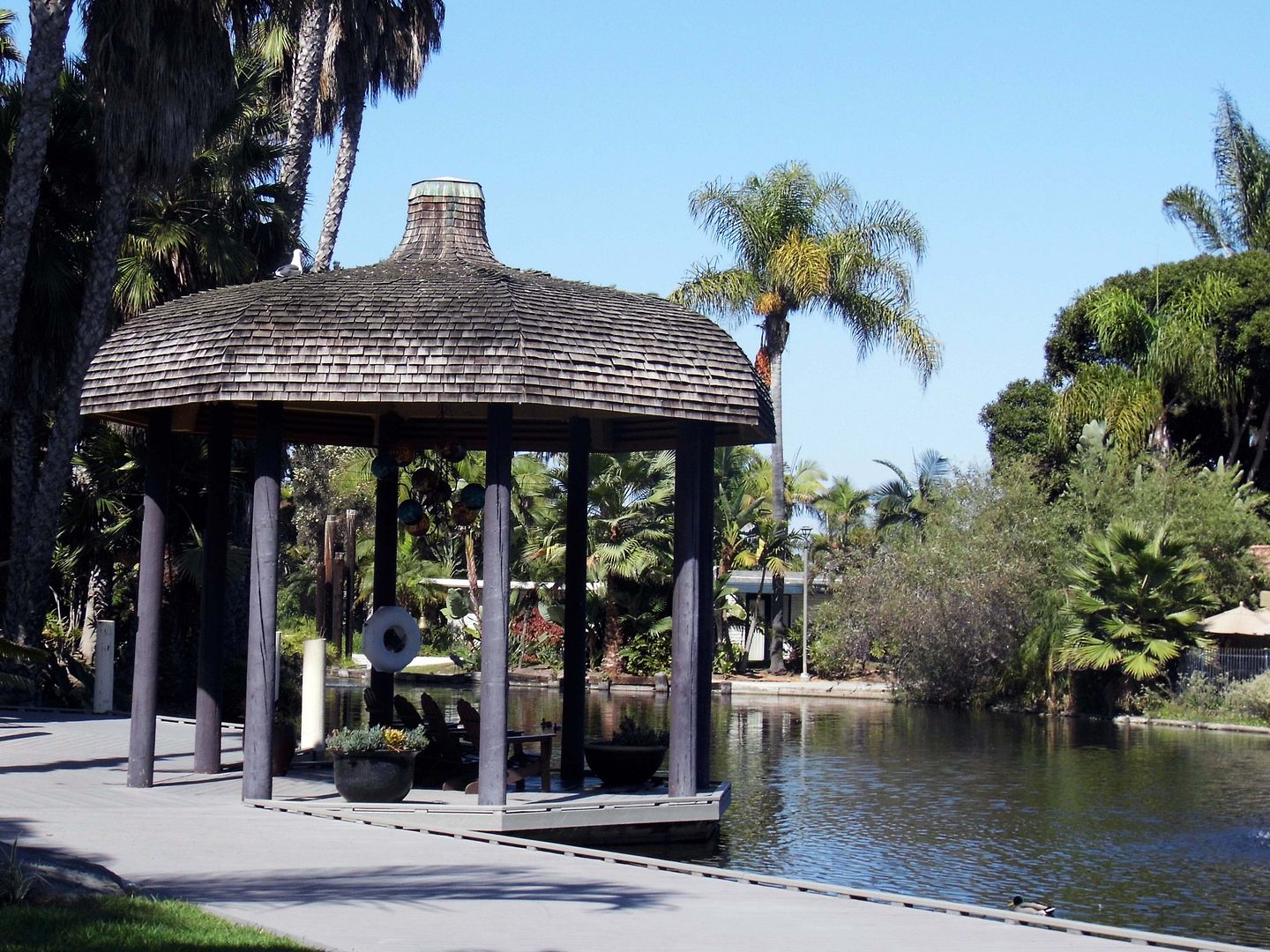
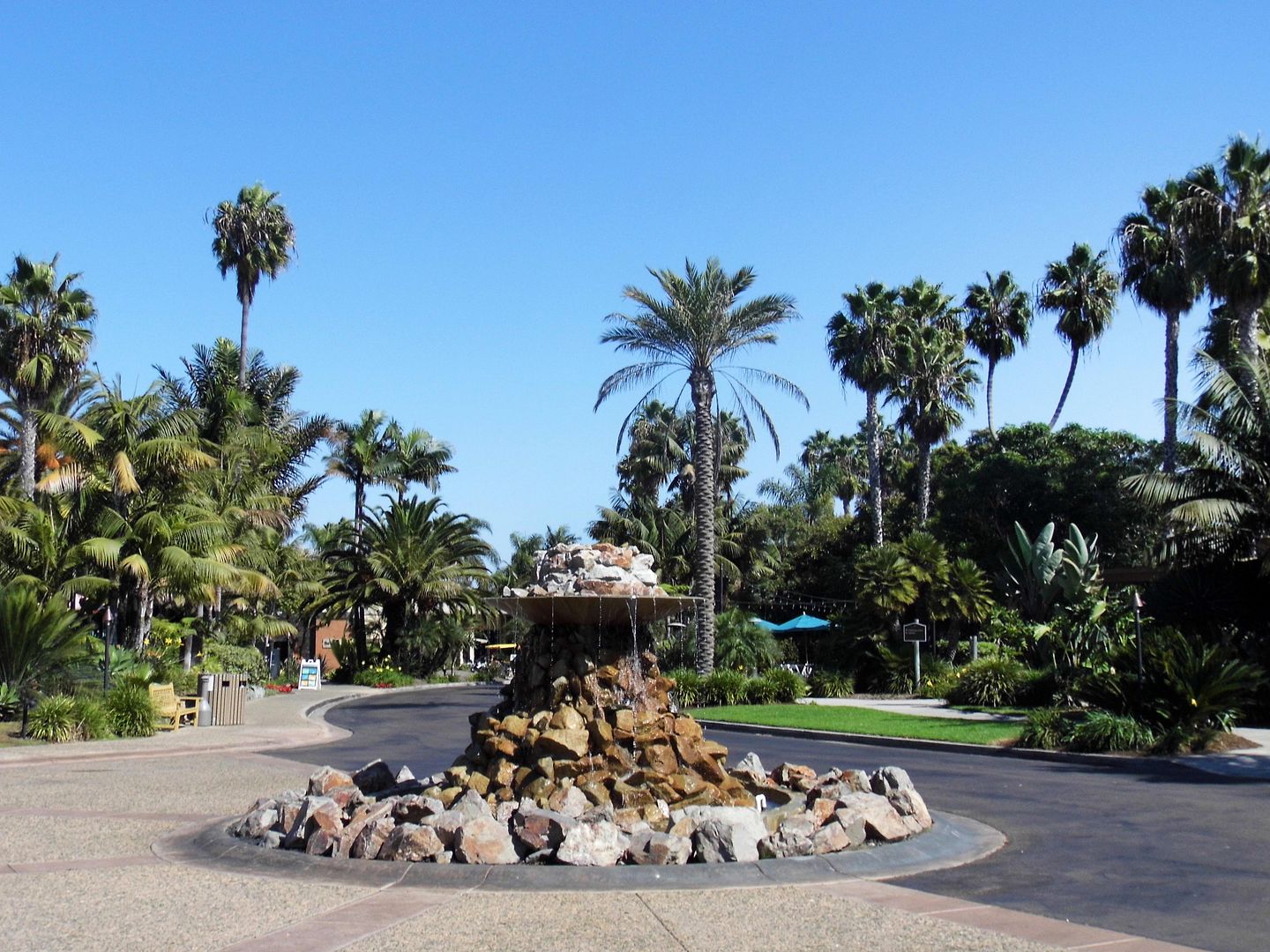
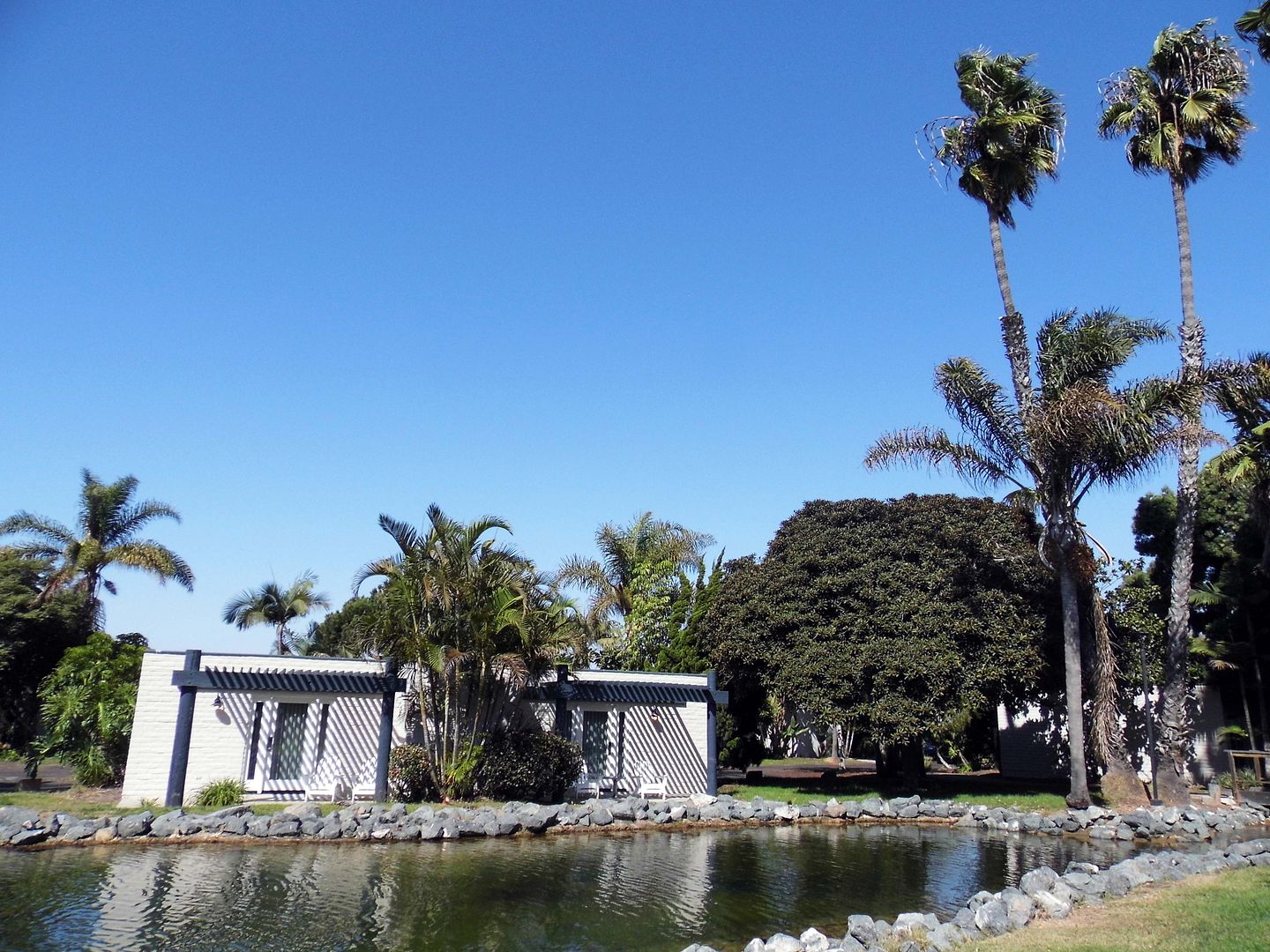
But upon turning down Vacation Road, circling around the entryway fountain and parking within spitting distance of the shake shingle kiosks that line the main lagoon, I had no idea how much history I was about to encounter. 


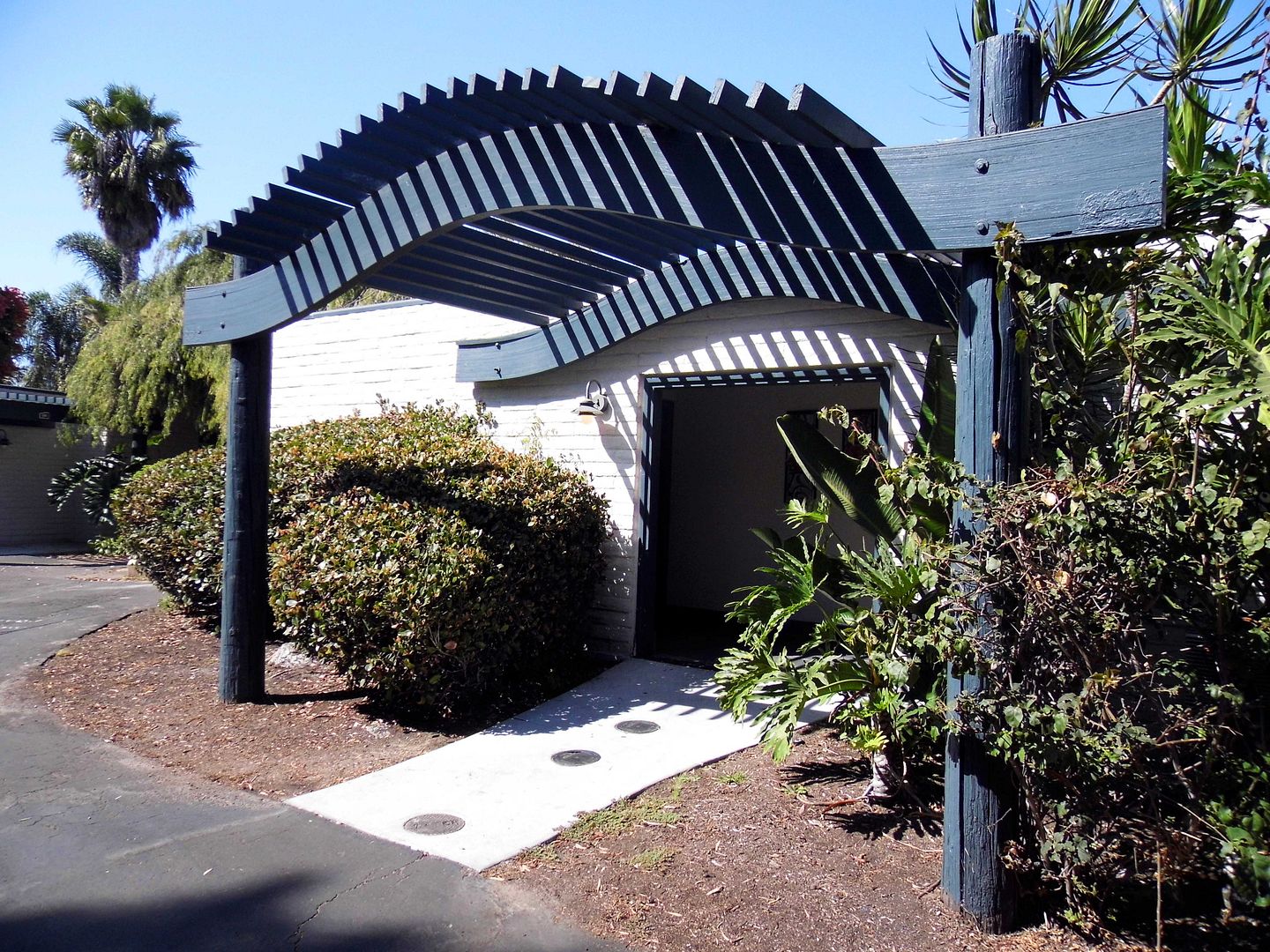
Oh, I'd been to Mission Bay before—to ride The Giant Dipper at the nearby Belmont Park. But I hadn't realized what an influence that wooden rollercoaster (once known as the Earthquake) would have on the local architecture—inspiring the undulating roofline and interior ironwork of the main lobby building of Paradise Point. And that's just for starters. 


The 1920s rollercoaster and the amusement park that contains it actually pre-dated what we know today as the Mission Bay Aquatic Park by decades. It wasn't until 1958 that the San Diego city council approved a master plan to dredge the tidal marsh and create 30 miles of shoreline beaches, grassy knolls, water recreation areas, Sea World, and resorts like Paradise Point—making it the largest man-made aquatic park in the country. 


While that was happening, Hollywood producer Jack Skirball—a Pennsylvania-born former rabbi who left the rabbinate in 1933—had gotten into family entertainment and recreation by delving into bowling alleys. But the bigger fish for him turned out to be transforming a treeless, manmade island called Tierra del Fuego into "Vacation Isle"—home of his South Seas-inspired Vacation Village resort, which opened in 1962.


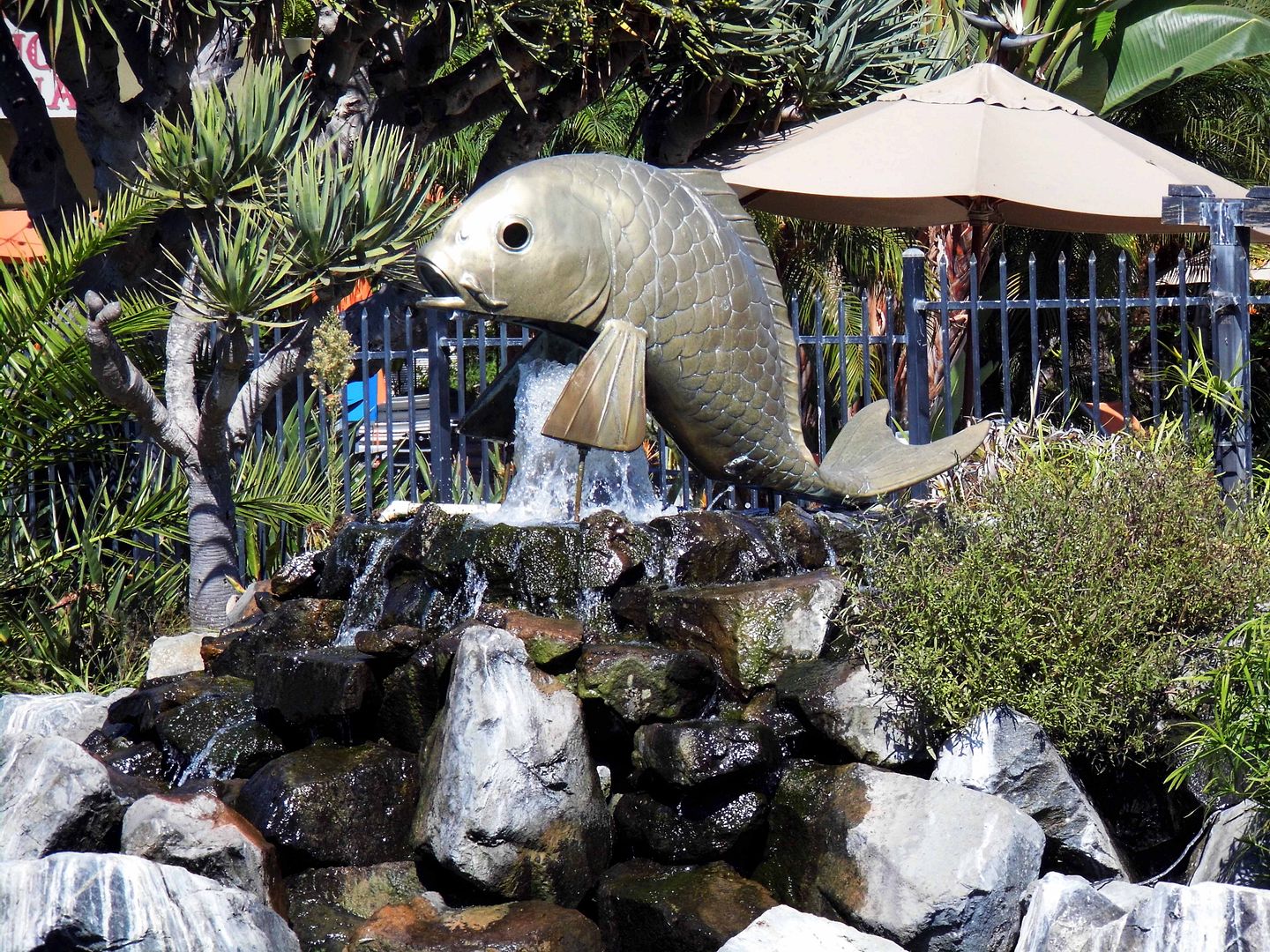
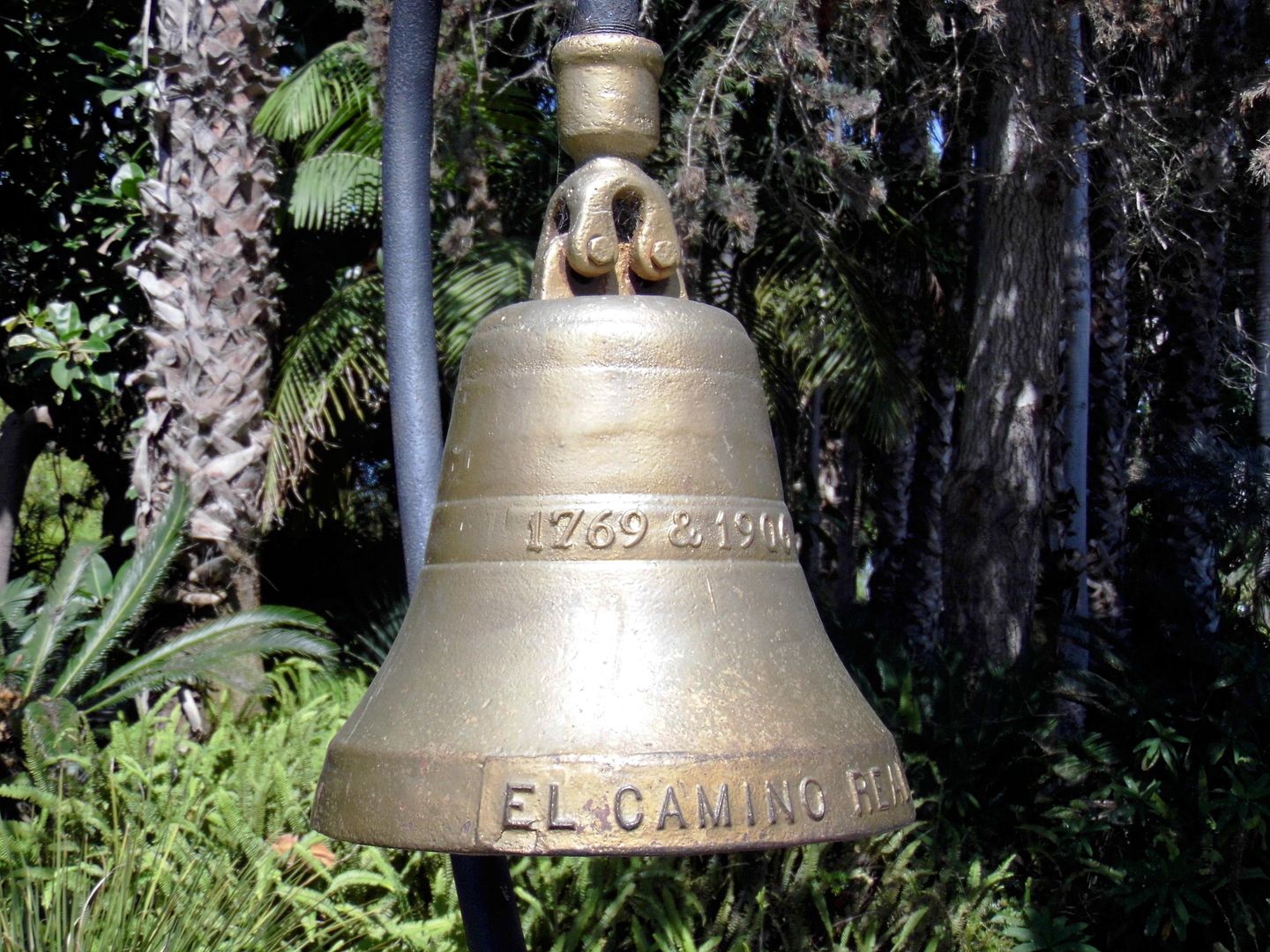
Of course, Skirball made sure Vacation Village had a dash of Hollywood magic here and there—including California's largest collection of original mission bells and screen-used artifacts like the porpoise fountain from the Elizabeth Taylor version of Cleopatra (1963).


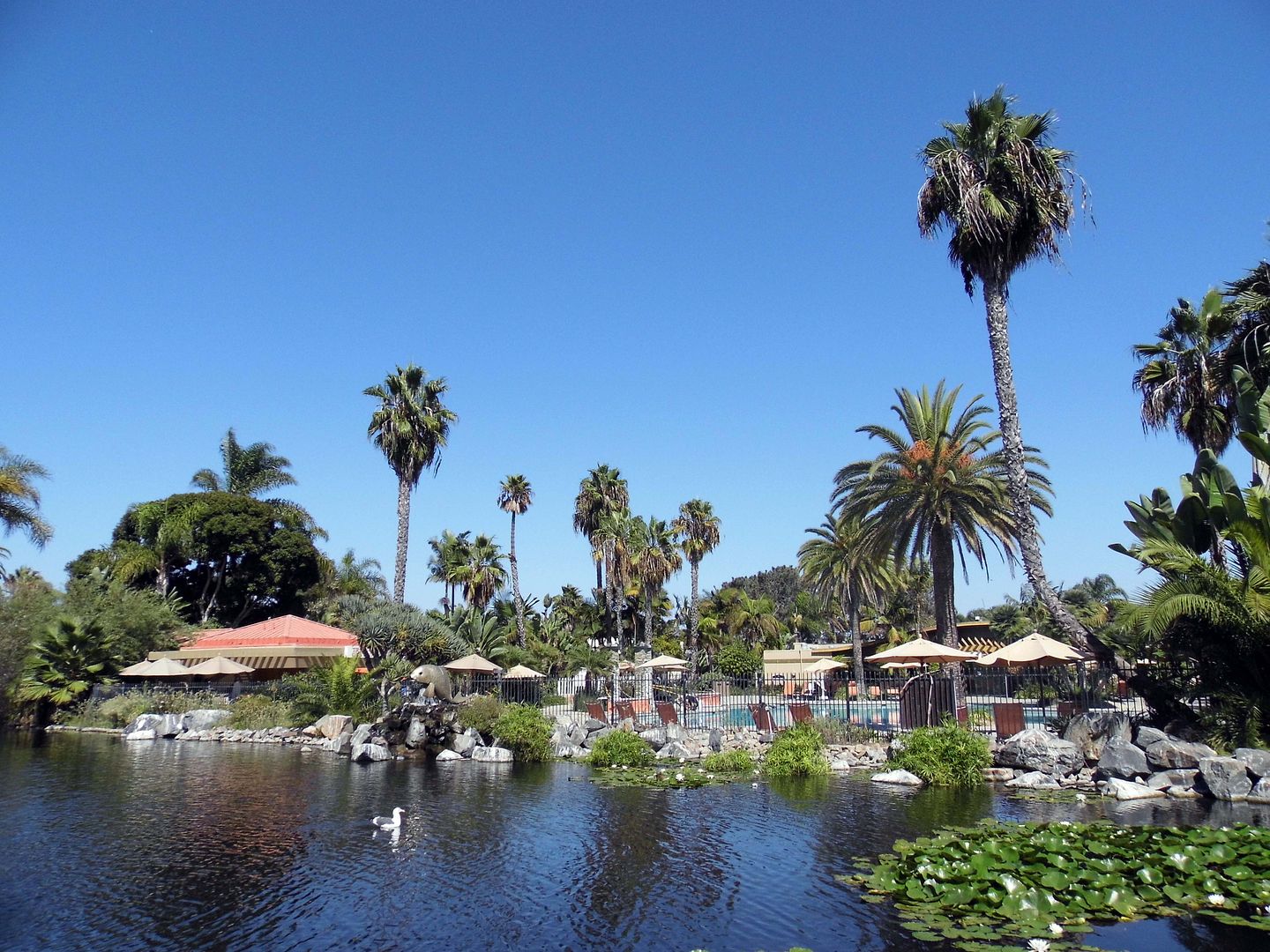
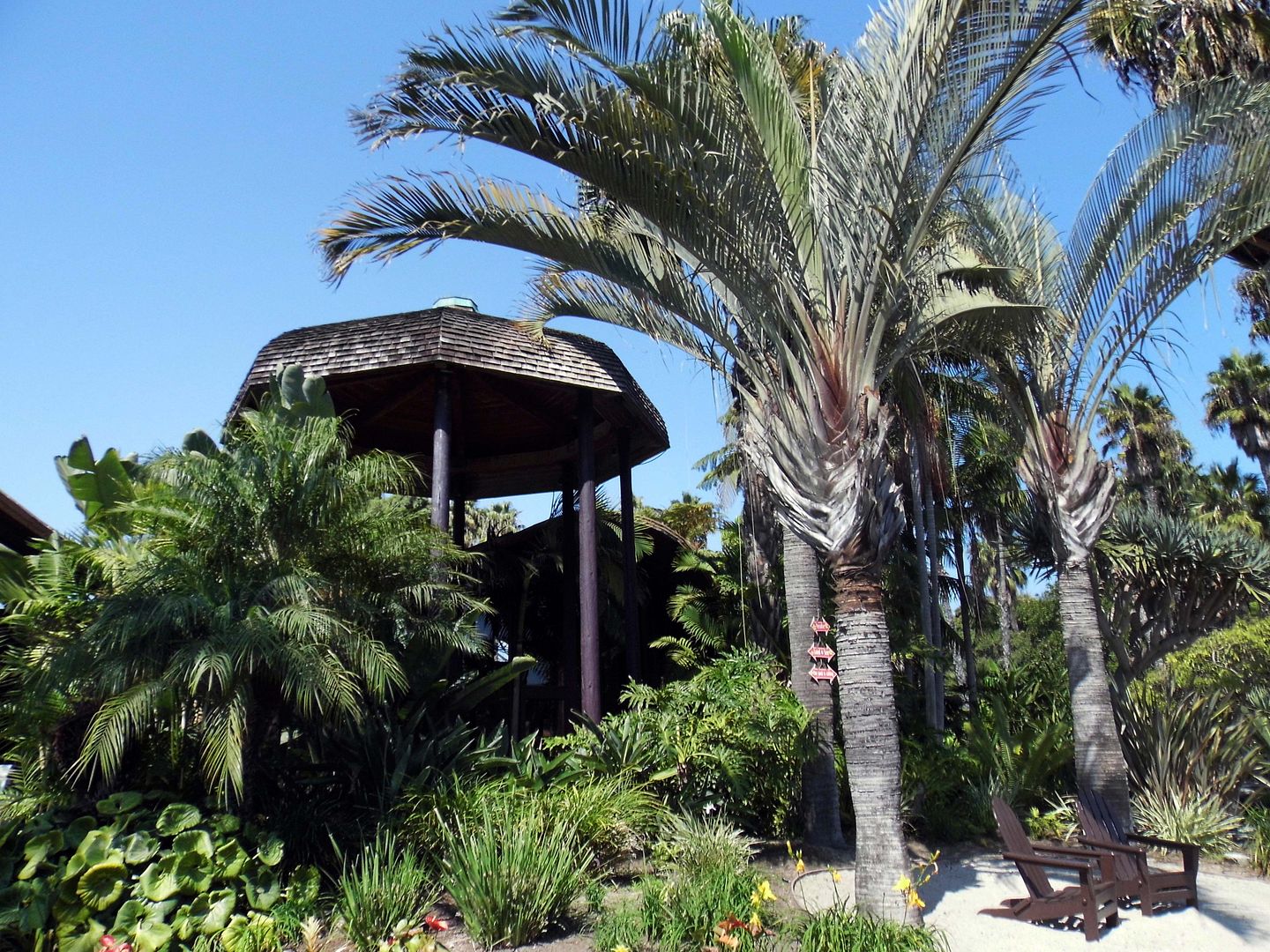
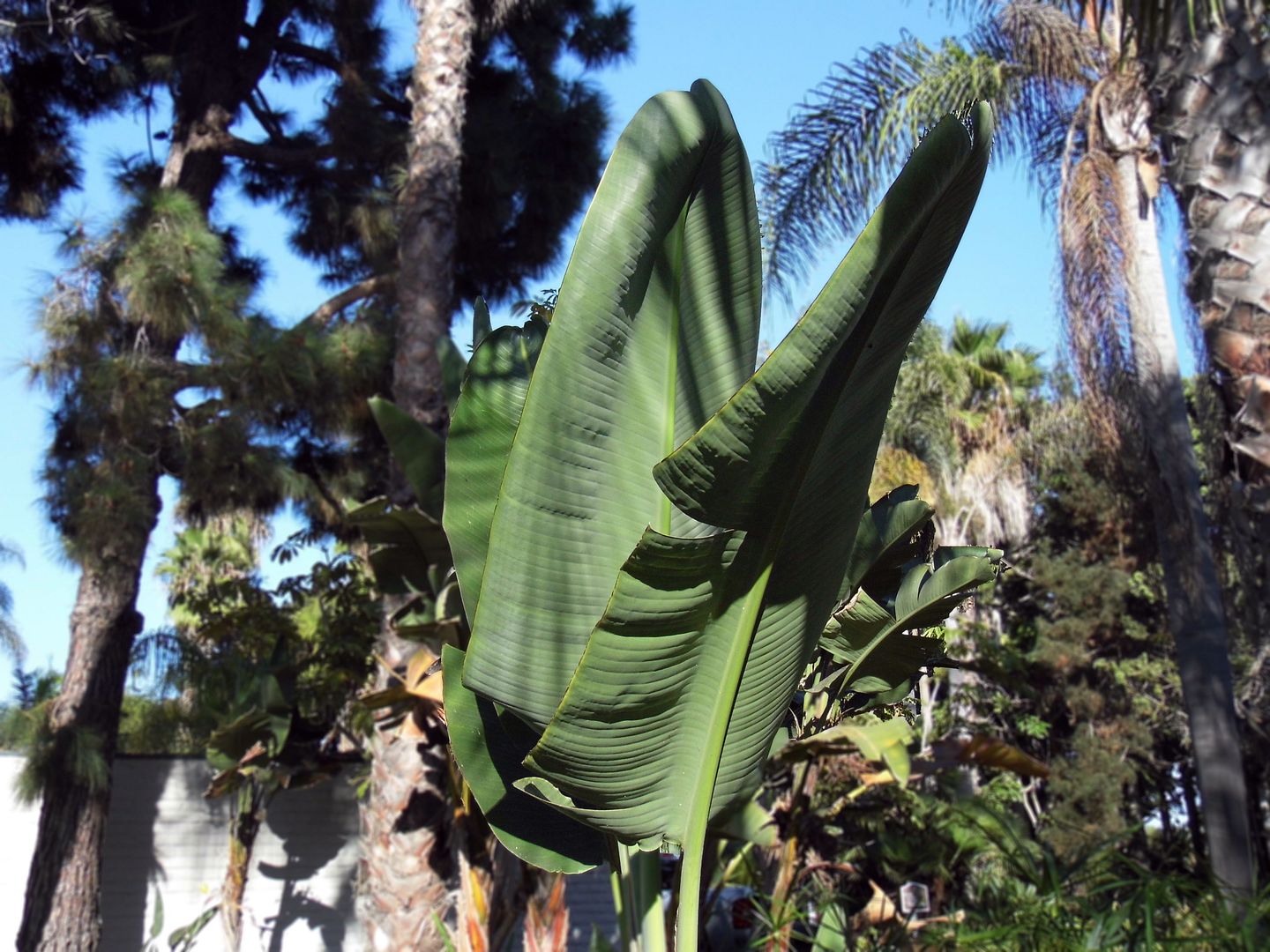
But much of the fantasy comes from the landscape design—whose palm trees, macadamia nut trees, bromeliads, and hundreds of birds-of-paradise transport you to the Canary Islands, or perhaps the South Pacific, or even Madagascar. 


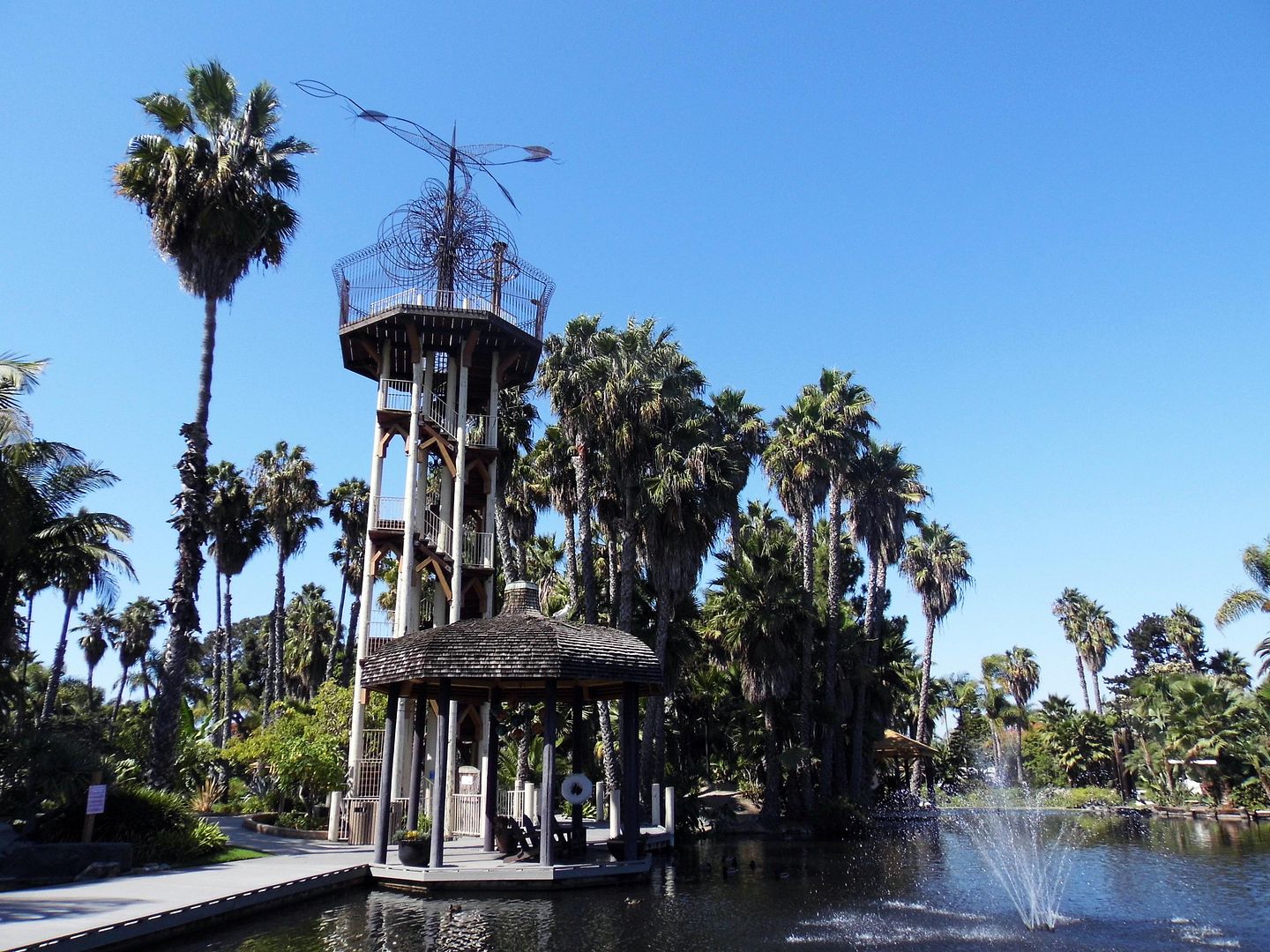
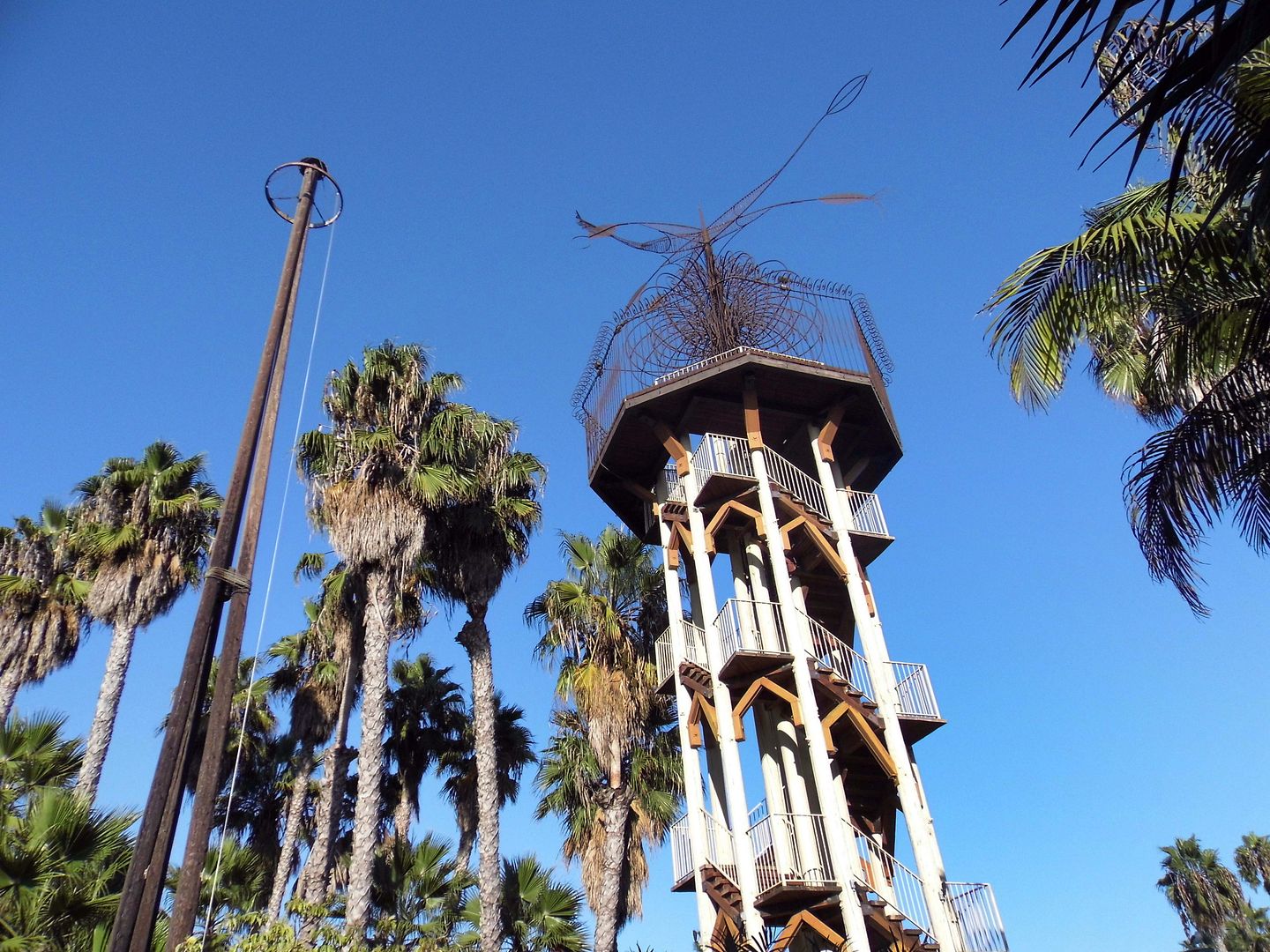
The symbol for the hotel—and still its beacon—is a 70-foot-tall observation tower, designed by the resort's architect, Eldridge "Ted" Spencer of the Palo Alto-based firm Spencer and Lee (perhaps known best for the Ahwahnee Hotel in Yosemite National Park). 


It was built by Robert "Bob" Golden—the son of construction magnate Morley H. Golden and, as of 1956, president of M.H. Golden Construction Company It must've been an engineering feat to make it as sturdy as it still feels. 


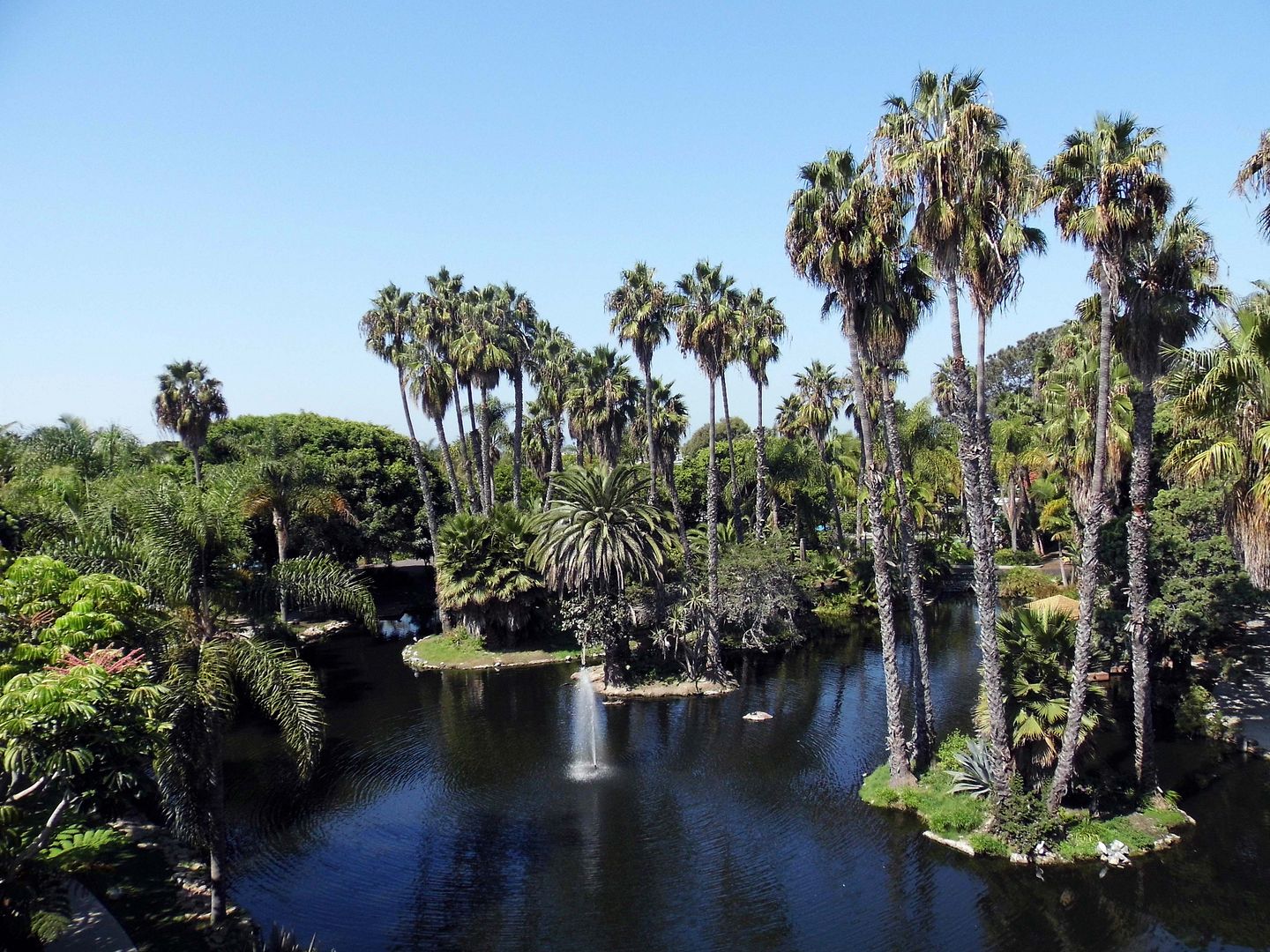
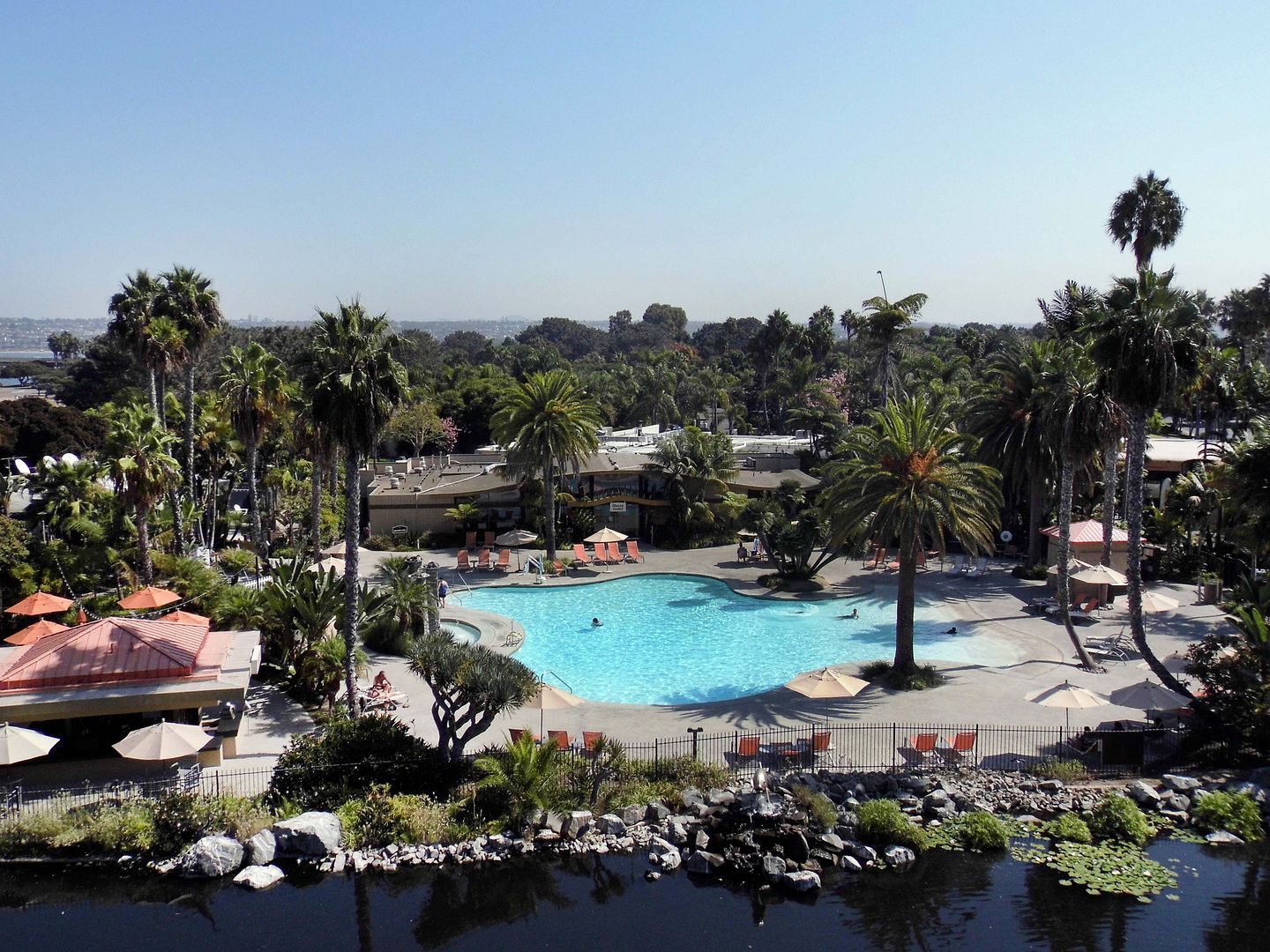
After climbing up an undetermined number of stairs, the view of the main lagoon from up there is breathtaking, fantastical, and transportive. 


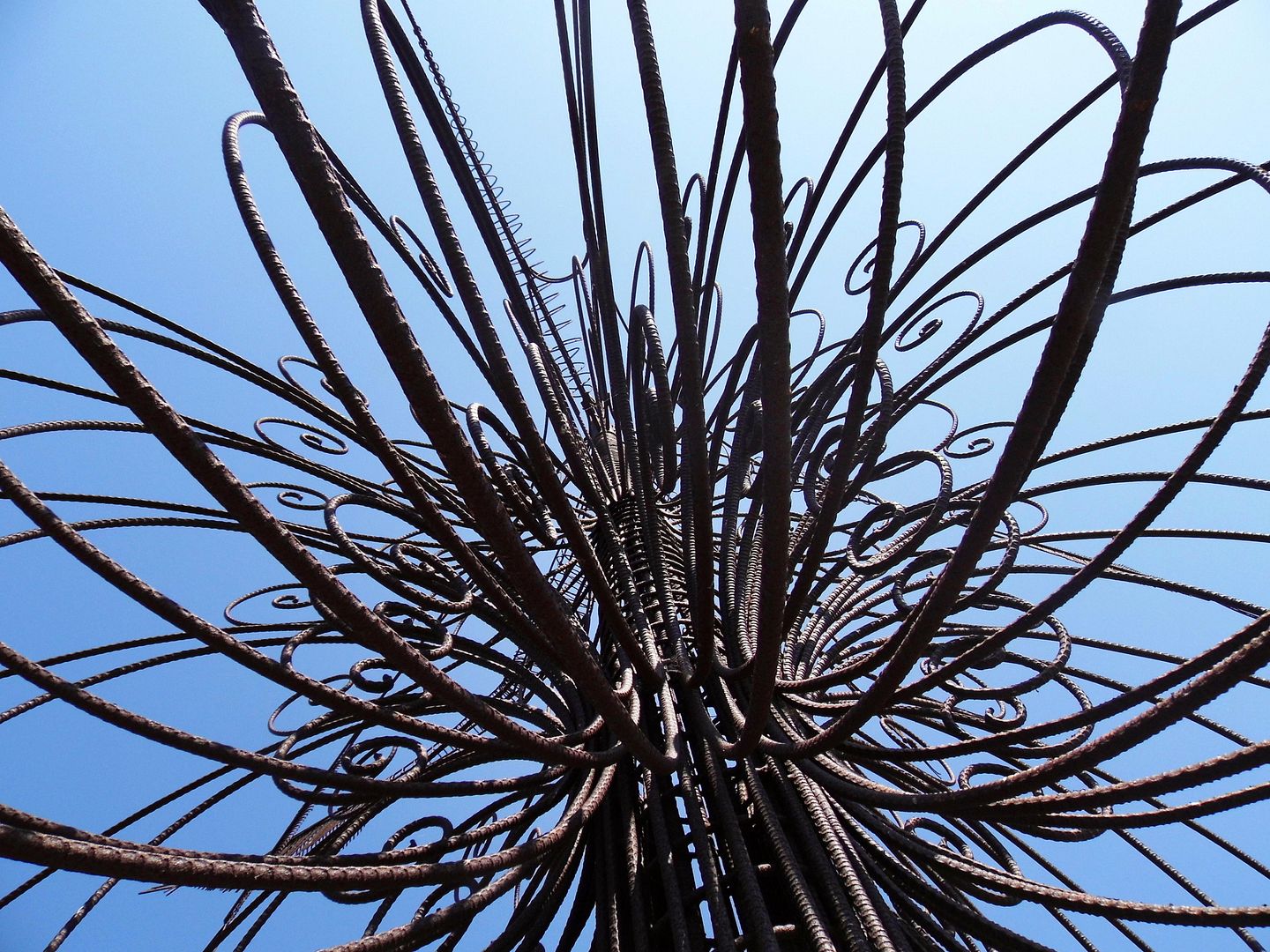
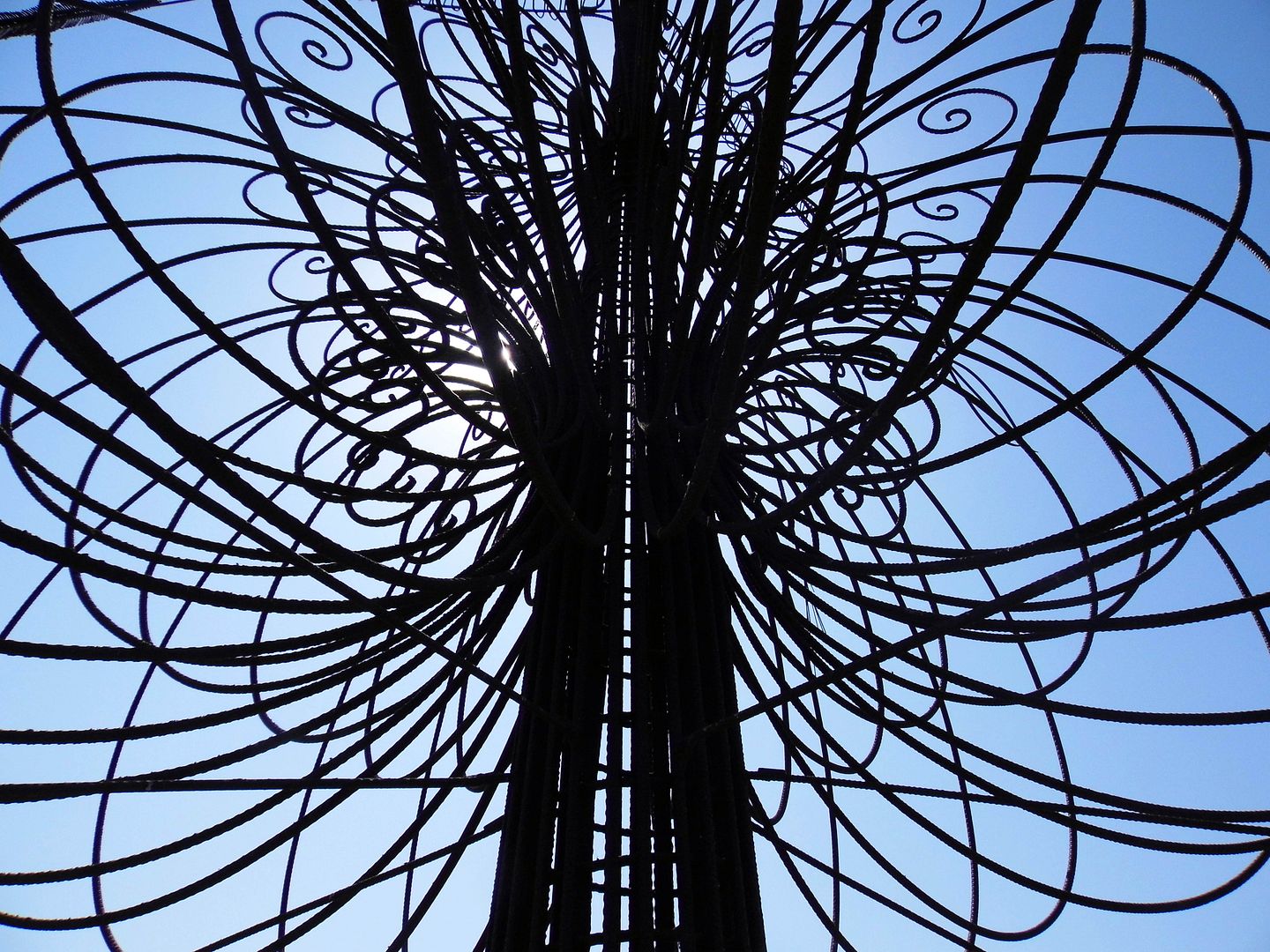
And at the very top, you can be delighted by the whimsical rebar sculpture by Val Agnoli...


...whose uppermost portion is meant to evoke the red-eared slider turtles that populate the waters below. 


After all, this bayside resort offers more watery wonders than just its swimming pools. 


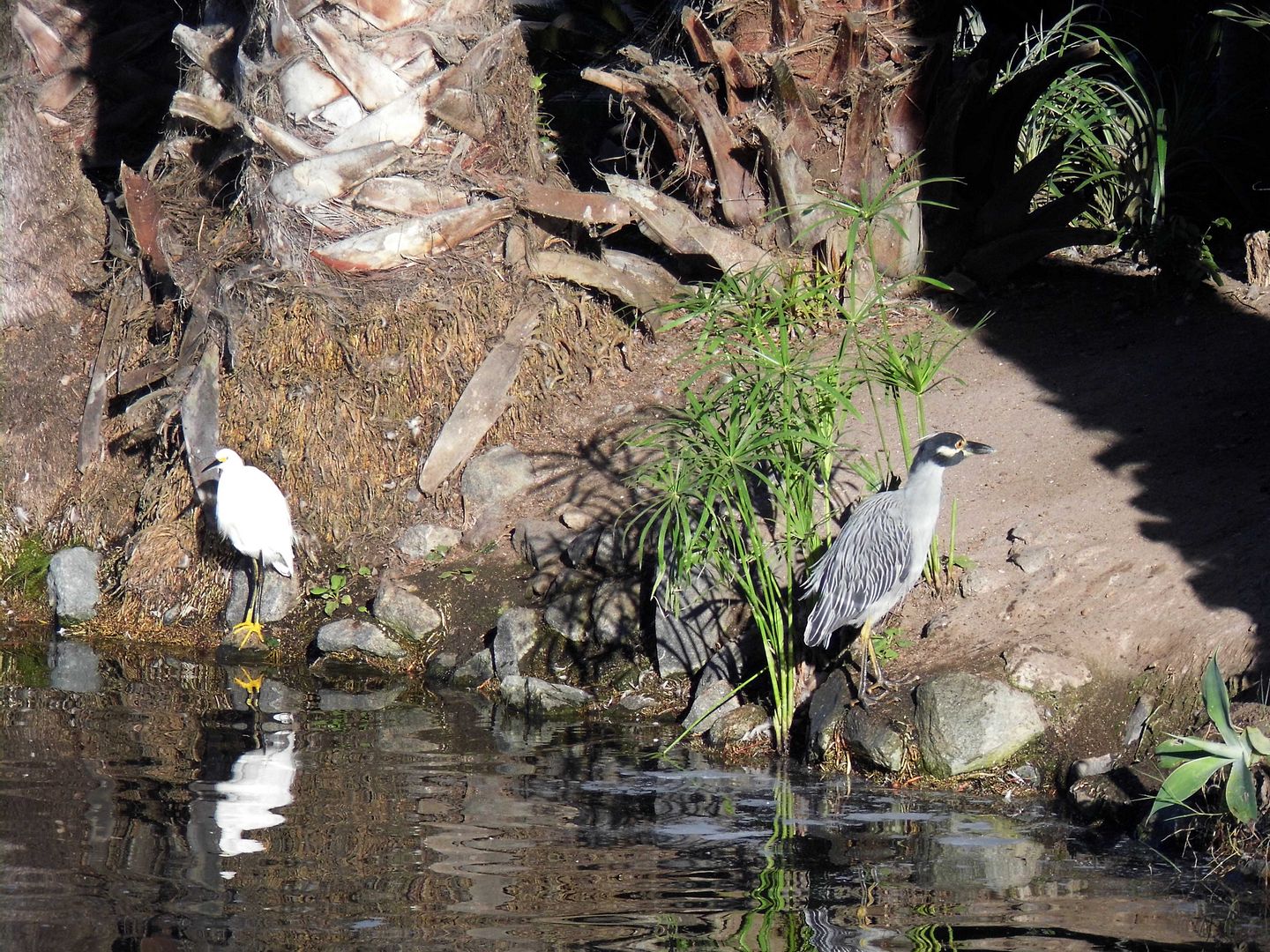
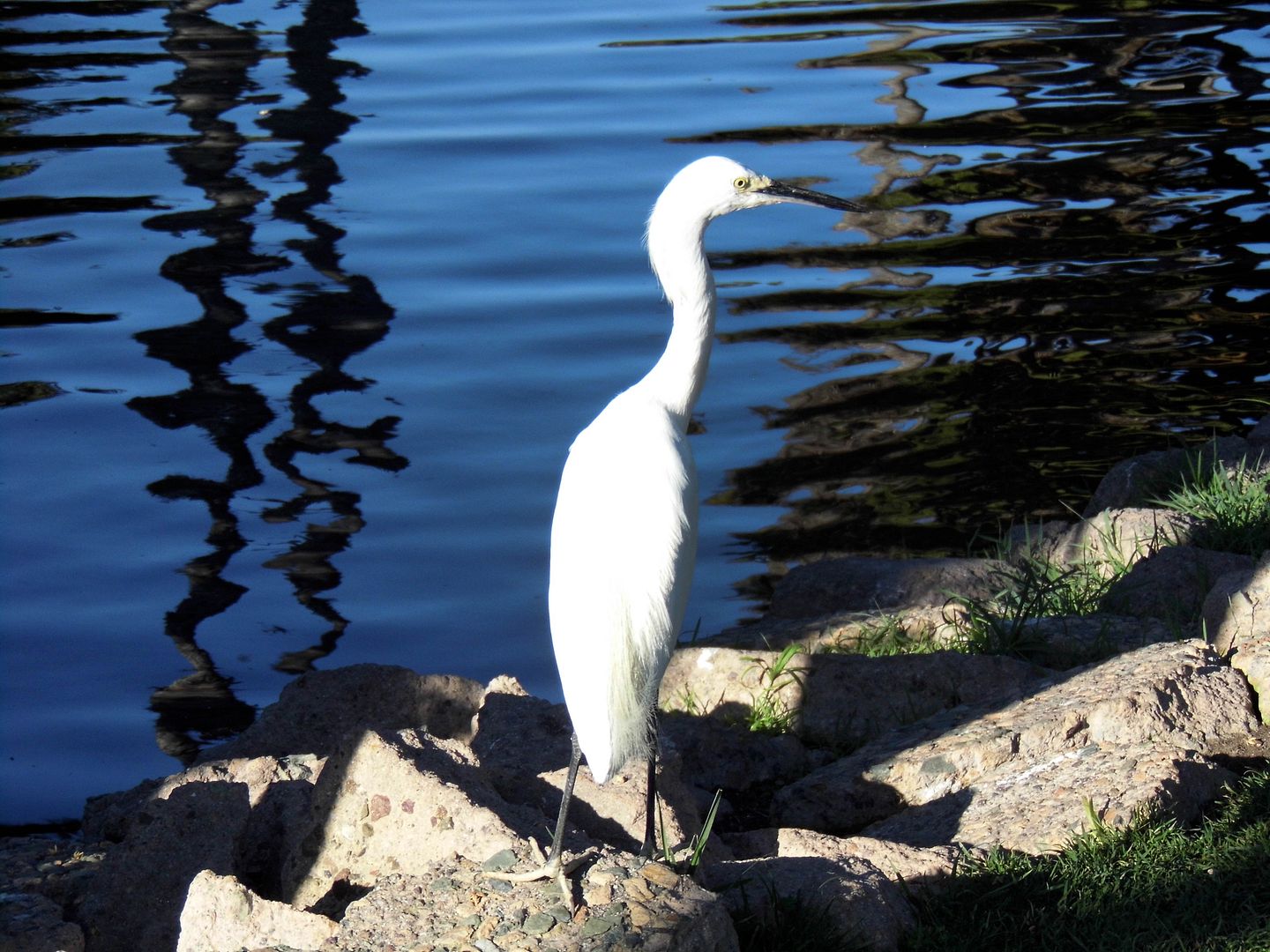
And all that wet stuff is great for attracting shorebirds, like snowy egrets and yellow-crowned night herons, with their yellow feet and eyes...

 
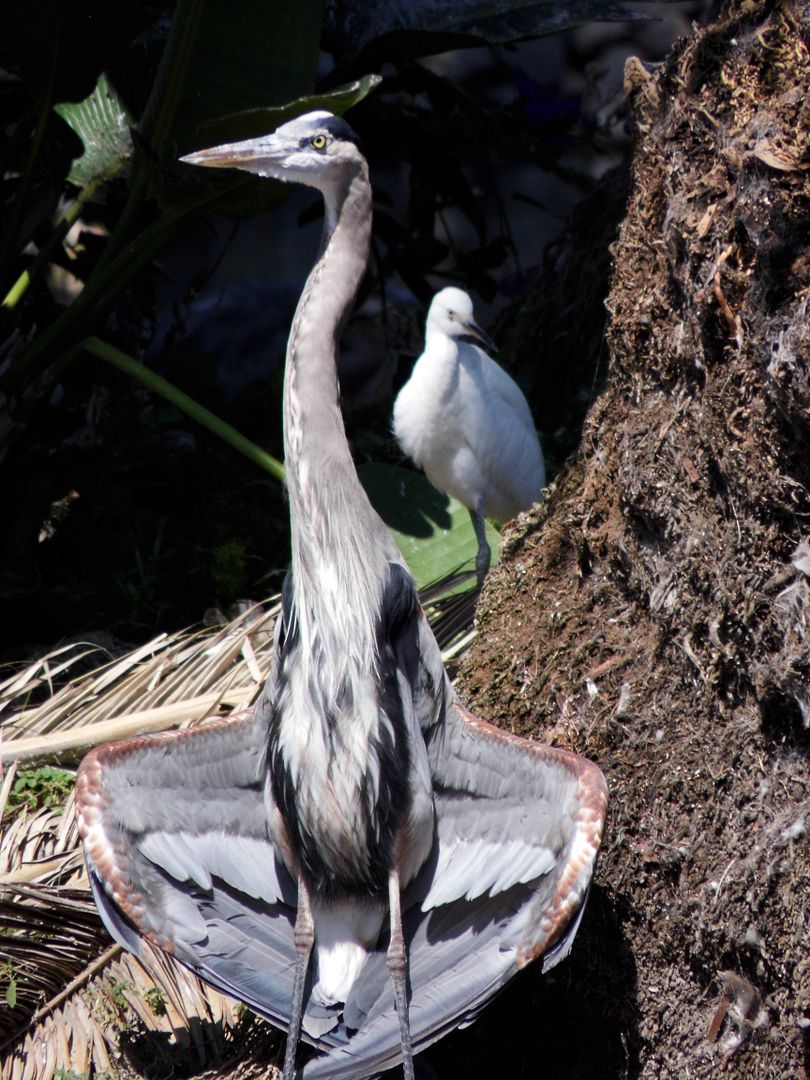
...great blue herons, who sun their wings in a "flasher" pose...

 
...black-crowned night herons, with their red eyes...
    

...and of course great egrets. 


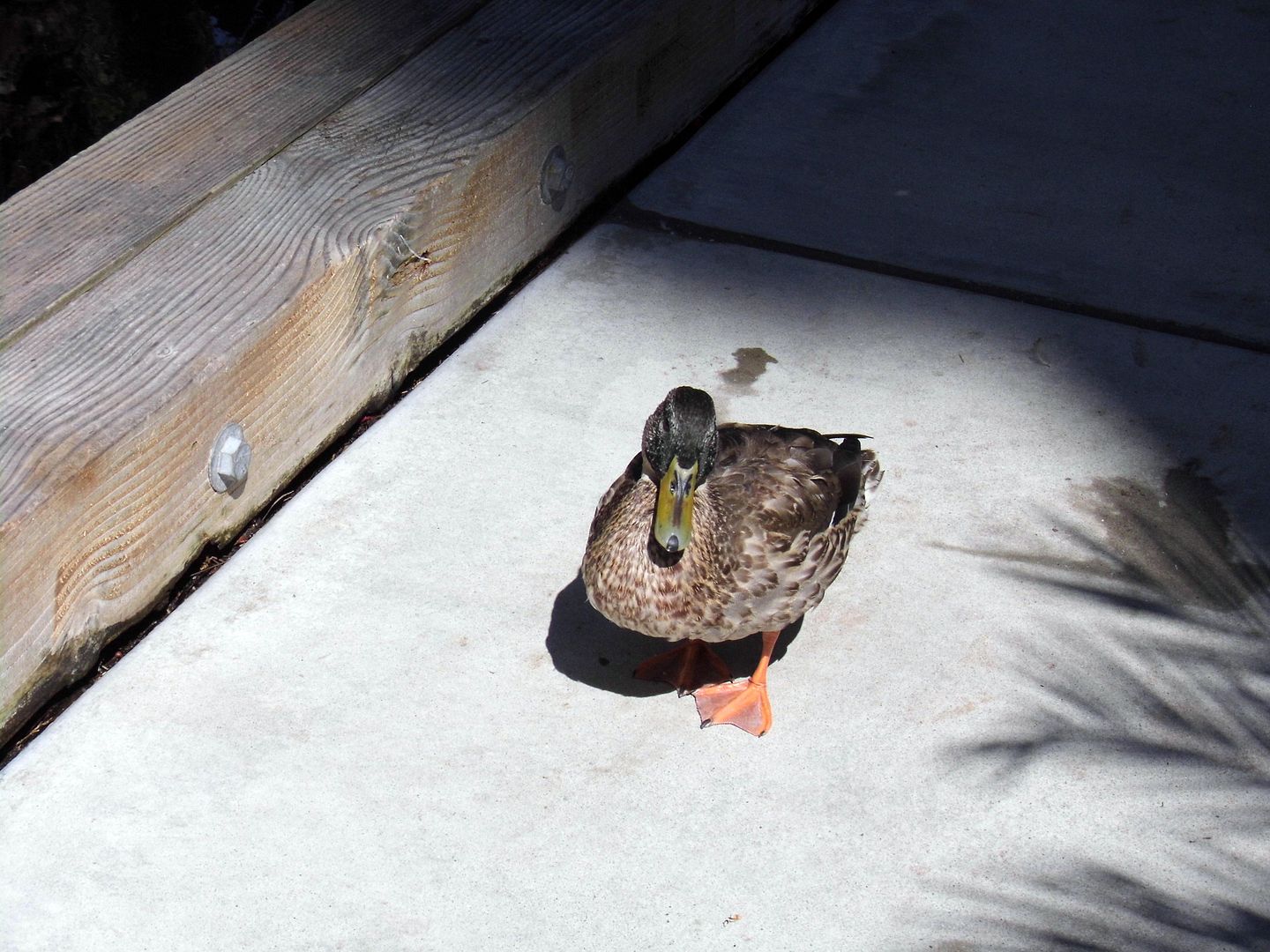
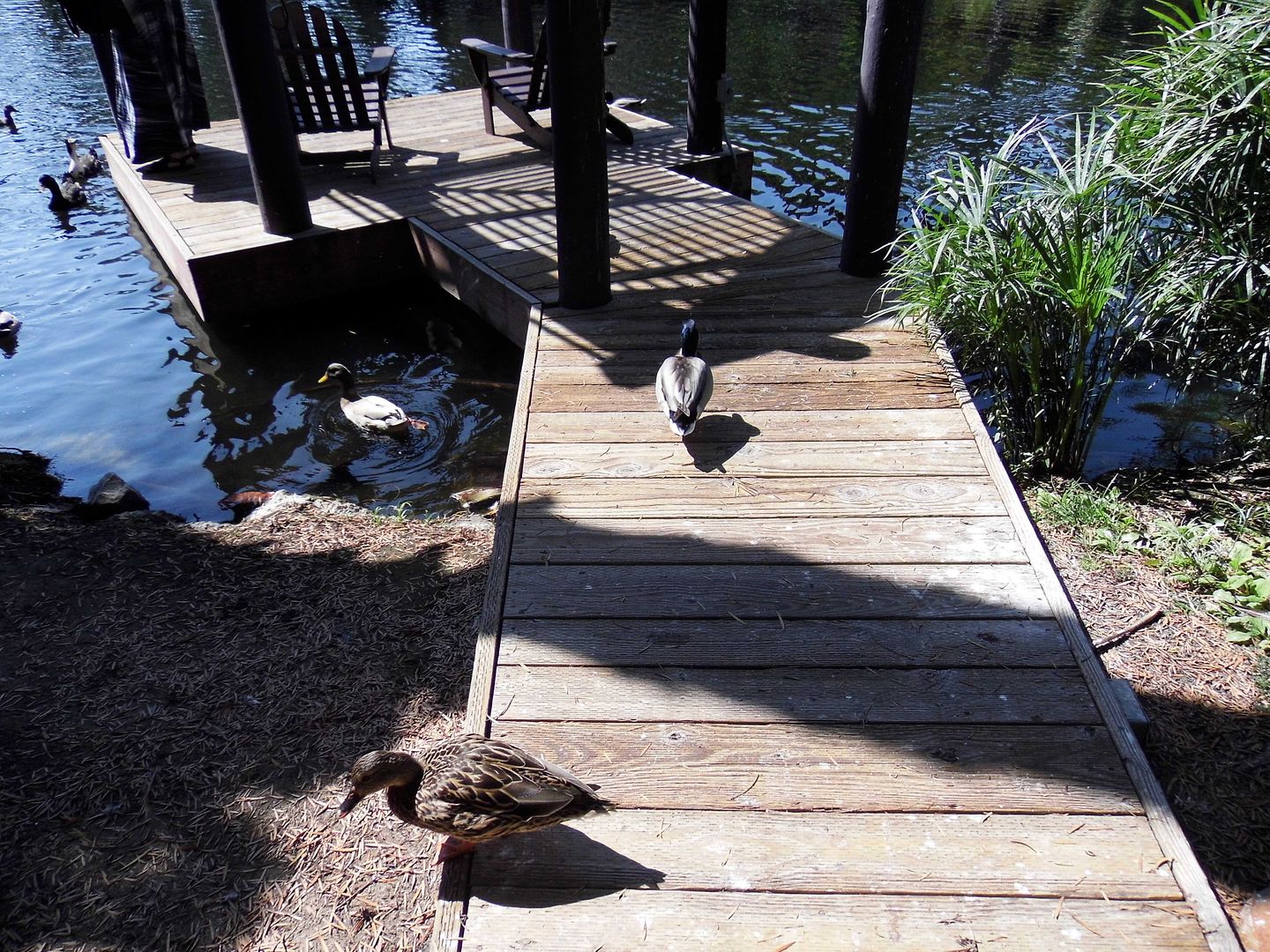
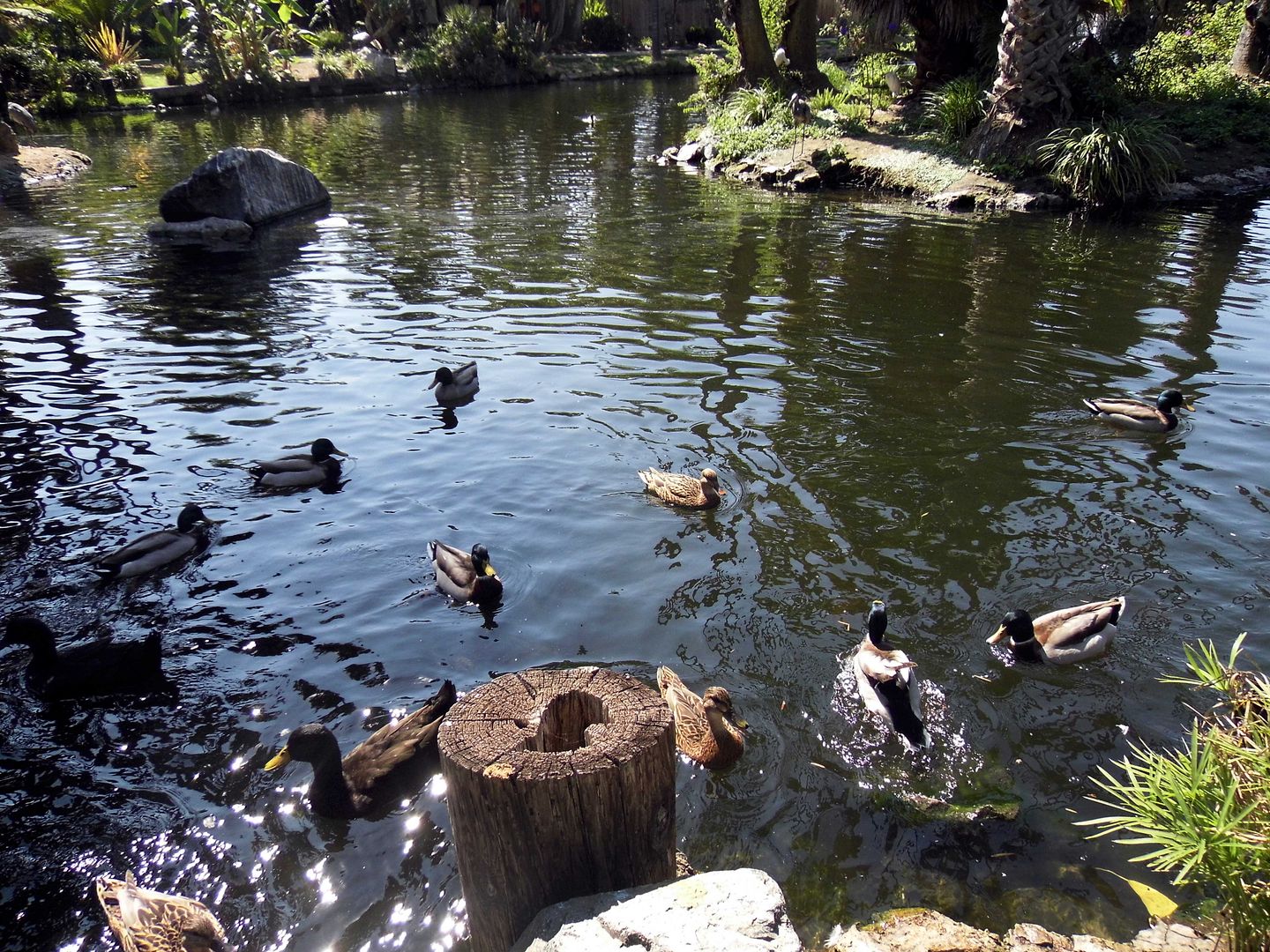
The ducks are particularly friendly—but maybe that's because they know the resort gift shop sells small bags of duck food for just $2. 


They'll either follow you, while nipping at your shoes and toes, or they'll lead you to Amelio's Dock, where all their friends will be waiting for a snack. 

                        
They compete with the koi for the little tasty pellets—and even though the shop also sells $2 bags of fish food, the koi don't seem to discriminate. 

    
I could easily spend days just wandering the grounds, feeding the birds, and photographing the scenery. 


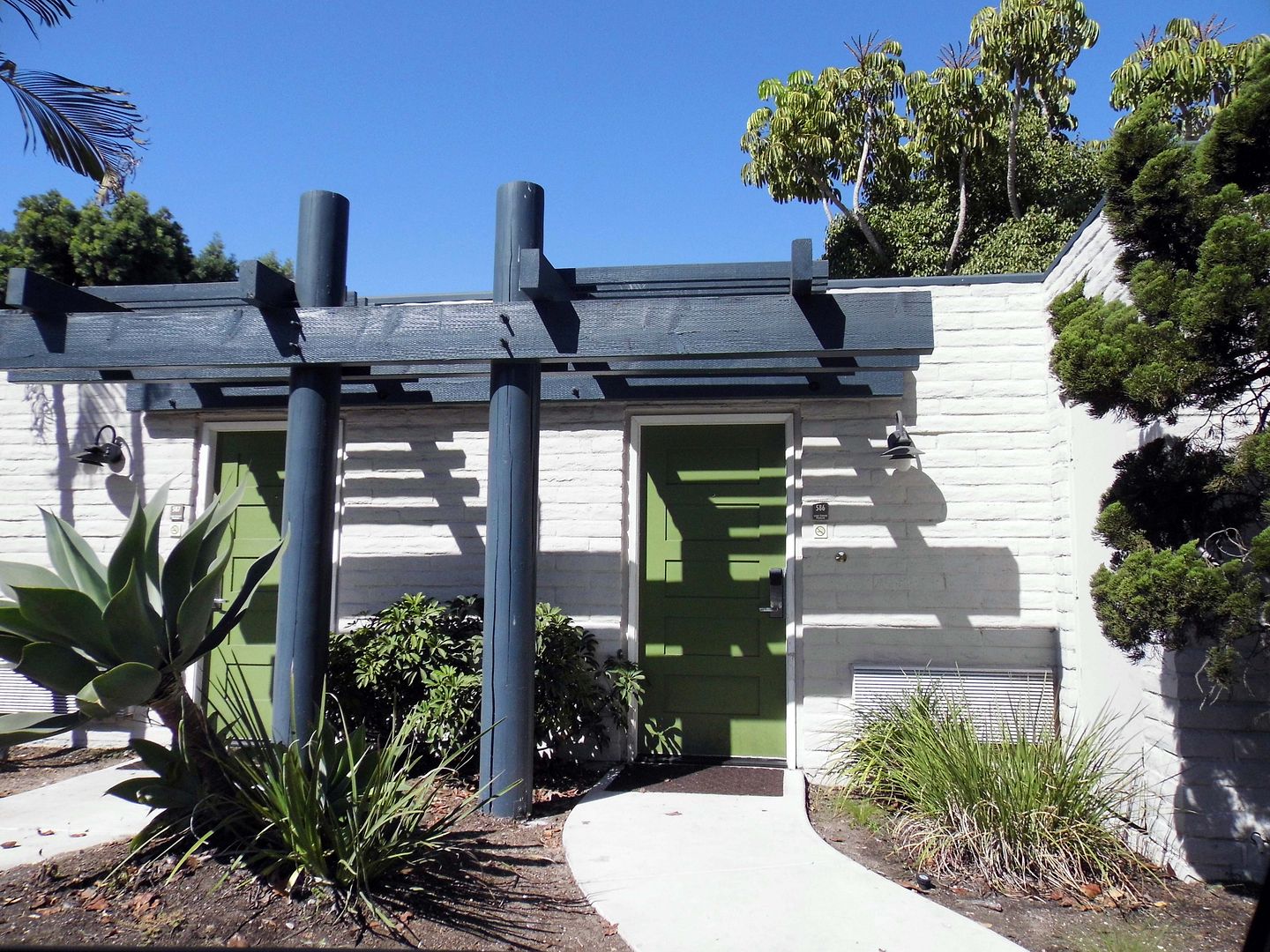
But I'd only booked one night—fortunately getting upgraded from a standard room to a bungalow with a Giant Dipper-inspired entryway. 

 
Staying in any of the 400+ rooms at Paradise Point was a major treat for me—but when Vacation Village first opened in 1962, its original 150 rooms went for just $8 per night.


That gave guests access to one restaurant, a golf course, and two tennis courts.
            
 
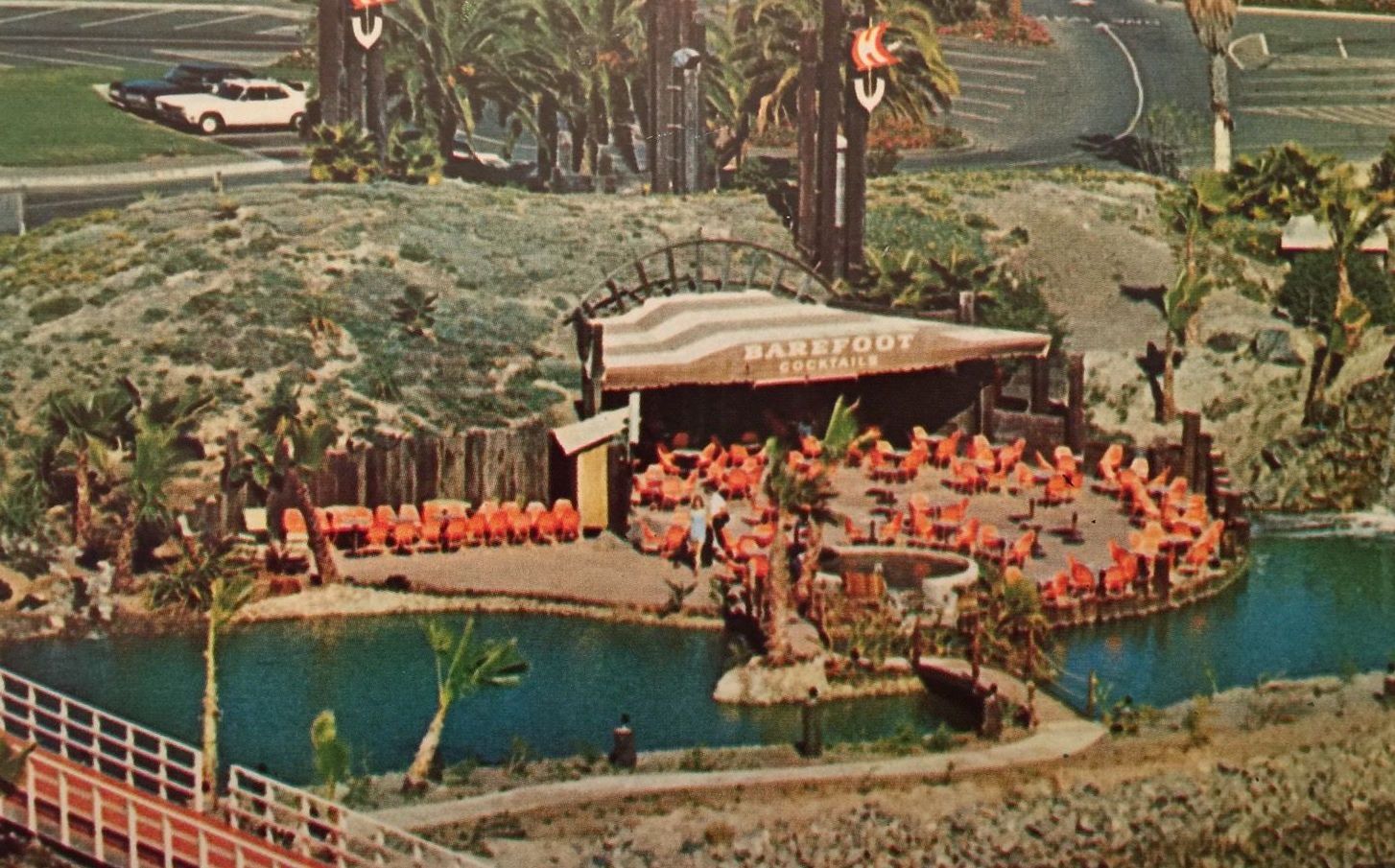
The resort's Barefoot Bar—initially called "The Grotto"—went down in infamy as a kind of Cold War-era beach bunker where you could get "bombed" at the bar but would survive a "bombing" under all that sand. Although the Barefoot Bar operated for a time as a location of Don the Beachcomber (1980-1983), its current iteration has returned to the original theme. 


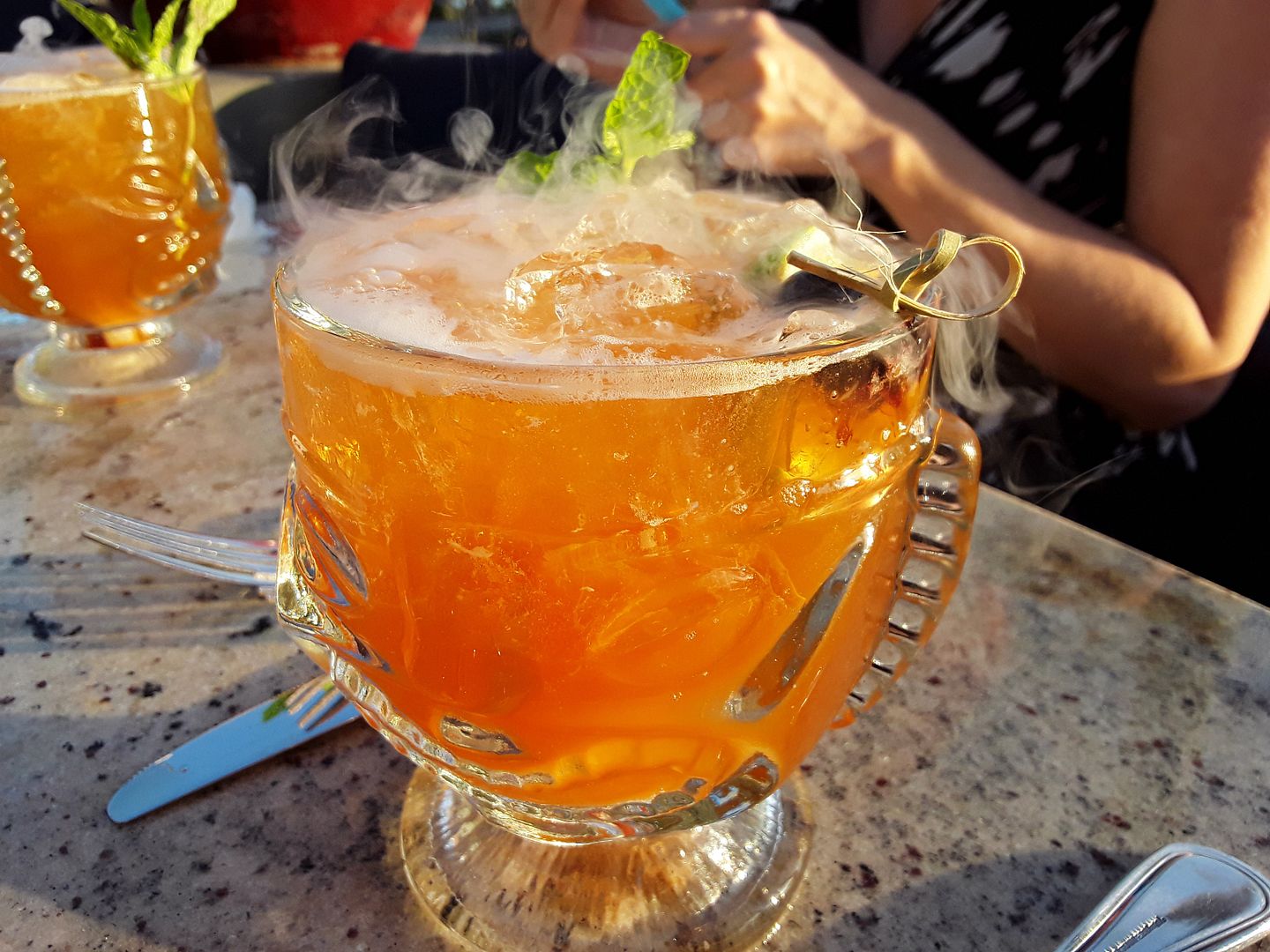
A friend and I enjoyed my birthday dinner at Paradise Point's onsite sit-down restaurant Tidal (formerly Baleen), where we sat by the marina enjoying Paradise Mai Tais in tiki glassware with a dry ice-induced "fog" effect. 
 

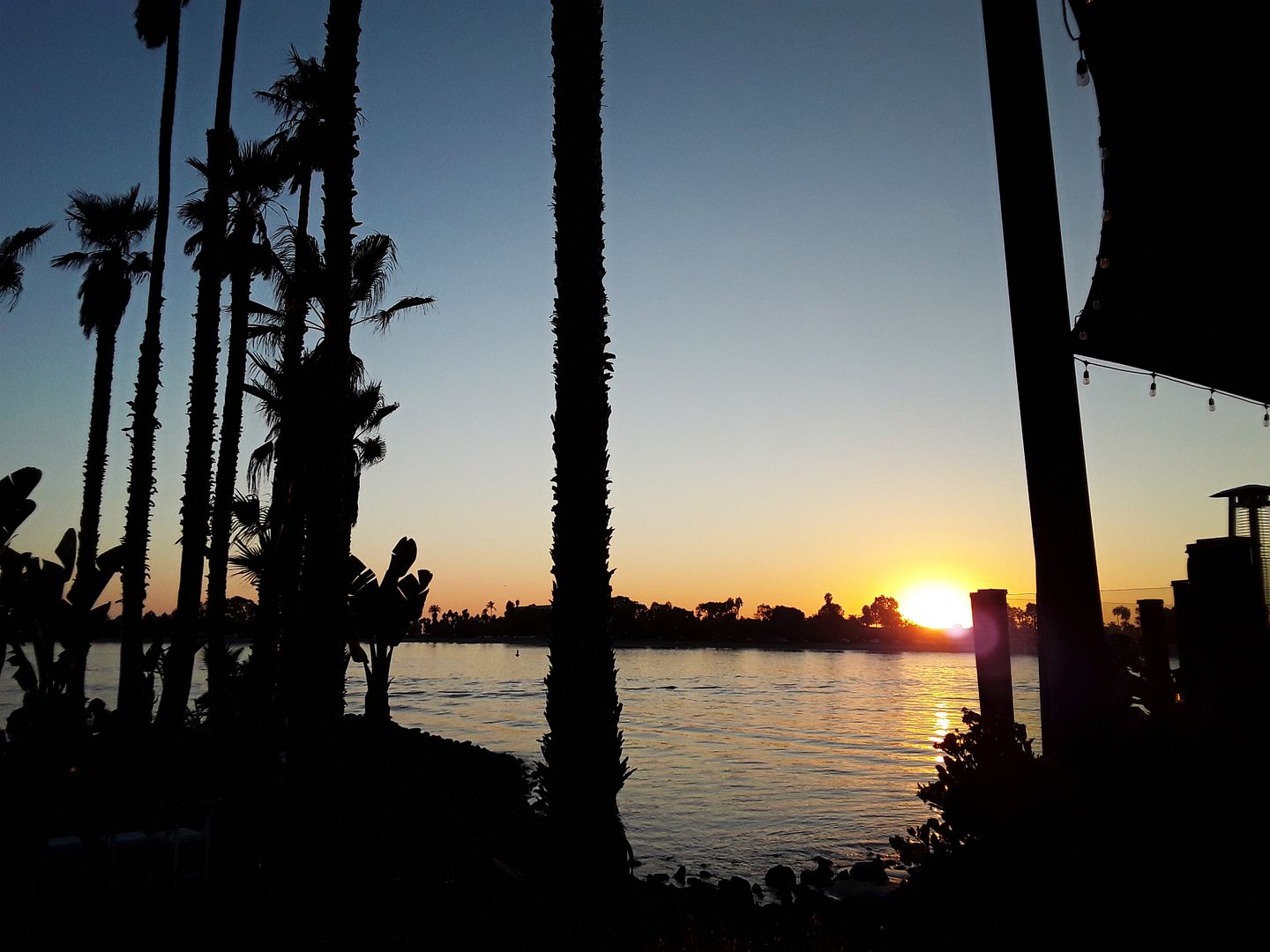
As the sun went down behind us, I thought, "This was a really good idea." I felt no birthday despair. No existential dread. No desperation for something epic to happen on the night I turned yet another year older. 

And as it turns out, that might've been my last chance to experience Paradise Point as it is right now—and as it has been since LaSalle Hotel Properties bought it and rebranded it as such in 1998. 

Its owner since late 2018, Pebblebrook Hotel Trust, has entered into a license agreement to turn Paradise Point into one of the first West Coast outposts of Margaritaville hotels and resorts. (Palm Springs hasn't opened yet, but it's already taking reservations.) 

I can only assume that means it will soon be taken over by the Parrotheads who support the "Margaritaville" singer and songwriter Jimmy Buffett. 

And although that may be "tropical"—and some might consider that "paradise"—it is not the same tiki-adjacent experience as Vacation Village or Paradise Point. 

Unfortunately, something like this was probably bound to happen after Skirball cashed out and sold the property in 1983, two years before his death. 

I hope they keep the tower and the rollercoaster architectural references and the birds and the turtles. 

For lots of vintage photos and information, visit ClassicSanDiego.com. 

Related Posts: 

September 02, 2020

Adventures on Pico: From a Chili Bowl to An Oil Well (Updated for 2022)

[Last updated 12/26/22 11:07 PM PT—Info on Wienerschnitzel closure added.]
[Updated 2/24/22 8:08 PM PT—The Chili Bowl was approved for demolition and was disassembled this week. Its fate remains unclear, although preservationists hope its pieces could be relocated and reassembled elsewhere.]

Lately I've been retracing what I thought was a familiar route through LA—but finding new aspects of it that I'd never noticed before.

For me, this has been a blessing of the pandemic. It's like the city is new to me all over again.

When I first moved to LA, it was for a job on Main Street in Venice, California—and the easiest way to get there was to take Pico Boulevard all the way west down to Gateway, which would dump me off on Main in Ocean Park, just a stone's throw away from the office.

It was a drive that required low cognitive load—essential for my morning haze and preference to sing along to the radio rather than navigate.

I'd take in what I thought were the main sights of Pico—the Fox Studios, the Ranch Park Golf Course across the street, Westside Pavilion, and The Apple Pan.

Before I'd make my left turn, I'd let my gaze linger on the former location of Kelbo's tiki restaurant, whose current tenant at the time—Fantasy Island strip club—kept the lighthouse architectural motif and tropical signage. (It was unfortunately demolished a few years ago, before I got up the nerve to go inside).

And that was about it. I rarely took the same way back home, instead cutting down Venice through Culver City to catch a drink or a snack there before calling it a day.

That was my routine for three months in 2011—before getting laid off.

Even when I worked at a different job nearby in 2014, and would head one boulevard south to Pico for after-work happy hour, I didn't discover much more than Billingsley's steakhouse and the SF Saloon—not before getting laid off after yet another three-month stint.

But my recent treks to Santa Monica to go swimming have brought me not only back down Pico, but farther down Pico, and even the other way down Pico to get back home.

And it has been a pandemic adventure!
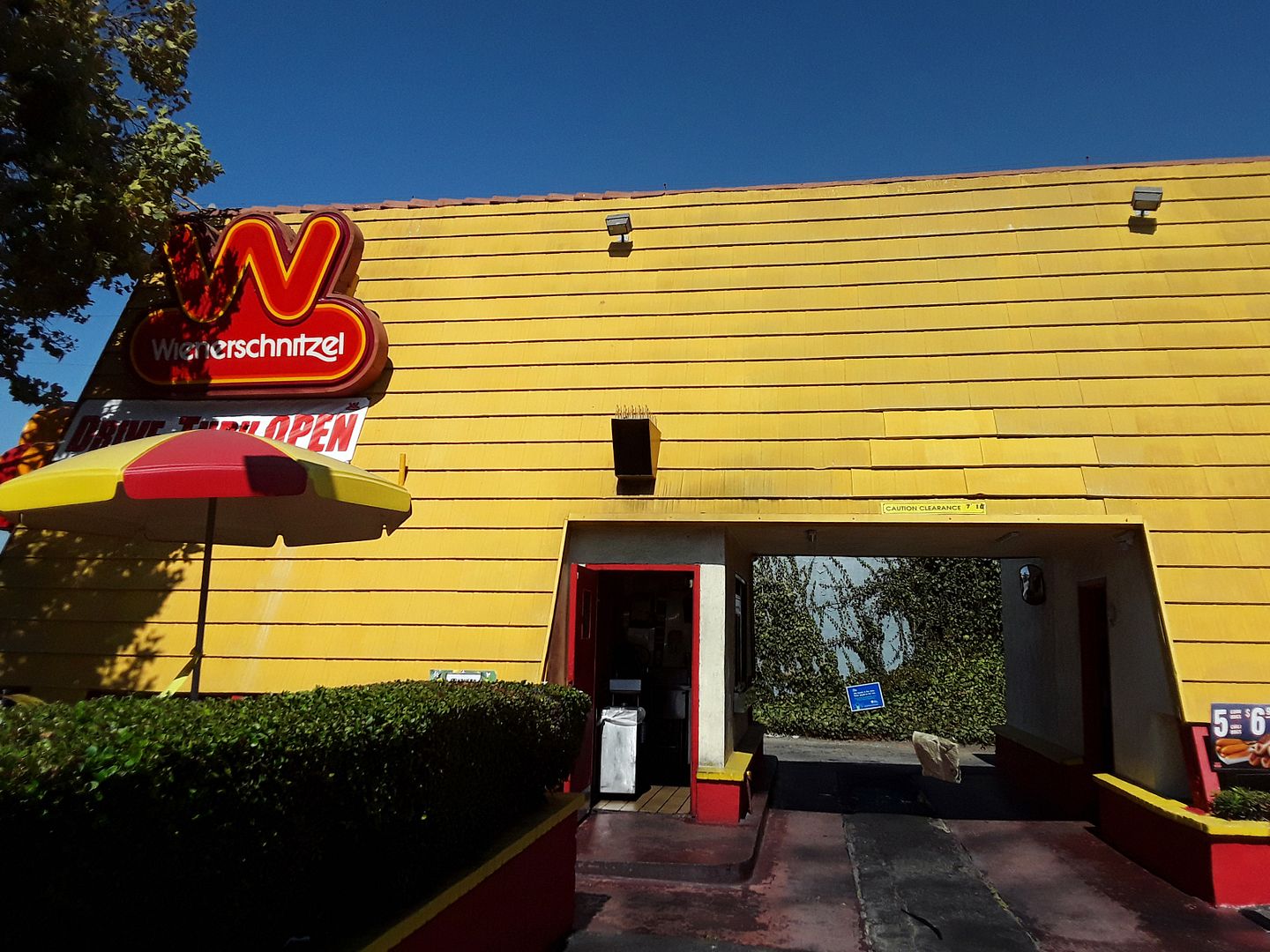


Coming from Santa Monica, almost before hitting the city limits at the 10 freeway overpass and crossing over into West LA, I stumbled upon a Wienerschnitzel fast food stand that impressed me more than even the first location in Wilmington, California—thanks to an A-frame structure that you can drive through.
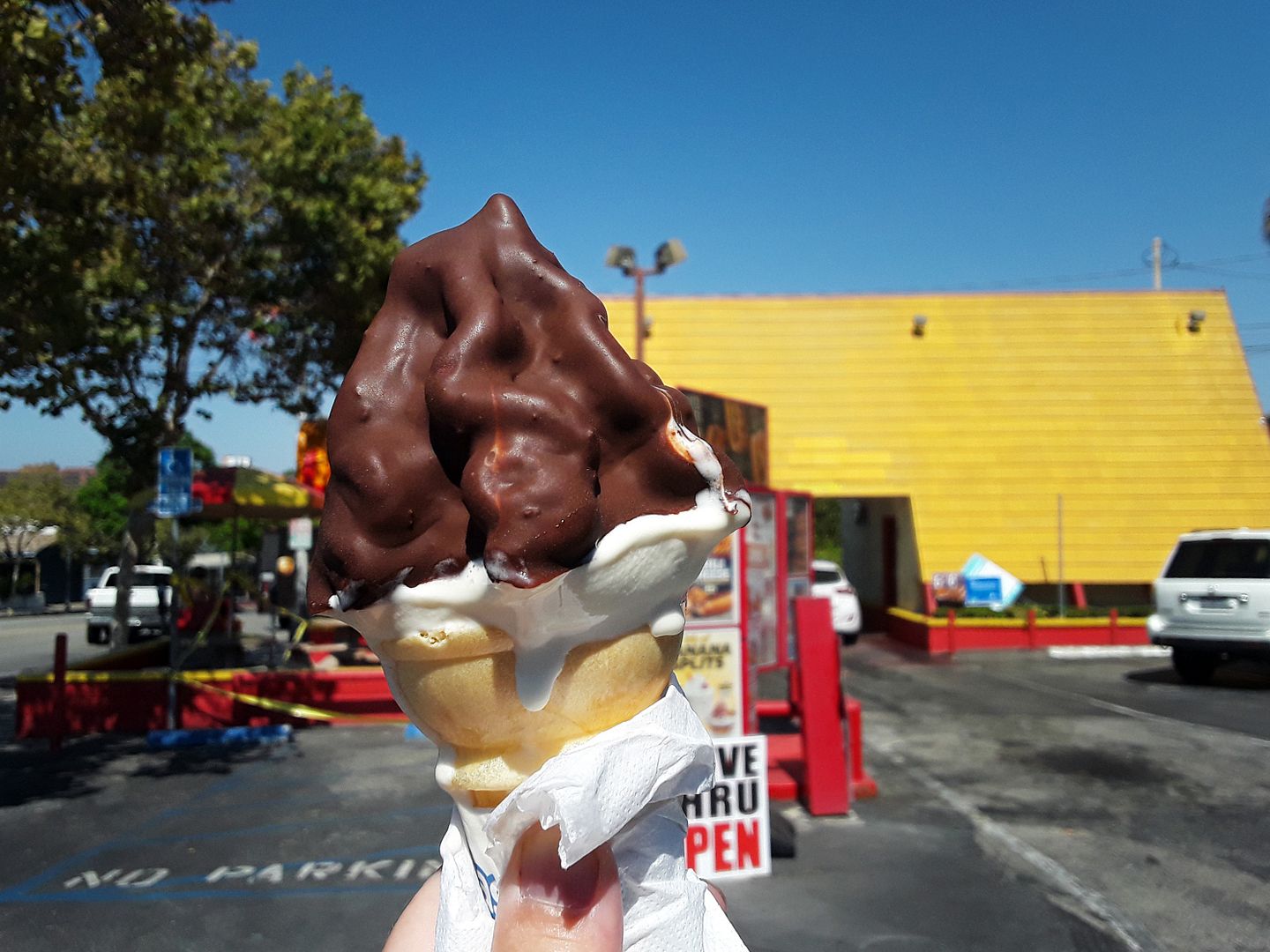


One of the silly items on my to-do list was to visit a Tastee Freeze—any Tastee Freeze, even one that's part of a Wienerschnitzel—so I would know what John Cougar (Mellencamp) was singing about in the song "Jack and Diane." I didn't order a chili dog, but maybe someday. [Ed: This Wienerschnitzel has closed but the Go Get 'Em Tiger chain has announced it will take over the space.]
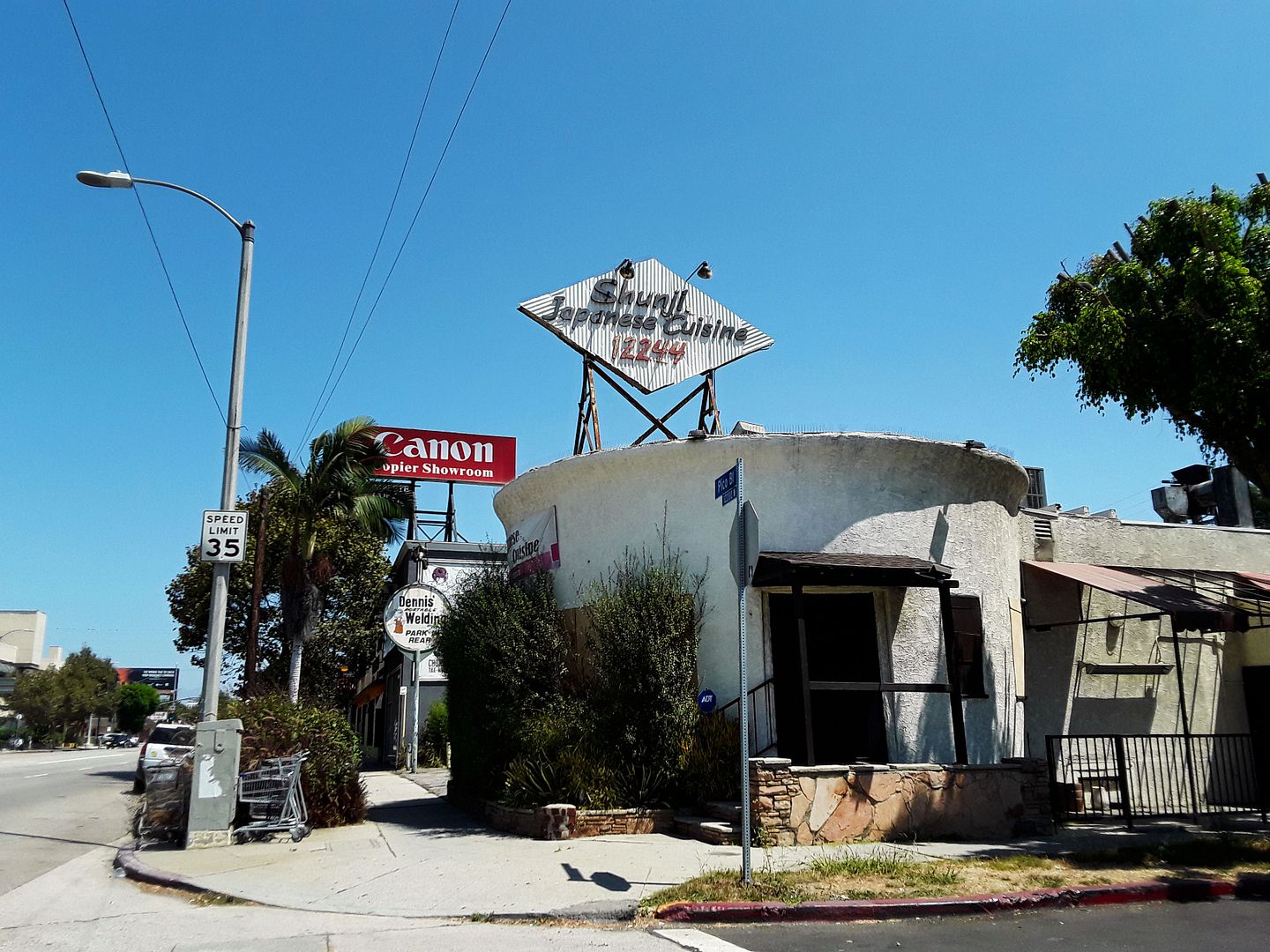


I can't get a bowl of chili anymore at the former Chili Bowl on Pico, just past the 10 overpass, but maybe I can get some Japanese food in the chili bowl-shaped restaurant when it reopens from the pandemic. [Ed: It never did.] Constructed in 1935, this "bowl" was relocated in 1939 from Silver Lake as part of Arthur Whizin's restaurant chain, all locations of which (18 at the time) closed by 1947.
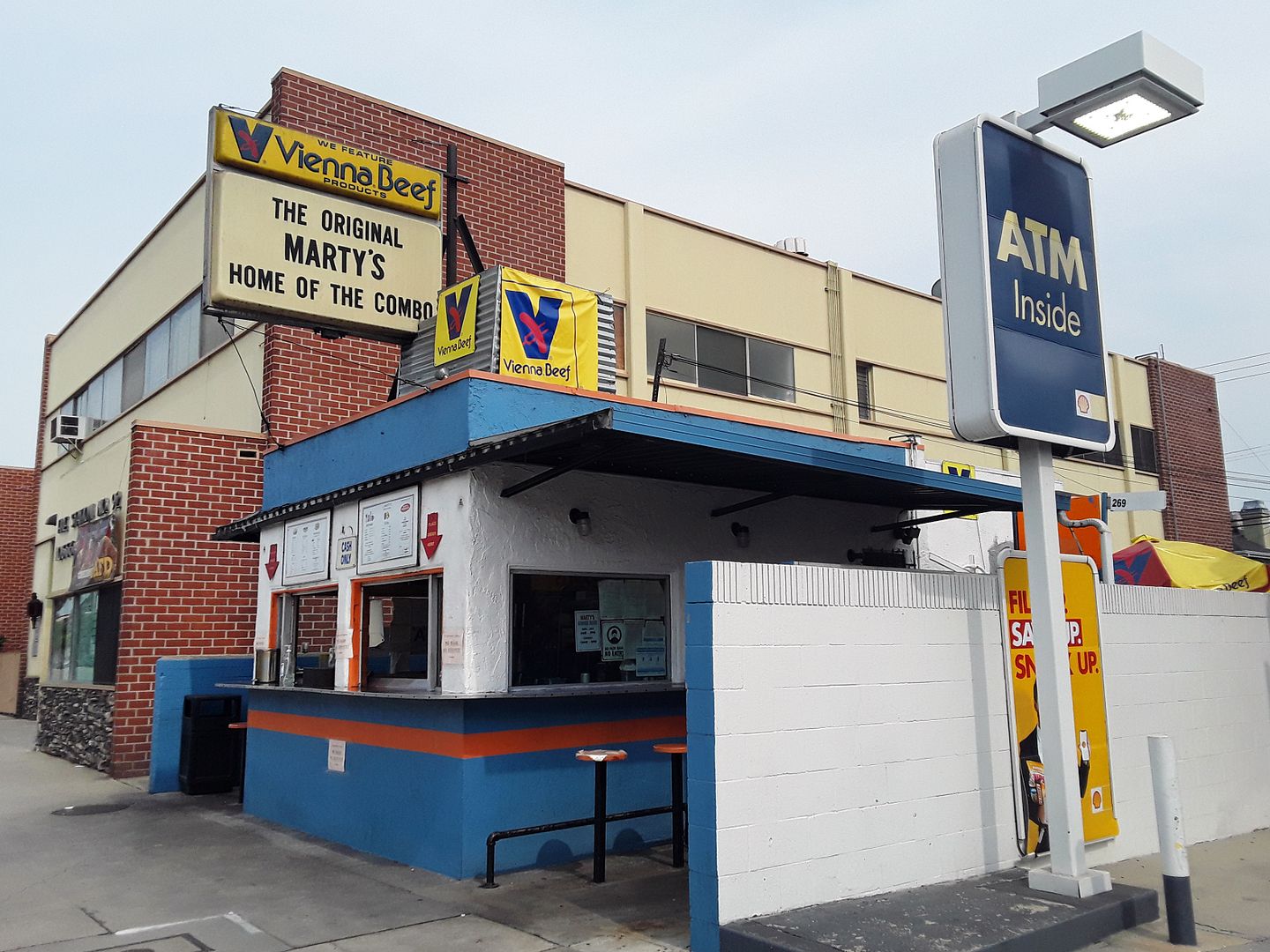


I could've gotten a chili dog at Marty's Hamburger Stand on Pico—but after driving by umpteen times and actually having this place starred on my map, when I finally walked up I resisted the call of Chicago's own Vienna Beef and ordered a cheeseburger instead.
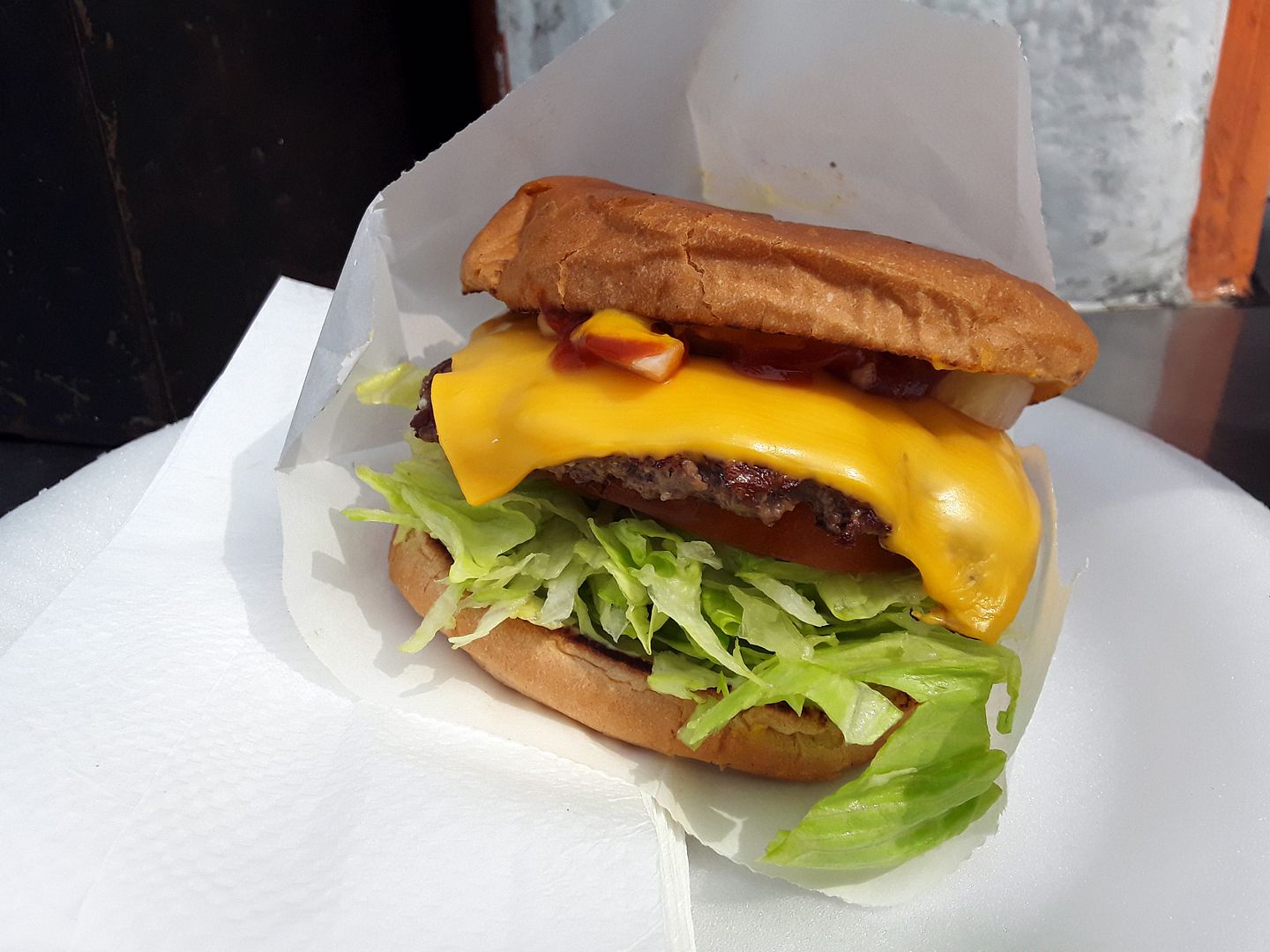


I've learned that when a place like this—which has been slinging burgers since 1959—asks if I want everything, I tell them to give me whatever they've got. And in this cade, they've got the formula down—with mayo, lettuce, and tomato on the bottom and onions and ketchup on the top. (I now have them add mustard and pickles for good measure.)
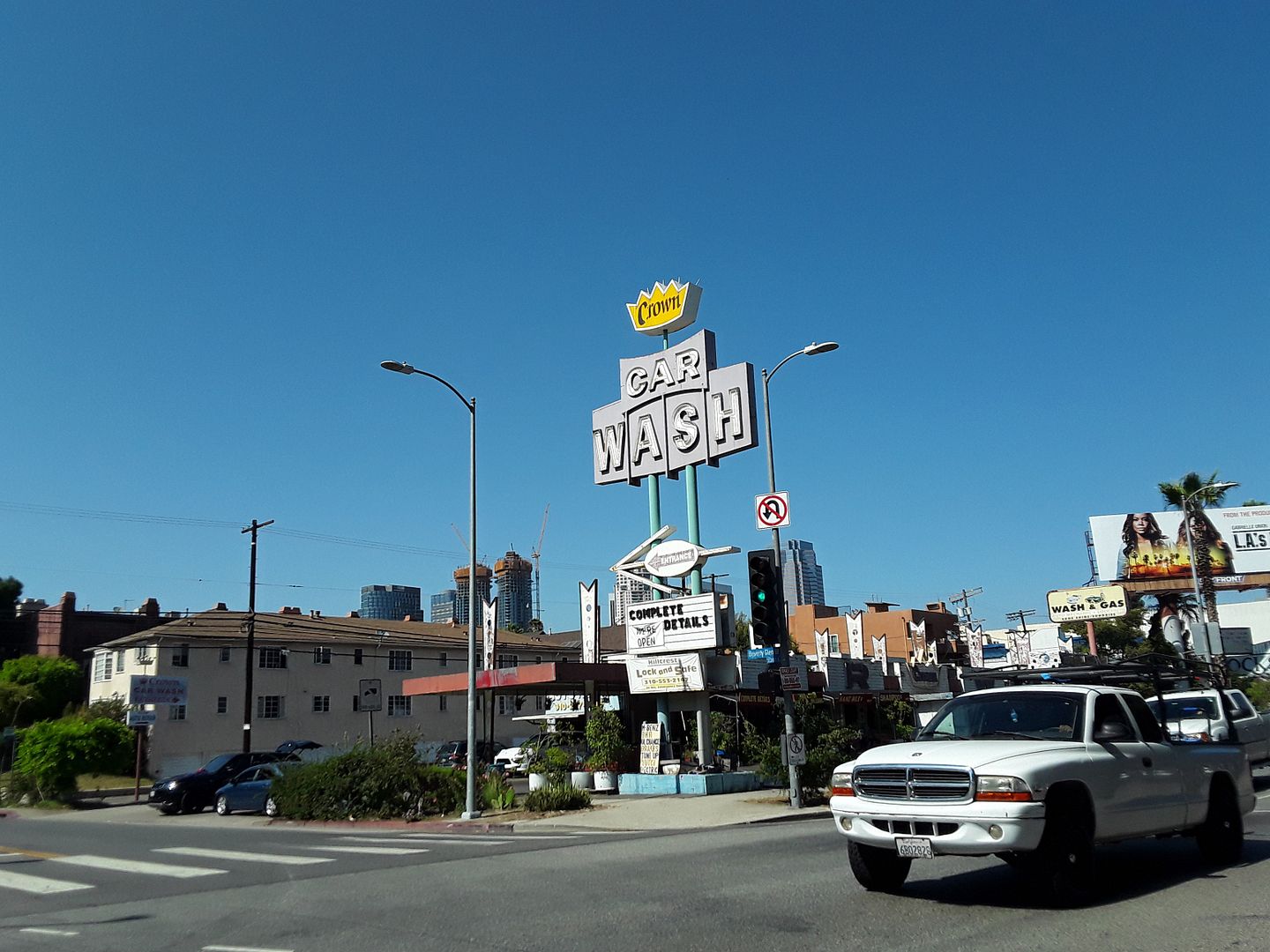


This seems to be a Los Angeles that locals say they long for but can't find anymore—roadside food with a single serving of a Mid-Century car wash (circa 1960) on the side. [Ed 12/26/22: The car wash has been fenced off for months for supposed renovations.]
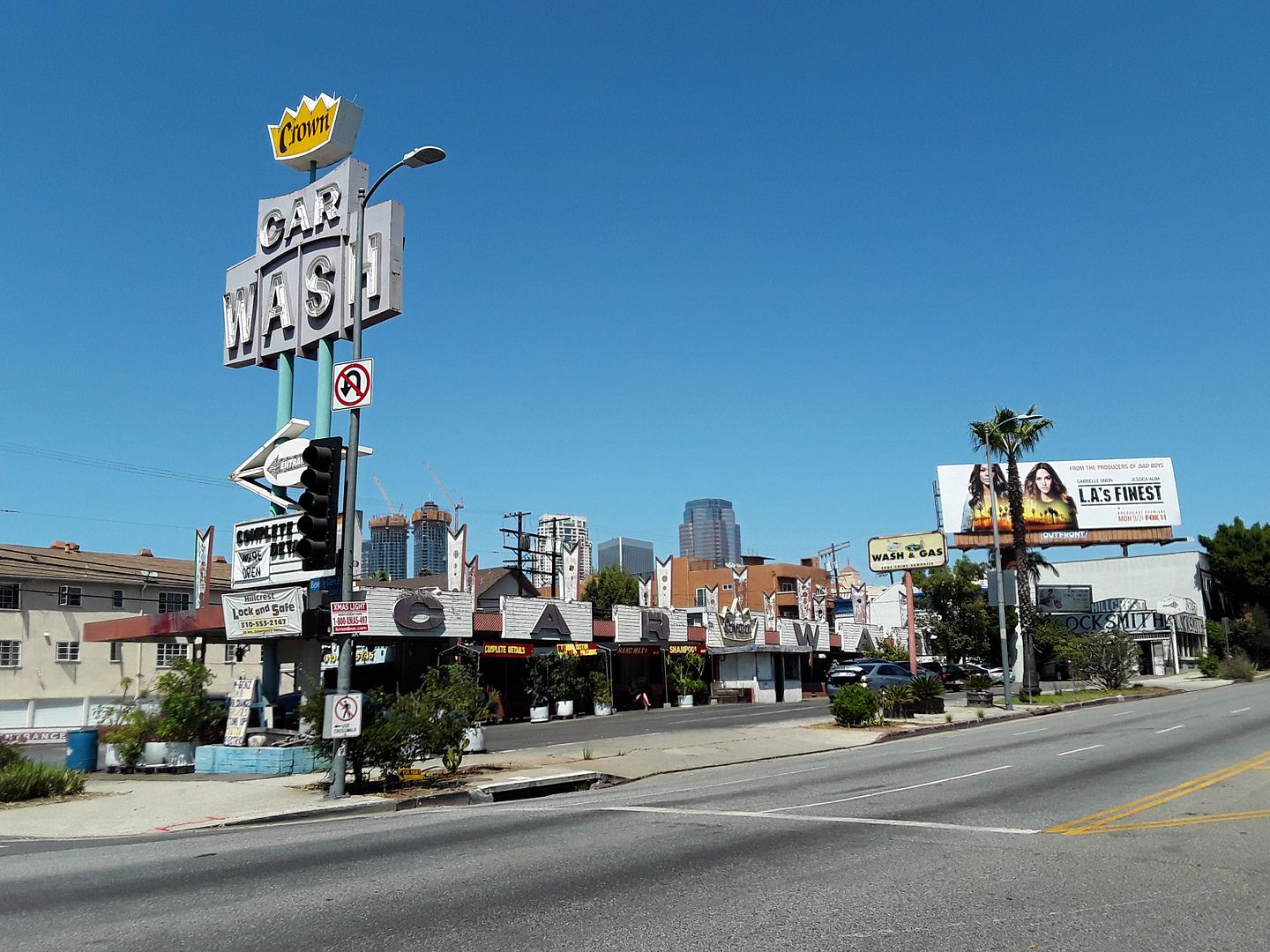


I'm sure Pico has changed over time—and maybe it'll change even more once Google moves its offices into the old mall (which stands approximately where LA's first drive-in movie theater opened in 1934).
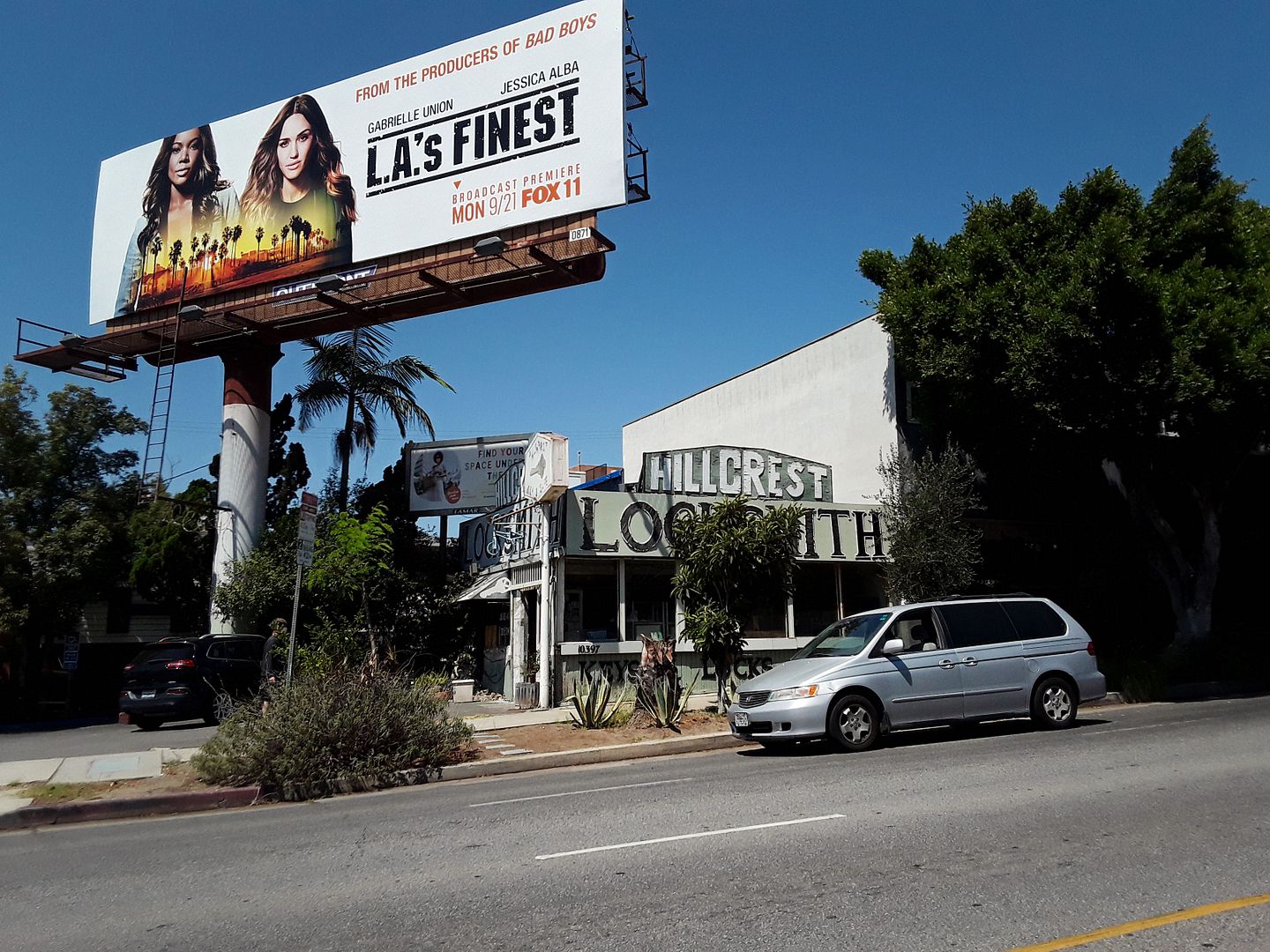


But right now, I'm relishing in the mom and pop shops, the low profiles, the weather-worn signage.
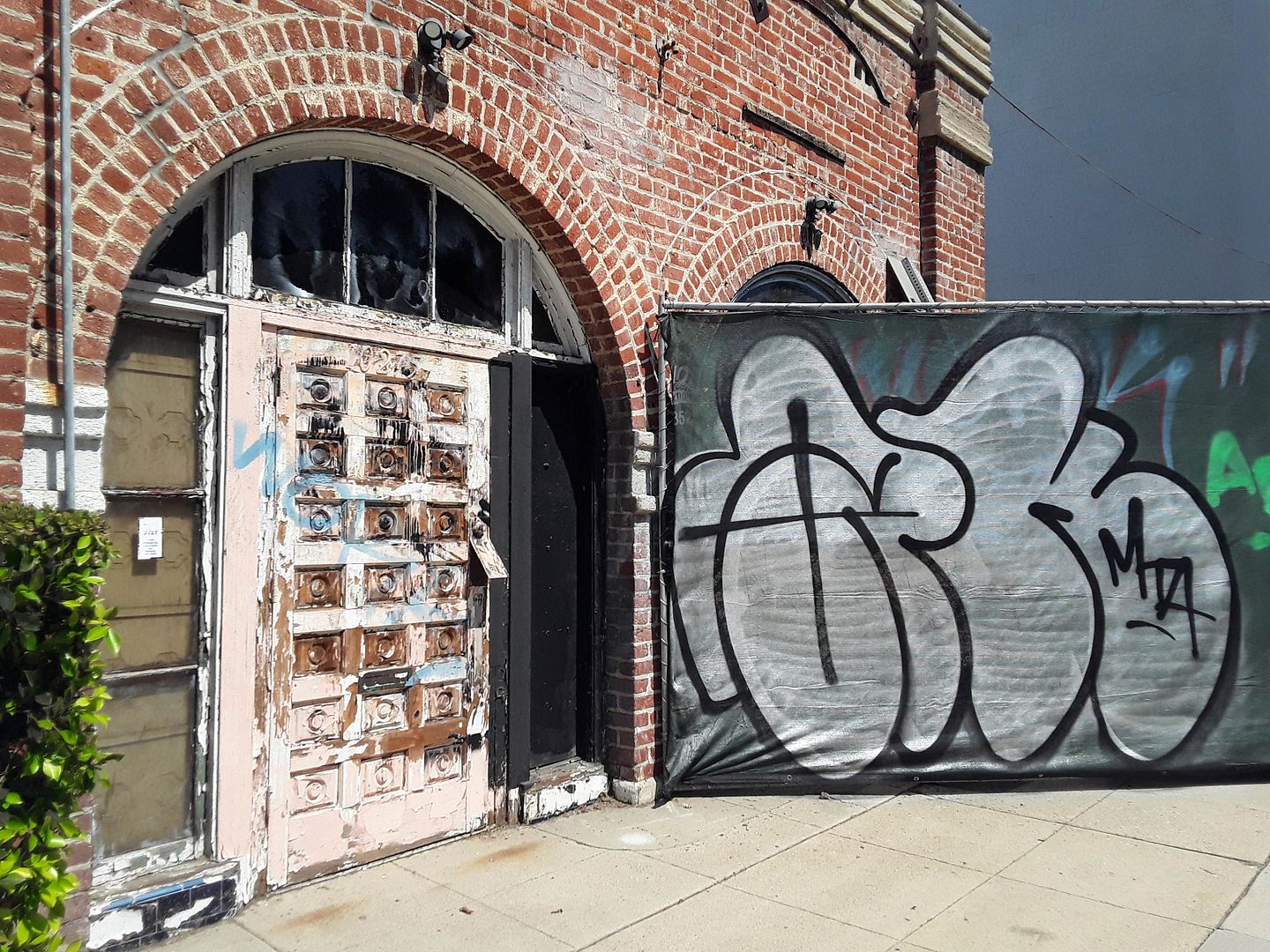


Take, for example, the exposed brick and peeling paint of a little box of a structure circa 1932, right next to Fox's front door—just 2,000 square feet of space that was built as a studio-adjacent cafeteria called Johnson's Buffet. It's the only existing example of this vintage of this type of vernacular architecture (besides the Chili Bowl, which is programmatic and not original) anywhere on this side of West Pico Boulevard.
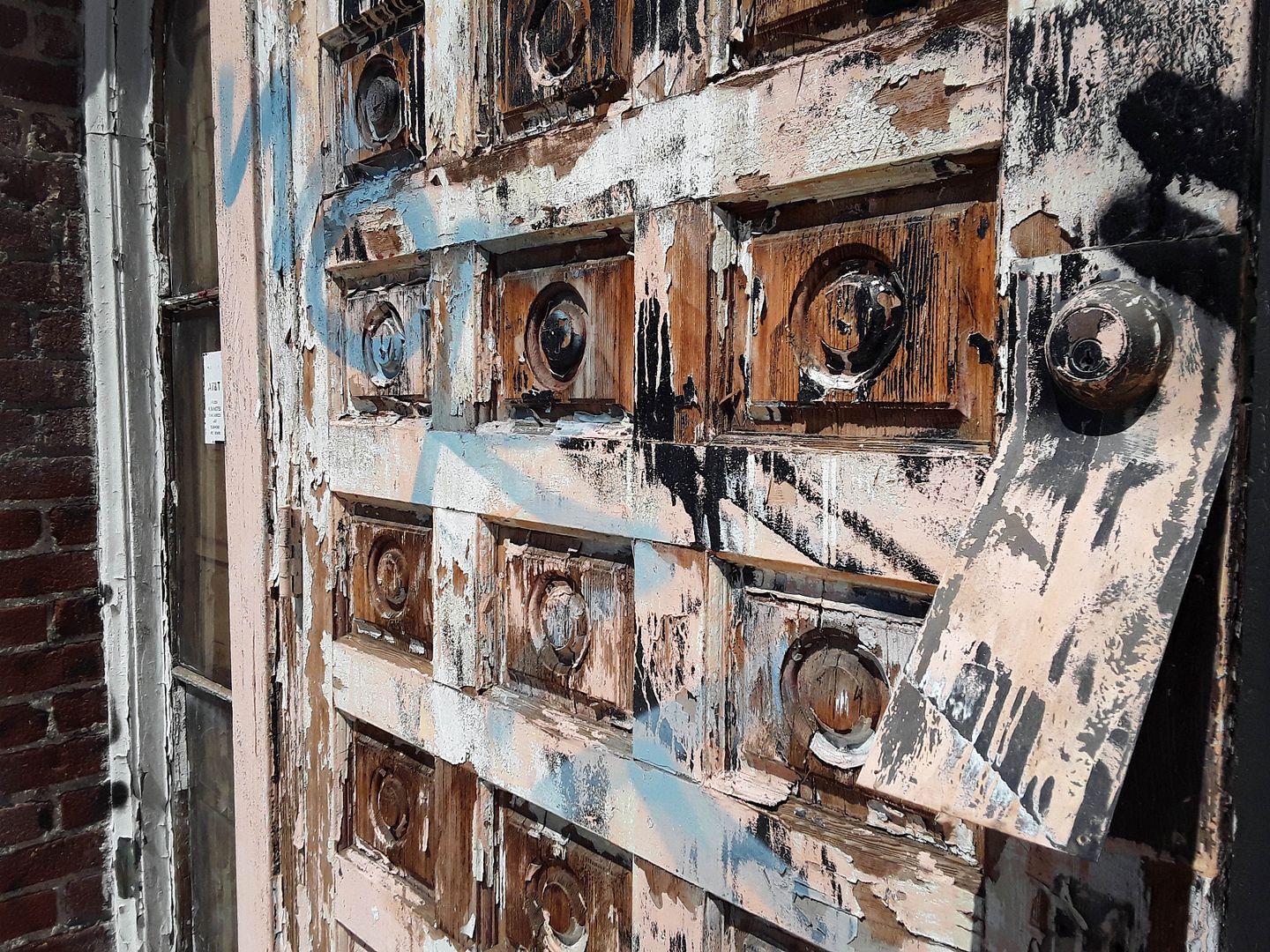


By the mid-1930s it had become Russell's Studio Inn (a.k.a.  Russell's Cafe), which offered chicken and steak dinners and "special" dinners for just 50 cents. In the mid-1980s, it was Bruno's Chartreuse,
serving "continental cuisine"—but by the end of the 1980s, the business had relocated to Santa Monica under the new name "Chartreuse."
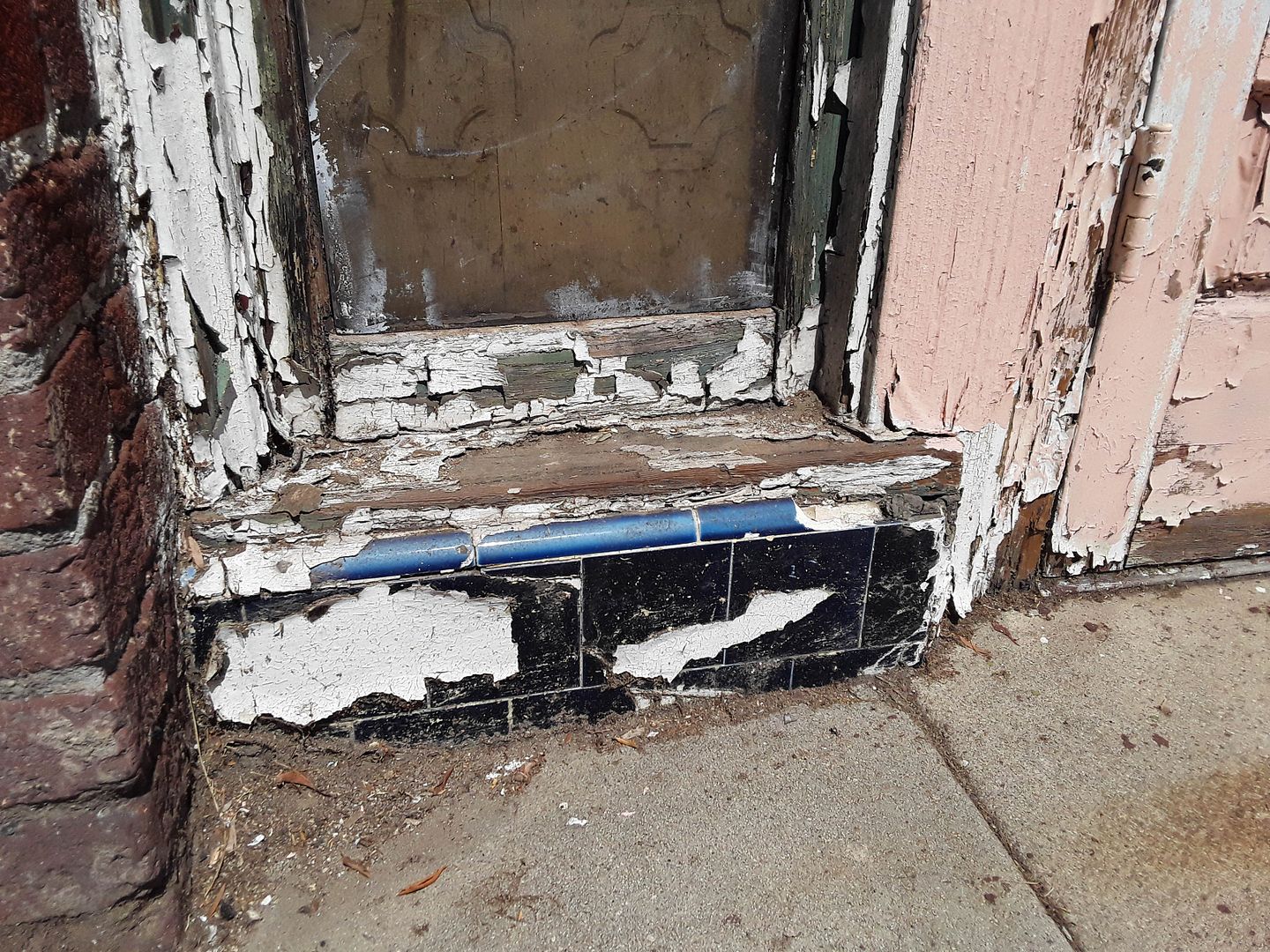


While the building also housed a Rams Restaurant from 1988 to 1992, it looks like it's been vacant a long time. Fox Hill Properties, which also owns the former LA Rams Football Club headquarters next door, has applied to reopen it as a tiny tavern with a patio in the back.
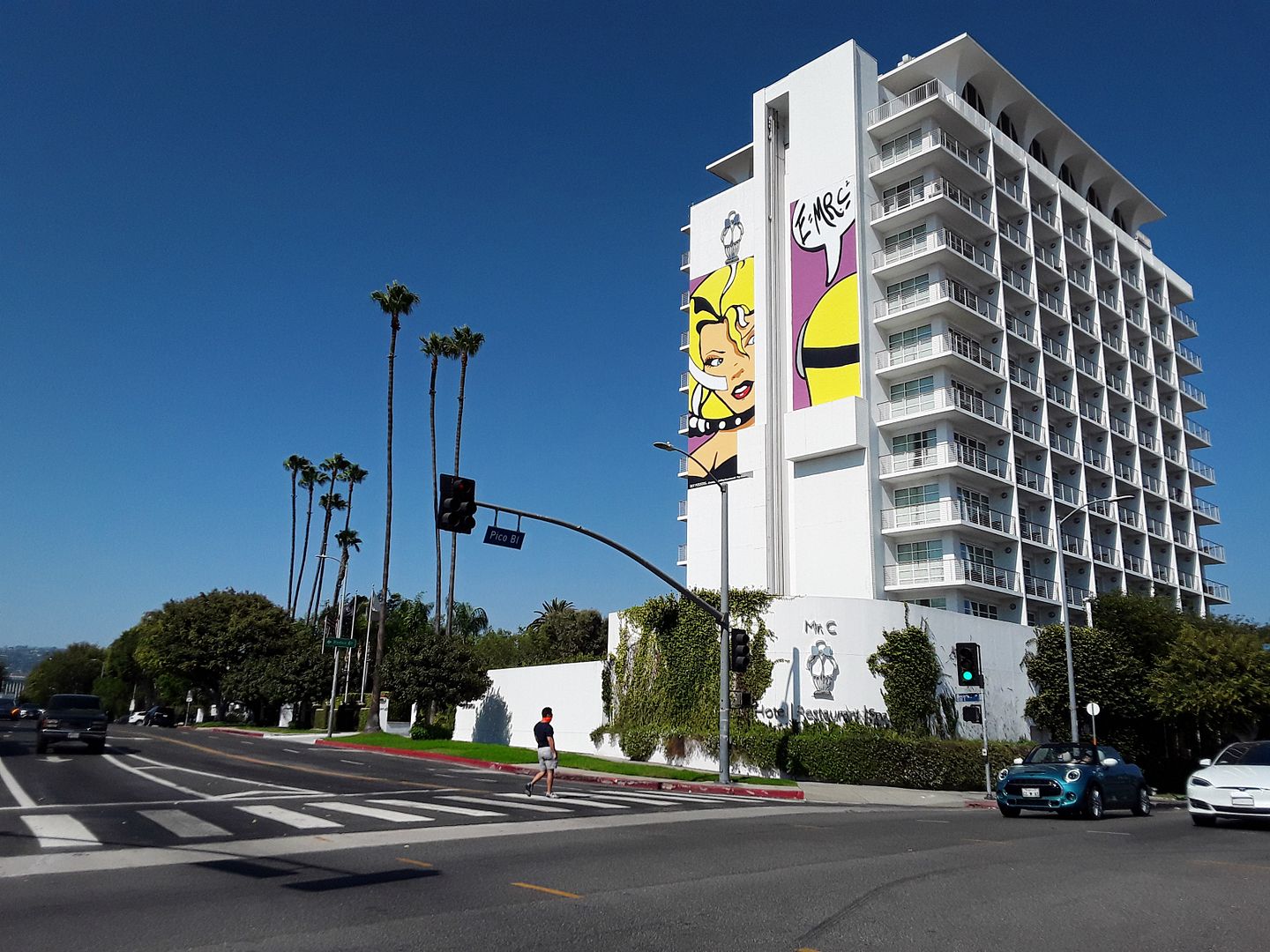


Even one of the more familiar sights to me—the Mr. C Hotel, operated by the Cipriani family, where I've actually had lunch—now looks brand new to me, even though the Kite and Overpeck-designed high-rise was was built in 1965 as the Beverly Hillcrest Hotel (which closed in 1991).


Driving back towards home, for the first time I began to wonder why everything seemed to be named "Hillcrest"—Hillcrest Locksmith, Hillcrest Country Club, but seemingly no connection to the Hillcrest Roads or Drives elsewhere in the Los Angeles area.

Maybe the names came simply from the area where the top hill of the Cheviot Hills neighborhood literally crests.

But my search for a real answer—one that's more than just a guess—led me to my last recent discovery along Pico.

Since the 1960s, Hillcrest Beverly Oil has been drilling on City of Los Angeles-owned property near the country club—part of the Cheviot Hills Oil Field.

And that's right next to the West Area of the Beverly Hills Oil Field, which is how an oil well got put on the grounds of Beverly Hills High. 

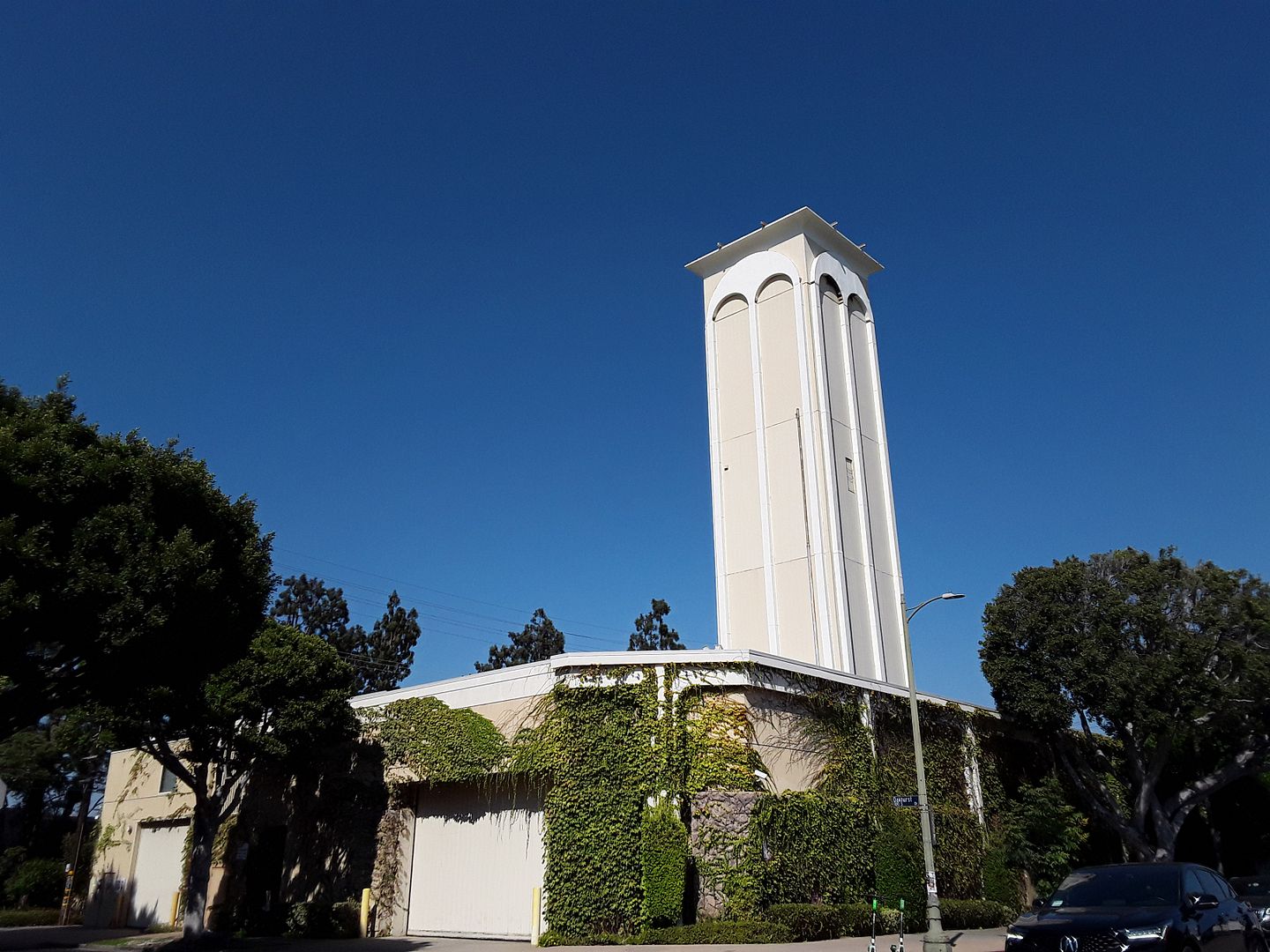
That one is currently being dismantled—but while it was in operation, it was camouflaged to look like a condo tower? A windmill that had lost its blades?
But there was a similarly incognito oil pump and drilling site that preceded the high school's "Tower of Hope." And that was the first "architecturally designed oil derrick," built on Pico near Doheny by Occidental Petroleum in 1966—the Cardiff Tower. 

Located in a traditionally Jewish neighborhood, people have literally mistaken it for a synagogue tower.

In 1988, BreitBurn Energy purchased a section of the Beverly Hills Oil Field and its successor, Pacific Coast Energy, now owns and operates the Cardiff Tower "drilling island."

Related Post:
Walking In LA