In 2013, I reported on a collection of statues at Pierce College in Woodland Hills, California that had been handmade by amateur sculptor John Ehn.
A descendent of pioneers, he'd dubbed himself "The Old Trapper" (or "O.T.") and built a motel (or "lodge") in the Sun Valley neighborhood of the San Fernando Valley in 1941.
Ehn had no training besides briefly shadowing Claude Bell (of Knott's Berry Farm/Cabazon Dinosaurs fame)—but he took it upon himself to tell stories of the Old West through his art, using his family members as models to portray scenes from pioneer family life.
"O.T." died in 1981—and his heirs sold the motel property (or, more accurately, were forced to sell it) to the Burbank-Glendale-Pasadena Airport Authority for the expansion of the airport runways.
The statues were relocated to Pierce College in 1988.
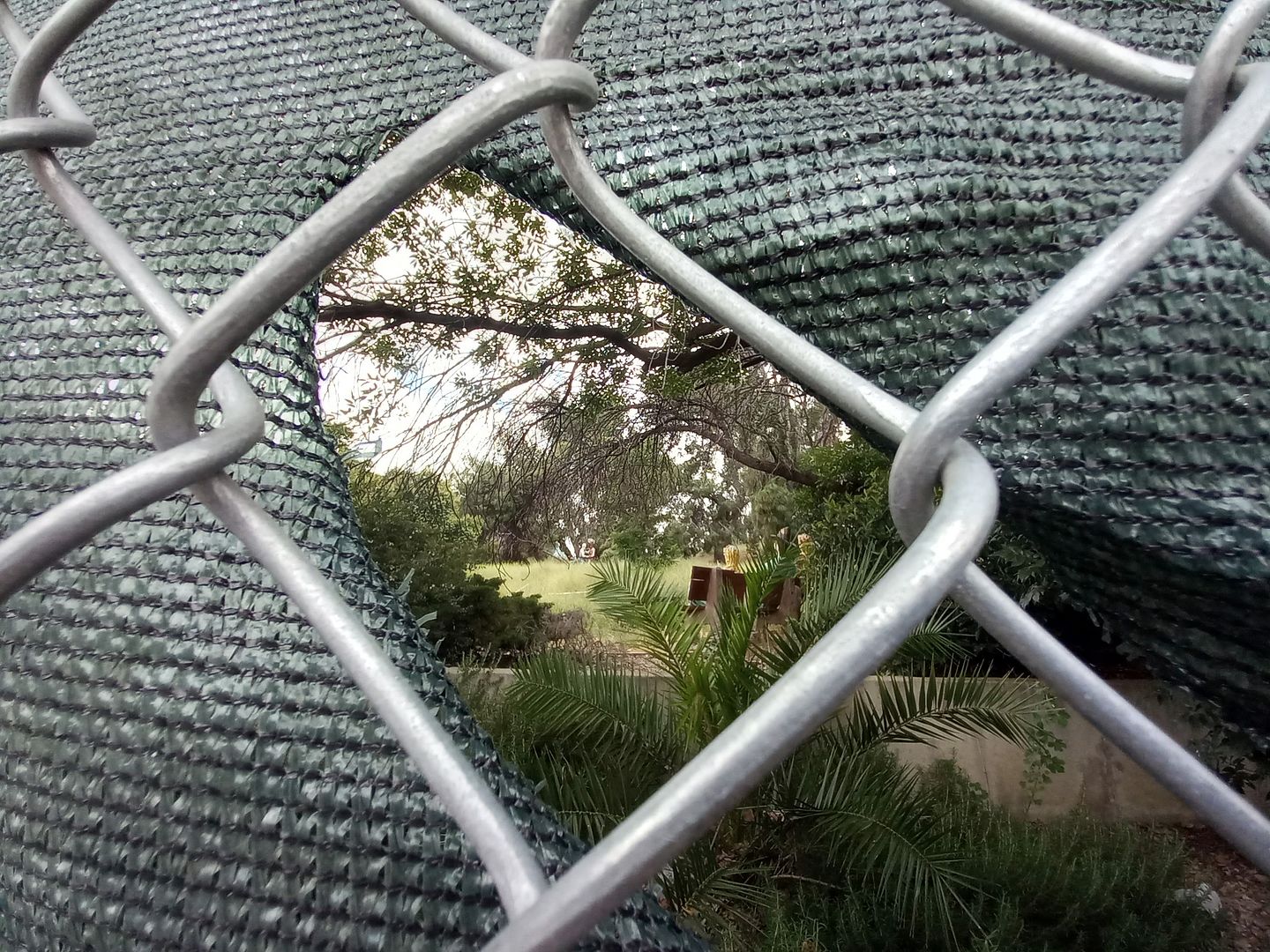
They were always a little bit hard to find—but now they're almost entirely hidden from view.
[Last updated 6/1/23 3:37 PM PT—Video player embedded at the bottom of this post.]
Last September, I spent the day in Riverside, California researching one of my SoCal Wanderer articles for KCET—and while I was in town, I made sure I returned to Tio's Tacos.
No, it wasn't my lunch stop—I wasn't there for the tacos.
[Last updated 11/23/25 12:54 PM PT—According to the Los Angeles Times, real estate agent Michael Libow—also the owner of the Spadena House in Beverly Hills—has purchased the The Hobbit Houses for $1.8 million. He says he plans to keep the rental units and is adding this structure to his collection of storybook houses.]
[Updated 3/3/25 12:49 PM PT—The Hobbit Houses have been listed for sale for 10 days. The price is $1.9 million.]
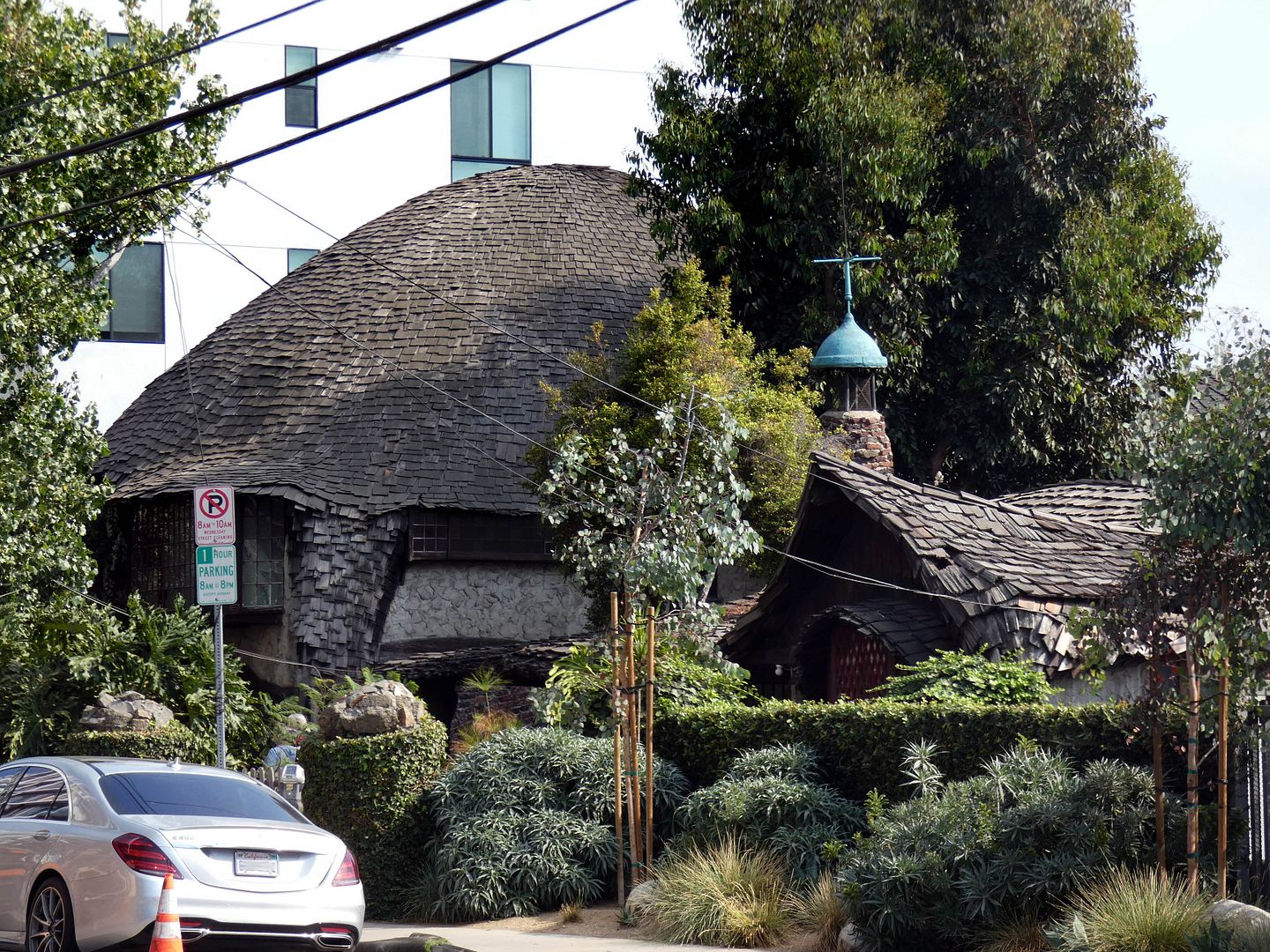
Its official name is the "Lawrence and Martha Joseph Residence and Apartments."
But most people know the complex simply as the "Hobbit Houses."
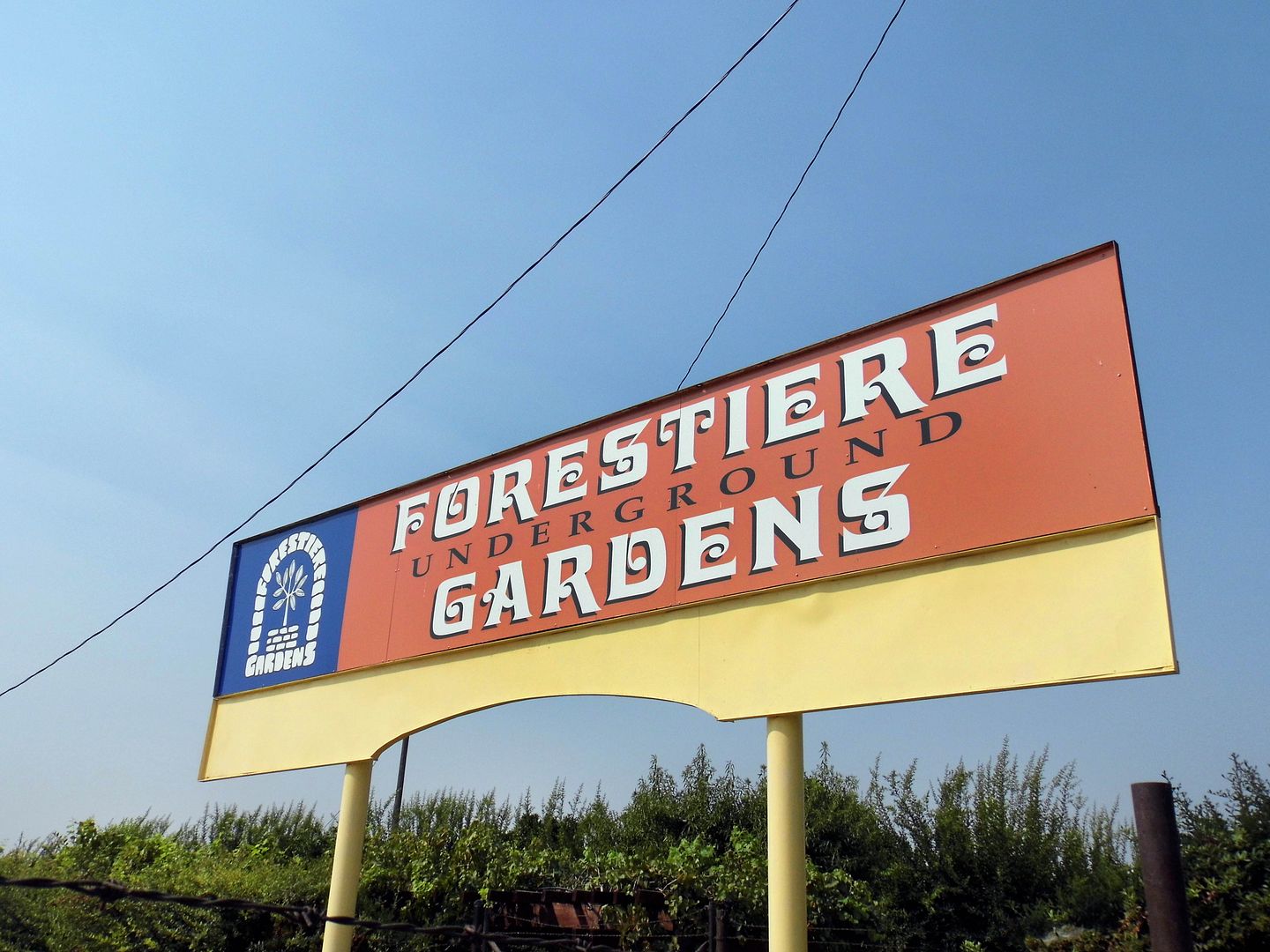
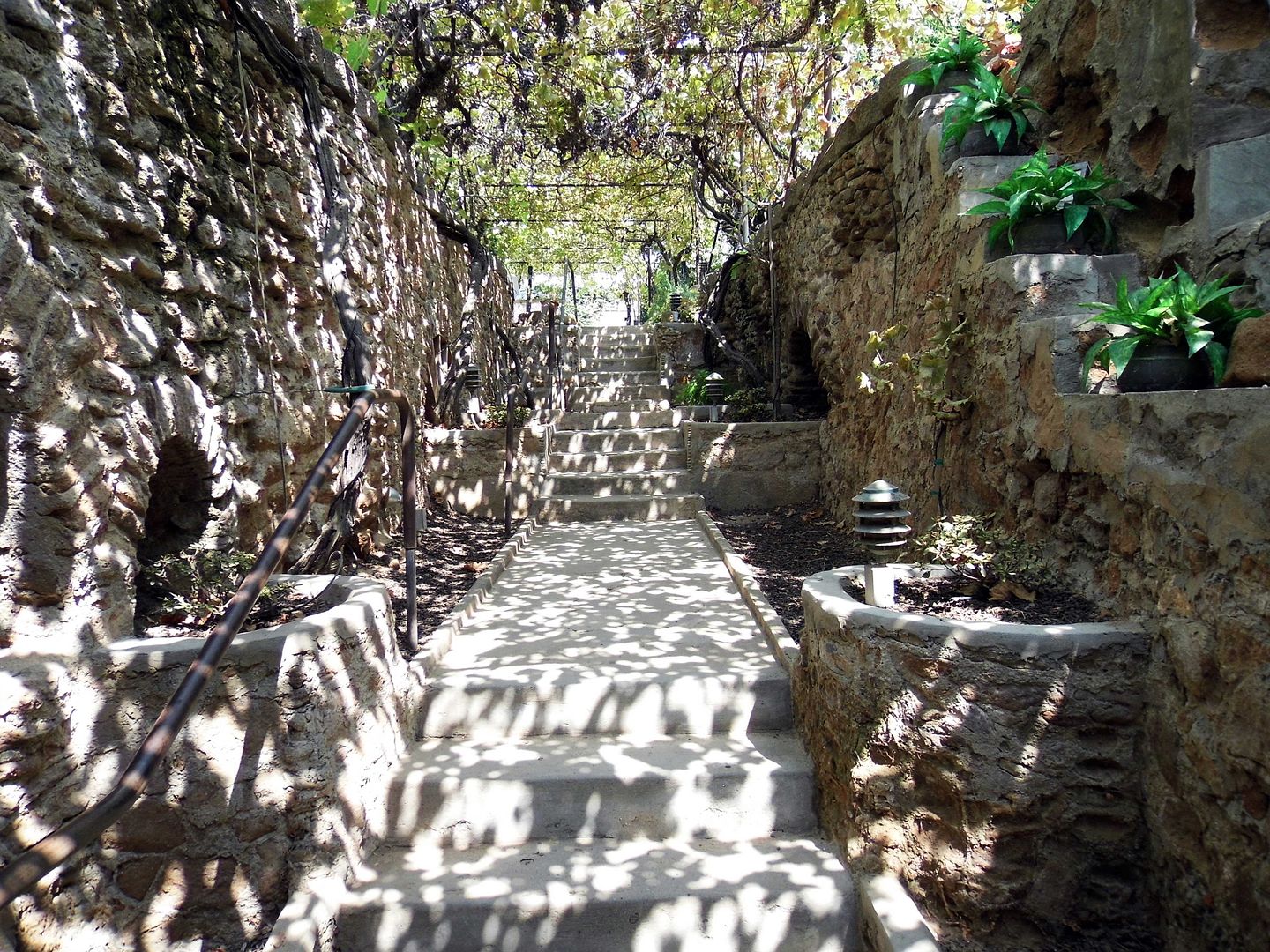
I chose one of the worst heatwave days of the year to cross Forestiere Underground Gardens in California's Central Valley off my list.
But that was just perfect—because its creator, Baldassare Forestiere, dug it out to escape the scorching summertime heat. So, I got to experience it just as he did—and for the very reason he excavated the site in the first place. It's 15 to 20 degrees cooler down there!
An immigrant from Sicily, Forestiere had become an expert tunneler while working on Boston's subway system. But he hated the snow and cold; so, he fled to California for the promise of a warm, tropical paradise.
Around the turn of the last century, Central Valley land was dirt cheap—and given its reputation as California's breadbasket, and its seemingly healthy topsoil, it's no wonder that Forestiere planned to become a farmer and till the earth.
He close 80 acres of the Winterton Tract, a subdivision of the Fruit Vale Estate, just 7 miles from Fresno's city center. Only, after just a bit of digging, he hit a layer of hard rock formed by the Ice Age —and had to come up with a Plan B.
Already an expert "sandhog," Forestiere made the most of the situation and returned to what he knew best. With just a few hand tools, in 1908 he began carving out what would become a California state landmark and be listed on the National Register of Historic Places.
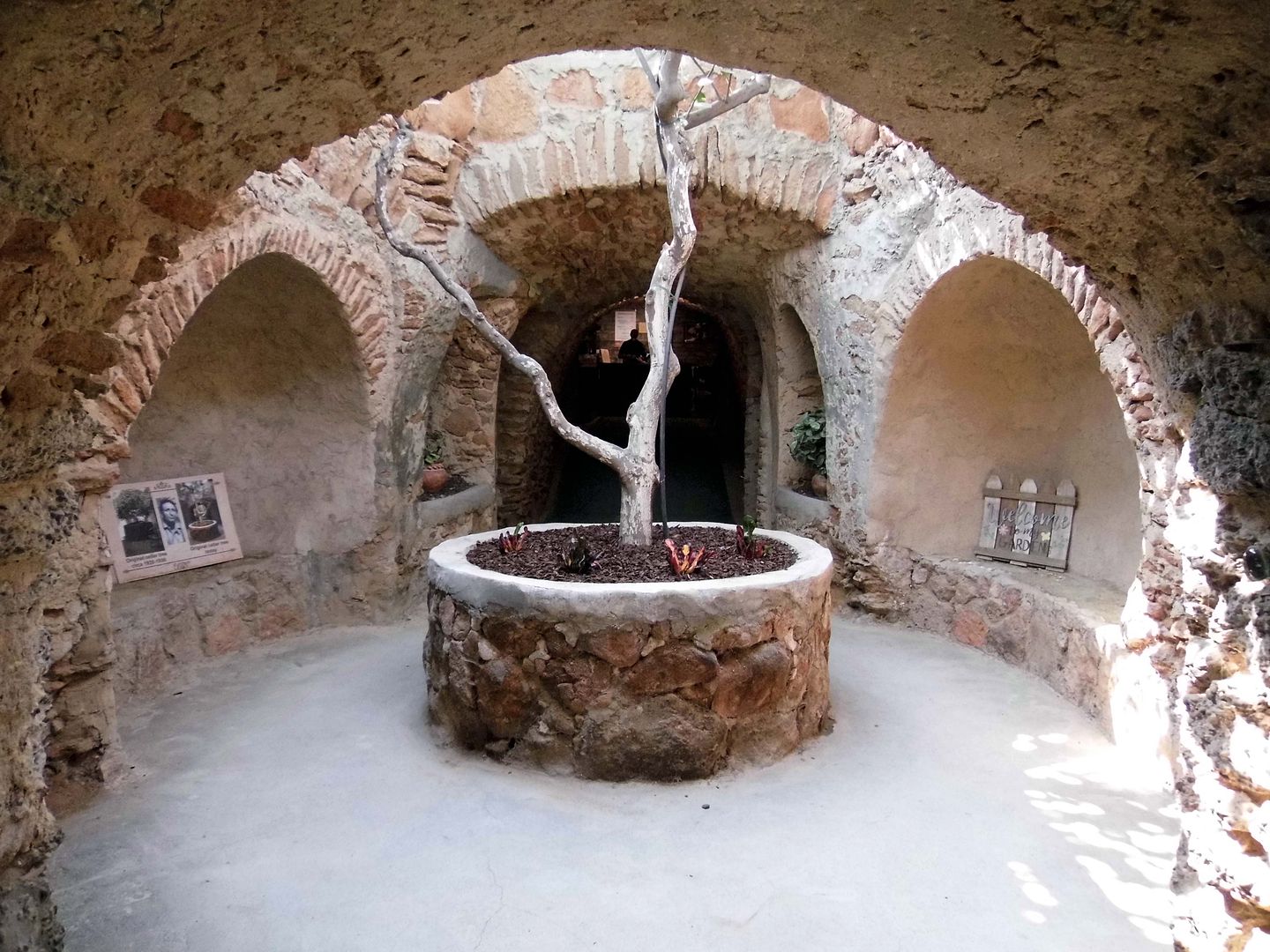
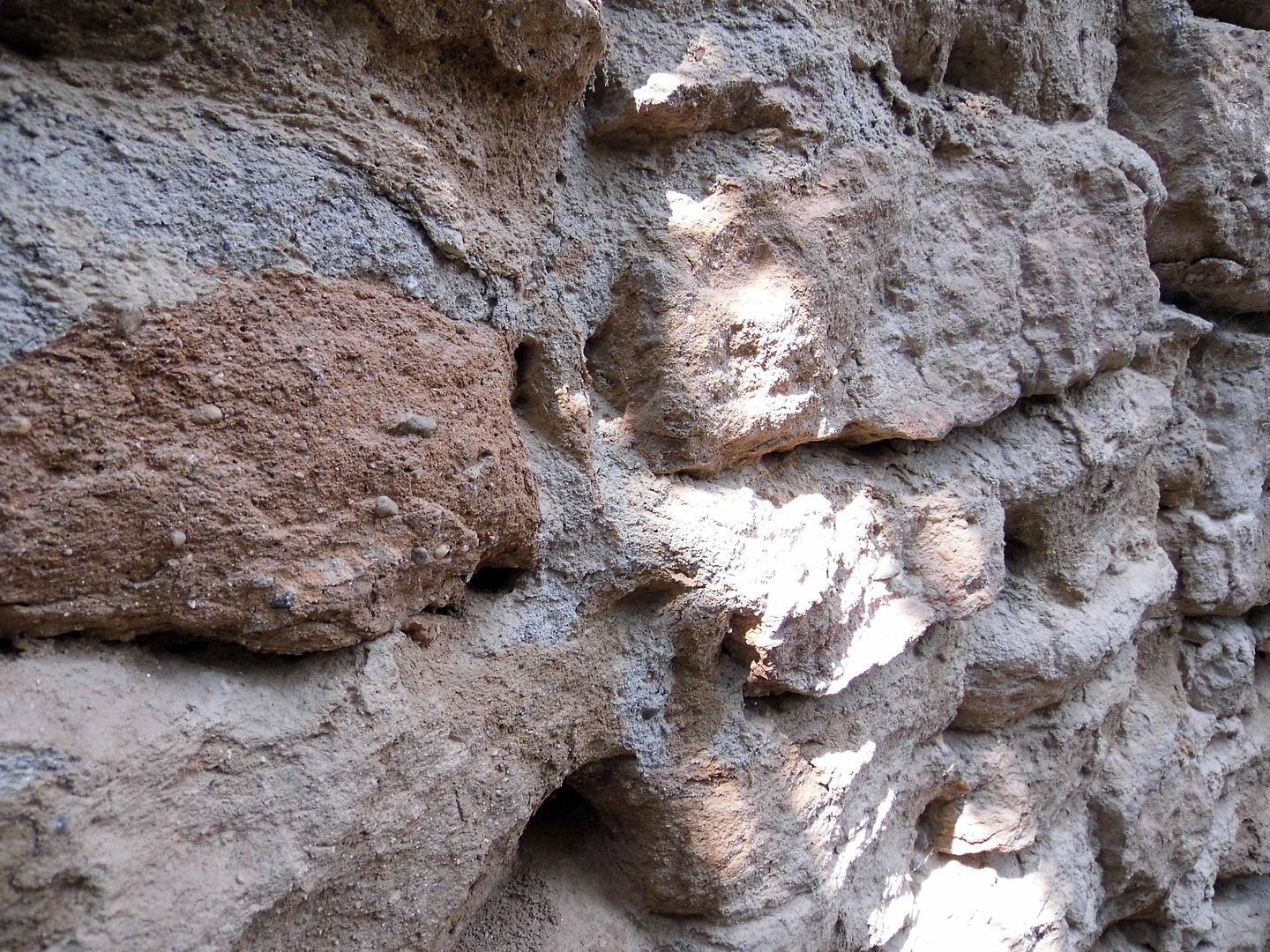
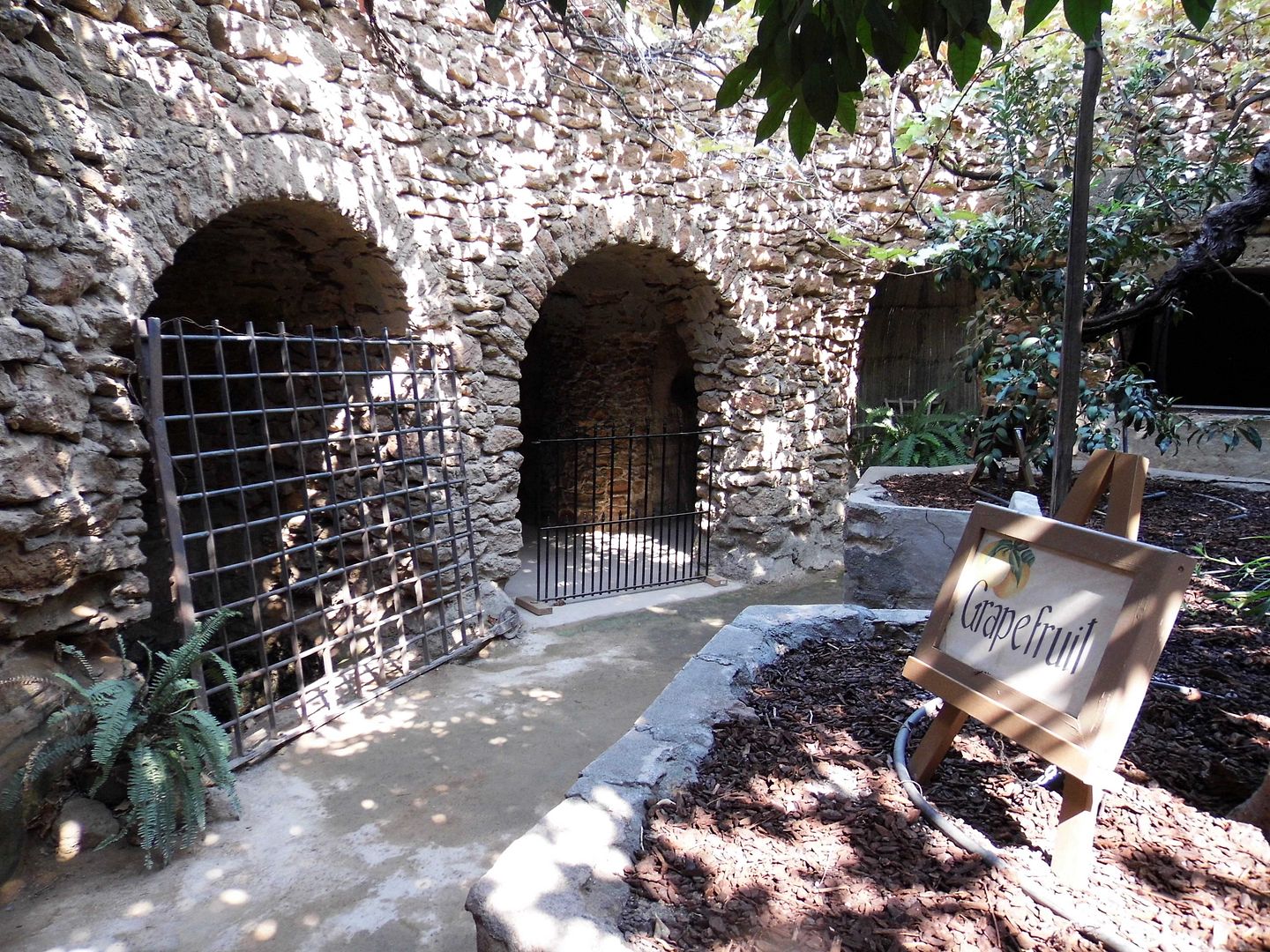
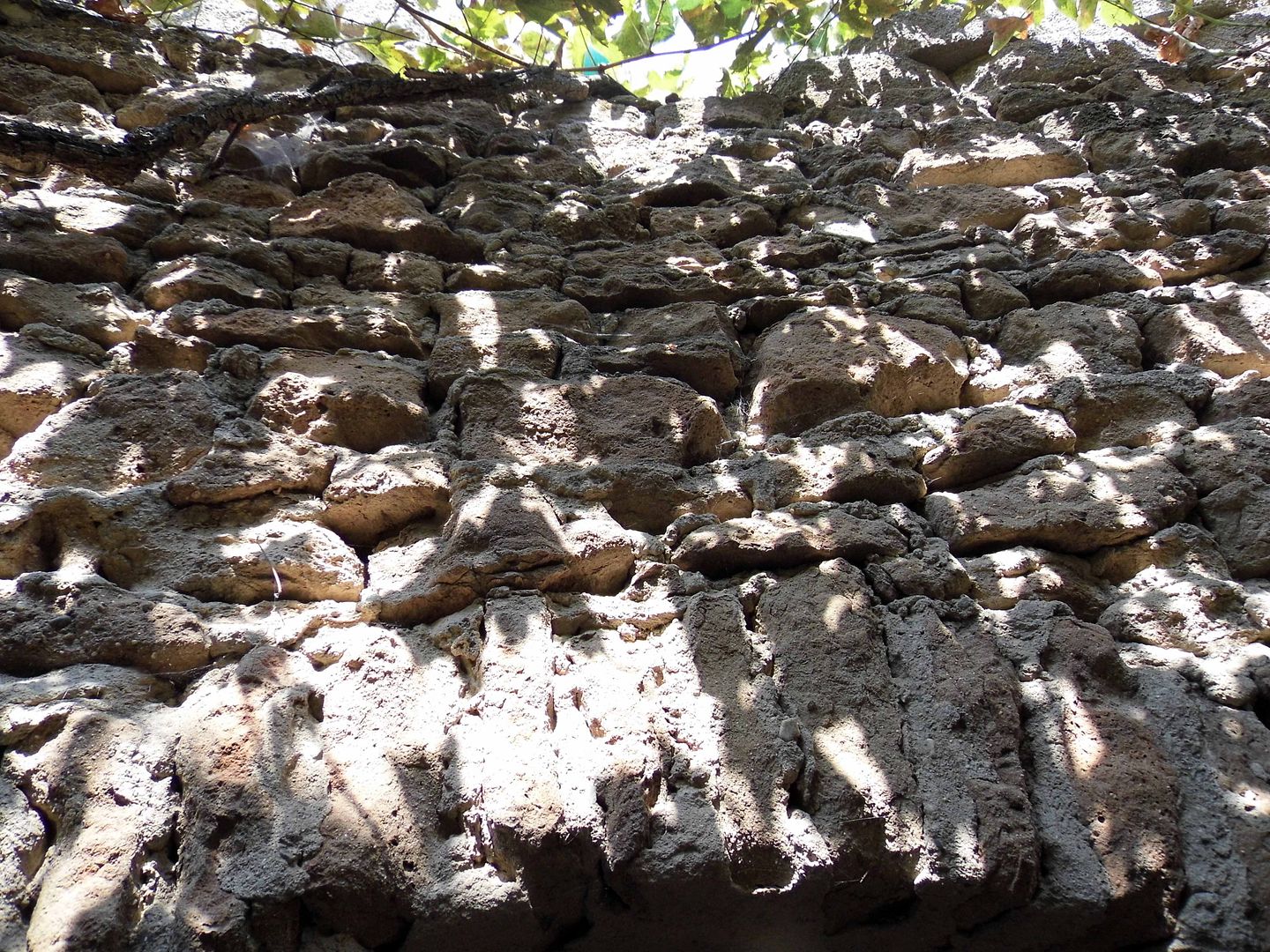
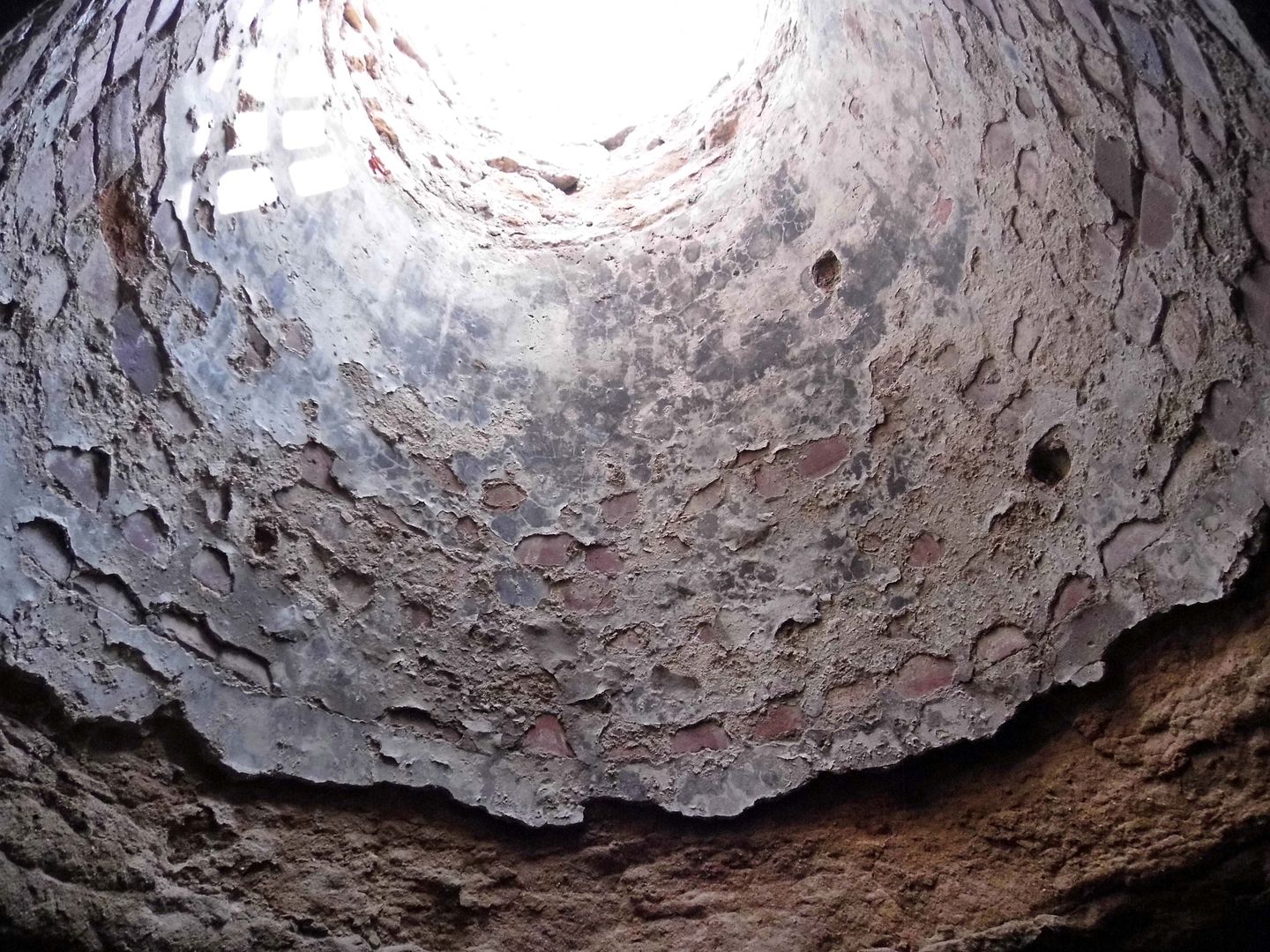
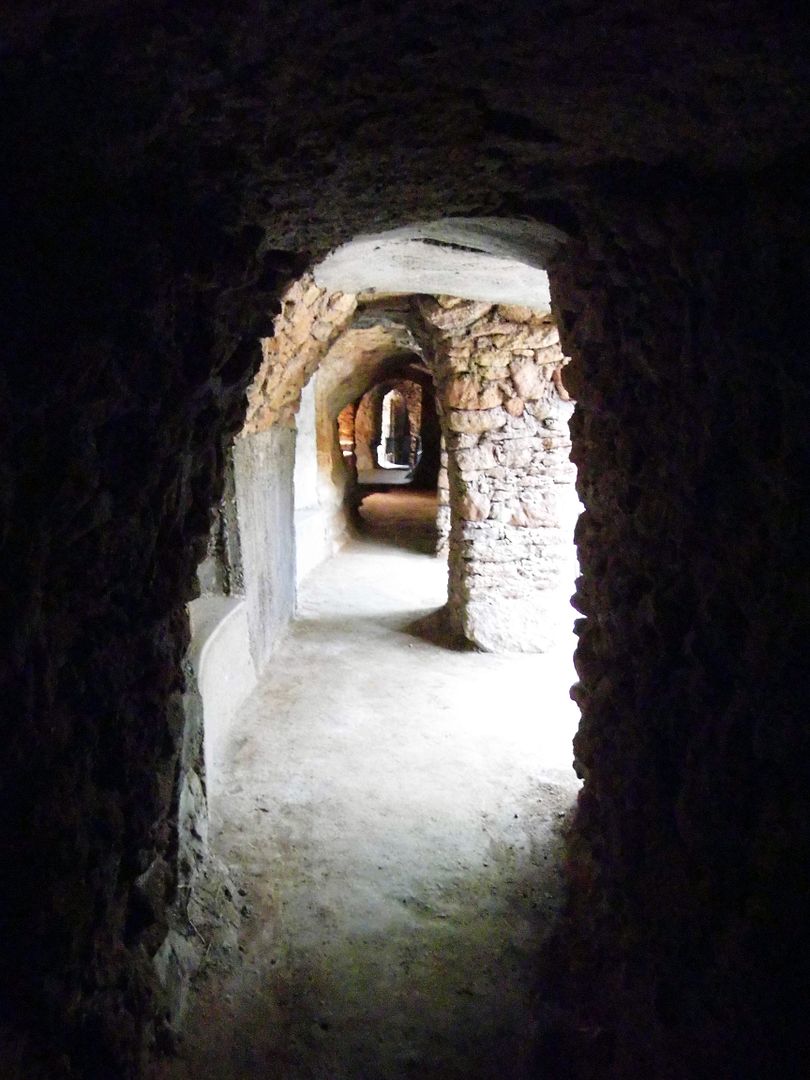
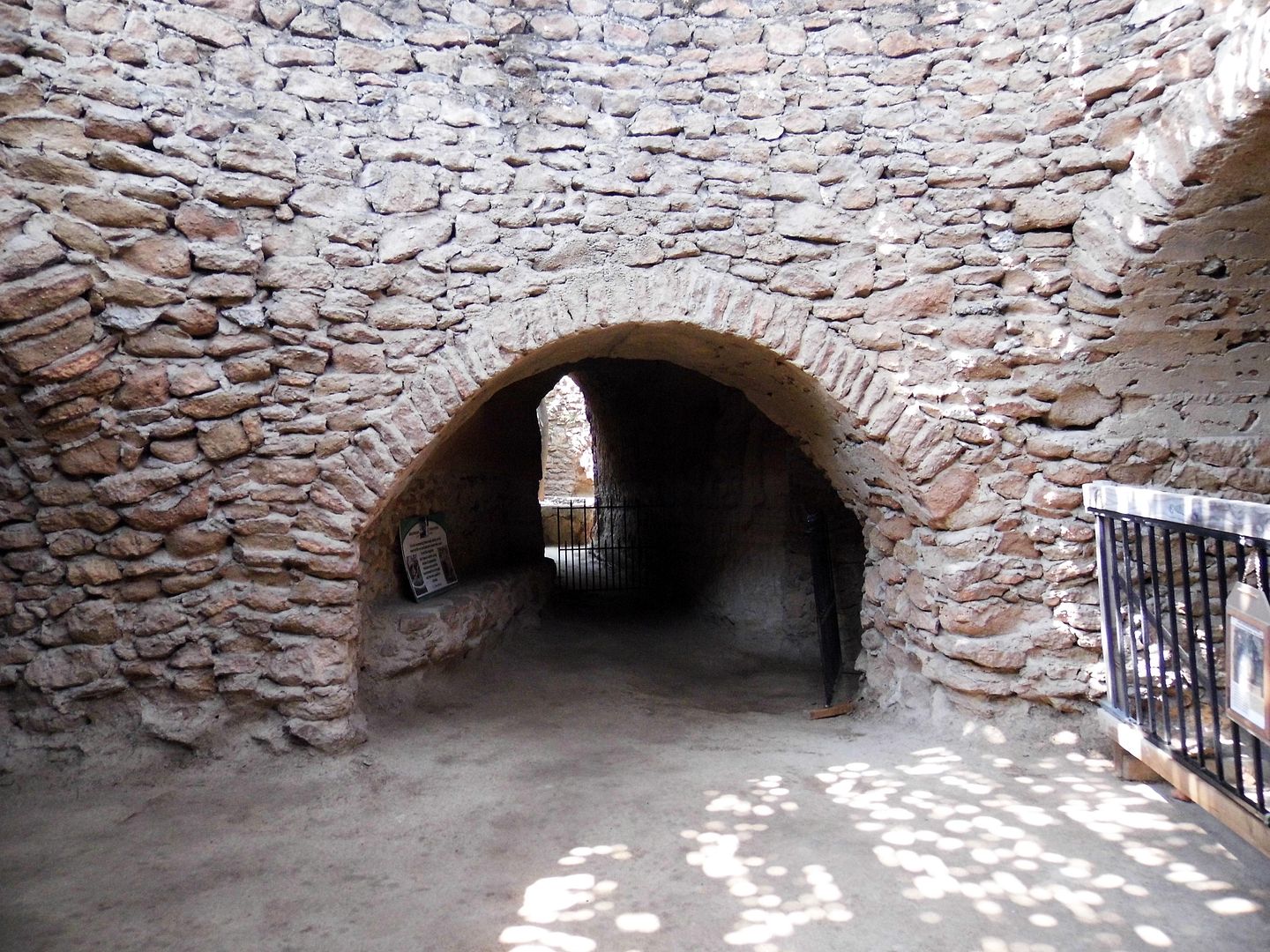
With all the inspiration he needed right inside his own head—and no written plans—Forestiere excavated 10 acres of what some have considered caves or grottos or even catacombs, using traditional architectural and engineering techniques of Roman arches (using wagon wheel molds) and domed ceilings.
For him, it became home—and that rock-hard material he hit, known as "hardpan," became a sturdy building material for walls, rooms, alcoves, and more.
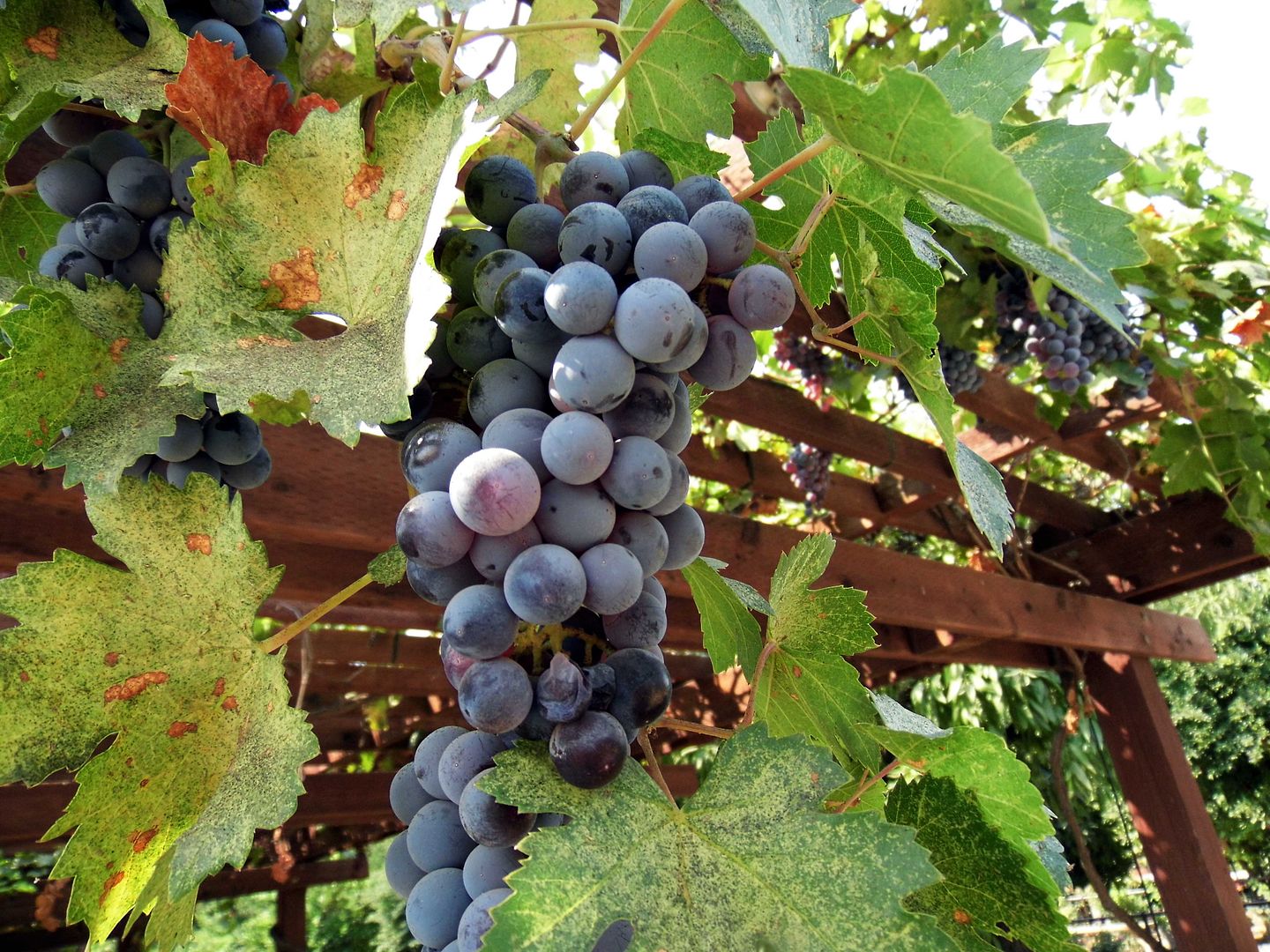
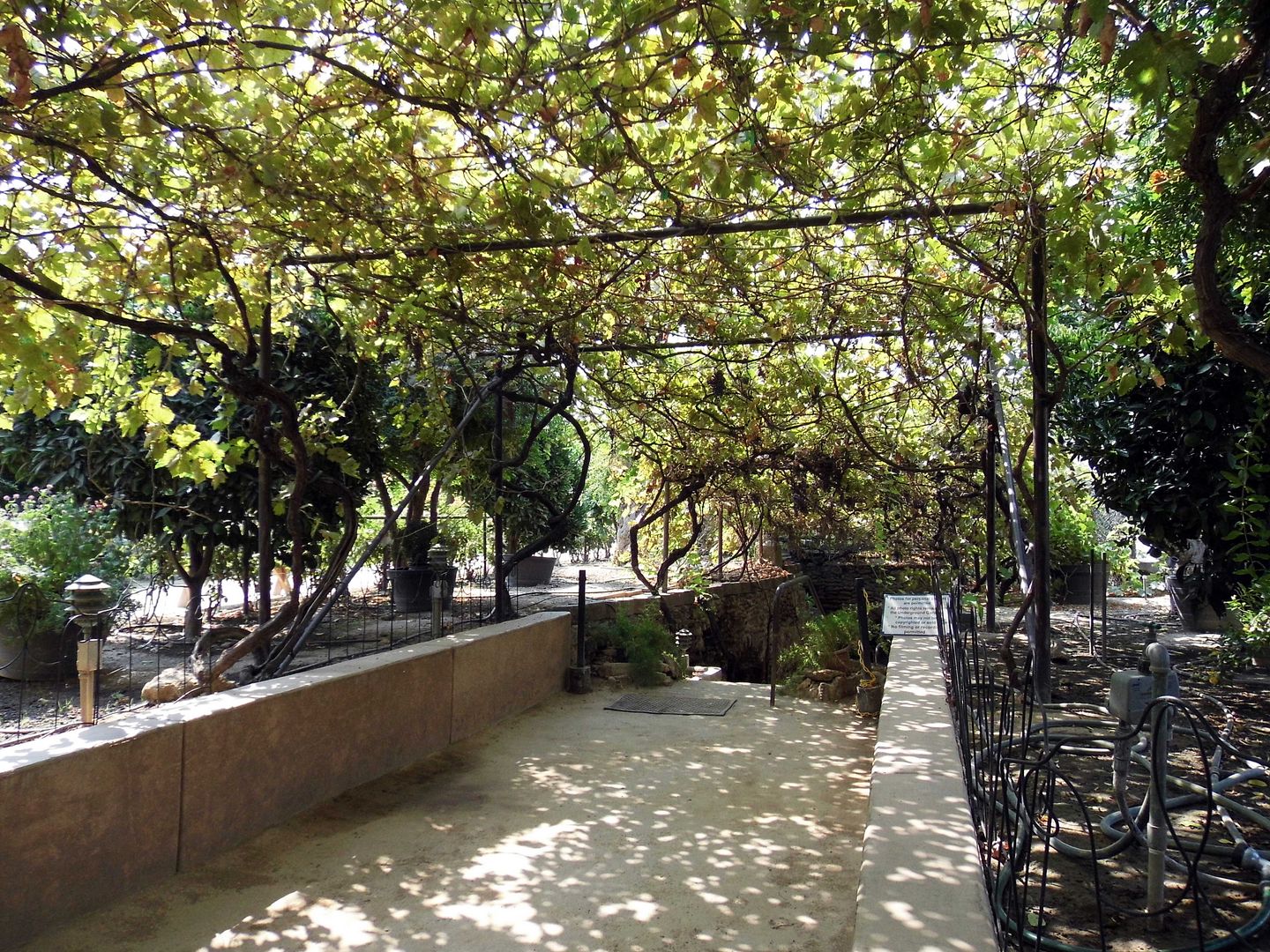
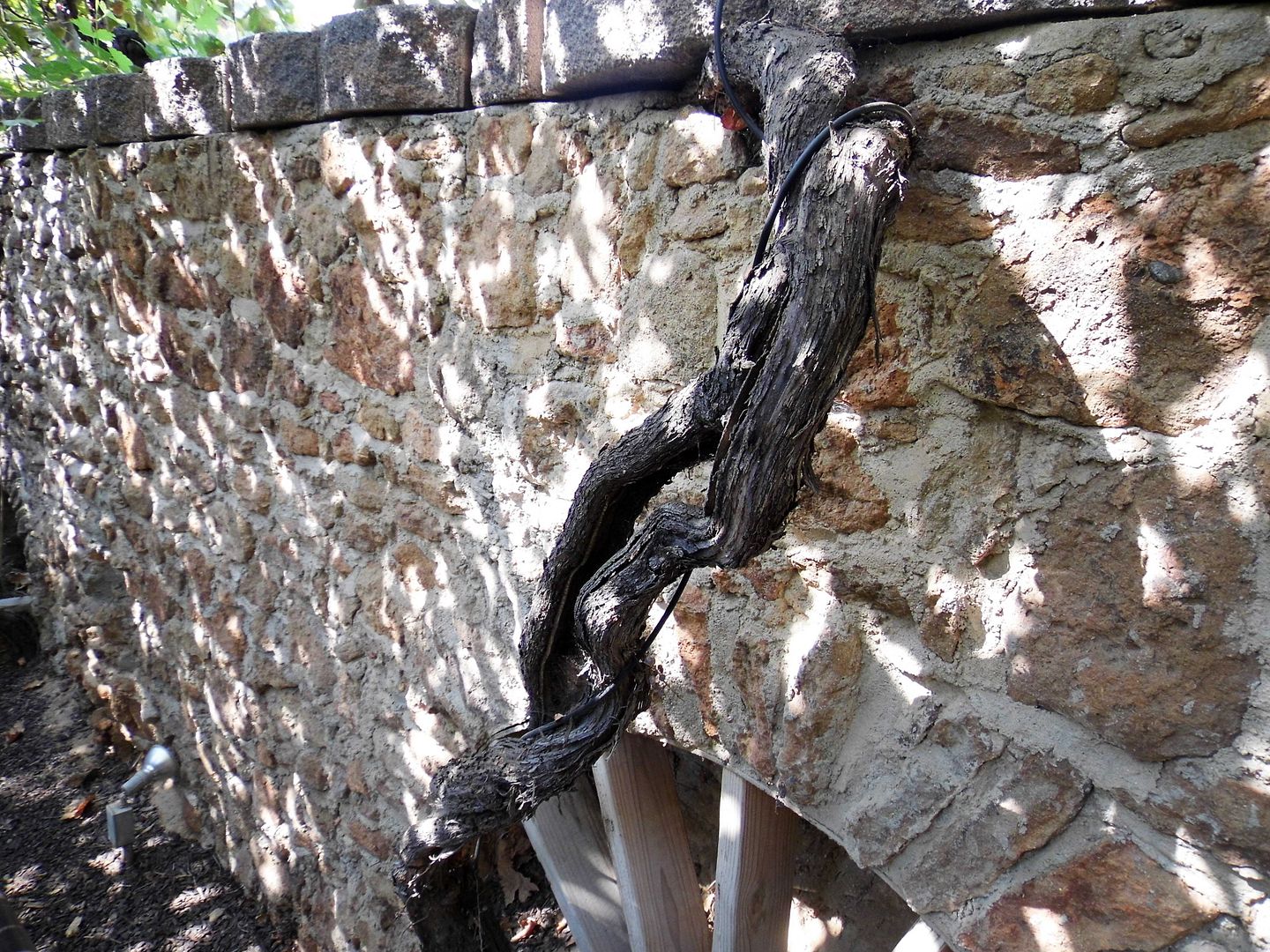
Fortunately, Forestiere didn't have to give up his horticultural dreams—because his construction also included many planters that would contain herbs, fruit trees, and grapevines. Today, there's a vine that's over a century old and has lost only one of its branches out of its original three. It still produces big purple grapes.
In his underground orchard, Forestiere planted trees that bore tropical citrus like loquat, kumquat, and grapefruit.
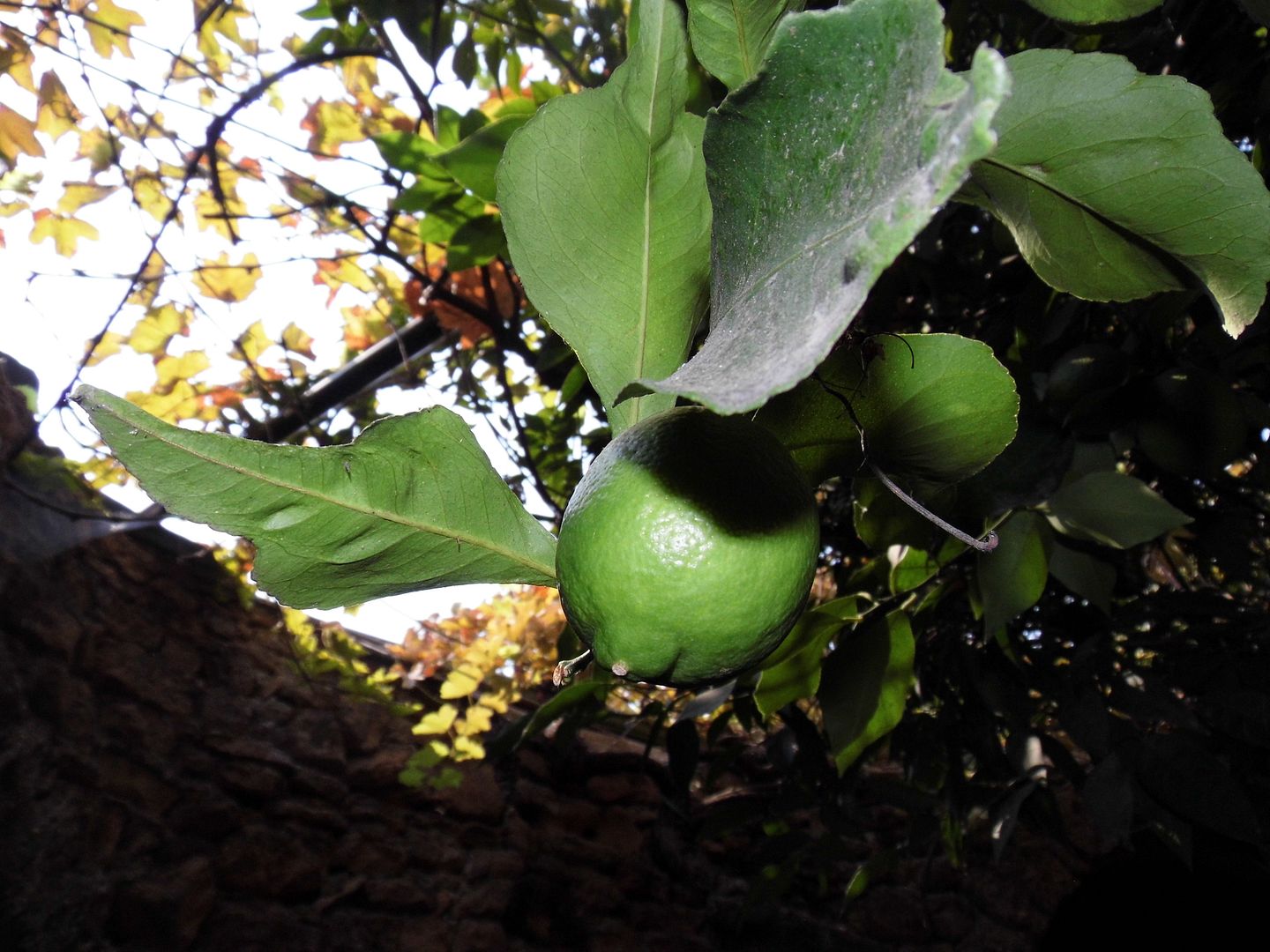
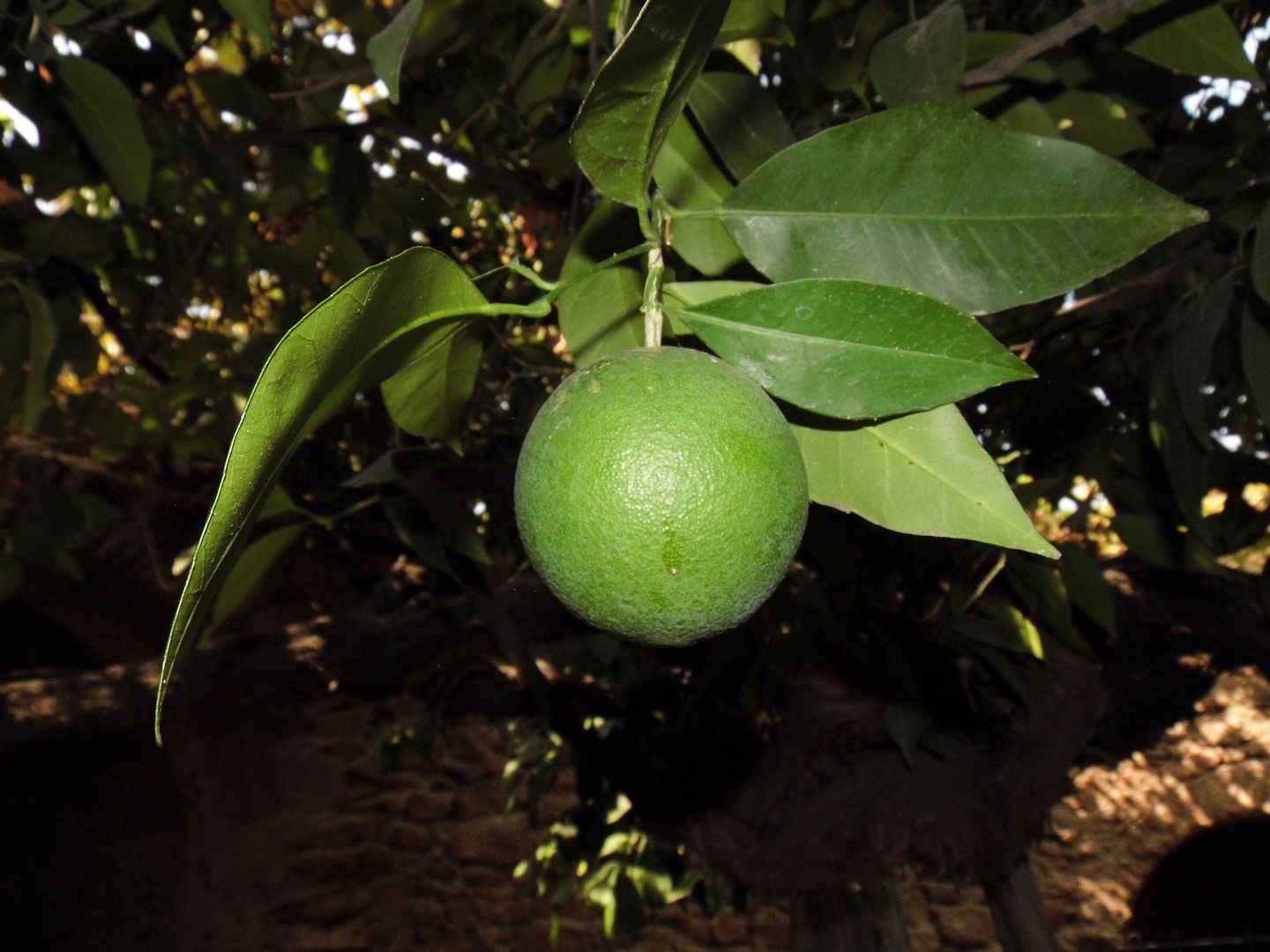
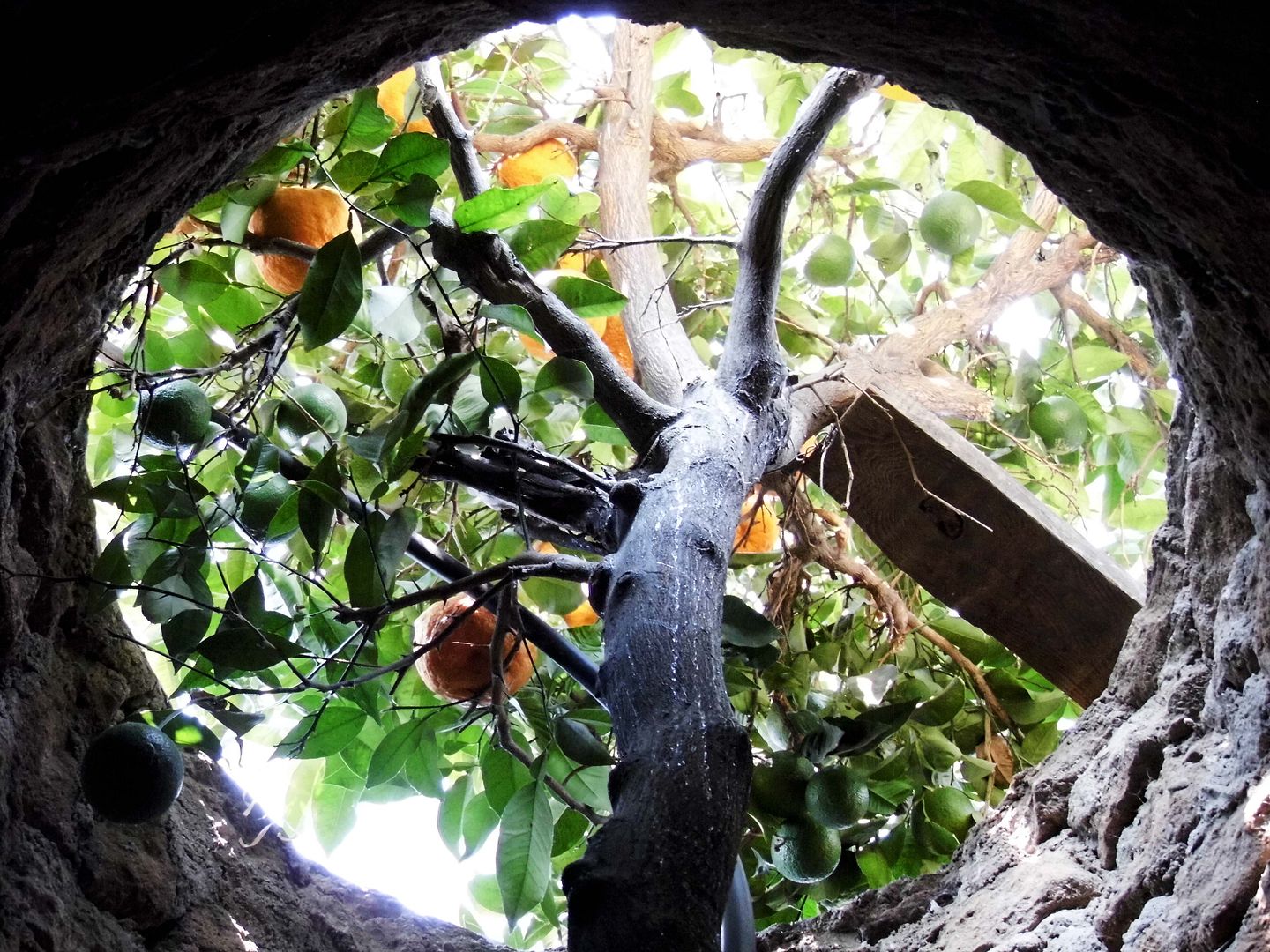
And because he was something of a grafting genius, he even created a citrus-bearing tree that yielded both lemons and oranges.
There are now 2 acres "finished" and open for exploring and examining...
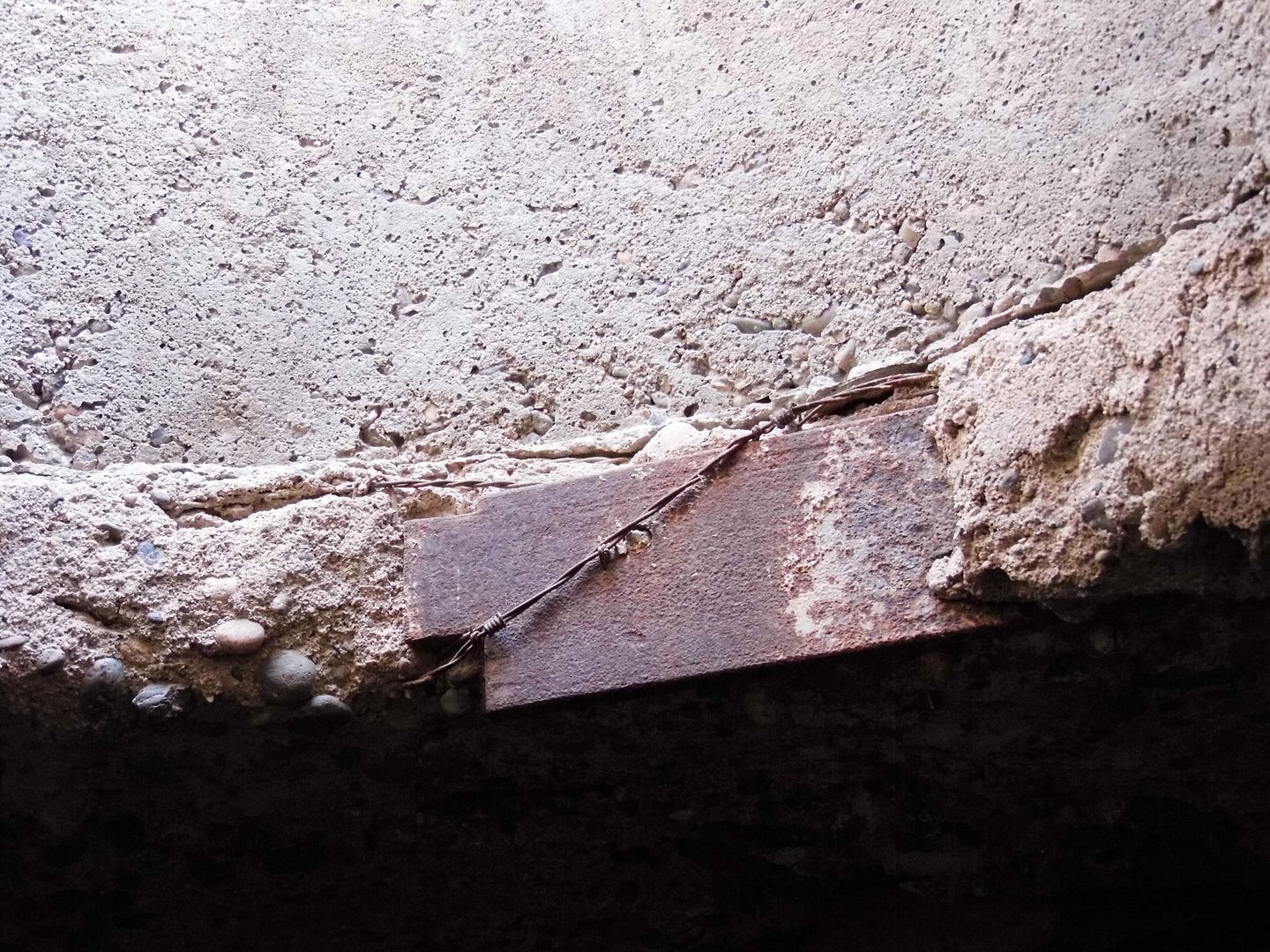
...with recycled building materials hiding in plain sight, like scrap metal and barbed wire...
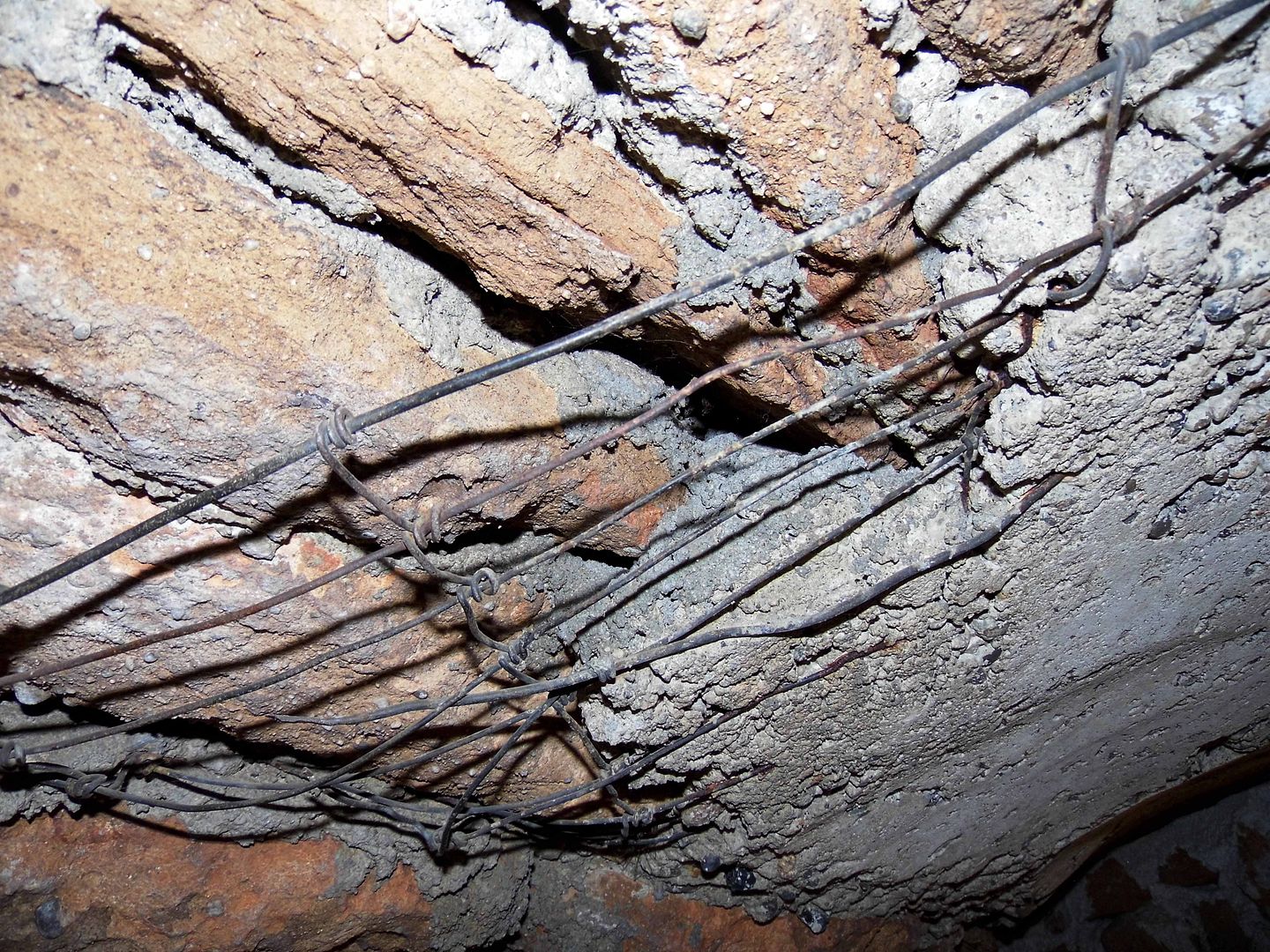
...and mattress springs.
It's cooler down there not just because of the subterranean location, or the rock walls, but also because of the cross-ventilation. (And, being a devout Catholic, he built the underground gardens literally in the shape of a cross.)
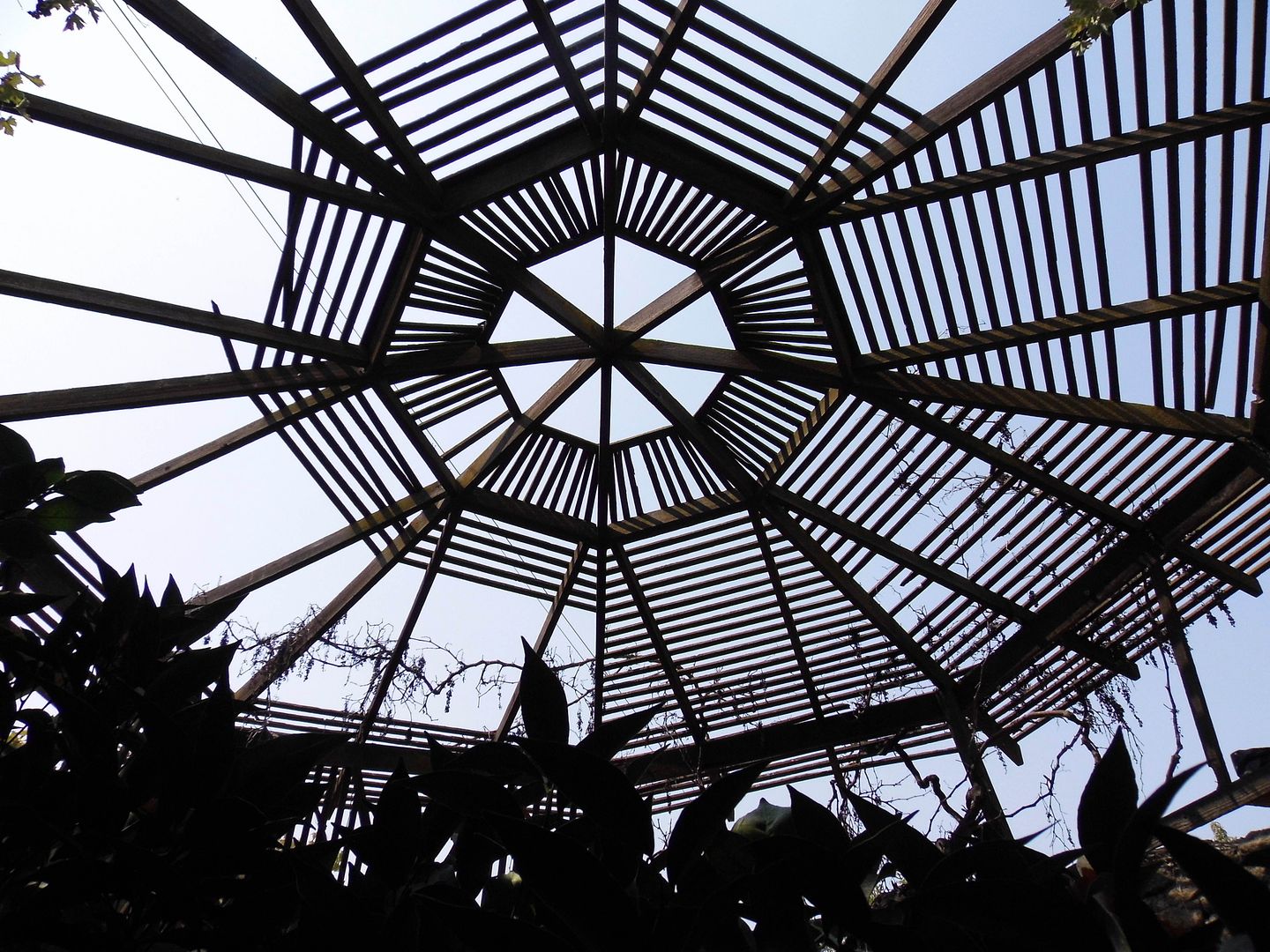
Open-air skylights allow trees to grow towards the sun...
...and many of the arches line up so the air whooshes straight through.
Ultimately, Forestiere designed an entirely self-sufficient dwelling—where he could store rainwater and keep the fish he'd caught alive in a pond until he was ready to eat them.
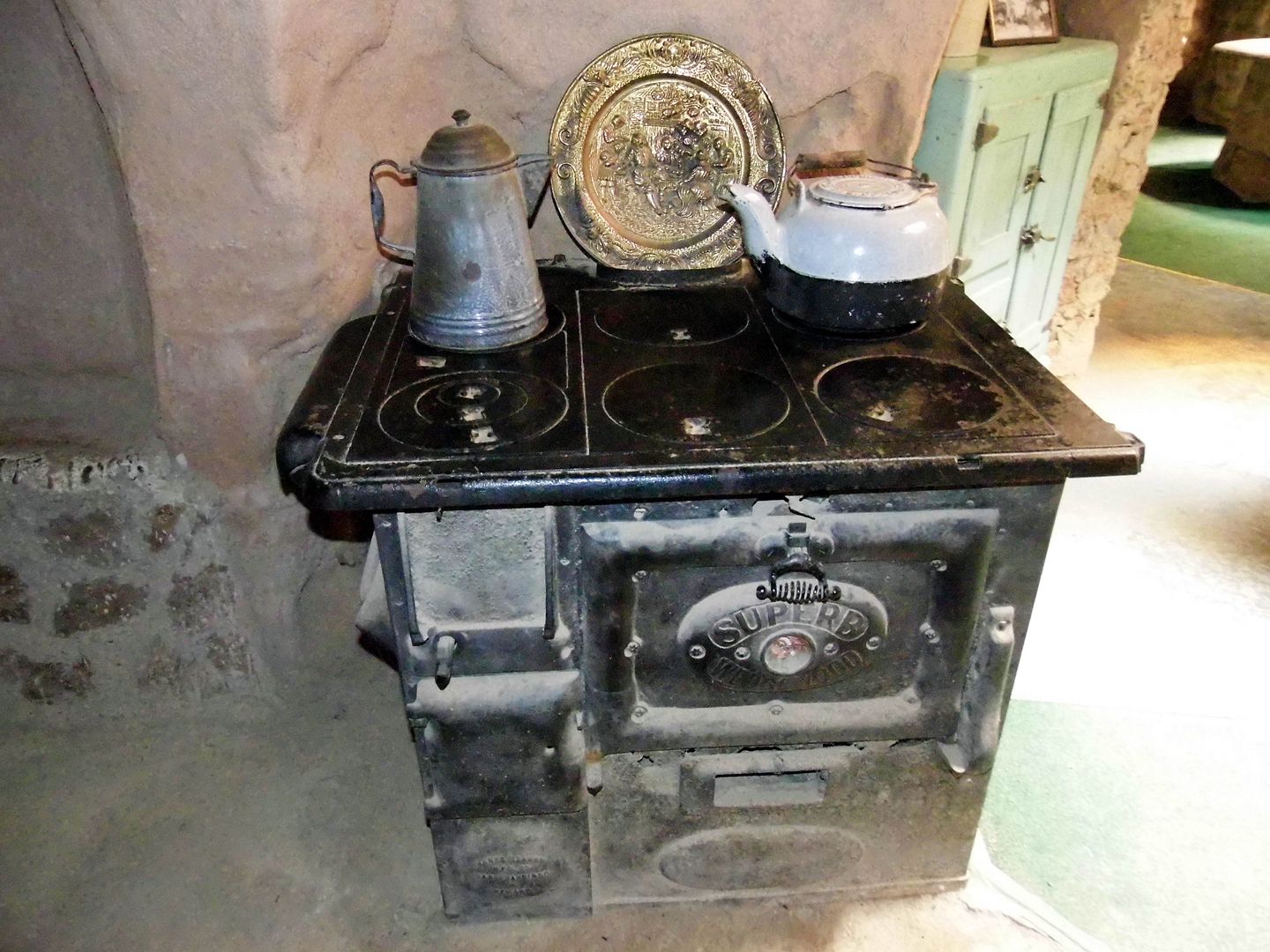
A lifelong bachelor, he'd cook the food he'd grown or caught on his wood-burning stove...
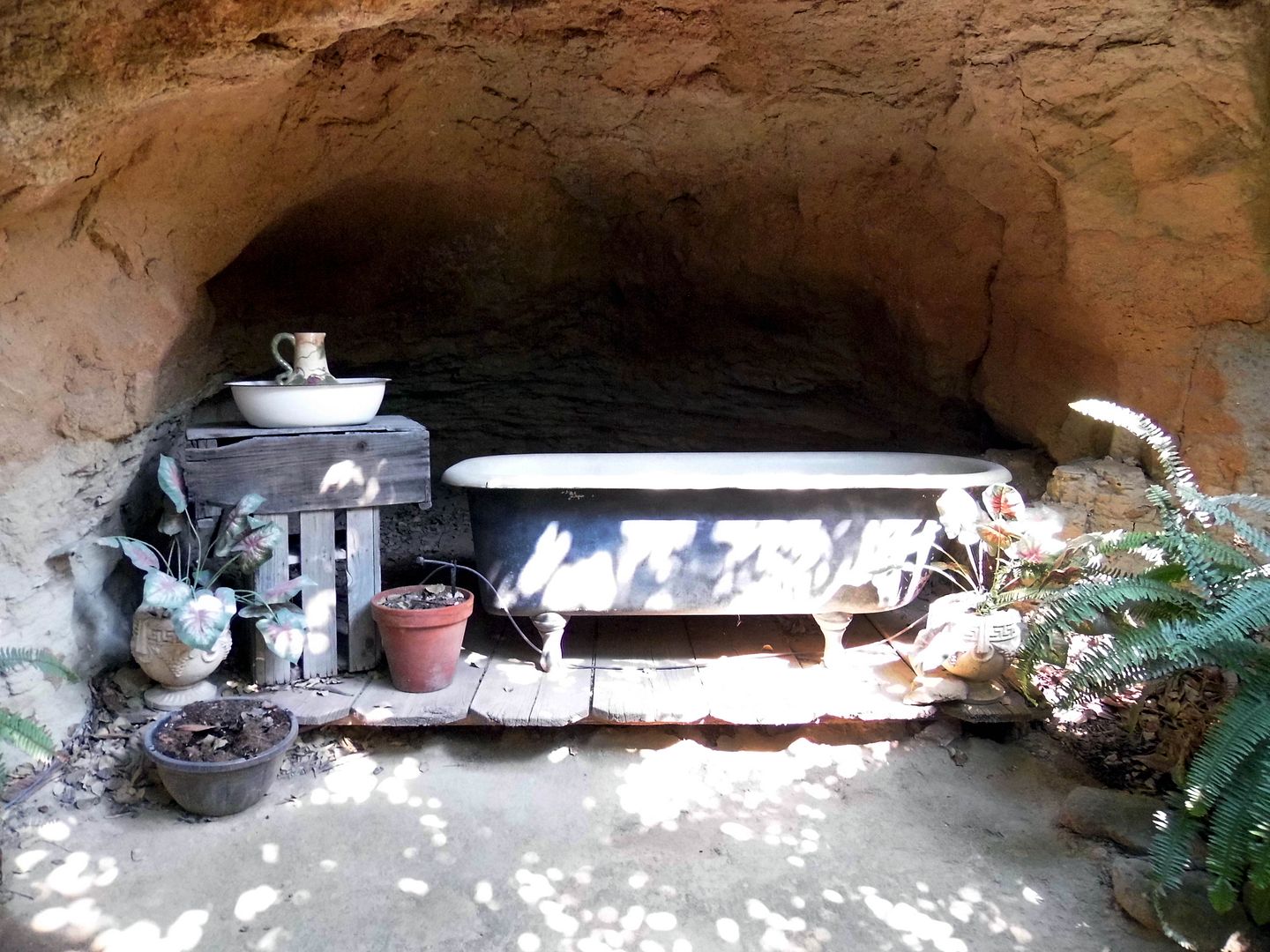
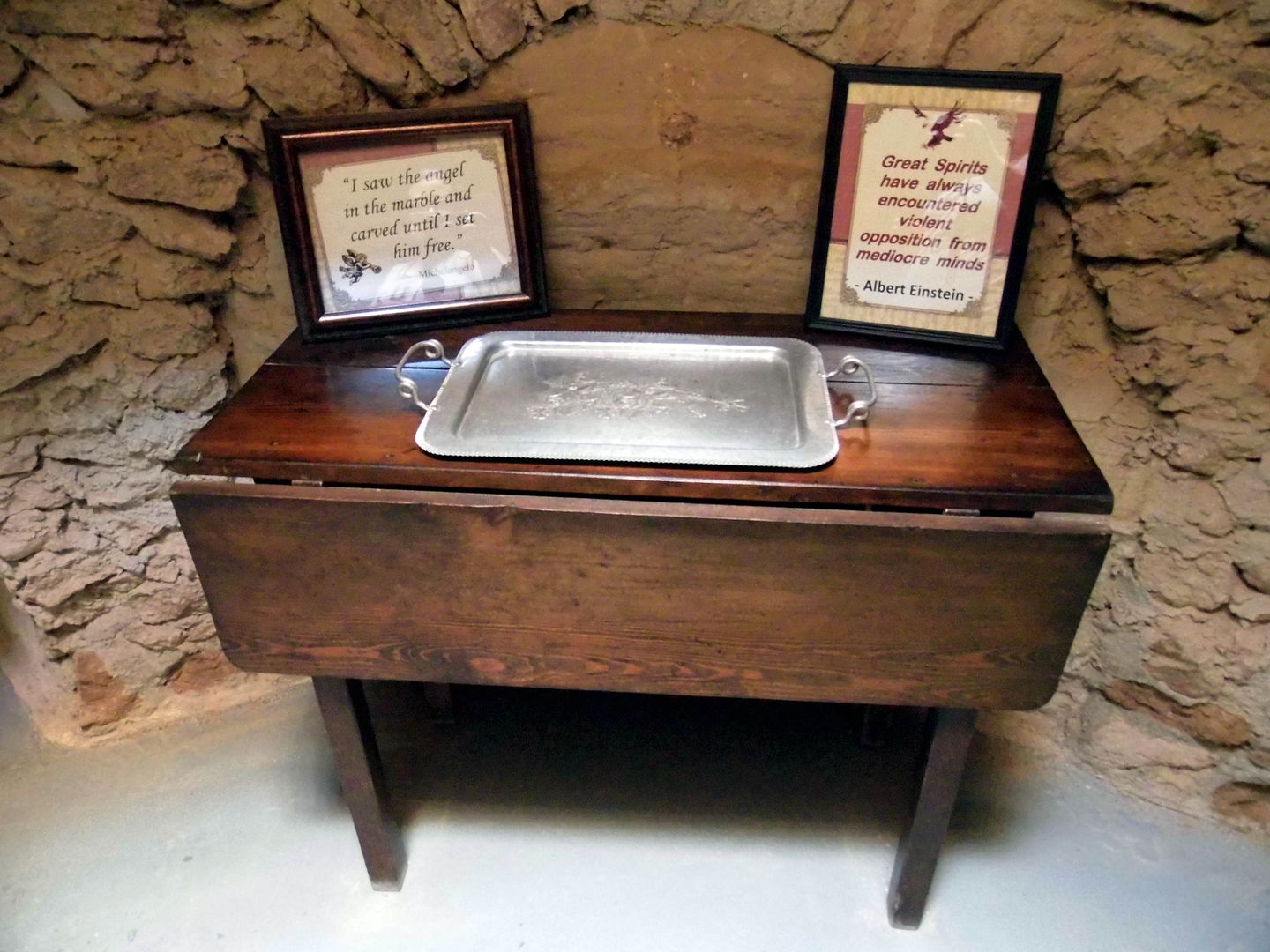
...and wash it down with the wine he'd made himself and stored in bottles in his wine cellar, seated on modular furniture that was built into the walls.
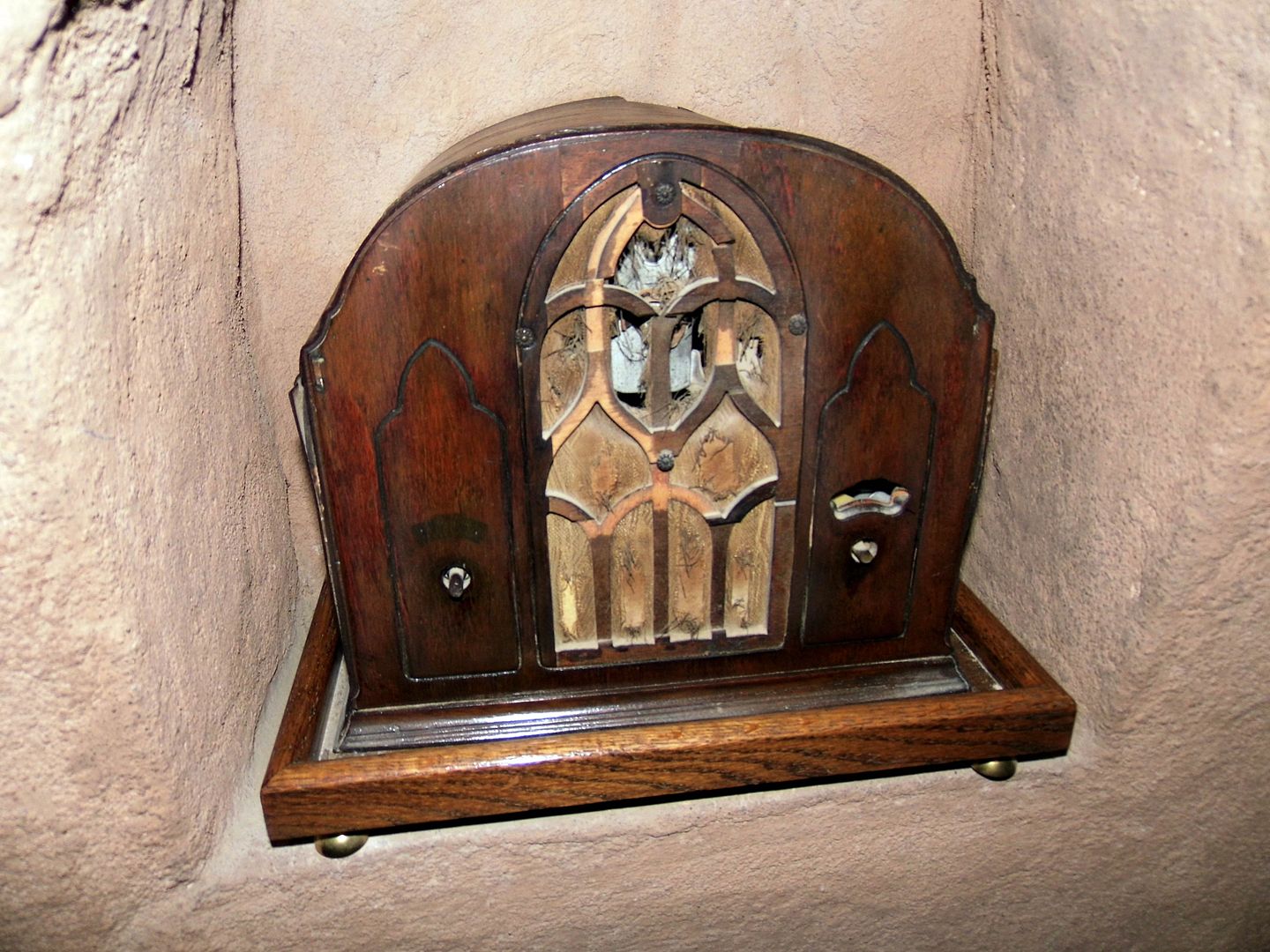
Perhaps he'd be listening to his radio, too—the same radio that's still tucked away in a niche. (He eventually had electricity, but no indoor plumbing.)
During the winter, he'd keep the drafts out by covering the skylights in glass and lighting the fireplace. He also slept in his "winter" bedroom, which wasn't as exposed to the elements as his "summer" bedroom.
Forestiere never meant to keep his underground gardens all to himself. In addition to inviting family and friends over while his unusual palace was still being completed, he'd intended to eventually open it up to the public as a kind of daytime resort or even, as he called it, an "underground hotel."
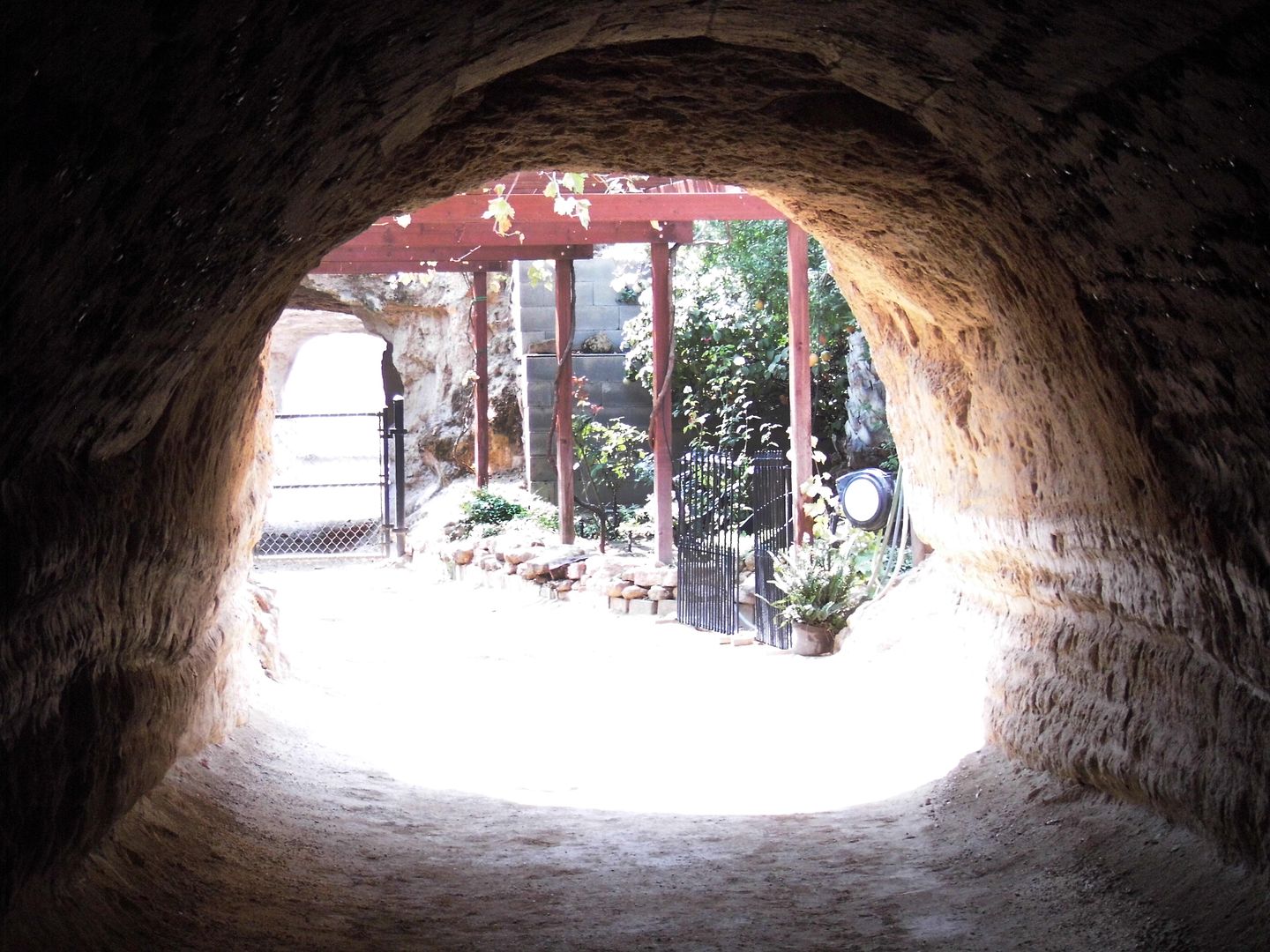
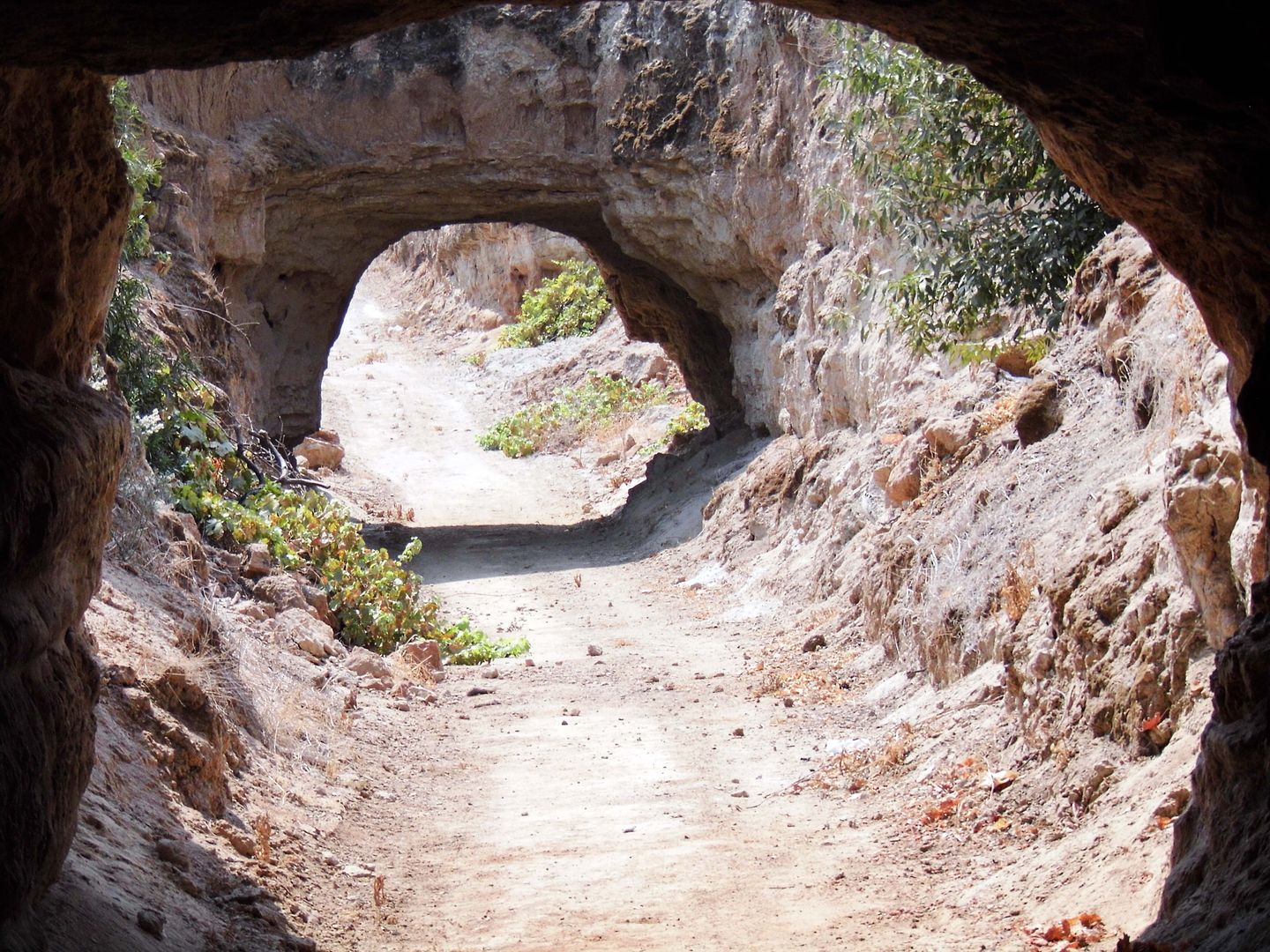
To accommodate visitors arriving in cars, he built a sloping automobile tunnel using a construction tool called the Fresno scraper, pulled by two mules. Because this revolutionary tool (invented in Fresno, of course) could move quadruple the volume of earth compared to manual excavation, it influenced the later designs of bulldozer blades and earth movers.
Although Forestiere never completed his motorist entryway—and never officially installed the valet service—some of the attractions he'd built for them to see on their way in are visible now on the guided tour visitors can take.
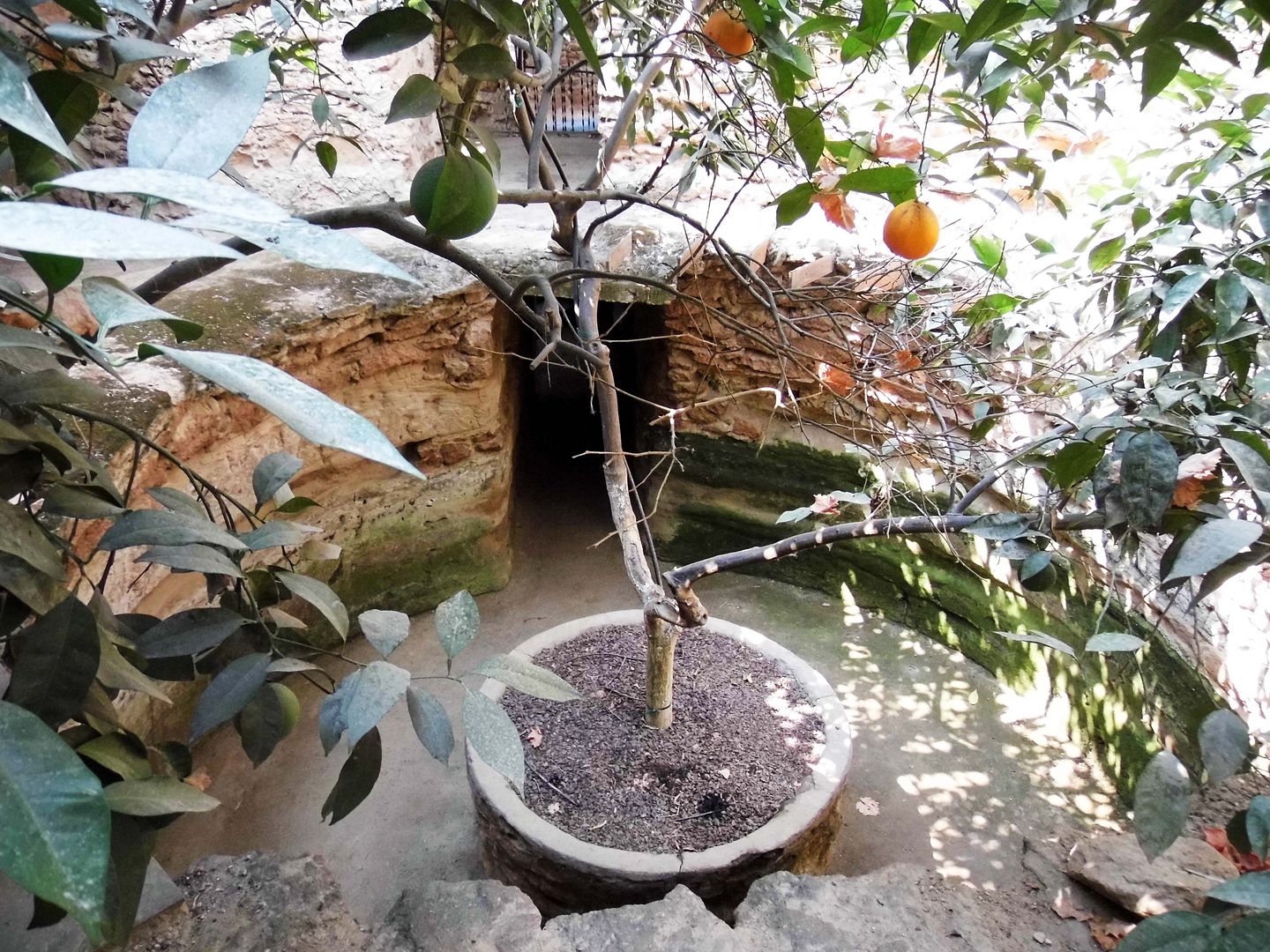
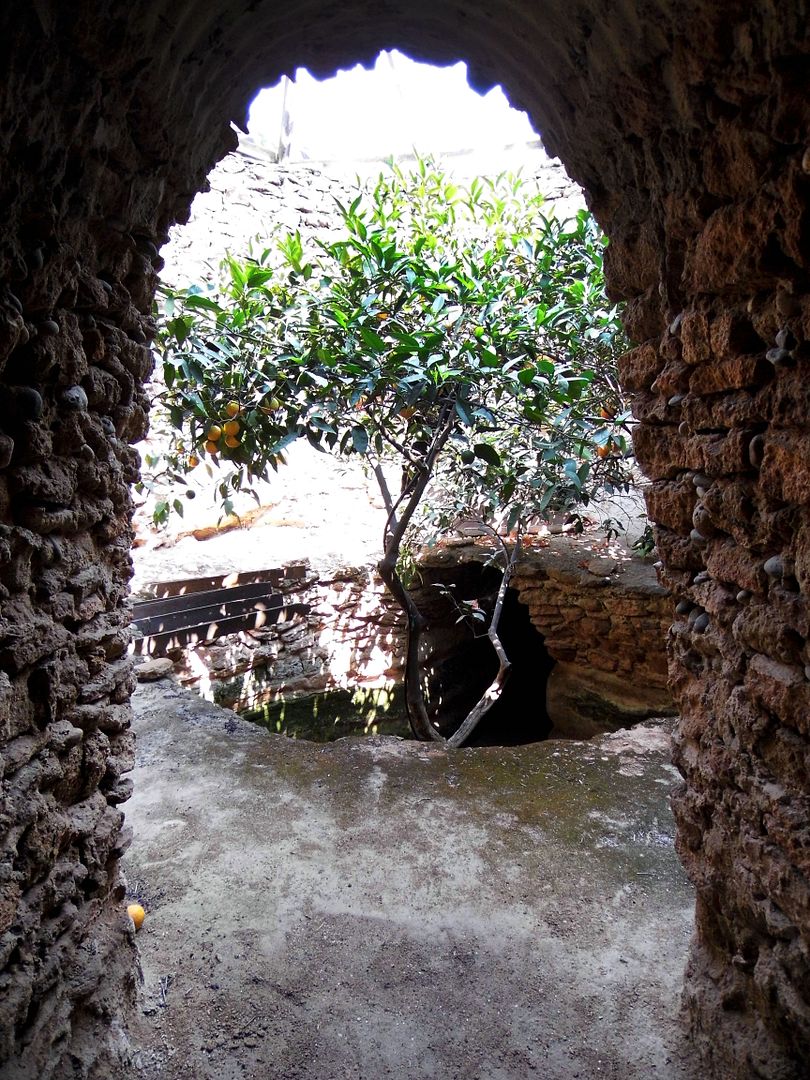
Located 20 feet below ground, there's the Tree of Seven Fruits, which once fruited lemons, sweet lemons, grapefruit, cedro, and Navel, Valencia, and sour oranges.
Only the oranges remain.
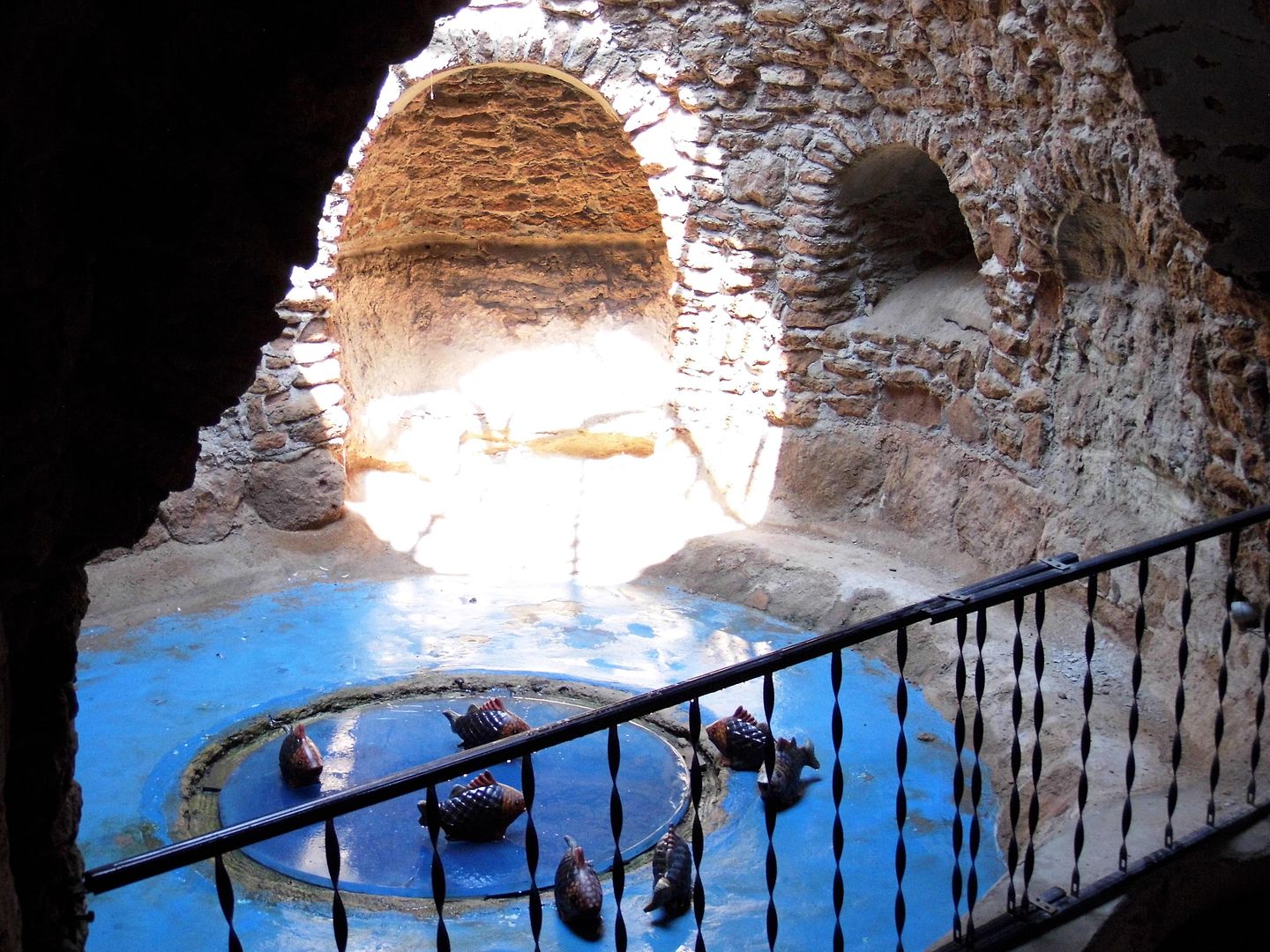
There's also the tri-level aquarium—a cemented pond with observation areas above it, at its surface, and below it (where Forestiere would often sit and watch the fish that were "too pretty to eat" swimming above his head through the former glass bottom).
After Forestiere died at the age of 67 in 1946, his underground gardens were targeted by vandals—though his younger brother Giuseppe tried to keep a watchful eye.
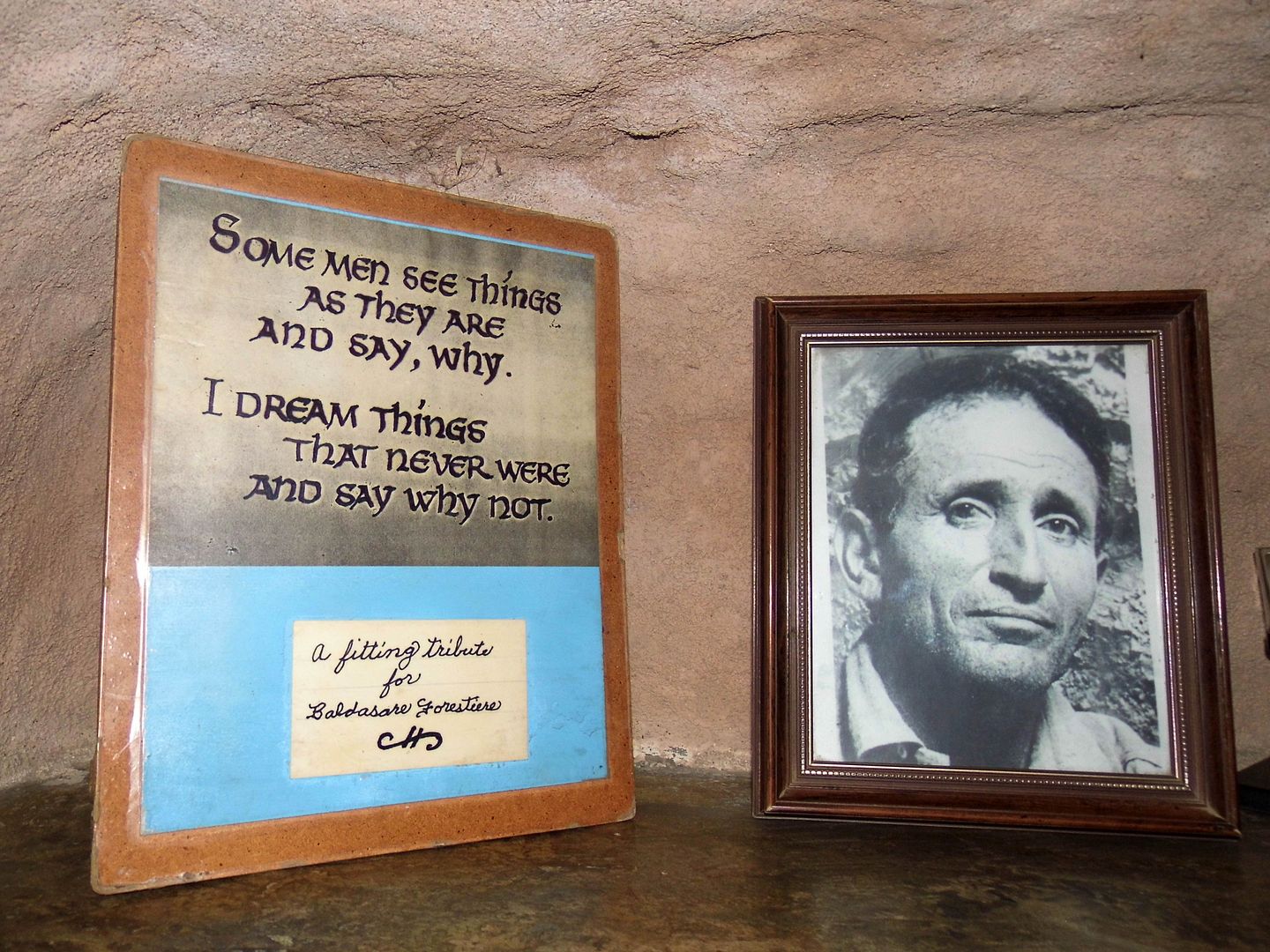
With no offspring to speak of, Uncle Baldy may rest in peace knowing that his great-nieces now own and operate his sculptural masterpiece, 40 years in the making, as a tourist attraction and cultural monument—preserving it as much as possible and restoring when necessary.
Now that I've experienced it firsthand, I wonder why more people don't carve their own dwellings out of the earth and live more sustainably, like they do in Tunisia and other desert environs. It seems like a nice life.
Especially when it feels like hell above ground.
Forestiere Underground Gardens's Photo Policy dictates that photos are only permitted for personal enjoyment. Photos may not be copyrighted, watermarked or sold either through web albums or other commercial or online venues (YouTube, Instagram, etc) without consent of the owners. Therefore, the photos on this blog post are not for sale and cannot be licensed for reprint or other commercial uses.
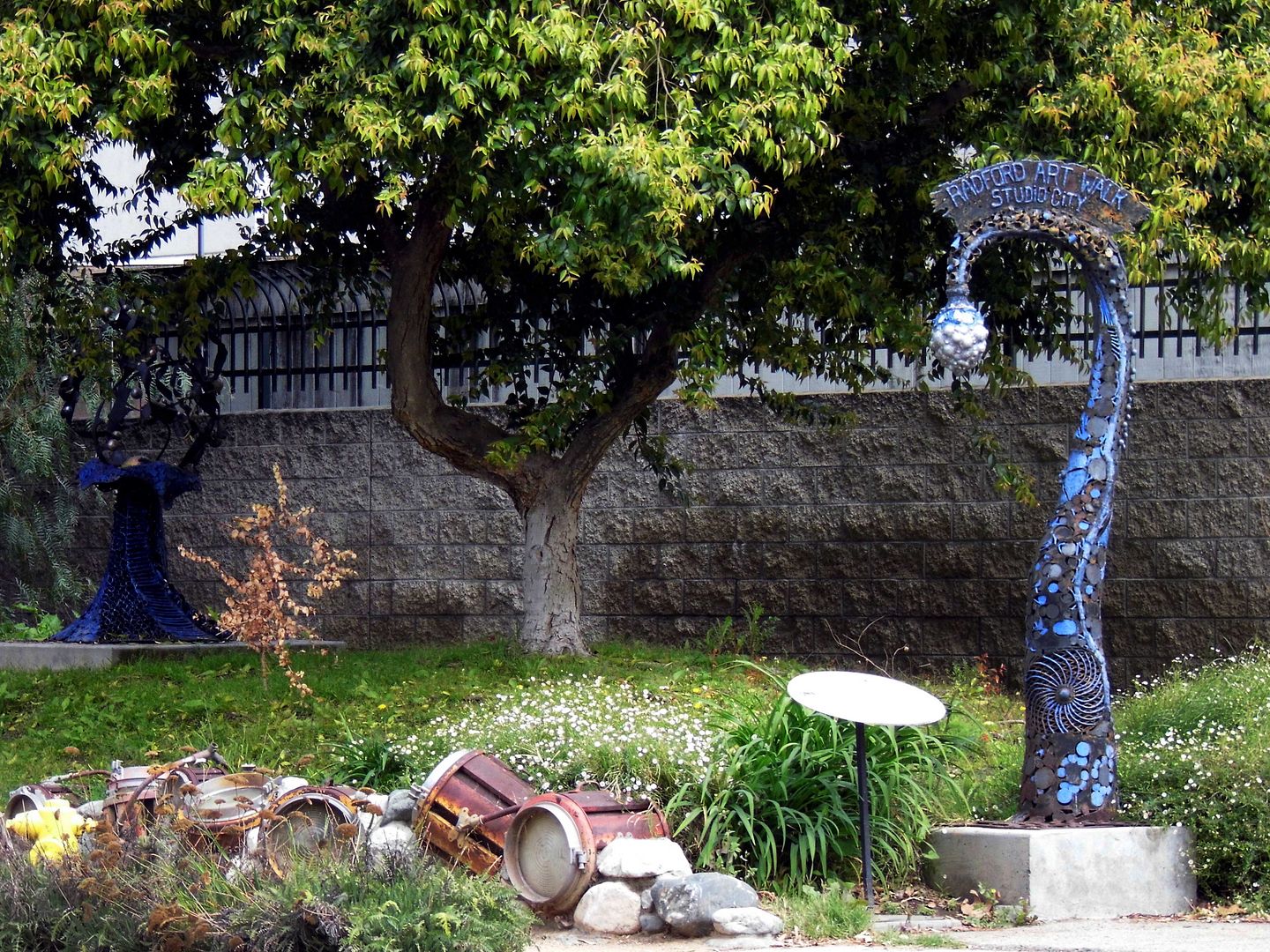
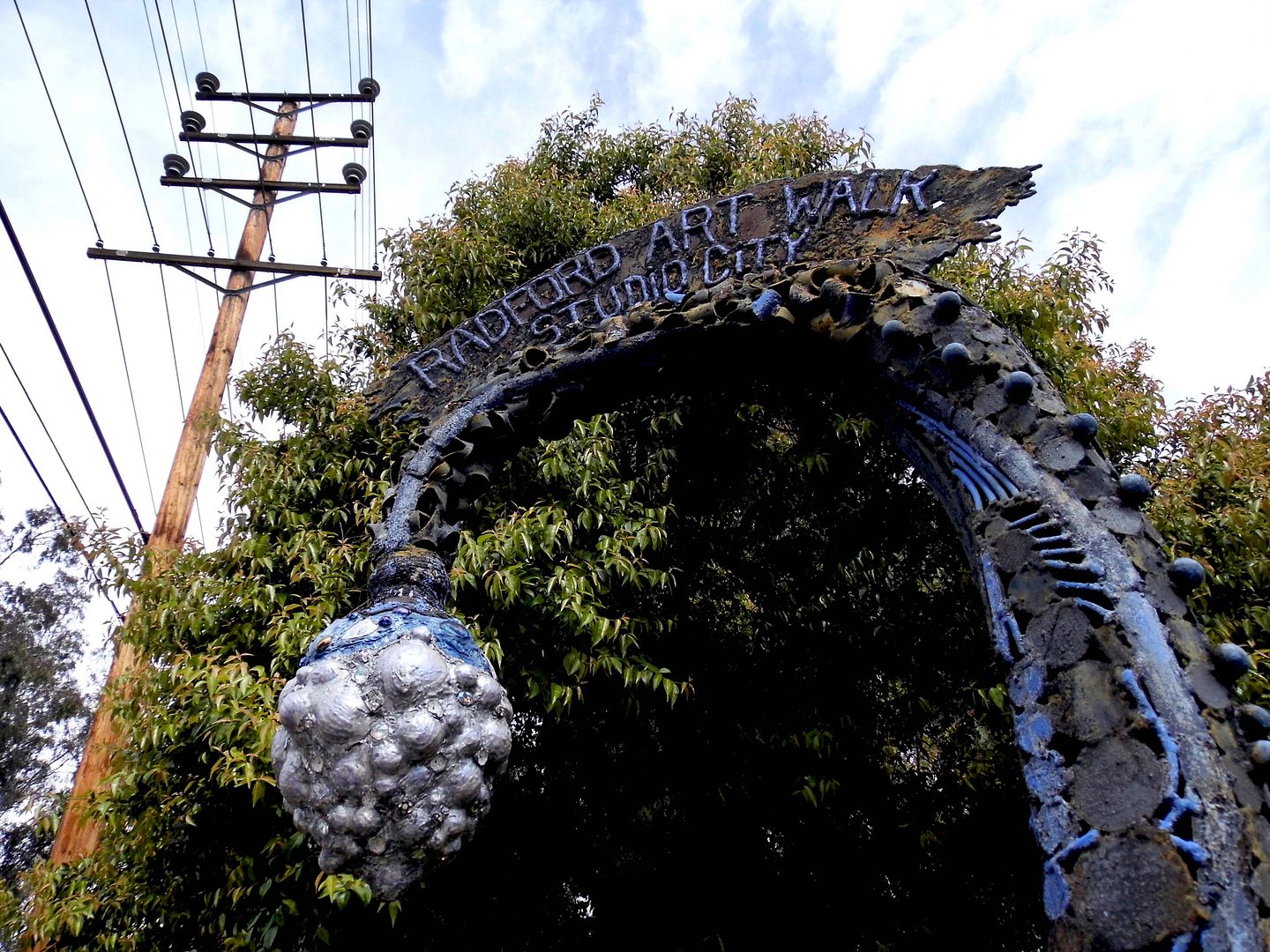
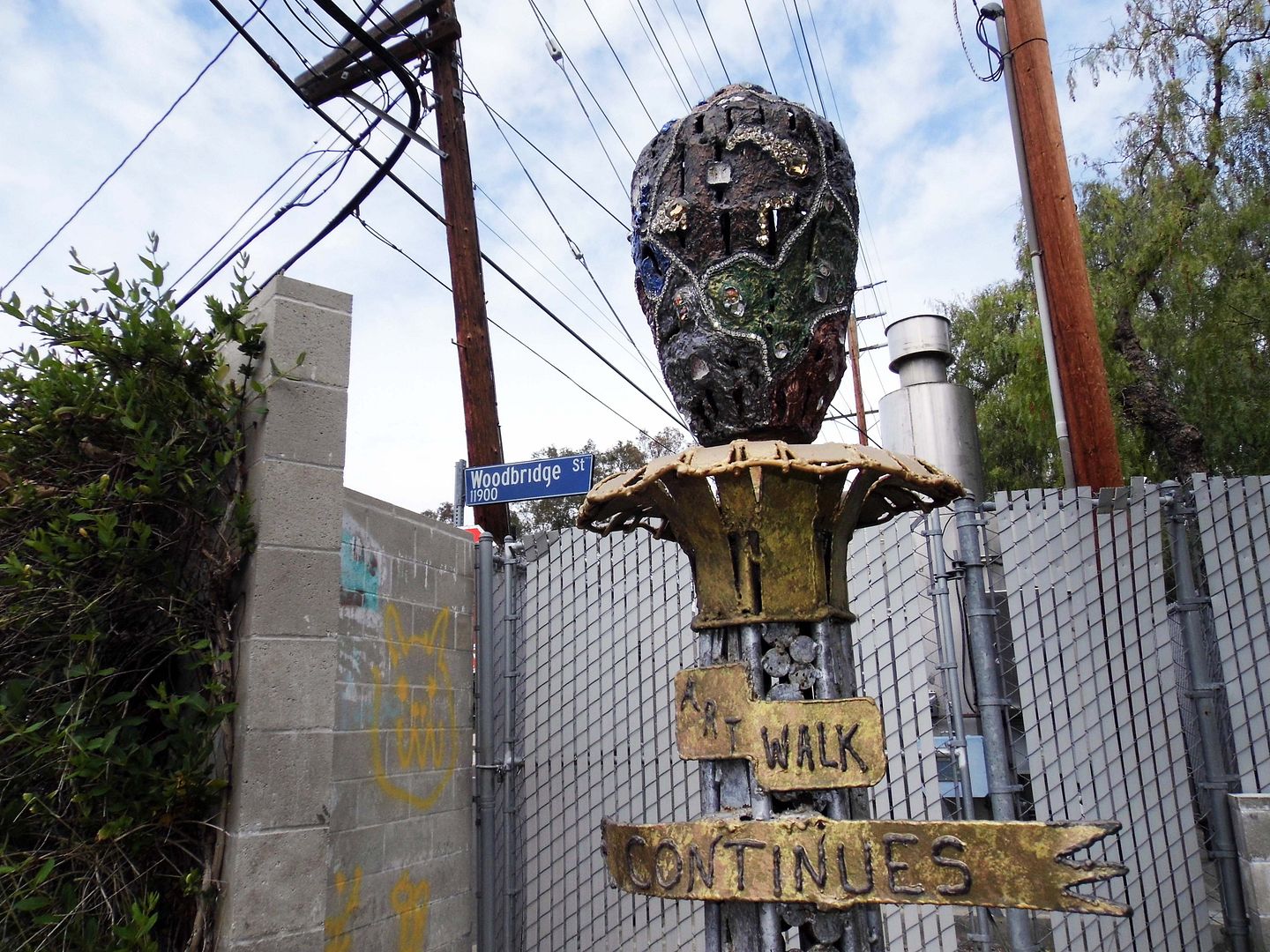
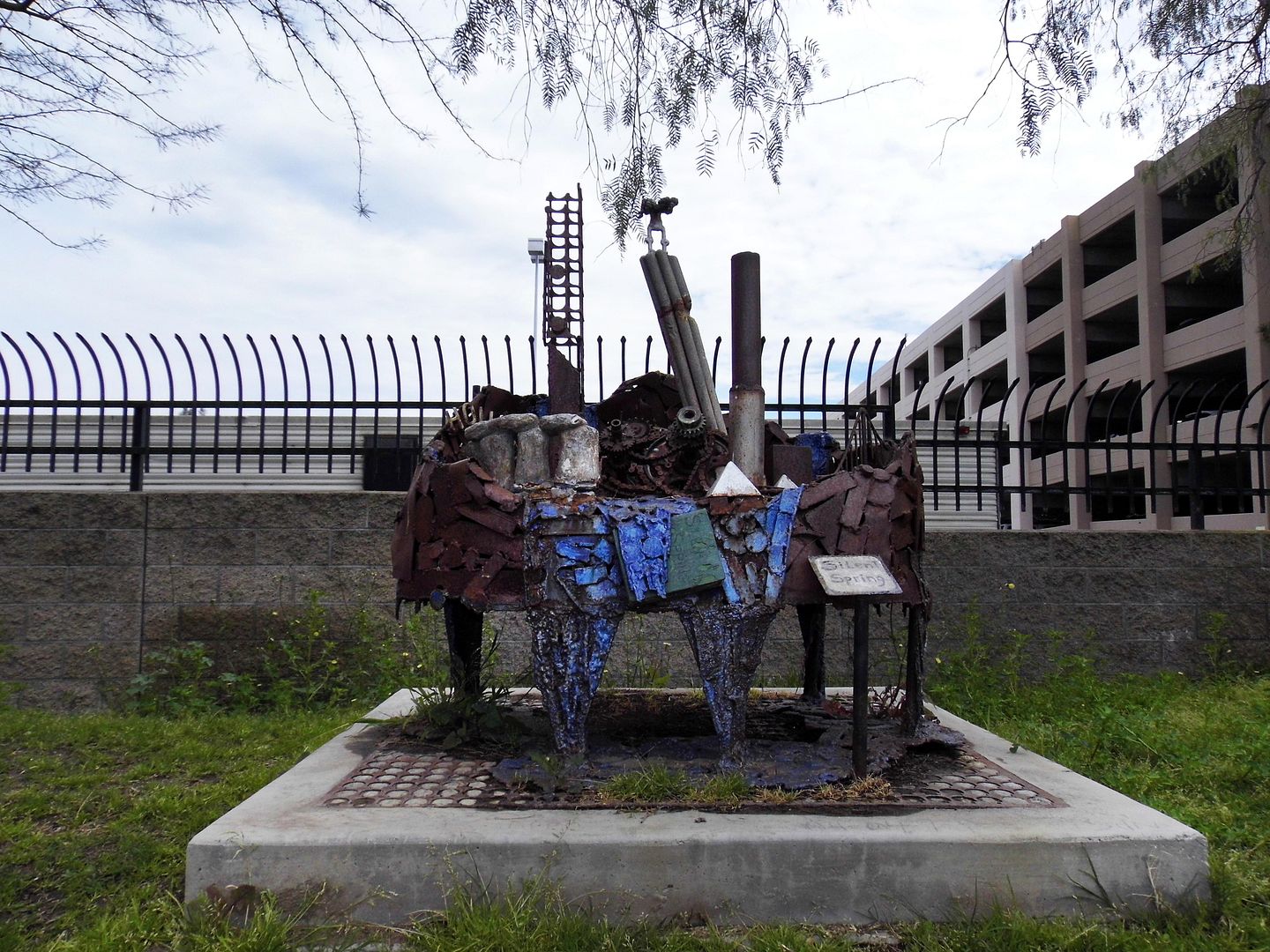
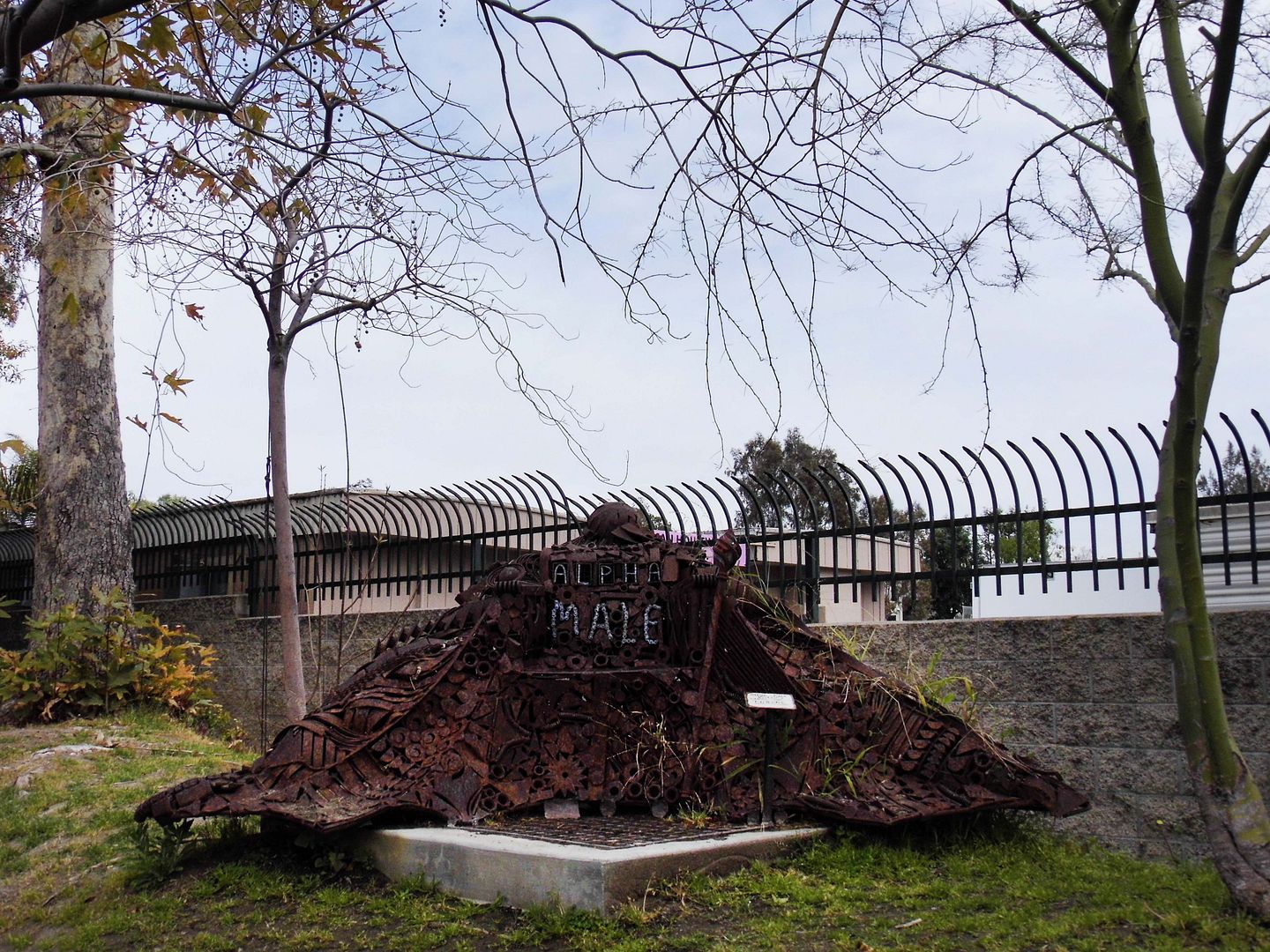
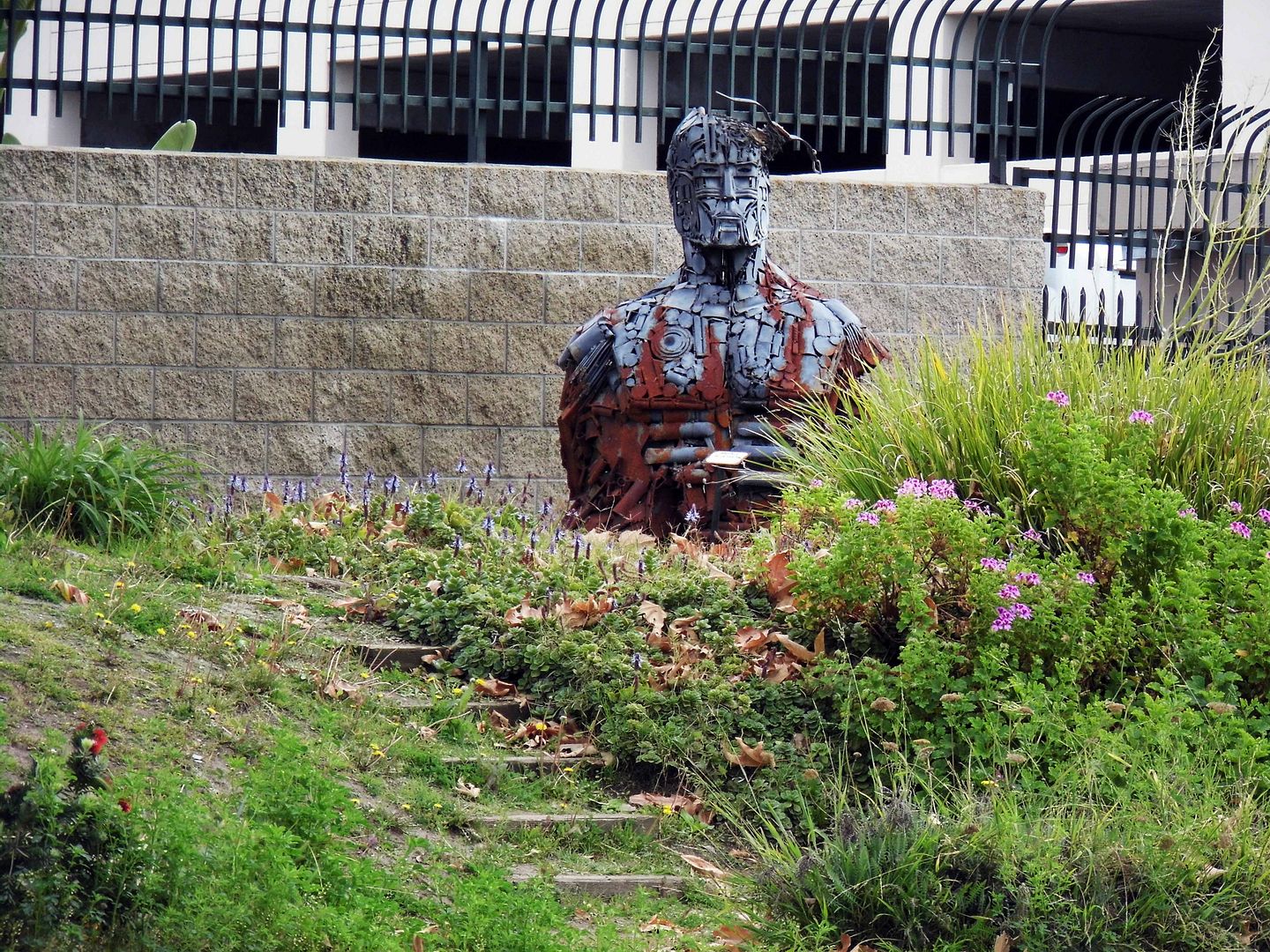
Lined up along the east side of Radford Avenue—just outside the CBS Studio Center gate—there's a series of sculptures by Studio City’s own assemblage artist Karl Johnson (1945-2015).
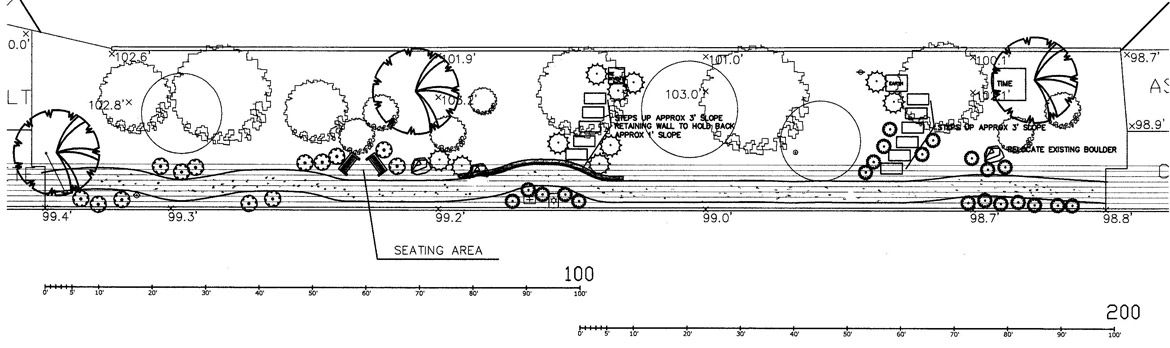
Installed in 2012 as part of a collaboration with the Studio City Beautification Association, they’re part of the Radford Art Walk. Although it extends for just 0.25 miles, each of the 15 sculptures is so intriguing that they command plenty of time to explore them.
I discovered it completely by accident, while poking around the LA River...
...first spotting the "Welcoming Lamp," which lit my way to the rest of it.
I then stumbled upon the retaining wall made of local rocks and, thrillingly...
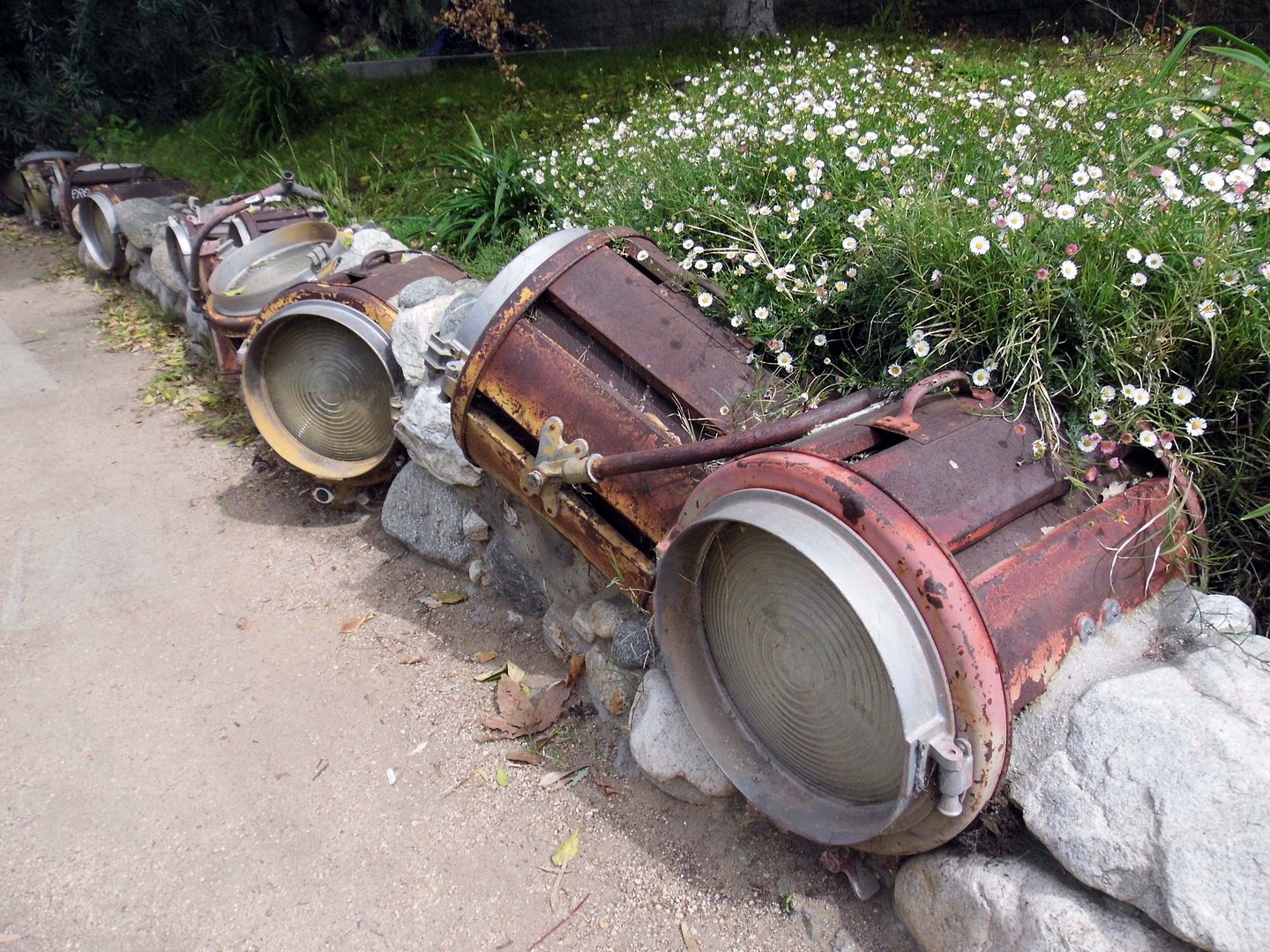
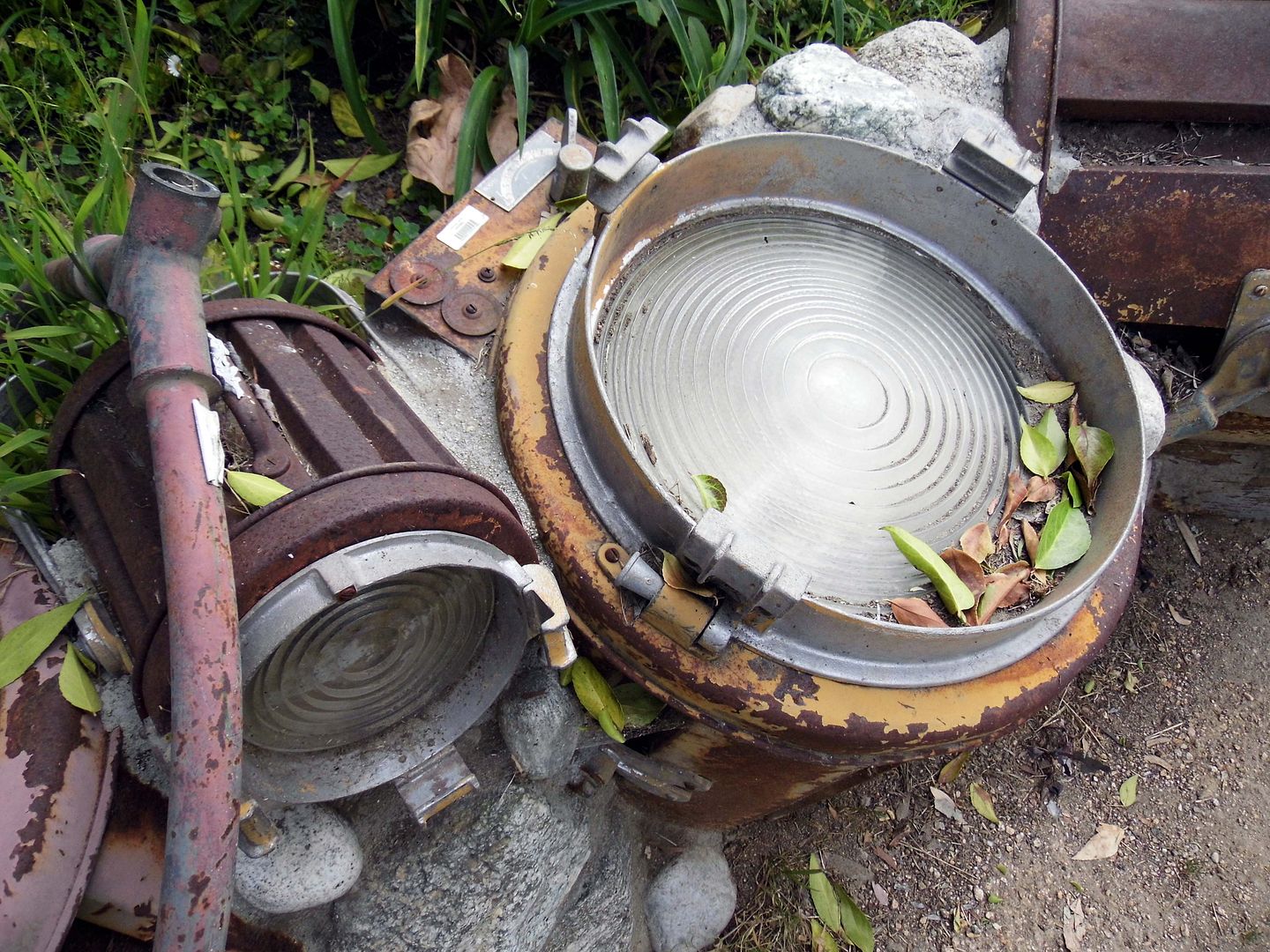
...a surplus of old Mole-Richardson Co. studio lights from the CBS Studio Center's soundstages.
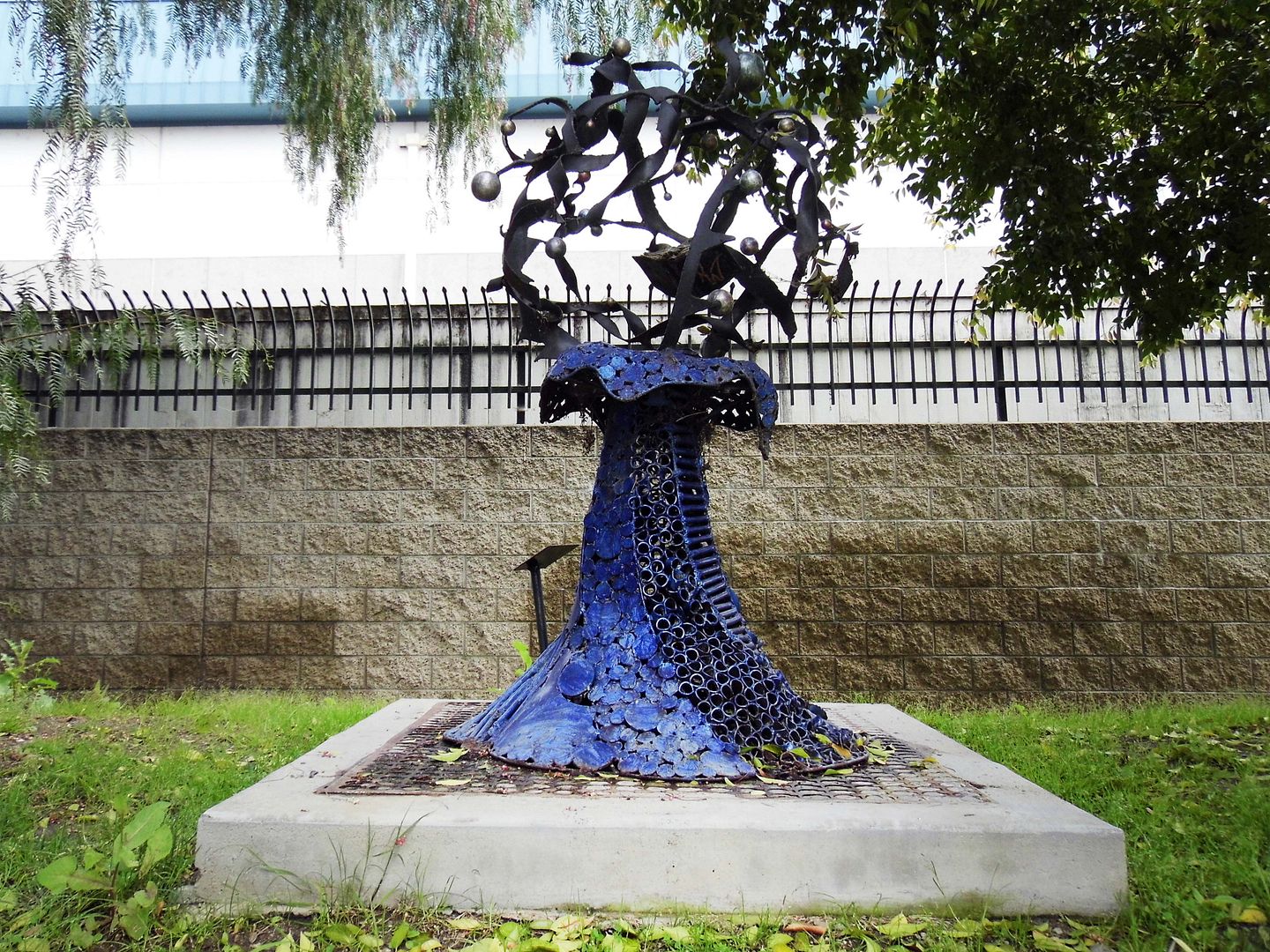
Beyond the somewhat overgrown California natives and other Mediterranean plantings, there are the mixed-media sculptures hiding in plain sight...
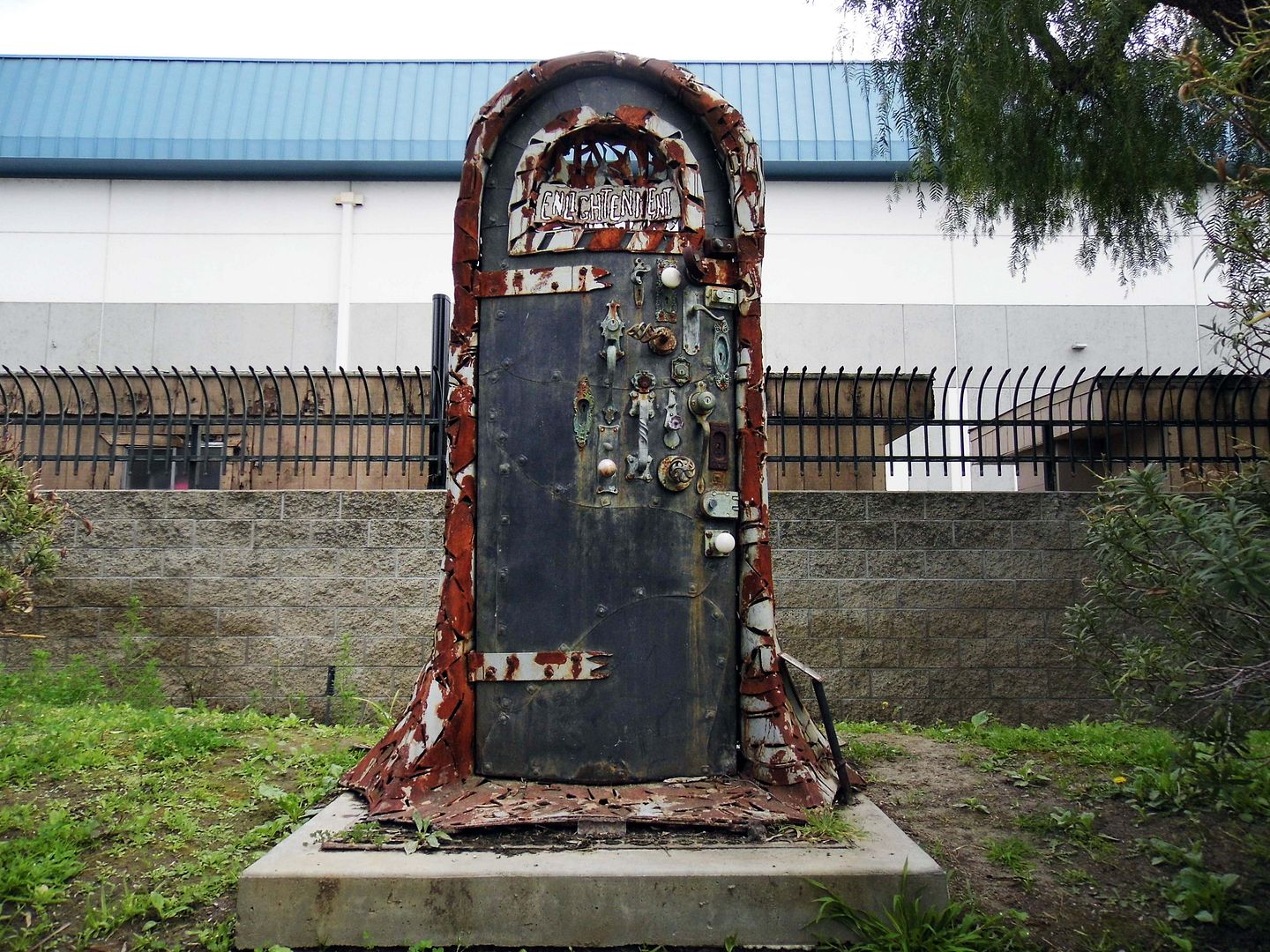
...like the "Door to Enlightenment," representing ignorance as a prison...
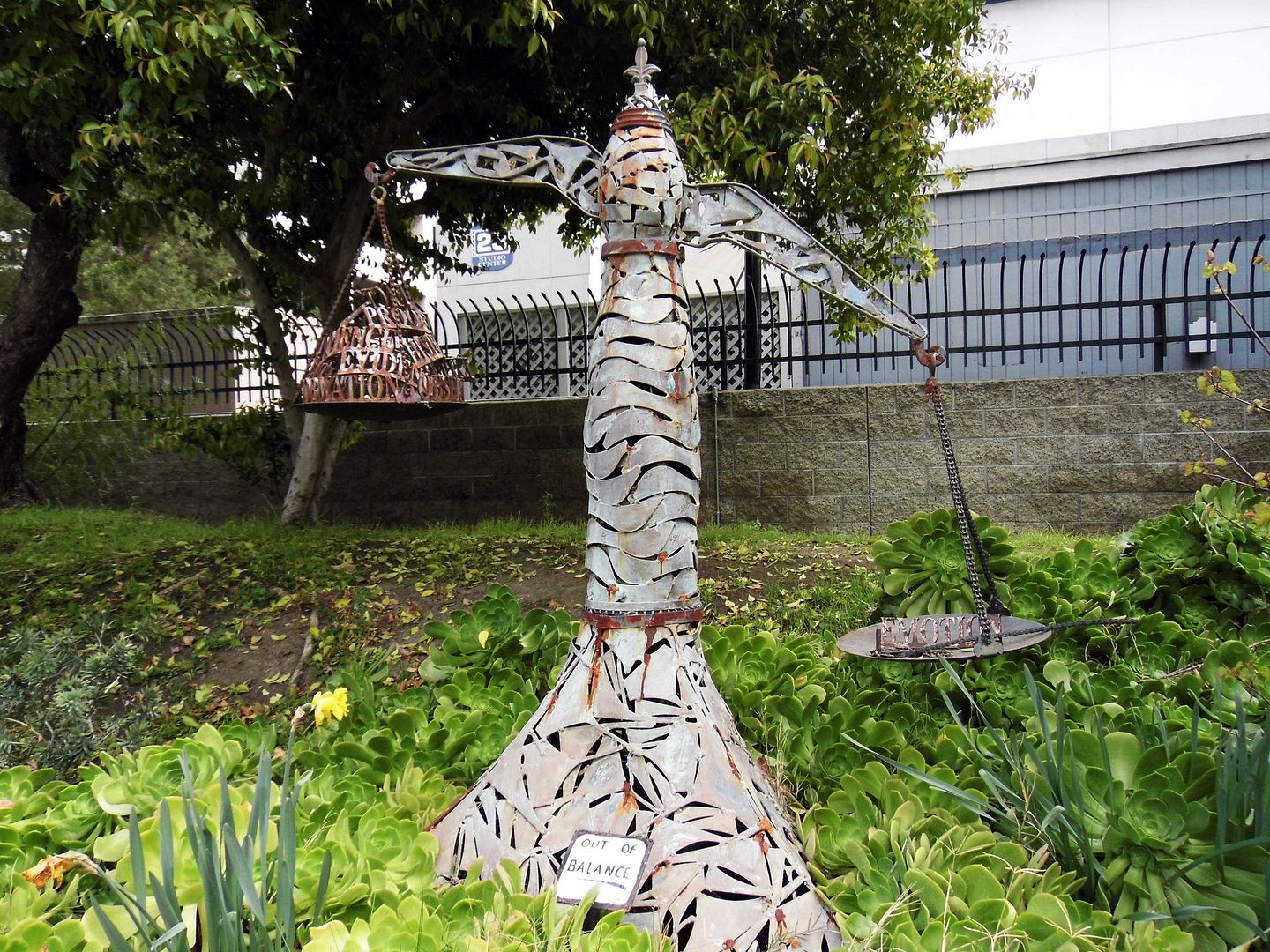
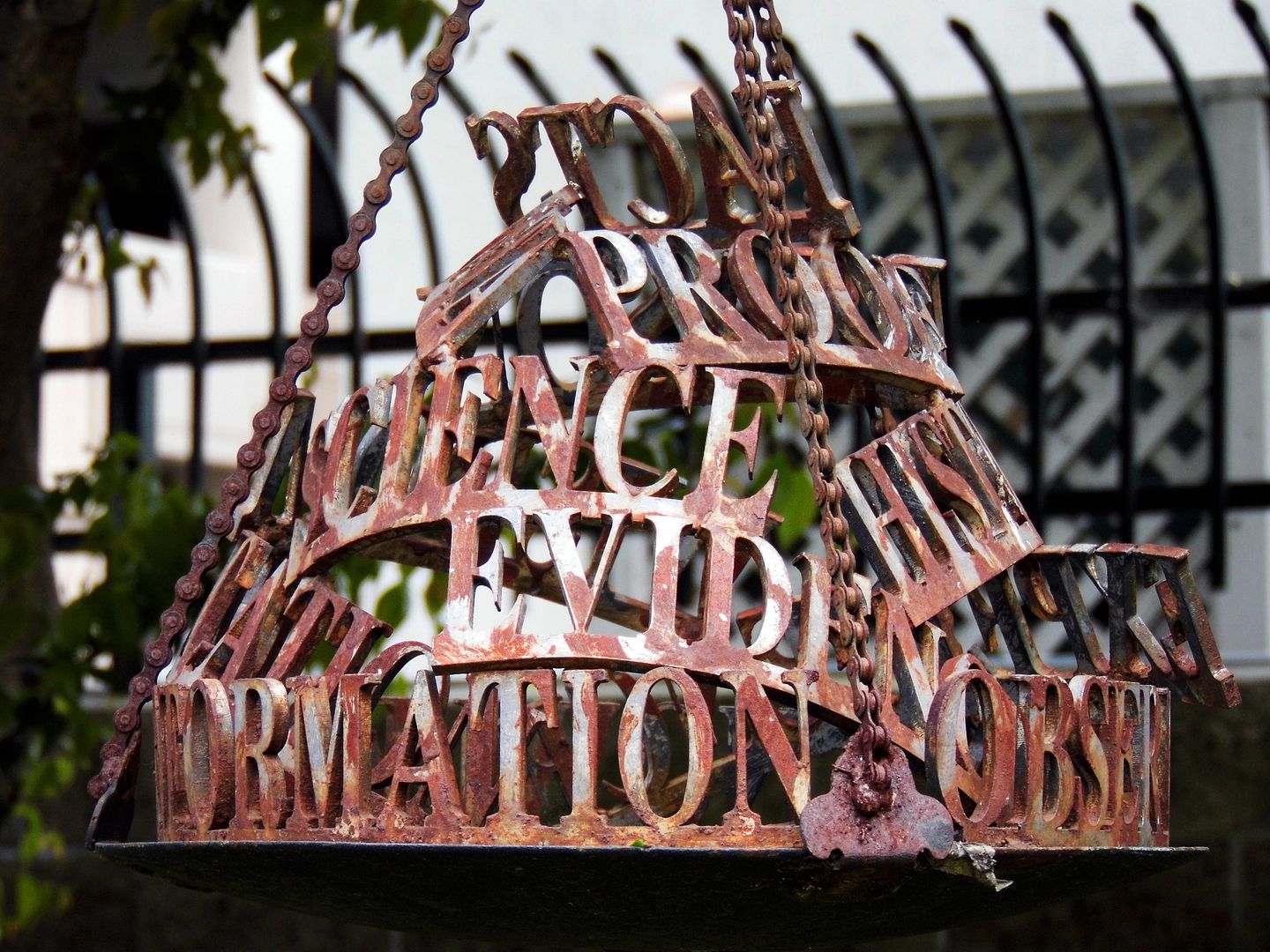
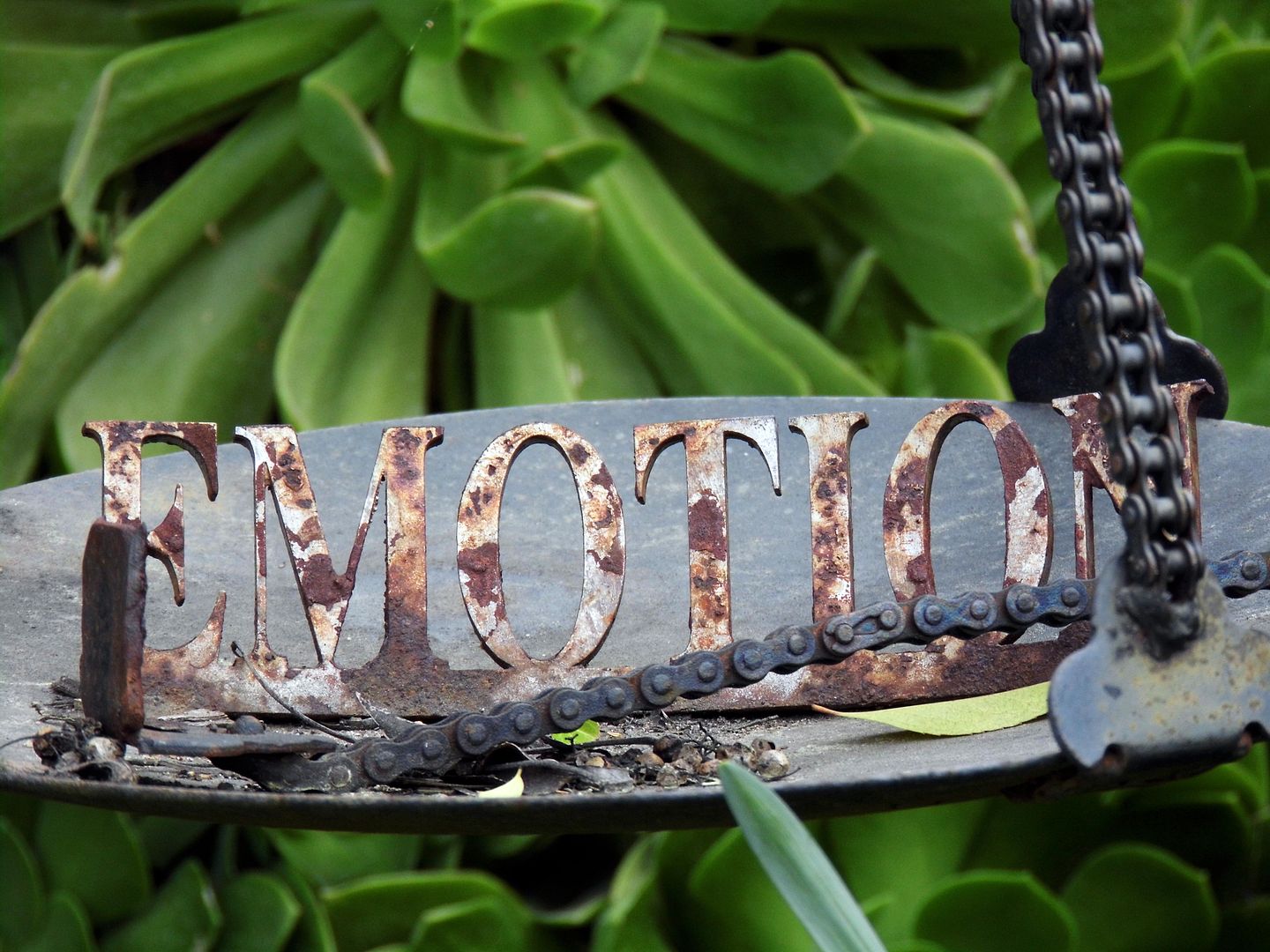
...or the scales in "Out of Balance"...
...which show how emotion usually outweighs reason and rationality.
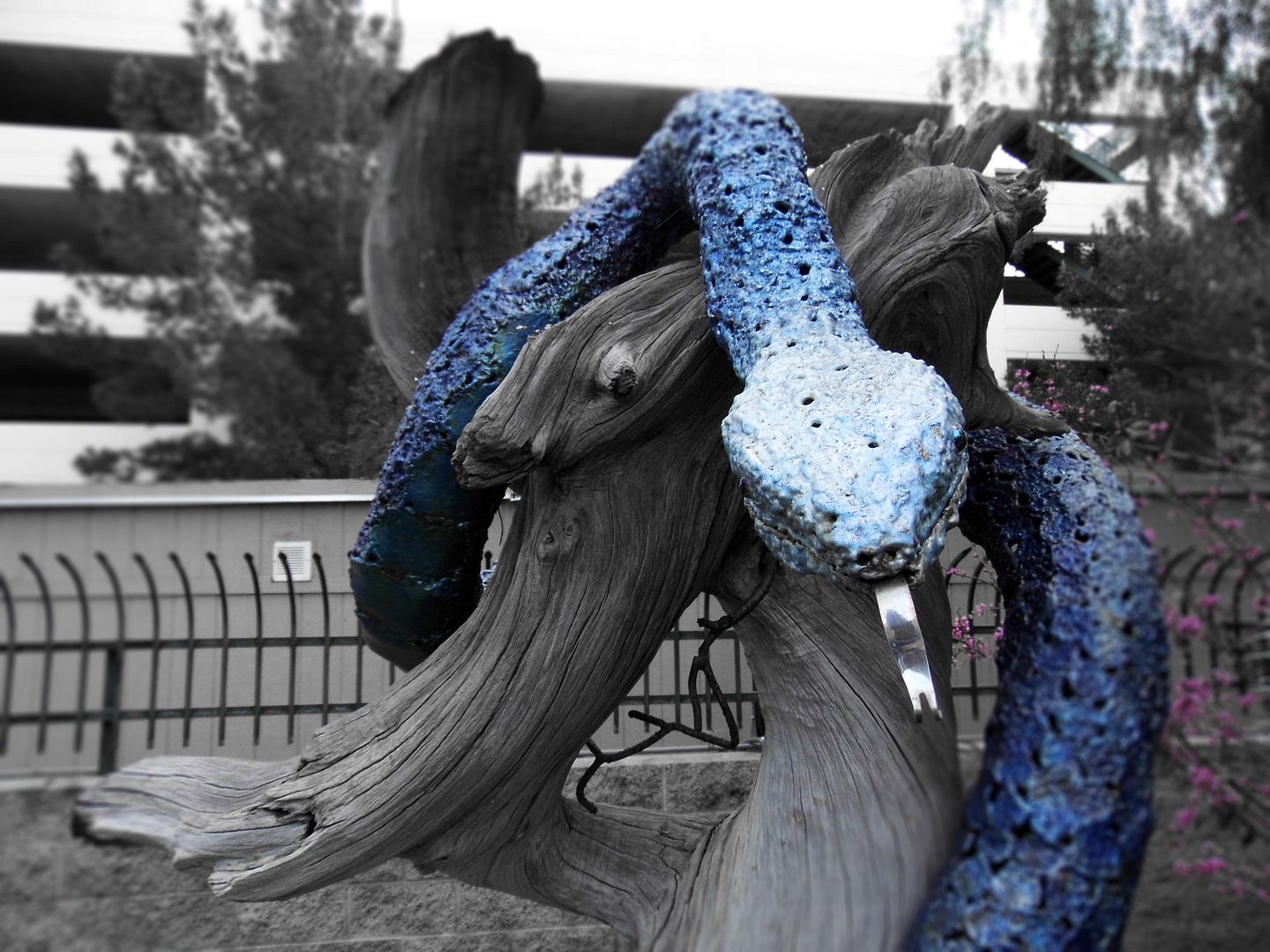
Johnson fabricated all these "resurrected" art pieces out of recycled and salvaged stone, welded steel, mosaic, wood, and more reclaimed materials.
They're are open for viewing 24/7, rain or shine, free of charge.
But does anyone know about them? Or remember they're here?
Situated near where Radford Avenue ends at the Tujunga Wash (a tributary of the LA River), not many cars drive by. And only a few locals pass on foot, maybe with their dogs.
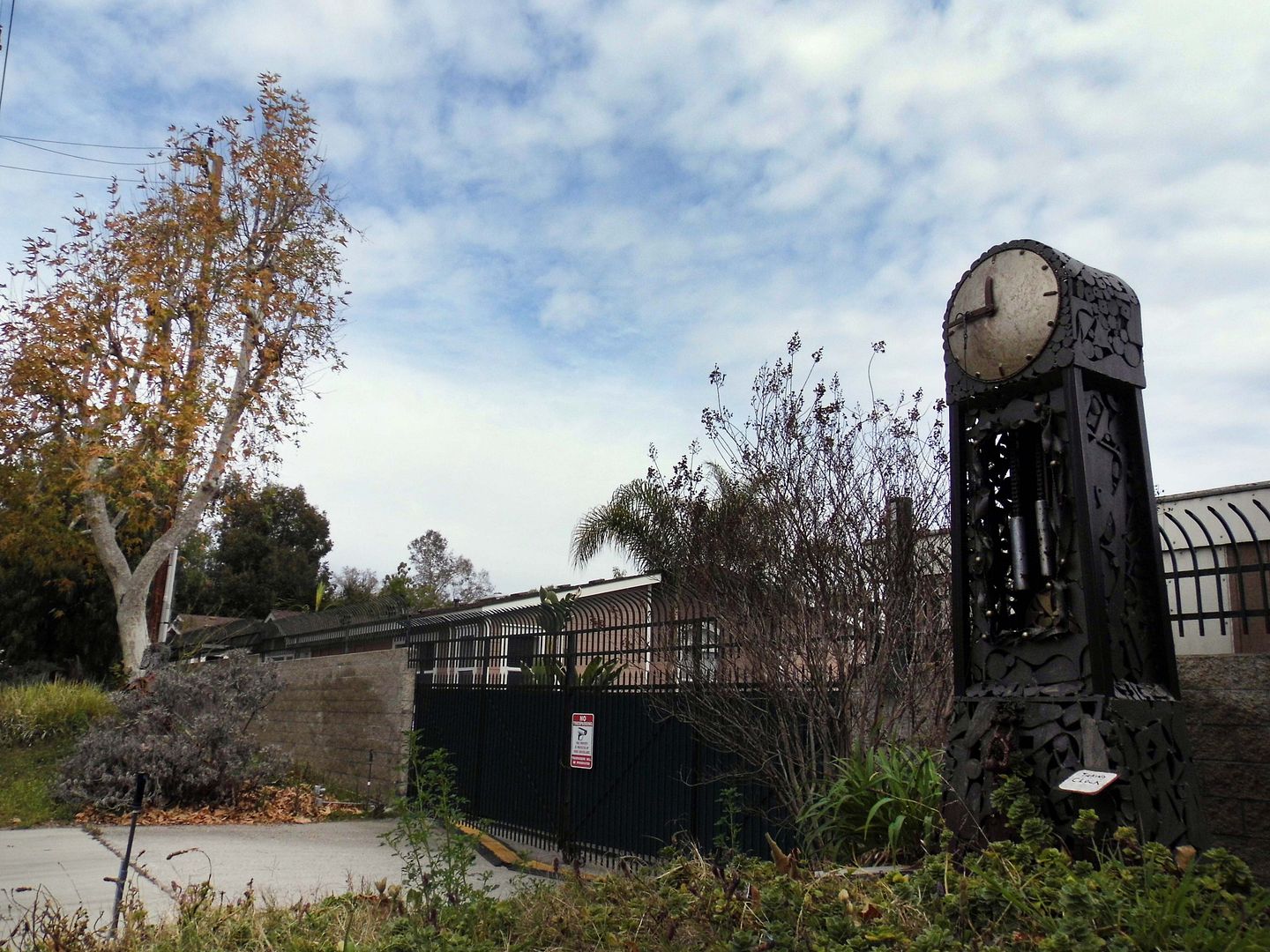
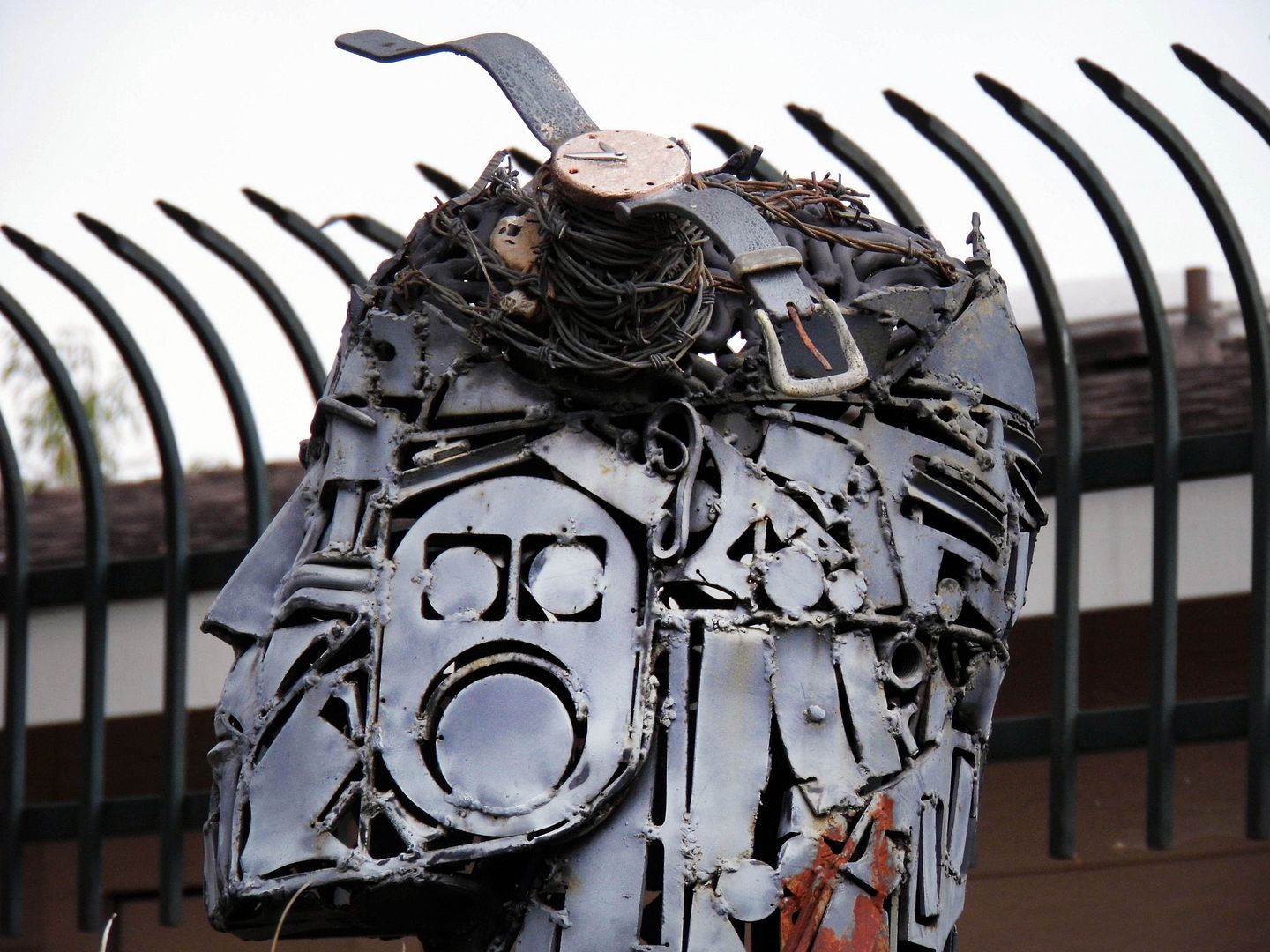
Just as the "Ticking Clock" sculpture reminds us of the relentless tug of war with time...
...and how we must face our own mortality as we literally disintegrate before our very eyes, increasingly burdened by our past...
...so too does the Radford Art Walk suffer from the passage of days, weeks, months, years.
Weeds grow and are not mown. The berm becomes unclimbable. The wooden stair slats sink or maybe submerge into the earth. And seating either goes missing or was never installed in the first place.
It's been less than 10 years since the Radford Art Walk was celebrated for beautifying Studio City. And yet its legacy feels a bit... anticlimactic.
After all, Karl Johnson's own Studio City house and front yard—the crown jewel of the artist's oeuvre—were unceremoniously dismantled upon his passing in 2015. (Unfortunately, I didn't know to go see it before it was summarily erased.)
Without him around to maintain these public works—or to advocate on their behalf—I worry what'll happen to them when they get in the way of some new urban plan (like, say, with the River).
I'm glad I found them when I did. But they make me sad.