Search

Showing posts with label SanDiego. Show all posts

July 15, 2026

Photo Essay: Petco Park, A Home Run for the San Diego Padres

I just happened upon a Padres baseball game once many years ago, when I was still living in NYC and in San Diego on a trip (maybe it was for the KIDZ BOP concert at the Spreckels Theatre?). Some coworkers and I swung by Petco Park to see if we could get last minute tickets, and somebody just gave us a handful of free tickets. 

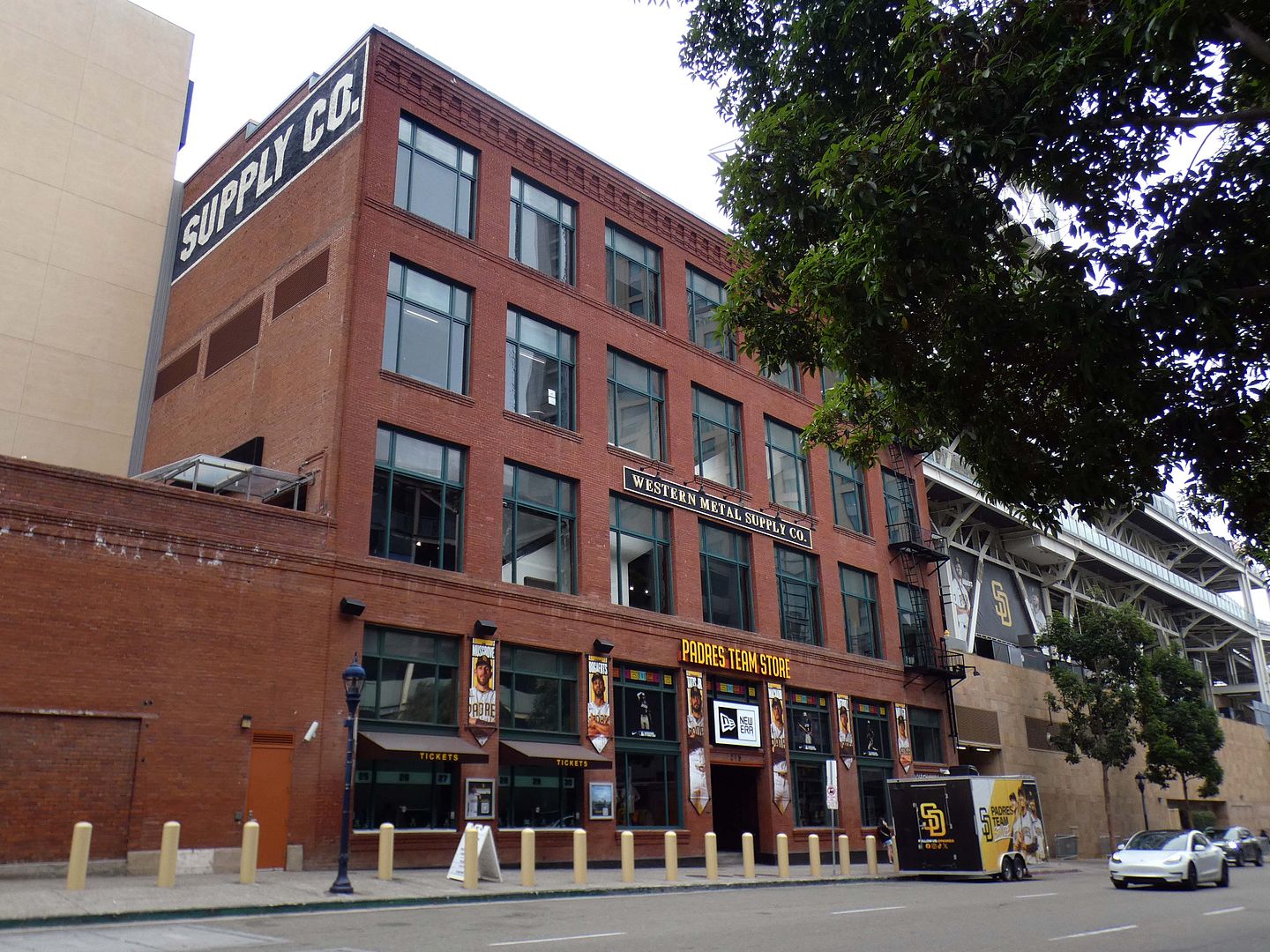
I don't remember much about the game itself. But I do remember the Western Metal Supply Company building.

By then, I'd already started to become interested in old buildings and preservation, having joined the National Trust for Historic Preservation as a member and spent a lot of time poring over monthly issues of Preservation Magazine. So, I was fascinated by how a new ballpark—maybe two or three years old at that point—had been built around a circa 1909 brick building with significant enough history to save it from being torn down. 

 
It was all the way back then, maybe 18 or 19 years ago or so, that I first vowed to take a tour of Petco Park one day. And despite it being incredibly centrally located and easy to reach—a stone's throw from the Gaslamp Quarter, the convention center, and Harbor Drive (where I set off on the Navy Bridge Run in 2022)—it's taken me this long to finally get there.

December 23, 2025

Photo Essay: A Wizard of Oz Christmas at Hotel del Coronado

One of the first places I visited when I started coming out to Southern California to visit was the Hotel del Coronado, on Coronado Island in San Diego. 

Hotel Del Coronado postcard (between 1907 and 1914), Baja California and the West Postcard Collection. MSS 235. Special Collections & Archives, UC San Diego. [Public Domain]

I fell in love with San Diego right away and tried very hard to get a job there, but fate led me to Los Angeles instead. Still, I've found ways of returning to the city to the south and its grand dame of a Victorian hotel, known simply as "The Del."
   
I've eaten at the restaurant, gotten a hot shell massage in the spa, and taken the historical tour (on a gloomy day during lots of construction, so my photos aren't publishable) and the haunted Halloween tour—but the one thing I was really yearning to do was see the Christmas lights. 

December 27, 2022

How I Wandered SoCal for KCET in 2022

I haven't often reposted the articles I've written for KCET here—often because much of the content that has gotten published here first has eventually made its way into my KCET guides.

But as time has gone on, I've created more and more original content for my SoCal Wanderer column on KCET.org. In fact, probably more in the year 2022 than in any other years prior.

SoCal Wanderer articles are on a little bit of a hiatus—at least, compared to what they've been—since I was hired to work in-house at KCET in actually a different capacity. They may not resume anytime soon. 

So in the meantime, here's a recap of the articles I did contribute over the past year, in case you missed any of them. Click on the titles to open the articles in a new tab/window.


May 19, 2022

Photo Essay: A Wartime Recreational Facility and Dormitory in San Diego, Reborn As The Guild Hotel

With the Navy Bridge Run starting at 8 a.m.—and me having to come down to San Diego from LA—I needed to book a local hotel room for the night before. Ideally, one that would be either walking distance or a trolley ride from the starting line (as parking there would either be impossible or just grossly expensive). 

I also needed to make sure I'd get a good night's sleep the night before. I was worried enough about completing the race (even just walking it) and didn't need any extra factors working against me. 

In the past in San Diego, I've stayed everywhere from the budget-friendly Dolphin Motel on Point Loma (literally a fisherman's motel) and Motel 6 to the historic Sofia Hotel and Hotel Palomar and the luxury U.S. Grant. 

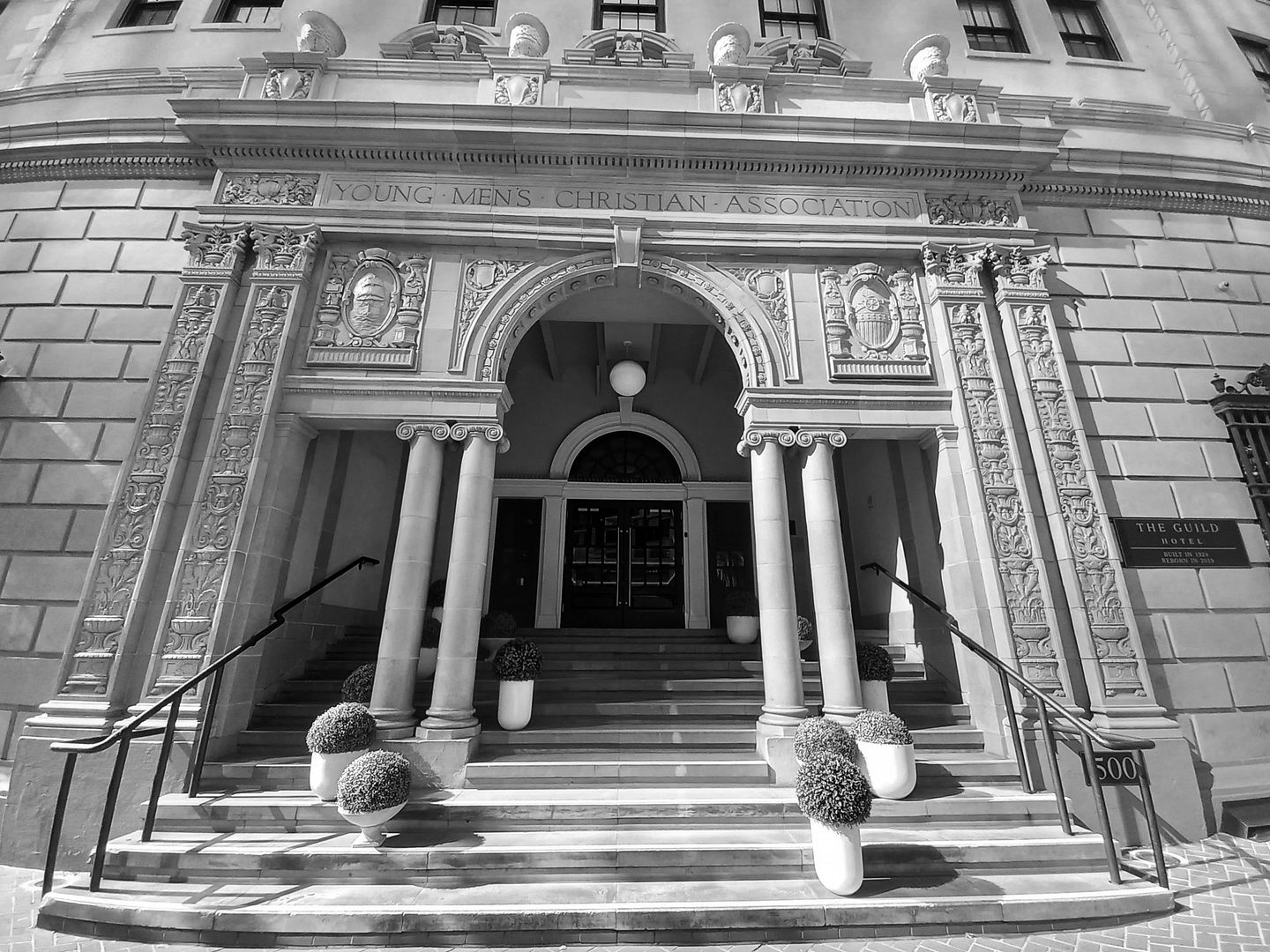
And then in my search, I came across one hotel in Downtown San Diego I hadn't heard of before: The Guild Hotel, which opened in 2019. (From 2003 to 2014, the property was home to a hostel called the 500 West Hotel.)

 
Owned by Marriott and operated as a luxury boutique hotel, it's located in a former YMCA building for the Army and Navy—which made it just seem perfect for a stay on a Navy-related trip. 

May 17, 2022

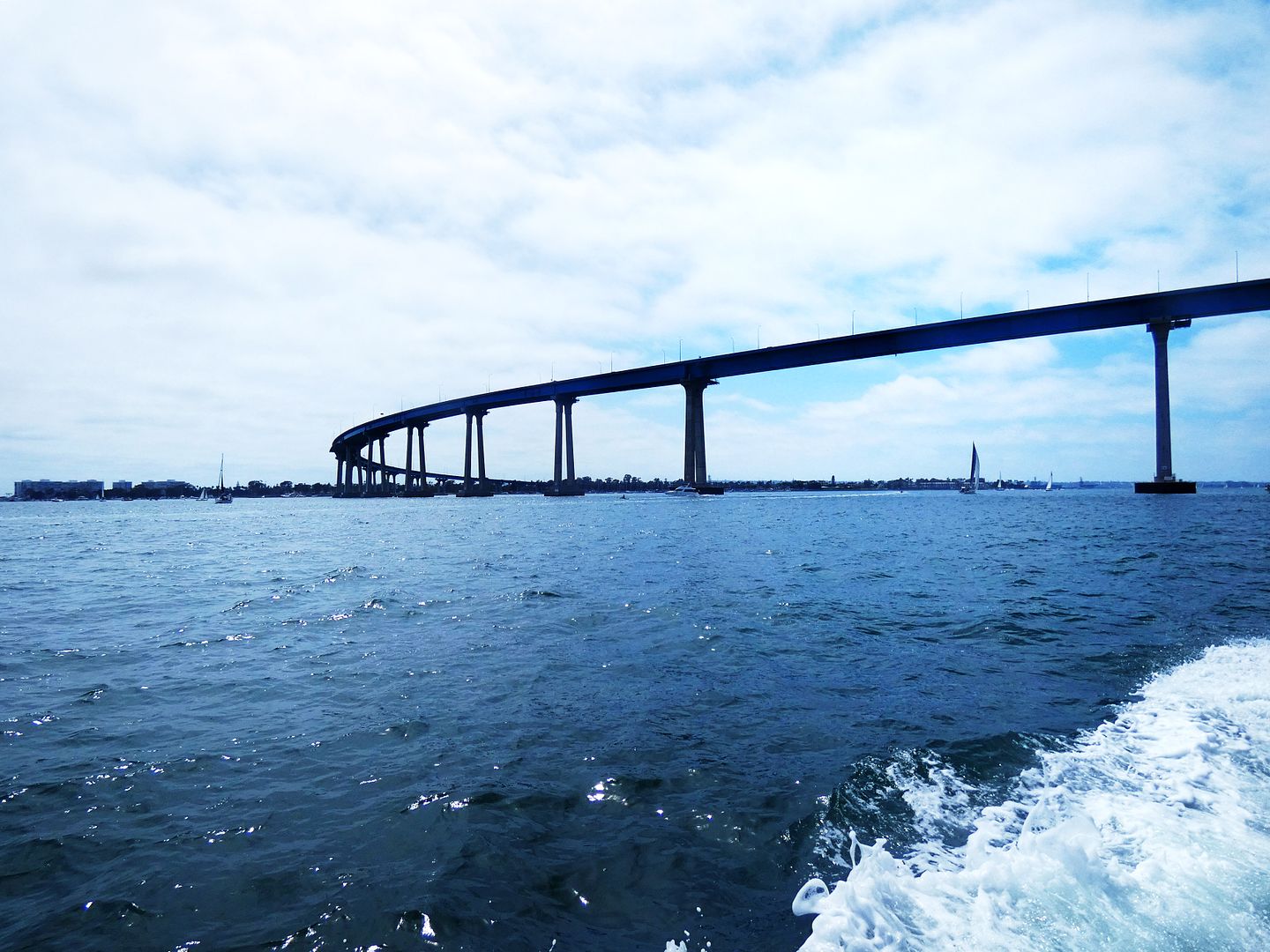
Crossing Over to Coronado On Foot (Or, Bridging the San Diego Bay)

On January 25, 2020, I registered to walk the Navy's 34th annual Bay Bridge Run in May. 

 circa 2021

On April 1, 2020, I received the cancellation notice. And it would be another two years before I could get onto that bridge. 

April 18, 2022

Photo Essay: An Alpaca Visit Worth Waiting For

A couple of weekends ago, I decided to spend nearly four hours driving from Los Angeles to the East County San Diego backcountry to visit an "Alpaca Haven in the Hills"—Hazard Alpacas in Jamul, California.


April 16, 2022

Photo Essay: San Diego's Steel Bridge Was Closed to Traffic 35 Years Ago, Still Open For Exploration

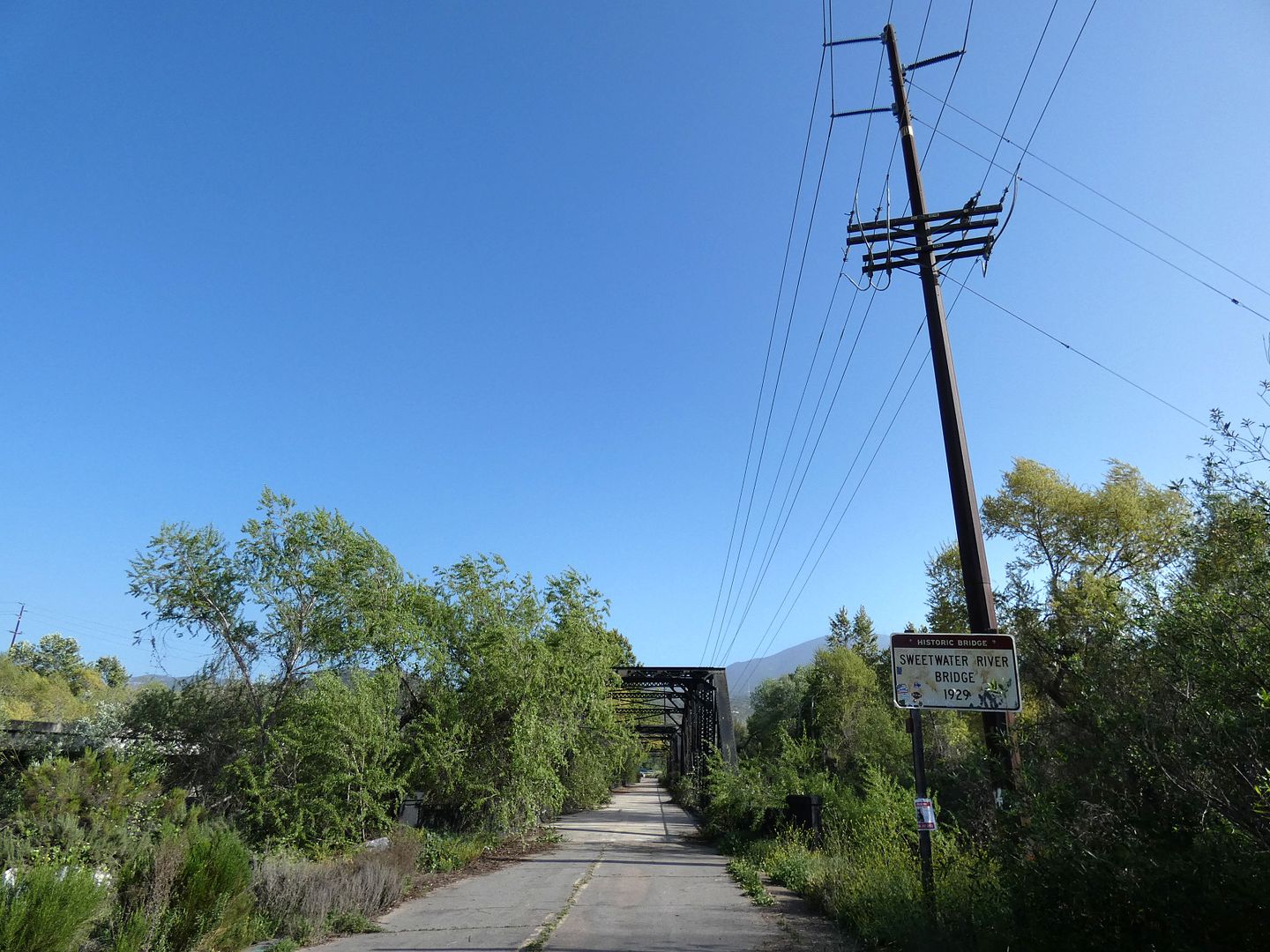
In East San Diego County, where the community of Spring Valley meets Rancho San Diego just southeast of Jamacha Junction, Campo Road runs along an old stagecoach road that was the primary east-west route between San Diego and Yuma, Arizona. 


March 27, 2022

Photo Essay: A 21st-Century Luxury Hotel Evokes the Warmth and Charm of a 1900s Craftsman Bungalow

I'd previously enjoyed visiting the Torrey Pines area of San Diego for its paragliding, coastal bluffs, and infamous beach—but I just had to go back earlier this month to explore the Lodge at Torrey Pines. 


March 22, 2022

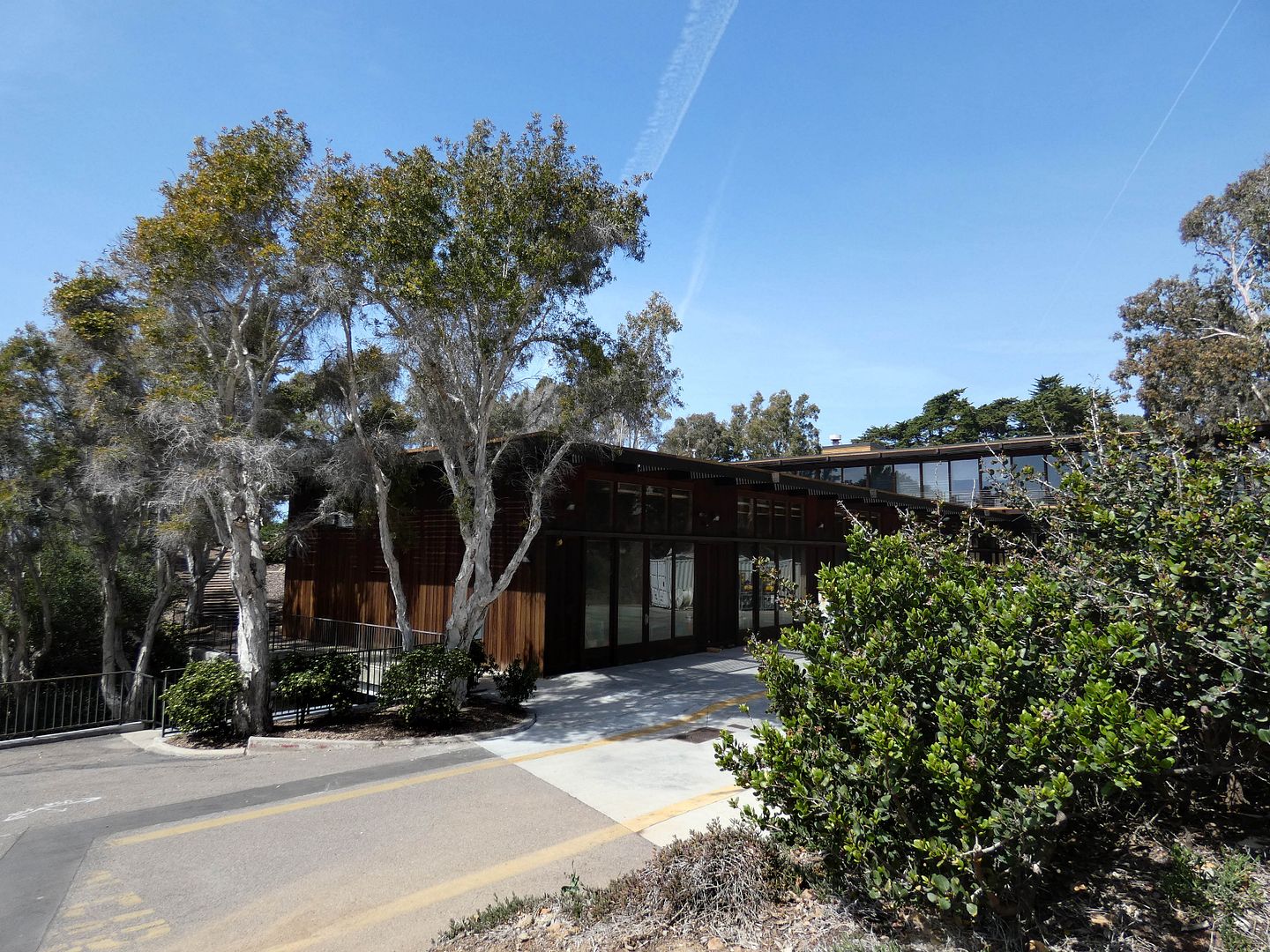
Photo Essay: The Mid-Century Science Lab Where Modern Oceanography Was Born

I've been attending San Diego Architectural Foundation's Open House San Diego for the last few years—even squeezing in a visit a little over a week before everything shut down in 2020. 

But this year was different—not because of the pandemic, but because my car has been sitting in the shop (essentially undrivable) since January 17. 

I've been getting around on foot and via public transportation (like a good former New Yorker). But that was going to put a cramp in my style somewhat for Open House San Diego. 

I knew I could take the Amtrak down to Santa Fe Depot no problem—and that the trolley could get me around to lots of places. But I wouldn't be able to cram very much into one day. 

So, I agonized over having to limit myself to just one general area—and having to choose among the dozens of sites (when normally I can cram at least four or five into a day). 


Instead of going for quantity, I went for exclusivity—and chose to keep my reservation to the sold-out tour of the Institute of Geophysics and Planetary Physics (IGPP) Munk Lab at the UC San Diego’s Scripps Institution of Oceanography in La Jolla, co-hosted by AIA San Diego. (Fortunately, I could get pretty close to it by taking the new Blue Line trolley extension to UCSD.)

November 19, 2021

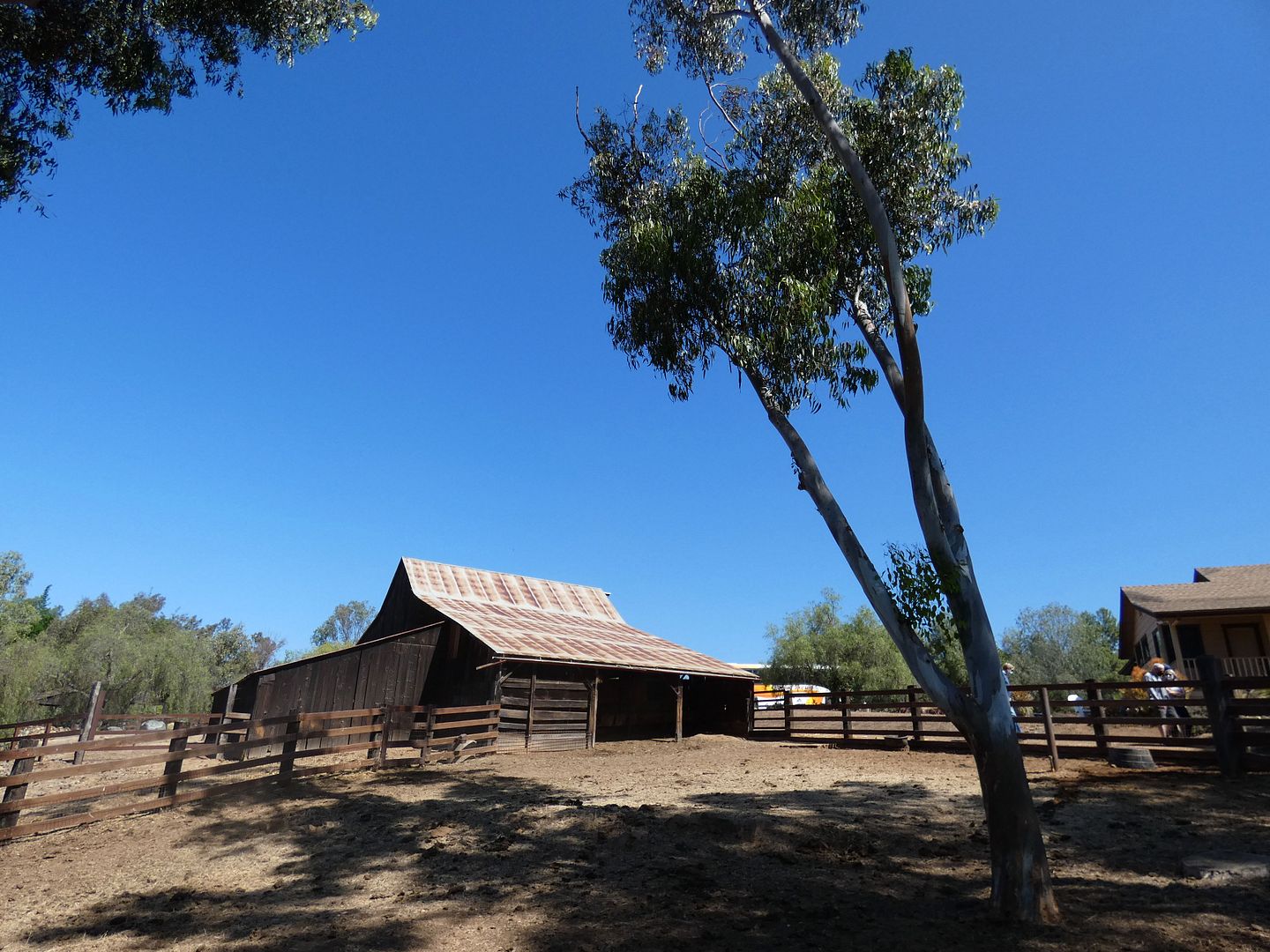
Photo Essay: San Diego's Last Operating Homestead Ranch (And Its Ties to German Heritage)

There's a ranch in Encinitas, California that was added to the National Register of Historic Places last year for how original its condition is...
  

August 08, 2021

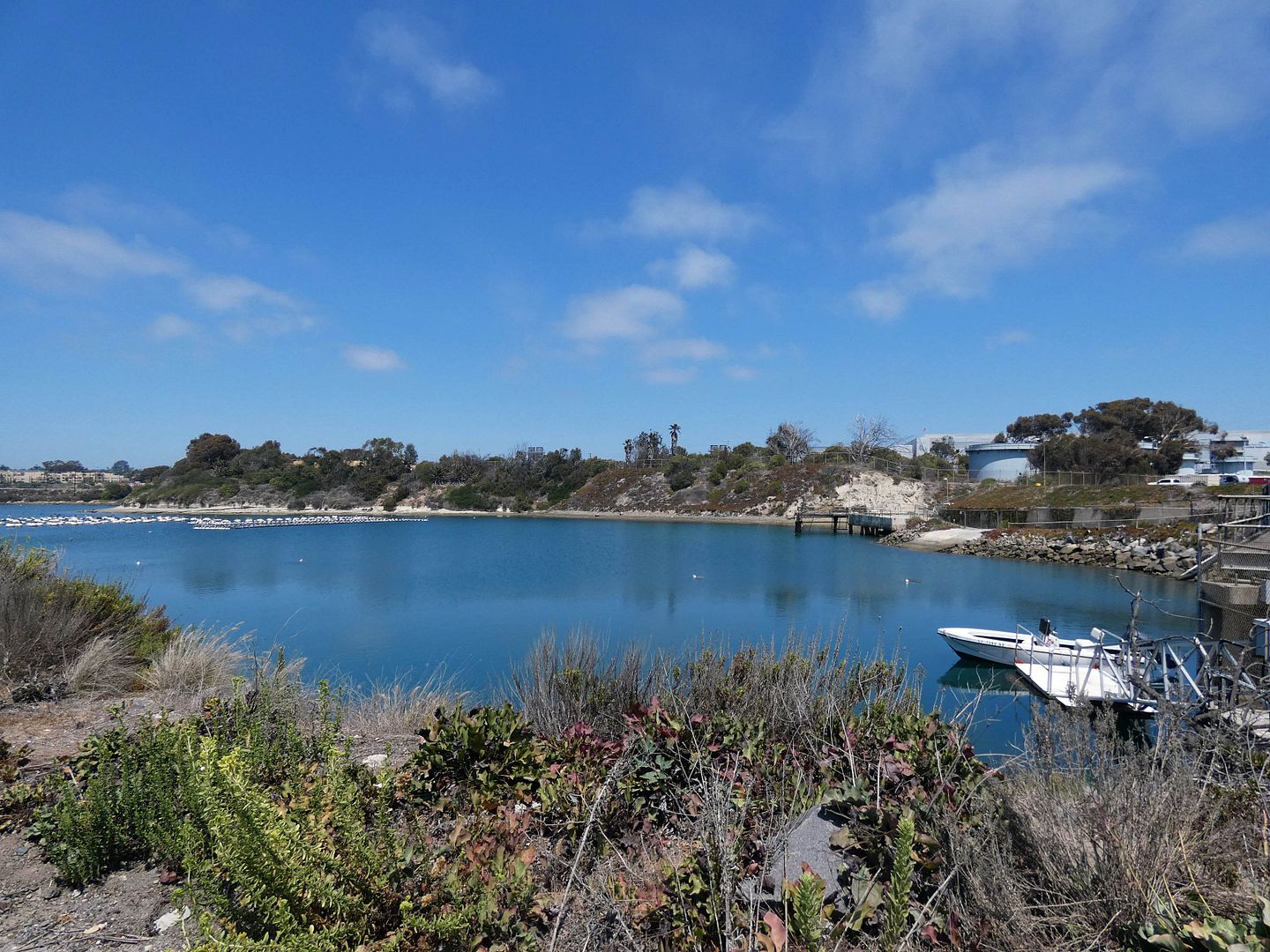
Photo Essay: A Public Tour & Tasting at SoCal's Only Oyster Farm (Shuck Yeah!) - [Updated for 2024]

[Last updated 7/21/24 10:52 AM PT—In May 2024, Carlsbad Aquafarm posted the following on Facebook: "Carlsbad Aquafarm will no longer host public tours due to logistics issues and concerns for public safety in accessing the farm off Carlsbad Boulevard."]

Carlsbad Aquafarm has been growing various types of sea life in the outer Agua Hedionda Lagoon—a tidal wetland that shares water with the Pacific Ocean—since it first arose out of a 1960s-era San Diego State University aquaculture research facility in 1990. 
 

But it was only five months ago that it first started conducting public tours—and only last week that those tours came on my radar. 

August 07, 2021

Photo Essay: A Rogue Rock Garden That's Full of Whimsy and Heart

It wasn't until today that I began to realize how truly quirky Encinitas, California is. And I think I've only just begun to let it charm me.   

 
A good example is on B Street, just four blocks from Moonlight Beach—a guerrilla art project and community park called Dave's Rock Garden. 

July 24, 2021

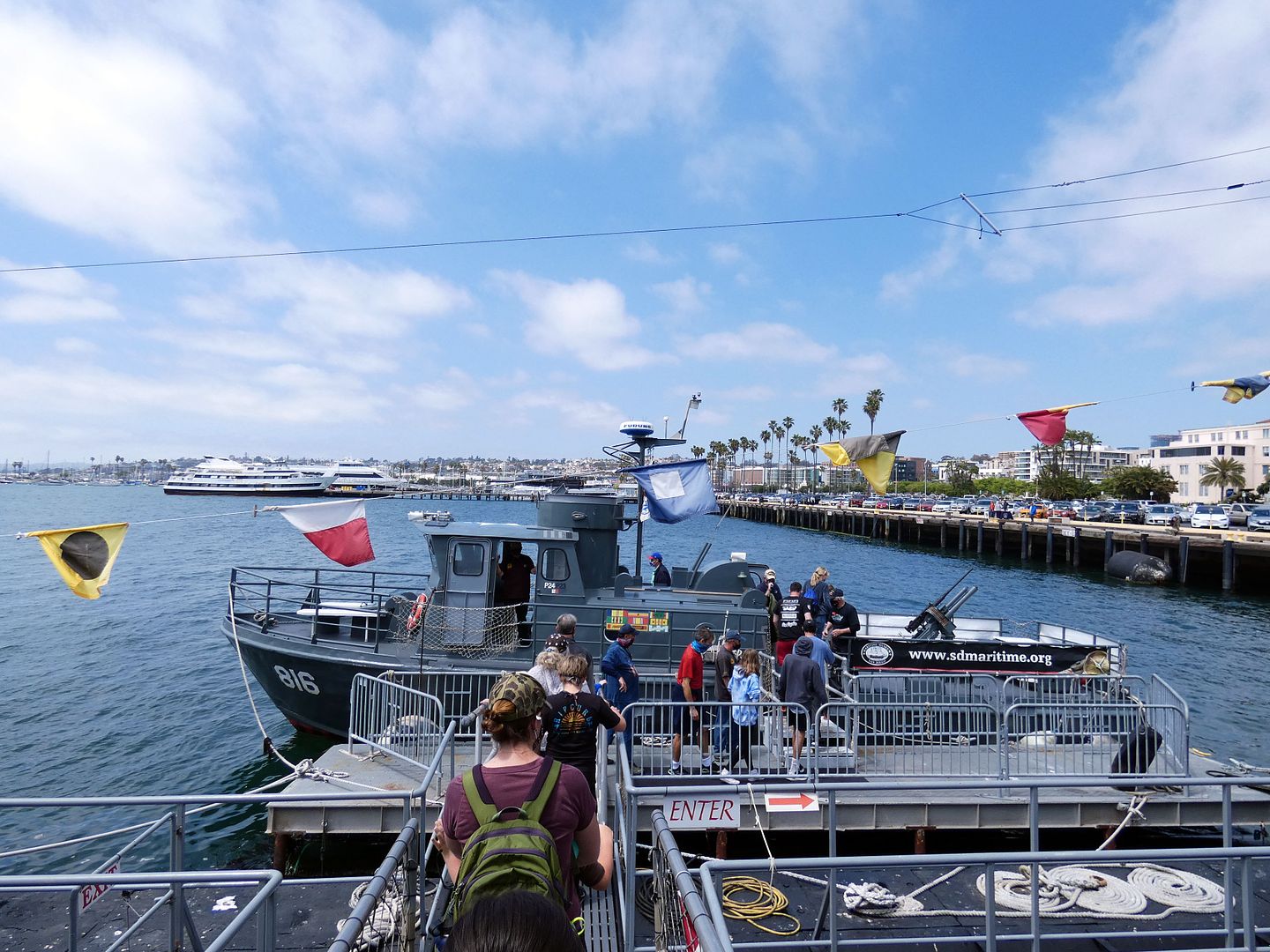
Photo Essay: Paying Tribute Aboard A Restored Navy Swift Boat, the Only Vietnam Memorial You Can Ride

With no plans with family or friends on Memorial Day Weekend this year, I jumped at the chance to drive down to San Diego and take the annual Swift Boat Naval History tour of the Bay with the Maritime Museum. 

October 06, 2020

A Last Chance Stay at a Hollywood Producer's Former Fantasy Island Getaway, Paradise Point Resort (For Now)

For my birthday last week, I was at a bit of a loss as to how to celebrate—or whether to even try to celebrate at all. 

After all, it doesn't feel like there's much to celebrate in 2020. 

But I'd already put in for three days off from my dayjob (having planned to attend the now-canceled Central Coast Railroad Festival). And I've only taken one other day off all year (and that was an emergency mental health day during the protests that had police tear-gassing illegal assemblies in my neighborhood). 

It felt like I deserved some vacation days. Even if vacations aren't really a thing right now, with pandemic travel still restricted. 

But over the last six months or so, I have had a couple of good hotel getaways—whether just for the day or for a single overnight a short distance away. 

And because all my trips have been canceled this year, I feel OK about splurging a little on a place I would not normally treat myself to. 

That's how I ended up at Paradise Point Resort in San Diego's Mission Bay. 


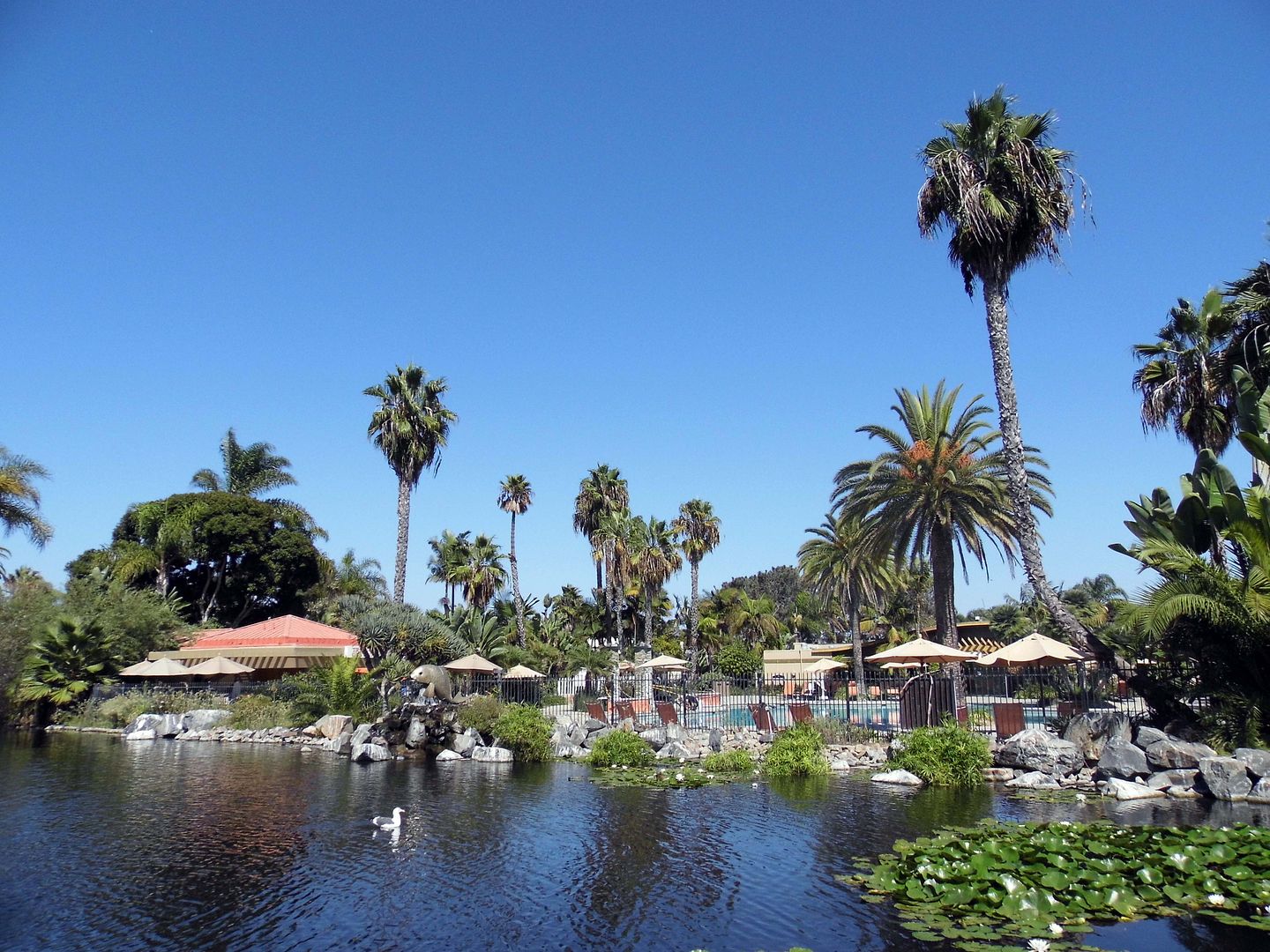
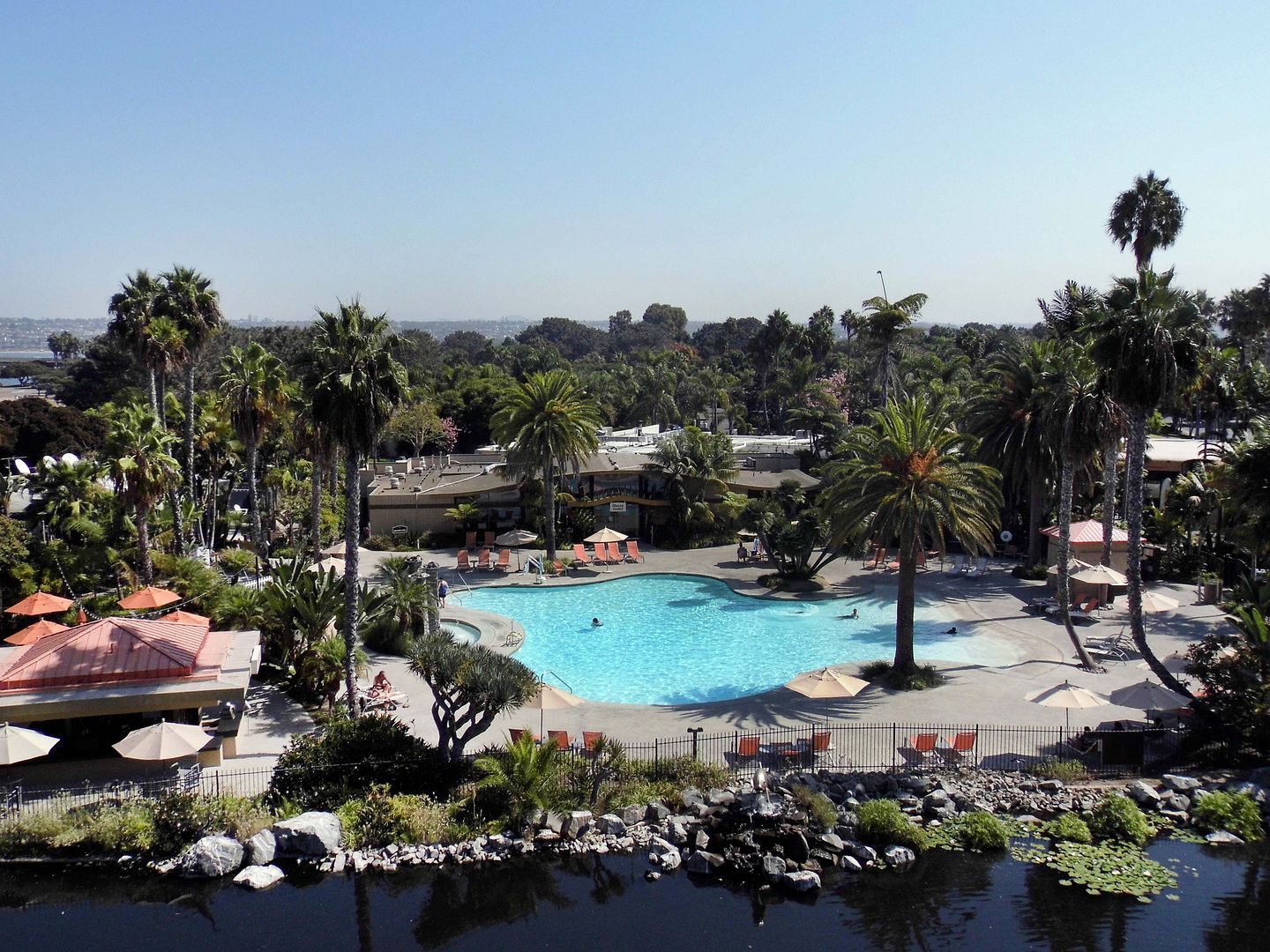
I knew it would be a tropical paradise, with outdoor dining and no less than five pools. And I knew that Tiki Oasis had recently held the pandemic version of its convention there—so it might provide some approximation of a tiki-cation. 


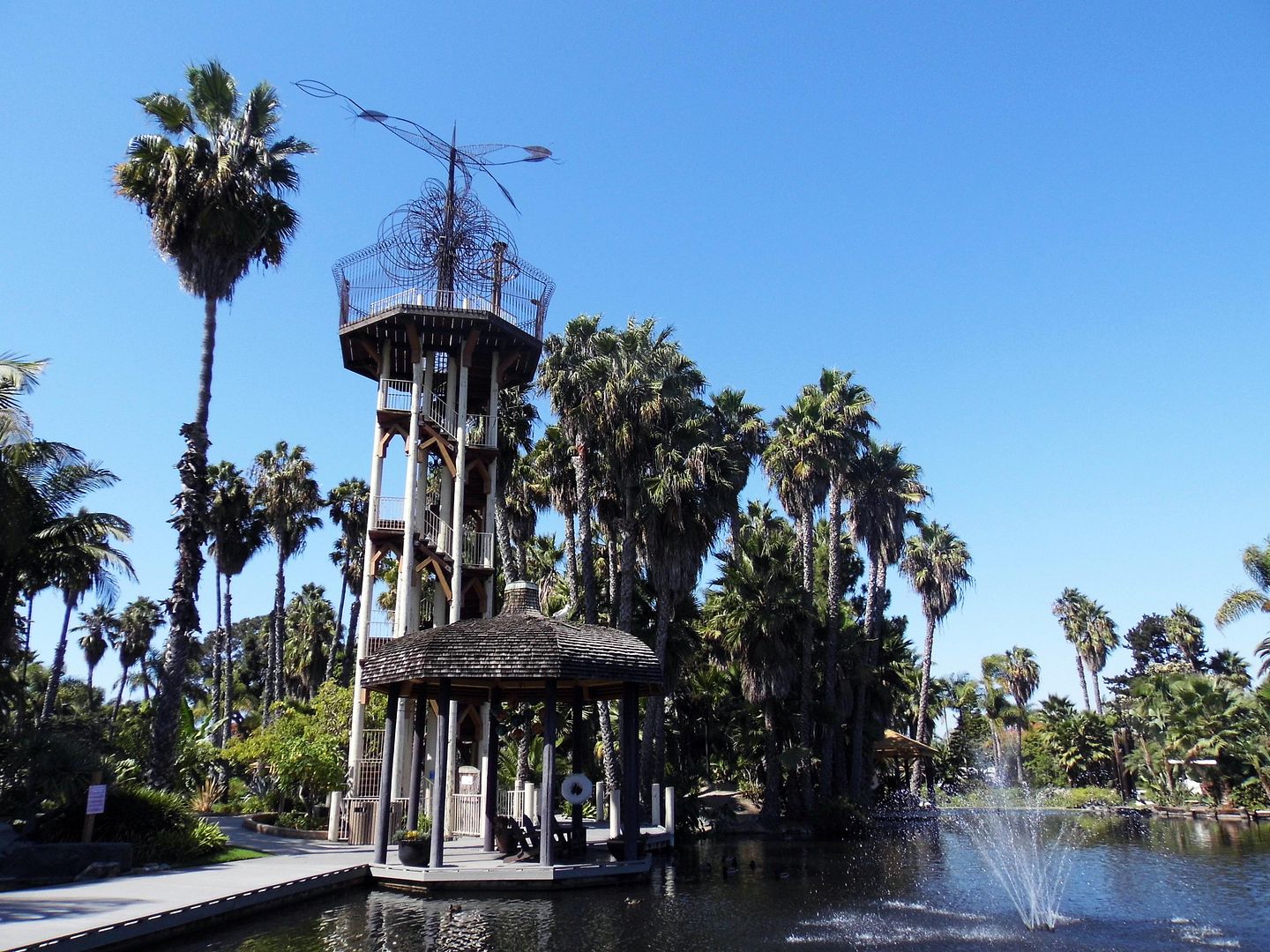
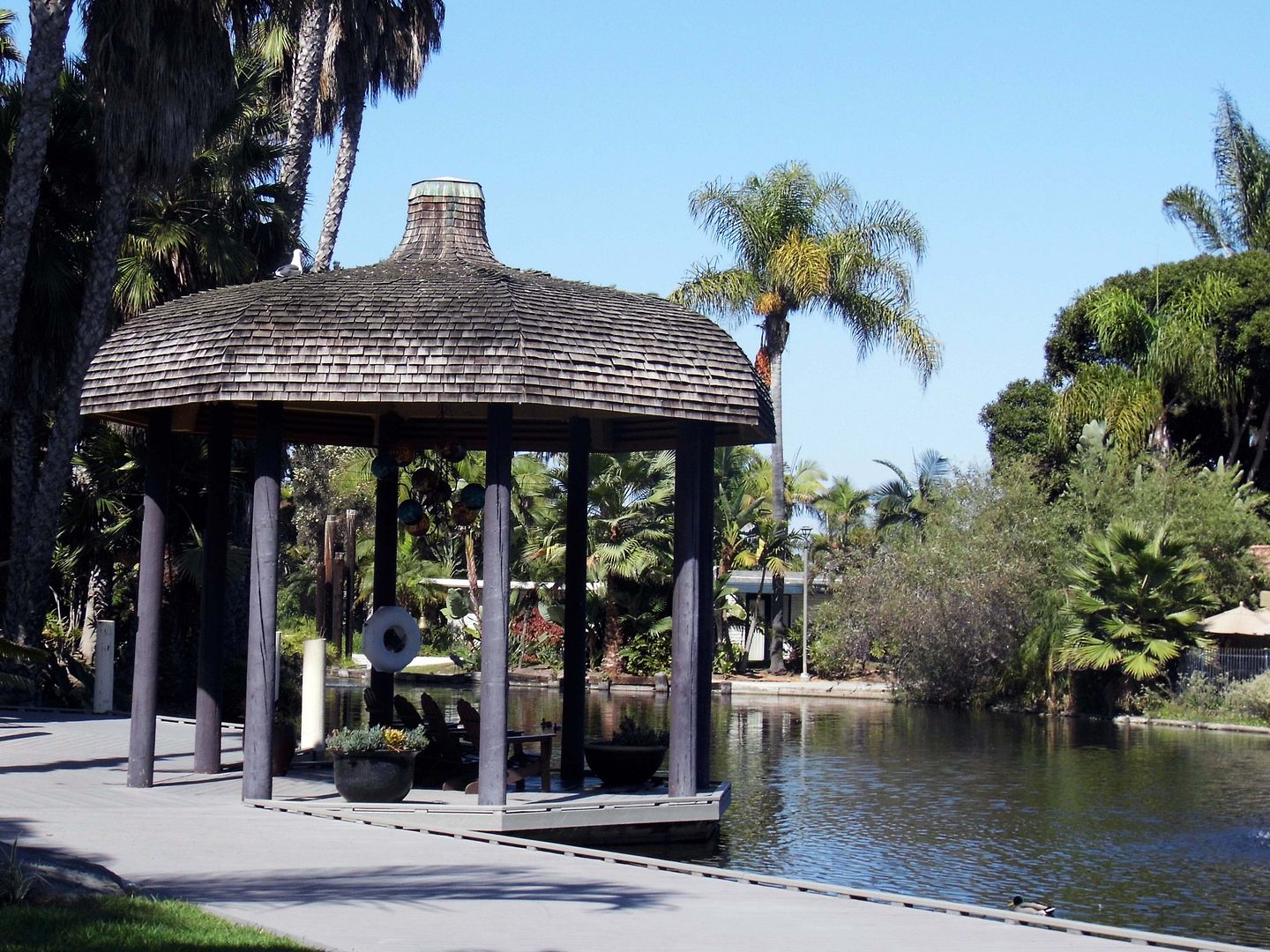
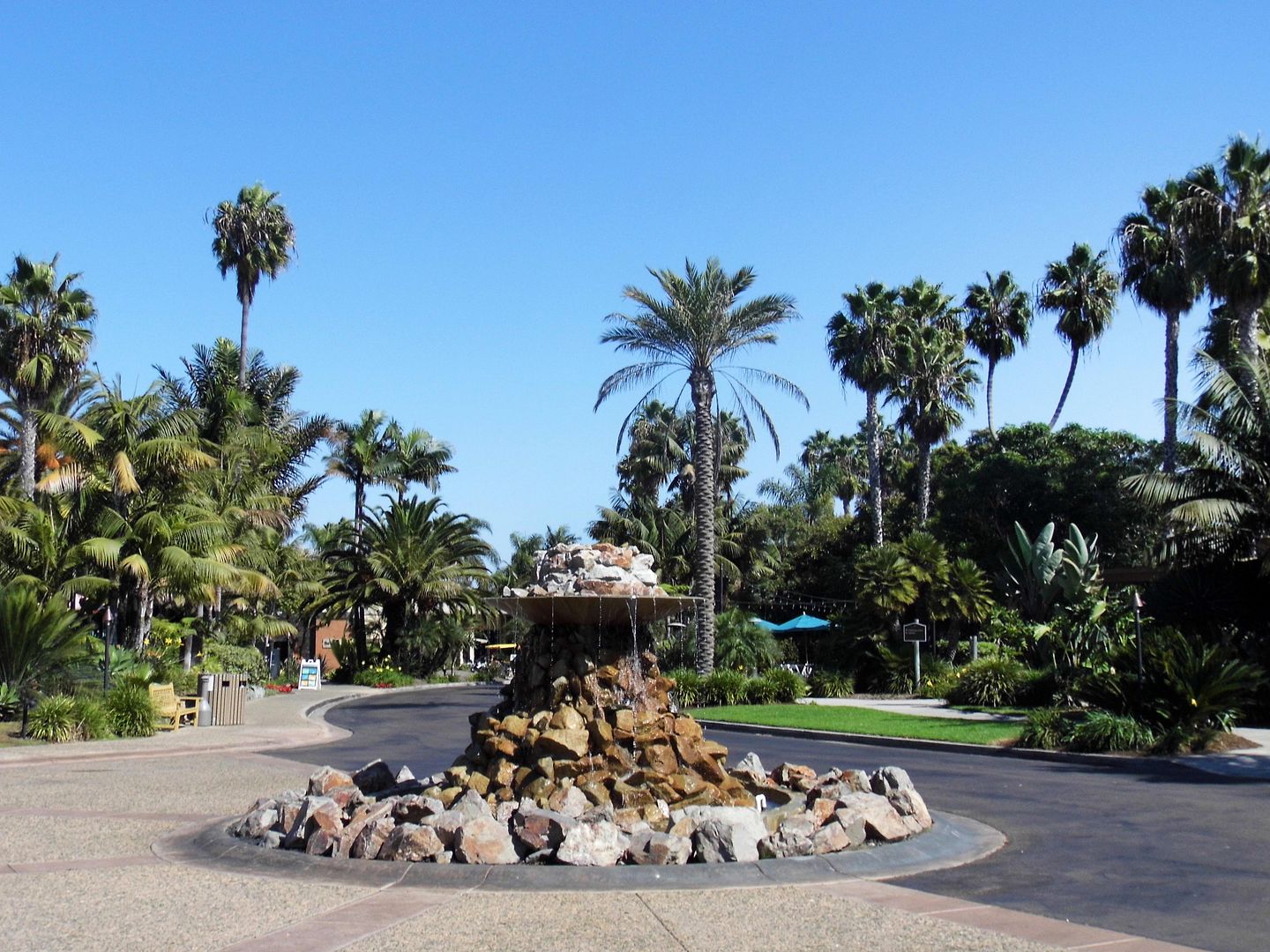
But upon turning down Vacation Road, circling around the entryway fountain and parking within spitting distance of the shake shingle kiosks that line the main lagoon, I had no idea how much history I was about to encounter. 


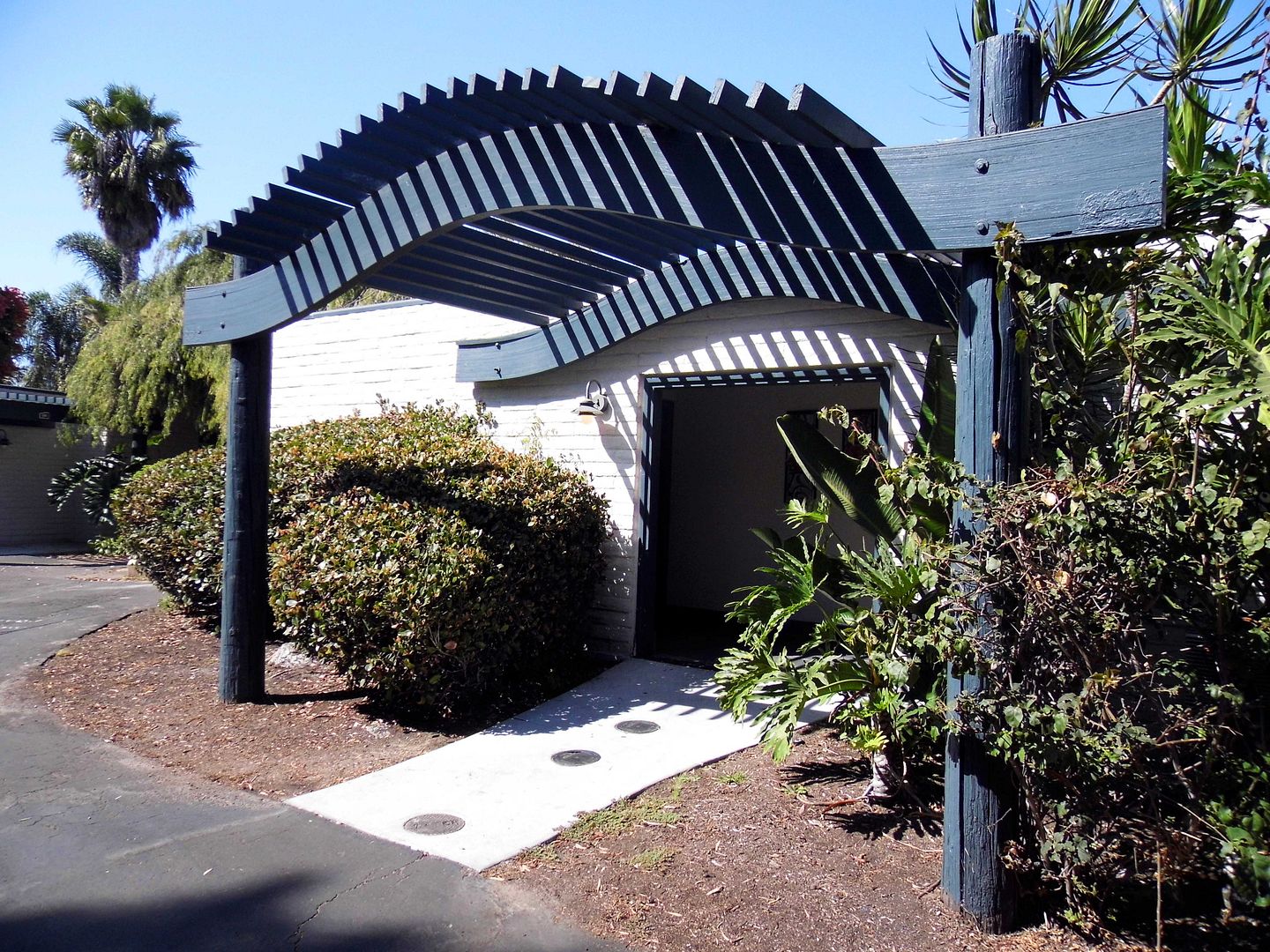
Oh, I'd been to Mission Bay before—to ride The Giant Dipper at the nearby Belmont Park. But I hadn't realized what an influence that wooden rollercoaster (once known as the Earthquake) would have on the local architecture—inspiring the undulating roofline and interior ironwork of the main lobby building of Paradise Point. And that's just for starters. 


The 1920s rollercoaster and the amusement park that contains it actually pre-dated what we know today as the Mission Bay Aquatic Park by decades. It wasn't until 1958 that the San Diego city council approved a master plan to dredge the tidal marsh and create 30 miles of shoreline beaches, grassy knolls, water recreation areas, Sea World, and resorts like Paradise Point—making it the largest man-made aquatic park in the country. 


While that was happening, Hollywood producer Jack Skirball—a Pennsylvania-born former rabbi who left the rabbinate in 1933—had gotten into family entertainment and recreation by delving into bowling alleys. But the bigger fish for him turned out to be transforming a treeless, manmade island called Tierra del Fuego into "Vacation Isle"—home of his South Seas-inspired Vacation Village resort, which opened in 1962.


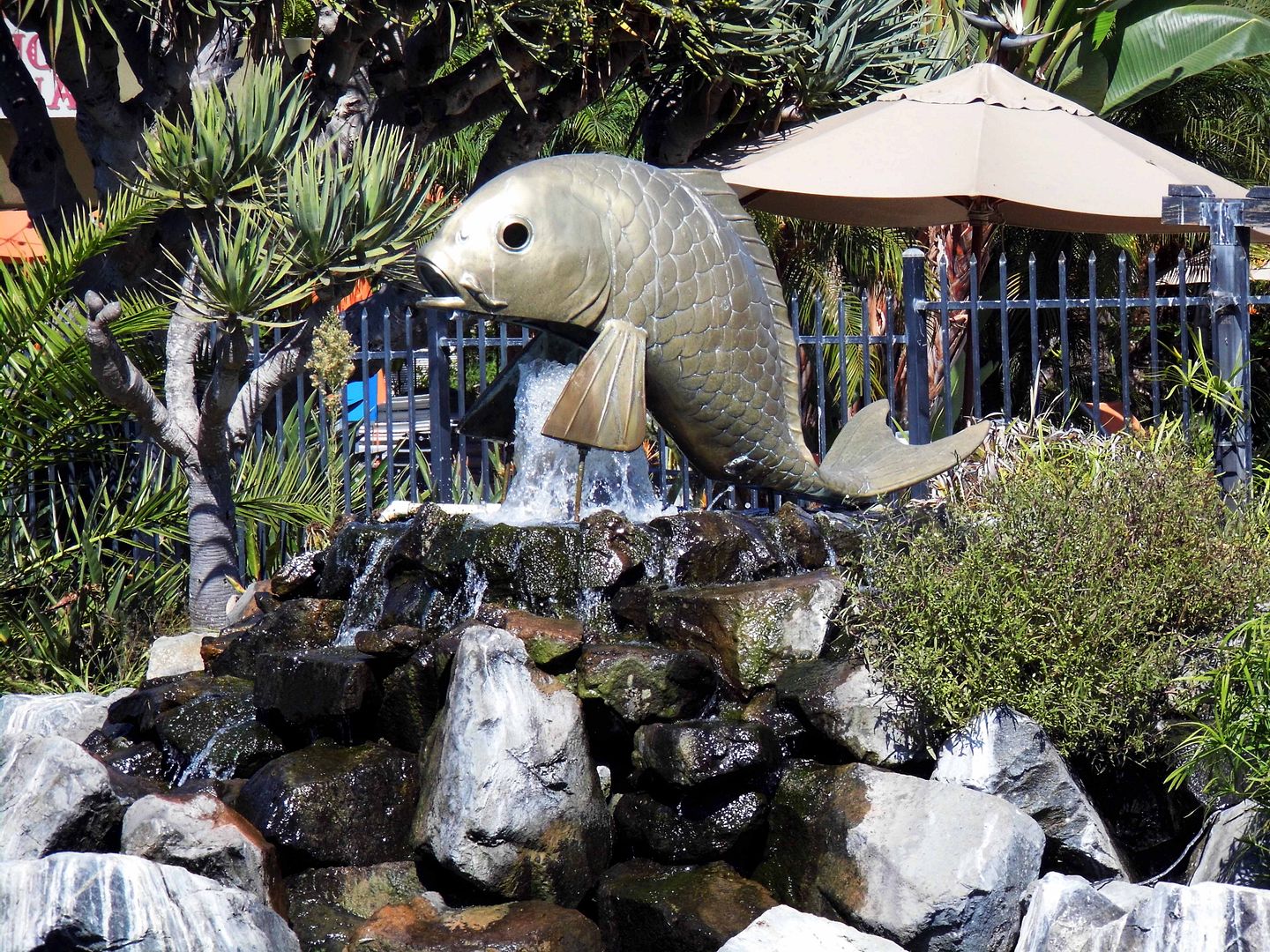
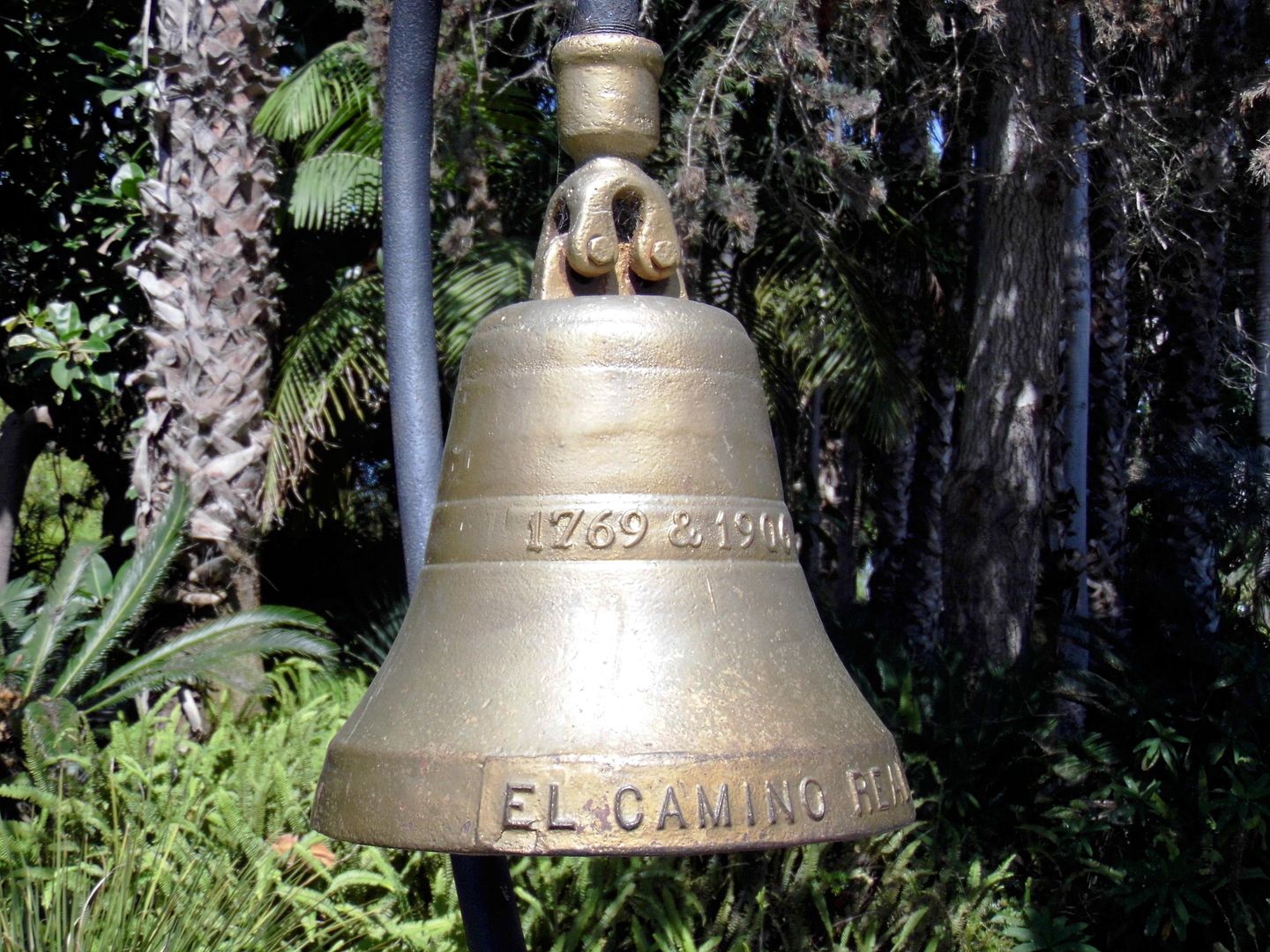
Of course, Skirball made sure Vacation Village had a dash of Hollywood magic here and there—including California's largest collection of original mission bells and screen-used artifacts like the porpoise fountain from the Elizabeth Taylor version of Cleopatra (1963).


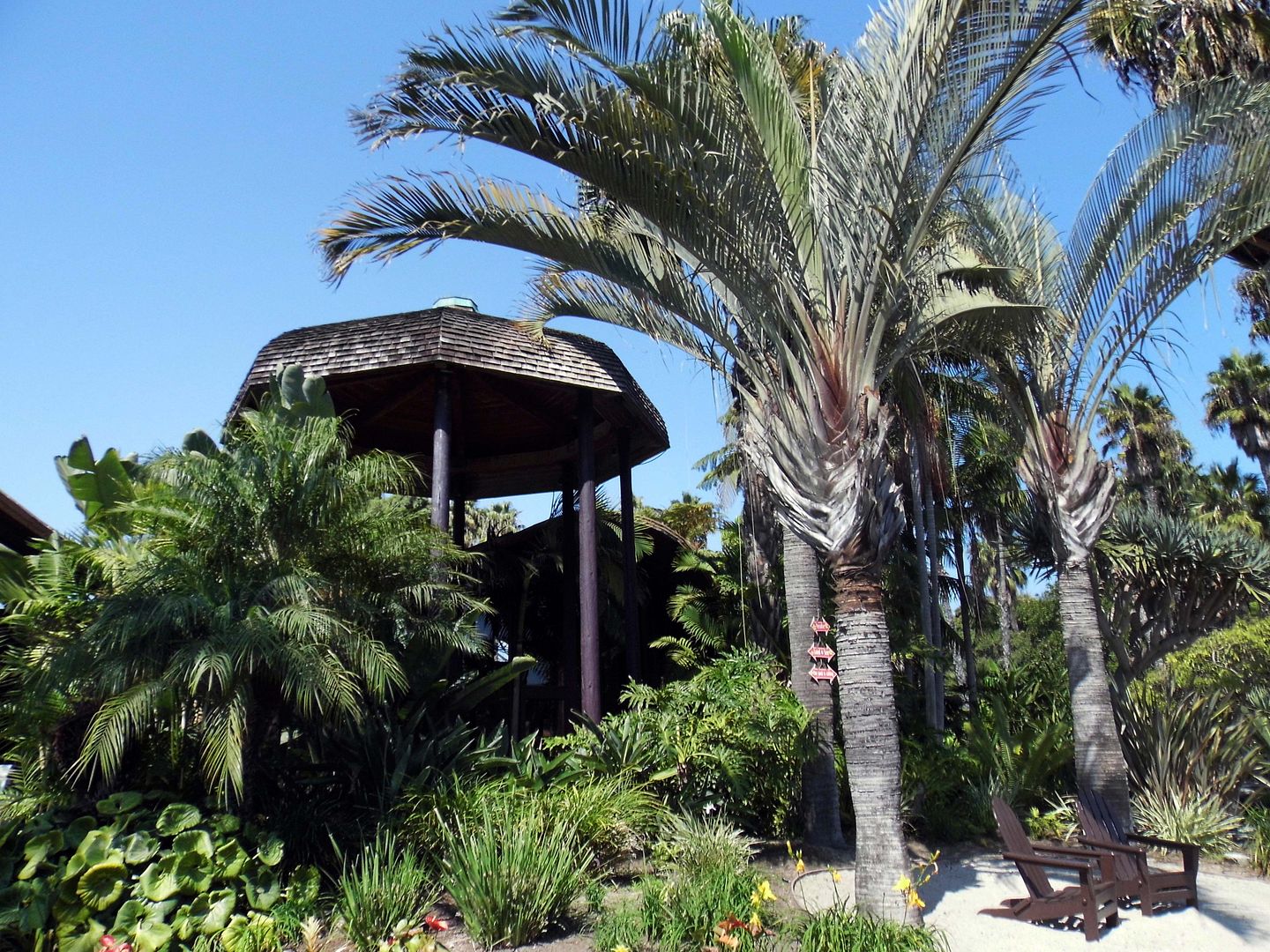
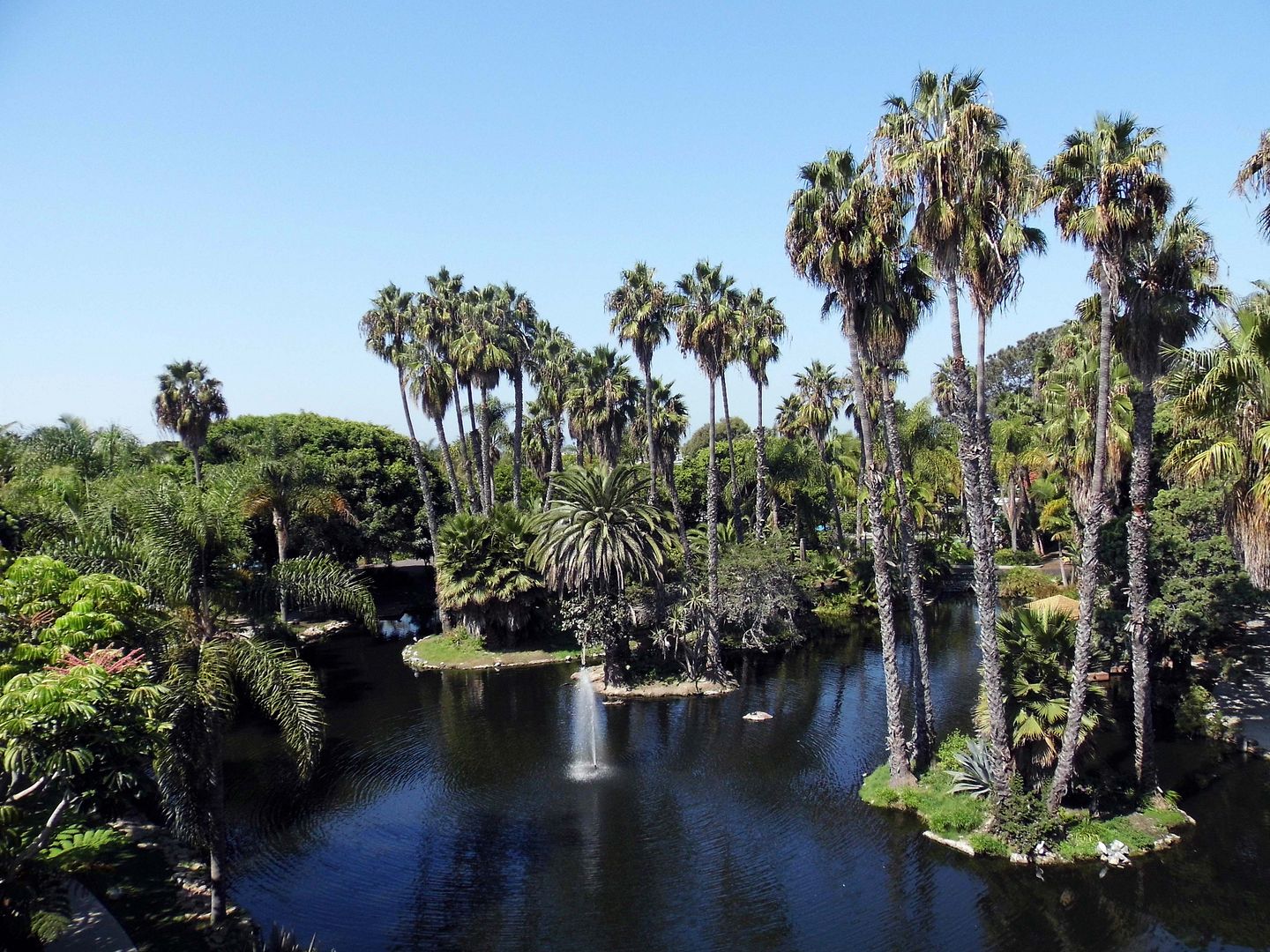
But much of the fantasy comes from the landscape design—whose palm trees, macadamia nut trees, bromeliads, and hundreds of birds-of-paradise transport you to the Canary Islands, or perhaps the South Pacific, or even Madagascar. 


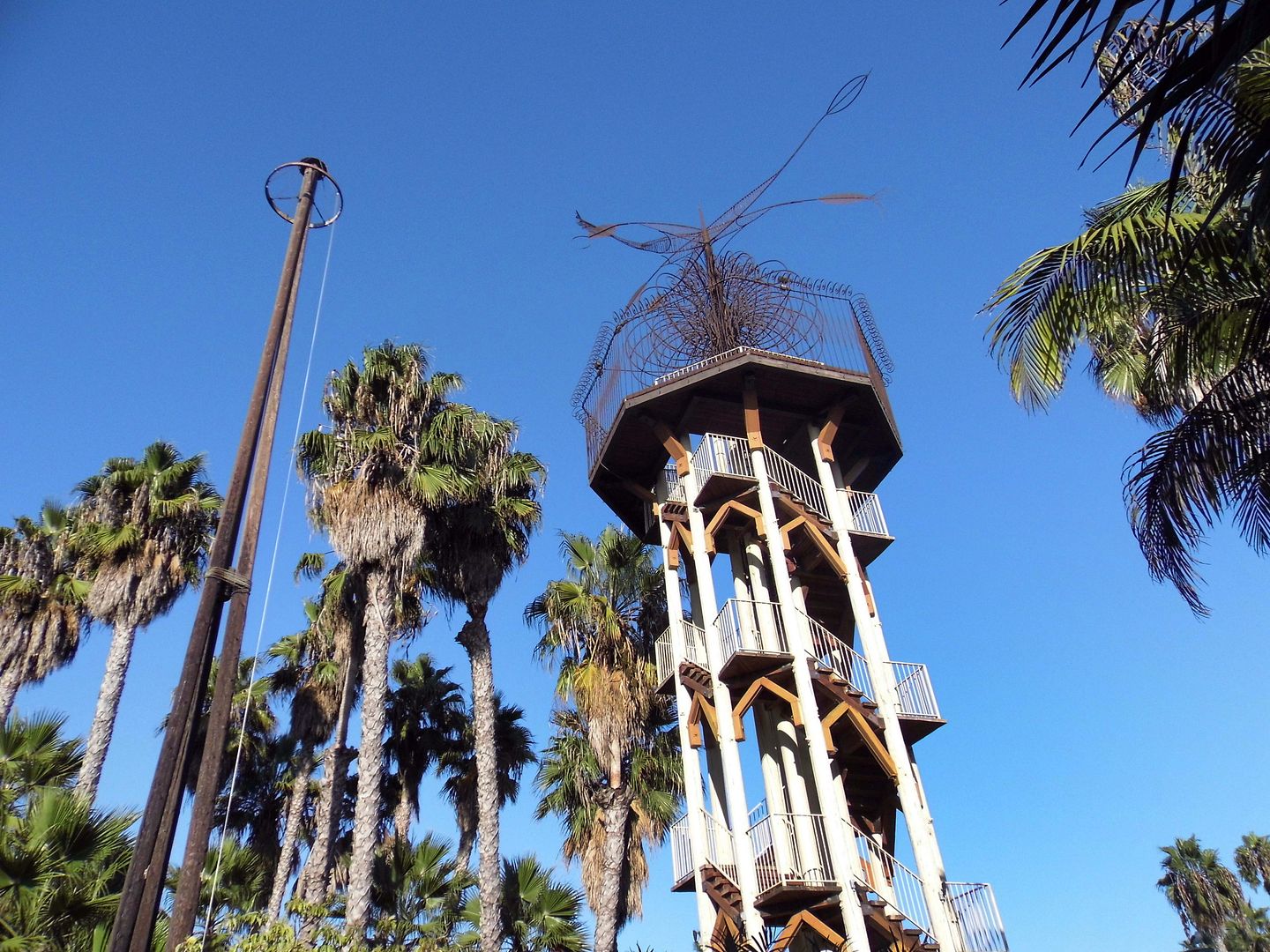
The symbol for the hotel—and still its beacon—is a 70-foot-tall observation tower, designed by the resort's architect, Eldridge "Ted" Spencer of the Palo Alto-based firm Spencer and Lee (perhaps known best for the Ahwahnee Hotel in Yosemite National Park). 


It was built by Robert "Bob" Golden—the son of construction magnate Morley H. Golden and, as of 1956, president of M.H. Golden Construction Company It must've been an engineering feat to make it as sturdy as it still feels. 


After climbing up an undetermined number of stairs, the view of the main lagoon from up there is breathtaking, fantastical, and transportive. 


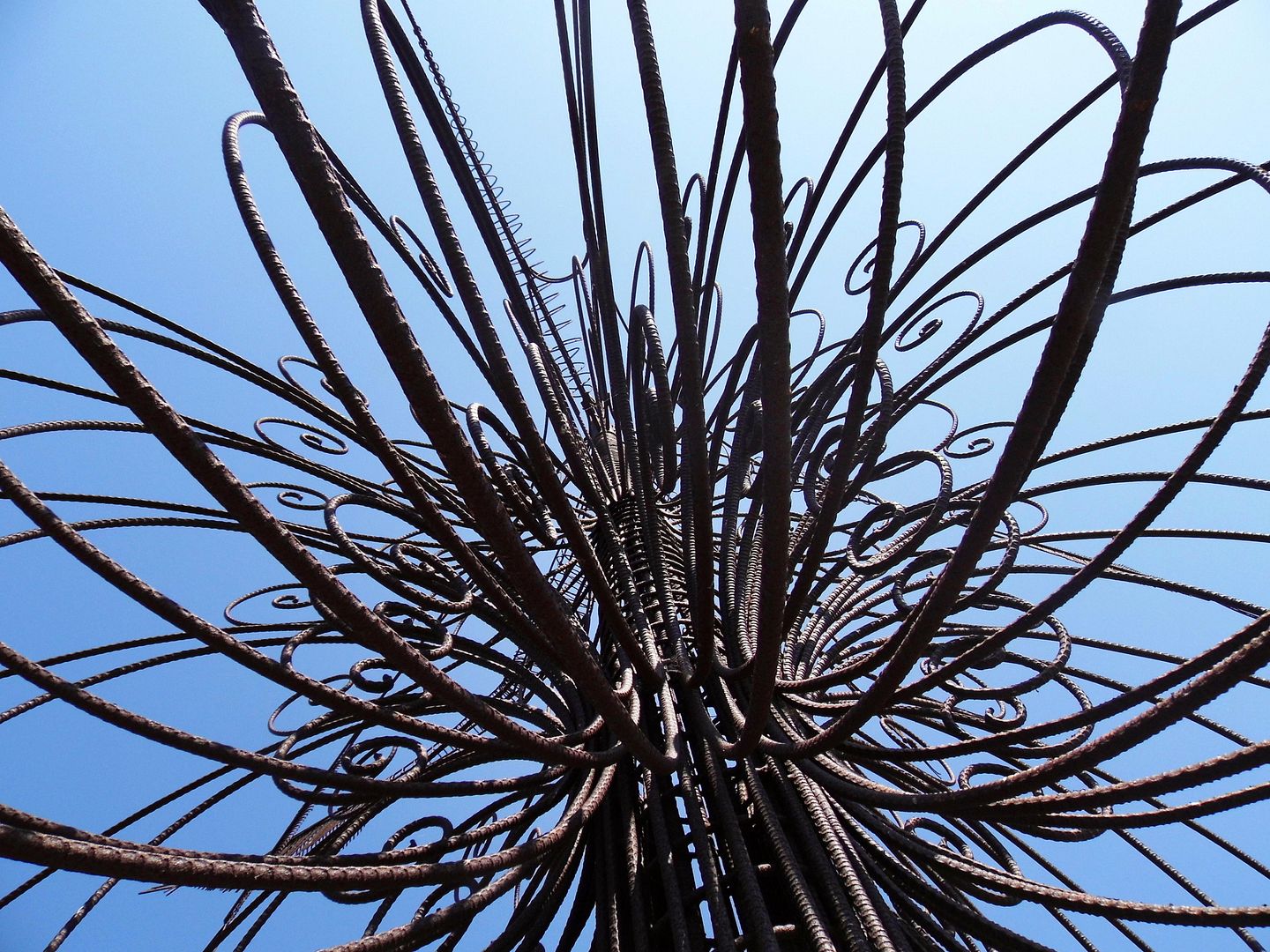
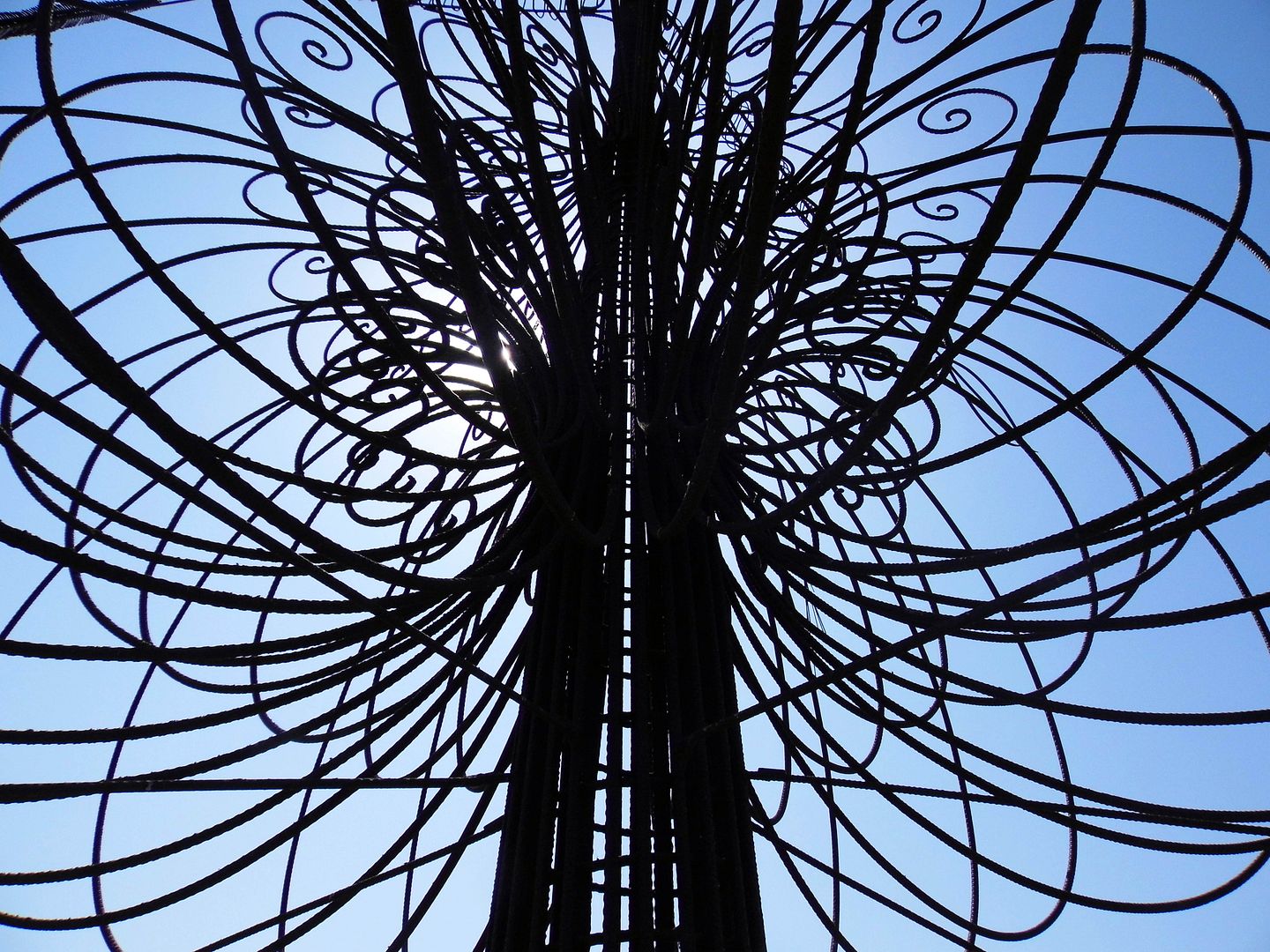
And at the very top, you can be delighted by the whimsical rebar sculpture by Val Agnoli...


...whose uppermost portion is meant to evoke the red-eared slider turtles that populate the waters below. 


After all, this bayside resort offers more watery wonders than just its swimming pools. 


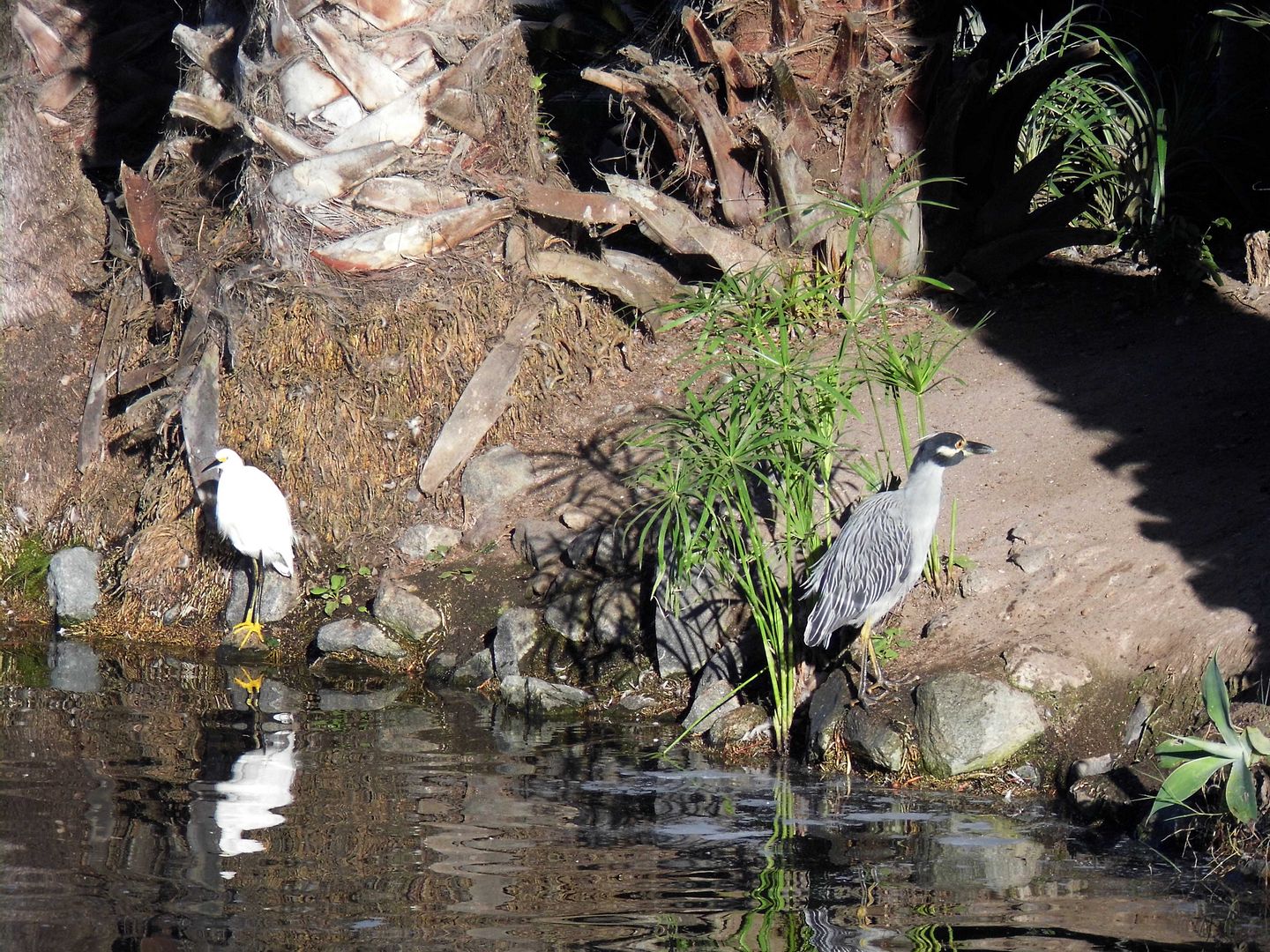
And all that wet stuff is great for attracting shorebirds, like snowy egrets and yellow-crowned night herons, with their yellow feet and eyes...

 
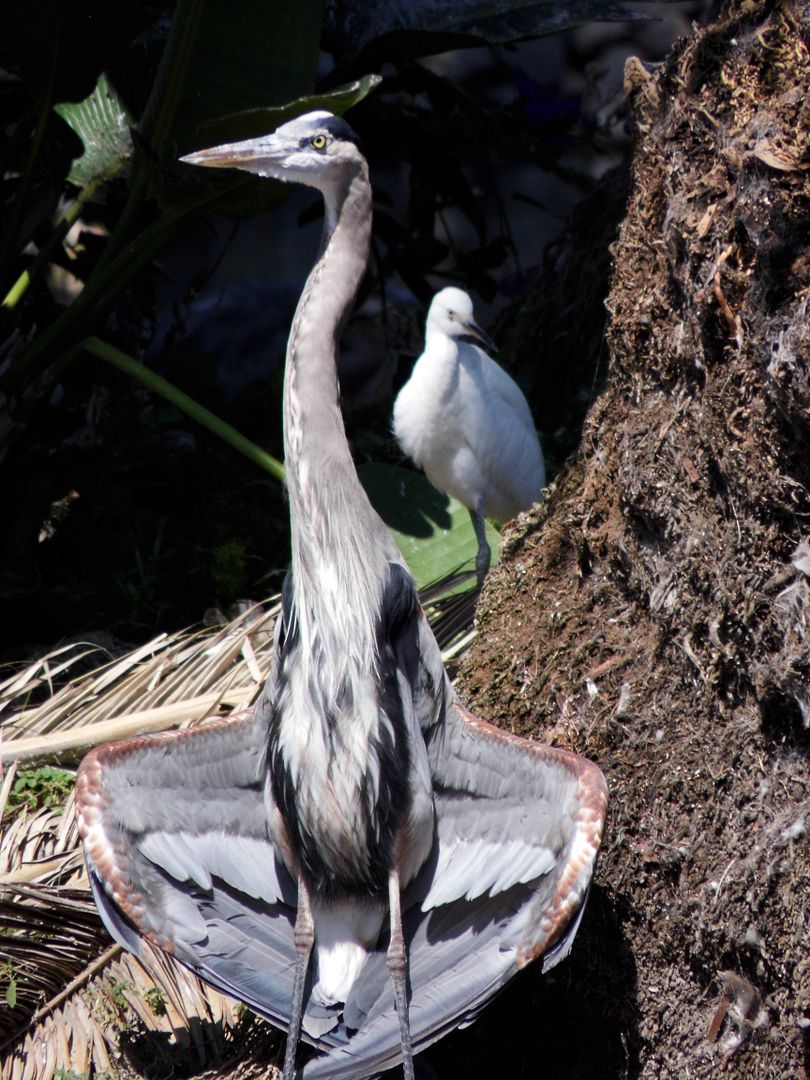
...great blue herons, who sun their wings in a "flasher" pose...

 
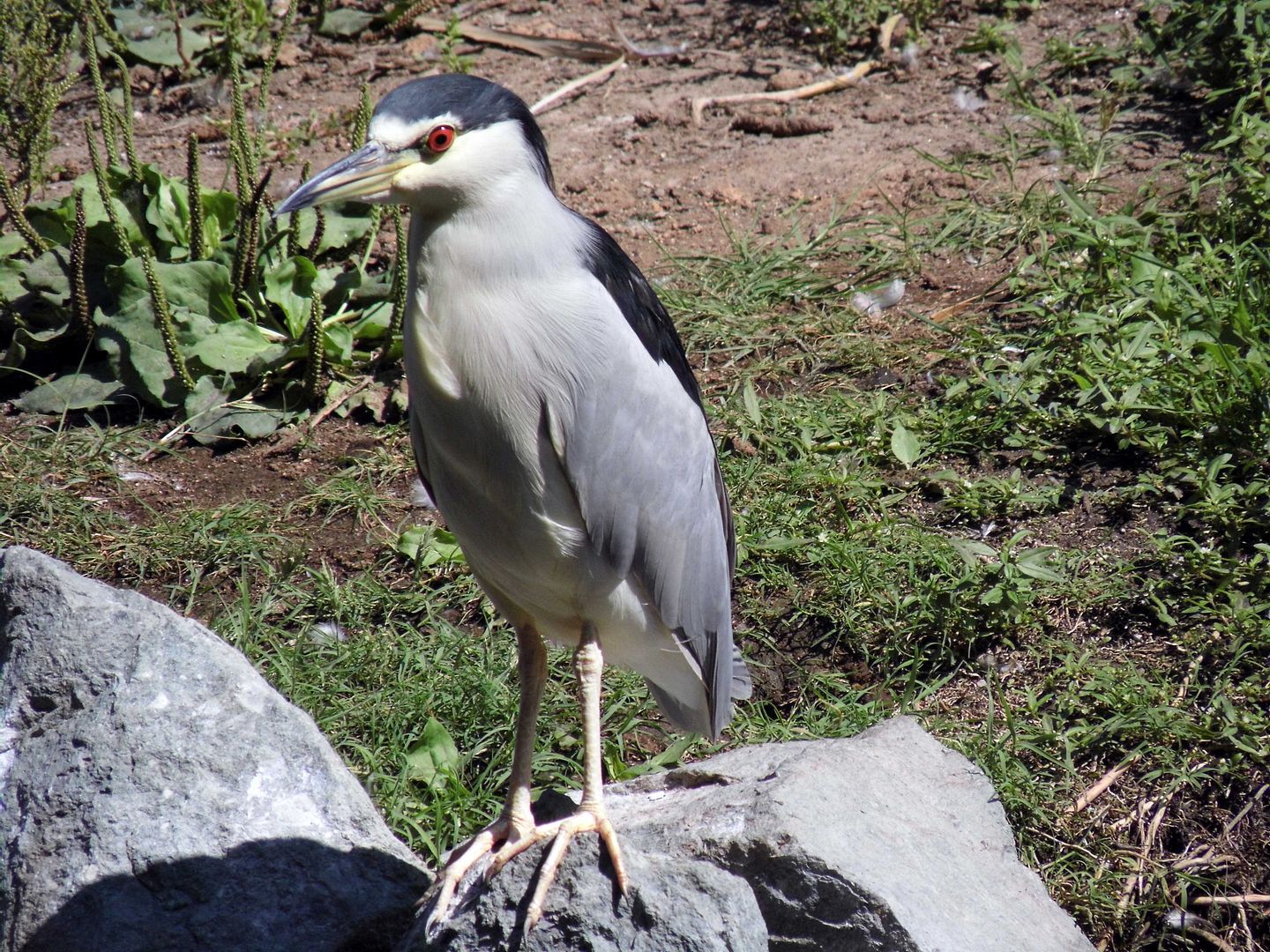
...black-crowned night herons, with their red eyes...
    

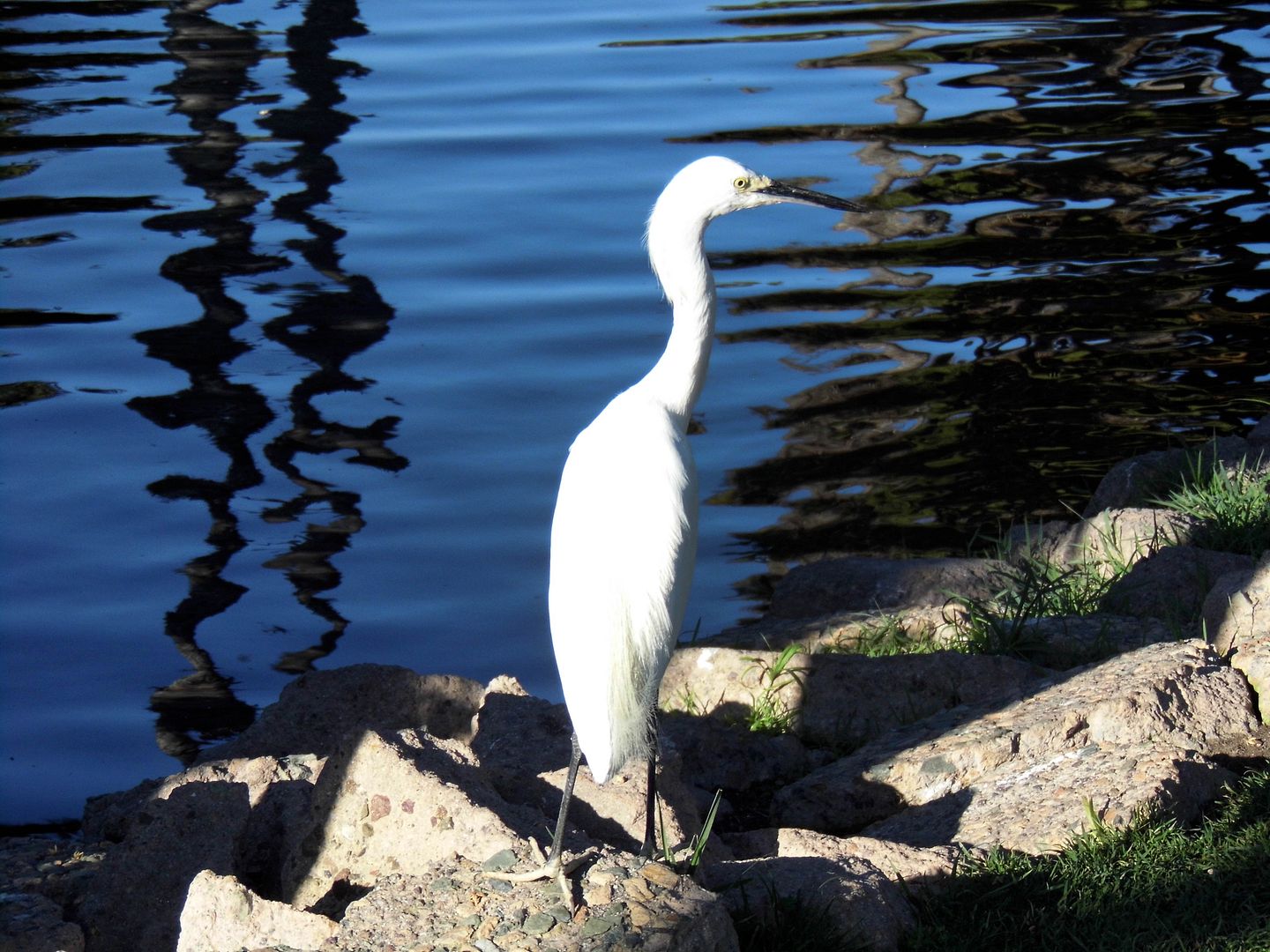
...and of course great egrets. 


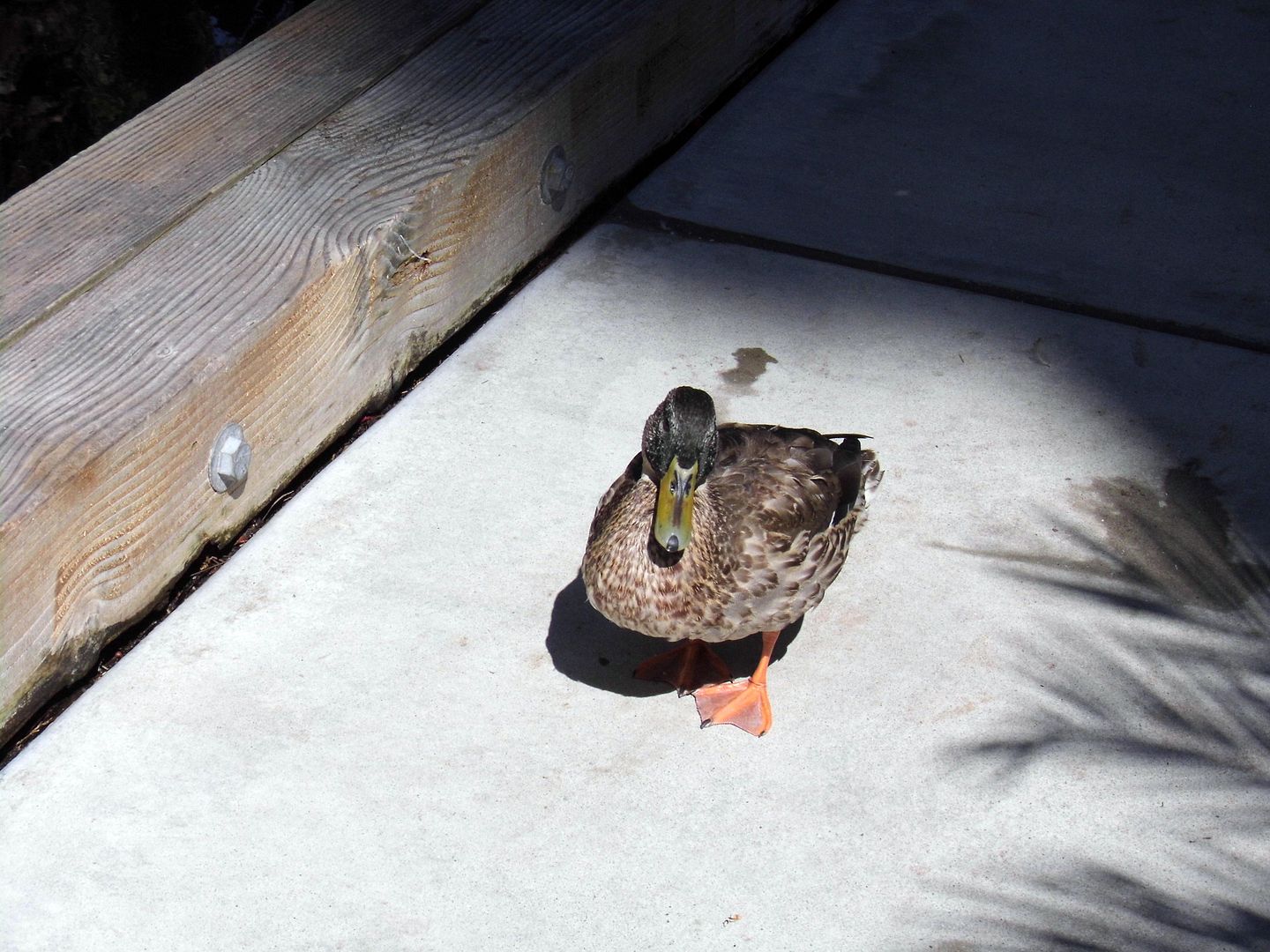
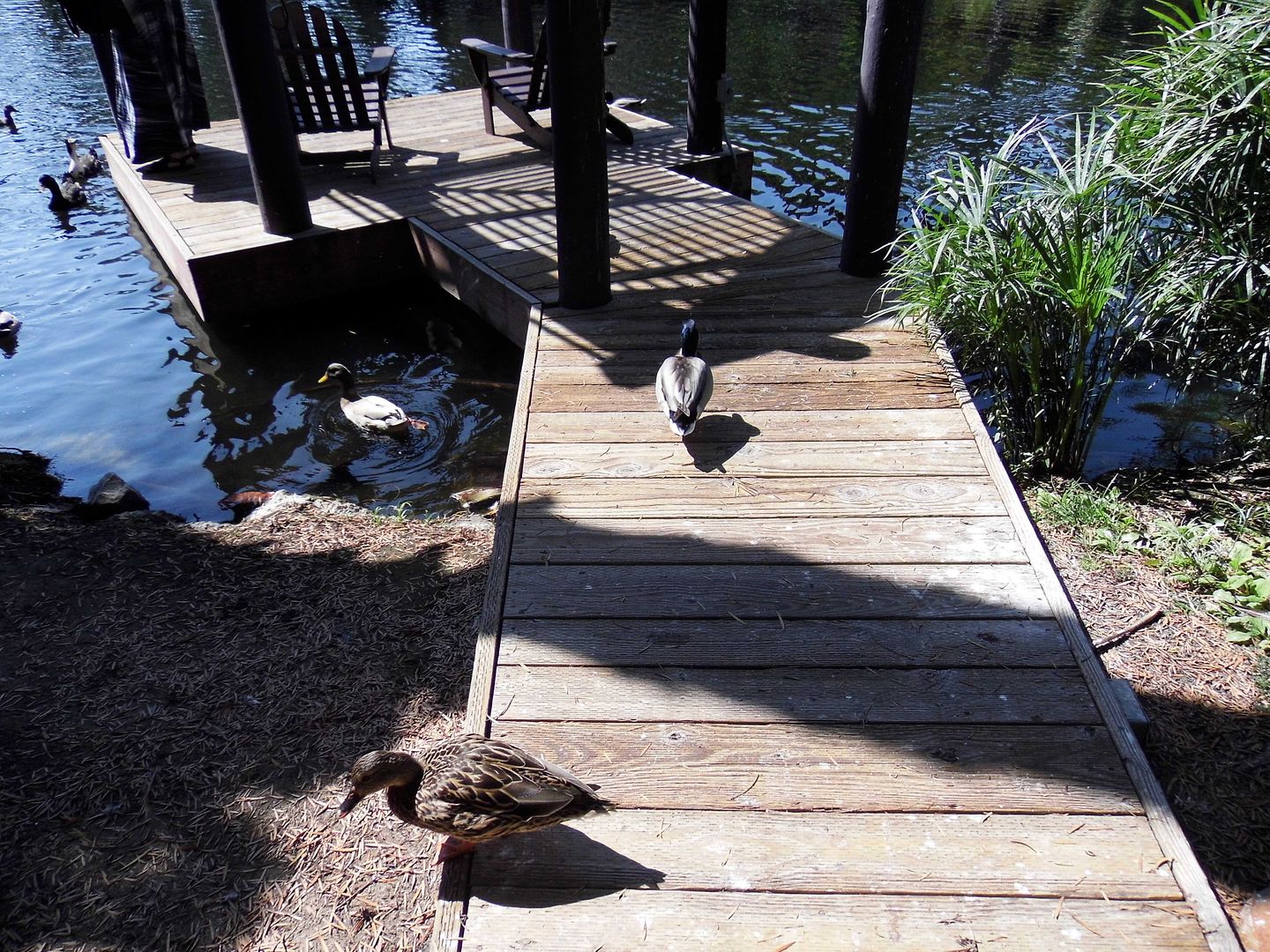
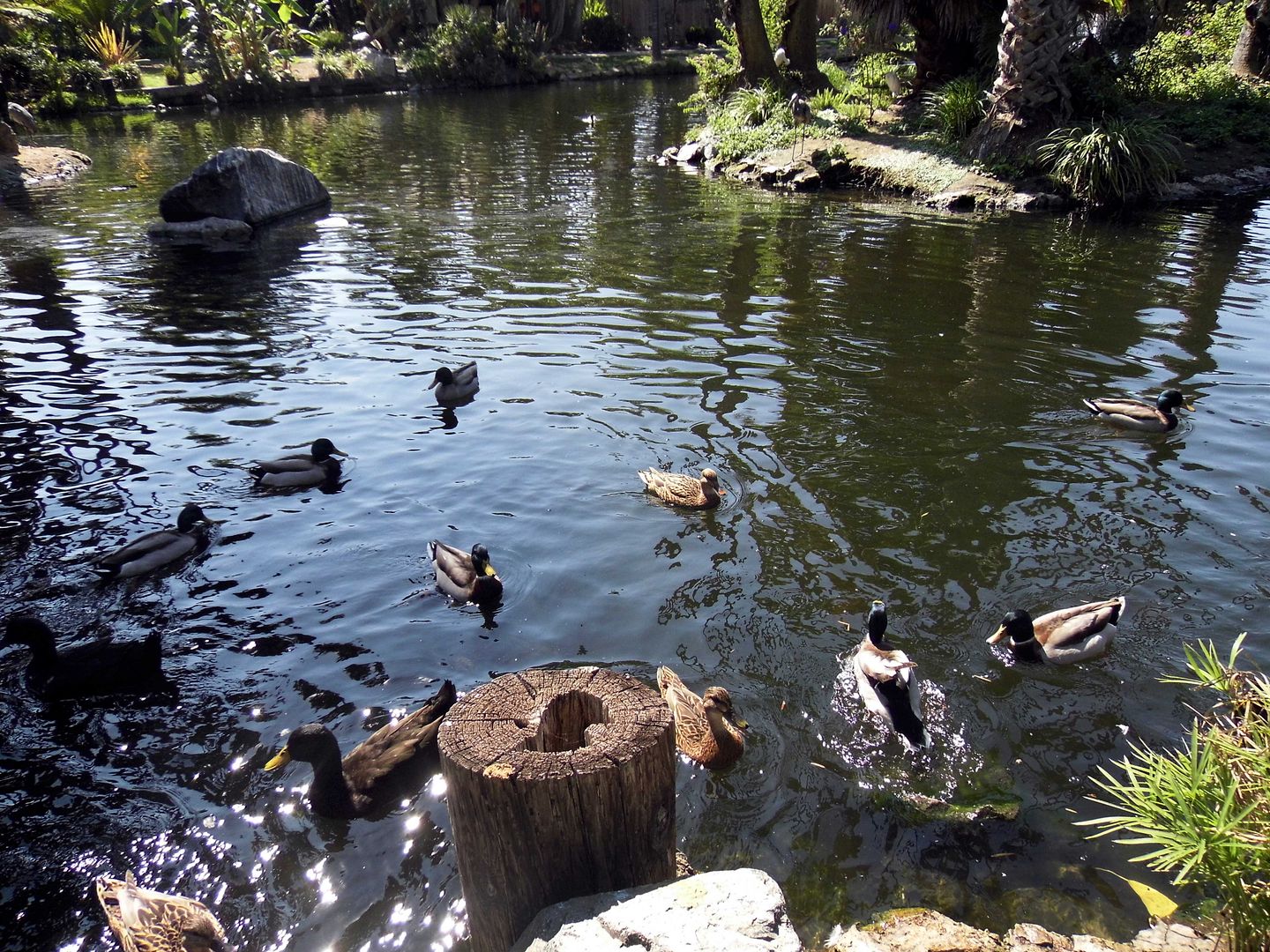
The ducks are particularly friendly—but maybe that's because they know the resort gift shop sells small bags of duck food for just $2. 


They'll either follow you, while nipping at your shoes and toes, or they'll lead you to Amelio's Dock, where all their friends will be waiting for a snack. 

                        
They compete with the koi for the little tasty pellets—and even though the shop also sells $2 bags of fish food, the koi don't seem to discriminate. 

    
I could easily spend days just wandering the grounds, feeding the birds, and photographing the scenery. 


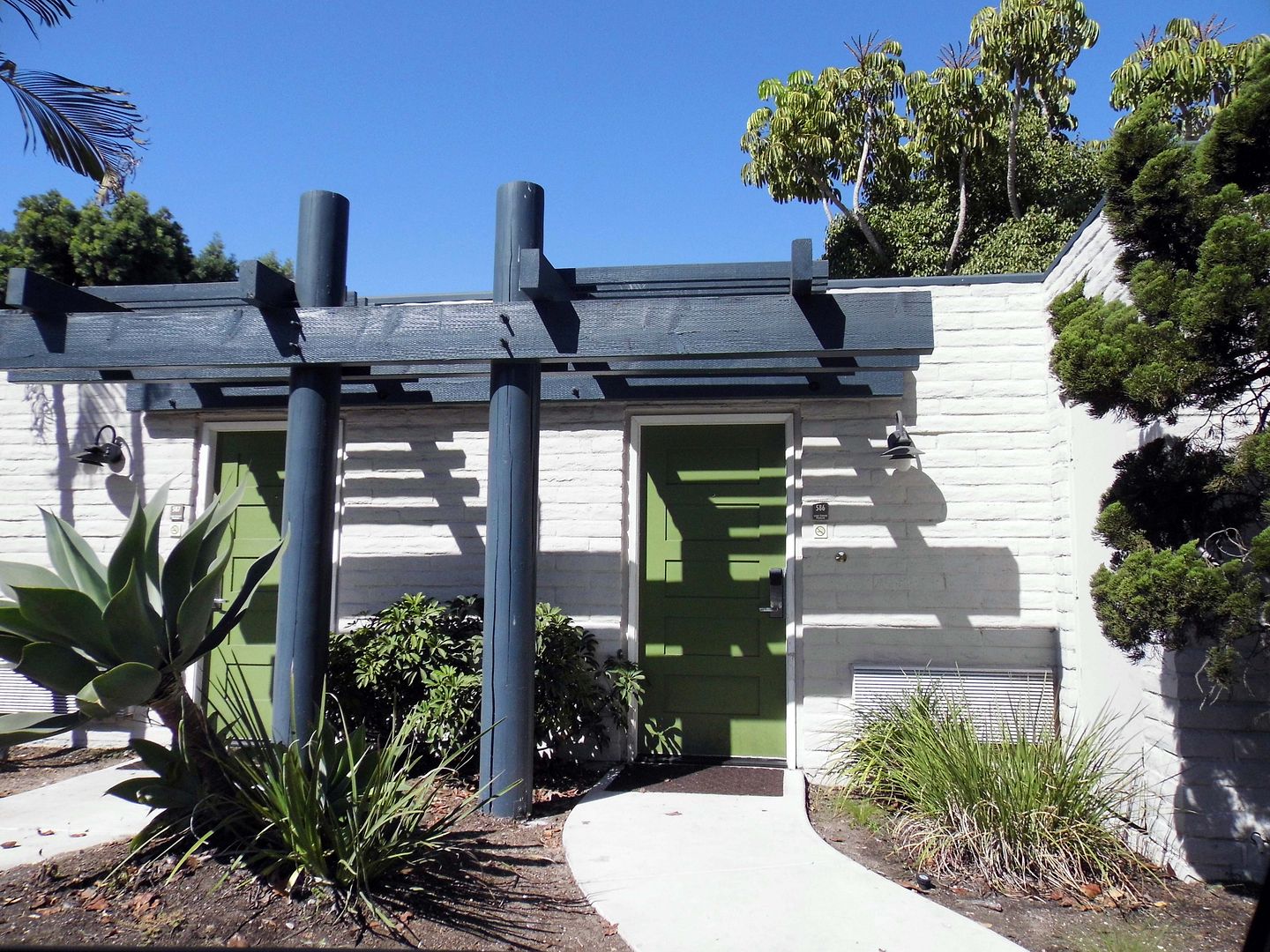
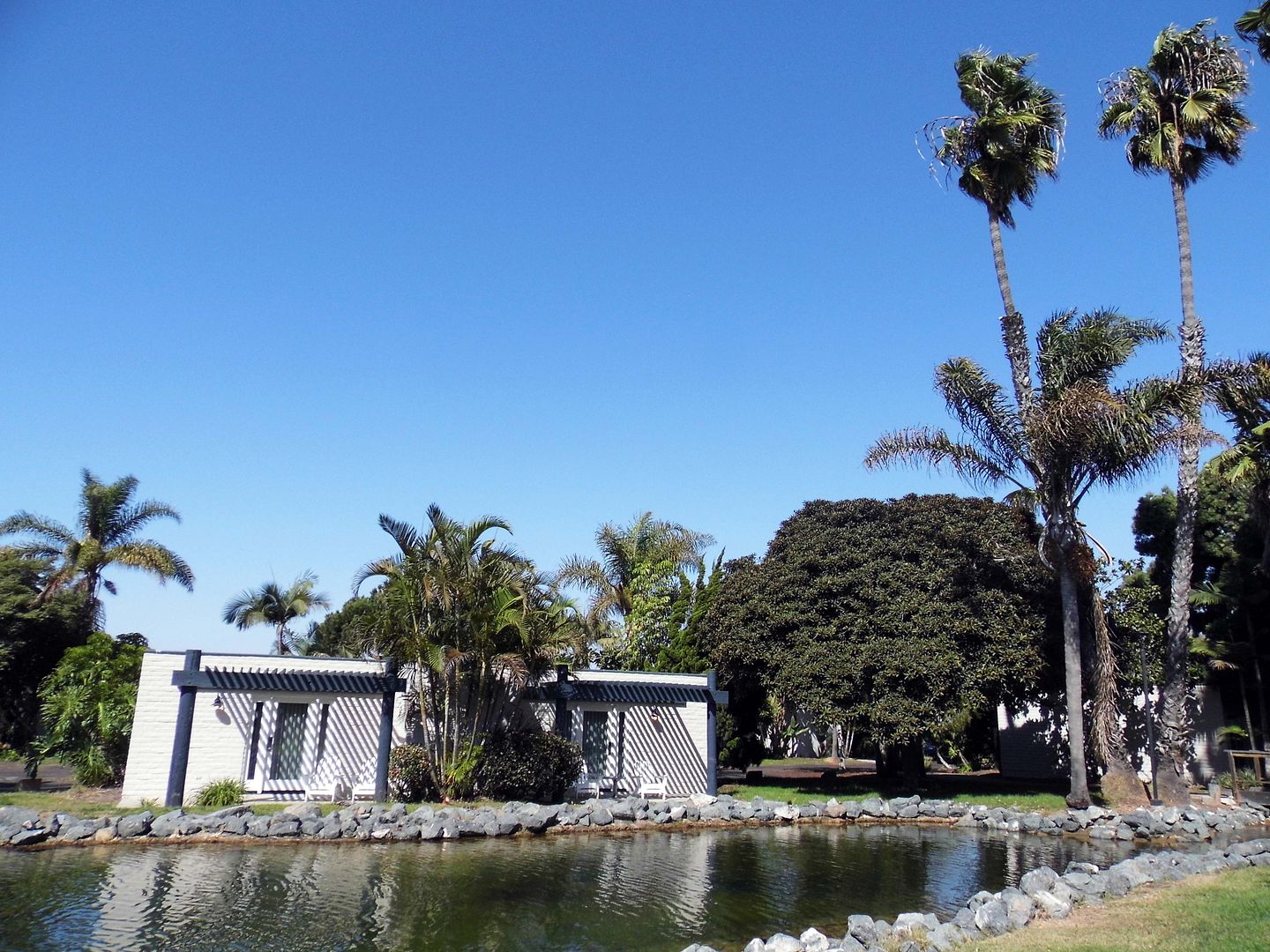
But I'd only booked one night—fortunately getting upgraded from a standard room to a bungalow with a Giant Dipper-inspired entryway. 

 
Staying in any of the 400+ rooms at Paradise Point was a major treat for me—but when Vacation Village first opened in 1962, its original 150 rooms went for just $8 per night.


That gave guests access to one restaurant, a golf course, and two tennis courts.
            
 
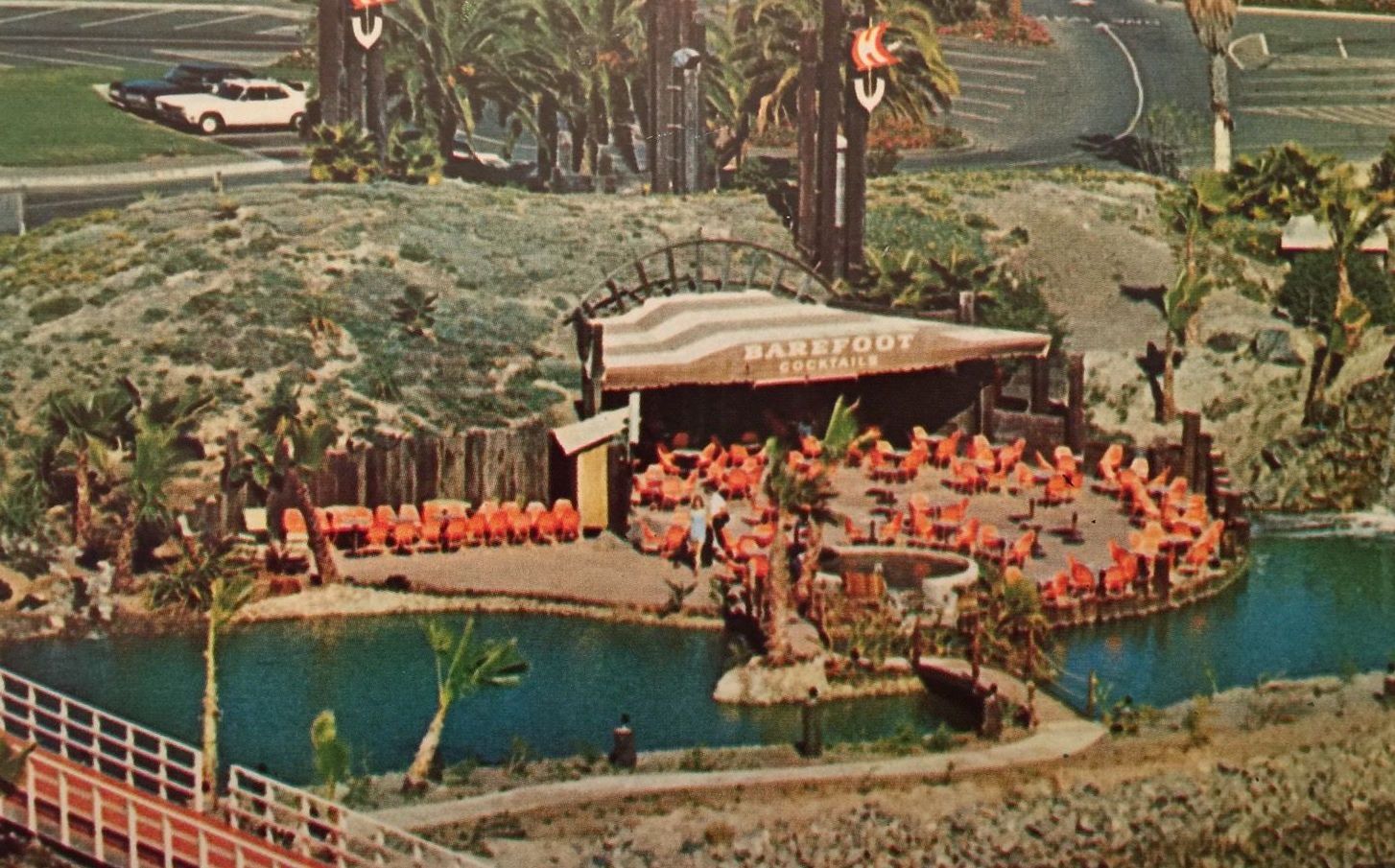
The resort's Barefoot Bar—initially called "The Grotto"—went down in infamy as a kind of Cold War-era beach bunker where you could get "bombed" at the bar but would survive a "bombing" under all that sand. Although the Barefoot Bar operated for a time as a location of Don the Beachcomber (1980-1983), its current iteration has returned to the original theme. 


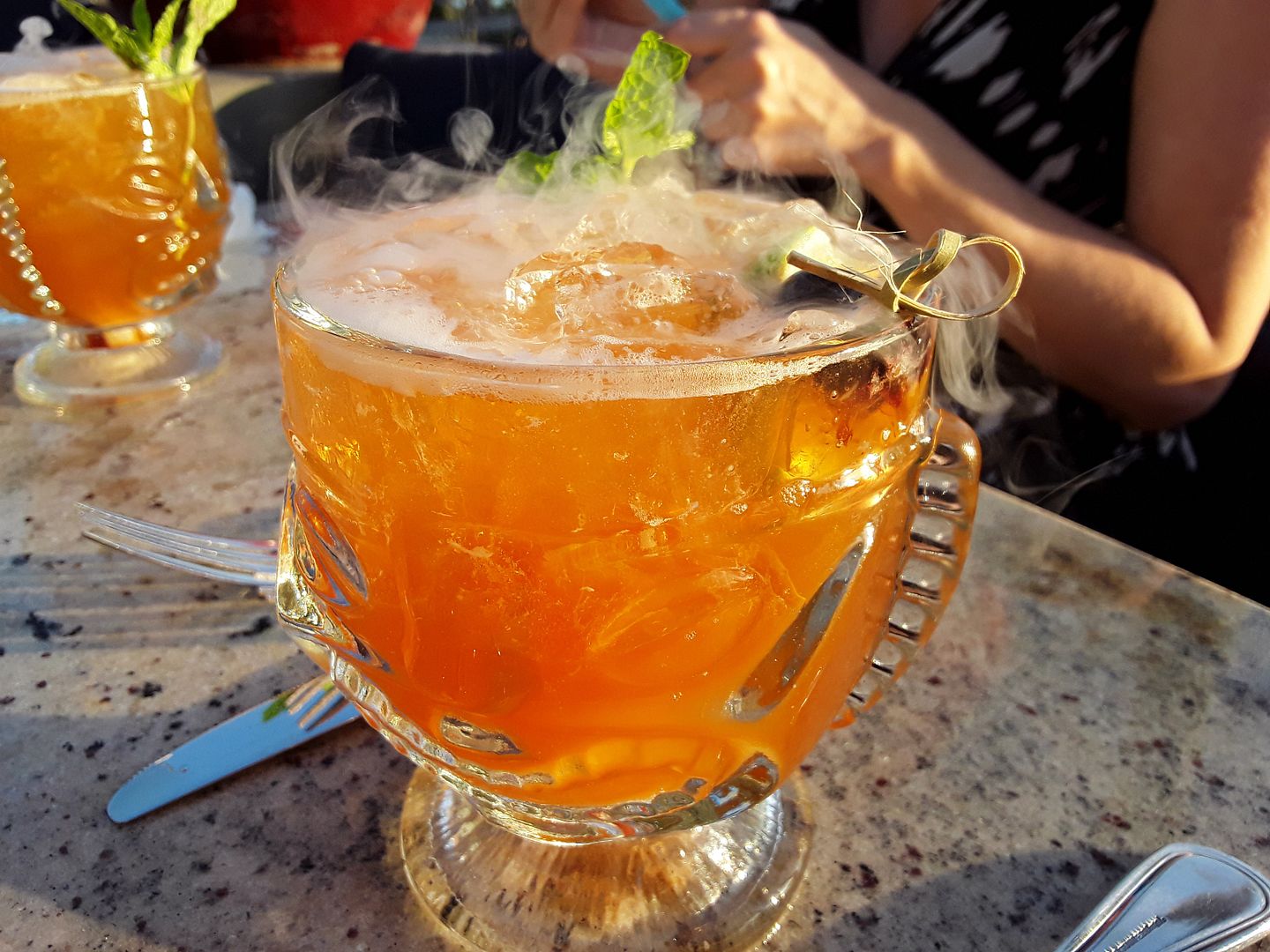
A friend and I enjoyed my birthday dinner at Paradise Point's onsite sit-down restaurant Tidal (formerly Baleen), where we sat by the marina enjoying Paradise Mai Tais in tiki glassware with a dry ice-induced "fog" effect. 
 

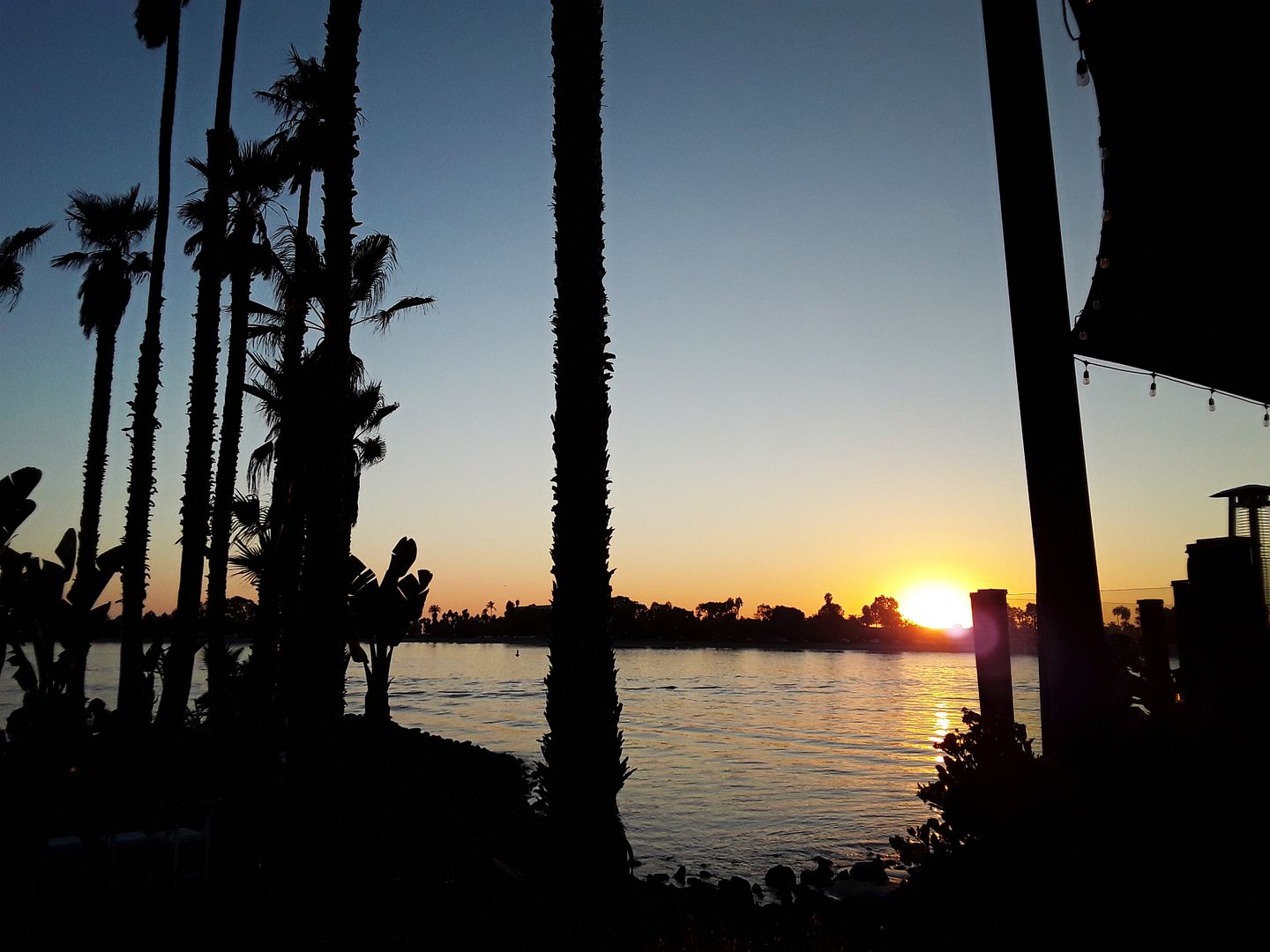
As the sun went down behind us, I thought, "This was a really good idea." I felt no birthday despair. No existential dread. No desperation for something epic to happen on the night I turned yet another year older. 

And as it turns out, that might've been my last chance to experience Paradise Point as it is right now—and as it has been since LaSalle Hotel Properties bought it and rebranded it as such in 1998. 

Its owner since late 2018, Pebblebrook Hotel Trust, has entered into a license agreement to turn Paradise Point into one of the first West Coast outposts of Margaritaville hotels and resorts. (Palm Springs hasn't opened yet, but it's already taking reservations.) 

I can only assume that means it will soon be taken over by the Parrotheads who support the "Margaritaville" singer and songwriter Jimmy Buffett. 

And although that may be "tropical"—and some might consider that "paradise"—it is not the same tiki-adjacent experience as Vacation Village or Paradise Point. 

Unfortunately, something like this was probably bound to happen after Skirball cashed out and sold the property in 1983, two years before his death. 

I hope they keep the tower and the rollercoaster architectural references and the birds and the turtles. 

For lots of vintage photos and information, visit ClassicSanDiego.com. 

Related Posts: 

July 09, 2020

Photo Essay: Stress Immunity Training for An Uncertain Future at Camp Pendleton

In 1942, then-Colonel Lemuel C. Shepherd, Jr. led the 9th Marine Regiment—along with the 1st Battalion, 12th Marines—on a march from San Diego to Camp Pendleton USMC. It wasn't just their new base—it was the biggest Marine base in the world and a type of large training ground that didn't really exist before the bombing of Pearl Harbor in December 1941.


That year, the U.S. government had taken over SoCal's largest Mexican land grant, using the newly-passed Second War Powers Act. Camp Pendleton—named for retired Marine Corps General Joseph H. Pendleton of Coronado—was declared a "permanent installation" by 1944. And nearly 80 years later, it's still very much active (and, in fact, patrolled by military working dogs).


But historically, one of the "stars" of Camp Pendleton was a war horse—Staff Sergeant Reckless, a pack animal named after the recoilless rifle she carried ammunition for. The sorrel mare (born 1948) served as part of the 5th Marine Regiment-1st Marine Division in the Korean War (1952-4), learning to step over barbed wire, take refuge in a bunker, and carry the wounded to safety.


She carried more than 9000 lbs (386 rounds) of ammunition across 36 miles through enemy fire—often working solo. Although she was wounded twice—earning her two Purple Hearts, among many other military decorations—she always completed the mission before retiring and eventually being buried at Camp Pendleton upon her death in 1968.


Operations have gotten a lot more high-tech over the years—especially with Camp Pendleton's Infantry Immersion Trainer, whose Range Instrumentation System Control (RISCon) manipulates simulations in real time.


It's used for training the enlisted by introducing various scenarios they might encounter while carrying out their missions and watching how they respond via the 400+ cameras in the Tactical Video Capture System.


It gives the units an opportunity to correct mistakes in a lower-stakes environment...


...and acclimate to what would otherwise be incredibly foreign sights, smells, and sounds.


Like some of the other simulation training grounds (like at Fort Irwin), the IIT also includes role-playing actors who try to replicate real-life scenarios the units may encounter when deployed.


The idea is for units to build a tolerance or even immunity to the stressors they might face—literally, "stress inoculation."


It's not "virtual" reality—it's "mixed" reality. But even just walking through there as a civilian, it feels very real.


All that noise and all those various and foreign odors are incredibly disorienting.


Even when you know that what you're seeing is nothing more than a souped-up movie set.


The IIT has been in operation at Camp Pendleton since 2007, but it's continually being updated with the latest technological advances. 


And since who knows where we'll end up at war next, they're looking to retrofit the existing facility to a more ambiguous "generic third-world" setting—so it could be appropriate to train units that might get deployed to places other than the Middle East (like Korea or Somalia).


Two other IIT facilities now exist outside of Southern California—one in North Carolina and another in Hawaii.


Ideally, these training exercises will help disperse the "fog of war" in actual combat.


It's all about good decision-making under chaotic conditions.


Camp Pendleton has come a long way from its early days of temporary tent camps—later converted to Quonset huts to make sure the base would be permanent and ready for combat.

And that, it is. It's now the center of all Marine activities on the West Coast—producing "physically rugged and professionally invincible" Marines who've been deployed to the Pacific Theater, Korea, Vietnam, Saudi Arabia, Iraq, Kuwait, Afghanistan, and more.

It even welcomed refugees fleeing from Vietnam and Cambodia's new Communist regimes.

The hope is that these units will never have to put their training into practice. But they'll be as prepared as they can be if and when duty calls, wherever that may be.

Camp Pendleton is not open to the public and does not conduct regular tours, but I was able to join the San Juan Capistrano Historical Society on a special excursion earlier this year.

Related Posts:
Photo Essay: The Rancho Remains of Pico's Mexican Land Grant, Seized by the Second War Powers Act
Photo Essay: The Marines' Camp Pendleton Ranch Chapel, Saved From Flooding... and Development
Photo Essay: A Fake Iraq in the Middle of the Mojave Desert
Photo Essay: The Former 29 Palms Air Academy Readies Future Iraqi War Heroes