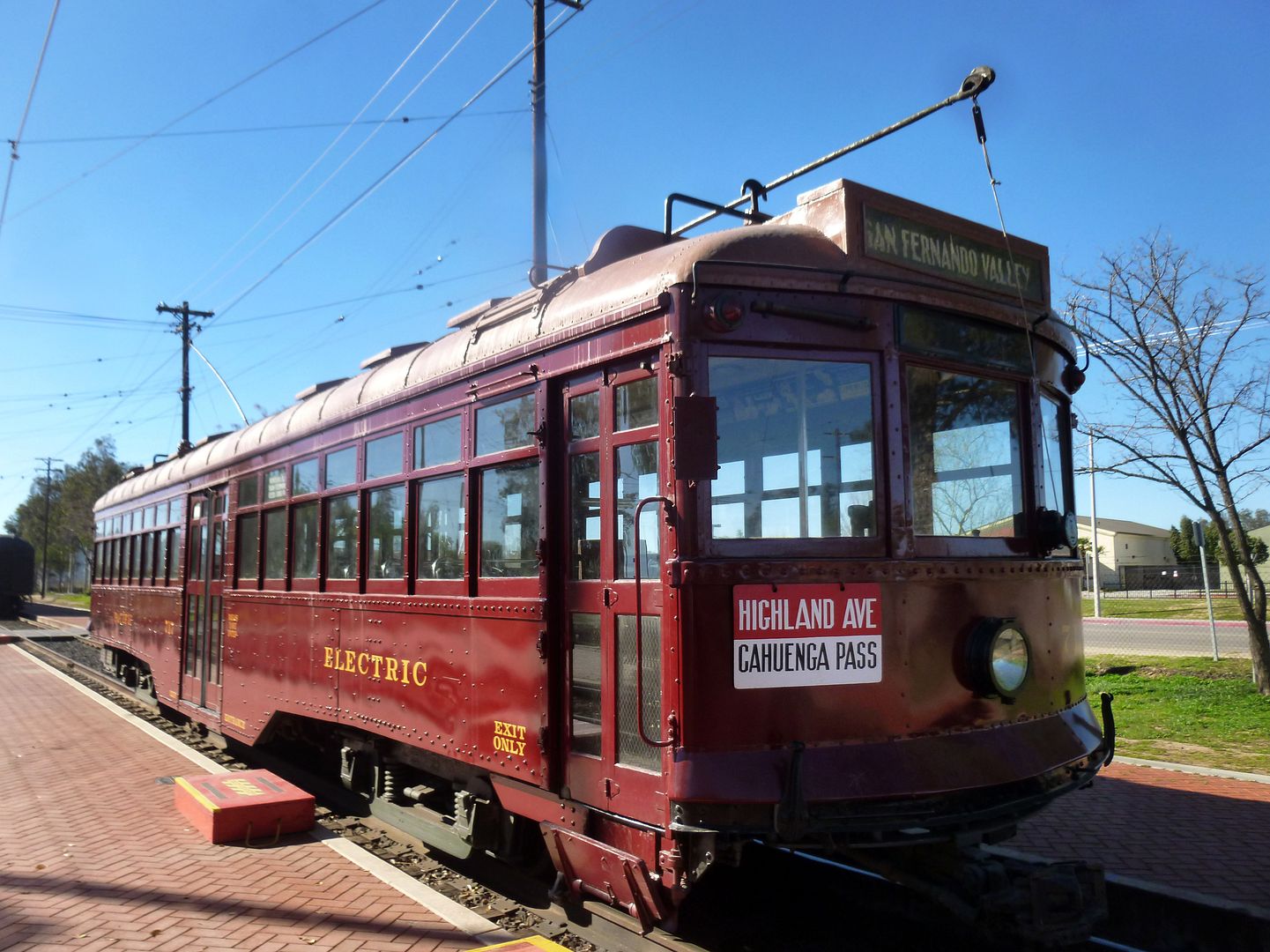
I had no idea when I first visited the Southern California Railway Museum in Perris, California in 2015 (then called the Orange Empire Railway Museum) and saw the Pacific Electric Red Cars there...
circa 2015
...that just over 10 years later, I'd be in the driver's seat of not one but two of those very same streetcars.
One of the great joys of visiting Heritage Square Museum in Montecito Heights, Los Angeles over the last few years has been its floofy orange museum cat.
His name was Belle Boy. And I just found out he passed away last September 28, 2023.
When I heard the news, I cried with heartbreak. But I was also grateful—glad that I'd gotten to spend a little time with him in May 2023 while producing a video for PBS SoCal's "SoCal Wanderer."
Christmas Eve has always been more important to me than Christmas. I guess I've always just liked the anticipation better than the reality of things.
So, in years that I'm not able to go back East for the holidays, the challenge is finding something to do when 'tis the night before Christmas and so many places are closed (or, sadly, extra-expensive).
Historically, that's meant going over to a friend's house, attending church services, or even just hitting the neighborhood bars a little harder than usual.
But this year, I made a plan two months in advance: to volunteer as a caroler for the Toluca Lake Magical Holiday Parade in the village of Toluca Lake, California (technically part of the City of Los Angeles).
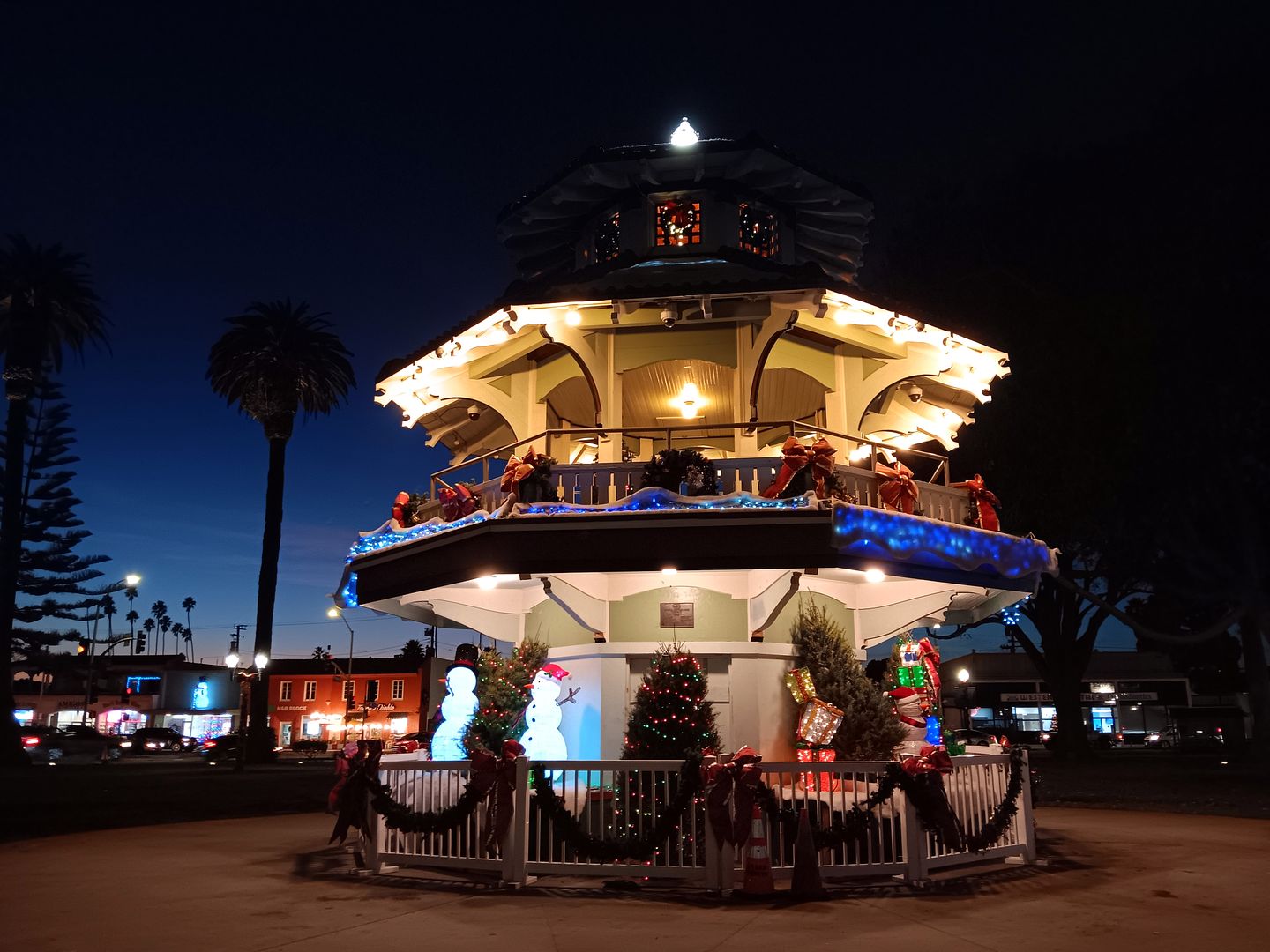
I'd already been to Christmas Tree Lane in Altadena, just northeast of the city of Los Angeles—but it's not the only Christmas Tree Lane around in Southern California.
There's another one in the city of Oxnard in Ventura County, north of Los Angeles in the other direction—and this year I finally got to go (once again for a shoot for work).
[Last updated 7/7/24 9:35 PM PT—I clarified some historical facts about the asistencia and the hay barn that was built around it, which have been misreported in various reputable and reliable sources. Now that I've written a blog post solely dedicated to that former mission site, I'm pretty confident I've got the facts straight now, so corrections are below.]
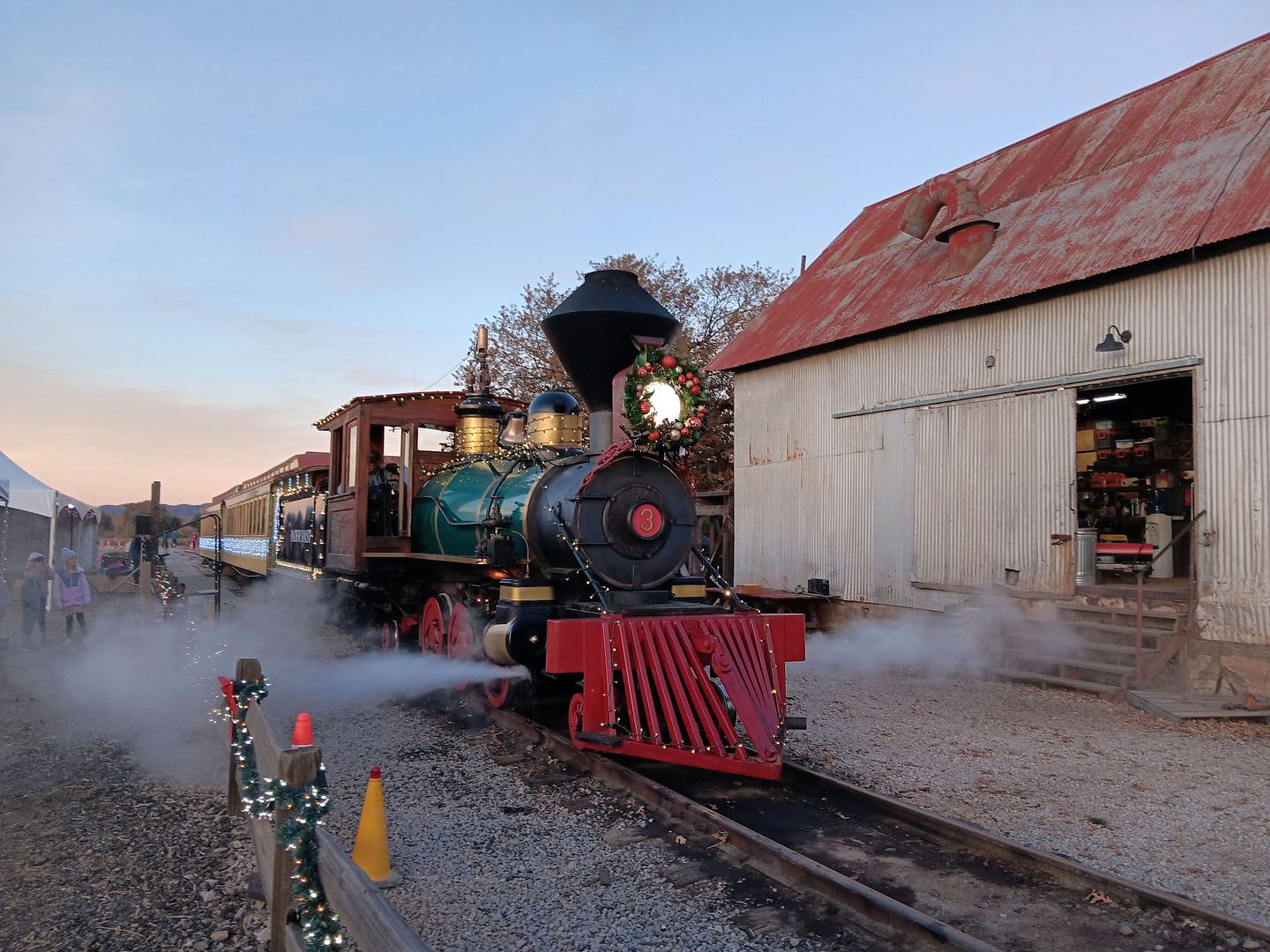
I knew that there were original RETLAW1 Disneyland train cars running on a railroad on the privately-owned Santa Margarita Ranch in the town of Santa Margarita, California. But I just hadn't been able to get to them yet.
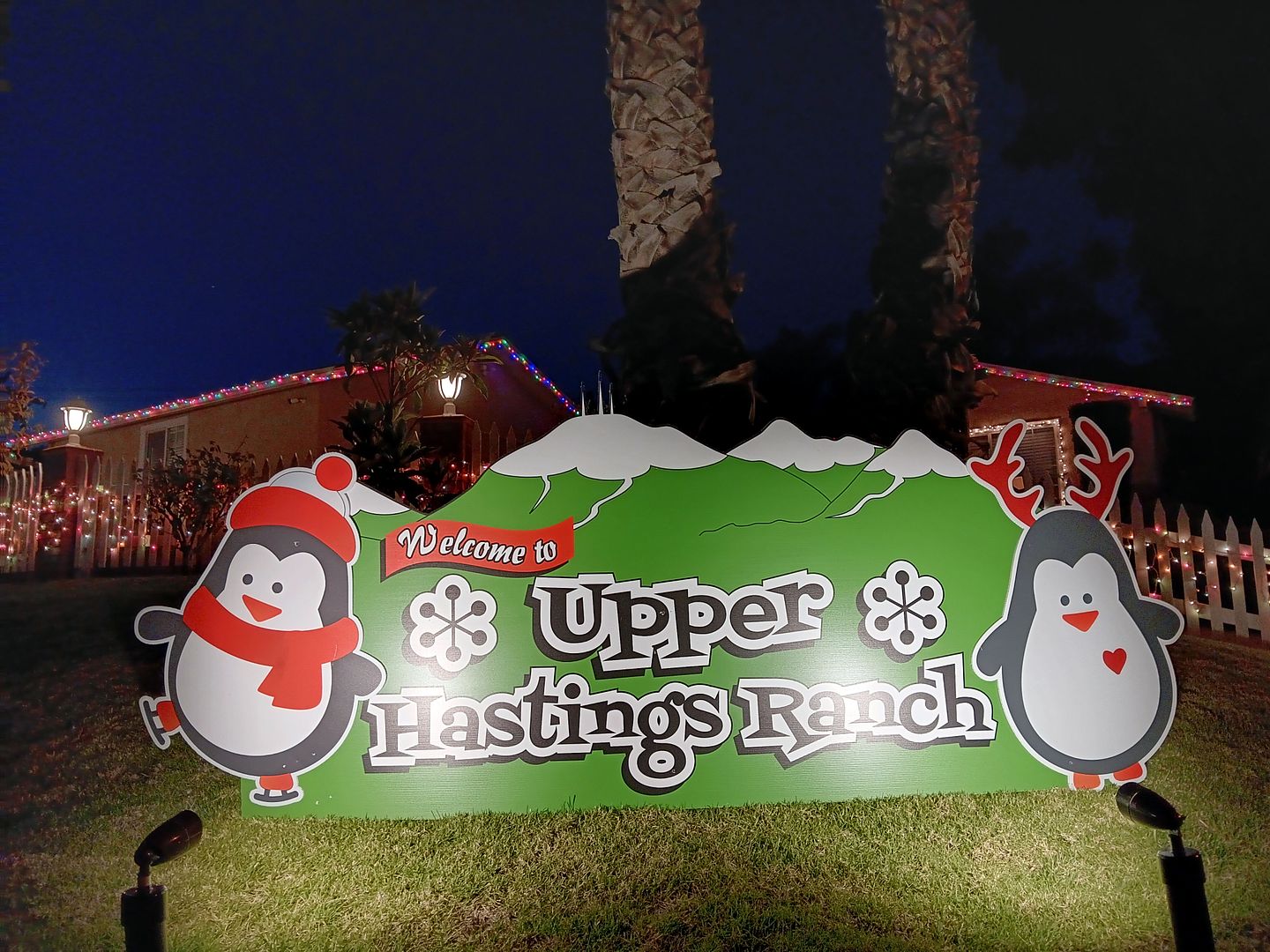
[Last updated 12/30/25 10:07 PM PT—At least 80 homes in Pasadena's Upper Hastings Ranch were lost or damaged in the January 2025 Eaton fire as of 1/20/25, according to Upper Hastings Ranch Association, mostly on Riviera Drive above Alegria Avenue (the street that abuts the Eaton Canyon Golf Course and the Sierra Madre Villa Debris Basin to the west) and the surrounding streets, particularly to the north. The light-up returned for the holiday season in December 2025.]
I don't remember how long ago it was that I drove through the Upper Hastings Ranch neighborhood of Pasadena, California looking for Christmas lights—and finding none.
But it's been years and years—and I've kept thinking I need to go back to figure out where they are.
Turns out, I think I was just too early in the season—because at least this year, the official start of the neighborhood Light Up is on Saturday, December 9.
I've toured the 111-year-old Los Angeles Athletic Club in Downtown Los Angeles twice now, including once in 2012 upon its centennial, but there's one spot I hadn't gotten to yet: the basement.
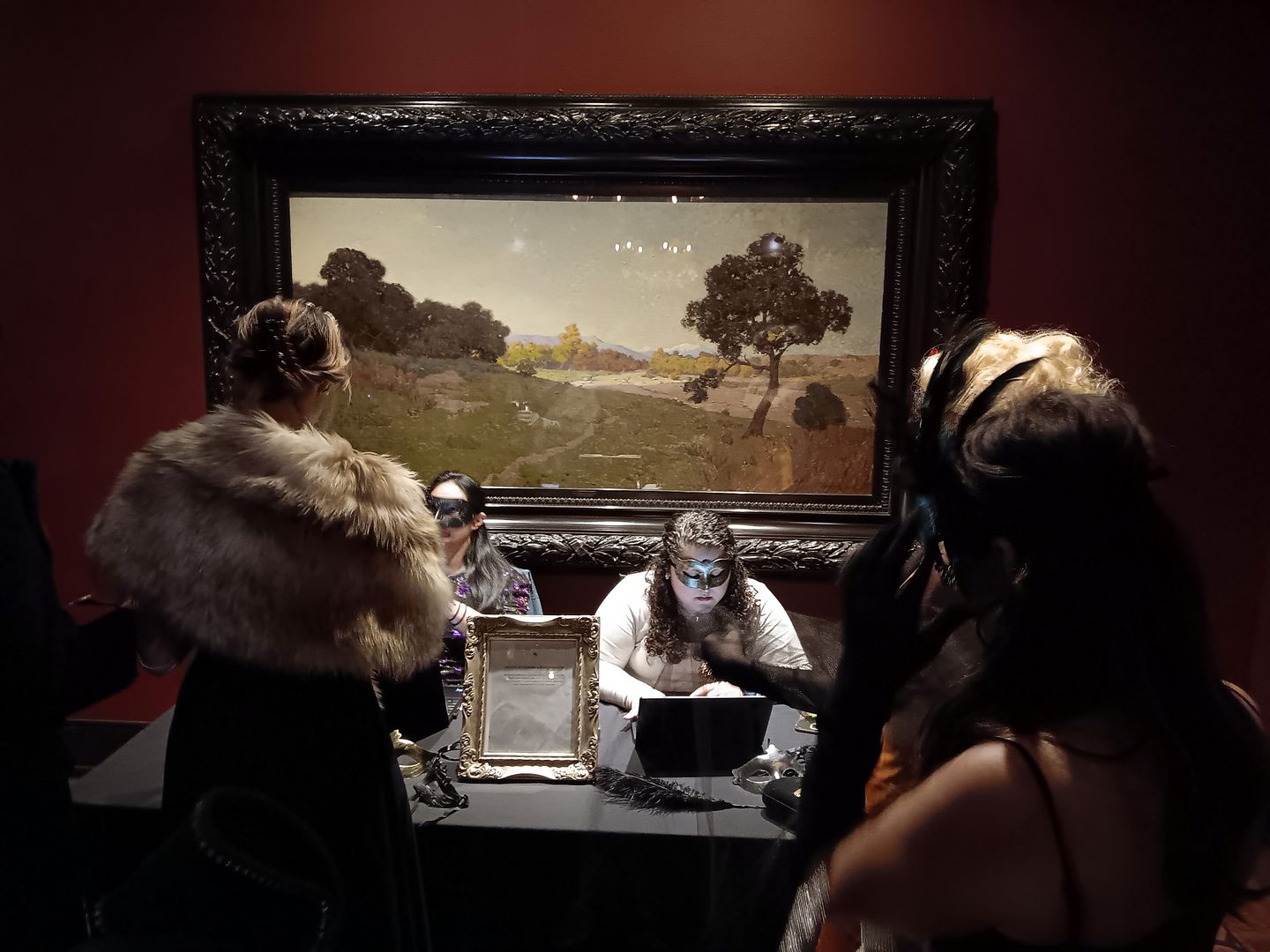
So, we took the opportunity to attend LAAC's Roaring Twenties Masquerade right before Halloween, which offered a "haunted underground tour" in addition to the masked revelry upstairs.
I haven't been to the West Hollywood Halloween Carnaval every single Halloween night since I moved into the neighborhood—but I always liked knowing it was there as an option.
When I walked Santa Monica Boulevard back in October 2019, I had no idea that the street festival wouldn't return the next year—or the next, and next.
By Halloween 2022, the City of West Hollywood had declared that after the pandemic pause of the event, nobody in charge was very interested in bringing it back.
And there was a community uproar.
After all, the event brings a lot of business into the neighborhood—and it's a tremendous resource for those that want to go out and do something on Halloween night that's not necessarily drinking in a bar or a club, and doesn't necessarily require any driving.
I know I love leaving my car at home and being able to just walk right over, and then walk home whenever I'm done.
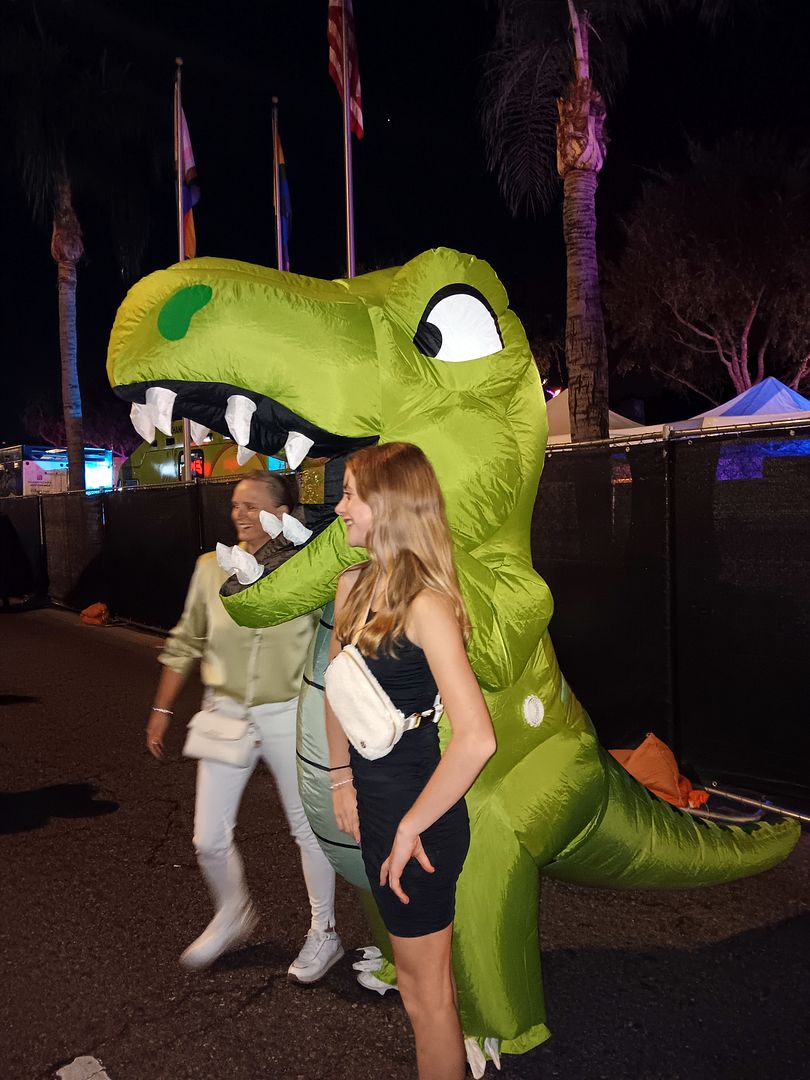
So it was pretty exciting to witness the return of the WeHo Carnaval this year, four years since all those costumed revelers had been able to take over the boulevard.
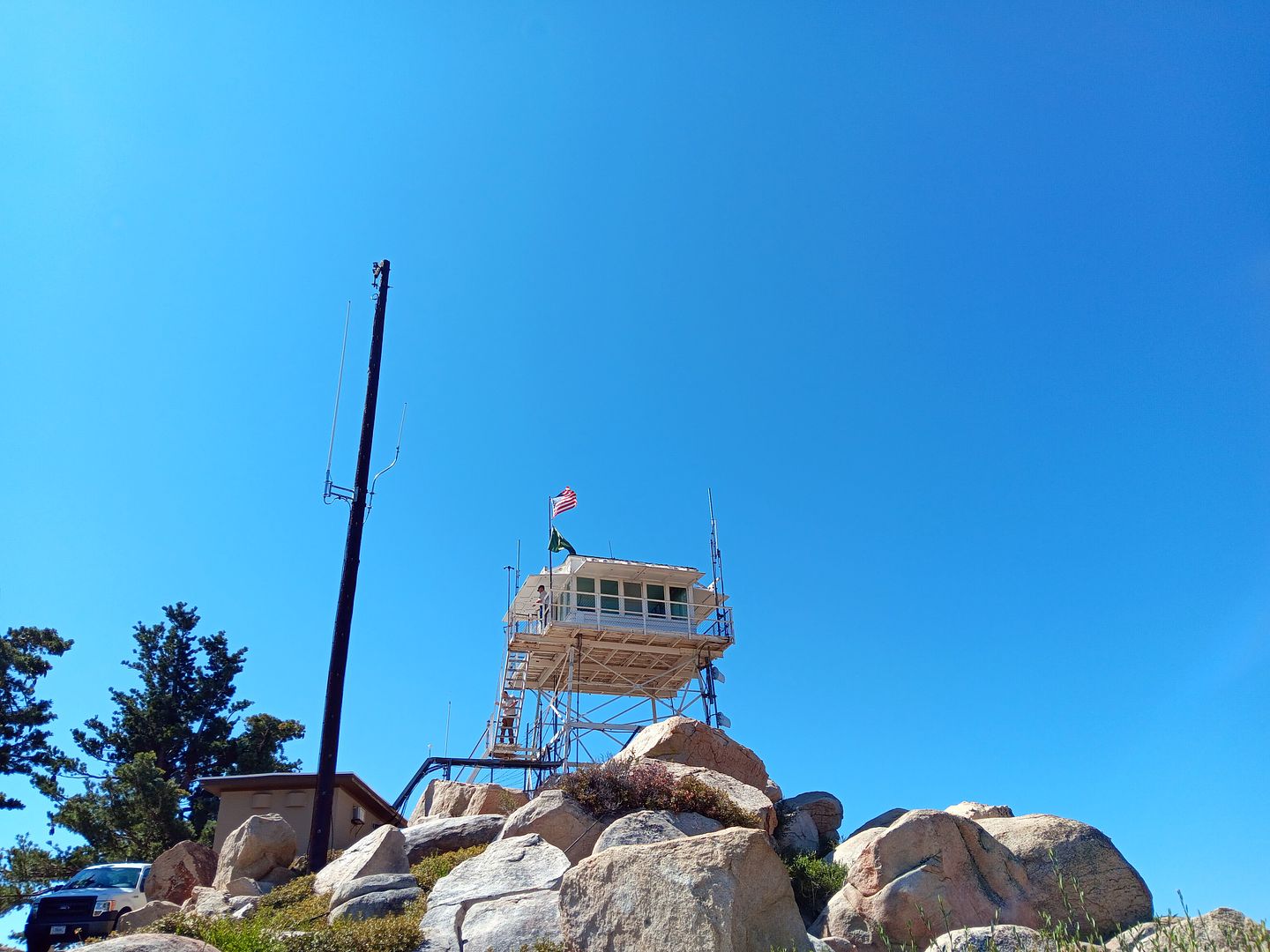
[Last updated 9/11/24 11:43 AM PT—On September 10, 2024, the Southern California Mountains Foundation announced on social media that the Keller Peak Fire Lookout had fallen in the wildfire known as the Line Fire and was out of service.]
Two years ago, I ascended to the Ancient and Honorable Order of Squirrels at the Strawberry Peak Fire Lookout Tower in the San Bernardino Mountains, near Lake Arrowhead.
It was such a fun experience, I wanted to return to shoot one of the videos I've been producing for our local PBS station, KCET, and its digital series "SoCal Wanderer."
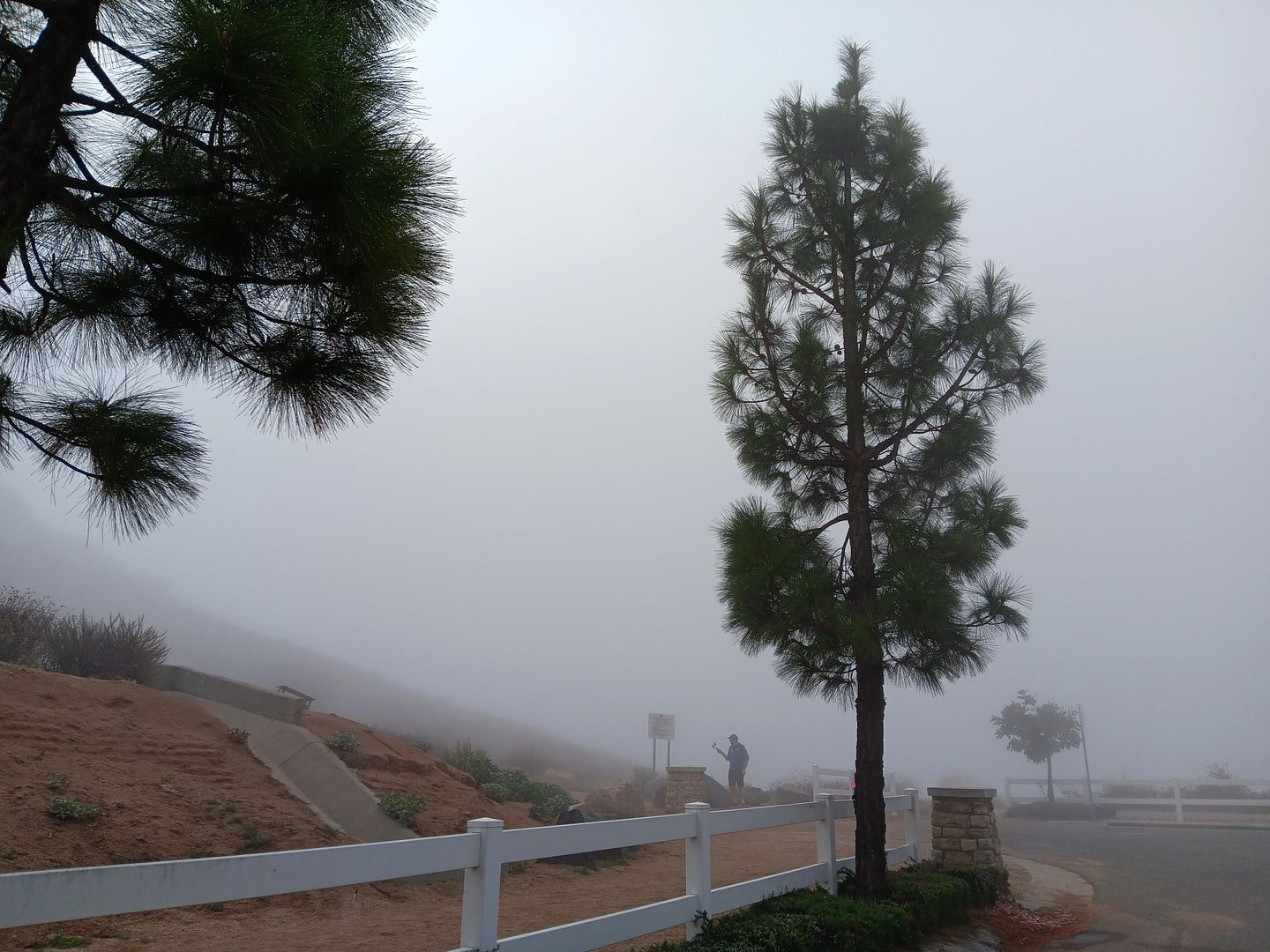
But my contact at the Southern California Mountains Foundation, the non-profit organization that oversees the fire lookout tower program in the San Bernardino Mountains, suggested I visit a different lookout tower this time: Keller Peak, near the town of Running Springs.
The last time I kayaked the Elysian Valley section of the Los Angeles River, I celebrated a certain victory—not falling in, despite some rocky patches and rough waters.
But at the time, I noted that the river might change its mind and have other plans for me the next time.
After freelancing for our local LA public media station KCET since 2015, in July of last year I took an inhouse position there—one that may or may not be temporary. While working as a digital producer there, I've gotten to write, edit, and even help produce a digital short video. This is the story of the making of that video.
As I posted earlier this week, I started the year off right by attending the Rose Parade in person—and I hinted that I had more to say about the Burbank Tournament of Roses float.
If you saw the parade, it was the float that kind of looked like Utah—with a guy hang-gliding off of a red-rocked cliff.
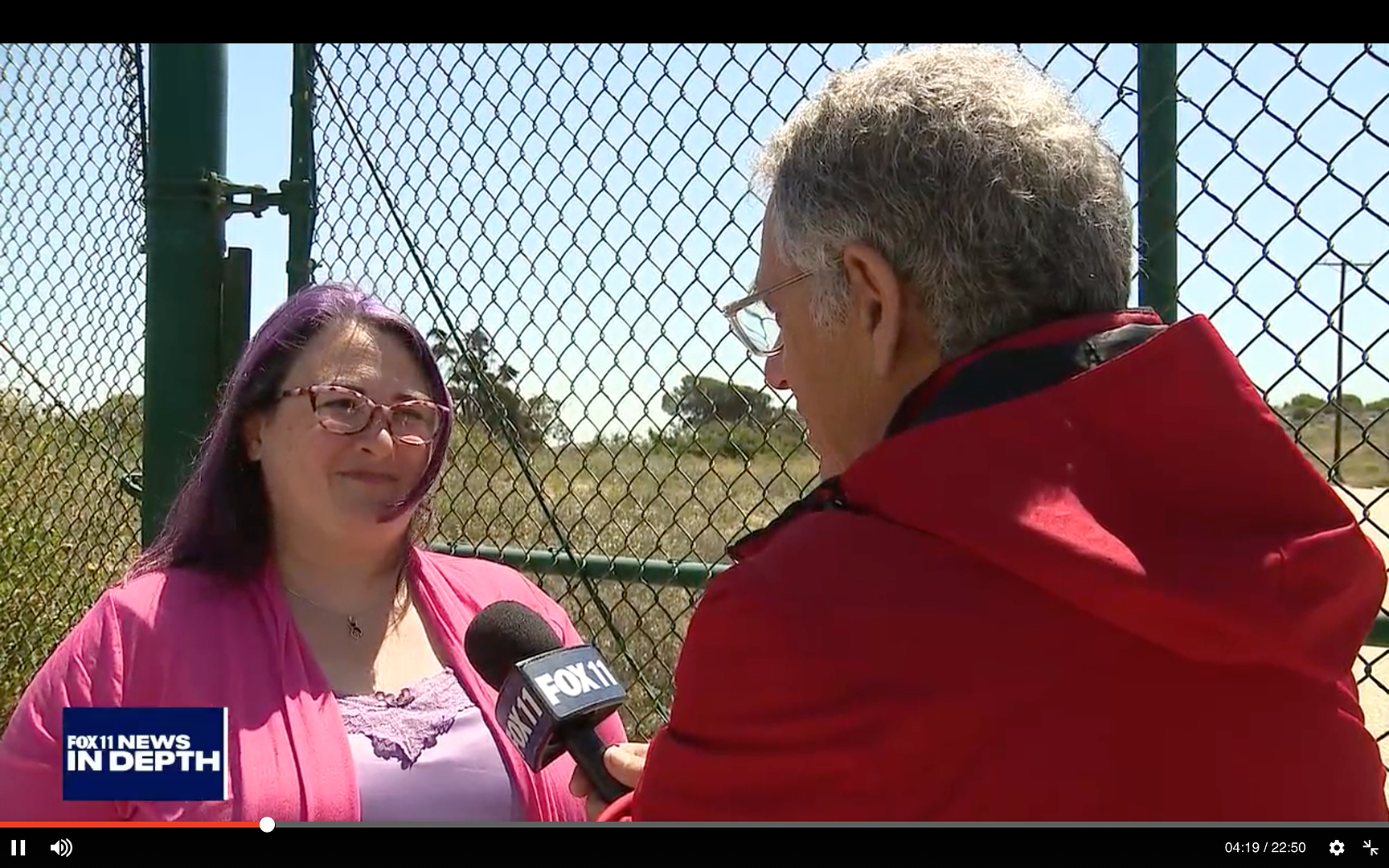
I always really enjoy the opportunity to share my discoveries with a wider audience—and sometimes beyond the written word, like at speaking engagements or via television appearances.
It feels like an opportunity to connect on a more personal level.
And it gives me an excuse sometimes to return to a favorite spot—like Surfridge.
I've already posted about a couple of adventures I've had recently with Rim of the World Historical Society, based in the mountain communities of the San Bernardino Mountains.
But I haven't shared why I joined the historical society in the first place—and it starts with Huell Howser, the local celebrity of regionally-focused TV shows that highlight various California landmarks and attractions.
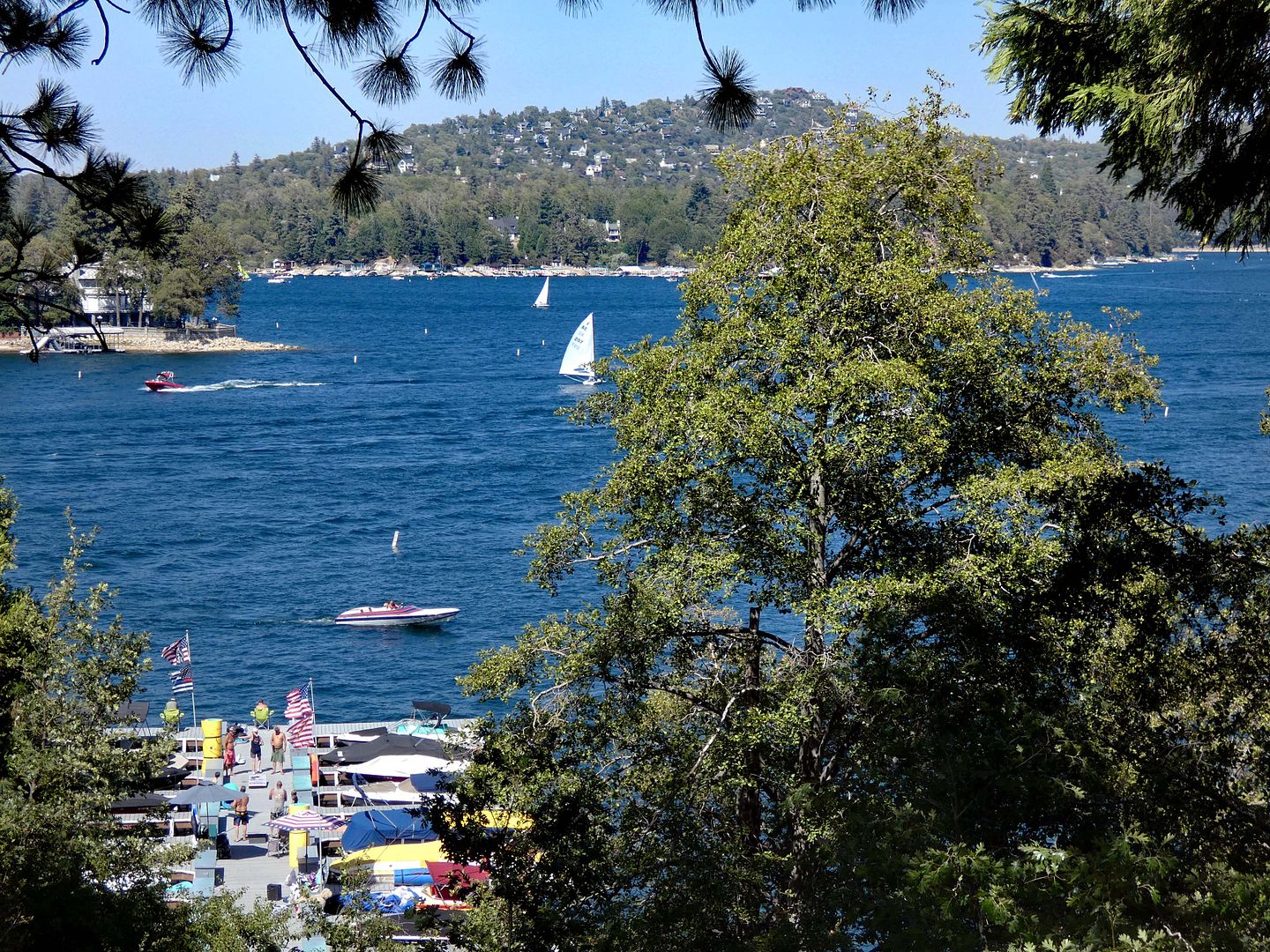
One of the sites he visited for one of his episodes of California's Gold was Lake Arrowhead, California—not just the town, but specifically the lake.
And specifically part of the manmade lake's infrastructure—starting at a stone structure that contains a 19th-century elevator down a 185-foot vertical shaft that leads to "Tunnel #1."
I couldn't believe my little world of adventure would be compelling enough for a club full of scuba divers, anthropologists, island hoppers, and treasure hunters.
But this week, I had the honor of guesting on a livestream presentation hosted by the Adventurers' Club of Los Angeles. (Scroll to the bottom to watch the replay.)
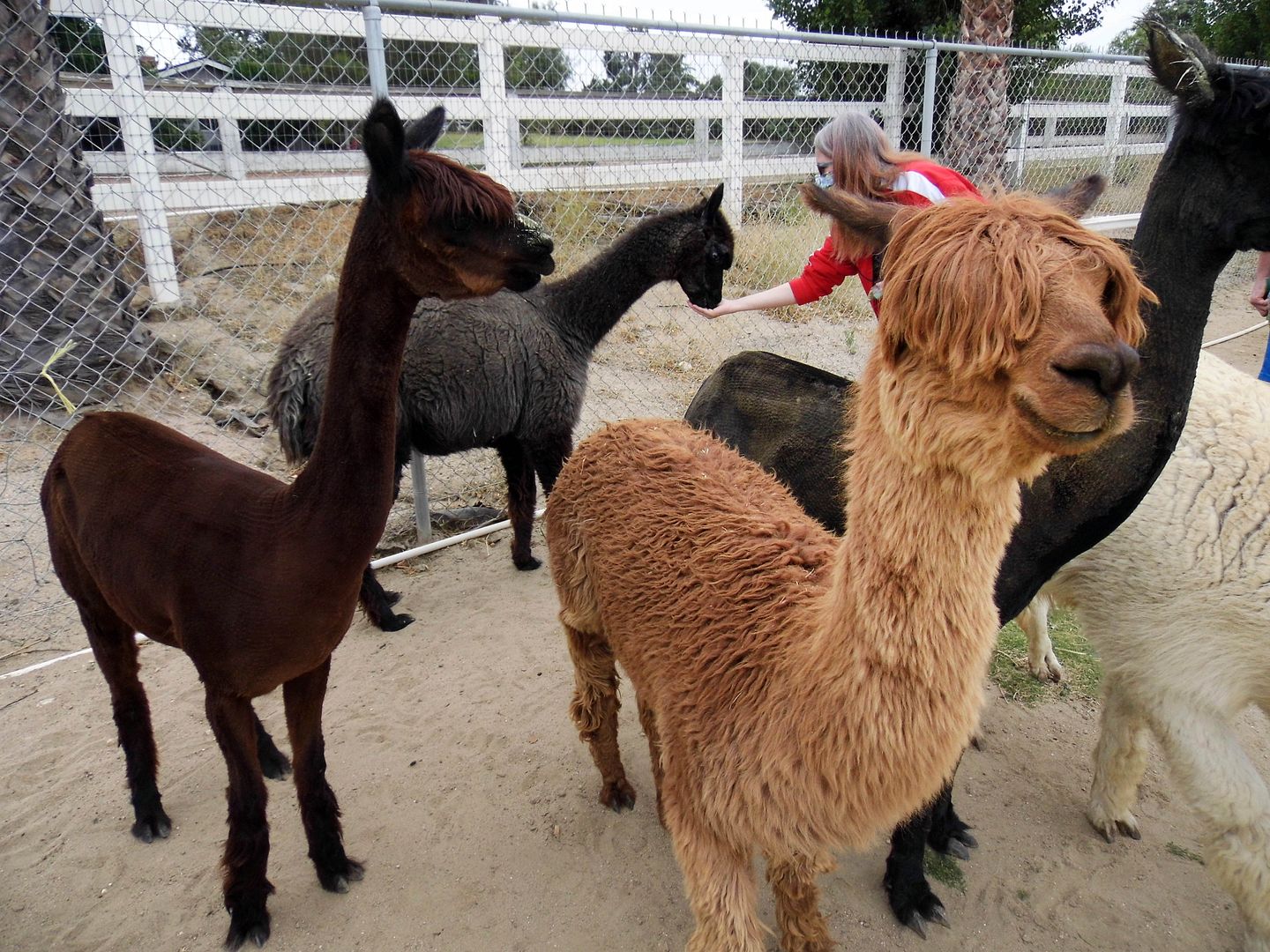
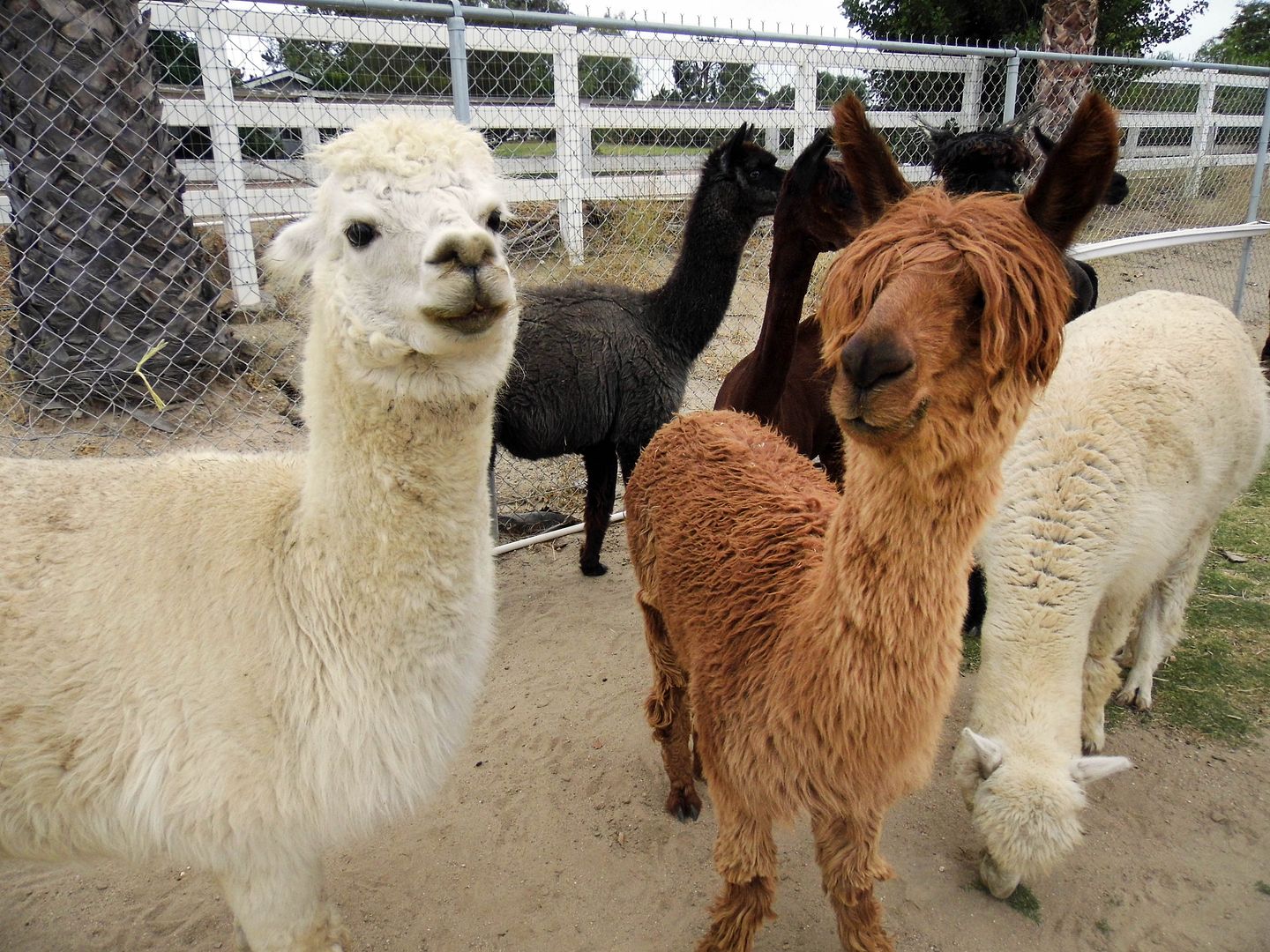
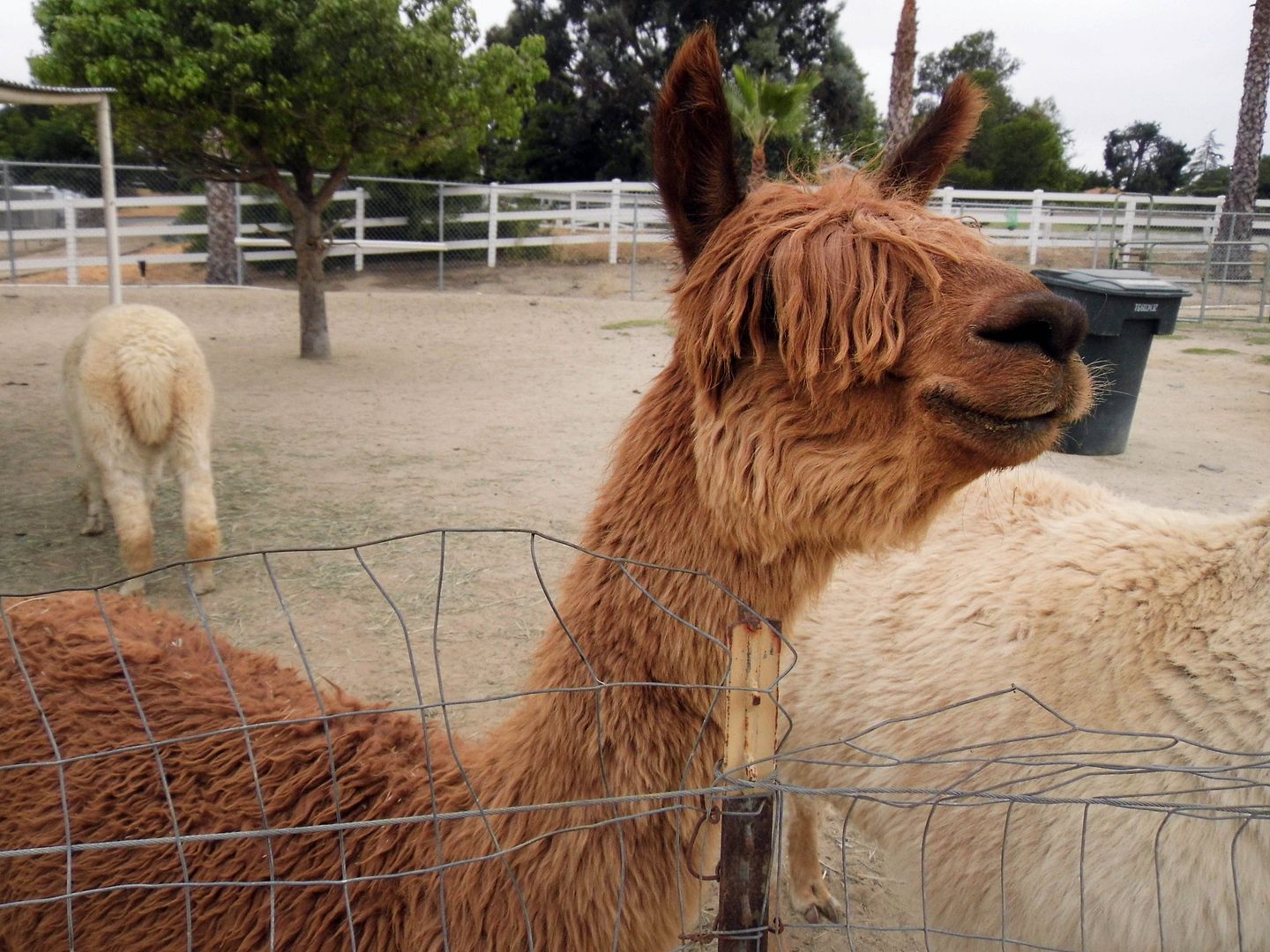
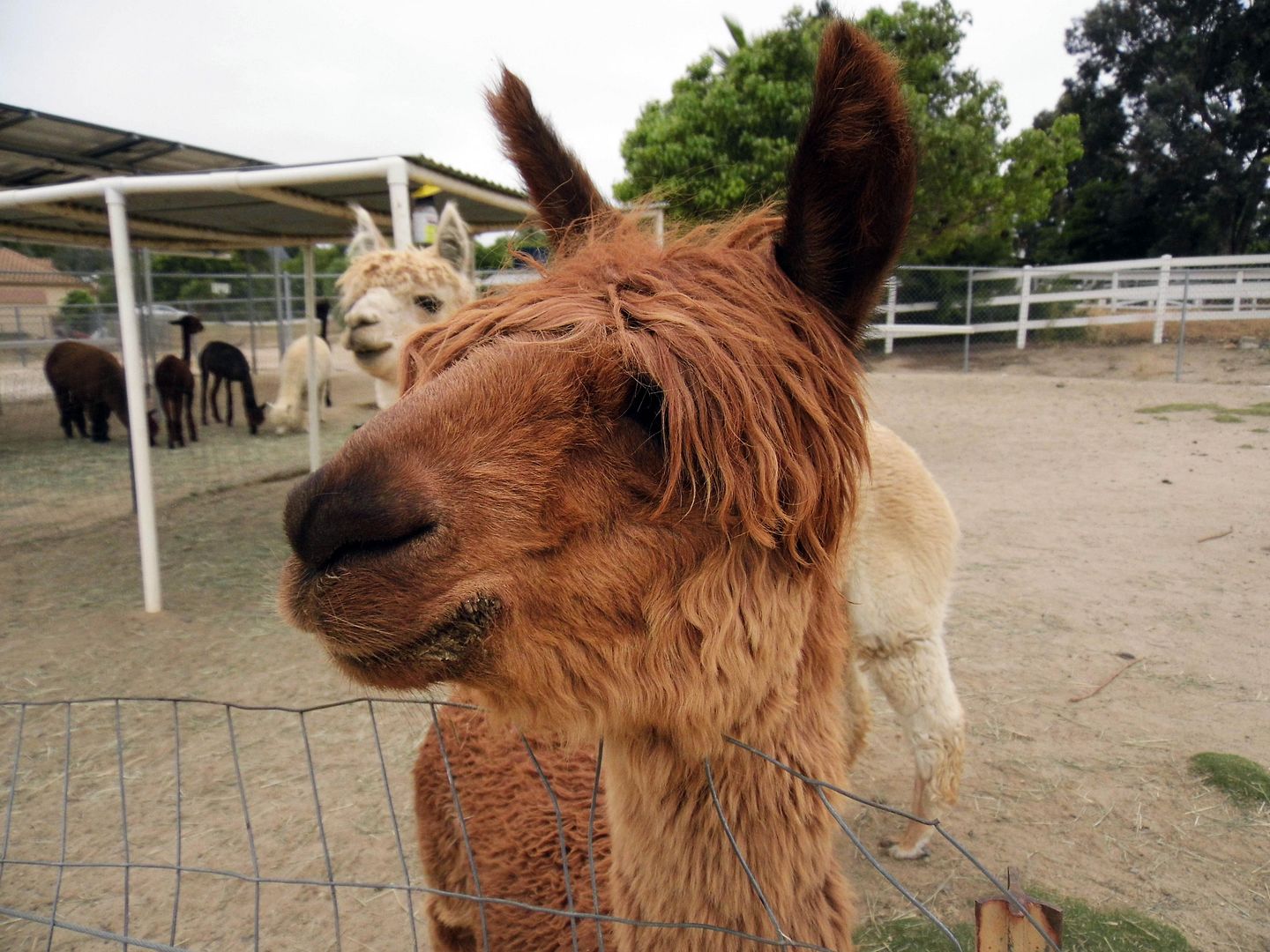
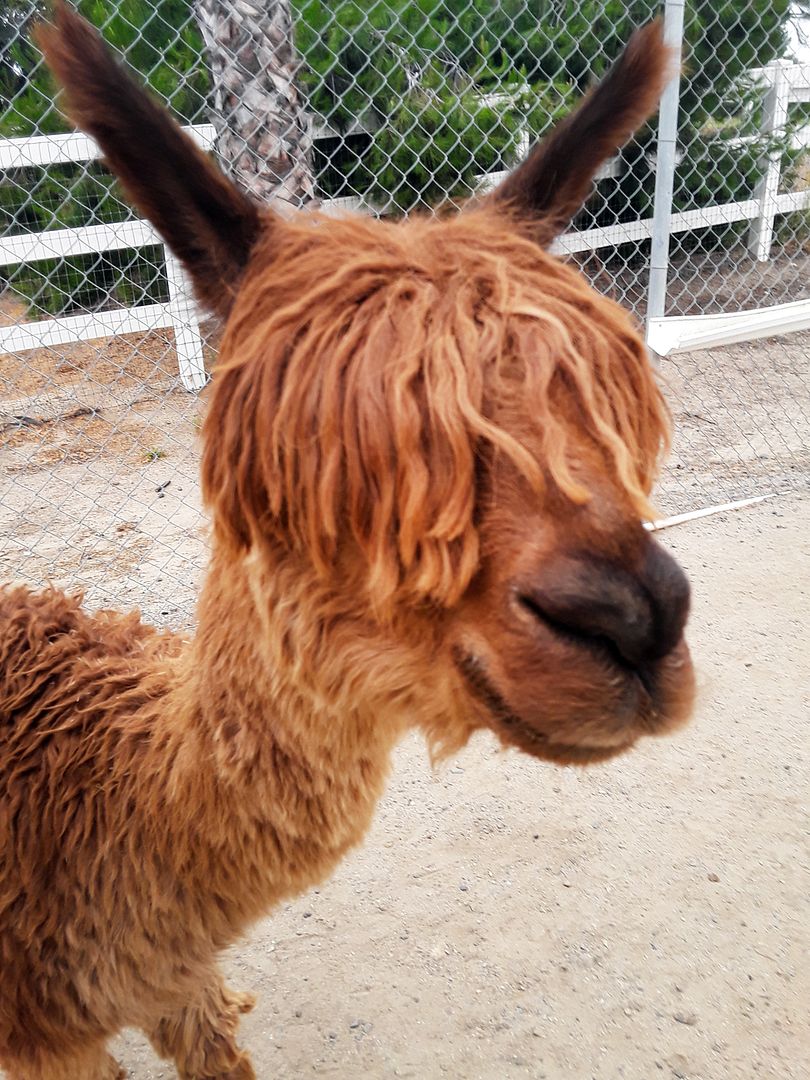
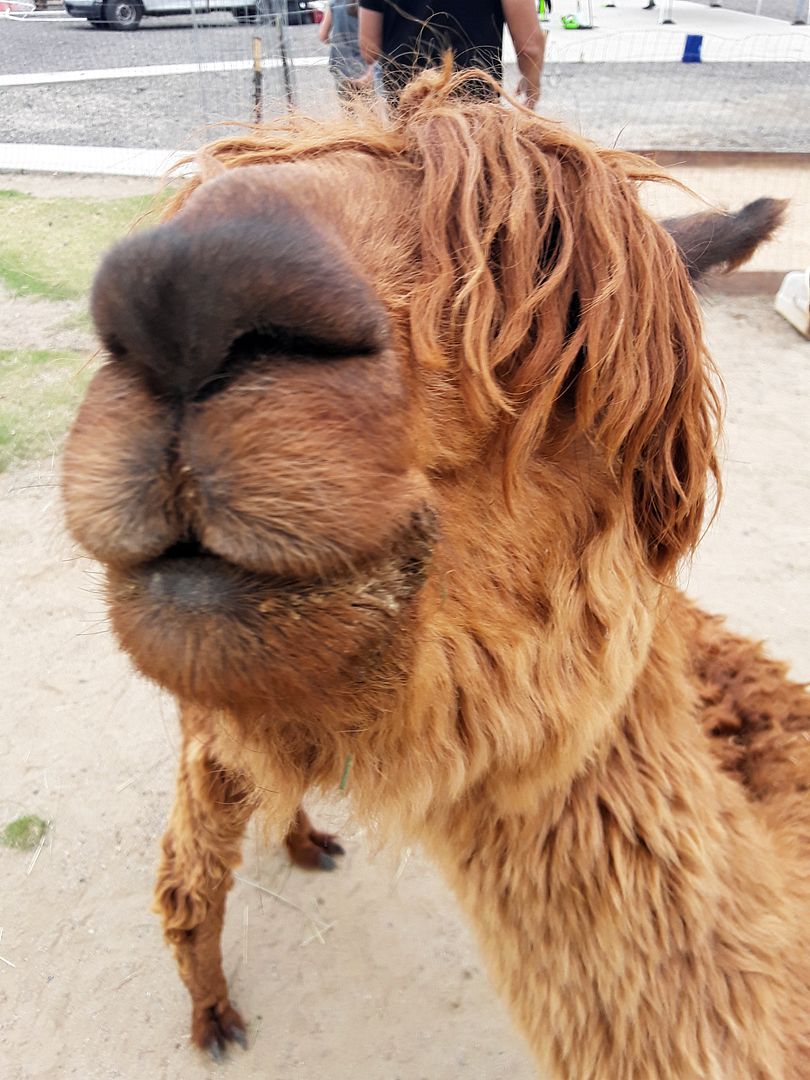
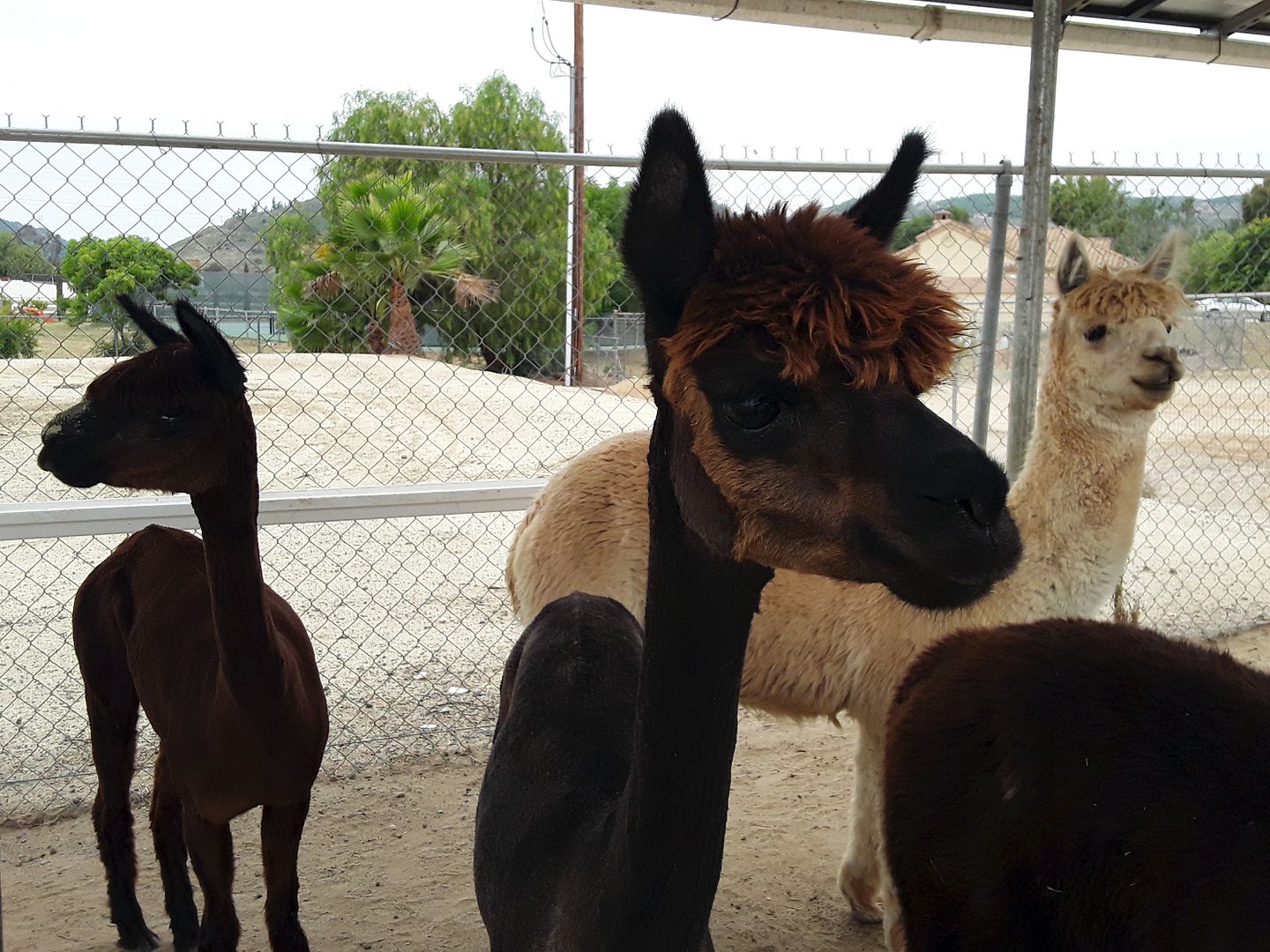
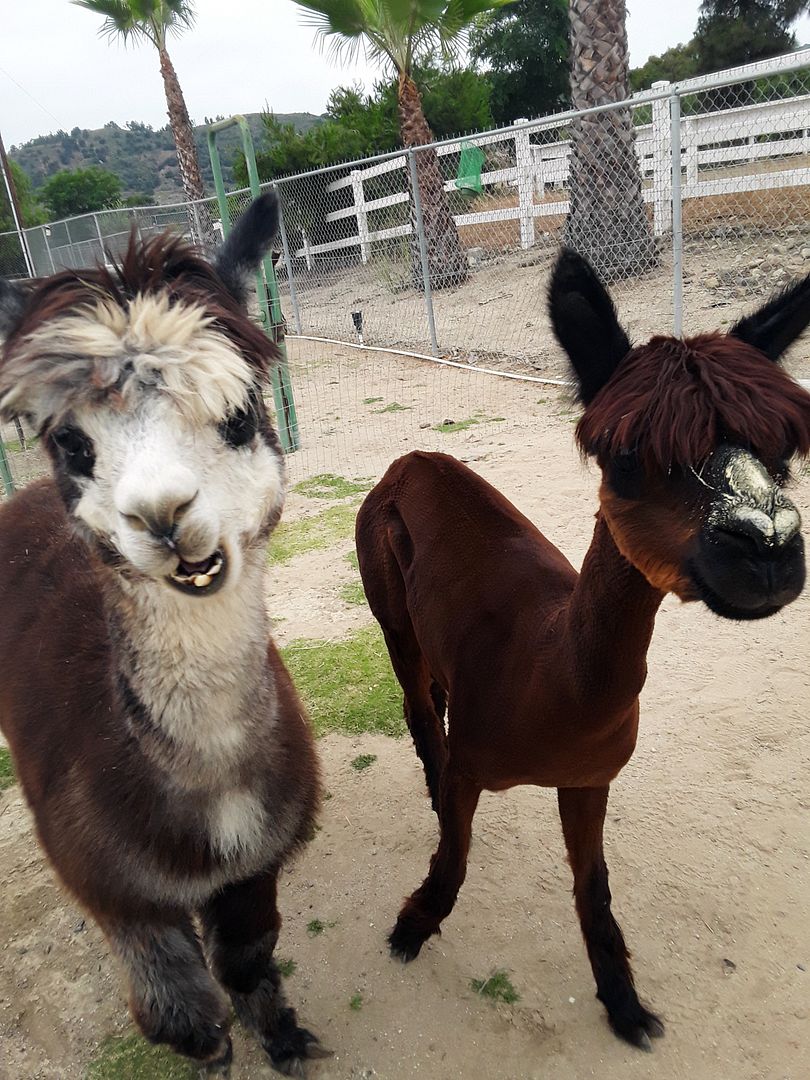
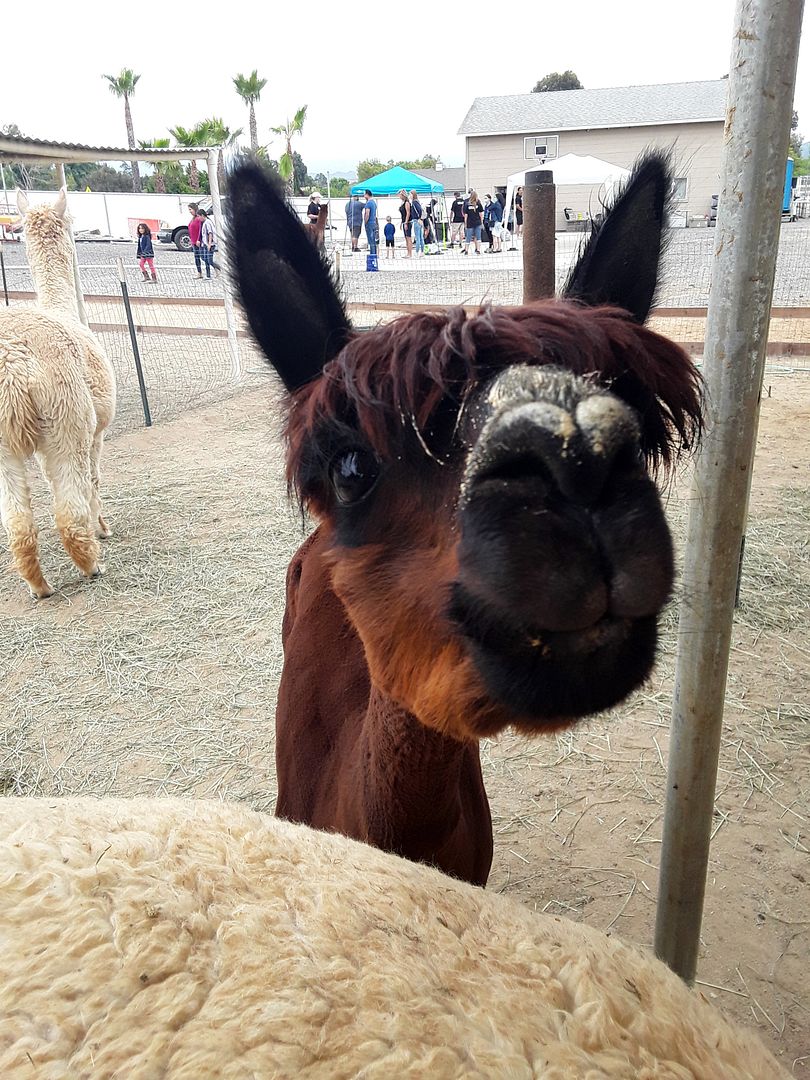
She really stood out from the rest of the alpacas at Temecula Valley Alapacas—and not just because of her bangs.
Turns out she's the most popular of all the Temecula Valley alpacas...
...but she didn't start out that way.
Temecula Valley Alpacas, a non-profit, took her in after her previous owners abandoned her on their nearby ranch, moving away without her and leaving her and some sheep behind.
In a miraculous turnaround, she's become the most social of their alpacas—acting as an ambassador and "therapy alpaca," if you will, at local hospitals.
But there's something else that sets her apart from the rest of this alpaca ranch...
And again, it's not the bangs, because some of the other alpacas do have bangs.
And some of the other alpacas are also very sweet.
The sound that Annie makes is generally associated with a baby (cria) calling out for her mother or a mother crying out for her baby.
Annie has neither baby nor mother.
Her keepers think it's her cry for food—and it's true, she stops when she's eating.
But I think something about her abandonment has stuck with her. And being fed only distracts her from it.
She is one of the most loving and affectionate alpacas I've met—and this is a species known better for its feistiness and competitiveness (read: spitting) than its even-temperedness.
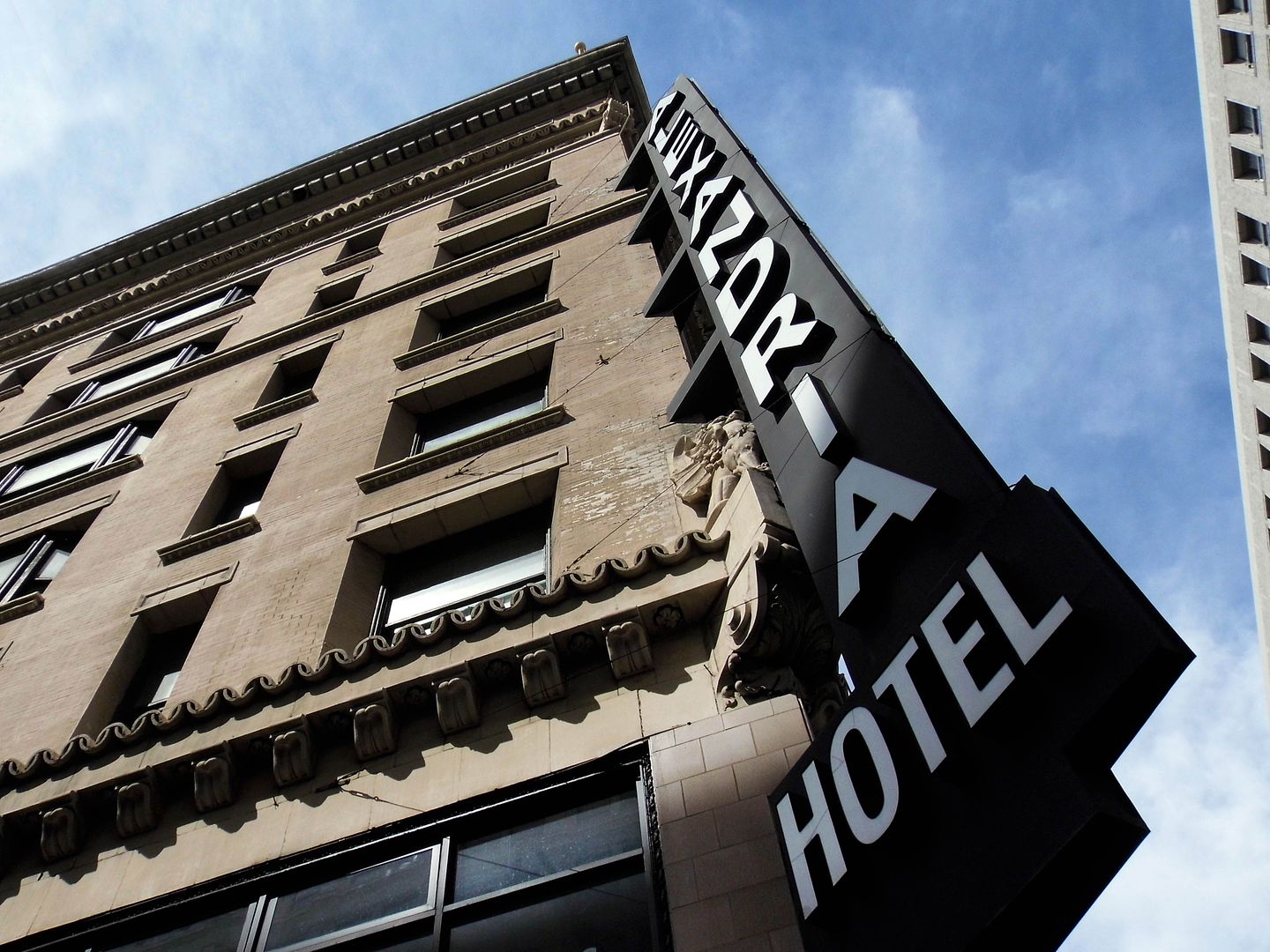
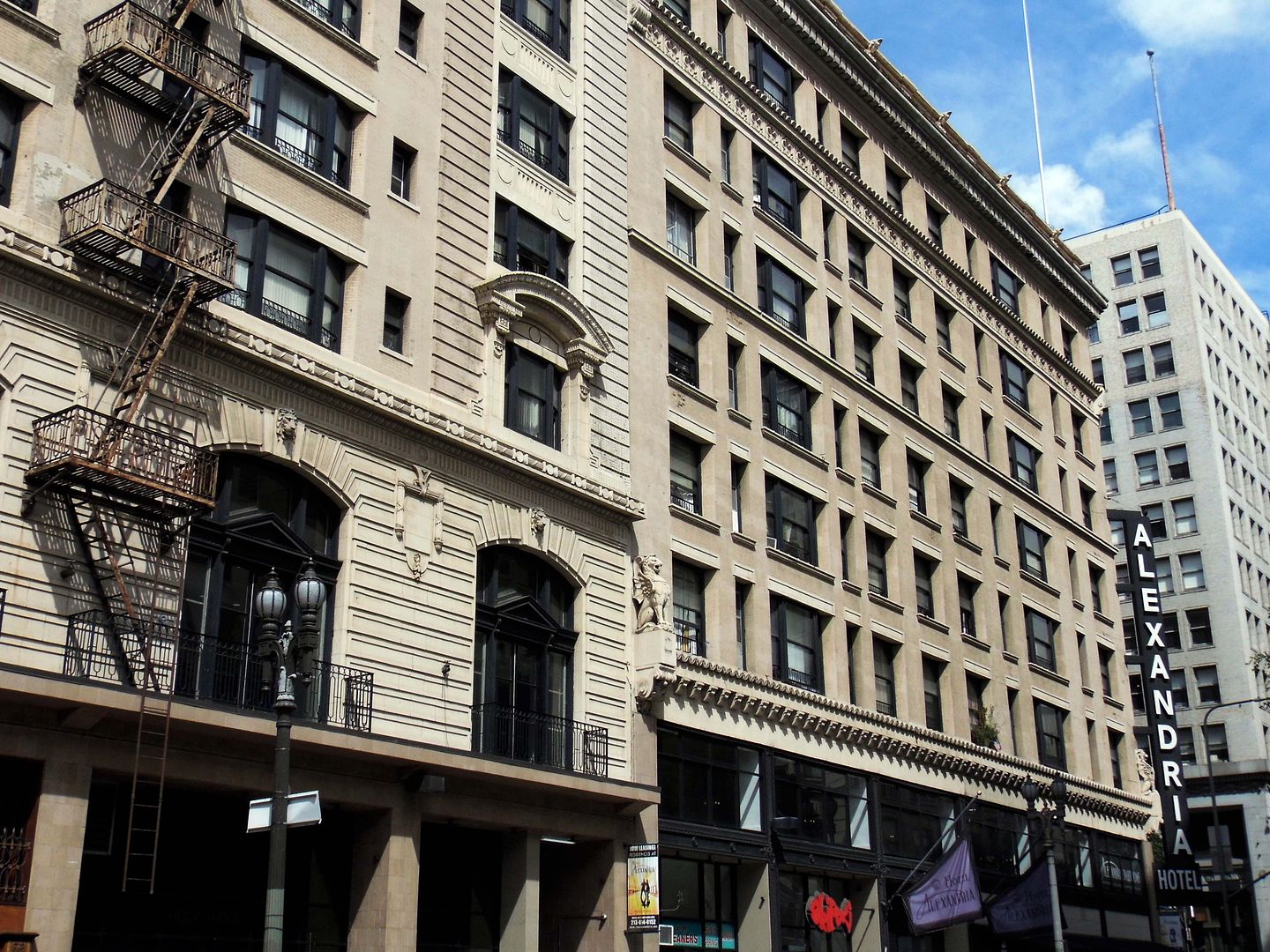
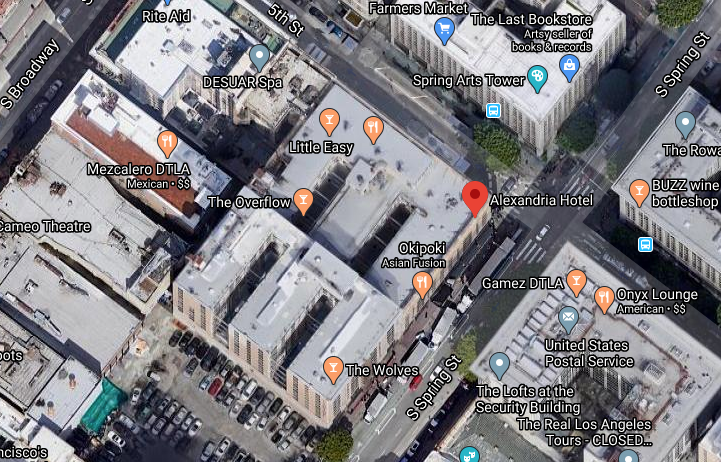
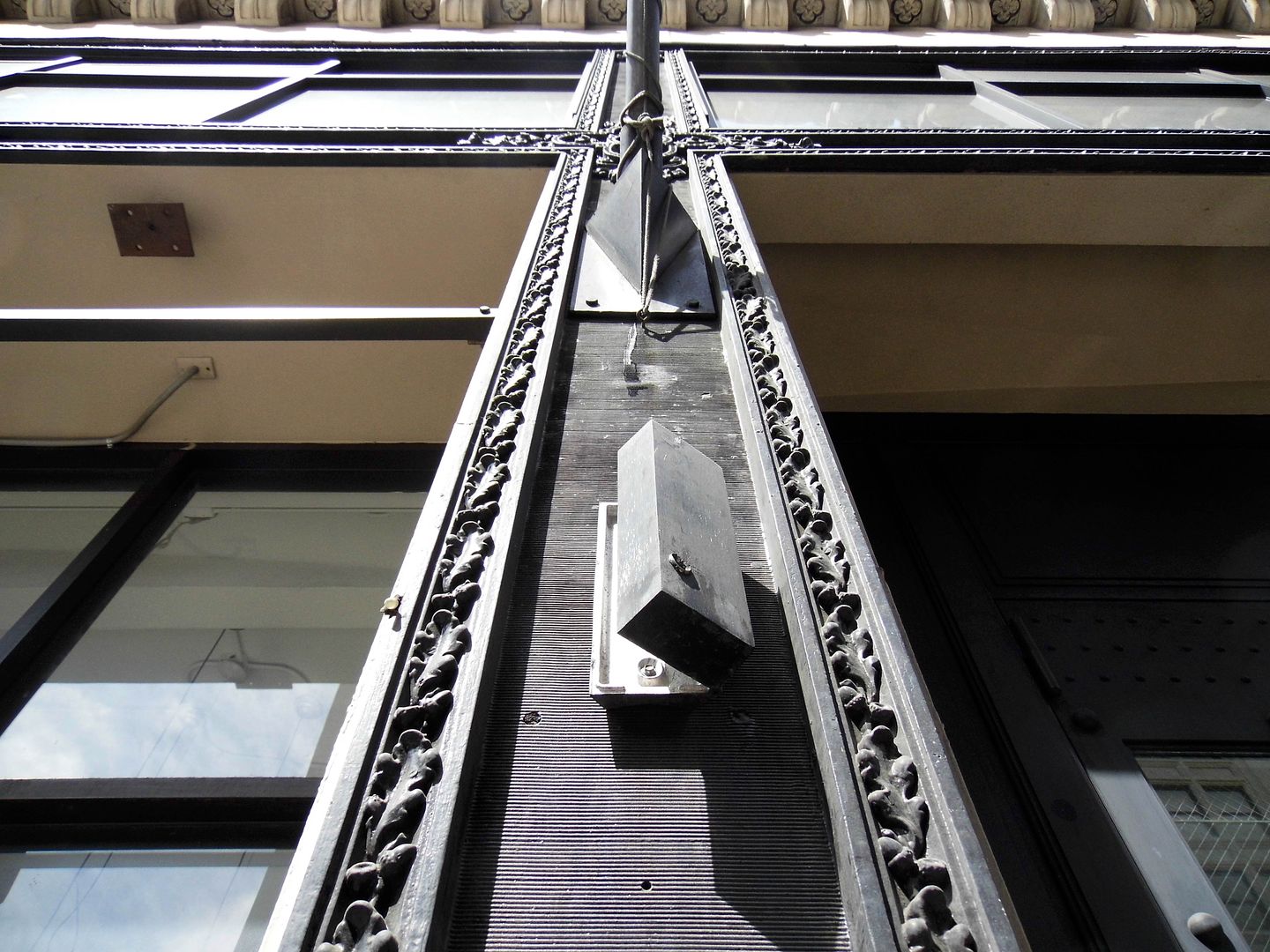
Located in the Spring Street National Register Historic District, The Alexandria Hotel might appear to be a single hotel.
But a closer look reveals that it's a complex of three buildings, each with its own owner who leased the land they were built on—a total of seven separate parcels.
And it may soon lose one of those three historic structures. Because it turns out that they're not as seamlessly linked as you might think.
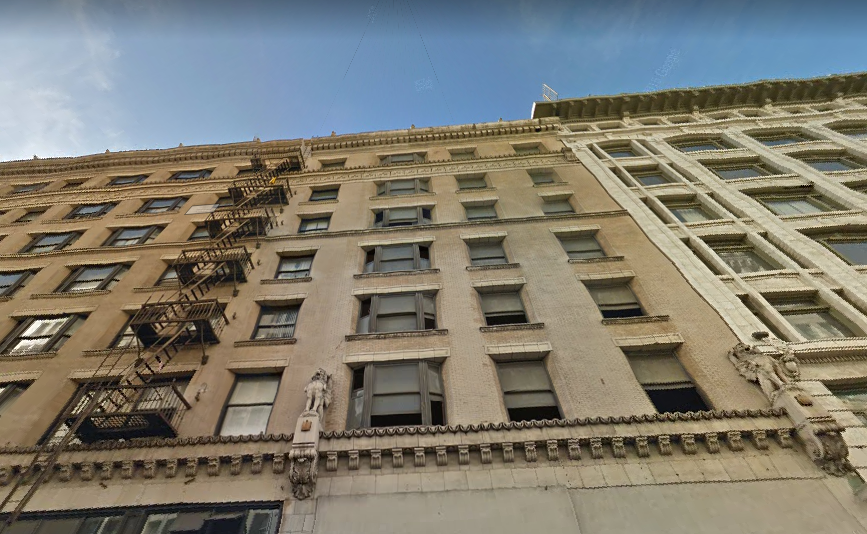
Named after owner Harry Alexander, the first (or "main") section of the hotel was constructed by the Bilicke-Rowan Fireproof Building Company—developers Albert Clay(A.C.) Bilicke, president of the Alexandria Hotel Company, and Robert Arnold (R.A.) Rowan—in 1906 for $2 million, an almost unheard-of cost at the time.
Architect John Parkinson (Bullocks Wilshire, Union Station, City Hall) created the 8-story, Beaux Arts hotel with 360 rooms—each with private bathrooms, central heating, and automatic do not disturb signs on the doors.
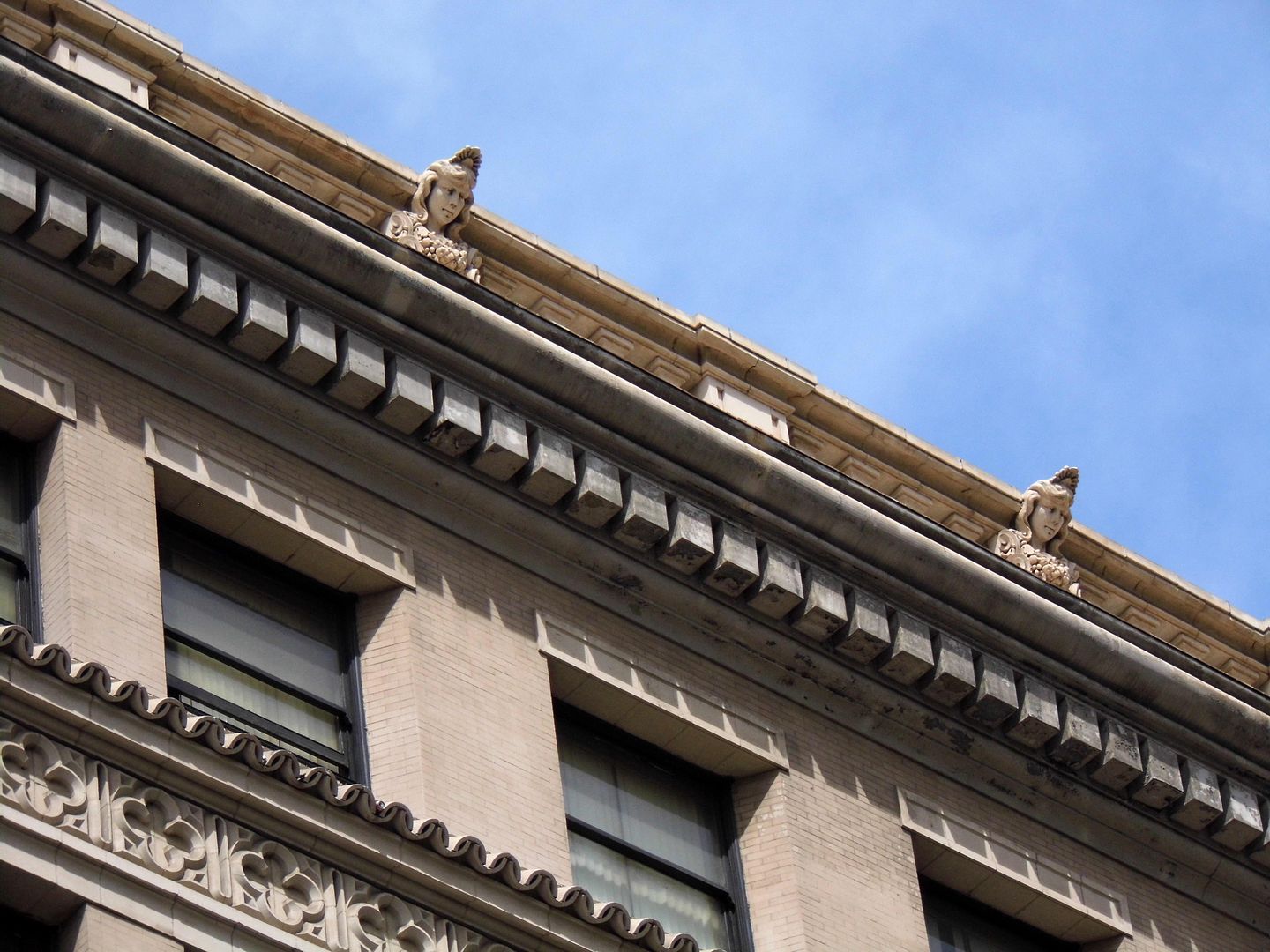
Although the pressed brick façade (by Pacific Clay Manufacturing Company) with terracotta balustrade may look relatively simple, The Alexandria Hotel was the most elaborate in LA at the time, offering luxury and drawing upscale clientele. Some decorative sculptures placed on top of the decorative parapet with balusters divided by columns were removed in the 1950s.
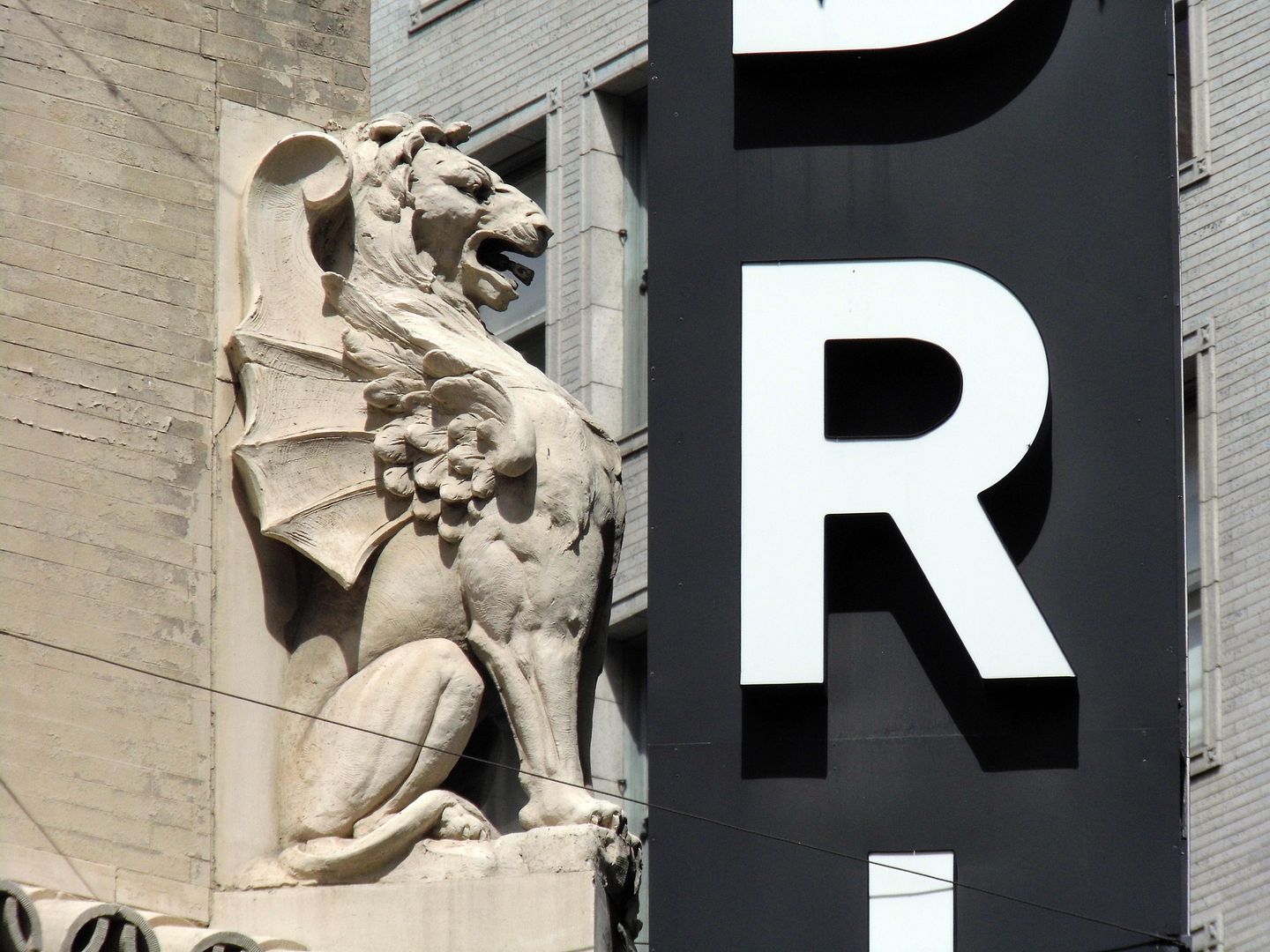
But the cast stone chimeras still provide a unique character to this corner lot at 5th and Spring in the Historic Core of Downtown Los Angeles.
Screenshot: Google Street View
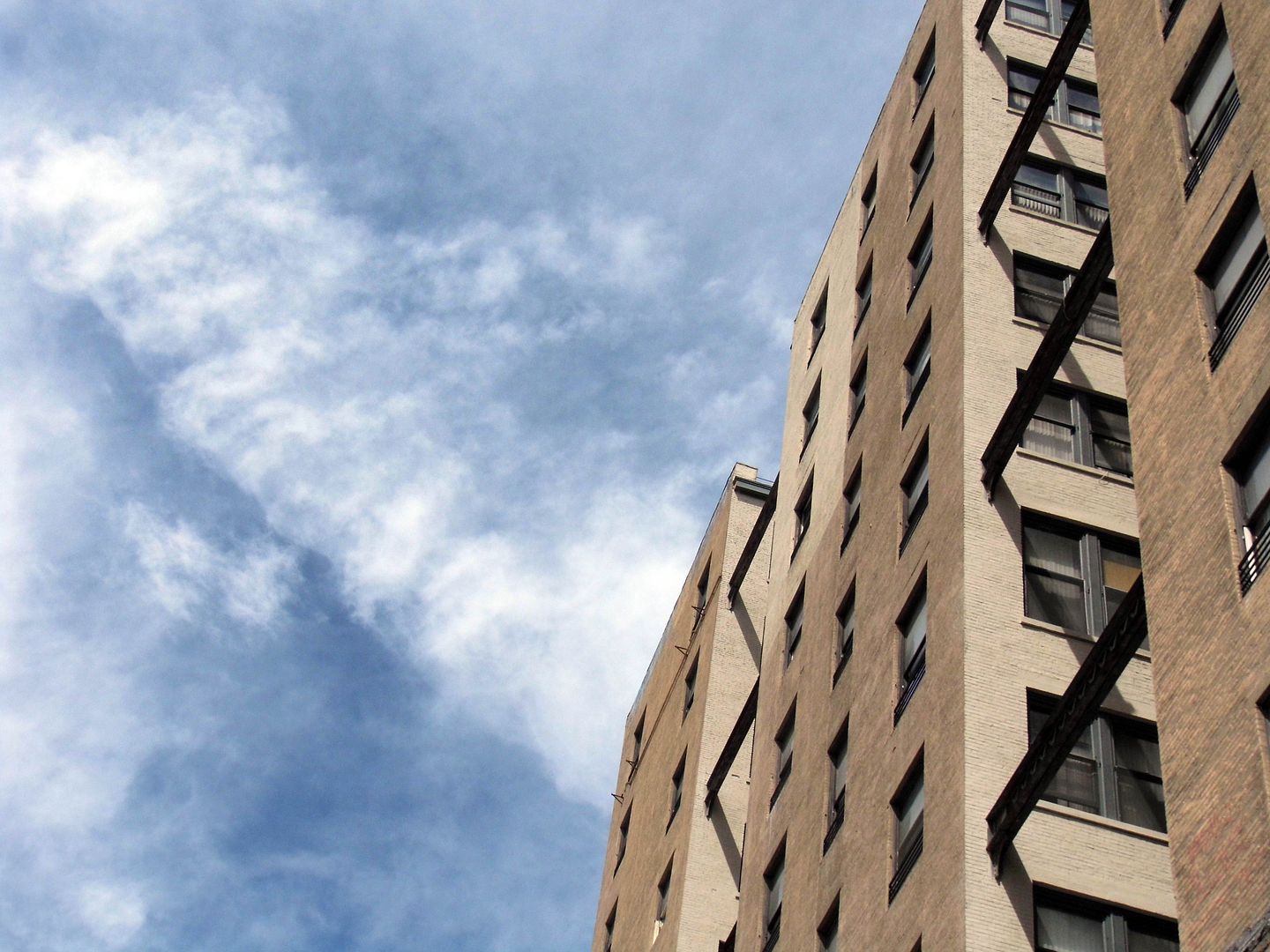
The second part of the hotel to be built arose on the 5th Street side, essentially concurrently with the first—and the two sections were designed to function as one unit, with more or less indistinguishable façades (the line of demarcation noticeable only at the fire escapes). William Chick owned the land and had operated his Chick Brothers' livery stable there, until he tore it down upon partnering with the hotel.
Screenshot: Google Street View
But Chick made a grave error in its construction—he omitted "hoistways" (a.k.a. elevators) and stairwells. A dispute with the new owner of the reopened main hotel in 1938 resulted in the annex being sealed off ever since—now known as the "phantom" or "ghost" wing. (An update on this wing at the bottom of this post. In the meantime, the history is all very complicated—so for a full explanation, click here. And for contemporary photos click here.)
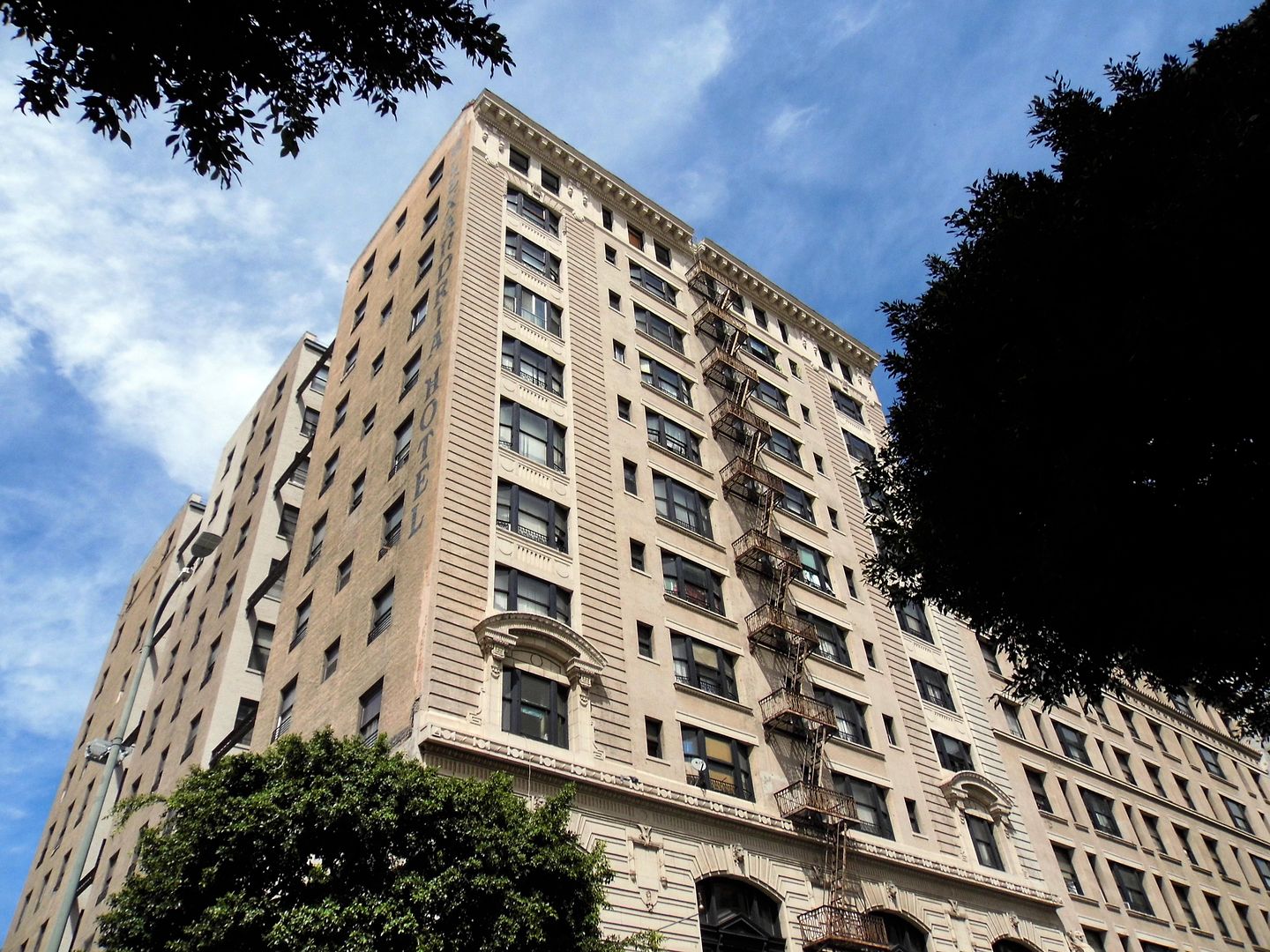
In 1911, a 12-story addition—technically, the "Second Addition," or "the Spring Street Addition"—was constructed out of reinforced concrete immediately to the south of the original steel frame "main" structure, also designed by Parkinson with his partner G. (George) Edwin Bergstrom.
This third and final addition helped bring the hotel's capacity up to about 500 rooms and kicked off a heyday that would last until about 1922, after which its popularity was eclipsed by the newly opened Biltmore Hotel a few blocks away.
But what a heyday it had, for those 11 years.
At the time, 5th and Spring was considered to be the "up-and-coming" shopping area, as the center of Los Angeles was moving west and south from its pueblo beginnings. Its proximity to Broadway's bustling nightlife didn't hurt, either.
The Alexandria Hotel became a hangout for Hollywood execs and silent film stars like Mary Pickford, Douglas Fairbanks, Charlie Chaplin, and Rudolph Valentino—so much so that the Persian rug in the lobby got nicknamed "million-dollar carpet" because of all the deals being made there.
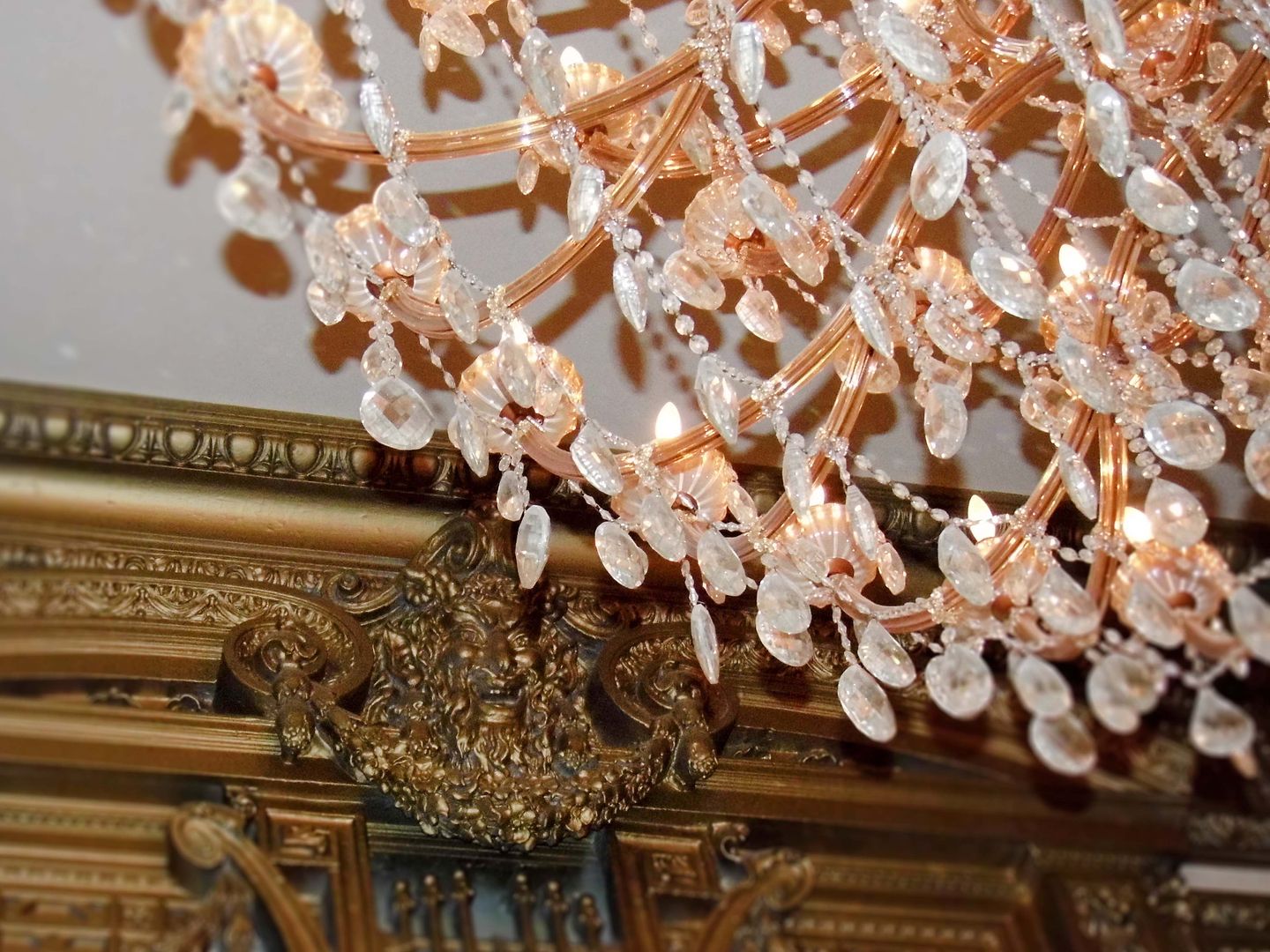
The Spring Street addition's ground floor included a 196-foot long banquet hall called the Franco-Italian Dining Room, later known as the Grand Ballroom and the Continental Room, and now called the Palm Court. Of all the interior spaces in the hotel, it's the most intact.
Upon its opening, it was already the city's most prestigious ballroom—but speeches given by U.S. Presidents William Howard Taft and Woodrow Wilson and a wedding ceremony between Gloria Swanson and Herbert Somborn in 1919 cemented its reputation. (The couple also honeymooned at the hotel and even lived there for a few years after.)
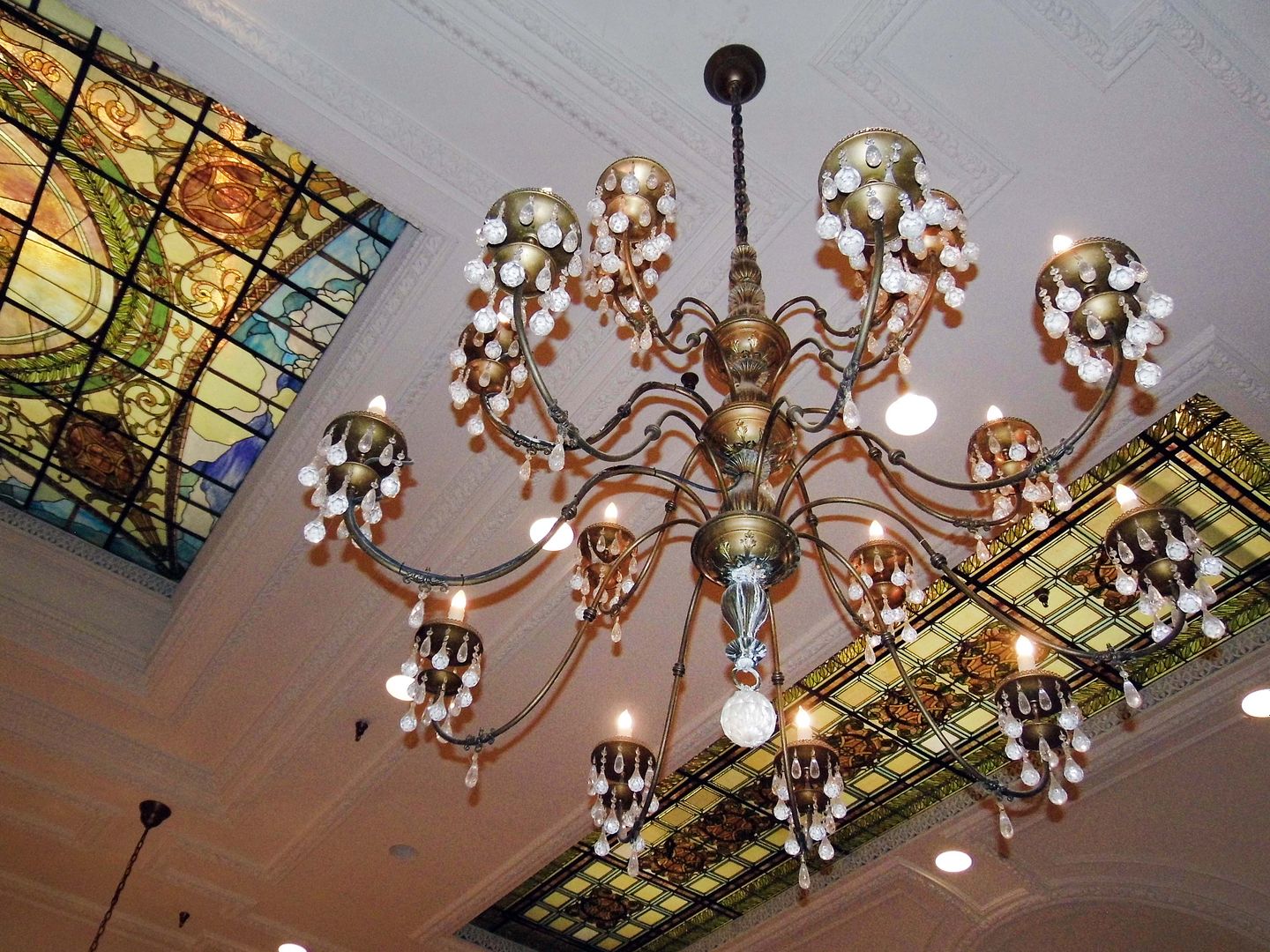
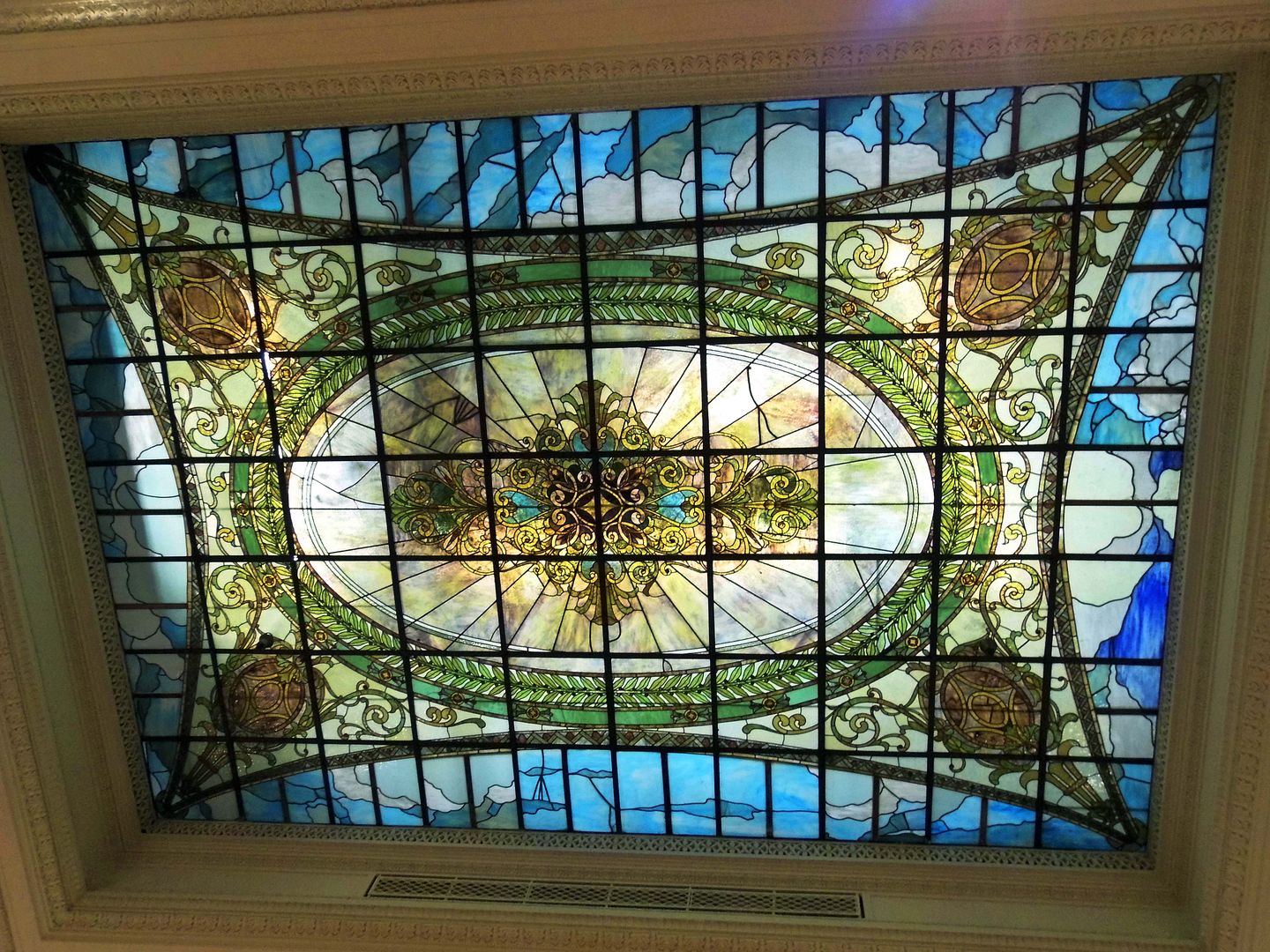
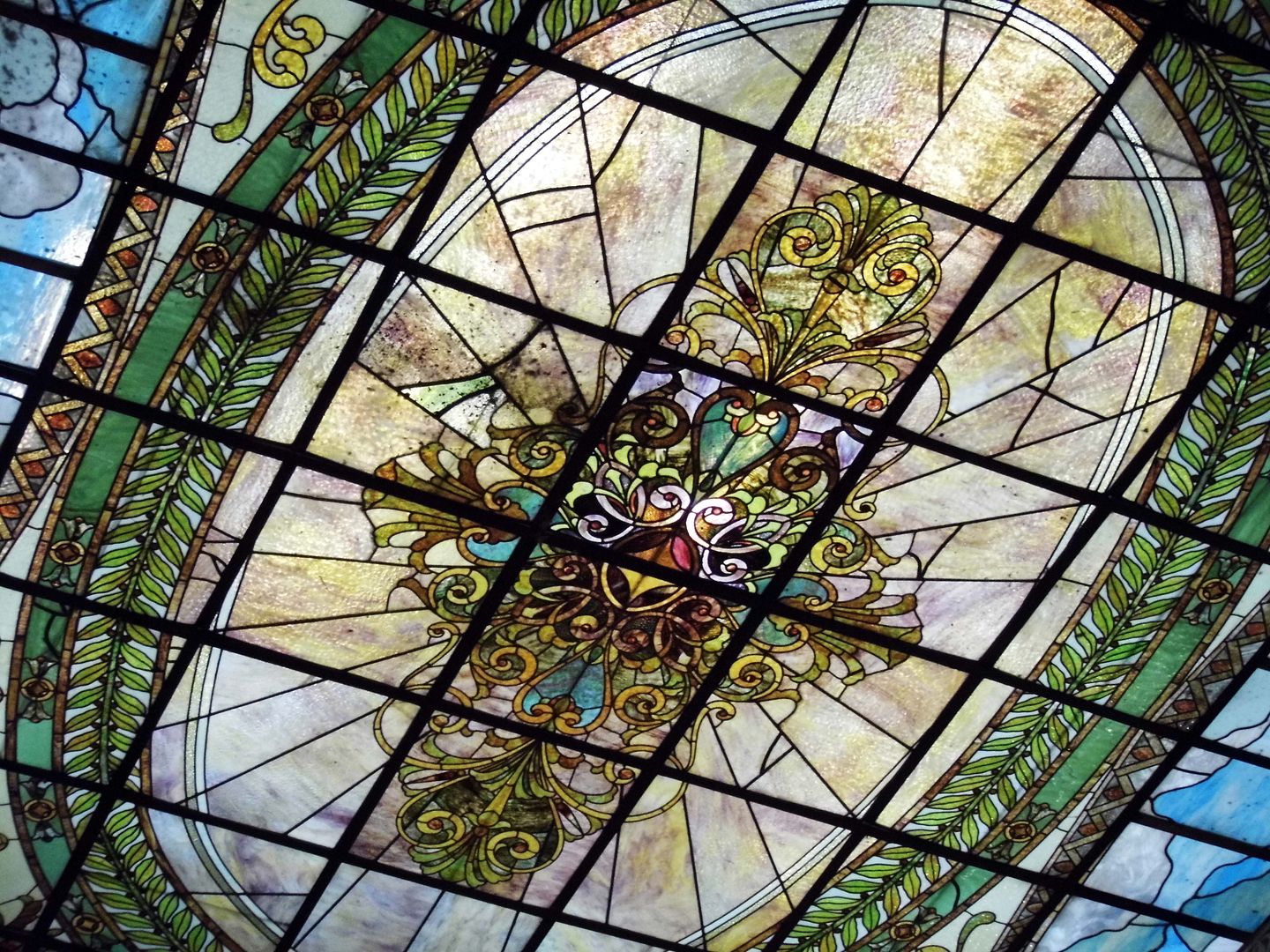
The Palm Court's most distinguishing feature now is its stained glass skylight, widely attributed to Louis Comfort Tiffany. It was painted black during World War II (so as to not aid enemy aircraft) and forgotten about—but later rediscovered and restored. It's what helped earn the Palm Court its designation as a City of Los Angeles Historic-Cultural Monument (HCM#80) in 1971—one of the few “interior-only” HCMs in the city.
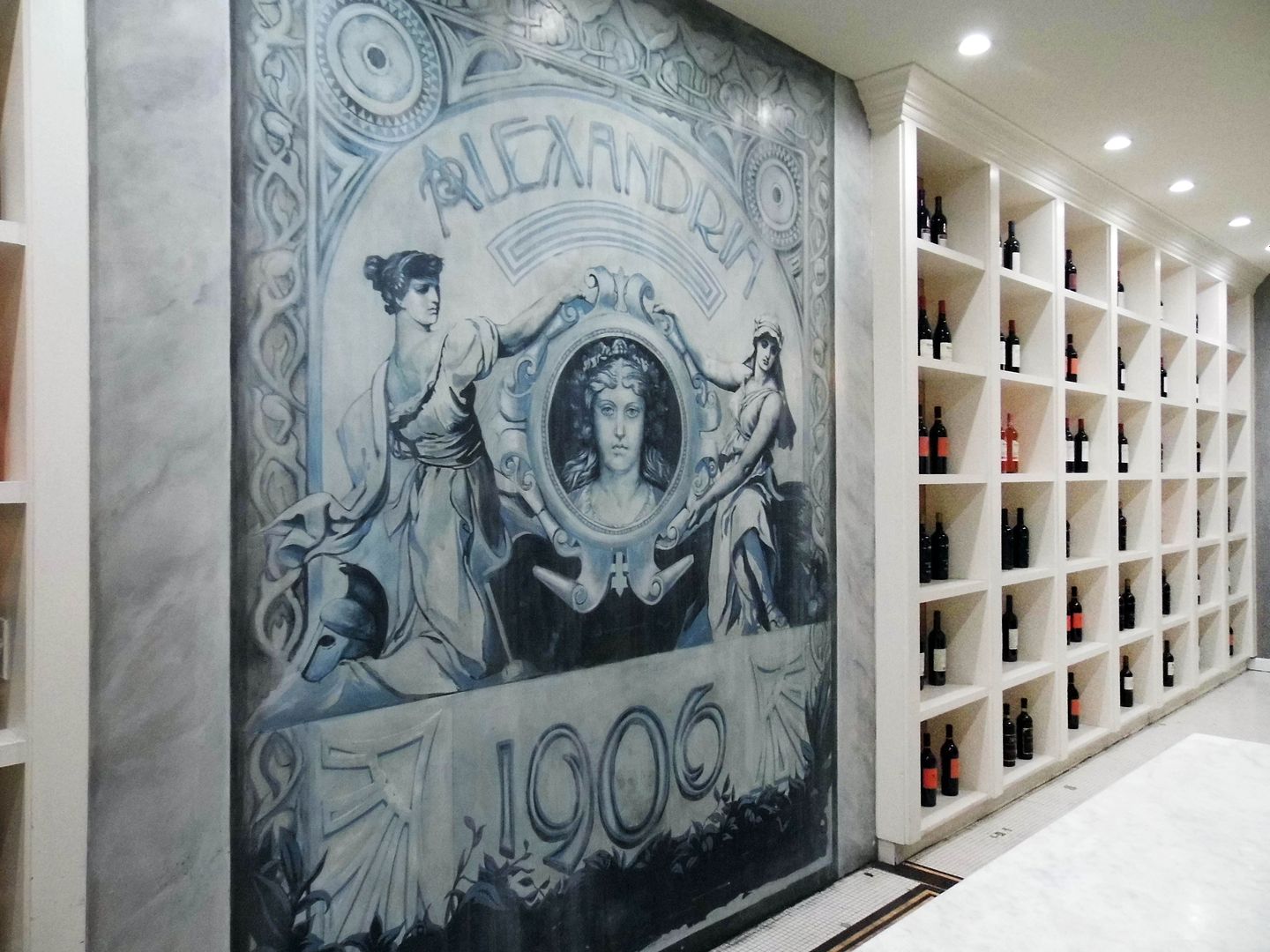
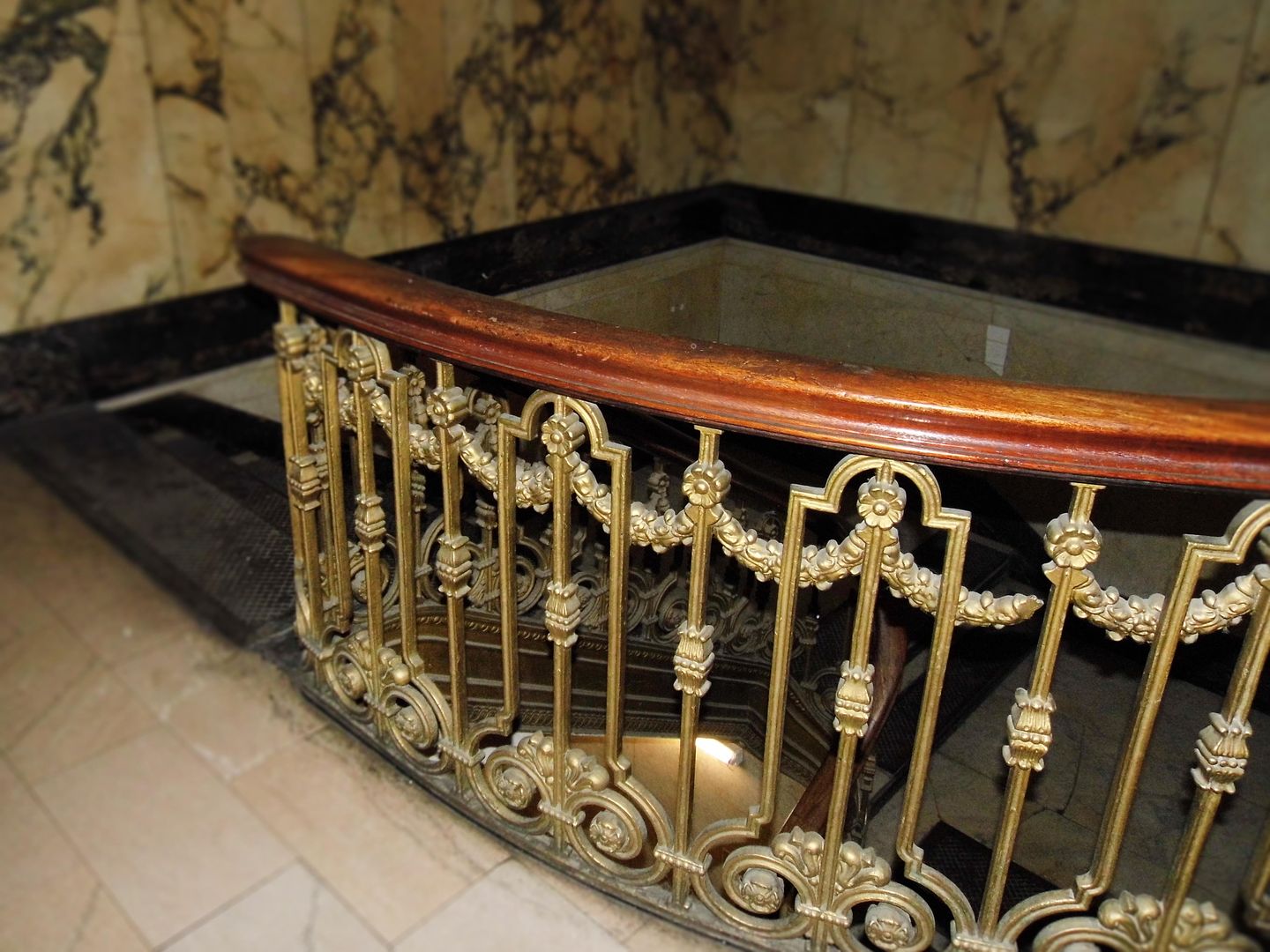
Unfortunately, the original Italian and Egyptian marble has been removed from the hotel lobby—which, after several redecorations and a later gutting, has been rendered unrecognizable. But they kept a little bit of the marble on the walls at the stairs leading to the basement.
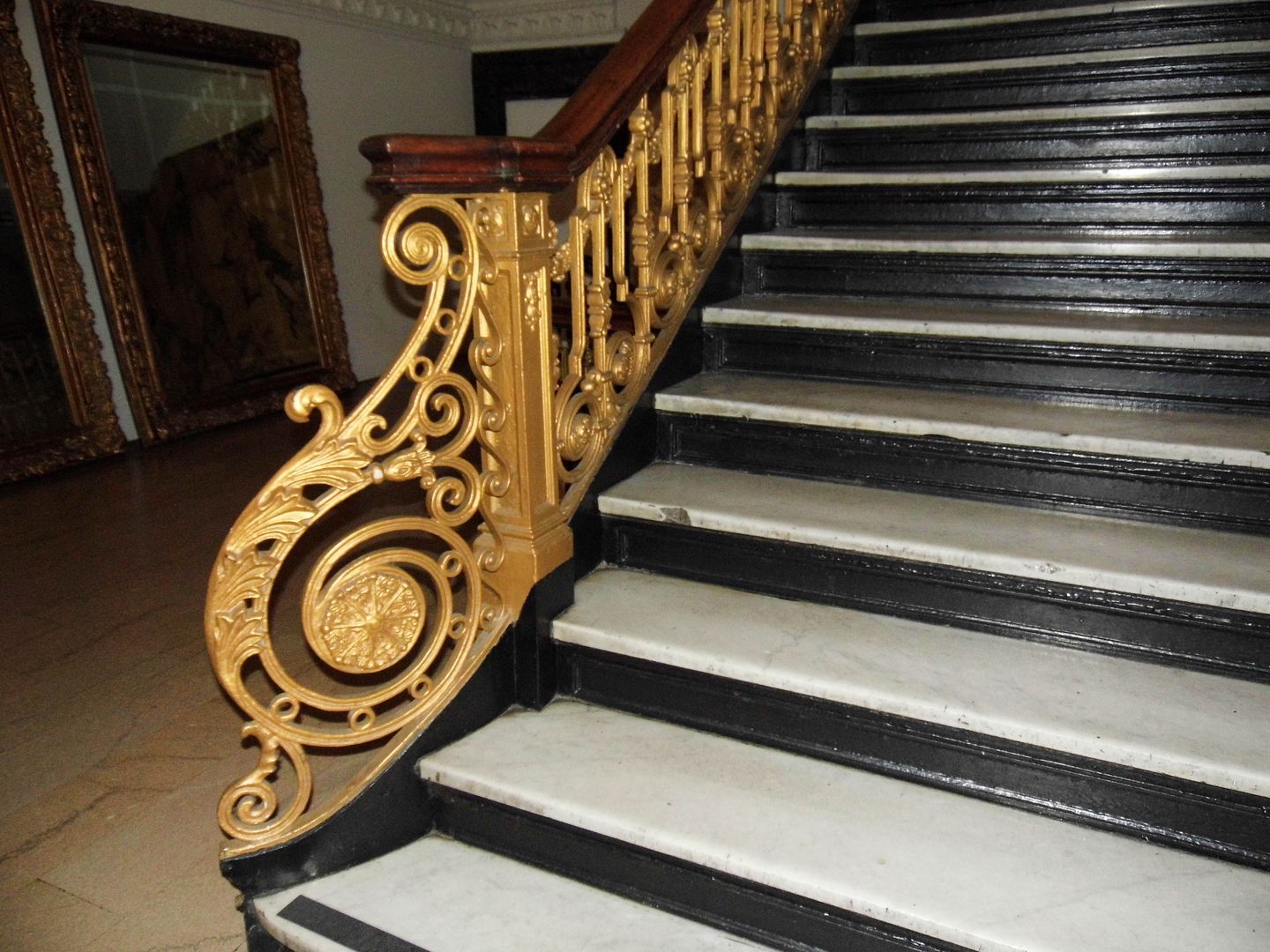
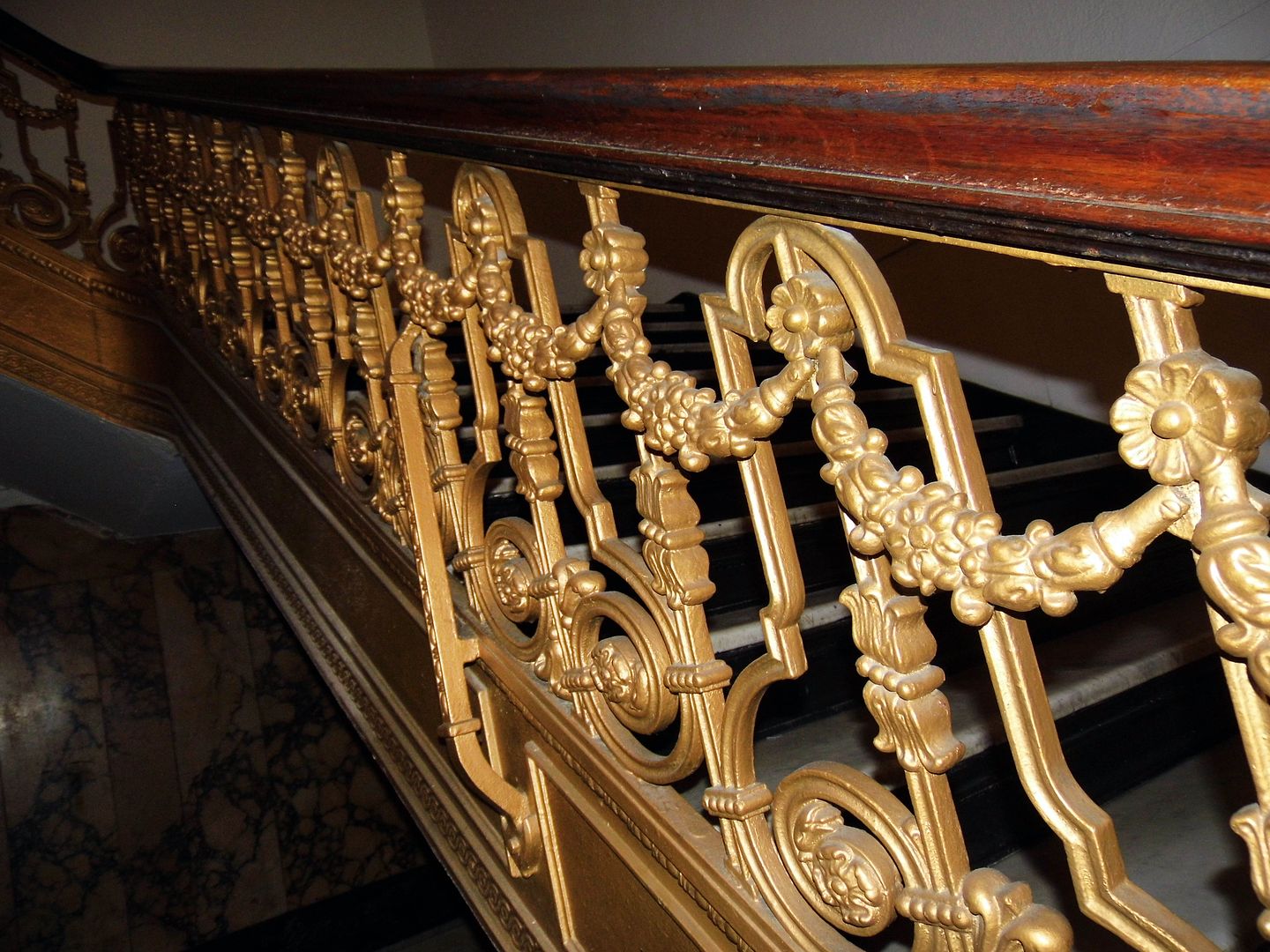
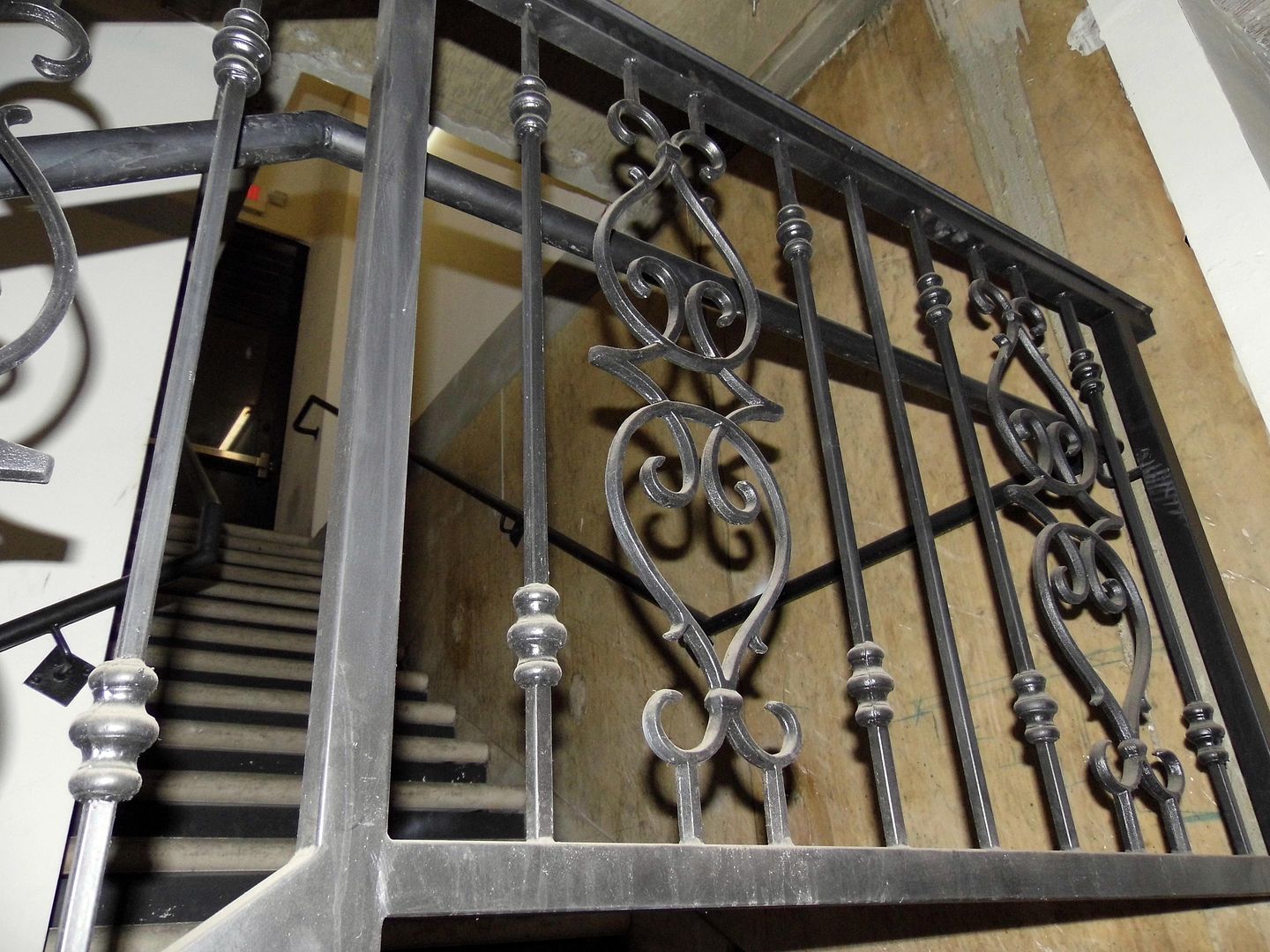
Across from a frieze of cherubs, you can climb the marble-floored staircase up to the mezzanine...
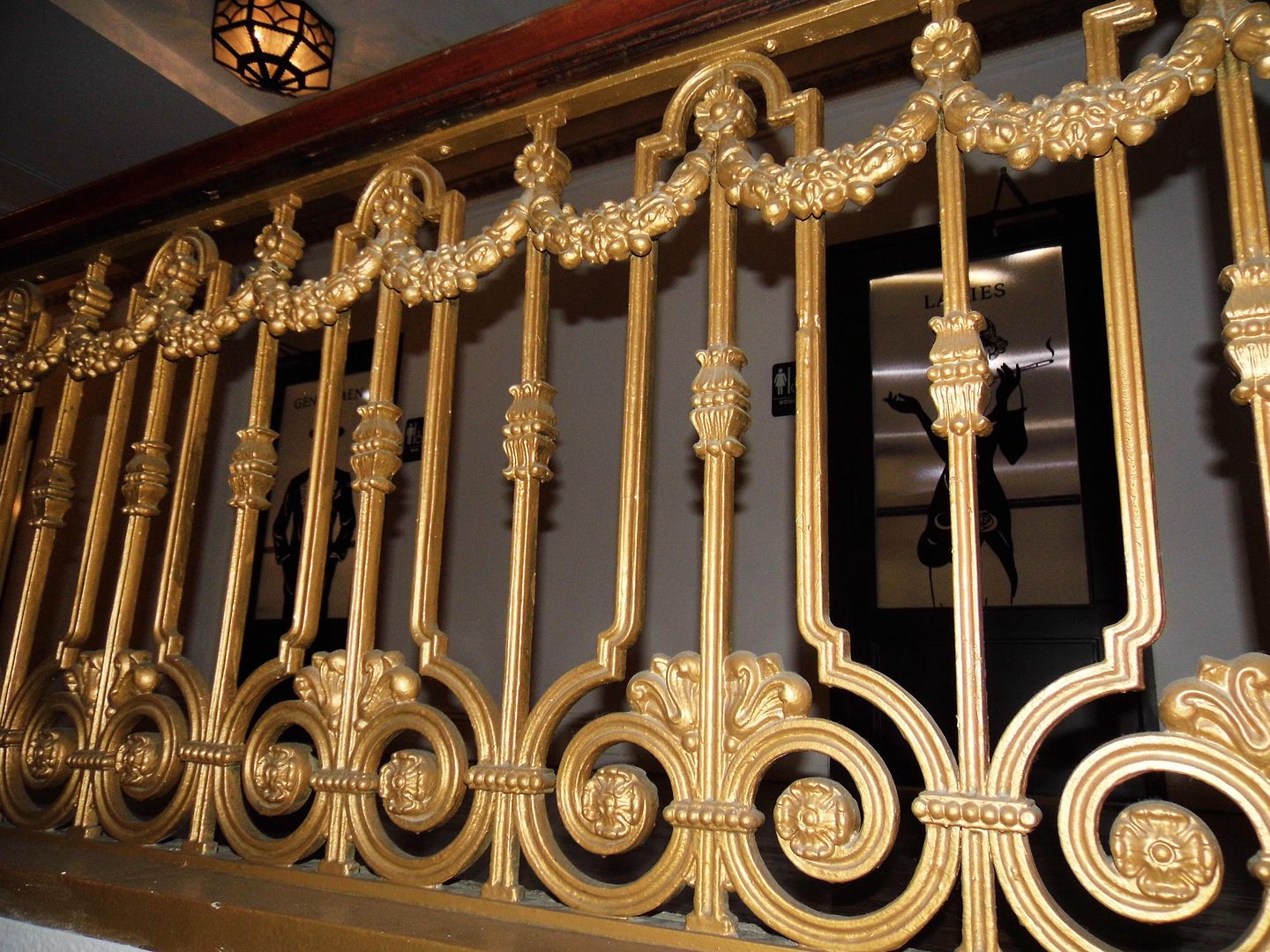
...holding onto its iron railing by an oak handrail...
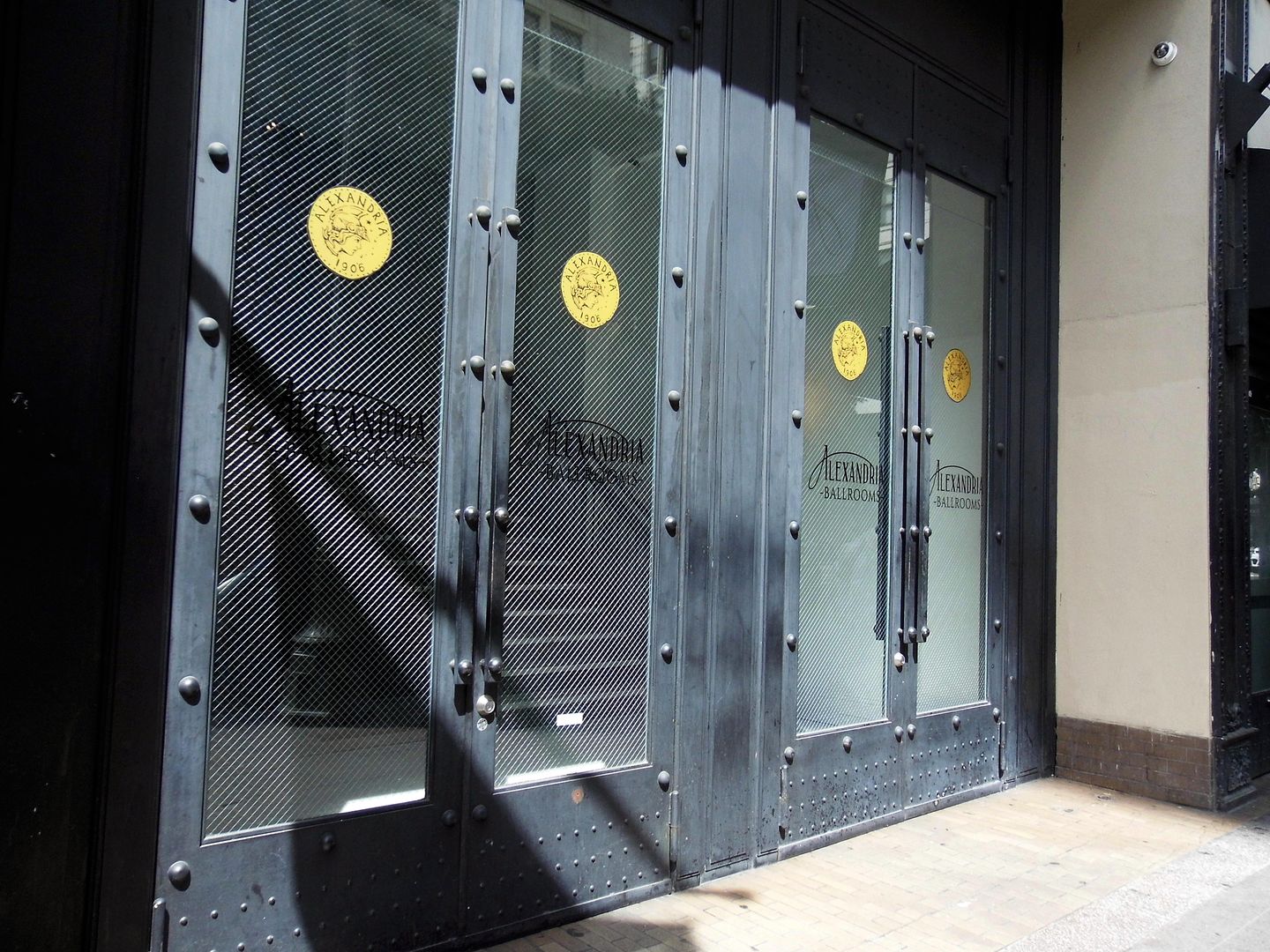
...and emerging into a loft-like space called "The Mezz," now used as a venue for weddings and such as part of the Alexandria Ballrooms event planning service.
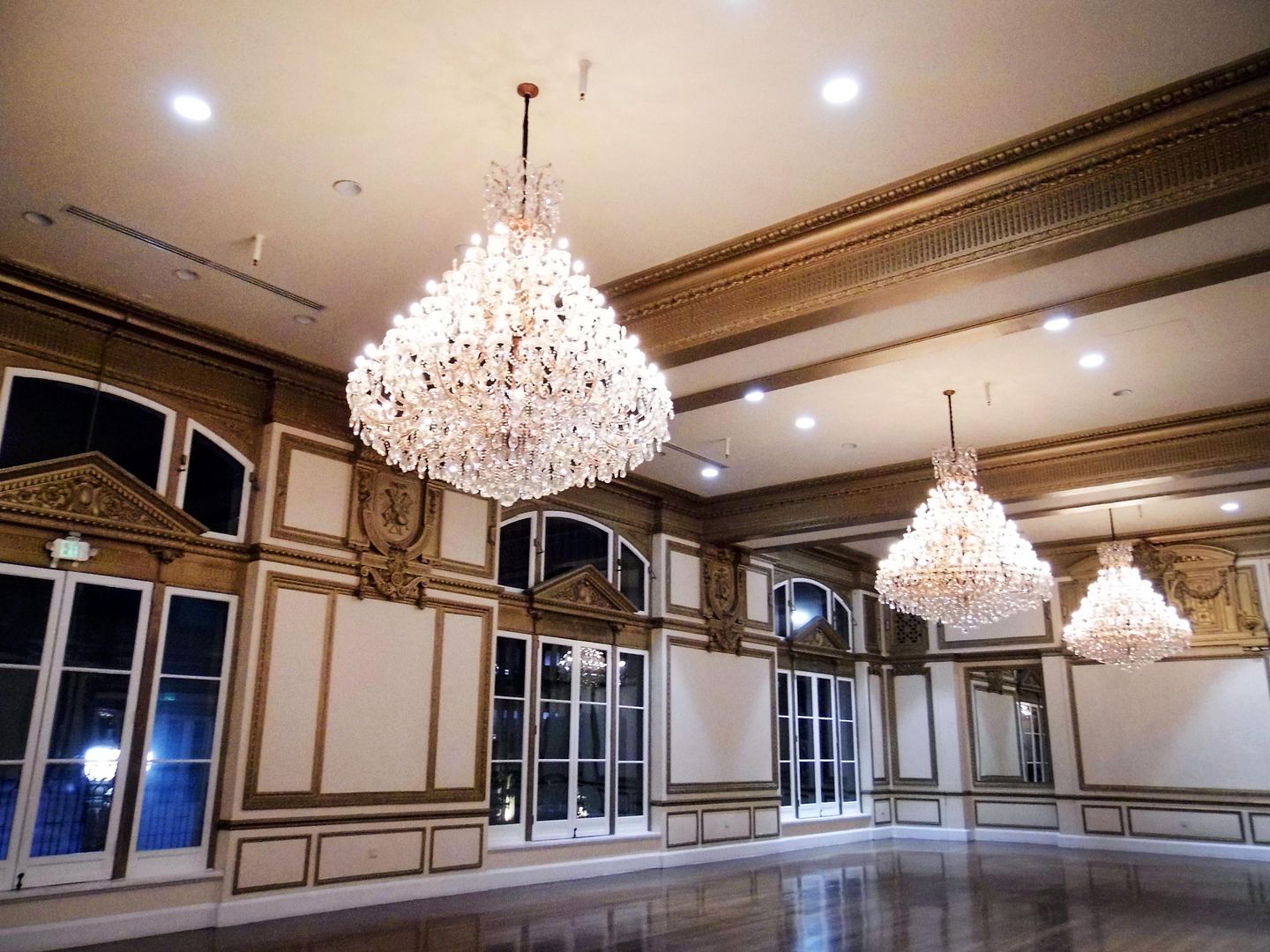
Upstairs you'll also find the former Rose Ballroom, its French windows opening out onto the Spring Street side of the building, with its original beamed ceiling and hardwood floors.
It's now called the "King Edward Ballroom"—incorrectly so, since apparently the rumor that King Edward ever visited the hotel has been debunked. Harry Houdini and his wife Bess, however, did celebrate their 25th wedding anniversary in that room.
Colloquially, some people still call the former Rose Ballroom the "Paula Abdul Room," because of the music video she shot there for the song "Cold-Hearted" in 1989, directed by David Fincher.
The video (above) gives a great glimpse into how the room looked 30 years ago—which is remarkably pretty much the same as now, except for the paint job on the walls.
Like any other successful hotel, The Alexandria boasted both private ballrooms and eateries for their guests and visitors—including the Peacock Inn Coffee Shop (now a private bar available to rent) and Gentlemen's Grill upstairs (which sometimes women weaseled their way into).
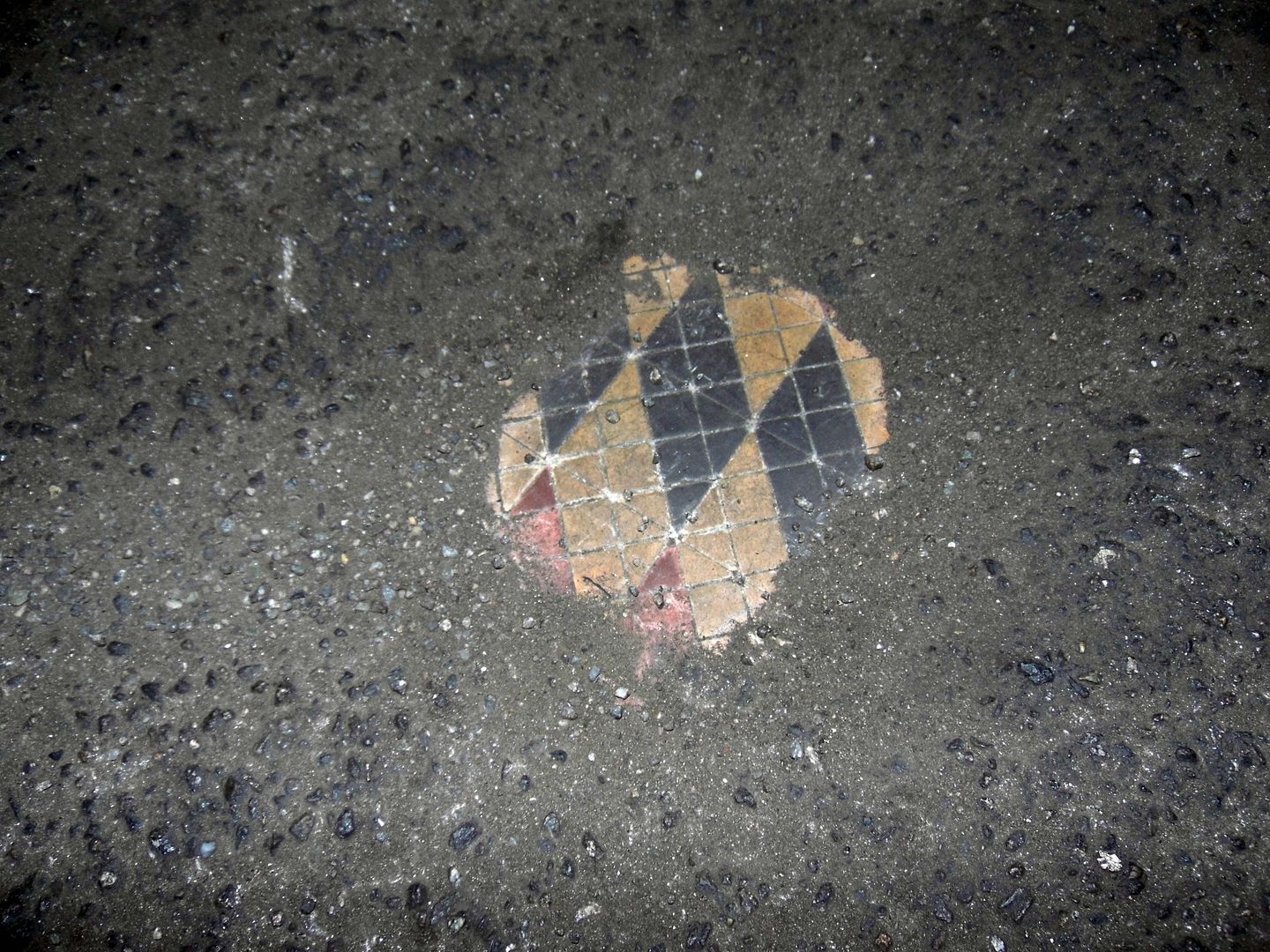
Down on the lower level, underneath the Spring Street Addition, was the Mission Indian Grill (a.k.a. Indian Grill Cafeteria). It was converted into an underground parking garage, the tile floor paved with asphalt. But foot and tire traffic have been wearing that blacktop coating away, revealing little bits of the original tile, piece by piece.
Despite its massive success, the Alexandria Hotel ultimately couldn't overcome the local competition (like from the Biltmore) combined with the Great Depression. It went bankrupt and closed in 1932.
It did reopen a few years later and experience somewhat of a revival—but as it changed hands time and again over the following decades, it was slowly stripped of its grandeur.
In the mid-1950s, boxing matches brought rowdy crowds. In the 1970s, the banks left the Spring Street financial district.
What once was a destination for fine dining now brought customers in with concepts like the Guv'Nor's Grille—a kind of British pub/surf n turf establishment on the corner of 5th and Spring at street level in the late 1960s/early 1970s. (It's now occupied by The Down And Out Bar, though a shield-shaped bronze bas relief still promotes steaks, chops, and seafood on the corner column. Prior to that, it was Charley O's Cocktail Bar, which seems to have closed in 2010.)
In addition to serving "California's Finest Salads," it also offered dishes named after Mary Pickford, Oliver Hardy, Rudolph Valentino, Sarah Bernhardt, Tom Mix, and Harold Lloyd—all of whom had been associated with the hotel at one time or another.
In the 1980s, the Alexandria Hotel had become overrun with drug dealers taking advantage of its weekly rates. By 1988, it was called "the worst drug-trafficking spot in Los Angeles" by city officials.
Rezoning it later as a low-income housing property/single room occupancy (SRO) didn't help the blight much. Neither did its proximity to Skid Row (5th Street a.k.a. "The Nickel").
It's now a mix of market rate and subsidized housing—and still a popular filming location.
None of those challenges have kept developers from trying to revitalize the Alexandria, much like other vintage buildings in Downtown Los Angeles have been given new life.
But for the Alexandria, that may come at the sacrifice of one of its three sections—the ghost wing.
That wasn't always the plan. In 2012, the sealed-off second building was sold and slated to be developed into the 35-room "Chelsea Building."
But since that time, the deterioration has been deemed "irreversible"—and developers argue that they'll need to entirely rebuild the interior to include some stairways and an elevator.
The result will be The Annex, with 31 residential units. Applications for the project to move forward were filed as recently as 2018. But no work has begun.
In the meantime, you can enjoy other public areas of The Alexandria (besides The Down And Out) by patronizing The Wolves on the ground level of the Spring Street Addition and The Little Easy, a subterranean spot below the main hotel.
People say the whole thing is haunted—and you can bet it's not by Rudolph Valentino (because if that were true, man does he ghost get around).
The Alexandria's most famous ghost is "the woman in black," who walks the halls for all eternity.
But it's possible that there's lots of other bad juju that hasn't been cleared out of the hotel—including some recent events, like when an 87-year-old man fell to his death in 2009 or another man died jumping from the 4th floor in 2013.
I don't plan to stick around long enough in that building to find out.
I was not going to miss when it passed back through California on its grand tour—known as "The Great Race Across the Southwest"—in celebration of the completion of the Transcontinental Railroad, 150 years ago.
There would be a couple of opportunities to observe it as a static display a little closer to home...
...but I really wanted to see it go...
...and hear it chugga chugga for myself (see video at the bottom of this post).
So I drove an hour and a half to the high desert...
...and joined the legions of spectators by the tracks of the Amtrak station in Victorville, waiting for the world's only operating Big Boy locomotive to pass us by.
It was more massive—and its steam whistle more monstrous—than I ever imagined.
And fortunately, it parked at the station for a while, giving us plenty of chance to examine the results of a two-year restoration effort by Union Pacific.
Unfortunately, No. 4014—completed in 1941, as one of 25 Big Boys manufactured by American Locomotive Company to be operated by Union Pacific—is just passing through California on its way back to Wyoming.
It's the world's largest and most powerful operating steam locomotive.
I guess we need to share it.
But I'm glad to have seen it in action, if only once—and to have made up for the last time I missed it.
Here's video of its arrival to the Victorville Transportation Center (sound ON):