Search

January 16, 2020

Photo Essay: Getting to Know Hearst Castle, One Tour At a Time


The year before this past Christmas, I'd booked a trip up to the Central Coast to take the twilight holiday tour of Hearst Castle and visit the Cambria Christmas Market.

The night before I was supposed to make the four-hour drive up, I came down with food poisoning. I waited until the last possible minute and, in defeat, finally canceled my trip.

When the holidays rolled around this past year, I thought twice about trying again. I wasn't sure I could face something going wrong again—and having to cancel yet another trip.

In fact, it wasn't until I was already in Morro Bay searching for monarch butterflies that I even dared to check which tours still had tickets available.

After all, there isn't just one Hearst Castle tour. In addition to the special holiday twilight tours, there are five regular tours—and even more seasonal tours!

I finally settled on the "Designing the Dream" tour and confirmed my purchase; but when I arrived at the Visitor's Center, the check-in attendant made me second guess my choice.

"Have you taken the Upstairs Suites tour?" he asked. When I told him that I'd only taken the "Grand Rooms" tour so far, he pressed on.

"The Upstairs Suites tour just won the Staff Pick again this year," he said. "And you'll save a few bucks if you switch."

To be honest, my tour choice had been pretty arbitrary anyway—so even though I suspected there might be some hidden agenda to having me switch, I let it happen.

I just wanted to see something I'd missed all the way back in 2011, which was the only other time I'd stepped foot on the Hearst Ranch.
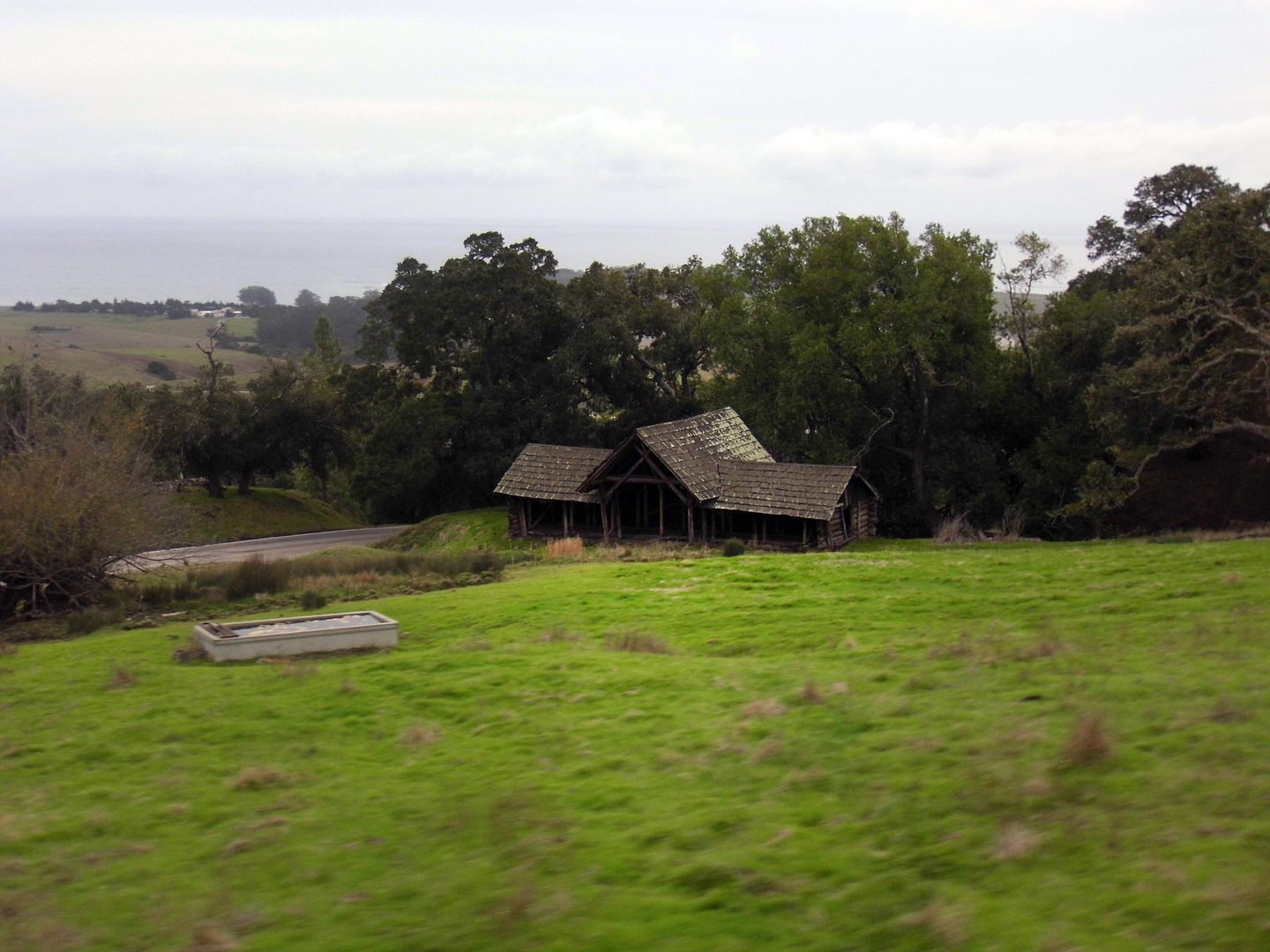


For instance, I'd somehow missed—or forgotten—the stories of the "zoo" that William Randolph Hearst commissioned for his San Simeon ranch.
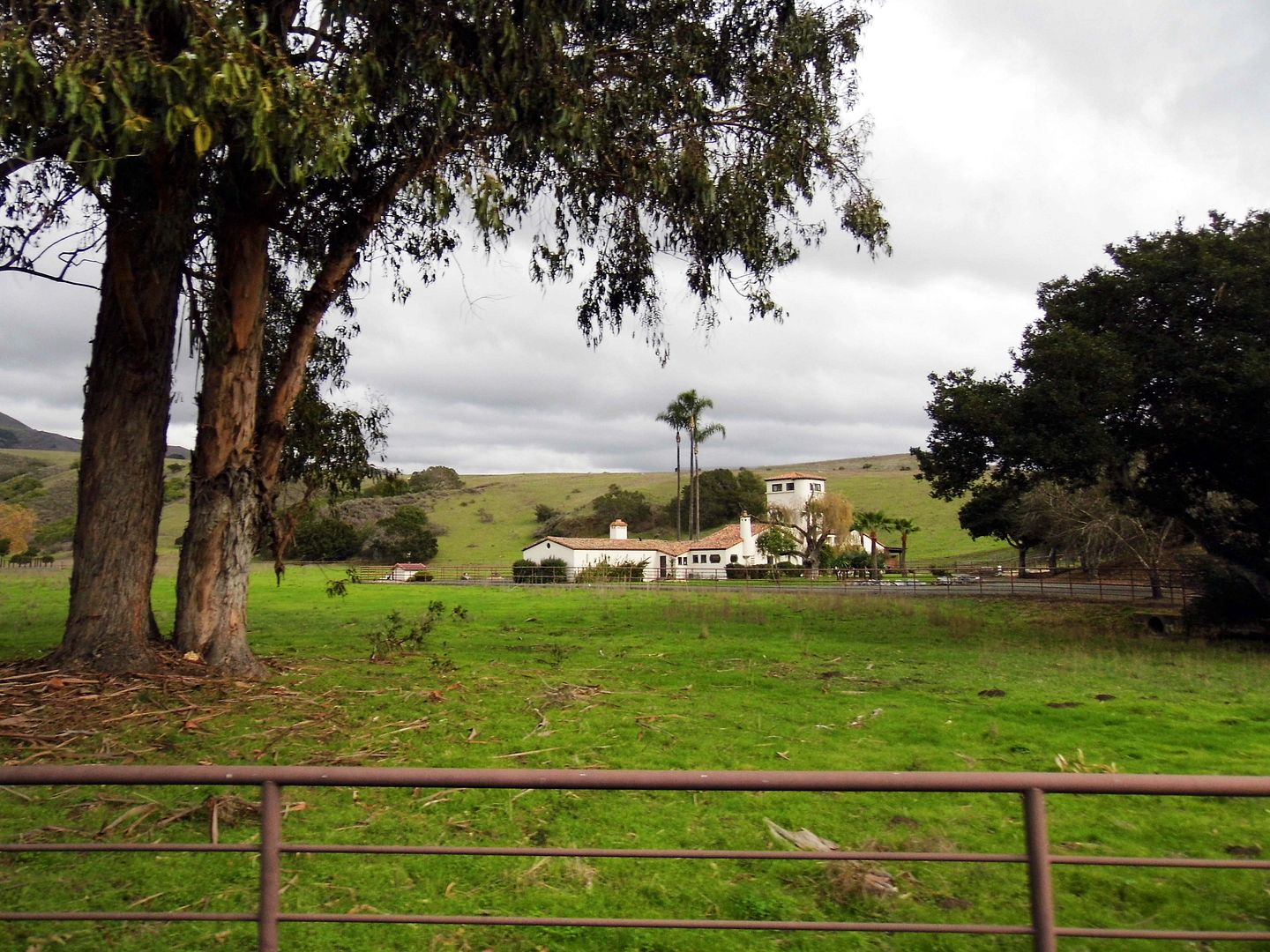


On my shuttle ride up to the top of what Hearst called "La Cuesta Encantada" (or "The Enchanted Hill") I was desperate to spot some zebras.
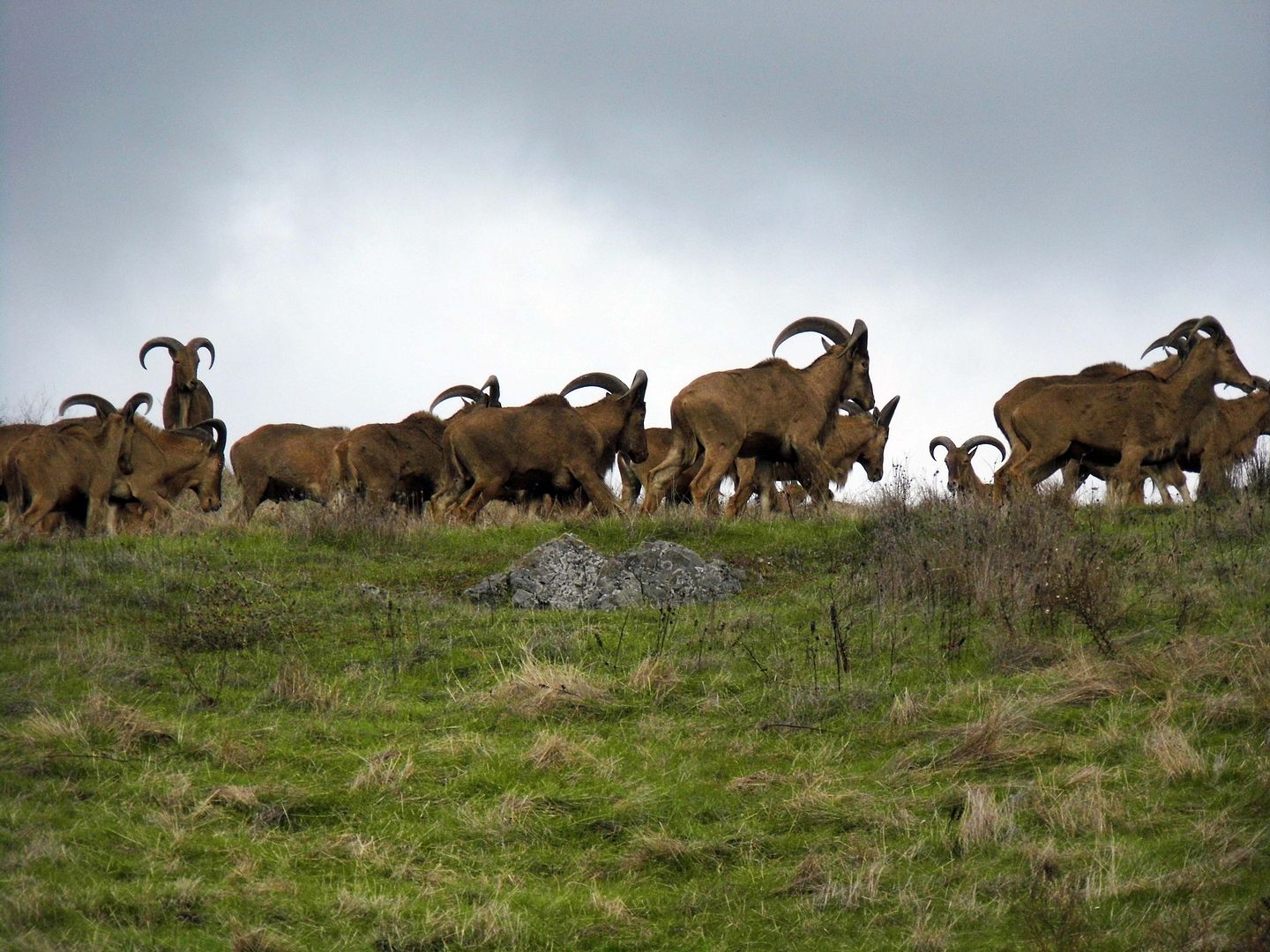


I didn't—but I got a really good look at a herd of Barbary sheep, which was enough to blow my mind.
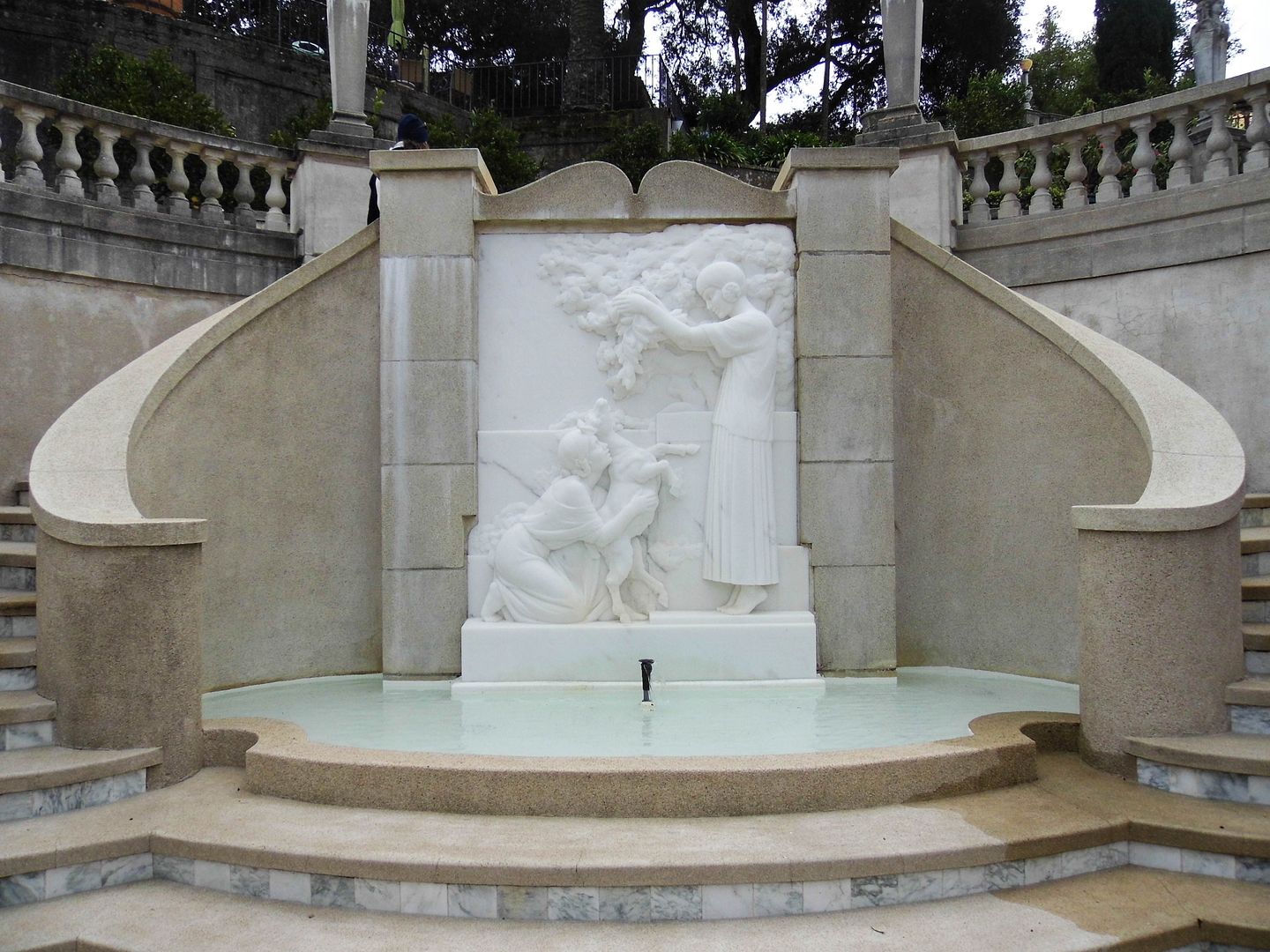


With eight years having passed since my first (and only) visit to Hearst Castle, I didn't remember a lot.
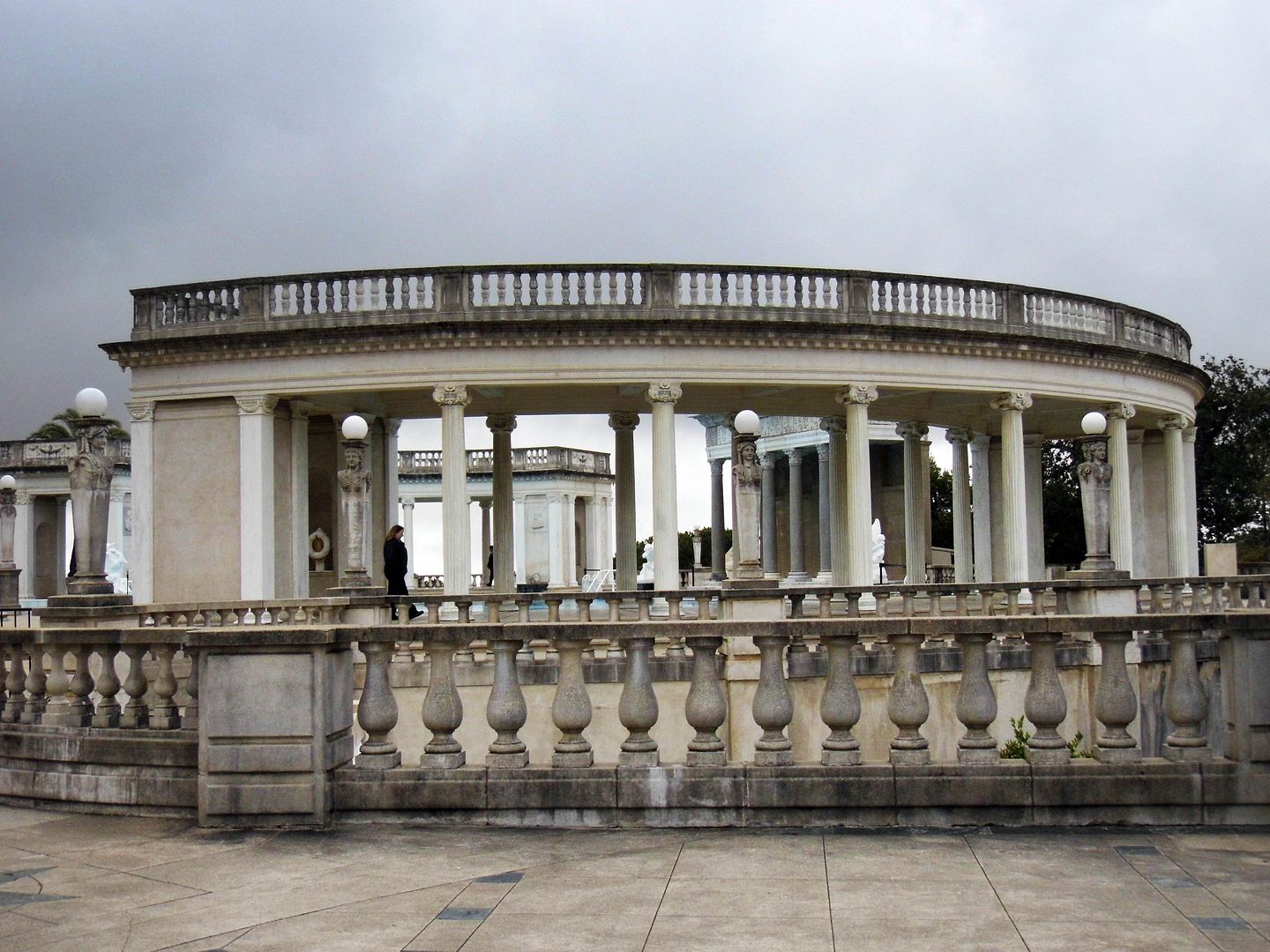


I couldn't recall whether the 1920s-era Neptune Pool had been open—and filled with water—back in 2011.
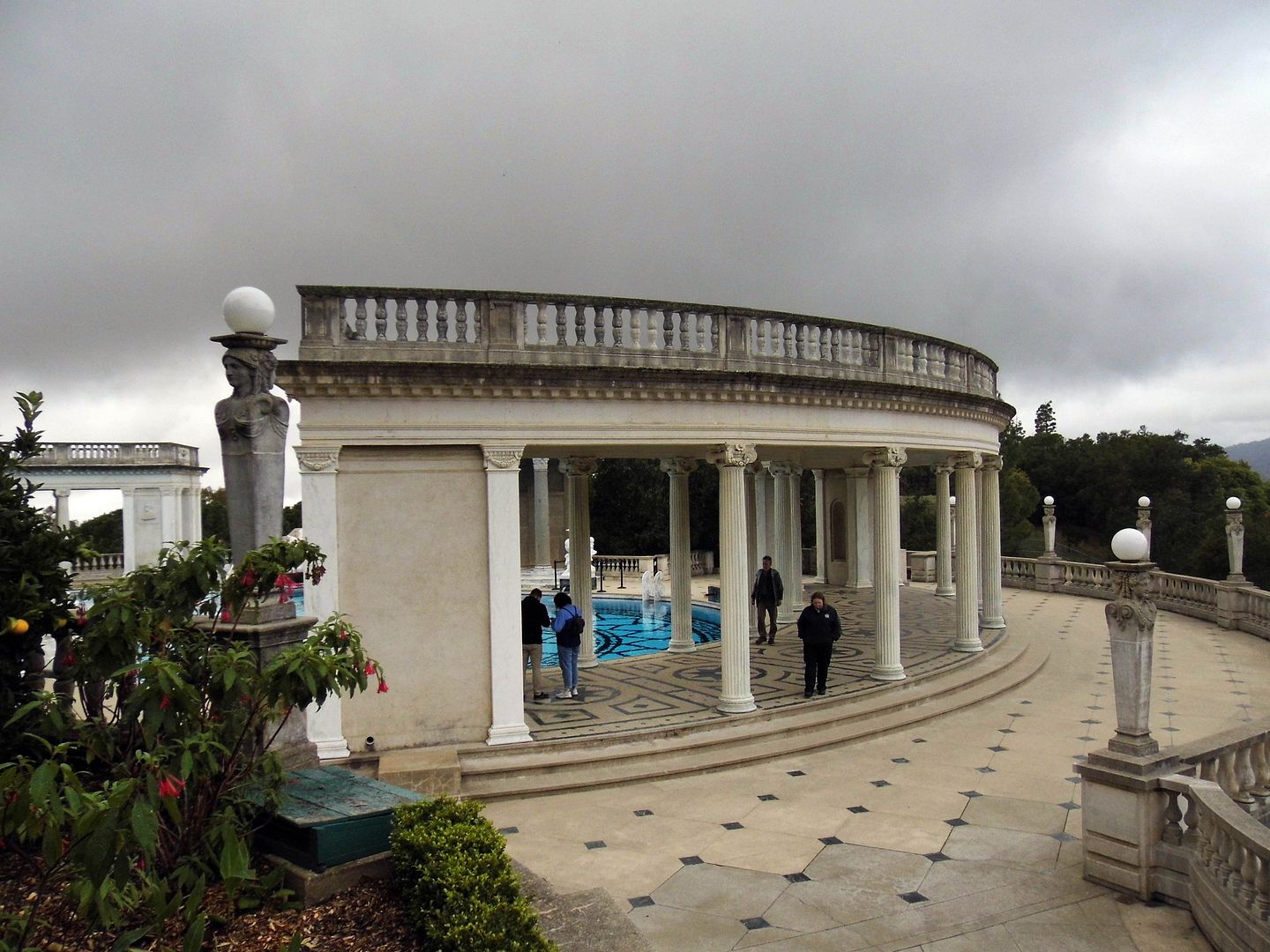


I just knew I didn't have any photos of it—and that it had been drained in 2014 and was closed for four years.
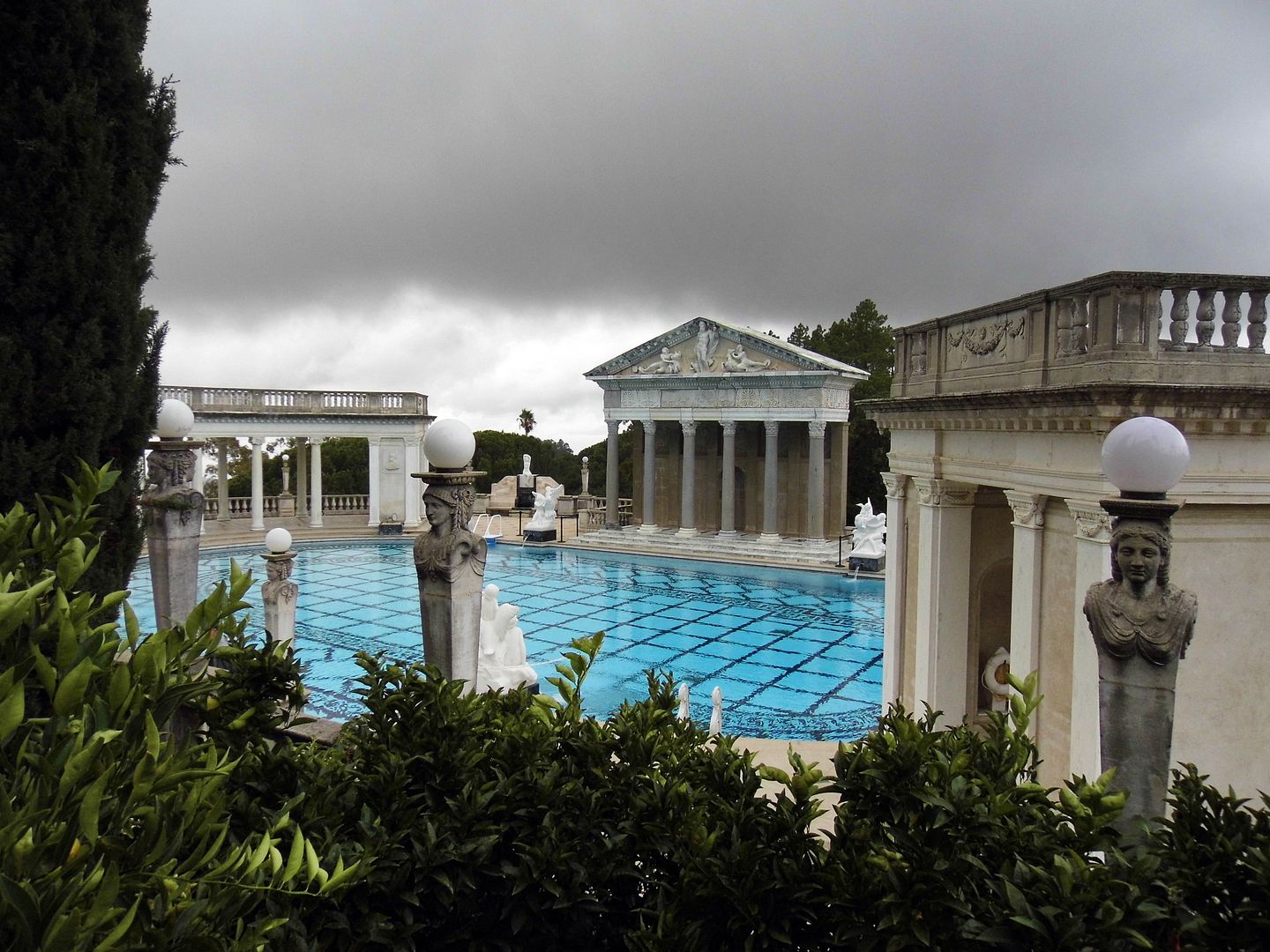


It finally reopened in 2018—and I was sure to document it this time.
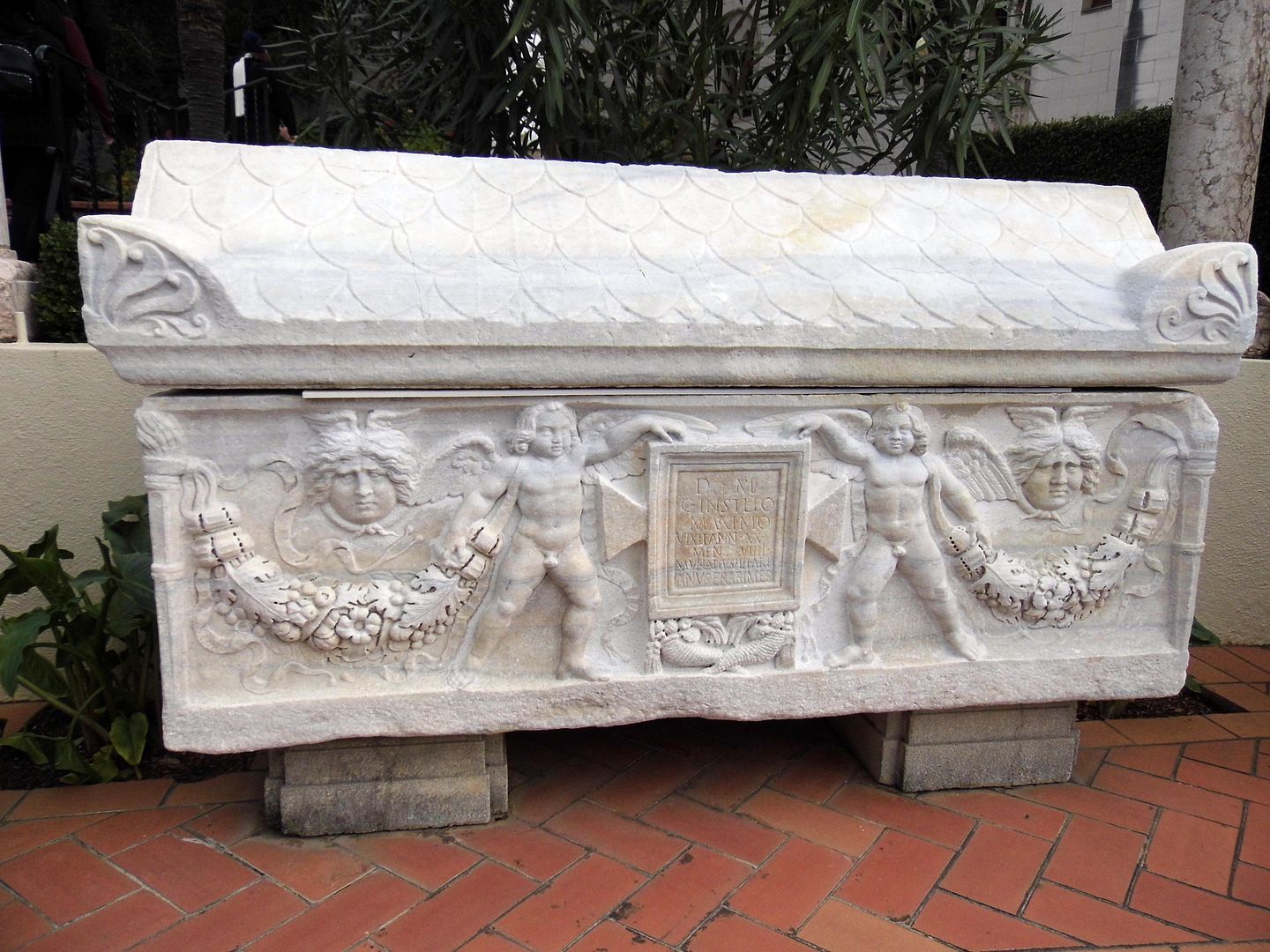


Honestly, it felt like I was seeing everything for the first time...
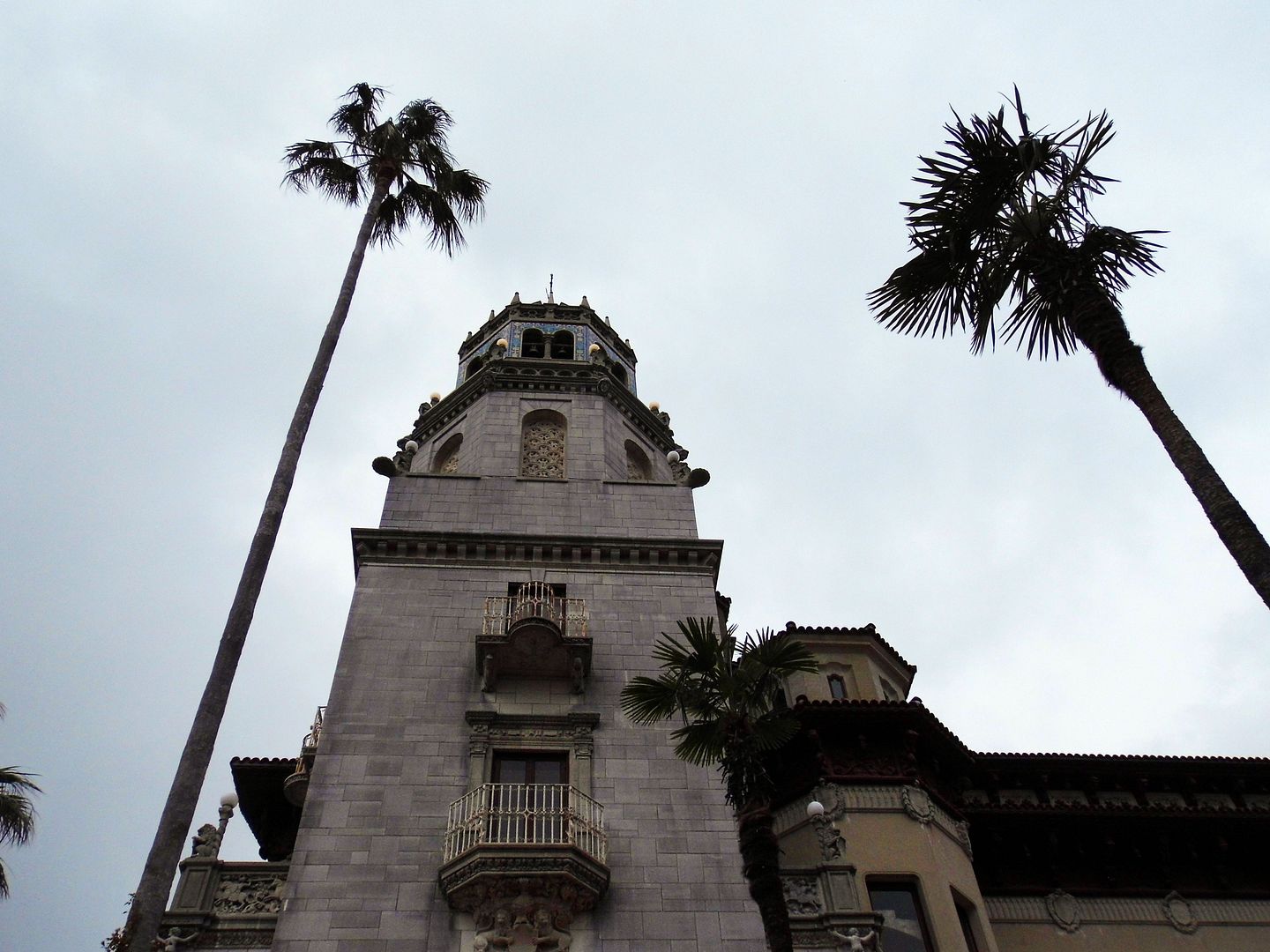


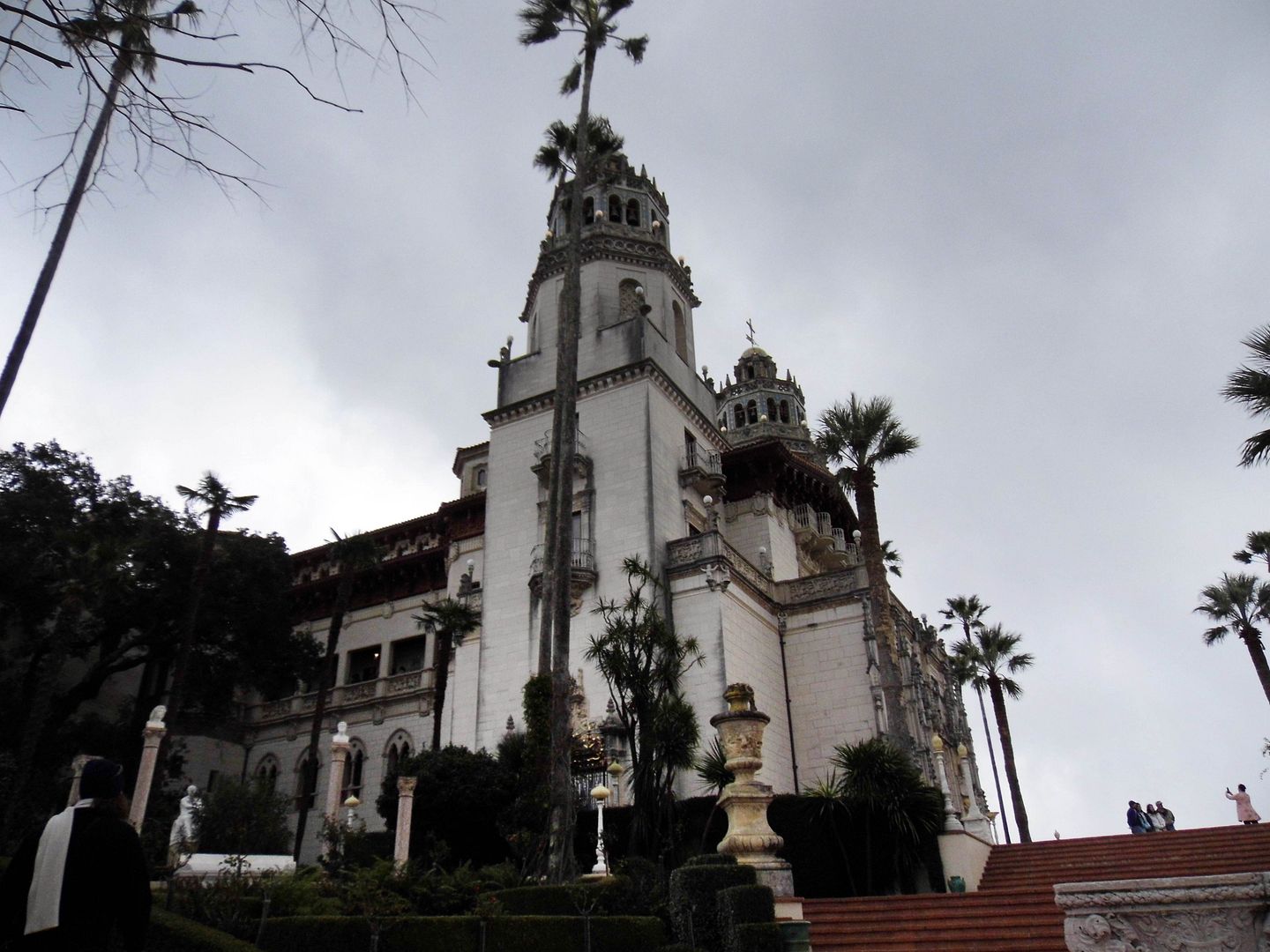
...including the main building, Casa Grande...
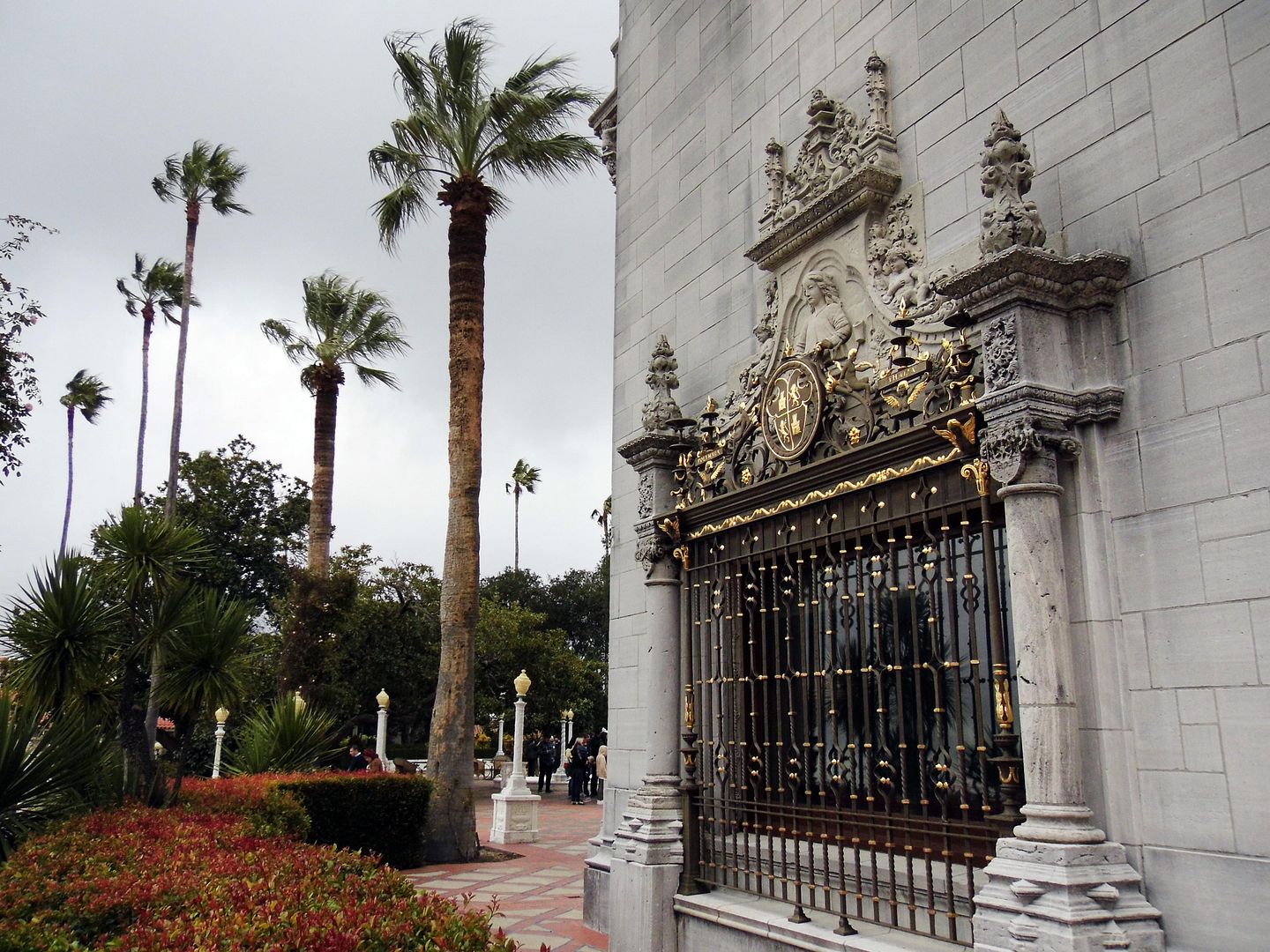


...where I'd taken that "Grand Rooms" tour.
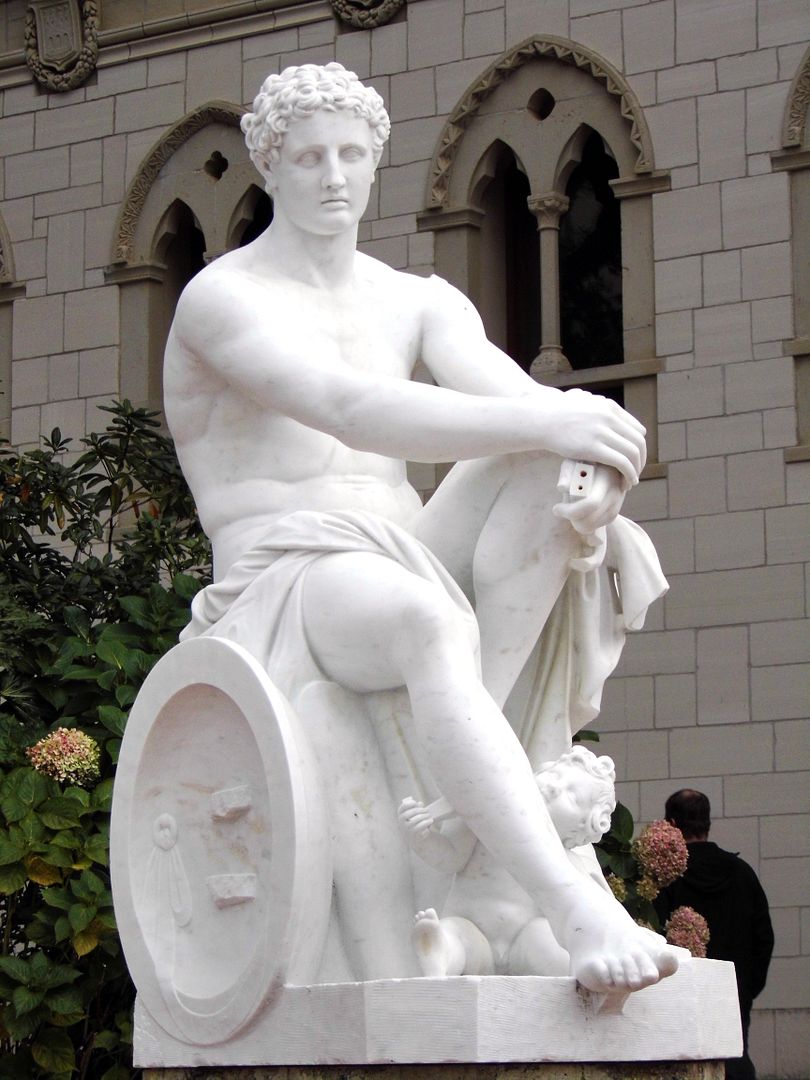


I could probably take that tour again and not remember much of what I'd supposedly already learned.
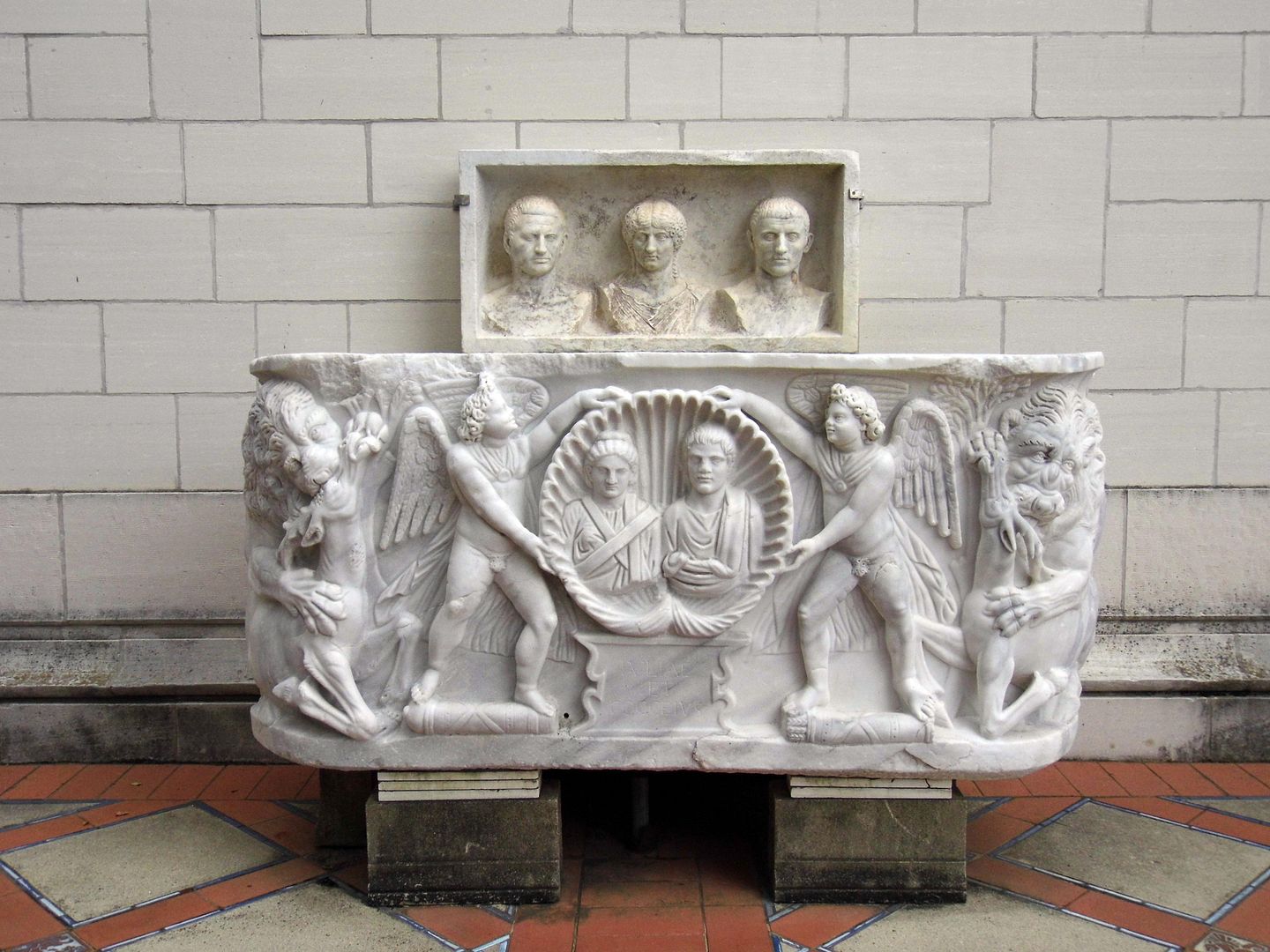


But I've got to make my way through the tours I haven't taken first—and maybe after the fifth tour, I'll have a better handle on the Hearst Castle story.


This time around, I was delighted to return to the North Terrace and once again cross the threshold of this Julia Morgan-designed masterpiece...
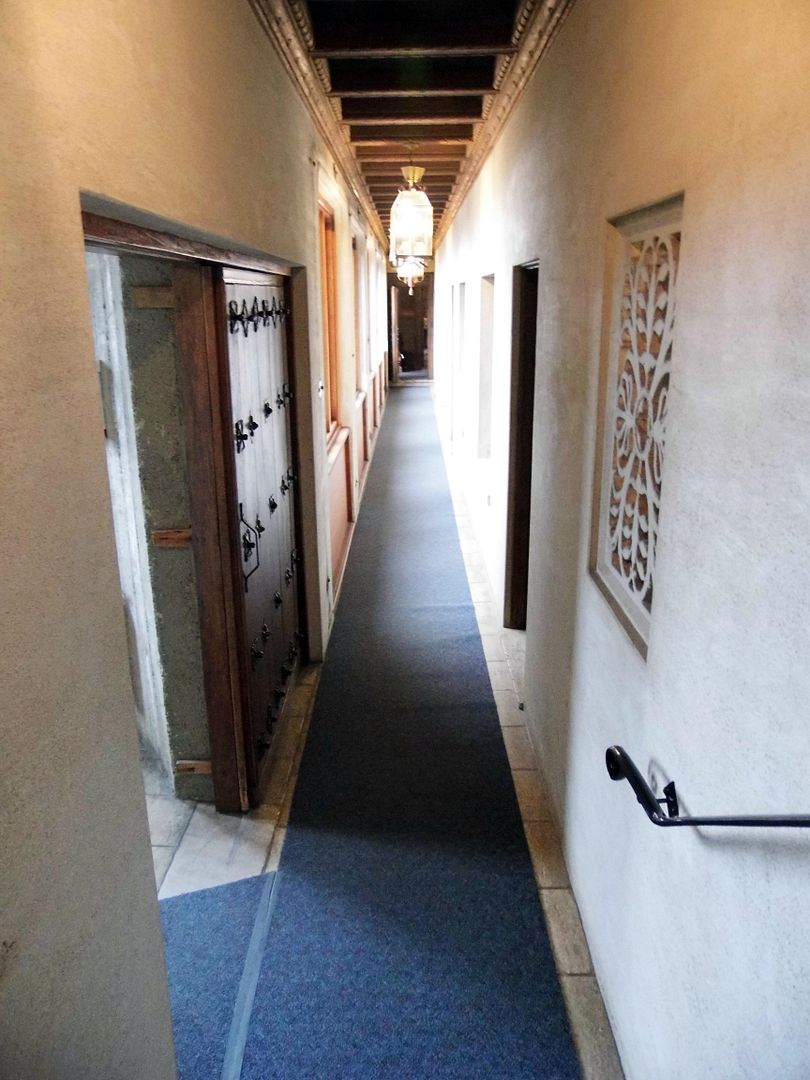


...which resembles something of an English castle, of which I have relatively limited experience.
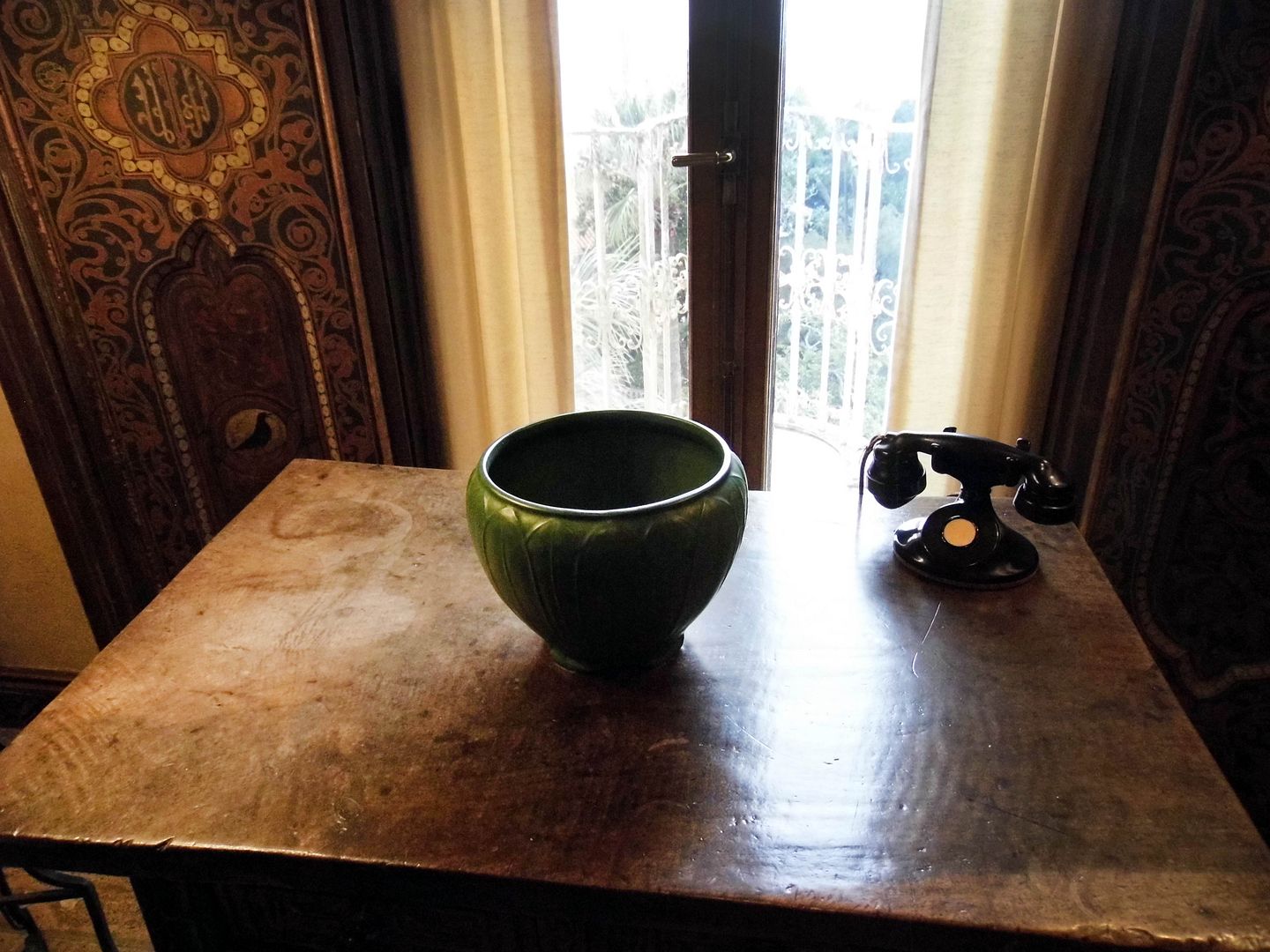


We wandered through rooms upon rooms that had been built and decorated for guests (including the second-floor cloister suites)...
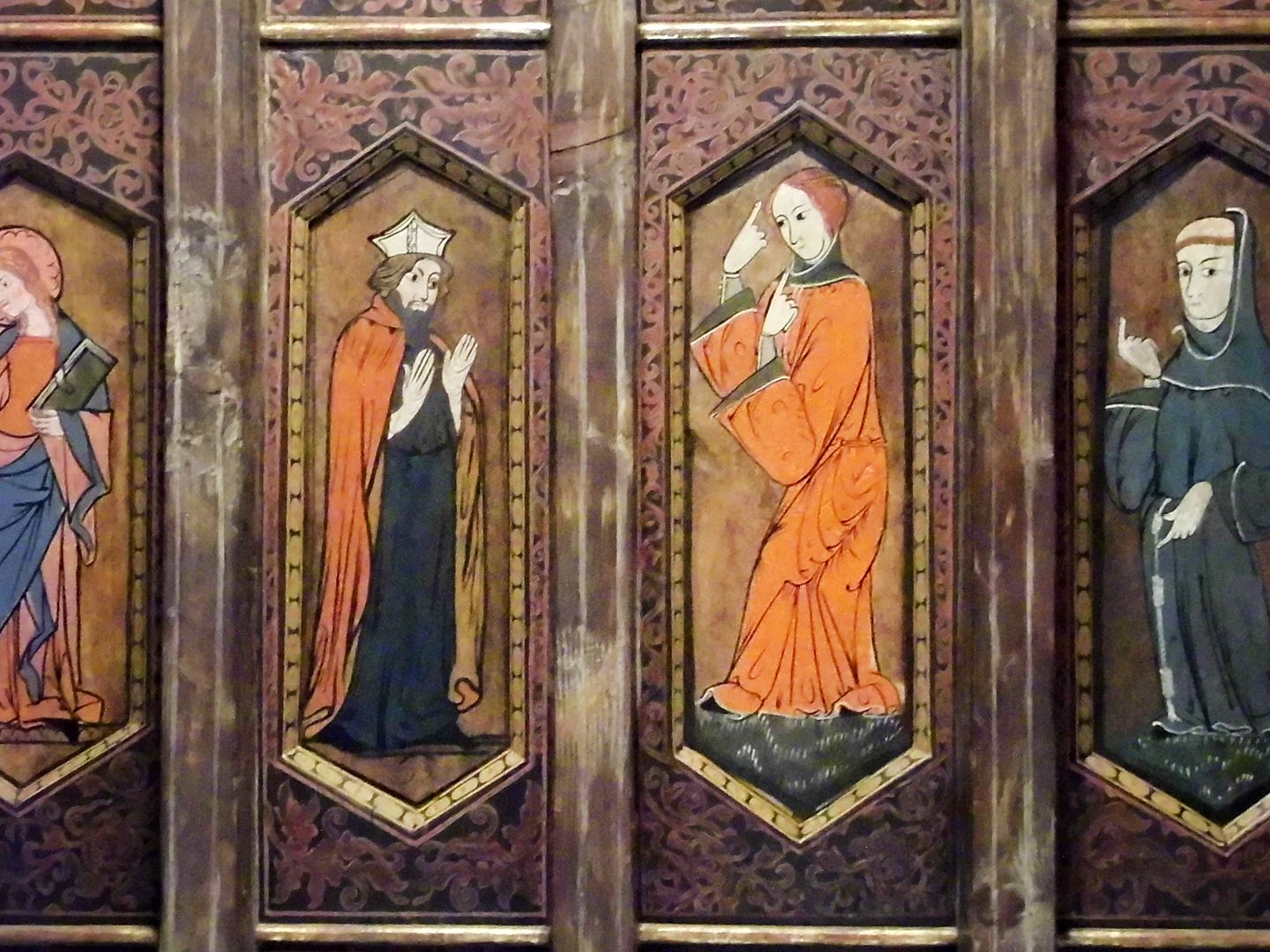


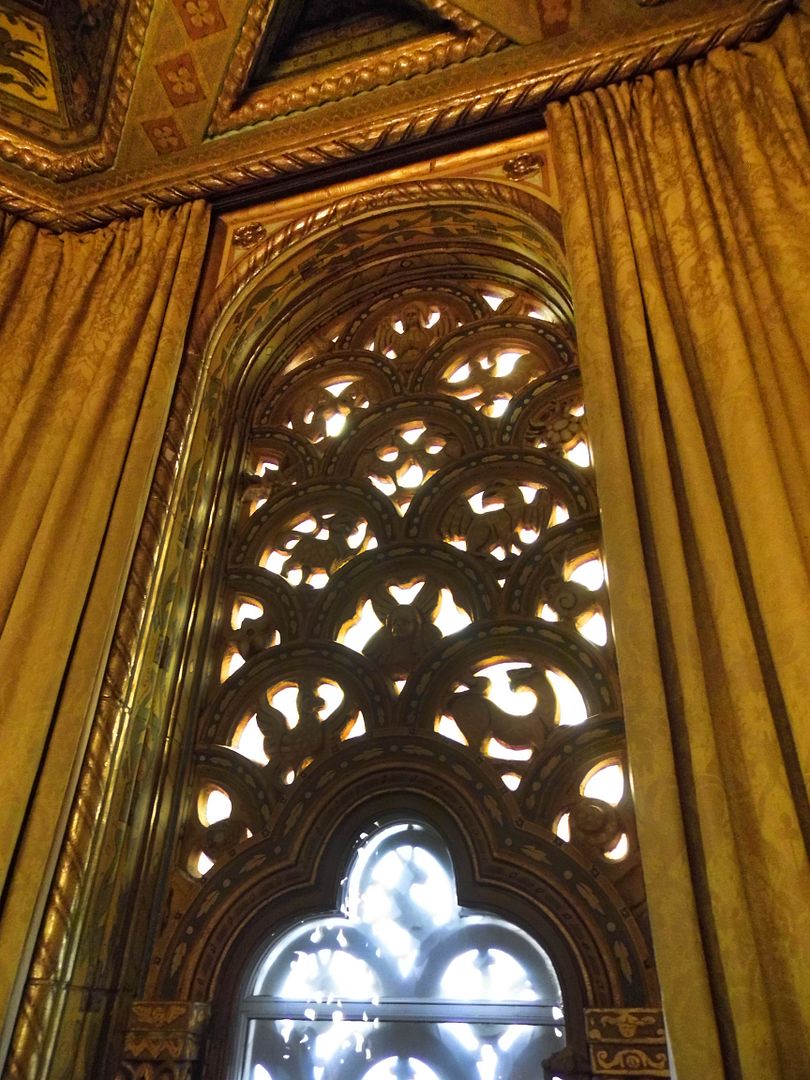
...as well as the master bedroom suites (for both Hearst and his lover, Marion Davies), with their intricately carved and painted ceilings (the oldest dating back to 14th-century Spain, above).
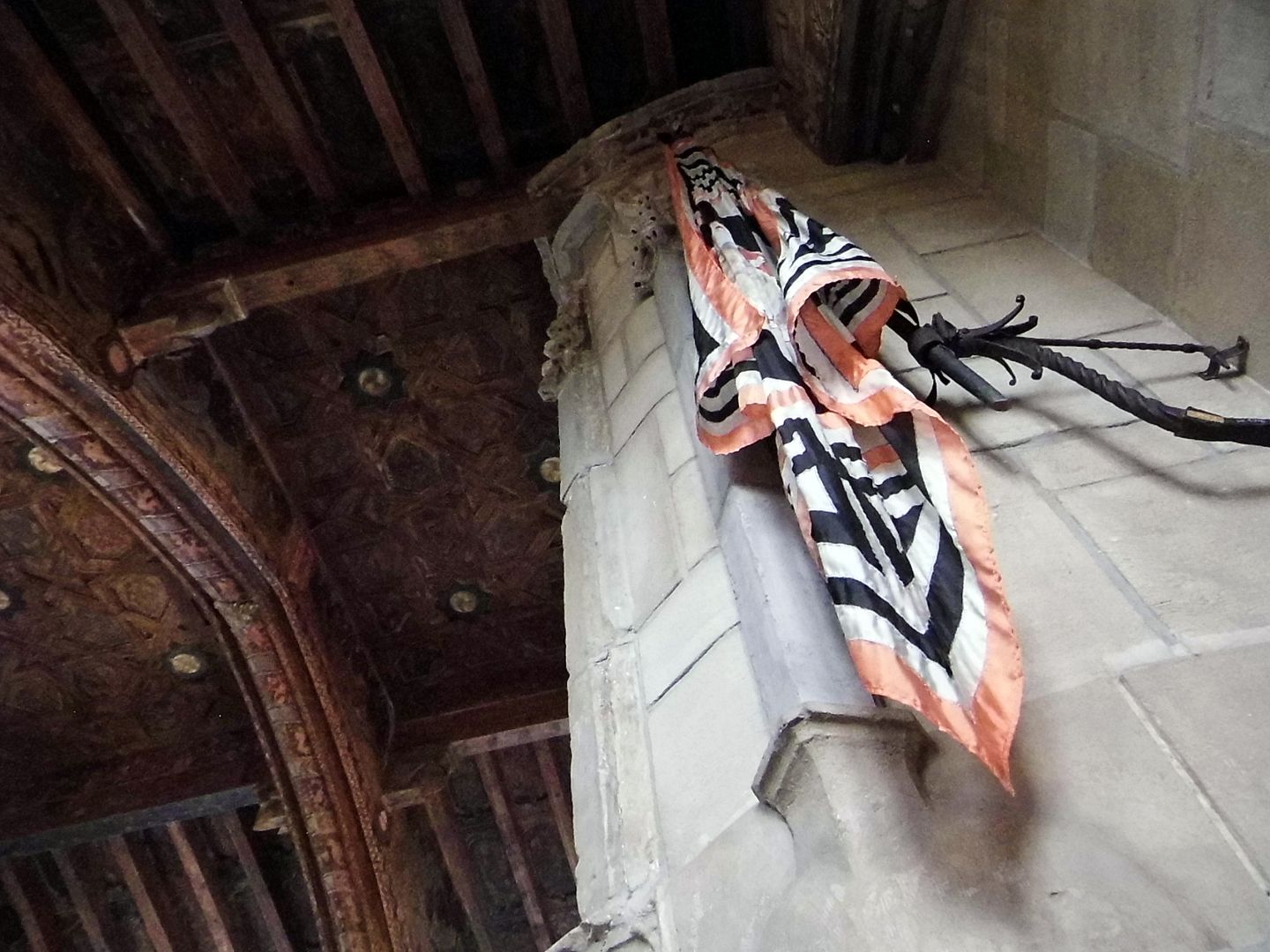


Part of Hearst's suite on the third floor included the Gothic Study...
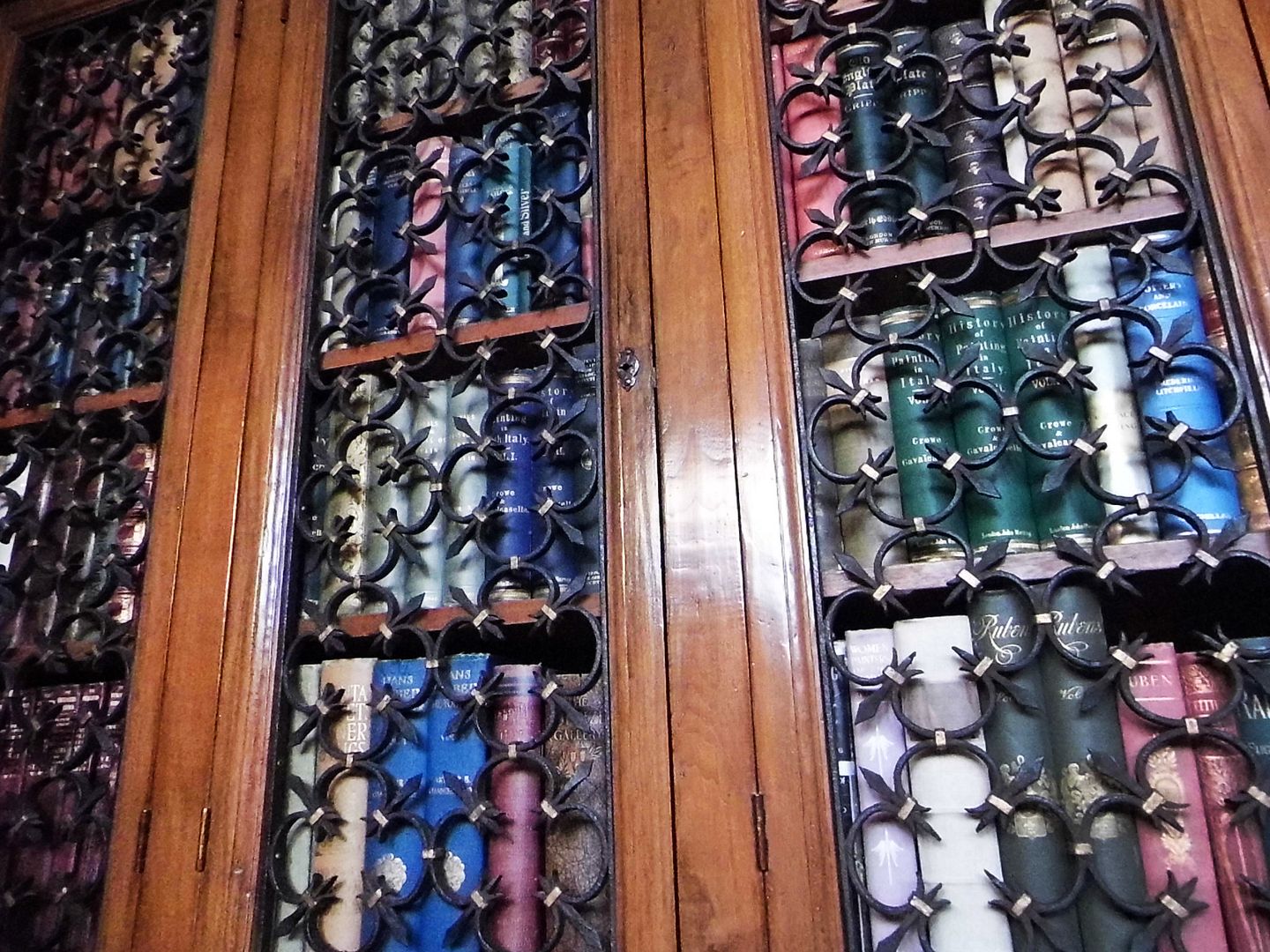


...a church-like setting that now houses various books (some relocated from the Main Library)...
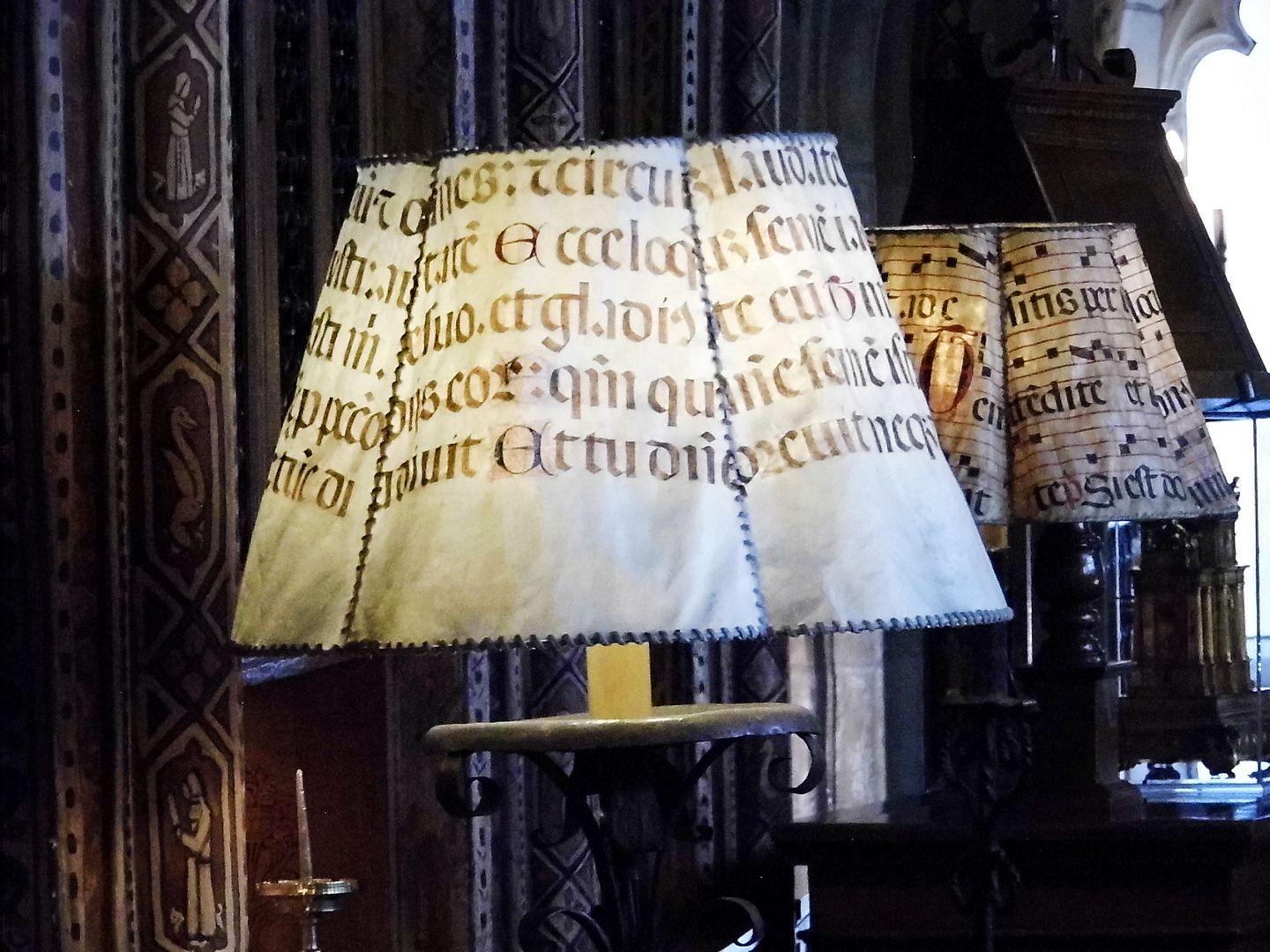


...and other treasures collected by Hearst...
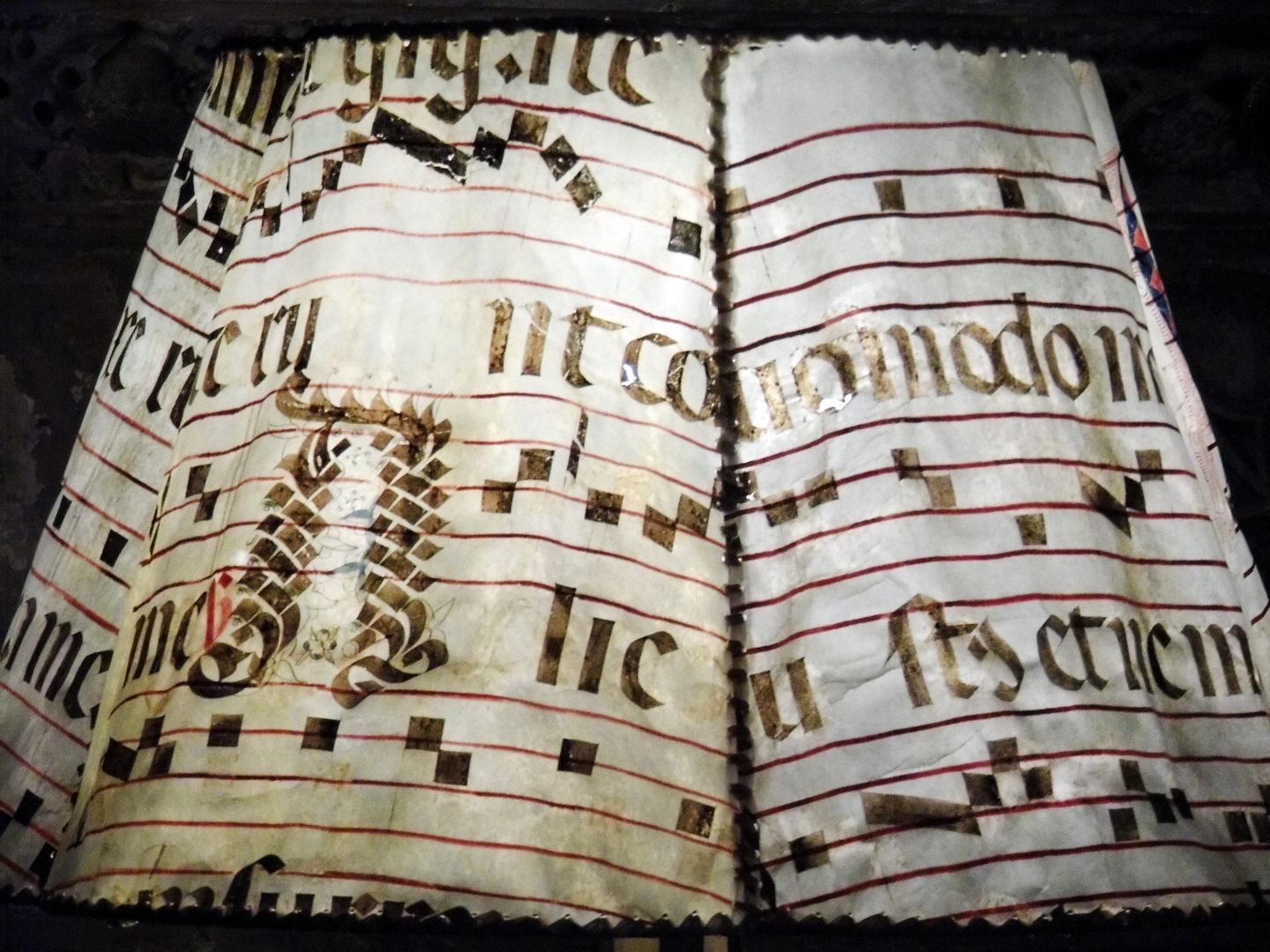


...including parchment lampshades crafted out of Gregorian chant sheet music.
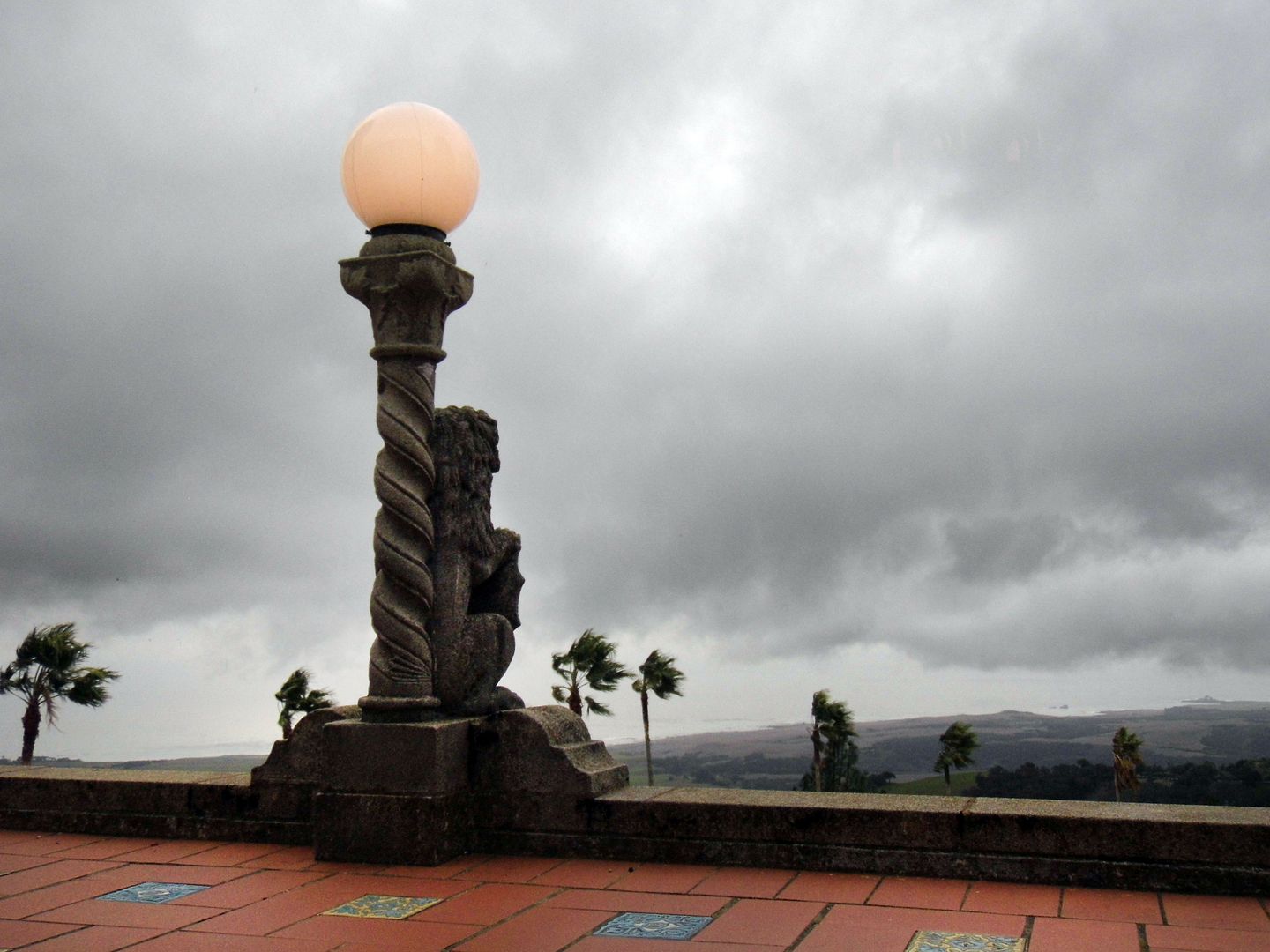


After having climbed a spiral staircase (which makes for a total of 332 steps roundtrip), we reached
the highest point within Casa Grande—the Celestial Suite.
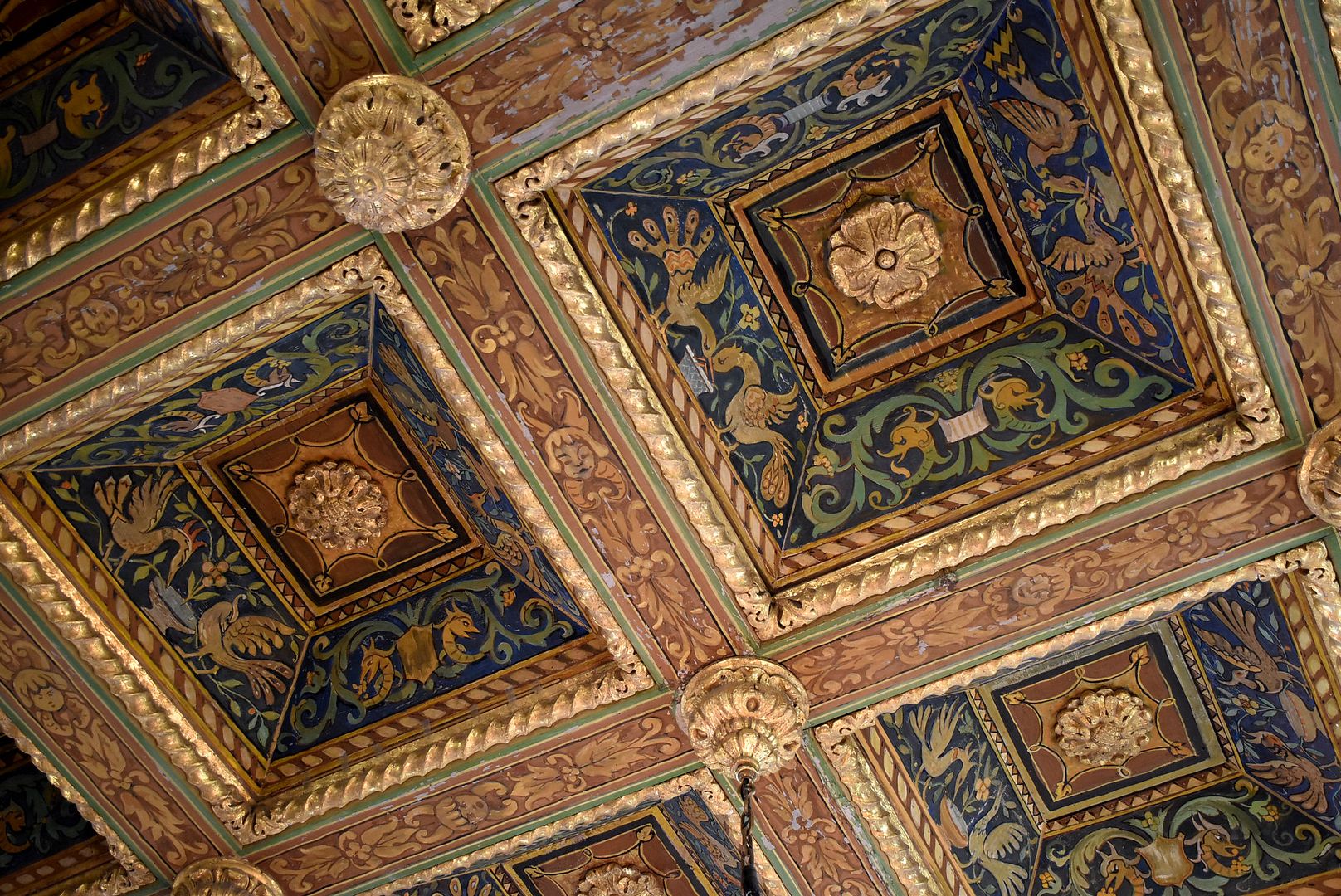

circa 2016 (Photo: L. Charnes via FlickrCC BY-NC 2.0

Up there on the fourth floor, you're just below the bells in the tower—a once-empty space that was converted into a sitting room and bedroom, completed and furnished in 1932.


While it used to be open-air—but San Simeon weather, with storms coming off the Pacific Ocean, necessitated glass being later added to enclose it—you can still bask in the glow as it filters through.

circa 2011

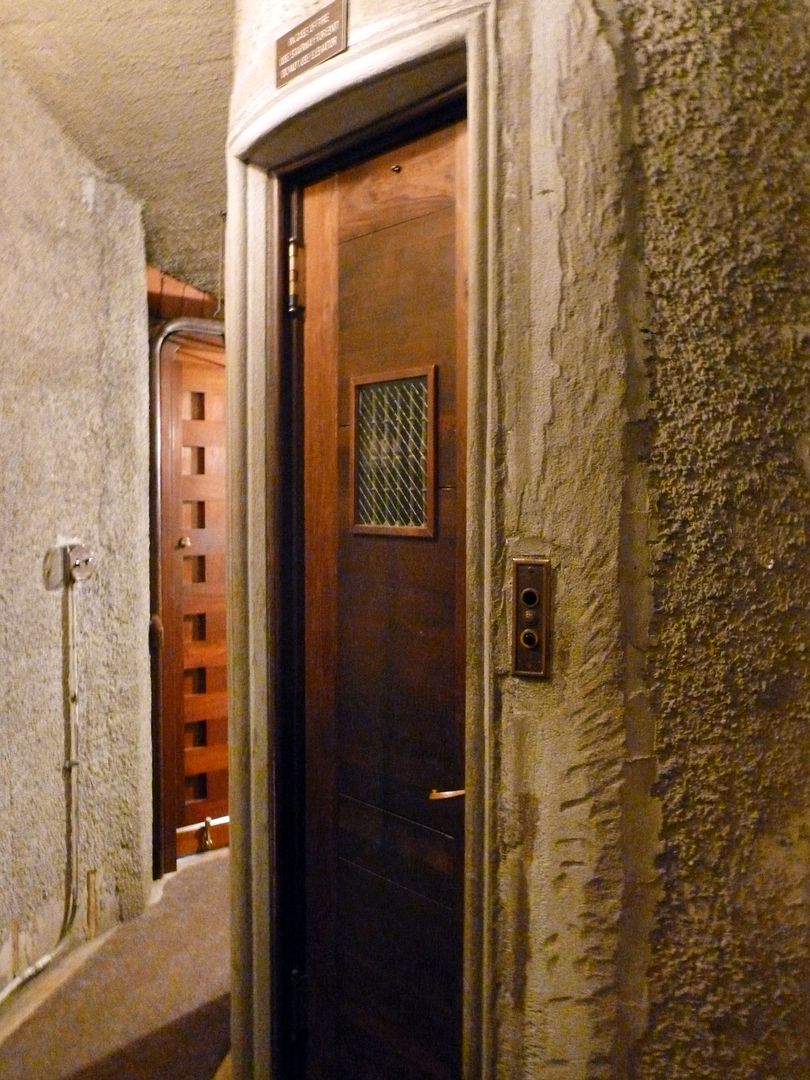
There is an elevator actually—intertwined with the spiral staircase in the turret—but if you're able-bodied, you're not allowed to use it. 

After all those rooms and decorative features, Casa Grande never got finished. With a nearly unlimited budget, he just kept adding onto it—as evidenced by the half-baked North Wing, which I'll see when I get back to do the Designing the Dream tour. 

And at some point, I'd still like to do that Holiday Twilight Tour.

No matter how much I do, I always feel like I'm still trying to catch up. 

Related Posts:
Photo Essay: Hearst Castle
Photo Essay: Annenberg Community Beach House, Hearst's Lost Gold Coast

January 13, 2020

Photo Essay: The Mysterious Monolith That Landed Atop SoCal's Own 'Judean' Mountains

What would bring me to Peppertree Lane, driving up through the northeastern Simi Hills—those same hills that reminded Dr. Bardin of the Judean Hills outside of Jerusalem?


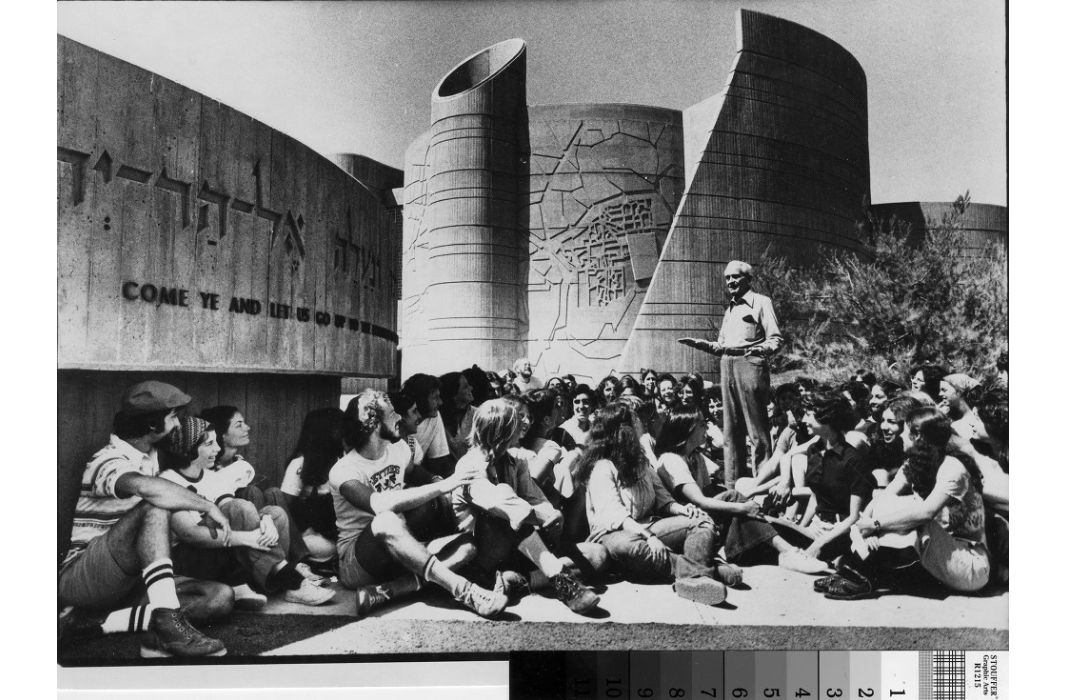
Shlomo Bardin talks to campers, with an inscribed excerpt from Isaiah 2:3, circa 1970s (Photo: American Jewish University, via Online Archive of California)

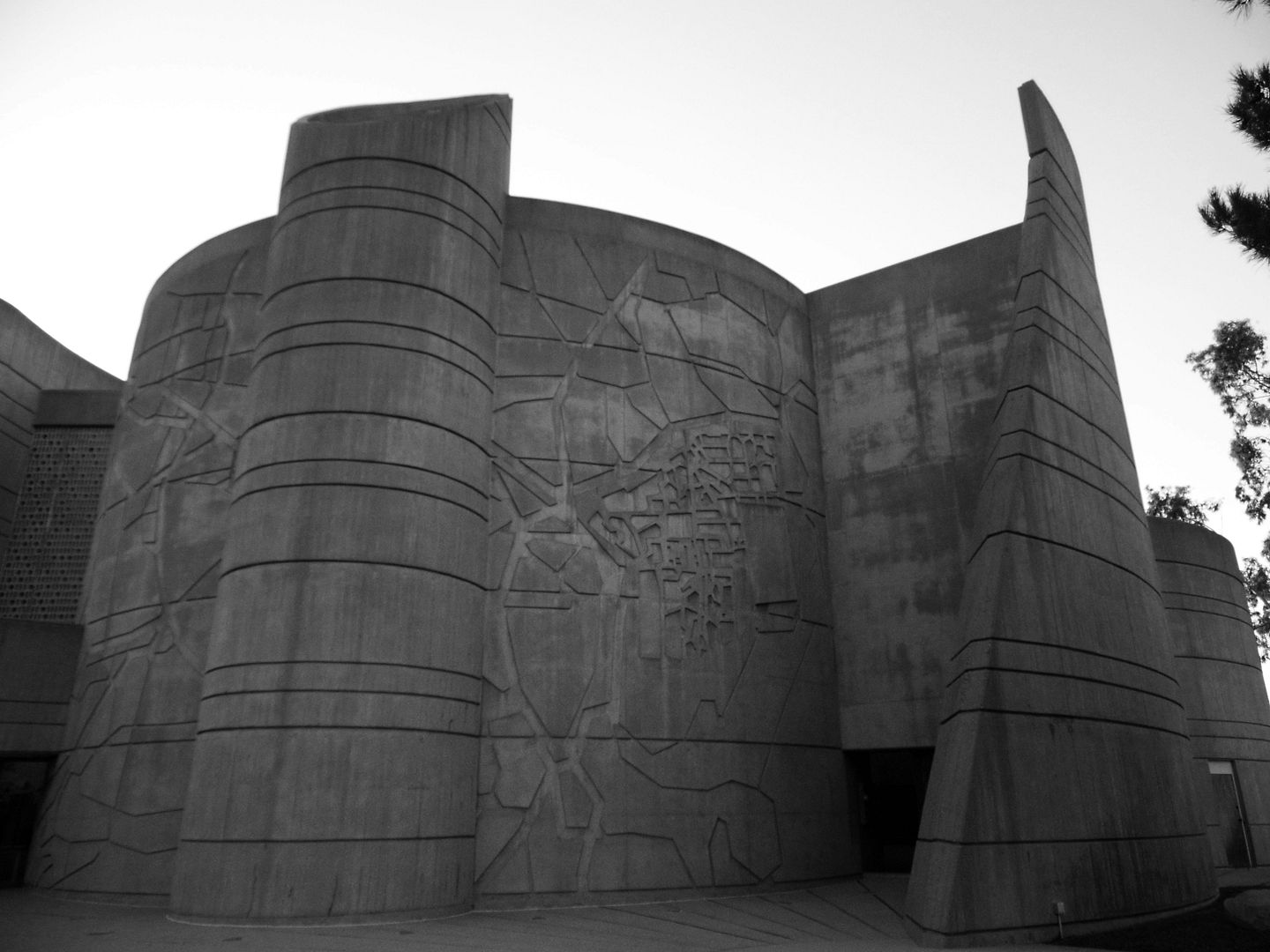
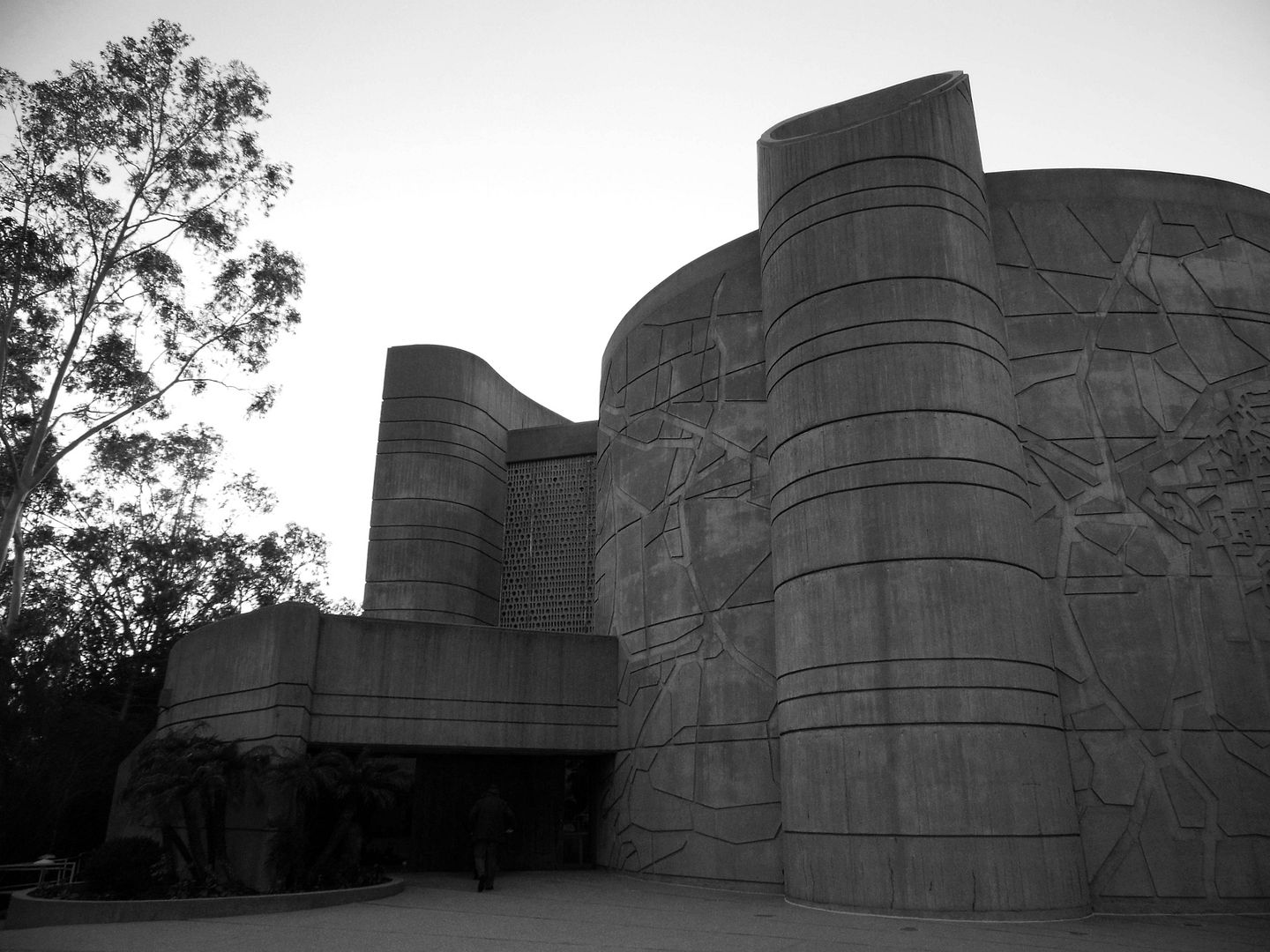
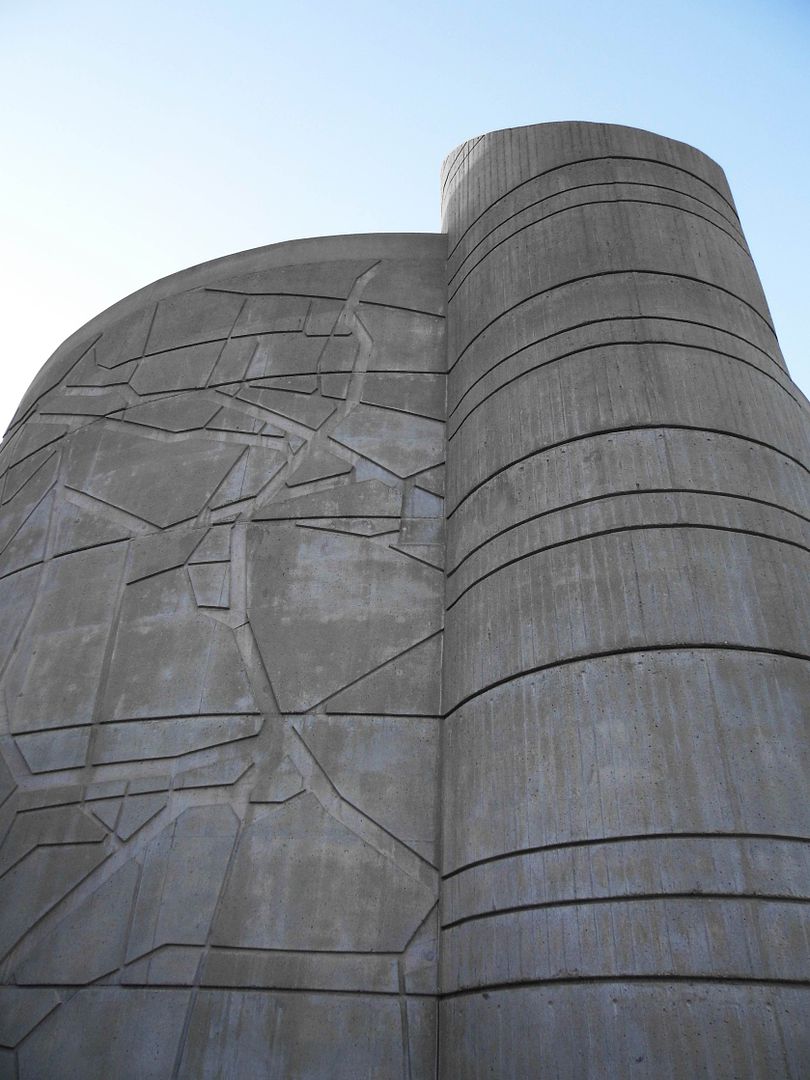
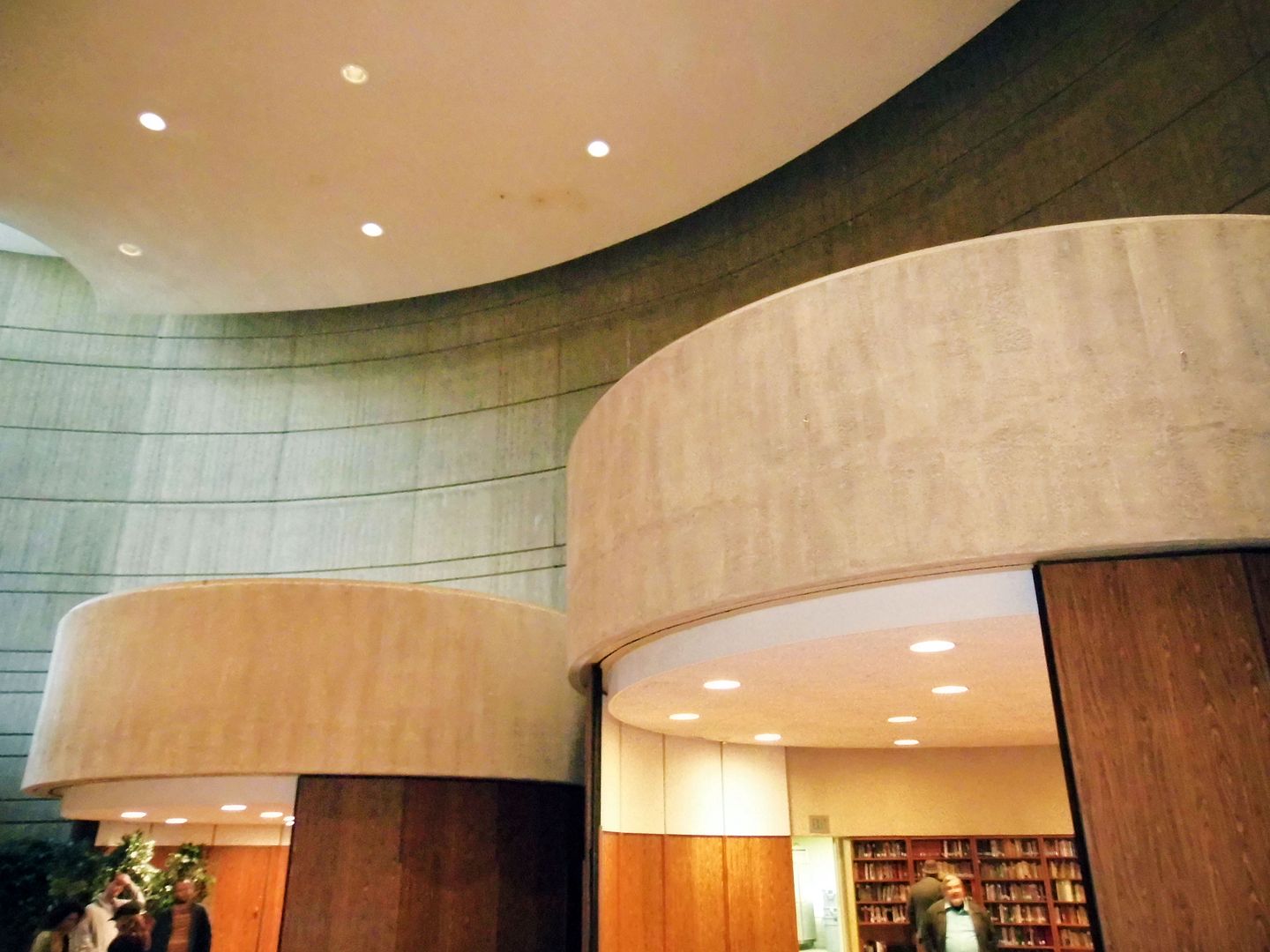
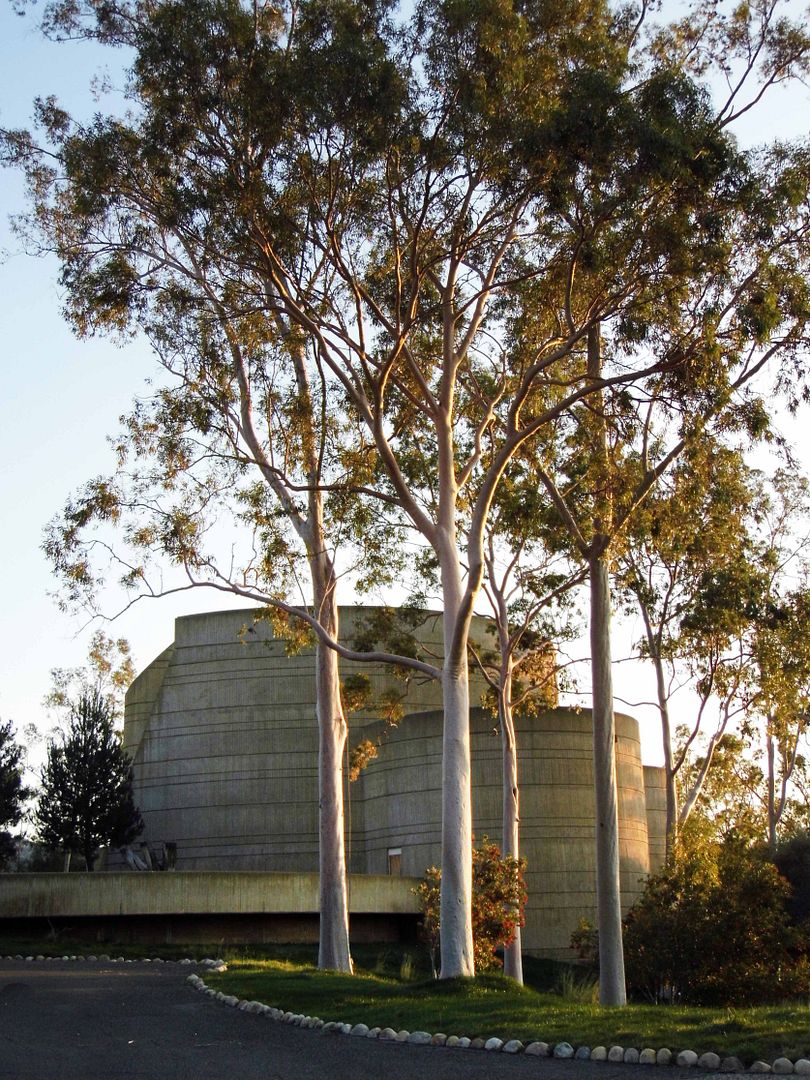
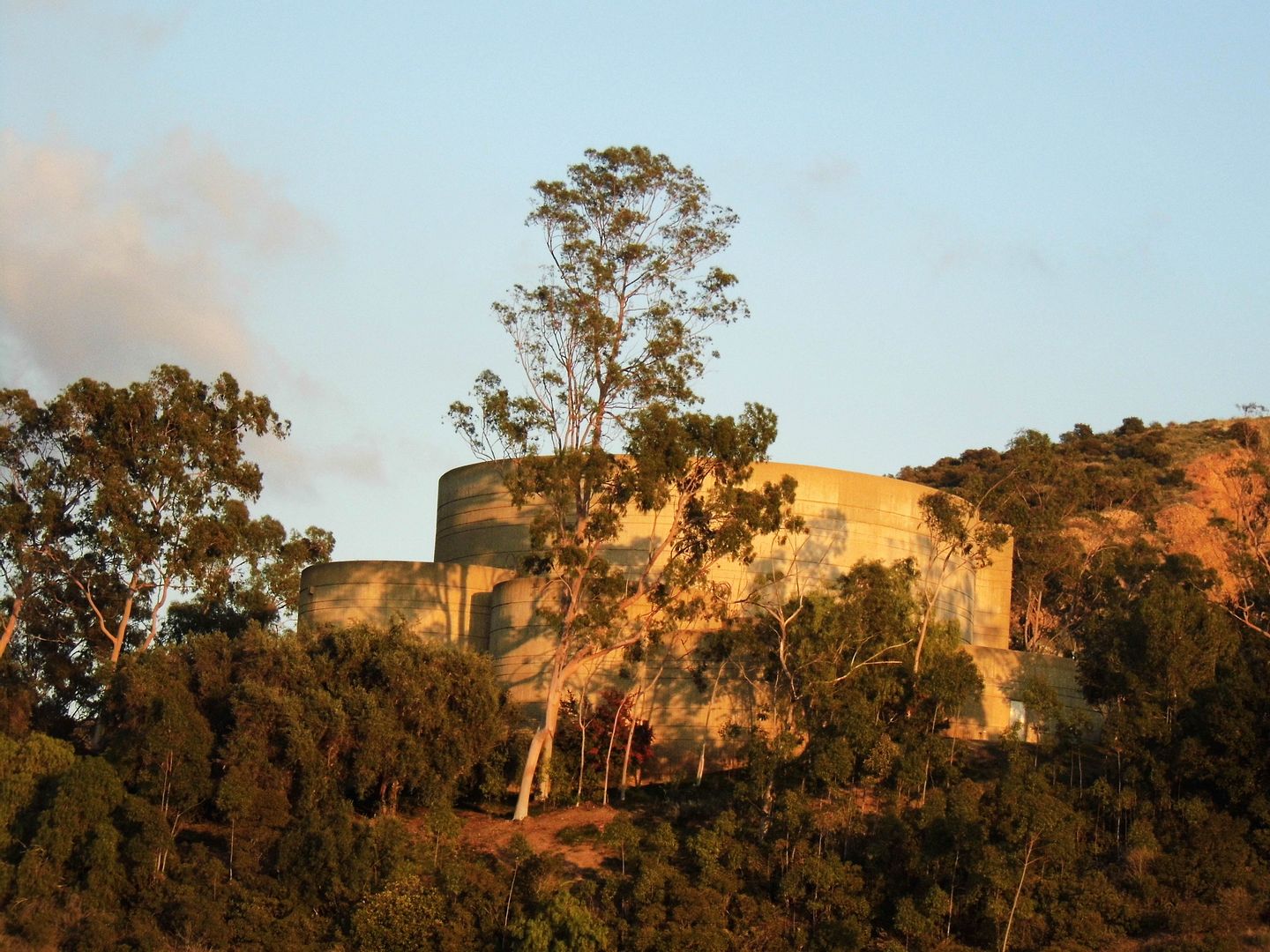
The House of the Book—a fixture on the Brandeis-Bardin Institute campus of American Jewish University, which, since 1968, has been the largest parcel of land owned by a Jewish institution outside the State of Israel.


Dr. Shlomo Bardin founded the BBI in 1941 as the "Brandeis Camp Institute" and headed it until 1976, the year of his death. (He's also buried on campus.) During his lengthy tenure, he oversaw the addition of this futuristic, cylindrical building—commissioning it of Sidney Eisenshtat, FAIA in 1954. It wouldn't be completed until 1973.


Not surprisingly, Brutalist-style monolith, appearing like a poured concrete spaceship, has become a sci-fi icon—with appearances in Star Trek IV: The Undiscovered Country (as the extraplanetary Camp Khitomer) and Mighty Morphin Power Rangers (as the Command Center).


That may not exactly be what Eisenshtat—an observant Orthodox Jew (and past president of Congregation Beth Jacob in Beverly Hills)—intended when he took on the commission for the hilltop monument.


House of the Book (its name usually referring to a religious school or studies) is currently used as a conference center, performance space, and library—having hosted music ensembles, folk dancing, lectures, and song circles both inside and out.


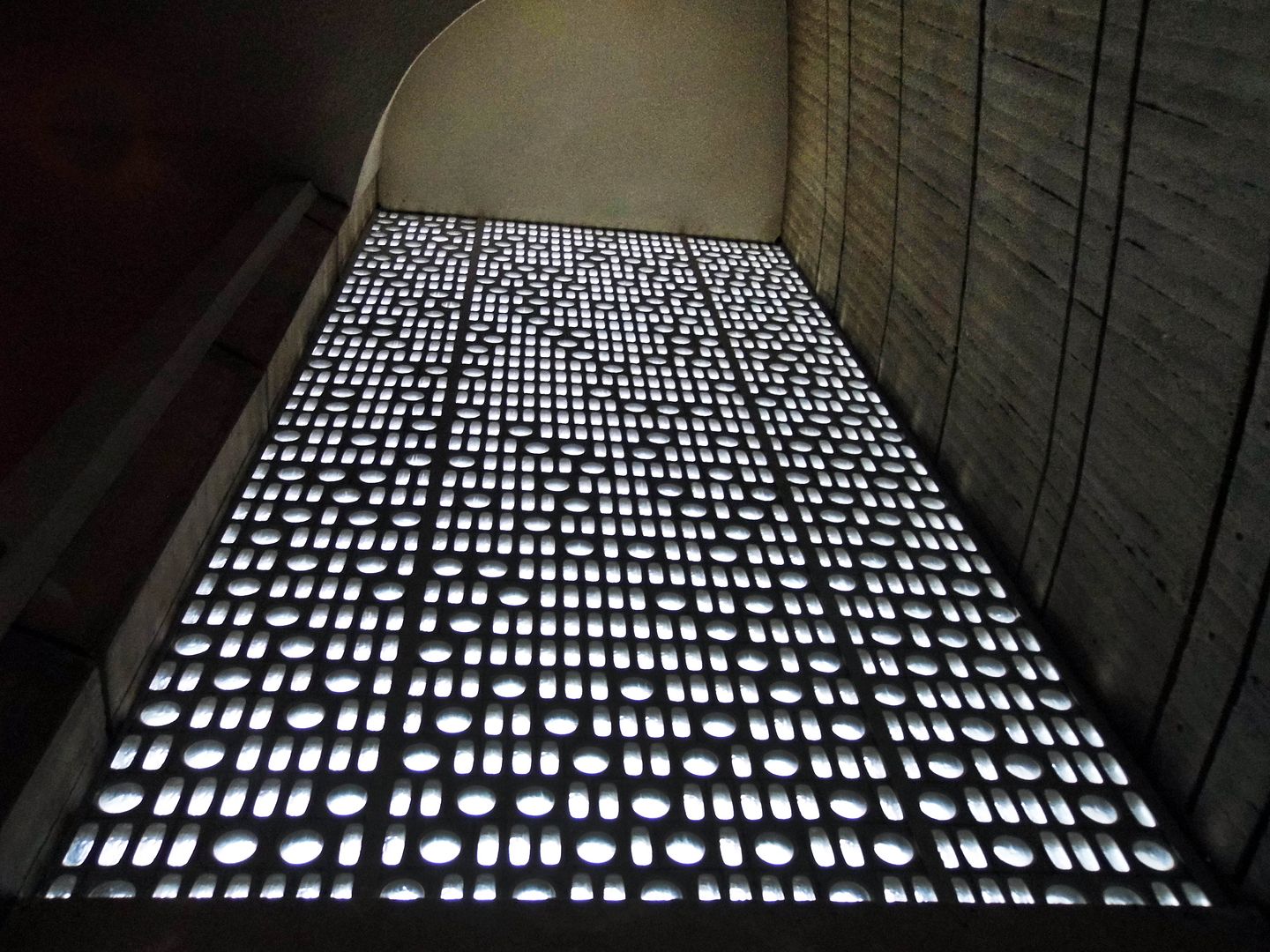
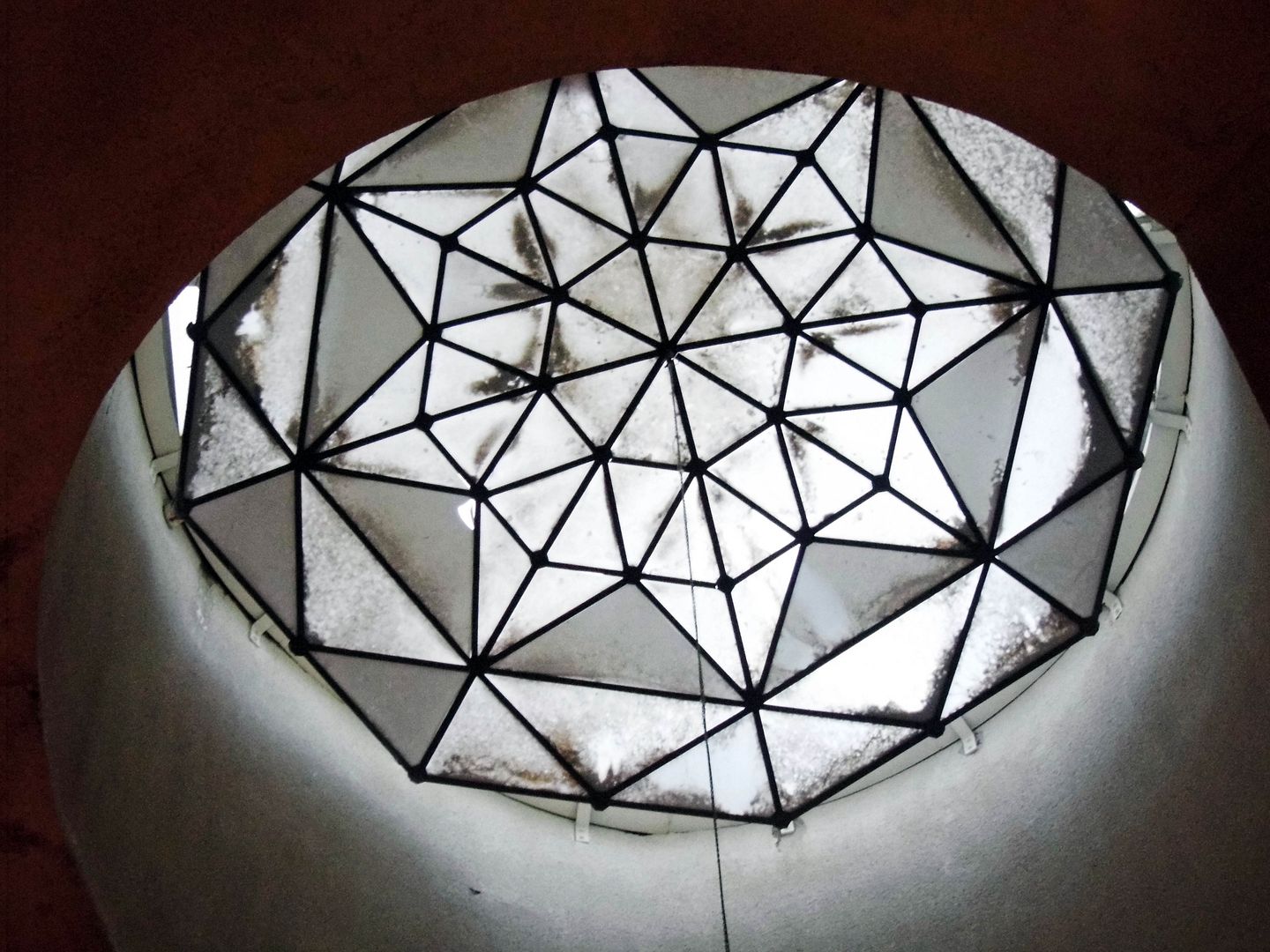
Its art glass window panel and leaded glass, prism-like skylight offer intriguing details to a sculptural building that's got few decorative touches...


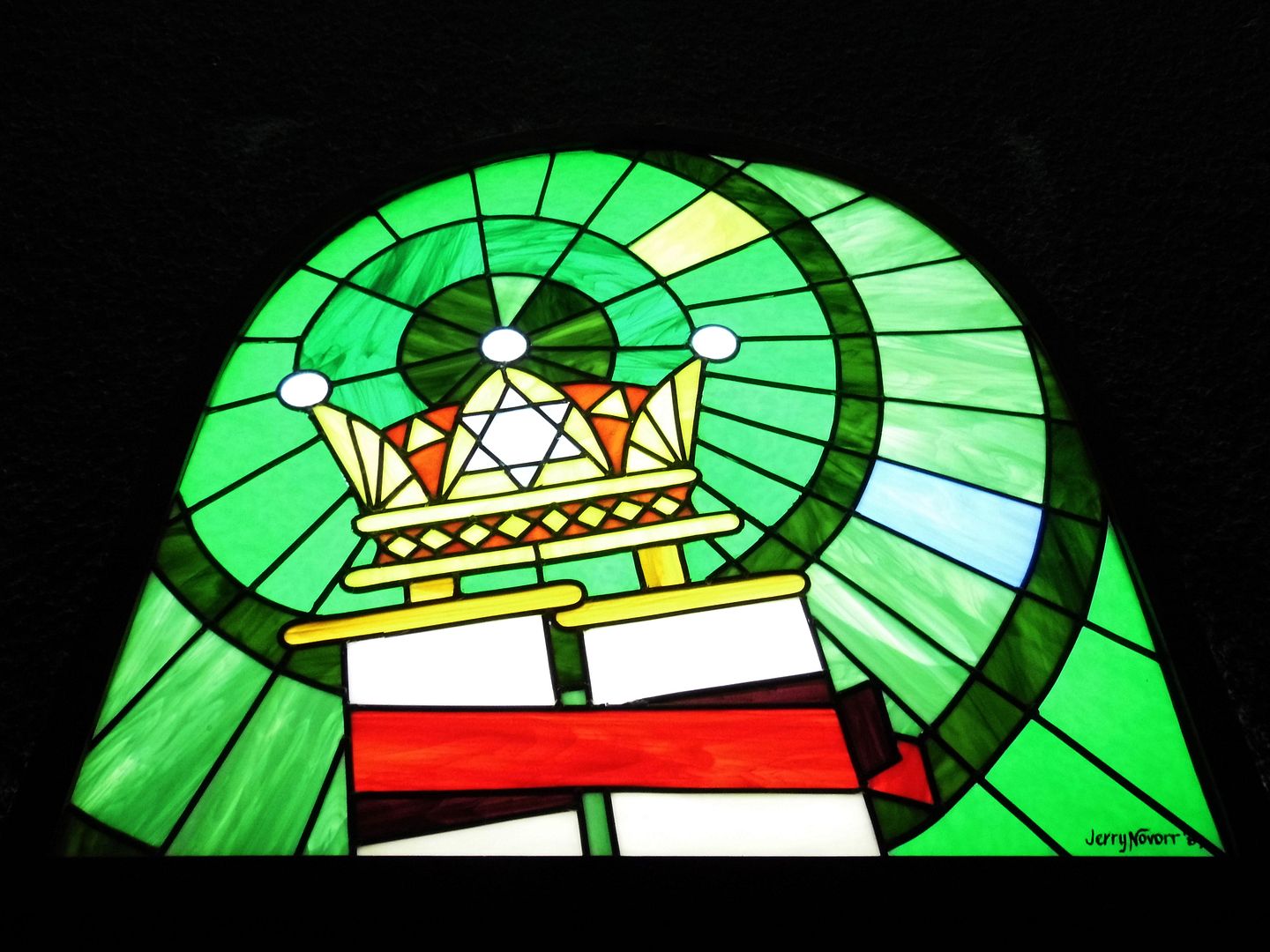
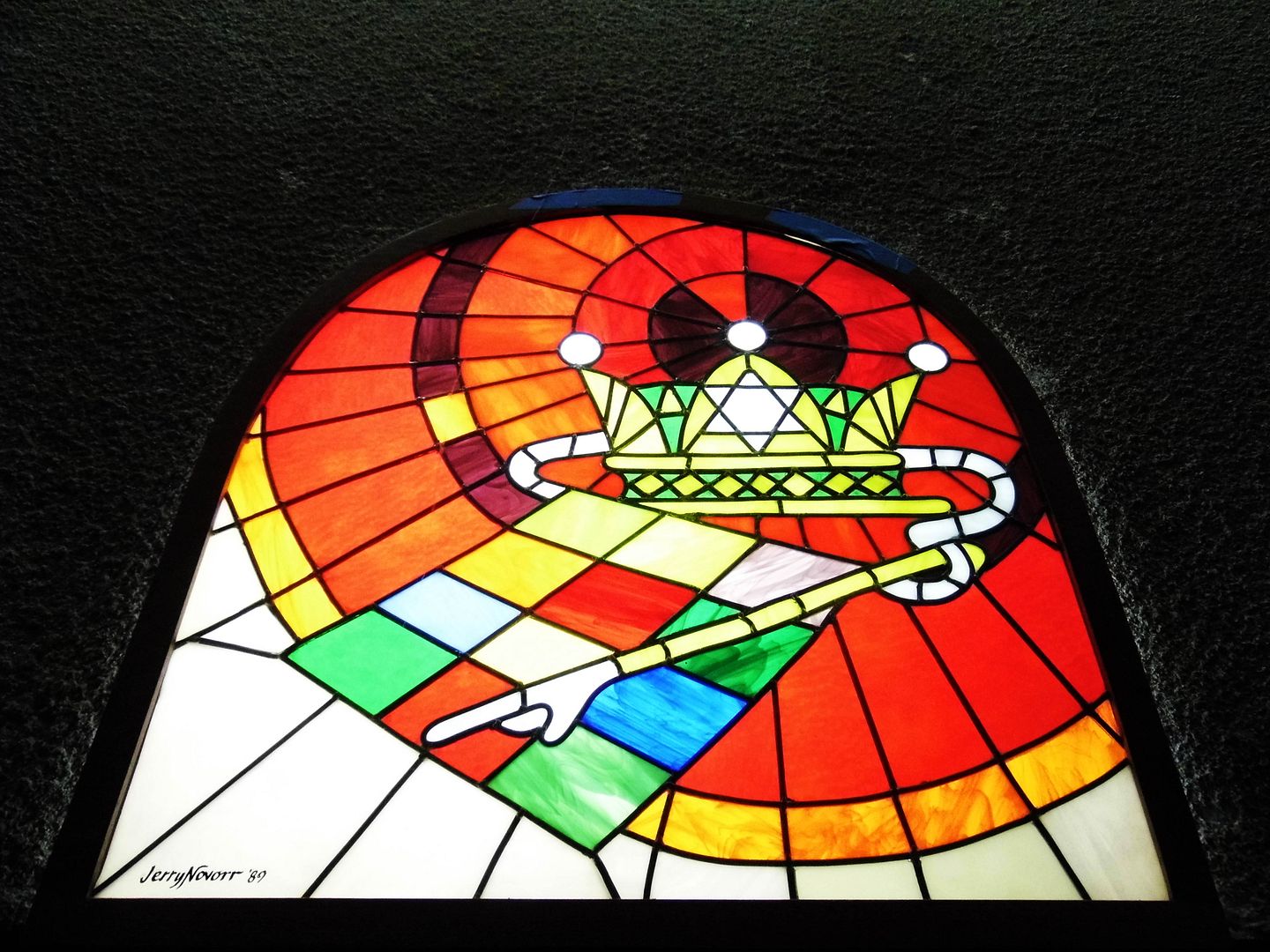
...except the three artificially-lit stained glass windows designed with a Star of David motif by alum Jerry Novorr (Class of 1980), who taught paper-cutting classes at the school.


They were added much later and might not exactly have been part of Eisenshtat's original vision, either.


Inside the circular main performance space (a.k.a. "beit knesset," or "synagogue," in Hebrew), the sound bounces off the semi-circular study spaces (or "beit midrash") and into your core. After all, weren't all temples built to be sung in?


According to an early floor plan, the original architectural design team also included associates Maxwell Rex Raymer (Eisenshtat's long-time lead designer), Harry H. Taketa, and Richard Y. Tochihara. Over time, the latter two seem to have faded into obscurity.


General contractors Willard Chotiner and his childhood friend James Gumbiner built the behemoth—but their building business went out of business long ago.

A bit of a local Jewish celebrity in his own right, Chotiner had been active with Brandeis-Bardin since the early 1950s, having served as a past president and chaired its board in 1976. He also served on The Jewish Federation of Greater Los Angeles's board and helped found The Jewish Journal of Greater Los Angeles.

But in retrospect, Eisenshtat tends to get all the credit for the House of the Book—maybe because he was a beloved USC alum, or because he studied under Frank Lloyd Wright, whose influence on some of his work is evident.

Or maybe it's because he became known for his innovative synagogue architecture—or that he was so devoted to Judaism that he refused payments for his synagogue projects.

Or maybe I'm giving too much credit to the public acknowledgement of Eisenshtat's architectural legacy there in Simi Valley. The reality is that most of the information available online refers to the House of the Book's appearances in cult classics on both small and big screens.

In contrast, primary sources with key architectural tidbits lie stashed away in boxes, undigitized, accessible by special request only.

In fact, the best online resource I could find to provide context to the structure and its place on the campus was published last year by Los Angeles Review of Books. You can read it here.

Related Posts:
Photo Essay: Hollywood's First Jewish Temple, Restored

January 09, 2020

Photo Essay: Doheny's Oil Well, The Oldest One Operating in SoCal

Living in Beverly Hills, I'm surrounded by the ghost of Edward L. Doheny.

The Greystone estate he built for his son Ned looms over streets named Doheny Road and Doheny Drive, in the hills directly above where I live.

I'd toured the mansion and traveled those roads enough to think I knew the oil baron's story.

But even having visited the Doheny Mansion on Chester Place in LA environs farther east, and the Doheny Memorial Library built in Ned's honor on the USC campus, I had more to learn.

And I had to cross the county line and go to the City of Brea to discover a major missing piece of the puzzle.

The word "brea" means "tar"—just like the La Brea Tar Pits and La Brea Avenue, both of which seep our natural source of "black gold" no matter how much we try to pave it over.

But within the Brea boundaries, there's another town—a forgotten one that's all but disappeared.

That is, all except the Olinda Oil Museum.


This marks the spot where oil put the town of Olinda on the map—by 1898, 10 wells had been drilled into the hillsides here. Olinda was a boomtown in the 1920s, at its peak housing 3000 workers and their families in 700 cottages and other dwellings—and boasting one of the richest school districts in Orange County.


By 1949, the Brea-Olinda oilfield ranked #18 in the country—but you'd never know by visiting the grounds of this former company town, now a ghost town, whose last residents moved out 1950s-60s with the construction of various local dams (including the nearby Carbon Canyon Dam).


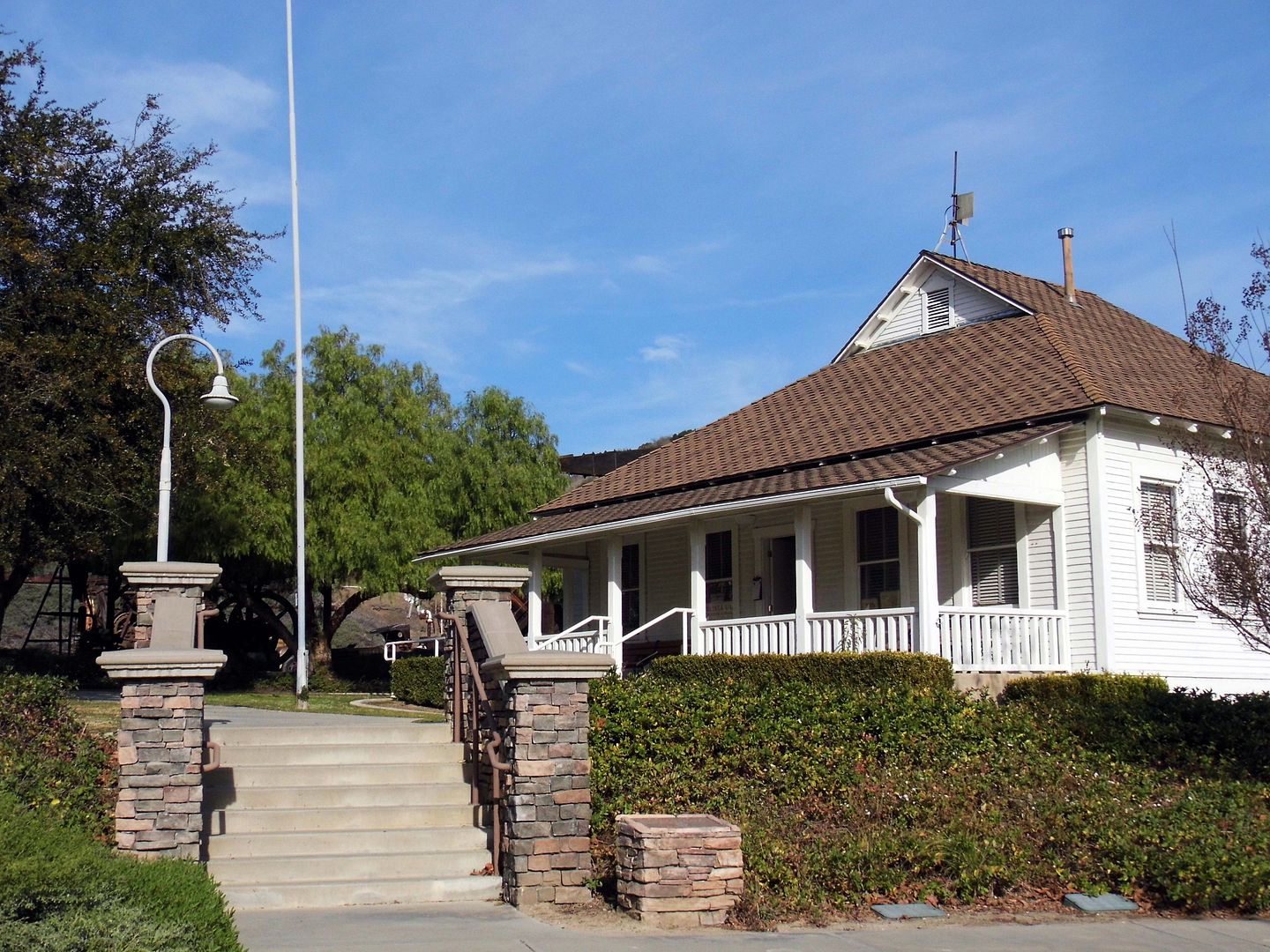
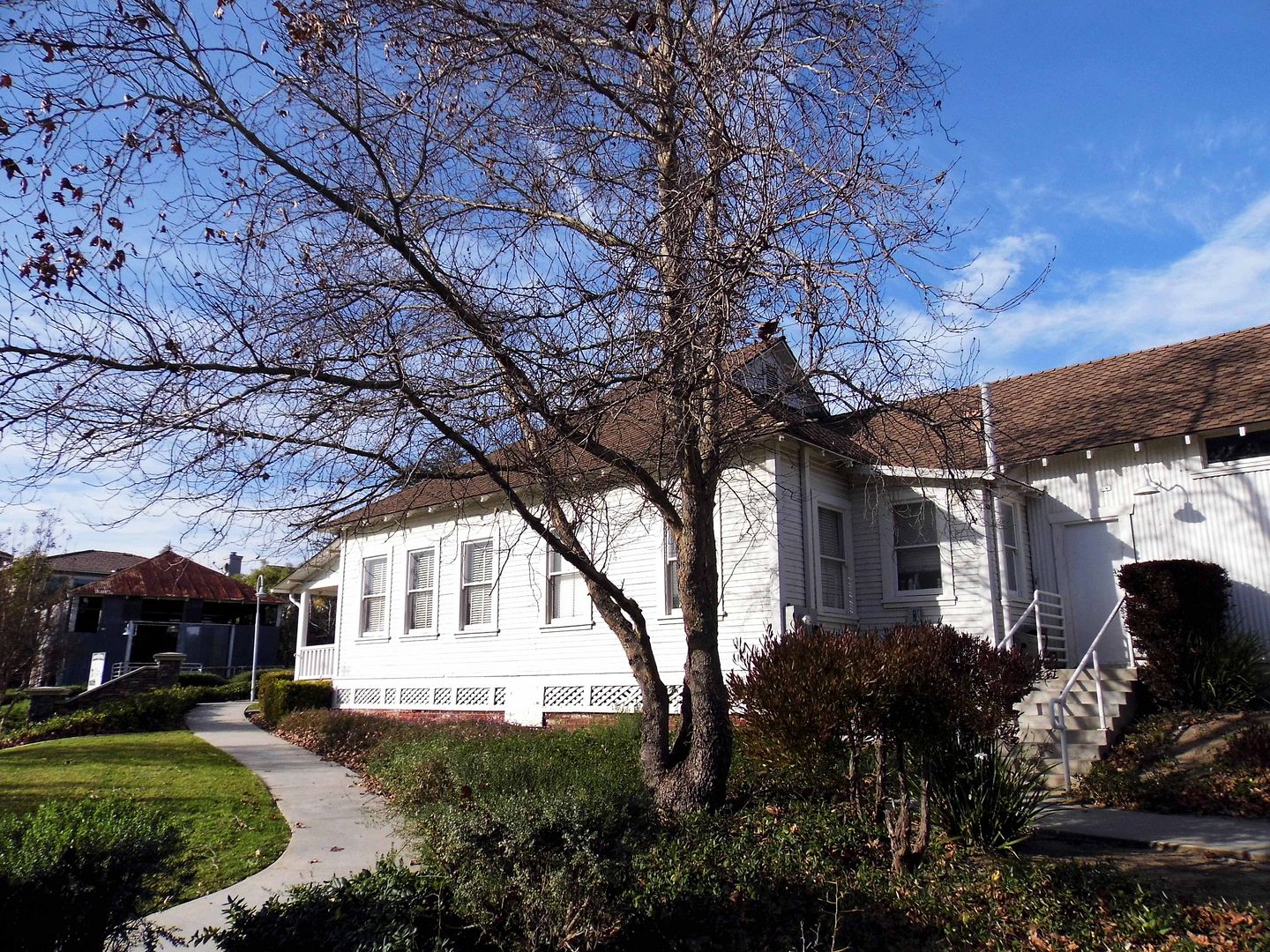
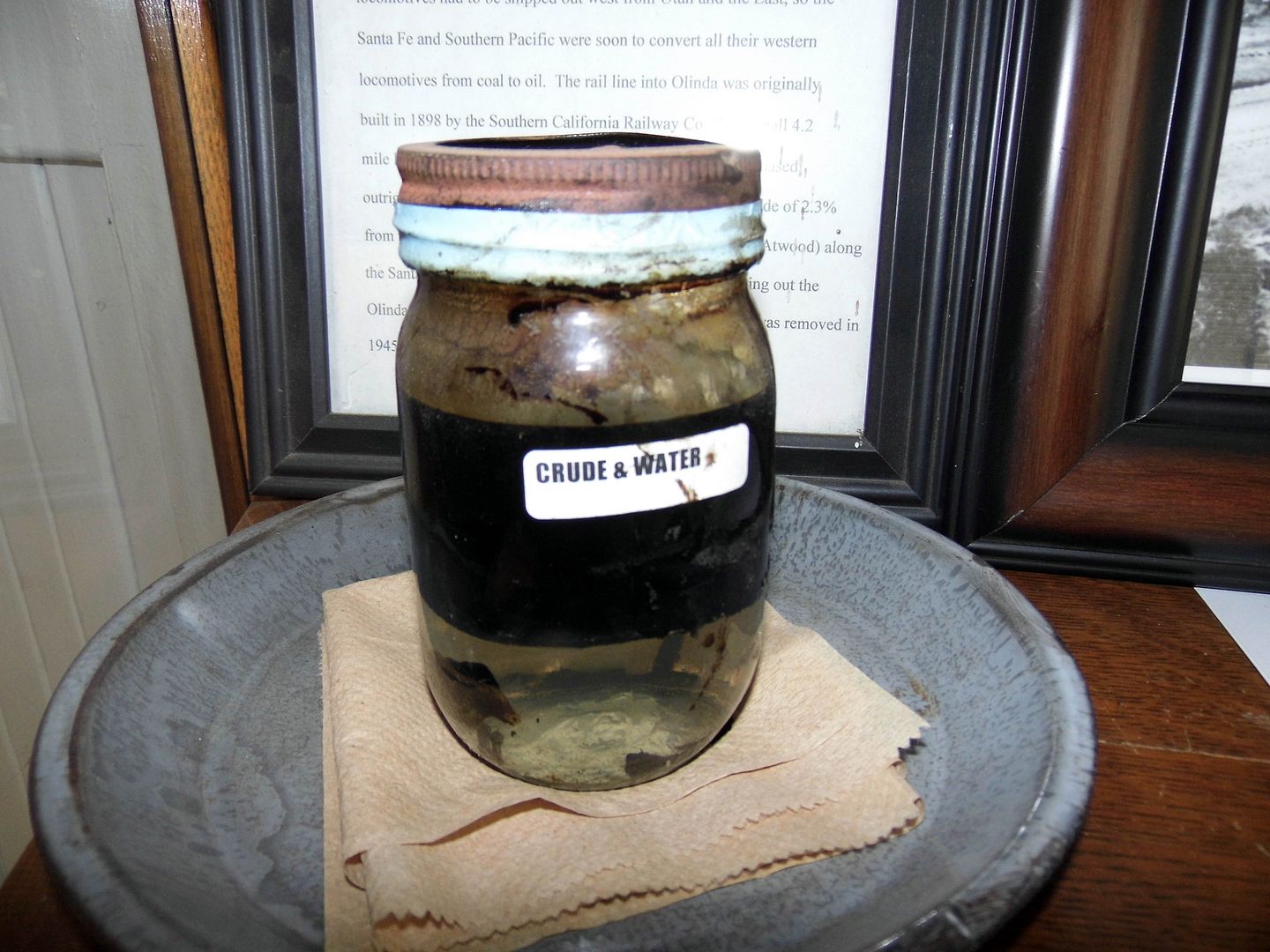
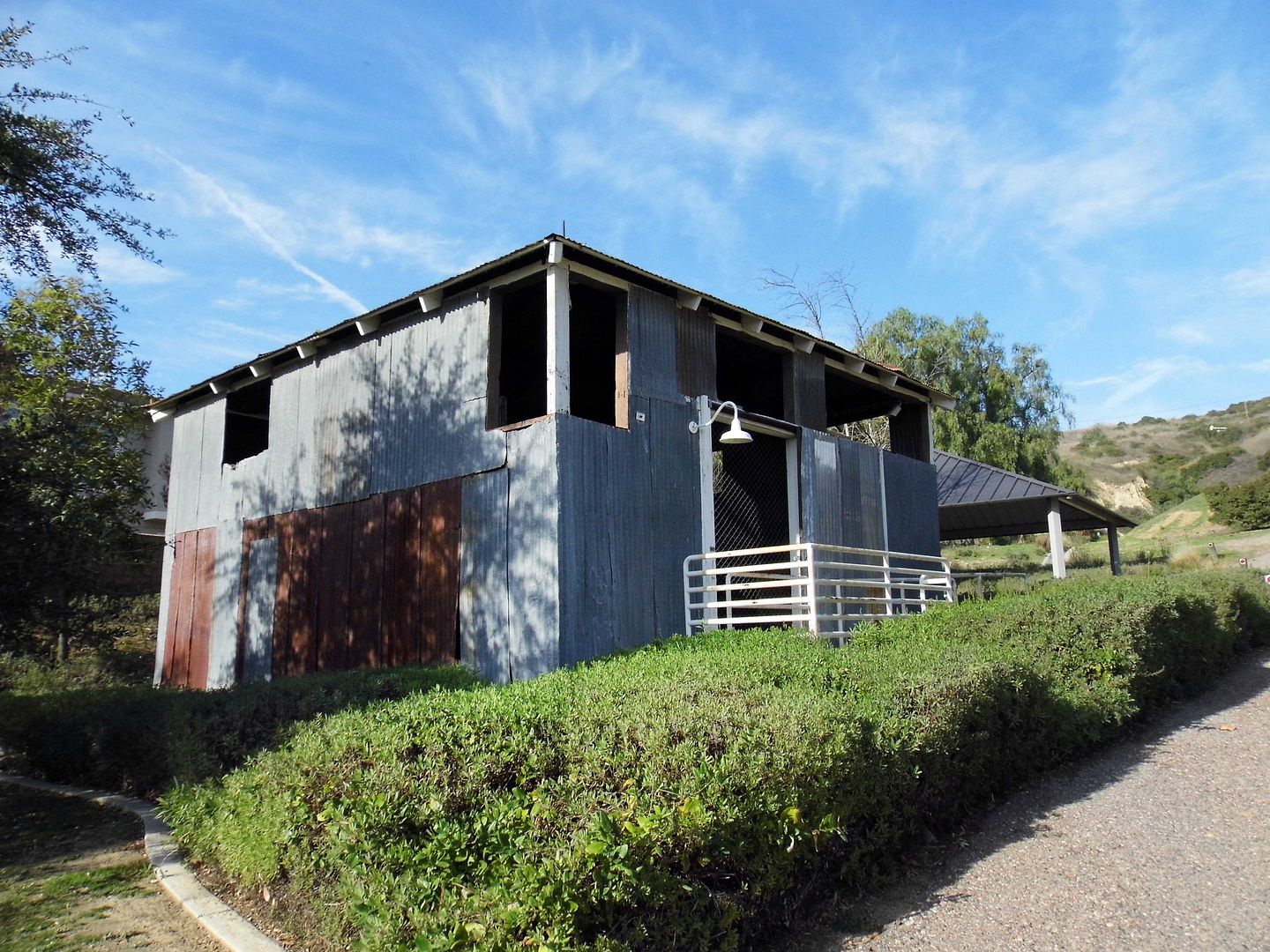
It's now been transformed into a 12-acre historical park, the oil operation's former lease office/headquarters (built 1912, vacated 1999) now serving as a museum that collects artifacts and tells the story of how crude oil and water became big business—especially in powering the railroad.


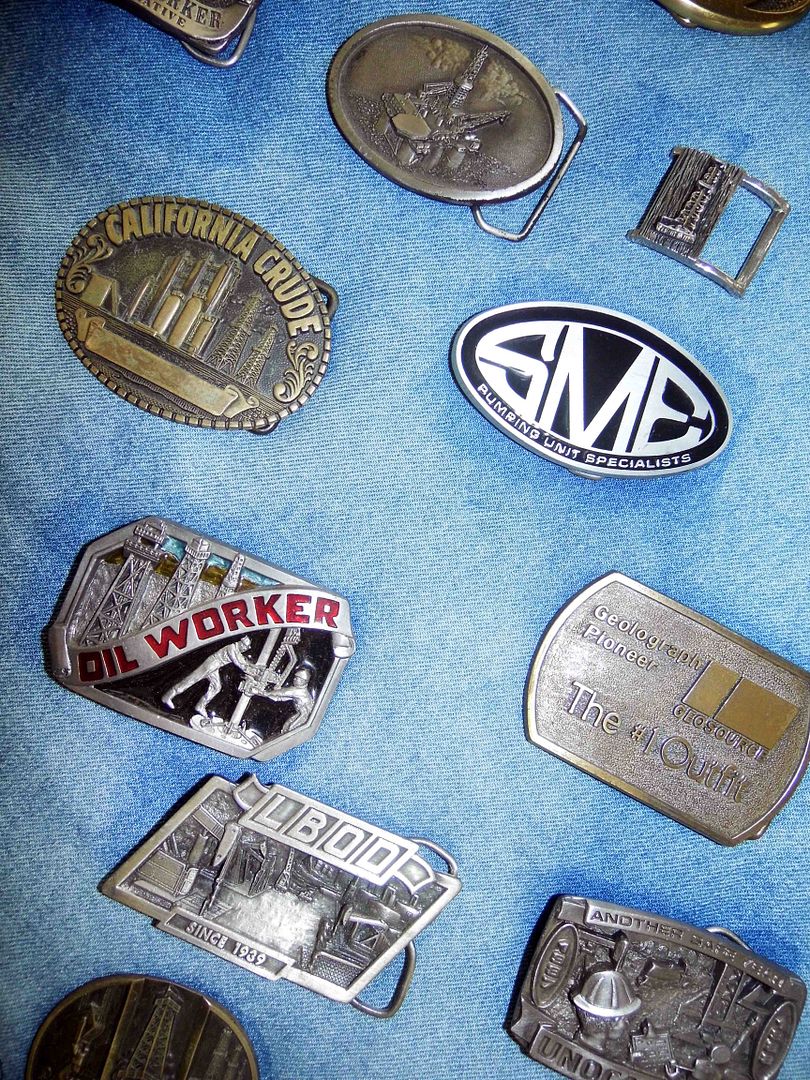
Through photographs and memorabilia, it provides a slice of life of oil workers and the "wildcatters" (or oil prospectors) that migrated to Southern California in droves—primarily from Pennsylvania, whose oil rush had already peaked by 1891.


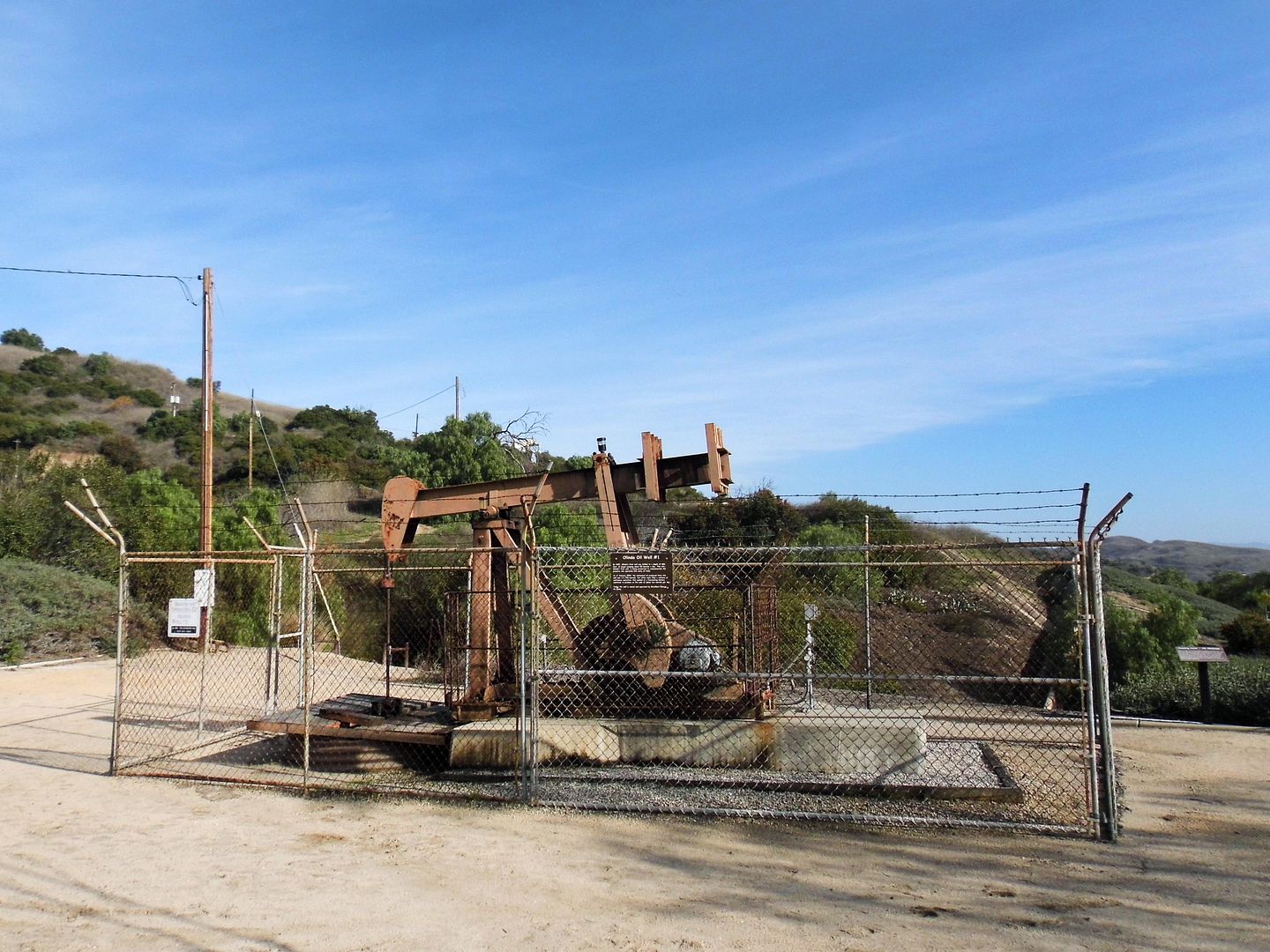
Southern California's most infamous wildcatter, the elder Doheny, simply expanded his oil empire beyond where he first struck black gold in Los Angeles—establishing Olinda Oil Well #1 in 1897 at only 806 feet deep. It once produced 50 barrels/day (bpd).


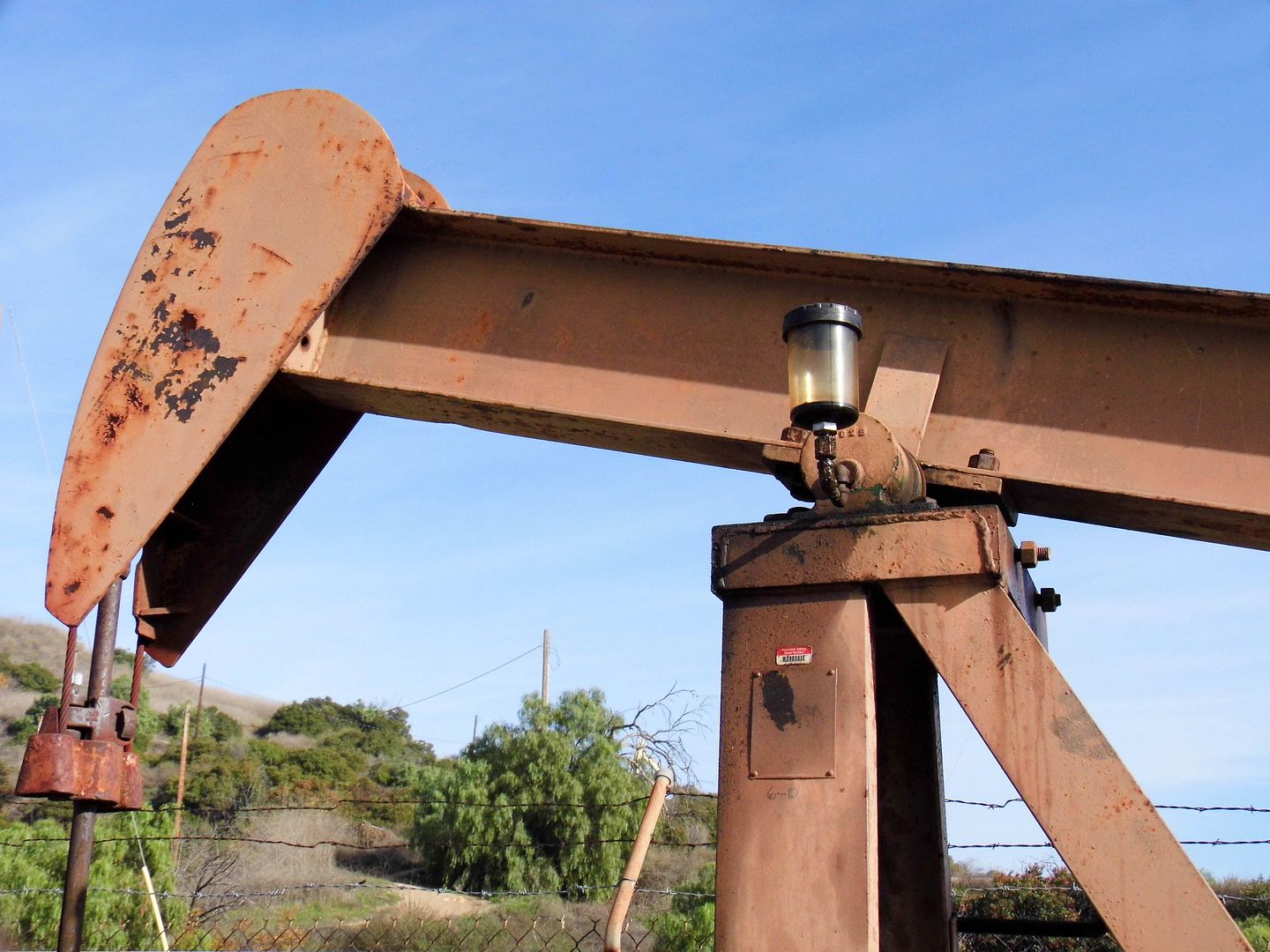
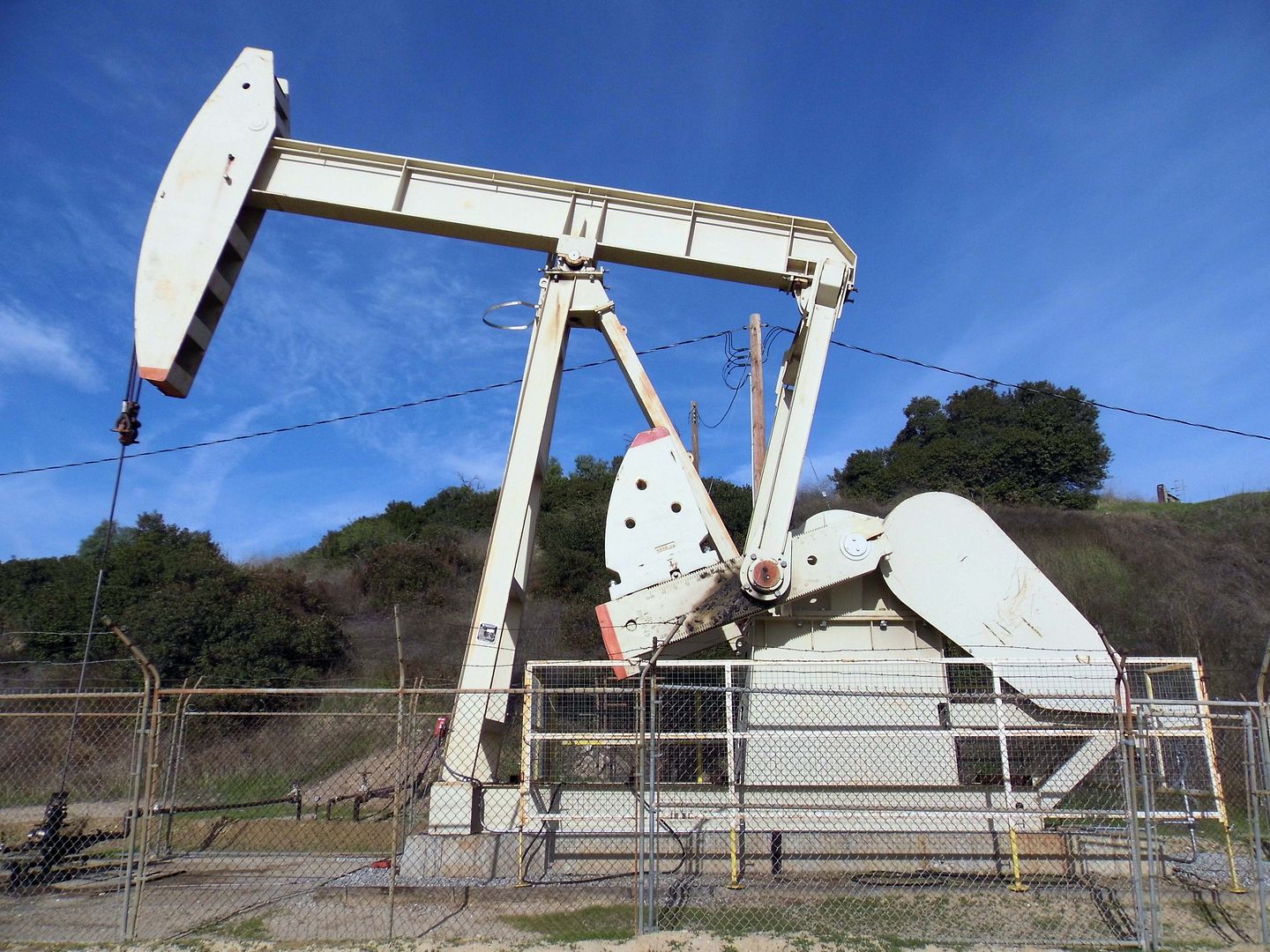
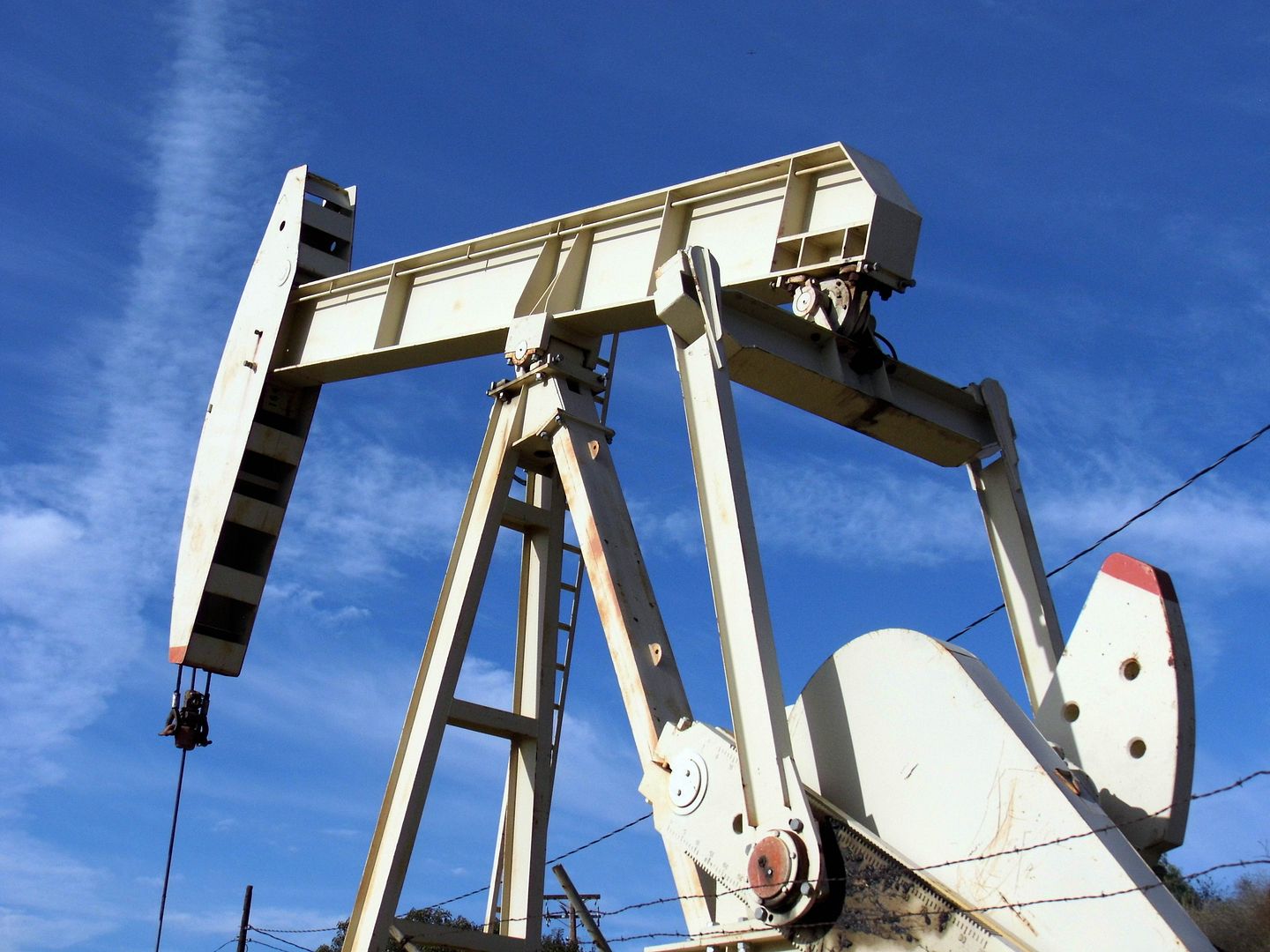
Now, 123 years later, that horsehead pump is still going—making it the oldest operating well in SoCal. It still produces about 2 barrels/day (operated and managed by Breitburn Energy Partners), even though it's been primarily preserved for historical and not economic reasons.


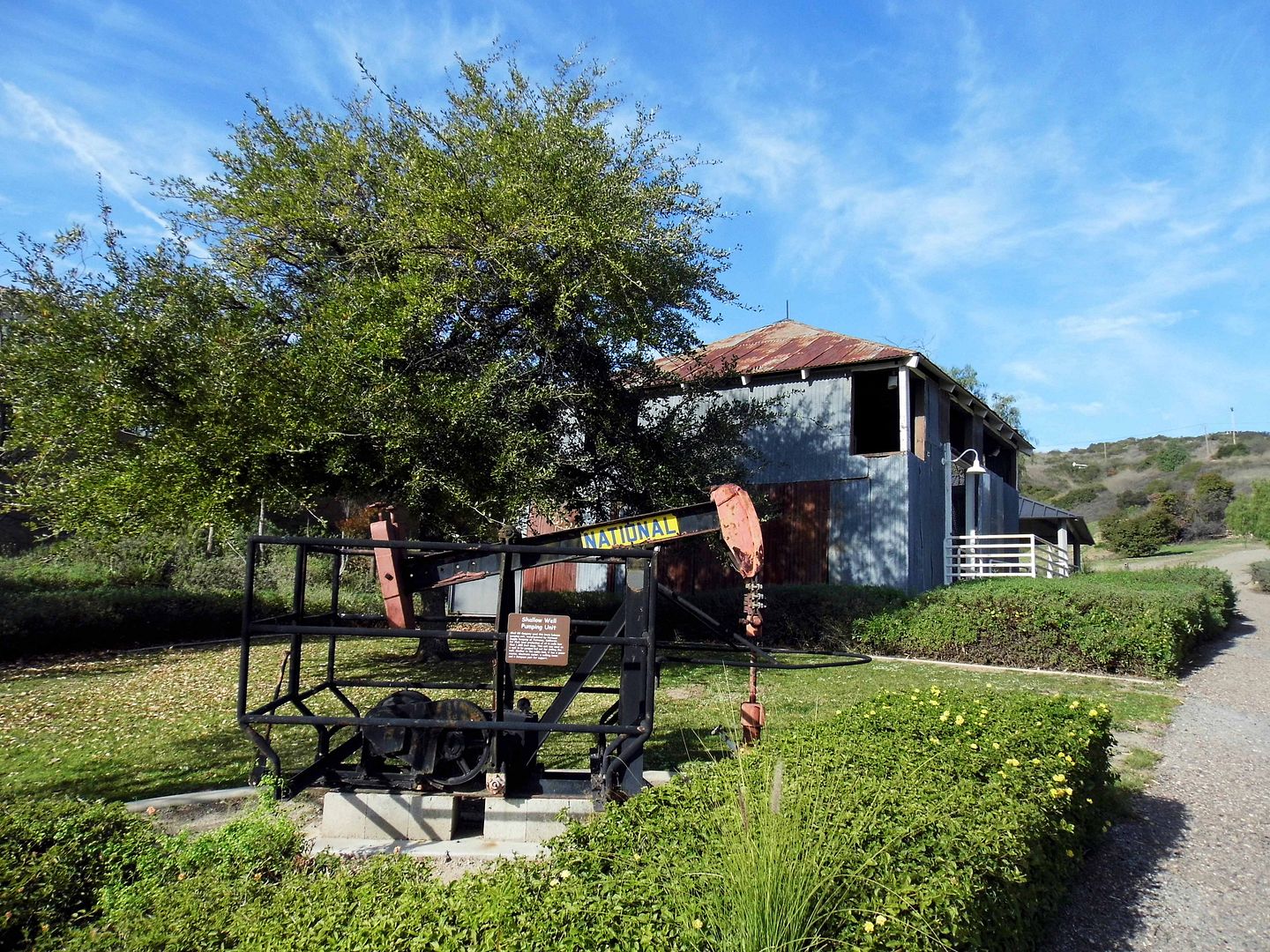
That still-working first oil pump is one of the many outdoor displays at the Olinda Oil Museum, which also has a pumping unit for shallow wells (less than 1000 feet deep, most pre-1920, like #1)—this one in particular once used by Shell Oil Company.


There's also a Jack Line oil pump unit, housed in its original central jack plant that once could power up to eight wells, as far as a quarter of a mile away.


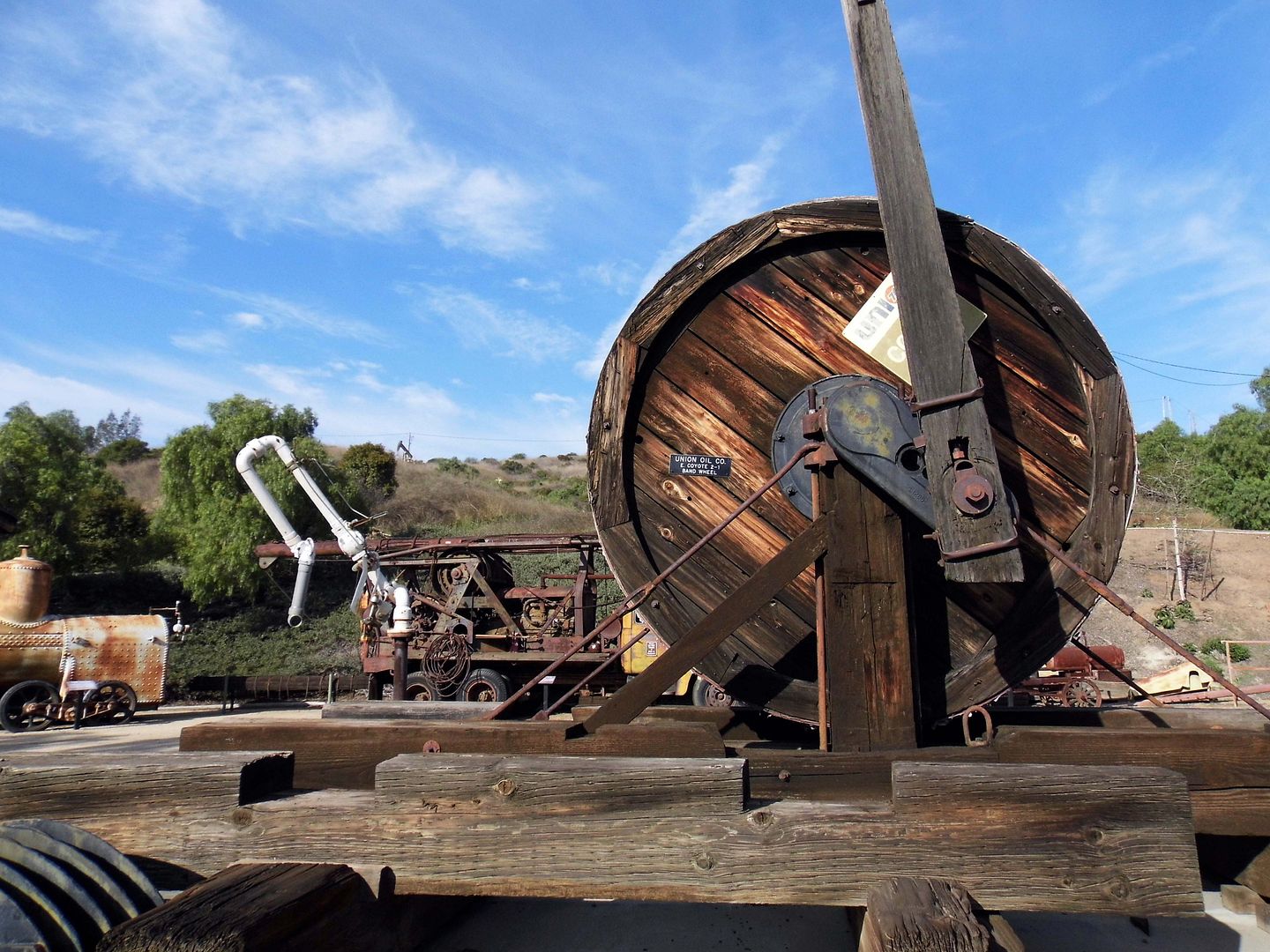
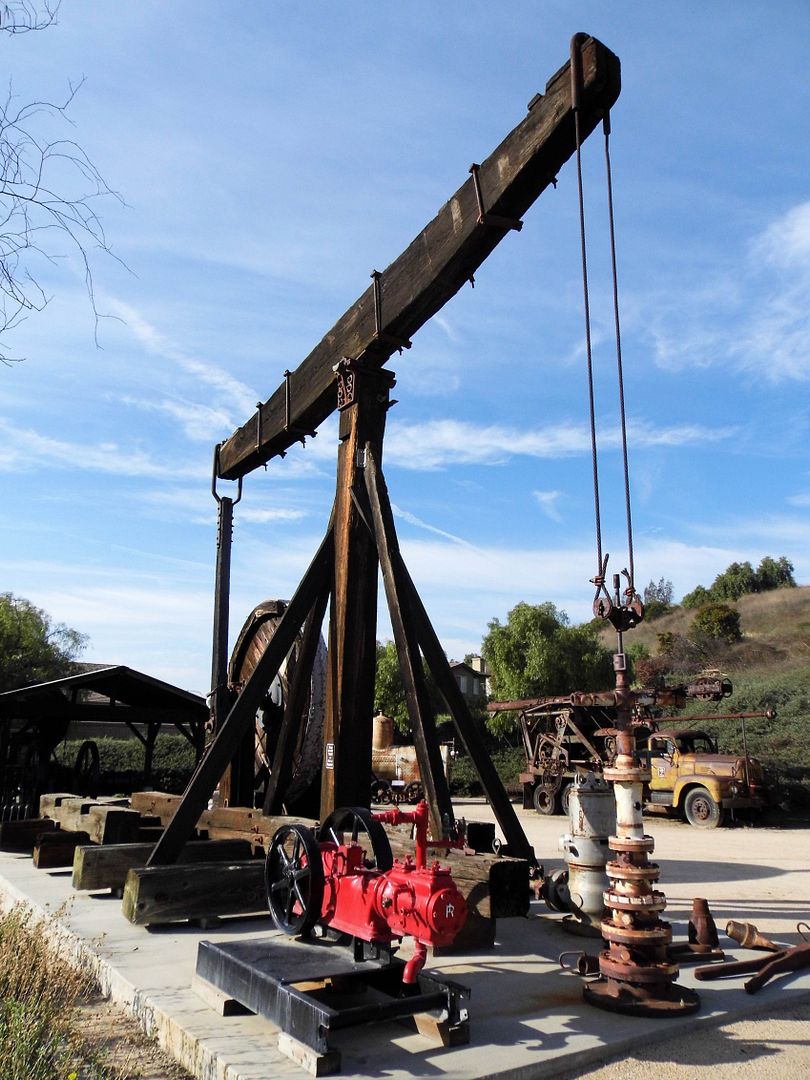
To pump from deeper wells (1000-8000 feet in depth), units like the wooden "walking beam" pump, with its 10-foot diameter band wheel, were used from the turn of the last century to the 1960s.


You can see one alongside other equipment—some manufactured locally in Torrance by Union Tool Company—like a steam-driven high pressure pump (which feeds water into boilers), a "hit-and-miss"
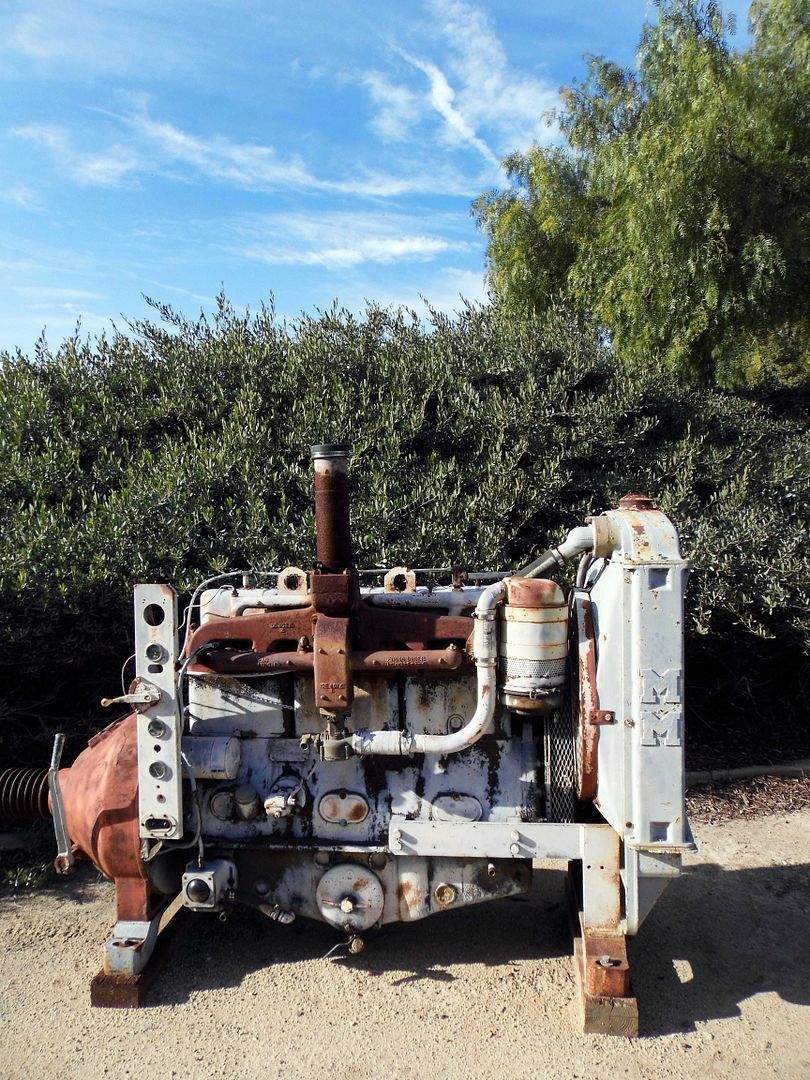
engine that operated big pumping units and distributed water to cool engines until the 1970s, and a blowout preventer that kept oil from "gushing" when tapping into deep pockets of it that had been trapped by earthquake faults (in this area, the Tonner Fault). It was Union Tool that pioneered much of the technical advances in rotary oil drilling.


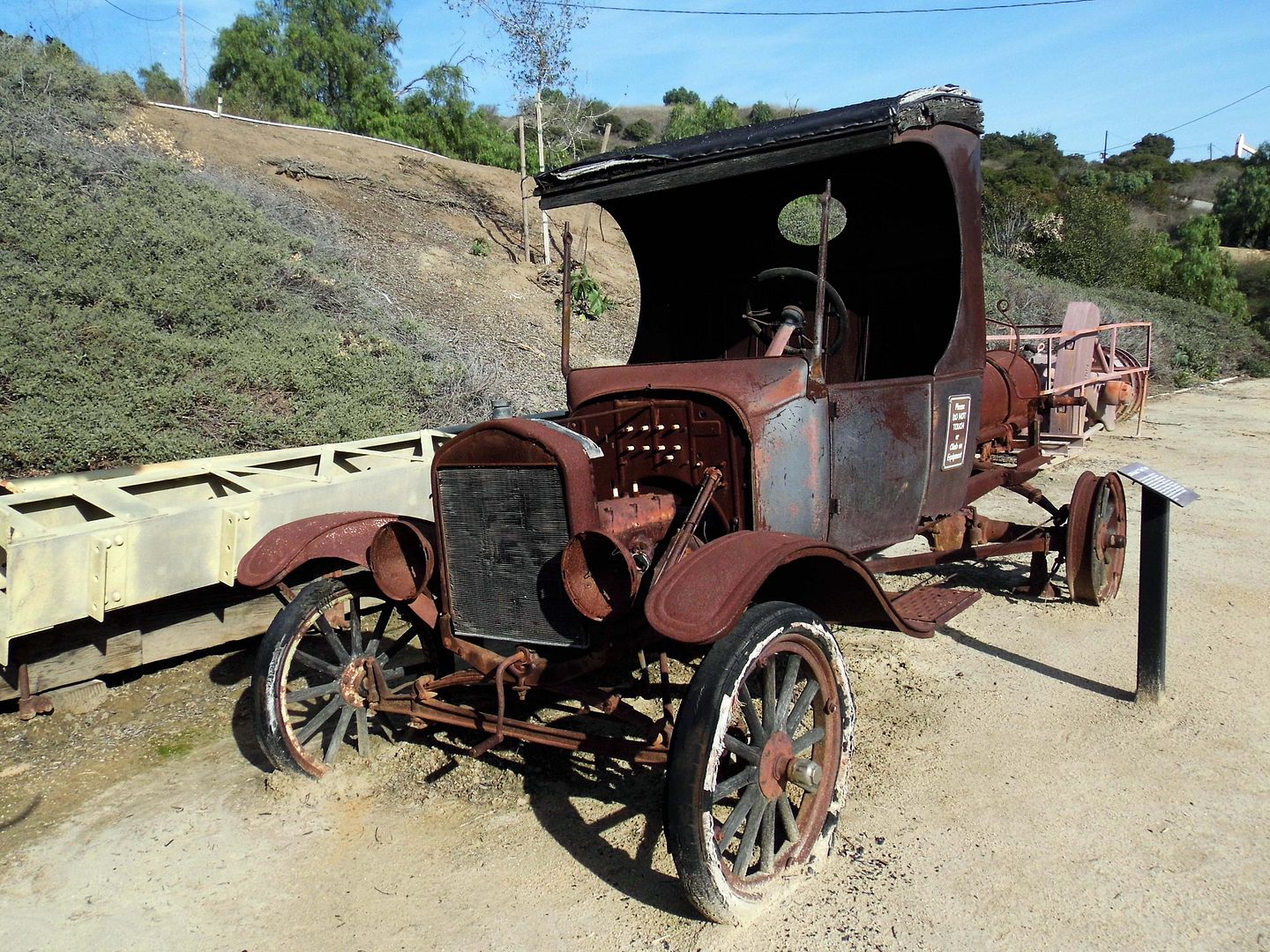
To get around Olinda's steep hills, you needed a low-gear automobile like the a Ford Model T (this one circa 1924), which operated at your choice of two speeds and the horsepower equivalent to that of a modern lawn mower.


After all, the oil business isn't just about drilling—or even just pumping.


You also need a rig to pull rods and pipes out of the wells...


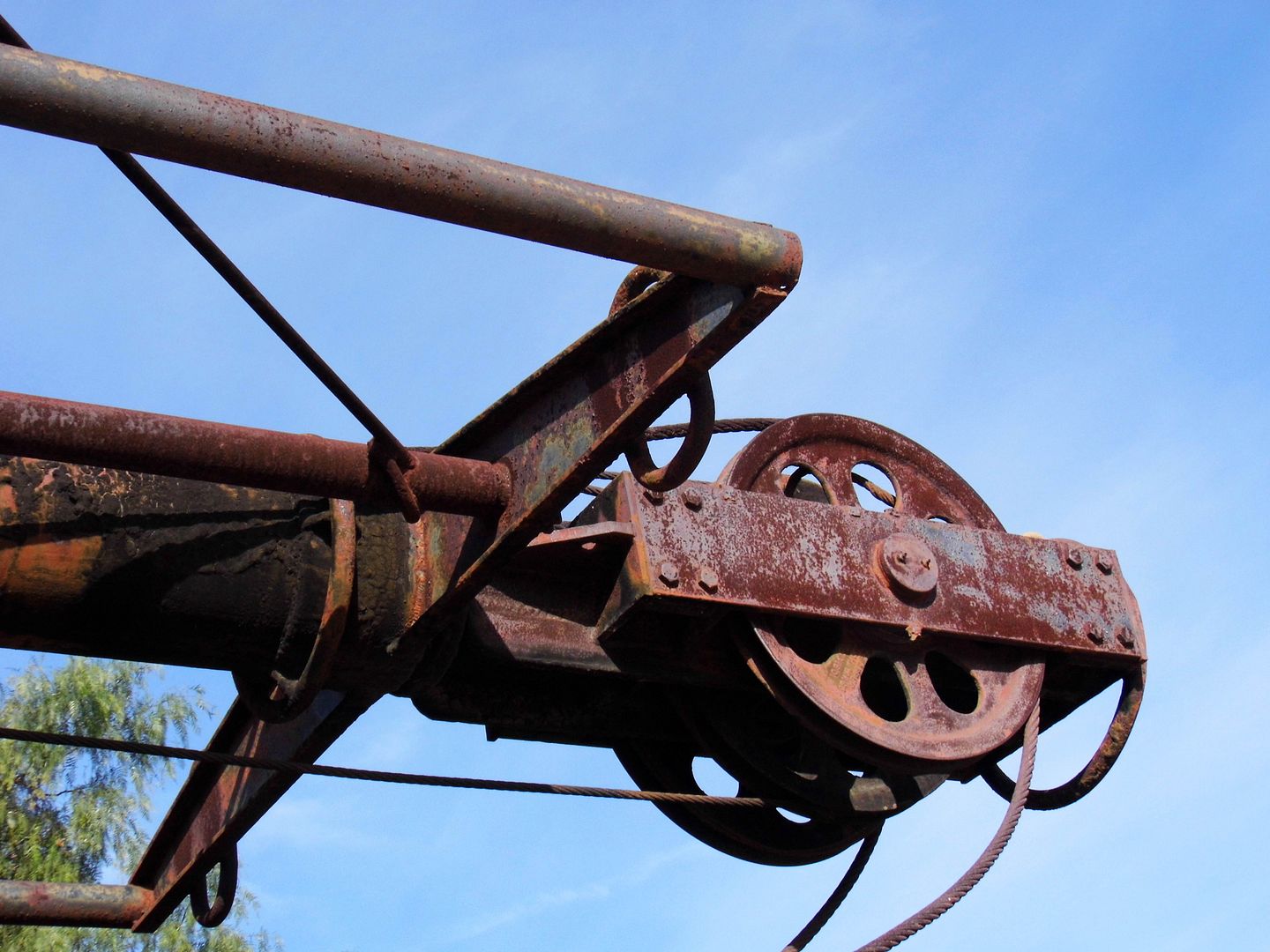
...and a tractor that's outfitted with all the latest cable-pulling equipment.


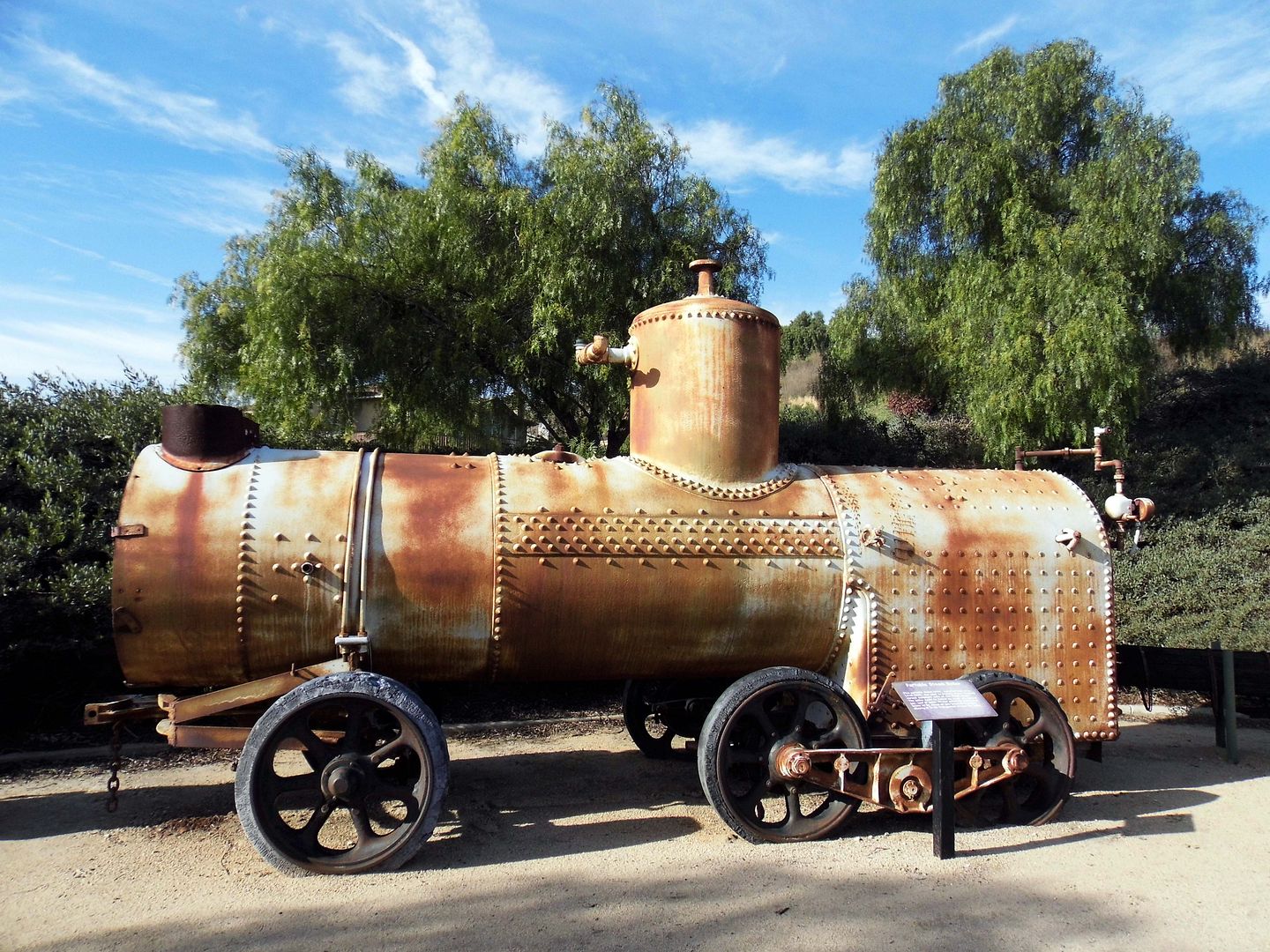
In the absence of a mule or horse team, a tractor would tow a portable steam boiler (circa 1910-20) around the oil field to  power various equipment with, well, steam. But funny enough, the steam boiler itself was fueled by crude oil, natural gas, coal, or wood.


In addition to Union Tool, some of the equipment was manufactured at the Torrance plant of National Supply Company, at one time the world's largest maker of oil well equipment.


The plant closed in 1985, after a steady decline in both steel-based industries and oil drilling.


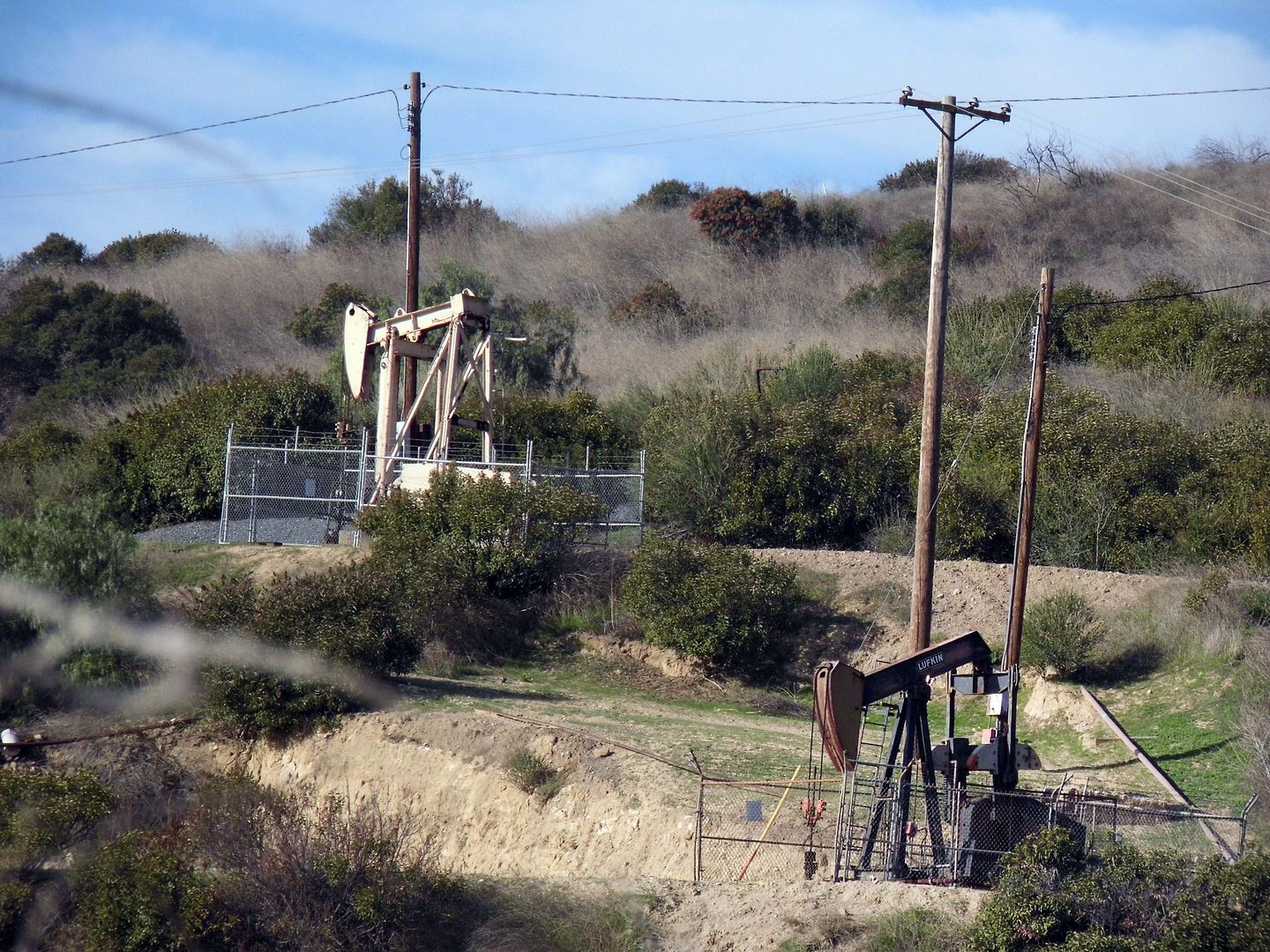
But oil hasn't completely disappeared from Southern California—and besides the still-active oil well #1, you can also witness several other horseheads actively pumping away along a 2-mile loop that climbs 275 feet through the Puente-Chino Hills.


How much oil is actually left in, say, Olinda Well #9? Probably not much. But Breitburn wouldn't keep it pumping if it didn't still turn a profit.


Same goes for Olinda Well #104, which is also accessible right alongside the trail.


The former Olinda Ranch—once owned by the Olinda Land Company, located on what was once known as the Mexican land grant, Rancho Rincón de la Brea—became the first successful oil field in Orange County.

The old company town is gone—its schoolhouse relocated to become a senior center, its church and dancehall leveled, its Santa Fe rail spur decommissioned. Now, "Olinda Ranch" is a residential subdivision of Brea, adjacent to the still-operating oil field, and on top of the site of a former Santa Fe Energy Resources oilfield.

Wildfires rage through these hills (the last major one occurring in 2008). Seismic activity created these hills—and trapped this tar. So, why would anyone move here?

Well, maybe they're hoping for a "gusher" of their own.

Related Posts:
There's (Black) Gold Up In Them Thar Hills
Photo Essay: California's First Commercial Oil Well & Abandoned Company Town (Updated for 2018)
To Save or Open West Coyote Hills Oil Field, Abandoned
Photo Essay: Kenneth Hahn State Recreation Area, Oil Adjacent